Games That Added Black Protagonists But Ignored Cultural Accuracy



The gaming industry has made significant strides in diversity by introducing more Black protagonists to major franchises and new titles. However, the presence of these characters does not always equate to an accurate or thoughtful representation of their respective cultures. Many developers have faced criticism for relying on stereotypes or failing to ground their leads in a believable social and historical context. This list explores several high profile games where the inclusion of Black characters was met with concerns regarding cultural authenticity.
‘Assassin’s Creed Shadows’ (2025)
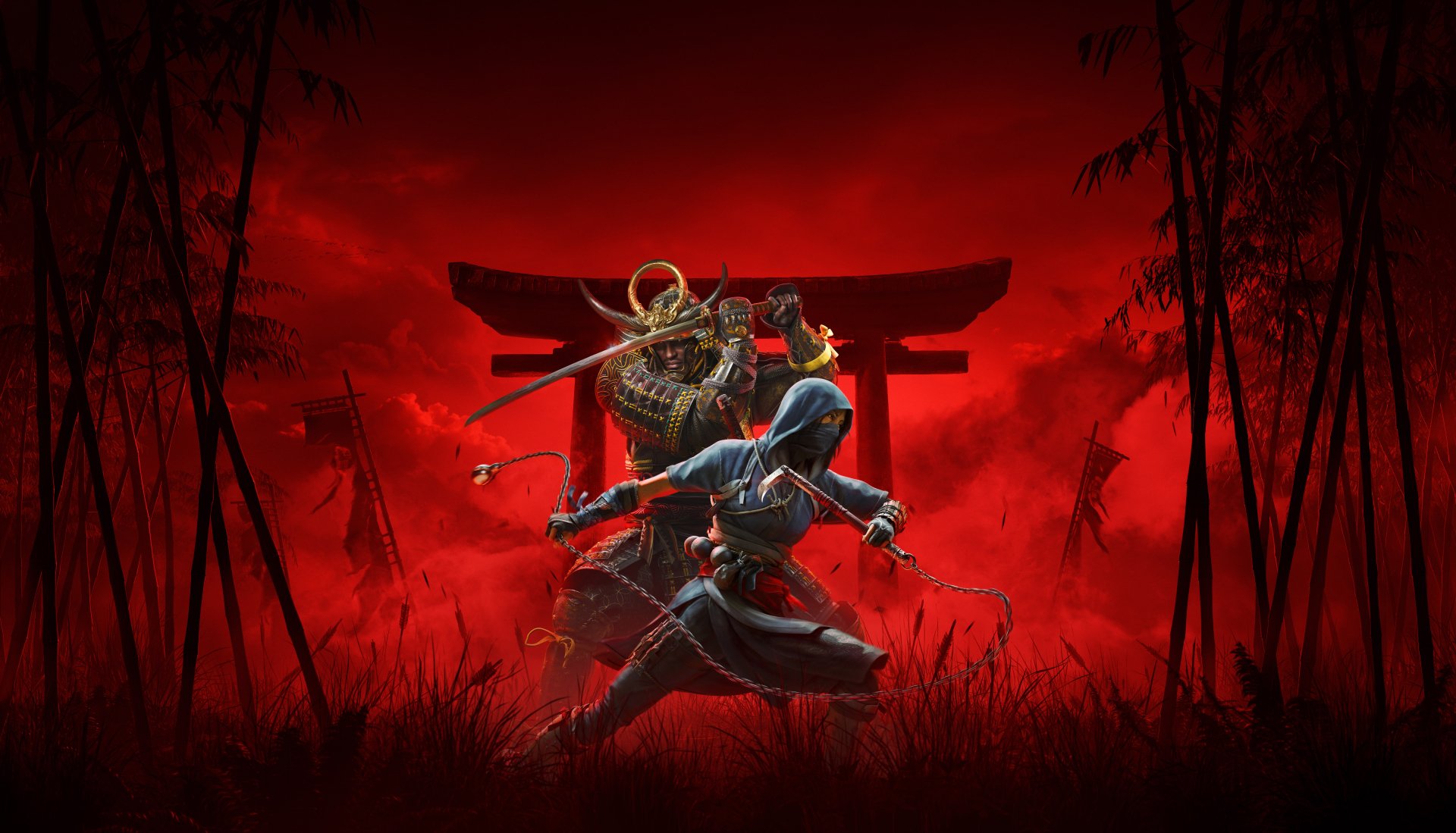
Ubisoft developed this entry in the long running franchise featuring the historical figure Yasuke as one of the main playable characters. The inclusion of a Black samurai in a Japanese setting sparked intense debate regarding historical accuracy and the representation of African figures in Eastern history. Many historians and players questioned the creative liberties taken by the development team concerning the true status and role of Yasuke in the Sengoku period. This controversy highlighted the tension between fictionalized entertainment and the preservation of specific cultural legacies. The game became a focal point for discussions about how developers navigate historical records when introducing diverse leads.
‘Forspoken’ (2023)

Luminous Productions and Square Enix developed and published this title featuring Frey Holland as the protagonist. Critics argued the writing relied on stereotypical tropes of a troubled youth from New York City without providing meaningful cultural context. The dialogue often felt disconnected from the character’s background and led to discussions about the lack of diversity in the writing room. This disconnect made the character feel like a generic archetype rather than a grounded representation of a Black woman.
‘Far Cry New Dawn’ (2019)
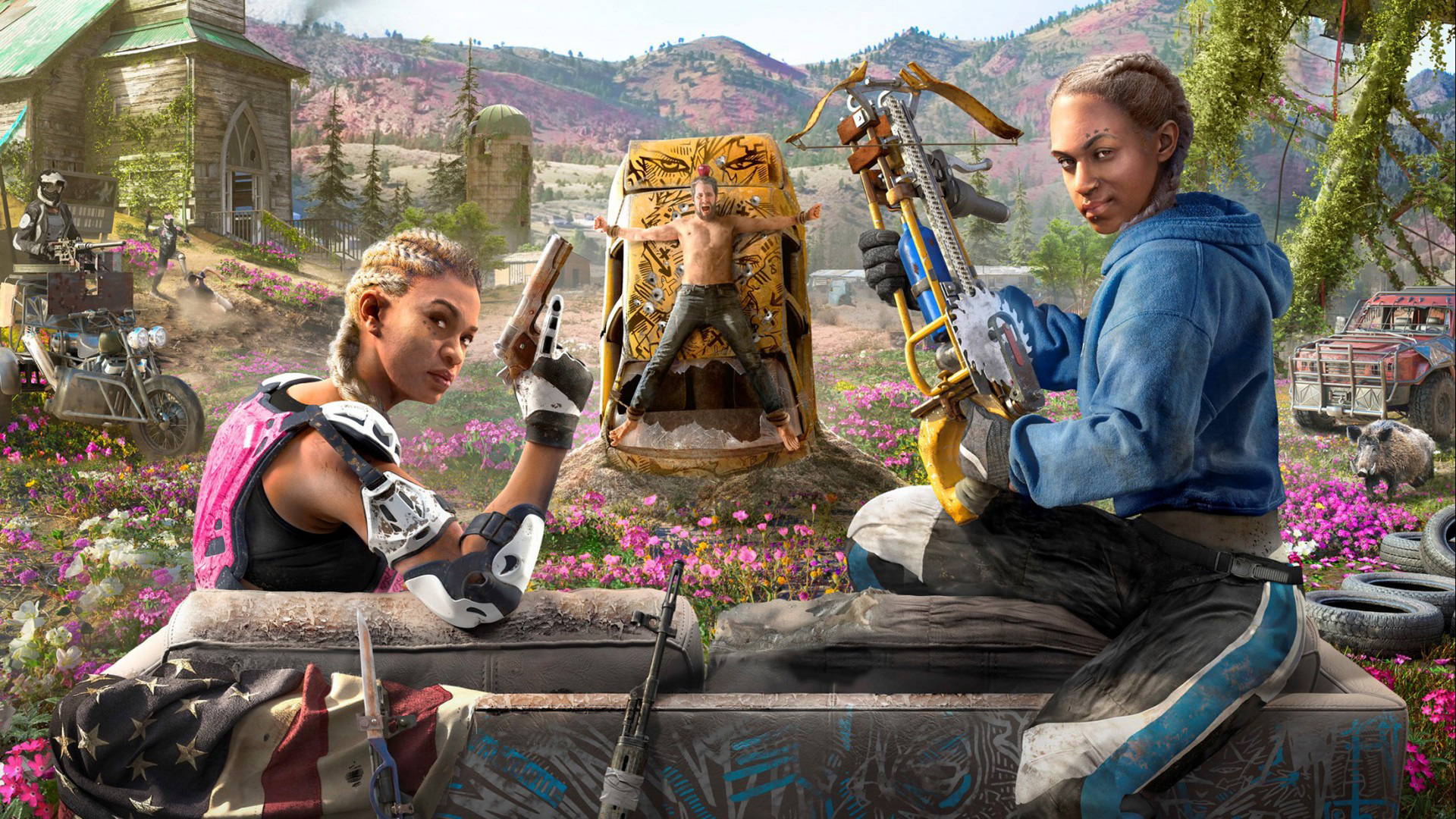
Ubisoft Montreal developed this post apocalyptic spin off featuring the twin sisters Mickey and Lou as the primary antagonists. The narrative provided very little background on how their identities shaped their leadership or their worldview in a collapsed society. Critics argued that the characters felt like generic villains who happened to be Black women rather than characters with a specific cultural lens. The missed opportunity for deeper characterization made their presence feel less impactful in the overall series.
‘Mafia III’ (2016)
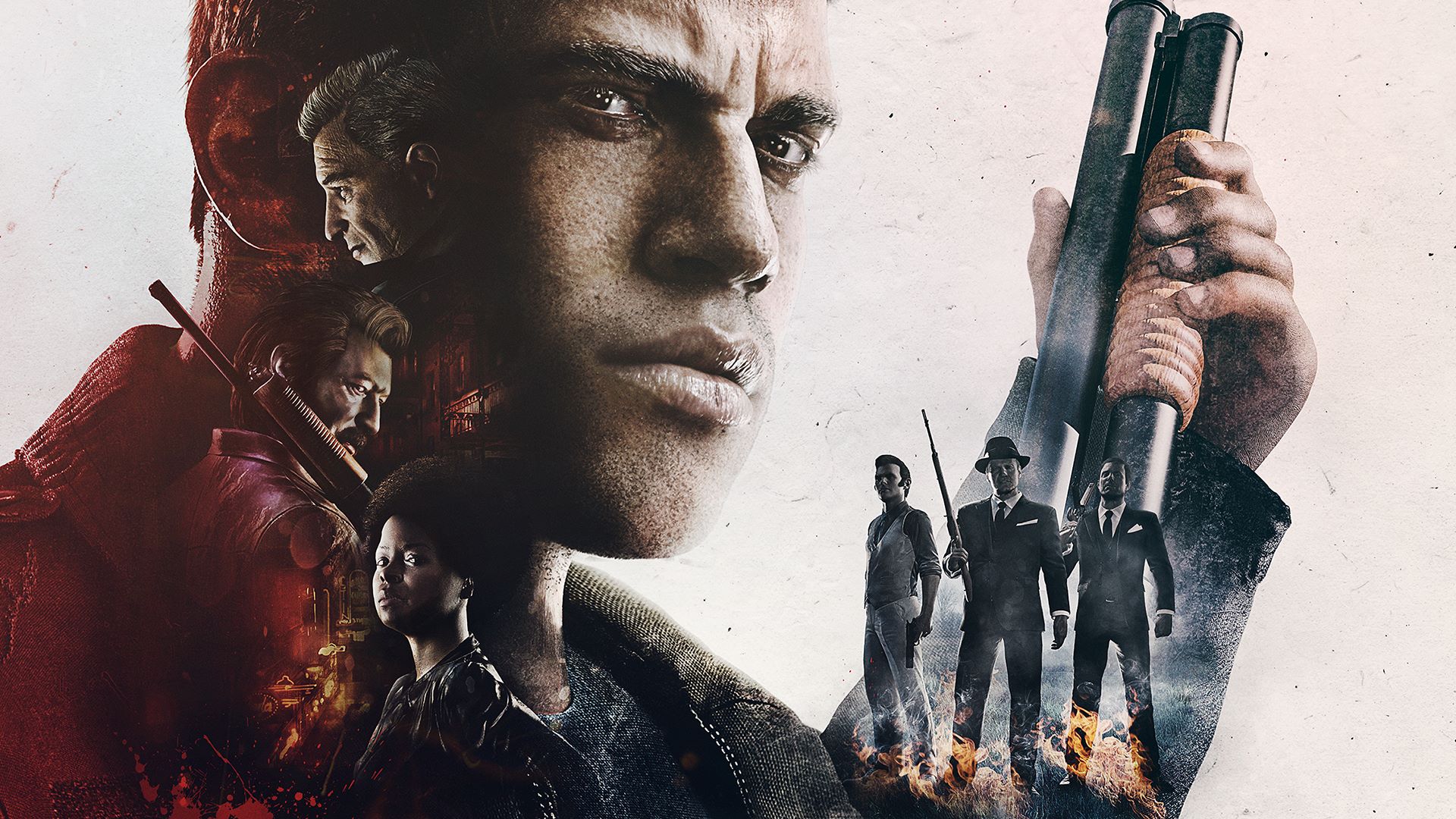
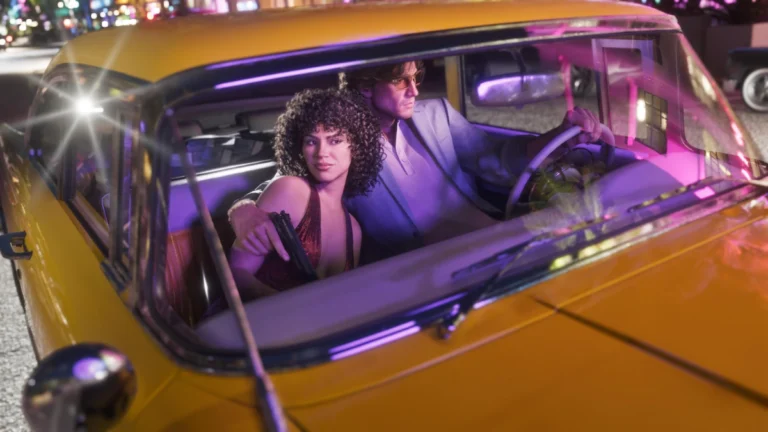
Hangar 13 and 2K Games produced this narrative focused on Lincoln Clay in a fictionalized version of New Orleans. While the game tackled themes of racism and segregation, some critics noted that the Black experience was often used as a backdrop for a standard revenge plot. The cultural nuances of the 1960s Black community felt secondary to the repetitive gameplay loop of dismantling criminal empires. Some players felt the game missed an opportunity to delve deeper into the systemic issues it presented. This led to a divided reception regarding whether the game successfully honored the history it portrayed.
‘Watch Dogs 2’ (2016)
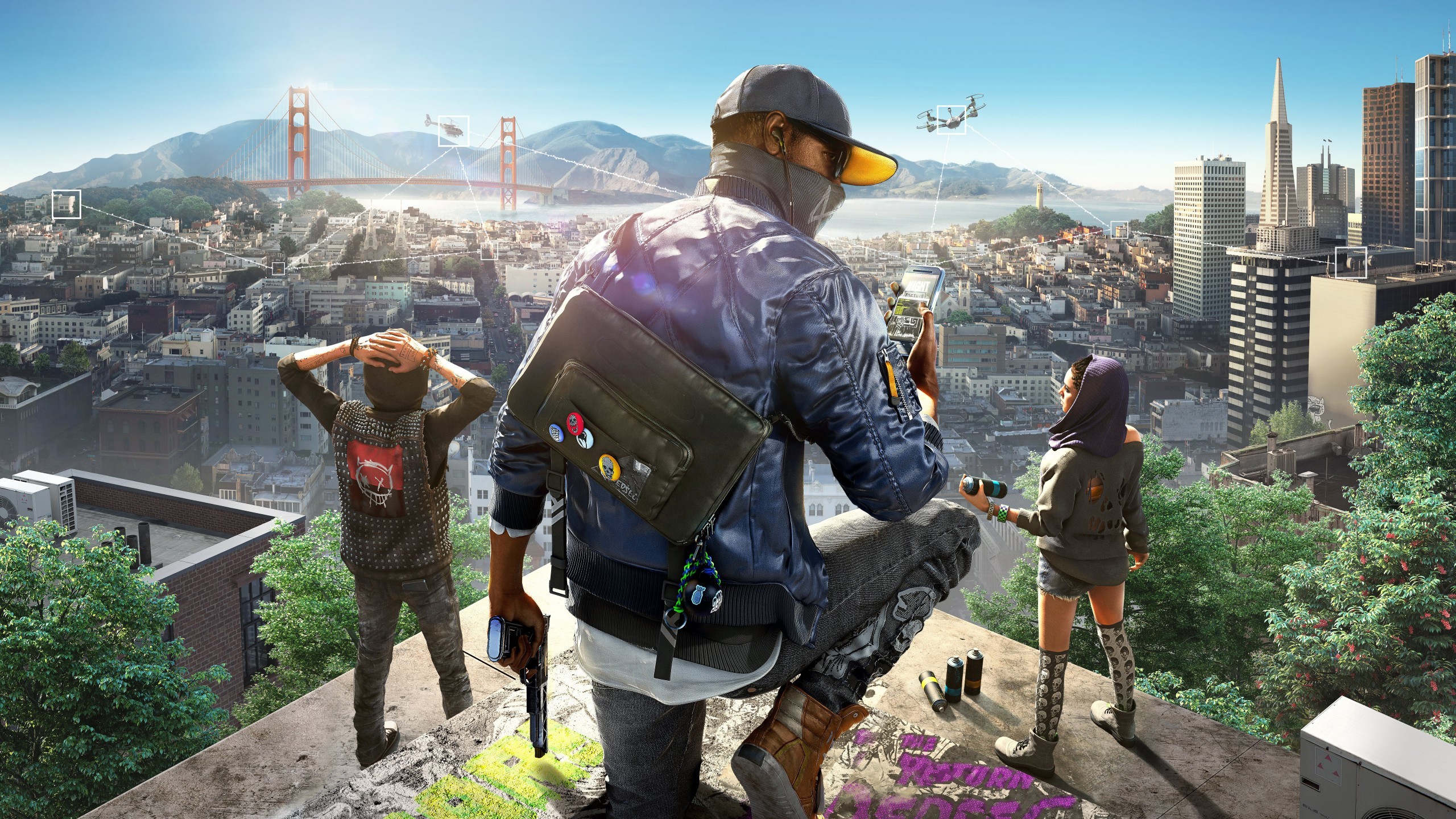
Ubisoft Paris and Ubisoft San Francisco created Marcus Holloway as the lead hacker in this San Francisco based sequel. While Marcus is a fan favorite, some players noted a disconnect between his playful personality and the violent actions he can perform in the game world. The story occasionally touched on racial profiling and tech industry bias but often retreated into lighthearted banter. This tonal inconsistency sometimes undermined the serious cultural issues the game attempted to address.
‘Battlefield 1’ (2016)
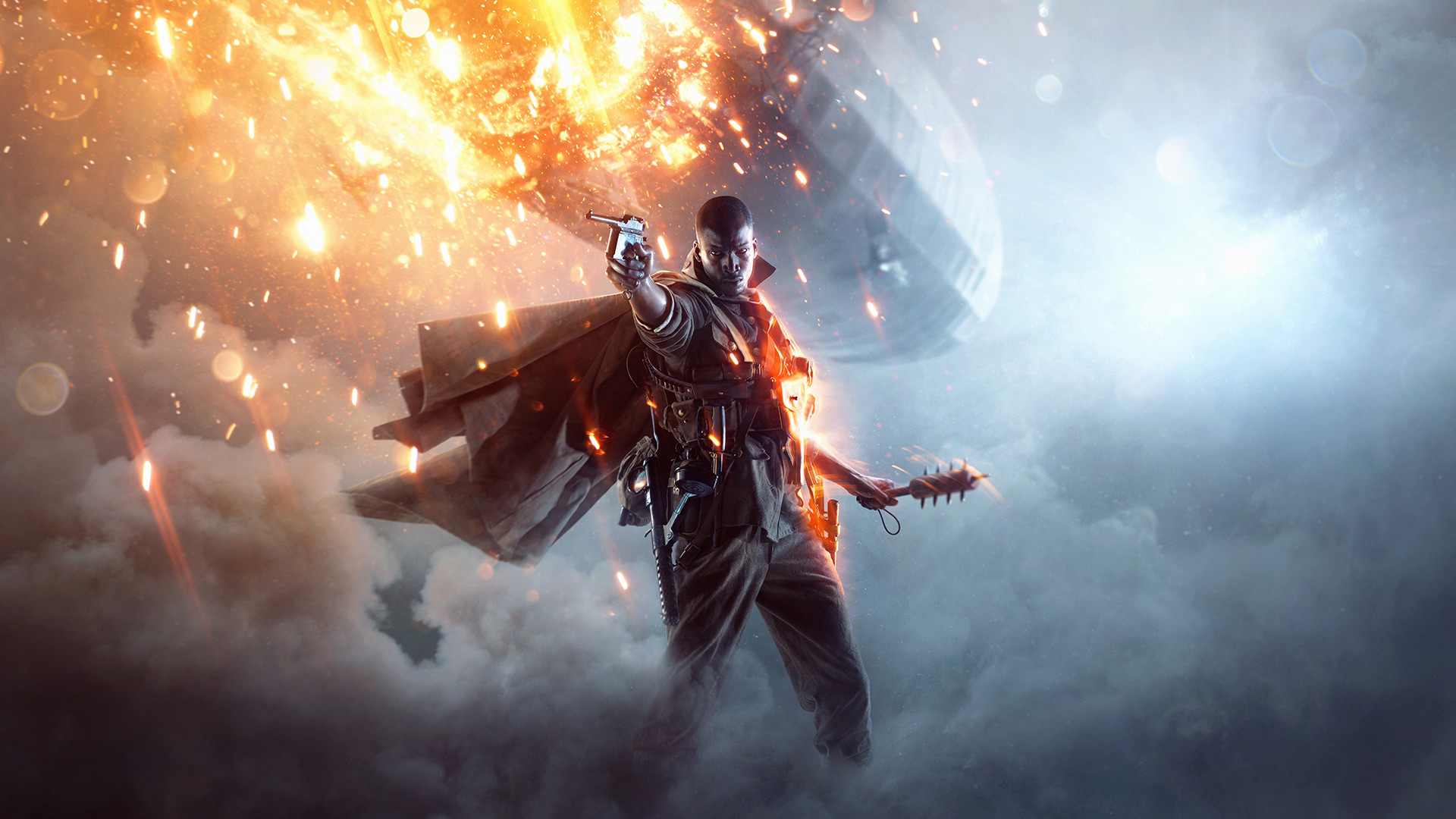
DICE and Electronic Arts included Black soldiers in the promotional material and gameplay of this World War I shooter. While the game acknowledged the presence of the Harlem Hellfighters, some critics felt their stories were not given the same weight as other campaigns. The cultural significance of these soldiers fighting for a country that did not respect their rights was largely glossed over in favor of action sequences. This led to accusations that the inclusion was more about visual diversity than historical or cultural storytelling.
‘Assassin’s Creed Freedom Cry’ (2013)
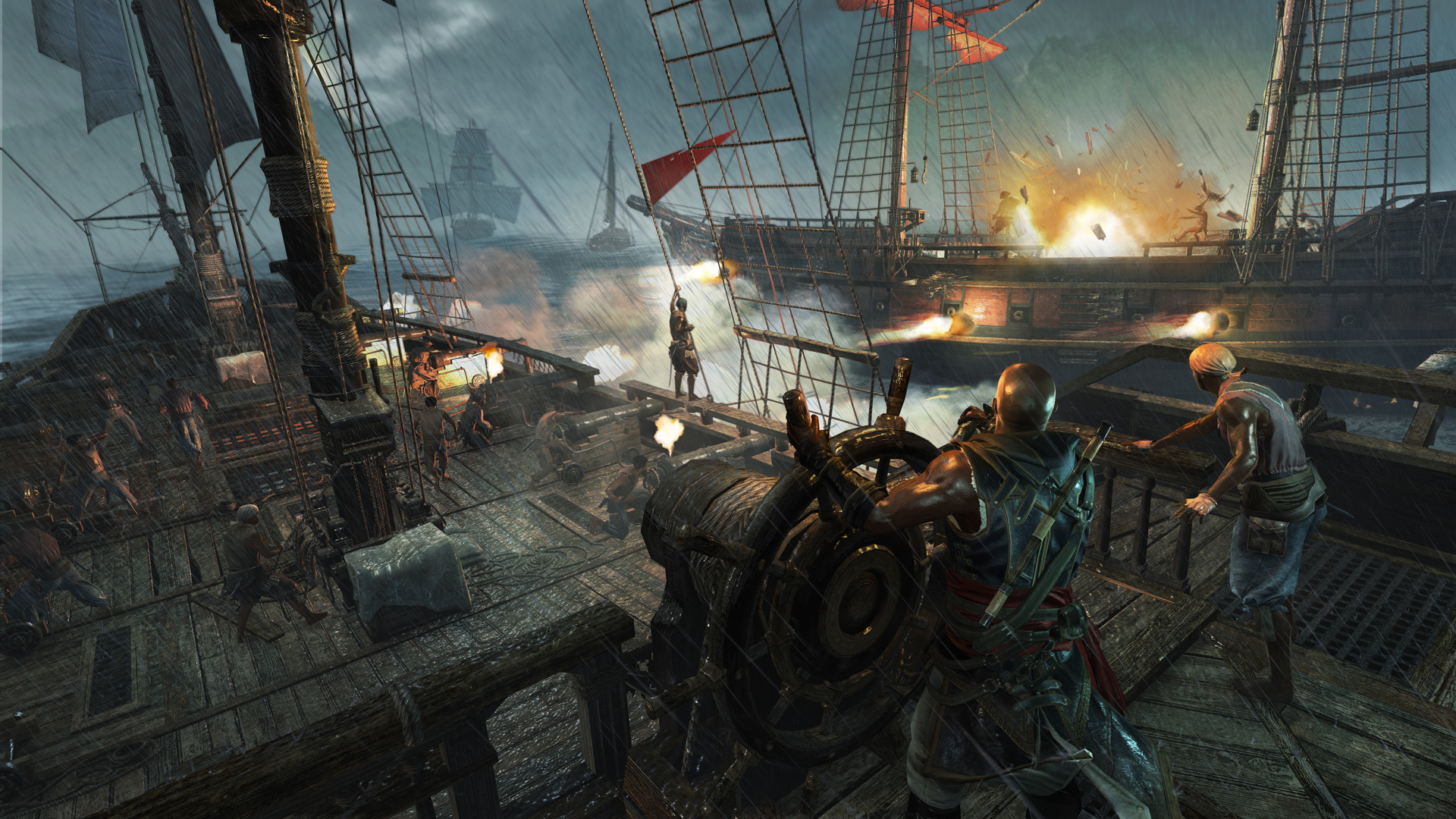
Ubisoft Quebec developed this standalone expansion starring Adéwalé who is a former slave turned assassin. While the game was praised for its bold subject matter, some historians noted that the mechanics of the game still followed a standard formula that did not always fit the gravity of the setting. The cultural trauma of the era was sometimes overshadowed by the typical gameplay loop of collecting items and clearing outposts. This created a friction between the important historical narrative and the traditional game design choices.
‘Prototype 2’ (2012)
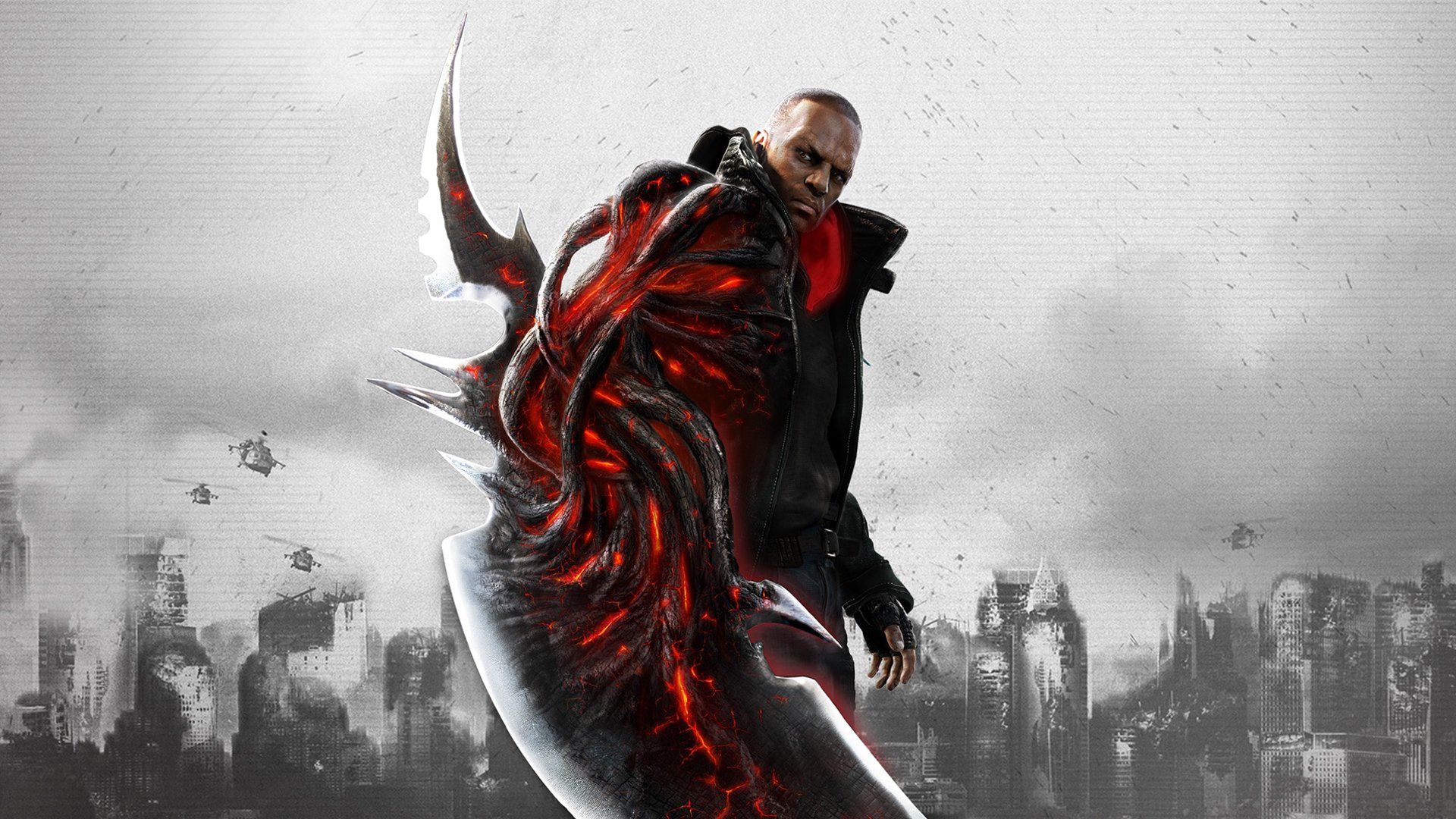
Radical Entertainment and Activision produced this sequel starring James Heller as he hunts down the protagonist of the previous game. Critics noted that Heller was often characterized by extreme anger and foul language which felt like a step back for nuanced Black representation. His cultural background was largely ignored in favor of a narrative driven by rage and supernatural powers. This portrayal was seen by many as a reliance on the angry Black man trope without providing any significant personal or cultural depth.
‘Resident Evil 5’ (2009)
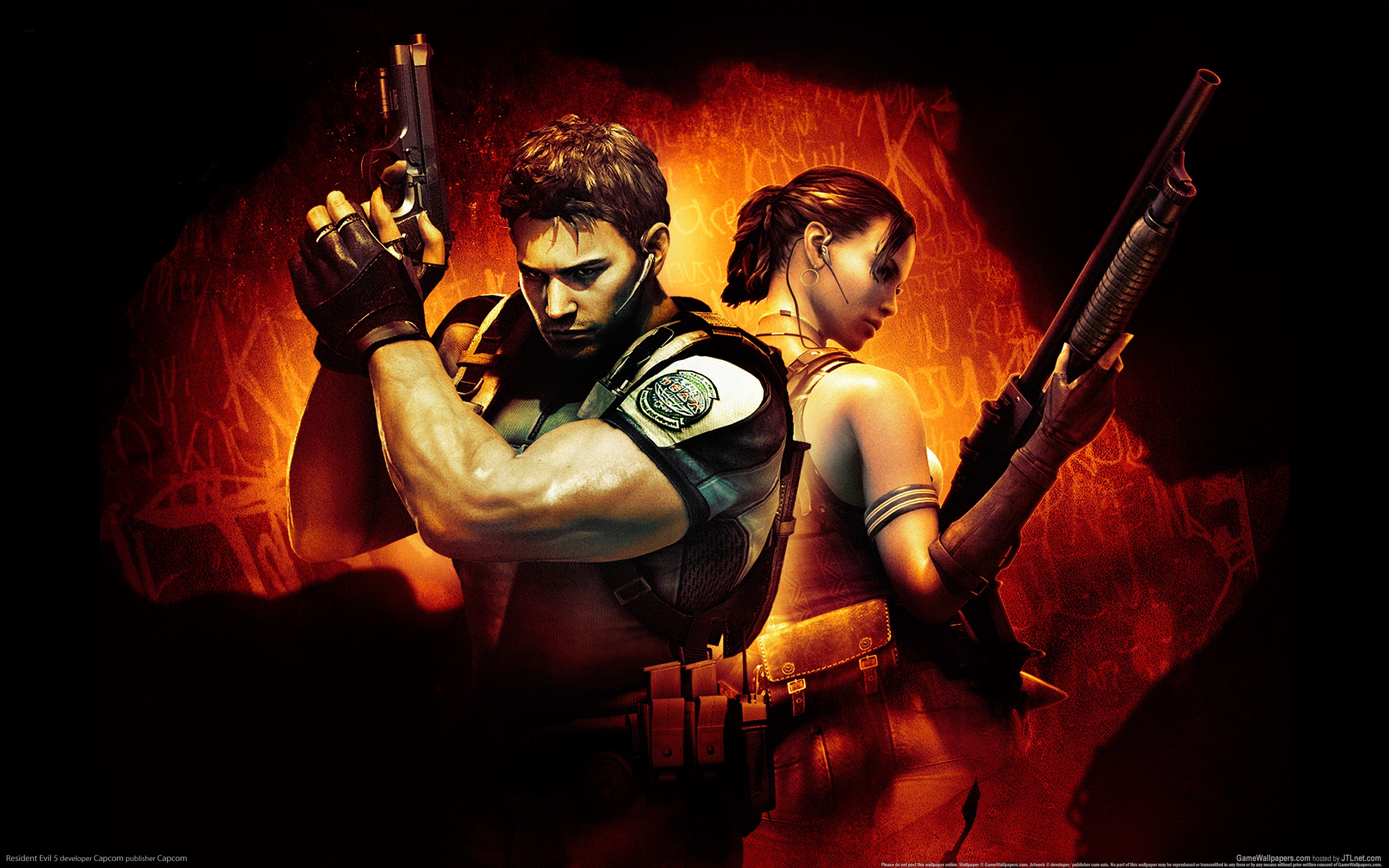
Capcom released this action game featuring Sheva Alomar as a co protagonist alongside Chris Redfield. While the game introduced a Black lead, the portrayal of the African setting and its inhabitants drew widespread criticism for reinforcing colonialist imagery. The developers faced backlash for a lack of sensitivity regarding the historical and cultural nuances of the continent. Sheva herself was often viewed as a secondary figure whose own cultural identity was rarely explored beyond her role as a partner.
’50 Cent: Blood on the Sand’ (2009)
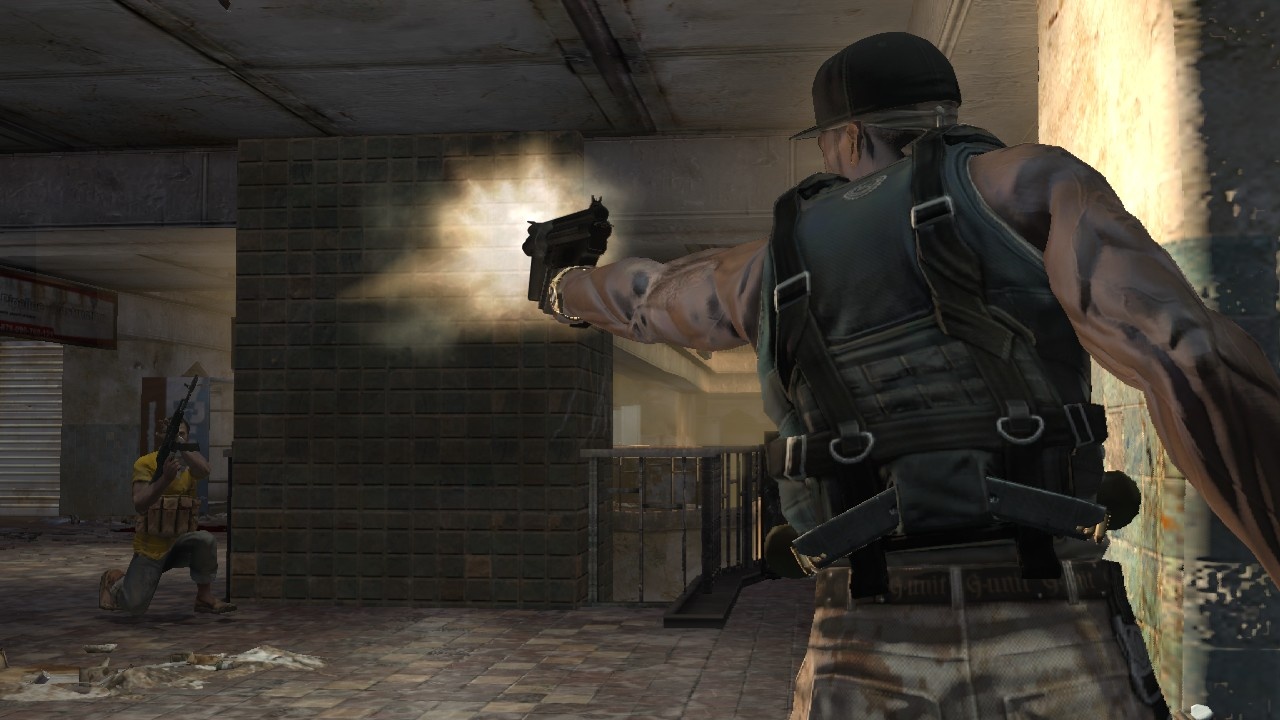
Swordfish Studios and THQ released this third person shooter starring the famous rapper as himself in a fictional Middle Eastern setting. The game prioritized an over the top action movie aesthetic that completely ignored any realistic cultural or social grounding for the lead character. The narrative relied on extreme violence and wealth tropes that simplified the complexities of the hip hop culture it aimed to profit from. This project is often cited as an example of celebrity branding taking precedence over authentic character development.
‘Def Jam: Icon’ (2007)
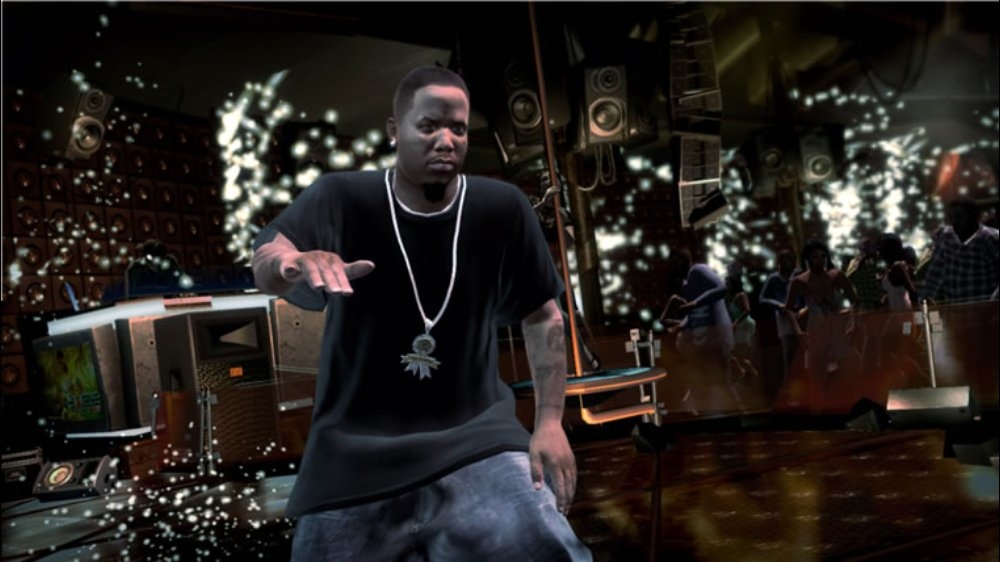
EA Chicago and Electronic Arts published this fighting game which focused heavily on the lifestyle and image of hip hop icons. The game was criticized for reducing Black culture to a series of flashy outfits and aggressive confrontations centered around music production. Narrative elements were shallow and failed to capture the actual artistic or social movements within the community at the time. The focus on commercialism over culture left many players feeling the representation was purely superficial.
‘True Crime: New York City’ (2005)
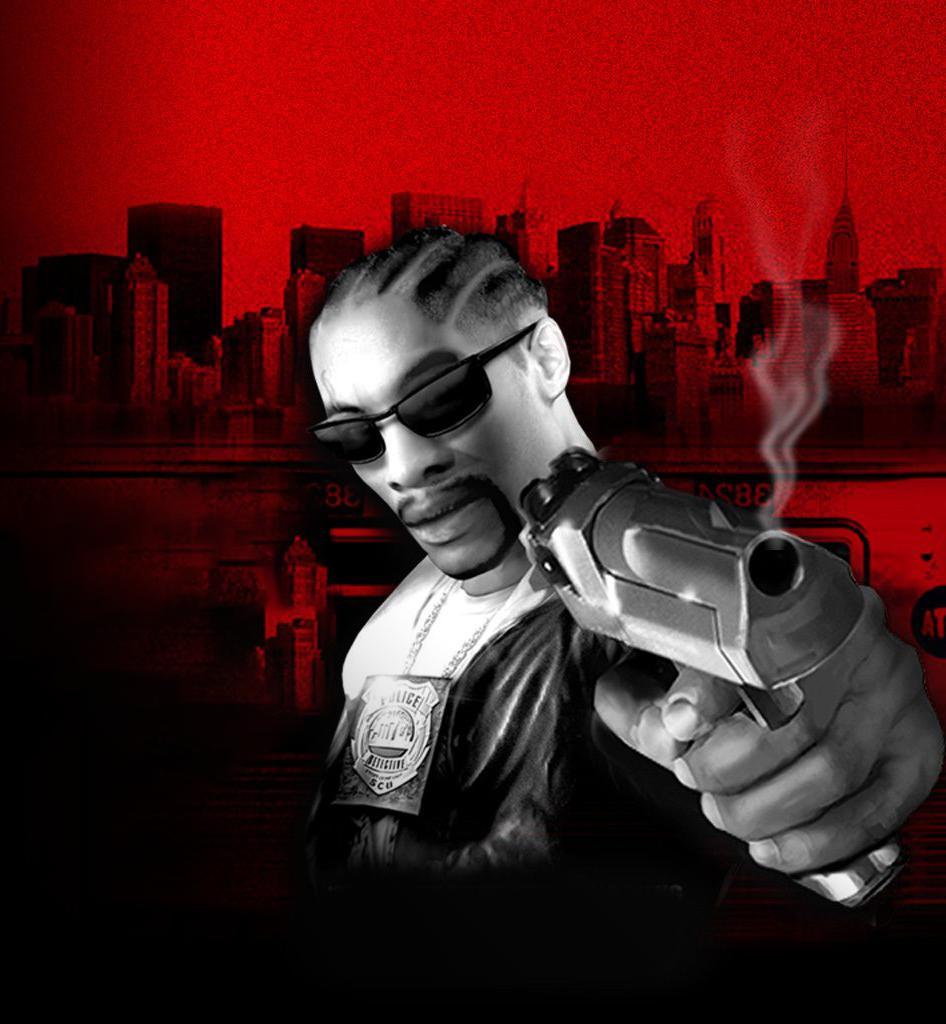
Luxoflux and Activision developed this police procedural game featuring Marcus Reed as a former gang member turned detective. The story utilized many common tropes found in urban cinema without adding significant depth to the character’s unique cultural perspective. Critics pointed out that the dialogue and mission structures often reinforced negative perceptions of Black men in law enforcement. The lack of cultural sensitivity in the writing prevented Marcus from becoming a truly nuanced protagonist.
‘Grand Theft Auto: San Andreas’ (2004)

Rockstar North developed this open world title centered on Carl Johnson and his return to a fictionalized Los Angeles. Although the game is a landmark in the industry, it has been criticized for relying on caricatures of urban life and gang culture from the 1990s. The script frequently utilized slang and social situations that some felt were more about shock value than authentic representation. This portrayal cemented certain stereotypes about Black protagonists in the minds of a global audience for years. The game remains a subject of academic study regarding its influence on the perception of Black characters in media.
‘Street Fighter III’ (1997)

Capcom introduced Sean Matsuda as a young Brazilian student of the character Ken Masters in this fighting game. Although Sean is Black, his characterization focused almost entirely on his desire to mimic his Japanese mentor rather than his own Brazilian heritage. This choice left the character feeling like a palette swap of existing archetypes instead of a representative of his own culture. Fans have long requested more depth for the character to reflect the rich Afro Brazilian history he should embody.
Please share your thoughts on these character portrayals and which other games you believe struggled with cultural accuracy in the comments.