TV Shows That Cut Major LGBTQ+ Arcs After Early Backlash


The history of television is filled with instances where creative teams attempted to push boundaries only to be met with resistance from networks or audiences. For many years, LGBTQ+ storylines were particularly vulnerable to being edited or removed entirely following early backlash. These changes often resulted in truncated character arcs and a lack of authentic representation on screen. This list examines the shows that altered their narratives in response to external pressures and shifting cultural climates.
‘Thirtysomething’ (1987–1991)

In a 1989 episode of ‘Thirtysomething,’ two men were shown in bed talking after having sex. This depiction caused five regular sponsors to pull their advertising and cost the network approximately one million dollars in revenue. Because of the financial loss and the public controversy, the gay characters did not appear again for a significant period. The writers were forced to abandon plans for more prominent storylines involving the couple in future seasons.
‘Ellen’ (1994–1998)

The sitcom ‘Ellen’ made television history when the lead character came out as gay in 1997. Following the reveal, several major advertisers withdrew their support and the network began adding parental warning labels to episodes. These external pressures led to a decline in viewership and the eventual cancellation of the show after its fifth season. The creative team had intended to explore the character’s new life but the backlash cut those plans short.
‘The 100’ (2014–2020)

The producers of ‘The 100’ faced significant criticism after the death of a prominent lesbian commander in the third season. This event sparked a massive social media movement that changed the way showrunners approached queer storylines in the following years. Writers eventually had to adjust their narrative plans to address the concerns of the audience and advocacy groups. The show faced a permanent decline in its relationship with a large portion of its community members after the character was removed.
‘Roseanne’ (1988–2018)
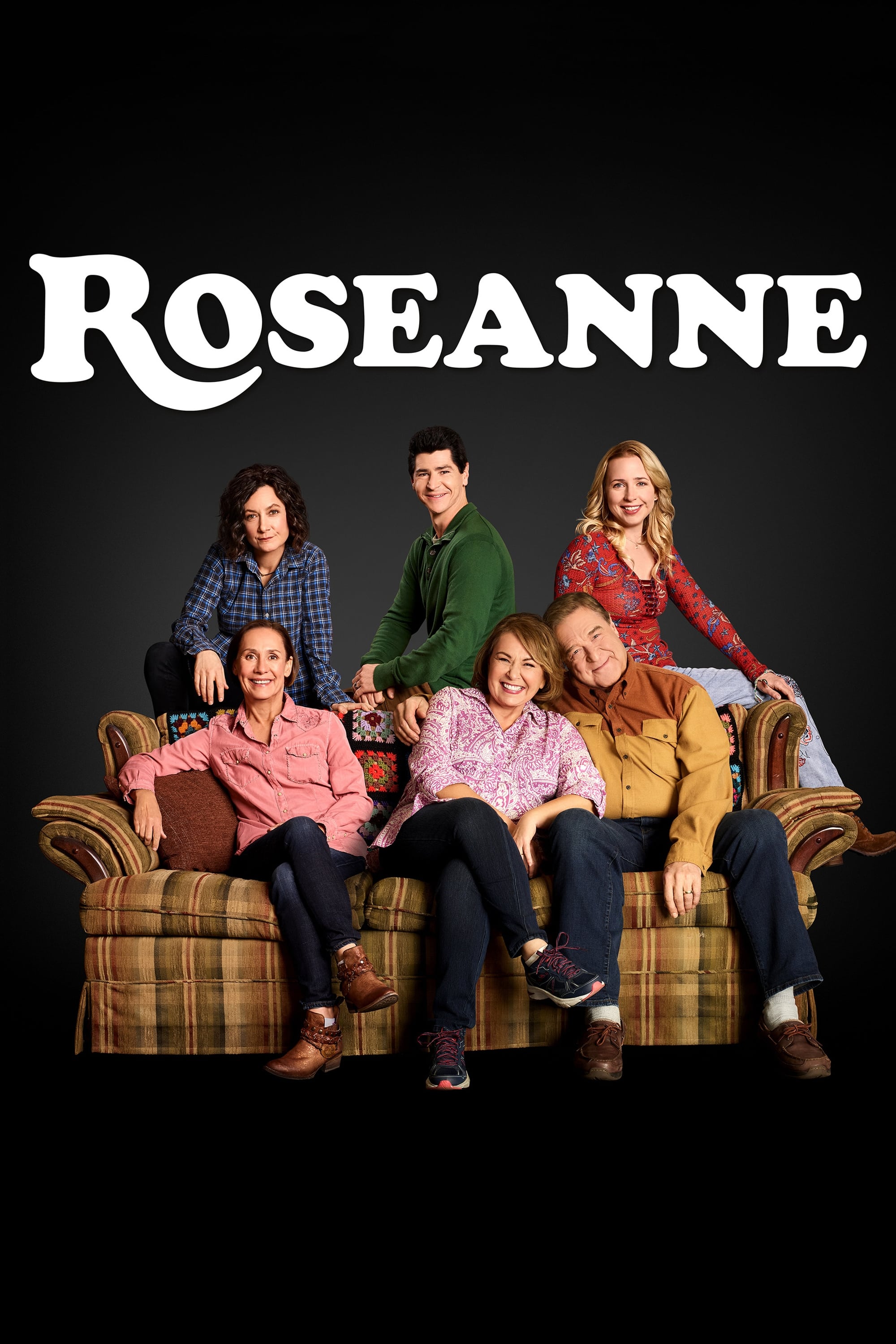
During its original run, ‘Roseanne’ featured a controversial episode where the lead character shared a kiss with a woman at a bar. ABC executives initially threatened to pull the episode because they feared a negative reaction from the public. While the episode eventually aired, the network limited the frequency and depth of similar storylines for the remainder of the series. This interference resulted in a more cautious approach to the show’s recurring queer characters.
‘Supernatural’ (2005–2020)

Fans of ‘Supernatural’ spent years advocating for a romantic relationship between Dean Winchester and the angel Castiel. While a confession of love finally occurred in the final season, the character of Castiel was immediately removed from the story. This decision was perceived by many as a way to avoid depicting a physical or ongoing relationship between two men. The writers had to navigate intense network pressure which ultimately led to the controversial conclusion of the arc.
‘Star Trek: The Next Generation’ (1987–1994)
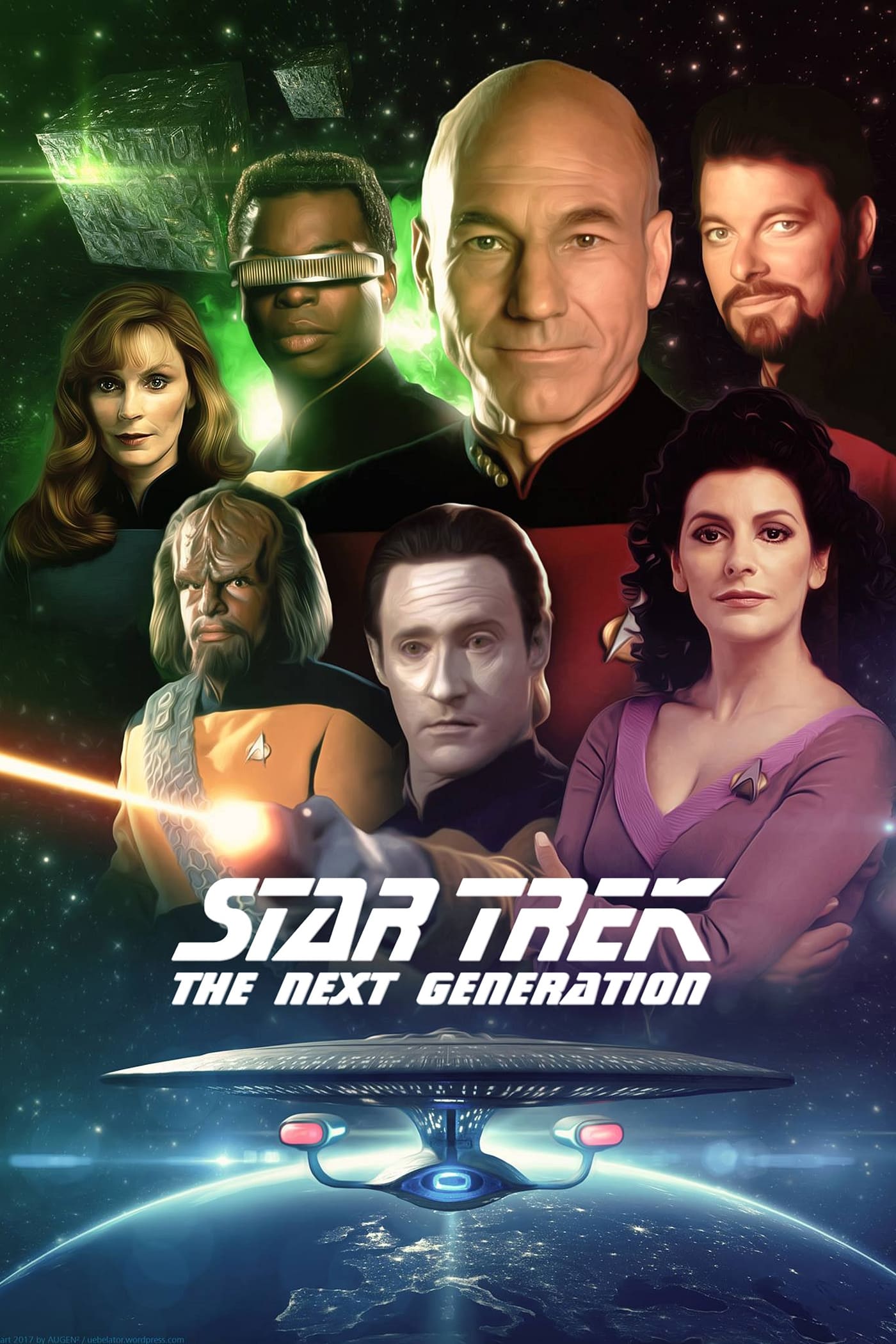
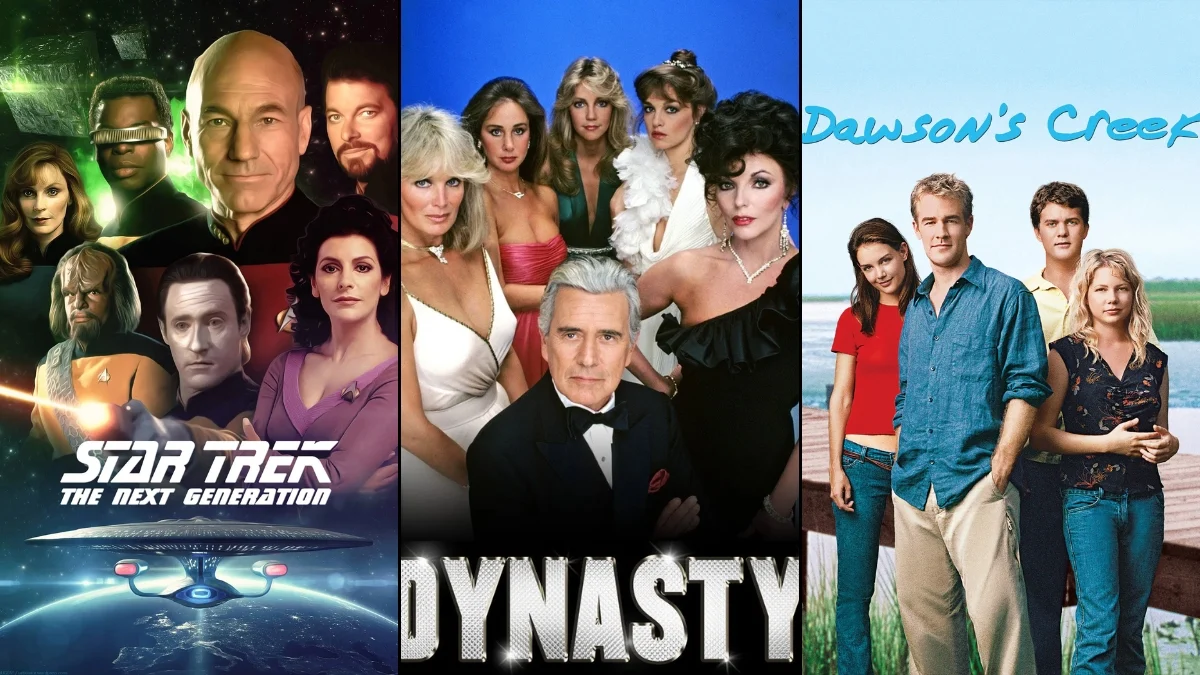
The producers of ‘Star Trek The Next Generation’ originally planned to feature a same sex romance in the episode titled The Outcast. After internal concerns regarding the potential backlash from viewers, they chose to cast a female actor to play the love interest of Commander Riker. This decision effectively neutralized the intended metaphor and led to a wave of criticism from advocates. The series ultimately avoided including explicit queer characters for the remainder of its seven season run.
‘Will & Grace’ (1998–2020)
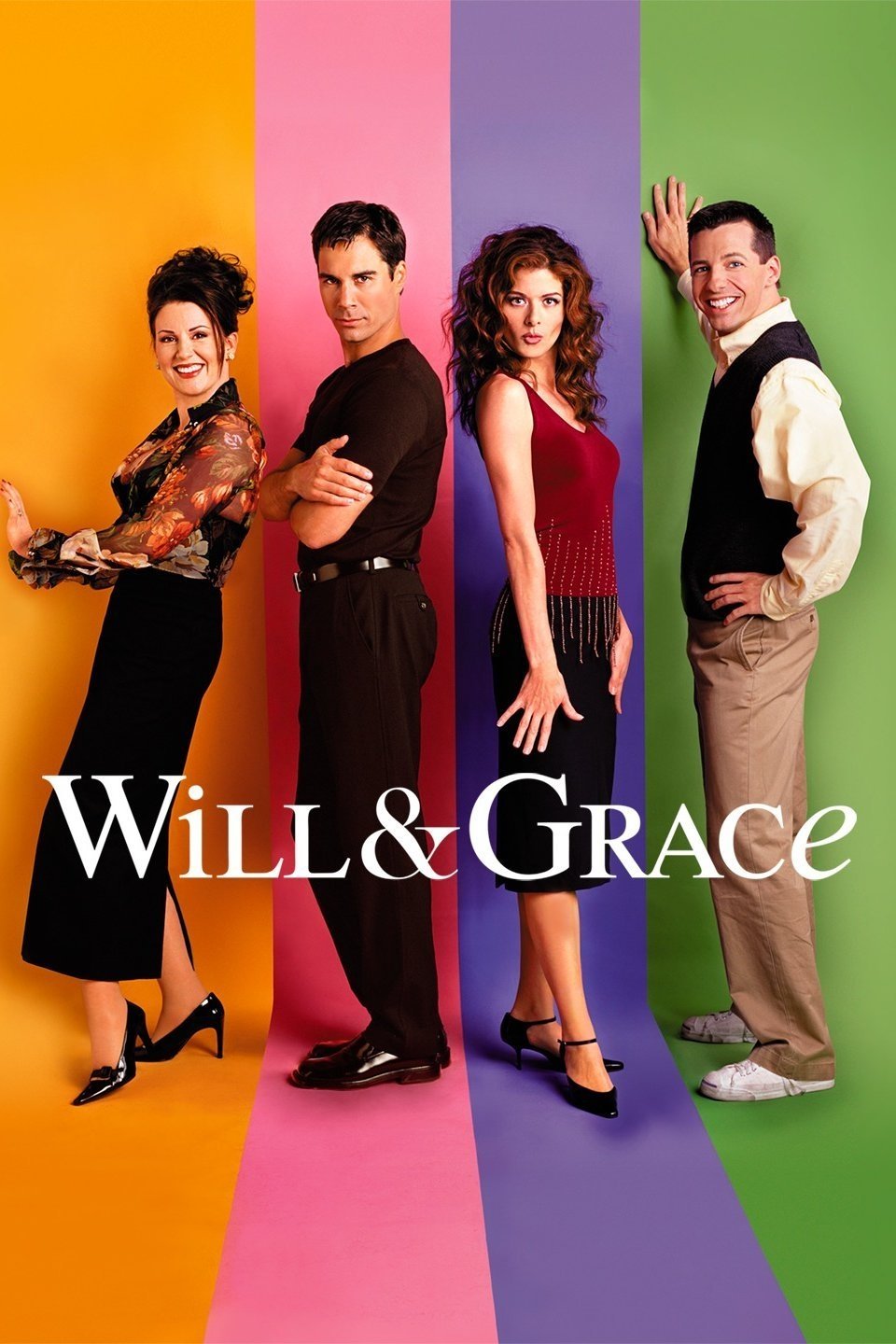
Despite its status as a landmark for gay representation, ‘Will & Grace’ faced heavy scrutiny regarding physical intimacy in its early seasons. The network was hesitant to show the main character in a serious relationship or engaging in physical affection. Several planned romantic story arcs were edited or shortened to avoid alienating a broad audience. It took many years before the show allowed its lead characters to experience the same level of romantic development as heterosexual characters on other sitcoms.
‘The O.C.’ (2003–2007)
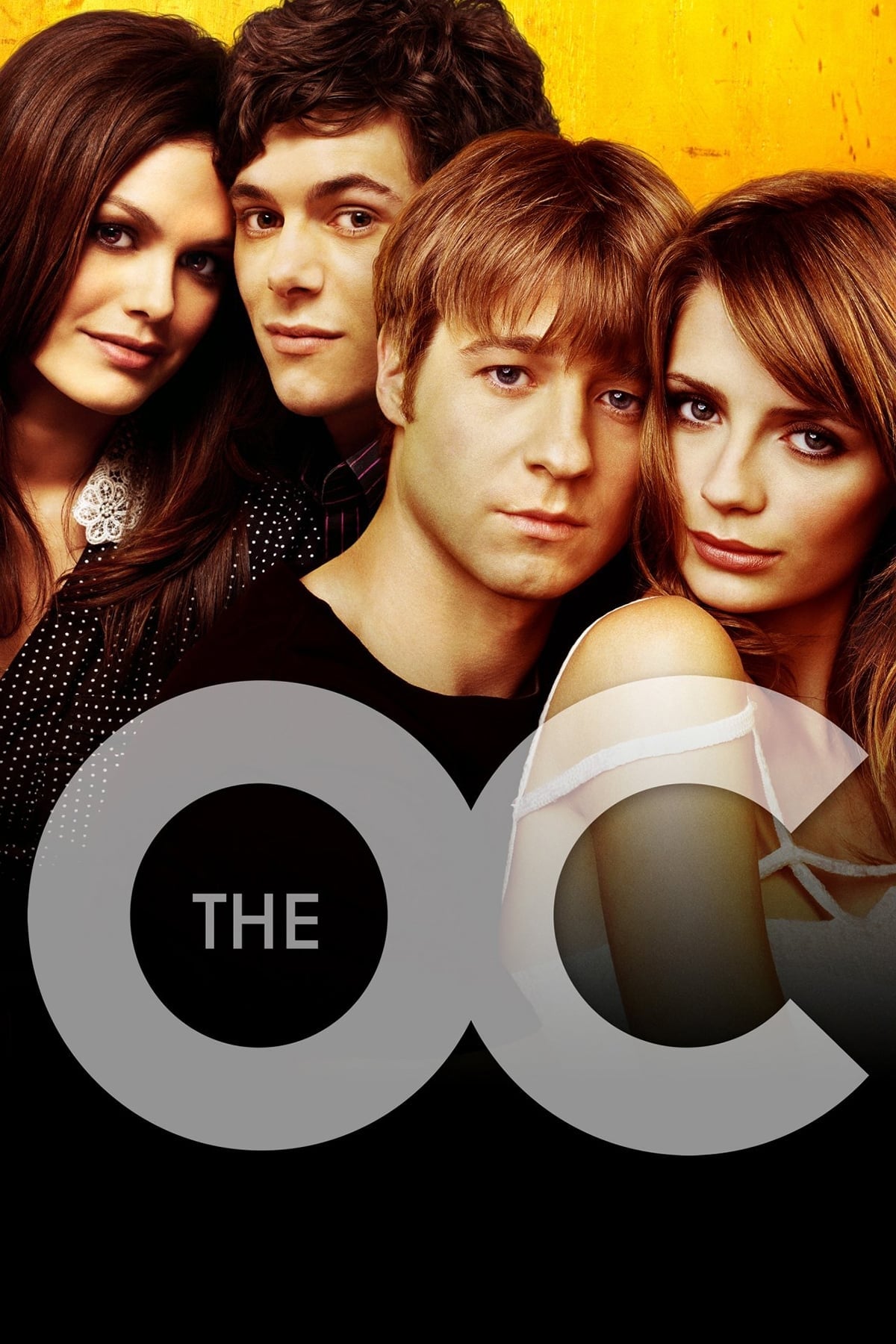
The relationship between Marissa Cooper and Alex Kelly in ‘The O.C.’ was a major plot point in the second season. However, the network faced pressure from conservative groups and saw a dip in ratings during the arc. As a result, the romance was abruptly ended and the character of Alex was written out of the show. This prevented a more long term exploration of the character’s identity that the writers had initially teased.
‘Soap’ (1977–1981)
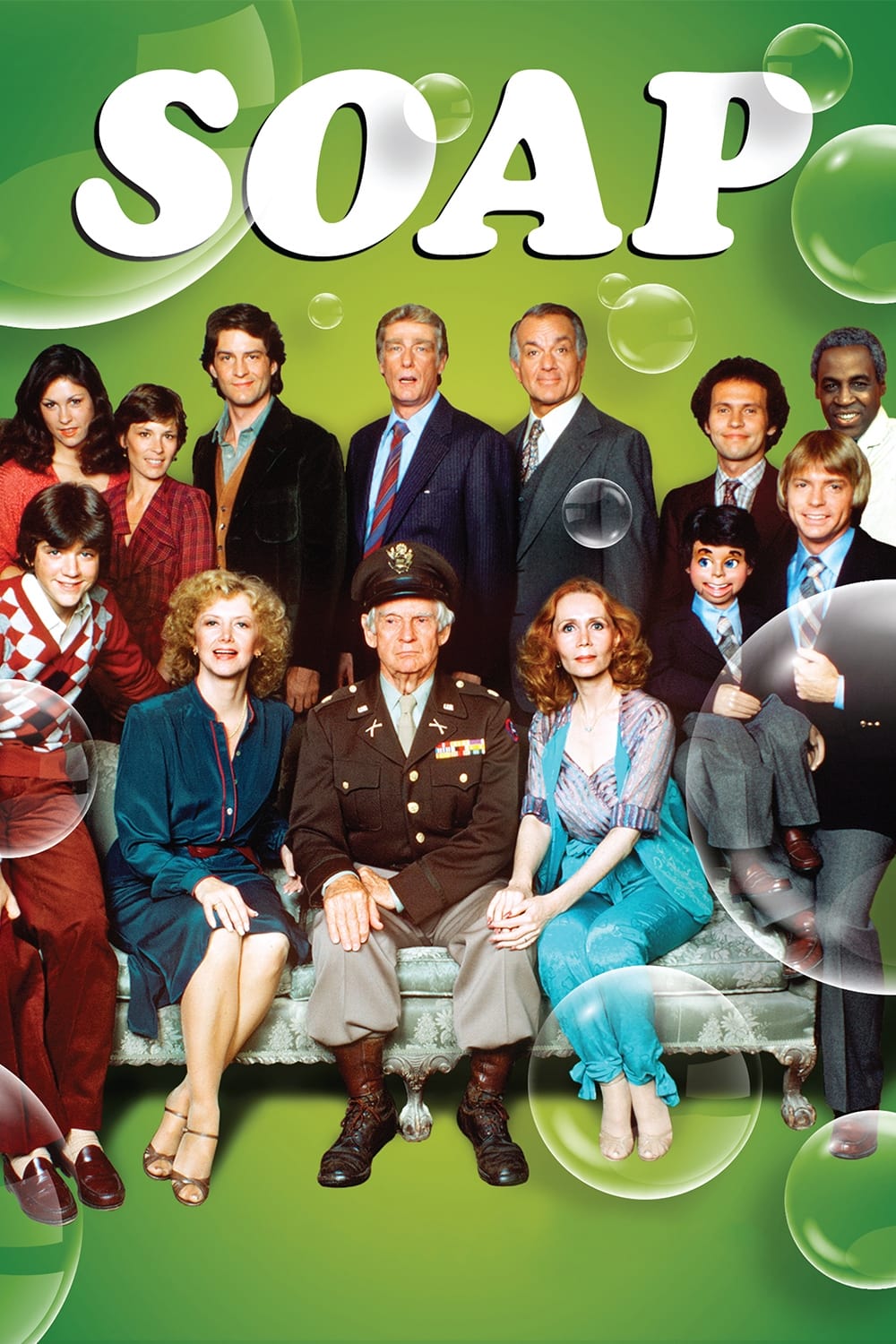
The 1970s comedy ‘Soap’ introduced Jodie Dallas as one of the first gay characters on a prime time series. Before the show even premiered, thousands of letters were sent to the network in protest of his inclusion. This backlash forced the writers to significantly change the character’s trajectory and focus on different plots. The original vision for a groundbreaking exploration of gay life was tempered by the intense public pressure.
‘Dynasty’ (1981–1989)
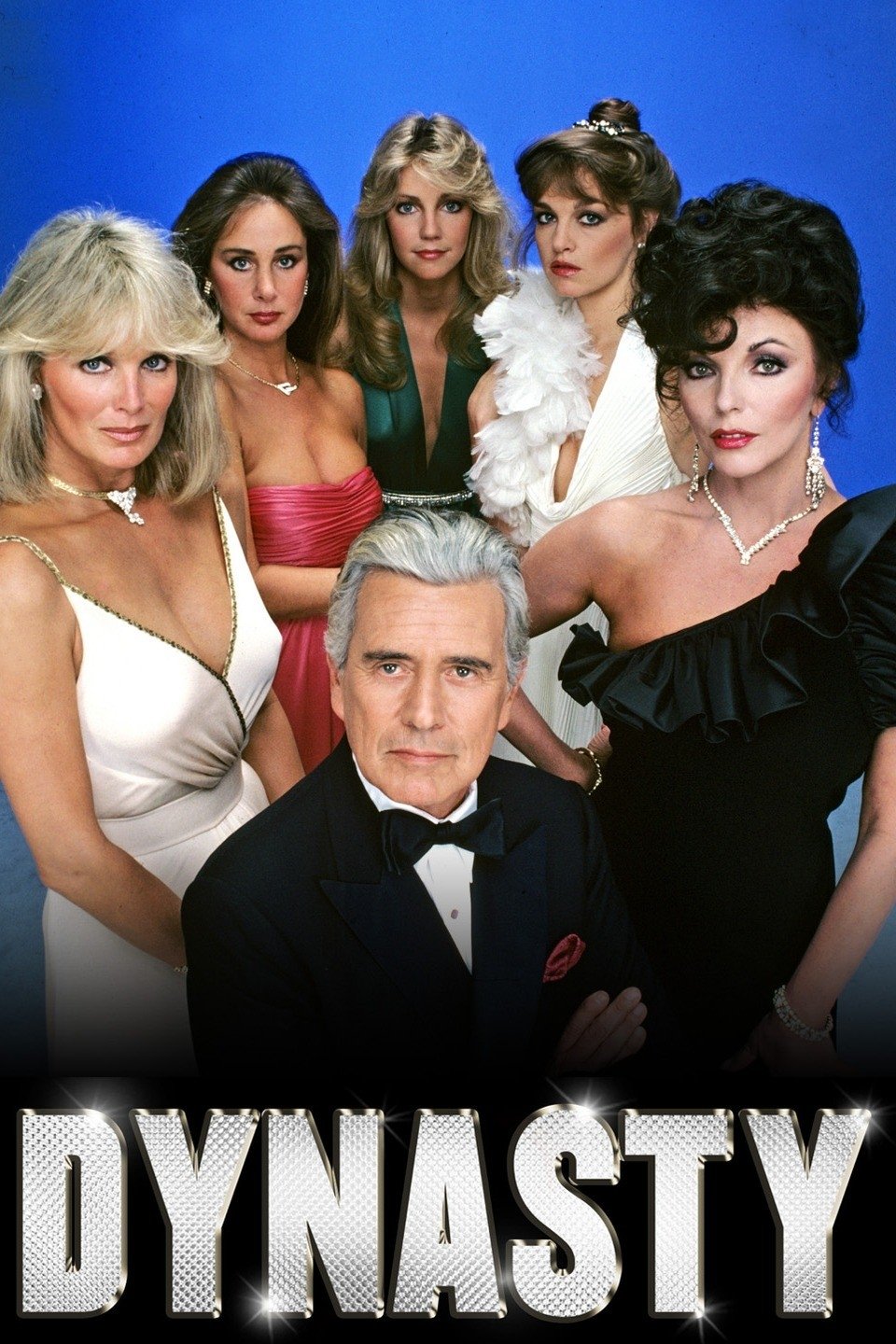
The prime time soap ‘Dynasty’ featured Steven Carrington as a main character who struggled with his sexuality. Following negative feedback from certain audience segments, the showrunners attempted to change the character’s orientation through various plot devices. This included a storyline where he was supposedly cured of his homosexuality. The frequent shifts in his character arc reflected the network’s discomfort with maintaining a consistent gay narrative.
‘All My Children’ (1970–2011)
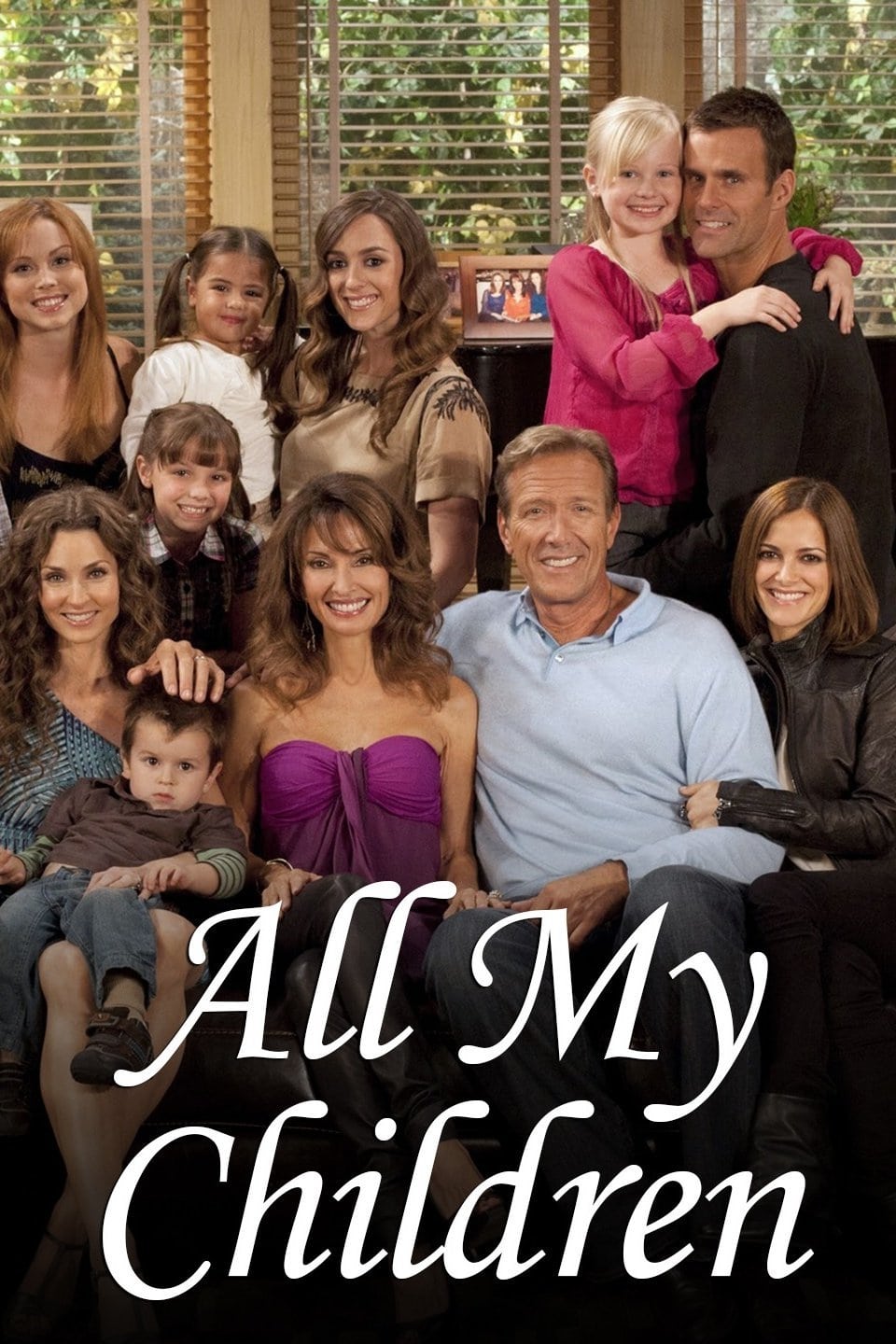
‘All My Children’ featured a major coming out story for Bianca Montgomery which was initially praised for its sensitivity. However, the show faced a vocal backlash when it attempted to move forward with a lesbian wedding storyline. Producers eventually altered the plot to focus more on individual drama rather than the union itself. This change was widely interpreted as a way to appease disgruntled viewers and avoid further controversy.
‘As the World Turns’ (1956–2010)
The daytime soap ‘As the World Turns’ made headlines with the romance between Luke Snyder and Noah Mayer. Despite the popularity of the couple, the show received a significant amount of hate mail from conservative viewers. In response, the network severely limited the physical affection between the two men and eventually reduced their screen time. This intervention effectively stalled their character development and frustrated the loyal fan base.
‘Relativity’ (1996–1997)

‘Relativity’ was a short lived drama that featured one of the first lesbian kisses on broadcast television. The episode caused a massive controversy and led to a significant drop in ratings as some viewers tuned out in protest. ABC executives grew nervous about the negative attention and the show was canceled shortly after the arc began. This prevented the writers from continuing the romantic development of the characters as they had originally planned.
‘Xena: Warrior Princess’ (1995–2001)

The relationship between the title character and Gabrielle in ‘Xena Warrior Princess’ is a famous example of lesbian subtext. While the producers and lead actors wanted to make the romance explicit, network concerns about the international market prevented this development. The creative team had to rely on metaphors and double meanings instead of a traditional romantic arc. This decision was a direct response to the potential backlash from more conservative regions.
‘Buffy the Vampire Slayer’ (1997–2003)
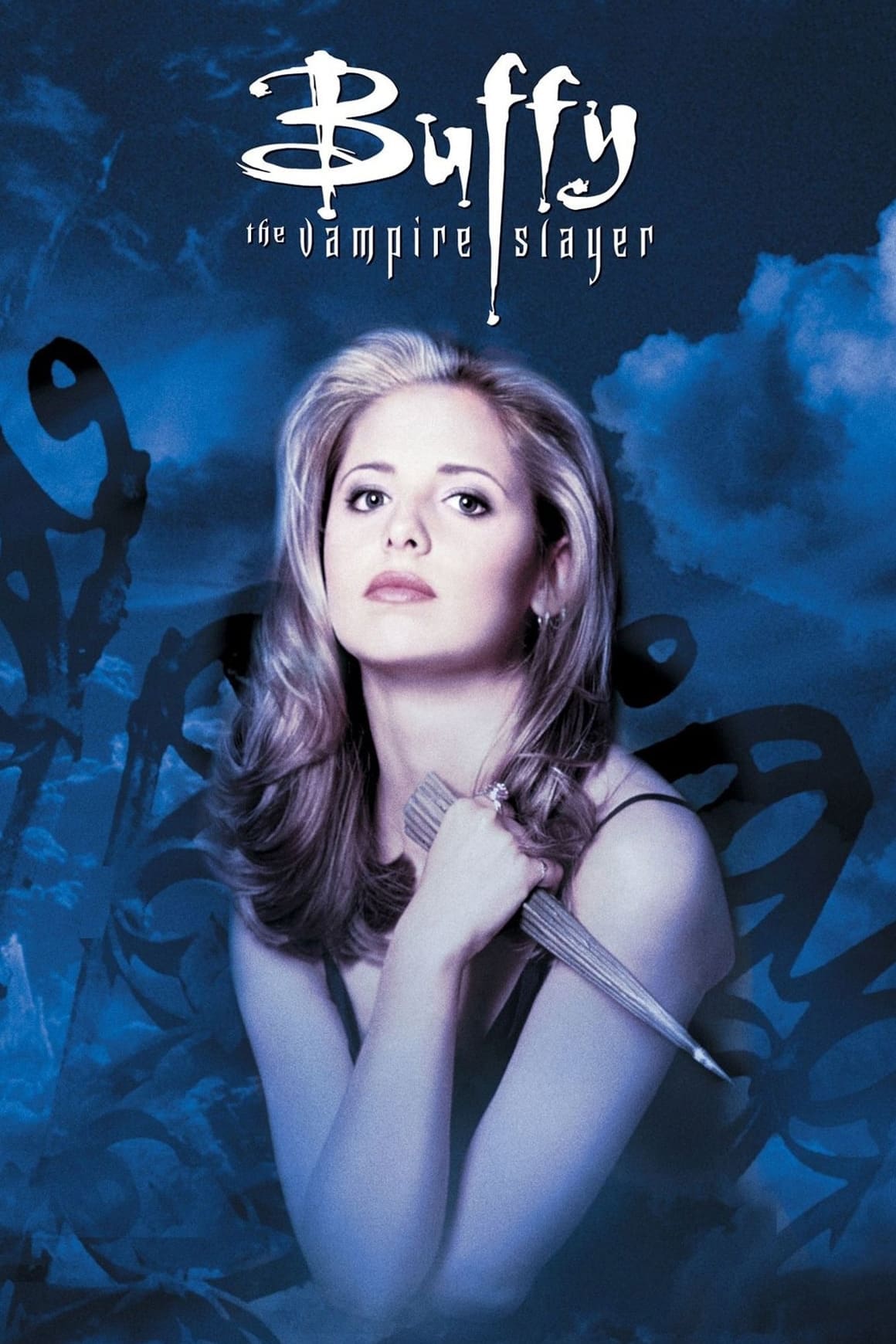
The romance between Willow and Tara in ‘Buffy the Vampire Slayer’ was one of the first major lesbian relationships on teen television. The writers were restricted by the network and were often told they could not show the couple kissing on screen. This forced the creators to use magical metaphors to represent their physical intimacy. After the character of Tara was killed off, the ensuing backlash from fans influenced how the show handled future relationships.
‘Dawson’s Creek’ (1998–2003)

When Jack McPhee came out in ‘Dawson’s Creek’ it marked a significant moment for teen television. Despite this milestone, the network was extremely hesitant to show the character in any romantic situations or engaging in physical affection. Producers faced external pressure and were forced to delay Jack’s first onscreen kiss for over a year. Many planned romantic arcs for the character were simplified or removed entirely to avoid further controversy from conservative groups.
‘The Walking Dead’ (2010–2022)

The character Jesus was introduced as a fan favorite who was openly gay in the source material. While the television series ‘The Walking Dead’ acknowledged his sexuality, his romantic life was almost entirely absent from the screen. Fans and the actor himself expressed disappointment that planned relationships were never fully realized. This reduction in his arc was often attributed to a cautious approach to queer visibility in a mainstream action series.
‘Archie Bunker’s Place’ (1979–1983)
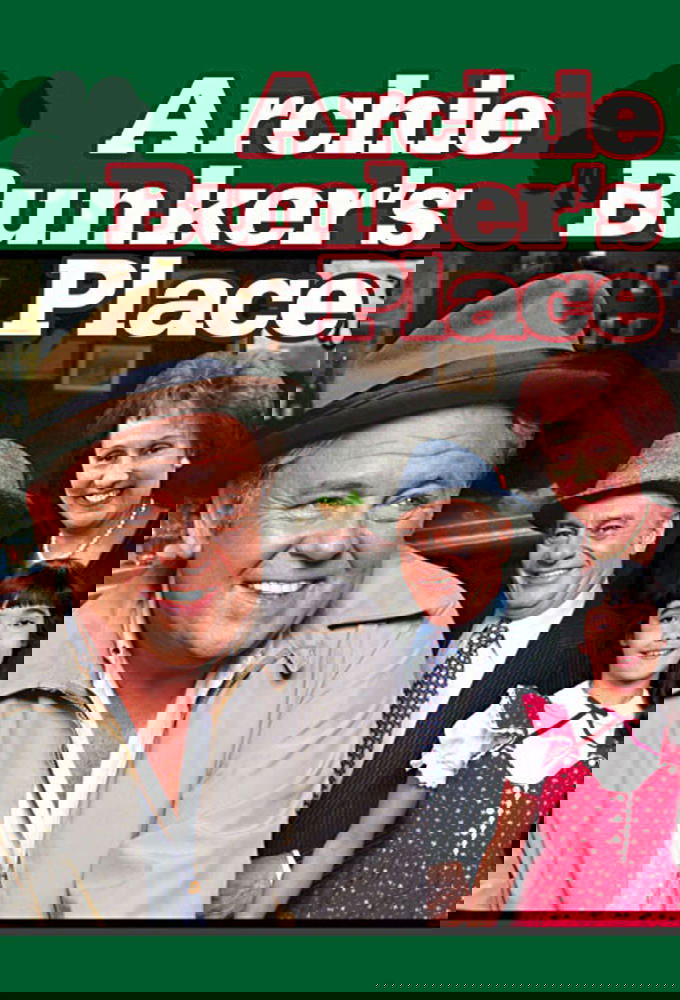
The series ‘Archie Bunker’s Place’ attempted to introduce a storyline about a lesbian character named Liz and her surviving partner. Network executives were hesitant to explore the romantic nature of the relationship and insisted on keeping the details vague. This interference prevented the writers from fully developing the emotional weight of the loss being portrayed on screen. The arc was ultimately cut short and the character was phased out of the show before the story could be completed.
‘The Golden Girls’ (1985–1992)
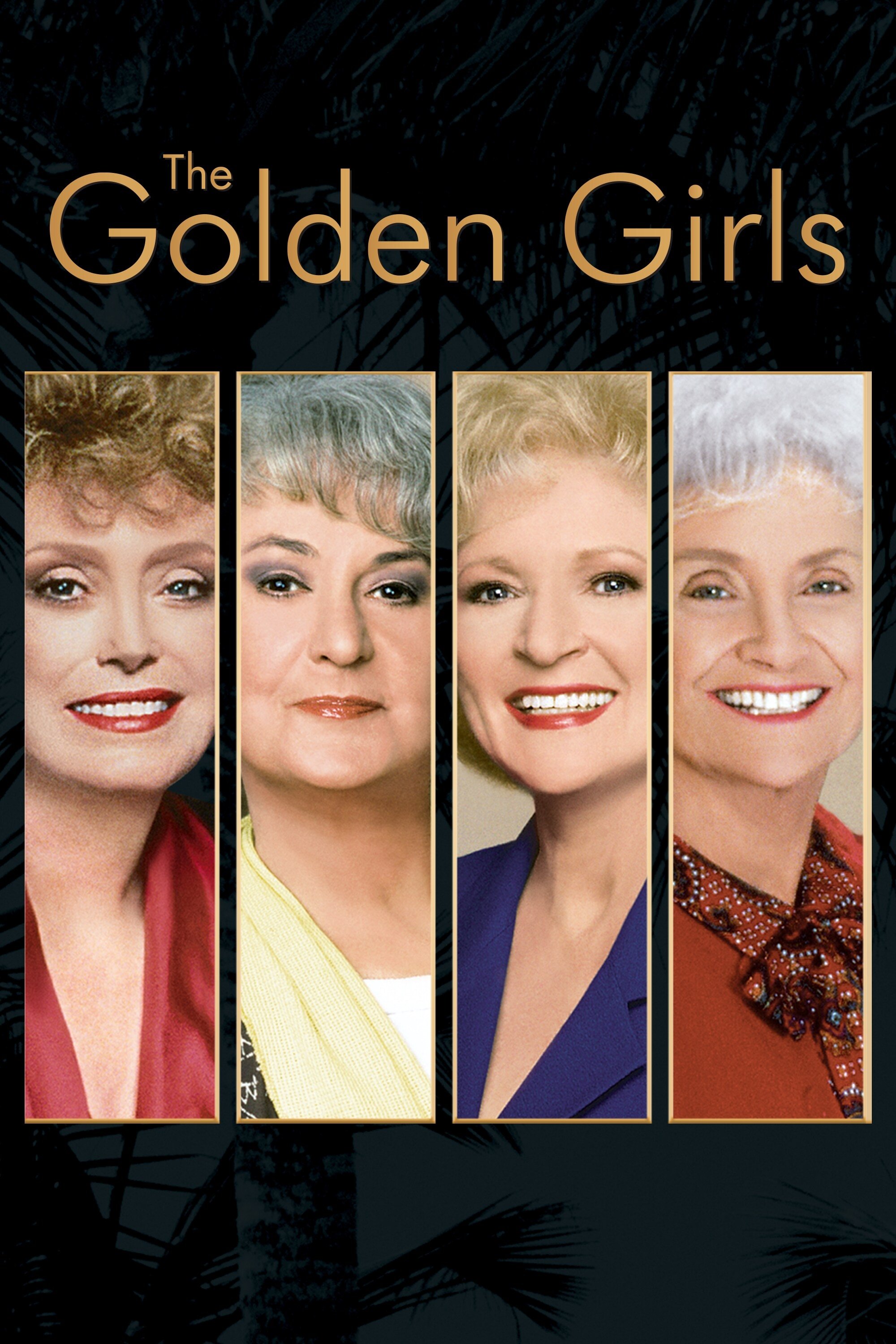
While ‘The Golden Girls’ often touched on social issues, it faced hurdles when planning a story about the romantic life of Blanche’s brother. Although the character Clayton eventually came out, his romantic life was heavily sanitized compared to the dating lives of the lead characters. Writers had to scale back the frequency of these appearances due to concerns about the reaction from their viewership. This resulted in a truncated arc that many fans felt lacked the boldness seen in other episodes.
‘Falcon Crest’ (1981–1990)
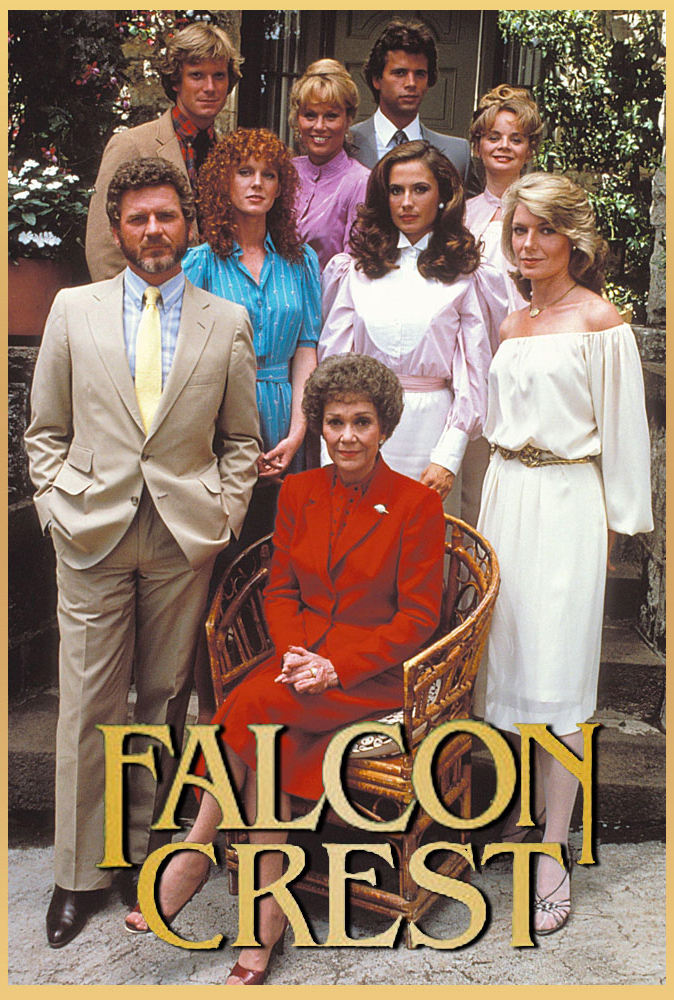
The prime time soap opera ‘Falcon Crest’ planned a major storyline involving a gay wedding in its final seasons. However, the network and producers feared a negative reaction from the core audience and decided to scrap the arc. This decision came after previous attempts at queer representation in similar dramas faced significant advertiser pushback. The storyline was replaced with more traditional family conflicts to maintain stability during its closing run.
Please share your thoughts on these altered storylines in the comments.