Movies Where White Saviors “Rescued” Black Characters (And Why It Aged Badly)


The white savior trope features a white protagonist who rescues people of color from their circumstances. This narrative often centers the white character’s personal growth or heroism while marginalizing the agency of the Black characters they assist. Modern critics argue these films oversimplify complex systemic issues and historical movements. Examining these movies provides insight into how Hollywood perspectives on race and heroism have evolved over the decades.
‘To Kill a Mockingbird’ (1962)
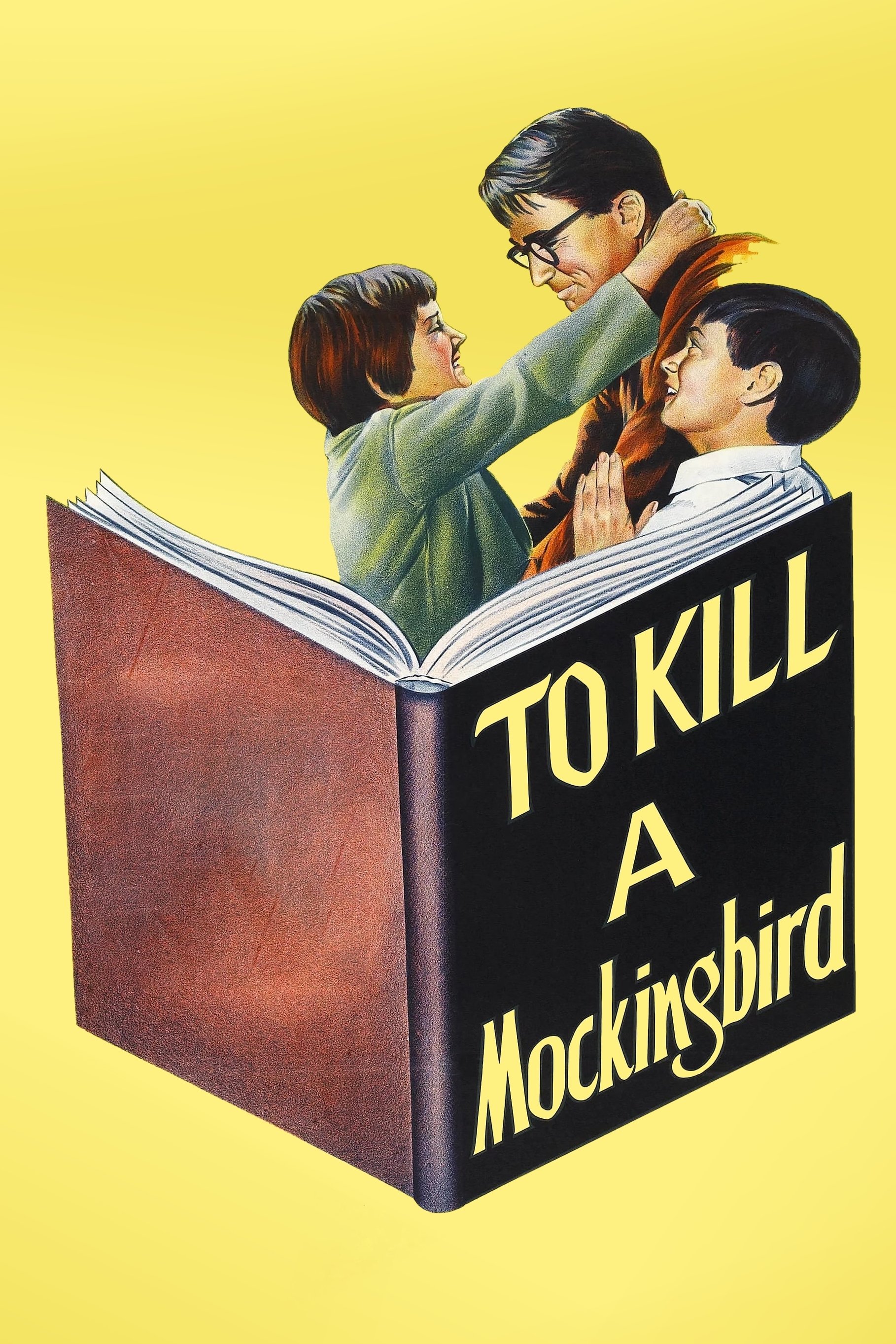
Atticus Finch defends Tom Robinson against a false rape charge in the Jim Crow South. While the film is a classic study of morality it centers the white lawyer’s integrity over the experience of the Black defendant. Modern analysis suggests Robinson is used primarily as a plot device for the Finch family’s moral education. The narrative concludes with the Black community remaining powerless despite the efforts of their white advocate. This dynamic reinforces the idea that justice for Black individuals is entirely dependent on white benevolence.
‘Cry Freedom’ (1987)
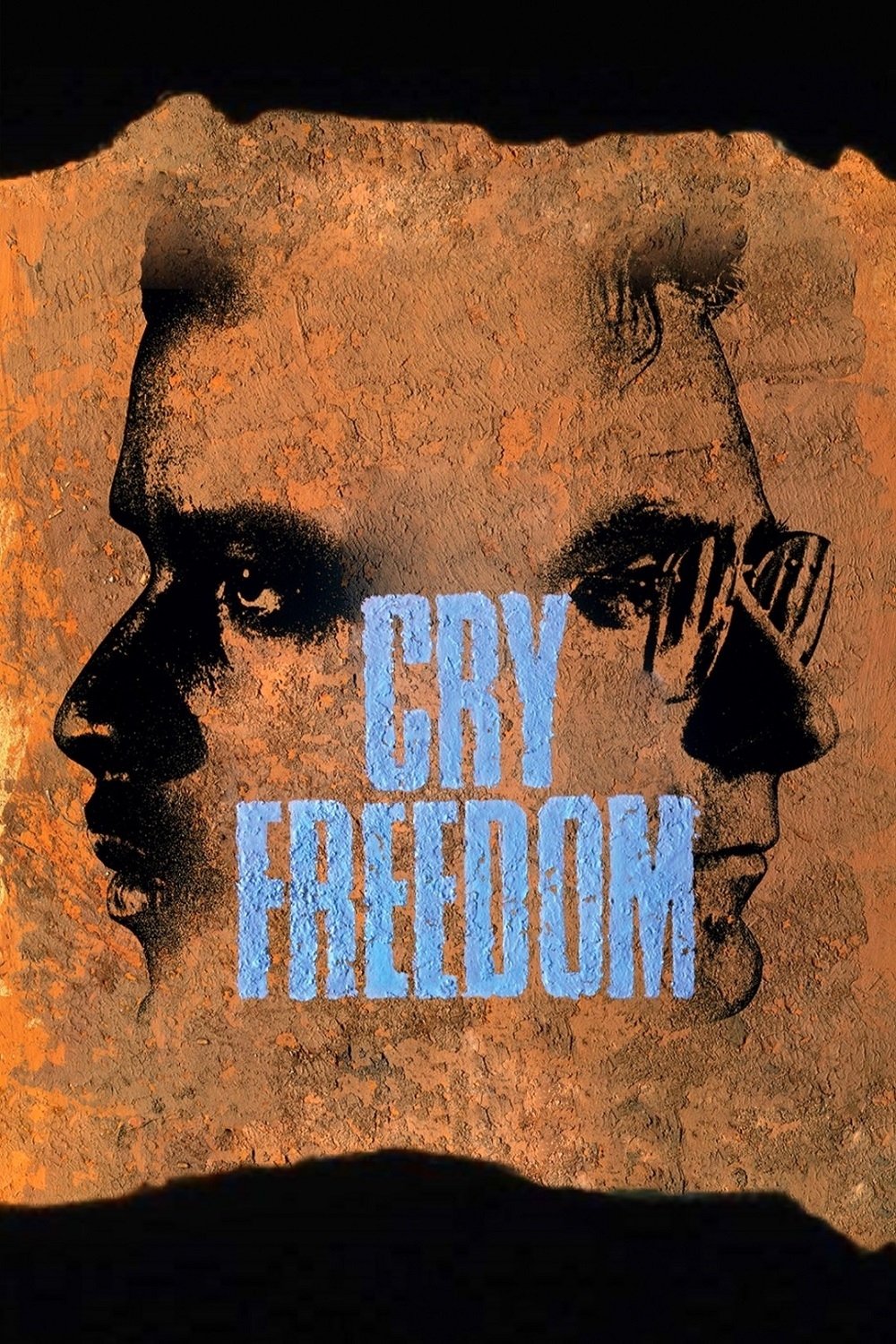
This biographical drama follows the friendship between South African activist Steve Biko and white journalist Donald Woods. Critics point out that the focus shifts significantly from Biko to Woods and his family’s escape from the country. By centering the white perspective the film distances the audience from the direct struggle of the anti-apartheid movement. The movie illustrates a common trend where stories of Black liberation are told through the lens of white allies. This structural choice often prioritizes the safety and journey of the white protagonist over the survival of the Black characters.
‘Mississippi Burning’ (1988)
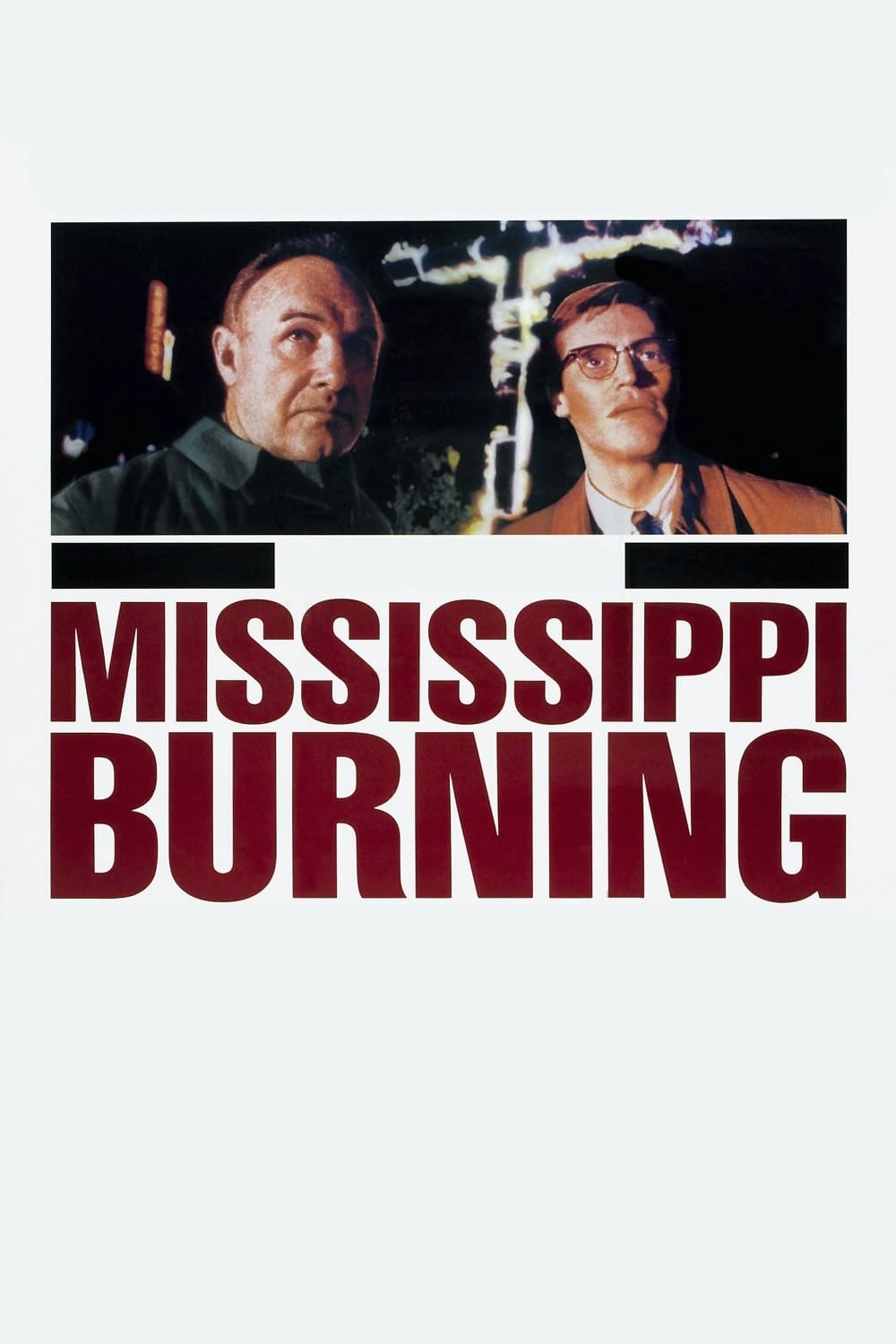
Two FBI agents investigate the disappearance of civil rights workers in a small Southern town. The story prioritizes the heroic actions of the federal government over the local Black activists who led the movement. Historical accounts confirm the FBI was often reluctant to intervene or even antagonistic toward civil rights organizers. This cinematic portrayal has been criticized for rewriting history to favor a white-centric law enforcement narrative. The film depicts the Black community as largely passive victims waiting for federal rescue.
‘Glory’ (1989)
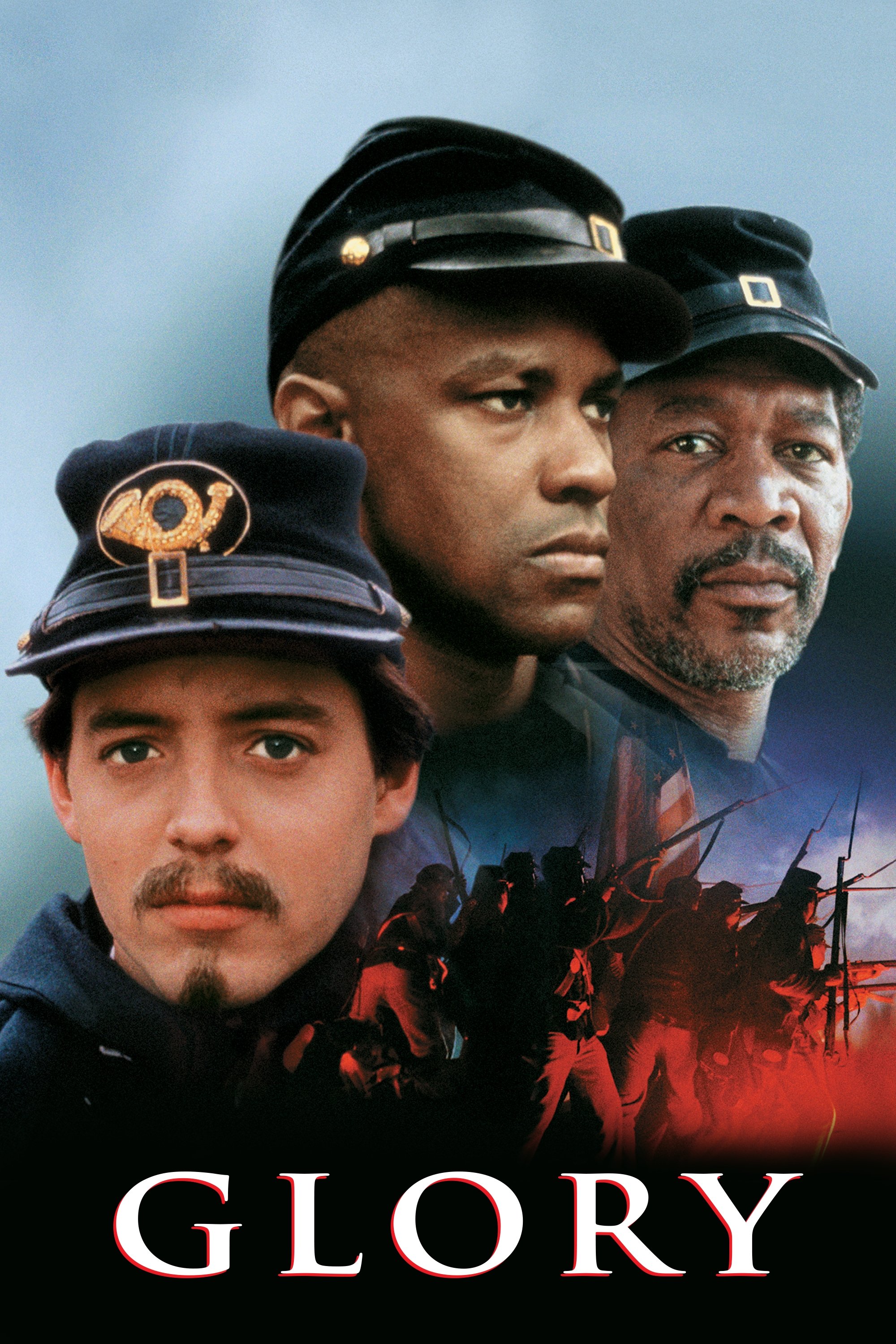
A young white officer leads the first all-Black volunteer regiment during the American Civil War. The film focuses on the growth and leadership of Colonel Robert Gould Shaw while the Black soldiers serve as supporting characters. Modern audiences often note that the emotional arc of the film belongs to the white protagonist. The bravery of the Black soldiers is depicted through the context of Shaw’s training and ultimate sacrifice. This framing minimizes the autonomous desire for freedom that drove these men to enlist.
‘The Power of One’ (1992)
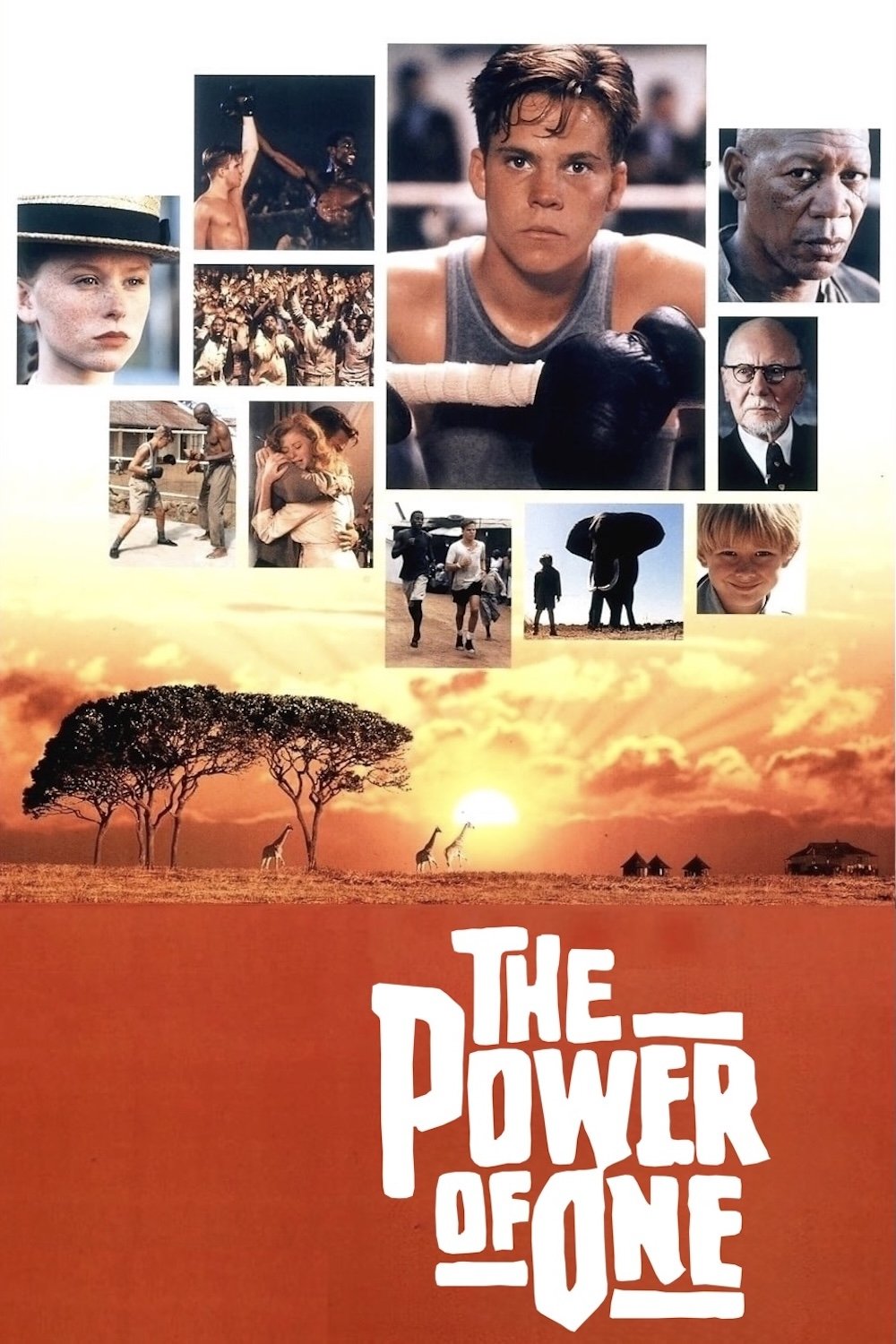
A white English boy living in South Africa learns to fight against the system of apartheid. He eventually becomes a symbol of hope for the Black population who look to him for leadership. Critics argue that the film minimizes the actual Black leaders of the resistance to elevate a young white protagonist. This structure reinforces the idea that oppressed people require an outsider to spark their liberation. It creates a narrative where the white hero is the primary catalyst for social change.
‘Dangerous Minds’ (1995)

An ex-Marine takes a teaching job at an inner-city school filled with underprivileged Black and Latino students. She uses unconventional methods to connect with them and save them from their difficult environments. The film relies on the trope of a white outsider bringing civilization to what the narrative frames as a chaotic community. Sociological critiques highlight how this ignores the systemic causes of poverty and underfunded education. The students’ success is presented entirely as a result of the teacher’s individual grit and determination.
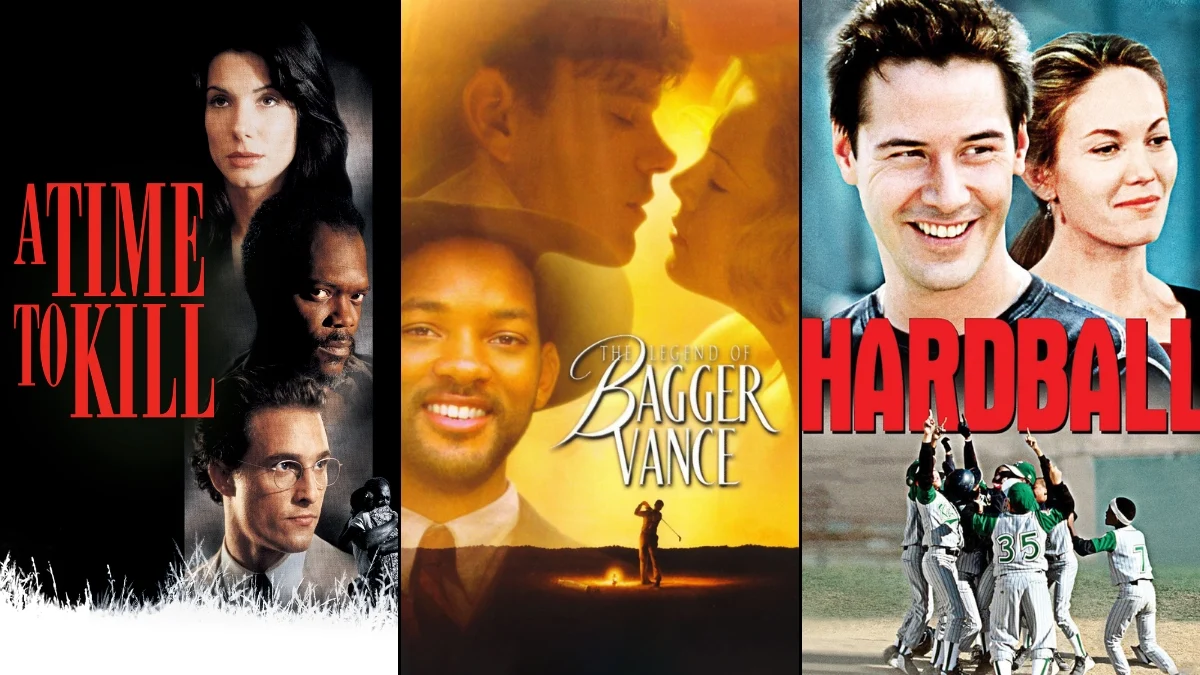
‘A Time to Kill’ (1996)
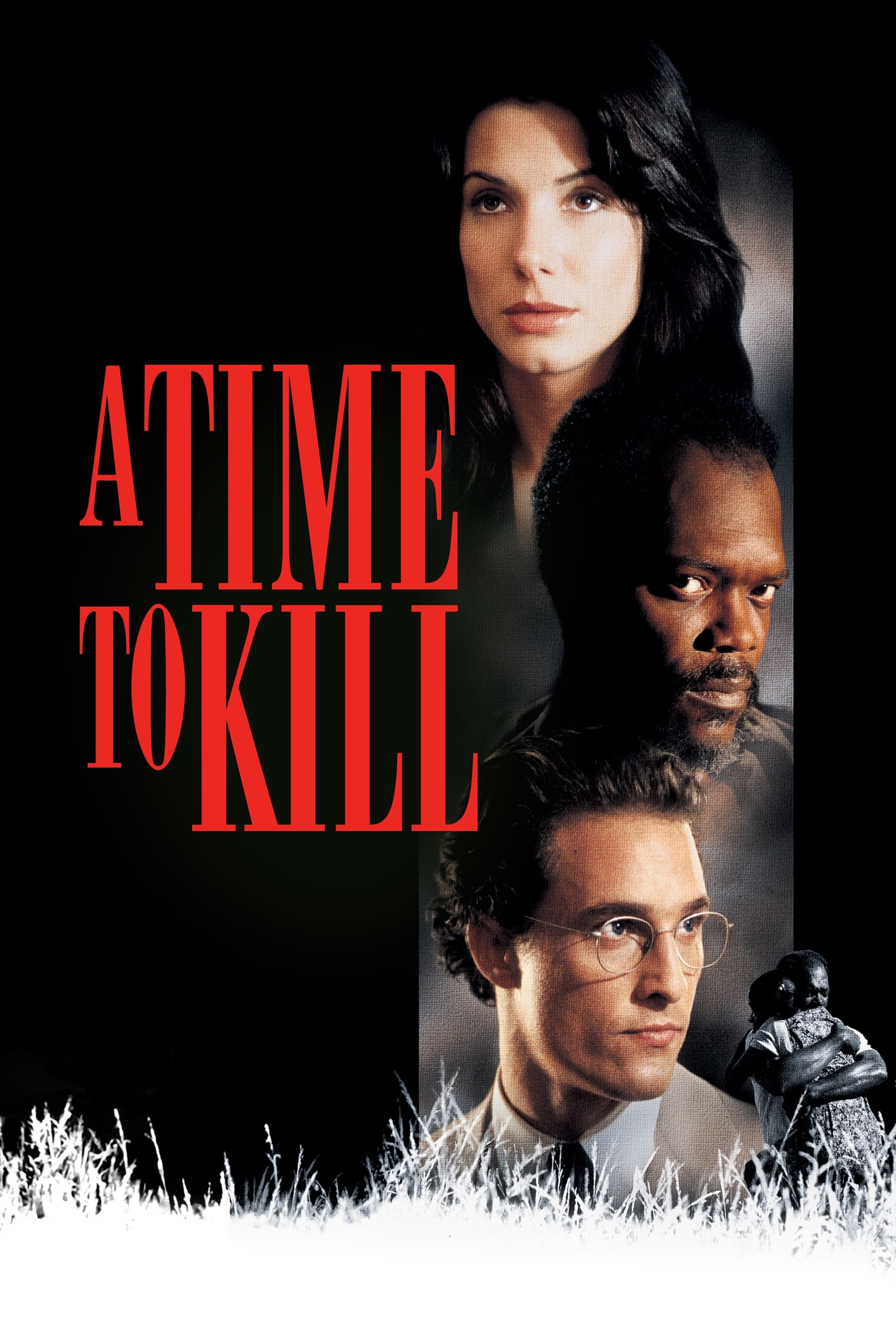
A white lawyer defends a Black father who took the law into his own hands after his daughter was assaulted. The final courtroom scene emphasizes the lawyer’s ability to empathize with the defendant rather than the defendant’s own voice. This framing suggests that justice is only possible through the intervention and emotional pleading of a white person. The film has been scrutinized for centering the white experience in a story about Black trauma. The Black characters are largely relegated to the background while the white legal team navigates the moral landscape.
‘Ghosts of Mississippi’ (1996)
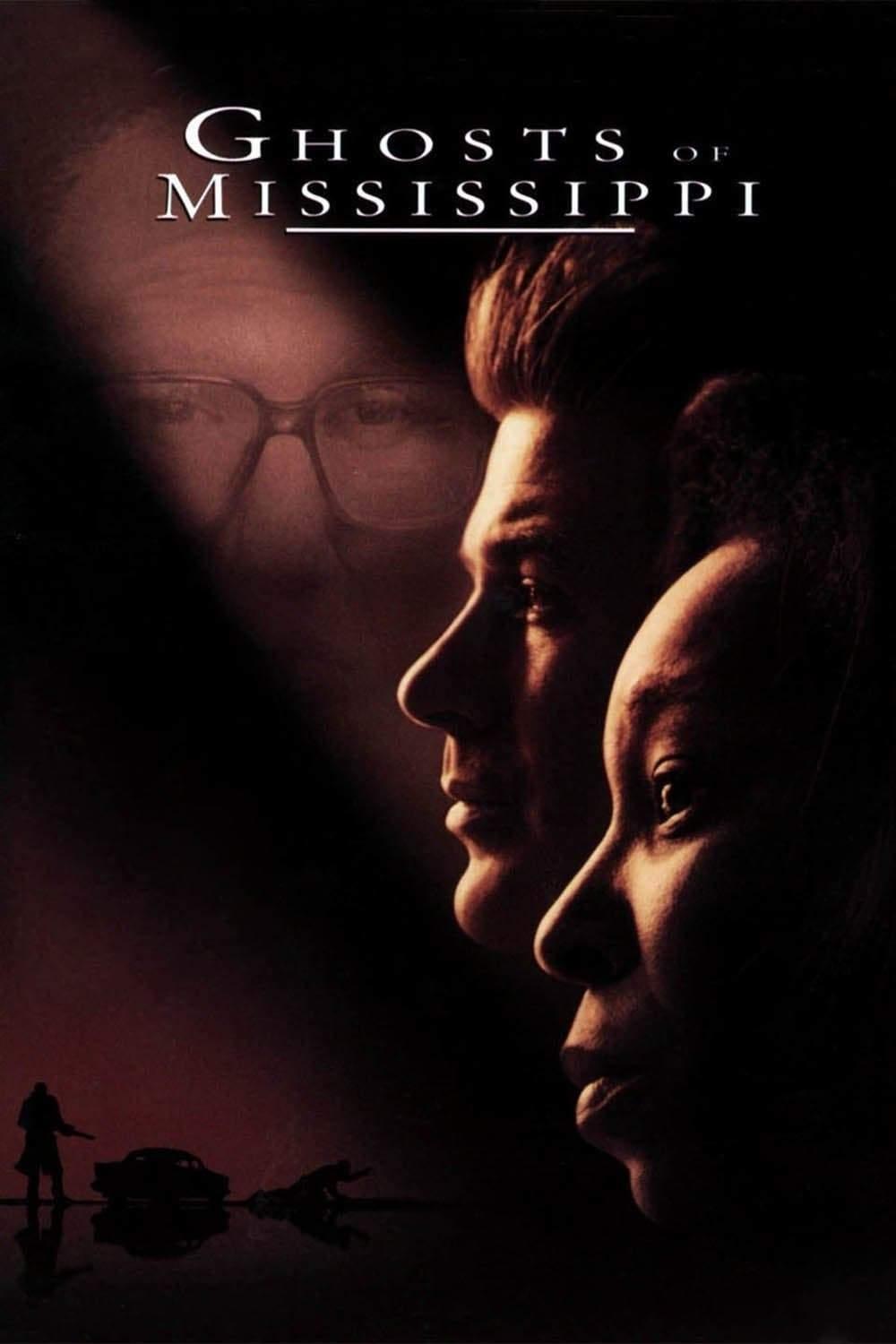
The plot revolves around a prosecutor’s multi-year effort to bring the assassin of Medgar Evers to justice. While based on a true story the film focuses heavily on the white attorney’s personal life and career risks. This approach often overshadows the decades of work and sacrifice made by Myrlie Evers and the Black community. It fits into a genre of films that celebrate white legal professionals for correcting historical injustices. The narrative implies that the legal system is the hero rather than the activists who forced the system to act.
‘Amistad’ (1997)
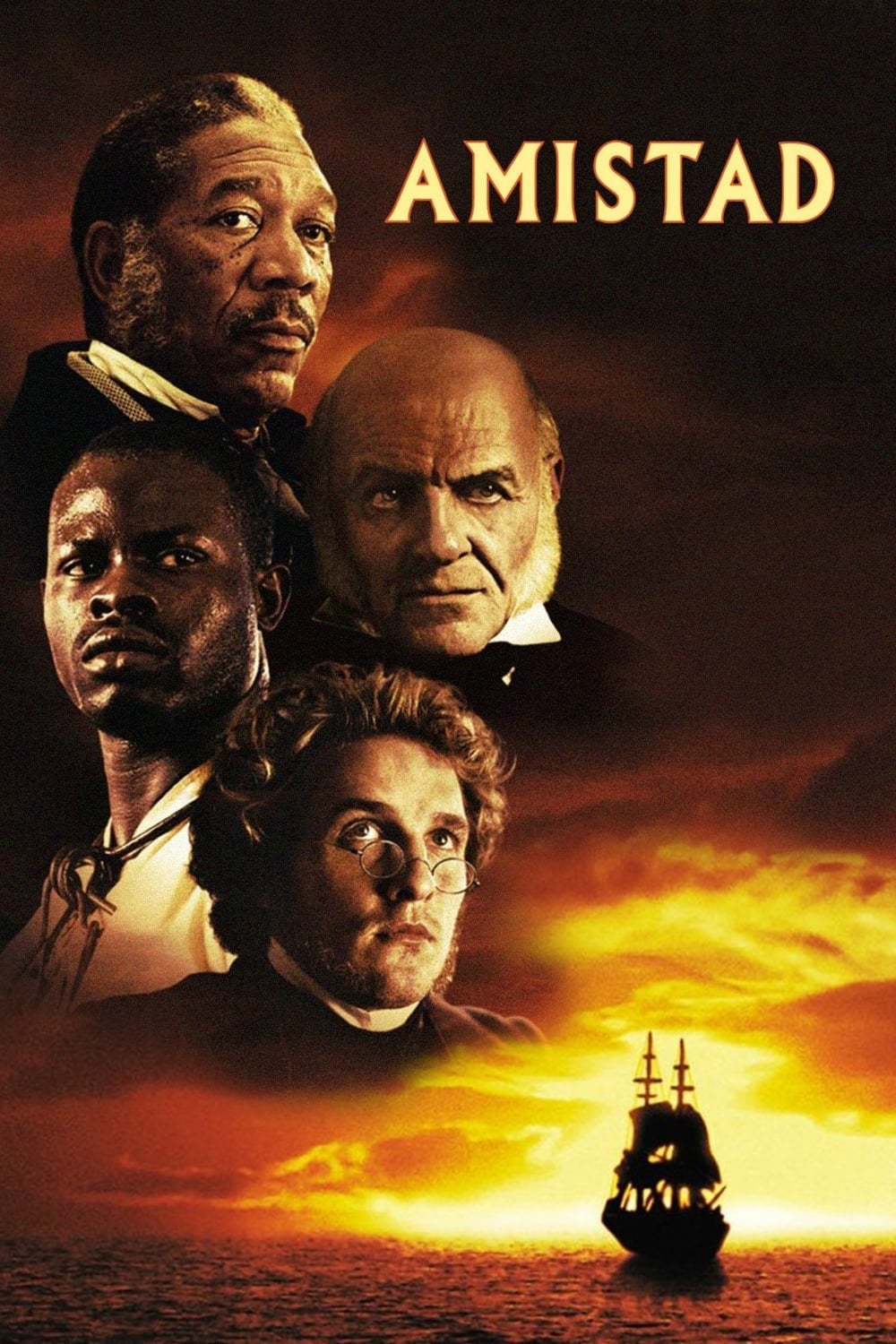
A group of enslaved Africans lead a revolt on a ship and later face a legal battle for their freedom in America. The narrative focuses extensively on the white lawyers and politicians who argue the case in court. This framing shifts the focus away from the agency and resistance of the Africans themselves. Critics note that the film prioritizes the American legal system as the ultimate savior of the Black characters. The emotional climax of the film centers on the rhetoric of white statesmen rather than the liberated individuals.
‘The Legend of Bagger Vance’ (2000)
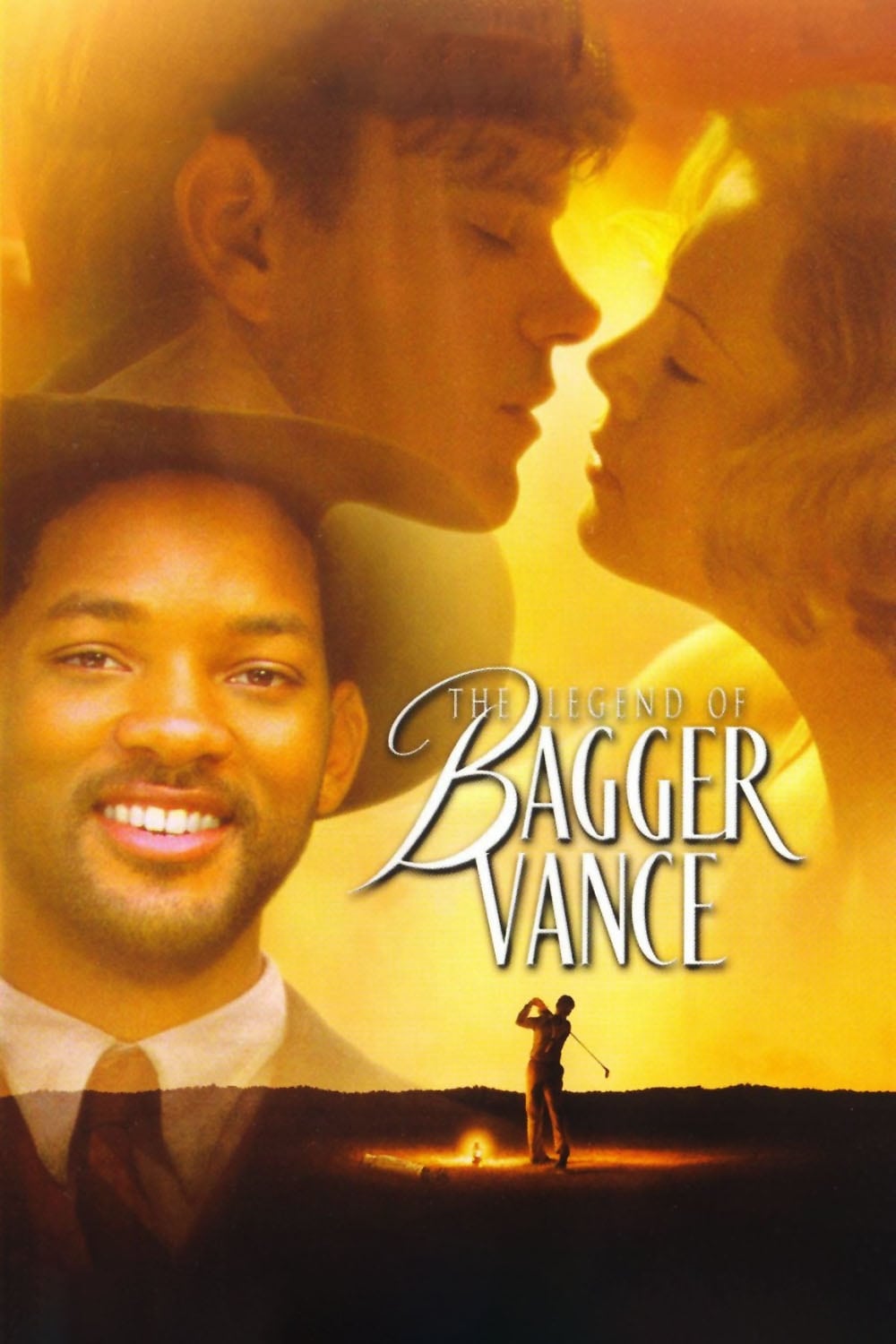
A mysterious Black caddy helps a white war veteran regain his golf swing and his life. The Black character exists solely to provide wisdom and spiritual guidance to the white protagonist. This follows the magical Negro trope which is a specific variation of the white savior narrative. The film has aged poorly because it strips the Black character of any personal goals or background. He is treated as a supernatural tool used for the benefit of a white man’s recovery.
‘Hardball’ (2001)
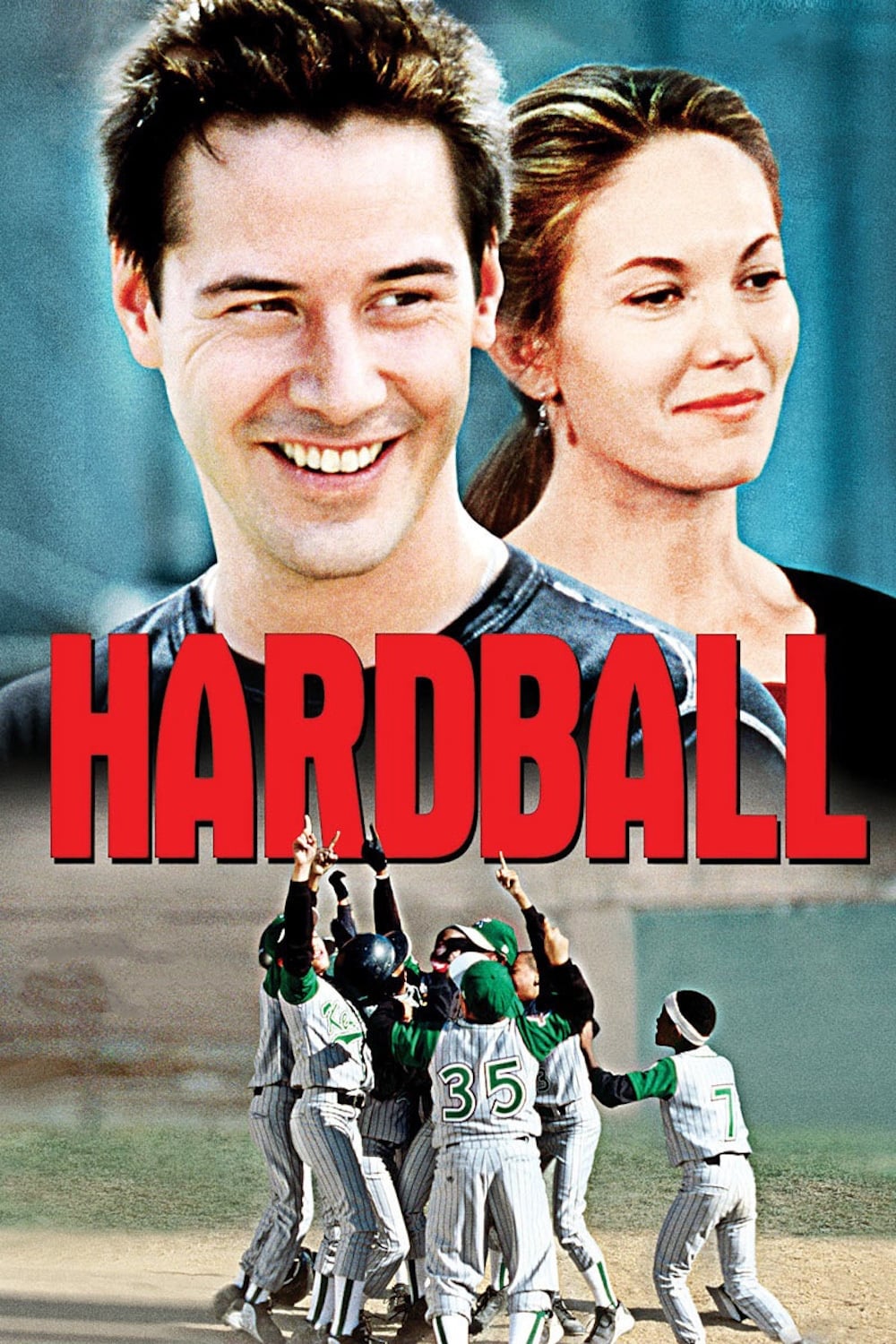
A gambling addict agrees to coach a youth baseball team from the projects to pay off his debts. His journey toward redemption is paved by his interactions with the young Black players who look up to him. The film uses the children’s struggles as a catalyst for the white man’s character growth. This dynamic portrays the Black community as a tool for white self-improvement. The ending focuses more on the coach’s emotional maturation than the long-term prospects of the players.
‘Radio’ (2003)
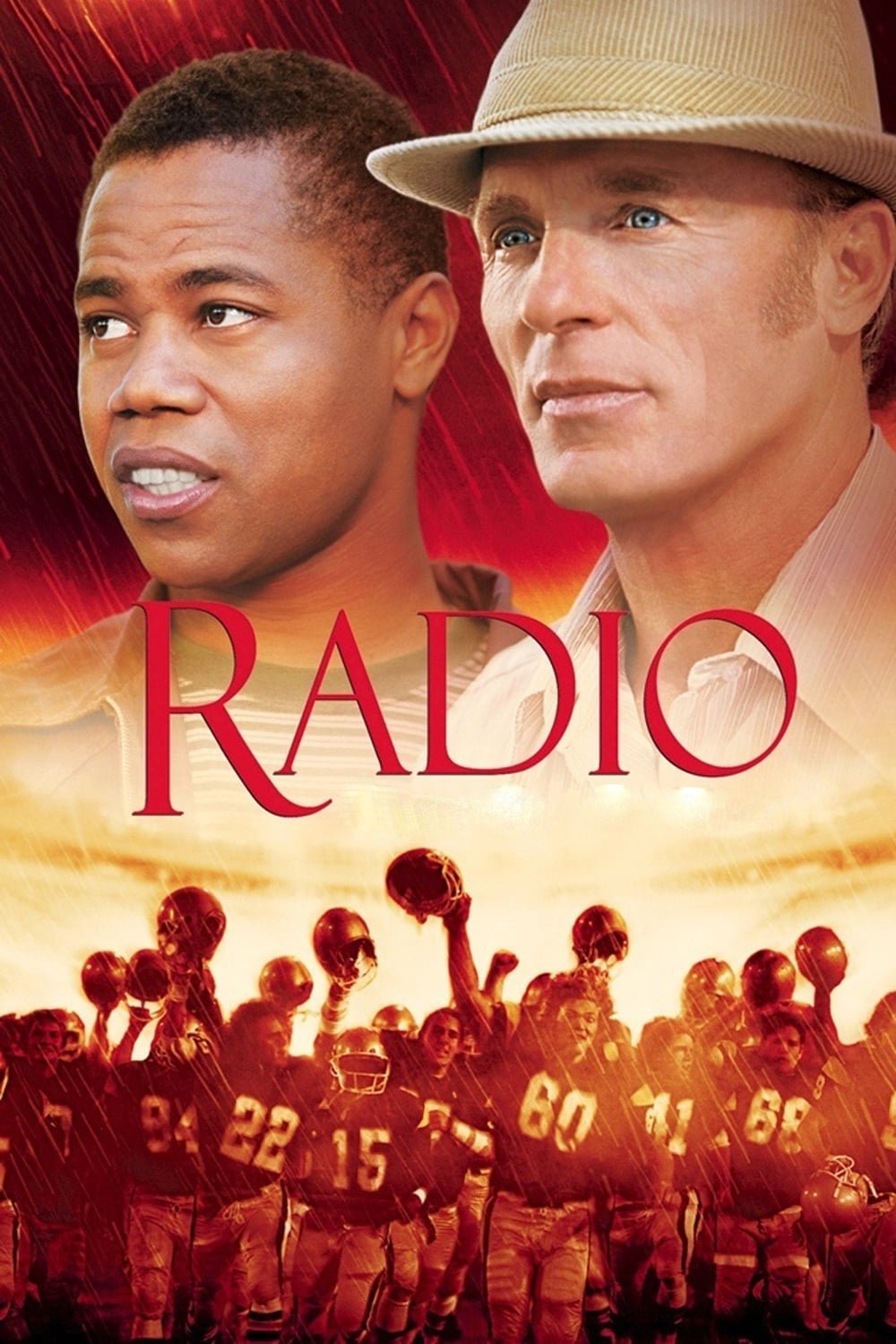
A high school football coach takes a mentally disabled Black man under his wing. The coach protects him from local bullies and integrates him into the town’s athletic culture. While intended to be heartwarming the film centers the coach’s benevolence and patience. Critics argue that the Black protagonist is denied full humanity and is instead treated as a charity project. The narrative celebrates the white character’s kindness while keeping the Black character in a state of perpetual dependency.
‘Blood Diamond’ (2006)
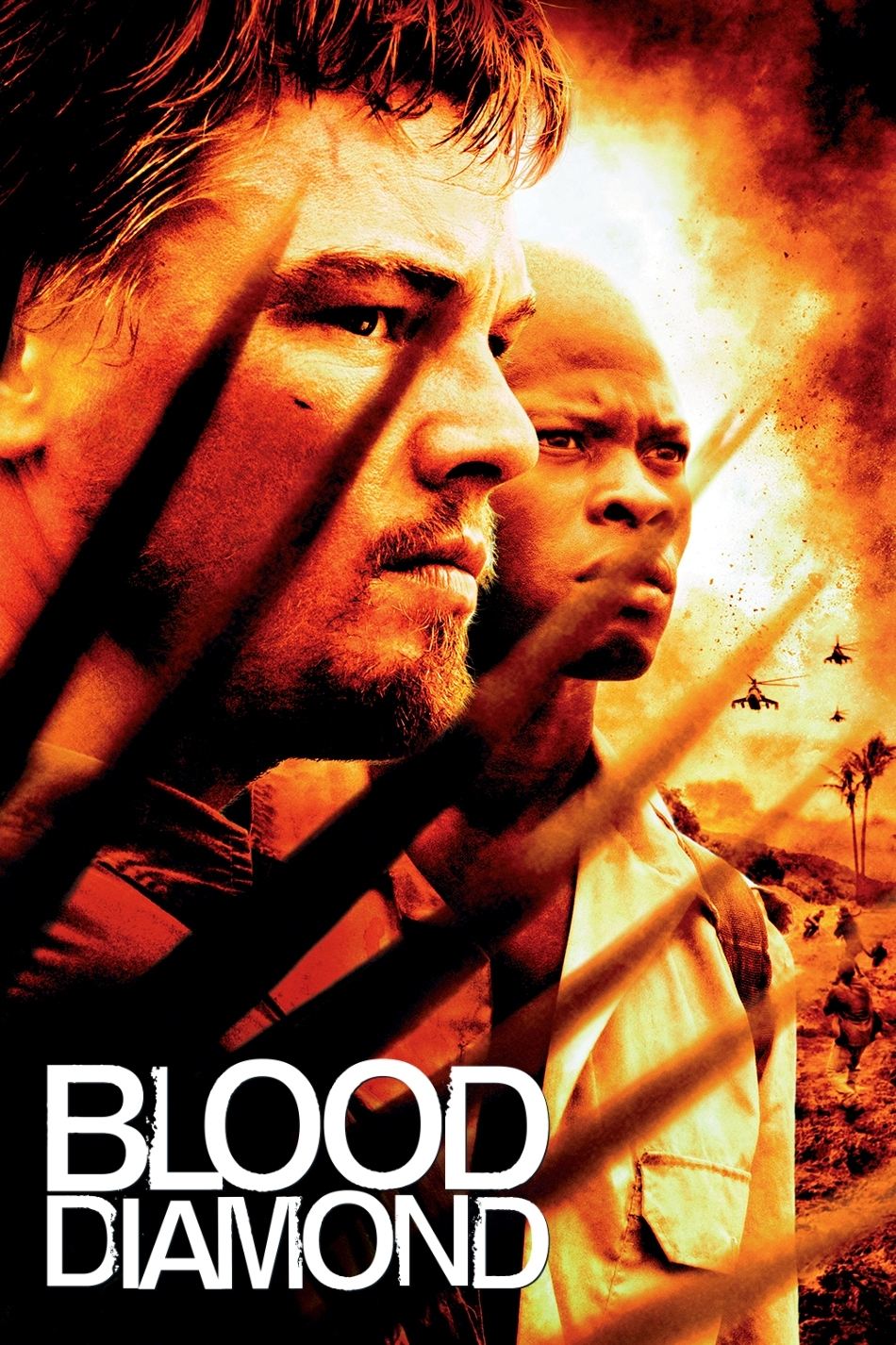
A white smuggler and a Black fisherman team up to find a rare diamond during the Sierra Leone Civil War. The white protagonist eventually finds redemption by sacrificing himself to help the fisherman and his family. This narrative structure suggests that the resolution of African conflicts depends on the intervention of white characters. The film has been analyzed for how it prioritizes the white smuggler’s arc over the local political context. It frames a systemic tragedy through the lens of one man’s individual atonement.
‘Freedom Writers’ (2007)
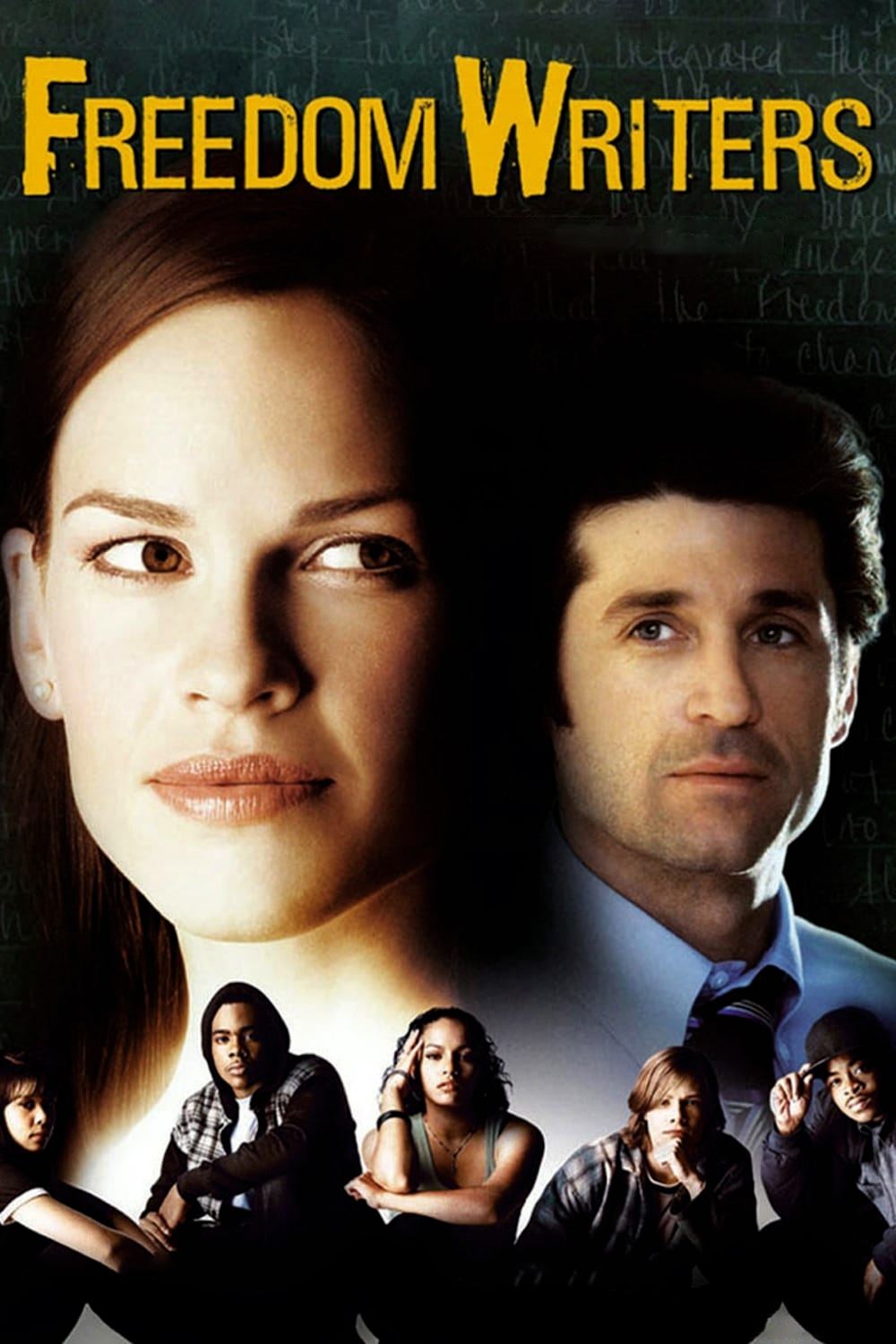
A dedicated white teacher inspires her at-risk students to pursue education and record their lives in journals. The film focuses on the teacher’s sacrifices including the strain on her personal life and marriage. By emphasizing her role as the sole source of hope the film diminishes the resilience of the students. Critics point out that this reinforces the idea that students of color cannot succeed without white intervention. The students’ personal growth is validated only through the teacher’s approval and guidance.
‘The Blind Side’ (2009)
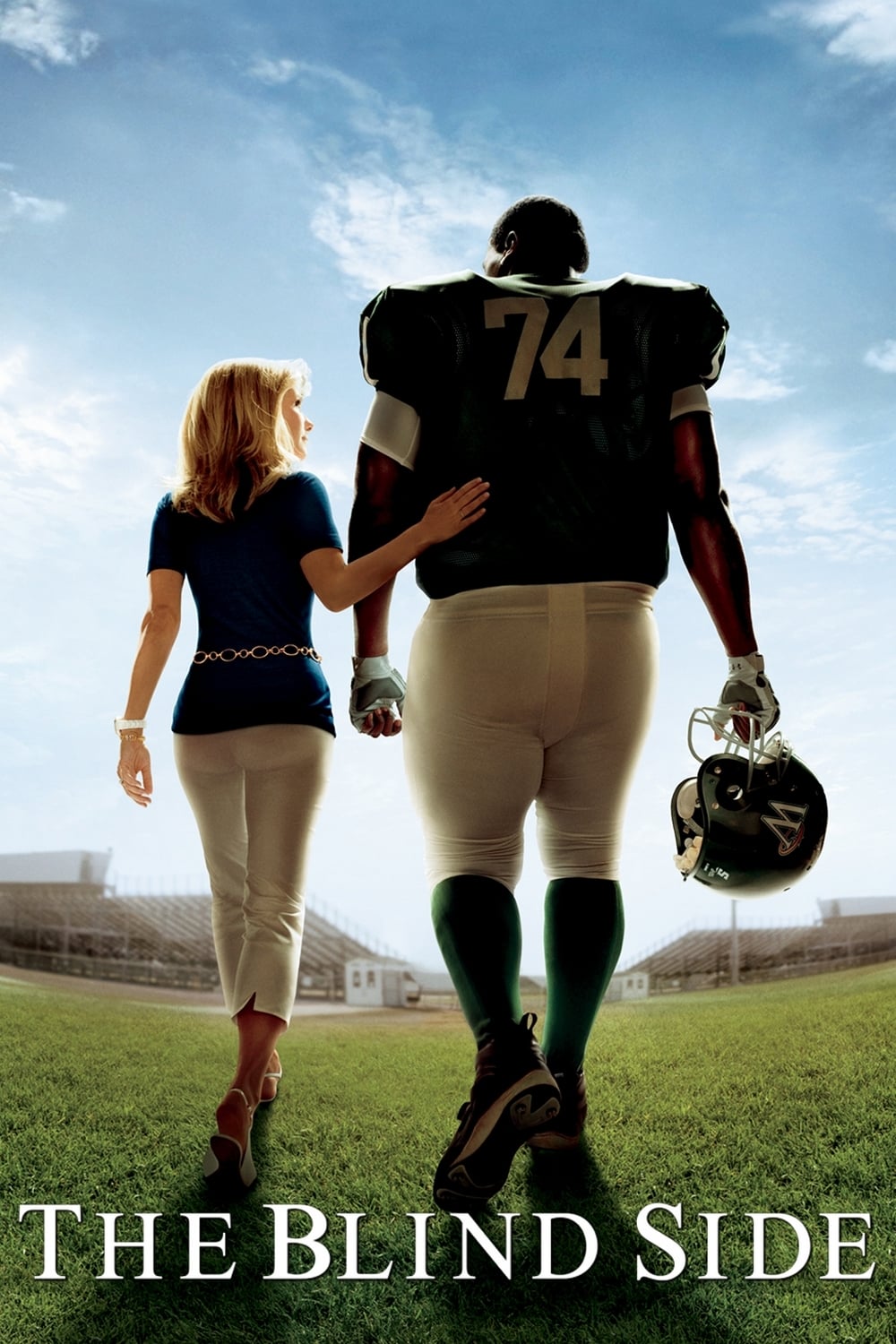
A wealthy white family adopts a homeless Black teenager and helps him become a professional football player. The movie has faced significant criticism from the real-life subject Michael Oher who claimed it misrepresented his intelligence and athletic background. The narrative suggests that Oher would not have succeeded without the intervention and guidance of the Tuohy family. This portrayal is often cited as a prime example of the white savior trope in modern cinema. It centers the white mother’s tenacity as the driving force behind the success of a Black athlete.
‘The Soloist’ (2009)
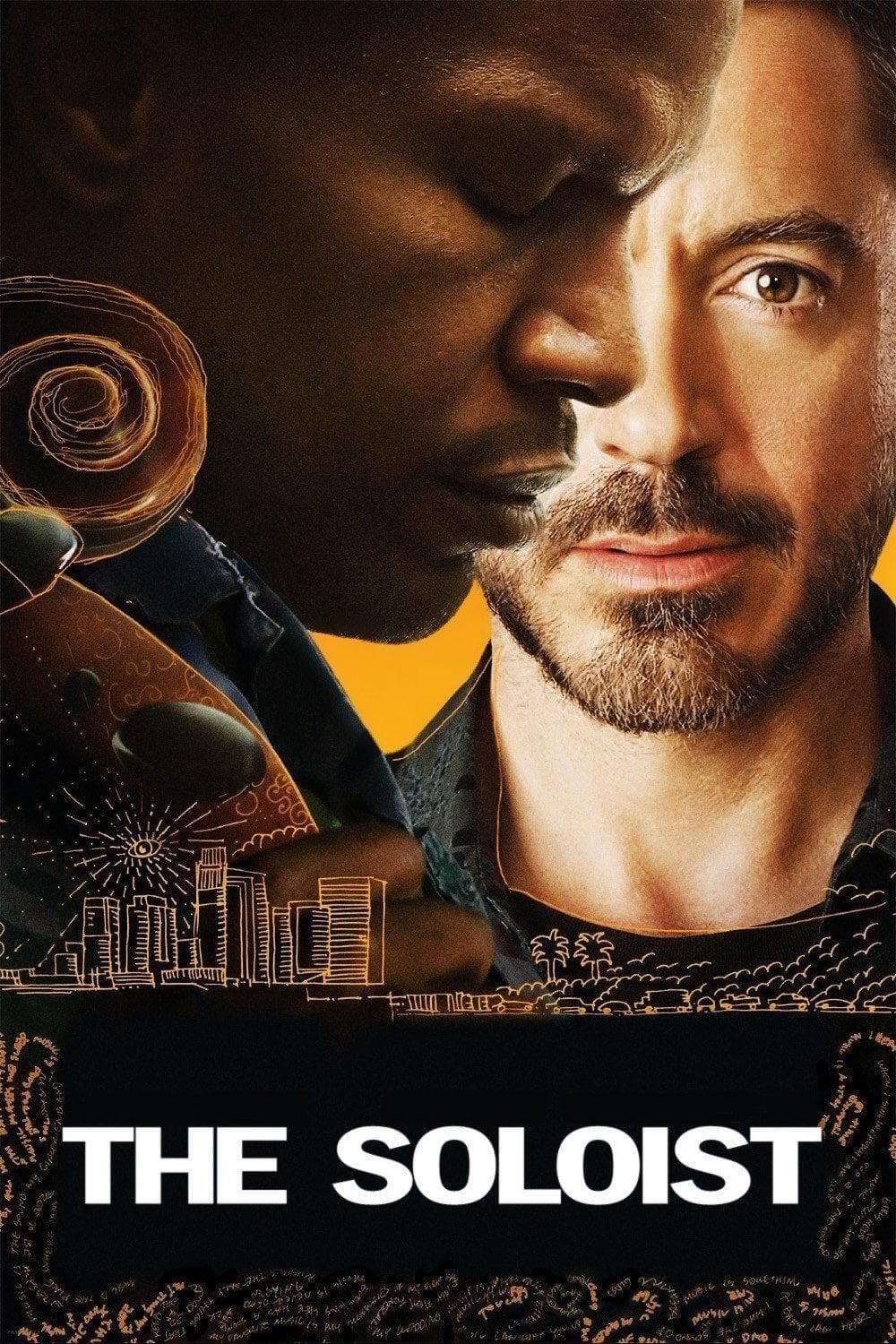
A white journalist attempts to help a homeless Black musical prodigy who suffers from schizophrenia. The film focuses on the journalist’s attempts to fix the musician’s life and the emotional impact the experience has on him. The Black protagonist is often depicted as a tragic figure who serves as a catalyst for the white man’s epiphany. Critics argue this centering of the journalist’s journey marginalizes the reality of mental illness and homelessness. The story prioritizes the frustrations of the helper over the lived experience of the person in need.
‘The Help’ (2011)
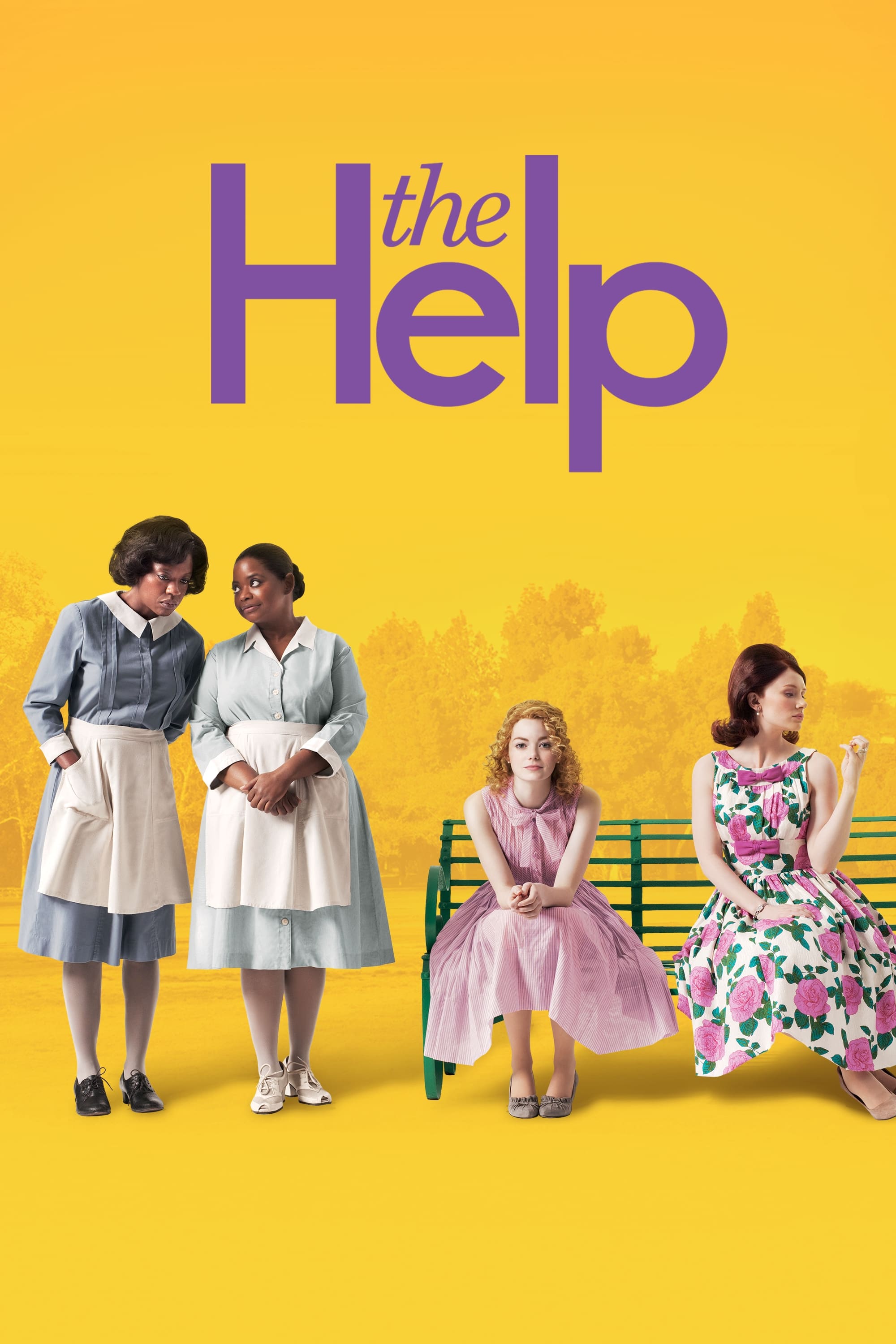
Set during the Civil Rights Movement the story follows a white aspiring journalist who writes a book about the experiences of Black maids. The narrative centers the journalist’s courage in exposing the truth rather than the risks taken by the maids themselves. Critics note that the film softens the harsh realities of the era to provide a more comfortable viewing experience for white audiences. The maids are often portrayed through the lens of the white protagonist’s perspective. Their liberation is framed as an achievement of the white woman who published their stories.
‘Lincoln’ (2012)
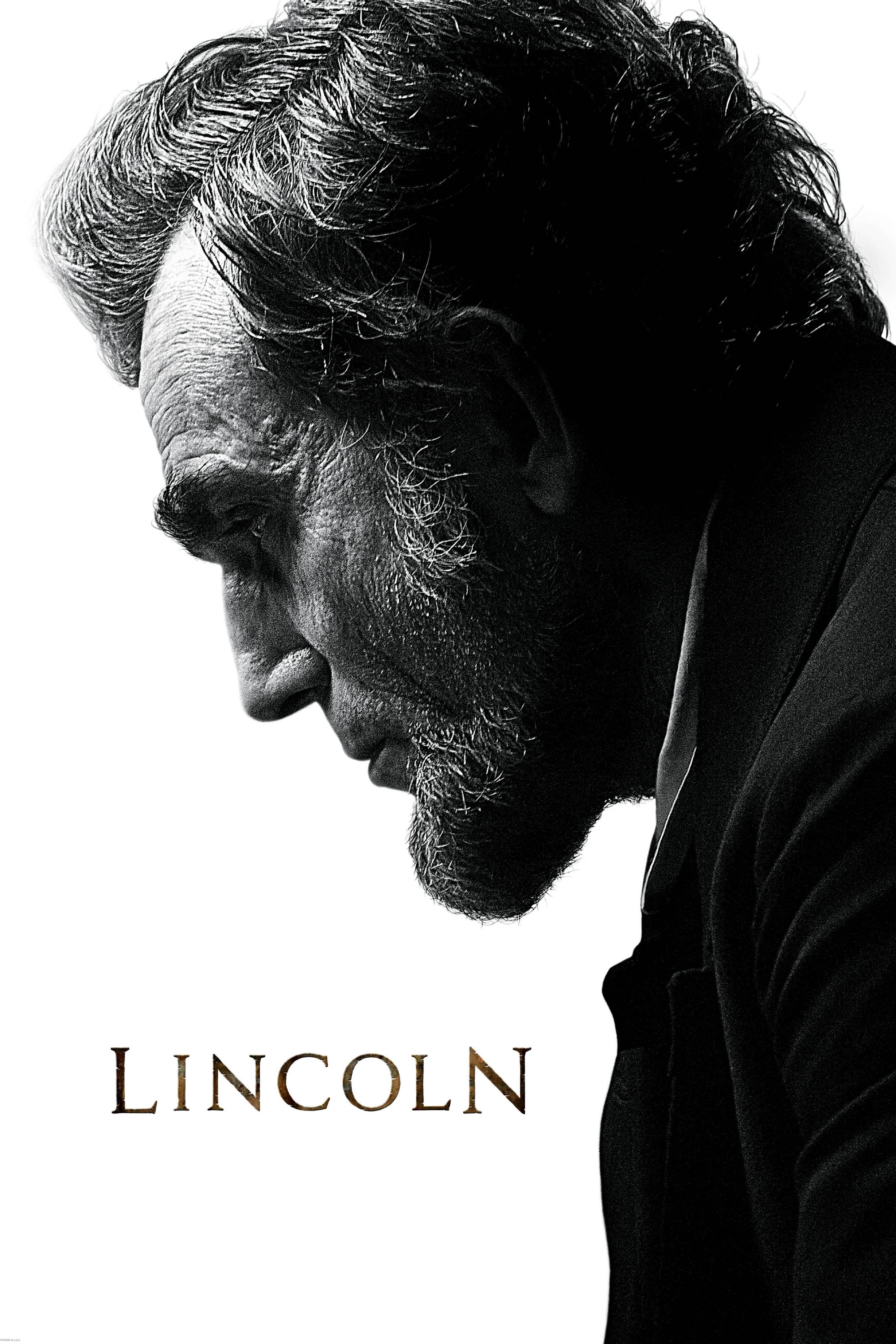
The film depicts the political maneuvering required to pass the 13th Amendment and abolish slavery. While historically focused it emphasizes the actions of white politicians while Black activists remain in the background. Critics argue that this portrayal ignores the significant role of Black abolitionists in the fight for their own freedom. The narrative reinforces the idea that liberation was a gift granted by the white establishment. It presents the end of slavery as a purely white legislative victory.
‘Hidden Figures’ (2016)

Three Black female mathematicians work at NASA during the Space Race while facing racial and gender discrimination. A prominent scene features a white supervisor smashing a segregated bathroom sign to solve a problem for one of the women. In reality that scene was fictional and the women often solved their own problems without such interventions. This fabrication is seen as a way to include a white savior moment in a story about Black excellence. It suggests that institutional progress required a white man to physically break the barriers for the Black employees.
‘Green Book’ (2018)

A white bouncer becomes a driver and bodyguard for a Black classical pianist touring the Deep South. The film focuses on the bouncer’s growth as he learns to overcome his prejudices through his friendship with the pianist. Critics and the family of the pianist have criticized the film for its inaccuracies and for centering the white character’s experience. The movie has been called a throwback to a style of filmmaking that prioritizes white redemption over Black history. The Black protagonist is used primarily as a vehicle for the white character’s moral improvement.
Tell us which of these films you think is the most controversial in the comments.