TV Shows Where Asian Roles Went to Non-Asian Actors


The history of television is marked by numerous instances where characters of Asian descent were portrayed by actors from different ethnic backgrounds. This practice often involved the use of prosthetic makeup and exaggerated accents to create a specific cultural persona. While some of these casting choices were made due to industry standards of the time others occurred in more modern productions. Many of these roles have since become points of discussion regarding the importance of authentic representation on screen. Exploring these examples provides insight into how casting trends and social awareness have evolved over several decades.
‘Kung Fu’ (1972–1975)

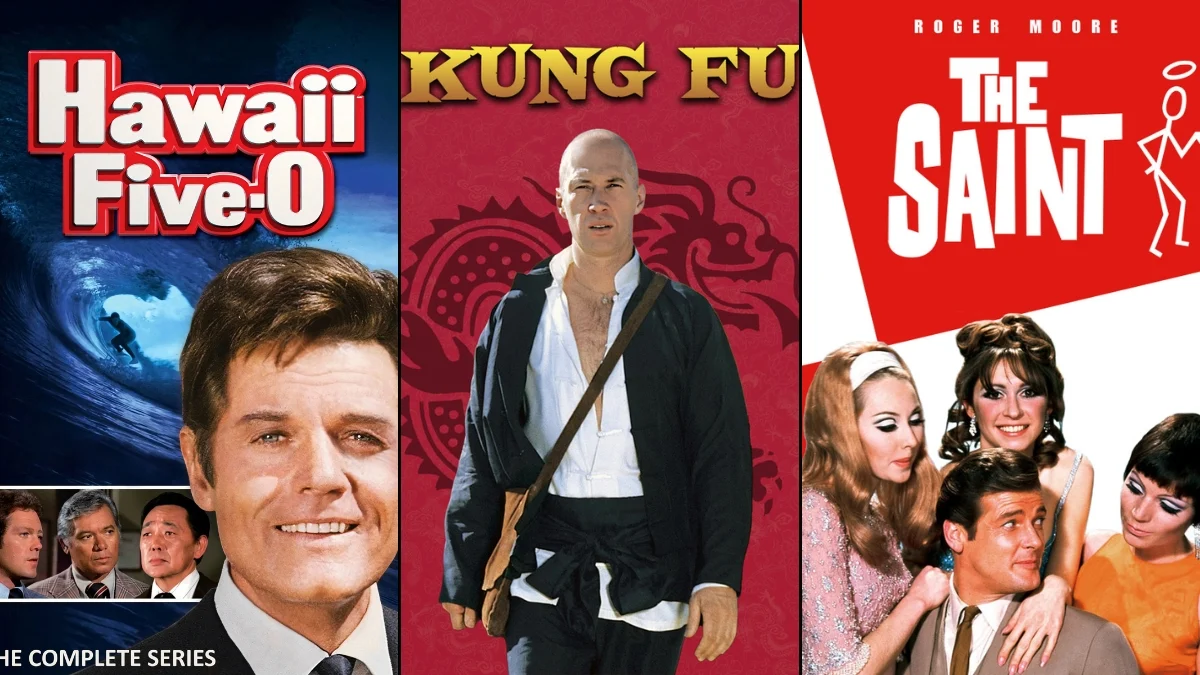
‘Kung Fu’ followed a Shaolin monk named Kwai Chang Caine as he traveled through the American Old West. The lead role of Caine was given to David Carradine who was of Caucasian descent instead of a Chinese actor. Bruce Lee had famously auditioned for the part but the network executives believed an Asian actor could not carry a show as a lead. The character was eventually written as having a white father and a Chinese mother to explain the appearance of the actor. This casting decision remains one of the most cited examples of whitewashing in television history.
‘The New Adventures of Charlie Chan’ (1957–1958)
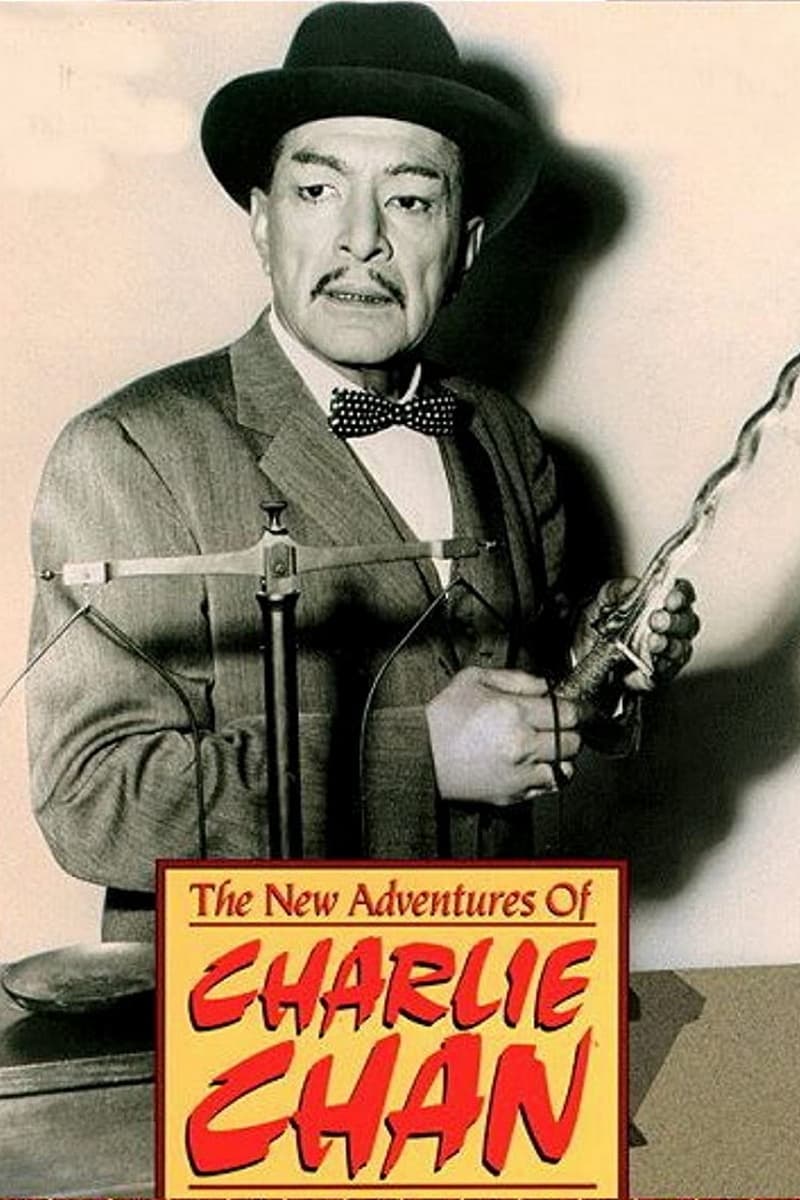
‘The New Adventures of Charlie Chan’ featured the famous fictional detective solving crimes in various international locations. J. Carrol Naish who was an American actor of Irish descent portrayed the titular Chinese investigator. Naish wore heavy makeup and used a stereotypical accent to depict the character of Charlie Chan. This series continued a long tradition of white actors playing the detective in both film and television. The show only lasted for one season but it highlighted the lack of opportunities for Asian actors during that period.
‘Dr. Fu Manchu’ (1956)
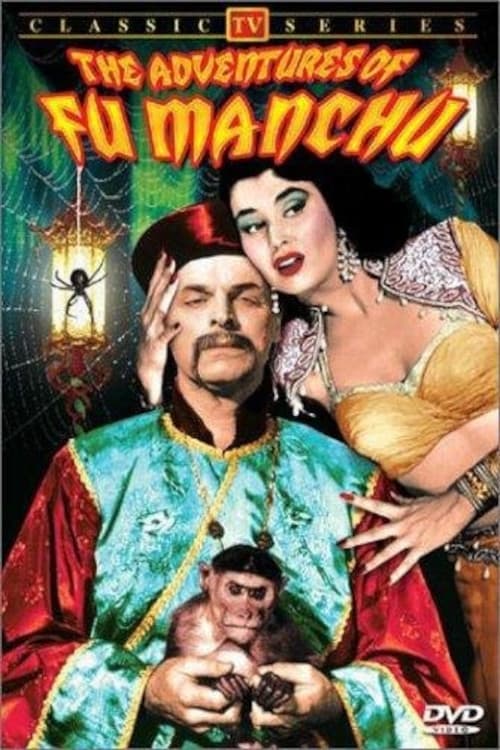
‘The Adventures of Dr. Fu Manchu’ brought the controversial literary villain to the small screen in the mid fifties. Glen Gordon portrayed the lead character who was a Chinese mastermind bent on global domination. The production utilized yellowface techniques to make Gordon appear Asian for the role. This portrayal relied heavily on the Yellow Peril tropes that were prevalent in popular culture during that era. The series was eventually criticized for its offensive stereotypes and its exclusion of actual Asian performers.
‘Doctor Who’ (1963–Present)
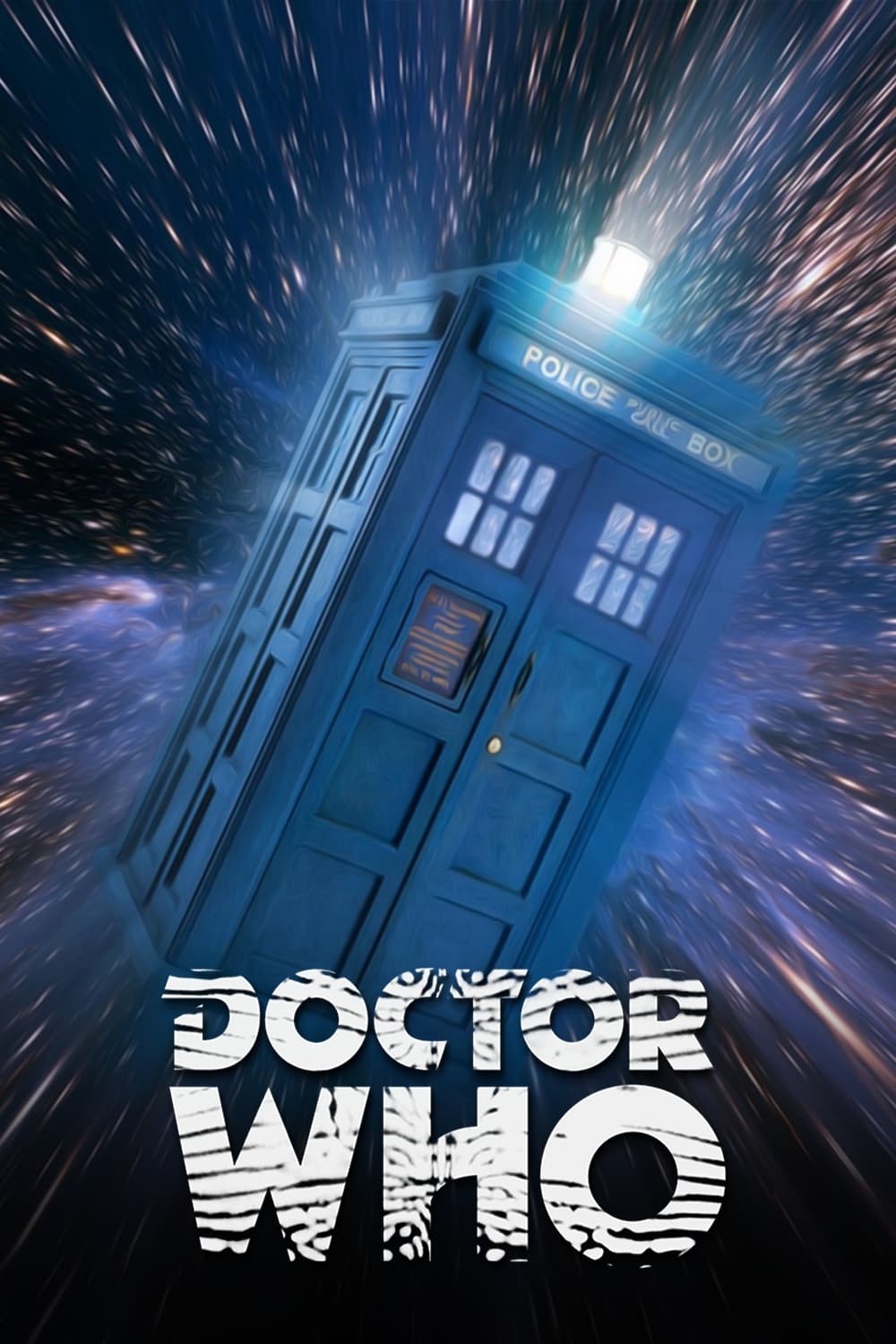
‘Doctor Who’ featured a controversial portrayal of an Asian character in the 1977 serial titled ‘The Talons of Weng-Chiang’. John Bennett played Li H’sen Chang who was a Chinese stage magician and a primary antagonist. Bennett wore extensive prosthetics to change the shape of his eyes and used a stylized accent for his performance. The serial has faced significant modern criticism for this casting choice despite being highly regarded for its writing. Fans and historians often point to this episode as a problematic moment in the history of the long running show.
‘Hawaii Five-O’ (1968–1980)
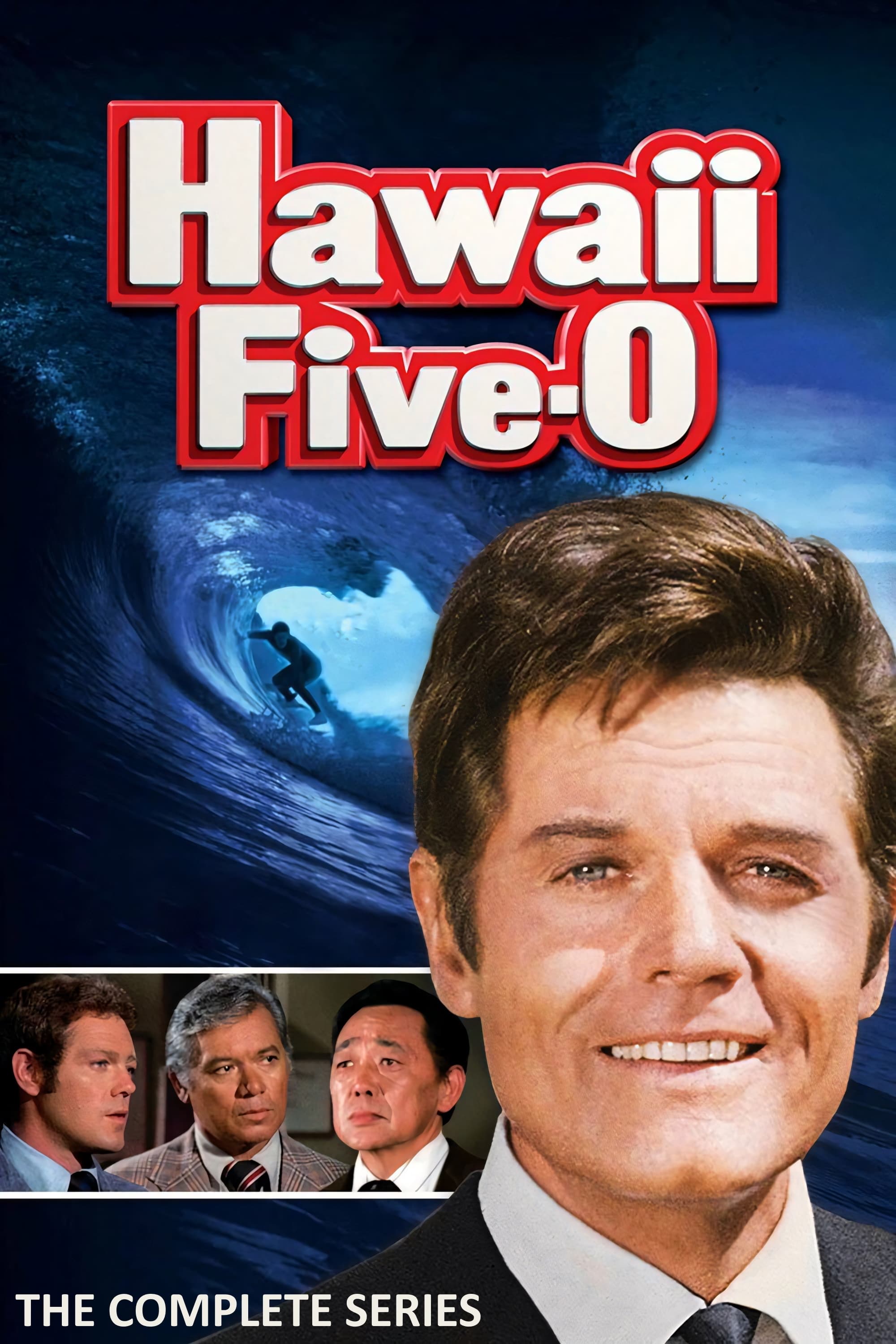
‘Hawaii Five-O’ introduced the character of Wo Fat as the primary nemesis of the main protagonist Steve McGarrett. Khigh Dhiegh was cast as the Chinese criminal mastermind despite being of Anglo Egyptian and Sudanese descent. Dhiegh portrayed the character for over a decade throughout the original run of the series. The show frequently featured Asian settings and characters but often utilized non Asian actors for significant guest roles. This casting approach was common in police procedurals during the late sixties and seventies.
‘The Outer Limits’ (1963–1965)
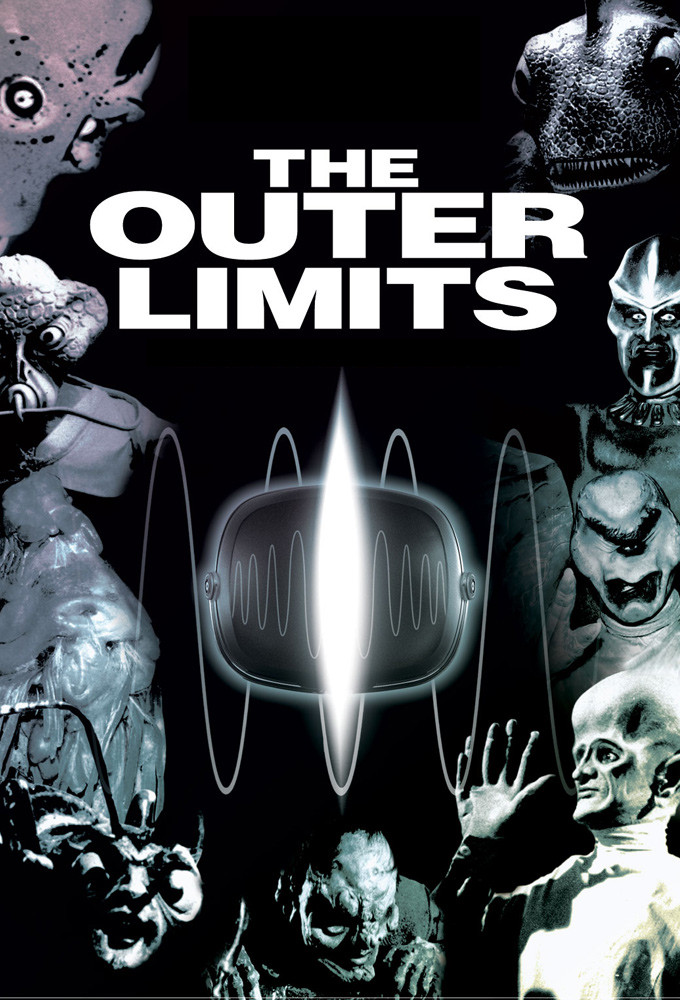
‘The Outer Limits’ aired an episode called ‘The Hundred Days of the Dragon’ that focused on a political conspiracy. Sidney Blackmer played both the President of the United States and an Asian spy who had undergone surgery to look like him. The episode required Blackmer to use makeup to depict the Asian character who was part of a foreign plot. This narrative used the fear of infiltration by foreign powers as its central theme. It served as another example of a white actor playing an Asian role for a specific plot device in science fiction.
‘Arrow’ (2012–2020)
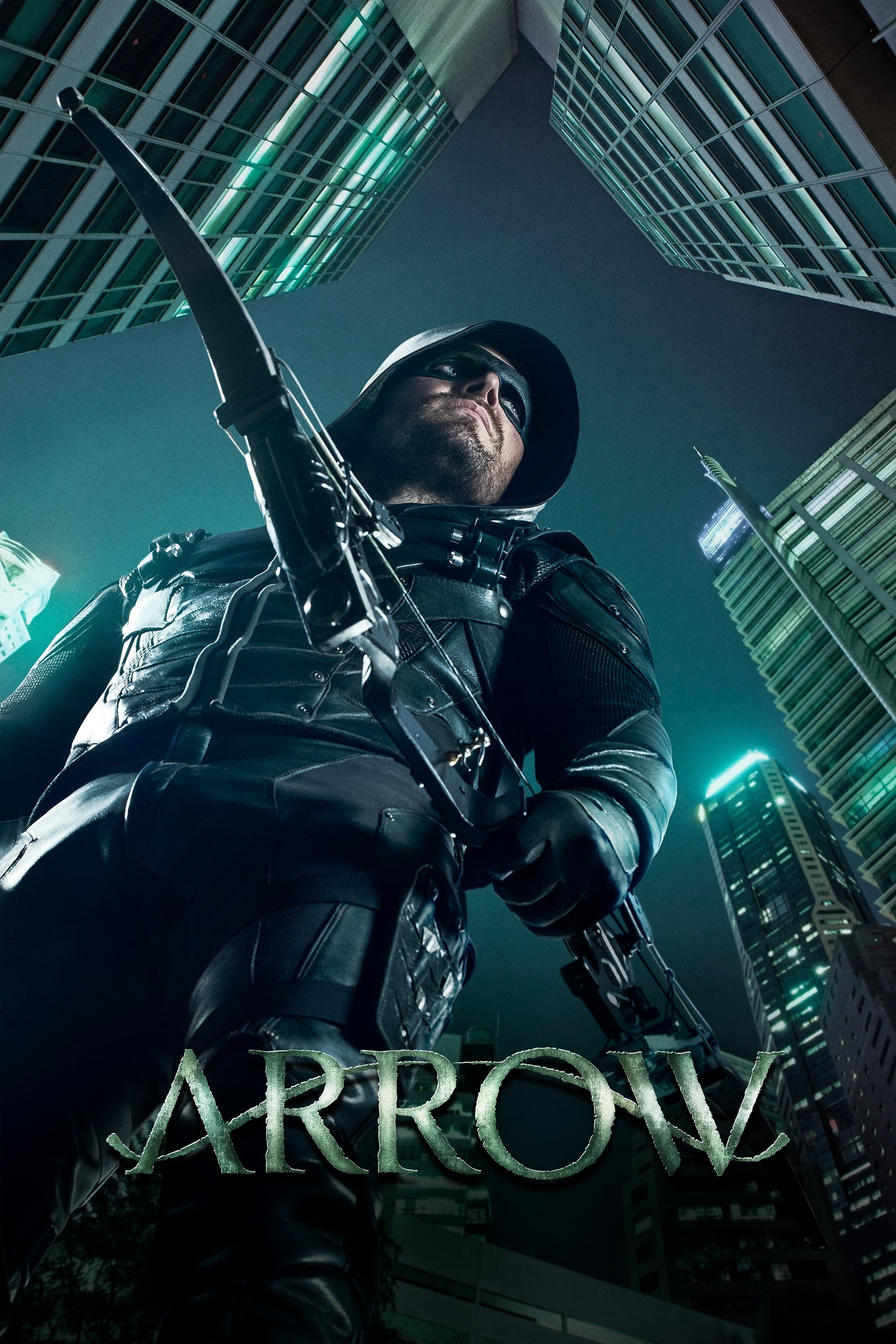
‘Arrow’ introduced the legendary comic book villain Ra’s al Ghul during its third season. Matt Nable was cast to play the leader of the League of Assassins who is typically portrayed as being of Middle Eastern or East Asian heritage in the comics. While the show reimagined the character the decision to cast a white actor drew criticism from fans hoping for more accurate representation. The series often changed character origins to fit its own narrative universe. This instance highlighted the ongoing debate regarding the casting of characters with established ethnic backgrounds.
‘Seinfeld’ (1989–1998)
‘Seinfeld’ included a character named Donna Chang in an episode where Jerry dates a woman he assumes is Chinese because of her surname. Angela Dohrmann who is white played the character who had actually shortened her name from Changstein. The humor of the episode relied on the subversion of ethnic expectations and stereotypes. While the casting was part of the joke it depicted a non Asian actress taking on a role that misled other characters about her ethnicity. The episode remains a well known example of how the show approached themes of identity and race.
‘The Wild Wild West’ (1965–1969)
‘The Wild Wild West’ often featured guest stars who played characters of different ethnicities in its episodic format. Vito Scotti appeared in the episode titled ‘The Night of the Sudden Death’ as a character named Chu who was a Chinese assassin. The series used theatrical makeup to allow its regular guest stars to portray various nationalities across different episodes. This practice was a staple of sixties television where a small pool of character actors filled many diverse roles. It showcased the era’s reliance on broad characterizations rather than authentic casting.
‘Get Smart’ (1965–1970)
‘Get Smart’ featured a recurring character named Harry Hoo who was a parody of the fictional detective Charlie Chan. Joey Forman played the role using a broad accent and makeup to mimic the appearance of Asian detectives from classic cinema. The character was intended as a satire of the genre tropes found in older mystery films. While the show was a comedy the use of a white actor to play an Asian caricature followed established industry patterns. The character appeared in several episodes and interacted with the main protagonist Maxwell Smart.
‘The Man from U.N.C.L.E.’ (1964–1968)
‘The Man from UNCLE’ featured an episode called ‘The Terbuf Affair’ that included several characters of Asian descent. Non Asian actors were often cast in these roles and were given makeup to alter their physical features. The series was known for its international scope and its frequent use of diverse locations. Like many other spy shows of the time it prioritized established character actors over ethnic authenticity. This approach reflected the general casting standards of the television industry during the mid sixties.
‘I Spy’ (1965–1968)
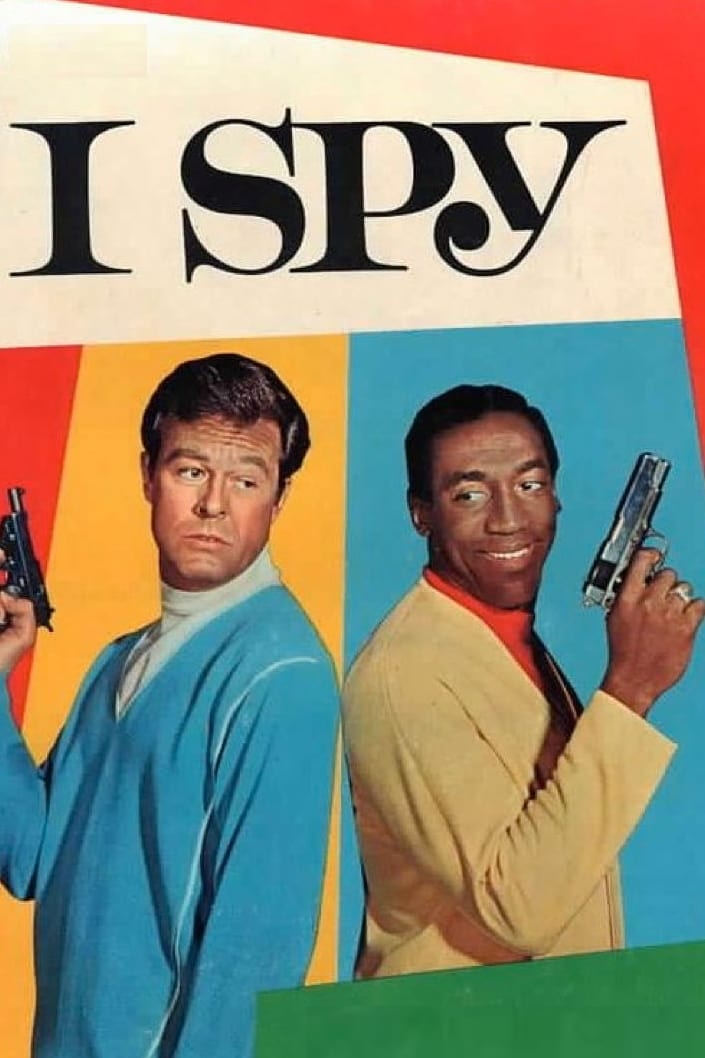
‘I Spy’ was a groundbreaking show for its inclusion of a Black lead but it still utilized non Asian actors for certain Asian roles. In the episode titled ‘The Tiger’ several supporting characters were intended to be Vietnamese but were played by non Asian performers. The production sometimes used makeup to adjust the appearance of these actors to fit the script. While the show was progressive in many ways it still adhered to some of the casting limitations of its era. This illustrates the complex nature of representation in early television history.
‘The Incredible Hulk’ (1977–1982)
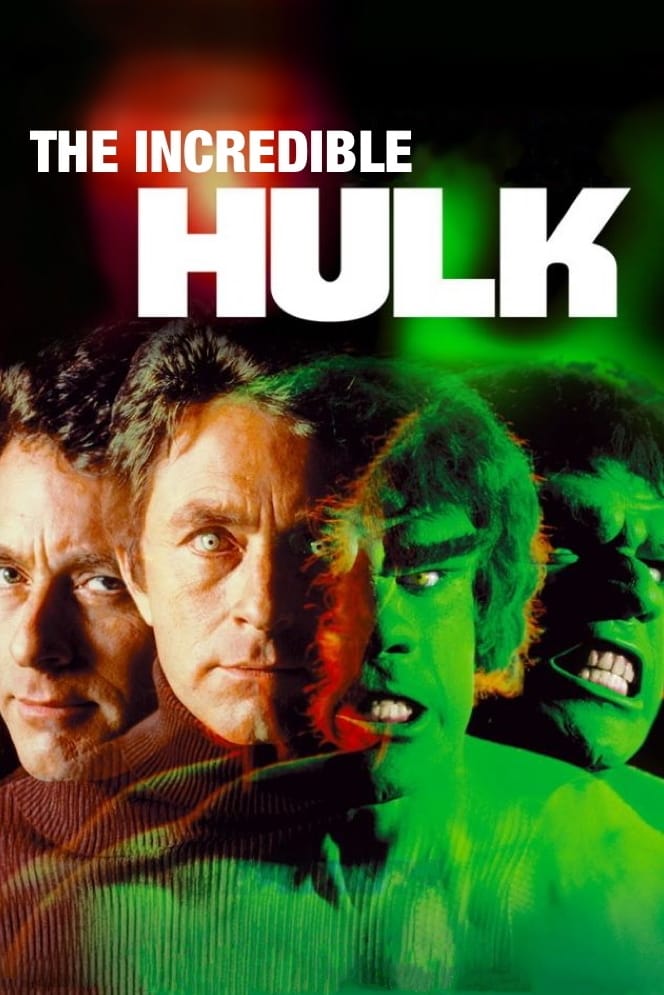
‘The Incredible Hulk’ featured an episode titled ‘East Winds’ that dealt with a conflict involving a Chinese gang. Several of the roles that were meant to be Chinese characters were played by actors who were not of Asian descent. The episode utilized makeup and costume to establish the cultural setting of the story. This was a common practice in episodic television when the production needed to fill many specific roles quickly. The series frequently explored different subcultures throughout its run across the country.
‘Bonanza’ (1959–1973)
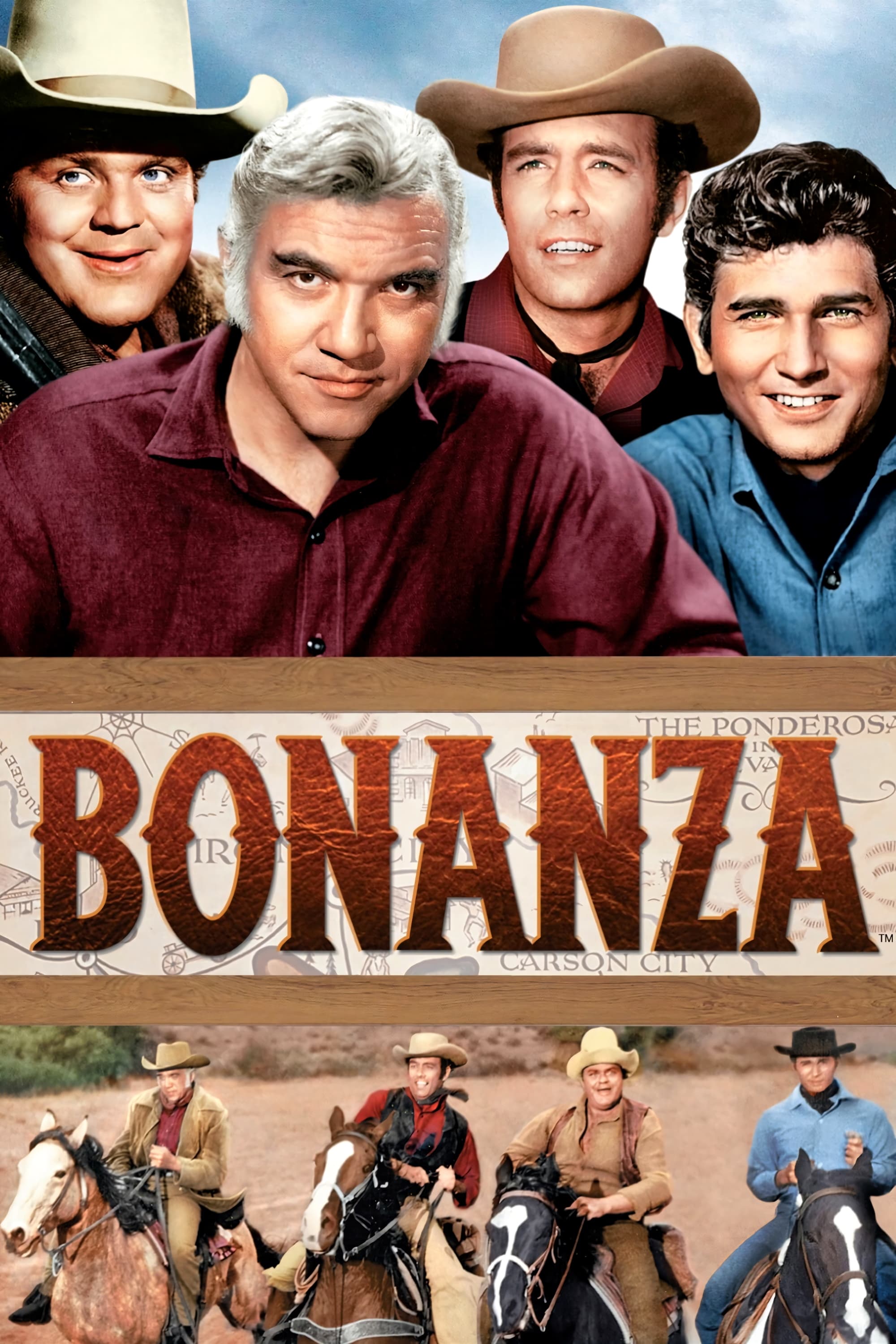
‘Bonanza’ aired an episode titled ‘The Fear Merchants’ which addressed the prejudice faced by Chinese immigrants in the West. While some Asian actors were cast in the episode certain significant roles were given to white performers in yellowface. The episode was notable for trying to tackle social issues despite its own casting flaws. This reflected the tendency of the era to produce socially conscious content while still relying on traditional casting methods. The series remains a staple of the Western genre in television history.
‘The Saint’ (1962–1969)
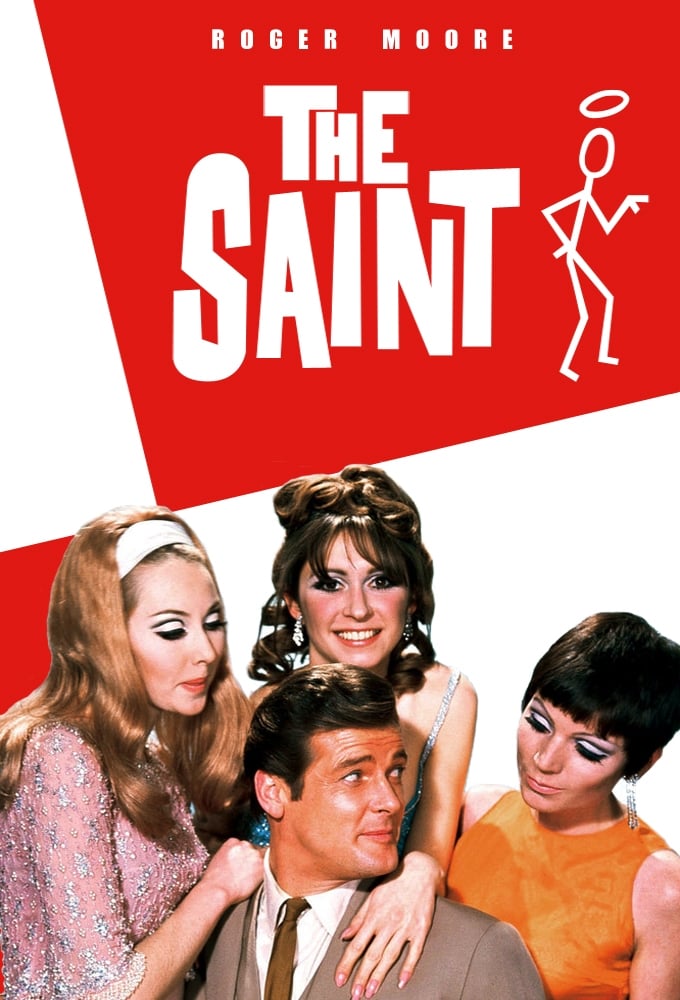
‘The Saint’ featured the episode ‘The Golden Frog’ where several Asian characters were played by non Asian actors. The show frequently traveled to exotic locations and used its cast to fill various ethnic roles. This was consistent with the production style of British adventure series during the sixties. The use of makeup to alter the appearance of actors was a common technique in these episodes. It remains an example of how television used a limited group of performers for international stories.
Please share your thoughts on these casting choices in the comments.