Games That Added “Diversity” Characters Fans Called Completely Pointless

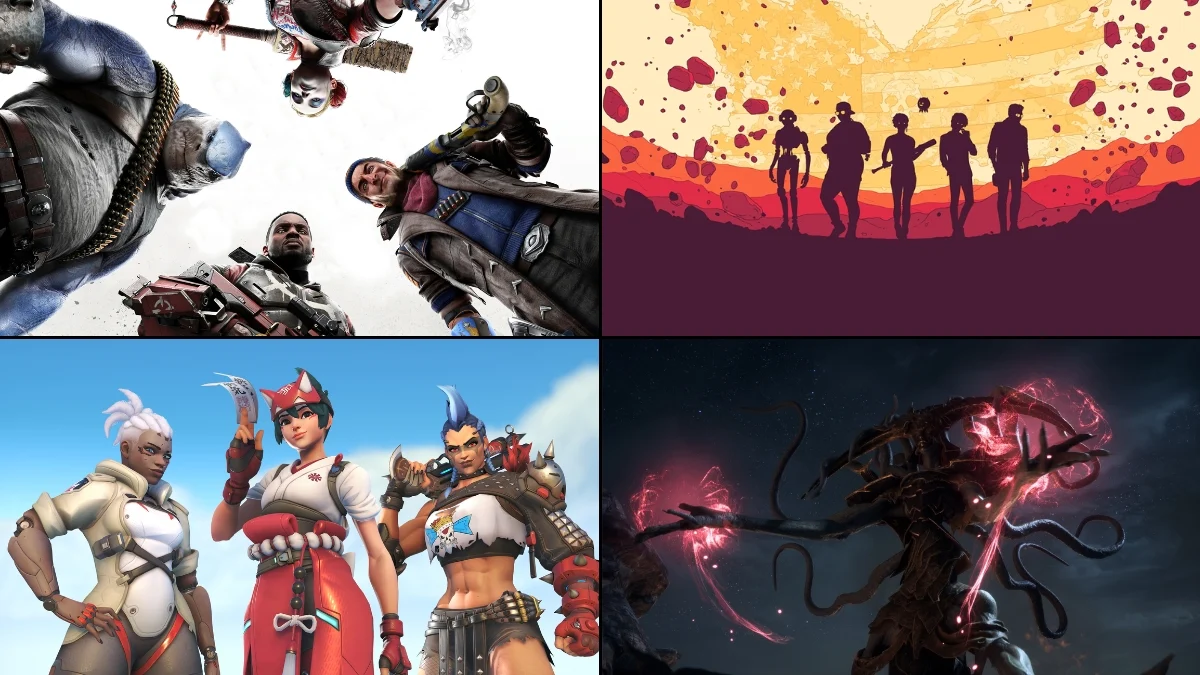

The video game industry has seen a significant shift toward inclusive storytelling and diverse character rosters over the past decade. While many players appreciate seeing a wider range of backgrounds represented some implementations have sparked intense debate within the gaming community. Fans often voice frustration when they feel that certain character traits are prioritized over narrative depth or mechanical innovation. This list examines several titles where the introduction of diverse characters led to accusations of being unnecessary or forced for the sake of modern trends.
‘Assassin’s Creed Shadows’ (2025)
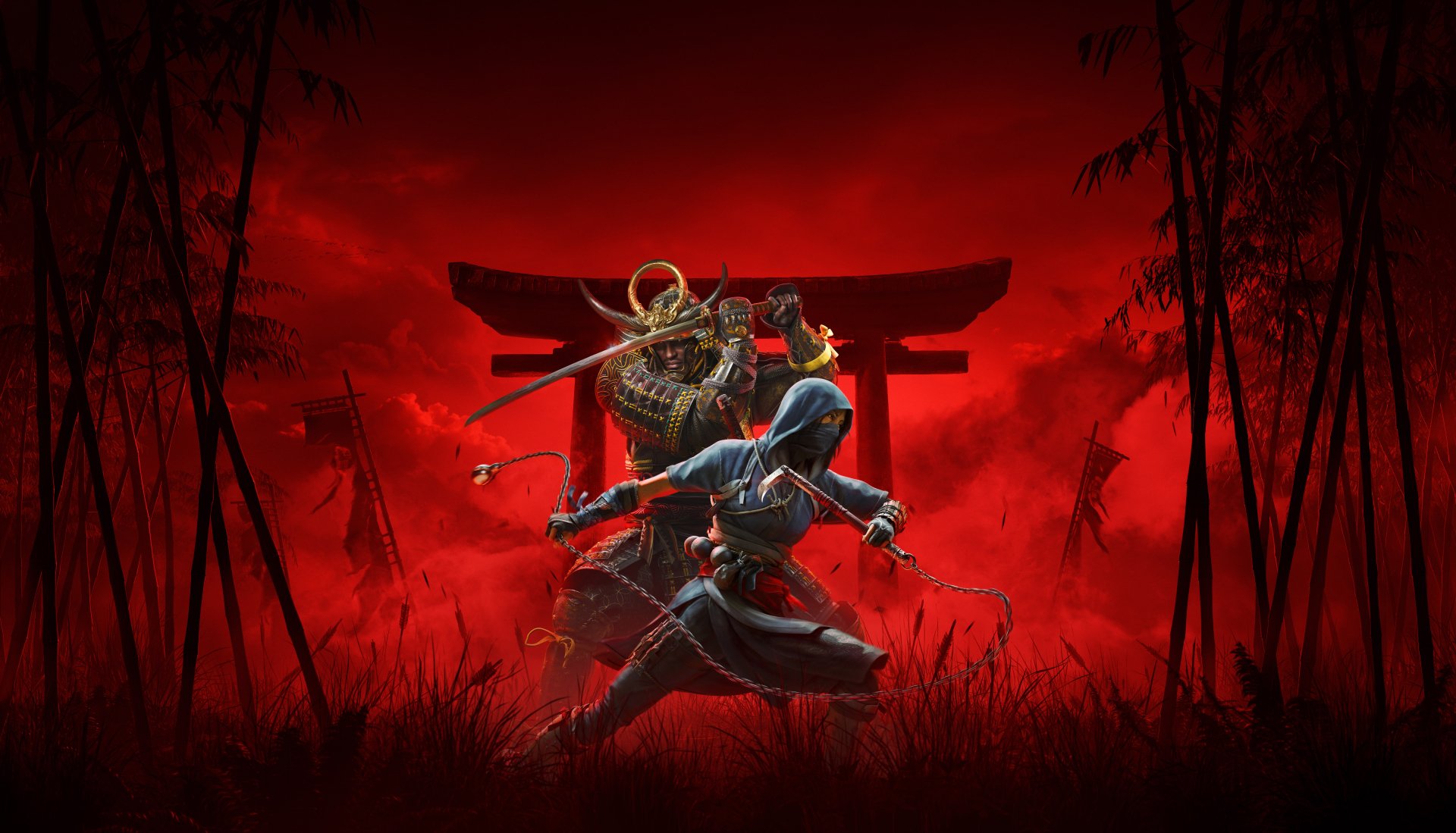
Ubisoft faced significant public discourse regarding the inclusion of Yasuke as a playable protagonist. While the historical figure existed the choice to make him a primary lead led some players to question the necessity of his inclusion over a Japanese male lead. Developers stated they wanted a fresh perspective on the Sengoku period through the eyes of an outsider. Critics of the decision argued that the focus on diversity overshadowed traditional historical immersion for the setting.
‘Suicide Squad: Kill the Justice League’ (2024)
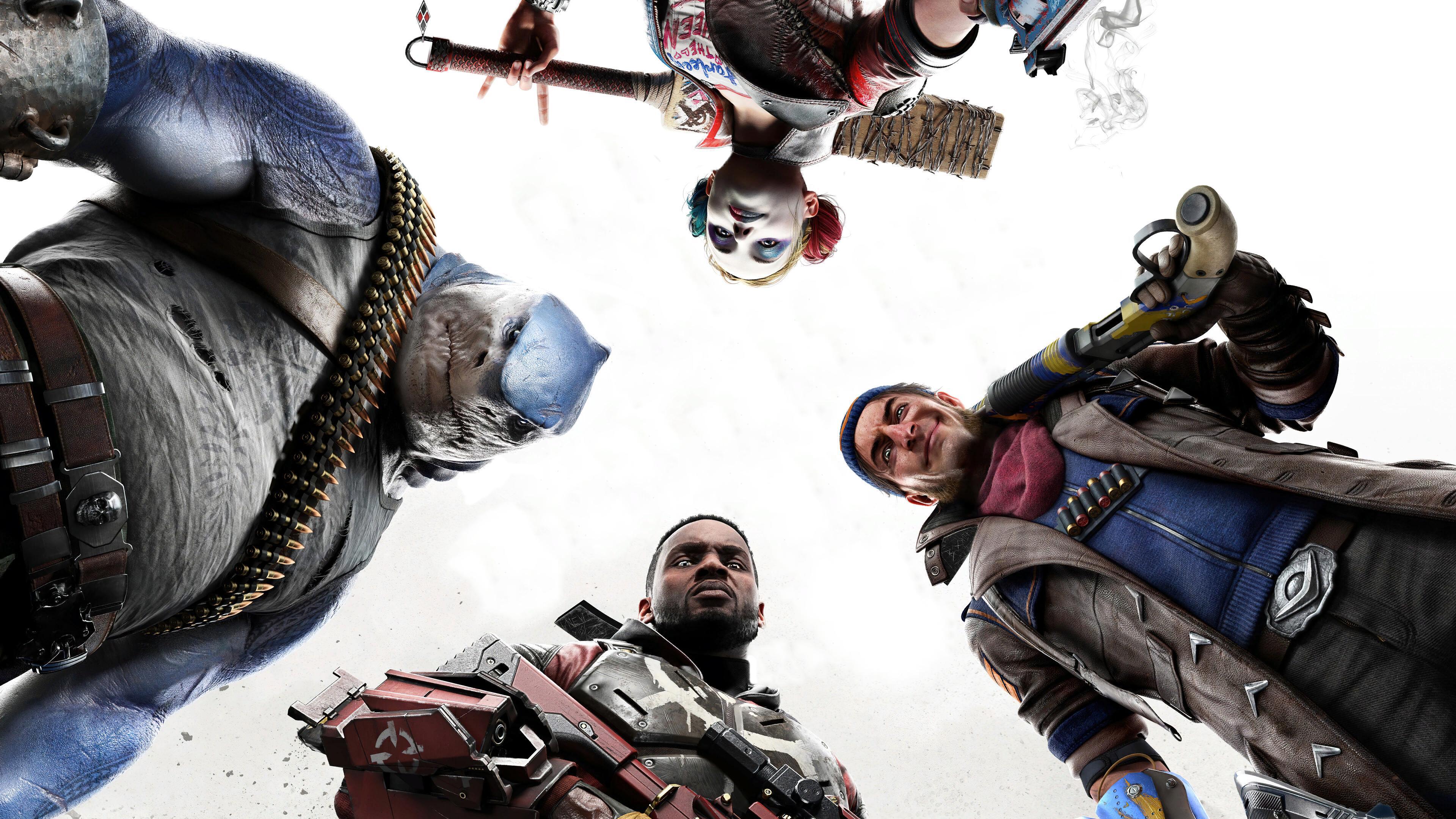
Rocksteady Studios and Warner Bros Games encountered backlash for the redesign of Deadshot. Fans pointed out that the character was previously depicted as Caucasian in the established Arkham universe games. The developers explained the change by claiming the previous version was an impostor rather than the real Floyd Lawton. Many players found this retcon forced and an unnecessary attempt to align with the film version seen in ‘Suicide Squad’ which featured a different portrayal.
‘Battlefield V’ (2018)

Electronic Arts and DICE sparked a heated debate with the reveal of female soldiers on the front lines of World War II. The marketing materials showcased a woman with a prosthetic arm which prompted a viral movement criticizing the lack of historical accuracy. Developers defended the creative choice by emphasizing player customization and inclusive representation. A segment of the fanbase argued that these additions felt out of place in a game marketed for its gritty realism.
‘The Last of Us Part II’ (2020)
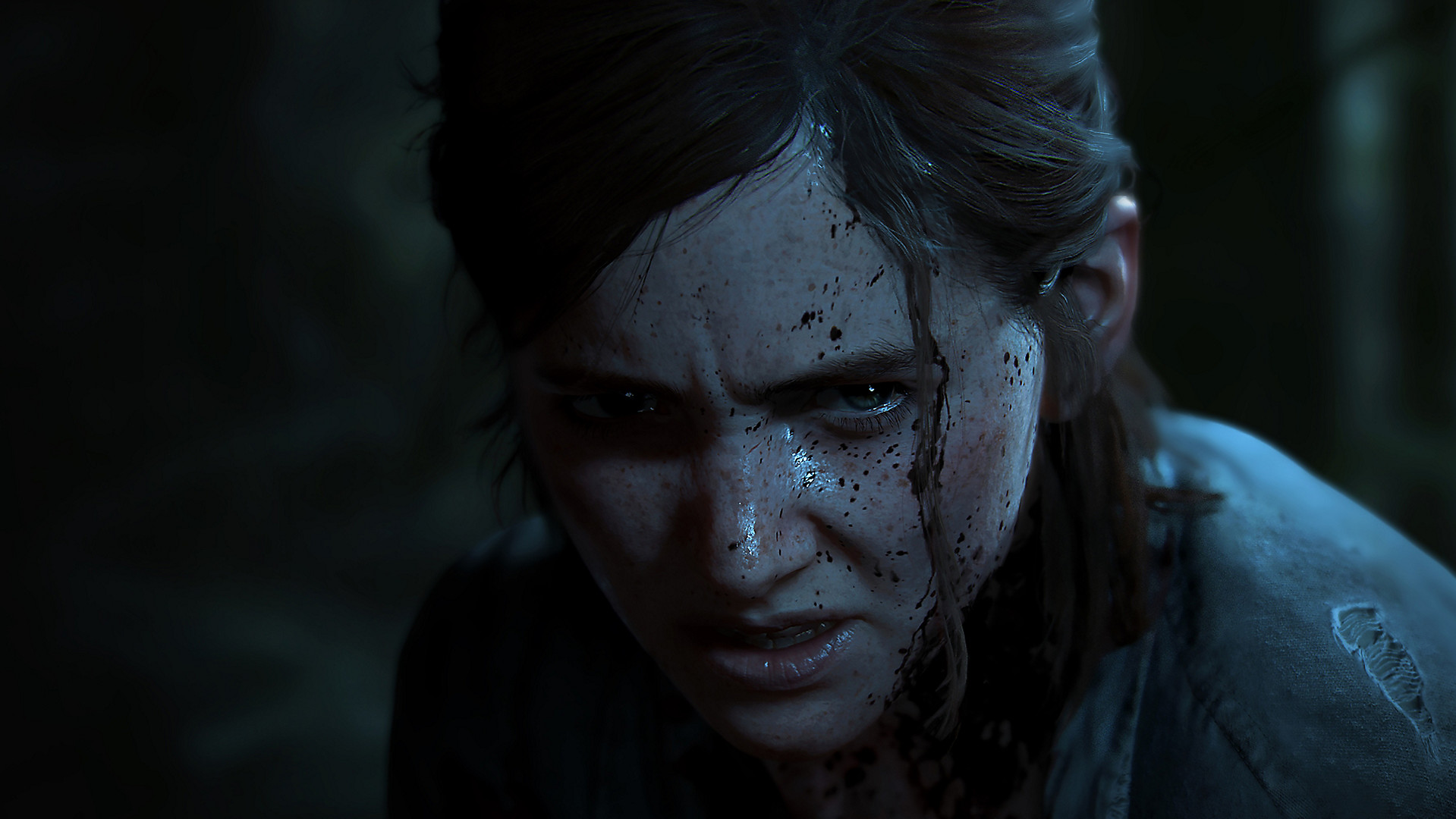
Naughty Dog and Sony Interactive Entertainment introduced Abby and Lev to a polarized audience. While the game received critical acclaim some fans felt that the inclusion of diverse identities was used to drive a narrative agenda similar to debates seen in ‘The Last of Us’ television series. The character of Lev a young transgender boy was at the center of discussions regarding how identity impacts survival stories. Critics argued that the focus on these character traits felt distracting from the main revenge plot established in the marketing.
‘Dragon Age: The Veilguard’ (2024)
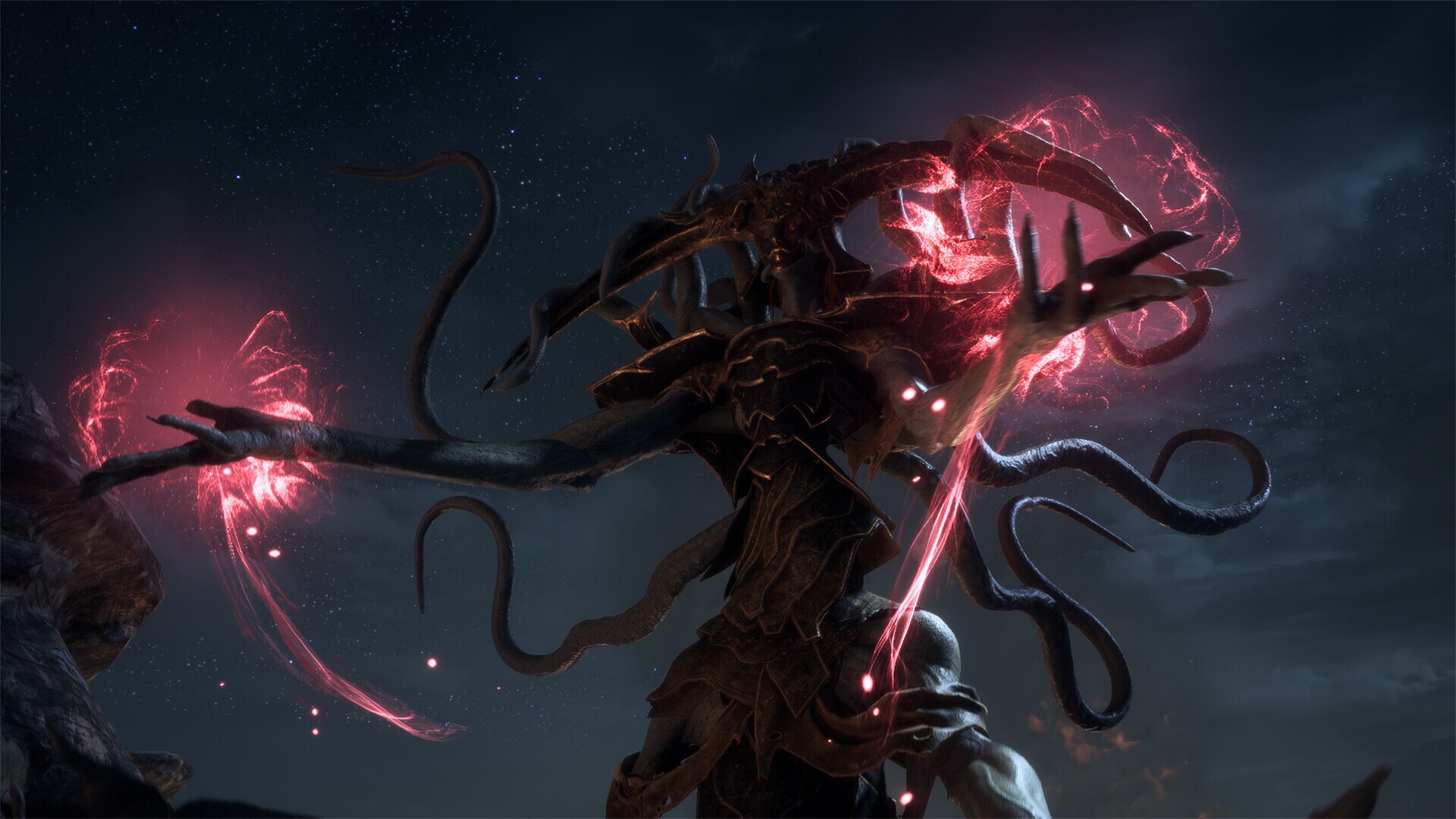
BioWare and Electronic Arts released this title with a heavy emphasis on character identity and pronouns for its companions. The character Taash in particular became a focal point for fans who felt the dialogue regarding gender identity was clumsily integrated. Many players expressed that these conversations felt like modern social commentary rather than organic fantasy world building. The developers maintained that they wanted to provide a space where all players could see themselves reflected in the companions.
‘Saints Row’ (2022)
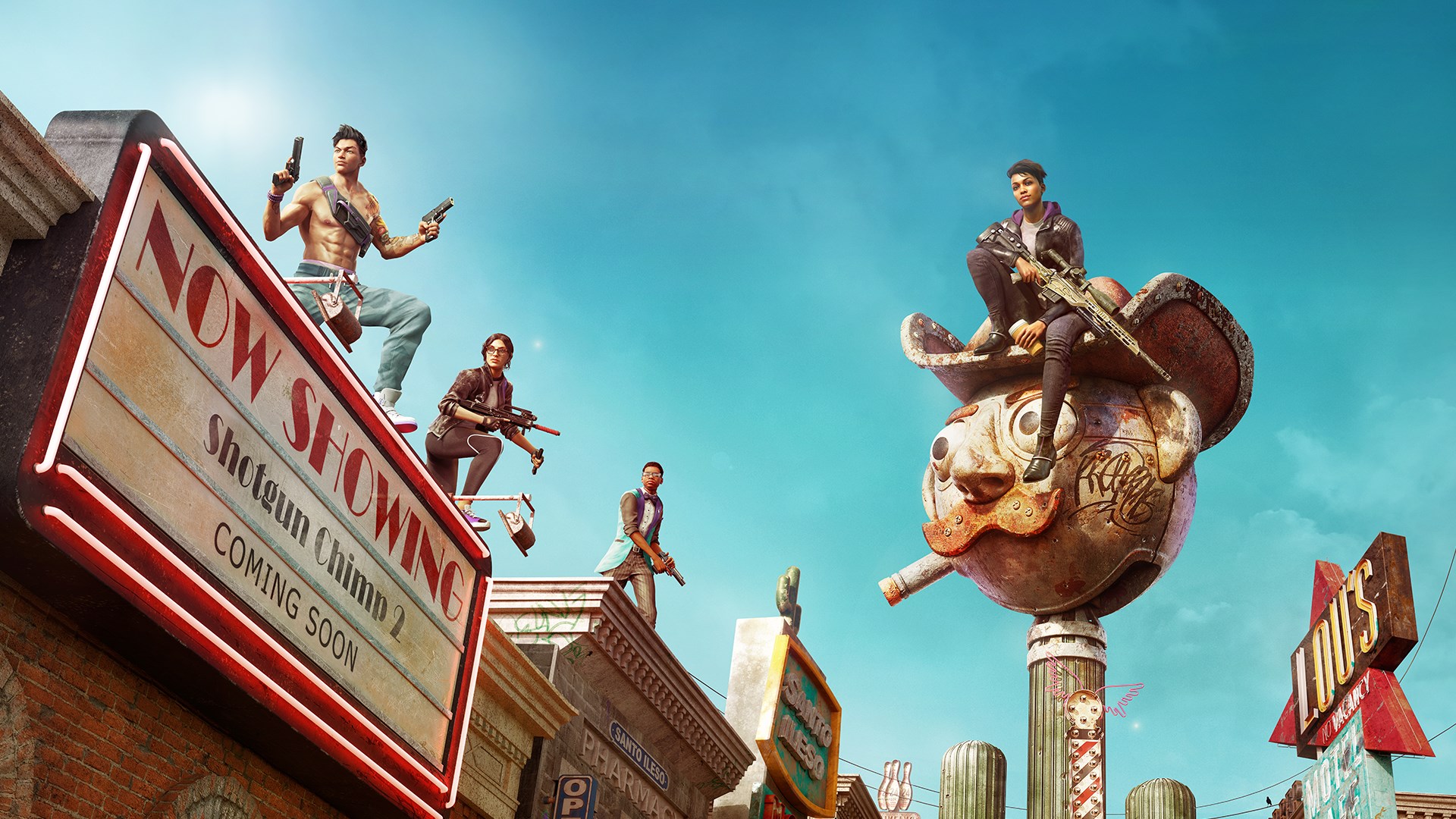
Deep Silver and Volition attempted to reboot the franchise with a new cast of characters intended to appeal to a younger audience. The diverse group of roommates replaced the classic gritty gangsters from previous entries in the series. Fans complained that the new protagonists felt like student loan burdened millennials rather than dangerous criminals. This shift in tone led to many calling the new characters pointless additions that stripped the game of its identity.
‘Gotham Knights’ (2022)
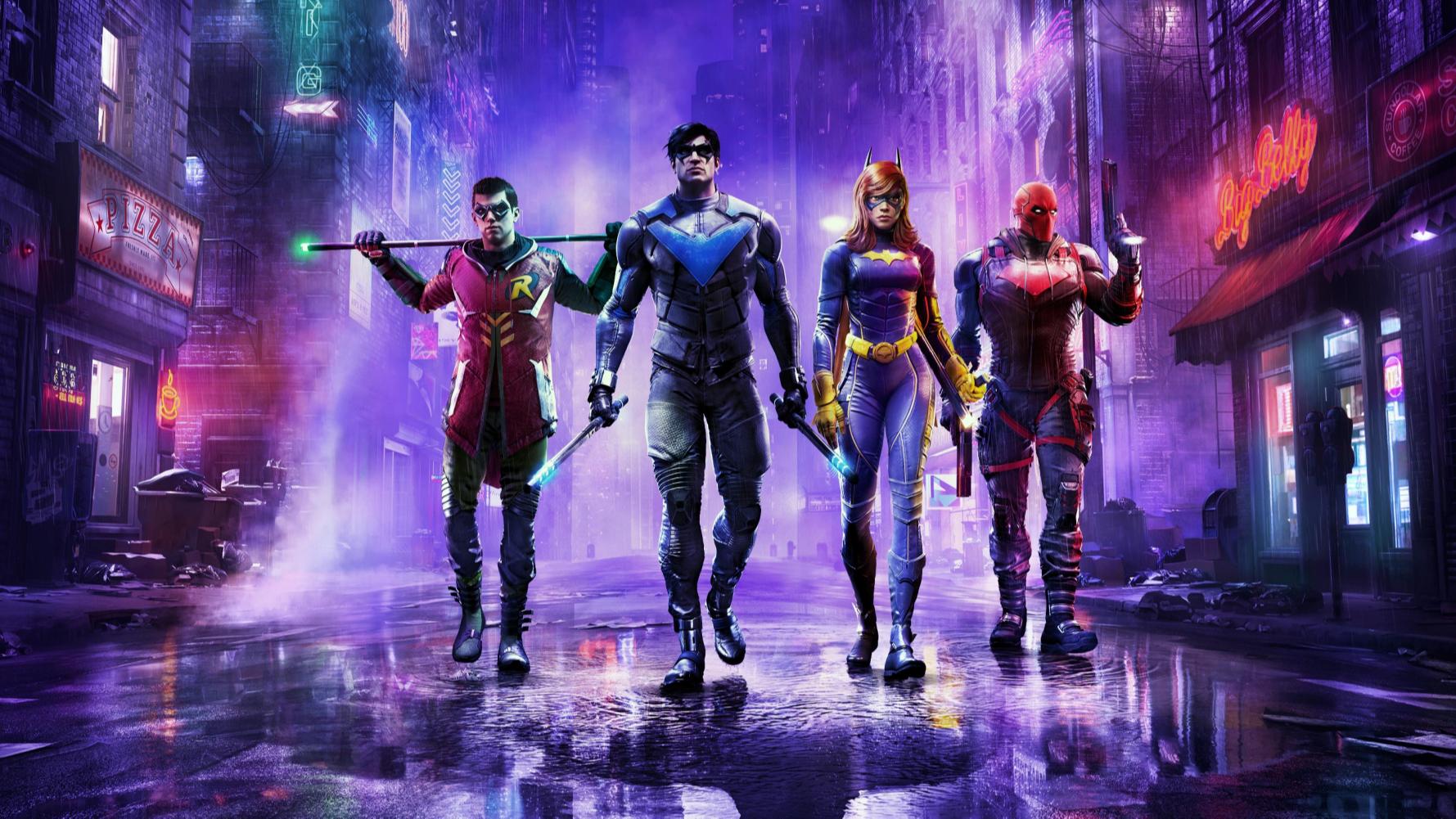
WB Games Montréal developed this action title featuring the Bat Family after the death of Bruce Wayne. During the promotional period the developers confirmed that Tim Drake identifies as bisexual following recent comic book trends. Some players felt this detail was an unnecessary addition since it had no impact on the actual gameplay or the main narrative arc. The studio emphasized their commitment to representing the diverse backgrounds of the DC Comics universe.
‘Dustborn’ (2024)

Red Thread Games and Quantic Dream released an action adventure title centered on a group of diverse outcasts in a divided America. The game uses words as weapons and focuses heavily on the marginalized identities of its main cast. Many players criticized the writing for being overly preachy and focusing on social justice themes at the expense of engaging gameplay. The discourse surrounding the game often labeled the characters as being included solely to fulfill a diversity quota.
‘Apex Legends’ (2019)
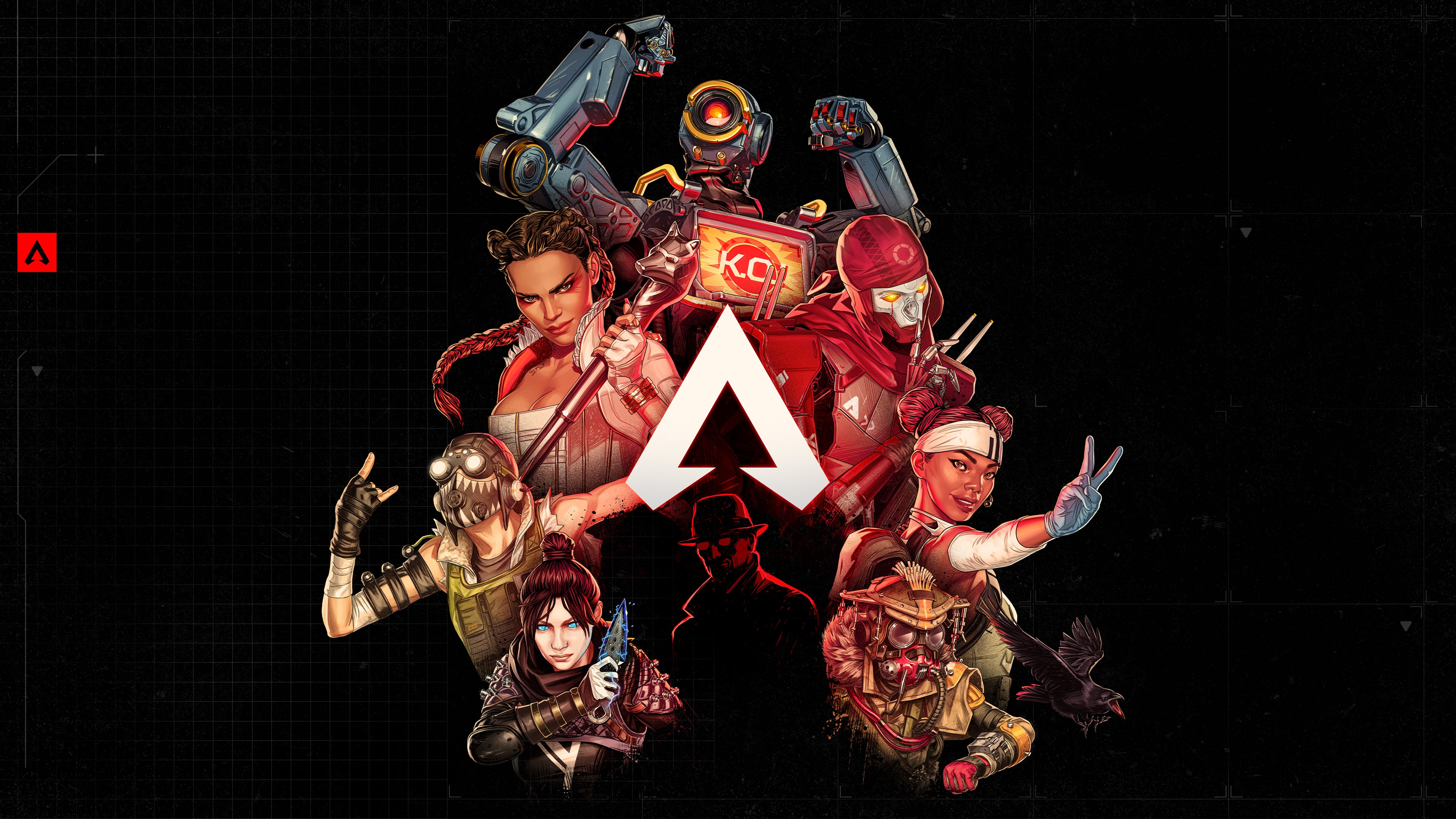
Respawn Entertainment and Electronic Arts have consistently added diverse characters to their roster. While the game is praised for its mechanics some fans have criticized the heavy emphasis on character backstories during seasonal updates. Critics argue that the detailed lore about gender identity and heritage feels secondary to the competitive nature of the battle royale. Some players have expressed frustration when they feel the narrative focus outweighs necessary balance changes or software updates.
‘Borderlands 3’ (2019)
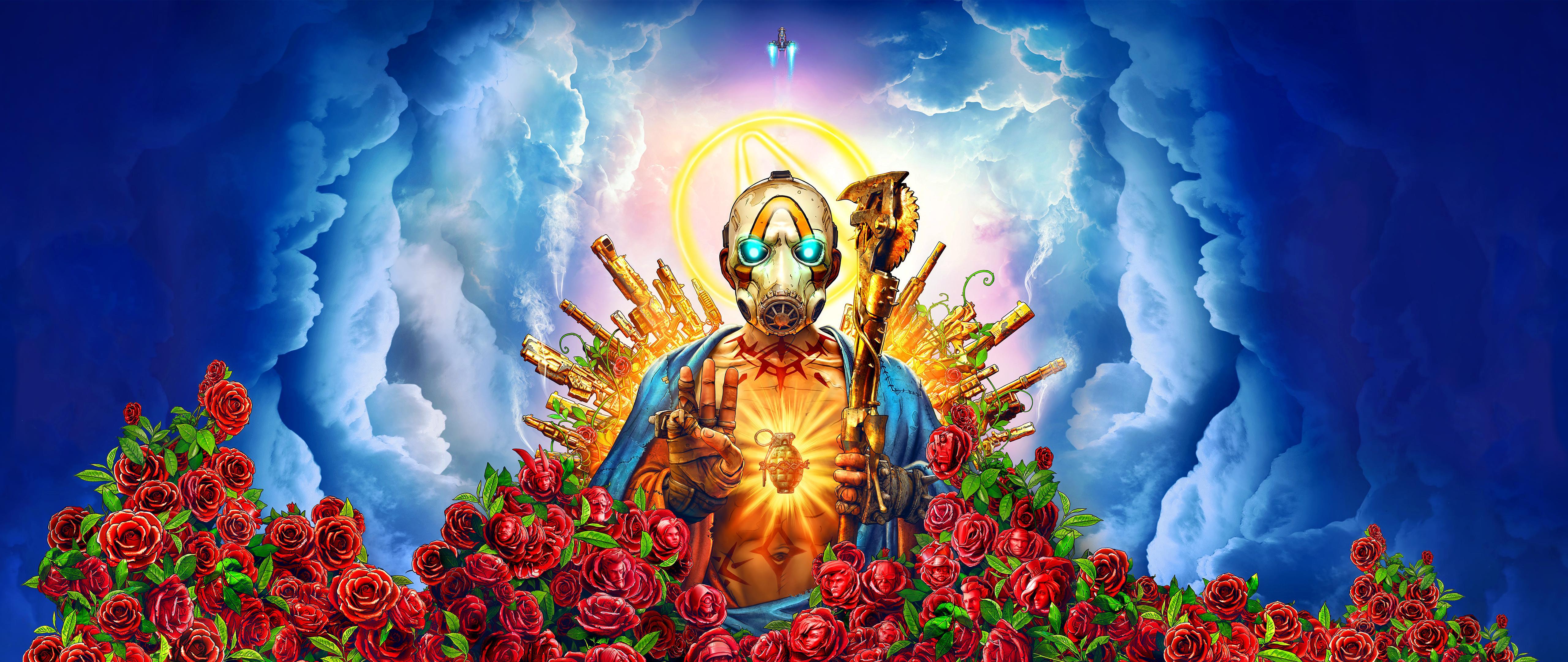
Gearbox Software and 2K Games included the character Lorelei who eventually transitions to Lor during the course of the game. Some fans felt the transition was handled in a way that felt sudden and did not add much to the overall plot of the campaign. While the studio aimed for inclusivity some players argued that the dialogue felt forced into the existing narrative structure. The character remained a point of contention for those who preferred the tone of earlier games.
‘God of War Ragnarök’ (2022)
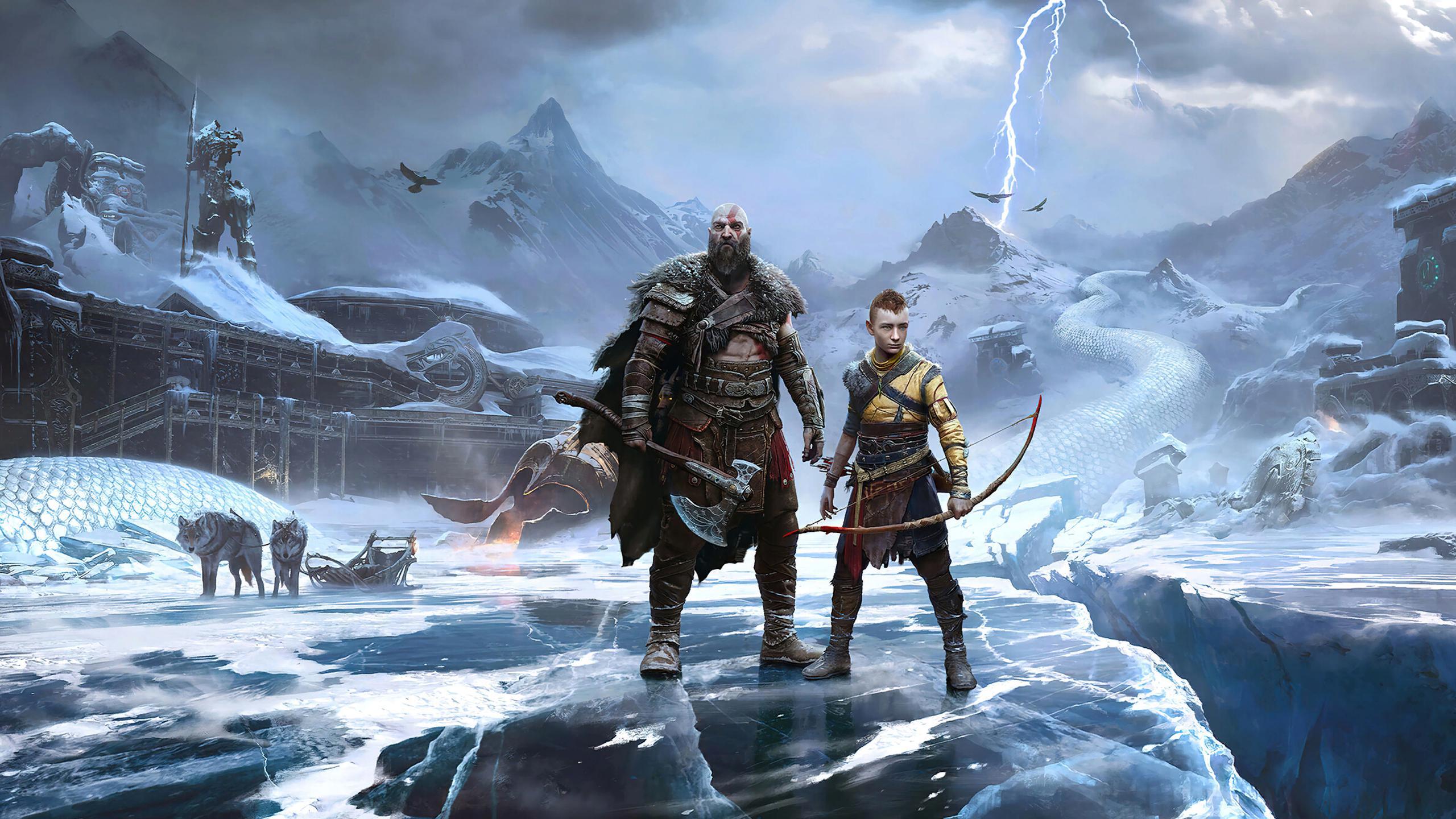
Santa Monica Studio and Sony Interactive Entertainment cast a Black actress to play Angrboda in their interpretation of Norse mythology. This led to a wave of online criticism regarding the ethnic accuracy of characters in a setting inspired by Northern European folklore. The developers defended the choice by stating that the game is a work of fiction and not a historical documentary. Fans who disagreed felt the casting was a deliberate move to include diversity where they felt it did not belong.
‘Spider-Man 2’ (2023)
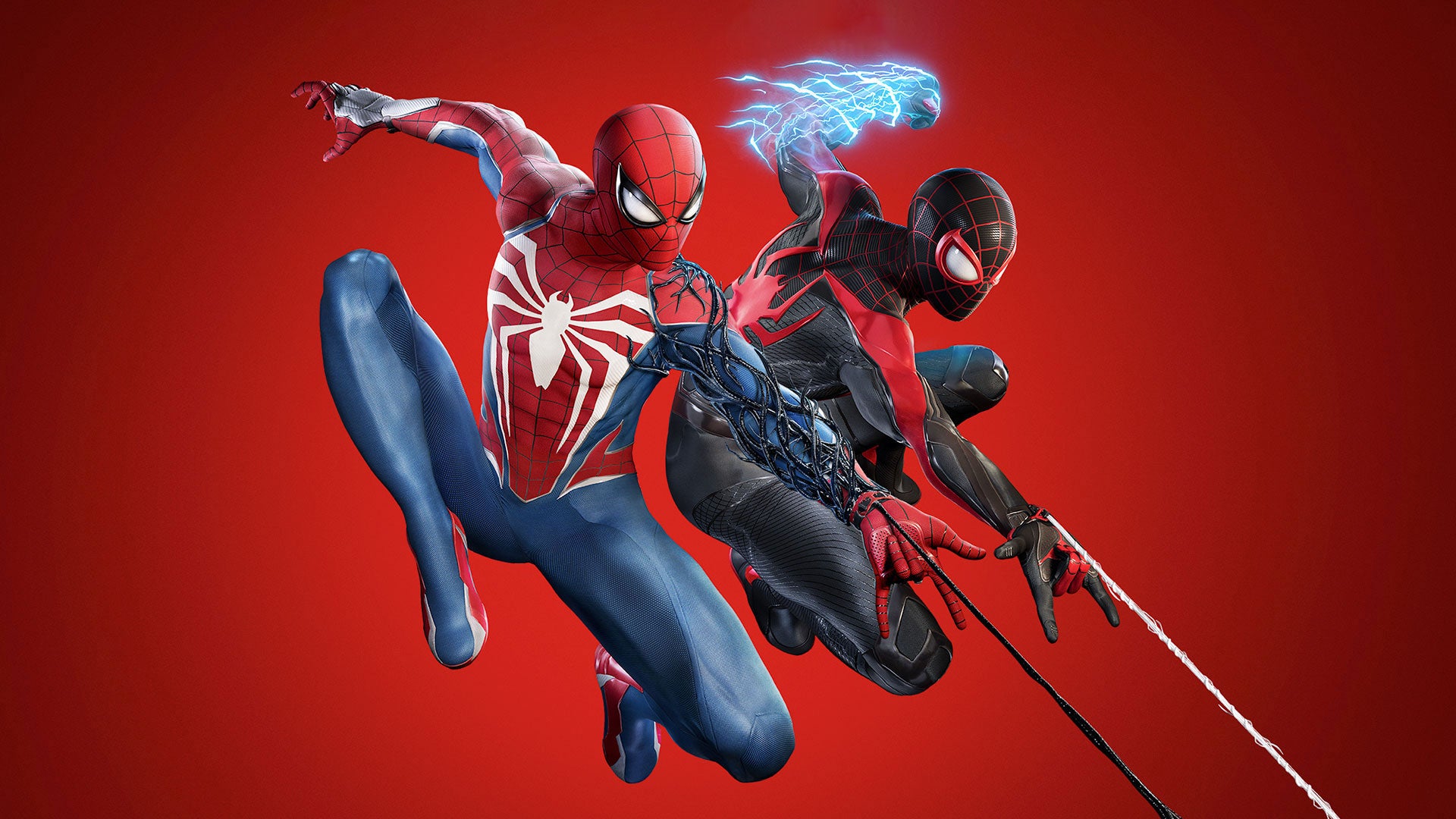
Insomniac Games and Sony Interactive Entertainment included a side mission featuring Hailey Cooper, a deaf street artist. While some praised the representation others felt the mission was a pointless diversion from the main superhero action. Players had to engage in a non combat graffiti sequence that some found tedious or out of place in a fast paced action game. The inclusion was seen by critics as a way to tick a diversity box rather than providing meaningful content compared to ‘Spider-Man’ films.
‘Far Cry 6’ (2021)
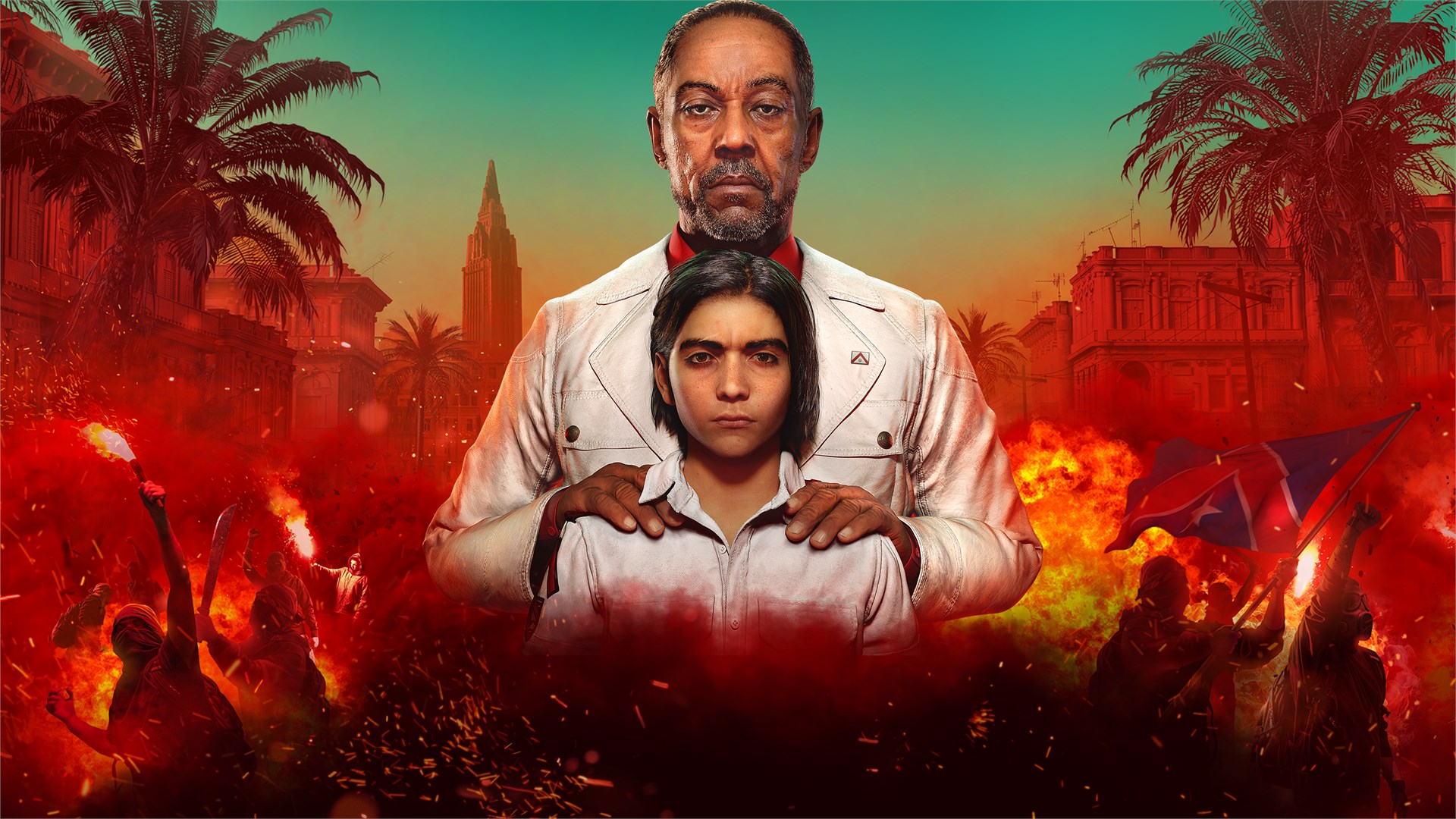
Ubisoft Toronto developed this entry featuring Paolo de la Vega, a transgender revolutionary leader. The story highlights his struggles with his identity alongside the broader fight against a brutal dictator. Some fans felt that his personal arc was given too much screen time compared to other more established characters. Critics of the storyline argued that the focus on identity politics felt forced within the context of a tropical guerrilla war.
‘Overwatch 2’ (2022)
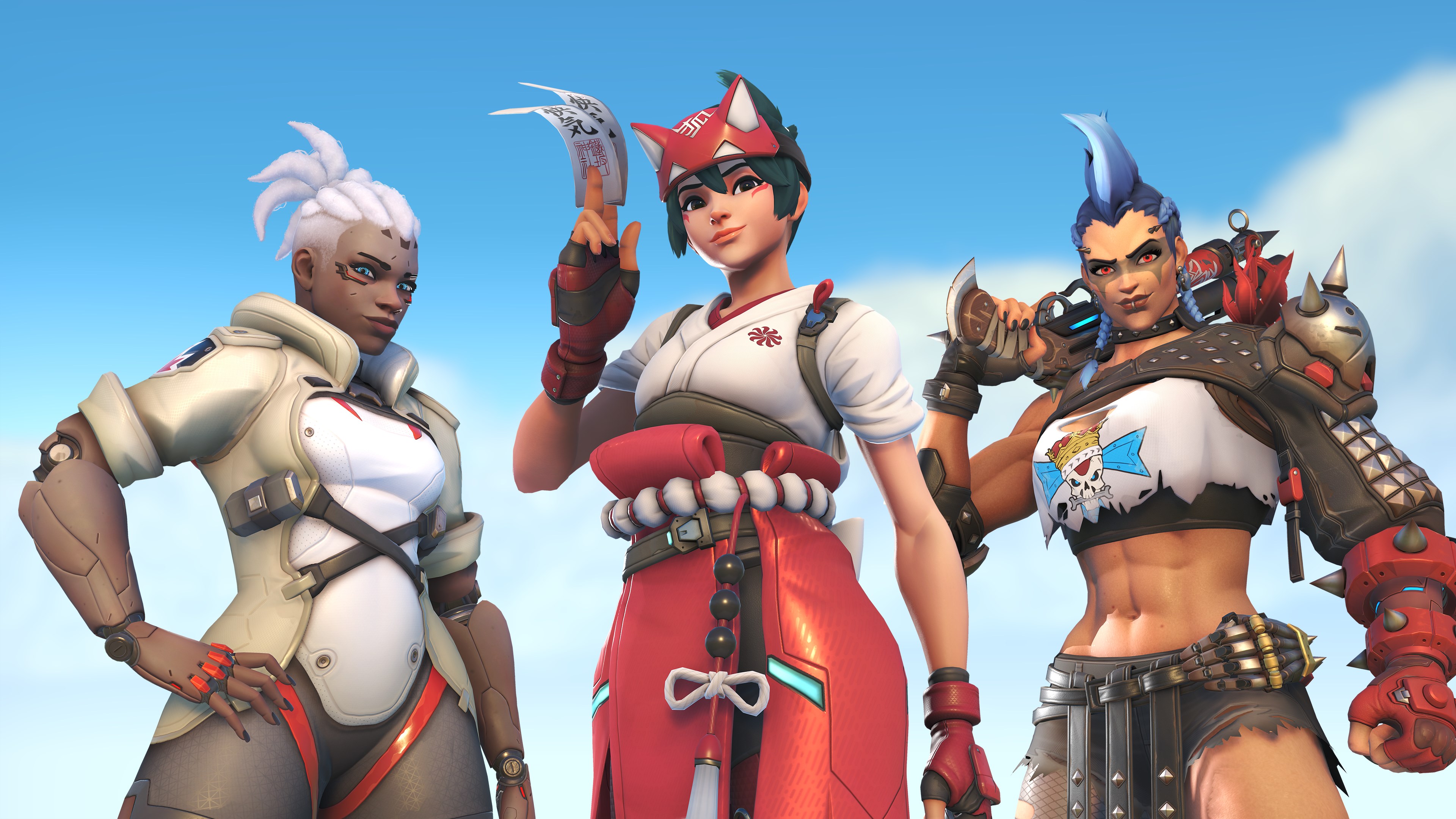
Blizzard Entertainment has used lore updates to reveal the sexual orientations of characters like Baptiste and Pharah. Fans have often pointed out that these revelations occur when the company is facing negative publicity or when the game lacks substantial content updates. Some players feel that retroactively adding these details to characters is a hollow gesture that does not improve the gameplay experience. The community remains divided on whether these updates are genuine attempts at representation or calculated distractions.
Share your thoughts on these character additions and how they impacted your gaming experience in the comments.