Actresses Who Exposed Industry Secrets

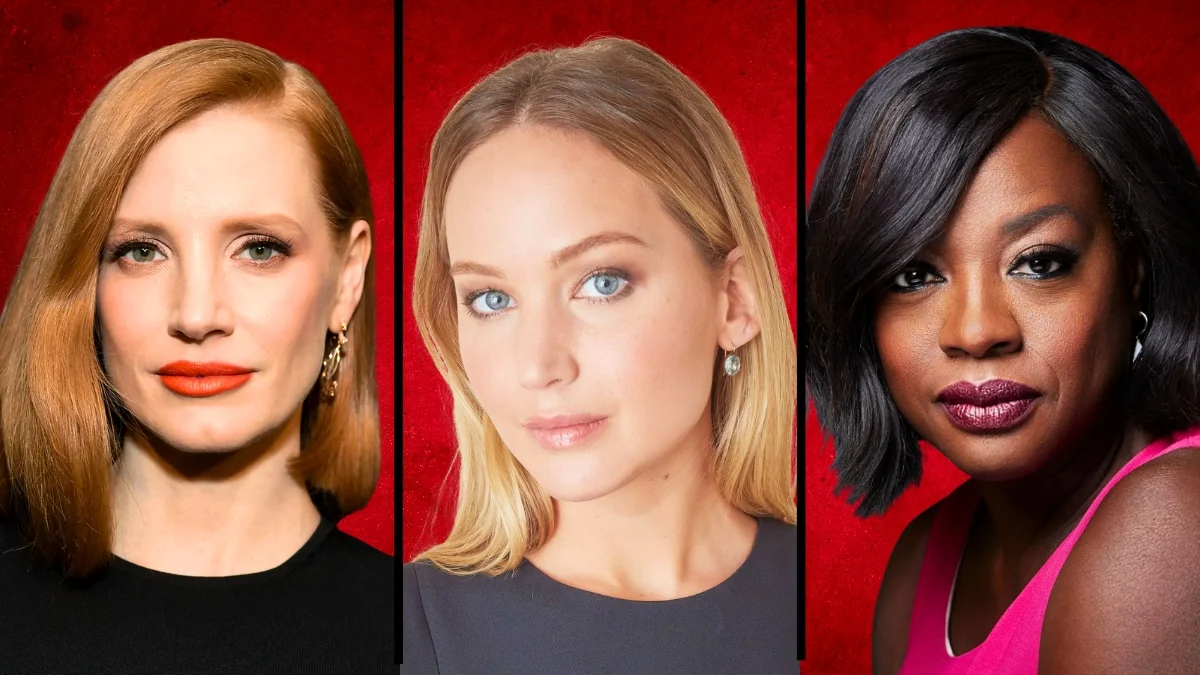

For decades, the inner workings of Hollywood remained hidden behind non-disclosure agreements and a culture of silence. From systemic pay inequality to predatory behavior behind the scenes, these women risked their careers to bring transparency to the entertainment industry. Their testimonies have reshaped how productions are managed and how talent is treated across the globe. By sharing their personal experiences, they have dismantled long-standing barriers and initiated a global conversation regarding accountability.
Rose McGowan
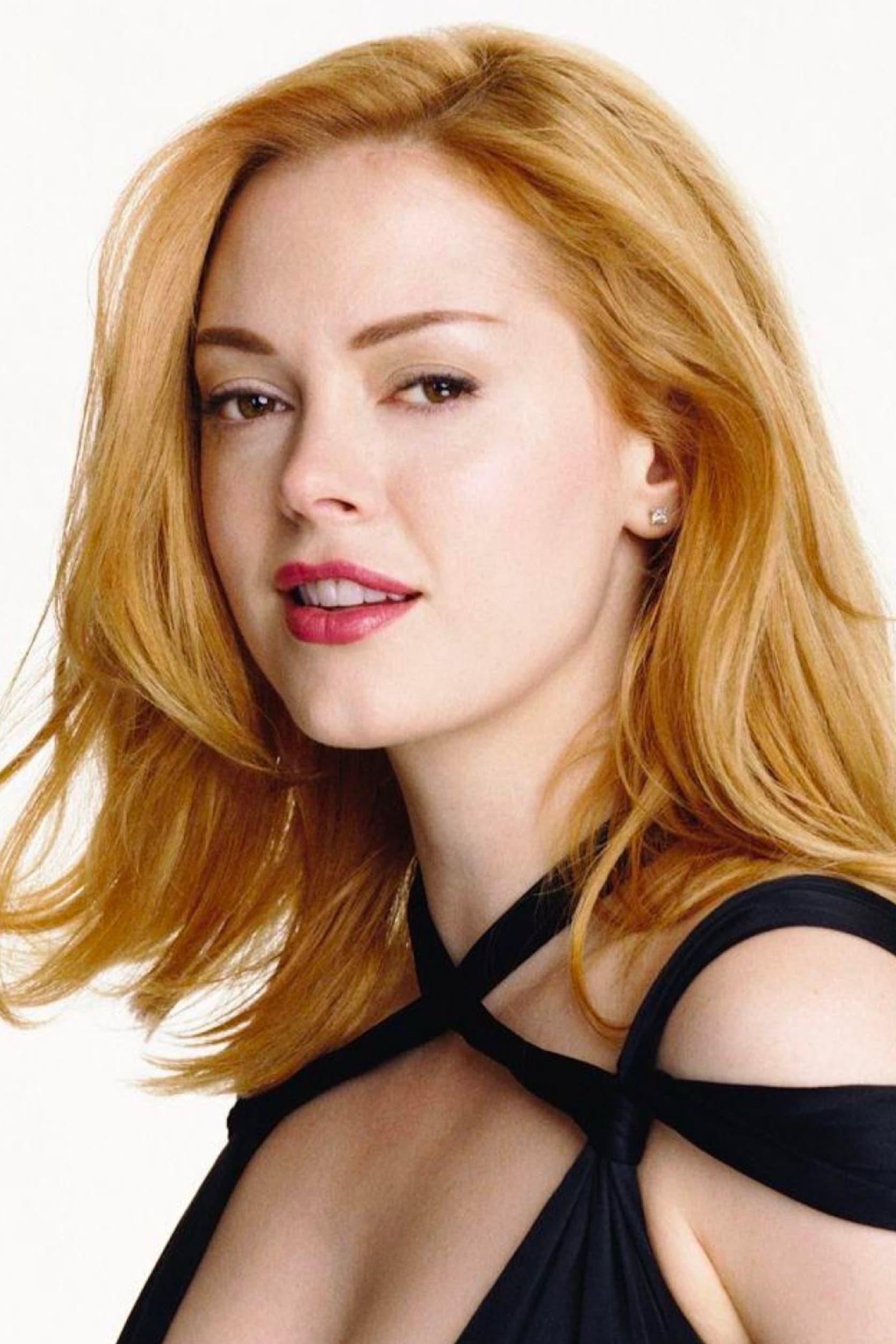
Rose McGowan was one of the first women to publicly accuse Harvey Weinstein of sexual assault, a move that catalyzed the Me Too movement. She exposed how the producer used a network of private investigators and non-disclosure agreements to suppress allegations for years. Her memoir, ‘Brave’, detailed the pervasive culture of misogyny and exploitation within the studio system. McGowan’s willingness to speak out led to a fundamental shift in how the industry handles reports of misconduct. She remains a vocal critic of the structures that protect powerful predators in Hollywood.
Ashley Judd
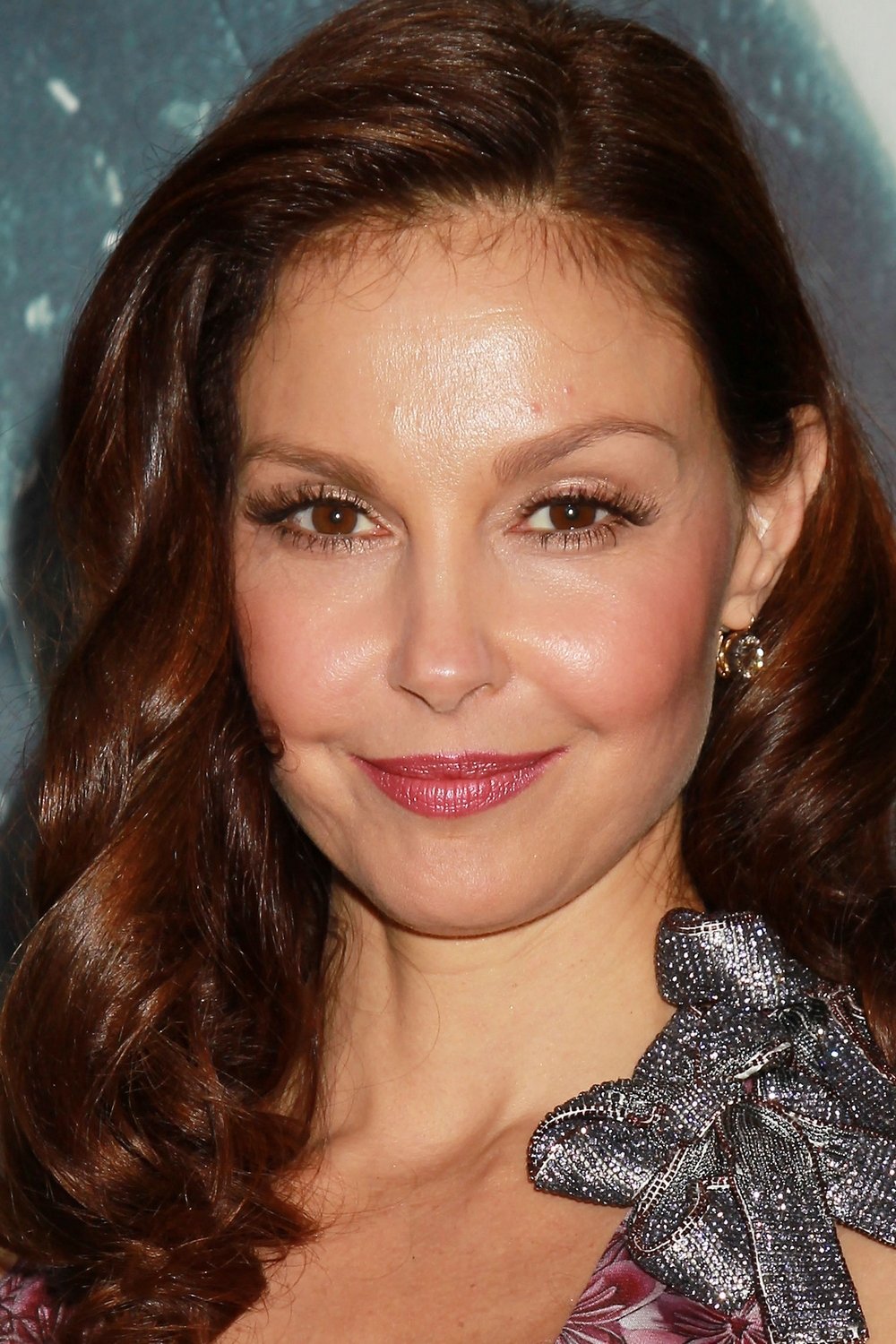
Ashley Judd went on the record in a 2017 exposé to describe her experiences with harassment at the hands of a high-ranking executive. She detailed how her refusal to succumb to advances resulted in her being blacklisted from major projects like ‘The Lord of the Rings’ trilogy. Judd later filed a defamation lawsuit to hold the executive accountable for sabotaging her career. Her actions highlighted the “whisper networks” that actresses used to warn one another about dangerous figures. She continues to advocate for systemic changes to protect young actors entering the business.
Viola Davis
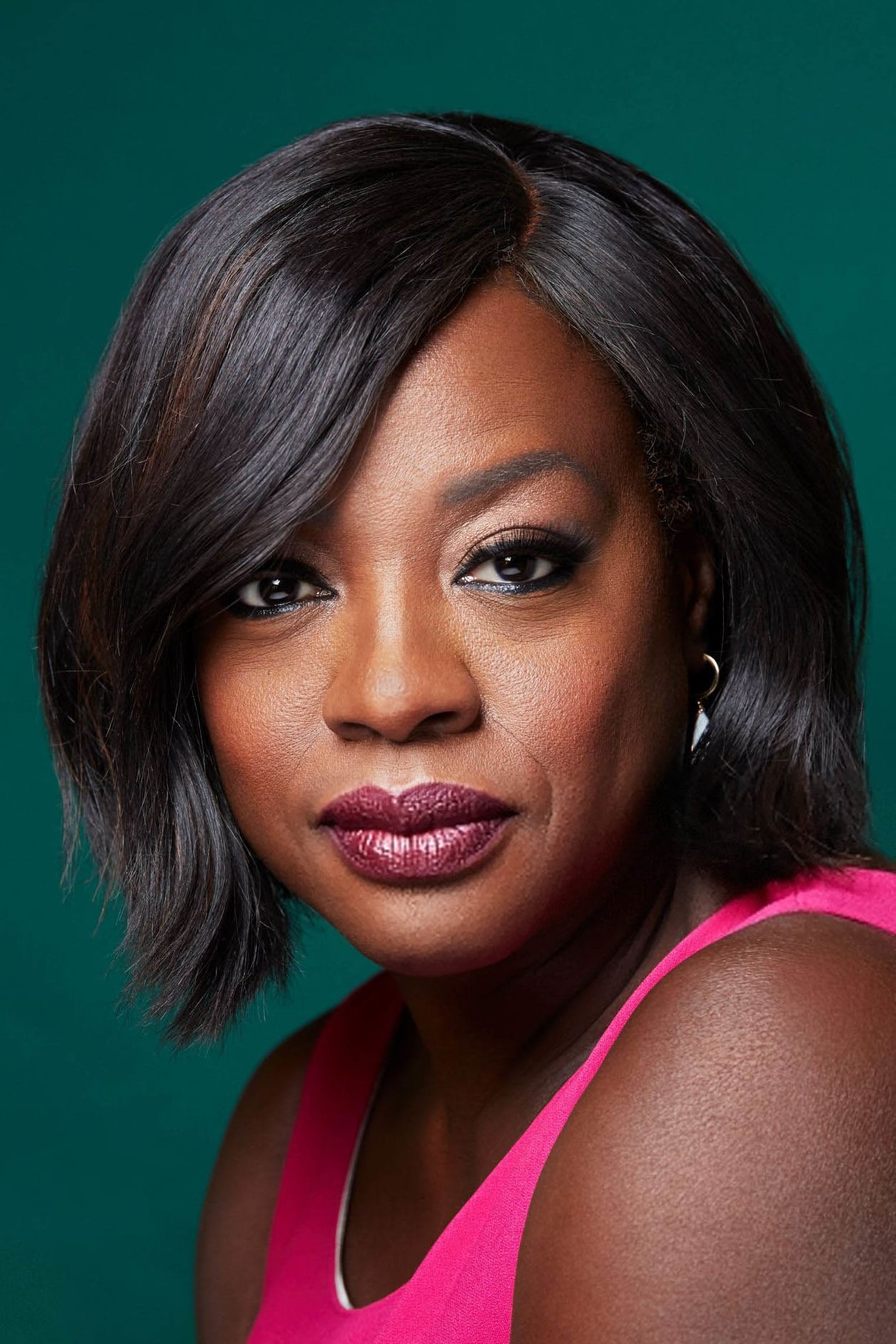
Viola Davis has frequently addressed the significant pay gap and lack of opportunity for women of color in the industry. She famously stated that she has a career comparable to Meryl Streep but is not paid or treated with the same level of financial investment. Davis exposed how “diversity” in Hollywood is often a superficial marketing tool rather than a commitment to equitable compensation. Her transparency regarding the “crumbs” offered to Black actresses has forced studios to reconsider their valuation of diverse talent. She remains a powerful voice for equity in both film and television.
Jennifer Lawrence
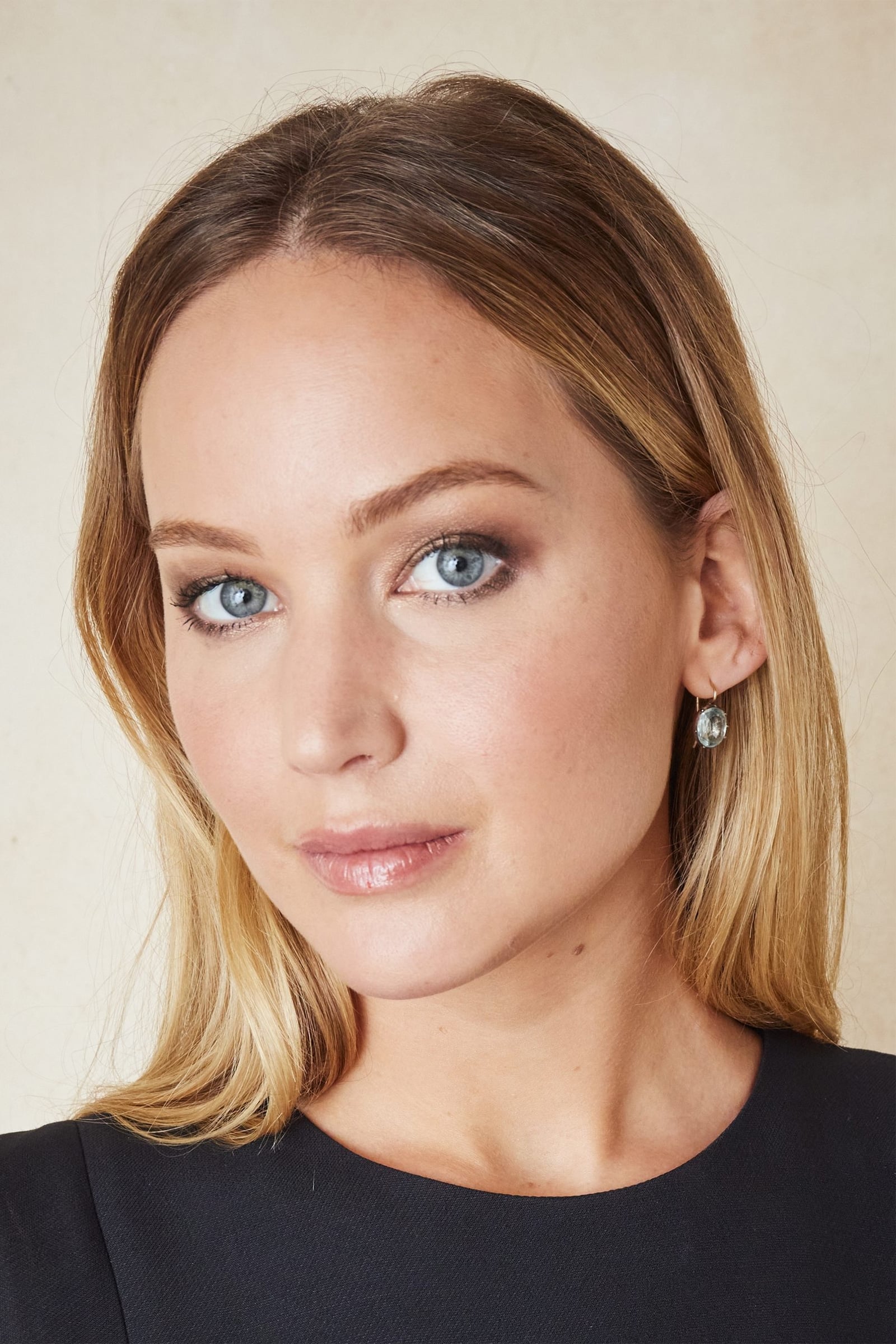
Jennifer Lawrence spoke out about the gender pay gap after the Sony Pictures hack revealed she was paid significantly less than her male co-stars in ‘American Hustle’. She penned an essay titled “Why Do I Make Less Than My Male Co-Stars?” to address her hesitation to negotiate more aggressively. Lawrence exposed the fear many actresses feel about being labeled “difficult” or “spoiled” when asking for fair wages. Her public stance encouraged other high-profile stars to demand transparency in their contracts. This admission sparked a global conversation about the economic disparities in the entertainment world.
Thandiwe Newton

Thandiwe Newton has been candid about the sexual exploitation she faced early in her career, specifically regarding a director who filmed her inappropriately during an audition. She revealed that the footage was later circulated among industry insiders for their private amusement. Newton also spoke out about the toxic environment on the set of ‘Mission: Impossible 2’, describing the pressure and intimidation she felt. Her refusal to remain silent about these incidents highlighted the lack of oversight on film sets. She has since become a prominent advocate for the use of intimacy coordinators.
Evan Rachel Wood
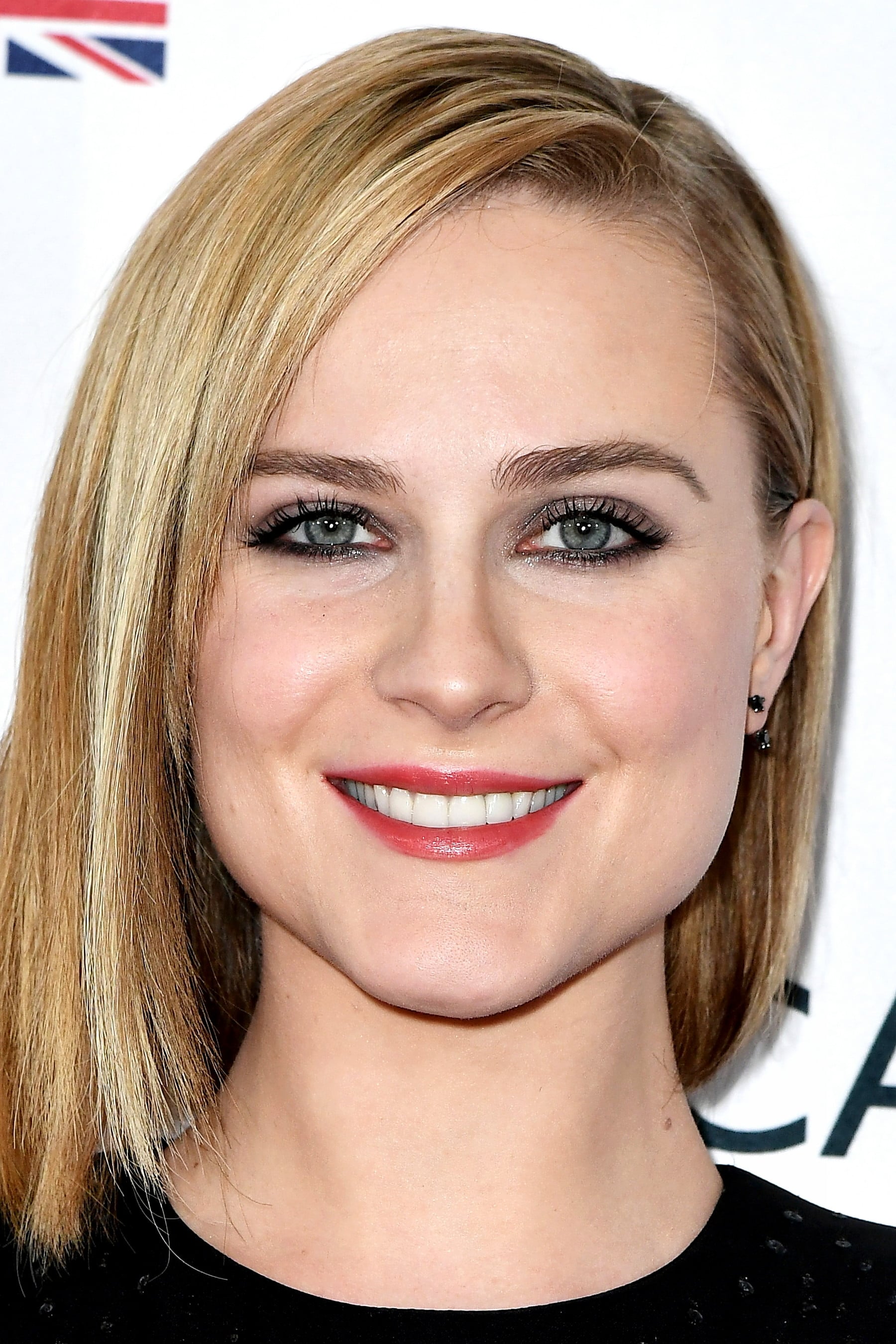
Evan Rachel Wood testified before Congress to share her experiences as a survivor of domestic violence and sexual assault within the industry. She later named her abuser publicly, detailing a pattern of grooming and manipulation that occurred while she was a young actress. Wood exposed how the industry often ignores the personal lives of its stars to protect the profitability of their projects. Her advocacy led to the passage of the Phoenix Act, which extends the statute of limitations for domestic violence cases. She continues to use her platform to educate others on the warning signs of predatory behavior.
Mila Kunis
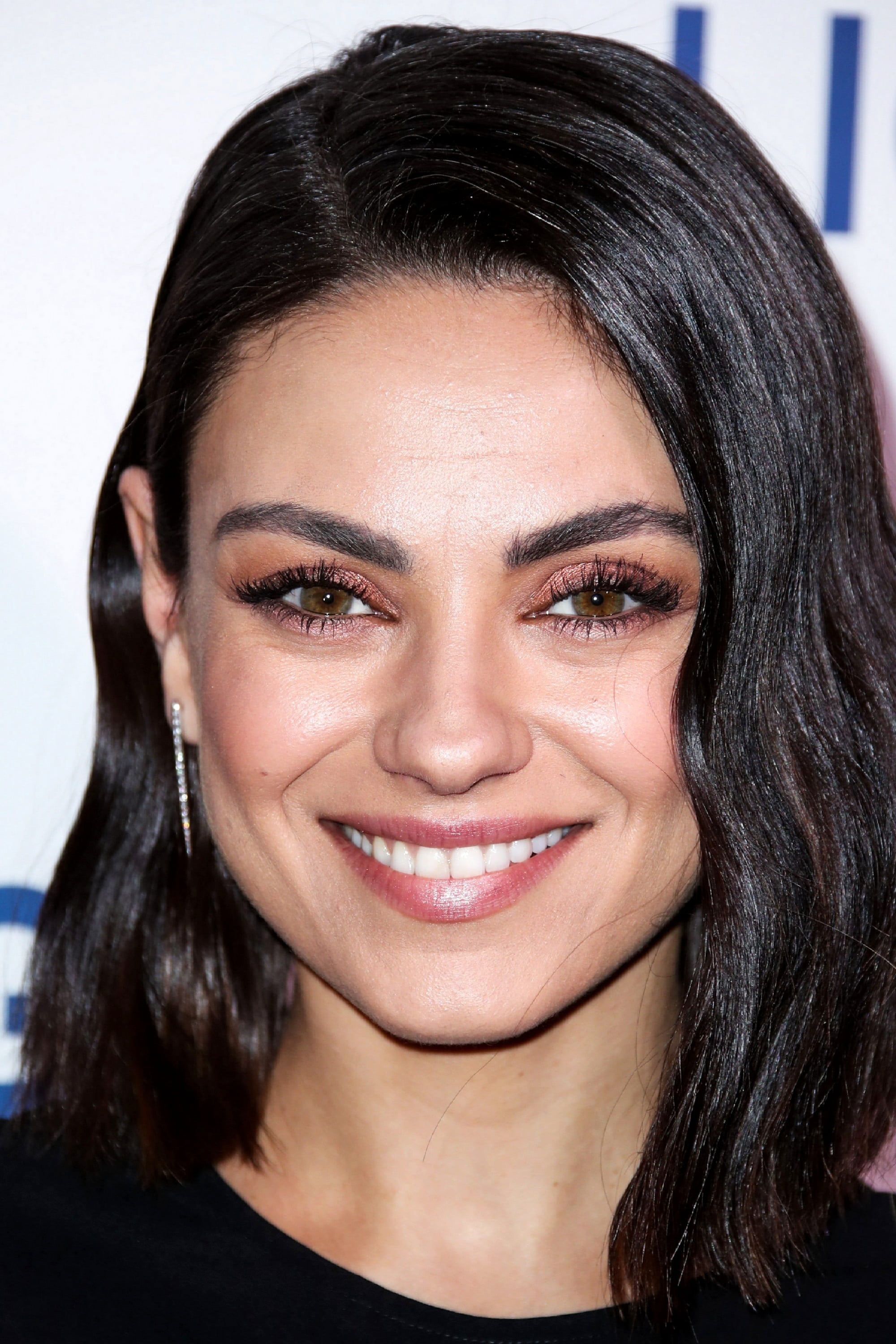
Mila Kunis published an open letter detailing the “blind sexism” she encountered while working as an actress and producer. She revealed that a producer once threatened that she would “never work in this town again” after she refused to pose semi-nude for a promotional shoot. Kunis exposed the frequent use of professional threats to coerce actresses into sexualized marketing tactics. She argued that such ultimatums are a common occurrence for women in Hollywood regardless of their level of success. Her letter called for an end to the “boys’ club” mentality that dominates studio boardrooms.
Reese Witherspoon
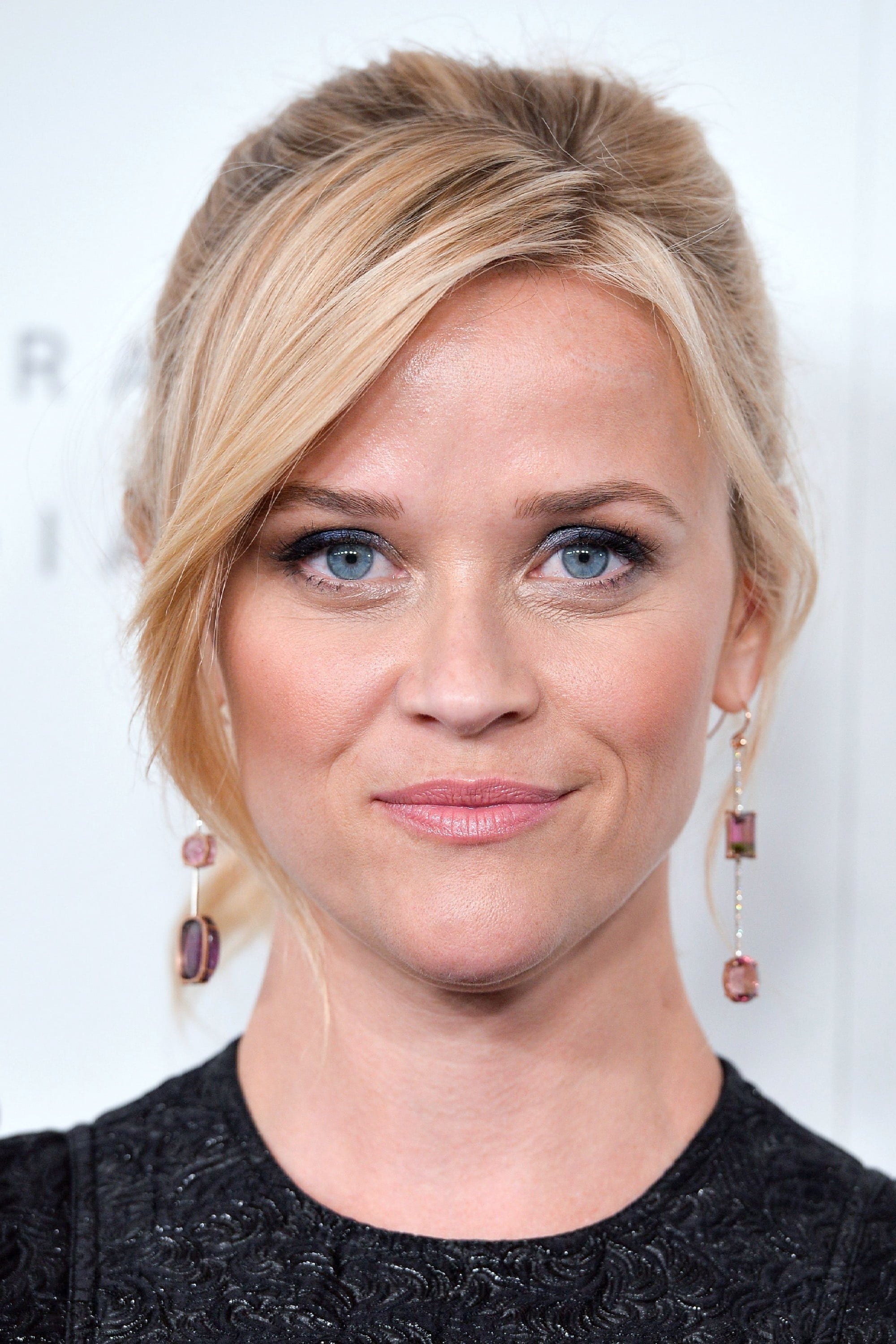
Reese Witherspoon shared that she was sexually assaulted by a director when she was only 16 years old. She explained that she felt compelled to stay silent at the time because her career depended on the approval of powerful men. Witherspoon has since used her production company, Hello Sunshine, to prioritize female-led stories and ensure safer working environments. She revealed that multiple experiences of harassment were simply considered “part of the job” during the 1990s. Her transparency helped validate the experiences of many former child actors who faced similar abuse.
Mira Sorvino
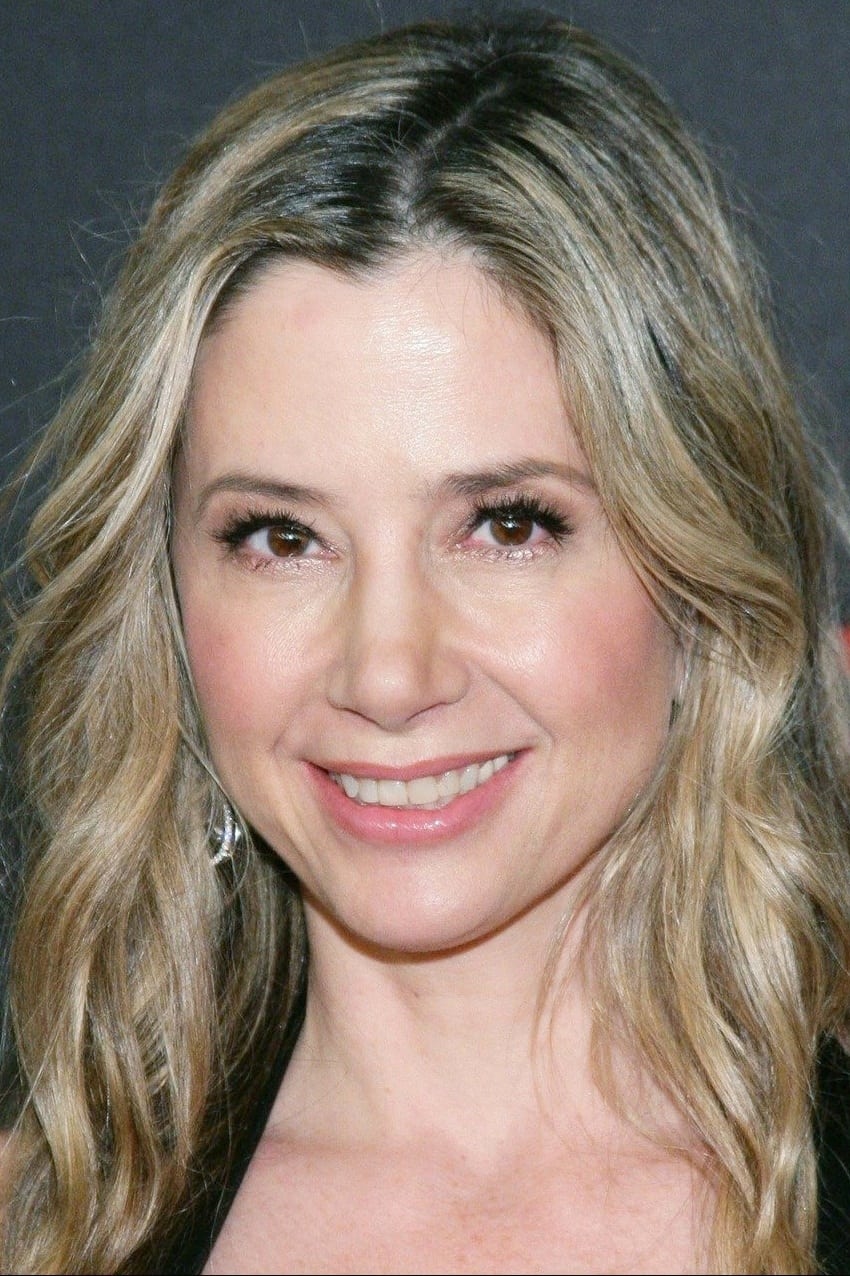
Mira Sorvino revealed that her career was intentionally derailed after she rejected the advances of a powerful studio head. Director Peter Jackson later confirmed that he was told Sorvino was “difficult to work with” as a way to prevent her casting in major roles. This exposed the practice of “blacklisting” used by executives to punish women who spoke out or set boundaries. Sorvino’s career trajectory changed significantly after her Academy Award win for ‘Mighty Aphrodite’ due to these behind-the-scenes manipulations. She is now a leading figure in the movement to provide legal protections for whistleblowers in film.
Salma Hayek
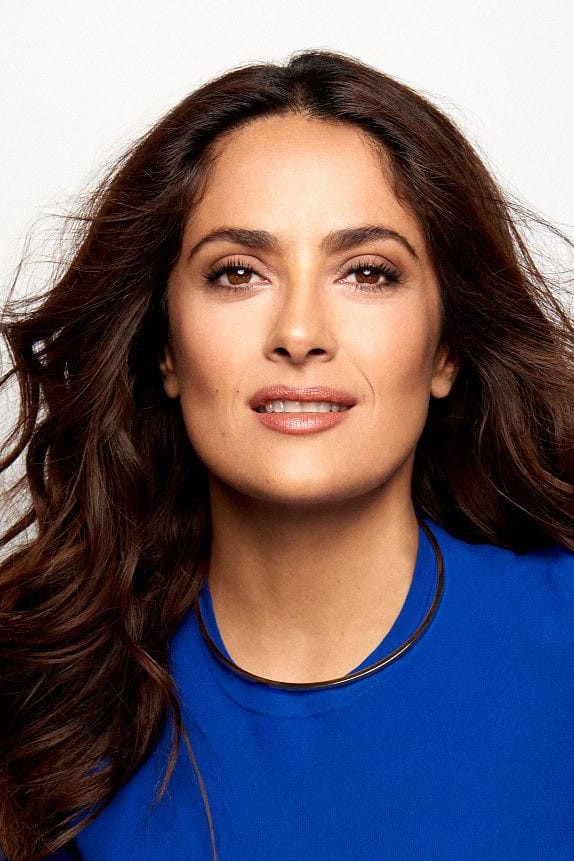
Salma Hayek wrote a detailed account of the “nightmare” she endured while producing and starring in the film ‘Frida’. She exposed the constant harassment, verbal abuse, and impossible demands placed on her by the studio head overseeing the project. Hayek revealed that she was forced to film a gratuitous nude scene just to ensure the movie would be finished. Her story highlighted the immense pressure female producers face when working with predatory distributors. By sharing her truth, she exposed the specific vulnerabilities of women who try to create their own content.
Gwyneth Paltrow
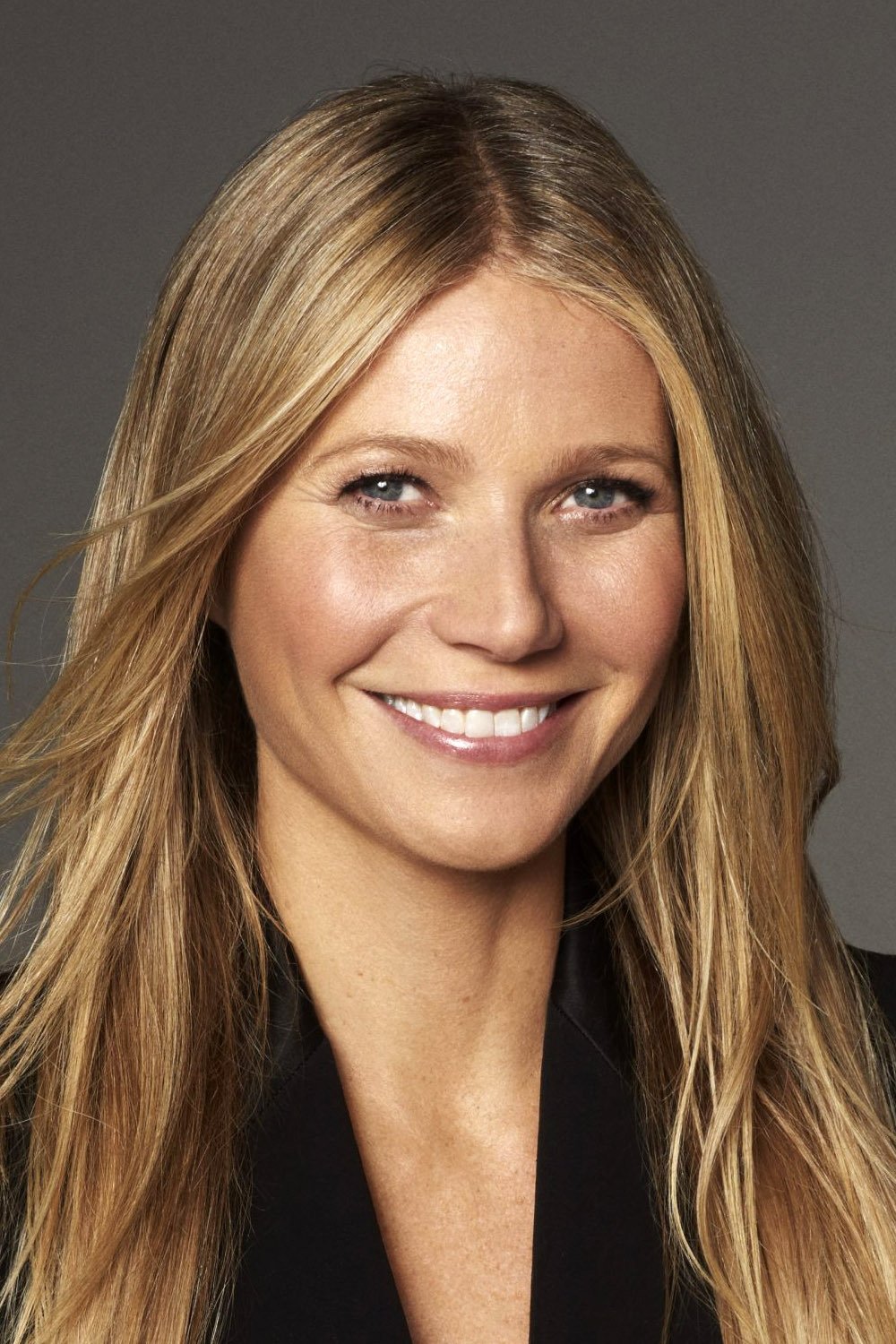
Gwyneth Paltrow was one of the high-profile actresses who came forward to detail the harassment she experienced early in her career at Miramax. She shared that she was instructed to keep the incident quiet to protect her burgeoning stardom. Paltrow exposed the culture of “complicity” where agents and managers often encouraged young talent to overlook inappropriate behavior for the sake of their careers. Her involvement in the initial investigations provided the credibility needed to take down long-standing industry abusers. She has since advocated for better mentorship programs for young women in film.
Geena Davis
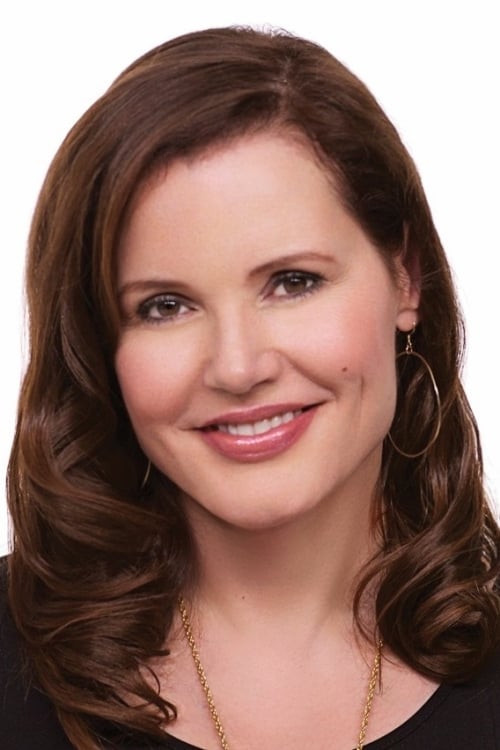
Geena Davis has focused her efforts on exposing the data behind gender inequality through the Geena Davis Institute on Gender in Media. She has revealed the stark disparity in screen time and speaking roles between male and female characters in ‘Thelma & Louise’ and beyond. Davis also shared personal anecdotes about being told she was “too old” for roles while her male counterparts aged into more prestigious parts. Her research-based approach has forced studios to confront their subconscious biases in casting and storytelling. She remains a key figure in the push for gender parity in front of and behind the camera.
Jennifer Aniston
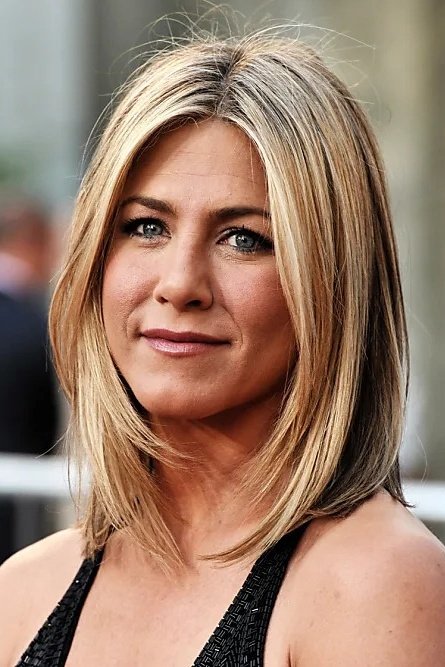
Jennifer Aniston spoke out about the bullying behavior of certain high-level executives during the early years of her career. She detailed instances where she was pressured to lose weight and conform to unrealistic beauty standards to secure roles. Aniston also addressed the invasive nature of the tabloid industry, which she argues is often fueled by studio leaks. She highlighted how the industry commodifies the personal lives of actresses to promote films. Her advocacy for privacy and mental health has made her a respected figure in the fight against industry exploitation.
Carey Mulligan
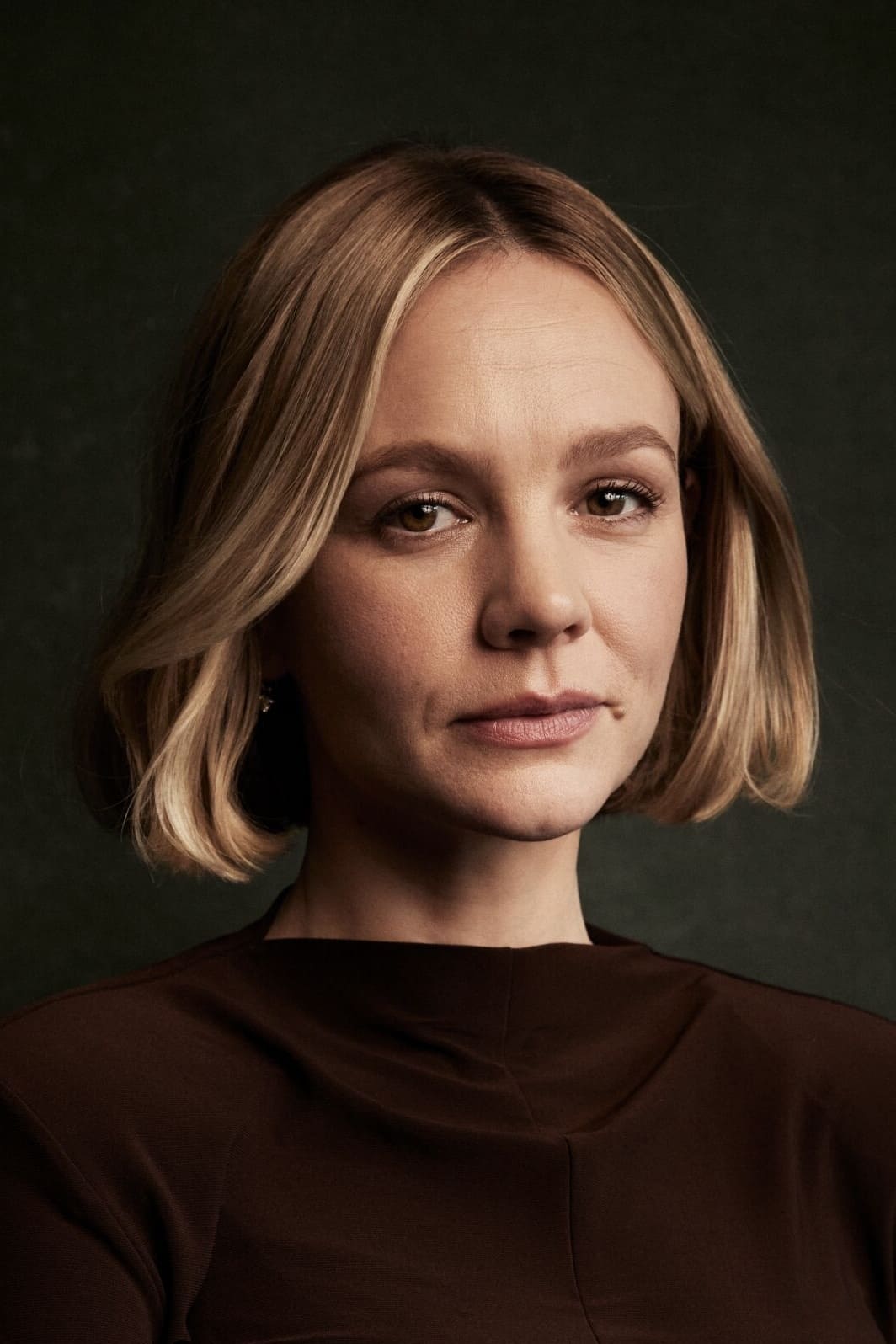
Carey Mulligan criticized the sexist nature of film criticism and the industry’s obsession with the physical appearance of actresses. She called out a reviewer who suggested she wasn’t “hot enough” for her role in ‘Promising Young Woman’. Mulligan argued that such comments reflect a deeper systemic issue where women’s performances are judged primarily on their looks. She exposed how these critiques influence casting decisions and the types of roles offered to women. Her vocal stance has encouraged a more nuanced discussion about gender in film journalism.
Bryce Dallas Howard
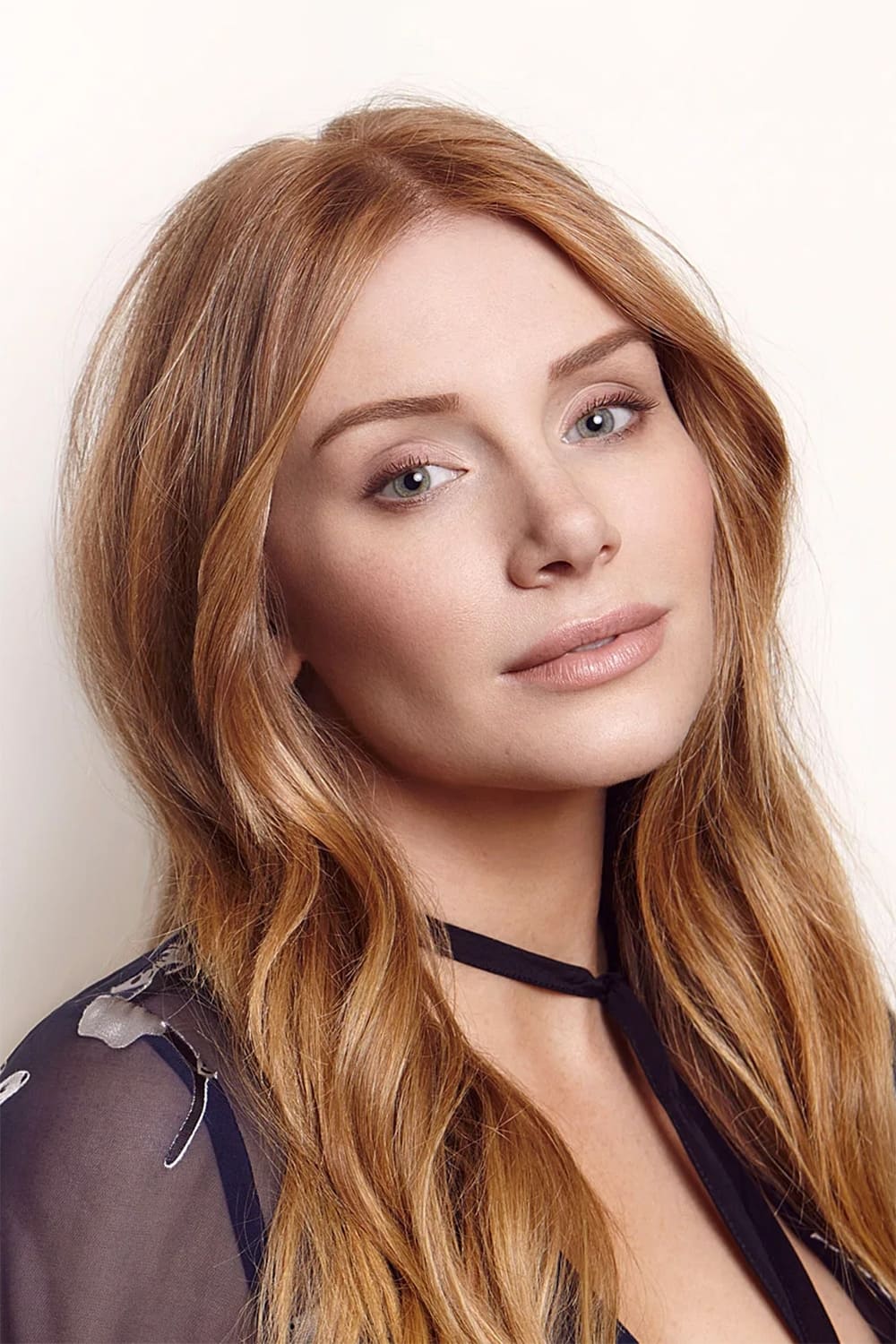
Bryce Dallas Howard revealed that she was paid “so much less” than her male co-star for the ‘Jurassic World’ trilogy than initially reported. She explained that the pay gap was significant and that she was at a disadvantage during negotiations because she was starting out in a new franchise. Howard also shared that Chris Pratt later stepped in to help her negotiate for equal pay on related projects like theme park rides and games. Her story highlighted the importance of male allyship in closing the wage gap. It also exposed how public reports of salary parity are often inaccurate.
Michelle Williams
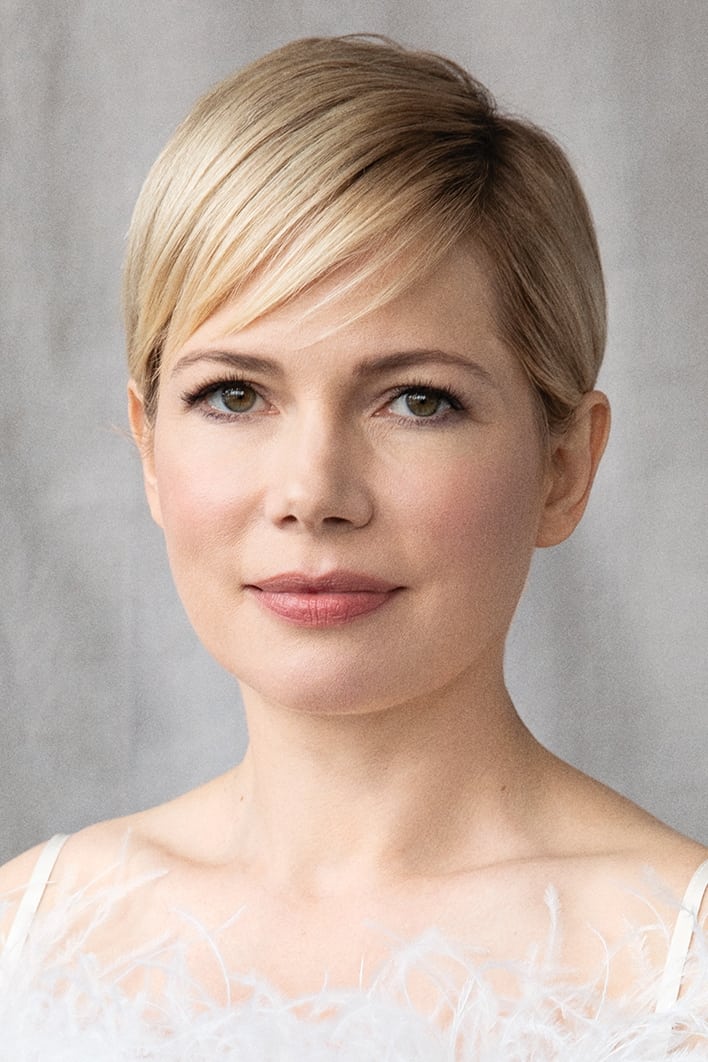
Michelle Williams exposed a massive pay disparity during the reshoots of ‘All the Money in the World’. It was revealed that she was paid less than $1,000 for the work, while her male co-star received $1.5 million. This revelation caused a public outcry and led to the co-star donating his fee to the Time’s Up Legal Defense Fund. Williams testified before Congress about the incident to illustrate the lack of transparency in Hollywood contracts. Her experience became a landmark case in the fight for equal pay for equal work.
Jessica Chastain
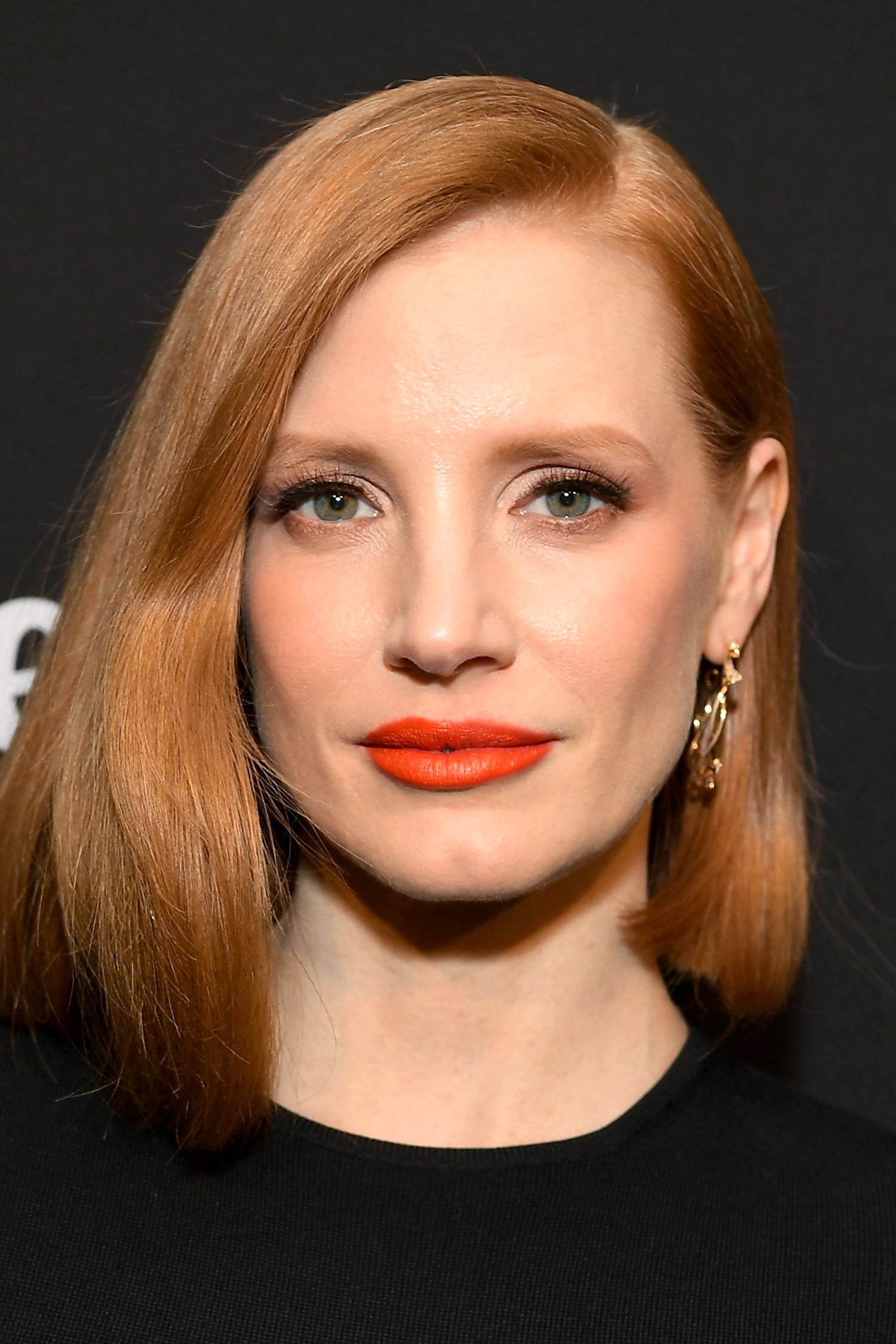
Jessica Chastain has been a vocal advocate for pay transparency and has refused to take roles where she is paid significantly less than her male peers. She revealed that she once turned down a major blockbuster because the studio refused to disclose the salary of her male counterpart. Chastain also made headlines when she negotiated for Octavia Spencer to receive five times her initial salary on a joint project. She exposed how the “divide and conquer” tactic is used by studios to keep female salaries low. Her commitment to “favored nations” clauses has inspired other actresses to demand the same.
Taraji P. Henson
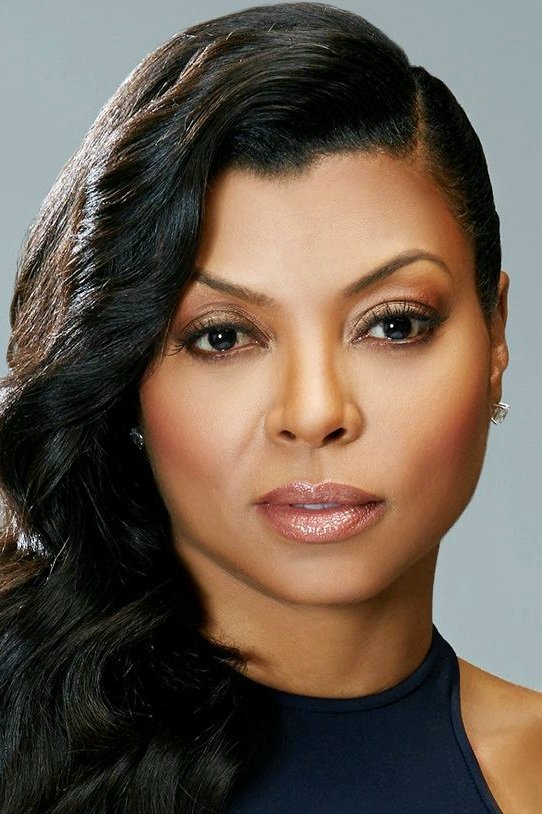
Taraji P. Henson has frequently discussed the “disrespectful” low offers she received after her Academy Award nomination for ‘The Curious Case of Benjamin Button’. She revealed that she had to pay for her own travel and accommodations during the press tour despite being a lead in the film. Henson exposed how Black actresses are often expected to be “grateful” for opportunities rather than being compensated fairly. She recently spoke through tears about the “math not mathing” regarding the high costs of maintaining a career versus the actual take-home pay. Her honesty has shed light on the financial struggles of even the most successful Black women in Hollywood.
Ellen Pompeo
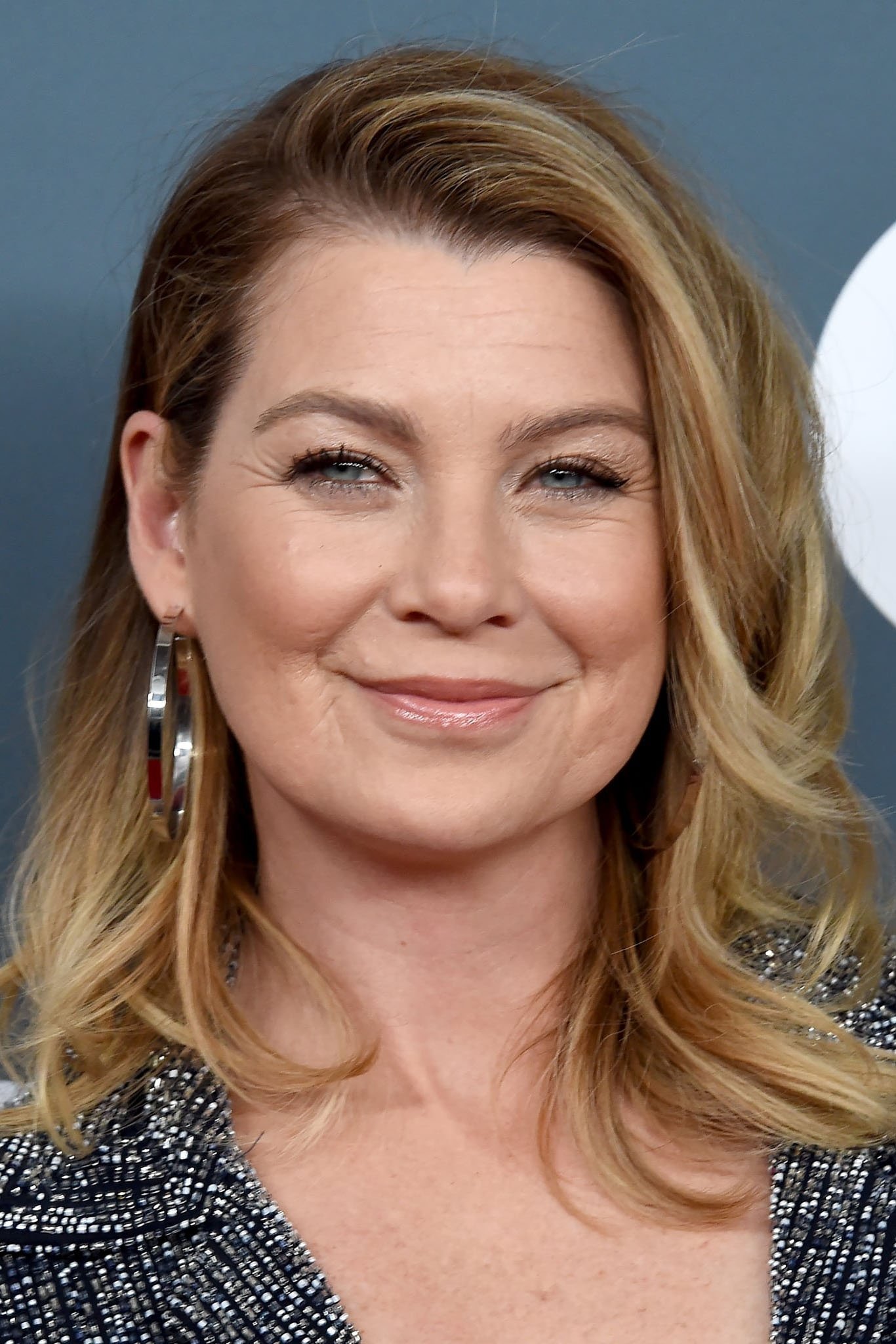
Ellen Pompeo made headlines when she detailed her journey to becoming the highest-paid woman on a television drama. She exposed the “toxic” environment during the early years of ‘Grey’s Anatomy’ and the difficulty of negotiating against a powerful studio. Pompeo revealed that she was often told she wasn’t needed and that her male co-star was the real draw of the show. Her transparency about her $20 million salary was intended to empower other women to “own their power” in negotiations. She has since become a mentor for other actresses looking to navigate the business side of television.
Octavia Spencer
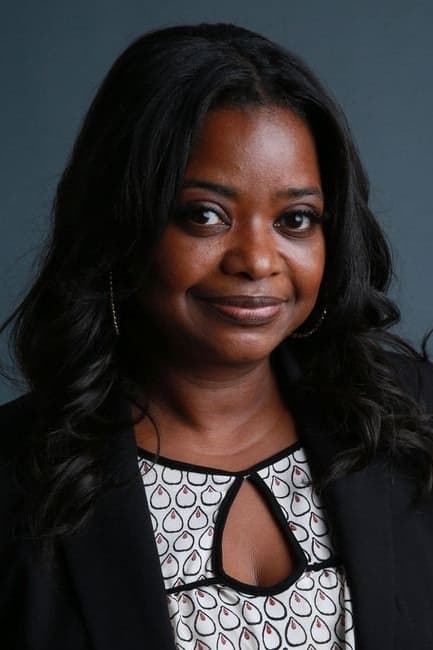
Octavia Spencer has been open about the challenges of being a Black woman in Hollywood, particularly regarding the lack of equity in backend profits. She shared how Jessica Chastain helped her secure a much higher salary by insisting they be tied together in negotiations. Spencer exposed the “unspoken rules” that often keep minority actors from reaching the highest pay tiers. She has also discussed the difficulty of finding hair and makeup artists on sets who are trained to work with Black skin and hair. Her advocacy has led to better diversity requirements for production crews.
Zoe Saldaña
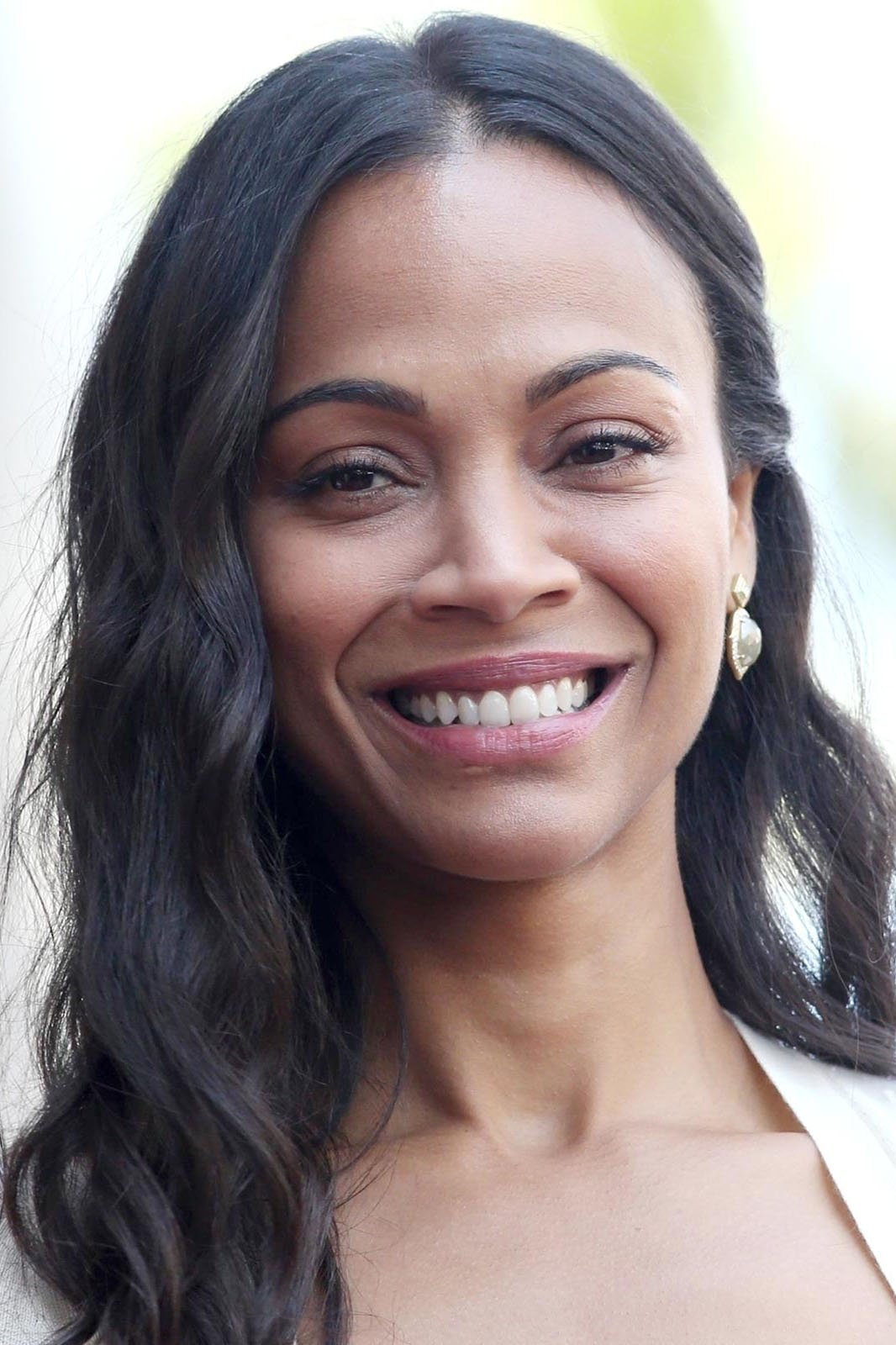
Zoe Saldaña shared her experiences with the “ego” of male producers and the lack of support for working mothers on set. She revealed that a studio once refused to pay for childcare during a production, despite providing lavish perks for male stars. Saldaña exposed the double standards that exist for female actors who have families. She also discussed the pressure to remain “likable” while asserting her creative input on major franchises like ‘Guardians of the Galaxy’. Her comments have sparked discussions about the need for more family-friendly policies in the film industry.
Gabrielle Union
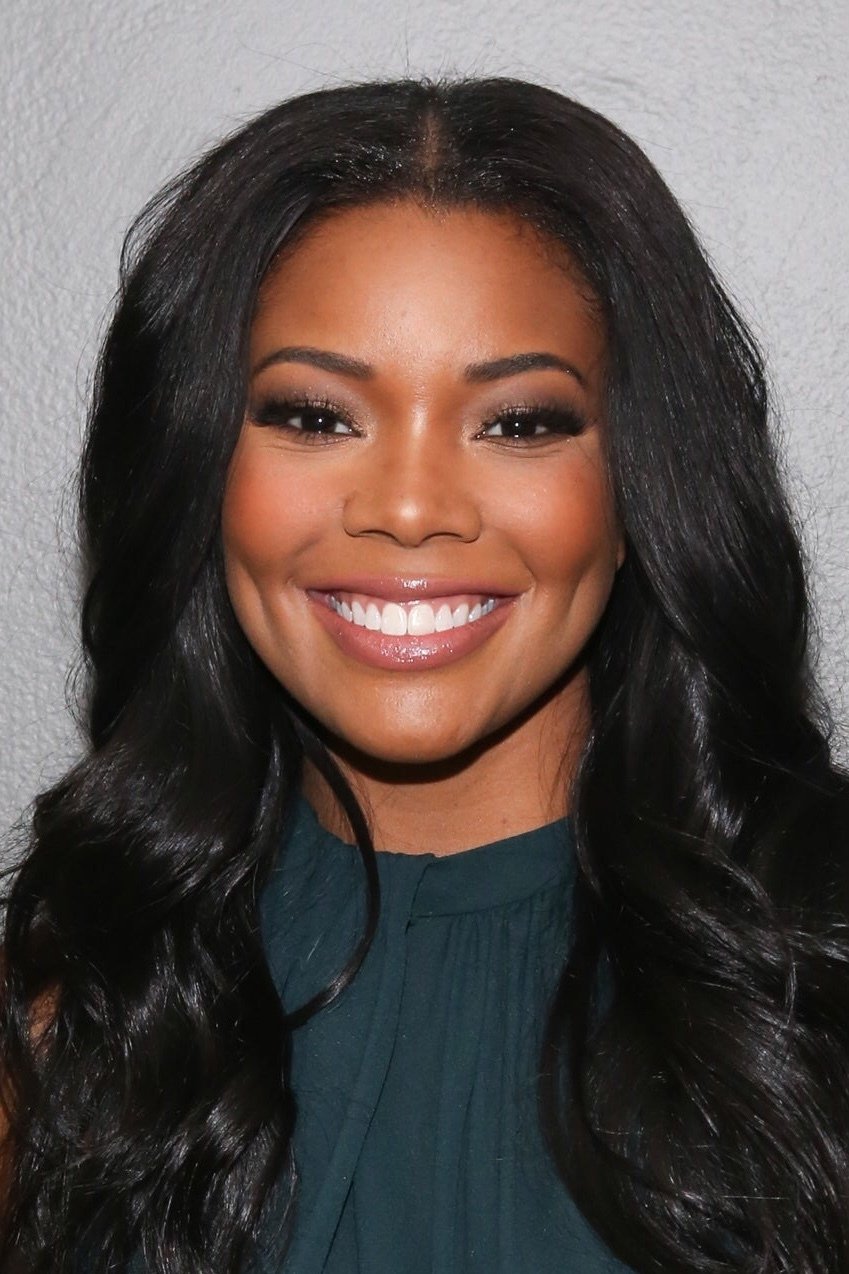
Gabrielle Union filed a complaint against a major network, exposing a “toxic” culture of racism and sexism on the set of ‘America’s Got Talent’. She detailed specific instances of offensive remarks and a lack of accountability for those in power. Union revealed that her concerns were often met with retaliation rather than resolution. Her case highlighted the difficulties faced by “whistleblowers” who challenge the status quo at major media conglomerates. She continues to advocate for safer and more inclusive workspaces across the entertainment sector.
Constance Wu
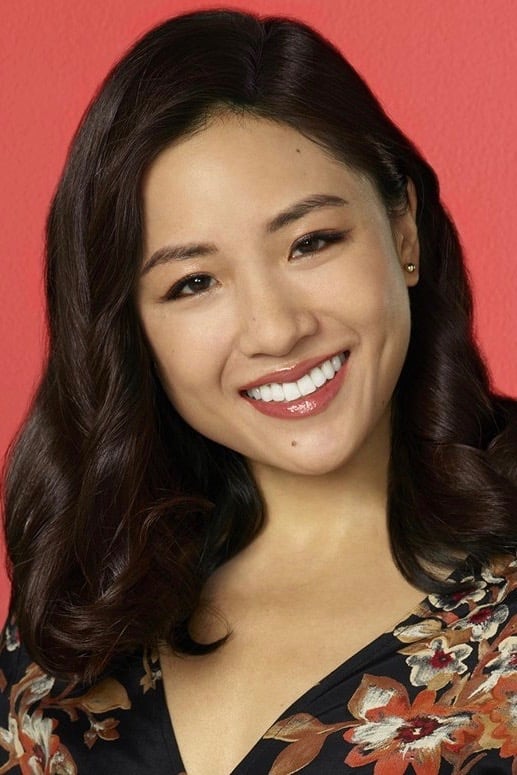
Constance Wu revealed that she was sexually harassed by a producer during the early seasons of ‘Fresh Off the Boat’. She explained that she felt she had to keep quiet to protect the show’s success and the jobs of her colleagues. Wu exposed how the pressure of being the “first” or “only” representation of a community can silence victims of abuse. She later used her memoir, ‘Making a Scene’, to discuss the emotional toll of carrying that secret for years. Her bravery provided a space for other Asian American actors to discuss the unique pressures they face.
Jameela Jamil
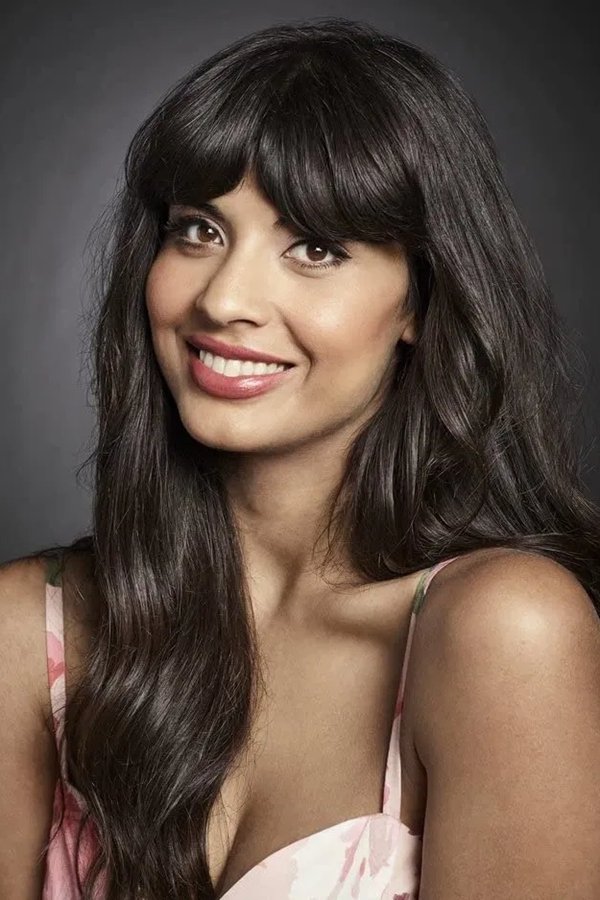
Jameela Jamil has been a fierce critic of the industry’s role in promoting unrealistic body standards and “diet culture.” She exposed the widespread use of airbrushing and digital manipulation in promotional materials and magazines. Jamil launched the “I Weigh” movement to encourage people to see their value beyond their physical appearance. She has frequently called out celebrities and brands that promote harmful weight-loss products to young fans. Her activism has forced many publications to rethink their use of Photoshop and to be more transparent about digital edits.
Lena Dunham
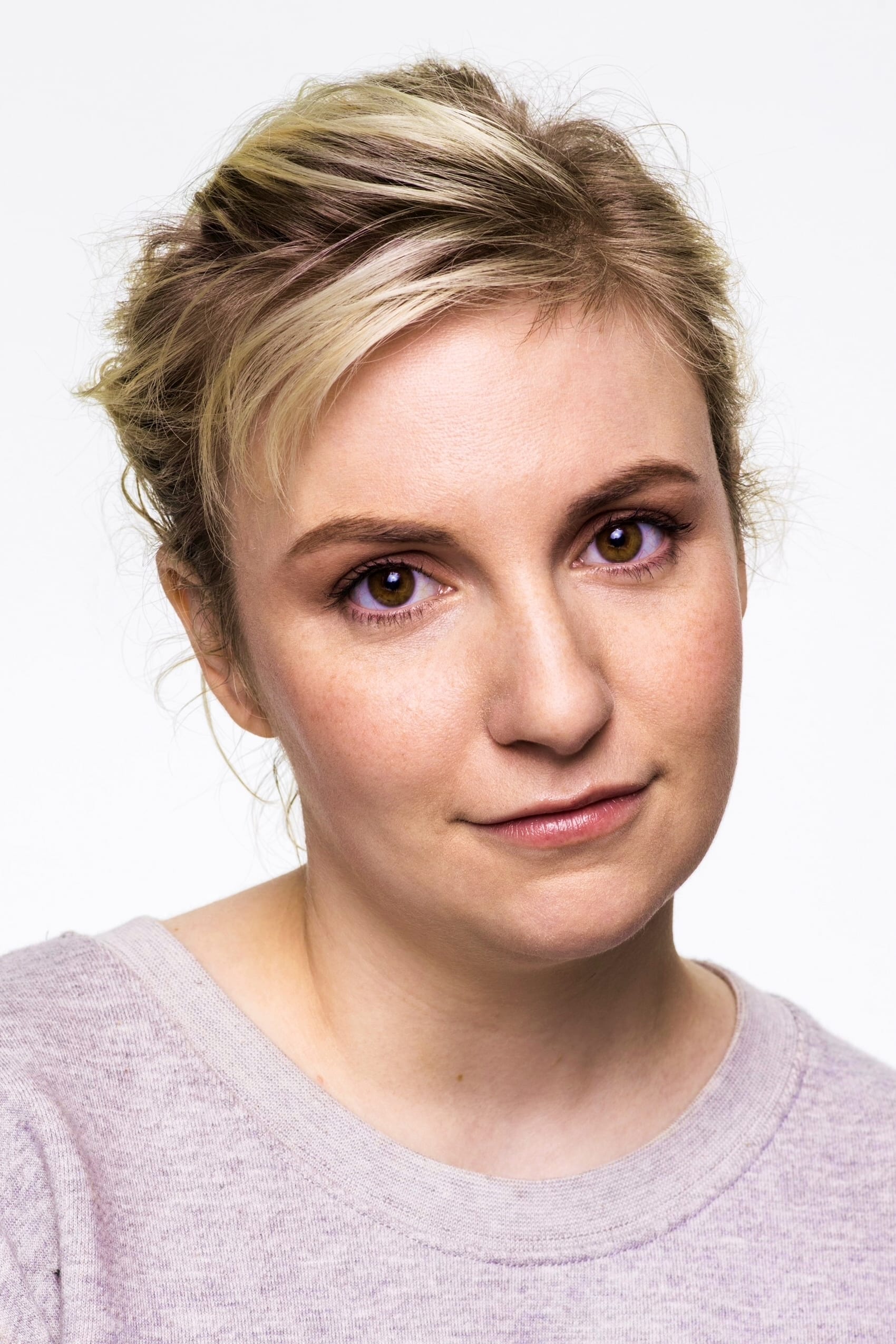
Lena Dunham has been transparent about the industry’s obsession with thinness and the pressure to conform to a specific body type. She revealed that she was often praised for her weight loss even when it was the result of illness or stress. Dunham exposed the “hidden” expectations for actresses to be a certain size to be considered for leading roles. She has used her platform to advocate for body neutrality and more diverse representation on screen. Her show ‘Girls’ was a landmark in depicting realistic female bodies and experiences.
Sarah Polley
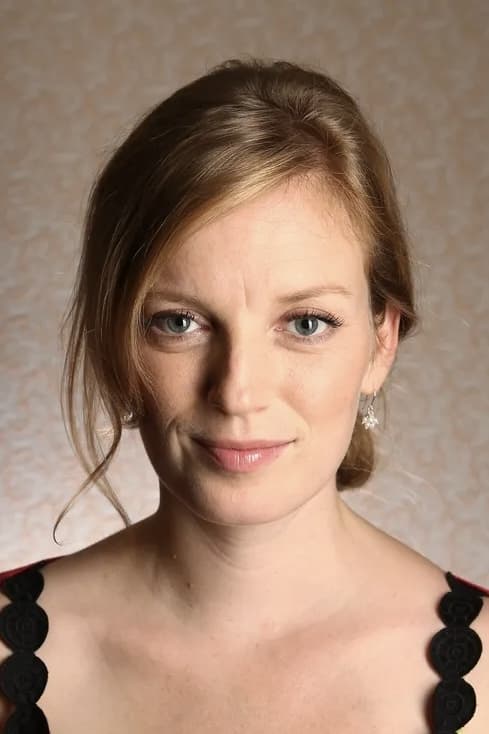
Sarah Polley wrote a series of essays detailing the “dangerous” conditions she faced as a child actor on the set of ‘The Adventures of Baron Munchausen’. She exposed the negligence of director Terry Gilliam, who she claims put her in life-threatening situations for the sake of a shot. Polley’s accounts highlighted the lack of protections for child performers during the 1980s. She has since transitioned into directing, where she prioritizes safety and ethical treatment of her cast. Her work continues to challenge the “genius at any cost” mentality that persists in film production.
Tippi Hedren
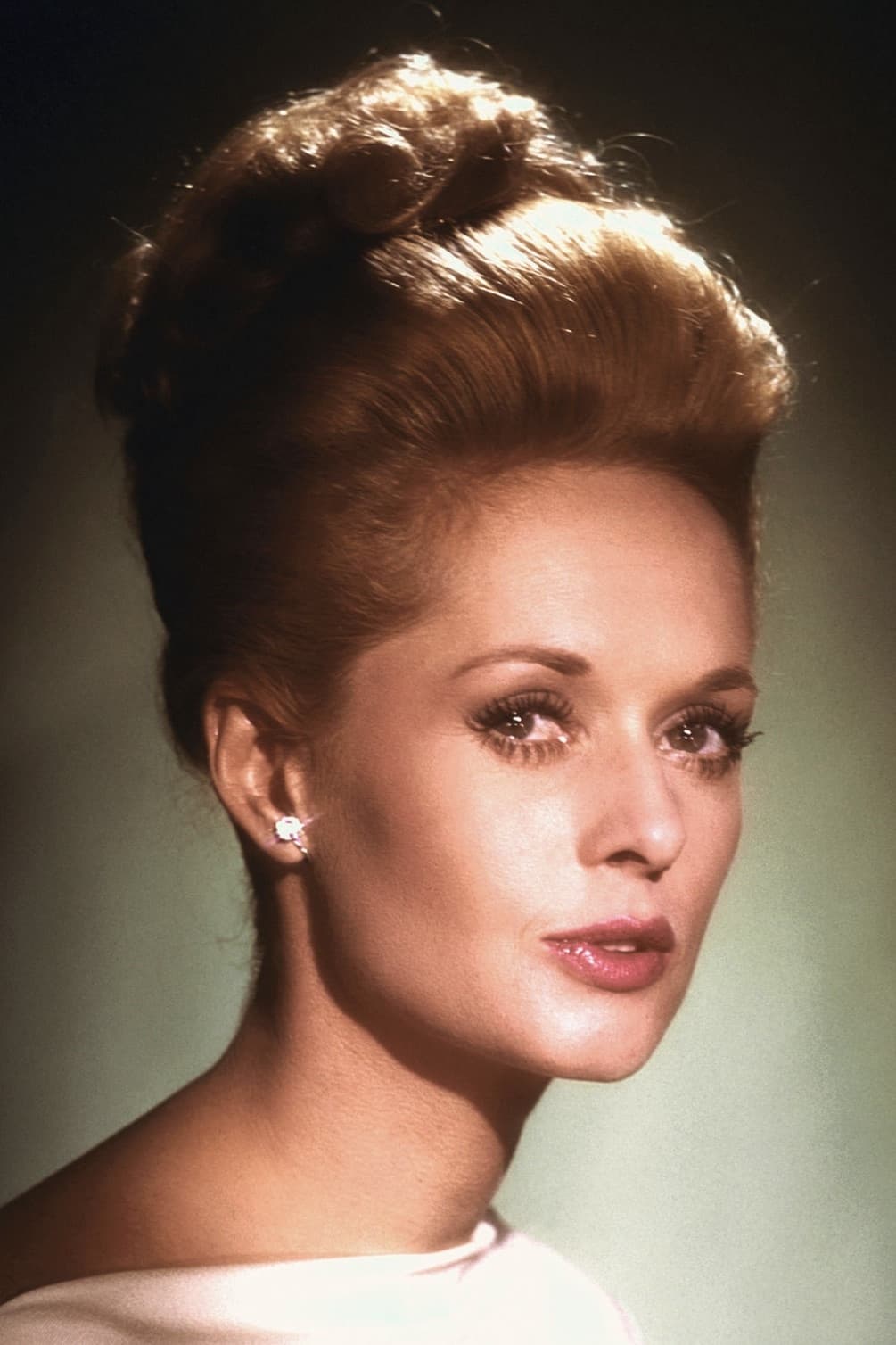
Tippi Hedren was one of the earliest actresses to expose the abusive behavior of legendary director Alfred Hitchcock. In her memoir, she detailed how he sabotaged her career after she refused his sexual advances. Hedren revealed that Hitchcock held her to an exclusive contract that prevented her from working with other directors for years. Her story served as a cautionary tale about the absolute power directors once held over their stars. She has since become an advocate for animal rights and for the protection of actors from contractual abuse.
Judy Garland
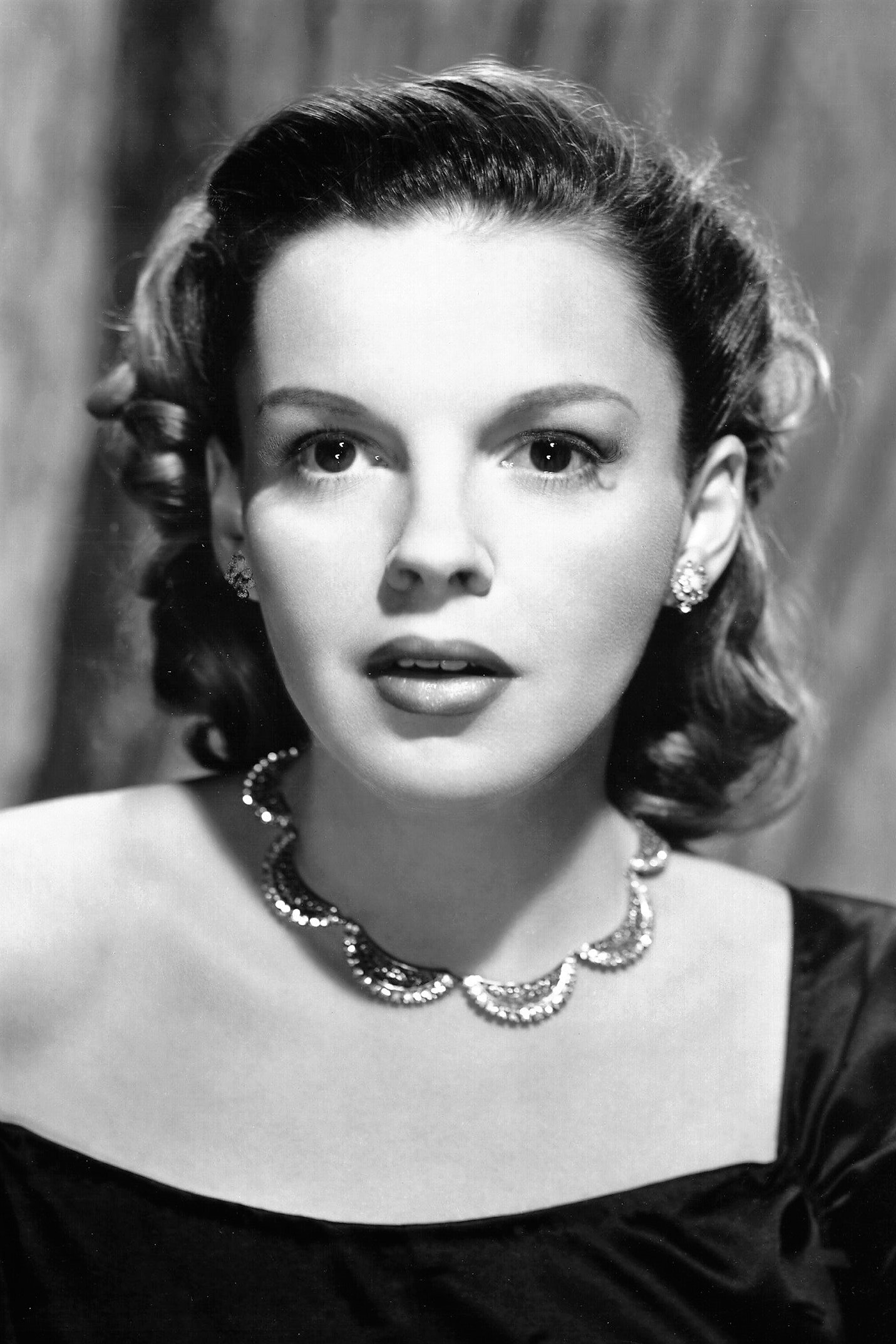
While she lived in a different era, the revelations about Judy Garland’s treatment at MGM exposed the dark side of the studio system. It was later revealed that the studio provided her with amphetamines to keep her working and barbiturates to help her sleep. This cycle of forced substance use led to a lifetime of struggle with addiction and mental health. Garland’s story exposed the “manufacturing” of stars and the total lack of regard for their physical well-being. Her experiences helped pave the way for modern labor laws protecting child performers and adult actors alike.
Maureen O’Hara
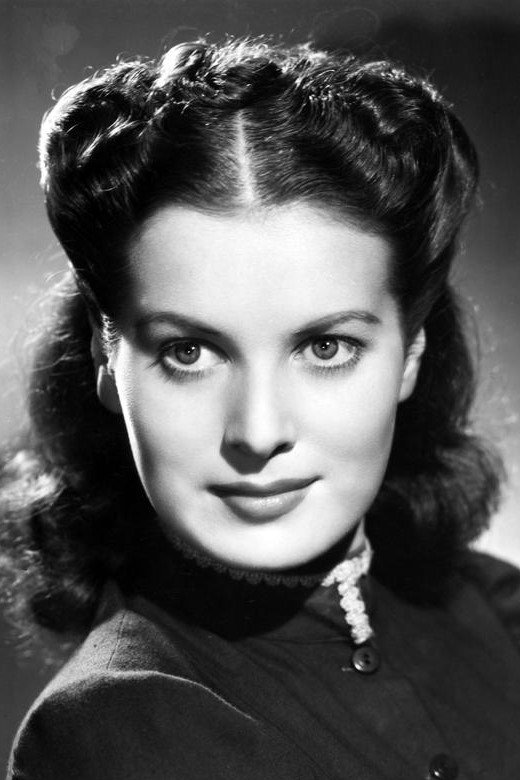
Maureen O’Hara was known for her refusal to participate in the “casting couch” culture of Old Hollywood. She famously stated that because she wouldn’t let producers “manhandle” her, she was often passed over for roles. O’Hara exposed how the industry’s power players used sexual favors as a prerequisite for success. She remained one of the few actresses of her time to publicly address the predatory nature of the business. Her legacy is one of integrity and the refusal to compromise her values for fame.
Debbie Reynolds
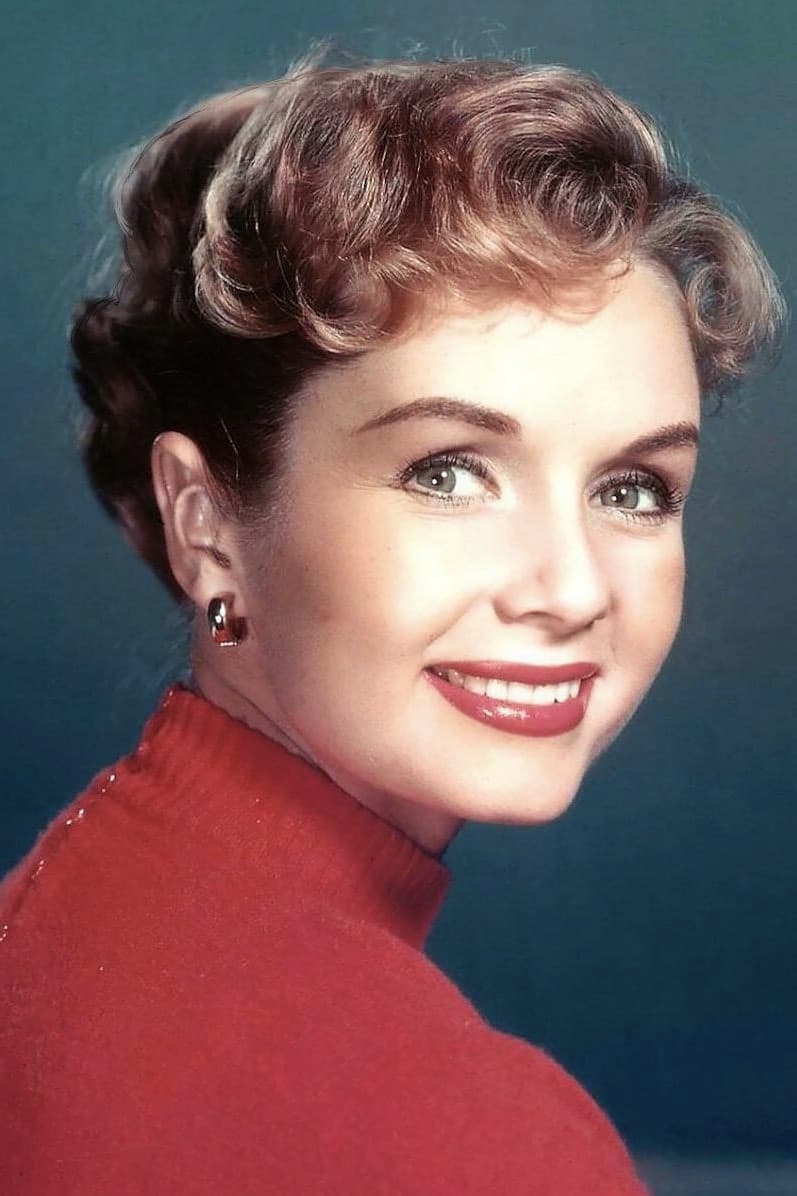
Debbie Reynolds was vocal about the restrictive nature of studio contracts and the lack of financial security for actors. She exposed how studios would “own” their stars, controlling everything from their public appearances to their personal relationships. Reynolds also shared the financial difficulties she faced later in life due to the predatory nature of industry business deals. She spent much of her career trying to preserve Hollywood history while warning others about the fleeting nature of stardom. Her transparency helped later generations understand the importance of financial literacy in the arts.
Florence Pugh

Florence Pugh has been vocal about the pressure she faced to change her body early in her career. She revealed that an executive once told her she needed to lose weight and change the shape of her face to be successful. Pugh refused to comply and has since used her platform to speak out against body shaming in the industry. She famously addressed the “vulgar” commentary regarding a sheer dress she wore, defending her right to bodily autonomy. Her refusal to be “molded” has made her a symbol of authenticity for a new generation of actors.
Zendaya

Zendaya has used her influence to expose the lack of diversity in the hair and makeup trailers on major film sets. She revealed that she often has to do her own hair and makeup because the staff provided by the studio is not trained to work with her texture or skin tone. Zendaya has also spoken about the “colorism” in Hollywood, acknowledging that her lighter skin tone gives her more opportunities than darker-skinned Black actresses. She uses her position to advocate for more inclusive hiring practices behind the camera. Her transparency helps highlight the subtle ways systemic bias continues to function.
Lupita Nyong’o
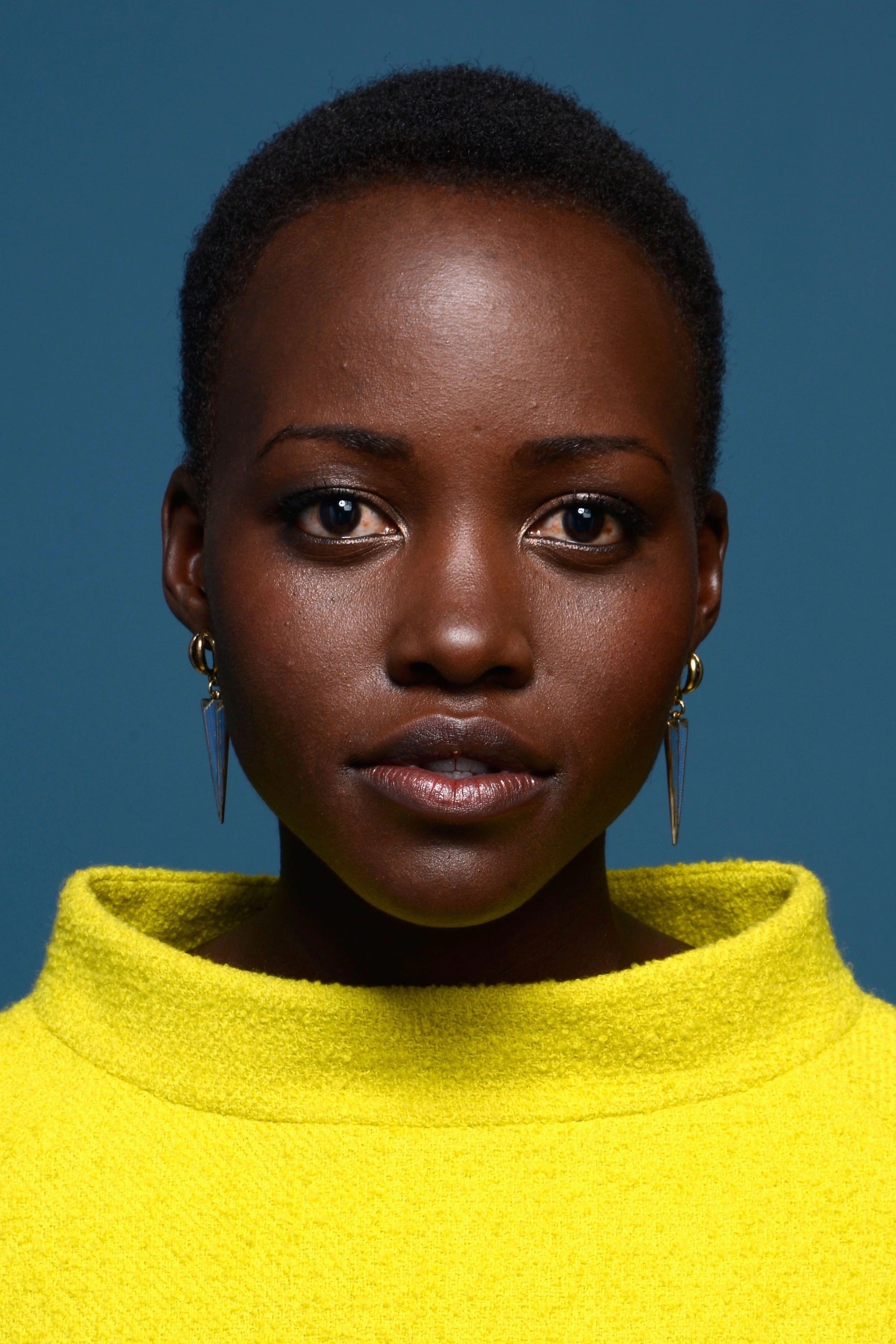
Lupita Nyong’o wrote a moving piece for ‘The New York Times’ detailing her encounters with a powerful producer who tried to use his influence to coerce her. She exposed the “calculated” nature of his advances and how he targeted her while she was still a student. Nyong’o shared that she felt a sense of “shame” and “responsibility” for the incidents, a common feeling among survivors. Her story added to the mountain of evidence that eventually led to the producer’s downfall. She continues to advocate for the safety of young women entering the industry.
Amber Tamblyn
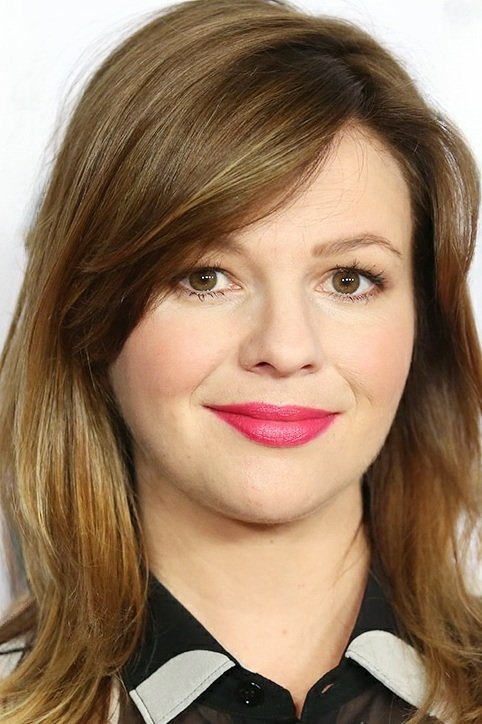
Amber Tamblyn has been a leader in the movement to expose the “gross” and sexist casting requirements for women. She shared an email from a casting director that requested actresses wear “something provocative” to an audition. Tamblyn argued that such requests have nothing to do with acting ability and everything to do with the male gaze. She has also been vocal about the “gaslighting” that occurs when women try to report misconduct to their agencies. Her writing and activism focus on the intersection of art, politics, and gender equity.
Mo’Nique
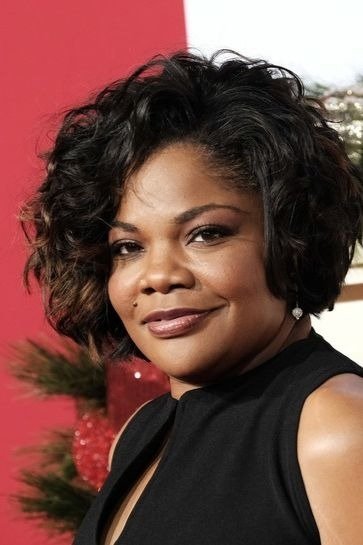
Mo’Nique sparked a major industry conversation when she called for a boycott of a streaming giant over a “lowball” offer for a comedy special. She exposed the discrepancy between what she was offered and what her white and male counterparts received. Mo’Nique also detailed how she was “blackballed” after her Oscar win for ‘Precious’ because she refused to do unpaid promotional work. While her claims were initially met with skepticism, they eventually led to a broader discussion about the “devaluing” of Black legends. Her legal battle for fair pay resulted in a settlement that many saw as a victory for equity.
Melissa Benoist
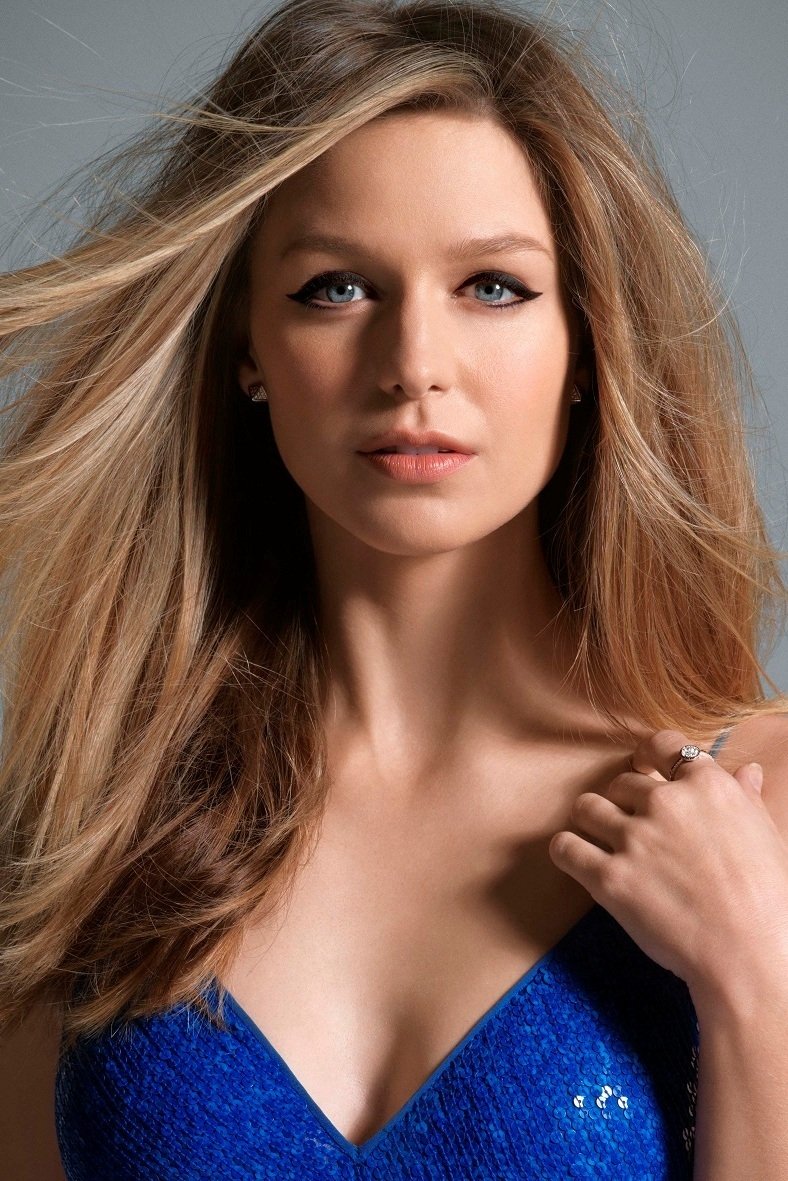
Melissa Benoist shared a deeply personal video detailing her experience with domestic violence, which occurred while she was working on a high-profile television show. She exposed the “industry silence” that often surrounds personal crises and the pressure to keep a “perfect” public image. Benoist described how she had to hide injuries while filming action scenes and the emotional toll of leading a double life. Her story helped break the stigma surrounding domestic abuse for high-profile women. She has since become a spokesperson for organizations that support survivors.
Alyssa Milano
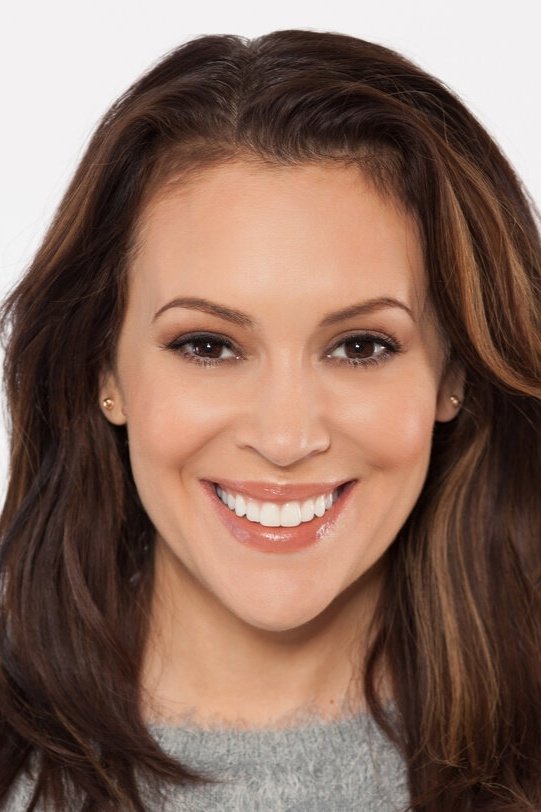
Alyssa Milano played a pivotal role in the Me Too movement by encouraging women to share their stories of harassment on social media. She exposed the sheer scale of the problem, showing that misconduct was not limited to a few “bad apples” but was a systemic issue. Milano has used her platform to advocate for the ERA and for stronger legal protections for workers in all industries. She revealed that even as a successful actress, she had faced numerous instances of inappropriate behavior throughout her career. Her call to action turned a localized industry scandal into a global movement.
Charisma Carpenter
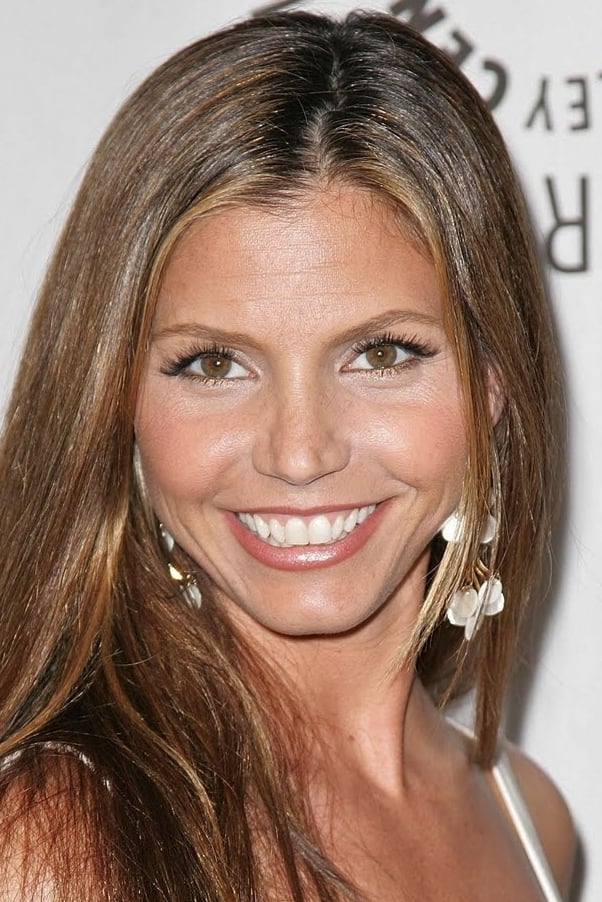
Charisma Carpenter released a statement detailing the “toxic” and “cruel” behavior of showrunner Joss Whedon on the sets of ‘Buffy the Vampire Slayer’ and ‘Angel’. She exposed how he allegedly mocked her pregnancy and threatened to fire her, creating a hostile work environment. Carpenter’s bravery led to other actors from the “Whedonverse” coming forward with similar stories of emotional abuse. Her revelations highlighted the lack of HR protections on television sets during the late 90s and early 2000s. The fallout from her statement led to a significant reevaluation of the director’s career and legacy.
Sarah Michelle Gellar
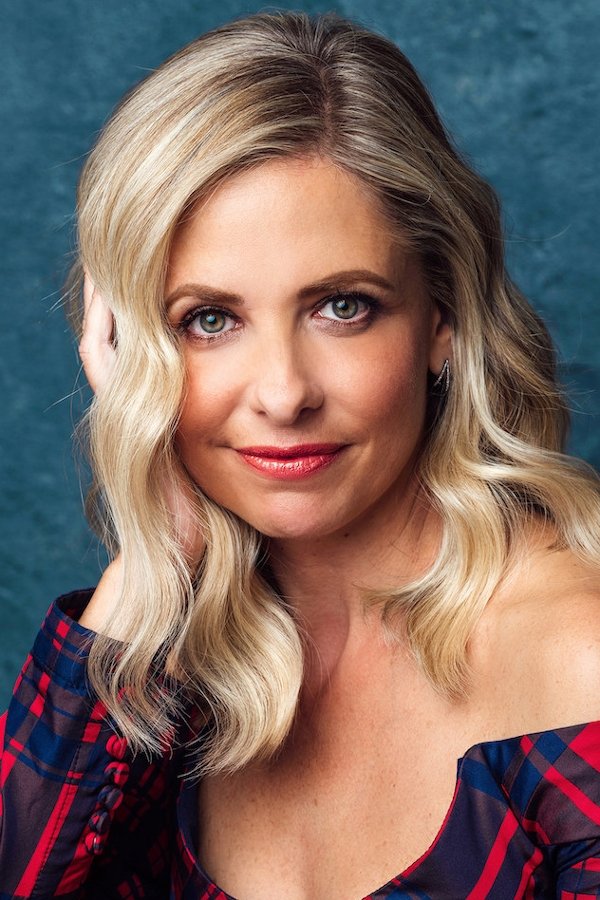
Following the allegations against Joss Whedon, Sarah Michelle Gellar released a brief but powerful statement distancing herself from the director. She confirmed that while she was proud of her work on ‘Buffy the Vampire Slayer’, she did not want her name associated with the toxic environment created by its creator. Gellar’s support for her co-stars helped validate their claims and exposed the long-standing tension that existed behind the scenes of the hit show. She has since spoken more broadly about the “male-dominated” sets of the era and the need for better leadership. Her comments underscored the importance of lead actors setting a positive tone for the entire production.
Rebecca Ferguson
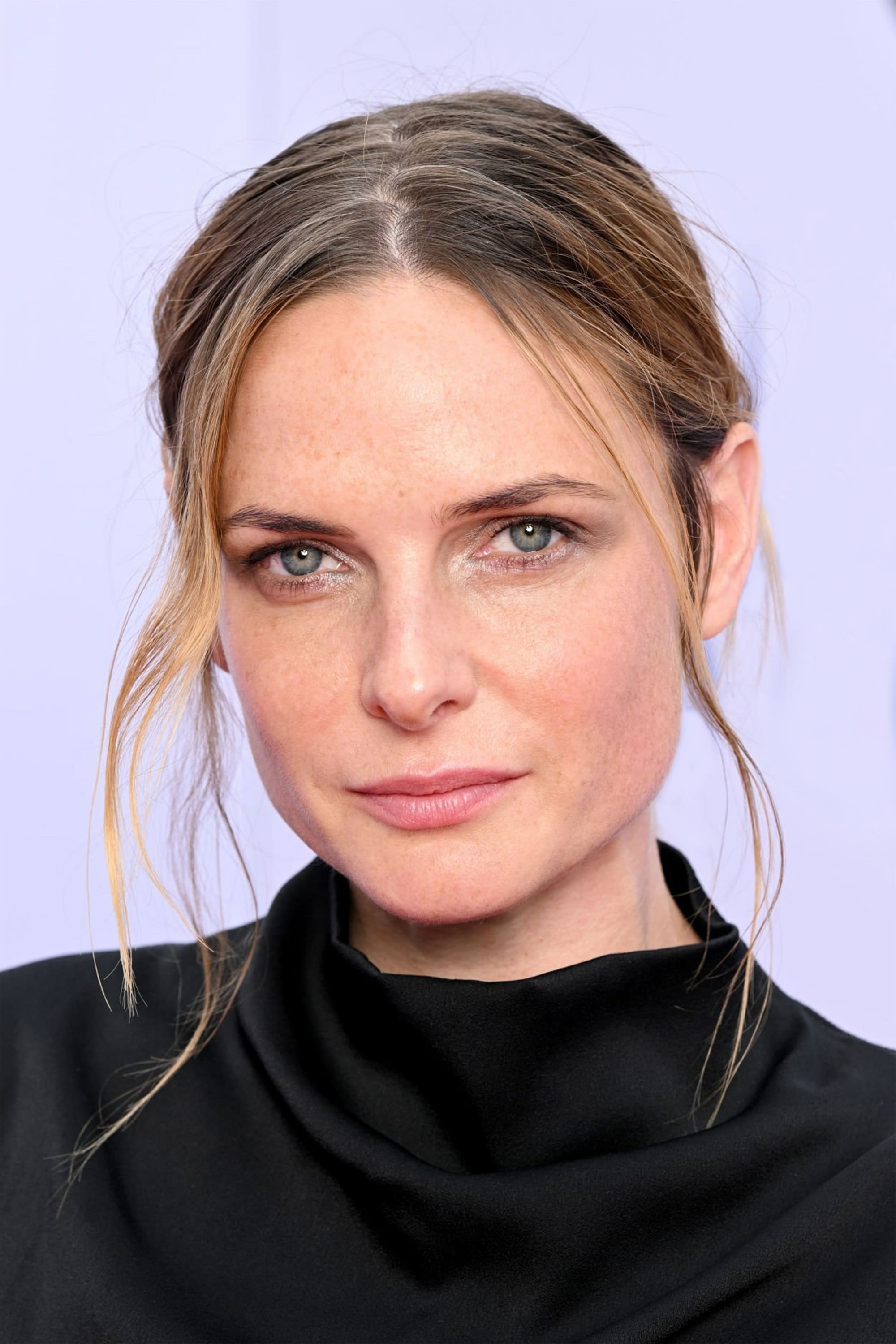
Rebecca Ferguson recently revealed that she was “screamed at” by an “absolute idiot” of a co-star on a film set, leading her to demand to work with a tennis ball instead of the actor. She exposed the lack of support she received from producers at the time, who she claims failed to protect her from the verbal abuse. Ferguson’s story went viral, prompting many fans to speculate on the identity of the actor and highlighting the issue of “diva” behavior on set. She used the experience to illustrate the importance of standing up for oneself, regardless of the other person’s status. Her honesty has encouraged other actors to speak out about the bullying that still occurs in modern productions.
Share your thoughts on these industry revelations and the impact they have had on Hollywood in the comments.