Anime That Changed Character Ethnicities for Western Audiences


Anime has a long history of being adapted for Western markets through a process known as localization. During this process many series underwent significant changes to make them appear more familiar to American and European audiences. These changes often included renaming characters and altering their backgrounds to suggest they were from Western countries. Cultural references and traditional practices were frequently erased to suit local tastes. This list explores several anime titles that modified character ethnicities and settings for their Western releases.
‘Pokémon’ (1997–Present)

The English localization of ‘Pokémon’ involved changing almost every character name to appeal to Western audiences. Satoshi was renamed Ash Ketchum and his friend Kasumi became Misty. The series removed many Japanese cultural references like rice balls and replaced them with Western foods. These edits were designed to make the characters feel like they could be from any suburban American neighborhood. The setting of the story was also generalized to hide its Japanese origins.
‘Sailor Moon’ (1992–1997)
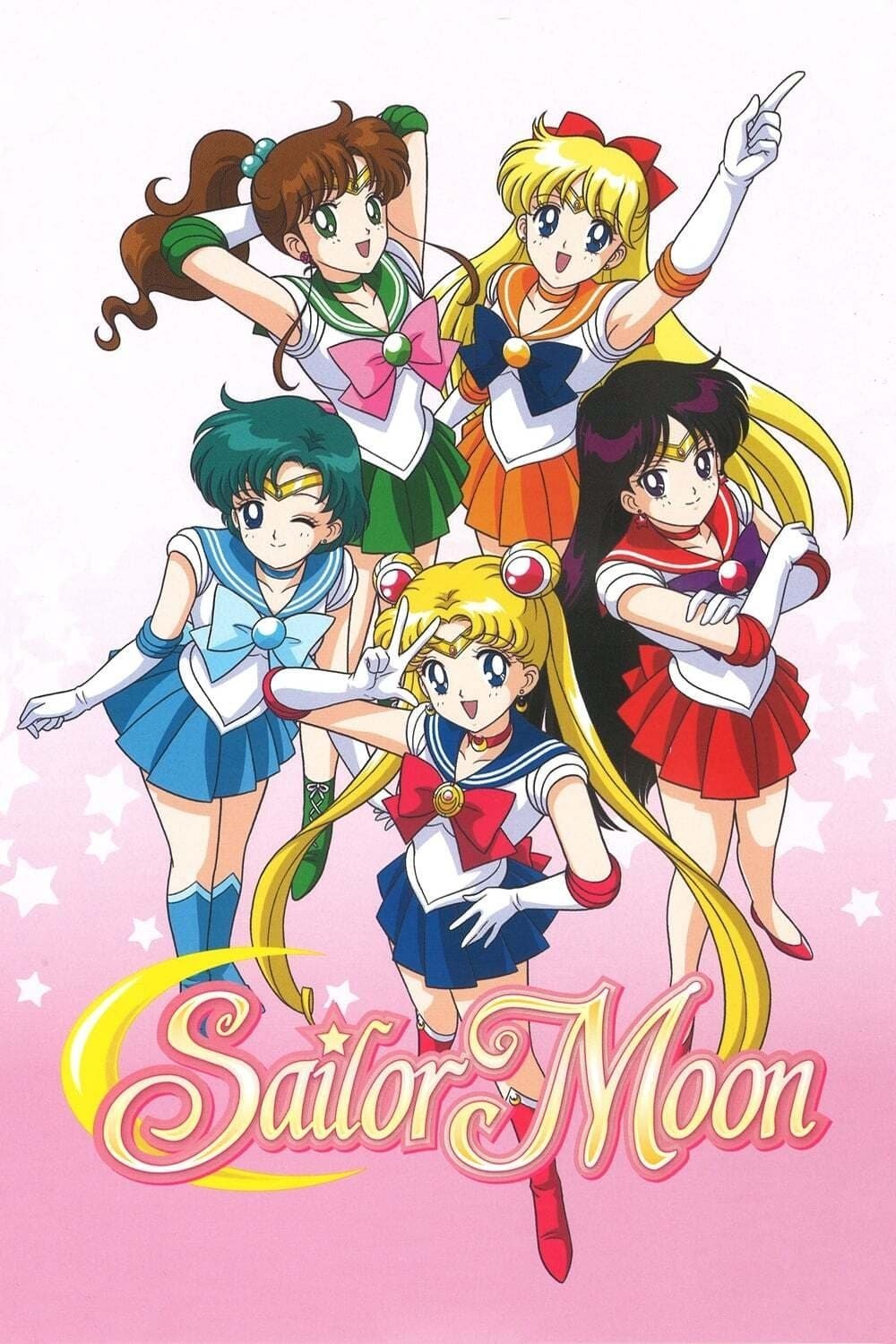
The original cast in this series consisted of Japanese middle school students living in Tokyo. For the English dub the characters were given Western names like Serena and Amy to mask their Japanese ethnicity. References to Japanese culture and locations were stripped away or replaced with Western equivalents. This localization strategy was intended to make the magical girl genre more accessible to young American girls. The producers believed that Western audiences would relate better to characters with English names.
‘Cardcaptor Sakura’ (1998–2000)
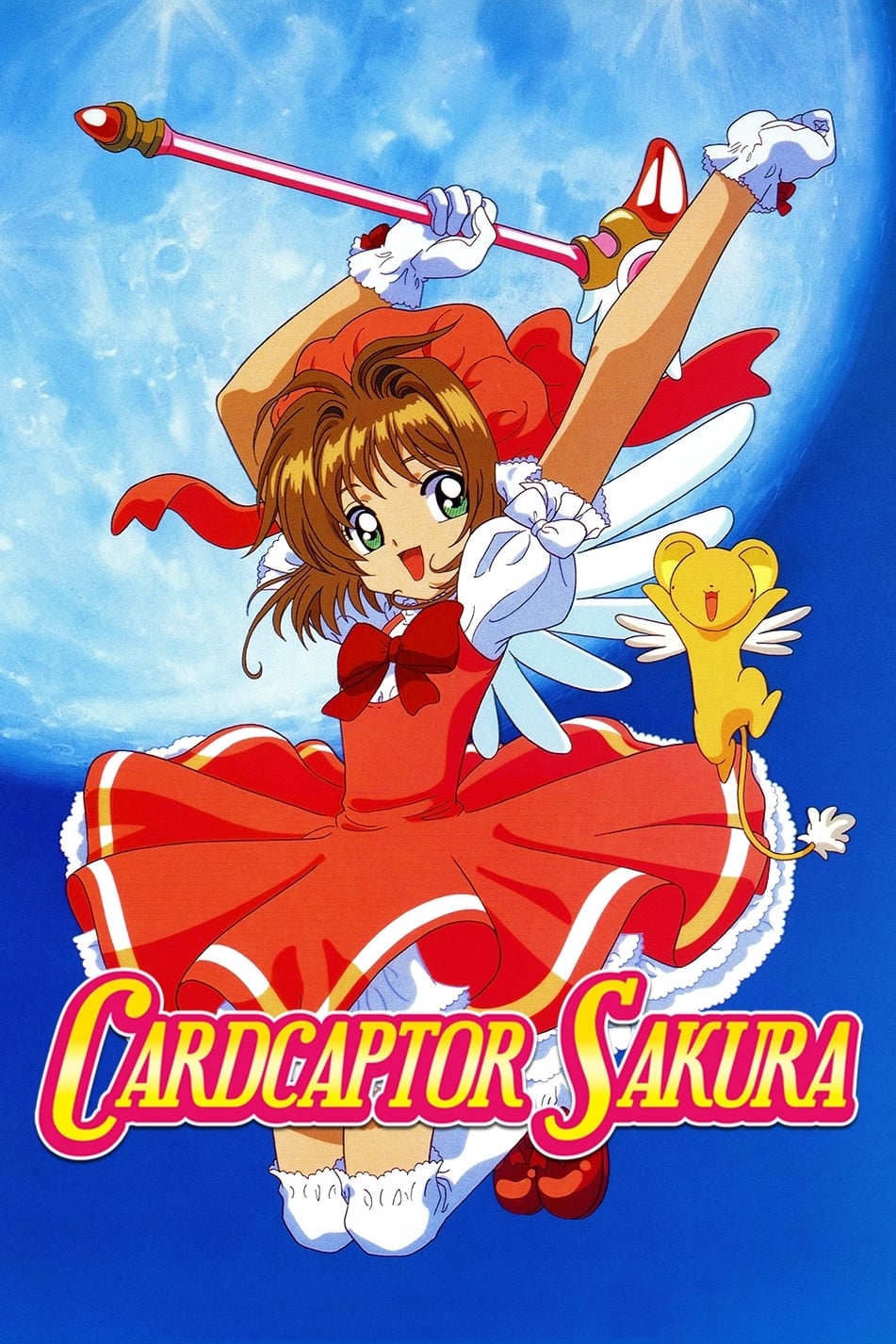
This series was heavily edited and renamed for Western broadcast to focus more on action elements. The main character Sakura Kinomoto was often presented with a less specific ethnic background through Westernized naming and dialogue. Key supporting characters also received new identities to fit into an American school setting. The cultural context of the original Japanese environment was largely removed from the localized version. This was done to market the show to a broader demographic of young viewers.
‘Yu-Gi-Oh! Duel Monsters’ (2000–2004)
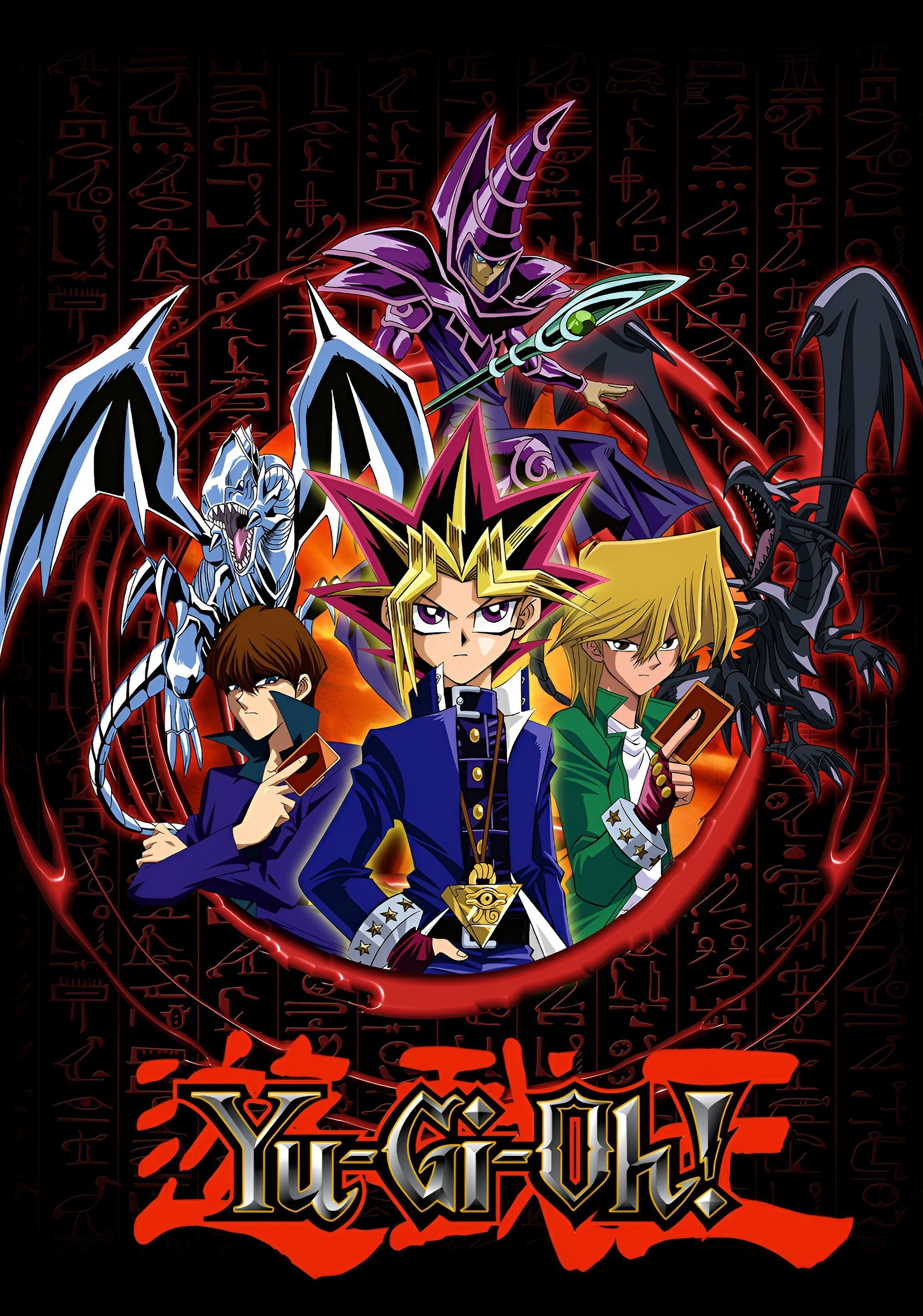
The localized version of this series renamed almost every character to distance them from their Japanese origins. Katsuya Jonouchi became Joey Wheeler while Anzu Mazaki was changed to Téa Gardner. These changes suggested a diverse American cast rather than a group of students in Japan. Visual edits also removed Japanese text from cards and signs to complete the Westernization process. The show was effectively presented as taking place in a generic urban American city.
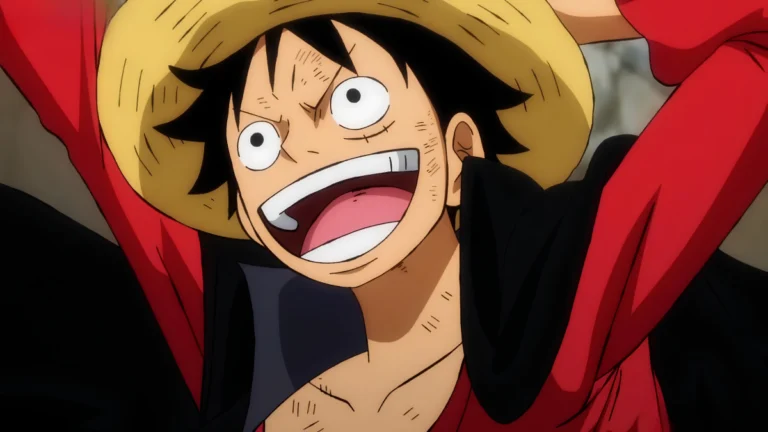
‘One Piece’ (1999–Present)
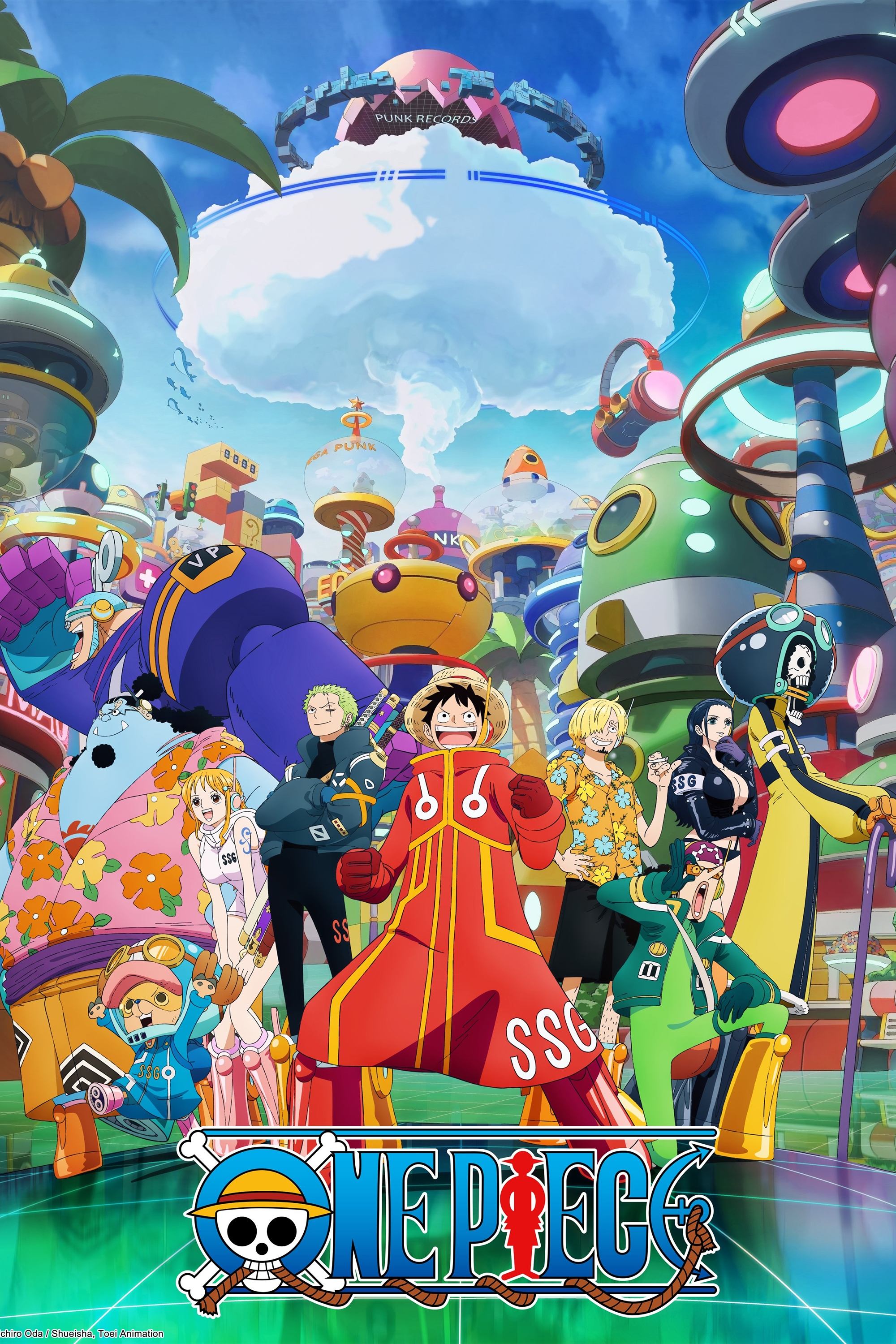
Early English dubs of this series changed many character names and backgrounds to better suit Western viewers. Portions of the dialogue were rewritten to strip away Japanese idioms and cultural references. The localized version attempted to present the pirate world as a culture neutral fantasy setting. Many fans noticed that these changes often diluted the specific ethnic identities of the original cast. These alterations were particularly prominent in the version produced for North American television.
‘Speed Racer’ (1967–1968)
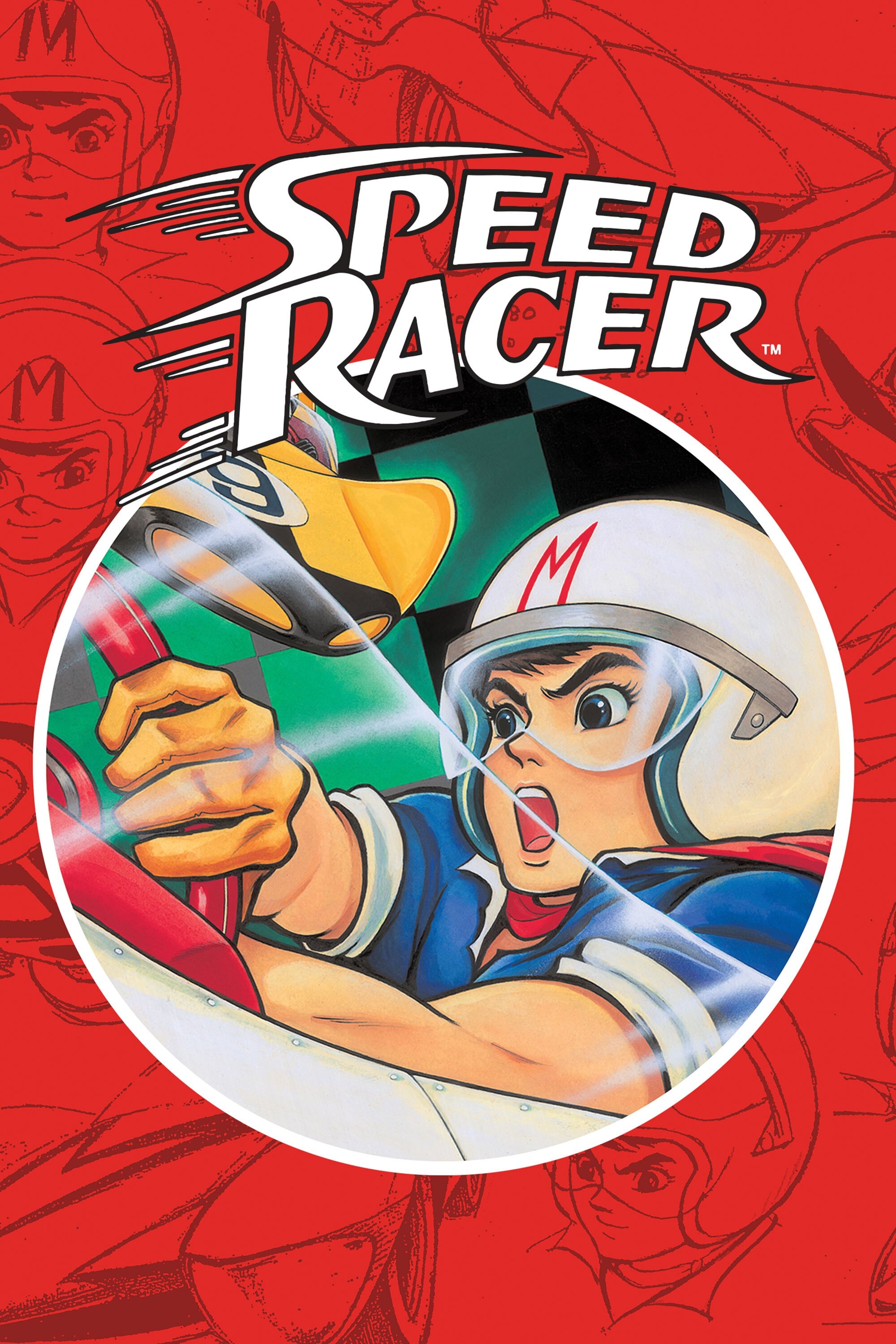
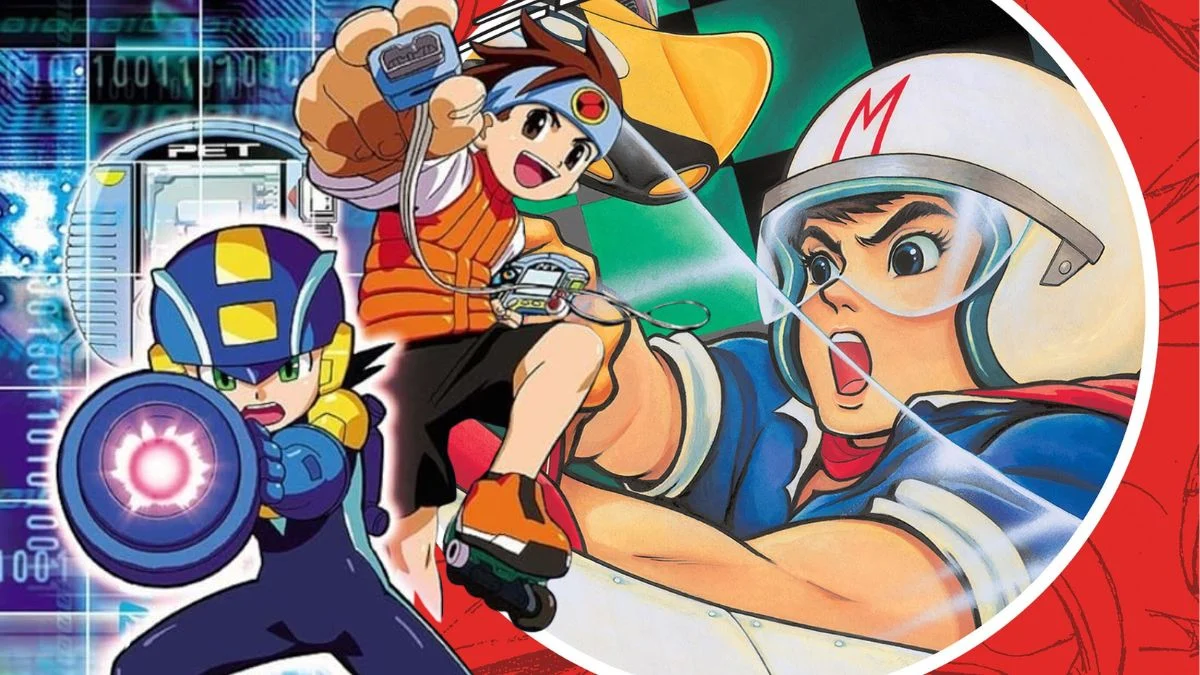
This classic anime was one of the first to be completely Westernized for an American audience. The Mifune family was renamed the Racer family and the Japanese setting was replaced with a generic international background. Go Mifune became Speed Racer to give him a name that felt more at home in a Western context. These changes were so effective that many early viewers did not realize the show originated in Japan. The series helped establish the template for how anime would be adapted for the West for decades.
‘Robotech’ (1985)
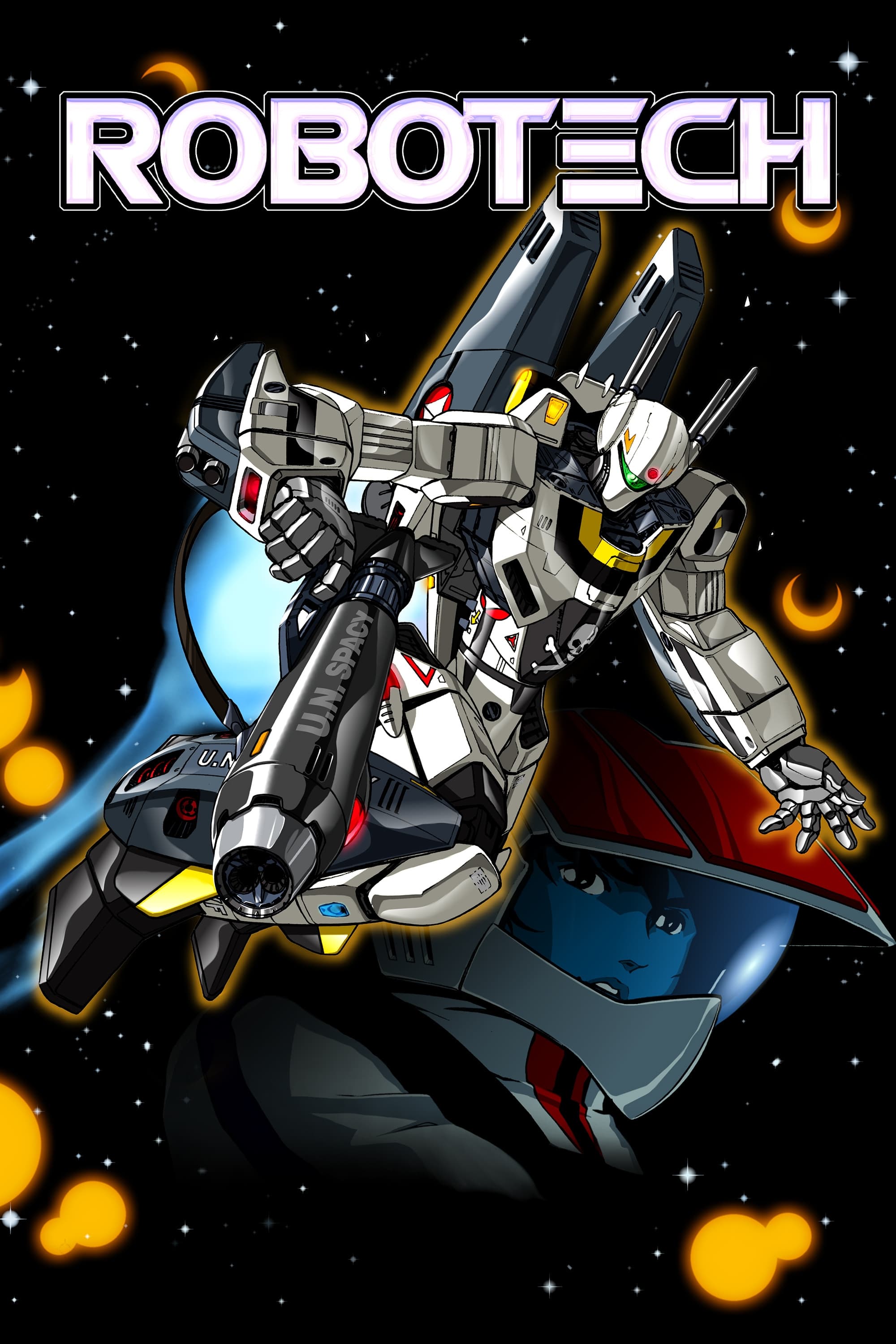
This series combined three different Japanese anime into a single cohesive story for the North American market. Character names and ethnic backgrounds were changed to create a unified Western cast for the new narrative. The localization team reworked the dialogue to fit a more traditional American sci-fi storytelling style. Many viewers at the time were unaware that the characters they watched were originally from different Japanese productions. The show served as a major introduction to the mecha genre for Western fans.
‘Battle of the Planets’ (1978–1980)
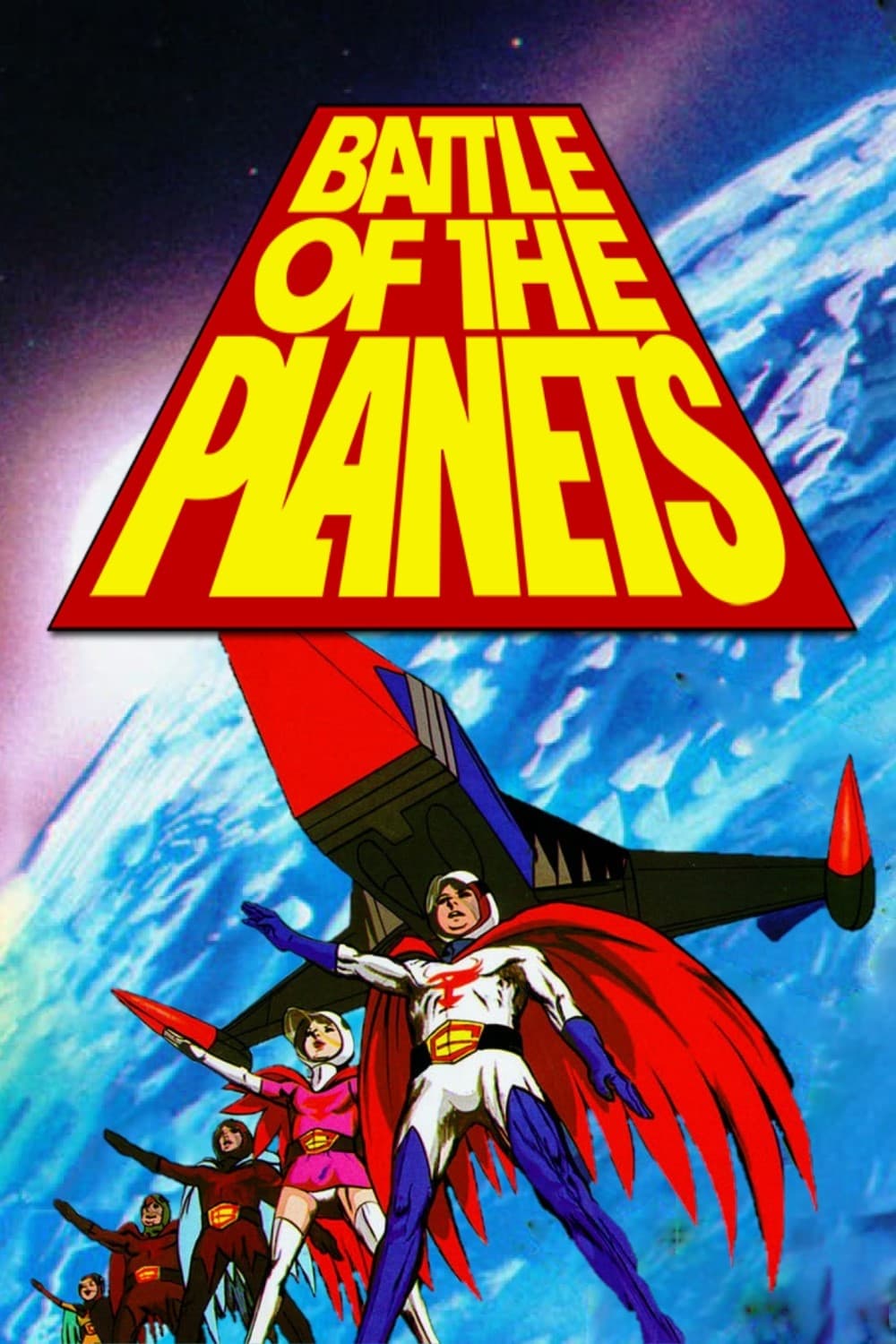
This localization of a popular Japanese series introduced a new robot character to bridge gaps in the edited footage. The original Japanese team members were given Western names like Mark and Jason to hide their true origins. Scenes were cut and rearranged to remove Japanese cultural references and mature themes. These edits successfully presented the team as a group of American space heroes. The show was marketed as a direct competitor to Western sci-fi properties of the era.
‘Tokyo Mew Mew’ (2002–2003)
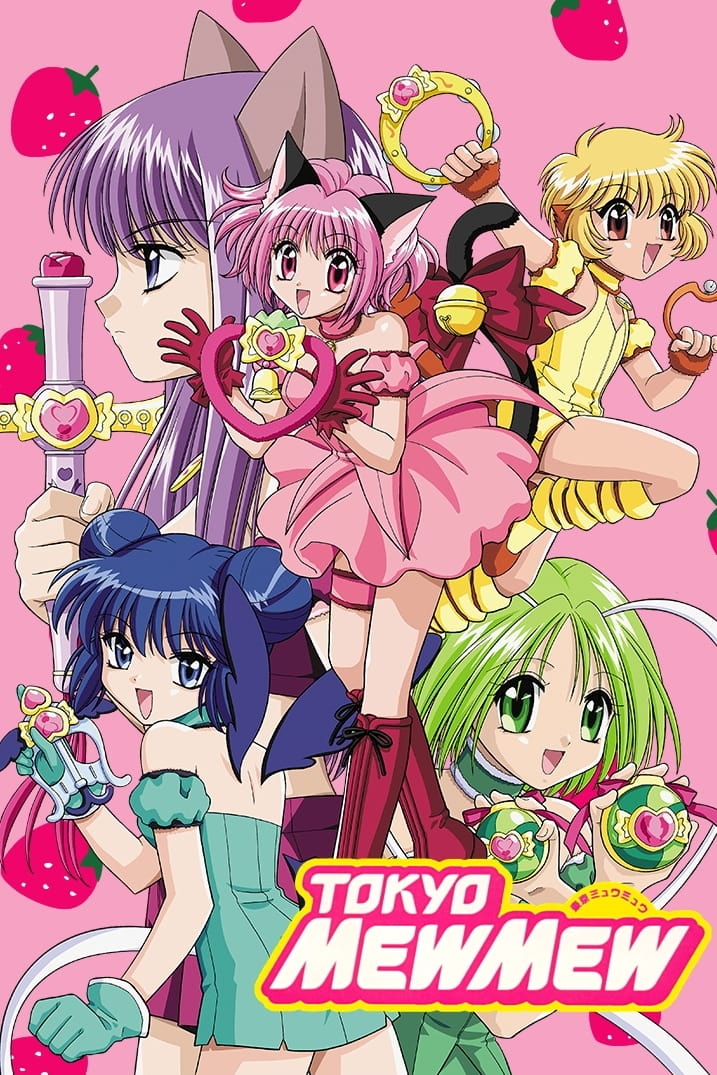
When this magical girl series was brought to the West it was renamed and the characters were given Western identities. Ichigo Momomiya became Zoey Hanson and her teammates were similarly rebranded. The localization aimed to make the characters appear as typical American teenagers living in a Western city. Many cultural references were removed or changed to align with Western consumer habits. This version focused on making the show a mainstream success in the North American market.
‘Digimon Adventure’ (1999–2000)
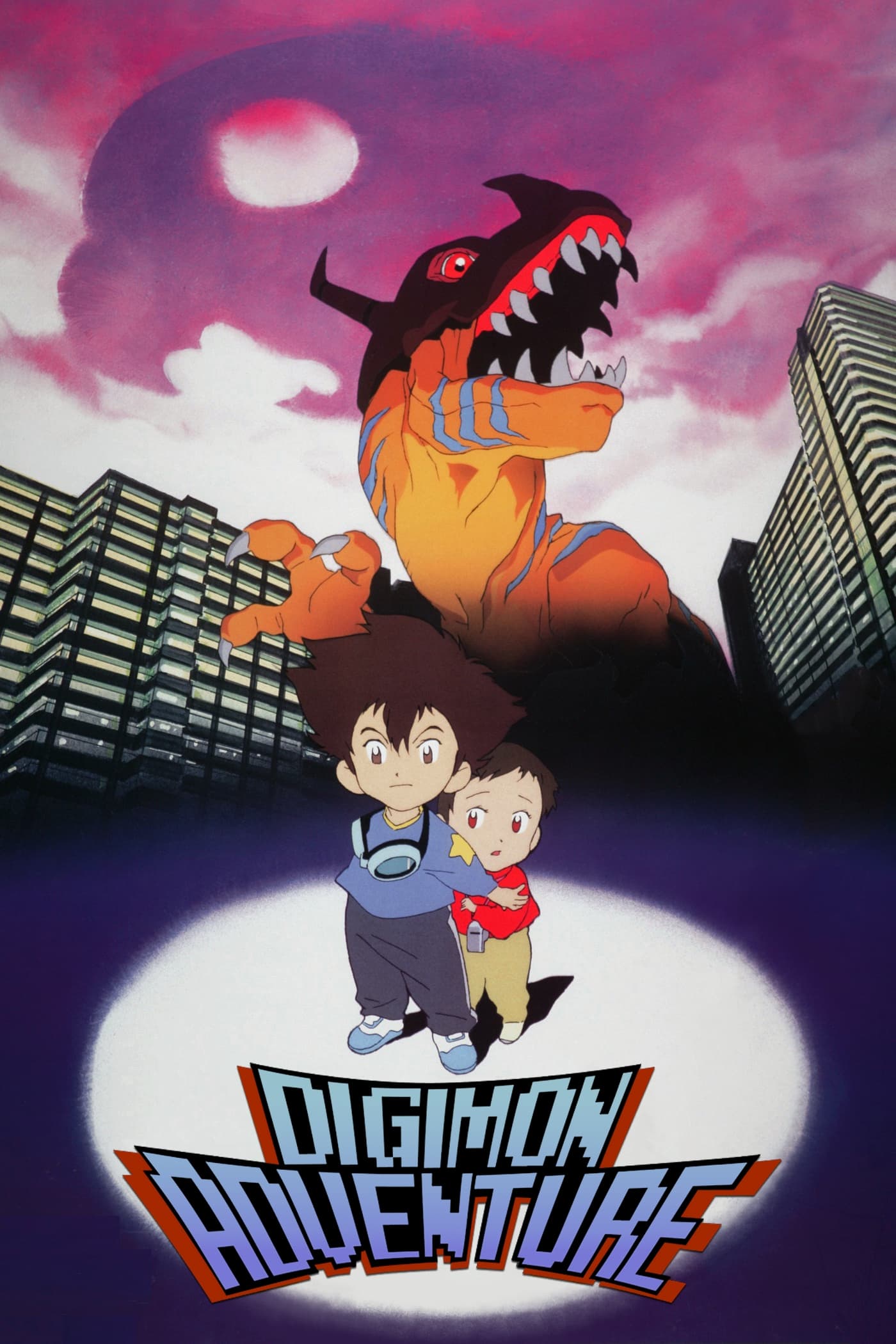
The English localization of this series gave the Japanese children Western nicknames and surnames. Taichi Yagami became Tai Kamiya and Yamato Ishida was renamed Matt Ishida. These changes helped the characters feel like they could be from any international city. The script added humor and Western slang that was not present in the original Japanese version. This approach was highly successful in making the show a global hit.
‘Initial D’ (1998–2014)
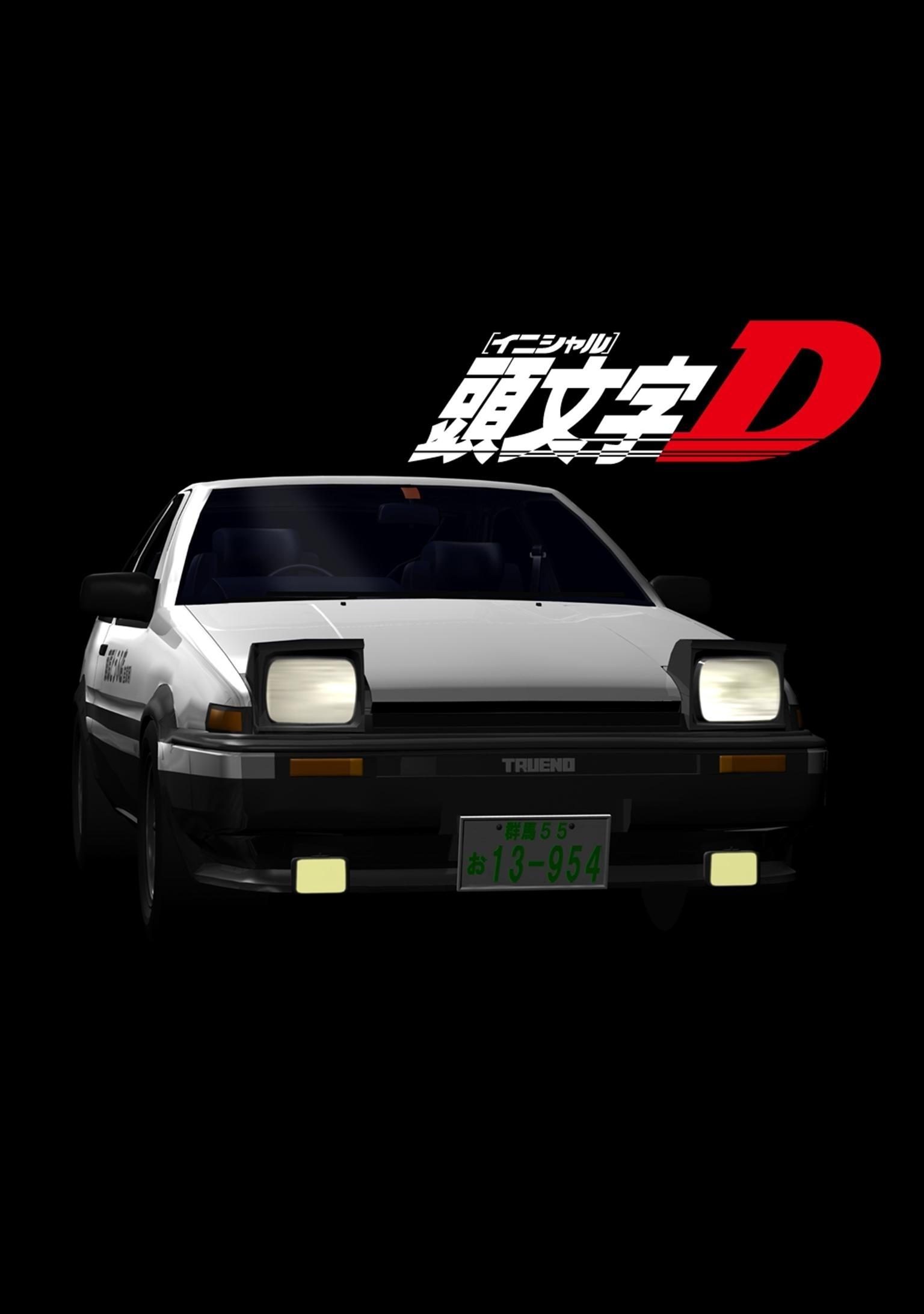
A controversial localization of this series changed the names of the street racers to Western nicknames. Takumi Fujiwara became Tak and his friend Itsuki became Iggy. The soundtrack was also replaced with Western music to appeal to the target demographic. These changes were intended to market the show as part of the Western car culture movement. However many fans felt these alterations stripped the series of its unique Japanese identity.
‘Shin Chan’ (1992–Present)
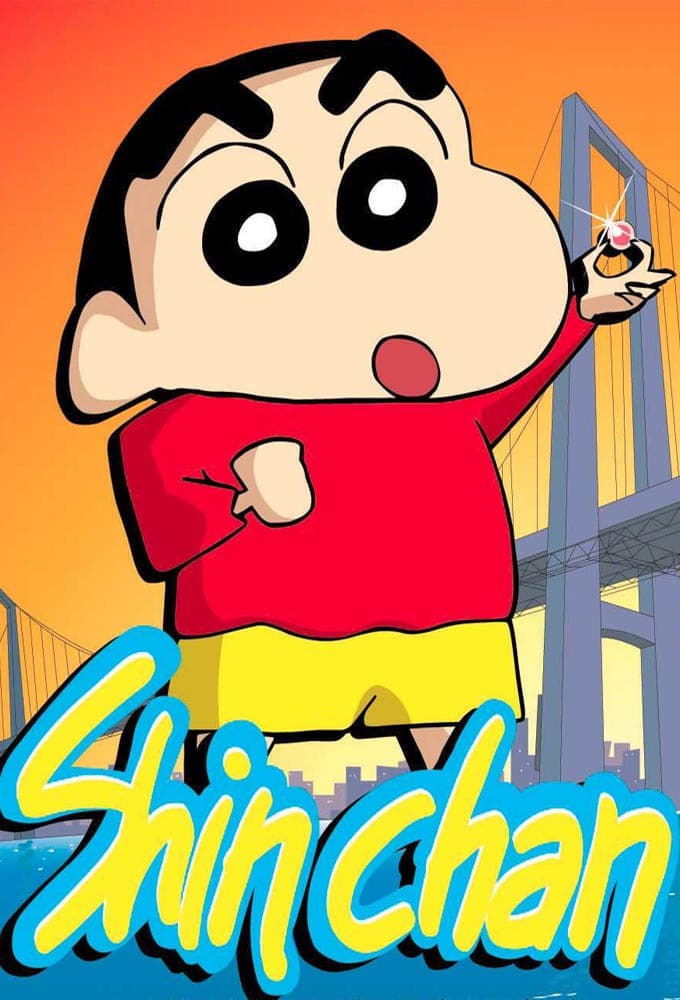
Early localizations of this series significantly altered the character backgrounds and dialogue. The main character Shinnosuke Nohara was renamed Shin and his family dynamic was rewritten with Western sensibilities. The script used edgy Western humor and references that were not in the original text. This turned a Japanese family comedy into a Western adult animated series. The specific Japanese cultural context was often used as a punchline rather than a setting.
‘Samurai Pizza Cats’ (1990–1991)
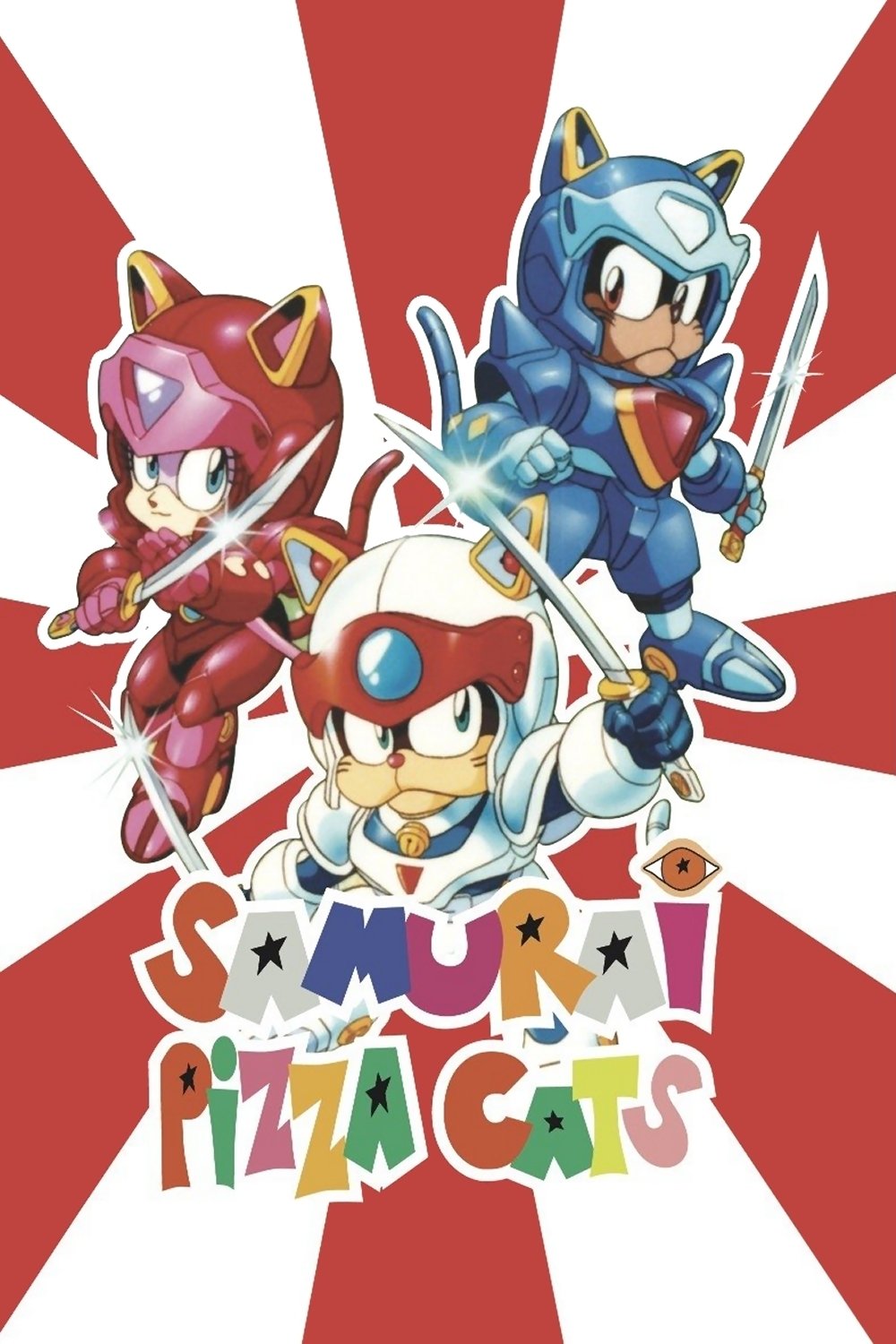
The localization of this series was so extensive that the writers essentially created a new show. The characters were given Western names like Speedy Cerviche and Polly Esther. The script was rewritten from scratch because the original Japanese scripts were not provided to the English team. This resulted in a show that felt like a Western parody rather than a Japanese anime. The characters and their world were entirely redefined for the American market.
‘Ronin Warriors’ (1988–1989)
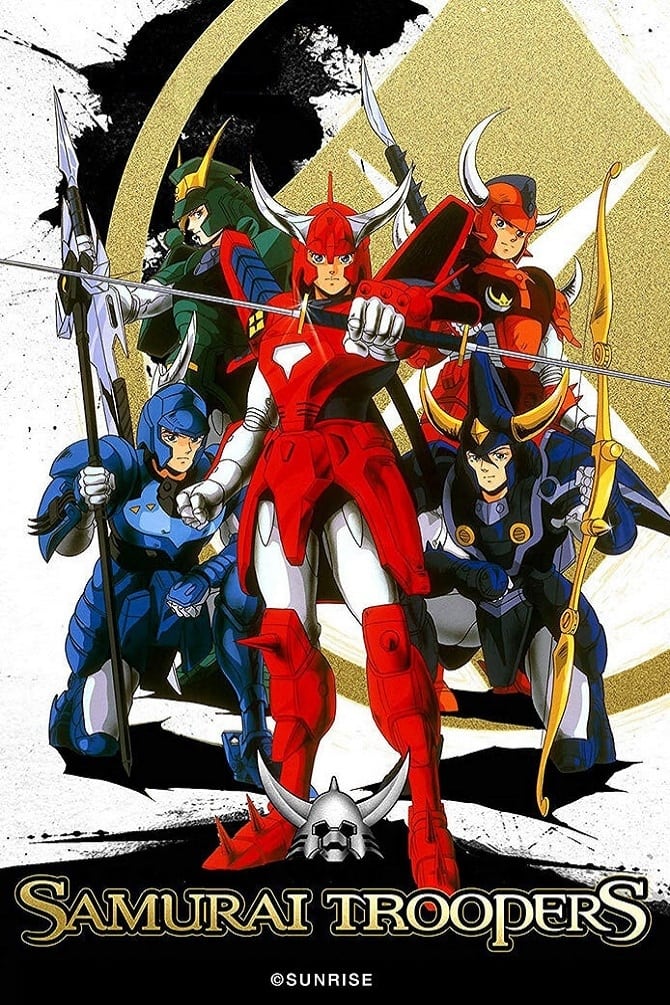
This series was localized with significant changes to the names and ethnicities of the main cast. Ryo Sanada became Ryo of the Wildfire while other characters were given Western names like Sage and Rowen. The dialogue was adapted to reflect a more Western superhero team dynamic. Many of the Buddhist and Shinto influences were downplayed or removed in the English version. This allowed the show to be marketed alongside popular Western action figures.
‘Shaman King’ (2001–2002)
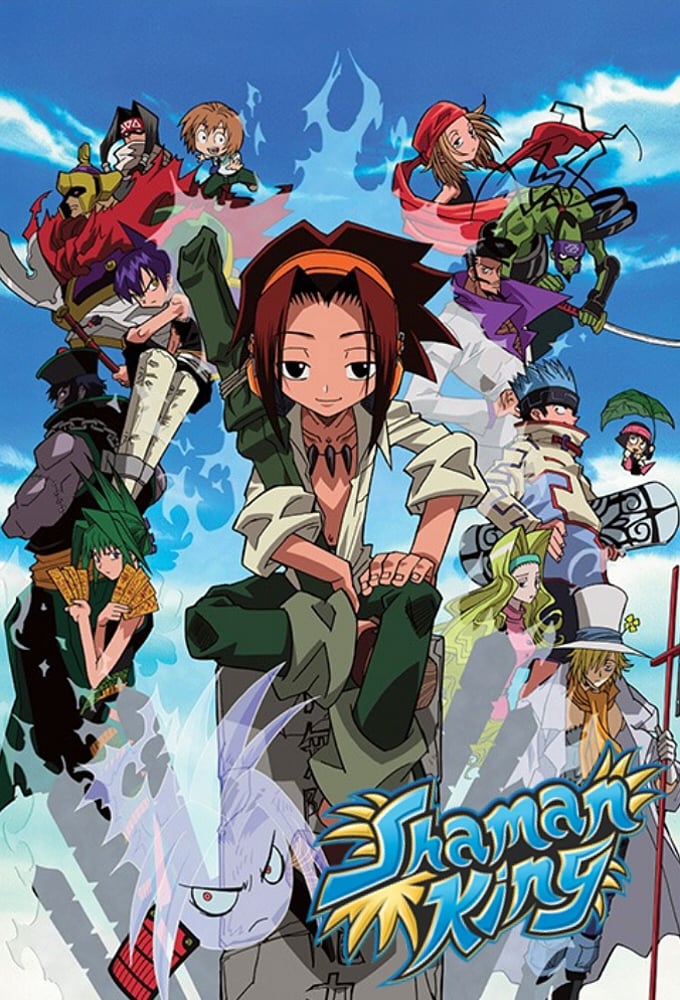
The original localization of this series renamed several characters to make them more familiar to Westerners. Manta Oyamada became Morty and other characters were given English names. The setting was generalized to remove specific Japanese landmarks and cultural details. These changes were aimed at making the supernatural themes more accessible to American children. The show was presented as a global competition rather than one rooted in Japanese spirituality.
‘Beyblade’ (2001–2003)
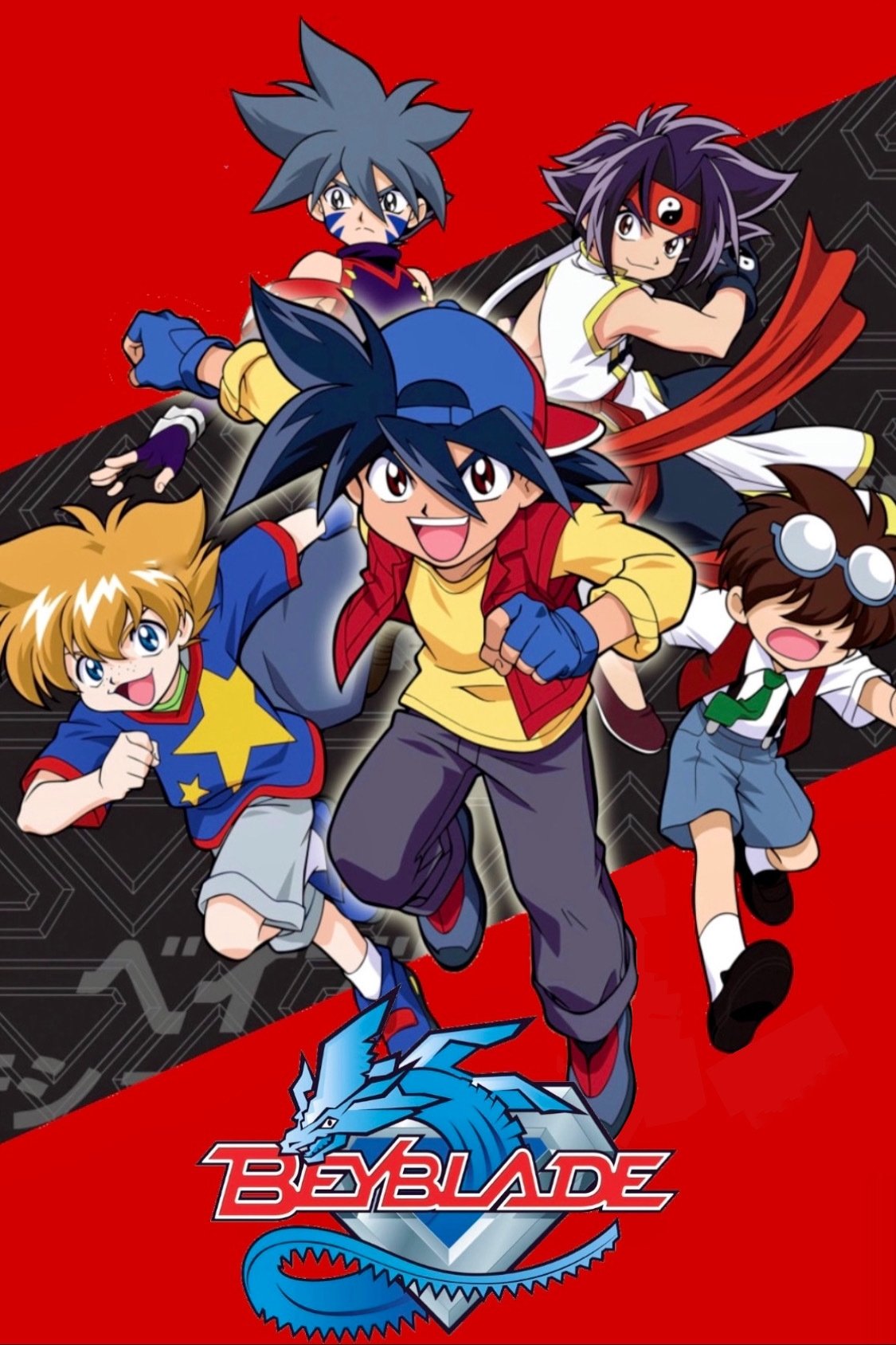
The characters in this series were given Western names to facilitate a global marketing campaign. Takao Kinomiya became Tyson Granger and Kai Hiwatari kept his name but had his background Westernized. The setting of the tournament was presented as an international event to downplay its Japanese origins. Localizers focused on the action and competition to appeal to a broad demographic. This strategy helped the brand become a massive toy success in the West.
‘Medabots’ (1999–2000)
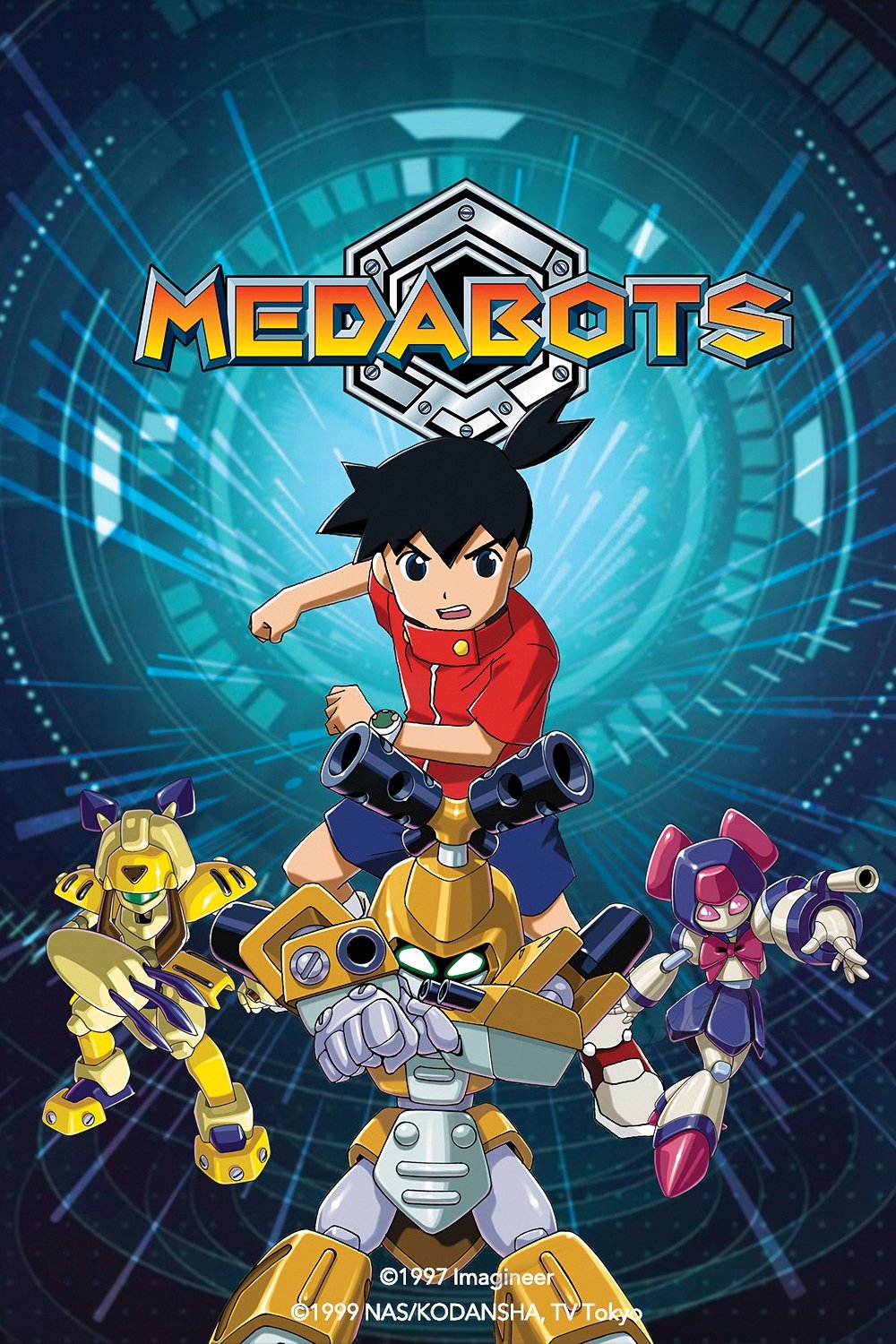
When this show arrived in North America the characters were given Western names and identities. Ikki Tenryo became Ikki but many of his friends and rivals were renamed. The setting was portrayed as a generic future city without specific Japanese cultural markers. The script was rewritten to include Western humor and personality traits. This made the robotic battles feel more like a Western sporting event.
‘Fighting Foodons’ (2001–2002)
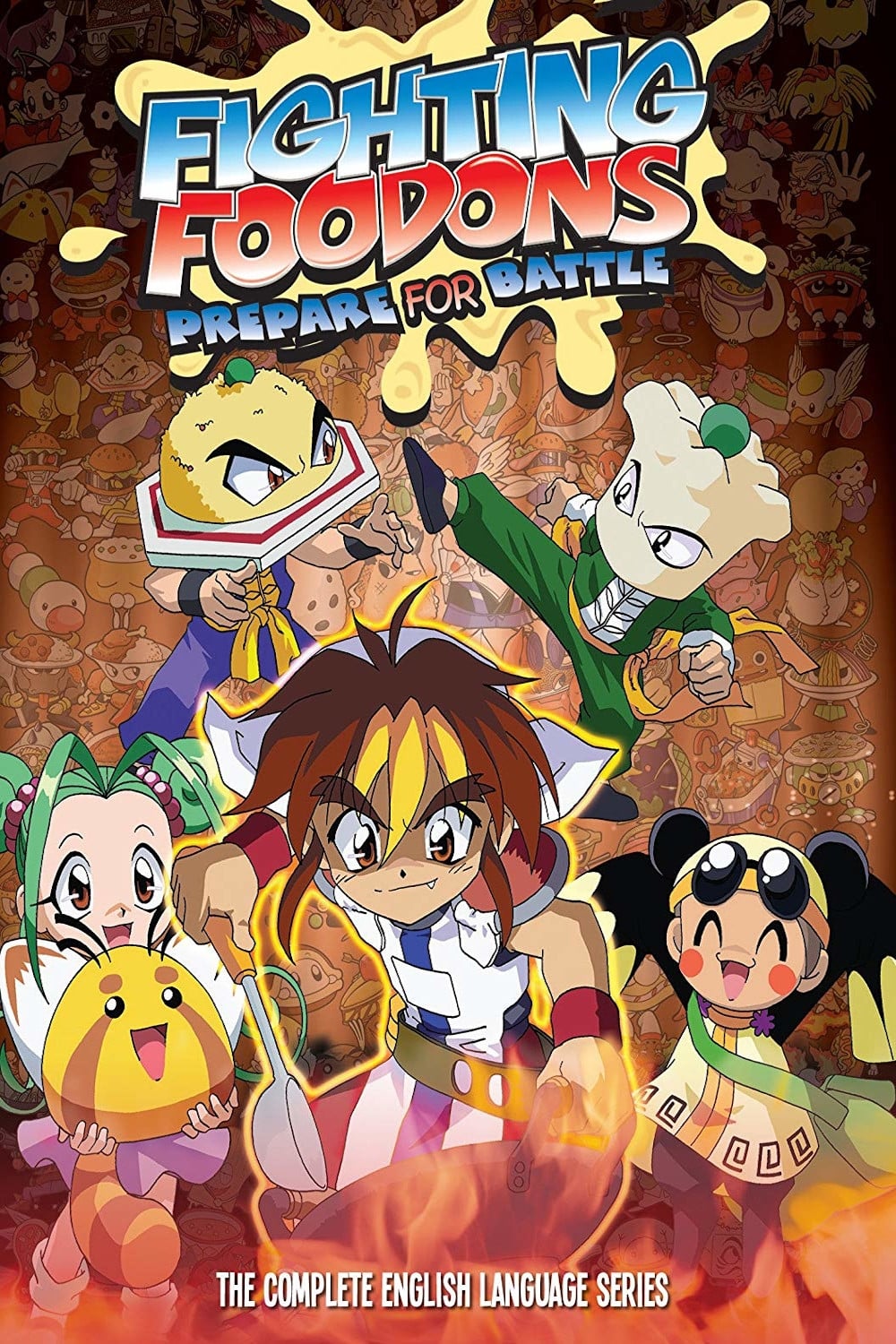
This series was heavily localized with new character names and food references. Zen became Chase and his sister was renamed Kayla. The Japanese culinary traditions shown in the original were translated into generic Western cooking terms. The localization team focused on making the show a wacky comedy for American kids. This involved stripping away most of the original cultural context of the food based battles.
‘Mon Colle Knights’ (2000)

The main characters of this series were renamed Mondo and Rockna for the English dub. Their original Japanese names were replaced to create a more catchy and Westernized duo. The script was modified to include more humor and direct action. The localization aimed to capitalize on the monster collecting trend popular in the West. This involved making the characters and their world feel more culturally neutral.
‘Megaman NT Warrior’ (2002–2006)
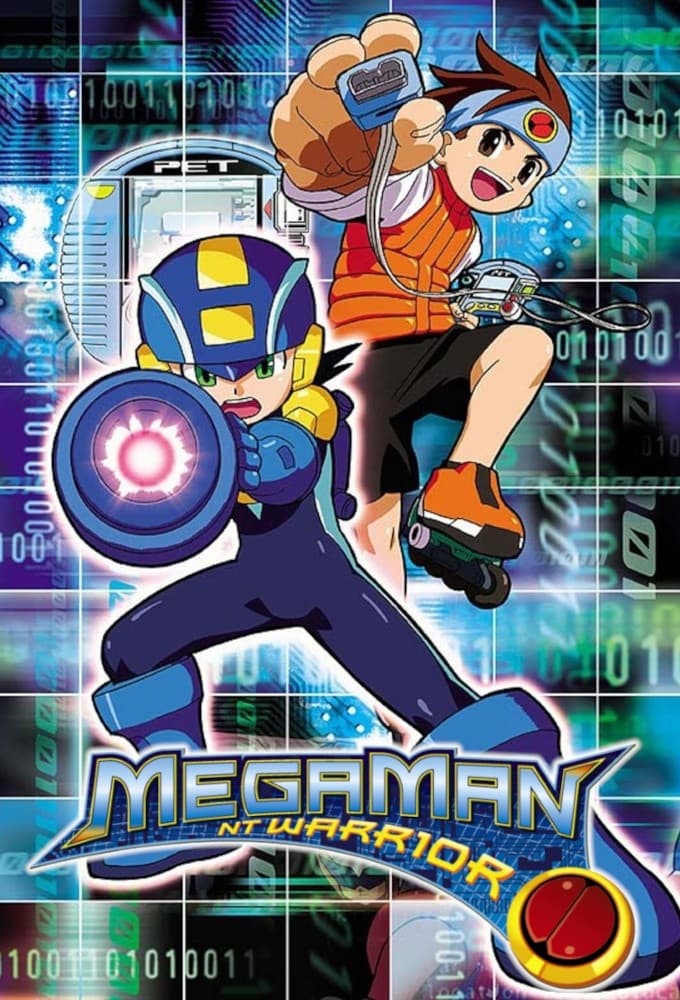
The lead character Netto Hikari was renamed Lan Hikari for the Western release. His friends were also given Western names to make the futuristic setting feel like a Western city. The concept of the NetNavi was localized to fit American computer terminology of the time. The series was marketed as a high tech action show for Western boys. These changes removed much of the specific Japanese domestic life depicted in the original.
‘Duel Masters’ (2002–2003)
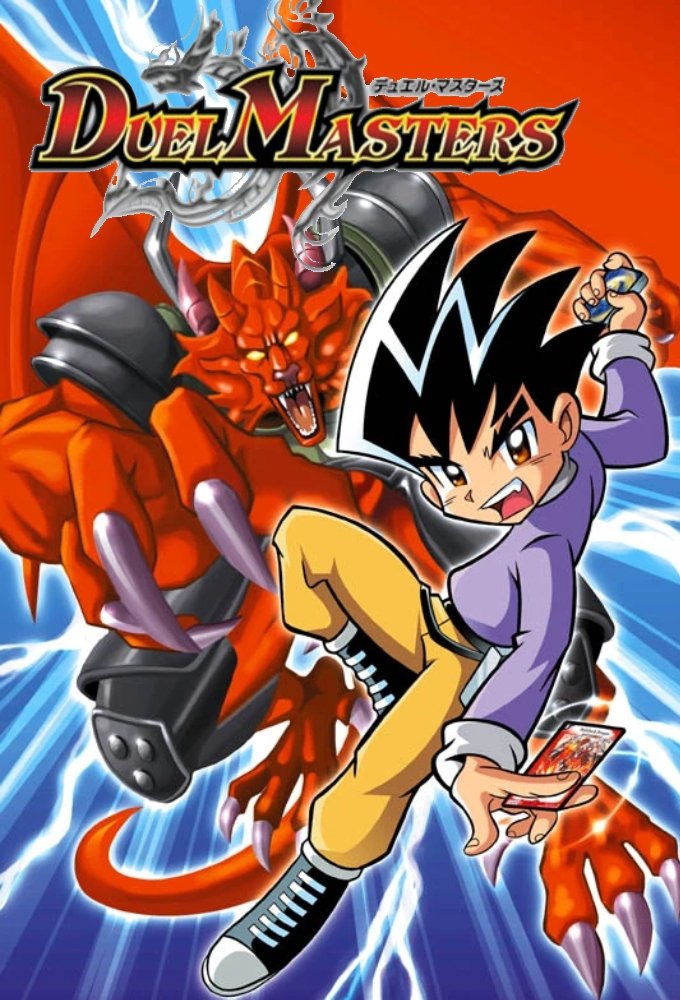
This series was localized with a self aware and comedic English script. Character names were changed to Western versions like Shobu and Knight. The dialogue often poked fun at anime tropes to appeal to Western audiences. The setting was treated as a generic background for the card game battles. This approach turned the series into a parody of the genre for Western viewers.
‘Dinosaur King’ (2007–2008)
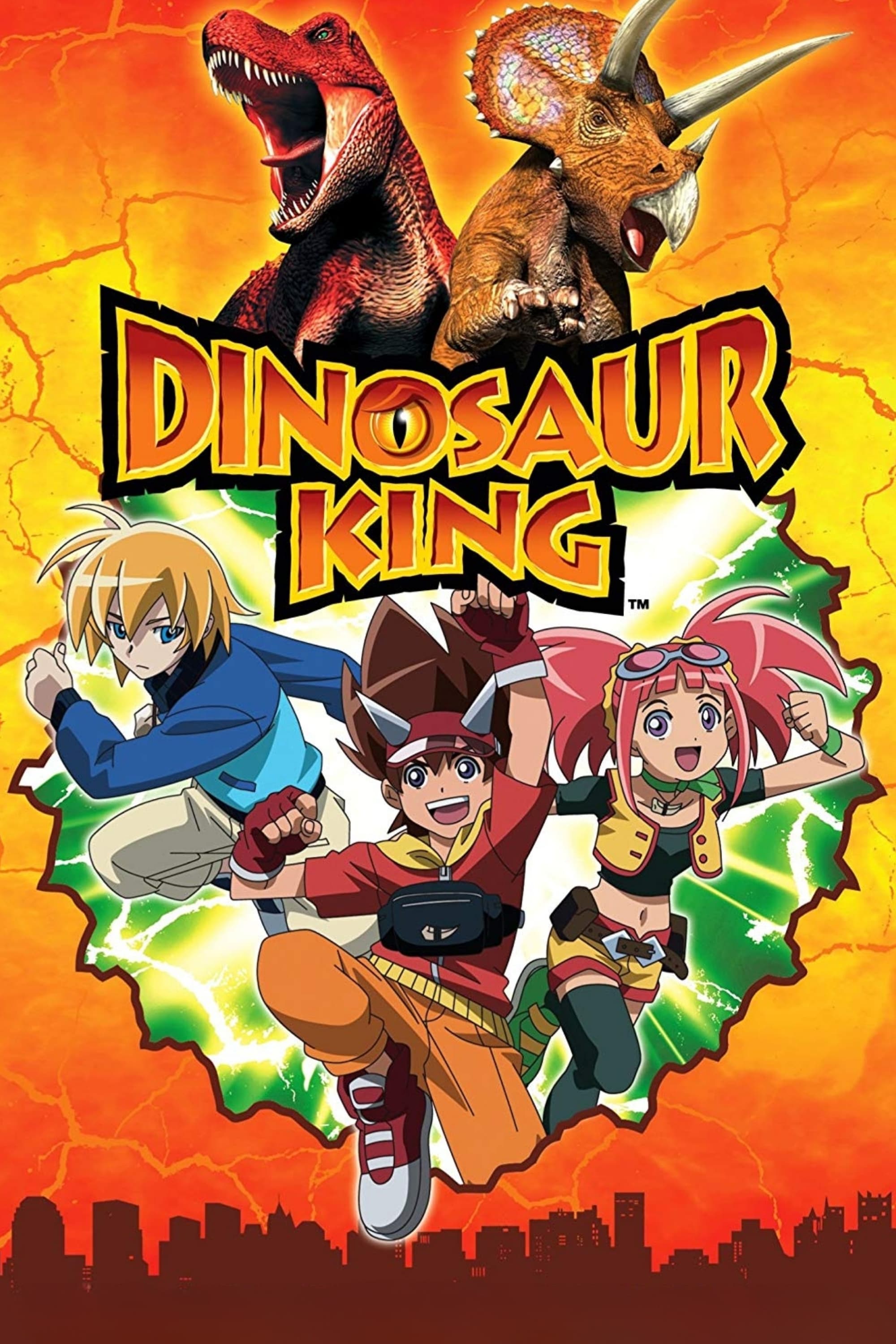
The characters in this series were given Western names like Max, Rex, and Zoe. Their original Japanese identities were replaced to align with a global toy line. The localization presented the D-Team as a group of international adventurers. Cultural references were minimized to ensure the show worked in multiple Western markets. This helped the series gain popularity among young dinosaur enthusiasts in the West.
‘Astro Boy’ (1963–1966)
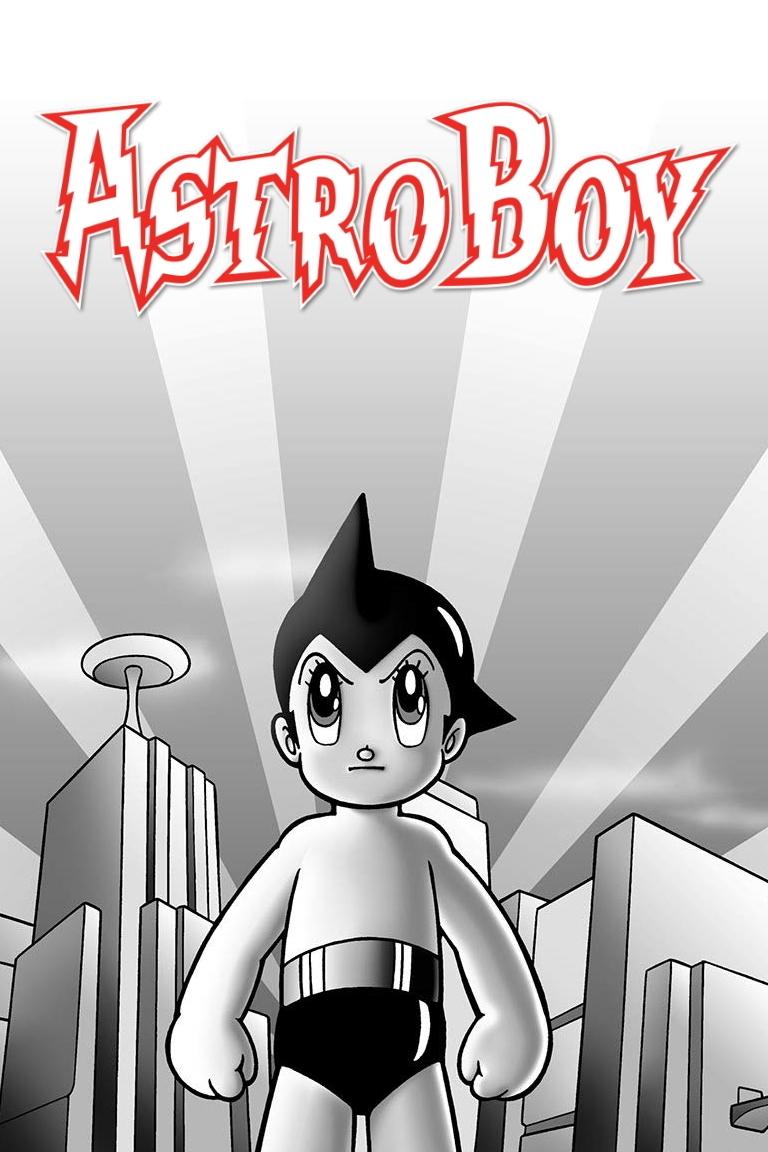
The original localization of this pioneering anime changed Tobio to Toby to sound more Western. Many other characters were given English names to hide the show’s Japanese origins. The setting was often referred to as Metro City to give it a generic urban feel. This was necessary at the time to get the show onto American television stations. It set the precedent for how Japanese animation would be handled in the West for decades.
‘Kimba the White Lion’ (1965–1966)
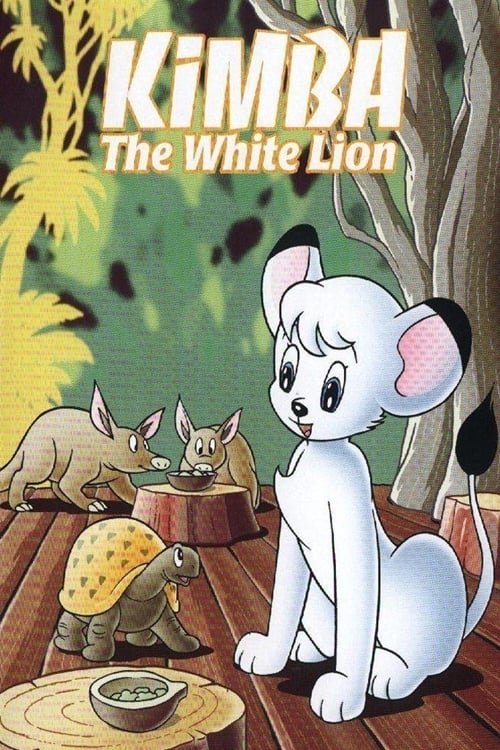
The main character Leo was renamed Kimba for the North American market. This change was made to give the character a name that felt more unique and exotic to Westerners. Other animals in the jungle were also given English names and personalities. The localization removed specific Japanese themes of nature and spirituality. The result was a show that felt like a Western animal adventure story.
‘Gigantor’ (1963–1966)
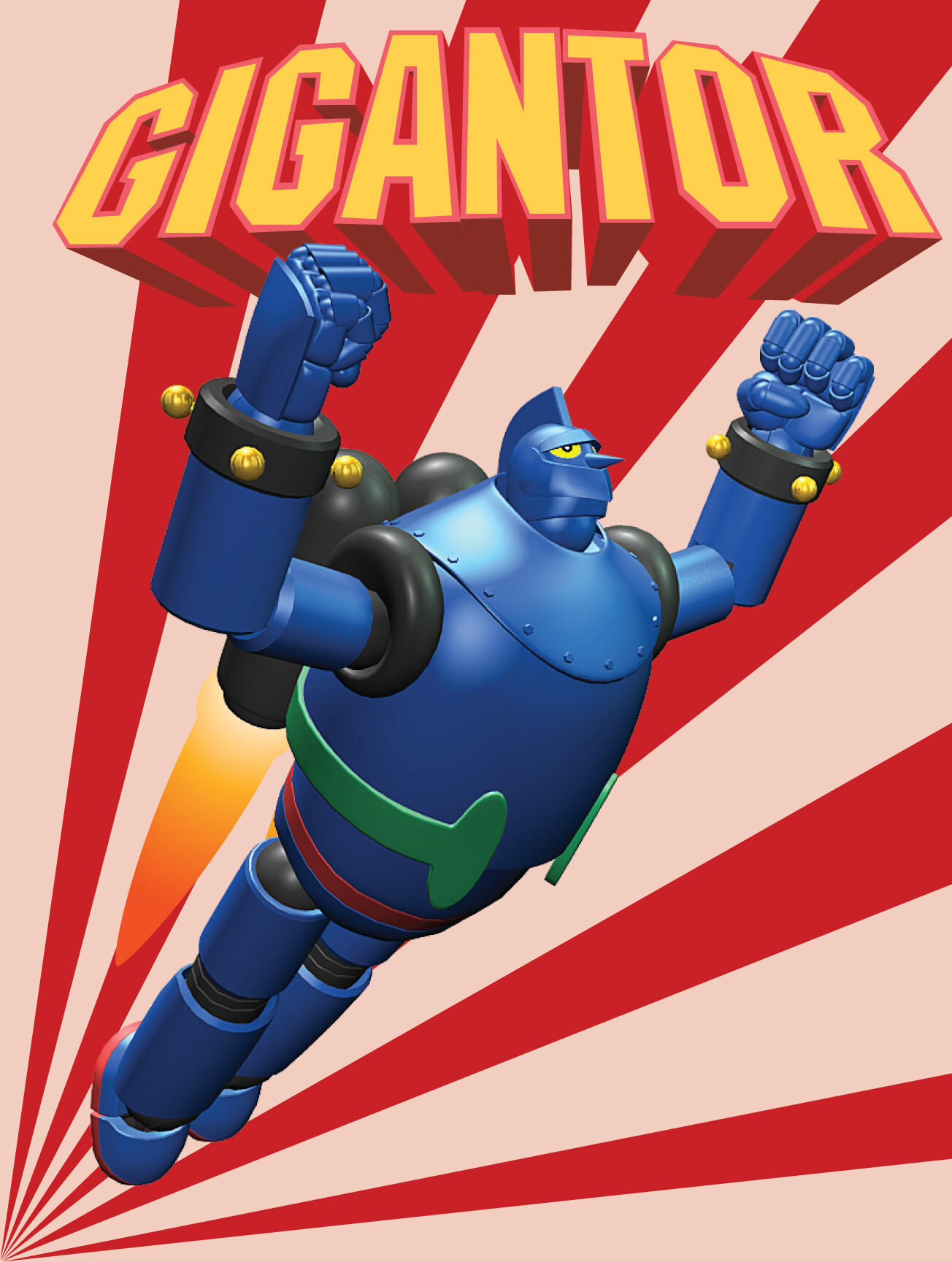
The lead character Shotaro Kaneda was renamed Jimmy Sparks for the Western dub. His giant robot was renamed Gigantor to sound more impressive to American audiences. The setting was shifted away from post war Japan to a more generic future world. These changes were aimed at making the show a standard action series for Western children. The localization was highly effective at rebranding the show for a new culture.
‘Teknoman’ (1992–1993)
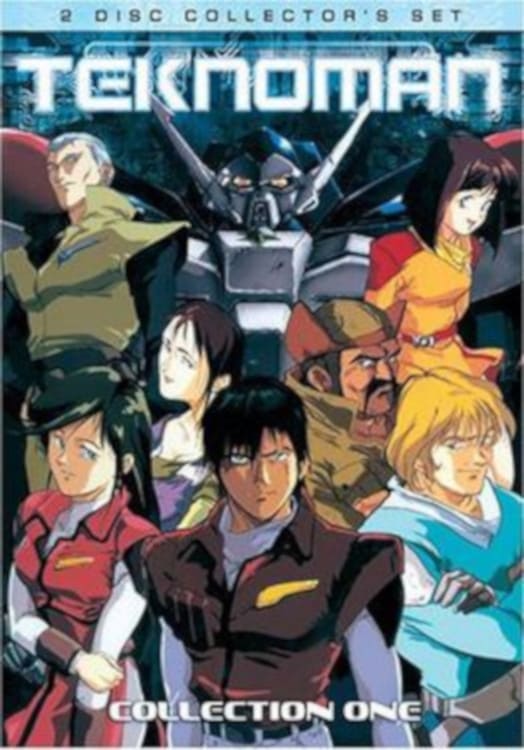
This series was a localized version of a Japanese space drama with new character names. The protagonist was renamed Nick Carter to sound like a Western action hero. The plot was simplified and the dialogue was rewritten to emphasize the sci-fi action. The original Japanese cultural weight was replaced with Western military themes. This allowed the show to be sold as a standalone Western science fiction series.
‘Eagle Riders’ (1996–1997)
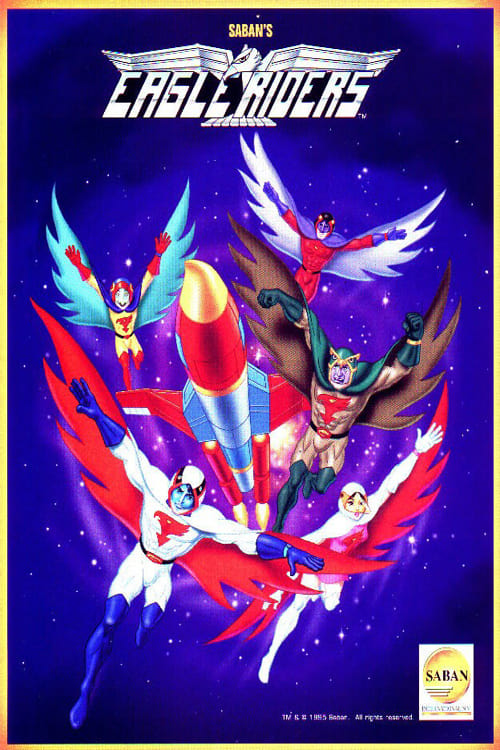
This was a later localization of a popular Japanese franchise with updated Western names. Characters like Ken became Hunter Harris to sound more modern and Western. The script was modified to remove many of the darker elements of the original series. The localization aimed to present the team as a group of American style specialists. This version was marketed to a new generation of Western fans.
‘Superbook’ (1981–1982)
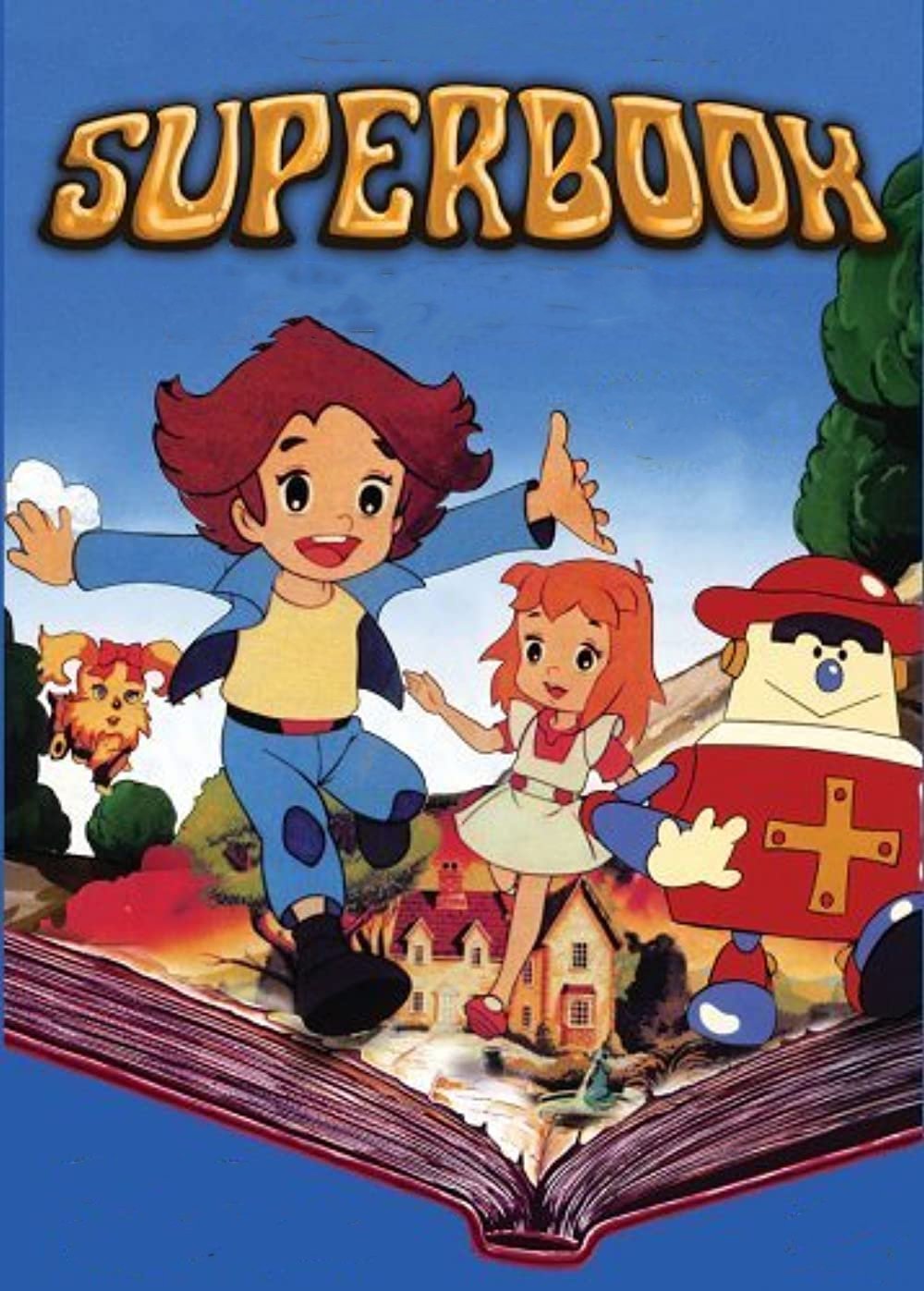
Originally a Japanese production this series was designed to teach stories from the Bible. The main character Sho Azusa was renamed Christopher Peeper for the Western release. His family and friends were also given Western names to fit the religious context for American viewers. The show was a collaboration between a Japanese studio and a Western Christian organization. The resulting localization made the show feel entirely native to the United States.
‘The Flying House’ (1982–1983)
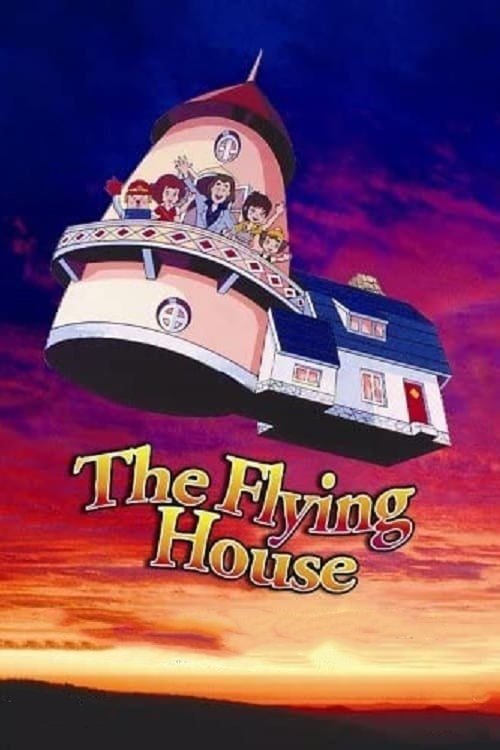
Like its sister series this show was localized with a Western cast and setting. The Japanese children were given Western names and their domestic life was portrayed as American. The dialogue was adapted to focus on Western interpretations of history and religion. This allowed the show to be widely used in Western educational and religious programs. The specific Japanese origins were rarely mentioned in promotional materials.
‘The Vision of Escaflowne’ (1996)
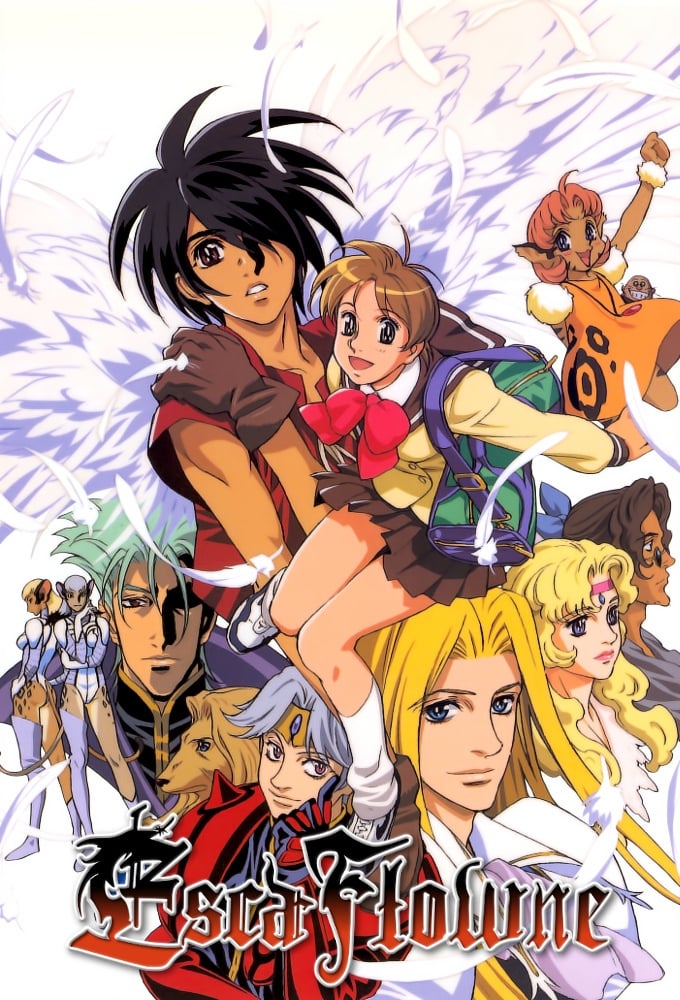
When this series aired on Western network television it was edited to focus more on the male characters. The protagonist Hitomi had her role minimized and her Japanese heritage was downplayed. Many scenes were cut or rearranged to make the show feel like a standard Western fantasy epic. These changes were intended to attract a male demographic interested in action. This version of the show was significantly different from the original Japanese broadcast.
‘Dinozaurs’ (2000)
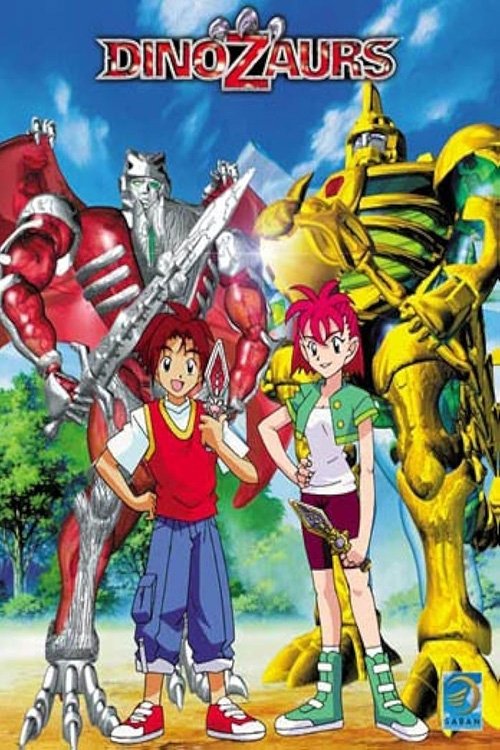
The main human character Kaito was renamed Rick for the English version of this show. His background was simplified to make him a relatable Western protagonist. The series was heavily edited to match the style of Western action figure commercials. This localization stripped away many of the original Japanese cultural nuances. The show was presented as a global battle between mechanical dinosaurs.
‘Rave Master’ (2001–2002)
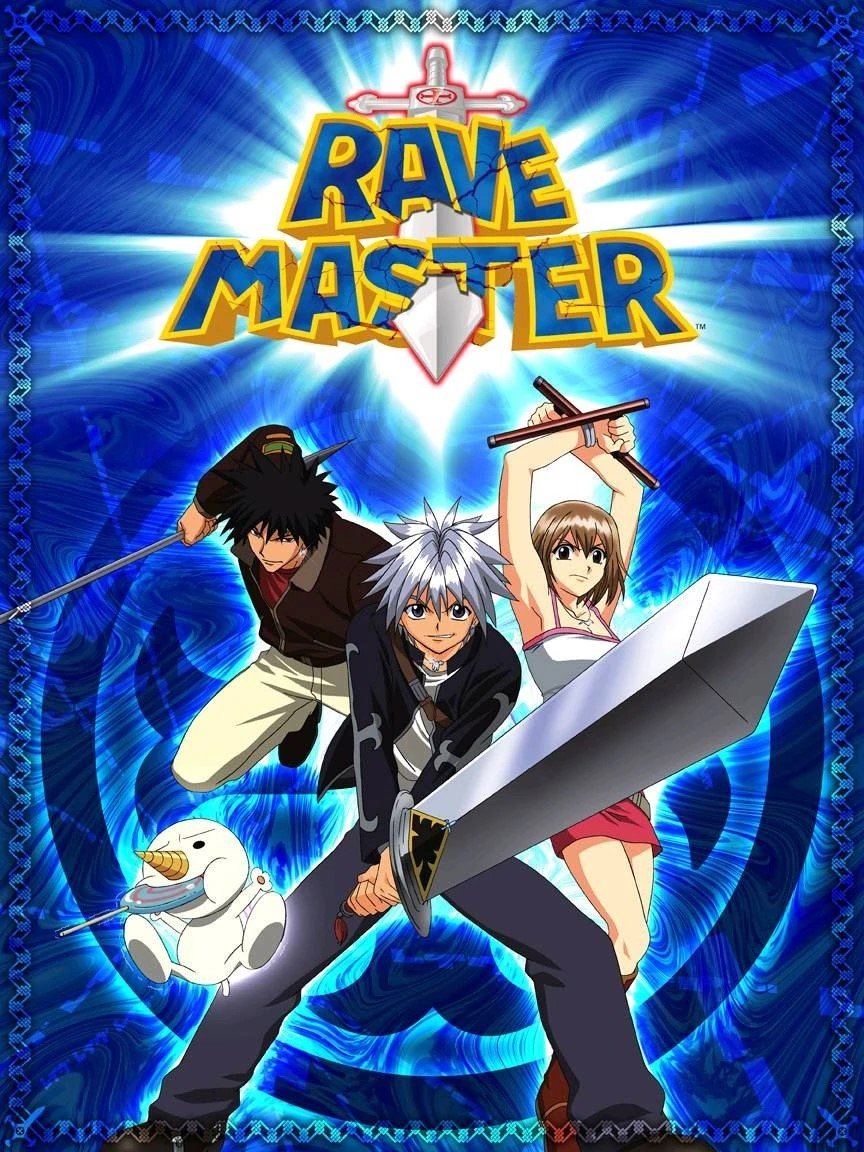
The English dub of this series renamed many characters and changed the tone of the dialogue. Haru Glory remained Haru but other characters were given Western names or nicknames. The script added more humor and removed some of the more serious Japanese cultural references. The goal was to market the series as a lighthearted adventure for Western teenagers. This approach mirrored the localization of other popular battle anime.
‘Viewtiful Joe’ (2004–2005)
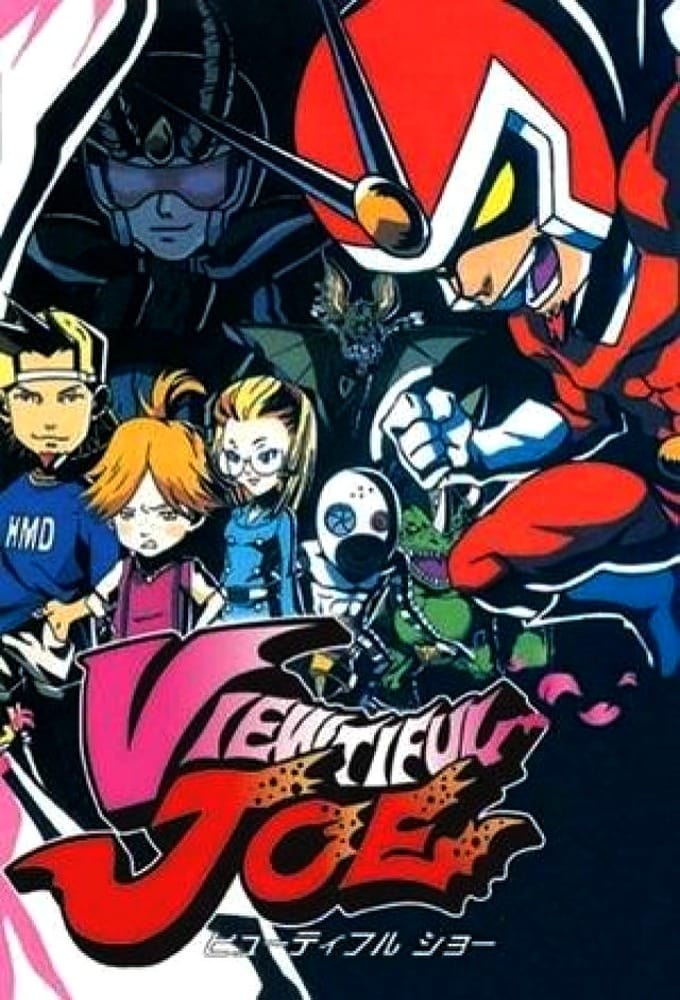
Based on a video game this anime was localized with a focus on American movie culture. The characters were given Westernized personalities that fit the superhero parody theme. The setting was presented as an American city with many references to Hollywood. These changes were intended to make the show feel like a Western comic book adaptation. The original Japanese origins were largely obscured by the Western pop culture focus.
‘Zatch Bell!’ (2003–2006)
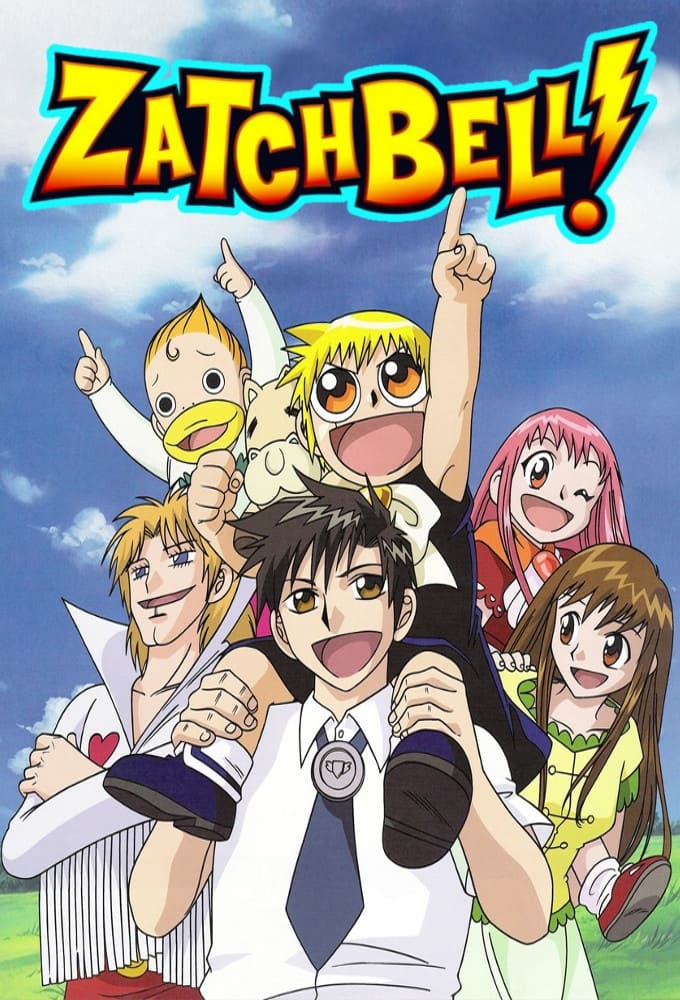
The localization of this series renamed the main character Kiyomaro to Kiyo for Western viewers. Other characters were given names like Sherry and Brago to suit an international cast. The setting was generalized to remove specific Japanese school and city details. The script was adapted to include Western jokes and idioms to appeal to children. This allowed the show to be successfully marketed in North America and Europe.
Please share which of these anime localizations surprised you the most in the comments.