TV Shows Where Black Characters Were Added Just for Diversity Points


The landscape of television has shifted significantly over the past few decades as networks strive to reflect a more global audience. While many series have successfully integrated diverse casts, others have faced criticism for what viewers and scholars describe as tokenism. These instances often involve the introduction of Black characters in ways that feel disconnected from the central narrative or primarily aimed at fulfilling a demographic quota. Exploring these examples provides insight into the ongoing evolution of representation in the entertainment industry.
‘Friends’ (1994–2004)
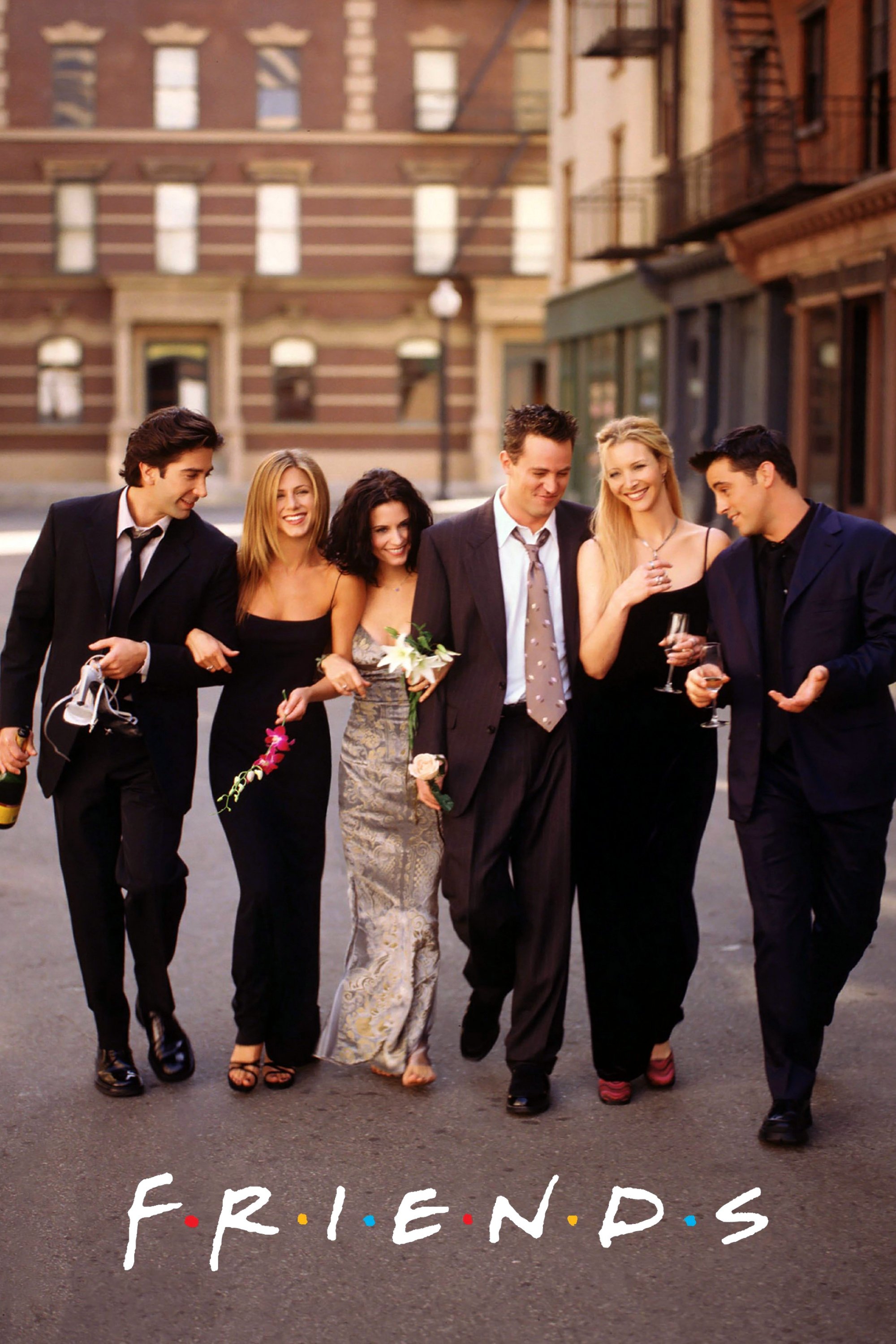
Dr. Charlie Wheeler was introduced in the ninth season following years of public criticism regarding the show’s lack of racial diversity. The character, played by Aisha Tyler, initially served as a love interest for Joey and then for Ross. Critics have often cited her late inclusion as a reactionary response to the homogeneous nature of the main cast. The storyline concluded without a permanent shift in the series’ core group dynamic or long-term cast diversity.
‘Riverdale’ (2017–2023)
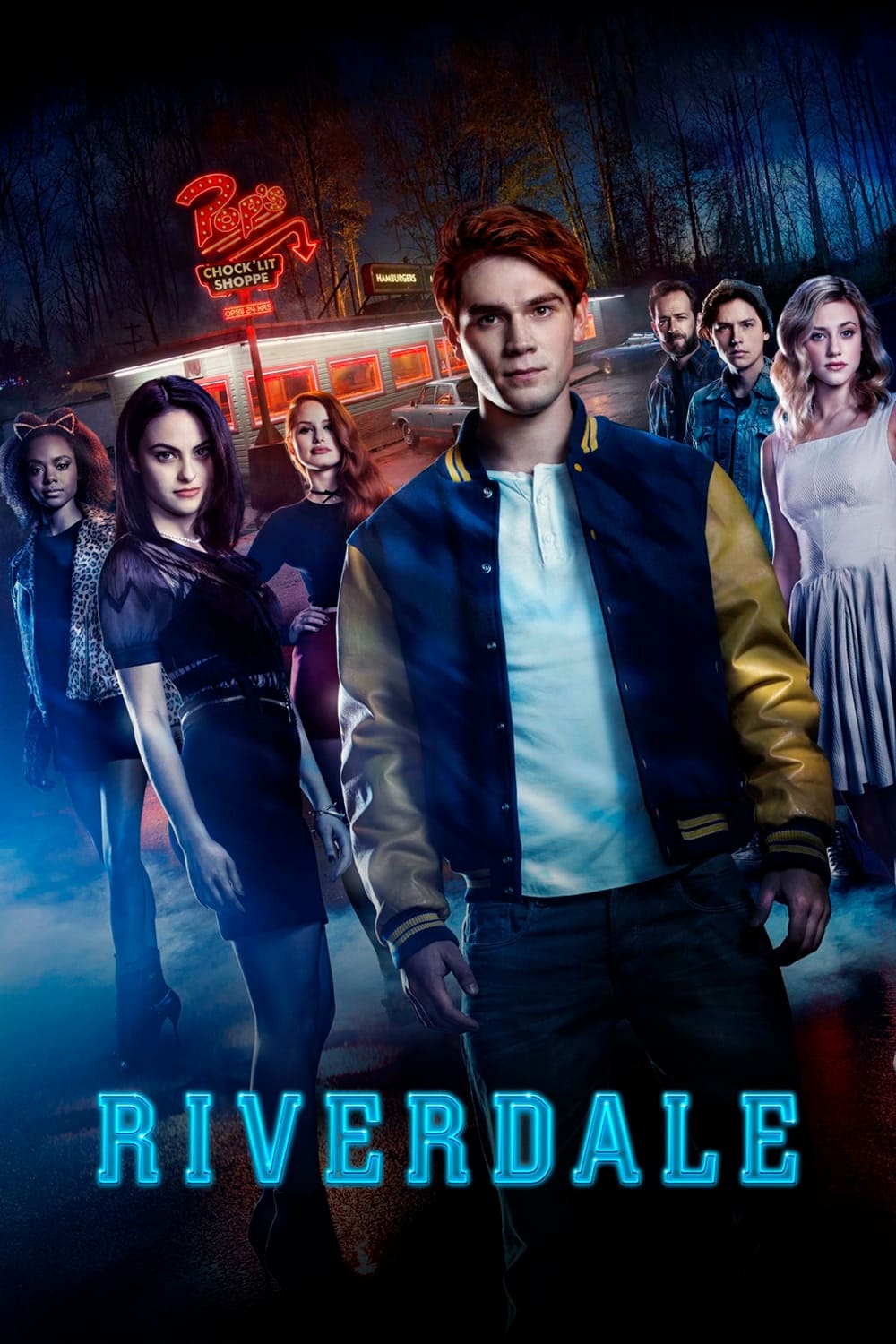
Ashleigh Murray portrayed Josie McCoy, the leader of the Pussycats, who was a central figure in the Archie Comics lore. Despite her musical prominence, fans and critics frequently noted that the show marginalized her character in favor of the primary four leads. Vanessa Morgan, who played Toni Topaz, eventually voiced concerns about the show using Black characters as sidekicks without substantial individual plotlines. This public discussion highlighted significant issues with how the series integrated its diverse cast members over its seven-season run.
‘The Walking Dead’ (2010–2022)

Theodore “T-Dog” Douglas was a recurring character in the early seasons of this post-apocalyptic drama. Audience members often critiqued his lack of significant dialogue and backstory compared to his white counterparts. There was a prevalent theory among fans regarding a “one in, one out” policy for Black male characters on the show during its initial years. This perception persisted until the series eventually expanded its cast and developed more complex arcs for characters of color.
‘Buffy the Vampire Slayer’ (1997–2003)
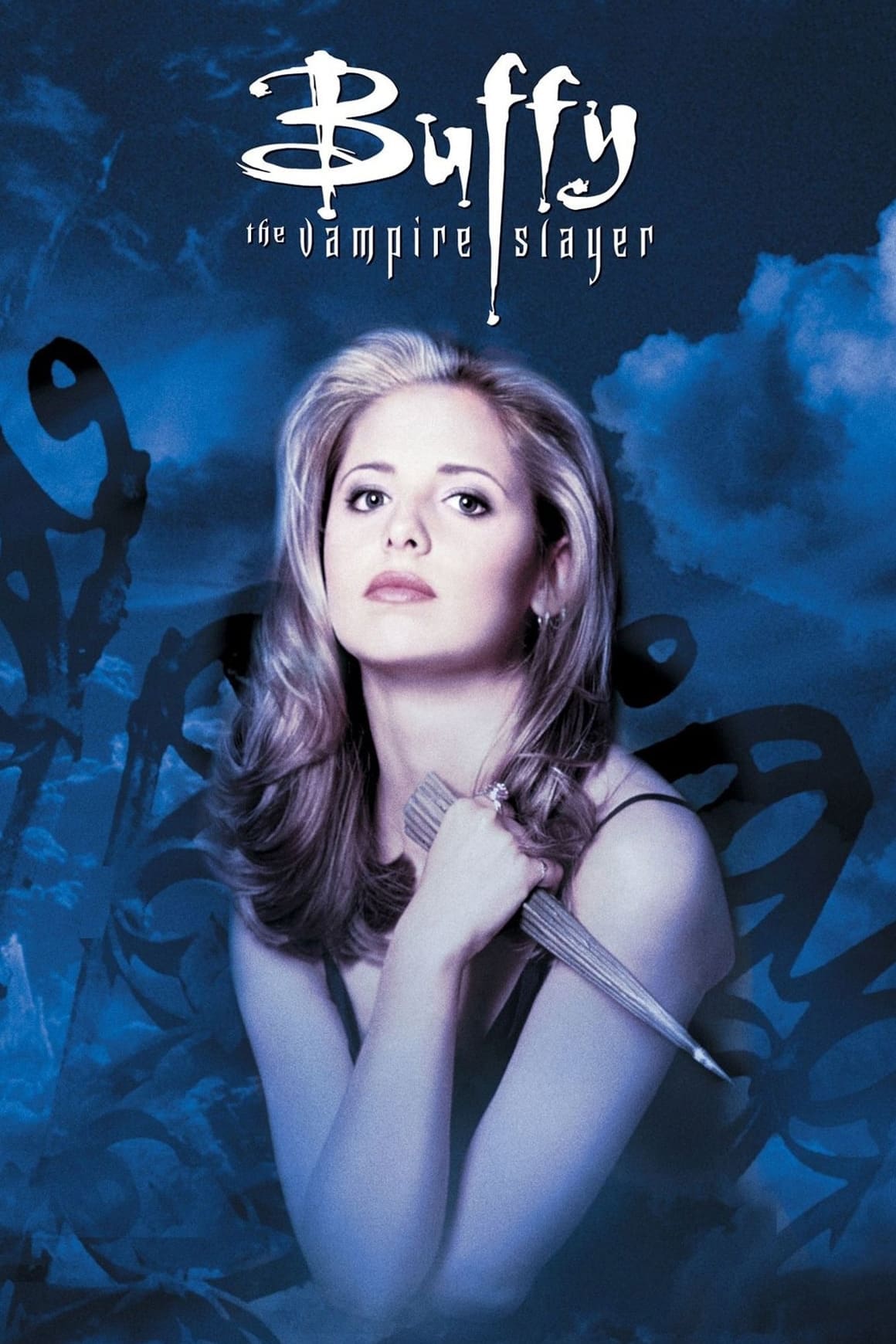
Kendra Young appeared as the “other” slayer during the second season of this supernatural series to provide a contrast to the protagonist. Her character was introduced as a plot device to explore the lore but was killed off after only a few episodes. Scholars of the series have pointed out that Kendra’s portrayal often felt like an afterthought rather than a fully realized individual. Her brief tenure is frequently discussed in retrospectives about the show’s early struggles with meaningful representation.
‘Glee’ (2009–2015)
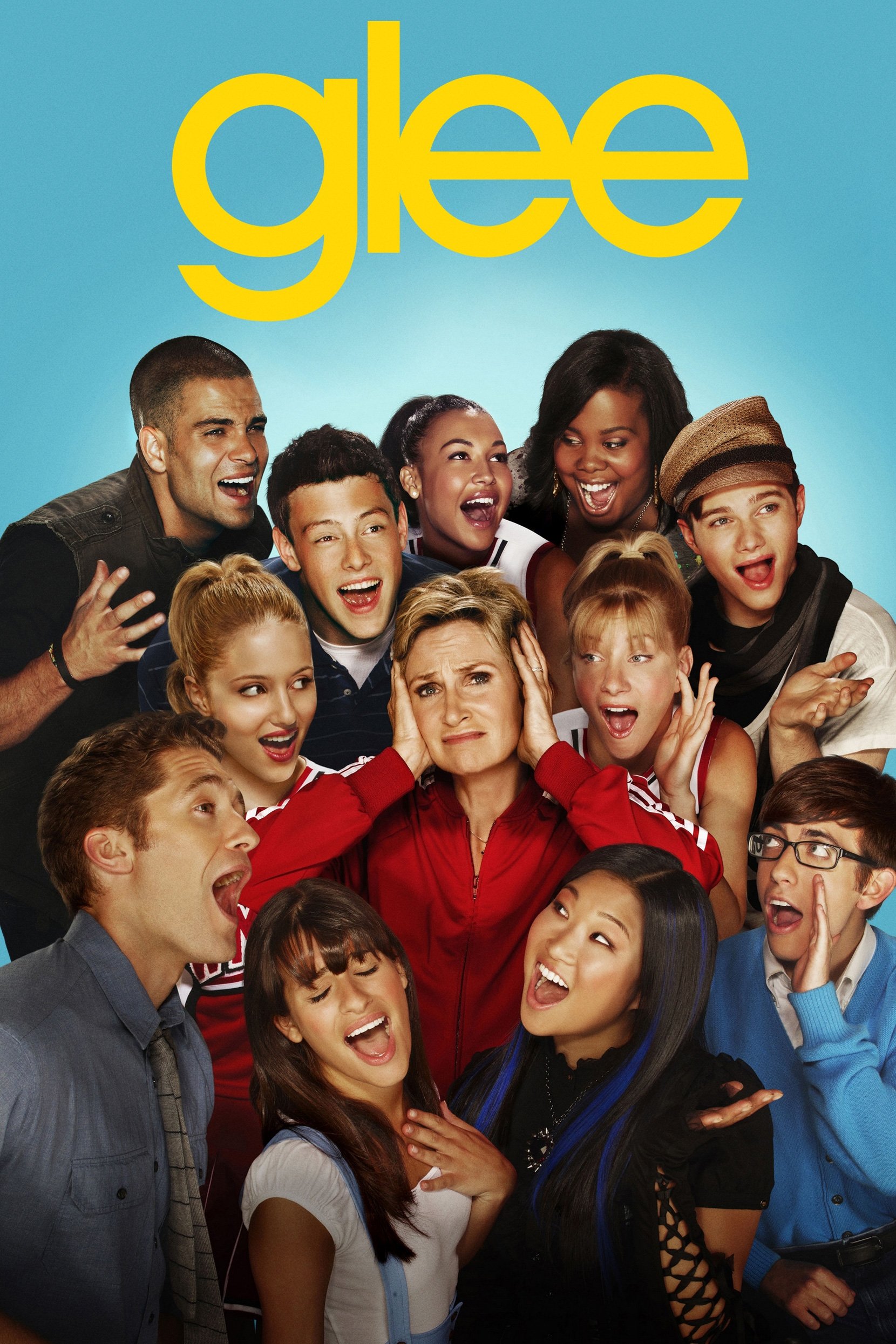
Mercedes Jones, played by Amber Riley, was frequently depicted as a powerhouse vocalist who was consistently overlooked for solos. While the character was a fan favorite, the script often made her frustration with being sidelined a meta-commentary on the show’s own casting choices. Critics argued that the series relied on her talent while giving more emotional development to the white protagonists. This dynamic led to ongoing debates about whether the show truly valued its diverse ensemble or used them for aesthetics.
‘Smallville’ (2001–2011)
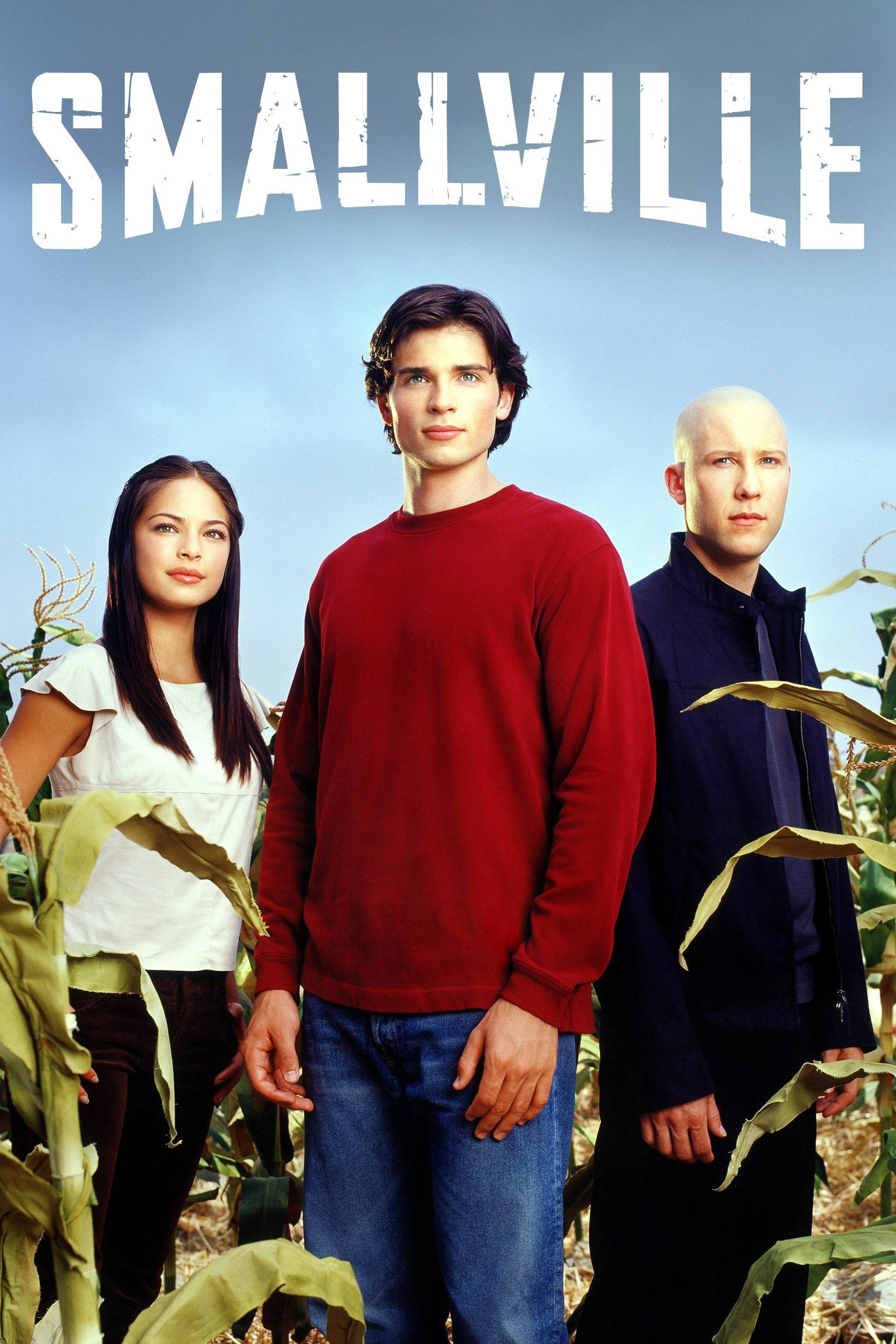
Pete Ross was Clark Kent’s best friend in the early seasons, a role traditionally depicted as white in the original comics. Actor Sam Jones III took on the role, but the character was often given limited screen time and fewer personal story arcs. Eventually, Pete was written out of the show in the third season, with writers later admitting they struggled to find compelling storylines for him. This departure was cited by fans as an example of a diverse casting choice that lacked long-term narrative commitment.
’13 Reasons Why’ (2017–2020)
Ani Achola was introduced as the narrator for the third season, a decision that met with significant backlash from the existing fanbase. Viewers felt that inserting a new Black character into the center of an established group was a forced attempt at expanding the show’s perspective. The character was often criticized for being omnipresent and knowing details about events she was not present for. This creative choice remains one of the most controversial aspects of the show’s later years and its approach to diversity.
‘The Witcher’ (2019–Present)
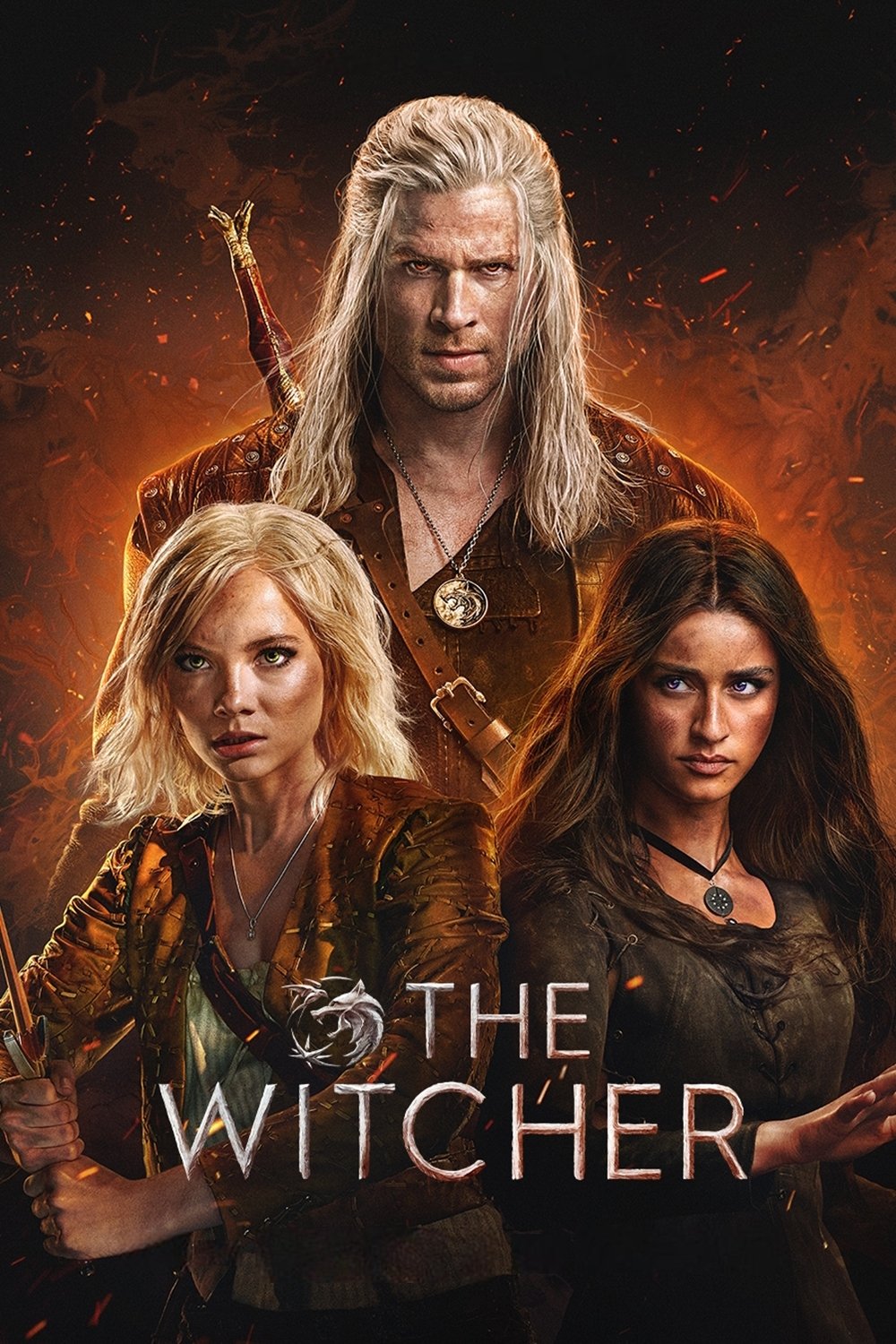
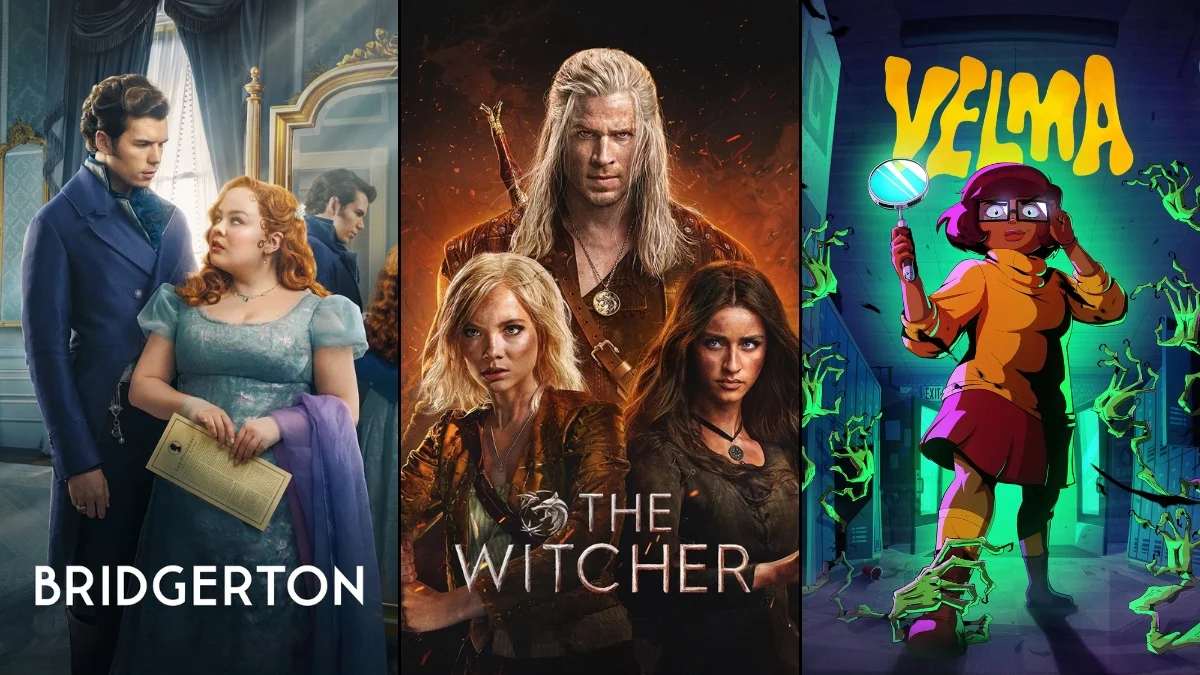
Fringilla Vigo’s appearance in the Netflix adaptation differed significantly from her description in the original Polish novels and video games. While the show’s producers aimed for a more inclusive cast, some fans argued the change was unnecessary for the established lore. The character’s arc was expanded to include a more villainous and political role compared to her literary counterpart. This adaptation choice sparked a wide-ranging debate about the intentions behind diversity in high-fantasy media.
‘The Lord of the Rings: The Rings of Power’ (2022–Present)

The inclusion of Arondir, an elf played by Ismael Cruz Córdova, marked a significant departure from previous visual adaptations of Middle-earth. Producers stated their intention was to reflect the modern world within the fantasy setting created by J.R.R. Tolkien. While many praised the performance, a vocal segment of the audience felt the diversity was a corporate mandate rather than an organic expansion. The character’s story became a focal point for global discussions on the evolution of classic literary adaptations.
‘Saved by the Bell’ (1989–1992)
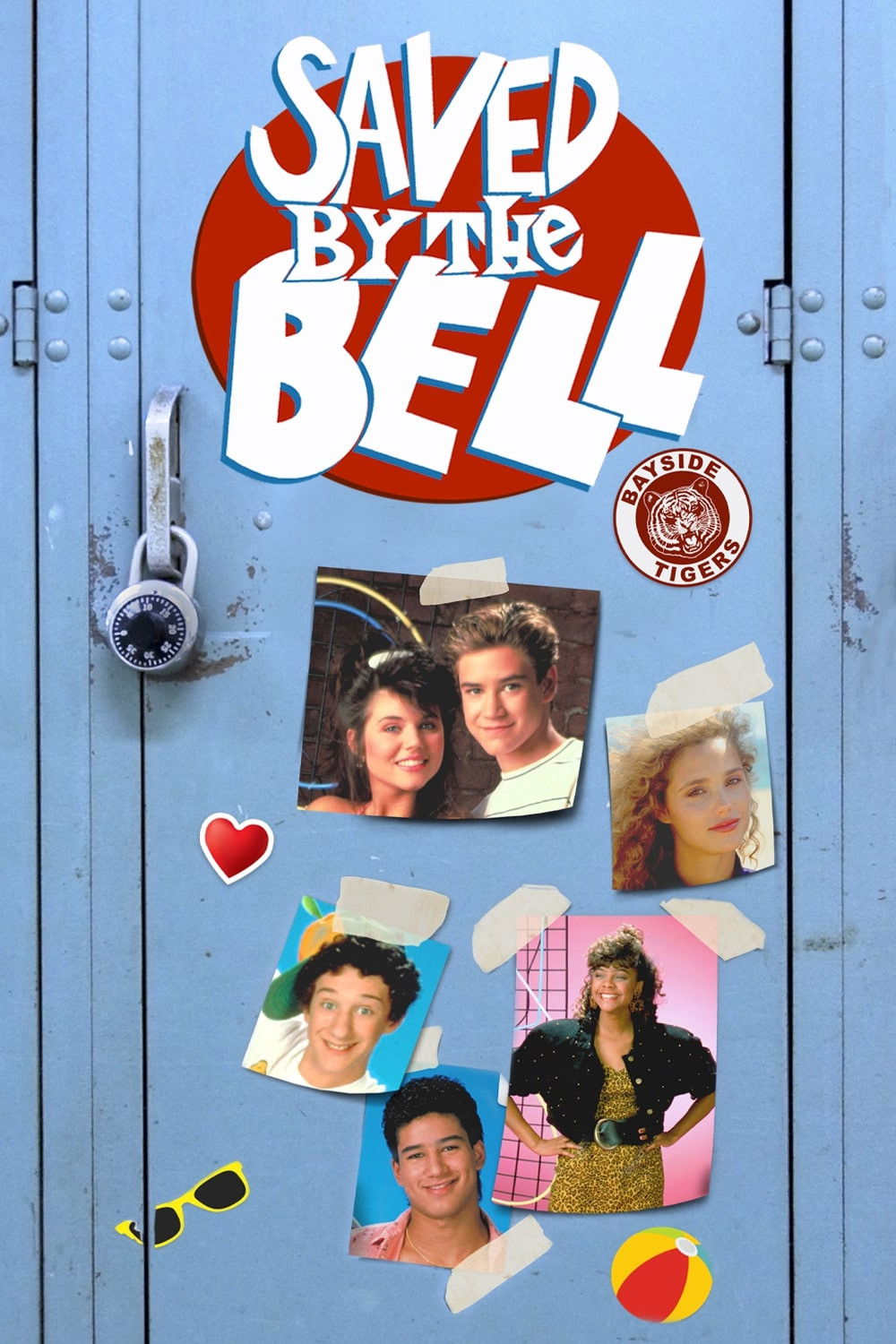
Lisa Turtle was originally envisioned as a “spoiled Jewish princess” from Long Island before Lark Voorhies was cast in the role. While the character became an iconic part of the 90s sitcom landscape, her storylines rarely touched on her racial identity. Some retrospective analyses suggest that the character was “whitewashed” in her personality to fit into the show’s established suburban mold. Despite this, she remains one of the most prominent Black characters in the history of Saturday morning television.
‘That ’70s Show’ (1998–2006)

Angie Barnett was introduced late in the series as Hyde’s half-sister after it was revealed his biological father was Black. This plot twist was seen by some viewers as a sudden attempt to diversify the suburban Wisconsin setting in the final seasons. Angie’s character often felt disconnected from the established group’s chemistry and disappeared before the show concluded. Critics noted that her introduction served more as a shock value plot point than a meaningful character addition to the core cast.
‘Dawson’s Creek’ (1998–2003)

Principal Green was a prominent Black character introduced in the third season to challenge the social status quo of the small town. His character was primarily defined by his racial identity and the prejudice he faced from the school board. Once his specific storyline regarding systemic racism was resolved, the character was promptly written out of the show. Media analysts have pointed to this as an example of using a Black character solely to provide a moral lesson for the white leads.
‘Bridgerton’ (2020–Present)
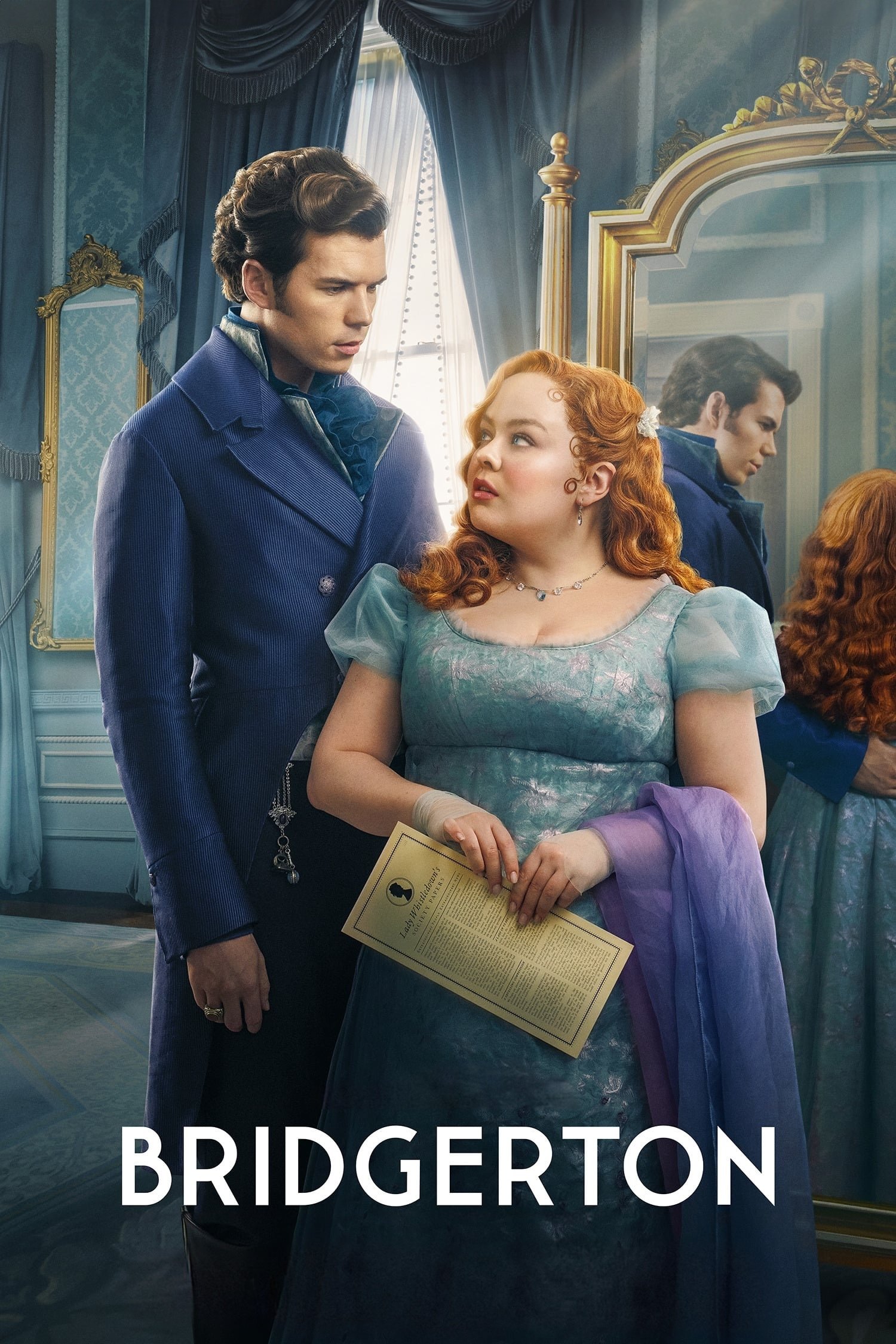
Queen Charlotte’s presence in this Regency-era drama is based on historical theories about her ancestry, reimagined to create a racially integrated high society. The show explicitly mentions that her marriage to King George III opened doors for people of color in the peerage. Some critics argued that this “Great Experiment” explanation was a way to justify diversity without addressing real-world historical complexities. The series continues to navigate the balance between historical fantasy and racial representation in a stylized world.
‘Skins’ (2007–2013)
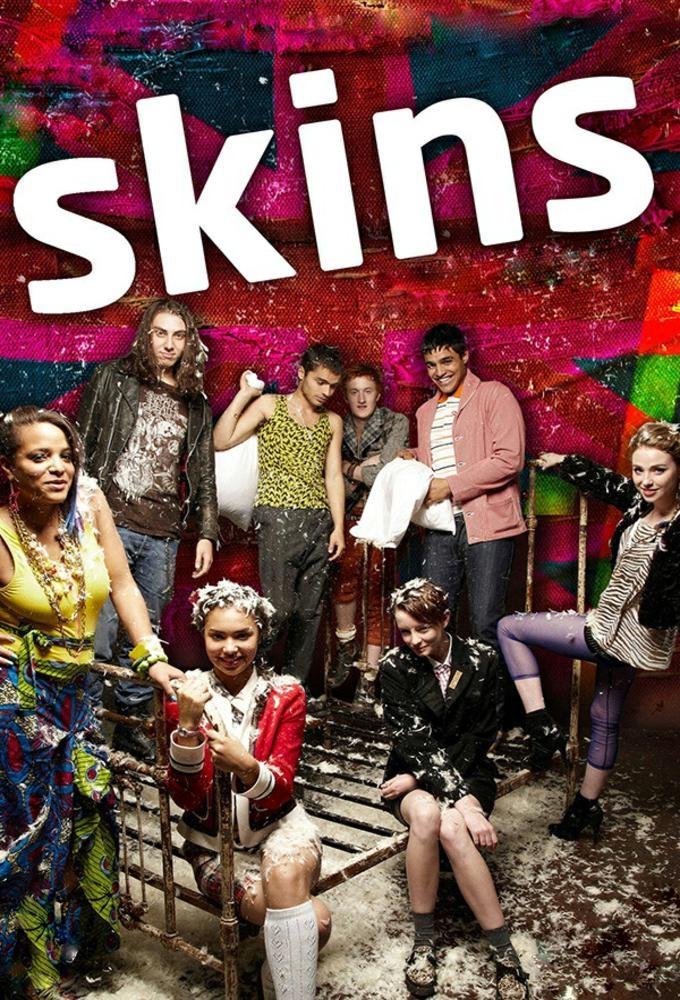
Jelahlah “Jel” Fazamine was a core member of the first generation of this popular British teen drama. While she was given a focused episode each season, fans often felt her character was relegated to being the “voice of reason” for her white friends. Her relationship with Tony and her musical talent provided some depth, but critics noted she lacked the experimental storylines afforded to others. The show was praised for its diversity, yet Jel’s role often appeared restricted by common character tropes.
‘The Big Bang Theory’ (2007–2019)
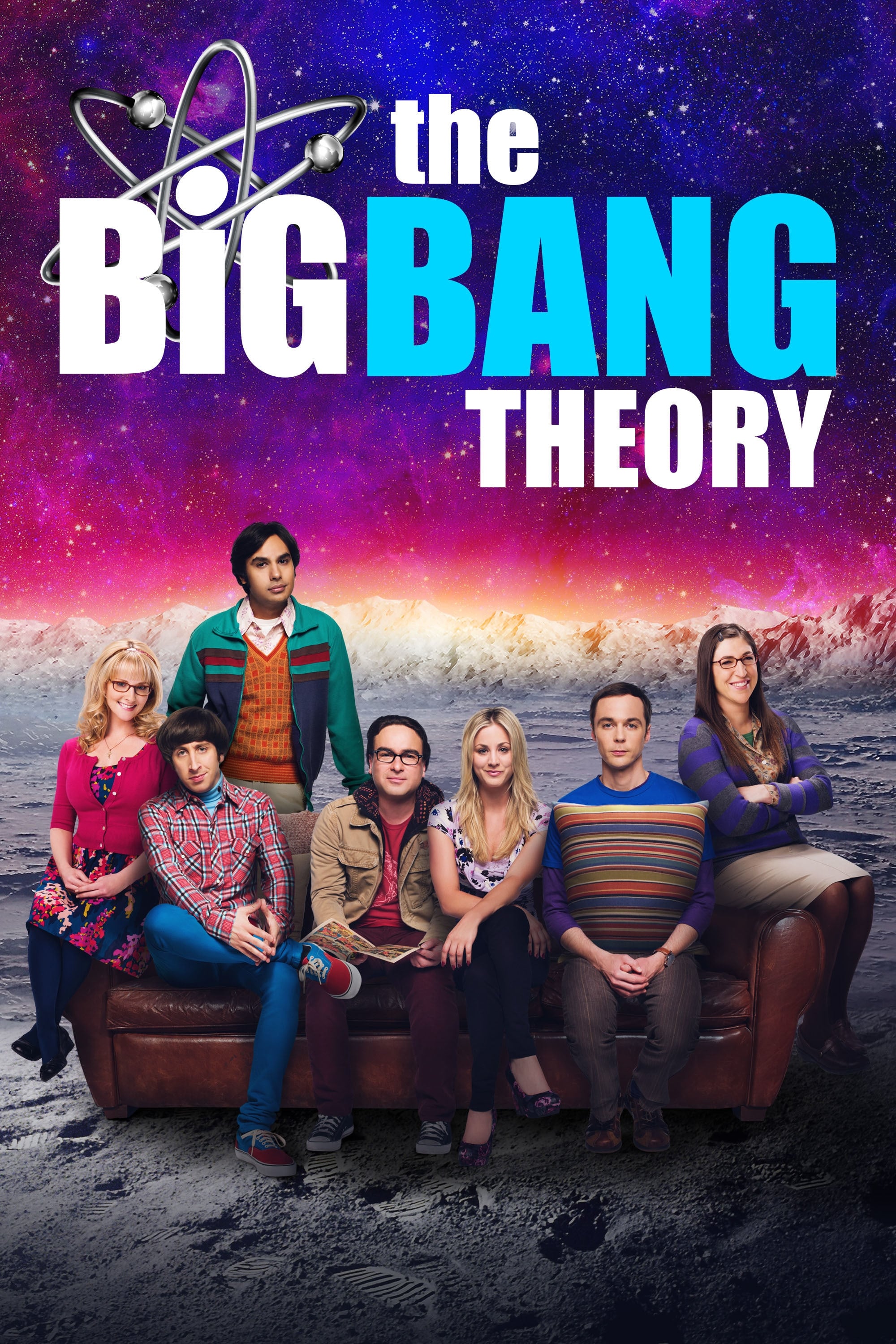
Janine Davis, the university’s human resources administrator, was one of the few recurring Black characters in the long-running sitcom. Her role mostly involved reacting to the inappropriate or socially awkward comments made by the main male protagonists. Viewers pointed out that she functioned more as a comedic foil to highlight the protagonists’ flaws rather than being a character with a developed life. This recurring dynamic was frequently criticized for being a superficial form of representation within a major network comedy.
‘Sex and the City’ (1998–2004)
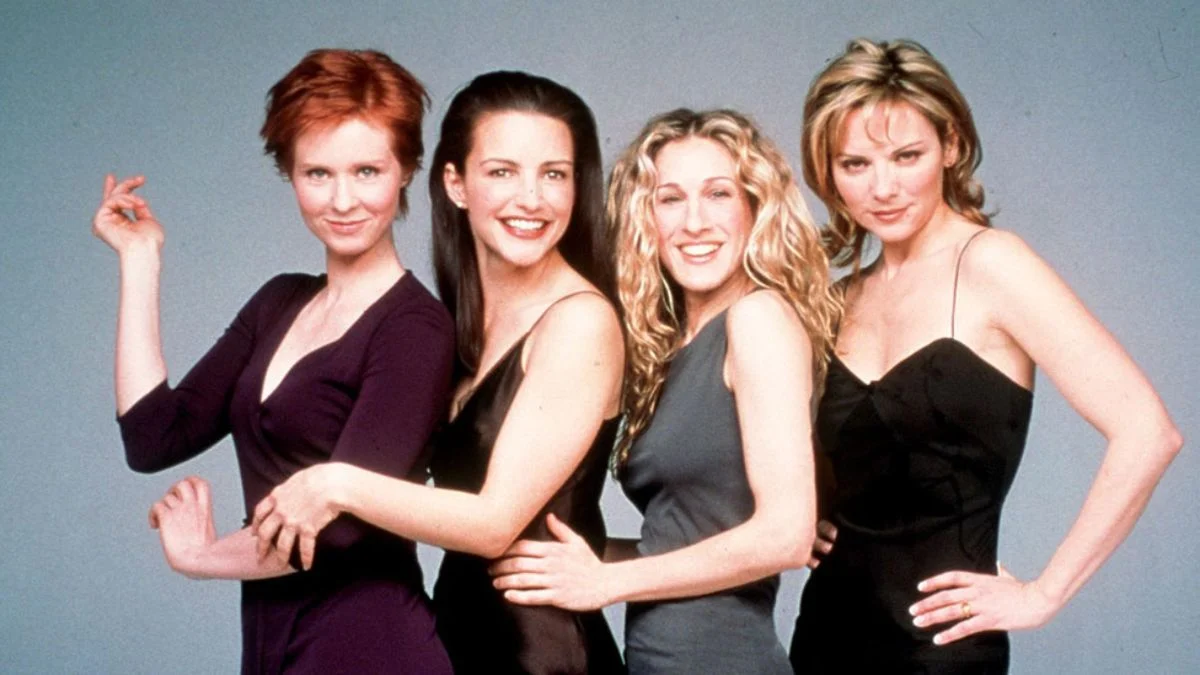
Robert Leeds was introduced in the sixth season as a love interest for Miranda Hobbes following public criticism regarding the show’s lack of diversity. Robert was portrayed as a successful doctor, yet his character was eventually discarded when the plot required Miranda to return to her previous partner. Critics often cite this arc as a “check-the-box” moment for diversity that failed to integrate into the long-term narrative. The character’s exit was seen as abrupt and serving only a temporary purpose for the lead character’s development.
‘Girls’ (2012–2017)
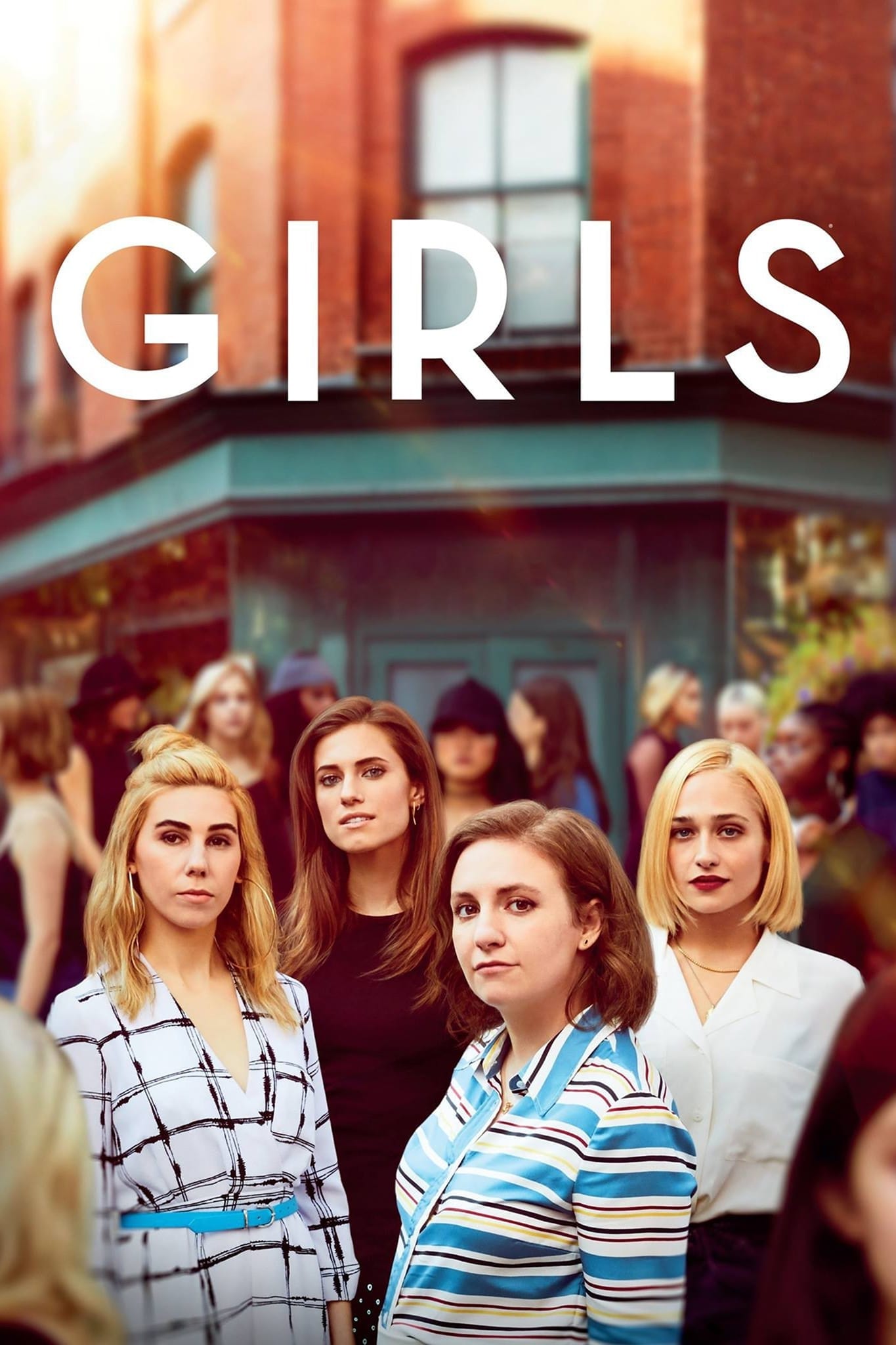
Sandy, played by Donald Glover, was a short-lived love interest for the main character Hannah Horvath in the second season. His character was introduced after the show faced heavy criticism for its entirely white depiction of Brooklyn, New York. Their relationship ended quickly during a meta-conversation about race and politics, which many saw as the show’s defensive way of addressing its critics. After these two episodes, the character never appeared again and was never mentioned by the main cast.
‘Doctor Who’ (1963–Present)

Bill Potts was the first Black companion to serve as the primary co-lead for an entire season during the Peter Capaldi era. While Pearl Mackie’s performance was widely acclaimed, some long-time viewers questioned the timing of her introduction during a period of high social pressure for franchise diversity. The showrunner emphasized that her identity was an essential part of the modernizing effort for the long-running British series. Her exit at the end of her first season led to discussions about the longevity and impact of diverse leads.
‘House of the Dragon’ (2022–Present)
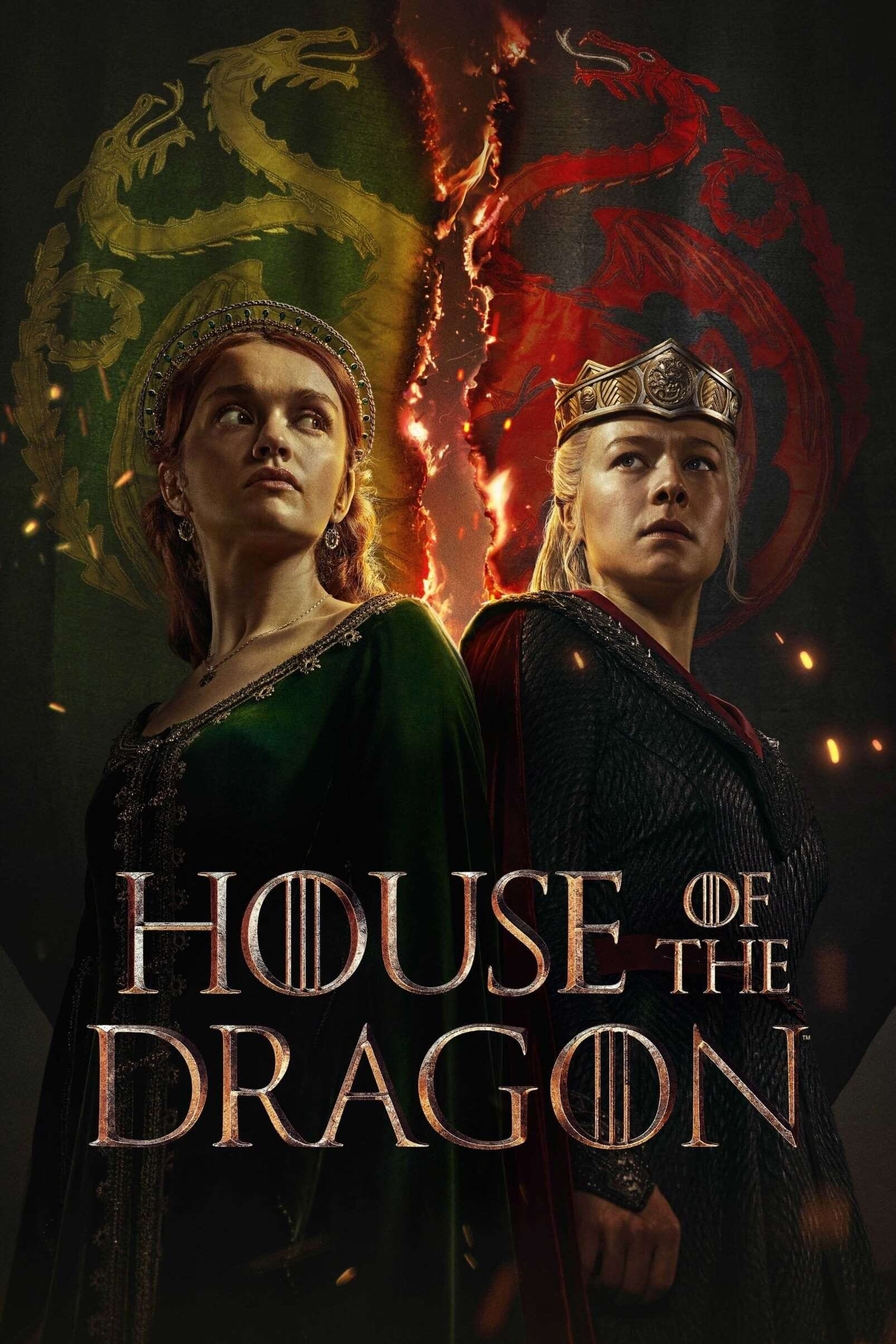
The decision to cast Black actors as the Velaryons was a deliberate choice by the showrunners to distinguish the different Valyrian houses visually. In the source material, the Velaryons are not explicitly described as having a different skin tone than the Targaryens. This change was met with both praise for its visual clarity and criticism from book purists who felt it was a modern imposition. The show utilized this diversity to emphasize the themes of bloodlines and legitimacy central to the plot.
‘Velma’ (2023–Present)
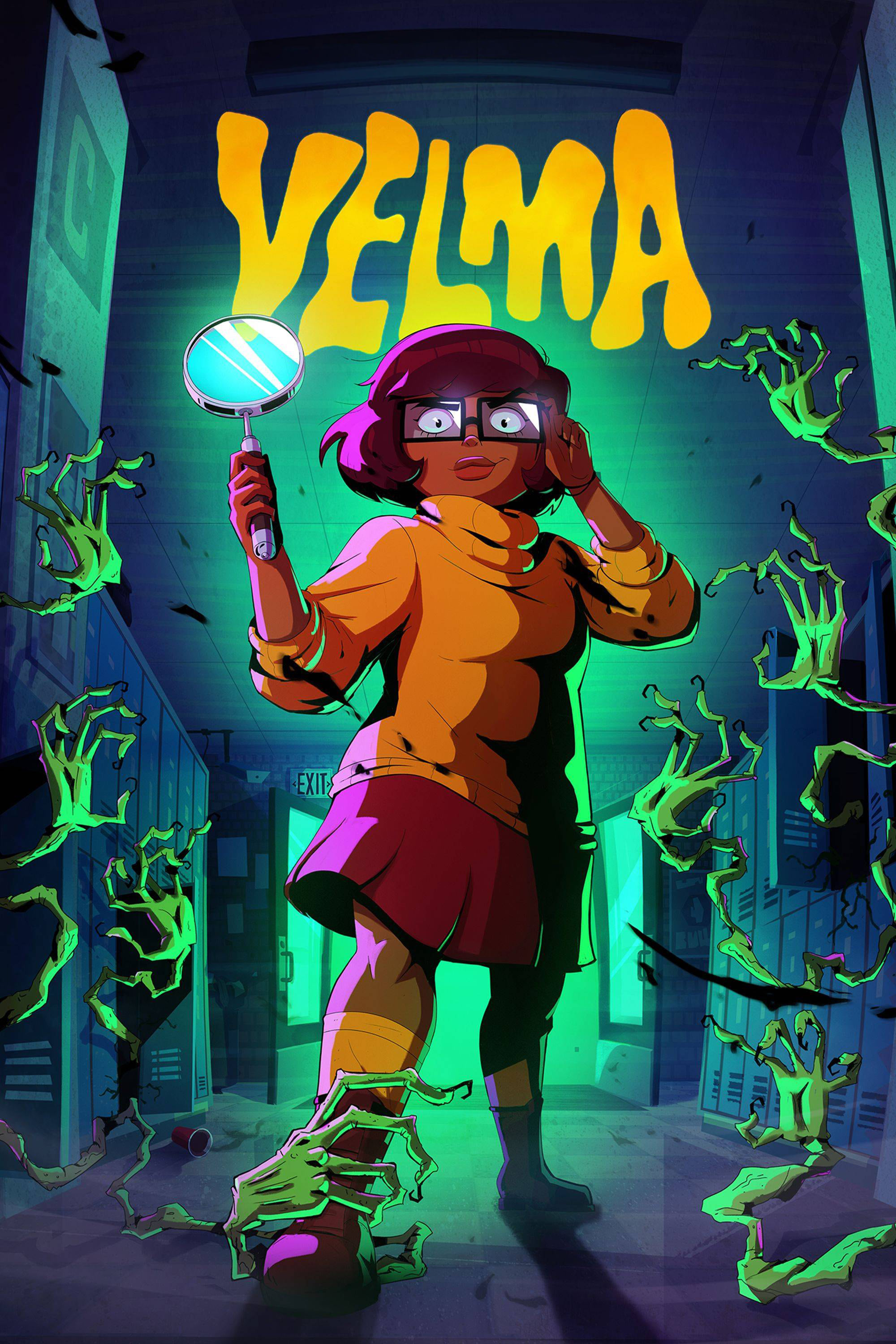
The reimagining of Velma Dinkley as a South Asian woman and Shaggy as a Black man named Norville sparked intense online debate upon release. The series took a satirical approach to its own diversity, often making jokes about the changes to these classic animation characters. Many viewers felt the character updates were a superficial attempt to modernize the franchise without capturing the original’s spirit or charm. The show became a lightning rod for discussions regarding the effectiveness of “race-swapping” in established media properties.
Share your thoughts on these casting choices and character arcs in the comments.