Anime Series That Fans Called Out for Ableist Villain Tropes



Anime has long been a medium that pushes the boundaries of storytelling, but it has not been immune to the use of controversial tropes. Among these, the use of disability or mental illness as a shorthand for villainy has frequently drawn criticism from disability advocates and fans alike. These tropes often manifest as physical scars, prosthetic limbs, or caricatured portrayals of mental instability intended to evoke fear or unease. While many series aim for complex characterizations, the reliance on these visual and narrative clichés continues to be a subject of intense debate within the community.
‘Fullmetal Alchemist’ (2003–2004)
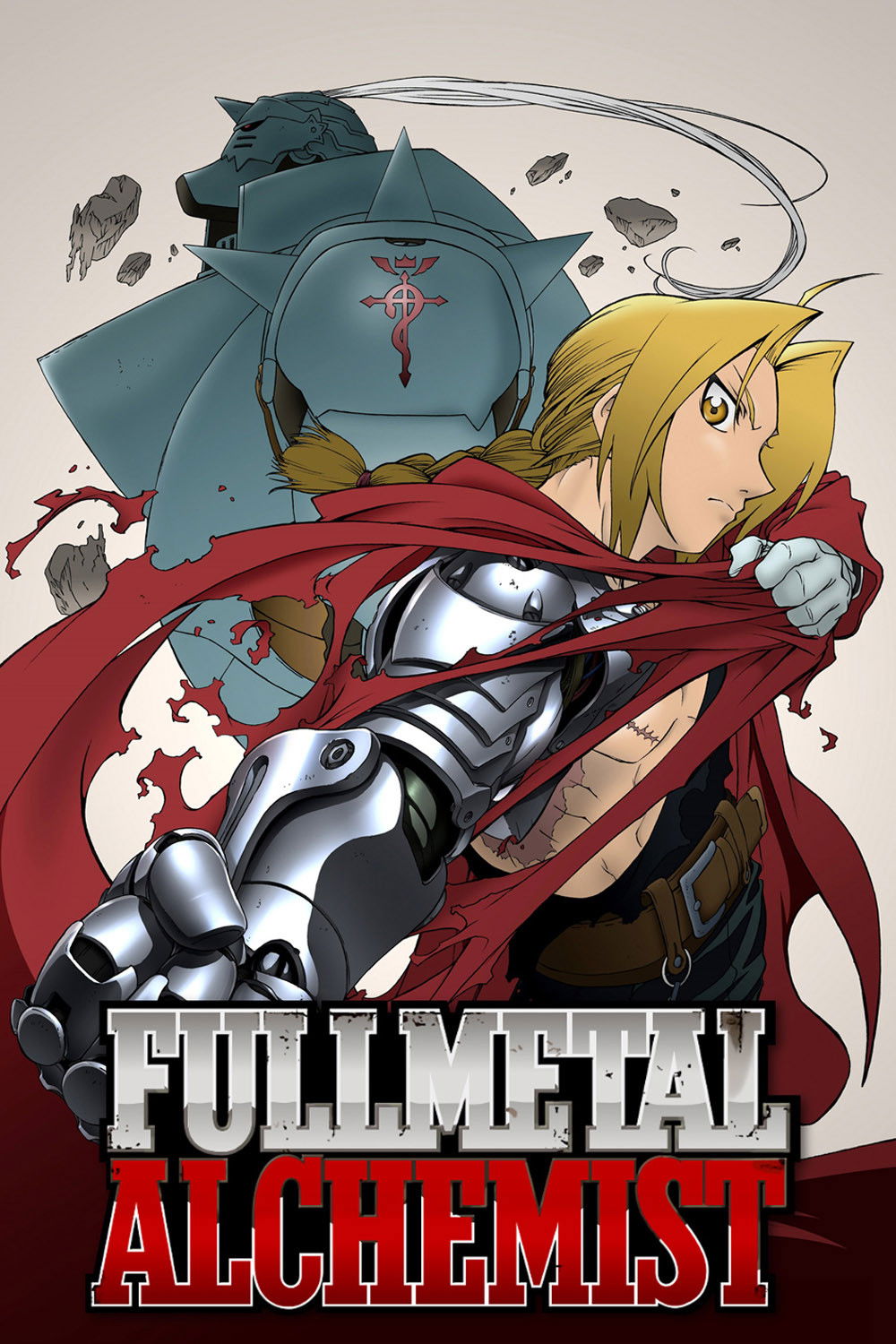
In this adaptation, the character Frank Archer undergoes a radical transformation into a cyborg after sustaining heavy injuries. Critics and fans have pointed out how his mechanical replacements are depicted as grotesque and contribute to his increasing lack of empathy. This portrayal aligns with the trope of using prosthetic limbs to signify a loss of humanity or a descent into villainy. The narrative frames his physical state as a visual shorthand for his internal corruption. It contrasts his artificiality with the organic nature of the heroes, even though the protagonist also uses prosthetics.
‘My Hero Academia’ (2016–Present)
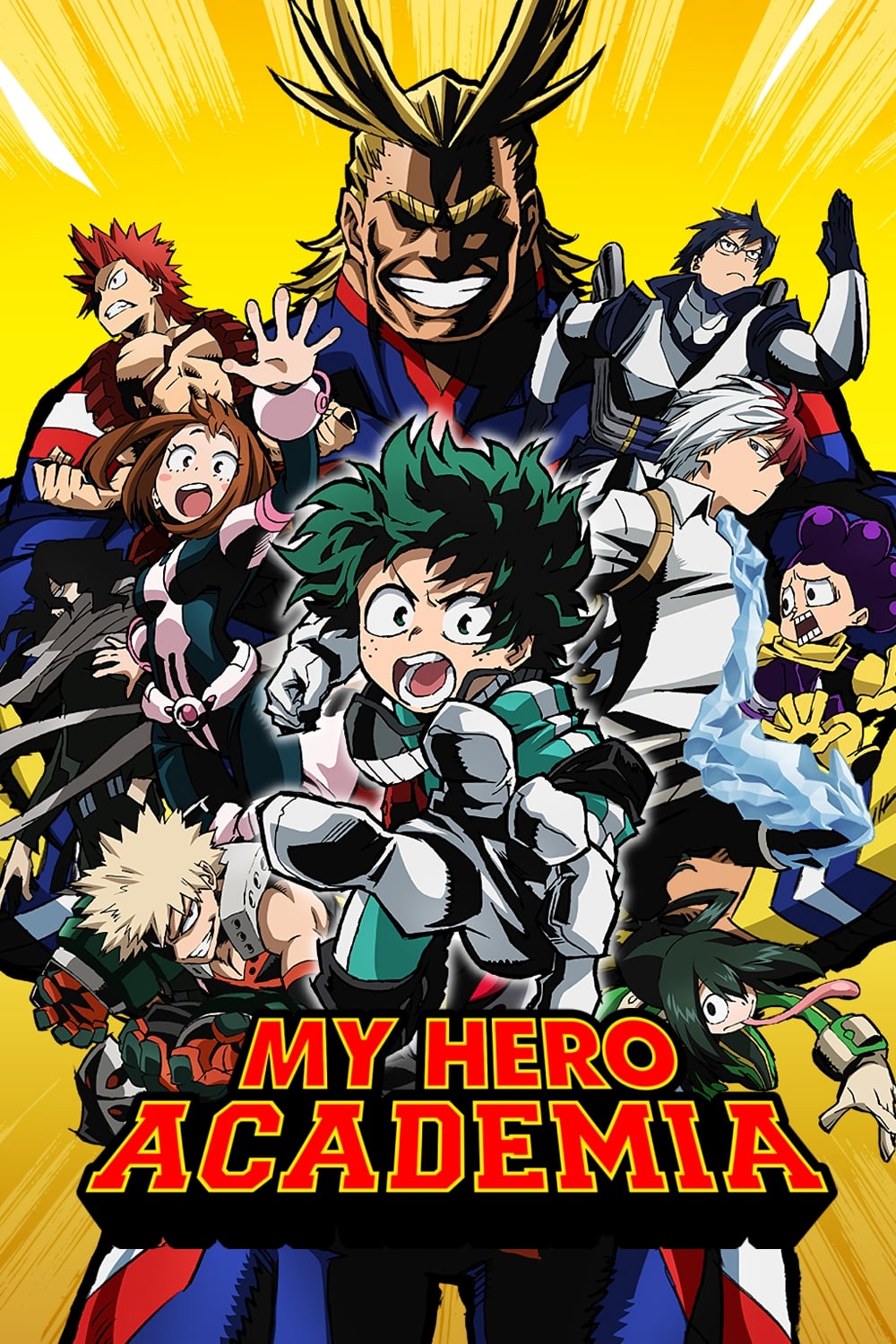
The primary antagonist, All For One, is depicted with severe facial scarring and a reliance on life-support equipment. Fans have criticized this design for reinforcing the idea that physical imperfections or medical needs are indicators of an evil nature. His character arc also involves the Quirkless population, who are often treated as having a disability within the fictional society. This dynamic has sparked discussions about how the series handles the intersection of power and physical ability. The visual shorthand of his mask and medical tubes serves to distance him from the healthy hero society.
‘Naruto Shippūden’ (2007–2017)

The character Nagato, also known as Pain, is shown with an extremely emaciated body and uses a mechanical walker to channel his powers. Viewers have noted that his disability is used to heighten the sense of tragedy and bitterness associated with his villainous motives. The reliance on a wheelchair-like apparatus is often framed as a limitation that he must overcome through supernatural means. This depiction frequently falls into the trope where physical suffering justifies a character’s desire to cause harm. His eventual healing only occurs when he sacrifices his life, reinforcing the idea that death is a preferred alternative to living with a disability.
‘One Piece’ (1999–Present)
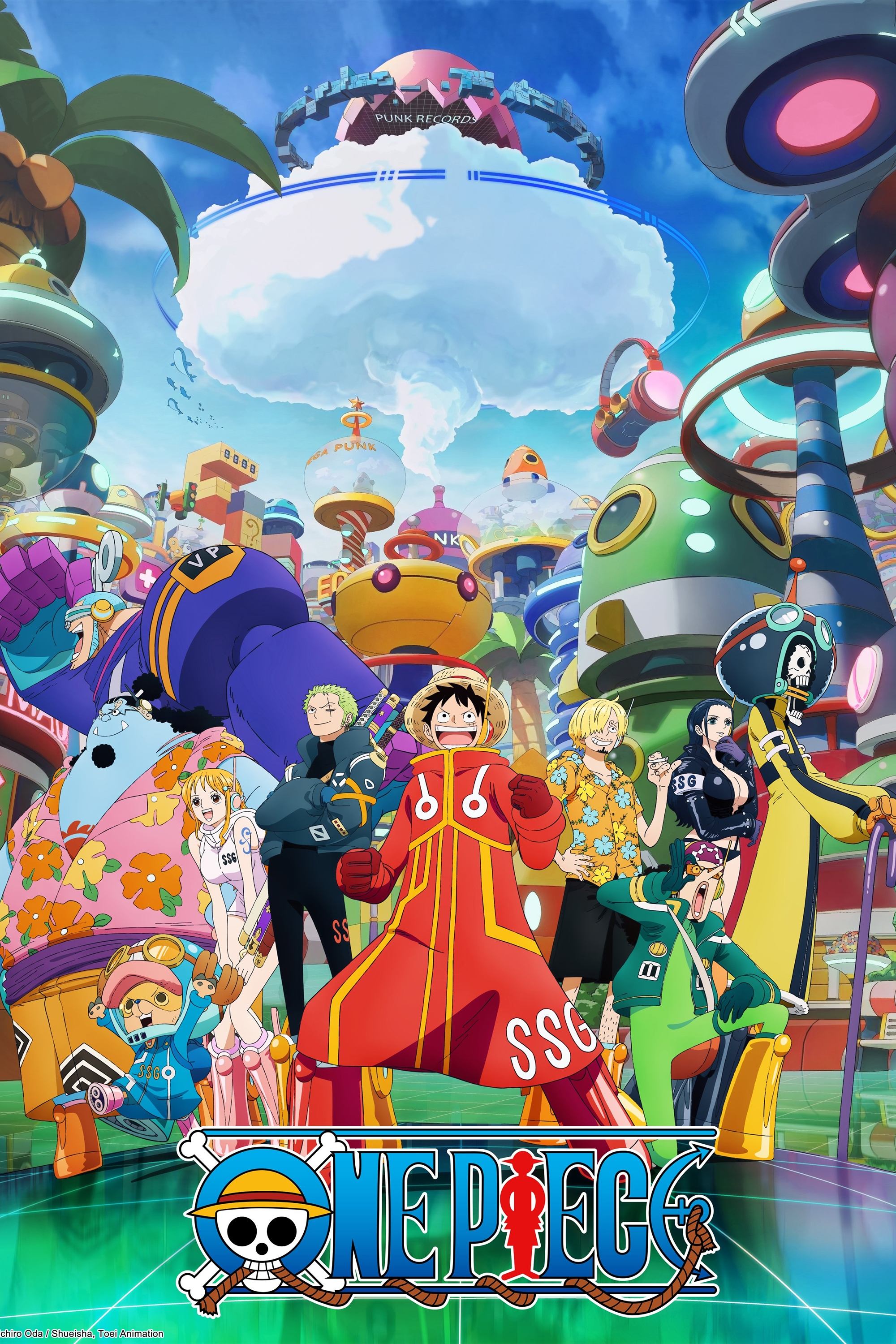
Sir Crocodile is one of the most prominent early villains in ‘One Piece’, recognizable by the large golden hook that replaces his left hand. While many characters in the series have prosthetics, fans have pointed out that Crocodile’s hook is specifically designed as a lethal weapon containing poison. This fits into the trope where a disability is not just a physical reality but a source of hidden, sinister power. His facial scarring further reinforces the visual archetype of being marked for evil. His character design suggests that his physical brokenness is a direct reflection of his cold heart.
‘Berserk’ (1997–1998)
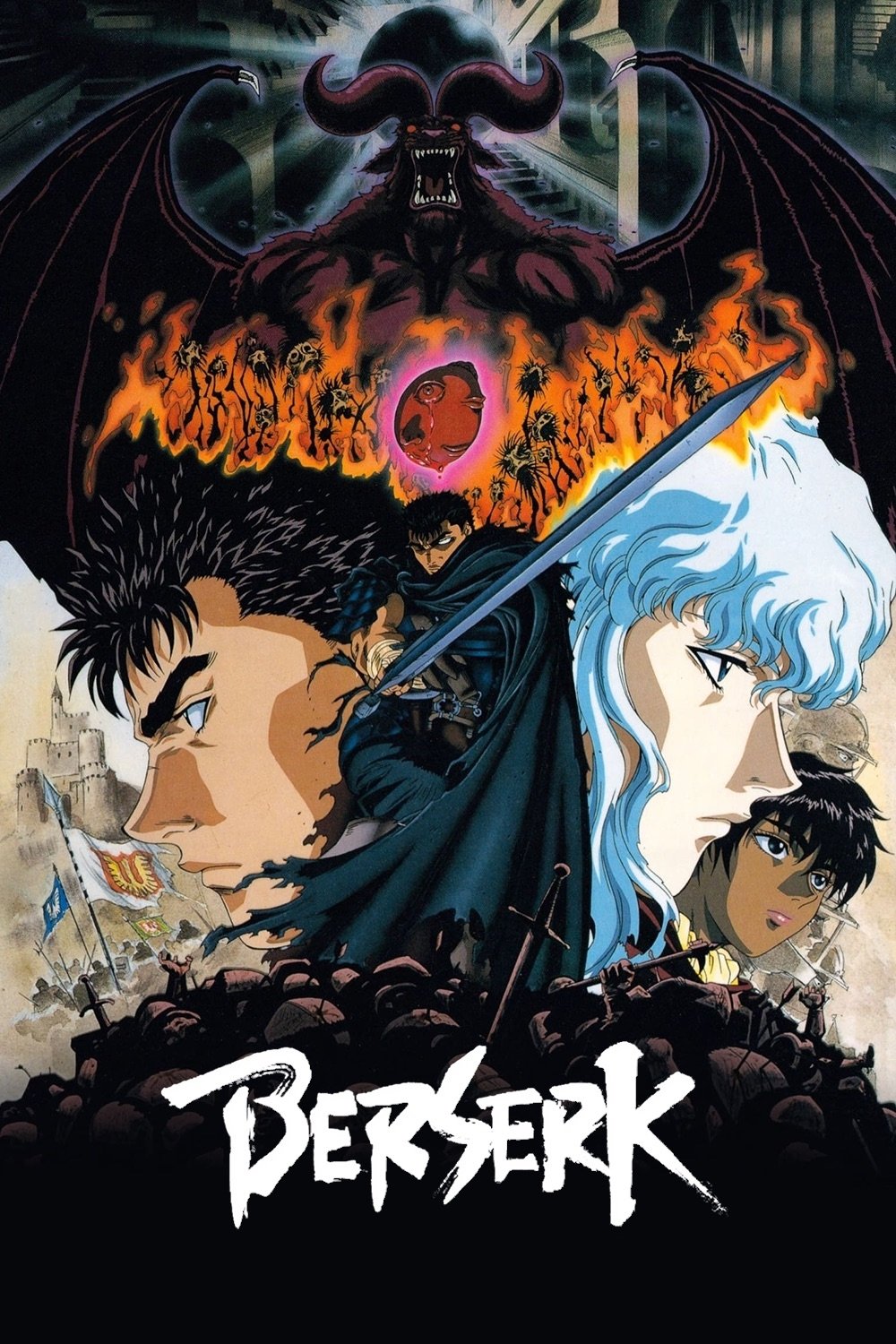
The antagonist Griffith suffers a complete physical breakdown after being tortured, leaving him unable to move or speak. Fans have noted that the narrative frames his transition into the demonic Femto as an escape from his useless disabled body. This implies that life as a person with a disability is a fate worse than death or damnation. The choice to sacrifice his comrades is presented as the only way to regain his former perfect self. This portrayal has been criticized for equating disability with the absolute loss of one’s future and identity.
‘Tokyo Ghoul’ (2014–2018)
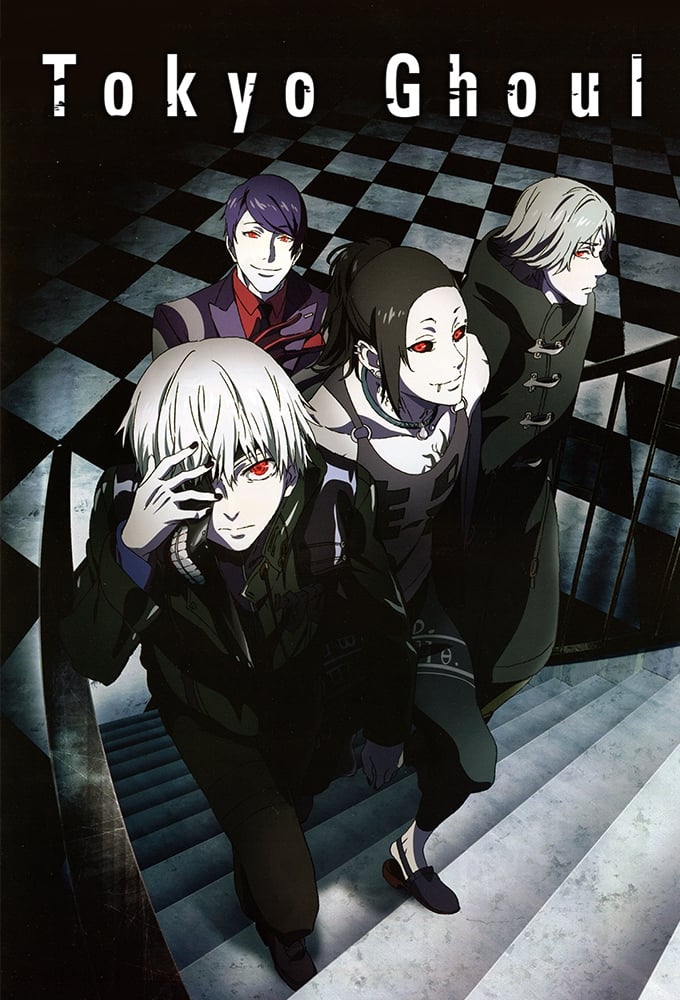
The character Yakumo Oomori, often called Jason, is a high-ranking villain whose cruelty is explicitly tied to his history of being tortured. The narrative explains his sociopathic behavior as a direct result of the trauma he endured, which fans argue simplifies complex psychological issues. By making his insanity his defining trait, the show utilizes a common trope where mental illness is the primary driver of violence. This depiction has been highlighted as a problematic portrayal of trauma recovery and mental health. His character serves as a warning that suffering inevitably leads to becoming a monster.
‘Black Butler’ (2008–2014)
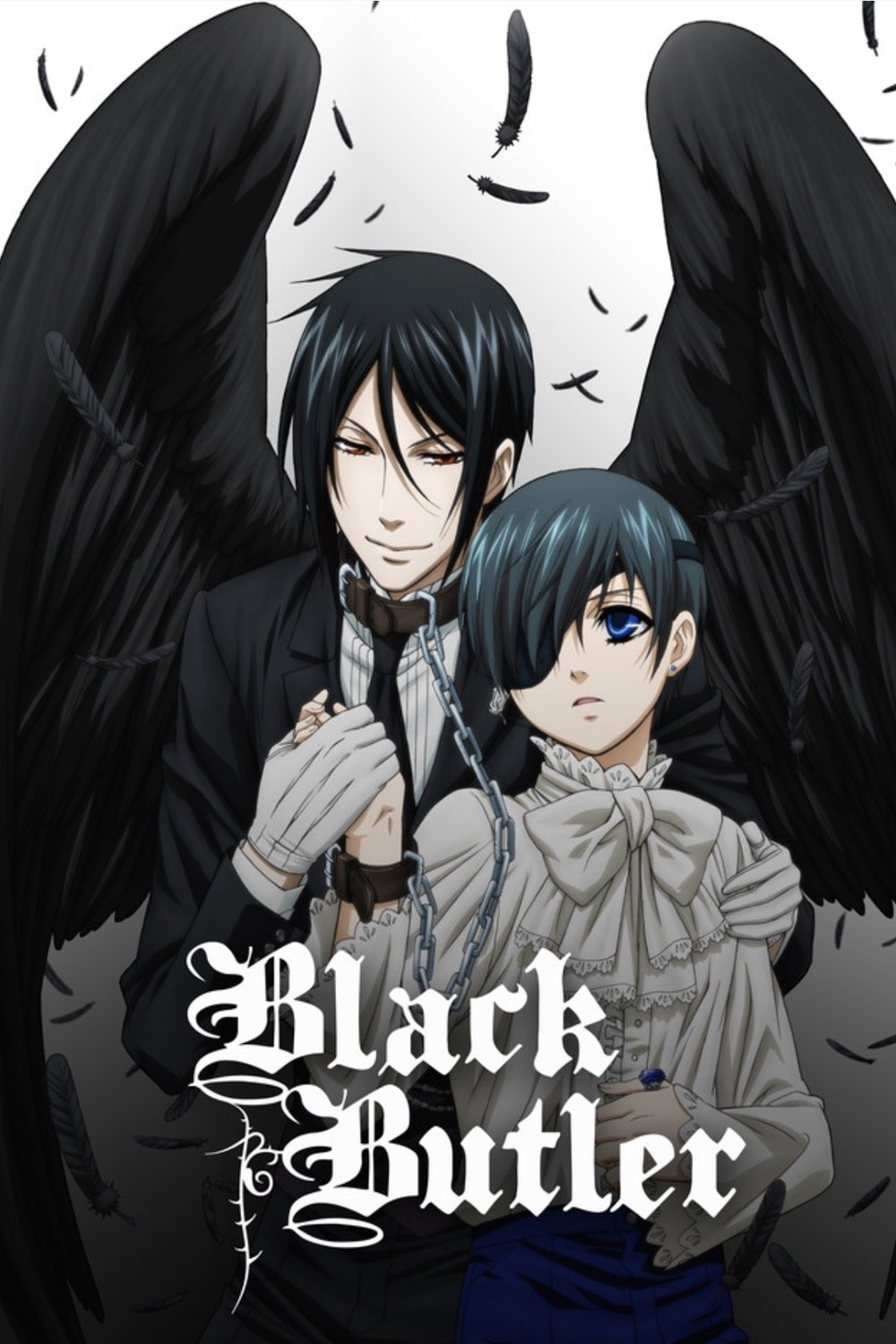
The ‘Book of Circus’ arc features a group of antagonists who have various physical disabilities and use prosthetic limbs. Fans have called out the series for presenting these characters as part of a freak show aesthetic that links their deformities to their criminal activities. While the narrative attempts to provide them with tragic backstories, their physical differences are still used for shock value. This approach has been criticized for using disability as a tool for horror and pity. The resolution of their arc further emphasizes the trope that disabled lives are inherently tragic and disposable.
‘Soul Eater’ (2008–2009)

The main antagonist of ‘Soul Eater’, Asura, is the literal personification of madness. The series depicts mental instability as a corruptive force that can be spread like a disease to others. Fans have pointed out that this demonizes mental health conditions by associating them with cosmic horror and world-ending threats. The literalization of madness as a villainous power source reinforces harmful stigmas regarding neurodivergence. It positions the absence of a sound mind as the ultimate evil that must be eradicated.
‘Sword Art Online’ (2012–Present)

The ‘Fairy Dance’ arc antagonist, Sugou Nobuyuki, is portrayed with exaggerated expressions and erratic behavior to signify his villainy. Fans have criticized the series for its repetitive use of mental health caricatures to establish its villains as irredeemable. Instead of developing complex motivations, the show often relies on the psychopath trope to justify predatory and violent actions. This choice has been called out for being a lazy narrative shorthand that stigmatizes mental illness. It positions the villain’s neurodivergence as the primary source of his sexual and physical aggression.
‘Dororo’ (2019)
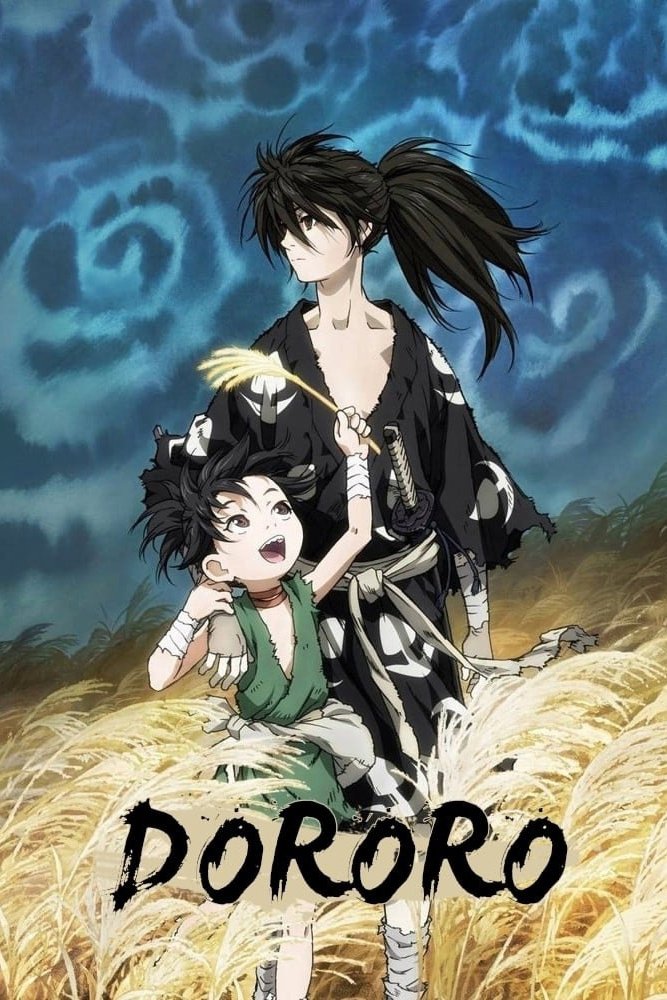
In the 2019 reimagining of ‘Dororo’, the protagonist Hyakkimaru is born without limbs or organs due to a pact with demons. While the story focuses on his journey to reclaim his body, fans have criticized the depiction of the demons who possess his parts. These entities are often framed as incomplete or monstrous specifically because they hold the stolen physical traits of another. This narrative structure suggests that a whole body is the only path to true humanity and happiness. It effectively treats disability as a curse that must be cured to achieve a happy ending.
‘Inuyasha’ (2000–2004)

Naraku, the central antagonist of ‘Inuyasha’, is a shape-shifter who is constantly trying to purge his human components. His physical form is often shown as a mass of miasma or a collection of mismatched parts, which he views with intense self-loathing. Fans have argued that his quest for a pure body reflects ableist ideologies regarding physical wholeness. His constant shedding of imperfect bodies is used to demonstrate his lack of a true heart or soul. This narrative framing suggests that a body that is not whole is naturally inclined toward malice.
‘Psycho-Pass’ (2012–2019)
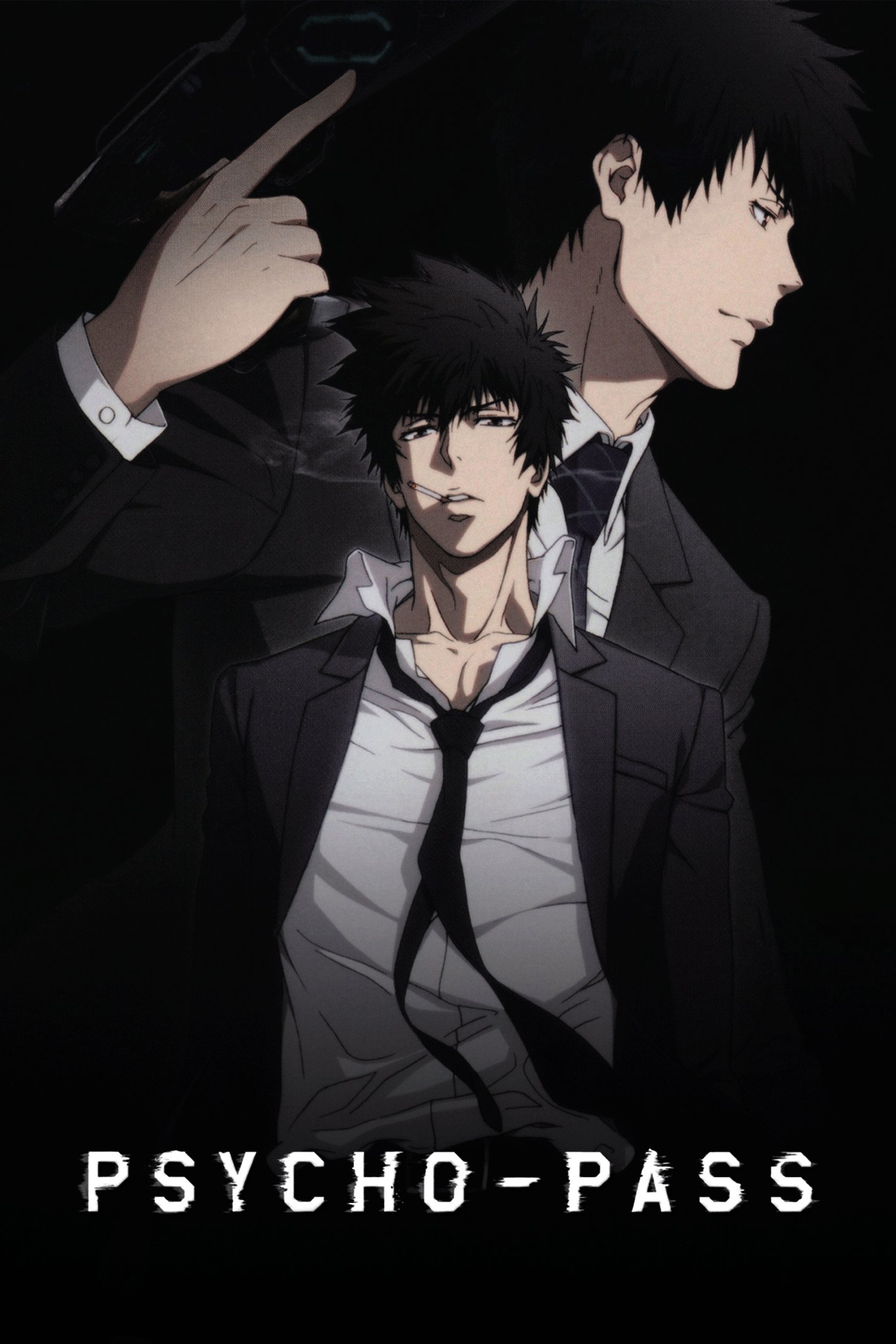
The world of ‘Psycho-Pass’ is governed by the Sibyl System, which monitors the mental states of all citizens to predict criminal intent. Characters with high Crime Coefficients are often those struggling with trauma or mental health issues, who are then labeled latent criminals. Fans have called out the series for equating mental instability with an inherent predisposition for violence. This system forces characters into a binary of sane and criminal, leaving no room for neurodiversity without punishment. The villains are frequently individuals who have been marginalized by this very ableist structure.
‘JoJo’s Bizarre Adventure: Golden Wind’ (2018–2019)
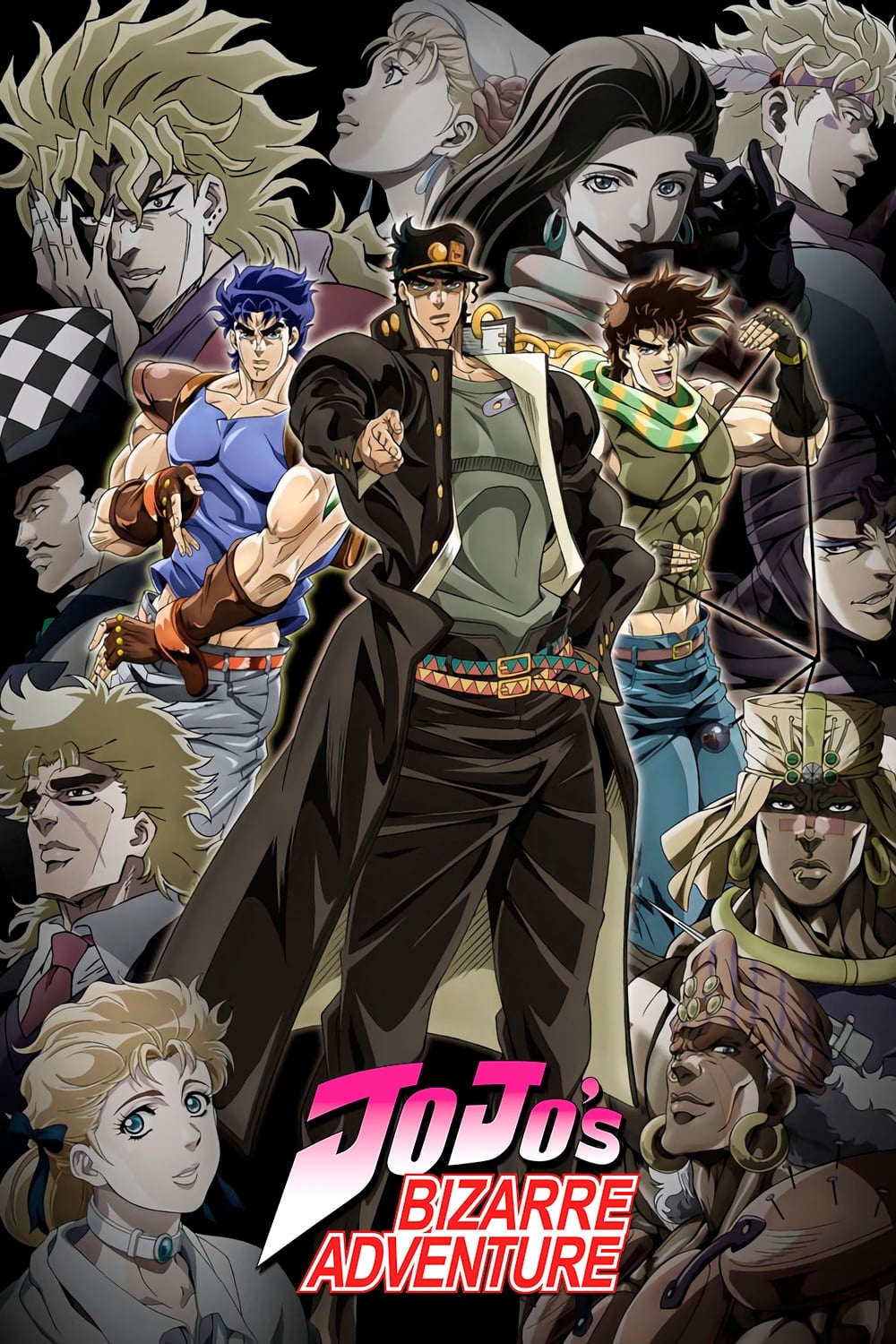
The antagonist Cioccolata is introduced as a former doctor who was expelled for performing unnecessary surgeries on healthy patients. His character design and behavior lean heavily into the mad doctor trope, where medical knowledge is paired with a psychotic desire to inflict pain. Fans have noted that his portrayal uses tropes of mental instability to create a sense of visceral horror. His partnership with Secco, who displays animalistic and non-verbal traits, has also been criticized for linking neurodivergence with villainous subservience. The series uses these traits to mark them as the most depraved characters in the story.
‘Death Note’ (2006–2007)
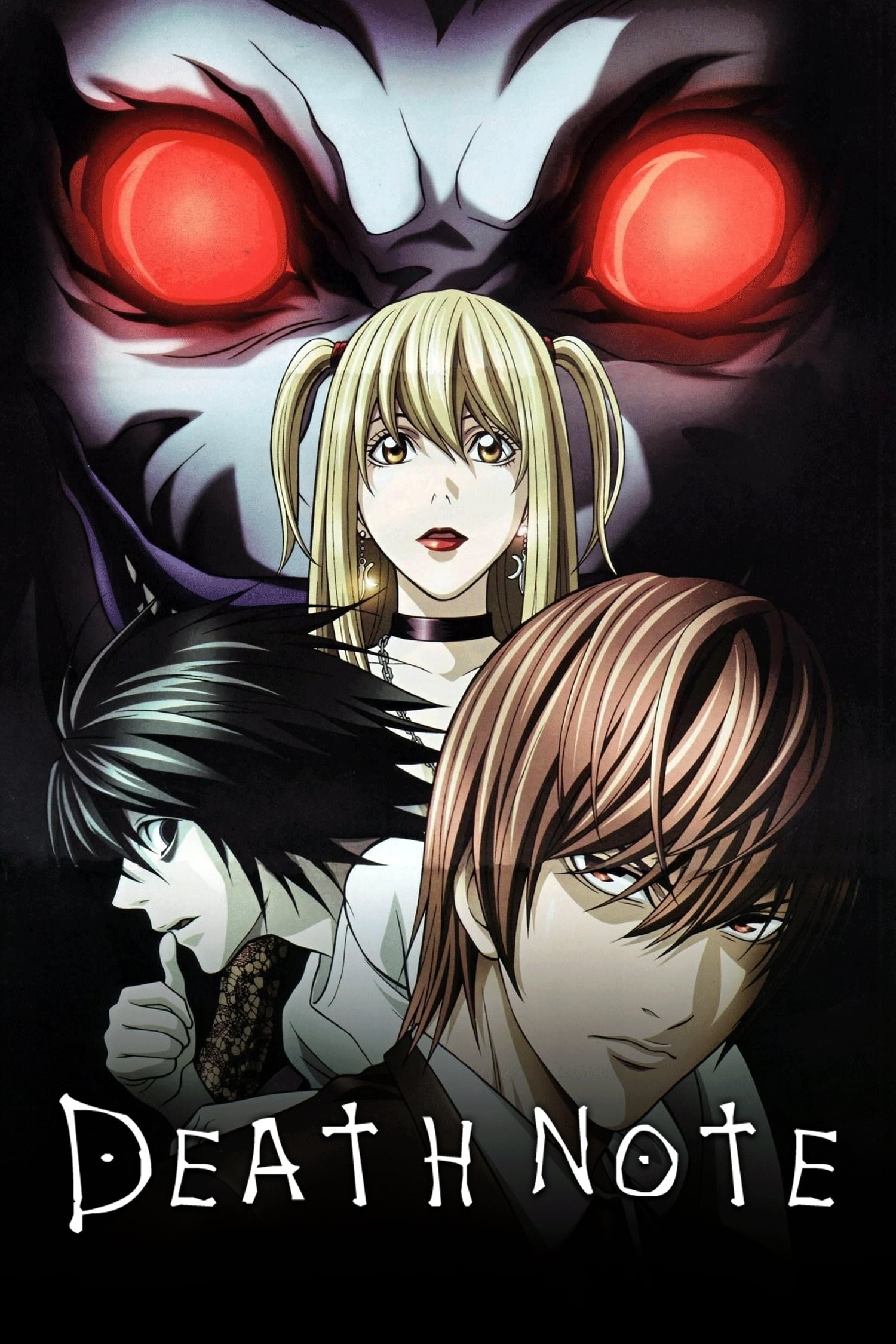
Teru Mikami is a dedicated follower of Kira who eventually experiences a significant mental breakdown as the series reaches its climax. Fans have pointed out that his descent into madness is portrayed through erratic movements and stereotypical insane laughter. This shift is used to signal his loss of utility to Light Yagami and his ultimate failure. The series links his fanatical devotion to a lack of mental stability, suggesting that his villainy was rooted in a fragile mind. This portrayal has been criticized for using mental health decline as a plot device for a character’s downfall.
‘Demon Slayer: Kimetsu no Yaiba’ (2019–Present)
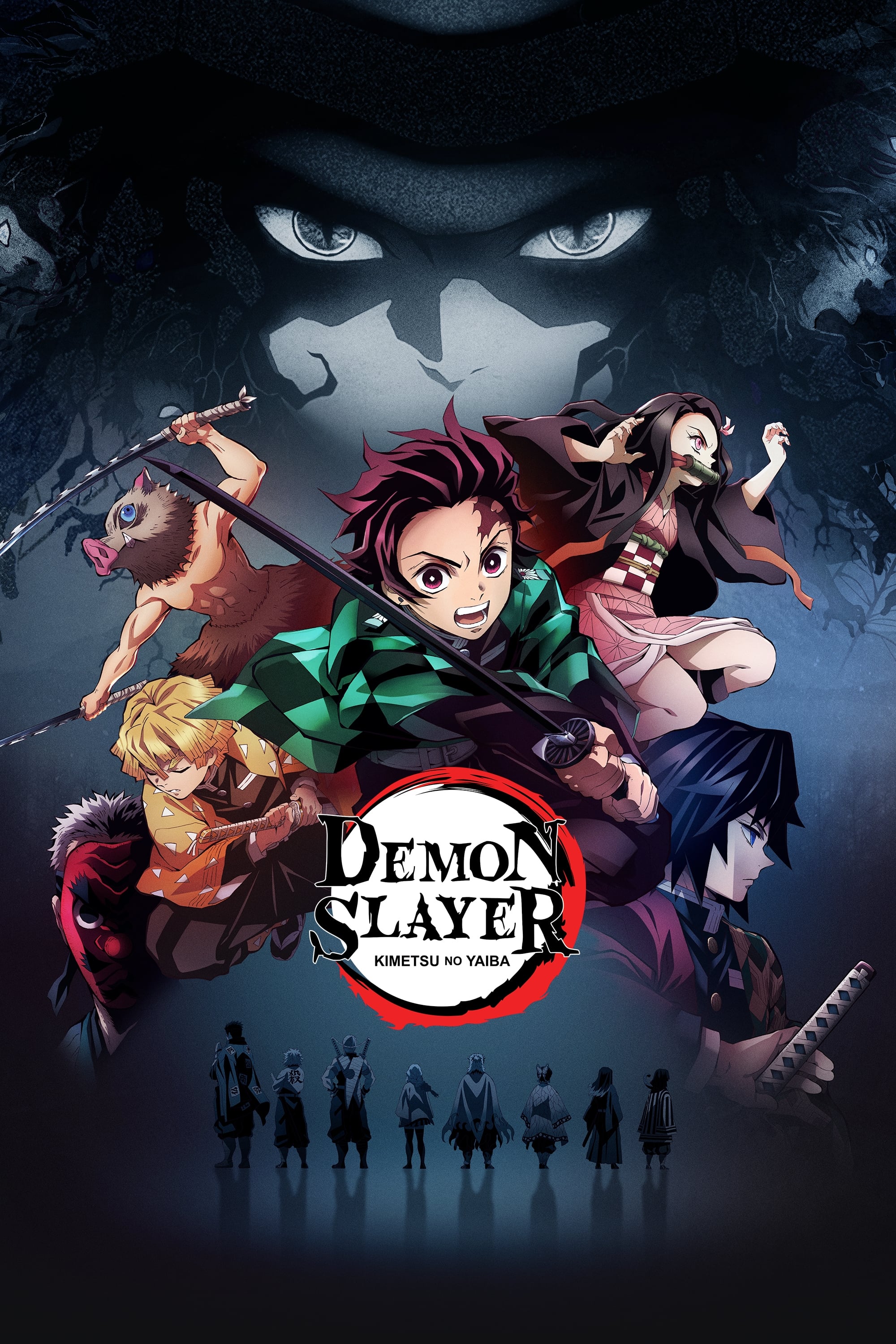
The main antagonist Muzan Kibutsuji became a demon after a failed medical treatment for a terminal illness. His entire motivation is driven by a profound fear of death and a desire to achieve a perfect, disease-free body. Fans have noted that the series positions his original physical illness as the catalyst for his transformation into a monster. This implies that the struggle with a chronic or terminal condition can lead to a loss of morality. His character arc centers on the rejection of human weakness, which is explicitly tied to physical disability.
‘Dragon Ball Z’ (1989–1996)

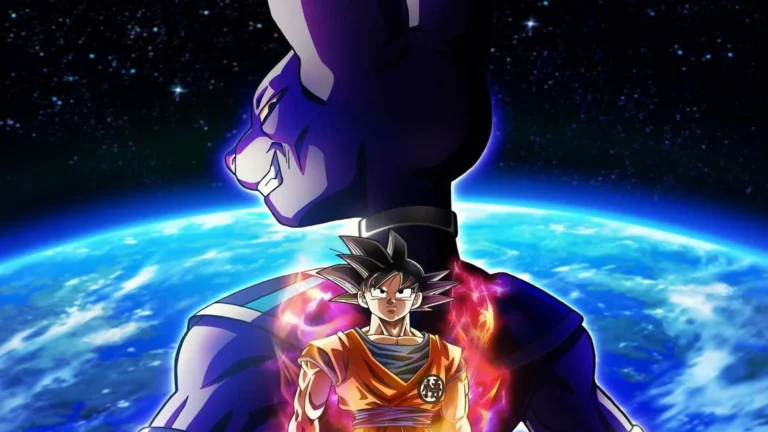
After his defeat on Namek, Frieza returns as Mecha Frieza, a version of himself with numerous cybernetic implants. The narrative uses this transformation to show that he is broken and desperate, lacking the natural grace of his previous forms. Fans have observed that his mechanical parts are visually designed to look clunky and unnatural compared to the perfected biology of the heroes. This transformation serves as a prelude to his quick defeat, signaling that his new, disabled state makes him weaker. The show uses his reliance on technology as a visual cue for his pathetic decline.
‘Hunter x Hunter’ (2011–2014)

The Chimera Ant arc features the antagonist Meruem, who initially views all weak life forms as having no value. His worldview is challenged by Komugi, a blind girl who consistently defeats him in a board game. While many fans appreciate their relationship, others have pointed out that Komugi’s disability is used primarily as a tool for the villain’s character development. She is portrayed as helpless in every aspect of life except for her one talent, fitting the innocent disabled trope. This dynamic uses her lack of sight to teach the villain about humanity, rather than giving her independent agency.
‘Code Geass: Lelouch of the Rebellion’ (2006–2008)
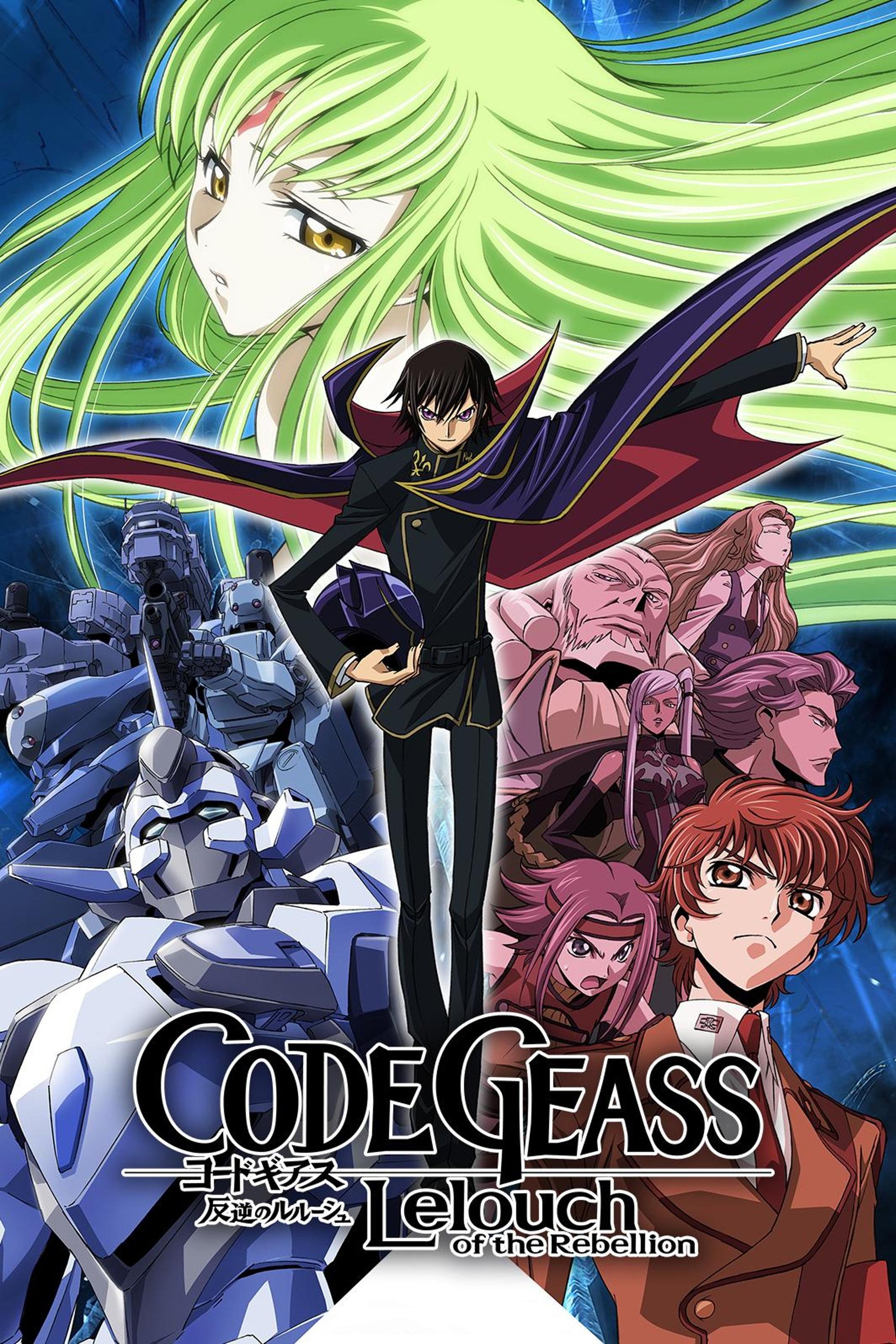
Mao is an antagonist who possesses the Geass power to hear the thoughts of everyone within a large radius. Because he cannot turn this power off, he has become mentally unstable and obsessed with the only person whose thoughts he cannot hear. Fans have called out the series for portraying his sensory overload and mental distress as traits that make him a dangerous, obsessive stalker. His inability to cope with his disability—the uncontrollable power—is what drives his villainous actions. The show frames his suffering as a primary reason for his lack of empathy and eventual violent behavior.
‘Hellsing Ultimate’ (2006–2012)

The Major, the primary antagonist of ‘Hellsing Ultimate’, is revealed to have a body that is almost entirely mechanical to preserve his life. He explicitly rejects the notion of human mortality and physical frailty, viewing his cyborg state as a means to an end for eternal war. Critics have pointed out that his character reinforces the idea that using technology to overcome a failing body leads to a loss of the soul. His obsession with his self despite his mechanical parts is framed as a delusional and evil ambition. This reinforces the evil cyborg trope that views prosthetic intervention as a sign of monstrosity.
‘Bungo Stray Dogs’ (2016–Present)
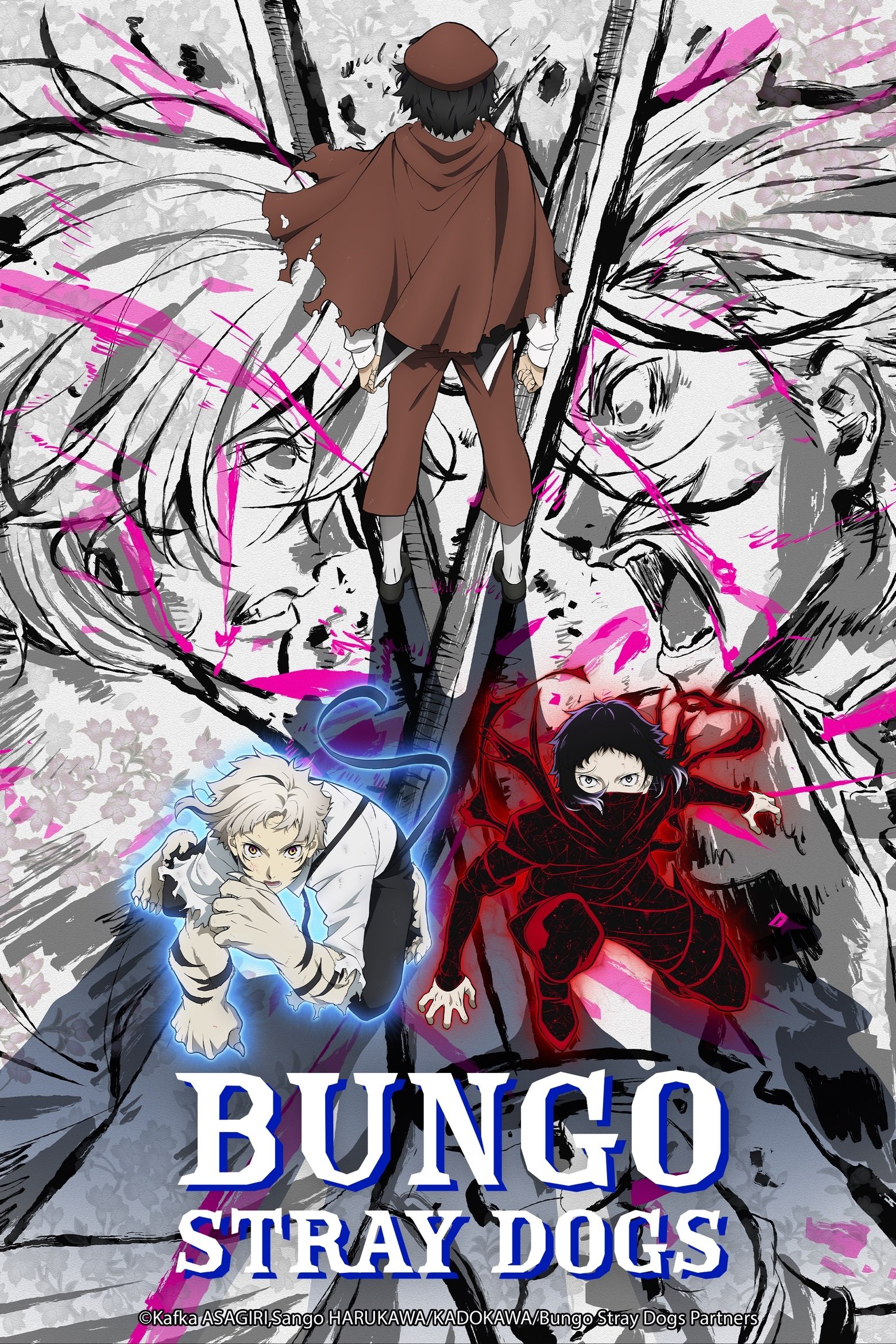
The character Kyusaku Yumeno, also known as Q, possesses a power that is triggered by physical pain inflicted upon them. Because of this ability, Q is kept in solitary confinement and is portrayed as having a highly unstable and broken psyche. Fans have criticized the series for using Q’s trauma and mental state to create a creepy child villain archetype. The narrative framing suggests that Q is inherently dangerous and impossible to reintegrate into society because of their mental condition. This reinforces the idea that traumatized individuals are naturally inclined toward destruction and cannot be helped.
Share your thoughts on these tropes and how they affect your viewing experience in the comments.