TV Shows Where Asian Representation Felt Like Stereotype Checklists


Television history is filled with instances where minority characters were defined more by cultural tropes than by individual depth. For many Asian actors, early roles were often limited to specific archetypes such as the martial artist, the academic overachiever, or the “foreign” outsider. These portrayals frequently relied on exaggerated accents and historical clichés to provide comedic relief or plot obstacles for white protagonists. As discussions around media diversity evolve, many of these shows have faced modern reassessment for their reliance on stereotypical checklists.
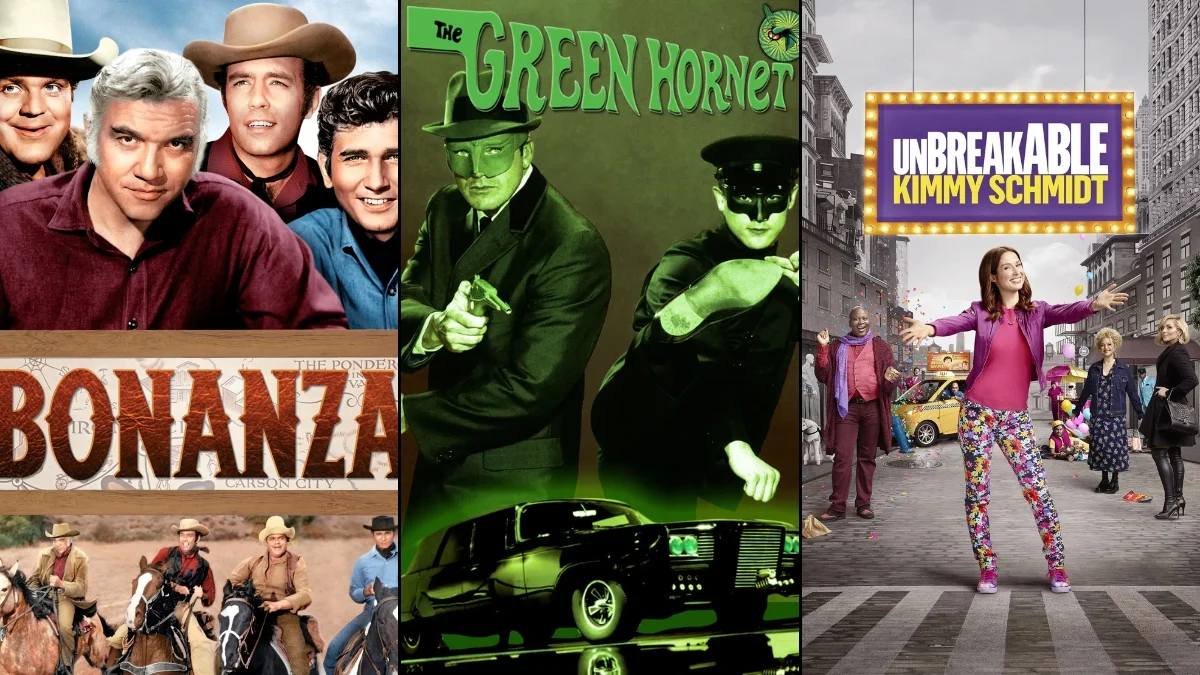
‘Bonanza’ (1959–1973)
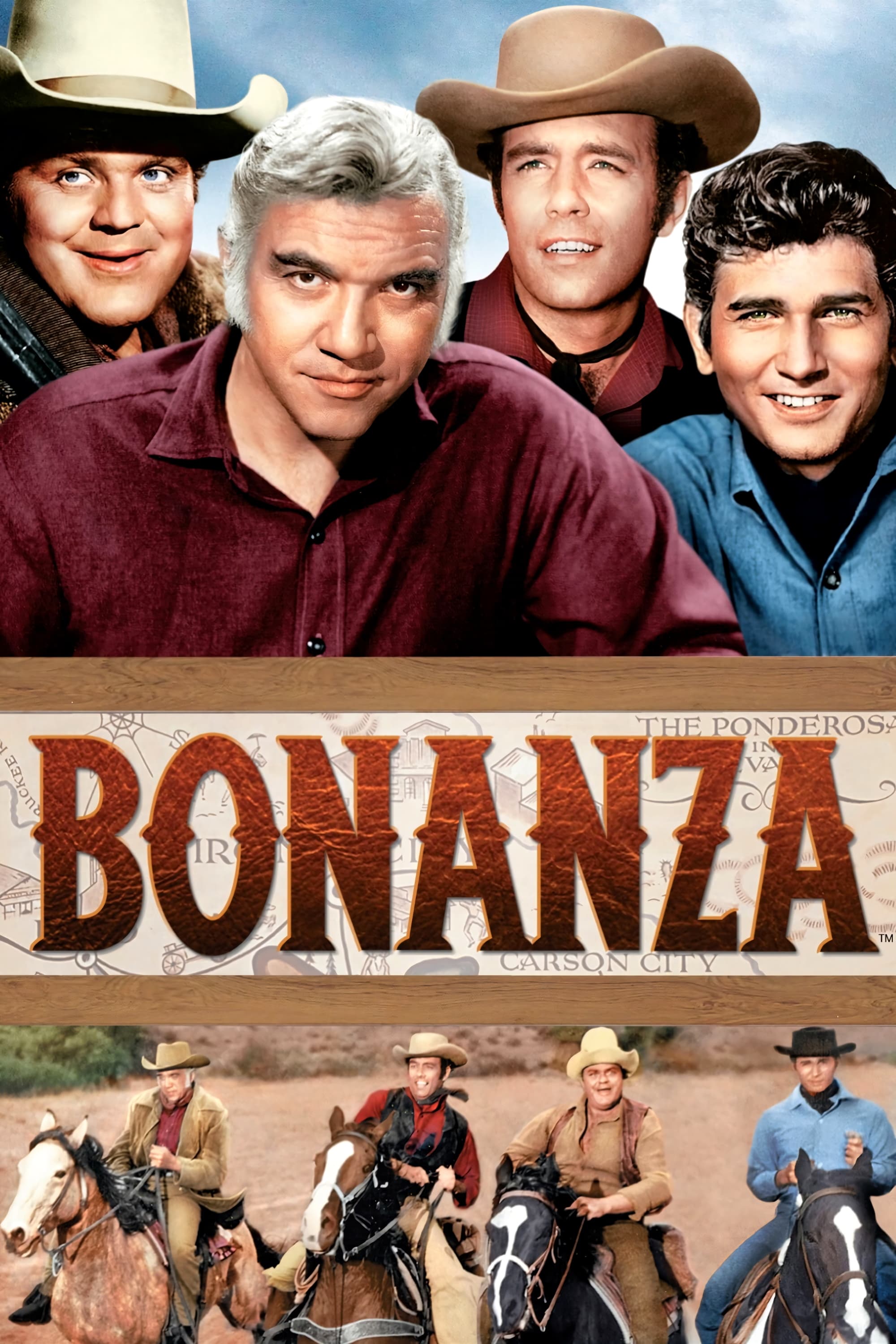
Hop Sing, portrayed by Victor Sen Yung, served as the Cartwright family’s cook and houseboy throughout the series. His character frequently spoke in pidgin English and was primarily utilized for comedic relief based on his domestic duties. While the character was a recurring presence, his storylines rarely diverged from serving the needs of the white leads. Critics note that this role established a long-standing “houseboy” trope in American television that persisted for decades.
‘The Green Hornet’ (1966–1967)
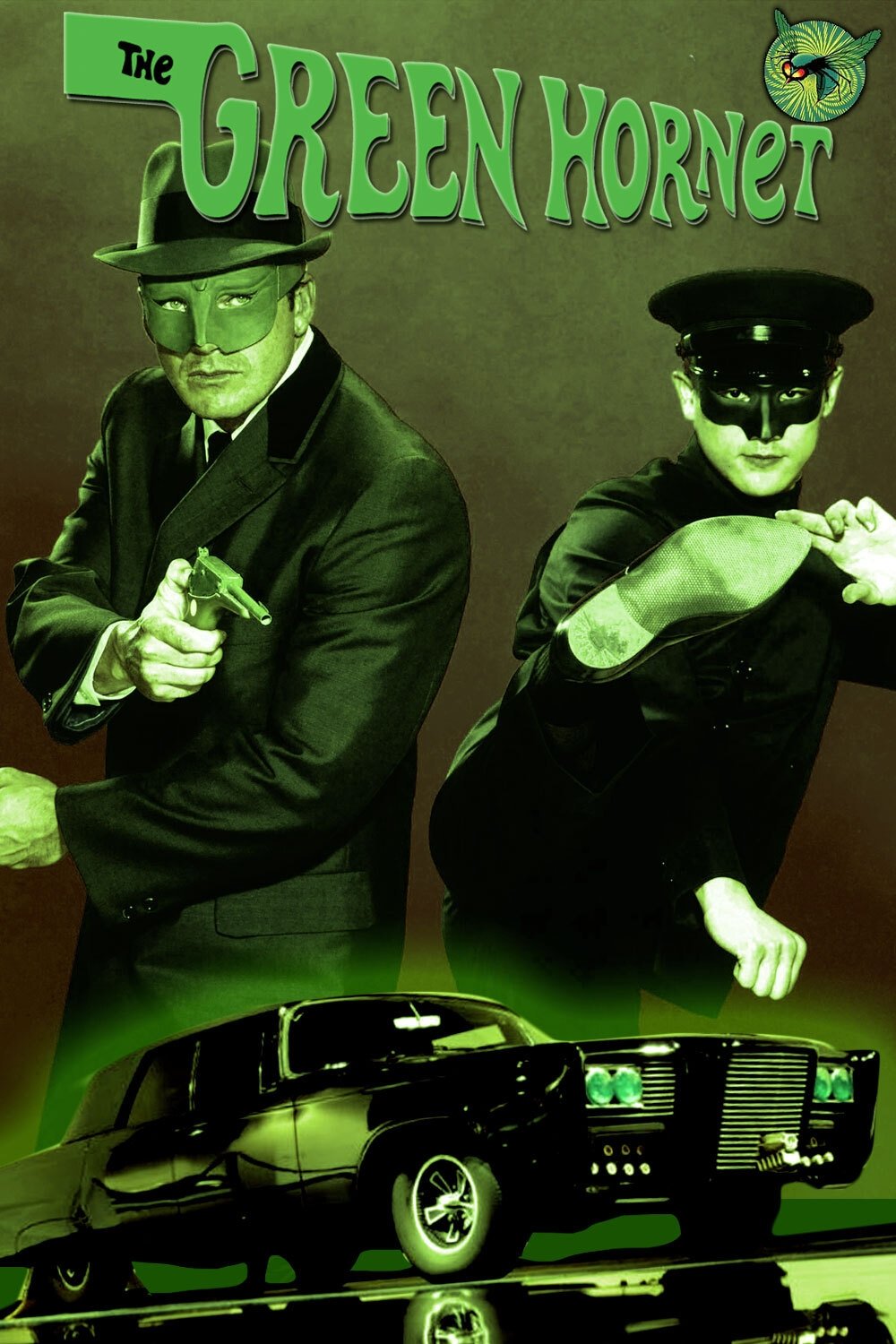
Bruce Lee portrayed Kato, the loyal valet and martial arts expert to the titular hero, Britt Reid. Despite Lee’s immense talent and natural charisma, the character was primarily defined by his subservience and his role as a driver. In some international versions, Kato was promoted as the superior fighter, but American scripts relegated him to a secondary position. This portrayal reinforced the stereotype of the Asian male as a physical tool or servant for white heroes.
‘Kung Fu’ (1972–1975)

The casting of David Carradine as Kwai Chang Caine, a Shaolin monk of mixed heritage, remains a prominent example of yellowface in television. Producers bypassed Bruce Lee for the role, allegedly believing American audiences would not accept an Asian lead. The series utilized heavy prosthetic makeup and a soft-spoken, “mystical” demeanor to portray Eastern philosophy to a Western audience. This approach commodified Asian culture while excluding Asian actors from the leading role.
‘Happy Days’ (1974–1984)

Pat Morita played Matsuo “Arnold” Takahashi, the owner of the local drive-in, for several seasons of this classic sitcom. The character was often used as a source of cultural humor, including jokes about his heritage and his family’s traditions. While Morita brought considerable charm to the role, the character’s primary function was to facilitate the stories of the show’s white teenagers. Arnold’s presence served as a caricature of the friendly, non-threatening “Oriental” business owner.
‘All-American Girl’ (1994–1995)
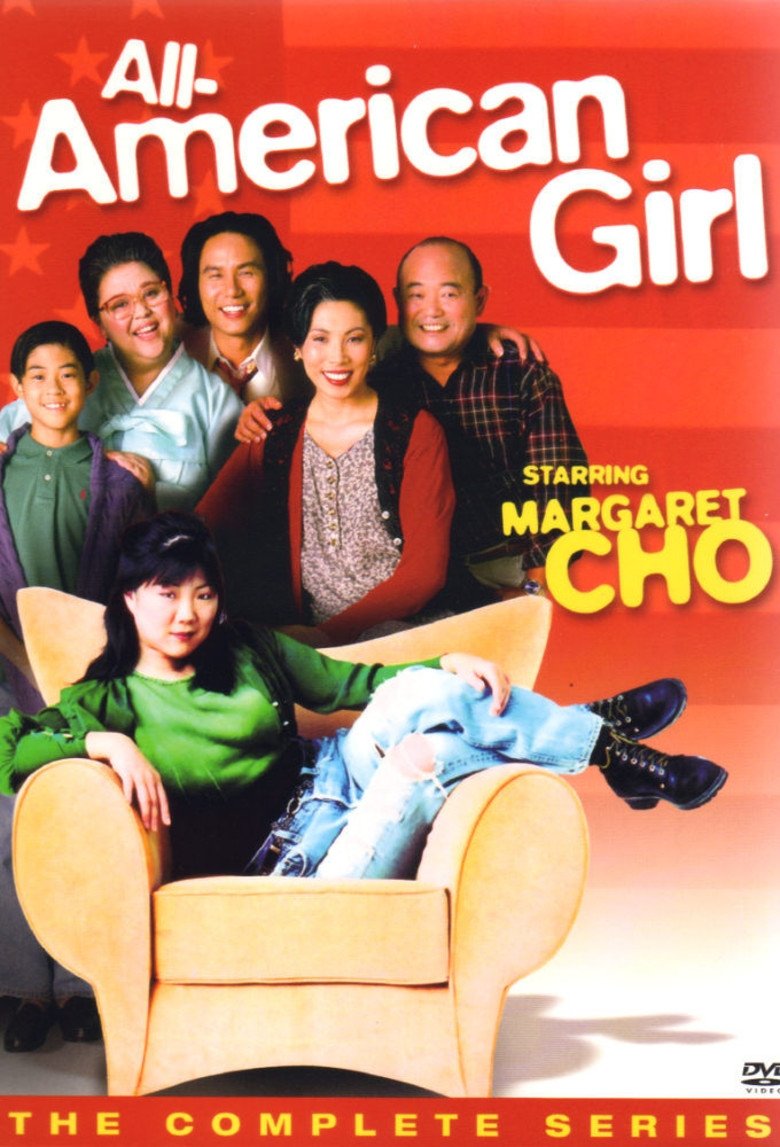
Margaret Cho starred in this sitcom, which was marketed as a landmark moment for Asian representation on a major network. However, the show was heavily criticized for forcing the family into generic sitcom tropes and ignoring Korean-American cultural nuances. Network executives reportedly hired a consultant to teach Cho how to “act more Asian” for the cameras. The series ultimately failed to resonate because it felt like a checklist of what white producers believed an Asian household looked like.
‘The Simpsons’ (1989–Present)
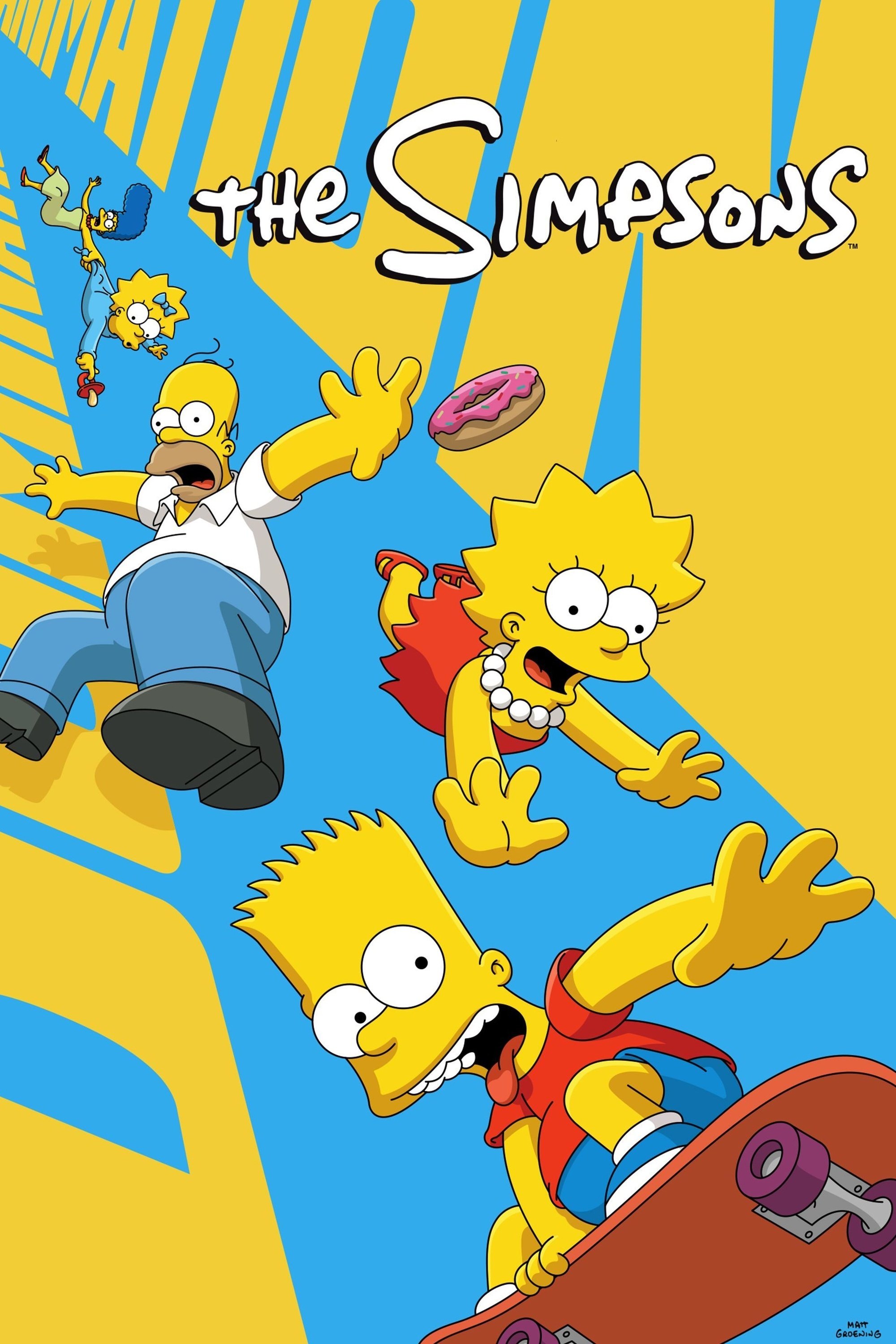
Apu Nahasapeemapetilon, the Kwik-E-Mart proprietor, became a central figure in discussions regarding South Asian stereotypes. For decades, the character was voiced by Hank Azaria, a white actor who utilized a thick and exaggerated accent. Apu’s storylines often revolved around his large family, arranged marriage, and the low-wage nature of his convenience store job. The 2017 documentary ‘The Problem with Apu’ highlighted how these specific traits negatively impacted the South Asian community for generations.
‘Ally McBeal’ (1997–2002)
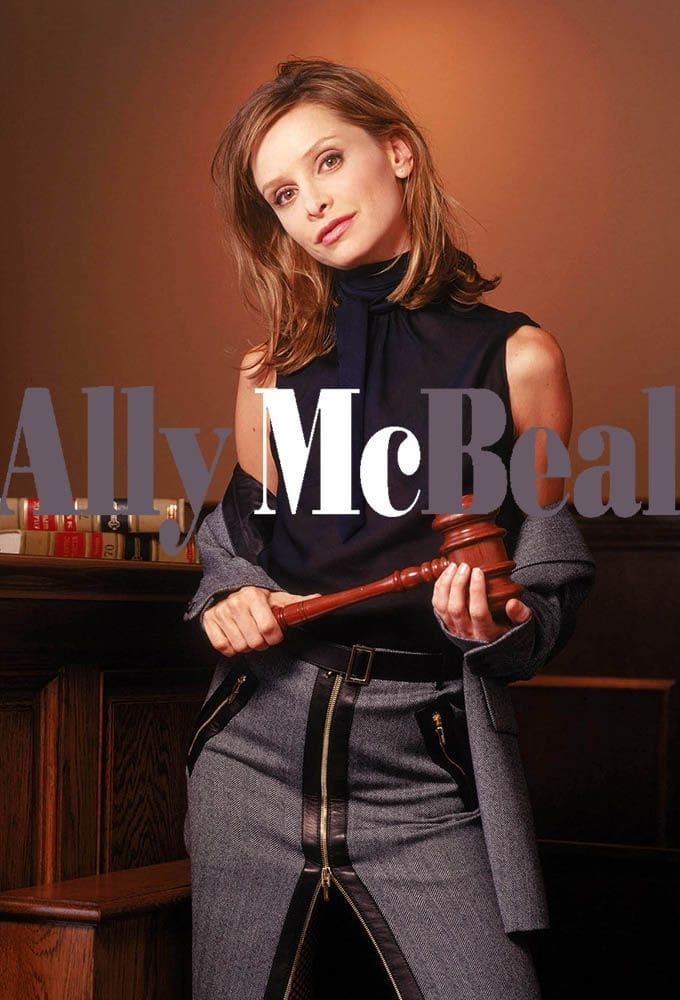
Lucy Liu played Ling Woo, a character often cited as the modern archetype of the “Dragon Lady” on television. She was depicted as cold, hyper-sexualized, manipulative, and dangerous compared to her peers. These traits were used to contrast her with the more emotional and neurotic white lead characters in the law firm. While Ling was a powerful professional, her characterization drew heavily from historical tropes of Asian women as “exotic” and untrustworthy.
‘Sex and the City’ (1998–2004)
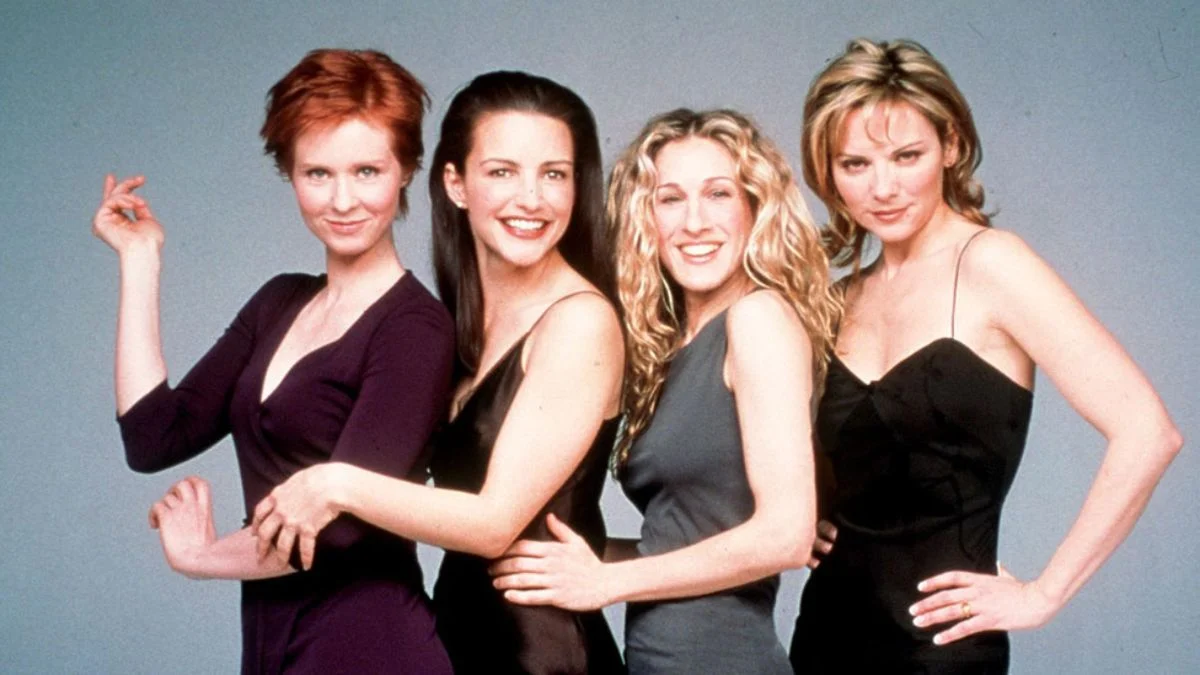
In the episode “The Turtle and the Hare,” the character Sum is introduced as a housekeeper who is highly judgmental of her employer. The portrayal utilizes a “tiger mother” archetype and depicts her as someone who communicates primarily through harsh disapproval. This singular representation of an Asian woman in the series focused entirely on her role as domestic help. It reinforced the idea of Asian characters as background figures who exist only to provide obstacles or service.
‘Lost’ (2004–2010)
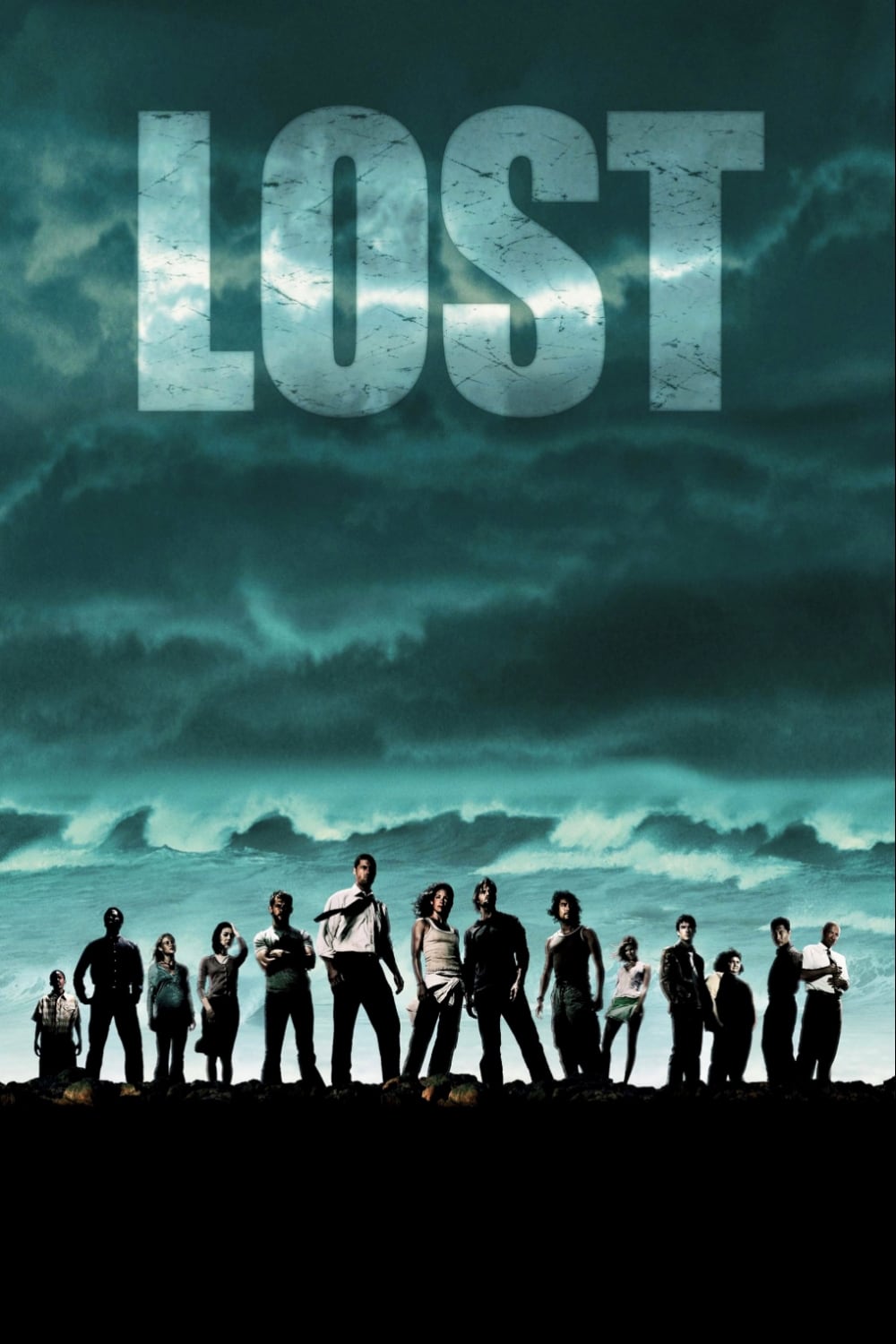
In its first season, Jin-Soo Kwon was introduced as a controlling and traditionalist husband who did not speak any English. His character initially mirrored the stereotype of the oppressive Asian male who restricts his wife’s freedom and autonomy. While the series eventually gave him significant character development and depth, the early episodes relied heavily on these tropes to create conflict. Critics pointed out that his initial “outsider” status made him less relatable to Western audiences compared to the English-speaking cast.
‘Entourage’ (2004–2011)
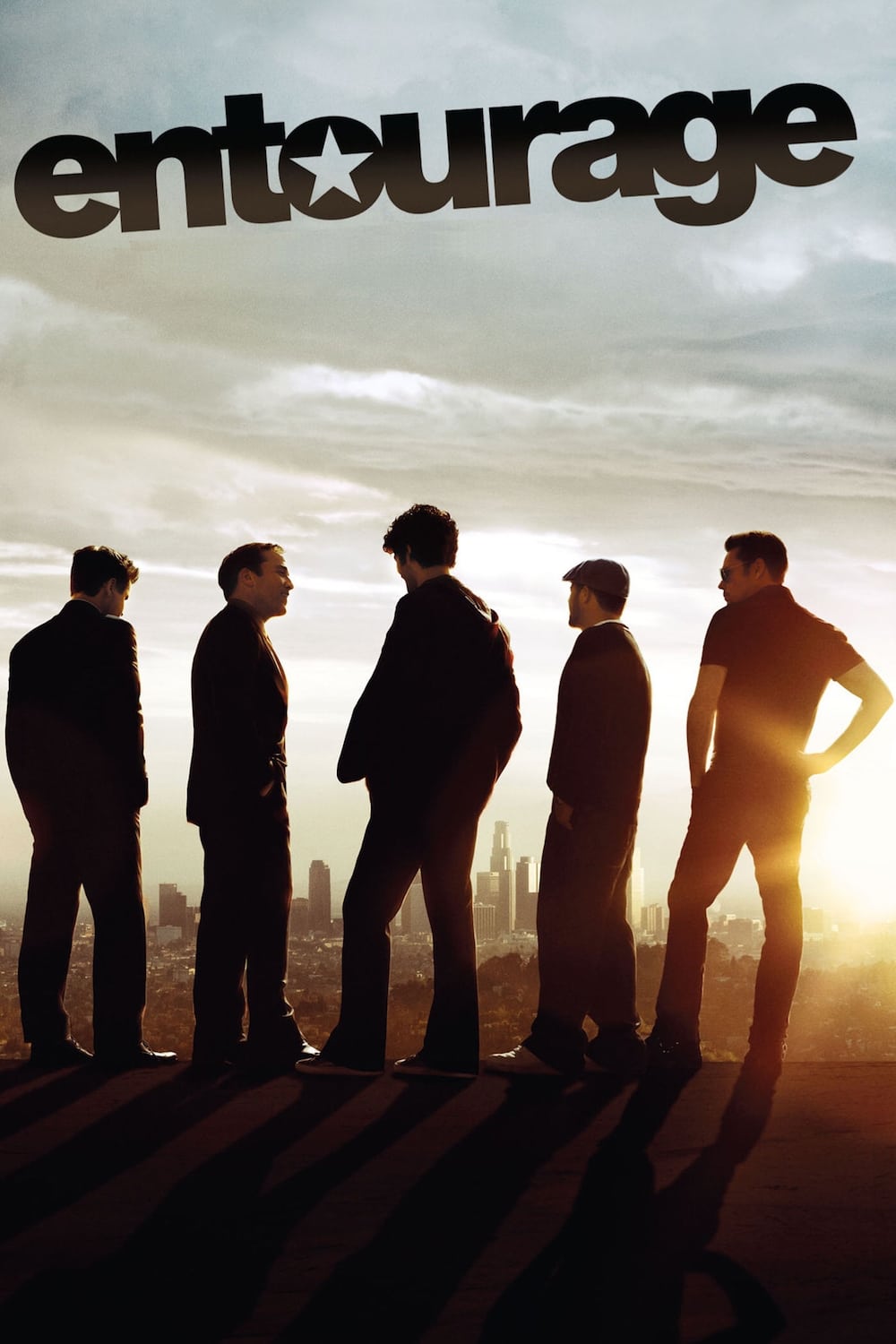
Lloyd Lee, played by Rex Lee, served as the assistant to the aggressive and high-powered agent Ari Gold. Lloyd was frequently the target of Ari’s verbal abuse, which often included racist and homophobic slurs. The character was often portrayed as submissive, eager to please, and emotionally fragile in the face of conflict. This dynamic reinforced the stereotype of the Asian man as a passive or effeminate figure in a white-dominated professional environment.
‘The Big Bang Theory’ (2007–2019)
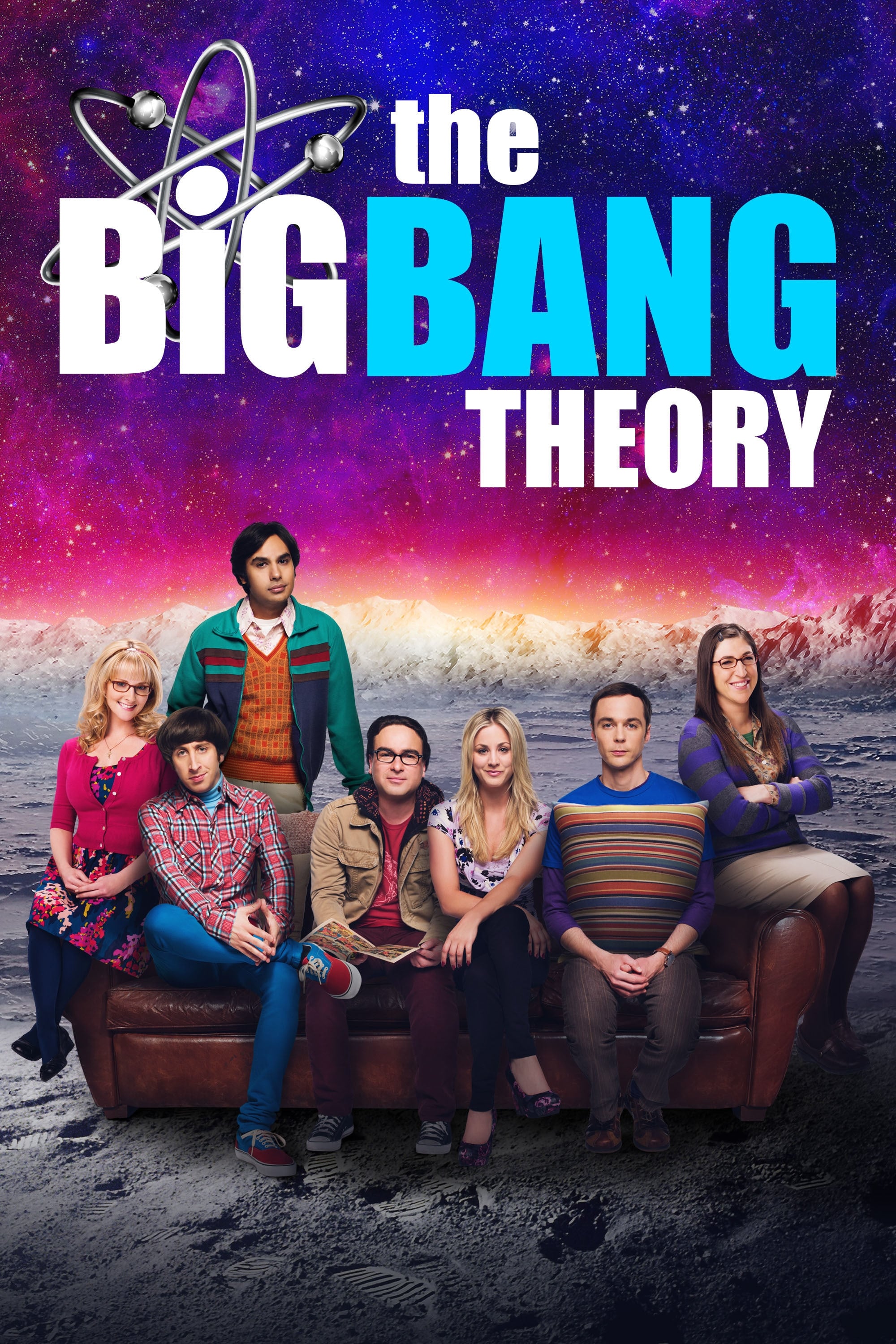
Raj Koothrappali was often defined by his inability to speak to women and his “foreignness” despite being a successful astrophysicist. Much of the comedy involving Raj centered on his wealthy Indian upbringing and his selective mutism around the opposite sex. The show frequently made his cultural background the punchline of jokes rather than a genuine part of his identity. Critics argued that Raj remained the most stagnated character in the ensemble, often relegated to the “asexual foreigner” trope.
‘Glee’ (2009–2015)
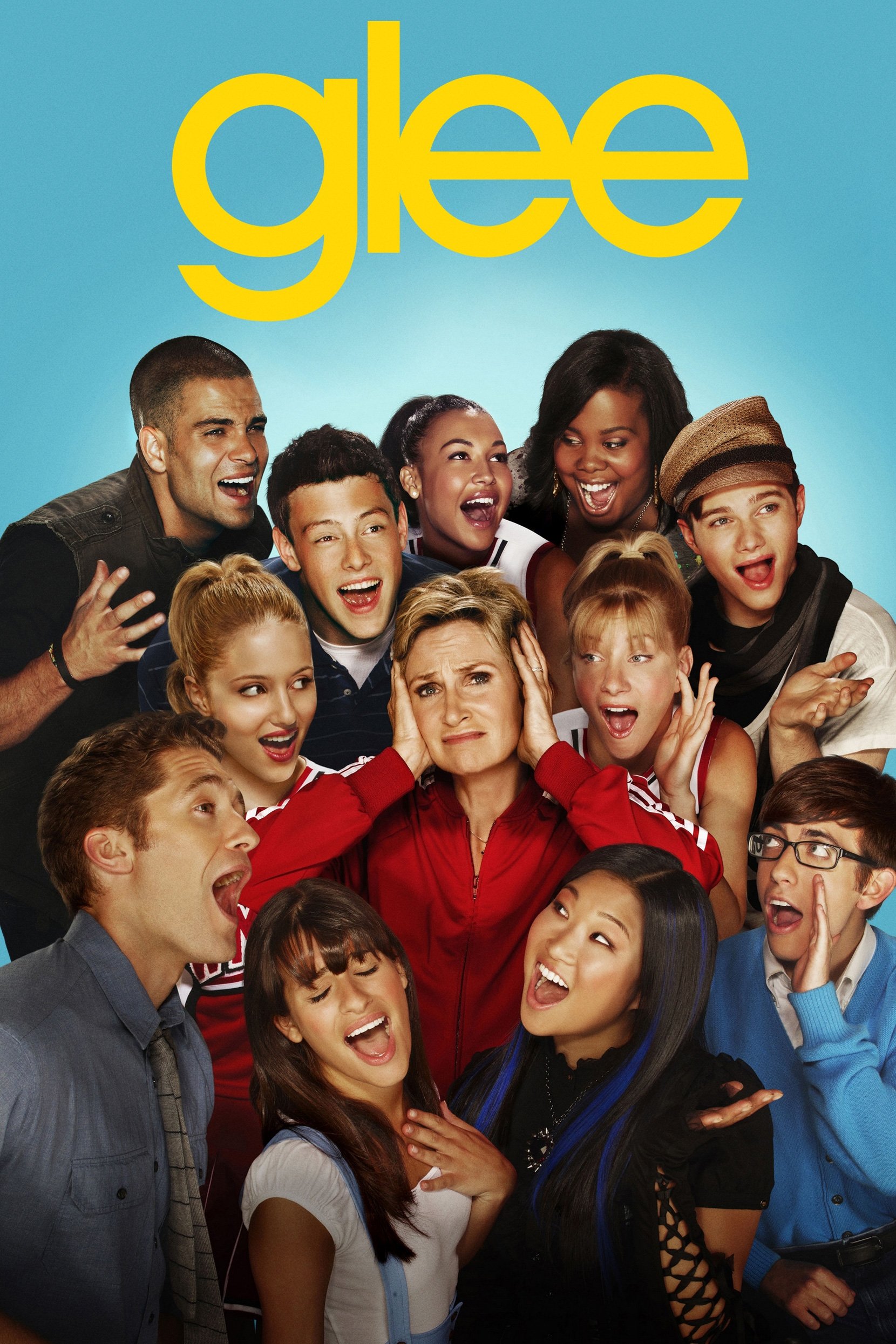
Tina Cohen-Chang and Mike Chang were the primary Asian characters in ‘Glee’, but their roles often lacked the depth given to their peers. A notable episode title, “Asian F,” centered specifically on the pressure of academic success and the “tiger parent” stereotype. The characters were often paired together romantically simply because they shared the same ethnicity, a fact the show itself joked about. This meta-humor did not change the fact that they were frequently marginalized in the series’ major plotlines.
‘Hawaii Five-0’ (2010–2020)
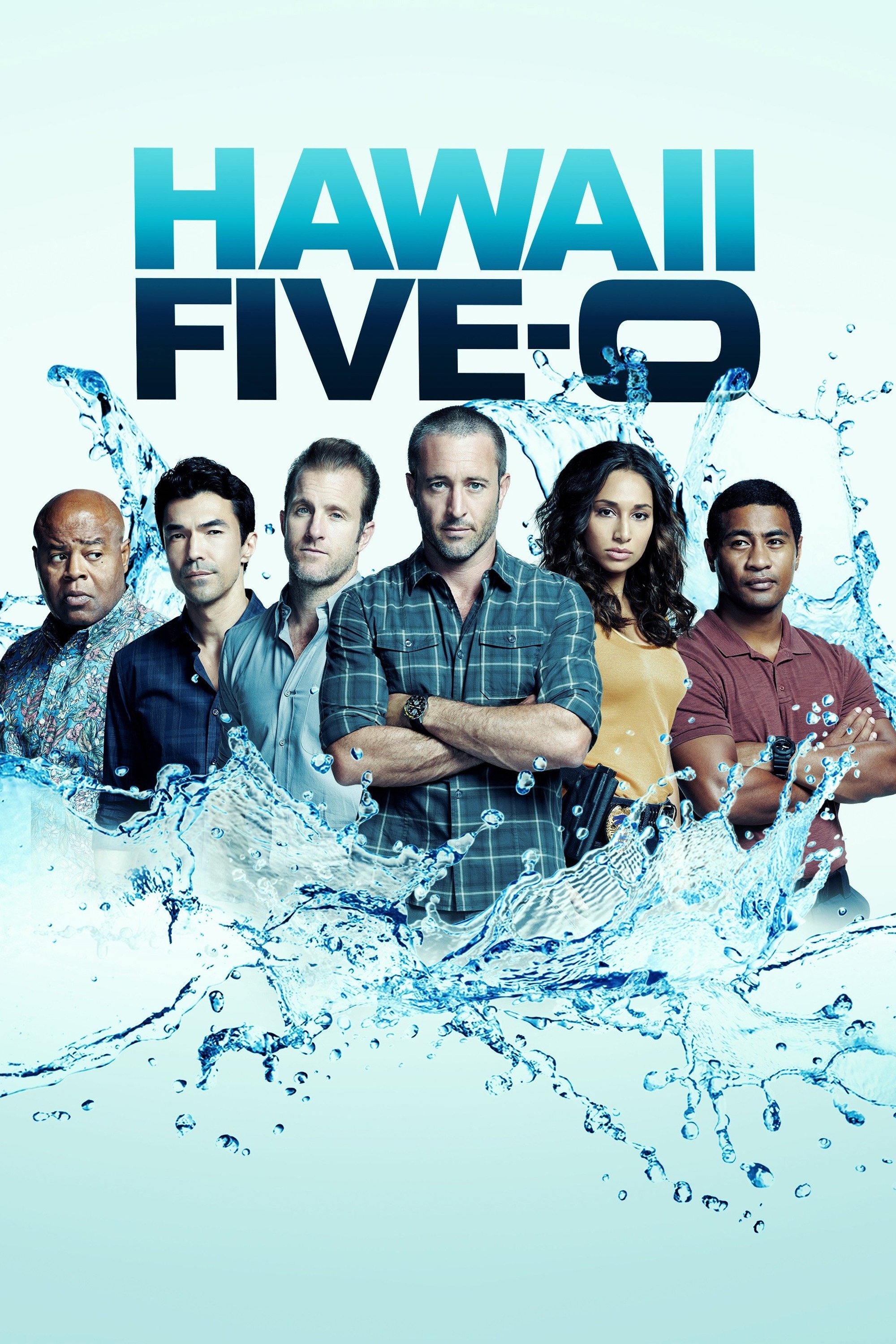
The reboot of ‘Hawaii Five-0’ faced significant backlash when Daniel Dae Kim and Grace Park left the series due to pay inequity. Despite being lead characters, they were reportedly paid significantly less than their white co-stars, Alex O’Loughlin and Scott Caan. Fans also pointed out that their characters often fulfilled the roles of the “tech expert” and the “tough girl” without much narrative exploration. This situation highlighted the systemic devaluation of Asian actors even when they are central to a show’s branding.
‘2 Broke Girls’ (2011–2017)

Han Lee, the owner of the diner where the main characters work, was a recurring target of jokes about his height and accent. The character was portrayed as sexually inexperienced and socially inept, often serving as the butt of the protagonists’ insults. Critics condemned the show for using outdated caricatures that many felt dehumanized Asian men. The series relied on these cheap laughs rather than developing Han into a three-dimensional character with his own agency.
‘Dads’ (2013–2014)
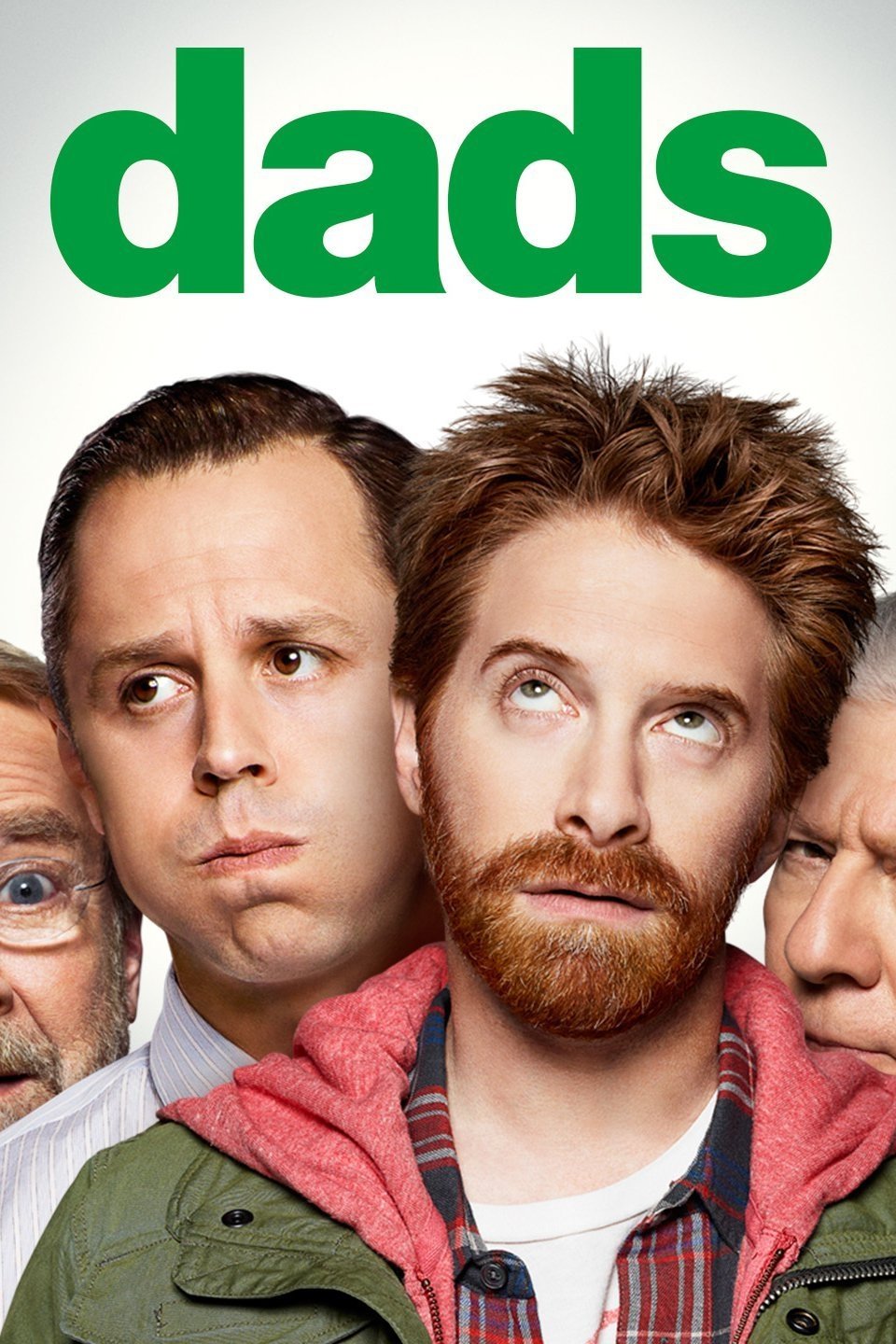
This short-lived sitcom was widely criticized before it even premiered for its use of racial stereotypes. One controversial scene featured an Asian actress dressed as a sexualized “schoolgirl” character to appeal to a group of businessmen. The humor in ‘Dads’ was often described as mean-spirited and reliant on the shock value of racist tropes. The show’s portrayal of Asian culture was seen as a regression to 1970s-style caricatures that lacked modern awareness.
‘Unbreakable Kimmy Schmidt’ (2015–2019)
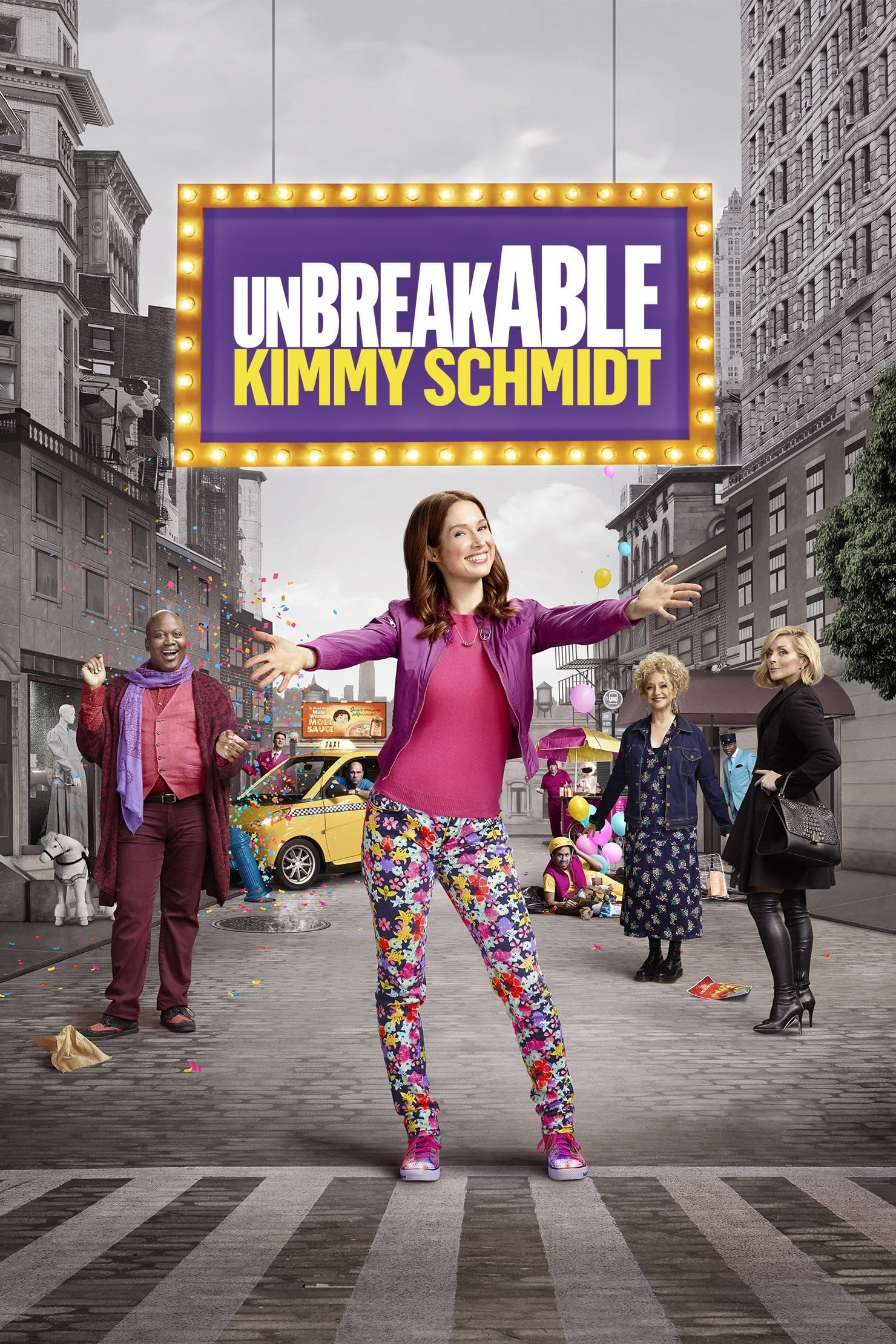
The character Dong Nguyen was introduced as Kimmy’s love interest, but his name and illegal immigrant status were frequent sources of humor. While the show was intended to be a satire, many felt that Dong’s characterization as a math-obsessed delivery driver was too close to reality to be subversive. His name was used for a recurring juvenile joke throughout his many appearances. This portrayal was seen as a missed opportunity to subvert stereotypes in an otherwise progressive series.
‘Silicon Valley’ (2014–2019)
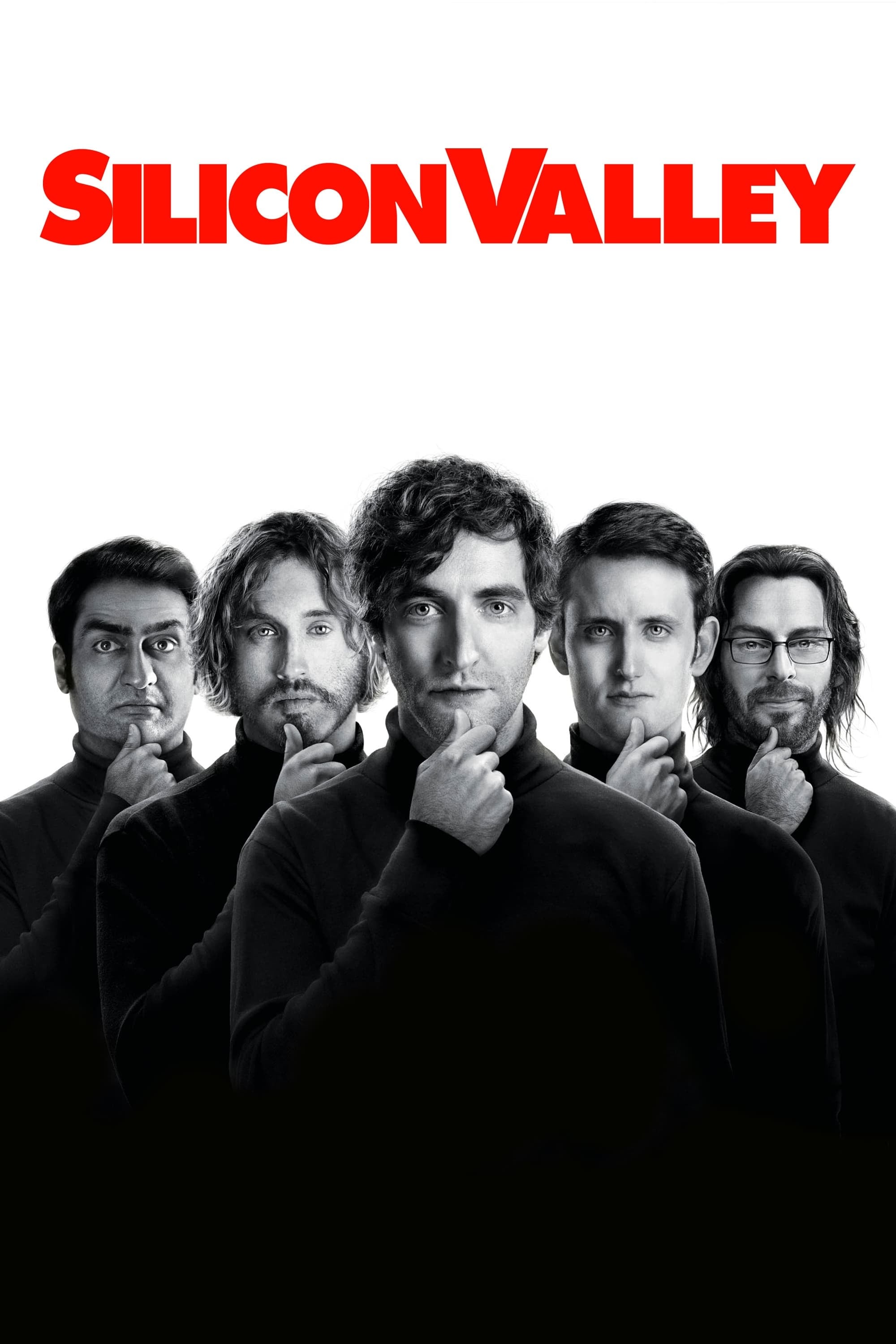
Jian-Yang, played by Jimmy O. Yang, was a character defined by his antagonistic relationship with his roommate and his broken English. The humor surrounding Jian-Yang often involved him cheating the system or making prank calls to the other characters. While Yang’s performance was popular, the character’s traits were largely derived from the “sneaky” or “untrustworthy” Asian trope. The show rarely explored his personal life beyond his comedic and often malicious interactions with the main cast.
‘Family Guy’ (1999–Present)
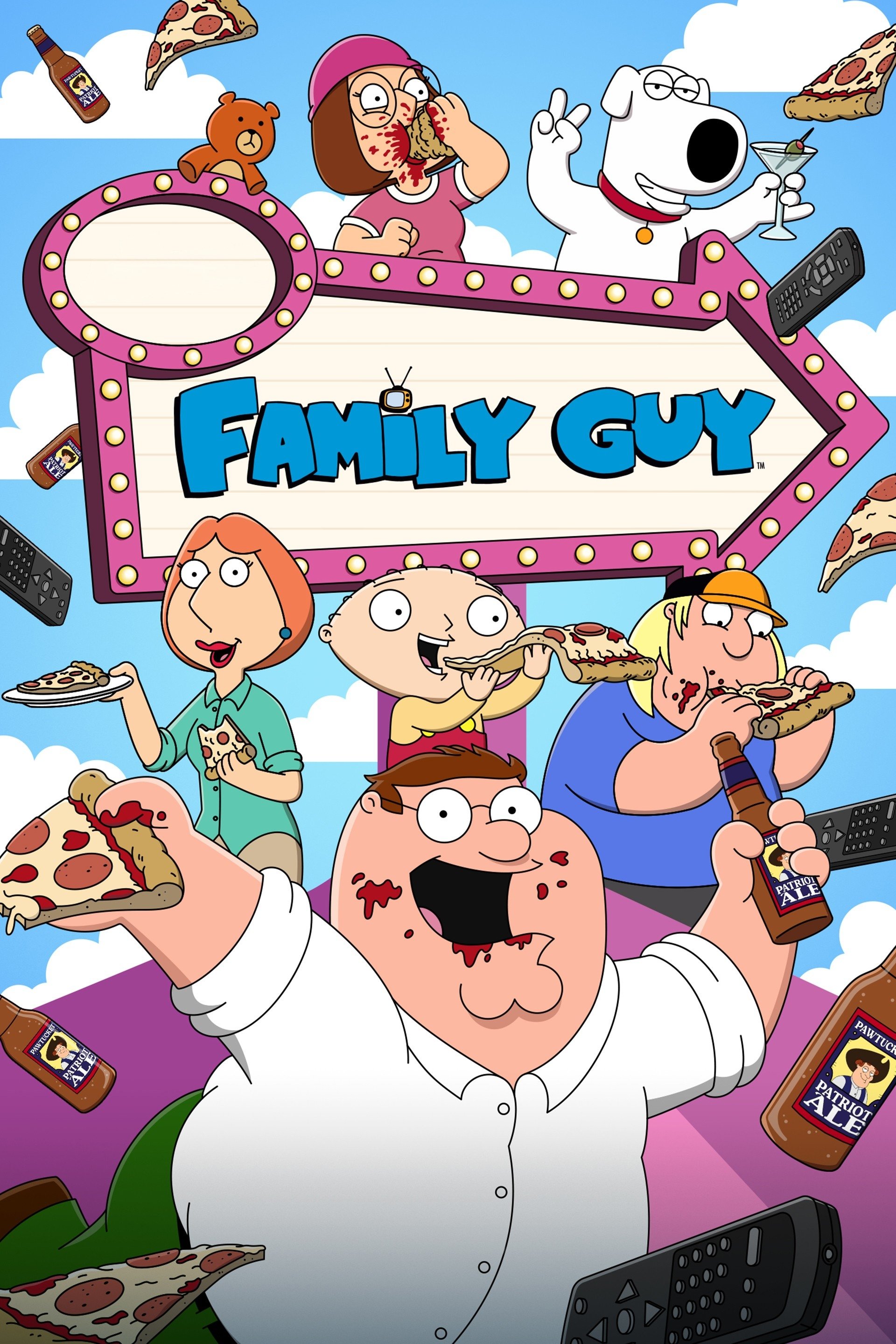
Tricia Takanawa is a recurring news reporter character whose primary trait is her monotone delivery and the title of “Asian Reporter.” The character is a direct parody of news media tropes, but her inclusion often boils down to ethnic jokes. Her parents are depicted with exaggerated accents and strict, traditionalist views on family and success. Like many characters in the series, her identity is a collection of cultural clichés used for the purpose of crude satire.
‘South Park’ (1997–Present)
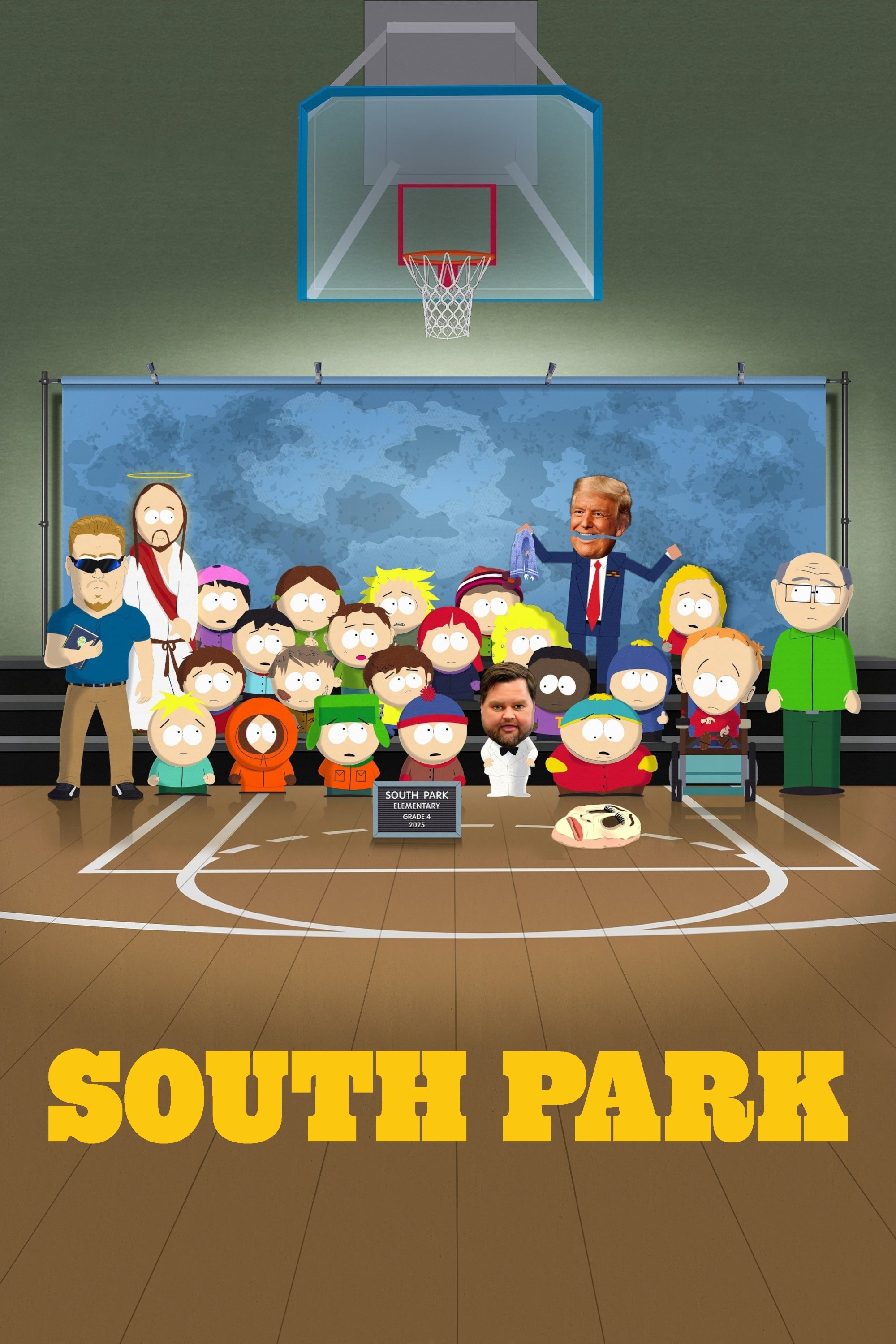
Tuong Lu Kim, the owner of City Wok, is a character voiced by Trey Parker with a heavy and stereotypical accent. The character’s name and his mispronunciation of certain words are the primary sources of humor in his episodes. While ‘South Park’ satirizes almost every demographic, the longevity of this specific caricature has been cited as problematic by Asian advocacy groups. The character embodies the “unhygienic restaurant owner” trope that has persisted in Western media for decades.
‘Marvel’s Iron Fist’ (2017–2018)

The first season of ‘Iron Fist’ was criticized for its “white savior” narrative, where a white man becomes the master of an ancient Asian martial art. Colleen Wing, the female lead, was often relegated to the role of the “mystical teacher” and secondary love interest. The series utilized “The Hand” as a generic and shadowy Asian ninja organization for the hero to fight. This reliance on tired martial arts tropes felt outdated to many viewers seeking modern representation.
‘Power Rangers’ (1993–1995)

In the original series, the Yellow Ranger was played by Thuy Trang, a Vietnamese-American actress. This casting choice was criticized because the Black Ranger was simultaneously played by a Black actor, creating a literal color-coding of races. While the show was a childhood staple, this decision was seen as a blatant use of racial stereotypes in casting. Later seasons and reboots have made conscious efforts to avoid such obvious racial associations with the Ranger suits.
‘How I Met Your Mother’ (2005–2014)
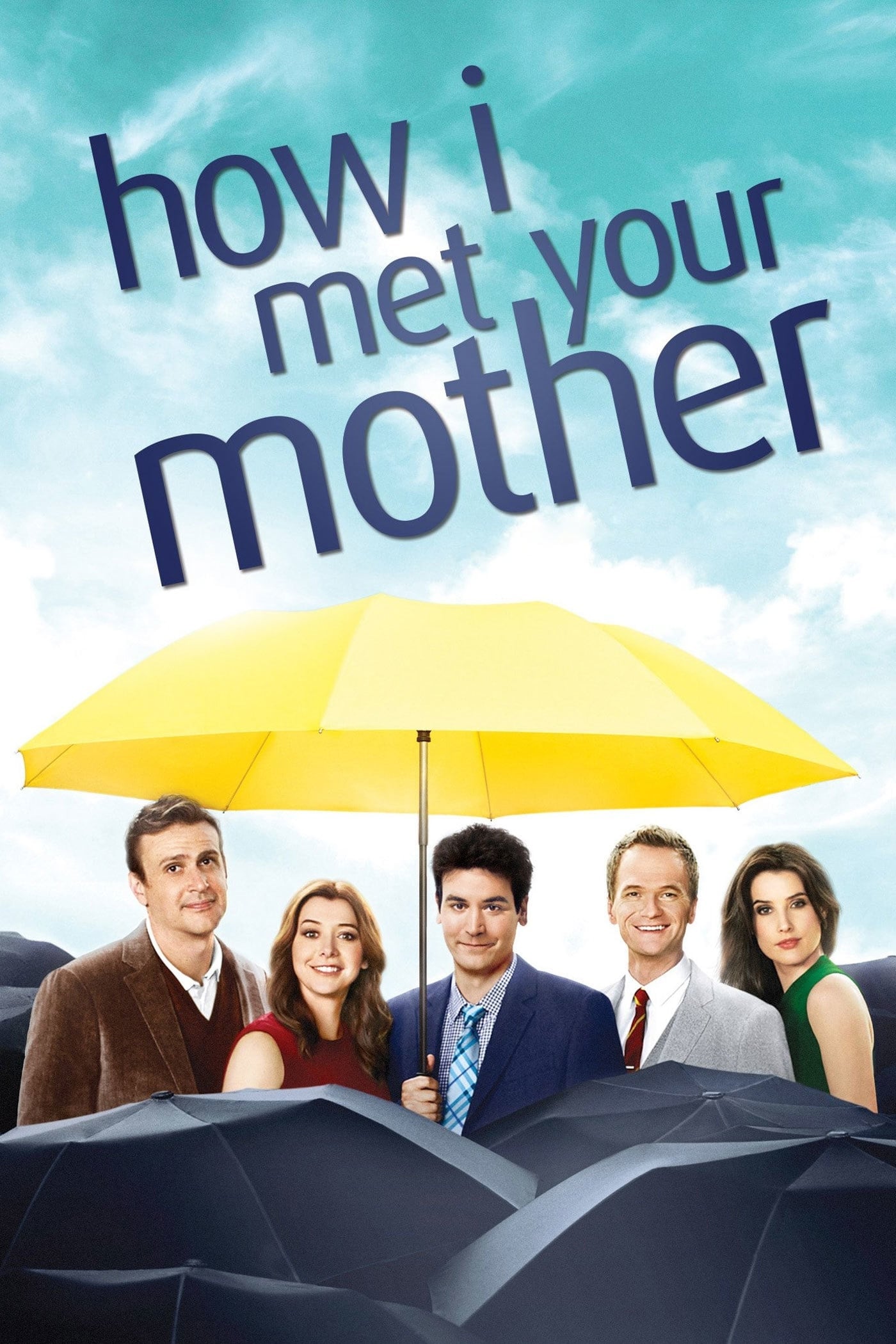
The episode “Slapsgiving 3: Slappointment in Slapmarra” was heavily criticized for its use of yellowface and general Asian stereotypes. The main cast members wore traditional Chinese attire and spoke in exaggerated accents to parody classic martial arts films. This stylistic choice was viewed as disrespectful and entirely unnecessary for the show’s actual plot. The creators later issued an apology after the show’s hashtag trended with significant negative feedback from the Asian community.
‘Smallville’ (2001–2011)

Lana Lang, played by Kristin Kreuk, was a central character whose Asian heritage was rarely acknowledged by the writers until later seasons. When it was finally mentioned, it was often tied to mystical or ancient plotlines involving a “legendary” past. This “mystical Asian” trope is a common way Western media exoticizes characters rather than giving them grounded cultural backgrounds. For most of the series, her character was the “damsel in distress,” a role that did little to subvert expectations.
‘MacGyver’ (1985–1992)
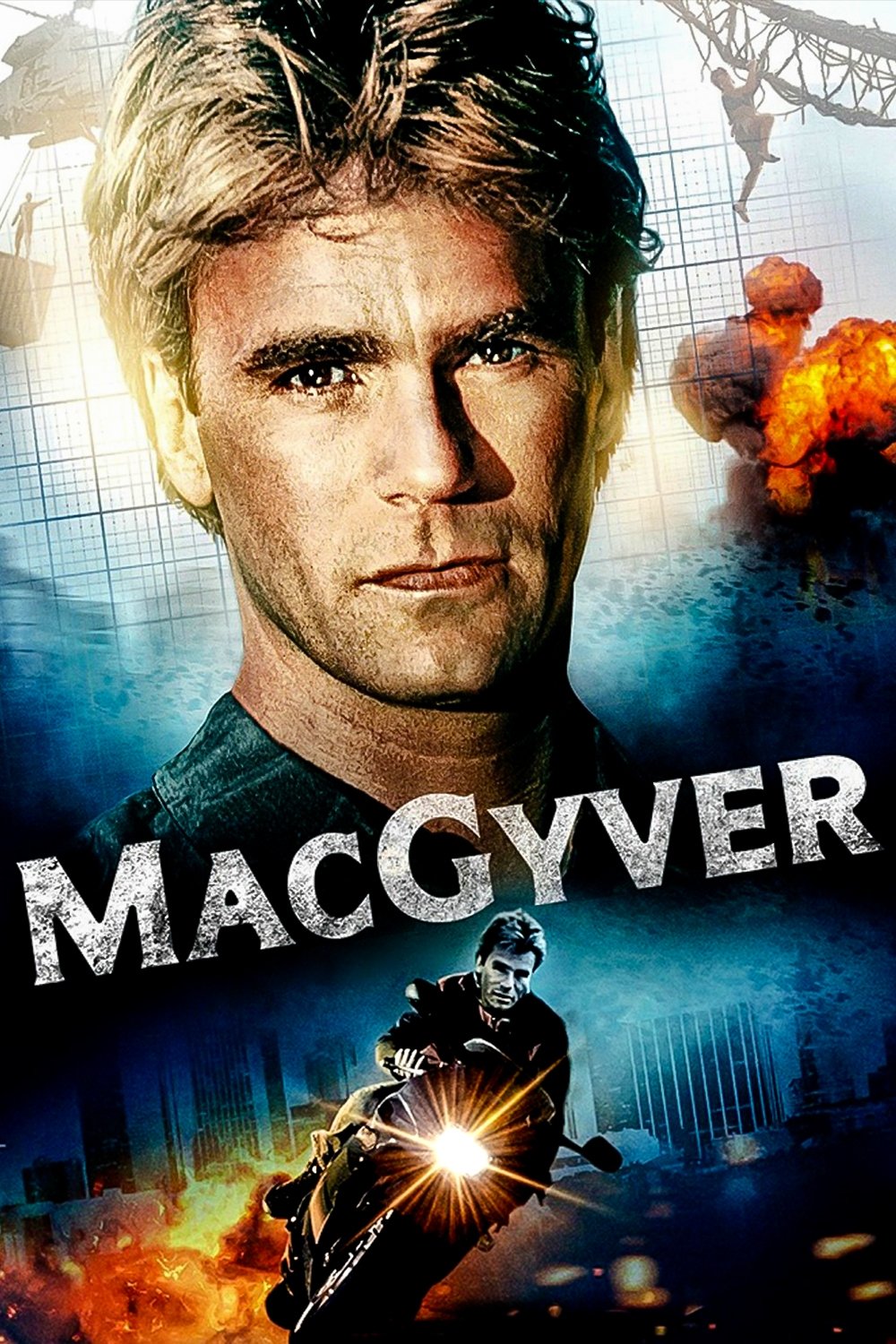
In many episodes involving international travel, ‘MacGyver’ utilized stereotypical depictions of Asian locales and their people. Asian characters were frequently portrayed as either ruthless triad members or helpless villagers in need of the hero’s ingenuity. The show often blended different cultures into a monolithic “East” without regard for specific traditions, languages, or geographical accuracy. These portrayals served as a backdrop for the protagonist’s adventures rather than providing genuine representation.
Share your thoughts on which TV shows you believe have improved or struggled with authentic representation in the comments.