Games Where Diversity Updates Sparked Player Boycotts


The intersection of gaming culture and progressive updates has frequently led to significant friction between developers and specific segments of their player bases. While many studios aim to increase representation through patches, character reveals, or lore expansions, these moves sometimes trigger organized resistance and calls for server boycotts. These incidents highlight the ongoing debate regarding creative freedom, historical accuracy, and the role of social themes in interactive entertainment.
‘Battlefield V’ (2018)

Developed by DICE and published by Electronic Arts, this first-person shooter faced a massive “Not My Battlefield” campaign following its reveal. The inclusion of a female soldier with a prosthetic arm in a World War II setting led to accusations of historical revisionism and forced diversity. Electronic Arts executives encouraged dissatisfied players to either accept the changes or not buy the game, which many critics cited as a reason for its lower-than-expected initial sales. The controversy resulted in a sustained boycott that impacted the game’s early player count on global servers.
‘Total War: Rome II’ (2013)

This grand strategy title from Creative Assembly and SEGA saw a resurgence of controversy in 2018 after a specific update. The patch adjusted the spawn rates of female generals, which some players claimed led to an unrealistic frequency of women leading ancient armies. This perceived lack of historical authenticity sparked a massive review-bombing campaign and organized calls to stop playing the game. Creative Assembly issued a statement defending the update, clarifying that the mechanic was intended to provide more gameplay variety within the historical sandbox.
‘Call of Duty: Modern Warfare II’ (2022)
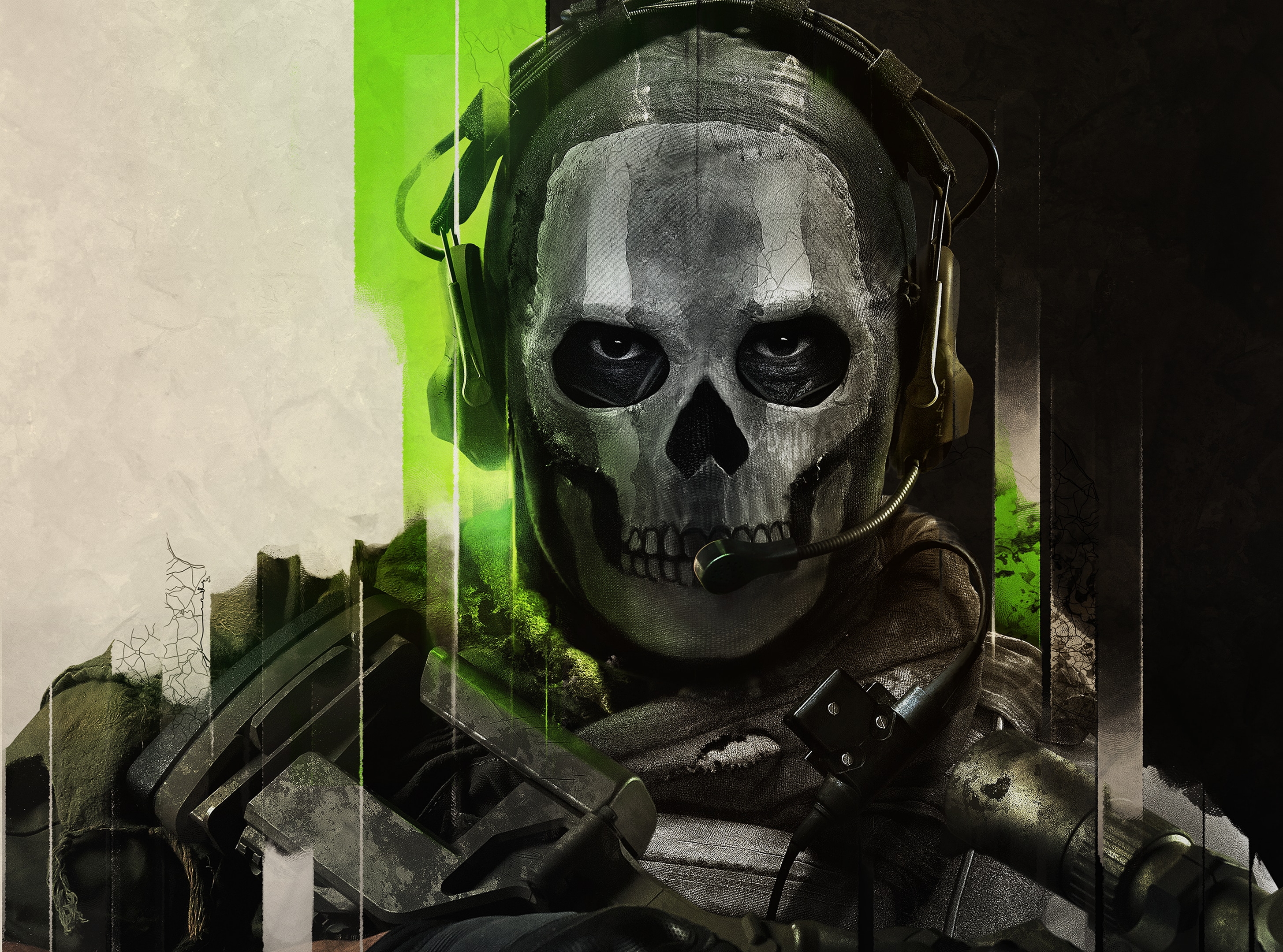
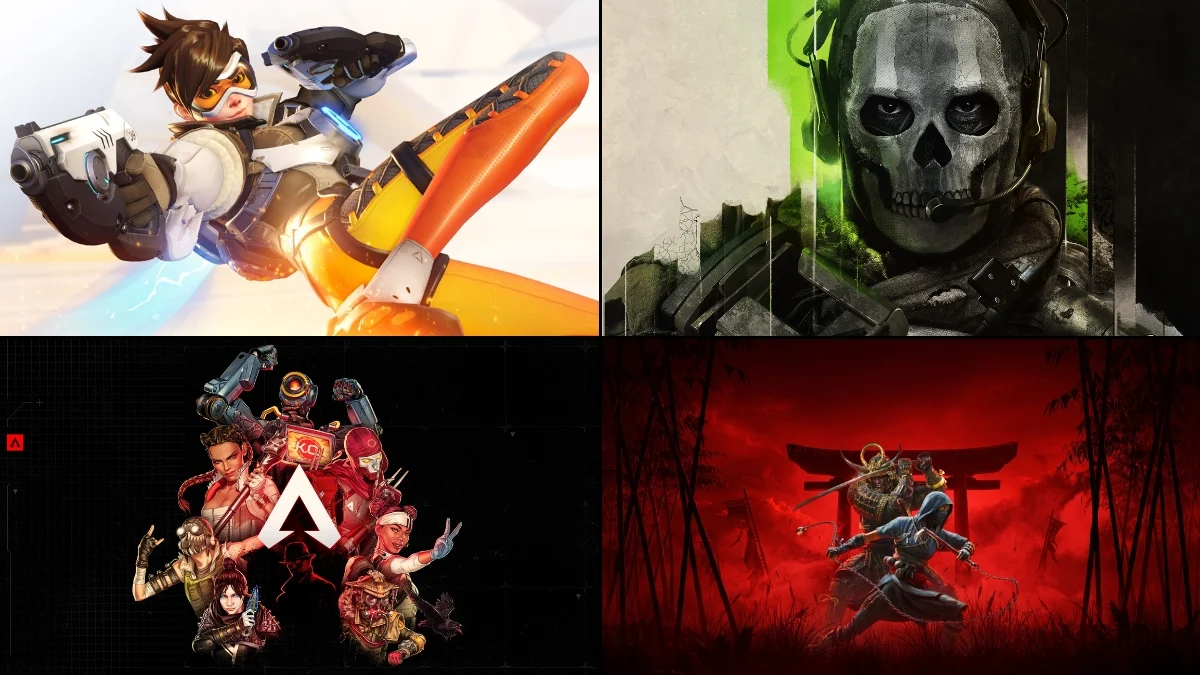
Infinity Ward and Activision faced a unique boycott situation when they removed a cosmetic bundle featuring streamer Nickmercs. The removal occurred after the influencer made controversial comments regarding LGBTQ+ education in schools, leading the developers to pull the content to maintain an inclusive environment. In response, high-profile streamers like TimTheTatman requested their own bundles be removed in solidarity, sparking a wider boycott among their fanbases. This event created a significant rift within the community, with many players choosing to avoid the game’s servers in protest of the company’s decision.
‘Starfield’ (2023)
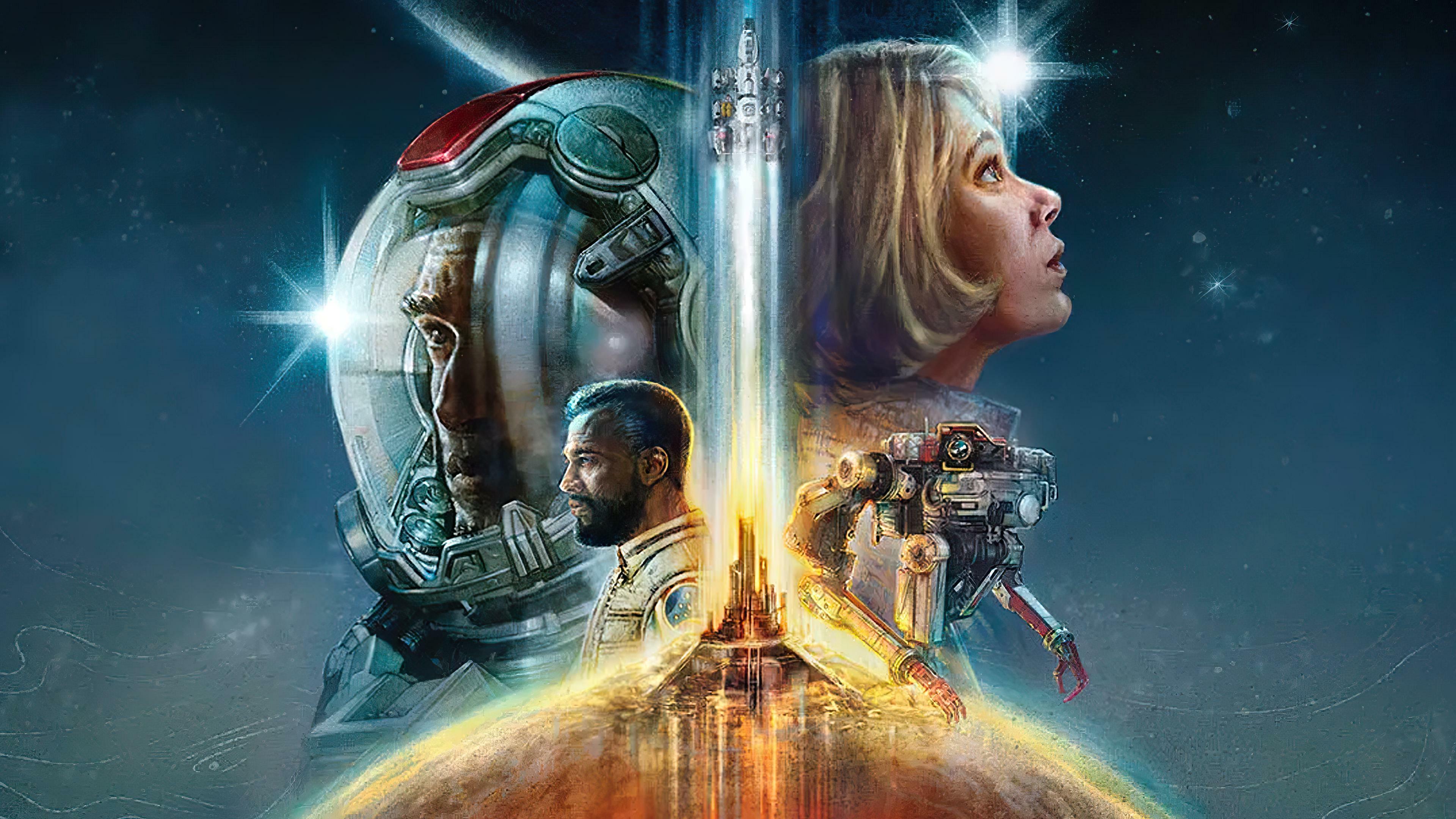
Bethesda Game Studios and Bethesda Softworks introduced a character creator that allowed players to select their preferred pronouns independently of their physical appearance. While this was a minor technical addition, it became a focal point for online backlash and refund requests shortly after launch. Viral clips of streamers expressing outrage over the “political” nature of the inclusion led to a vocal minority calling for a complete boycott of the title. Despite the noise, the game maintained a high player count, though the debate regarding pronoun selection remained a polarized topic in gaming forums.
‘The Last of Us Part II’ (2020)
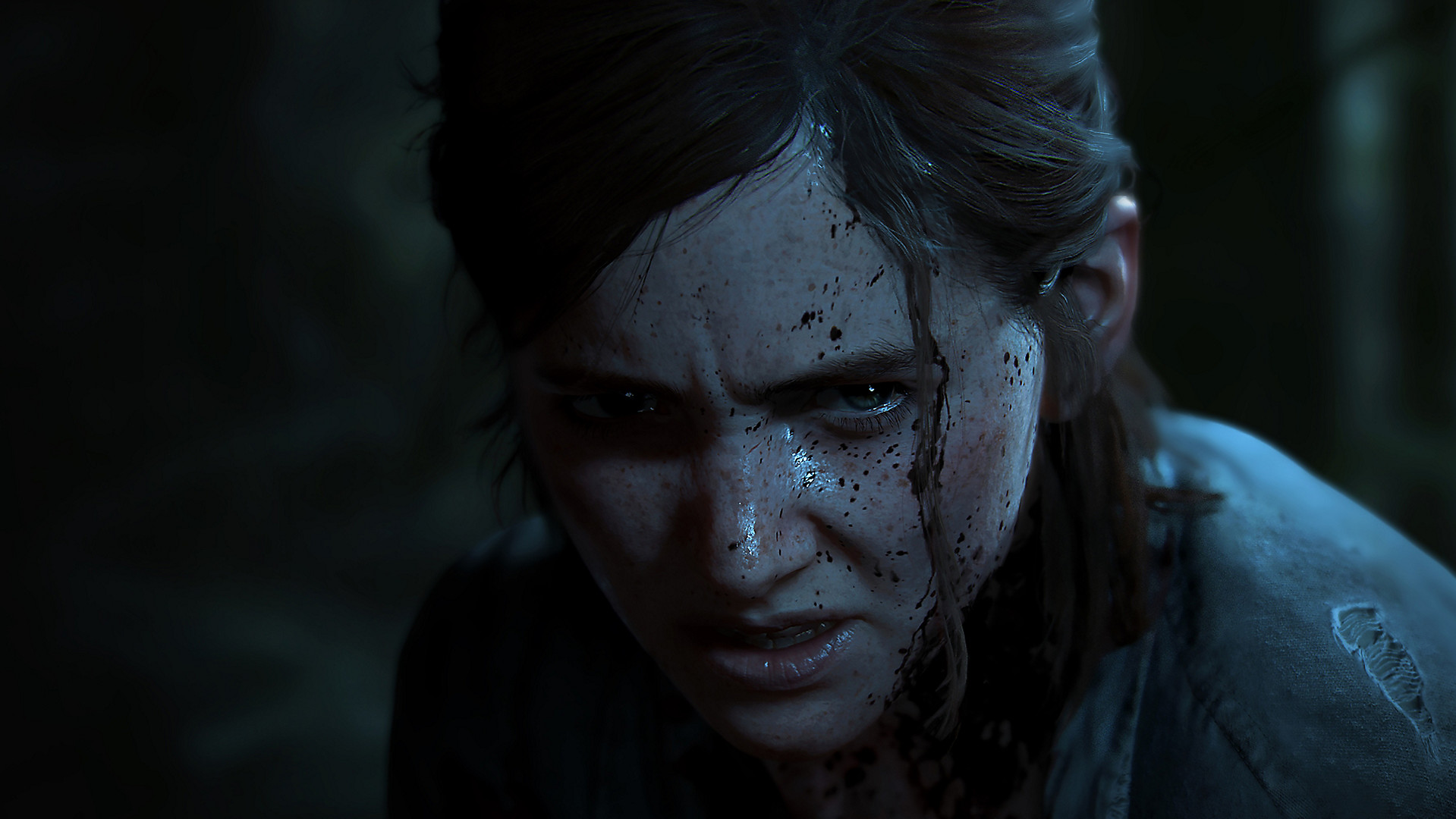
Naughty Dog and Sony Interactive Entertainment dealt with a massive pre-release boycott following significant plot leaks. The leaks revealed the presence of a diverse cast and themes that some players labeled as “agenda-driven,” particularly concerning the character Abby and the identity of the teenager Lev. The backlash resulted in coordinated efforts to drive down user scores and a movement to cancel pre-orders before the game even reached store shelves. While the game was a critical and commercial success, the initial wave of server-side data indicated a deep division within the core audience.
‘Overwatch’ (2016)
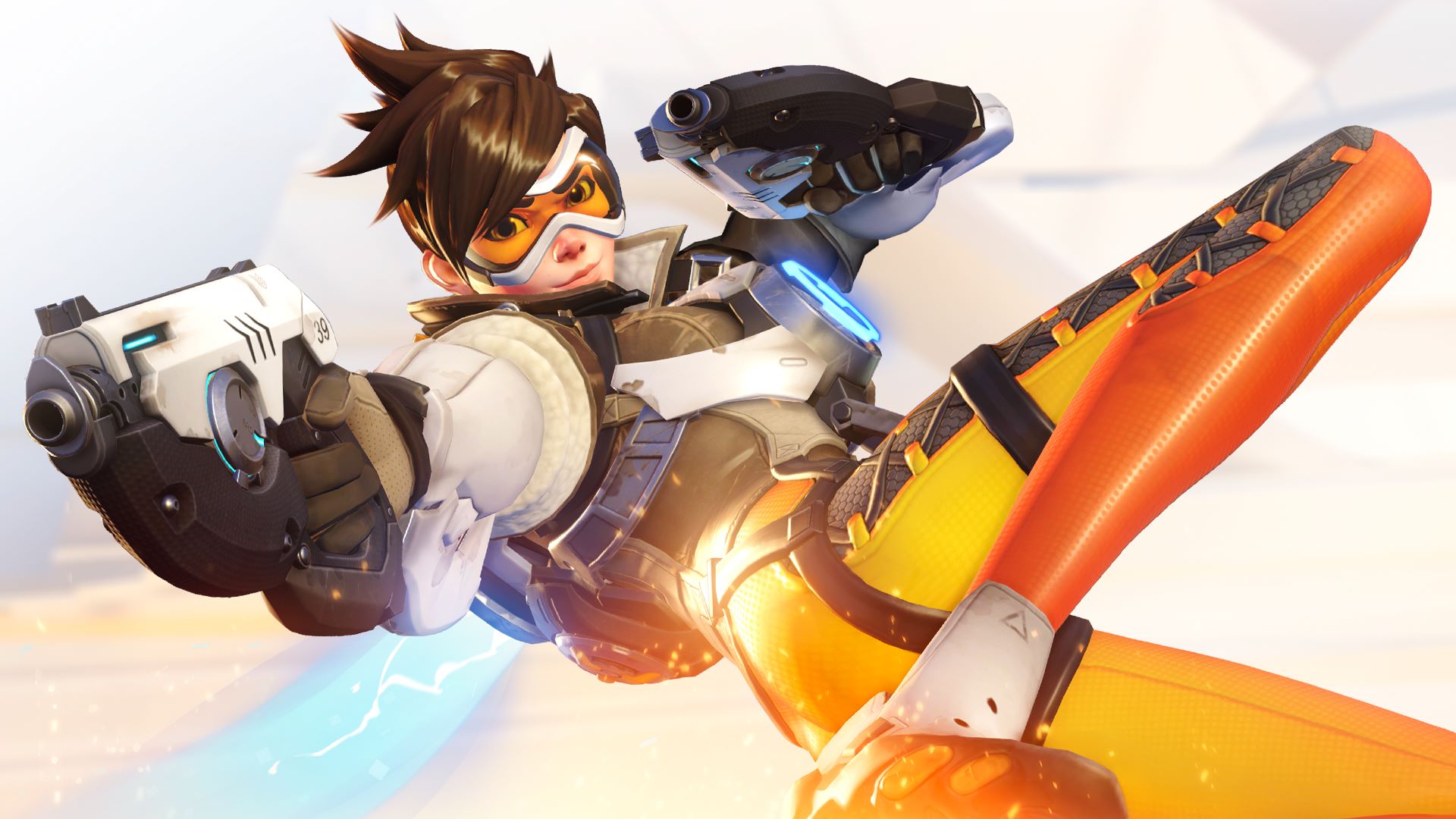
Blizzard Entertainment has frequently updated the lore of its hero shooter to reveal the diverse backgrounds of its roster. When a digital comic confirmed that the flagship character Tracer was in a same-sex relationship, it led to the game being censored in certain regions and a boycott from players who felt the reveal was unnecessary. A similar reaction occurred years later when Soldier: 76 was confirmed as gay, leading to further calls for players to abandon the game. Blizzard maintained its stance on representation, though it faced challenges in balancing international market regulations with its narrative goals.
‘Assassin’s Creed Shadows’ (2025)
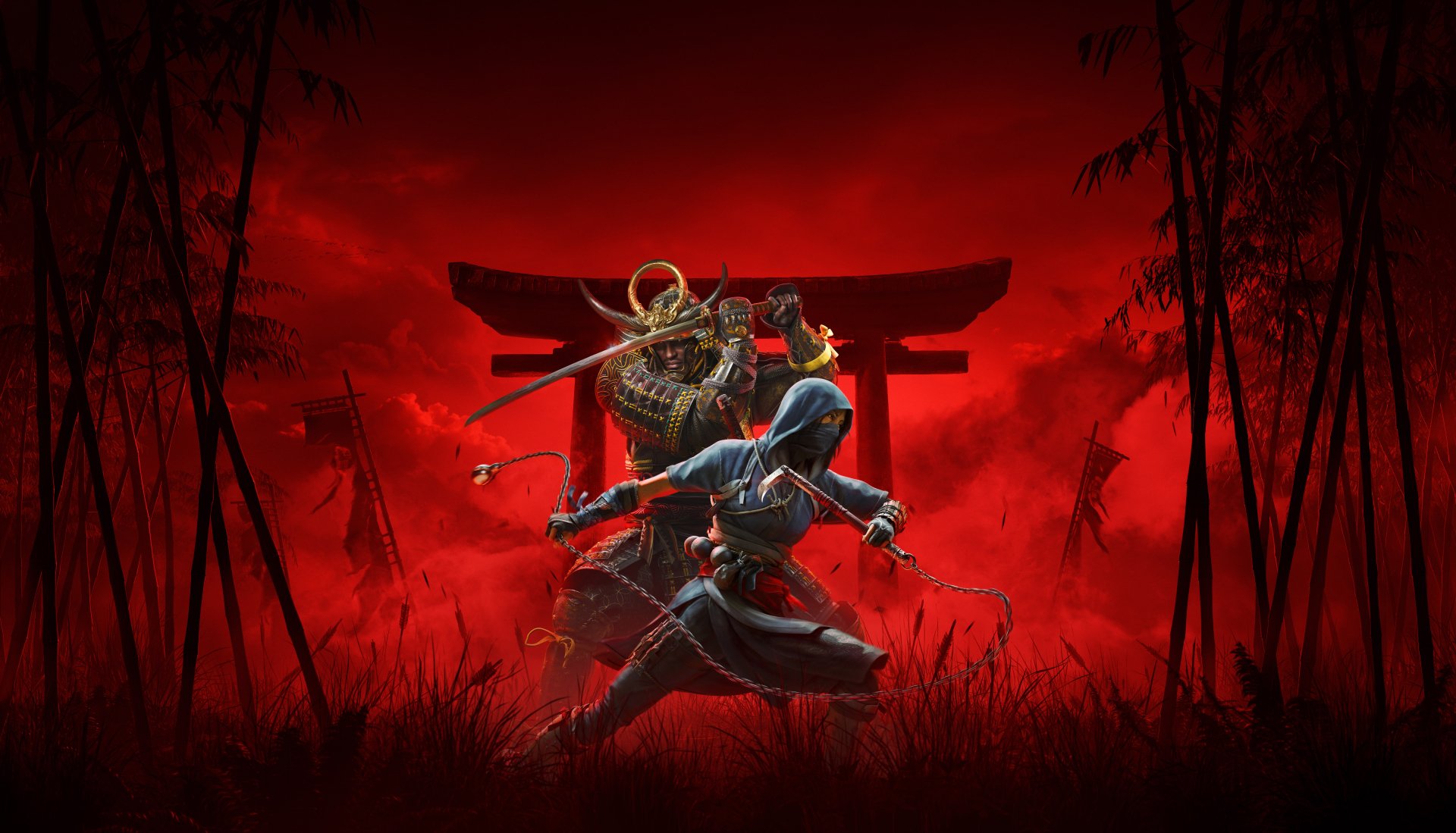
Ubisoft and its development team sparked a massive international debate by featuring Yasuke, a historical African figure in Japan, as one of the two protagonists. The decision led to petitions with tens of thousands of signatures and organized boycott movements claiming the game disrespected Japanese culture and history. The controversy became so significant that it drew attention from Japanese government officials and led to extensive discussions about the boundary between historical fiction and political representation. Ubisoft eventually issued a public apology to clarify their creative choices while standing by the inclusion of the character.
‘The Sims 4’ (2014)
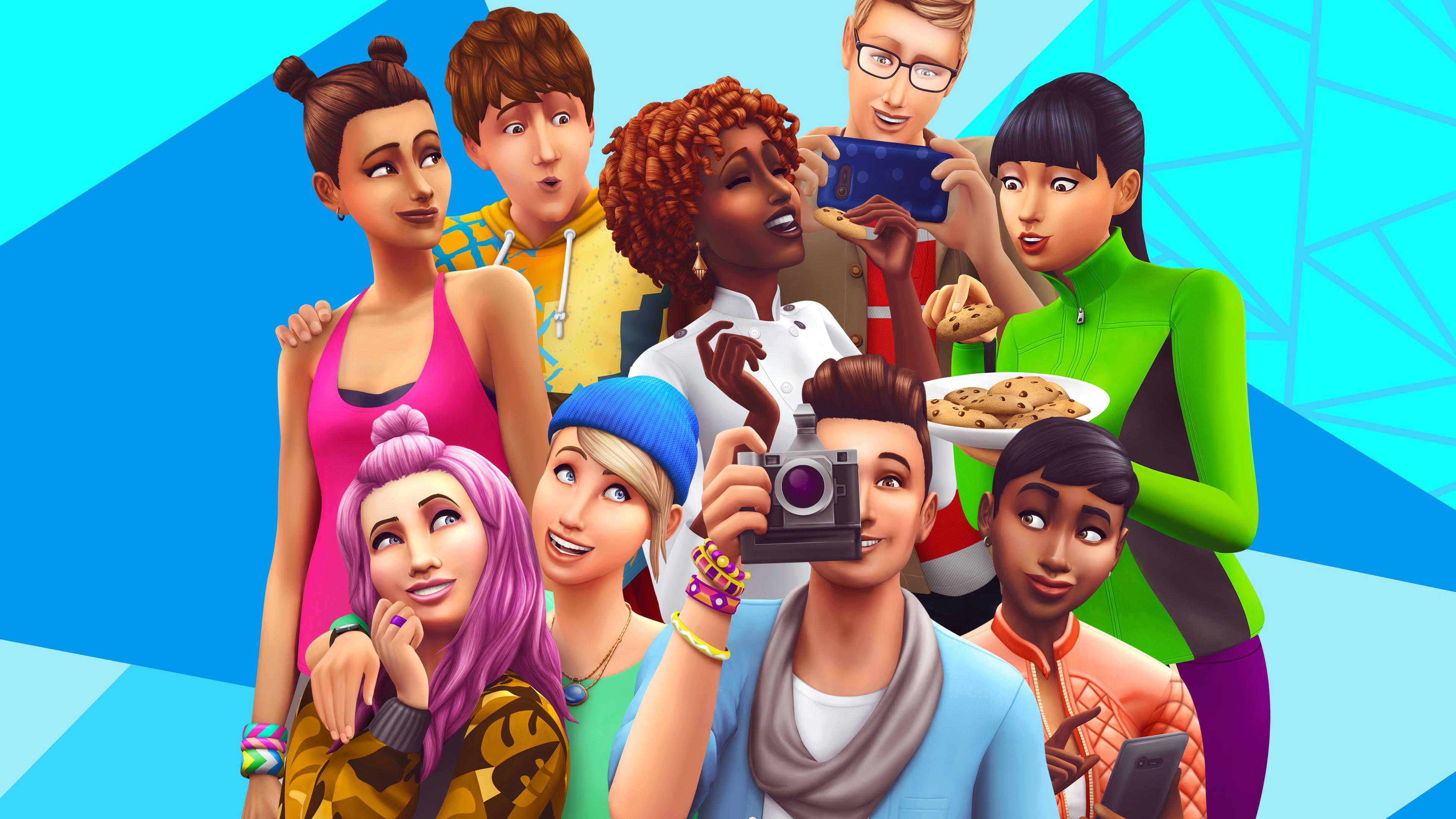
Maxis and Electronic Arts have released several updates to ‘The Sims 4’ aimed at expanding gender customization and identity options. Patches that introduced medical wearables like top surgery scars and binders, as well as updated pronoun systems, were met with resistance from certain player segments. These groups argued that the simulation game was becoming too focused on modern social politics rather than traditional gameplay mechanics. This led to localized boycotts and negative feedback loops on social media platforms, though the game’s broader community generally welcomed the increased inclusivity.
‘World of Warcraft’ (2004)
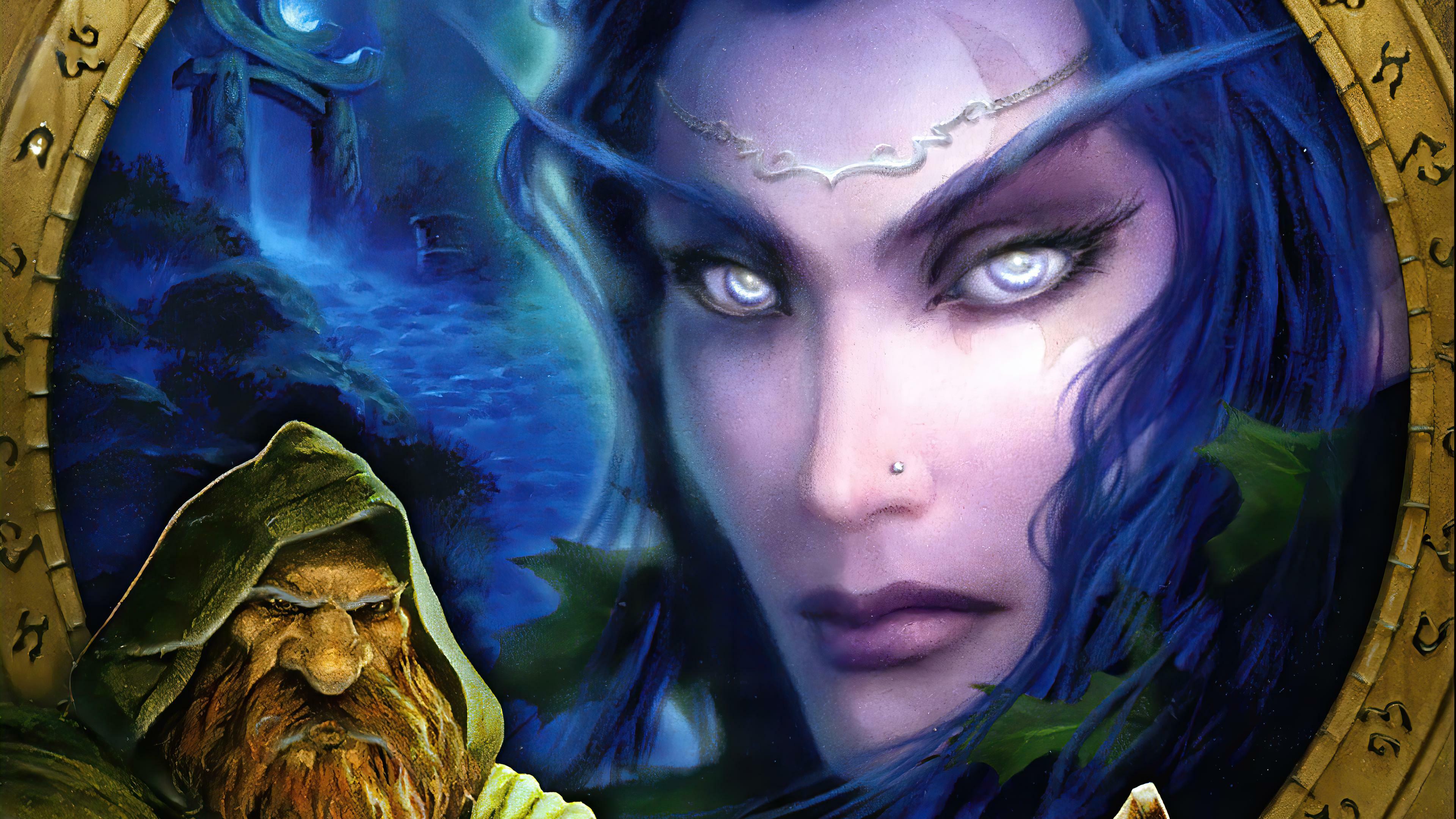
Blizzard Entertainment underwent a period of “internal purification” for its massive multiplayer online game following legal challenges regarding company culture. This included a series of patches that removed suggestive jokes, renamed NPCs named after former employees, and altered paintings of female characters into bowls of fruit. A segment of the veteran player base boycotted the game, claiming these diversity-driven “sanitization” updates ruined the grit and humor of the original world. The developers continued with the changes, emphasizing a commitment to creating a more welcoming environment for all players.
‘Guilty Gear Strive’ (2021)
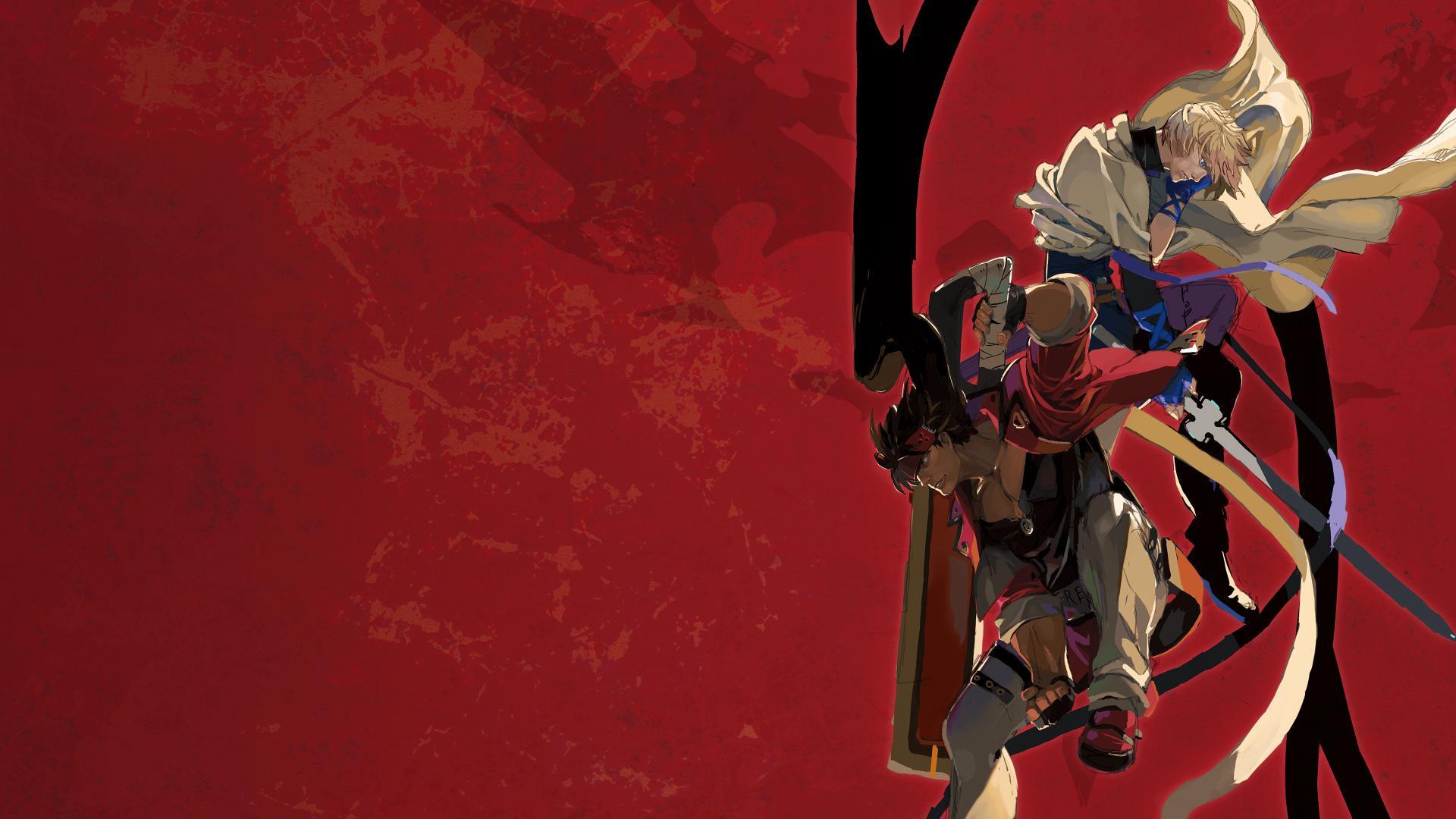
Arc System Works faced a polarized reaction when the character Bridget returned to the series and was canonically confirmed as a transgender woman. This narrative update led to “modding wars” where some players attempted to revert the character’s identity via software modifications, while others boycotted the game entirely. The developer received both praise for the representation and intense criticism from fans who believed the character’s original lore was being retconned. Despite the controversy, Bridget became one of the most popular characters in the game’s competitive circuit.
‘Hogwarts Legacy’ (2023)
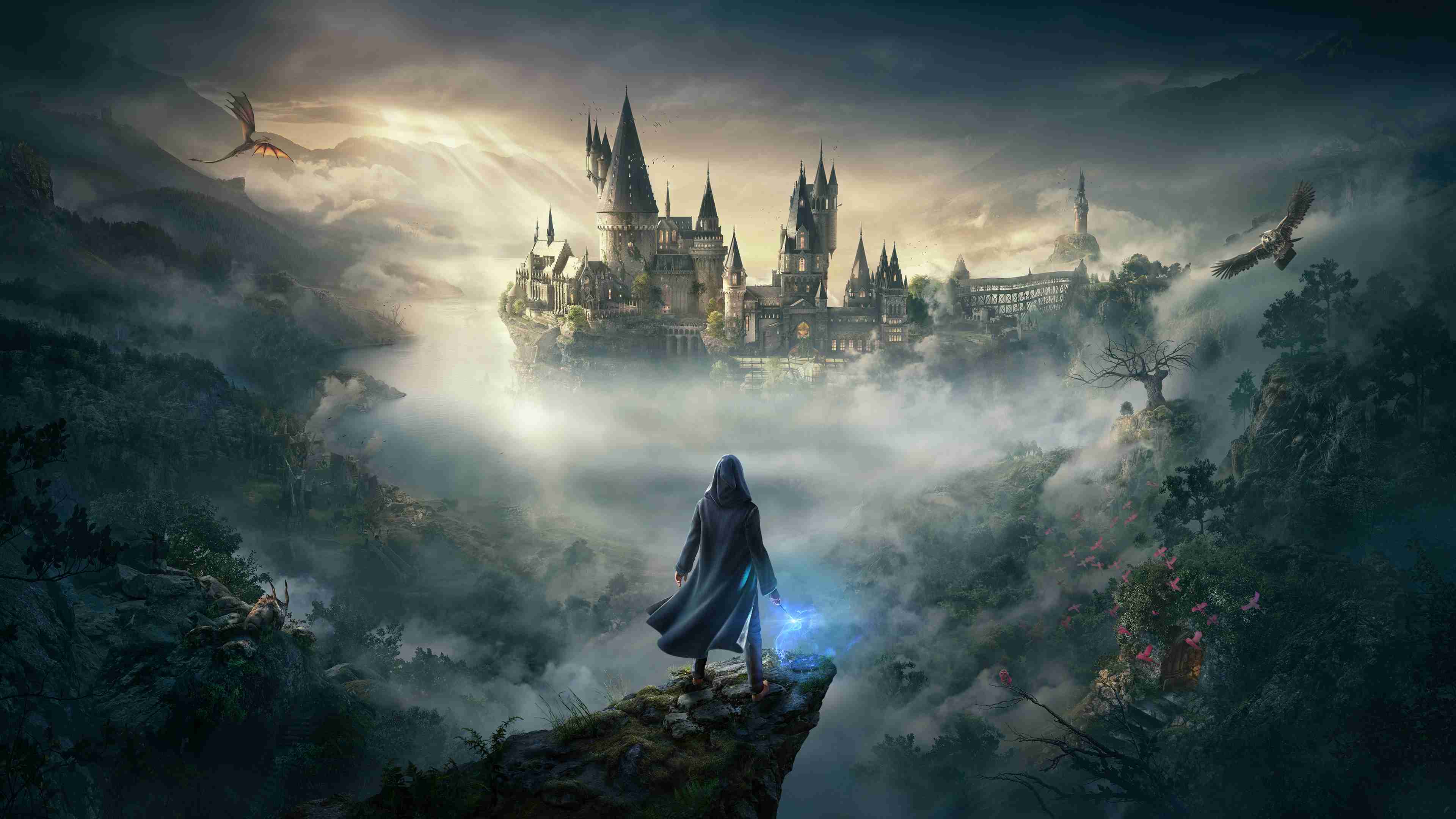
Avalanche Software and Warner Bros. Games included a transgender character named Sirona Ryan to distance the game from the controversial views of the franchise’s creator. Ironically, the game faced boycotts from multiple directions; some players boycotted because of the creator’s reputation, while others boycotted because they felt the inclusion of Sirona was “tokenism” or pandering. The discourse surrounding the game’s servers became one of the most contentious periods in recent gaming history. The title remained a massive seller, but the social friction caused significant tension during the launch window.
‘Apex Legends’ (2019)
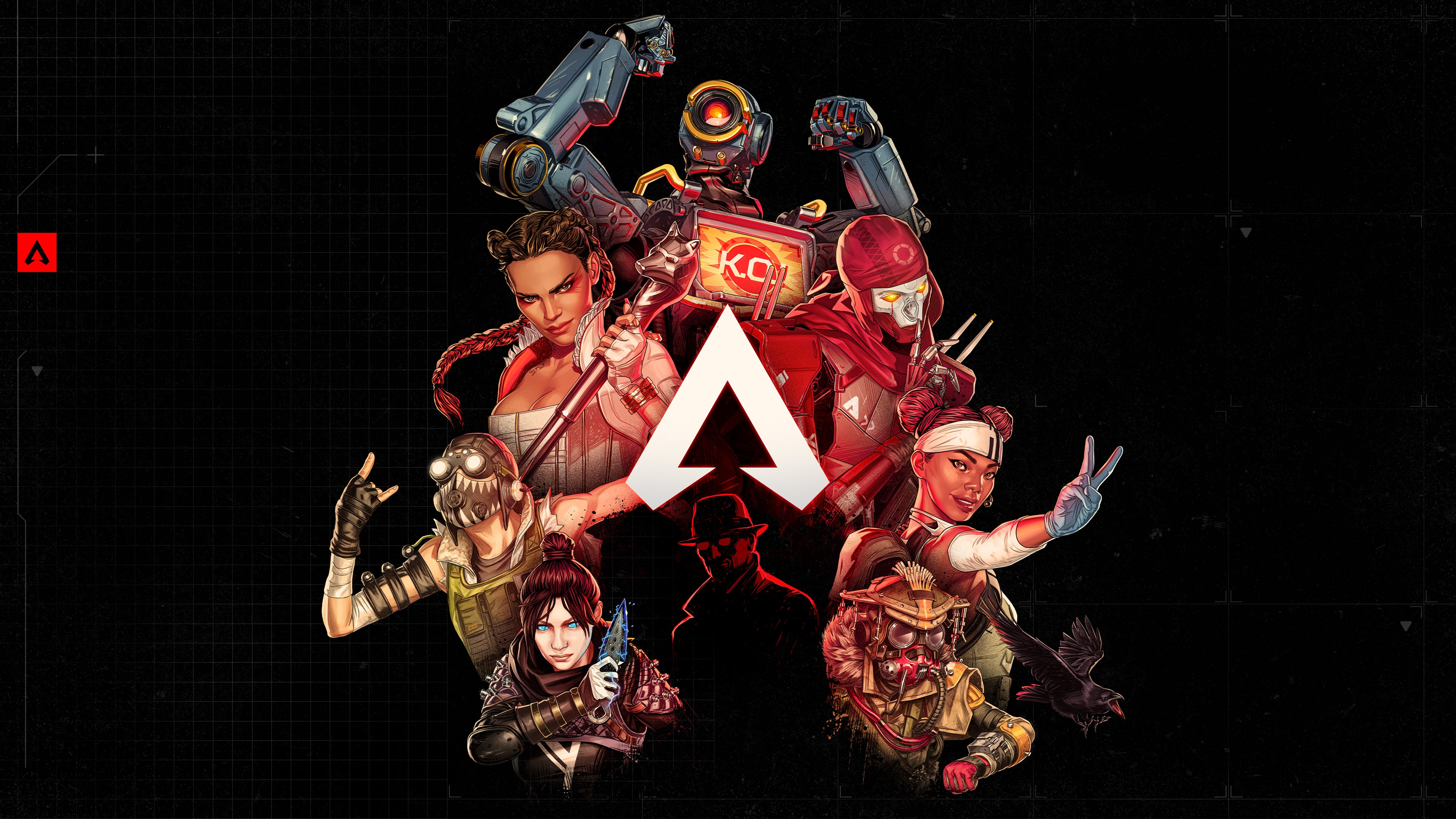
Respawn Entertainment and Electronic Arts have consistently prioritized a diverse roster of “Legends,” including characters like Catalyst, who is transgender, and Bloodhound, who is non-binary. While many players appreciate the variety, every major diversity-focused update has been met with a segment of the community calling for a boycott. These players often cite “forced inclusion” as a reason for their departure, claiming the game’s narrative focus has shifted away from its core competitive gameplay. Respawn has remained vocal about its commitment to diversity, regardless of the periodic drops in engagement from dissenting groups.
‘Dead by Daylight’ (2016)
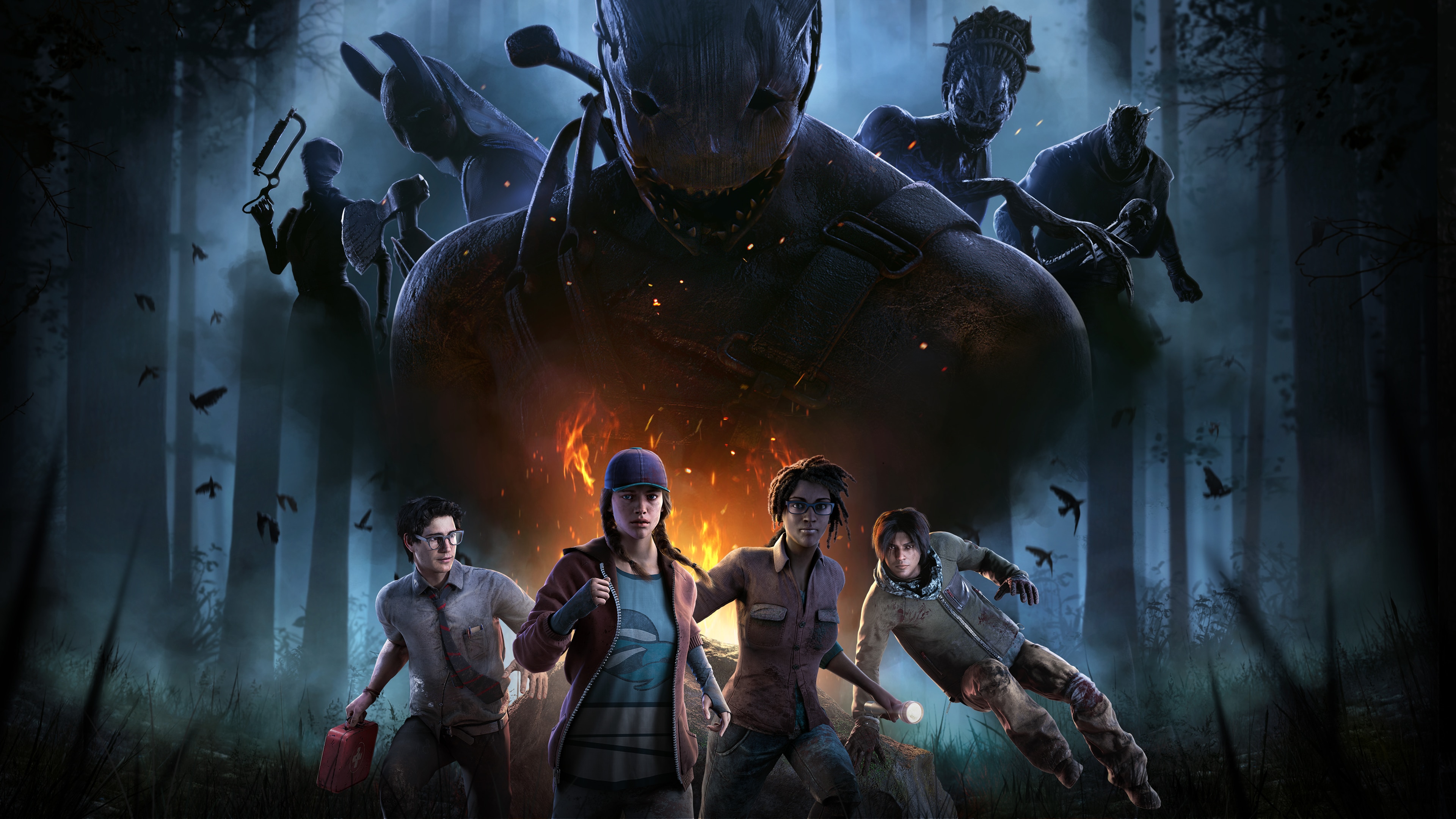
Behaviour Interactive introduced a “Pride” charm and later updated the lore of the survivor David King to reveal he is gay, which sparked a mix of celebration and hostility. Some members of the community organized boycotts, claiming that sexual orientation should not play a role in a horror-themed survival game. The backlash included targeted harassment in post-game chats and efforts to lower the game’s visibility on streaming platforms. Behaviour Interactive responded by doubling down on their support for the LGBTQ+ community and implementing stricter moderation tools to combat the toxicity.
‘Destiny 2’ (2017)
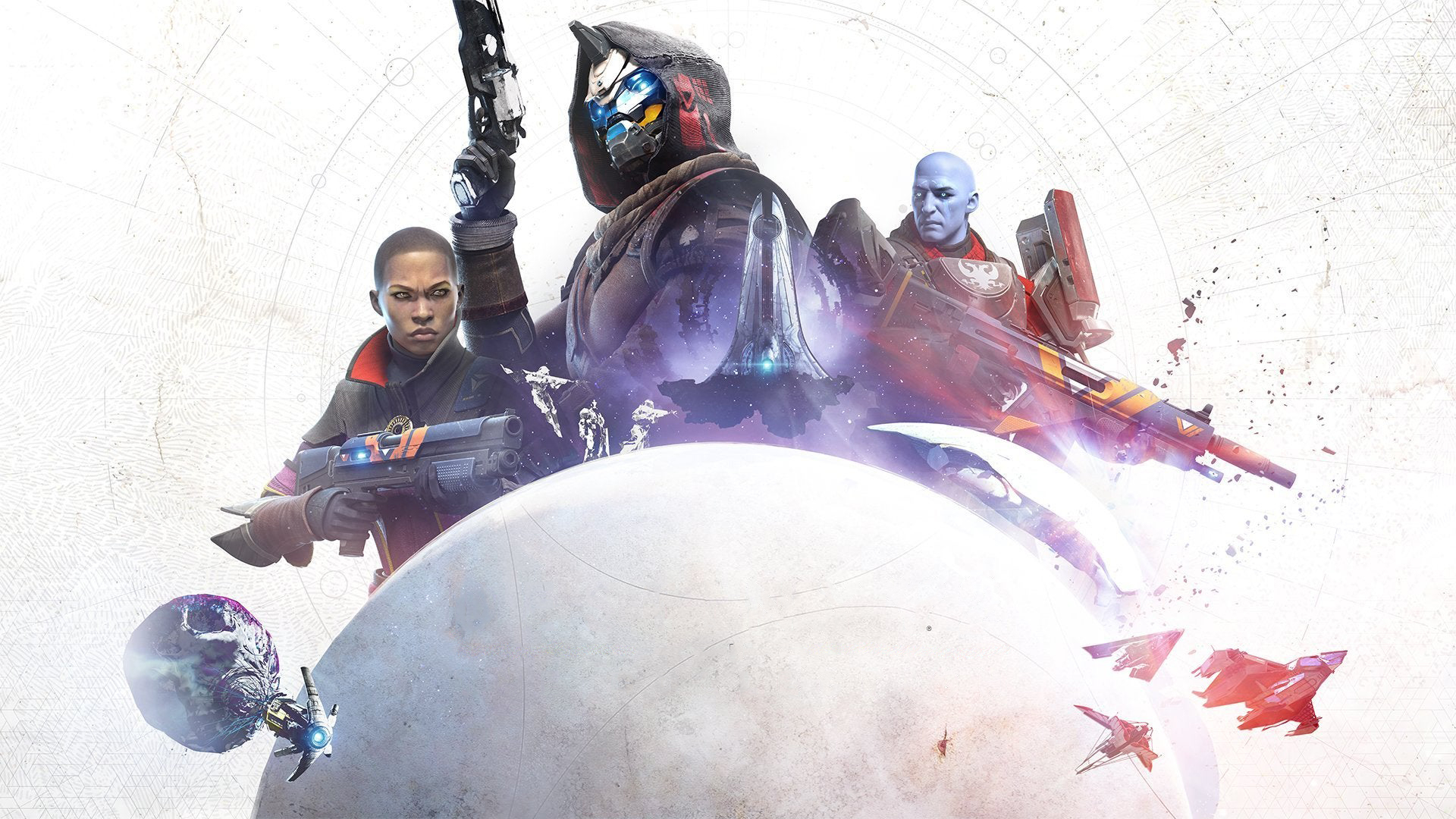
Bungie has integrated various diverse narratives into ‘Destiny 2’ through its seasonal content and lore entries. When the studio made public statements supporting social justice movements and added pride-themed cosmetics to the game, it triggered a segment of the player base to stop supporting the title financially. These boycotts were often organized on forums where users expressed frustration over the intersection of real-world politics and the game’s sci-fi universe. Bungie maintained its position, frequently using its platform to highlight underrepresented groups within the gaming industry.
‘Spider-Man 2’ (2023)
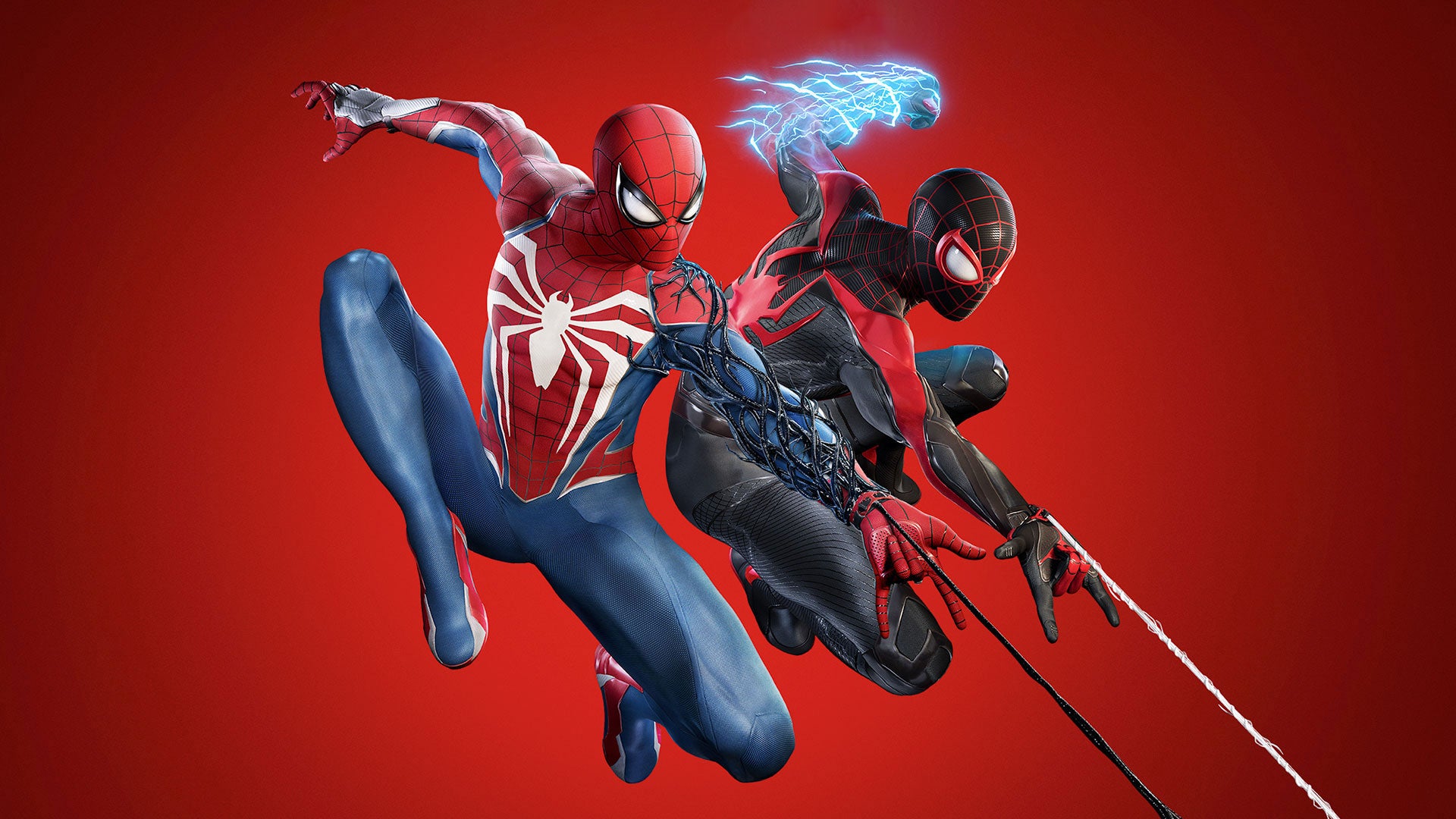
Insomniac Games and Sony Interactive Entertainment faced a boycott in certain international markets due to the inclusion of pride flags and gender-neutral language in specific localized versions. In some regions, the flags were removed or altered to comply with local laws, leading to a secondary boycott from players who felt the developers were compromising their values. Domestically, some players boycotted the title due to its focus on diverse side stories and the perceived “nerfing” of traditional masculine archetypes. The game nonetheless received high praise for its technical achievements and storytelling despite the social media turbulence.
Tell us what you think about these gaming controversies in the comments.