Anime Adaptations That Betrayed the Source Material Worse Than Expected


Adapting a beloved manga or light novel into an anime is a complex process that often requires making difficult creative choices. While many productions remain faithful to their origins, others take significant liberties that alter the core of the story. These changes can range from minor character omissions to entirely original endings that deviate from the established canon. Factors such as production schedules, manga hiatuses, or differing artistic visions often contribute to these divergences. The following list highlights instances where anime adaptations moved away from their source material in ways that surprised the audience.
‘The Promised Neverland’ (2019–2021)
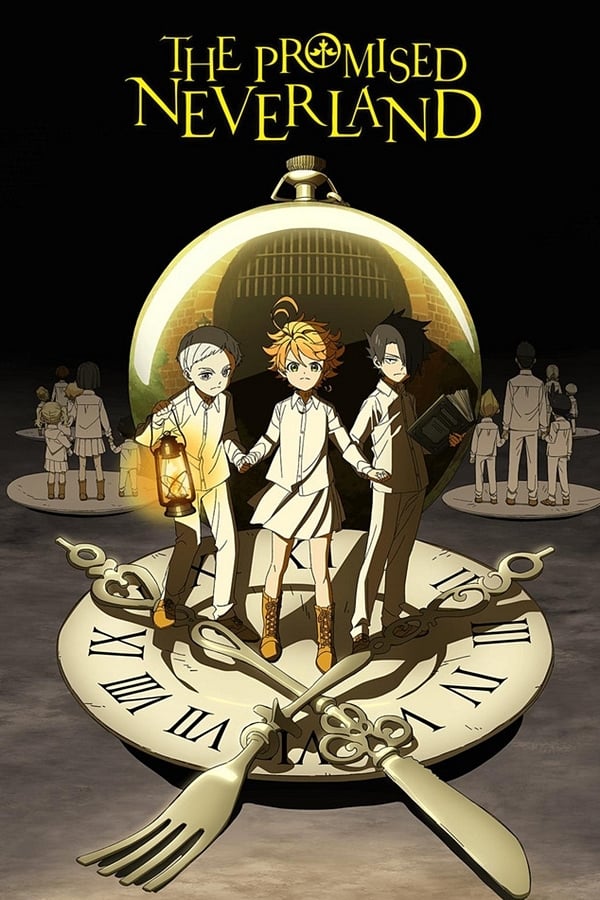
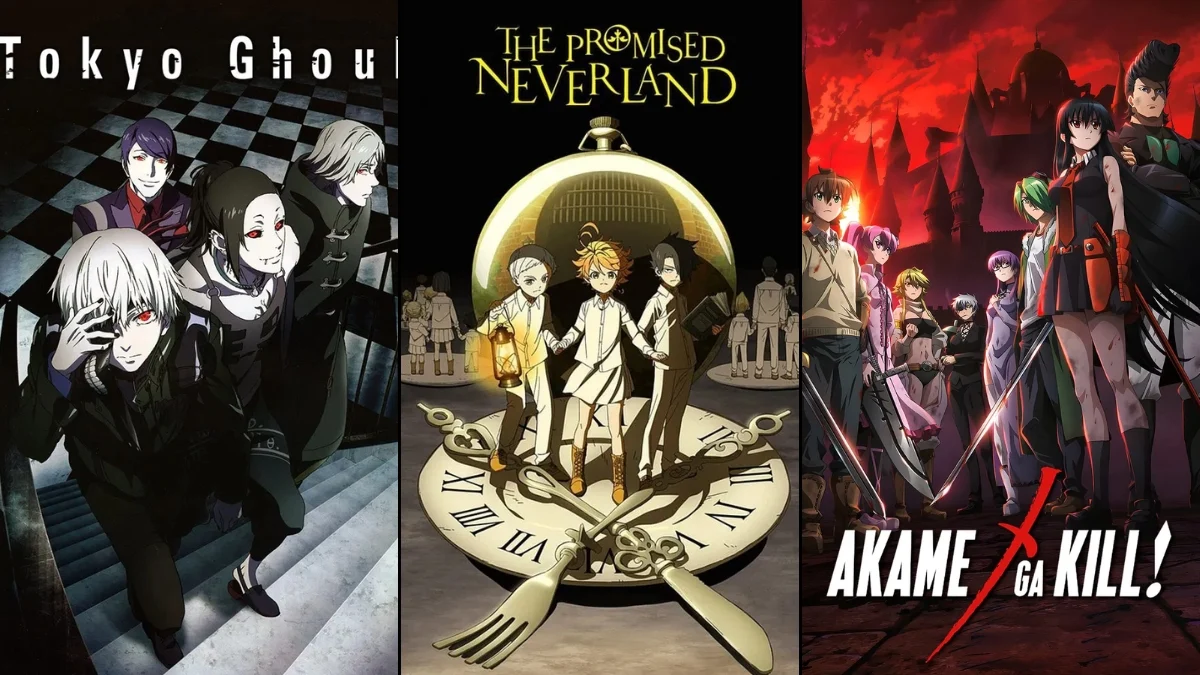
The second season of ‘The Promised Neverland’ notably departed from its source material by omitting several major narrative arcs. Production chose to skip the “Goldy Pond Battle,” which is a significant portion of the original manga. This decision led to the removal of several key characters who were vital to the progression of the story. The series concluded with a montage that condensed over a hundred chapters into a few minutes of animation. Consequently, the thematic complexity and pacing found in the manga were substantially altered for the television broadcast.
‘Tokyo Ghoul’ (2014–2018)
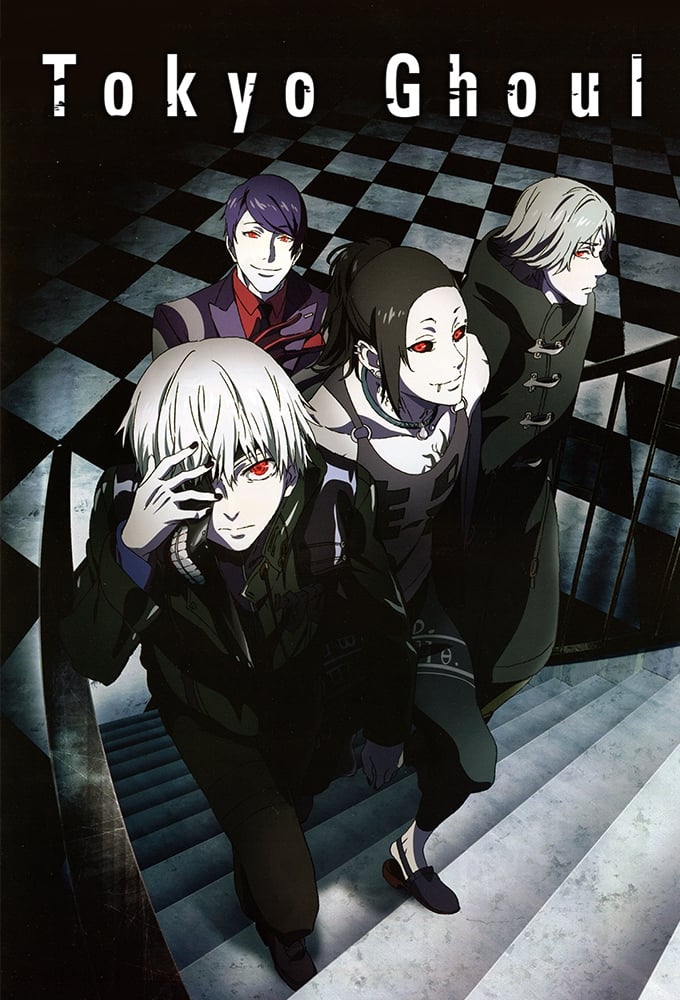
The ‘Tokyo Ghoul’ anime adaptation deviated from the manga’s storyline starting with the second season, titled ‘Tokyo Ghoul √A’. In this iteration, the protagonist joins the antagonistic group known as Aogiri Tree, a choice that never occurs in the original text. This divergence created narrative inconsistencies that the later seasons struggled to rectify while trying to adapt ‘Tokyo Ghoul:re’. Furthermore, the final episodes of the series condensed hundreds of chapters into a limited episode count. This resulted in the removal of various character backstories and complex political subplots essential to the manga’s conclusion.
‘Berserk’ (2016–2017)
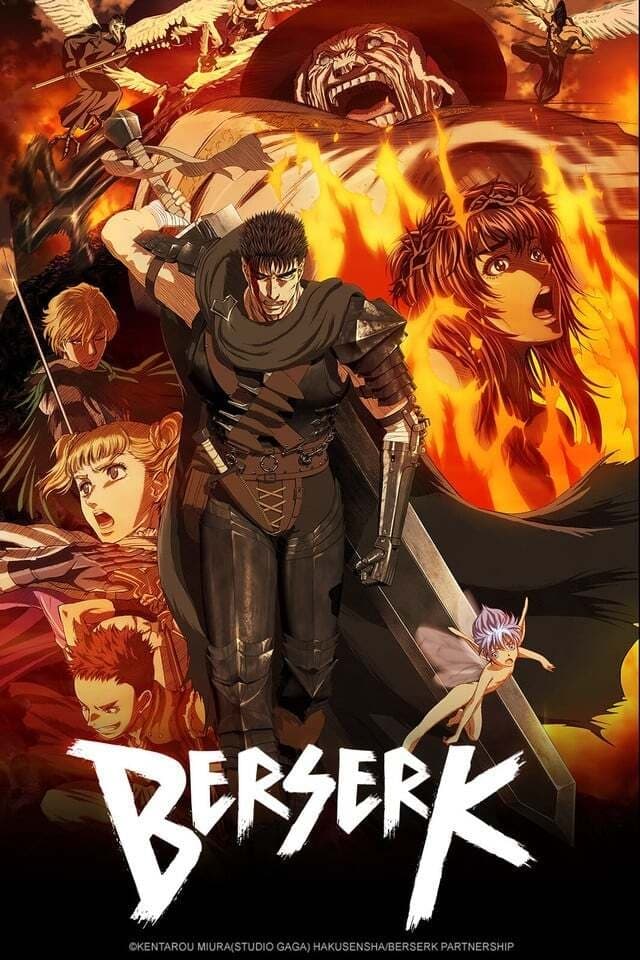
The 2016 ‘Berserk’ series faced significant criticism for its departure from the intricate artistic style of Kentaro Miura’s original manga. It utilized a 3D CGI approach that many viewers found inconsistent with the dark fantasy tone established in earlier adaptations. On a narrative level, the anime bypassed the “Lost Children” arc entirely, which serves as a crucial bridge for Guts’ character development. The production also condensed several events in the “Conviction” and “Falcon of the Millennium Empire” arcs. These choices led to a fragmented retelling of the protagonist’s journey after the Eclipse.
‘Fullmetal Alchemist’ (2003–2004)
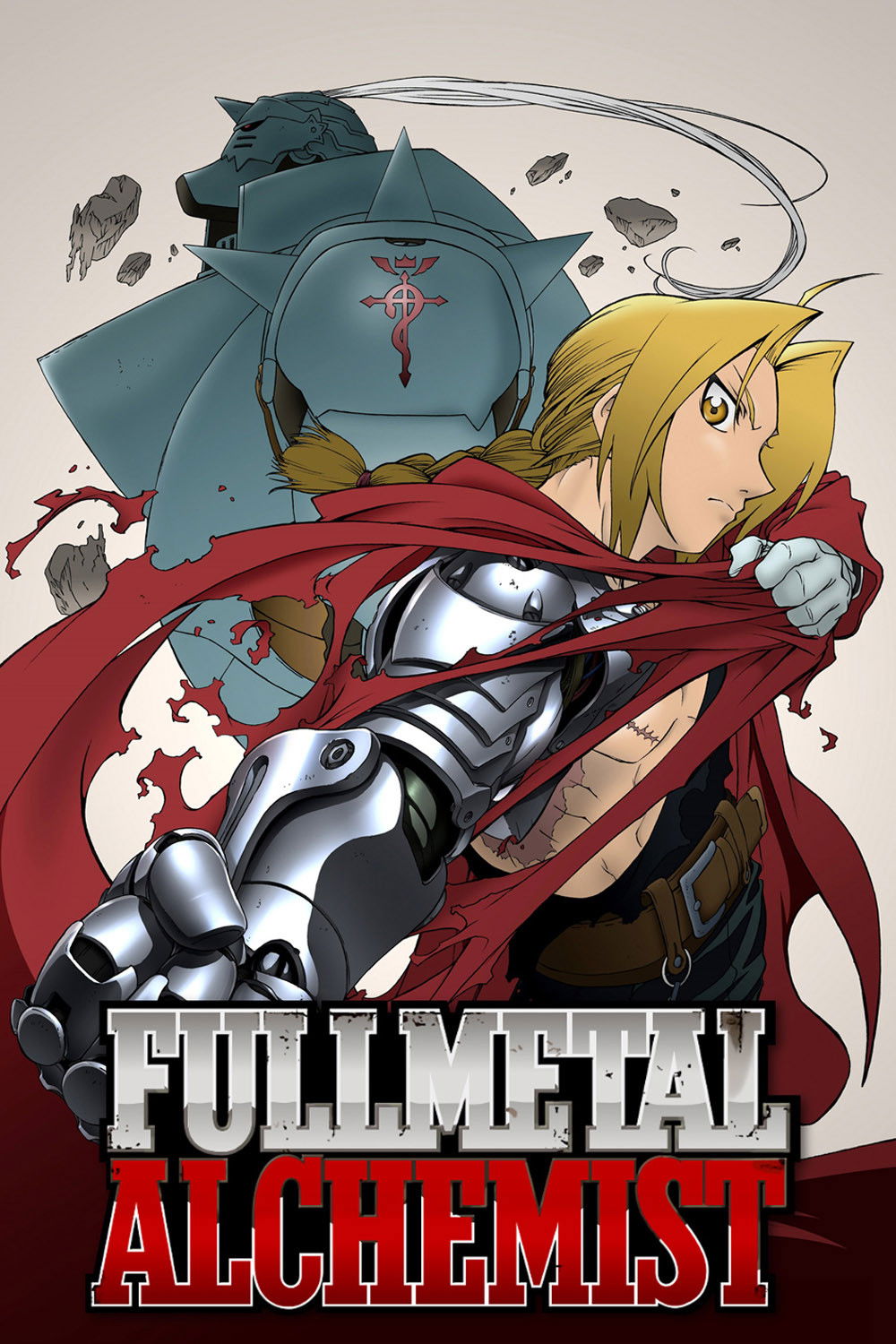
The original ‘Fullmetal Alchemist’ anime began its run while the manga was still in its early stages of publication. Because the show eventually overtook the source material, the creators developed an entirely original second half. This version introduced different origins for the Homunculi and a unique resolution involving a parallel world. While the 2003 series was well-received as a standalone story, it bears little resemblance to the ultimate conclusion written by Hiromu Arakawa. A more faithful adaptation, ‘Fullmetal Alchemist: Brotherhood’, was later produced to follow the manga’s true ending.
‘Soul Eater’ (2008–2009)
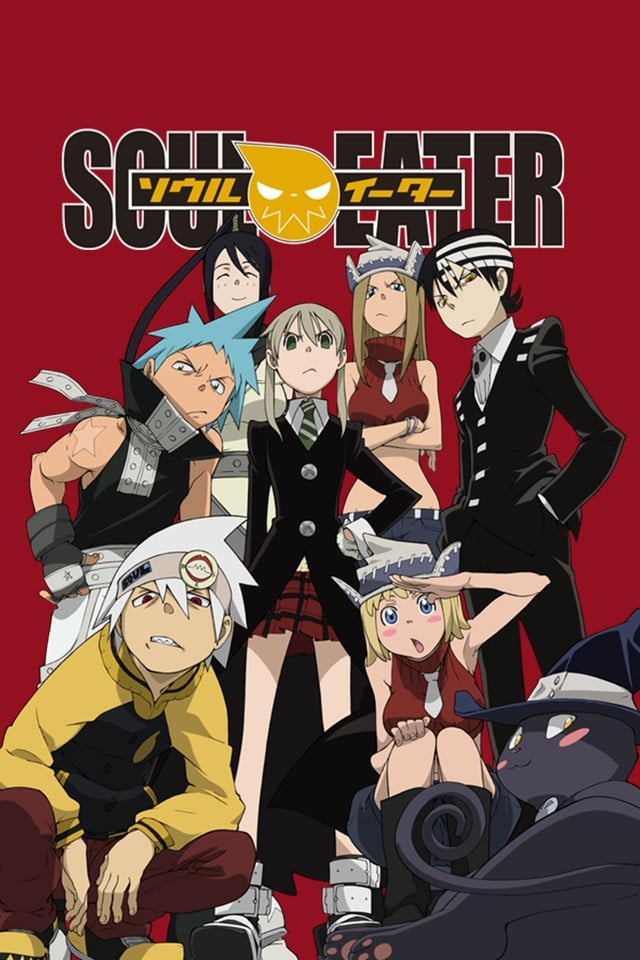
Much like other long-running series, ‘Soul Eater’ reached the limit of its source material before the manga had concluded. This led the production team to write an original ending for the final ten episodes of the show. The ultimate battle against the Kishin was resolved through an anime-exclusive power-up rather than the strategic combat found in the manga. Significant character transformations and world-ending stakes from the later chapters of the manga were never featured. This departure left many viewers unaware of the deeper lore and different fates of the main cast.
‘Akame ga Kill!’ (2014)

‘Akame ga Kill!’ followed the manga closely for its first eighteen episodes before branching into an original story. Several main characters who survived until the end of the manga were killed off in the anime’s final episodes. The motivations and ultimate fates of the primary antagonists were also altered to provide a quicker resolution. Because the manga was ongoing, the anime’s ending effectively closed the story in a way that prevented any future faithful adaptations of the original conclusion. This resulted in a significantly more tragic ending for the Night Raid members than the source material intended.
‘Deadman Wonderland’ (2011)
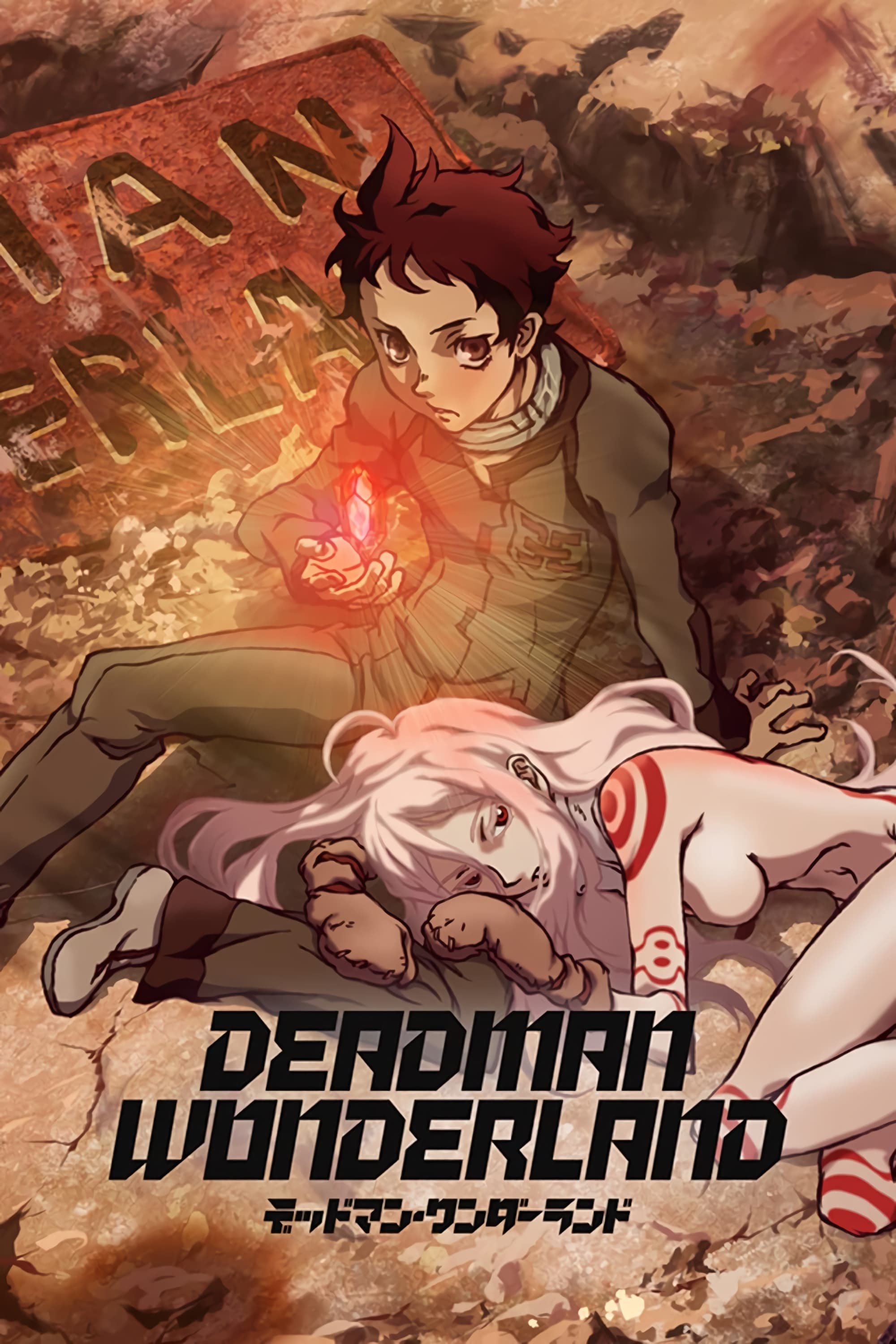
The ‘Deadman Wonderland’ anime adapted the initial chapters of the manga but omitted a vital character named Azami Mido. This exclusion had a massive impact on the narrative, as she plays a central role in the events following the first major arc. By removing her character, the production inadvertently made it impossible to adapt the subsequent “Forgeries” arc faithfully. The series ended on a cliffhanger that did not align with the continuing developments in the manga. Due to these structural changes, the show never received a second season to finish the story.
‘Rosario + Vampire’ (2008)
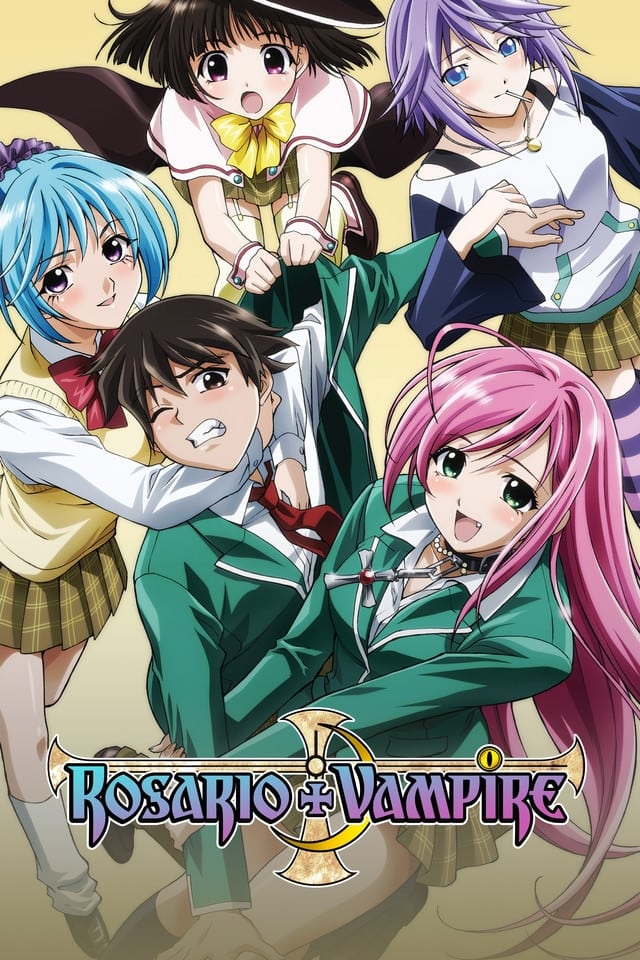
The ‘Rosario + Vampire’ anime shifted the tone of the series from a dark action-fantasy to a lighthearted harem comedy. In the manga, the story evolves into a serious battle shounen with high stakes and significant character growth for the protagonist, Tsukune Aono. The anime adaptation focused almost exclusively on fan service and monster-of-the-week episodic structures. This change meant that the complex mythology and the darker origins of the monsters were largely ignored. Fans of the manga noted that the adaptation lacked the intensity and development found in the original work.
‘Flowers of Evil’ (2013)
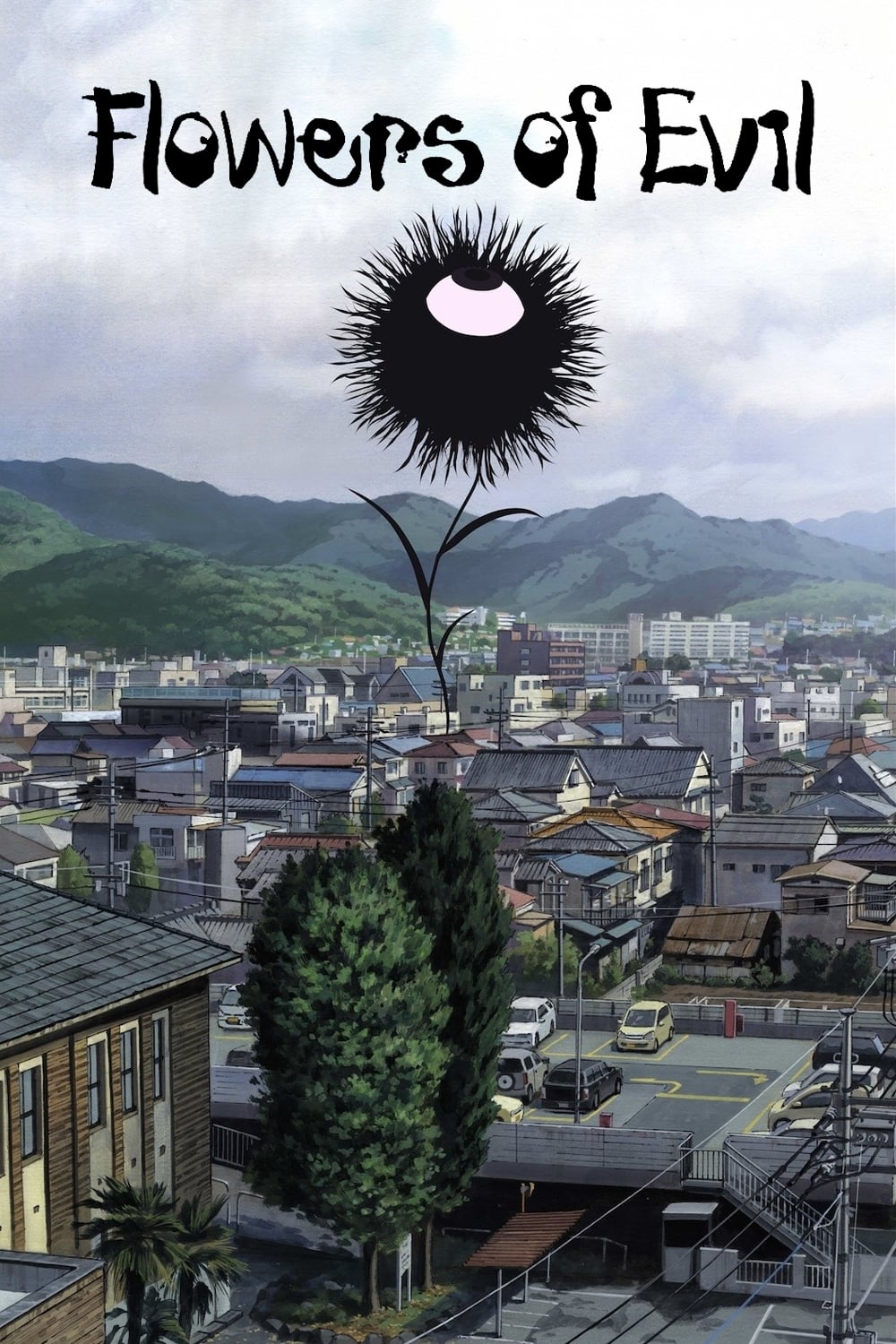
‘The Flowers of Evil’ is known for its controversial use of rotoscoping to animate the character models. This technique replaced the detailed and stylized manga art of Shūzō Oshimi with realistic, live-action-based visuals. While the core plot remained faithful, the radical shift in aesthetic changed the atmospheric perception of the psychological story. Many viewers found that the new designs altered the emotional weight of the character interactions. The production remains one of the most polarizing examples of aesthetic departure in anime history.
‘Gantz’ (2004)
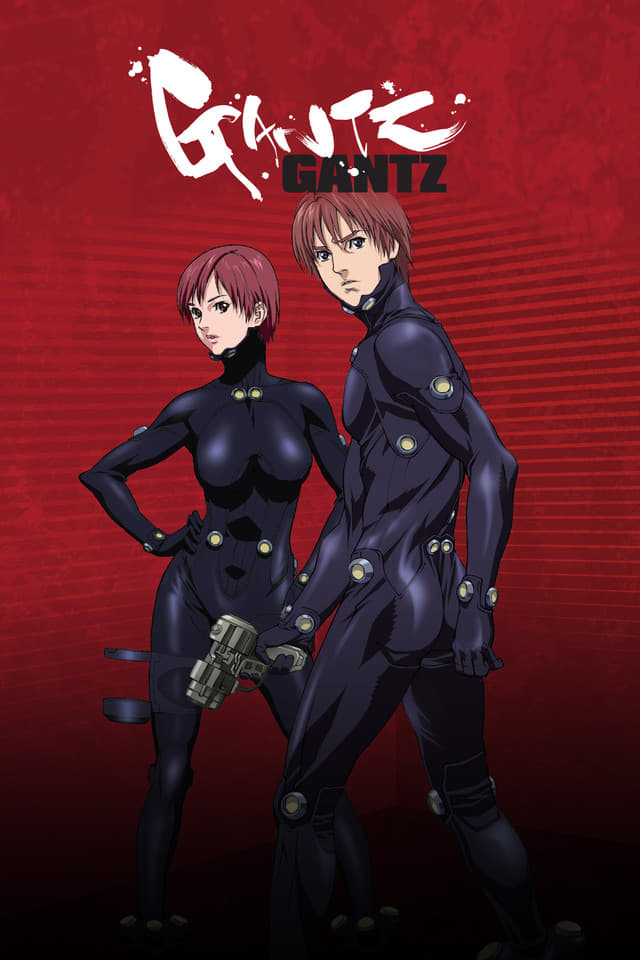
The ‘Gantz’ anime followed the first few missions of the manga with relative accuracy before diverging into an original final arc. Since the manga was far from finished at the time of production, the anime staff created the “Temple” mission to serve as a conclusion. This original ending lacked the context and the cosmic horror scale that the manga would eventually explore. The psychological progression of the protagonist, Kei Kurono, was also truncated to fit the shorter series length. Consequently, the anime ends on a vague note that does not reflect the complex survival game of the source.
‘Fruits Basket’ (2001)
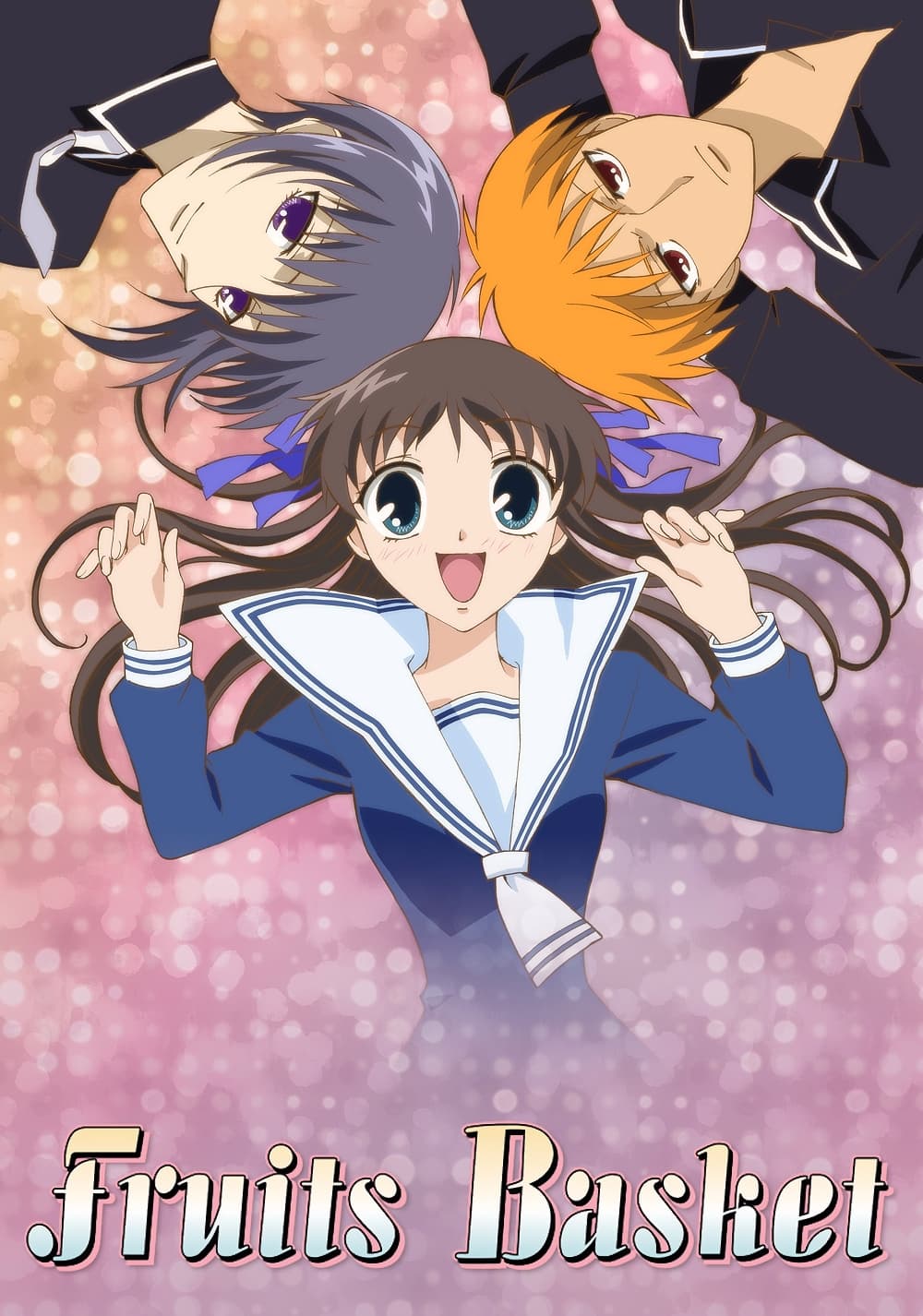
The 2001 version of ‘Fruits Basket’ omitted many of the darker psychological themes present in Natsuki Takaya’s manga. It focused primarily on the comedic aspects of the Sohma family’s curse and left out several key characters like Isuzu Sohma and Kureno Sohma. The anime also provided a conclusive ending that was not present in the manga, which was still ongoing at the time. This prompted the author to request a completely new adaptation years later to properly represent the full story. The 2019 reboot eventually fulfilled this request by adapting the entire manga faithfully.
‘Blue Exorcist’ (2011)
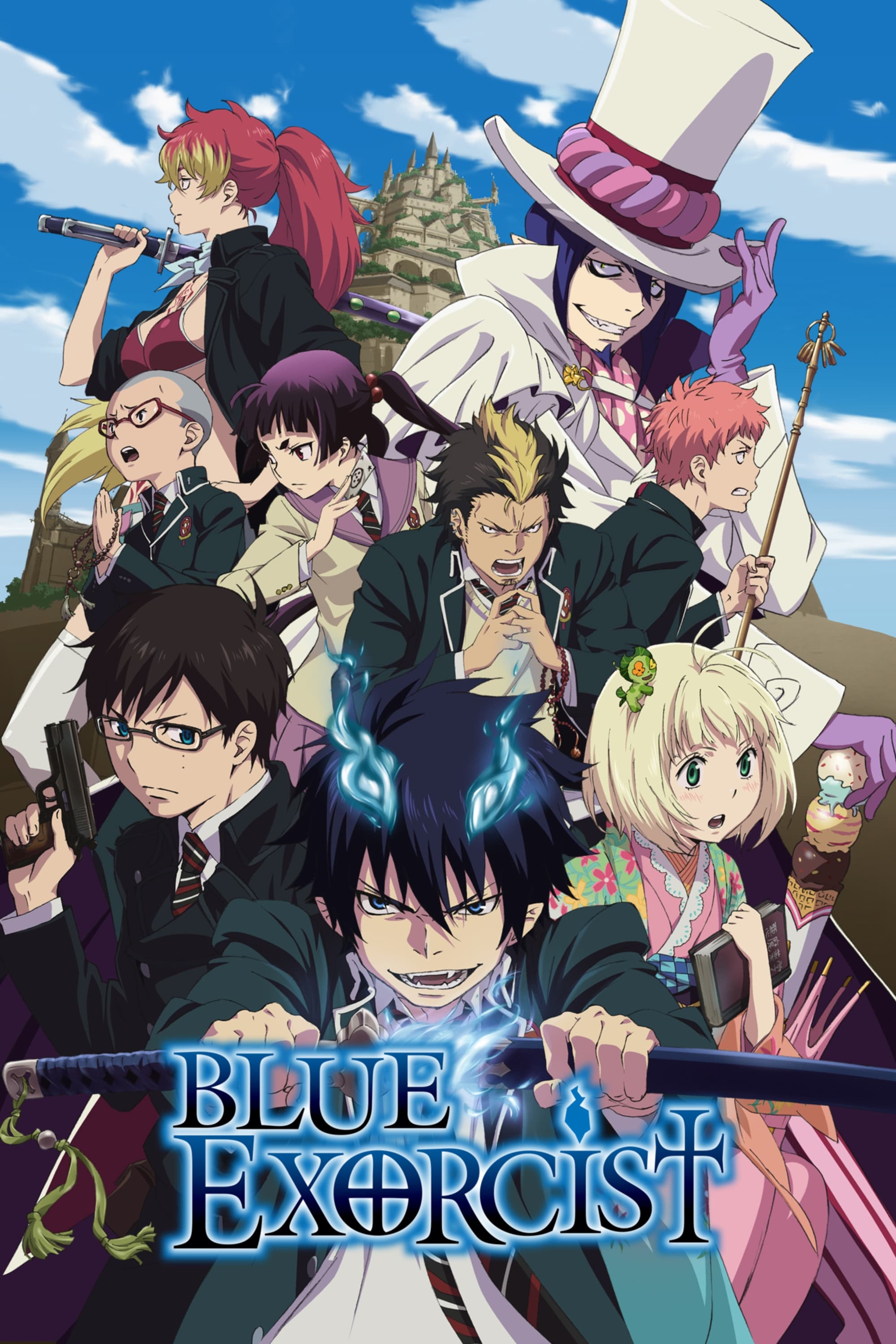
‘Blue Exorcist’ followed the manga until the middle of the first season before introducing an anime-original storyline. This non-canon arc involved a different origin for Satan’s motivations and a premature climax for the brothers, Rin and Yukio. When a second season was eventually produced years later, the creators had to ignore the latter half of the first season to return to the manga’s “Kyoto Saga.” This caused significant confusion for viewers who only watched the anime and were unaware of the narrative reset. The divergence essentially split the first season into two separate continuities.
‘Claymore’ (2007)
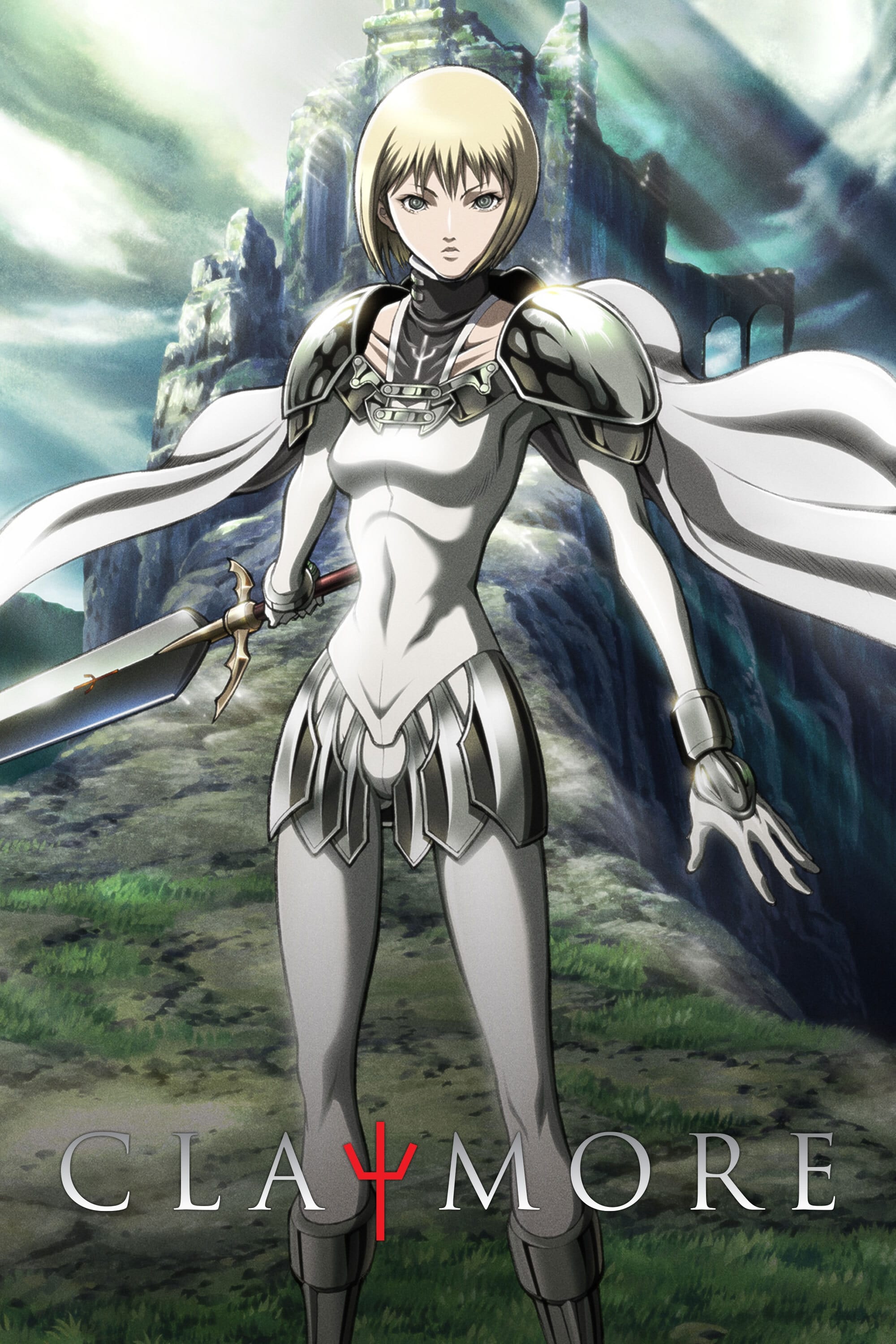
The ‘Claymore’ anime stayed true to the dark fantasy world of the manga for the majority of its run. However, it deviated significantly during the final battle of the “Northern Campaign” arc. The anime provided a premature confrontation between the protagonist, Clare, and the primary antagonist, Priscilla, that did not result in a final resolution. In the manga, this battle leads to a massive time skip and several more years of serialization. The anime’s decision to create a localized ending left many overarching plot threads and character arcs completely unaddressed.
‘Elfen Lied’ (2004)
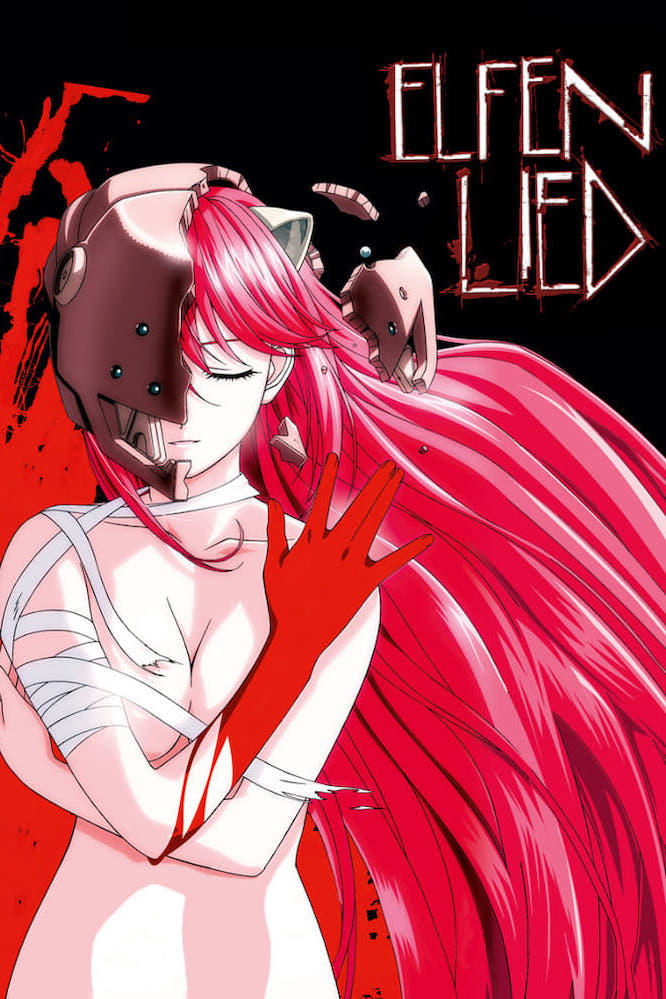
‘Elfen Lied’ condensed a 107-chapter manga into a single 13-episode season. To achieve this, the production team removed several major subplots and consolidated multiple characters into others. The manga’s ending is significantly more expansive and provides a definitive fate for the Diclonius race that the anime does not reach. Additionally, some of the most graphic character backstories were softened or omitted during the transition to television. This resulted in a story that prioritized immediate shock value over the long-term character development found in the source.
‘Black Butler’ (2008–2010)
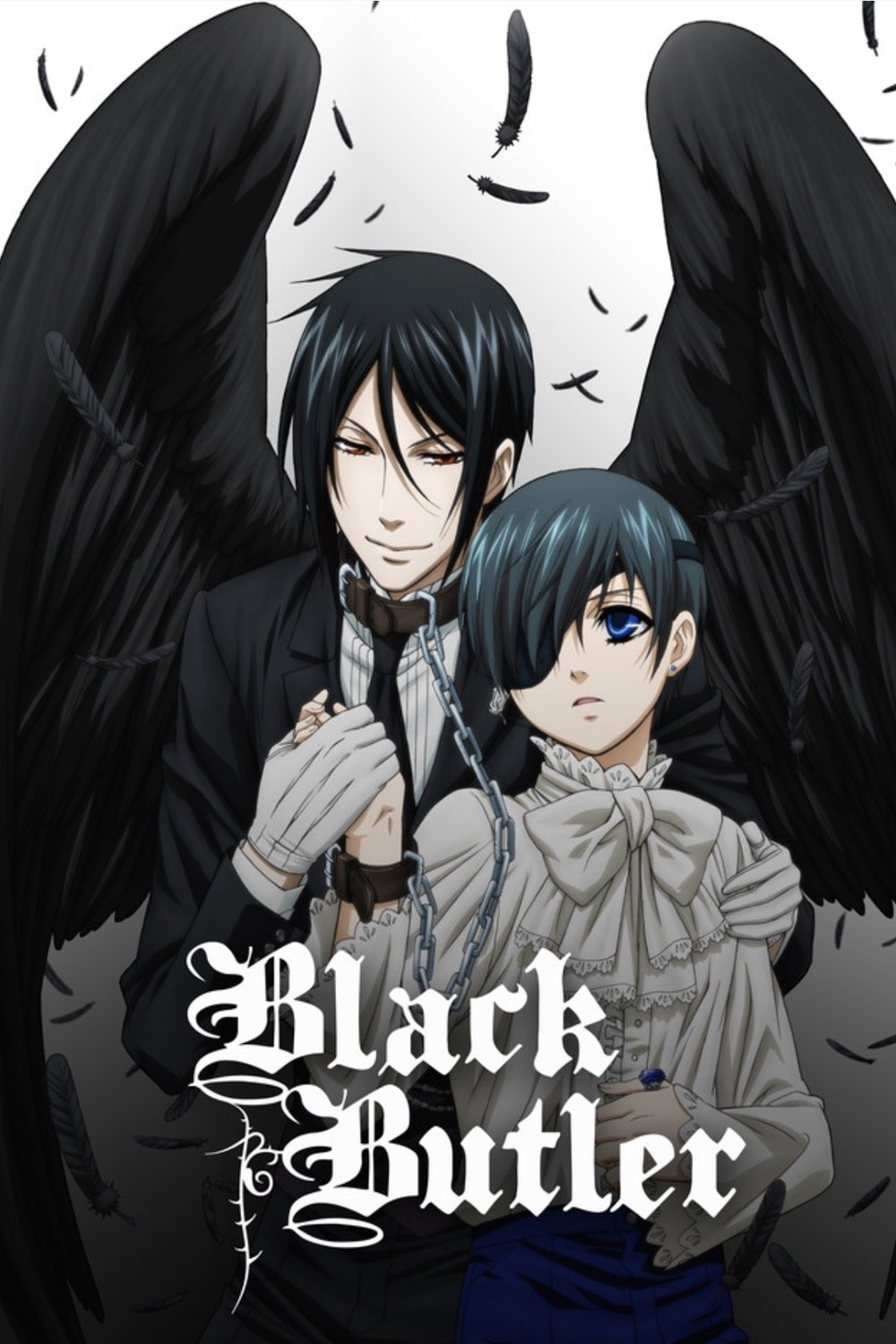
The first season of ‘Black Butler’ diverged from the manga mid-way through, introducing an original villain and a definitive ending for Ciel Phantomhive. A second season followed this original continuity, introducing entirely new characters like Alois Trancy and Claude Faustus. These developments were never part of Yana Toboso’s original manga, which continued in a different direction. Later adaptations, such as ‘Book of Circus’, had to be marketed as sequels to the canon parts of season one while ignoring the anime-original content. This created a fractured timeline that requires a guide for viewers to follow accurately.
‘Pupa’ (2014)
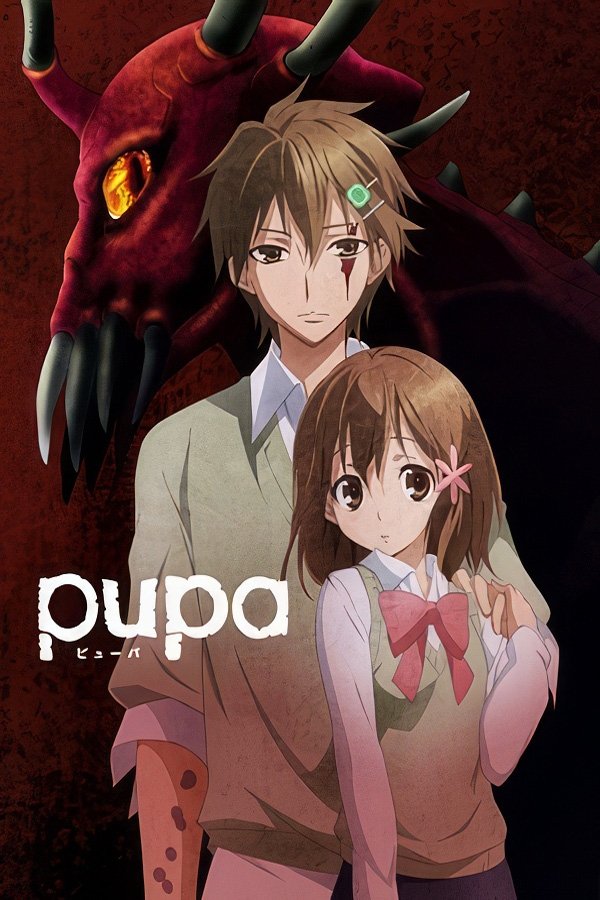
The ‘Pupa’ anime adaptation was originally marketed as a full-length psychological horror series. Upon release, the episodes were shortened to four-minute segments that significantly condensed the manga’s plot. Intense censorship was applied to the horror elements, often obscuring the screen with large black bars. These production constraints prevented the development of the tragic relationship between the siblings at the heart of the story. The final product bore little resemblance to the pacing or the graphic nature of the source material.
‘Junji Ito Collection’ (2018)
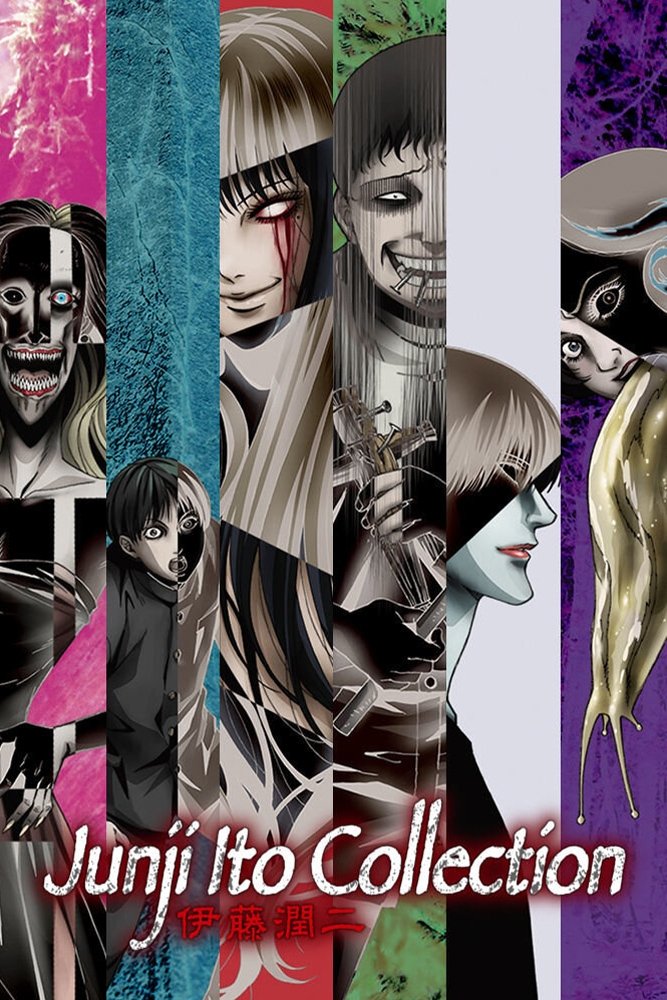
‘Junji Ito Collection’ attempted to adapt various short stories from the famous horror mangaka, Junji Ito. However, the production faced criticism for failing to capture the detailed and grotesque line work that defines Ito’s style. The animation was often static, which many felt removed the sense of dread found in the original panels. Some stories were also trimmed to fit the anthology format, resulting in rushed endings and missing dialogue. This adaptation demonstrated the difficulty of translating highly detailed horror illustrations into a standard television budget.
‘Umineko: When They Cry’ (2009)
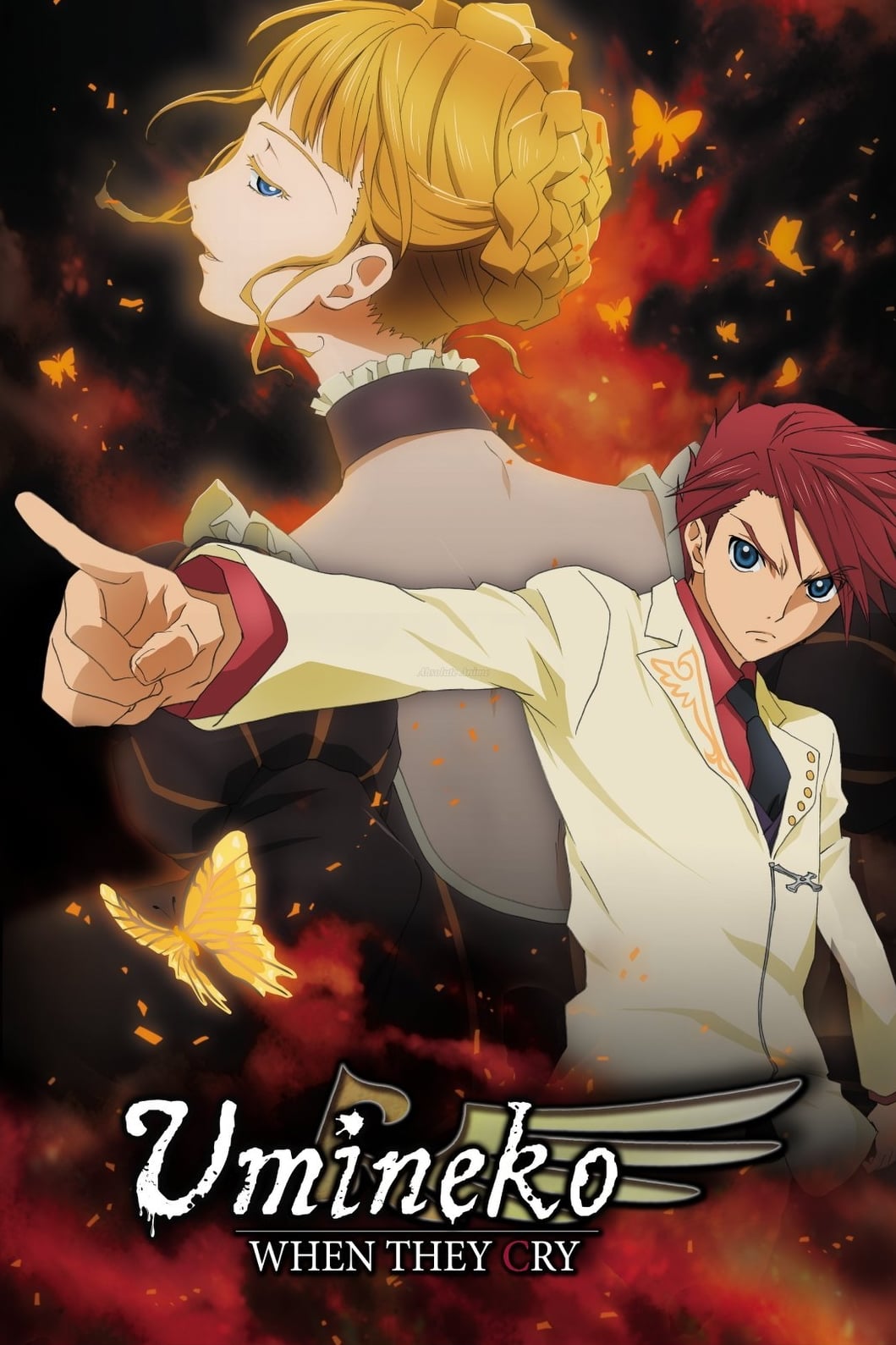
The ‘Umineko’ anime attempted to adapt a massive visual novel series that consists of eight lengthy episodes. The 26-episode series only covered the first four episodes, leaving the mystery entirely unsolved. Crucially, the adaptation omitted several key clues and logic puzzles that are essential for the audience to solve the murders. Many character motivations were simplified, making the complex psychological battle between Battler and Beatrice difficult to follow. Because the second half of the story was never animated, the anime remains an incomplete version of the source material.
‘ChäoS;HEAd’ (2008)
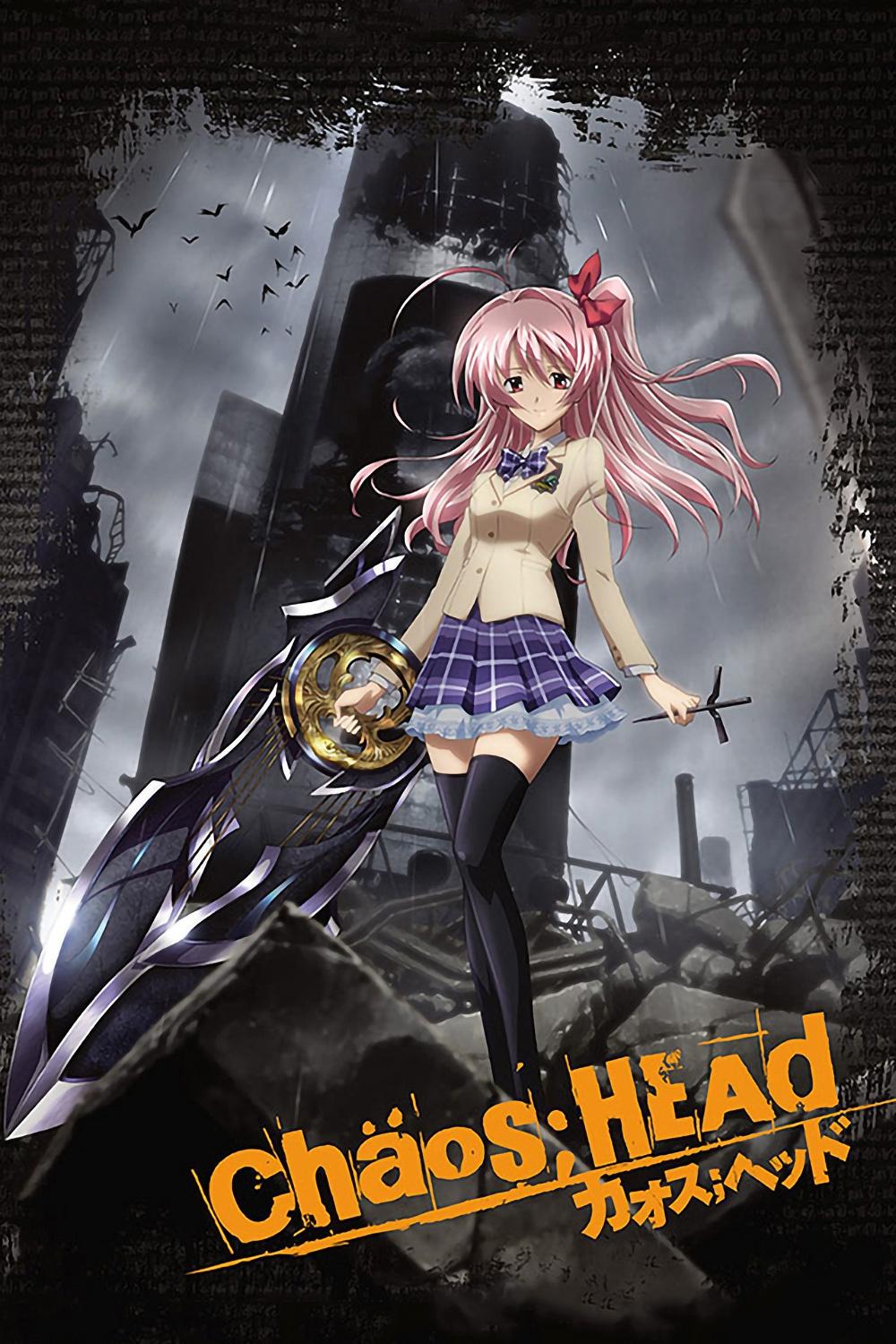
‘Chaos;Head’ is based on a visual novel known for its intricate “delusion” system and psychological depth. The anime adaptation suffered from severe pacing issues as it tried to cram dozens of hours of gameplay into 12 episodes. Many of the scientific explanations and atmospheric build-up were removed, making the plot feel disjointed and confusing. Character arcs were minimized, and the visual quality did not match the polished look of the original game. The result was an adaptation that struggled to convey the core themes of the source material to a new audience.
‘Record of Ragnarok’ (2021)
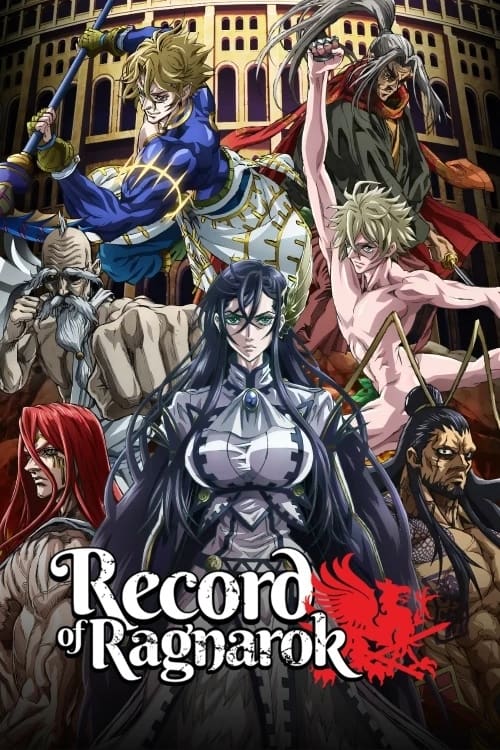
‘Records of Ragnarok’ focuses on a series of intense battles between gods and humans, known for its high-energy manga illustrations. The anime adaptation was criticized for its lack of fluid animation during these pivotal combat scenes. Some fights were presented through a series of static images or slideshows, which failed to capture the kinetic energy of the manga. Additionally, the pacing of the flashbacks was altered, sometimes interrupting the flow of the duels more than in the source material. This led to a viewing experience that many felt did not do justice to the source’s intensity.
‘The Seven Deadly Sins’ (2014–2021)
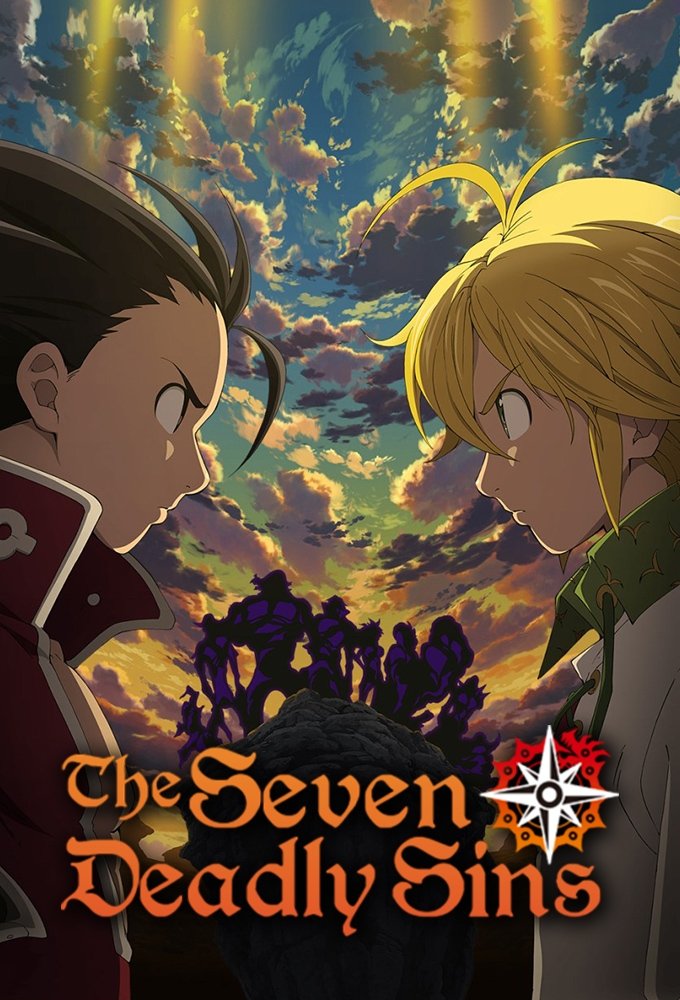
While the early seasons of ‘The Seven Deadly Sins’ were relatively faithful, the quality and accuracy began to shift in later installments. A change in animation studios led to a significant decrease in visual consistency during the “Imperial Wrath of the Gods” arc. Key fight scenes that were highly detailed in the manga were simplified or censored for the television broadcast. Furthermore, the pacing became increasingly rushed as the series approached its conclusion, skipping over minor character beats. This decline in production quality altered the impact of the story’s most significant climaxes.
‘Hellsing’ (2001–2002)
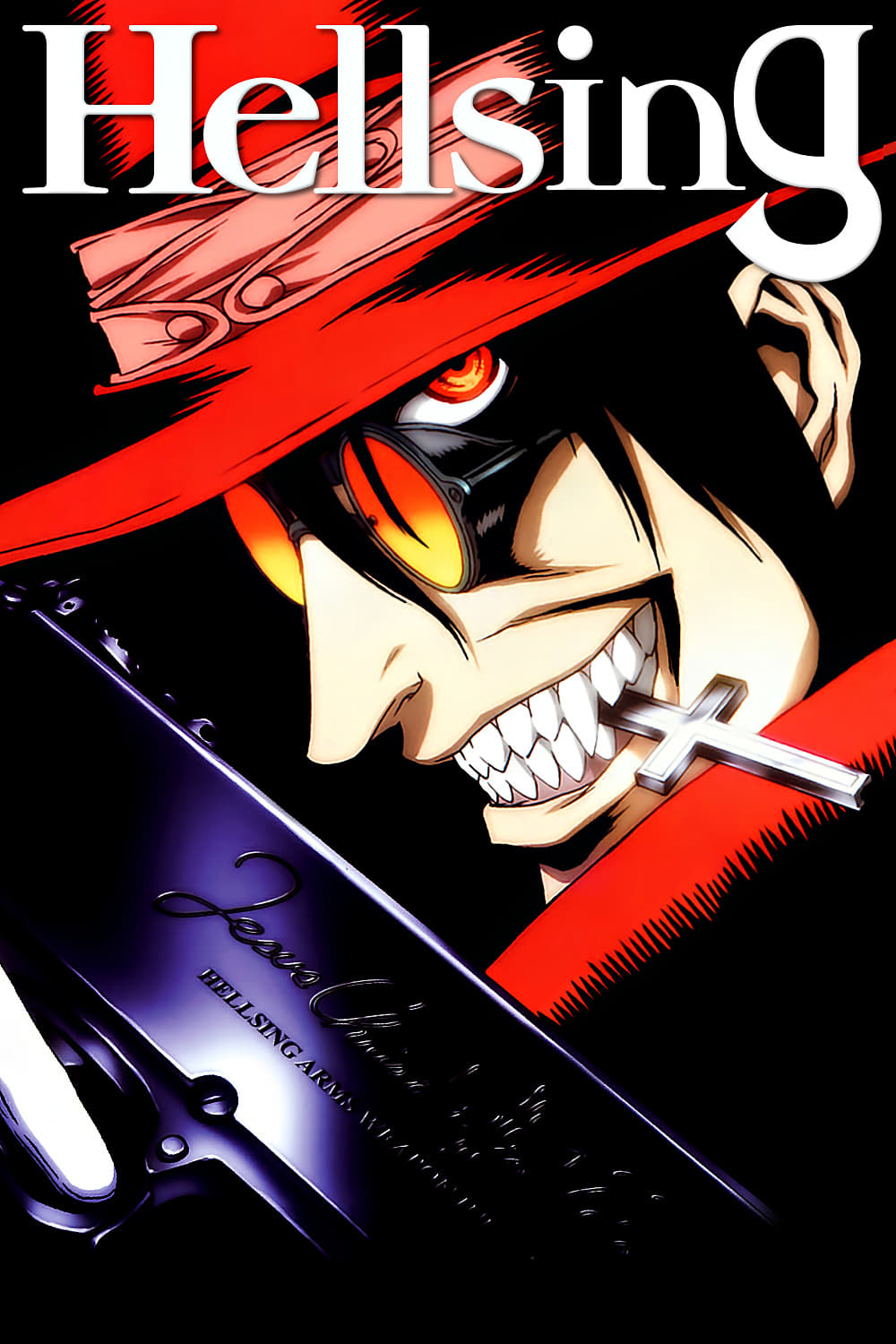
The original ‘Hellsing’ anime was produced while Kouta Hirano was still writing the manga. After the first few episodes, the series branched off into an entirely original plot involving an antagonist named Incognito. This version missed out on the “Millennium” arc, which is the central conflict of the manga involving an army of artificial vampires. The tone and character designs also differed from the hyper-stylized and violent aesthetic of the source. The ‘Hellsing Ultimate’ OVA series was later created to provide the faithful adaptation that fans of the manga expected.
‘Beelzebub’ (2011–2012)
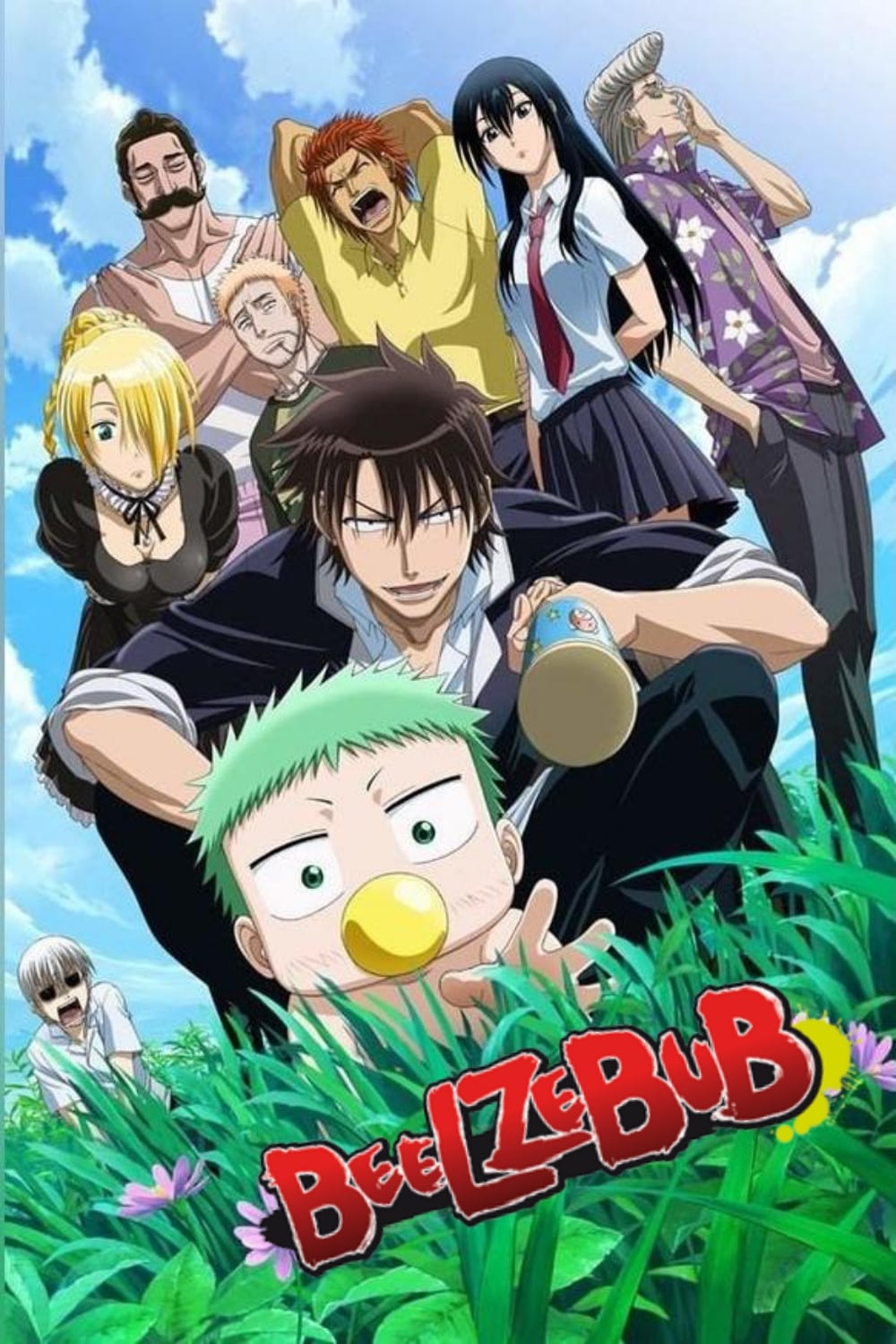
‘Beelzebub’ followed the manga’s comedic and action-oriented plot for most of its run but suffered from an abrupt ending. The anime was canceled before it could adapt the major battle arcs that shifted the series into a more serious tone. To provide closure, the final episodes featured a series of filler stories followed by a rushed finale that left many questions unanswered. Significant characters who appear later in the manga were either introduced as cameos or left out entirely. This left the anime feeling like an unfinished prologue to a much larger narrative.
‘Kingdom’ (2012–2014)
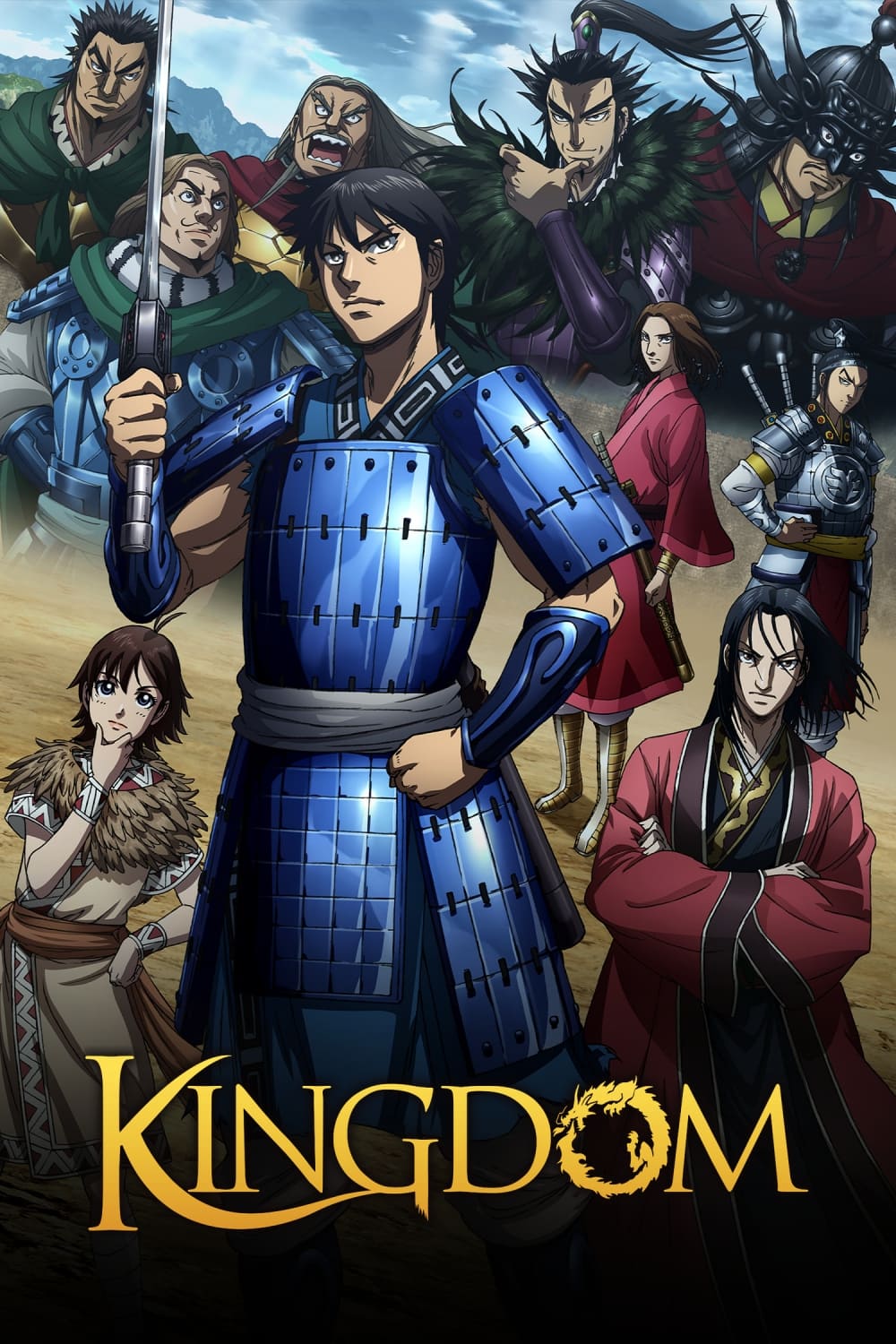
The ‘Kingdom’ anime’s first season utilized a heavy amount of low-quality 3D CGI that stood in stark contrast to the manga’s highly detailed historical art. This visual departure made it difficult for many fans to connect with the epic scale of the battles described in the source material. While the story remained mostly faithful to the plot, some of the more graphic violence was toned down for a wider audience. The second season improved the visuals, but the initial departure in style remained a point of contention for followers of the manga. Later seasons eventually moved toward a more traditional 2D aesthetic.
‘Btooom!’ (2012)
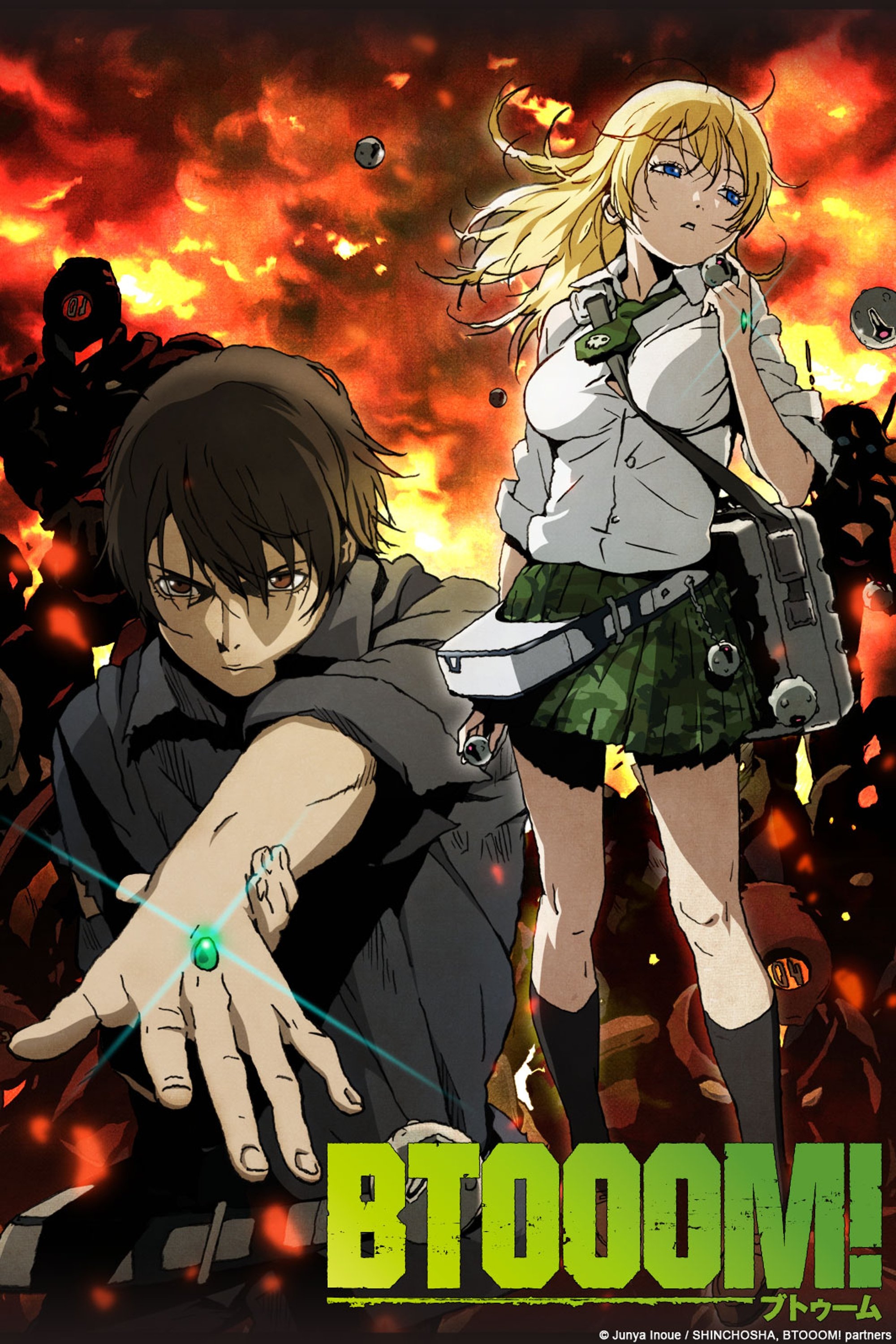
‘Btooom!’ adapted the survival game premise of the manga with accuracy but stopped just as the story reached its most critical point. The anime concludes at chapter 50 of the manga, leaving the ultimate fate of the island’s participants unknown. Because a second season was never produced, the anime lacks the resolution and the psychological payoff found in the manga’s dual endings. Many of the deeper conspiracies regarding the developers of the game are only hinted at in the show. As a result, the adaptation serves more as a promotional piece for the source material rather than a complete story.
Tell us which anime adaptation you think deviated the most from its source material in the comments.