Games That Faced Boycotts Over Voice Actor Firings

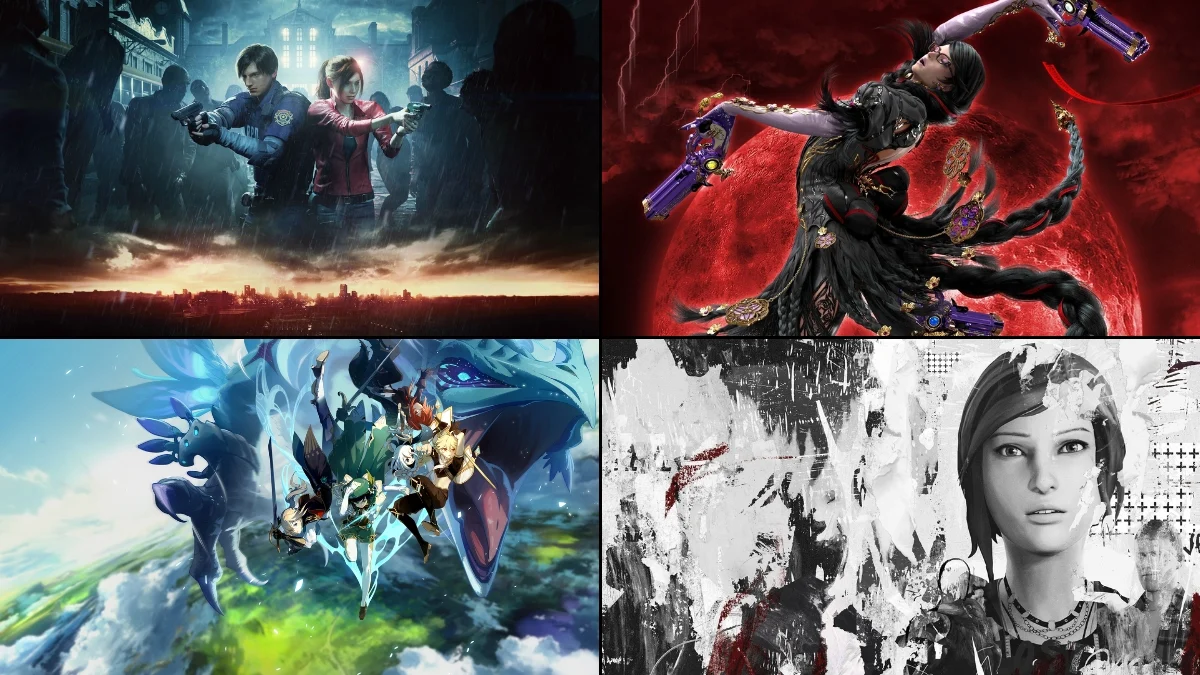

Voice actors provide the emotional core of many gaming franchises, often becoming synonymous with the characters they portray over several years. When developers or publishers decide to replace these performers, the decision frequently sparks intense backlash from dedicated fanbases who feel a sense of loyalty to the original talent. These controversies range from disputes over fair compensation and union participation to personal scandals that force a company’s hand in recasting. In many instances, these casting shifts lead to organized boycotts and social media campaigns as players demand transparency or the return of their favorite performers.
‘Bayonetta 3’ (2022)
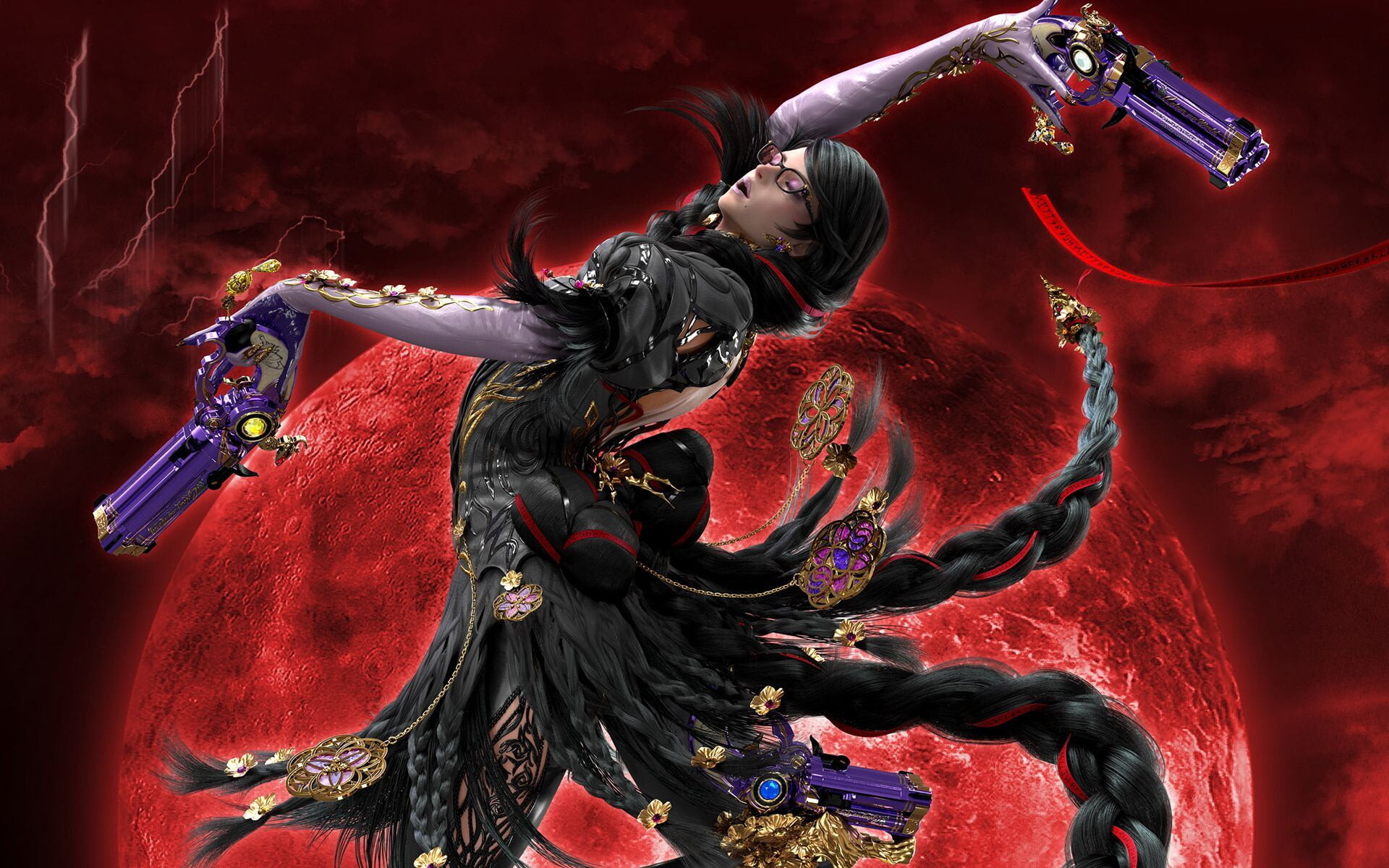
In ‘Bayonetta 3’, developer PlatinumGames and publisher Nintendo faced significant backlash when original voice actress Hellena Taylor called for a boycott. Taylor alleged she was offered an insultingly low fee of $4,000 to reprise her role as the titular character. She was subsequently replaced by Jennifer Hale, leading to intense debate within the gaming community regarding fair pay for voice talent. Though later reports questioned the accuracy of Taylor’s claims, the initial call for a boycott significantly impacted the game’s launch discourse.
‘Metal Gear Solid V: The Phantom Pain’ (2015)
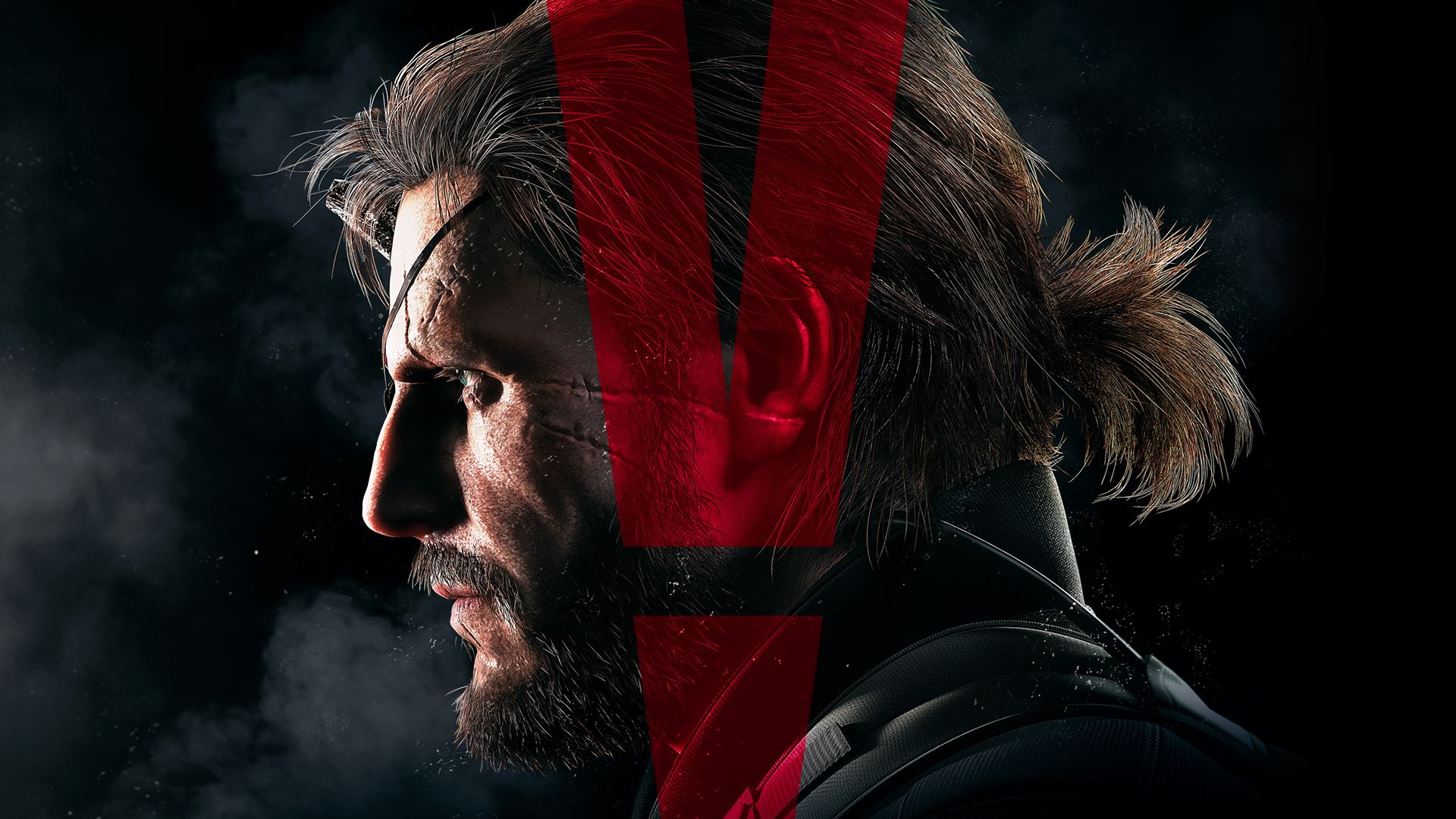
Konami and Kojima Productions made the controversial decision to replace long-time series lead David Hayter with Hollywood actor Kiefer Sutherland for ‘Metal Gear Solid V: The Phantom Pain’. Hayter, who had voiced Solid Snake and Big Boss since 1998, expressed public disappointment over being excluded from the project without a clear explanation. Fans reacted by organizing online protests and threatening to boycott the title to support the veteran voice actor. Despite the unrest, the game was released to critical acclaim, though the absence of Hayter remains a point of contention among franchise purists.
‘Life is Strange: Before the Storm’ (2017)
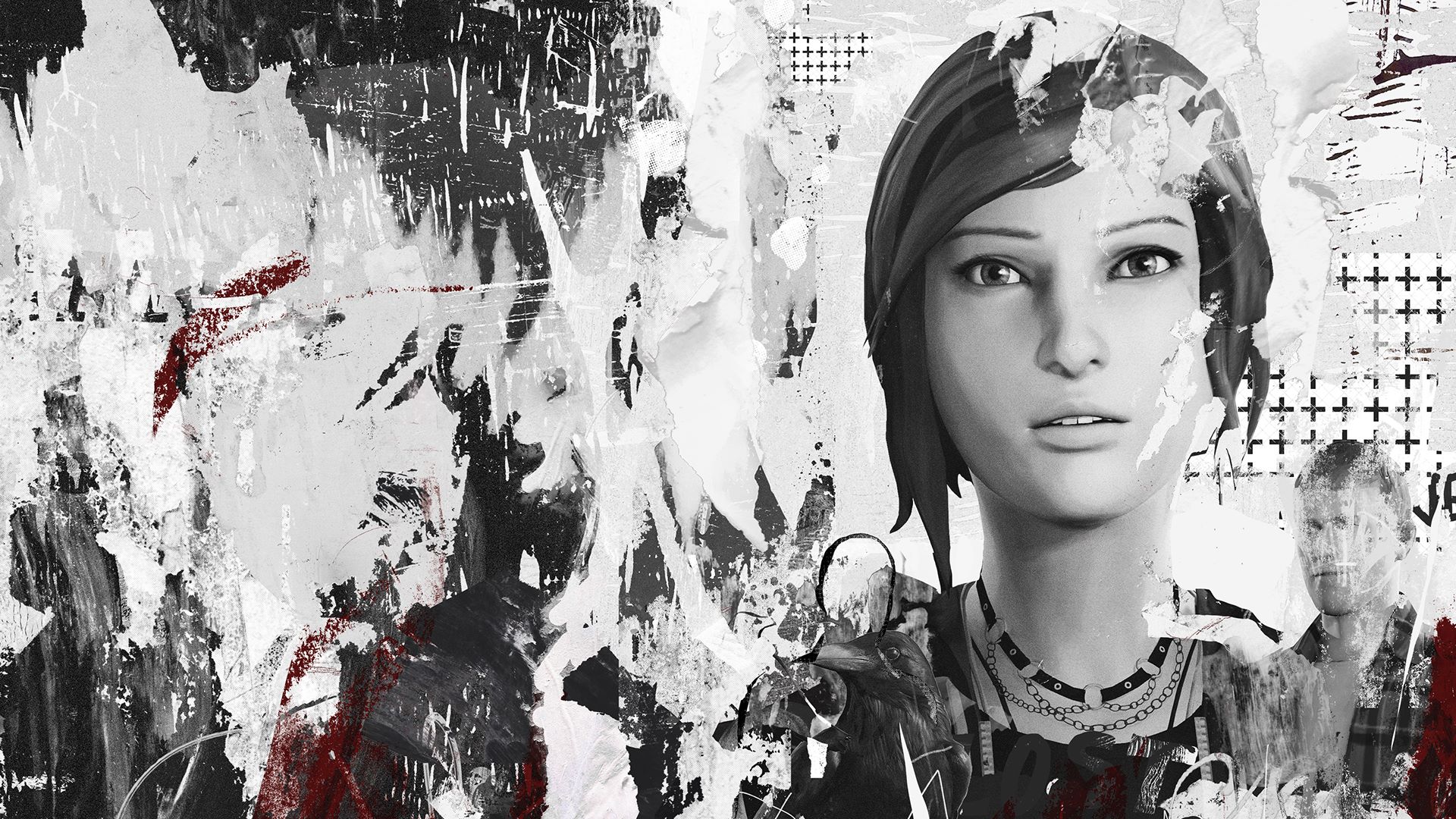
‘Life is Strange: Before the Storm’, developed by Deck Nine and published by Square Enix, saw Ashly Burch replaced as the voice of Chloe Price. The change occurred due to the 2016–2017 video game voice actor strike, as Burch was a member of the SAG-AFTRA union. While Burch served as a consultant, fans were unhappy with the new casting and encouraged others to avoid the game in solidarity with the striking actors. The situation highlighted the tensions between labor unions and major publishers during a pivotal moment for the industry.
‘Splinter Cell: Blacklist’ (2013)
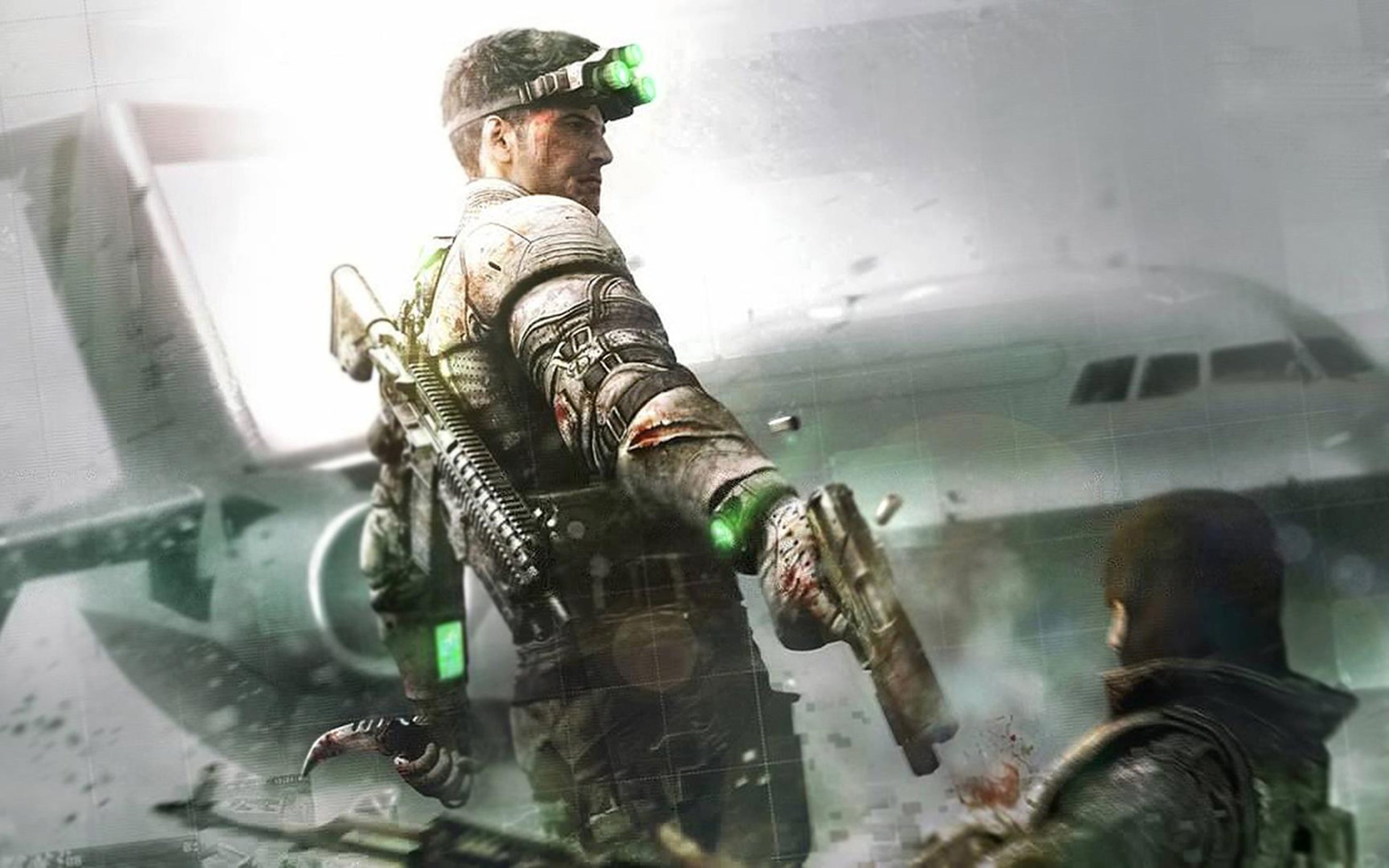
Ubisoft released ‘Splinter Cell: Blacklist’ in 2013 with Eric Johnson taking over the role of Sam Fisher from the iconic Michael Ironside. The developer cited the need for a physical actor who could perform motion capture and voice acting simultaneously as the primary reason for the change. Longtime followers of the series felt the replacement was a dismissal of the character’s established identity and launched various boycott campaigns. Ironside eventually returned to the role in later ‘Tom Clancy’s Ghost Recon’ crossovers, acknowledging he had stepped away originally for health reasons.
‘Resident Evil 2’ (2019)
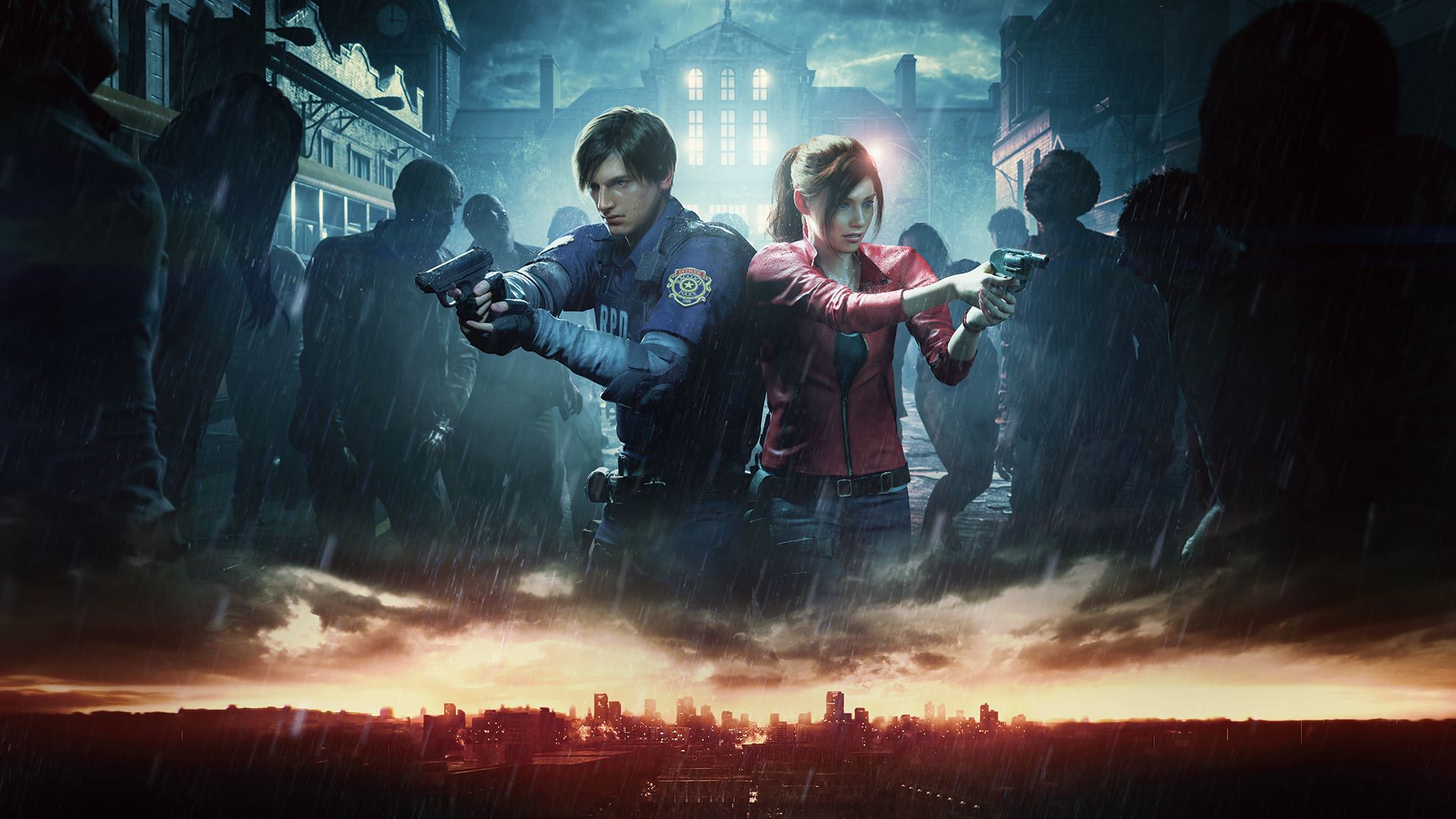
The 2019 remake of ‘Resident Evil 2’ by Capcom featured an entirely new voice cast, much to the dismay of fans who wanted the original actors to return. Alyson Court, who voiced Claire Redfield in the 1998 original and several sequels, stated she was not invited back due to the production’s use of non-union actors. This led to a vocal segment of the fanbase calling for a boycott to protest the exclusion of legacy talent. Capcom maintained that the new cast was necessary to match the updated, photorealistic aesthetic of the modern RE Engine.
‘Judgment’ (2018)
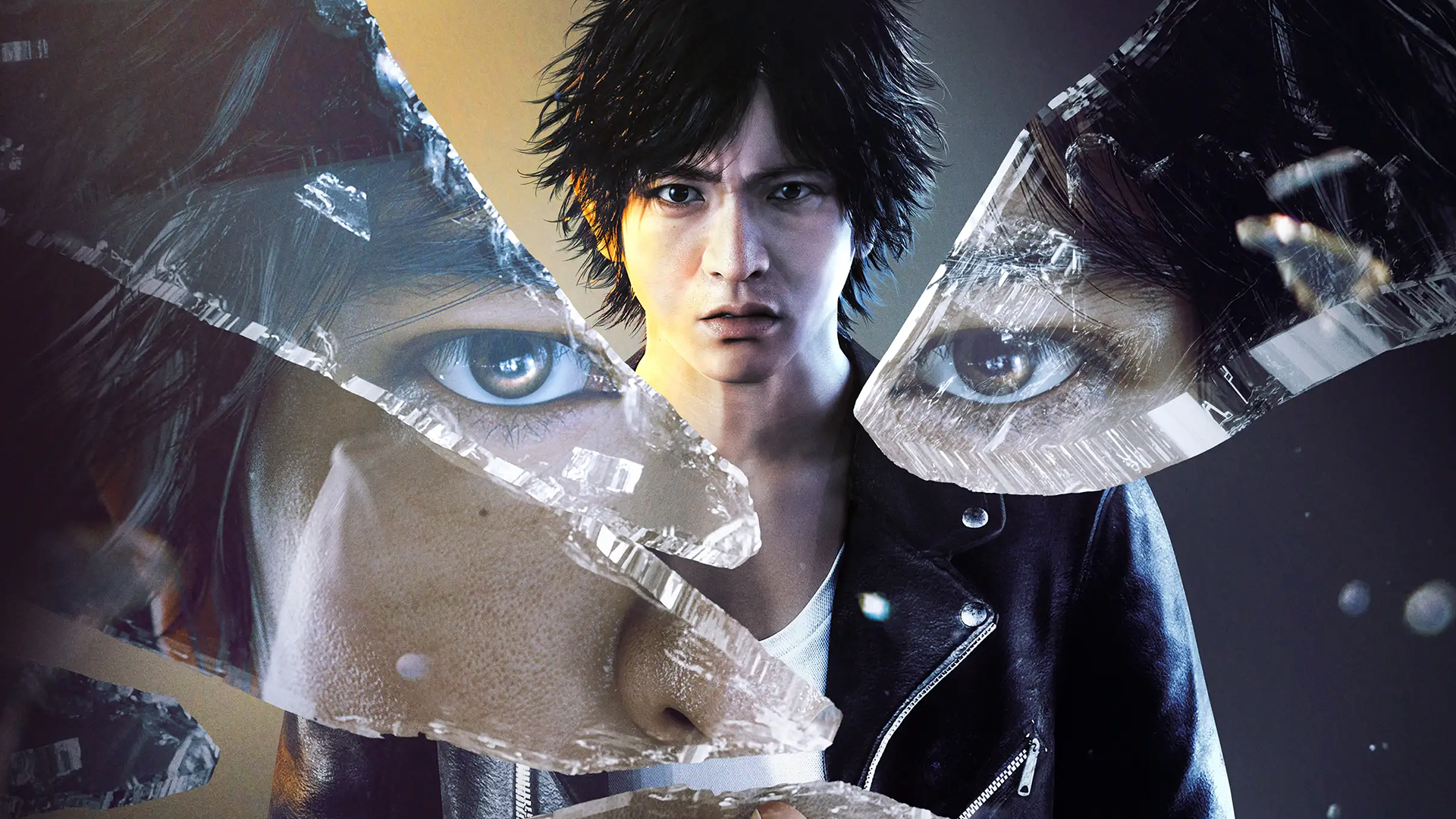
Sega and Ryu Ga Gotoku Studio were forced to make a rapid casting change for ‘Judgment’ following the arrest of actor Pierre Taki on drug-related charges. Taki, who provided the voice and likeness for the character Kyohei Hamura, was removed from the game and his character model was redesigned. While the firing was a response to strict Japanese laws and corporate policies, some fans boycotted the decision as an overreaction to a personal legal matter. The game was temporarily pulled from shelves in Japan before being re-released with a new actor, Miura Akasaka.
‘Fire Emblem: Three Houses’ (2019)
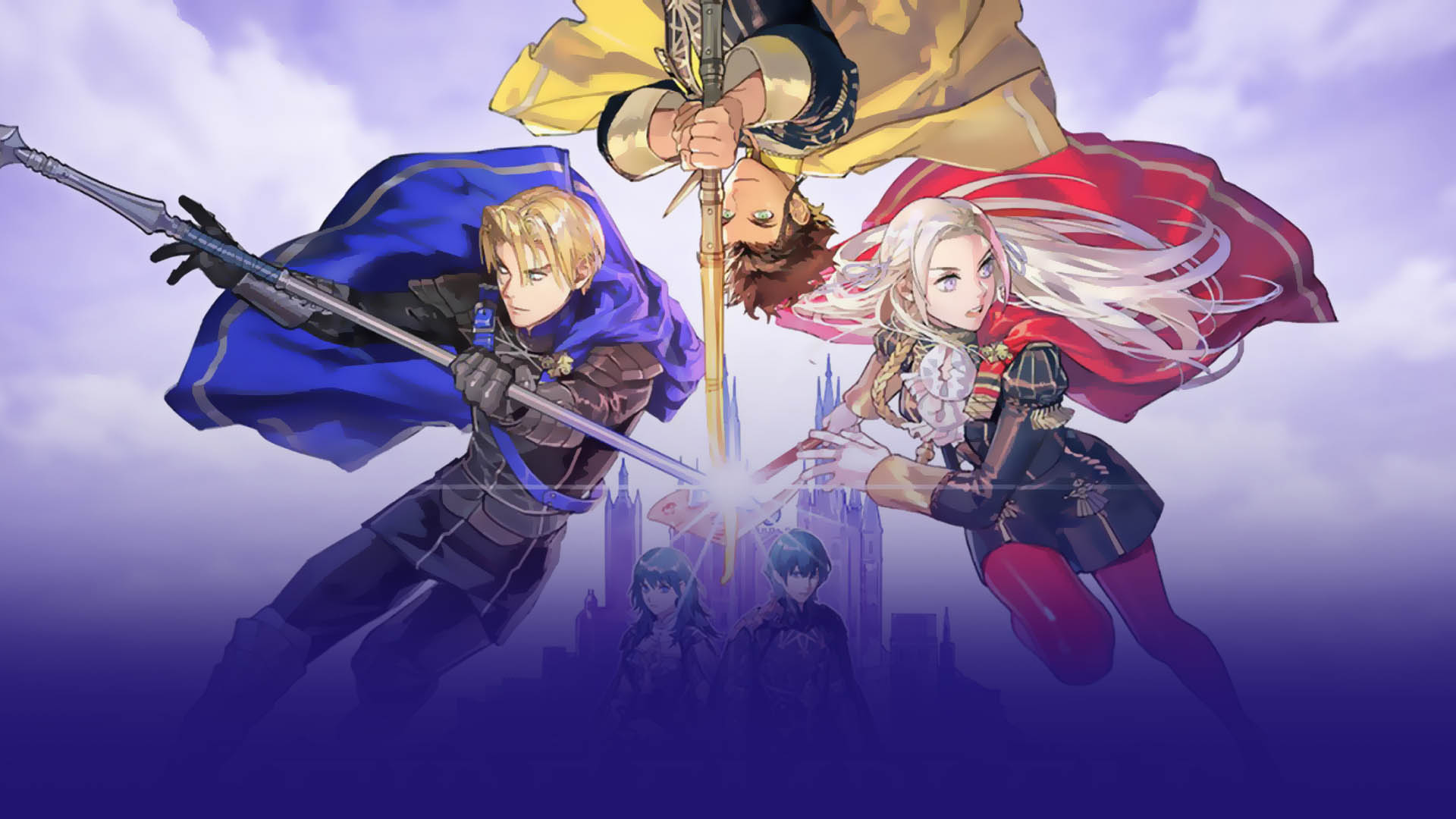
In ‘Fire Emblem: Three Houses’, developed by Intelligent Systems and published by Nintendo, actor Chris Niosi was removed from his role as the male protagonist Byleth. The decision came after Niosi admitted to various instances of emotional abuse and professional misconduct following the game’s launch. Nintendo acted quickly to patch the game, replacing Niosi’s lines with a new performance by Zach Aguilar. While some fans called for a boycott due to the initial casting, the majority of the community supported the developer’s decision to distance the project from the actor.
‘Genshin Impact’ (2020)

‘Genshin Impact’, developed and published by HoYoverse, faced a major controversy when the English voice actor for the character Tighnari, Elliot Gindi, was fired following allegations of sexual misconduct. The community response was immediate, with many players threatening to stop spending money on the game until the situation was addressed. HoYoverse eventually scrubbed Gindi’s voice from the game and hired Zachary Gordon to re-record all the dialogue. This incident sparked broader discussions about the vetting process for voice talent in live-service titles.
‘Dragon Age: The Veilguard’ (2024)
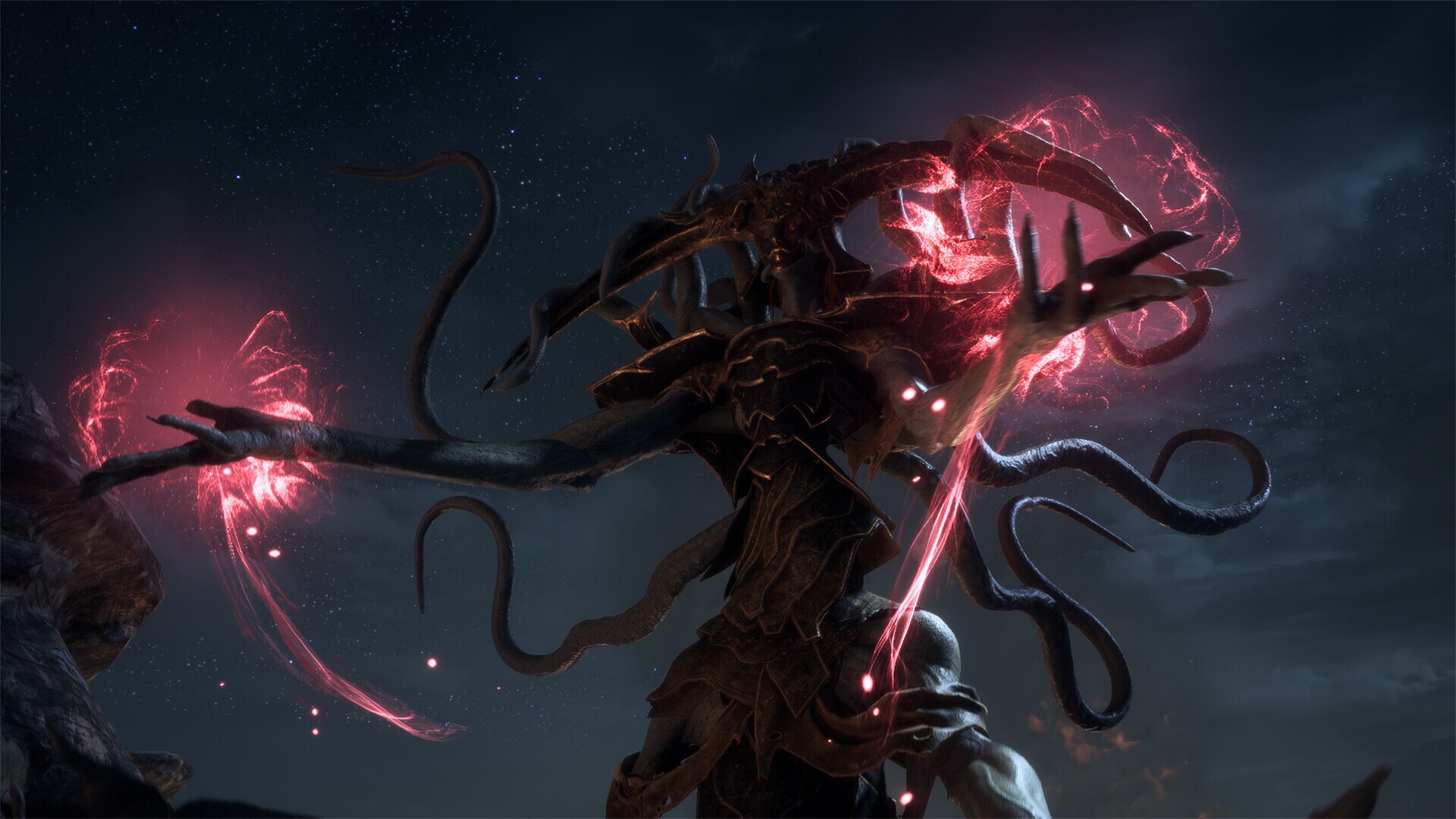
‘Dragon Age: The Veilguard’, developed by BioWare and published by Electronic Arts, moved forward without Greg Ellis, the original voice of the character Cullen. Ellis was replaced following a series of public controversies and unprofessional behavior directed at the development team on social media. Some fans who supported the actor attempted to organize a boycott, claiming his dismissal was politically motivated. However, BioWare maintained that the creative direction and professional environment of the studio were the primary factors in their casting choices.
‘Yakuza 4’ (2010)
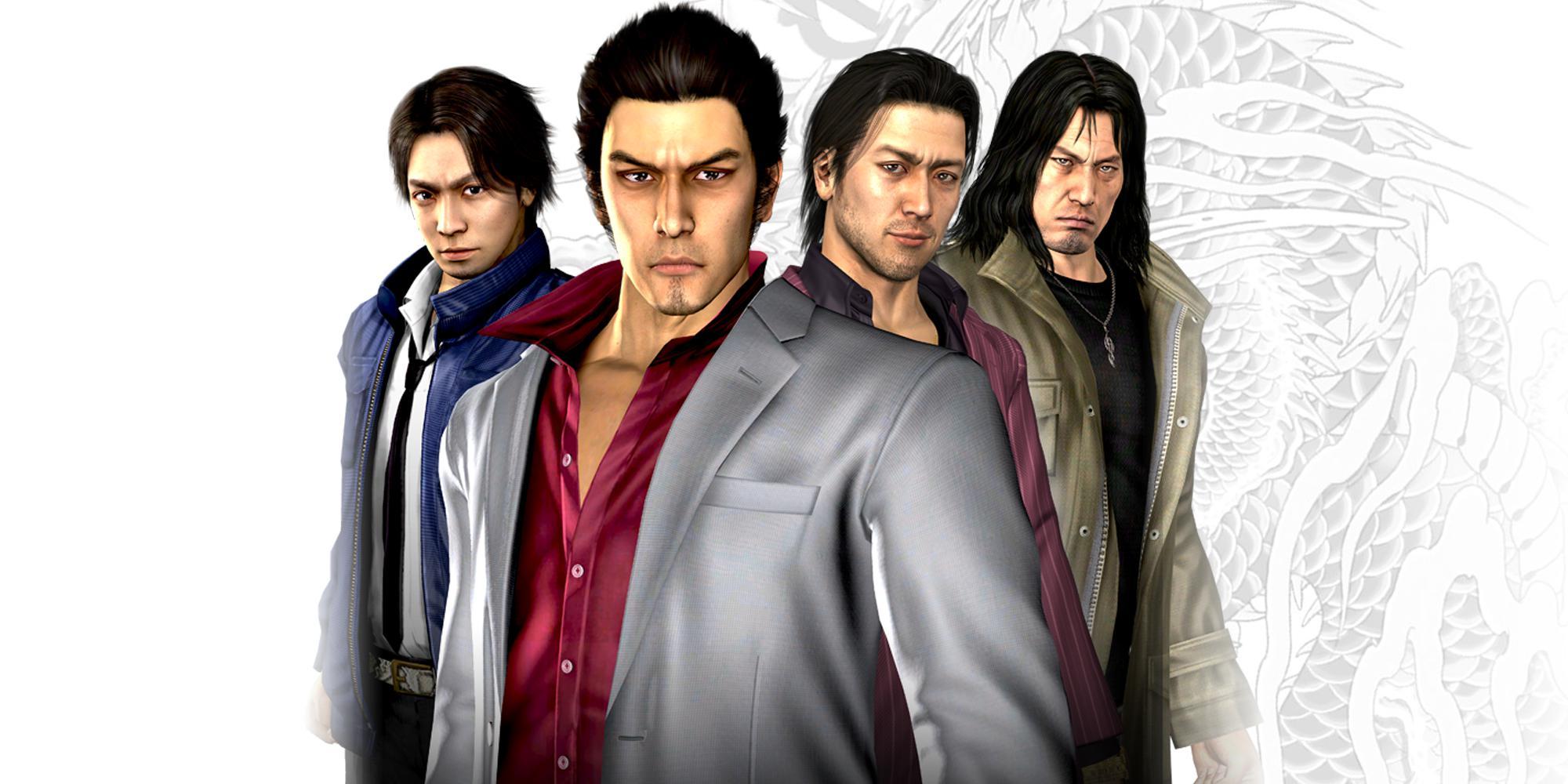
For the remastered release of ‘Yakuza 4’ on modern platforms, publisher Sega replaced actor Hiroki Narimiya in the role of Masayoshi Tanimura. Narimiya had retired from the entertainment industry following drug allegations, which led the developers to redesign the character’s face and re-record his lines with actor Toshiki Masuda. A portion of the fanbase protested the change, arguing that the original performance was superior and that the removal of the actor was unnecessary. Despite the outcry, the remastered version became the standard edition available for international audiences.
‘Final Fantasy VII Remake’ (2020)
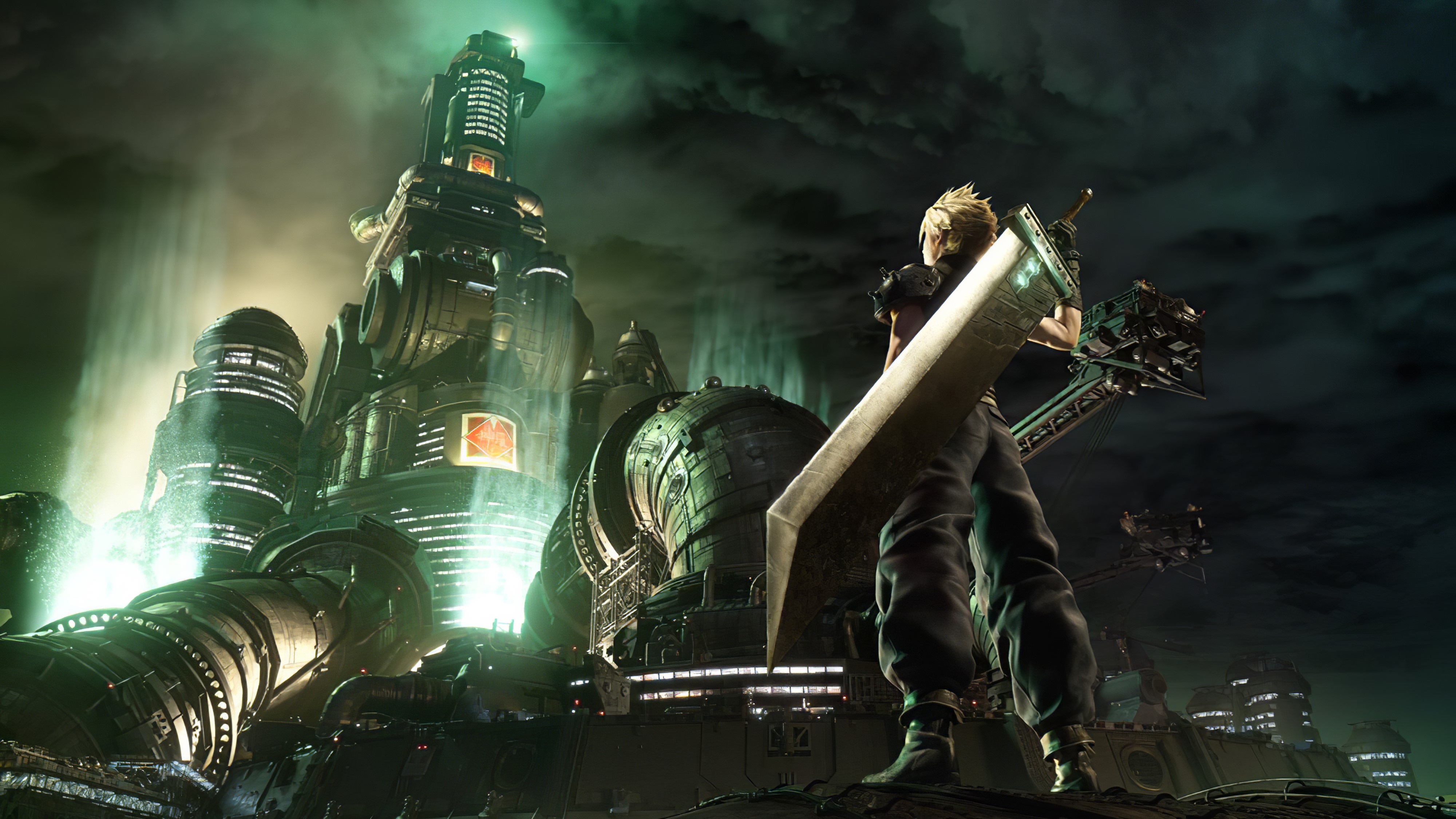
Square Enix decided to recast the entire voice ensemble for ‘Final Fantasy VII Remake’, replacing the actors who had portrayed the characters for over a decade in ‘Kingdom Hearts’ and ‘Advent Children’. This decision was met with resistance from fans of the original English cast, including Steve Burton and Quinton Flynn, who were not contacted to reprise their roles. Online petitions and boycott threats emerged as long-time supporters felt the legacy cast was being unfairly discarded for newer talent. The developer defended the move by stating they wanted a fresh start to accompany the reimagined gameplay and narrative.
‘Street Fighter V’ (2016)
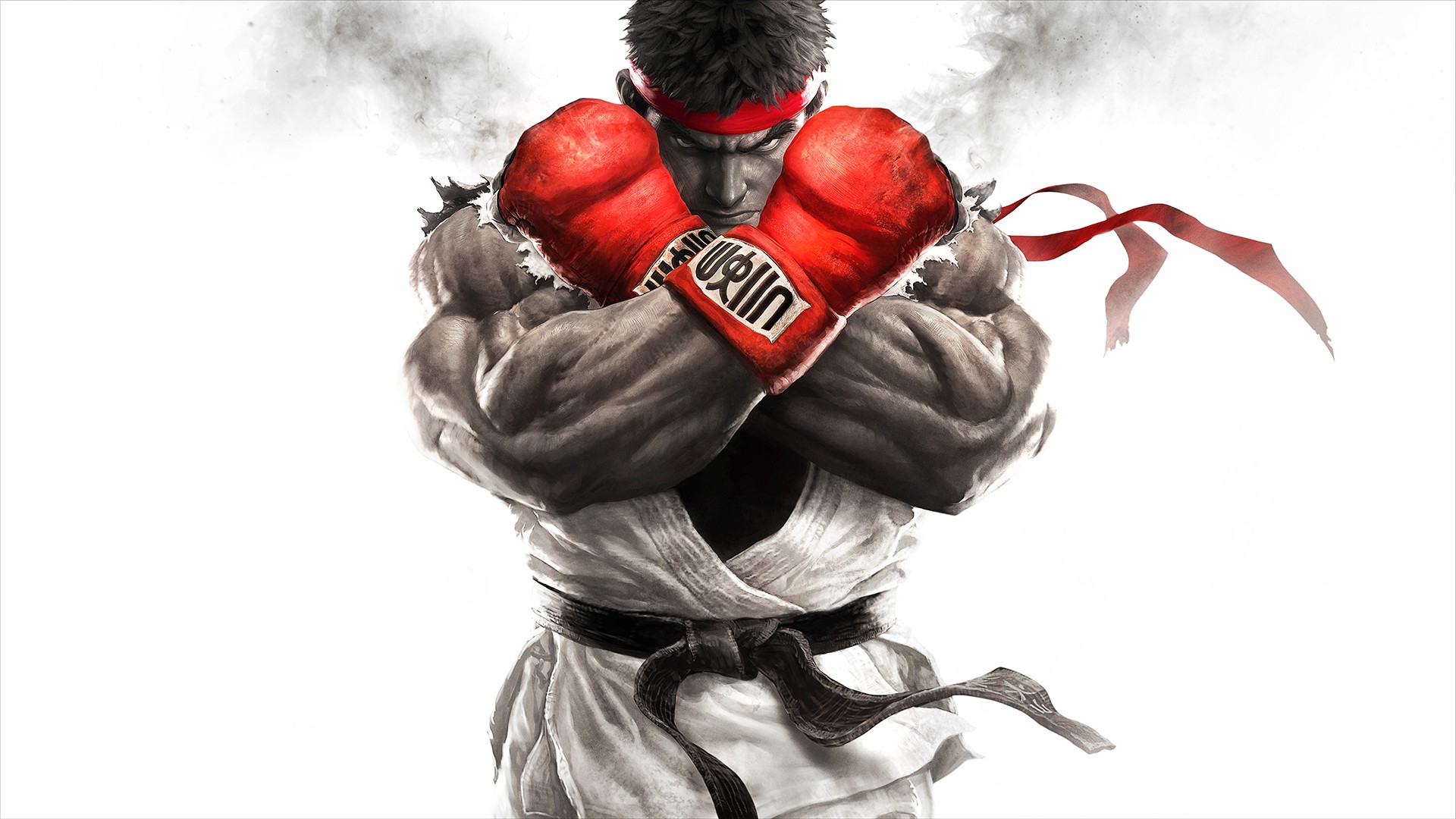
Capcom’s ‘Street Fighter V’ saw various calls for boycotts surrounding the voice talent, particularly concerning Reuben Langdon, the voice of Ken Masters. While Langdon was not officially fired during the game’s active lifecycle, his controversial public statements led to his eventual replacement in ‘Street Fighter 6’. Fans of the actor expressed their frustration by threatening to skip the final updates of the fifth installment and the upcoming sequel. The company chose to transition to David Matranga to avoid further association with the ongoing controversies surrounding Langdon.
‘Silent Hill HD Collection’ (2012)
The ‘Silent Hill HD Collection’, published by Konami, became a focal point of controversy when the publisher replaced the original voice casts of the second and third games. Guy Cihi, the original voice of James Sunderland, led a public campaign against the collection due to legal disputes over residuals and the lack of credit. This resulted in an organized boycott by fans who believed the new performances ruined the atmosphere of the classic horror titles. Konami eventually included the original voices for ‘Silent Hill 2’ as an option, but the third game remained locked to the new recordings.
Please share your thoughts on these voice actor replacements and boycotts in the comments.