Actresses Hollywood Hyped as “It Girls” But Audiences Ignored



The entertainment industry frequently attempts to predict and manufacture the next major star through strategic media placement and high-budget casting. This phenomenon, often referred to as crowning an “It Girl,” involves a period of intense publicity designed to establish a performer as the next household name. However, a significant gap often exists between industry marketing and general audience reception. While some actresses receive critical acclaim, they may fail to achieve the box office draw or cultural longevity intended by studios. This disconnect highlights the unpredictable nature of celebrity and the difficulty of sustaining a career under intense professional scrutiny.
Gretchen Mol
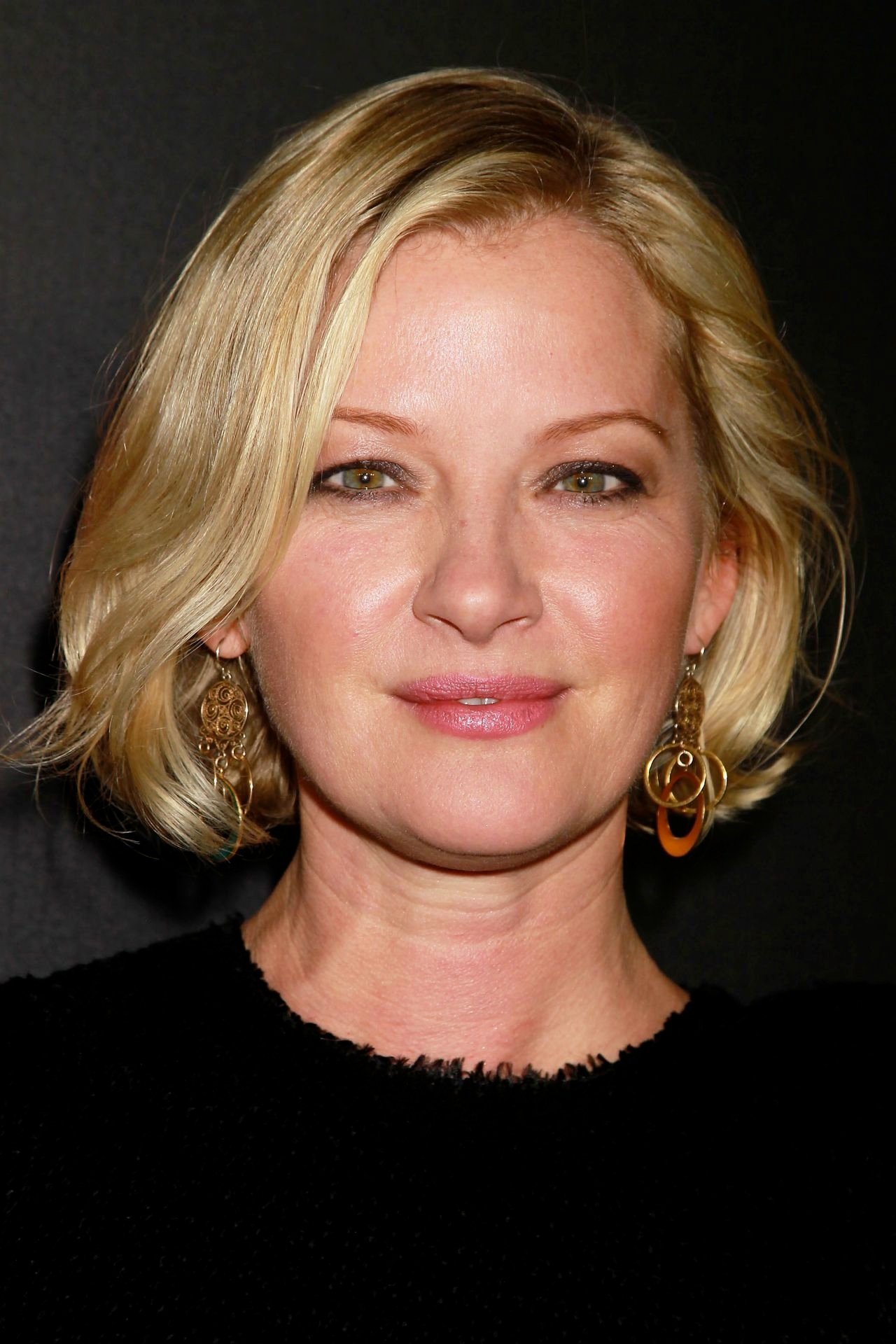
In 1998, Gretchen Mol was featured on the cover of Vanity Fair with a headline that dubbed her the next major star of Hollywood. This publicity push occurred before she had established a significant filmography, leading to high expectations from both the industry and the public. Despite starring in ‘Rounders’ and ‘Celebrity’, she did not become the commercial powerhouse that magazines had predicted. The intense media focus was often cited as a burden that hindered her natural career progression. Eventually, she found success in character-driven roles on television series like ‘Boardwalk Empire’.
Julia Ormond
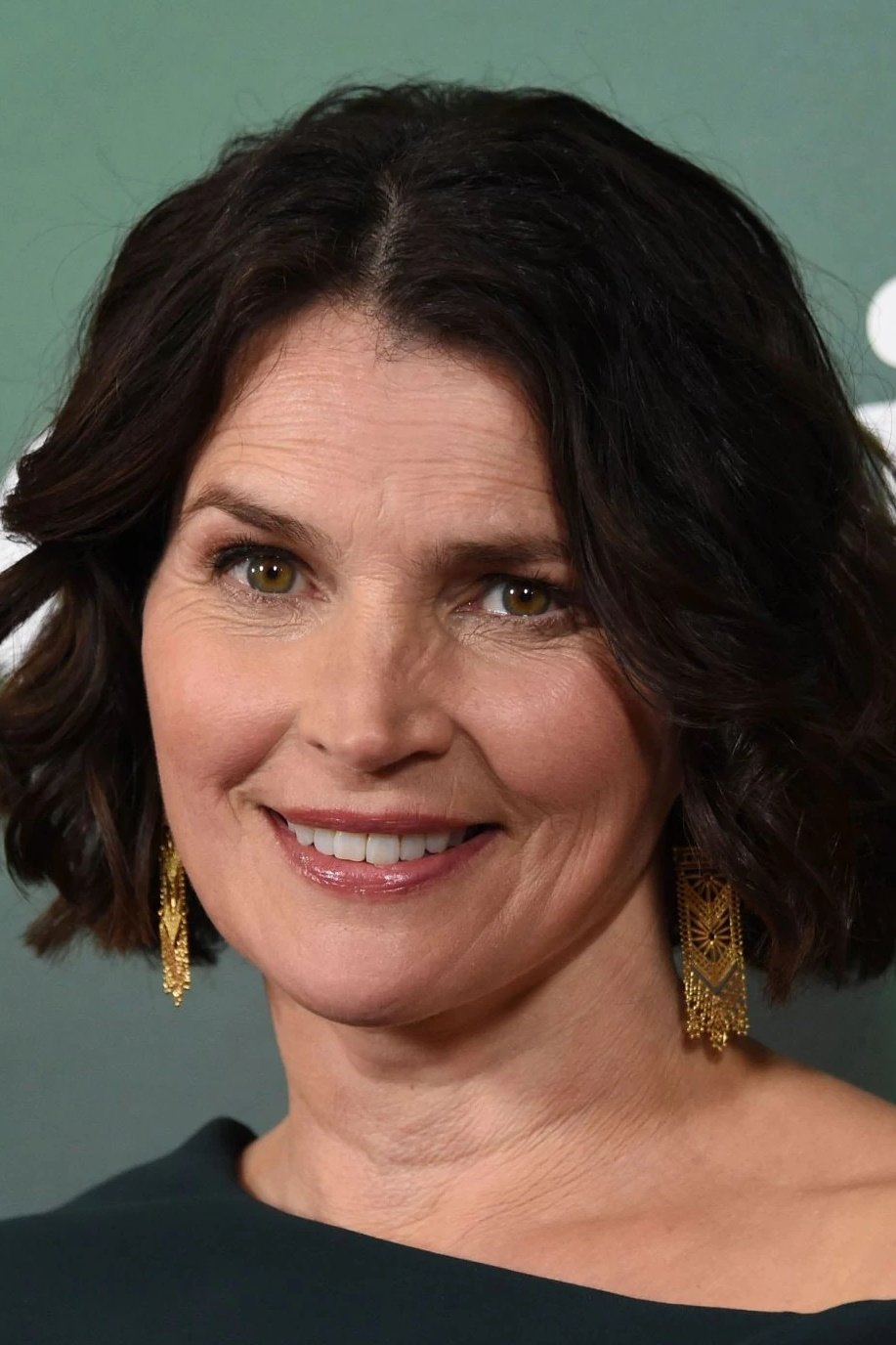
During the mid-1990s, Julia Ormond was positioned by studios as the successor to actresses like Audrey Hepburn. She secured leading roles in major productions such as ‘Legends of the Fall’, ‘First Knight’, and the ‘Sabrina’ remake. While these films featured high-profile co-stars, Ormond struggled to capture the sustained interest of American audiences as a primary leading lady. Following a period of intense hype, her presence in mainstream Hollywood blockbusters diminished significantly. She later transitioned into supporting roles and found critical acclaim in independent projects and television.
Elizabeth Berkley

After achieving success on the television show ‘Saved by the Bell’, Elizabeth Berkley was marketed as a breakout film star for her role in ‘Showgirls’. The film was intended to be a provocative transition into adult roles, supported by a massive promotional campaign. However, the movie was a critical and commercial failure upon its initial release, which severely impacted her trajectory as a leading actress. Audiences and critics alike rejected the performance and the film’s tone at the time. Berkley eventually moved toward stage work and supporting roles in television and film.
Estella Warren

Estella Warren transitioned from a successful career in synchronized swimming and modeling to being hyped as a major new talent in the early 2000s. She was cast as the female lead in high-profile films such as ‘Planet of the Apes’ and ‘Driven’. Despite the heavy marketing surrounding her debut into the film industry, her performances were often met with negative critical reception. Audiences did not embrace her as a leading lady, and her presence in major studio films declined shortly thereafter. She continued to work in independent cinema and television movies but never regained “It Girl” status.
Paz Vega

Paz Vega arrived in Hollywood with significant acclaim from the Spanish film industry, particularly for her work in ‘Sex and Lucia’. She was marketed as the next major international crossover star, drawing comparisons to Penelope Cruz. Her first major American role was in the romantic comedy ‘Spanglish’, which was expected to launch her into A-list status. However, the film received mixed reviews and failed to establish her as a consistent draw for American moviegoers. She has since maintained a steady career primarily in European and international productions.
Sienna Miller

In the mid-2000s, Sienna Miller became a fixture in fashion magazines and tabloids, frequently identified as the industry’s newest style icon and star. She landed roles in films such as ‘Alfie’, ‘Layer Cake’, and ‘Factory Girl’, where she portrayed Edie Sedgwick. Despite the media saturation, her films often struggled at the box office, and public interest centered more on her personal life than her acting. She eventually shifted her focus toward more demanding dramatic roles in independent films like ‘The Lost City of Z’. This transition allowed her to gain critical respect, even if the initial blockbuster hype did not materialize.
Kate Bosworth

Kate Bosworth rose to prominence with the surfing film ‘Blue Crush’, leading to a period of intense Hollywood hype. She was cast as Lois Lane in ‘Superman Returns’, a role meant to solidify her position as a top-tier leading lady. The film’s performance and the reception of her portrayal did not lead to the anticipated career surge. While she remained a consistent presence in fashion and media, her subsequent film projects failed to resonate with a broad audience. She has since focused on producing and appearing in independent genre films.
Camilla Belle

Camilla Belle was heavily promoted as a rising star following her appearance in ‘When a Stranger Calls’. She was later cast as the lead in the big-budget prehistoric epic ‘10,000 BC’, which was marketed as a massive cinematic event. Despite the film’s commercial performance, Belle did not become the breakout star the industry expected. Subsequent projects like ‘Push’ and ‘From Prada to Nada’ failed to gain traction with audiences. Her career eventually shifted toward smaller projects and international fashion collaborations.
Gemma Arterton
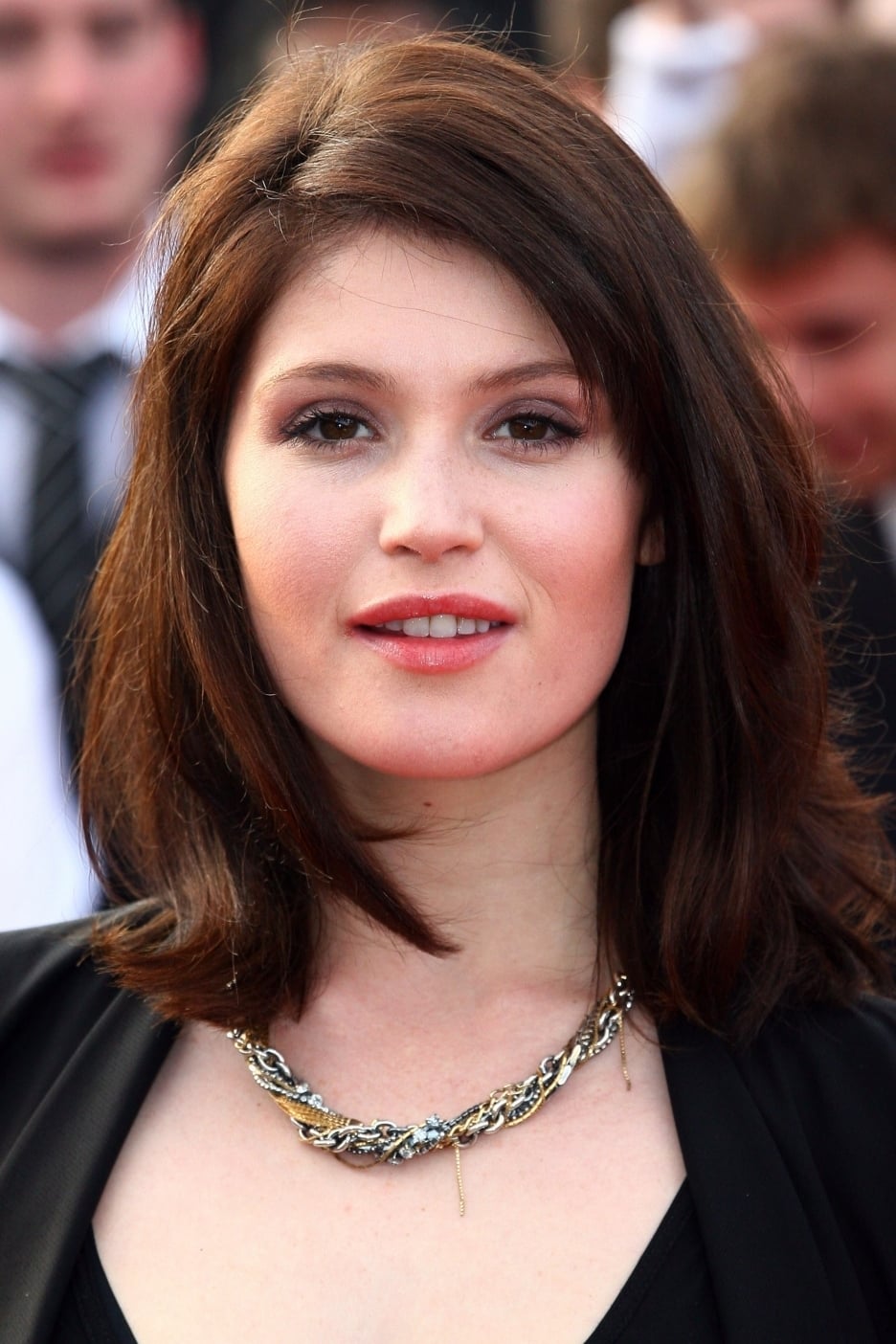
Gemma Arterton was rapidly cast in a string of major blockbusters including ‘Quantum of Solace’, ‘Clash of the Titans’, and ‘Prince of Persia: The Sands of Time’. Studios positioned her as the next prominent British leading lady for action and fantasy genres. However, these big-budget films often received lukewarm responses from both critics and audiences. Arterton later expressed dissatisfaction with the blockbuster machine and pivoted her career toward theater and independent British films. She found more fulfillment and critical praise in roles like ‘Tamara Drewe’ and ‘The Escape’.
Isabel Lucas

Following her work on the Australian soap opera ‘Home and Away’, Isabel Lucas was introduced to American audiences in ‘Transformers: Revenge of the Fallen’. She was marketed as a major new discovery and subsequently appeared in the action film ‘Red Dawn’ and the fantasy epic ‘Immortals’. Despite being featured in several high-grossing franchises, she did not develop a dedicated following or “It Girl” longevity. Her career path moved toward more experimental and independent projects. Lucas eventually stepped away from the traditional Hollywood studio system.
Alice Eve

Alice Eve was frequently cast in roles designed to showcase her as a classic Hollywood leading lady in films like ‘She’s Out of My League’ and ‘Star Trek Into Darkness’. Her performance in the latter became a point of discussion regarding the industry’s tendency to capitalize on aesthetic appeal over character development. Despite consistent work in high-profile projects, she did not achieve the level of stardom predicted by early career hype. Audiences largely viewed her as a supporting player rather than a primary box office draw. She continues to work across television and film, often in ensemble casts.
Teresa Palmer

Teresa Palmer was at the center of a significant marketing push when she was cast in ‘I Am Number Four’ and ‘The Sorcerer’s Apprentice’. Hollywood positioned her as a versatile actress capable of leading both action and romantic dramas like ‘Warm Bodies’. While she maintained a steady work schedule, the massive breakthrough into A-list status remained elusive. Audiences did not respond to her projects with the level of enthusiasm required to sustain “It Girl” momentum. She has since found a consistent niche in television, specifically starring in the series ‘A Discovery of Witches’.
Abbie Cornish

Abbie Cornish gained critical attention in Australia before being marketed as a major talent in Hollywood with films like ‘Bright Star’ and ‘Sucker Punch’. She was often compared to Nicole Kidman and was expected to become a staple of prestige cinema. However, films like ‘W.E.’ and the ‘RoboCop’ remake did not help her establish a strong connection with the general public. Despite her technical skill, her leading roles rarely translated into box office success. She has recently balanced her acting career with a focus on music and supporting roles in television.
Mia Wasikowska

After starring in the billion-dollar hit ‘Alice in Wonderland’, Mia Wasikowska was briefly one of the most visible young actresses in the industry. She followed this success with roles in ‘Jane Eyre’ and ‘Crimson Peak’, leaning into gothic and period dramas. While highly respected by critics, she never transitioned into a consistent commercial draw for mainstream audiences. Wasikowska eventually moved back to Australia, expressing a preference for smaller, more personal projects over the Hollywood lifestyle. She remains an acclaimed actress but operates outside the traditional “It Girl” spotlight.
Britt Robertson

Britt Robertson was given several opportunities to lead major studio films, including the Disney sci-fi adventure ‘Tomorrowland’ and the Nicholas Sparks adaptation ‘The Longest Ride’. These projects were designed to launch her as a relatable and versatile young star for diverse demographics. Despite the significant investment in these films, they underperformed or received mixed reviews from viewers. Robertson did not achieve the household-name status that her casting suggested was imminent. She has since transitioned to leading roles in television series like ‘For the People’ and ‘The Rookie: Feds’.
Shailene Woodley
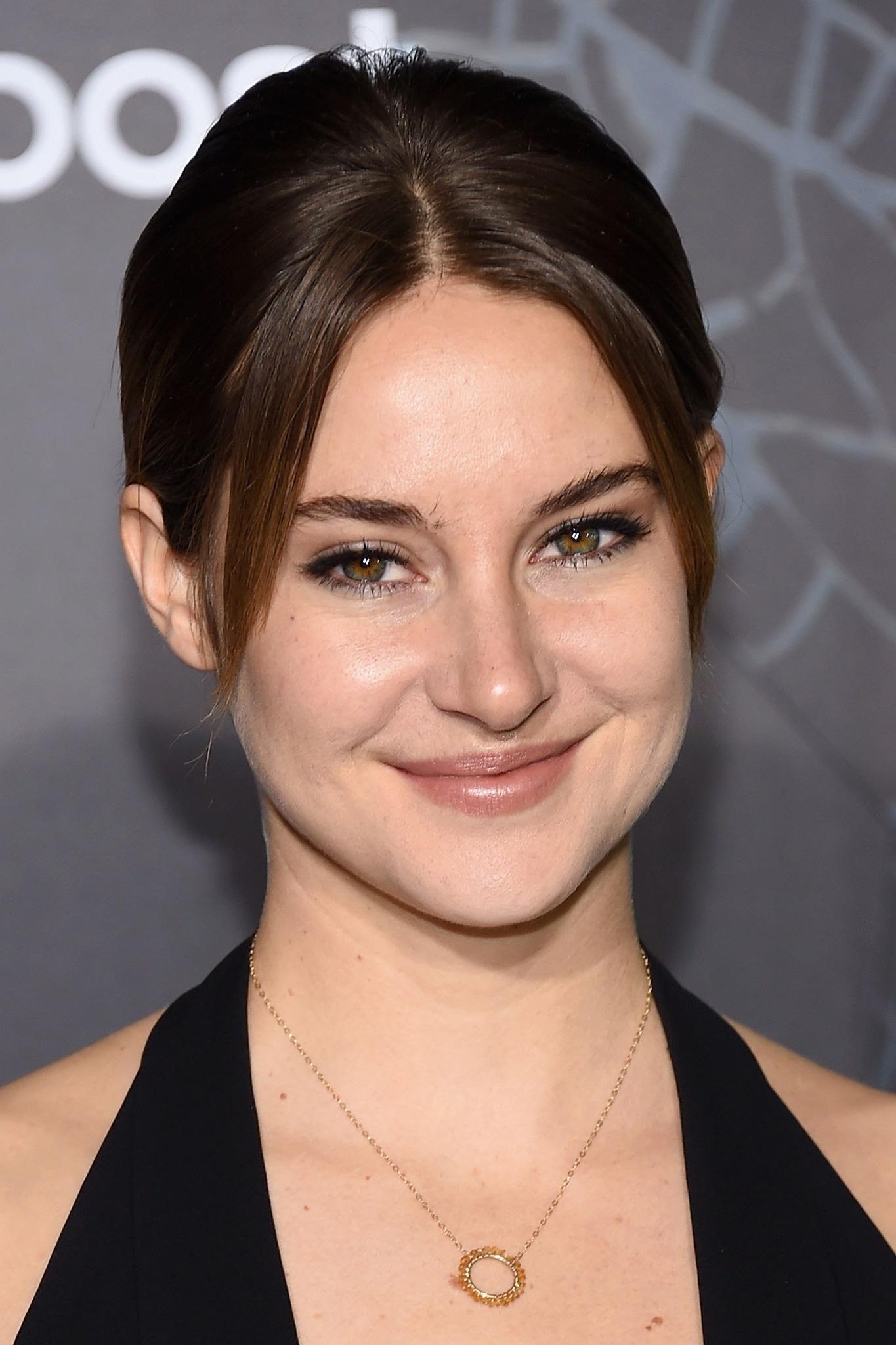
Following her success in ‘The Fault in Our Stars’, Shailene Woodley was positioned to lead the ‘Divergent’ franchise, which was intended to rival ‘The Hunger Games’. The initial hype was immense, with media outlets branding her the next major voice of her generation. However, the ‘Divergent’ series saw diminishing returns, leading to the cancellation of the final theatrical installment. This decline in franchise popularity affected her standing as a primary box office draw. She has since refocused her career on prestigious television projects like ‘Big Little Lies’.
Alicia Vikander
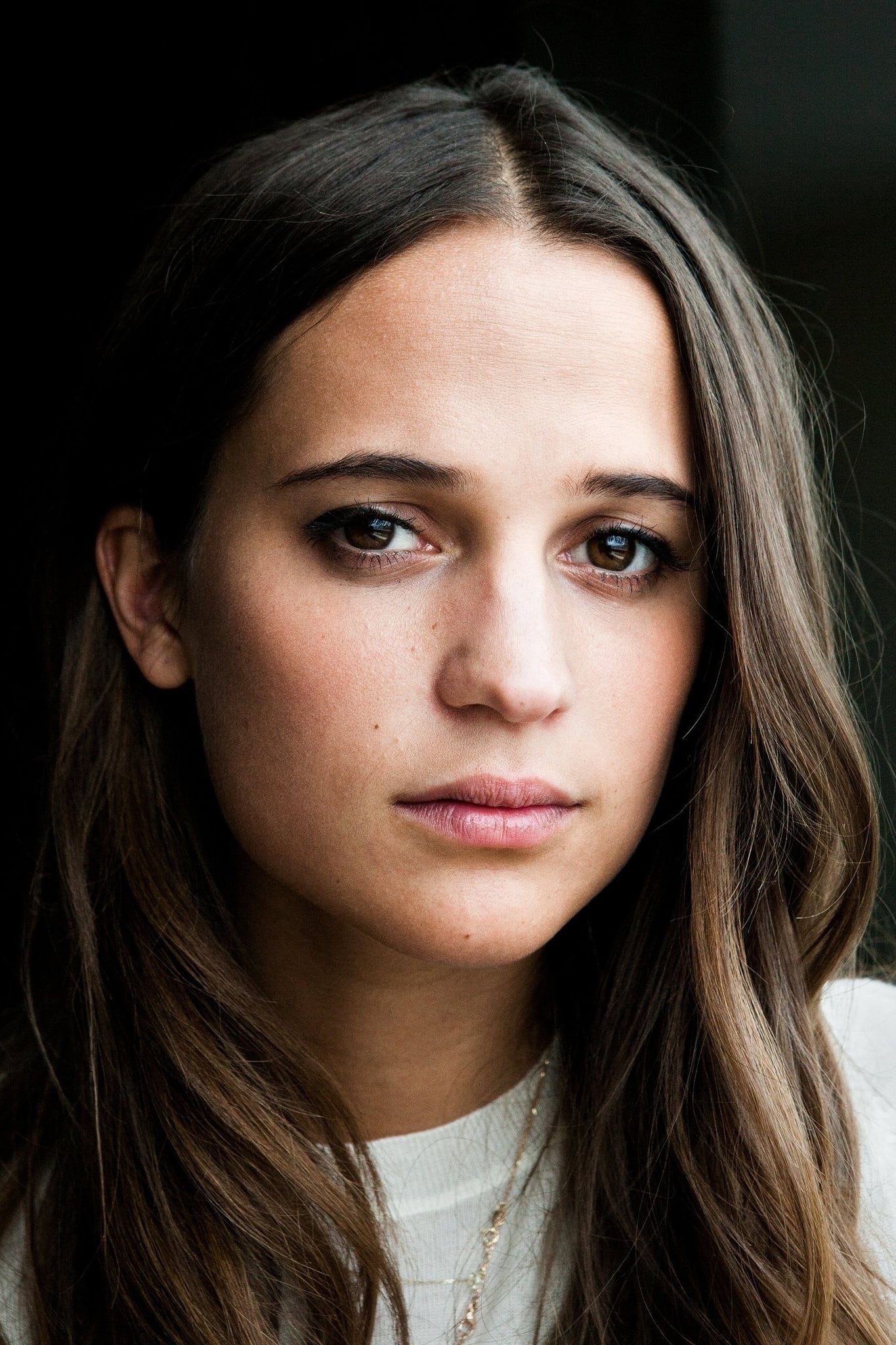
Alicia Vikander experienced a rapid ascent in Hollywood, winning an Academy Award for ‘The Danish Girl’ and landing the lead in the ‘Tomb Raider’ reboot. The industry heavily marketed her as the next versatile leading lady capable of handling both arthouse drama and action franchises. While ‘Ex Machina’ earned her critical praise, ‘Tomb Raider’ and ‘Jason Bourne’ did not ignite the same level of audience fervor. Her subsequent films often struggled to find a wide audience or critical consensus. She continues to work in international cinema and prestige television.
Felicity Jones

Felicity Jones was thrust into the spotlight after an Oscar nomination for ‘The Theory of Everything’ and a lead role in ‘Rogue One: A Star Wars Story’. Hollywood attempted to capitalize on this momentum by casting her in projects like ‘Inferno’ and ‘On the Basis of Sex’. Despite the visibility of these roles, she did not become the consistent “It Girl” that many industry insiders predicted. Public interest in her solo projects remained moderate compared to her franchise appearances. She has since maintained a more selective approach to her film roles.
Leelee Sobieski
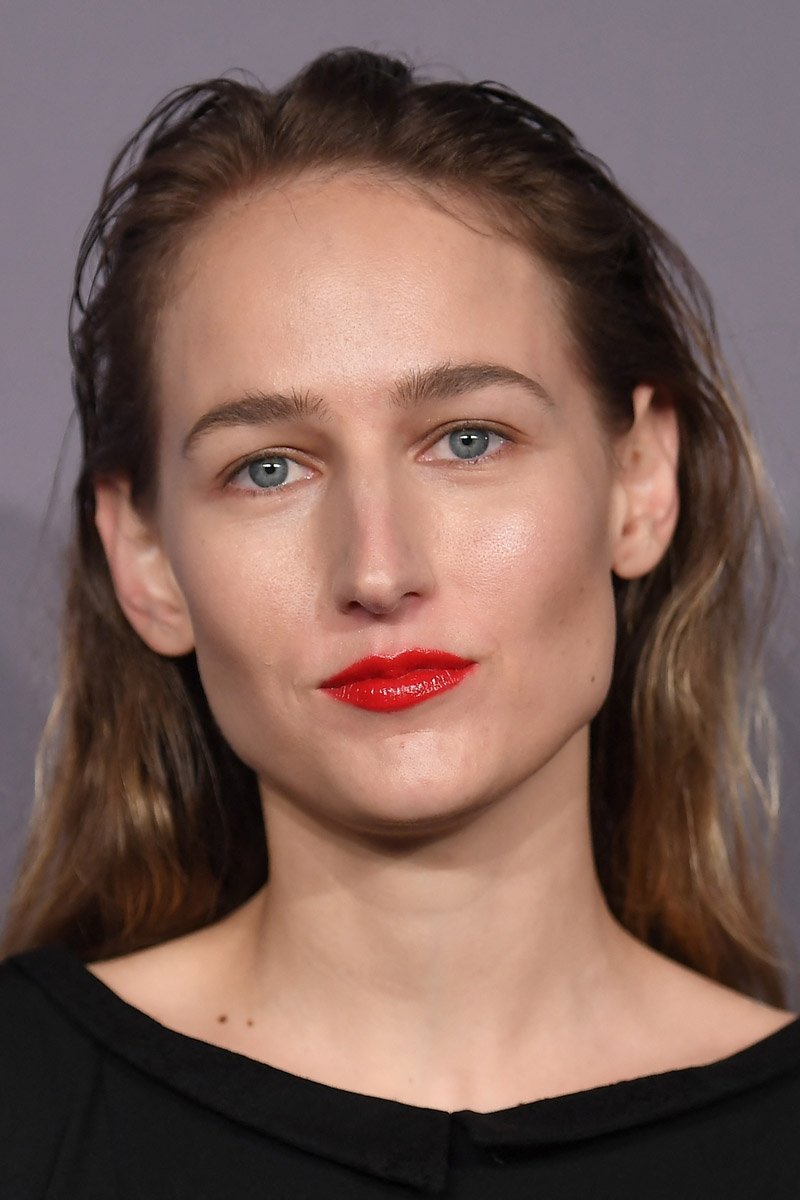
In the late 1990s, Leelee Sobieski was hyped as a sophisticated young talent with roles in ‘Deep Impact’ and ‘Eyes Wide Shut’. She received significant media attention for her resemblance to Helen Hunt and was cast in high-budget projects like ‘The Glass House’. However, many of her leading films failed to perform at the box office or with critics. As the early 2000s progressed, her presence in major studio films began to fade. Sobieski eventually retired from acting to focus on her career as a visual artist.
Mischa Barton

Mischa Barton became a cultural phenomenon during her time on ‘The O.C.’, which led to a massive push for her to transition into film. She was featured on countless magazine covers and was the face of several major brands during the mid-2000s. Her departure from television was intended to mark her entry into A-list cinema with films like ‘Closing the Ring’. Unfortunately, her film projects failed to gain critical or commercial traction. The transition from television star to “It Girl” film actress was largely unsuccessful in the eyes of the public.
Taylor Momsen

Taylor Momsen gained early fame in ‘How the Grinch Stole Christmas’ and was later hyped as a breakout star on ‘Gossip Girl’. The media focused heavily on her evolving personal style and her potential to lead major teen-oriented films. While she appeared in ‘Underdog’ and ‘Paranoid Park’, her interest in the acting industry began to wane. Audiences eventually saw her distance herself from Hollywood as she prioritized her rock band, The Pretty Reckless. She effectively walked away from her “It Girl” trajectory to pursue music full-time.
Erika Christensen

Erika Christensen received widespread acclaim and a major marketing push after her performance in the Academy Award-winning film ‘Traffic’. She was subsequently cast in leading roles in movies like ‘The Perfect Score’ and ‘Swimfan’. Despite the industry’s attempt to position her as a new dramatic lead, these films did not resonate deeply with moviegoers. The momentum from her initial breakout role did not translate into sustained box office success. She eventually transitioned to a successful and long-running role on the television series ‘Parenthood’.
Mena Suvari

Following the dual success of ‘American Beauty’ and ‘American Pie’ in 1999, Mena Suvari was one of the most hyped young actresses in the world. She was the face of Lancôme and appeared in numerous fashion editorials as the industry’s newest muse. However, her subsequent leading roles in films like ‘Sugar & Spice’ and ‘Loser’ were commercial disappointments. The hype surrounding her career cooled as she struggled to find projects that matched the impact of her early work. She has continued to work steadily in independent films and television guest spots.
Rachael Leigh Cook

Rachael Leigh Cook became the definitive “It Girl” of the late 90s teen movie boom after starring in ‘She’s All That’. Hollywood attempted to capitalize on this by casting her as the lead in the big-budget ‘Josie and the Pussycats’. When that film underperformed at the box office, her trajectory as a major studio lead was significantly altered. Audiences did not follow her into more adult-oriented roles or different genres. She later found a successful career in voice acting and starring in movies for the Hallmark Channel.
Tara Reid

Tara Reid was a prominent figure in the late 1990s and early 2000s, gaining fame from ‘American Pie’ and ‘The Big Lebowski’. She was marketed as a fun, approachable leading lady for the party-girl era of Hollywood. However, her attempts at leading solo films, such as ‘My Boss’s Daughter’ and ‘Alone in the Dark’, were met with harsh reviews and poor ticket sales. Her public image in the tabloids eventually overshadowed her professional work. She later saw a resurgence in her career through the ‘Sharknado’ television movie franchise.
Lily-Rose Depp

As the daughter of Vanessa Paradis and Johnny Depp, Lily-Rose Depp was greeted with immediate industry interest and high-fashion endorsements. She was cast in several high-profile projects, including the Netflix film ‘The King’ and the HBO series ‘The Idol’. Despite the massive media coverage and “It Girl” branding, her projects have often faced significant critical backlash or low viewership. Audiences have frequently expressed skepticism regarding the hype surrounding her performances. She remains a prominent figure in the fashion world while continuing to seek a definitive breakout acting role.
Alexa Davalos

Alexa Davalos was given several high-profile opportunities to become a major star in big-budget films like ‘The Chronicles of Riddick’ and ‘Clash of the Titans’. She was also the female lead in the ‘Red Dawn’ remake, showcasing Hollywood’s interest in her as an action heroine. Despite these roles in established franchises, she failed to capture the public’s imagination or build a significant fan base. Her transition to the big screen did not result in the A-list status the industry anticipated. She later found more consistent success and recognition in the television series ‘The Man in the High Castle’.
Noomi Rapace

After the international success of the Swedish ‘The Girl with the Dragon Tattoo’ trilogy, Noomi Rapace was aggressively pursued by Hollywood. She was cast in major films like ‘Sherlock Holmes: A Game of Shadows’ and Ridley Scott’s ‘Prometheus’. While she was respected for her intensity and talent, she did not become the mainstream American “It Girl” that studios had hoped for. Many of her English-language projects failed to reach a wide audience or replicate her early success. She continues to work frequently in international and independent genre films.
Sasha Luss

Sasha Luss was a successful fashion model before being hand-picked by director Luc Besson for a role in ‘Valerian and the City of a Thousand Planets’. She was later given the titular role in the action thriller ‘Anna’, which was marketed as the arrival of a major new action star. Despite the heavy promotion and the director’s track record of launching careers, the film failed to find an audience. Luss did not gain the momentum needed to sustain a career as a Hollywood leading lady. She has since largely returned to her career in the fashion industry.
Sofia Boutella

Sofia Boutella transitioned from a career in dance to being cast as a primary antagonist in ‘Kingsman: The Secret Service’ and ‘Star Trek Beyond’. Hollywood quickly pushed her into leading roles, most notably as the titular character in the 2017 reboot of ‘The Mummy’. That film was intended to launch a cinematic universe, but its critical and commercial failure halted her momentum as a potential “It Girl.” While she has remained active in high-profile projects like ‘Rebel Moon’, she has not achieved the standalone stardom predicted during her initial breakout.
Please share your thoughts on which actress you believe deserved more appreciation from audiences in the comments.