The 40 Most Infuriating Oscar Wins That Divided Fans

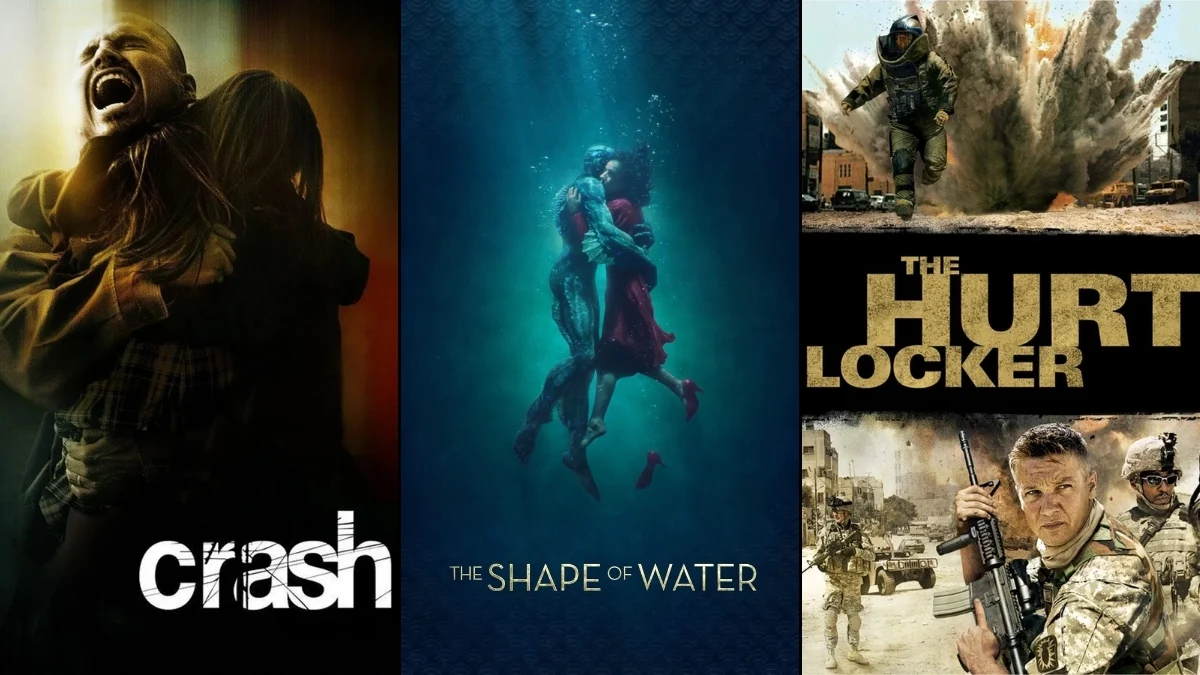

The Academy Awards have a long history of honoring excellence in cinema, but their choices for Best Picture often spark heated debates among audiences and critics alike. Over the decades, several winners have been criticized for overshadowing films that were perceived as more culturally significant, technically innovative, or emotionally resonant. These controversial victories frequently lead to discussions about the internal politics of the Academy and whether the “Best Picture” title always reflects the highest quality of film. This list explores forty instances where an Oscar win left fans divided and continues to be a point of contention in cinematic history.
‘CODA’ (2021)
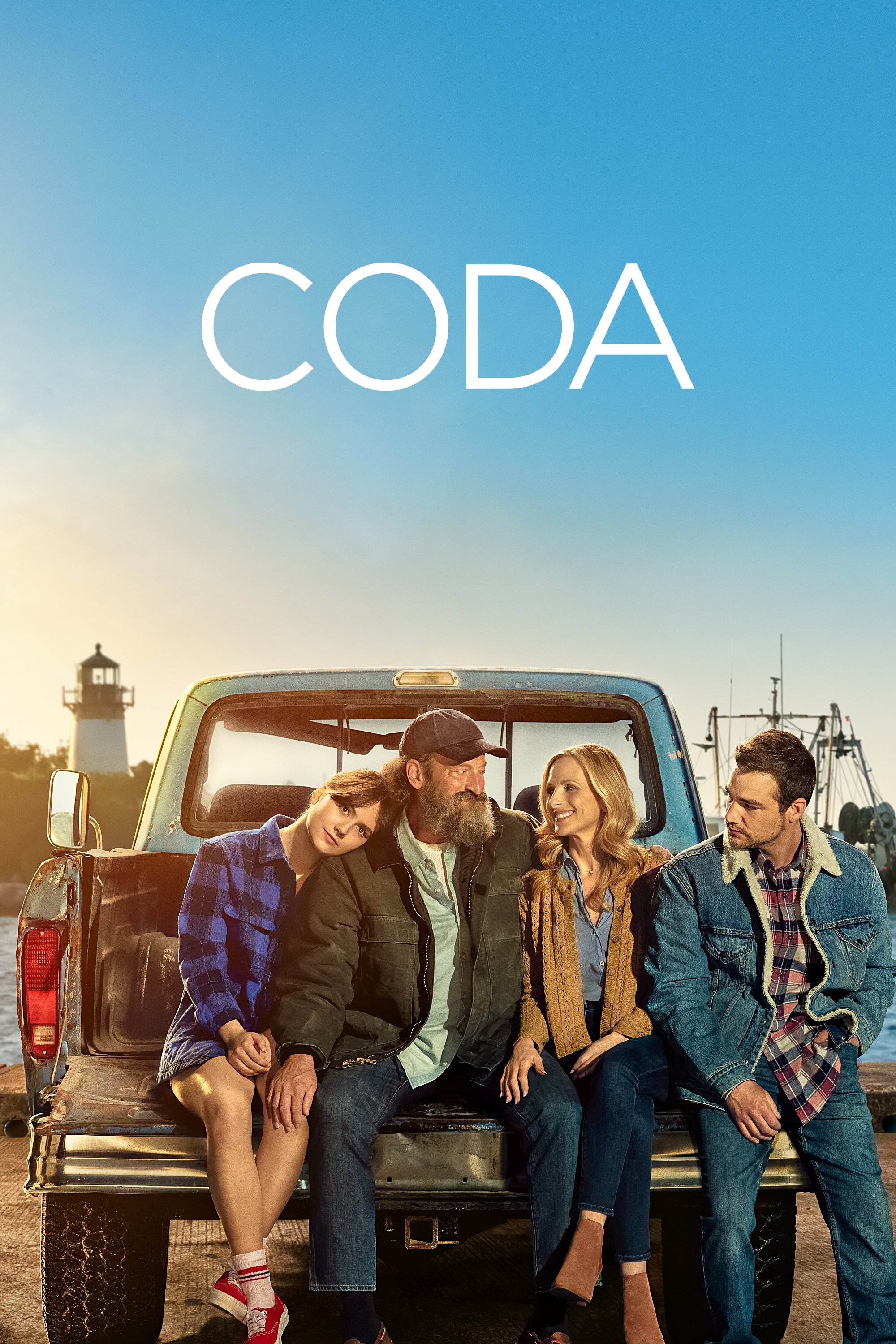
‘CODA’ surprised many when it took home the top prize at the 94th Academy Awards. While the film was praised for its representation of the deaf community, some critics felt it lacked the directorial complexity found in competitors like ‘The Power of the Dog’. The win made ‘CODA’ the first film from a streaming service to secure Best Picture, signaling a shift in industry standards. However, the decision divided viewers who viewed the movie as a conventional family drama compared to its more avant-garde rivals. This victory continues to be debated as a choice of sentimentality over technical innovation.
‘Nomadland’ (2020)
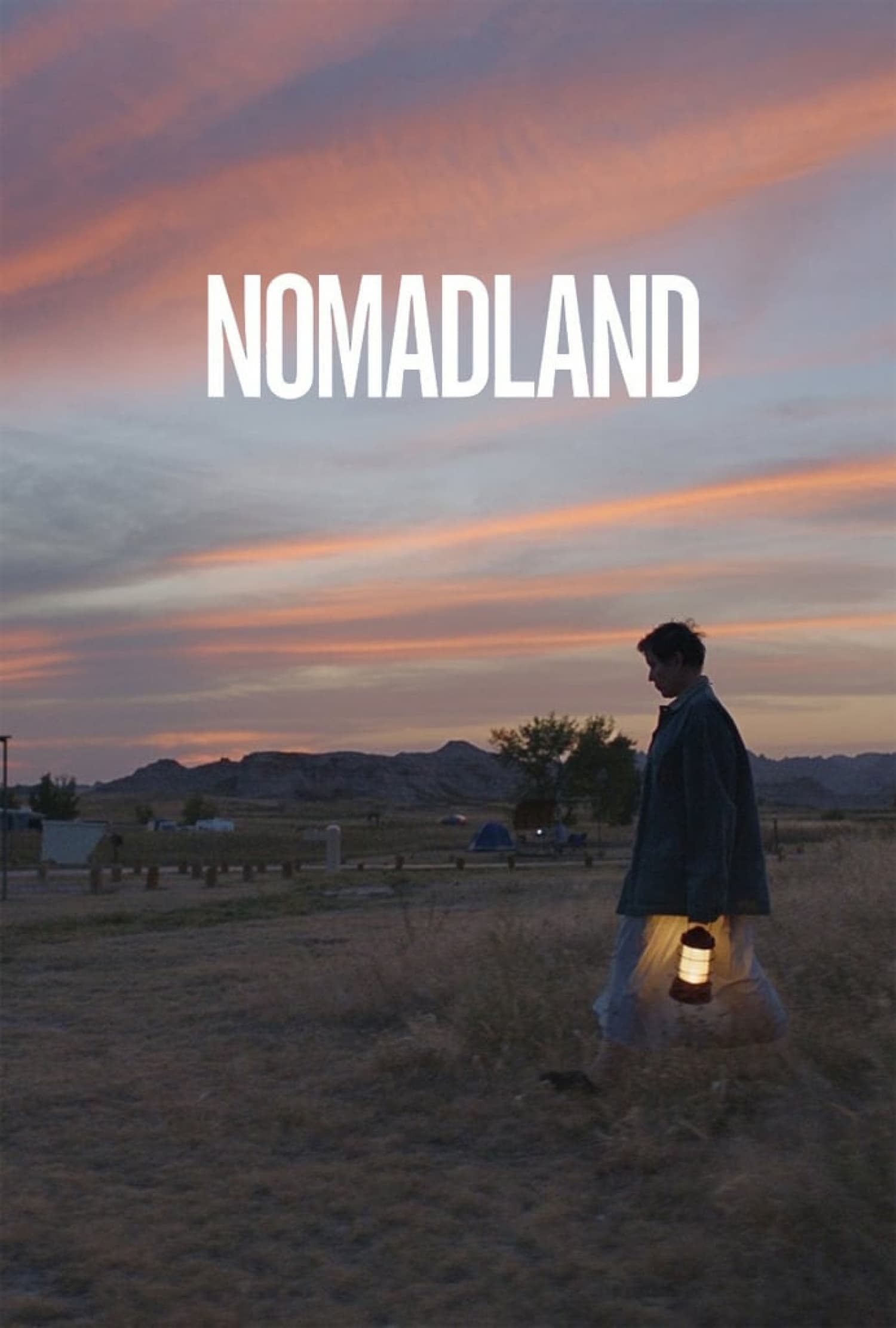
‘Nomadland’ dominated the awards season, yet its win remained polarizing for some audiences. Critics of the film pointed toward its portrayal of labor conditions, suggesting the movie glossed over the harsh realities of the gig economy. While the performances and direction were widely lauded, the slow-burning narrative pace did not resonate with all viewers. The film’s victory occurred during a unique year for cinema where many major releases were delayed, leading some to question the overall strength of the competition.
‘Green Book’ (2018)
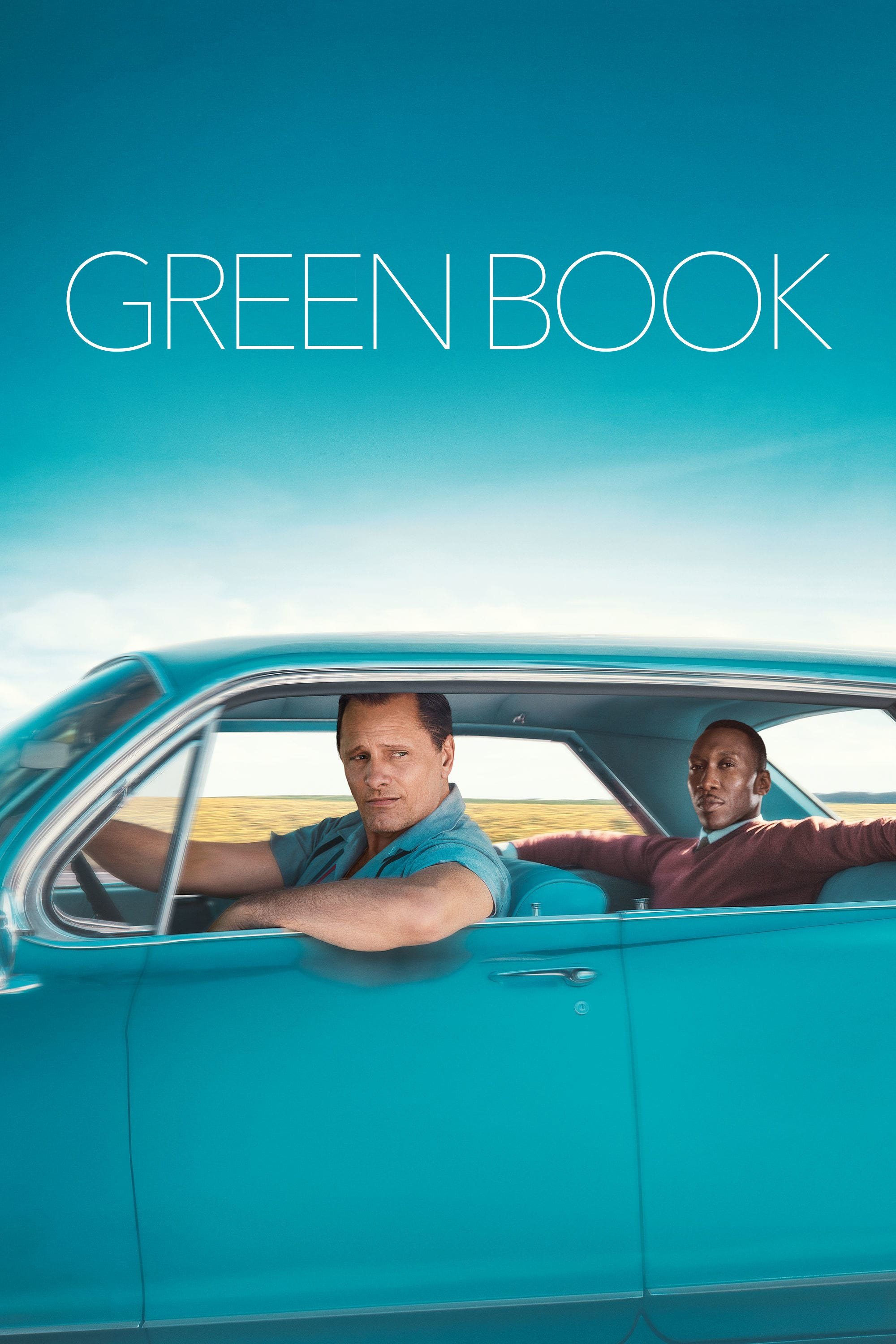
The victory of ‘Green Book’ is often cited as one of the most controversial in recent Academy history. Critics argued that the film utilized an outdated narrative trope to address the complex history of racial segregation in the United States. Further controversy arose when family members of Dr. Don Shirley claimed the film inaccurately portrayed his personal relationships. Despite winning Best Picture, the film faced significant backlash from those who believed ‘Roma’ or ‘BlacKkKlansman’ were more deserving. This win highlighted an ongoing divide between traditional Academy voters and modern cinematic perspectives.
‘The Shape of Water’ (2017)
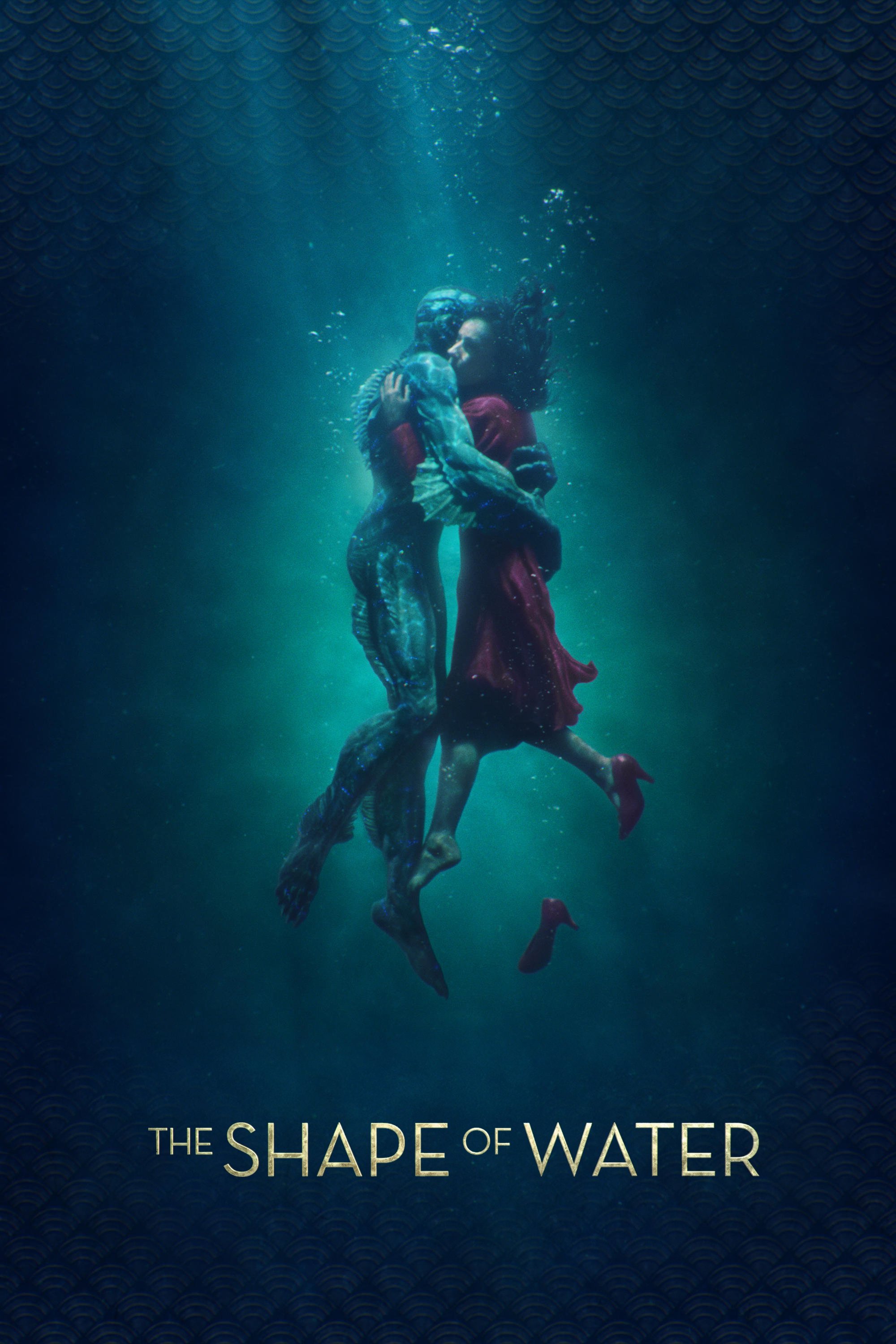
‘The Shape of Water’ divided audiences who were unsure about its unconventional central premise involving a romance with a sea creature. While the film was noted for its visual beauty, some viewers felt it was too niche for the Academy’s highest honor. Competing against ‘Get Out’, which had a profound cultural impact, ‘The Shape of Water’ was seen by some as a safer, more traditional choice despite its fantasy elements. The film’s win sparked discussions about whether social relevance should play a larger role in determining the winner.
‘Spotlight’ (2015)
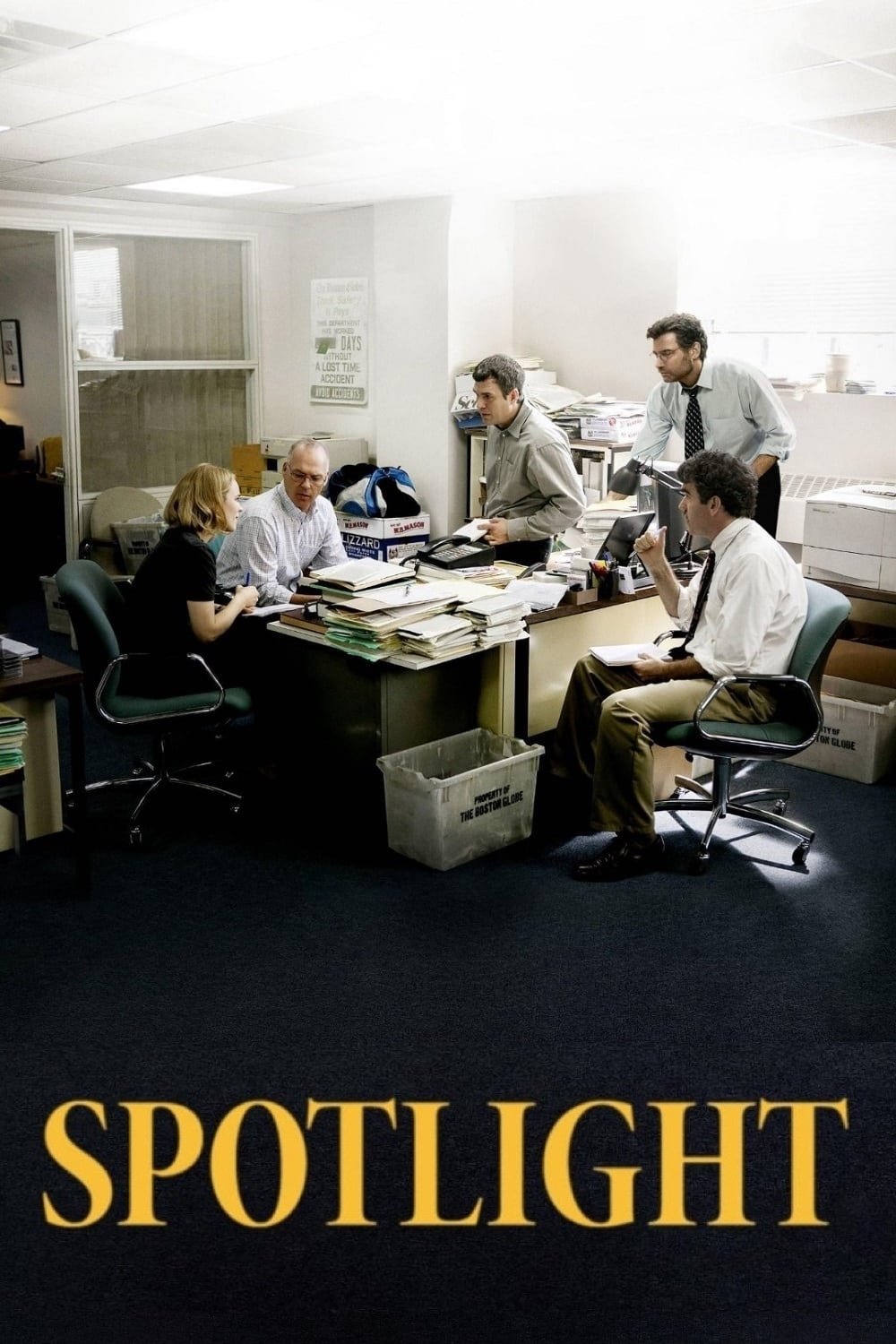
‘Spotlight’ won Best Picture for its methodical portrayal of the investigative team that uncovered a major religious scandal. Although the film received high praise for its writing, its victory was a surprise over more visually ambitious films like ‘The Revenant’ or ‘Mad Max: Fury Road’. Some fans felt the film’s visual style was too reminiscent of a television production rather than a cinematic masterpiece. The win was categorized by some as a choice based on the importance of the subject matter rather than the artistry of the filmmaking.
‘Birdman or (The Unexpected Virtue of Ignorance)’ (2014)

‘Birdman or (The Unexpected Virtue of Ignorance)’ utilized a continuous-shot technique that impressed many technicians but polarized general audiences. While its meta-commentary on fame was well-received by industry insiders, some found the narrative to be overly self-indulgent. The film beat ‘Boyhood’, a project that was filmed over twelve years and was a critical favorite for the top prize. This division often comes down to a preference for technical showmanship versus emotional narrative progression.
‘Argo’ (2012)
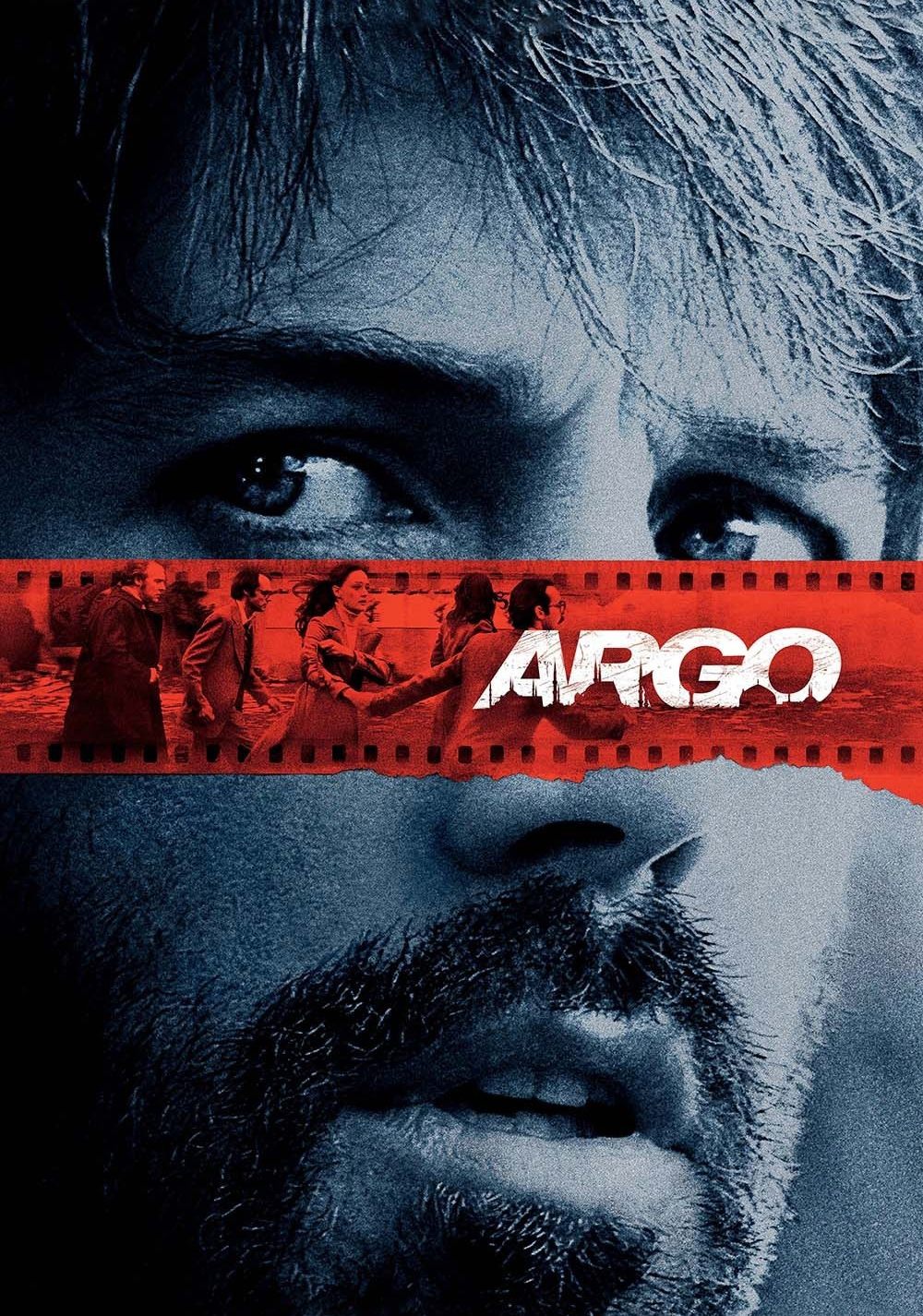
‘Argo’ won Best Picture after its director was famously omitted from the Best Director nominations. The film was a commercial and critical success, yet it faced criticism for its historical inaccuracies regarding the role of international partners in the rescue mission. Some fans felt ‘Lincoln’ offered a more substantial historical perspective and deserved the honor instead. The victory was seen by some as a sympathetic response from the Academy for the directorial snub.
‘The Artist’ (2011)
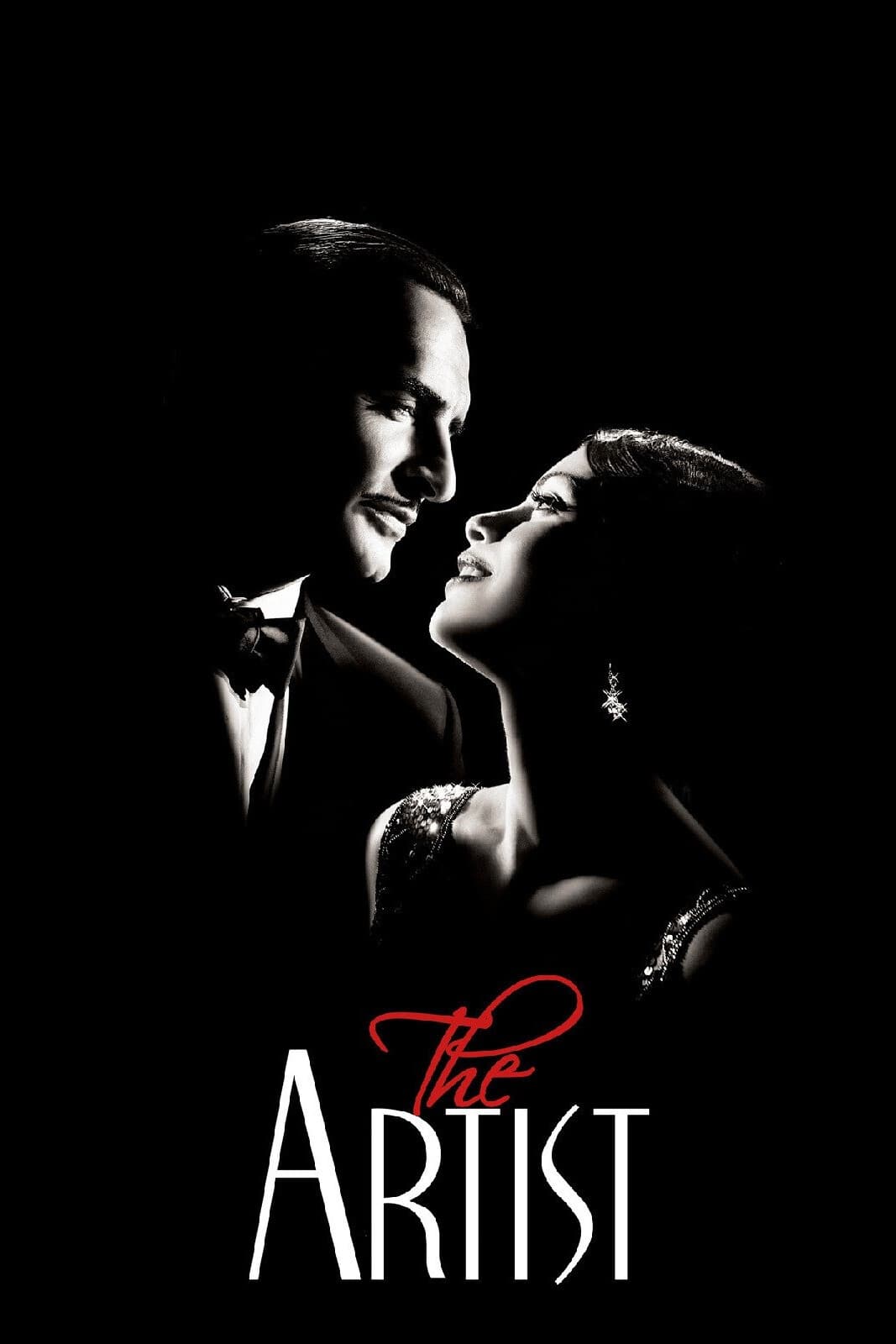
‘The Artist’ took home the top honor as a silent, black-and-white film that paid homage to the early days of Hollywood. While it was a charming novelty for many, some viewers felt the film relied too heavily on nostalgia rather than substantive storytelling. It competed against ‘Hugo’ and ‘The Tree of Life’, both of which were seen as more ambitious projects. Over time, some critics have questioned if the film has the lasting impact expected of a Best Picture winner.
‘The King’s Speech’ (2010)
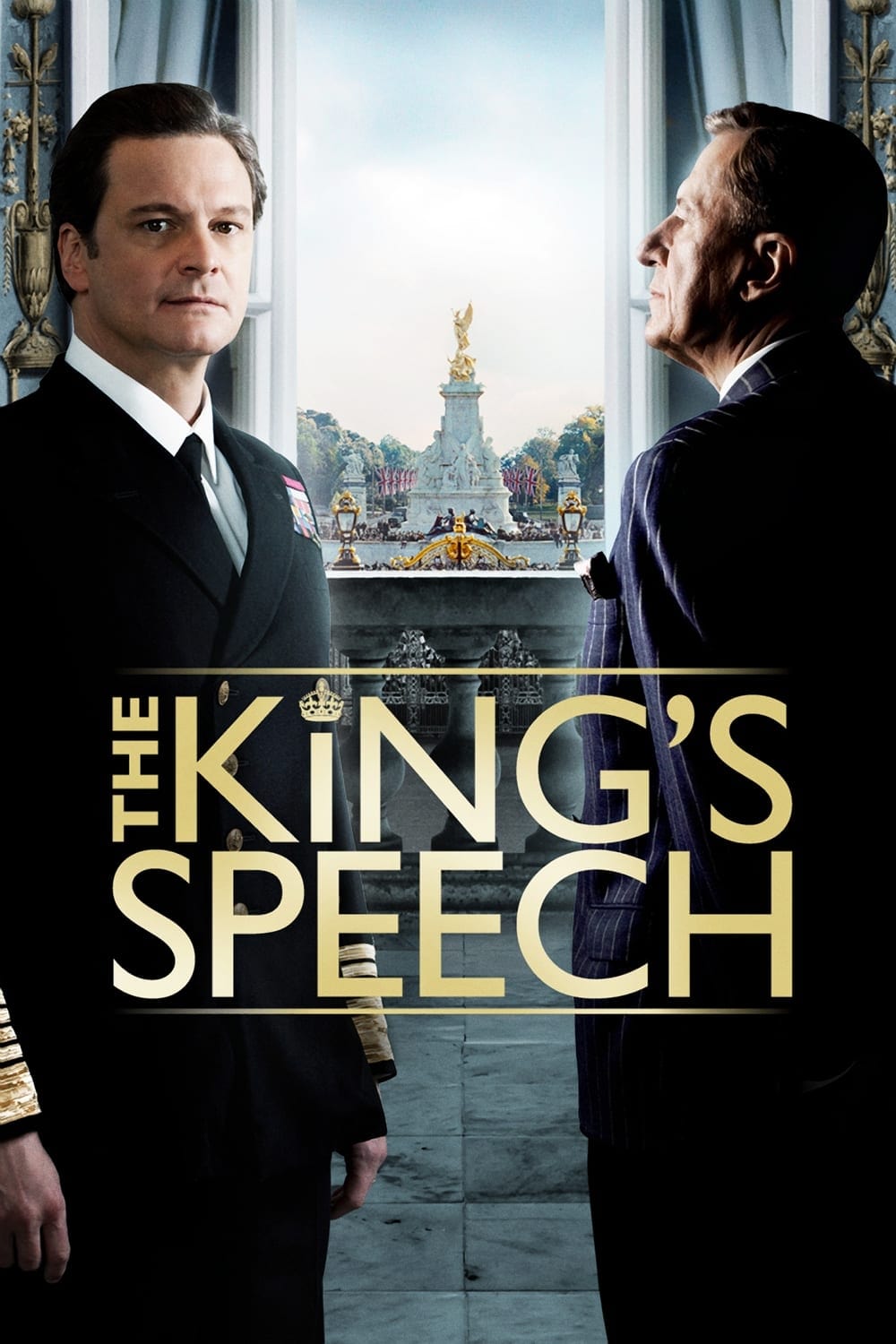
‘The King’s Speech’ is often remembered for winning over ‘The Social Network’, a film that many believed defined the digital era. While the historical drama was praised for its acting, critics argued it was a “safe” choice that followed a traditional Oscar-winning formula. ‘The Social Network’ was seen as a more innovative and relevant look at modern society. This win is frequently cited in debates regarding the Academy’s tendency to favor historical biopics over contemporary stories.
‘The Hurt Locker’ (2009)

‘The Hurt Locker’ won Best Picture, but the film faced criticism from military veterans who pointed out several inaccuracies regarding soldier conduct and procedures. It also beat the box-office juggernaut ‘Avatar’, leading to a divide between fans of blockbuster spectacle and gritty realism. The victory remains a point of discussion regarding how realism should be balanced with cinematic tension in war films. This win marked a significant moment for independent cinema over high-budget studio productions.
‘Slumdog Millionaire’ (2008)
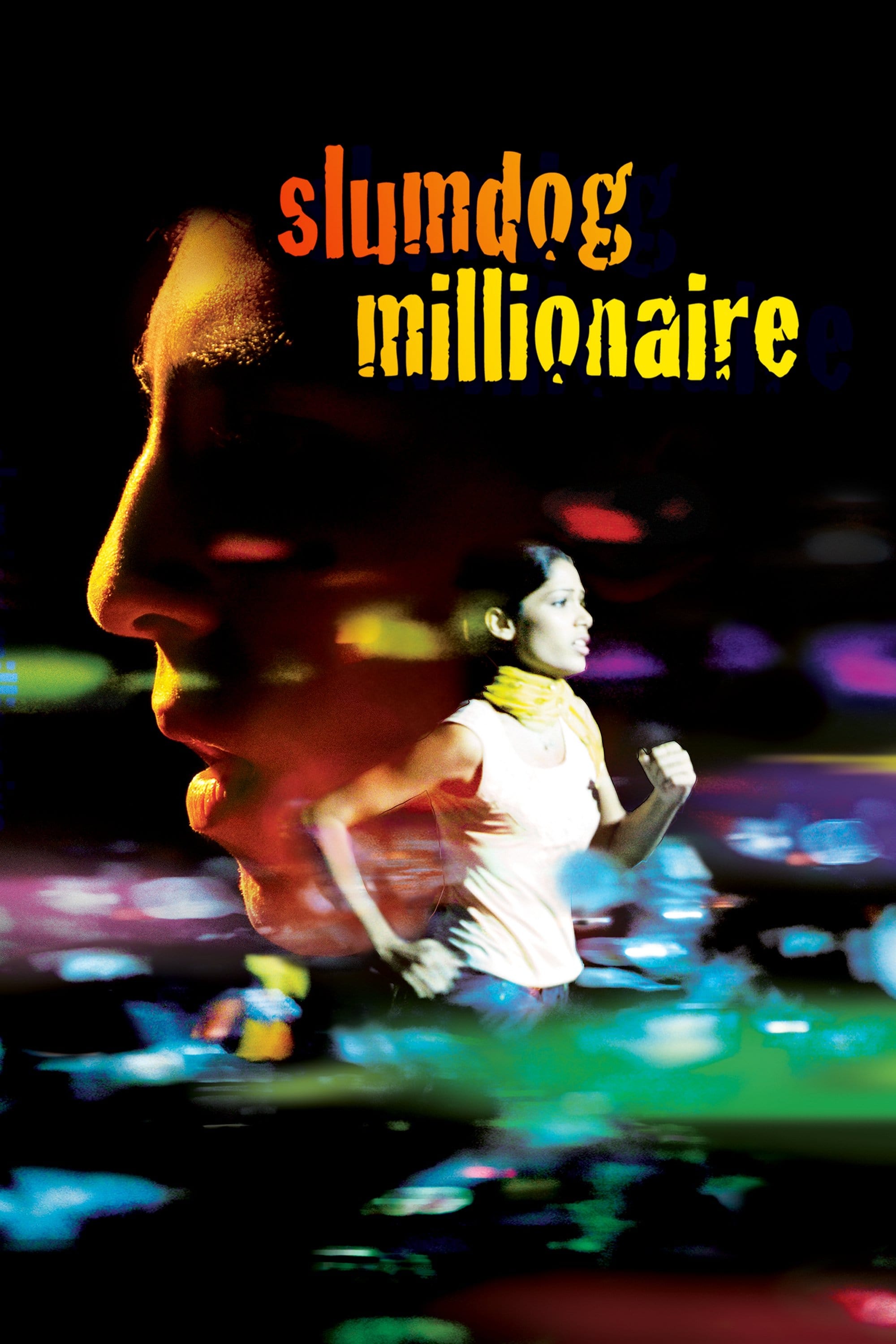
‘Slumdog Millionaire’ captured the world’s attention with its vibrant energy and “rags-to-riches” story. Despite its popularity, some critics argued that it exploited difficult living conditions for the sake of Western entertainment. The film’s use of a game show framework to tell its story was seen by some as a simplistic narrative device. While it swept the awards, it left a segment of the audience feeling that other nominees offered more depth and nuance.
‘Crash’ (2005)
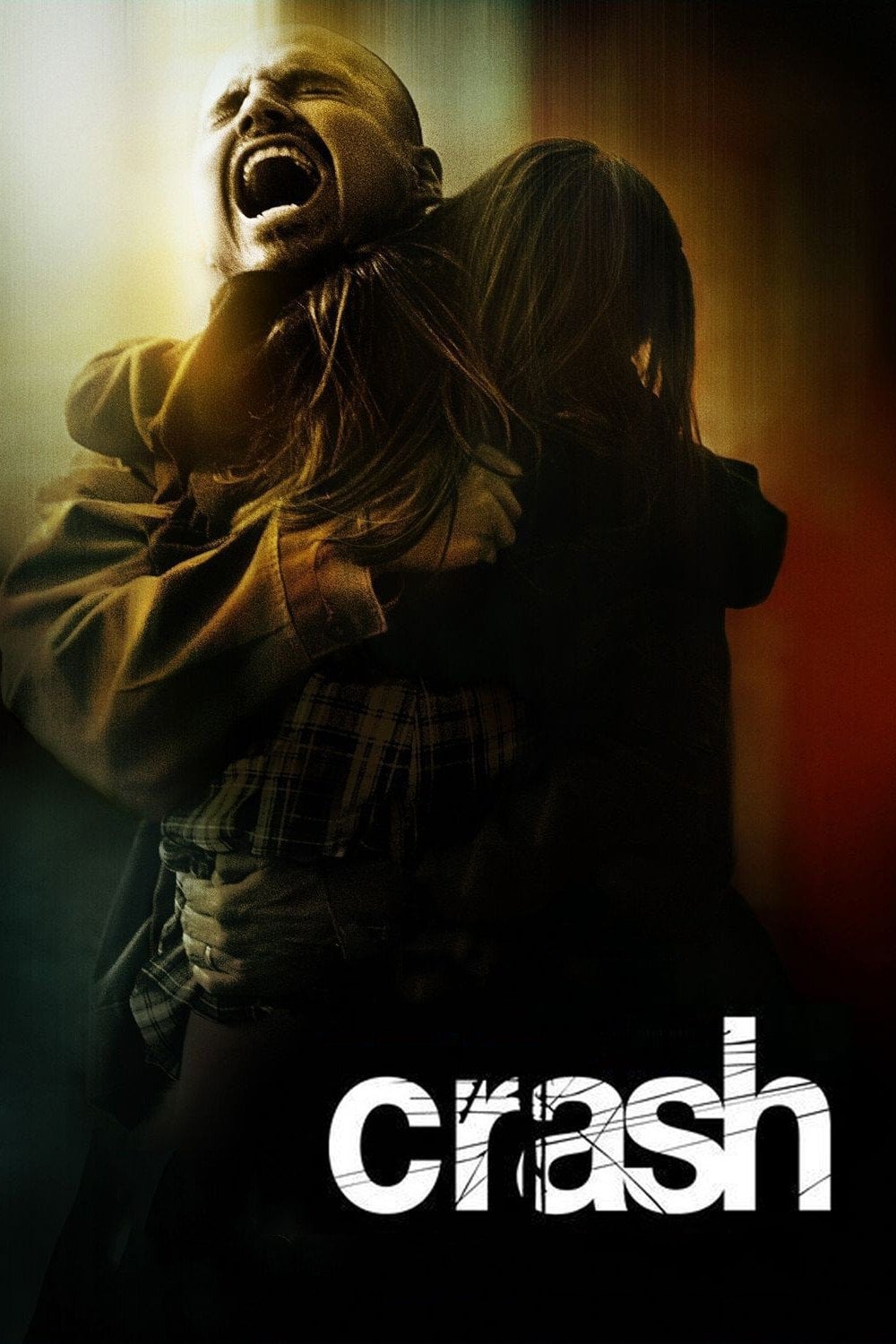
‘Crash’ is frequently cited as one of the most polarizing Best Picture wins in the history of the Oscars. The film’s victory over ‘Brokeback Mountain’ shocked the industry and was met with immediate criticism from fans and scholars. Critics often describe ‘Crash’ as having a heavy-handed and simplistic approach to racial issues. Even members of the production have since expressed surprise that it won the top prize over its more acclaimed competitors.
‘Million Dollar Baby’ (2004)

‘Million Dollar Baby’ won Best Picture for its stark portrayal of a female boxer and her relationship with her trainer. The film’s third-act narrative shift sparked a massive controversy among various advocacy groups. While many praised the direction and acting, the dark subject matter was polarizing for audiences expecting a traditional sports underdog story. The win came at the expense of ‘The Aviator’, which many felt was a more grand and traditional cinematic achievement.
‘Chicago’ (2002)
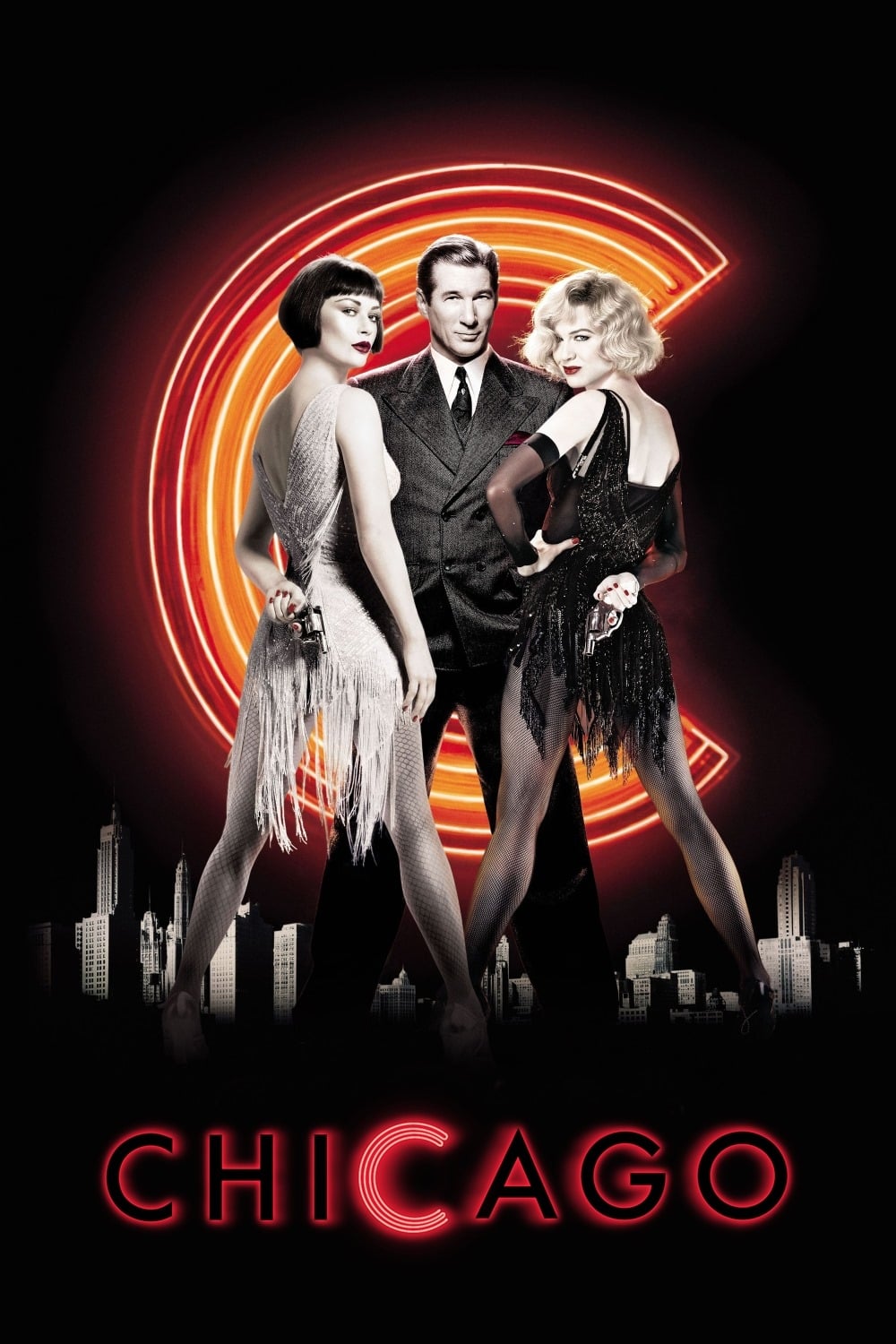
‘Chicago’ revived the movie musical genre when it won Best Picture, but the win was not without its detractors. Some fans felt ‘The Pianist’ or ‘The Lord of the Rings: The Two Towers’ were more significant cultural and artistic feats. The fast-paced editing and theatrical style were divisive for those who preferred more traditional film narratives. It marked the first time a musical had won the top prize in decades, yet its standing remains a point of debate.
‘A Beautiful Mind’ (2001)
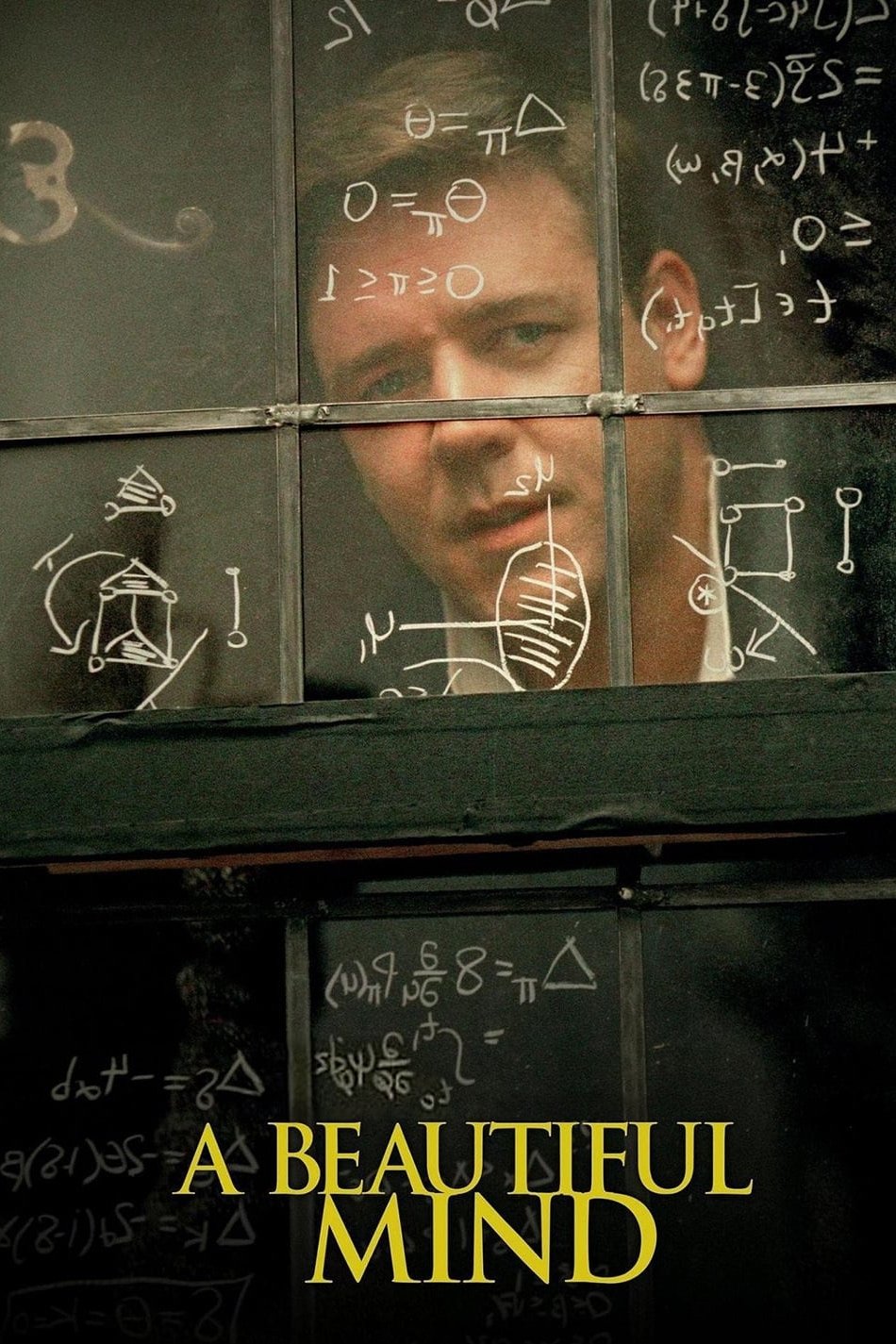
‘A Beautiful Mind’ was a commercial success that followed the life of mathematician John Nash. The film was criticized for omitting major aspects of Nash’s life to create a more conventional Hollywood narrative. Some critics felt ‘The Lord of the Rings: The Fellowship of the Ring’ was a more deserving candidate for its groundbreaking world-building and technical innovation. The choice reflected the Academy’s long-standing preference for biopics that highlight personal triumph over adversity.
‘Gladiator’ (2000)
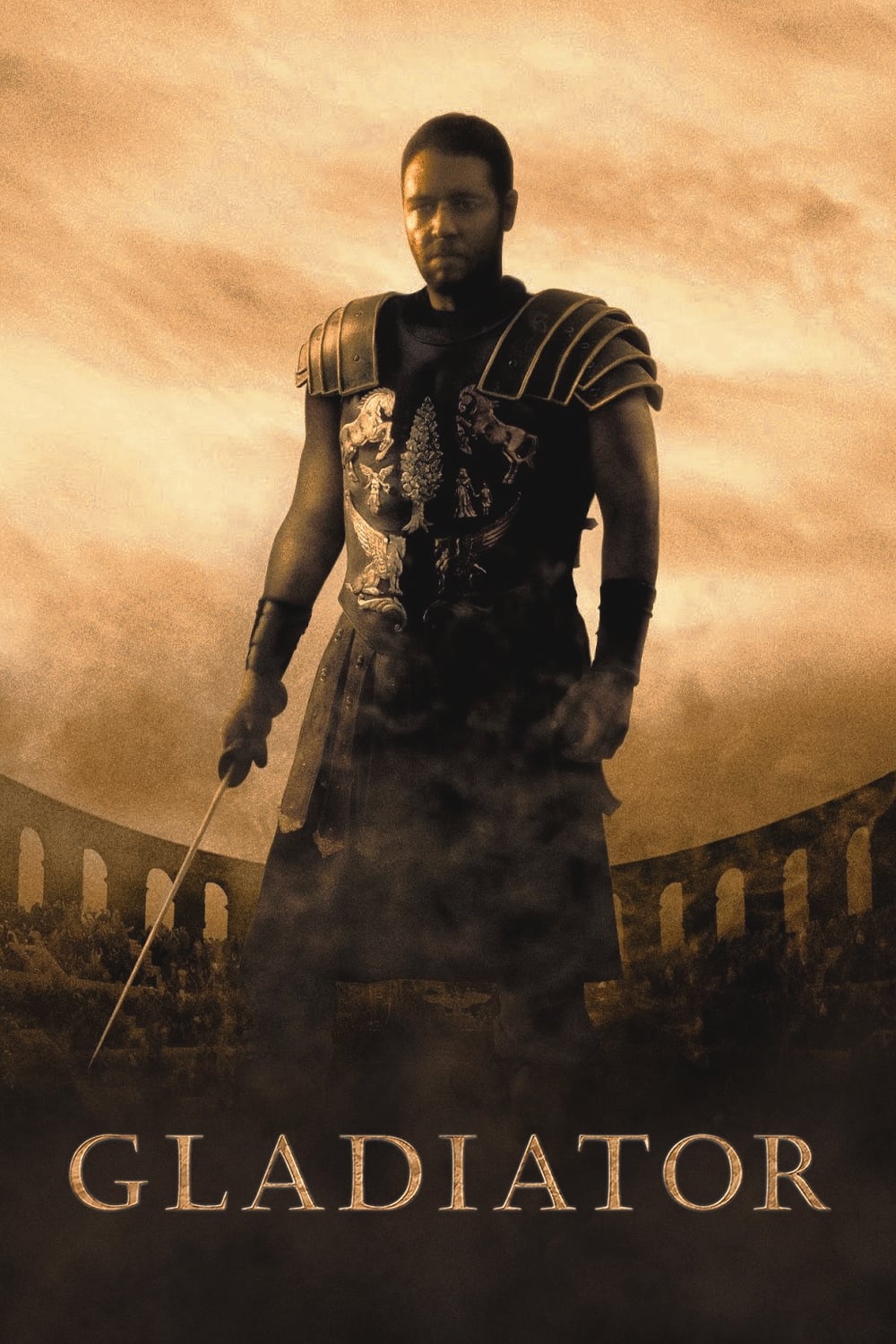
‘Gladiator’ brought the sword-and-sandal epic back to the mainstream, winning five Oscars including Best Picture. Despite its massive popularity, some critics felt the film was a standard action movie that lacked the depth of competitors like ‘Traffic’. The visual effects and direction were praised, but the script was seen by some as formulaic. Its win remains a topic of debate for those who value high-art cinema over blockbuster appeal.
‘Shakespeare in Love’ (1998)
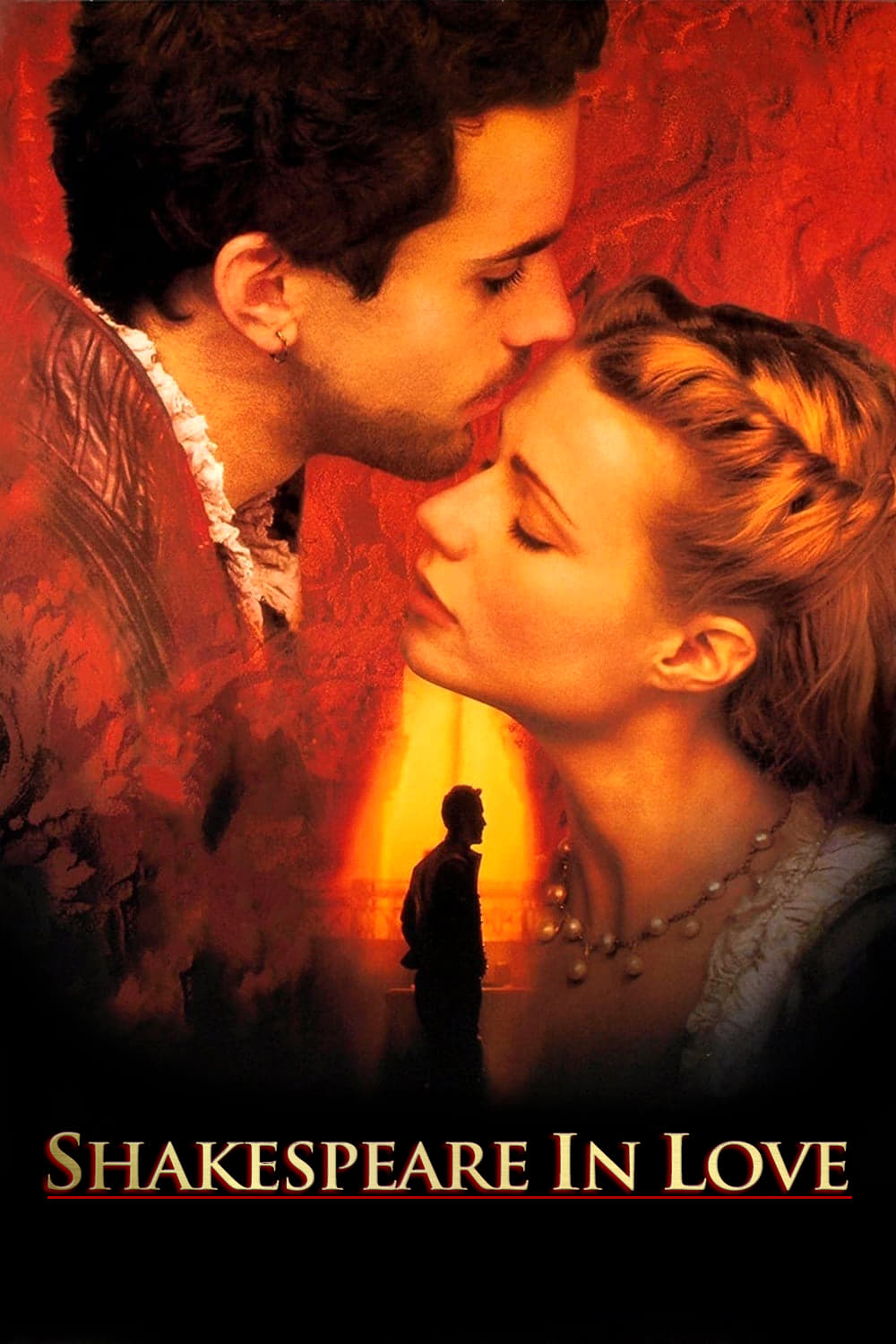
‘Shakespeare in Love’ pulled off a major upset when it beat ‘Saving Private Ryan’ for Best Picture. Steven Spielberg’s war epic was widely considered the frontrunner and a landmark in technical filmmaking. Many attribute the win for ‘Shakespeare in Love’ to an aggressive marketing campaign that shifted the momentum of the race. The decision is still viewed by many film fans as a significant mistake by the Academy.
‘The English Patient’ (1996)
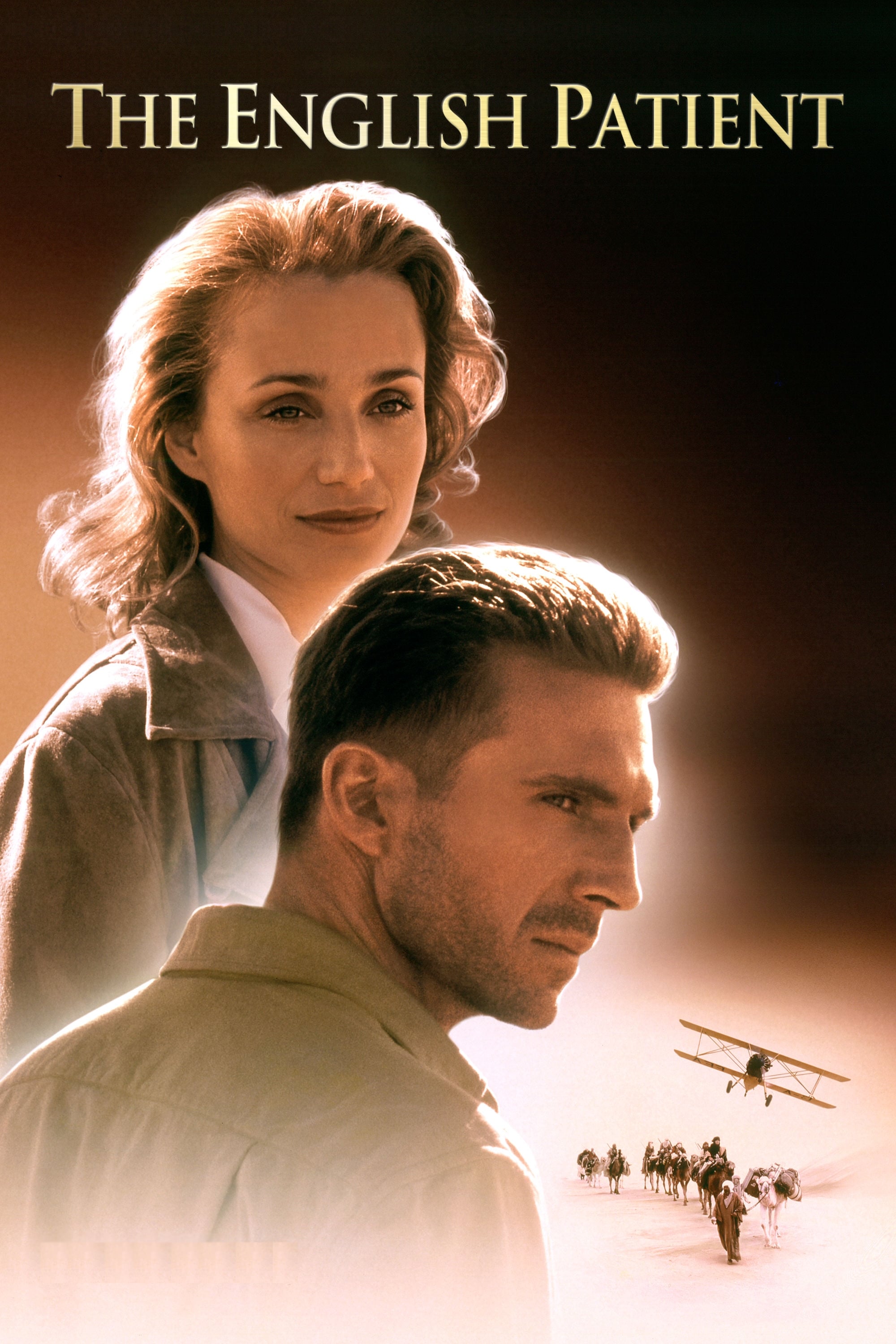
‘The English Patient’ is often discussed for its long runtime and slow pace, which divided general audiences despite critical acclaim. While it received eleven nominations and won nine, viewers were divided on whether the romantic drama was truly superior to ‘Fargo’. Critics praised its sweep and cinematography, but many viewers found the story difficult to engage with emotionally. It remains a prime example of a film that was adored by the Academy but less so by the public.
‘Braveheart’ (1995)
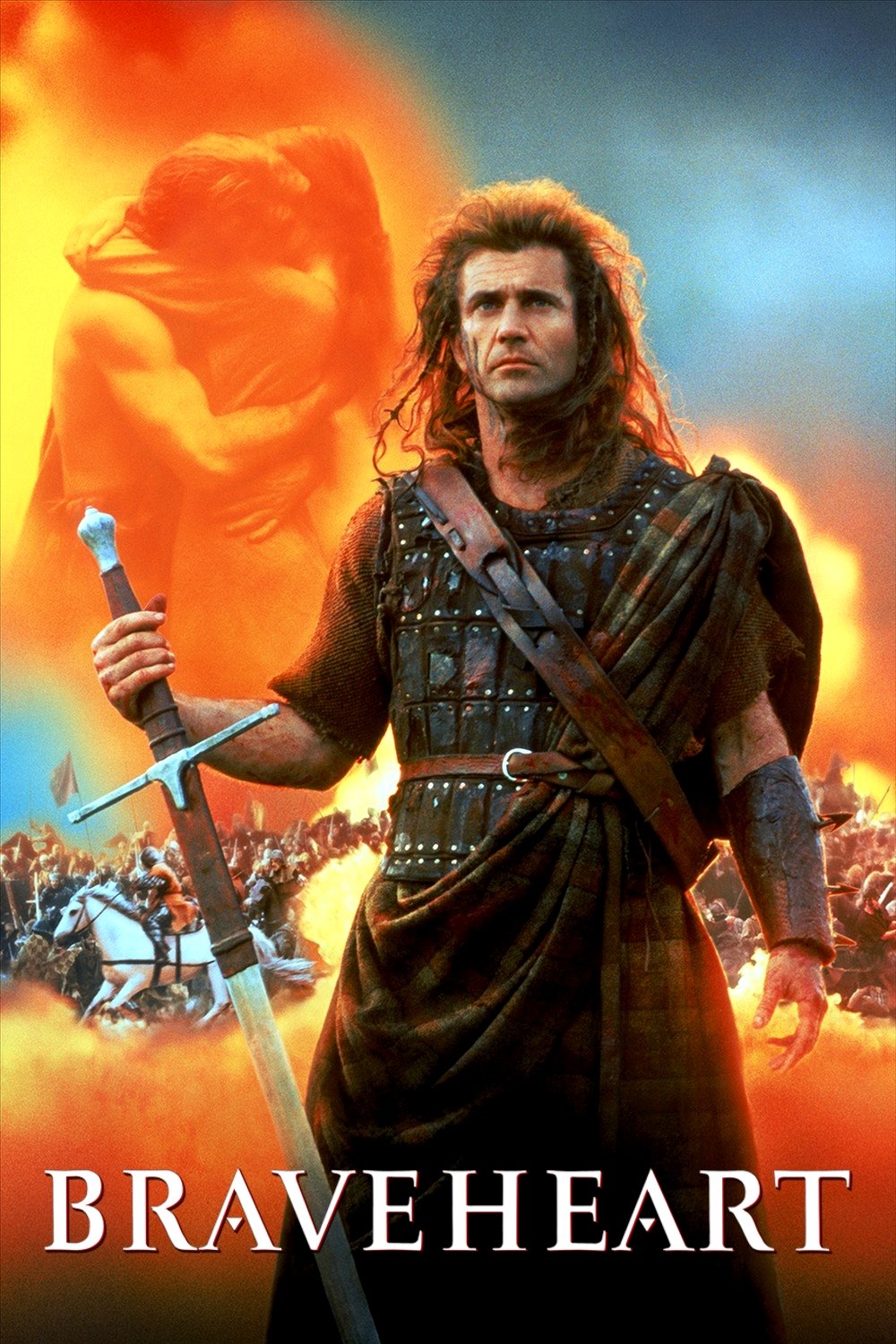
‘Braveheart’ won Best Picture for its epic scale and intense battle sequences. However, the film was heavily criticized for its historical inaccuracies regarding its central figures and the era it portrayed. Some felt that ‘Apollo 13’ or ‘Sense and Sensibility’ were more polished and historically respectful productions. The victory was seen by some as a triumph of spectacle and emotion over narrative precision and historical truth.
‘Forrest Gump’ (1994)
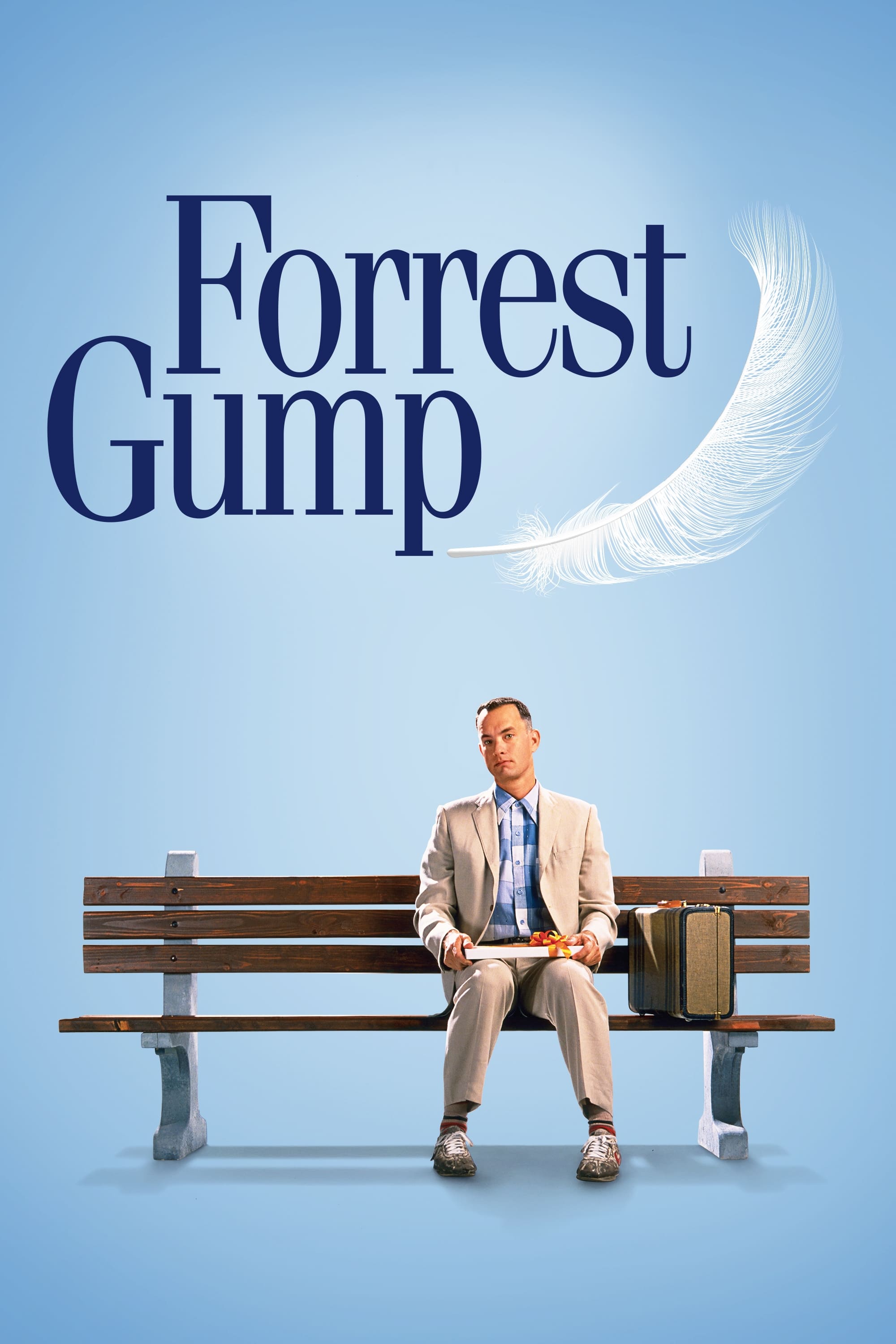
‘Forrest Gump’ is a beloved film for many, but its Best Picture win remains controversial among cinephiles. It won during a year that saw the release of ‘Pulp Fiction’ and ‘The Shawshank Redemption’, both of which are often ranked higher in cinematic history today. Critics of the film argue that its message is overly simplistic and relies on sentimentality. The debate continues as to whether ‘Forrest Gump’ has the same artistic weight as its 1994 contemporaries.
‘Dances with Wolves’ (1990)
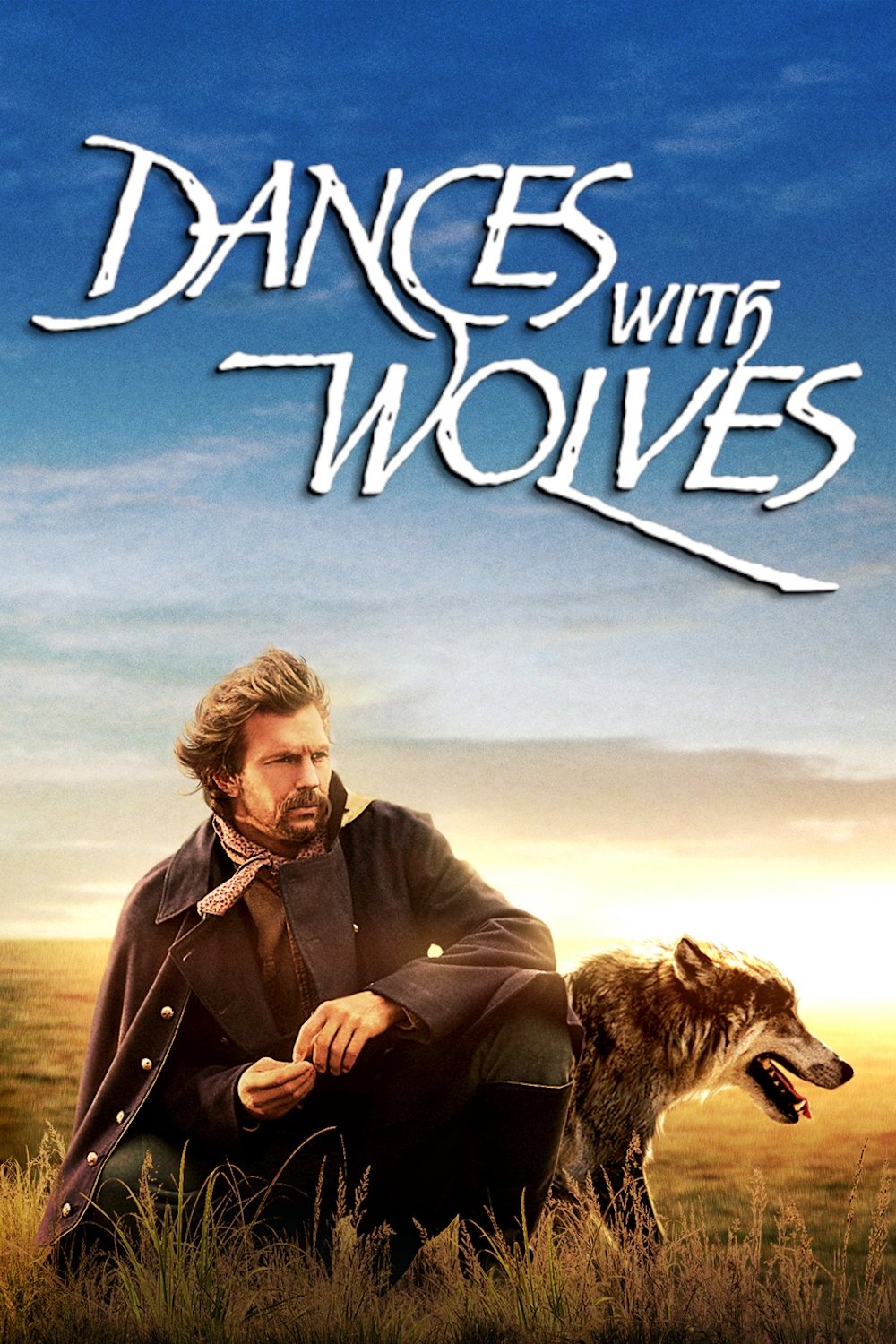
‘Dances with Wolves’ won the top prize, beating out the gritty crime drama ‘Goodfellas’. While the Western was praised for its scope and treatment of Native American culture, many believe ‘Goodfellas’ was the more influential and stylistically innovative film. The decision is often cited as a moment where the Academy favored a traditional epic over a groundbreaking modern masterpiece. This win is frequently discussed in retrospectives about the Academy’s historical taste in genres.
‘Driving Miss Daisy’ (1989)
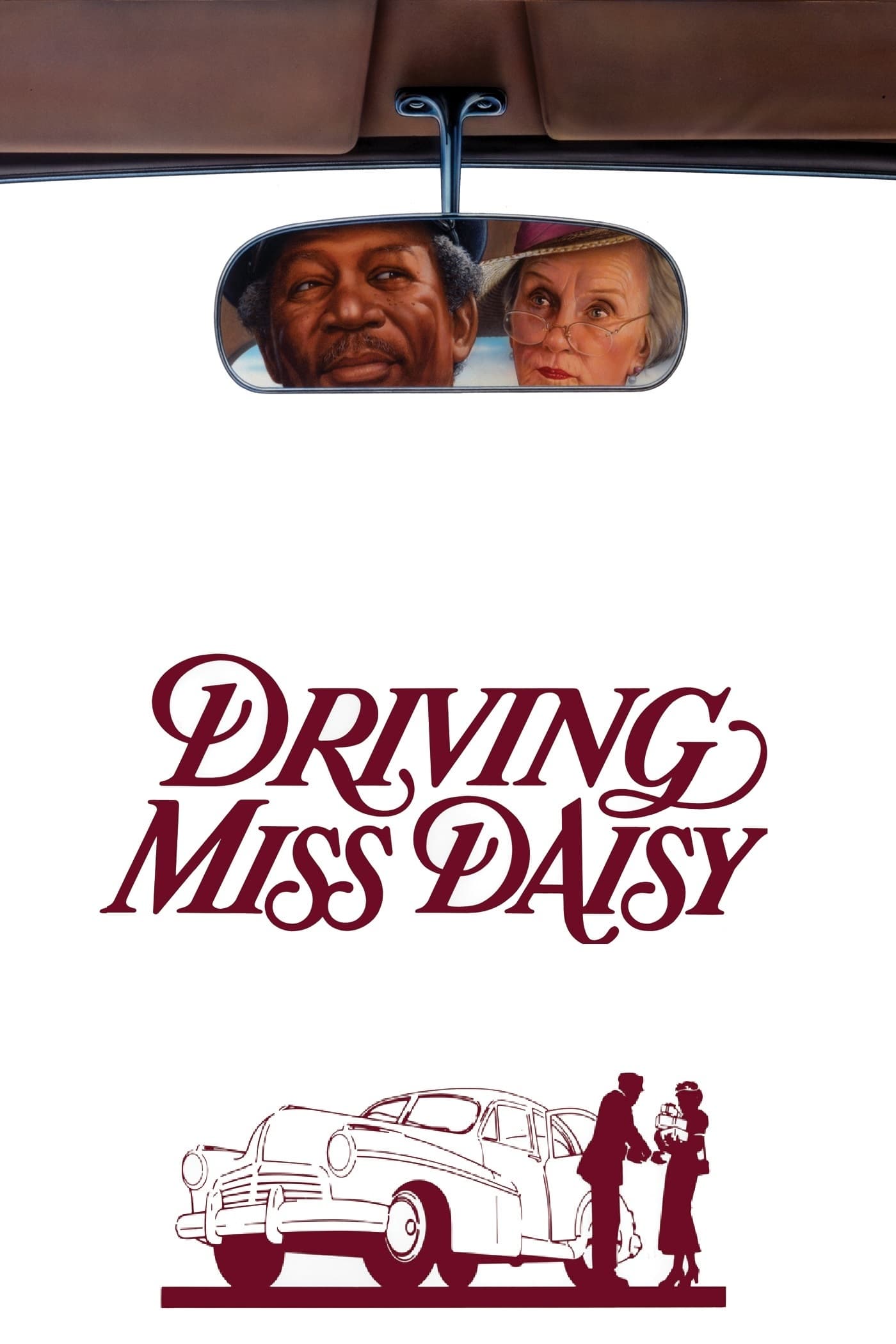
‘Driving Miss Daisy’ won Best Picture during a year when Spike Lee’s ‘Do the Right Thing’ was notably absent from the top category. The film was criticized for its safe and sentimental approach to race relations in the American South. Many critics felt the Academy had chosen a film that was comfortable for its voters while ignoring more urgent, challenging voices. The win remains a symbol of the Academy’s perceived hesitancy to embrace confrontational social commentary.
‘Out of Africa’ (1985)
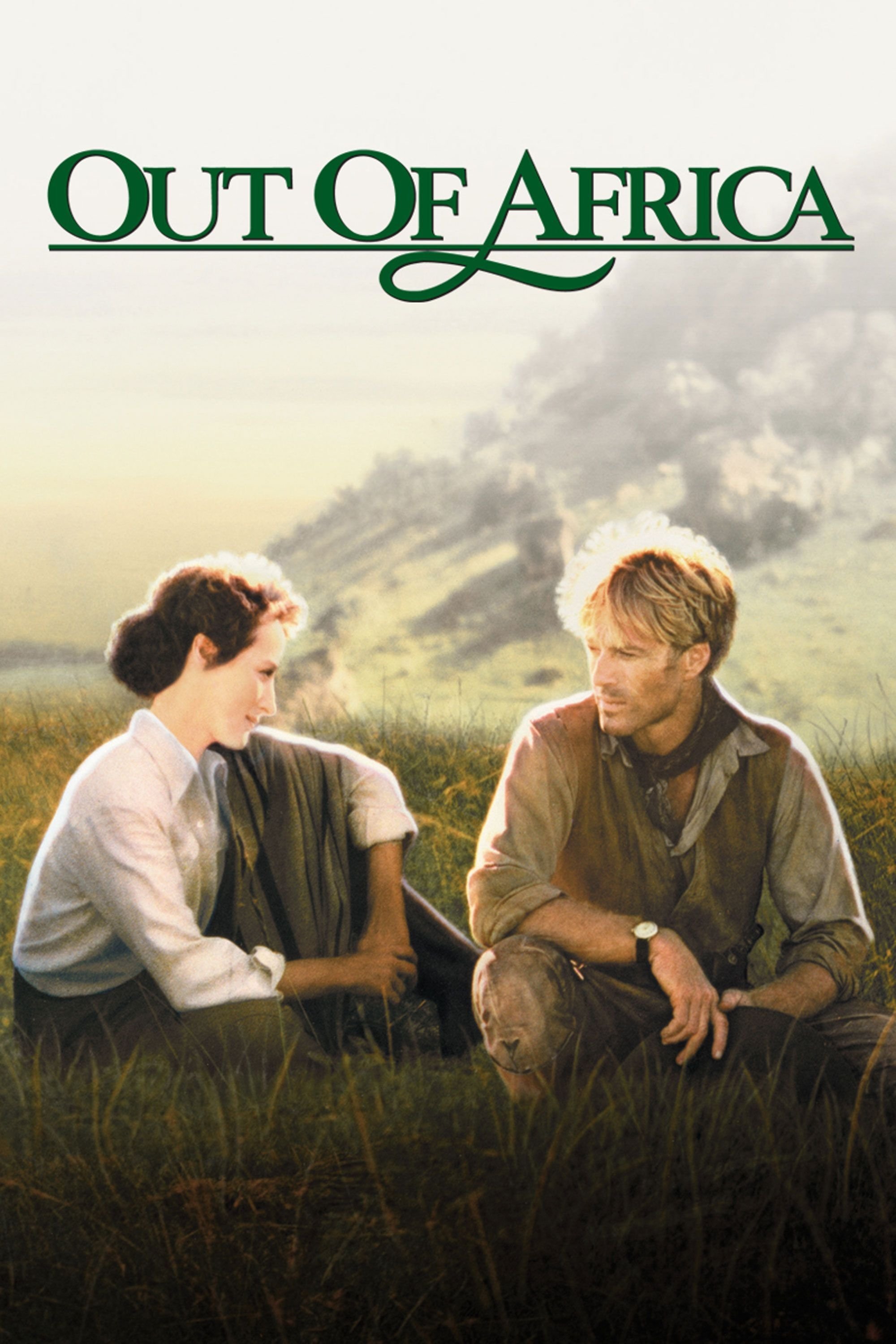
‘Out of Africa’ won seven Oscars, but it is often remembered as a slow and overly long romantic epic. It beat ‘The Color Purple’, which received eleven nominations but failed to win a single award that evening. Critics felt the film’s beautiful cinematography masked a narrative that was lacking in consistent emotional depth. The victory is often categorized alongside other “prestige” films that haven’t maintained the same level of acclaim as their rivals.
‘Terms of Endearment’ (1983)

‘Terms of Endearment’ is a quintessential dramedy that resonated with many voters during its release. However, some critics felt that the film was less cinematically significant than ‘The Right Stuff’, which depicted the early days of the U.S. space program. The film’s focus on domestic issues was seen by some as more suited for a smaller scale than a Best Picture winner. It remains a popular film, but the debate over its artistic merit compared to more ambitious nominees persists.
‘Gandhi’ (1982)
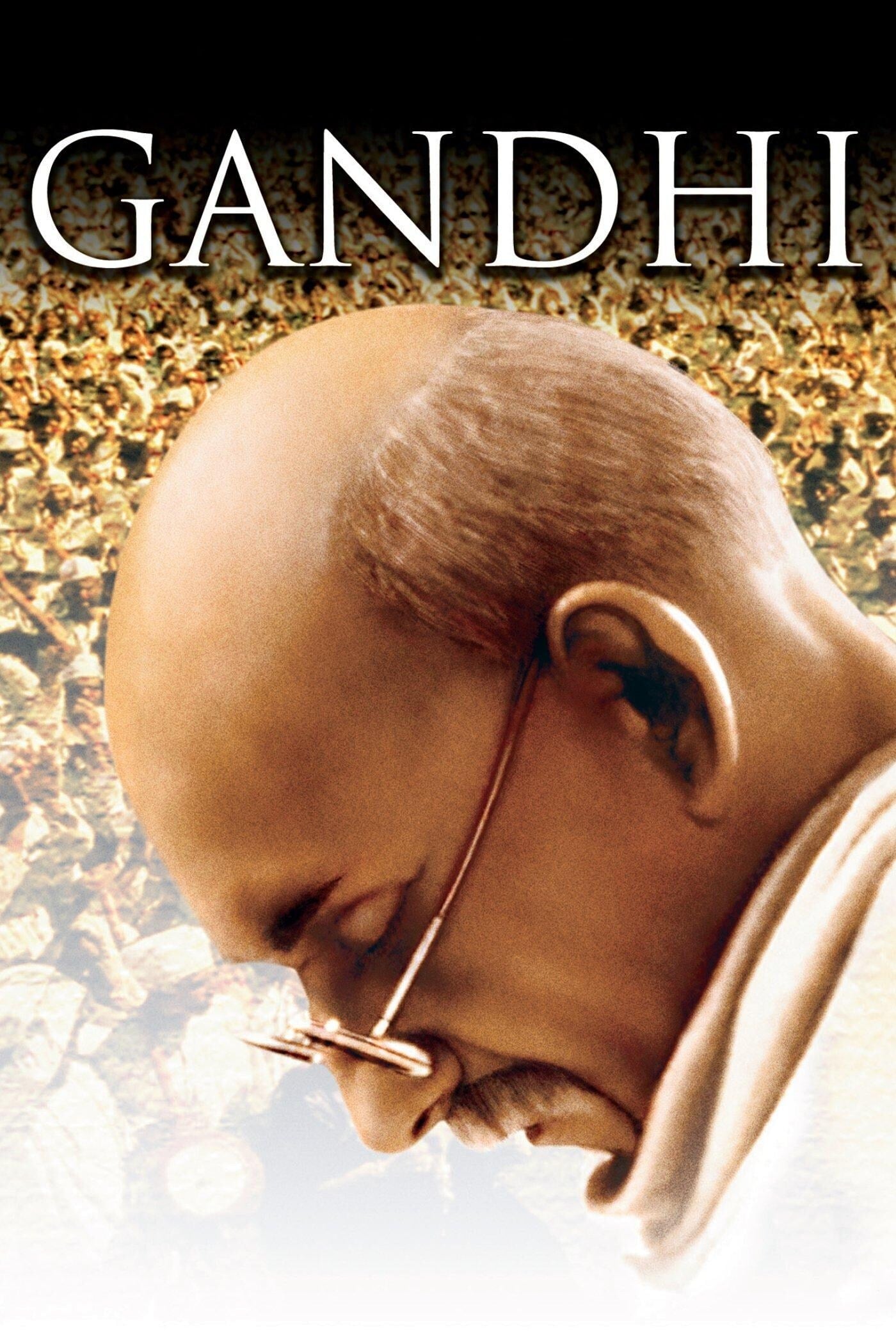
‘Gandhi’ swept the Oscars, winning eight awards including Best Picture for its depiction of the Indian independence leader. While the film was a massive technical undertaking, some felt it was a standard hagiography that lacked narrative complexity. It beat ‘E.T. the Extra-Terrestrial’, a film that had a massive impact on global culture and introduced technical innovations. This win is often used as an example of the Academy favoring lengthy historical biopics over imaginative and popular genre films.
‘Chariots of Fire’ (1981)
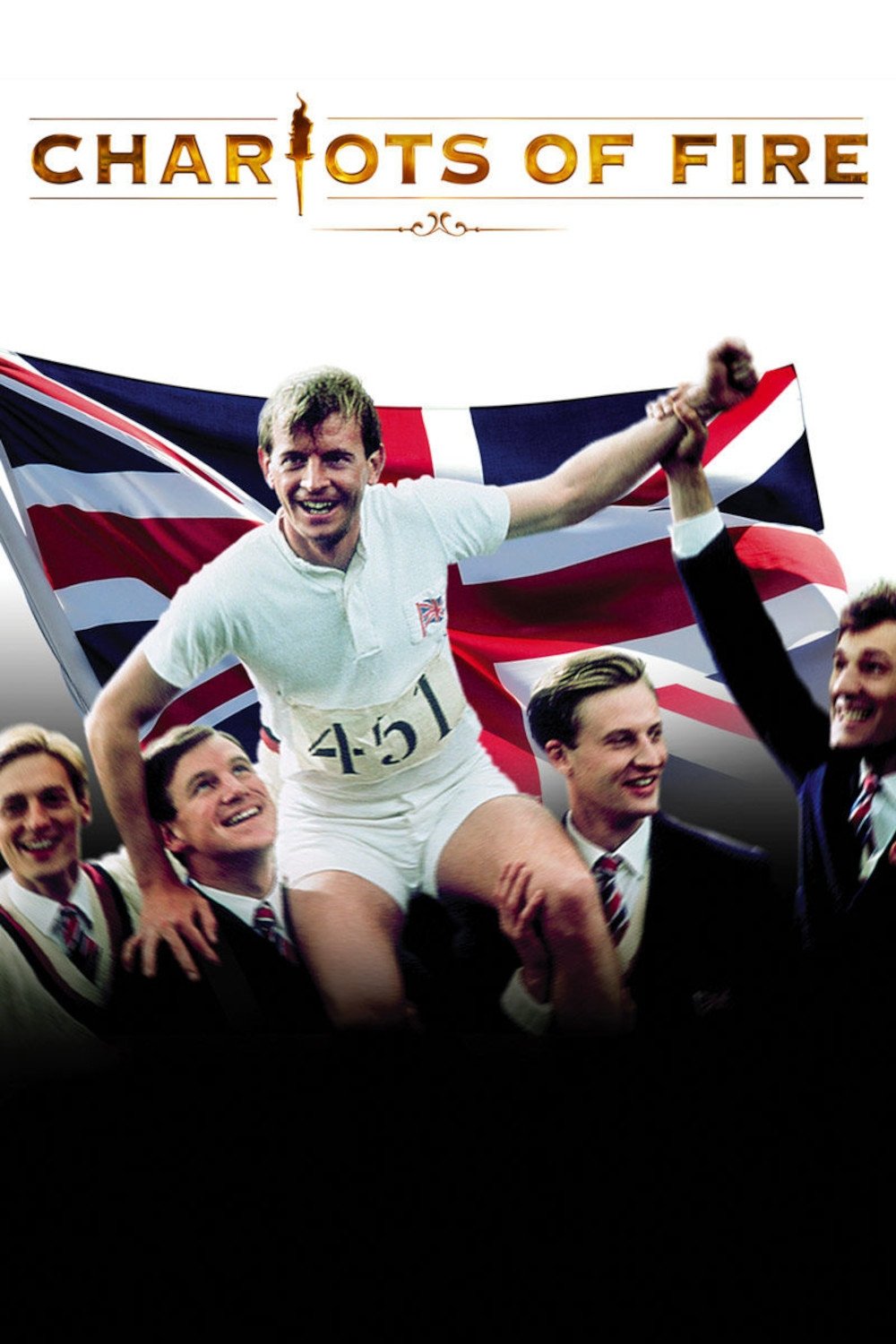
‘Chariots of Fire’ pulled off a surprise win against ‘Raiders of the Lost Ark’, a film that redefined the adventure genre. The film’s focus on British track athletes was praised for its score and themes, but many felt ‘Raiders’ was a superior achievement in direction and editing. The victory was seen as a sign of the Academy’s preference for dignified, inspirational dramas over high-quality popular entertainment. This win remains a frequent point of discussion for fans of classic 1980s cinema.
‘Ordinary People’ (1980)
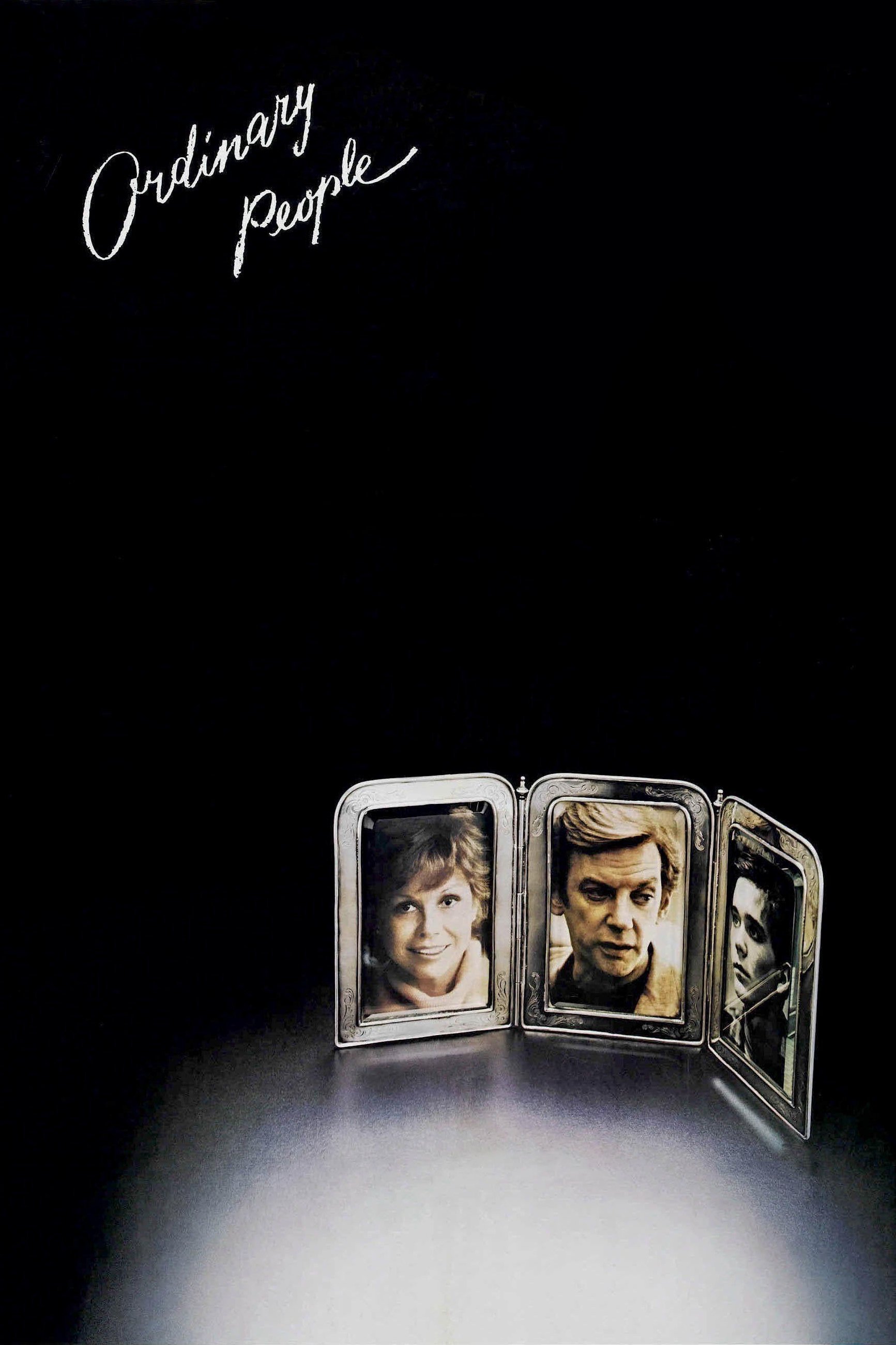
‘Ordinary People’ won Best Picture over ‘Raging Bull’, which is now considered one of the greatest films ever made. While the family drama was highly acclaimed for its acting, ‘Raging Bull’ was seen as a more visceral and innovative piece of filmmaking. The decision to honor a restrained domestic drama over an experimental sports biopic remains a point of contention for many film historians. This win highlighted the Academy’s occasional preference for quiet realism.
‘Kramer vs. Kramer’ (1979)
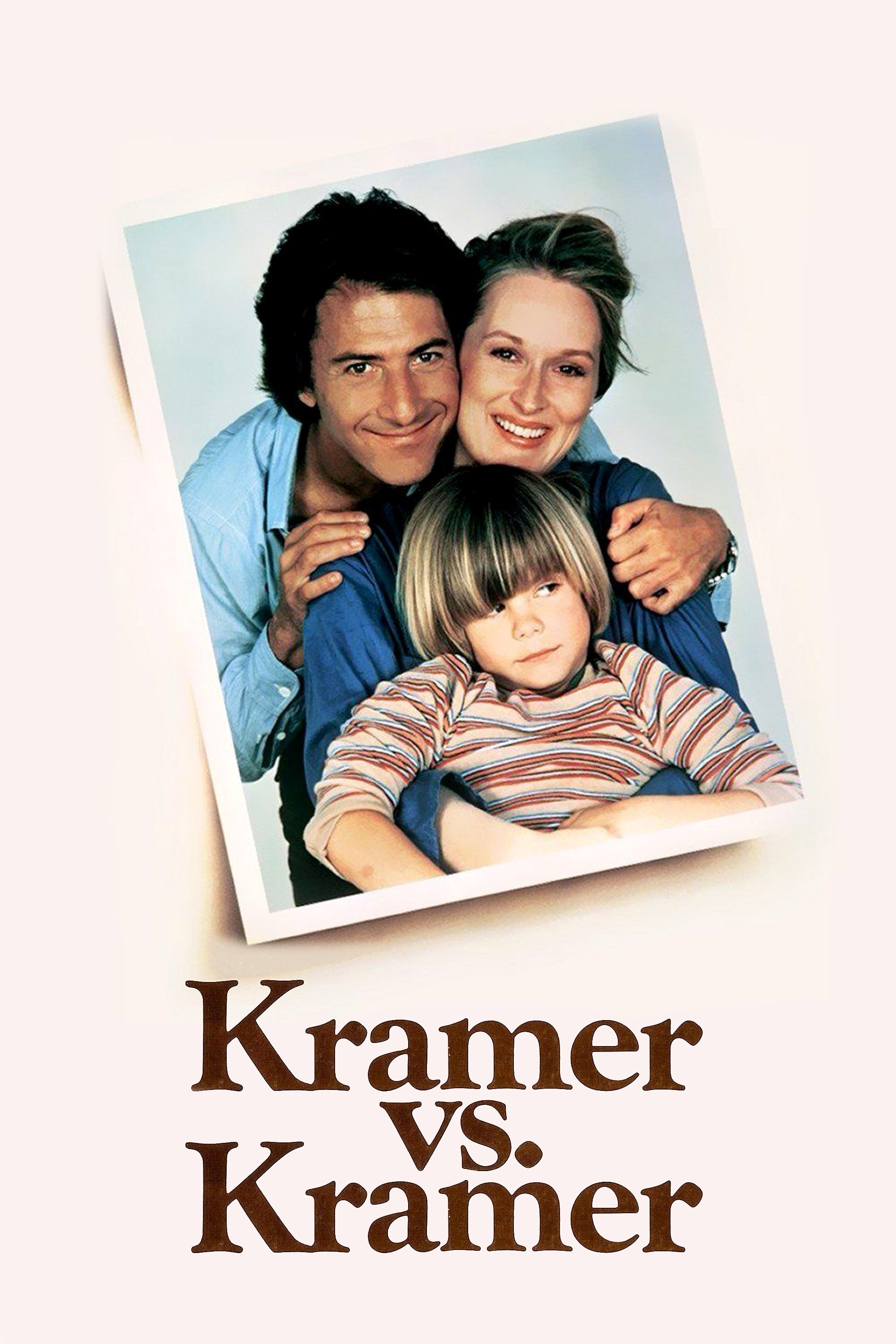
‘Kramer vs. Kramer’ won Best Picture at the 52nd Academy Awards during a strong year for American cinema. It beat ‘Apocalypse Now’, an ambitious and troubled production that is now regarded as a masterpiece of the war genre. While ‘Kramer vs. Kramer’ was a poignant look at divorce, many argue that ‘Apocalypse Now’ was a more significant cinematic milestone. The choice reflected a preference for relatable human stories over grand, philosophical epics.
‘The Deer Hunter’ (1978)
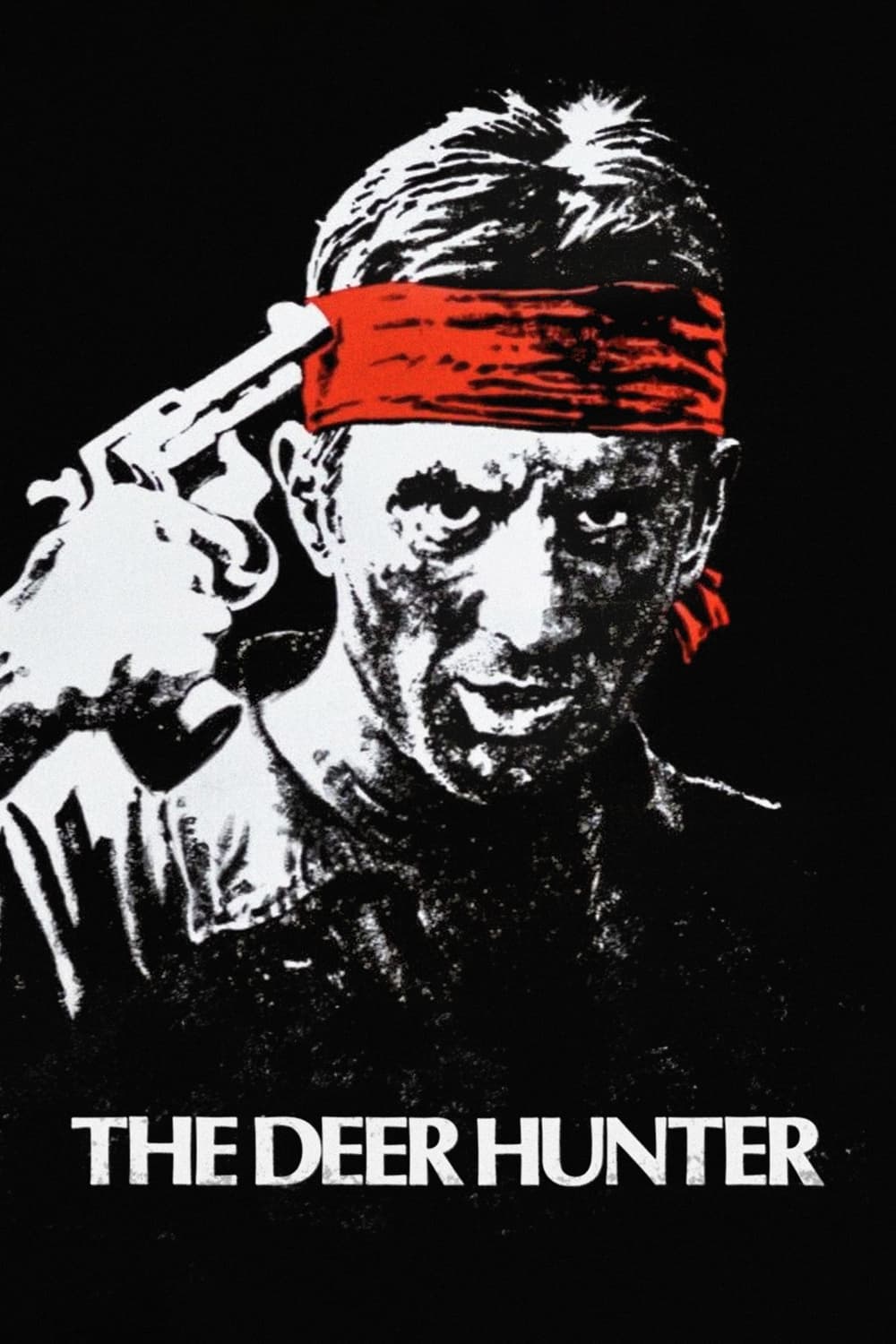
‘The Deer Hunter’ won Best Picture for its intense look at the impact of the Vietnam War on a small community. The film was highly controversial upon release due to its portrayal of certain torture methods that historians noted had little documented evidence. Despite its critical success, several prominent figures protested the film’s depiction of the conflict. It beat ‘Coming Home’, another war-themed film that was seen by some as having a more grounded and accurate perspective.
‘Annie Hall’ (1977)
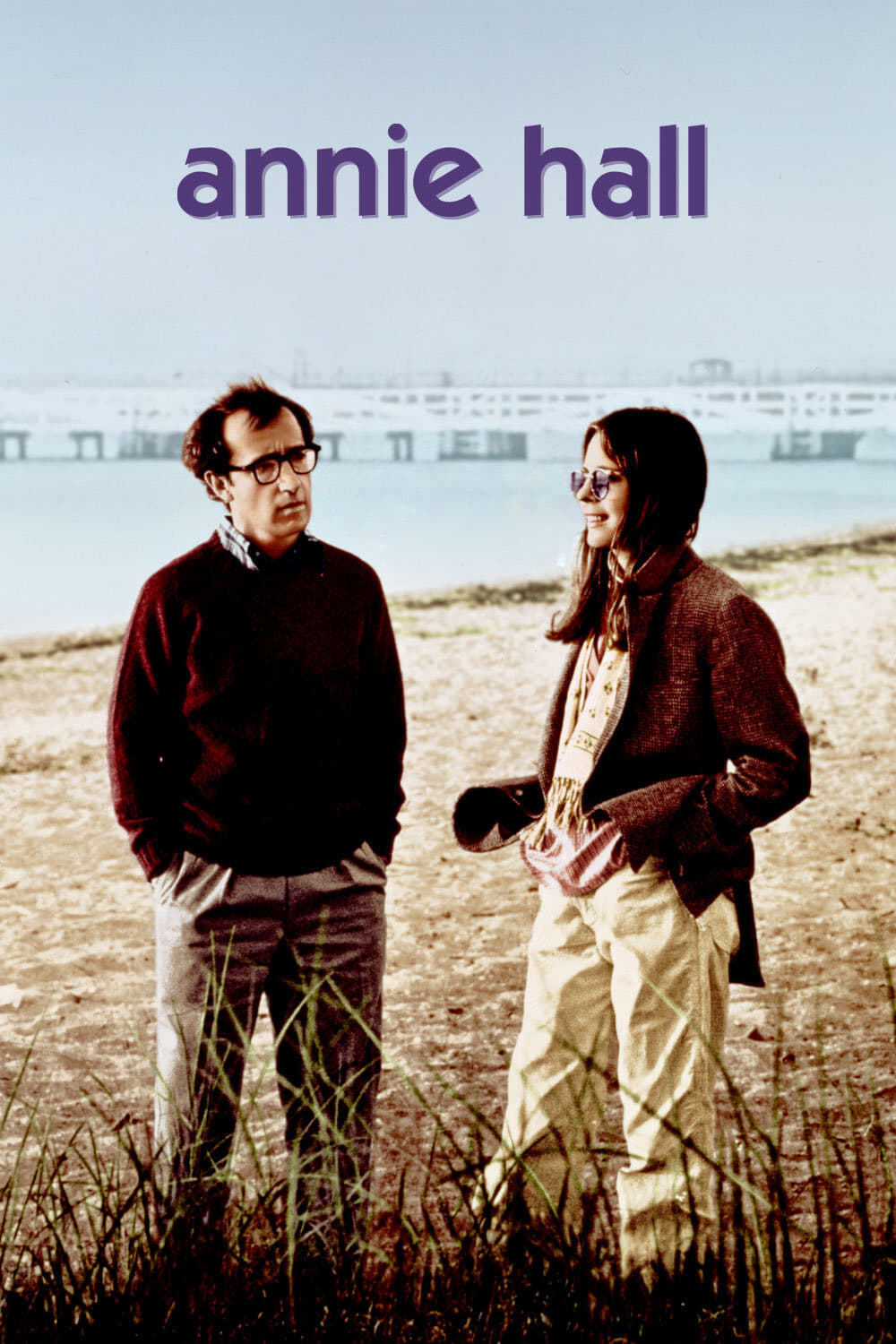
‘Annie Hall’ won Best Picture and is credited with changing the landscape of the modern romantic comedy. However, it won over the original ‘Star Wars’, a film that revolutionized the film industry and visual effects. While the former was intellectually stimulating, many fans of science fiction and technical innovation felt ‘Star Wars’ deserved the top honor for its cultural impact. The win is often cited in the debate over whether popular blockbusters should be recognized alongside smaller dramas.
‘Rocky’ (1976)
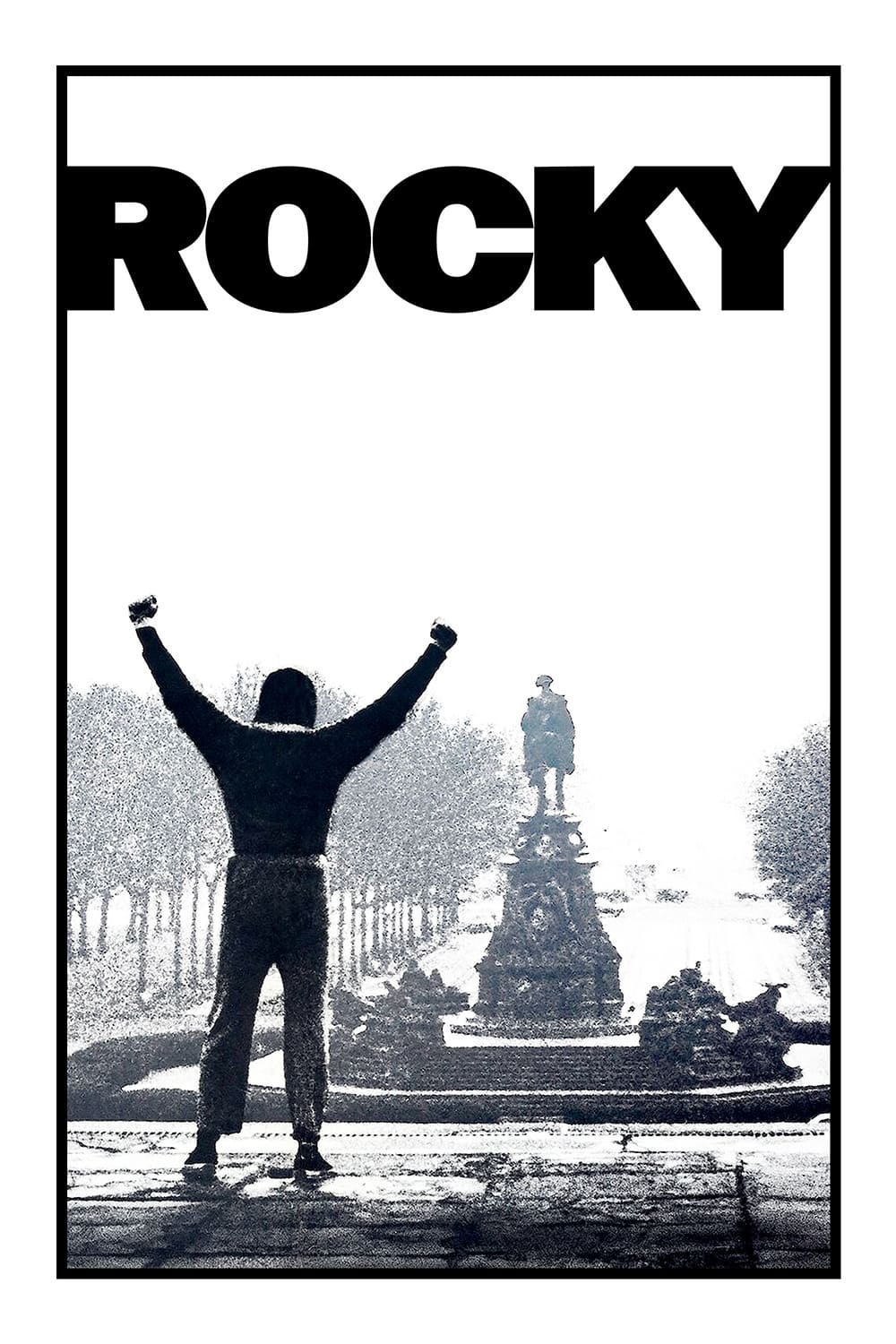
‘Rocky’ became the ultimate underdog success story, both on-screen and off, when it won the top prize. However, its Best Picture win came at the expense of ‘Taxi Driver’, ‘All the President’s Men’, and ‘Network’. Many critics believe that those three films are more substantial and culturally significant than the inspirational boxing drama. The victory of ‘Rocky’ is seen by some as a choice of optimism over the cynical, gritty masterpieces of the late 1970s.
‘Oliver!’ (1968)
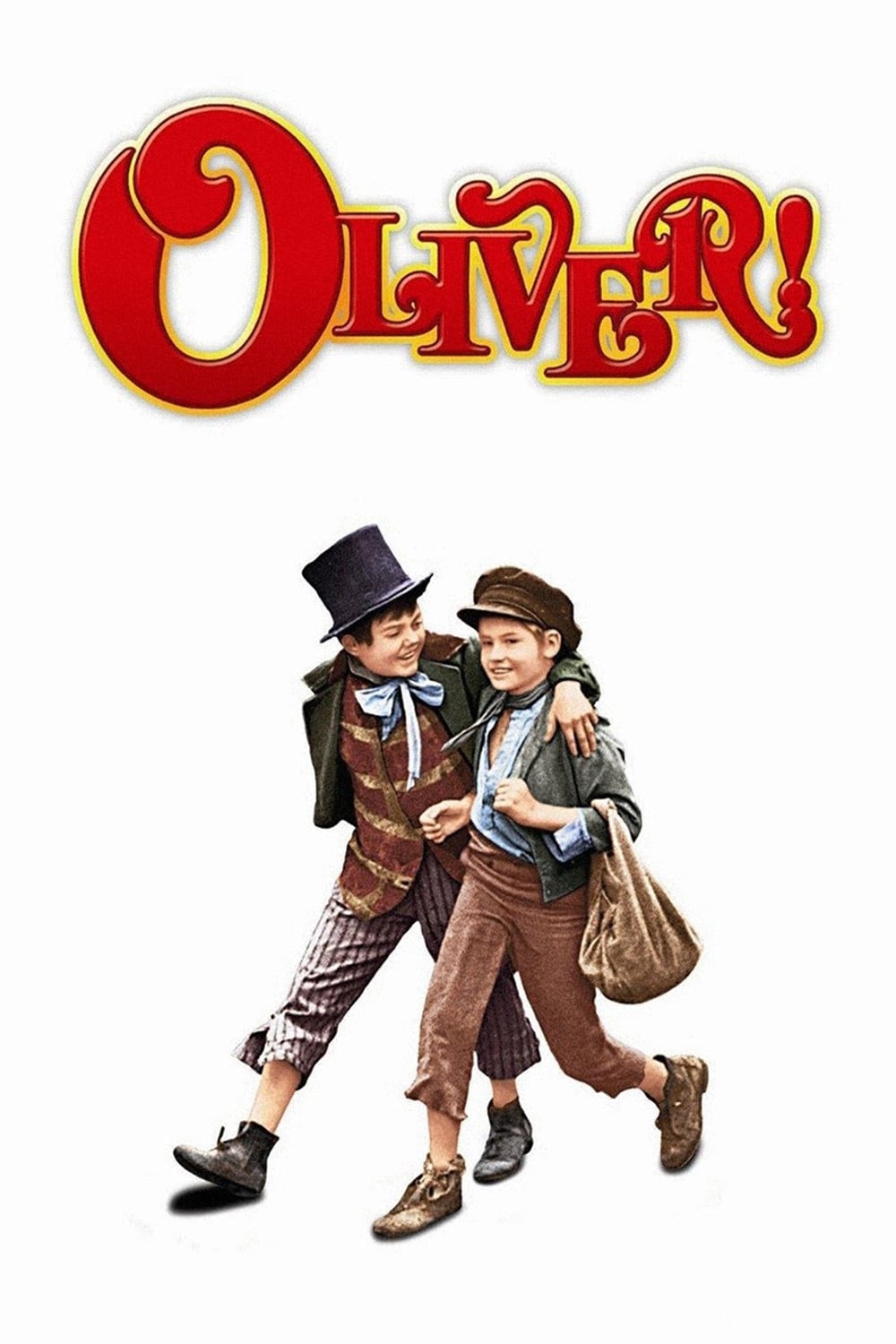
‘Oliver!’ was the last G-rated film to win Best Picture, capturing the award during a time of great social change. It beat ‘The Lion in Winter’ during a year where cinema was becoming more experimental and mature in its themes. Many critics felt that the traditional musical was out of step with the revolutionary spirit of the late 1960s. The win is often viewed as the Academy holding onto old traditions in the face of a changing cultural landscape.
‘Tom Jones’ (1963)
‘Tom Jones’ was a commercial hit that used a variety of experimental film techniques for its time. However, the film’s bawdy humor and frantic editing were not to everyone’s taste, leading to a divided reception. Some viewers felt it lacked the gravitas of other nominees or the epic scale of its contemporaries. Over time, the film’s reputation has faded compared to other Best Picture winners of the same decade.
‘Gigi’ (1958)
‘Gigi’ won nine Oscars, setting a record for the time and cementing the popularity of the MGM musical. Despite its success, the film’s central plot has drawn significant criticism in more modern years for its themes. Some fans of the era felt that other nominees offered more compelling or socially relevant narratives. The victory is seen as a high point for lavish productions, but its subject matter remains a point of modern discussion.
‘Around the World in 80 Days’ (1956)
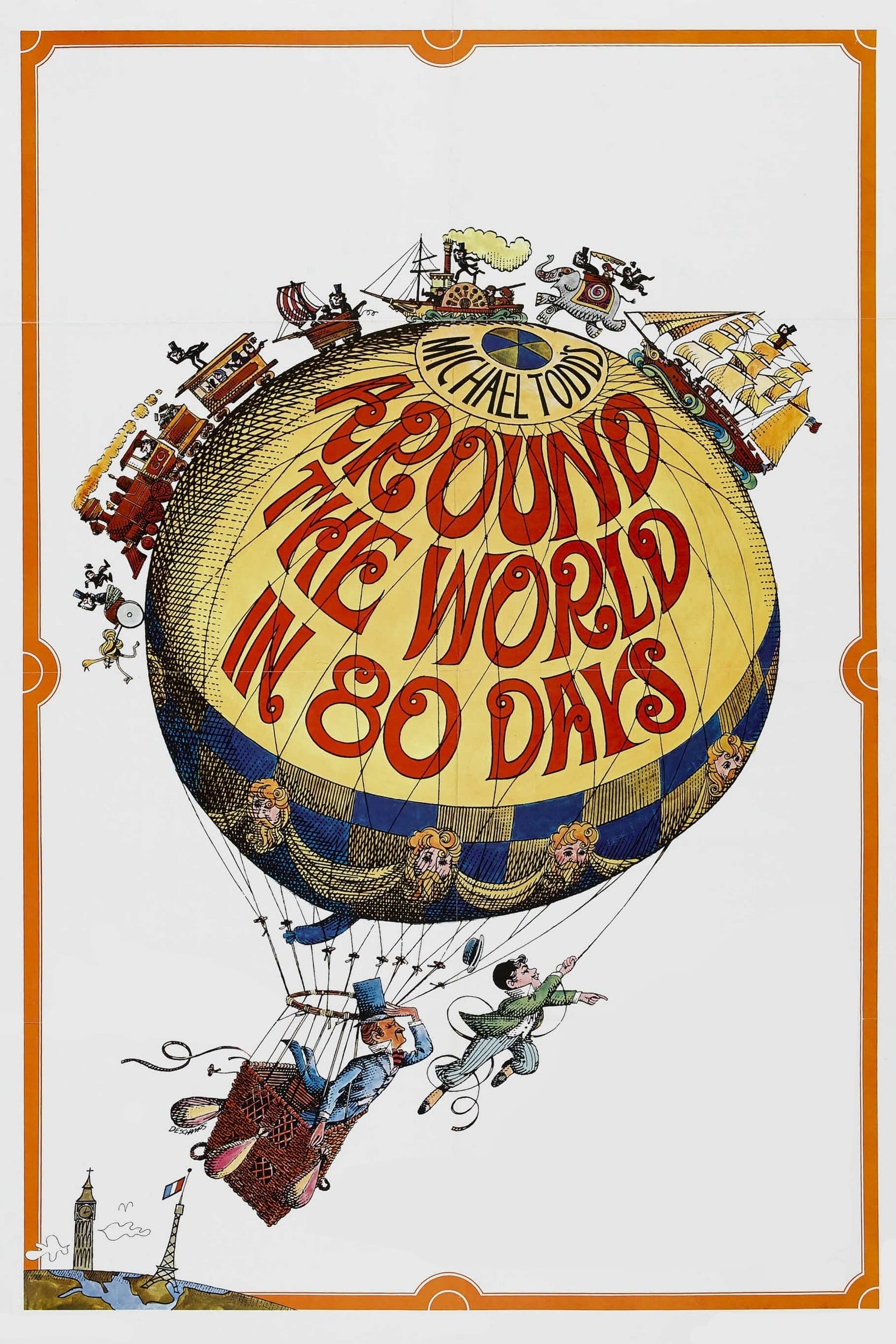
‘Around the World in 80 Days’ was a massive spectacle featuring dozens of celebrity cameos and exotic locations. It won Best Picture over ‘The Ten Commandments’ and ‘Giant’, both of which are often cited as superior examples of mid-century cinema. Critics of the film argue that it felt more like a travelogue than a cohesive and emotionally resonant narrative. The win is frequently mentioned as an instance where size and novelty triumphed over artistic depth.
‘The Greatest Show on Earth’ (1952)
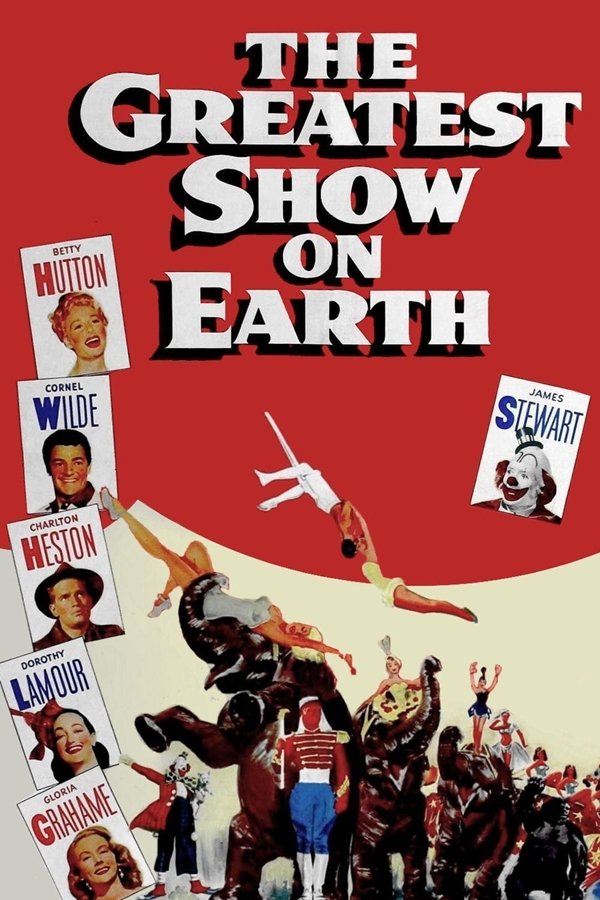
‘The Greatest Show on Earth’ is often cited as one of the weakest Best Picture winners in the history of the ceremony. It beat ‘High Noon’, a film that is now considered a landmark of the Western genre and American film history. Critics believe the win was a tribute to the director’s career rather than a recognition of the film’s own merits. The movie’s light plot is often unfavorably compared to the tension and moral complexity of its competitors.
‘An American in Paris’ (1951)
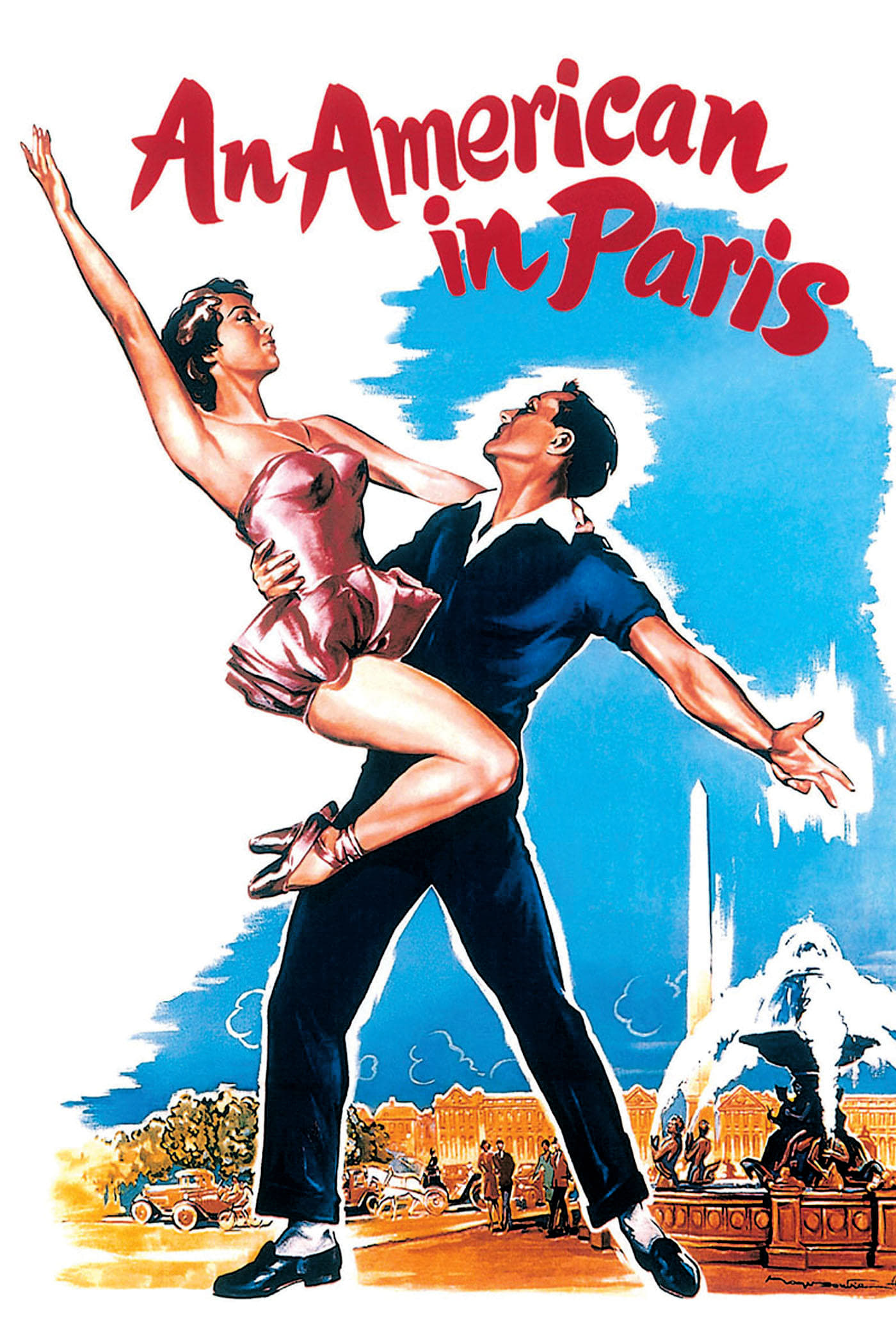
‘An American in Paris’ won Best Picture for its vibrant musical numbers and elaborate choreography. However, it won over ‘A Streetcar Named Desire’, a film that featured a transformative and highly influential performance style. Many critics argue that the gritty realism and emotional power of ‘Streetcar’ were more deserving than the escapism of the musical. The choice reflected the Academy’s ongoing affection for the Golden Age of Hollywood musicals over dramatic realism.
‘How Green Was My Valley’ (1941)
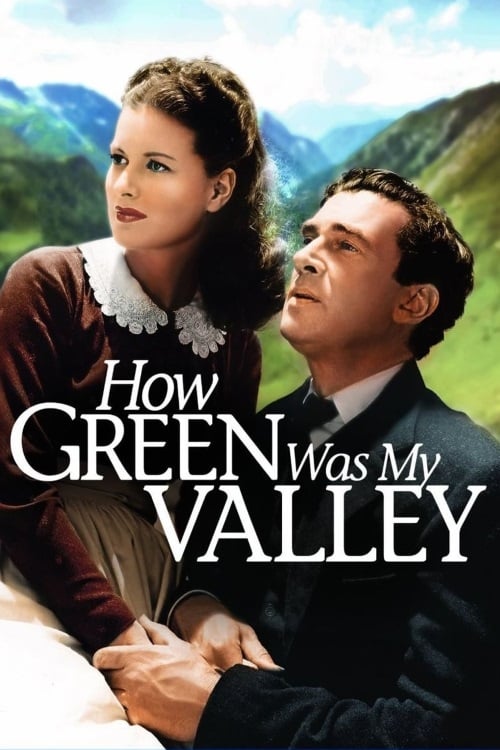
‘How Green Was My Valley’ is a well-respected film, but its Best Picture win is infamous because it beat ‘Citizen Kane’. Orson Welles’ ‘Citizen Kane’ is frequently cited by critics and scholars as one of the most important films ever made. While the winner was a sentimental favorite about a mining family, it has lived in the shadow of its rival for over eighty years. The decision is considered one of the biggest oversights in the history of the Academy Awards.
‘Cavalcade’ (1933)
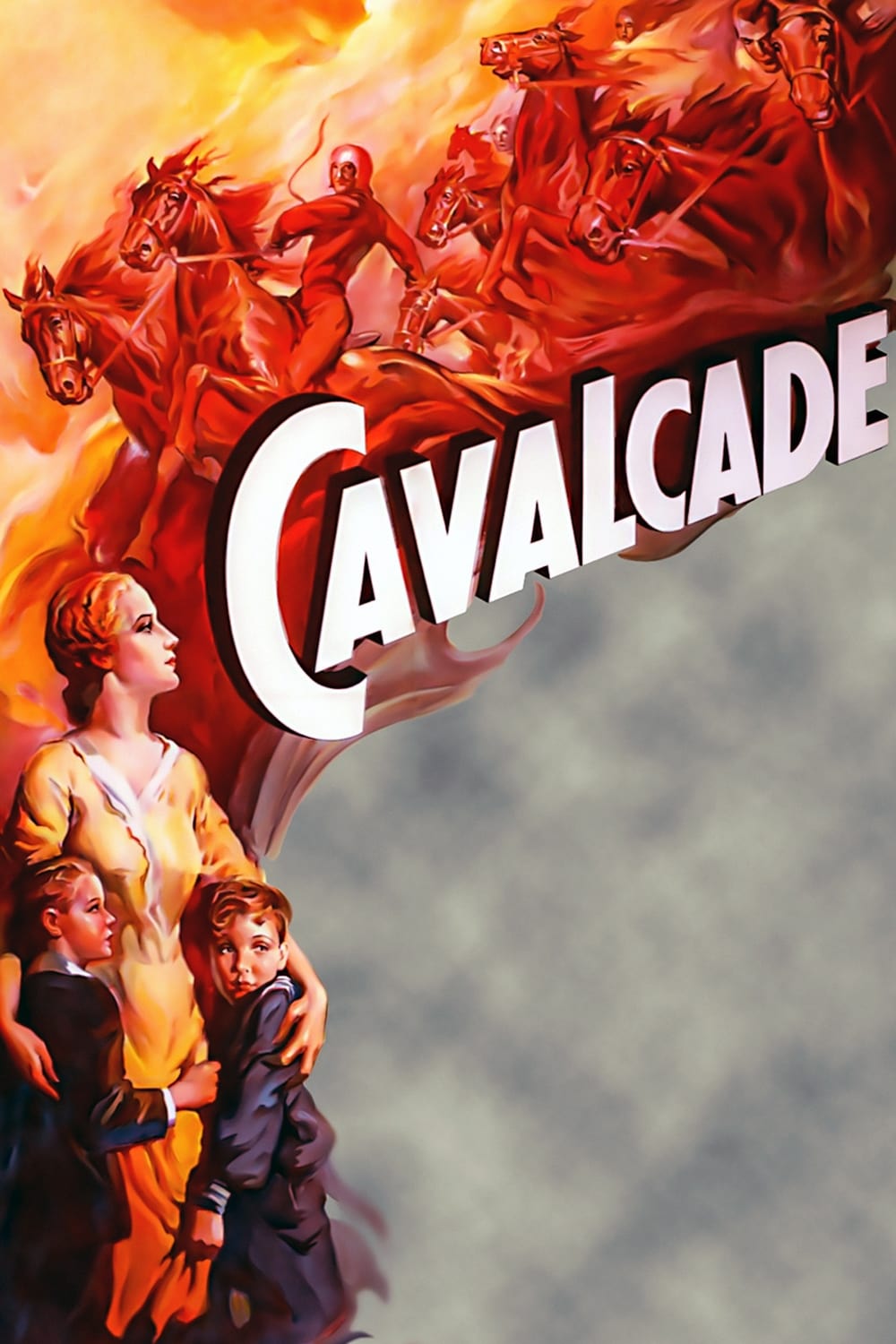
‘Cavalcade’ won Best Picture for its portrayal of British life through several major historical events of the early 20th century. While it was a success at the time, the film has largely faded from public consciousness in the decades since. It beat several films that are still studied and watched today, leading to questions about its lasting cultural value. Critics often point to ‘Cavalcade’ as a film that was perfectly suited to its specific moment but lacked timeless appeal.
‘Cimarron’ (1931)

‘Cimarron’ was the first Western to win Best Picture, but its reputation has suffered significantly as societal standards have evolved. The film is often criticized for its dated and offensive portrayals of various groups. While it was a technical achievement for its time, many modern viewers find its narrative choices difficult to support. Its victory is frequently cited in discussions about how the Academy’s choices can age poorly over time.
Please share your thoughts on these controversial Oscar victories in the comments.