Anime Directors Who Alienated Fans with Sudden Genre Shifts



Anime directors often build their reputations on specific styles or genres that define their professional careers. When these creators suddenly pivot to an entirely different narrative or aesthetic tone they can surprise their dedicated audiences. Some fans embrace these changes as artistic growth while others feel alienated by the departure from familiar themes. This list explores several prominent directors who shifted gears and left their fanbases divided or shocked.
Hideaki Anno
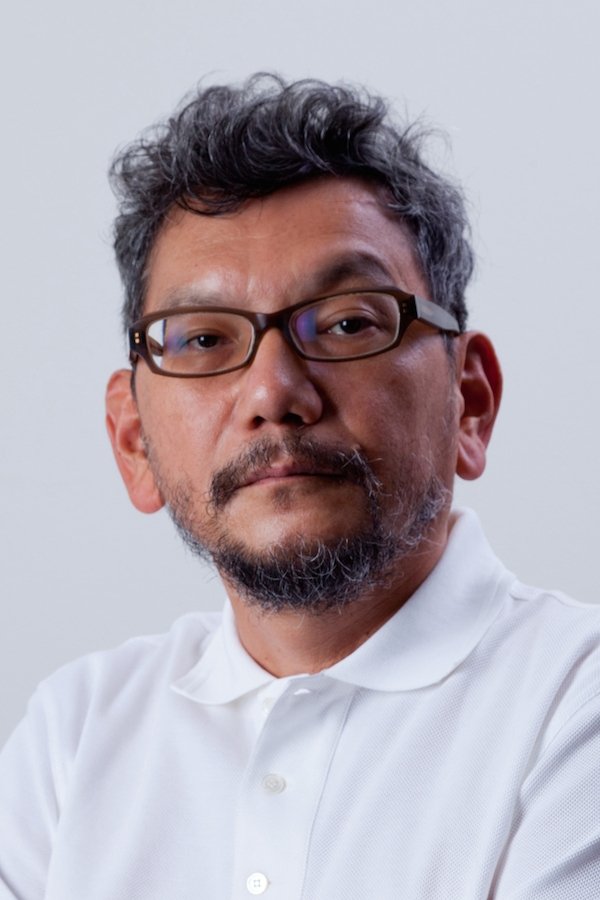
Hideaki Anno is widely recognized for his work on ‘Neon Genesis Evangelion’ which initially presented as a standard mecha series. He shifted the narrative into a psychological study that focused on the internal struggles of the characters during the final episodes. This sudden change in tone and the abstract nature of the conclusion polarized the original television audience. He later continued to experiment with different storytelling techniques in the ‘Rebuild of Evangelion’ film series.
Mamoru Oshii
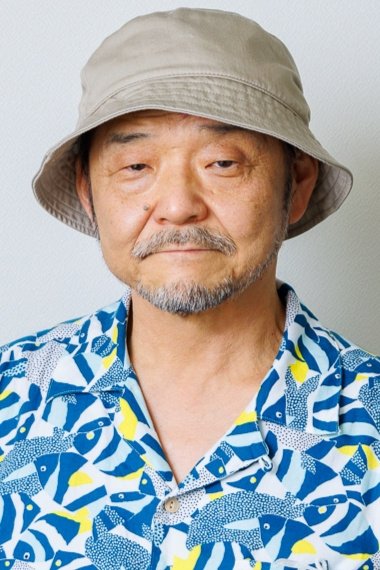
Mamoru Oshii directed the popular comedy series ‘Urusei Yatsura’ before transitioning to the surreal and quiet film ‘Angel’s Egg’. The movie lacked traditional dialogue and focused on heavy symbolism which confused fans of his earlier lighthearted work. This shift marked his transition into deep philosophical storytelling that would later define films like ‘Ghost in the Shell’. He is now known for his atmospheric style and complex themes that often challenge the viewer.
Yoshiyuki Tomino
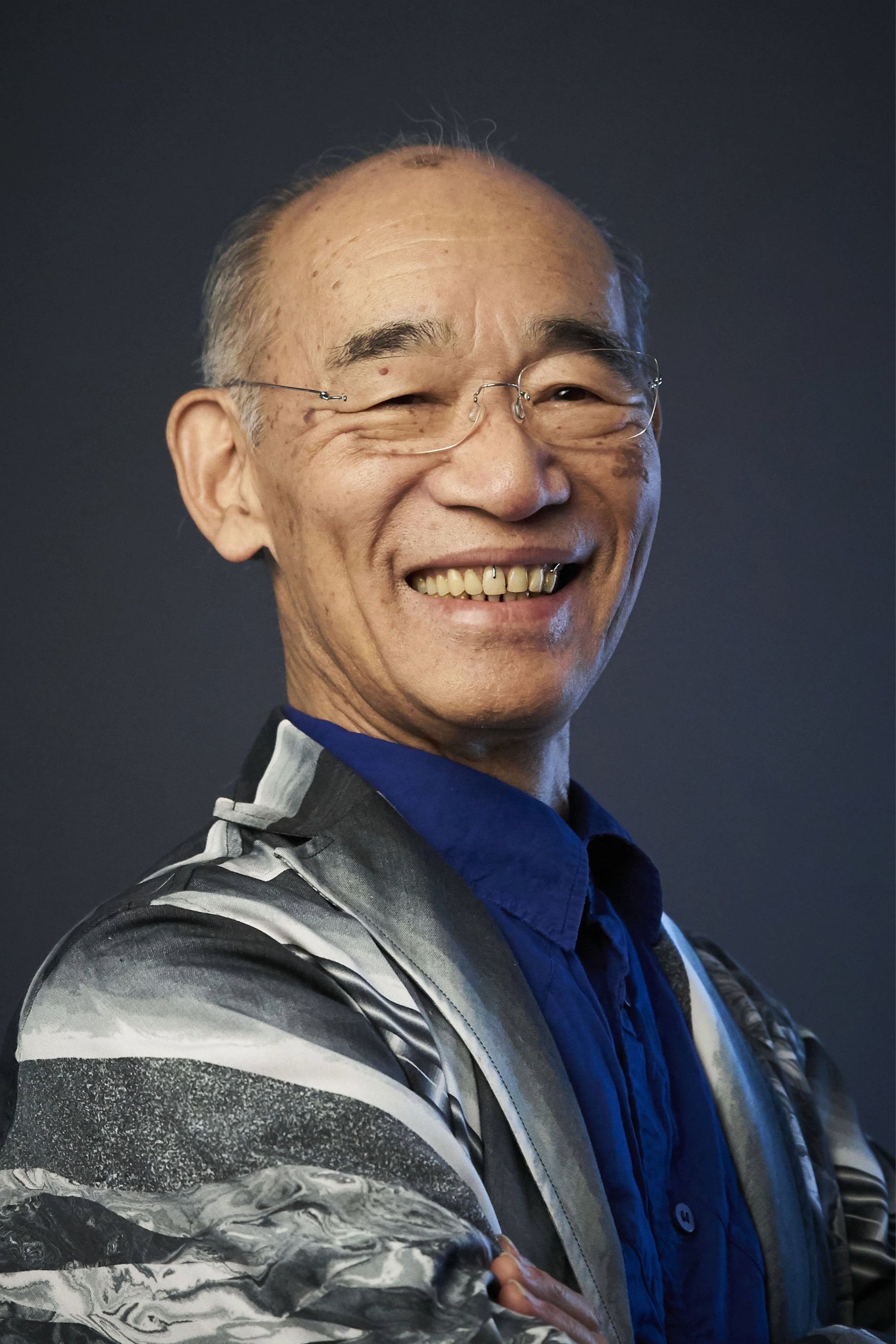
Yoshiyuki Tomino is the creator of the ‘Mobile Suit Gundam’ franchise which primarily focused on the politics of war. He moved toward an extremely nihilistic tone in ‘Space Runaway Ideon’ which featured a bleak and destructive ending. This drastic change earned him the nickname Kill Em All Tomino among the anime community. His later works often alternated between heroic adventures and dark tragedies which kept his audience guessing about the final outcome.
Satoshi Kon
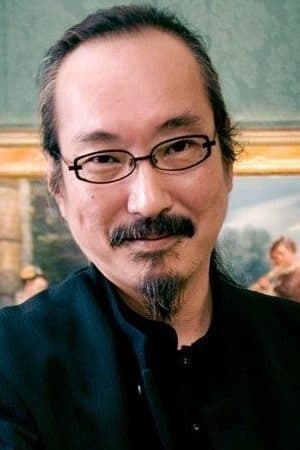
Satoshi Kon gained international fame with the psychological horror film ‘Perfect Blue’. He surprised many fans by moving into the realm of family comedy with his work on ‘Tokyo Godfathers’. While the movie received critical praise it was a significant departure from his usual reality bending narratives. His career was defined by his ability to jump between intense thrillers and whimsical storytelling with ease.
Kunihiko Ikuhara
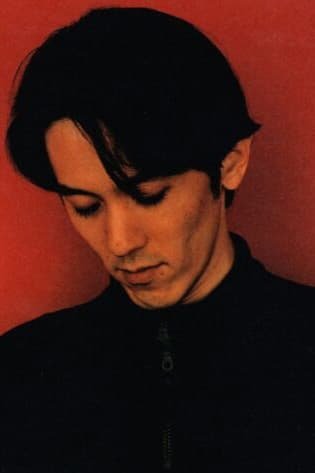
Kunihiko Ikuhara spent years directing ‘Sailor Moon’ before creating the avant garde series ‘Revolutionary Girl Utena’. This shift introduced heavy metaphors and surrealist imagery that moved away from traditional magical girl tropes. Fans of his earlier work were often confused by the dense symbolism and unconventional narrative structure. He has since maintained a reputation for creating visually distinct projects that challenge social norms.
Hiroyuki Imaishi
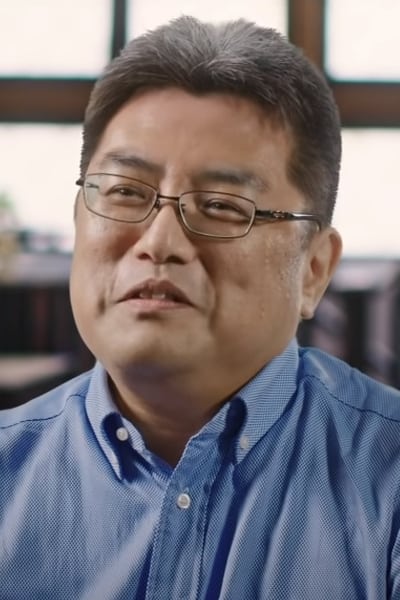
Hiroyuki Imaishi followed the massive success of ‘Gurren Lagann’ with the crude and irreverent ‘Panty & Stocking with Garterbelt’. The aesthetic shift to a style reminiscent of Western cartoons alienated some fans who expected another high energy mecha epic. He eventually returned to the battle genre with ‘Kill la Kill’ but remained known for his unpredictable stylistic pivots. His work continues to be defined by hyperactive animation and provocative humor.
Shinichiro Watanabe
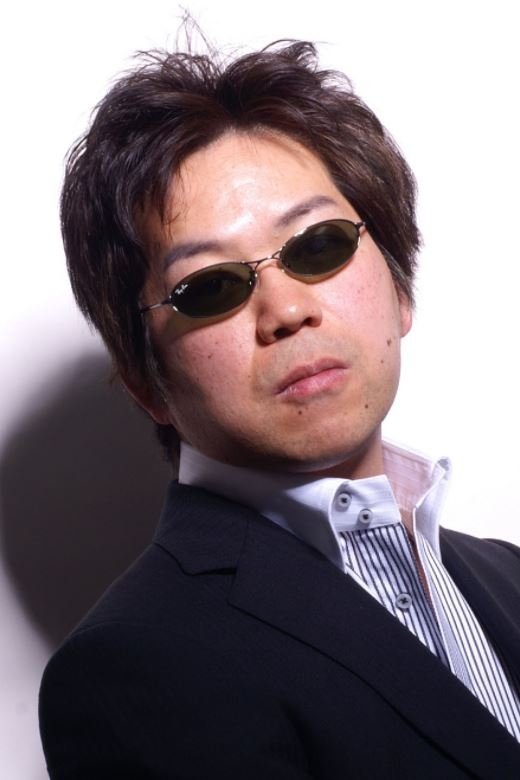
Shinichiro Watanabe became a household name with the space western ‘Cowboy Bebop’ which blended science fiction with jazz music. He later explored different musical influences in ‘Samurai Champloo’ before directing the gentle musical drama ‘Carole & Tuesday’. Some viewers felt this change was too soft compared to the gritty noir inspired atmosphere of his previous hits. He is widely recognized for his talent in merging diverse musical genres with traditional animation.
Akiyuki Shinbo
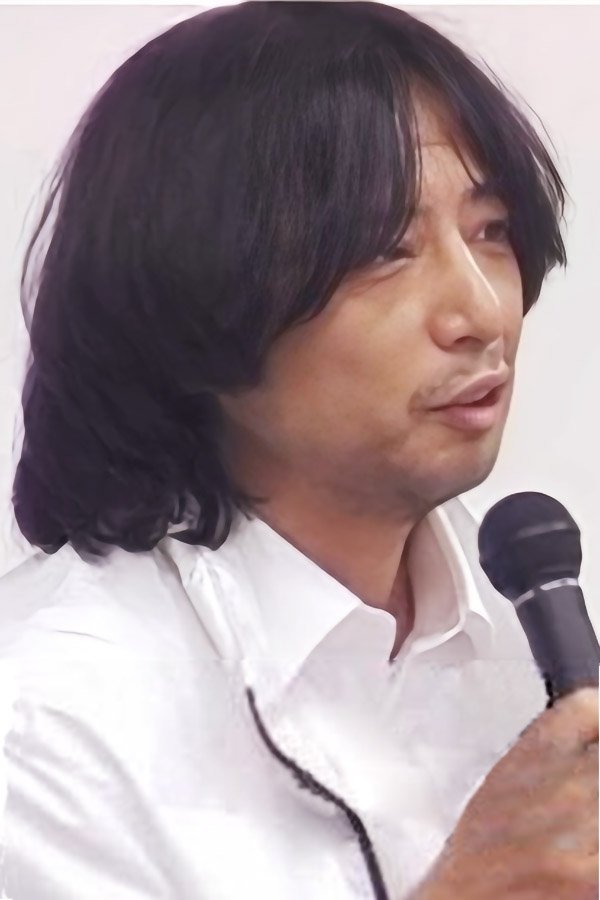
Akiyuki Shinbo was known for directing ‘Magical Girl Lyrical Nanoha’ which followed traditional genre expectations. He shocked the industry by directing ‘Puella Magi Madoka Magica’ which used a dark and tragic narrative to subvert magical girl conventions. This shift caught many viewers off guard and changed the way the genre was perceived by the global audience. His visual style is characterized by abstract backgrounds and unconventional camera angles.
Goro Taniguchi
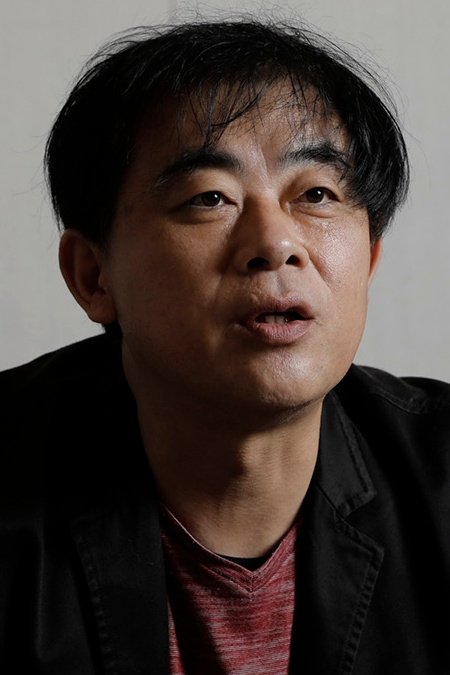
Goro Taniguchi achieved widespread acclaim for the political drama and action found in ‘Code Geass’. He later directed projects like ‘Active Raid’ and ‘Back Arrow’ which focused more on lighthearted comedy and simpler plots. Fans who appreciated the intricate tactical battles of his earlier work were often disappointed by the change in complexity. He continues to be a prolific director who experiments with various tones within the mecha genre.
Kenji Kamiyama

Kenji Kamiyama led the critically acclaimed ‘Ghost in the Shell Stand Alone Complex’ series which focused on cyberpunk philosophy and politics. He later pivoted to direct ‘Napping Princess’ which was a whimsical fantasy film about a girl in a dream world. The transition from intense cyber warfare to a family oriented adventure was unexpected for his core fanbase. He remains a key figure in the industry known for his technical skill and narrative ambition.
Tatsuki

Tatsuki became an overnight sensation with the wholesome and charming ‘Kemono Friends’. He followed this with ‘Kemurikusa’ which featured a much darker post apocalyptic setting and a more serious tone. The shift was jarring for fans who had grown accustomed to the simple and bright world of his first major hit. He is frequently praised for his unique ability to build complex lore within independent animation projects.
Hiroshi Hamasaki
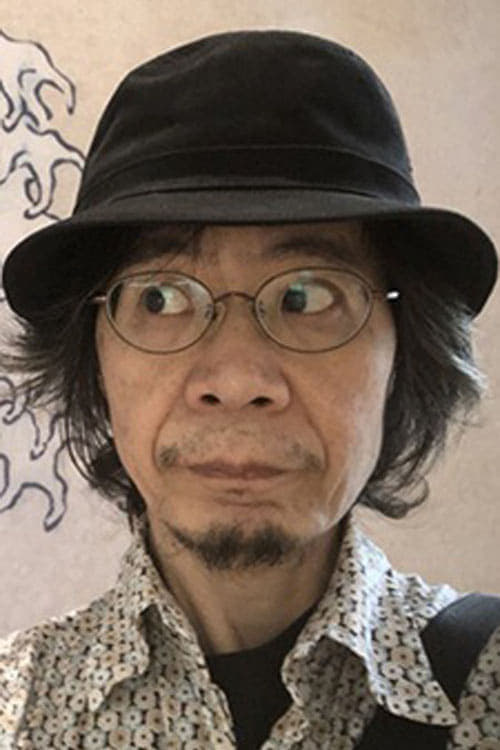
Hiroshi Hamasaki established himself with the bleak and experimental cyberpunk series ‘Texhnolyze’. He later directed ‘Orange’ which was a sentimental drama focused on regret and high school friendships. This shift away from pure avant garde storytelling made his work more accessible but surprised fans of his earlier dark projects. He continues to take on diverse roles that showcase his ability to adapt to different narrative styles.
Kazuya Tsurumaki
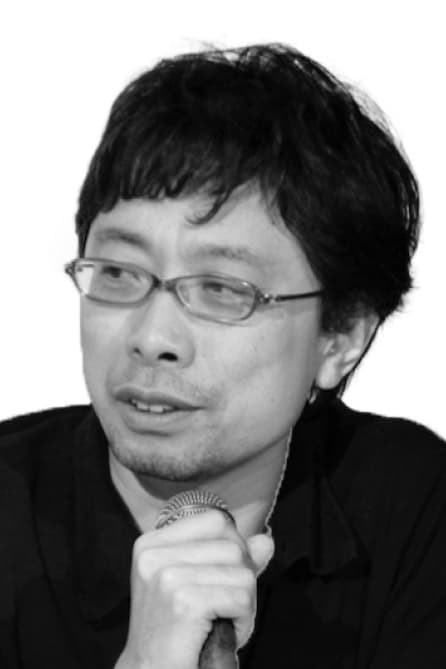
Kazuya Tsurumaki was initially associated with the chaotic energy and surreal metaphors of ‘FLCL’. He eventually directed ‘The Dragon Dentist’ which offered a more grounded and solemn take on a fantasy war story. This transition away from the fast paced and frenetic style of his early career was noted by long term fans. He has also been a vital collaborator on the modern ‘Rebuild of Evangelion’ films.
Tsutomu Mizushima
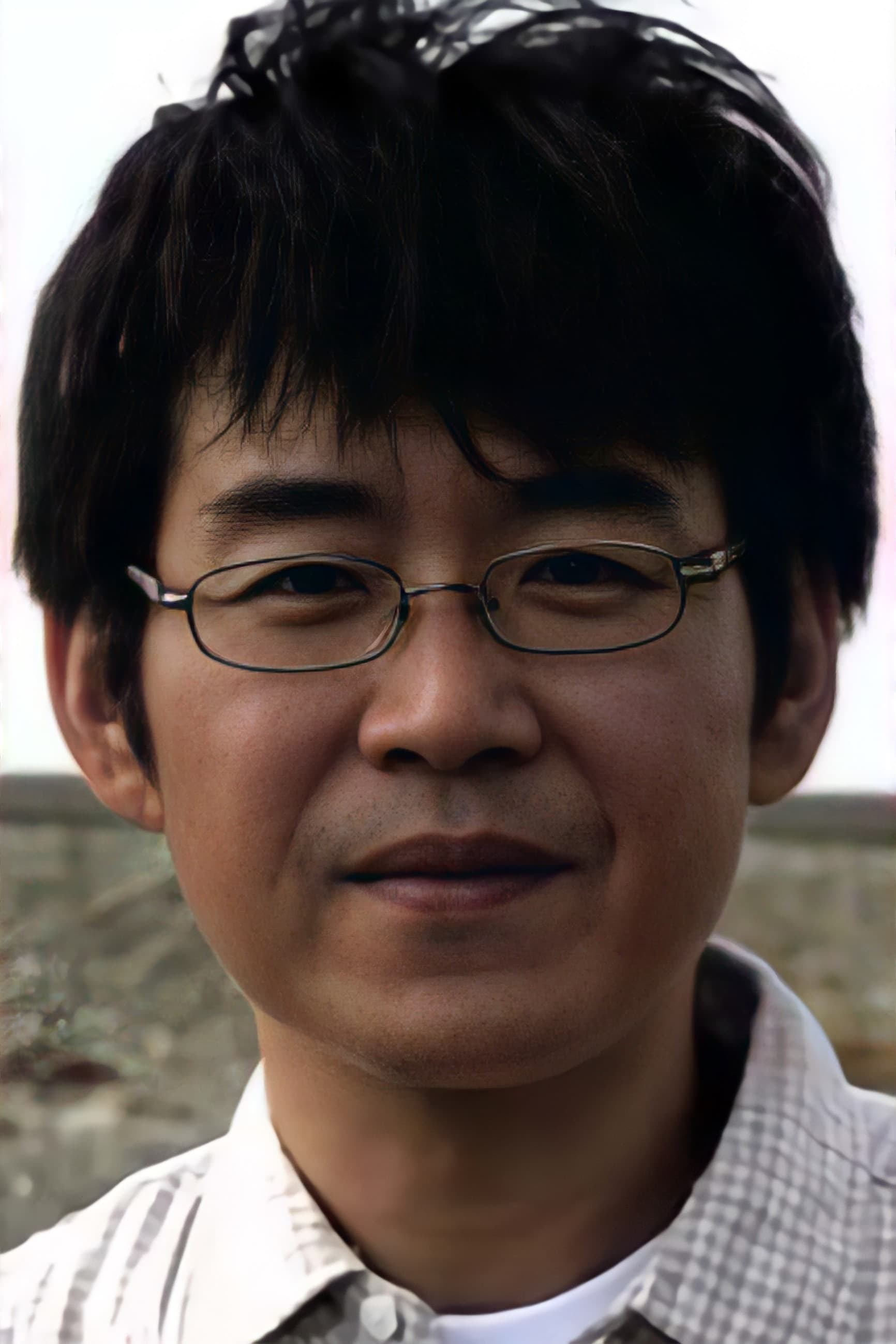
Tsutomu Mizushima directed the supernatural horror anime ‘Another’ before transitioning to the workplace comedy ‘Shirobako’. While both series were successful the change from a bloody mystery to an optimistic look at the anime industry was significant. Fans of his horror work found the shift to a bright and grounded narrative quite unexpected. He is considered one of the most adaptable directors in the industry today because of his wide range.
Please share your thoughts on these controversial director shifts in the comments.