Actresses Who Have Criticized Radical Feminism

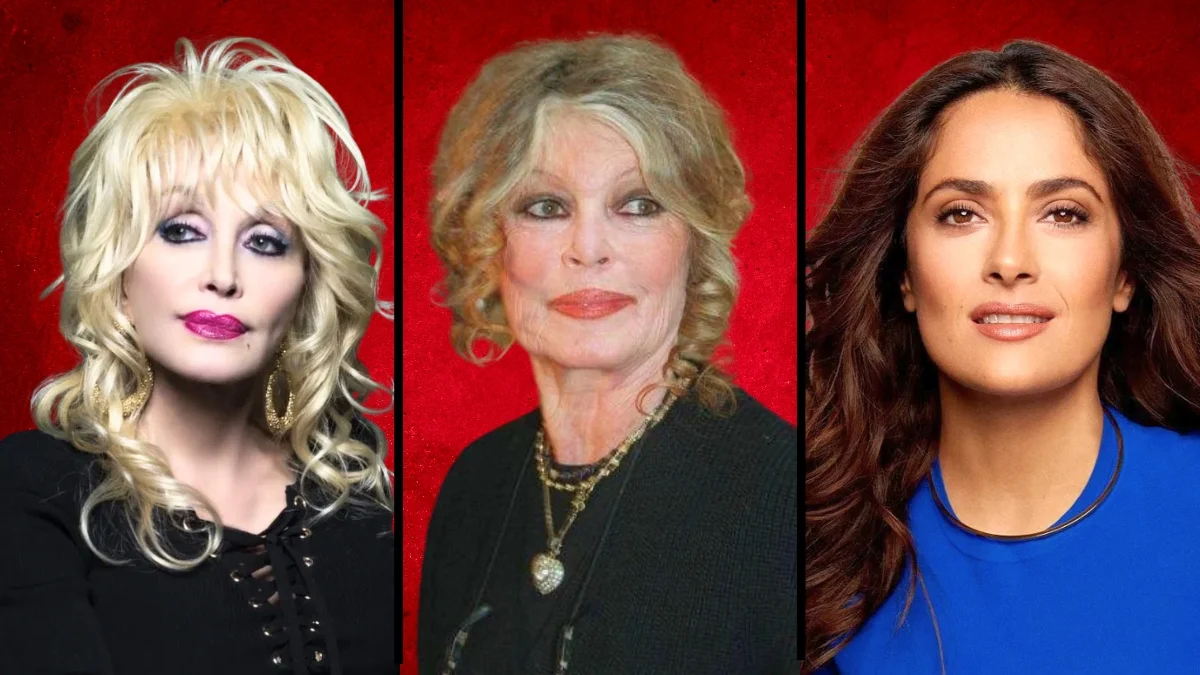

The landscape of gender politics in Hollywood is often viewed as a monolith of progressive thought, yet many prominent actresses have voiced significant reservations regarding radical feminism. While these women often advocate for equality, they frequently express discomfort with the labels, tactics, and exclusionary nature of modern movements. Some argue for a return to traditional values, while others prefer the broader umbrella of humanism to avoid what they perceive as a divisive narrative. These perspectives highlight a complex internal debate within the entertainment industry about the direction of gender advocacy. By examining their public statements, a clearer picture emerges of why some of the most influential women in cinema choose to distance themselves from radical labels.
Brigitte Bardot
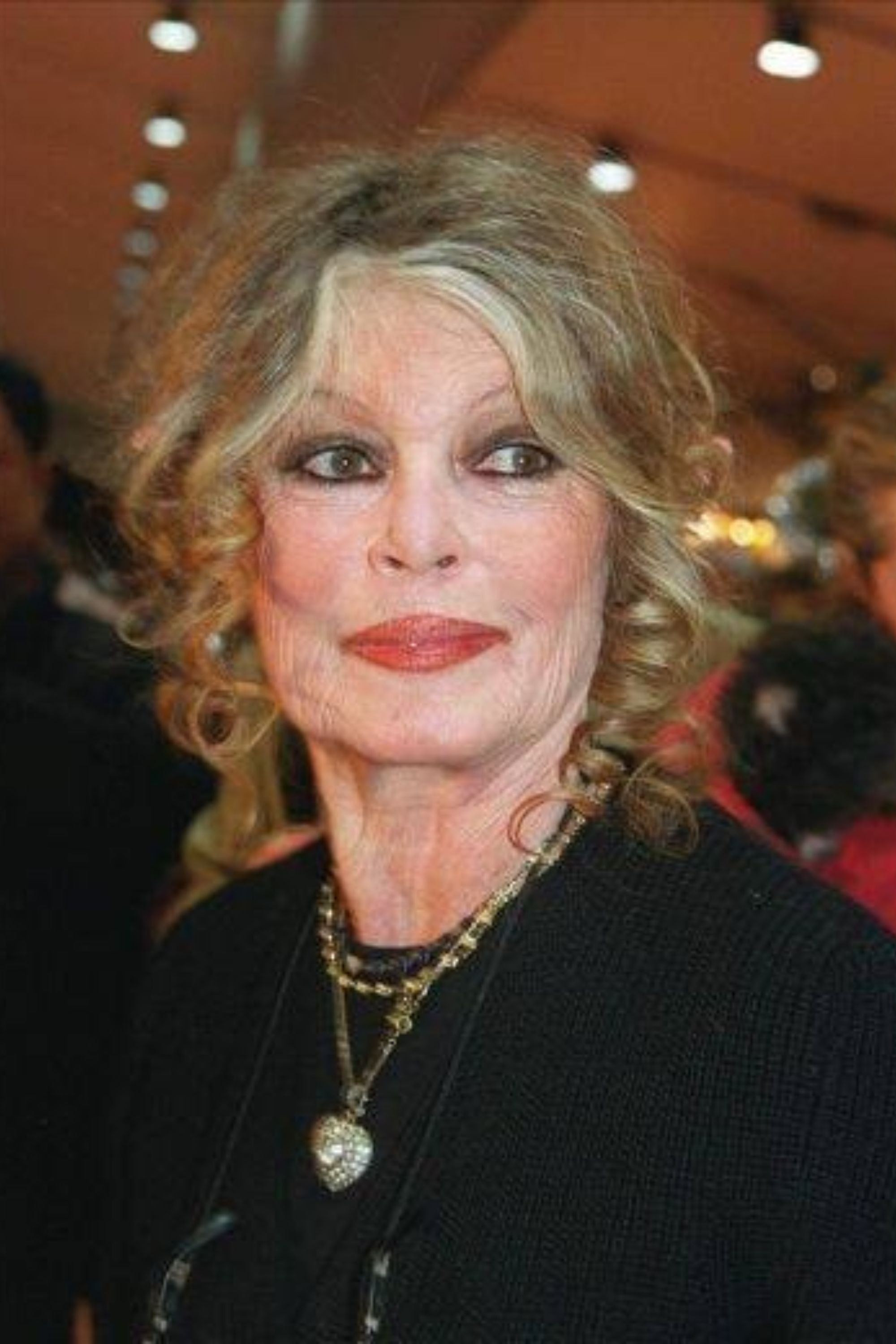
The legendary French actress sparked controversy when she criticized the #MeToo movement as being hypocritical and ridiculous in an interview with ‘Paris Match’. Bardot expressed that many actresses flirt with producers to land roles and then complain about harassment years later to gain publicity. She argued that such radical movements take away from the charm of the interaction between men and women. Bardot has consistently maintained that she finds the modern push for gender parity to be a distraction from her environmental and animal rights work.
Carla Bruni
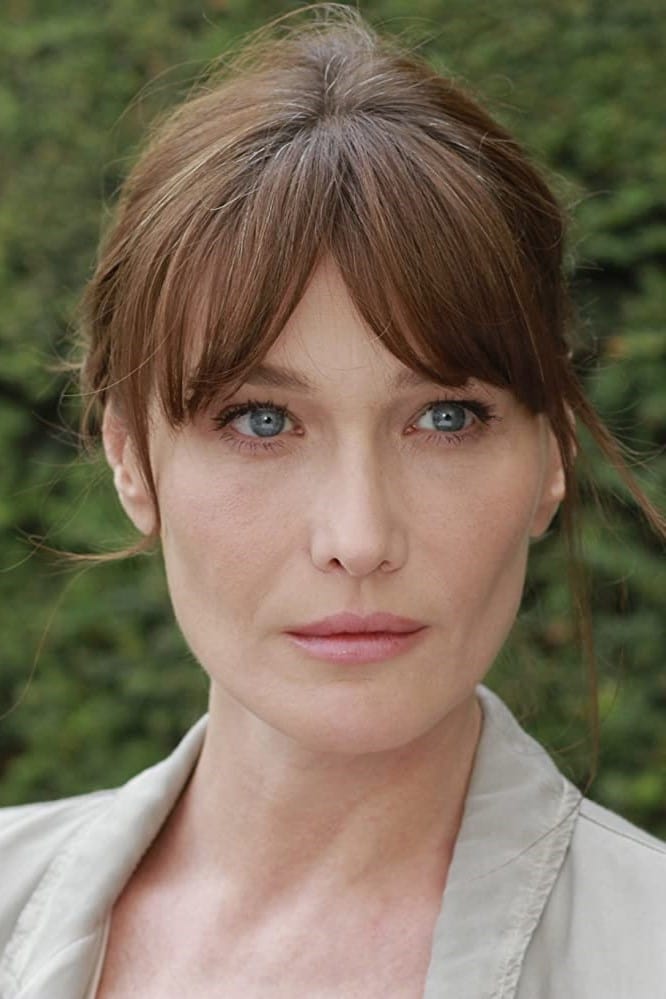
In a 2012 interview with ‘Vogue Paris’, the ‘Midnight in Paris’ actress and former First Lady of France stated that she is not a feminist at all. Bruni explained that she belongs to a generation that does not need the label to assert their independence. She expressed a preference for family life and traditional femininity over political activism. Her comments suggested that the radical aspects of the movement were no longer necessary in contemporary society.
Catherine Deneuve

As one of the lead signatories of an open letter published in ‘Le Monde’, Deneuve criticized the “puritanism” of modern feminist movements. She argued that the right to “bother” a person is an essential part of sexual freedom and warned against a climate of denunciation. The actress expressed concern that radical feminism was leading to a “hatred of men” and a sanitized public square. Her stance ignited a global conversation about the boundaries between harassment and flirtation.
Demi Moore
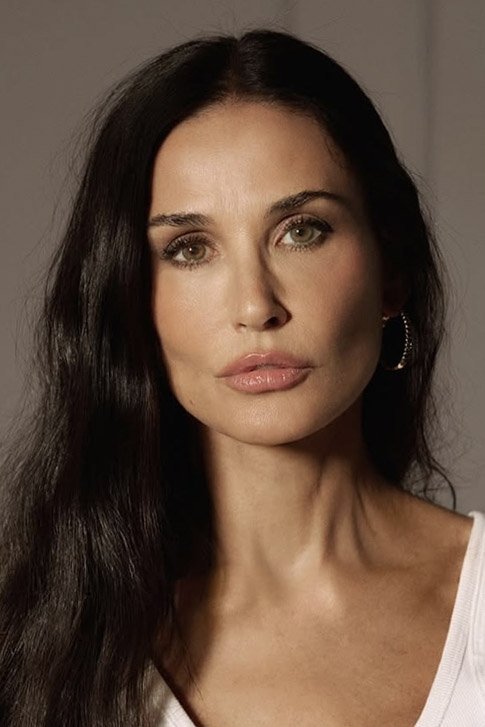
The ‘Ghost’ star has frequently distanced herself from the feminist label in favor of humanism. Moore has stated that she believes the term can be exclusionary and prefers to focus on the commonalities between all people. She advocates for the empowerment of individuals rather than subscribing to a specific political ideology. By identifying as a humanist, Moore aims to promote equality without the historical baggage associated with radical feminist waves.
Dolly Parton
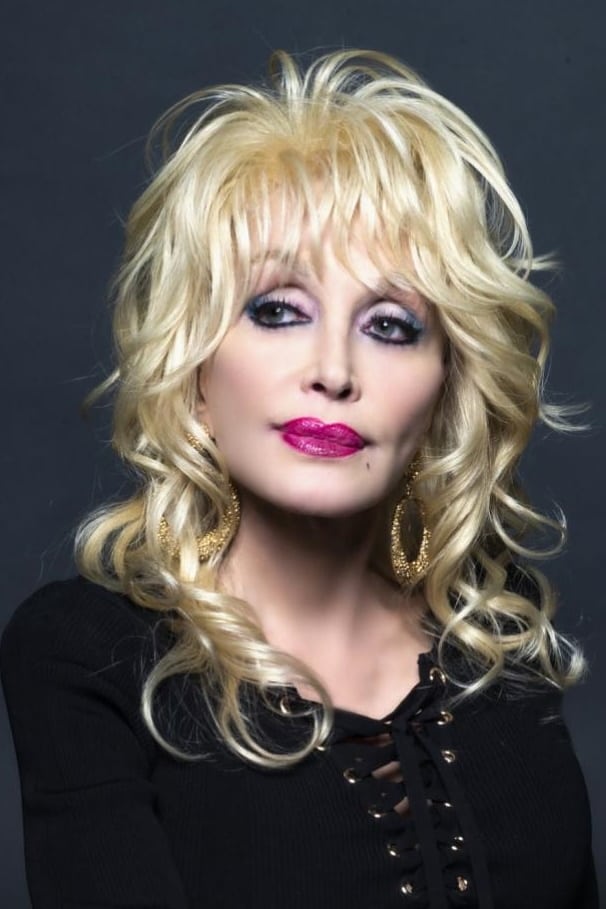
Despite being a symbol of female success and independence in ‘9 to 5’, Parton has explicitly stated she does not consider herself a feminist. She has remarked in numerous interviews that she loves men and does not feel the need to join a movement to prove her worth. Parton believes that her actions and her business empire speak louder than any political label could. She prefers to focus on her music and philanthropy while maintaining a neutral stance on gender-based activism.
Evangeline Lilly
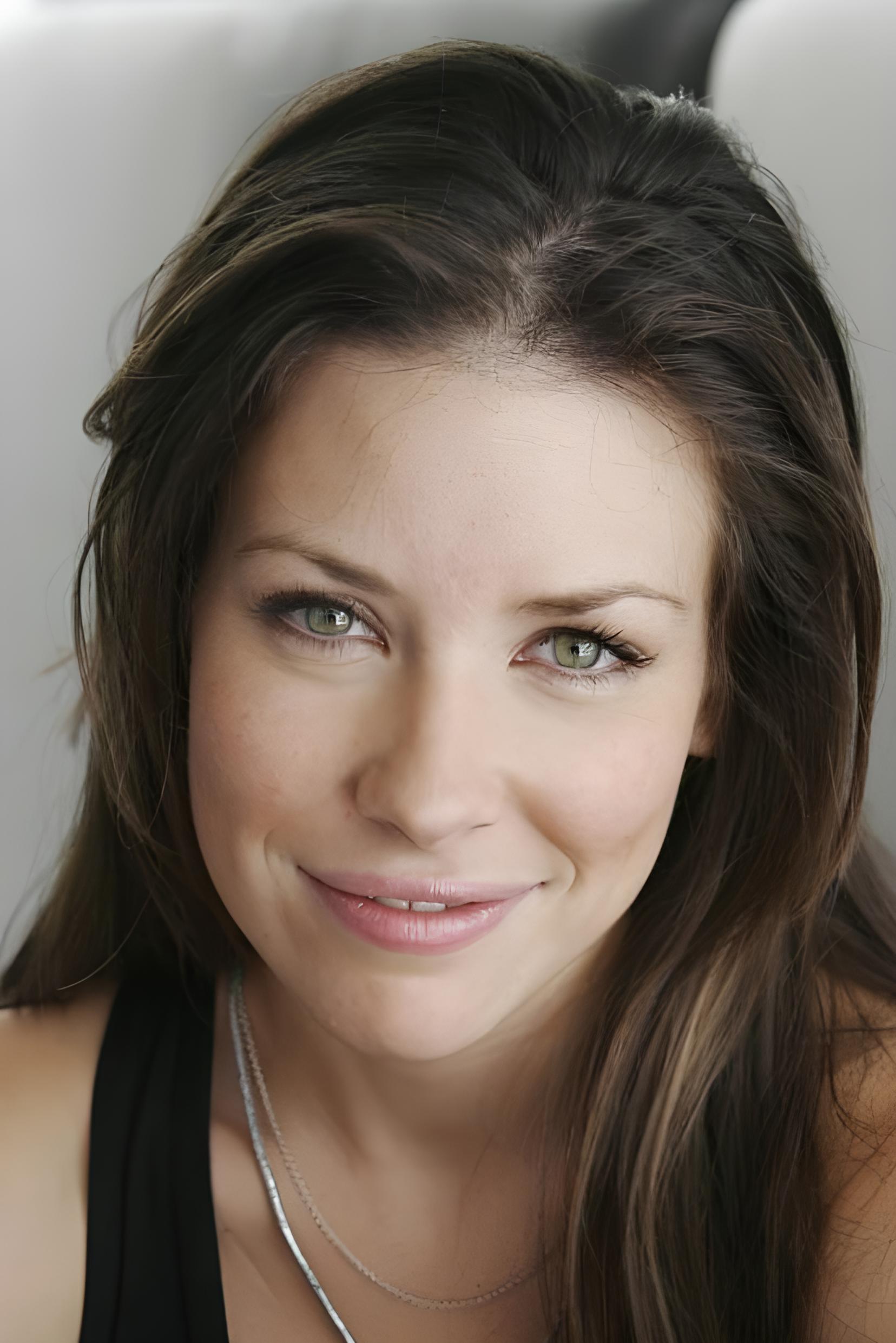
The ‘Ant-Man’ actress has shared her views on the importance of maintaining biological distinctions between men and women. Lilly has criticized what she perceives as the “feminization of men” and the “masculinization of women” in modern media narratives. She argues that society should celebrate the unique virtues of both sexes rather than trying to make them identical. Her comments reflect a desire for a balance that she feels radical feminism often disrupts.
Felicity Jones
Known for her role in ‘The Theory of Everything’, Jones has expressed reservations about the strict application of feminist labels. She has stated that she finds the term “feminist” to be potentially polarizing and prefers to focus on the nuances of each individual. Jones advocates for equal pay and opportunities but avoids the more radical rhetoric found in contemporary discourse. She often emphasizes the importance of collaboration between genders rather than conflict.
Gwyneth Paltrow
Paltrow has often focused on personal empowerment and wellness through her brand ‘Goop’ rather than traditional activism. While she supports female-led initiatives, she has occasionally distanced herself from the more aggressive elements of radical feminism. She has mentioned that the label can sometimes be used to shame women who choose traditional paths. Paltrow emphasizes individual agency and the freedom for women to define their own roles without external political pressure.
Juliette Binoche
Binoche has voiced her concern that certain strands of modern feminism have turned into a “war” against men. The ‘Chocolat’ actress believes that true progress comes from cooperation and mutual understanding rather than legalistic or radical confrontation. She has warned that the movement risks losing its way if it focuses solely on grievances. Binoche advocates for a more inclusive approach that respects the contributions of all genders in the creative process.
Kaley Cuoco

In a 2014 interview with ‘Redbook’, the ‘The Big Bang Theory’ star stated that she was not a feminist because she had never faced inequality herself. She mentioned that she enjoys the traditional role of taking care of her husband and cooking for him. Cuoco’s comments were met with significant backlash, leading her to clarify her stance later. However, she originally emphasized that she did not feel the need to belong to the movement to feel empowered.
Kelly Clarkson
While primarily a singer, Clarkson has appeared in films like ‘From Justin to Kelly’ and has been vocal about her rejection of the feminist label. She explained that she does not identify as a feminist because the term often carries a negative, “man-hating” connotation. Clarkson prefers to see herself as a strong, independent person who supports everyone’s rights. She believes that the radical elements of the movement can be alienating to those who value traditional relationships.
Kirsten Dunst
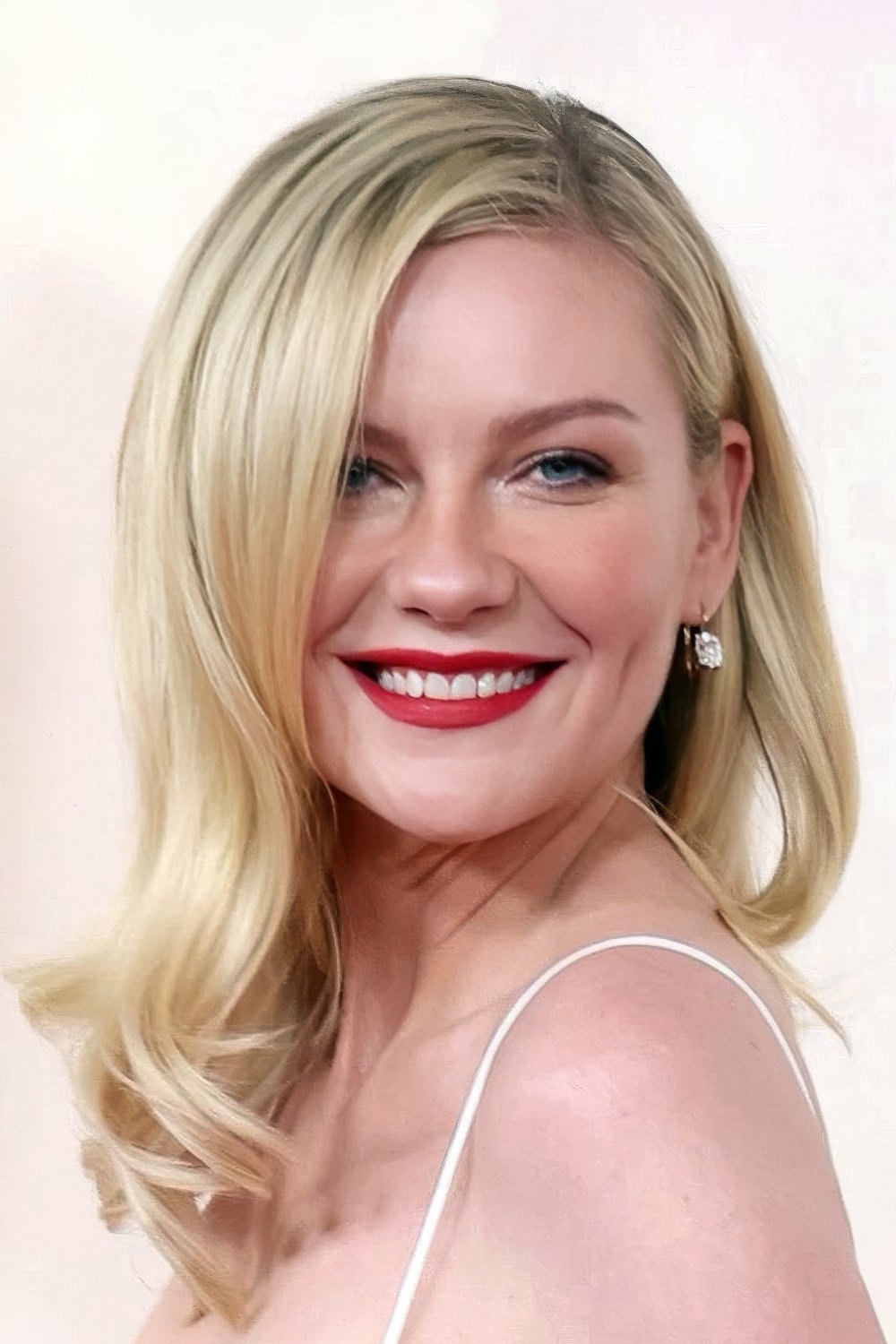
During the promotion of ‘The Two Faces of January’, Dunst expressed her appreciation for traditional gender roles. She noted that she likes it when a man acts like a man and a woman acts like a woman. Dunst suggested that the modern push to erase these differences can lead to a lack of harmony in relationships. Her perspective emphasizes a belief in the complementary nature of the sexes rather than the radical equality of roles.
Lady Gaga
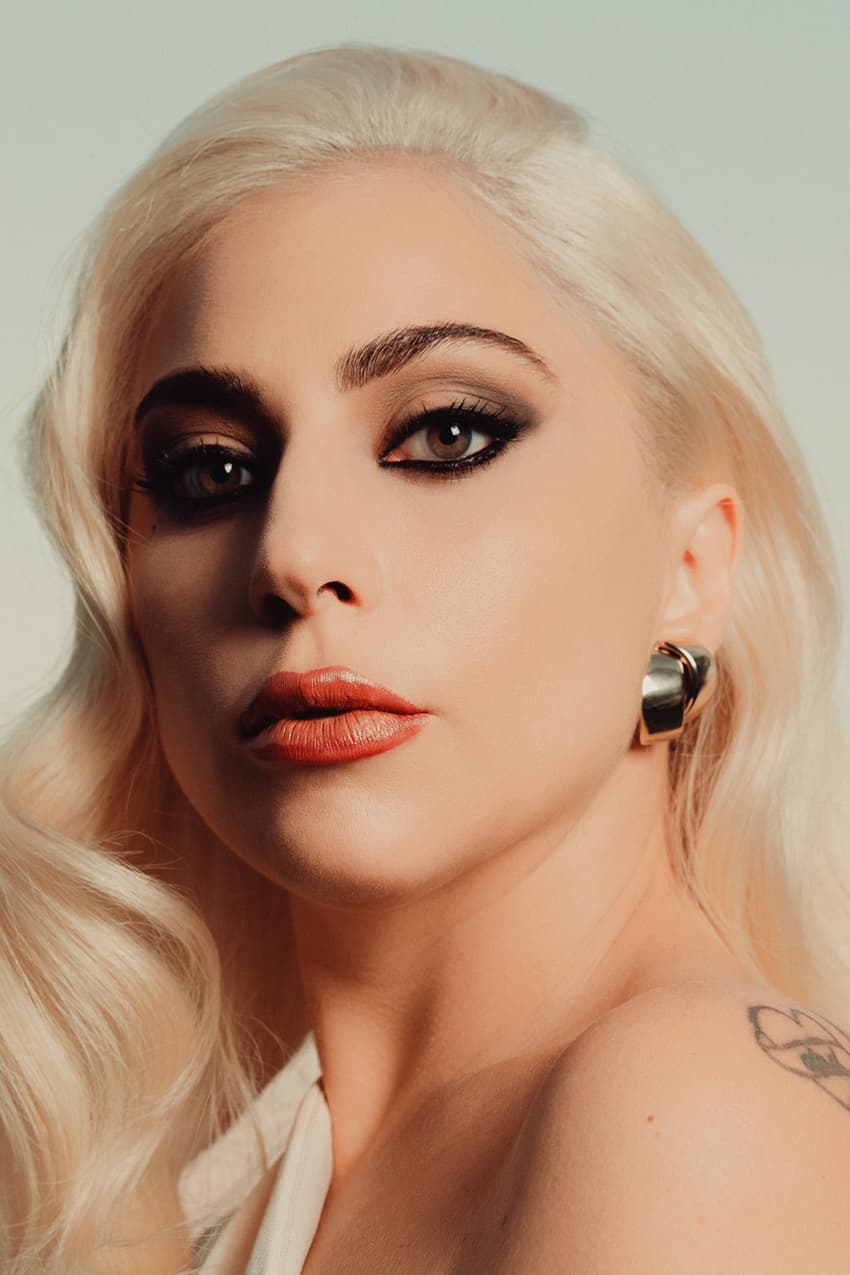
Early in her career, the ‘A Star Is Born’ actress famously stated in a 2009 interview that she was not a feminist. She clarified this by saying she loves men and American male culture. While her views have evolved over time, her initial rejection of the label was based on a desire not to be seen as anti-male. She emphasized that her art and her power come from her own individuality rather than a collective movement.
Marion Cotillard
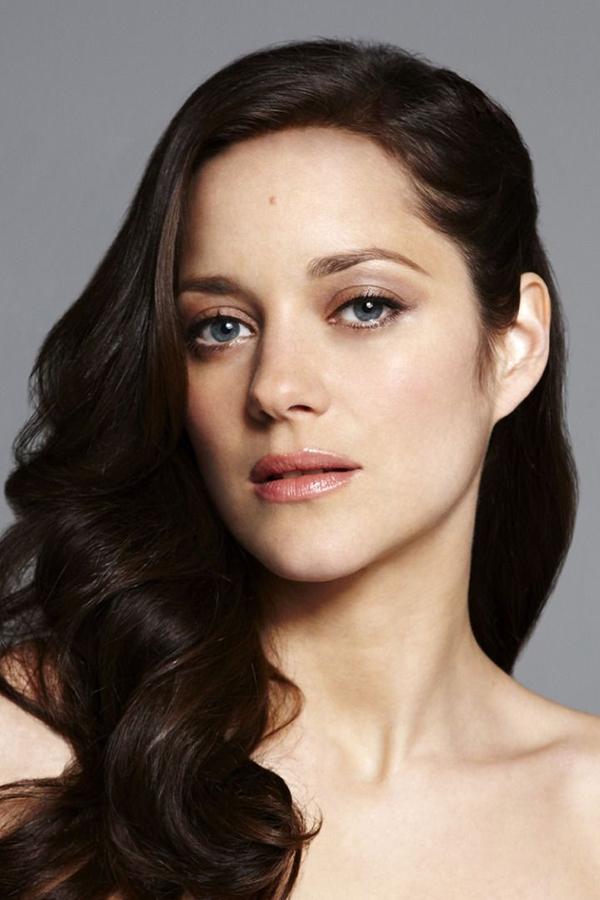
Cotillard has stated that the film industry should not be divided by gender, as she believes “feminism” often creates a separation. She argued in ‘Porter’ magazine that she does not want to be called a feminist because the term focuses on a struggle for power. The actress believes that men and women should work together without the need for labels that highlight their differences. She expressed that the radical nature of the movement can sometimes lead to unnecessary exclusion.
Meryl Streep
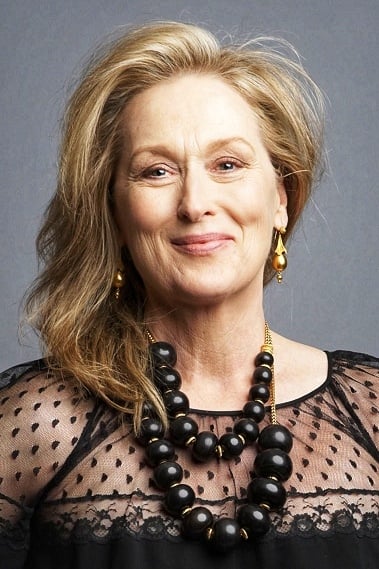
Despite her long history of advocating for women in film, Streep told ‘TimeOut’ that she identifies as a “humanist” rather than a feminist. She explained that she prefers to look at the human condition as a whole rather than focusing on a single gender struggle. Her refusal to adopt the label surprised many fans given her portrayal of iconic female figures. Streep maintains that the goal should be “balance” and universal human rights for all.
Rose McGowan
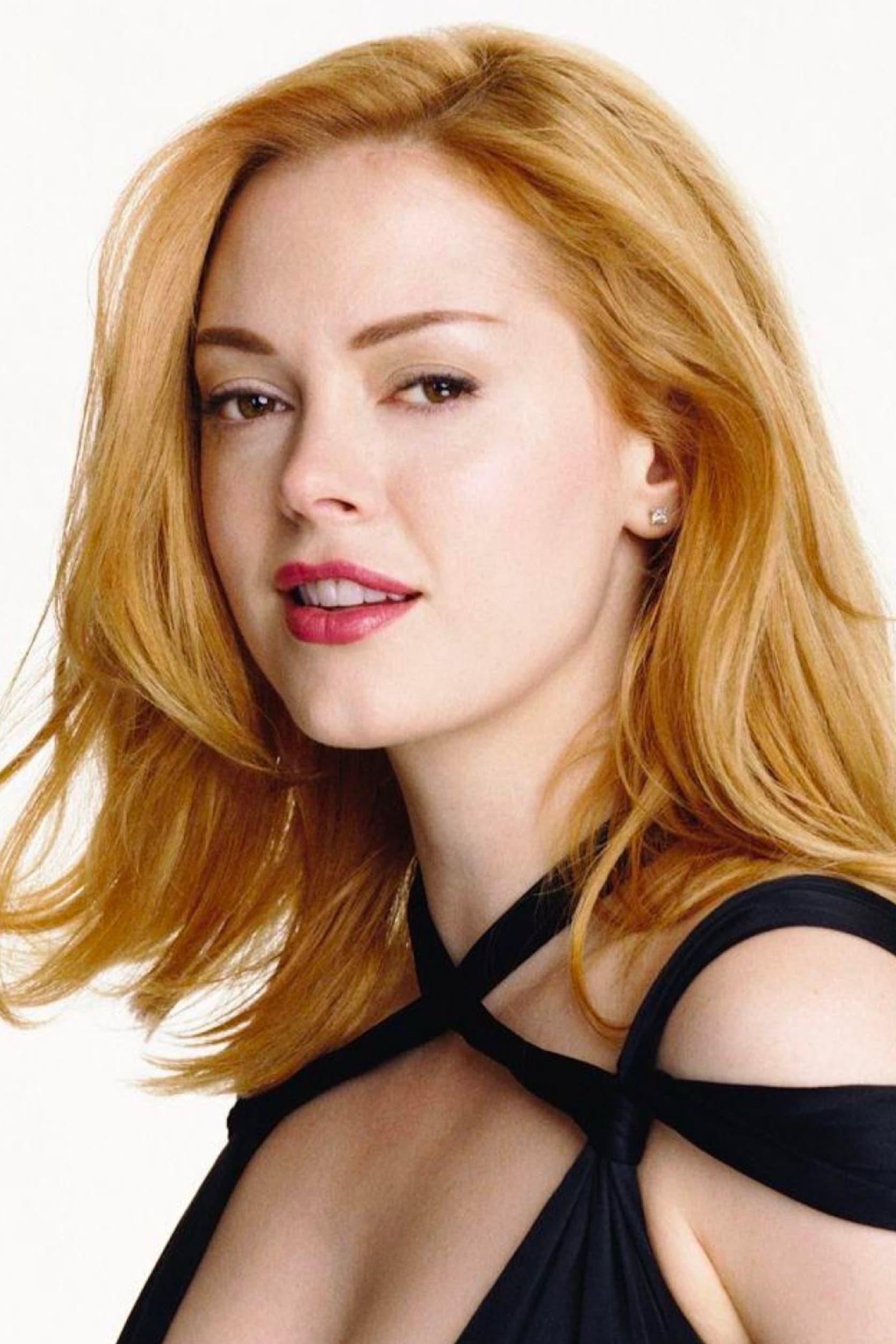
A key figure in the initial #MeToo movement, McGowan eventually became a sharp critic of the organized feminist movement in Hollywood. She labeled the ‘Time’s Up’ initiative as a PR stunt and criticized its leaders for their perceived hypocrisy. McGowan has argued that “mainstream feminism” often serves the interests of the powerful rather than those it claims to protect. Her critiques focus on the commercialization and superficiality of radical activism within the industry.
Salma Hayek
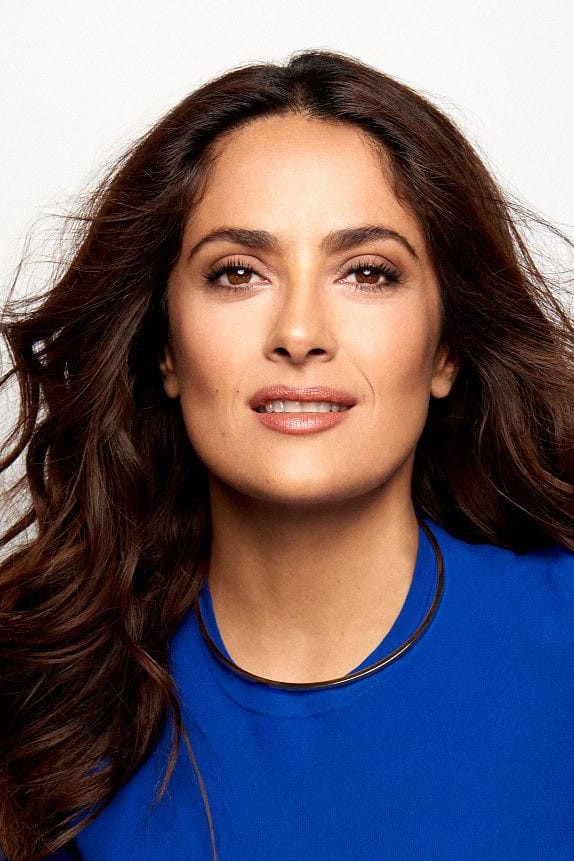
The ‘Frida’ actress and producer has stated on several occasions that she is a “humanist” because she believes in the rights of everyone. While she is an advocate for women’s health and safety, she has expressed a desire to avoid the baggage associated with the feminist label. Hayek believes that focusing on “humanity” allows for a more comprehensive approach to social issues. She has argued that the movement should not be about one gender being better than the other.
Sarah Jessica Parker
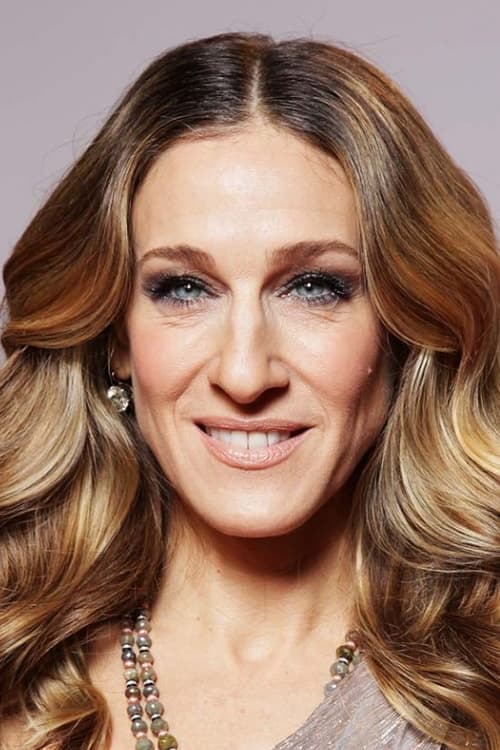
The ‘Sex and the City’ star told ‘Marie Claire’ that she is not a feminist, but a humanist. She explained that she is tired of the divisiveness that labels can create in society. Parker believes in equality and fair pay but feels that the term “feminist” no longer accurately represents her inclusive worldview. She prefers to focus on the collective progress of all people regardless of their gender.
Shailene Woodley
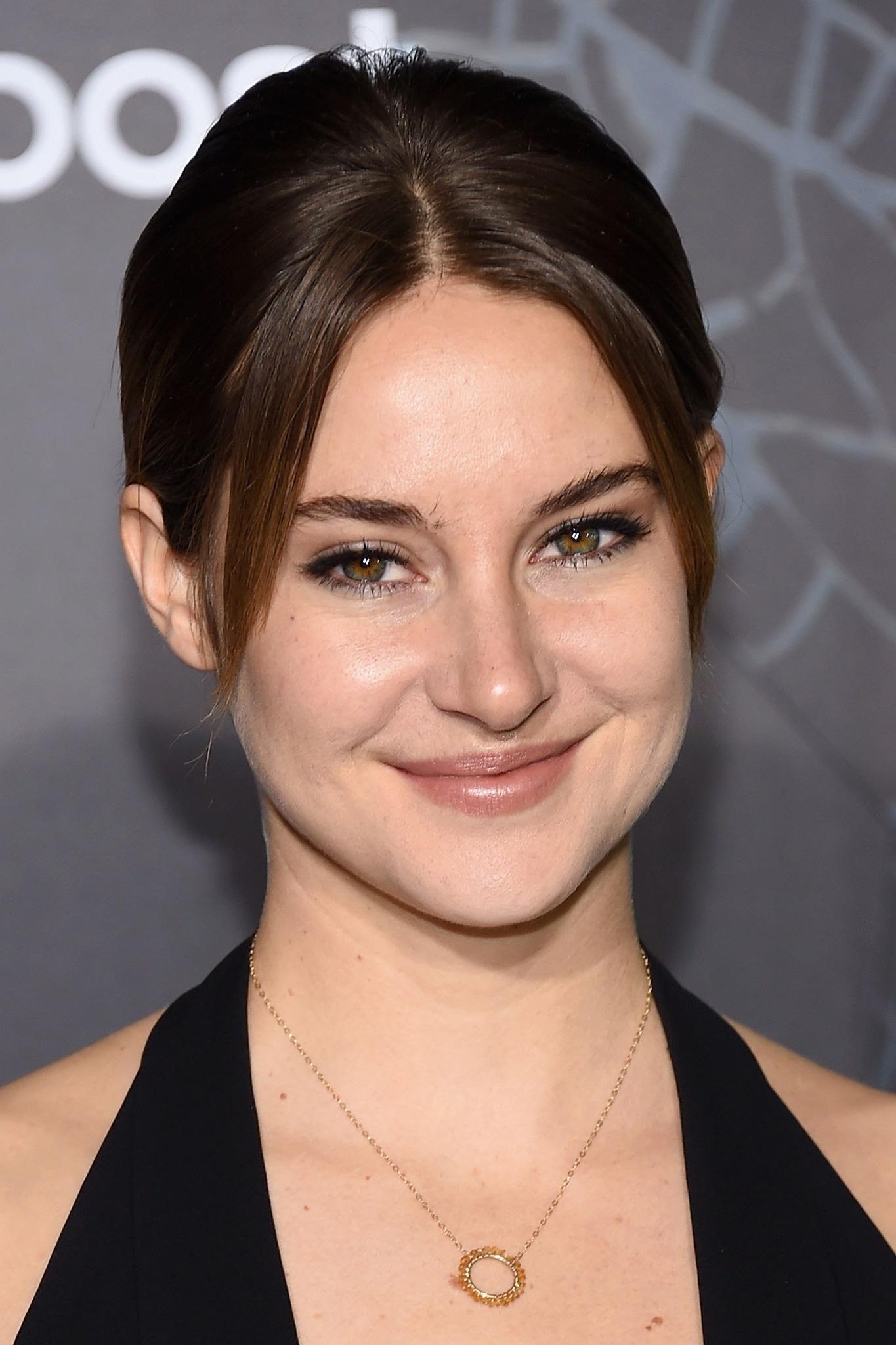
Woodley made headlines when she told ‘Time’ that she is not a feminist because she “loves men.” She expressed the belief that the idea of “raising women to power and taking men away from power” is not the correct path. The actress emphasized that she believes in sisterhood but finds the label of feminism to be too focused on a power struggle. She advocates for a “balance” between the masculine and feminine energies in the world.
Susan Sarandon
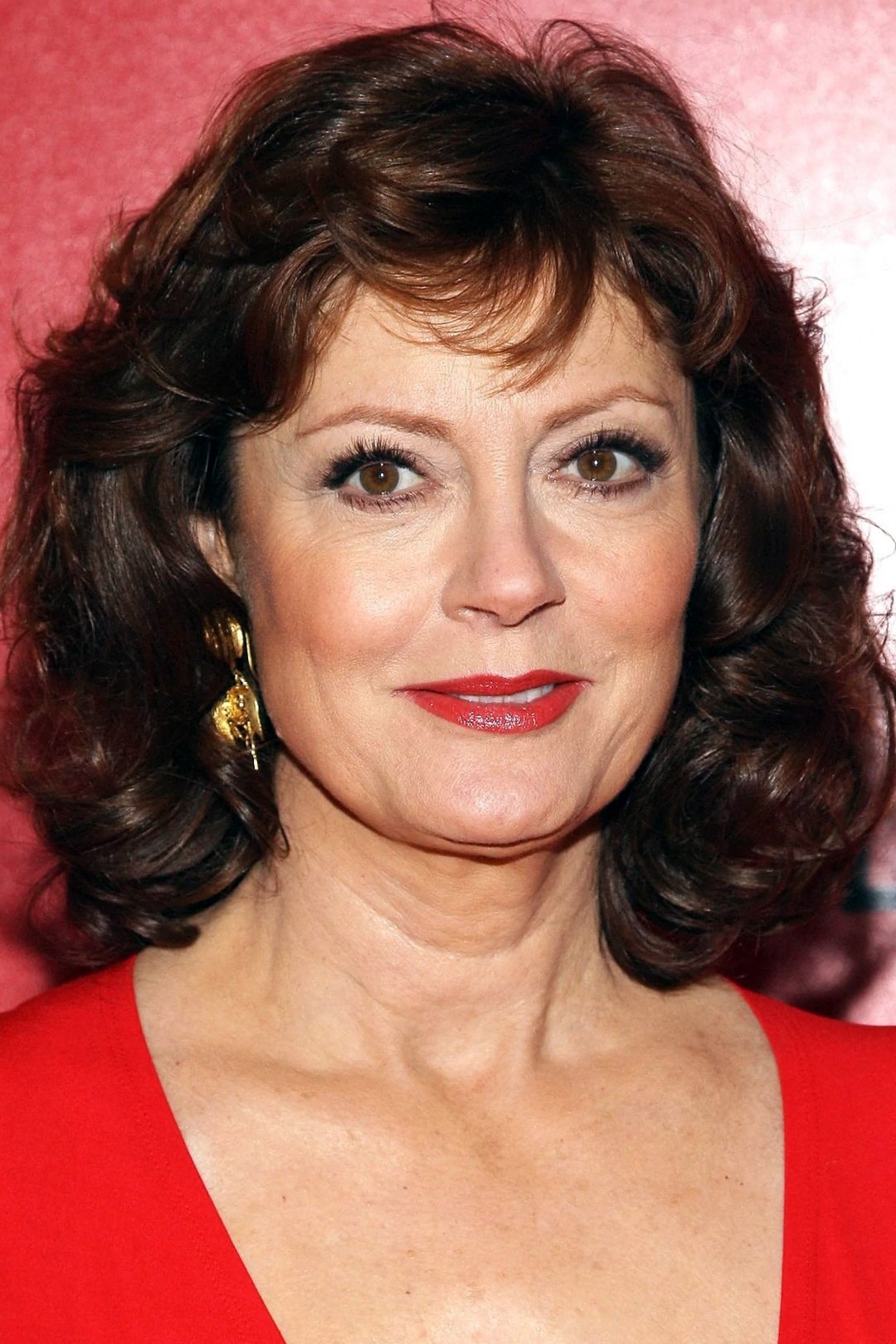
Sarandon has criticized what she calls “corporate feminism,” which she feels lacks a true commitment to social justice. She has argued that the movement is often co-opted by those who are more interested in self-promotion than systemic change. The actress has been vocal about the need to focus on class and economic issues alongside gender. Her critiques suggest that radical feminism can sometimes become a “clique” that excludes broader human rights concerns.
Please share your thoughts on these actresses’ perspectives in the comments.