A-List Actors Who Don’t Support Gender Quotas


The debate over gender quotas and inclusion mandates in the film industry has polarized many of Hollywood’s most prominent figures. While some advocate for strict parity to rectify historical imbalances, others argue that artistic merit should remain the sole criterion for casting and awards. These actors have publicly expressed skepticism toward mandatory quotas, emphasizing the importance of creative freedom and individual talent over demographic requirements. Their perspectives often highlight a preference for organic industry shifts rather than institutional enforcement.
Michael Caine
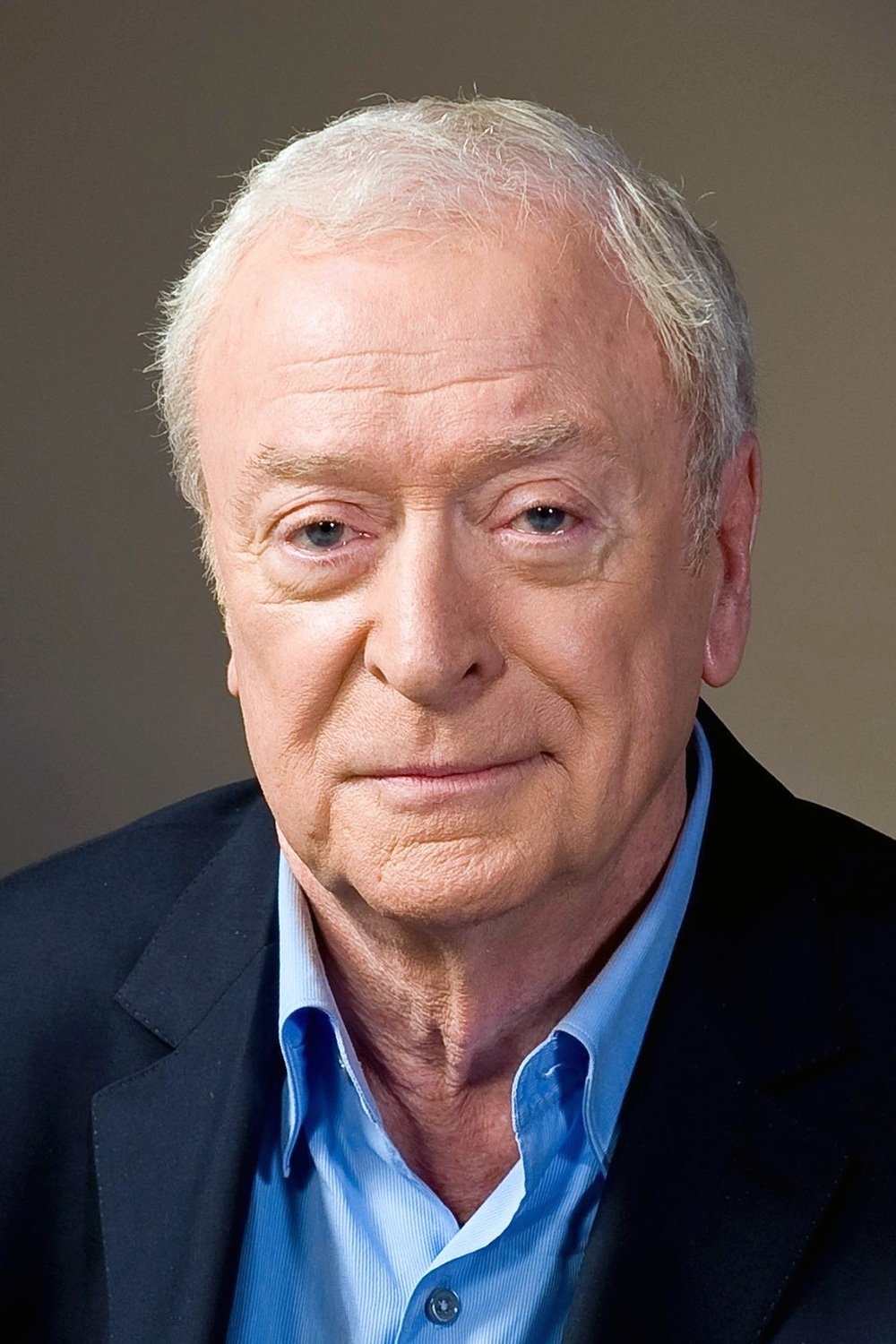
Michael Caine has been vocal about his belief that talent should be the only factor in awards and hiring. He famously argued that a performance should be judged on its own merits rather than the demographic characteristics of the actor. Caine, known for his Academy Award-winning role in ‘The Cider House Rules’, maintains that excellence is not tied to gender or race. He believes that forcing diversity through quotas can undermine the genuine achievements of those who earn their positions. This stance emphasizes a strictly merit-based approach to the cinematic arts.
Charlotte Rampling
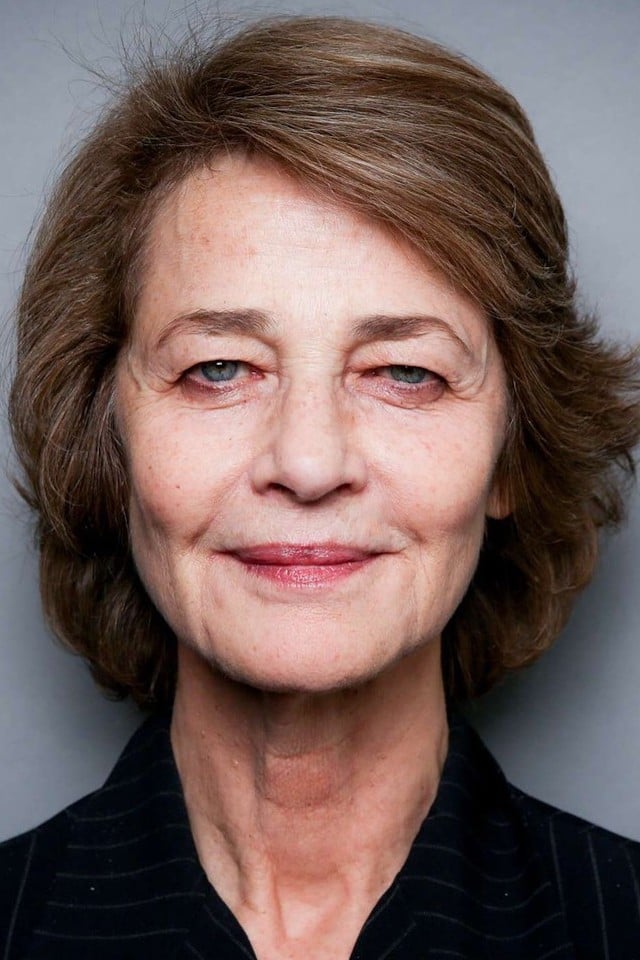
Charlotte Rampling sparked significant conversation when she questioned the necessity of diversity quotas in the film industry. The star of ’45 Years’ suggested that meritocracy should dictate the outcome of awards ceremonies rather than a desire to fill specific categories. She has expressed concern that mandates might lead to a form of exclusion against those who are genuinely the best at their craft. Rampling believes that the focus should remain on the quality of the performance itself. Her comments reflect a long-standing European tradition of prioritizing individual artistic expression.
Marion Cotillard
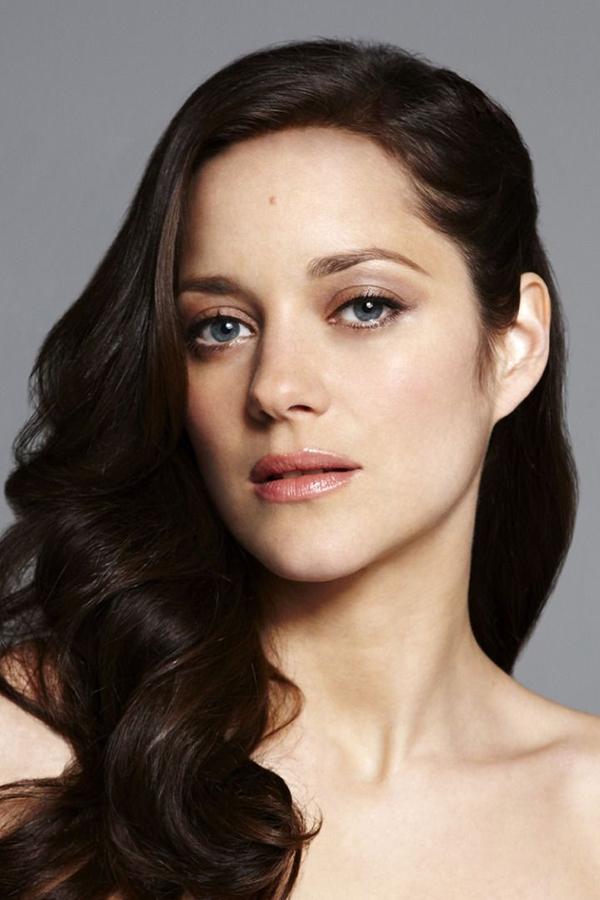
Marion Cotillard has expressed her discomfort with the separation of male and female roles in the context of industry activism. During a press conference at the Cannes Film Festival, the ‘La Vie en Rose’ actress stated that filmmaking is not about gender, but about talent. She argued that creating a divide through quotas can actually hinder the progress of women by emphasizing their difference rather than their skill. Cotillard believes that the creative process should be a collaborative space where gender does not dictate opportunity. She advocates for a world where artists are judged solely on their contributions to the screen.
Catherine Deneuve

Catherine Deneuve was one of the primary signatories of a public letter in France that criticized the modern approach to gender politics in the arts. The star of ‘Belle de Jour’ has argued against the “puritanism” that she feels often accompanies parity mandates and quotas. She believes that the imposition of strict rules on how films are cast or made can stifle the creative freedom of directors. Deneuve maintains that the industry should focus on the complexity of human stories rather than meeting statistical benchmarks. Her perspective emphasizes the preservation of the director’s vision over social engineering.
Kate Winslet
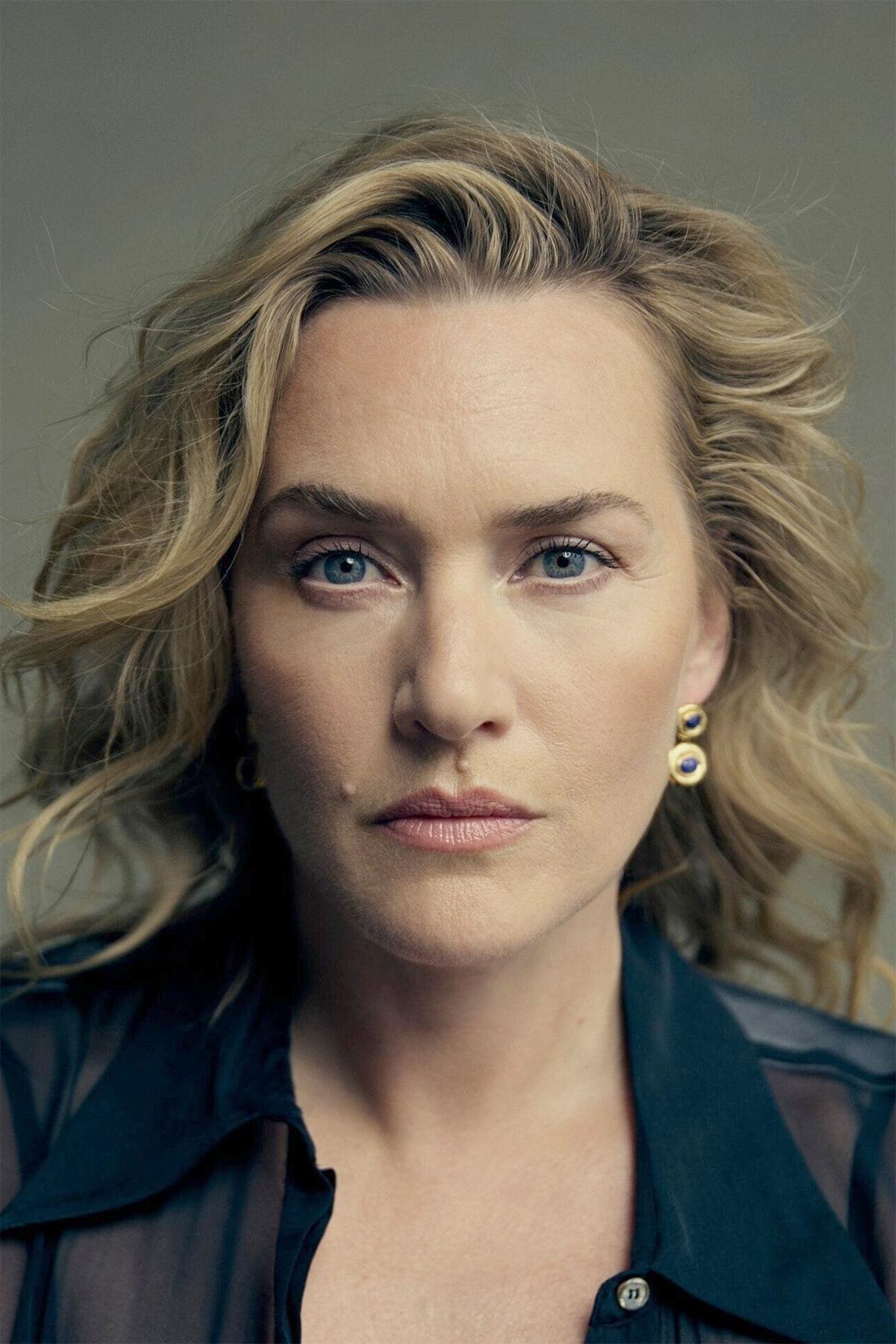
Kate Winslet has famously described public discussions regarding pay gaps and gender quotas as a bit “vulgar.” While she supports equality, the ‘Titanic’ star prefers to keep her negotiations private and focus on the work at hand. She has indicated that the constant focus on demographic numbers can detract from the artistry of the performance. Winslet believes that the best way to achieve success is through hard work and the quality of the projects chosen. Her approach is rooted in a traditional view of professional conduct within the entertainment industry.
Rose McGowan

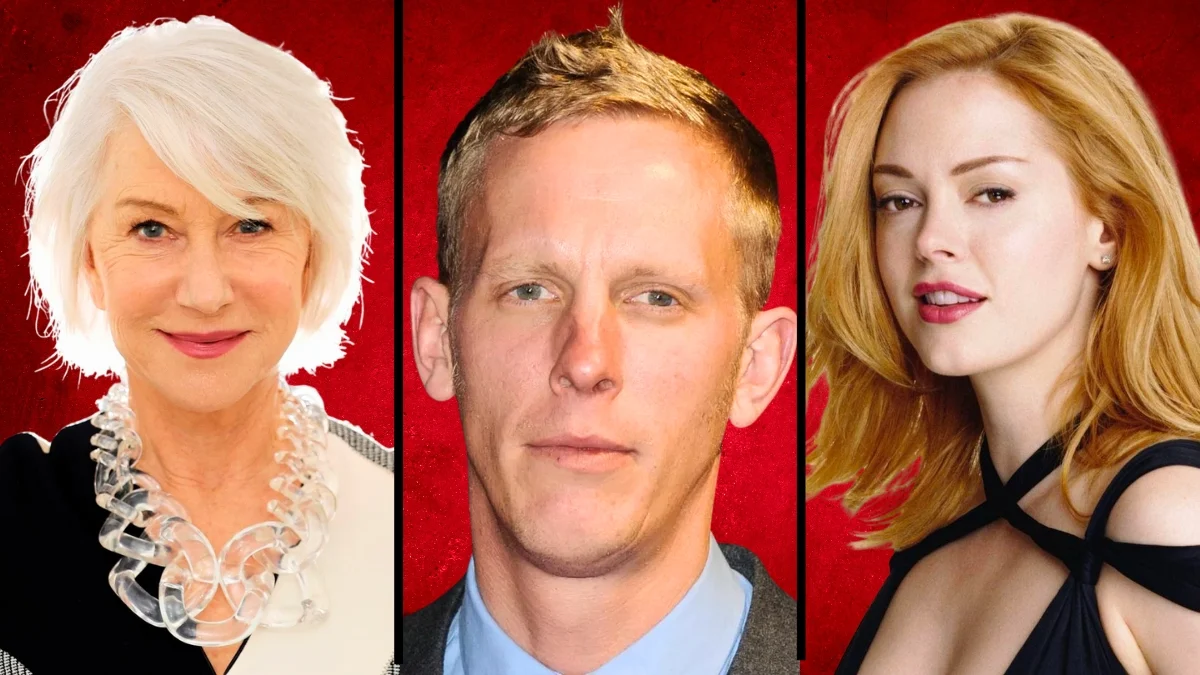
Rose McGowan has been a vocal critic of the “inclusion rider” and other Hollywood parity initiatives, though for unique reasons. She has argued that these quotas often serve as performative gestures that do not address the underlying power structures in the industry. The ‘Planet Terror’ actress believes that the focus should be on systemic change rather than superficial number-matching. McGowan has expressed skepticism that mandates created by the current studio system can truly empower artists. Her stance highlights a distrust of institutionalized solutions to complex cultural issues.
Stephen Fry
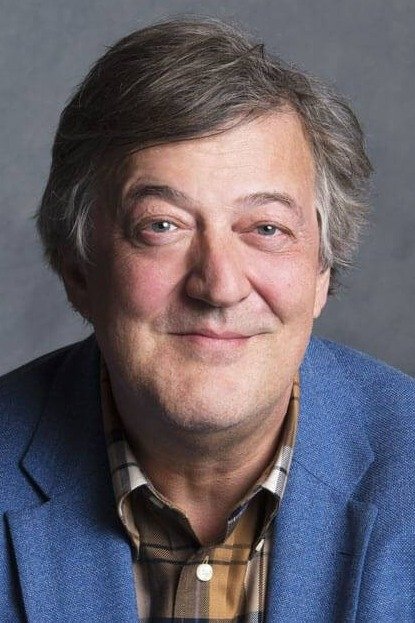
Stephen Fry has frequently criticized the move toward identity-based quotas in various creative fields. Known for his performance in ‘Wilde’, Fry argues that the arts should be a space for universal human experience rather than a collection of demographic categories. He has expressed concern that strict adherence to quotas can lead to a “box-ticking” culture that ignores individual brilliance. Fry maintains that the pressure to conform to specific social targets can limit the scope of storytelling. He advocates for a return to a merit-based system that prizes intellectual and creative rigor.
Laurence Fox
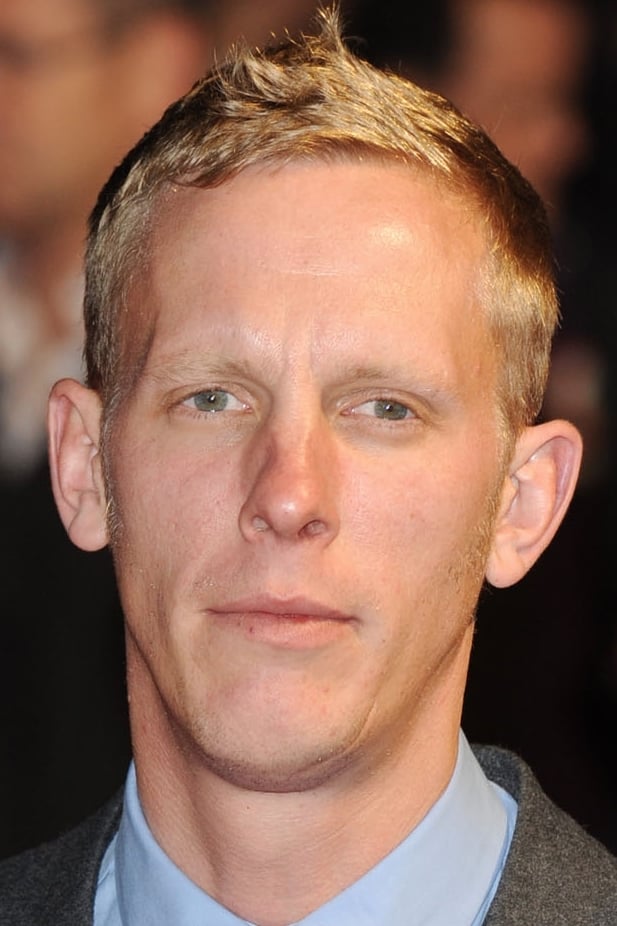
Laurence Fox has become one of the most outspoken critics of diversity and gender quotas in the British film and television industry. The actor, known for the series ‘Lewis’, argues that these mandates represent a form of social engineering that hurts the quality of storytelling. He has publicly challenged the idea that artists should be hired based on their identity rather than their ability to play a role. Fox believes that such policies lead to a culture of grievance and division within the creative community. His views have made him a central figure in the debate over “woke” culture in entertainment.
Isabelle Huppert
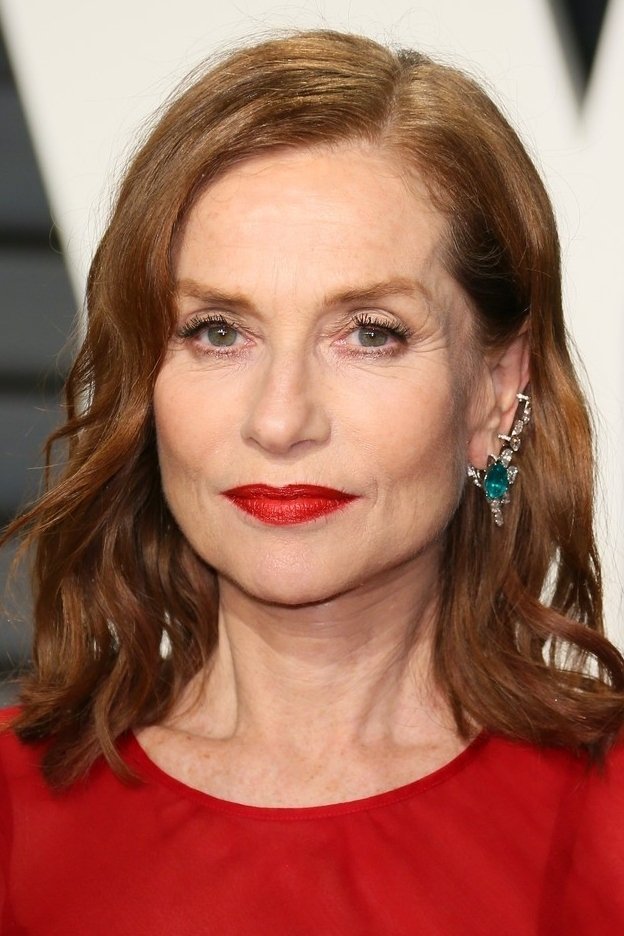
Isabelle Huppert has often spoken about the need for artistic independence from political and social trends. The ‘Elle’ actress believes that the focus on gender in film often distracts from the actual craft of acting. She has expressed a preference for roles that challenge her as an artist, regardless of the gender politics surrounding the production. Huppert maintains that the industry should remain an open field where the strongest voices emerge naturally. She views quotas as an unnecessary intrusion into the organic development of a film’s cast and crew.
Viggo Mortensen
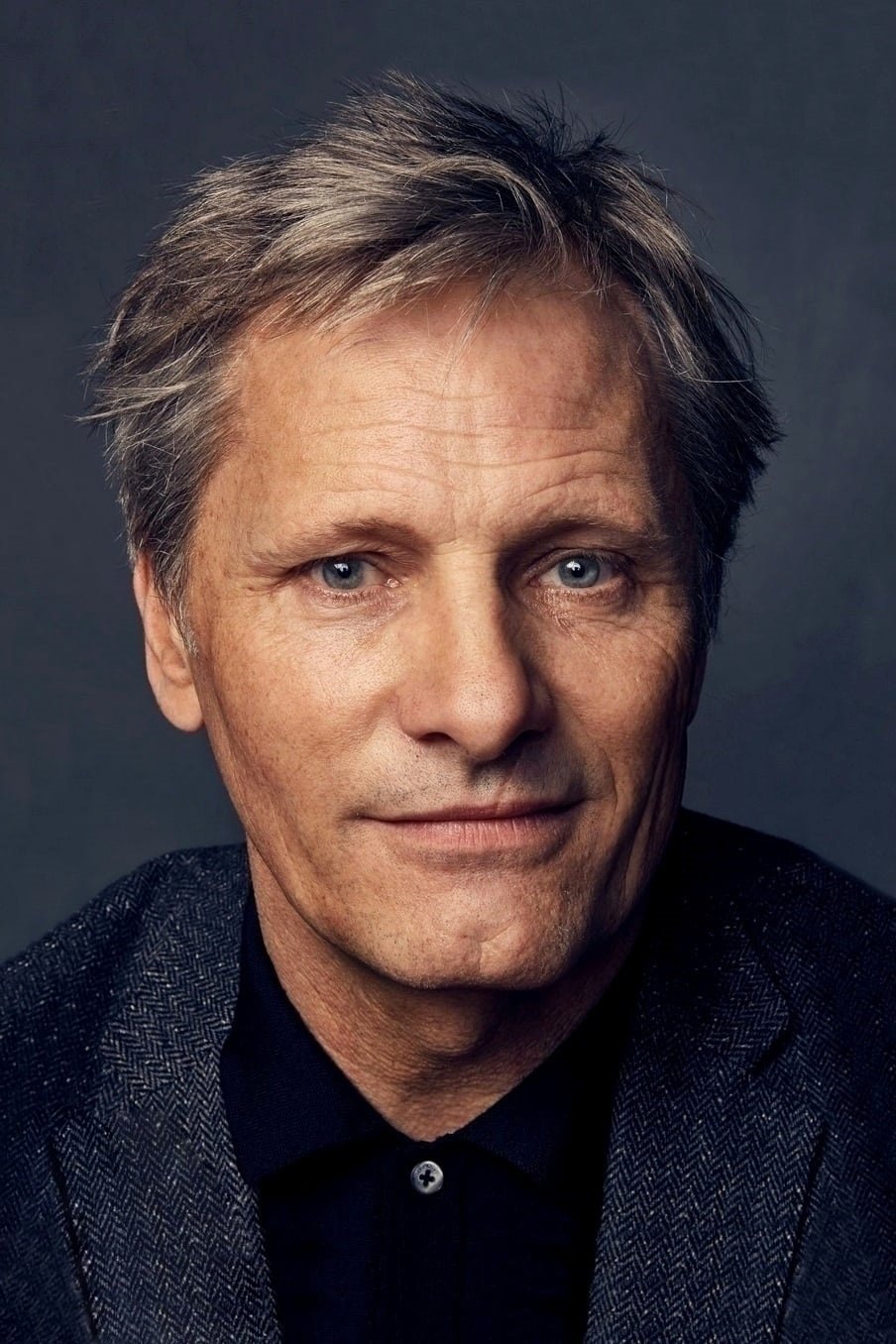
Viggo Mortensen has expressed concern about the potential for quotas to limit the types of stories that can be told. The star of ‘The Lord of the Rings’ trilogy believes that a director should have the absolute freedom to cast whomever they feel is right for a character. He has argued that the imposition of mandates can lead to a lack of authenticity in historical or specific cultural narratives. Mortensen maintains that the industry’s primary goal should be to produce high-quality art that resonates with audiences. He emphasizes that merit and vision should always come before institutional requirements.
Anthony Hopkins
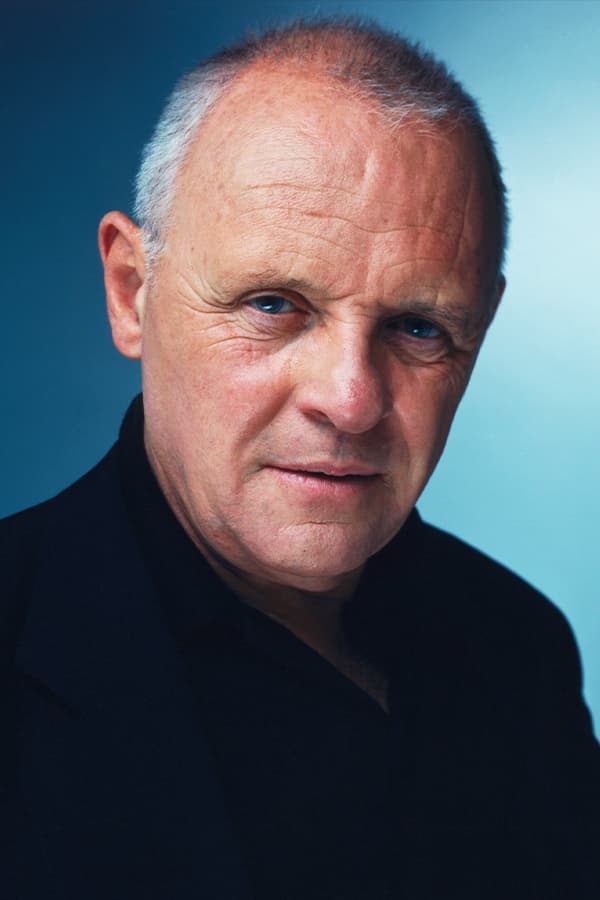
Anthony Hopkins has generally stayed away from political activism, preferring to focus on the technical aspects of his craft. The ‘The Silence of the Lambs’ star has indicated in interviews that he views acting as a profession based on talent and preparation. He does not subscribe to the idea that casting should be governed by external social mandates or parity targets. Hopkins believes that the most capable actors should get the roles, regardless of their background or identity. His long and successful career is a testament to his belief in the power of individual excellence.
Jeremy Irons
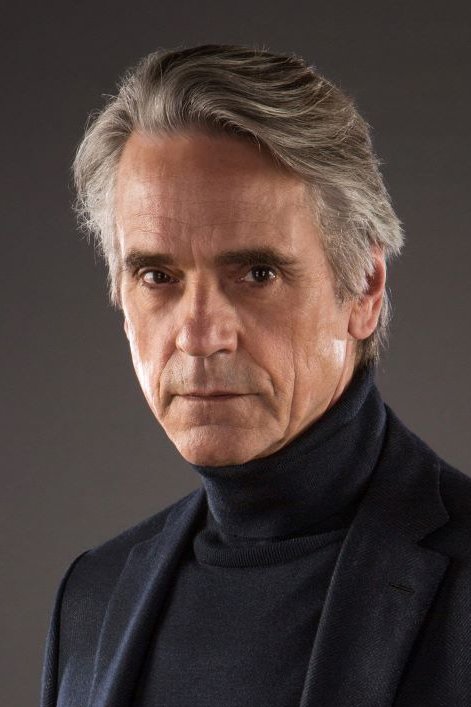
Jeremy Irons has voiced skepticism regarding the modern push for rigid equality mandates in the arts. Known for his role in ‘Reversal of Fortune’, Irons has suggested that such measures can sometimes overlook the natural flow of the creative process. He believes that the industry should be careful not to sacrifice quality for the sake of political correctness. Irons argues that the most important thing is the final product and whether it speaks to the human condition. He maintains that true diversity should happen organically through the discovery of new talent.
Clint Eastwood
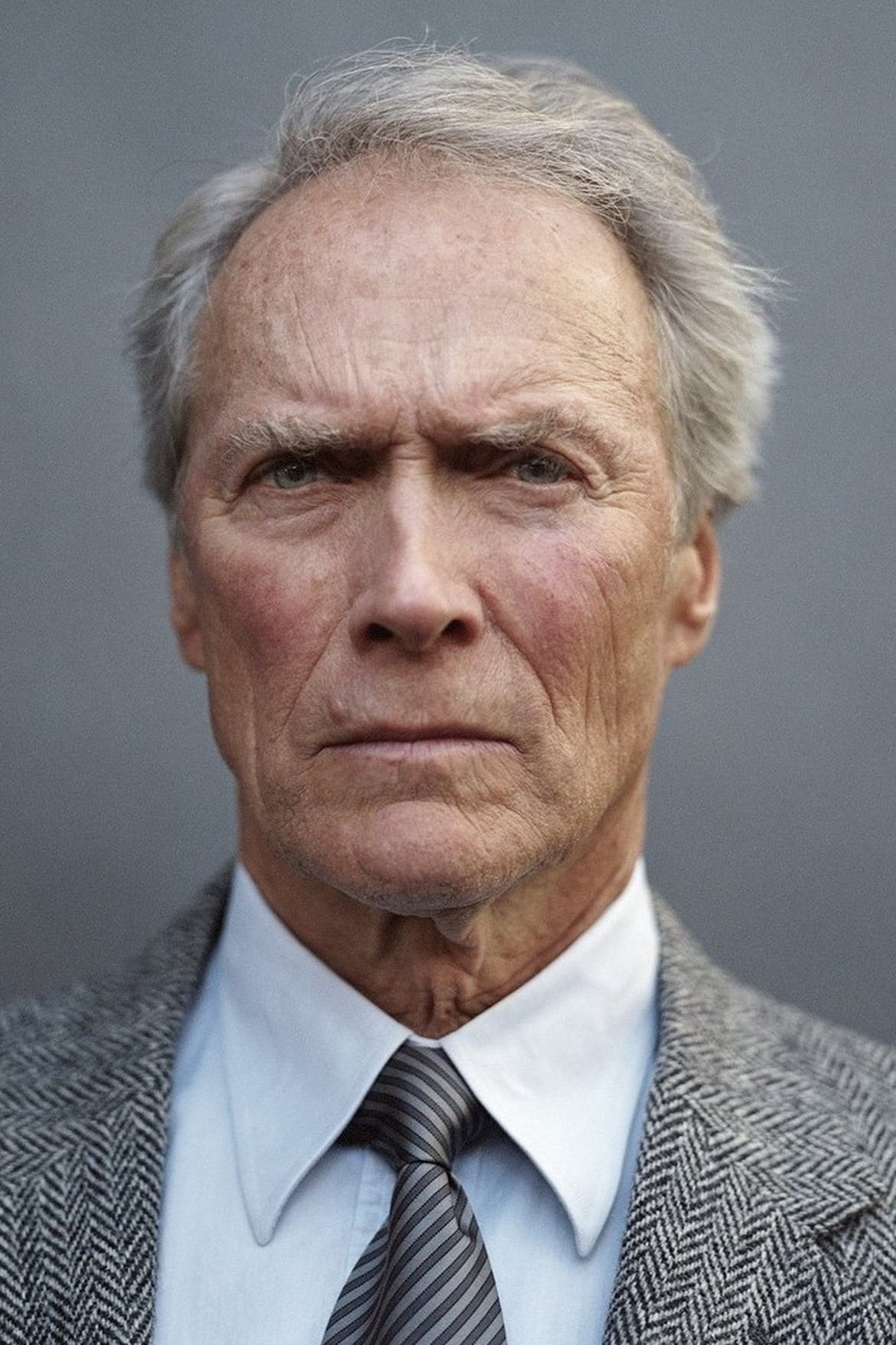
Clint Eastwood has a long history of prioritizing efficiency and merit on his film sets. As a director and actor known for ‘Unforgiven’, he has often expressed a disdain for the bureaucratic side of Hollywood, including social mandates. Eastwood believes that a production should be run like a professional operation where the best person for the job is hired. He has consistently avoided the use of quotas, preferring to rely on his own judgment and the track record of his collaborators. His philosophy centers on the idea of rugged individualism and creative autonomy.
Sean Penn
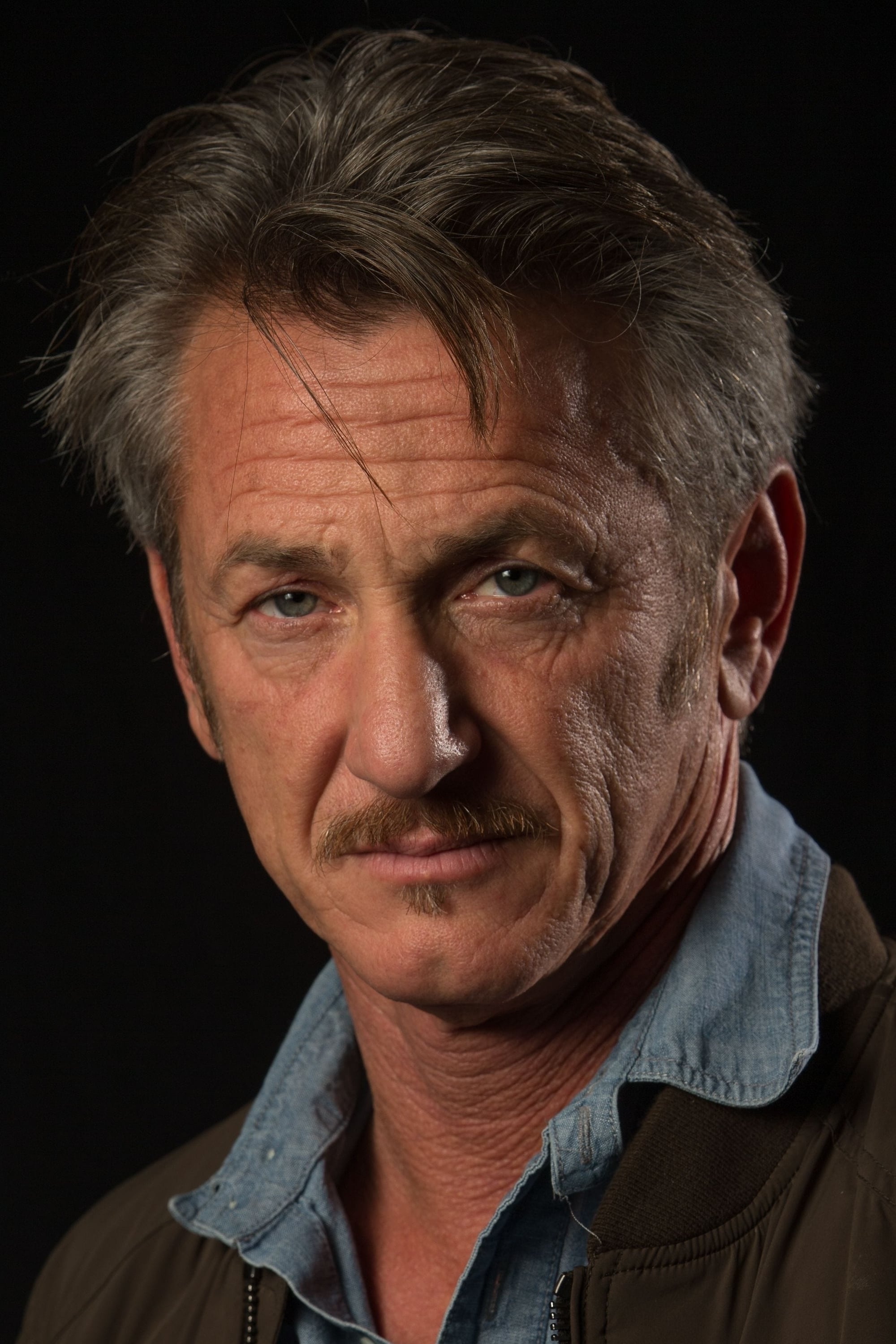
Sean Penn has criticized what he calls the “feminization” of the film industry and the accompanying push for specific gender mandates. The ‘Milk’ star has argued that these trends can lead to a loss of complexity in male characters and storytelling. He believes that the industry is becoming too focused on social trends rather than raw, unfiltered art. Penn has expressed a preference for the era of filmmaking where talent was the primary driver of success. He views modern quotas as a symptom of a larger cultural shift that he finds restrictive.
Cate Blanchett
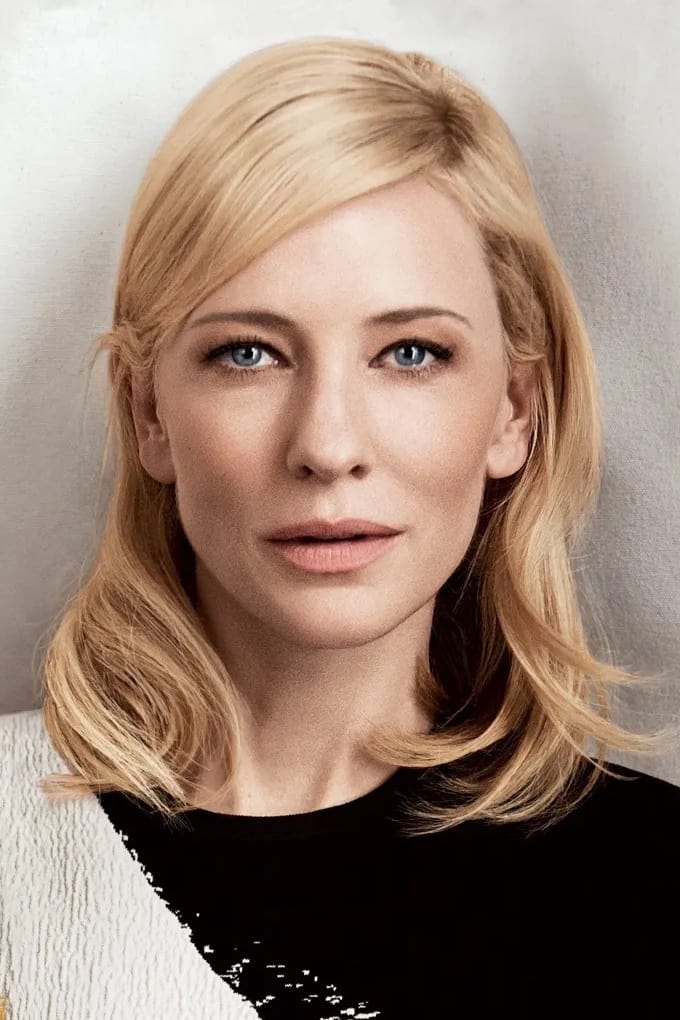
Cate Blanchett has frequently stated that she finds the label of “female director” or “female actor” to be limiting. While she is a supporter of women in the industry, she has argued against the idea that gender should be the primary lens through which work is viewed. The ‘Tár’ actress believes that merit should be the standard that allows all artists to thrive. She has expressed a desire for a world where gender is irrelevant to the evaluation of a project’s quality. Blanchett’s stance focuses on the normalization of women in high-level roles through excellence rather than quotas.
Judi Dench
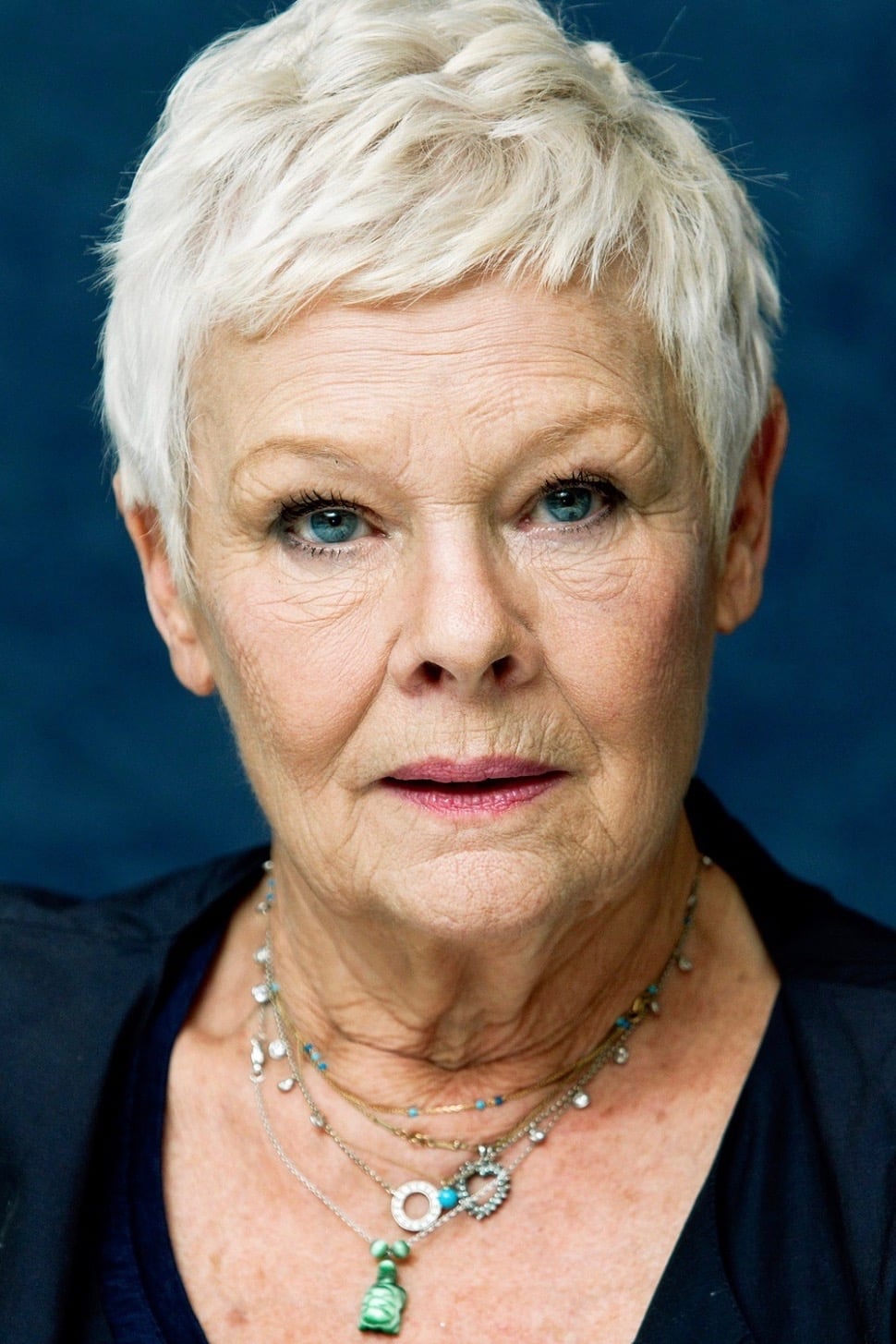
Judi Dench has expressed her desire to be cast based on her ability to perform a role rather than to fill a demographic requirement. The ‘Skyfall’ actress has stated that she does not want to be part of a “box-ticking” exercise when it comes to production. She believes that the industry should focus on finding the best actors for the parts, regardless of age or gender. Dench maintains that the longevity of an actor’s career should be based on their skill and dedication to the craft. Her perspective is one of a veteran who prizes the tradition of professional excellence.
Maggie Smith
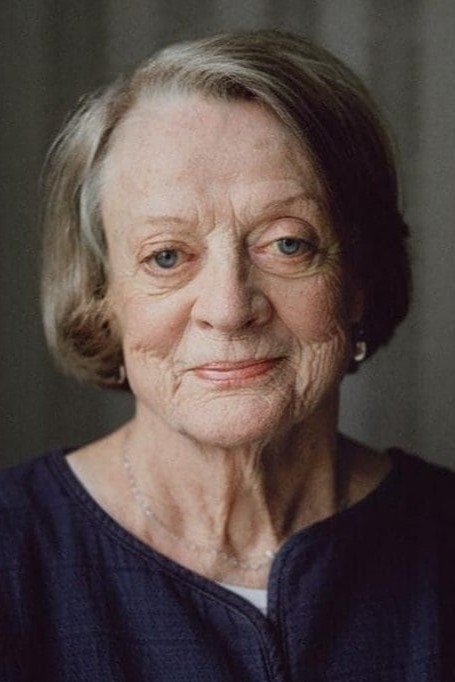
Maggie Smith has echoed sentiments that prioritize the quality of the script and the talent of the cast over parity mandates. The ‘Downton Abbey’ star has focused her career on choosing roles that challenge her as a performer. She has not publicly supported the implementation of quotas, preferring instead to see the industry evolve through the recognition of great work. Smith believes that the focus should remain on the artistry that brings a story to life on the screen. Her approach is characterized by a commitment to the fundamental principles of acting.
Brigitte Bardot
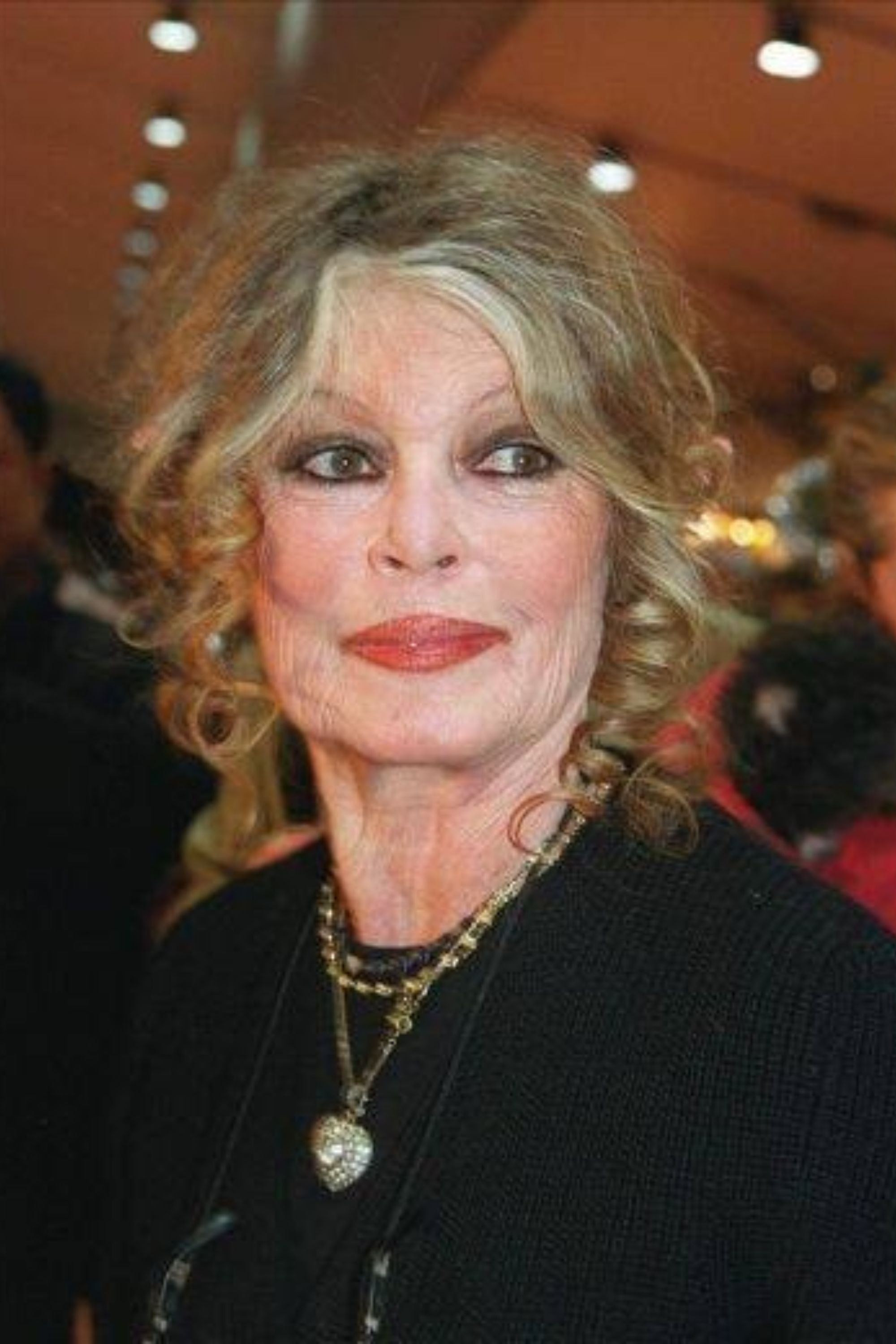
Brigitte Bardot has been a sharp critic of modern gender politics and the mandates that often come with them. The star of ‘And God Created Woman’ has frequently spoken out against what she perceives as the erosion of traditional cinematic values. She believes that the focus on quotas and parity is a distraction from the beauty and power of film. Bardot has expressed a preference for a more traditional industry structure where artistic allure and talent were paramount. Her views are often seen as a defense of classical European cinema.
Helen Mirren
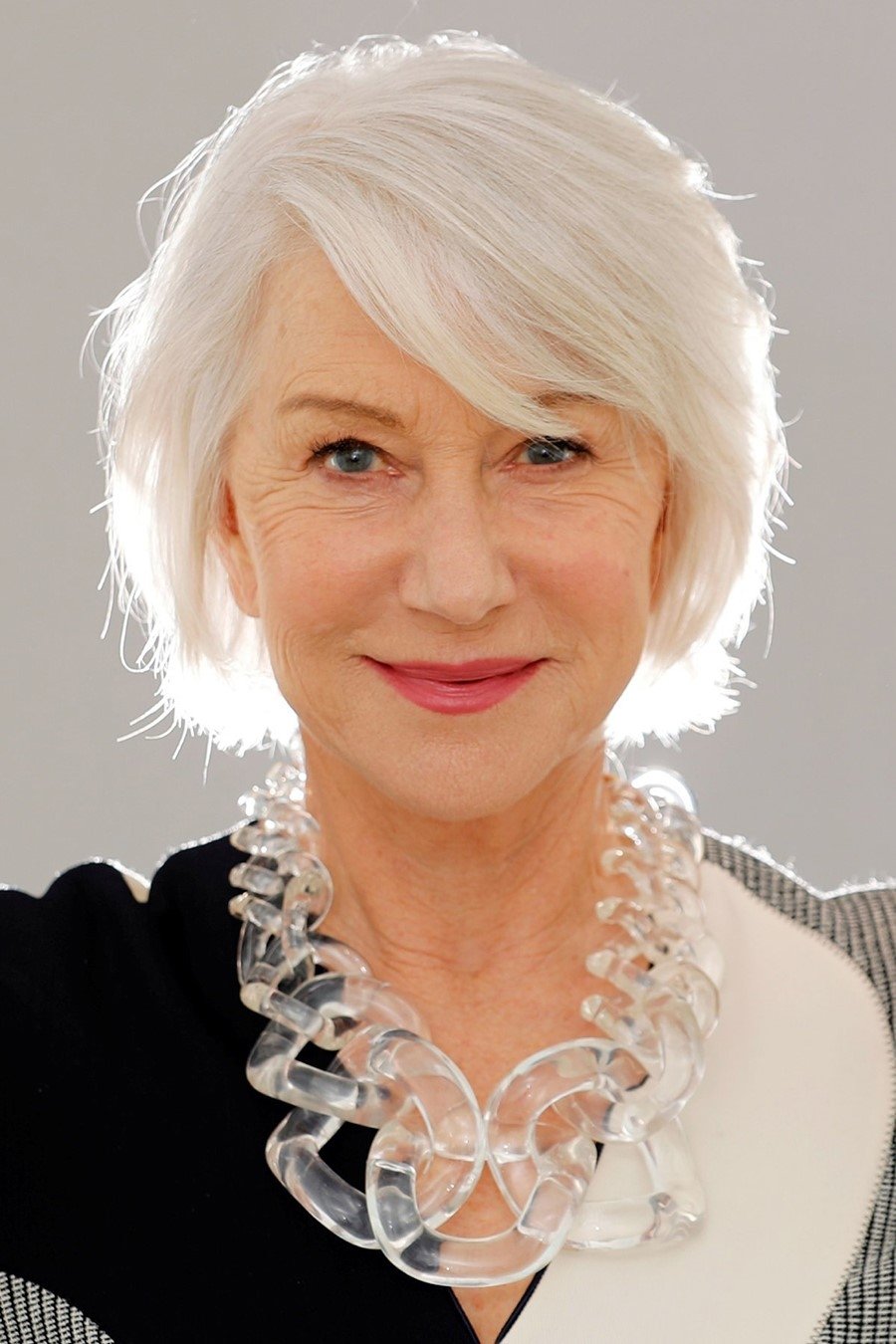
Helen Mirren has offered a nuanced take on the industry’s push for change, often emphasizing that change must be organic. The actress, who won an Oscar for ‘The Queen’, has noted that while she wants to see more women in film, she is wary of rigid quotas. She believes that the real solution lies in encouraging more women to enter the creative pipeline rather than forcing a specific outcome. Mirren argues that talent will always rise to the top if the opportunities are available. She emphasizes the importance of a natural shift in the industry’s culture.
John Cleese
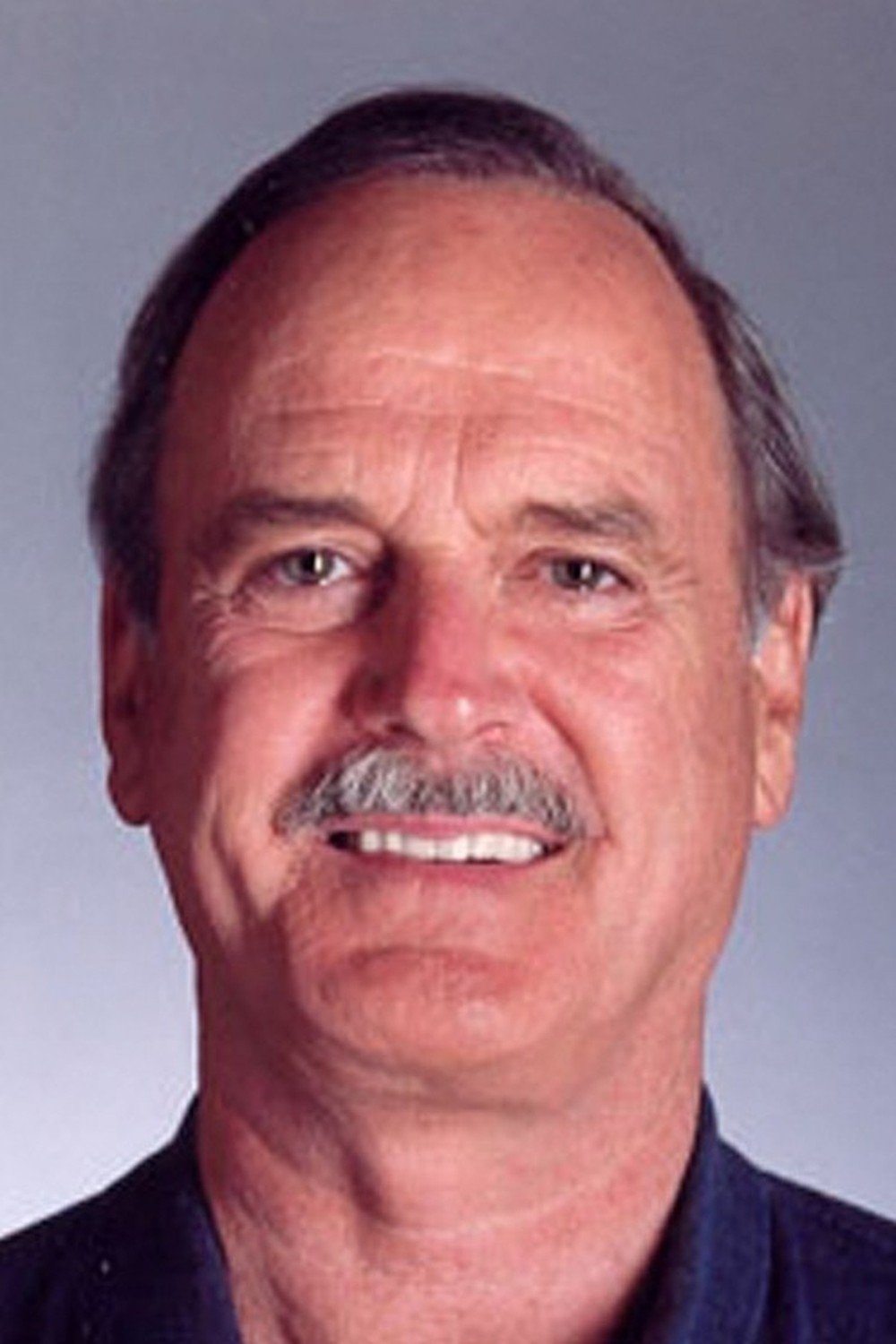
John Cleese has become a prominent voice against what he describes as the stifling nature of modern “woke” culture in the arts. The ‘Monty Python’ legend argues that quotas and parity mandates are the enemies of creativity and humor. He believes that an artist should be free to explore any subject or cast any person without fear of social repercussions. Cleese maintains that the focus on identity politics is detrimental to the quality of British and American entertainment. He advocates for a return to a system where merit and the ability to entertain are the only benchmarks.
Please share your thoughts on the meritocracy versus gender quota debate in the comments.