TV Shows That Celebrated Cultural Holidays Authentically

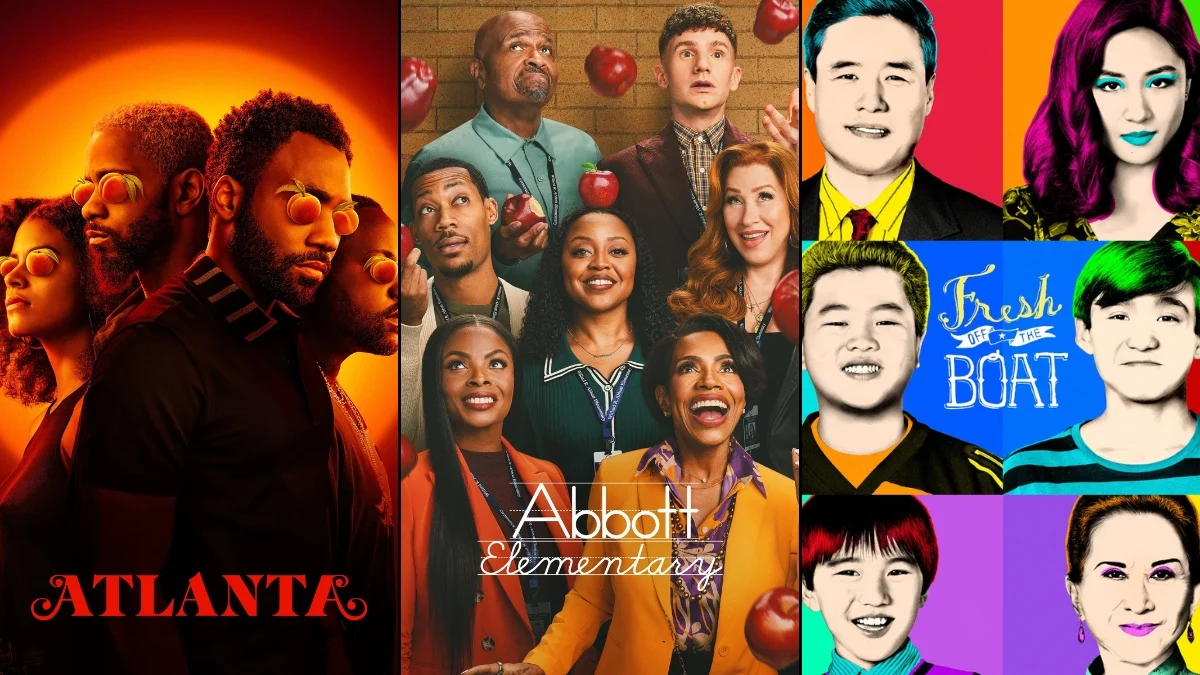

Television has increasingly become a medium for authentic cultural representation, moving beyond caricatures to showcase the rich traditions of diverse communities. Holiday-themed episodes provide a unique window into the rituals, foods, and values that define different cultures around the world. From religious observations like Ramadan and Passover to historical milestones like Juneteenth, these portrayals foster greater understanding and connection among audiences. The following programs have been recognized for their commitment to accuracy and emotional depth when depicting cultural holidays. Each entry reflects the specific customs of the community it represents, often drawing from the real-life experiences of the creators and writers.
‘Abbott Elementary’ (2021–Present)
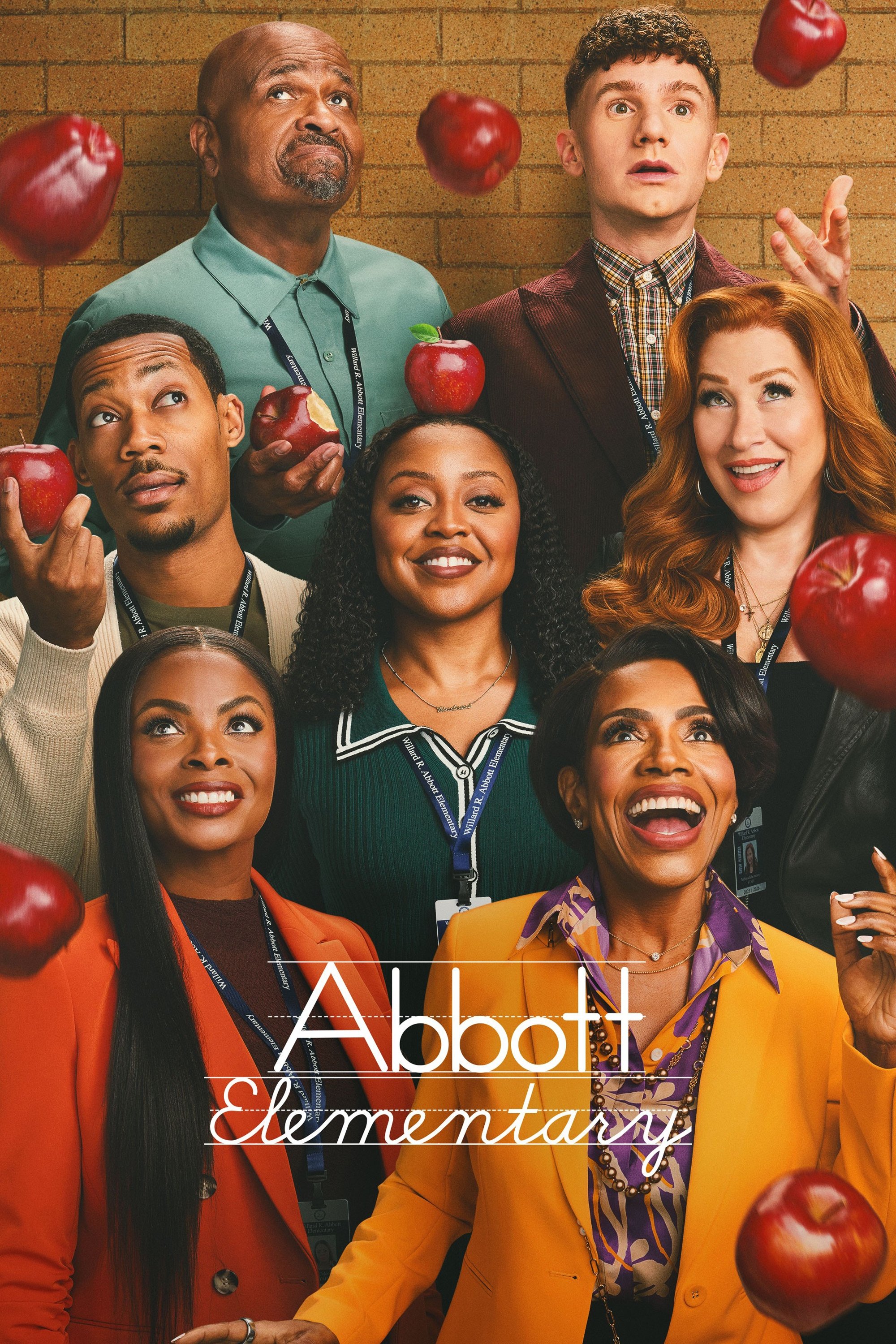
In the episode ‘Holiday Hookah,’ the series incorporates the observation of Ramadan through the character of a student and his family. It depicts the practice of fasting during school hours and the sensitivity required from educators to support students during this spiritual time. The show treats the holiday as a normal part of the diverse student body’s life without over-explaining the customs. This approach reflects the reality of modern American classrooms where multiple cultures and religions coexist daily. The inclusion of Ramadan highlights the show’s commitment to grounded, realistic storytelling in a public school setting.
‘All American’ (2018–Present)
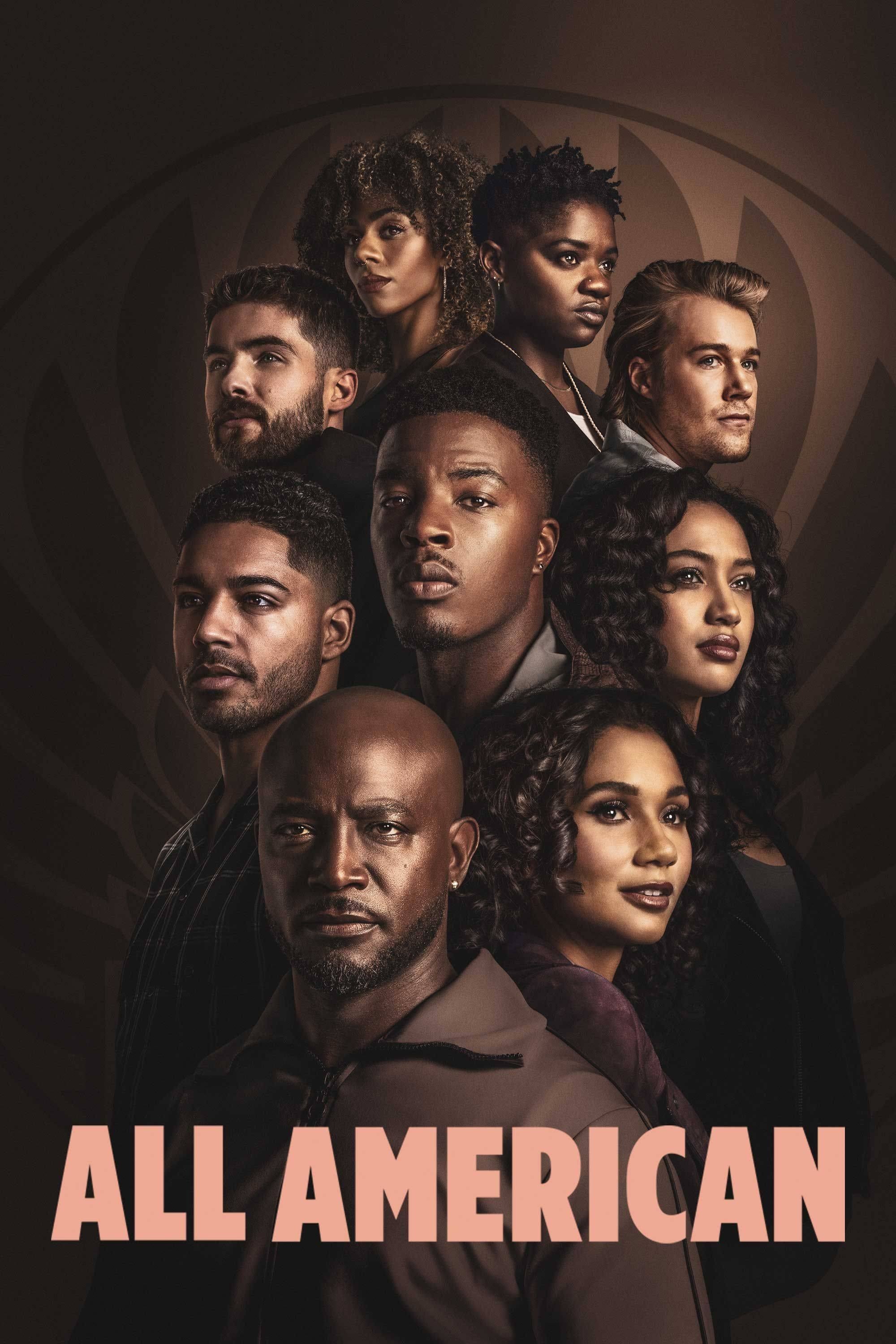
In the episode ‘Ready or Not,’ the characters participate in a Juneteenth celebration that emphasizes community and heritage. The plot uses the holiday to explore the characters’ connections to their roots and their aspirations for the future. It features speeches, music, and food that are central to the holiday’s traditions within the Black community. The show highlights the importance of the day as a time for both reflection on the past and hope for systemic progress. This portrayal reinforces the holiday’s status as a vital cornerstone of African American culture and history.
‘Atlanta’ (2016–2022)
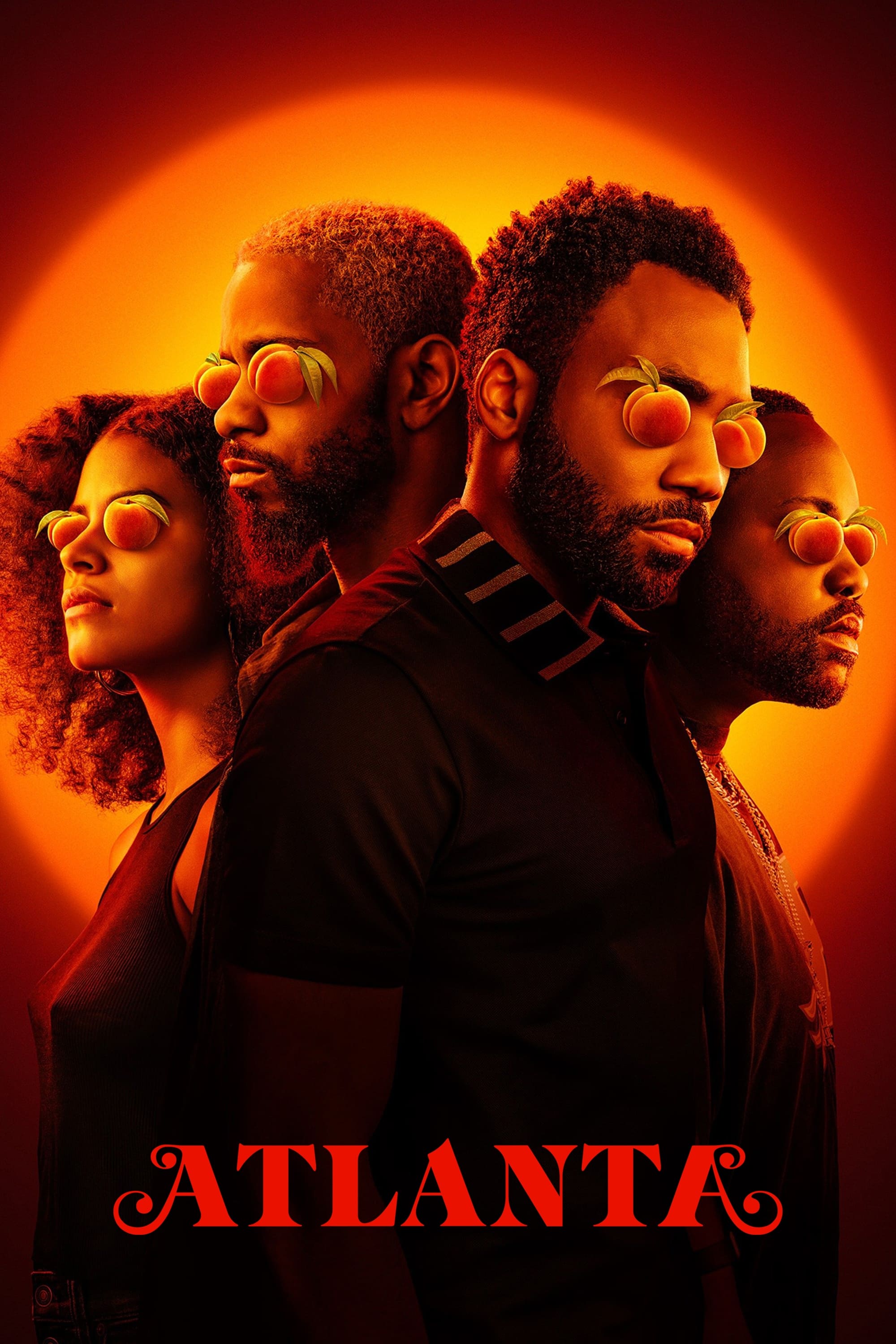
The episode ‘Juneteenth’ satirizes the commercialization and performative allyship that often surrounds the holiday in contemporary spaces. Earn and Vanessa attend a celebration hosted by a wealthy biracial couple, which leads to awkward and humorous social interactions. The show uses the setting to comment on modern race relations and the appropriation of Black culture. While the tone is satirical, it acknowledges the historical weight of the day and its profound meaning to the Black community. This episode provides a unique perspective on the holiday’s place in modern high society.
‘Black-ish’ (2014–2022)
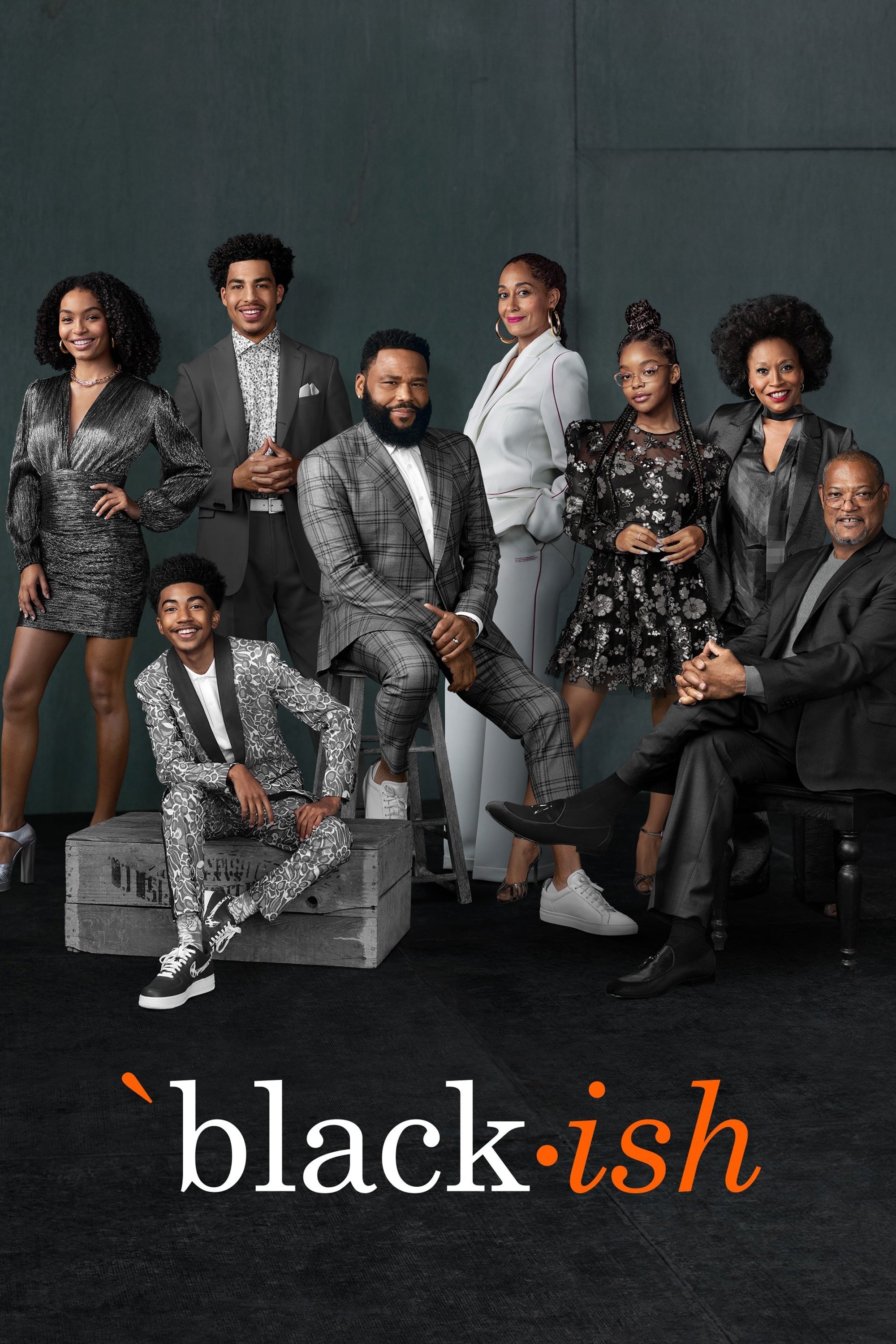
The episode titled ‘Juneteenth’ uses a musical format to educate viewers about the significance of June 19, 1865. The Johnson family explores the history of the end of slavery in the United States through educational songs and dance sequences. It specifically addresses the delay in the announcement of freedom to enslaved people in Texas. The show successfully brought mainstream attention to a holiday that had been celebrated by Black Americans for many generations. This episode is noted for its effective blend of historical facts and contemporary social relevance.
‘Curb Your Enthusiasm’ (2000–2024)

The episode ‘The Seder’ revolves around Larry David hosting a Passover dinner where he unexpectedly invites a sex offender to the table. Despite the comedic and transgressive premise, the episode features the traditional elements of a Seder, including the Seder plate and the reading of the Four Questions. It captures the social dynamics and specific rituals of a Jewish family gathering with startling accuracy. The show uses the holiday setting to explore the protagonist’s idiosyncratic approach to tradition and social norms. This portrayal offers a realistic, if cynical, look at modern secular Jewish life in Los Angeles.
‘Elena of Avalor’ (2016–2020)

This animated series dedicated an entire episode to ‘Día de los Muertos,’ explaining the significance of the holiday to a younger audience. It depicts the construction of the ‘ofrenda’ and the belief that the spirits of ancestors return to visit the living. The show uses traditional Mexican music and folklore elements to enhance the educational storytelling. It emphasizes the holiday as a joyful celebration of life and memory rather than a somber occasion. This representation was lauded for its cultural accuracy and for bringing these specific traditions to a global Disney audience.
‘Fresh Off the Boat’ (2015–2020)

In the episode ‘Year of the Rat,’ the Huang family celebrates Chinese New Year, also known as Lunar New Year. The plot focuses on traditions such as cleaning the house to sweep away bad luck and preparing a large reunion dinner. It illustrates the significance of red envelopes (hongbao) and the pressure of family expectations during the festive season. The show accurately depicts the transition of these customs from Taiwan to suburban Florida during the 1990s. The episode highlights how cultural identity is maintained through specific culinary and social rituals.
‘Grey’s Anatomy’ (2005–Present)
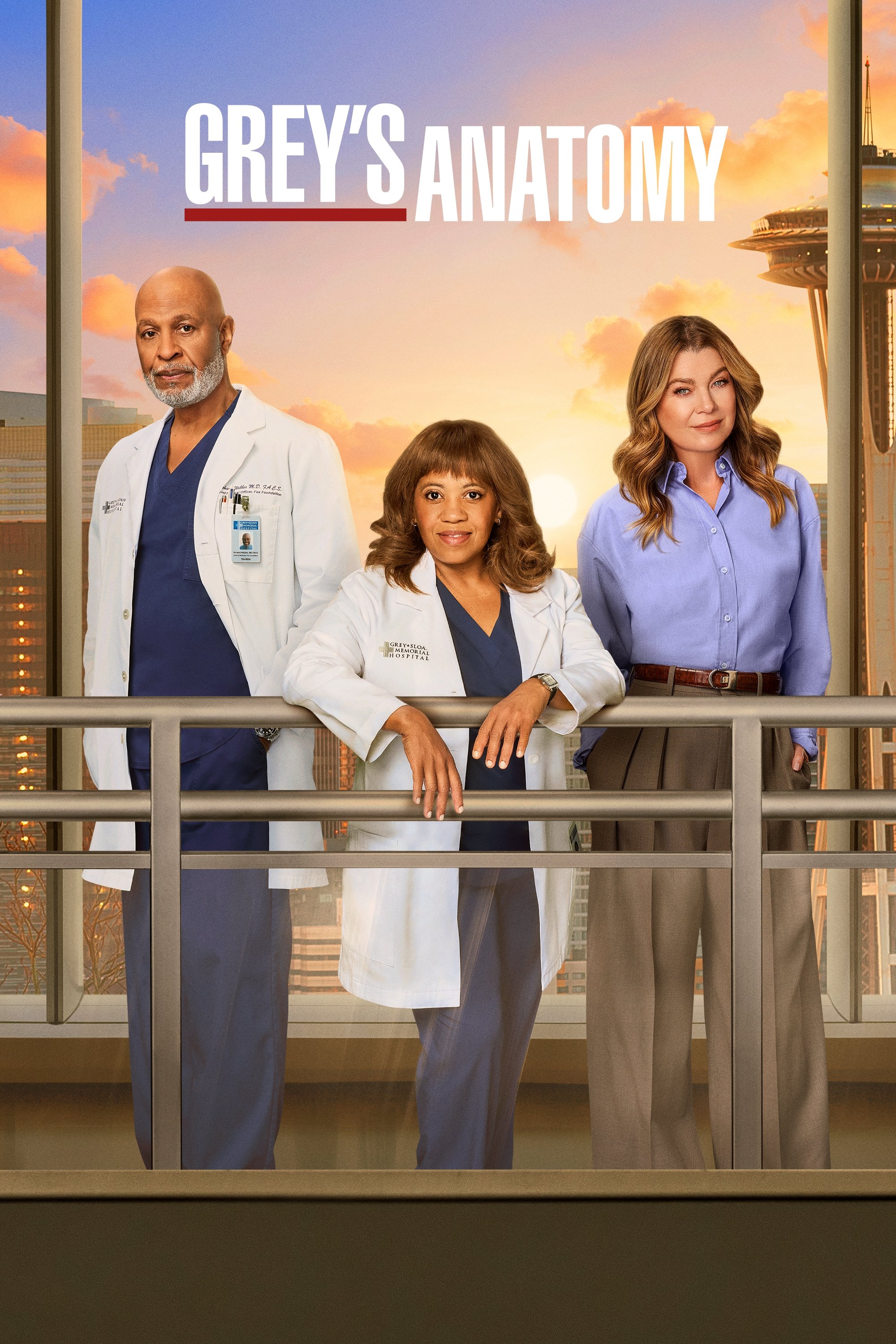
The episode ‘Flowers Grow Out of My Grave’ features a storyline where the hospital staff and patients observe ‘Día de los Muertos.’ It depicts the construction of an ofrenda in the hospital halls to honor deceased colleagues and family members. The show focuses on the healing power of the holiday and its specific role in processing grief within a medical environment. Characters share stories of their loved ones, reflecting the holiday’s purpose of keeping the memories of the departed alive. This inclusion brought a specific cultural perspective on death and remembrance to the long-running drama.
‘Grown-ish’ (2018–2024)
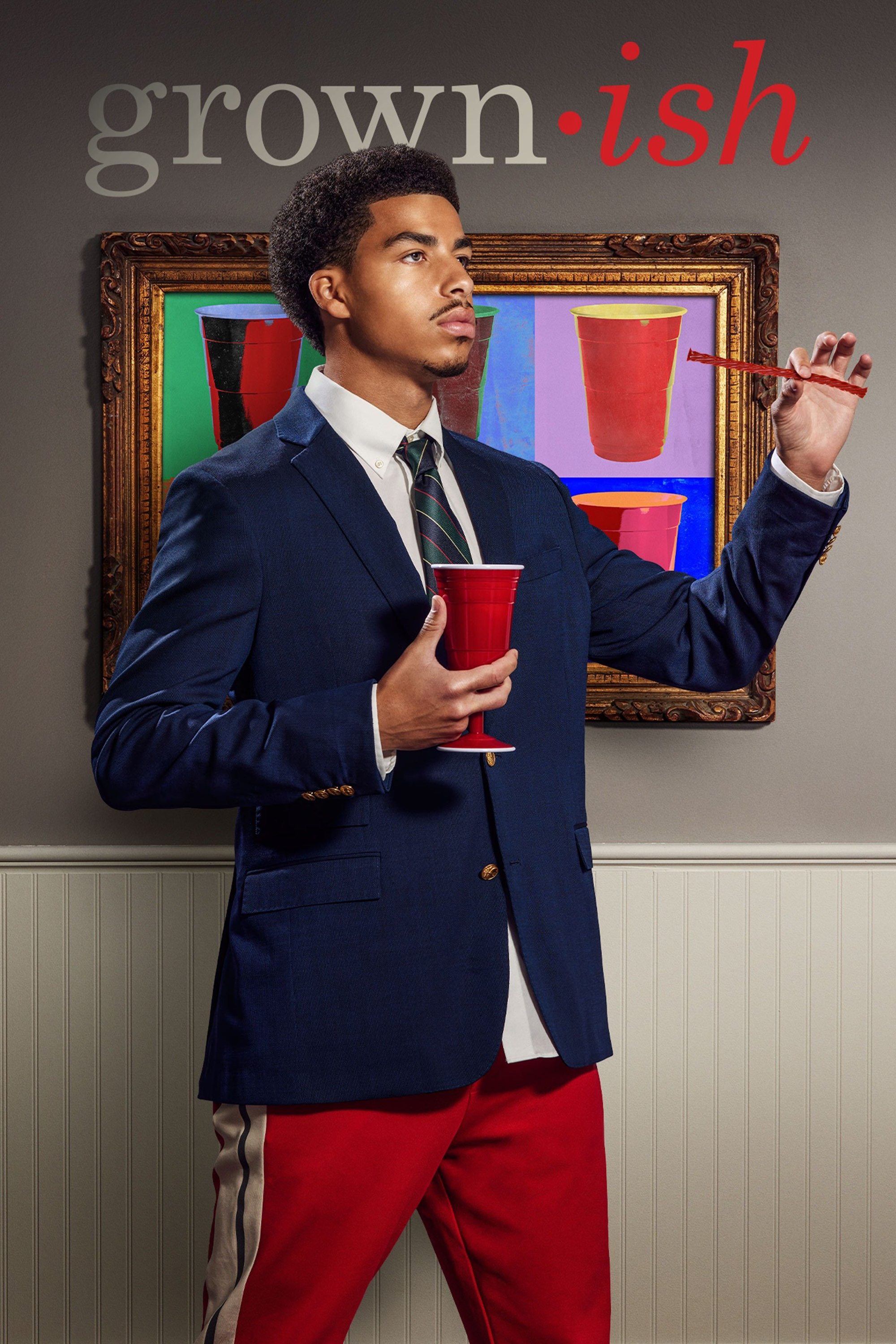
The series addresses Juneteenth in the episode ‘Know Yourself,’ where the characters discuss the historical significance and modern legacy of the date. It focuses on the importance of education and awareness among Gen Z college students regarding African American history. The show balances the celebratory aspects of the day with a serious discussion about systemic issues and social justice. It highlights how younger generations are reclaiming and honoring the holiday in academic and social settings today. This episode contributes to the growing media representation of Juneteenth as a vital American holiday.
‘Insecure’ (2016–2021)

The episode ‘Lowkey Done’ features a community Juneteenth festival in Los Angeles that serves as a backdrop for the characters’ personal growth. It captures the vibrant atmosphere of a Black community celebration with local vendors, music, and a palpable sense of collective joy. The show highlights the holiday’s significance as a day of freedom and cultural pride without becoming a history lesson. By integrating the holiday into the characters’ social lives, it reflects how Juneteenth is observed in contemporary urban environments. This representation emphasizes the communal and celebratory nature of the day.
‘Jane the Virgin’ (2014–2019)

The series frequently incorporates Latin American traditions, most notably in its depiction of ‘Día de los Muertos’ (Day of the Dead). The show features the creation of ofrendas decorated with marigolds and photos of deceased loved ones to honor their spirits. Characters use the holiday as a time for deep reflection and connection with their ancestors, emphasizing that death is a natural part of life’s cycle. The vibrant visuals and emotional resonance provide an authentic look at how the holiday is observed in Venezuelan American households. This portrayal focuses on the spiritual and communal aspects of remembrance.
‘Kim’s Convenience’ (2016–2021)
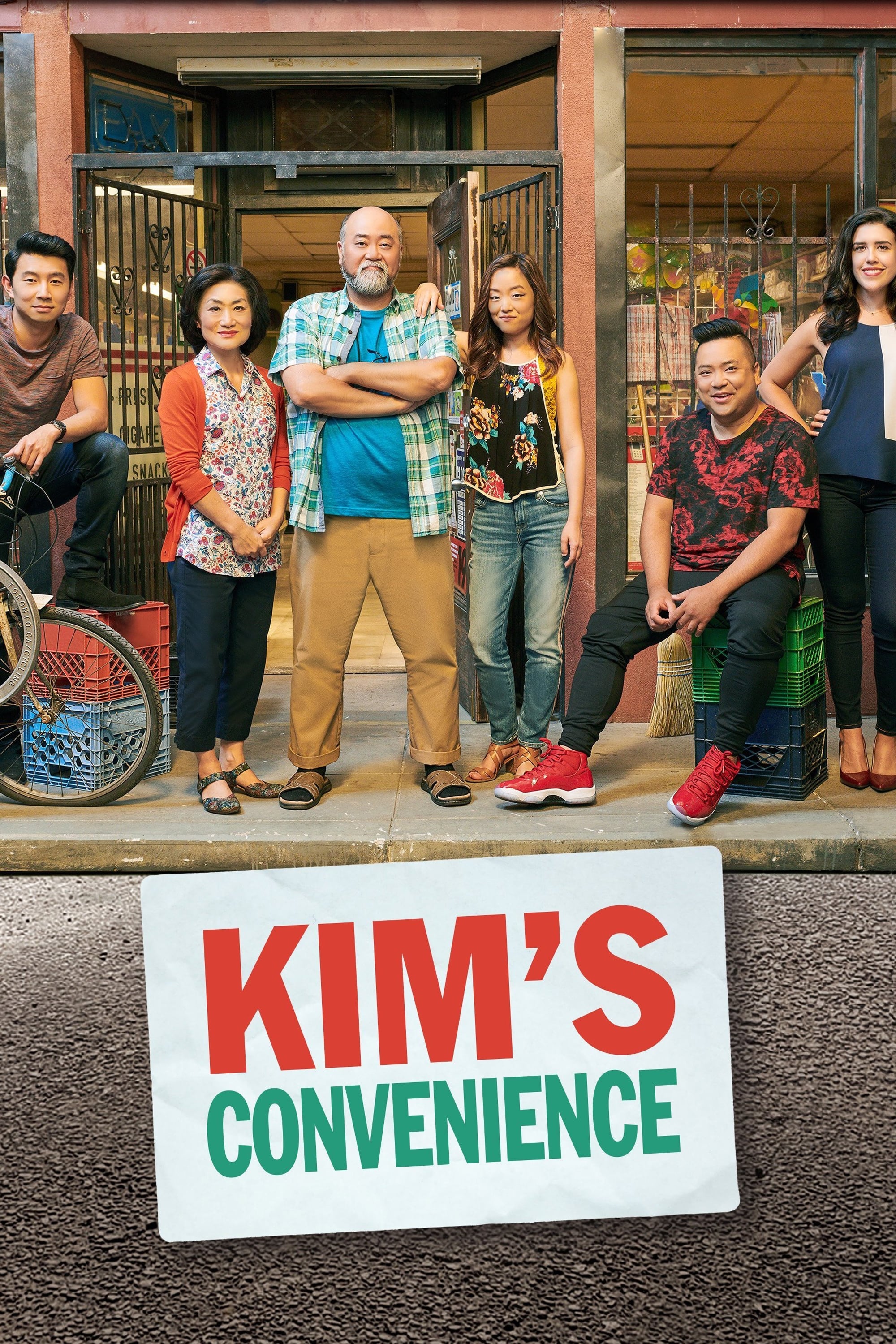
The episode ‘Appa’s First Swipe’ touches upon Chuseok, the Korean harvest festival often referred to as Korean Thanksgiving. The characters engage in traditional customs, including the preparation and eating of ‘songpyeon,’ which are small, crescent-shaped rice cakes. It highlights the importance of family gatherings and honoring one’s ancestors during this significant time of the year. The show manages to weave these cultural elements into the daily operations of the family’s Toronto grocery store. This portrayal reflects the balance of maintaining Korean traditions within a modern Western context.
‘Little America’ (2020–Present)
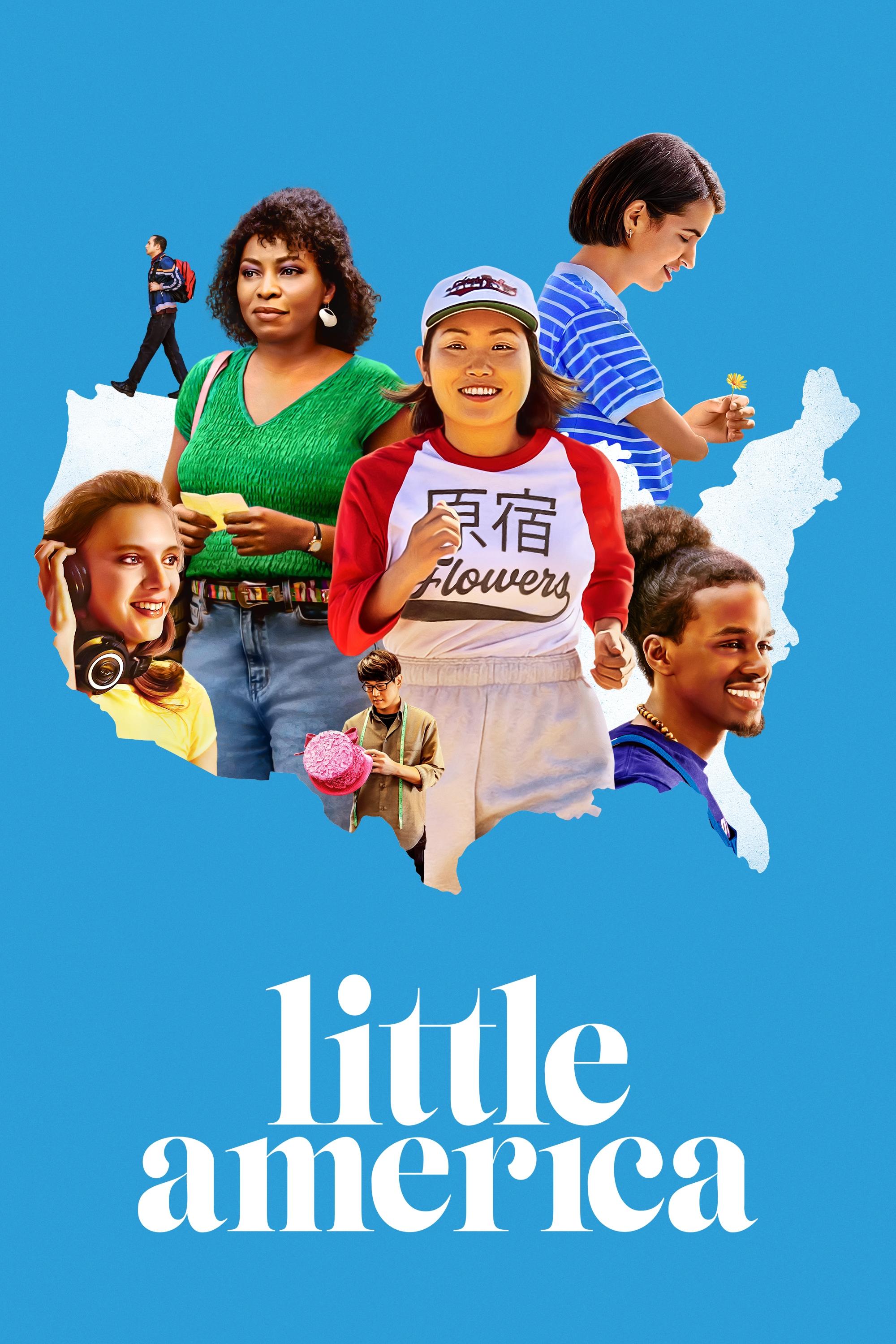
The episode ‘The Silence’ depicts the celebration of Nowruz, the Persian New Year, by a deaf immigrant from Iran. It features the ‘Haft-sin’ table, which is decorated with seven symbolic items starting with the Persian letter ‘S’ to represent renewal. The story focuses on the protagonist’s efforts to maintain his cultural roots while navigating life in a new country. It captures the specific foods and the spirit of hope associated with the spring equinox. This portrayal is praised for its sensitivity and the authentic cultural detail provided by its creators.
‘Master of None’ (2015–2021)

The episode ‘Thanksgiving’ traces the evolution of the holiday over several decades for the character Denise and her family. While centered on the American holiday, it captures the specific cultural experience of a Black family’s dinner traditions and social dynamics. The narrative uses the recurring holiday setting to explore Denise’s coming-out process to her mother and grandmother over many years. It emphasizes the role of specific foods, such as greens and mac and cheese, in bringing the family together. The episode won an Emmy for its poignant and realistic writing regarding family and tradition.
‘Mo’ (2022–Present)
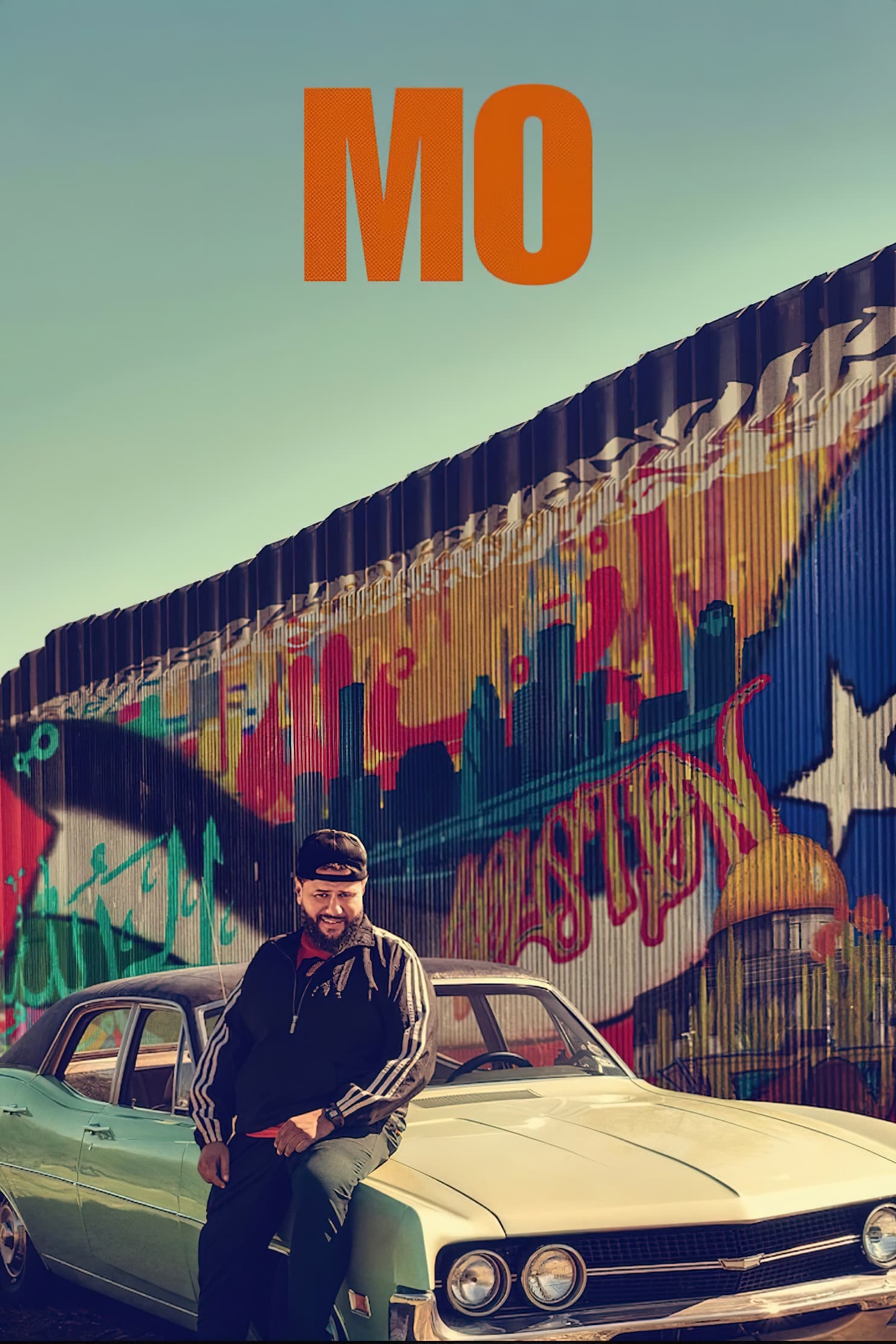
The series explores the experience of celebrating Eid al-Fitr in a Palestinian refugee family living in Houston, Texas. It depicts the specific traditions of making ‘maamoul’ cookies and the importance of family visits following the communal Eid prayer. The narrative highlights the tension between the joy of the holiday and the legal struggles the family faces regarding their asylum status. It provides a raw and authentic look at how faith provides a sense of belonging in a displacement context. The show’s use of language and specific cultural references adds to its realistic feel.
‘Ms. Marvel’ (2022)
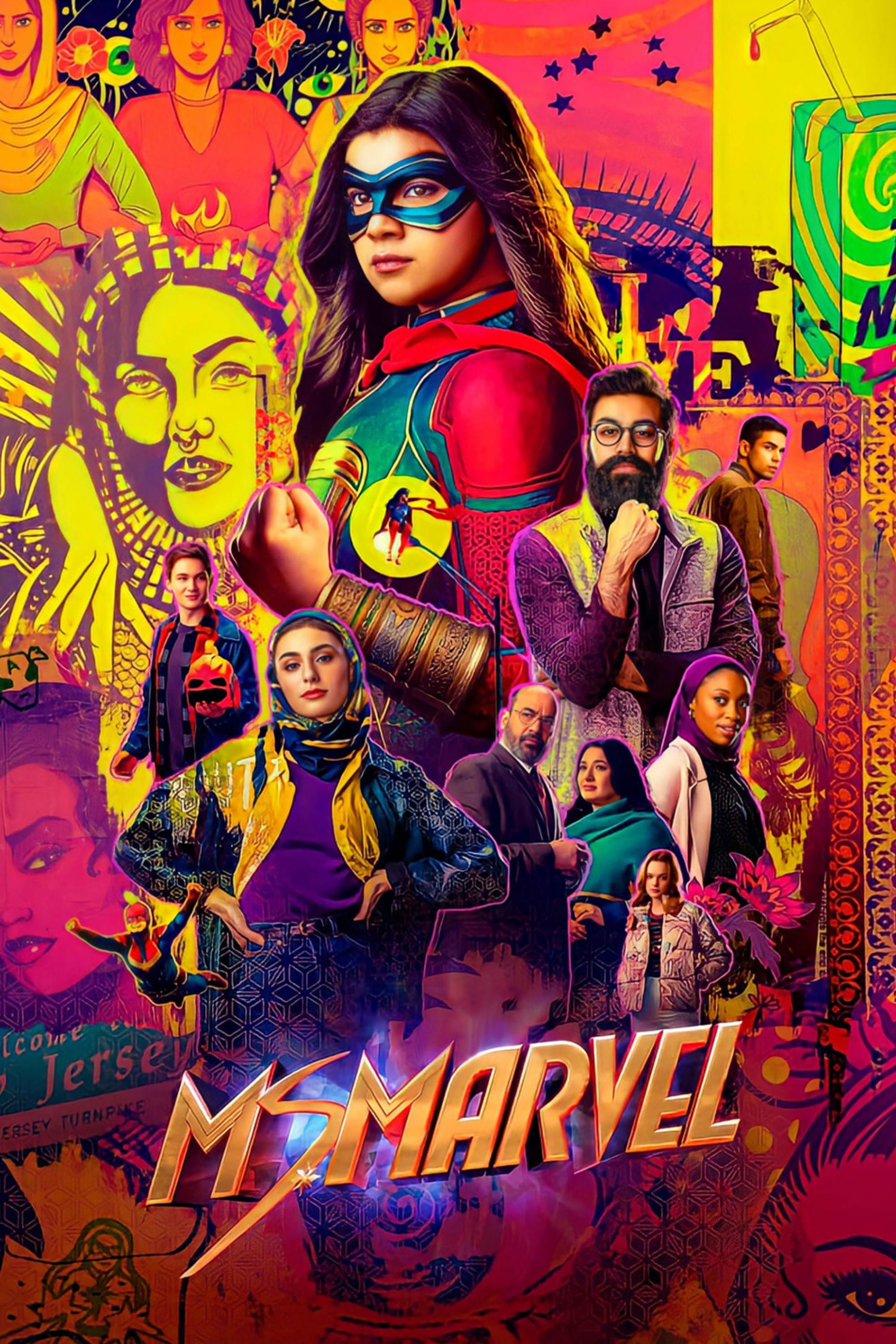
The series features a vibrant celebration of Eid al-Fitr, marking the end of the fasting month of Ramadan for the protagonist. Kamala Khan attends the festival at her local mosque, showcasing the communal prayers, colorful clothing, and festive food stalls. The episode captures the joy and energy of the community gathering, emphasizing the social bonds within the South Asian Muslim community in Jersey City. It also addresses the logistical aspects of the holiday, such as ‘Zakat’ or charitable giving to the poor. This representation was praised for its positive and authentic depiction of Muslim joy.
‘Never Have I Ever’ (2020–2023)
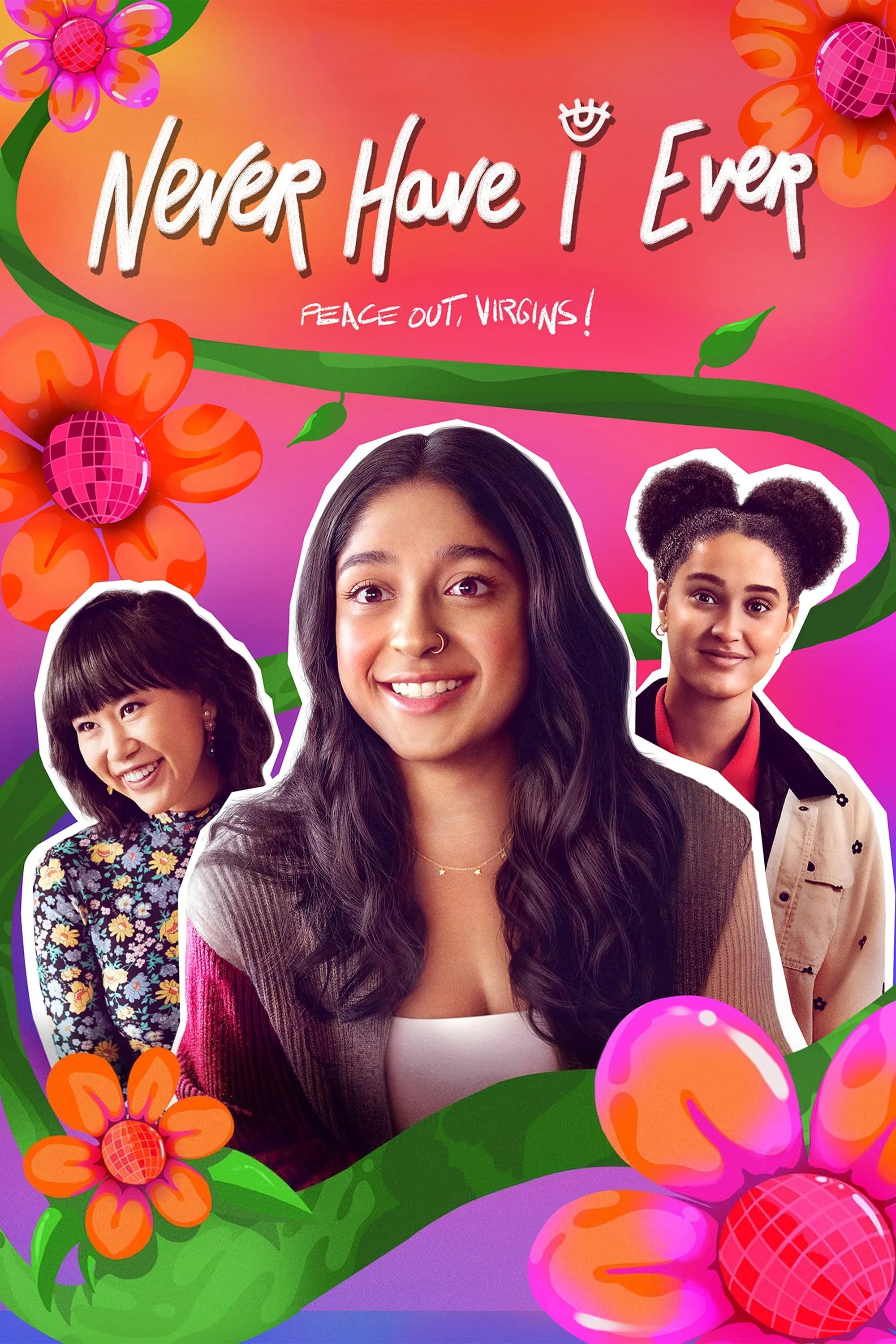
In the episode ‘Never Have I Ever… felt super Indian,’ Devi Vishwakumar attends a Ganesh Chaturthi celebration at a local high school. The show explores her internal conflict between her American identity and her Indian heritage during the festivities. It depicts the ritual of prayer, traditional clothing, and the communal aspect of the holiday with great detail. The narrative emphasizes the importance of the idol immersion and the specific foods associated with the religious event. This portrayal highlights the specific cultural nuances of the South Asian diaspora living in California.
‘One Day at a Time’ (2017–2020)

The series frequently celebrates ‘Nochebuena,’ the traditional Christmas Eve celebration common in Latin American and Spanish cultures. The Alvarez family gathers for a large feast, music, and the opening of gifts at the stroke of midnight. The show emphasizes the importance of the grandmother’s Cuban heritage and the specific dishes prepared for the festive occasion. It captures the boisterous and loving atmosphere of a multi-generational household during the winter holidays. This portrayal highlights the cultural significance of Christmas Eve over Christmas Day in Cuban American culture.
‘Orange Is the New Black’ (2013–2019)

The series features a storyline involving the Jewish holiday of Passover, where several inmates seek to be recognized as Jewish to receive kosher meals. However, the narrative also provides a sincere look at the ‘Seder’ meal and the recitation of the Haggadah behind bars. It explores the themes of liberation and memory that are central to the holiday, resonating with the characters’ experiences in prison. The show depicts the resourcefulness of the inmates in observing their faith under strict confinement. This portrayal offers a unique perspective on religious practice in the American carceral system.
‘Ramy’ (2019–Present)
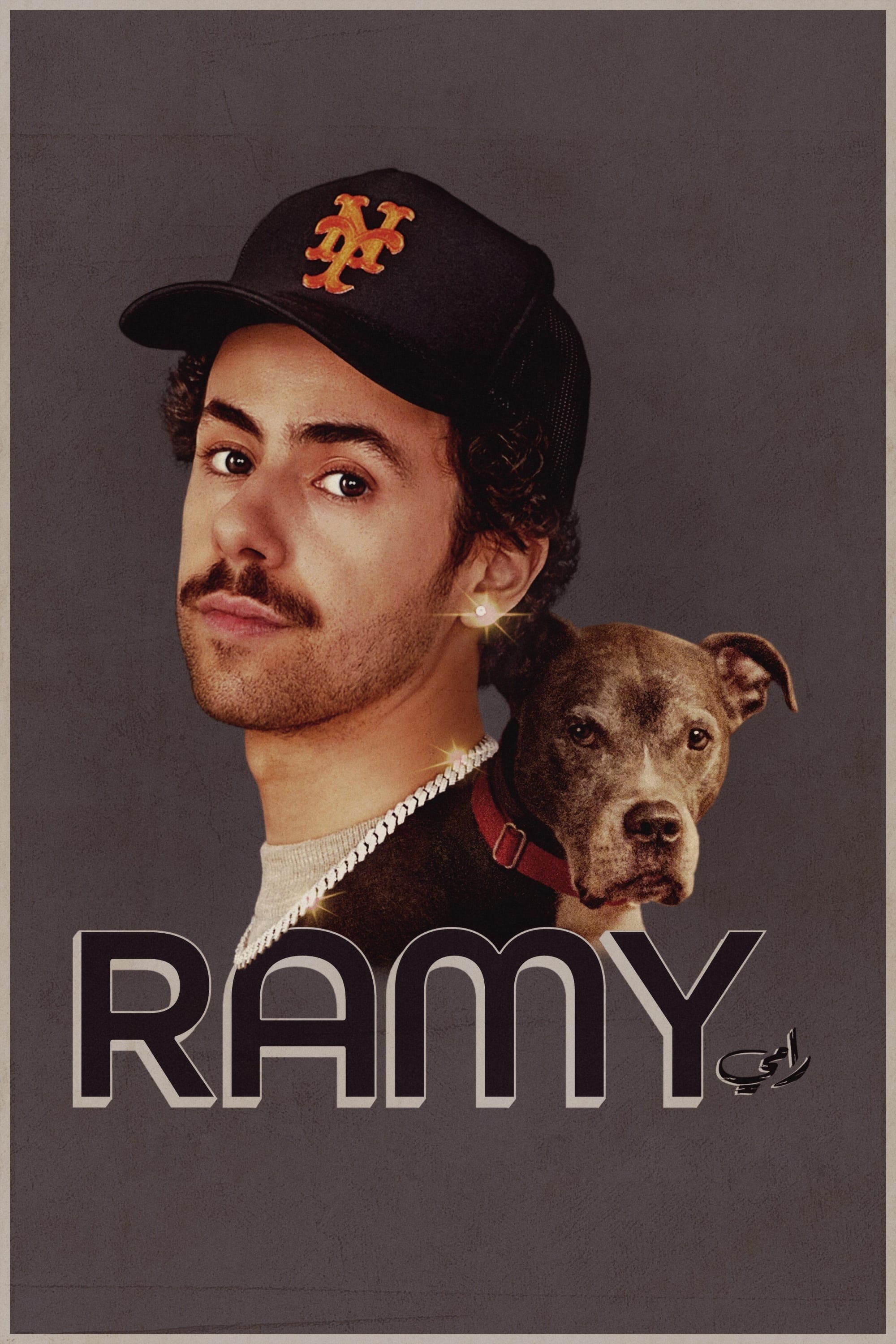
The series provides an intimate look at the month of Ramadan, the Islamic period of fasting and intense spiritual reflection. It depicts the physical challenges of the fast as well as the nightly ‘ifthar’ meals shared with family and the mosque community. The narrative explores the spiritual struggles of the protagonist as he tries to adhere to his faith while living a modern life. Authenticity is maintained through the inclusion of ‘Taraweeh’ prayers and the specific social dynamics of the local Muslim community. The show captures the unique atmosphere of the holy month for Egyptian Americans.
‘Rugrats’ (1991–2004)
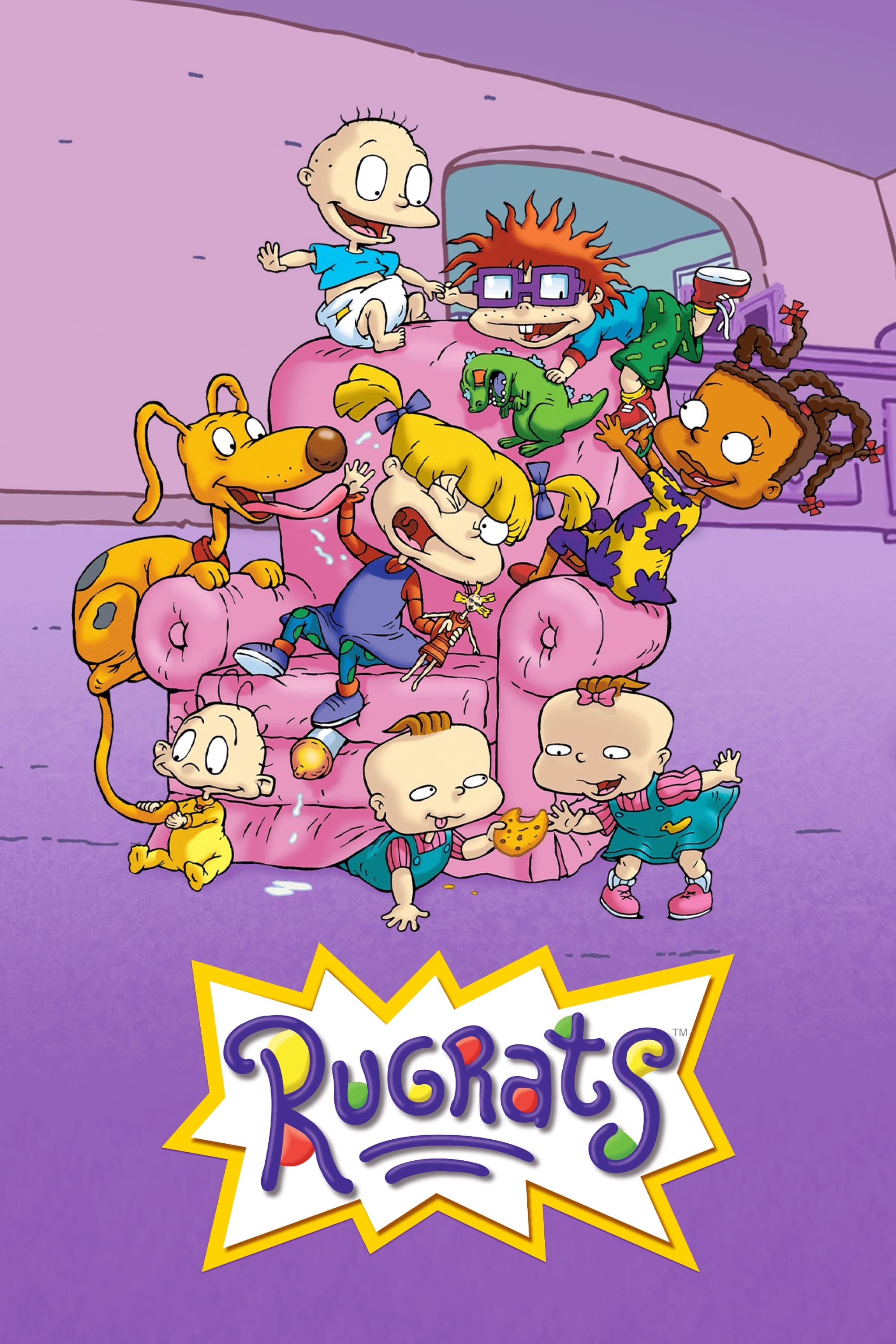
The special episode ‘A Rugrats Chanukah’ explains the story of the Maccabees and the miracle of the oil through the perspective of the toddlers. It features the Pickles family attending a synagogue play and lighting the menorah at home with their relatives. The episode successfully balances educational content about Jewish history with the show’s signature humor and child-like wonder. It remains one of the most beloved holiday specials for its respectful and accurate portrayal of Jewish culture. The script incorporates traditional foods like latkes and the competitive game of dreidel.
‘Superstore’ (2015–2021)
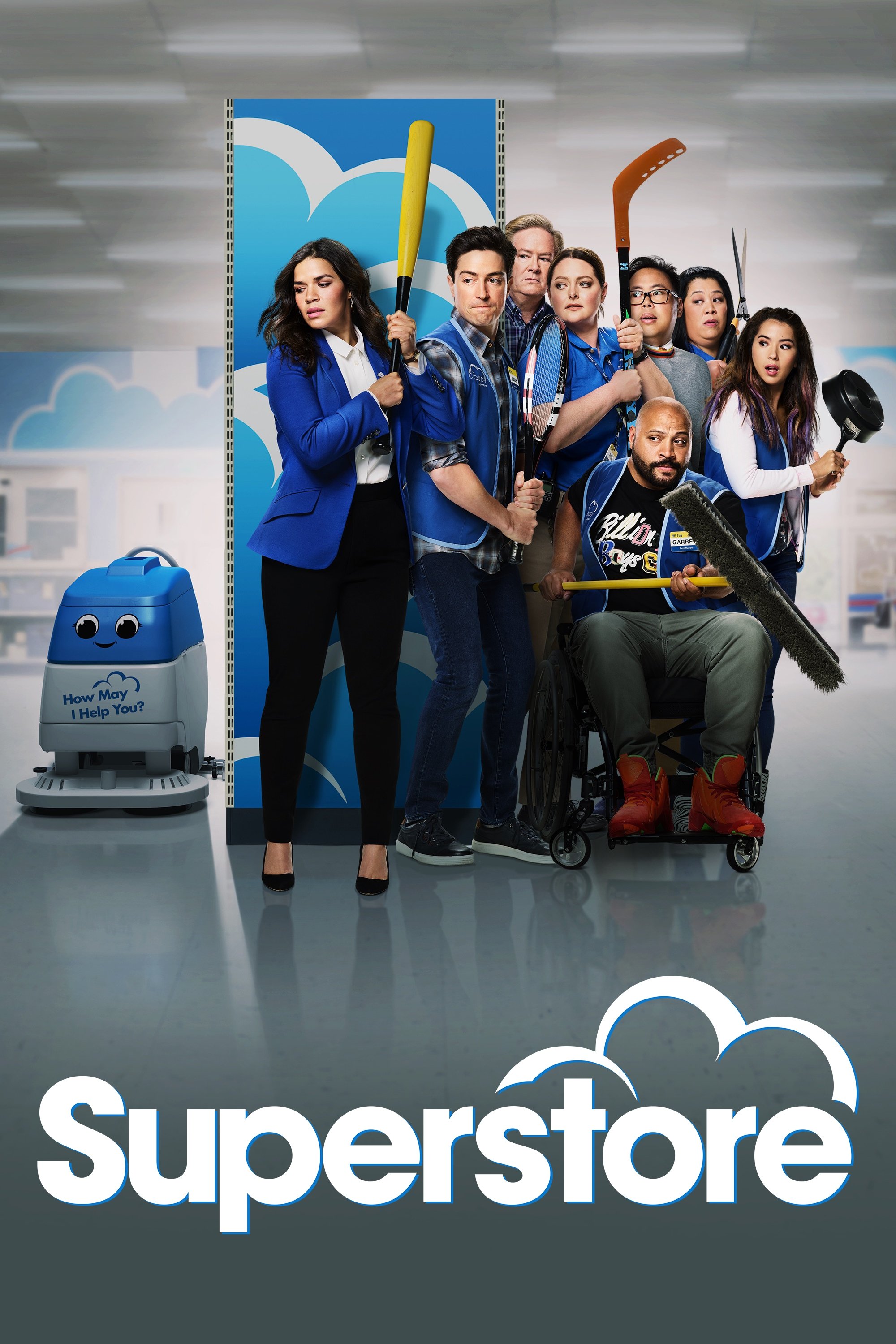
The episode ‘Quinceañera’ centers on the traditional 15th birthday celebration for Emma, the daughter of the series protagonist Amy. It depicts the elaborate nature of the event, including the formal court, the choreographed waltz, and the symbolic changing of the shoes. The show uses the setting to explore the cultural pressures and financial costs associated with this milestone in Latino families. While comedic, it captures the genuine emotional significance of this rite of passage for the characters. The episode highlights the blending of traditional customs with modern American suburban life.
‘The Marvelous Mrs. Maisel’ (2017–2023)

This series frequently depicts Jewish holidays, including a memorable and detailed portrayal of Yom Kippur. The characters observe the fast and attend synagogue services, reflecting the solemnity and reflection of the Day of Atonement. The writing captures the specific linguistic patterns and social expectations within the 1950s Jewish community in New York. The break-the-fast meal is shown as a significant social event where family tensions often come to the surface. These scenes provide a detailed look at the religious and cultural life of the Weissman and Maisel families.
‘The Mindy Project’ (2012–2017)
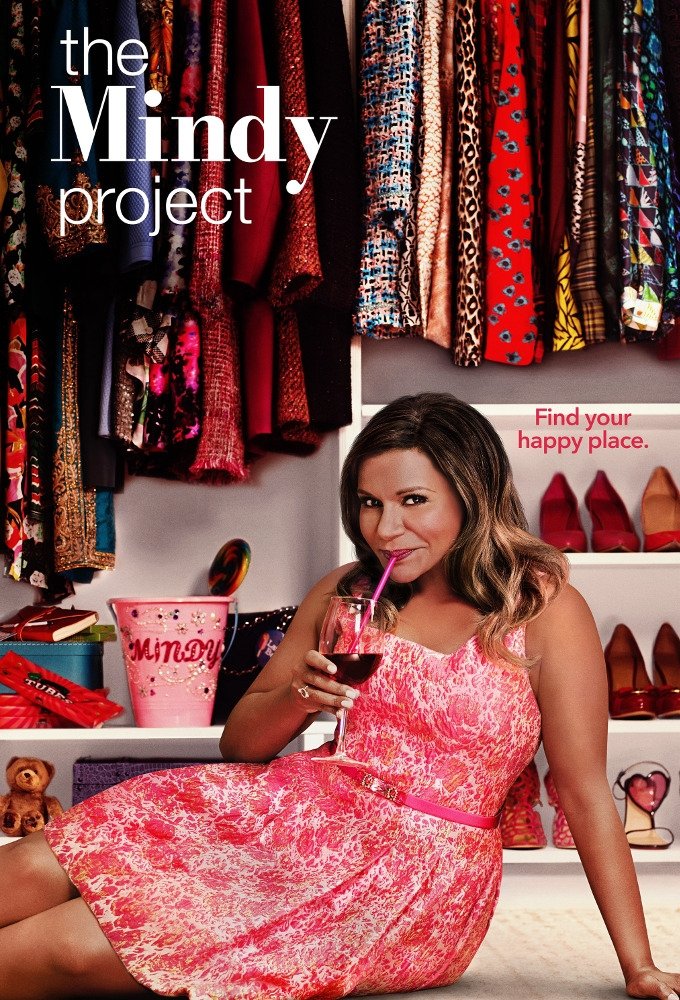
In the episode ‘Diwali,’ Mindy Lahiri hosts a party to celebrate the Hindu Festival of Lights with her colleagues and family. The episode features traditional Indian attire, including sarees and lehengas, and explores the cultural expectations Mindy faces from her parents. It depicts the lighting of diyas and explains the significance of the holiday as a celebration of the victory of light over darkness. The plot uses the holiday to explore Mindy’s complex relationship with her Indian American identity. This was one of the first major American sitcoms to dedicate an entire episode to the celebration of Diwali.
‘The Proud Family’ (2001–2005)
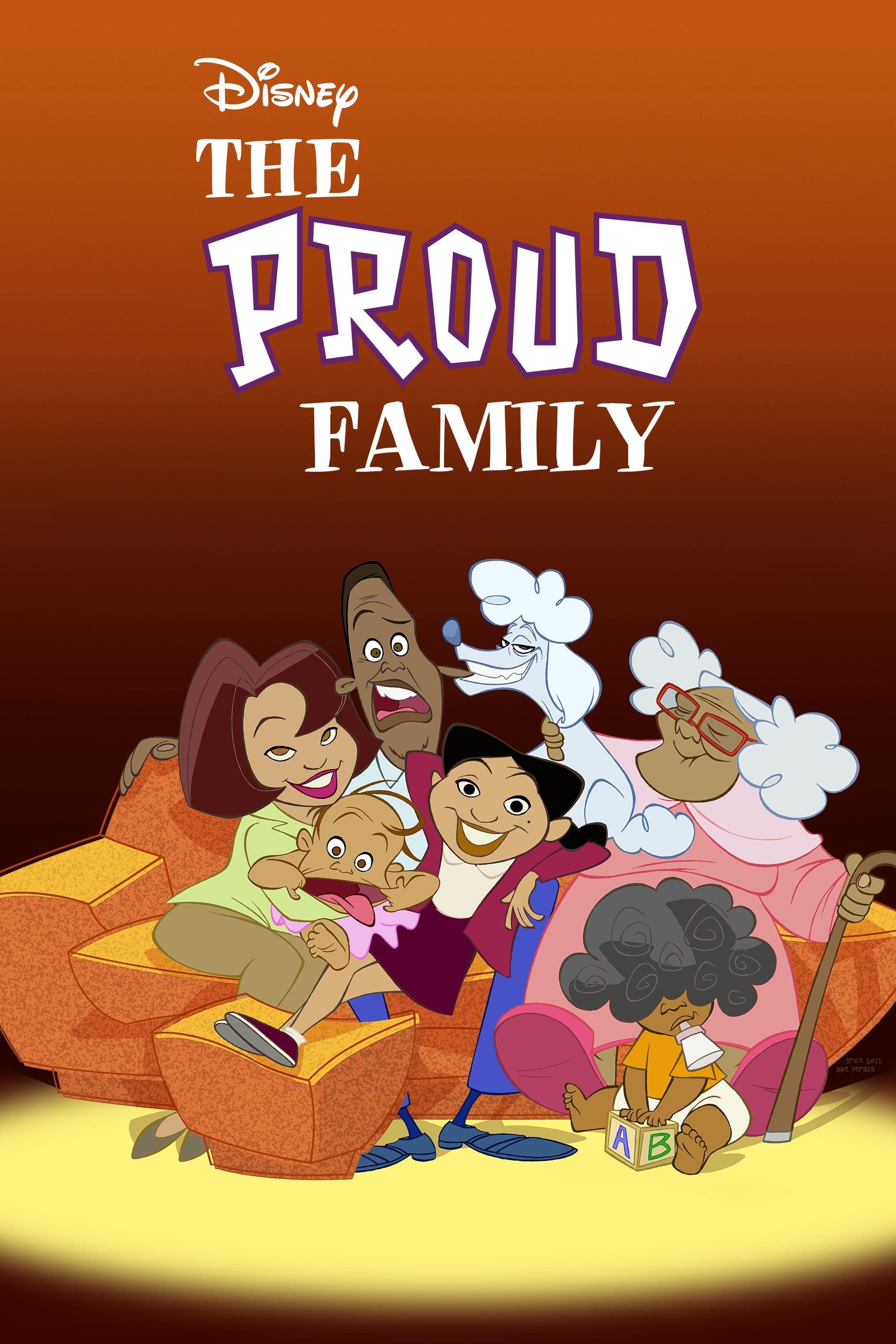
The episode ‘Seven Days of Kwanzaa’ follows the Proud family as they learn about the holiday’s principles from a homeless family they invite home. It breaks down the seven days and the candles on the Kinara, explaining concepts like Umoja (Unity) and Kujichagulia (Self-Determination). The story focuses on the cultural roots of the celebration and its emphasis on community and African heritage. This animated series was one of the first to provide a detailed explanation of Kwanzaa to a broad young audience. It remains a significant cultural touchstone for holiday representation in children’s television.
‘This Is Us’ (2016–2022)
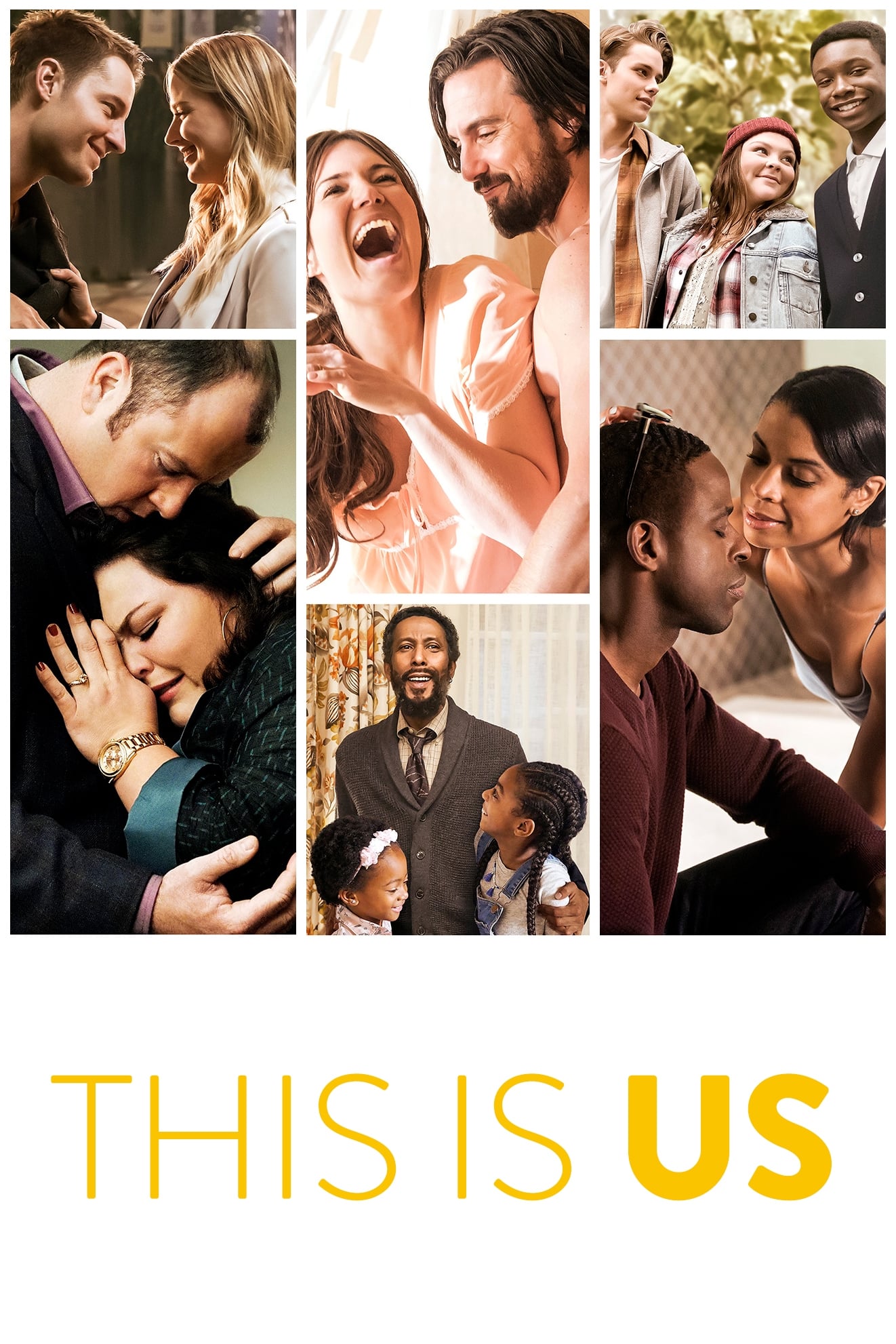
The episode ‘Nine 1-1’ includes a subplot where Randall Pearson’s family celebrates Diwali with their friends and neighbors. Randall uses the opportunity to teach his daughters about the meaning of the Festival of Lights and the importance of their heritage. The show depicts the traditional clothing and the festive atmosphere of the celebration with great warmth. This inclusion reflects the show’s broader theme of blending different family histories and diverse traditions. It provides a respectful and educational glimpse into the significance of the South Asian holiday.
‘Transparent’ (2014–2019)
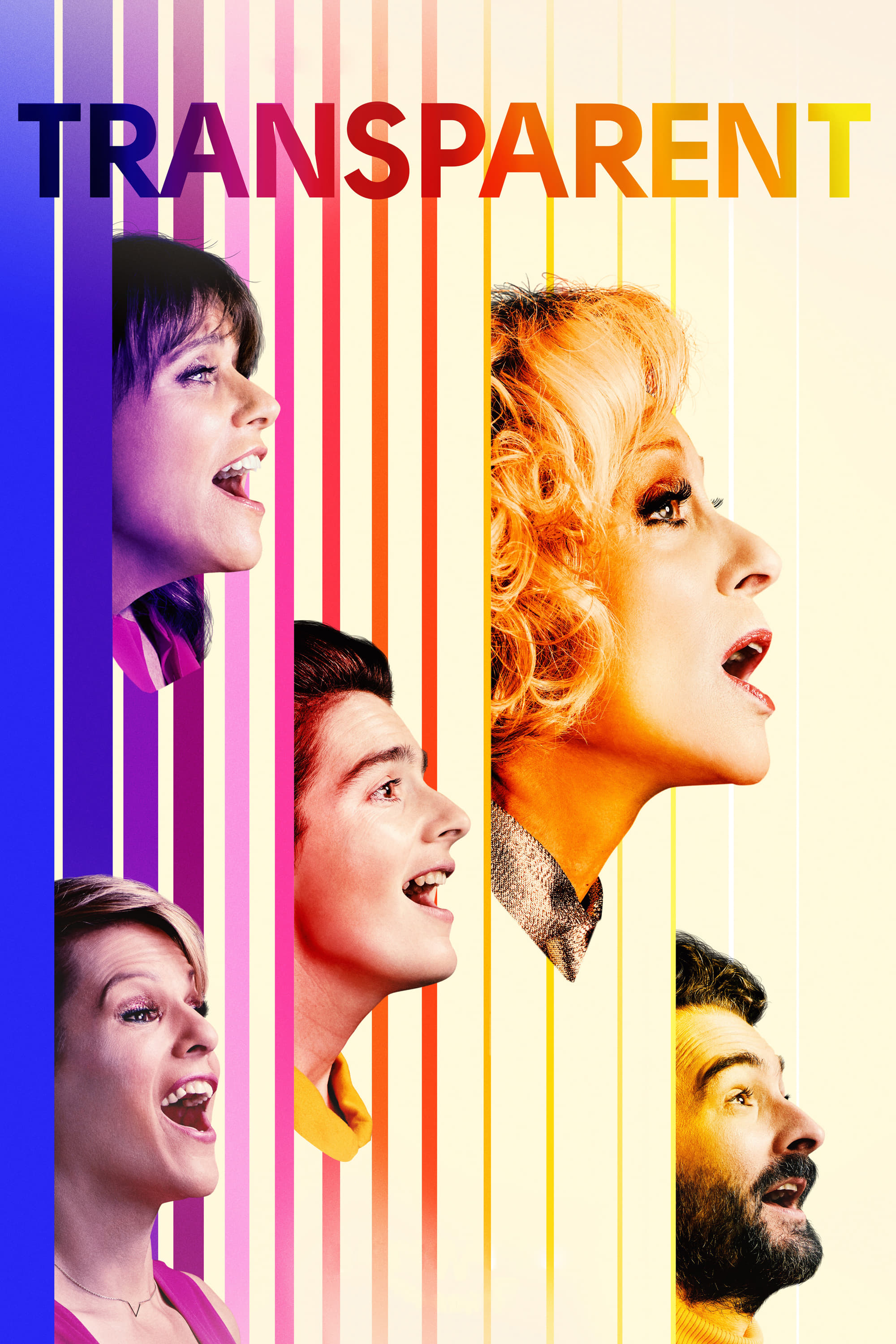
The show portrays various Jewish traditions, including a significant Hanukkah celebration during its second season. The Pfefferman family gathers for the lighting of the menorah, highlighting the mixture of religious observance and family dysfunction. The series explores the historical context of the holiday and its themes of resistance and identity through the characters’ journeys. It also features recurring scenes of Shabbat dinners, providing a consistent look at Jewish domestic life throughout the year. These portrayals are noted for their attention to detail regarding specific liturgy and customs.
‘Ugly Betty’ (2006–2010)
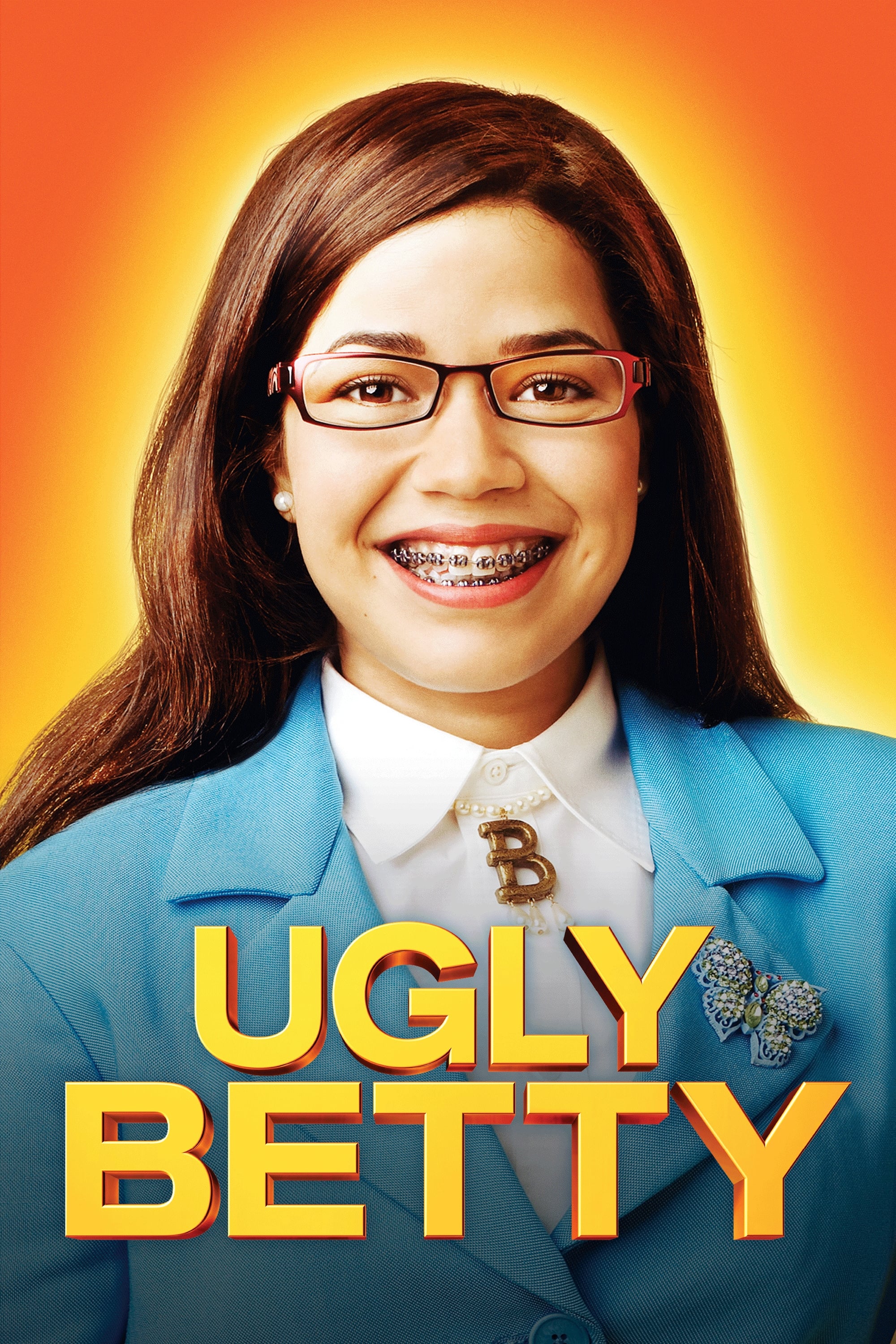
The series features a depiction of the ‘Three Kings Day’ (Día de los Reyes) celebration within the Suarez family household. It shows the tradition of children leaving grass or hay in shoes for the camels of the Wise Men to eat. The narrative emphasizes the importance of family unity and the continuation of Puerto Rican traditions in Queens, New York. The show often integrated these cultural touchstones to ground the protagonist’s home life in reality. This portrayal provides an authentic look at the holiday’s customs and its lasting importance to the Caribbean diaspora.
‘Vida’ (2018–2020)
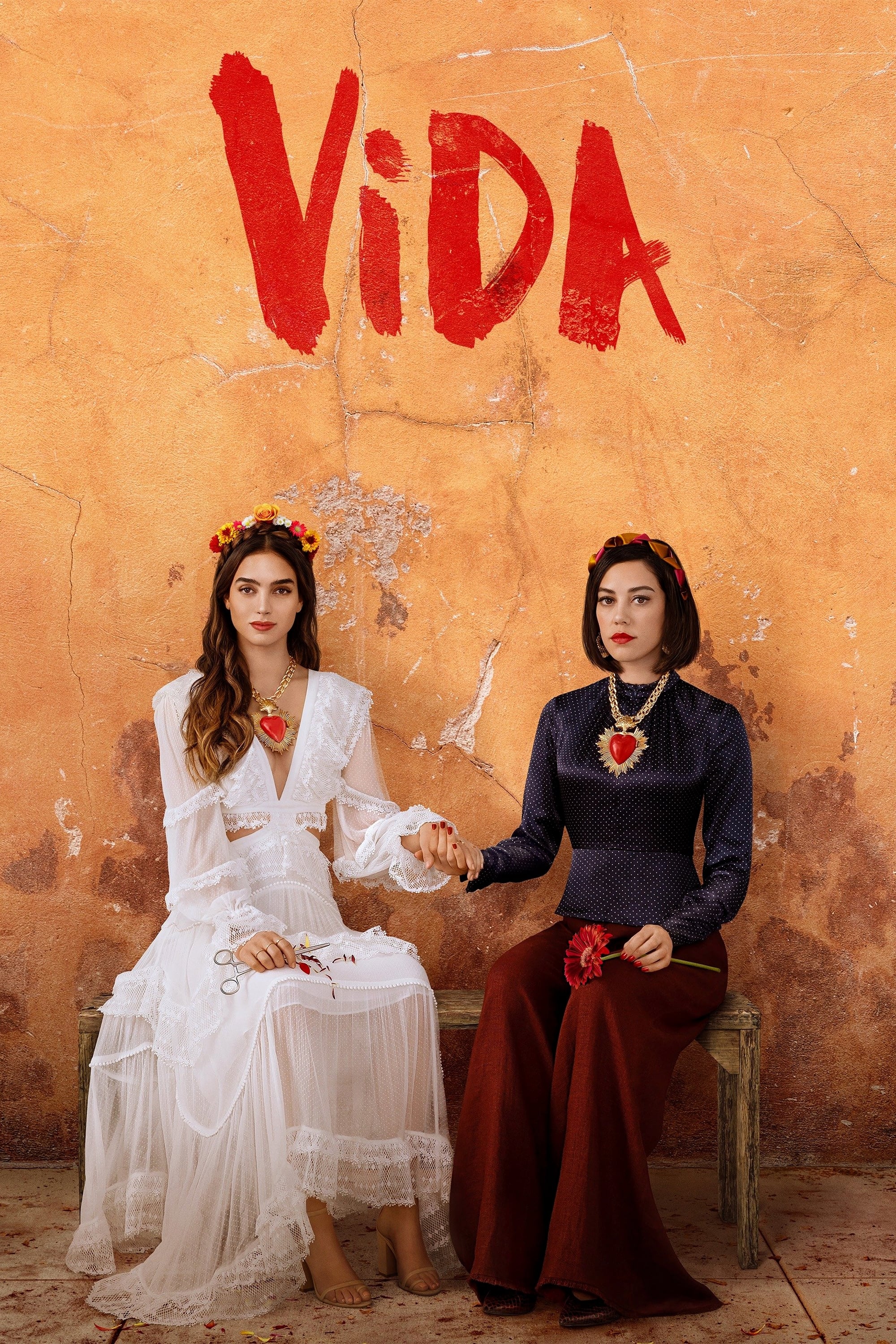
This series offers a grounded look at ‘Día de los Muertos’ in the context of a changing neighborhood in East Los Angeles. The characters build an ofrenda in their family bar to honor their late mother, incorporating traditional elements like sugar skulls and marigolds. The show connects the holiday to themes of grief, legacy, and the gentrification of Mexican American spaces. It avoids common stereotypes by focusing on the personal and spiritual significance of the rituals for the two sisters. The authentic production design reflects the specific aesthetics of Chicano culture in California.
‘With Love’ (2021–Present)
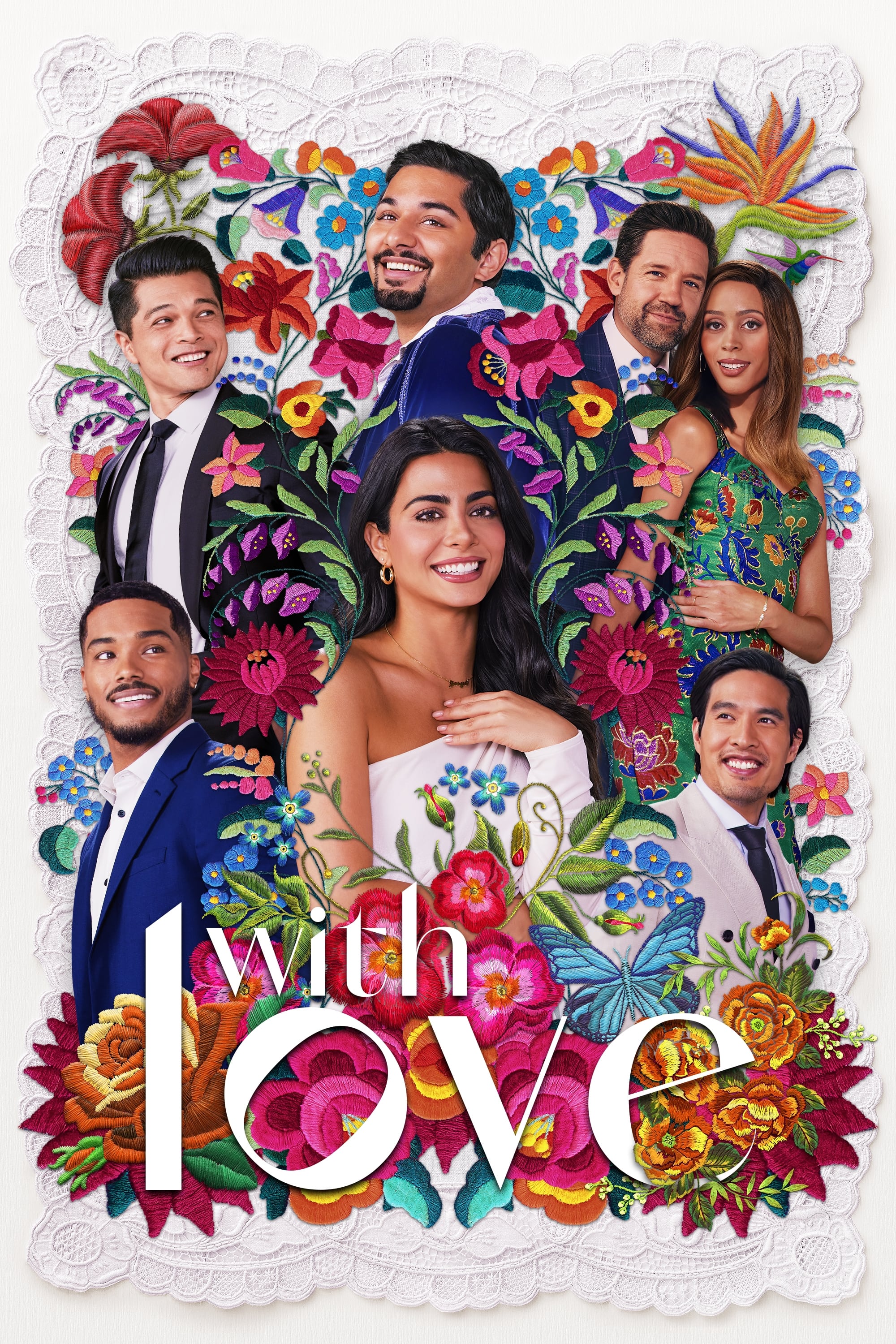
The series is structured around different holidays, with a significant focus on ‘Día de los Reyes’ (Three Kings Day) in its first season. It depicts the Diaz family celebrating the arrival of the Magi with the traditional ‘Rosca de Reyes’ cake. The narrative explains the custom of hiding a baby Jesus figurine inside the bread and the responsibilities of the person who finds it. The show highlights how this holiday is often more significant than Christmas for many Latino families. It captures the warmth and specific traditions of a Mexican American family living in Portland.
Please share which of these cultural holiday episodes resonated with you the most in the comments.