Anime With Earnest Portrayals of Long-Distance Friendships

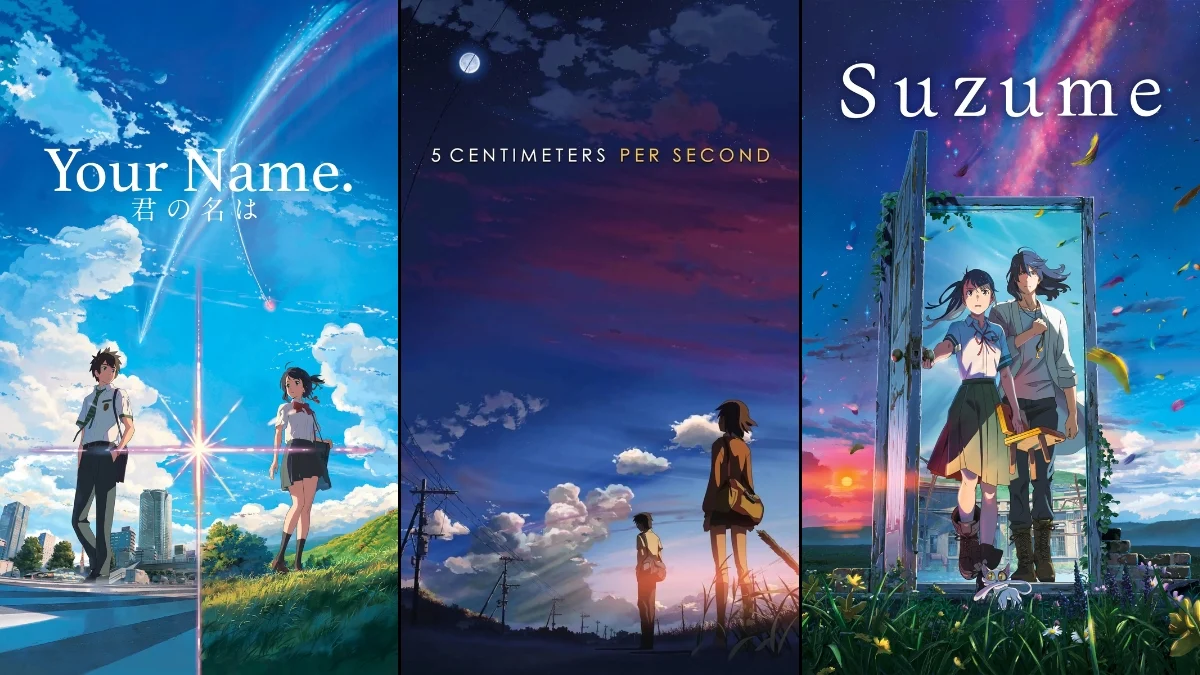

Anime often explores the profound emotional impact of separation and the resilience required to maintain connections over vast distances. Whether separated by geography, time, or different realms of existence, characters frequently rely on letters, technology, and shared memories to sustain their bonds. These narratives provide insight into the challenges of communication and the dedication needed to preserve a friendship when physical presence is no longer possible. From sci-fi dramas to slice-of-life stories, the following titles offer earnest depictions of characters navigating the complexities of long-distance relationships.
‘5 Centimeters per Second’ (2007)
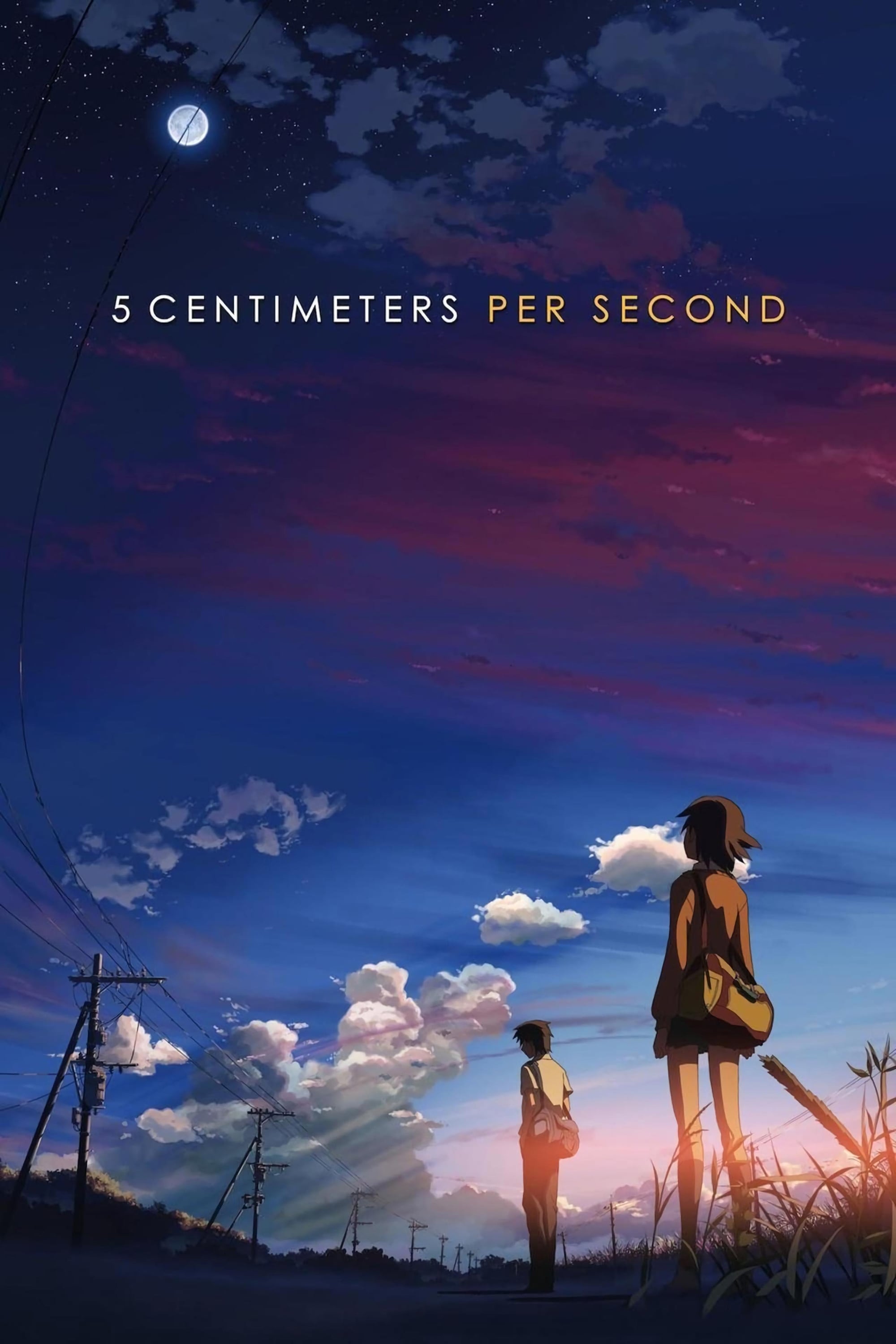
Takaki Tōno and Akari Shinohara are childhood friends who find themselves separated when Akari’s family moves away for work. They attempt to maintain their deep connection through handwritten letters, sharing details of their lives as they navigate the transition into middle school. As the physical distance between them grows, the difficulty of maintaining their bond becomes a central theme of the narrative. The film portrays the gradual drifting apart that can occur when life circumstances make regular contact impossible. It serves as a poignant look at the struggle to hold onto a relationship while the world continues to move forward.
‘Voices of a Distant Star’ (2002)

In the mid-21st century, Mikako Nagamine and Noboru Terao are close friends whose lives diverge when Mikako is recruited to fight in an interstellar war. As she travels further into deep space, the time it takes for her mobile phone messages to reach Noboru on Earth increases from days to years. The story focuses on the emotional strain of their widening gap in time and space as they try to sustain their friendship through brief text messages. This short film emphasizes the isolation felt by both parties as the universe physically separates them. It highlights how communication technology acts as the sole, fragile thread connecting two distant souls.
‘Your Name.’ (2016)
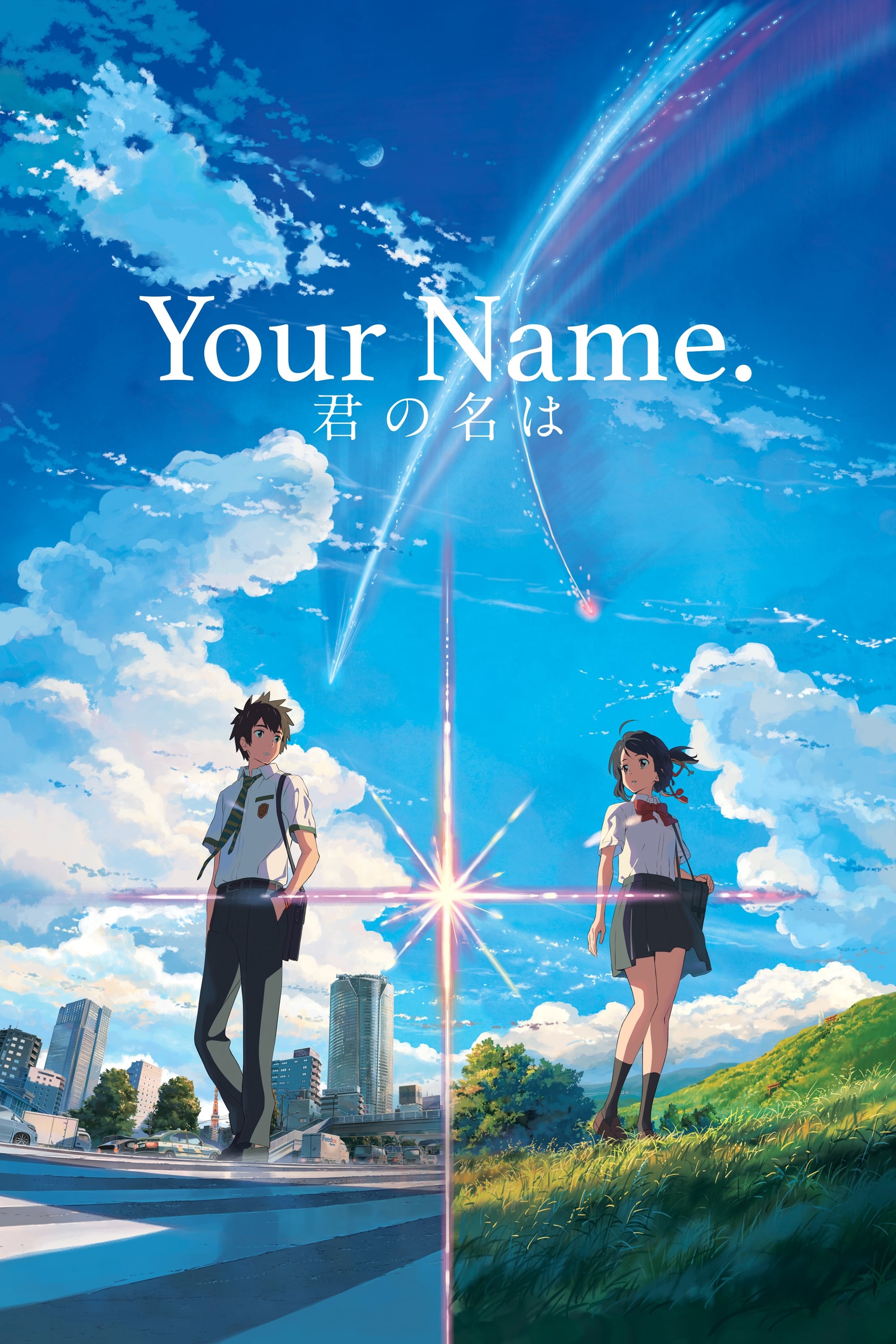
Mitsuha Miyamizu and Taki Tachibana discover they are intermittently swapping bodies despite living in entirely different regions of Japan. They begin to communicate by leaving notes on each other’s phones and writing reminders on their skin to navigate their shared experiences. Their unique friendship develops across a geographic divide that eventually reveals a deeper, more complex separation involving time. The narrative follows their desperate efforts to meet in person and verify the existence of the bond they formed while apart. It illustrates the power of memory and the persistence required to maintain a connection that defies physical logic.
‘Bakuman’ (2010–2013)

Moritaka Mashiro and Miho Azuki form a pact to support each other’s dreams from a distance, promising to marry only after achieving their goals. They agree to communicate primarily through text messages and avoid meeting in person until their respective ambitions as a manga artist and voice actress are realized. This self-imposed long-distance relationship tests their resolve as they spend years working toward a shared future while remaining physically apart. The series explores how a mutual goal can sustain a connection even when face-to-face interaction is strictly limited. It depicts the discipline and trust necessary to keep a long-term promise alive.
‘Haikyu!!’ (2014–2020)

Shoyo Hinata and Kozume Kenma develop a significant friendship despite playing for rival volleyball teams located in different prefectures. After meeting by chance, they maintain contact through text messages, discussing their progress and shared passion for the sport. Their relationship is characterized by mutual respect and a desire to compete against each other on a national stage. This dynamic showcases how shared interests can bridge geographic distances between peers in competitive environments. The anime emphasizes that a meaningful friendship can flourish even when interactions are mostly digital and infrequent.
‘A Place Further than the Universe’ (2018)

A group of high school girls embarks on an expedition to Antarctica, leaving behind their families and established social circles in Japan. Throughout their journey, they use social media and video calls to stay connected with the people they left at home. The series portrays the contrast between their extraordinary experiences in the wilderness and the ordinary lives of their friends back in the city. These digital interactions provide emotional grounding for the characters as they face the challenges of the harsh Antarctic environment. It highlights how modern technology allows for the sharing of life-altering milestones across thousands of miles.
‘Violet Evergarden’ (2018)

As an Auto Memory Doll, Violet Evergarden travels across various regions to write letters for people who cannot express their feelings themselves. Many of her clients are individuals attempting to reach out to loved ones who are physically distant due to war, illness, or work. The series explores the weight of the written word as a primary tool for maintaining bonds over long distances. Each episode demonstrates how letters serve as a bridge between separated friends and family members, conveying emotions that transcend physical presence. It underscores the historical importance of correspondence in sustaining human connection.
‘Orange’ (2016)
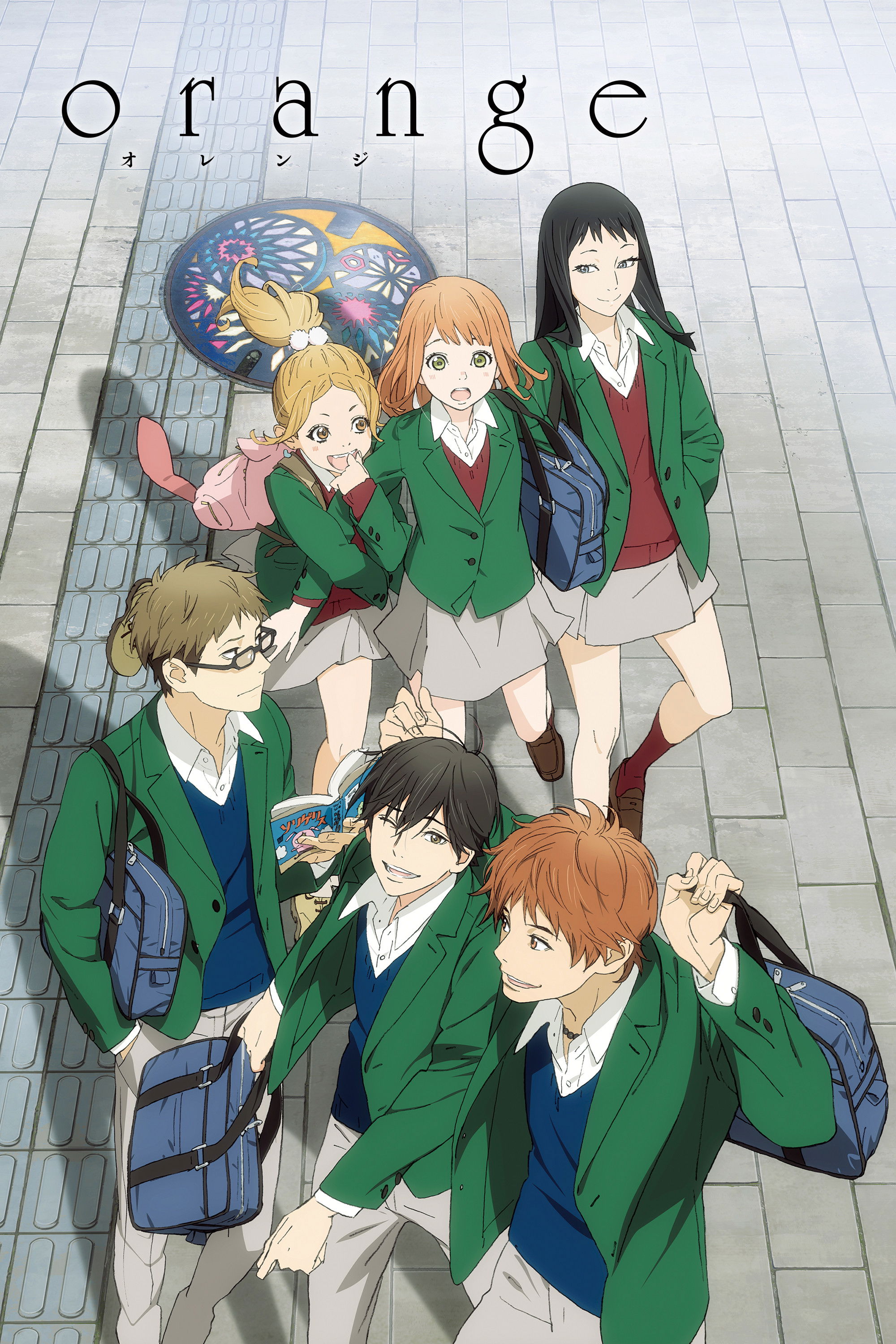
Naho Takamiya receives a letter from her future self, warning her about the fate of a transfer student named Kakeru Naruse. The story deals with a unique form of long-distance friendship where the separation is between different timelines and versions of the same social group. The characters work together in the present to change the future, guided by the messages sent across time. This narrative explores the regrets associated with lost connections and the effort required to preserve a friend’s well-being. It illustrates how the desire to save a friend can transcend the boundaries of time and space.
‘Silver Spoon’ (2013–2014)

Yuugo Hachiken moves from the city to a rural agricultural high school to escape the pressures of his former life. He maintains a distant and often strained connection with his family and former classmates while building a new life on the farm. The series depicts the cultural and emotional gap between Hachiken’s current reality and the urban environment he left behind. Through phone calls and occasional visits, he navigates the changing nature of his old friendships as his perspective on life evolves. It provides a realistic look at how moving to a different environment can reshape existing social ties.
‘Digimon Adventure’ (1999–2000)
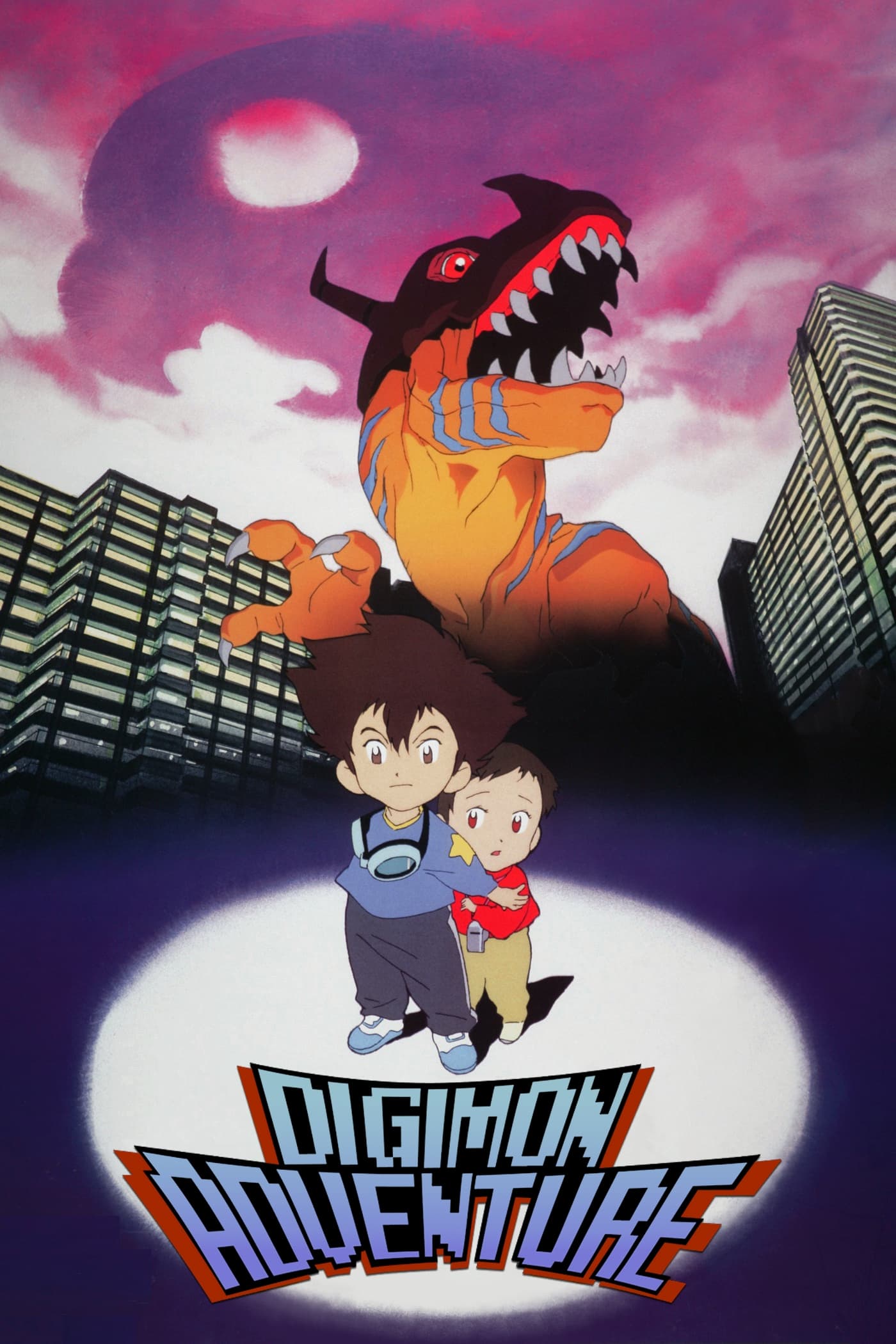
A group of children is transported to the Digital World, where they form intense bonds with their Digimon partners. When they eventually return to the human world, they are forced to leave their companions behind, resulting in a friendship separated by different dimensions. The narrative often focuses on their attempts to reconnect and the lasting impact their digital friends have on their lives. Subsequent installments in the franchise explore the long-term effects of this separation and the hope for a future reunion. It serves as a metaphor for the enduring nature of childhood friendships despite insurmountable physical barriers.
‘Steins;Gate’ (2011)

Rintarou Okabe and his fellow lab members experience numerous shifts in world lines as they experiment with time travel. These shifts often mean that Okabe is the only one who remembers the deep friendships formed in other realities, creating a profound sense of isolation. He must navigate the distance between different versions of his friends, struggling to maintain the bonds he knows exist. The story highlights the emotional burden of holding onto connections that others may not even remember due to temporal changes. It emphasizes the persistence needed to protect a friendship across varying planes of existence.
‘Mob Psycho 100’ (2016–2022)

Shigeo ‘Mob’ Kageyama maintains a long-standing crush and friendship with Tsubomi Takane, even as they grow apart and she eventually moves away. Throughout the series, Tsubomi remains a distant but significant influence on Mob’s personal growth and decision-making. Their infrequent interactions and the physical distance between them emphasize Mob’s development as an individual independent of her presence. The final arc of the series specifically addresses the importance of honesty and self-acceptance in maintaining a connection over time. It portrays how a distant figure can serve as a catalyst for internal change.
‘Blue Period’ (2021)

Yatora Yaguchi forms a complex friendship with Ryuji ‘Yuka’ Ayukawa as they both pursue careers in the competitive world of fine arts. As they head toward different paths and face personal struggles, their interactions become more sporadic and emotionally distant. The story follows how they support each other from afar, acknowledging each other’s growth and hardships through shared artistic goals. Their bond is tested by their individual journeys, showing that friendship can persist through mutual understanding even without constant contact. It highlights the respect that remains between peers who are moving in different directions.
‘Tada Never Falls in Love’ (2018)

Mitsuyoshi Tada meets Teresa Wagner, a transfer student from the fictional European country of Larsenburg, while she is visiting Japan. After she returns to her home country to fulfill her royal duties, the two are separated by thousands of miles and different social standings. They must rely on their memories and the impact they had on each other’s lives to sustain their connection. The narrative focuses on the longing and the reality of lives lived in different parts of the world. It explores the bittersweet nature of a friendship that is cut short by geographic and political obligations.
‘Yowamushi Pedal’ (2013–2018)

Sakamichi Onoda develops friendships and rivalries with cyclists from various schools across Japan, particularly through the Inter-High tournament. These characters maintain their competitive bonds through occasional messages and the anticipation of meeting at the next major race. The distance between the schools means that much of their development occurs independently, yet they remain motivated by each other’s progress. This dynamic illustrates how a shared competitive spirit can keep a friendship thriving despite physical separation. The series emphasizes that rivals can be the closest of friends even when they live far apart.
‘Words Bubble Up Like Soda Pop’ (2021)

Smile and Cherry are two teenagers who develop a relationship during a summer spent in a quiet suburban town. When Cherry reveals that his family is moving away at the end of the season, they are faced with the reality of a long-distance connection. They use social media and music to bridge the gap and express the feelings they find difficult to say in person. The film focuses on the anxiety and hope associated with maintaining a bond as one person prepares to relocate. It highlights the role of modern communication and art in preserving a newfound connection.
‘The Girl Who Leapt Through Time’ (2006)

Makoto Konno discovers the ability to leap through time and uses it to solve minor problems in her daily life. This power eventually leads to a complicated relationship with Chiaki Mamiya, who reveals he is actually from the future. Their friendship is defined by a temporal distance that cannot be permanently bridged, leading to an emotional farewell. Chiaki’s promise to wait for her in the future establishes a connection that spans across time rather than space. The story captures the heartache of a bond that is limited by the very fabric of time.
‘A Silent Voice’ (2013)

Shoya Ishida spends years in isolation as a result of his past actions, eventually seeking out Shoko Nishimiya to make amends. The “distance” in their friendship is initially emotional and historical, caused by years of separation and unresolved guilt. As they reconnect, they must overcome the barriers of communication and the time they spent apart. The film illustrates the difficulty of rebuilding a bridge that was burned years prior. It portrays the earnest effort required to turn a distant memory back into a present-day relationship.
‘Suzume’ (2022)

Suzume Iwato travels across Japan to close mysterious doors that are causing disasters, meeting various people along the way. She forms a deep bond with Souta Munakata, who is eventually separated from her by a supernatural ritual. Her journey involves traversing the physical length of the country to find and save him, maintaining their connection through sheer determination. The film emphasizes the vast geography of Japan and the various people who help Suzume maintain her resolve. It showcases how a shared mission can sustain a relationship through a grueling physical journey.
‘Natsume’s Book of Friends’ (2008–2017)

Takashi Natsume possesses the ability to see spirits and spends his time returning the names of yokai collected by his grandmother. Many of these yokai have spent decades waiting for a connection or have been separated from friends by time and the human-spirit divide. Natsume often acts as a bridge between these distant parties, facilitating reconnections or providing closure. The series frequently explores the themes of loneliness and the endurance of bonds that last far longer than a human lifetime. It depicts friendship as something that can persist even when the parties exist in different realms.
‘Josee, the Tiger and the Fish’ (2020)

Tsuneo Suzukawa and Josee form a close bond, but their relationship is tested when Tsuneo receives a scholarship to study in Mexico. The prospect of living on different continents forces them to confront the challenges of a long-distance future. They must decide how to support each other’s dreams while being thousands of miles apart. The film portrays the maturity needed to encourage a friend’s growth even if it means physical separation. It explores the balance between personal ambition and the desire to stay close to someone important.
‘In This Corner of the World’ (2016)

Suzu Urano moves to the city of Kure to marry into a new family during World War II, leaving her childhood home in Hiroshima. She maintains contact with her original family and friends through letters and rare visits as the war intensifies. The physical distance between the two cities becomes increasingly significant as travel becomes dangerous and communication becomes unreliable. The film depicts the resilience of familial and platonic bonds during a time of extreme crisis and geographic displacement. It highlights how letters become a vital lifeline for those separated by conflict.
‘From Up on Poppy Hill’ (2011)
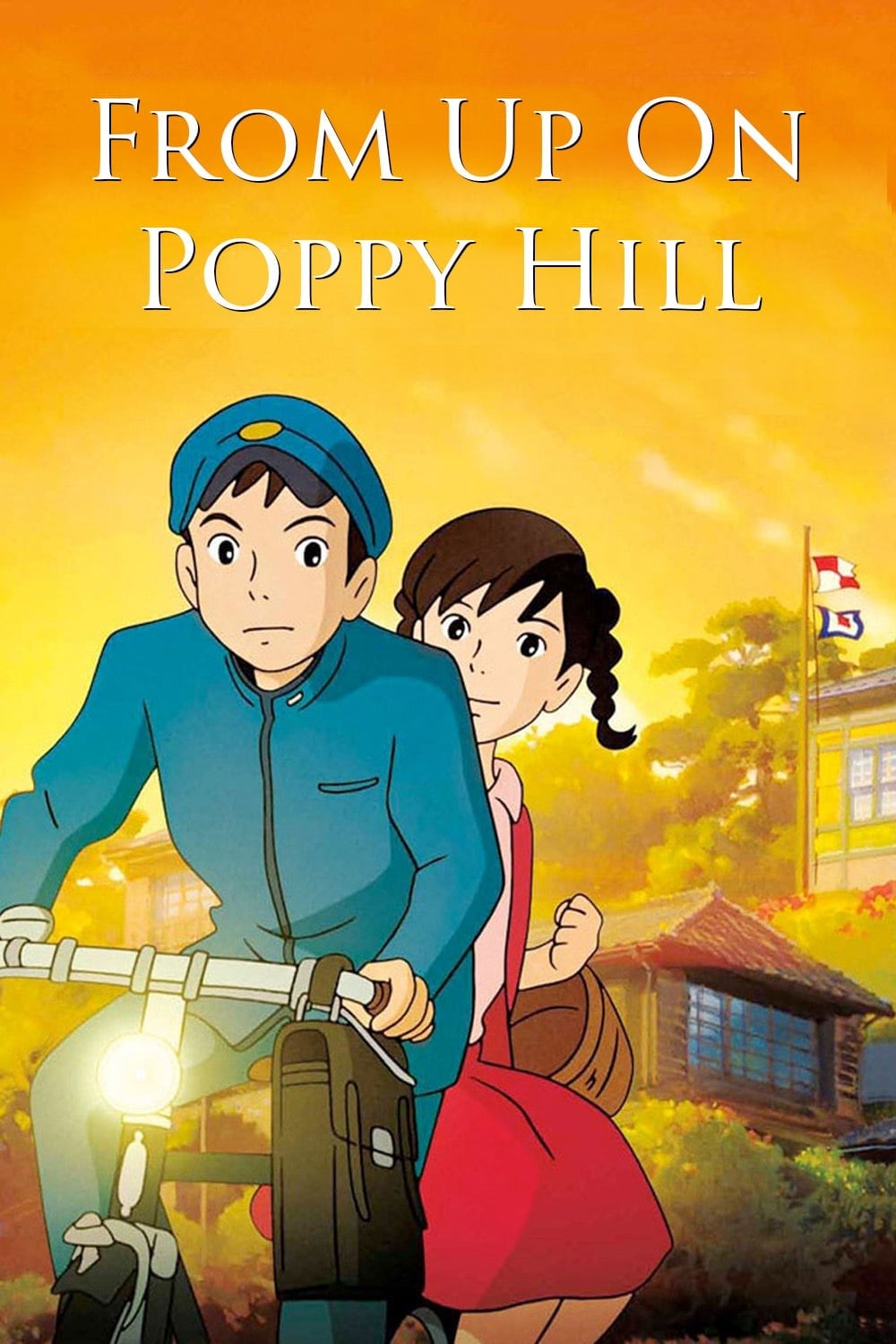
Umi Matsuzaki raises signal flags every morning at her home overlooking the sea, hoping to communicate with her father who went missing at sea years ago. This act of distant communication leads her to meet Shun Kazama, and together they navigate the history of their families. The story is rooted in the idea of maintaining a connection with someone who is physically absent through symbolic gestures. It explores how the landscape and traditions can keep the memory of a distant person alive in the present. The narrative emphasizes the continuity of bonds across generations and physical absences.
‘Kids on the Slope’ (2012)
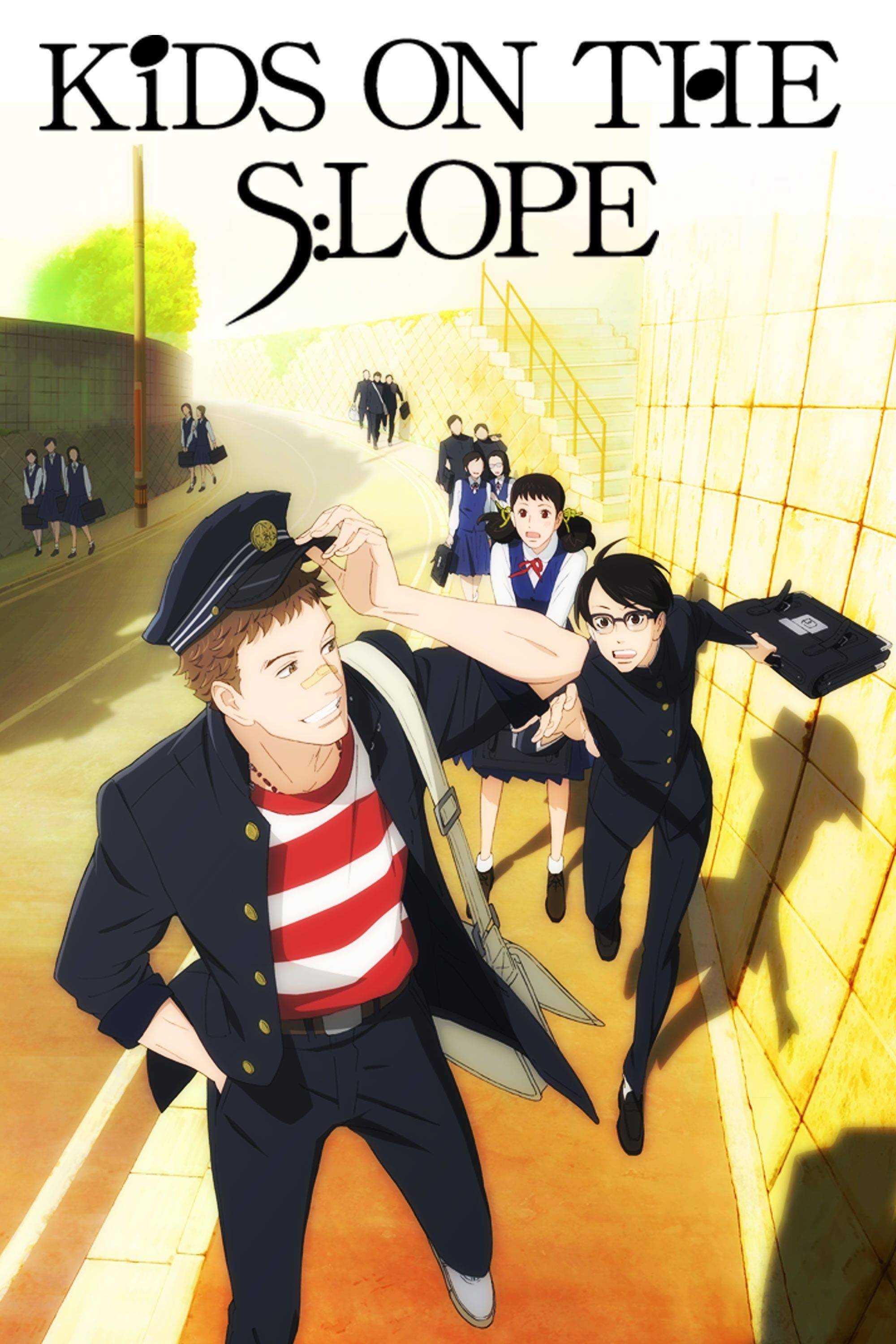
Sentarou Kawabuchi and Kaoru Nishimi form a deep friendship through their shared love for jazz music during high school. After a series of events leads to their separation, they spend years living completely different lives in different parts of the country. They eventually reconnect through the same music that brought them together, showing that their bond remained intact despite the long silence. The series focuses on the idea that true friendship can survive long periods of physical and emotional distance. It portrays the power of a shared passion to bridge the gap created by time.
‘Nana’ (2006–2007)

Nana Osaki and Nana Komatsu form an intense friendship in Tokyo, but their lives eventually pull them in different directions as they pursue separate careers and relationships. The series explores the emotional fallout of their separation and the ways they try to remain part of each other’s lives. Despite the distance created by fame, personal tragedy, and physical relocation, their bond remains a central pillar of their identities. The narrative portrays the complexity of maintaining a close friendship when adult responsibilities and external pressures intervene. It examines the longing for a person who was once a constant presence but is now far away.
‘Anohana: The Flower We Saw That Day’ (2011)

A group of childhood friends drifts apart after the tragic death of one of their members, Menma. Years later, they are brought back together when Menma’s spirit appears to Jinta Yadomi, seeking to fulfill a forgotten wish. The “distance” in this story is both temporal and spiritual, as the friends have spent years avoiding each other and their shared past. Their journey involves bridging the gap between their estranged current selves and the bond they once shared. It illustrates the process of healing and reconnecting after a long period of emotional and physical distance.
‘Looking for Magical Doremi’ (2020)

Three women from different backgrounds and different parts of Japan meet by chance due to their shared childhood love for the ‘Ojamajo Doremi’ anime. They travel together across the country, visiting locations associated with the show and building a friendship that spans their different cities. After their trip ends, they continue to support each other through their adult struggles via digital communication. The film highlights how a shared interest can create a lasting bond between people who live in different geographic regions. It portrays the joy of finding kindred spirits despite living far apart.
‘The Garden of Words’ (2013)
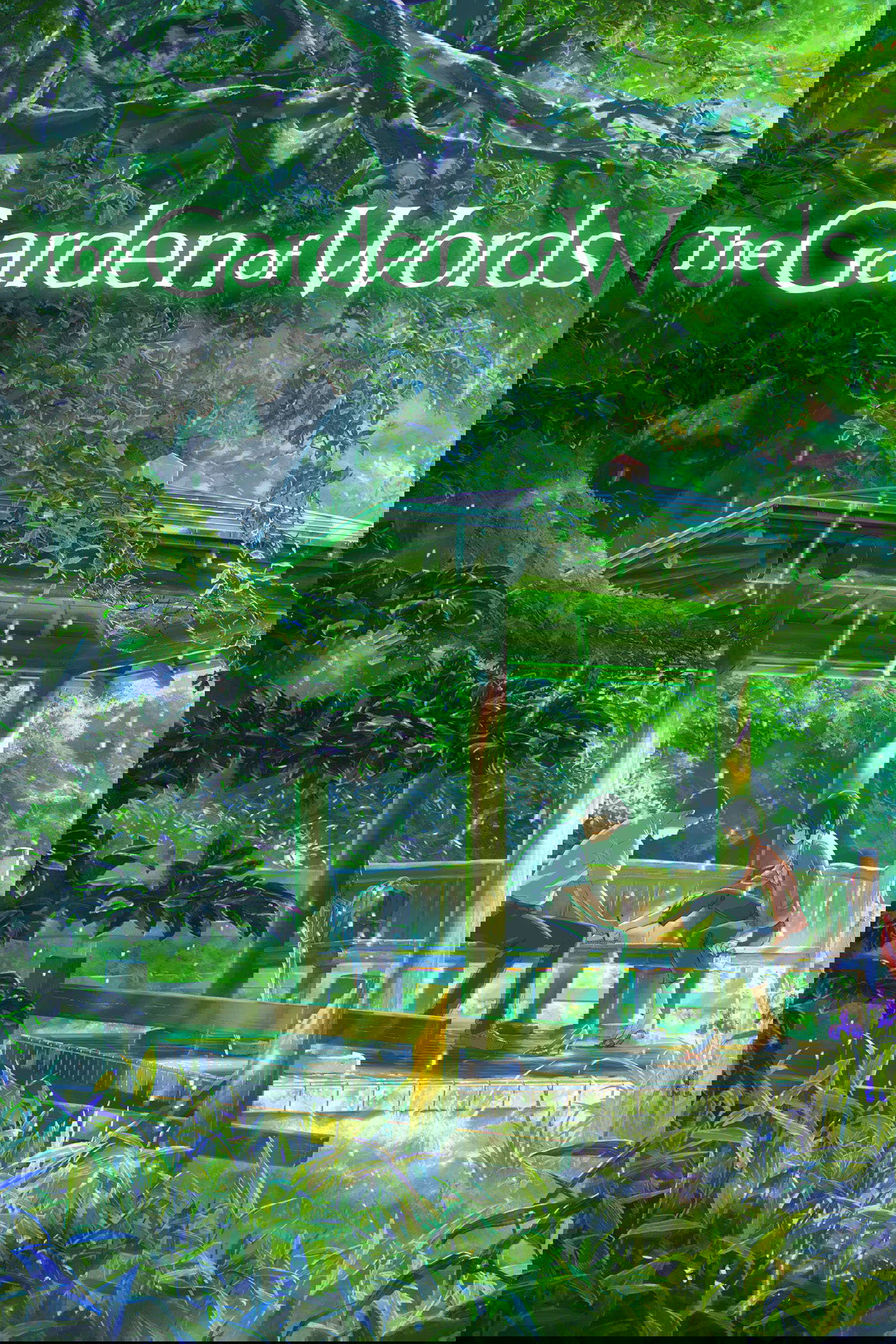
Takao Akizuki and Yukari Yukino form a unique bond during rainy mornings in a Tokyo garden. When the rainy season ends and their personal circumstances change, they are separated by their differing roles in society and their career paths. Yukari eventually moves to a different prefecture to continue her work as a teacher, leaving Takao to pursue his goal of becoming a shoemaker. Their connection is maintained through the letters they write to each other as they move forward with their lives. The film emphasizes the quiet persistence of a bond formed in a specific time and place.
‘Tamako Love Story’ (2014)

Tamako Kitashirakawa and Mochizou Ooji are childhood friends and neighbors whose relationship changes when Mochizou decides to attend a university in Tokyo. Tamako, who plans to stay and run her family’s mochi shop, must face the reality of their impending separation. The film focuses on the emotional realization of what his departure means for their friendship and future. It captures the anxiety and the earnest conversations that occur when a lifelong companion prepares to move far away. The story highlights the transition from constant physical proximity to a long-distance connection.
‘To Every You I’ve Loved Before’ (2022)
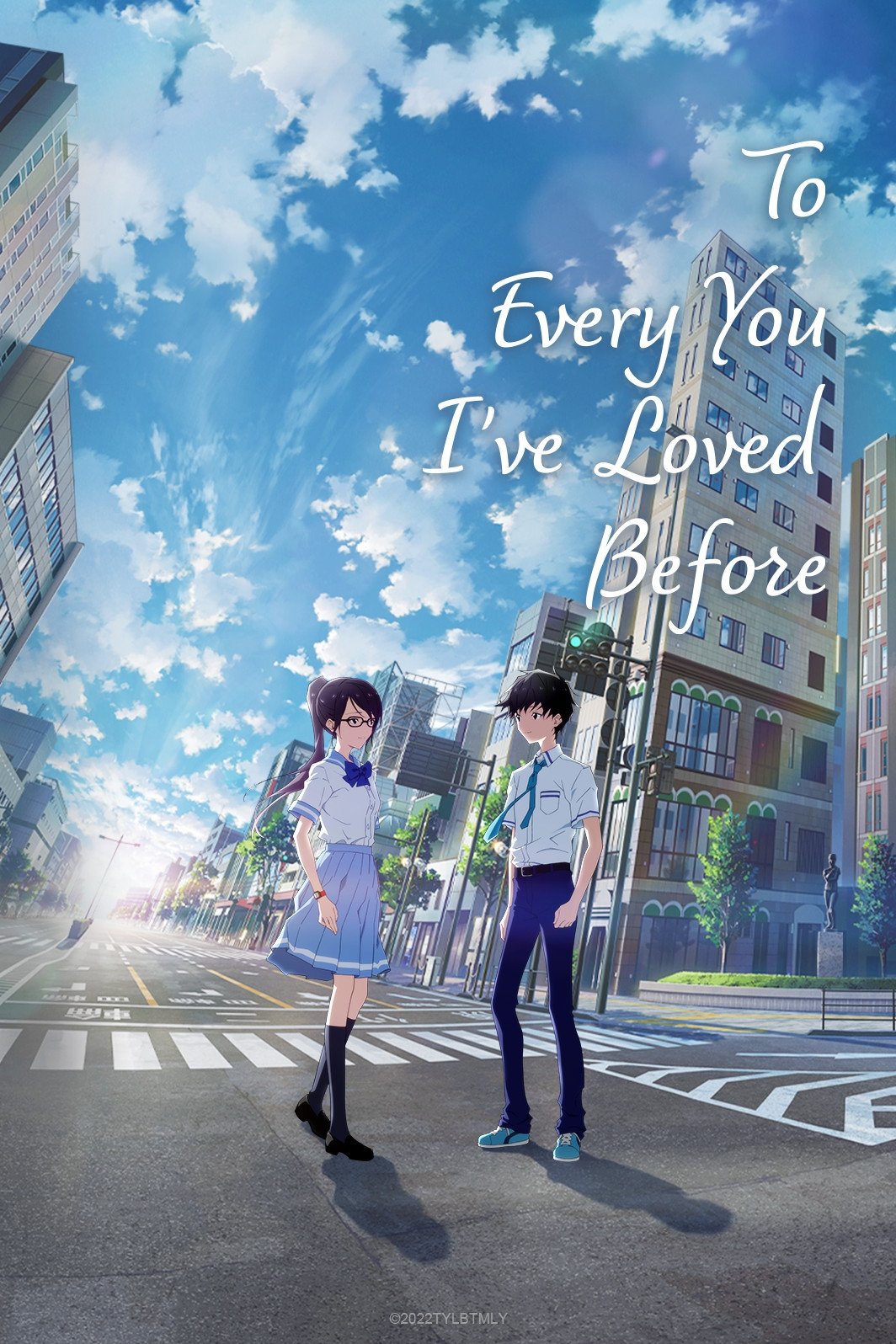
In a world where people routinely travel between slightly different parallel worlds, Koyomi Takasaki meets a girl named Kazune Takigawa. Their relationship is complicated by the fact that they are constantly interacting with different versions of each other across various world lines. The distance between them is not just geographic but existential, as they navigate the variations in their shared history. They must work to maintain their bond despite the shifts in reality that threaten to separate them. This narrative explores the dedication required to love and befriend someone who may not be exactly the same person in every world.
Share your thoughts on these earnest portrayals of long-distance connections in the comments.