Anime That Explore Hobbies and Passions Beyond Main Plots


Anime has long evolved beyond standard action and romance plots to celebrate the intricacies of specific human interests. These series often provide deep technical insights into niche activities while showcasing the intense dedication required to master a craft. From traditional Japanese arts to modern recreational activities, these stories humanize the pursuit of excellence and the joy of discovery. This collection highlights thirty series where a specific hobby or passion serves as the heart of the narrative.
‘Keep Your Hands Off Eizouken!’ (2020)
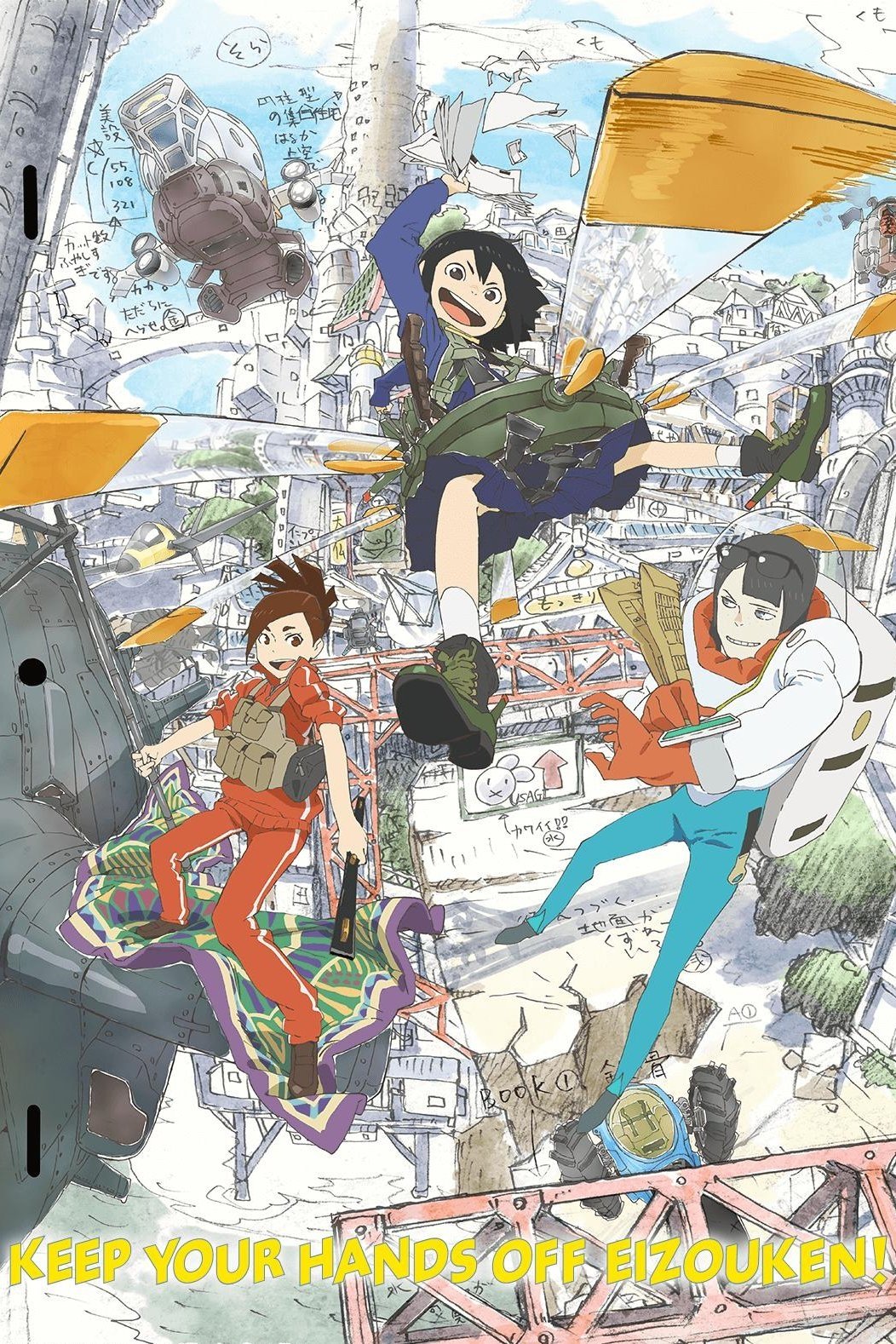
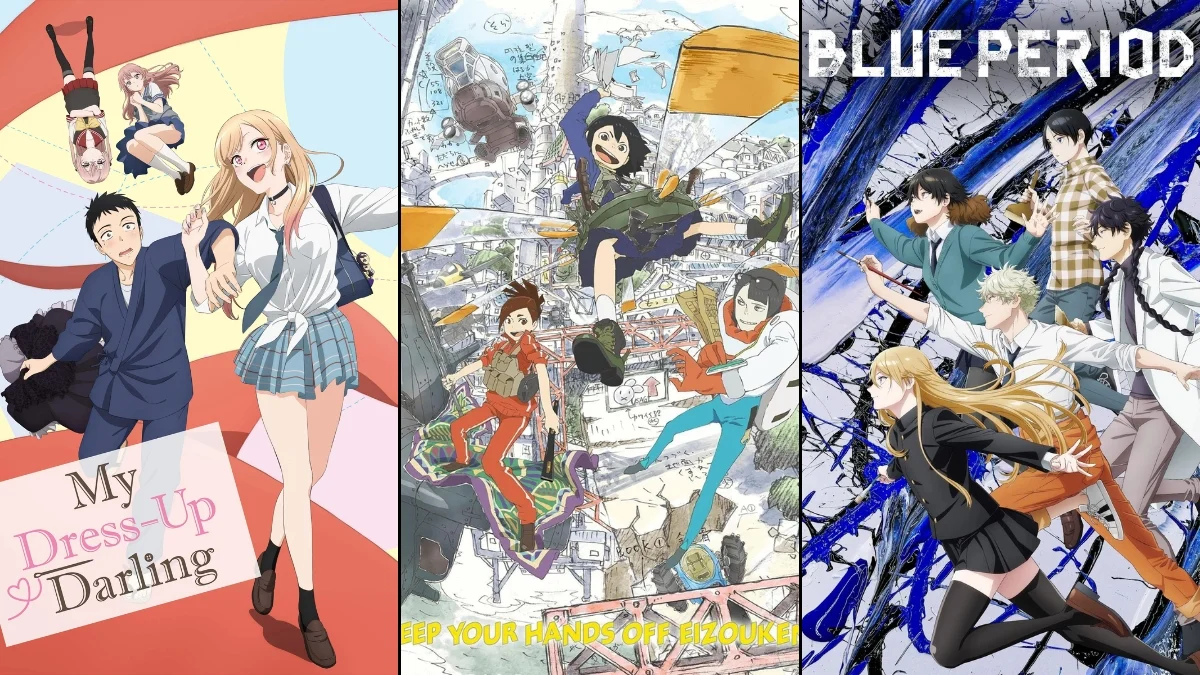
‘Keep Your Hands Off Eizouken!’ follows three high school girls as they attempt to create an animation club. Midori Asakusa provides the visionary concepts, while her friends handle the technical production and financial management of their projects. The series breaks down the painstaking process of storyboarding, background art, and sound design with imaginative flair. It serves as a love letter to the creative labor required to bring imaginary worlds to life on screen.
‘Blue Period’ (2021)

‘Blue Period’ depicts the journey of Yatora Yaguchi, a popular student who discovers a sudden passion for oil painting. He decides to pursue a spot at the prestigious Tokyo University of the Arts despite having no previous formal training. The narrative explores the technical aspects of color theory, composition, and anatomy in great detail. It also delves into the emotional toll and self-doubt that often accompany a life dedicated to the fine arts.
‘March Comes in Like a Lion’ (2016–2018)
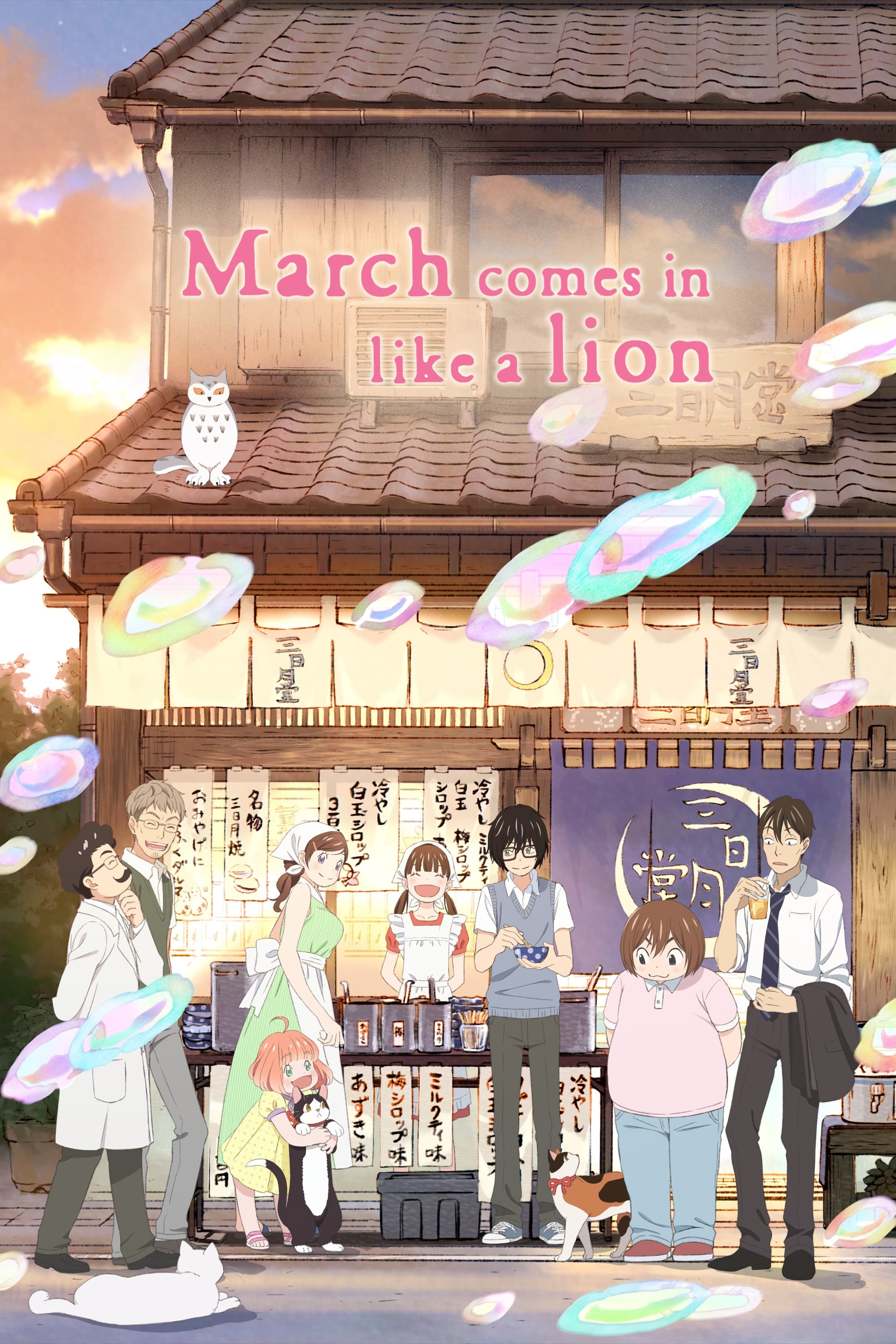
‘March Comes in Like a Lion’ centers on Rei Kiriyama, an elite teenage professional shogi player living under immense pressure. The series focuses on the mental fortitude and strategic depth required to compete at the highest levels of the board game. While shogi is central, the story also highlights the importance of community and finding personal meaning through one’s talent. The visual metaphors used during matches illustrate the psychological weight of every move.
‘Chihayafuru’ (2011–2020)

‘Chihayafuru’ introduces viewers to the world of competitive karuta, a traditional Japanese card game based on classical poetry. Chihaya Ayase is determined to become the top-ranked female player in the world alongside her teammates. The show emphasizes the physical speed, hearing acuity, and memorization skills necessary for the sport. It transforms a niche cultural pastime into a high-stakes competitive journey filled with technical nuance.
‘Sound! Euphonium’ (2015–2024)

‘Sound! Euphonium’ follows the Kitauji High School Concert Band as they strive to qualify for national competitions. The story focuses on the brass section, particularly Kumiko Oumae and her experience playing the euphonium. It highlights the rigorous practice schedules, the friction of ensemble dynamics, and the pursuit of a perfect collective sound. The technical details of instrument maintenance and musical theory are woven throughout the students’ personal growth.
‘Bakuman’ (2010–2013)

‘Bakuman.’ provides a detailed look into the professional manga industry through the eyes of two aspiring creators, Moritaka Mashiro and Akito Takagi. The duo works tirelessly to get their work serialized in the famous ‘Weekly Shonen Jump’ magazine. The series covers everything from the choice of pens and ink to the complex editorial systems that govern the industry. It portrays the intense competition and the sheer physical exhaustion inherent in meeting weekly deadlines.
‘Laid-Back Camp’ (2018–2024)

‘Yuru Camp’ celebrates the tranquility and technical preparation of winter camping in Japan. Rin Shima enjoys solo camping in the off-season, but she eventually begins sharing her hobby with a group of friends. The anime provides practical tips on choosing gear, setting up tents, and cooking meals over portable stoves. It emphasizes the beauty of the natural landscape and the quiet satisfaction found in outdoor recreation.
‘Barakamon’ (2014)
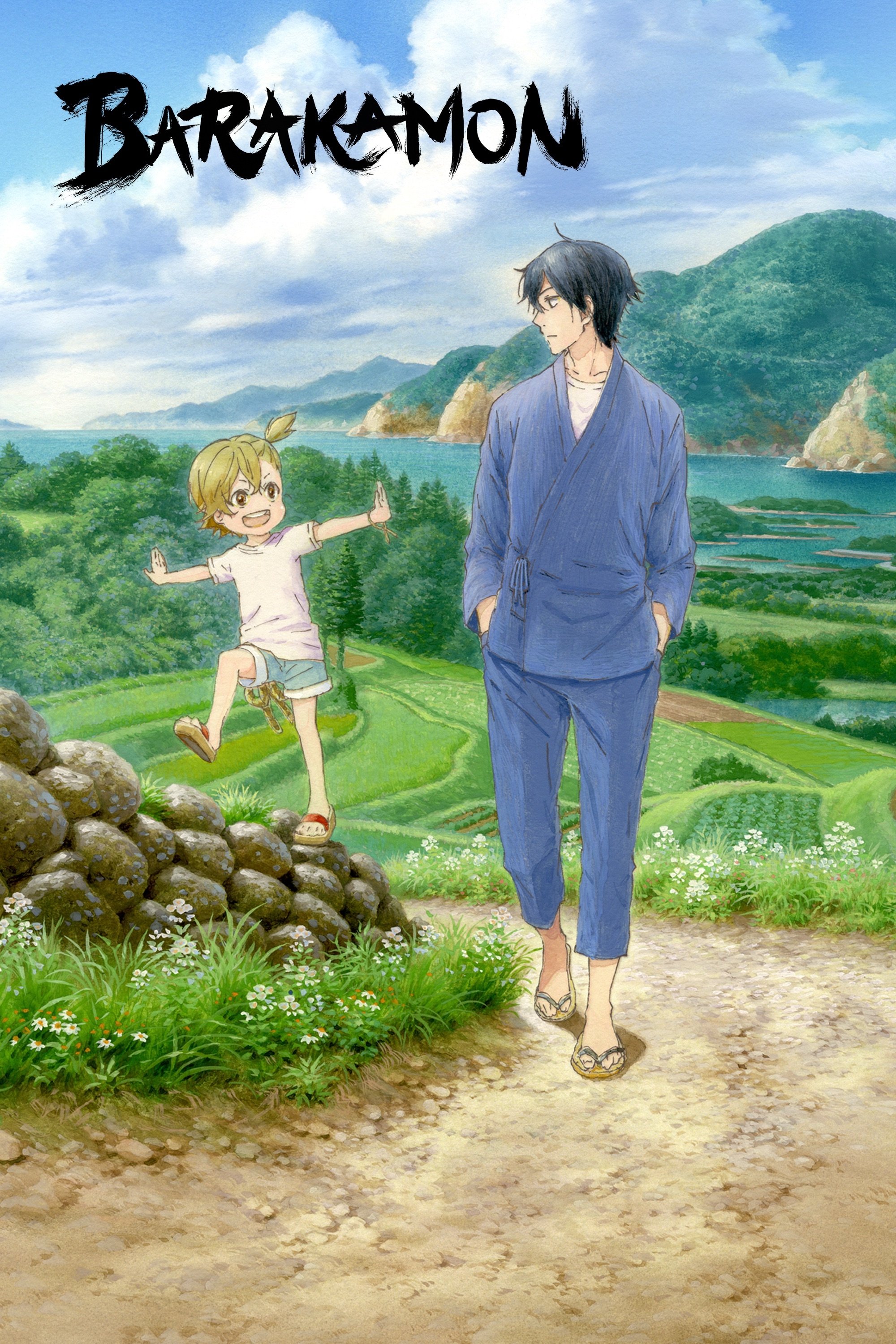
‘Barakamon’ follows Seishuu Handa, a professional calligrapher who is sent to the remote Goto Islands after an emotional outburst. While there, he must rediscover his own artistic style away from the rigid expectations of the city. The show explores the history and technique of Japanese calligraphy, focusing on the weight and flow of ink. Handa’s interactions with the local villagers eventually help him bring a new sense of soul to his traditional craft.
‘The Great Passage’ (2016)
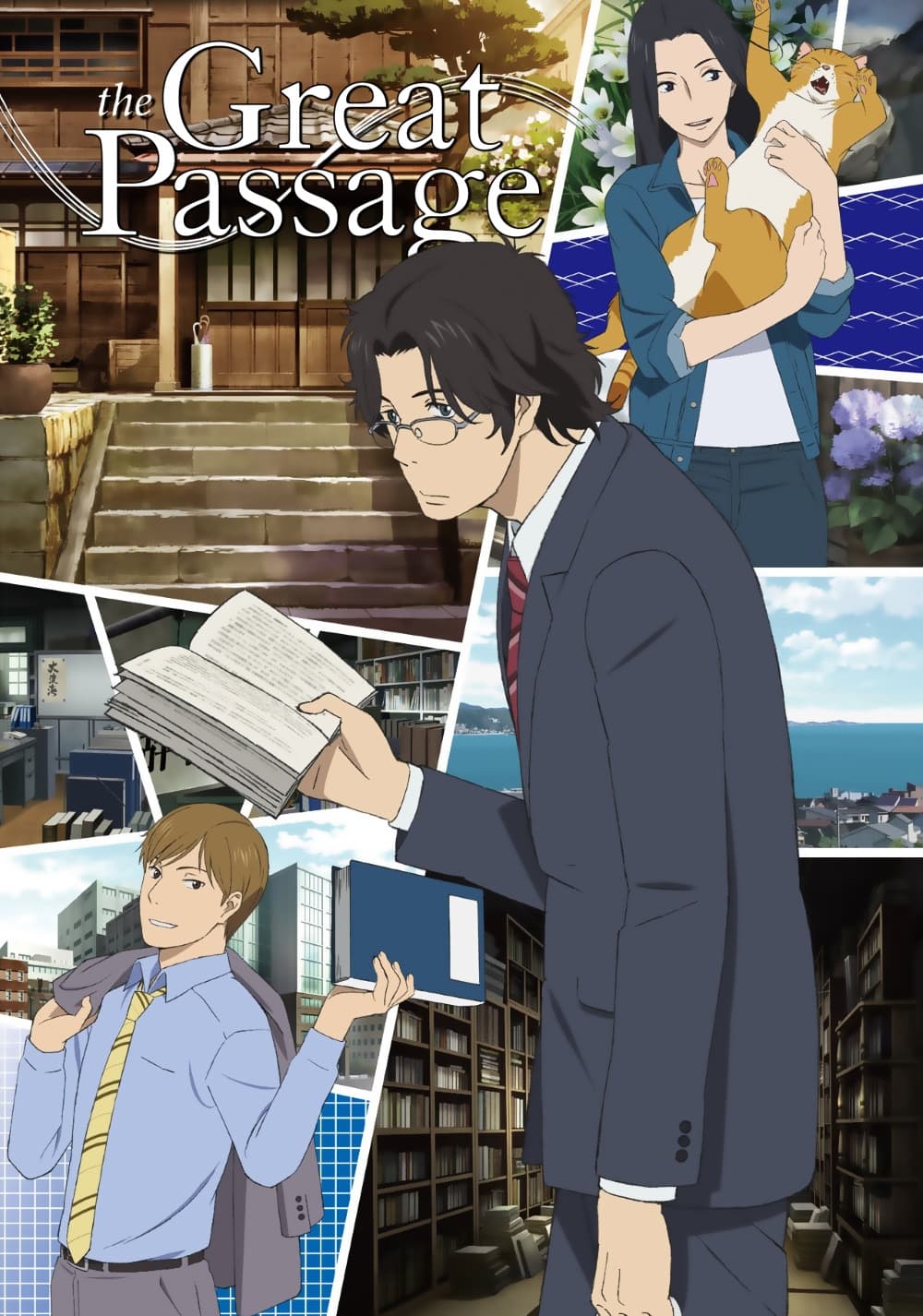
‘The Great Passage’ focuses on the monumental task of compiling a new dictionary titled “The Great Passage.” Mitsuya Majime, a linguist with poor social skills, joins the dictionary editorial department to find the perfect definitions for thousands of words. The series highlights the meticulous nature of lexicography and the patience required for a project that spans over a decade. It is a slow-burning tribute to the beauty of language and the evolution of human communication.
‘Smile Down the Runway’ (2020)

‘Smile Down the Runway’ explores the worlds of fashion design and professional modeling. Ikuto Tsumura dreams of being a designer despite his family’s financial struggles, while Chiyuki Fujito aims to be a runway model despite her short stature. The series details the construction of garments, the pressure of fashion shows, and the industry standards of the modeling world. It showcases how passion can overcome physical and societal barriers in a highly competitive field.
‘Kono Oto Tomare!: Sounds of Life’ (2019)
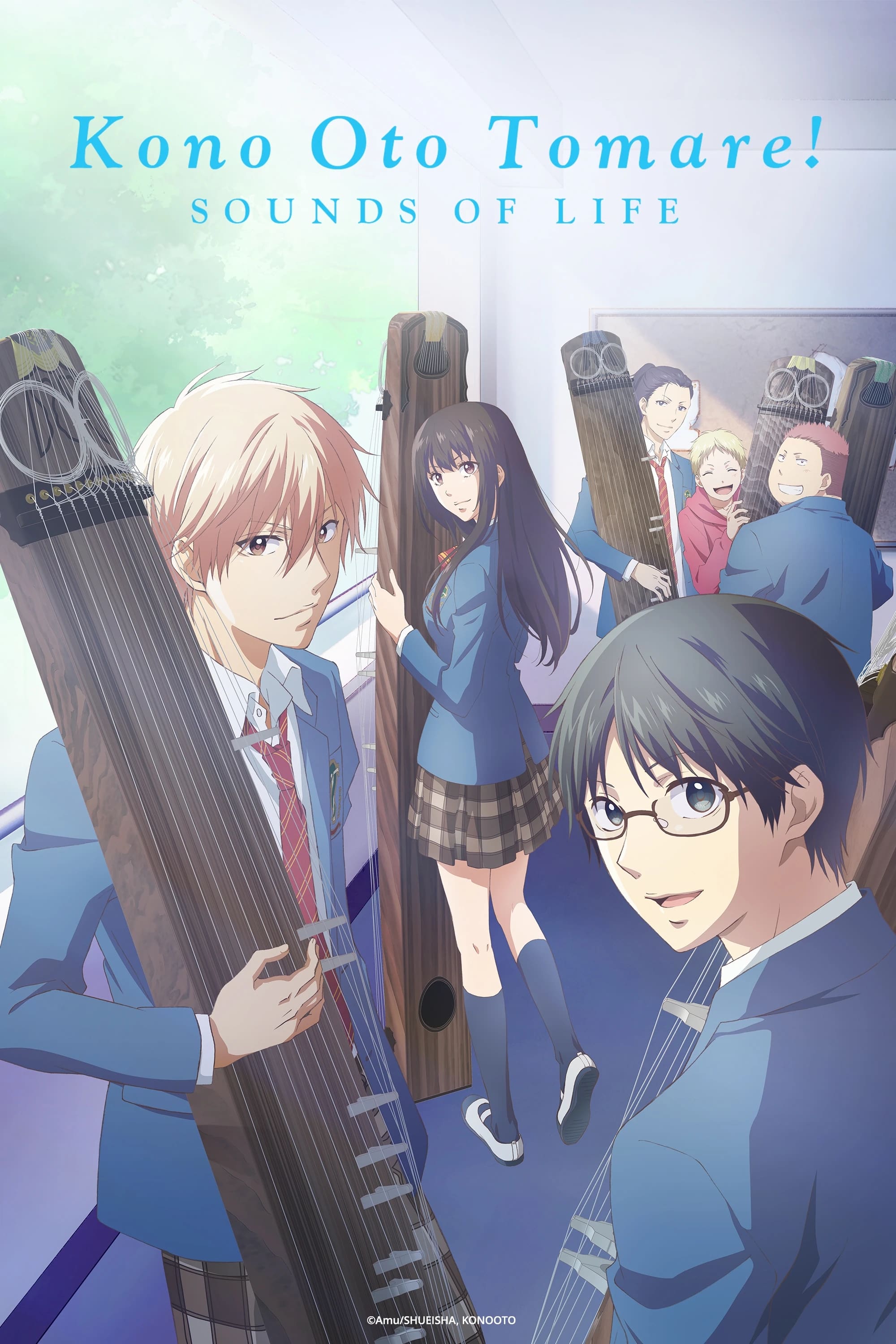
‘Kono Oto Tomare! Sounds of Life’ centers on a high school club dedicated to the koto, a traditional Japanese string instrument. The members come from diverse backgrounds, but they are united by the desire to perform at a national level. The anime explains the intricacies of the instrument’s tuning, hand positions, and the collaborative effort needed for harmony. It emphasizes how music can bridge gaps between people and provide a sense of belonging.
‘Welcome to the Ballroom’ (2017)

‘Welcome to the Ballroom’ follows Tatara Fujita, a shy student who accidentally discovers the world of competitive ballroom dancing. He undergoes rigorous training to master various styles, including the waltz and the tango. The series focuses on the physical athleticism, posture, and intense connection required between dance partners. It depicts the glamorous yet grueling nature of the competitive dance circuit through exaggerated, dynamic visuals.
‘Silver Spoon’ (2013–2014)

‘Silver Spoon’ takes place at an agricultural high school in Hokkaido, where Yuugo Hachiken enrolls to escape academic pressure. Having no background in farming, he must learn the realities of animal husbandry, crop management, and food production. The anime explores the ethics of the meat industry and the physical labor required to maintain a farm. It highlights the passion of those dedicated to agriculture and the interconnectedness of the food supply chain.
‘Super Cub’ (2021)

‘Super Cub’ tells the story of Koguma, a lonely girl who finds a new sense of freedom after purchasing a Honda Super Cub motorbike. The series focuses on the practicalities of owning a scooter, including maintenance, winterizing gear, and the mechanics of the engine. It treats the vehicle as a companion that expands Koguma’s world and introduces her to new friends. The quiet atmosphere emphasizes the simple joy of transportation and the hobby of riding.
‘Amanchu!’ (2016–2018)

‘Amanchu!’ follows Futaba Ooki and Hikari Kohinata as they explore the depths of the ocean through scuba diving. Based in a coastal town, the story covers the safety protocols, equipment usage, and licensing required for the sport. The series showcases the stunning underwater biodiversity of the Izu Peninsula and the meditative quality of diving. It highlights how a shared hobby can foster deep friendships and help individuals overcome their anxieties.
‘Encouragement of Climb’ (2013–2022)

‘Encouragement of Climb’ centers on Aoi and Hinata, childhood friends who take up mountaineering to see the sunrise from a mountain peak. The series transitions from short segments to full-length episodes that detail the gear, physical training, and safety measures of hiking. It features real-life locations in Japan, providing a guide-like experience for viewers interested in climbing. The narrative focuses on the gradual progression from small hills to challenging mountains like Mount Fuji.
‘Dagashi Kashi’ (2016–2018)
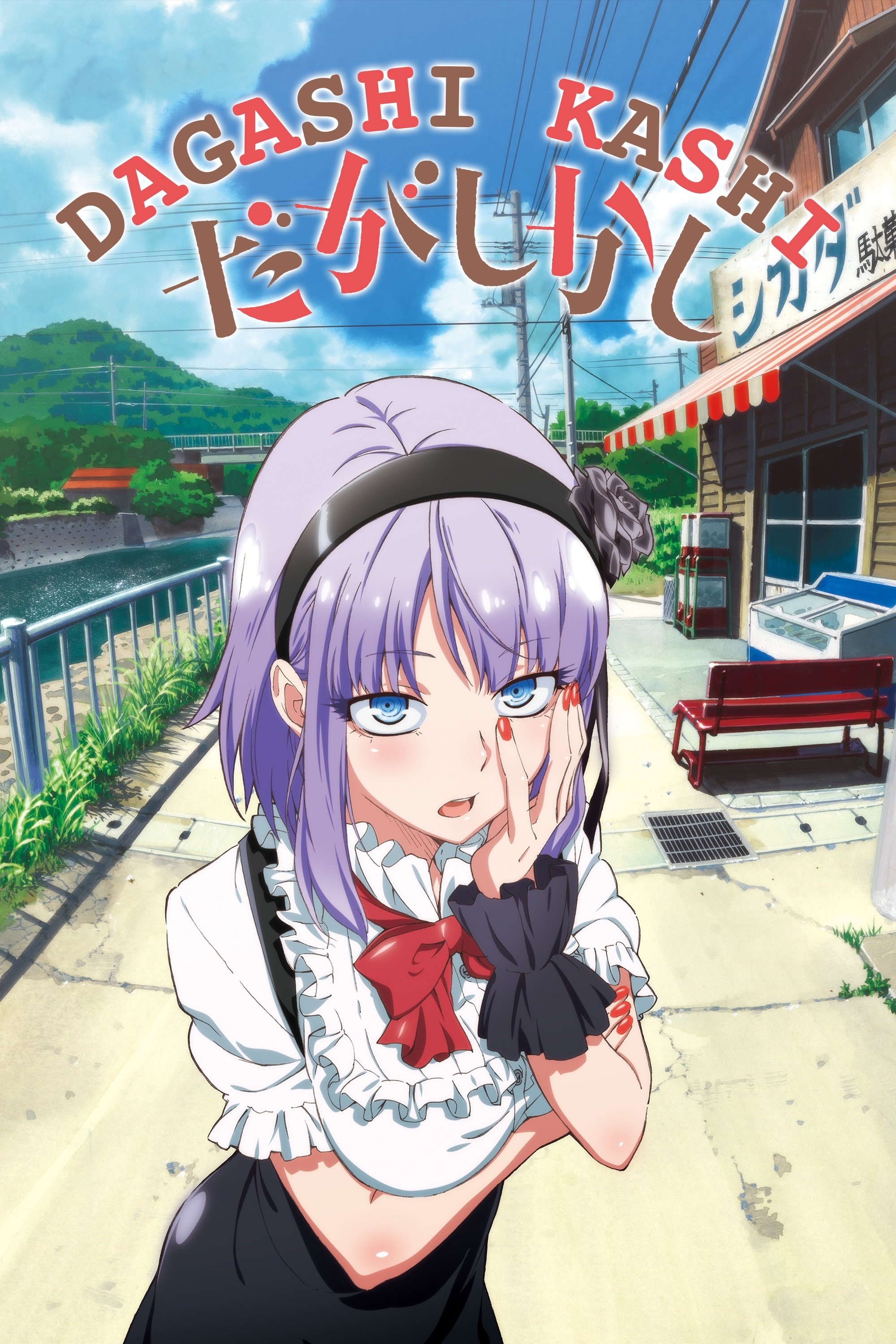
‘Dagashi Kashi’ is a comedic exploration of traditional Japanese snacks known as dagashi. The protagonist, Kokonotsu, is pressured to take over his family’s candy shop, while the eccentric Hotaru Shidare tries to convince him of the brilliance of various snacks. Each episode features specific real-world candies, explaining their history and the unique ways they are eaten. It serves as an informative piece of nostalgia for the culture surrounding cheap, small-town confectionery.
‘Insomniacs After School’ (2023)
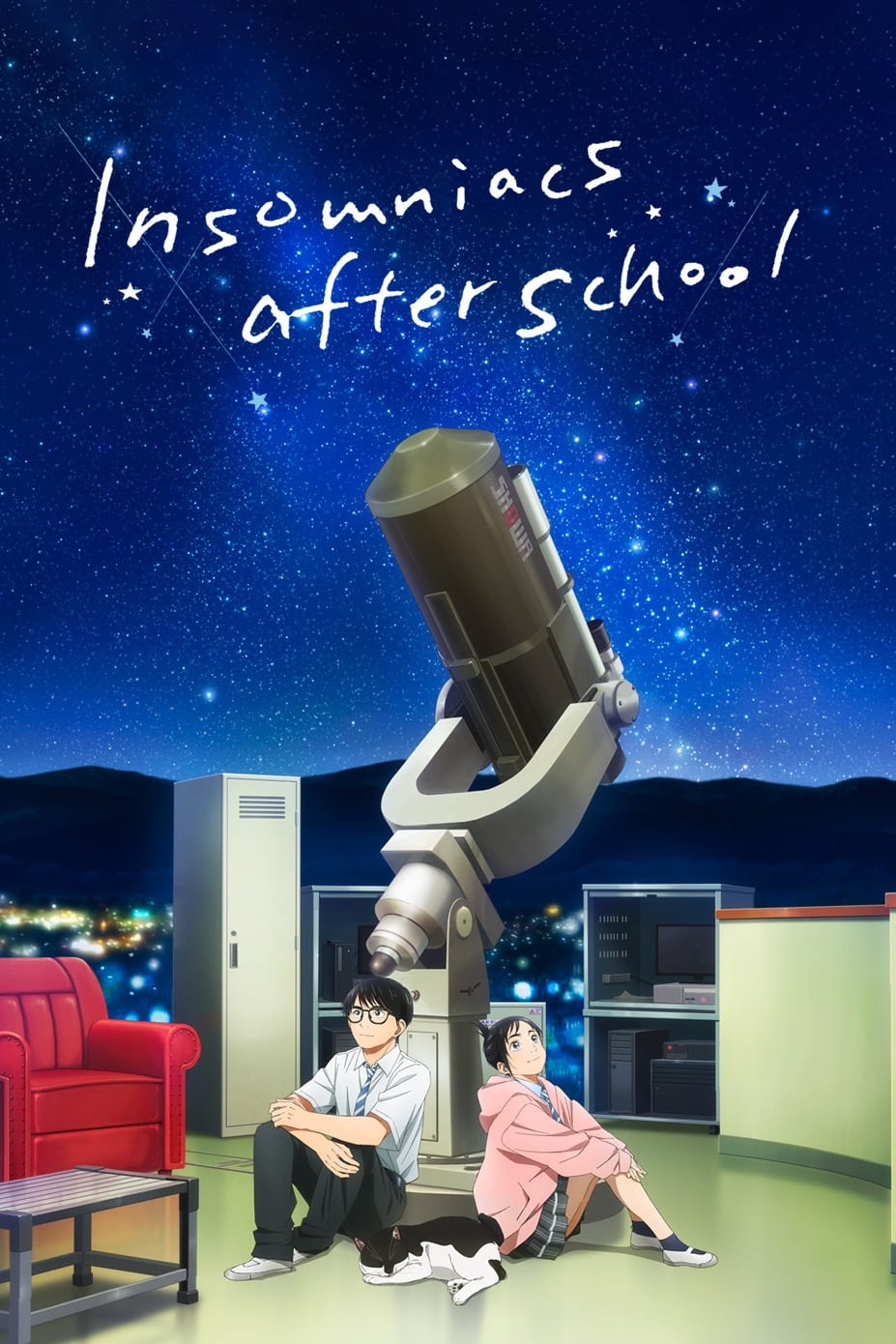
‘Insomniacs After School’ follows two students who bond over their shared inability to sleep and revive their school’s defunct astronomy club. The series focuses heavily on the hobby of astrophotography, detailing how to use specialized cameras and telescopes to capture the night sky. The characters travel to various remote locations to find the best conditions for stargazing. It beautifully captures the stillness of the night and the technical patience required for celestial photography.
‘Those Snow White Notes’ (2021)

‘Those Snow White Notes’ revolves around Setsu Sawamura, a young man who plays the Tsugaru Jamisen, a traditional three-stringed instrument. After the death of his grandfather, Setsu travels to Tokyo to find his own unique “sound” and style of playing. The series explores the history of the shamisen and the differences between improvisation and traditional forms. It highlights the emotional resonance and raw power of this specific Japanese musical tradition.
‘Arte’ (2020)

‘Arte’ is set in 16th-century Florence and follows a young noblewoman who dreams of becoming a professional artist. During the Renaissance, women were largely excluded from guilds, forcing Arte to work harder to prove her worth to a master painter. The series depicts the labor of grinding pigments, preparing canvases, and studying fresco techniques. It provides a historical perspective on the dedication required to pursue an artistic passion against societal odds.
‘Do It Yourself!!’ (2022)
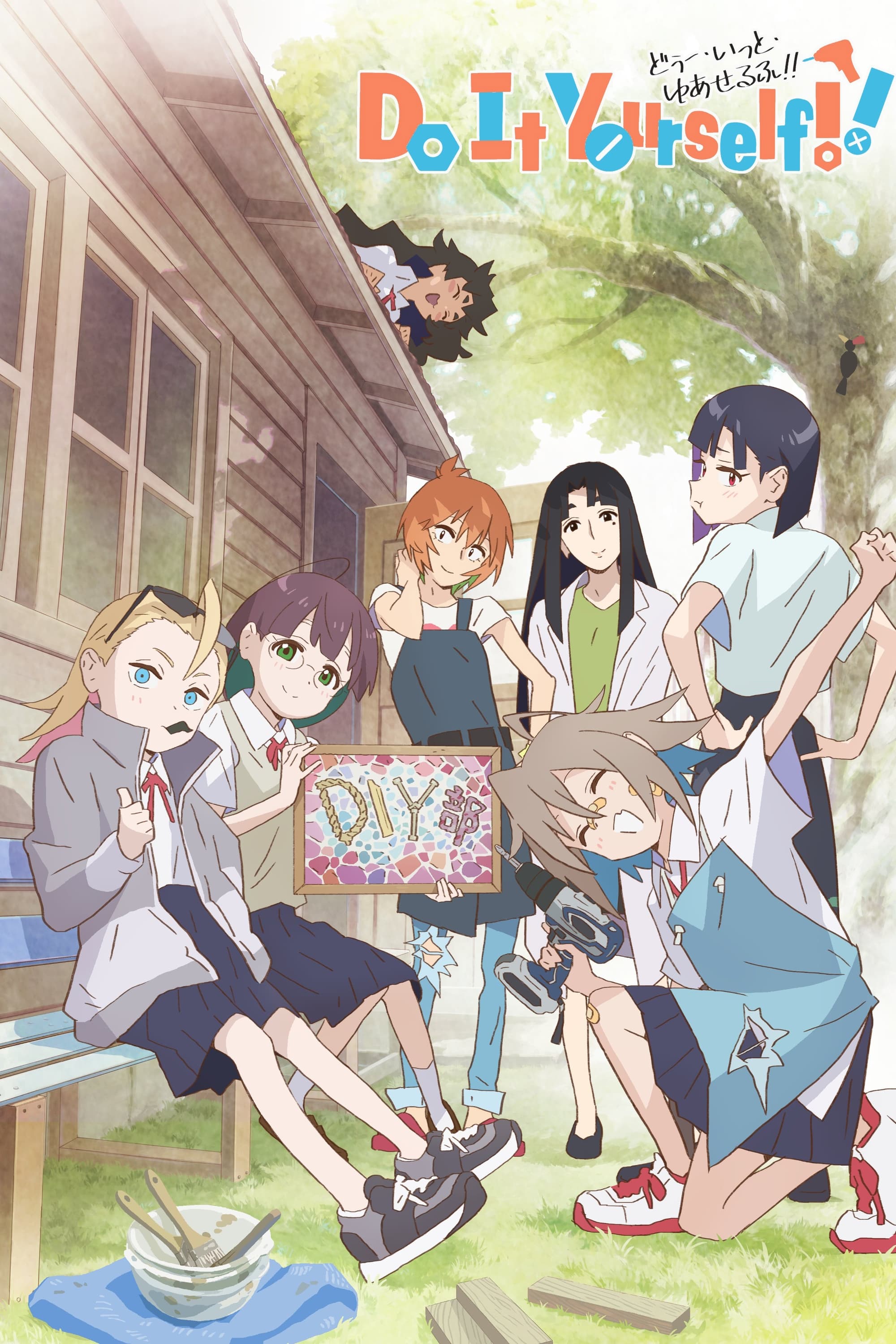
‘Do It Yourself!!’ focuses on a group of high school girls in a DIY club who build furniture and various gadgets from scratch. The anime highlights the use of traditional tools like saws and hammers in an era dominated by high-tech automation. It emphasizes the satisfaction of creating something tangible and the trial-and-error process of carpentry. The soft art style complements the series’ focus on the warmth and personal touch of handmade items.
‘Asteroid in Love’ (2020)
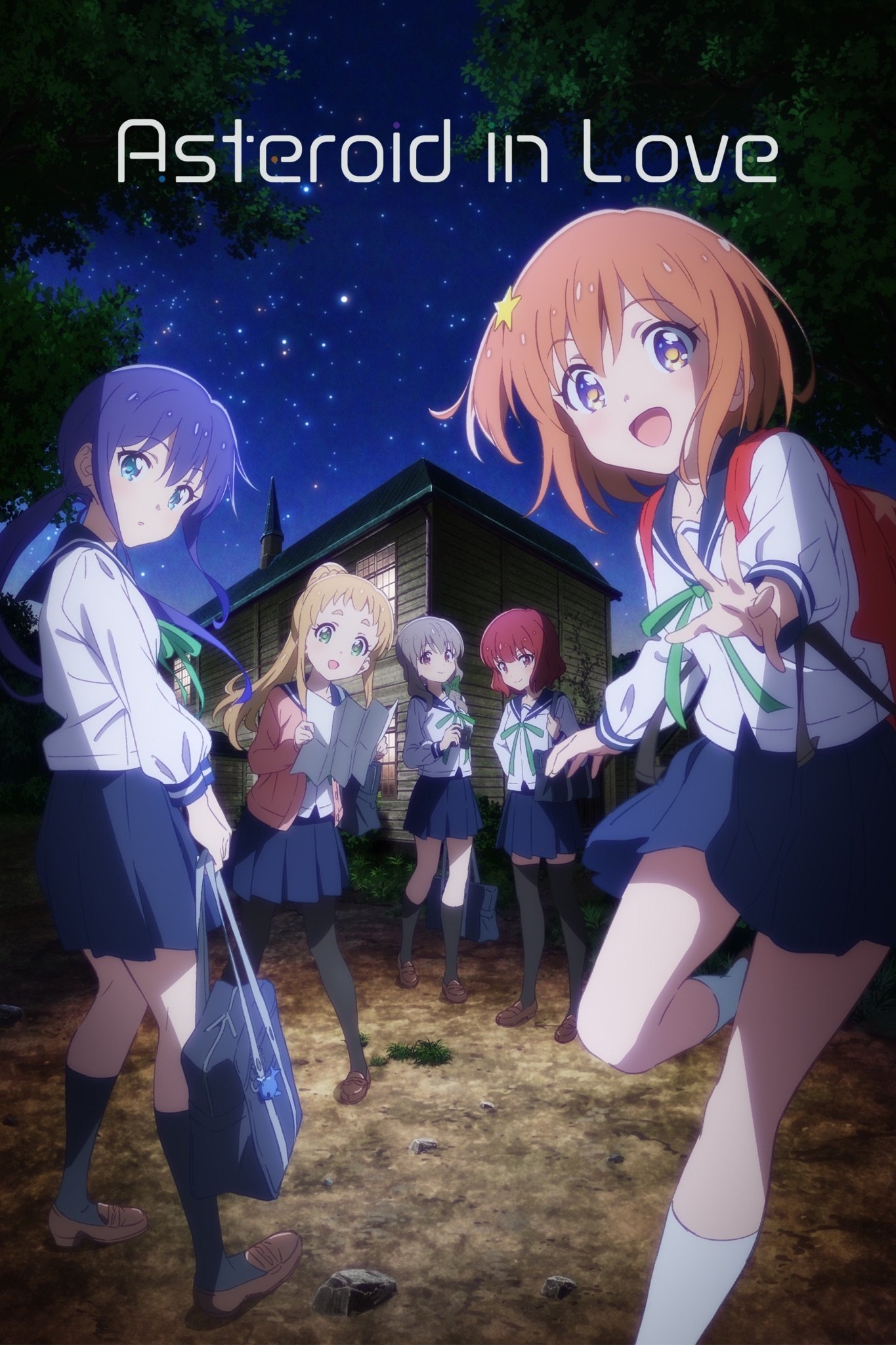
‘Asteroid in Love’ follows Mira Kinohata, who joins her school’s Earth Sciences club to fulfill a childhood promise of discovering an asteroid. The club combines members interested in both astronomy and geology, leading to detailed discussions about stars and rock formations. The series provides factual information about mapping constellations and identifying various minerals in the field. It portrays the scientific curiosity and meticulous observation skills needed for these interlinked hobbies.
‘Tsurune’ (2018–2023)
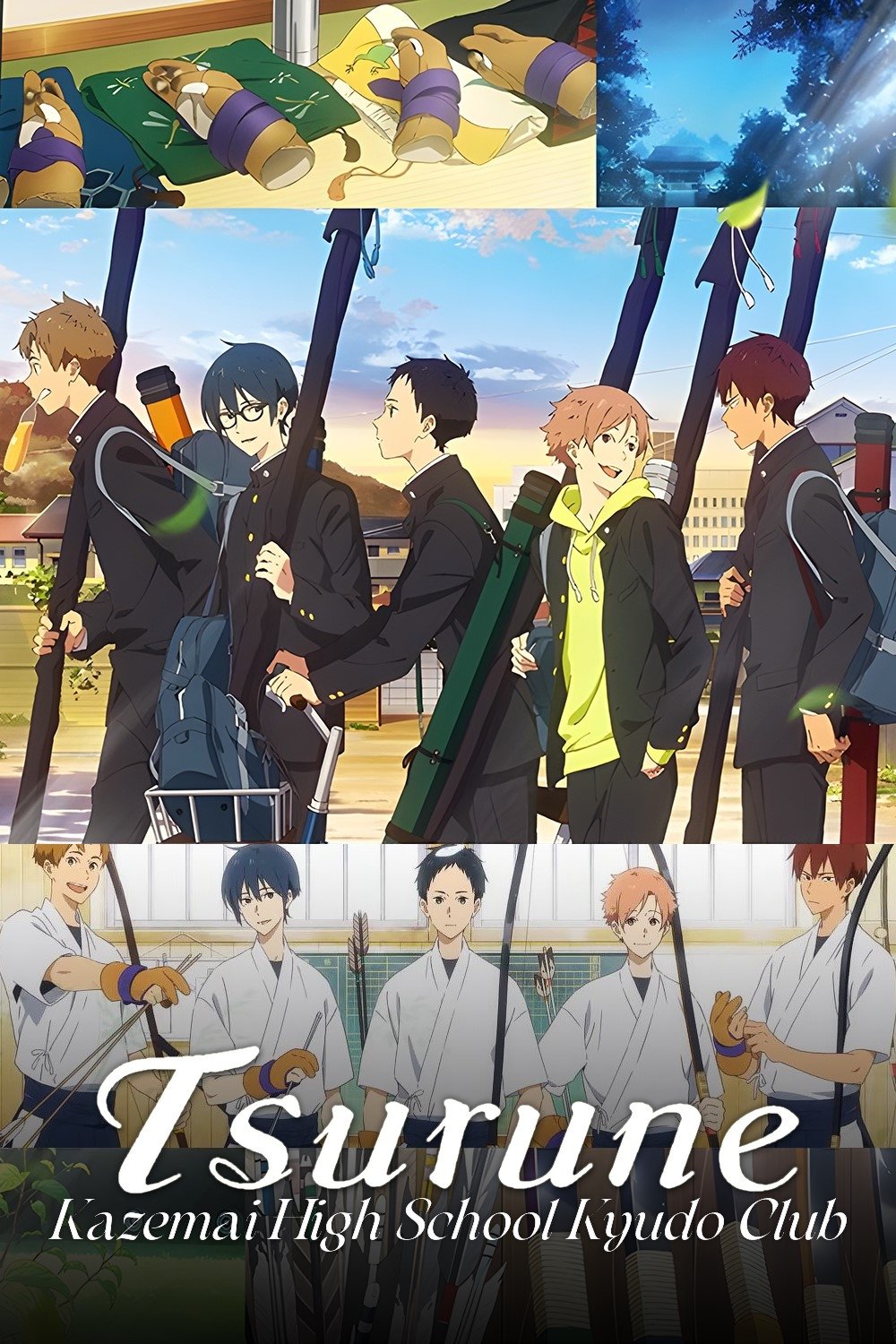
‘Tsurune’ explores the traditional Japanese martial art of kyudo, or archery. Minato Narumiya suffers from “target panic” but returns to the sport after being inspired by the sound of a bowstring, known as a tsurune. The series focuses on the meditative aspects of the sport, the proper form of the “draw,” and the mental focus required to hit a target. It treats the practice as a path to spiritual and personal growth rather than just a physical competition.
‘My Dress-Up Darling’ (2022)
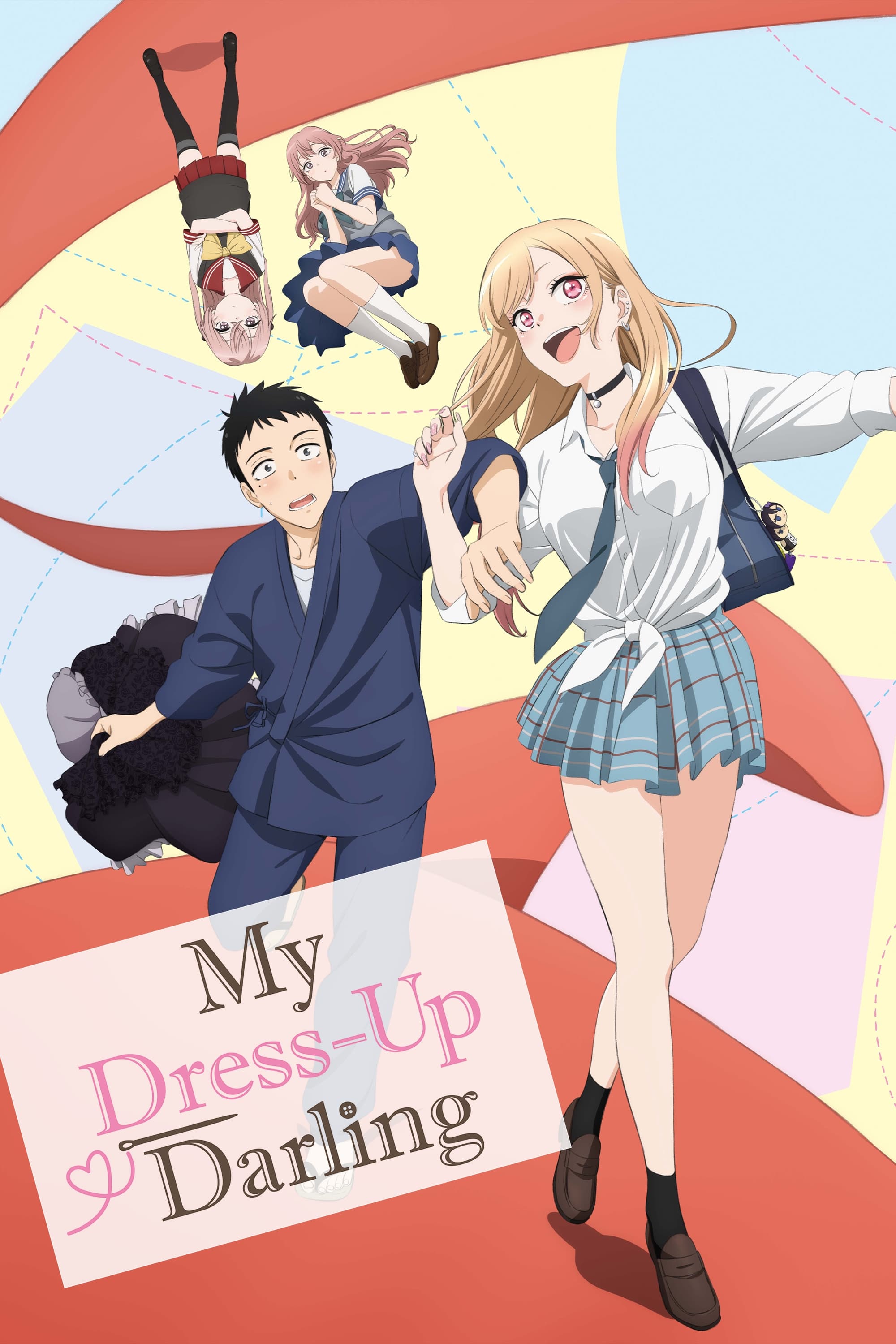
‘My Dress-Up Darling’ features Wakana Gojo, a high school boy dedicated to the craft of making traditional Hina dolls. His life changes when he meets Marin Kitagawa, who asks him to use his sewing skills to help her with cosplay. The show provides an in-depth look at garment construction, wig styling, and the specialized makeup used in the cosplay community. It highlights the intersection of two distinct artistic passions and the mutual respect developed through craftsmanship.
‘How Heavy Are the Dumbbells You Lift?’ (2019)

‘How Heavy Are the Dumbbells You Lift?’ is an educational comedy focused on bodybuilding and gym culture. Hibiki Sakura joins a gym to lose weight and learns the proper techniques for various exercises from a professional trainer. Each episode features segments that explain the biology of muscle growth and provide tutorials on squats, deadlifts, and bench presses. It emphasizes the importance of nutrition and consistent training for anyone interested in physical fitness.
‘Diary of Our Days at the Breakwater’ (2020)

‘Diary of Our Days at the Breakwater’ follows Hina Tsurugi, a student who is coerced into joining her school’s fishing club. Despite her initial hesitation, she learns the technicalities of different fishing methods, bait preparation, and how to clean and cook her catch. The series provides a practical guide to coastal fishing and the various species of fish found in Japanese waters. It captures the patience of the hobby and the rewarding feeling of a successful haul.
‘Bamboo Blade’ (2007–2008)
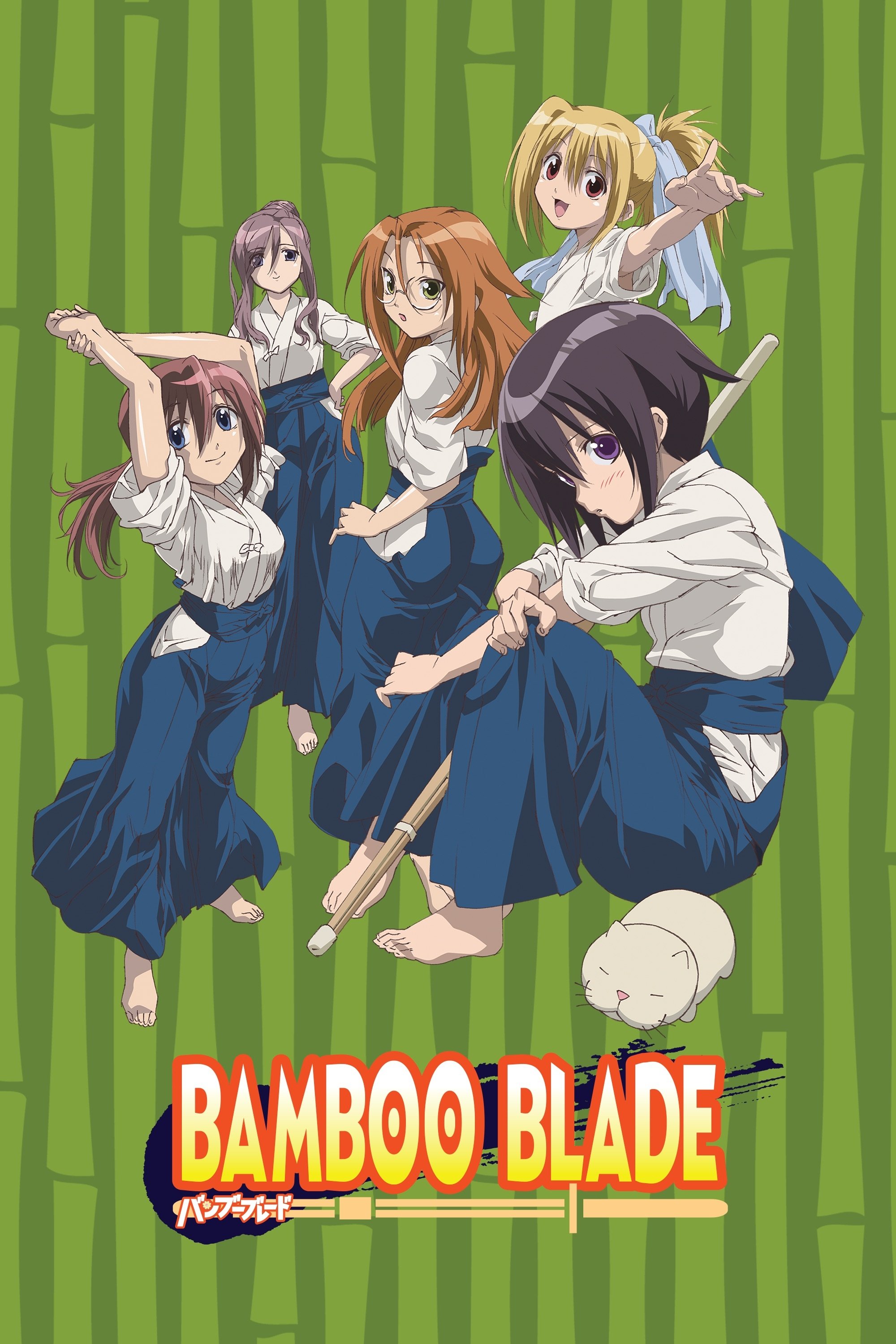
‘Bamboo Blade’ focuses on a high school kendo coach who must assemble a talented female team to win a bet. The series delves into the rules, equipment, and history of kendo, a modern Japanese martial art descended from swordsmanship. It highlights the discipline and speed required for matches, as well as the different motivations each girl has for practicing. The narrative balances lighthearted comedy with a serious look at the technical aspects of the sport.
‘Let’s Make a Mug Too’ (2021)
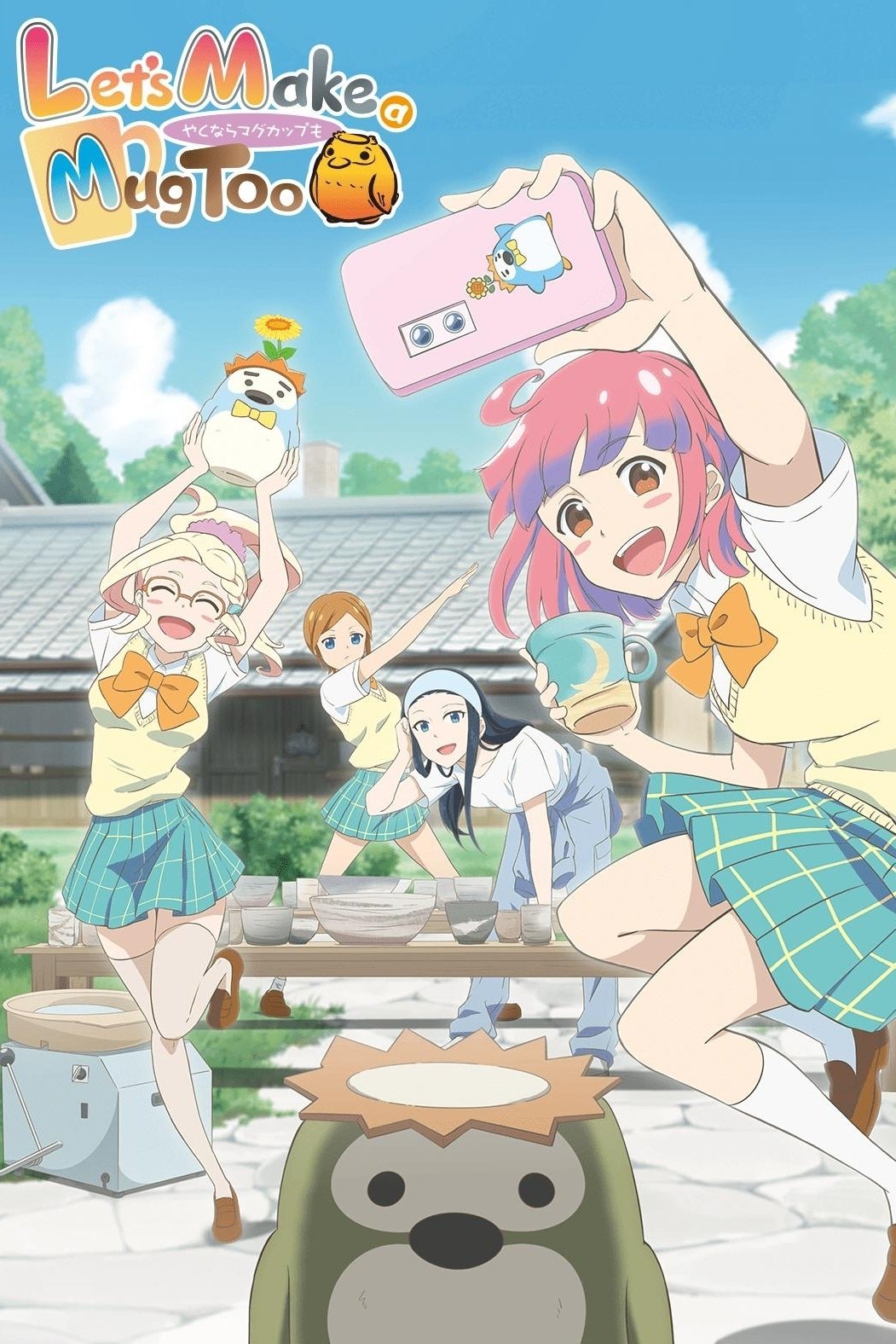
‘Let’s Make a Mug Too’ is set in Tajimi, a city famous for its Mino ware pottery. Himeno Toyokawa discovers her late mother’s passion for ceramics and joins her high school’s pottery club to learn the craft. The series explains the different types of clay, the use of the potter’s wheel, and the chemical processes involved in glazing and firing. It celebrates the tactile nature of working with earth and the cultural heritage of ceramic art.
‘Slow Loop’ (2022)

‘Slow Loop’ centers on two step-sisters, Hiyori and Koharu, who bond through the hobby of fly fishing. Hiyori learned the craft from her late father and teaches Koharu the specific techniques of casting and lure selection. The series focuses on the environmental aspects of fishing and the preparation of fish as food. It uses the quiet, rhythmic nature of fly fishing to explore themes of grief, family transition, and outdoor appreciation.
‘Showa Genroku Rakugo Shinju’ (2016–2017)
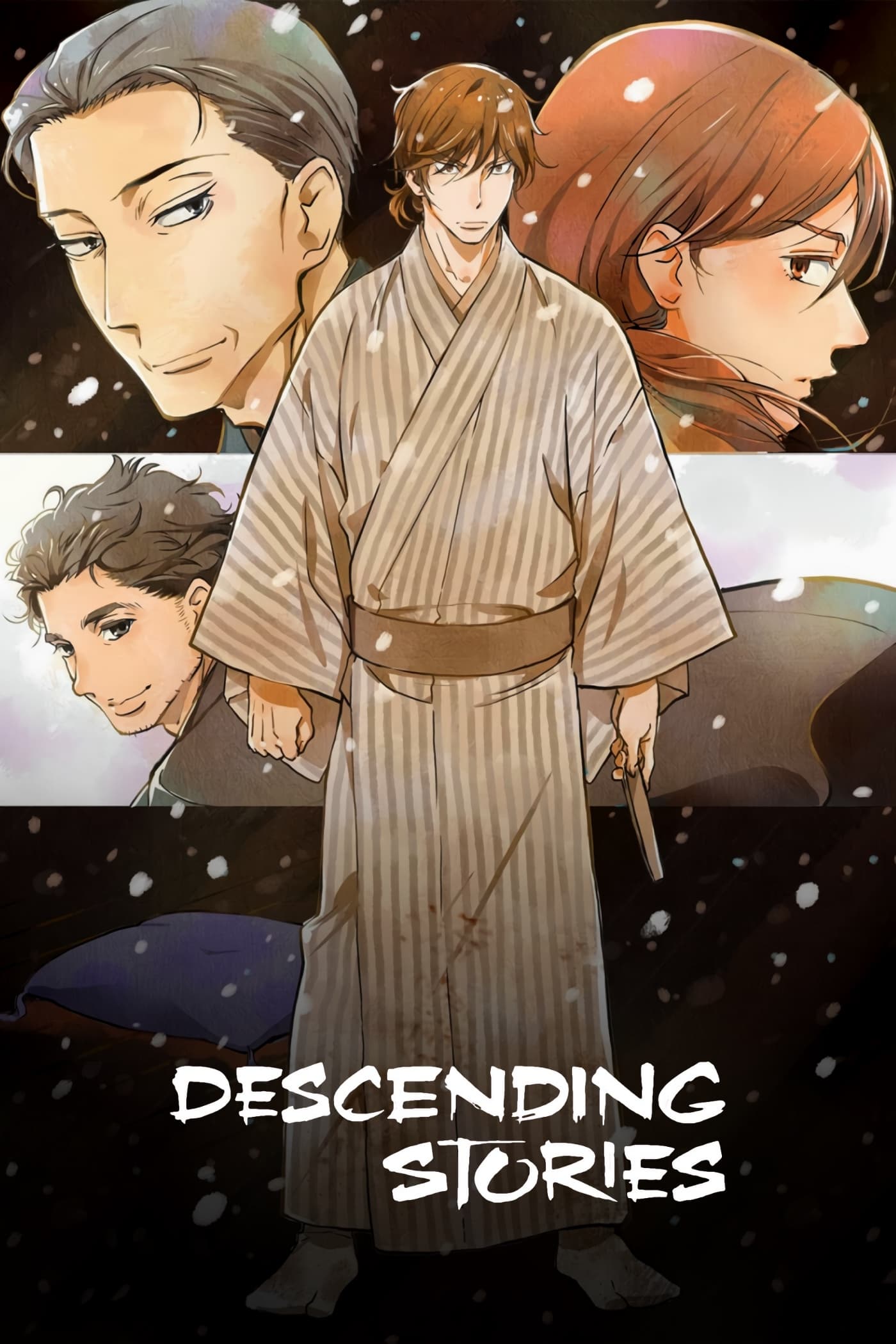
‘Showa Genroku Rakugo Shinju’ is a dramatic epic centered on rakugo, the traditional Japanese art of comedic storytelling. The story follows generations of performers as they struggle to keep the art form alive through the changing social landscape of the 20th century. It provides a deep dive into the performance techniques, such as the use of a fan and hand cloth to represent various objects. The series is a profound exploration of how a specific performance passion can define a person’s entire existence.
Please share your favorite hobby-focused anime and how they influenced your interests in the comments.