Anime That Normalized Seeking Help for Personal Struggles



The anime medium has increasingly explored themes of mental health and emotional vulnerability through various genres. These narratives often demonstrate that reaching out for support is a sign of strength rather than a character flaw. By portraying protagonists who overcome isolation through connection, these shows provide important representation for viewers facing similar hurdles in reality. These stories illustrate diverse paths to recovery, ranging from professional guidance to the support of a dedicated community.
‘March Comes in Like a Lion’ (2016–2018)
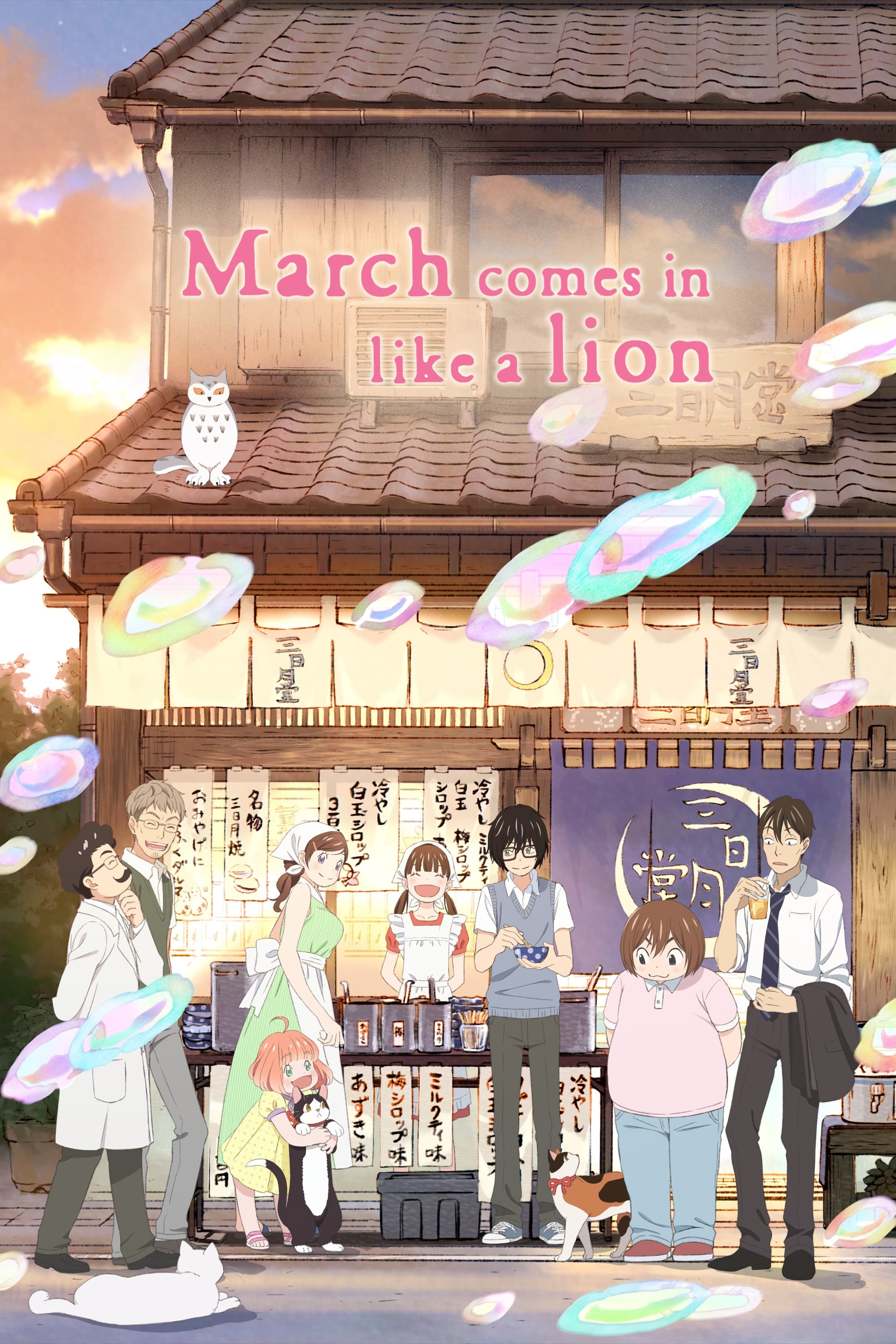
Rei Kiriyama is a professional shogi player struggling with severe loneliness and depression following a family tragedy. He begins to find solace and emotional stability after being taken in by the Kawamoto sisters, who provide a nurturing and supportive environment. The series highlights the importance of community support and the gradual process of opening up to others about internal pain. Rei eventually learns that he does not have to carry his burdens alone and begins seeking personal help to navigate his trauma.
‘Orange’ (2016)
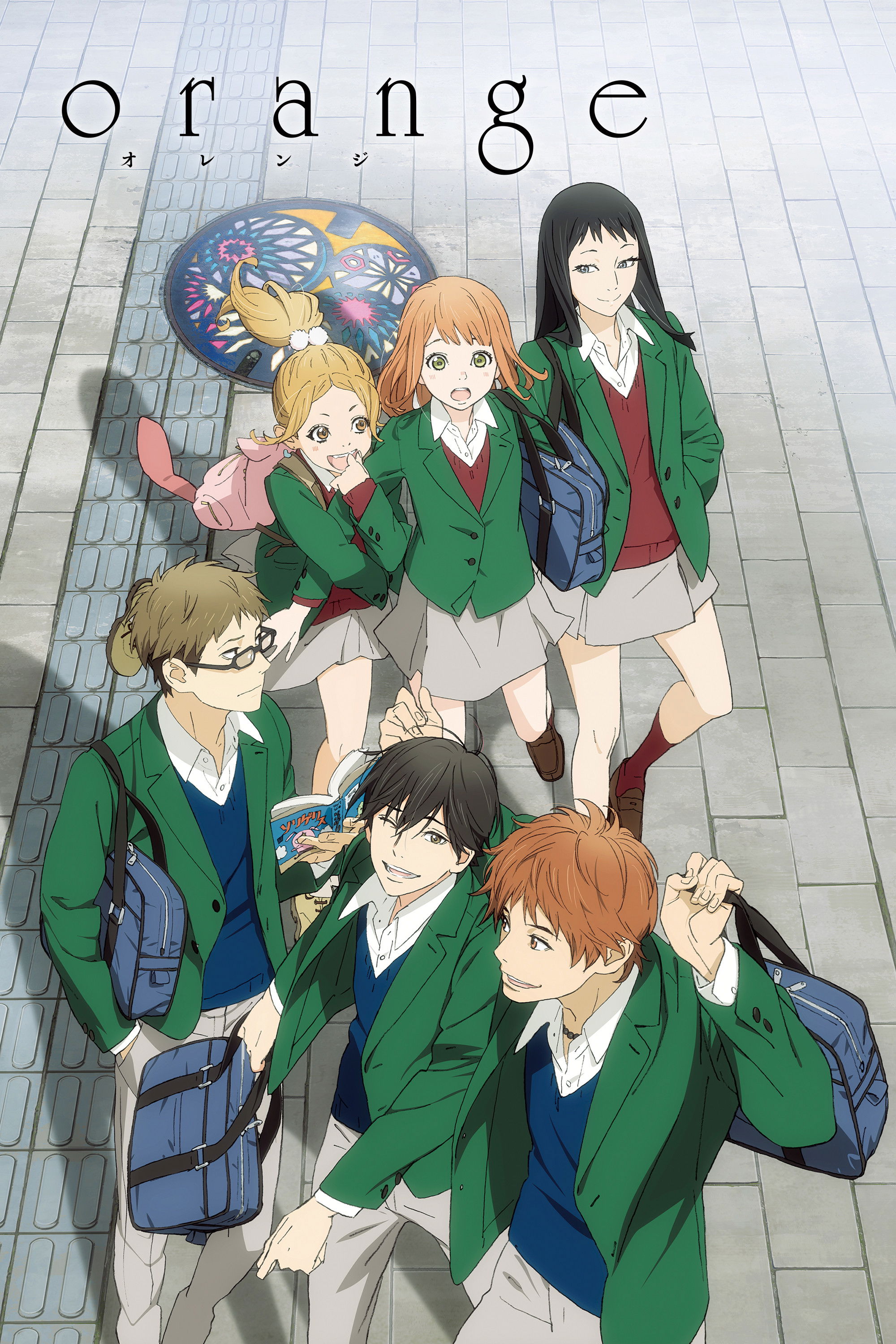
Naho Takamiya receives letters from her future self warning her about the fate of her classmate, Kakeru Naruse. The story focuses on a group of friends who actively intervene to prevent Kakeru from succumbing to his suicidal thoughts. It emphasizes the critical role of friendship and direct communication in identifying when someone is in deep emotional distress. By addressing Kakeru’s internal struggles collectively, the characters normalize the act of reaching out for help during a mental health crisis.
‘Blue Period’ (2021)

Yatora Yaguchi is a popular student who feels empty until he discovers a passion for art and the high-pressure world of competitive examinations. Throughout his journey, he frequently encounters burnout and extreme self-doubt regarding his talent and future prospects. Yatora finds essential guidance through mentors and peers who encourage him to express his frustrations rather than suppress them. The narrative showcases how seeking mentorship and finding healthy outlets can aid in managing academic and personal stress.
‘Wonder Egg Priority’ (2021)
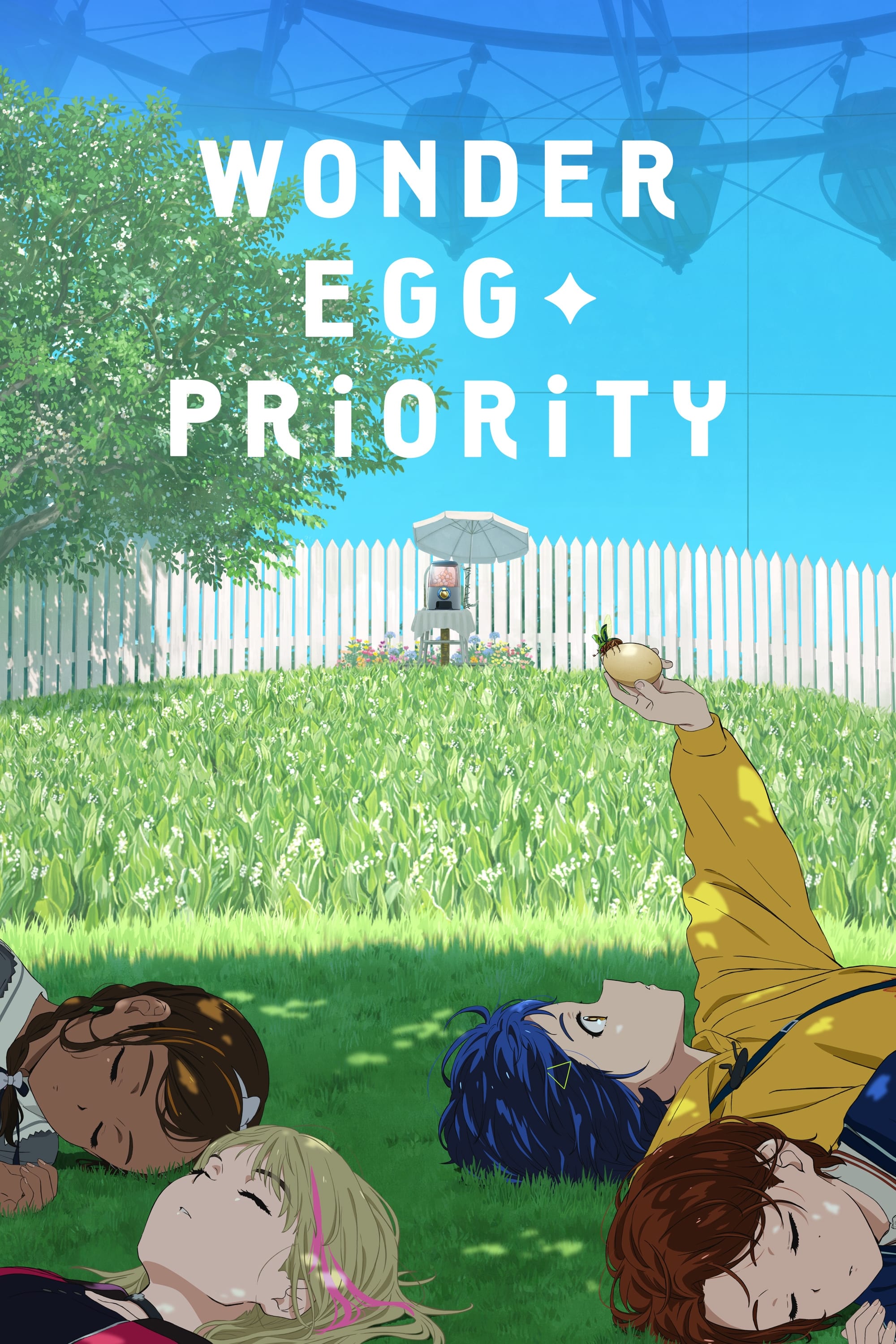
Ai Ohto and her friends traverse a dream world where they fight to save the souls of people who have died by suicide. Each girl deals with significant personal traumas, ranging from bullying to sexual harassment, which they must confront to move forward. The series uses surreal imagery to represent psychological battles and the necessity of finding a safe space to discuss trauma. It highlights the importance of camaraderie and professional guidance in the healing process for young people facing systemic issues.
‘Neon Genesis Evangelion’ (1995–1996)

Shinji Ikari and other young pilots are tasked with defending humanity while dealing with profound existential dread and abandonment issues. The series delves deep into the characters’ psyches, often utilizing experimental animation to depict their internal monologues and perceived therapy sessions. While it presents a bleak outlook, the narrative ultimately centers on the characters’ fundamental need for human connection and validation. The final episodes focus heavily on self-acceptance and the realization that a person’s worth is not tied solely to their utility to others.
‘Welcome to the N-H-K’ (2006)
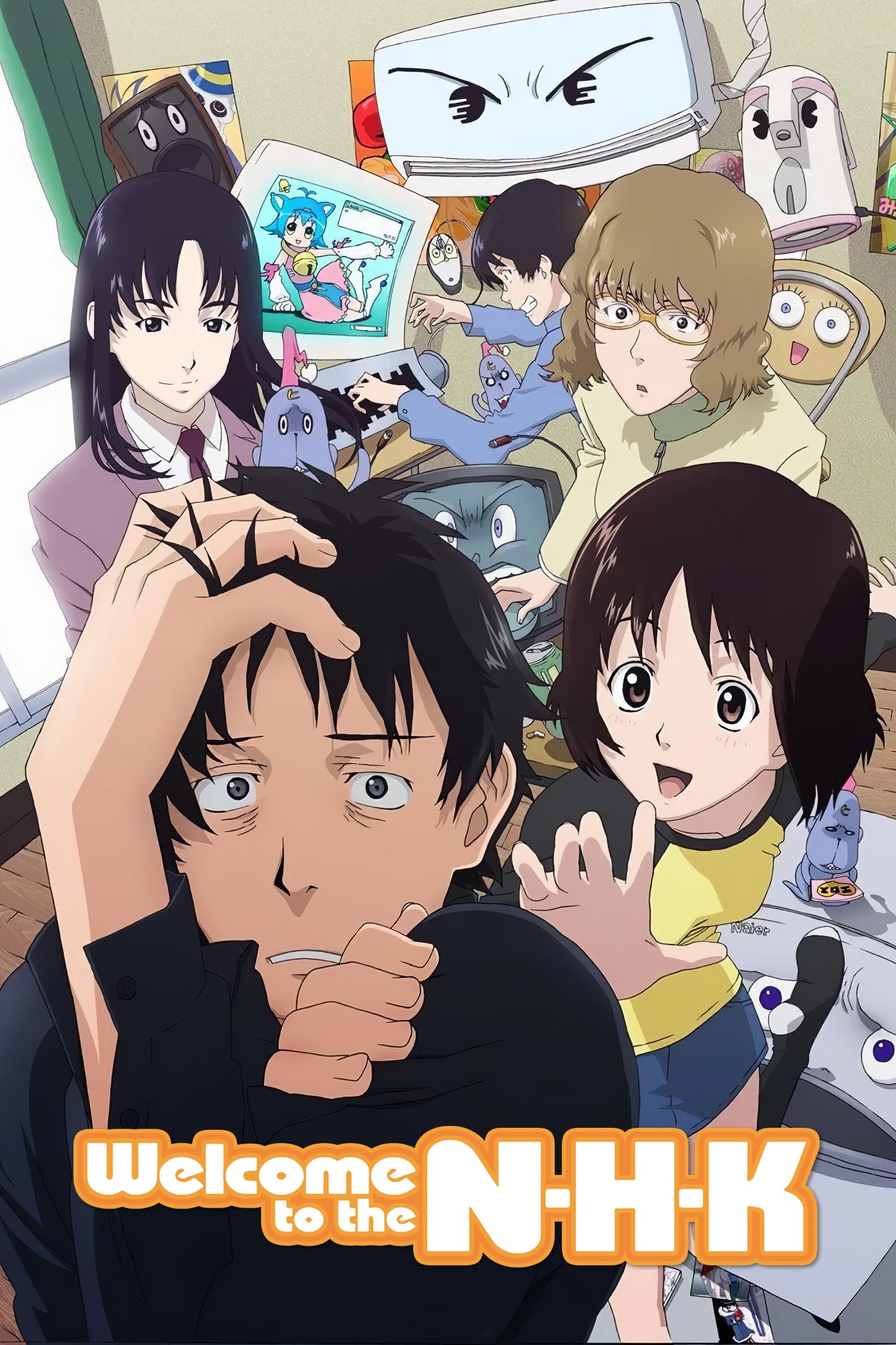
Tatsuhiro Satou is a shut-in, or hikikomori, who suffers from extreme social anxiety and hallucinatory conspiracies. He is approached by Misaki Nakahara, a mysterious girl who offers to help him overcome his isolation through a series of structured meetings. The show portrays the difficult, non-linear reality of recovery and the necessity of external support to break self-destructive cycles. It remains a notable depiction of mental health struggles and the various forms help can take for those living on the margins of society.
‘Your Lie in April’ (2014–2015)

Kosei Arima is a piano prodigy who loses his ability to hear the notes of his own music after the death of his mother. He meets Kaori Miyazono, a free-spirited violinist who pushes him to return to the stage and face his musical and emotional trauma. The story explores how professional goals and personal grief are interconnected, requiring intervention from those who care. Through their relationship, Kosei learns to rely on his friends to help him navigate his severe emotional blockages.
‘A Silent Voice’ (2013)
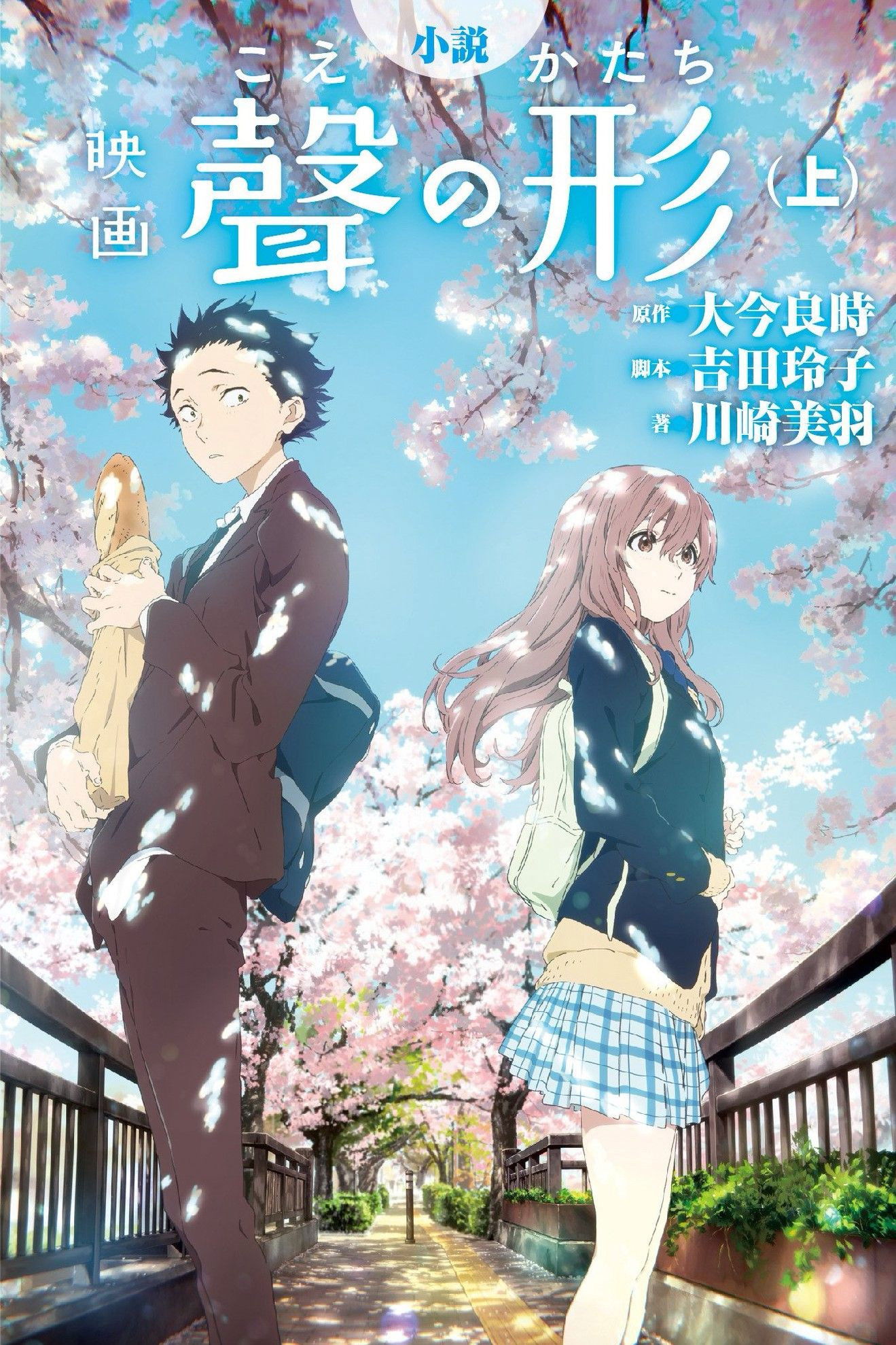
Shoya Ishida seeks redemption years after bullying a deaf classmate named Shoko Nishimiya, leading him to his own state of social withdrawal. Both characters deal with significant self-loathing and suicidal ideation throughout the film’s narrative. The story emphasizes that healing requires both self-forgiveness and the courage to ask for forgiveness from others. It underscores that seeking a genuine connection is a vital step in overcoming the isolation caused by past mistakes and psychological trauma.
‘The Anthem of the Heart’ (2015)
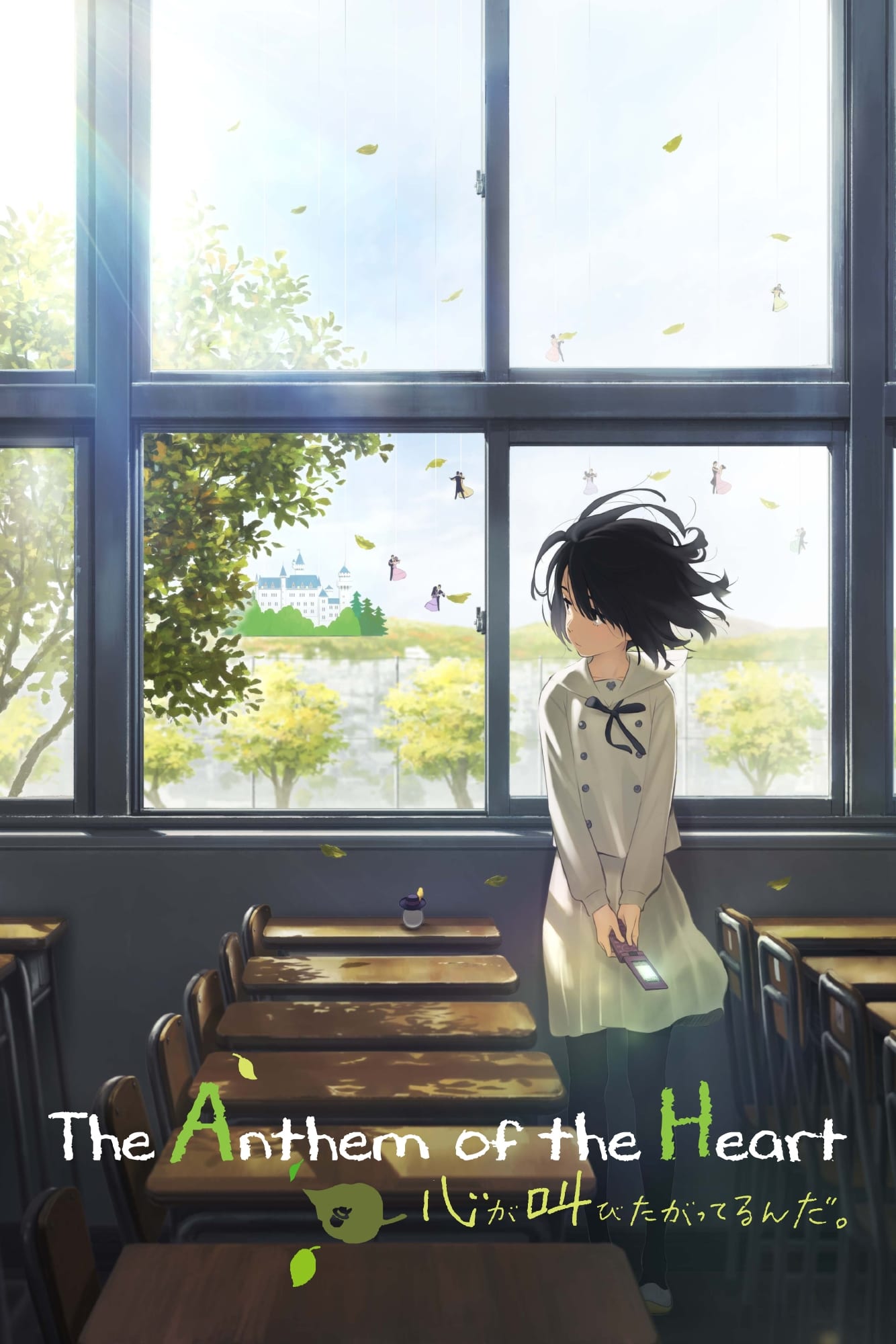
Jun Naruse is a young girl who becomes unable to speak after a childhood trauma leads her to believe her words cause harm to her family. She is eventually chosen to participate in a school musical, which forces her to find new ways to communicate her pent-up feelings. With the support of her classmates, she learns that sharing her inner voice is essential for her emotional well-being and growth. The film serves as a metaphor for the struggle of articulating personal pain and the relief found in being heard by others.
‘Great Teacher Onizuka’ (1999–2000)
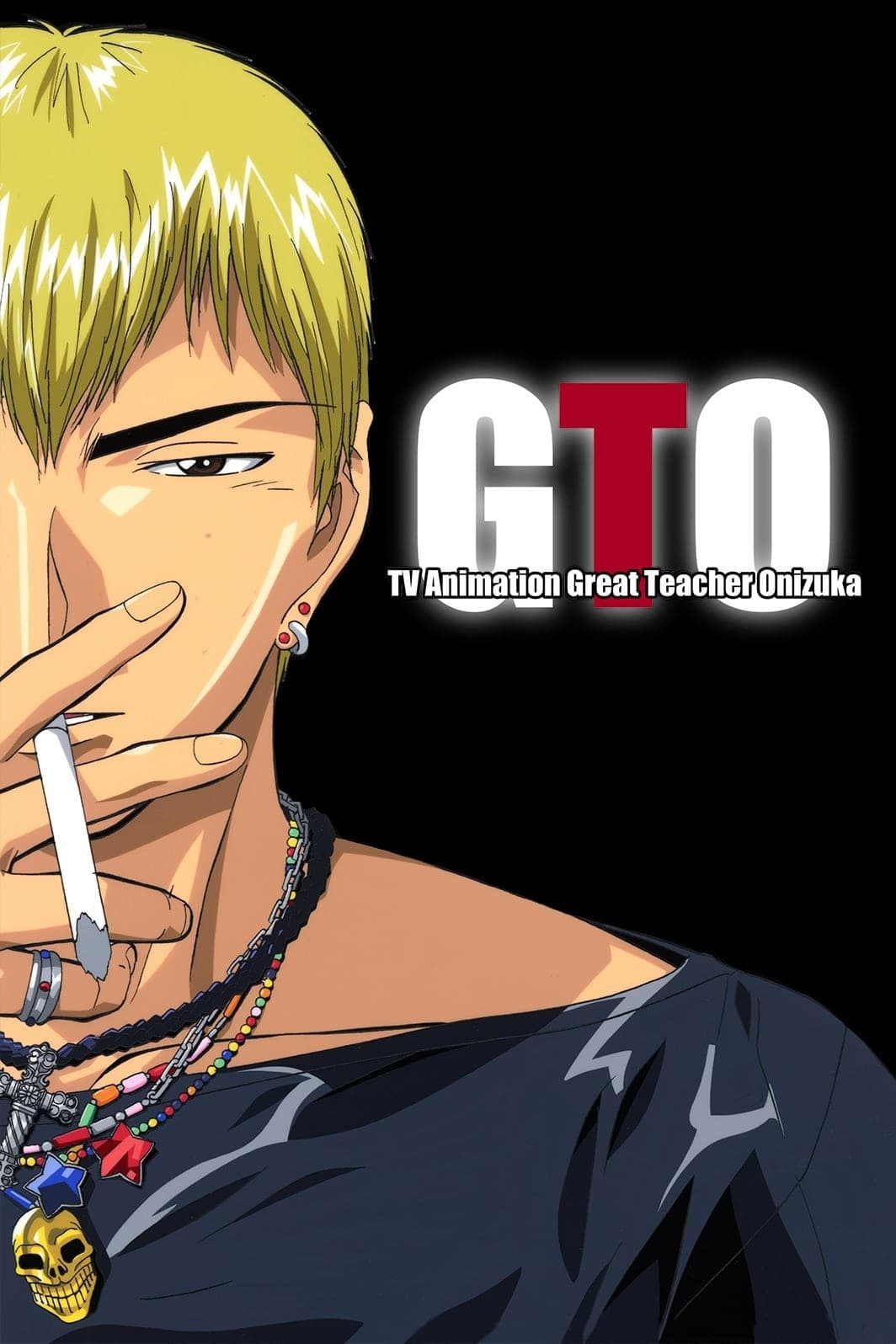
Eikichi Onizuka is an unconventional teacher who uses unorthodox methods to help his students with their various personal and social problems. From bullying to family neglect, he addresses issues that typical school systems often ignore or fail to manage. Onizuka encourages his students to speak out and seek his help, breaking down the traditional barriers between authority figures and youth. The series reinforces the idea that students need emotional support and advocacy just as much as academic instruction.
‘Mob Psycho 100’ (2016–2022)
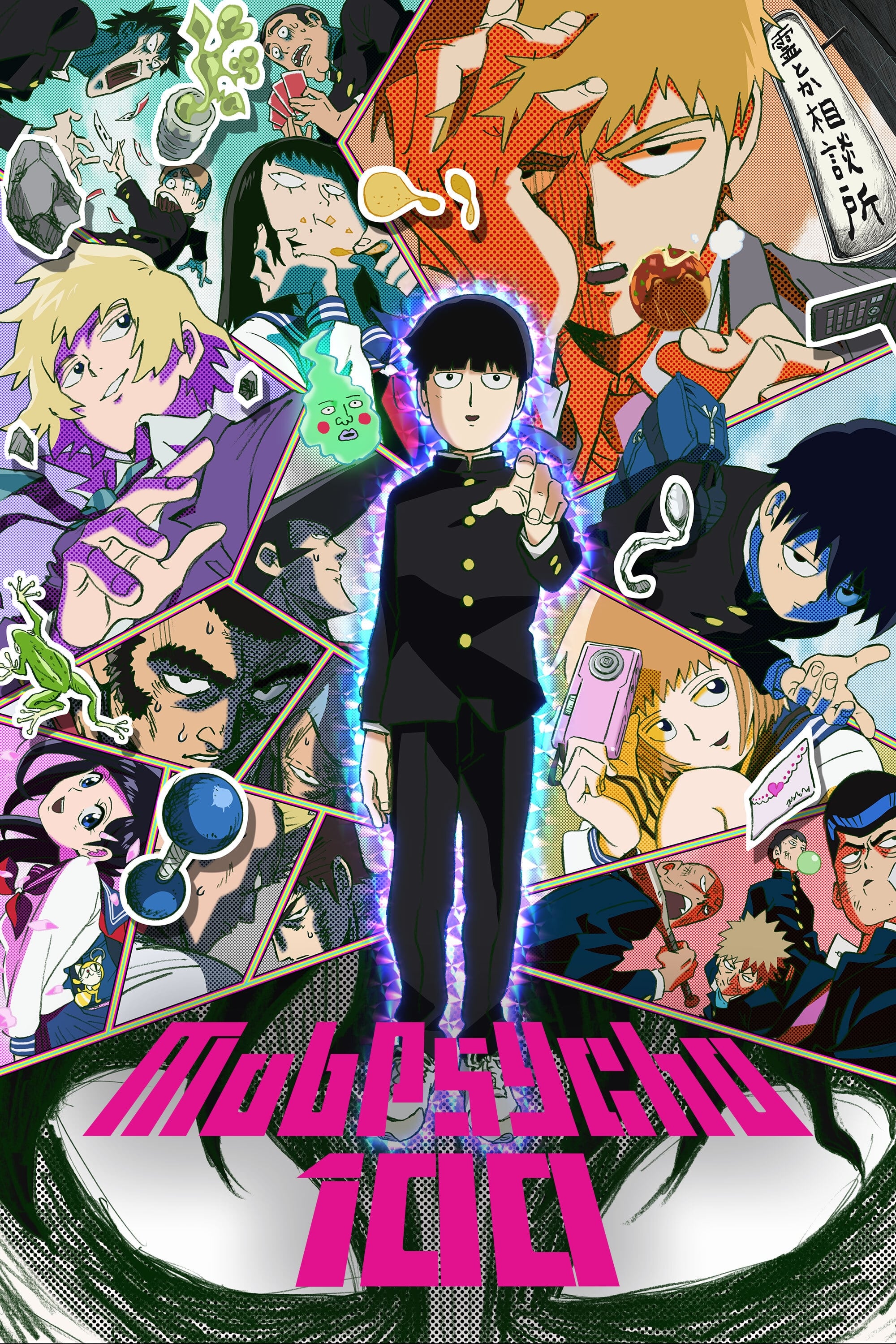
Shigeo “Mob” Kageyama is a powerful psychic who struggles to manage his immense emotions and social awkwardness in daily life. He seeks the guidance of Reigen Arataka, a self-proclaimed medium who provides genuine emotional support and life advice. The series emphasizes that even the strongest individuals need a support system to stay grounded and mentally healthy. Mob’s growth is tied directly to his willingness to trust others with his fears and vulnerabilities rather than bottling them up.
‘Fruits Basket’ (2019–2021)

Tohru Honda becomes involved with the Sohma family, who are burdened by a generational curse and deep-seated emotional trauma. As she learns about their individual struggles, she provides a compassionate ear and encourages them to seek a life outside their family’s toxic dynamics. The series explores themes of domestic abuse and the importance of finding a “found family” to facilitate true healing. It highlights how breaking a cycle of trauma often requires the intervention of a supportive and empathetic outsider.
‘ReLIFE’ (2016)
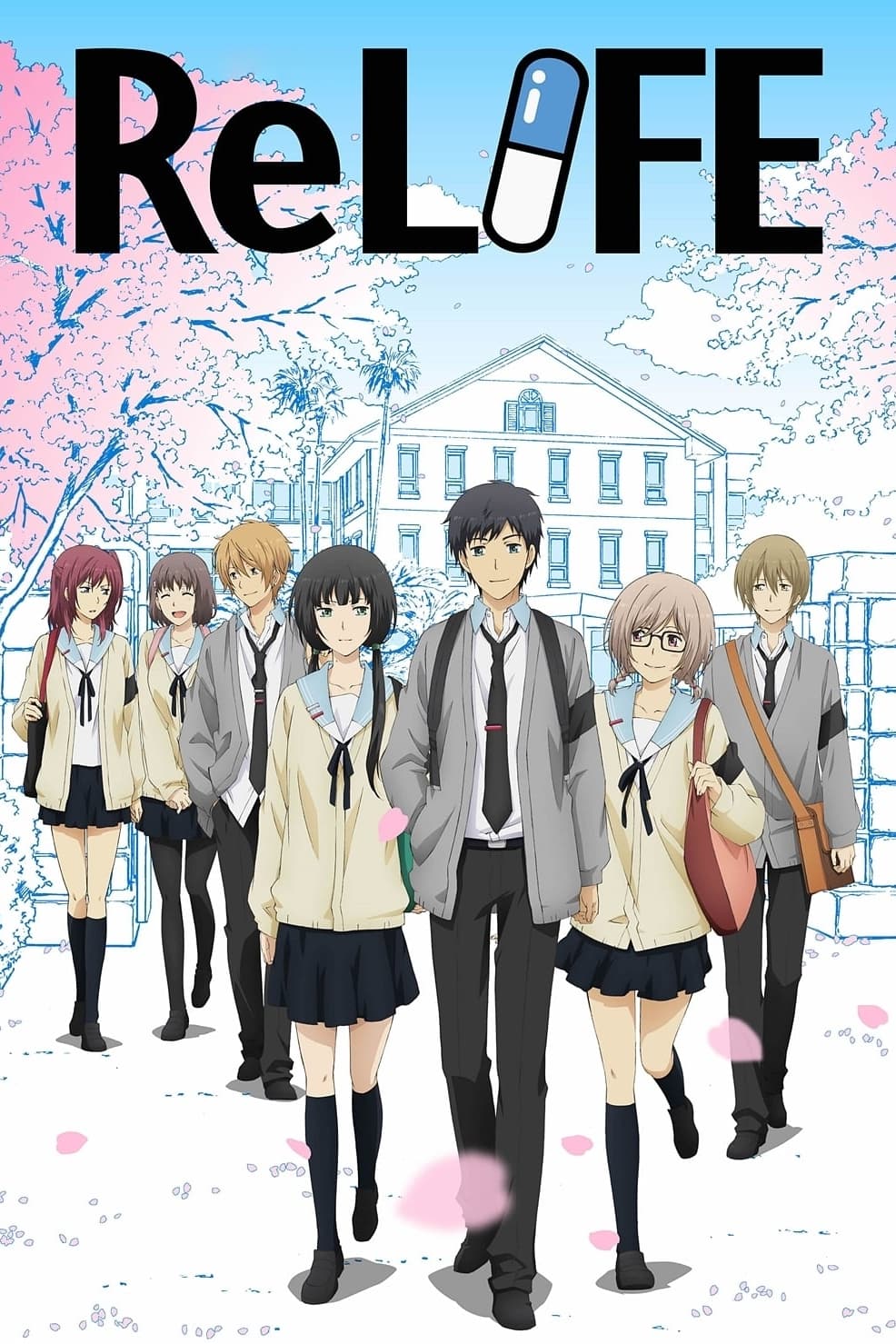
Arata Kaizaki is a 27-year-old unemployed man who participates in an experiment that transforms him back into a high school student for one year. This second chance allows him to address the professional trauma and social anxiety that led to his stagnant adult life. Through the program’s guidance and his interactions with younger students, he learns to confront the specific events that stunted his emotional growth. The show illustrates that it is never too late to seek help and restart one’s journey toward mental wellness.
‘Violet Evergarden’ (2018)
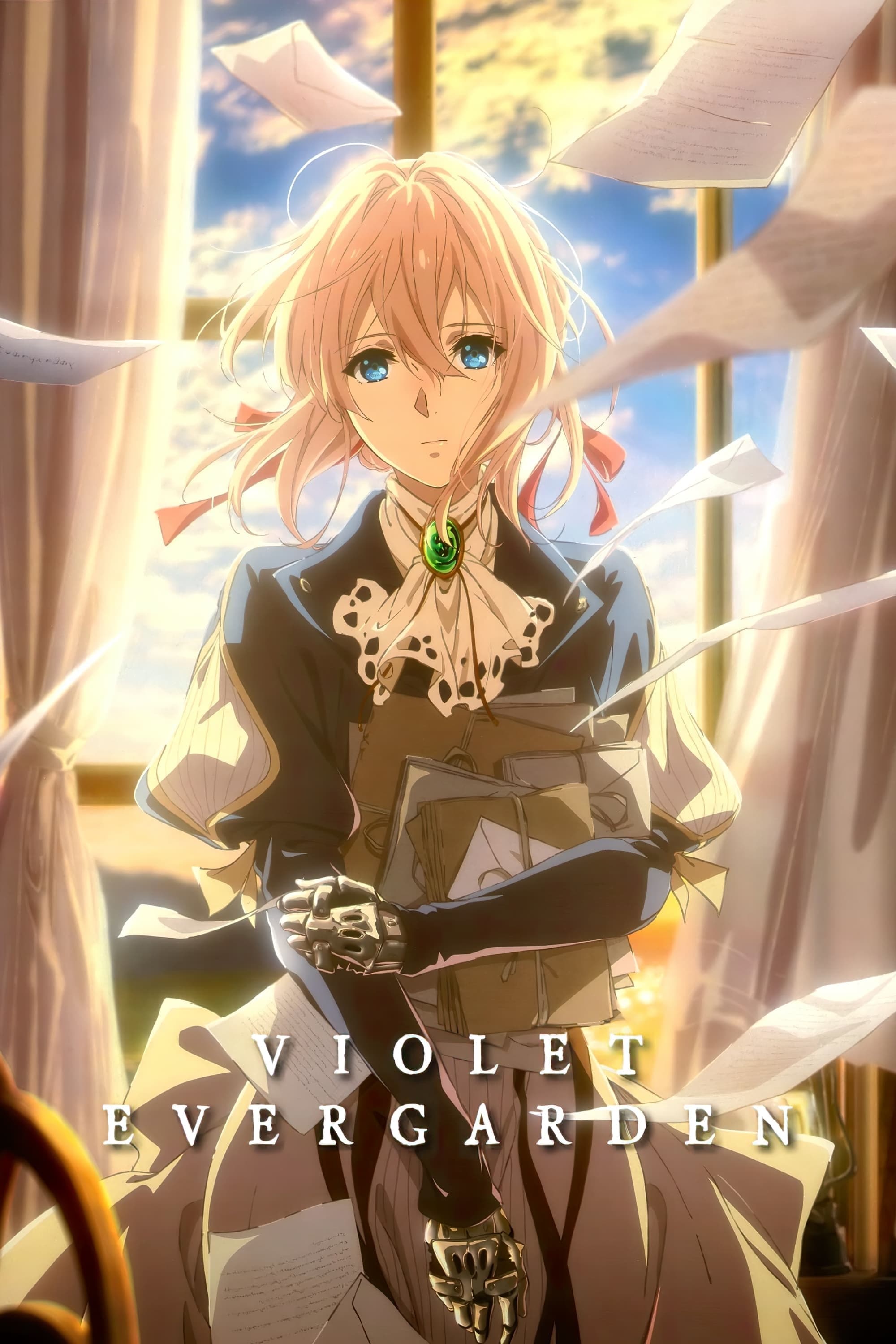
Violet is a former child soldier who struggles to reintegrate into society and understand her own emotions after the war ends. She takes a job as an Auto Memory Doll, writing letters for others to help them express their feelings to loved ones. This process serves as a form of indirect therapy for Violet, allowing her to process her own grief and PTSD. The narrative shows that helping others can be a pathway to understanding and eventually seeking help for one’s own internal scars.
‘Kono Oto Tomare!: Sounds of Life’ (2019)

Chika Kudo is a misunderstood delinquent who joins his high school’s koto club to honor his late grandfather’s legacy. He and his fellow club members all carry personal burdens, from family expectations to past reputations that continue to haunt them. By working together toward a common musical goal, they create a space where they can safely share their vulnerabilities. The series highlights how group activities and shared passions can foster a healthy environment for mutual emotional support.
‘Given’ (2019)

Mafuyu Sato is a high school student who carries a guitar despite not knowing how to play it, a remnant of a past tragedy. He joins a band after meeting Ritsuka Uenoyama, and through songwriting, he begins to process the grief of losing a loved one to suicide. The anime emphasizes the role of creative expression and the support of friends in navigating the complex stages of mourning. It portrays the act of speaking out about one’s pain as a necessary and brave step toward recovery.
‘Say “I Love You.”‘ (2012)

Mei Tachibana is a socially withdrawn girl who believes people will eventually betray her, leading her to avoid making friends for years. When she meets Yamato Kurosawa, she is forced to reconsider her isolation and slowly learns to trust the intentions of others. The story documents her transition from self-imposed solitude to seeking emotional intimacy and communal support. It demonstrates how a romantic or platonic partner can provide the safety net needed to overcome deep-seated social phobias.
‘My Roommate is a Cat’ (2019)
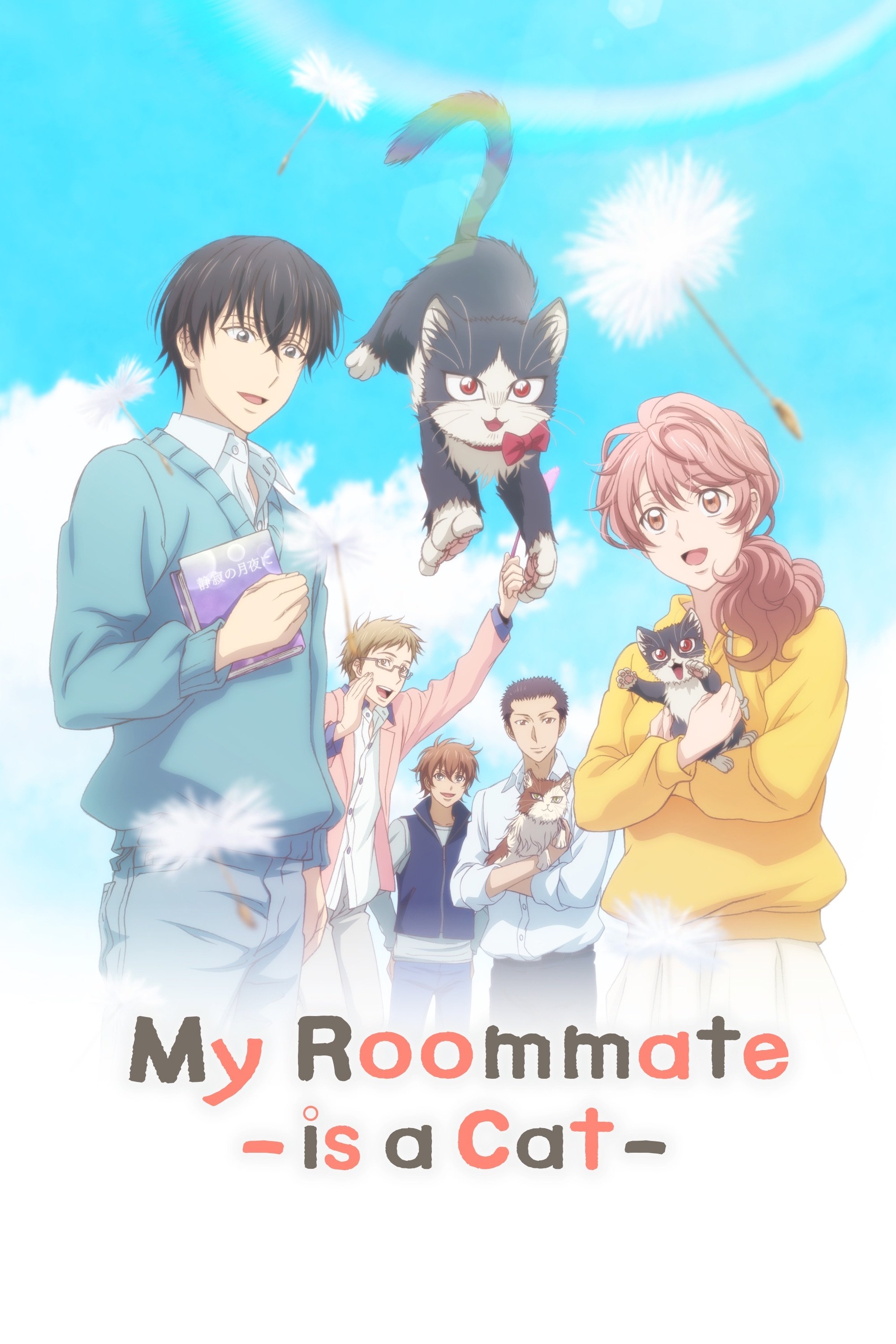
Subaru Mikazuki is a mystery writer who lives in extreme isolation following the sudden death of his parents in an accident. His life begins to change when he adopts a stray cat, which forces him to interact with the outside world to care for his new companion. These interactions lead him to meet people who offer him friendship and help him manage his ongoing grief. The anime gently explores the healing power of pets and the incidental social connections they can facilitate for those who are struggling.
‘Paranoia Agent’ (2004)
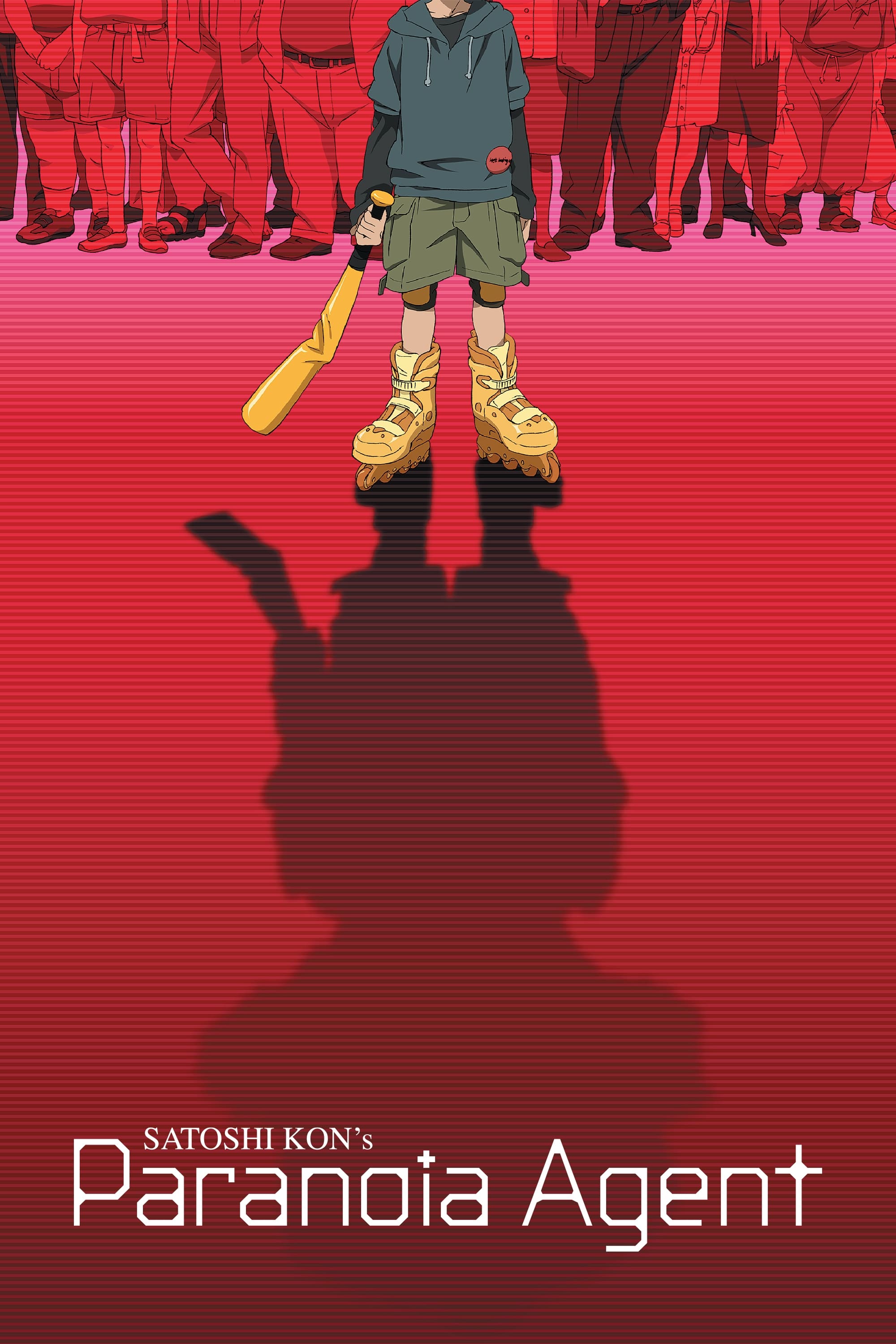
A social phenomenon occurs in Tokyo involving a mysterious figure known as Lil’ Slugger who attacks people under extreme psychological stress. Each victim is facing a personal crisis they feel unable to resolve, and the “attack” provides a temporary, forced escape from their reality. The series serves as a psychological critique of modern society’s pressure to suppress problems rather than seeking help. It highlights the dangerous consequences of internalizing stress and the desperate need for healthier, more transparent coping mechanisms.
‘Sweetness & Lightning’ (2016)

Kouhei Inuzuka is a widowed teacher struggling to raise his young daughter, Tsumugi, while balancing work and his own grief. He realizes he is neglecting her nutritional and emotional needs and decides to learn how to cook with the help of one of his students. The show emphasizes that asking for help with parenting and the logistics of daily life is not a sign of personal failure. It focuses on the importance of building a supportive community to navigate the challenges of single parenthood and loss.
‘Kotaro Lives Alone’ (2022)
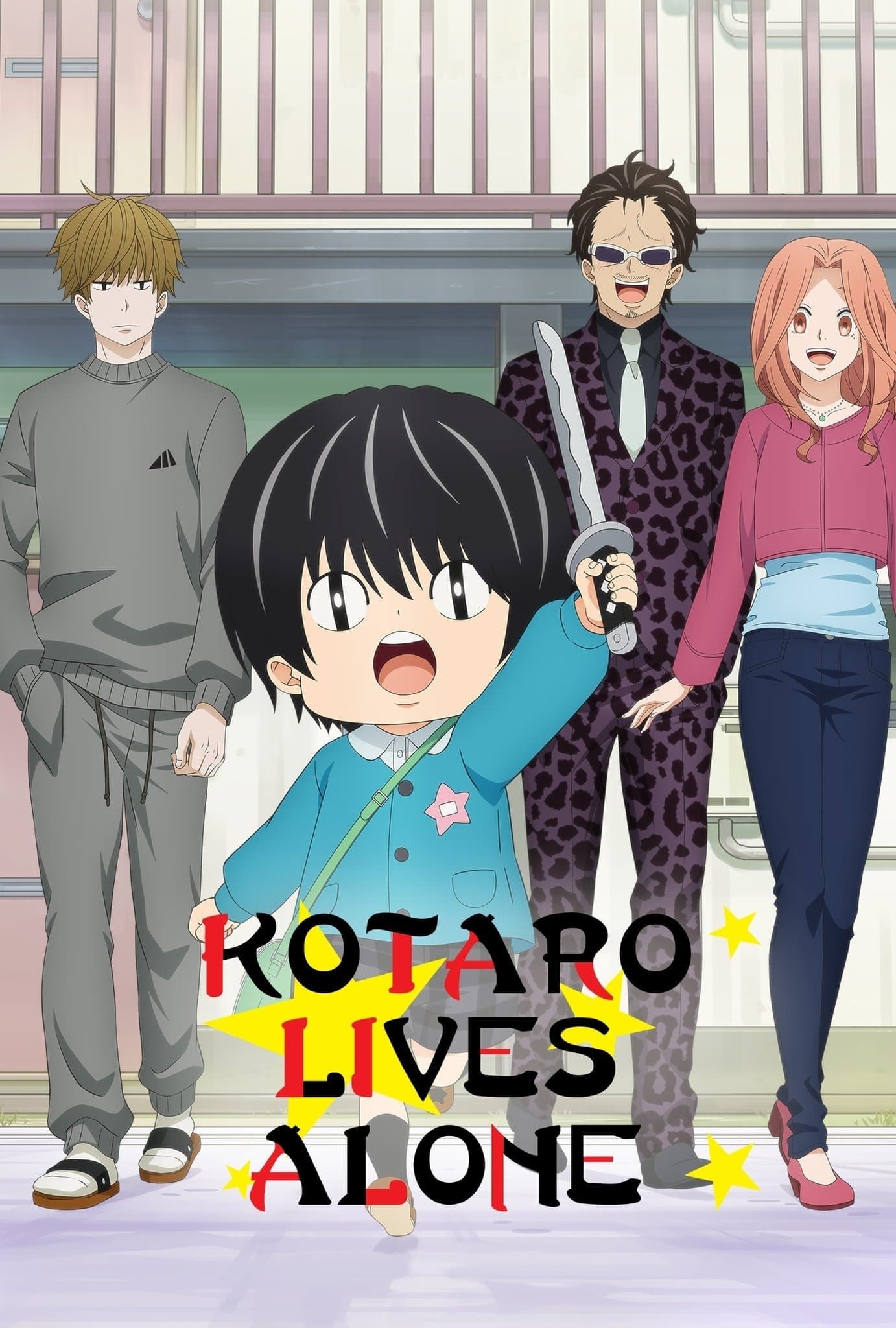
Kotaro is a four-year-old boy who moves into an apartment building by himself, displaying an unusual level of independence and maturity for his age. His neighbors soon realize that his behavior stems from a history of neglect and trauma, leading them to form a protective circle around him. While Kotaro tries to be self-sufficient, the narrative emphasizes that children and trauma survivors fundamentally need the support of others to thrive. The story showcases how a community can step in to provide the care and safety a person may be missing.
‘Blue Spring Ride’ (2014)

Futaba Yoshioka reunites with her middle school crush, Kou Mabuchi, only to find that he has become cold and distant following his mother’s death. The plot follows Futaba’s efforts to break through Kou’s walls and encourage him to stop internalizing his grief and guilt. It highlights the difficulty of reaching out to someone who has shut down emotionally and the persistence often required to help them. The story illustrates that healing is a collaborative effort between the person suffering and those who care for them.
‘From Me to You: Kimi ni Todoke’ (2009–2011)

Sawako Kuronuma is a kind-hearted girl who is feared by her classmates due to her resemblance to a horror movie character. Her life changes when Shota Kazehaya befriends her, helping her learn how to communicate and make other friends for the first time. The series focuses on overcoming social anxiety and the misconceptions that lead to chronic isolation. It reinforces the idea that having someone to guide you through social hurdles can lead to significant personal growth and improved mental health.
‘Clannad: After Story’ (2008–2009)

Tomoya Okazaki faces devastating personal losses that lead him into a severe spiral of depression and parental neglect. He eventually finds the strength to reconnect with his daughter and family after receiving consistent support from his father-in-law and old friends. The series portrays the heavy weight of long-term grief and the necessity of communal support to move forward from life-altering tragedy. It suggests that while pain is inevitable, nobody has to face the aftermath of loss without assistance.
‘Honey and Clover’ (2005–2006)

Five art college students struggle with their future careers, unrequited love, and the pressure of transitioning into adulthood. The narrative often focuses on their internal struggles and the specific moments where they rely on each other to find their way. It captures the uncertainty of youth and the importance of having a mentor or a peer group to discuss fears and failures with. The characters’ growth is marked by their ability to admit they are lost and seek guidance from those around them.
‘Ping Pong the Animation’ (2014)
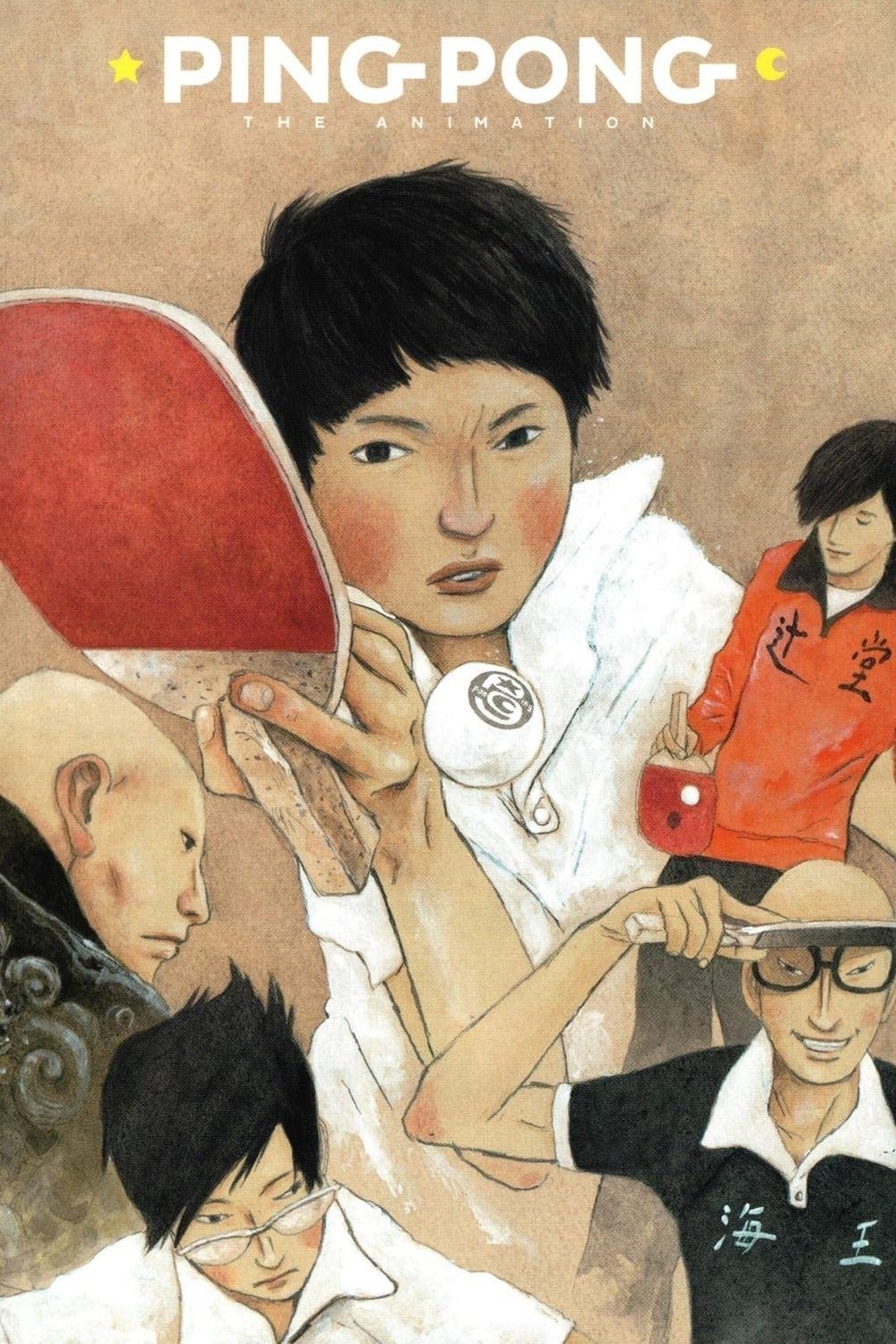
Smile is a talented table tennis player who lacks the competitive drive and emotional fire of his more ambitious peers. His coach, Jojo, recognizes his potential and pushes him to overcome his self-imposed limitations and psychological barriers to success. The series explores the nuanced relationship between a mentor and a student, showing how professional guidance can lead to personal breakthroughs. It emphasizes that reaching one’s potential often requires the help of someone who sees the talent you cannot see in yourself.
‘Haganai: I Don’t Have Many Friends’ (2011–2013)

Kodaka Hasegawa and Yozora Mikazuki form the Neighbors Club, a group specifically for students who have trouble making friends and socialising. While the show features comedic elements, it addresses the genuine loneliness and social deficiencies of its various members. The club acts as a support group where characters can practice social skills and find a much-needed sense of belonging. It normalizes the idea of seeking out others who share similar social struggles to find mutual solutions and comfort.
‘Barakamon’ (2014)
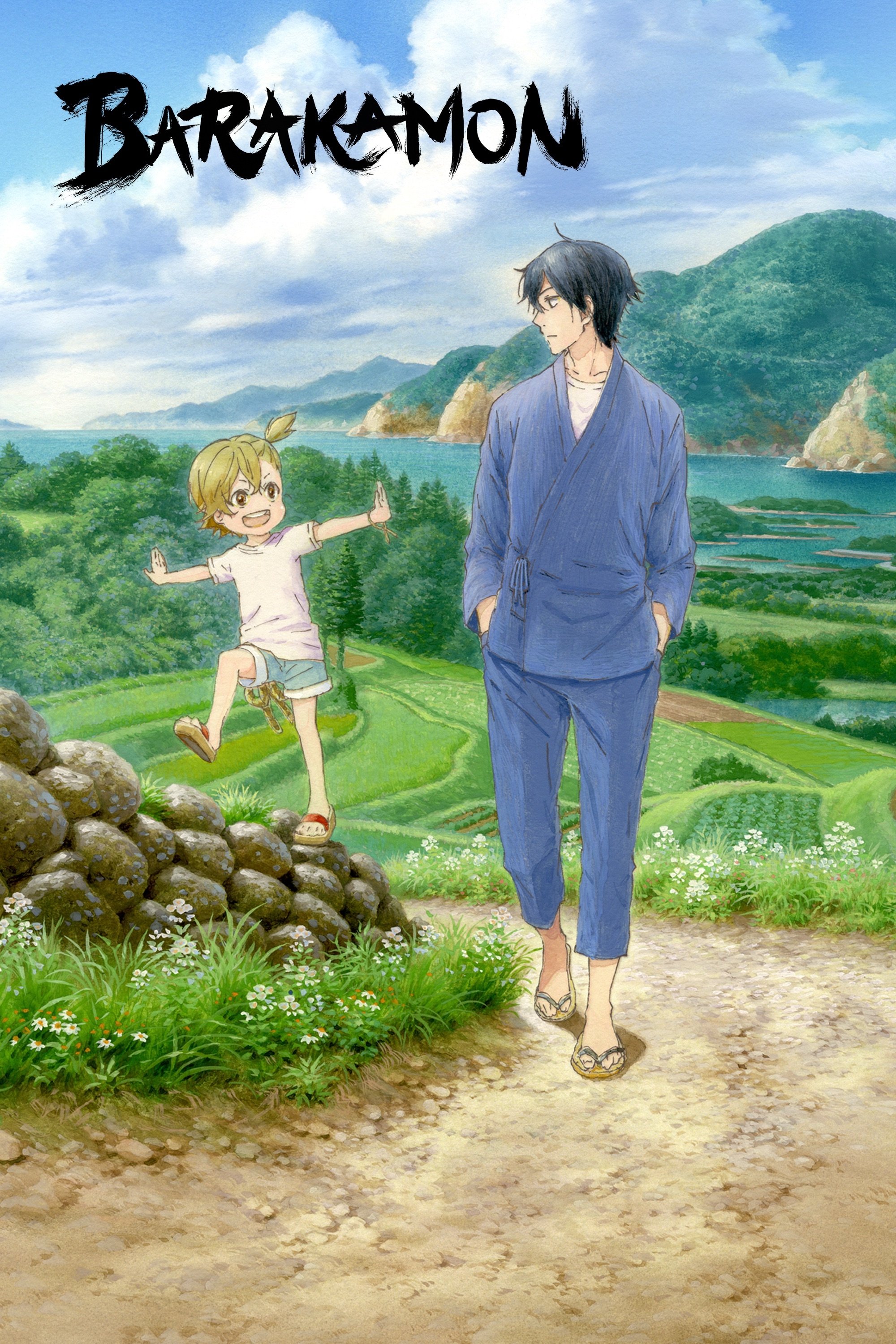
Seishuu Handa is a professional calligrapher who is sent to a remote island after reacting violently to criticism of his latest work. On the island, he meets a group of lively locals who help him rediscover his passion and improve his volatile mental state. The change in environment and the honest support of the villagers help him overcome his creative block and his personal arrogance. This story highlights how a change in perspective and the help of a community can aid in significant personal reform and mental clarity.
‘The Pet Girl of Sakurasou’ (2012–2013)
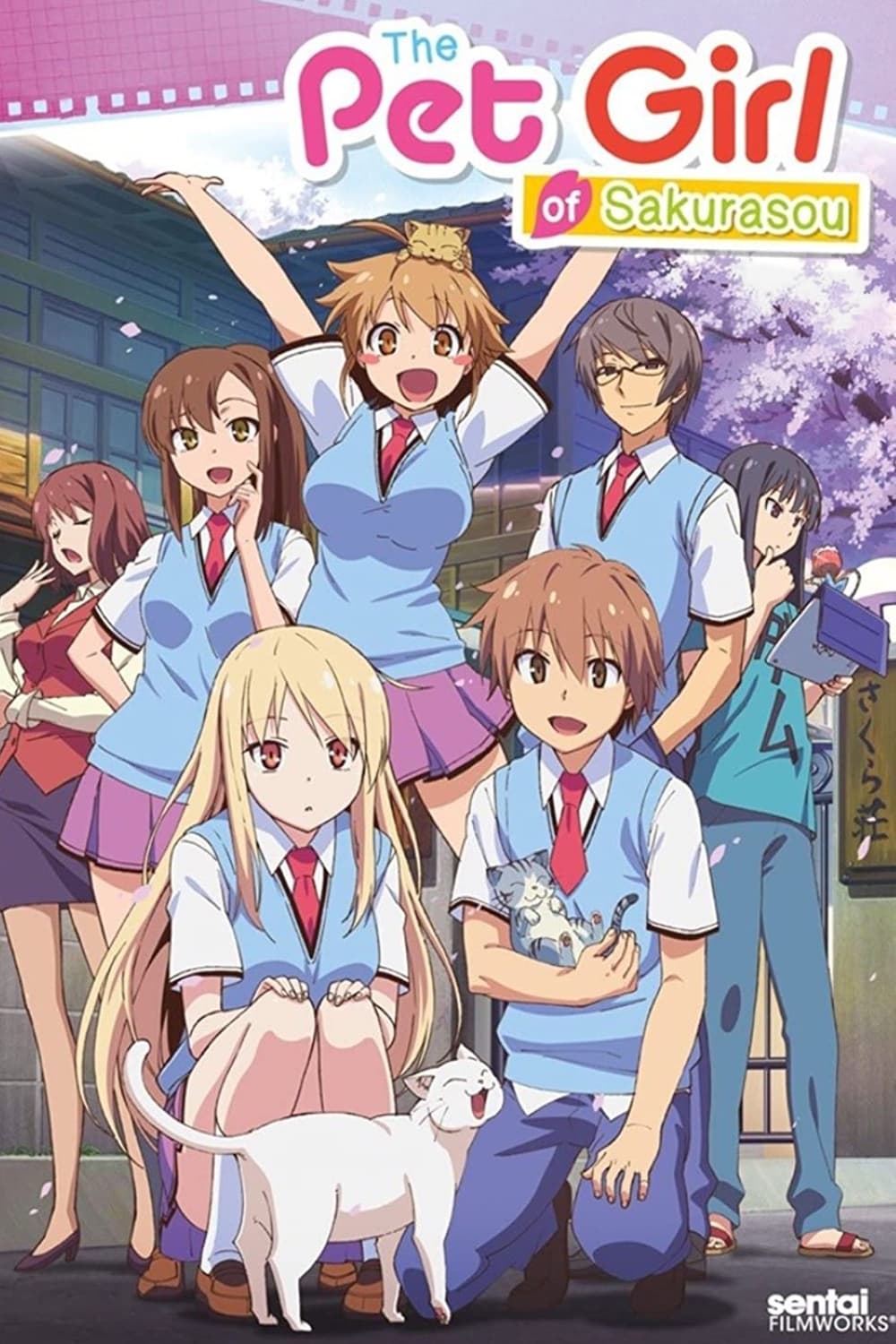
Sorata Kanda lives in a dormitory for eccentric students, where he finds himself caring for Mashiro Shiina, a brilliant but socially helpless artist. The residents of Sakurasou all face various failures and pressures in their respective creative fields, from animation to game design. They learn to support each other through their professional setbacks and personal insecurities, forming a tight-knit safety net for one another. The series underscores that even the most talented individuals require emotional and practical help from those around them.
‘Anohana: The Flower We Saw That Day’ (2011)

A group of childhood friends has drifted apart following the accidental death of their friend, Menma, years prior. They are brought back together when the leader of the group, Jinta Yadomi, begins seeing Menma’s ghost, who asks for her wish to be granted. This supernatural premise forces the characters to finally confront their repressed guilt and shared grief together as a group. The show demonstrates that collective mourning and open communication are essential for healing from a deep-seated shared trauma.
Please share your thoughts on these stories and how they handle personal struggles in the comments.