TV Revivals That Introduced New Diverse Storylines Successfully


Television revivals have become a significant trend in the modern streaming era, offering creators the opportunity to update classic narratives for contemporary audiences. Many of these productions have utilized their return to introduce more inclusive casts and explore storylines centered on underrepresented communities. By integrating diverse perspectives into established worlds, these shows have often found new relevance and critical acclaim. This list explores thirty television revivals that successfully modernized their stories through the lens of diversity and inclusion.
‘One Day at a Time’ (2017–2020)

This reimagining of the 1970s classic shifts the focus to a Cuban-American family living in Los Angeles. The series follows Penelope Alvarez, a nurse and Army veteran, as she navigates life with her mother and two children. It gained significant praise for its portrayal of LGBTQ+ identity through the character of Elena, who comes out as a lesbian during the first season. The show also addresses mental health, immigration status, and the cultural nuances of the Latinx community.
‘Saved by the Bell’ (2020–2021)
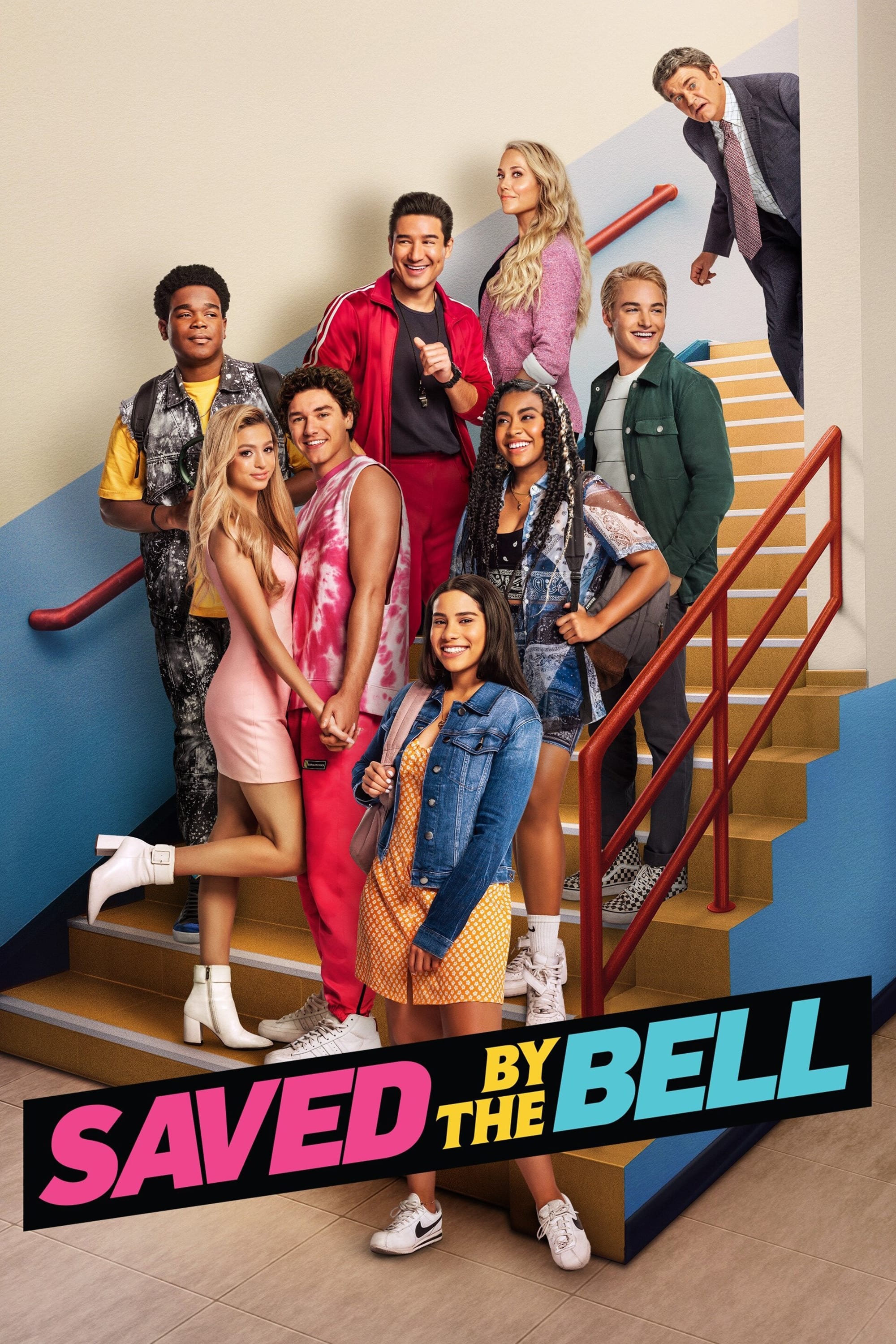
The revival of ‘Saved by the Bell’ introduces a new generation of students at Bayside High, focusing on the integration of low-income students from a closed school. This shift allows the series to tackle themes of socio-economic inequality and educational privilege that were largely absent in the original. The show features a diverse main cast, including Josie Totah as Lexi, a sharp-tongued trans cheerleader. Its storylines balance comedy with commentary on systemic bias and modern teenage identity.
‘The Wonder Years’ (2021–2023)
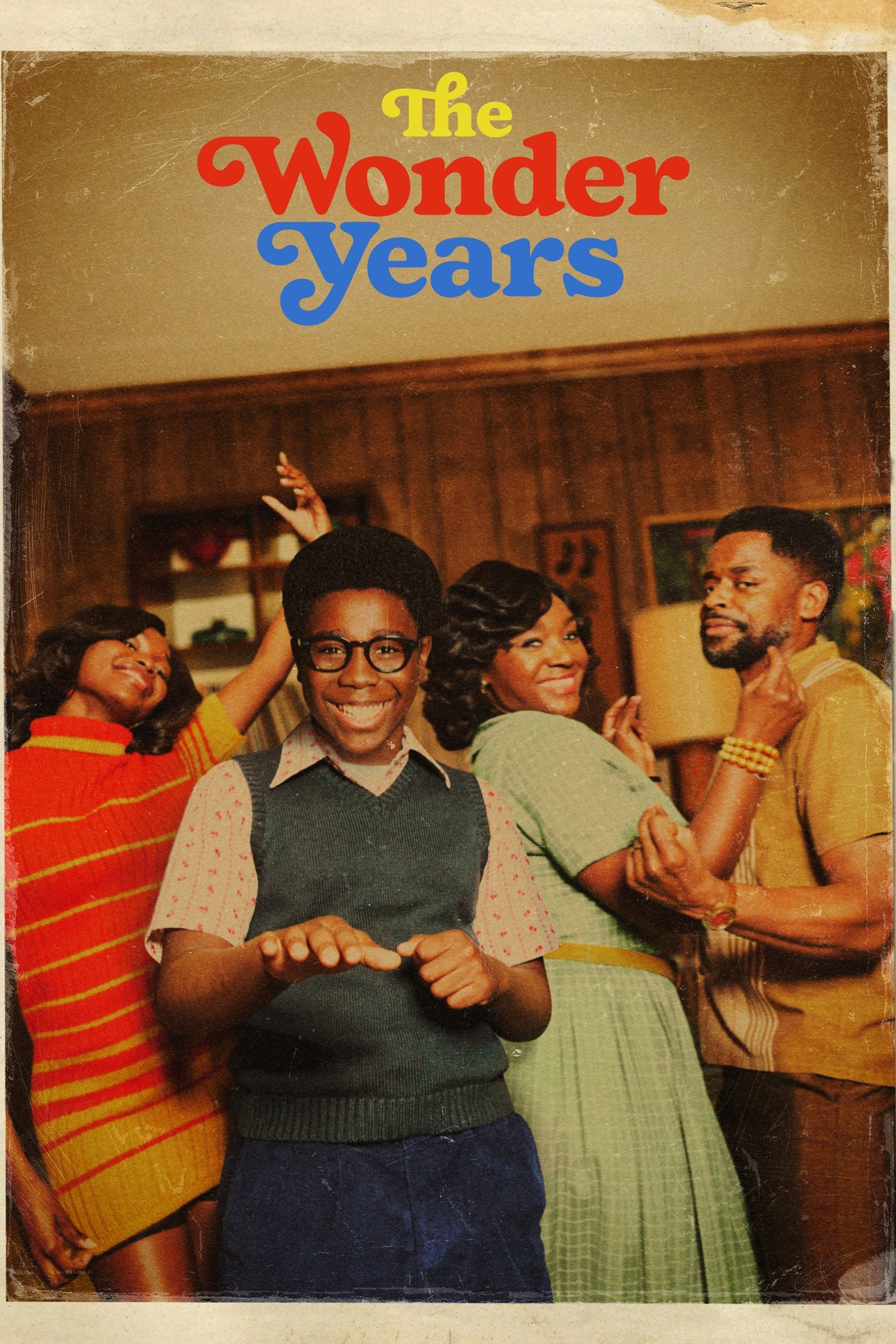
Taking inspiration from the 1988 series, this revival focuses on a Black middle-class family living in Montgomery, Alabama, during the late 1960s. Narrated by Don Cheadle, the story centers on young Dean Williams as he grows up amidst the Civil Rights Movement. The series provides a fresh perspective on the era by highlighting the specific joys and struggles of Black family life. It successfully explores historical events while maintaining the coming-of-age charm of its predecessor.
‘And Just Like That…’ (2021–Present)
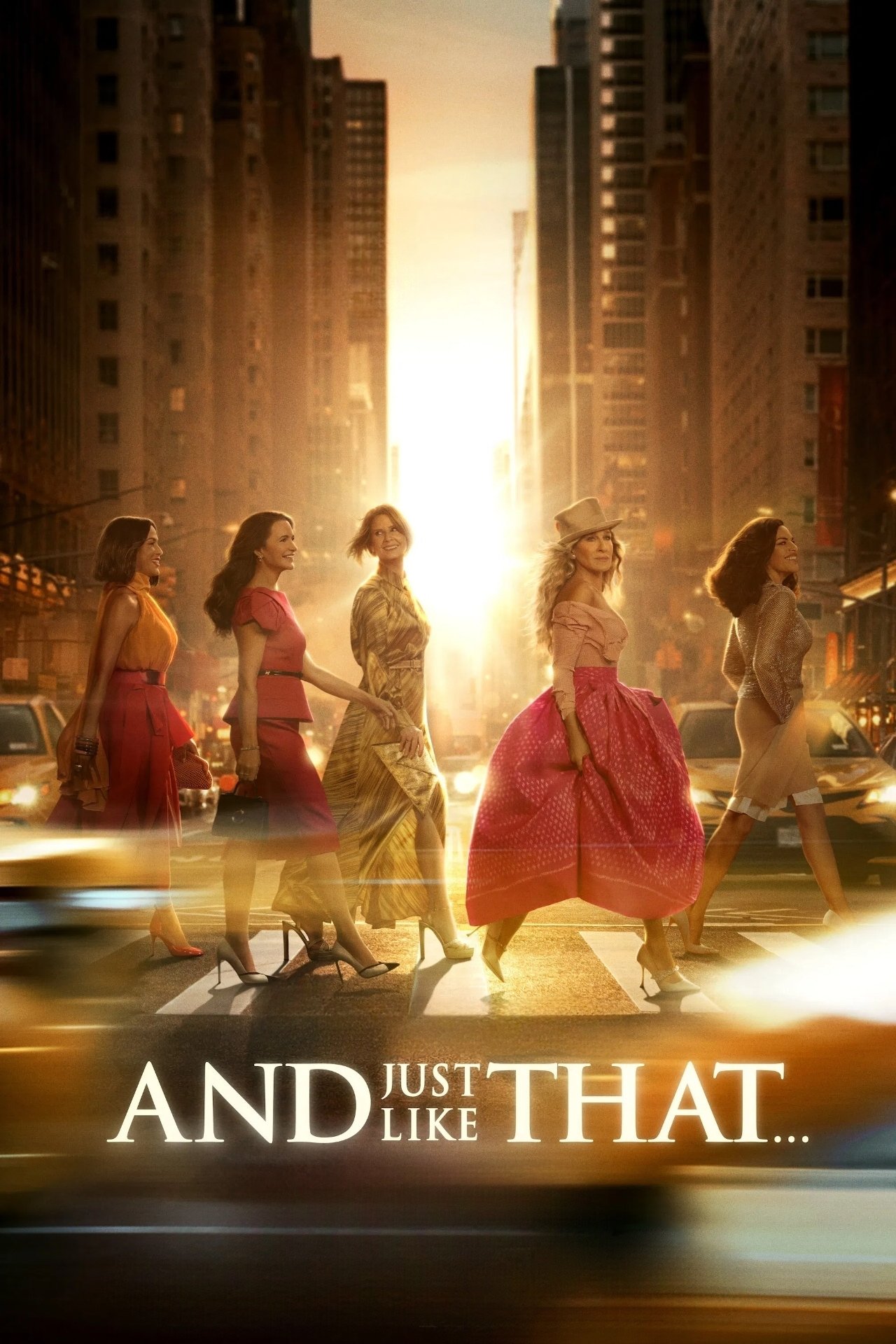
As a continuation of ‘Sex and the City’, this series follows Carrie, Miranda, and Charlotte as they navigate their 50s in a vastly changed New York City. The revival consciously expanded its cast to include more people of color and non-binary characters to reflect a more modern urban landscape. Sara Ramirez joined the cast as Che Diaz, a non-binary podcast host and stand-up comedian who becomes a central figure in Miranda’s arc. The show addresses topics such as racial awareness and gender identity within its established social circles.
‘The Proud Family: Louder and Prouder’ (2022–Present)
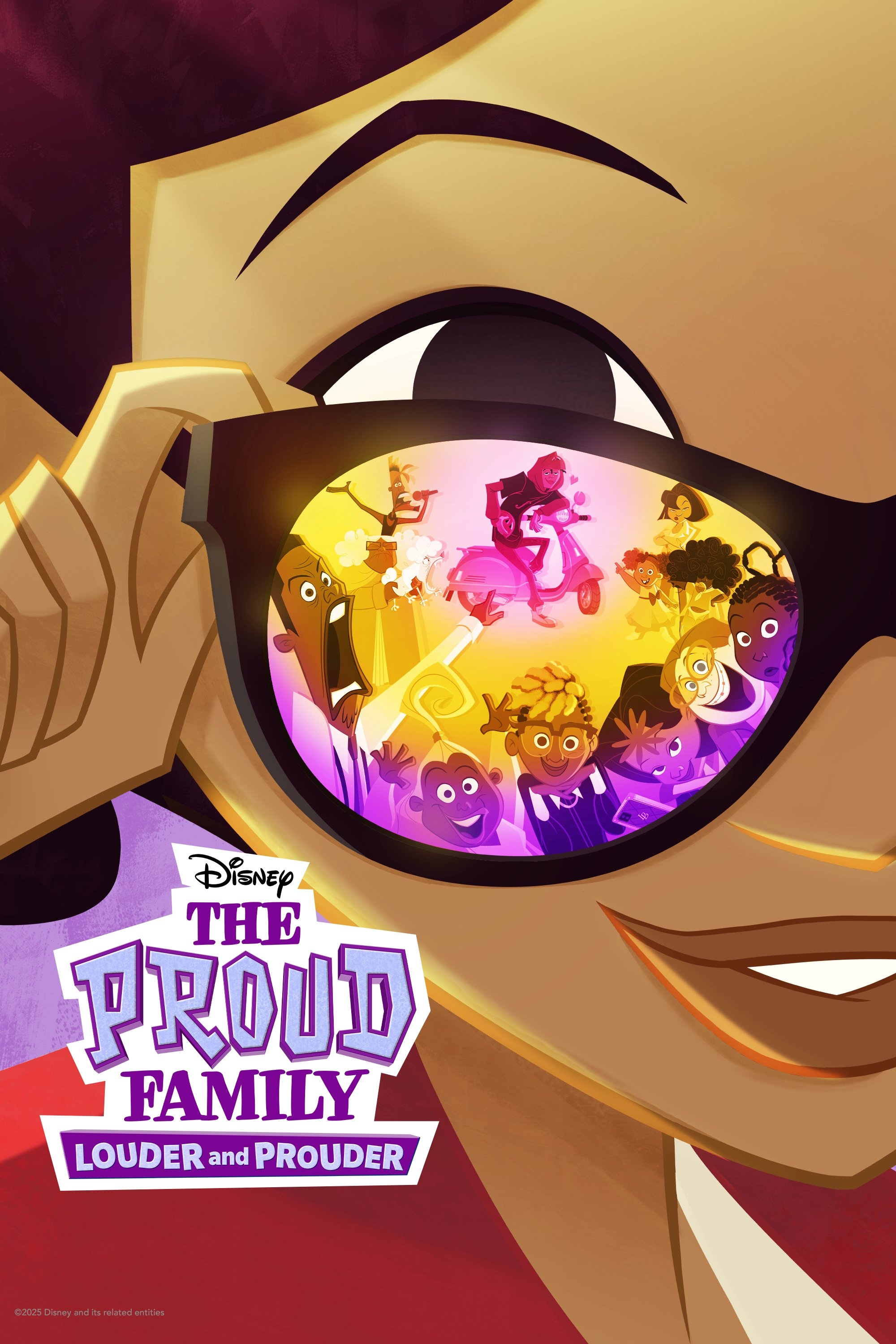
This animated revival continues the adventures of Penny Proud while updating the show’s social context for a new decade. It introduces several new characters, including Barry and Randall, a gay couple who are parents to Penny’s new friend Maya. The series explores modern themes such as social justice activism, LGBTQ+ inclusion, and the impact of social media on youth. By maintaining its original humor while embracing contemporary issues, it has resonated with both old and new viewers.
‘Quantum Leap’ (2022–2024)

Set thirty years after the original series, this continuation features a new team led by Dr. Ben Song, a physicist of Korean descent. The revival emphasizes a more global perspective and includes a diverse ensemble of scientists and military personnel. Mason Alexander Park stars as Ian Wright, the team’s lead programmer, who is a non-binary character. The show uses its time-travel premise to explore various historical periods through the lens of marginalized individuals.
‘The L Word: Generation Q’ (2019–2023)
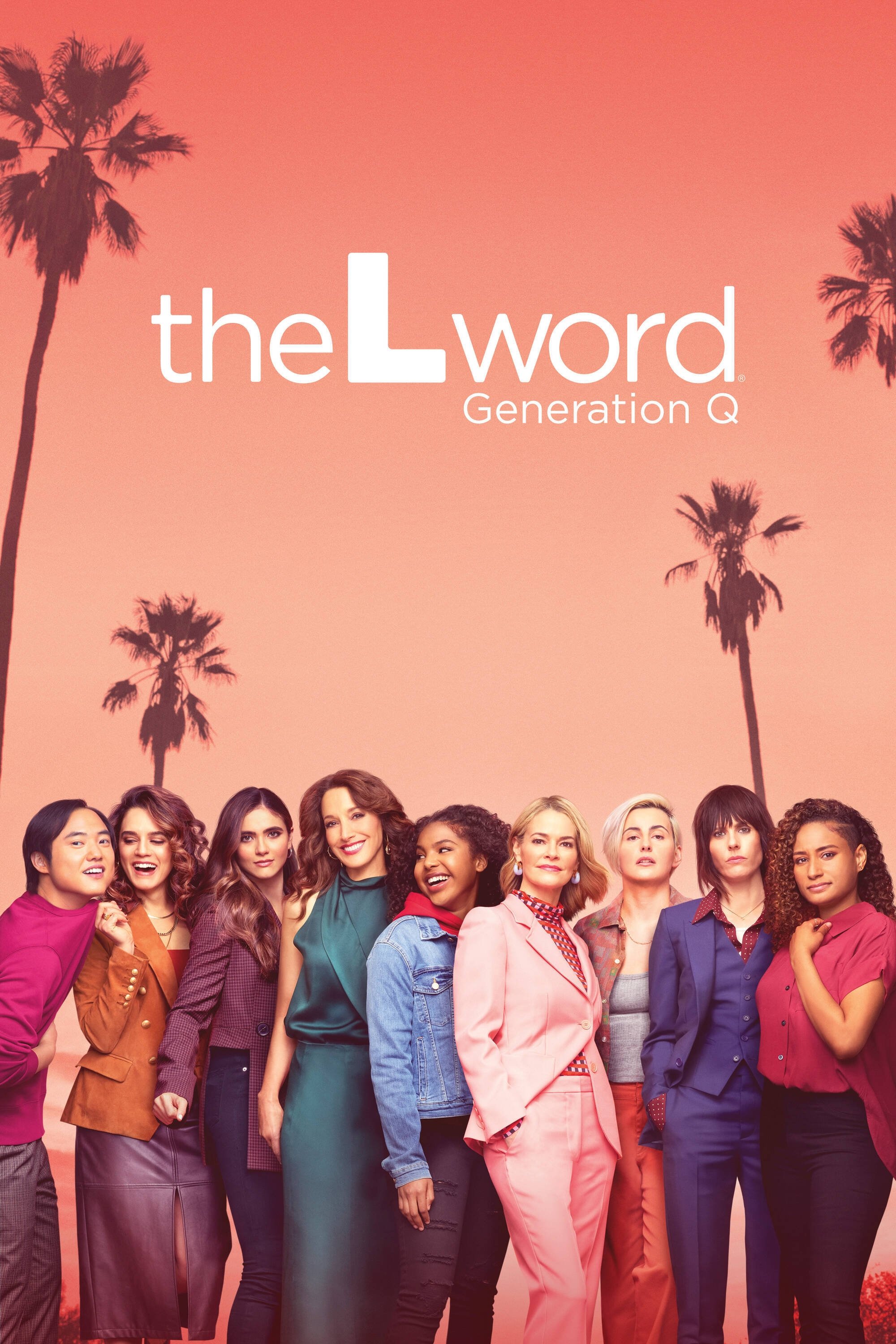
Returning to the world of West Hollywood, this series mixes original cast members with a new group of diverse LGBTQ+ characters. It places a significant emphasis on intersectionality, featuring trans men, non-binary individuals, and people of color in leading roles. The storylines delve into modern queer politics, healthcare access, and the evolution of community spaces. This approach allowed the show to update its legacy for a younger, more diverse generation of viewers.
‘Queer Eye’ (2018–Present)
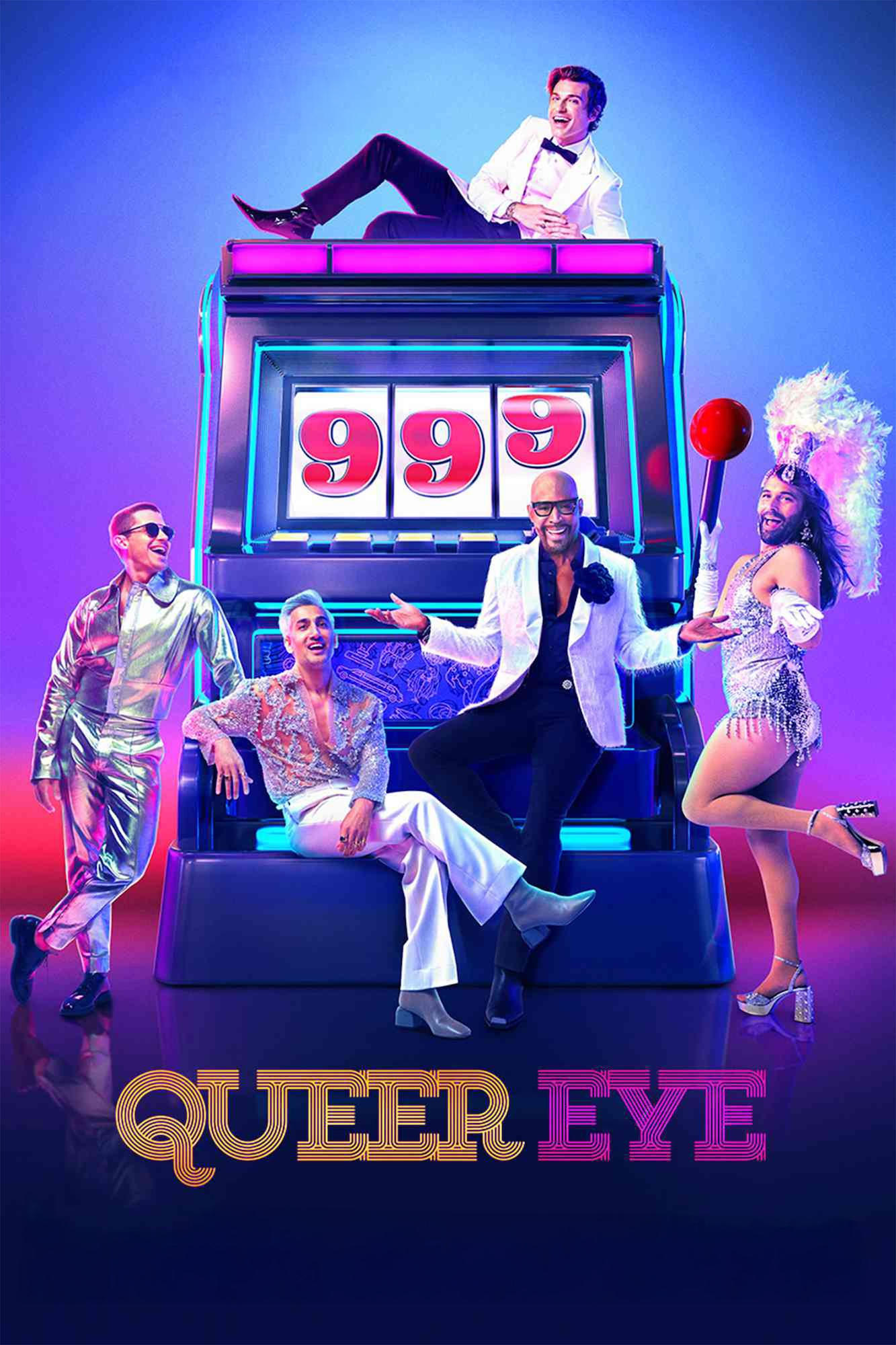
While technically a reboot of the 2003 reality series, the Netflix revival transformed the format into a global cultural phenomenon. The new Fab Five provide lifestyle makeovers while engaging in deep conversations about race, religion, and sexual orientation. The series often visits conservative areas to foster dialogue between people from different backgrounds. By focusing on emotional vulnerability and mutual understanding, it has successfully expanded the scope of the original premise.
‘Gossip Girl’ (2021–2023)
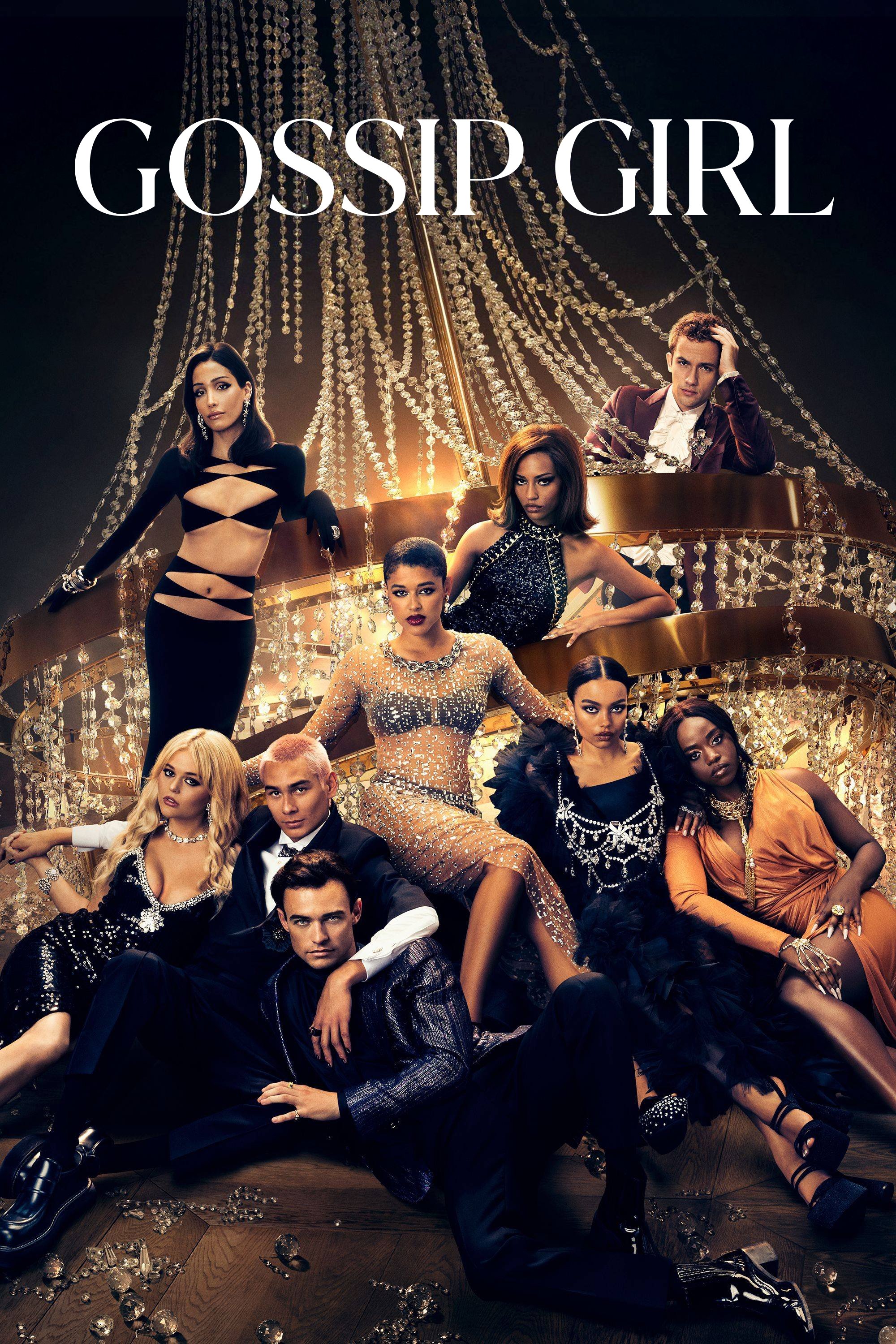
The revival of ‘Gossip Girl’ returns to Constance Billard St. Jude’s School with a cast that is notably more diverse than the original 2007 lineup. The main characters reflect a wider range of racial backgrounds and sexual orientations, moving away from the predominantly white perspective of the first series. Storylines explore the intersection of wealth, social media influence, and queer identity in modern Manhattan. This version attempts to deconstruct the privilege that the original show often celebrated without question.
‘A League of Their Own’ (2022)
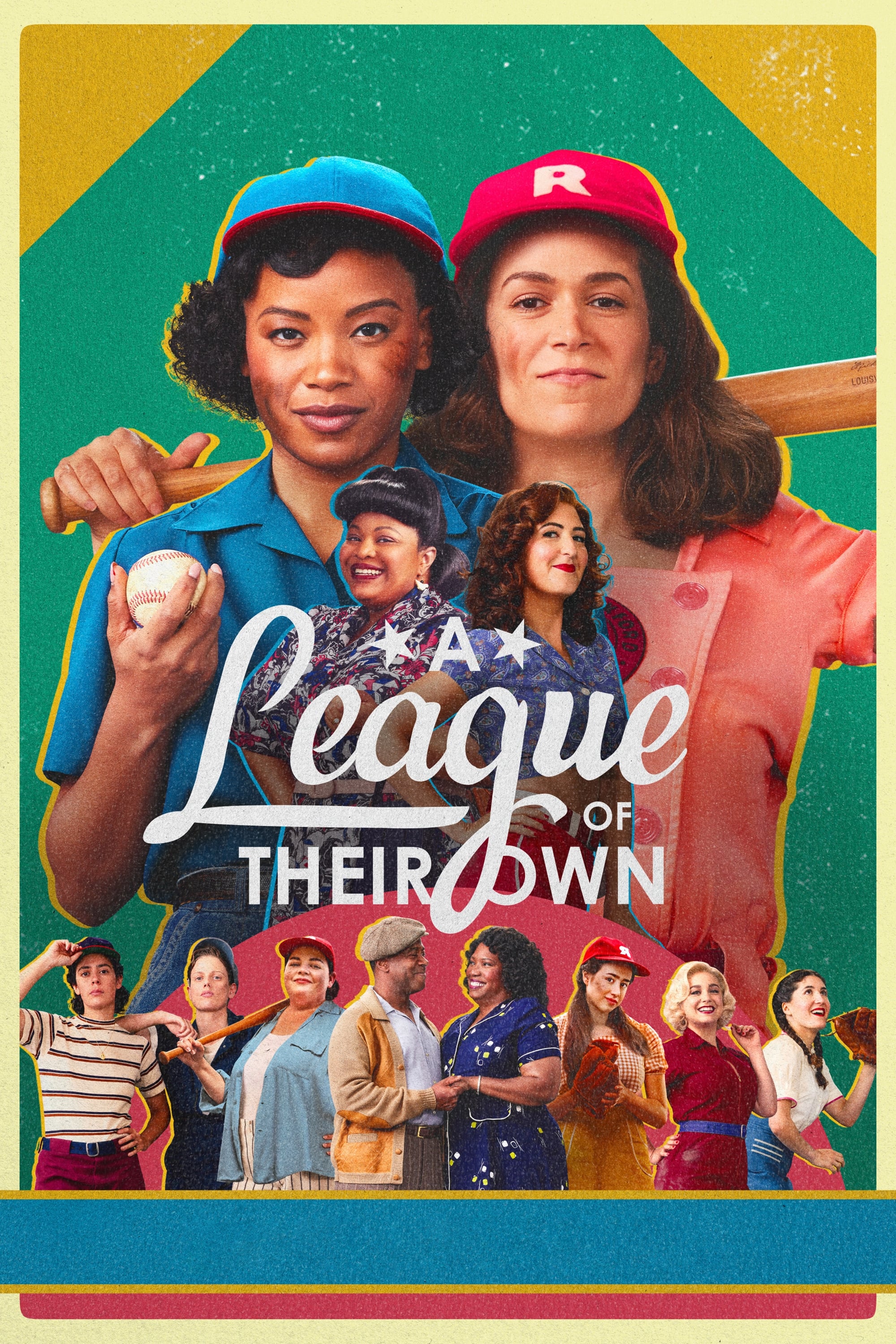
Based on the 1992 film, this series expands the narrative to include the experiences of Black women and queer athletes during World War II. It follows Max Chapman, a Black pitcher who is barred from the All-American Girls Professional Baseball League due to her race. The show runs parallel storylines that examine the underground queer culture of the 1940s and the racial segregation of the era. This shift provides a much broader historical context than the source material.
‘DuckTales’ (2017–2021)
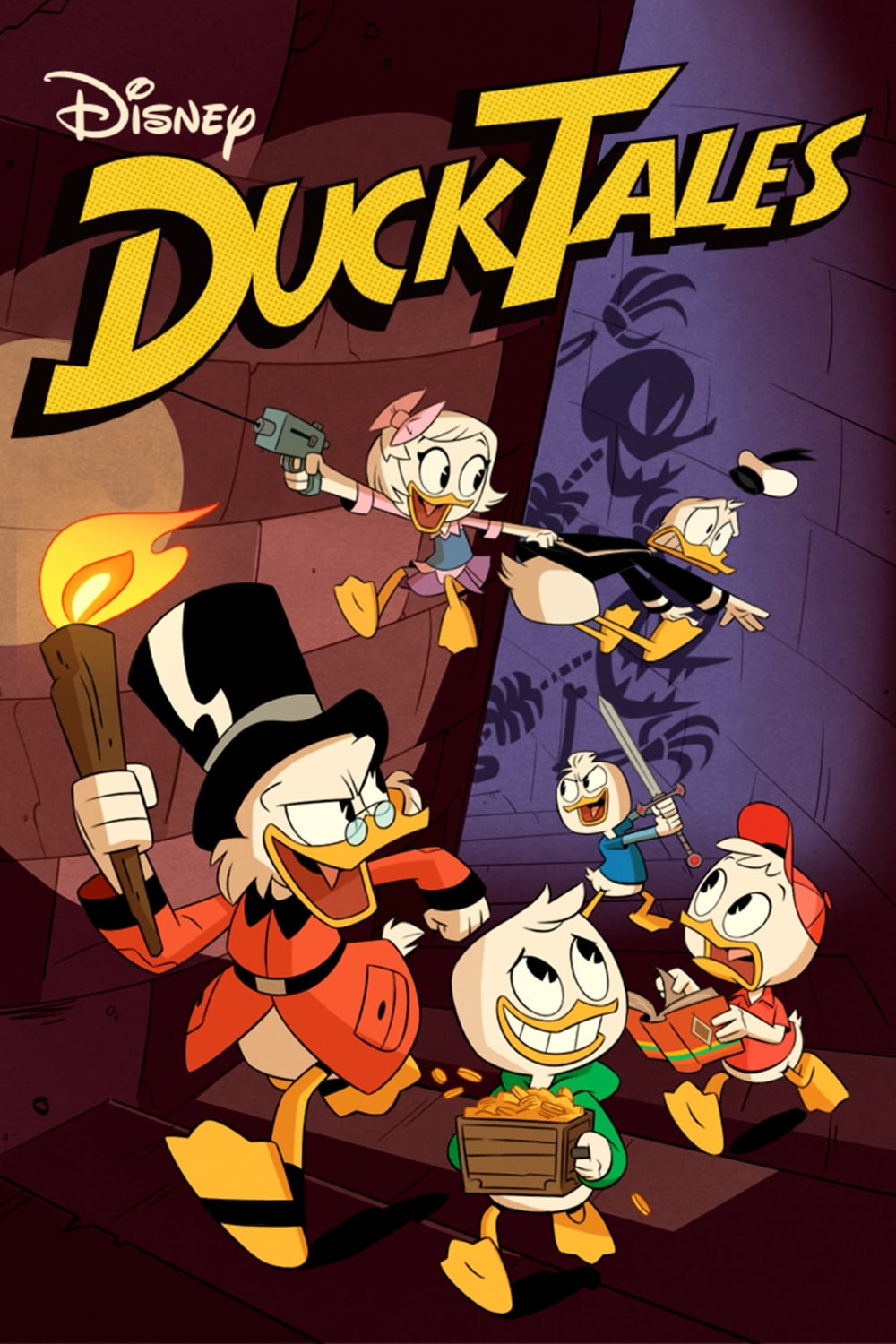
The reimagined ‘DuckTales’ updated the classic Disney series with more complex characterizations and inclusive storytelling elements. One significant addition was the introduction of Violet Sabrewing, a friend of the triplets who has two fathers. This marked a milestone for LGBTQ+ representation in Disney Channel’s animated programming at the time. The series also introduced more prominent female characters and explored diverse mythological backgrounds in its world-building.
‘X-Men ’97’ (2024–Present)
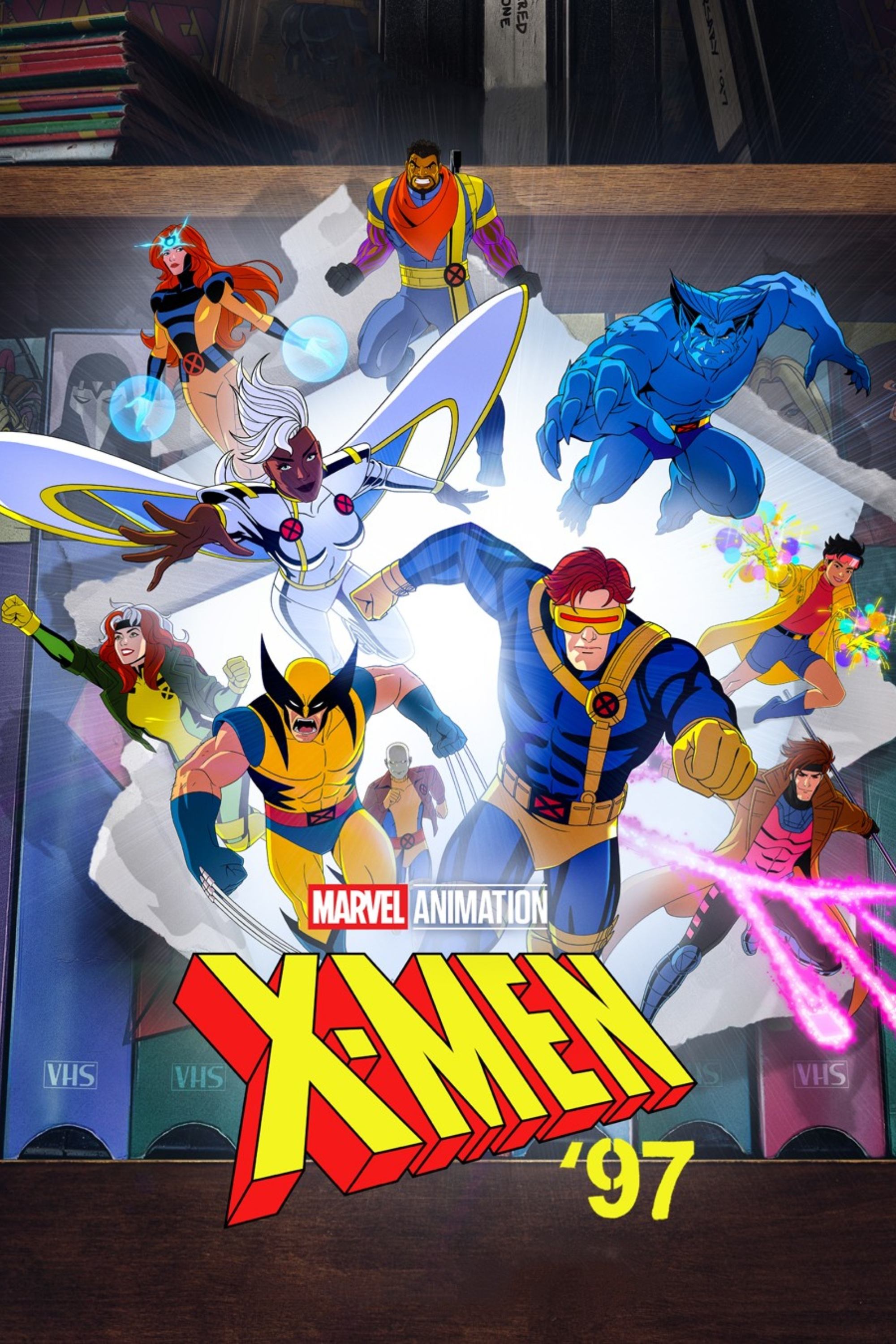
Continuing the story of the iconic 1990s animated series, ‘X-Men ’97’ maintains the original’s allegory for civil rights while sharpening its focus on modern social issues. The series features Morph as a non-binary character and delves deeper into the political struggles of mutants as a marginalized group. It addresses themes of systemic oppression and the cost of peaceful coexistence in a volatile world. The revival has been praised for staying true to the source material while making its social commentary more explicit.
‘Night Court’ (2023–Present)
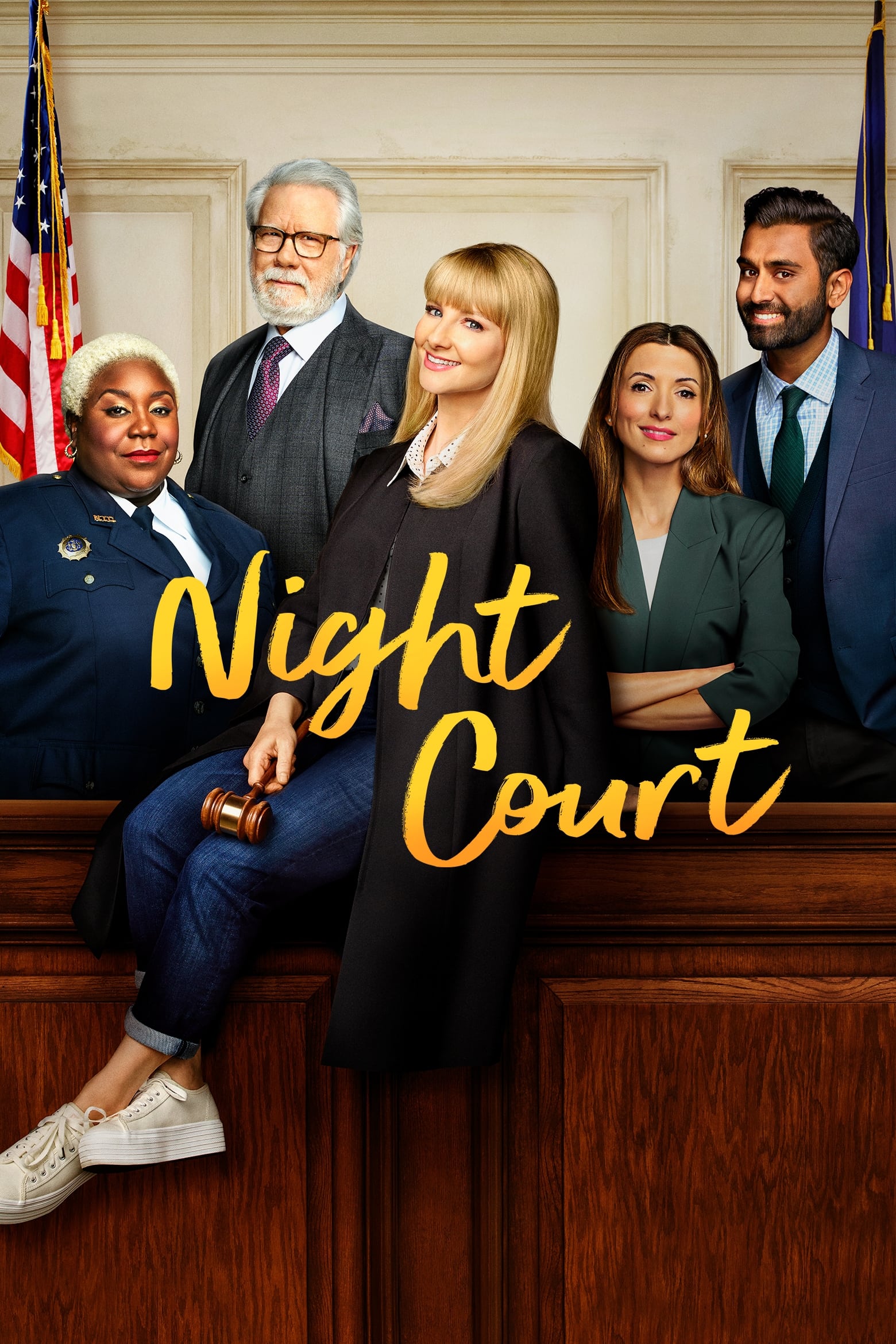
This continuation of the classic 1980s sitcom stars Melissa Rauch as Abby Stone, the daughter of the original series’ Judge Harry Stone. The revival features a diverse supporting cast, including Lacretta as the bailiff Donna “Gurgs” Gurganous and Kapil Talwalkar in the first season. The show maintains the multicam sitcom format while reflecting the modern demographics of New York City’s legal system. It successfully balances nostalgic callbacks with a cast that represents a contemporary urban environment.
‘iCarly’ (2021–2023)
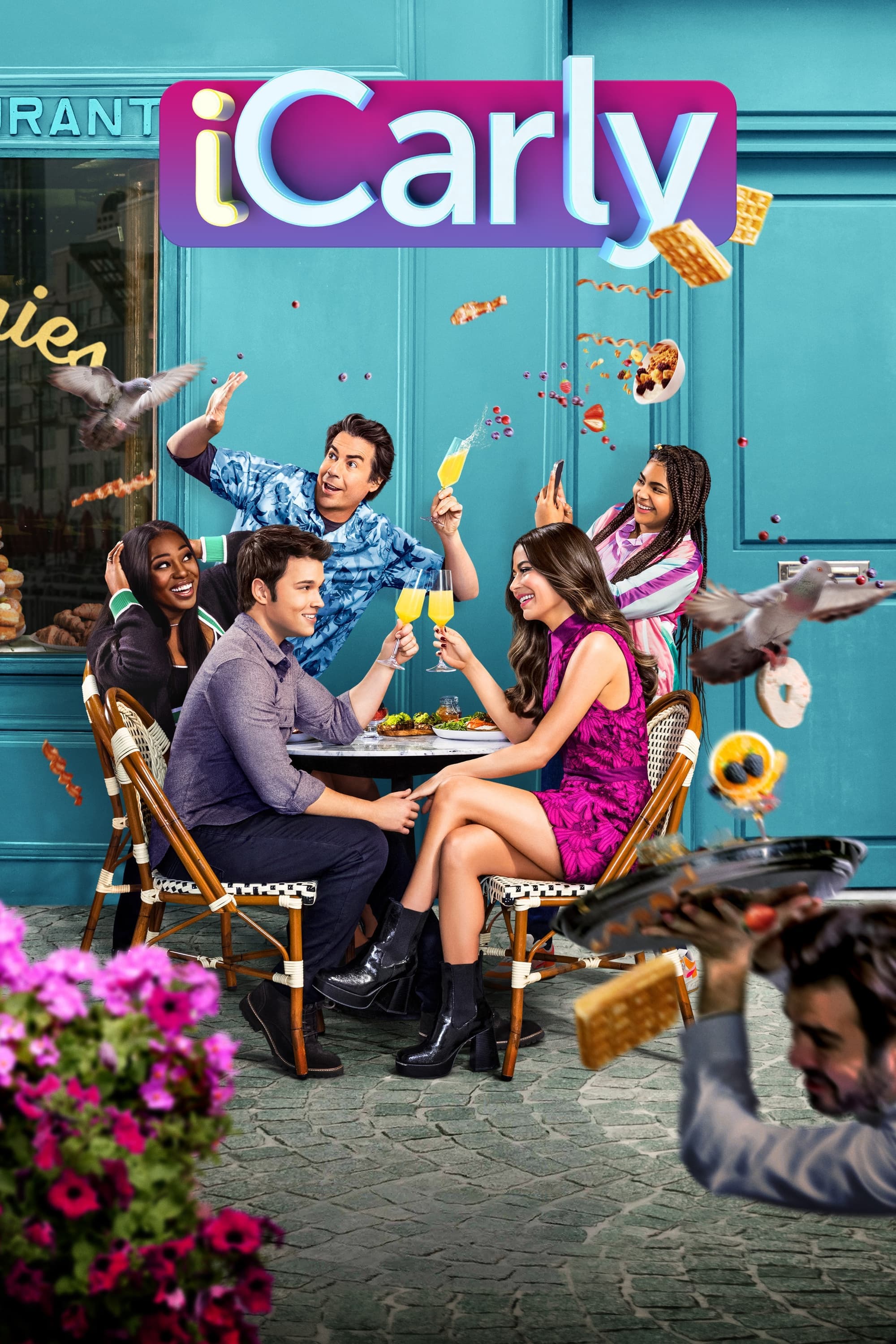
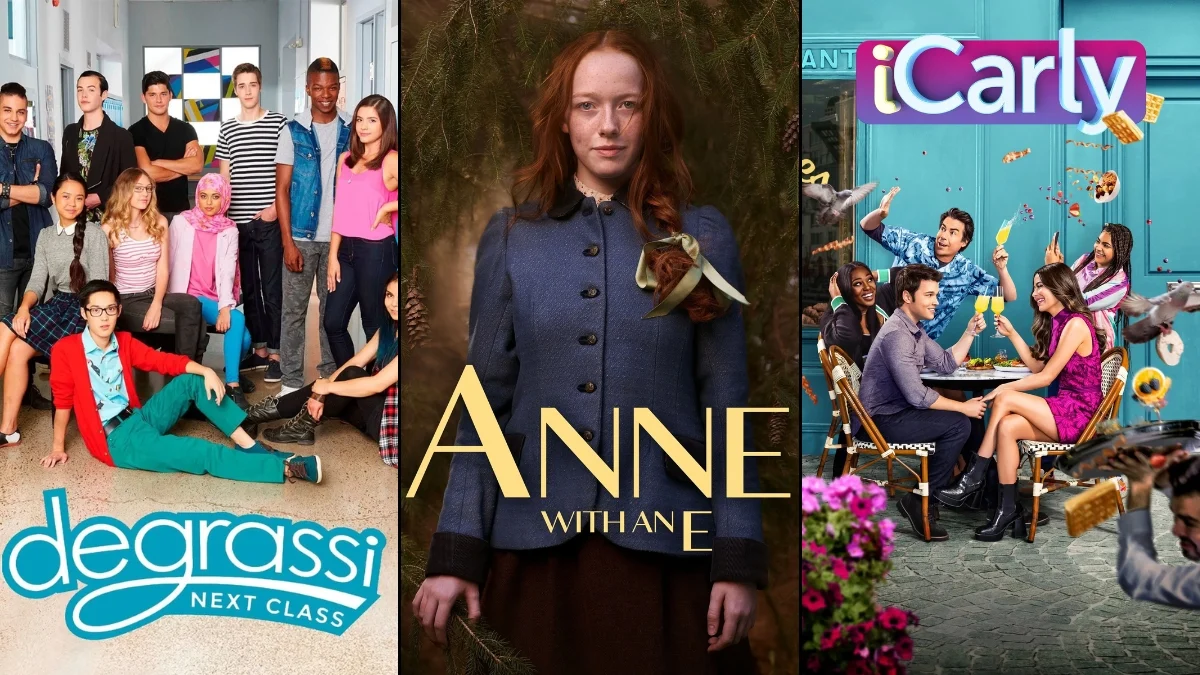
The ‘iCarly’ revival catches up with Carly Shay and her friends as they navigate life in their late 20s. Unlike the original Nickelodeon series, this version was developed for an adult audience and introduced new characters to broaden the show’s perspective. Laci Mosley joined the cast as Harper, Carly’s roommate and best friend, who is a queer woman of color. The series explored adult themes, including modern dating, career struggles, and queer identity, while retaining its signature absurdist humor.
‘The Conners’ (2018–Present)
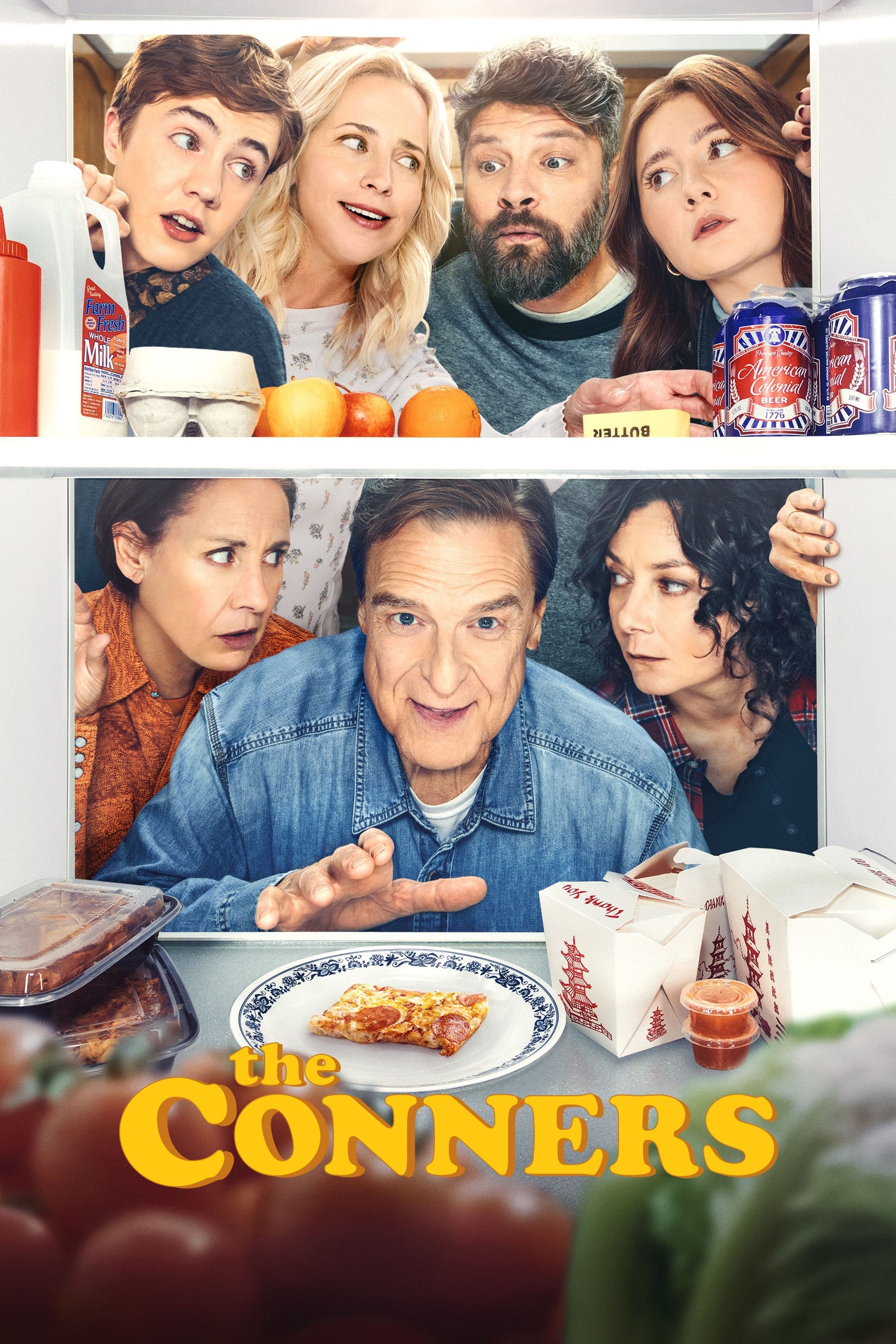
Born out of the ‘Roseanne’ revival, ‘The Conners’ continues to explore the lives of a working-class family in Lanford, Illinois. The series has introduced diverse storylines involving racial identity, addiction, and LGBTQ+ relationships within the family dynamic. It features a recurring plotline involving Mark, the grandson of the family, as he navigates being an openly gay teenager in a rural setting. The show remains focused on the economic realities of Middle America while embracing a more inclusive worldview.
‘Fraggle Rock: Back to the Rock’ (2022–Present)
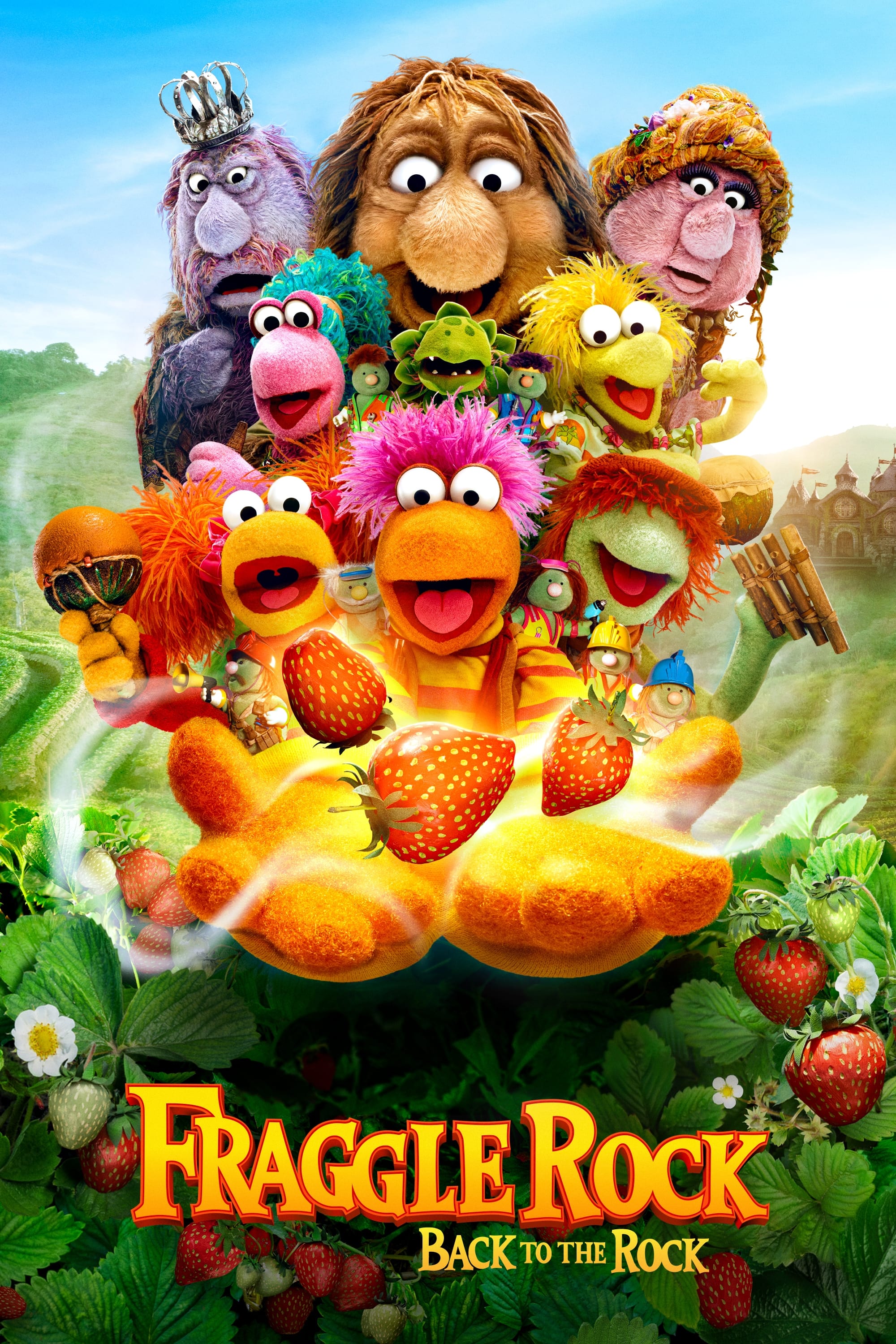
The revival of Jim Henson’s beloved puppet series maintains its core message of interconnectedness and environmental stewardship. It introduces new characters and songs that reflect a wider range of cultural influences and social awareness. The storylines emphasize the importance of community diversity and the need for global cooperation to solve environmental crises. By updating the show’s themes for the 21st century, it remains an effective tool for teaching inclusion to children.
‘Charmed’ (2018–2022)
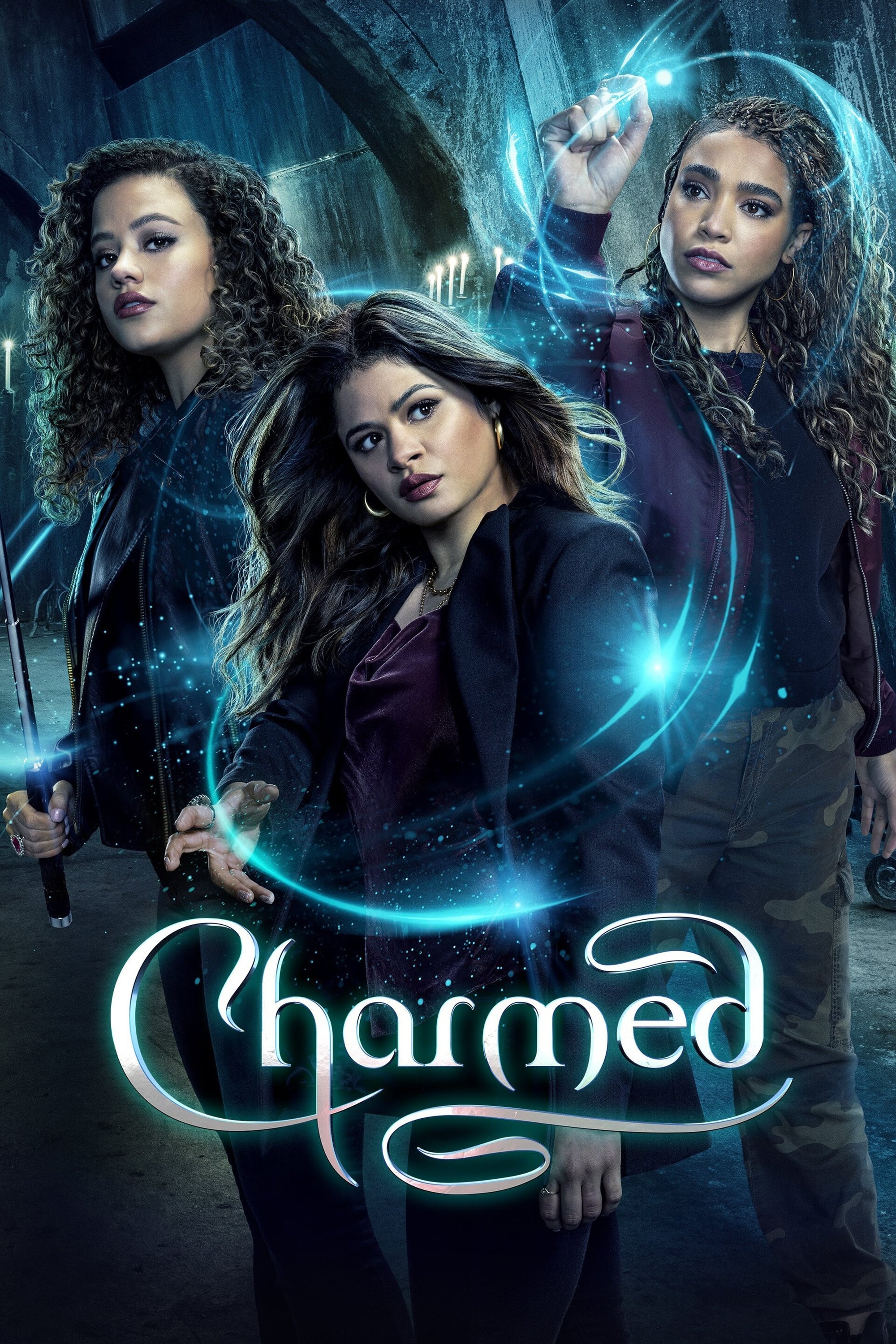
This reimagining of the WB series features three sisters of Latina descent who discover they are powerful witches. The revival moved the setting to a college town and integrated social justice themes directly into the plot. It explored topics such as immigrant rights, women’s empowerment, and LGBTQ+ romance through the character of Mel Vera. This version of the show aimed to provide a more politically conscious and diverse take on the supernatural genre.
‘Dexter: New Blood’ (2021–2022)

Returning years after the original finale, ‘Dexter: New Blood’ finds the title character living in a small town in upstate New York. A major component of the revival is its focus on the local Seneca Nation community and their struggle with missing Indigenous women. This storyline brings attention to a real-world crisis while integrating it into the show’s dark investigative narrative. The series features several Indigenous actors and explores the cultural tensions within the town.
‘Clone High’ (2023–Present)
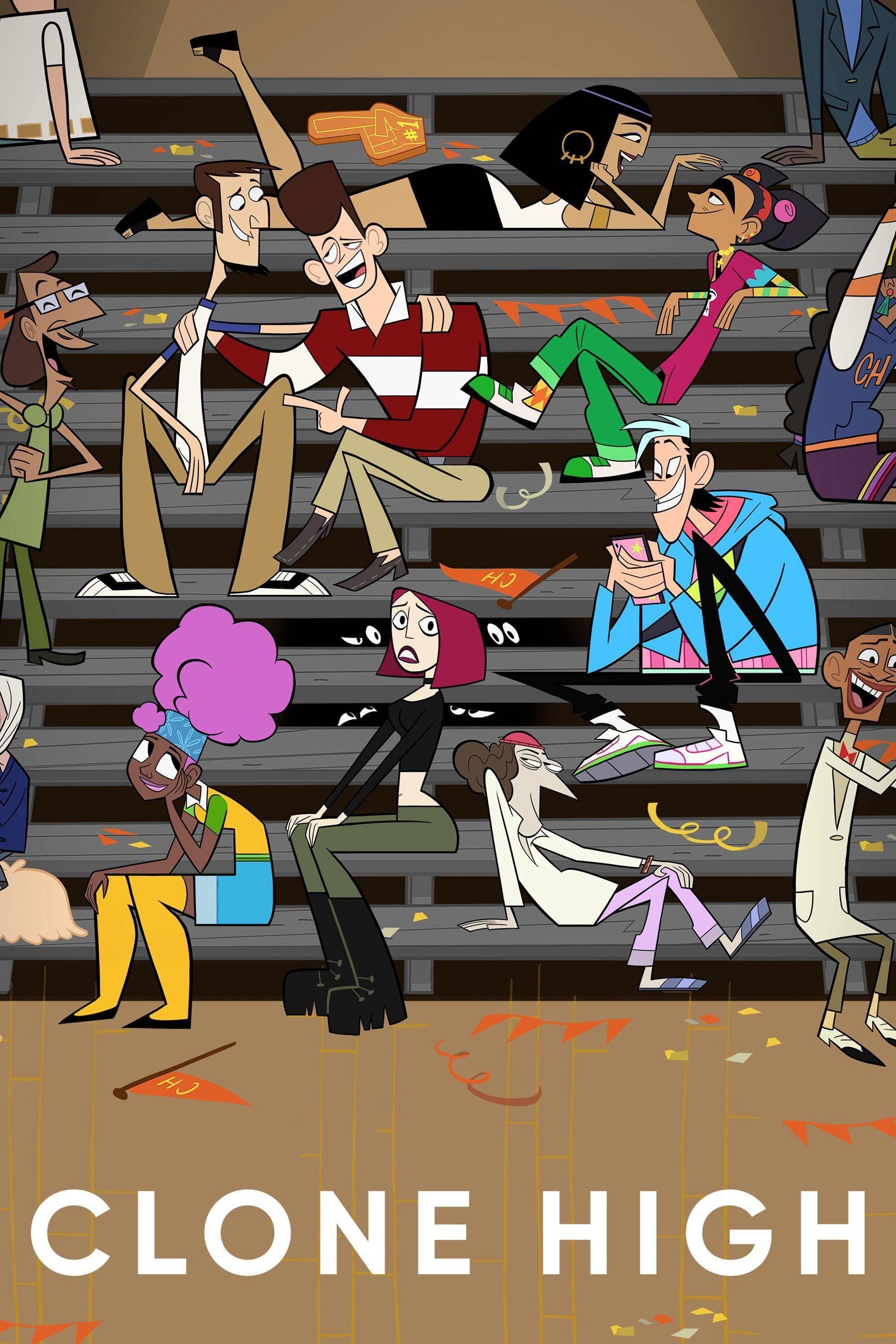
After a two-decade hiatus, ‘Clone High’ returned with its cast of historical figures updated for a modern high school setting. The revival introduces new clones like Frida Kahlo and Harriet Tubman to the main ensemble, reflecting a more diverse group of historical icons. The plotlines satirize modern social media culture, “cancel culture,” and contemporary social awareness. This allows the show to maintain its edgy humor while acknowledging the shifts in cultural values since its original 2002 run.
‘Mike Judge’s Beavis and Butt-Head’ (2022–Present)
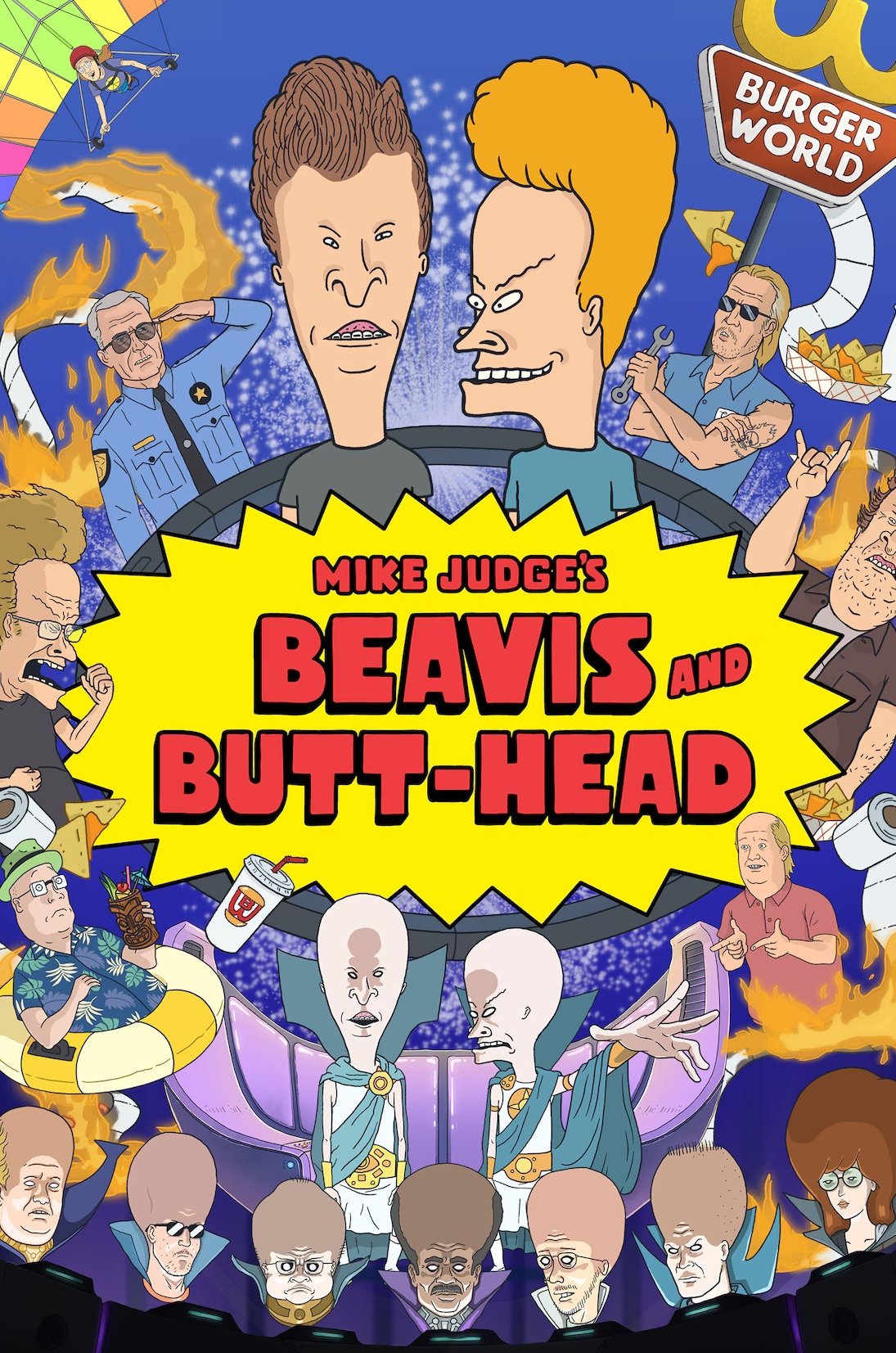
Mike Judge’s iconic duo returned in both a movie and a new series that places them in the 2020s. While the characters remain largely unchanged, the show uses them to satirize modern social constructs, including white privilege and gender politics. In one notable episode, the pair mistakenly joins a social justice group, allowing the show to poke fun at various contemporary viewpoints. The revival successfully bridges the gap between 90s slacker culture and the complexities of the modern era.
‘Criminal Minds: Evolution’ (2022–Present)
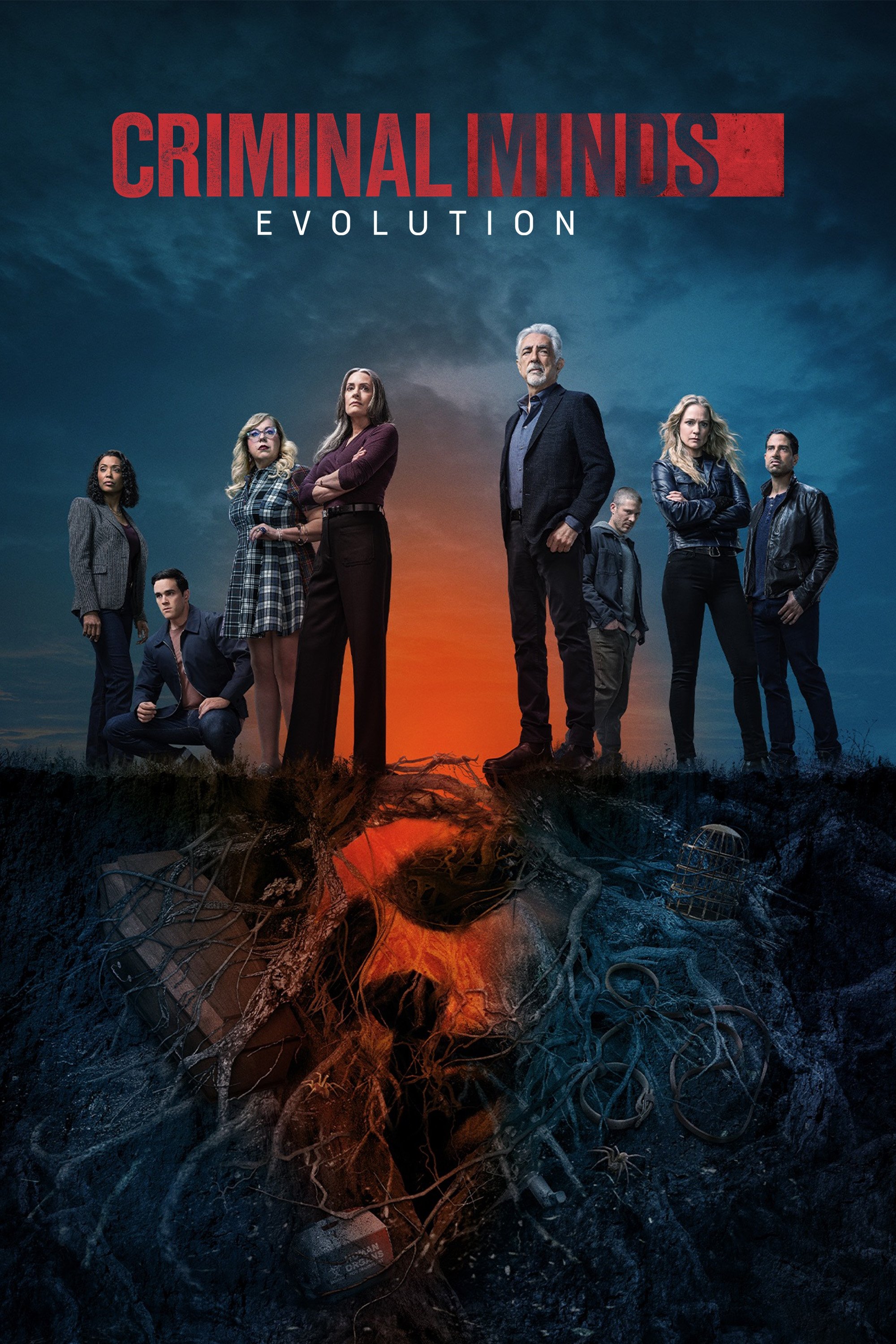
The revival of ‘Criminal Minds’ on Paramount+ offers a more serialized and gritty take on the long-running procedural. It maintains a diverse team of profilers and has expanded on their personal lives to include more contemporary family dynamics and social backgrounds. The show explores the impact of the pandemic on criminal behavior and investigative techniques. This version allows for a deeper exploration of the characters’ psychological tolls within a more modern and inclusive framework.
‘Party Down’ (2023–Present)
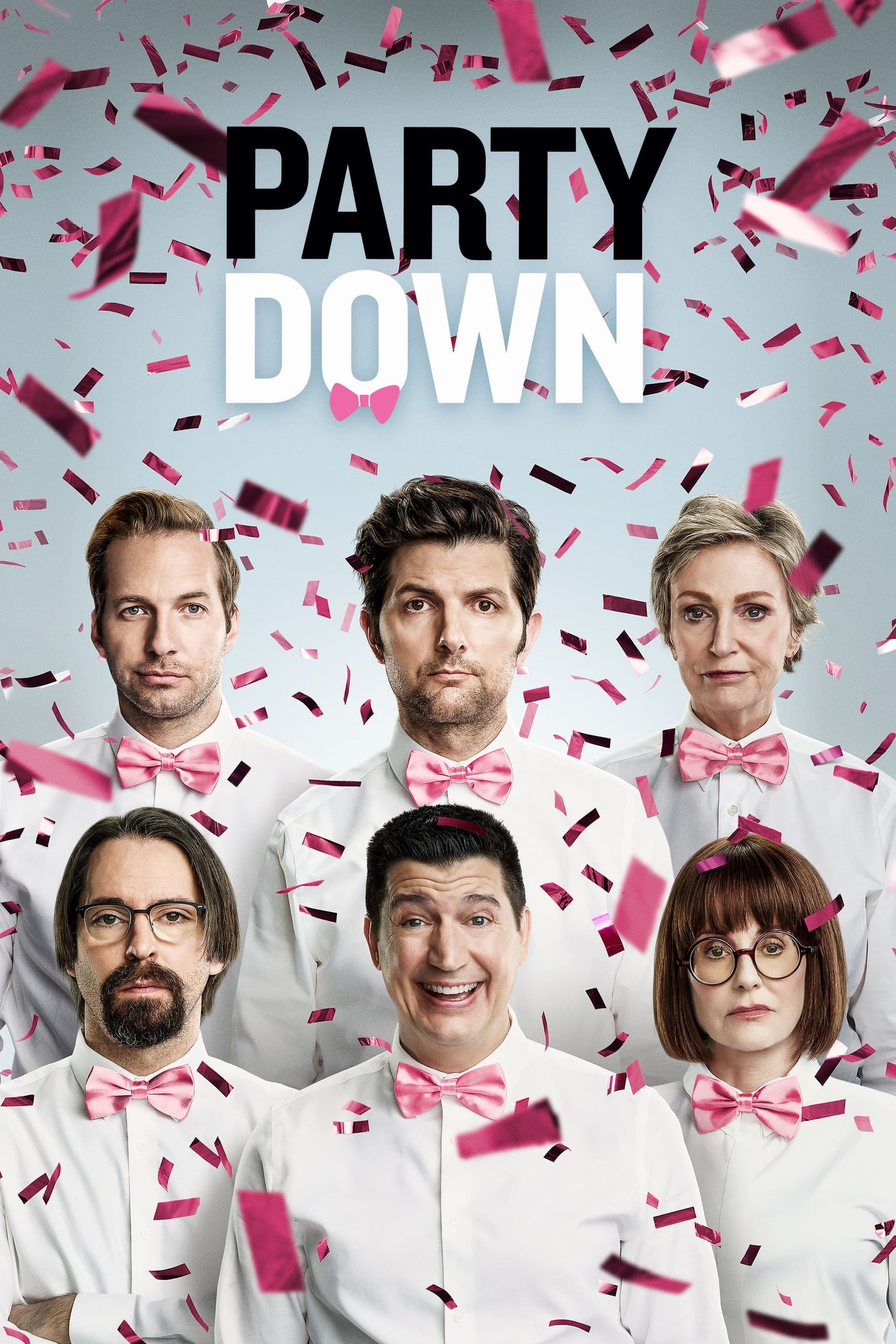
The cult hit ‘Party Down’ returned with many of its original cast members while adding new faces to the catering crew. The additions of Zoë Chao and Tyrel Jackson Williams brought fresh energy and diversity to the ensemble. The revival continues to use its “guest of the week” format to explore different social strata and cultural subsectors in Los Angeles. By incorporating new perspectives, the show maintains its sharp cynical humor while feeling grounded in the current economic landscape.
‘Frasier’ (2023–Present)
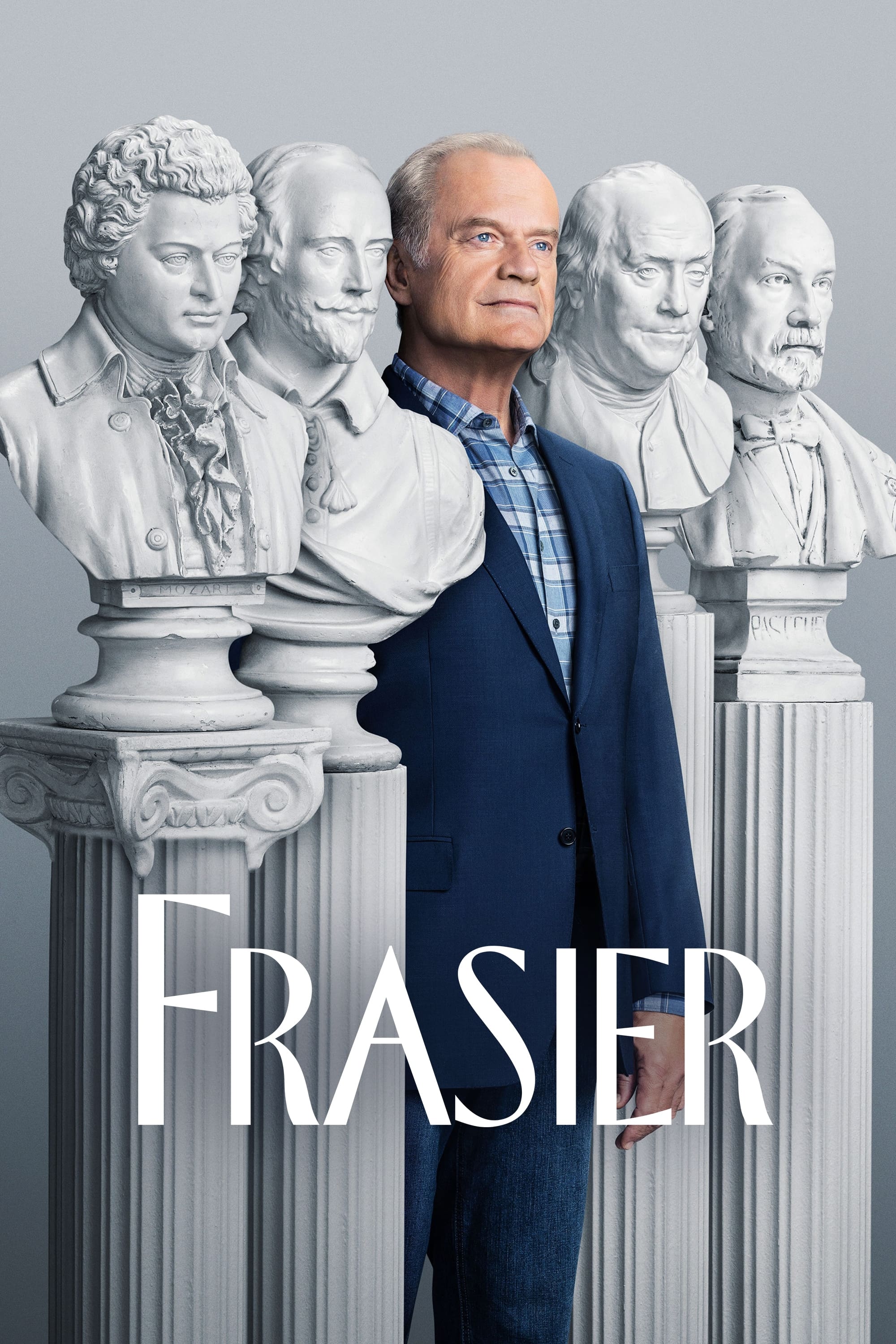
Kelsey Grammer returns as Frasier Crane in this revival that sees the character moving back to Boston to connect with his son, Freddy. The new series features a diverse supporting cast, including Toks Olagundoye as a colleague and Anders Keith as Frasier’s nephew. The show explores the generational and educational divide between Frasier and his more working-class son. This dynamic allows the series to touch on different social perspectives while maintaining the sophisticated wit of the original.
‘Animaniacs’ (2020–2023)
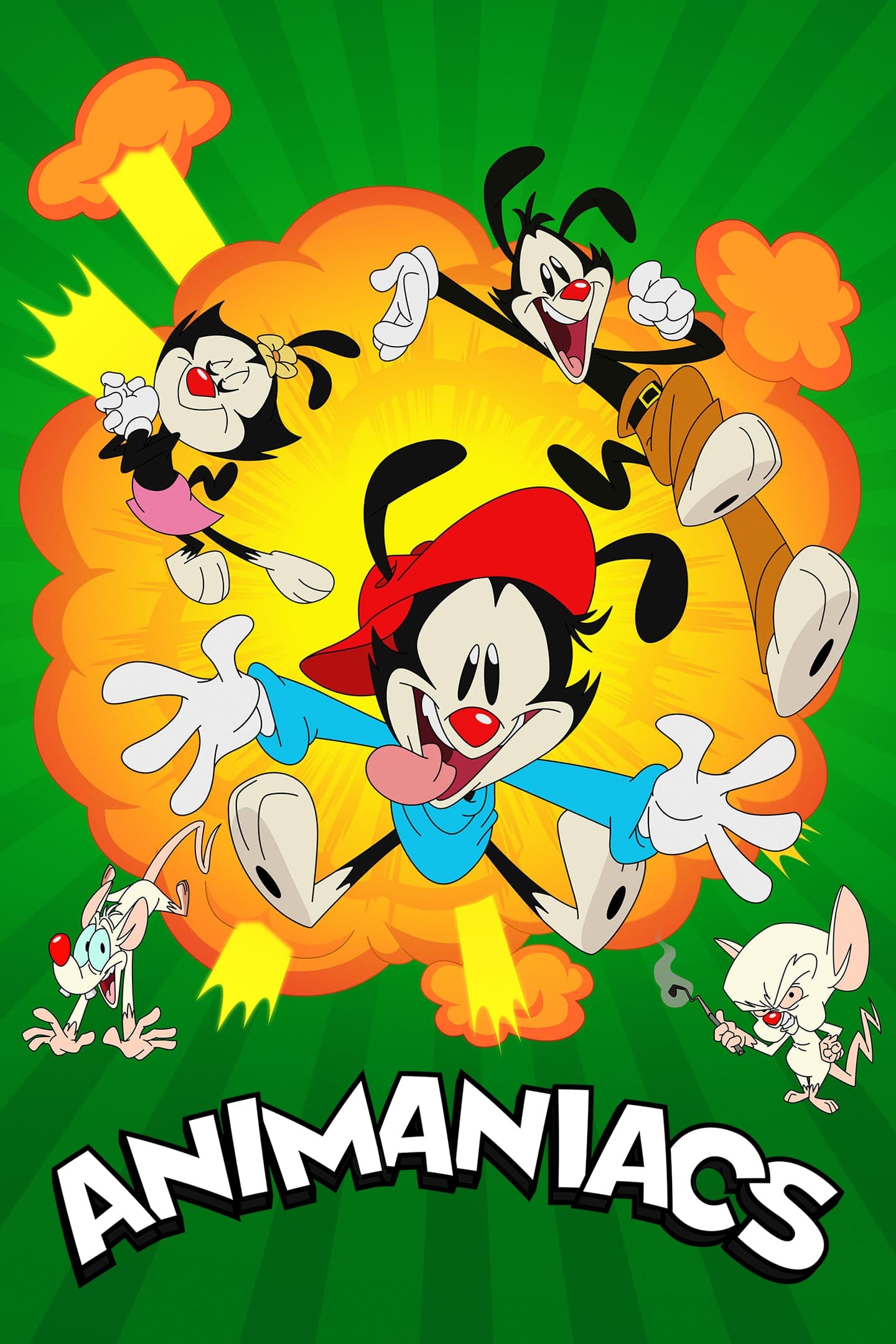
The Warner brothers and their sister Dot returned for a three-season revival that heavily satirized modern politics and technology. The show introduced new segments and characters that reflected a more diverse and globally aware world. It tackled issues like internet culture, corporate greed, and social movements with its signature meta-humor. The revival proved that the show’s chaotic energy could be successfully applied to the social complexities of the 21st century.
‘Degrassi: Next Class’ (2016–2017)
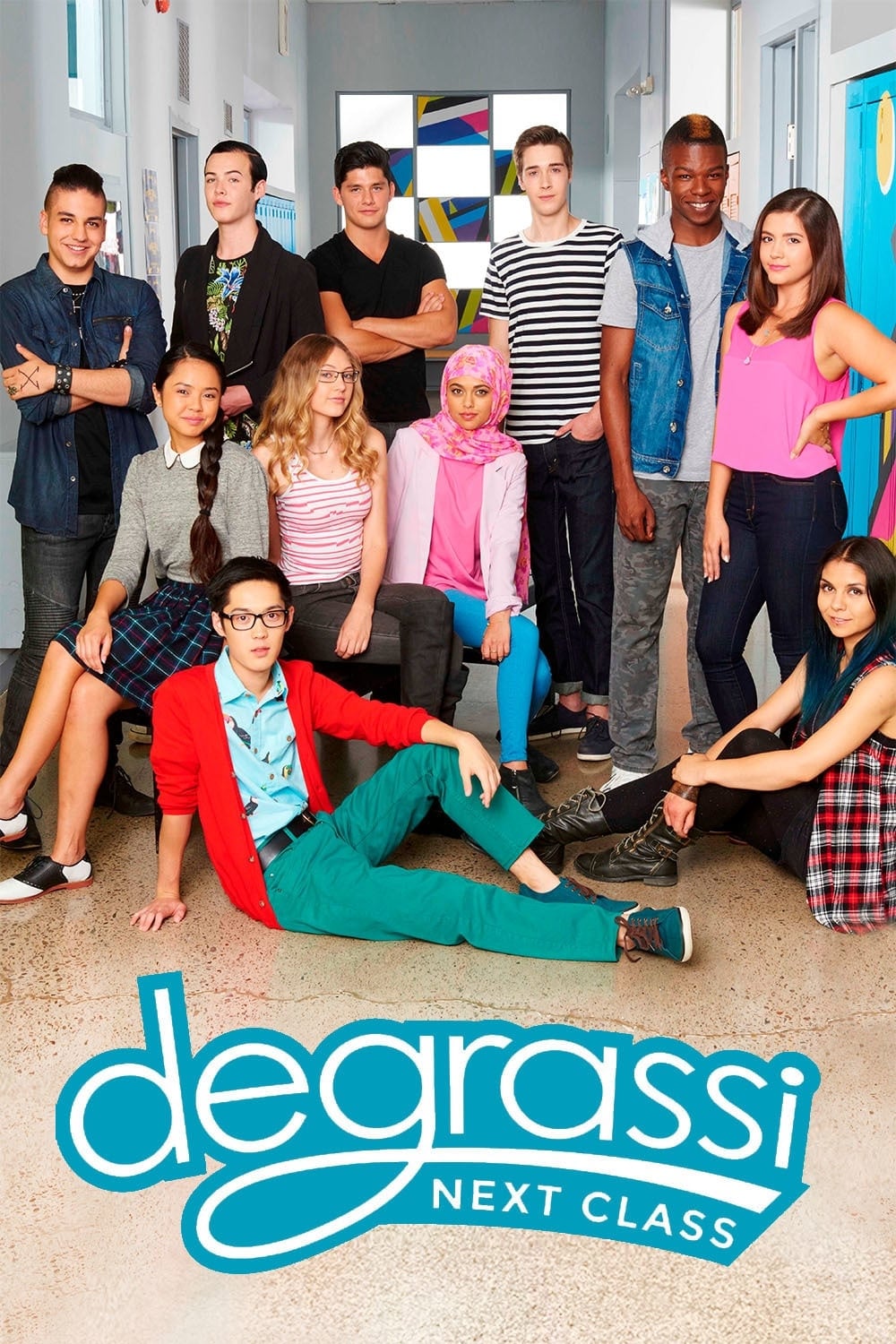
This iteration of the long-running Canadian franchise continued the tradition of addressing teen issues with modern sensitivity. It focused heavily on diverse identities, including storylines about gender fluidity, Syrian refugees, and the Black Lives Matter movement. Characters like Yael Baron, who explores a non-binary identity, provided representation that was pioneering for teen television at the time. The series remained a vital platform for exploring the intersectional lives of high school students.
‘Will & Grace’ (2017–2020)
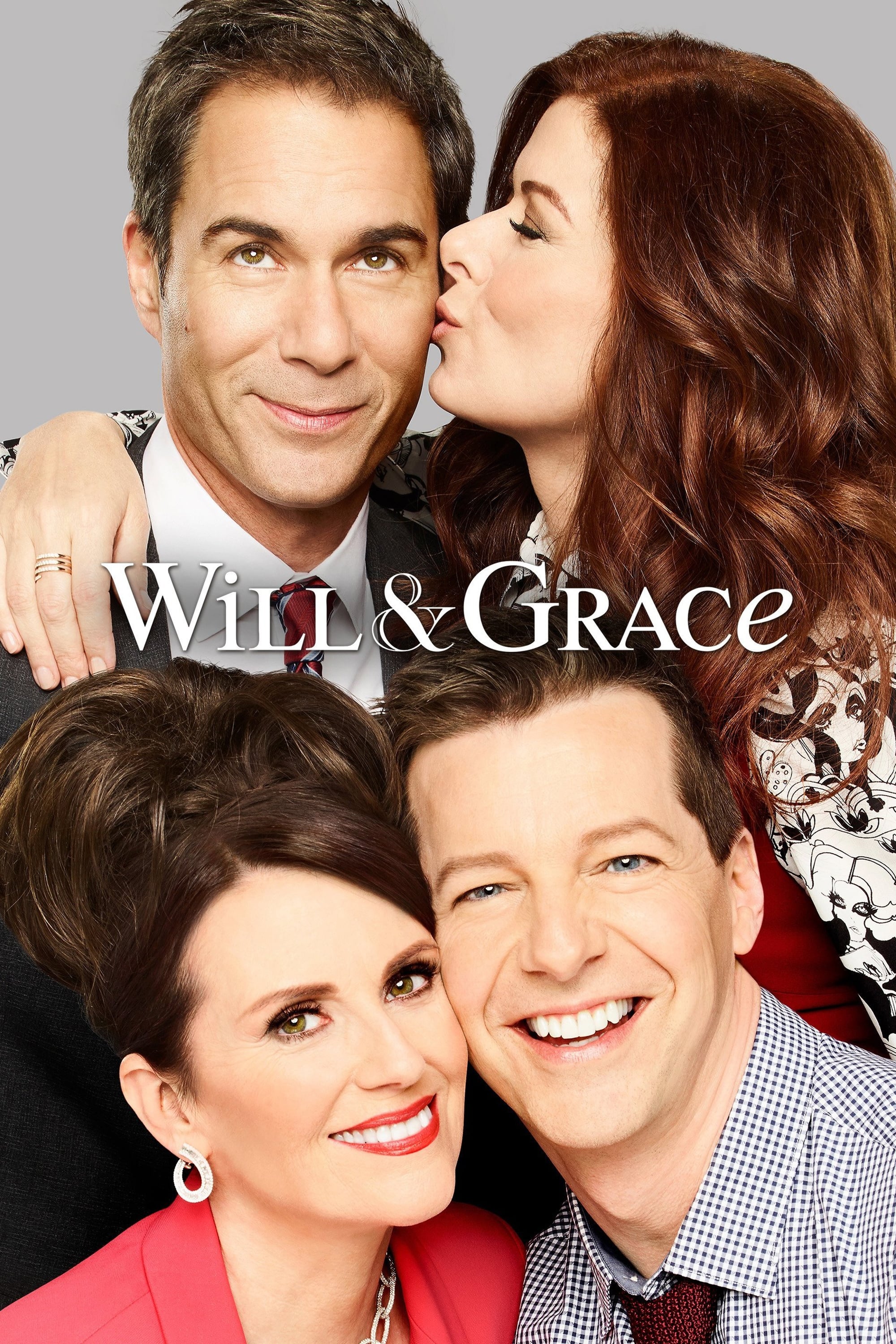
The revival of ‘Will & Grace’ brought the quartet back to television during a period of significant political and social transition. While the core cast remained the same, the show updated its humor to reflect contemporary queer culture and political debates. It addressed the evolution of LGBTQ+ rights since the original series ended and explored the characters’ lives as older gay men and women. The show successfully integrated guest stars that added racial and cultural diversity to its Manhattan setting.
‘Veronica Mars’ (2019)
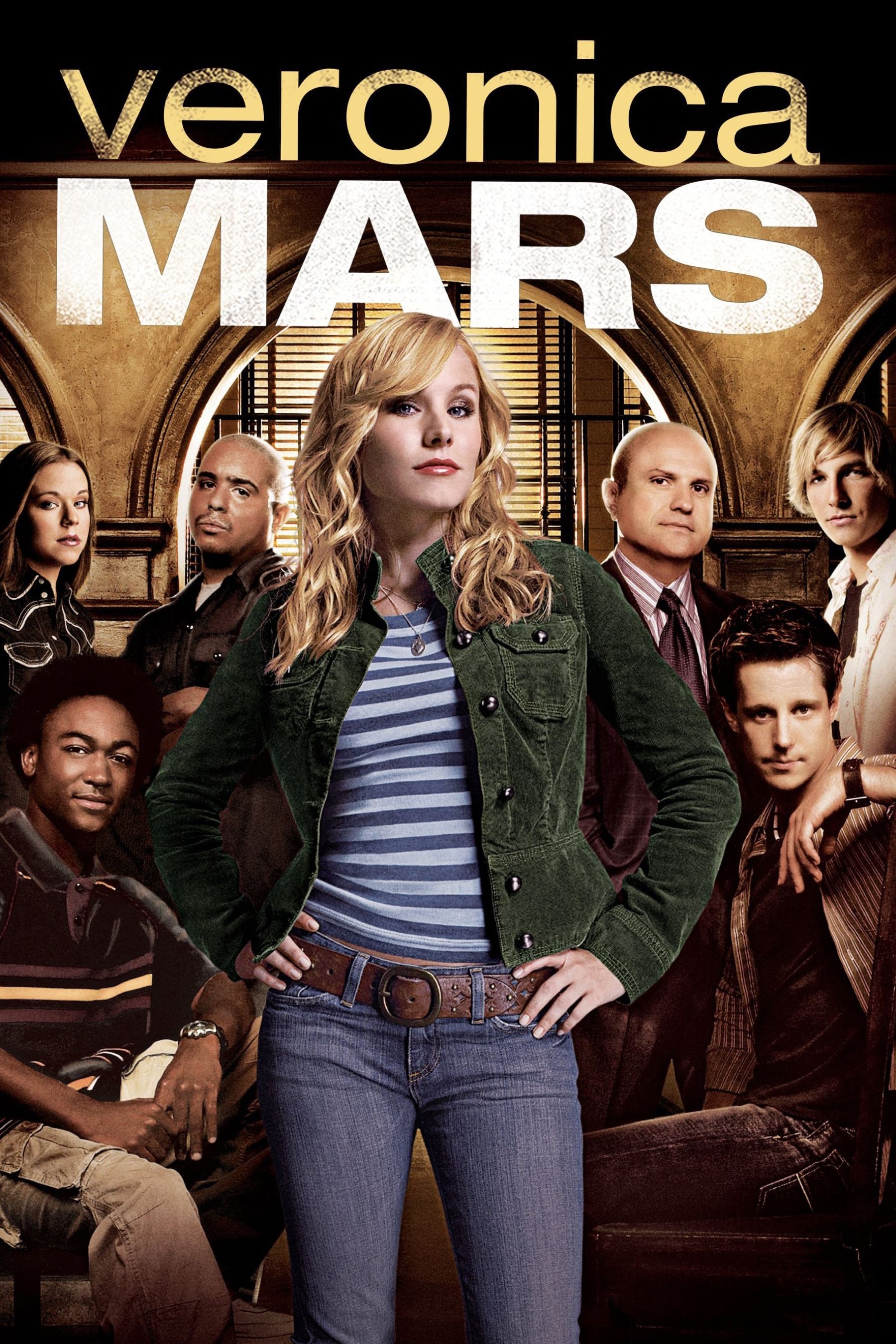
Hulu’s revival of ‘Veronica Mars’ returned to the town of Neptune with a more mature and cynical tone. The series focused on the economic divide between the town’s wealthy elite and its working-class residents, many of whom are people of color. It featured a more diverse recurring cast and explored the consequences of gentrification and systemic corruption. This approach allowed the show to evolve from a teen noir into a more complex social commentary.
‘Fuller House’ (2016–2020)

A sequel to the 1980s sitcom ‘Full House’, this series followed D.J. Tanner-Fuller raising her children in her childhood home. The revival introduced more diverse characters into the extended family circle, including D.J.’s business partner and various romantic interests. It featured storylines involving intercultural relationships and addressed modern parenting challenges that were not present in the original. While maintaining its wholesome tone, the show reflected a more contemporary American family structure.
‘Anne with an E’ (2017–2019)
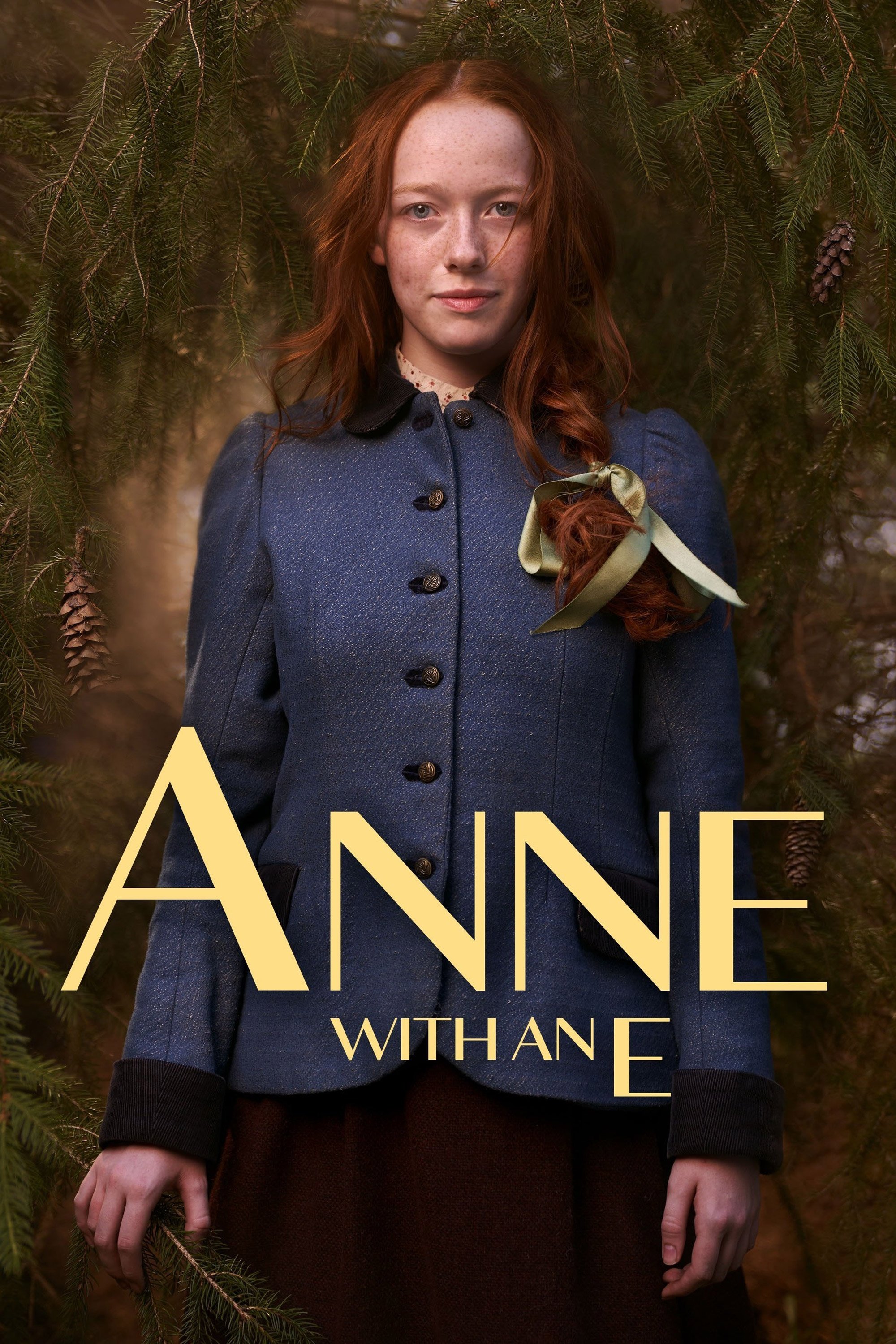
This reimagining of the classic ‘Anne of Green Gables’ novels expanded the original story to include significant diverse perspectives. It introduced the character of Sebastian “Bash” Lacroix to explore the history of Black communities in Nova Scotia during the late 19th century. The series also featured a groundbreaking storyline involving a young Mi’kmaq girl named Ka’kwet, addressing the tragic history of residential schools. Furthermore, it explored LGBTQ+ themes through the character of Aunt Josephine Barry and her secret life.
‘The Baby-Sitters Club’ (2020–2021)
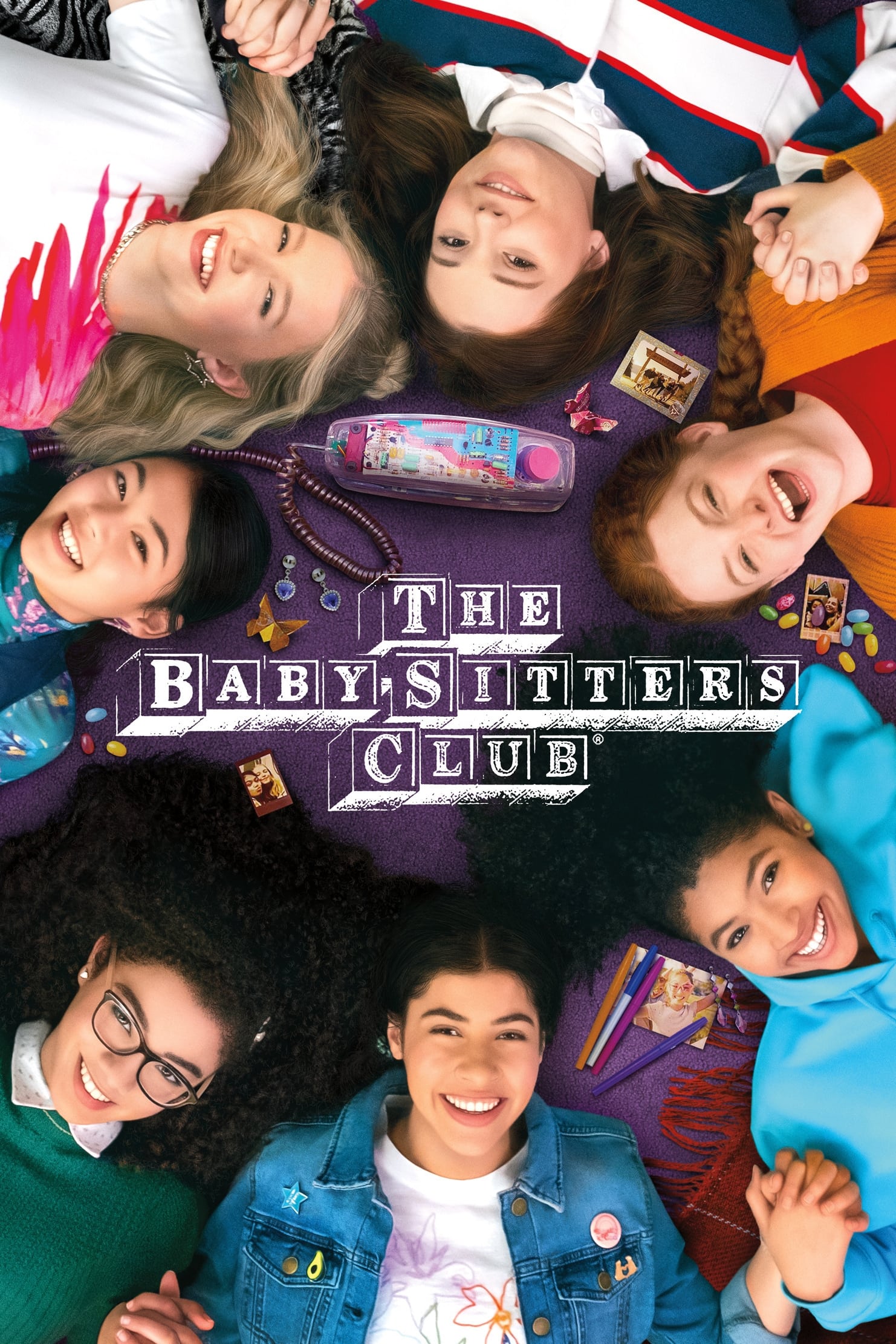
This modern adaptation of the classic book series and 90s show updated the characters to reflect the diversity of today’s youth. The series features a more racially diverse cast and includes storylines about social activism and LGBTQ+ identity. One notable episode involves the character Mary Anne babysitting for a trans child named Bailey, which was praised for its sensitive and educational approach. The revival successfully brought the core values of friendship and responsibility to a new, more inclusive generation.
Please share your favorite TV revival and how you felt about its modern updates in the comments.