Anime Where Everyday Jobs Are Treated With Genuine Respect


The medium of anime often ventures into fantastical realms, yet some of its most compelling narratives are found in the depiction of the professional world. These series move beyond simple caricatures of labor, choosing instead to focus on the technical nuances, ethical dilemmas, and quiet dignity found in various careers. By highlighting the craftsmanship behind everyday roles, these stories provide viewers with a deeper appreciation for the effort required to keep society functioning. From the high-pressure environment of animation studios to the meticulous work of dictionary editors, these titles treat employment with a level of detail usually reserved for action-packed epics.
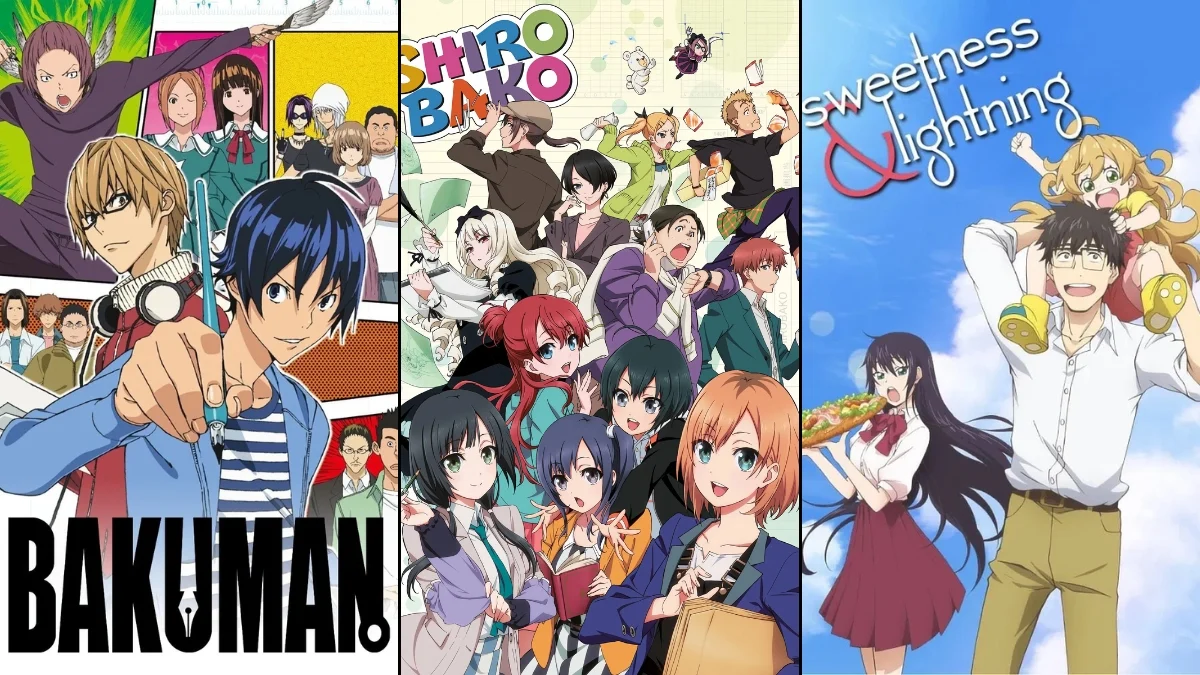
‘Shirobako’ (2014–2015)

Aoi Miyamori and her colleagues navigate the high-stress environment of the Japanese animation industry. The series explores the intricate pipeline of anime production, including the specific roles of directors, key animators, and production assistants. It depicts the technical challenges and logistical hurdles required to bring a storyboard to the screen. Through realistic portrayals of deadlines and creative burnout, ‘Shirobako’ emphasizes the collaborative effort needed to create media.
‘Bakuman’ (2010–2013)

Moritaka Mashiro and Akito Takagi strive to become professional manga artists for the famous Weekly Shōnen Jump magazine. The story details the rigorous process of drafting storyboards, submitting work to editors, and maintaining a high ranking in reader polls. It addresses the physical and mental toll of meeting weekly deadlines while balancing commercial success with artistic integrity. ‘Bakuman.’ provides an inside look at the competitive nature of the publishing world and the technical skills required for professional illustration.
‘Silver Spoon’ (2013–2014)

Yuugo Hachiken enrolls in Oezora Agricultural High School to escape the academic pressure of his city life. The narrative focuses on the labor-intensive reality of dairy farming, livestock management, and crop cultivation. Students learn about the life cycles of farm animals and the economic complexities of the modern agricultural industry. ‘Silver Spoon’ highlights the vital connection between food production and the hard work of those living in rural communities.
‘Planetes’ (2003–2004)
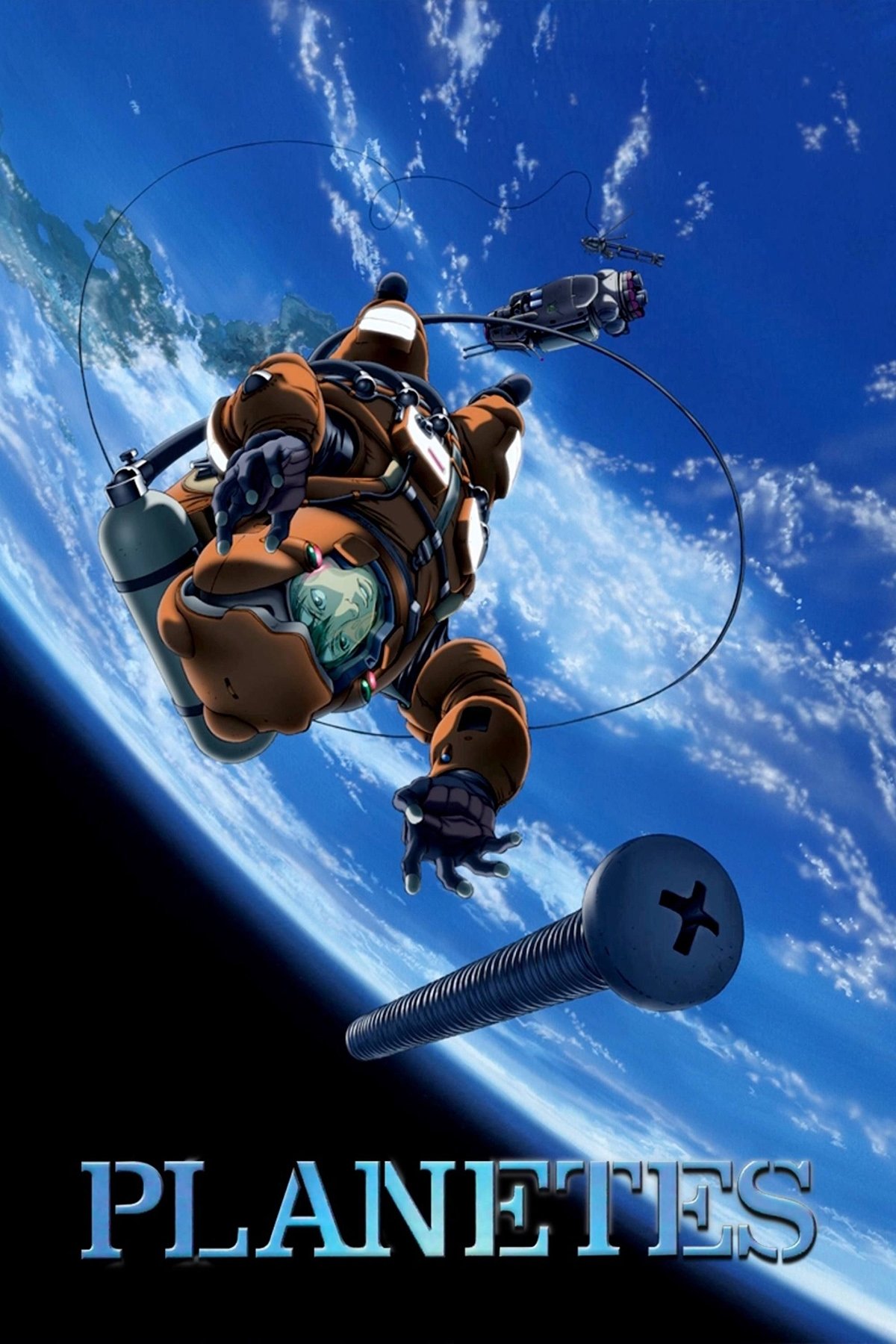
Set in the year 2075, the story follows a team of space debris collectors working for the Technora Corporation. The characters perform the dangerous and often undervalued task of clearing orbital junk to prevent catastrophic satellite collisions. The series treats space travel with scientific realism, focusing on the bureaucratic and physical challenges of the job. ‘Planetes’ examines the human element within a high-tech corporate structure and the importance of sanitation work in any environment.
‘The Great Passage’ (2016)
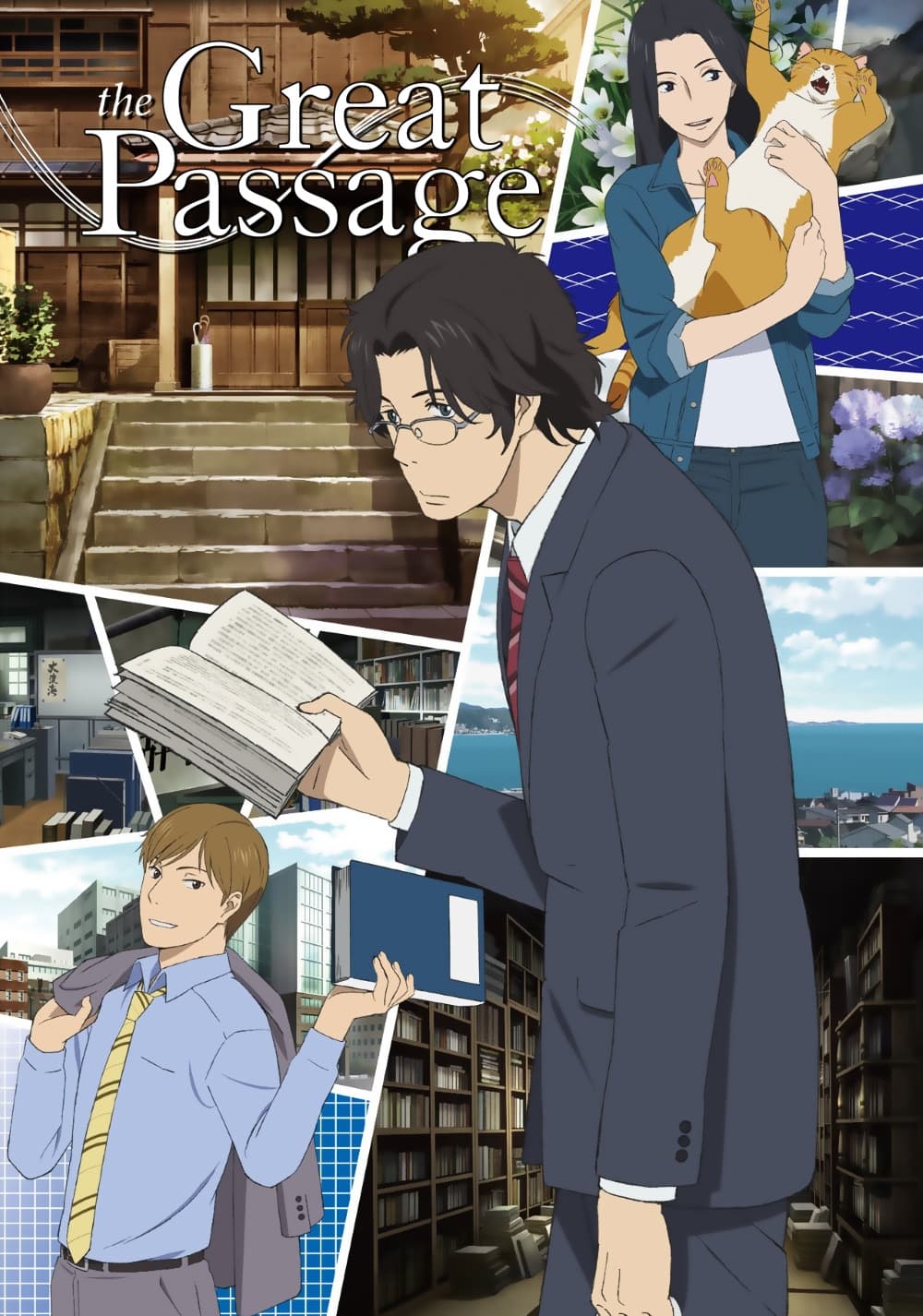
Mitsuya Majime joins a dedicated team tasked with compiling a massive new dictionary titled ‘The Great Passage’. The series illustrates the meticulous process of defining words, checking cross-references, and selecting the correct paper quality for printing. It covers over a decade of dedication required to complete a single, comprehensive reference work. The narrative treats lexicography as a vital craft that bridges gaps in human communication through precise language.
‘Smile Down the Runway’ (2020)

Chiyuki Fujito aspires to be a runway model despite her short stature, while Ikuto Tsumura dreams of becoming a professional fashion designer. The story delves into the technical aspects of pattern making, fabric selection, and the intense preparation for high-stakes fashion shows. It portrays the fashion industry as a demanding field where technical skill and physical endurance are essential for success. ‘Smile Down the Runway’ respects the artistry and professional standards required to succeed in the world of high fashion.
‘Hanasaku Iroha: Blossoms for Tomorrow’ (2011)
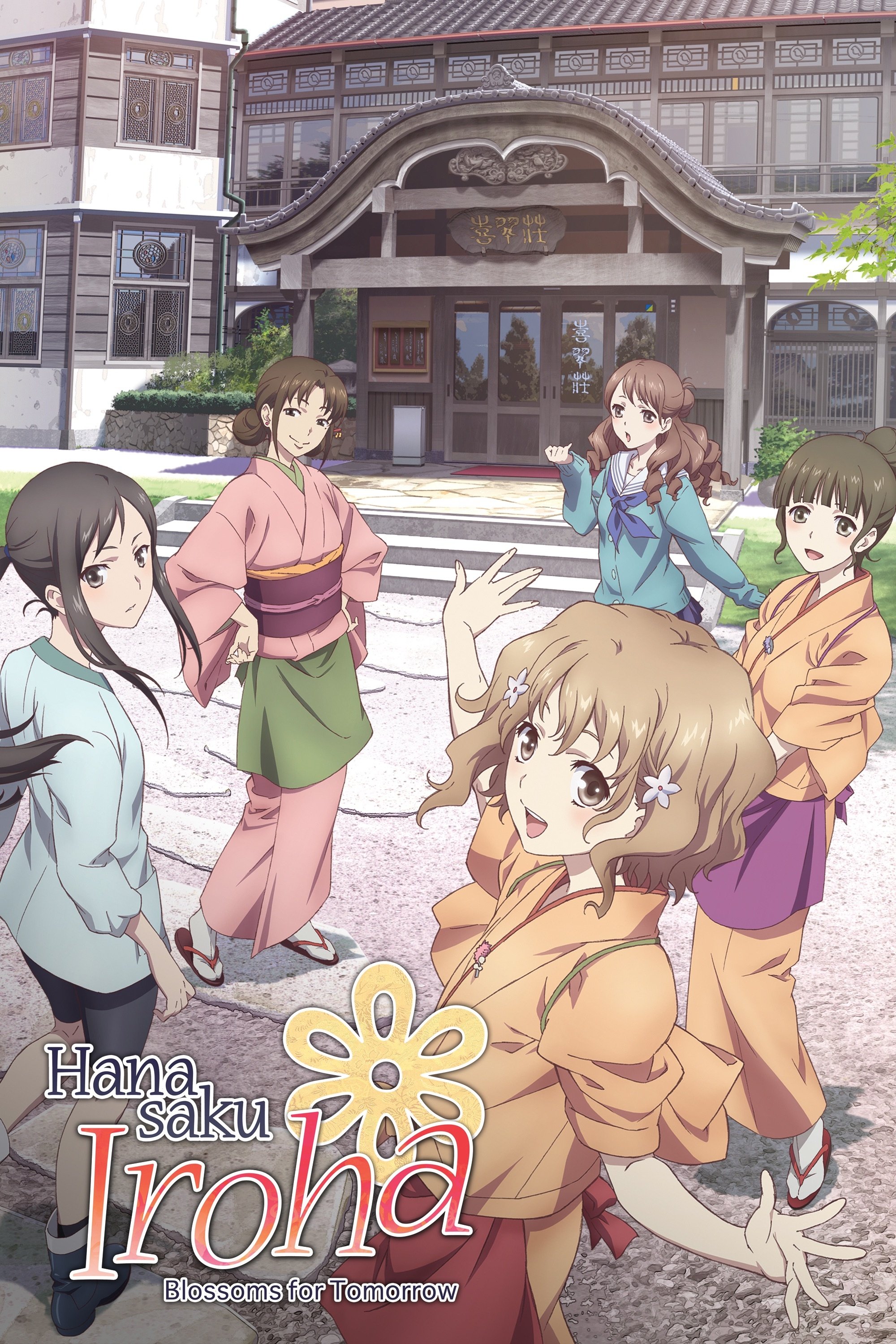
Ohana Matsumae is sent to work at her grandmother’s traditional Japanese inn, the historic Kissuisō. The series focuses on the concept of selfless hospitality, known as ‘omotenashi’, through the daily chores of cleaning and serving guests. It highlights the importance of teamwork and discipline in maintaining a reputation for quality service in the hospitality sector. ‘Hanasaku Iroha’ provides a grounded look at the service industry and the personal growth of its dedicated employees.
‘Sakura Quest’ (2017)
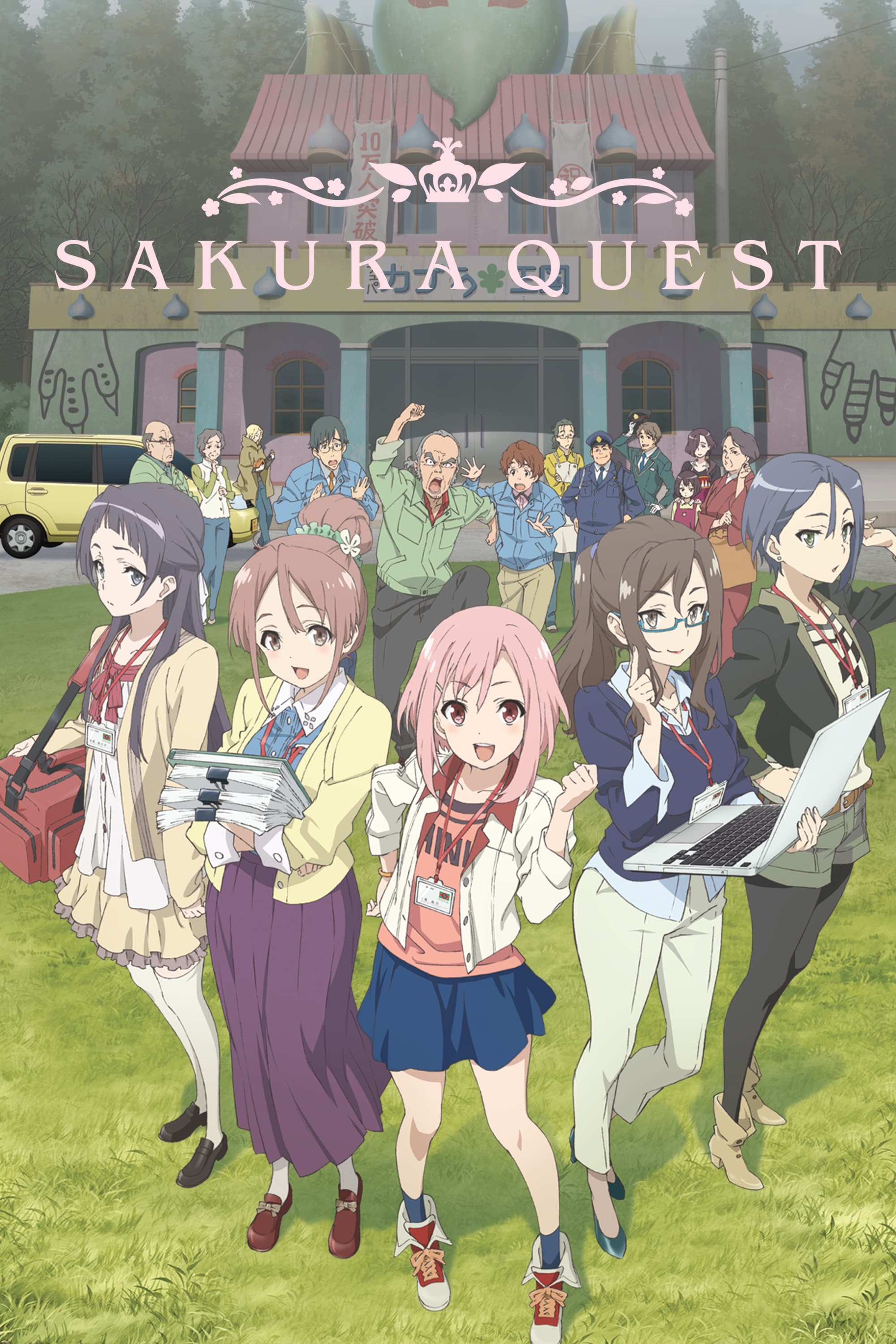
Five young women are hired by a tourism board to revitalize the economy of a struggling rural town. They work on marketing campaigns, cultural preservation projects, and organizing local festivals to attract new visitors. The series addresses the difficulties of regional revitalization and the logistical problems inherent in public administration. ‘Sakura Quest’ portrays the importance of community building and the professional effort behind local tourism and government work.
‘New Game!’ (2016–2017)

Aoba Suzukaze joins the character design department of a video game company known as Eagle Jump. The series follows the full development cycle of a major game title, from initial sketches to 3D modeling and final bug testing. It depicts the long hours, collaborative meetings, and creative compromises necessary in the modern software industry. ‘New Game!’ treats the various technical and artistic roles within game development with significant professional detail.
‘Police in a Pod’ (2022)
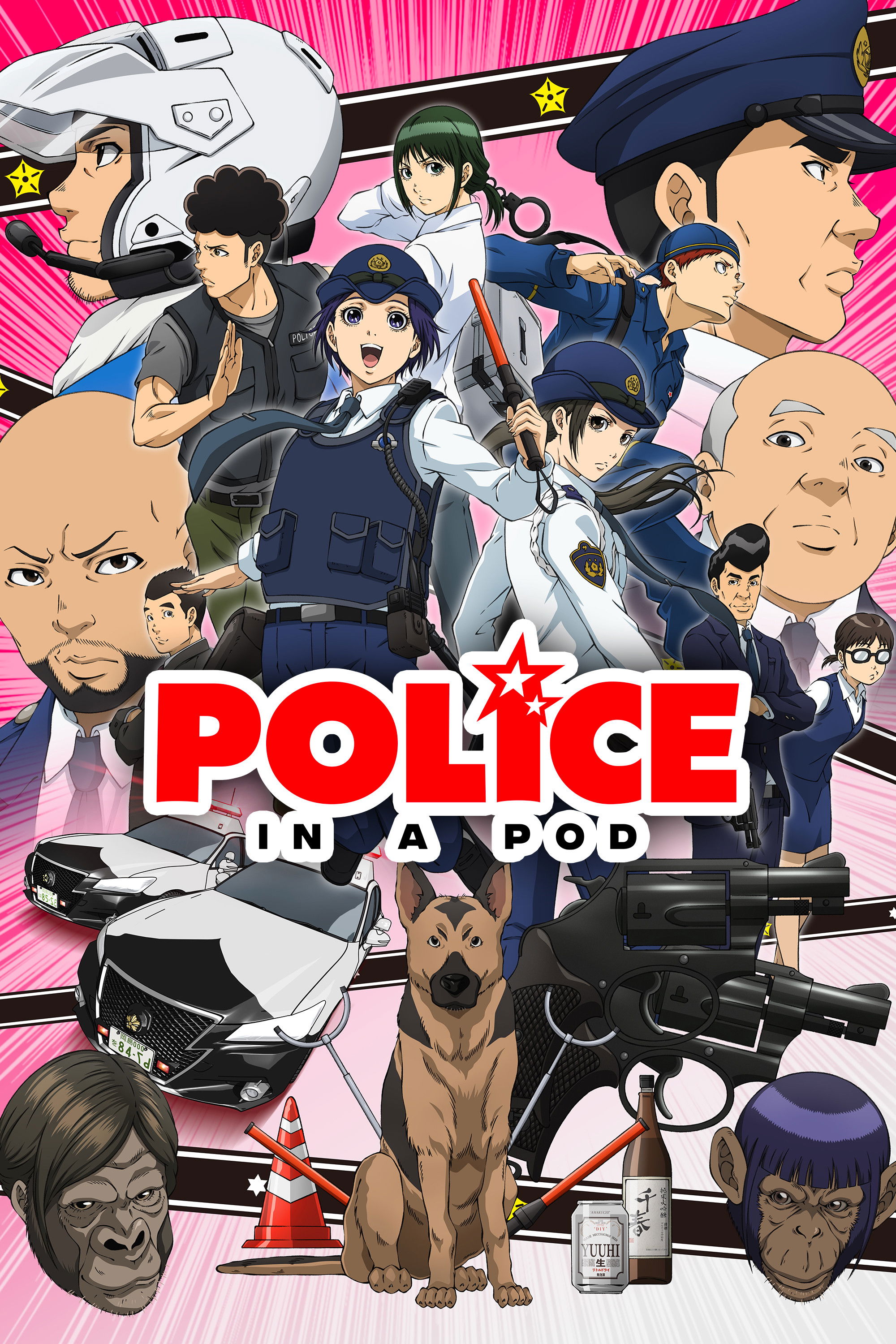
Mai Kawai is a rookie police officer who considers quitting until she is paired with the highly experienced Seiko Fuji. The series focuses on the mundane and administrative tasks of local police work, such as filing reports and performing daily patrols. It addresses the emotional fatigue and social challenges faced by officers in their daily duties to the public. ‘Police in a Pod’ provides a realistic perspective on law enforcement that prioritizes community service over stylized action sequences.
‘Wave, Listen to Me!’ (2020)

Minare Koda unexpectedly begins a career in late-night radio after a recording of her drunken rant goes viral on the air. The show explores the technical side of radio production, including scriptwriting, sound editing, and strict time management. It emphasizes the importance of voice acting and the ability to engage a diverse audience through audio alone. ‘Wave, Listen to Me!’ treats the broadcast industry as a fast-paced environment requiring quick thinking and specialized talent.
‘Deaimon: Recipe for Happiness’ (2022)

Nagomu Irino returns to his family’s traditional sweets shop in Kyoto after failing to make it as a professional musician. The story focuses on the artistry and precision required to make wagashi, which are often tied to specific seasons and Japanese cultural events. It highlights the apprentice system and the immense dedication needed to master centuries-old recipes. ‘Deaimon’ treats the craft of traditional confectionery with deep respect for both heritage and individual skill.
‘Bartender’ (2006)
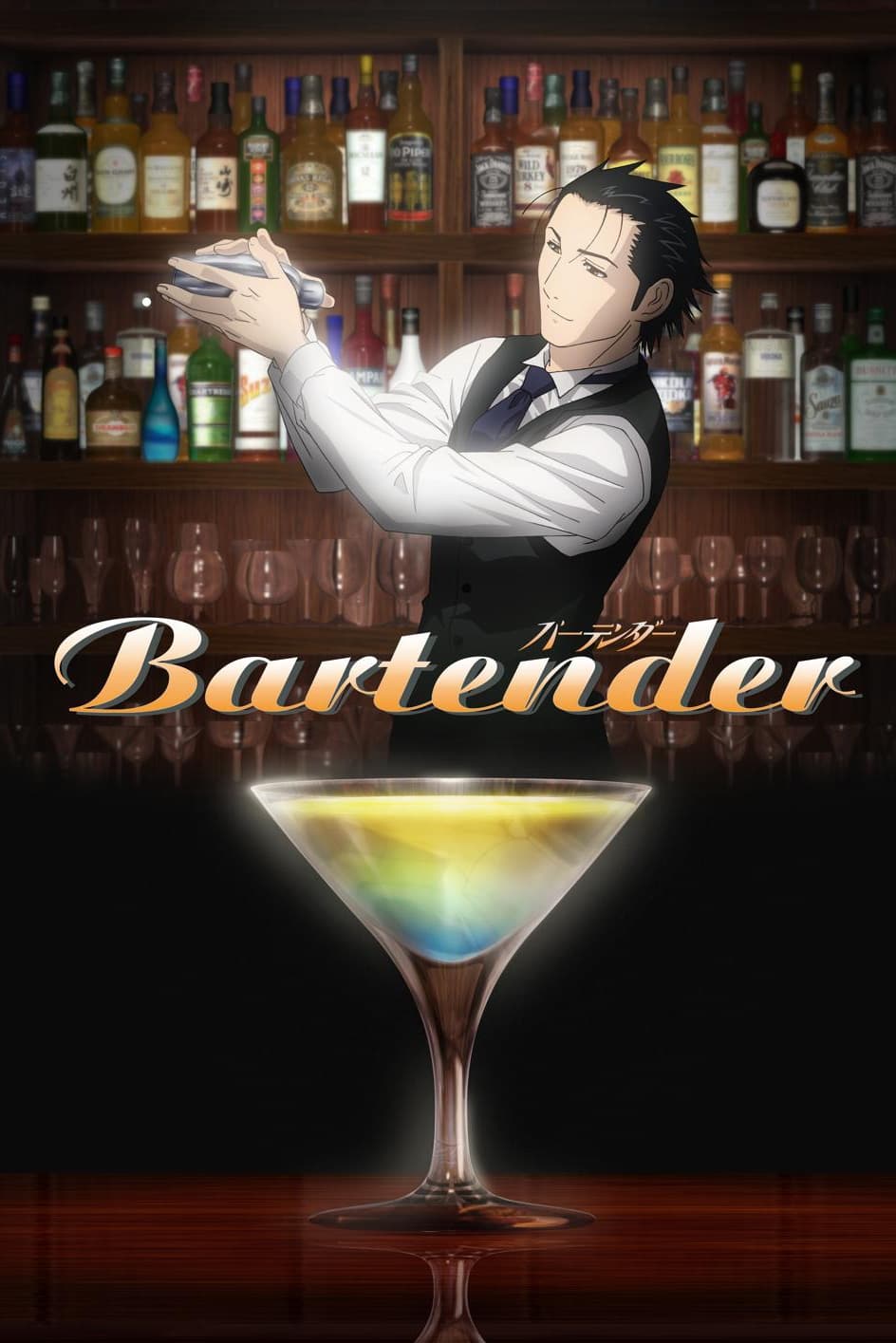
Ryū Sasakura is a genius mixologist who serves customers at Eden Hall, a quiet and secluded bar in Tokyo. Each episode focuses on the history of specific cocktails and the technical precision required to prepare them perfectly. The series emphasizes the bartender’s role as a listener and a provider of comfort to weary professionals. ‘Bartender’ treats the service of alcohol as a sophisticated craft rooted in psychology, history, and hospitality.
‘Showa Genroku Rakugo Shinju’ (2016–2017)
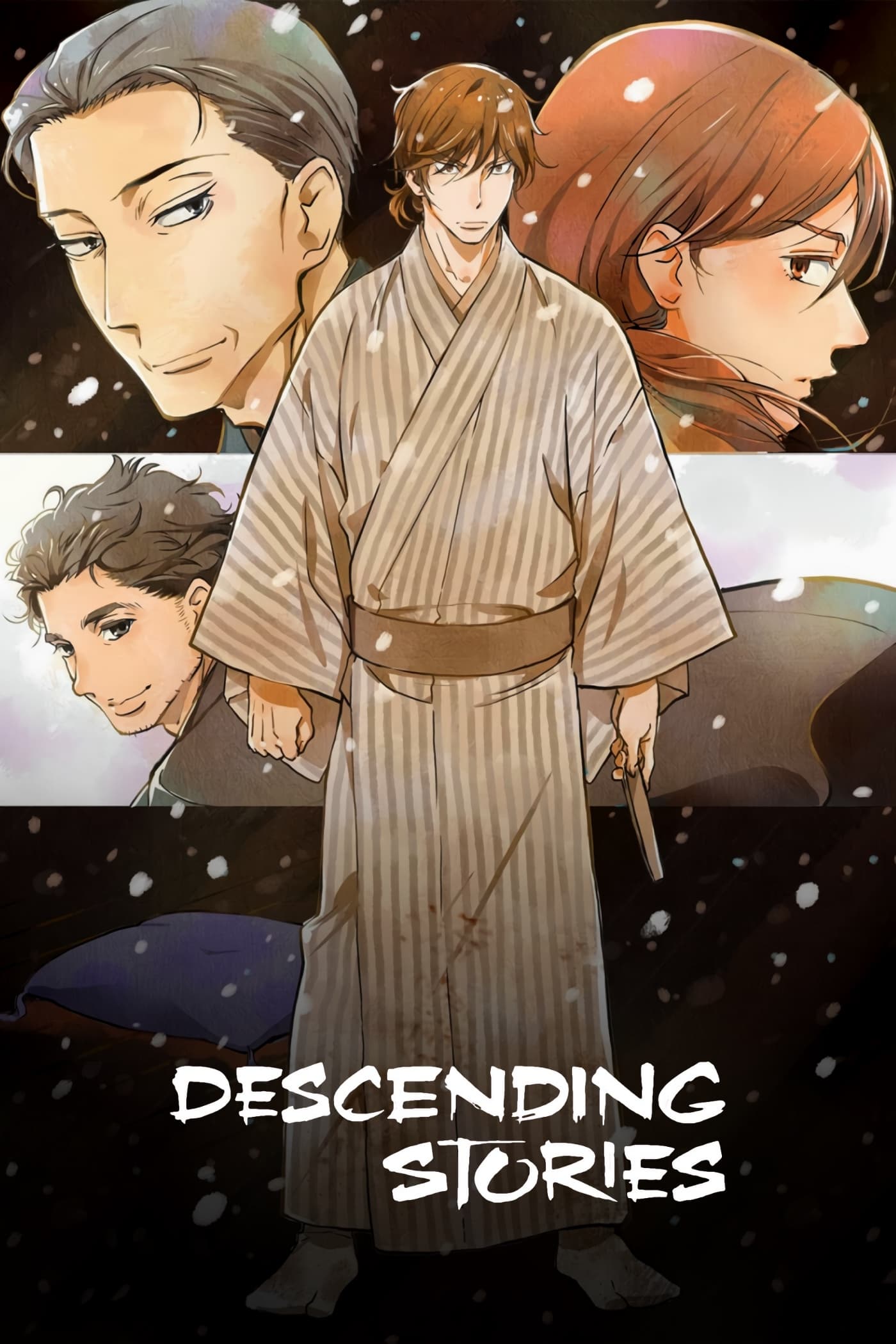
The story follows the lives of rakugo performers across several decades of the 20th century in Japan. Rakugo is a traditional form of verbal entertainment where a single storyteller portrays multiple characters with minimal props. The series explores the rigorous training, the preservation of classic stories, and the struggle to keep a traditional art form relevant. It portrays the deep commitment and personal sacrifice required to master the professional stage.
‘Aria’ (2005)

Akari Mizunashi is an apprentice undine, or gondolier, on the terraformed planet of Aqua in the city of Neo-Venezia. Her job involves navigating the complex canals and providing insightful guided tours to various tourists. The series highlights the importance of rowing technique, local history knowledge, and polite customer interaction. ‘Aria the Animation’ treats the role of a professional tour guide as a path centered on grace and hospitality.
‘Cells at Work!’ (2018–2021)
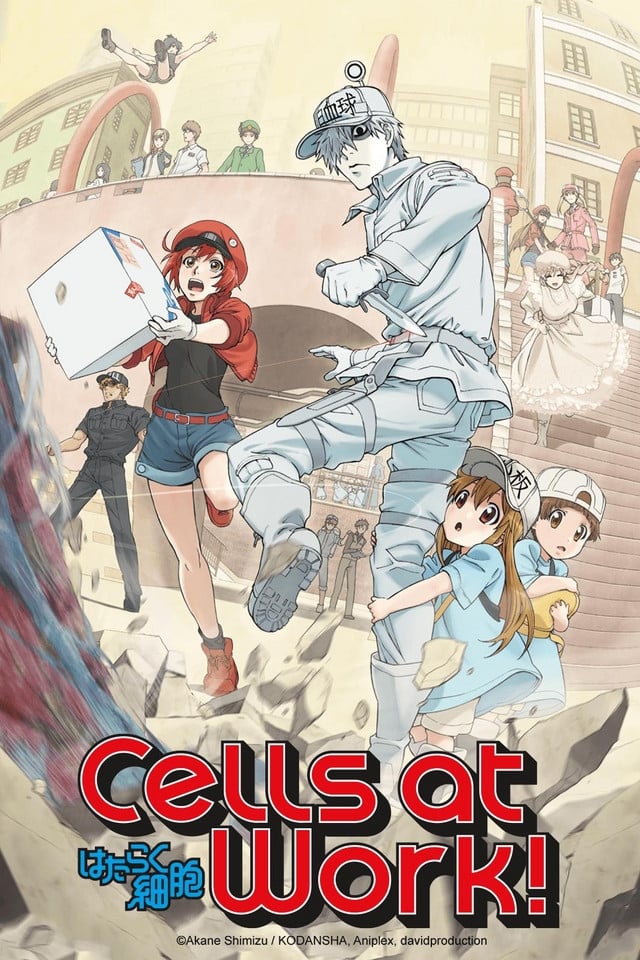
This series anthropomorphizes the cells of the human body, depicting them as specialized workers in a massive biological factory. Red blood cells deliver oxygen like couriers, while white blood cells act as security forces to eliminate dangerous pathogens. Each episode explains specific biological functions and the jobs required to keep the body healthy and operational. ‘Cells at Work!’ treats biological processes as essential labor that demands constant coordination and persistence.
‘Servant x Service’ (2013)
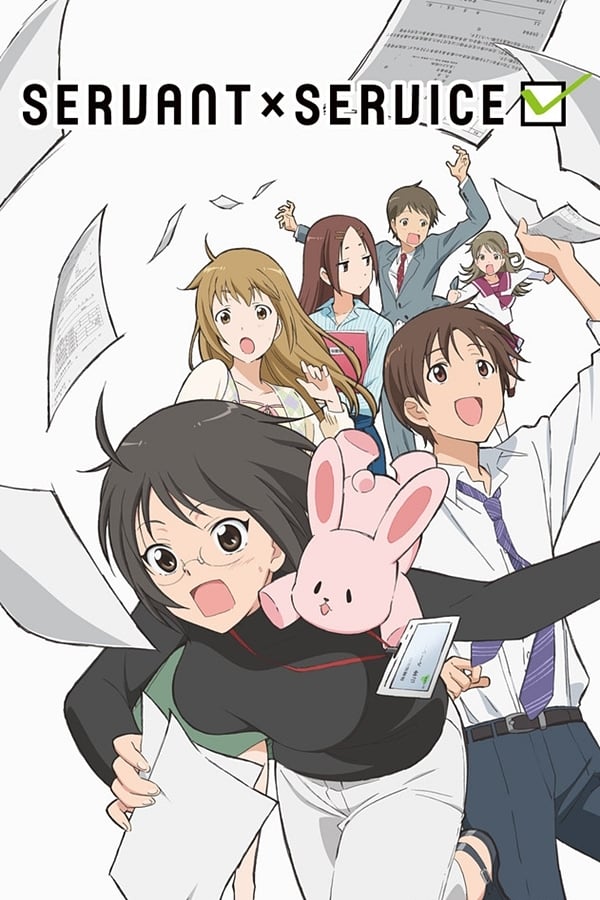
The series follows the daily lives of employees working in the health and welfare section of a local ward office. It focuses on the bureaucratic nature of civil service, including handling extensive paperwork and dealing with public complaints. The characters manage various administrative duties while navigating the high expectations of government work and public service. ‘Servant x Service’ provides a comedic but respectful look at the necessity of efficient public administration.
‘Keep Your Hands Off Eizouken!’ (2020)
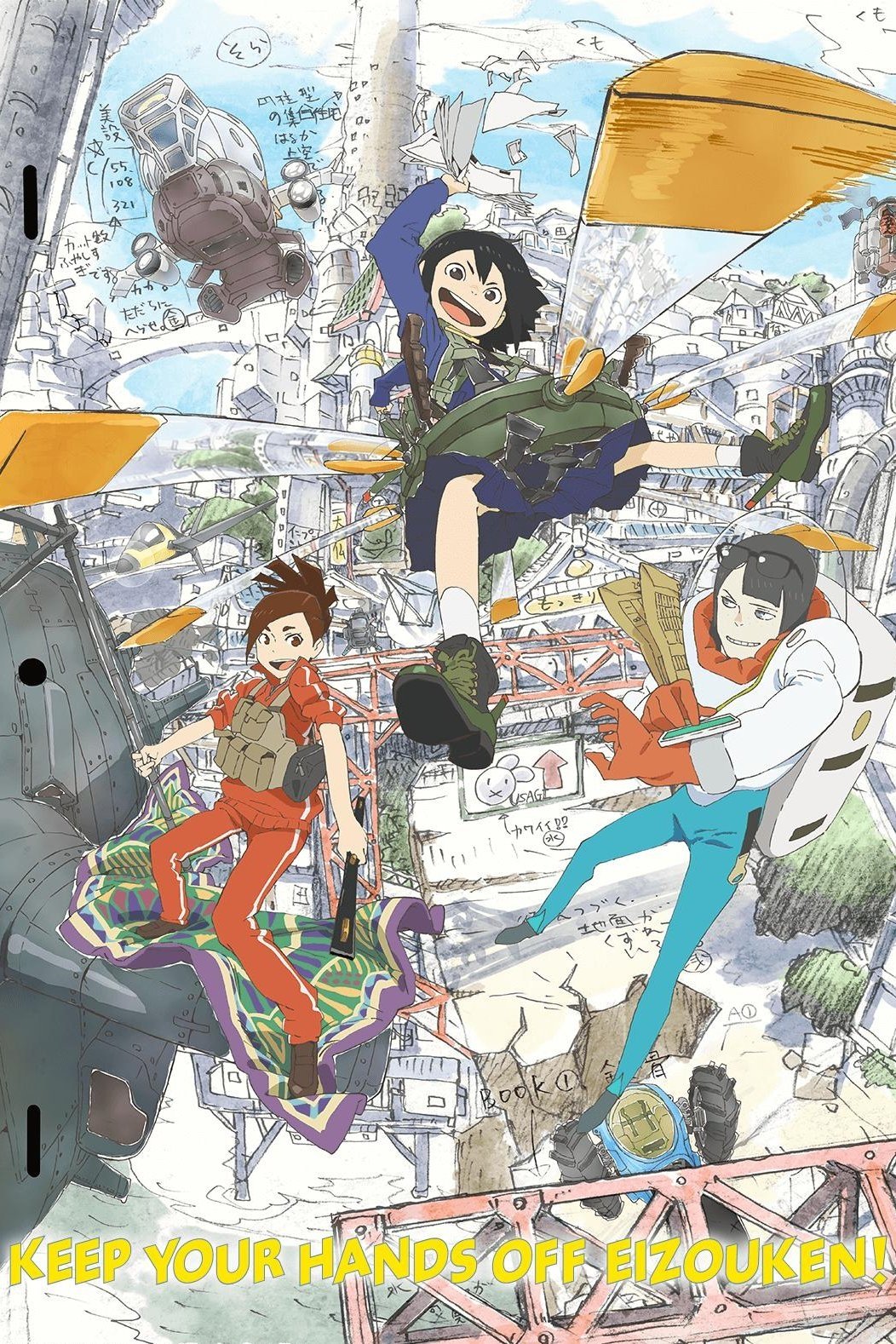
Three high school girls form an independent club to produce their own ambitious animated films. The story focuses on the logistical challenges of production, such as budgeting, concept art, and complex sound design. It treats the act of animation as a technical feat involving perspective, motion, and mechanical design. ‘Keep Your Hands Off Eizouken!’ emphasizes the immense labor and ingenuity behind the scenes of independent filmmaking.
‘The Apothecary Diaries’ (2023–2024)

Maomao is a young woman trained in herbal medicine who works as a servant within the imperial palace. She uses her extensive knowledge of chemistry and medicine to solve mysteries and treat illnesses among the nobility. The series details the preparation of poultices, the identification of poisons, and the scientific method applied to traditional medicine. ‘The Apothecary Diaries’ respects the expertise and analytical thinking of medical practitioners in a historical setting.
‘Blue Period’ (2021)

Yatora Yaguchi is a popular student who discovers a passion for painting and decides to apply for the prestigious Tokyo University of the Arts. The narrative focuses on the technical study of color theory, composition, and various artistic mediums. It portrays the intense labor and mental preparation required for competitive art school entrance exams. ‘Blue Period’ treats the pursuit of a career in the fine arts as a disciplined and physically demanding professional endeavor.
‘Restaurant to Another World’ (2017–2021)
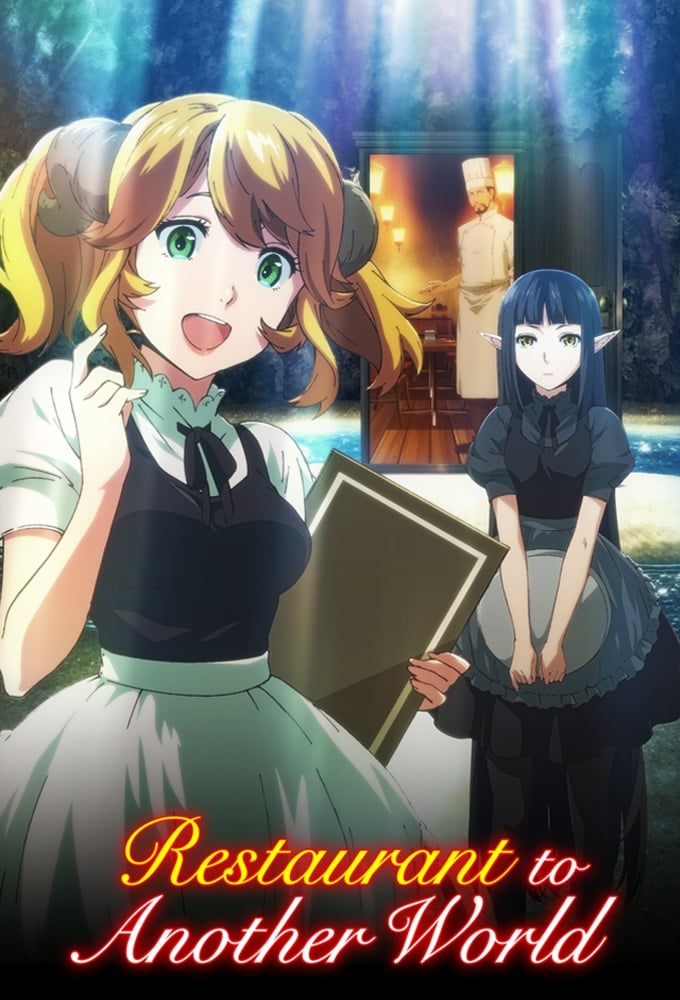
The Western Restaurant Nekoya serves regular customers during the week and opens to fantasy world denizens on Saturdays. The series focuses on the careful preparation of specific dishes and the chef’s dedication to high-quality ingredients. It highlights the joy and satisfaction that professional cooking and hospitality bring to a diverse and appreciative clientele. ‘Restaurant to Another World’ treats the culinary arts as a universal language of service and professional care.
‘March Comes in Like a Lion’ (2016–2018)
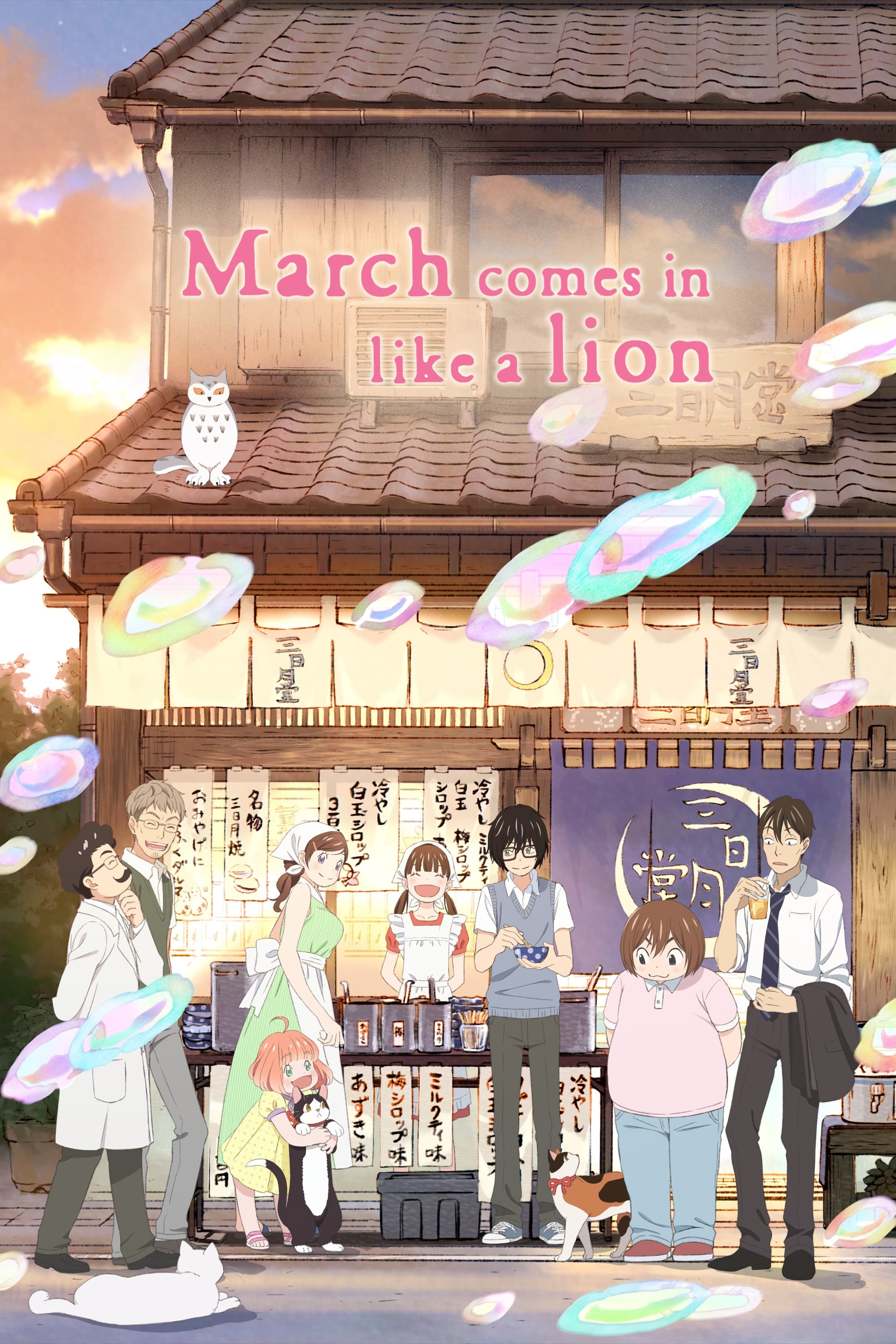
Rei Kiriyama is a professional shogi player who deals with the immense pressure of the high-level competitive circuit. The series details the mental stamina, research, and strategic thinking required to maintain a professional ranking. It explores the financial instability and psychological toll experienced by those dedicated to the world of professional games. ‘March Comes in Like a Lion’ treats the game of shogi with the gravity and respect of a serious career.
‘Super Cub’ (2021)

Koguma, a lonely high school student, purchases a used Honda Super Cub which significantly changes her daily life. The series focuses on the technical maintenance of the motorbike, including oil changes and essential seasonal preparations. It also depicts the practical use of the vehicle for part-time delivery work and efficient daily transportation. ‘Super Cub’ respects the mechanical skill and responsibility associated with operating and maintaining a specialized machine.
‘Management of a Novice Alchemist’ (2022)

Sarasa Feed graduates from the Royal Alchemist Academy and opens her own independent shop in a remote village. The story focuses on the business management side of alchemy, including sourcing raw materials and setting fair prices. It highlights the technical skills of chemical synthesis and the importance of supporting the local economy. ‘Management of a Novice Alchemist’ treats the fantasy profession with the realism of small business ownership and community service.
‘Isekai Izakaya: Japanese Food From Another World’ (2018)
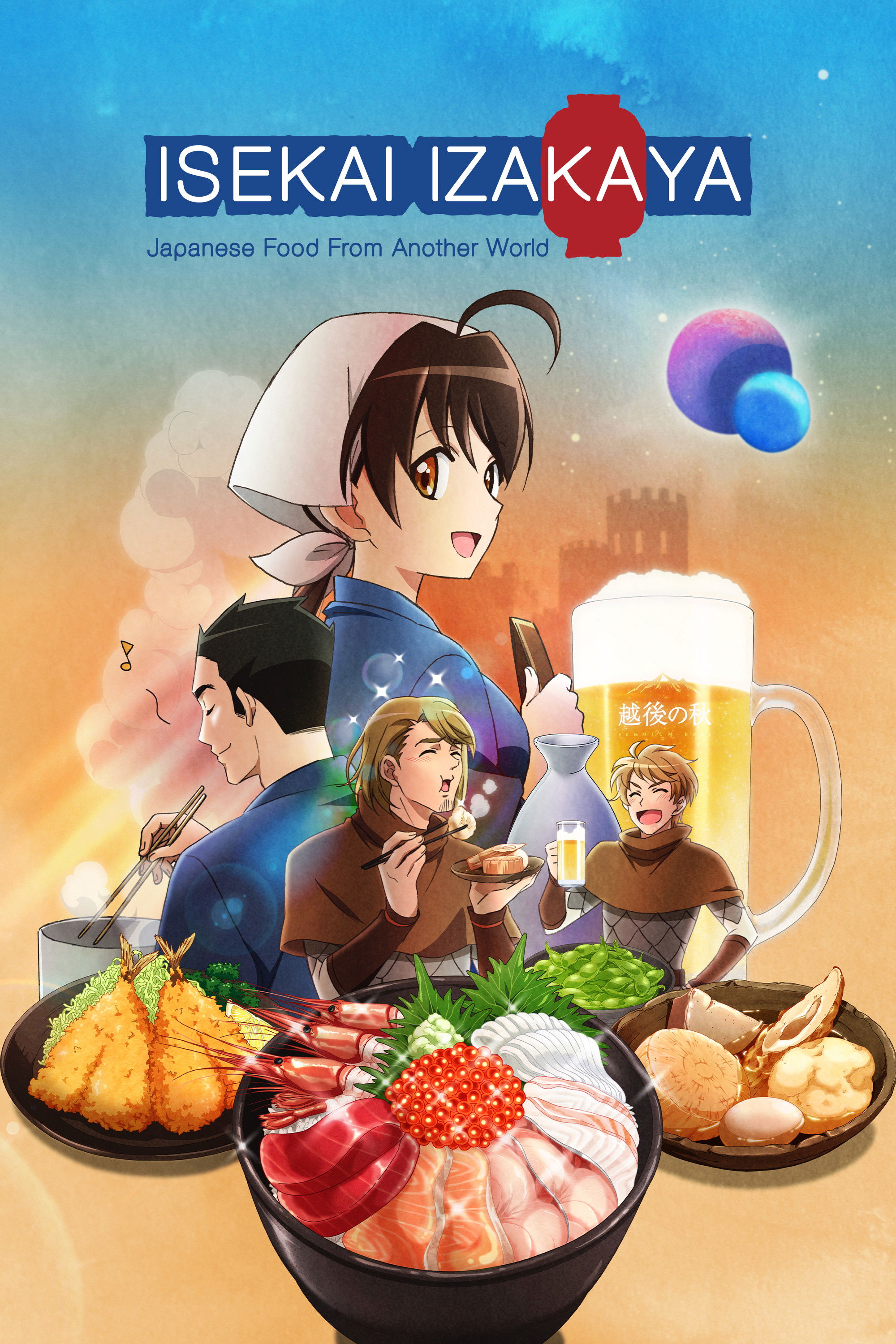
A traditional Japanese pub called ‘Nobu’ is magically connected to a parallel world resembling medieval Europe. The episodes focus on the preparation of izakaya staples and the reactions of foreign patrons to Japanese culinary techniques. It emphasizes the importance of cleanliness, presentation, and the traditional craft of serving food and drinks. ‘Isekai Izakaya’ highlights the professional standards of the food service industry in a unique cross-cultural context.
‘Sweetness & Lightning’ (2016)

Kouhei Inuzuka, a math teacher and single father, learns to cook for his young daughter with help from his student. The series focuses on the step-by-step process of preparing home-cooked meals, emphasizing the importance of following recipes correctly. It also portrays the daily responsibilities and challenges of being a dedicated professional educator. ‘Sweetness and Lightning’ treats the act of cooking and teaching as vital skills for nurturing the next generation.
‘Monthly Girls’ Nozaki-kun’ (2014)

Chiyo Sakura becomes an assistant to Umetarou Nozaki, a high school student who is also a professional shōjo manga artist. The series depicts the technical labor involved in drawing backgrounds, applying screen tones, and meeting strict publication deadlines. It explores the professional relationship between lead artists and their assistants within the competitive manga industry. ‘Monthly Girls’ Nozaki-kun’ provides a humorous but grounded look at the production side of commercial art.
‘Poco’s Udon World’ (2016)
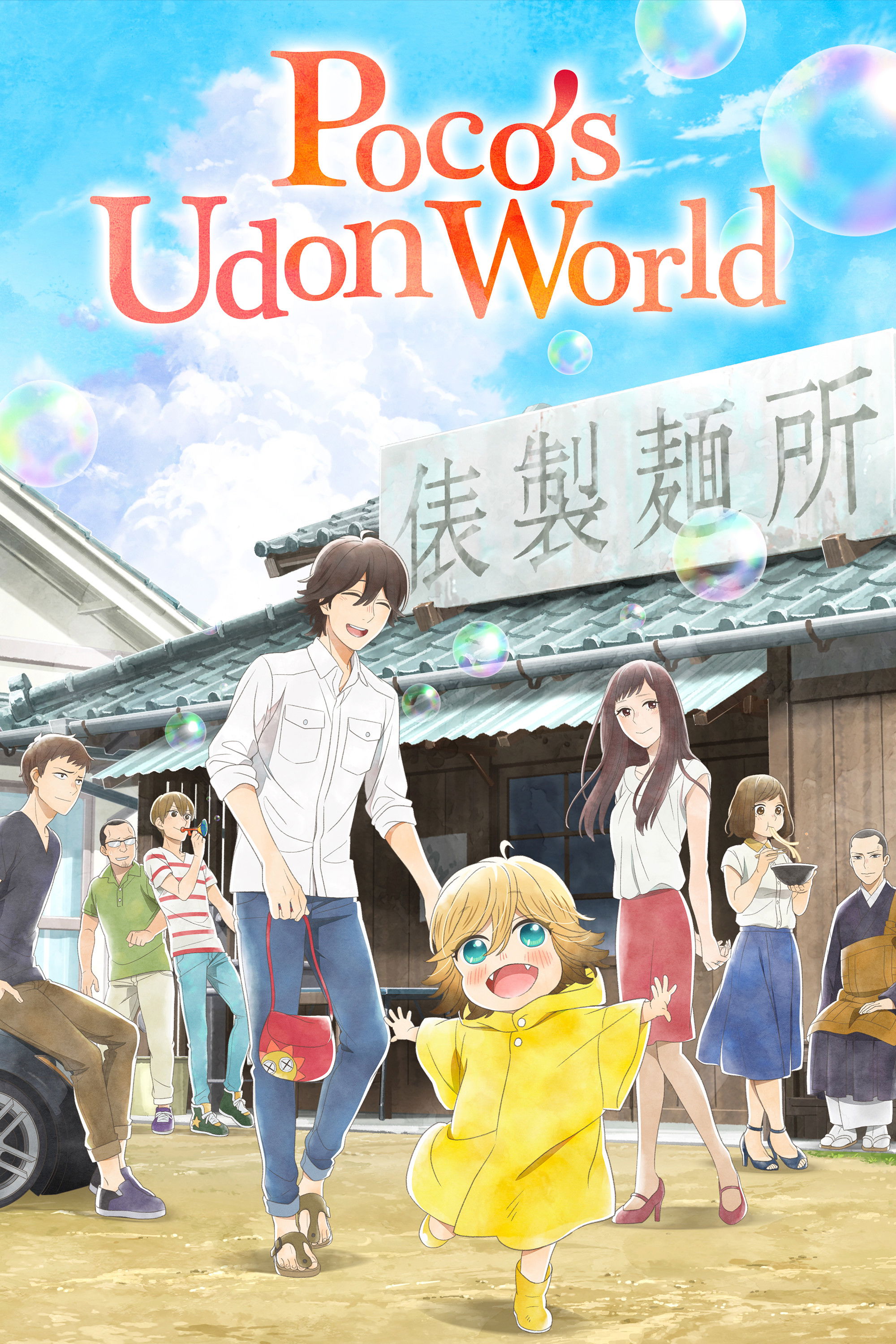
Souta Tawara is a web designer in Tokyo who returns to his family’s closed udon shop in his hometown. The story balances his professional life as a digital creative with the legacy of his father’s manual labor as a noodle maker. It explores the technical aspects of graphic design while honoring the traditional methods of high-quality food production. ‘Poco’s Udon World’ treats both modern and traditional careers with equal sincerity and respect for the worker.
‘Library War’ (2008)

In a future where a censorship law is strictly enforced, the Library Defense Force is established to protect physical books. The series focuses on the training of soldiers who are also librarians, blending military discipline with archival management. It highlights the professional duty to preserve information and the complex logistical side of library science. ‘Library Wars’ treats the protection of literature as a high-stakes professional responsibility requiring physical and mental strength.
‘My Roommate is a Cat’ (2019)
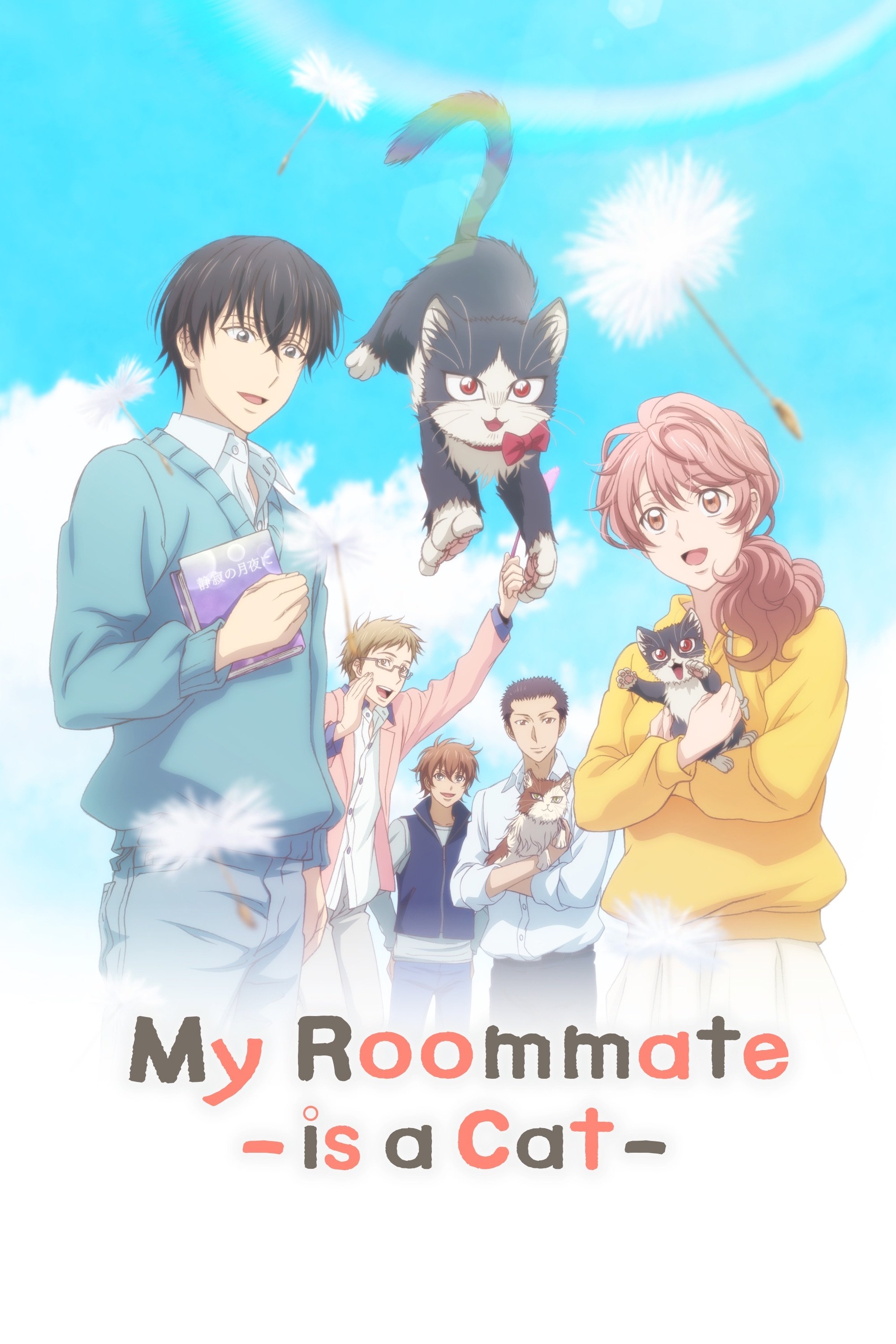
Subaru Mikazuki is a socially anxious mystery novelist who adopts a stray cat, which begins to influence his work. The narrative details his professional life, including meetings with his editor and the research required for his books. It portrays the isolated nature of professional writing and the dedication needed to produce a finished manuscript. ‘My Roommate is a Cat’ provides a realistic look at the career of an independent author working from home.
Tell us which of these depictions of professional life you found the most inspiring in the comments.