Anime Series That Quietly Featured Canon LGBTQ+ Relationships Early On


The medium of anime has a long history of exploring diverse identities and relationships, often long before such themes became mainstream in global entertainment. While many contemporary series are celebrated for their inclusivity, several classic titles integrated canon LGBTQ characters and dynamics into their narratives with surprising depth. These early depictions varied from subtle subtext to explicit romantic bonds, frequently challenging the social norms of their respective eras. By examining these foundational works, viewers can gain a deeper appreciation for the evolution of queer representation in Japanese animation.
‘Princess Knight’ (1967–1968)

Princess Sapphire is a pioneering figure in anime, navigating a fantasy world where she must act as a male prince to inherit her throne. Born with both a male and female heart due to a divine mistake, her character serves as an early exploration of gender identity and performance. Her romantic pursuit of Prince Franz further complicates the traditional fairy tale narrative of the 1960s. This series, created by Osamu Tezuka, is considered a foundational text for gender-non-conforming representation.
‘Devilman’ (1972–1973)
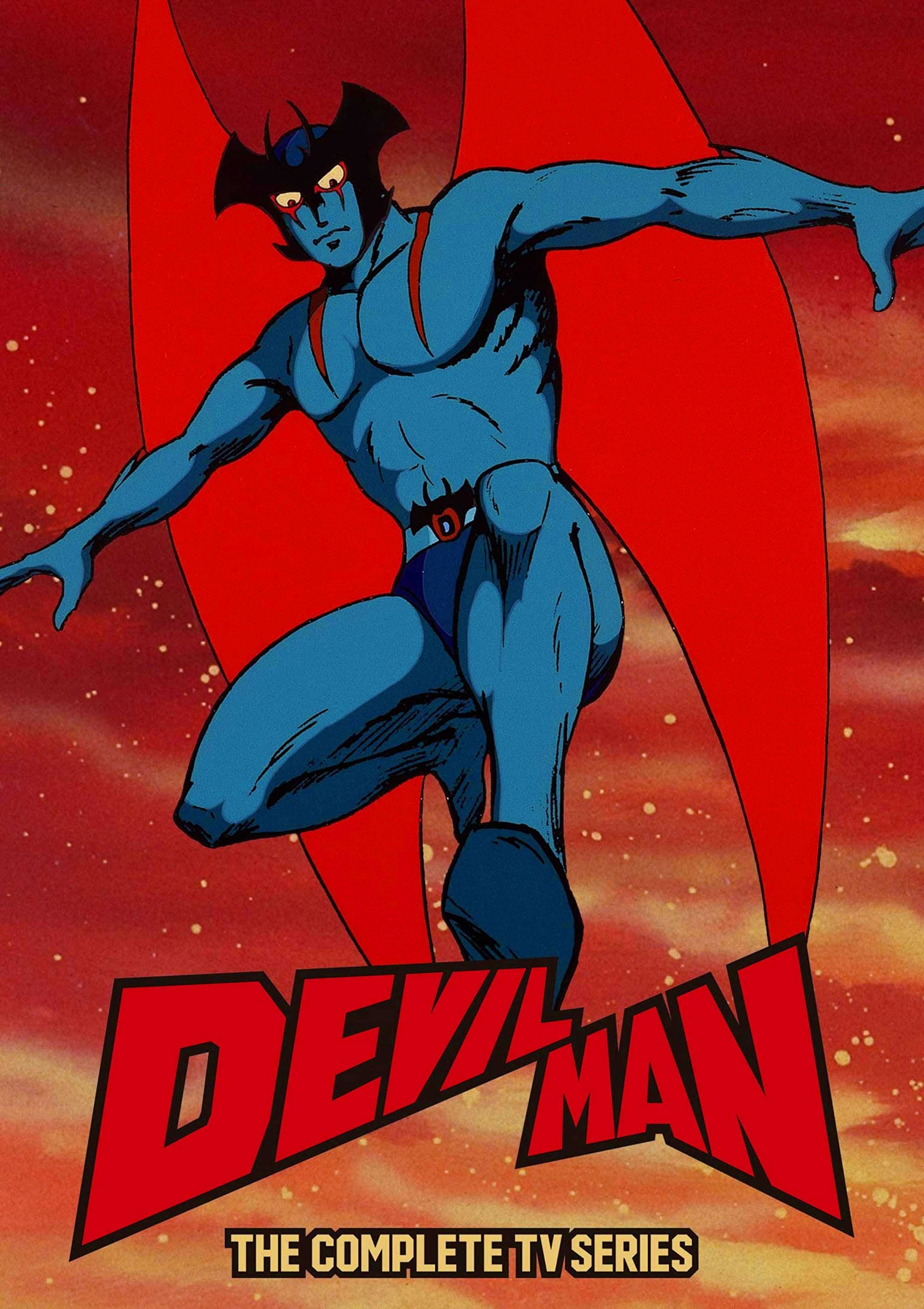
The original ‘Devilman’ series and its subsequent adaptations establish a complex and tragic bond between Akira Fudo and Ryo Asuka. Ryo’s identity as the fallen angel Satan and his overwhelming love for Akira serve as the emotional core of the entire franchise. This relationship recontextualizes the apocalyptic conflict as a deeply personal story of loss and devotion. Ryo’s feelings are explicitly cited as the reason for his actions during the series’ devastating conclusion.
‘The Rose of Versailles’ (1979–1980)
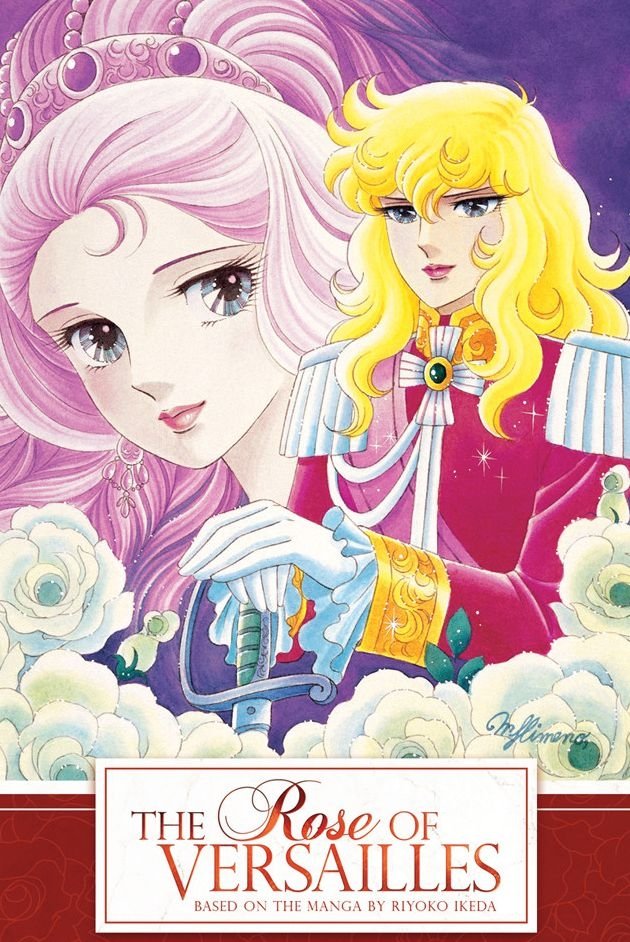
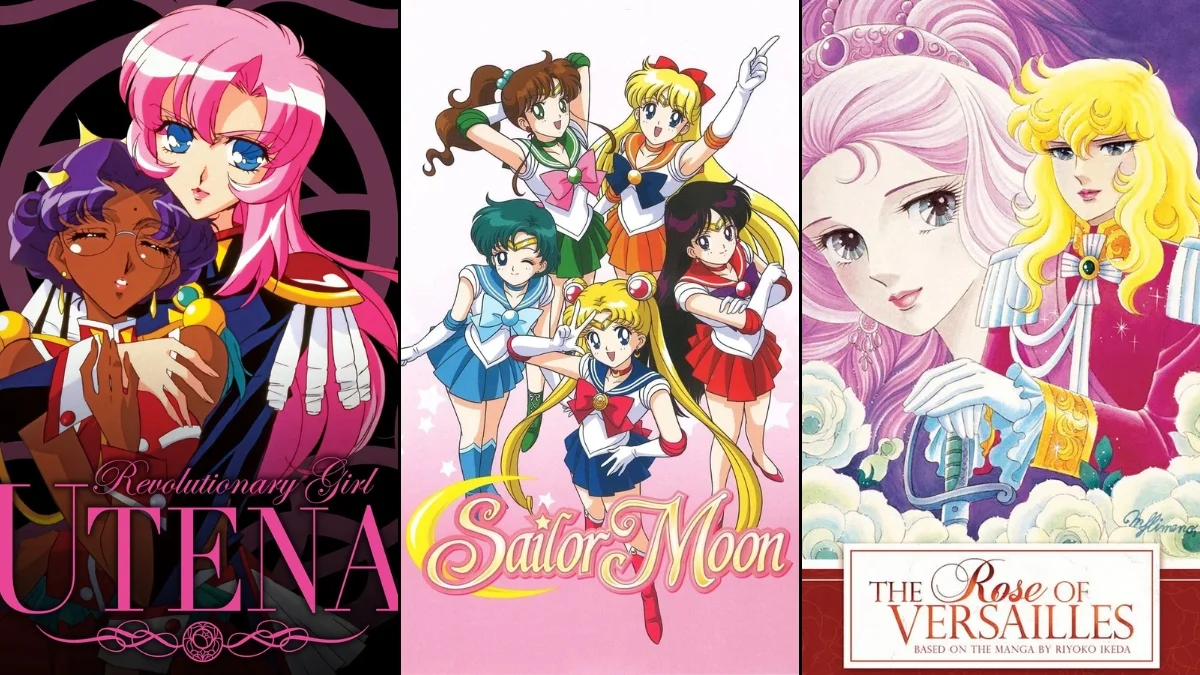
Oscar François de Jarjayes is a woman raised to live as a man within the high-stakes environment of the French royal court. Her life is a constant negotiation of her gender expression and her duties as a commander of the Royal Guard. The intense emotional bond she shares with Marie Antoinette and her complicated romance with André Grandier highlight the show’s progressive themes. Oscar remains a landmark character for her refusal to adhere to traditional feminine or masculine binaries.
‘Patalliro!’ (1982–1983)
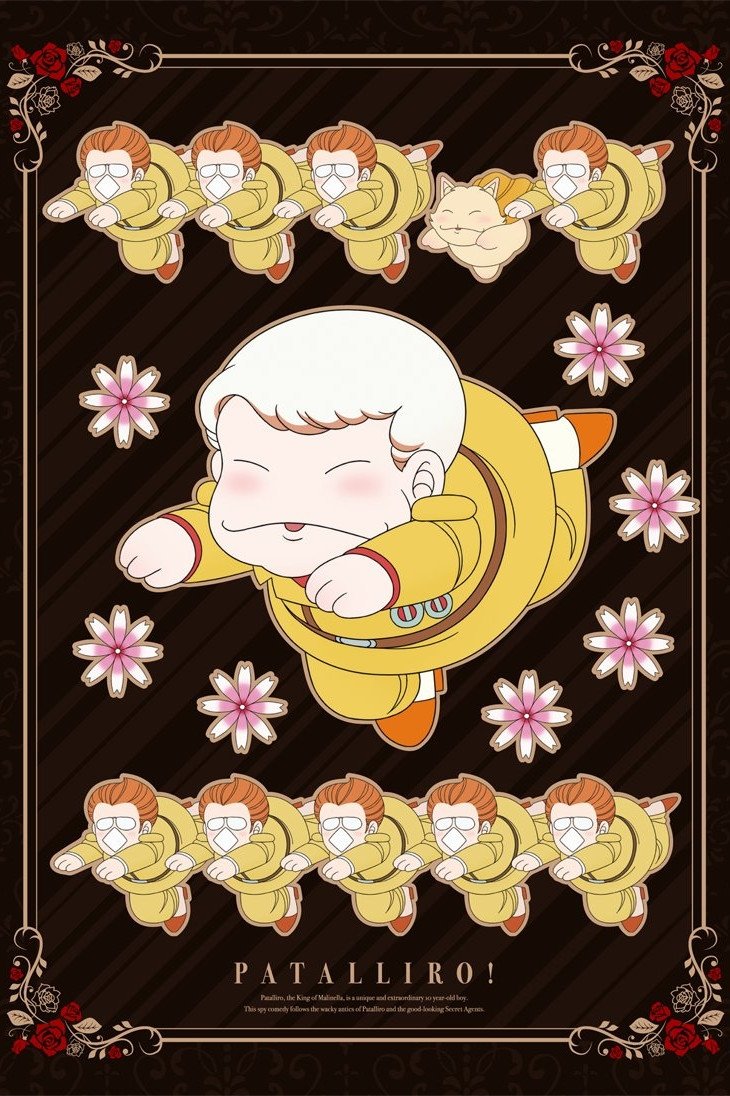
This series is notable for featuring Jack Bancoran and Maraich, one of the first openly gay couples shown on Japanese television. Their relationship includes significant plot points, such as Maraich becoming pregnant, which pushed the boundaries of the shonen-ai genre at the time. The series maintained a comedic tone while treating their romantic bond as a central and legitimate element of the cast. It remains a cult classic for its unique blend of slapstick humor and queer romance.
‘Stop!! Hibari-kun!’ (1983–1984)
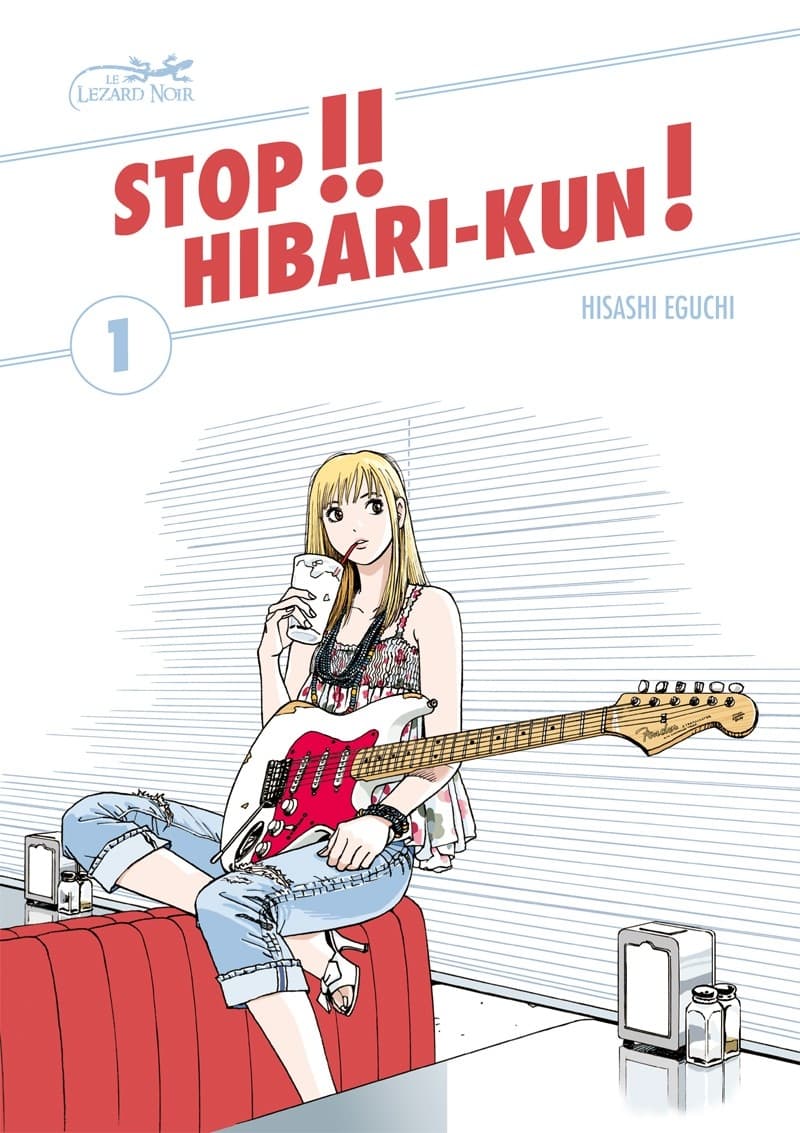
This series follows the life of Hibari Oozora, a transgender girl living with her yakuza family. While primarily a comedy, it was revolutionary for depicting a trans protagonist with agency, beauty, and confidence during the early 1980s. Hibari’s romantic interest in the male lead, Kosaku, is a recurring theme that the narrative treats with a mixture of humor and sincerity. The series challenged contemporary viewers to rethink their perceptions of gender and attraction.
‘Tokyo Babylon’ (1992–1994)
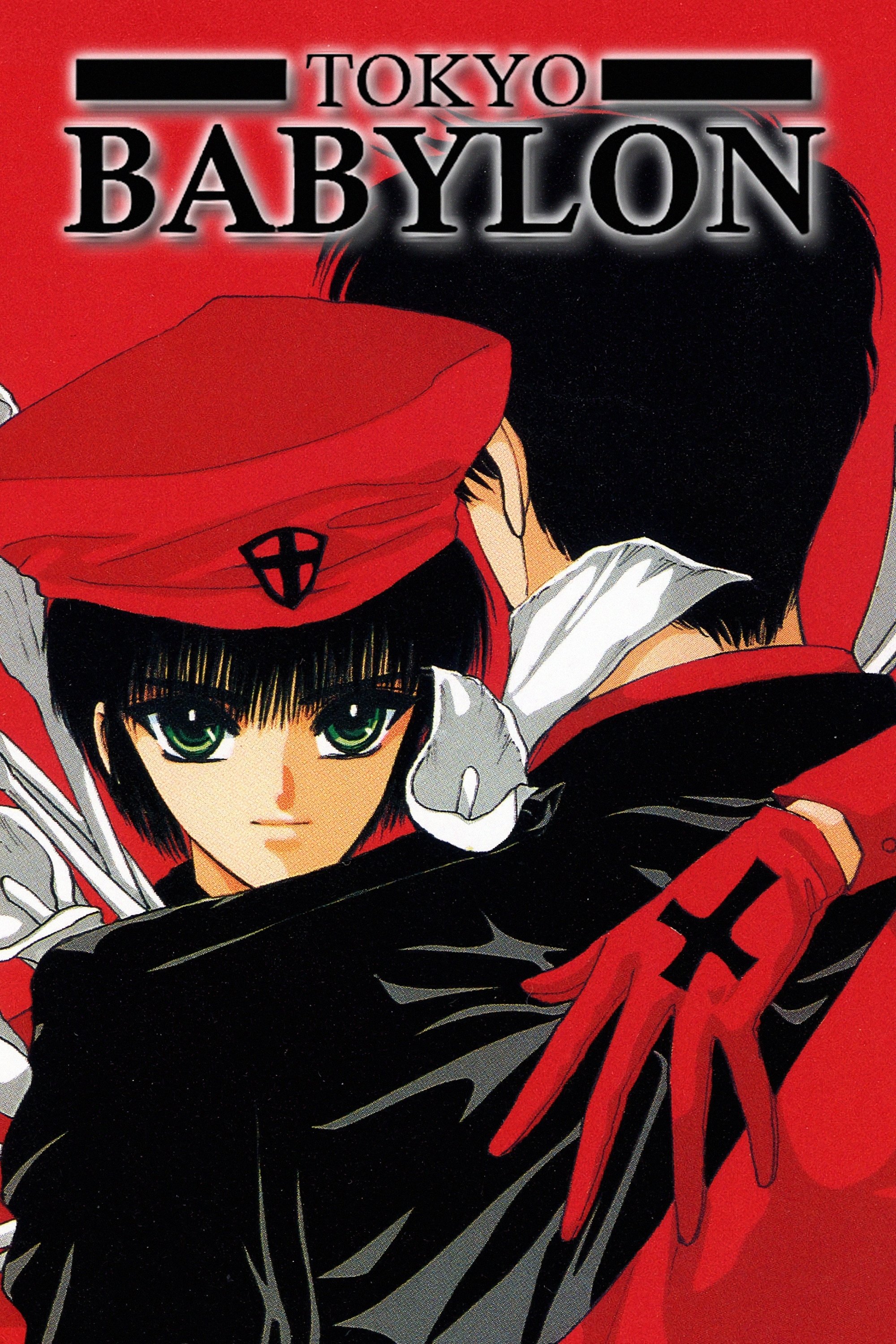
The story centers on Subaru Sumeragi, a powerful exorcist who becomes entangled with the mysterious and charming Seishiro Sakurazuka. Their complex relationship shifts from a mentorship to a tragic romantic rivalry that defines the trajectory of the plot. This work is praised for its mature handling of emotional intimacy and the psychological weight of the bond between the two men. The relationship between Subaru and Seishiro is considered one of the most significant in the history of the CLAMP creative circle.
‘Sailor Moon’ (1992–1997)
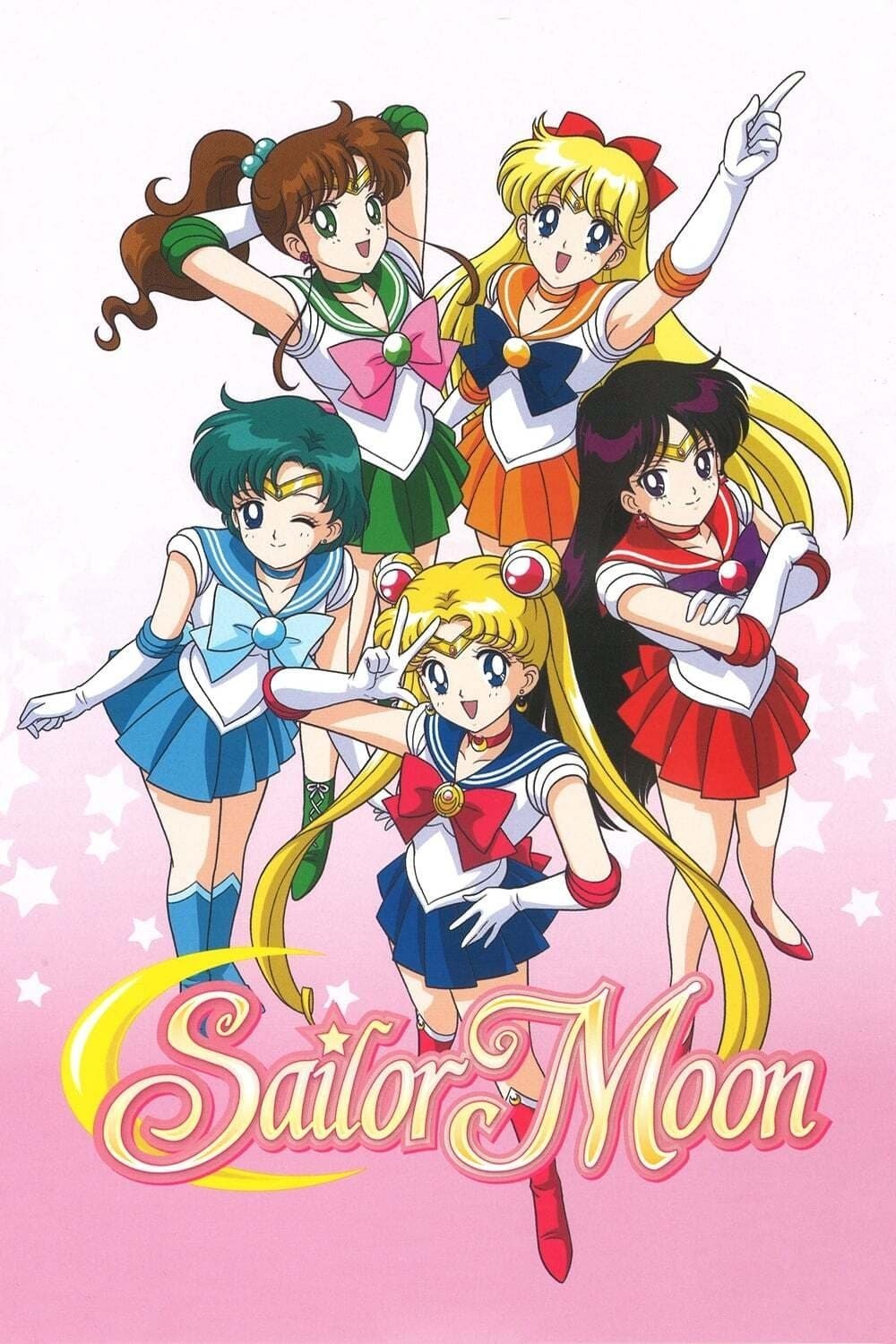
The relationship between Sailor Uranus and Sailor Neptune is one of the most iconic canon lesbian pairings in animation history. Despite international censorship attempts that labeled them as cousins, the original Japanese script explicitly defined them as a committed romantic couple. The series also featured other LGBTQ characters, such as the villainous duo Zoisite and Kunzite, whose relationship was also altered in various dubs. ‘Sailor Moon’ was instrumental in bringing queer visibility to a global young audience.
‘Yu Yu Hakusho’ (1992–1995)
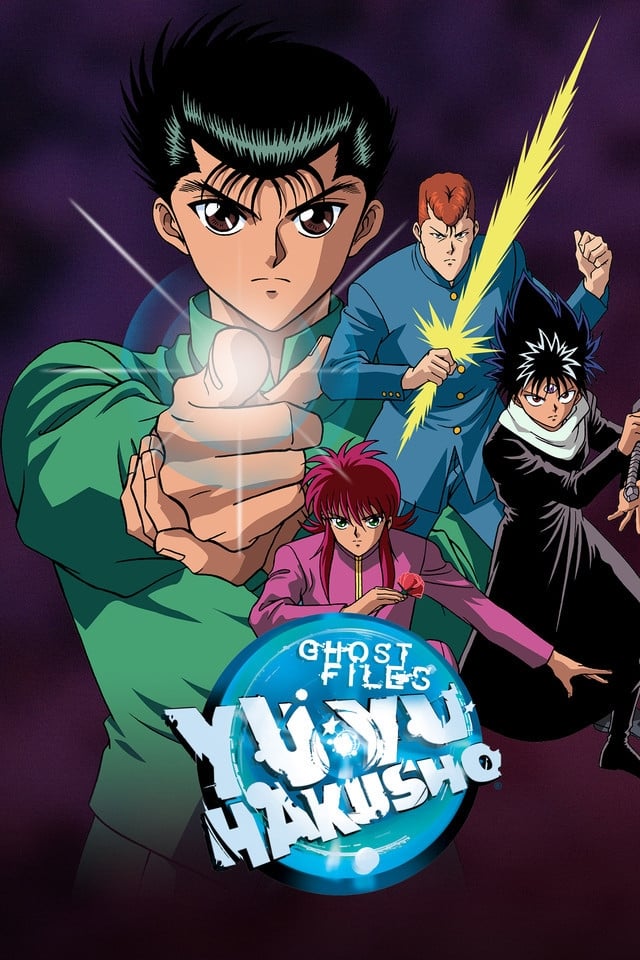
The Black Chapter arc of ‘Yuu Yuu Hakusho’ introduces Itsuki, a demon who is the devoted partner of the primary antagonist, Shinobu Sensui. Their bond is portrayed as deeply spiritual and romantic, with Itsuki choosing to remain by Sensui’s side in a pocket dimension even after death. This inclusion provided a nuanced look at a same-sex relationship within the context of a mainstream battle shonen. The series treated their devotion with a somber and respectful tone.
‘New Cutey Honey’ (1994–1995)
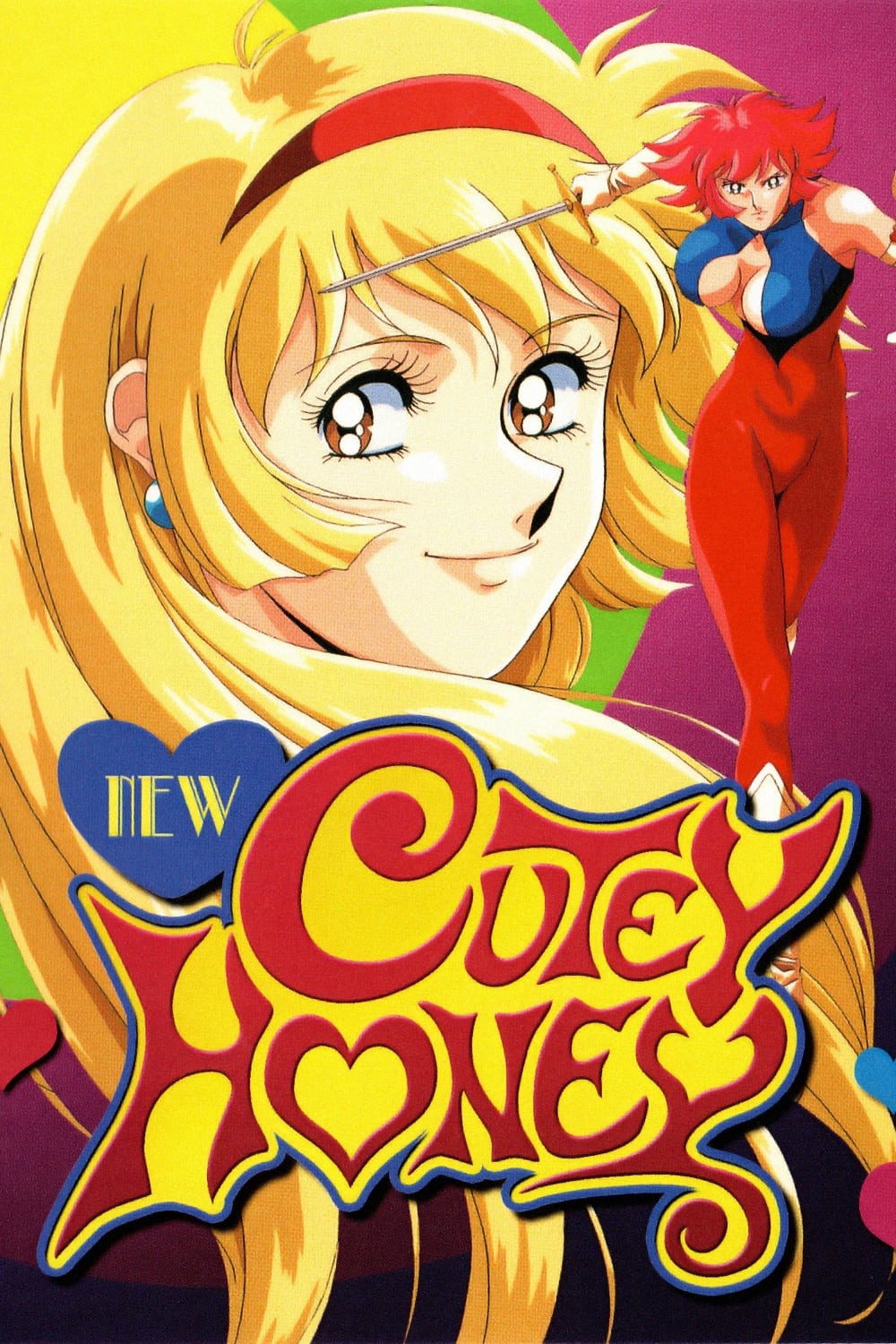
This 1994 OVA series reimagines the classic hero with more explicit themes and a mature aesthetic than its 1970s predecessor. The protagonist, Honey Kisaragi, frequently interacts with various female characters in ways that suggest a fluid and queer-coded sexuality. The series maintains the high-energy action of the franchise while embracing a more inclusive and suggestive tone regarding Honey’s attractions. It serves as a bridge between the classic magical girl genre and more modern explorations of female sexuality.
‘Magic Knight Rayearth’ (1994–1995)
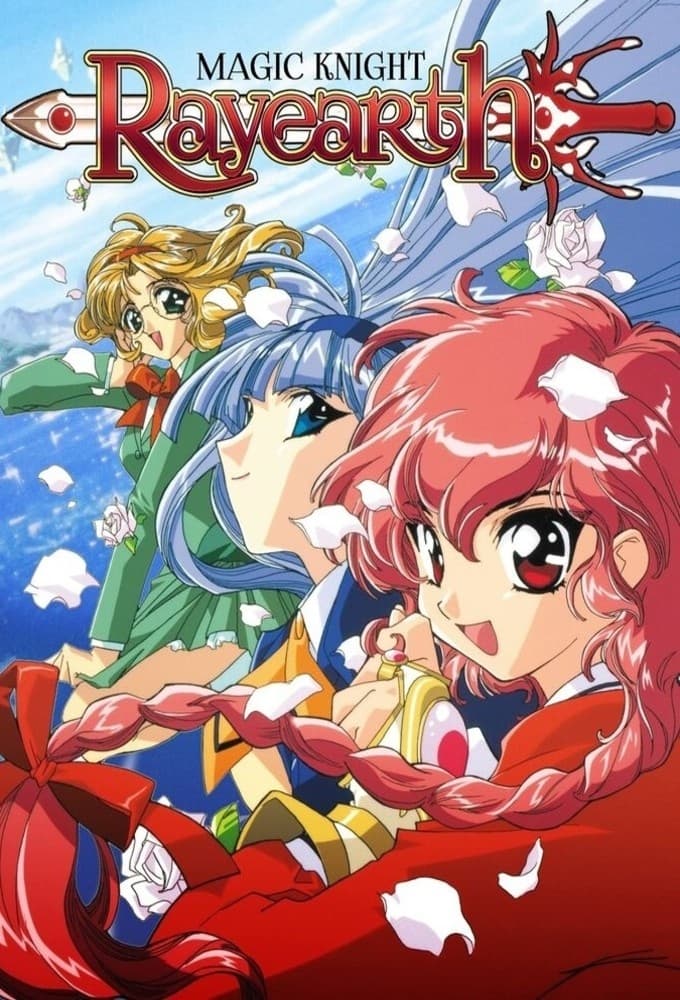
In this fantasy epic, characters like Eagle Vision and Lantis share a profound and intimate bond that is presented with romantic undertones. While the anime keeps some details subtle, the depth of their mutual care is a driving force for their character arcs. The series explores themes of sacrifice and love that transcend traditional friendship, adding emotional weight to the high-stakes conflict. Their relationship is often cited as a prime example of the “quiet” canon inclusion common in 1990s anime.
‘Neon Genesis Evangelion’ (1995–1996)
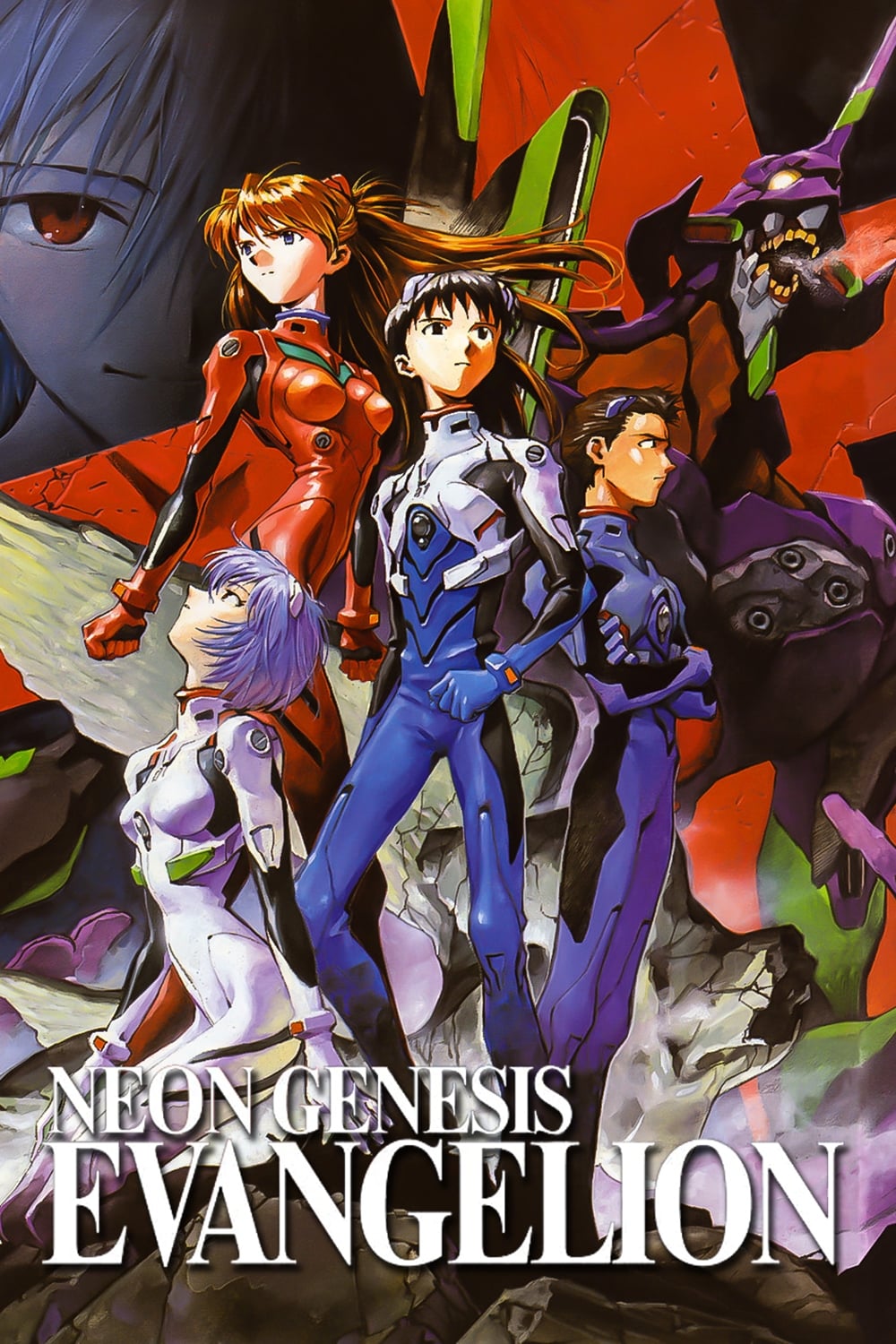
The arrival of Kaworu Nagisa introduces a significant emotional turning point for the protagonist, Shinji Ikari, in the final episodes of the series. Kaworu is the only character to offer Shinji unconditional affection, explicitly stating his love during their brief time together. This moment remains a cornerstone of the show’s exploration of human connection and the fear of rejection. The impact of their bond has persisted through multiple film reboots and remains a central point of discussion for fans.
‘Fushigi Yûgi: The Mysterious Play’ (1995–1996)
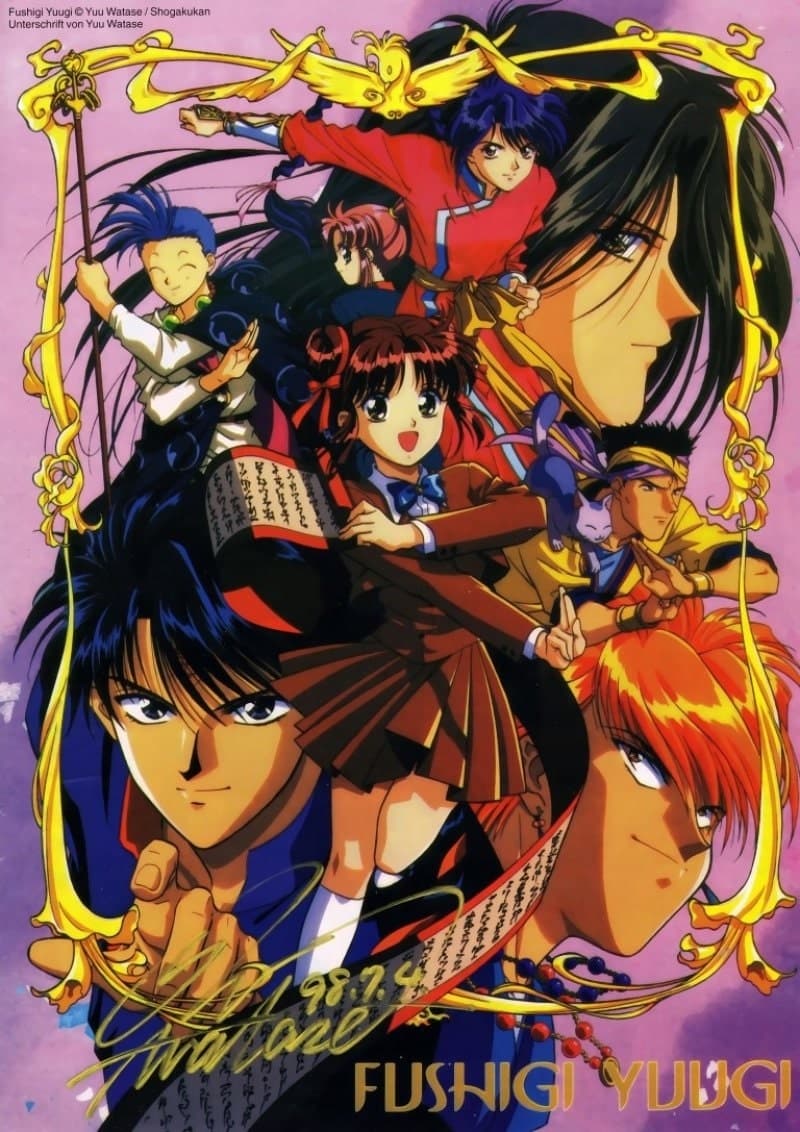
Nuriko is a member of the Suzaku Seven who presents as a woman despite being assigned male at birth. Throughout ‘Fushigi Yuugi’, the character explains that this identity began as a way to honor a deceased sister, but it evolves into a genuine expression of self. Nuriko’s deep affection for the Emperor Hotohori is a key aspect of the character’s emotional journey. The series handles Nuriko’s gender and romantic feelings with a balance of humor and intense drama.
‘Revolutionary Girl Utena’ (1997)
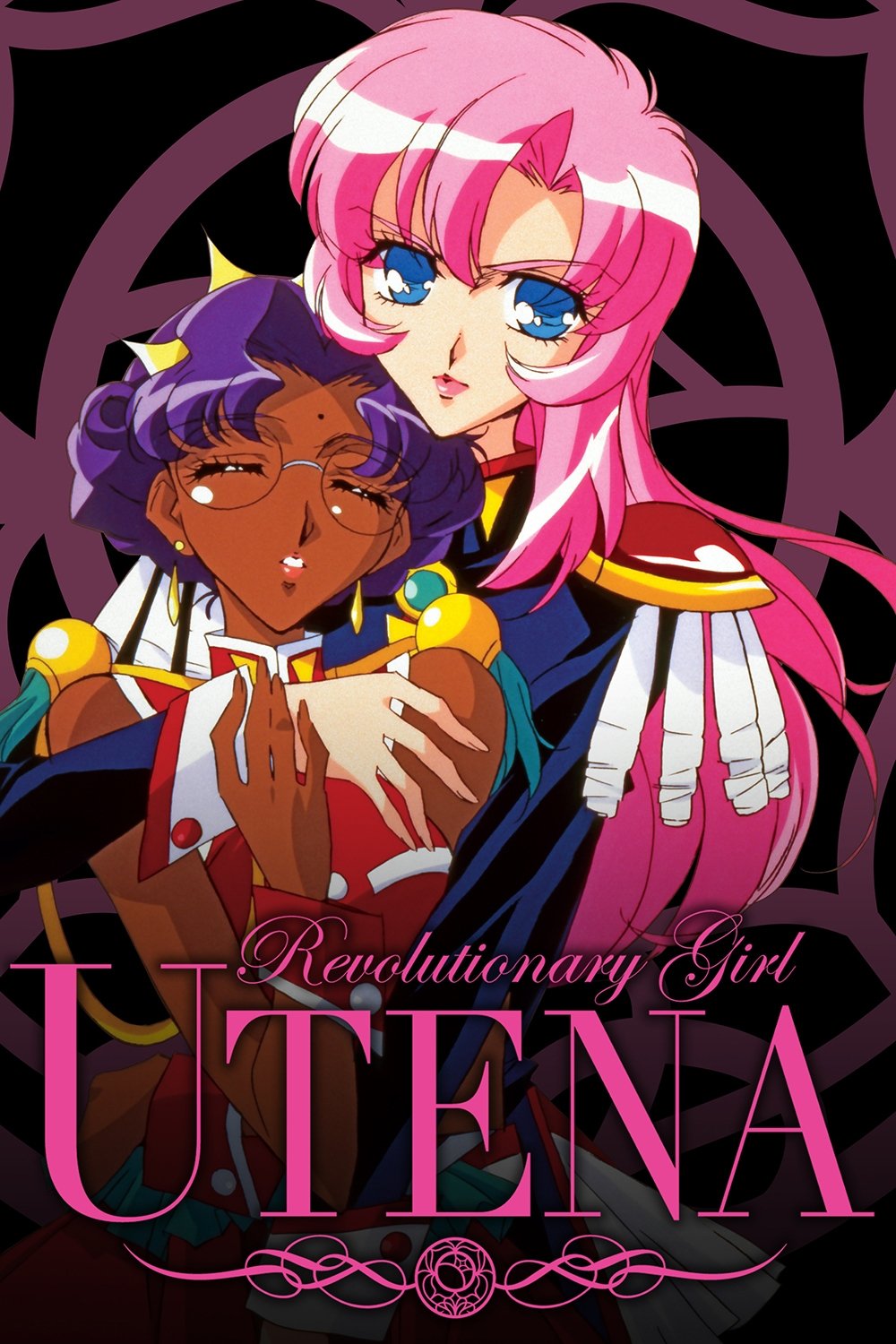
This series is a surrealist exploration of gender roles and societal expectations centered on the bond between Utena Tenjou and Anthy Himemiya. Their relationship evolves from one of protector and protected to a profound romantic connection that challenges the “prince and princess” archetype. The show uses metaphorical duels to dismantle traditional fairy tale tropes and explore queer liberation. ‘Revolutionary Girl Utena’ is widely regarded as a masterpiece of queer storytelling.
‘Cardcaptor Sakura’ (1998–2000)
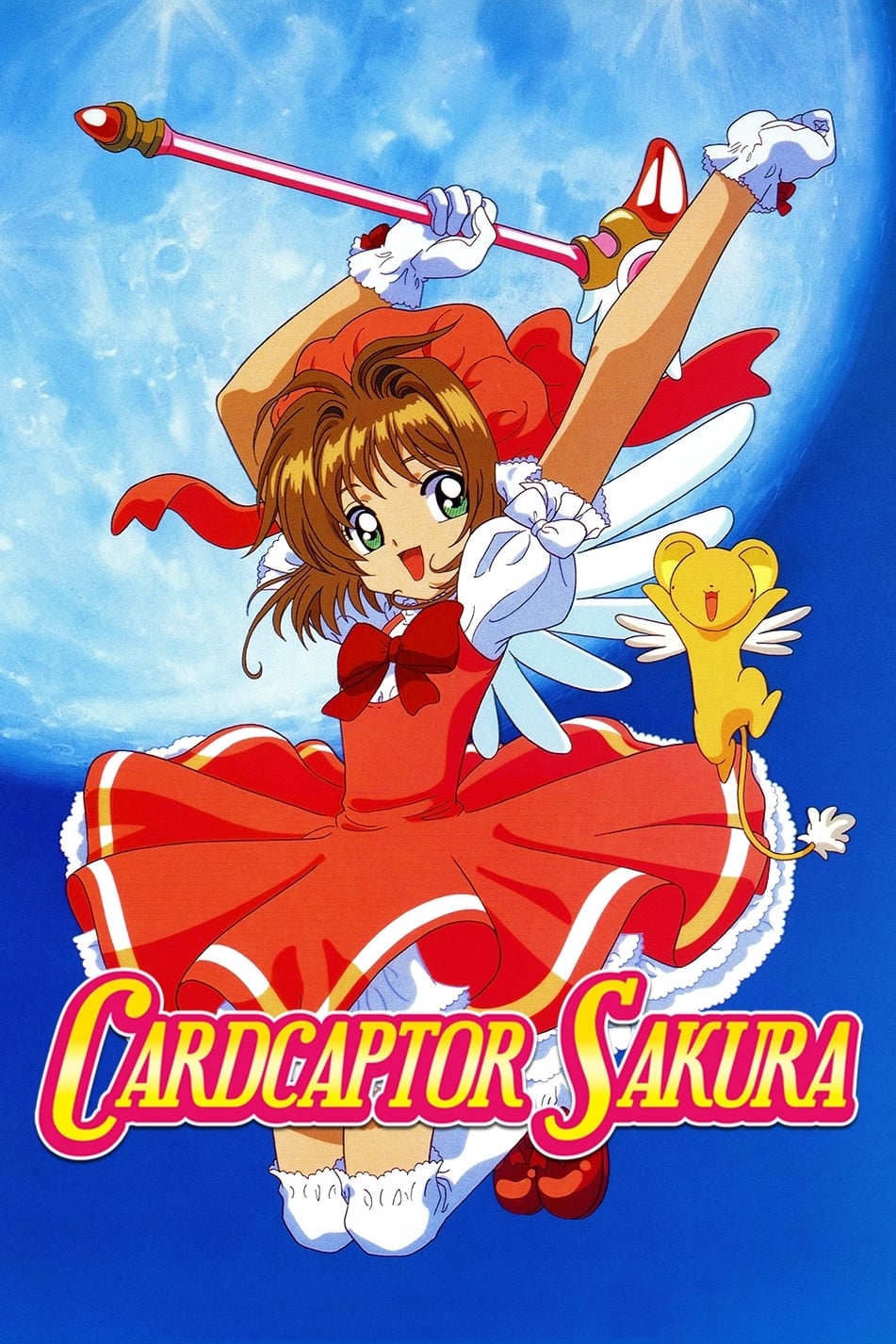
The romantic feelings between Touya Kinomoto and Yukito Tsukishiro are treated as a natural and accepted part of the story’s world. Additionally, the character Tomoyo Daidouji harbors a deep, selfless love for the protagonist, Sakura, which is explicitly acknowledged. These relationships are woven into the fabric of the daily life of the characters without the need for sensationalism. The series is often praised for its gentle and inclusive approach to all forms of love.
‘Cowboy Bebop’ (1998–1999)
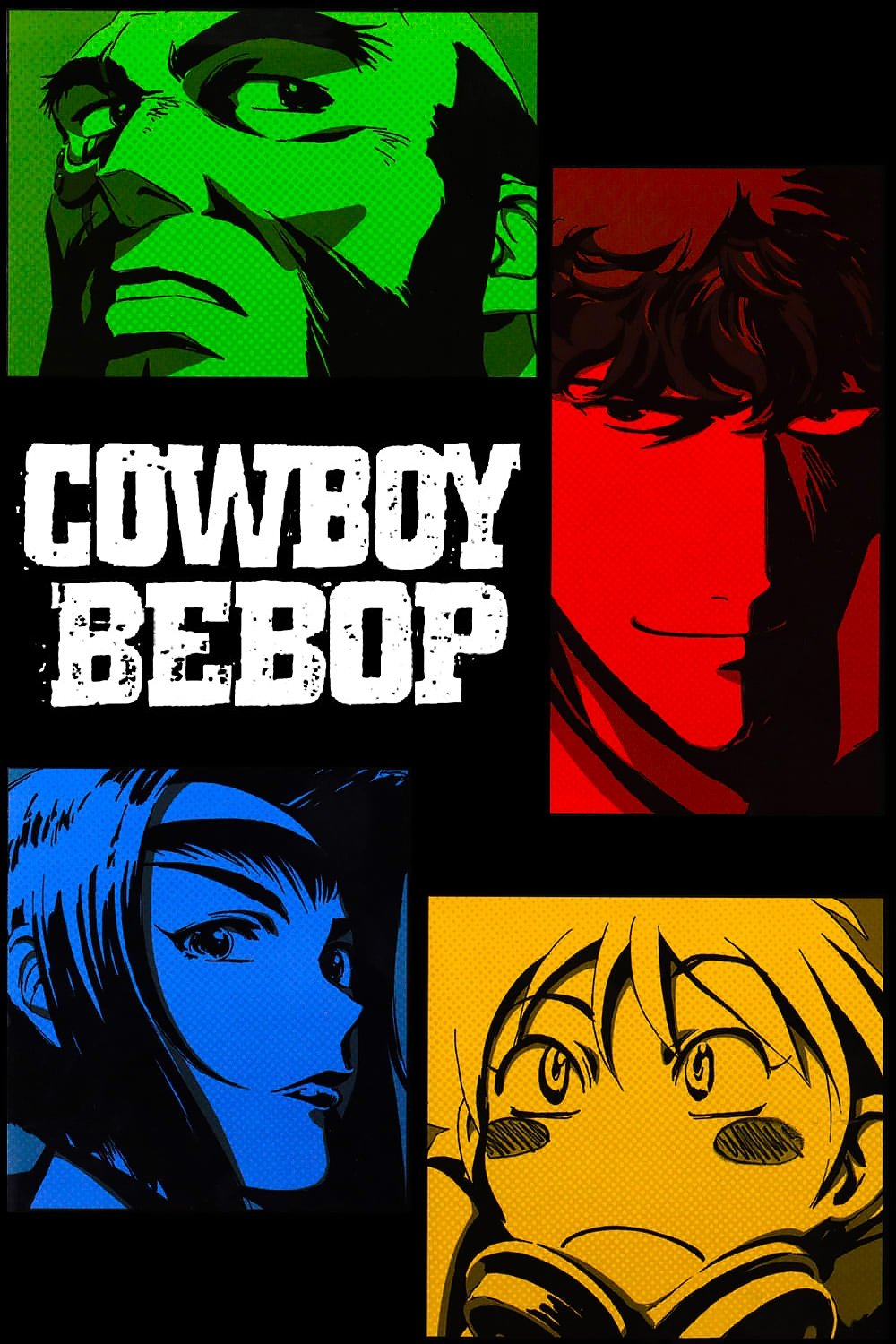
The character Gren is introduced as a war veteran who developed feminine physical traits due to experimental drug use during incarceration. Gren identifies in a way that transcends traditional gender binaries, expressing comfort with a unique physiological and emotional state. This inclusion added a layer of melancholic depth to the “Jupiter Jazz” episodes of the series. Gren’s story is a brief but impactful exploration of identity and betrayal in a futuristic setting.
‘Gravitation’ (2000)
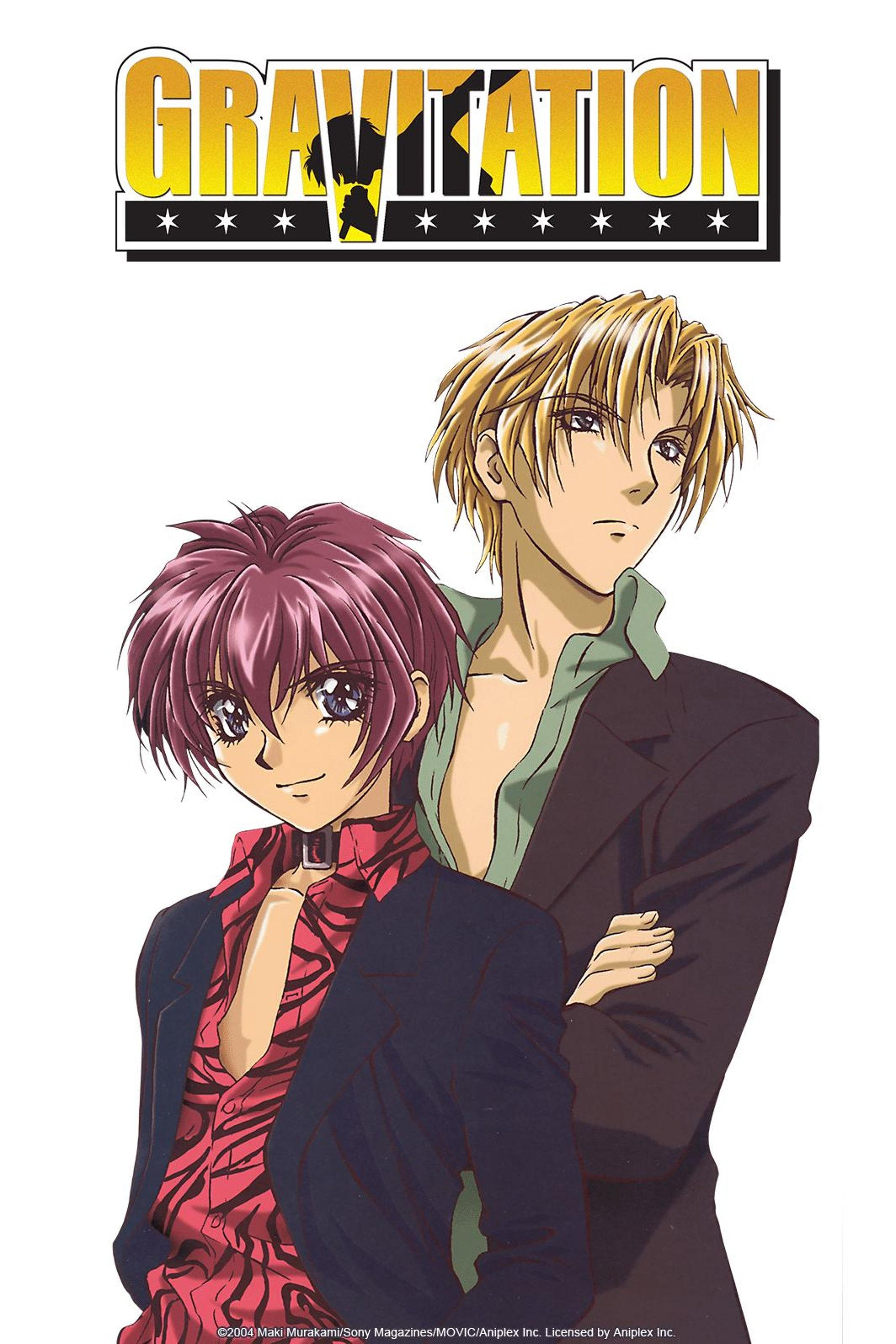
‘Gravitation’ follows aspiring pop singer Shuichi Shindou as he pursues a relationship with the cold and famous novelist Eiri Yuki. Their romance is the central driving force of the plot, depicting the intense highs and lows of their partnership. It was one of the first series to bring the boys’ love genre into a more mainstream television format in the late 1990s. The show focuses on the professional and personal obstacles the couple must overcome to be together.
‘Paradise Kiss’ (2005)
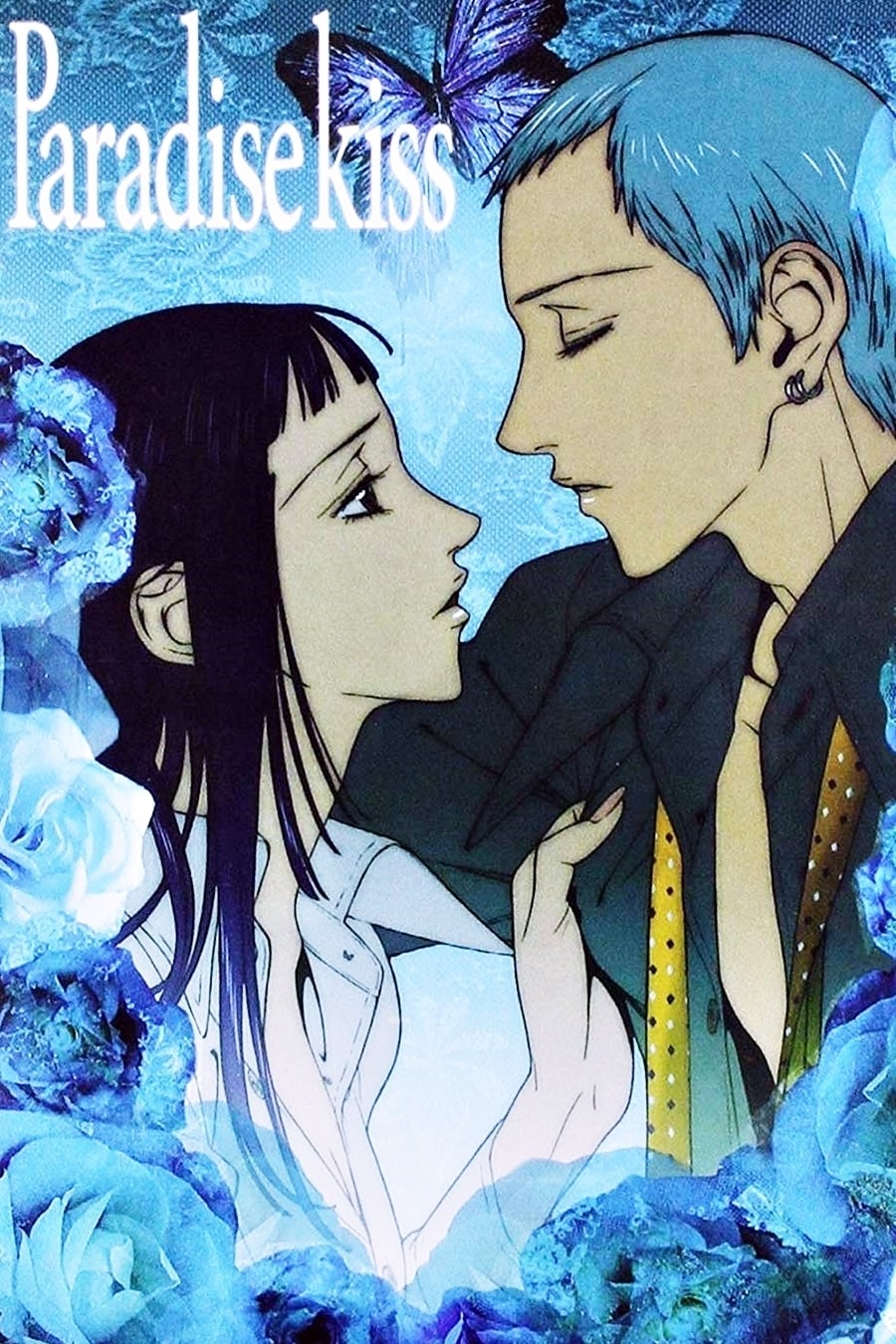
This fashion-centric series features Isabella, a trans woman who serves as a mentor and maternal figure to the main cast. Her backstory reveals the support she received from her childhood friend George, who encouraged her to embrace her true identity through fashion. The series is lauded for its respectful and sophisticated depiction of a transgender character’s life and history. Isabella is presented as a dignified and essential part of the artistic community she inhabits.
‘Simoun’ (2006)
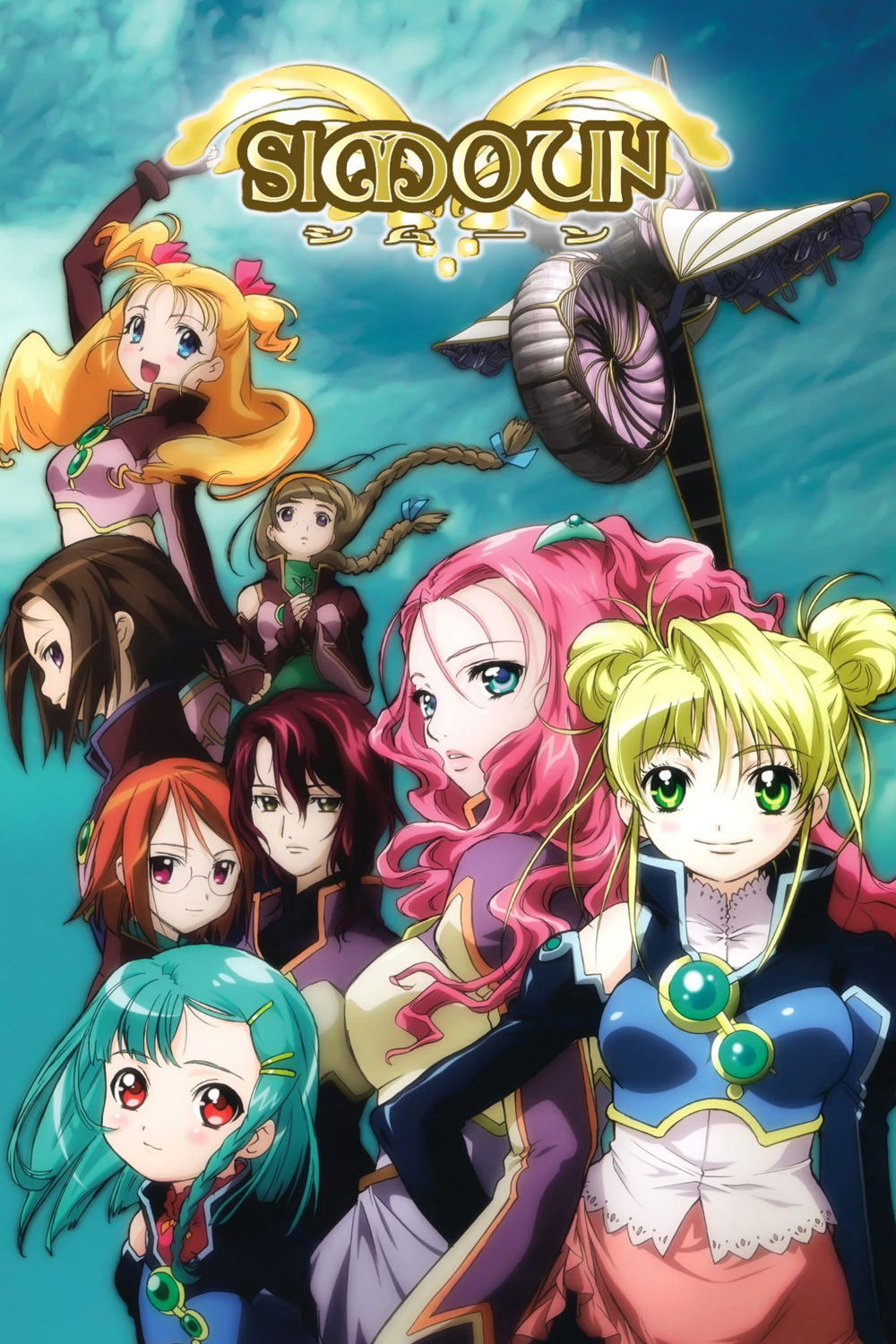
Set in a world where everyone is born female and chooses a permanent gender at a certain age, ‘Simoun’ explores a variety of same-sex dynamics. The characters serve as pilots for flying machines that require two people to harmonize their emotions to function. The resulting bonds are frequently romantic, exploring the fluidity of attraction, identity, and the choice of gender. The series is noted for its serious treatment of the characters’ interpersonal growth and societal roles.
‘Ouran High School Host Club’ (2006)
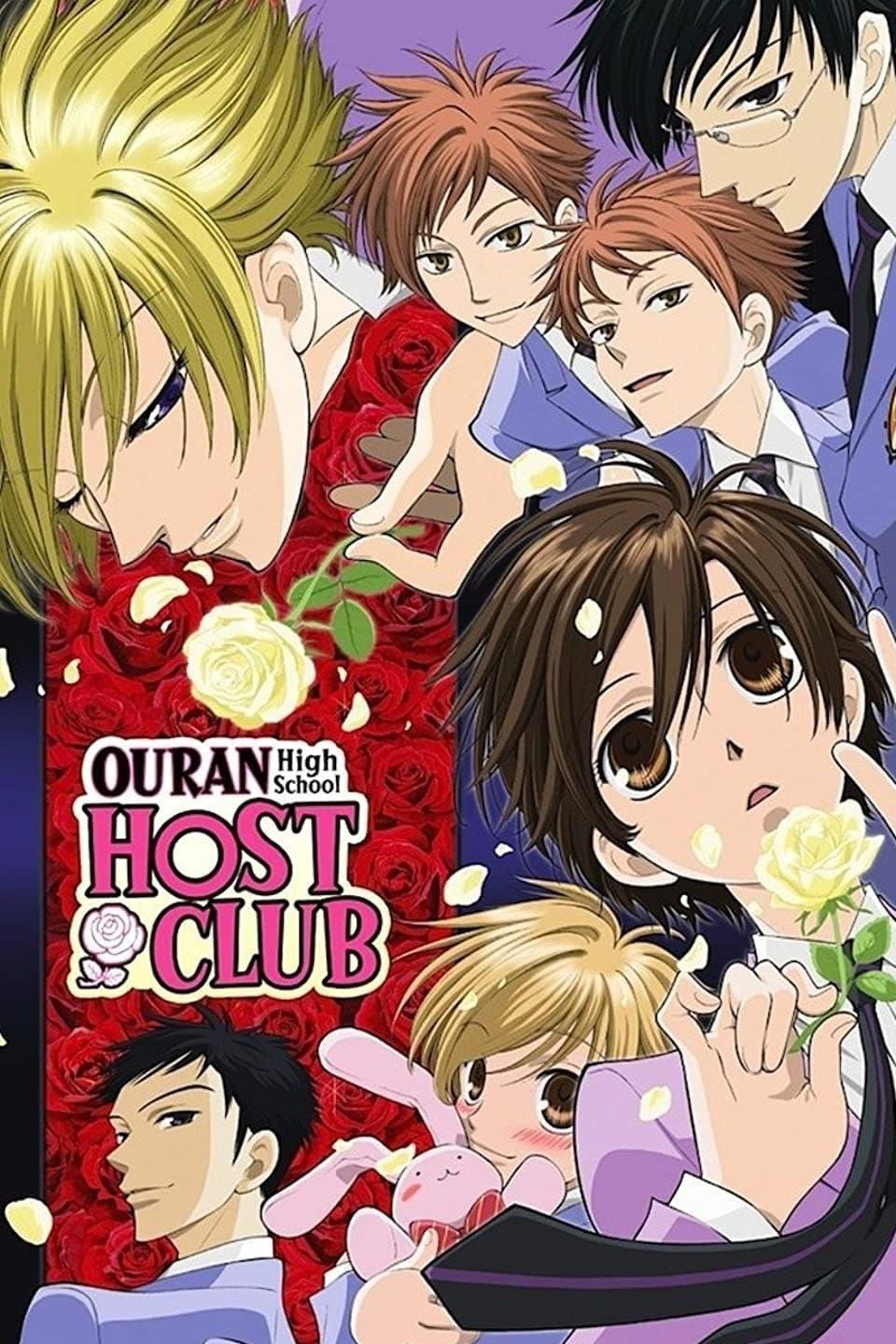
Ryoji Fujioka, also known by his stage name Ranka, is the father of the protagonist and identifies as a professional cross-dresser. He is depicted as a loving and capable parent who was happily married to a woman but continued his gender-non-conforming lifestyle after her passing. This portrayal of a bisexual and gender-fluid father was notably progressive for a mainstream comedy in the mid-2000s. The show treats his identity with normalcy and warmth throughout his appearances.
‘Antique Bakery’ (2008)
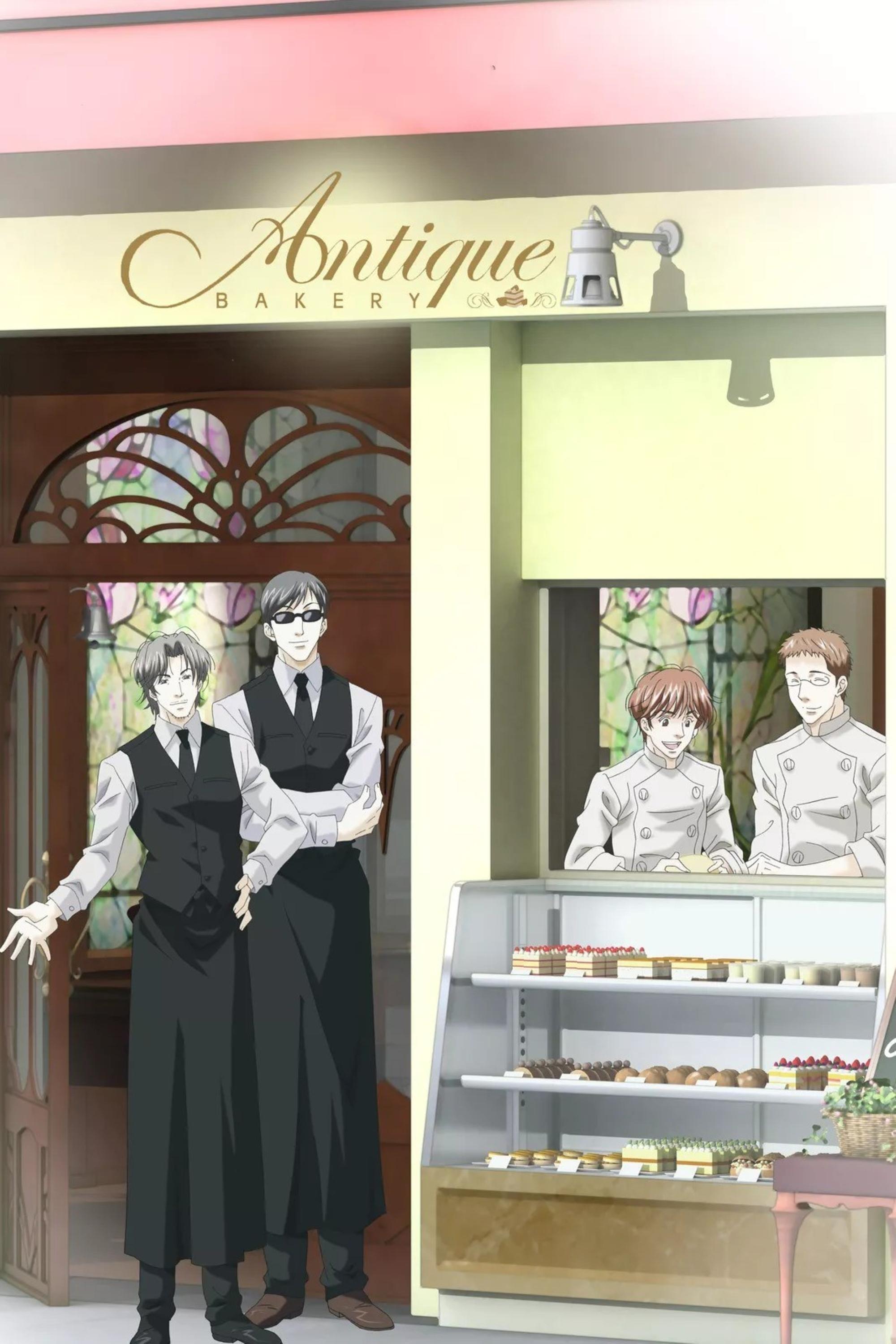
The story focuses on Yusuke Ono, a talented pastry chef who is openly gay and possesses a “demonic charm” that inadvertently attracts men. The series follows his professional life and interactions with his colleagues in a way that integrates his sexuality into the narrative naturally. It avoids many common stereotypes, offering a grounded look at the life of a gay man in the culinary industry. The narrative emphasizes his personal growth and the development of his career alongside his past experiences.
Please share your favorite examples of early LGBTQ representation in anime in the comments.