TV Revivals That Honored Original Spirits While Updating


Bringing back a beloved television series is a delicate balancing act that requires honoring the original premise while adapting to a modern cultural landscape. Successful revivals manage to capture the nostalgic essence that fans crave while introducing fresh themes, updated production values, and evolved character arcs. From groundbreaking dramas to classic sitcoms, these thirty shows proved that a second life on screen can often be as meaningful as the first.
‘Fuller House’ (2016–2020)

Following the blueprint of the original ‘Full House’, this revival centers on the widowed D.J. Tanner-Fuller raising her three sons with the help of her sister Stephanie and best friend Kimmy Gibbler. The show leaned heavily into nostalgia, frequently featuring appearances from the original adult cast members. It maintained the family-friendly tone and moral lessons that were characteristic of 1980s and 1990s sitcoms. The production updated the setting with modern technology and contemporary parenting challenges. It demonstrated a significant appetite for traditional family comedy in the streaming era.
‘Dallas’ (2012–2014)
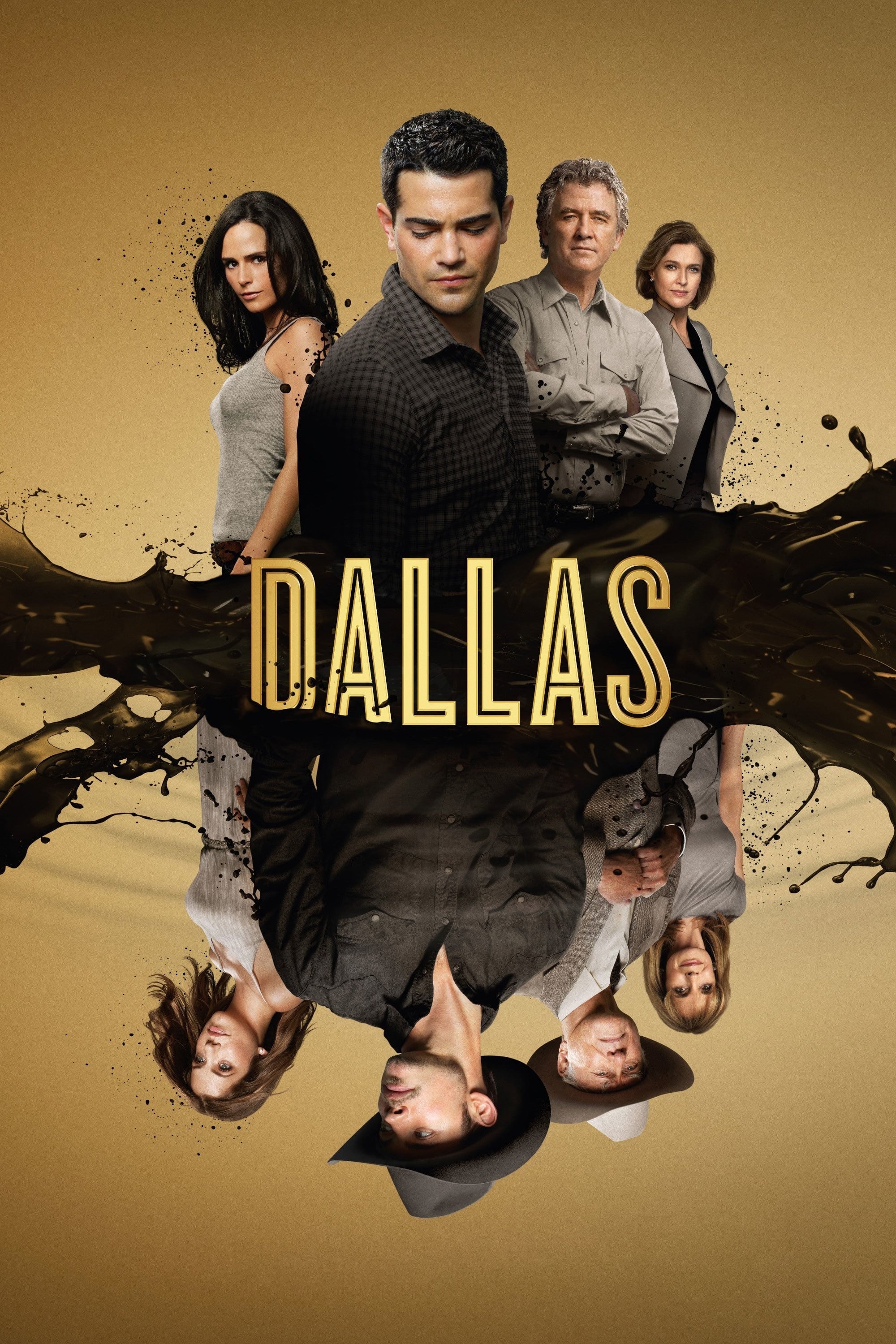
This continuation of the legendary soap opera focuses on the next generation of the Ewing family as they battle over oil and land in Texas. It features the return of original stars Larry Hagman, Patrick Duffy, and Linda Gray, who mentor the younger characters in the art of corporate betrayal. The show maintained the themes of greed and family rivalry while updating the setting to include modern energy industry concerns. The series was noted for its ability to weave the legacy of the original characters into new, high-stakes dramatic storylines. It successfully recaptured the melodramatic spirit that made the original a global phenomenon.
‘Murphy Brown’ (2018)
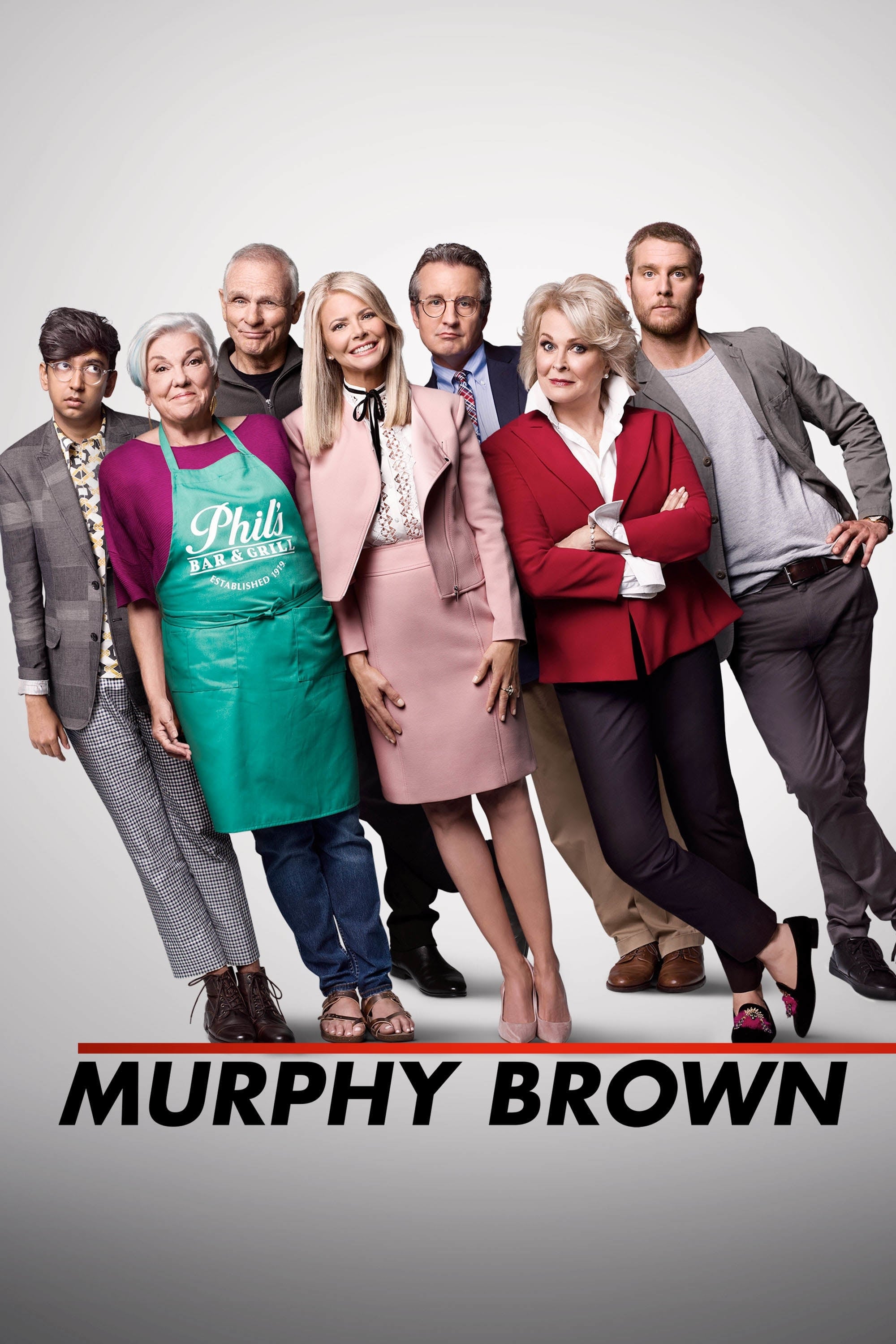
The legendary news anchor returned to the airwaves to navigate the modern world of 24-hour news cycles and social media. Candice Bergen reprised her role as the sharp-tongued Murphy Brown, who leads a new morning news program alongside her original colleagues. The revival remained deeply political, reflecting the polarized landscape of the late 2010s while addressing issues like fake news and journalistic integrity. It maintained the show’s tradition of featuring real-life journalists and addressing current events in real-time. This version also explored Murphy’s relationship with her adult son, who had become a rival journalist.
‘Night Court’ (2023–)
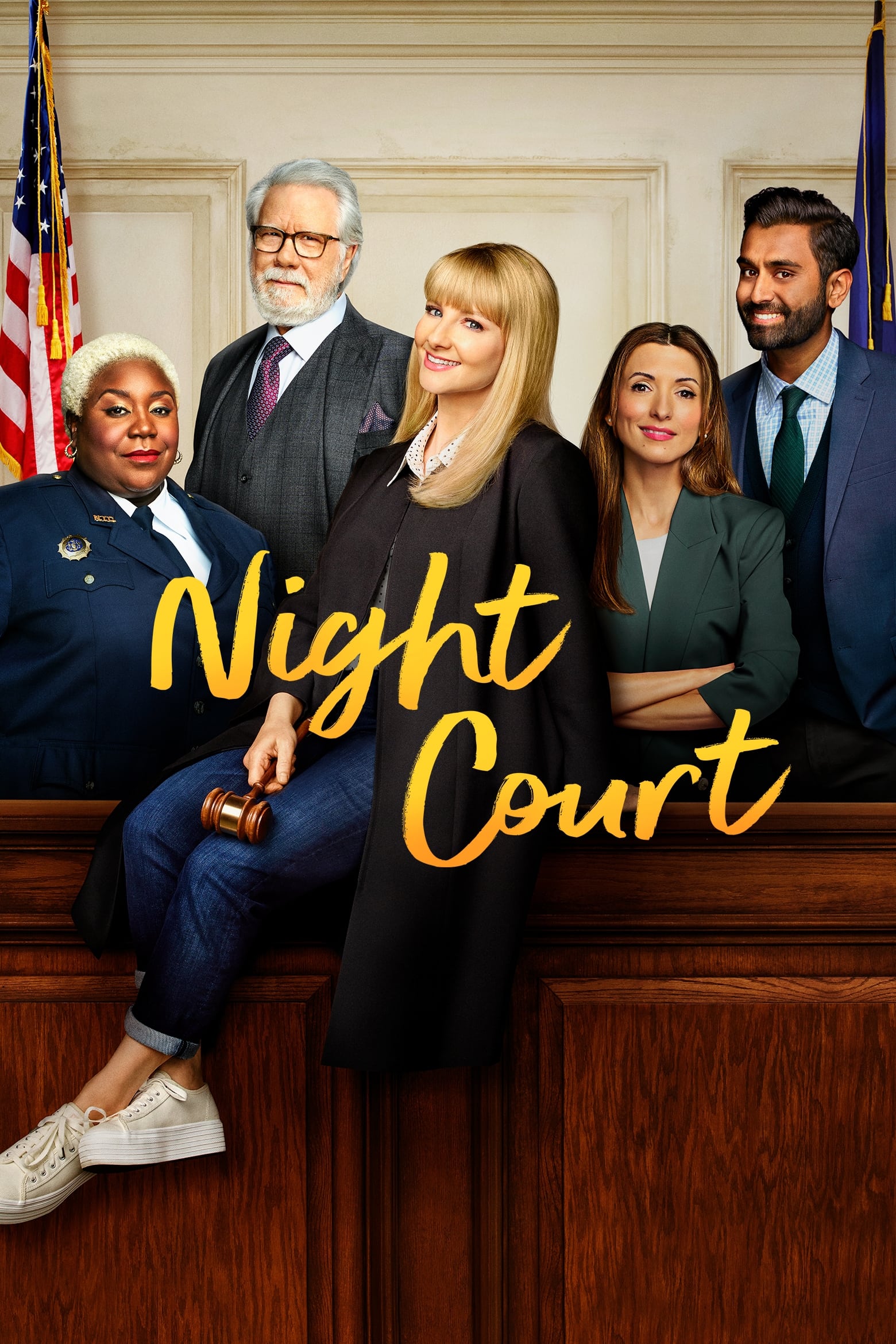
This revival follows Abby Stone, the daughter of the late Harry Stone, as she takes over the night shift at the Manhattan Criminal Court. John Larroquette returns as Dan Fielding, though the character has transitioned from a womanizing prosecutor to a more weary public defender. The show retains the multi-camera format and the wacky, episodic nature of the 1980s original series. It updates the humor for modern sensibilities while keeping the heart and slapstick elements that defined the courtroom comedy. The series has been a commercial success, proving the enduring appeal of its unique premise.
’24: Live Another Day’ (2014)
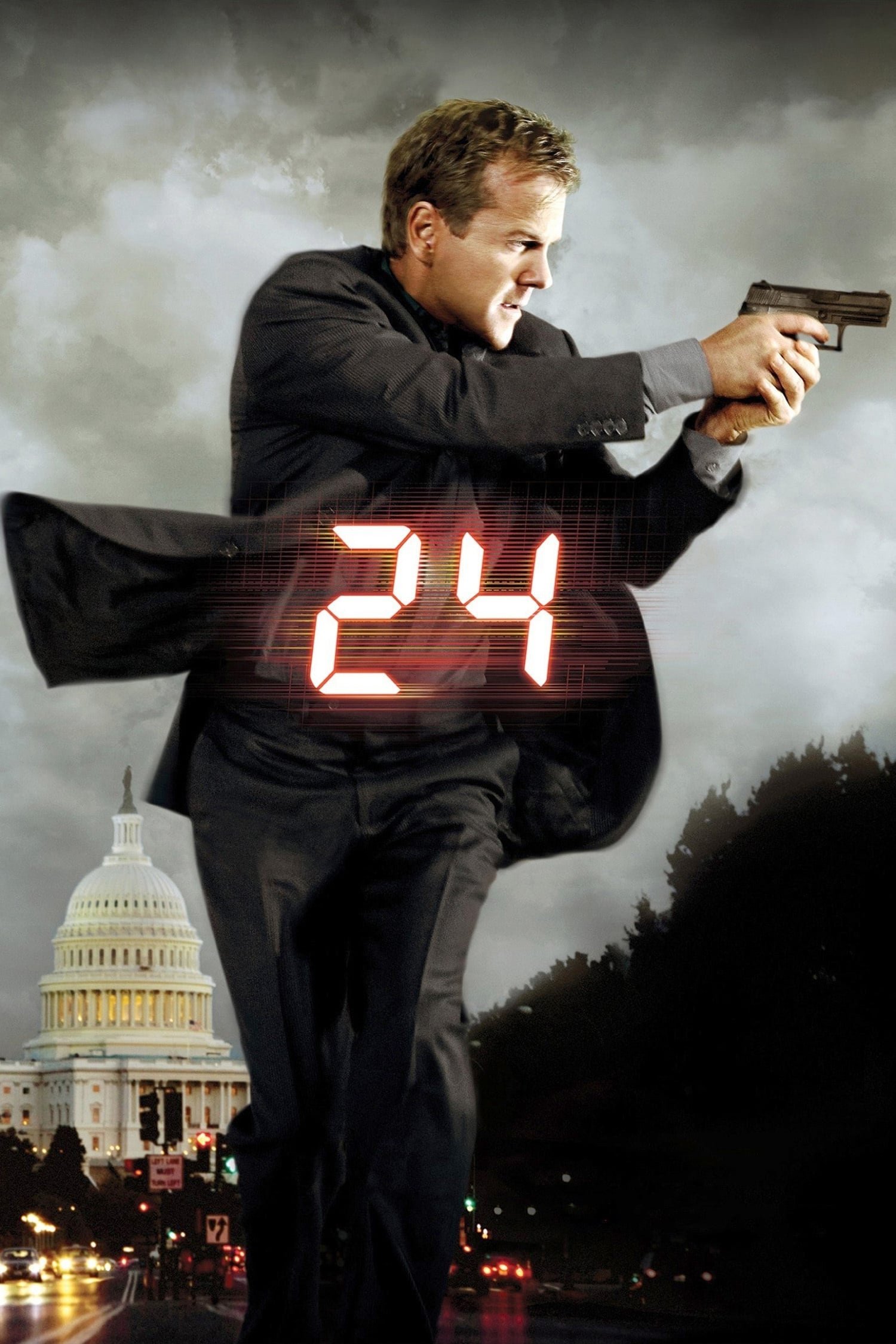
Jack Bauer returned for a twelve-episode limited series set in London four years after the events of the original series finale. The revival maintained the signature real-time format, though it utilized time jumps to cover a full twenty-four-hour period within a shorter season. It focused on an imminent drone attack and a conspiracy involving the President of the United States. The series kept the high-octane action and moral ambiguity that made ’24’ a staple of early 2000s television. It provided a concise and intense update to the franchise’s established formula for a new decade.
‘Quantum Leap’ (2022–2024)
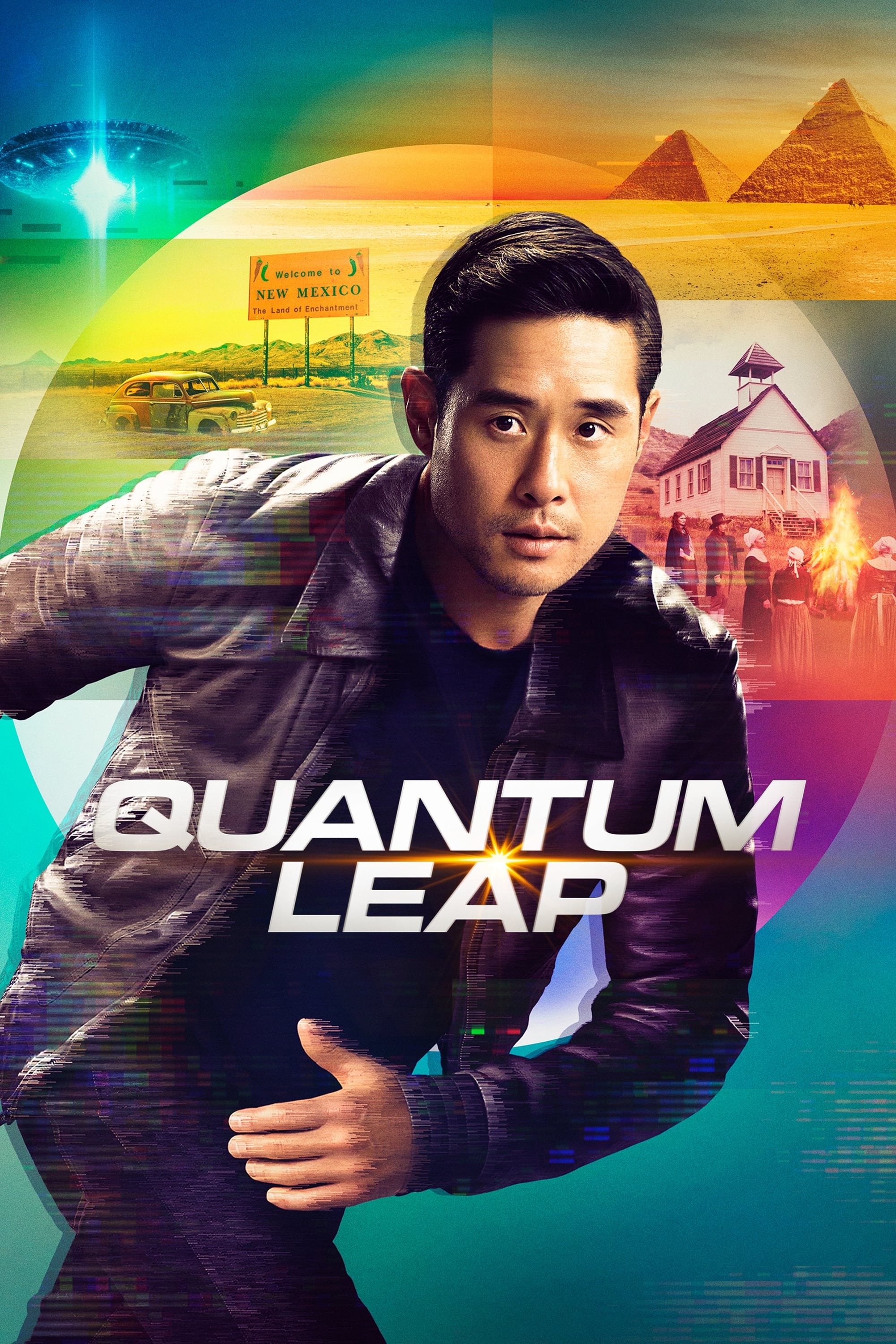
Set thirty years after Dr. Sam Beckett stepped into the Quantum Leap accelerator and vanished, this revival follows a new team led by Dr. Ben Song. The show maintains the “leap of the week” format where the protagonist inhabits different people’s lives to correct historical wrongs. It updates the original by adding a serialized B-plot involving the team back in the present day who are monitoring the project. The series honors the legacy of the original by referencing Beckett’s adventures and maintaining a hopeful, humanistic tone. It balances the nostalgia of the 1989 series with a more modern, high-stakes narrative structure.
‘Saved by the Bell’ (2020–2021)
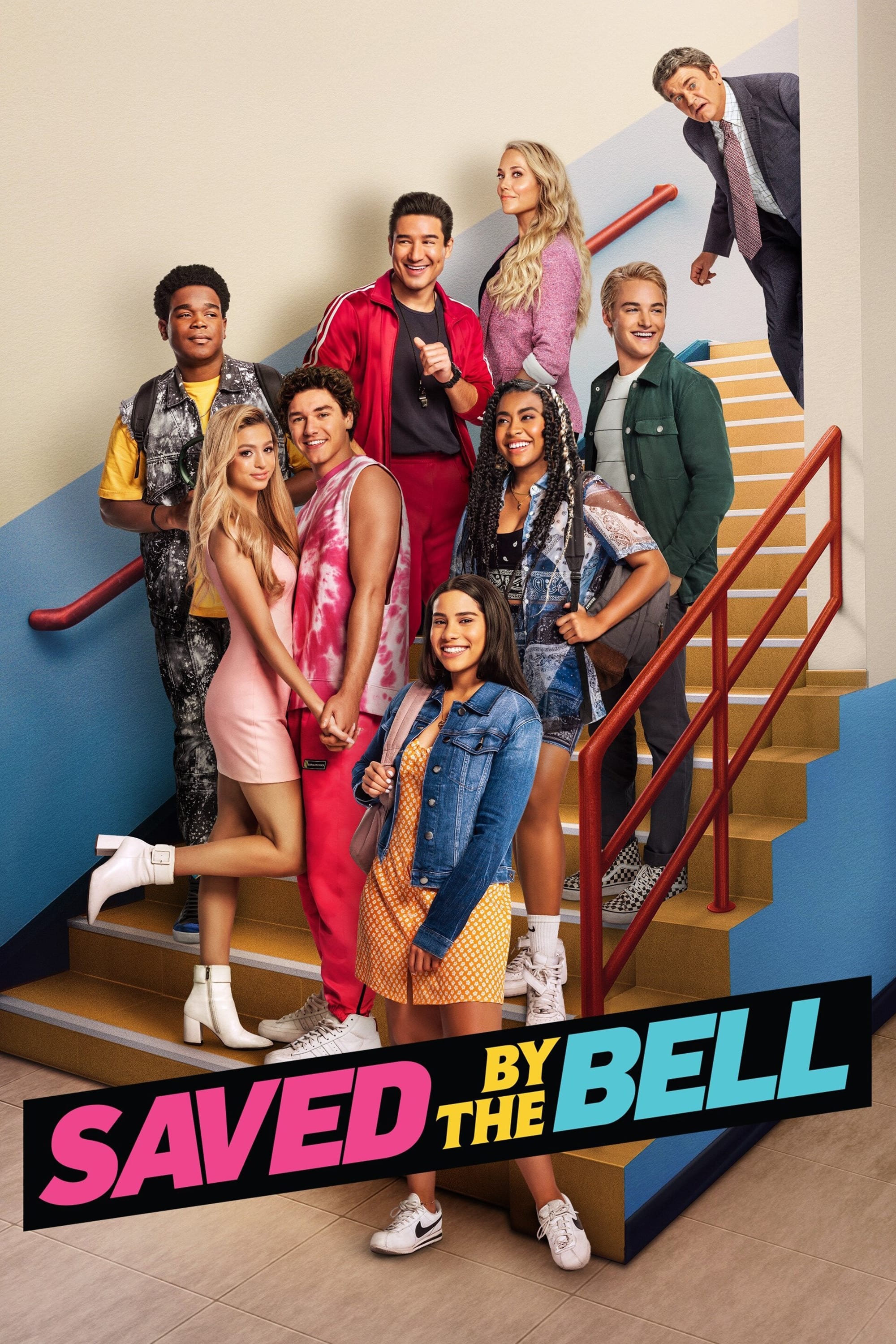
This revival reimagined the classic Saturday morning show as a self-aware, satirical teen comedy for the streaming age. It centers on a new group of students at Bayside High, including those from underfunded schools who are transferred as part of a political move. The show frequently pokes fun at the unrealistic tropes of the original series while developing its own unique, fast-paced voice. Original cast members appear in recurring roles, providing a bridge between the two distinct eras of the show. It was lauded for its sharp writing and its ability to modernize the franchise’s social commentary.
‘Dexter: New Blood’ (2021–2022)
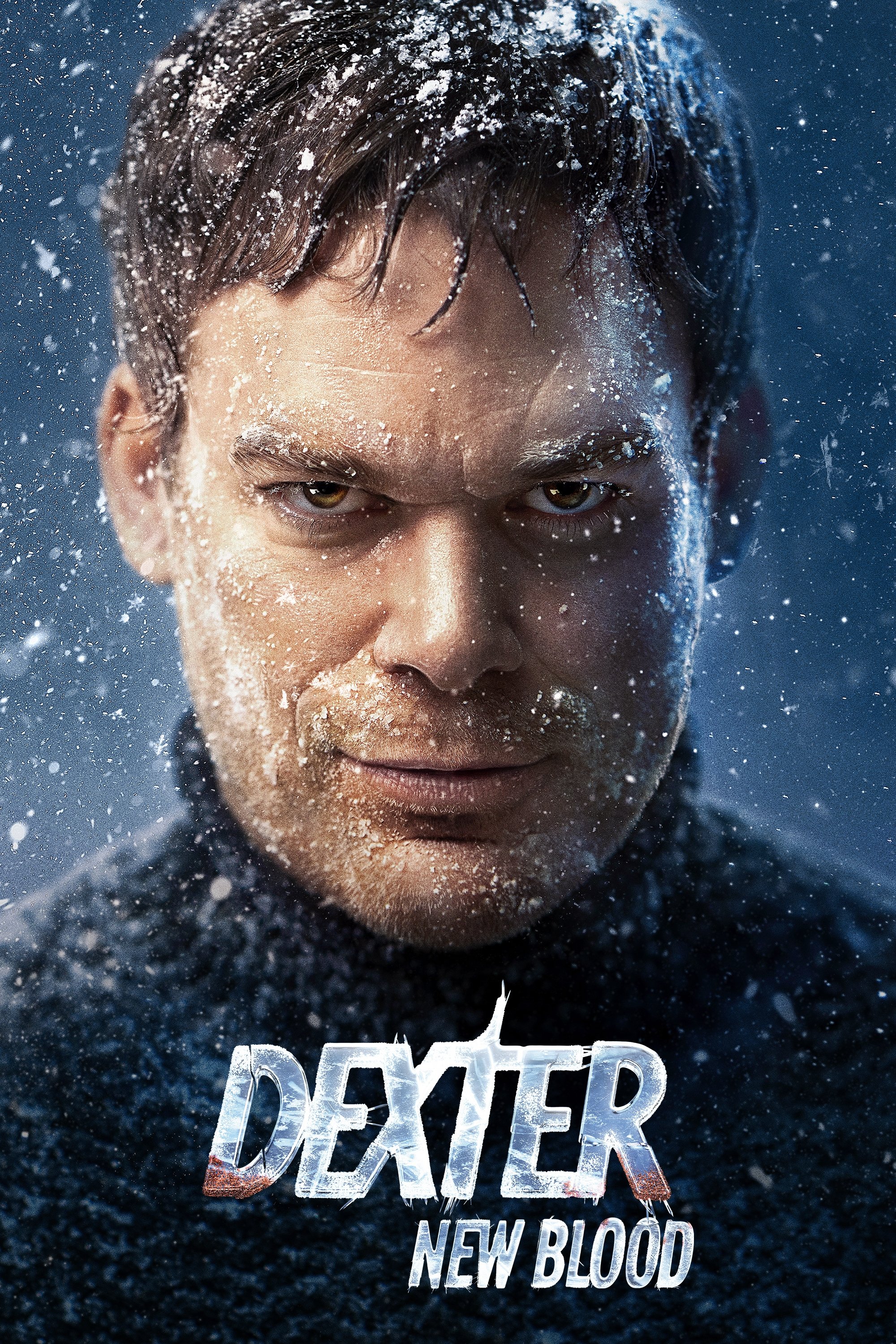
Set ten years after the original series finale, this revival finds Dexter Morgan living under an assumed name in a small town in New York. The show aims to provide a more satisfying conclusion to the character’s journey than the widely criticized 2013 ending. It introduces Dexter’s grown son, Harrison, and explores the tension between Dexter’s murderous urges and his desire for a normal life. The revival retains the dark atmosphere and internal monologues that were hallmarks of the original ‘Dexter’. It successfully updated the setting while keeping the focus on the protagonist’s psychological complexity.
‘The X-Files’ (2016–2018)
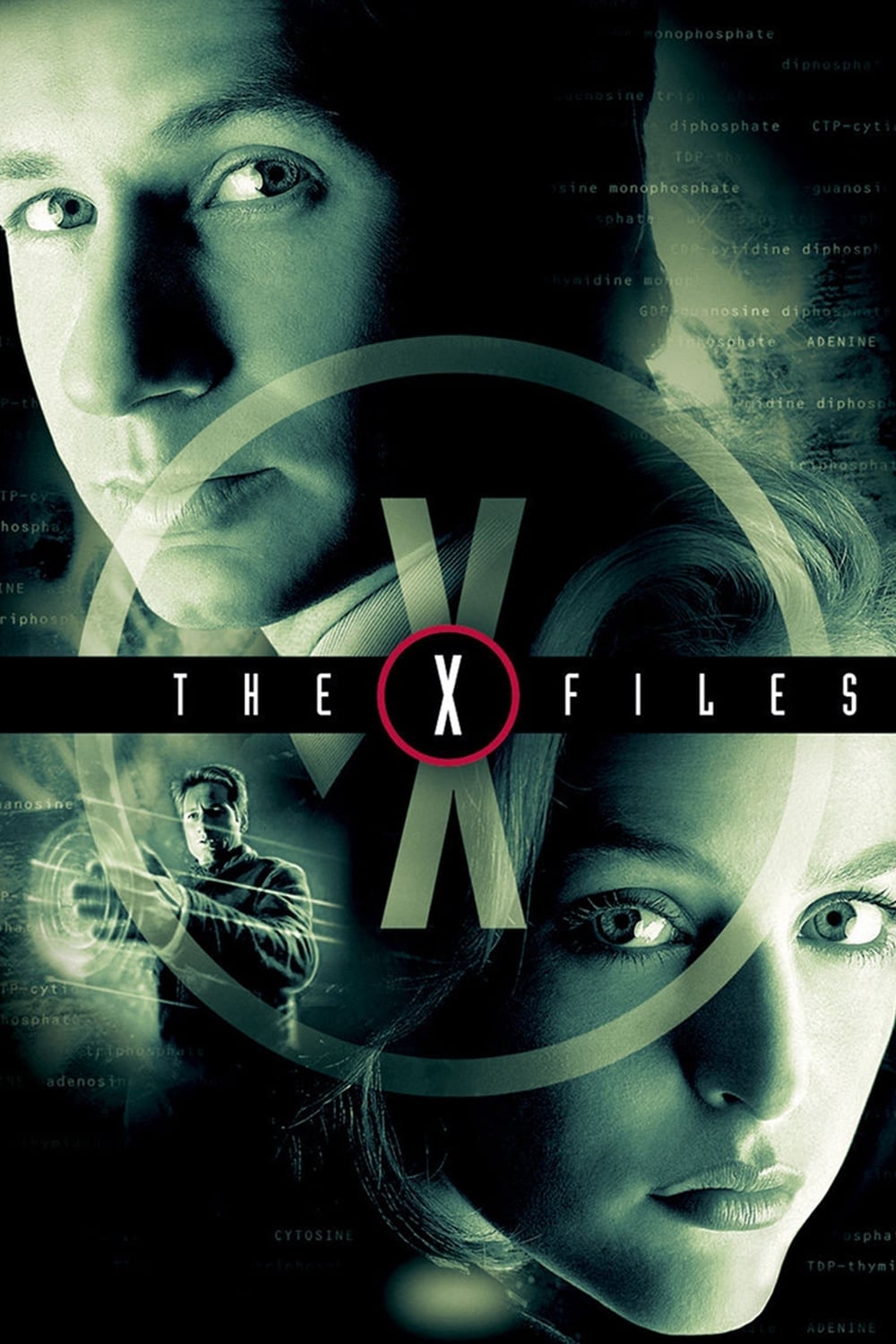
Fox Mulder and Dana Scully returned for two additional seasons to investigate the paranormal and government conspiracies. The revival blended classic “Monster of the Week” episodes with an updated overarching mythology involving modern alien threats. It addressed contemporary anxieties regarding surveillance, disinformation, and technological advancement. Both David Duchovny and Gillian Anderson returned, maintaining the iconic chemistry that drove the original 1990s series. While the mythology episodes were complex, the standalone episodes were praised for recapturing the show’s original brilliance.
‘iCarly’ (2021–2023)
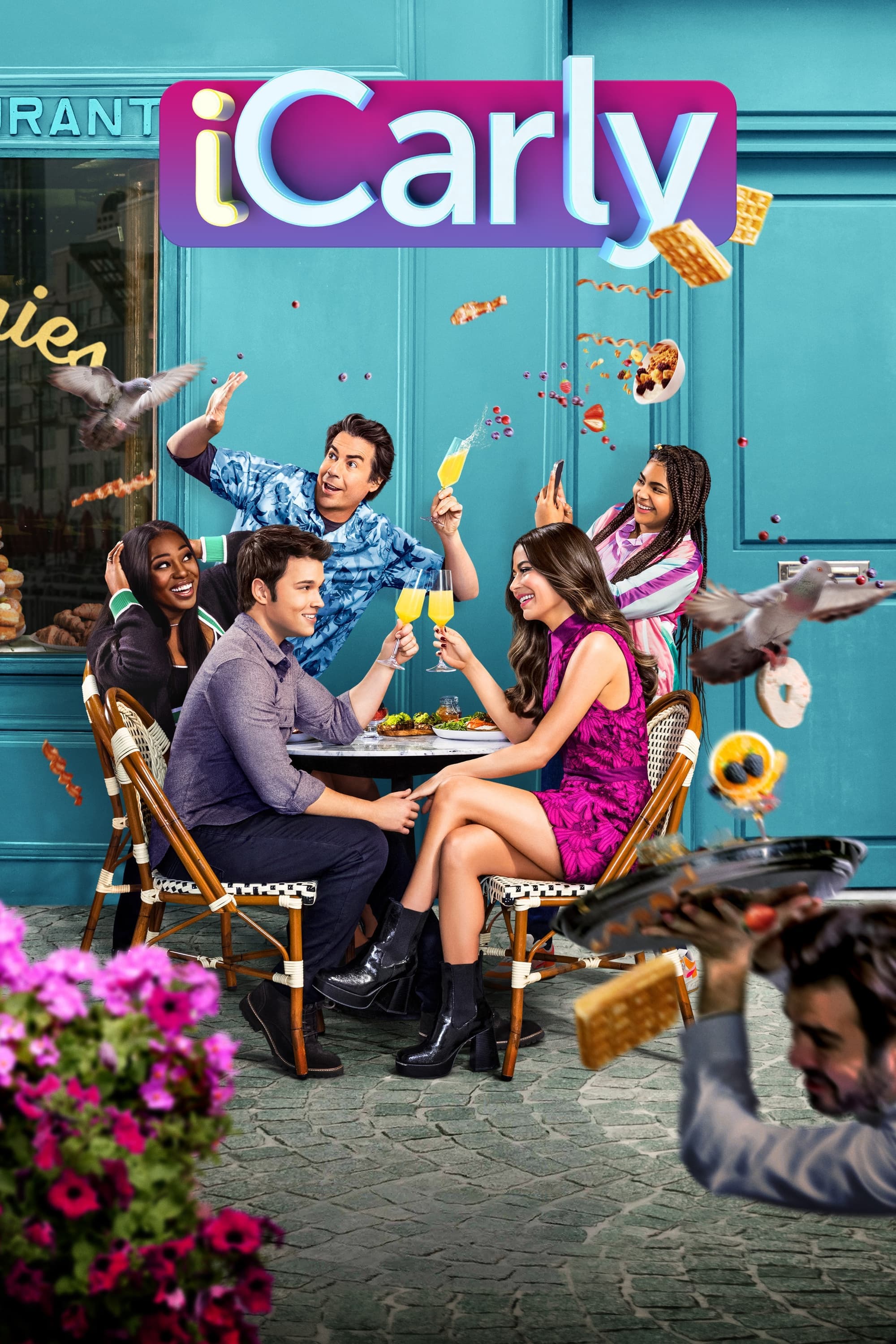
This revival focuses on the adult life of Carly Shay as she navigates her twenties and restarts her famous web show. Unlike the original Nickelodeon series, this version is aimed at the grown-up audience that watched the show as children. It explores more mature themes such as modern dating, career struggles, and the complexities of being an online influencer. While it maintains the quirky humor of the original, it grounds the antics in the realities of adulthood. The show successfully transitioned a juvenile property into a functional and relatable adult sitcom format.
‘Gilmore Girls: A Year in the Life’ (2016)
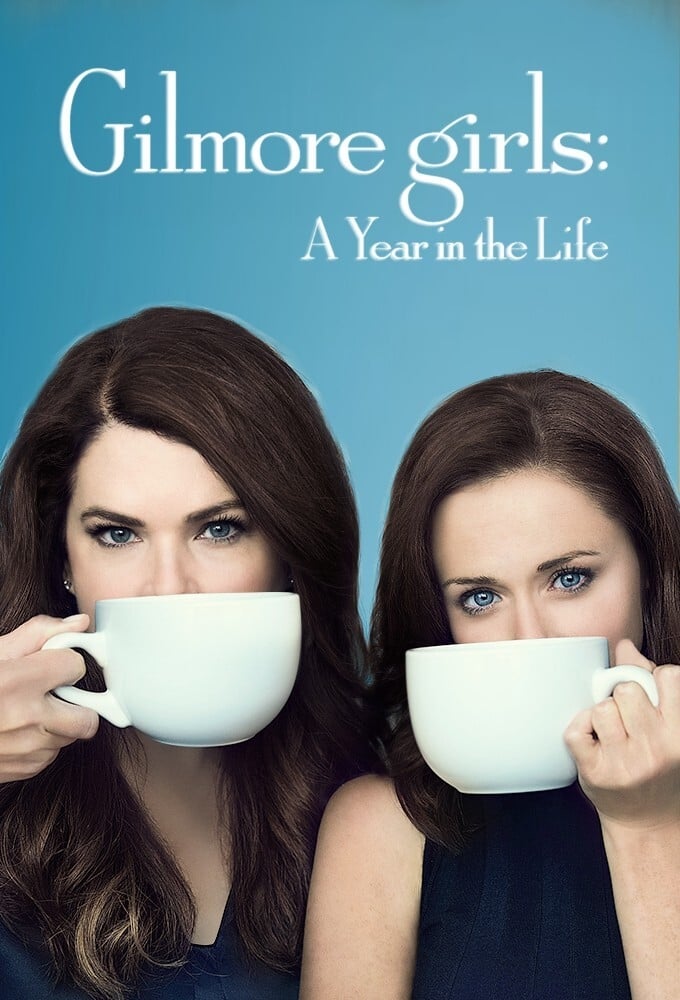
This revival consists of four feature-length episodes, each representing a different season in the lives of Lorelai and Rory Gilmore. It brought back the original fast-paced dialogue and the cozy atmosphere of Stars Hollow nearly a decade after the series ended. The story deals with the passing of family patriarch Richard Gilmore and how three generations of women cope with the change. It stayed true to the characters’ complex relationships and often polarizing life choices. The revival allowed the original creator to finish the story on her own terms with the long-rumored “final four words.”
‘The Conners’ (2018–)
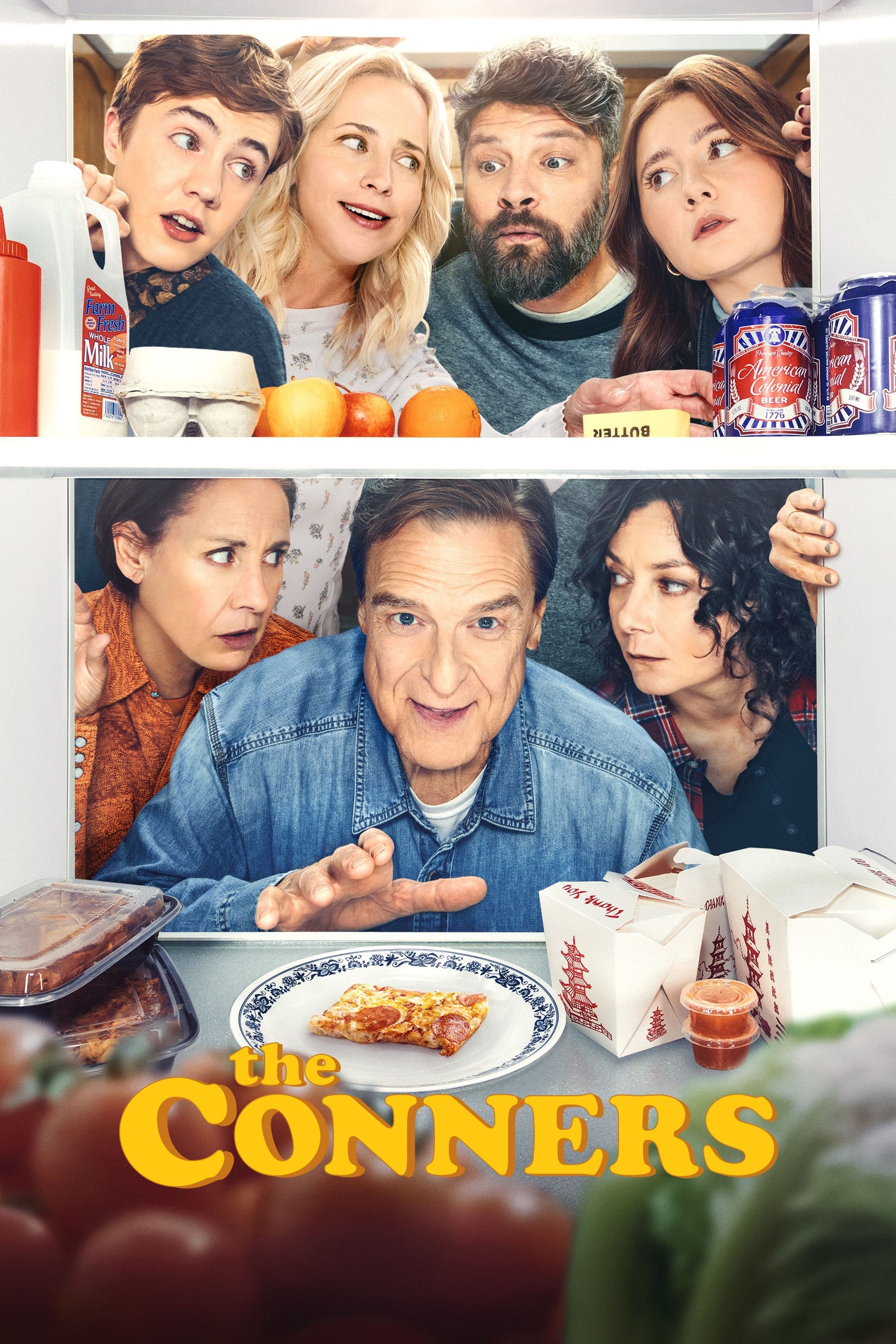
Following the cancellation of the ‘Roseanne’ revival, this spin-off continued the story of the working-class family dealing with the sudden death of their matriarch. It retained the original show’s focus on the economic and social struggles of a family living in the American Midwest. The series features the return of the original cast, including John Goodman, Laurie Metcalf, and Sara Gilbert. It has been noted for its honest portrayal of grief, financial instability, and contemporary healthcare issues. By focusing on the ensemble, the show successfully preserved the spirit of the original ‘Roseanne’ while forging a new identity.
‘Animaniacs’ (2020–2023)
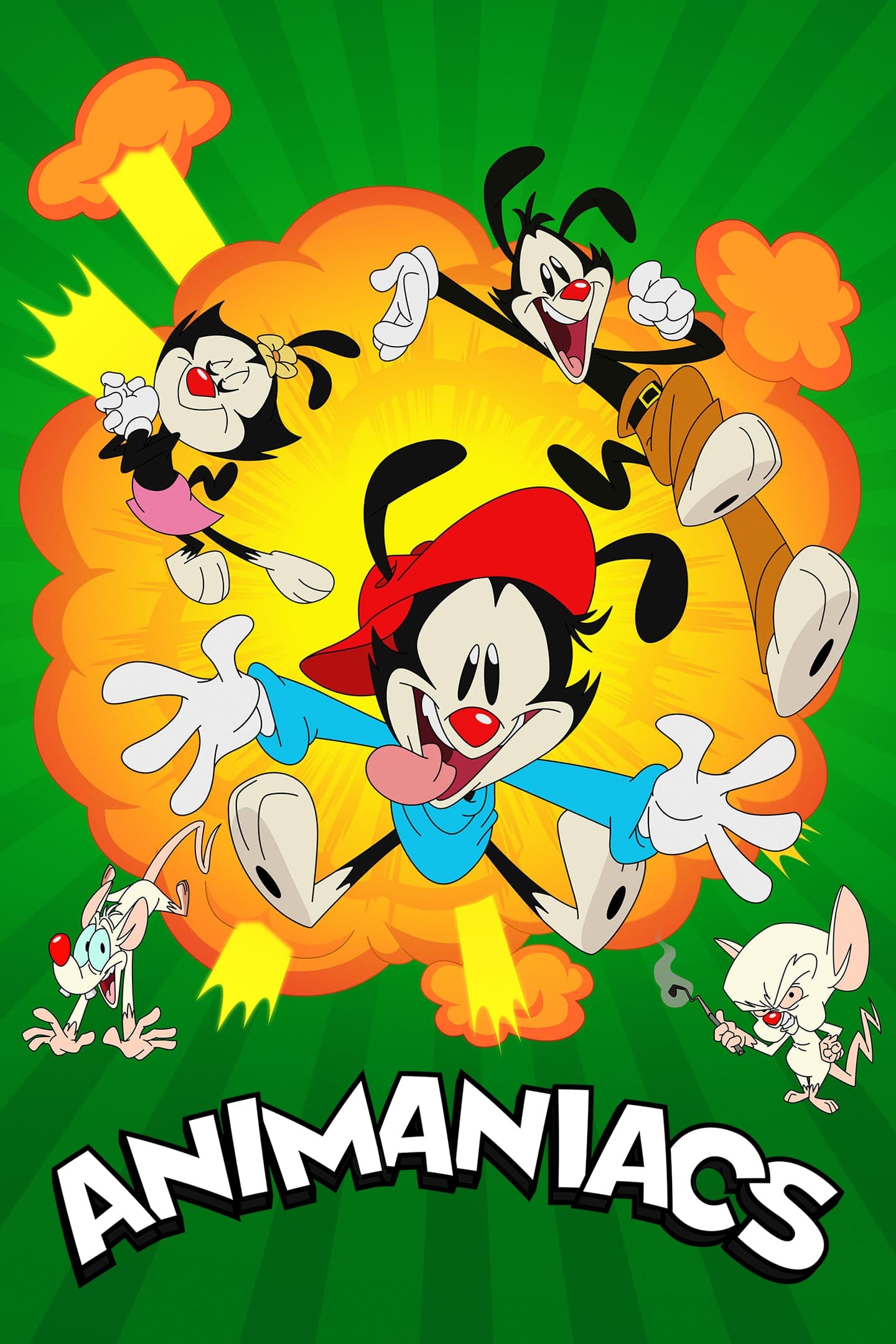
The Warner brothers, Yakko and Wakko, and the Warner sister, Dot, returned to the screen in this high-energy revival. The show kept the original’s variety format, blending zany slapstick with satirical musical numbers and segments featuring Pinky and the Brain. It updated the targets of its satire to include modern technology, politics, and the current landscape of the entertainment industry. The original voice cast returned, ensuring that the characters sounded exactly as they did in the 1990s. This revival remained committed to being a show that worked on two levels, offering entertainment for children and meta-commentary for adults.
‘DuckTales’ (2017–2021)
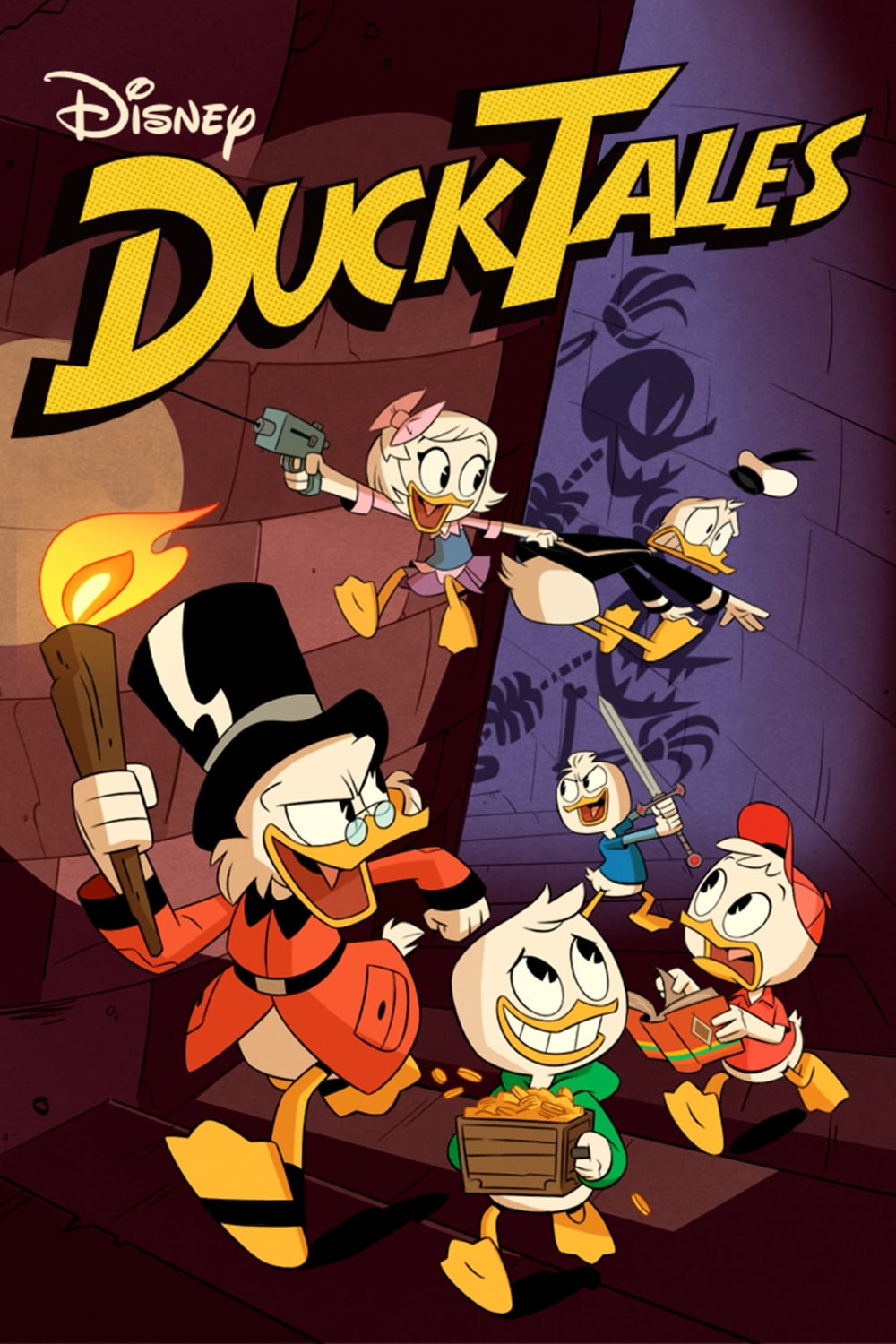
This reboot of the 1987 Disney classic updated the animation style and character depths while honoring the original adventurous spirit. It follows Scrooge McDuck and his nephews as they explore legendary treasures and uncover hidden family secrets. The revival gave the three nephews, Huey, Dewey, and Louie, distinct personalities and significantly expanded the role of Webby Vanderquack. It also incorporated various elements from the wider Disney Afternoon universe, creating a serialized and interconnected world. The series was praised for its clever writing and its ability to appeal to both old fans and a new generation.
‘Futurama’ (2023–)
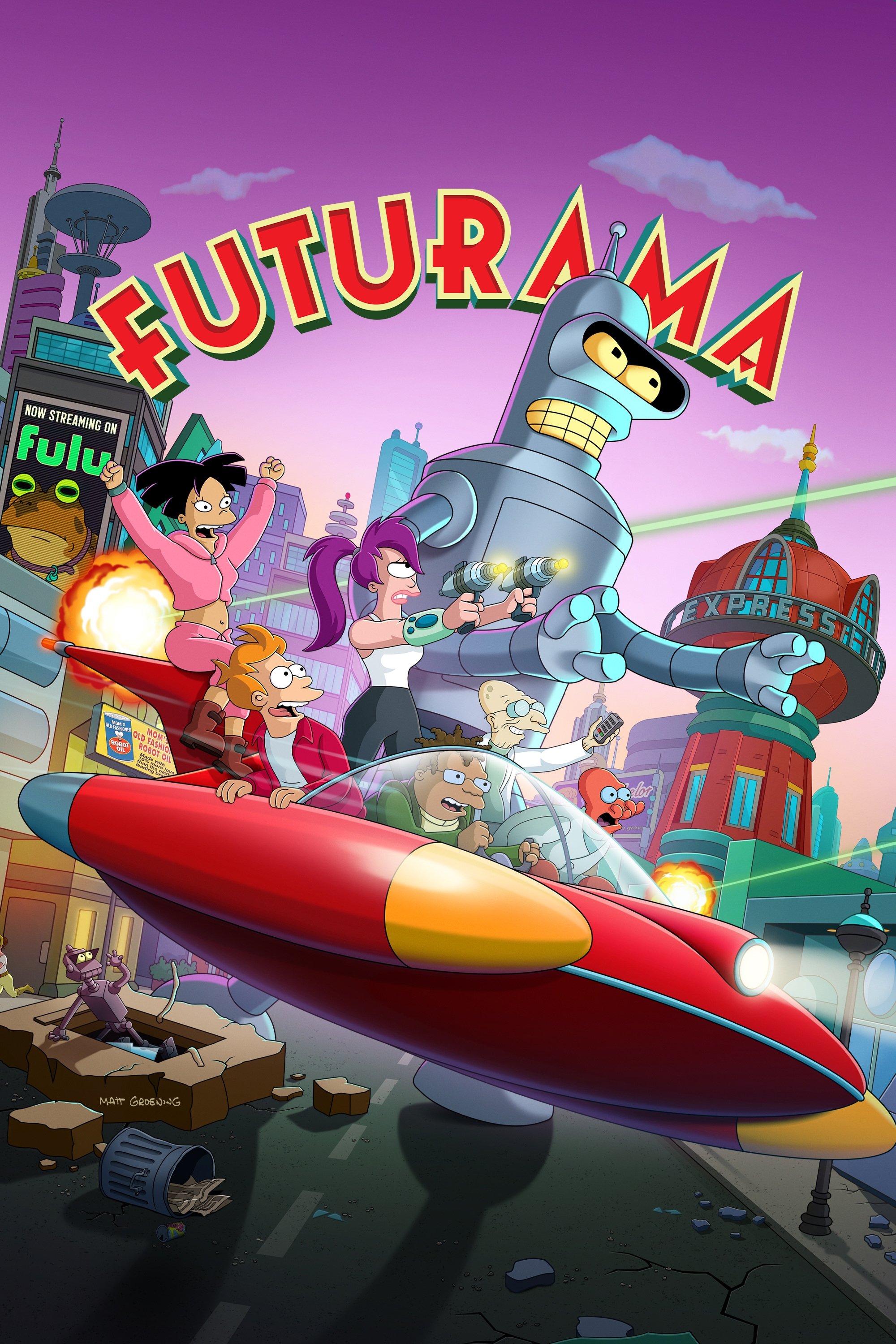
After multiple cancellations and revivals over the decades, the crew of Planet Express returned once again for new episodes. The revival maintains the original’s blend of high-concept science fiction and character-driven comedy. It addresses modern technological and cultural shifts, such as the rise of streaming services and digital currencies, within its 31st-century setting. The original voice cast returned, and the show’s writers continued to incorporate actual scientific and mathematical theories into the humor. It remains a rare example of a show that can be revived multiple times without losing its core appeal.
‘Arrested Development’ (2013–2019)
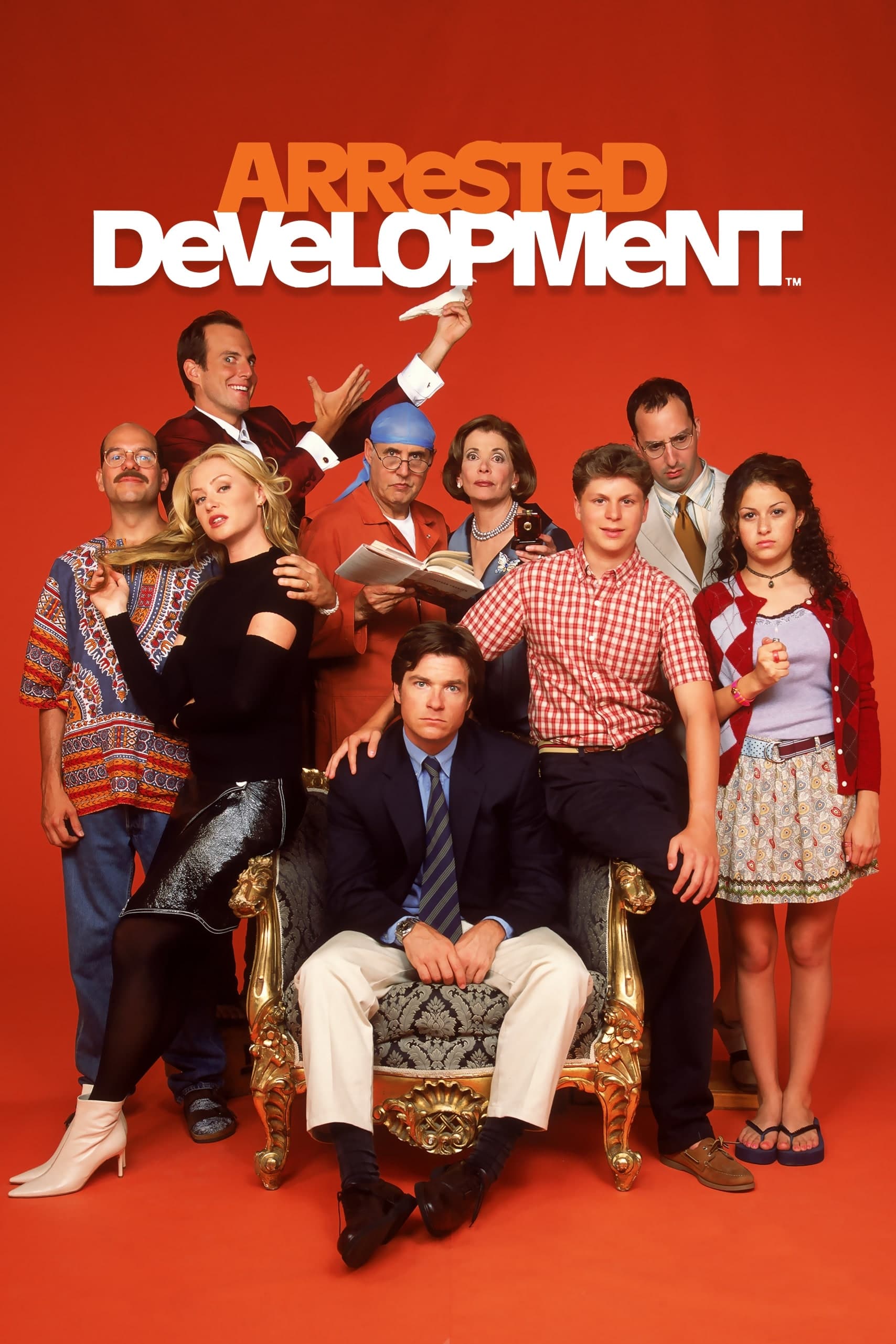
Seven years after it was canceled by its original network, this acclaimed comedy was revived for two additional seasons on streaming. The revival maintained the complex, interlocking narrative structure and rapid-fire jokes that made it a cult hit. The fourth season used a unique format that followed individual characters, while the fifth season returned to a more traditional ensemble approach. It continued to follow the dysfunctional Bluth family as they navigated legal troubles and their own eccentricities. Despite logistical challenges, the revival stayed true to the show’s intellectual and absurdist roots.
‘The Proud Family: Louder and Prouder’ (2022–)
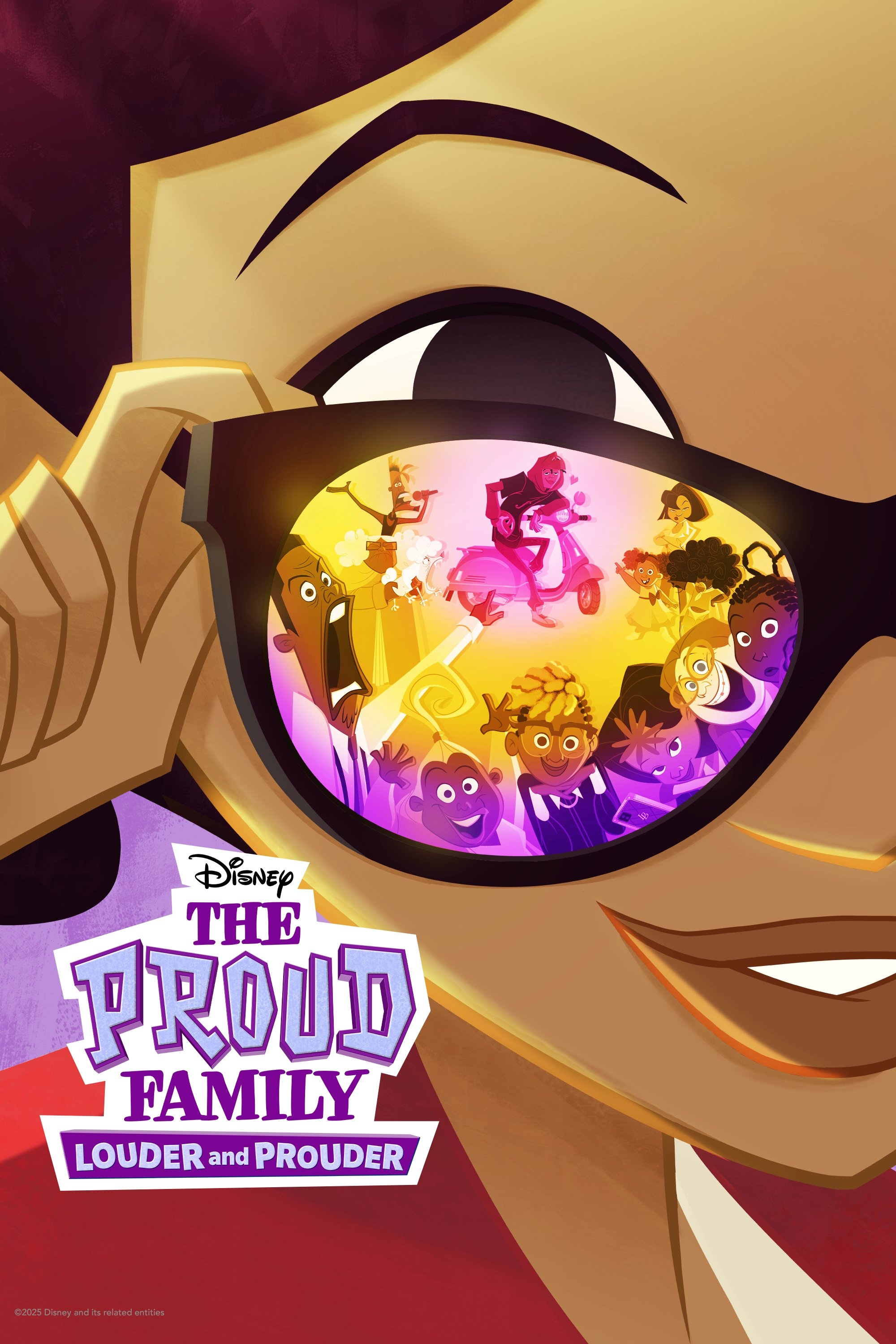
Continuing the adventures of Penny Proud and her family, this revival maintains the heart of the original while updating its themes for a contemporary audience. It addresses modern social issues, including LGBTQ+ representation, social media influence, and racial identity. The animation style received a significant upgrade, offering a more fluid and vibrant look while staying true to the character designs. Most of the original cast members returned to lend their voices to the familiar characters. The series balances humor and family values, reflecting the lives of Black families in the modern era.
‘Veronica Mars’ (2019)
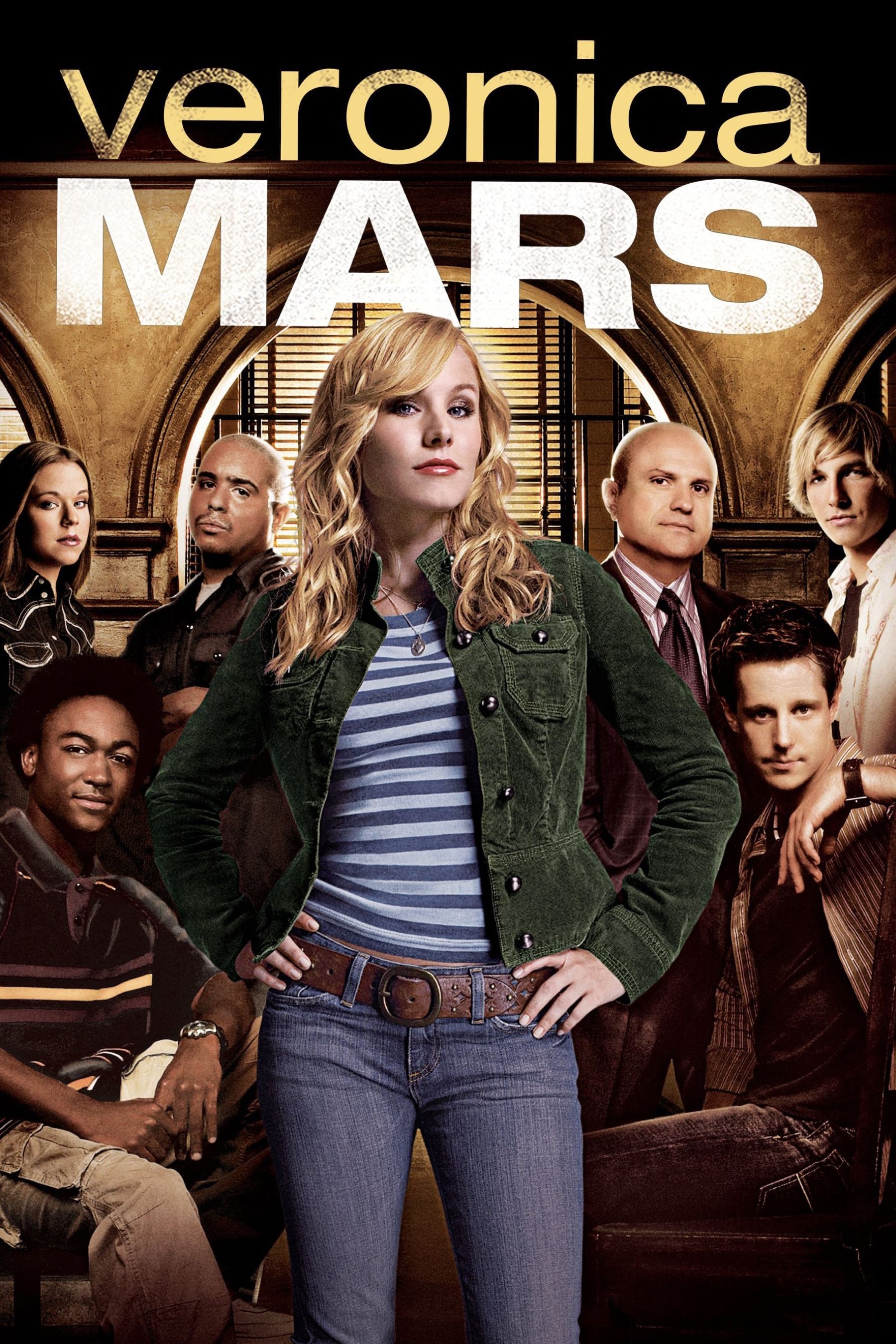
Following a fan-funded film, the teenage private investigator returned for a fourth season as an adult working in Neptune, California. The revival adopted a darker, noir-inspired tone as Veronica investigated a series of bombings during a chaotic spring break. It maintained the sharp dialogue and complex mysteries that defined the original run in the mid-2000s. The series explored the difficulties of Veronica’s adult life and her evolving relationship with Logan Echolls. While its ending proved controversial among fans, the revival was praised for its commitment to the show’s gritty core identity.
‘Star Trek: Picard’ (2020–2023)
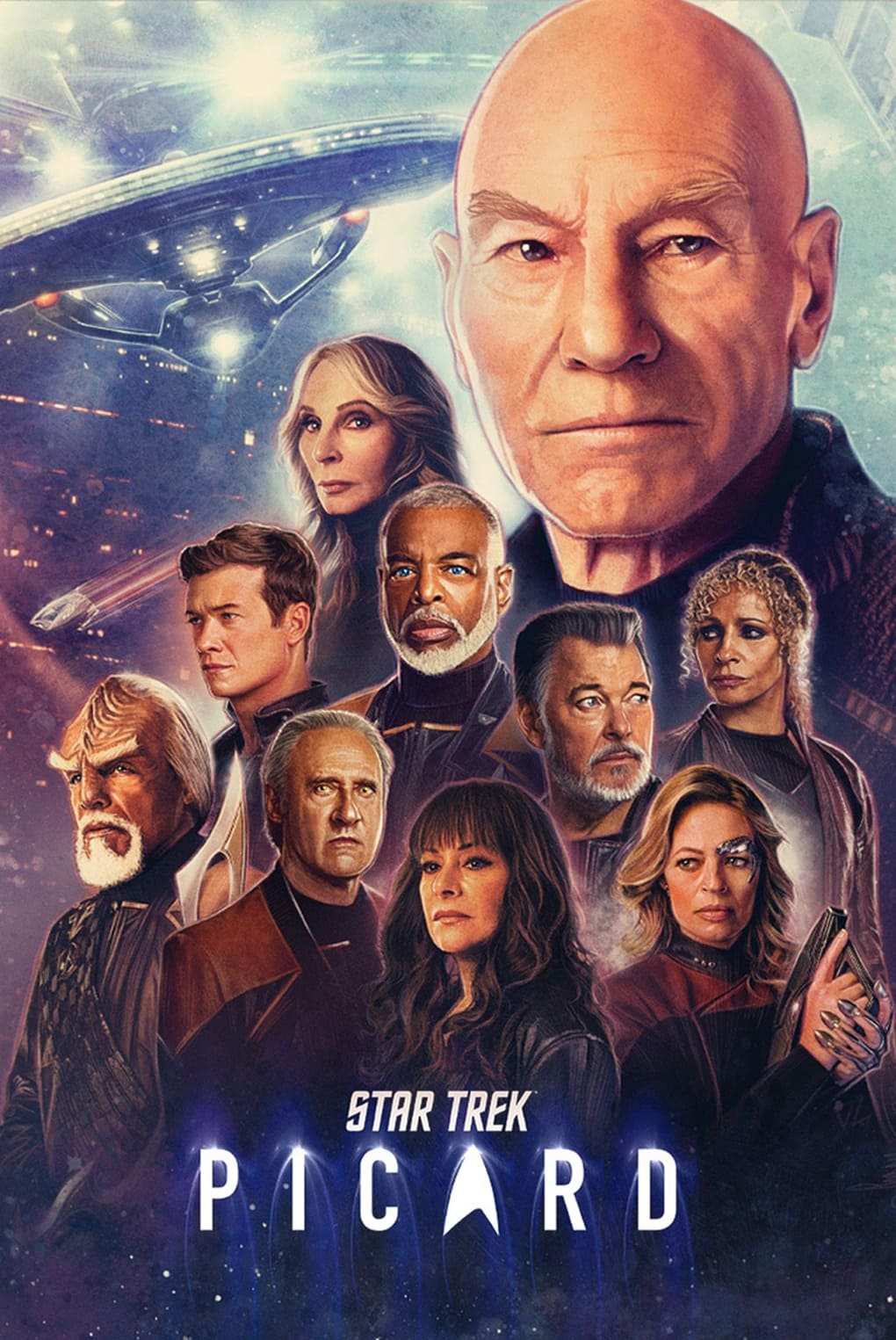
This series brings back Patrick Stewart as Jean-Luc Picard, exploring his life years after the events of ‘Star Trek: The Next Generation’. While the first two seasons took an experimental approach, the third season acted as a full-scale revival of the classic ‘Star Trek’ spirit. It reunited the entire bridge crew of the USS Enterprise-D for one final mission against a familiar threat. The show balanced modern cinematic production values with the philosophical storytelling that defined its predecessor. It served as an emotional and triumphant farewell to a beloved era of the franchise.
‘Queer Eye’ (2018–)
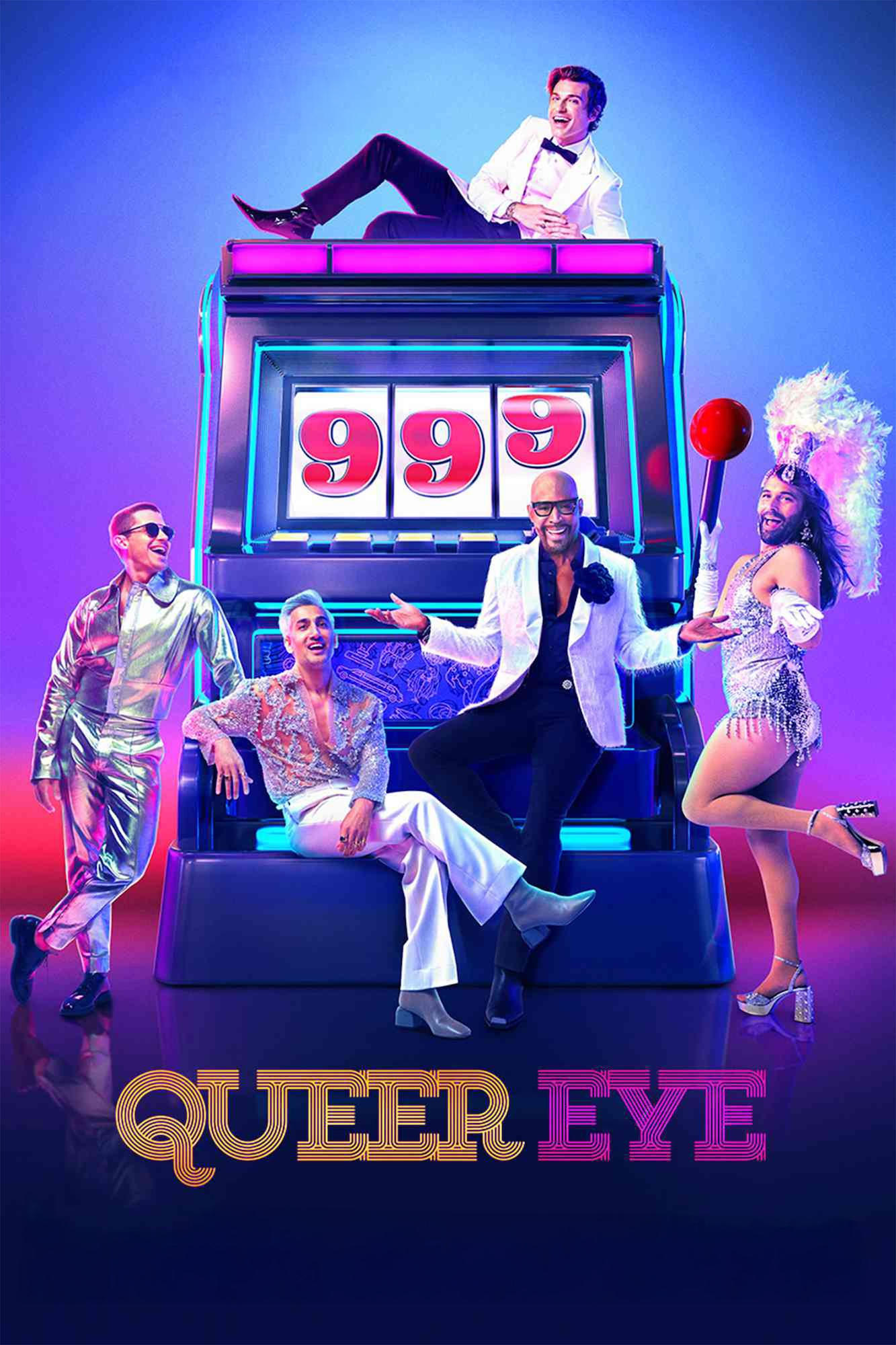
This reboot of the 2003 series ‘Queer Eye for the Straight Guy’ introduced a new Fab Five to a global audience. While the original focused primarily on aesthetic transformations, this version places a heavier emphasis on emotional growth and community building. Each episode features the team helping individuals improve their lifestyle through fashion, grooming, interior design, culture, and food. The revival has been noted for its focus on social issues and its ability to foster connections between people from different backgrounds. It evolved the makeover genre into something more empathetic and socially conscious.
‘Will & Grace’ (2017–2020)
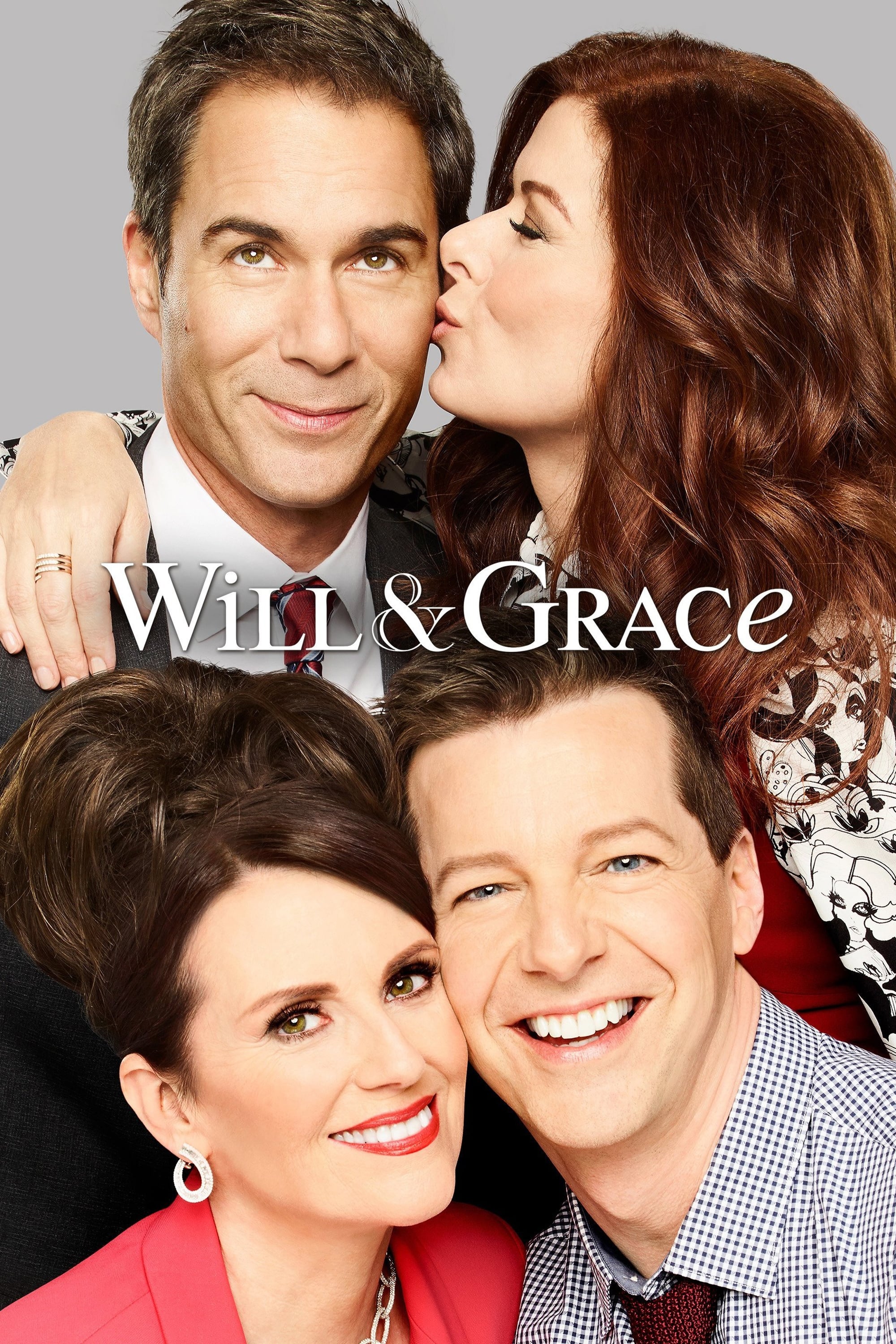
Eleven years after its original finale, this groundbreaking sitcom returned to television with its original lead actors and creators. The revival famously ignored the events of the previous series finale to allow the characters to live together in modern-day New York. It maintained the fast-paced banter and physical comedy that defined the original run during the late 1990s. The show tackled contemporary political and social issues while keeping the central focus on the enduring friendships of the core group. It successfully bridged the gap between classic multi-camera sitcom tropes and the sensibilities of a modern audience.
‘Mike Judge’s Beavis and Butt-Head’ (2022–)
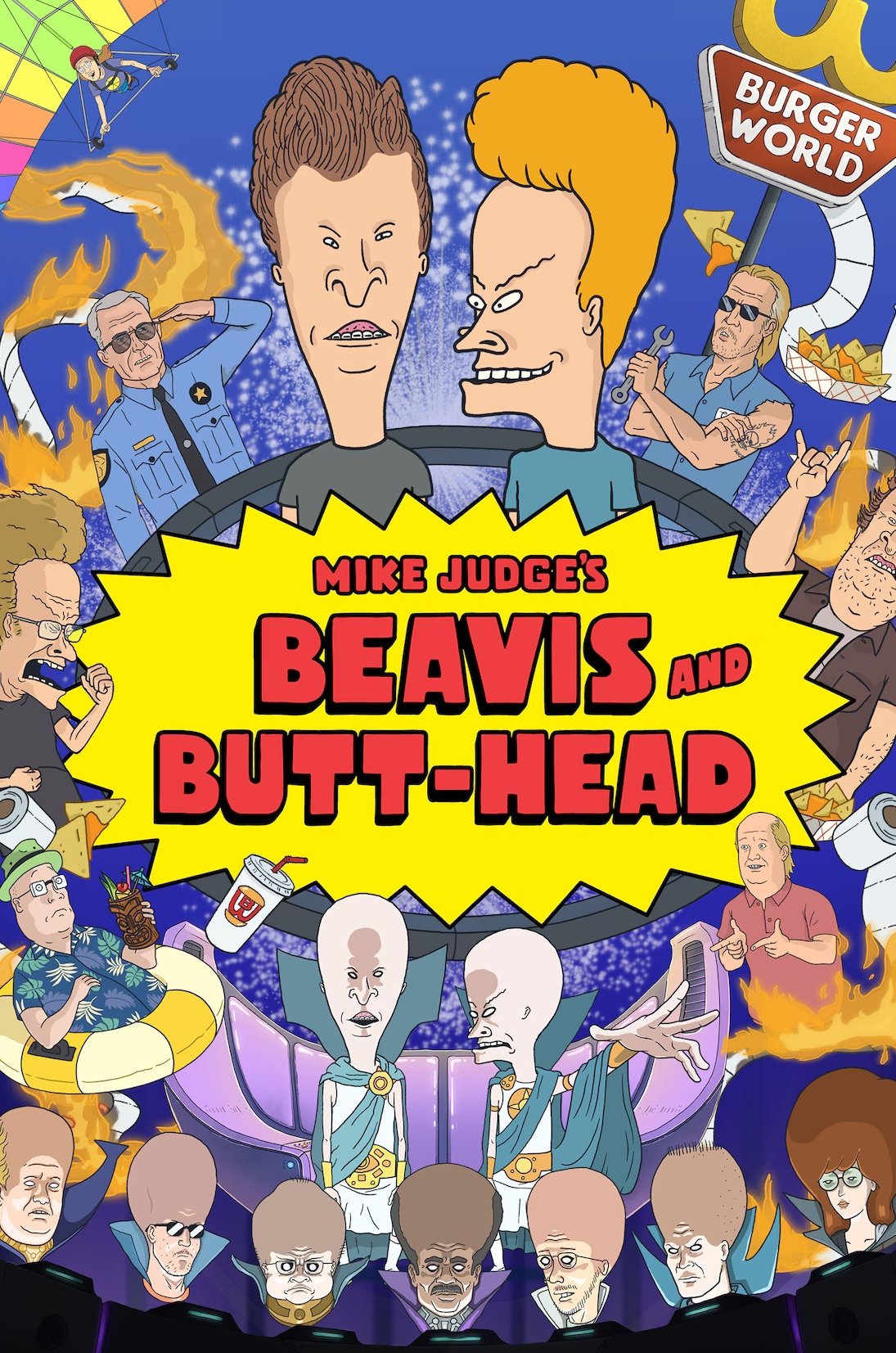
Created by Mike Judge, this revival brings the infamous duo into the 2020s, exploring their lives in both their original teenage forms and as middle-aged men. The show keeps the classic format of the protagonists watching and critiquing media, though it has expanded to include viral internet content. It retains the crude humor and social satire that made ‘Beavis and Butt-Head’ a cultural staple in the 1990s. The writing effectively pokes fun at modern trends while staying true to the characters’ fundamental lack of intelligence. This iteration successfully proves the timelessness of the show’s satirical foundation.
‘The Kids in the Hall’ (2022)

The Canadian comedy troupe reunited for a new season, bringing their signature brand of absurdist sketch comedy to the modern era. All five original members returned to portray both classic characters and new creations with their characteristic edge. The revival maintains the troupe’s subversive humor while incorporating self-referential jokes regarding their own aging. It balances traditional sketch formats with high production values and cinematic segments. The series demonstrates that the group’s comedic chemistry remains completely intact decades after their original television run ended.
‘Samurai Jack’ (2017)
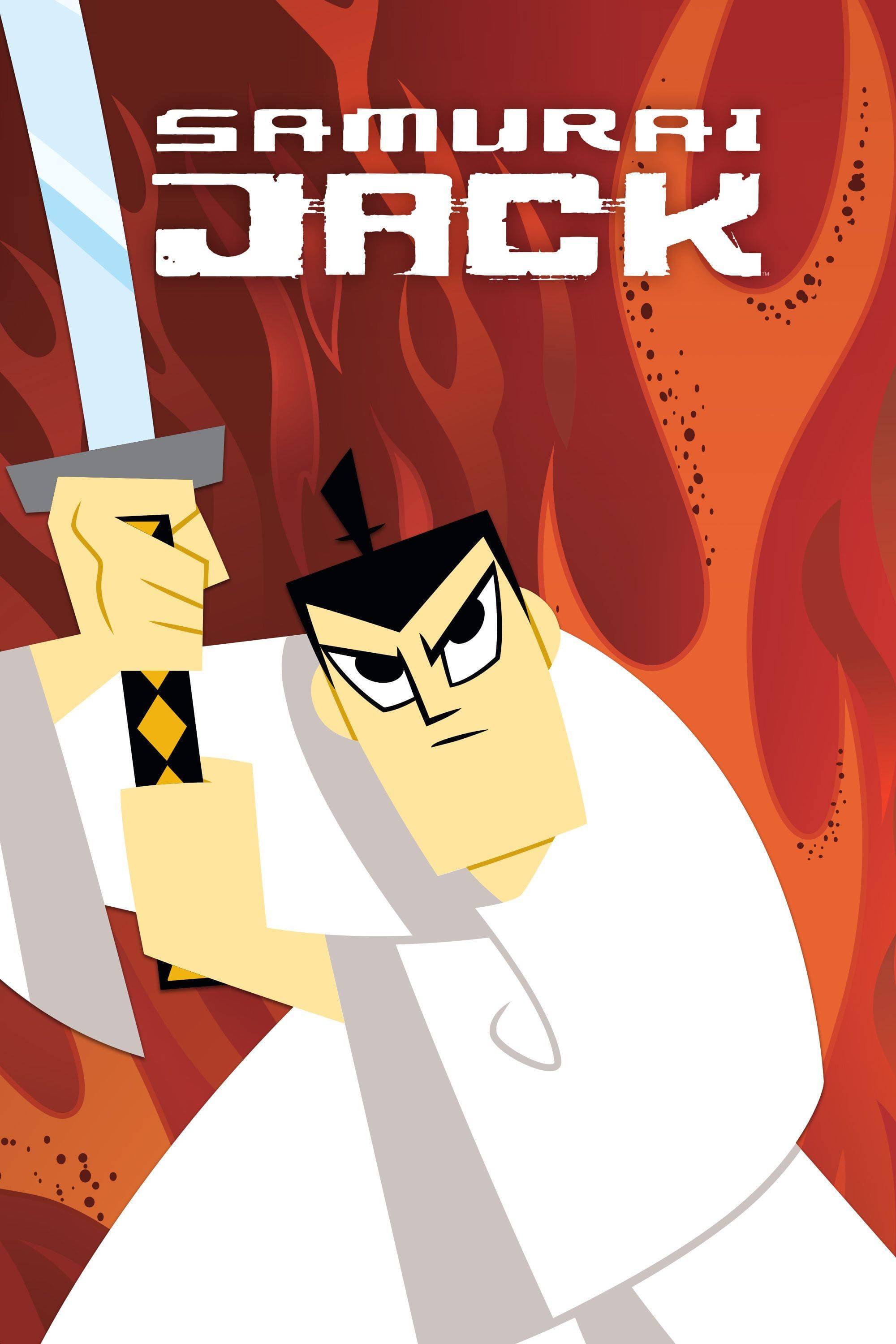
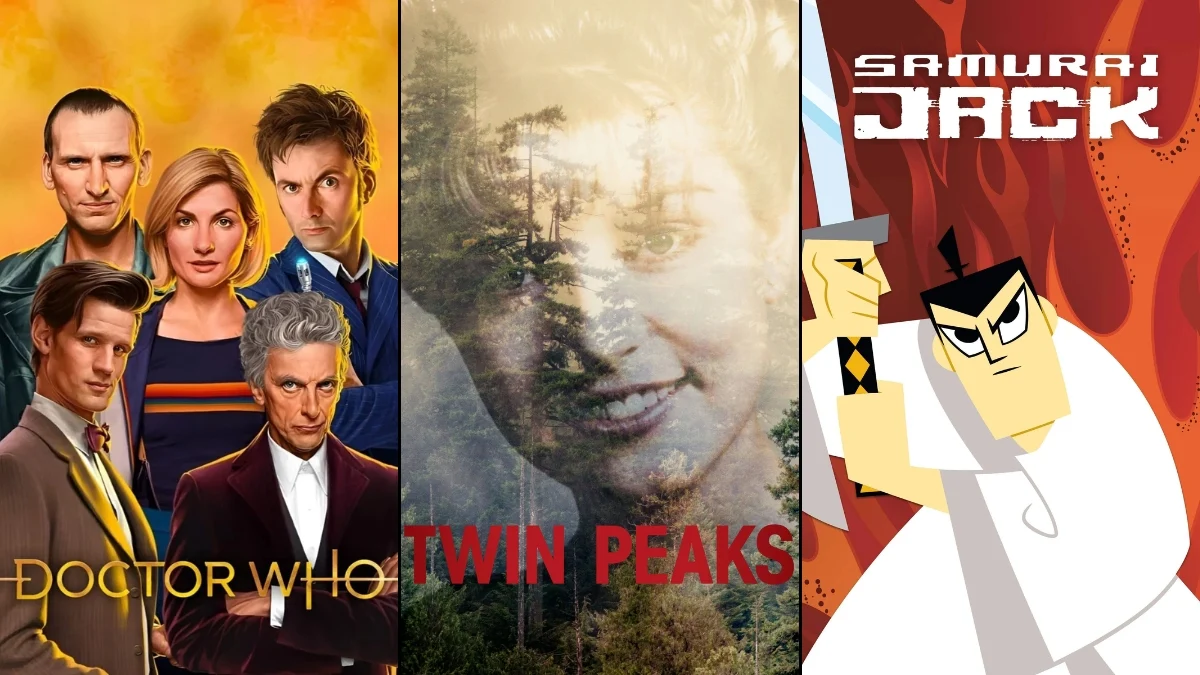
Genndy Tartakovsky returned to conclude the story of a displaced samurai’s quest to defeat the demon Aku. This final season adopted a more mature tone and a darker narrative than the original run on Cartoon Network. It follows Jack fifty years into the future, where he has become immortal and lost his hope of returning to the past. The revival kept the iconic minimalist visual style while using more sophisticated storytelling techniques for an older audience. It provided a definitive and emotionally resonant ending for a character that had been in limbo for over a decade.
‘Party Down’ (2023–)
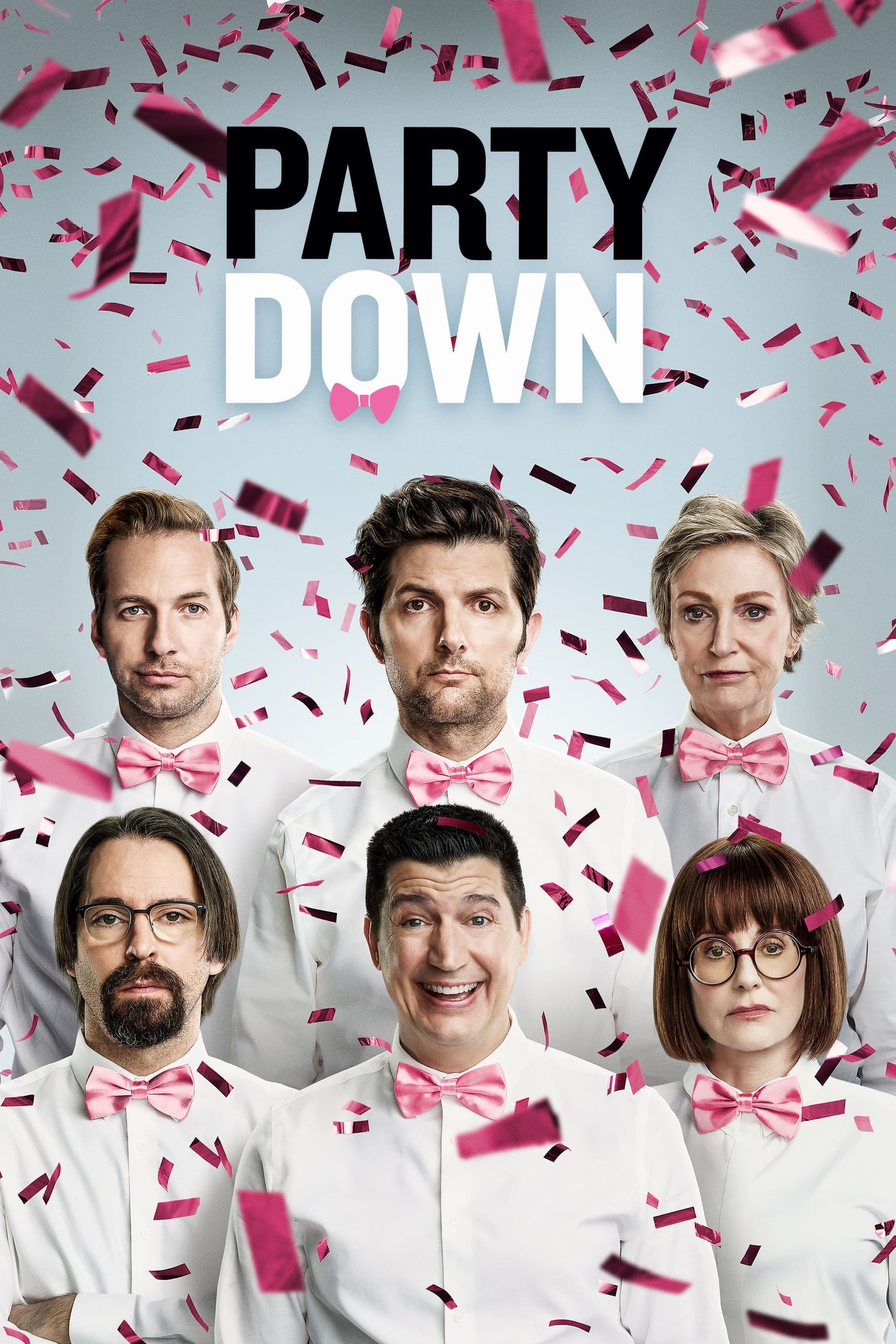
Thirteen years after its initial cancellation, this cult favorite comedy returned with most of its original cast of struggling actors and writers. The revival continues the premise of a Los Angeles catering team waiting for their big break while working eclectic events. It retains the dry, cynical wit that defined its first two seasons while acknowledging the passage of time for its characters. The writing addresses the realities of middle-age aspirations and the changing landscape of the entertainment industry. It proves that the “cater-waiter” dynamic remains a fertile ground for character-driven comedy.
‘Frasier’ (2023–)
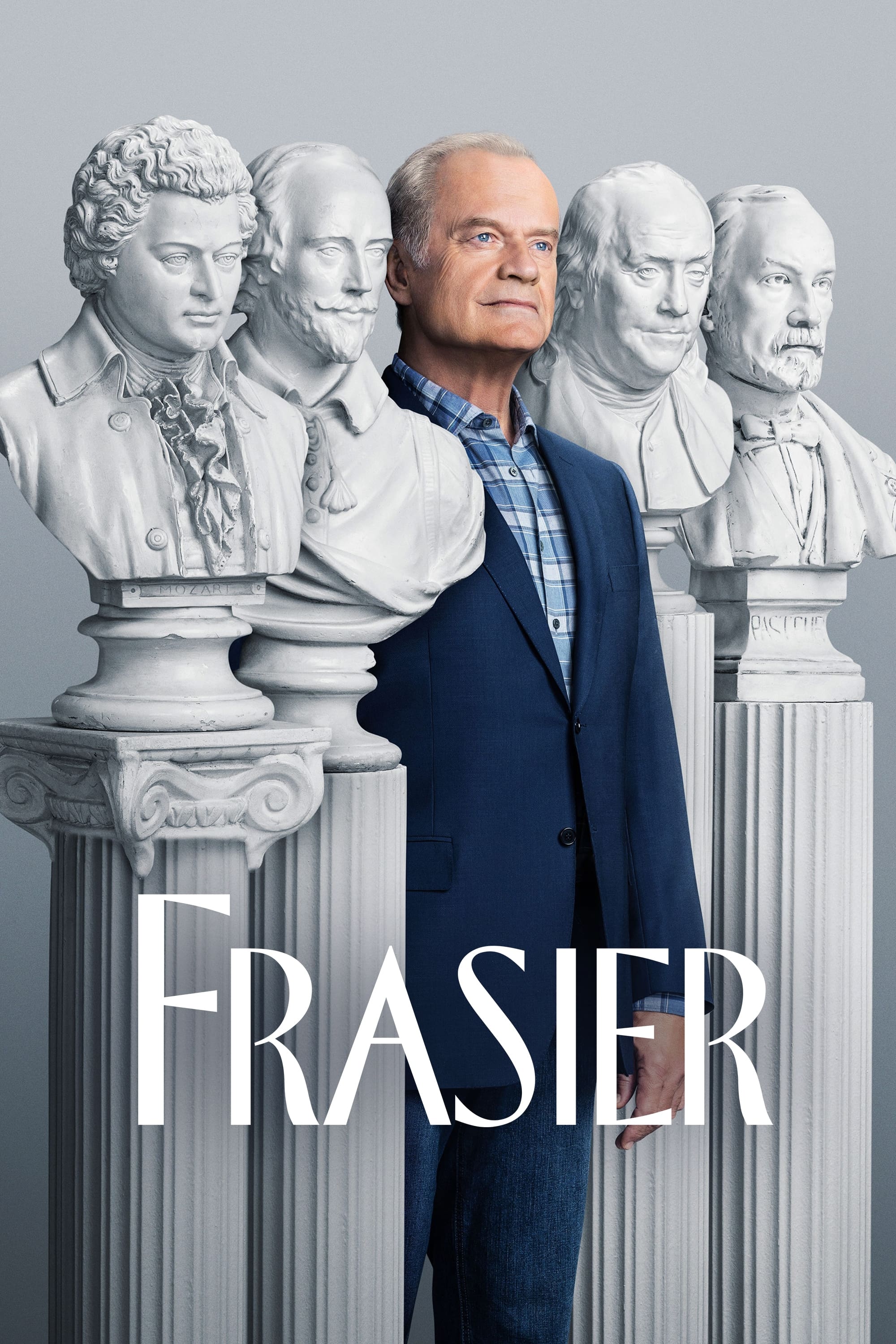
Kelsey Grammer returns to his iconic role as Frasier Crane, who relocates from Seattle back to Boston for a new chapter in his life. The series follows the character as he attempts to mend his relationship with his son, Freddy, and takes on a teaching position at Harvard. While it lacks the original supporting cast, the show honors the classic sitcom’s intellectual humor and theatrical sensibilities. It updates the formula by exploring the dynamics between the sophisticated Frasier and his more blue-collar son. This revival successfully maintains the high-brow comedic standard set by the award-winning predecessor.
‘X-Men ’97’ (2024–)
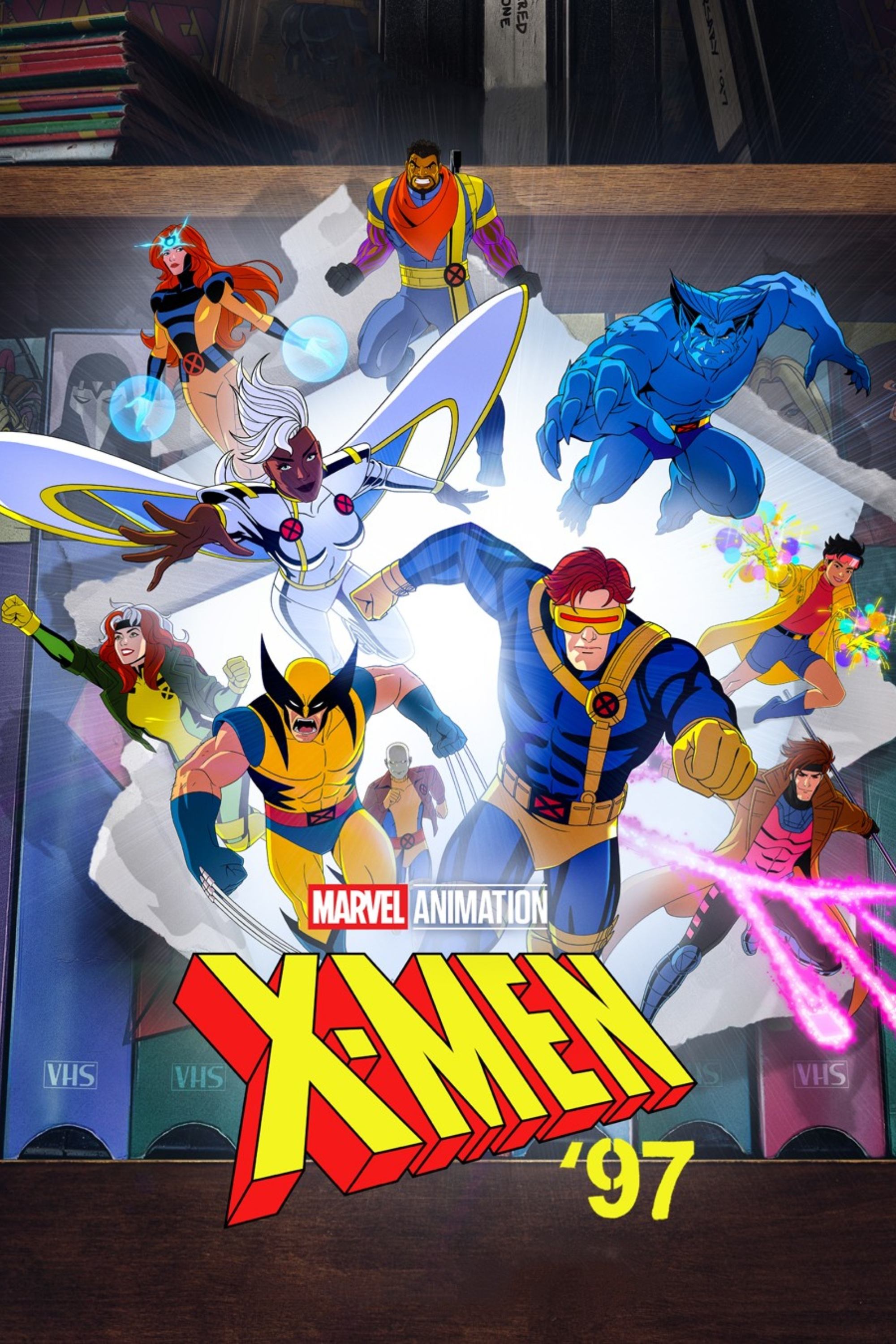
As a direct continuation of ‘X-Men: The Animated Series’, this revival picks up where the 1997 finale left off after the death of Professor Xavier. The show utilizes a modernized version of the original animation style to evoke nostalgia while providing smoother, more detailed action sequences. It explores complex themes of prejudice and leadership as Magneto takes over the leadership of the X-Men. The series has been praised for its faithful characterizations and its willingness to adapt classic comic book storylines with modern pacing. It serves as both a tribute to the 1990s era and a standard-setter for contemporary animation.
‘Battlestar Galactica’ (2004–2009)
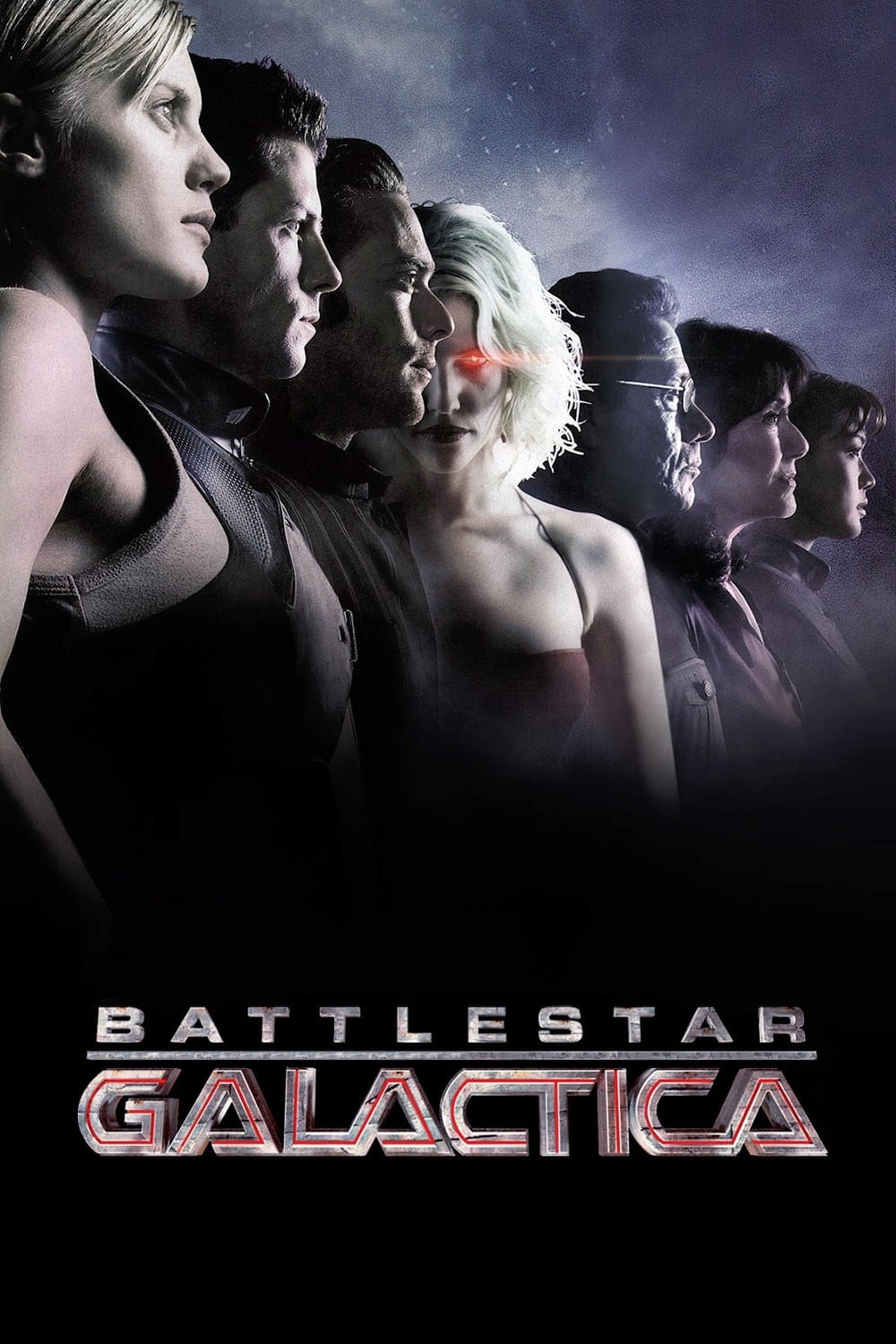
Developed by Ronald D. Moore, this series reimagined the 1978 original as a gritty military drama with deep political and philosophical undertones. The plot follows the last remnants of humanity as they flee from the Cylons, a cybernetic race that destroyed their home planets. Unlike the more lighthearted predecessor, this version focuses on survival, ethics, and the definition of humanity. It received critical acclaim for its realistic depiction of life under siege and its complex character development. The show remains a benchmark for how to update a classic property for a modern, more mature audience.
‘Doctor Who’ (2005–)
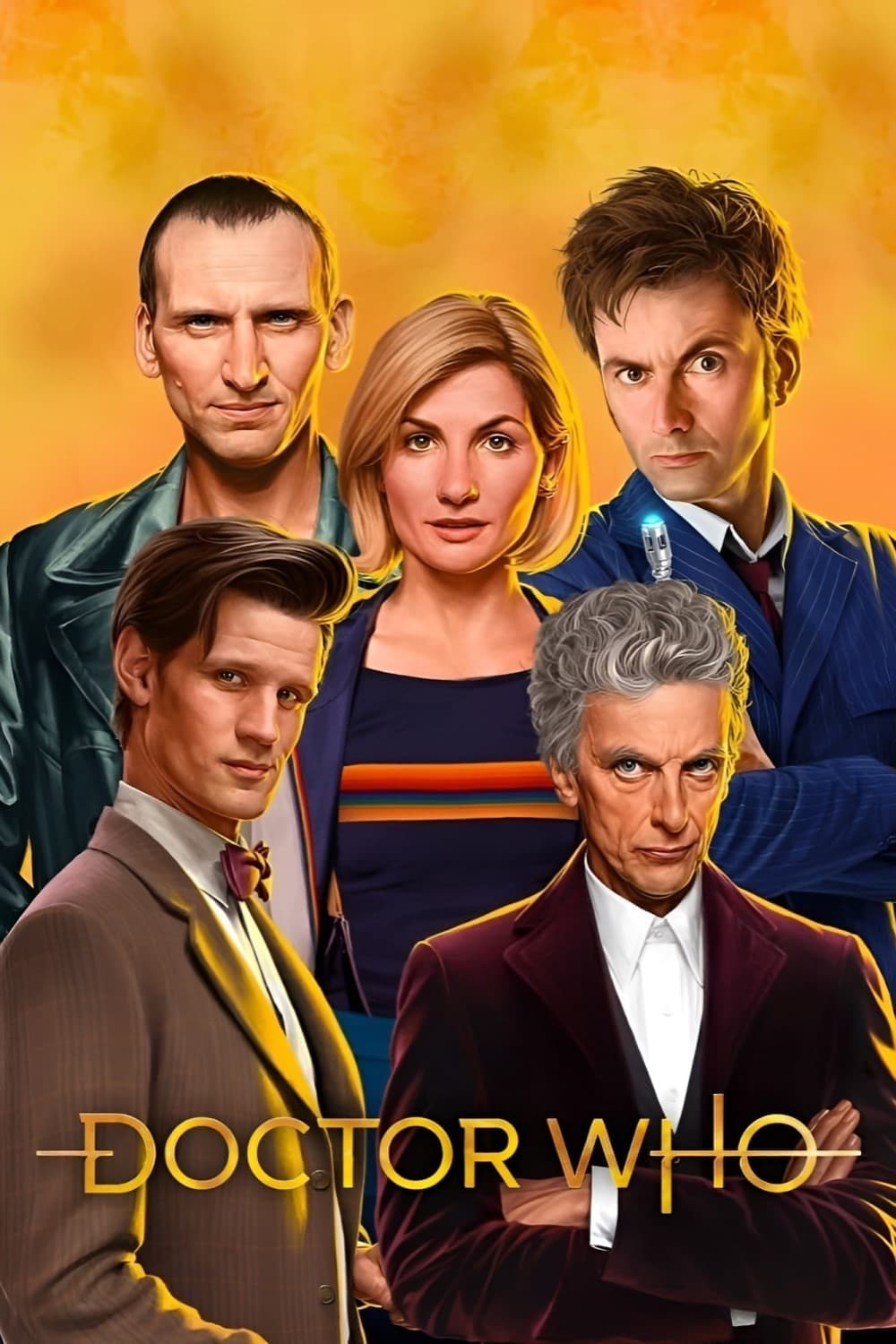
This revival of the classic British science fiction series successfully bridged the gap between the original 1963 run and a new generation of viewers. Showrunner Russell T Davies modernized the format by focusing on character-driven story arcs and significantly higher production values. The series maintains the core concept of a Time Lord traveling through space and time in the TARDIS. It preserves the tradition of regeneration, allowing different actors to inhabit the lead role while keeping the show’s spirit alive. The program has since become a global phenomenon, balancing its historical roots with contemporary social themes.
‘Twin Peaks’ (2017)
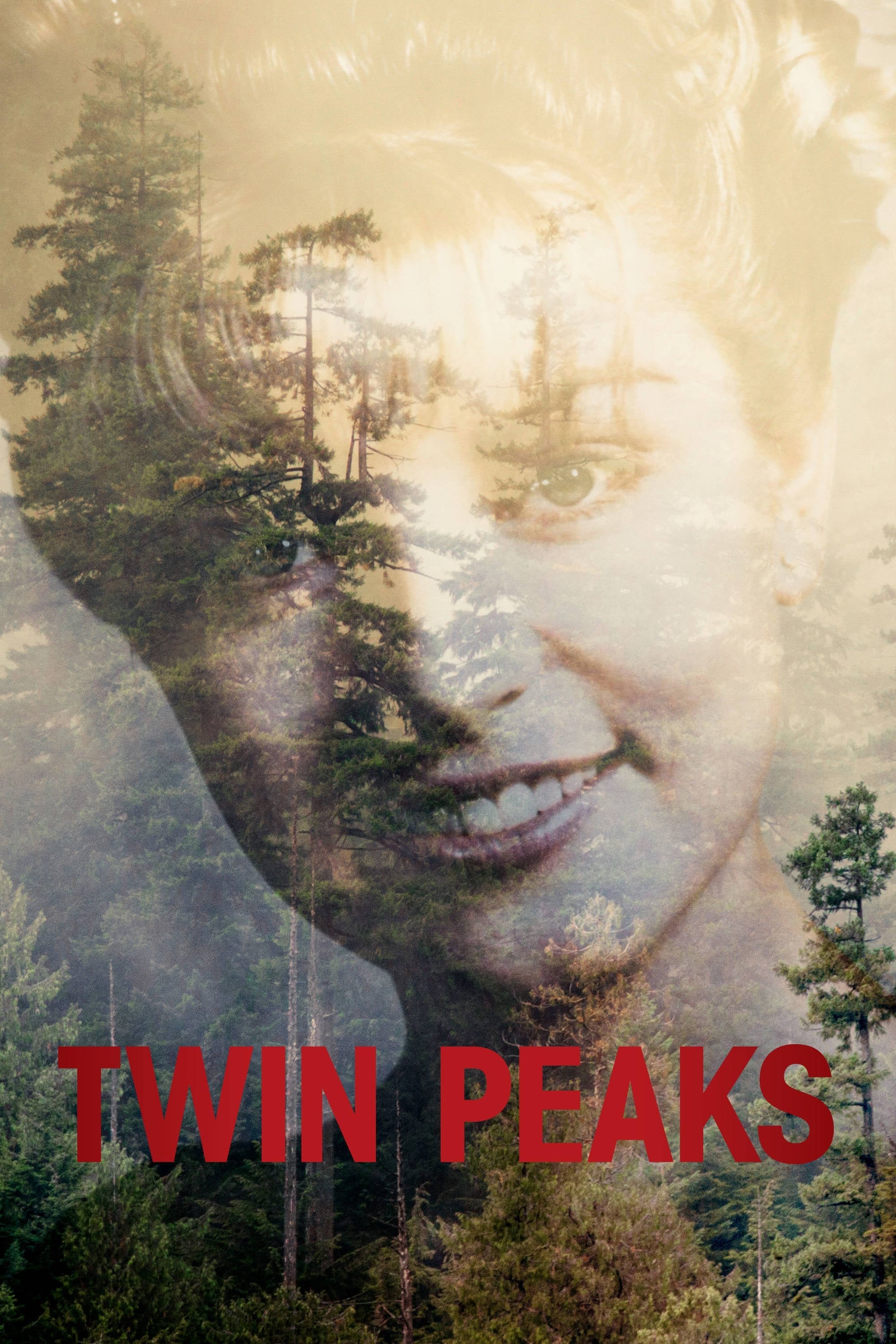
Returning after a twenty-five-year hiatus, this limited series continues the narrative established by David Lynch and Mark Frost. The story follows Special Agent Dale Cooper as he attempts to navigate the surreal realms of the Black Lodge and return to the physical world. While maintaining the atmospheric dread of the original, it expands the lore into more experimental and avant-garde territories. The production reunited most of the original cast while introducing new characters that fit into the town’s eccentric fabric. This revival is often cited for its refusal to rely solely on nostalgia, opting instead for a challenging and modern cinematic experience.
Share your thoughts on these television revivals and which ones captured the original spirit best in the comments.