Movies Portraying Journalists with Integrity and Nuance

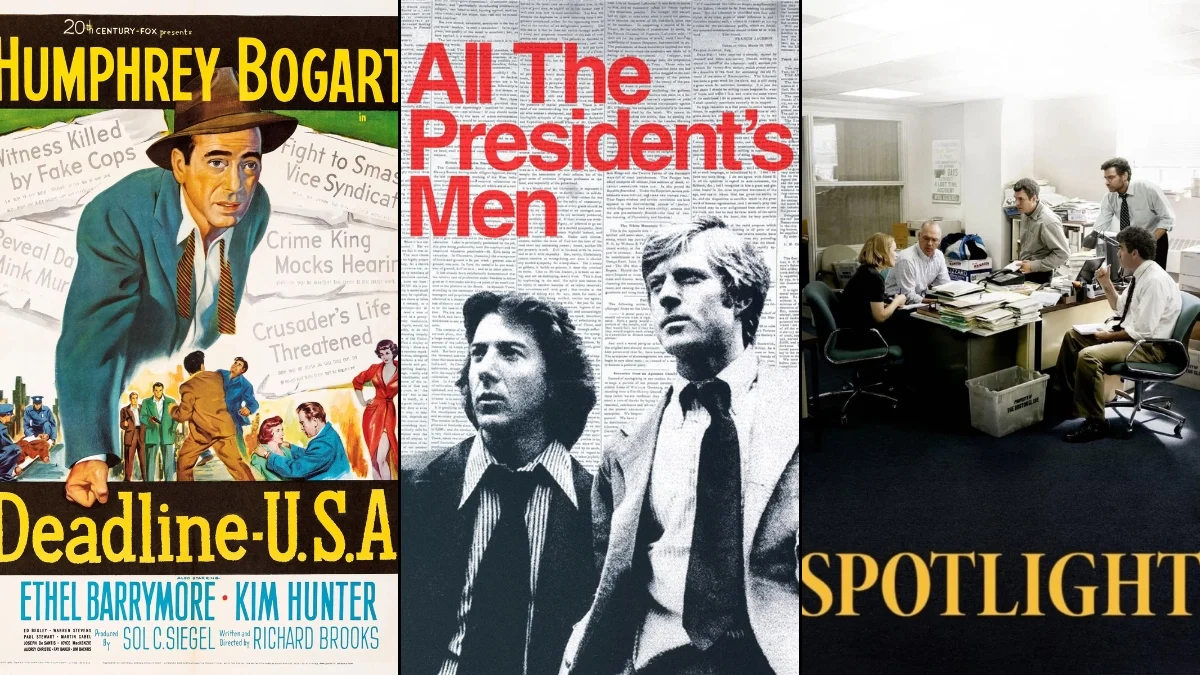

Journalism has long served as a compelling subject for cinema, offering a lens into the high-stakes world of investigative reporting and ethical dilemmas. These films often highlight the dedication required to uncover the truth, from political scandals to systemic corruption. By portraying the profession with nuance, filmmakers explore the personal and professional sacrifices made by those committed to the public interest. The following list examines twenty-five motion pictures that effectively capture the grit and integrity of the fourth estate.
‘Citizen Kane’ (1941)
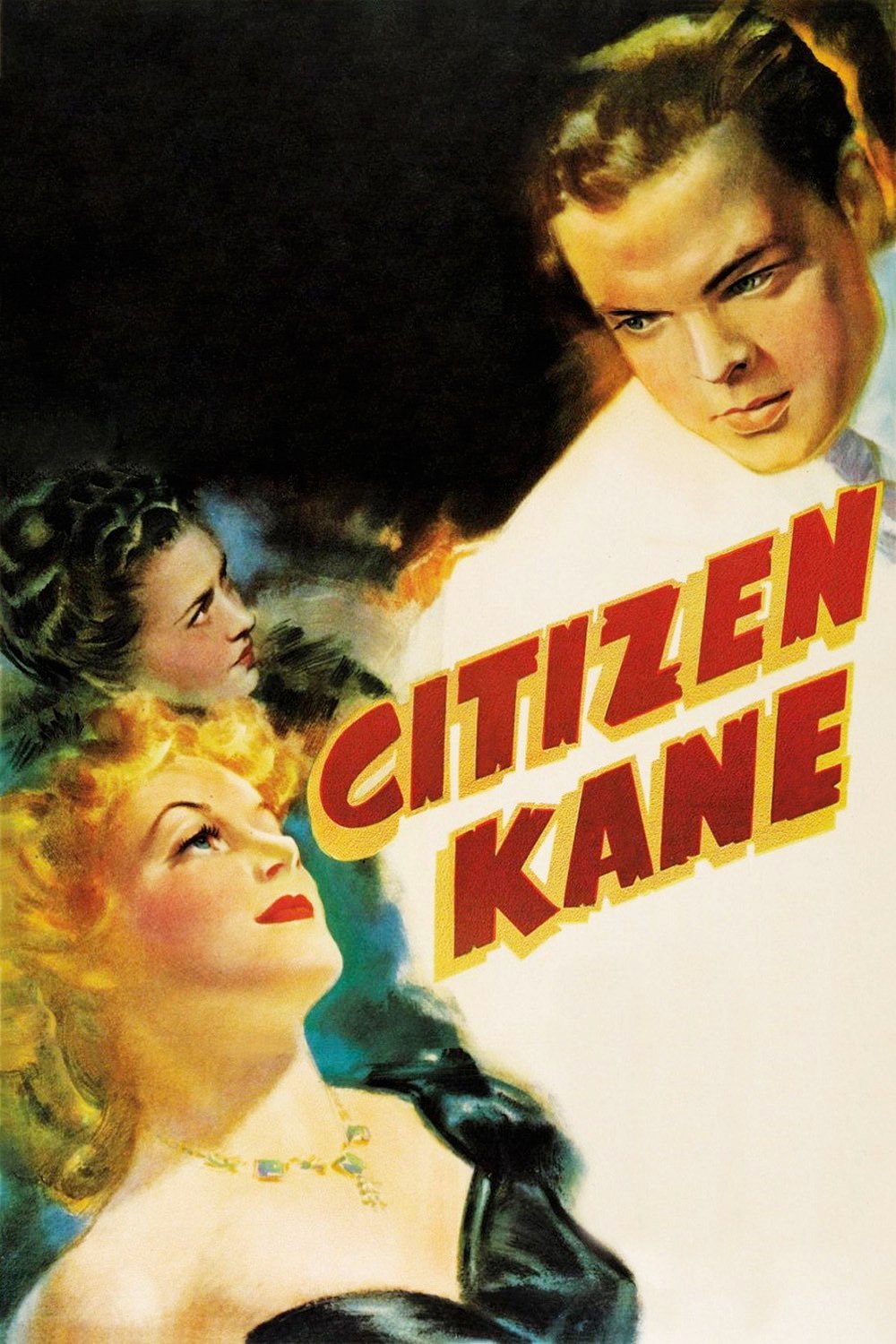
The story follows the rise and fall of Charles Foster Kane, a wealthy newspaper tycoon whose life is examined through the eyes of a reporter. As the journalist interviews Kane’s associates, the film explores the complexities of media influence and the pursuit of power. It highlights the tension between objective reporting and the personal ego of a press mogul. The narrative structure emphasizes the investigative process as a means of understanding a multifaceted human subject.
‘Deadline – U.S.A.’ (1952)
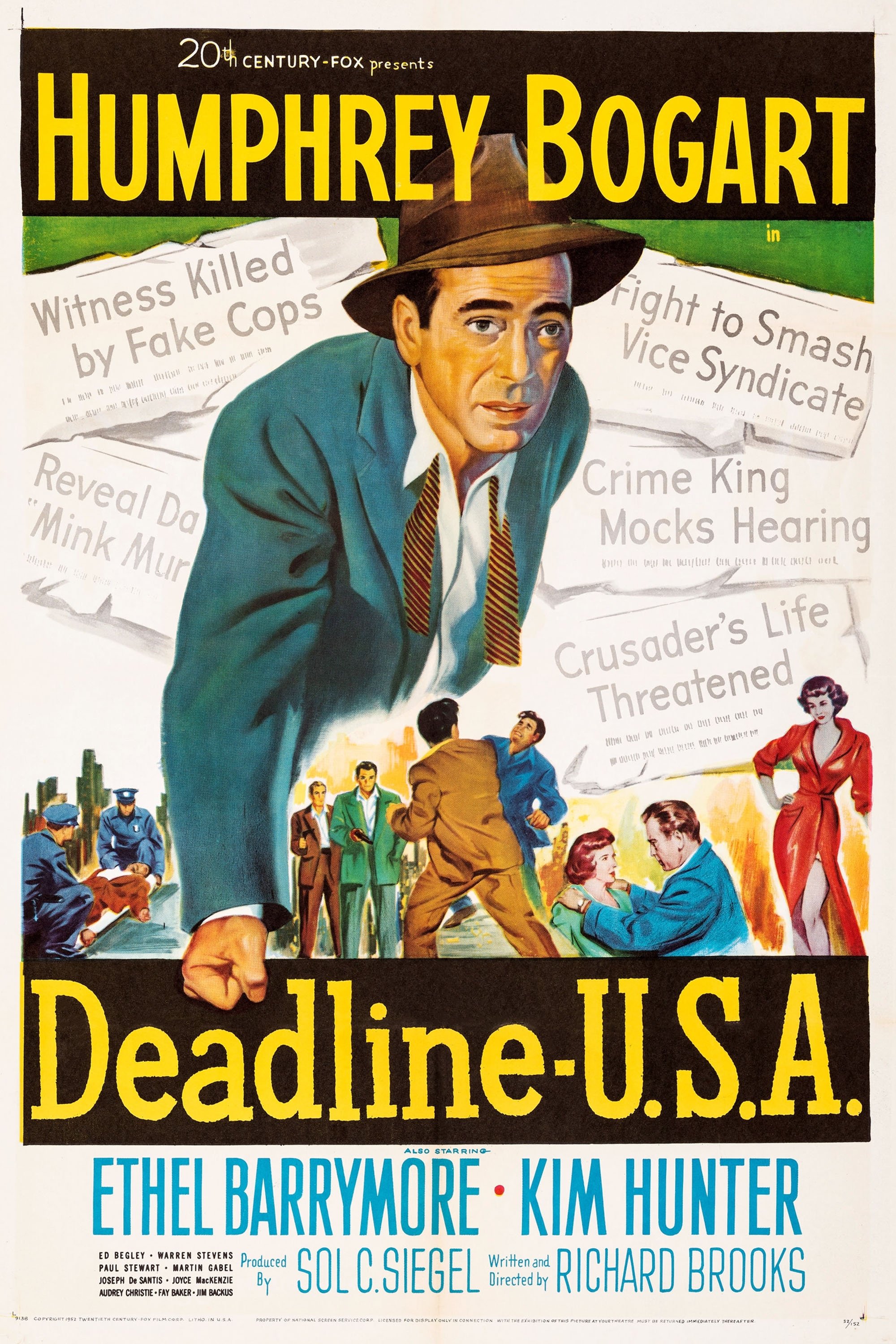
A dedicated newspaper editor struggles to keep his publication alive while pursuing a major story about a local crime boss. The film portrays the ethical challenges faced by journalists when corporate interests threaten the independence of the press. It underscores the importance of a free and fearless media in a functioning democracy. This classic drama serves as a tribute to the integrity of old-school print journalism during an era of transition.
‘All the President’s Men’ (1976)
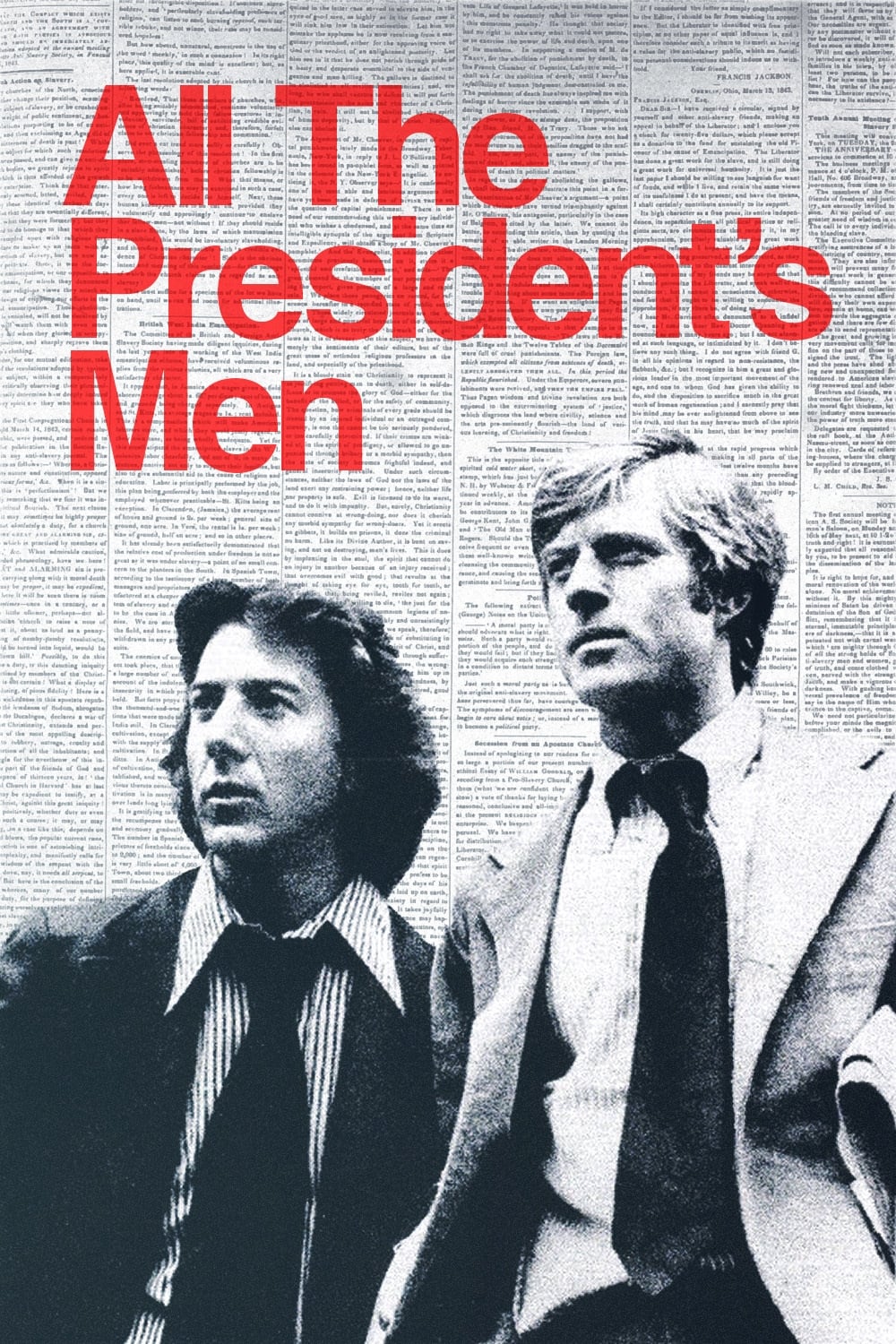
Reporters Bob Woodward and Carl Bernstein investigate a break-in at the Democratic National Committee headquarters, which eventually leads to the Watergate scandal. The film meticulously depicts the drudgery and persistence required in investigative journalism, from cold calls to clandestine meetings in parking garages. It showcases the importance of protecting sources and the rigorous verification process necessary for monumental stories. This portrayal remains a definitive cinematic representation of the press as a vital democratic institution.
‘Network’ (1976)
While largely a satire, this film explores the commercialization of television news and the loss of journalistic integrity in favor of ratings. A veteran news anchor becomes a populist icon after an on-air breakdown, leading to a clash between sensationalism and factual reporting. The story critiques how corporate conglomerates can manipulate the truth for profit. It remains a poignant commentary on the pressures faced by modern news organizations.
‘Absence of Malice’ (1981)
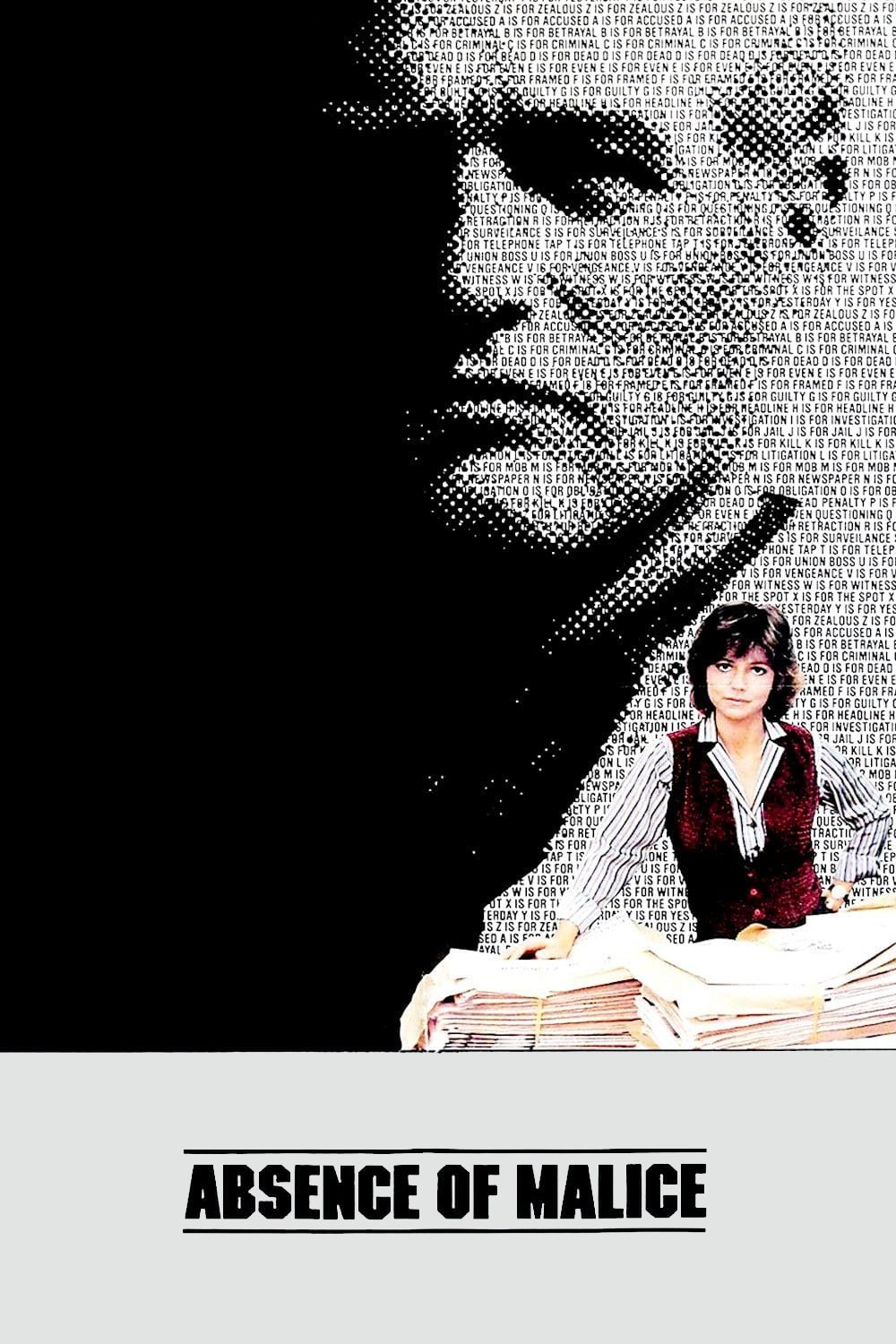
A reporter is used by a federal prosecutor to leak a story that falsely implicates a local businessman in a murder investigation. The film examines the legal and ethical boundaries of journalism, particularly concerning the impact of unverified information on innocent lives. It raises important questions about the responsibility of the press to verify facts before publication. The narrative highlights the potential for harm when journalistic ambition outweighs ethical considerations.
‘The Year of Living Dangerously’ (1982)
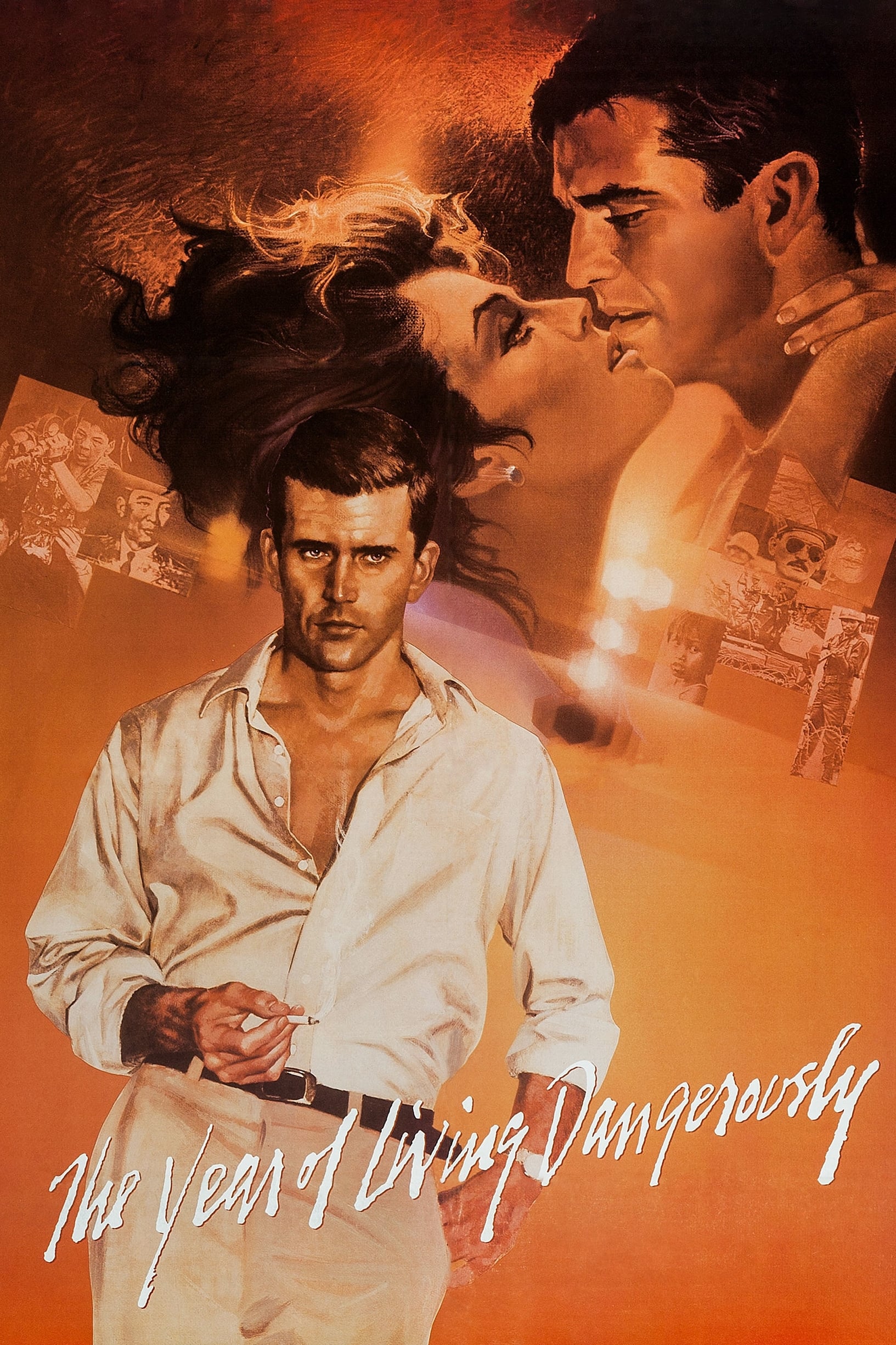
An Australian journalist arrives in Jakarta during the political upheaval of Sukarno’s Indonesia. He navigates a dangerous landscape of civil unrest and government corruption to report on the local situation. The film emphasizes the moral complexities of reporting from foreign conflict zones and the personal risks involved. It captures the struggle to remain objective while being deeply immersed in a humanitarian crisis.
‘Under Fire’ (1983)
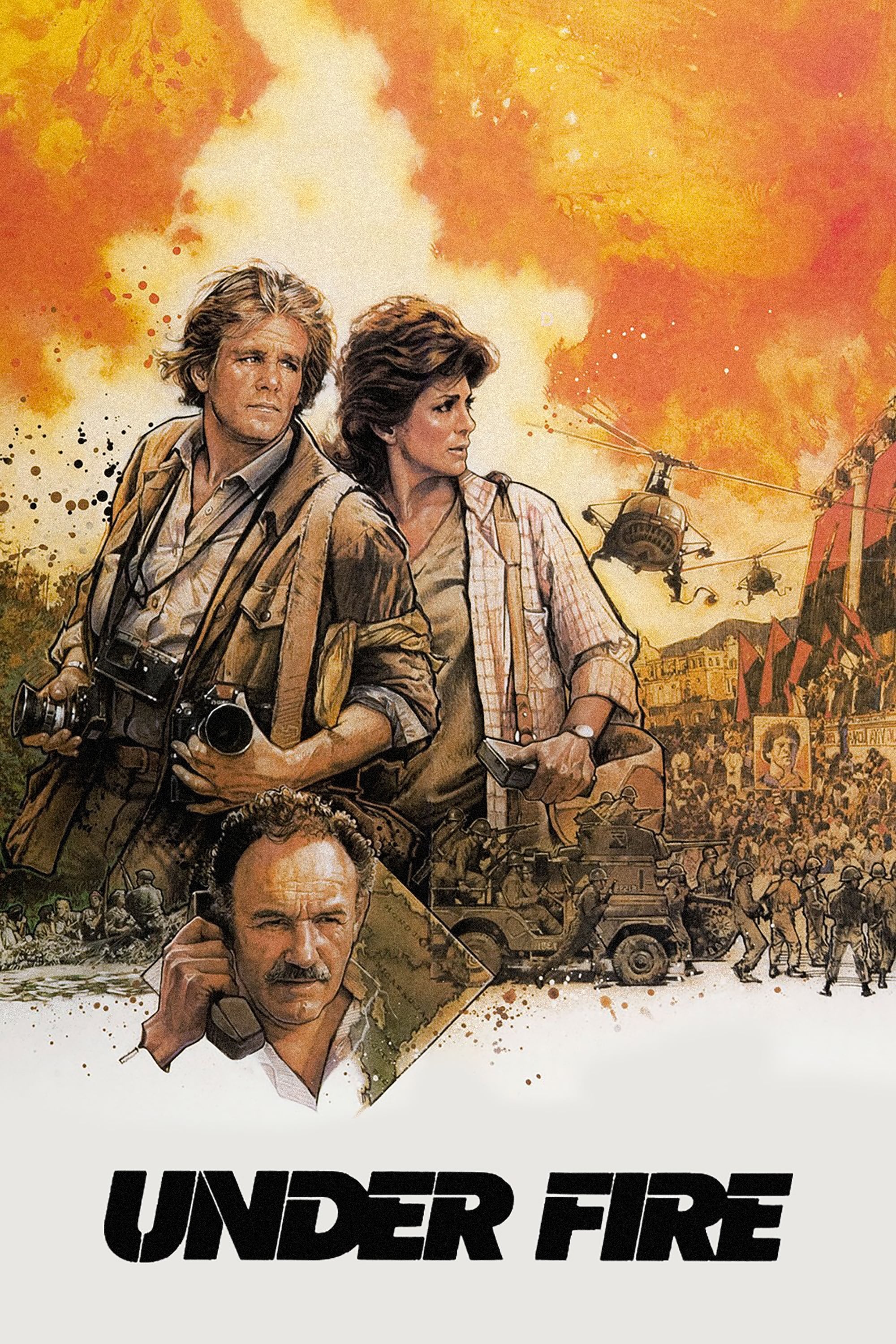
Set during the final days of the Somoza regime in Nicaragua, the story follows three journalists caught in the middle of a revolution. The film explores the ethical dilemma of whether a reporter should remain a neutral observer or take a side in a moral conflict. It portrays the intense pressure and physical danger faced by war correspondents in the field. The narrative challenges the notion of journalistic objectivity in the face of blatant injustice.
‘The Killing Fields’ (1984)
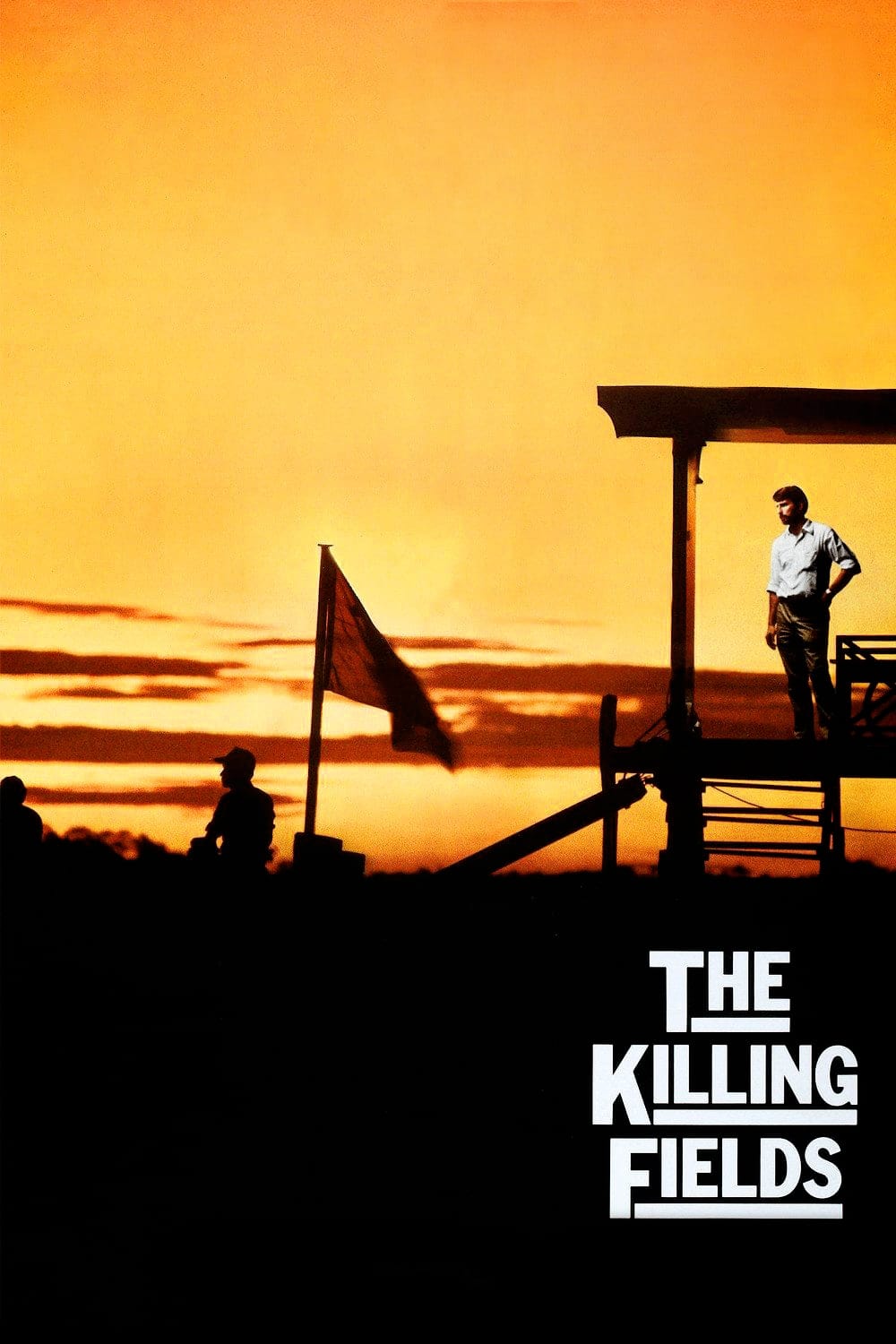
This film depicts the real-life experiences of a New York Times reporter and his local assistant during the Khmer Rouge’s takeover of Cambodia. It highlights the deep bond and mutual reliance between international correspondents and their local guides. The story focuses on the horrors of the Cambodian genocide and the journalistic drive to document history as it unfolds. It serves as a powerful testament to the courage of those who report from the front lines of atrocity.
‘Salvador’ (1986)
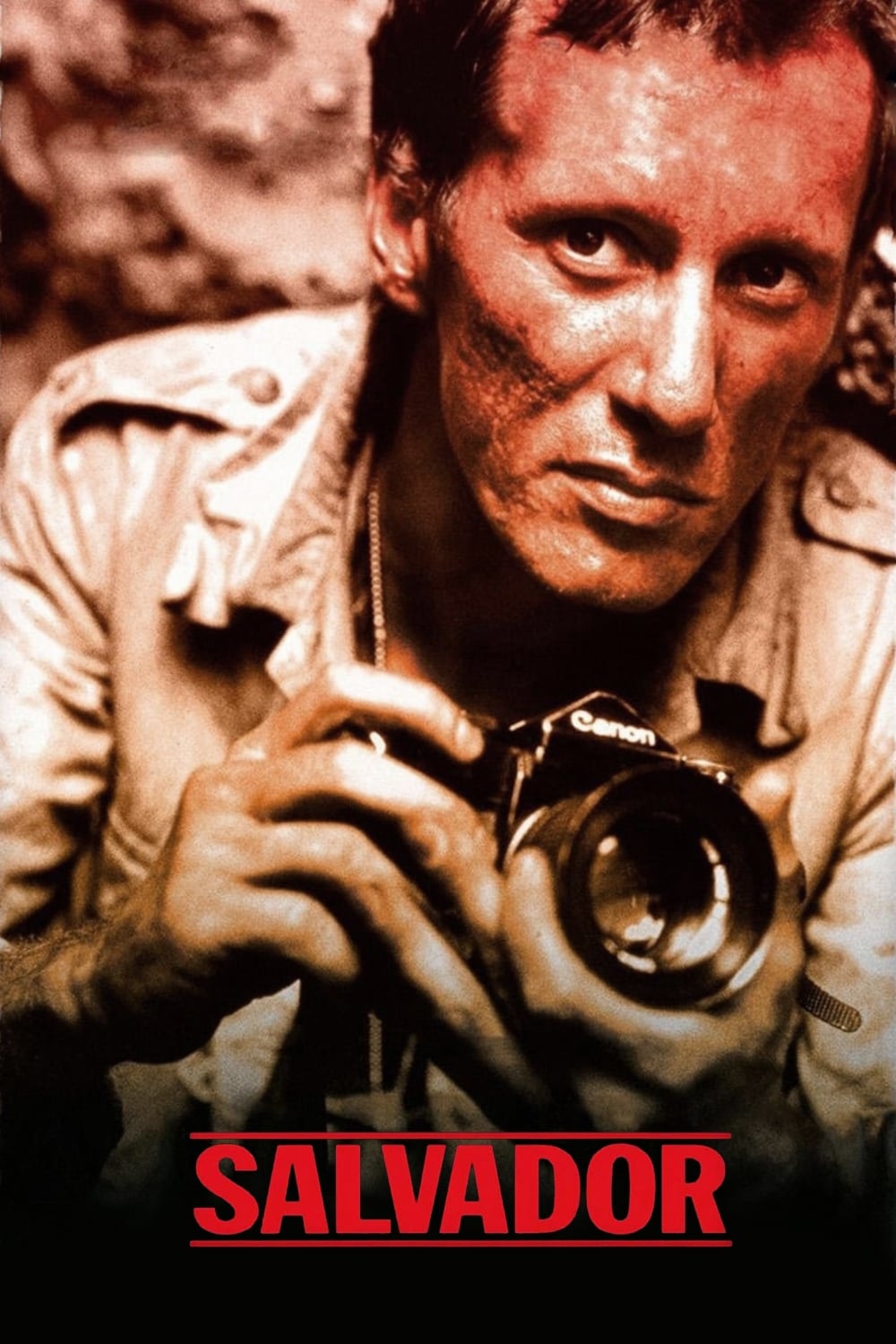
A photojournalist travels to El Salvador to document the civil war, finding himself embroiled in the political violence of the region. The film presents a raw and gritty look at the life of a conflict reporter who must navigate both government and rebel forces. It explores how personal flaws can coexist with a professional commitment to exposing the truth. The portrayal emphasizes the visceral reality of capturing images that the world needs to see.
‘Broadcast News’ (1987)

This comedy-drama focuses on the professional and personal lives of three individuals working in a national television newsroom. It examines the internal conflict between serious investigative reporting and the growing demand for entertainment-oriented news. The film provides a nuanced look at the ethical compromises made for the sake of on-air charisma and audience engagement. It remains a highly regarded study of the evolving nature of broadcast journalism in the late 20th century.
‘The Paper’ (1994)
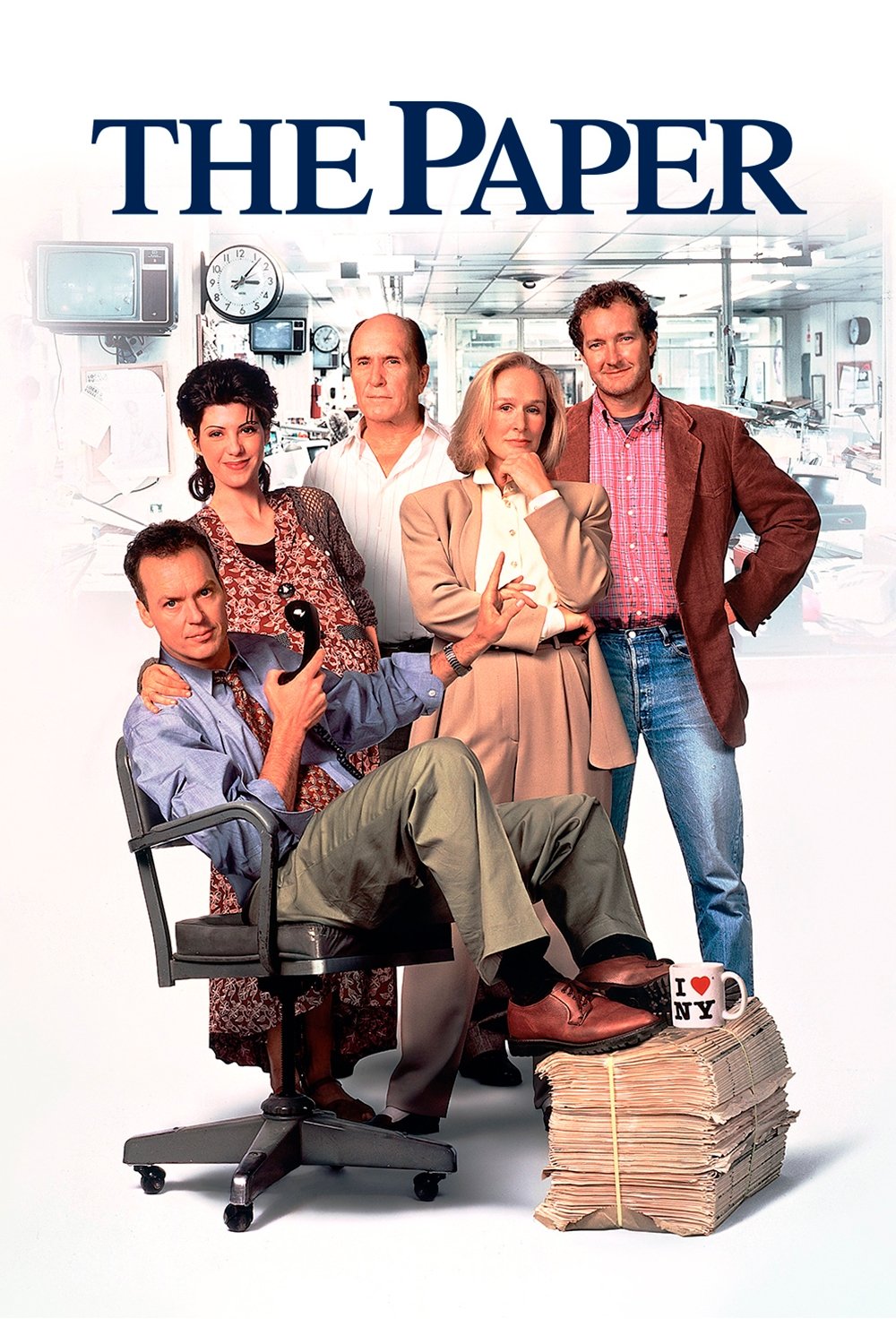
The film follows twenty-four hours in the life of a New York City tabloid editor as he balances a major news story with personal challenges. It captures the frantic energy of a newsroom operating under tight deadlines and limited resources. The narrative focuses on the decision-making process involved in choosing which stories lead the front page. It highlights the dedication of journalists who believe in the social importance of their work despite the decline of print media.
‘The Insider’ (1999)
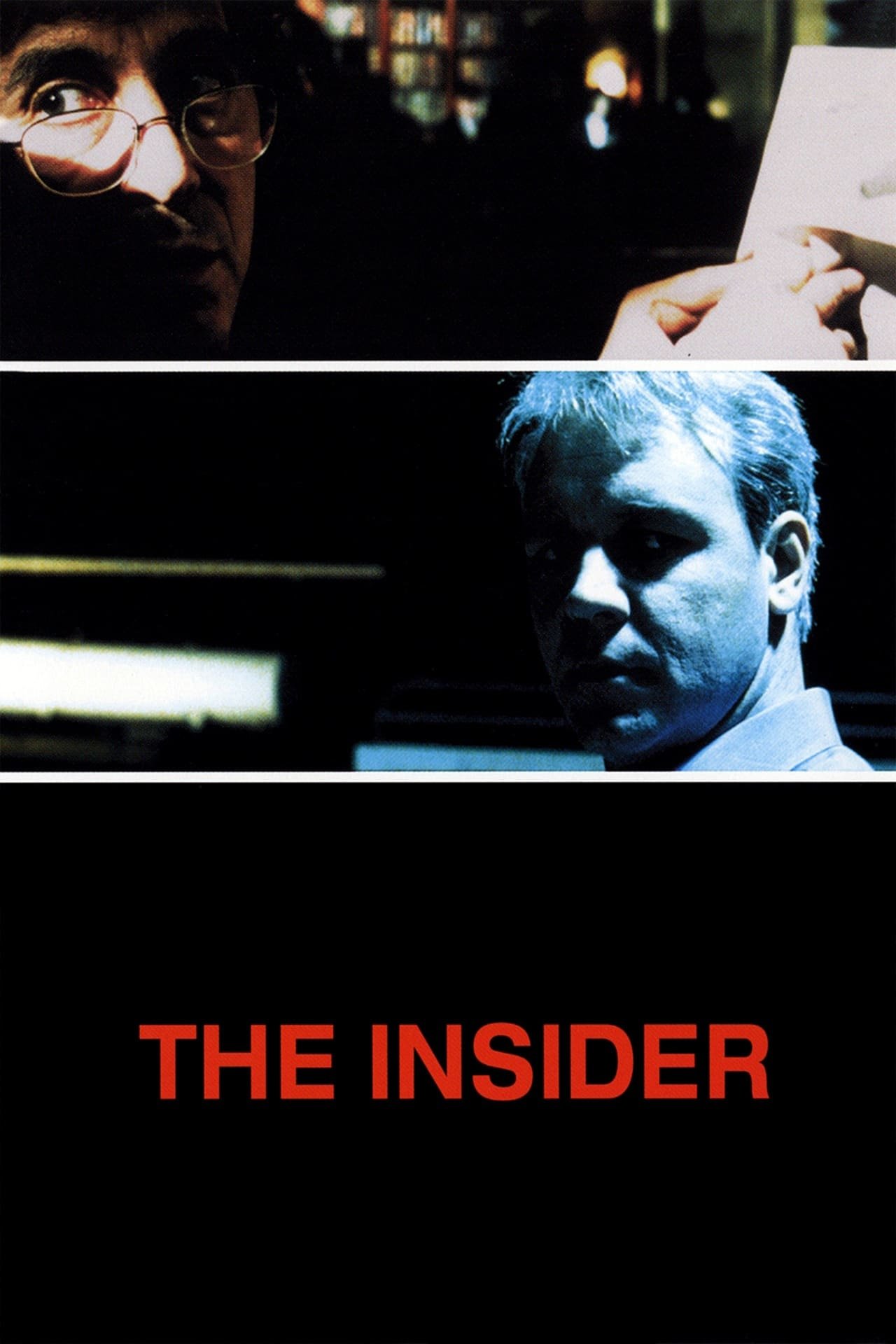
A ’60 Minutes’ producer works with a tobacco industry whistleblower to expose the health risks associated with cigarette smoking. The film portrays the immense legal and corporate pressure placed on news organizations to kill controversial stories. It highlights the courage required by both journalists and sources to challenge powerful industries. The story serves as a detailed examination of the intersection between corporate interests, legal threats, and investigative reporting.
‘Veronica Guerin’ (2003)
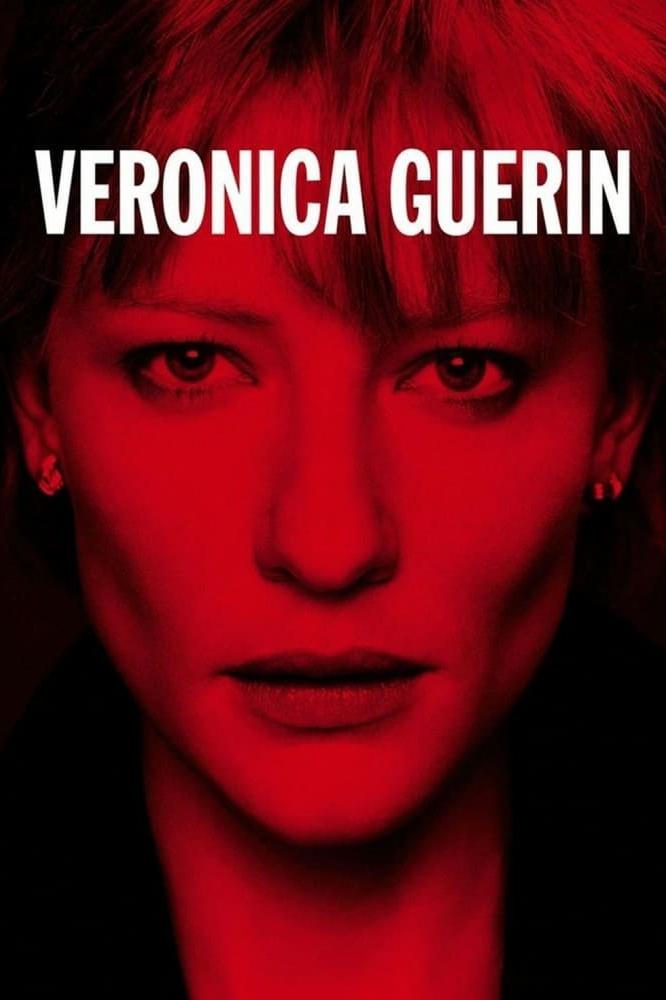
Based on a true story, an Irish reporter investigates the illegal drug trade in Dublin and the criminals behind it. The film depicts her unwavering commitment to exposing organized crime despite repeated threats to her life. It illustrates the profound impact a single journalist can have on public policy and social awareness. The narrative concludes with the tragic consequences of her pursuit of justice, underscoring the dangers of high-stakes reporting.
‘Good Night, and Good Luck.’ (2005)
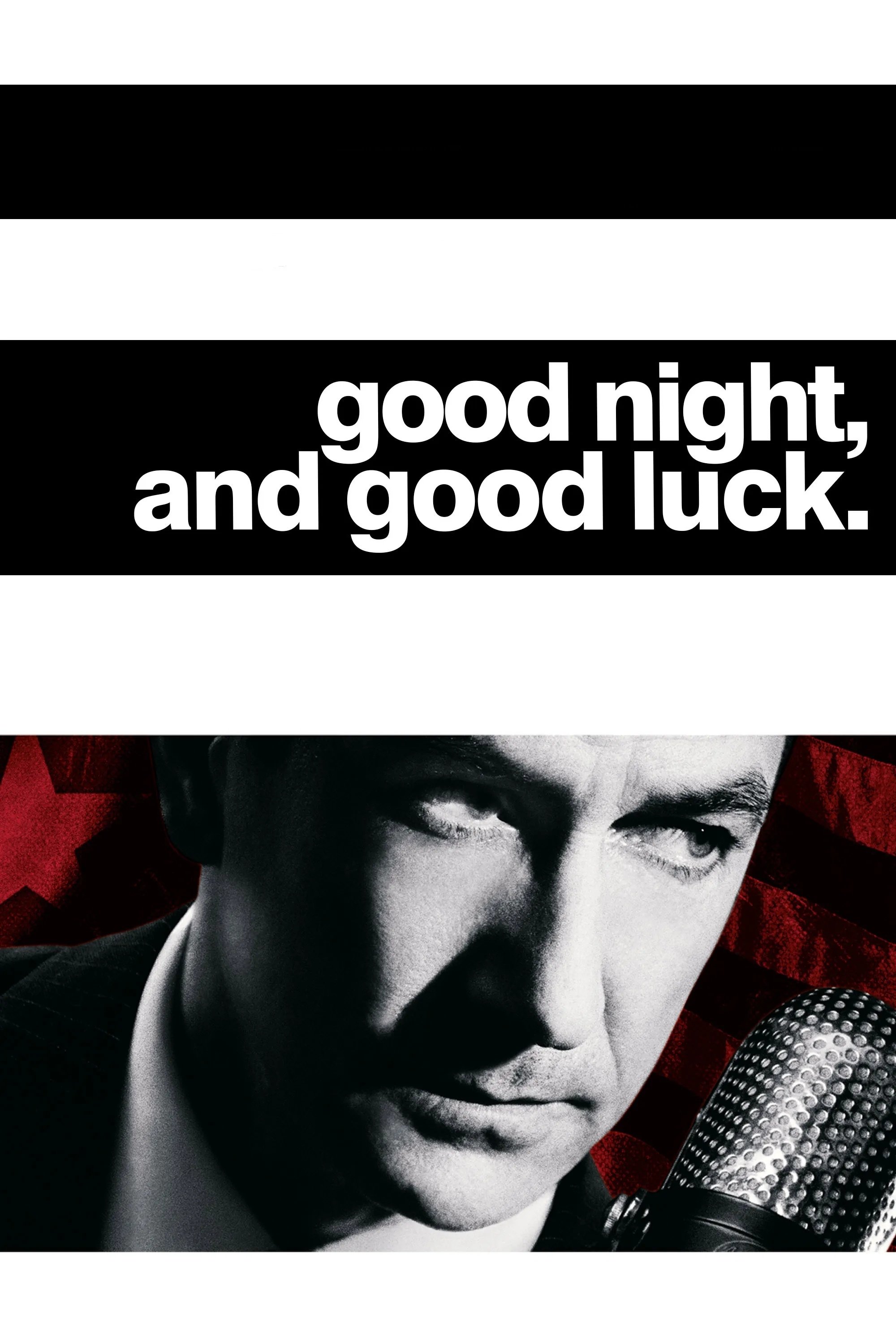
Edward R. Murrow and his team at CBS News challenge Senator Joseph McCarthy’s anti-communist witch hunts during the 1950s. The film focuses on the importance of dissent and the responsibility of the media to hold government officials accountable. It captures the tense atmosphere of the early television era and the ethical weight of editorial decisions. This historical drama celebrates the use of the airwaves as a tool for education and social critique.
‘Zodiac’ (2007)

Based on actual events, the story follows a political cartoonist and a crime reporter as they become obsessed with identifying the Zodiac Killer. The film emphasizes the meticulous research and long-term dedication required to solve complex, cold-case mysteries. It portrays the toll that such intense investigative work can take on the personal lives of those involved. The narrative highlights the role of the press in publicizing information that could lead to the resolution of criminal cases.
‘Frost/Nixon’ (2008)
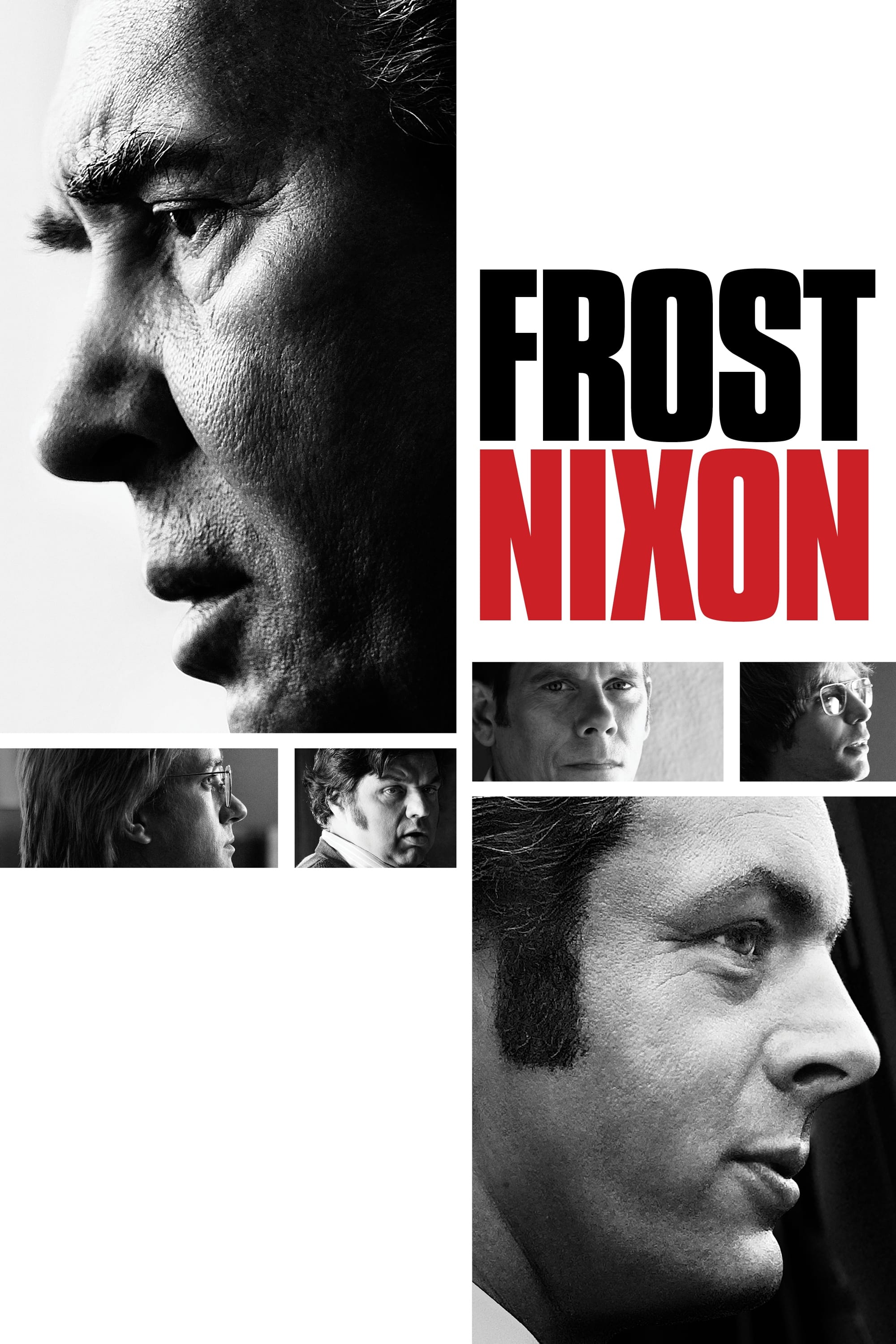
The film dramatizes the series of televised interviews between British talk-show host David Frost and former President Richard Nixon. It explores the power of the interview as a journalistic tool to extract admissions of guilt and provide public accountability. The story focuses on the preparation and strategy required to confront a seasoned political figure on camera. It showcases the moment when media performance transforms into a historic journalistic achievement.
‘State of Play’ (2009)
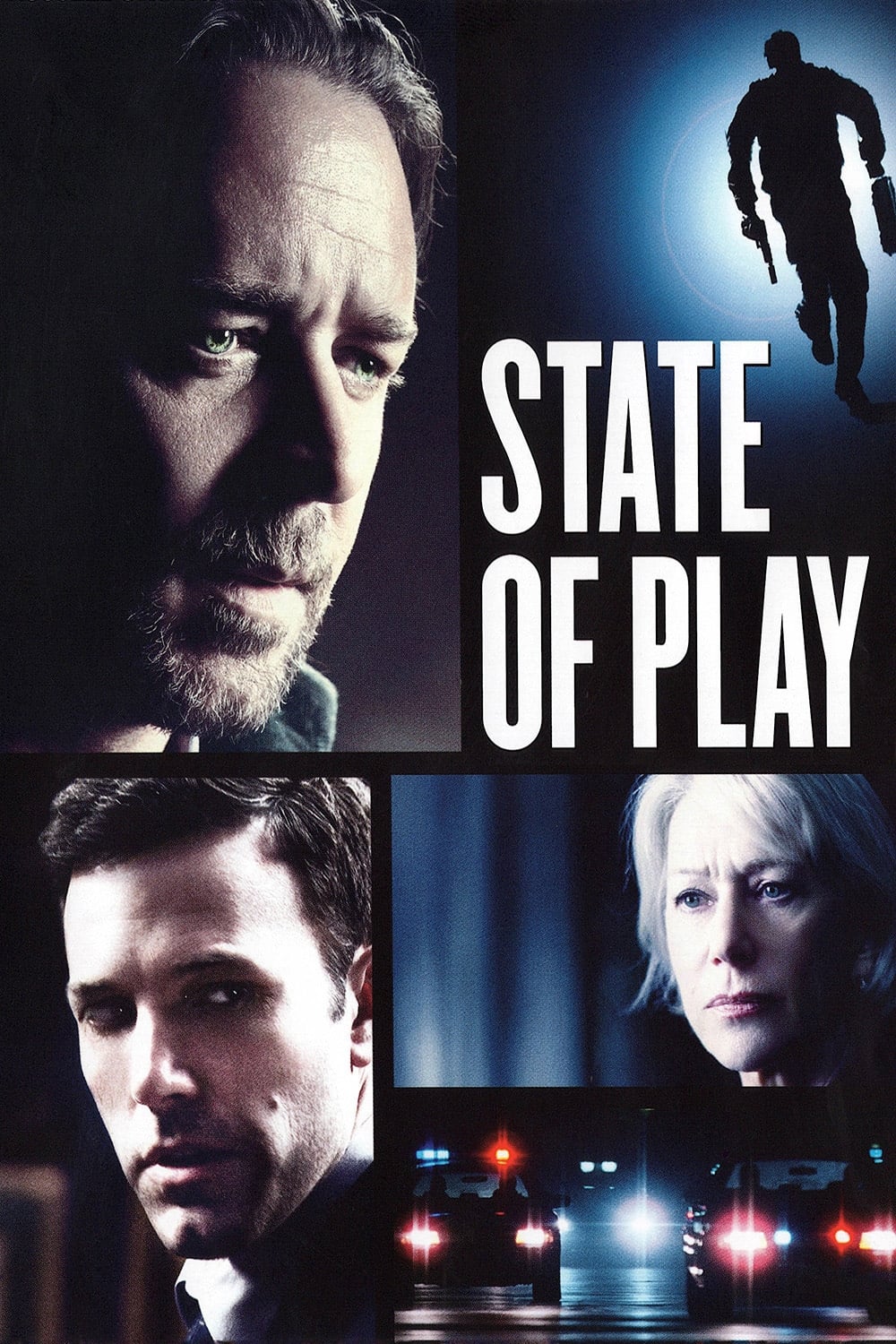
A veteran journalist and a young blogger team up to investigate a series of murders linked to a rising politician and a private defense contractor. The film examines the tension and eventual collaboration between traditional print journalism and the new digital media landscape. It highlights the complexity of political conspiracies and the necessity of verifying information from multiple sources. The narrative reinforces the idea that the search for truth transcends the medium through which it is reported.
‘Kill the Messenger’ (2014)

The story follows journalist Gary Webb as he uncovers the CIA’s involvement in importing cocaine into California to fund Contra rebels. The film depicts the professional smear campaign launched against Webb to discredit his findings and protect government interests. It explores the devastating personal and career consequences faced by investigative reporters who uncover uncomfortable truths. This portrayal emphasizes the vulnerability of independent journalists when challenging institutional power.
‘Spotlight’ (2015)

The Boston Globe’s “Spotlight” team investigates the systematic cover-up of sexual abuse within the Catholic Church. The film focuses on the collaborative effort of the reporters and their commitment to documenting a wide-scale pattern of institutional failure. it avoids sensationalism, choosing instead to highlight the importance of patience and empathy when dealing with victims. The narrative demonstrates the power of local investigative units to effect global change.
‘Truth’ (2015)
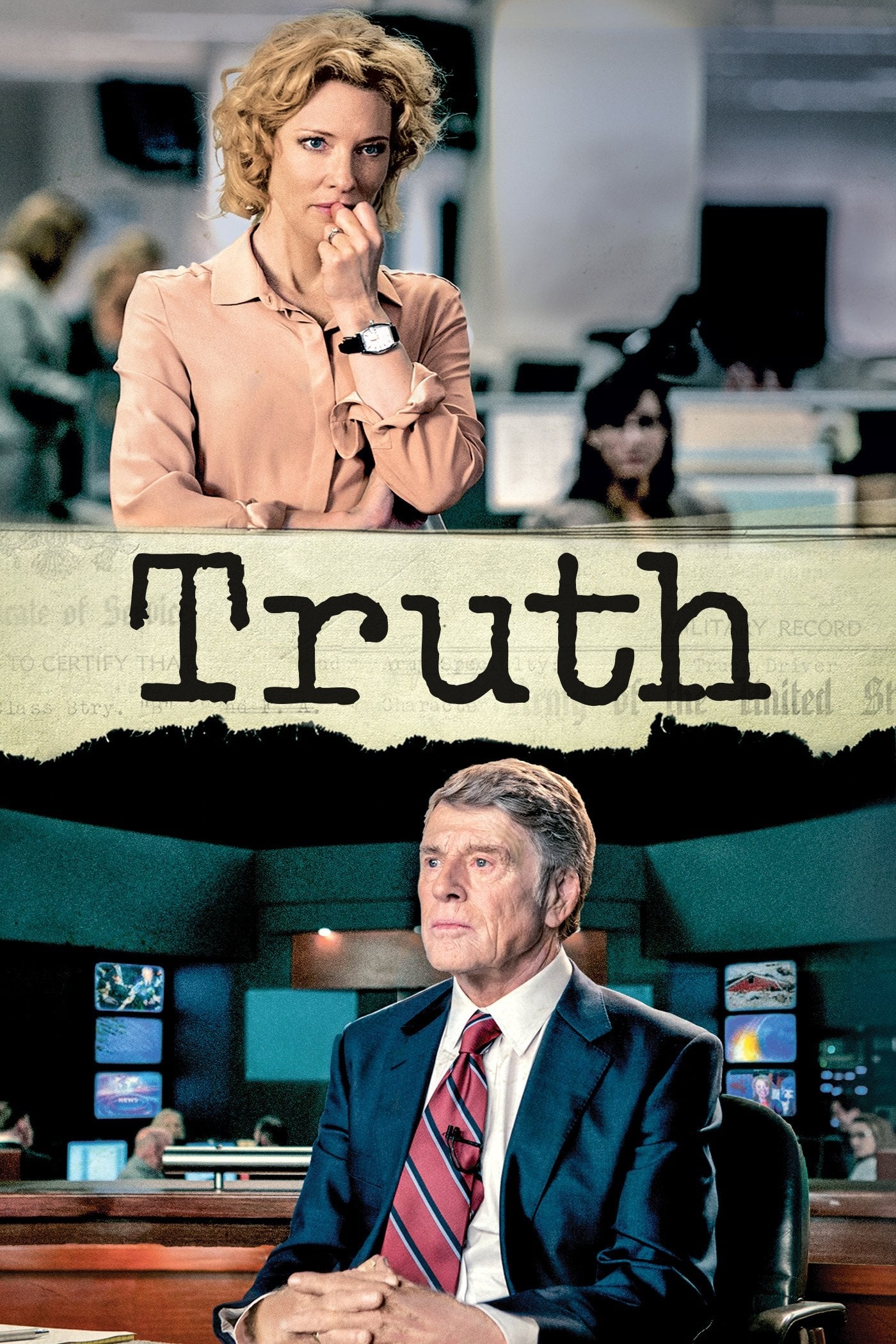
This film recounts the controversy surrounding the 2004 CBS ’60 Minutes’ report on President George W. Bush’s military service. It explores the aftermath of a report based on unverified documents and the subsequent fallout for the journalists involved. The story examines the scrutiny that follows a journalistic error and the speed at which a career can be dismantled. It serves as a cautionary tale about the vital importance of rigorous fact-checking in the digital age.
‘The Post’ (2017)
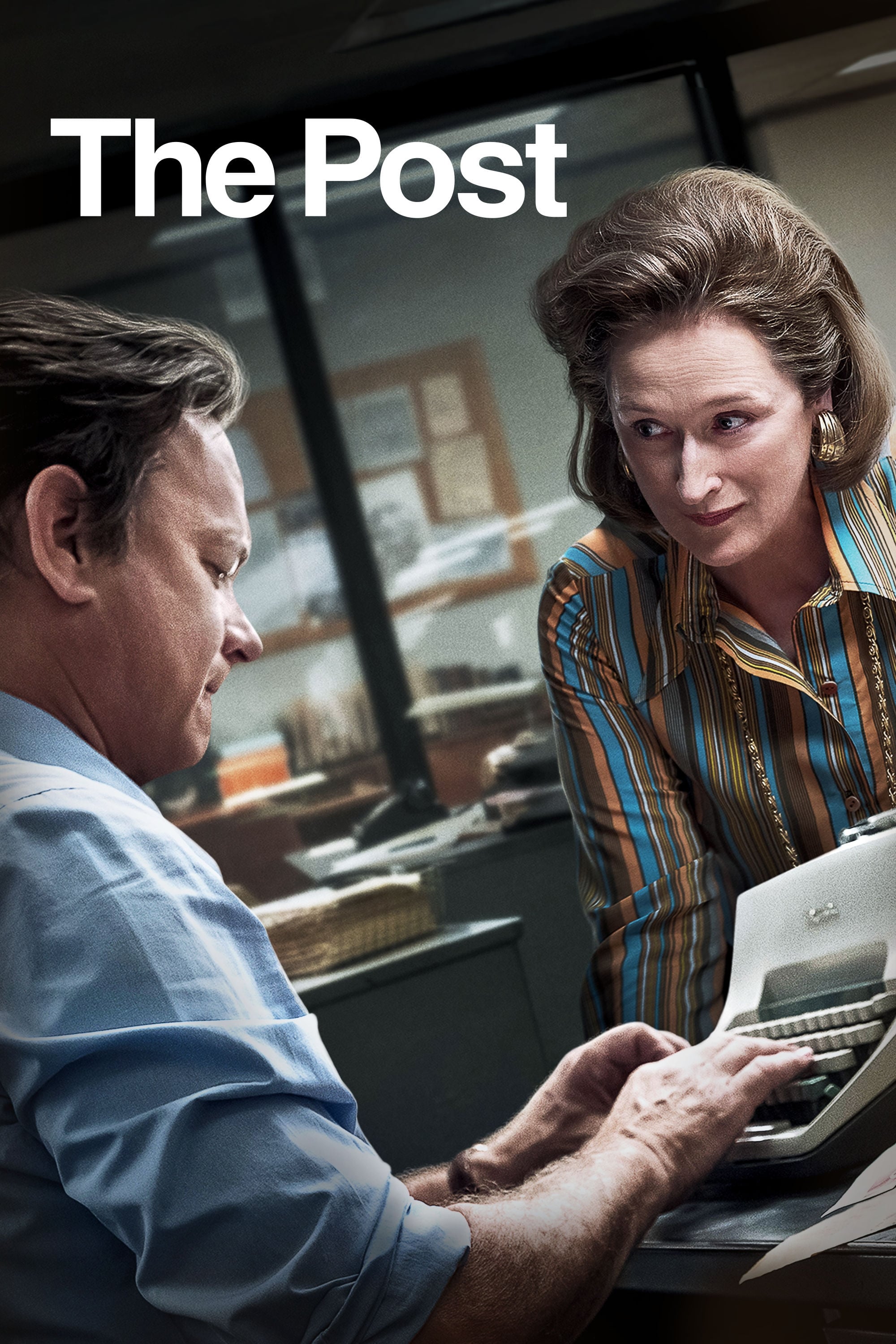
The film depicts the true story of ‘The Washington Post’ journalists and their decision to publish the Pentagon Papers. It highlights the leadership of Katherine Graham, the first female publisher of a major American newspaper, as she navigates legal threats from the government. The narrative emphasizes the constitutional protection of the press and its role in informing the public about government actions. It explores the moral courage required to prioritize the public’s right to know over corporate survival.
‘A Private War’ (2018)
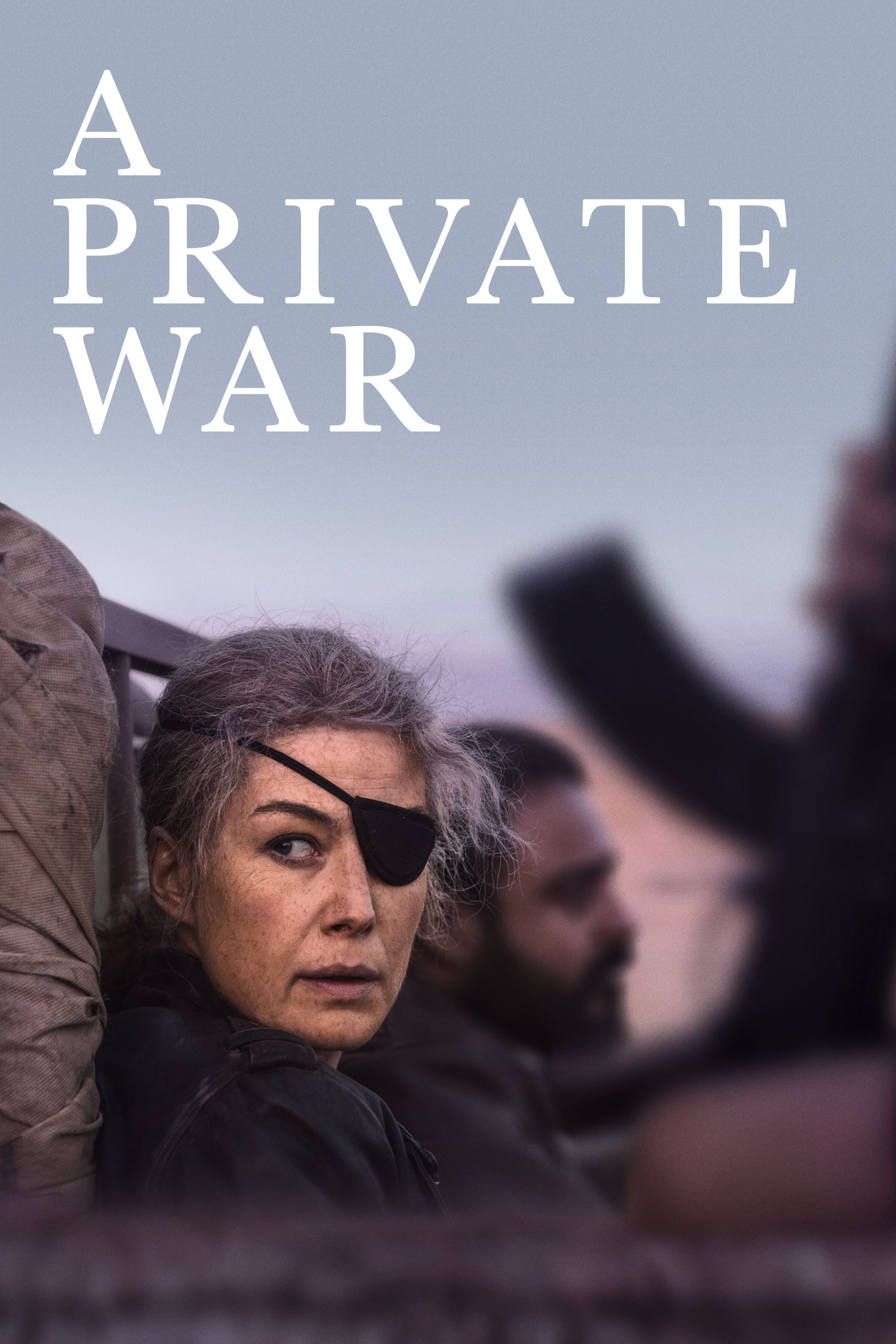
This biographical drama follows the career of celebrated war correspondent Marie Colvin as she reports from the world’s most dangerous conflicts. The film portrays the physical and psychological trauma associated with long-term exposure to war and violence. It highlights Colvin’s drive to give a voice to the voiceless victims of conflict. The story serves as a visceral reminder of the human cost behind international news headlines.
‘Official Secrets’ (2019)

A whistleblower leaks a memo about an illegal NSA operation, and the story is taken up by journalists at ‘The Observer’. The film follows the legal and ethical journey of both the source and the reporters as they prepare to publish sensitive information. It examines the role of the press in scrutinizing government justifications for war. The narrative emphasizes the importance of journalistic skepticism and the protection of whistleblowers.
‘Mr. Jones’ (2019)
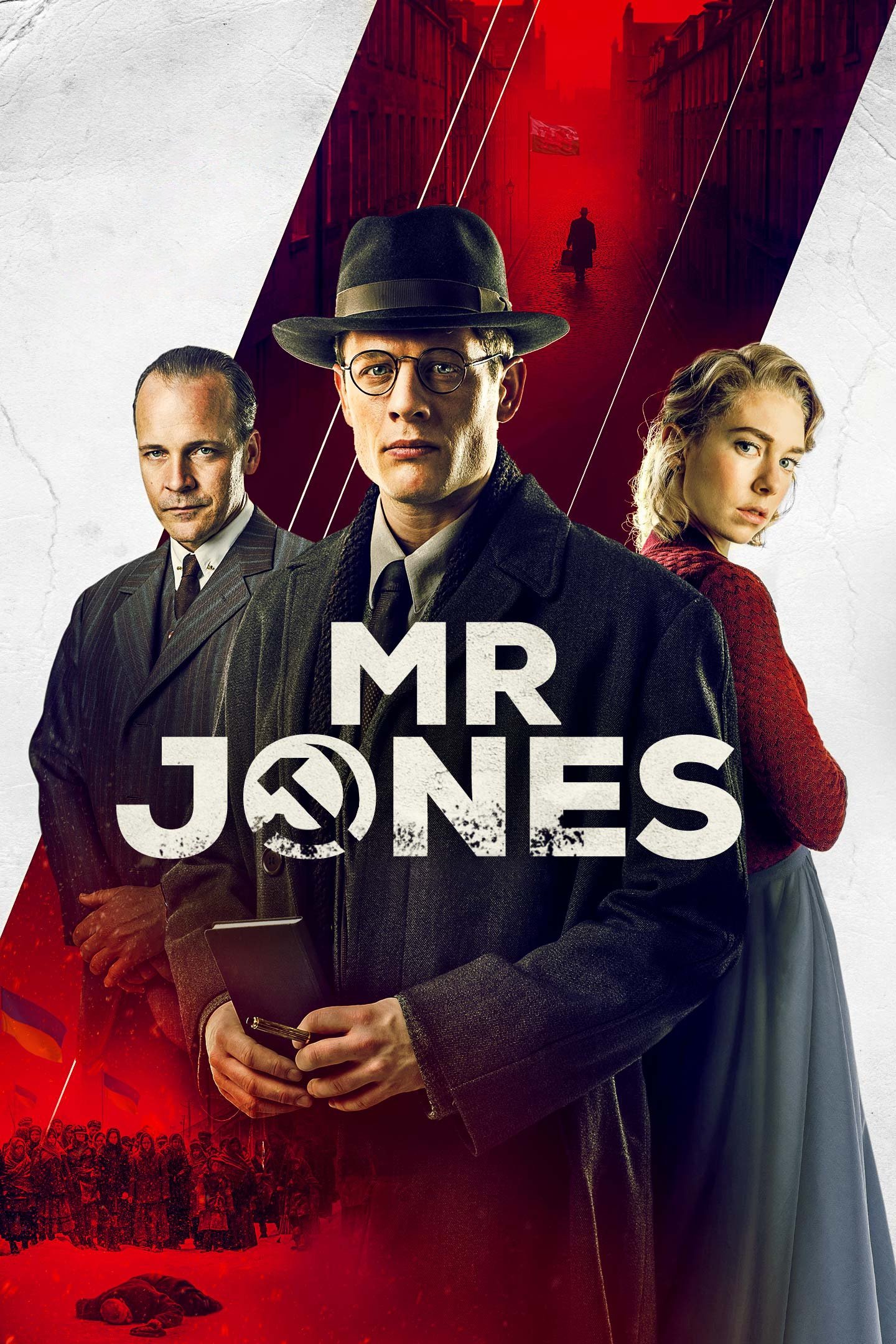
A Welsh journalist travels to the Soviet Union in the 1930s and uncovers the state-sponsored famine in Ukraine known as the Holodomor. The film depicts his struggle to get the story published in the face of Soviet propaganda and the indifference of the international community. It explores the moral failure of other journalists who chose to ignore the truth to maintain political access. The story highlights the bravery of a lone reporter who refused to stay silent about a humanitarian catastrophe.
‘She Said’ (2022)

Two New York Times reporters investigate the history of sexual misconduct allegations against Hollywood producer Harvey Weinstein. The film focuses on the painstaking process of gaining the trust of sources and convincing them to go on the record. it illustrates the persistence required to break through years of legal non-disclosure agreements and institutional silence. The narrative celebrates the role of investigative journalism in launching a global movement for accountability.
Please share which of these cinematic portrayals of journalism you found most impactful in the comments.