Games Where Asian Mythology Was Respected and Expanded

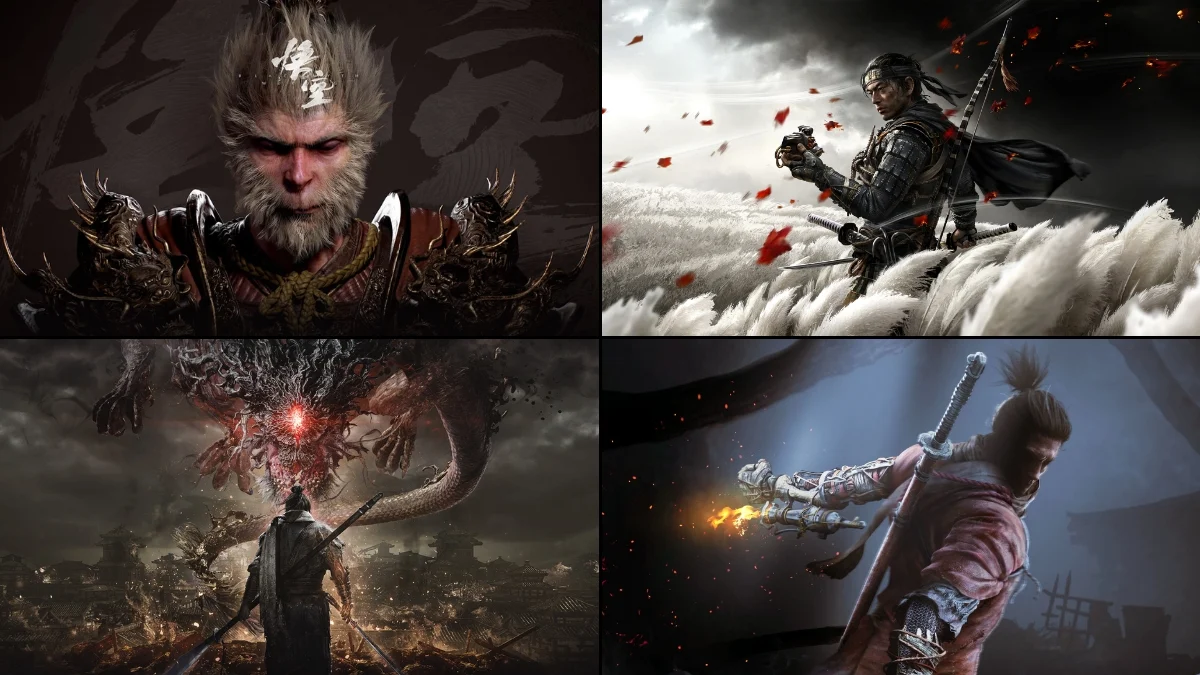

The integration of Asian mythology into video games has evolved from simple aesthetic choices to deeply researched narrative explorations. Developers are increasingly moving beyond surface-level tropes to create experiences that honor the philosophical and spiritual roots of Eastern legends. These games often serve as educational gateways, introducing global audiences to complex pantheons and folkloric traditions. By blending historical accuracy with supernatural elements, these titles offer a modern perspective on ancient stories while maintaining their cultural integrity.
‘Black Myth: Wukong’ (2024)
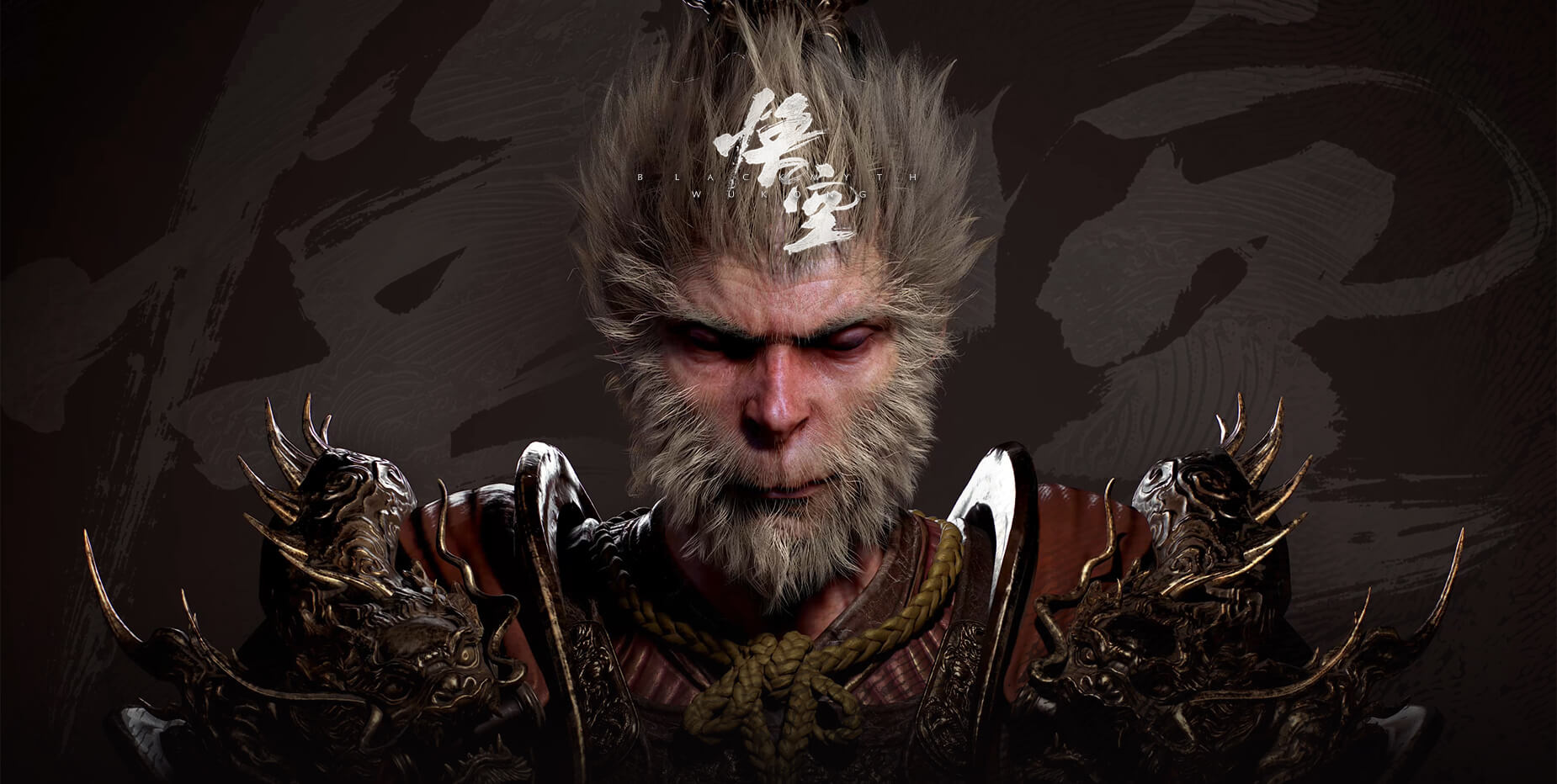
Developed and published by Game Science, this title draws heavily from the 16th-century Chinese novel ‘Journey to the West’. Players control the Destined One, a character who traverses a world populated by deities and demons from Chinese folklore. The game features digital recreations of actual cultural landmarks and religious iconography found throughout China. Its combat system integrates martial arts styles and magical transformations documented in the original literary source.
‘Sekiro: Shadows Die Twice’ (2019)
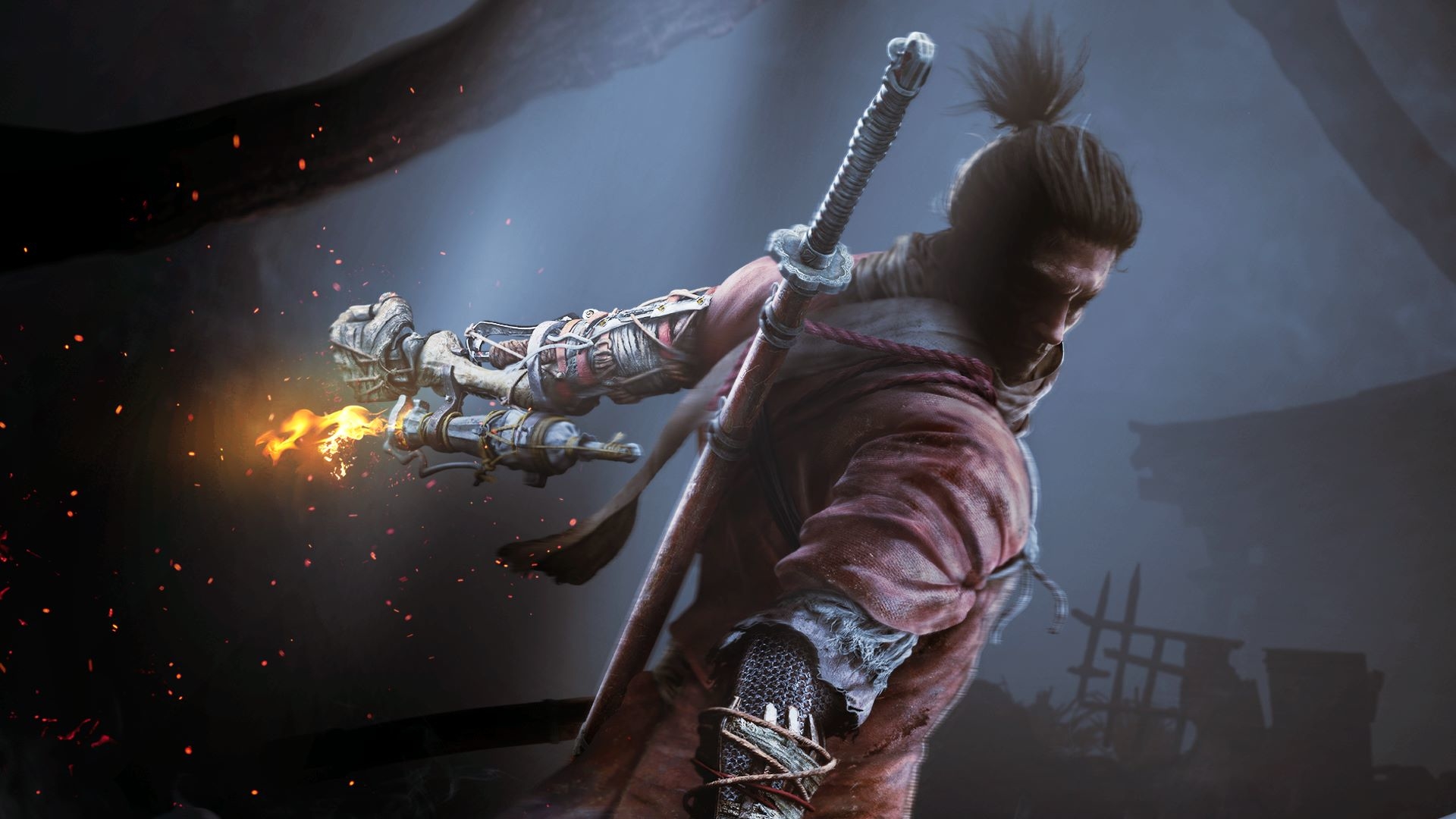
Developed by FromSoftware and published by Activision, this action-adventure game is set in a fictionalized version of the Sengoku period. While it features historical elements, the narrative focuses on Buddhist themes of reincarnation and the corruption of immortality. Players encounter creatures and bosses inspired by Japanese mythology, such as the Great Serpent and the Guardian Ape. The environmental design reflects research into period-appropriate architecture and Shinto folklore.
‘Ghost of Tsushima’ (2020)
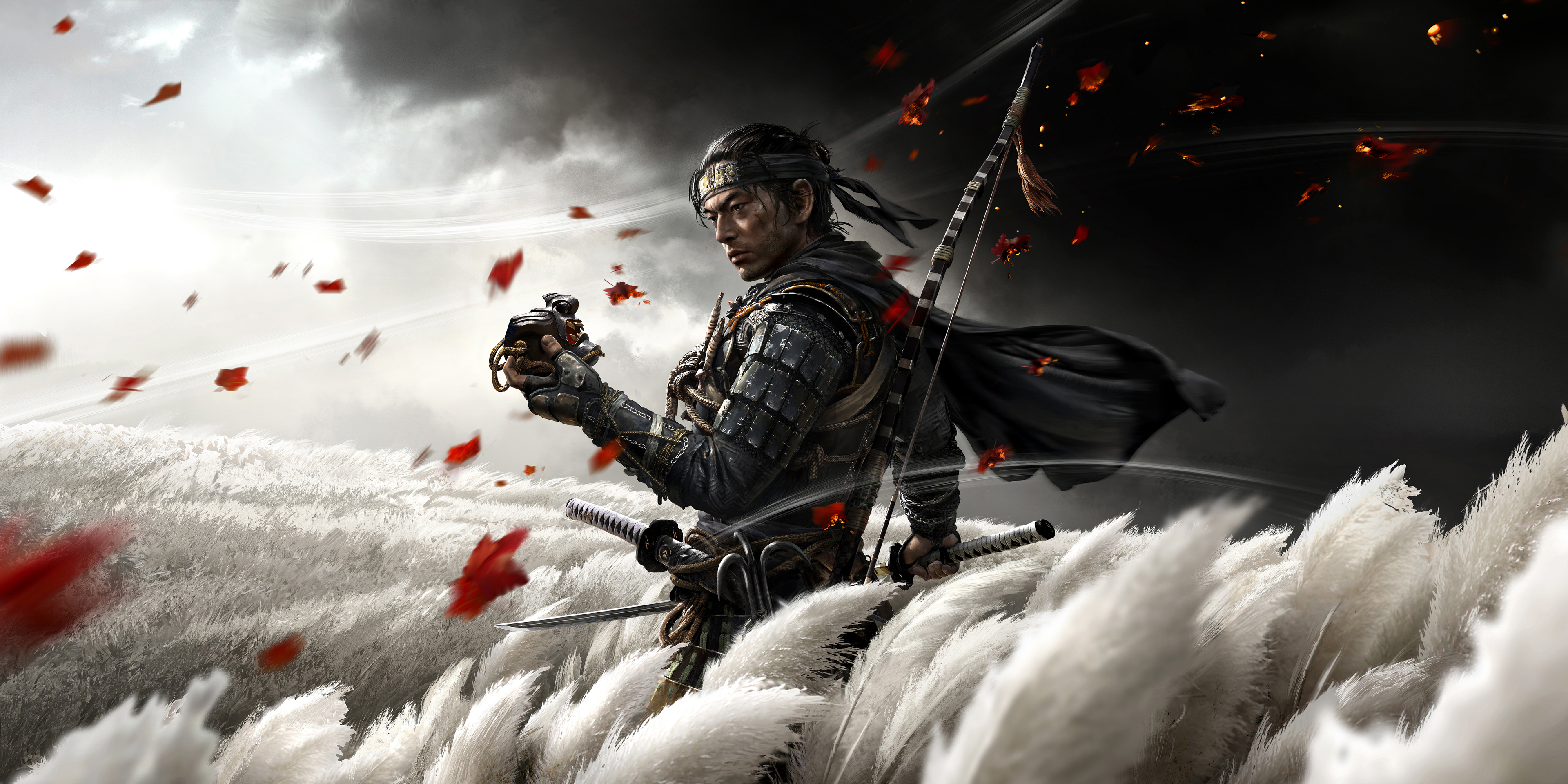
Developed by Sucker Punch Productions and published by Sony Interactive Entertainment, this game explores the Mongol invasion of Japan. While the main story is a historical epic, the ‘Legends’ expansion introduces supernatural elements based on Japanese ghost stories and Shinto mythology. Players face Onis and other mythical spirits in a cooperative mode that expands the lore of the setting. The project involved collaboration with cultural consultants to ensure the respectful treatment of Japanese traditions and samurai philosophy.
‘Ōkami’ (2006)
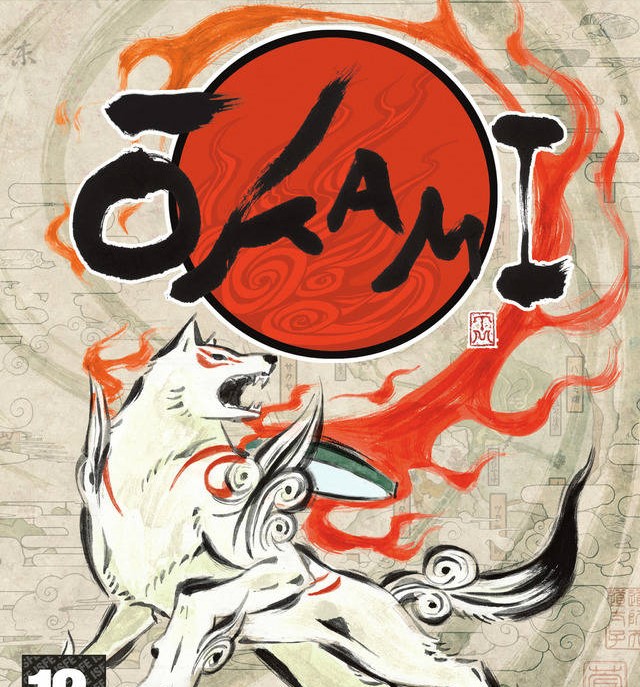
Developed by Clover Studio and published by Capcom, this title tells the story of Amaterasu, the Shinto sun goddess, in the form of a white wolf. The visual style utilizes sumi-e ink wash painting techniques to depict ancient Japanese legends as a living tapestry. Players use the Celestial Brush to interact with the environment and defeat the multi-headed serpent Yamata no Orochi. The game incorporates numerous figures from Japanese folklore, including Susanoo and Kaguya, within its narrative structure.
‘Nioh 2’ (2020)
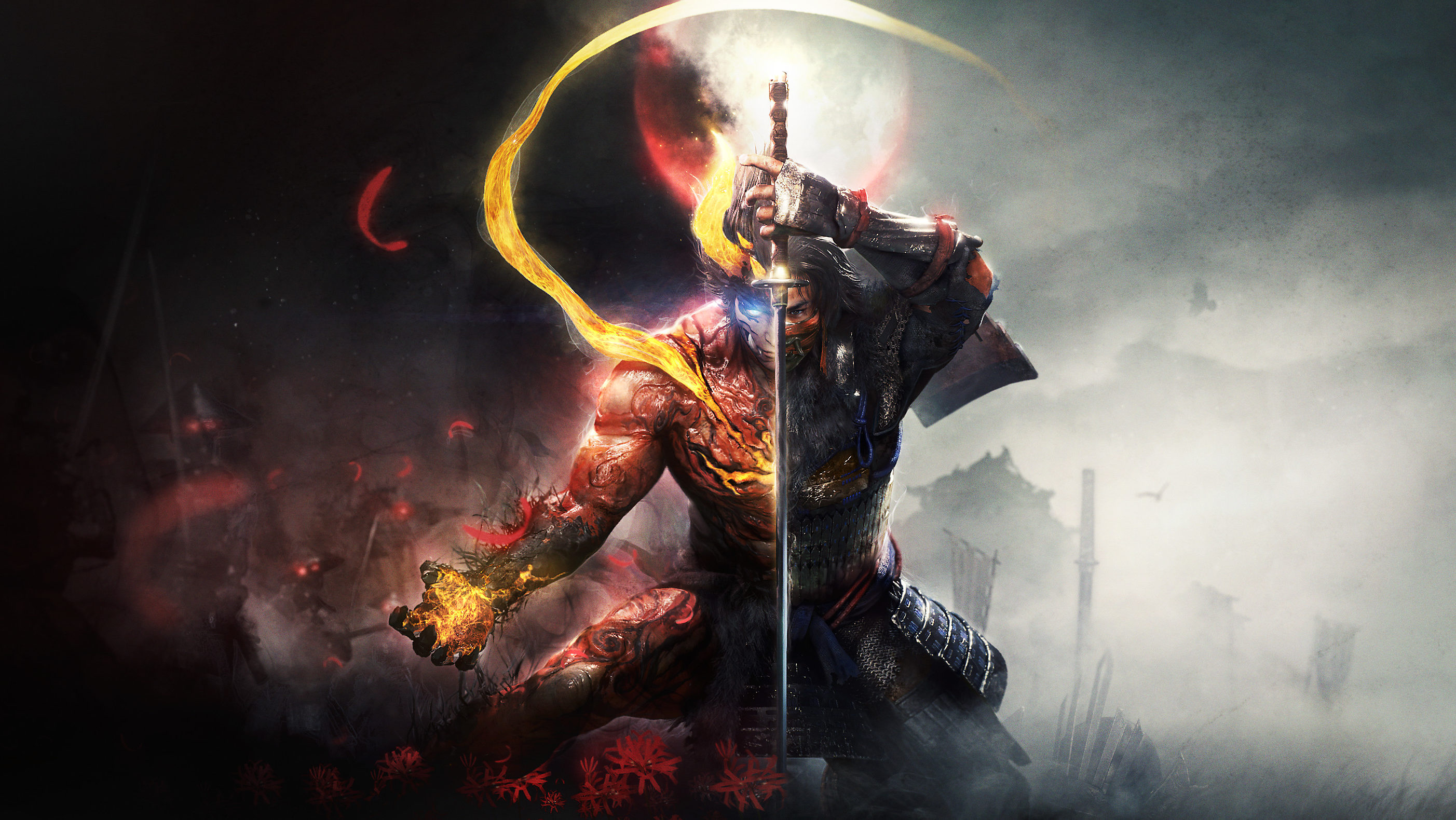
Developed by Team Ninja and published by Koei Tecmo, this prequel focuses on the integration of Yokai spirits into Sengoku-era history. Players create a customized protagonist who possesses the ability to transform into supernatural forms based on Japanese mythology. The game features an extensive in-game encyclopedia detailing the origins and cultural significance of each Yokai. This title builds upon the foundation of ‘Nioh’ by introducing more complex mythological entities and spirit guardians.
‘Wo Long: Fallen Dynasty’ (2023)
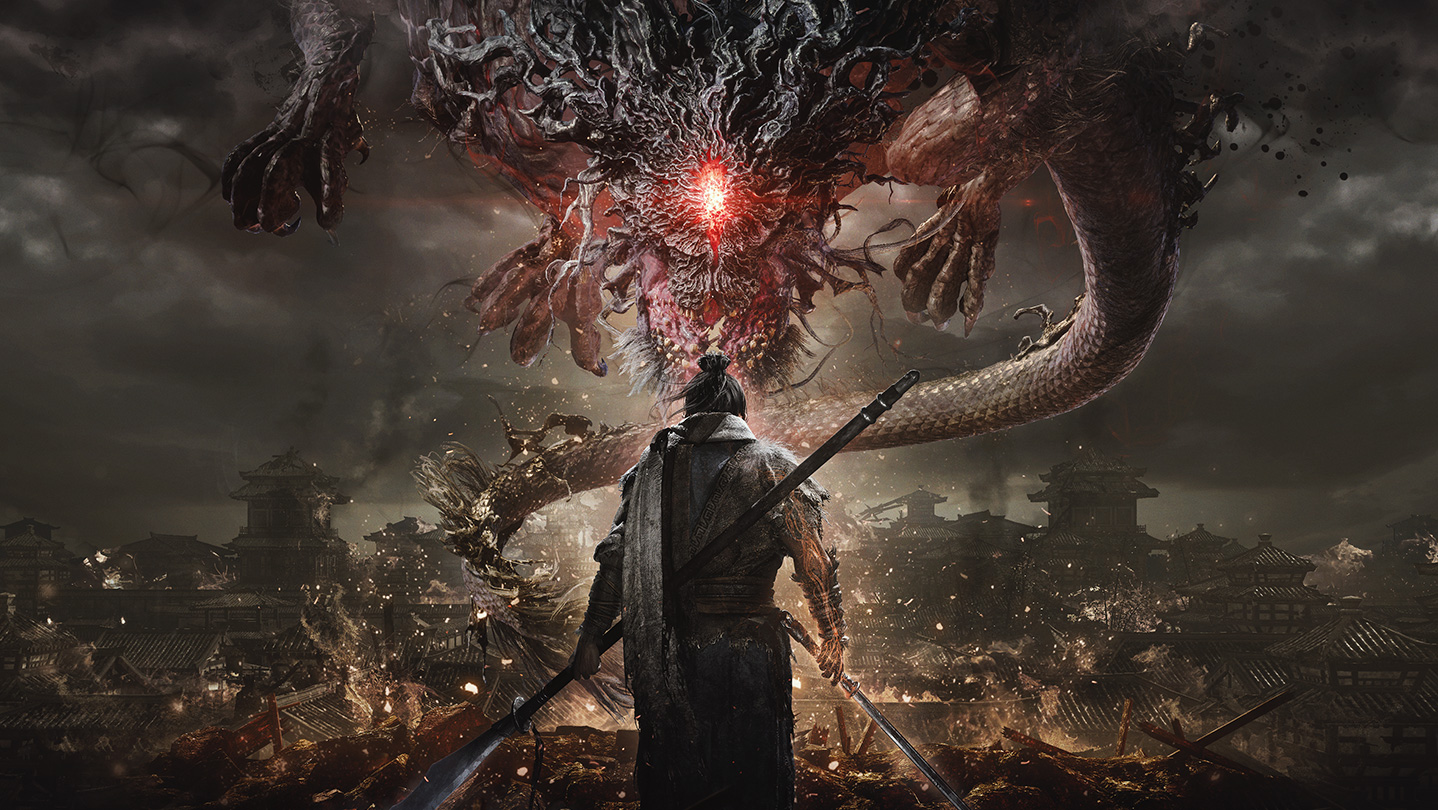
Developed by Team Ninja and published by Koei Tecmo, this dark fantasy game is set during the Han Dynasty in China. The story follows a militia soldier fighting against demons and corrupted warriors during the Yellow Turban Rebellion. Players utilize Divine Beasts inspired by the Four Symbols of Chinese mythology, such as the Azure Dragon and the Vermilion Bird. The narrative reinterprets the classic ‘Romance of the Three Kingdoms’ by infusing it with supernatural elements and Taoist sorcery.
‘Jade Empire’ (2005)
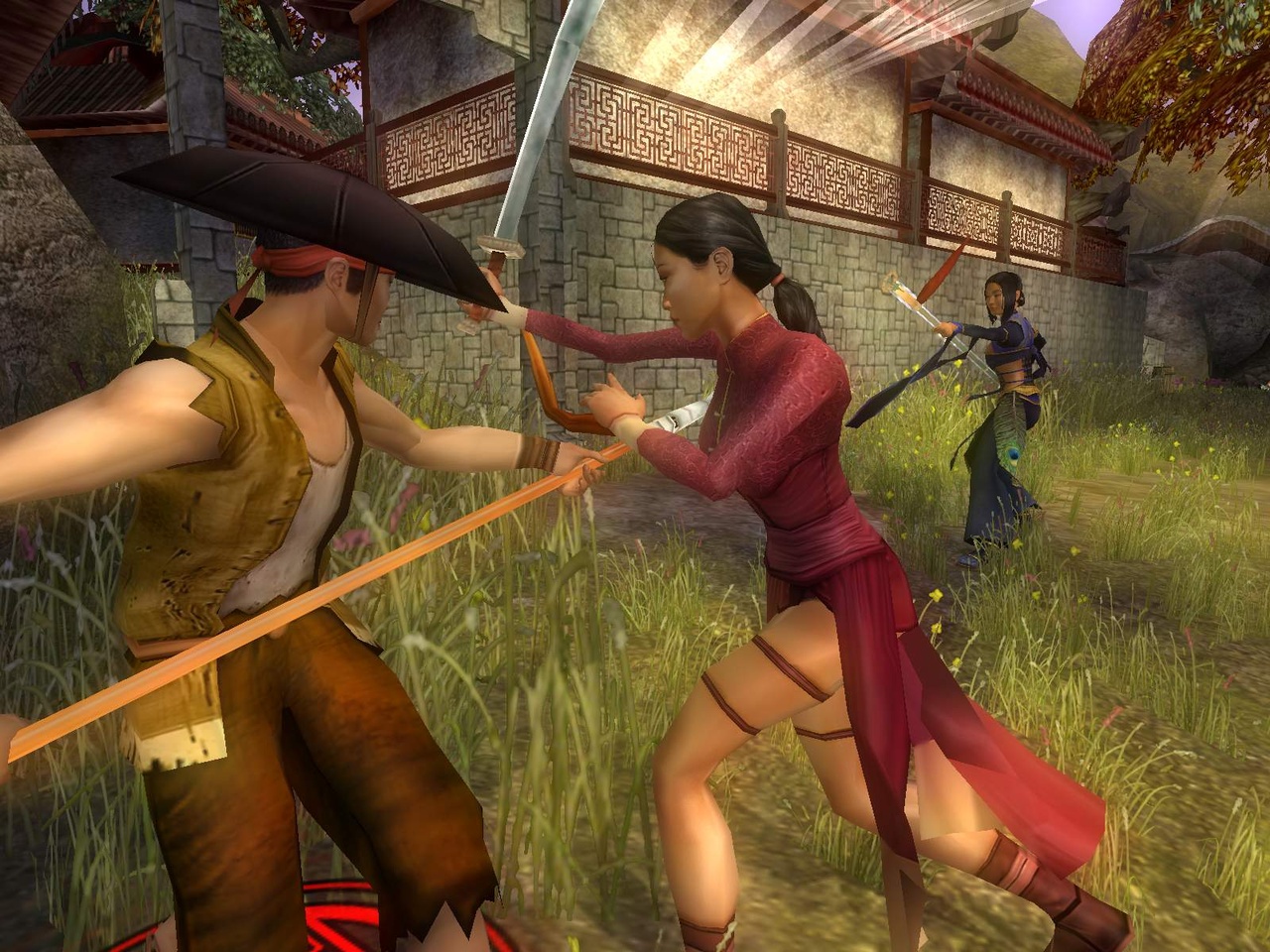
Developed by BioWare and published by Microsoft Game Studios, this action role-playing game is set in a world inspired by ancient Chinese history. The game features a martial arts combat system that allows players to master various styles and magical abilities. Throughout the journey, players interact with spirits and celestial beings that reflect traditional Chinese belief systems. The setting includes environments and architecture that mimic historical Chinese landscapes and philosophical concepts.
‘Fate/Samurai Remnant’ (2023)
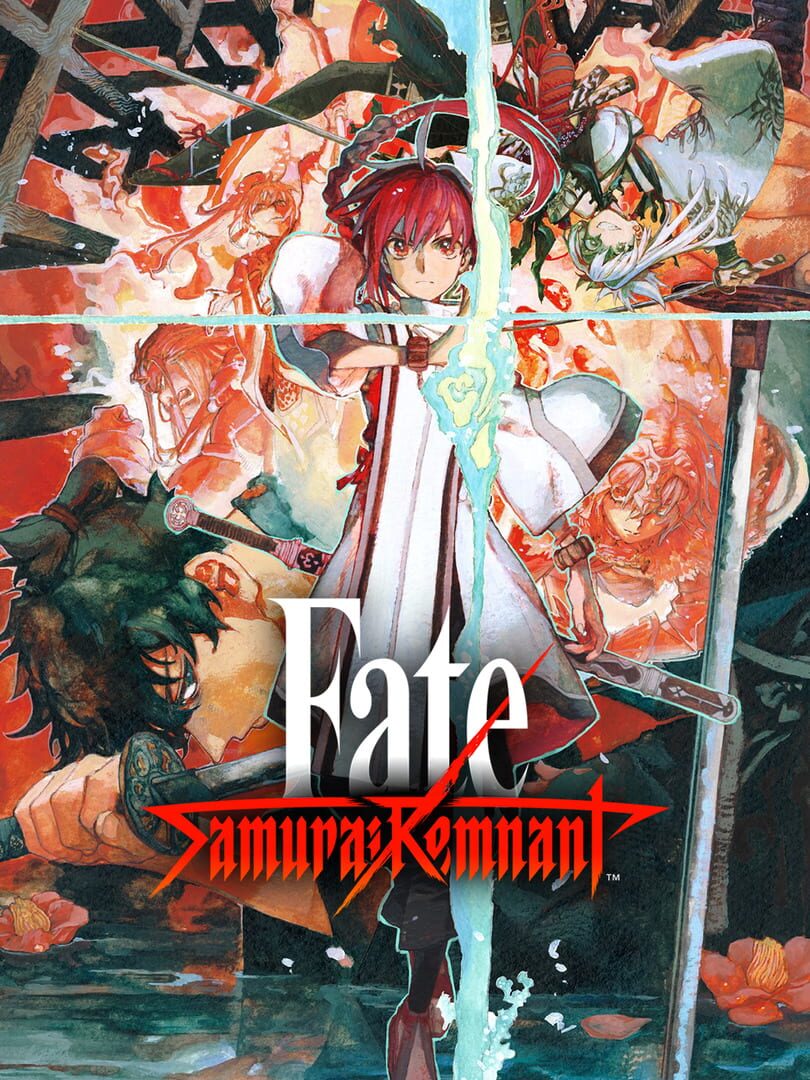
Developed by Omega Force and published by Koei Tecmo, this game takes place during the Keian era of the Edo period. It revolves around the Waxing Moon Ritual, a conflict where masters summon heroic spirits from history and myth to fight. The title incorporates Japanese historical figures and folkloric entities into the established ‘Fate’ franchise universe. Players navigate historical Tokyo and interact with spirits like Tamamo-no-Mae who are rooted in Asian legends.
‘Toukiden 2’ (2016)
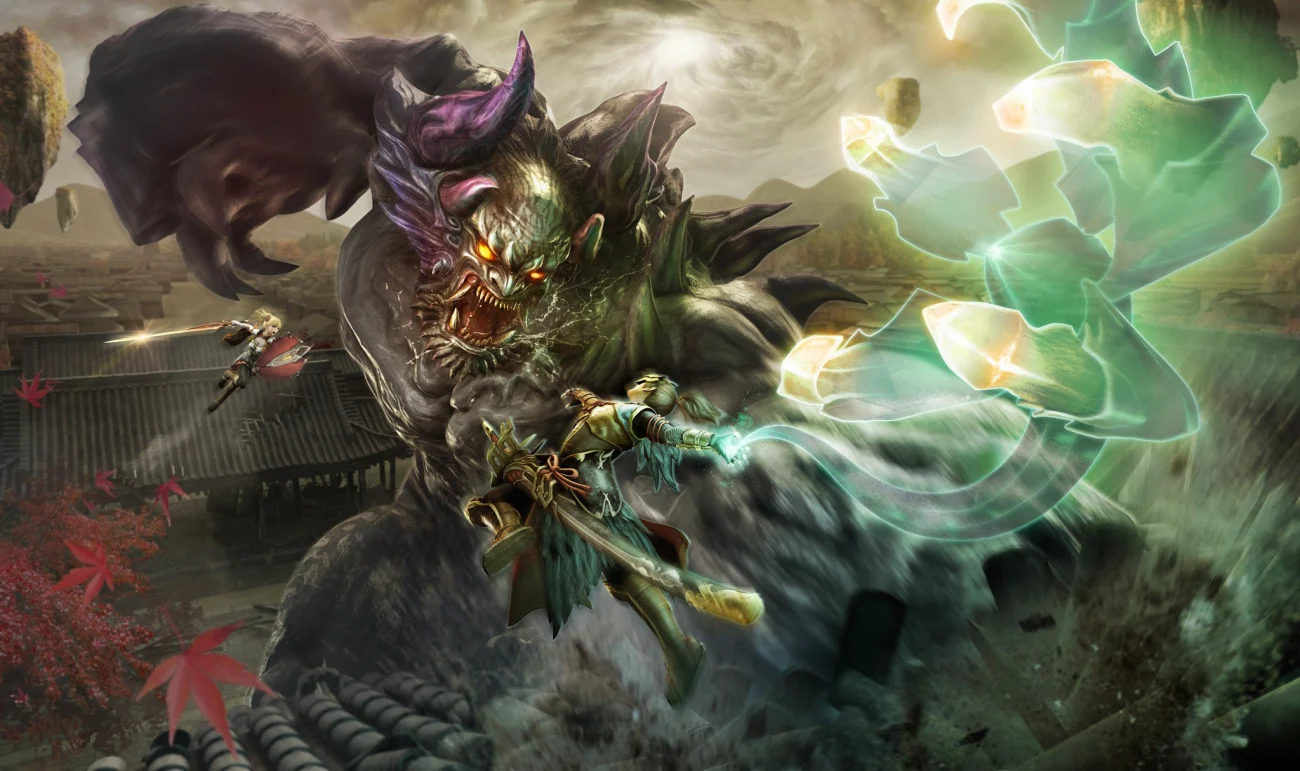
Developed by Omega Force and published by Koei Tecmo, this title focuses on Slayers who protect humanity from Oni invaders. The game features an open-world environment filled with monsters inspired by Japanese folklore and Shinto tradition. Players use the Hand of the Gods to interact with the environment and target specific parts of giant mythical enemies. The narrative emphasizes the cultural importance of protecting spiritual balance in a world plagued by supernatural threats.
‘Shin Megami Tensei V’ (2021)
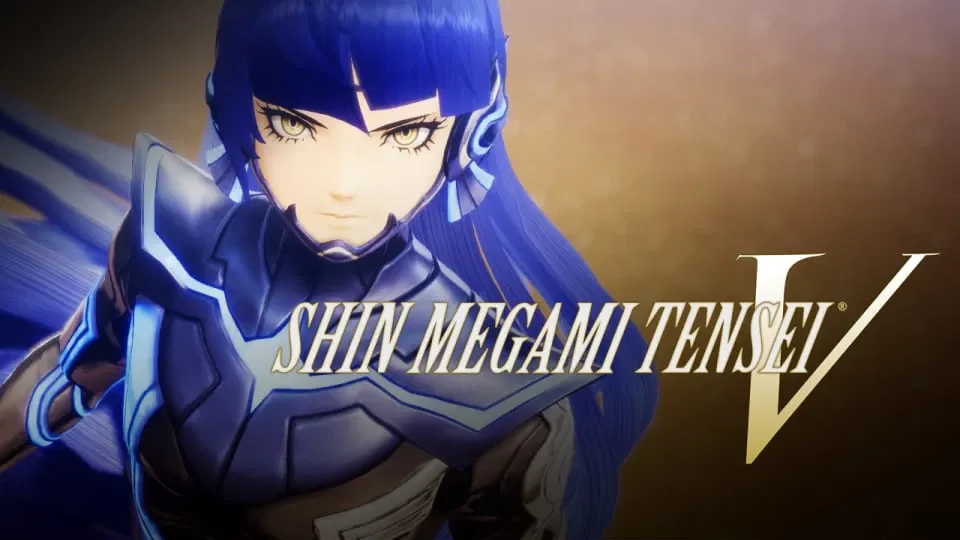
Developed and published by Atlus, this role-playing game features a massive roster of deities and demons with a heavy emphasis on Asian pantheons. Players control a student who merges with a supernatural being to explore a post-apocalyptic version of Tokyo. The game includes detailed lore for figures such as Izanagi, Hanuman, and various Bodhisattvas. Its narrative explores theological themes and the cyclical nature of creation found in various Eastern philosophies.
‘Genshin Impact’ (2020)
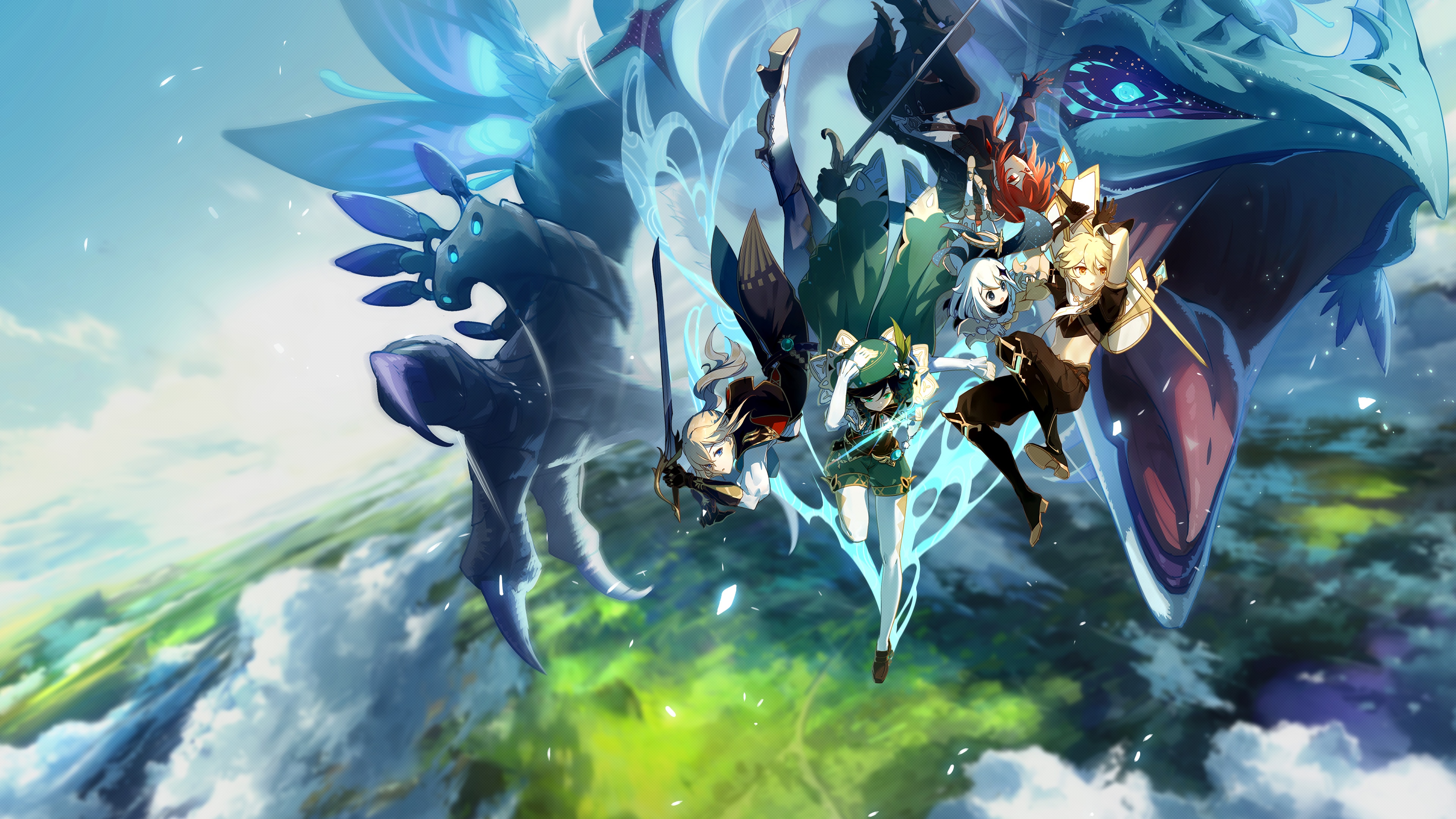
Developed and published by HoYoverse, this open-world game features various regions inspired by real-world cultures, notably Liyue, which is based on China. The Liyue storyline incorporates elements of Taoism, the concept of Adepti, and traditional festivals like the Lantern Rite. Characters like Zhongli and Xiao are designed with references to Chinese mythology and historical aesthetics. The game world is filled with architecture and lore that pays homage to ancient Chinese philosophy and landscape painting.
‘Wild Hearts’ (2023)
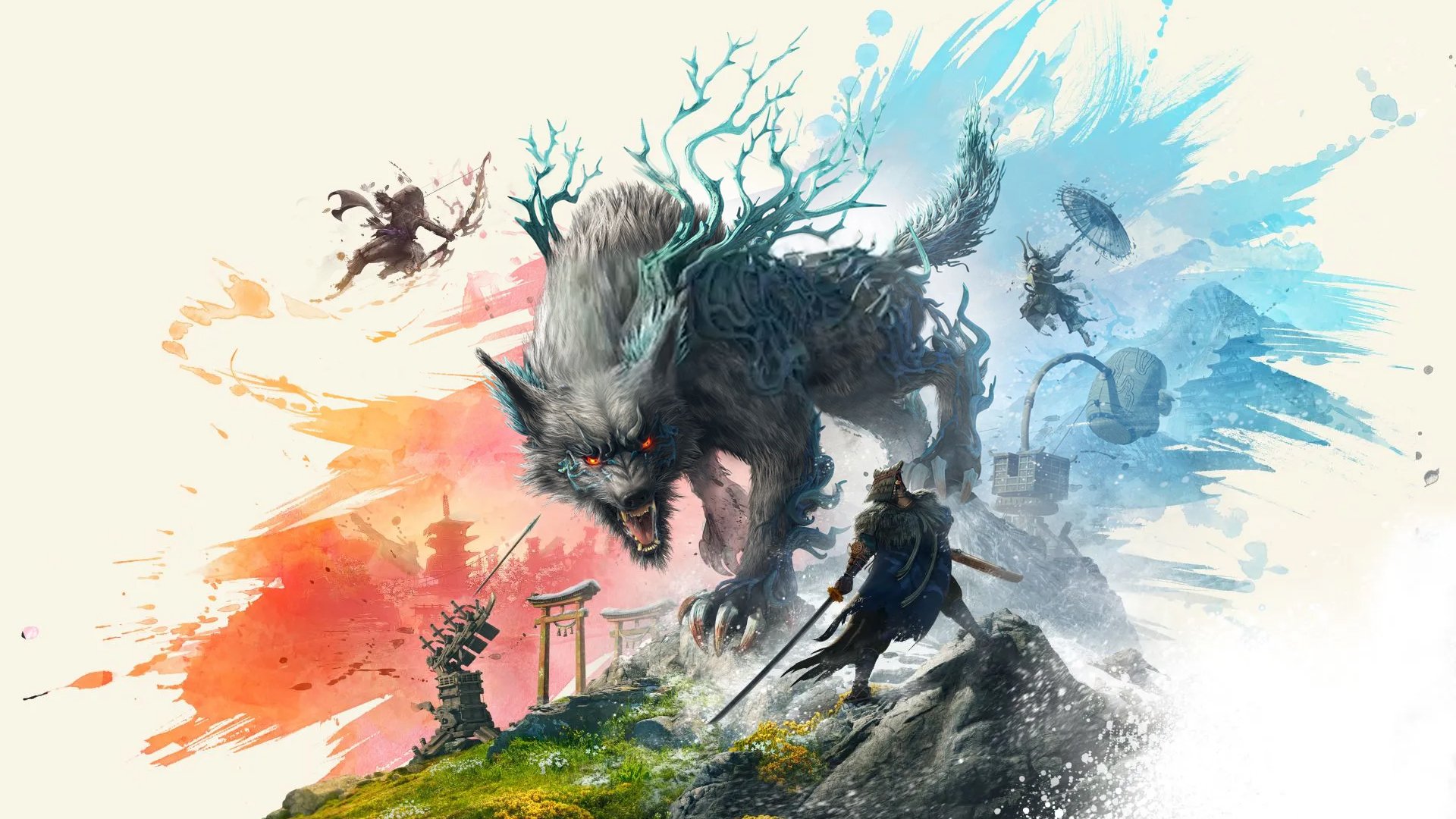
Developed by Omega Force and published by Electronic Arts, this hunting game is set in Azuma, a world inspired by feudal Japan. Players use ancient technology called Karakuri to hunt Kemono, which are giant beasts fused with natural elements. These creatures are designed after various animals and spirits found in Japanese folklore and mythology. The game emphasizes the harmony between nature and humanity, a core tenet of Shinto belief systems.
‘Naraka: Bladepoint’ (2021)
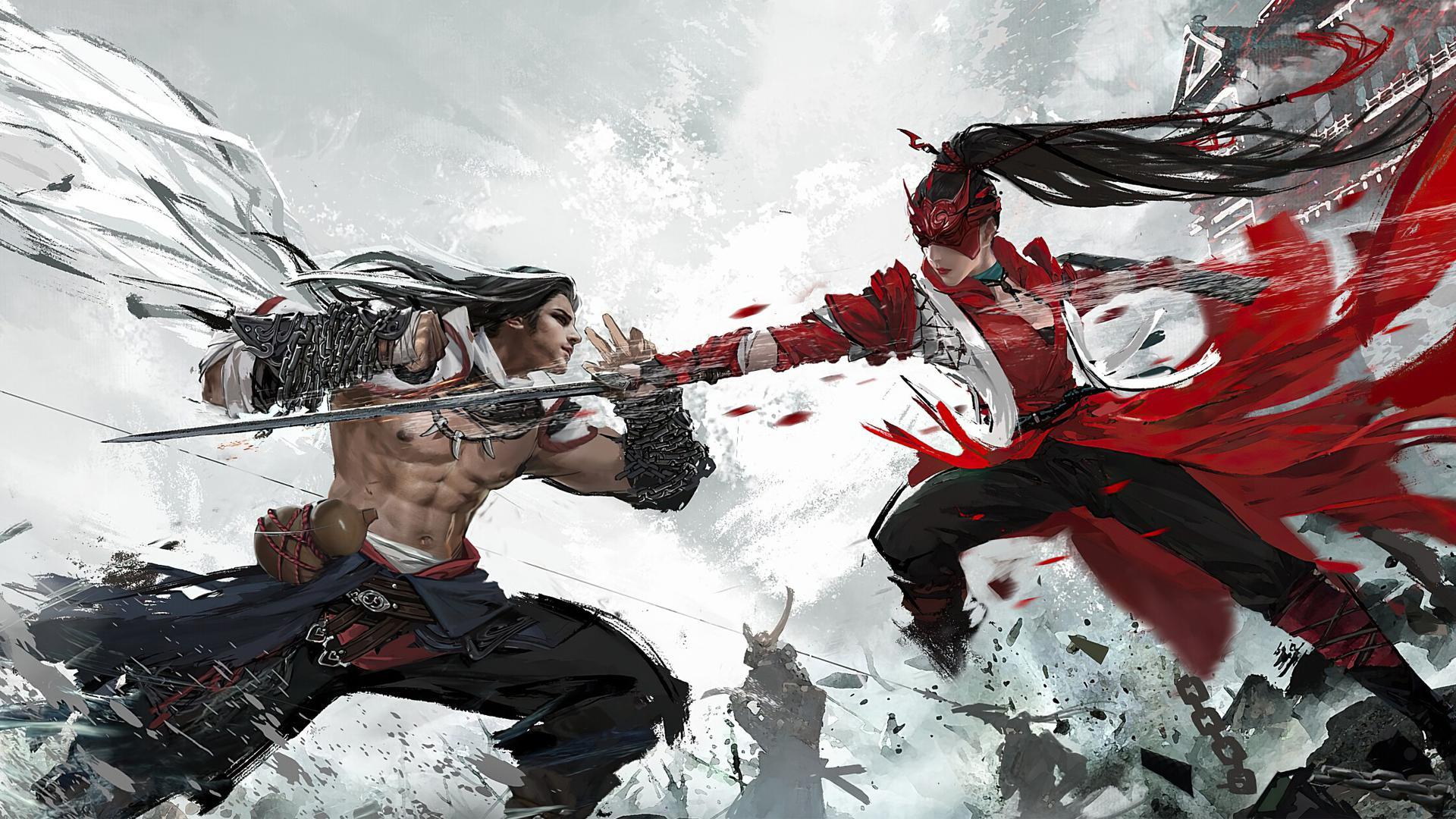
Developed by 24 Entertainment and published by NetEase Games, this battle royale focuses on martial arts and Eastern mythology. The lore centers on the eternal battle between the sun god Sunwing and the moon god Moonwing. Players choose heroes who possess abilities inspired by various Asian legends, such as the monk Tianhai who can transform into a Vajra. The maps are filled with temples and statues that reflect classical Chinese aesthetic sensibilities and religious traditions.
‘Gujian 3’ (2018)
Developed by Aurogon and published by Wangyuan Shengtang, this Chinese role-playing game is part of a series rooted in Xianxia fantasy. The narrative explores the concepts of immortality, spiritual cultivation, and the balance between different realms of existence. Players encounter creatures and environments modeled after descriptions in the ‘Classic of Mountains and Seas’. The game is recognized for its high production values and its dedication to portraying Chinese cultural heritage.
‘Xuan-Yuan Sword VII’ (2020)
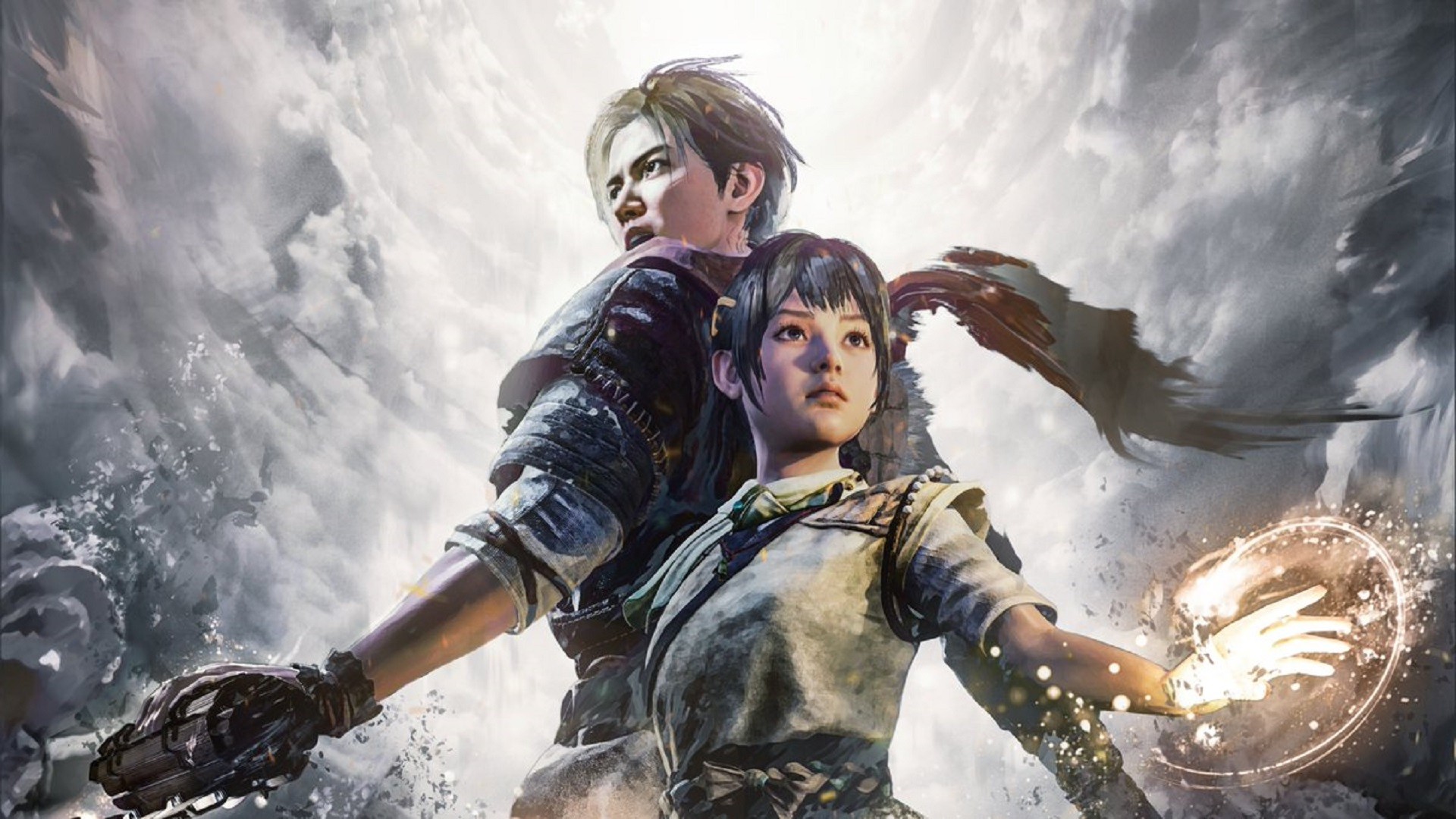
Developed by Softstar Entertainment and published by Yooreka Studio, this action-RPG is set during the Western Han Dynasty. The game blends historical events with Chinese mythology and the teachings of Mohism. Players control Taishi Zhao, a swordsman who uses the Elysium Scroll to capture monsters and craft equipment. The story highlights the conflict between technological advancement and ancient spiritual traditions in a world filled with supernatural phenomena.
Share which of these mythological worlds you found most captivating in the comments.