Movies Criticized for Queer Coding Villains Negatively


Queer coding involves assigning traits associated with LGBTQ+ people to characters without explicitly confirming their identity. This practice has a long history in cinema where villains were often given these characteristics to signal their immorality to audiences. The Hays Code era in Hollywood particularly fueled this trend by prohibiting positive depictions of homosexuality while allowing it to signal depravity. Many famous antagonists exhibit effeminate mannerisms or non-conforming gender expression that writers used to denote evil. This list explores films where critics have noted that the villain relies on negative queer stereotypes.
‘The Lion King’ (1994)
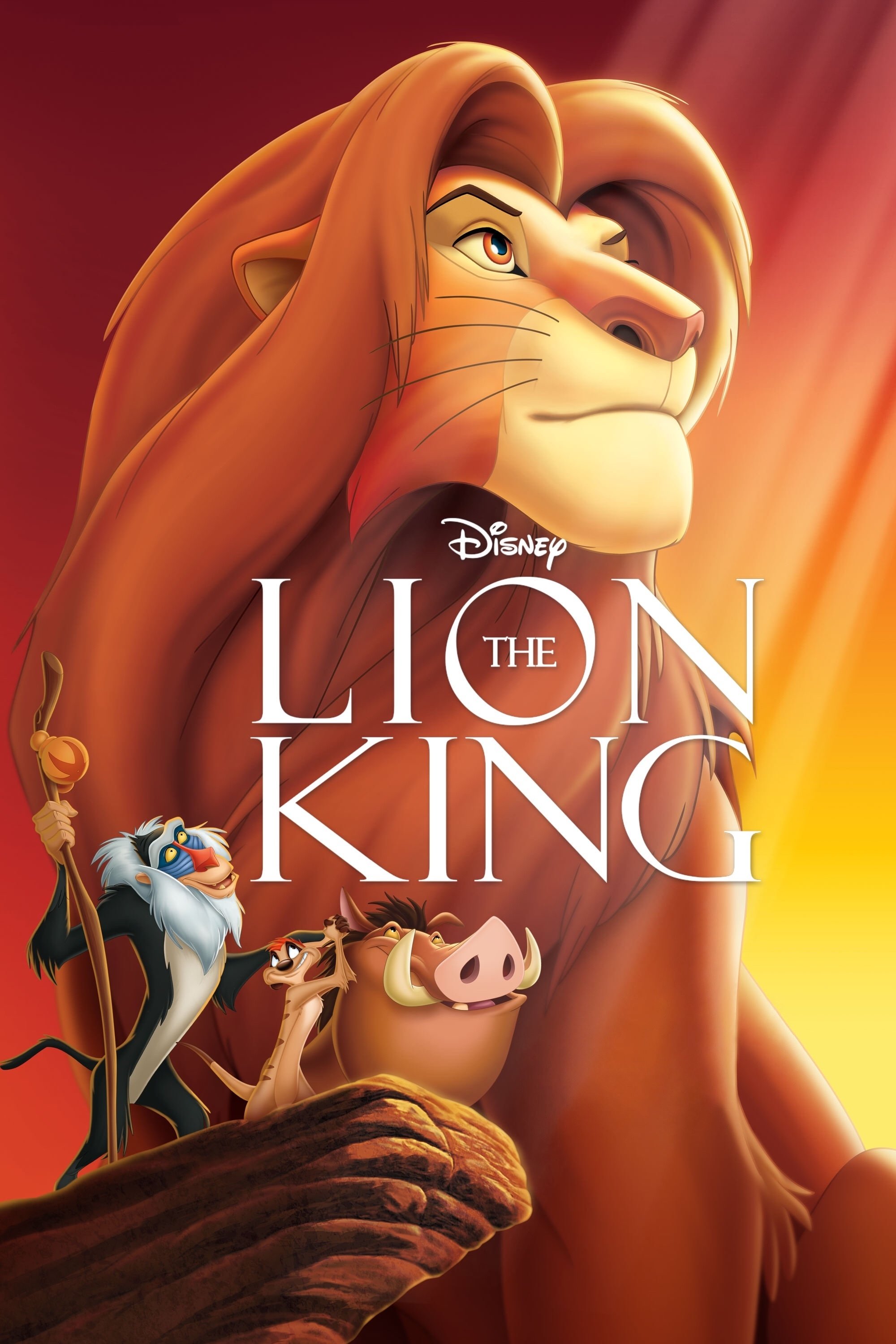
Scar is frequently discussed as a primary example of the depraved homosexual trope in animated films. The character exhibits effeminate mannerisms and speaks with a refined British accent that contrasts with the rugged masculinity of Mufasa. Animators gave him limp wrists and arched eyebrows to visually distinguish him from the other male lions. Critics argue that the film associates his lack of physical brute strength with moral corruption.
‘The Little Mermaid’ (1989)
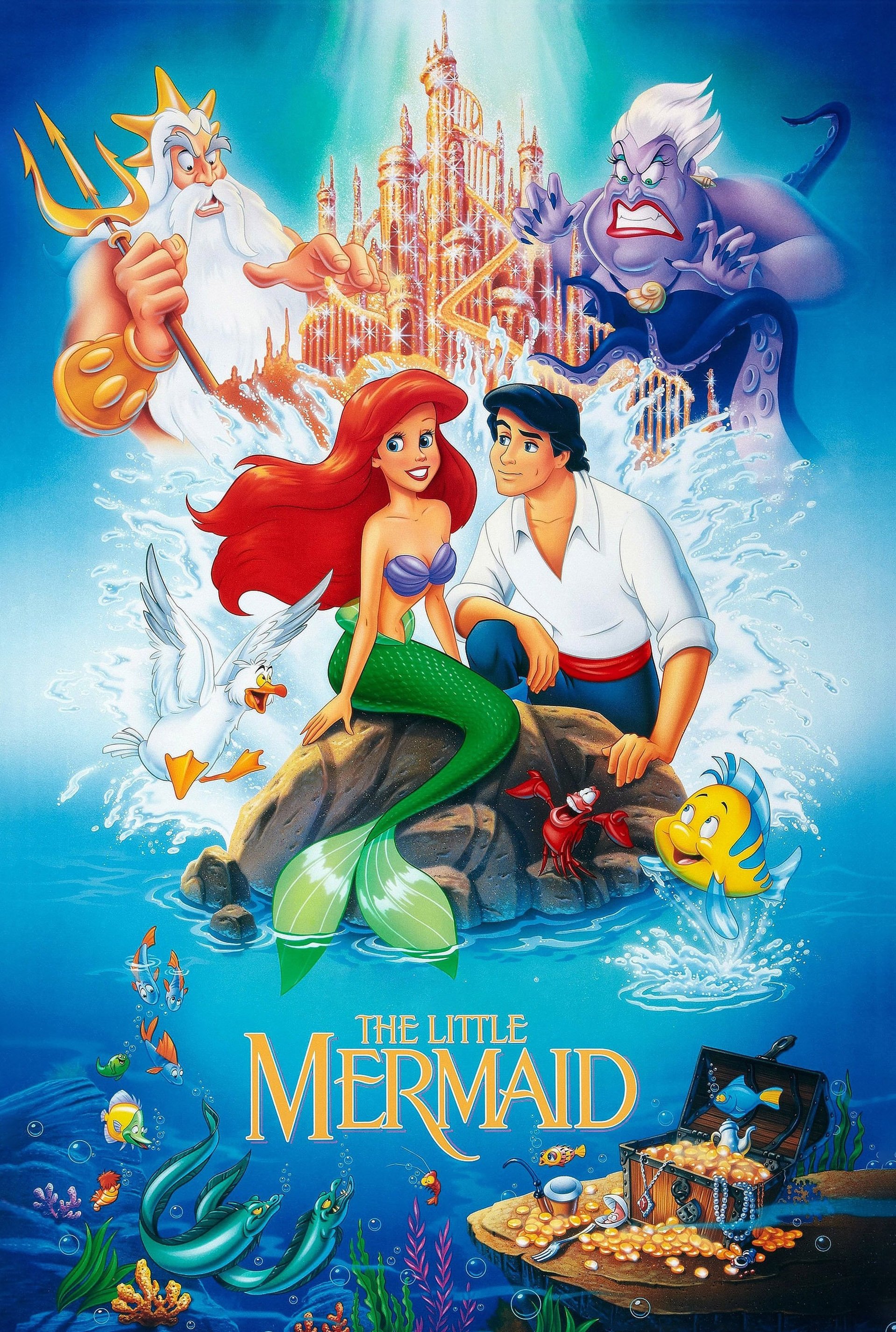
Ursula acts as a camp figure who borrows heavily from the drag culture and the appearance of the famous drag queen Divine. Her body language and theatrical makeup serve to mark her as different from the traditional femininity of the other merfolk. While the character is beloved by many fans, scholars note that her predatory nature links queer aesthetics with villainy. The film portrays her desire to disrupt the heterosexual romance of the protagonist as the ultimate threat.
‘300’ (2006)
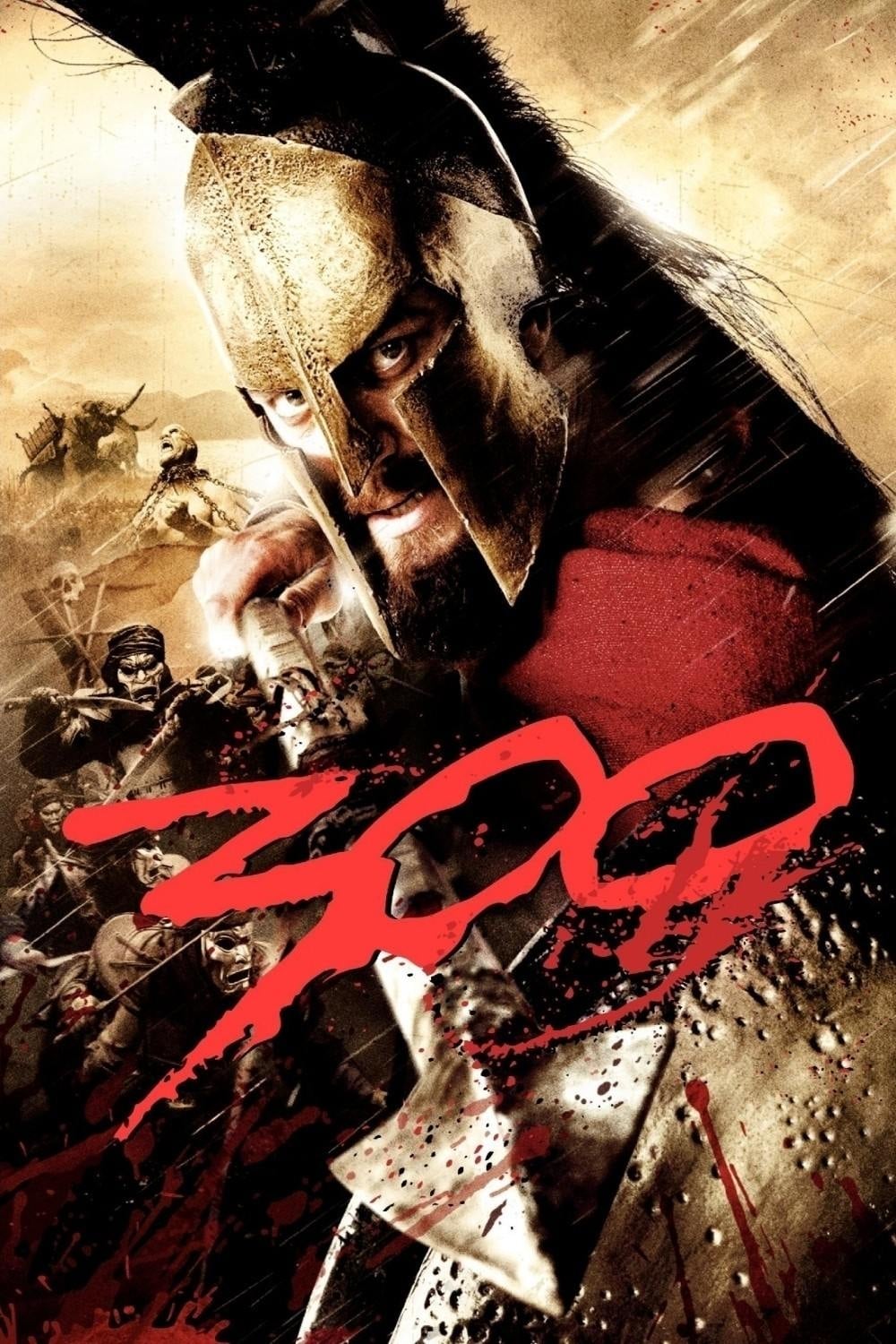
King Xerxes appears as an androgynous figure adorned with heavy gold jewelry and facial makeup. His portrayal contrasts sharply with the hyper-masculine and muscular Spartan warriors led by King Leonidas. Many critics argued that the film equates his gender non-conformity with tyranny and moral weakness. The visual styling of the Persian leader relies on orientalist and homophobic tropes to create a sense of otherness.
‘The Silence of the Lambs’ (1991)
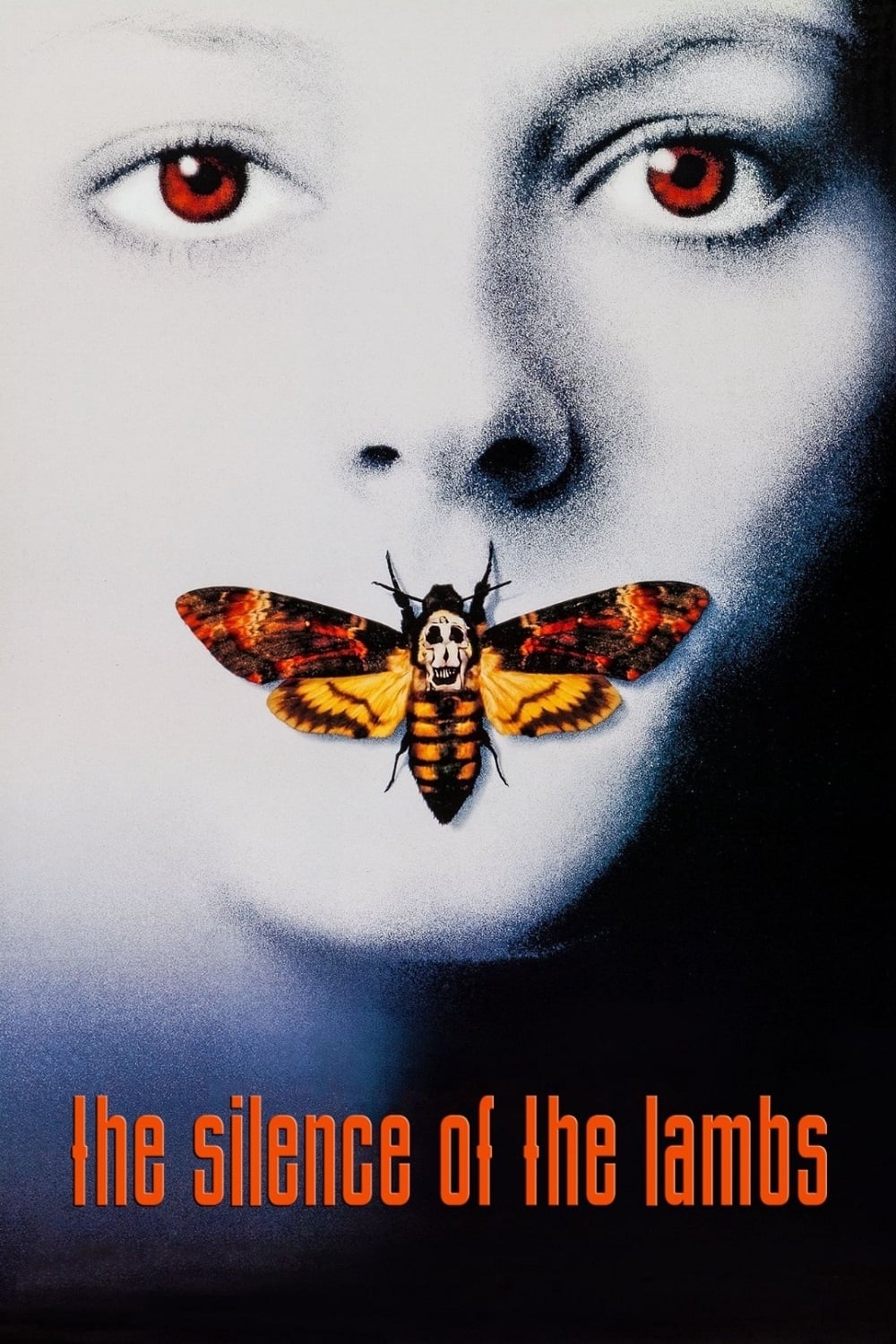
Buffalo Bill is a serial killer who murders women to create a skin suit for himself. The film presents his desire for transformation as a pathological confusion rather than a genuine identity. LGBTQ+ activists protested the film upon its release for linking gender non-conformity with violent psychosis. Although the film contains a line stating he is not transsexual, the visual coding remains a point of contention.
‘Skyfall’ (2012)
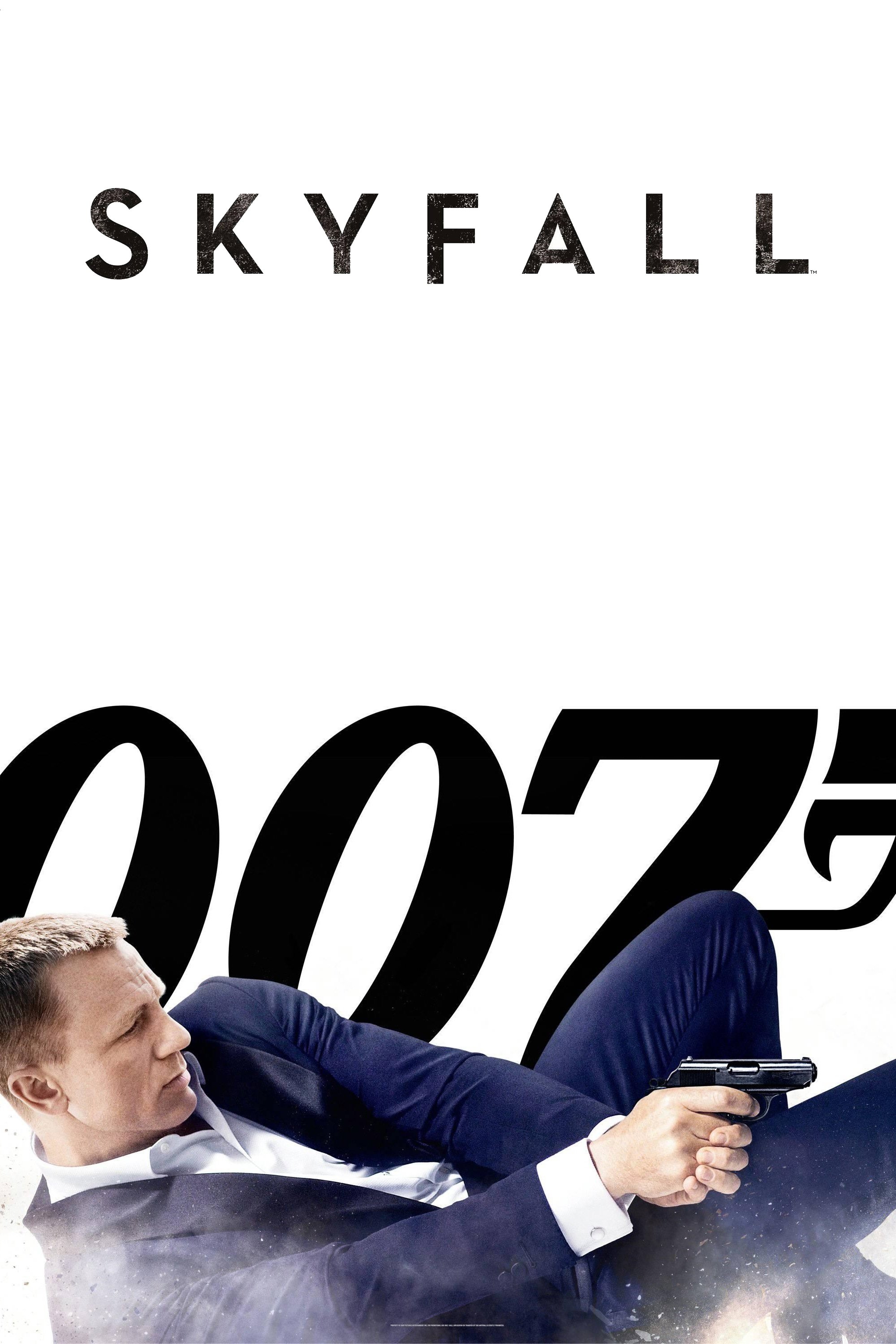
Raoul Silva is a cyber-terrorist who displays flamboyant mannerisms and touches James Bond intimately during an interrogation scene. The villain challenges the traditional masculinity of the hero with suggestive dialogue and physical closeness. Critics observed that the film falls back on the trope of the effeminate and predatory antagonist to unsettle the audience. This depiction continues a long legacy of queer-coded villains in the spy genre.
‘Aladdin’ (1992)
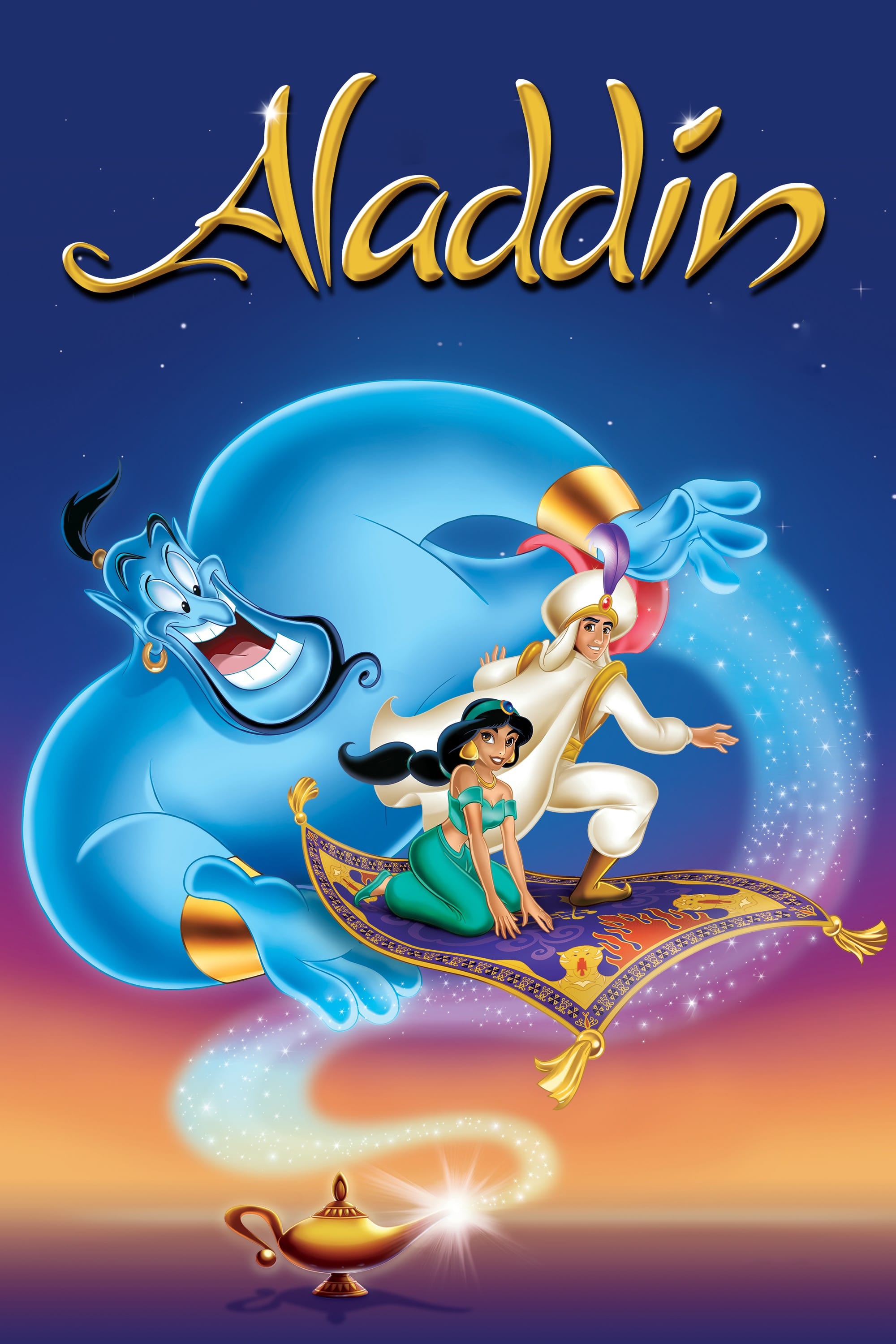
Jafar is designed with exaggerated features and wears heavy eyeliner that codes him as effeminate compared to the hero. His refined speech and dislike for physical confrontation follow the pattern of other Disney villains from this era. The character fits the archetype of the sissy villain who uses manipulation rather than strength to achieve his goals. Cultural critics note that his design combines orientalist stereotypes with queer coding to mark him as untrustworthy.
‘Psycho’ (1960)
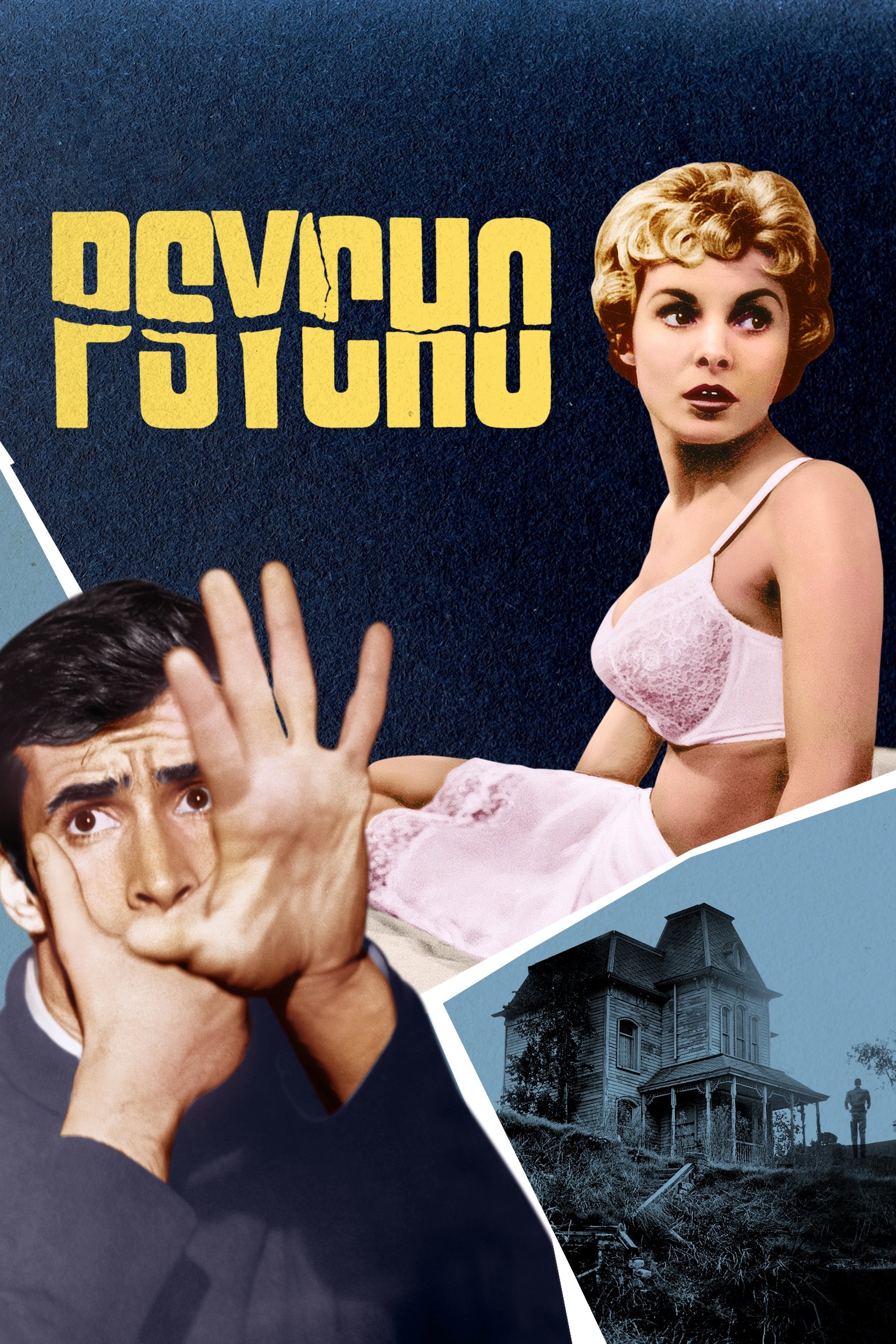
Norman Bates is one of the earliest and most influential examples of a killer whose violence is linked to gender identity issues. The twist reveals that he adopts the persona of his mother to commit murders. This narrative device established a harmful cinematic link between cross-dressing and murderous insanity. The film suggests that his deviation from gender norms is a symptom of his fractured and dangerous psyche.
‘Pocahontas’ (1995)
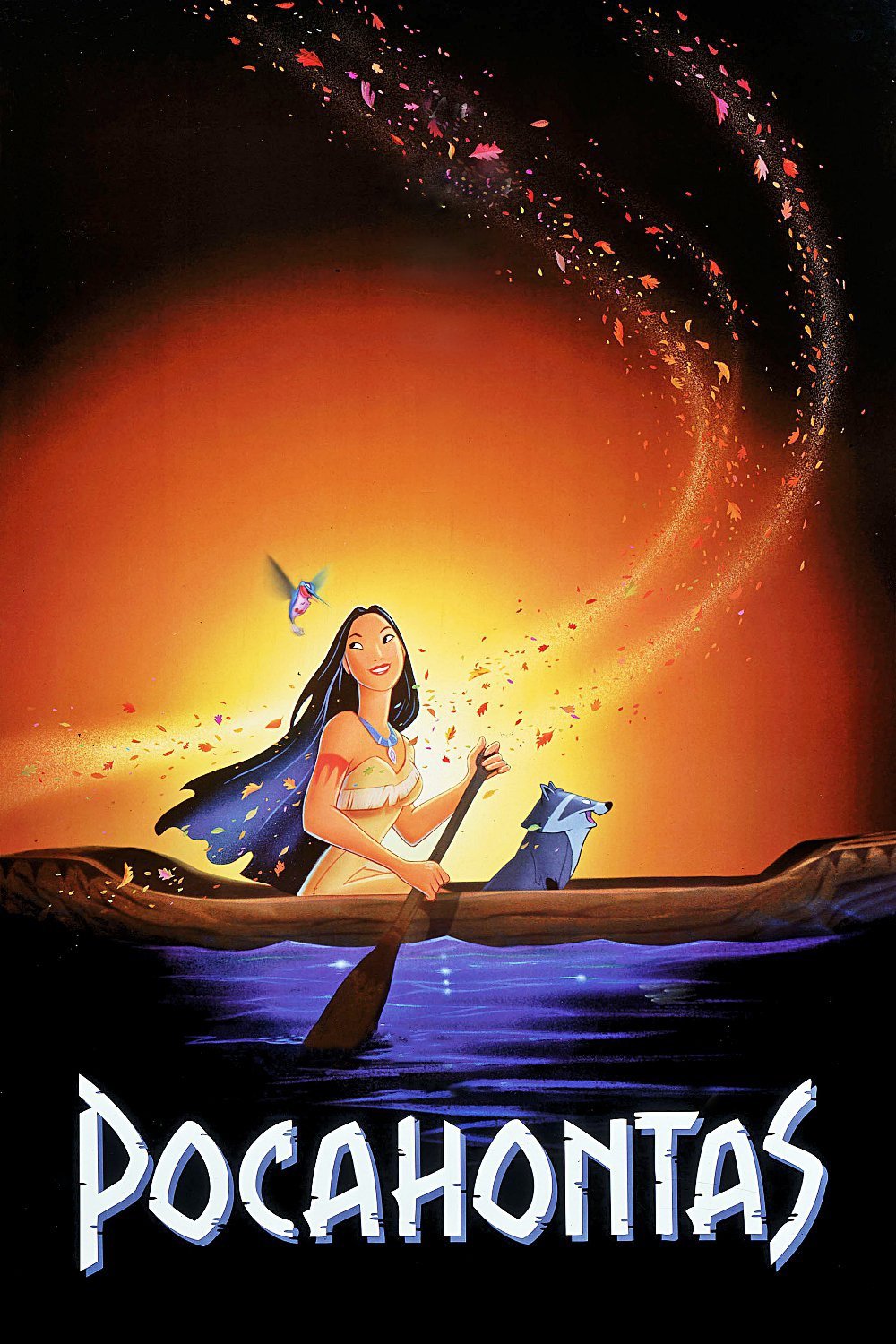
Governor Ratcliffe is portrayed as a vain man obsessed with fashion and material wealth. He wears pigtails and pink outfits while spending his time fretting over his appearance rather than leading effectively. His obsession with glitter and gold serves to emasculate him in the eyes of the audience. The film frames these traits as signs of his greed and incompetence as a leader.
‘Dune’ (1984)

Baron Vladimir Harkonnen is depicted as a grotesque and predatory figure who targets young men. The film amplifies the queer subtext of the source material to make the character appear more repulsive. His skin diseases and obsession with beautiful boys are presented as extensions of his evil nature. Critics argue that the adaptation links his homosexuality directly to his sadistic and gluttonous personality.
‘Braveheart’ (1995)
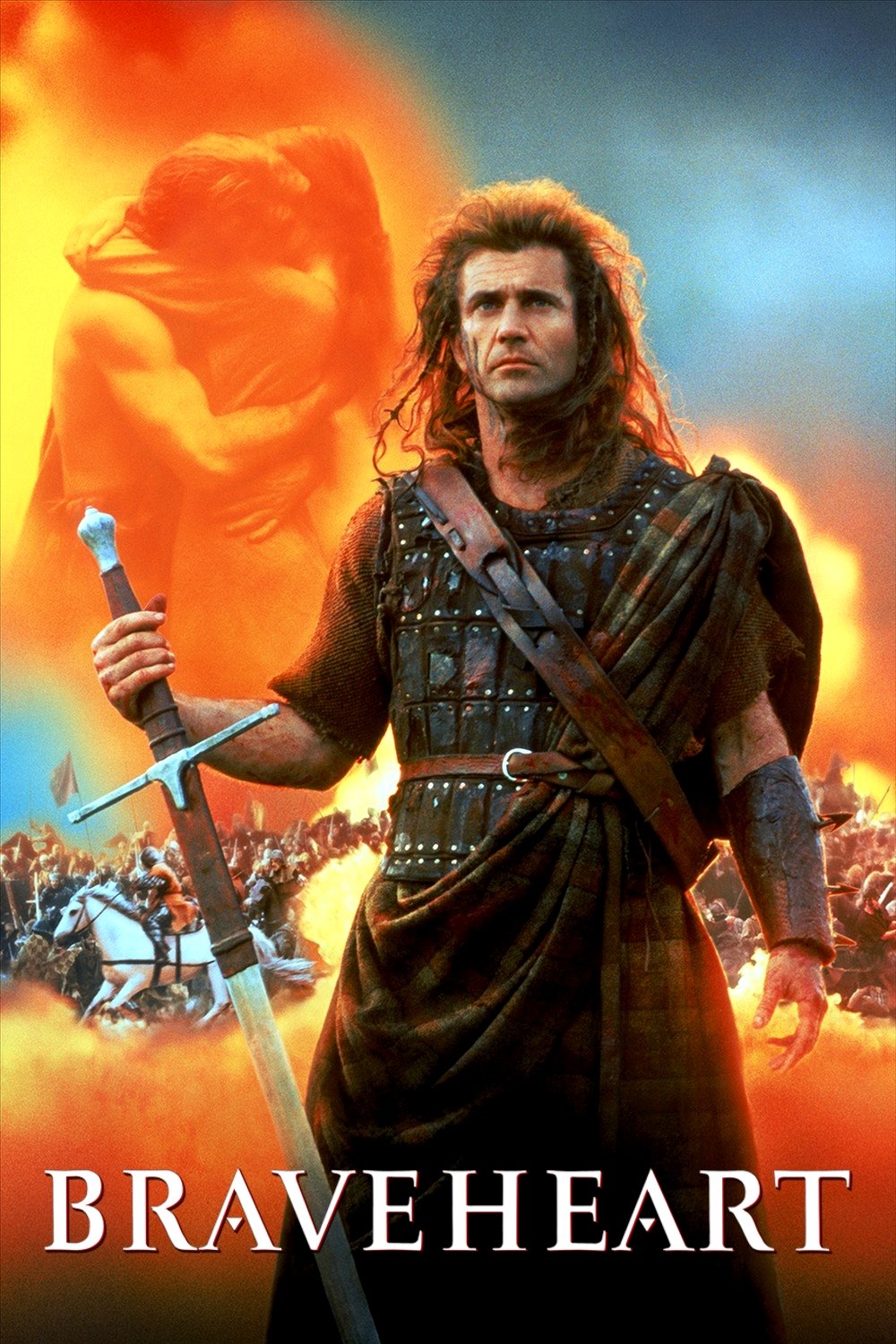
Prince Edward is portrayed as a stereotypical effeminate man who is unable to rule or fight effectively. The film mocks his relationship with his male lover and presents his sexuality as a weakness. His father the King kills the lover in a scene that frames the violence as a necessary correction. This depiction serves to elevate the hyper-masculinity of the hero by contrasting it with the perceived softness of the Prince.
‘Rebecca’ (1940)
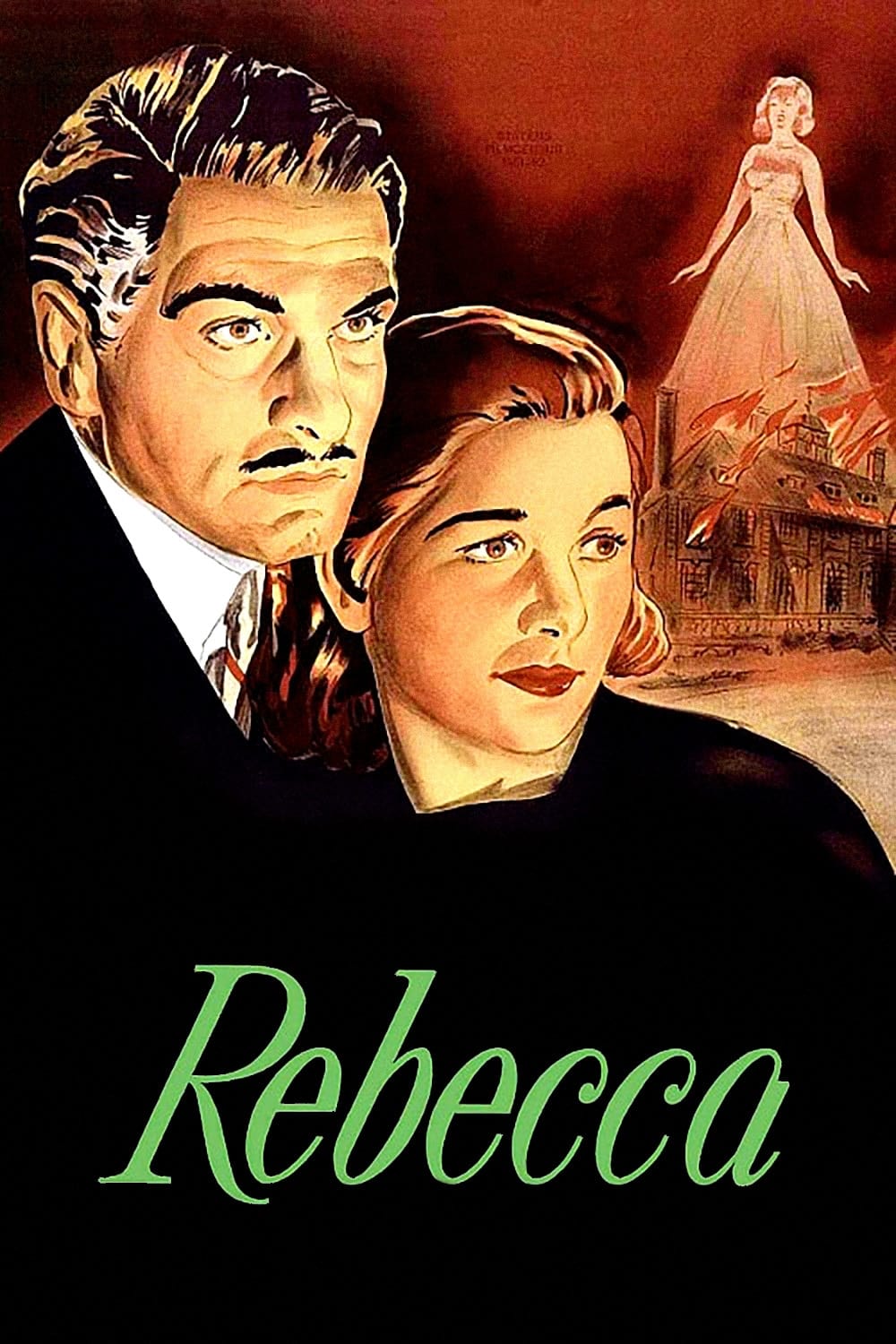
Mrs. Danvers is the obsessive housekeeper who remains devoted to her deceased mistress. Her behavior implies a romantic fixation on Rebecca that goes beyond professional loyalty. She attempts to manipulate the new wife into suicide through psychological torment. Film scholars interpret her character as a predatory lesbian figure who threatens the heterosexual stability of the marriage.
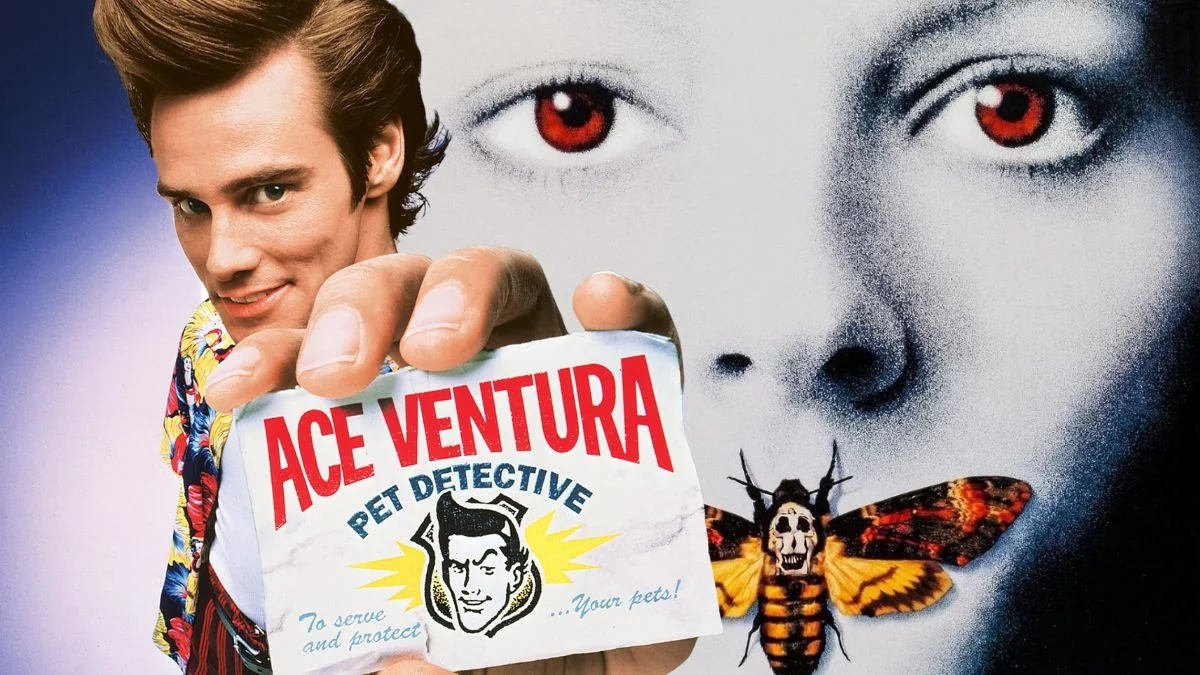
‘Ace Ventura: Pet Detective’ (1994)
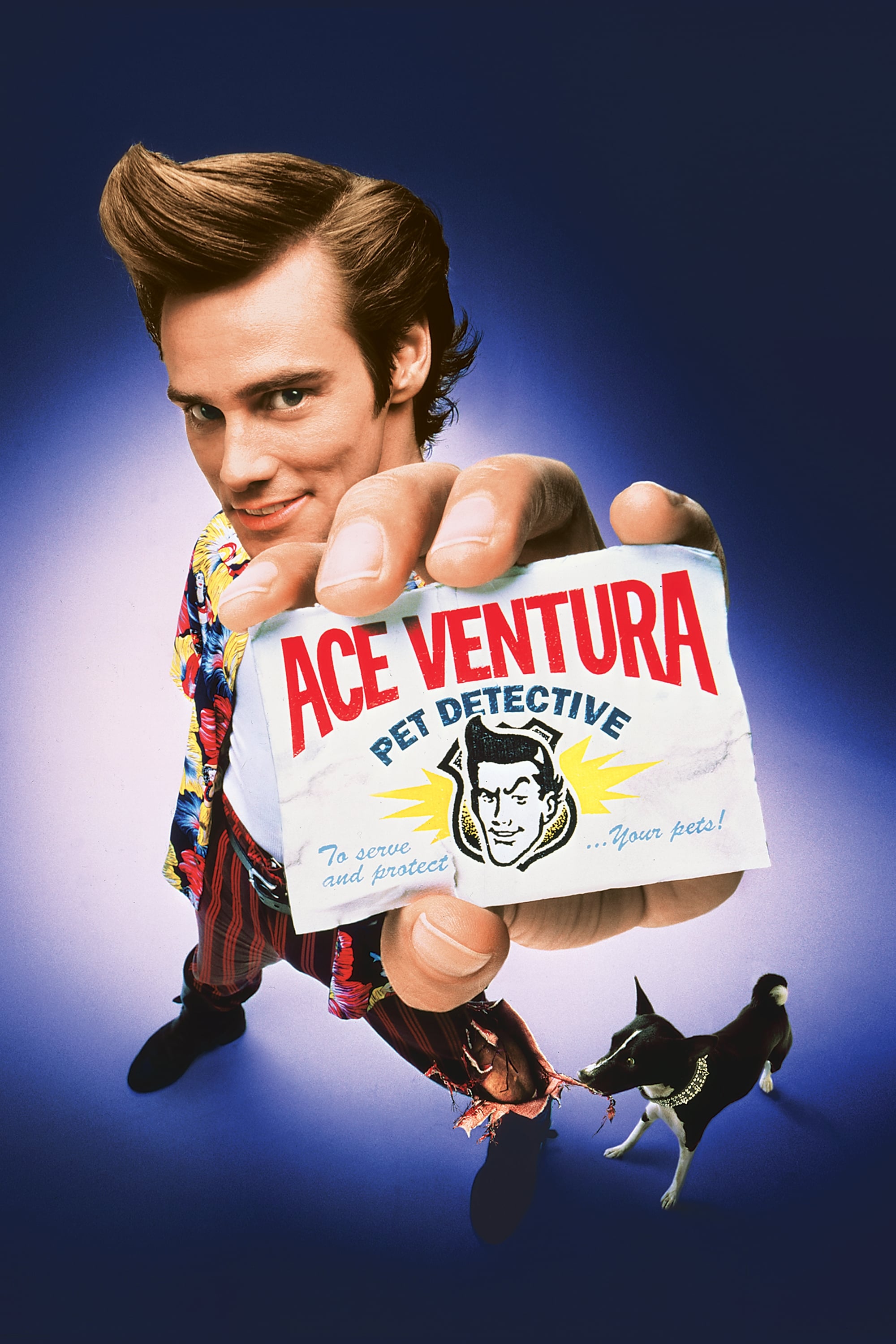
The villain Lois Einhorn is revealed to be a former male football player named Ray Finkle. The entire resolution of the plot hinges on the disgust the male characters feel upon discovering she is transgender. The film treats her gender identity as a deceptive plot to incite vomit-inducing shock in the protagonist. This portrayal has been widely criticized for its transphobic message and framing of trans bodies as grotesque.
‘Strangers on a Train’ (1951)
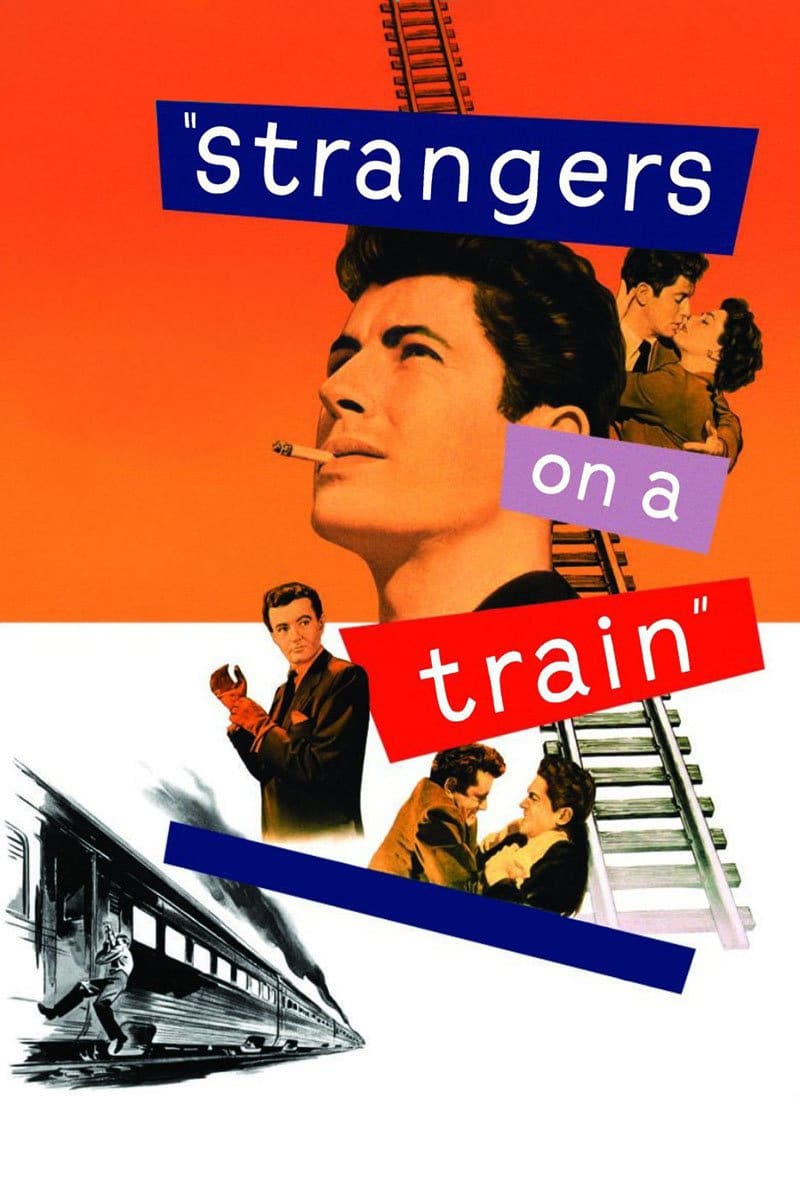
Bruno Antony is a flamboyant and charming sociopath who proposes a murder swap to a tennis player. His fixation on the protagonist carries heavy homoerotic undertones that drive the narrative tension. The film links his deviance and criminal mind to his implied sexuality. He fits the mold of the sophisticated but morally bankrupt queer character often found in film noir.
‘Peter Pan’ (1953)
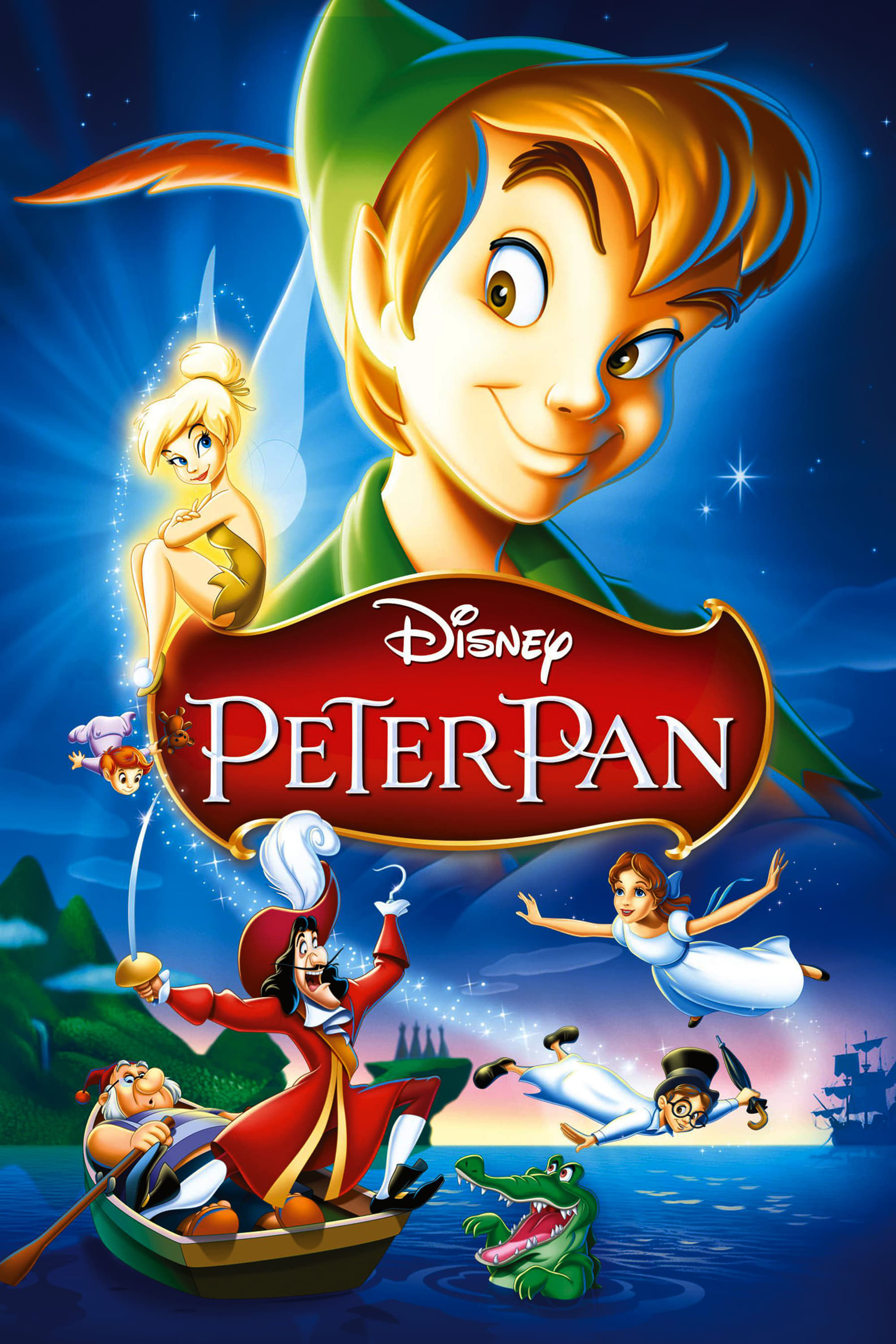
Captain Hook acts as a foppish and cowardly foil to the youthful masculinity of Peter Pan. He obsesses over good form and dresses in elaborate lace and velvet clothing. The character often throws tantrums and relies on his bumbling crew to do the heavy lifting. His codependence with Mr. Smee further emphasizes the domestic and non-traditional nature of his shipboard life.
‘Hercules’ (1997)
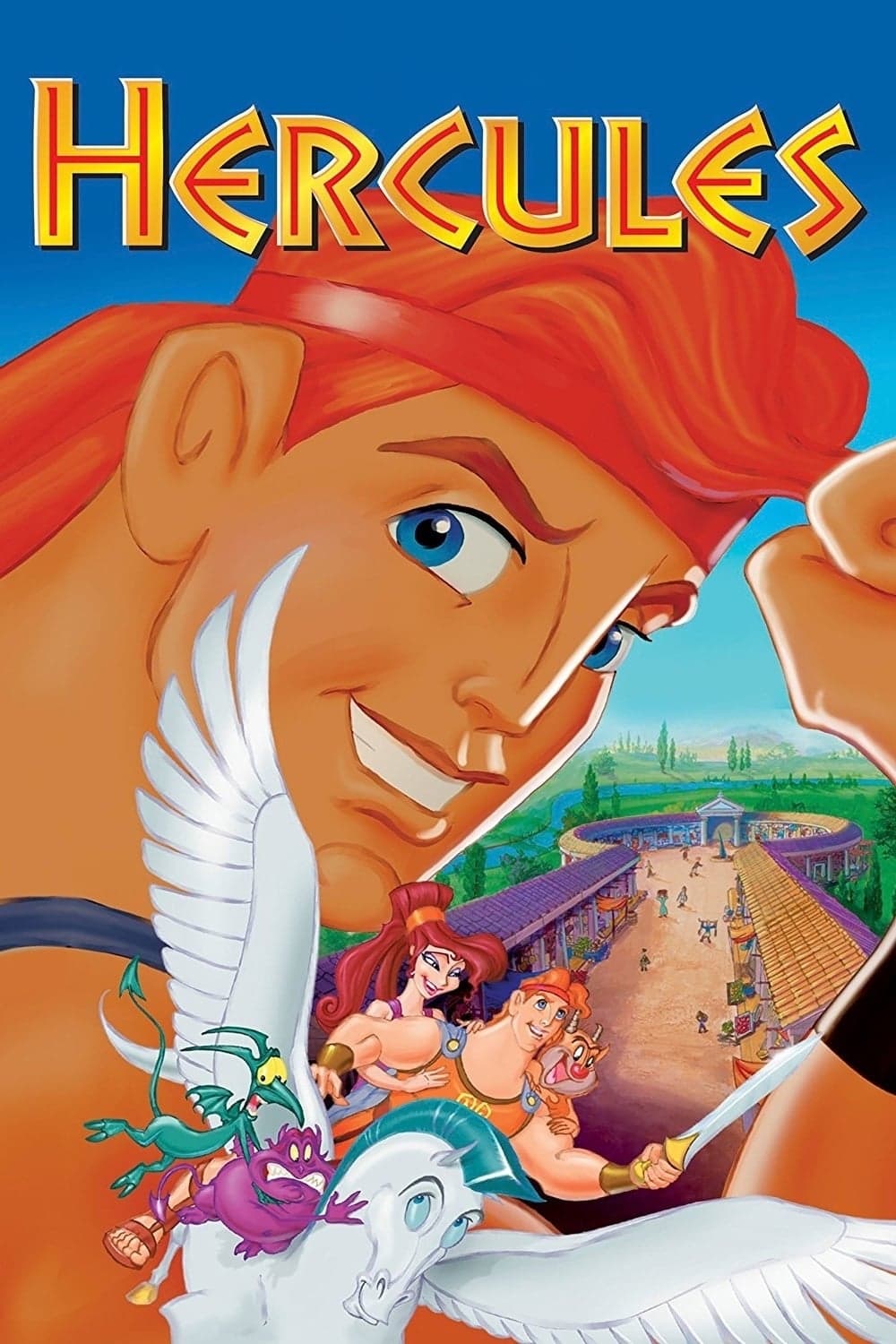
Hades is a fast-talking and flamboyant villain who contrasts with the stoic heroism of Hercules. He uses sass and sarcasm as weapons and exhibits distinctively camp mannerisms. The character design includes blue flames for hair and a tendency to invade the personal space of others. While entertaining, he follows the Disney pattern of making the bad guy effeminate and the good guy hyper-masculine.
‘The Maltese Falcon’ (1941)
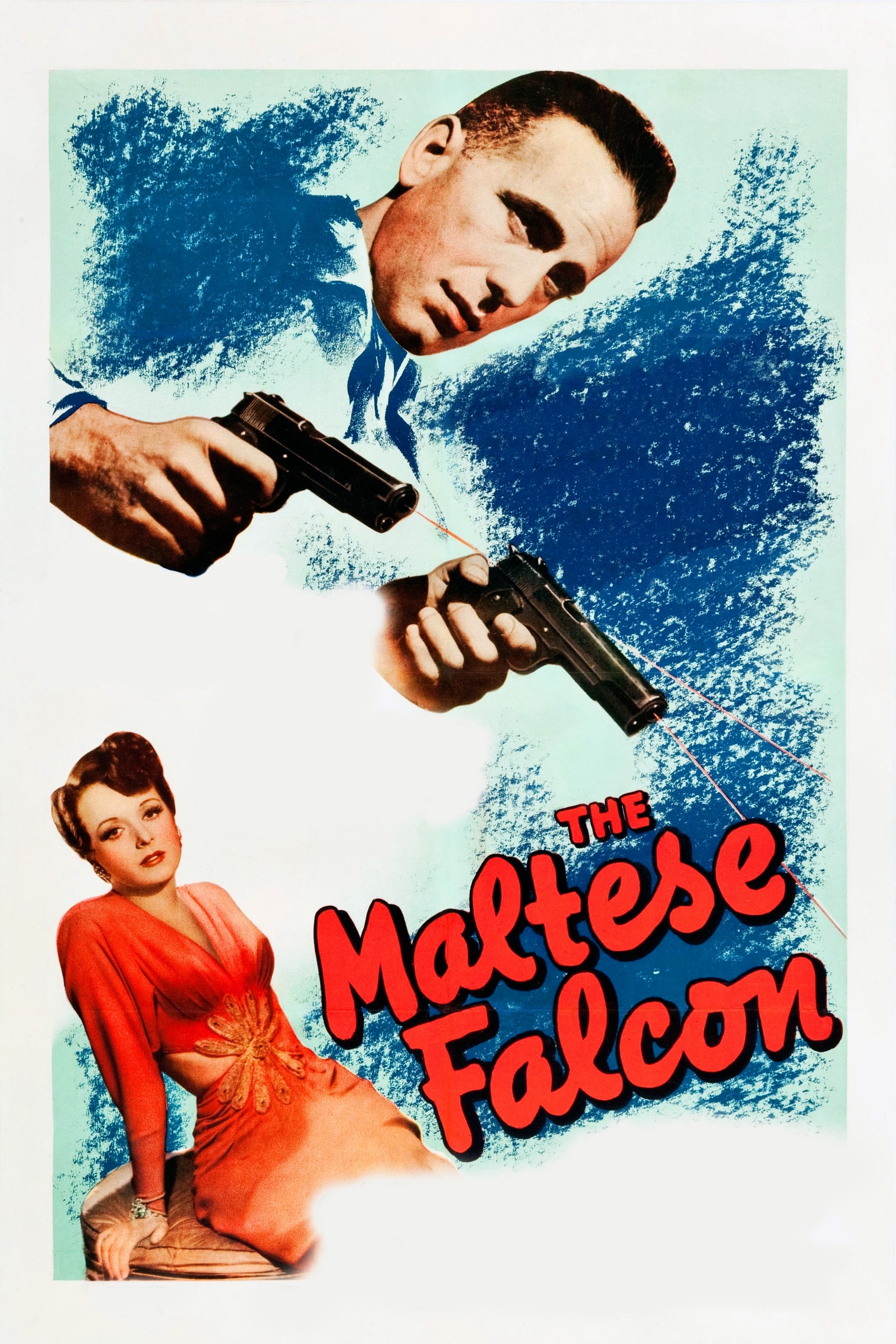
Joel Cairo is a criminal whose scented business cards and fussiness code him as homosexual. His physical fragility and emotional outbursts are contrasted with the hardness of Sam Spade. The film uses his implied sexuality to mark him as weak and untrustworthy within the criminal underworld. This character is a classic example of the sissy villain trope in the noir genre.
‘Diamonds Are Forever’ (1971)
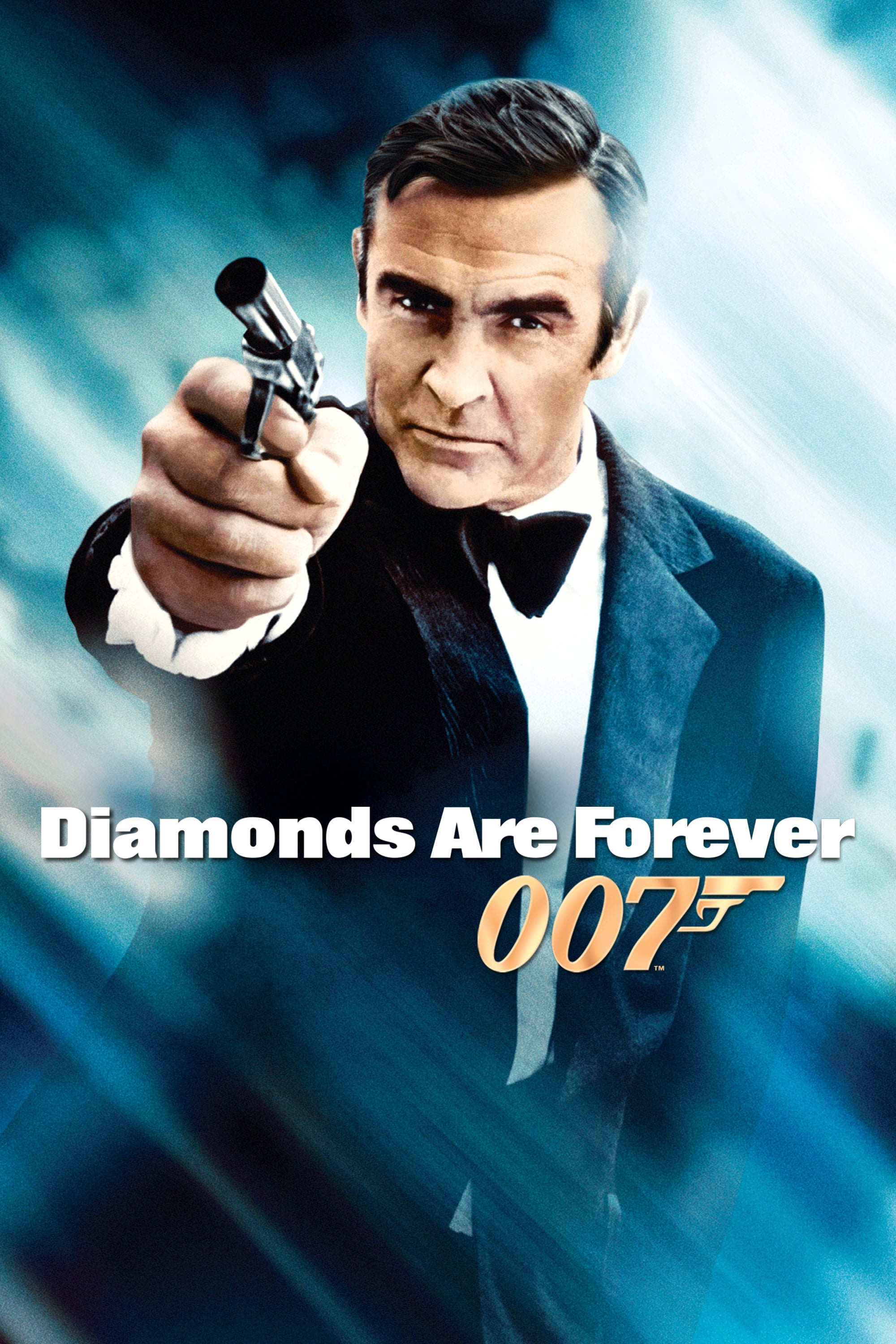
Mr. Wint and Mr. Kidd are a pair of assassins who are heavily coded as a gay couple. They walk hand in hand and share affectionate moments after committing murders. The film presents their relationship as a quirky addition to their psychopathic nature. Critics note that the bond franchise frequently used non-normative sexuality to signal villainy during this era.
‘Basic Instinct’ (1992)
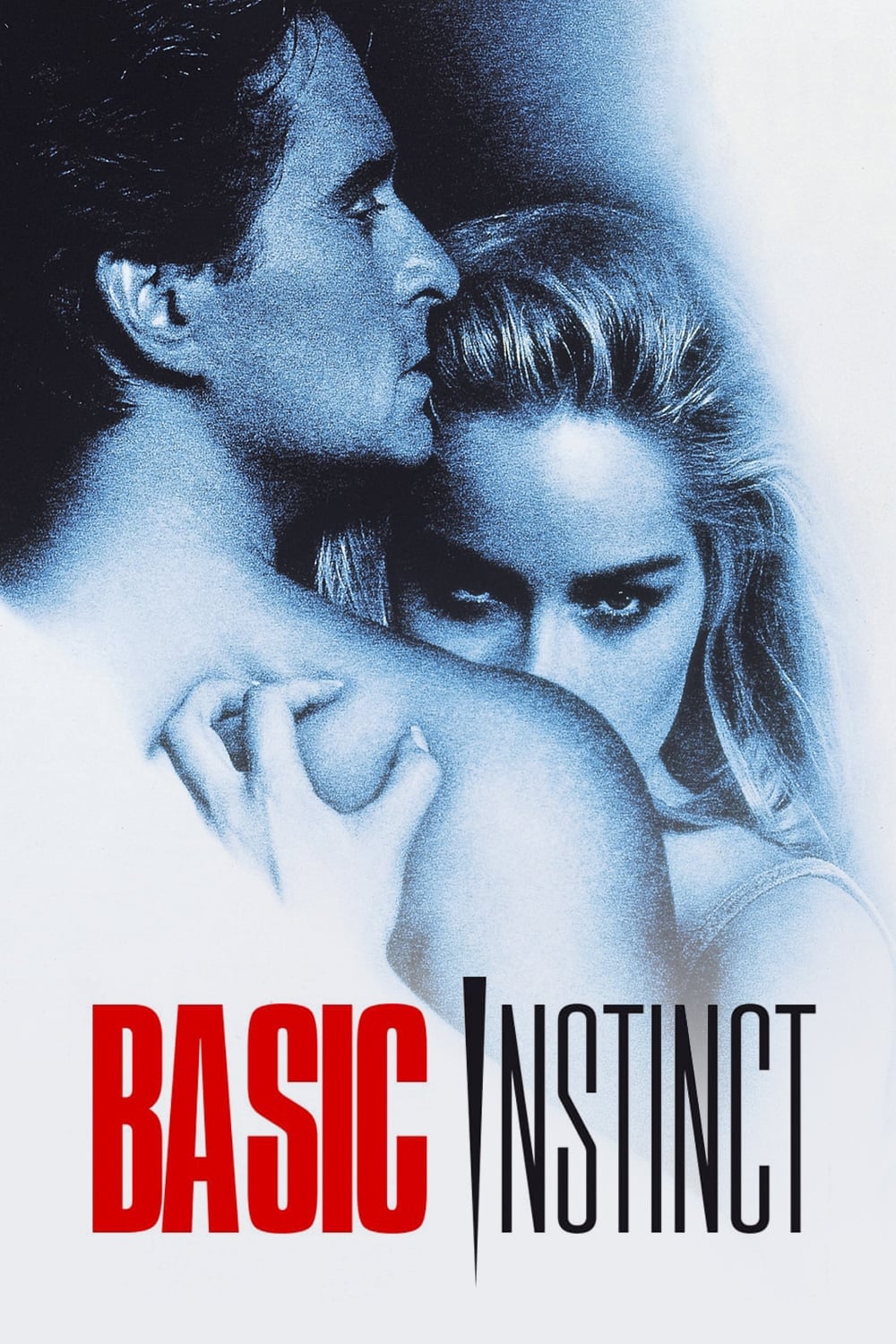
Catherine Tramell is a bisexual author who uses her sexuality to manipulate and kill men. The film portrays her relationships with women as evidence of her depraved and insatiable nature. Activists protested the movie for reinforcing the trope of the killer lesbian. Her bisexuality is framed as a dangerous unpredictability that threatens the male protagonist.
‘Rope’ (1948)
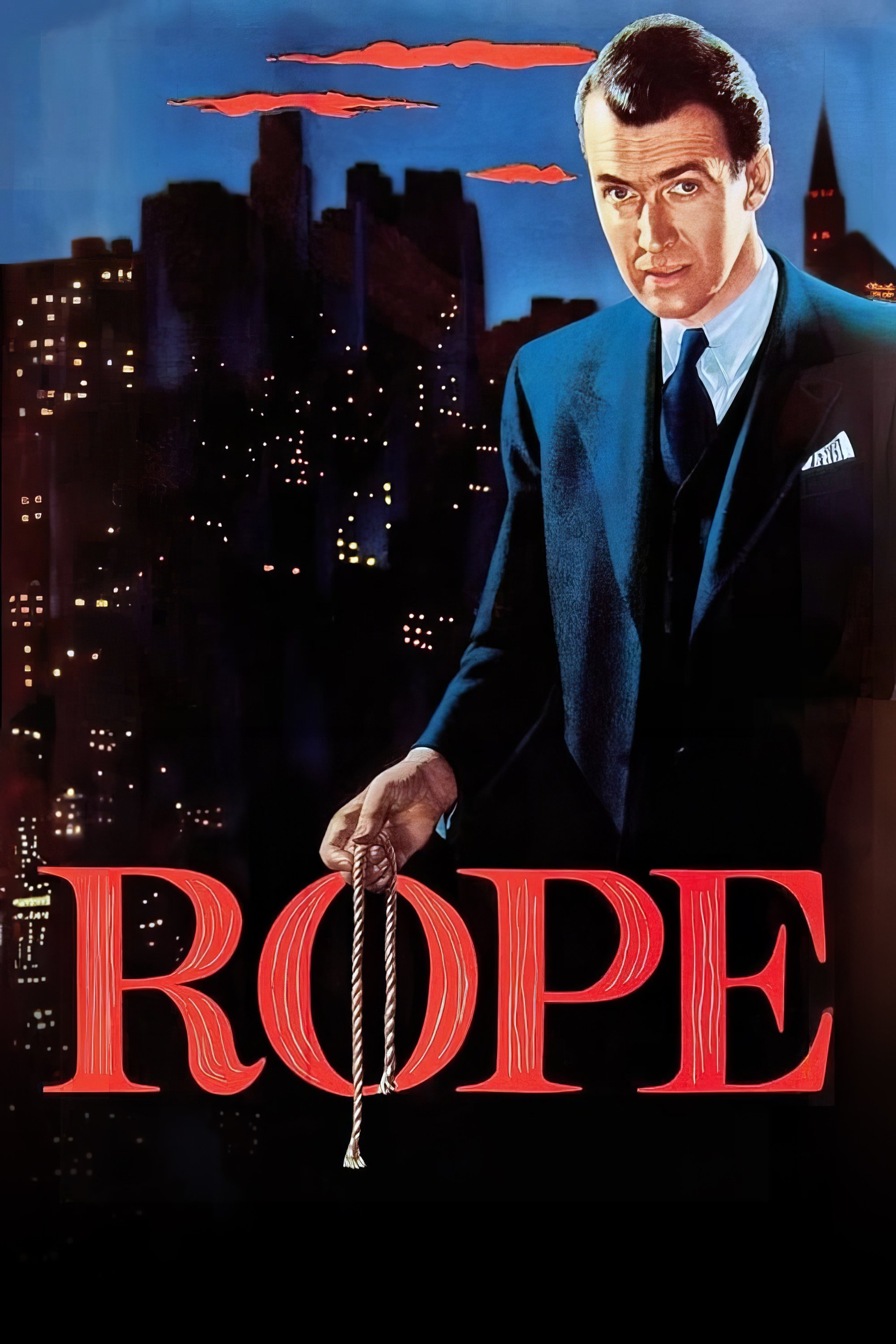
Brandon and Phillip are two young men who murder a friend to prove their intellectual superiority. Their relationship is heavily coded as romantic throughout the film. The story links their arrogance and lack of morality to their close bond and aesthetic sensibilities. The film suggests their crime is a perverted exercise born from their shared deviance.
‘Batman Forever’ (1995)
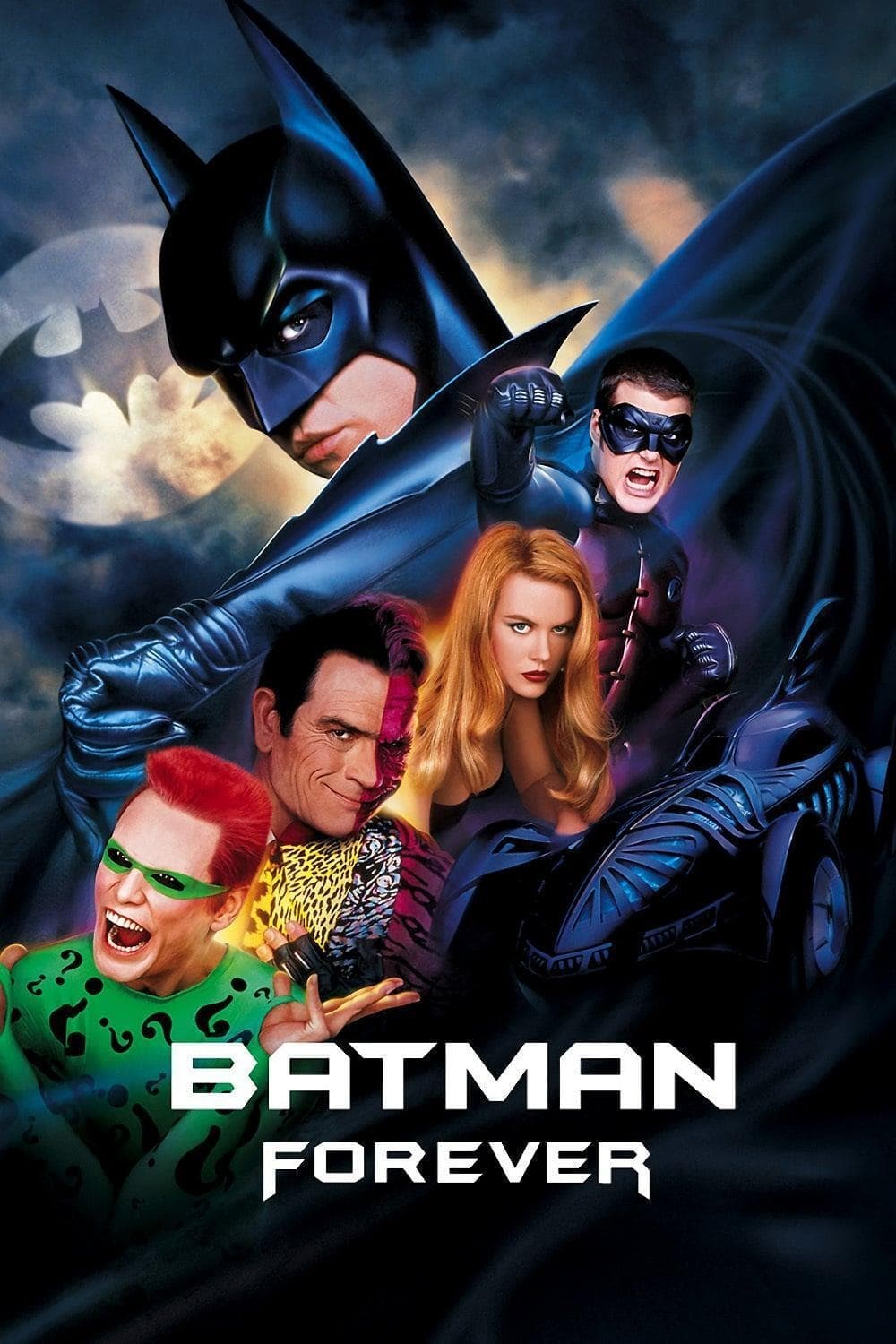
The Riddler wears skin-tight glittery unitards and displays high-energy camp behavior. His obsession with Bruce Wayne drives his criminal activities and eventual descent into madness. The performance leans heavily on flamboyance that contrasts with the stoic nature of Batman. Critics pointed out that the film equates his eccentric behavior with his villainous intent.
‘JFK’ (1991)
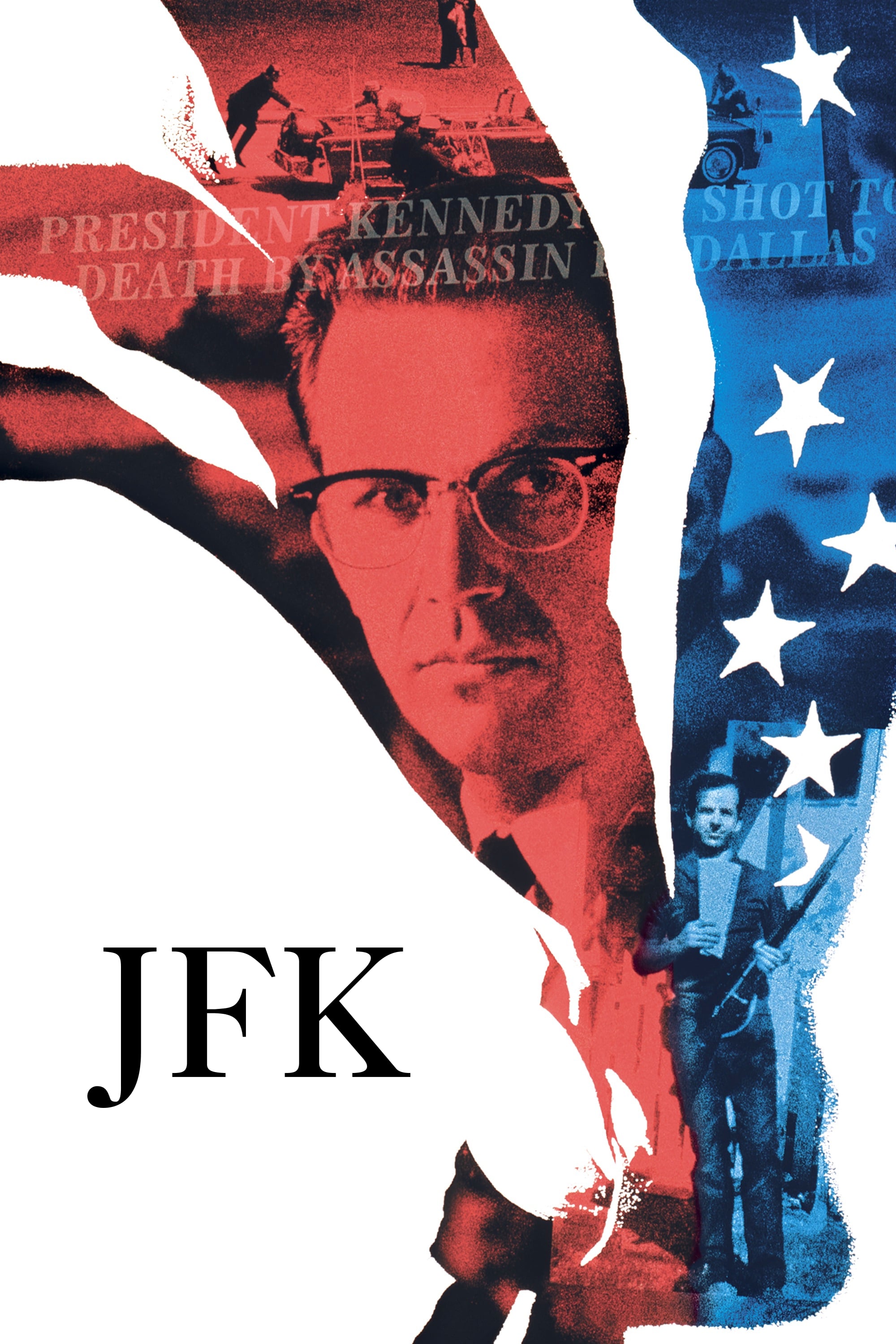
Clay Shaw is depicted as part of a decadent gay underworld that conspired to assassinate the president. The film shows him attending an orgiastic costume party painted in gold. His sexuality is presented as a key component of his moral corruption and secretive nature. This portrayal was criticized for demonizing gay men and linking them to a national tragedy.
‘Laura’ (1944)
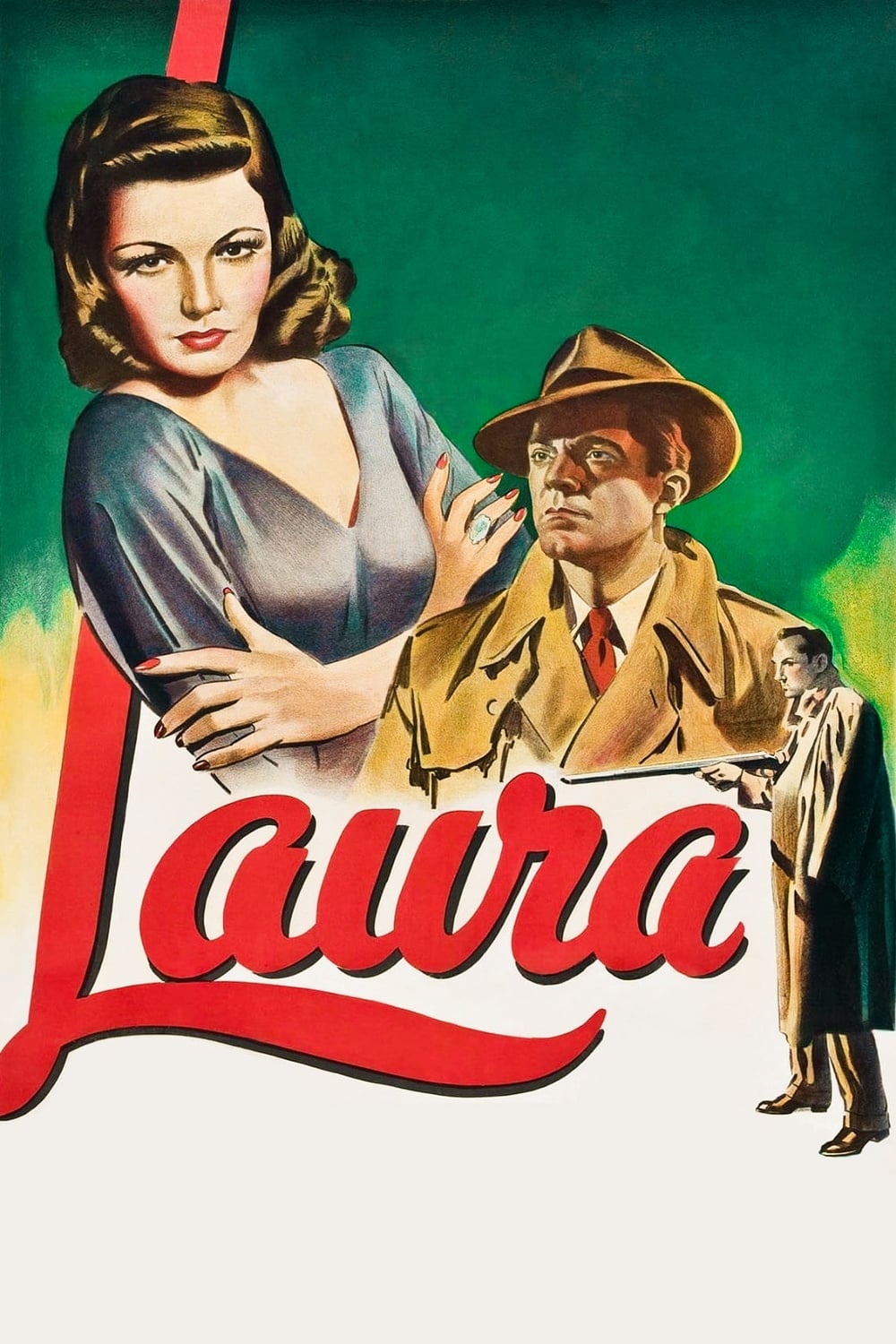
Waldo Lydecker is an effete columnist who treats the titular character as a possession rather than a person. His jealousy and obsession drive the mystery of the film. He represents the sterile and intellectual aesthetic that threatens the romantic union of the leads. The character uses wit and culture as a cover for his possessive and murderous nature.
‘All About Eve’ (1950)
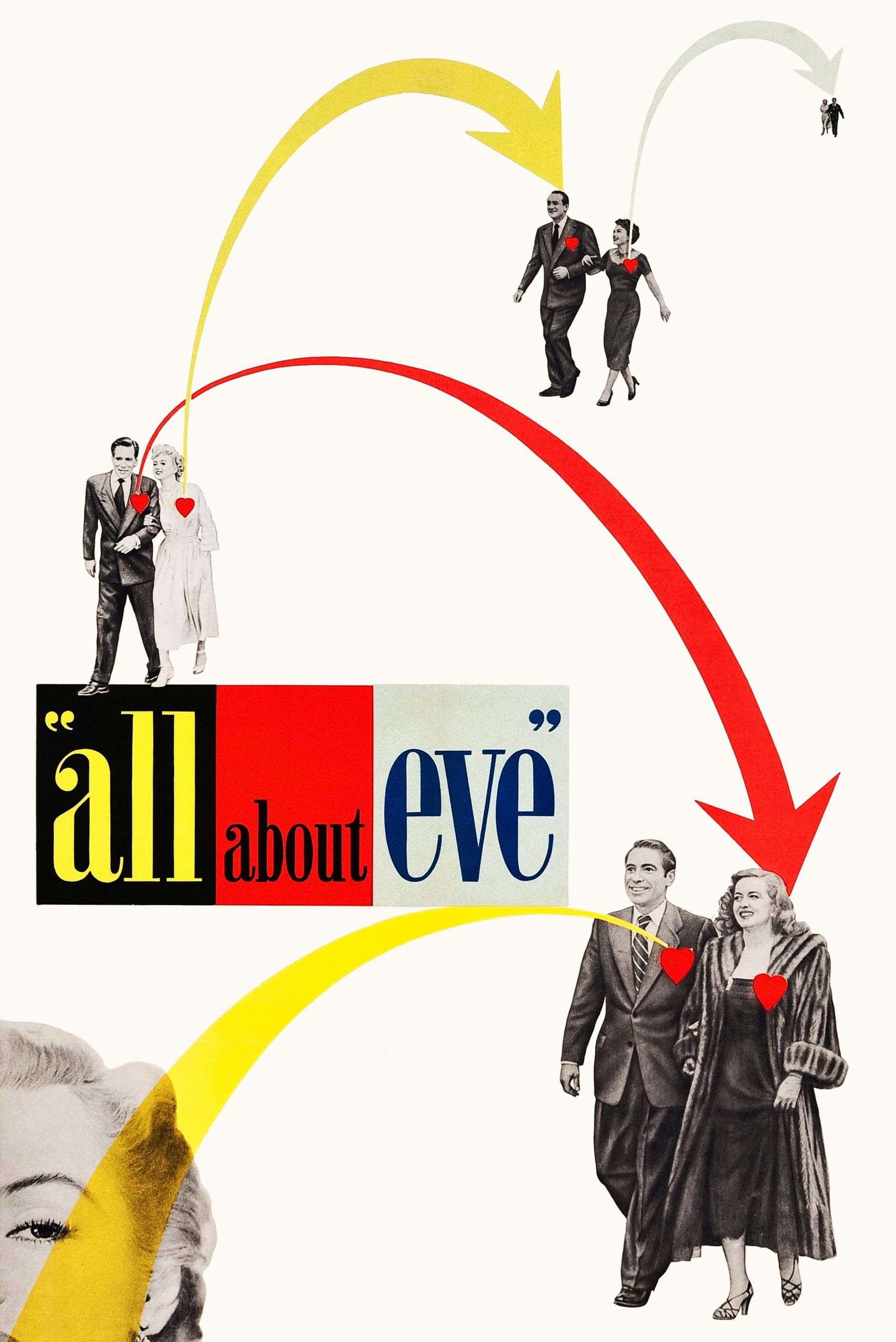
Addison DeWitt is a sharp-tongued theater critic with implied homosexual traits. He manipulates the careers of actresses with a cold and cynical detachment. His lack of traditional romantic interest in women codes him as an observer rather than a participant in heteronormativity. The film positions him as a puppet master who thrives on the misfortune of others.
‘Dracula’s Daughter’ (1936)
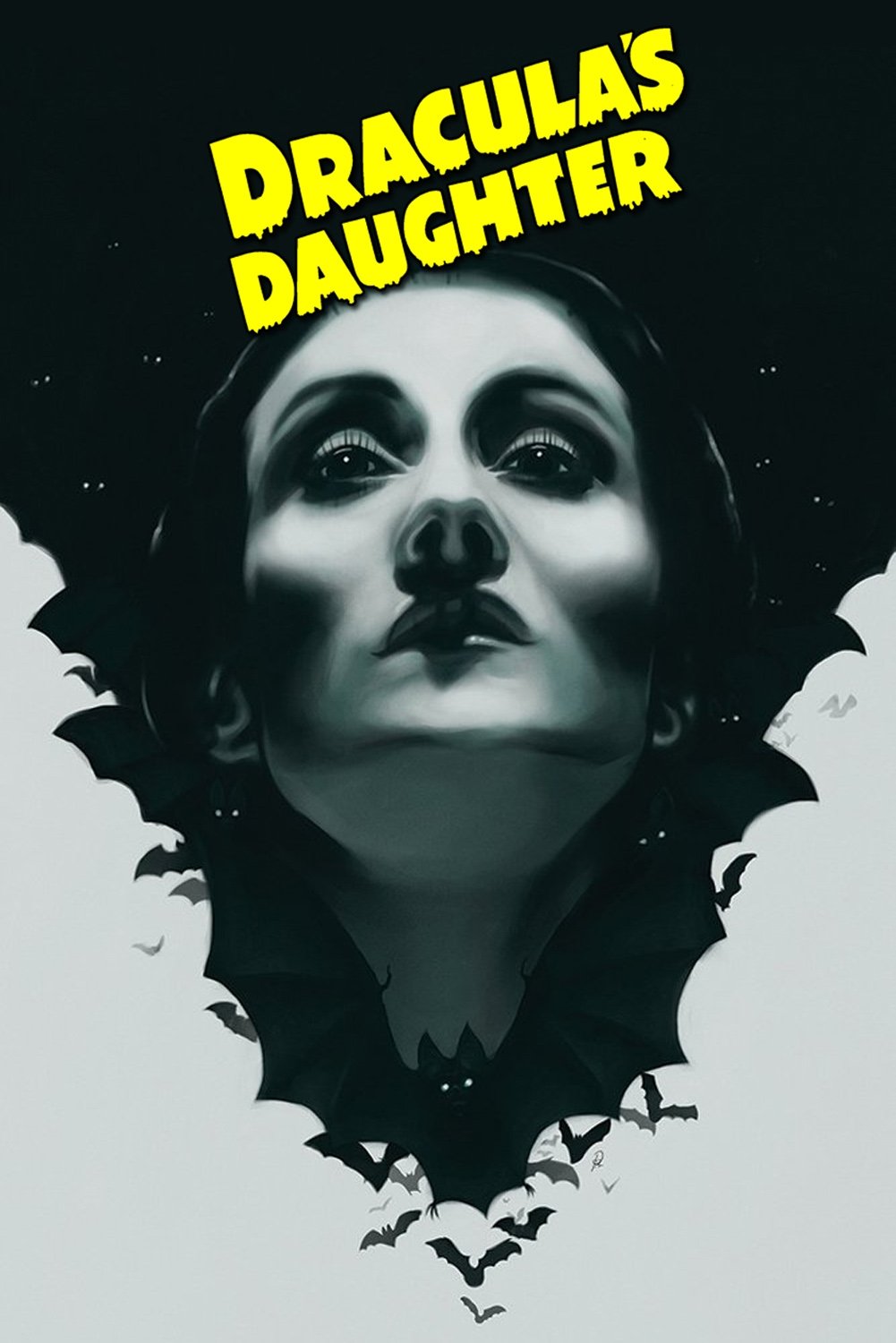
Countess Marya Zaleska seeks to free herself from her vampiric curse but preys on young women. Her seduction of female victims acts as a metaphor for predatory lesbianism. The film utilizes the vampire mythos to explore fears surrounding female sexuality and influence. She is a tragic figure whose desires are presented as a monstrous compulsion.
‘Single White Female’ (1992)

Hedy is a roommate who becomes obsessed with the protagonist and begins to mimic her appearance. The film frames her attachment as a pathological lesbian desire that turns violent. She systematically destroys the life of the protagonist to keep her all to herself. This thriller reinforced the negative stereotype of the psycho lesbian in the early nineties.
‘Fatal Attraction’ (1987)
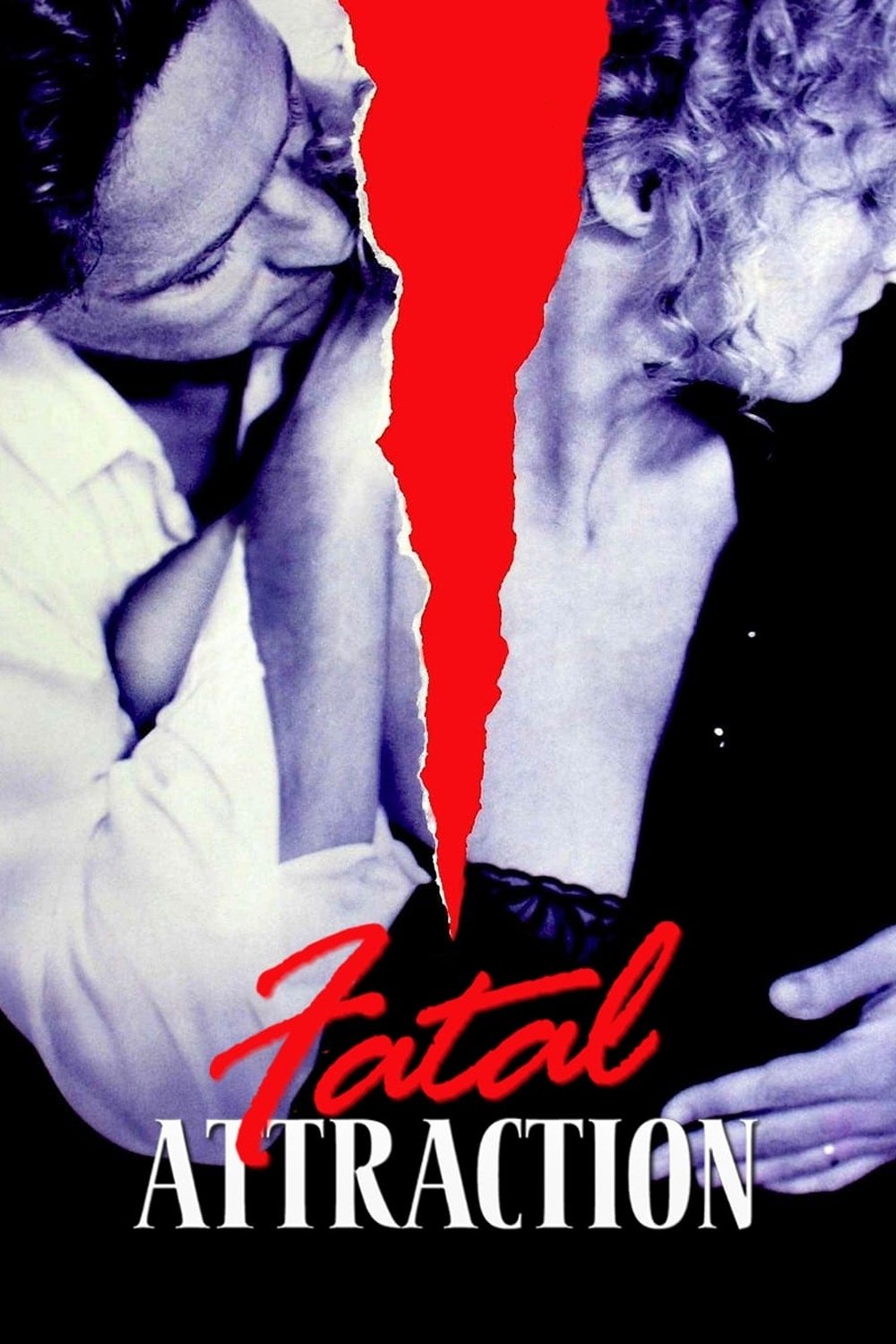
Alex Forrest is the career woman who refuses to be discarded after an affair with a married man. Her independence and refusal to adhere to family norms are punished by the narrative. While not explicitly queer in the text, her disruption of the nuclear family aligns with anti-queer fears. The film demonizes the single woman who exists outside of traditional domestic structures.
‘Cruella’ (2021)
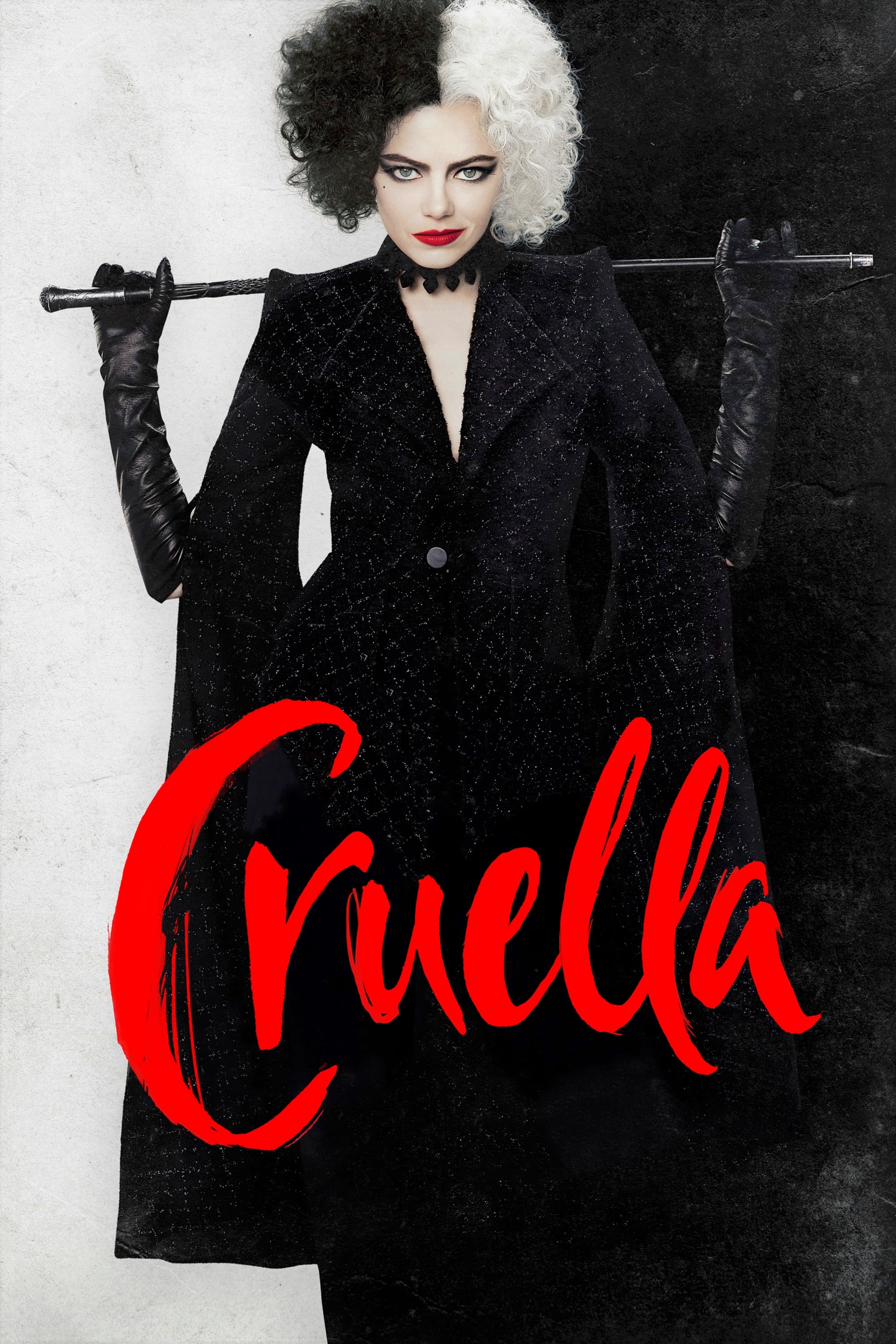
The Baroness is a fashion designer who is cold and cruel to her subordinates. Her aesthetic and mannerisms borrow from drag queens and camp icons. She represents the old guard of queer-coded villains against the new protagonist. The film relies on her lack of maternal instinct to cement her status as the antagonist.
‘Notes on a Scandal’ (2006)
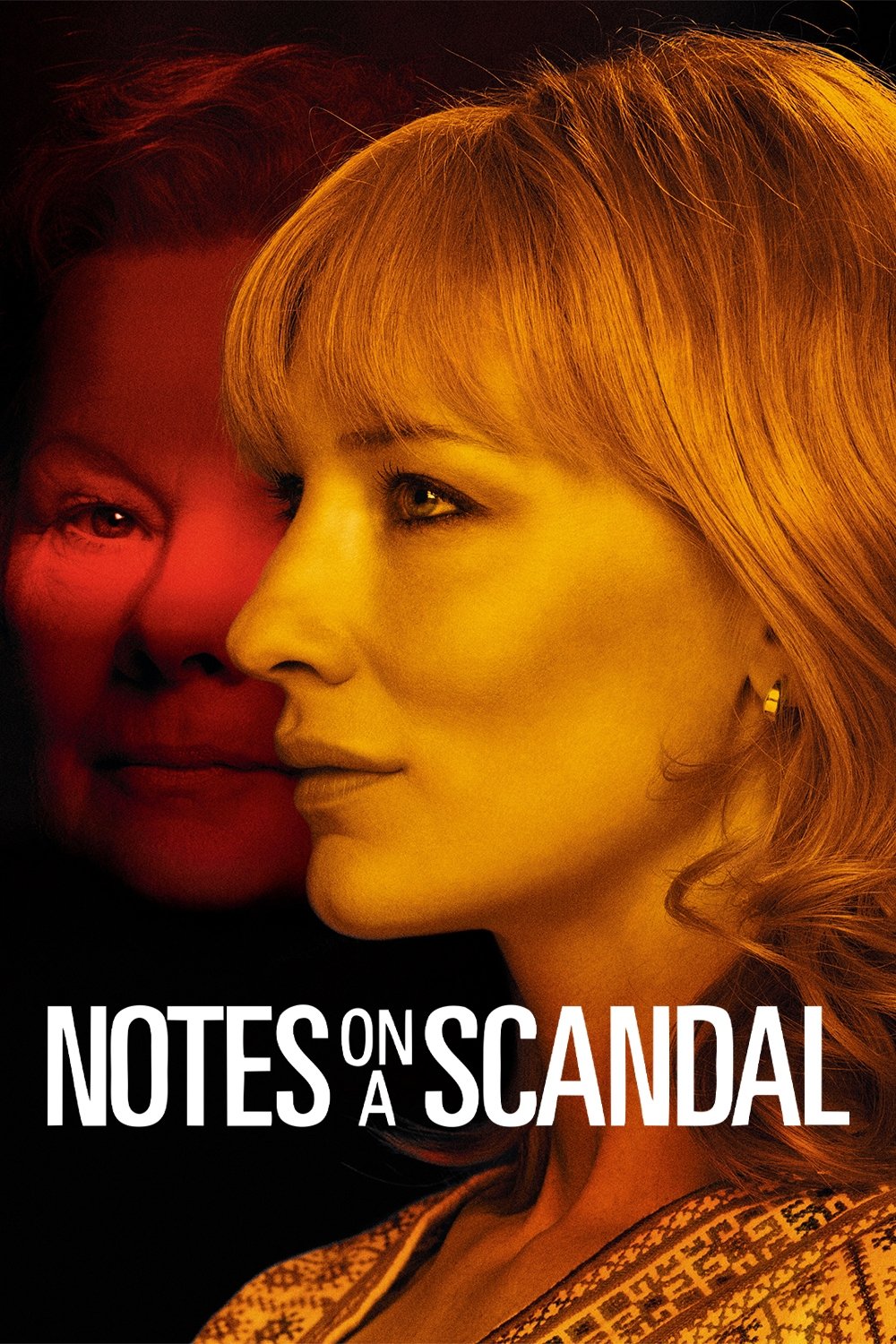
Barbara Covett is an older teacher who becomes obsessed with a younger female colleague. She uses the knowledge of her colleague’s affair to manipulate and isolate her. The film presents her lesbian desire as predatory and bitter. Critics argued that the character fits the trope of the lonely spinster who preys on younger women.
‘The Powerpuff Girls Movie’ (2002)
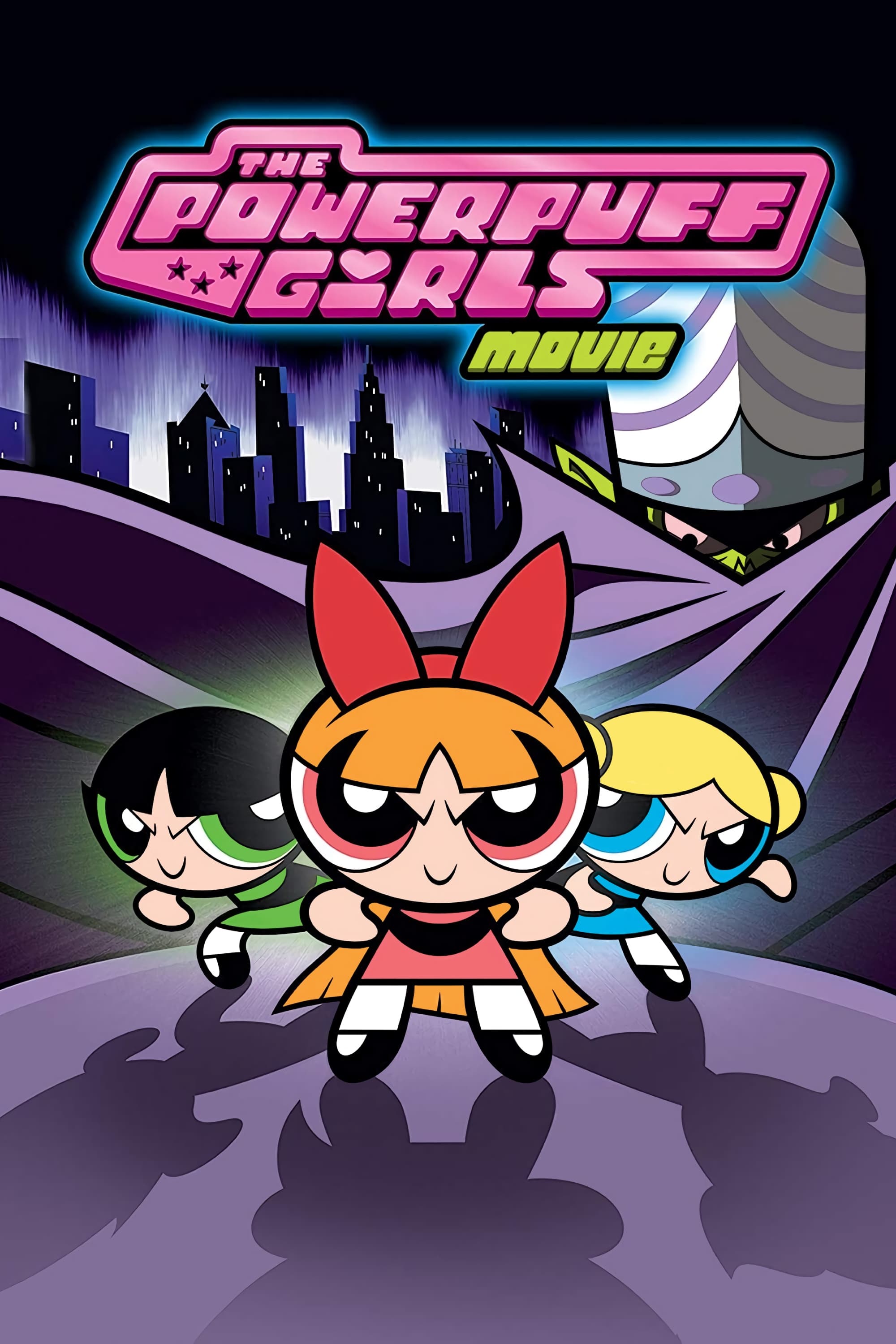
The villain known as Him is a demonic figure who wears a dress and speaks in a falsetto voice. His name and appearance create a deliberate gender confusion that is meant to be frightening. He is often cited as one of the most explicitly queer-coded villains in children’s media. The character uses psychological torture and effeminate gestures to terrorize the heroes.
‘Gladiator’ (2000)
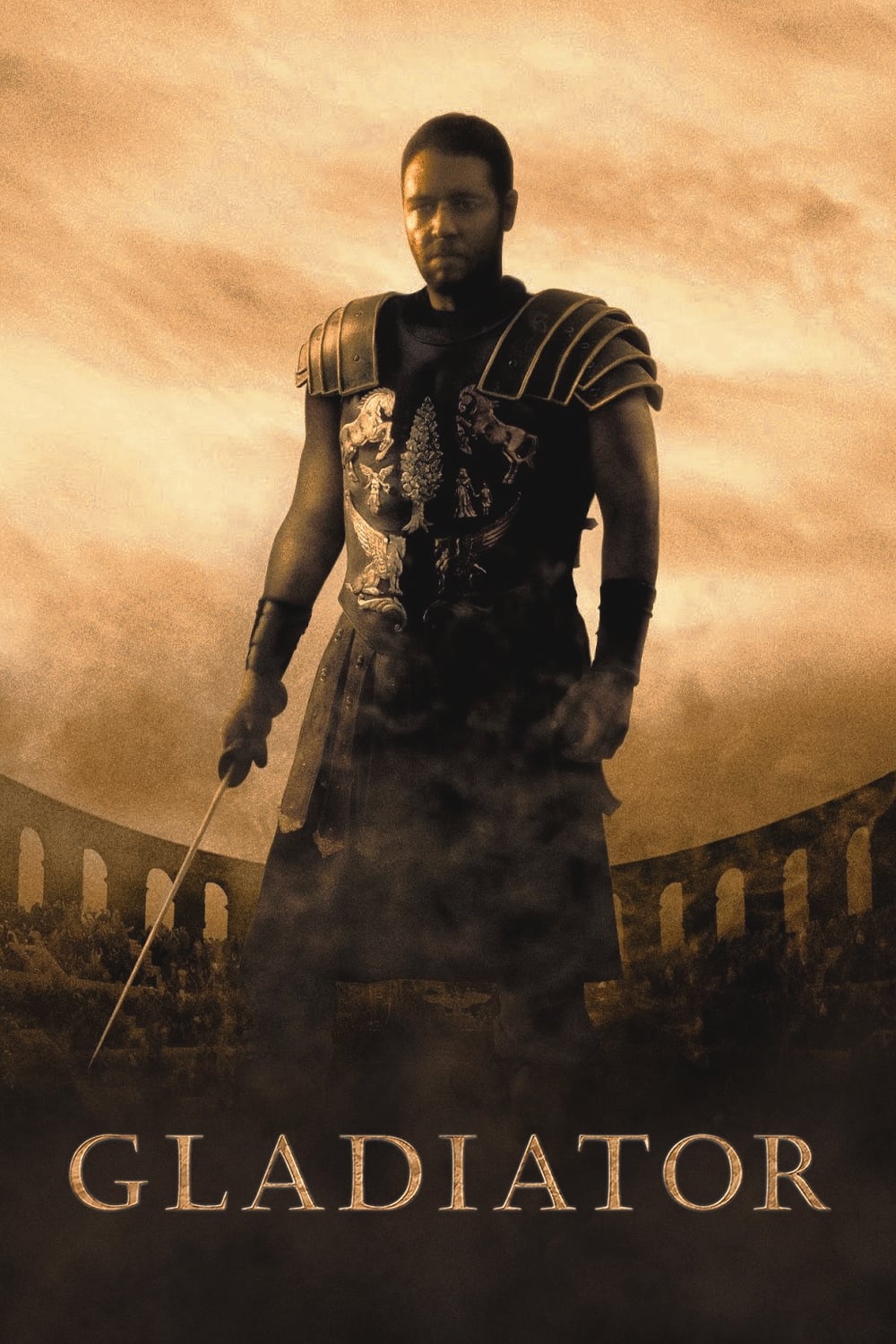
Commodus is the incestuous and unstable son of the emperor who murders his father. His lack of physical prowess and emotional fragility are contrasted with the hero Maximus. The film hints at his sexual deviancy as part of his overall corruption. His jealousy of the masculine hero drives the conflict of the movie.
‘Sleepaway Camp’ (1983)
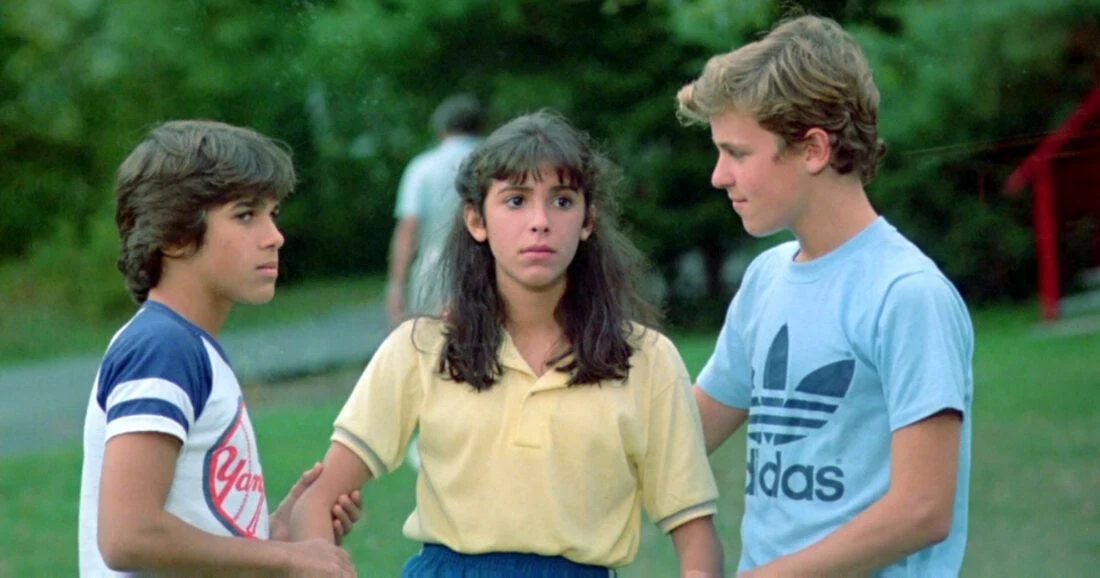
The killer is revealed to be a girl named Angela who was forcibly raised as a boy. The final shot of the film focuses on her naked male body to elicit horror from the audience. This twist relies on transphobic shock value to create its scare. The film equates gender variance with severe mental instability and violence.
‘Dressed to Kill’ (1980)
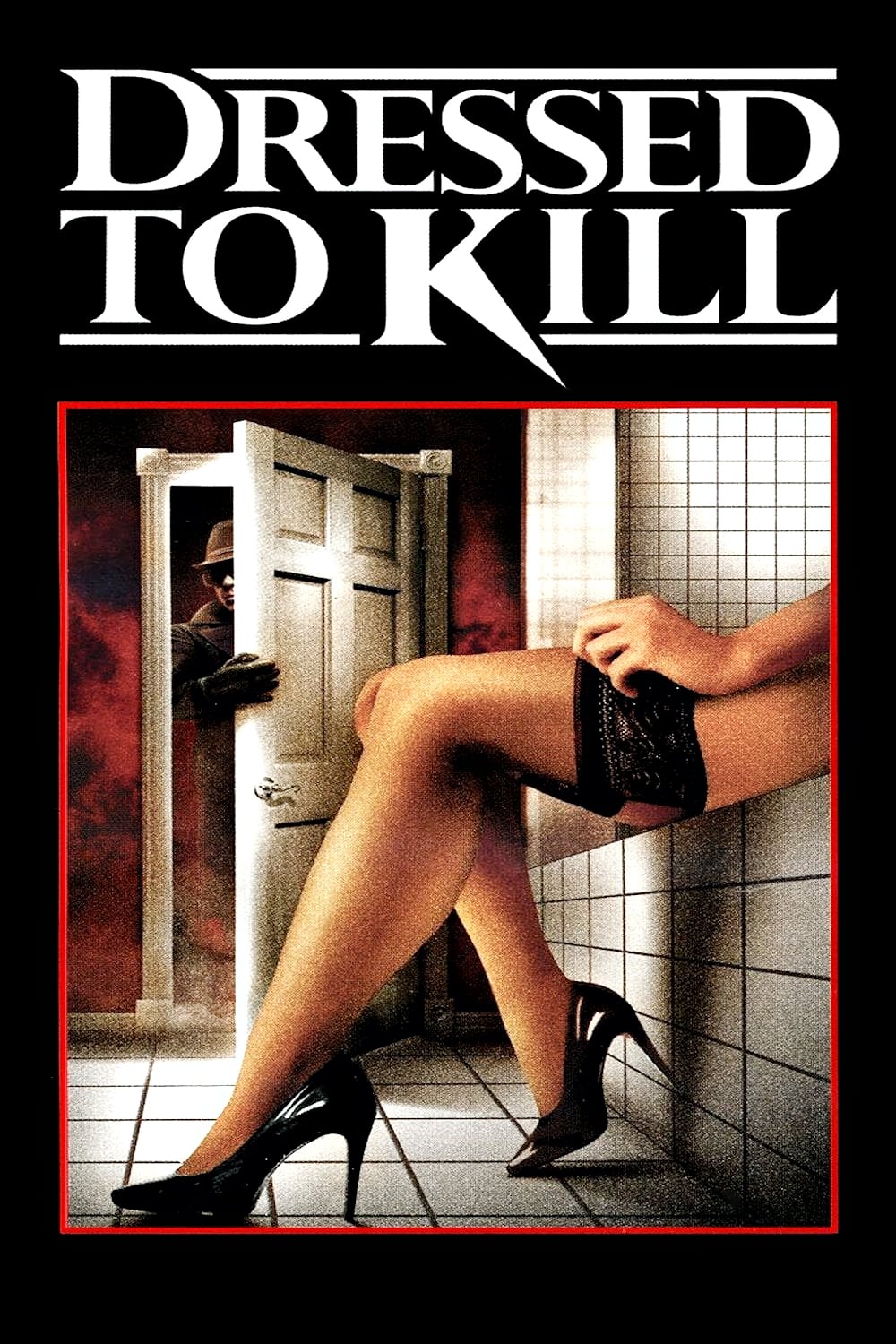
Bobbi is a transgender woman who murders women who arouse her male side. The film suggests that her transition is the cause of her split personality and violent urges. Activists protested the production for its harmful depiction of transgender people. The narrative frames trans identity as a deceptive mask for a killer.
‘Midnight Express’ (1978)
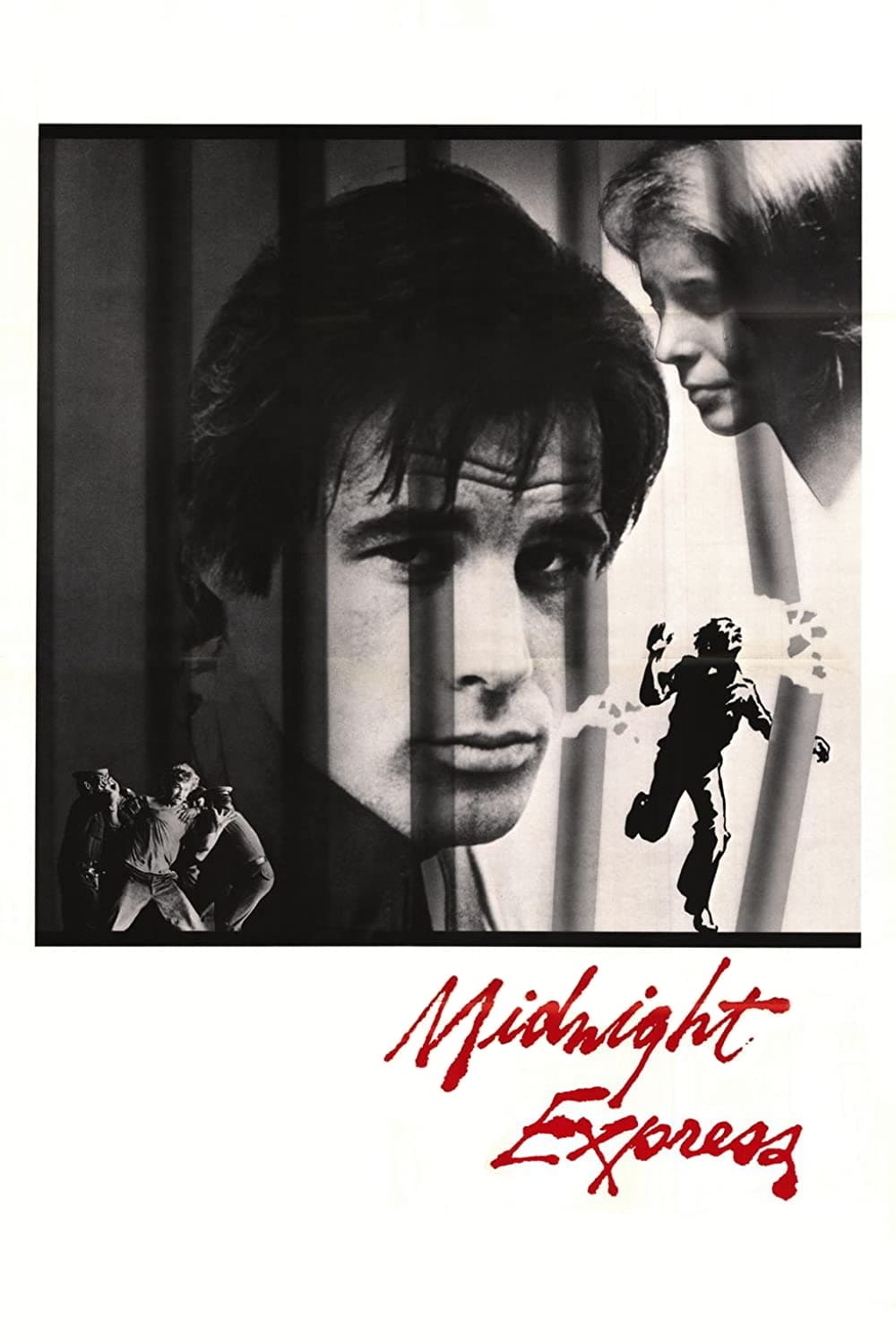
The prison warden Hamidou is a sadistic figure who takes pleasure in torturing the inmates. The film implies that his violence is sexually motivated and linked to homosexuality. This addition was not present in the original book and was added for the film. It serves to demonize the character further by associating his brutality with queer desire.
‘Cruising’ (1980)
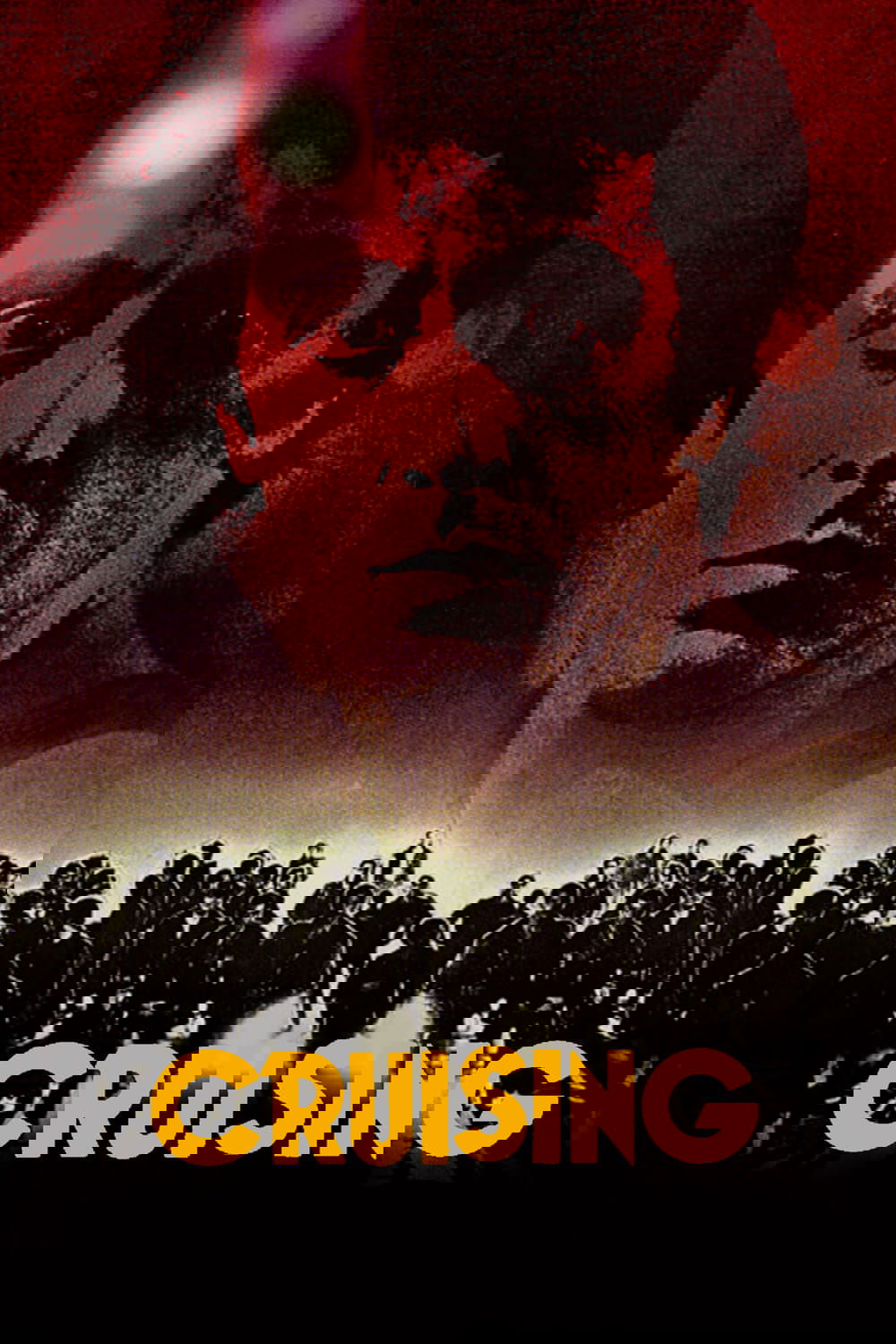
This thriller is set in the gay leather bar scene of New York City. The killer targets gay men and is motivated by internalized homophobia and self-loathing. The film was controversial during its filming for portraying the gay community as a dark and dangerous underworld. Critics argued that it reinforced the idea that gay culture is inherently linked to violence.
‘Caged’ (1950)
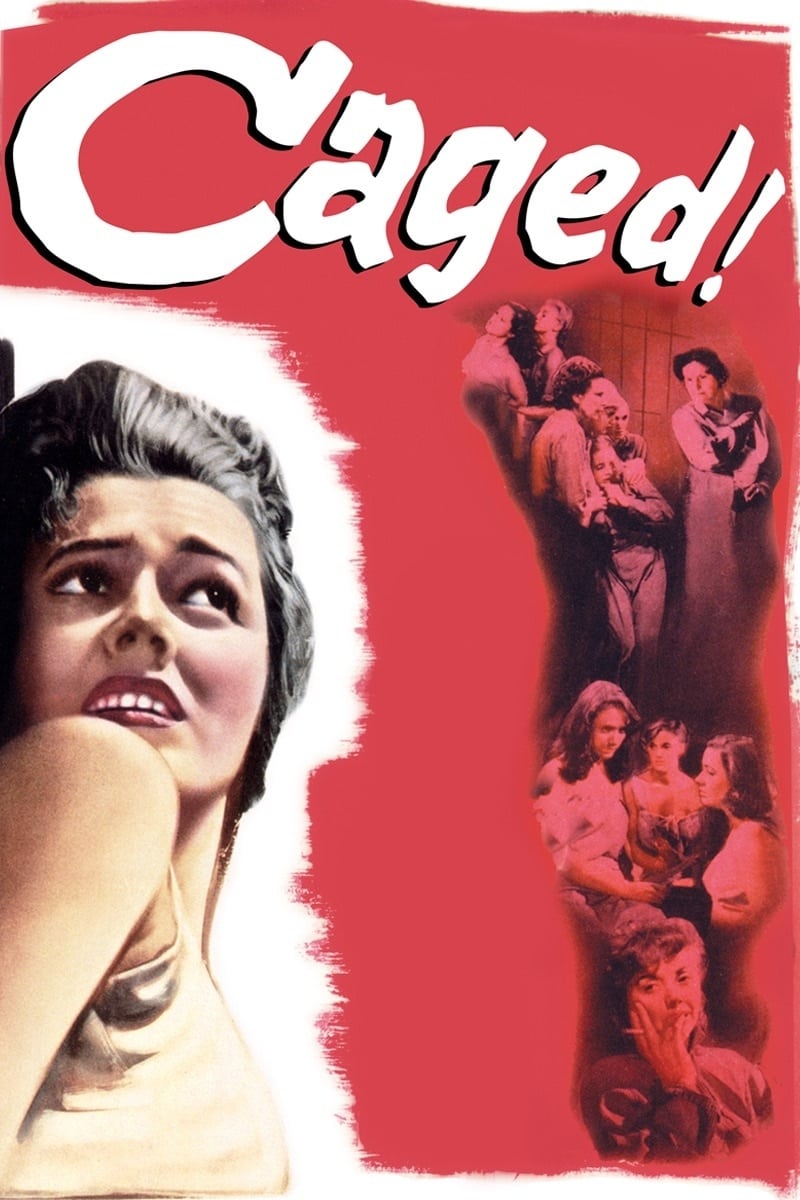
Evelyn Harper is the abusive prison matron who torments the female inmates. Her character is coded as a butch lesbian who preys on the vulnerable women in her charge. She demands gifts and favors in exchange for basic necessities. The film presents her masculinity as a sign of her cruelty and lack of empathy.
Please share your thoughts on these portrayals in the comments.