Scarlett Johansson, Cate Blanchett, Joseph Gordon-Levitt Join 700 Celebrities in Anti-AI Campaign

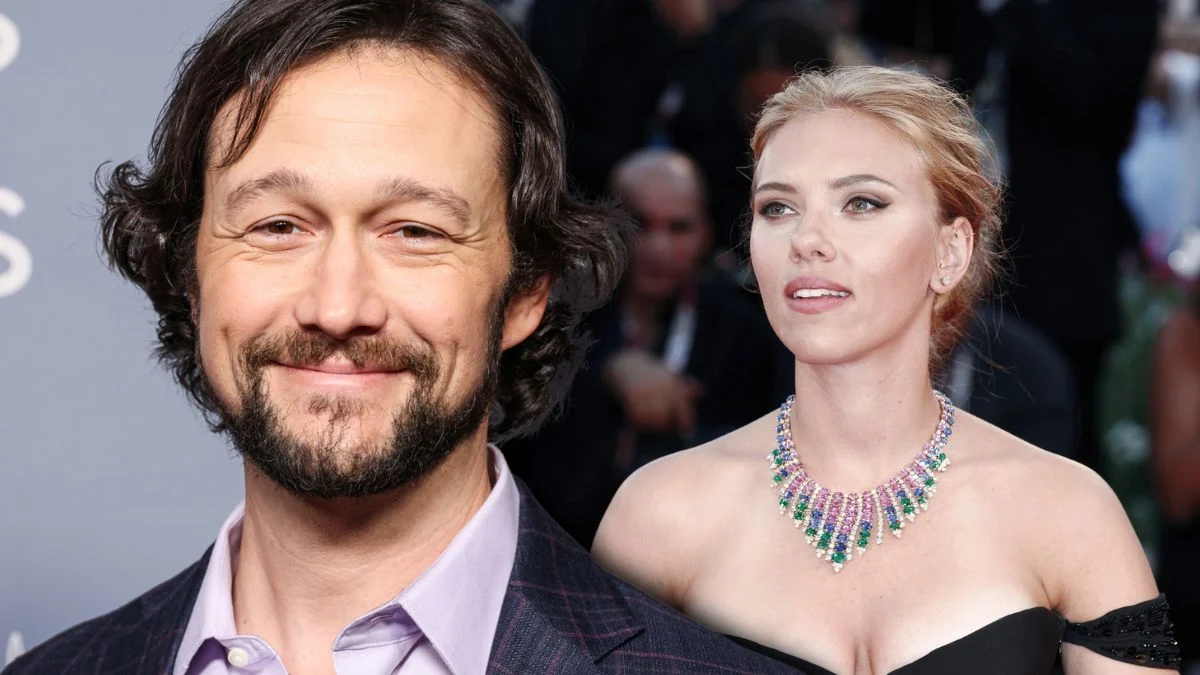

A huge group of Hollywood stars and musicians are taking a stand against the misuse of artificial intelligence in creative work. Scarlett Johansson, Cate Blanchett, and Joseph Gordon-Levitt are among more than 700 supporters joining a campaign called “Stealing Isn’t Innovation.”
The initiative is pushing back against tech companies that use artists’ work without permission. The news comes from the Human Artistry Campaign, which organized the effort and released a list of supporters.
The campaign is made up of creators, industry groups, and unions. Its main goal is to make sure human creativity is protected as AI technology grows. The group emphasizes the economic importance of the creative industry.
In a statement, they said, “America’s creative community is the envy of the world and creates jobs, economic growth and exports.” They added that instead of respecting creators, some tech companies “are using American creators’ work to build AI platforms without authorization or regard for copyright law.”
The artists are sending a clear message: using human work without permission is not innovation. “Artists, writers and creators of all kinds are banding together with a simple message: Stealing our work is not innovation. It’s not progress. It’s theft – plain and simple,” the campaign statement read.
The group also said there is a way for technology and art to coexist. Some companies have gone the responsible route and obtained licenses for the work they use. The statement noted, “It is possible to have it all. We can have advanced, rapidly developing AI and ensure creators’ rights are respected.”
Many famous names have signed on, including musicians Bonnie Raitt, Chaka Khan, Common, Cyndi Lauper, and Questlove. Bands like R.E.M. and One Republic, as well as TV creators such as Vince Gilligan, are also supporters.
Joseph Gordon-Levitt has been vocal about AI risks for months. In October, he called for a pause on AI super-intelligence until proper safety measures are in place.
In a now-deleted video shared on X, he said, “Why would you want to build an AI that’s smarter than humans?” He questioned why AI has to be one tool that does everything, instead of multiple tools to solve specific problems. He added, “You could say AI is going to cure diseases or AI is going to help strengthen our national security, and, yeah, I want those things, too. But why couldn’t we just build an AI tool to help cure diseases or build an AI tool to help with national security?”
Scarlett Johansson has also had personal experiences with AI misuse. In February, a video using her likeness went viral without her consent. She called for government action, saying, “I urge the U.S. government to make the passing of legislation limiting AI use a top priority.” She described it as “a bipartisan issue that enormously affects the immediate future of humanity at large.”
Johansson is best known for playing Natasha Romanoff, or Black Widow, in the Marvel Cinematic Universe. She has also earned critical acclaim for films like Marriage Story and Jojo Rabbit, earning two Oscar nominations in the same year. Recently, she starred in Fly Me to the Moon with Channing Tatum and is set to lead the next Jurassic World installment.
Cate Blanchett is recognized as one of the greatest actresses of her generation. She has won two Academy Awards for The Aviator and Blue Jasmine. Fans also know her as Galadriel from The Lord of the Rings and The Hobbit trilogies. More recently, she starred in Borderlands and earned praise for her role as a conductor in Tár.
Joseph Gordon-Levitt has worked in Hollywood since childhood. He became widely known on the sitcom 3rd Rock from the Sun before starring in movies like 500 Days of Summer and Inception. He also founded HitRecord, an online platform that encourages collaboration between artists, which connects to his advocacy for creator rights. He most recently appeared in Beverly Hills Cop: Axel F on Netflix.
The Human Artistry Campaign and its supporters are making it clear that creators want their work protected as AI develops. They are asking tech companies to respect licenses and agreements instead of taking content for free.
The group hopes their collective voice will spark change. “Stealing our work is not innovation,” they wrote. “It’s theft – plain and simple.”
We want to hear what you think: is using creative work to train AI theft, or just part of technological progress? Share your thoughts in the comments.