Movies That Cast Straight Actors as Gay Icons and Sparked Endless Debate


The casting of straight actors in LGBTQ+ roles has been a cornerstone of Hollywood for decades, often resulting in prestigious awards and significant box office success. While these performances frequently receive critical acclaim, they also ignite intense debates about authentic representation and the limited opportunities for queer performers. Advocates argue that lived experience is vital for portraying the nuances of queer identity, while others maintain that the essence of acting lies in the ability to inhabit any character. This ongoing dialogue continues to shape the industry’s approach to diversity and inclusion on the big screen.
‘The Whale’ (2022)
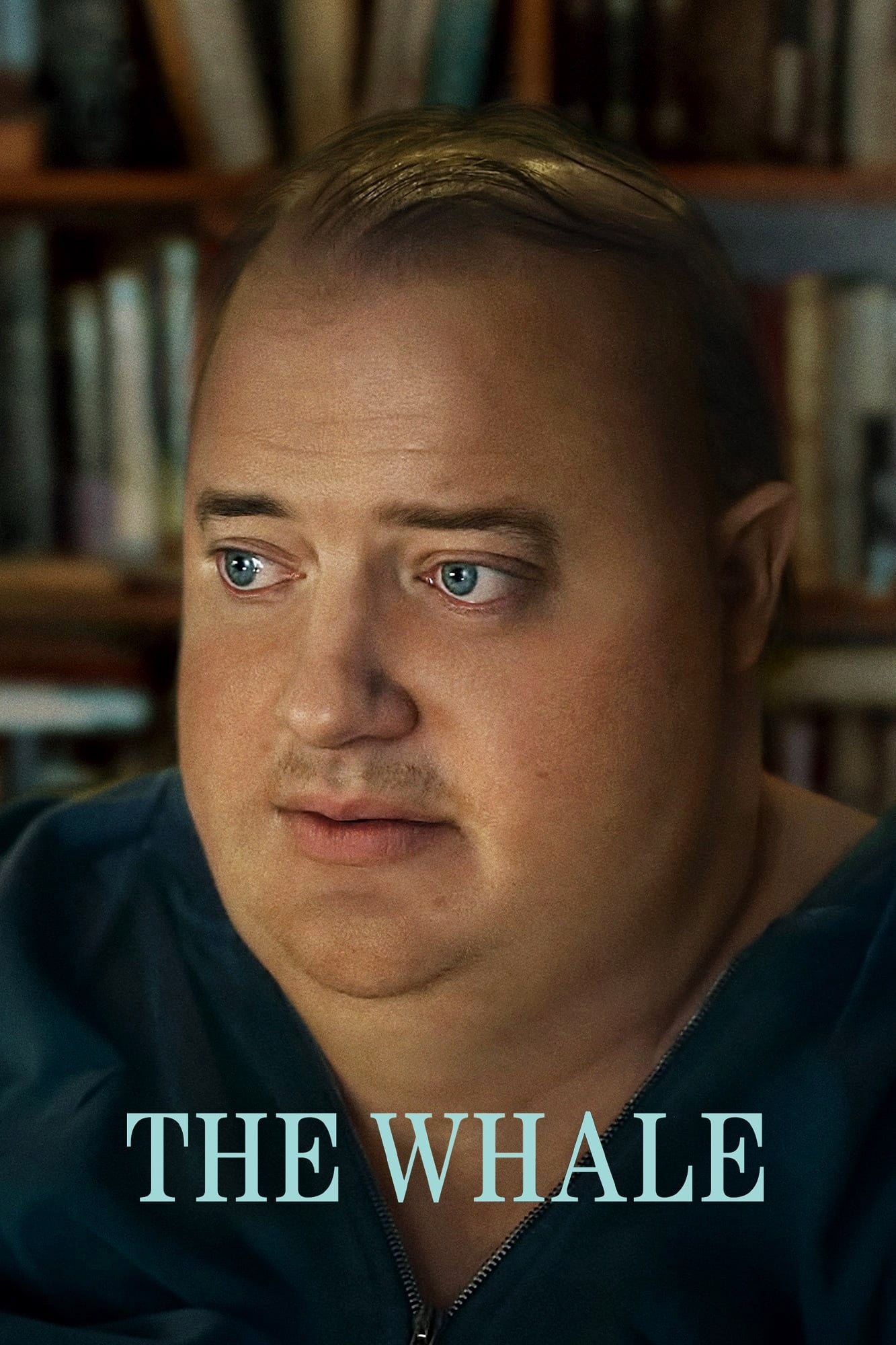
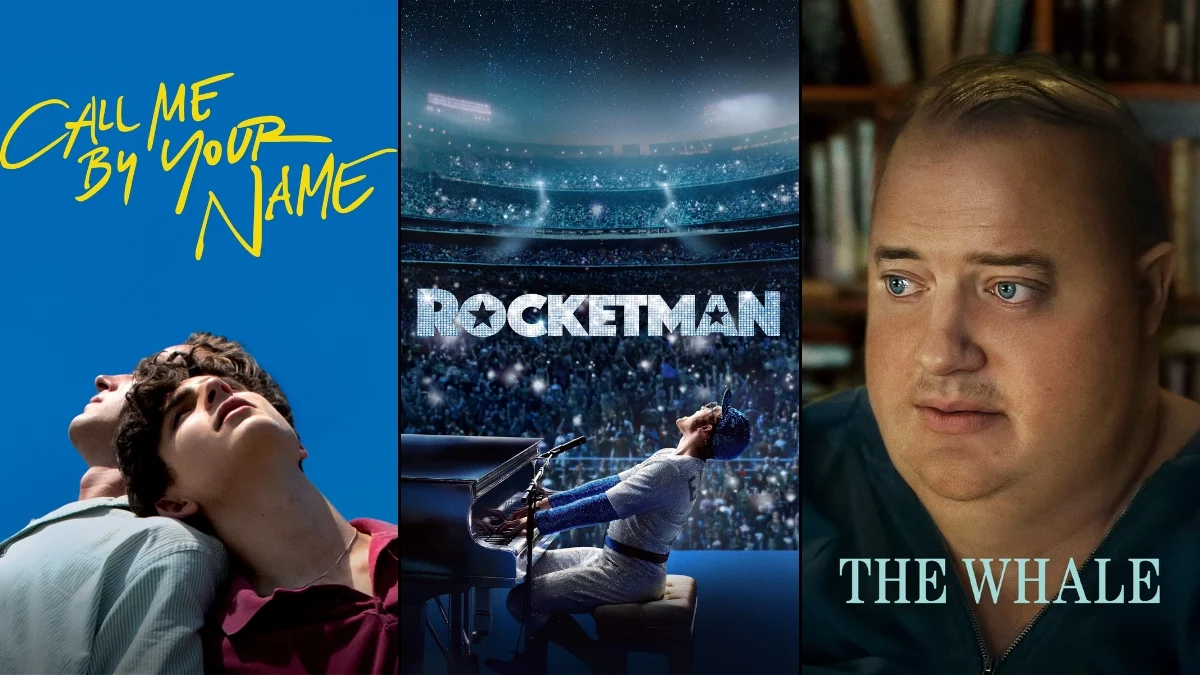
Brendan Fraser plays Charlie, a reclusive English teacher living with severe obesity who attempts to reconnect with his estranged daughter. The character is a gay man grieving the loss of his partner, a backstory that drives the emotional weight of the narrative. Fraser’s performance earned him an Academy Award for Best Actor, marking a significant career comeback. Despite the acclaim, the casting choice sparked discussions regarding the importance of authentic representation for LGBTQ+ roles in Hollywood. Critics and activists debated whether a queer actor should have been cast to bring lived experience to the role.
‘The Prom’ (2020)

In this musical comedy, James Corden portrays Barry Glickman, a flamboyant Broadway star who travels to Indiana to help a lesbian student. The character is depicted as a gay man who struggled with parental rejection during his youth. While the film was intended as a celebratory anthem for inclusion, Corden’s performance faced scrutiny for its reliance on stereotypical mannerisms. Many viewers and critics questioned the decision to cast a straight actor in a role that leans heavily into traditional gay tropes. The debate highlighted ongoing tensions concerning the fine line between performance and caricature in modern cinema.
‘Rocketman’ (2019)

Taron Egerton stars as the legendary musician Elton John in this biographical musical fantasy. The film chronicles John’s rise to stardom, his struggles with addiction, and his journey toward self-acceptance as a gay man. Egerton performed his own vocals and worked closely with John to ensure the portrayal was as accurate as possible. While John himself praised the performance, the casting of a straight actor to play such a prominent queer icon reignited conversations about the necessity of LGBTQ+ actors in leading roles. The film remains a commercial and critical success, noted for its honest depiction of John’s sexuality.
‘Bohemian Rhapsody’ (2018)
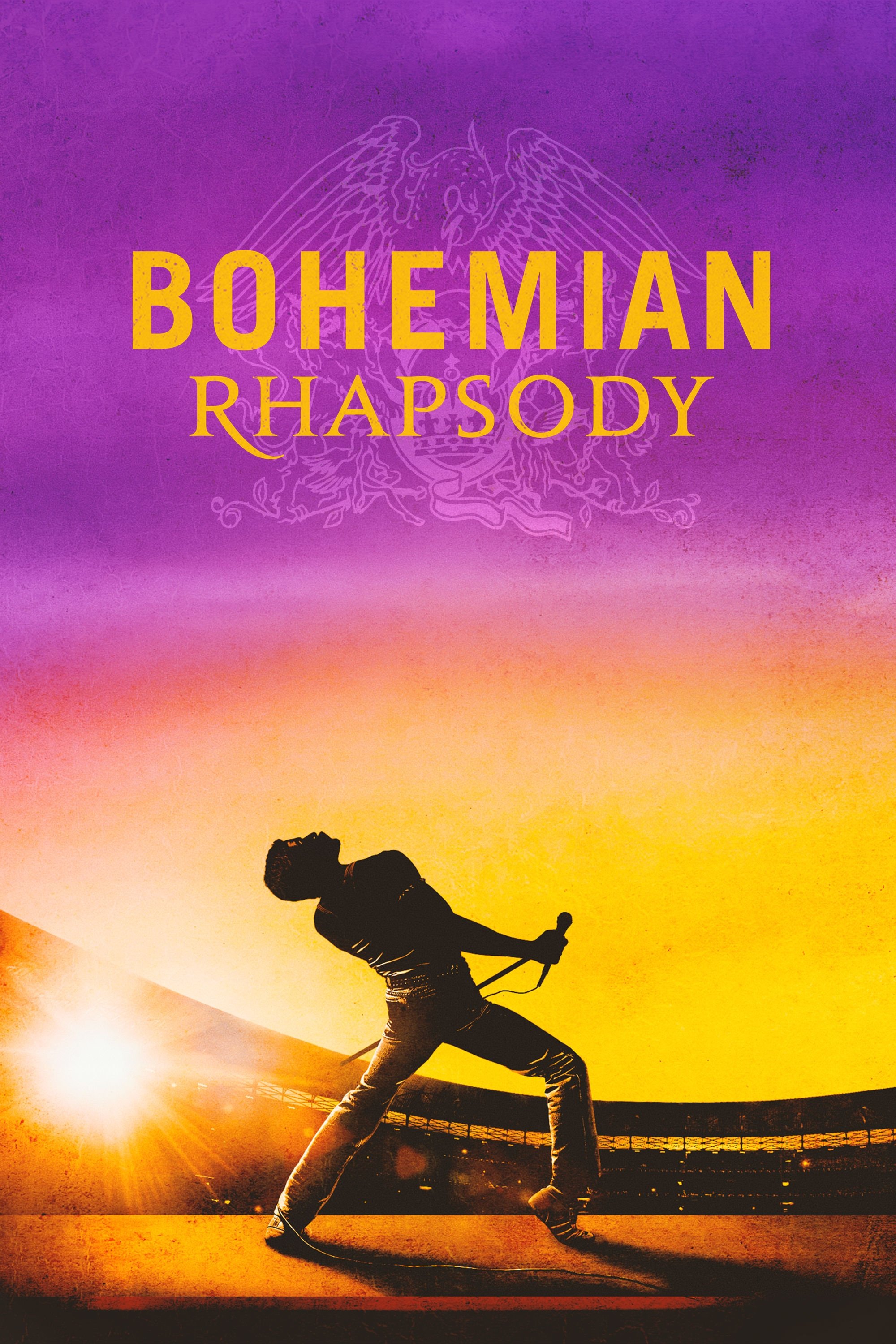
Rami Malek plays Freddie Mercury, the lead singer of the rock band Queen, in this award-winning biopic. The story explores Mercury’s professional career as well as his personal life, including his relationships and his battle with AIDS. Malek received the Academy Award for Best Actor for his physical and vocal transformation into the iconic performer. However, some members of the LGBTQ+ community expressed concern that a straight actor was chosen to depict one of history’s most famous queer figures. The film’s approach to Mercury’s sexuality also faced criticism for perceived sanitization of his personal life.
‘Call Me by Your Name’ (2017)

Timothée Chalamet and Armie Hammer star as Elio and Oliver in this coming-of-age drama set in 1980s Italy. The plot follows the blossoming romantic relationship between a seventeen-year-old student and his father’s older research assistant. Both actors were praised for their chemistry and the sensitivity they brought to their respective roles. Despite the film’s success, the casting of two straight men in a story centered on a deep queer connection led to a public dialogue about the lack of opportunities for gay actors. Director Luca Guadagnino defended the choice by stating he sought specific qualities in the actors rather than matching their sexual orientations.
‘The Danish Girl’ (2015)

Eddie Redmayne portrays Lili Elbe, one of the first known recipients of gender reassignment surgery, in this historical drama. The film depicts Elbe’s transition and the impact it has on her marriage to fellow artist Gerda Wegener. Redmayne’s performance earned him an Oscar nomination, but the casting was met with significant backlash from the transgender community. Critics argued that a trans woman should have been cast to provide a more authentic portrayal of the trans experience. Redmayne later expressed regret over taking the role, acknowledging that the industry had evolved in its understanding of representation.
‘Carol’ (2015)
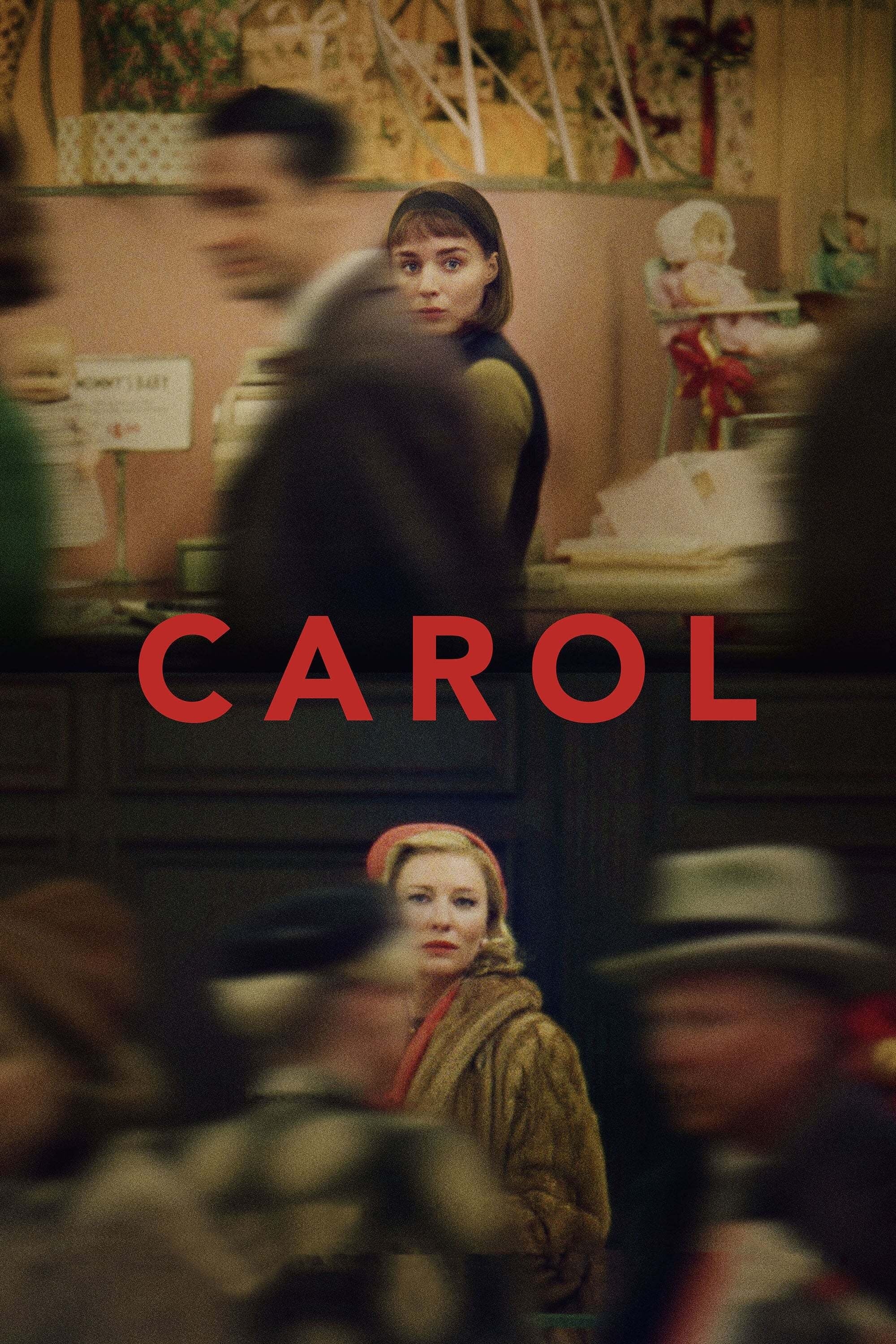
Cate Blanchett and Rooney Mara star in this adaptation of Patricia Highsmith’s novel about a forbidden romance in the 1950s. Blanchett plays the title character, a sophisticated woman going through a divorce, while Mara plays a young photographer who becomes enamored with her. The film was lauded for its direction, cinematography, and the performances of its lead actresses. Although both leads are straight, the film became a modern classic within queer cinema for its respectful and nuanced storytelling. Some critics still utilized the film as an example of how major studios often rely on established straight stars to greenlight LGBTQ+ projects.
‘The Imitation Game’ (2014)

Benedict Cumberbatch stars as Alan Turing, the British mathematician who cracked the Enigma code during World War II. The film highlights Turing’s genius as well as the tragic persecution he faced due to his homosexuality, which was illegal in the United Kingdom at the time. Cumberbatch received critical acclaim for depicting Turing’s brilliance and his vulnerability. However, the film faced criticism for downplaying Turing’s sexual identity in favor of a more mainstream war narrative. The choice to cast a straight actor to play a man whose life was destroyed by homophobia remains a point of contention among historians and advocates.
‘Dallas Buyers Club’ (2013)

Jared Leto plays Rayon, a transgender woman living with HIV who partners with Ron Woodroof to distribute unapproved medications. Leto underwent a significant physical transformation for the role and won the Academy Award for Best Supporting Actor. Despite the industry recognition, his casting sparked intense debate regarding the practice of “transfacing.” Many activists argued that the role served as a missed opportunity to provide a platform for a transgender actress. The controversy centered on the idea that cisgender actors playing trans characters can reinforce harmful misconceptions about gender identity.
‘Behind the Candelabra’ (2013)
Michael Douglas and Matt Damon portray Liberace and his younger lover Scott Thorson in this biographical film. The movie explores the secretive and opulent lifestyle of the famous pianist during the final years of his life. Both actors received high praise for their portrayals of the complex and often volatile relationship. The casting of two of Hollywood’s most prominent leading men in a queer biopic was seen as a major step for mainstream acceptance. Nevertheless, it also highlighted the trend of straight A-list stars being the primary choice for high-profile gay roles.
‘A Single Man’ (2009)
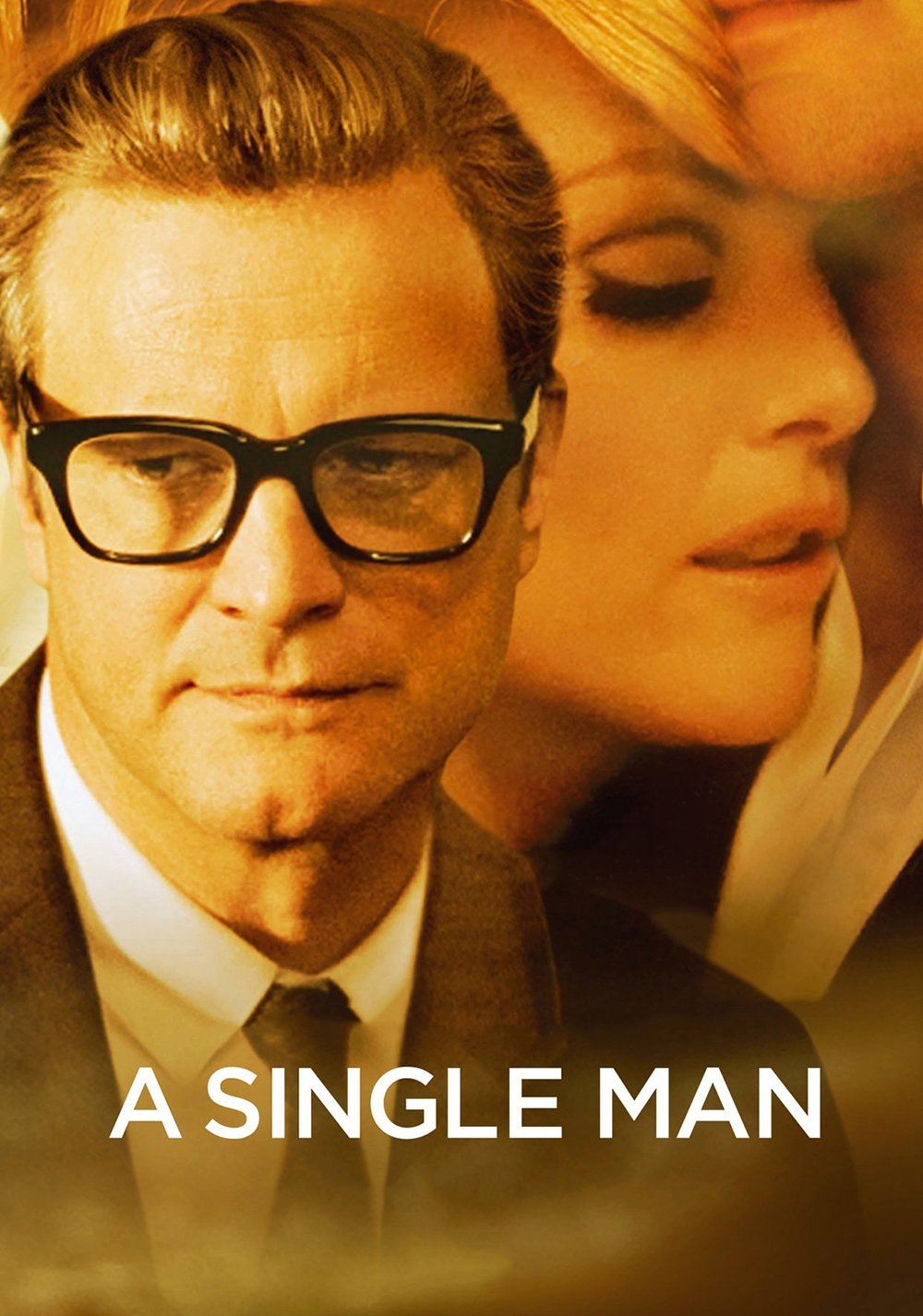
Colin Firth stars as George Falconer, a British professor living in Los Angeles who is grieving the sudden death of his long-term partner. Set over the course of a single day in 1962, the film captures George’s profound sense of isolation and his plans to end his life. Firth earned an Academy Award nomination for his restrained and emotional performance. Director Tom Ford, who is openly gay, chose Firth for the role based on his acting ability rather than his personal life. The film is often cited as a prime example of a straight actor successfully portraying the nuances of queer grief.
‘Milk’ (2008)
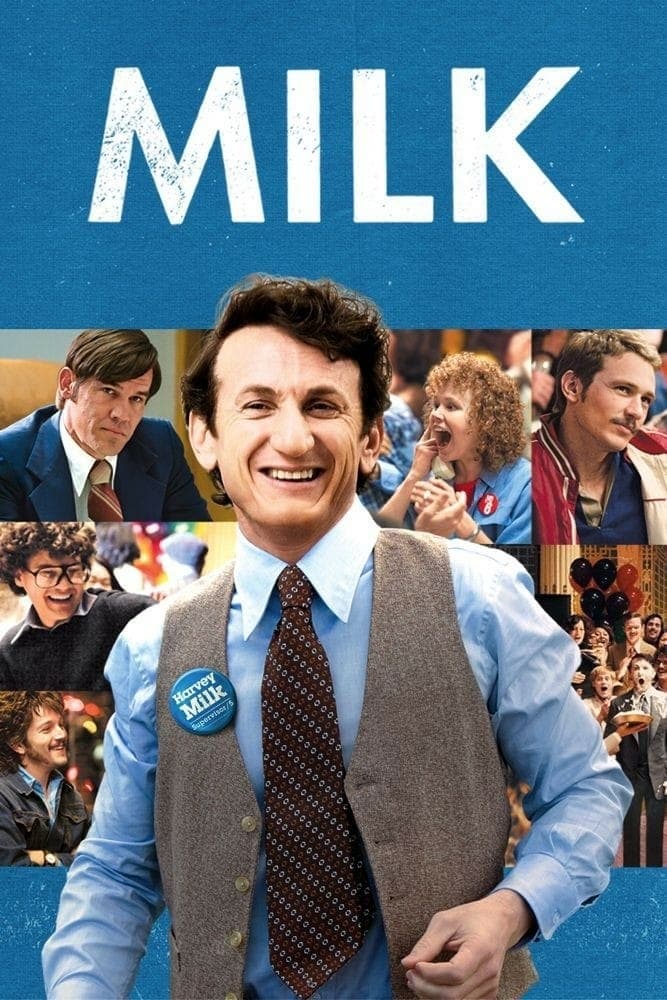
Sean Penn portrays Harvey Milk, the first openly gay man to be elected to public office in California. The biopic follows Milk’s journey as a community activist and his eventual assassination in San Francisco’s City Hall. Penn’s immersive performance won him the Academy Award for Best Actor. While the film was a landmark for LGBTQ+ history in cinema, the casting of a straight actor to play such a pivotal queer icon was a subject of debate. Supporters of the casting pointed to Penn’s political activism, while others felt the role should have been a breakthrough for a gay performer.
‘Breakfast on Pluto’ (2005)
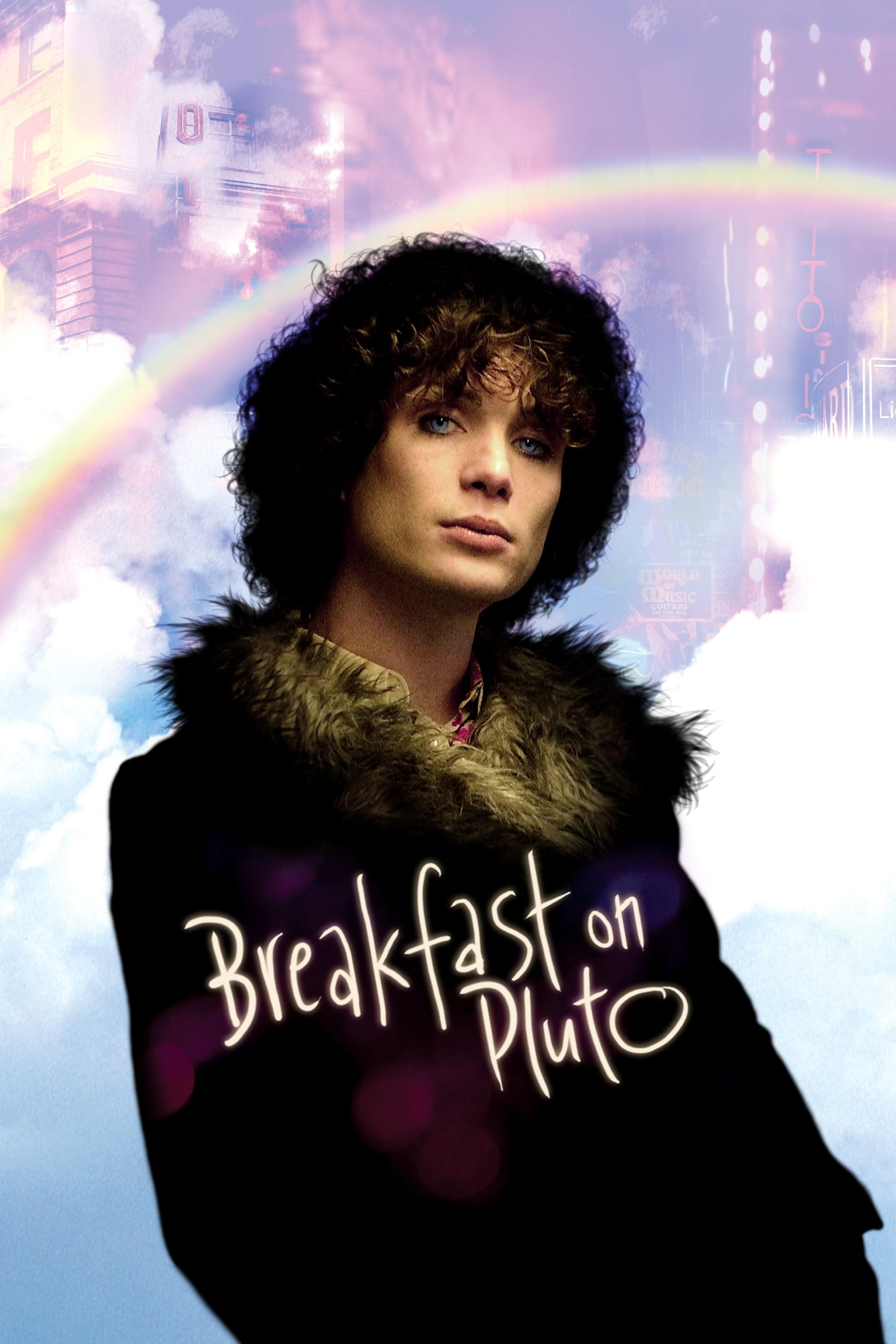
Cillian Murphy stars as Patrick “Kitten” Braden, a transgender woman searching for her mother in 1970s Ireland and London. The film blends dark comedy and drama as Kitten navigates the political turmoil of the era and her own identity. Murphy’s performance was praised for its whimsy and emotional depth, earning him a Golden Globe nomination. Like other films of its time, it faced retrospective criticism for casting a cisgender man in a trans role. The discussion focused on whether the casting choice limited the authenticity of the character’s journey toward self-discovery.
‘Brokeback Mountain’ (2005)
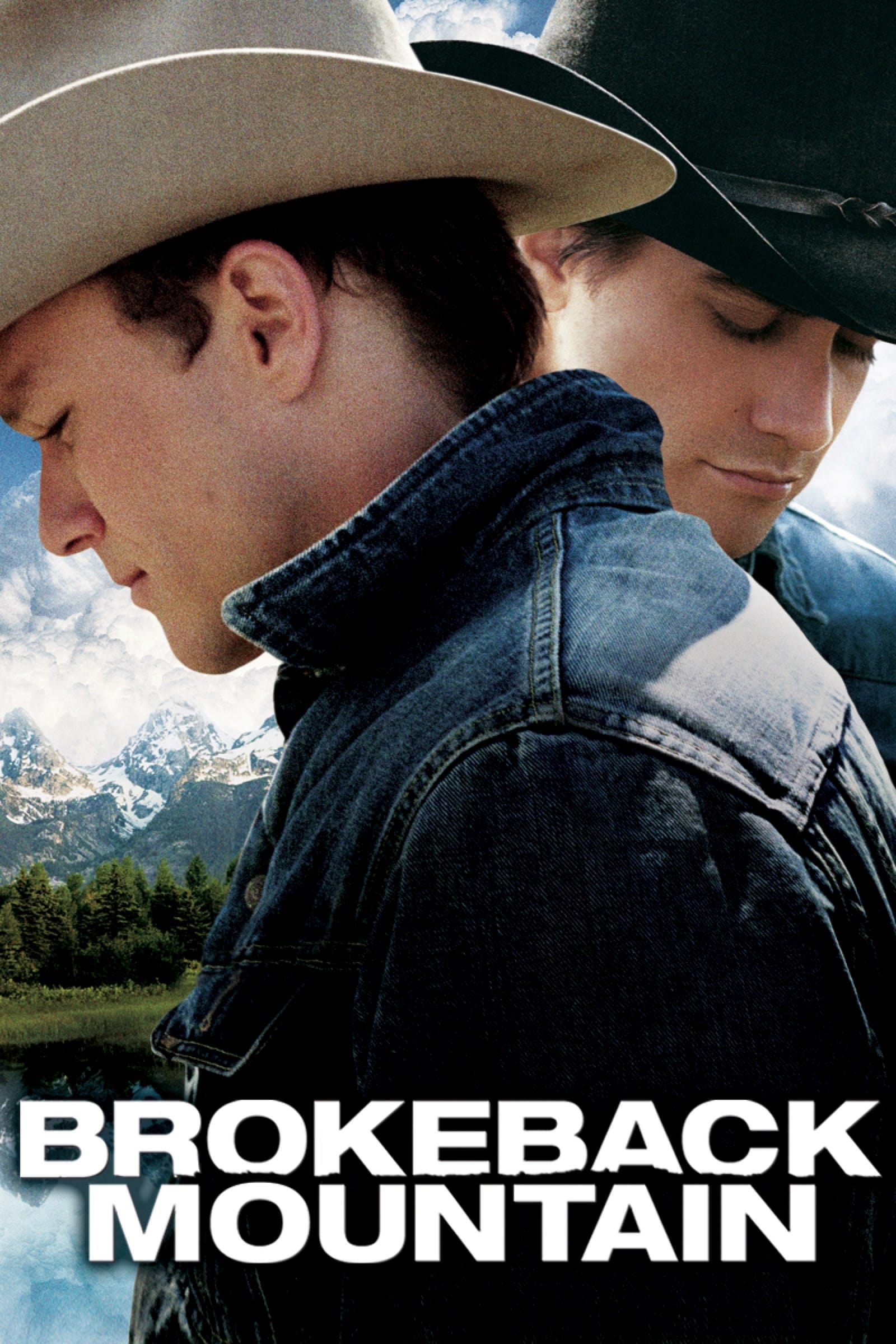
Heath Ledger and Jake Gyllenhaal play Ennis Del Mar and Jack Twist, two ranch hands who develop a secret romantic relationship over several decades. The film broke new ground in Hollywood by presenting a serious gay romance within the traditionally masculine Western genre. Both actors were nominated for Academy Awards and the film became a major cultural phenomenon. The casting of two straight “heartthrobs” was seen by some as a necessary move to attract a wider audience to a queer story. However, it also sparked a long-term conversation about why queer actors are rarely given the chance to lead such high-profile projects.
‘Transamerica’ (2005)
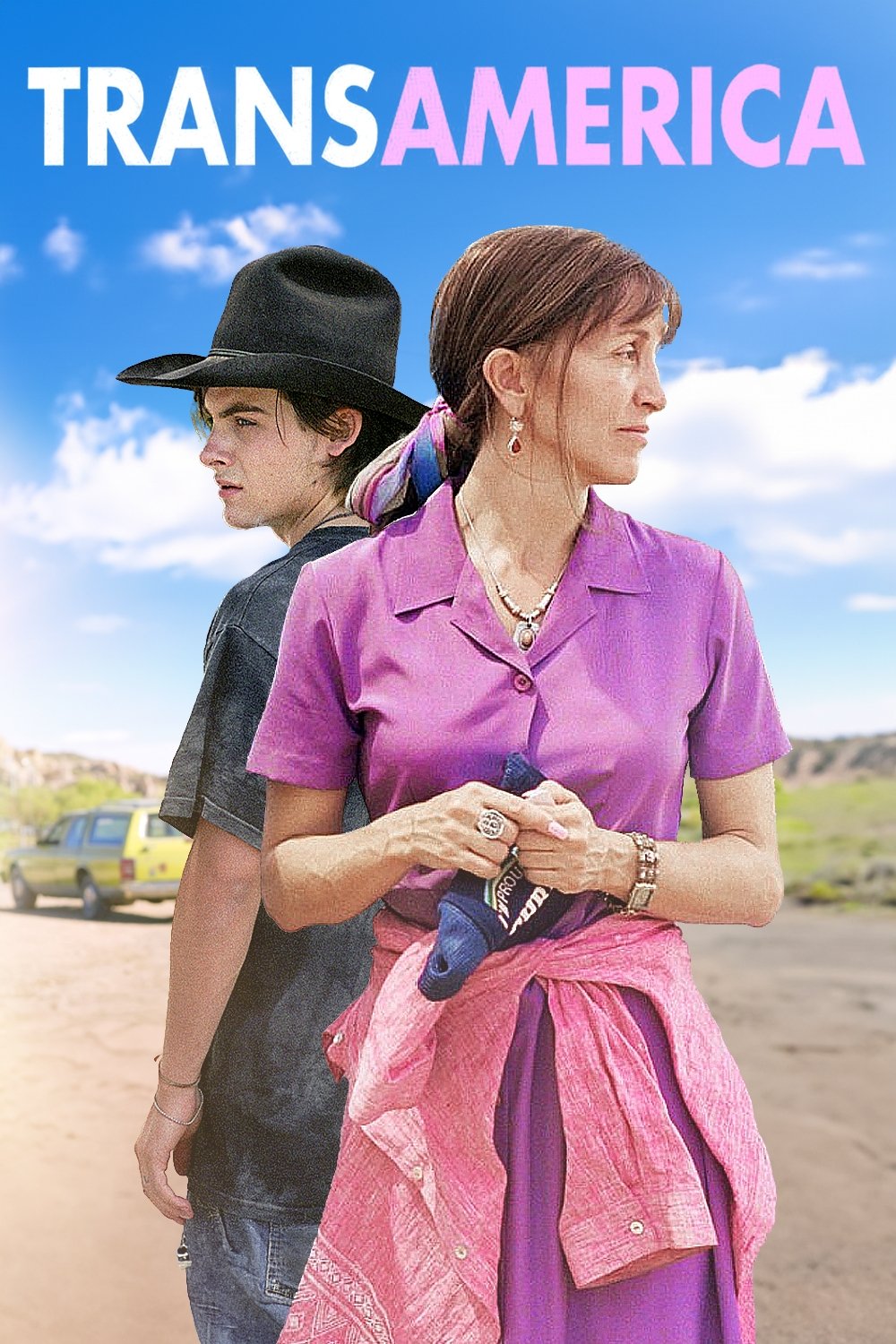
Felicity Huffman stars as Bree Osbourne, a transgender woman who discovers she has a son shortly before undergoing gender-affirming surgery. The story follows their cross-country road trip as they navigate their new relationship and Bree’s transition. Huffman won a Golden Globe and received an Oscar nomination for her performance. At the time, the casting of a cisgender woman as a trans woman was seen as a prestige move by the studio. In later years, the film has been frequently used as a case study in the debate over authentic casting for transgender characters in film.
‘Capote’ (2005)
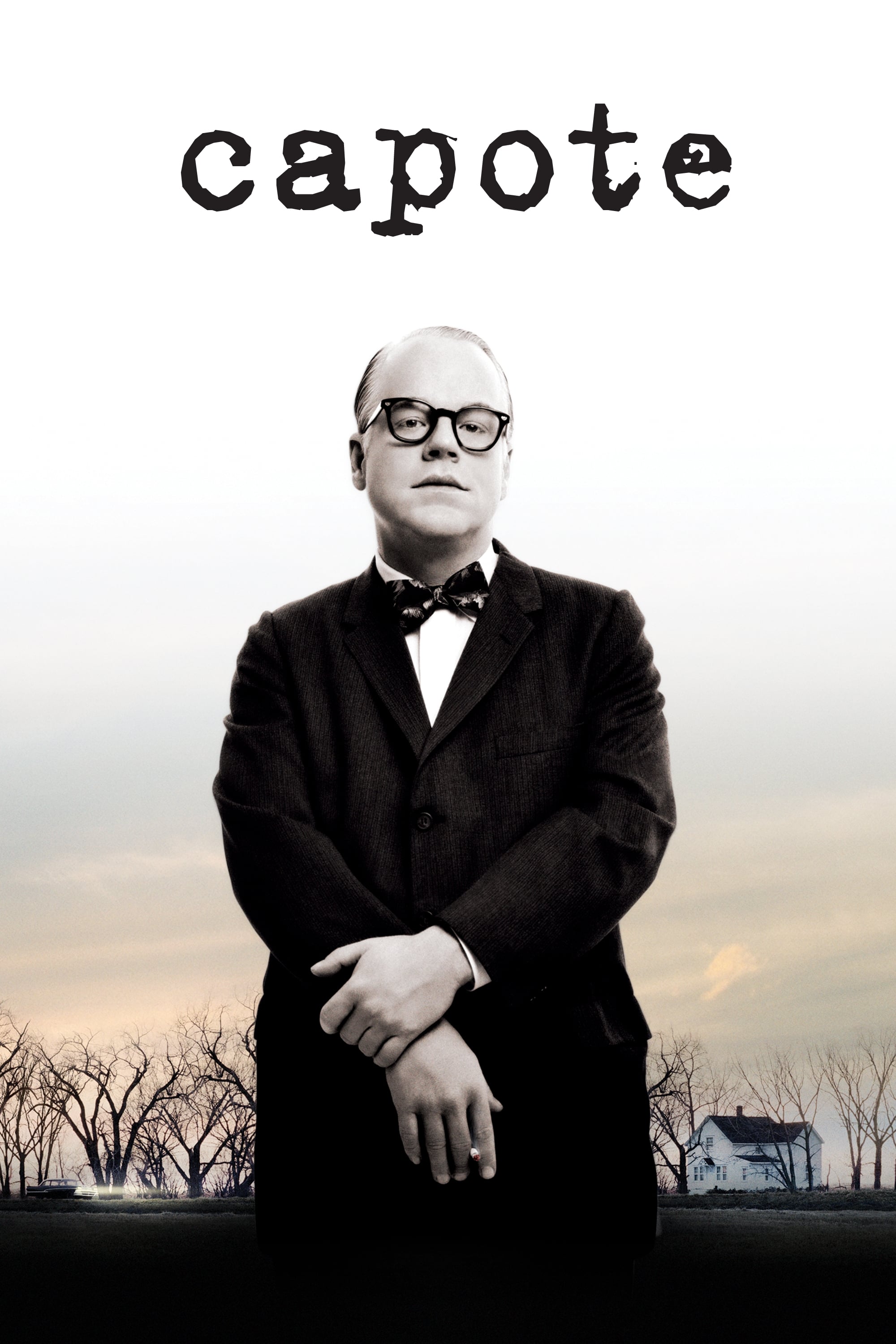
Philip Seymour Hoffman portrays the acclaimed author Truman Capote during the period he spent researching his true crime novel, ‘In Cold Blood’. The film depicts Capote’s distinct personality, his intelligence, and his relationship with his partner, Jack Dunphy. Hoffman’s meticulous performance won him the Academy Award for Best Actor. Capote was a famously openly gay figure during a time when such visibility was rare. While Hoffman’s talent was undisputed, the portrayal prompted discussions about the representation of historical queer icons by actors who do not share their lived experiences.
‘Monster’ (2003)

Charlize Theron portrays real-life serial killer Aileen Wuornos, focusing on her relationship with Selby Wall, played by Christina Ricci. The film depicts Wuornos as a complex figure whose life was shaped by trauma and her romantic bond with another woman. Theron underwent a drastic physical transformation and won the Academy Award for Best Actress. While the film focuses heavily on the lesbian relationship, the casting of two straight actresses was largely accepted at the time. Modern critiques often look back at the film to analyze how Hollywood depicts queer women in extreme or fringe circumstances.
‘To Wong Foo, Thanks for Everything! Julie Newmar’ (1995)
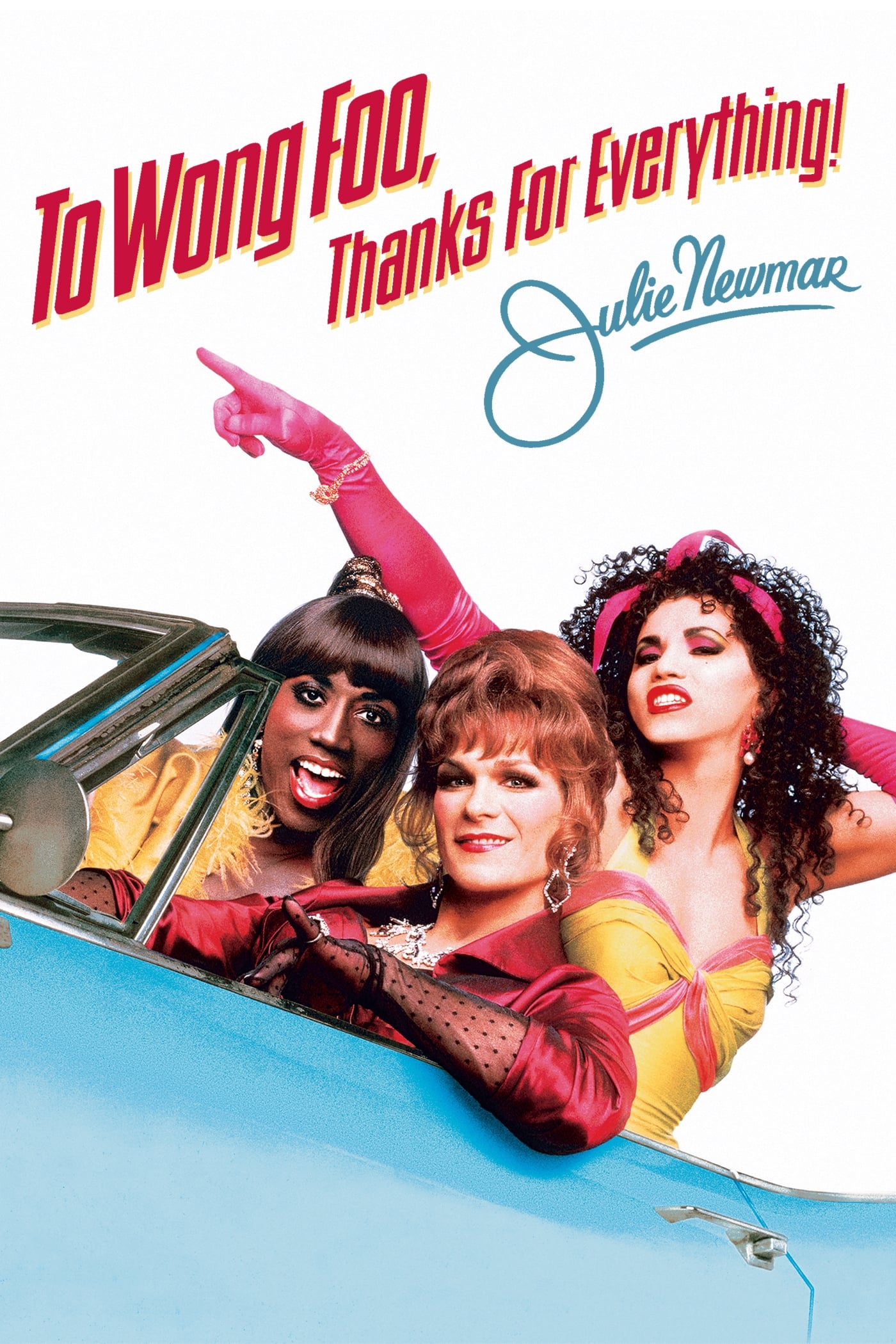
Patrick Swayze, Wesley Snipes, and John Leguizamo star as three drag queens who embark on a cross-country road trip. When their car breaks down in a small town, they bring color and life to the local community while hiding their true identities. The film was a mainstream attempt to bring drag culture to a wider audience during the mid-1990s. Casting three major action stars in these roles was a deliberate choice to play with gender expectations for comedic effect. The film is often debated for its use of straight stars to portray queer performance art.
‘Philadelphia’ (1993)
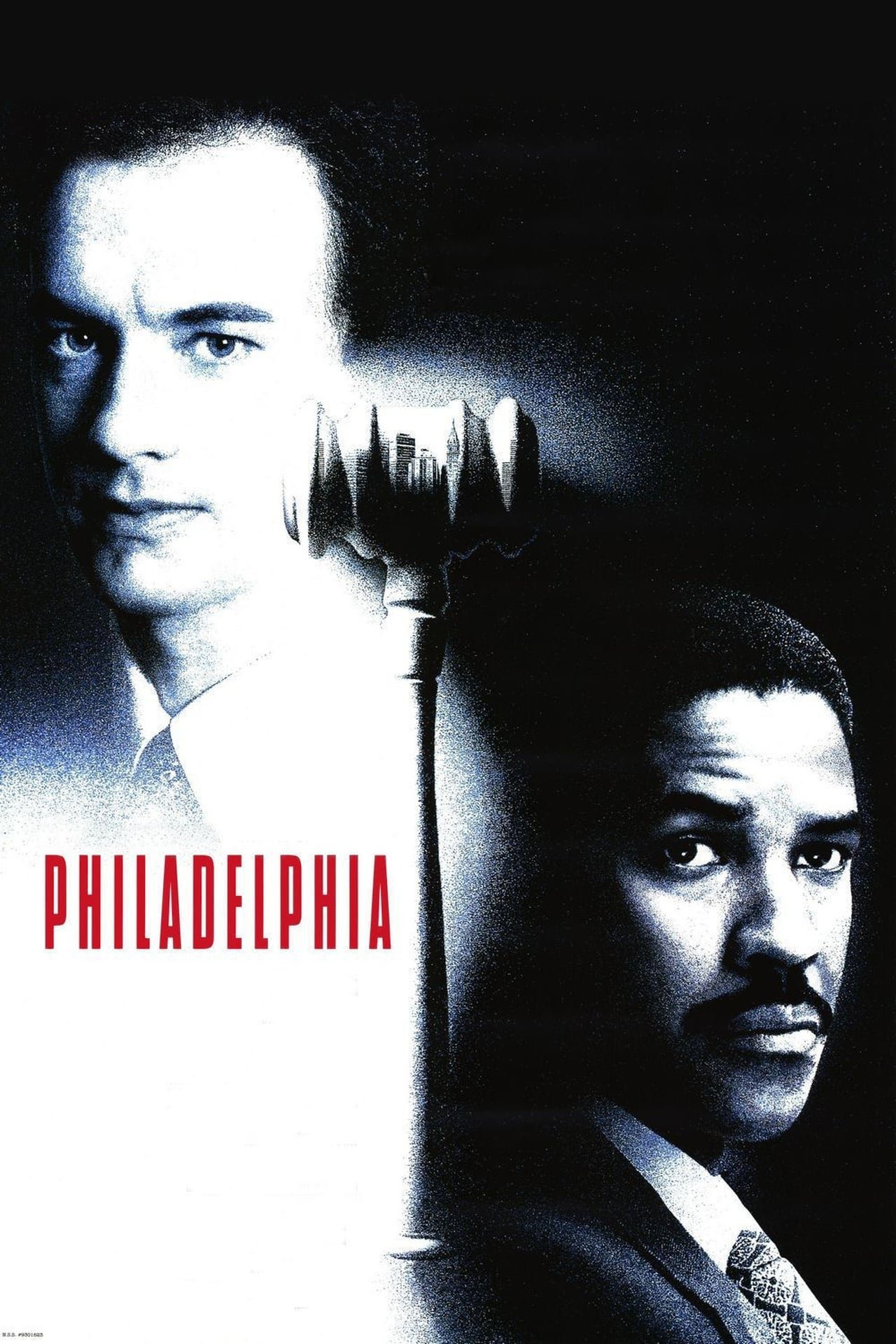
Tom Hanks plays Andrew Beckett, a lawyer who is fired from his firm after his employers discover he has AIDS. The film was one of the first major Hollywood productions to address the HIV/AIDS crisis and the discrimination faced by the gay community. Hanks won his first Academy Award for Best Actor for his portrayal of Beckett’s physical decline and legal battle. The casting of a popular straight actor was a strategic decision to make the film’s message accessible to a general audience. This choice remains a cornerstone of the debate regarding the perceived “palatability” of queer stories when presented by straight performers.
‘Basic Instinct’ (1992)
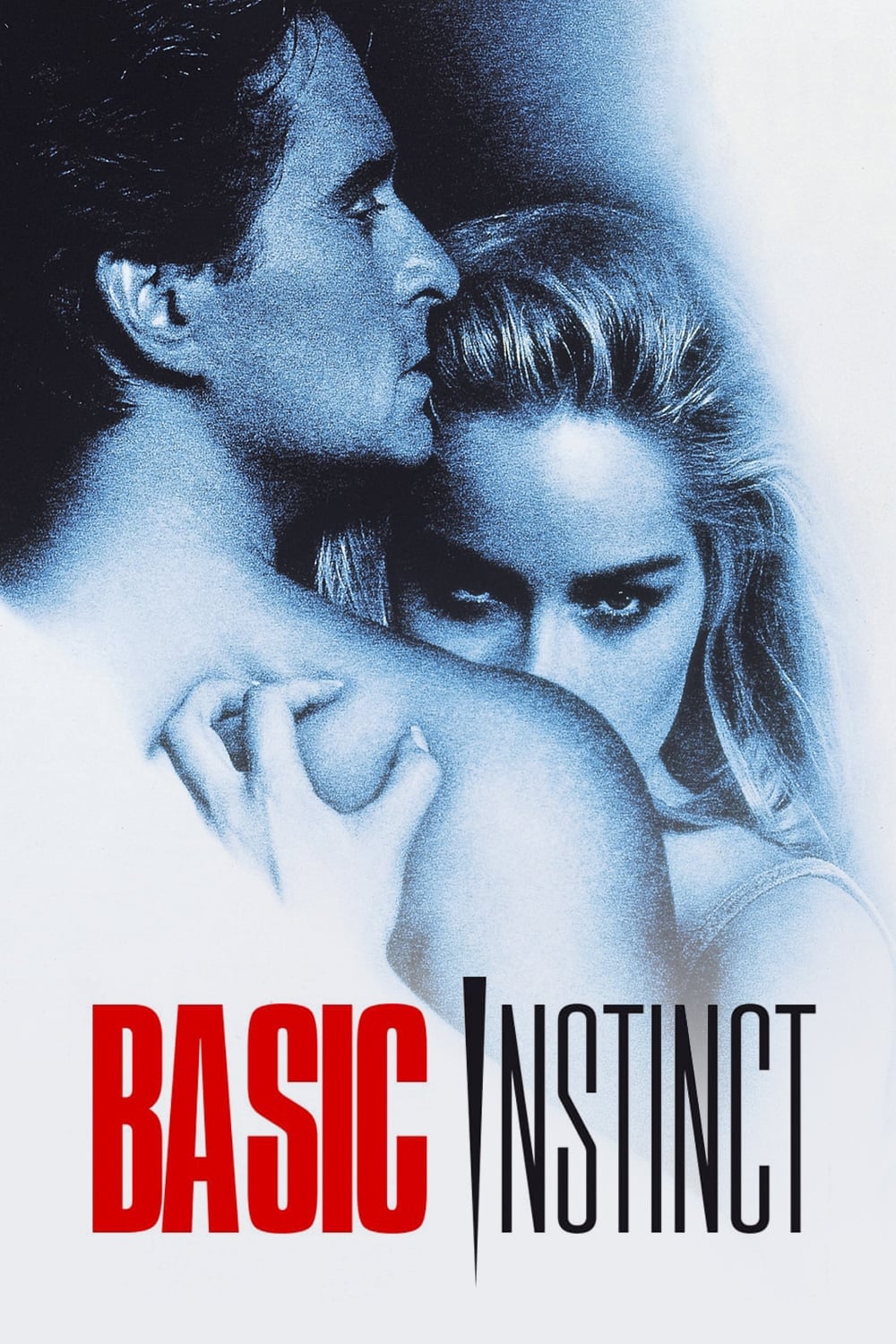
Sharon Stone stars as Catherine Tramell, a bisexual crime novelist who becomes a suspect in a series of murders. The film’s depiction of Tramell as a lethal and manipulative “femme fatale” sparked protests from LGBTQ+ activists during its production and release. Critics argued that the film utilized queer sexuality as a signifier of deviance and danger. Stone’s performance turned her into a major star and established Tramell as a controversial icon within cinema history. The film is frequently cited in discussions about the problematic tropes associated with bisexual characters portrayed by straight actors.
Share your thoughts on these casting choices and the importance of representation in the comments.