Games That Rewarded Non-Violent Conflict Resolution Ranked



While many video games focus on combat as the primary method of progress, several landmark titles offer players the ability to resolve situations through diplomacy, stealth, or clever manipulation. These games often provide unique narrative consequences and mechanical rewards for those who choose a pacifist or low-chaos approach. By prioritizing dialogue over destruction, players can uncover hidden story layers and achieve specific endings that are unavailable through traditional violence. The following titles demonstrate how developers have integrated non-violent solutions into diverse genres ranging from role-playing games to stealth-action adventures.
‘I Am Alive’ (2012)
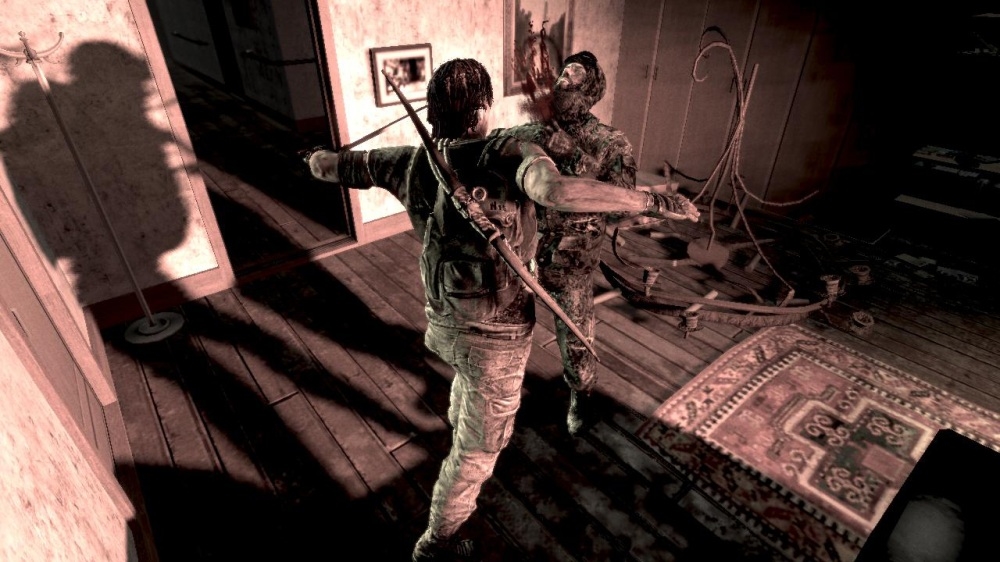
Developed by Ubisoft Shanghai and published by Ubisoft, this post-apocalyptic survival game emphasizes resource scarcity and psychological tension. Players often encounter hostile survivors where drawing a weapon acts as a deterrent rather than an invitation to a shootout. By pointing an empty gun at enemies, the protagonist can force them to back down or surrender, conserving precious ammunition. This bluffing mechanic rewards players for managing the morale of their opponents without resorting to lethal force.
‘Alpha Protocol’ (2010)
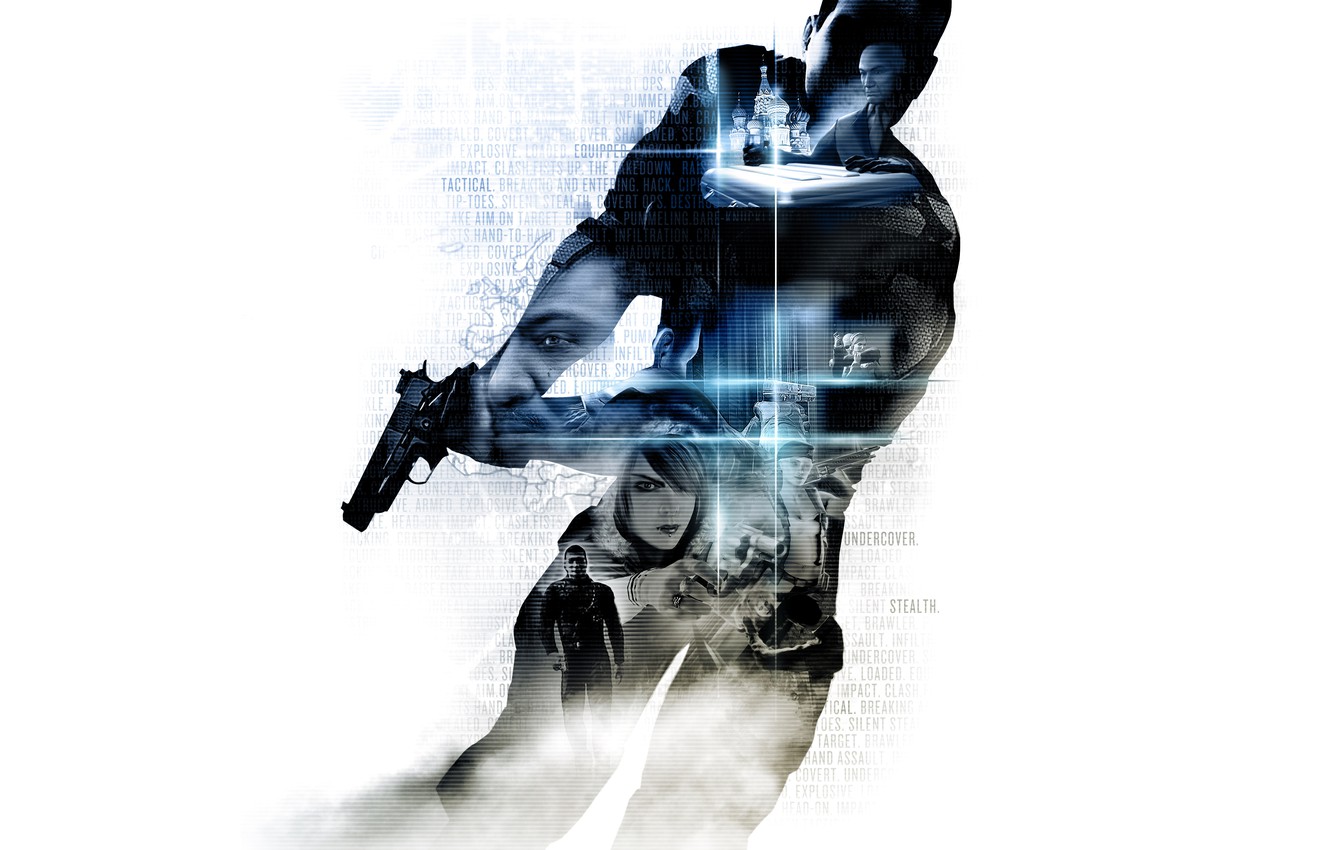
Obsidian Entertainment and Sega created this espionage-themed role-playing game that utilizes a unique “Stance Protocol” for dialogue. Players can choose to be professional, suave, or aggressive, directly impacting how NPCs react and whether a fight erupts. Many high-stakes encounters can be bypassed entirely if the player has gathered enough intelligence to blackmail or persuade their targets. The game rewards these non-violent choices with distinct perks and significant shifts in the global political landscape.
‘Beyond: Two Souls’ (2013)

Quantic Dream and Sony Computer Entertainment delivered this cinematic narrative following a young woman linked to a mysterious entity. Throughout the story, players can use the entity’s powers to distract or possess enemies rather than killing them. Choosing non-violent paths often influences the protagonist’s relationships and her internal moral compass. The game tracks these decisions, leading to various emotional outcomes based on the player’s restraint during moments of crisis.
‘Mirror’s Edge’ (2008)

DICE and Electronic Arts developed this first-person parkour game where momentum is the primary tool for survival. While the protagonist can engage in combat, the gameplay mechanics heavily favor evasion and disarming maneuvers. Completing the entire campaign without shooting an enemy unlocks a specific achievement and emphasizes the core theme of athletic freedom over violence. This design choice highlights the protagonist’s role as a “Runner” who prioritizes speed and agility to navigate a totalitarian city.
‘Watch Dogs 2’ (2016)
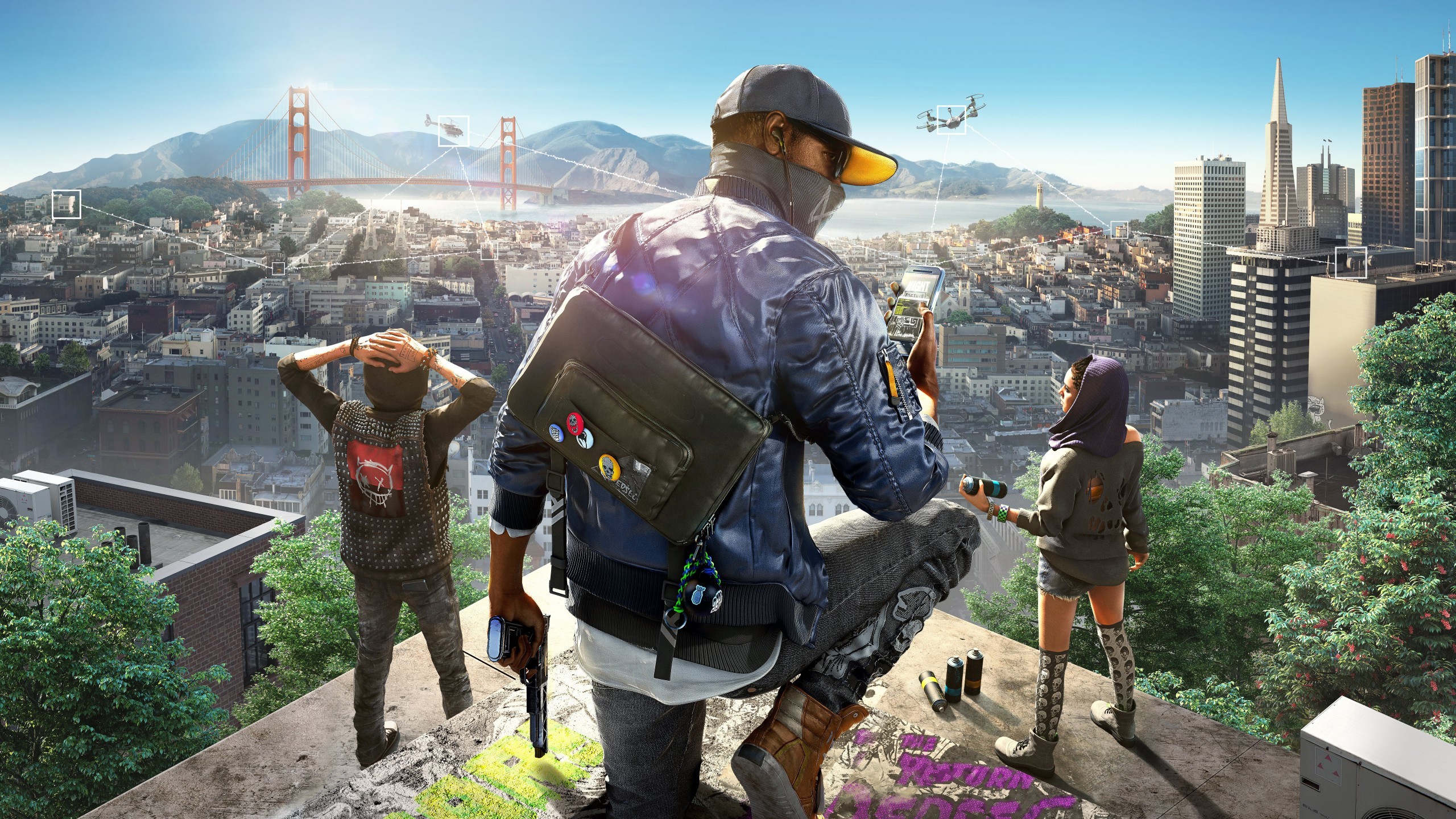
Created by Ubisoft Montreal and published by Ubisoft, this open-world hacking game provides a wide array of non-lethal tools for the player. Marcus Holloway can utilize tasers, stun grenades, and remote-controlled drones to neutralize threats or bypass security. The game narrative aligns more closely with a non-violent approach, as the protagonist’s group seeks to win public support through social media followers. Avoiding lethal encounters prevents unnecessary civilian casualties and keeps the mission focus on digital activism.
‘The Forgotten City’ (2021)
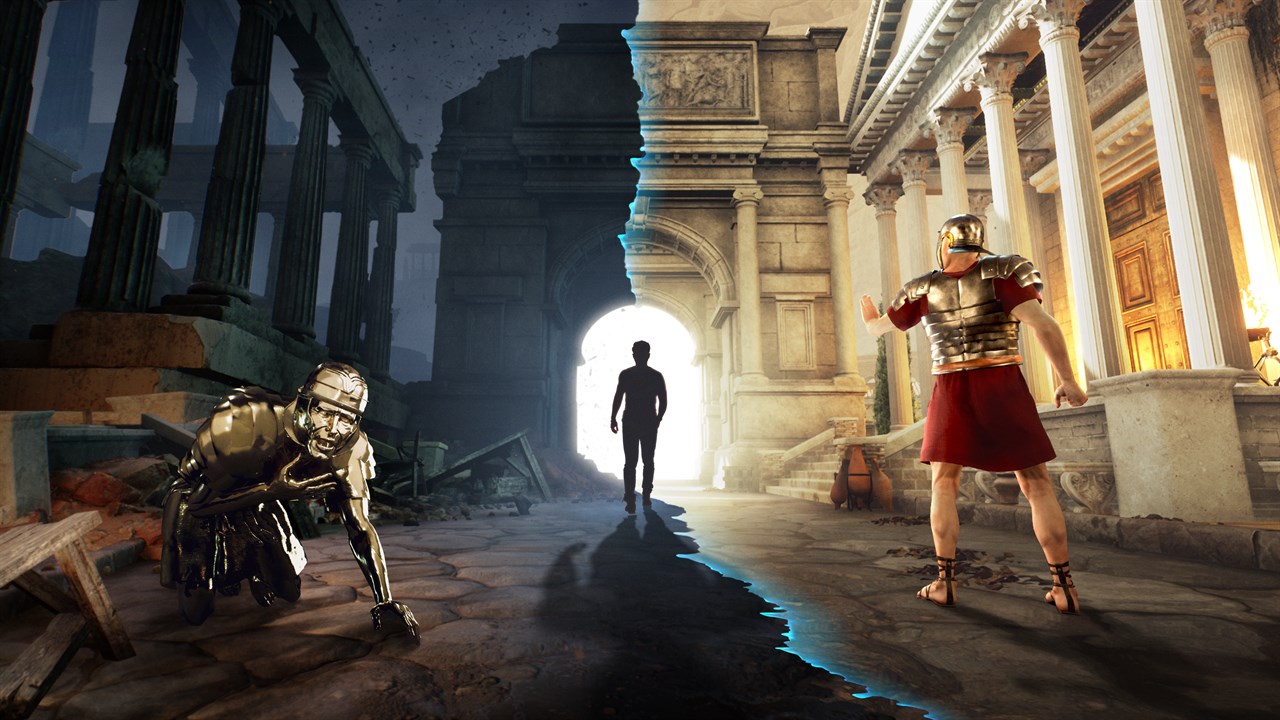
Developed by Modern Storyteller and published by Dear Villagers, this mystery game began as a popular mod for another title before becoming a standalone release. Players explore an ancient Roman city governed by the “Golden Rule,” where one person’s sin causes everyone to die. Progress is achieved by talking to residents, uncovering secrets, and using a time loop to prevent crimes from occurring. The best endings are reserved for those who use logic and empathy to resolve the central curse without drawing a weapon.
‘Detroit: Become Human’ (2018)
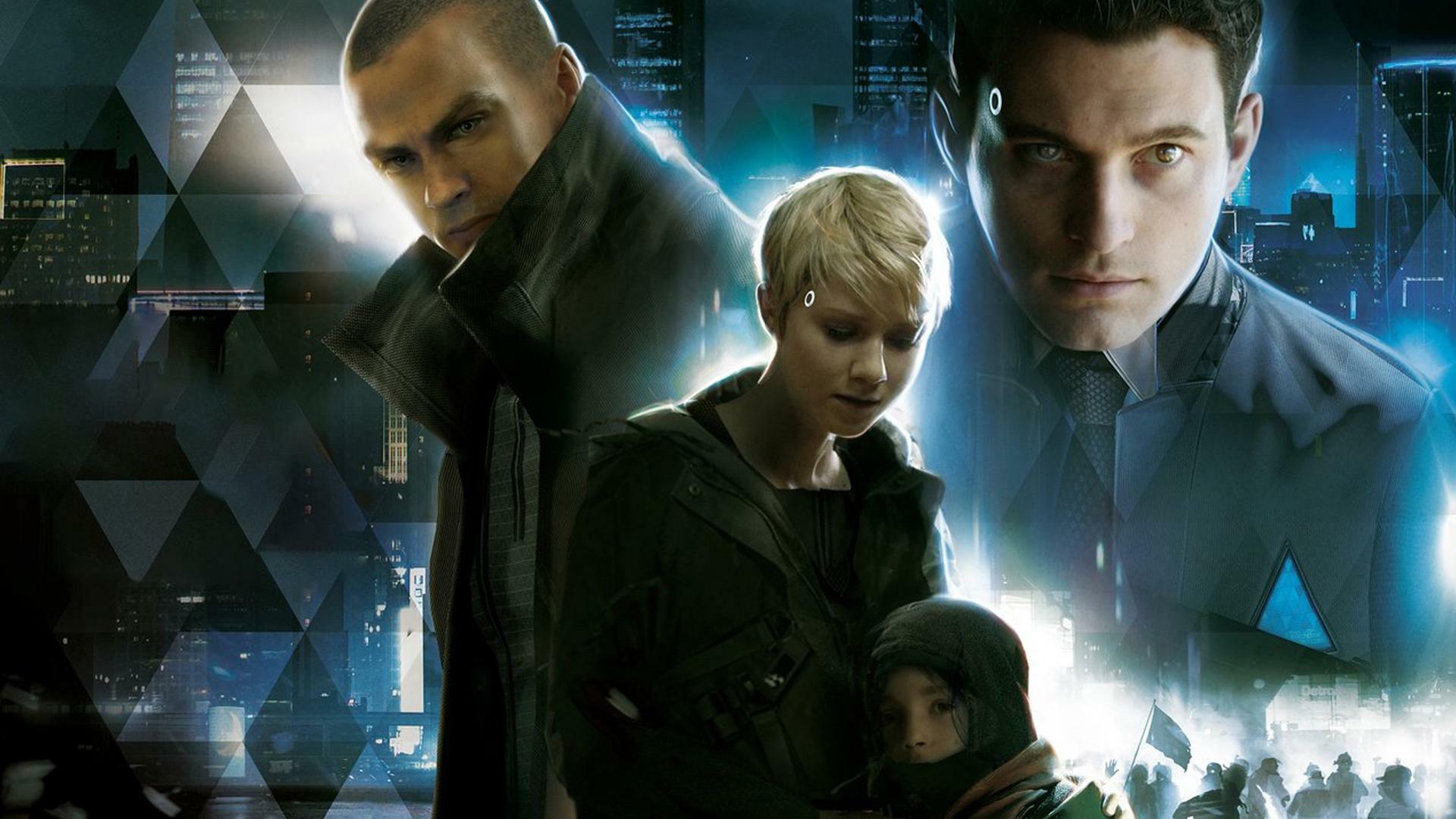
Quantic Dream and Sony Interactive Entertainment produced this narrative-driven game focused on the awakening of sentient androids. Players control three different characters whose choices dictate the fate of their species and the human race. Choosing a path of peaceful protest and public appeal often results in a more favorable global opinion of androids. These non-violent actions lead to a successful revolution that minimizes bloodshed and maximizes the chance for a harmonious future.
‘Thief: The Dark Project’ (1998)

Looking Glass Studios and Eidos Interactive pioneered the stealth genre with this title that rewards players for remaining undetected. On higher difficulty settings, the game strictly forbids the killing of any human characters, forcing a reliance on environmental awareness. Players must use water arrows to douse torches and moss arrows to quiet their footsteps to avoid guards entirely. This “ghosting” playstyle is considered the ultimate expression of the game’s mechanics, rewarding patience over aggression.
‘Splinter Cell: Chaos Theory’ (2005)
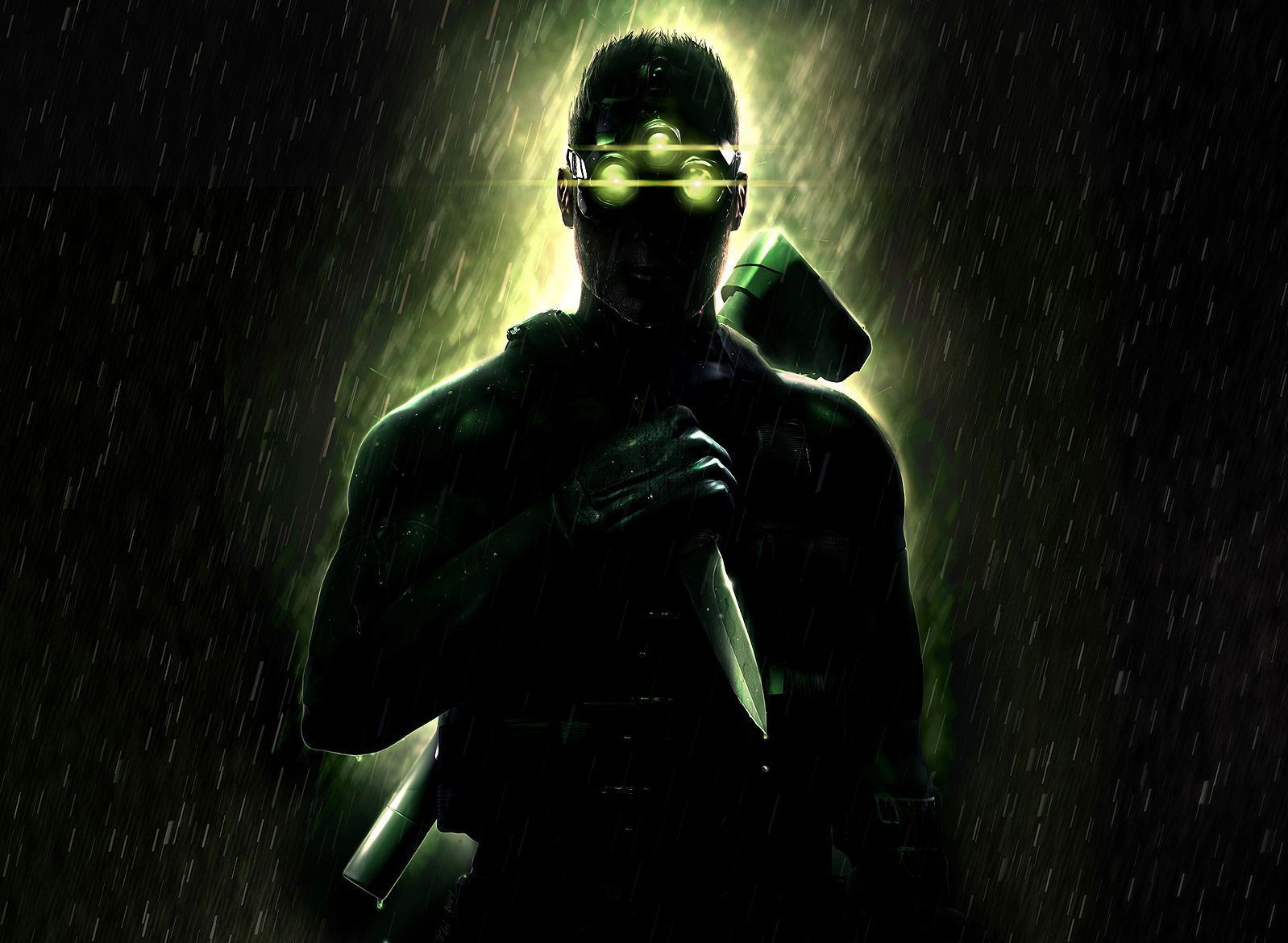
Ubisoft Montreal and Ubisoft refined the stealth experience in this installment by introducing a mission rating system. Players receive a higher percentage score at the end of each level for avoiding detections and minimizing lethality. Sam Fisher is equipped with non-lethal equipment like sticky shockers and airfoils to incapacitate guards when necessary. Achieving a 100% rating requires mastery of the environment and a commitment to completing objectives without leaving a trail of bodies.
‘Planescape: Torment’ (1999)

Black Isle Studios and Interplay Entertainment released this philosophical role-playing game that prioritizes narrative depth over combat. The protagonist’s attributes, particularly Wisdom, Intelligence, and Charisma, open up vast dialogue options that can resolve major conflicts. Players can even convince the final boss to simply cease to exist through logical argumentation rather than a physical battle. This focus on the power of words makes it a standout title for those seeking intellectual conflict resolution.
‘Deus Ex: Human Revolution’ (2011)
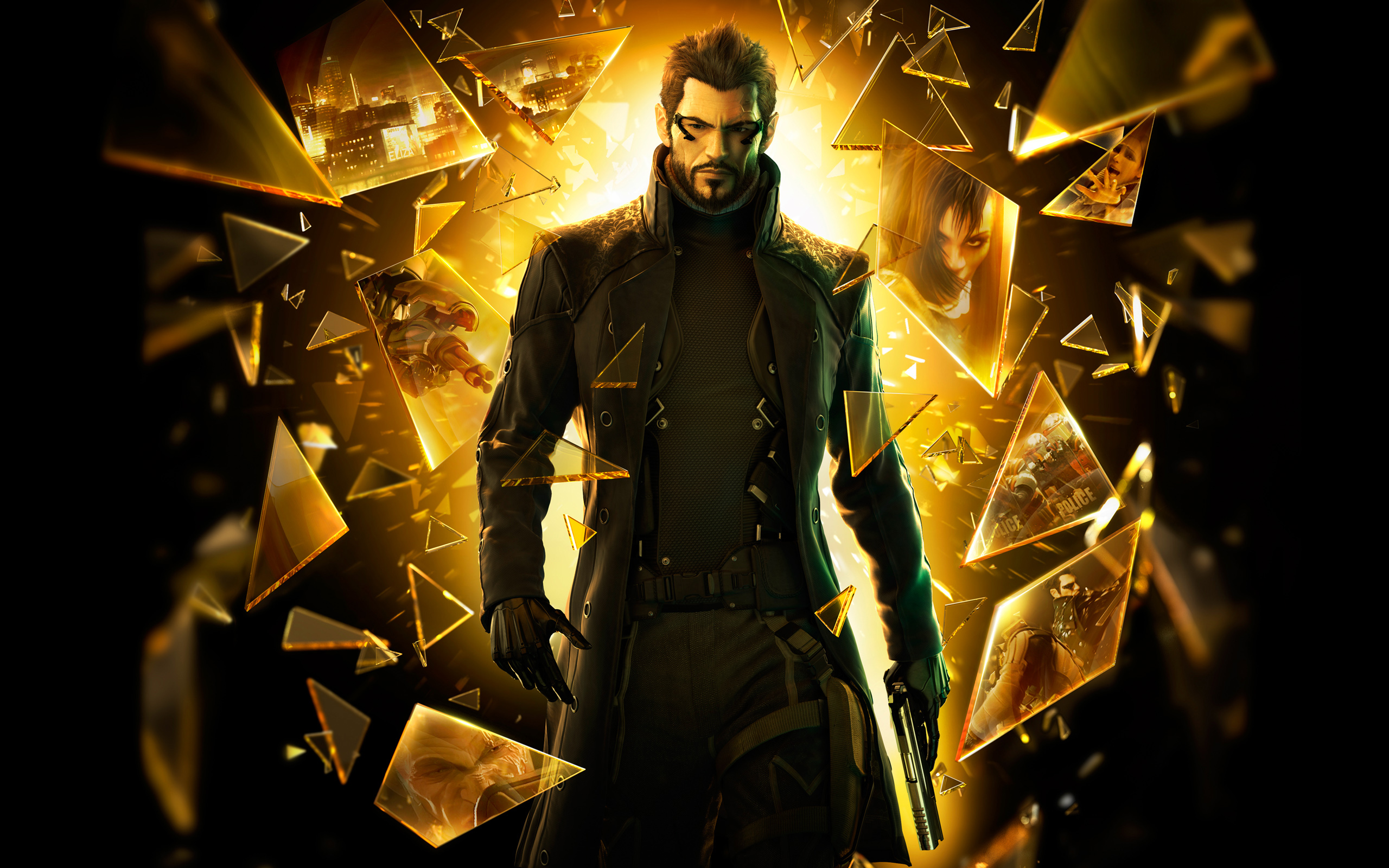
Eidos Montréal and Square Enix revived this iconic franchise with a heavy emphasis on player agency and “Social Enhancer” augmentations. This tool allows Adam Jensen to analyze NPC pheromones and heart rates to win critical debates and avoid hostilities. The game features a “Pacifist” achievement for players who complete the entire experience without a single kill, excluding boss fights. This design rewards thorough exploration and the creative use of non-lethal gadgets to navigate futuristic environments.
‘Fallout: New Vegas’ (2010)
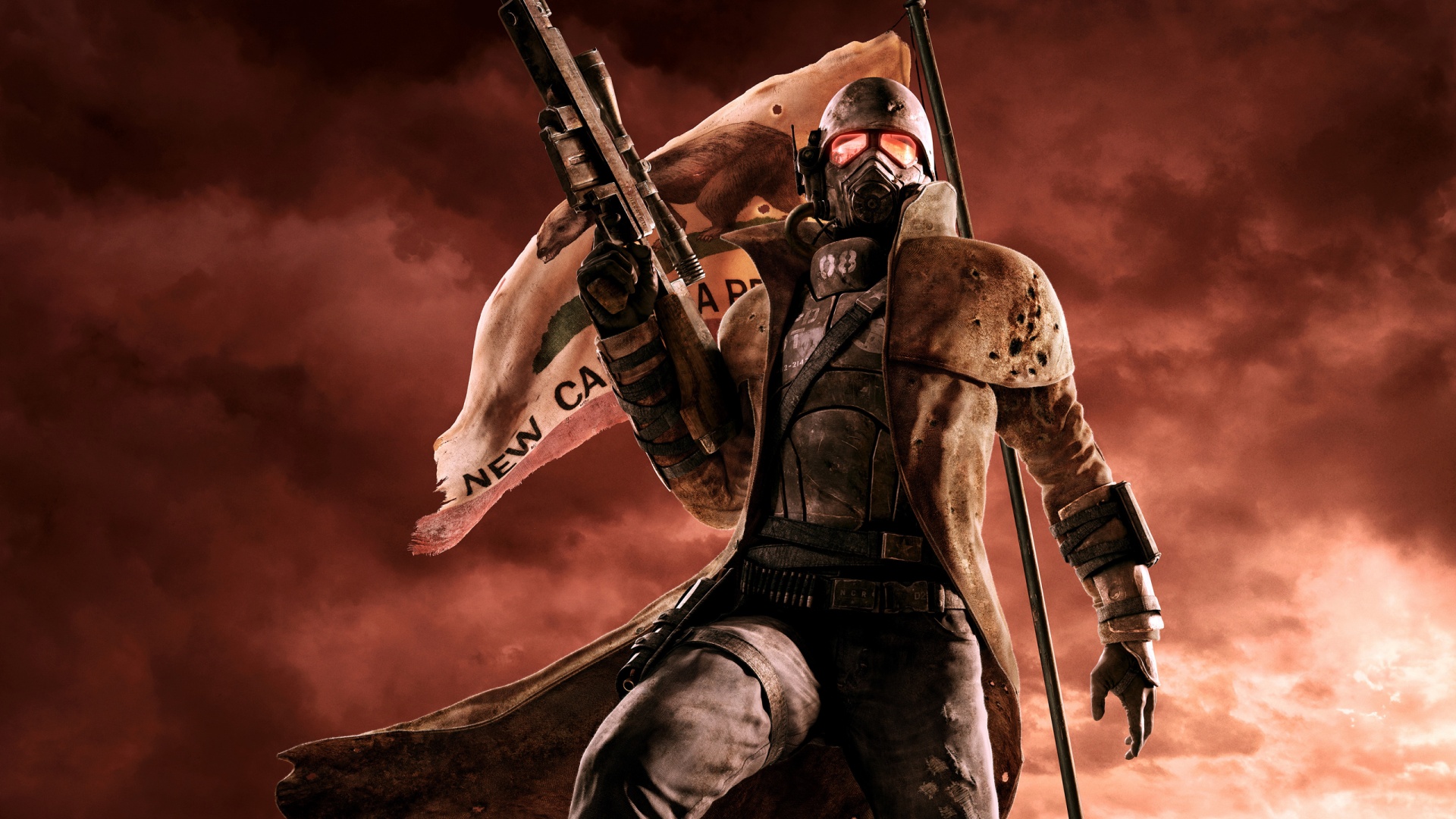
Obsidian Entertainment and Bethesda Softworks collaborated on this RPG known for its complex faction system and branching dialogue trees. A character with a high Speech skill can talk their way through almost every major confrontation, including the final showdown at Hoover Dam. By convincing opposing generals to retreat or surrender, players can end the war for the Mojave Wasteland with minimal casualties. This flexibility allows for a complete “pacifist run,” where the player never directly harms another living being.
‘Star Wars: Knights of the Old Republic’ (2003)

Developed by BioWare and published by LucasArts, this classic RPG allows players to navigate the ‘Star Wars’ universe using the Force and diplomacy. High Persuade skills enable the protagonist to settle ancient blood feuds or convince enemies to turn away from the Dark Side. Choosing the Light Side path often involves finding peaceful compromises between warring factions, such as the Sand People and the settlers of Tatooine. These choices reward the player with Light Side points and unique story outcomes that reflect Jedi ideals.
‘Metal Gear Solid 3: Snake Eater’ (2004)
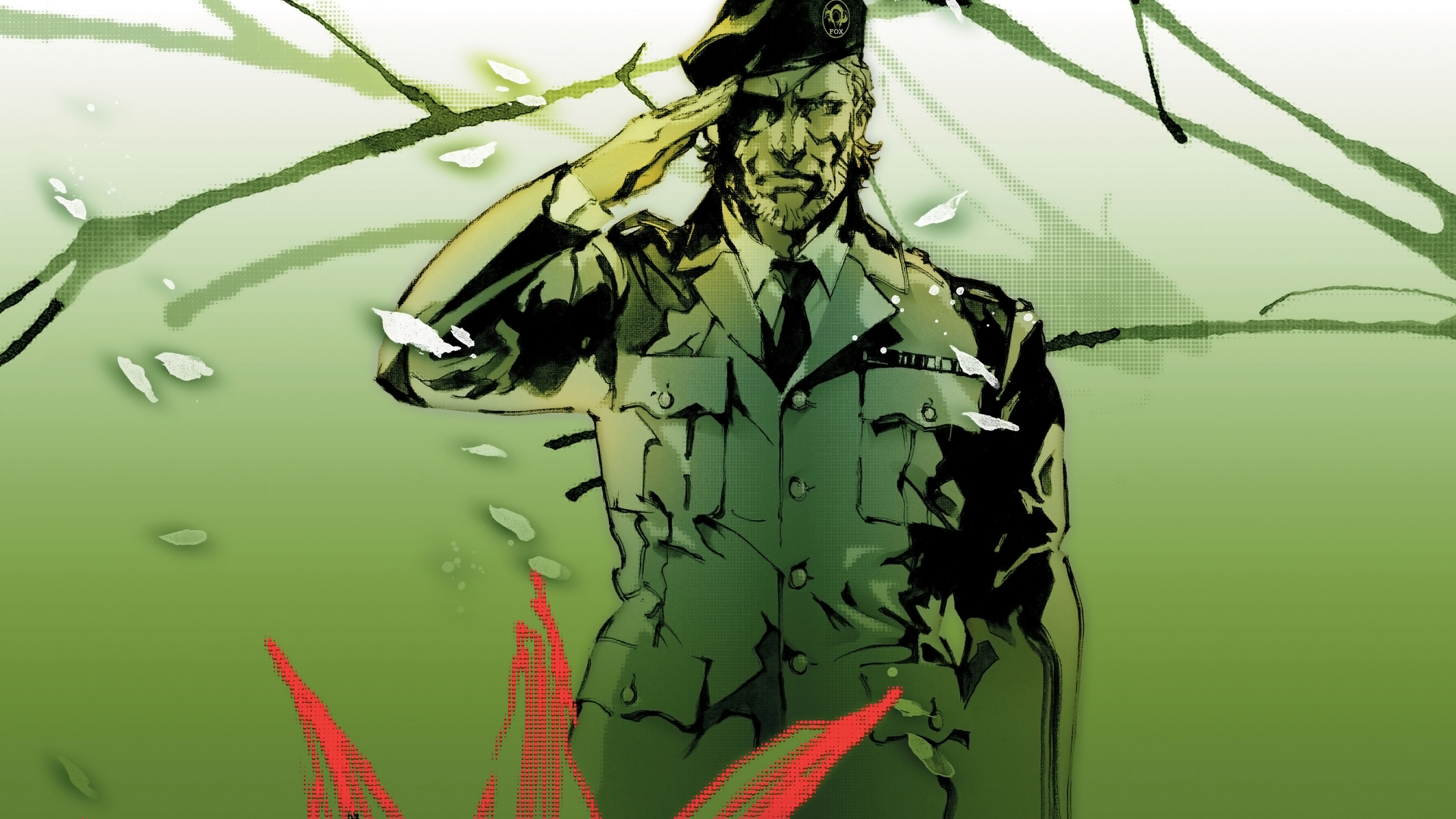
Konami and Kojima Productions introduced a stamina-based boss fight system that encourages non-lethal tactics. By using tranquilizer guns or CQC to drain a boss’s stamina instead of their health, players receive special camouflages as a reward. This approach changes the tone of the game, as Naked Snake must act as a true phantom rather than a traditional soldier. Avoiding kills also makes a specific late-game encounter much easier, as the player is not haunted by the ghosts of their victims.
‘Stardew Valley’ (2016)
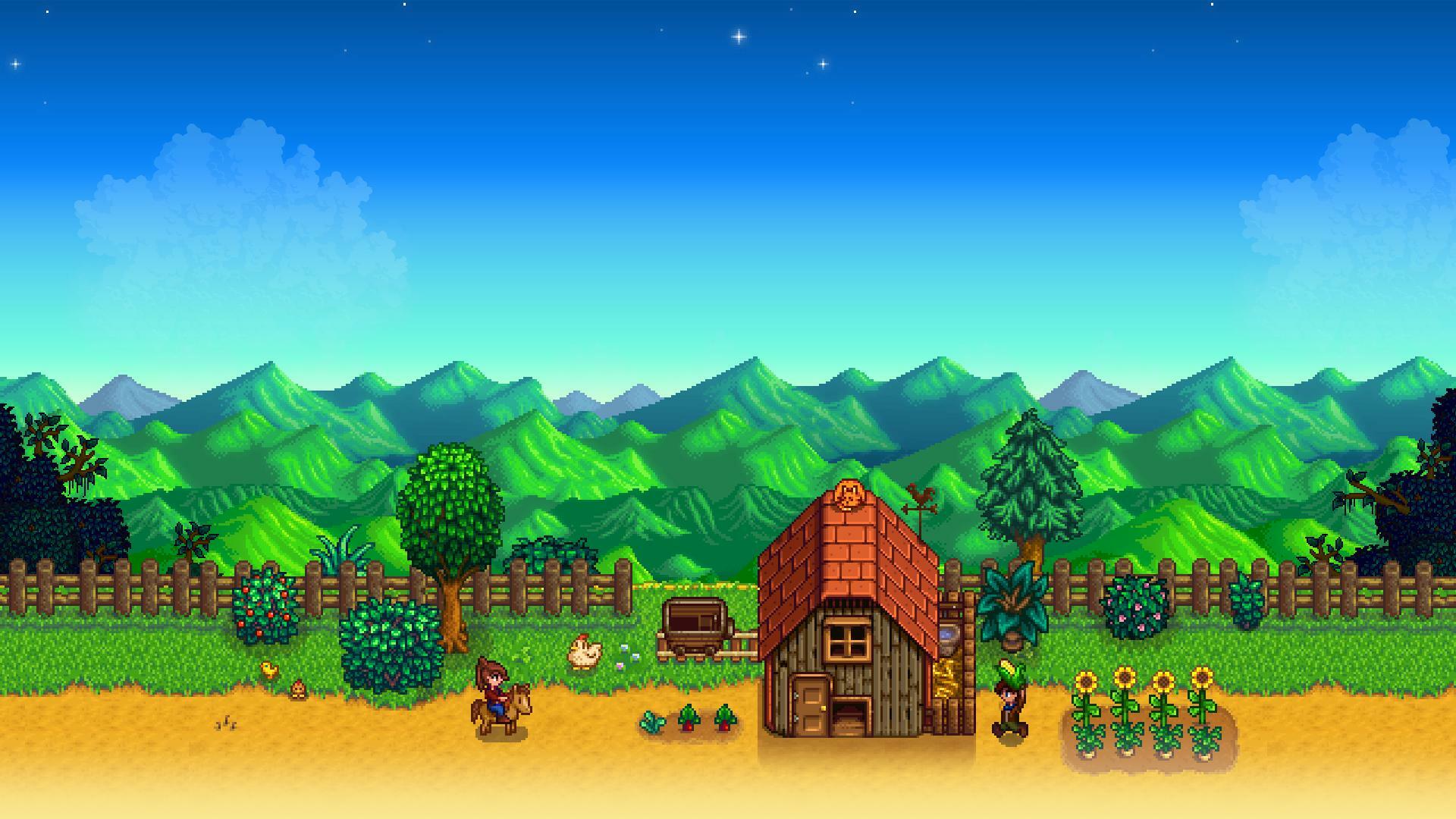
Created by ConcernedApe, this farming simulation game offers a peaceful alternative to the industrial expansion of the Joja Corporation. Players can choose to restore the Community Center by gathering local resources and fostering relationships with townspeople. While the game features a combat-heavy mine, the primary conflict is resolved through agricultural success and community cooperation. The game rewards this focus on social harmony with a revitalized town and deep, meaningful connections with the diverse cast of characters.
‘Dishonored’ (2012)
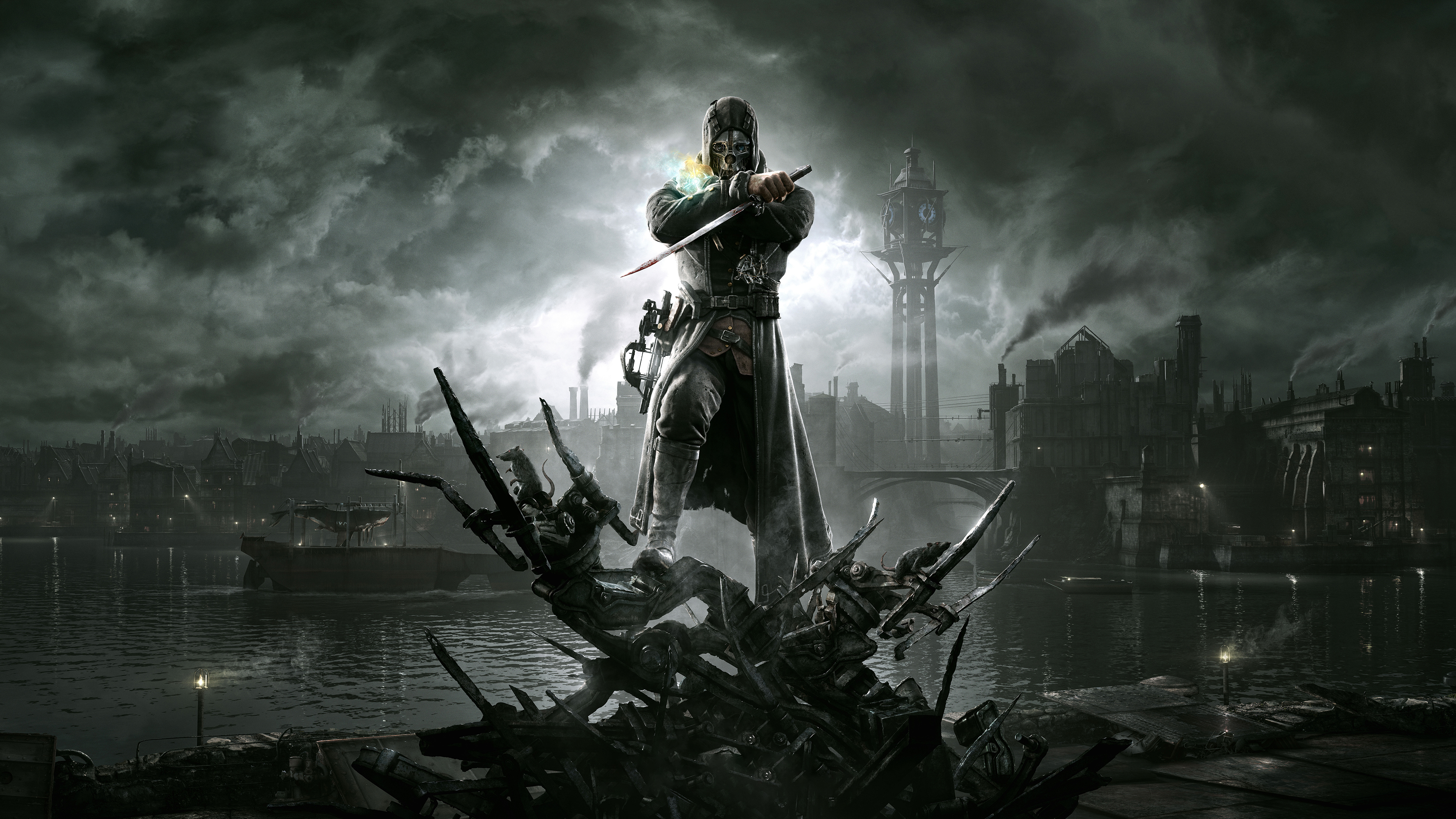
Arkane Studios and Bethesda Softworks designed this immersive sim around a “Chaos” system that tracks the player’s lethality. Choosing non-lethal takedowns and avoiding detection keeps the Chaos level low, resulting in a cleaner city and a more hopeful ending. Every target in the game can be dealt with using a poetic, non-lethal punishment that often requires more effort and exploration. This mechanic reinforces the theme of the protagonist maintaining their humanity despite the betrayal they have suffered.
‘Undertale’ (2015)

Developed and published by Toby Fox, this indie phenomenon subverts RPG tropes by making the “Mercy” command a central mechanic. Players can “fight” monsters by talking to them, petting them, or showing kindness until they no longer wish to fight. Completing the game without killing anyone triggers the True Pacifist ending, which provides the most complete and heartwarming version of the story. The game actively remembers the player’s choices, providing unique dialogue for those who show restraint in the face of danger.
‘Disco Elysium’ (2019)

ZA/UM created this groundbreaking isometric RPG where the traditional combat system is replaced by an intricate web of skill checks and internal dialogues. Players solve a murder mystery by navigating political tensions and their own fractured psyche. Conflicts are resolved through rhetoric, empathy, or intimidation rather than a health bar. The game rewards the player’s intellectual and emotional choices with a deeply personal narrative that evolves based on their ability to handle pressure without a gun.
‘Baldur’s Gate 3’ (2023)
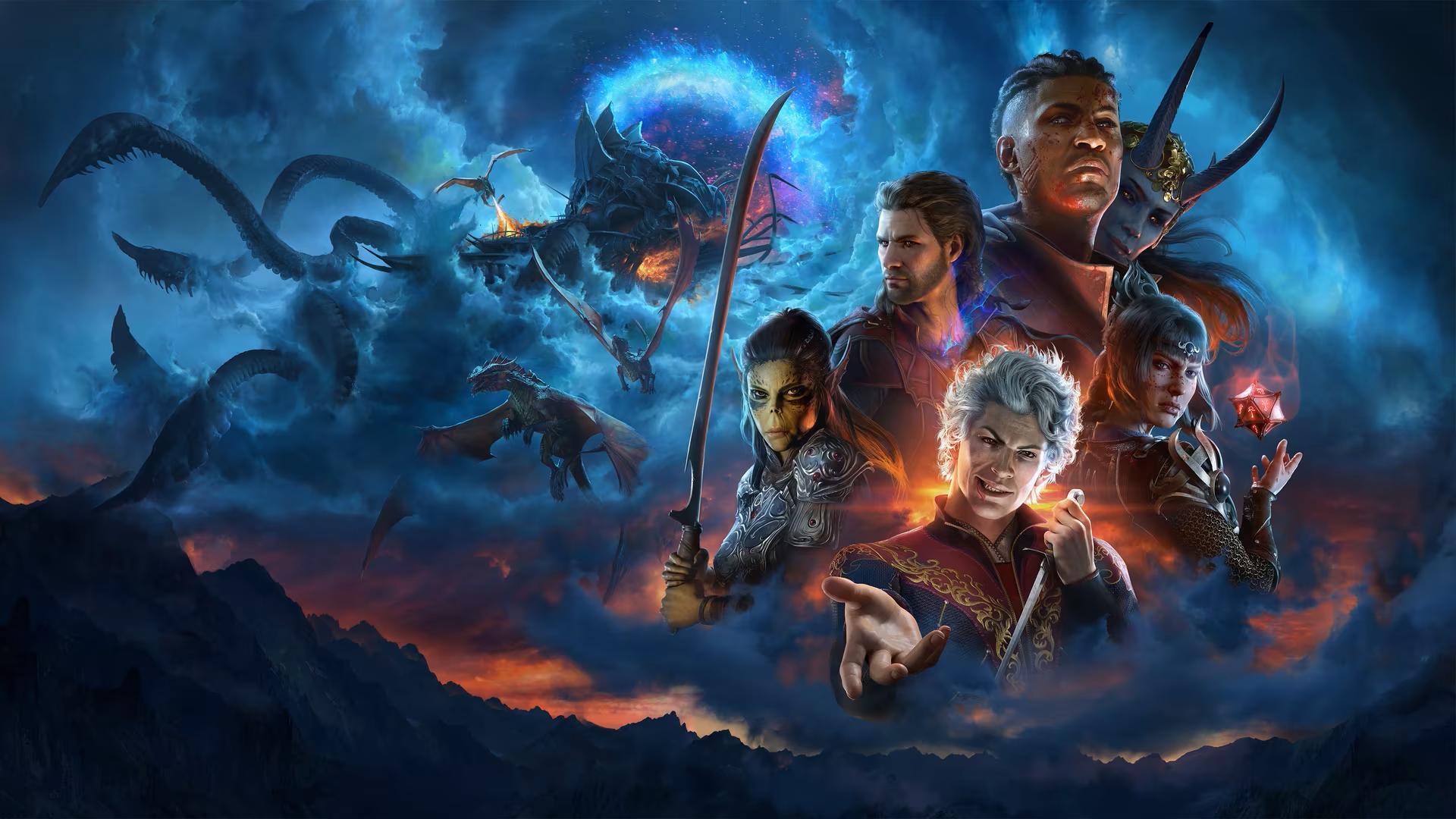
Larian Studios developed this massive RPG based on the ‘Dungeons & Dragons’ rulebook, offering unparalleled freedom in problem-solving. Players can use skill checks like Persuasion, Deception, or Insight to talk formidable bosses into surrendering or even defeating themselves. The environment also plays a role, allowing players to use non-lethal attacks to knock out enemies instead of killing them. This level of reactivity ensures that a diplomatic character is just as viable and rewarded as a traditional warrior.
‘The Witcher 3: Wild Hunt’ (2015)
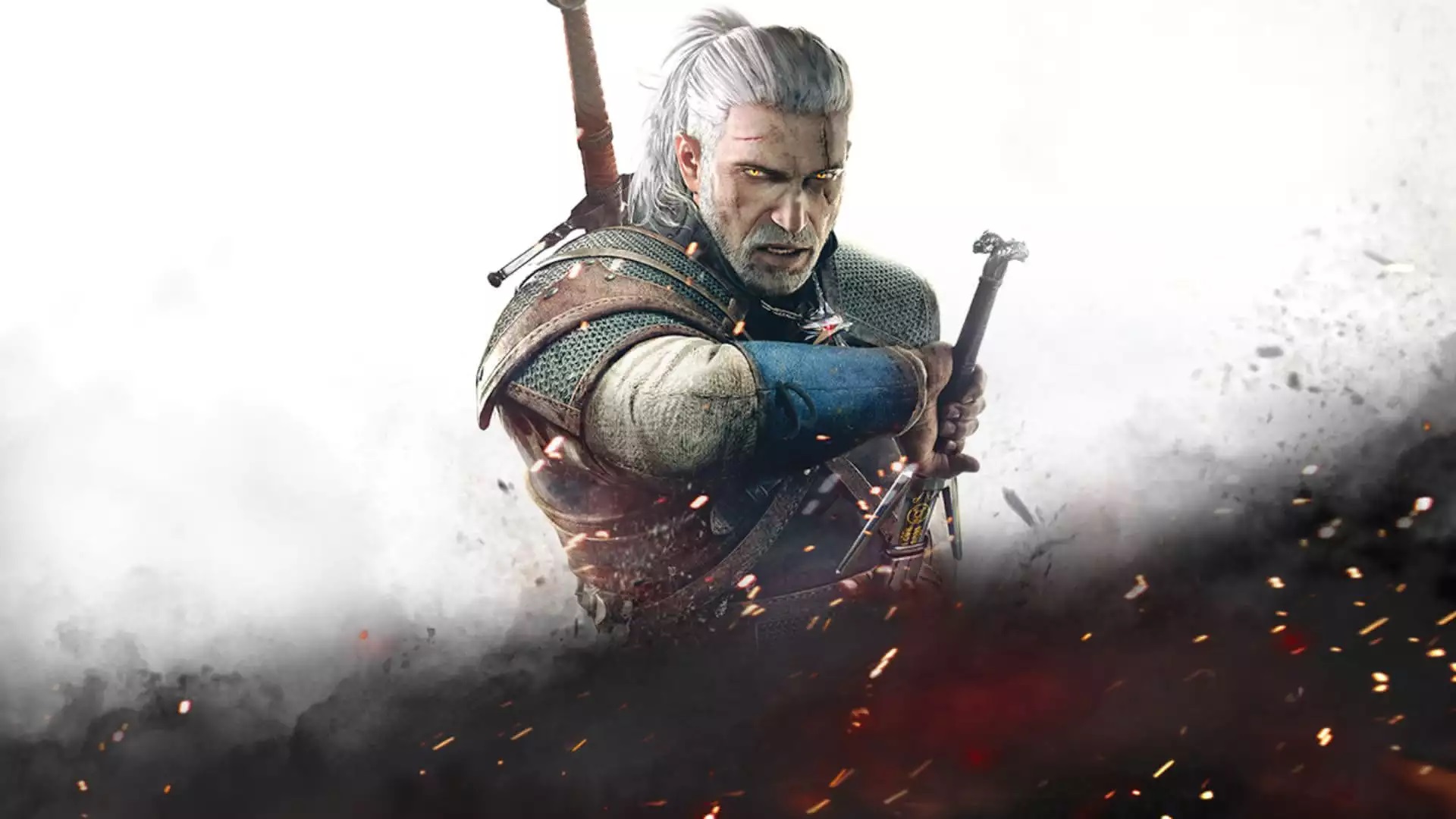
CD Projekt Red crafted this epic adventure where Geralt of Rivia often acts as a mediator between humans and monsters. Many contracts can be resolved peacefully if the player investigates the situation and chooses to spare sentient creatures. Using the Axii sign in dialogue can also diffuse tense situations before they escalate into tavern brawls or street fights. These choices often lead to long-term narrative rewards, showing that mercy can be more effective than the silver sword.
Please share your favorite memories of resolving in-game conflicts without violence in the comments.