Positive Depictions of Grief in Stories About Lost Co-Stars


The passing of a beloved actor often leaves a void that resonates far beyond the production set, forcing creators to weave real-world tragedy into their narratives. These instances provide unique opportunities to explore the complexities of loss, offering audiences a shared space to process their own emotions alongside the characters. By addressing the absence of a co-star with sensitivity and grace, movies and television shows can transform a difficult transition into a poignant tribute. These depictions of grief often serve as some of the most authentic moments in entertainment history.
‘Black Panther: Wakanda Forever’ (2022)

Following the death of Chadwick Boseman, the narrative of this sequel centers entirely on the kingdom of Wakanda mourning King T’Challa. The opening sequence features a silent, regal funeral that mirrors the real-world respect for the late actor. Throughout the film, characters like Shuri and Ramonda navigate different stages of bereavement, from anger to eventual acceptance. The story focuses on how a community honors a fallen leader while continuing his legacy. This approach allowed both the cast and the audience to bid a collective farewell to a cultural icon.
‘Furious 7’ (2015)

The production faced the monumental task of completing the film after the sudden death of Paul Walker. Instead of killing off his character, Brian O’Conner, the writers chose to give him a peaceful retirement from the high-stakes world of street racing. The final scene features a digital recreation of Walker driving alongside Vin Diesel before their paths diverge at a fork in the road. This symbolic separation served as a direct tribute to the bond between the two lead actors. The film emphasizes that brotherhood transcends physical presence, providing a hopeful perspective on loss.
‘Glee’ (2009–2015)

The episode titled “The Quarterback” was written as a dedicated tribute to Cory Monteith after his untimely passing. The narrative skips the details of the character Finn Hudson’s death to focus purely on the emotional impact felt by his friends and mentors. Characters express their grief through songs and shared memories, acknowledging that there is no “right” way to mourn. The episode remains notable for its raw performances, as the actors were grieving their real-life colleague during filming. It provides a stark, honest look at how a sudden loss affects a tight-knit community.
‘8 Simple Rules’ (2002–2005)

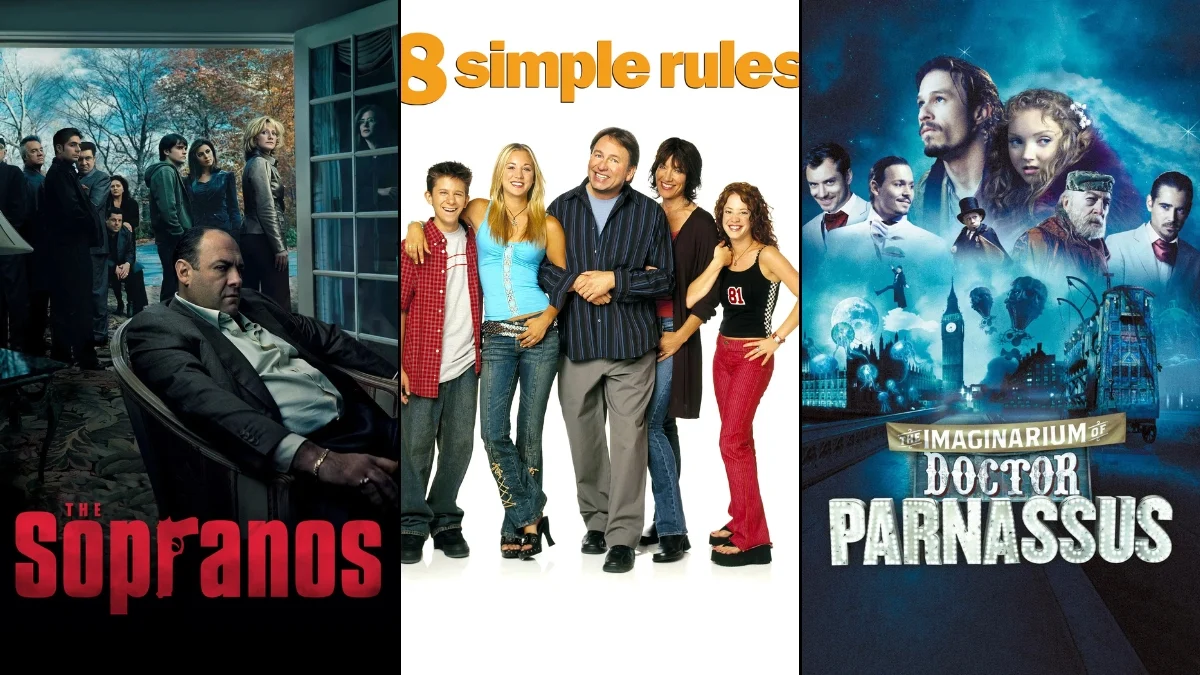
When John Ritter died during the production of the second season, the sitcom transitioned from a lighthearted comedy to a serious exploration of family grief. The one-hour special “Goodbye” addresses the death of the patriarch, Paul Hennessy, with significant emotional weight. The show depicted the messy, day-to-day reality of a family trying to function while paralyzed by sadness. By allowing the characters to be vulnerable and imperfect in their mourning, the series provided a realistic portrayal of domestic loss. It remains a benchmark for how television can handle the death of a lead actor.
‘Riverdale’ (2017–2023)
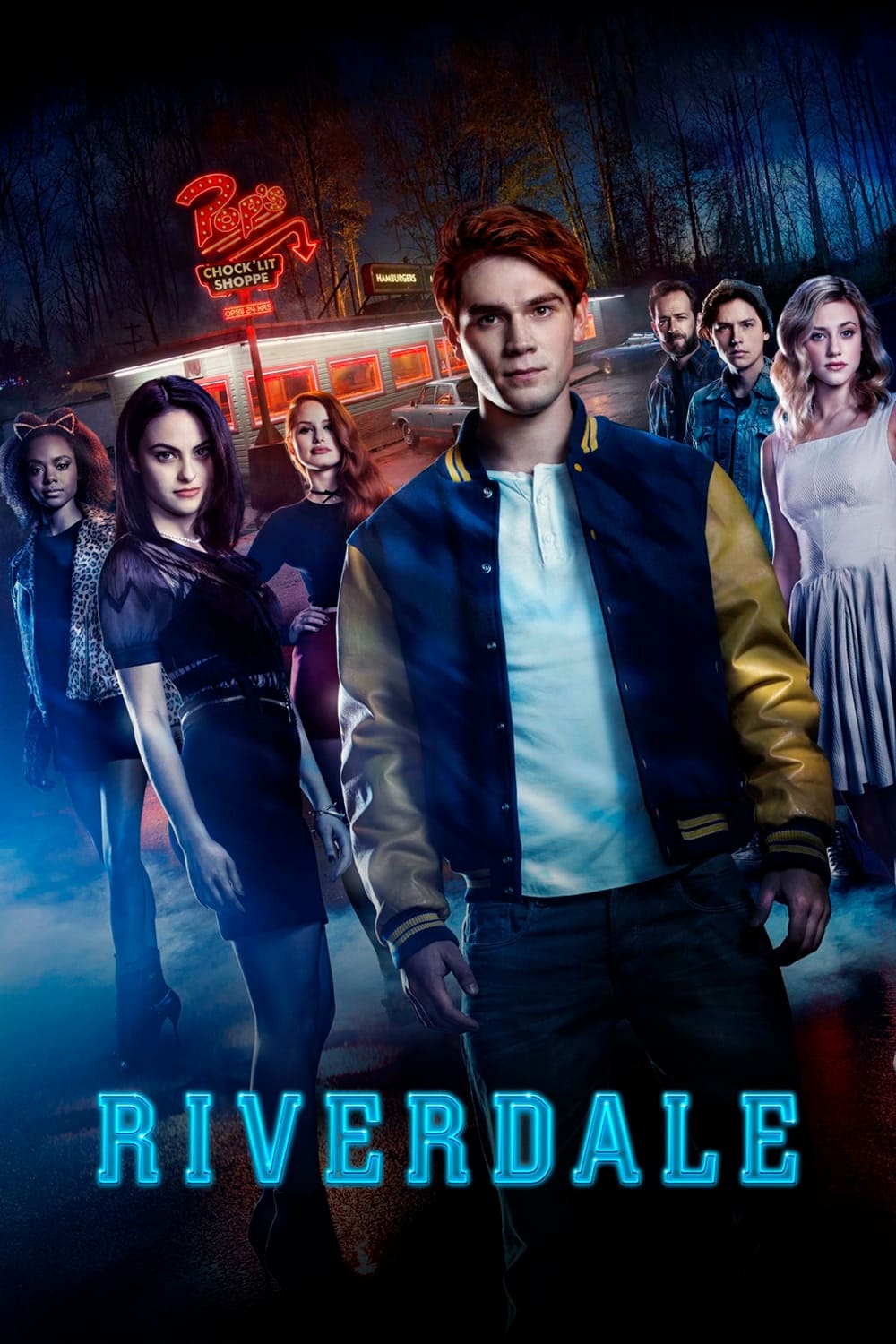
The premiere of the fourth season served as a standalone tribute to Luke Perry and his character, Fred Andrews. The plot involves Archie Andrews and his friends traveling to retrieve Fred’s body after a hit-and-run accident. The episode focuses on Fred’s selflessness and the quiet strength he provided to the town of Riverdale. By highlighting his positive influence on every character, the show framed his passing as a loss of the town’s moral compass. This respectful departure gave fans a sense of closure while celebrating the actor’s legacy.
‘The West Wing’ (1999–2006)
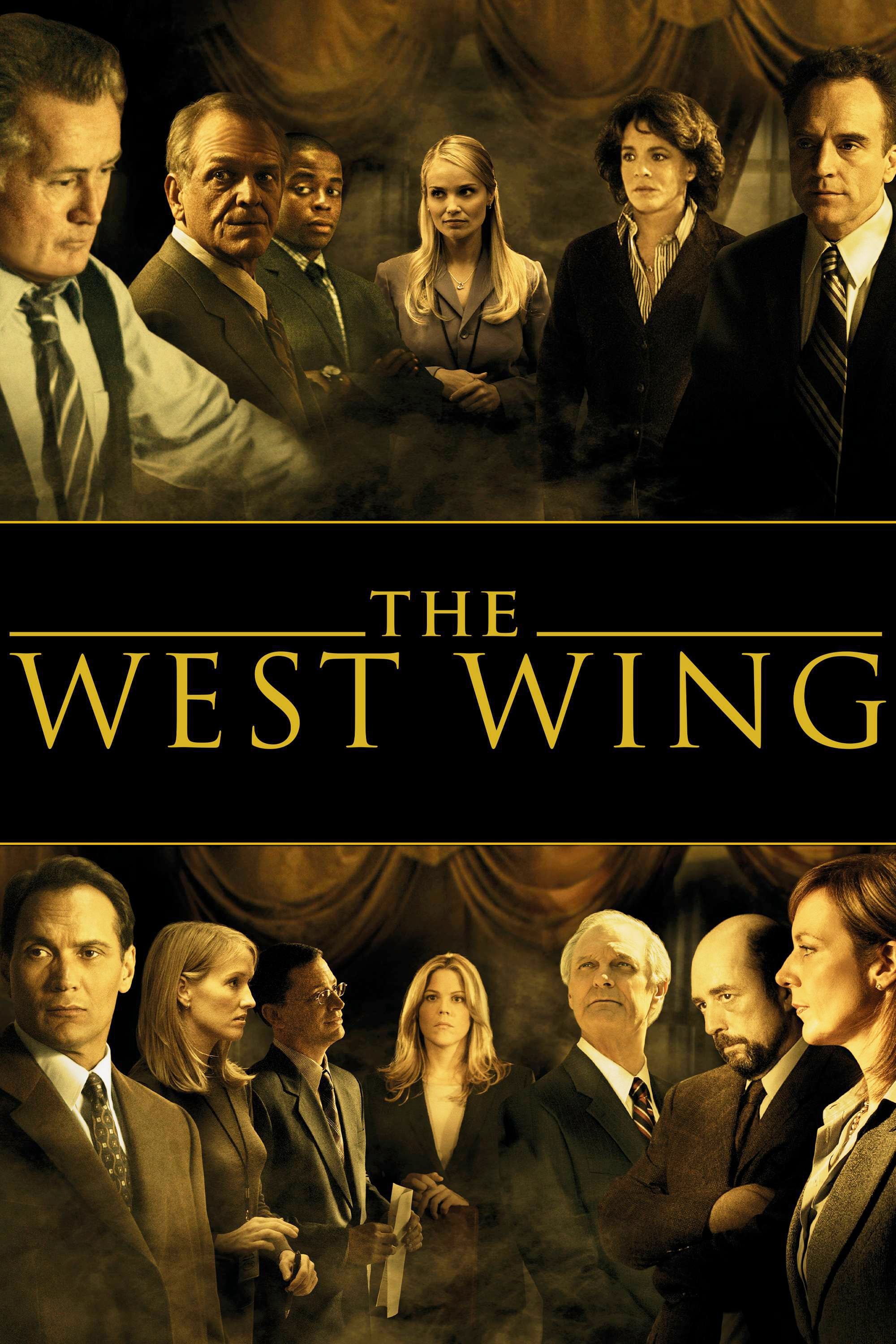
After the death of John Spencer, the series had to address the loss of Vice Presidential candidate Leo McGarry during the heat of an election storyline. The episode “Election Day” features the characters receiving the news of Leo’s death just as the polls are closing. The grief is portrayed as a professional and personal hurdle, showing how public figures must balance duty with private pain. The show used Spencer’s final filmed scenes to create a seamless transition that honored his contribution to the ensemble. It showcased the profound impact a mentor and friend has on his colleagues.
‘NewsRadio’ (1995–1999)

The fourth-season premiere, “Bill Moves On,” was a direct response to the tragic murder of Phil Hartman. The characters gather in the radio station breakroom to read letters left behind by Bill McNeal, finding humor and heart in his final words. The show allowed the characters to weep openly, a rare occurrence for a traditional multi-camera sitcom of that era. By balancing the show’s signature wit with genuine sorrow, the writers honored Hartman’s comedic genius. It serves as a masterclass in using comedy to process a devastating real-world event.
‘Sesame Street’ (1969–Present)
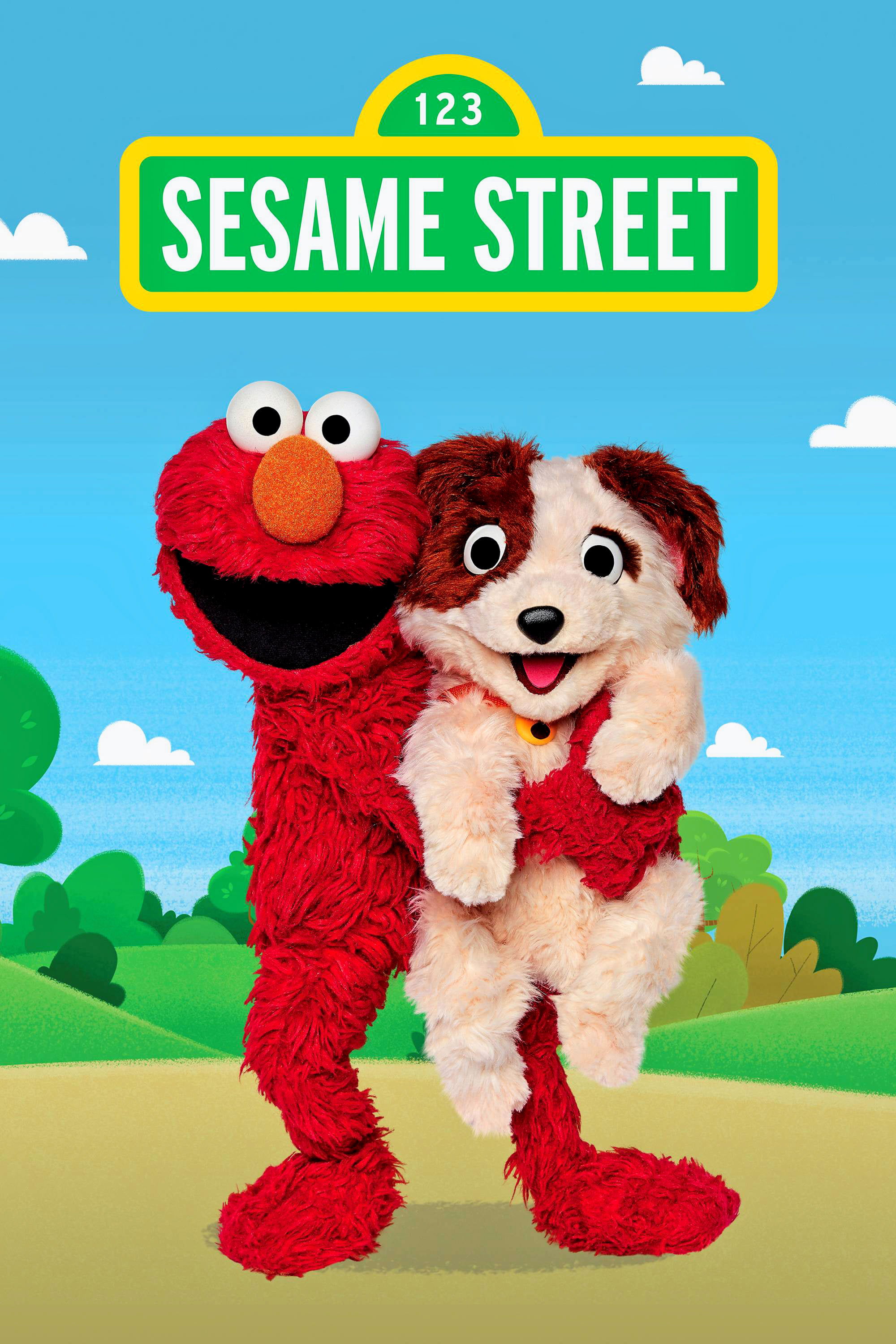
When Will Lee, who played the shopkeeper Mr. Hooper, passed away, the producers decided to explain the concept of death to their young audience. In a landmark episode, the adult characters explain to Big Bird that Mr. Hooper is not coming back. The scene was filmed with the intention of being honest and reassuring, emphasizing that while people die, their memories live on. The cast’s genuine affection for Lee is evident in their gentle delivery of the difficult news. This moment is widely regarded as one of the most important educational depictions of grief in television history.
‘Cheers’ (1982–1993)
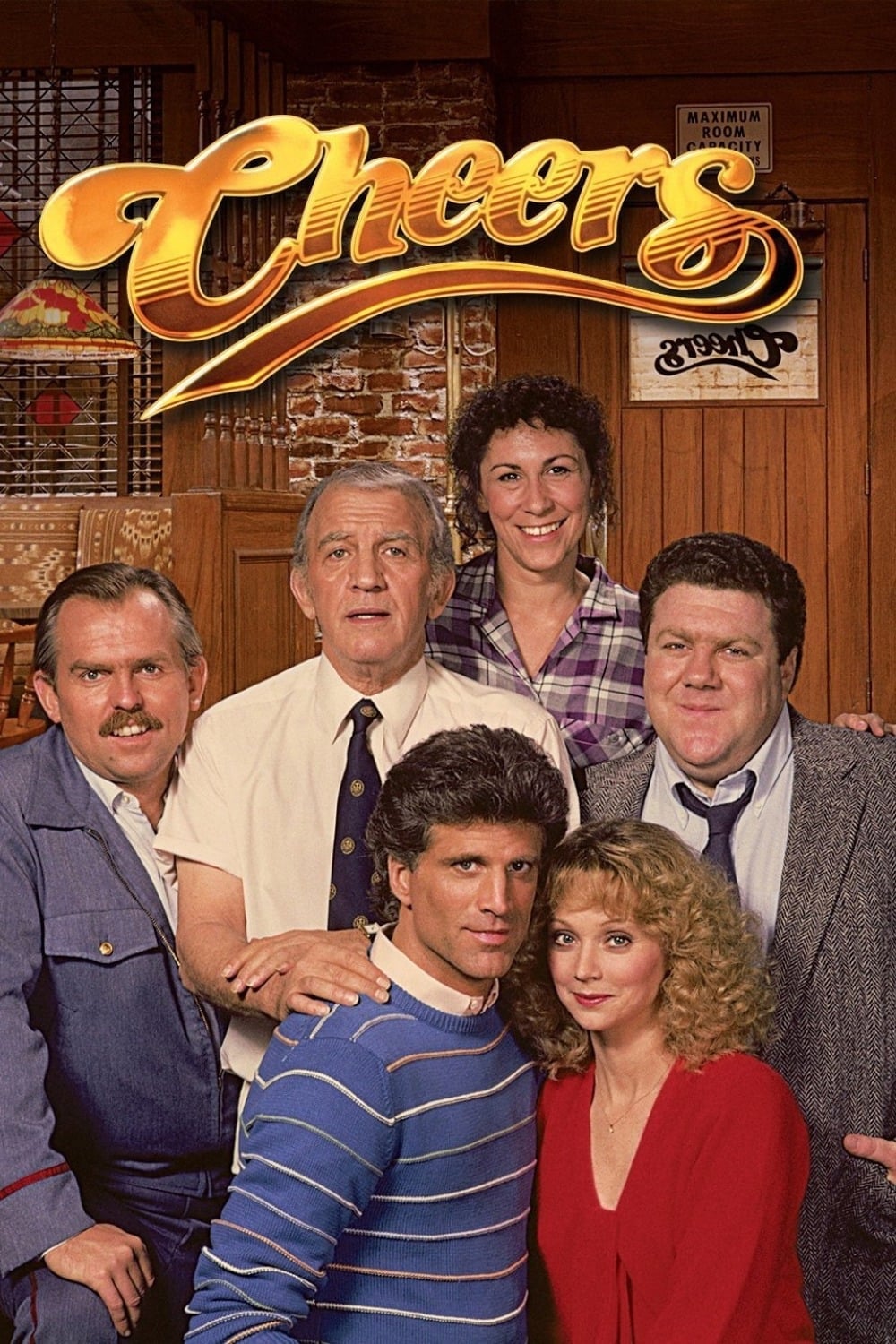
The death of Nicholas Colasanto led to the introduction of Woody Harrelson, but the show never forgot the beloved “Coach” Ernie Pantusso. In the season four premiere, the characters reminisce about Coach’s idiosyncratic wisdom and kind nature. A small photo of Geronimo, which Colasanto had kept in his dressing room, was placed on the set of the bar as a permanent tribute. Whenever a character looked at the photo, it served as a subtle nod to the actor’s enduring presence. The show handled the transition by keeping the memory of the character alive in small, meaningful ways.
‘The Big Bang Theory’ (2007–2019)

Carol Ann Susi, who provided the iconic voice of Mrs. Wolowitz, passed away during the eighth season of the show. The writers chose to have her character pass away in her sleep while visiting family, leading to a somber storyline for her son, Howard. The ensemble gathered in the apartment to toast to the “woman who was a mother to all of us.” This plotline allowed the characters to acknowledge the hidden depths of a woman who was previously only a comedic foil. The depiction focused on the shared history and the vacuum left by a loud, loving matriarch.
‘Star Trek Beyond’ (2016)

While the film was the final performance for Anton Yelchin, it also featured a significant subplot regarding the death of Ambassador Spock, played by Leonard Nimoy. The younger Spock, played by Zachary Quinto, receives news of his elder counterpart’s passing and struggles with his own mortality. This narrative choice allowed the film to pay tribute to Nimoy’s massive contribution to the franchise within the story. The final scenes include a heartfelt toast “to absent friends,” acknowledging both Nimoy and Yelchin. The film serves as a bridge between generations of the ‘Star Trek’ family.
‘The Hunger Games: Mockingjay – Part 2’ (2015)

Philip Seymour Hoffman passed away before completing his scenes as Plutarch Heavensbee, the master strategist of the revolution. The production used existing footage and minor script rewrites to ensure his character’s presence was felt during the climax. A letter written by Plutarch is read to Katniss Everdeen, serving as his final guidance and a thematic conclusion to his arc. This creative solution honored Hoffman’s performance without resorting to extensive digital manipulation. The character’s wisdom remains a cornerstone of the story’s resolution.
‘And Just Like That…’ (2021–Present)

The revival of the ‘Sex and the City’ franchise had to address the passing of Willie Garson, who played Stanford Blatch. Early in the series, the character is sent to Japan to become a monk, a move that aligns with his flamboyant and impulsive personality. Later episodes feature Carrie Bradshaw receiving a letter from him, providing a sense of peace and continuity. This narrative choice kept the character’s spirit light and adventurous rather than dwelling on the tragedy. It allowed fans to imagine a happy, albeit distant, future for the beloved character.
‘Rizzoli & Isles’ (2010–2016)

The show dealt with the suicide of Lee Thompson Young by having his character, Detective Barry Frost, die in a car accident. The subsequent episode, “Goodbye,” focuses on the team organizing a memorial service and struggling to write a fitting eulogy. The characters navigate the shock of a sudden loss and the difficulty of returning to work in an office where his desk remains empty. The depiction emphasizes the importance of community support during the grieving process. It served as a respectful farewell to both the actor and the heart of the squad.
‘Dallas’ (2012–2014)

When Larry Hagman passed away during the revival of the iconic soap opera, the writers crafted a classic “Who Killed J.R.?” mystery to send him off. The funeral episode featured many returning cast members from the original series, blending fiction with real-life mourning. The storyline revealed that J.R. Ewing had orchestrated his own end to frame a rival, a move that perfectly suited the character’s cunning nature. This allowed the show to celebrate J.R.’s legacy while giving Hagman a final, triumphant narrative beat. It remains a rare example of a character’s death being as legendary as his life.
‘The Sopranos’ (1999–2007)
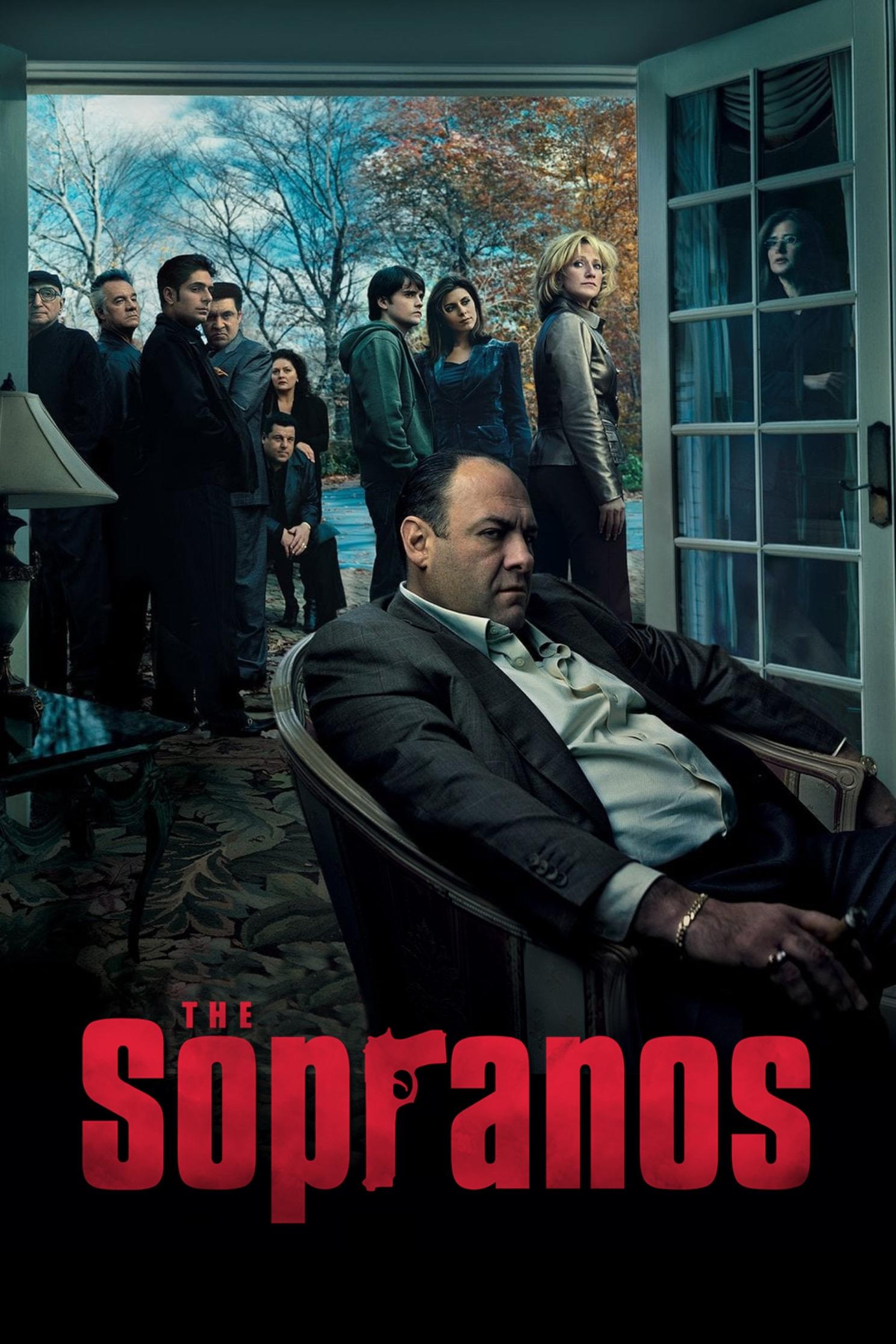
Nancy Marchand’s death required the show to conclude the storyline of the formidable Livia Soprano. Using a combination of CGI and outtakes for one final scene, the show depicted her final confrontation with her son, Tony. The subsequent episode, “Proshai, Livushka,” focuses on the awkward and complicated grief felt by the Soprano family. Tony struggles with his relief and guilt, showcasing the messy reality of losing a difficult parent. The episode avoided sentimentality, staying true to the show’s gritty and psychological roots.
‘Gladiator’ (2000)
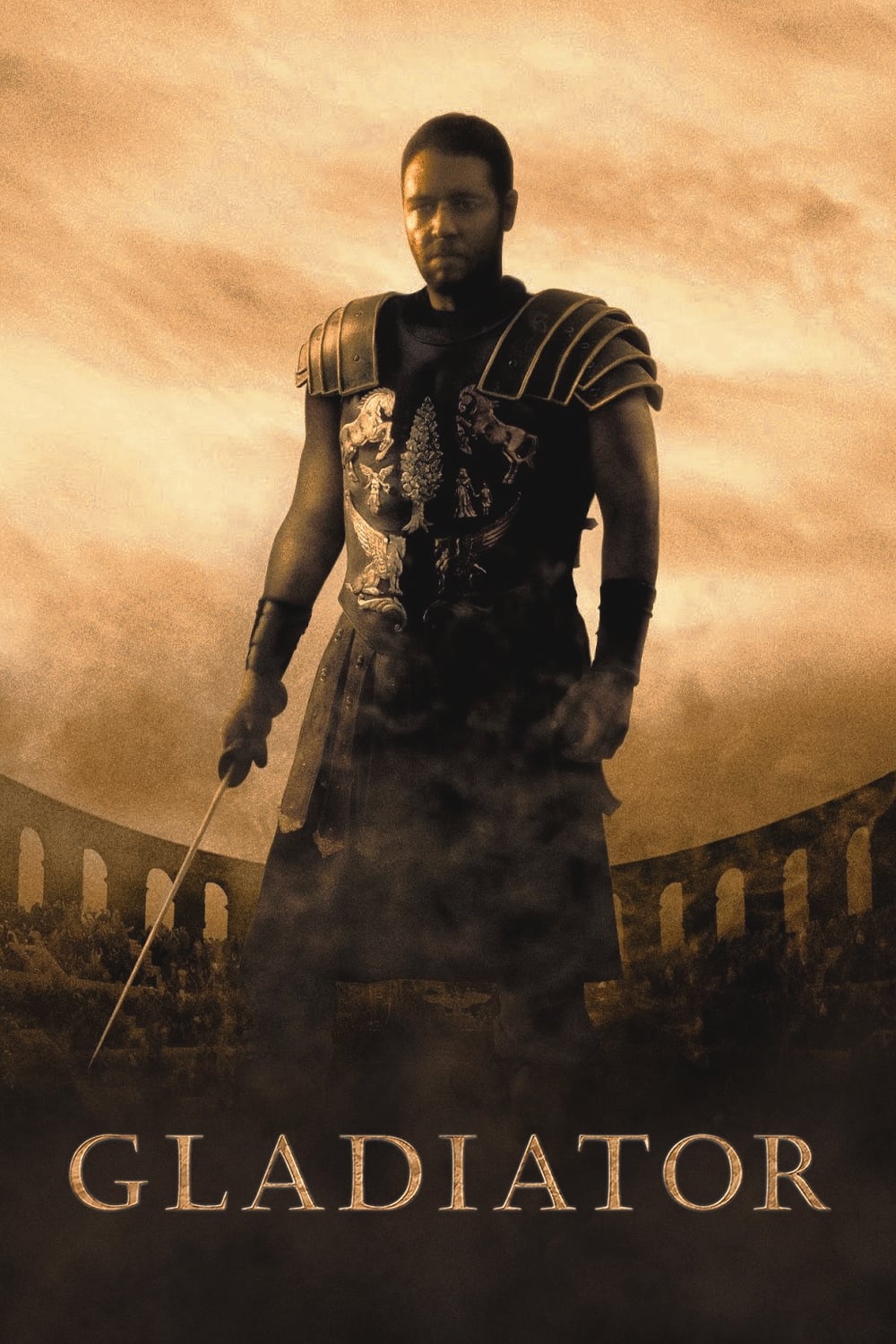
Oliver Reed died during the filming of this historical epic, necessitating script changes for his character, Proximo. The production used a body double and digital effects to complete his final scenes, where he helps Maximus escape. His character’s death in the film is heroic and redemptive, reflecting Proximo’s growth from a cynical slave trader to a man of honor. The film is dedicated to his memory, and his performance is often cited as one of his finest. The narrative uses his sacrifice as a catalyst for the protagonist’s ultimate victory.
‘The Imaginarium of Doctor Parnassus’ (2009)
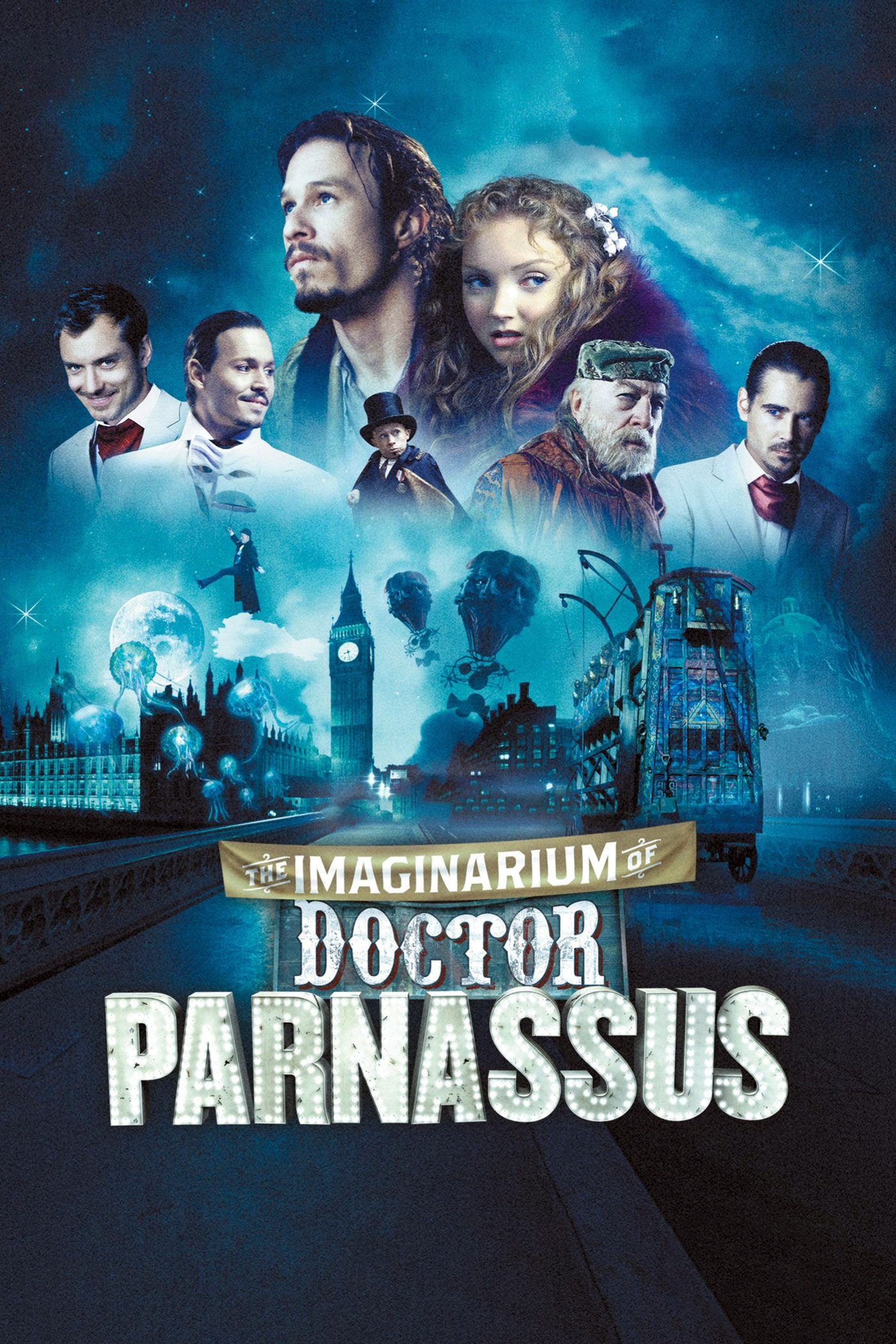
Heath Ledger’s sudden death during production led director Terry Gilliam to cast Johnny Depp, Jude Law, and Colin Farrell to play versions of his character. The story was adjusted so that the character changes appearance every time he enters a magical mirror. This ingenious solution turned a potential disaster into a thematic exploration of identity and transformation. The film stands as a collaborative tribute from Ledger’s peers, who donated their salaries to his daughter. It creates a dreamlike space where the actor’s final work can be celebrated in a unique context.
‘Silicon Valley’ (2014–2019)

Christopher Evan Welch played the eccentric billionaire Peter Gregory before his death during the first season. The show addressed his passing with a characteristically absurd storyline involving an elaborate safari accident. Despite the comedic tone, the characters frequently reference Gregory’s brilliance and the massive impact he had on their careers. His absence becomes a major plot point, as the protagonists struggle to secure funding without his idiosyncratic guidance. The show successfully integrated the loss into its satirical take on the tech industry.
‘Desperate Housewives’ (2004–2012)
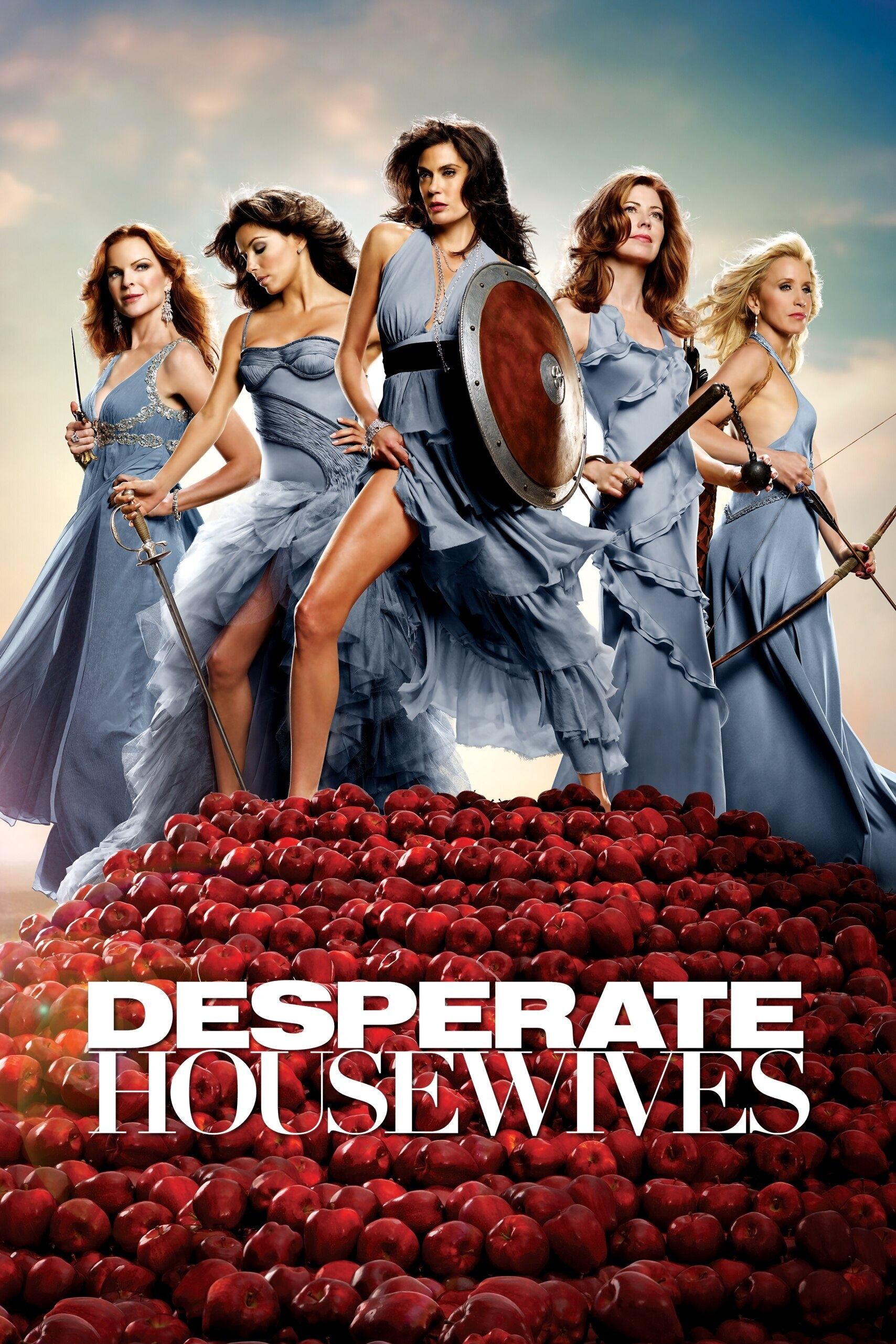
Kathryn Joosten, who played the sharp-tongued Karen McCluskey, died of lung cancer shortly after her character succumbed to the same illness in the series finale. The final episodes focused on the neighborhood coming together to care for her in her final days. The depiction was noted for its bravery, as Joosten insisted on portraying the physical toll of the disease realistically. Her character’s peaceful passing, while listening to music, provided a sentimental and dignified conclusion to the long-running series. It allowed the actress to tell a story that mirrored her own reality with grace.
‘Star Wars: The Rise of Skywalker’ (2019)

The production used unreleased footage of Carrie Fisher from ‘The Force Awakens’ to include General Leia Organa in the final chapter of the sequel trilogy. Her character’s death is a pivotal moment in the film, occurring as she uses the last of her strength to reach out to her son, Kylo Ren. The grief of the Resistance characters reflects the real-world sadness of the ‘Star Wars’ community. Leia’s legacy is further cemented when Rey takes the Skywalker name at the end of the film. This portrayal ensured that Fisher’s most famous character received a complete and heroic arc.
‘Bones’ (2005–2017)
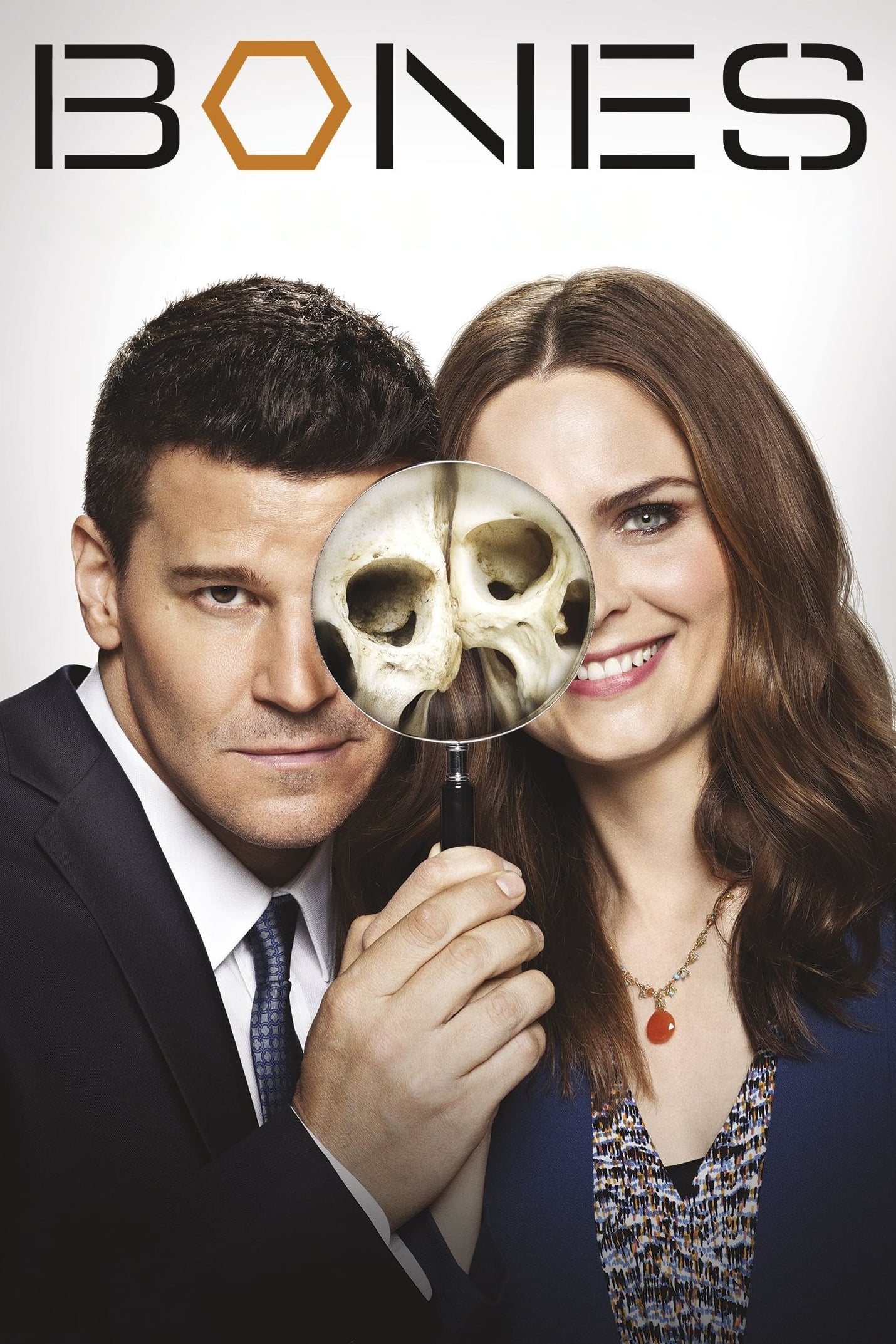
When legendary actor Ralph Waite passed away, the show dedicated an episode to the death of his character, Hank “Pops” Booth. The story follows Seeley Booth as he receives a box of his grandfather’s belongings and reflects on the man who raised him. The episode focuses on the “living legacy” of a person, showing how their lessons continue to influence their loved ones. It was a quiet, character-driven hour that prioritized emotional resonance over the typical procedural mystery. The portrayal highlighted the deep bond between the two characters and the actors who played them.
‘NCIS’ (2003–Present)
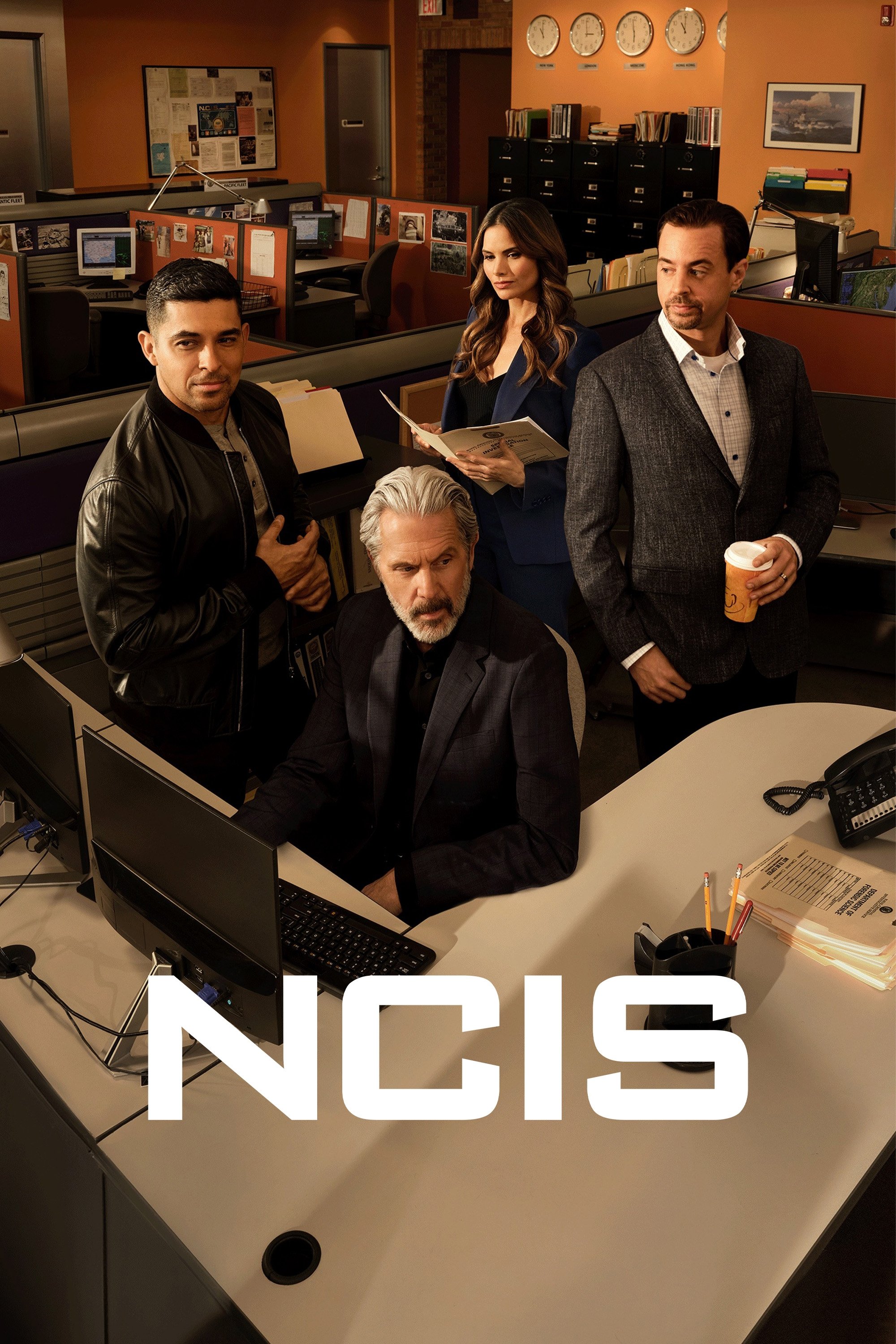
The series honored the late David McCallum with a special episode centered on the death of Dr. Donald “Ducky” Mallard. The story involves the team solving a case Ducky had been working on in his final days, allowing his intellect to drive the plot one last time. Flashbacks and cameos from past cast members emphasized the character’s role as the heart of the agency. The episode concluded with a tribute that acknowledged McCallum’s twenty-year tenure on the show. It provided a sense of continuity, showing that Ducky’s wisdom would remain with the team forever.
‘The Conners’ (2018–Present)

While the character of Mark Healy was originally played by Glenn Quinn on ‘Roseanne’, his death was not addressed until the spin-off series ‘The Conners’. The show explores the lingering grief of his widow, Becky, who still struggles with the loss years later. One episode features the family visiting his grave and discussing the impact his addiction and death had on their lives. By addressing the loss so long after the fact, the show depicts the long-term nature of grief and its permanent effect on family dynamics. It served as a late but sincere tribute to Quinn’s contribution to the original cast.
‘Suddenly Susan’ (1996–2000)

Following the suicide of David Strickland, the show aired an episode titled “A Day in the Life,” which featured his character, Todd Stites, missing throughout the day. The characters spend the episode searching for him, only to learn of his passing at the very end. The final minutes of the episode were unscripted interviews with the cast members sharing their favorite memories of Strickland. This blurred the lines between fiction and reality, giving the audience a glimpse of the genuine love the cast had for him. It remains a haunting and deeply personal tribute to a lost co-star.
‘Barney Miller’ (1975–1982)
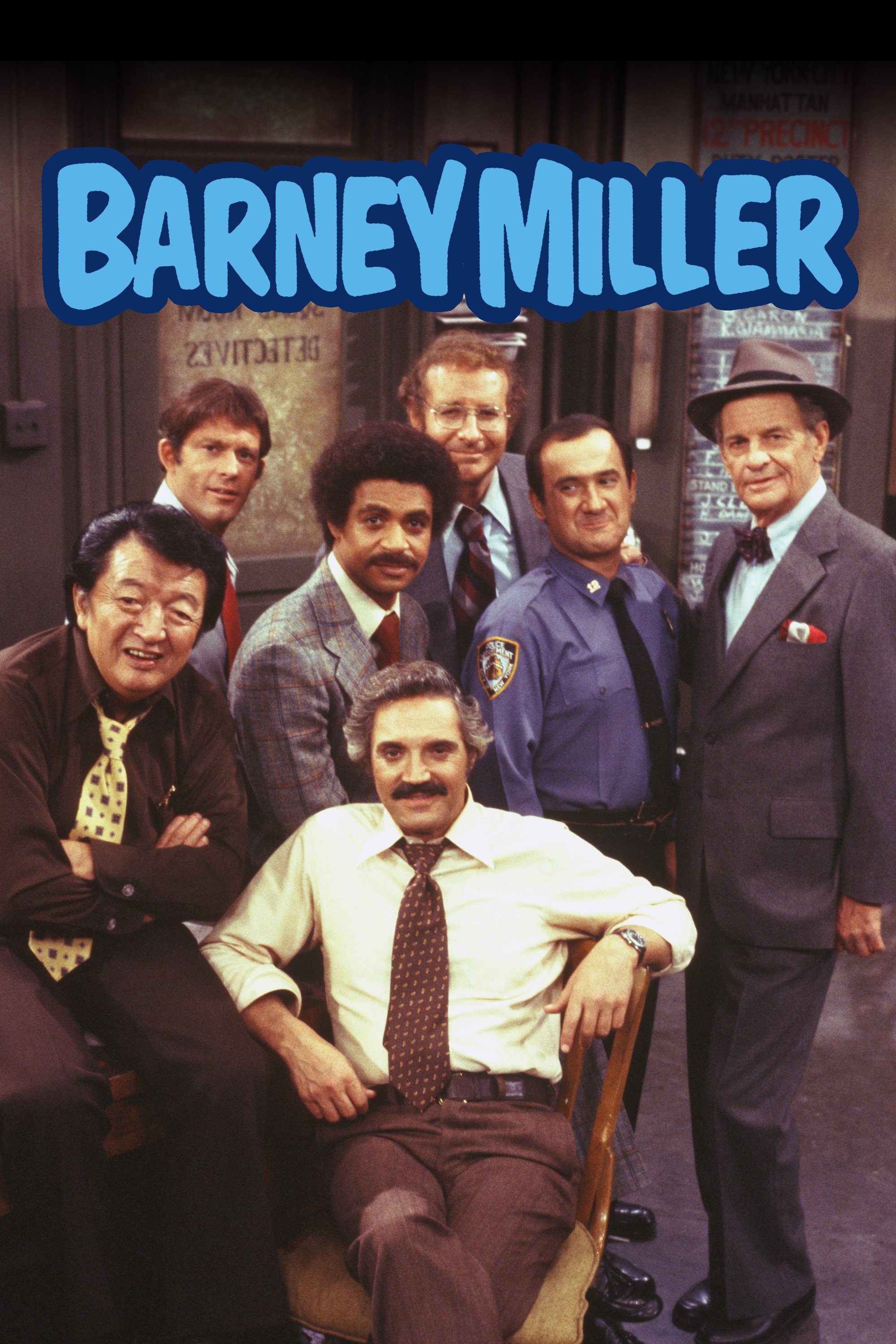
After Jack Soo passed away, the cast of the police sitcom broke character for a special tribute episode. The actors stood on the familiar squad room set and shared anecdotes about Soo’s humor and his habit of drinking bad coffee. They showed clips of his best moments, celebrating the unique timing and dry wit he brought to the role of Sergeant Nick Yemana. The episode ended with the cast raising their coffee mugs in a final toast to their friend. This format allowed the show to honor the actor’s personality rather than just his character.
‘Monk’ (2002–2009)
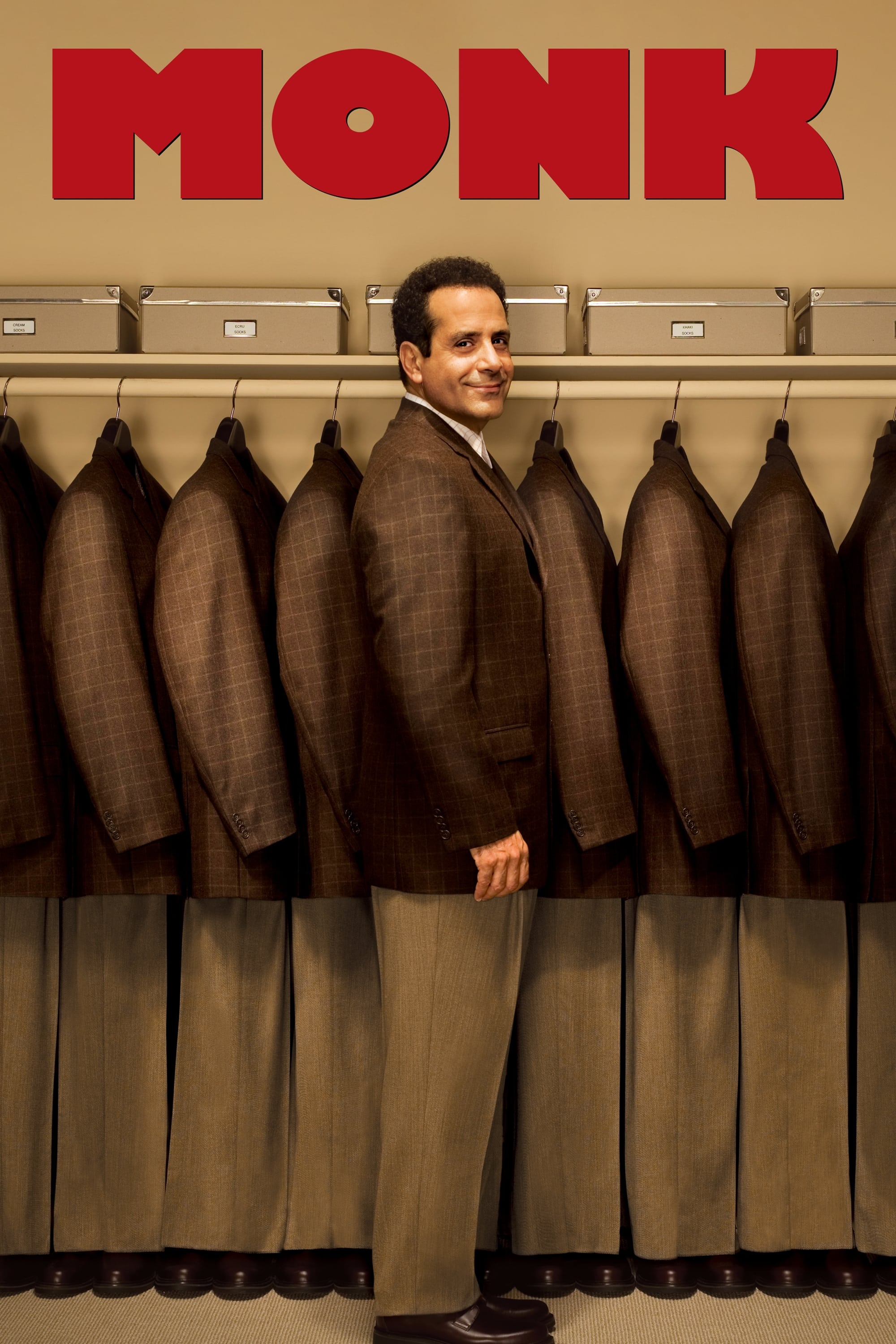
The death of Stanley Kamel led the writers to address the loss of Adrian Monk’s psychiatrist, Dr. Kroger. The season premiere “Mr. Monk Buys a House” begins with Monk grieving his doctor and struggling to find a replacement who can handle his many phobias. The narrative treats the loss of a therapist as a significant setback for someone with obsessive-compulsive disorder. This depicted the unique grief of losing a professional confidant and the fear of moving forward alone. The episode balanced the show’s humor with a sincere acknowledgment of Kamel’s importance to the series’ foundation.
‘Night Court’ (1984–1992)
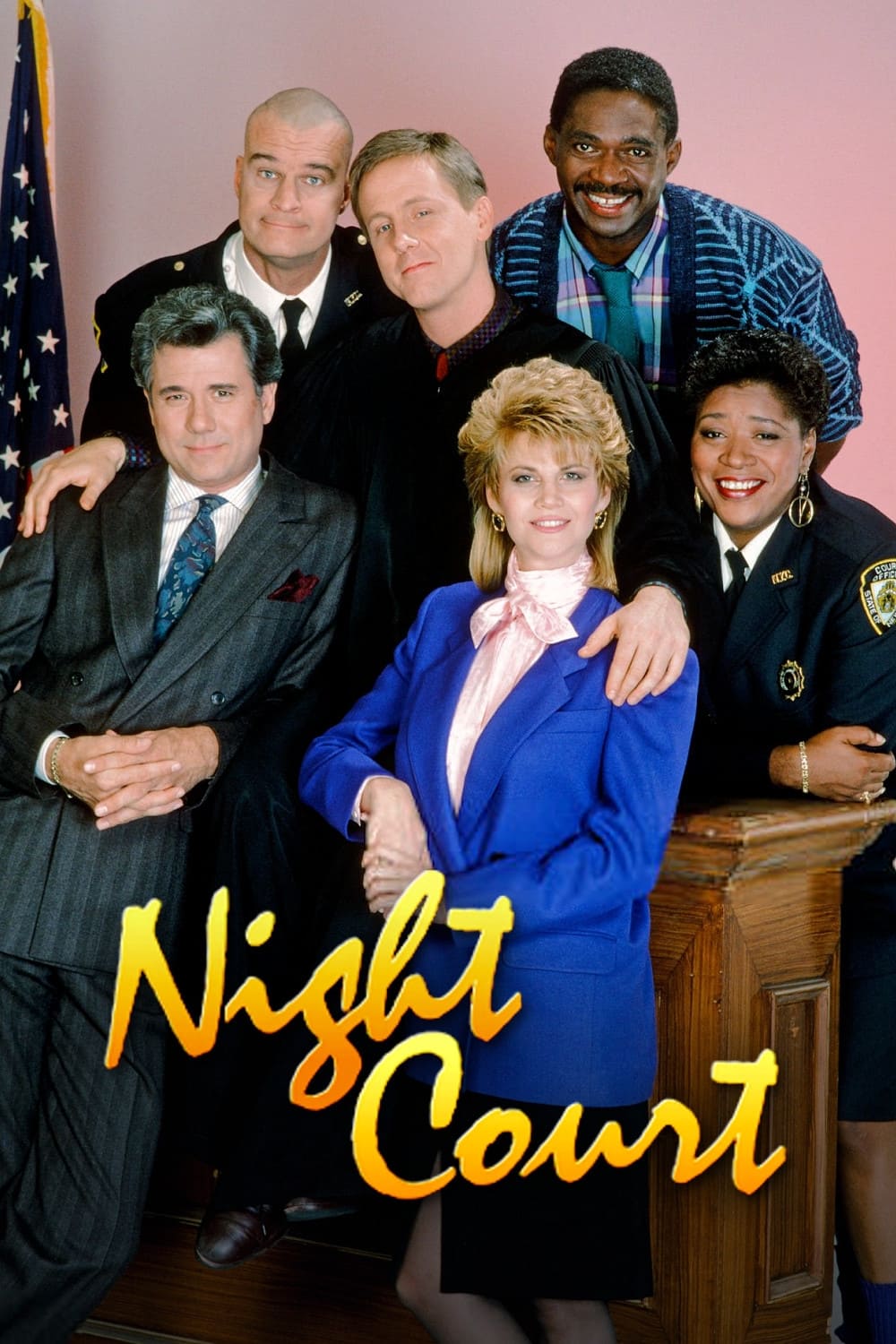
The show suffered the loss of two consecutive bailiffs, Selma Diamond and Florence Halop, in its early years. In both instances, the show addressed the deaths of the characters Selma Hacker and Florence Kleiner with a mix of respectful mourning and dark humor. The characters discussed the vacancies left behind and the specific quirks that made both women irreplaceable. This established a precedent for the show’s resilience and its ability to incorporate real tragedy into its ensemble comedy. It showcased the “the show must go on” spirit while never ignoring the emotional toll on the cast.
‘The Waltons’ (1972–1981)

When Will Geer died, the show incorporated the death of Grandpa Zebulon Walton into the story. The premiere of the seventh season, “The Empty Nest,” shows the family dealing with his absence and visiting his grave on the mountain he loved. The depiction focused on the cycles of life in a large family and the way traditional values help process loss. By placing the grief within the context of the family’s history, the show offered a comforting view of mortality. It emphasized that a person’s spirit remains a part of the land and the home they built.
‘The Young and the Restless’ (1973–Present)
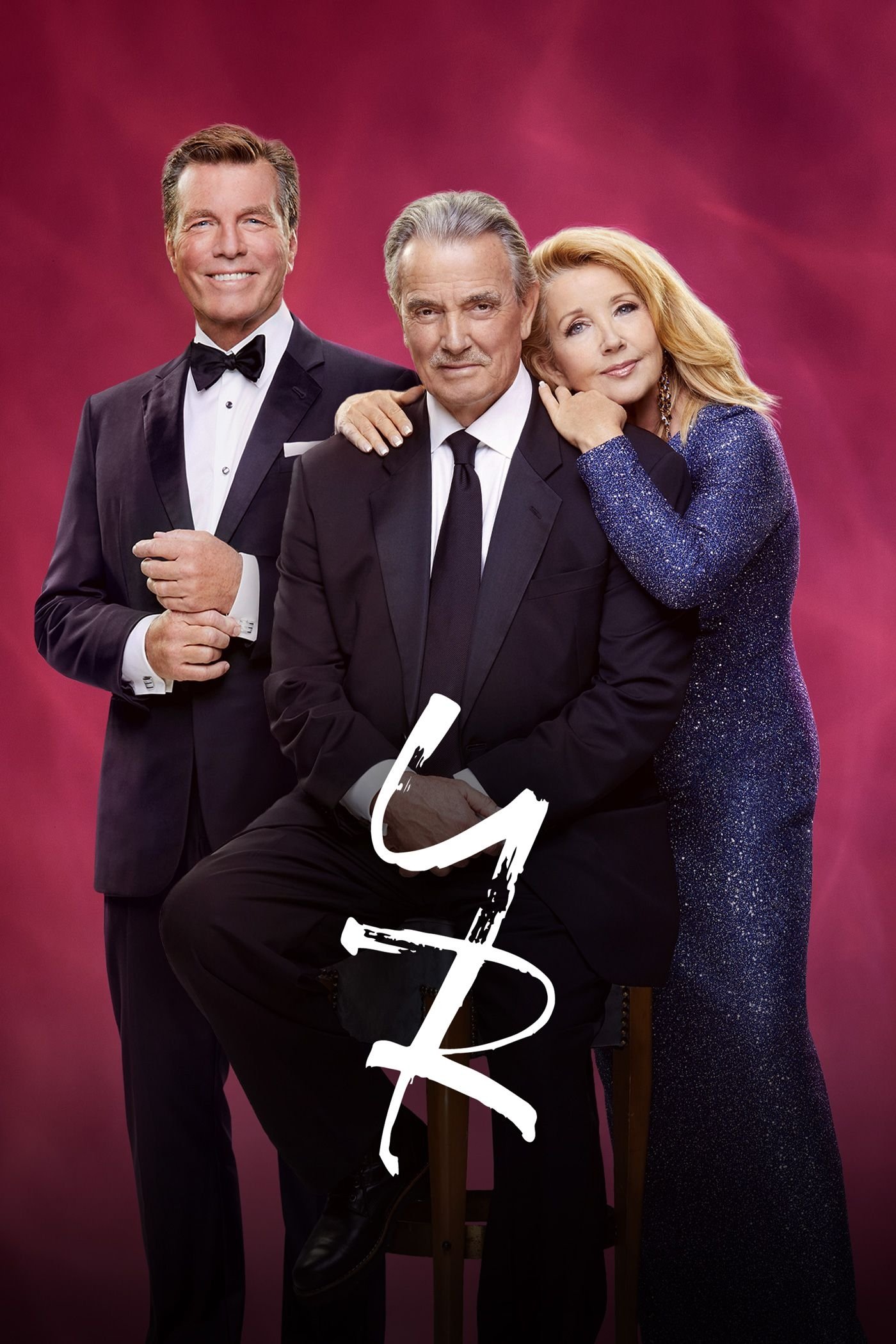
The long-running soap opera honored Kristoff St. John with a multi-episode arc following his death in 2019. His character, Neil Winters, passed away unexpectedly, leading to a massive gathering of current and former residents of Genoa City. The storyline focused on Neil’s role as a mentor and father figure, celebrating his journey of redemption and strength. The episodes included real-life footage of St. John, allowing his long-term fans to revisit his most iconic moments. It was a grand, emotional farewell that acknowledged the actor’s nearly three decades on the show.
Share your thoughts on these moving tributes in the comments.