Celebs Who Refused Roles Perpetuating Harmful Stereotypes


Hollywood has a long history of relying on lazy tropes that marginalize minority groups and simplify complex identities. Many talented performers have risked their careers by saying no to projects that rely on offensive caricatures or harmful clichés. These actors chose integrity over paychecks to demand better representation for themselves and their communities. This list highlights the stars who took a stand against typecasting to pave the way for more authentic storytelling.
Angela Bassett
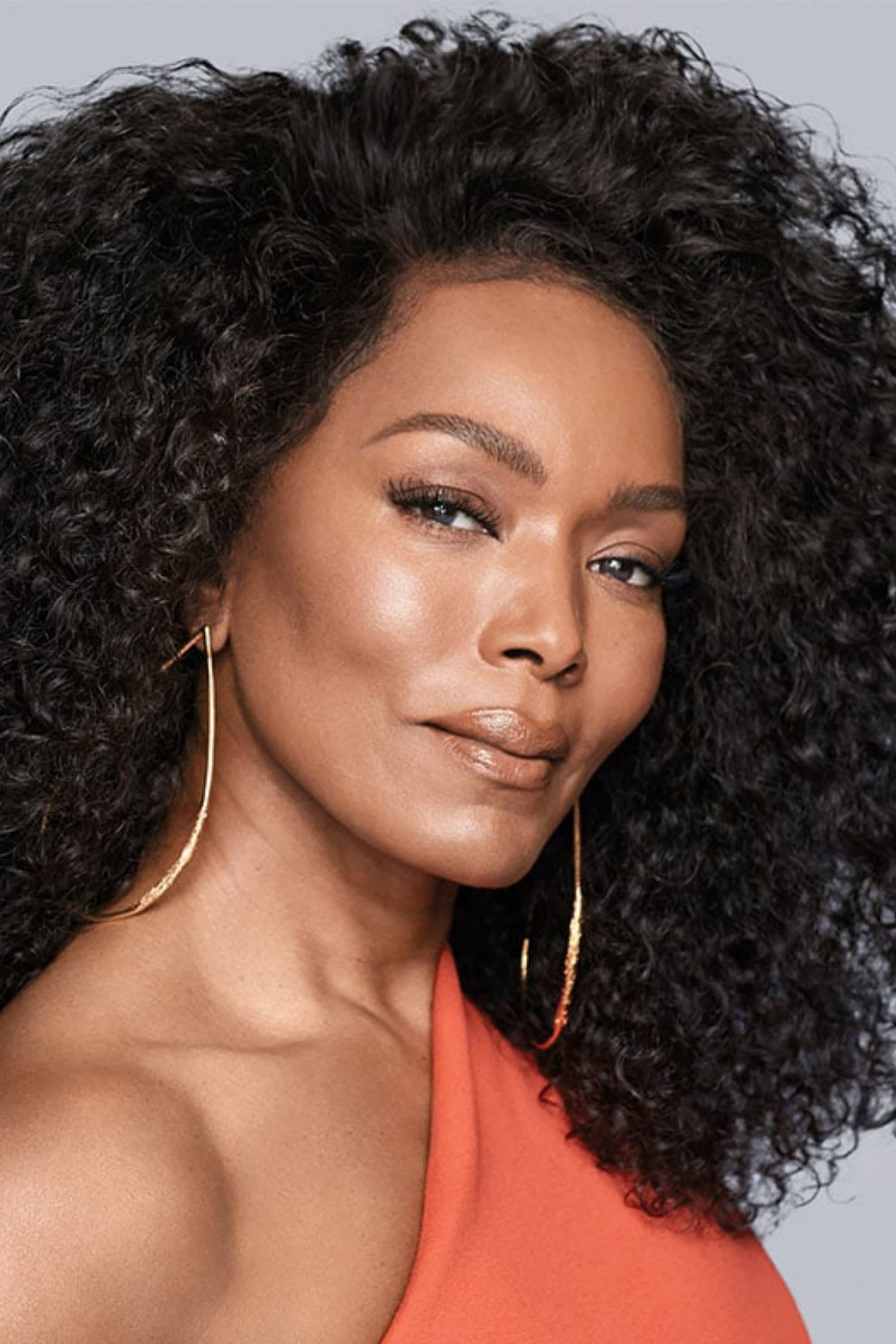
Angela Bassett famously turned down the lead role in ‘Monster’s Ball’ because she found the script demeaning. She felt the character of Leticia Musgrove relied too heavily on sexual stereotypes that did not serve the story. The role required explicit scenes she believed compromised her dignity and the image of Black women on screen. Bassett stated she was not interested in playing a prostitute just to win an award. Her decision highlighted her commitment to portraying strong and positive representations of women throughout her career.
Will Smith
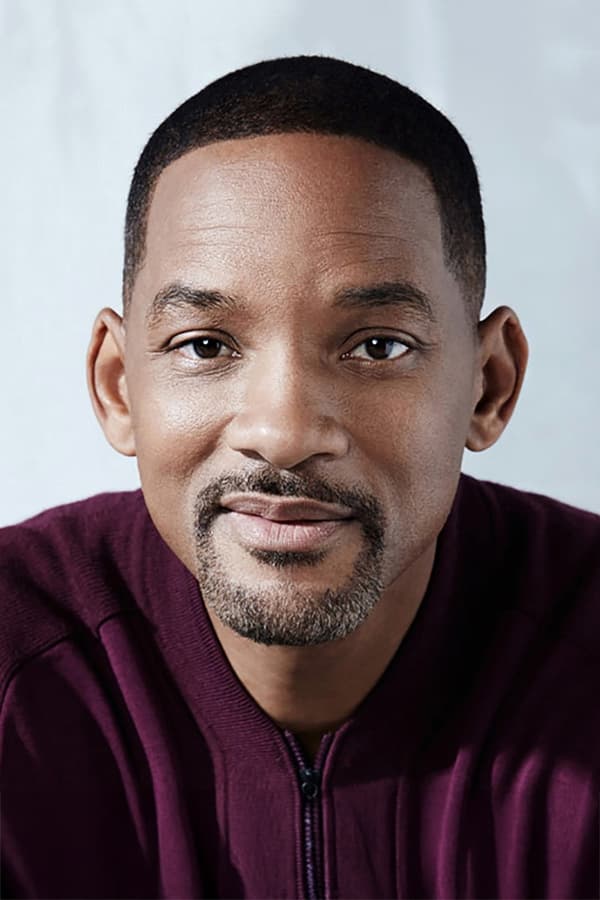
Will Smith was offered the titular role in ‘Django Unchained’ but ultimately declined the opportunity. He felt the character was not truly the lead because he did not kill the villain himself in the original script. The actor also expressed discomfort with the extreme violence and the depiction of slavery presented in the film. Smith preferred to star in films where Black love or excellence was the central theme rather than historical trauma. He chose to pursue projects that uplifted audiences rather than focusing on vengeance.
Chadwick Boseman
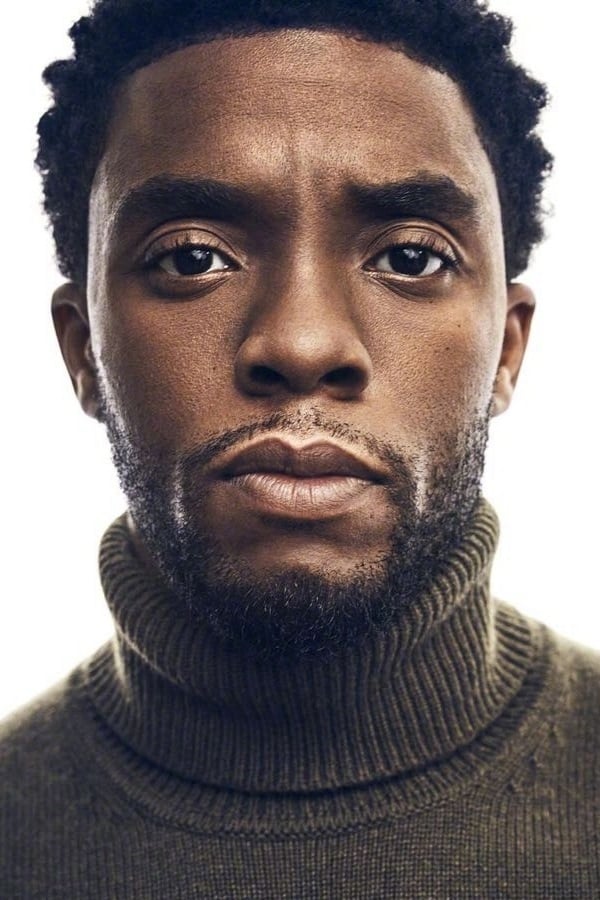
Chadwick Boseman secured an early role on the soap opera ‘All My Children’ as a character named Reggie. He quickly realized the character was a stereotypical thug who lacked depth or humanity. The actor voiced his concerns to the producers about the harmful portrayal of young Black men on television. The studio fired him shortly after he raised these objections regarding the script. His willingness to speak out paved the way for the character to be rewritten with more nuance for the next actor.
Michael B. Jordan
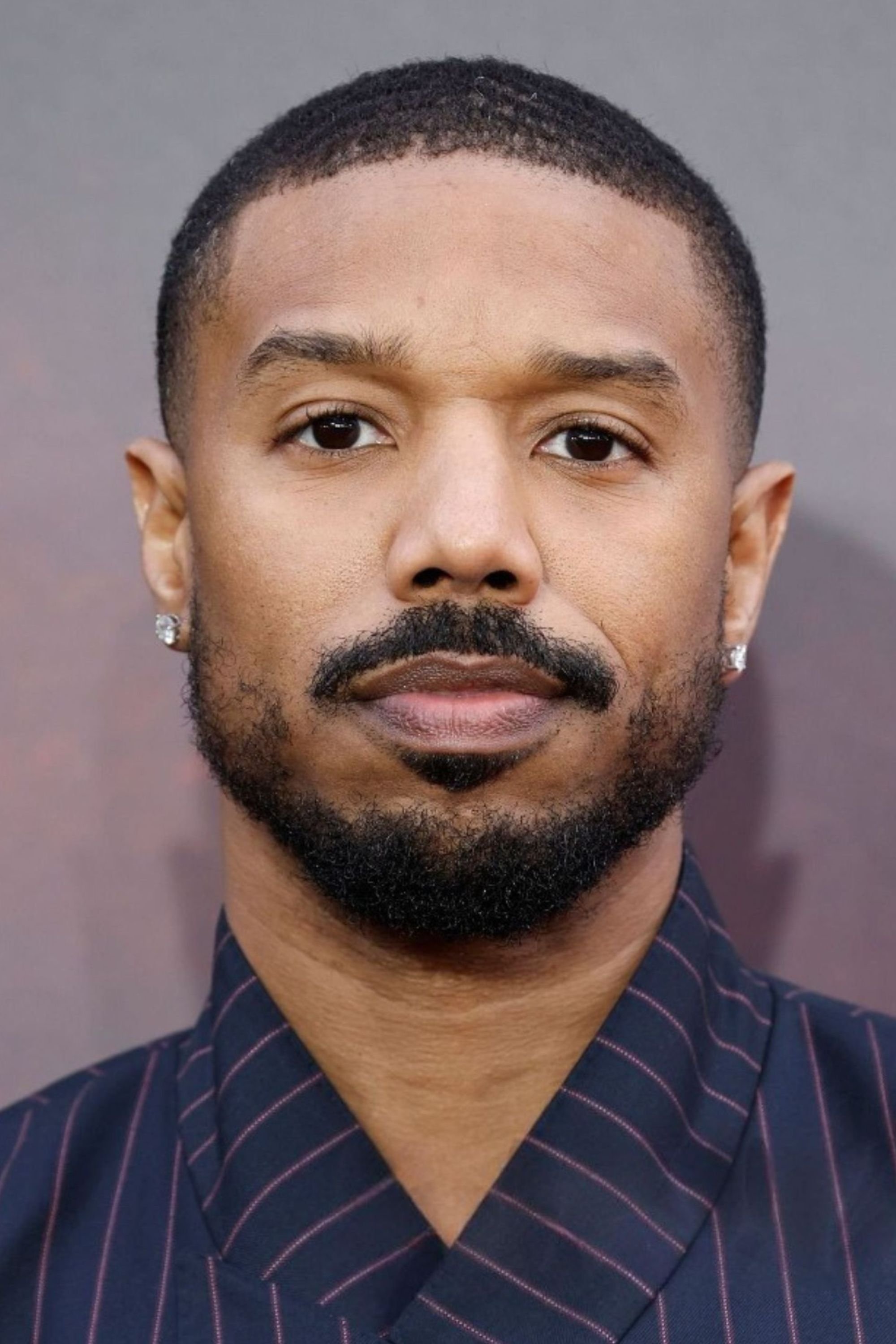
Michael B. Jordan has been vocal about his refusal to audition for roles that perpetuate negative tropes. He told his agents early in his career that he would no longer consider parts where Black men die early or play background criminals. The actor specifically avoids scripts that focus solely on Black suffering or historical servitude. He aims to play characters who drive the plot and exist in worlds where their race is not their only defining trait. This strategy has allowed him to build a diverse filmography across multiple genres.
Priyanka Chopra Jonas

Priyanka Chopra actively turns down projects that require her to adopt a stereotypical Indian accent. She has spoken about the pressure Hollywood places on international actors to sound a specific way to fit Western expectations. The actress refuses to be the punchline or the exotic sidekick in mainstream American productions. She insists on roles that portray her as a fully realized character rather than a caricature of her heritage. Her stance challenges the industry to see South Asian actors as leading ladies.
Riz Ahmed
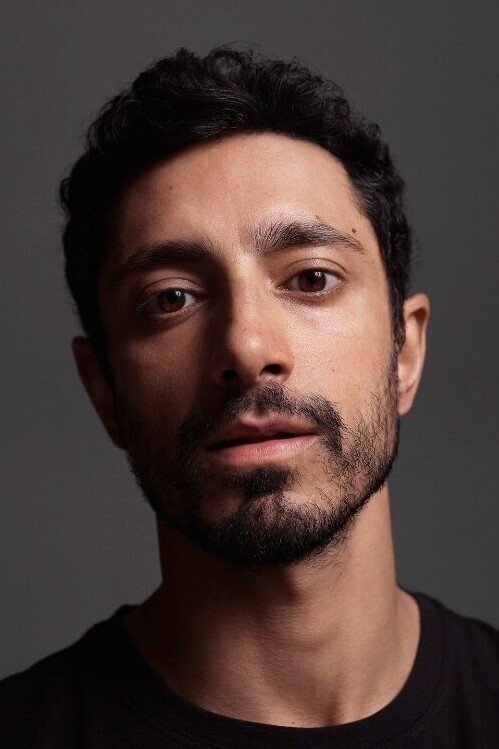
Riz Ahmed created the Riz Test to measure how Muslims are portrayed in film and television. He consistently rejects roles that cast him as a terrorist or a taxi driver without any narrative substance. The actor has turned down major opportunities that reinforced fear and prejudice against his community. He seeks out projects that allow Muslim characters to be complex individuals with human flaws and dreams. His work pushes the industry to move beyond one-dimensional villains in geopolitical thrillers.
Michelle Yeoh
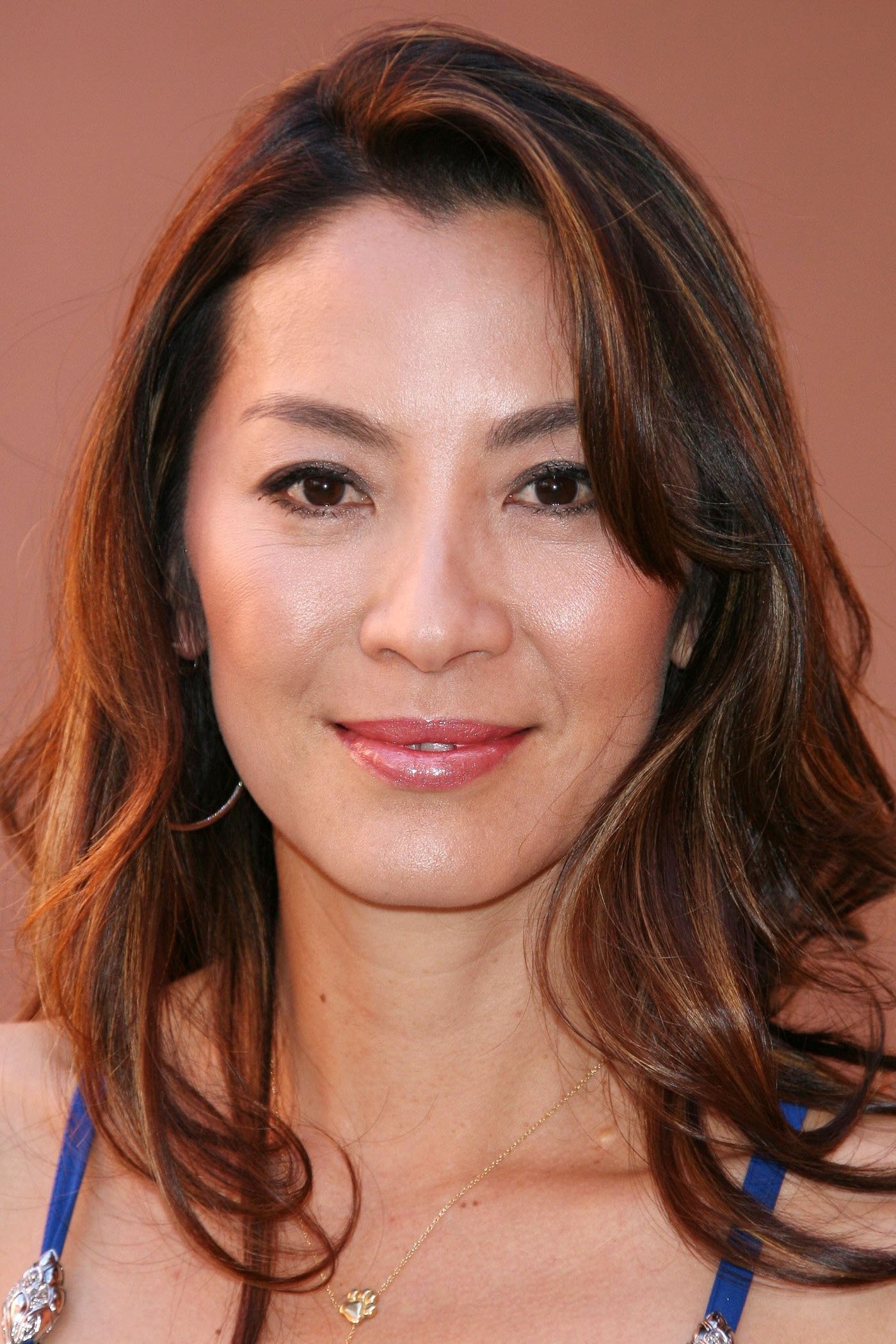
Michelle Yeoh is known for playing powerful women and refusing to be a damsel in distress. When she was cast in ‘Tomorrow Never Dies’ she made it clear she would not be a stereotypical Bond girl. She insisted that her character be a capable fighter who was an equal partner to James Bond rather than just eye candy. The producers agreed and allowed her to perform her own stunts and drive the action scenes. Her influence helped change the perception of Asian women in Western action cinema.
Thandiwe Newton

Thandie Newton turned down a role in the ‘Charlie’s Angels’ film adaptation due to creative differences regarding her character. The director allegedly described the opening shot of her character in a way that focused entirely on her body. She felt the role was designed to objectify her and perpetuate racial stereotypes rather than showcase her talent. Newton decided she could not participate in a project that sexualized her to that degree. She walked away to preserve her integrity and focus on more substantial work.
Jackie Chan
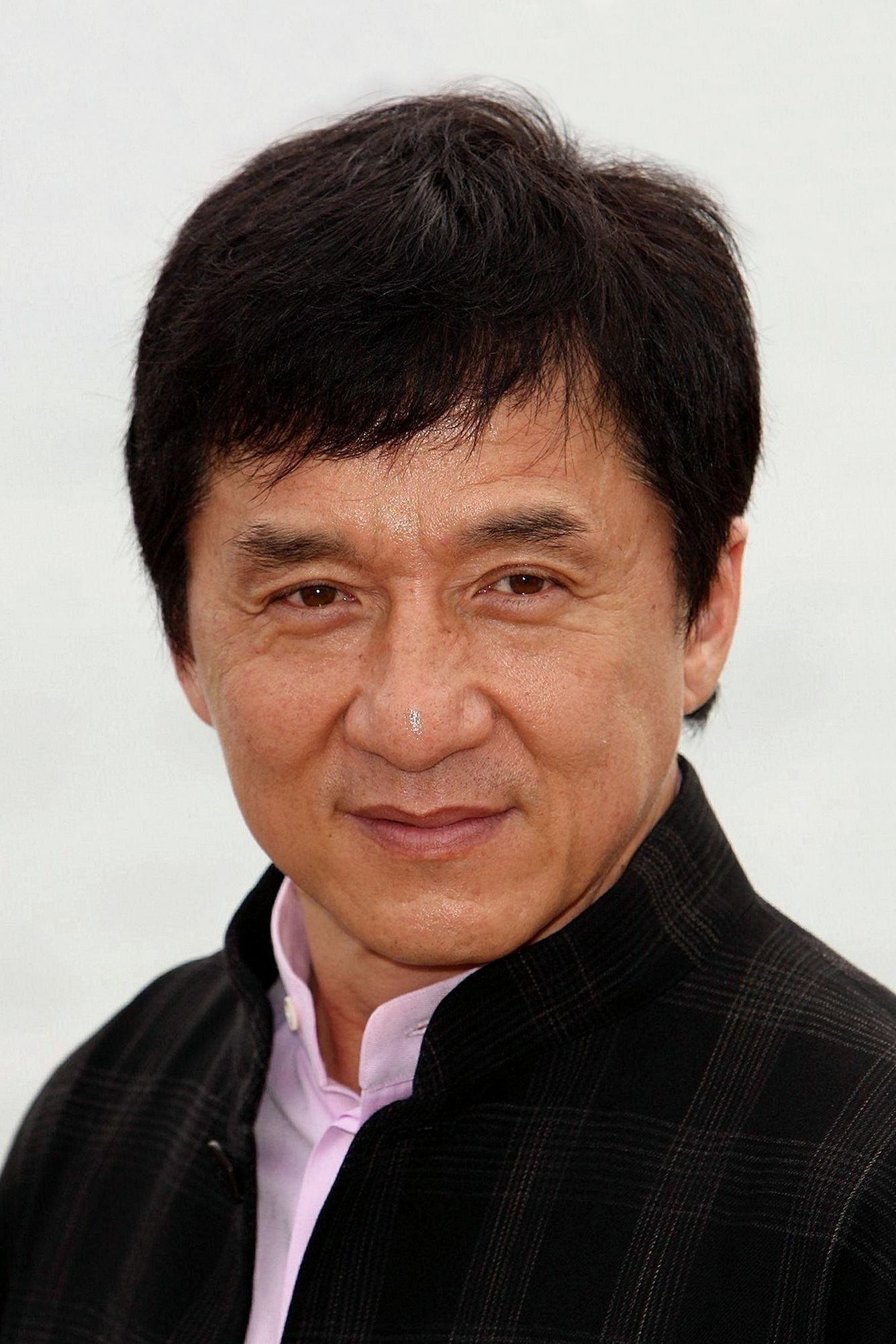
Jackie Chan spent decades refusing to play villains in American movies despite numerous offers. He did not want to reinforce the trope of the Asian antagonist who exists only to be defeated by the white hero. The martial arts legend wanted to be a role model for children and show that Asian actors could be charismatic leads. He waited until he could control his own projects or star as the hero before making his mark in Hollywood. His persistence proved that action comedies led by Asian stars could be global blockbusters.
Rita Moreno
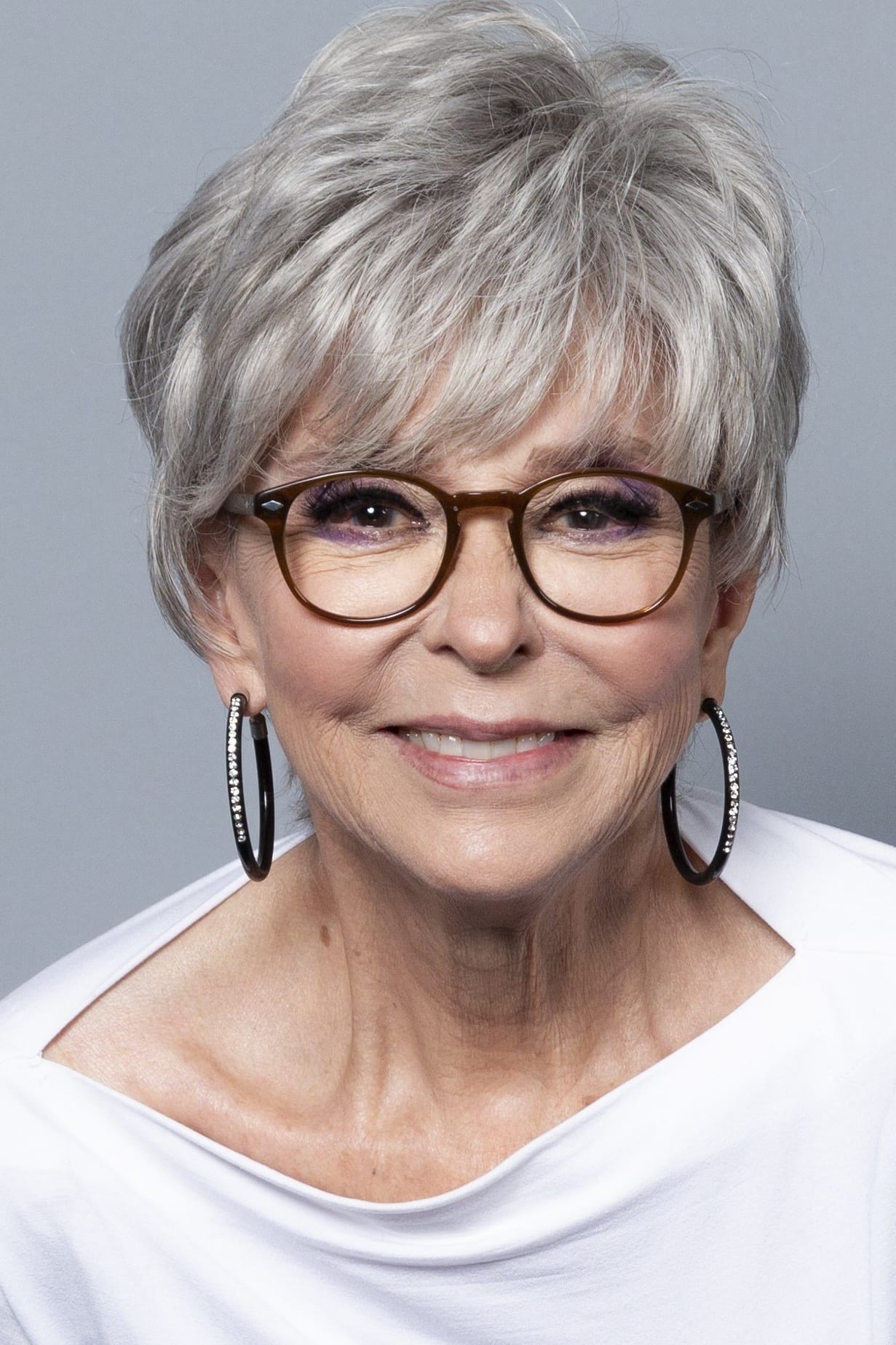
Rita Moreno stopped making films for seven years after her Oscar win for ‘West Side Story’. She was frustrated that studios only offered her roles as gang members or stereotypical minorities. The actress refused to play characters that she felt were degrading or repetitive after proving her immense talent. She returned to the screen only when the industry began to offer parts that treated her with respect. Moreno remains a vocal advocate against the limited scope of roles available to Latina actresses.
Edward James Olmos
Edward James Olmos turned down a significant role in ‘Scarface’ because he disagreed with the portrayal of Latinos. He felt the film focused too heavily on drug dealers and violence without offering enough balance. The actor has a strict rule against taking parts that glorify the narcotics trade or criminal lifestyles associated with his community. He prefers to play characters that highlight the dignity and struggles of everyday people. His career is defined by a commitment to social responsibility in storytelling.
Sidney Poitier
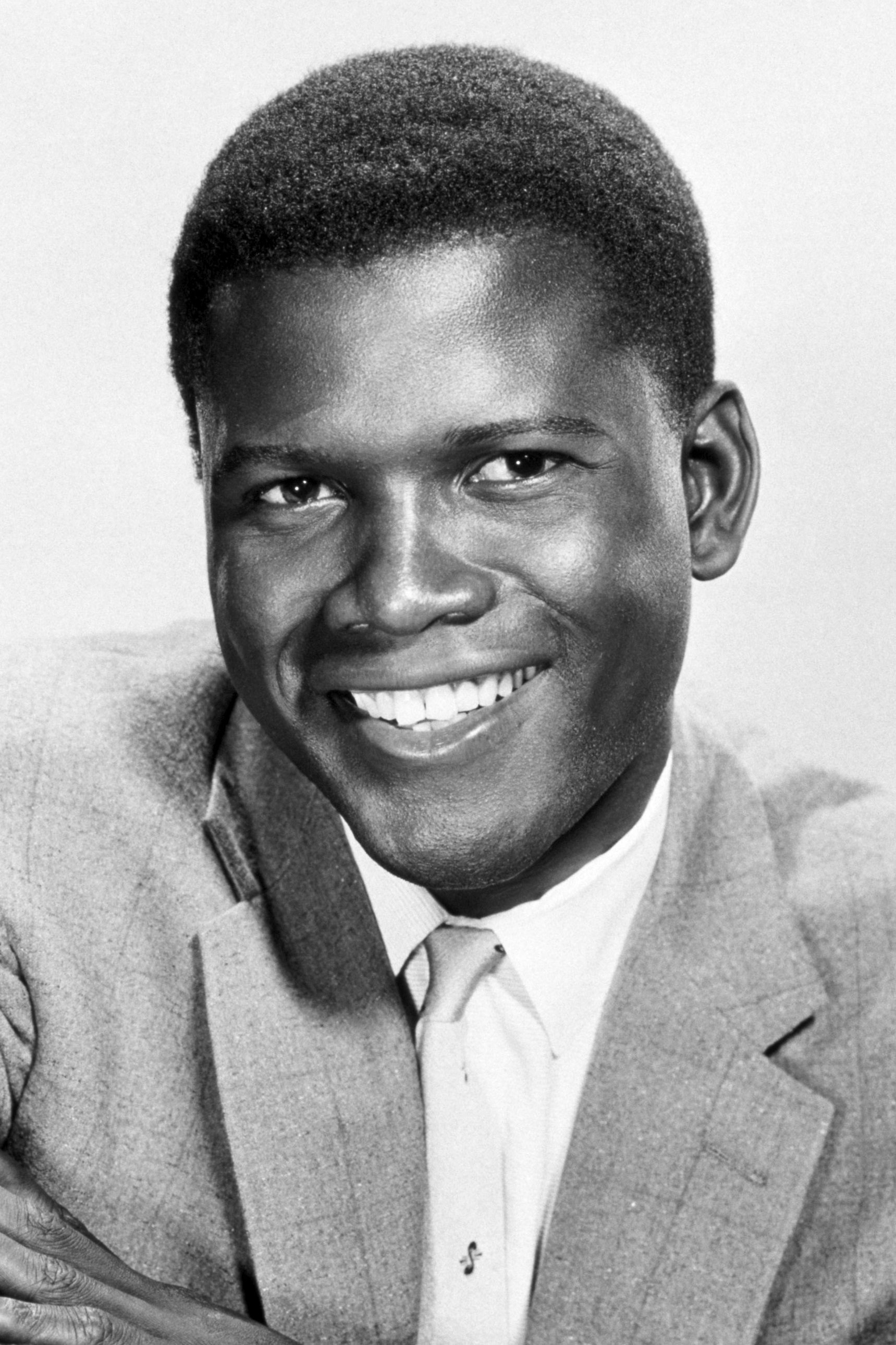
Sidney Poitier was a pioneer who strictly refused to play roles that demeaned Black men. He notably turned down the role of a janitor in ‘The Phenix City Story’ because he would not play subservient characters. The actor demanded roles that showed intelligence and moral strength during the Civil Rights era. His choices forced audiences to see Black characters as professionals and equals. Poitier famously slapped a white actor back in ‘In the Heat of the Night’ which was a revolutionary moment he insisted upon.
Cicely Tyson

Cicely Tyson made a conscious decision to reject the blaxploitation films that were popular in the 1970s. She refused to play drug addicts or prostitutes because she wanted to project a positive image for Black women. The actress sought out scripts that highlighted dignity and resilience in the face of adversity. She felt a responsibility to her audience to provide uplifting representation on screen. Her legacy is built on roles that emphasized humanity and grace over sensationalism.
Lena Horne
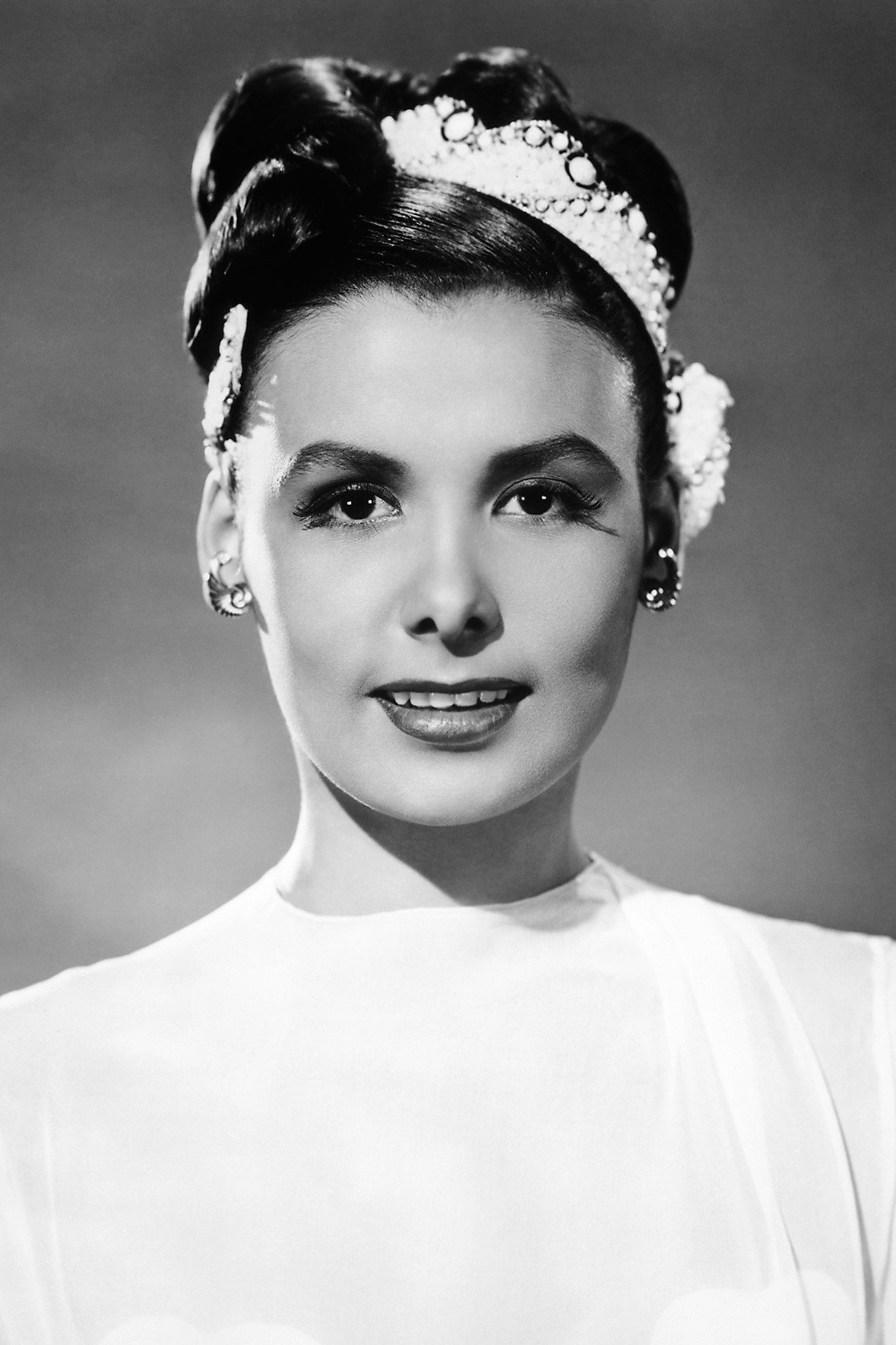
Lena Horne battled against the limited roles available to Black women in the Golden Age of Hollywood. She famously refused to play maids or jungle natives which were the standard options at the time. The studio system often punished her for her defiance by cutting her musical numbers from films shown in the South. Horne stood firm in her demand to be presented as a glamorous and sophisticated entertainer. She paved the way for future generations by refusing to bow to segregationist casting practices.
Dev Patel

Dev Patel actively avoids roles that ask him to play terrorists or convenience store clerks. The actor has expressed frustration with the lack of imagination in casting South Asian men. He gravitates toward characters in period dramas and psychological thrillers where his race is incidental to the plot. Patel wants to be defined by his acting range rather than his ethnicity. His career choices have helped expand the types of stories told about the Indian diaspora.
Sandra Oh
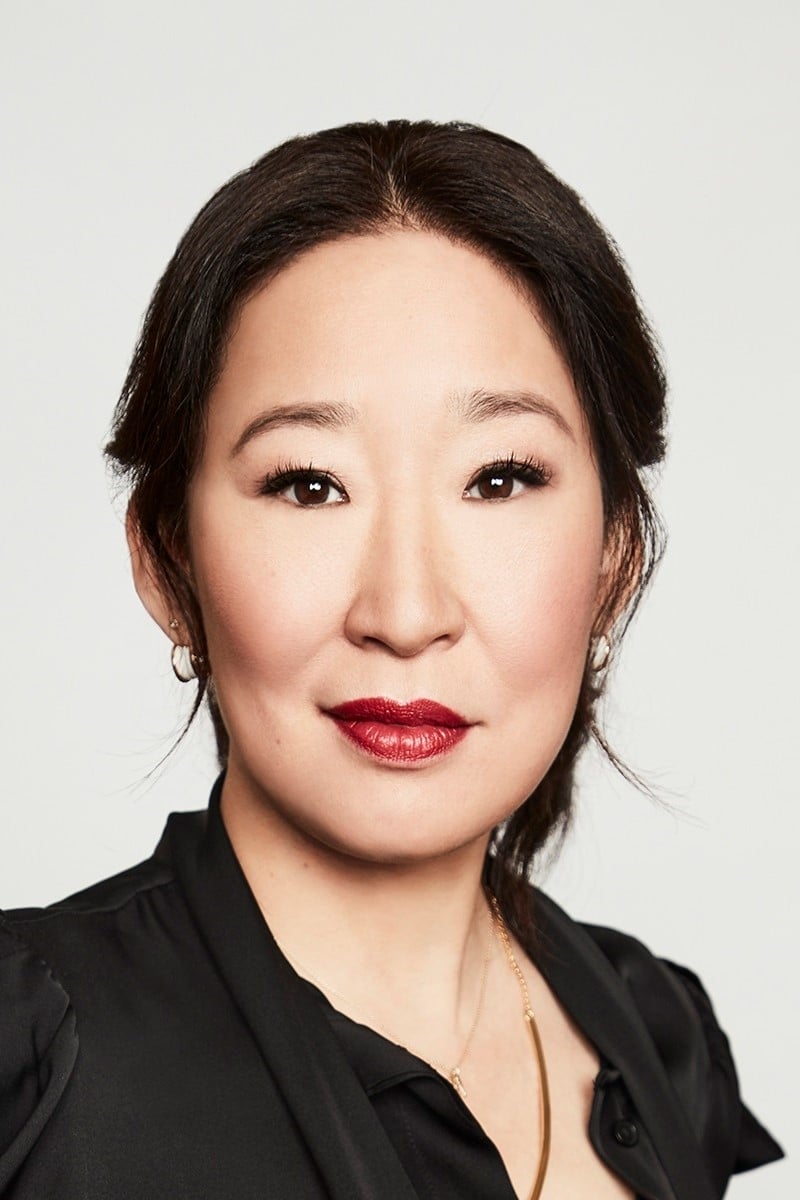
Sandra Oh spent years refusing roles that cast her as the sidekick or the assistant to a white protagonist. She held out for scripts that placed her at the center of the narrative with her own complex arc. The actress famously noted that she was brainwashed by the industry to believe she could not be a lead. Her patience paid off with major roles that allowed her to explore deep emotional territory. Oh continues to fight for Asian American visibility in meaningful leading roles.
Henry Golding

Henry Golding has turned down auditions that require him to speak in broken English or put on a fake accent. He believes that Asian men should be portrayed as suave and articulate leads in romantic comedies and action films. The actor wants to normalize the presence of Asian faces in Western cinema without the filter of foreignness. He seeks roles that reflect his own experience as a modern international citizen. His success has proven that audiences are ready for diverse leading men.
America Ferrera
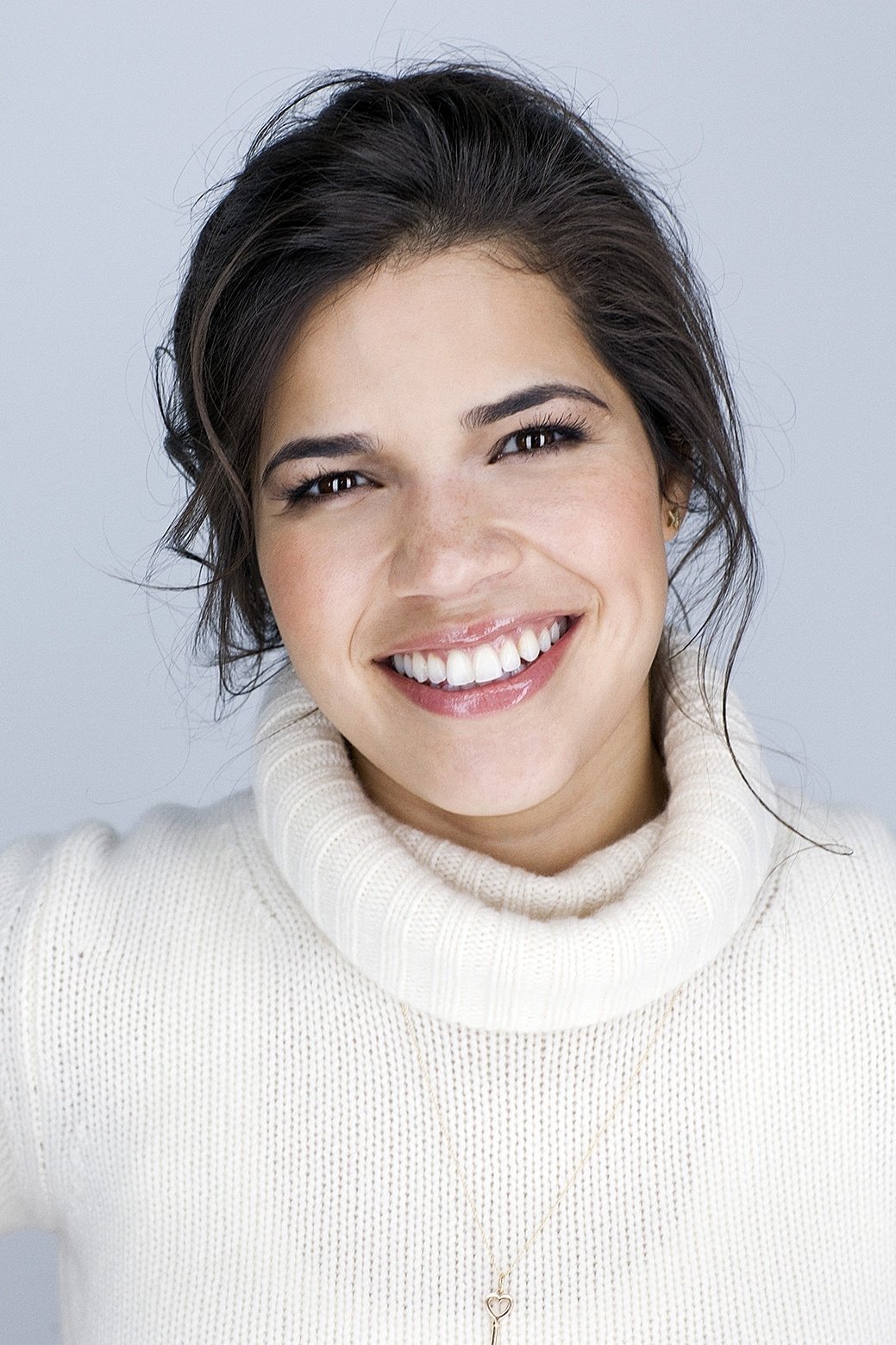
America Ferrera has rejected numerous roles that asked her to be a stereotypical Latina with “more grit” or a specific accent. She famously recalled an audition where she was told to sound more like a gang member despite her natural voice. The actress fights against the idea that Latinos can only exist in stories about crime or poverty. She produces her own content to create opportunities for diverse storytellers. Ferrera champions narratives that show the full spectrum of the Latin American experience.
Kumail Nanjiani
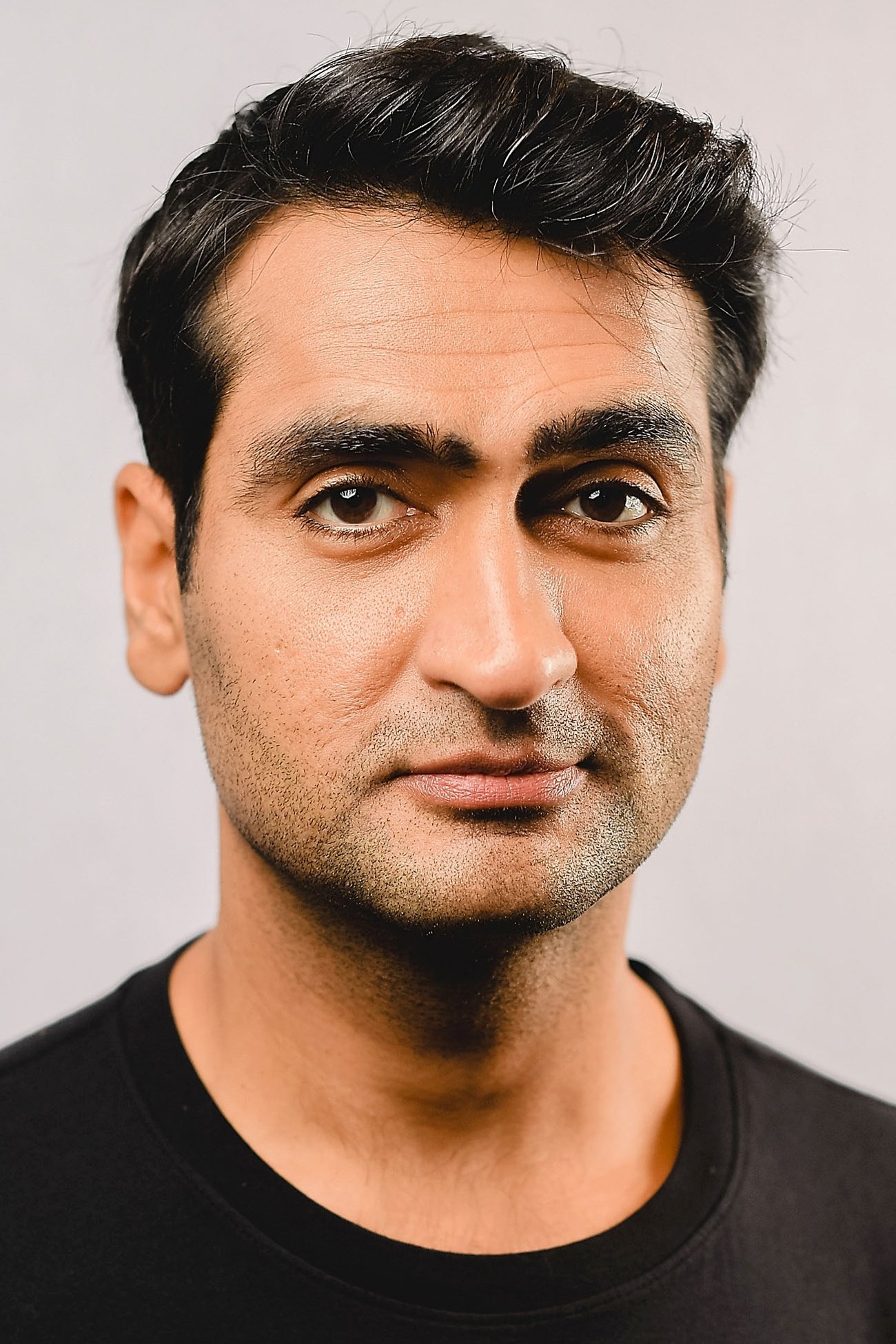
Kumail Nanjiani decided early on that he would not play terrorists or religious extremists. He writes and produces his own material to ensure he can play fully fleshed out human beings. The actor transformed his physical appearance to secure action roles that are typically reserved for white actors. He uses comedy to deconstruct stereotypes and challenge audience assumptions. Nanjiani insists on occupying spaces in genres like superhero movies and romantic comedies.
Amandla Stenberg
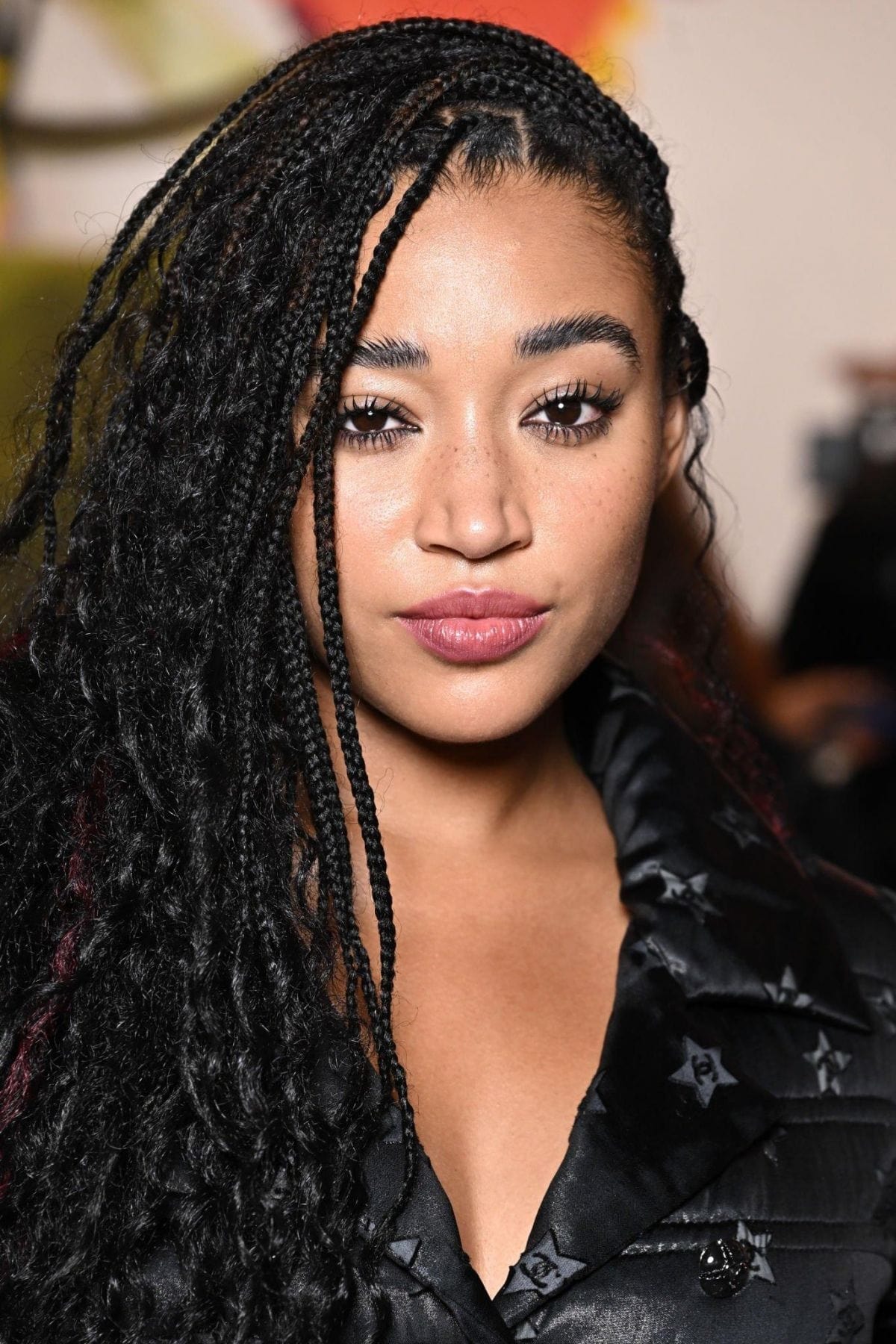
Amandla Stenberg walked away from a potential role in ‘Black Panther’ because she felt she was not the right fit. She believed a dark-skinned actress should play the character to avoid perpetuating colorism in Hollywood. The actress acknowledged that being biracial affords her privileges that she does not want to abuse. She chose to step aside to allow for more accurate representation within the film. Her decision sparked an important conversation about casting and skin tone in the industry.
Michelle Rodriguez
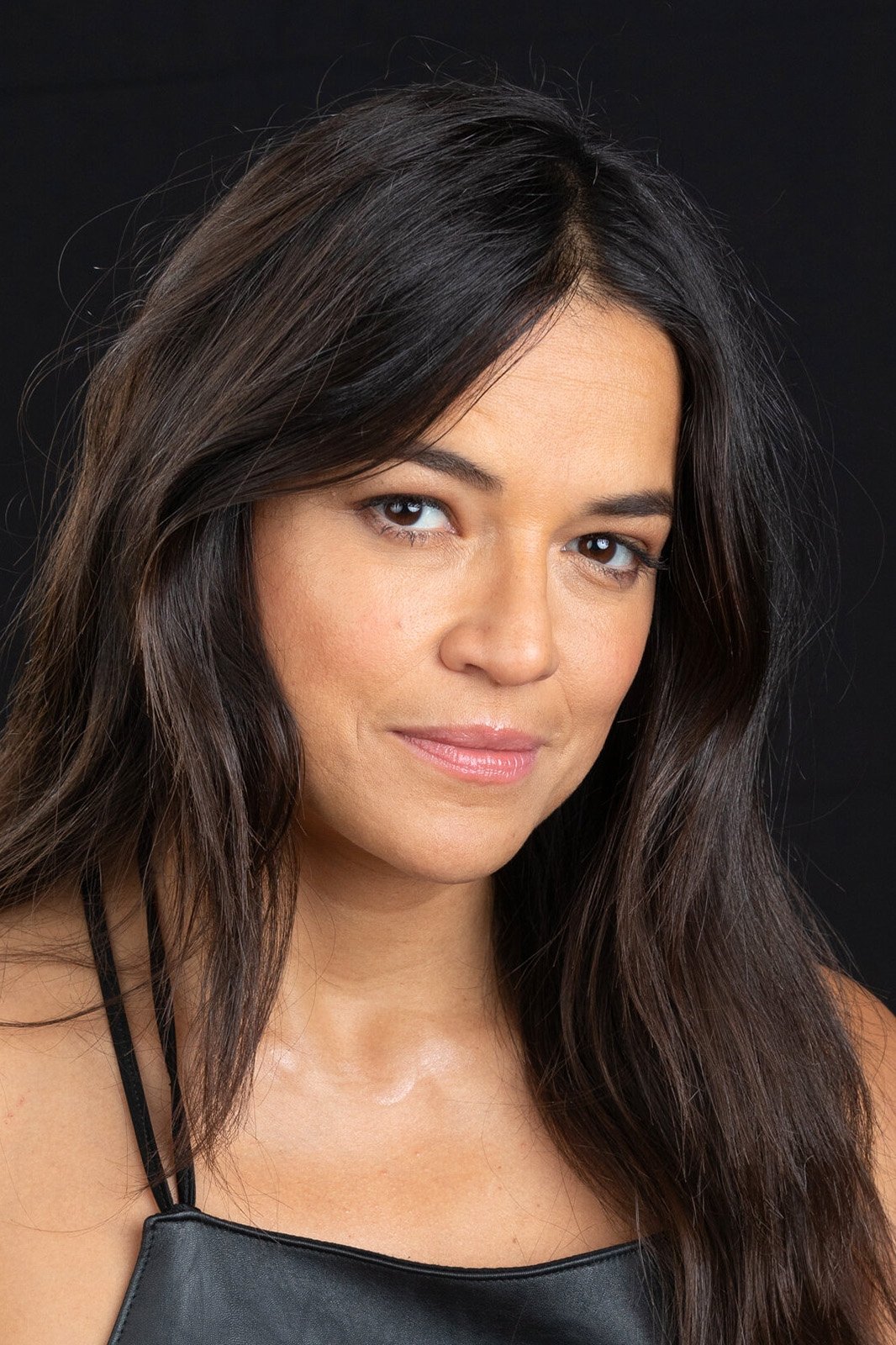
Michelle Rodriguez almost quit the first ‘The Fast and the Furious’ movie due to the script. She felt her character Letty was written as a “s**t” who cheated on her boyfriend without reason. The actress demanded that the writers respect the loyalty and strength of women in the street racing culture. She successfully fought to change the character into the fierce and loyal partner audiences know today. Rodriguez continues to advocate for strong female characters in action cinema.
Mahershala Ali
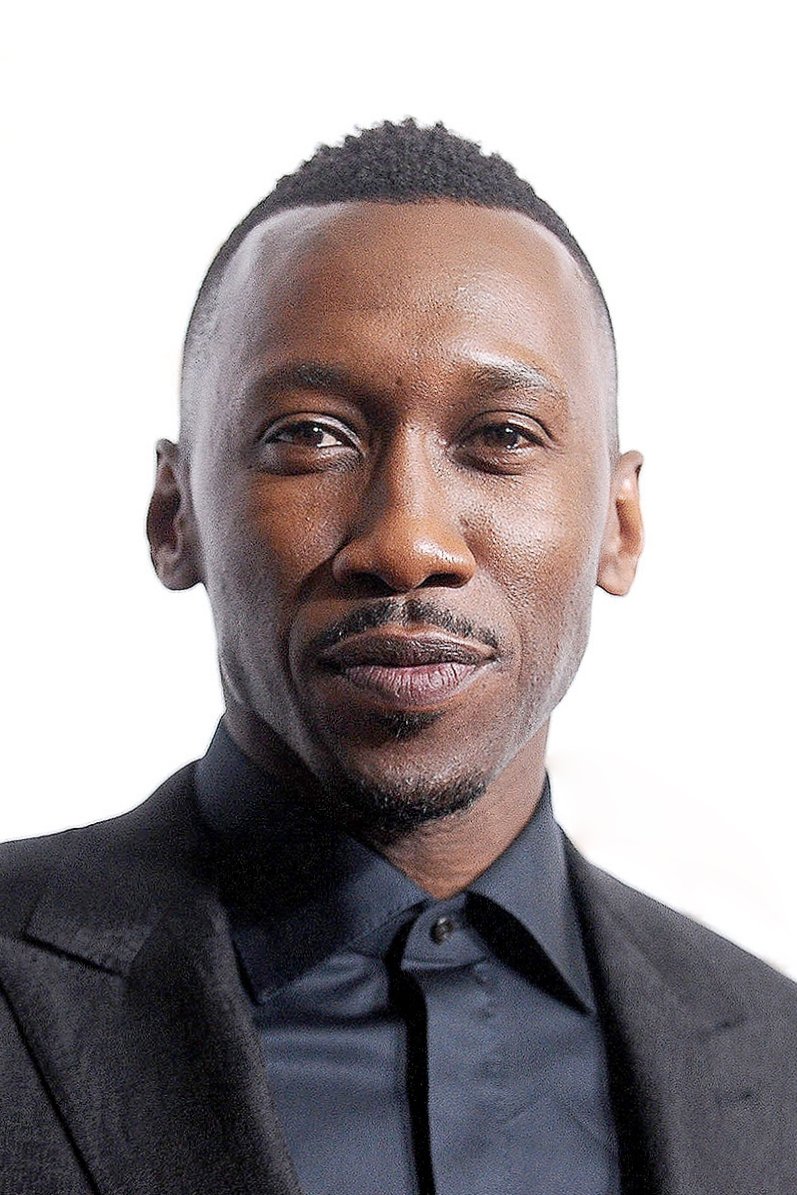
Mahershala Ali refuses to film sex scenes due to his religious beliefs and respect for his wife. He also avoids roles that require him to compromise his spiritual values or perpetuate negative stereotypes about Black men. The actor has turned down projects that felt exploitative or lacked moral complexity. He curates his career to ensure his body of work reflects his personal integrity. Ali proves that an actor can maintain strict boundaries and still win the highest accolades.
Brenda Song

Brenda Song was told she was not “Asian enough” for a role in ‘Crazy Rich Asians’ but she has also refused roles that were too stereotypical. She generally declines auditions that require her to use an accent she does not possess. The actress prefers to play American characters that happen to be Asian rather than defining the role by ethnicity. She has worked steadily in the industry by avoiding the boxes casting directors try to place her in. Song advocates for blind casting where the best actor gets the part.
Jenna Ortega

Jenna Ortega exercised her creative voice on the set of ‘Wednesday’ by changing lines she felt were out of character. She refused to say dialogue that made her character seem boy-crazy or weak in the face of danger. The actress argued that a dark and stoic character would not worry about trivial teenage drama. She fought to keep the integrity of the role intact despite pressure from the writers. Her instincts helped shape the character into a unique cultural icon.
Viola Davis
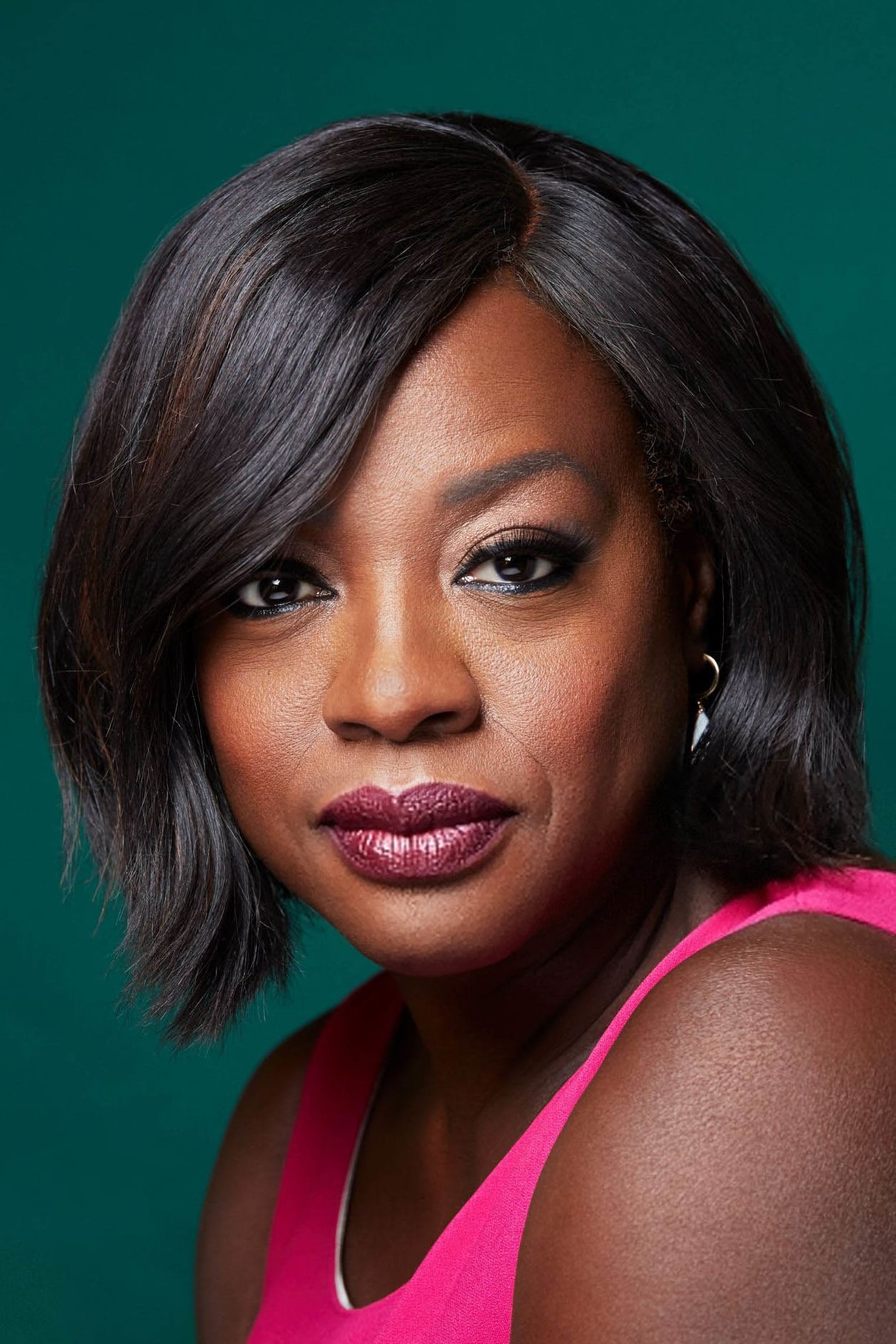
Viola Davis expressed regret over her role in ‘The Help’ and has since vowed to avoid parts that center on the white savior narrative. She now refuses to play maids or subservient characters that were once the only options for Black women. The actress started her own production company to create lead roles for women of color. She seeks out complex characters who are anti-heroes or powerful leaders. Davis demands that her characters have agency and a fully developed history.
Harry Belafonte

Harry Belafonte turned down the lead role in the film adaptation of ‘Porgy and Bess’. He felt the story presented a degrading image of Black life that he could not support. The icon used his platform to fight for civil rights and better representation in media. He refused to participate in projects that he believed set the Black community back socially. Belafonte sacrificed significant fame and fortune to stand by his principles.
Javier Bardem
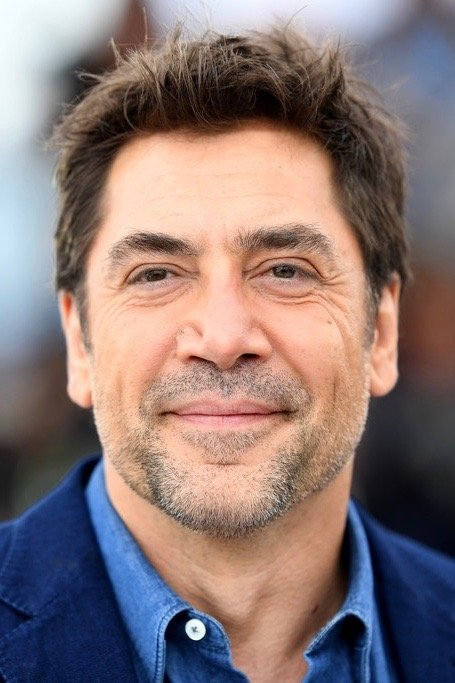
Javier Bardem is highly selective when playing villains to ensure they are not merely “Latin drug lords” without depth. He rejects roles that glorify violence or rely on xenophobic fears for cheap thrills. The actor looks for humanity in every character regardless of their moral alignment. He has turned down high-paying blockbusters that did not meet his standard for storytelling. Bardem brings nuance to his roles to avoid becoming a caricature.
Salma Hayek Pinault

Salma Hayek fought for years against being cast solely as a maid or a hyper-sexualized girlfriend. She refused to settle for roles that did not showcase her intelligence and dramatic range. The actress produced her own films to create the opportunities that studios were denying her. She has been vocal about the racism and sexism she faced when trying to break into Hollywood. Hayek continues to push for Latinas to be seen as powerful executives and heroes.
Wes Studi
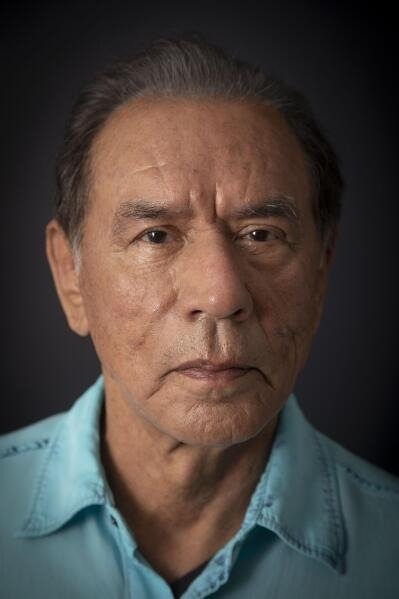
Wes Studi has built a career by challenging the Hollywood depiction of Native Americans. He moves away from the “magical” or “savage” tropes that dominated Westerns for decades. The actor brings a modern and realistic presence to his roles to show Indigenous people in contemporary settings. He advocates for Native stories to be told by Native filmmakers. Studi works to ensure his community is represented with accuracy and respect.
Anna May Wong
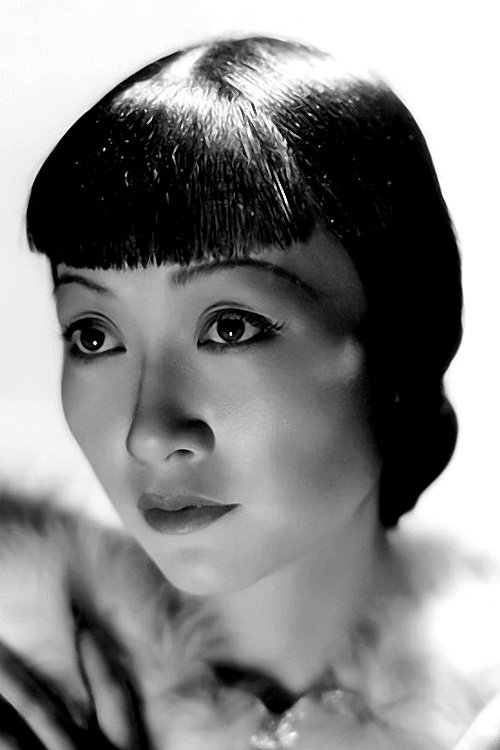
Anna May Wong left Hollywood for Europe in the 1920s because she was tired of playing the villainous Dragon Lady. She refused to accept that her only options were to play deceitful women or submissive victims. The actress was frustrated by laws that prohibited her from kissing a white lead actor on screen. She sought creative freedom abroad where she could play starring roles with dignity. Wong remains a symbol of resistance against the systemic racism of early cinema.
David Oyelowo
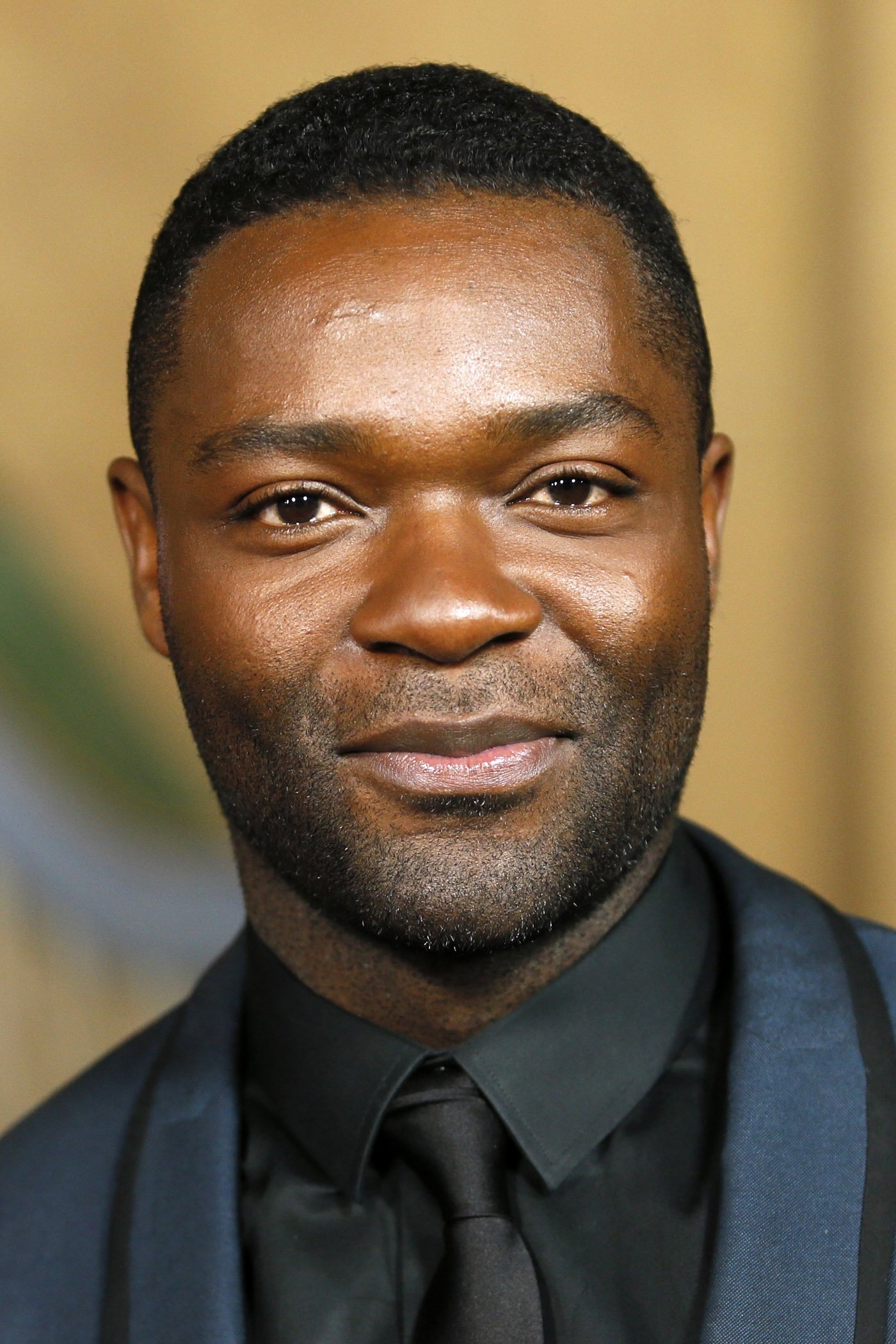
David Oyelowo actively rejects roles that cast him as a butler or a magical helper to white characters. He seeks out scripts that center Black British or African history from a perspective of power. The actor is committed to playing kings and leaders rather than figures on the periphery. He has spoken about the need for the industry to imagine Black men in positions of authority. Oyelowo uses his influence to champion diverse historical dramas.
Octavia Spencer
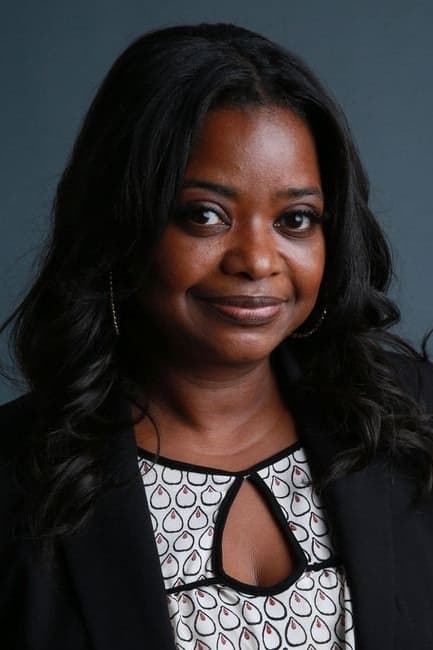
Octavia Spencer decided to move away from playing maid roles after her Oscar win to avoid being pigeonholed. She now looks for parts where she can play detectives, scientists, or complex villains. The actress wants to show the world that her range extends far beyond the service industry. She has taken on lead roles in psychological horror and fantasy films to break the mold. Spencer proves that character actors can transition into dynamic leading stars.
Idris Elba
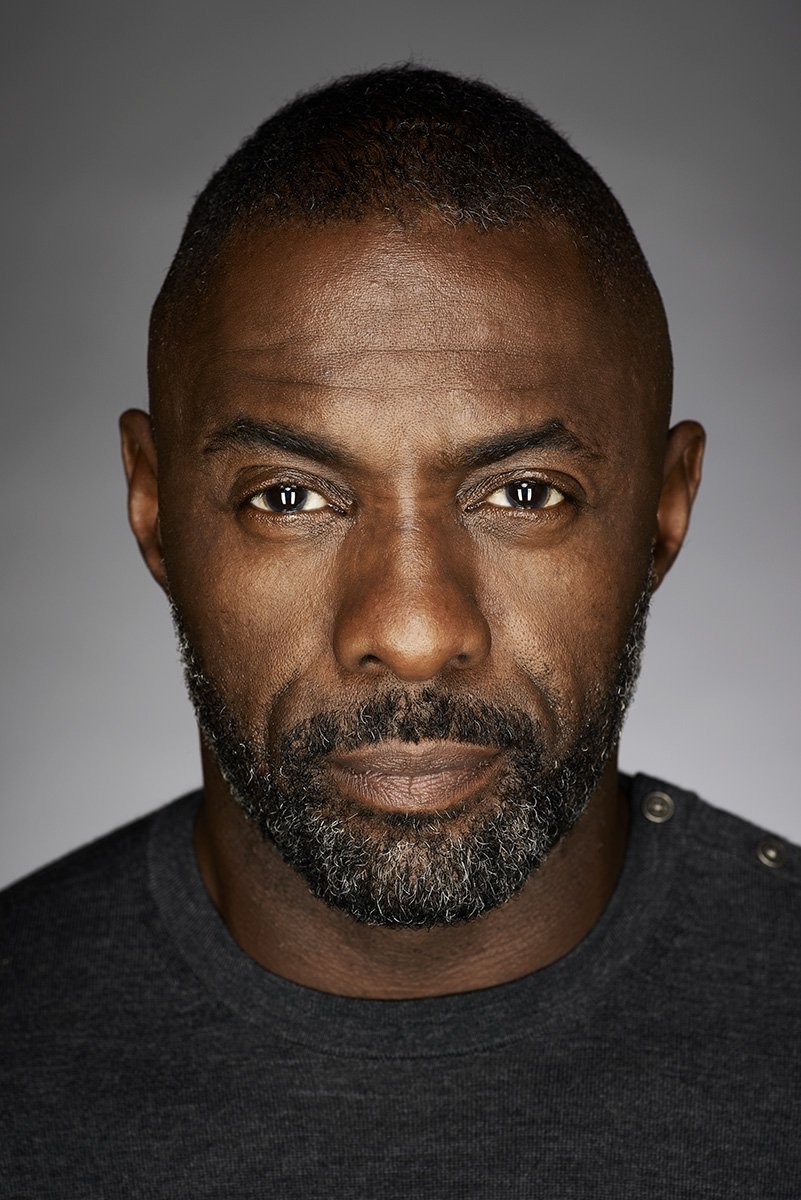
Idris Elba has turned down roles that he felt defined him solely by his race rather than his talent. He famously avoids the “best friend” trope where the Black character exists only to support the white lead. The actor seeks out projects where the character’s background is incidental to the action. He has played Norse gods and cowboys to challenge the perception of who can inhabit those archetypes. Elba pushes the boundaries of traditional casting in every genre.
Daniel Dae Kim
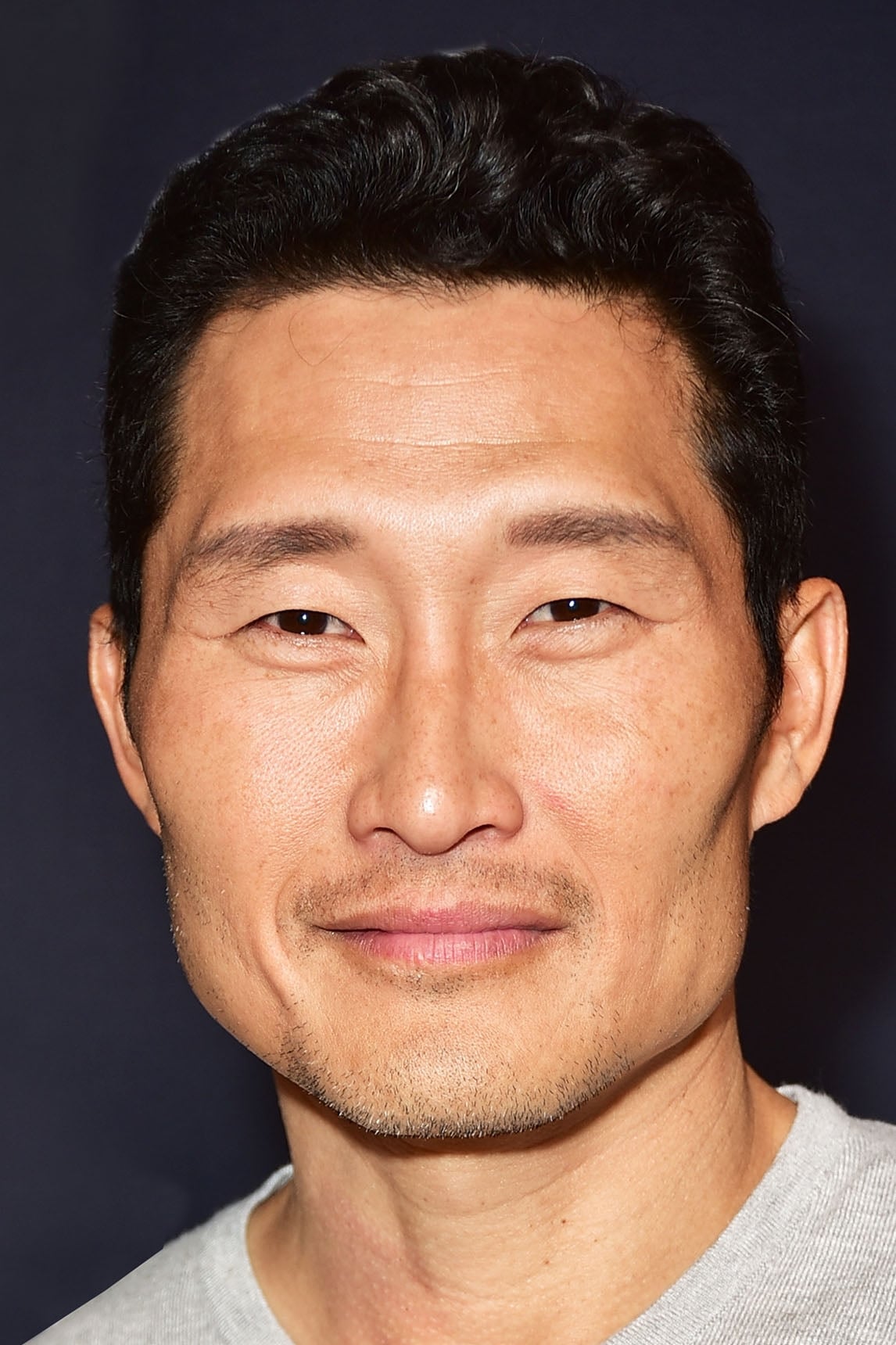
Daniel Dae Kim left a starring role on ‘Hawaii Five-0’ after a public dispute over pay equity and respect. He refused to be paid less than his white co-stars who had the same billing and screen time. The actor took a stand against the industry practice of undervaluing Asian talent. His departure sparked a major conversation about equality in television contracts. Kim now produces shows that feature Asian Americans as the central heroes.
Lucy Liu

Lucy Liu has spent her career fighting against the “Dragon Lady” stereotype and the submissive geisha trope. She demands roles that allow her to be funny, vulnerable, and physically capable without being fetishized. The actress has confronted directors who tried to box her into limiting categories. She took on the role of Watson in ‘Elementary’ to flip the gender and race of a classic literary character. Liu continues to break barriers for Asian American women in television.
Jessica Alba

Jessica Alba stepped back from acting at the height of her fame because she was tired of being objectified. She refused to take roles that existed solely to add “exotic” sex appeal to a movie. The actress felt she was not being taken seriously and was often asked to wear skimpy outfits for no narrative reason. She pivoted to entrepreneurship to take control of her own image and legacy. Alba has since returned to acting on her own terms in projects she produces.
Gabrielle Union
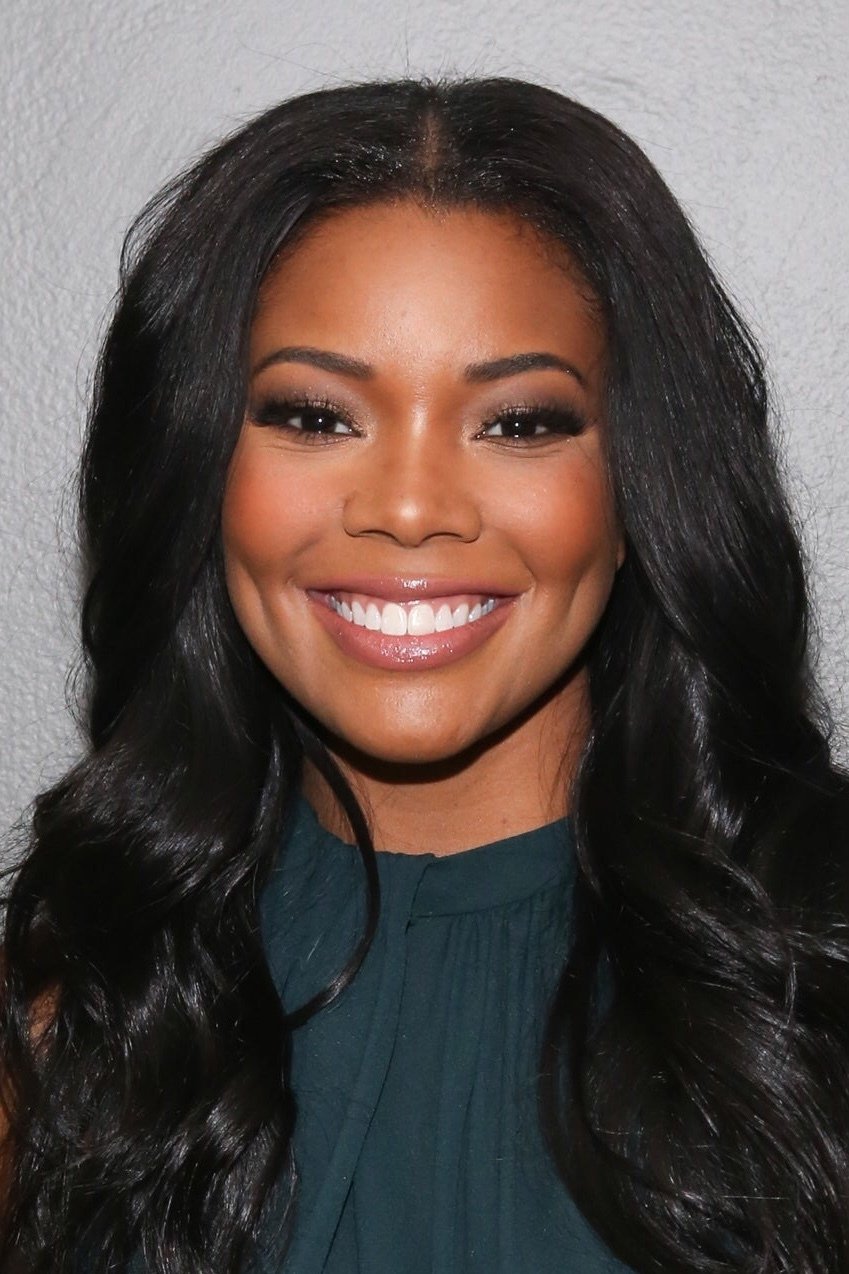
Gabrielle Union has been a fierce advocate against silence in the face of workplace toxicity and stereotyping. She has refused to let producers edit out her critiques of racist jokes or problematic scripts. The actress seeks roles that show the complexity of Black womanhood beyond struggle and pain. She has turned down projects that she felt were irresponsible in their depiction of violence against women. Union uses her production company to amplify marginalized voices.
Queen Latifah
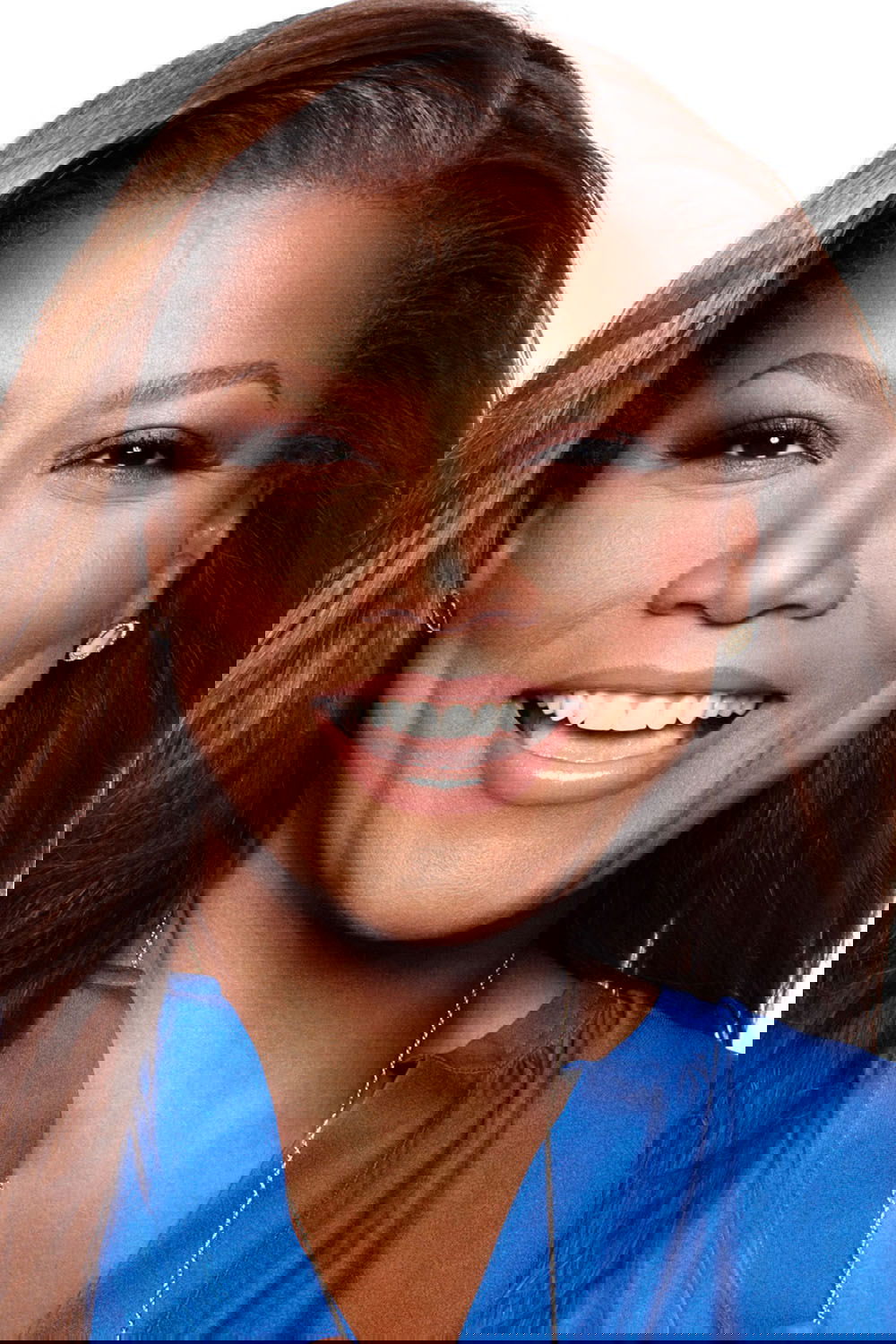
Queen Latifah famously included a clause in her contracts that her character could not die in the movie. She did this to combat the trope where the Black character is always the first to be killed. The actress wanted to ensure that she remained a presence throughout the story to inspire the audience. She chooses roles that emphasize leadership and compassion. Latifah has consistently played characters who command respect and authority.
Jada Pinkett Smith
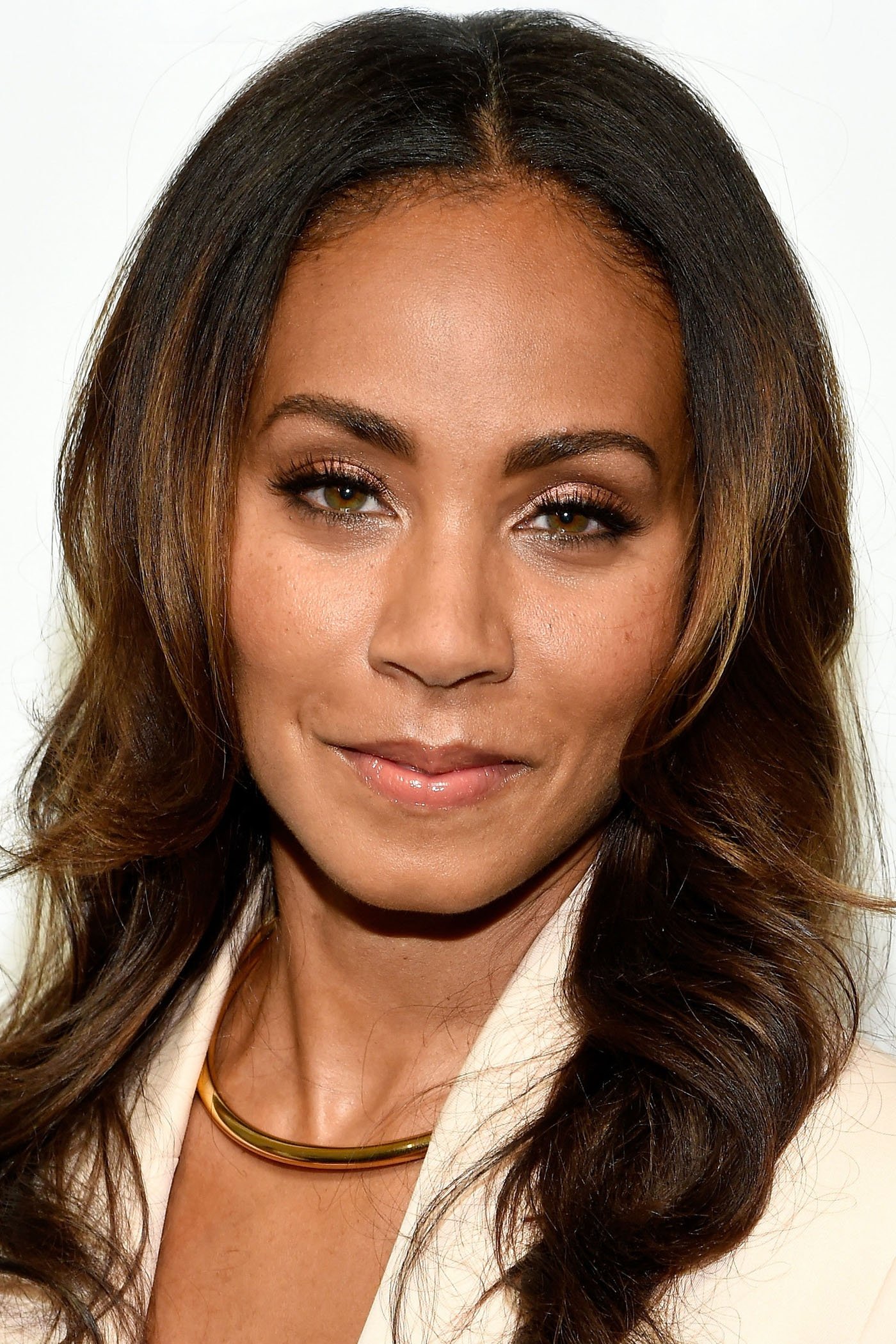
Jada Pinkett Smith turned down a role in the film ‘Dead Presidents’ because she felt the portrayal of women was exploitative. She has consistently refused parts that require her to be a victim of domestic violence without a redemptive arc. The actress prefers to play characters who fight back and hold their own in dangerous worlds. She has spoken about the need to protect the image of Black women in media. Smith champions narratives that explore the psychological depth of her characters.
John Leguizamo
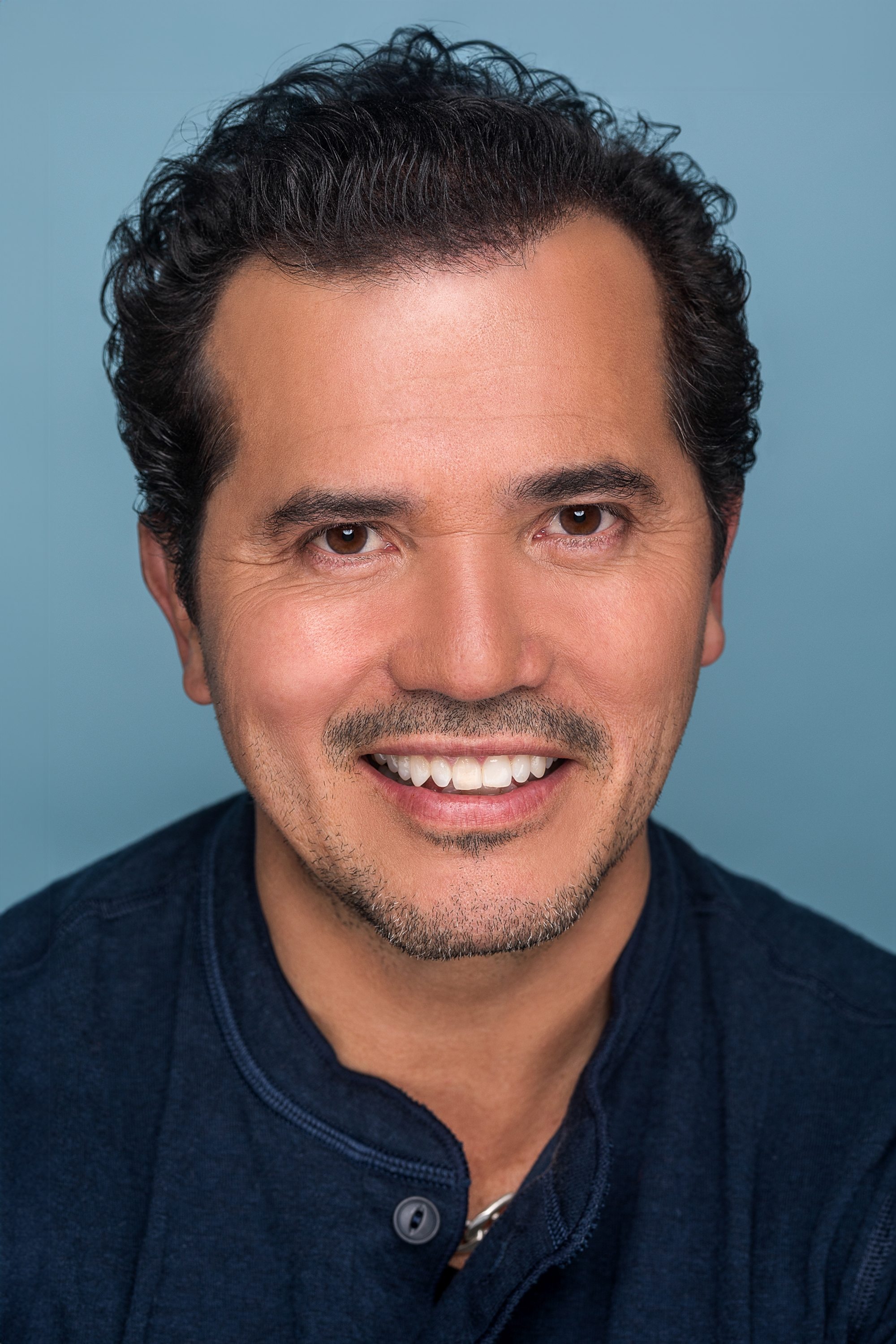
John Leguizamo has spent his career avoiding roles that depict Latinos solely as drug dealers or murderers. He famously rejected parts in major crime dramas that offered no redemption or humanity for the character. The actor writes his own stage shows to correct the history books and highlight Latino contributions to America. He actively critiques Hollywood for its lack of positive representation. Leguizamo demands that his community be seen as essential to the fabric of society.
Tell us which celebrity refusal you admire the most in the comments.