Games Where Players Can Focus on Building Instead of Fighting


Building games have evolved into a massive genre that offers players a creative escape from the stress of traditional combat-heavy titles. These experiences prioritize construction, management, and aesthetic design over reflexes or high-stakes battles. From sprawling cityscapes to cozy personal farms, the following games provide tools for players to express their architectural visions. Many of these titles include dedicated creative modes or management simulations that remove the threat of violence entirely.
‘Animal Crossing: New Horizons’ (2020)
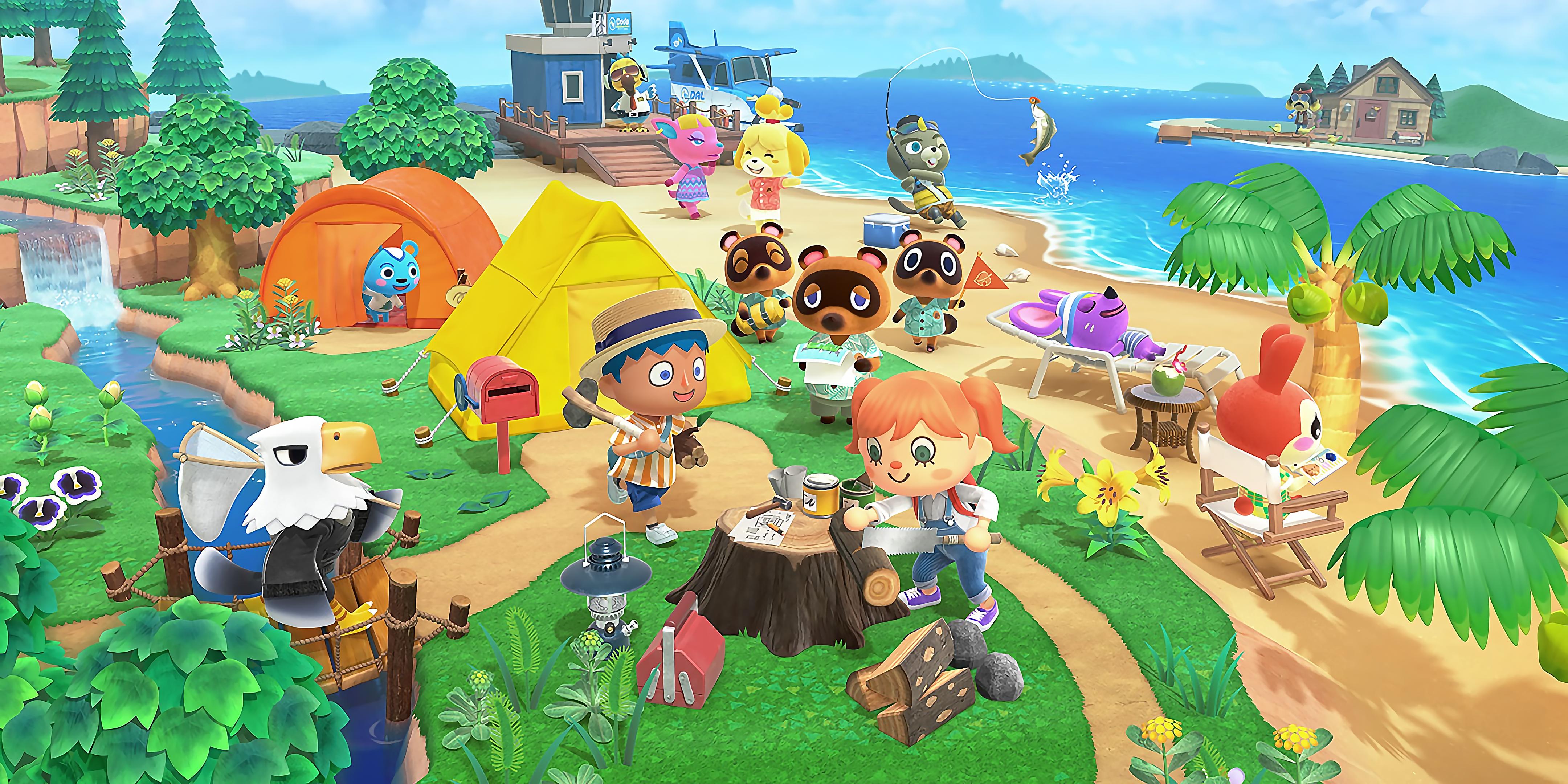
This social simulation title was both developed and published by Nintendo for the Switch console. Players inhabit a deserted island and work to transform it into a personalized paradise through extensive terraforming and decorating. The gameplay cycle involves collecting resources, befriending animal villagers, and designing the perfect outdoor and indoor spaces. There is no combat system, making it a peaceful experience centered on creativity and community growth.
‘Cities: Skylines’ (2015)
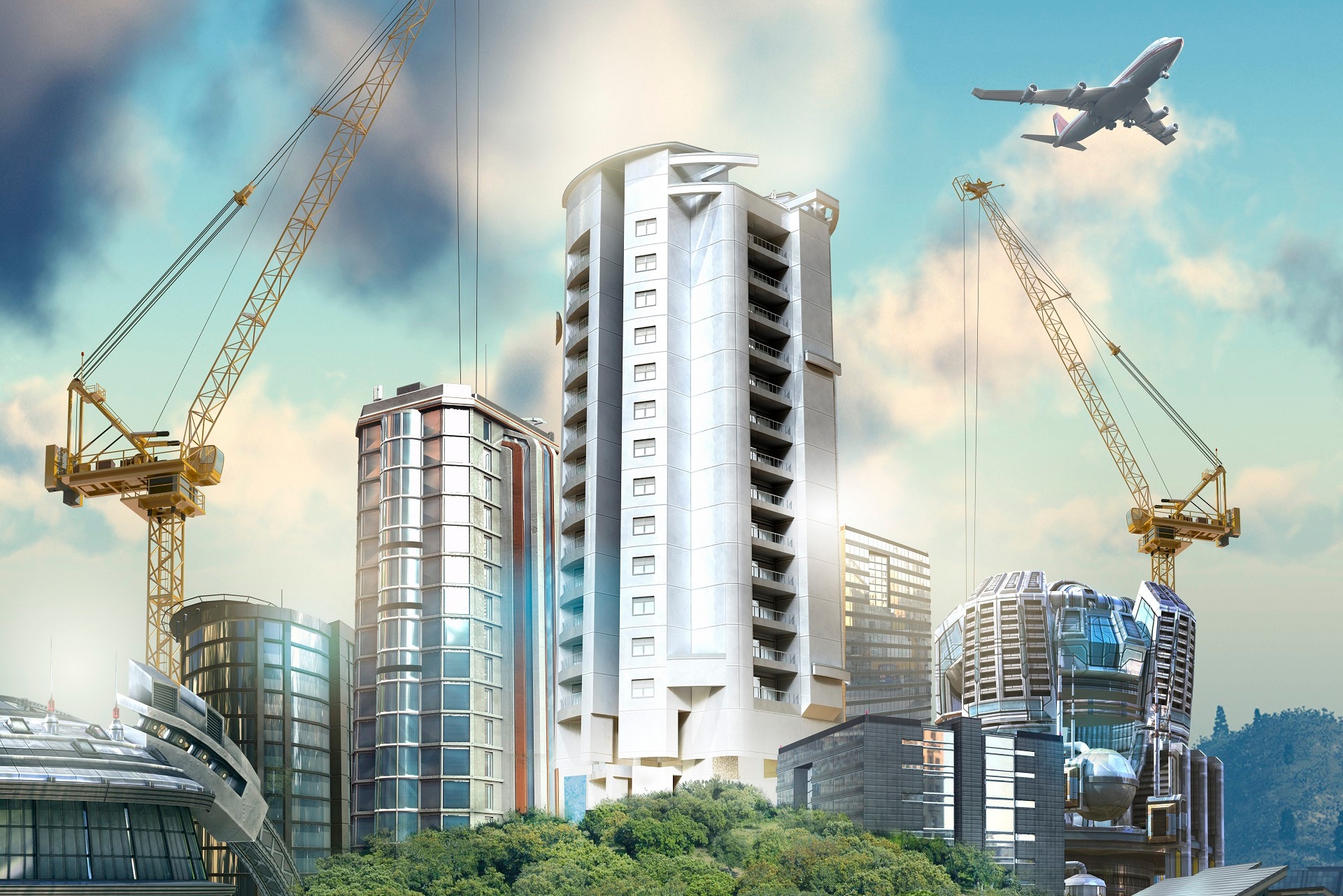
Colossal Order developed this city-building simulation while Paradox Interactive handled its worldwide publication. Players act as urban planners responsible for zoning, road placement, and public services to manage a thriving metropolis. The game focuses on logistics and infrastructure management rather than any form of violent confrontation. It provides tools for intricate landscape manipulation and detailed transit system design.
‘Dorfromantik’ (2021)
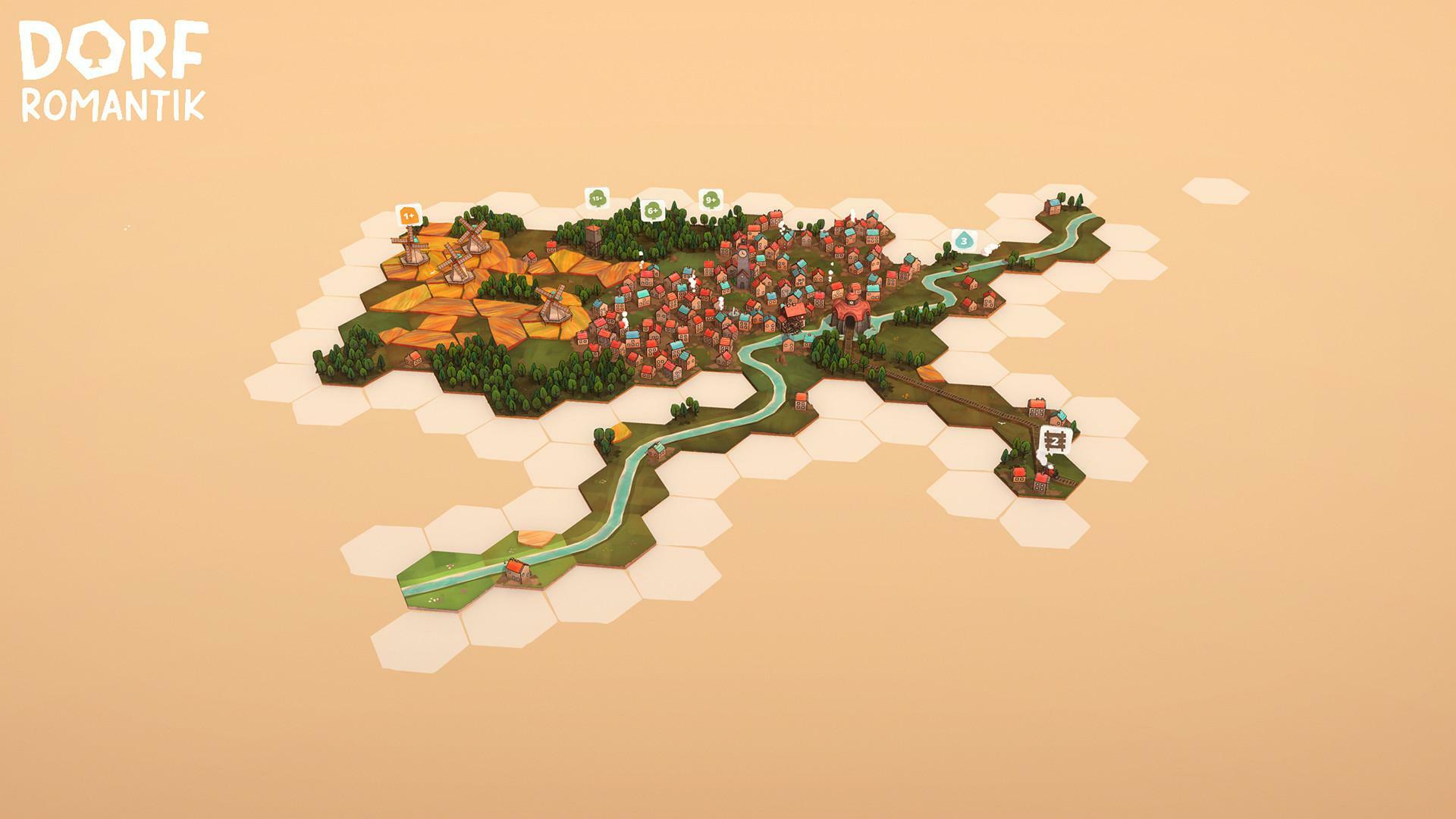
This peaceful building strategy and puzzle game was developed and published by Toukana Interactive. Players place hexagonal tiles representing forests, villages, and water to expand an ever-growing landscape. Matching edges correctly earns points and unlocks more tiles to continue the peaceful construction process. The lack of combat or high-stress timers makes it a relaxing experience focused on aesthetic harmony.
‘House Flipper’ (2018)
Developed by Frozen District and published by PlayWay, this game focuses on the renovation and interior design of neglected properties. Players purchase dilapidated houses, clean them, and perform repairs before redesigning the interiors to sell for a profit. The experience is entirely devoid of combat, focusing instead on the satisfaction of visual transformation. It provides a wide array of tools and furniture to cater to specific design tastes.
‘Jurassic World Evolution 2’ (2021)
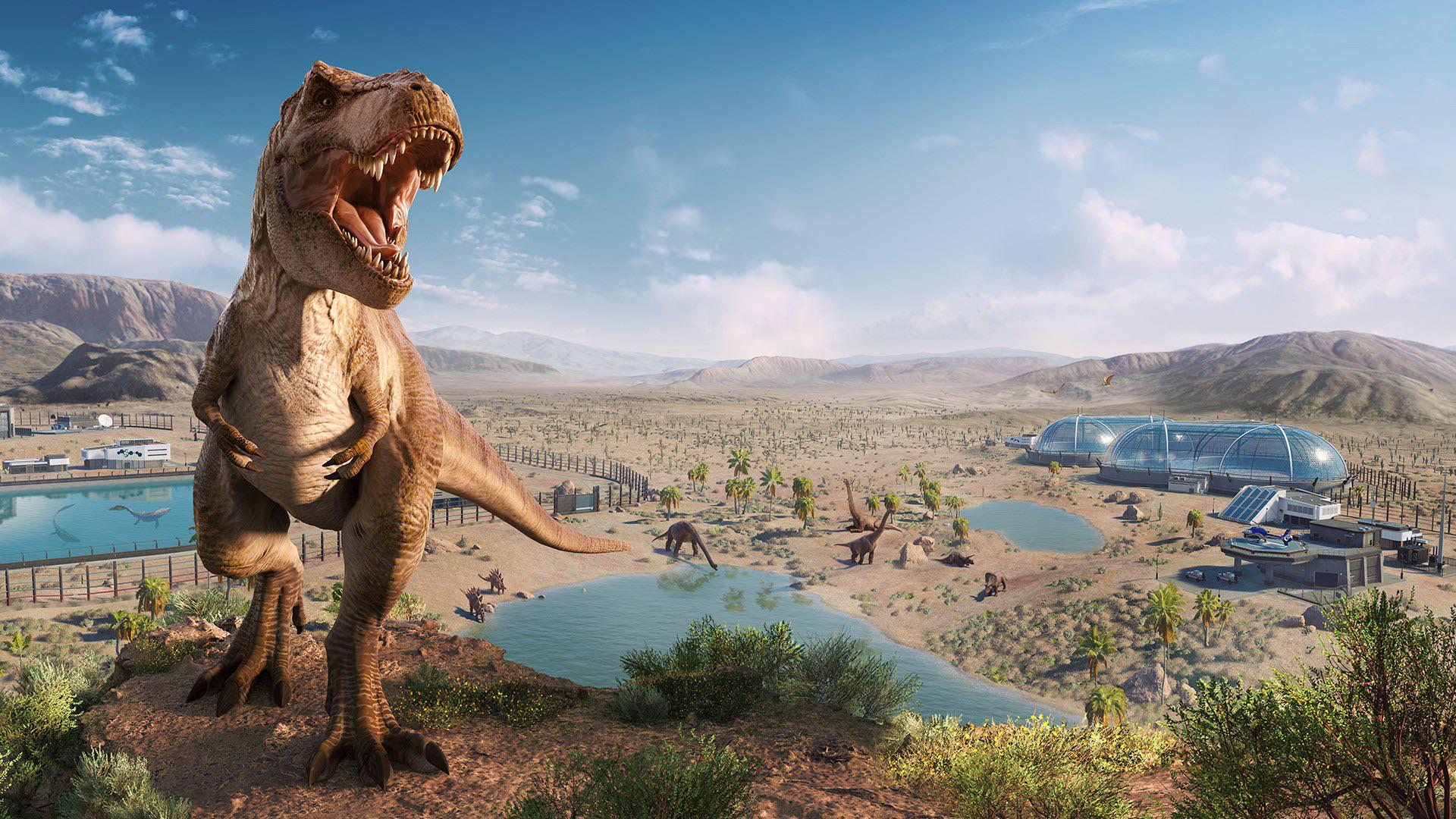
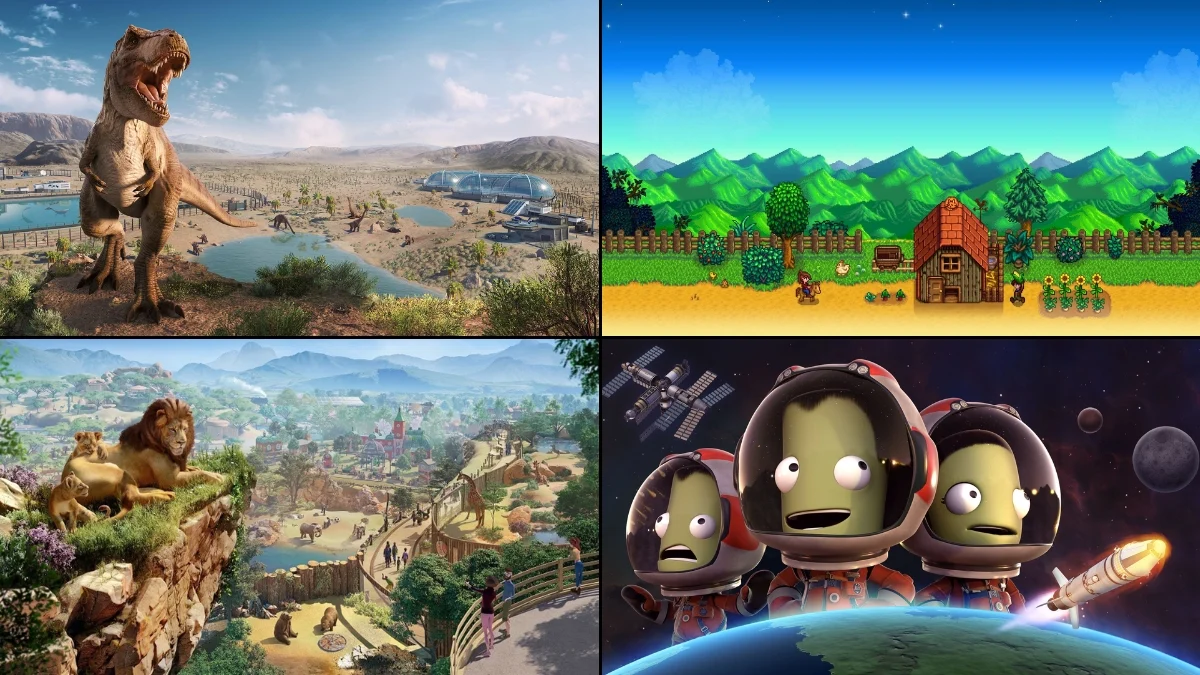
This park management simulator was developed and published by Frontier Developments. Players build dinosaur theme parks across various environments, managing the needs of the prehistoric creatures and the safety of the visitors. The building tools allow for extensive customization of enclosures, visitor facilities, and research labs. While dinosaurs can occasionally escape, the focus is on containment and facility design rather than direct combat.
‘Kerbal Space Program’ (2015)
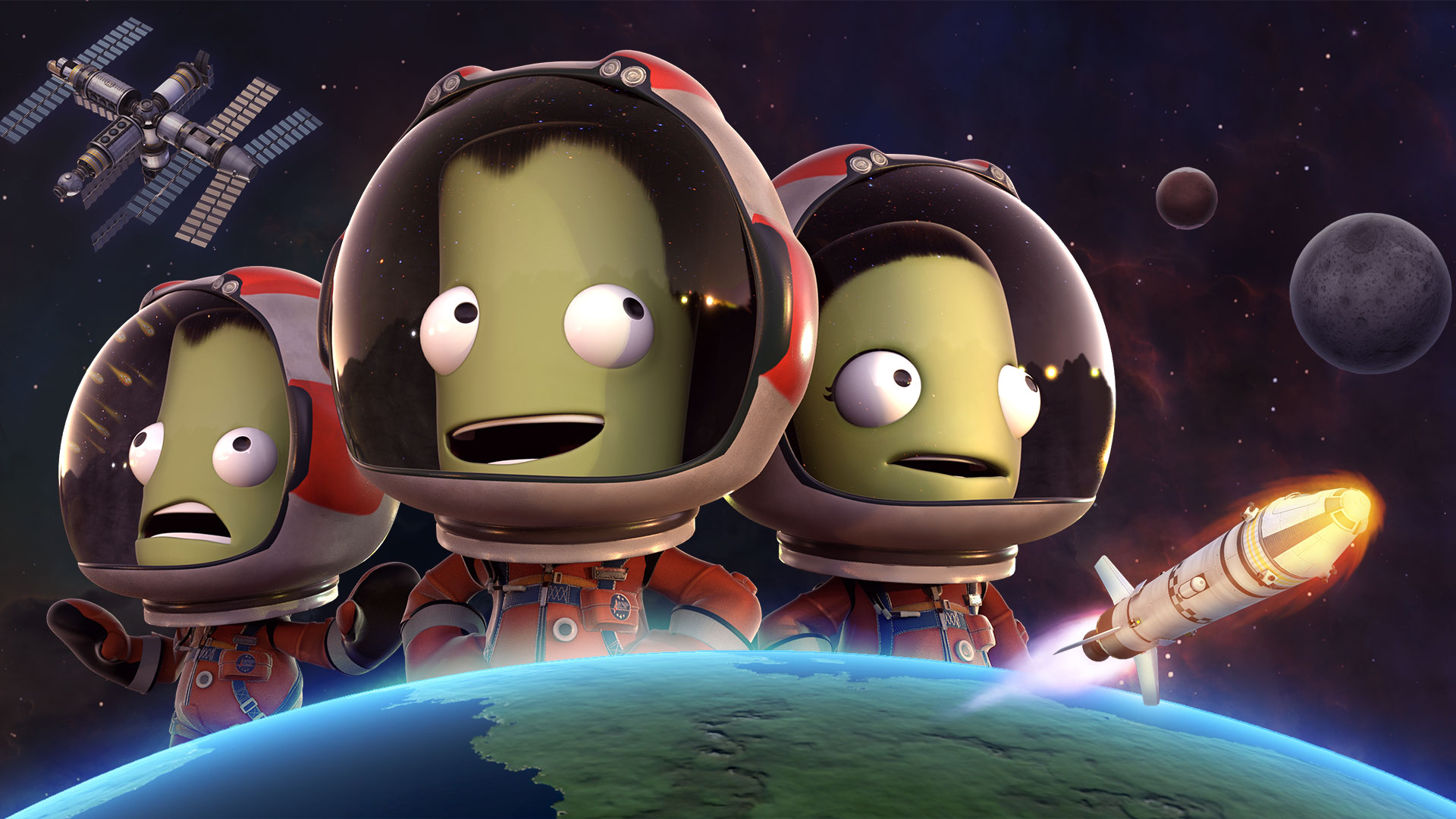
Developed by Squad and published by Private Division, this physics-based flight simulation focuses on the construction of spacecraft. Players must master orbital mechanics and engineering to build rockets that can successfully reach other planets. The Vehicle Assembly Building serves as the heart of the game, where users piece together complex modules. The challenge comes from scientific constraints and structural integrity rather than hostile entities.
‘Minecraft’ (2011)
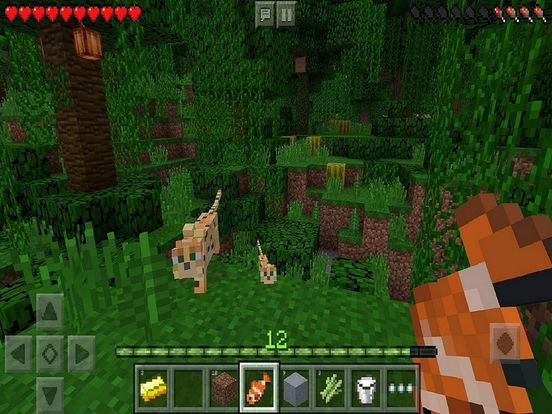
Developed by Mojang Studios and published by Xbox Game Studios, this sandbox title allows players to explore infinite worlds. Users spend the majority of their time gathering blocks to construct elaborate structures, from simple cottages to detailed replicas. While survival mode contains monsters, the creative mode removes all combat elements to prioritize pure architectural freedom. This game remains a staple in the building genre for its limitless creative potential and modular design.
‘No Man’s Sky’ (2016)
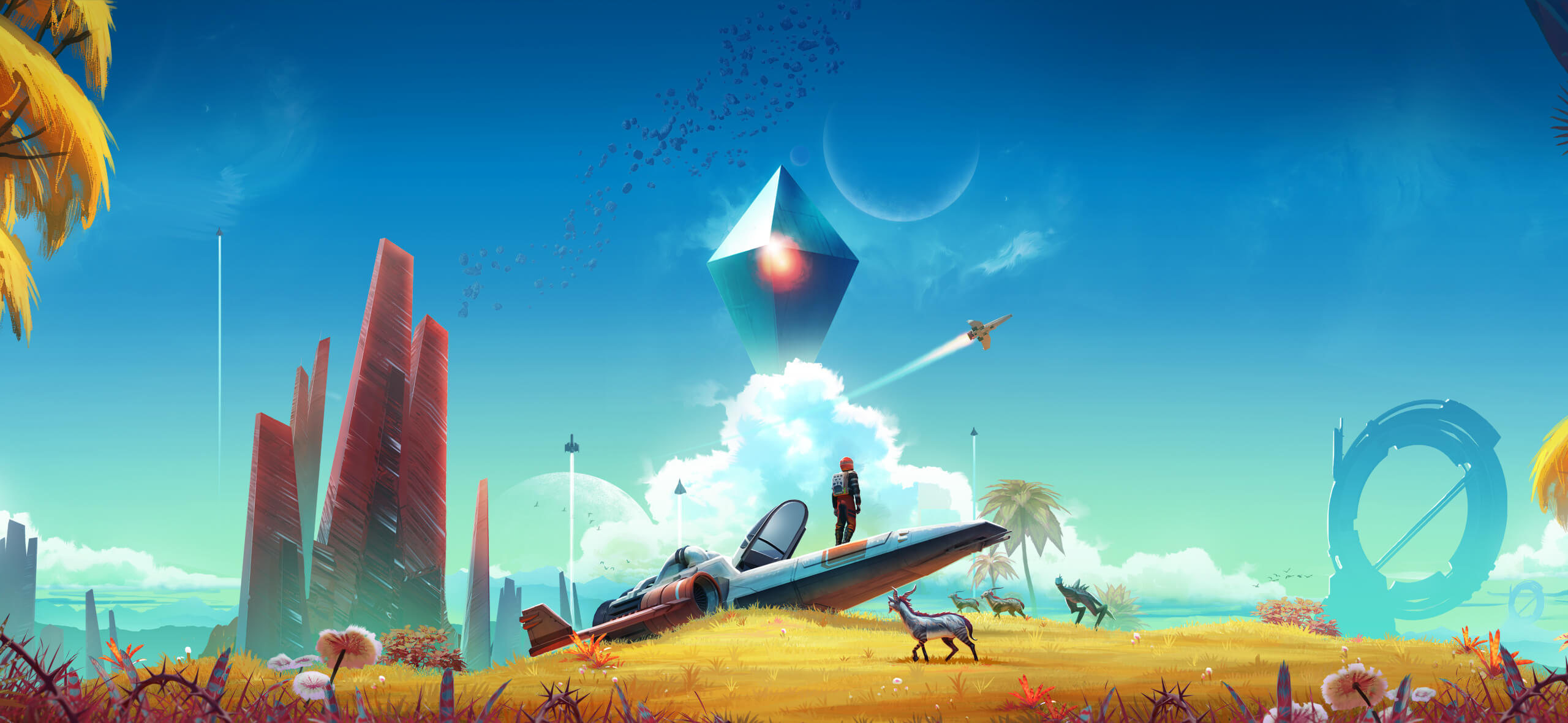
Developed and published by Hello Games, this space exploration title includes a Creative Mode that prioritizes building. Players can construct complex planetary bases using a wide variety of structural parts and decorative items. These bases can be shared with other players across a procedurally generated universe of trillions of planets. The focus on discovery and architectural creativity offers a peaceful alternative to the survival and combat elements.
‘Planet Coaster’ (2016)
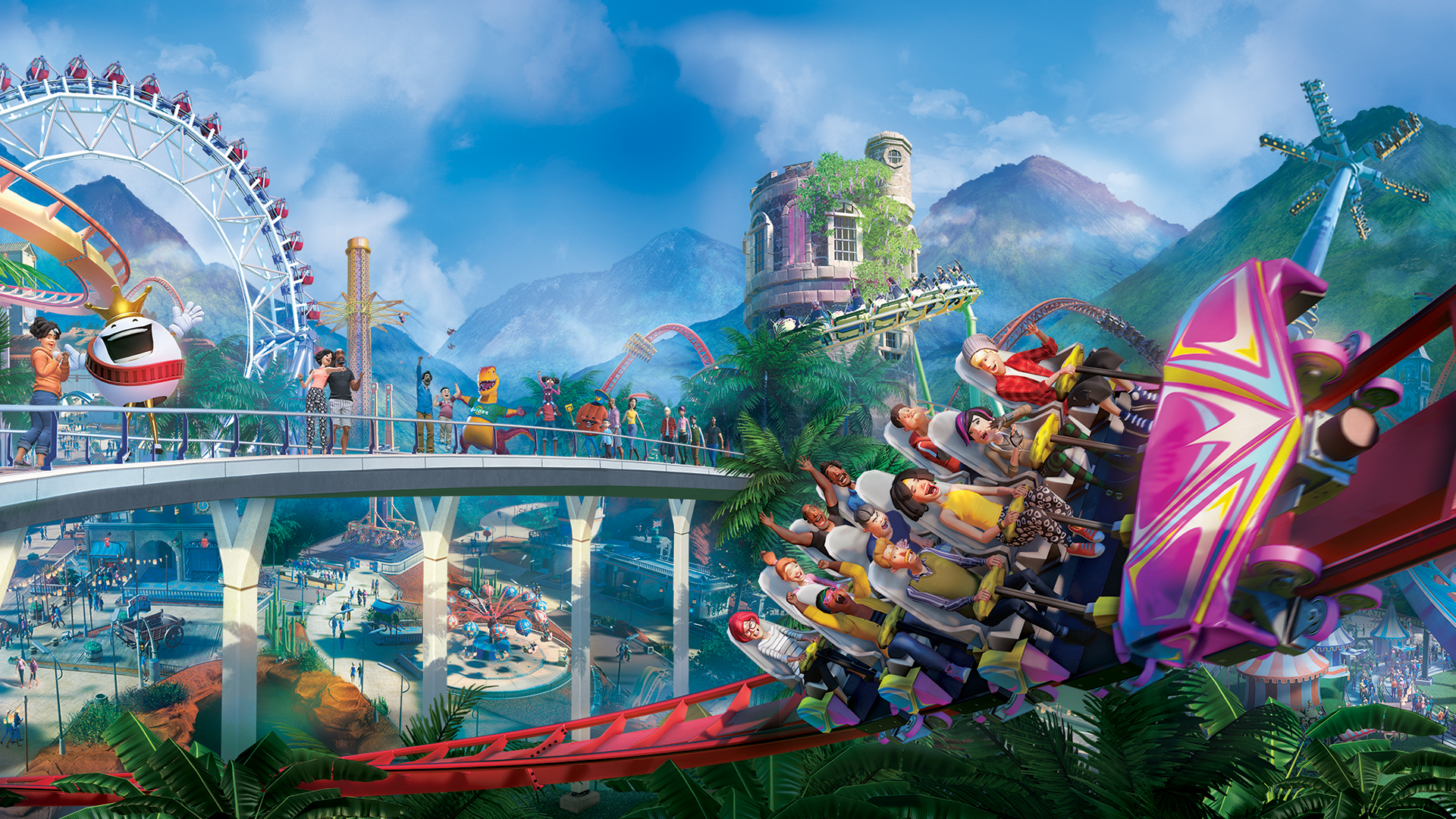
Developed and published by Frontier Developments, this title gives players total control over the creation of a theme park. The piece-by-piece construction system allows for the design of unique roller coasters and highly detailed themed environments. Management mechanics ensure the park remains profitable, but the core appeal lies in the intricate creative tools. There are no combat elements, focusing instead on guest satisfaction, physics, and creative engineering.
‘Planet Zoo’ (2019)
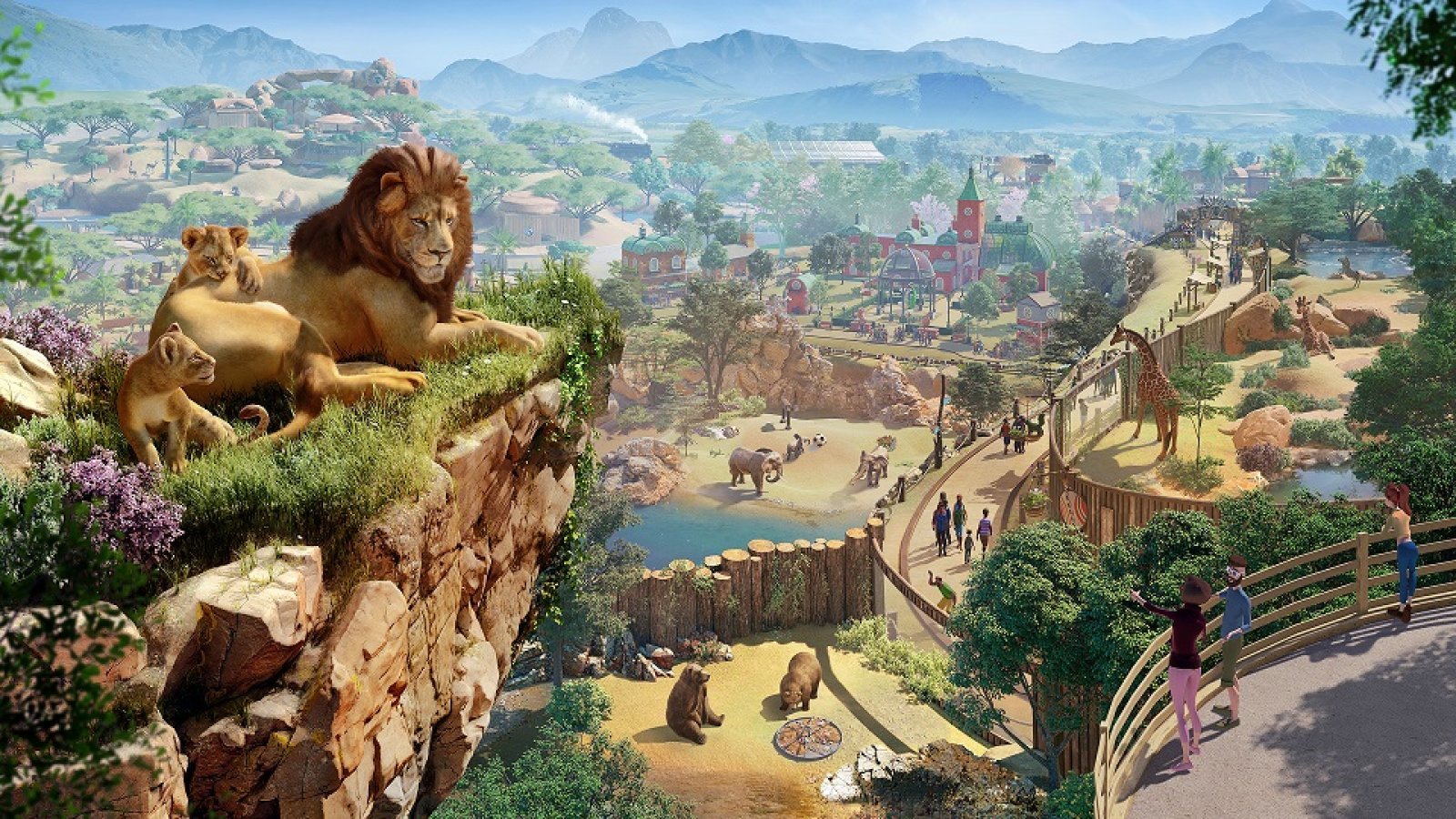
Developed and published by Frontier Developments, this title tasks players with constructing and managing detailed zoological parks. The game features deep customization tools that allow for the creation of realistic habitats and complex facilities for guests. Players must balance the welfare of the animals with the financial success of the park through research and education. It emphasizes conservation and peaceful animal management over any type of conflict or combat.
‘Prison Architect’ (2015)

This private prison management sim was developed by Introversion Software and later updated and published by Paradox Interactive. Players design every aspect of a correctional facility, from cell blocks to canteen layouts, to ensure smooth operation. The focus is on logistical efficiency, security planning, and inmate welfare through architectural and administrative decisions. While incidents can occur, the gameplay is fundamentally about architectural planning and facility management.
‘RollerCoaster Tycoon 2’ (2002)
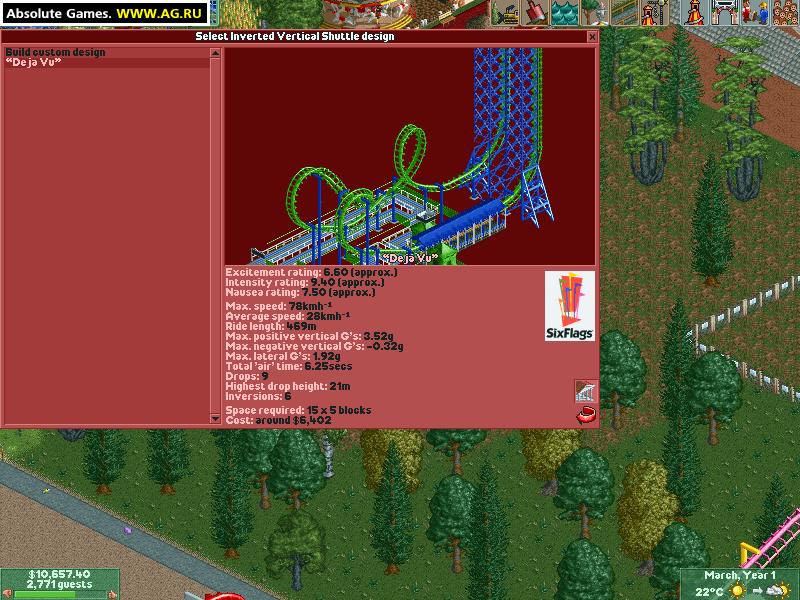
Created by Chris Sawyer and published by Infogrames, this classic simulation title remains a benchmark for the park-building genre. Players are tasked with constructing successful amusement parks by building elaborate roller coasters and managing guest happiness. The tile-based building system allows for precise control over landscaping, ride placement, and decorative scenery. It features zero combat, focusing entirely on the engineering of rides and the financial health of the park.
‘Satisfactory’ (2019)
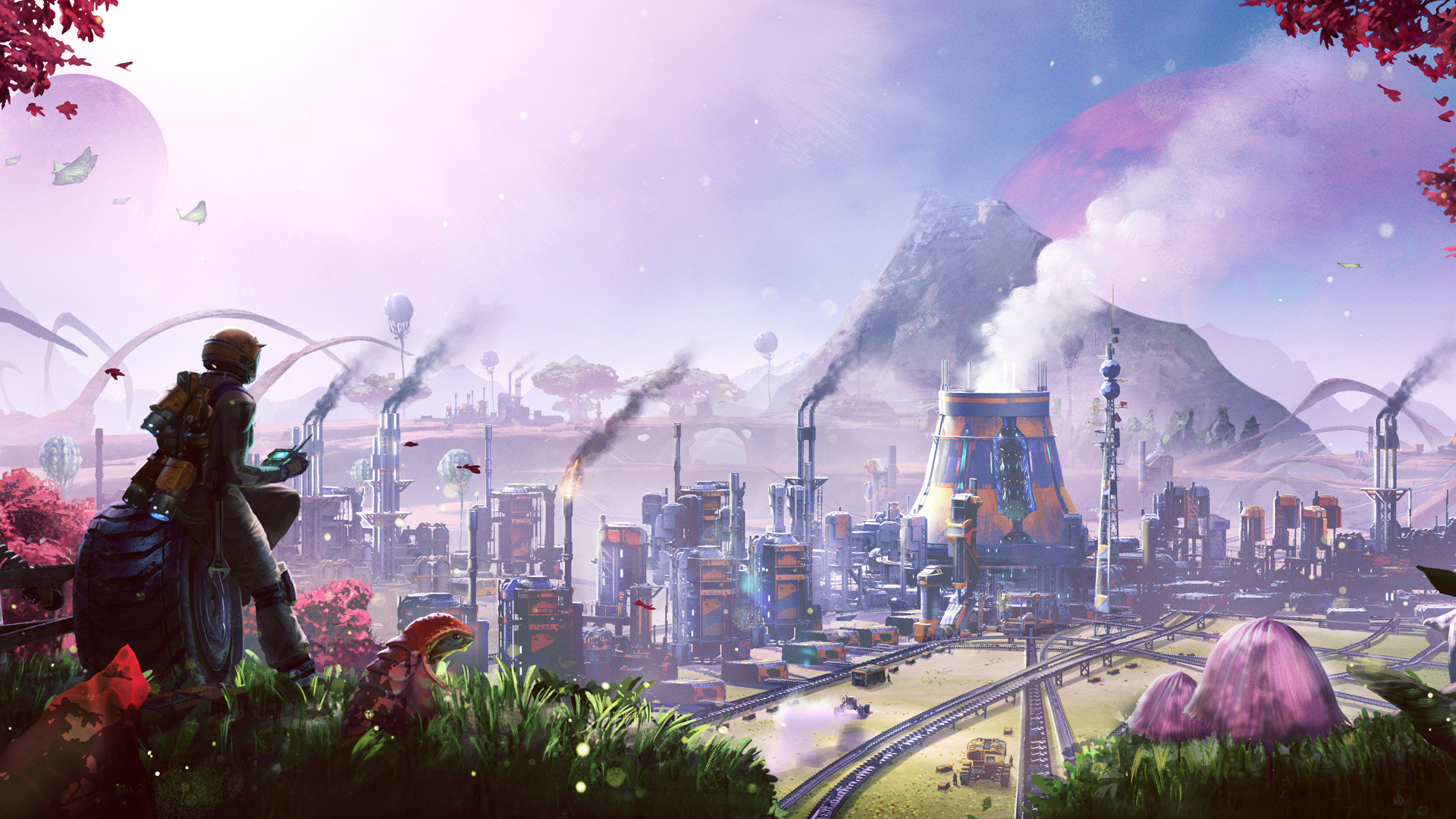
Developed and published by Coffee Stain Studios, this first-person factory-building game focuses on industrial automation on an alien planet. While minor hostile wildlife exists, the primary gameplay loop revolves around constructing massive, efficient production lines and conveyor networks. Players spend hundreds of hours refining their layouts to maximize resource output and technological advancement across the map. The scale of the building projects often dwarfs any minor environmental hazards encountered during exploration.
‘SimCity 4’ (2003)
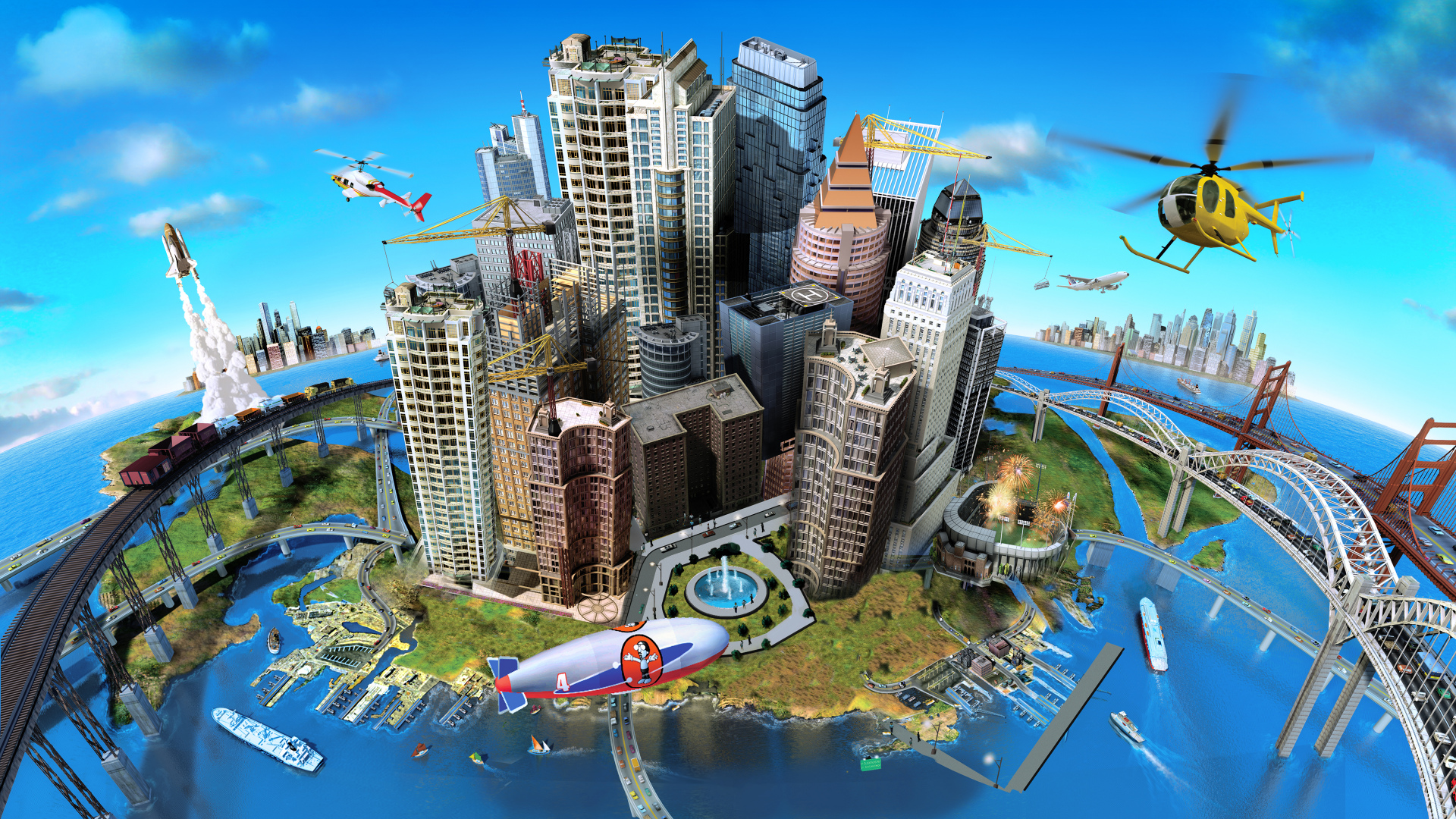
Developed by Maxis and published by Electronic Arts, this definitive city-builder allows players to create entire regions of interconnected cities. The focus is on grand-scale urban planning, including transportation networks, zoning, and public utilities. Players must manage the budget and the environment to ensure the long-term prosperity of their simulated citizens. There are no enemies to fight, only the logistical challenges of maintaining a growing population.
‘Stardew Valley’ (2016)
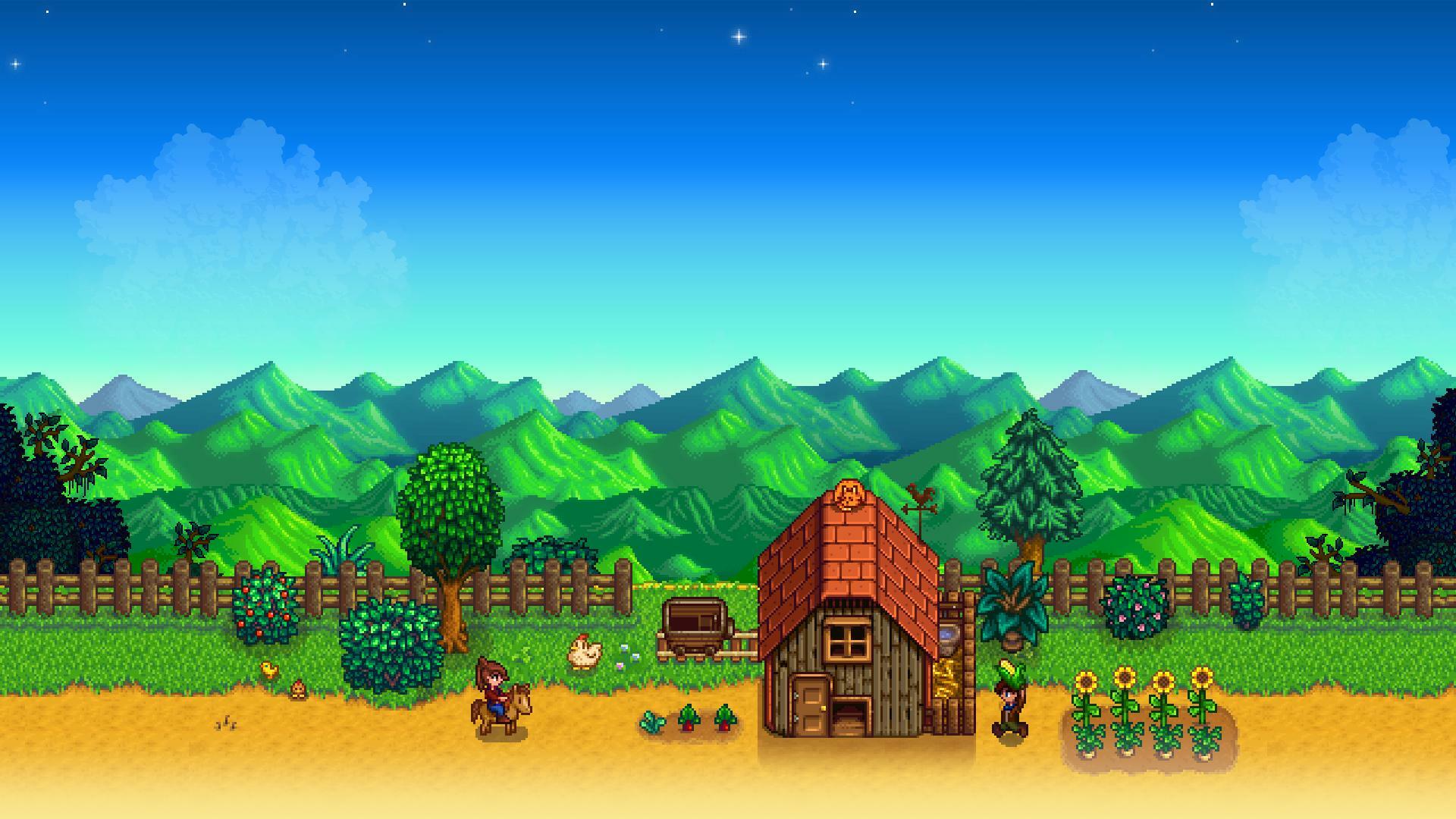
Created by solo developer ConcernedApe and published by ConcernedApe and Chucklefish, this farming simulation follows a player inheriting a farm. Players focus on restoring the land, growing crops, and building structures like barns and silos for livestock. While a small combat element exists within the mines, players can spend the majority of their time on farm aesthetics. The game encourages a slow-paced lifestyle centered on agricultural productivity and community growth.
‘Subnautica’ (2018)
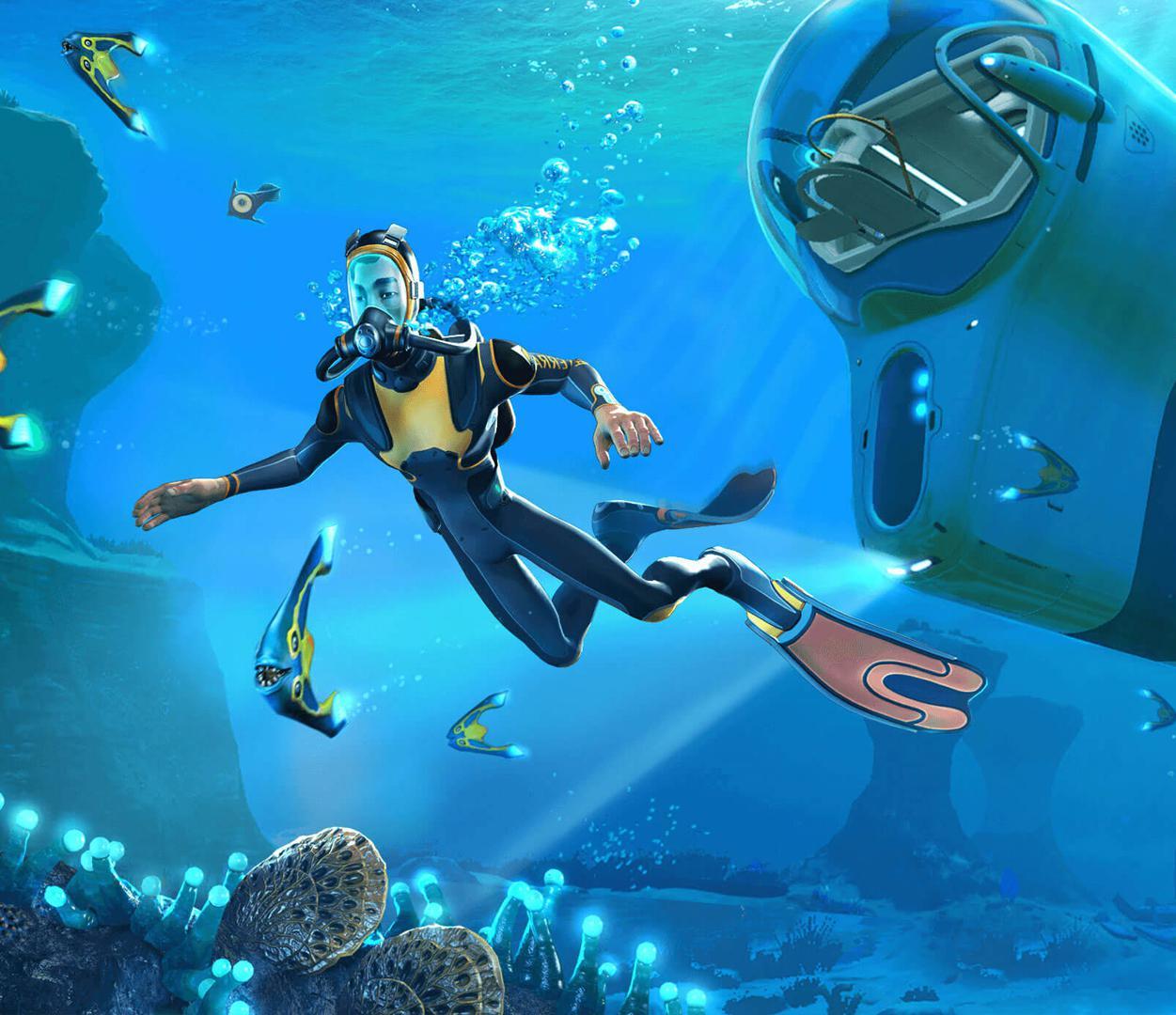
Developed and published by Unknown Worlds Entertainment, this underwater adventure features a Creative Mode that removes all threats. In this mode, players can focus exclusively on constructing elaborate seabases throughout the diverse ocean biomes. The modular base-building system allows for multi-story habitats with observatories, laboratories, and docking bays. It highlights the beauty of the alien environment through architectural expression rather than survival combat.
‘The Sims 4’ (2014)

Developed by Maxis and published by Electronic Arts, this life simulation game offers a robust Build Mode as a core pillar. Users can design intricate homes and commercial lots down to the smallest furniture placements and wall textures. The Gallery feature allows the community to share these creations with other players around the world. Without any combat mechanics, the focus remains entirely on character development and detailed architectural design.
‘Townscaper’ (2020)
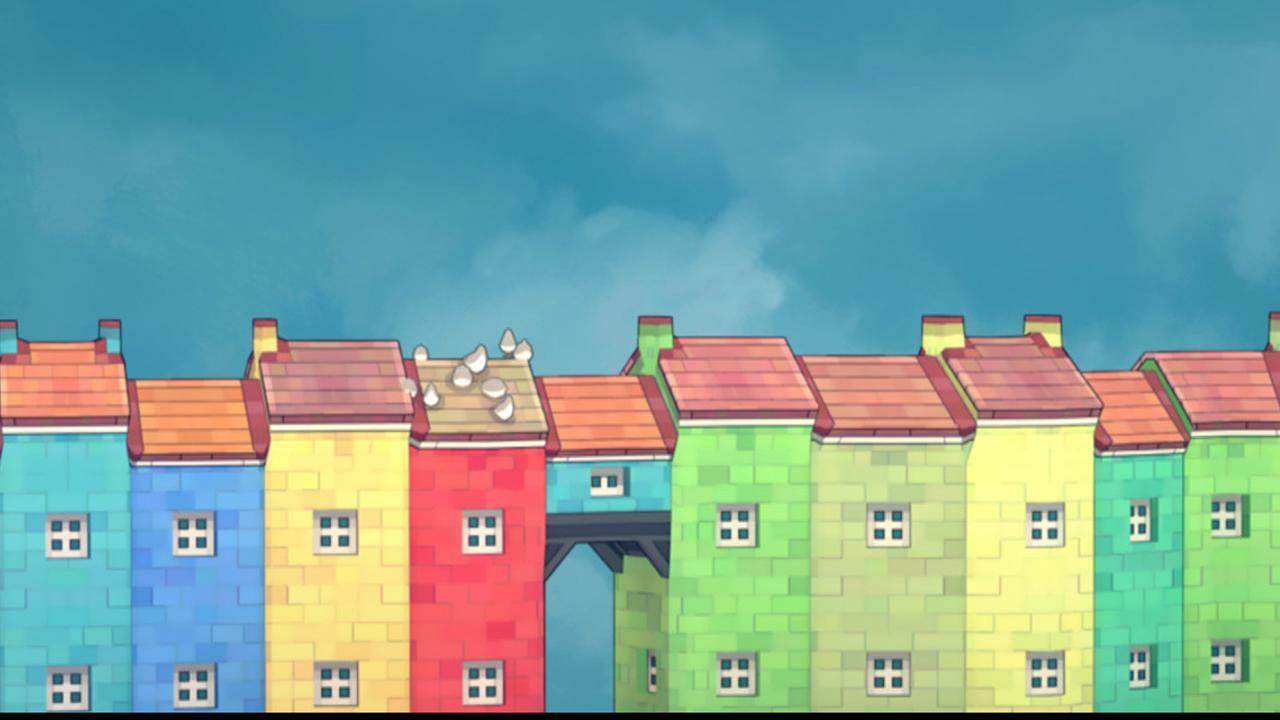
Developed by Oskar Stålberg and published by Raw Fury, this experimental title is described as an instant architectural toy. Players click to place colorful blocks that automatically transform into houses, bridges, and cathedrals over a vast ocean. There are no goals, timers, or enemies to distract from the process of organic town growth and aesthetic experimentation. The algorithm automatically adds details like clotheslines and balconies based on how the blocks are configured.
‘Two Point Hospital’ (2018)

Developed by Two Point Studios and published by Sega, this management title focuses on constructing and running healthcare facilities. Players must build and optimize various treatment rooms and diagnostic clinics to cure unusual fictional illnesses. The gameplay rewards efficient layouts and the careful placement of staff facilities to maintain high standards of care. It uses a humorous tone and completely avoids traditional combat mechanics in favor of administrative building.
‘Unpacking’ (2021)

Developed by Witch Beam and published by Humble Games, this zen puzzle game involves pulling possessions out of boxes. Through the process of decorating rooms and organizing items, players learn the story of the character’s life. There is no combat, score, or failure state, making it a pure exercise in organization and spatial design. The game emphasizes the personal connection between people and the spaces they build for themselves.
Please share your thoughts on which building game is the most relaxing in the comments.