Games with Customizable Pronouns and Identities from the Start



Modern gaming has evolved to offer deeper levels of player immersion through inclusive character creation systems that reflect a diverse world. These titles allow players to define their identities beyond traditional binary choices, ensuring that their avatars accurately represent their personal preferences. By providing options for pronouns and gender-neutral identifiers from the very start, developers are making virtual worlds more accessible and welcoming to a global audience. This shift highlights a growing commitment within the industry to represent a broader spectrum of human experiences in interactive storytelling.
‘Saints Row’ (2022)
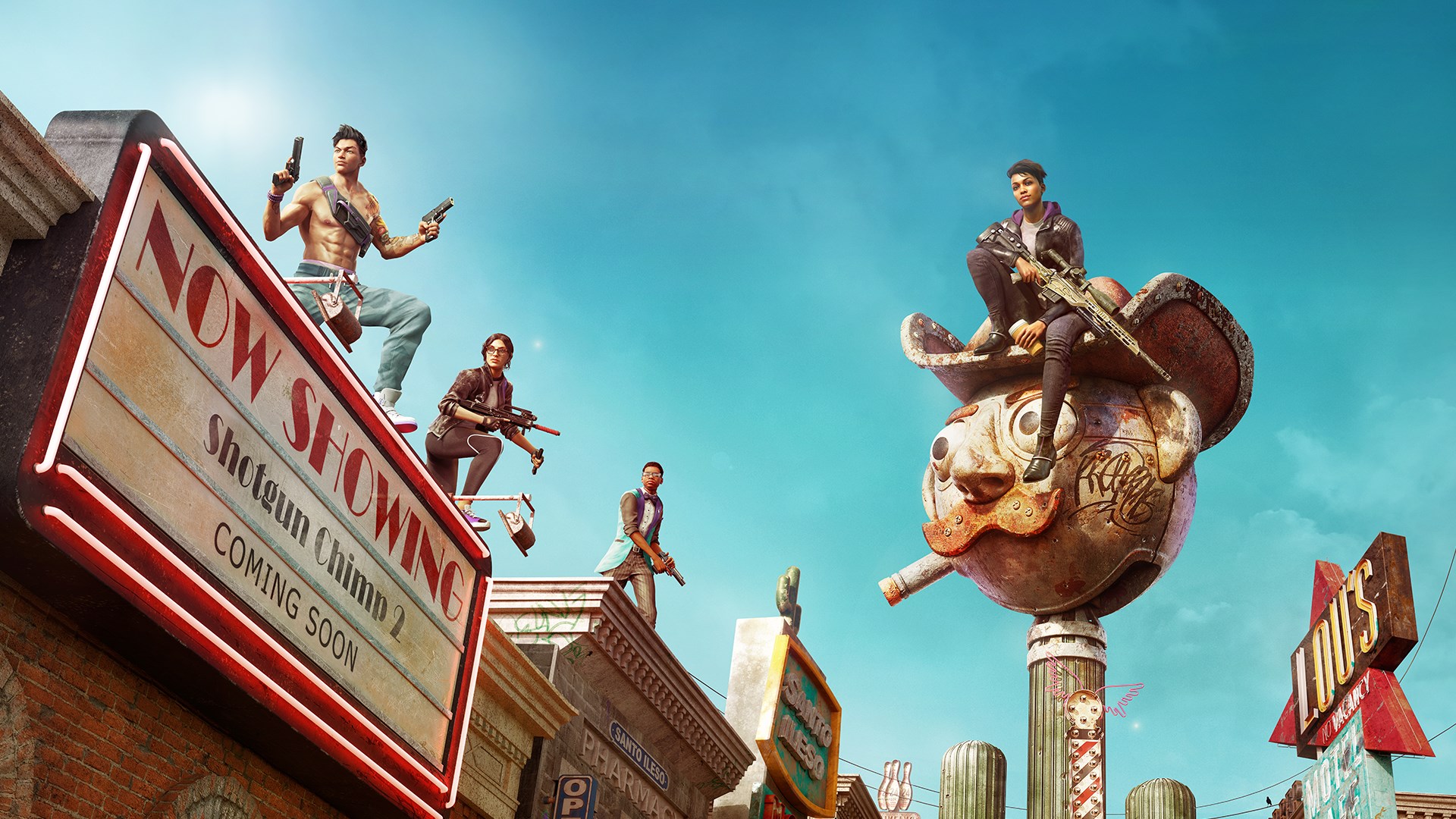
Developed by Volition and published by Deep Silver, this reboot features a robust character creator that is almost entirely gender-agnostic. Players are invited to mix and match any physical traits, clothing, and voices regardless of the traditional gender binary. This design emphasizes the game’s core theme of being “Self-Made” by giving players total control over the Boss’s appearance and identity. The suite of tools ensures that the character’s presentation is consistent with the player’s vision from the opening scene.
‘Forza Horizon 5’ (2021)

Developed by Playground Games and published by Xbox Game Studios, this racing title includes inclusive options within its character customization menu. Players can select their character’s name, voice, and prosthetic limbs, alongside an explicit choice of pronouns. The game uses these selections to dictate how festival organizers and radio hosts refer to the player during the Horizon Festival. This inclusion marked a significant step for the racing genre, which has traditionally offered more limited avatar customization.
‘Boyfriend Dungeon’ (2021)
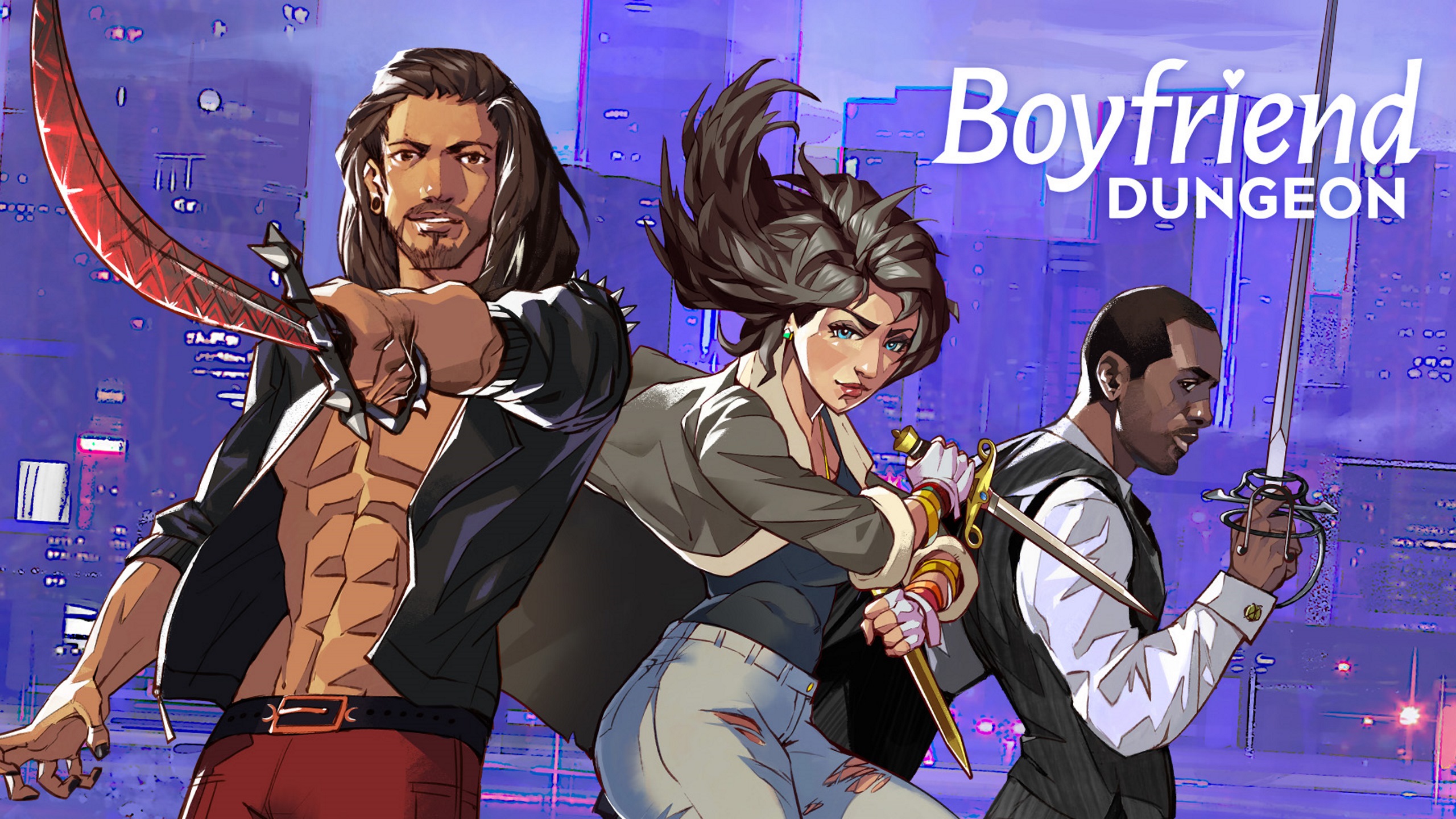
This unique blend of dungeon crawling and dating simulation was developed and published by Kitfox Games. From the beginning, players can choose their pronouns, including non-binary options, which significantly impacts how they are addressed by the “weapon-people” they date. The narrative is crafted to respect the player’s identity throughout various romantic and platonic interactions. This choice is presented as a fundamental part of the character creation process to ensure comfort and representation.
‘Tiny Tina’s Wonderlands’ (2022)
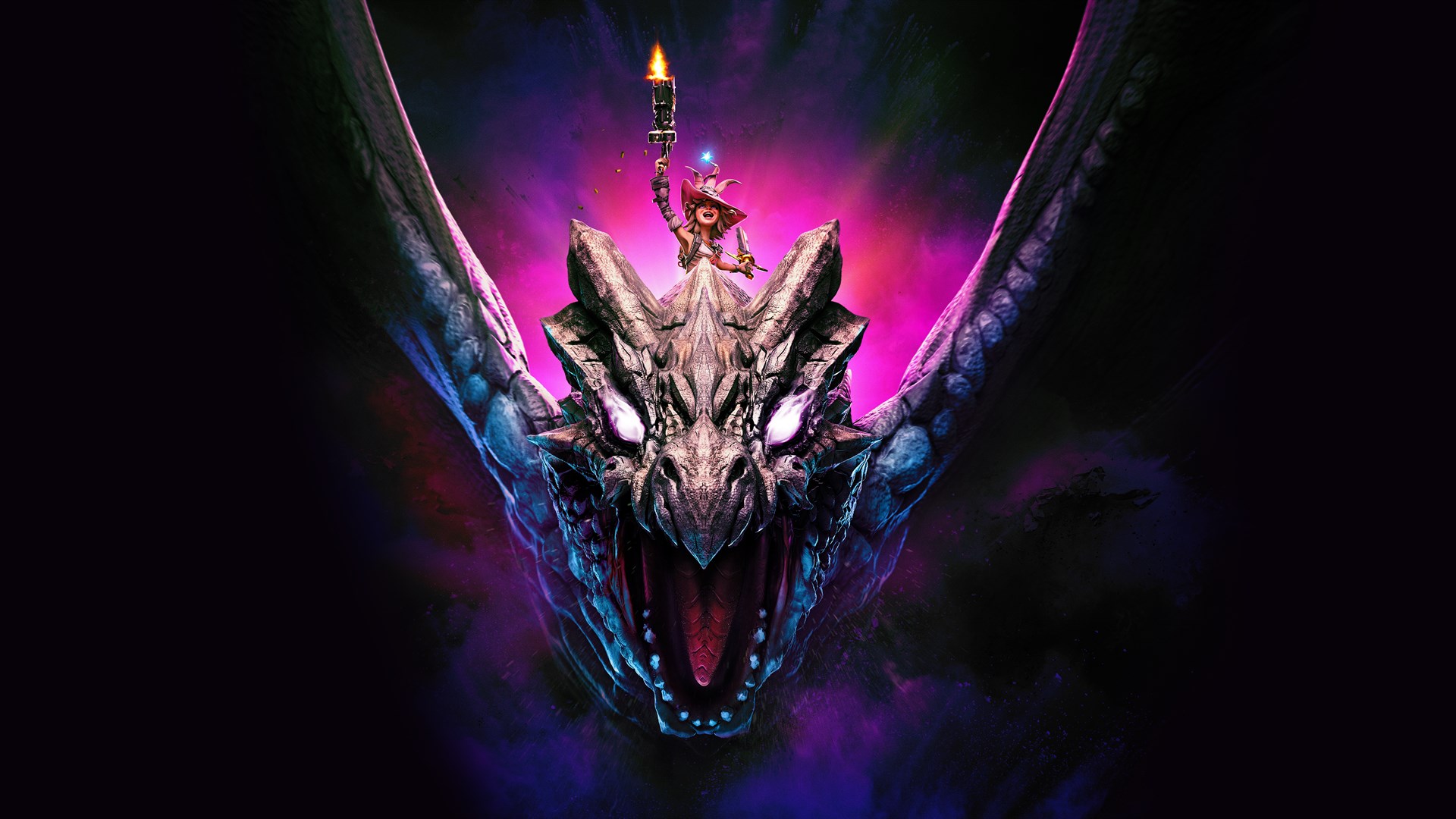
Developed by Gearbox Software and published by 2K, this ‘Borderlands’ spin-off brings tabletop RPG mechanics to the first-person shooter genre. The character creator allows players to choose their “Personality,” which determines their voice and temperament independently of their physical appearance. Players also select their pronouns at the start, with they/them being a fully supported option alongside he/him and she/her. This flexibility allows for the creation of a “Fatemaker” that truly fits the player’s desired role-playing identity.
‘The Cosmic Wheel Sisterhood’ (2023)
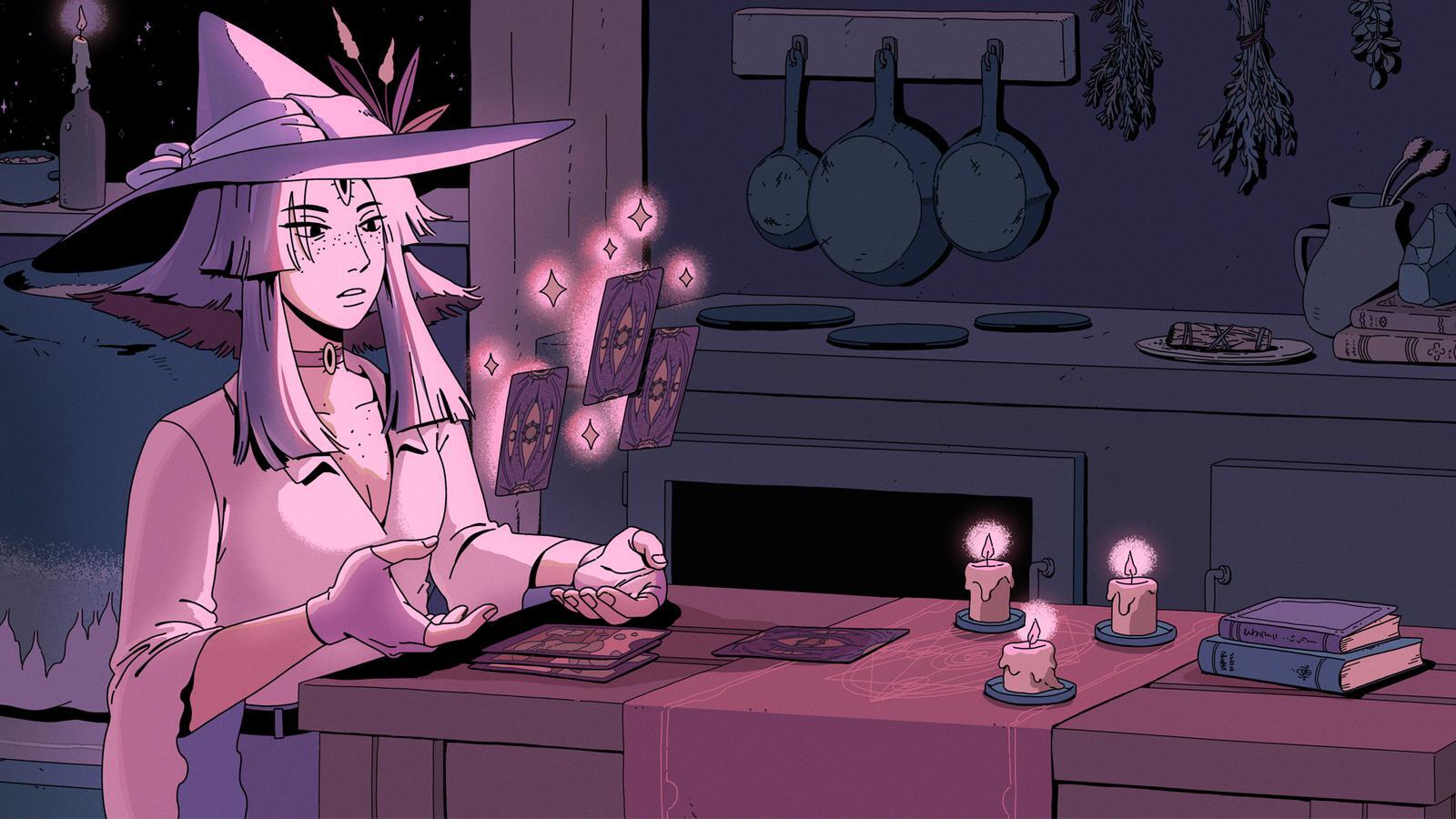
Developed by Deconstructeam and published by Devolver Digital, this narrative-driven game focuses on a witch named Fortuna who creates her own tarot deck. During the introductory sequences, the game asks the player to define their identity and pronouns through dialogue and choice. This information is woven into the complex story, affecting how other supernatural entities interact with the protagonist. The developer’s focus on identity ensures that the personal journey of the player feels authentic within the game’s magical universe.
‘I Was a Teenage Exocolonist’ (2022)
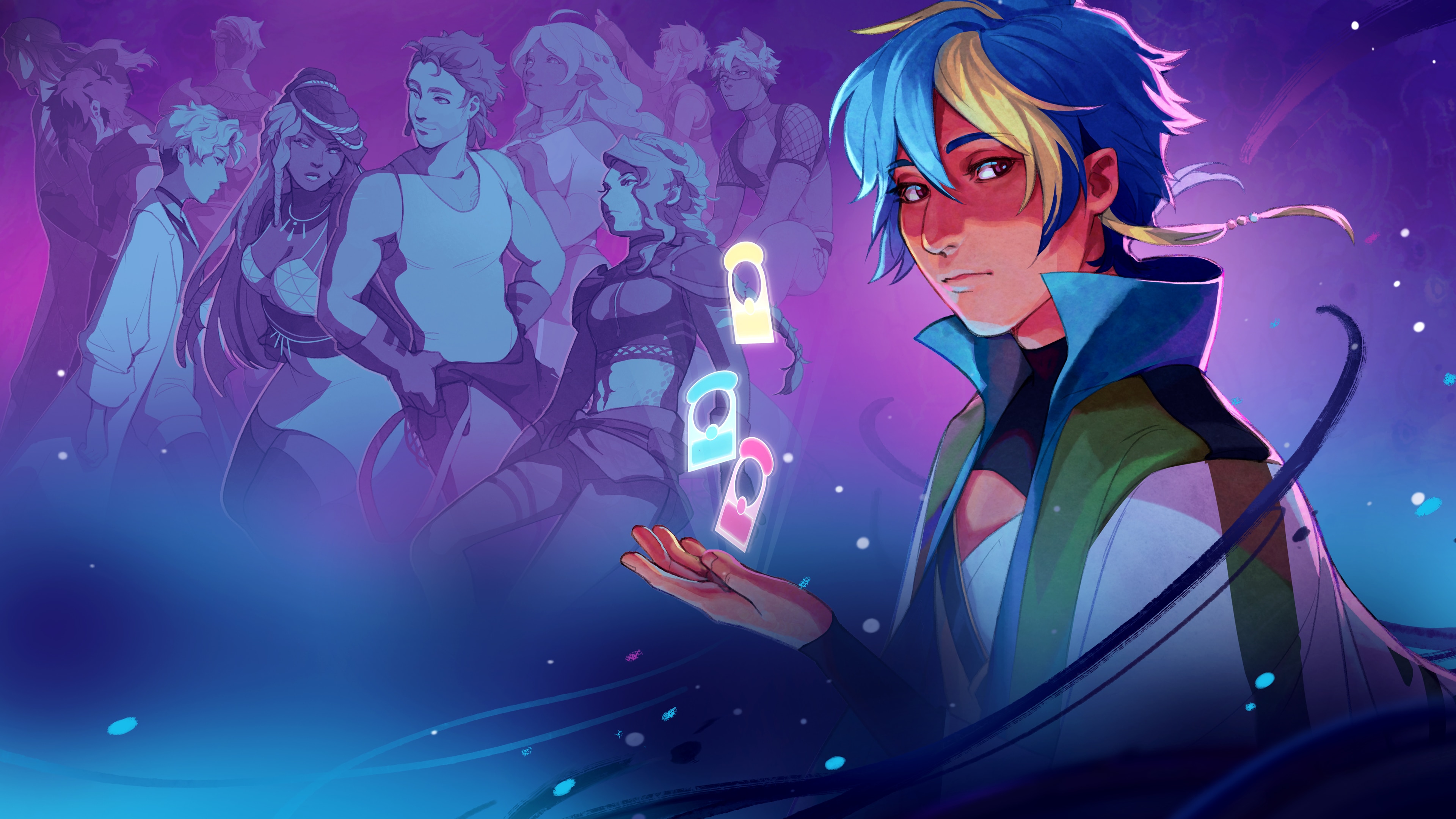
This narrative RPG was developed by Northway Games and published by Finji, focusing on life on a distant alien planet. From the very first character screen, players can choose their pronouns and determine whether they will grow up to have a masculine, feminine, or androgynous appearance. The game also allows players to adjust these settings as their character ages from a child to an adult. This fluid approach to identity reflects the game’s themes of growth and self-discovery over a lifetime.
‘Our Life: Beginnings & Always’ (2020)
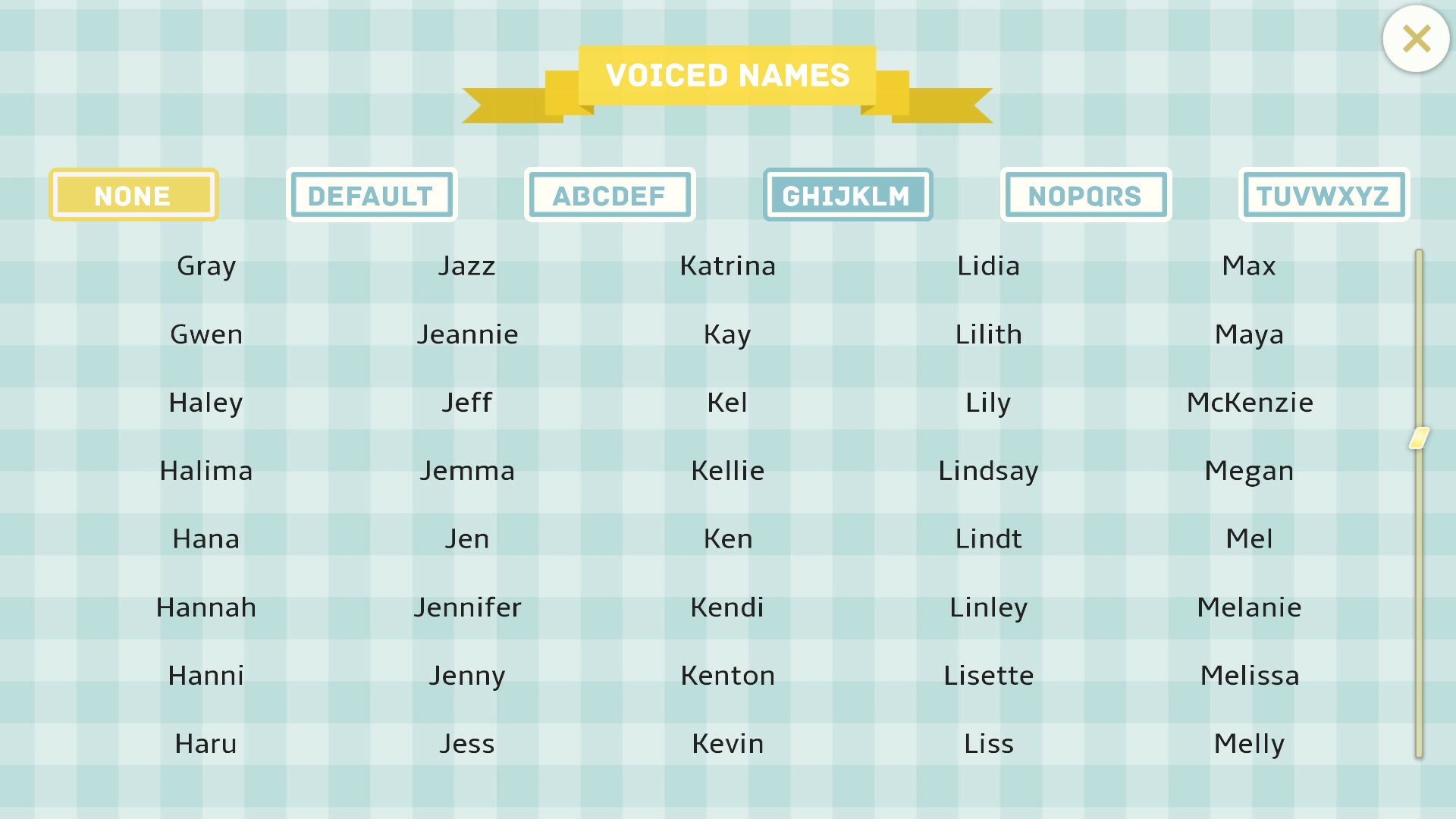
Developed and published by GB Patch Games, this visual novel is highly regarded for its commitment to player identity. Players can define their name, appearance, and pronouns at the start and can even change them as the story progresses through different life stages. The game features specific toggles for how the protagonist’s gender is perceived by others, allowing for a highly personalized experience. This level of detail ensures that the player’s relationship with the childhood friend, Cove, feels deeply personal and respectful.
‘Fields of Mistria’ (2024)
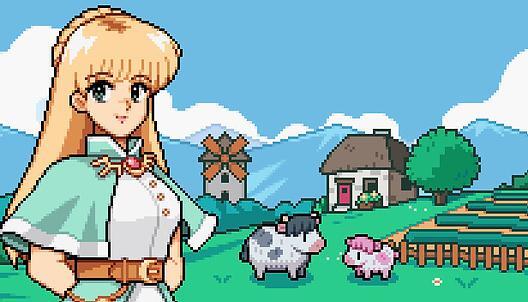
This farming and life simulation title was developed and published by NPC Studio with a focus on modernizing the genre’s tropes. The character creation menu includes a dedicated section for pronouns, allowing players to choose between he/him, she/her, and they/them. This choice is integrated into the social systems of the town, ensuring that all dialogue with the local villagers is grammatically correct and inclusive. The game’s aesthetic and mechanics are designed to make every player feel at home in its cozy, pixel-art world.
‘Cassette Beasts’ (2023)

Developed by Bytten Studio and published by Raw Fury, this monster-collecting RPG offers an inclusive character creator from the outset. Players can choose their pronouns independently of their physical appearance, which influences the dialogue throughout the adventure on New Wirral. The game’s focus on fusion and transformation extends to its philosophy of identity, encouraging players to be whoever they want to be. This design choice helps foster a sense of belonging in a world where humans must work together to survive.
‘Hogwarts Legacy’ (2023)

Developed by Avalanche Software and published by Warner Bros. Games, this action RPG allows players to customize their student at the titular school. The game separates the choice of voice, body type, and dormitory from the player’s gender identity. During the final steps of character creation, players choose whether they are referred to as a “Witch” or “Wizard,” which determines their housing assignment. This approach allows for a broader range of character expressions within the established wizarding world setting.
‘Starfield’ (2023)
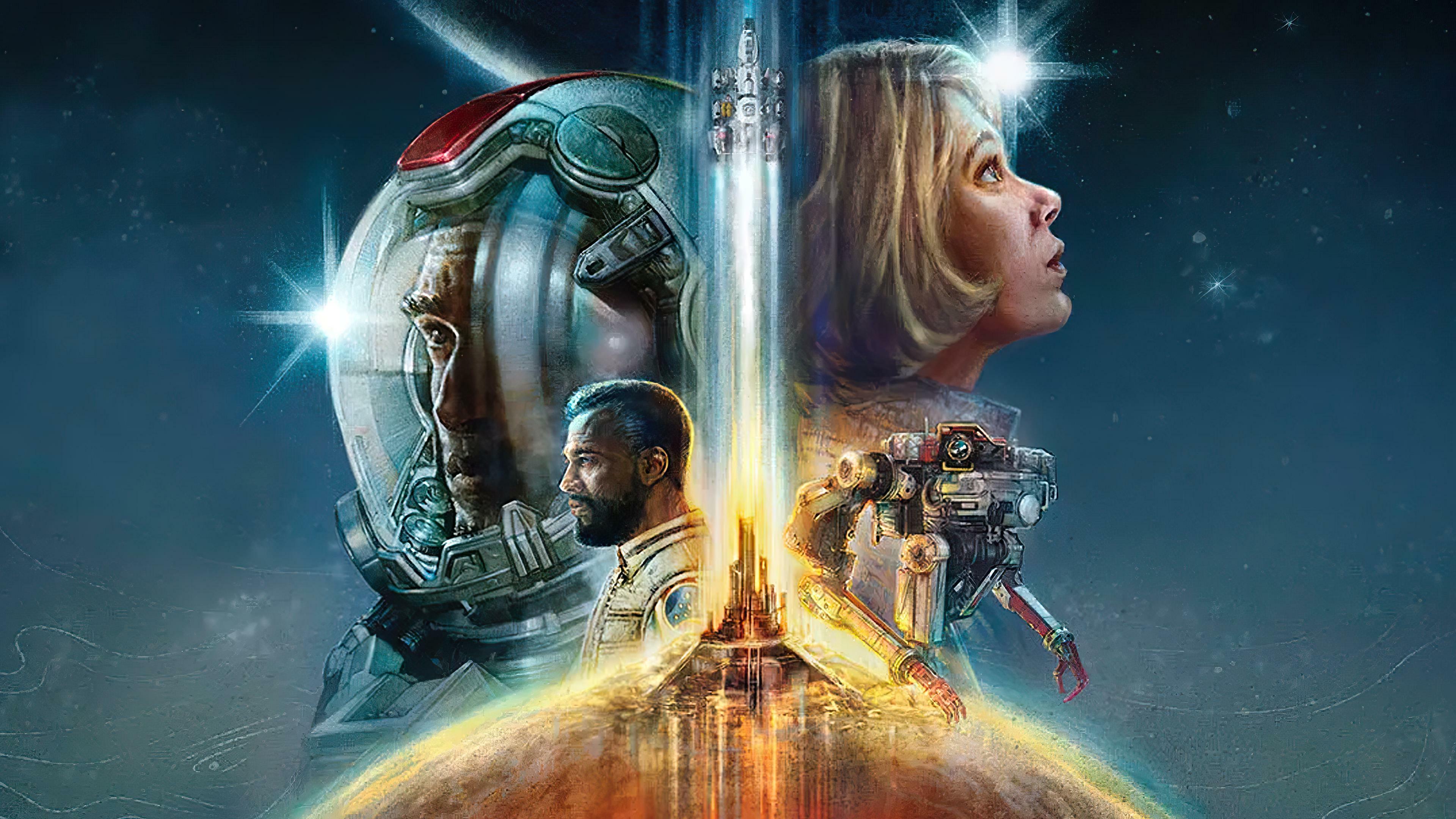
Bethesda Game Studios developed this massive space exploration RPG, which was published by Bethesda Softworks. In the character creator, players can select their pronouns—he/him, she/her, or they/them—regardless of the body type they have chosen. This selection is used by the various NPCs and companions found throughout the Settled Systems to address the player. The inclusion of these options in such a high-profile release highlights the industry’s shift toward more inclusive standard practices in Western RPGs.
‘The Sims 4’ (2014)
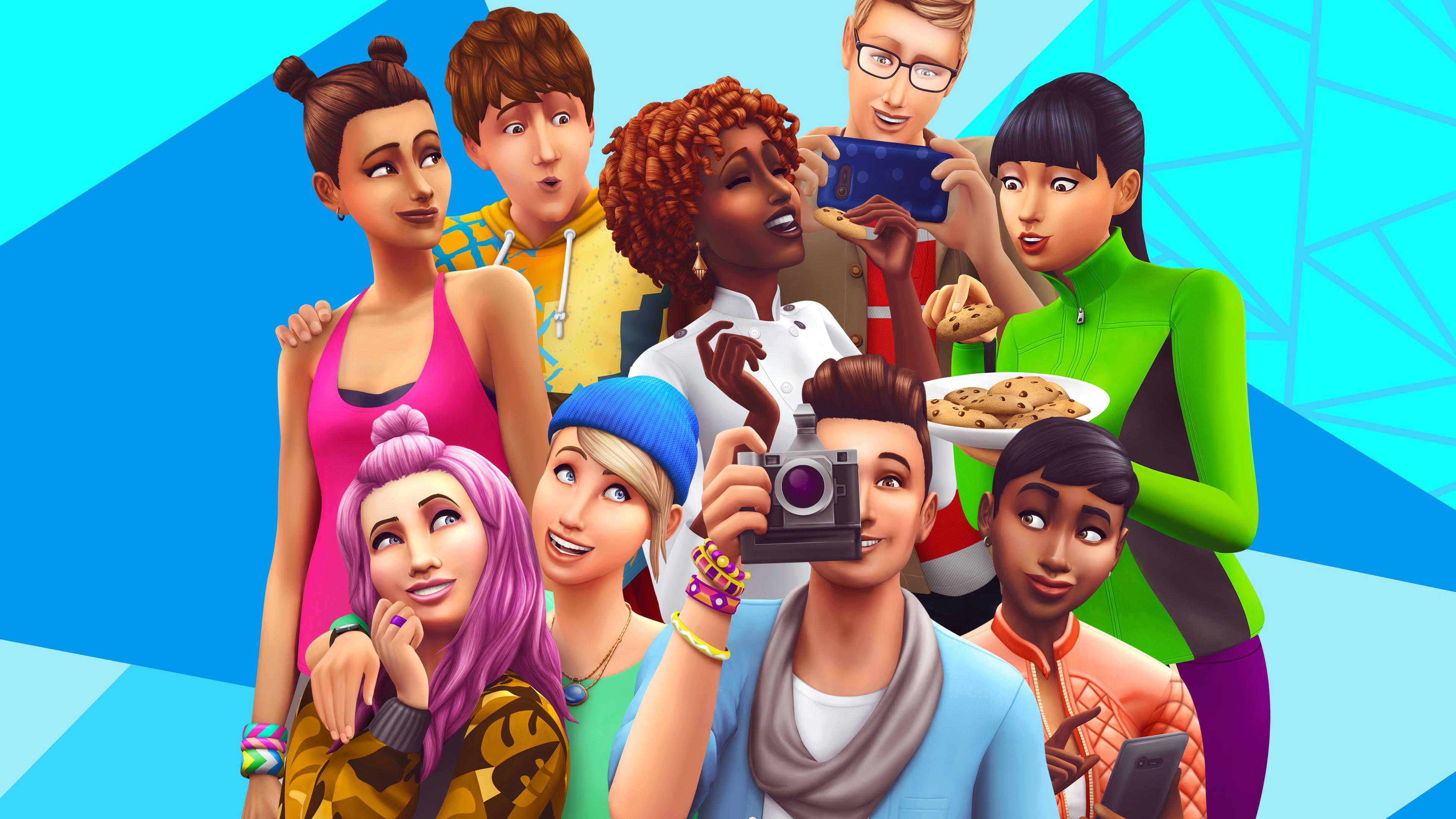
Developed by Maxis and published by Electronic Arts, this iconic life simulator received a significant update to its identity systems in 2022. While the game originally launched with more rigid structures, players can now fully customize pronouns and gender settings from the Create-A-Sim menu. This includes the ability to specify “They/Them” or even input custom pronouns that the game will use in text notifications. These tools allow players to tell more authentic stories that better reflect the diversity of real-life human experiences.
‘Dragon Age: The Veilguard’ (2024)
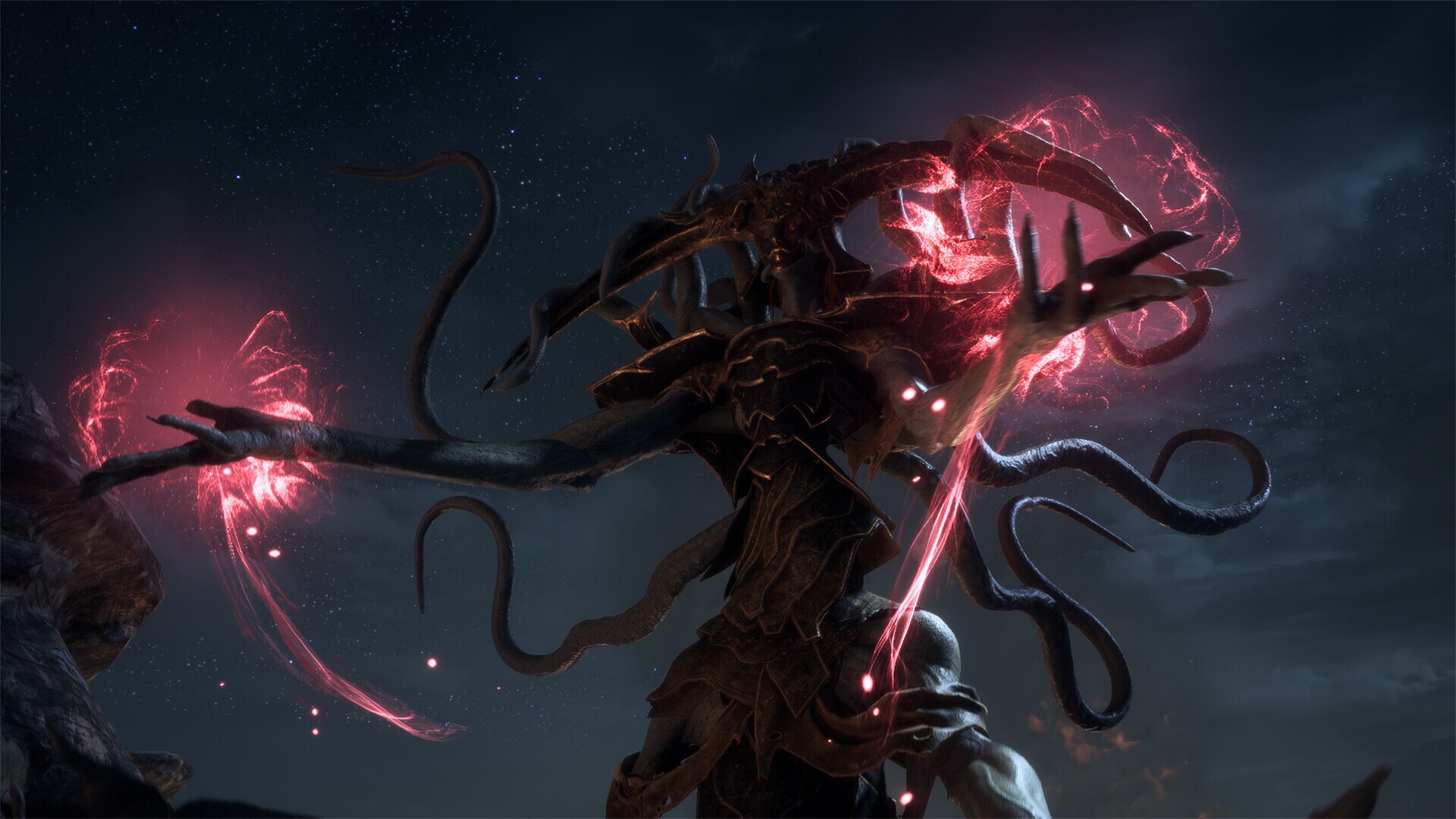
Developed by BioWare and published by Electronic Arts, this fantasy epic continues the series’ tradition of deep role-playing. The character creator for the protagonist, Rook, includes explicit options for he/him, she/her, and they/them pronouns. This choice is established early on and is respected by the game’s diverse cast of companions and allies throughout the narrative. BioWare’s commitment to inclusive storytelling ensures that players can see themselves represented in the heroic struggles of Thedas.
‘Baldur’s Gate 3’ (2023)
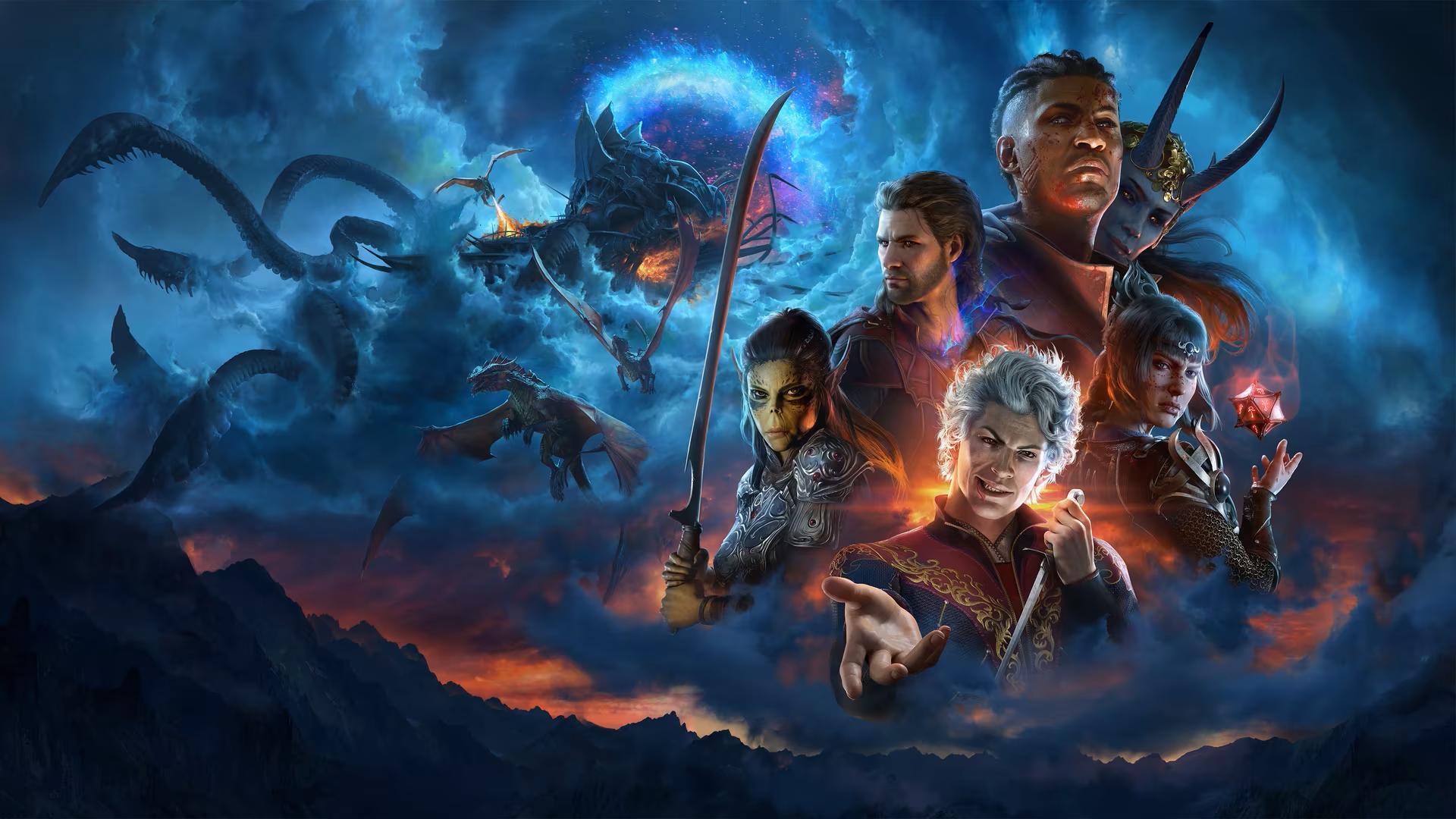
Larian Studios developed and published this acclaimed RPG, which offers some of the most comprehensive identity customization in the industry. From the start, players can choose their pronouns, including non-binary options, and select from various body types and voices that are not locked to specific genders. The game even allows for the customization of primary characteristics, ensuring that every aspect of the player’s identity is within their control. This dedication to player agency and representation is a core reason the title has been praised for its immersive and inclusive world-building.
Share your favorite character creation experiences in the comments.