Controversial Biopics That Glossed Over Stars’ Real Struggles

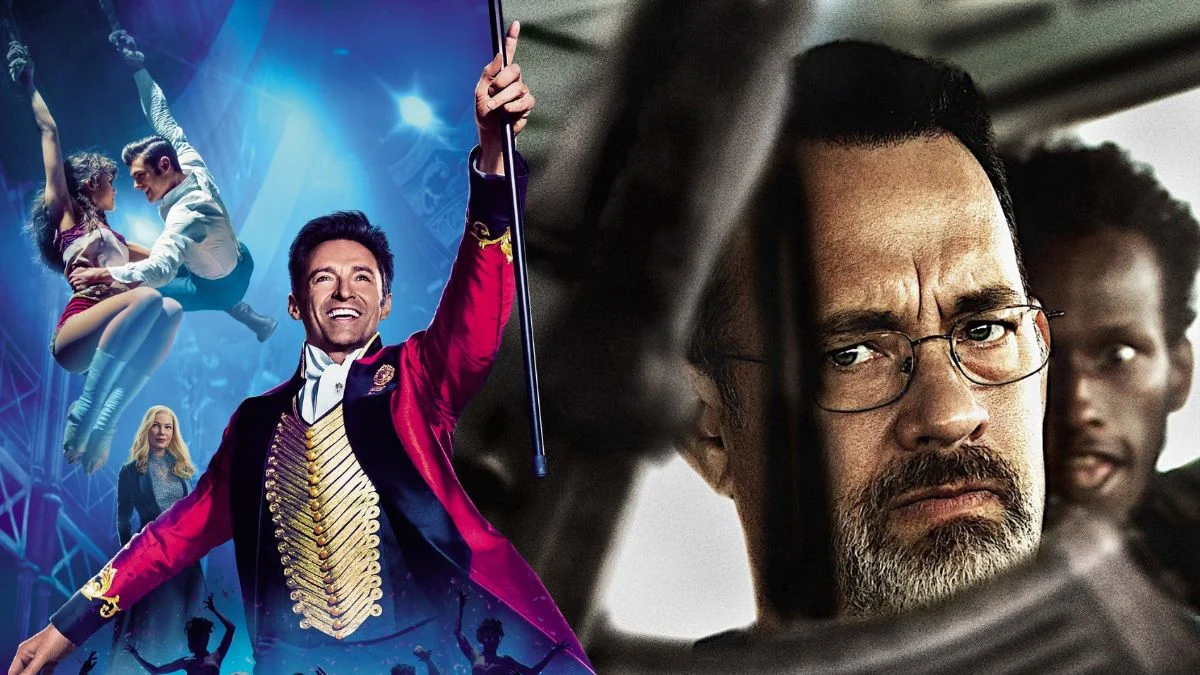

Biographical films often walk a fine line between entertainment and historical accuracy. Studios frequently alter timelines or modify character traits to create a more compelling narrative for general audiences. This creative license can sometimes result in the erasure of significant personal struggles or controversial behaviors exhibited by the subject. Critics and family members often speak out when a movie simplifies complex lives into polished hero arcs. The following films faced backlash for how they handled or omitted the darker realities of the people they portrayed.
‘The Greatest Showman’ (2017)
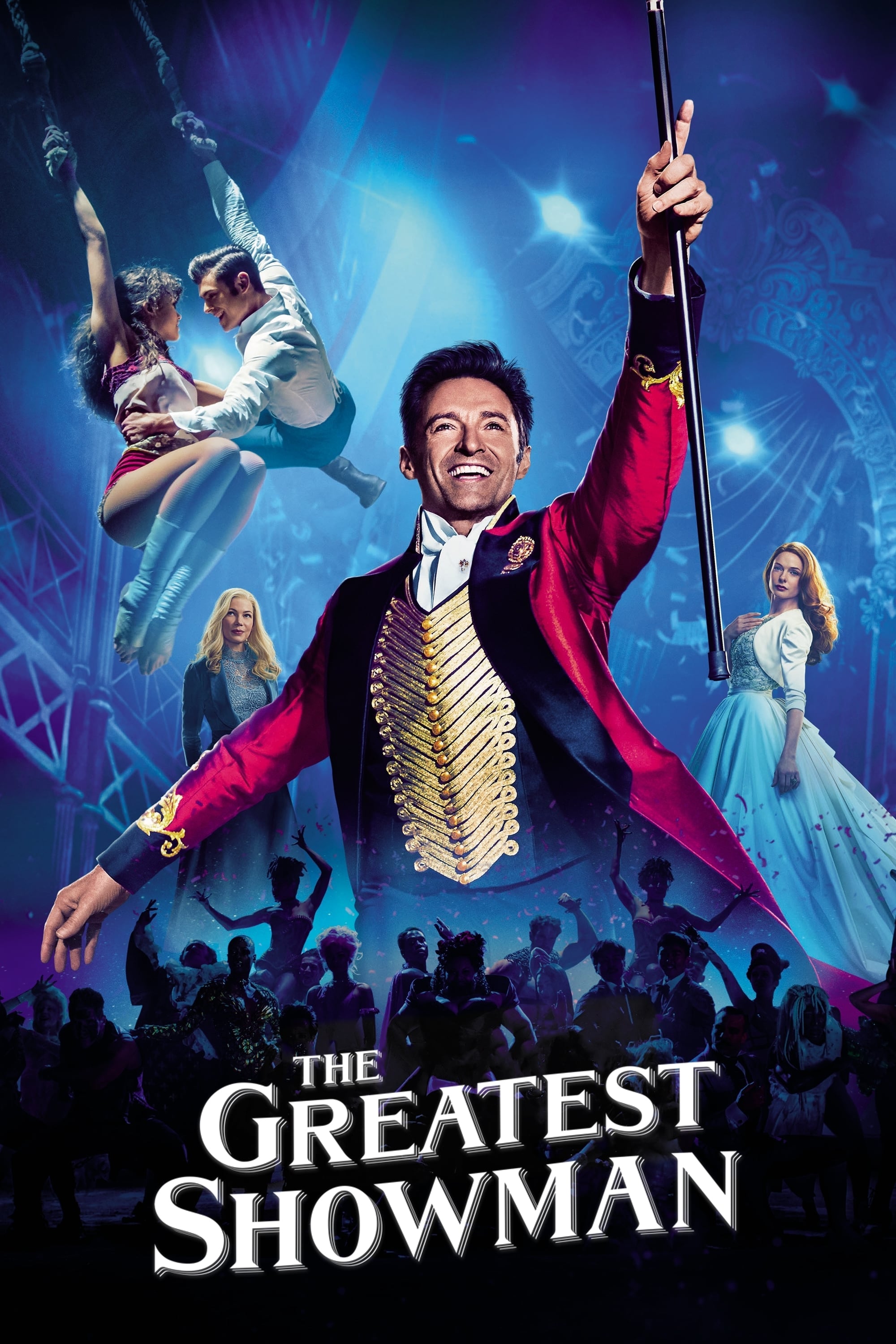
This musical depicts P.T. Barnum as a visionary who championed diversity and empowered the marginalized. The real Barnum built his career on the exploitation of people with disabilities and racial minorities for profit. He notably purchased an elderly enslaved woman named Joice Heth and paraded her around until her death. The film completely ignores these unethical practices to present a family-friendly story about chasing dreams.
‘Bohemian Rhapsody’ (2018)
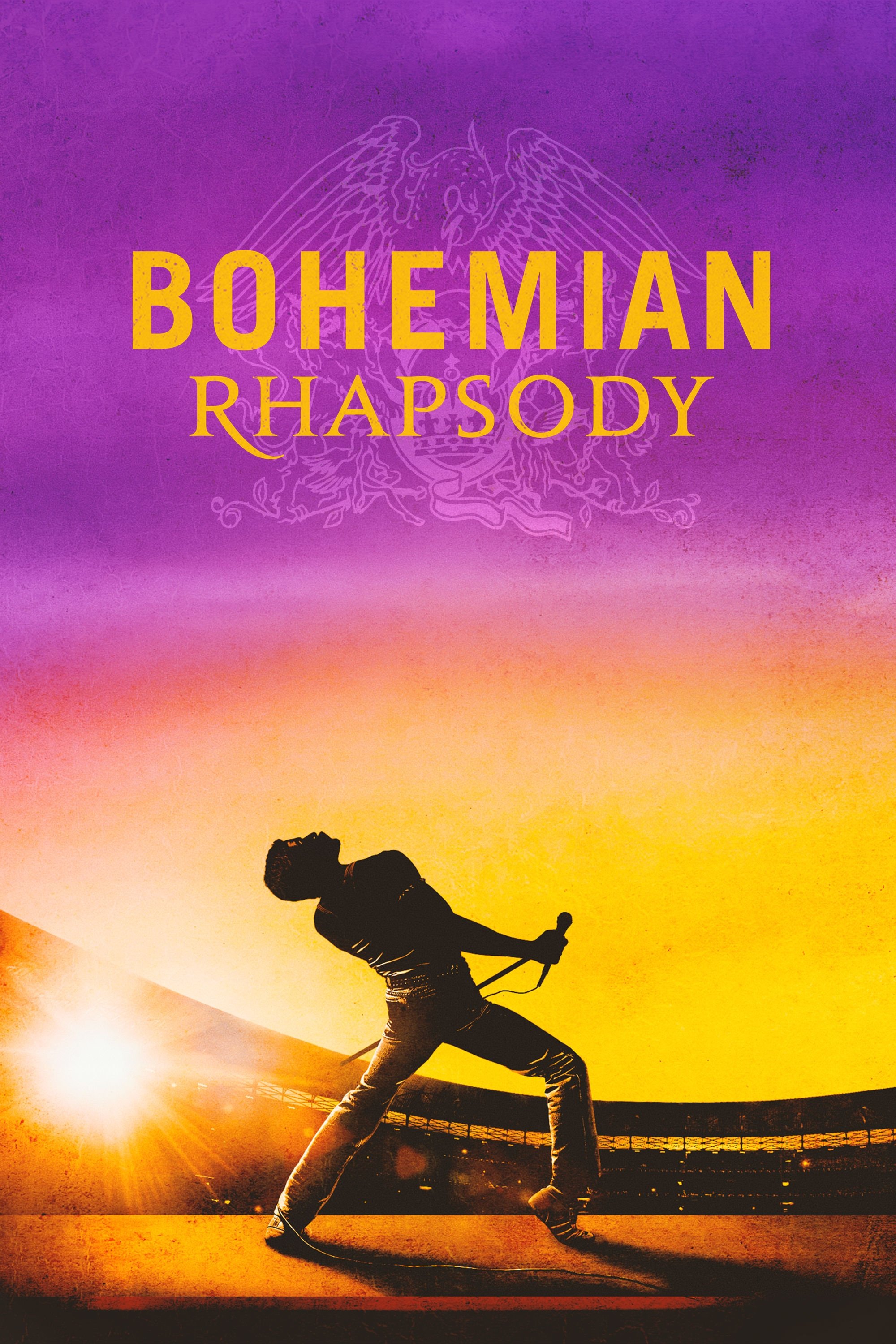
Freddie Mercury is portrayed as a rock icon whose lifestyle led to friction with his bandmates. Critics noted that the film sanitized the timeline of his AIDS diagnosis to create a dramatic climax at Live Aid. The movie also glossed over the wildest aspects of his parties and sexual history to maintain a PG-13 rating. This creative choice angered some fans who felt it shied away from the gritty reality of his life.
‘A Beautiful Mind’ (2001)
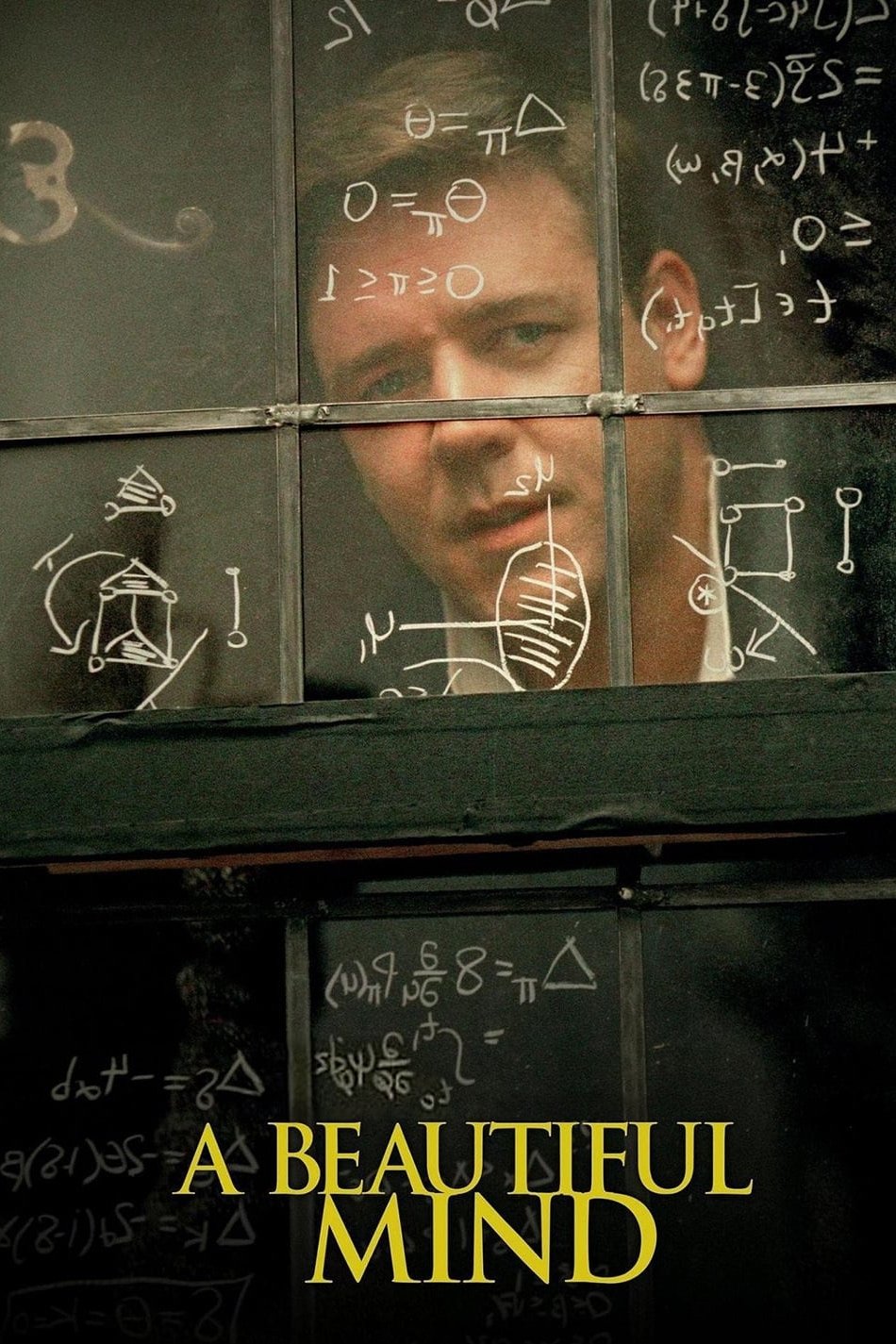
John Nash is shown as a brilliant mathematician battling schizophrenia with the support of his loving wife. The movie omits the fact that Nash fathered an illegitimate child whom he largely abandoned. It also leaves out his arrests for indecent exposure and his relationships with other men. The film presents a sanitized version of his marriage and personal life to focus primarily on his academic redemption.
‘The Blind Side’ (2009)
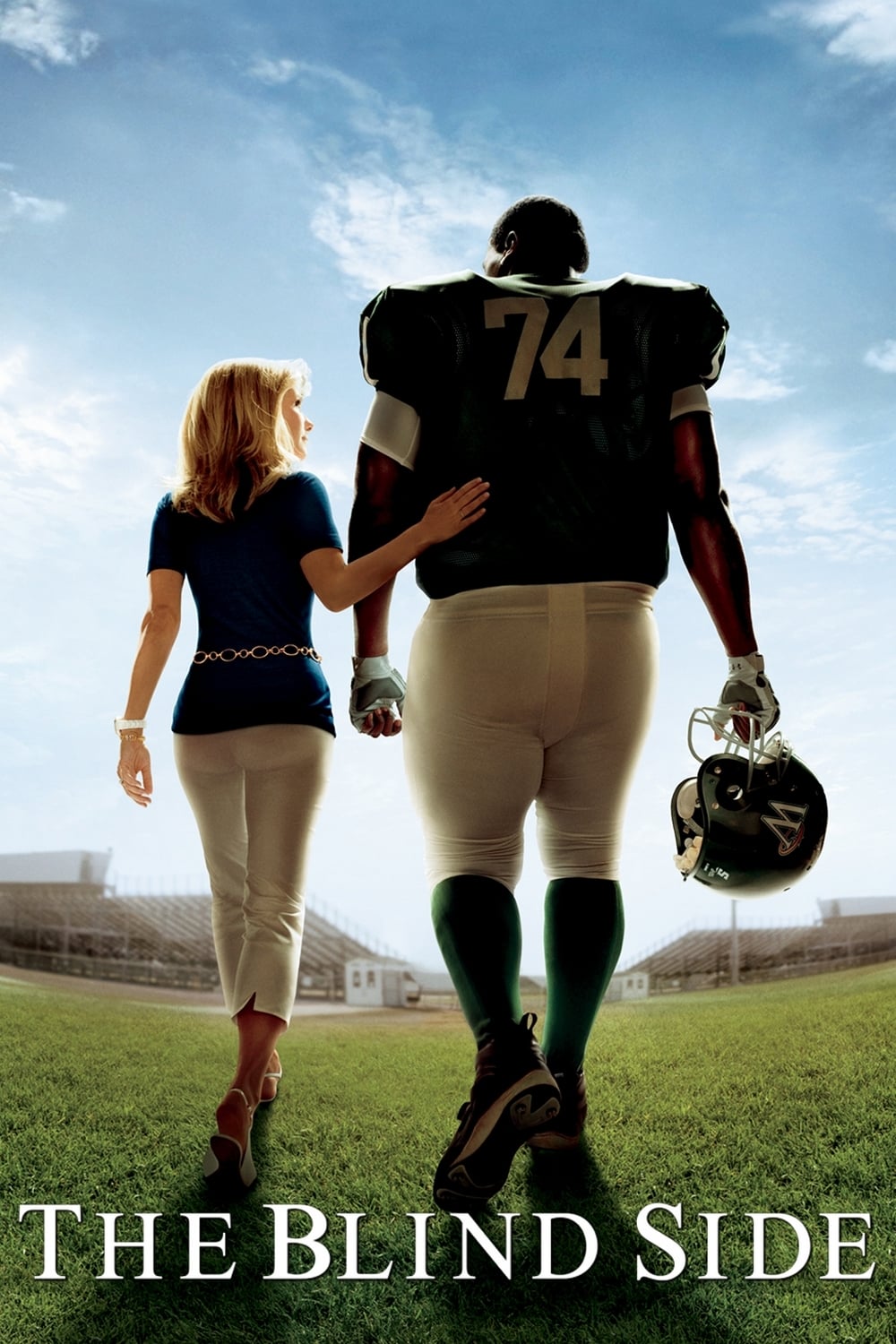
Michael Oher is depicted as a gentle giant who does not understand the basics of football until a wealthy family intervenes. The real Oher was already an experienced player who knew the game well before meeting the Tuohy family. He later filed a lawsuit claiming the family never actually adopted him and instead used a conservatorship to profit from his name. Critics argue the film perpetuates a white savior narrative that diminishes Oher’s own agency and talent.
‘Green Book’ (2018)
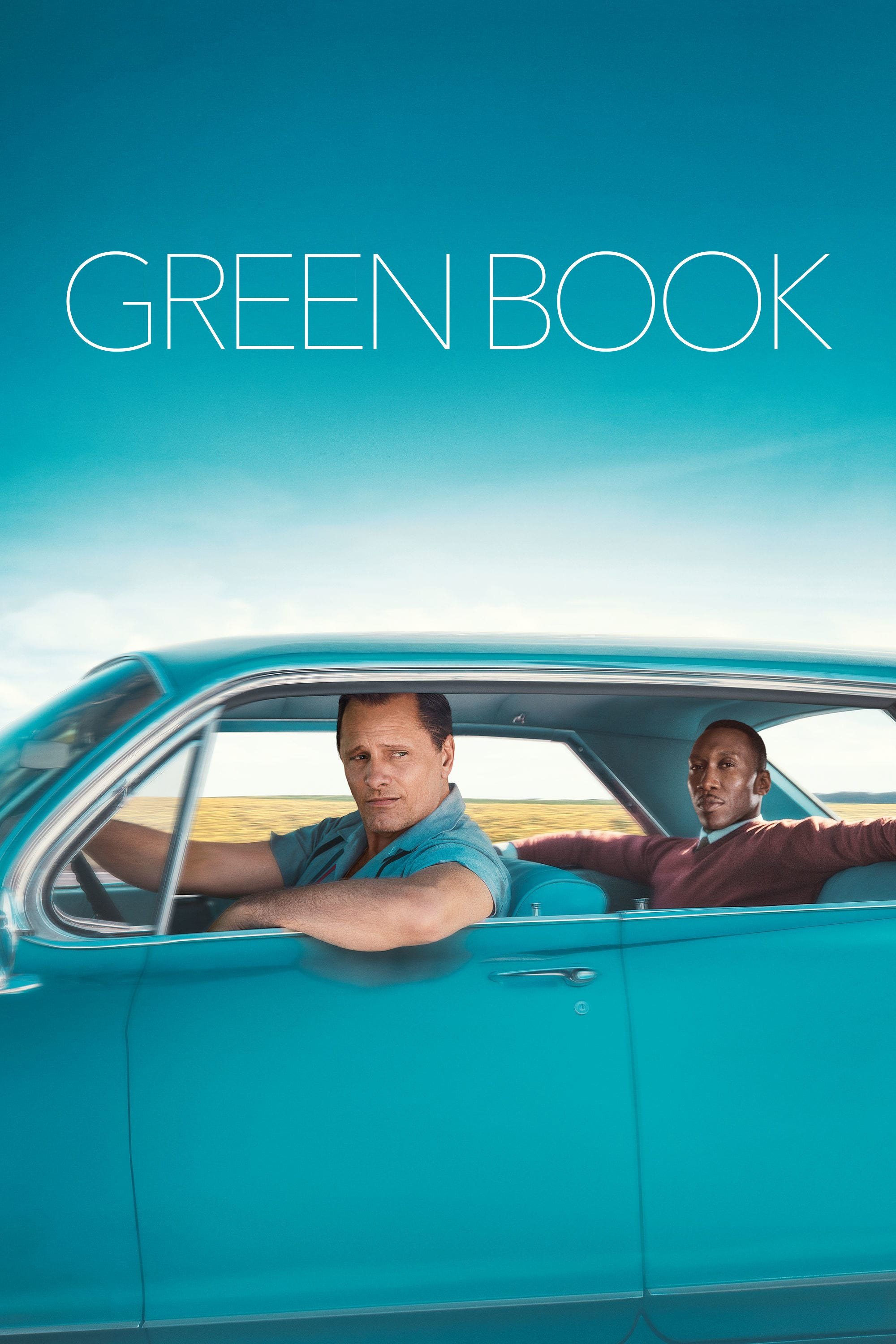
Dr. Don Shirley is portrayed as isolated from the Black community and entirely dependent on his white driver for protection. Members of Shirley’s family condemned the film as a symphony of lies that misrepresented his relationships and personality. They stated that Shirley was active in the civil rights movement and had many friends within the Black community. The movie suggests a close friendship between the two men that the family claims never existed.
‘Straight Outta Compton’ (2015)
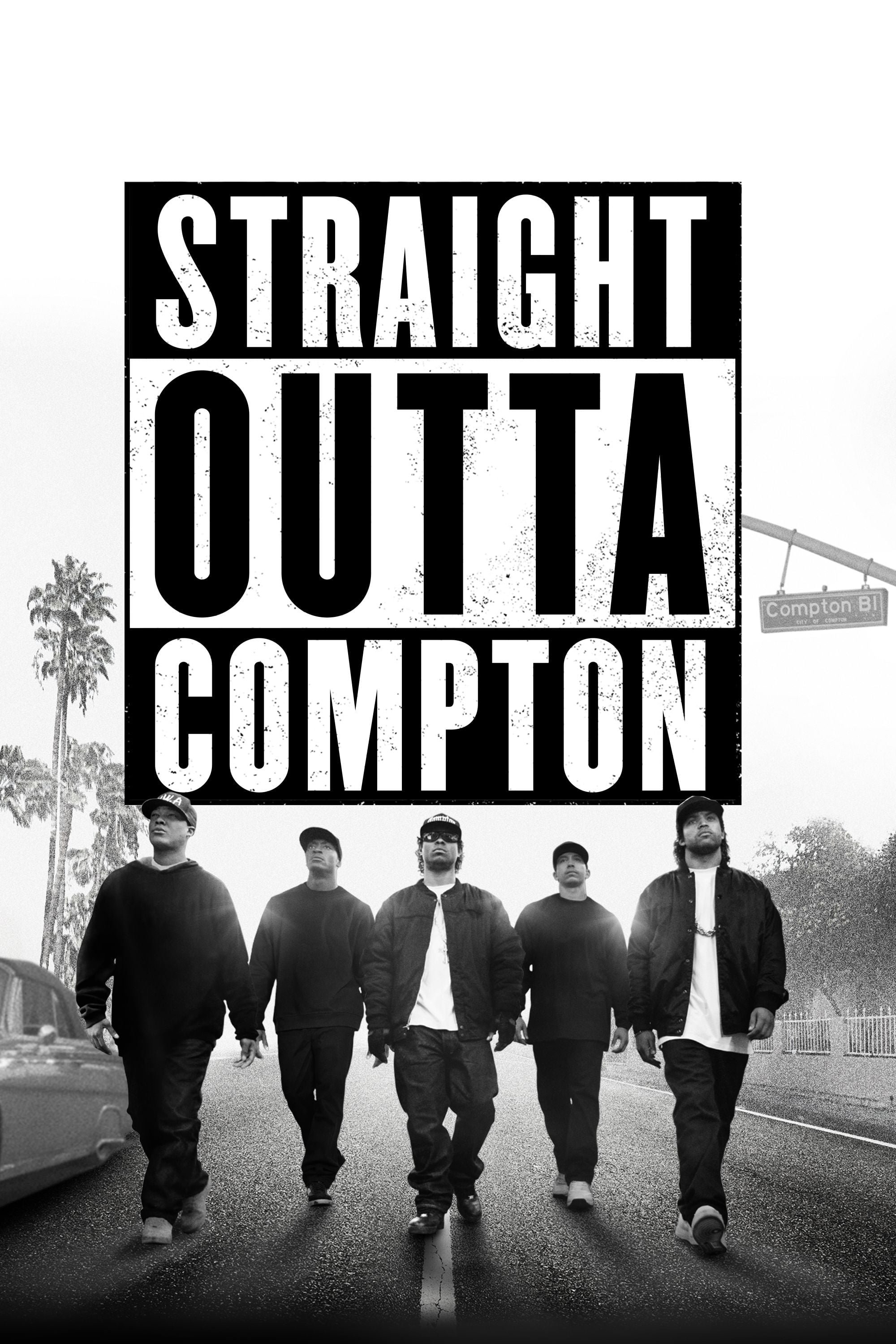
The rise of N.W.A is chronicled with a focus on their musical impact and battles with police brutality. The film completely ignores Dr. Dre’s history of violence against women including a notable assault on journalist Dee Barnes. Several other negative aspects of the group members were left out to preserve their legacy as cultural heroes. Critics felt this omission did a disservice to the victims and painted an incomplete picture of the era.
‘Saving Mr. Banks’ (2013)

Walt Disney is shown patiently wooing author P.L. Travers to obtain the rights to her beloved book. In reality the relationship between Travers and Disney was far more contentious and filled with animosity. Travers hated the final Disney adaptation of her work and reportedly cried during the premiere out of anger rather than emotion. The film rewrites history to make Disney look like a benevolent therapist who healed her childhood trauma.
‘Patch Adams’ (1998)
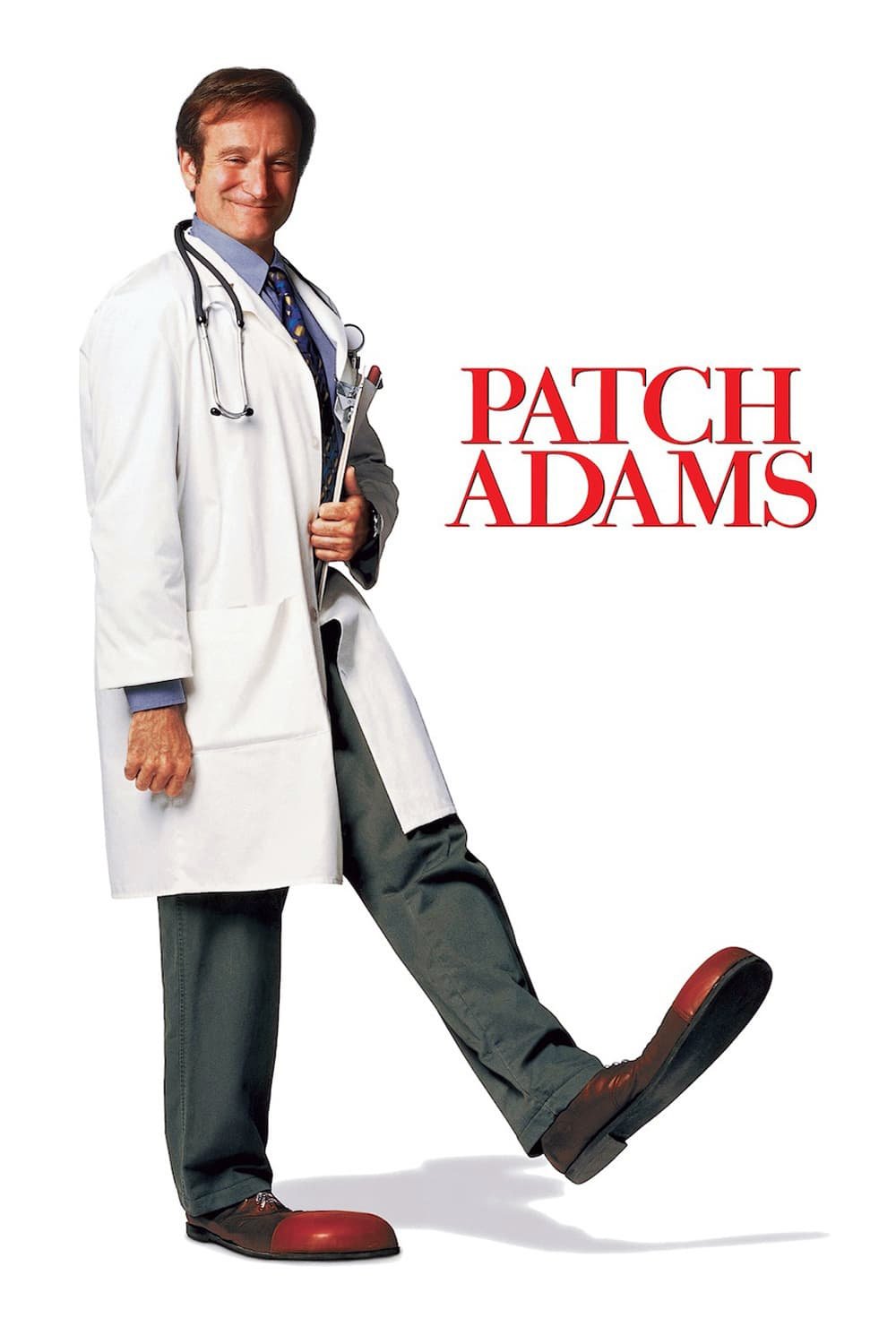
Robin Williams plays a doctor who uses humor to treat patients and challenges the medical establishment. The real Hunter “Patch” Adams openly criticized the film for simplifying his work into mere clowning. He felt the movie ignored his decades of activism for a free healthcare system to focus on slapstick comedy. The commercialization of his life story went against the very principles he stood for.
‘The Imitation Game’ (2014)

Alan Turing is depicted as a socially awkward loner who hides his homosexuality and arguably commits treason to protect secrets. Historians point out that Turing was actually quite social and had a good sense of humor. The film also invents a subplot involving a Soviet spy that casts unfair suspicion on Turing’s loyalty to Britain. His tragic chemical castration and suicide are treated as footnotes rather than the central injustice they were.
‘American Sniper’ (2014)

Chris Kyle is presented as a conflicted hero who is haunted by the war and his duty to protect his fellow soldiers. The film avoids addressing the many inconsistencies and unverified claims found in Kyle’s own memoir. It also glosses over his controversial statements regarding his enjoyment of killing and his dehumanization of Iraqis. The movie simplifies a complex geopolitical conflict into a black and white battle of good versus evil.
‘Captain Phillips’ (2013)
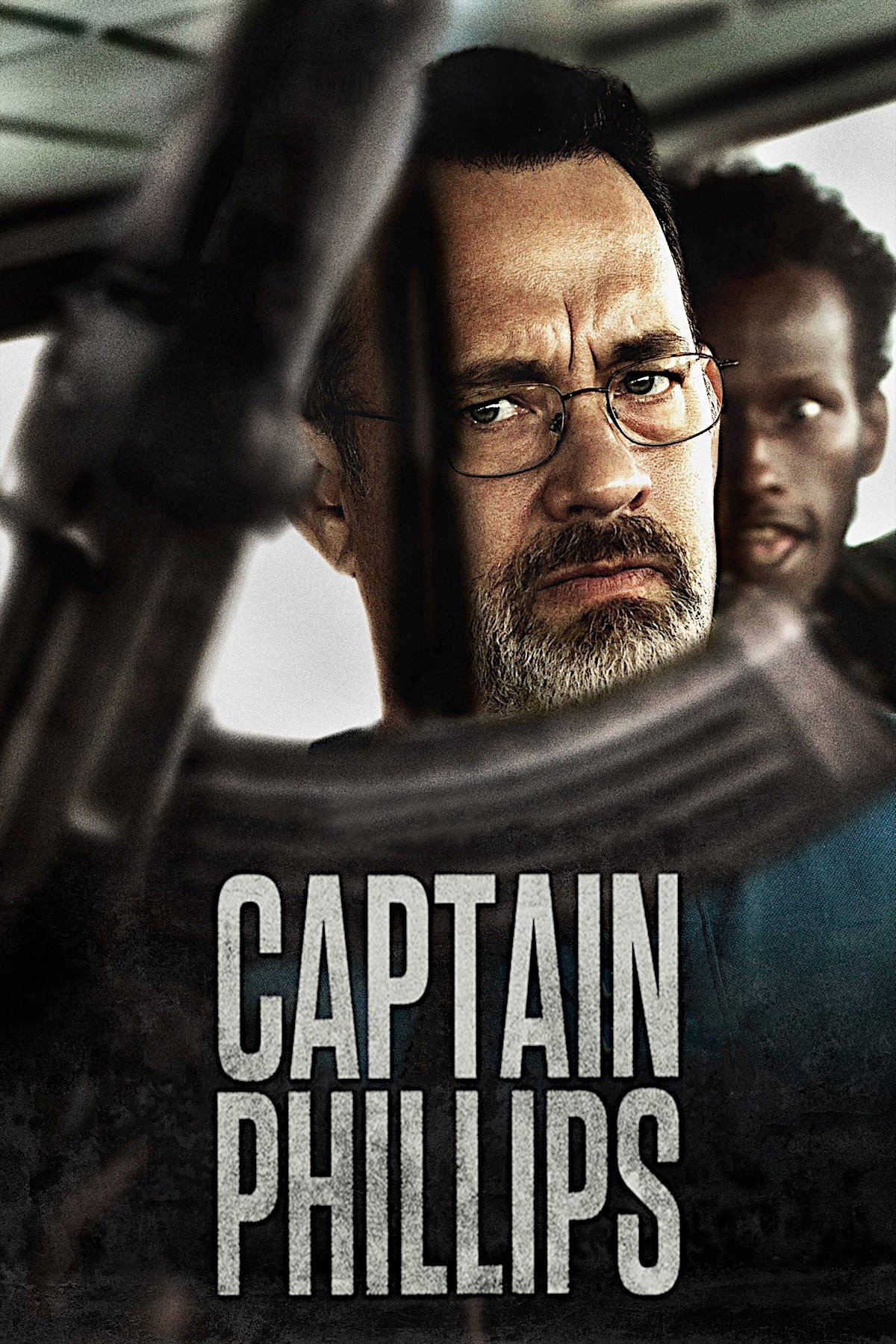
The titular character is hailed as a hero who risked his life to save his crew from Somali pirates. Crew members from the actual ship sued the shipping line and claimed Phillips disregarded safety warnings to save time. They alleged that his arrogance led them directly into pirate-infested waters despite clear advisories. The film ignores this internal conflict to present a straightforward story of heroism under fire.
‘Cinderella Man’ (2005)
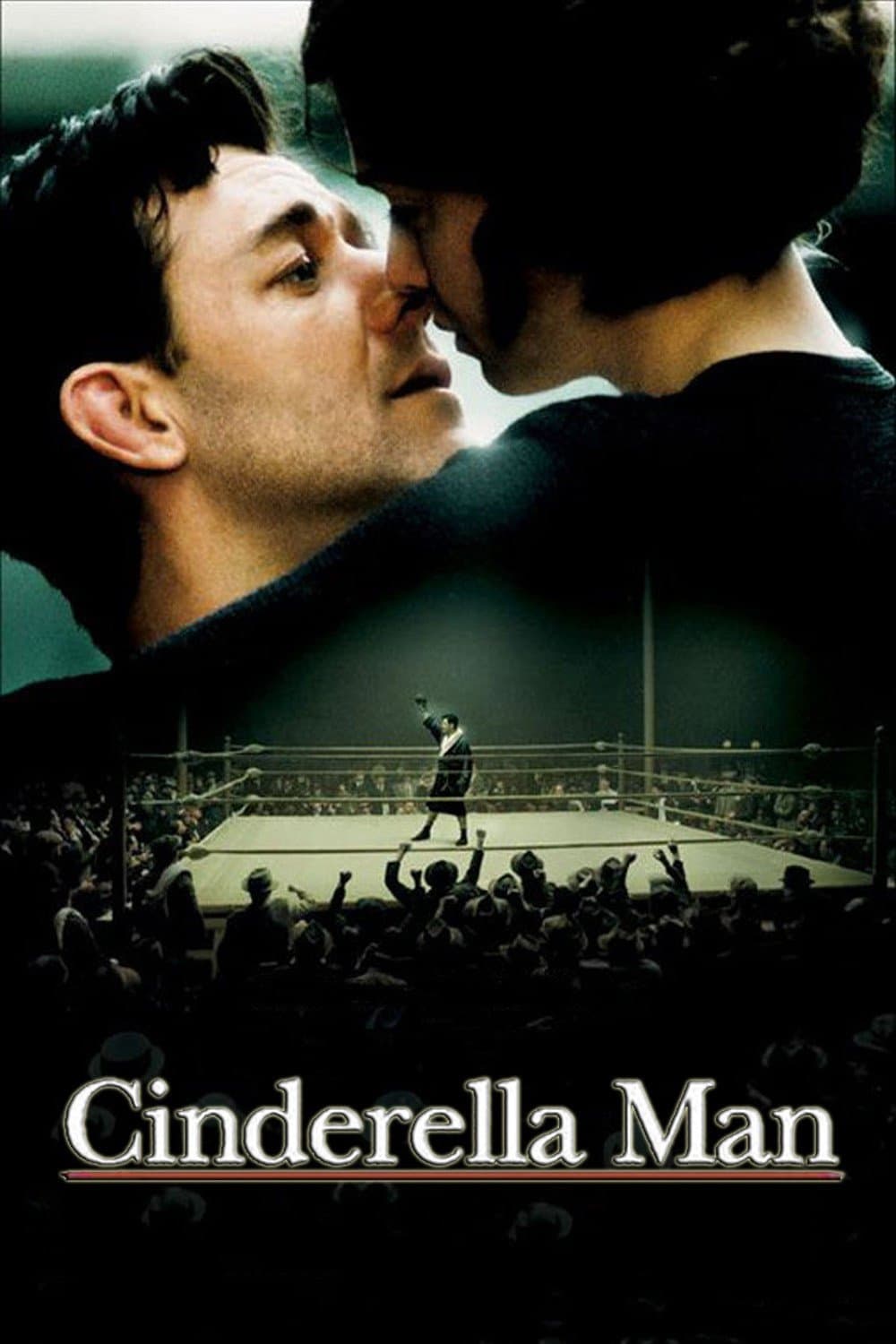
James J. Braddock is the underdog hero fighting against the arrogant and vicious champion Max Baer. The real Max Baer was actually a well-respected man who was distraught after accidentally killing an opponent in the ring. His family and boxing historians were outraged by his portrayal as a bloodthirsty villain. The movie demonized a decent man solely to increase the dramatic stakes for the protagonist.
‘The King’s Speech’ (2010)
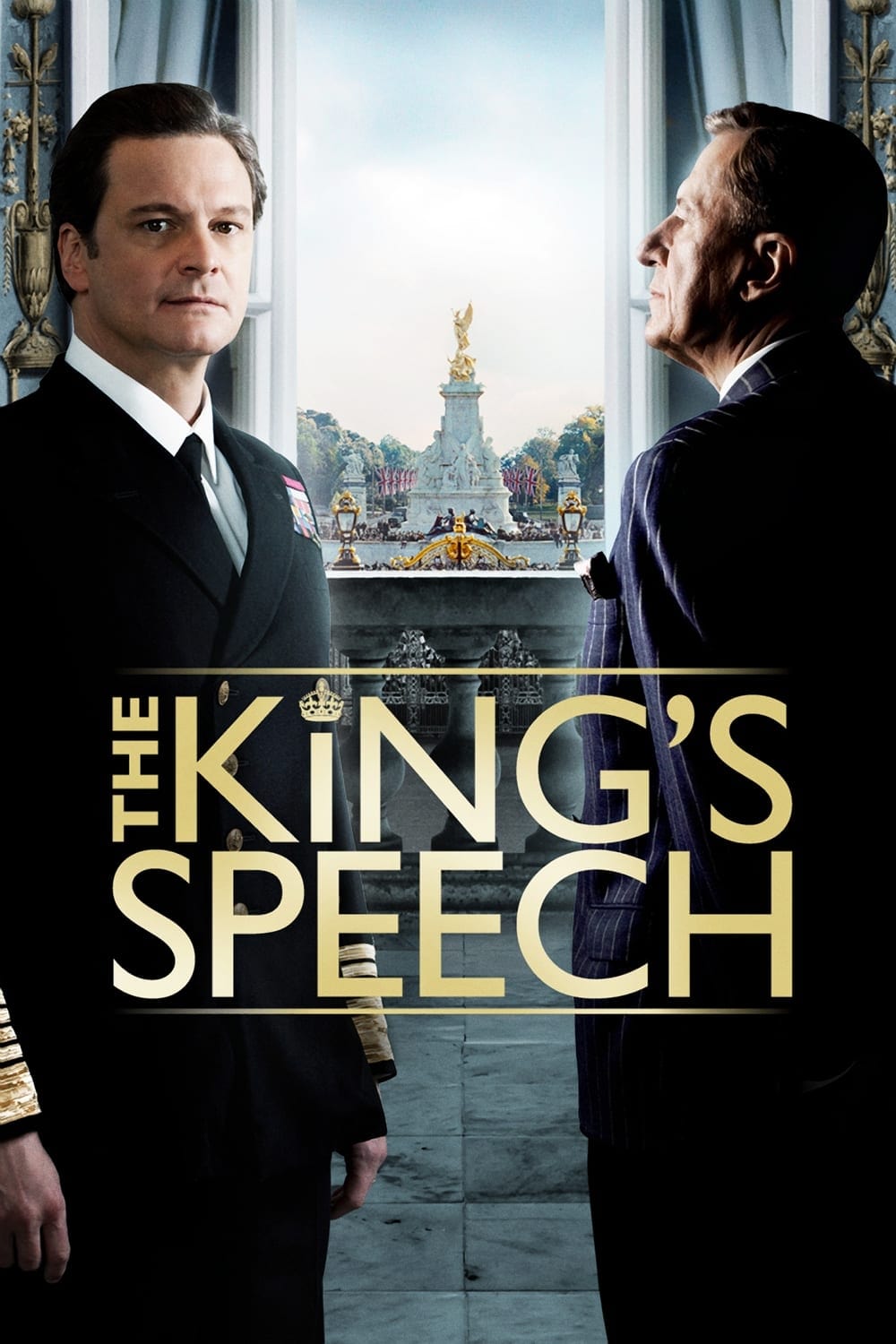
King George VI is shown overcoming a speech impediment to lead his country against the threat of Nazi Germany. The film largely ignores the King’s earlier support for the policy of appeasement toward Hitler. It also downplays the extent to which the royal family initially supported his brother Edward despite his fascist sympathies. The narrative simplifies the complex politics of the time to focus purely on the personal struggle of the monarch.
‘Finding Neverland’ (2004)
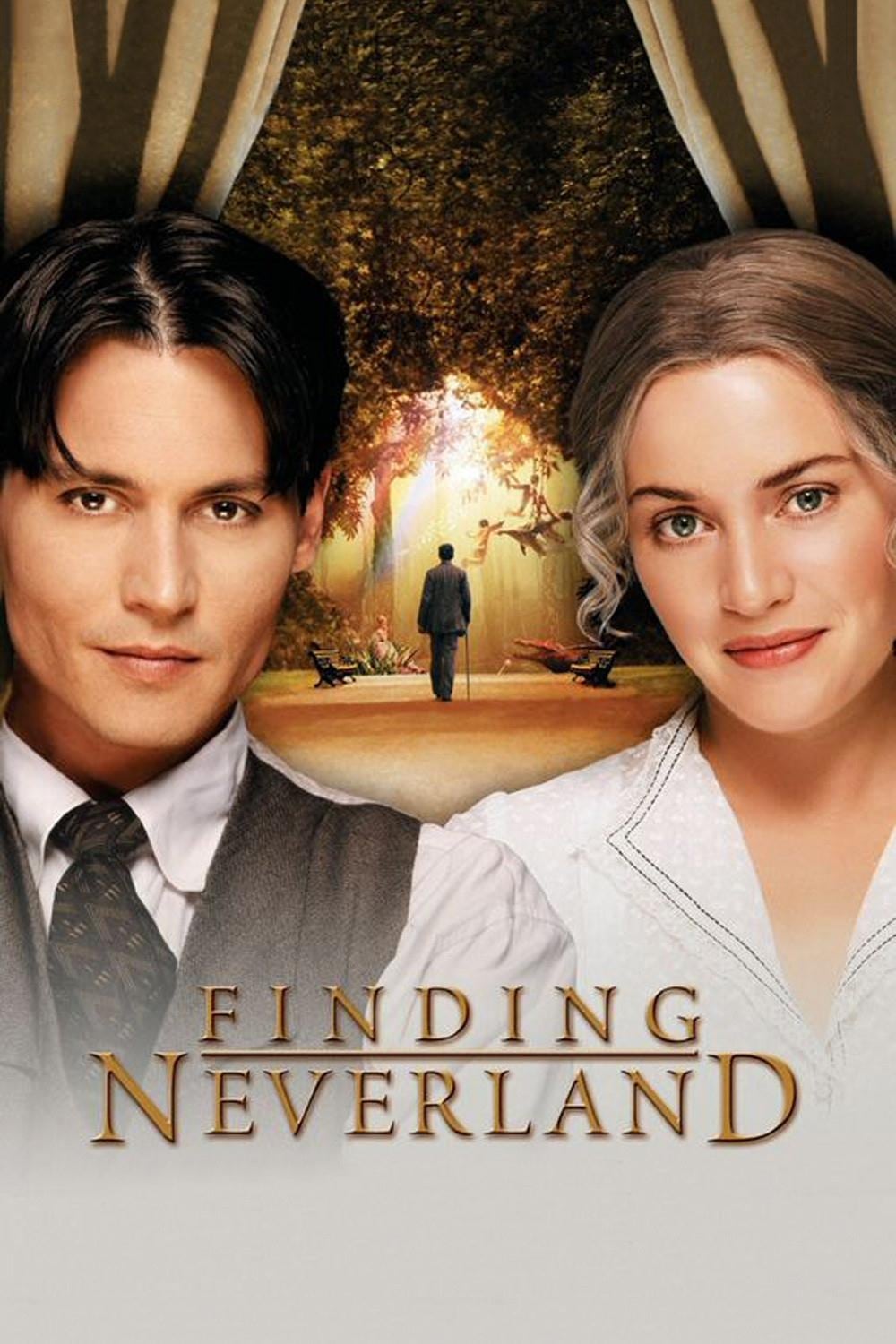
J.M. Barrie is depicted as a wholesome inspiration to the Llewelyn Davies boys as he writes his masterpiece. The film removes the husband of the boys’ mother from the picture much earlier than in real life to facilitate the plot. It also completely glosses over the darker rumors and complexities regarding Barrie’s obsession with the young children. The story is presented as a pure fantasy that avoids the uncomfortable questions surrounding his behavior.
‘The Doors’ (1991)

Jim Morrison is portrayed as a constantly drunk and out-of-control figure who was obsessed with death. Bandmates including Ray Manzarek hated the film for ignoring Morrison’s intelligence and sense of humor. They felt the movie focused entirely on the sensational aspects of his addiction while ignoring his artistic process. The result was a caricature that failed to capture the duality of the man.
‘Nina’ (2016)

Nina Simone’s life is explored in a film that drew immediate backlash for casting Zoe Saldana. The production used darkening makeup and a prosthetic nose on the actress which many found offensive and colorist. The script focuses heavily on a relationship with her manager that many sources claim was fictionalized. This focus on romance glossed over her profound contributions to civil rights and her mental health struggles.
‘All Eyez on Me’ (2017)
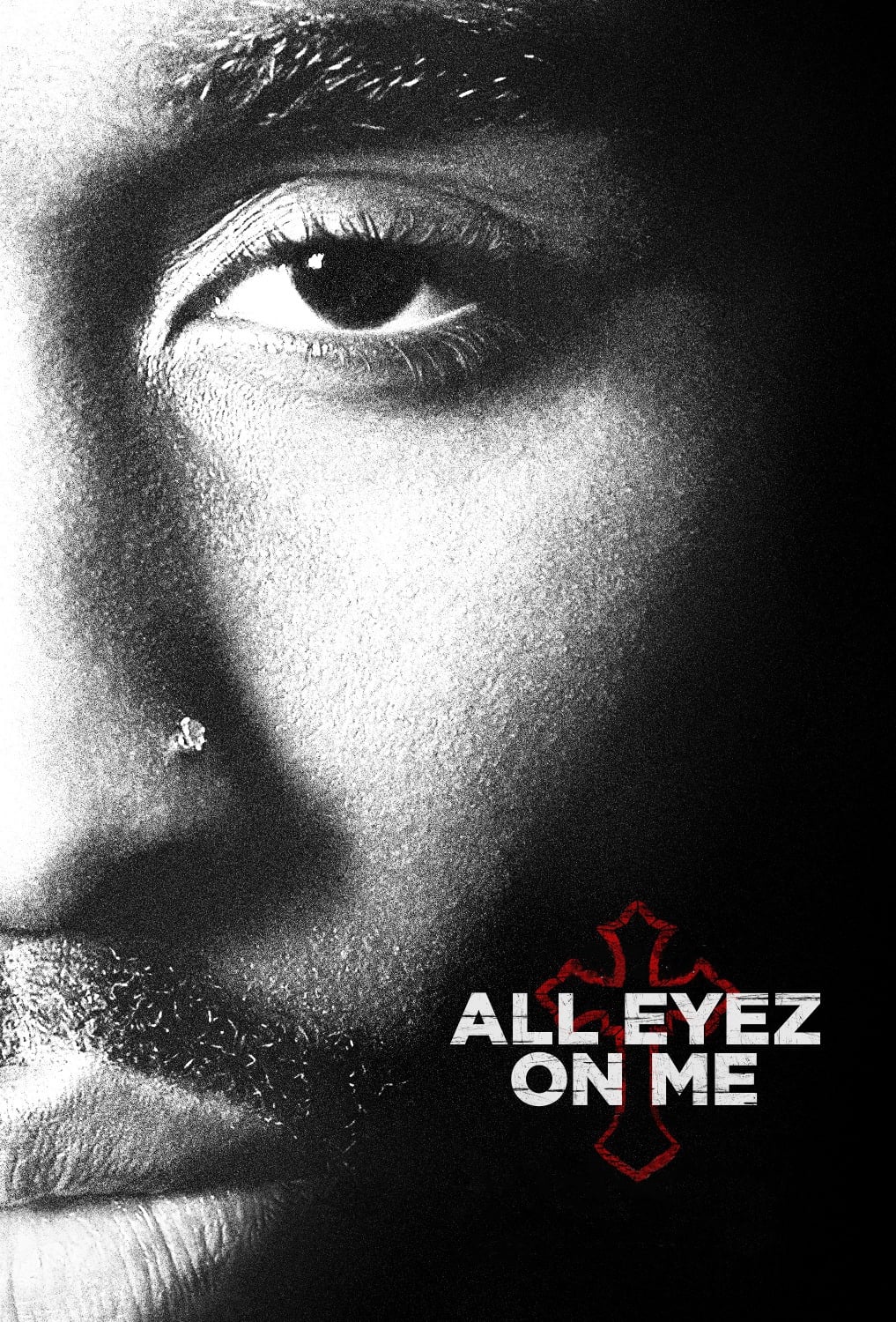
Tupac Shakur’s life is retold in a way that many close to him described as inaccurate. Jada Pinkett Smith publicly criticized the film for fabricating scenes between her and Tupac that never happened. The movie was accused of skimming over the complexities of his legal troubles and inconsistent behavior. It offered a surface-level retelling that failed to capture the depth of his character.
‘Hitchcock’ (2012)
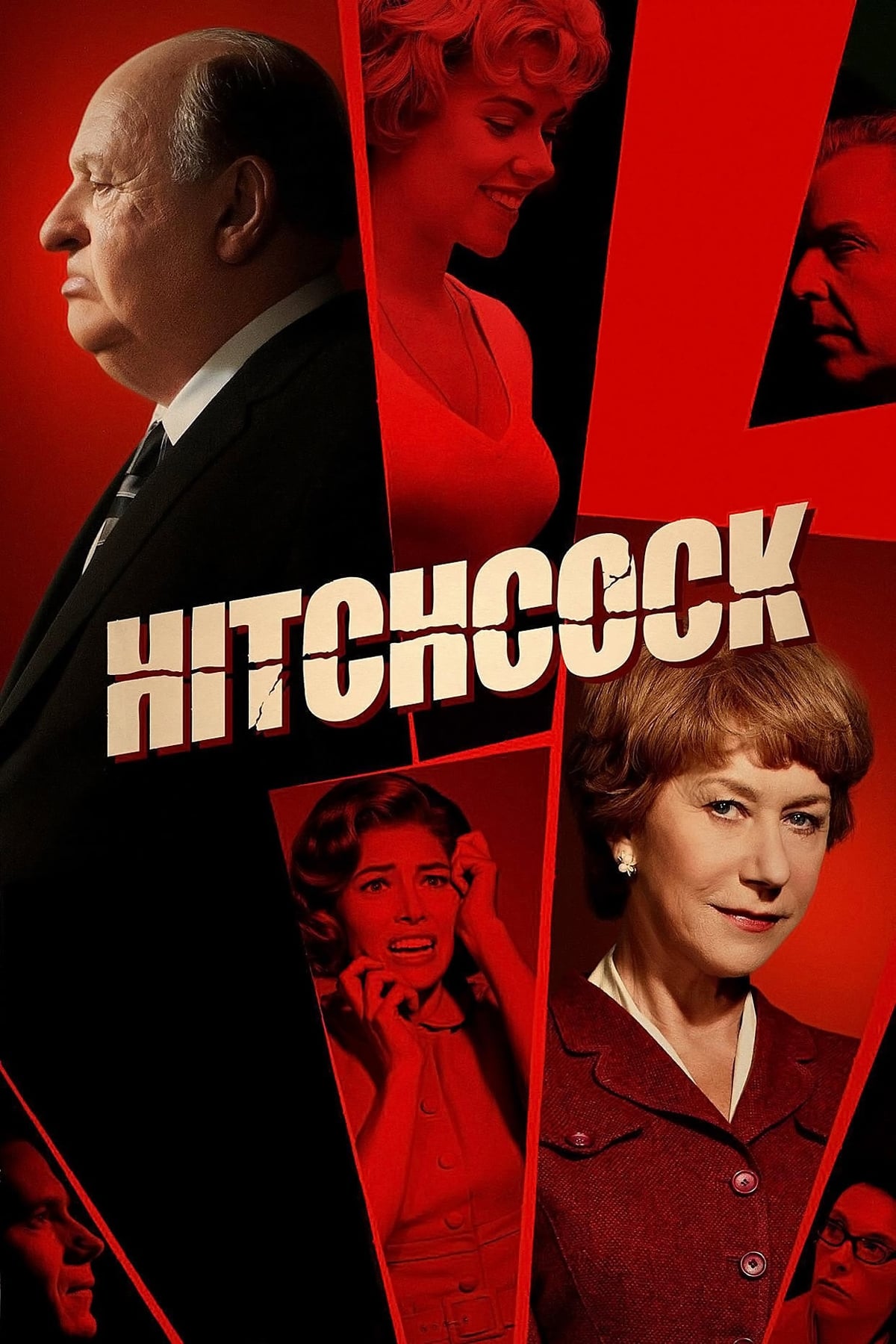
Alfred Hitchcock is shown grappling with the production of his most famous horror film while managing his marriage. The movie largely ignores the severe accusations of sexual harassment and emotional abuse made by actress Tippi Hedren. It presents his obsession with his leading ladies as a quirky artistic temperament rather than predatory behavior. This soft approach minimizes the trauma experienced by the women who worked with him.
‘Dragon: The Bruce Lee Story’ (1993)
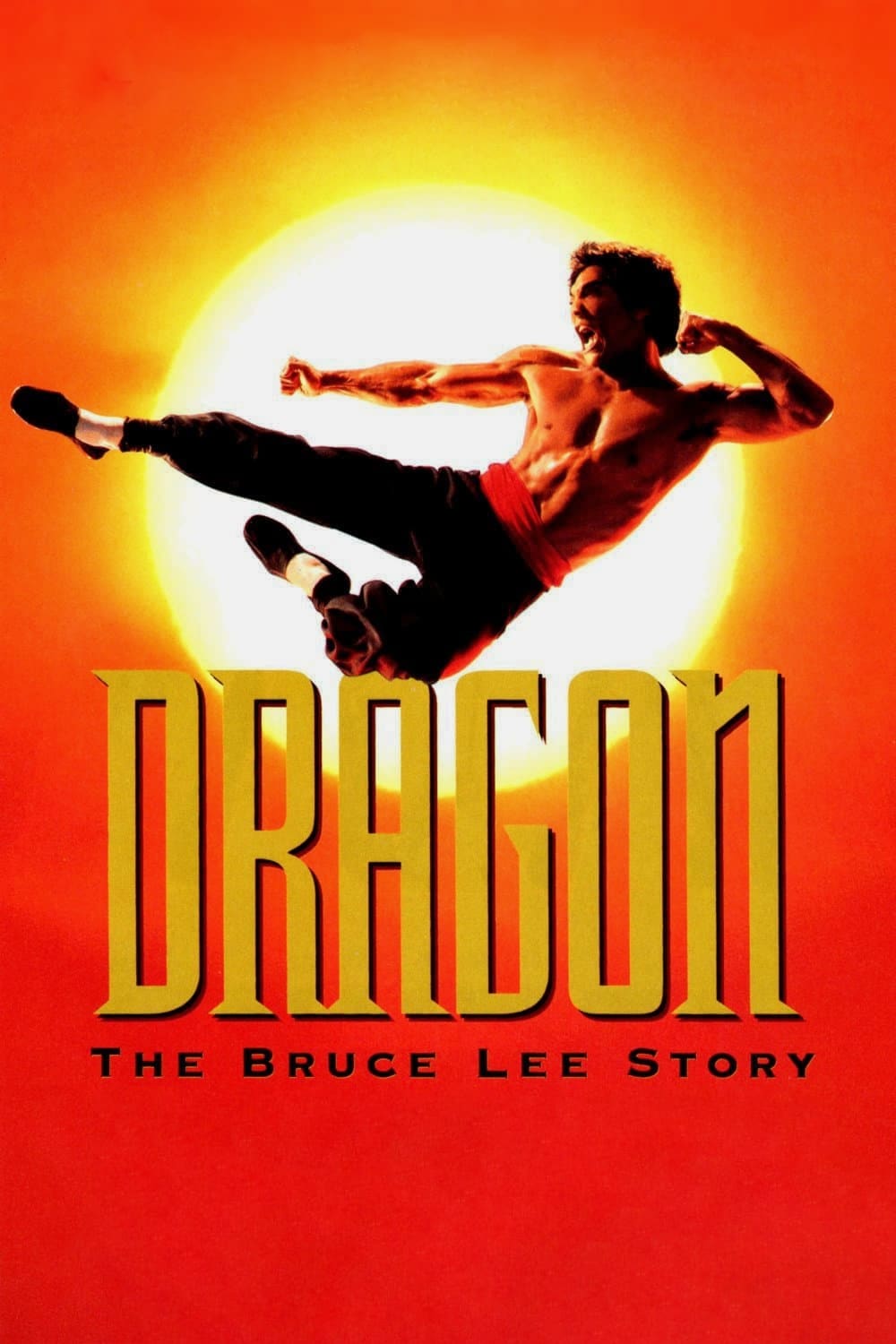
Bruce Lee is shown fighting his way to stardom while battling metaphorical demons. The film attributes his back injury to a fight with rival martial artists rather than the weightlifting accident that actually caused it. It also invents several dramatic street fights that never occurred to keep the pacing exciting. The movie prioritizes action movie tropes over the philosophical and physical reality of Lee’s life.
‘J. Edgar’ (2011)

J. Edgar Hoover is depicted as a conflicted patriot who established modern forensic science. The film remains ambiguous about his relationship with Clyde Tolson and largely glosses over his illegal surveillance of political dissidents. It fails to fully address the extent of the corruption and blackmail Hoover used to maintain power. The narrative attempts to humanize a figure who is often viewed as a tyrant in American history.
‘Back to Black’ (2024)

Amy Winehouse’s rapid rise and fall are chronicled in a way that drew criticism for being exploitative. Critics argued the film softened the role her father played in keeping her on tour despite her health issues. It also romanticized her toxic marriage which was a major catalyst for her addiction. The movie was accused of sanitizing the people around her who failed to intervene.
‘Elvis’ (2022)
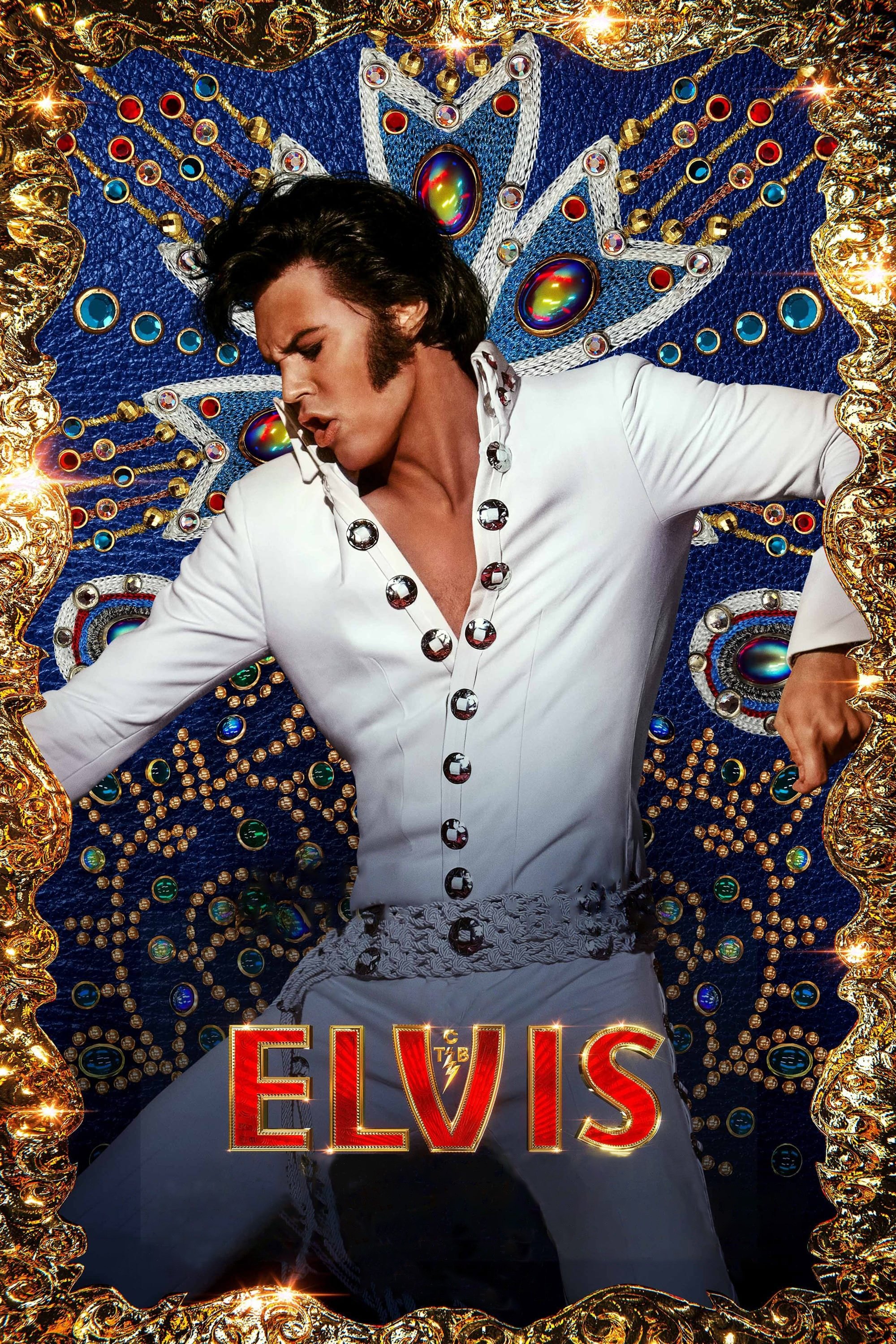
The King of Rock and Roll is viewed through the lens of his controlling manager Colonel Tom Parker. While visually stunning the film glosses over the age gap between Elvis and Priscilla when they first met. It also frames his downfall almost entirely as the fault of Parker rather than exploring Elvis’s own agency. The narrative avoids the more uncomfortable aspects of his relationships with women.
‘The Hurricane’ (1999)

Rubin Carter is shown as a wrongfully convicted boxer fighting for his freedom against a racist system. The film alters facts about his criminal past and exaggerates the corruption of the detective investigating him. It also ignores the fact that Carter had a history of violence prior to the murder conviction. These omissions simplify a complex legal case into a clear narrative of martyrdom.
‘Midnight Express’ (1978)
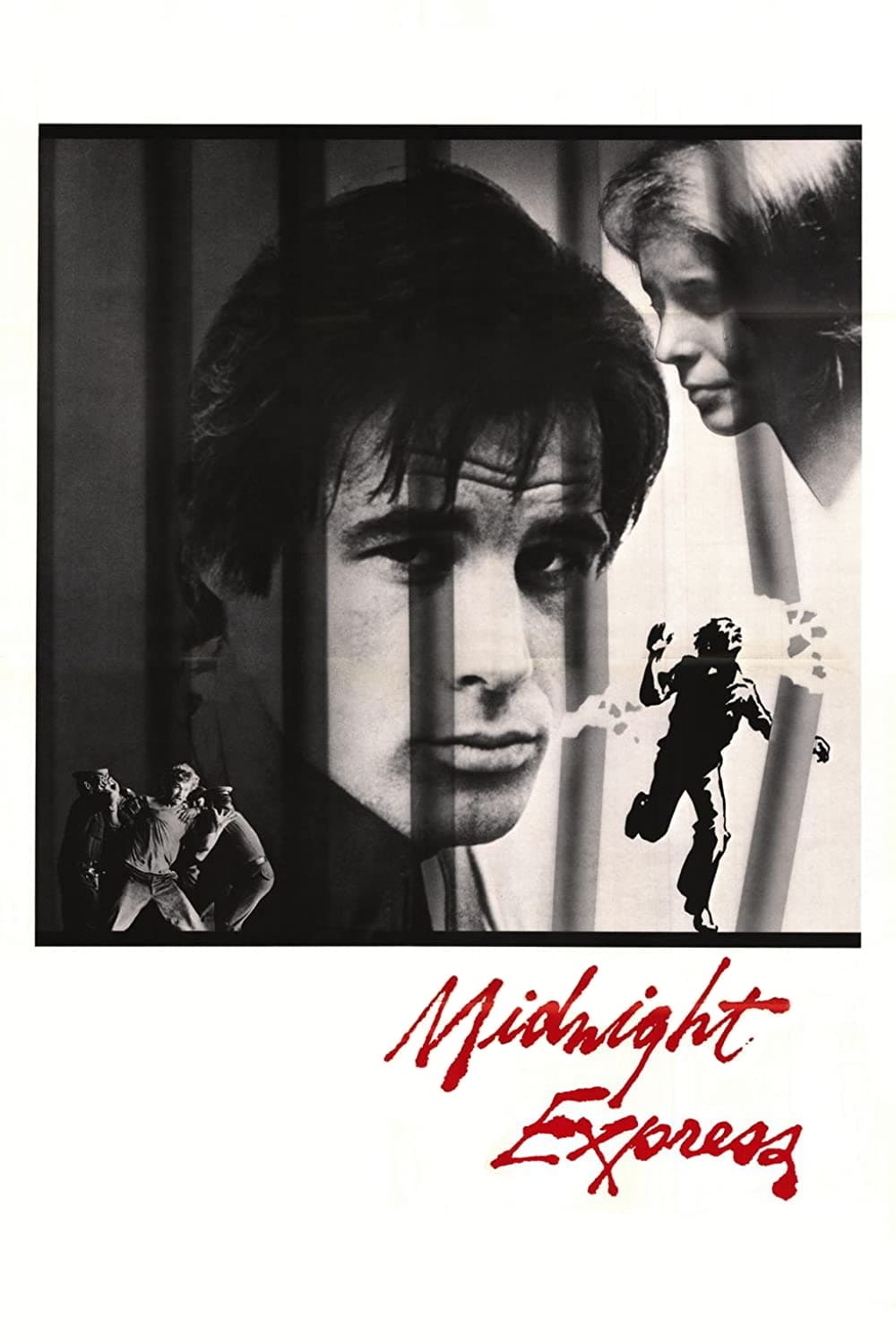
Billy Hayes is an American student thrown into a brutal Turkish prison for smuggling hashish. The film deviates significantly from the real events and portrays the Turkish people as uniformly villainous. The real Billy Hayes admitted that he exaggerated elements of his story and that the film was unfair to Turkey. The movie glosses over his own admitted guilt to make him a more sympathetic victim.
‘Gorillas in the Mist’ (1988)
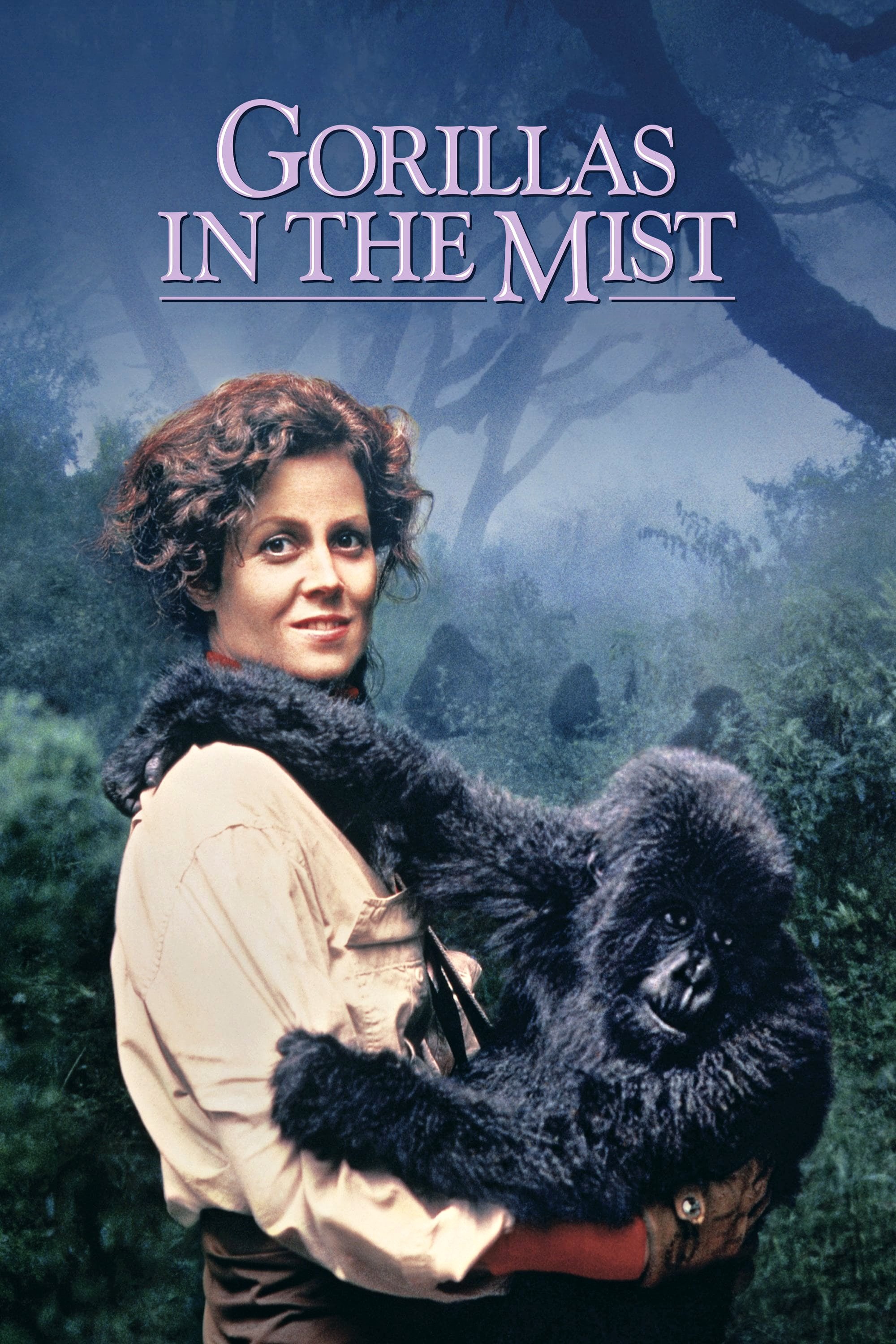
Dian Fossey is portrayed as a dedicated conservationist who gave her life to protect mountain gorillas. The film downplays her increasingly erratic behavior and cruel treatment of local poachers and cattle herders. She was known to kidnap locals and stage mock executions to intimidate them. The movie sanitizes these darker actions to preserve her image as a martyr for nature.
‘Shine’ (1996)
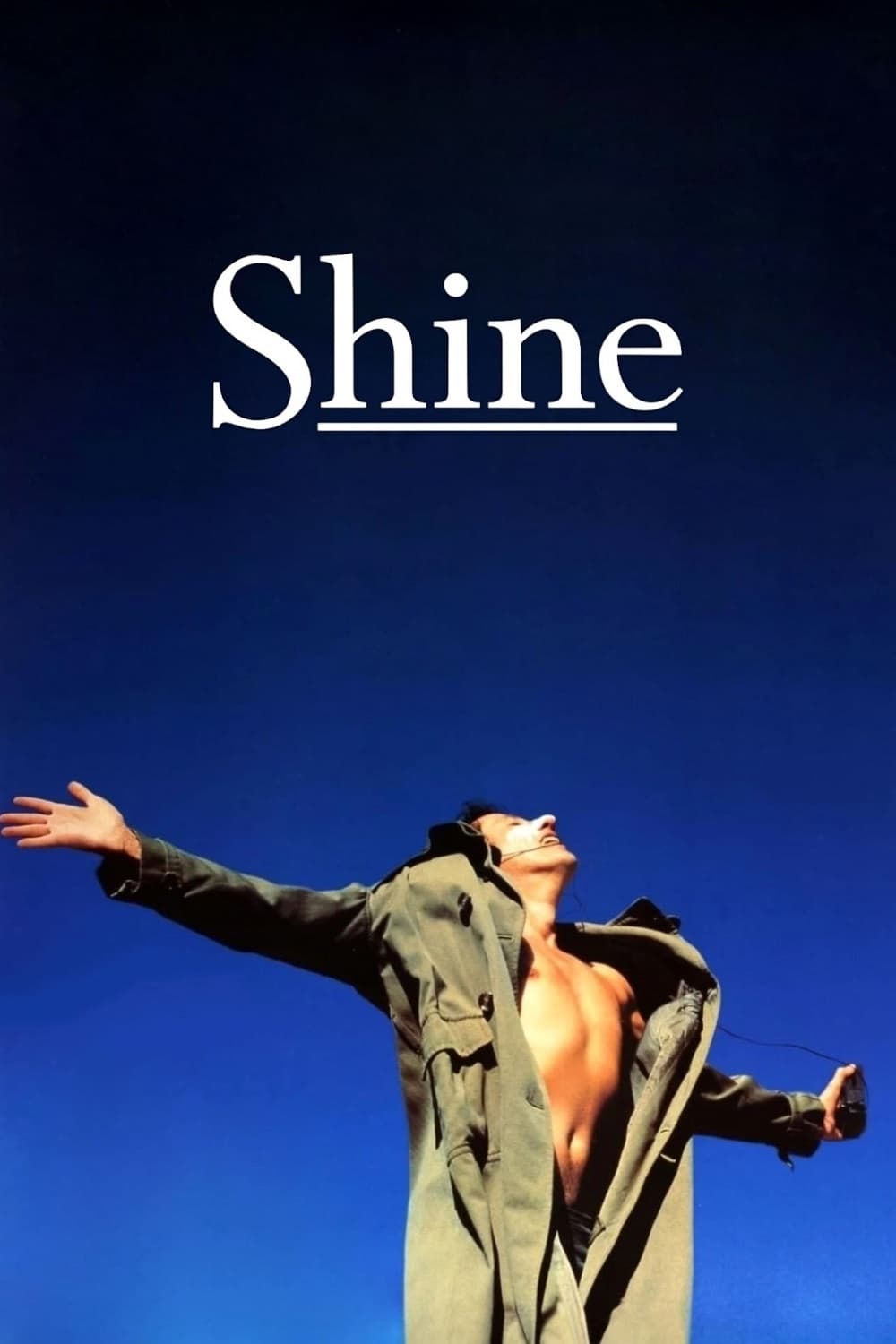
David Helfgott is a pianist whose mental breakdown is attributed to his abusive father. Helfgott’s sister publicly disputed the portrayal of their father and claimed the abuse was exaggerated for dramatic effect. She argued that the film simplified the causes of David’s mental illness. The movie presents a narrative of parental tyranny that the family claims is factually incorrect.
‘The Social Network’ (2010)

Mark Zuckerberg creates Facebook after being dumped by his girlfriend Erica Albright. In reality Erica Albright did not exist and Zuckerberg was already dating his future wife at the time. The film invents a motivation based on rejection to explain the creation of the platform. Zuckerberg has stated that the movie got his clothing right but very little else about his actual motivations.
‘Amadeus’ (1984)
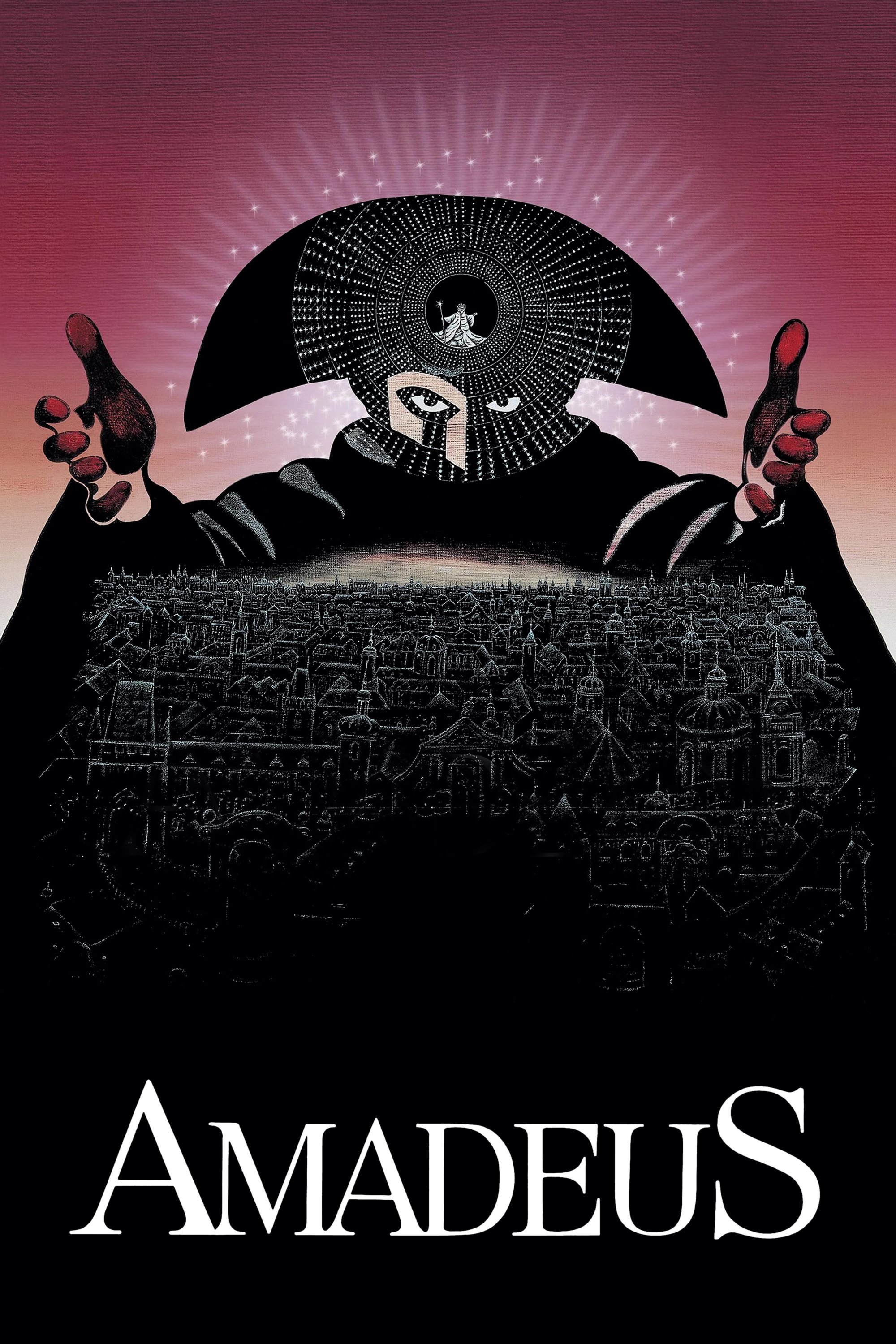
Antonio Salieri is consumed by jealousy and plots the downfall of the genius Wolfgang Amadeus Mozart. Historical records show that the two composers were actually supportive colleagues who respected each other. The film invents a murder plot and a bitter rivalry that has no basis in fact. This dramatic license completely distorts the legacy of Salieri for the sake of entertainment.
‘Remember the Titans’ (2000)

A high school football team integrates and overcomes racism through the power of sports. The real players noted that the racism in the town was not solved as quickly or easily as the movie suggests. Several of the dramatic close games in the film were actually blowouts in real life. The movie creates a feel-good atmosphere that glosses over the persistent racial tensions of the era.
‘Braveheart’ (1995)
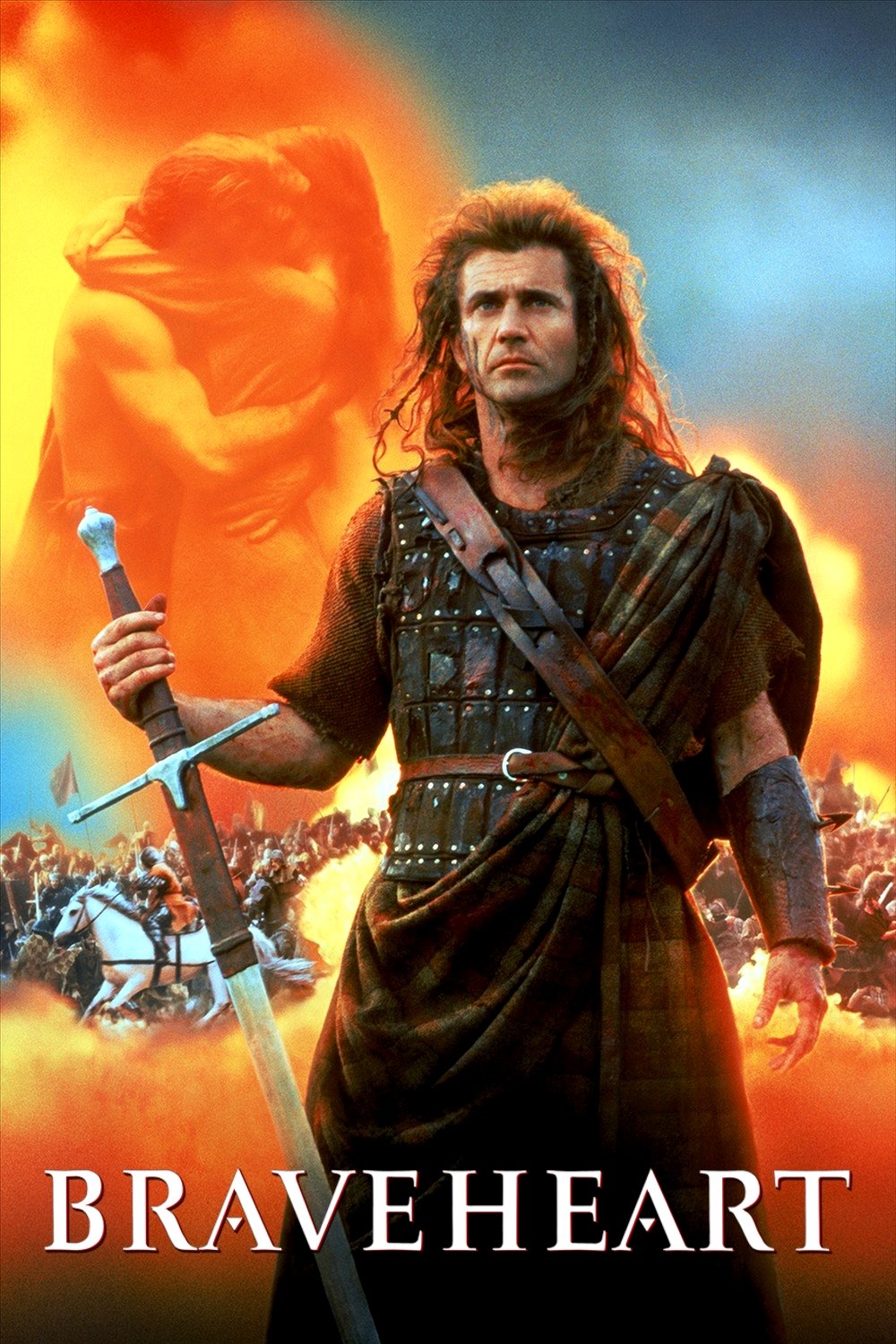
William Wallace leads the Scots in a rebellion against English tyranny. The film is notorious for its historical inaccuracies including the timeline of Wallace’s relationship with Princess Isabella. It implies a romantic connection even though she was a young child at the time of his execution. The movie prioritizes mythic storytelling over the actual political and military history of the Scottish Wars of Independence.
‘Catch Me If You Can’ (2002)

Frank Abagnale Jr. performs incredible feats of deception as a pilot and doctor before being caught. Journalists have since debunked many of Abagnale’s claims and revealed that he spent much of that time in prison. The film takes his exaggerated autobiography at face value without questioning the logistics of his cons. It presents a charming criminal mastermind narrative that glosses over the reality of his petty thefts.
‘The Theory of Everything’ (2014)
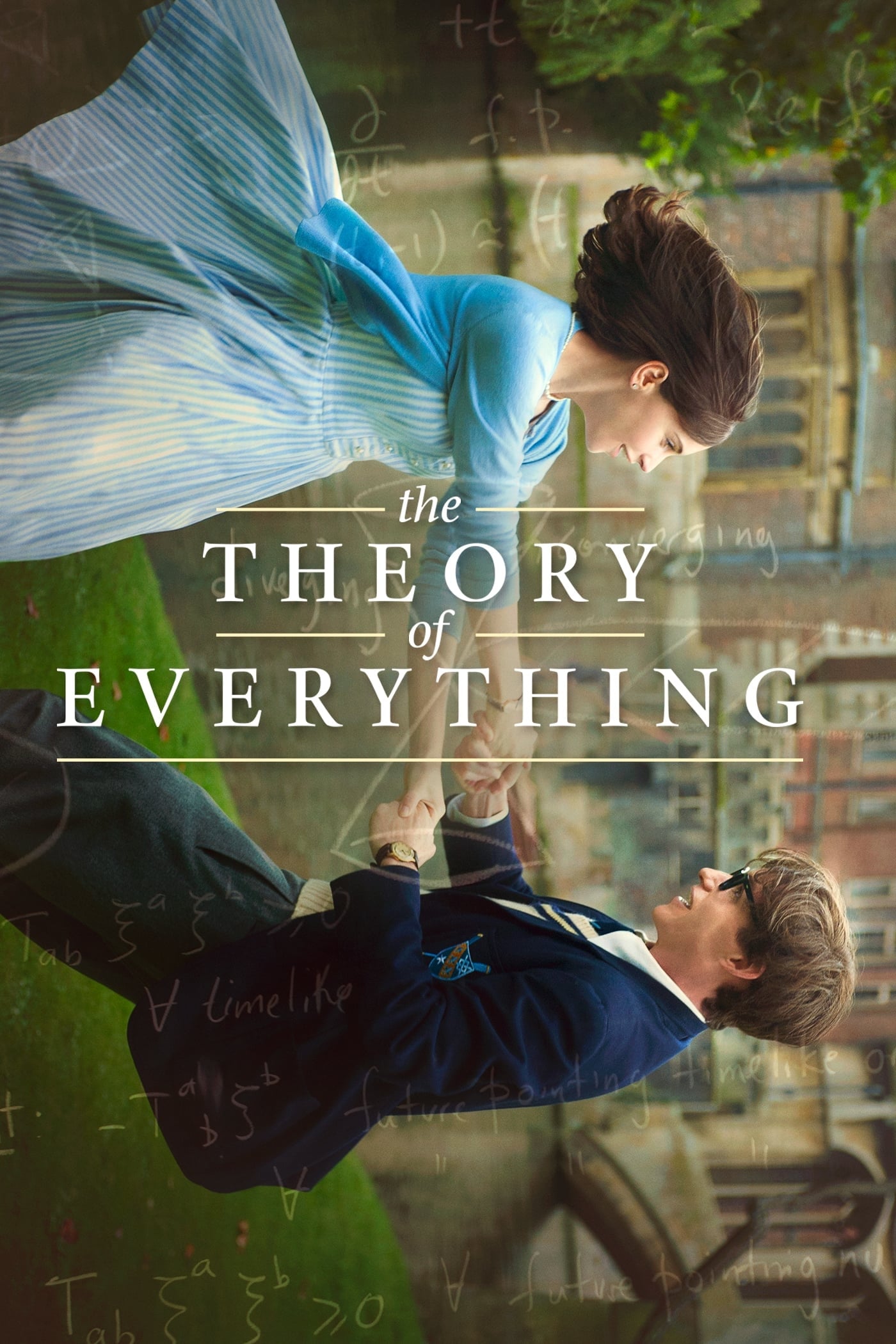
Stephen Hawking’s brilliant mind and physical decline are contrasted with his romance with Jane Wilde. The film softens the bitterness of their divorce and the strain his condition placed on their family life. It also minimizes the role of his second wife and the controversy surrounding that relationship. The movie opts for a romanticized view of a marriage that ended in difficult circumstances.
‘Race’ (2016)

Jesse Owens wins four gold medals at the Berlin Olympics in a defiance of Nazi ideology. The film glosses over the fact that Owens was treated as a second-class citizen upon his return to America. It fails to fully explore the financial struggles he faced after his Olympic victory. The narrative focuses on the triumph abroad while softening the indictment of racism at home.
’42’ (2013)

Jackie Robinson breaks the color barrier in baseball with stoic resolve. The film focuses heavily on his ability to turn the other cheek and ignores his later political activism. It simplifies his complex personality into a symbol of non-violent resistance. The movie avoids the more radical stances Robinson took later in life regarding racial justice.
‘Hidden Figures’ (2016)

Black female mathematicians at NASA are shown overcoming segregation to help launch John Glenn. The film invents a scene where a white boss smashes a “colored” bathroom sign to show solidarity. The real Katherine Johnson stated she just used the white restrooms and nobody stopped her. This fictional moment gives a white character credit for fighting segregation that he did not earn.
‘I Saw the Light’ (2015)
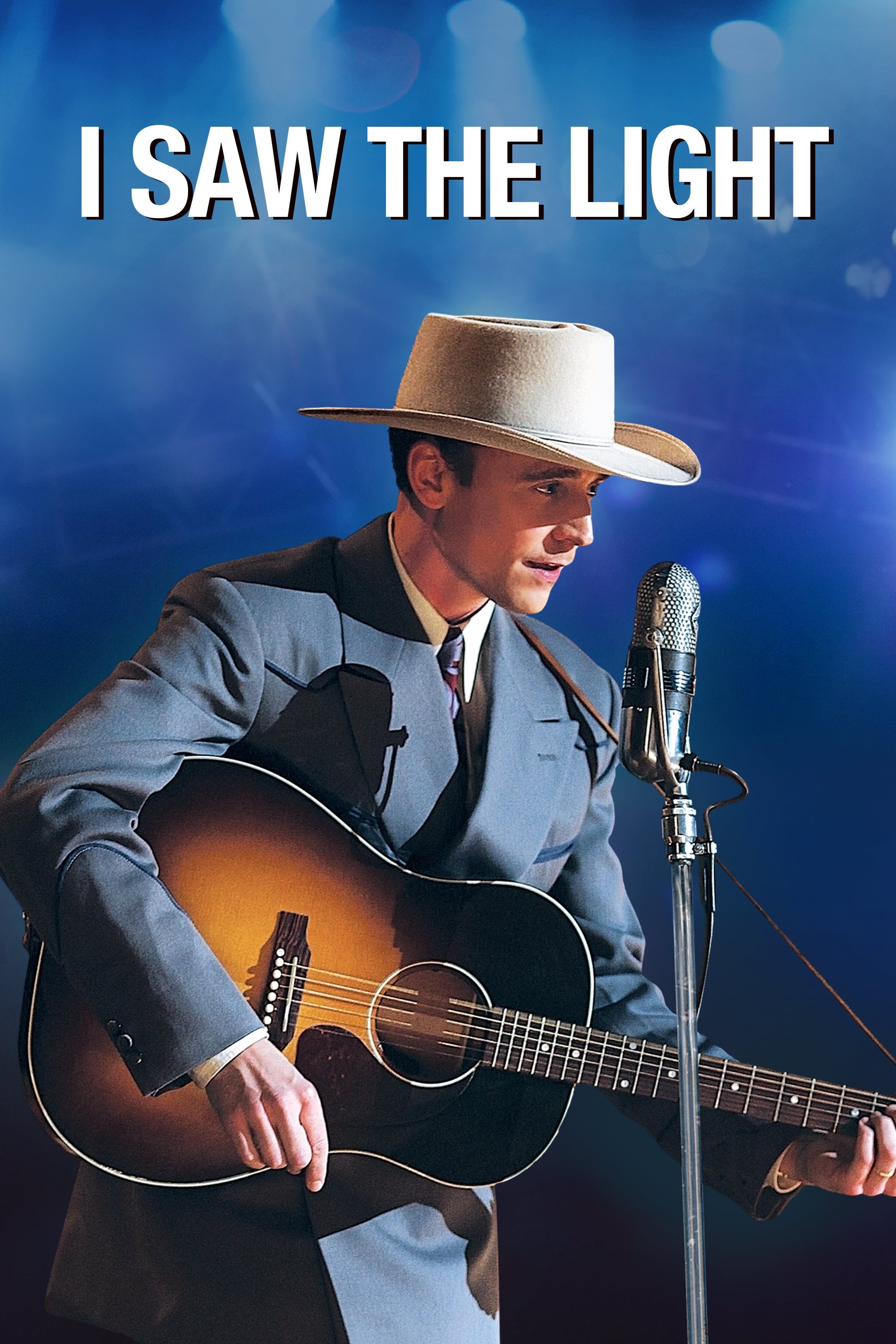
Hank Williams is depicted as a troubled country star battling alcoholism and a turbulent marriage. His grandson openly criticized the film for lacking the true spirit and charisma of the singer. The movie focuses heavily on his vices while glossing over the depth of his musical genius. It presents a miserable portrait that fans felt was missing the spark of the real man.
‘Jobs’ (2013)
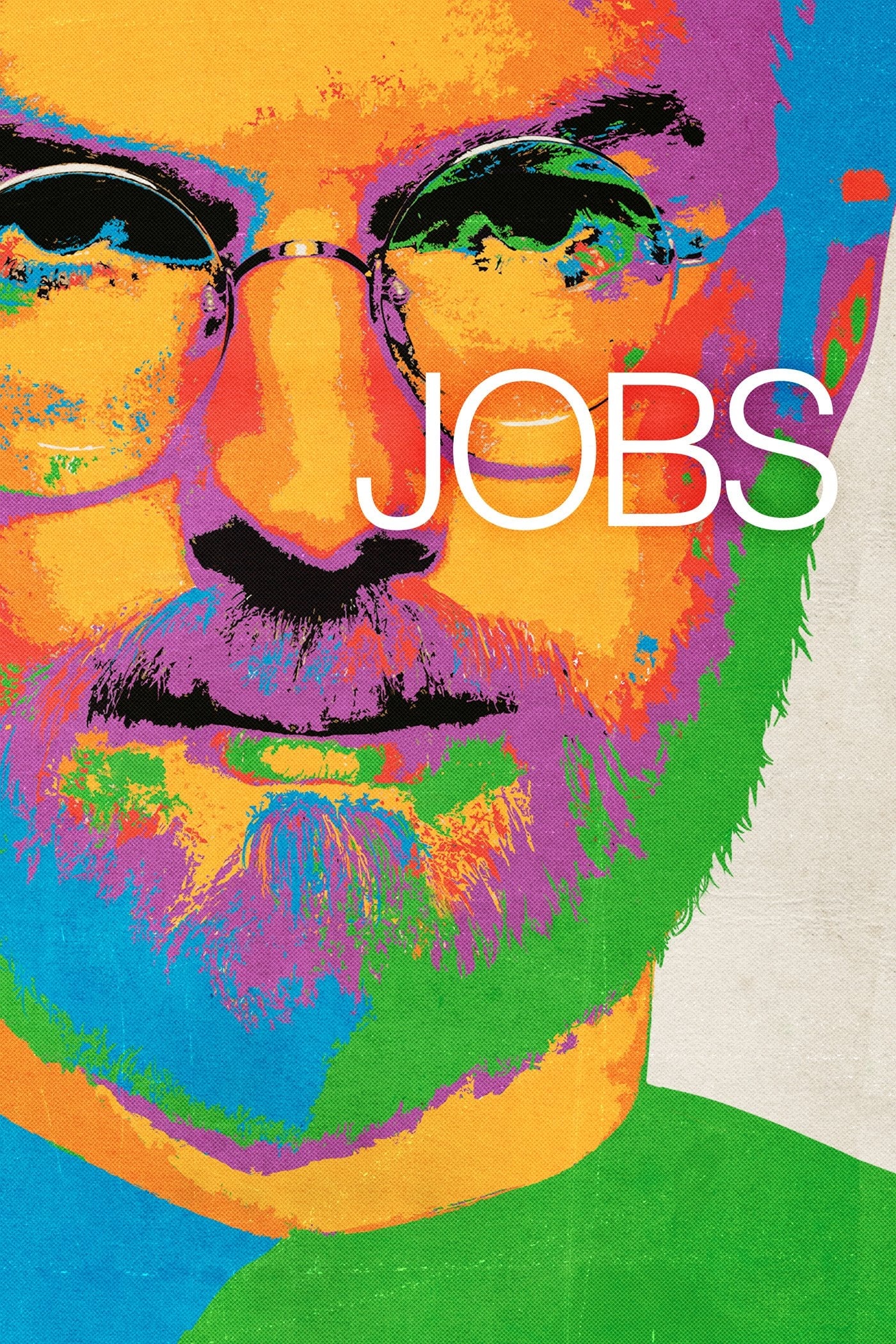
Steve Jobs is shown as the singular genius behind the success of Apple. Steve Wozniak criticized the film for inaccurately portraying the dynamic between them and other early employees. It glosses over the contributions of the wider team to elevate Jobs to a mythical status. The movie also softens some of his most ruthless business tactics and personal failings.
‘Moneyball’ (2011)

Billy Beane uses analytics to build a winning baseball team despite a low budget. The film depicts manager Art Howe as a stubborn obstacle who refuses to cooperate with the new system. In reality Howe was a compliant employee who followed the strategy more than the movie suggests. The film creates a villain out of a colleague to heighten the dramatic tension of the story.
‘Foxcatcher’ (2014)
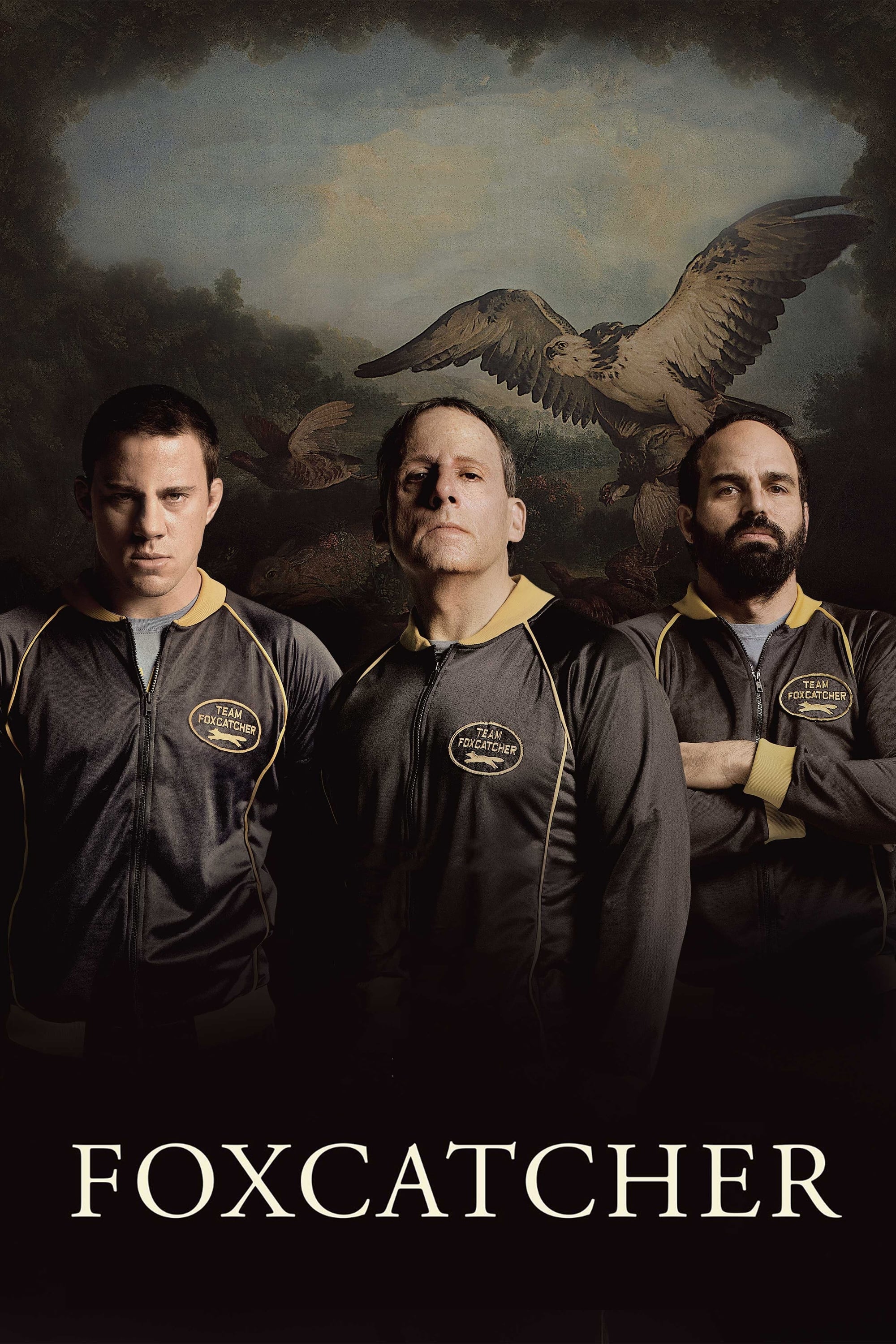
Mark Schultz is accepted into the training camp of eccentric millionaire John du Pont. The film implies a sexual dimension to the relationship between the two men that Schultz vehemently denied. He called the director’s interpretation of events insulting and false. The movie prioritizes a creepy atmospheric tension over the factual account of the athlete’s experience.
‘Rush’ (2013)

Niki Lauda and James Hunt are portrayed as bitter enemies who hate each other on and off the track. The real drivers were actually close friends who shared an apartment early in their careers. The film exaggerates their animosity to create a more compelling sports rivalry. This dramatic choice glosses over the mutual respect and camaraderie that existed between them.
‘Pain & Gain’ (2013)

Bodybuilders kidnap a wealthy businessman in a crime caper played for dark comedy. The real victim of the gang hated the film for turning his torture and suffering into a joke. The movie portrays him as an unlikable character to make the audience root for the kidnappers. This tonal choice glosses over the brutal reality of the crimes committed.
‘The Polka King’ (2017)
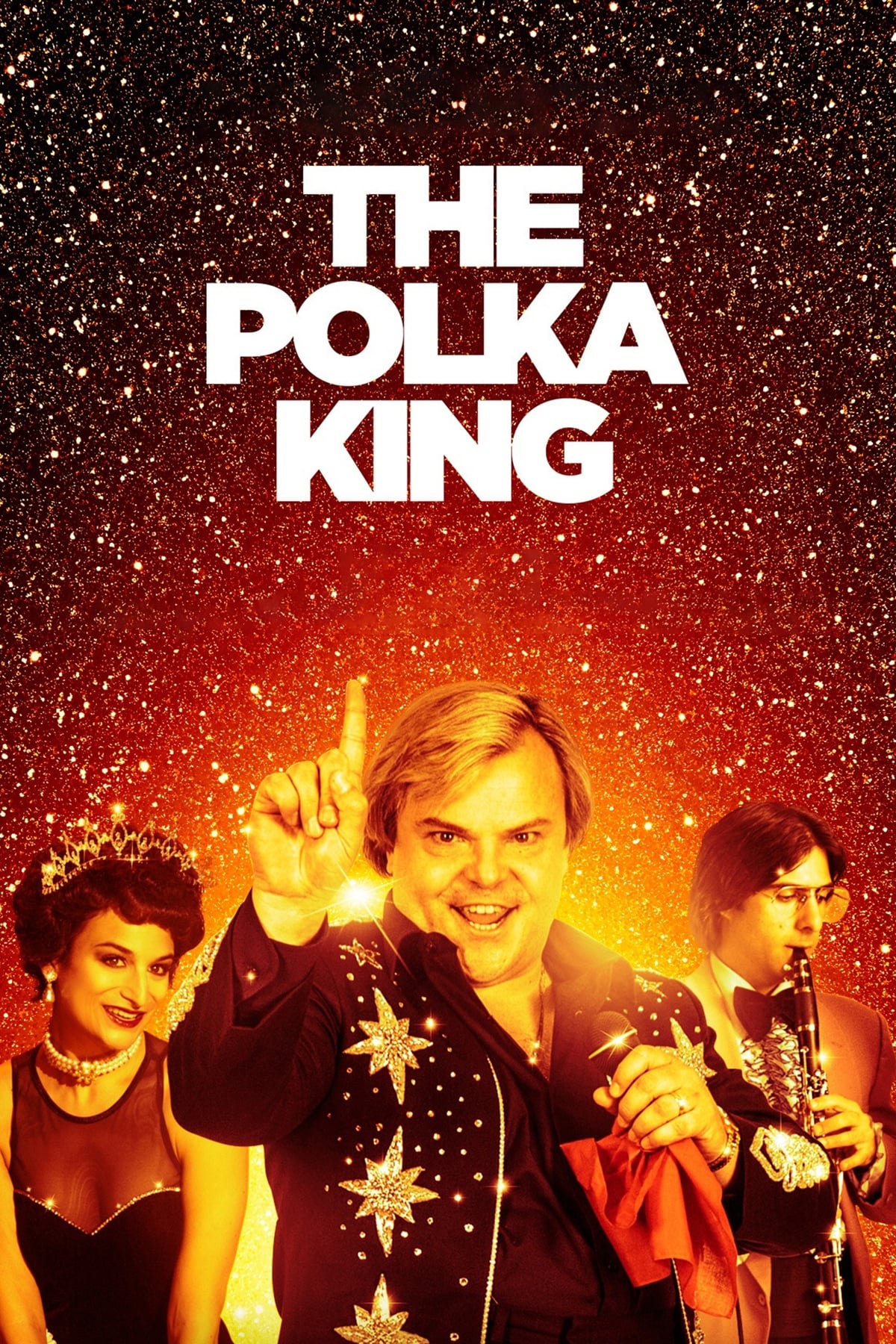
Jan Lewan builds a musical empire based on a Ponzi scheme that eventually collapses. The film plays the events for laughs and presents Lewan as a lovable dreamer who got in over his head. It glosses over the financial ruin and devastation he caused to the elderly fans who invested with him. The comedy softens the impact of a serious crime that destroyed many lives.
‘Confessions of a Dangerous Mind’ (2002)
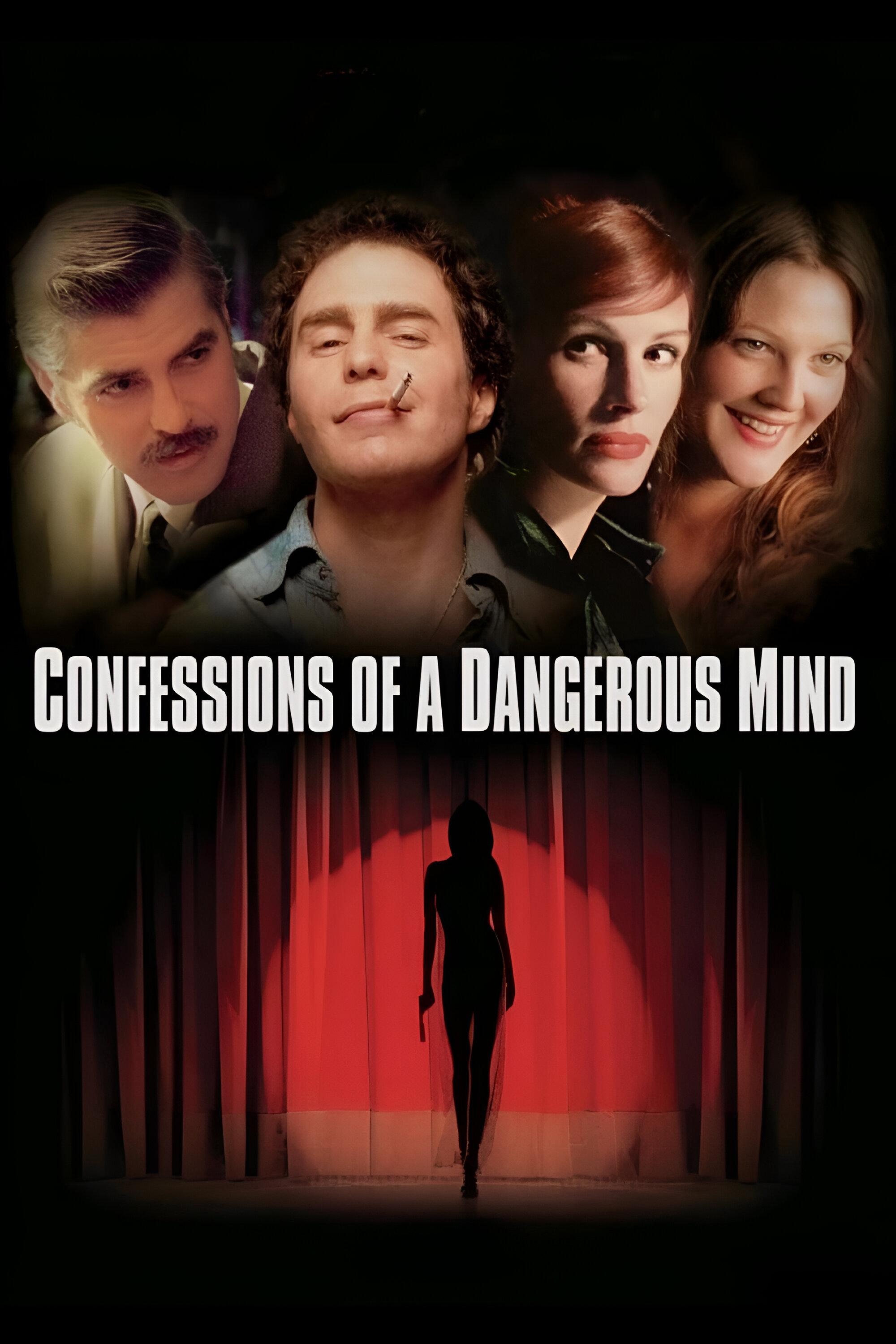
Chuck Barris claims to be a hitman for the CIA while producing game shows. The CIA has consistently denied that Barris ever worked for them in any capacity. The film treats his delusions as fact and glosses over the likelihood that he invented the story for attention. It presents a glamorous double life that almost certainly never happened.
‘The Conjuring’ (2013)

Ed and Lorraine Warren are presented as factual demonologists fighting real supernatural evil. The film ignores the long history of skepticism and fraud accusations leveled against the couple. It presents their case files as historical truth rather than disputed claims. The movie glosses over the possibility that they were exploiting vulnerable families for fame.
‘Joy’ (2015)

Joy Mangano invents the Miracle Mop and fights her dysfunctional family to build a business empire. The film erases her half-sister entirely and combines other family members into composite characters. It creates a narrative of total isolation that exaggerates the lack of support she received. The story simplifies the family dynamic to make her success seem even more miraculous.
‘American Made’ (2017)

Barry Seal is a pilot who smuggles drugs for the cartel while working as an informant for the CIA. The film plays fast and loose with the timeline and suggests the CIA set up the entire operation. It glosses over the specific criminal choices Seal made independent of government coercion. The movie turns a violent criminal career into a fun romp through the eighties.
‘Rudy’ (1993)
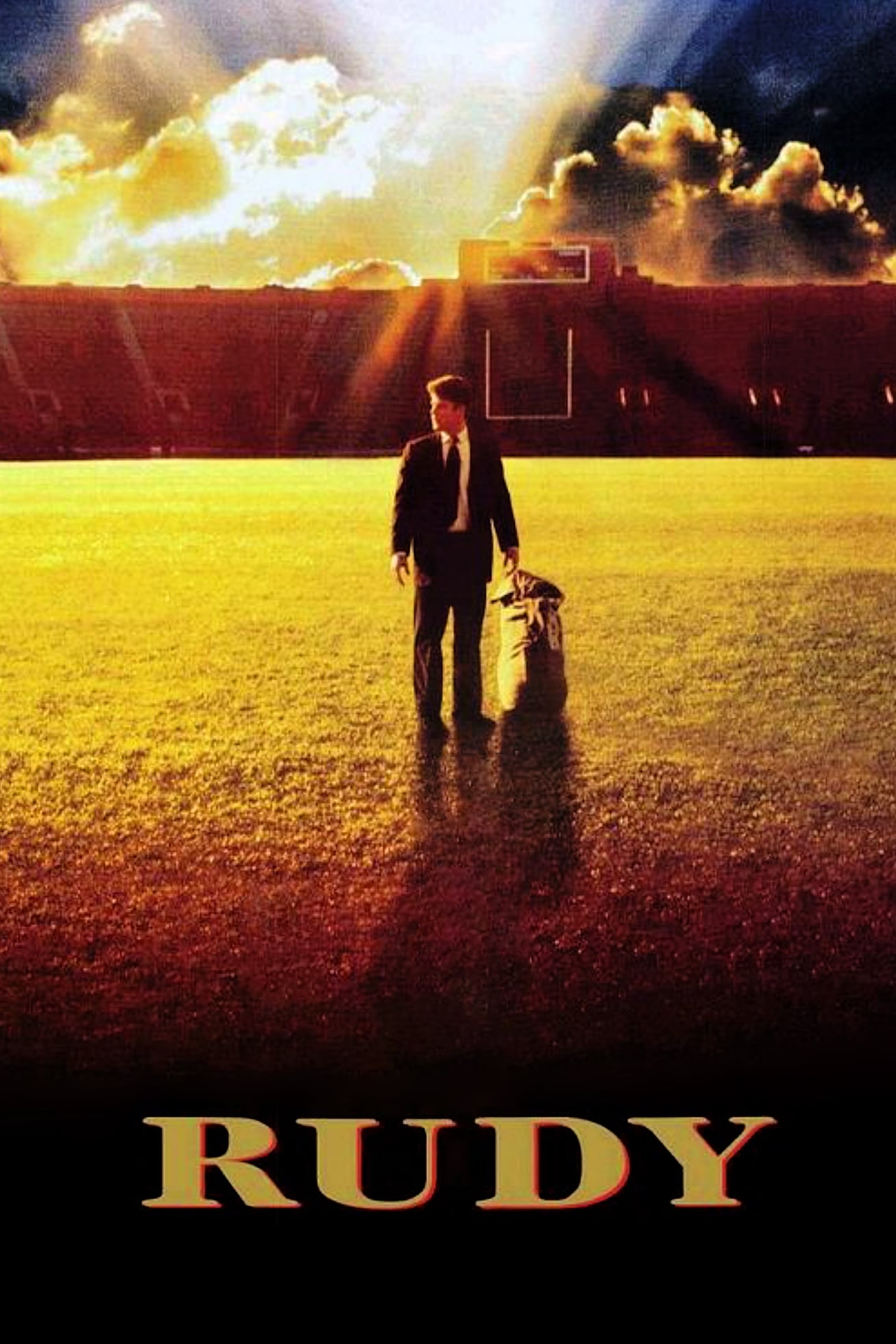
Daniel Ruettiger fights against all odds to play a single down of football for Notre Dame. Joe Montana, who was on the team, stated that the scene where players throw their jerseys on the coach’s desk never happened. He also claimed the crowd never chanted Rudy’s name during the game. The film invents these emotional climaxes to create a perfect underdog story.
‘Radio’ (2003)
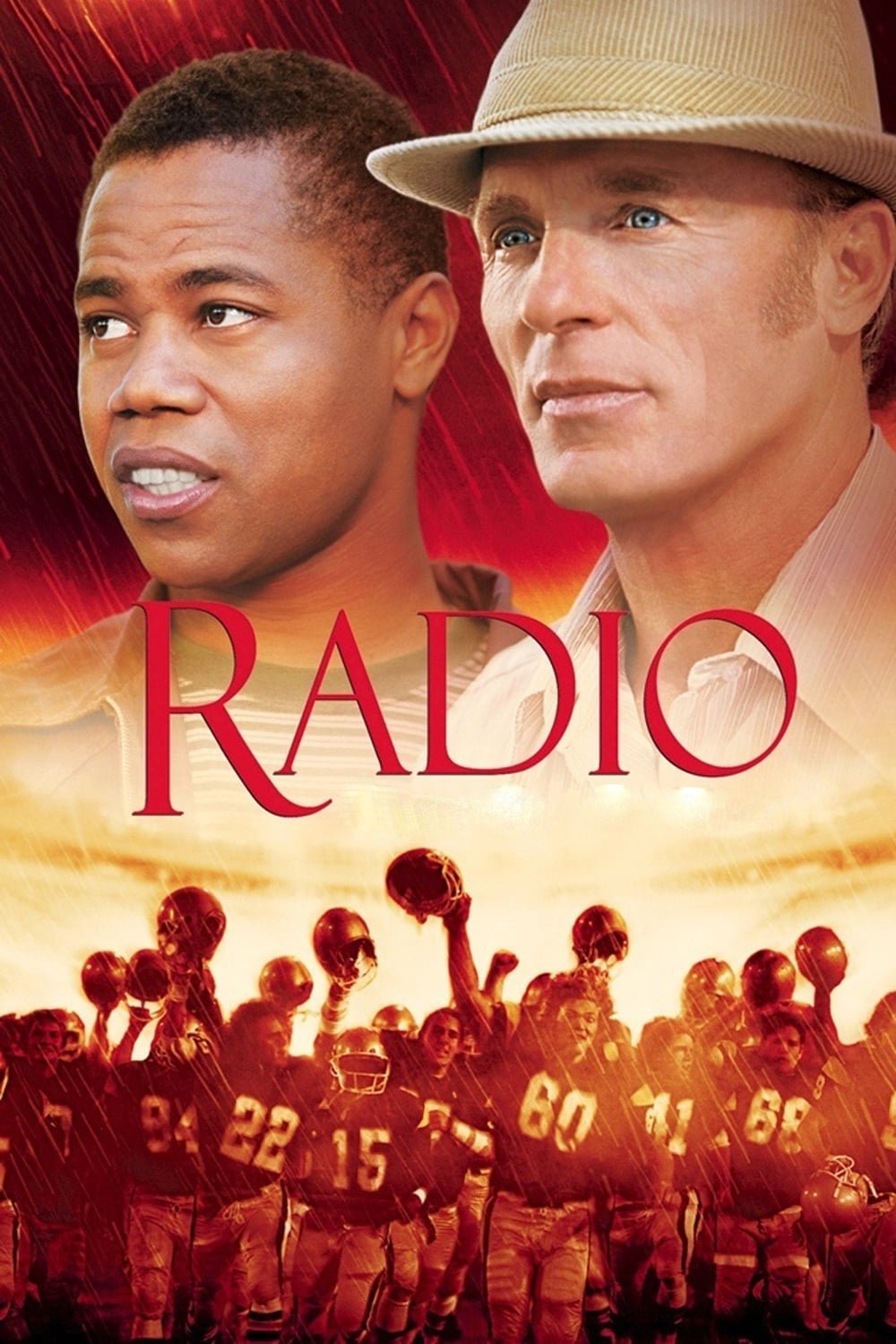
A high school coach befriends a mentally disabled man and integrates him into the football program. The film condenses decades of events into a single year and fabricates scenes of abuse by other townspeople. It creates a dramatic arc of prejudice and redemption that simplifies the real timeline. The movie glosses over the long-term reality of the relationship for a quick emotional payoff.
Share your opinion on which of these films strayed too far from the truth in the comments.