Controversial Remakes That Erased Original Diverse Casting Choices


The history of Hollywood remakes is often marked by the adaptation of successful international films and television shows for Western audiences. While these projects aim to bring global stories to a wider demographic they frequently face criticism for altering the cultural identity of the original work. One of the most common issues in this process is the practice of replacing diverse actors with white performers which is a phenomenon often referred to as whitewashing. This practice can lead to the erasure of the specific heritage and social context that made the source material significant in the first place. The following items explore various instances where remakes were criticized for removing the diverse casting found in their original versions.
‘Ghost in the Shell’ (2017)
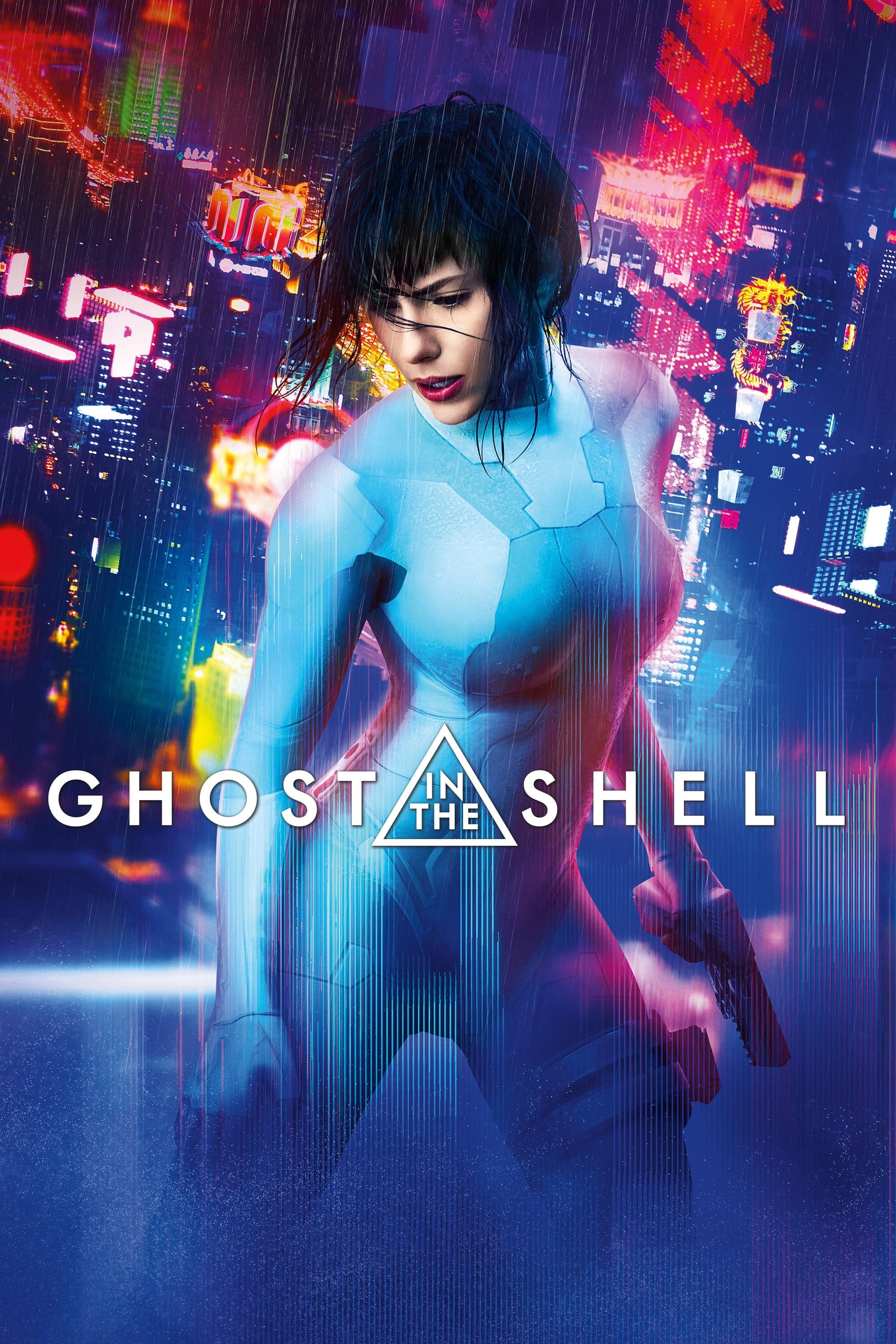
The 2017 live action adaptation of the iconic 1995 Japanese anime film faced significant criticism for casting Scarlett Johansson in the lead role of Major Motoko Kusanagi. Fans and critics argued that the character was originally Japanese and should have been portrayed by an actor of Asian descent. Paramount Pictures defended the casting by stating the story was intended for a global audience. The film struggled at the box office and many analysts pointed to the casting controversy as a primary reason for its underperformance. This instance remains a prominent example of whitewashing in modern Hollywood adaptations of Eastern media.
‘Death Note’ (2017)
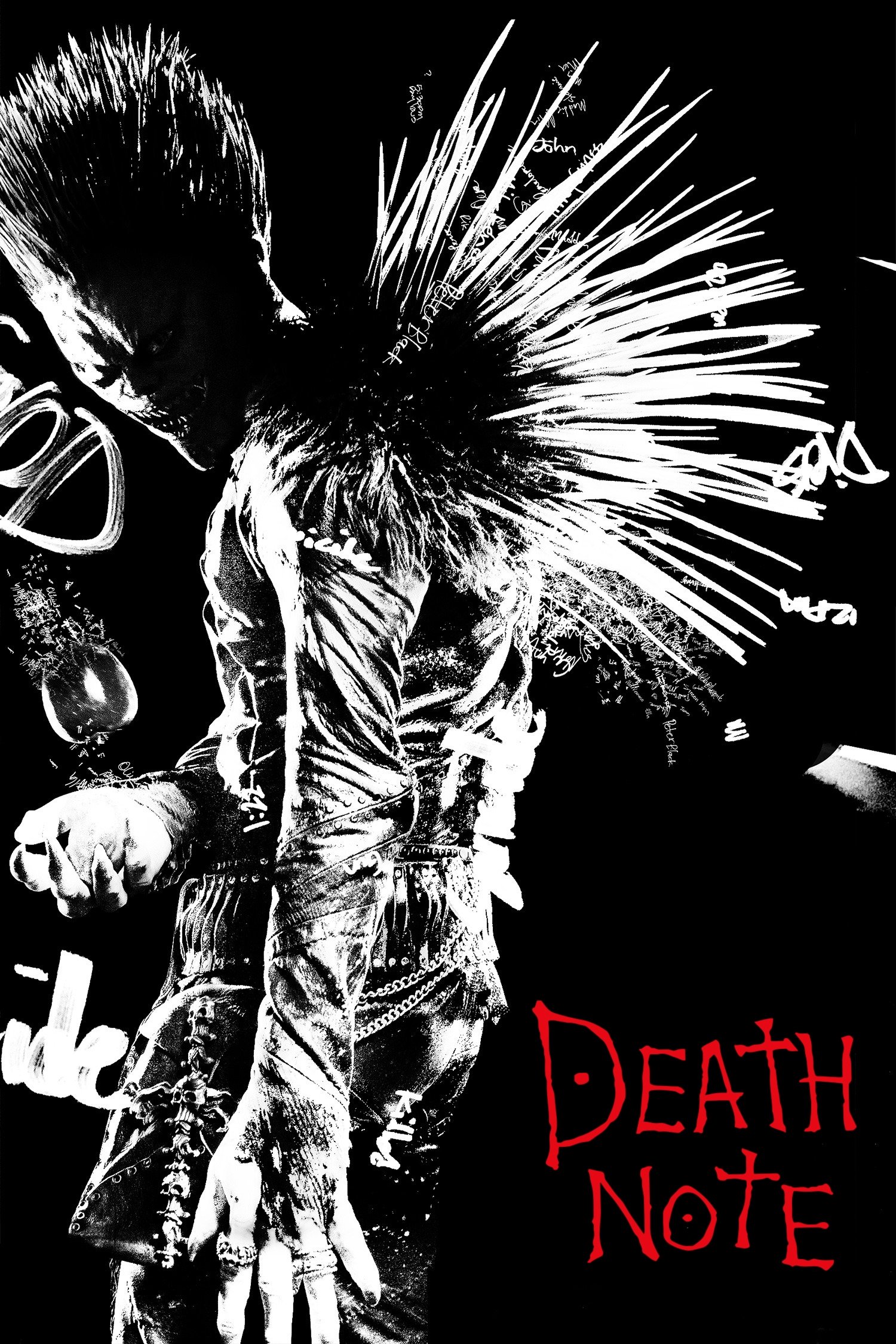
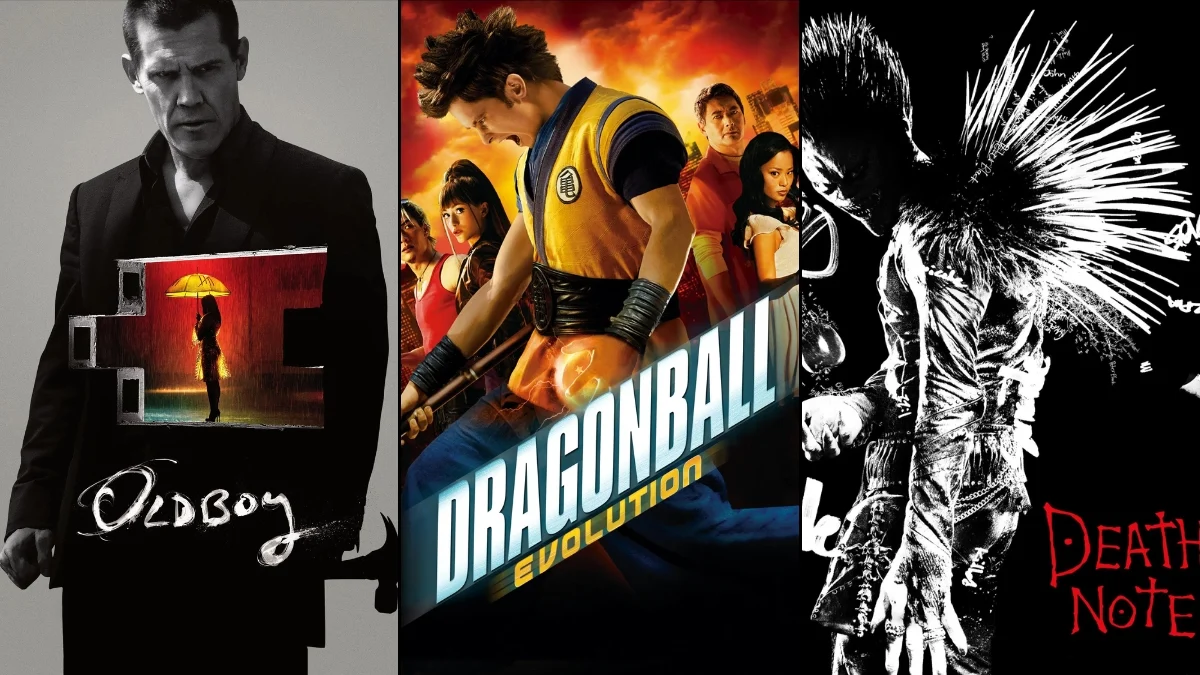
Netflix produced an American adaptation of the popular Japanese manga and anime series about a supernatural notebook. The setting was moved from Tokyo to Seattle and the protagonist Light Yagami was renamed Light Turner and played by Nat Wolff. Many viewers expressed disappointment that the remake did not retain the original cultural context or cast Japanese actors in the central roles. Director Adam Wingard explained that the changes were necessary for a localized interpretation of the story. The project received mixed reviews and sparked ongoing debates regarding the necessity of Westernizing international properties.
‘The Last Airbender’ (2010)

M. Night Shyamalan directed this live action remake of the beloved Nickelodeon animated series which is deeply rooted in Asian and Inuit cultures. The three main heroes were cast with white actors while the antagonistic Fire Nation characters were portrayed by actors of South Asian descent. This creative decision led to widespread accusations of whitewashing and cultural insensitivity from the original fan base. Advocacy groups organized protests and boycotts to highlight the lack of representation for the cultures that inspired the source material. The film was a critical failure and faced backlash for its departure from the diverse spirit of the show.
‘Dragonball Evolution’ (2009)
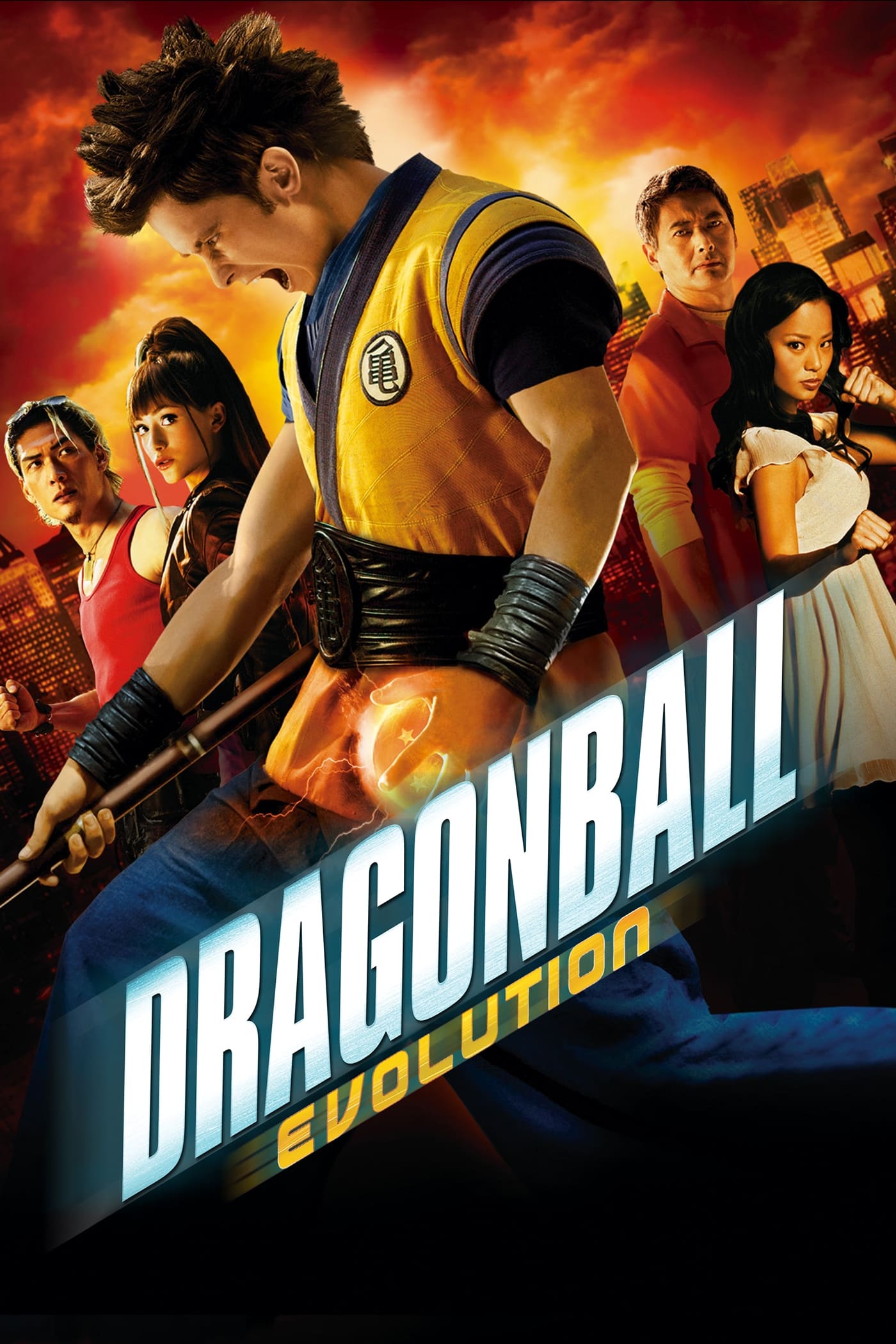
This American production attempted to adapt the world famous ‘Dragon Ball’ manga and anime created by Akira Toriyama. Justin Chatwin was cast as the main character Goku who is a figure deeply embedded in Japanese pop culture and East Asian folklore. The casting of a white actor in the lead role was seen by many as an erasure of the Asian identity of the source material. The film was panned by critics and fans for its poor quality and lack of respect for the original work. Even the creator of the series expressed dissatisfaction with the final product years after its release.
‘Oldboy’ (2013)
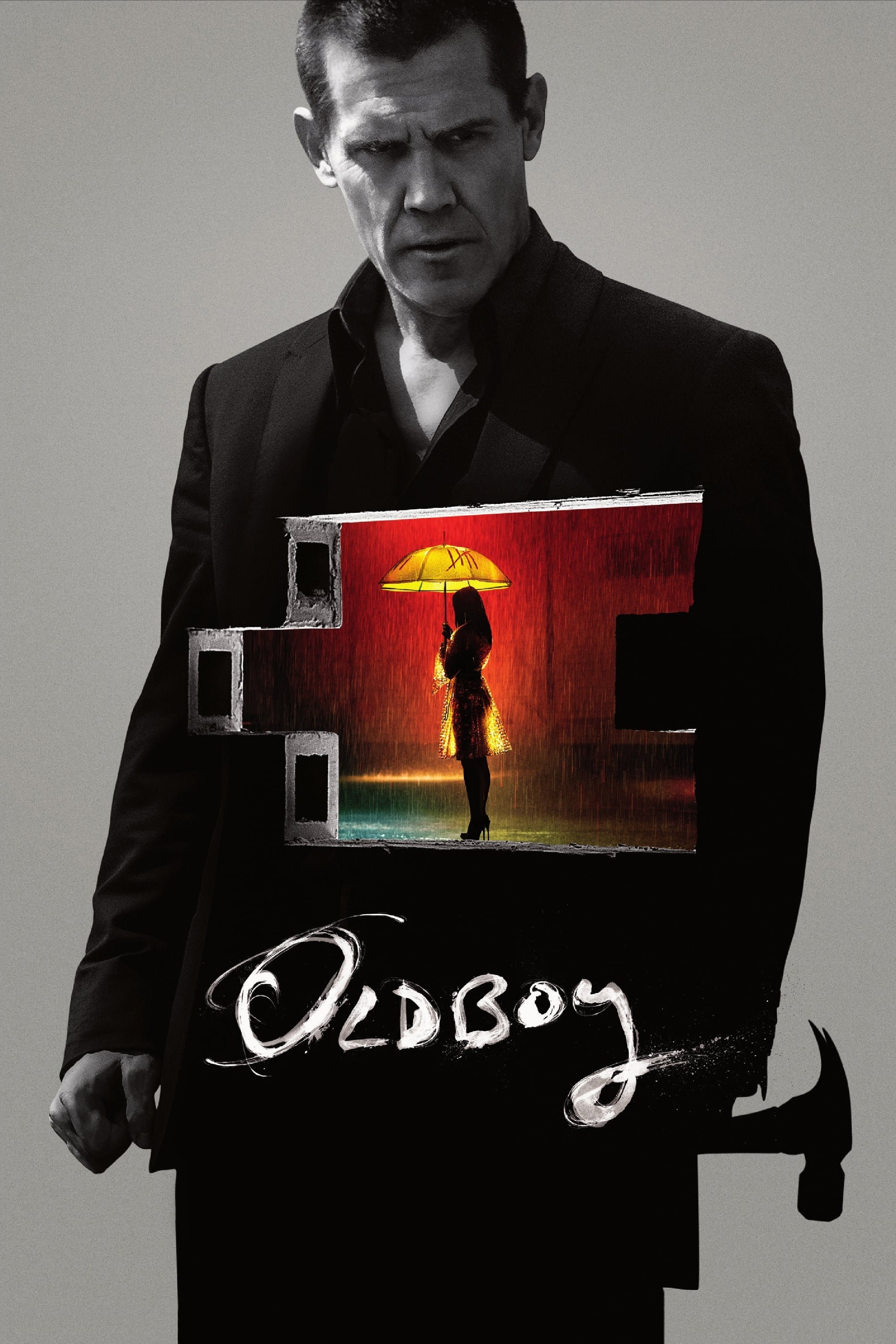
Spike Lee directed a remake of Park Chan wook’s acclaimed South Korean thriller which itself was based on a Japanese manga. The American version starred Josh Brolin and moved the action to the United States while altering key plot points. While the original film is considered a masterpiece of world cinema the remake was criticized for failing to capture the unique tension and cultural nuance of the source material. Some fans argued that remaking a distinctly Korean story with a Western cast removed the psychological depth found in the original. The film failed to find a significant audience and is often cited as an unnecessary remake of a classic.
‘The Departed’ (2006)
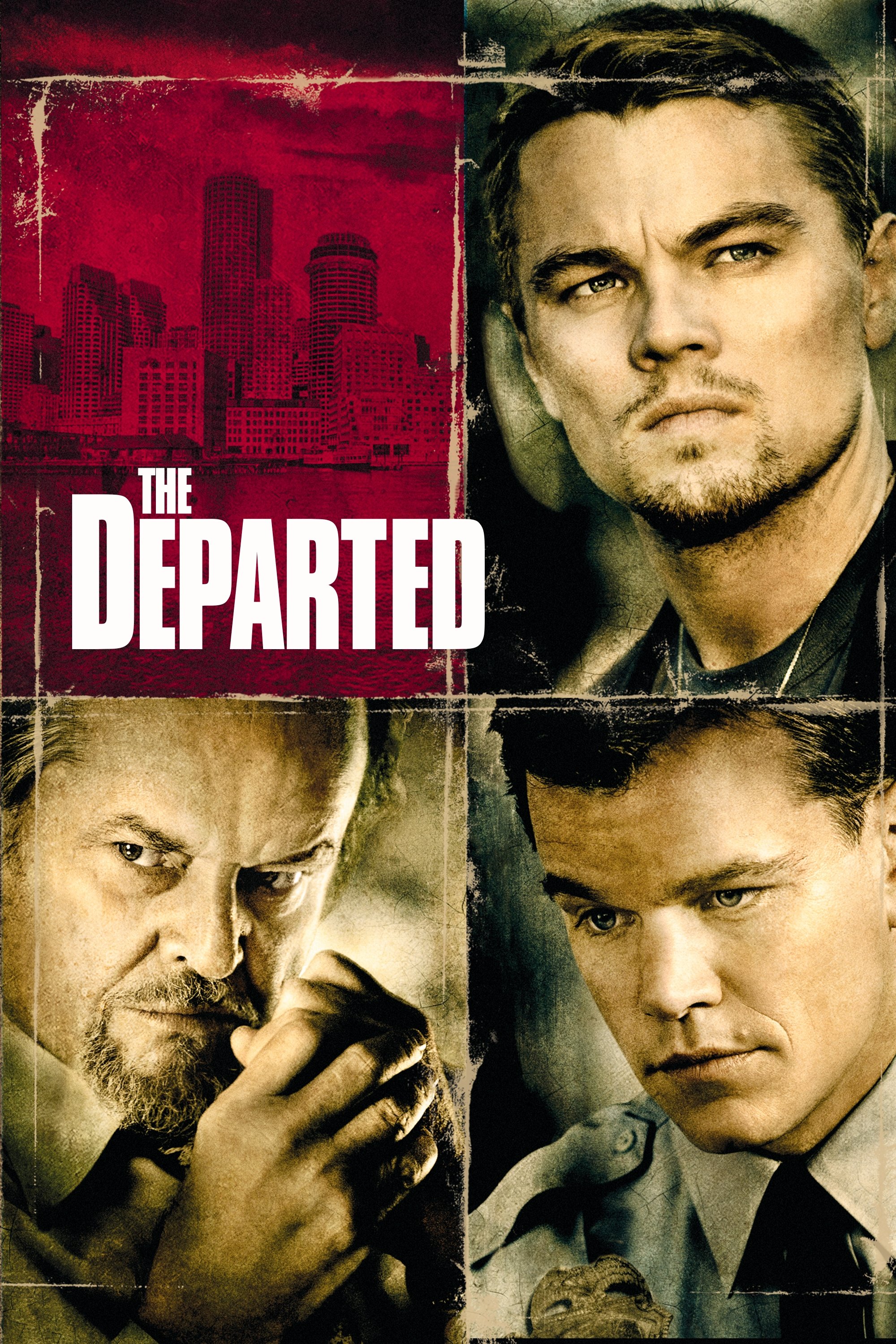
Martin Scorsese directed this crime drama which is a remake of the 2002 Hong Kong action film ‘Infernal Affairs’. The story was relocated from the Hong Kong Triad world to the Irish Mob in Boston and featured a cast led by Leonardo DiCaprio and Matt Damon. Although the film won several Academy Awards including Best Picture it stands as a major example of a Western remake replacing an Asian cast. While ‘The Departed’ is highly praised for its direction and acting it fundamentally changed the cultural landscape of the original narrative. The success of the film often overshadows the influence and impact of the Hong Kong original.
‘The Magnificent Seven’ (1960)

This classic Western is a direct remake of Akira Kurosawa’s 1954 Japanese masterpiece ‘Seven Samurai’. Instead of ronin protecting a village from bandits the remake features American gunslingers protecting a Mexican town. The transition from Japanese samurai to American cowboys effectively erased the specific historical and social context of feudal Japan. While the film is considered a landmark in the Western genre it paved the way for many other Hollywood remakes that localized Eastern stories for American audiences. This practice of cultural adaptation was common during the mid twentieth century era of filmmaking.
‘A Fistful of Dollars’ (1964)
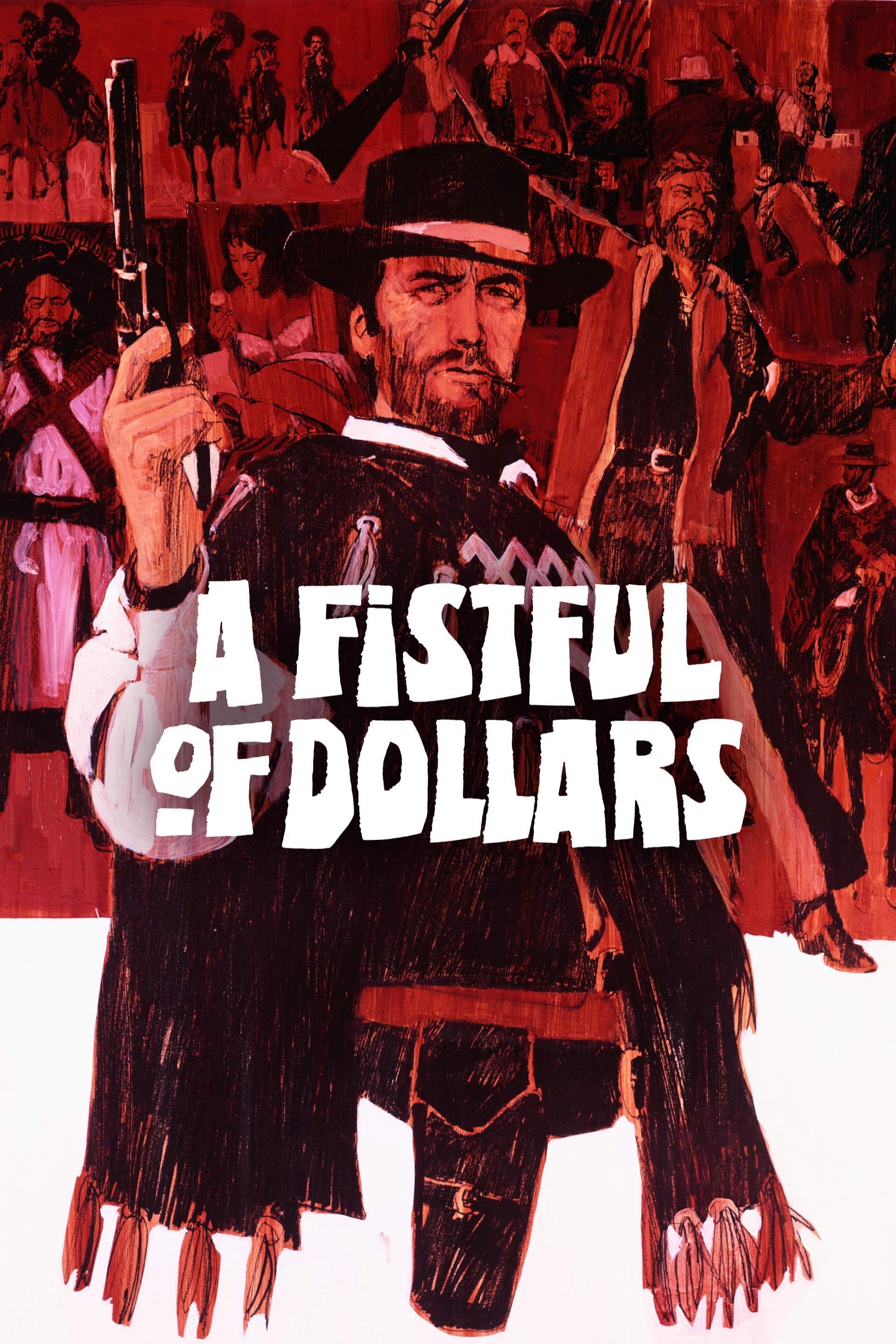
Director Sergio Leone drew heavy inspiration from another Akira Kurosawa film called ‘Yojimbo’ for this Spaghetti Western. The story replaces a lone samurai in Japan with a mysterious gunslinger in a dusty border town played by Clint Eastwood. The production faced legal challenges because it was an unauthorized remake that did not credit the original Japanese creators. By shifting the setting and characters the film removed the Eastern philosophical elements inherent in the samurai archetype. The movie launched the career of its star but remains a controversial example of uncredited cultural borrowing.
‘Speed Racer’ (2008)
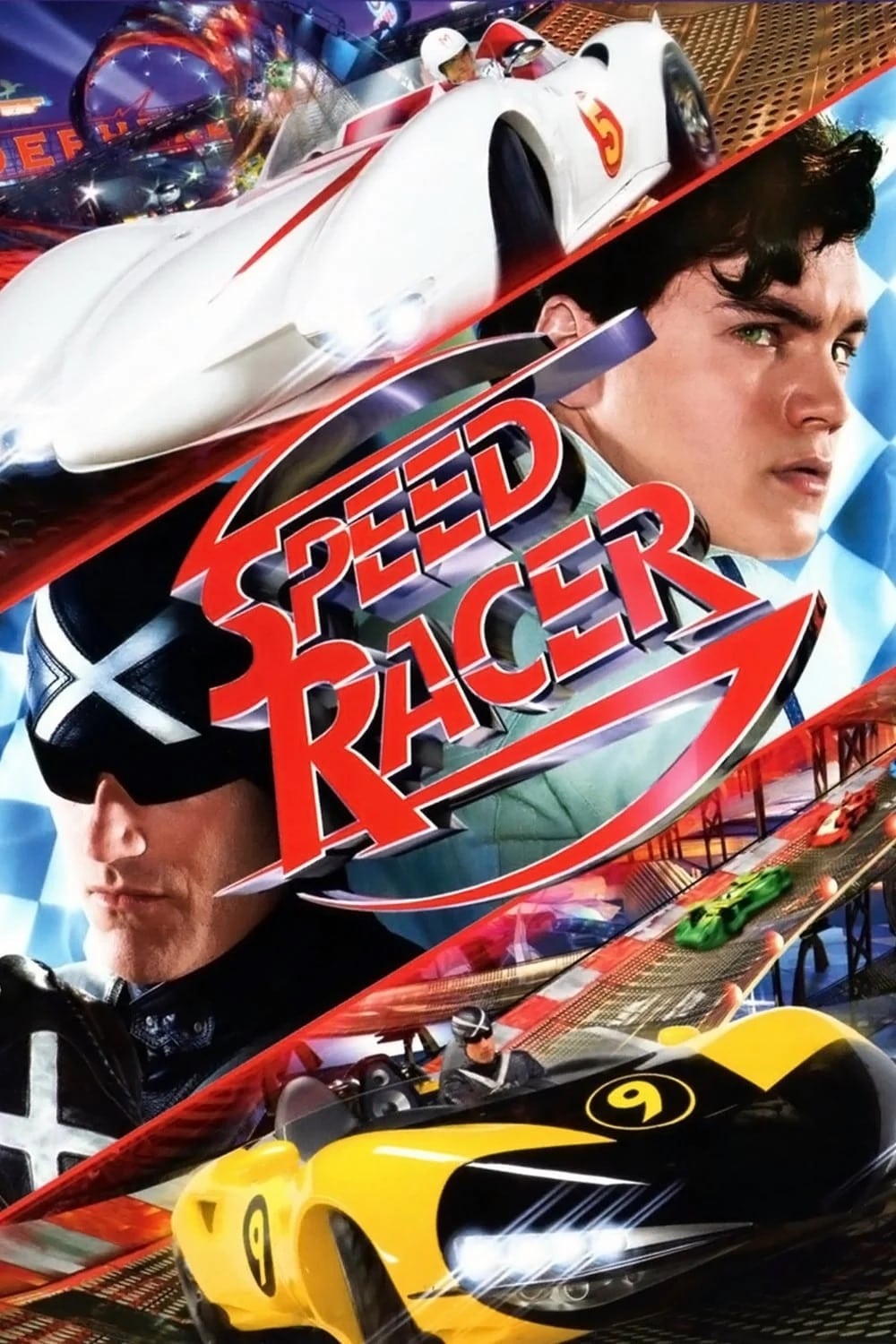
The Wachowskis directed this high energy live action adaptation of the classic Japanese anime known as ‘Mach GoGoGo’. Emile Hirsch was cast as the titular character Speed Racer who was originally a Japanese driver named Go Mifune. The film maintained the vibrant visual style of the anime but cast Western actors for most of the primary roles. This decision followed the trend of the era where major studios frequently replaced Asian characters with white actors for blockbuster projects. Although it has gained a cult following the film was part of a larger conversation about the erasure of Asian origins in Hollywood.
‘The Ring’ (2002)
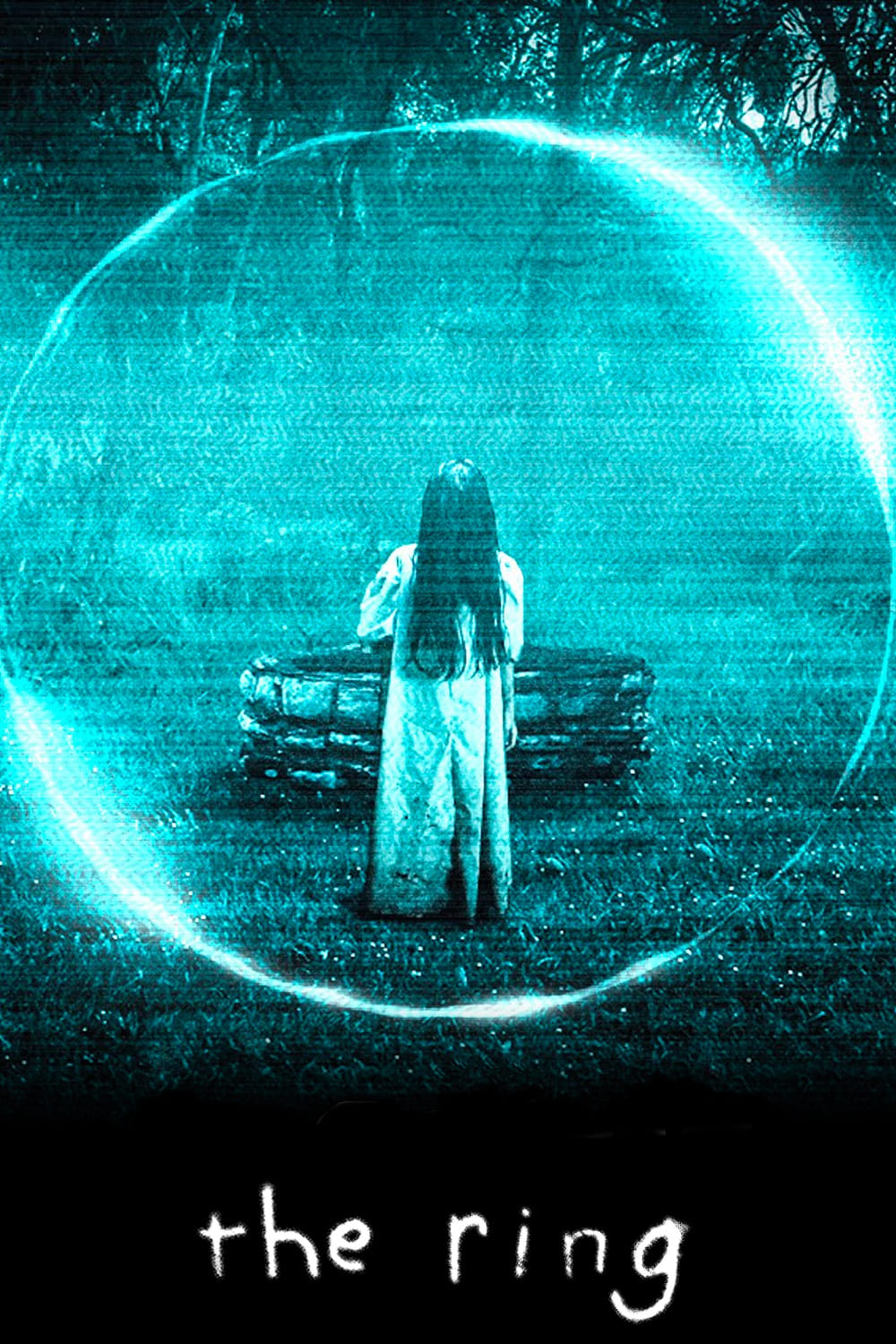
Gore Verbinski directed this American remake of the 1998 Japanese horror film ‘Ringu’ which was based on a novel by Koji Suzuki. Naomi Watts stars in the lead role that was originally portrayed by Nanako Matsushima in the Japanese production. The film moved the setting from Japan to the Pacific Northwest and replaced the entire Japanese cast with Western actors. While the movie was a massive commercial success it initiated a long trend of Hollywood studios purchasing Asian horror properties to remake them with white leads. Many critics argue that this process strips the original stories of their unique cultural atmosphere and folklore.
‘Shall We Dance?’ (2004)
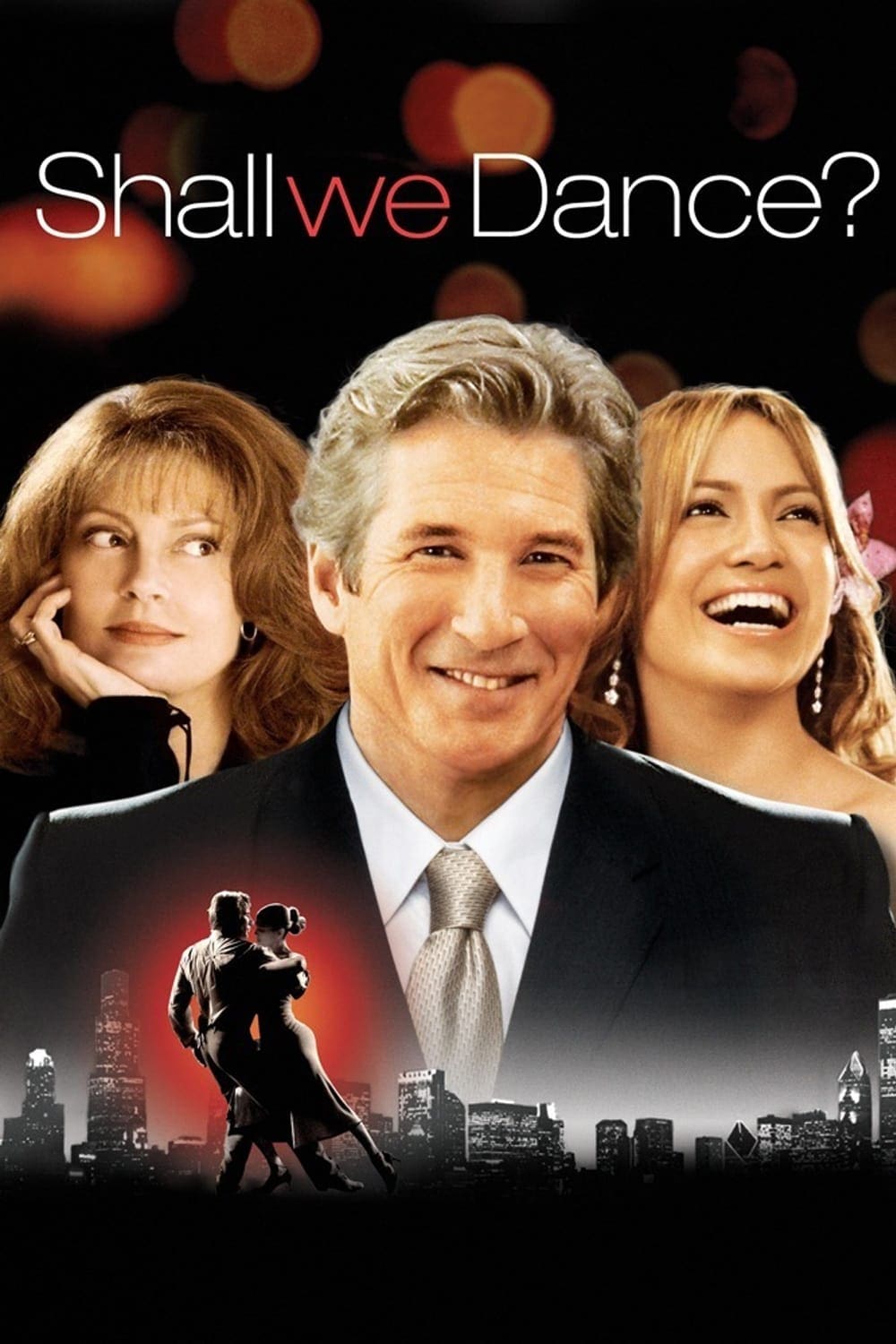
Richard Gere and Jennifer Lopez star in this romantic comedy which is a remake of the 1996 Japanese hit film of the same name. The original movie focused on the social stigma surrounding ballroom dancing in Japanese culture and the quiet rebellion of a salaryman. By moving the story to Chicago the remake lost the specific cultural tension that made the Japanese version so poignant. The American version replaced the nuanced exploration of Japanese societal norms with a more conventional Hollywood romance. Critics noted that the translation of the story failed to preserve the subtle themes of the original.
‘The Lake House’ (2006)
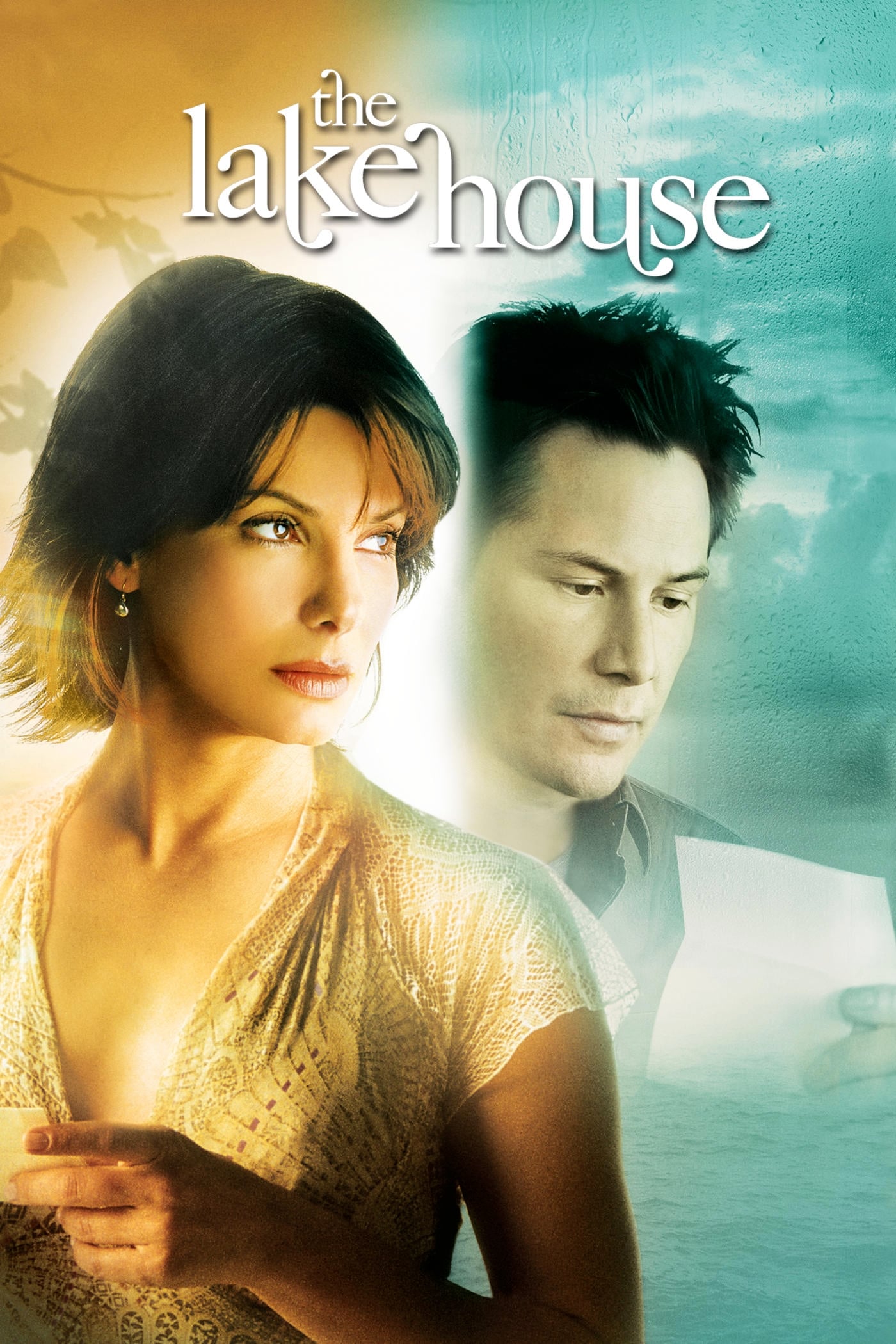
This romantic drama starring Keanu Reeves and Sandra Bullock is a remake of the 2000 South Korean film ‘Il Mare’. The original movie is celebrated for its poetic tone and its connection to the South Korean landscape. The American version changed the setting to a house on a lake in Illinois and adjusted the character dynamics. While the film was a modest success at the box office it stripped away the unique Korean aesthetic and cultural sensibilities. This remake is often mentioned in discussions about how Hollywood sanitizes foreign stories for American viewers.
‘The Grudge’ (2004)
Sarah Michelle Gellar took the lead in this American horror remake of the Japanese film ‘Ju-On’. While the movie was filmed in Japan it centered the story on an American exchange student rather than local characters. This decision was seen by some as a way to make the story more relatable to Western audiences by marginalizing the native perspective. The success of the film led to a wave of Japanese horror remakes that followed a similar pattern of replacing local protagonists. This trend eventually cooled as audiences became more interested in viewing the original international films.
‘Mirrors’ (2008)

Kiefer Sutherland stars in this supernatural horror film which is a remake of the 2003 South Korean film ‘Into the Mirror’. The American version shifted the focus to an ex cop working as a security guard in a burned out department store. The remake discarded the specific cultural elements of the Korean original in favor of more standard Western horror tropes. This adaptation process often involves simplifying complex international plots to fit established Hollywood formulas. The film received generally negative reviews and failed to capture the atmosphere of the source material.
‘The Uninvited’ (2009)
This psychological horror film is a remake of the South Korean masterpiece ‘A Tale of Two Sisters’. The American version cast Emily Browning and Arielle Kebbel in roles that were originally played by Korean actors in a story rooted in Korean folklore. The remake changed the location to the American Northeast and significantly altered the ending. Critics argued that the Western version lacked the psychological complexity and visual artistry that made the original a classic. It remains a prime example of a remake that loses the essence of its source material through Westernization.
‘Pulse’ (2006)
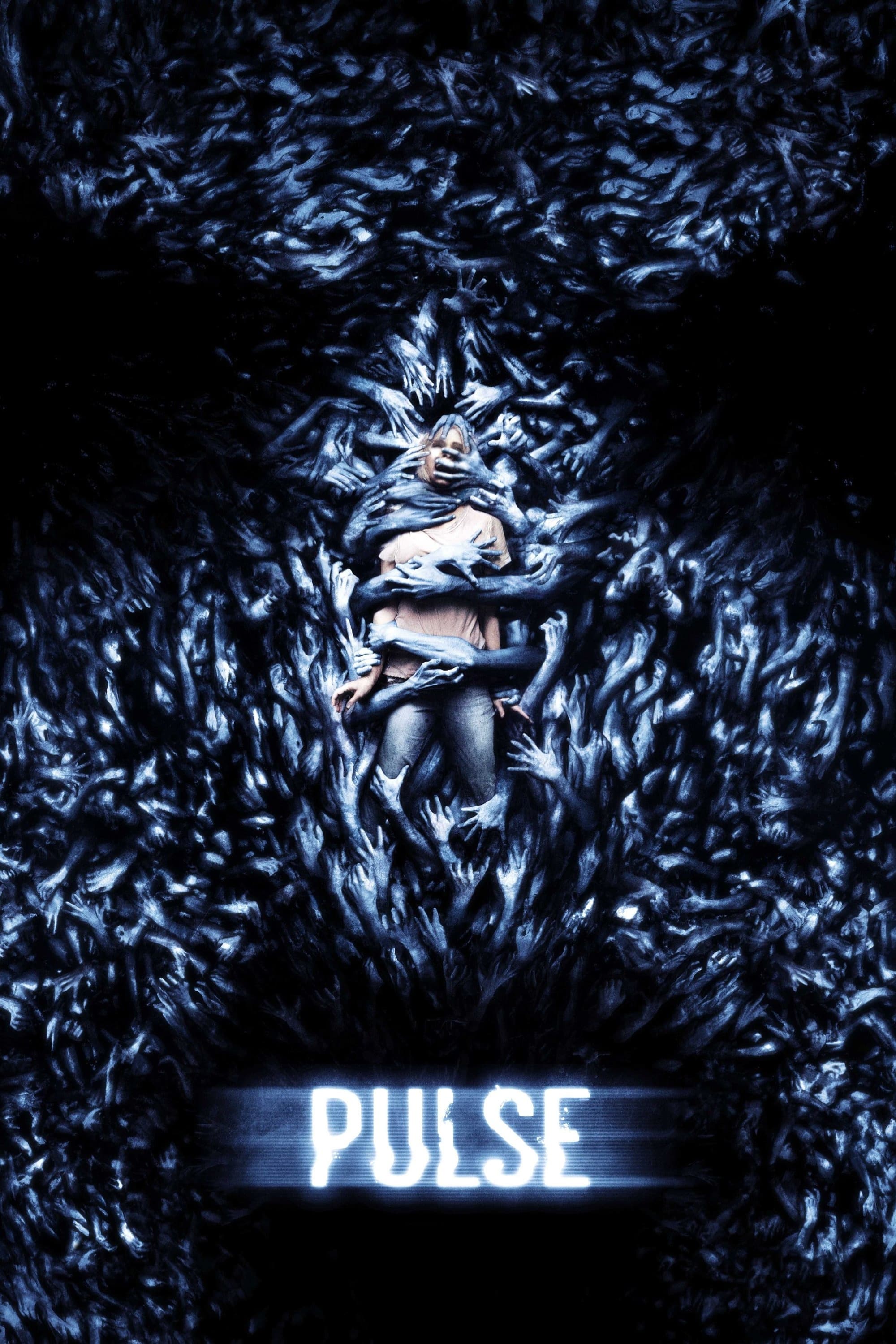
Kristen Bell stars in this remake of Kiyoshi Kurosawa’s acclaimed Japanese horror film ‘Kairo’. The original film is known for its chilling exploration of loneliness and technology in contemporary Japanese society. The American remake was criticized for turning a philosophical ghost story into a generic teen slasher. By replacing the Japanese cast and setting the film lost the existential dread that defined the original work. The remake was poorly received by critics who felt it failed to understand the message of the source material.
‘One Missed Call’ (2008)
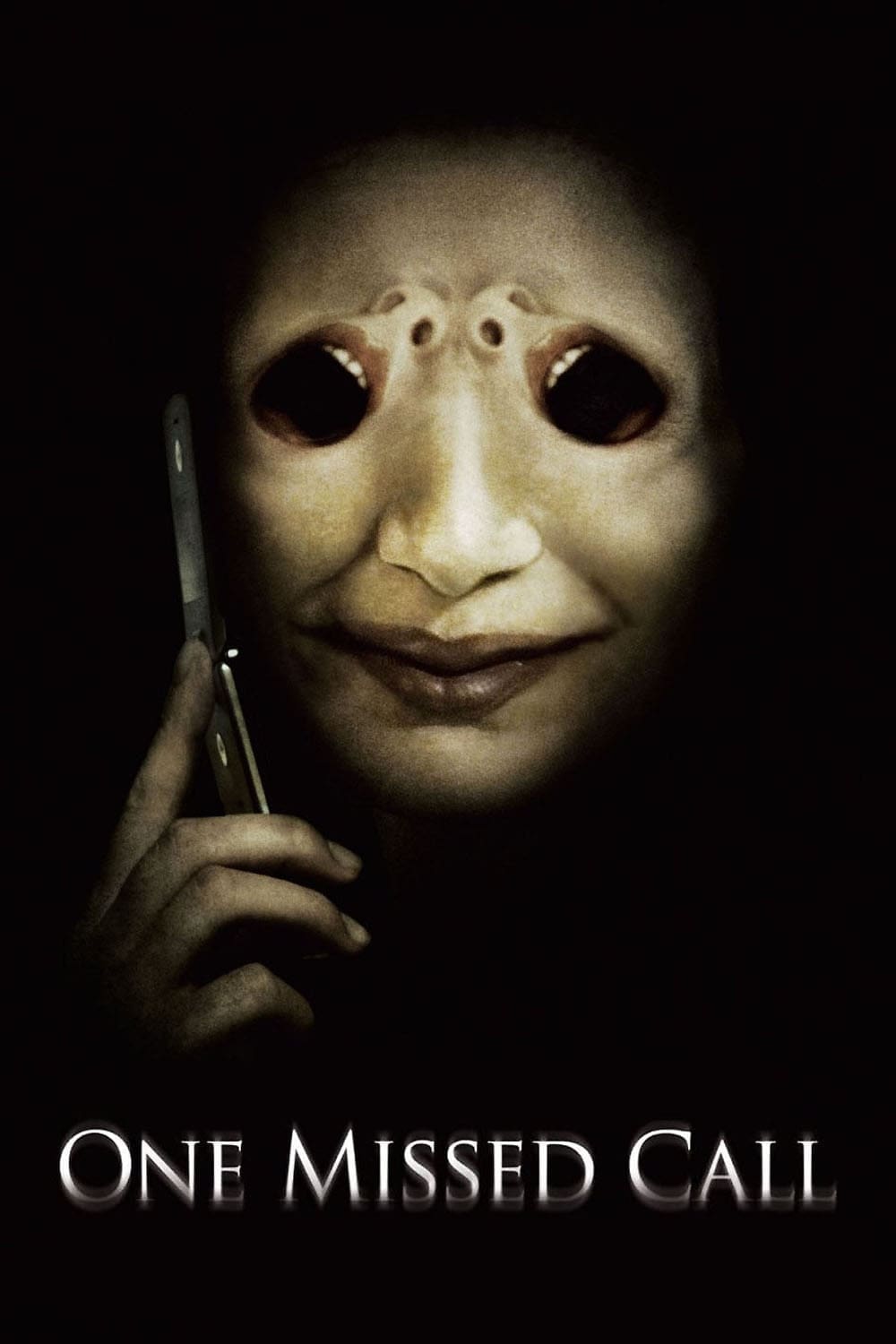
Based on the Japanese film ‘Chakushin Ari’ directed by Takashi Miike this remake features Edward Burns and Shannyn Sossamon. The story about cursed cell phone messages was transposed from Japan to an American setting with a Western cast. The remake was widely panned and currently holds a zero percent rating on some critical review sites. Many fans of the original felt that the remake was an unnecessary and poorly executed attempt to capitalize on the Japanese horror trend. It highlighted the diminishing returns of Westernizing Asian horror properties.
‘The Eye’ (2008)
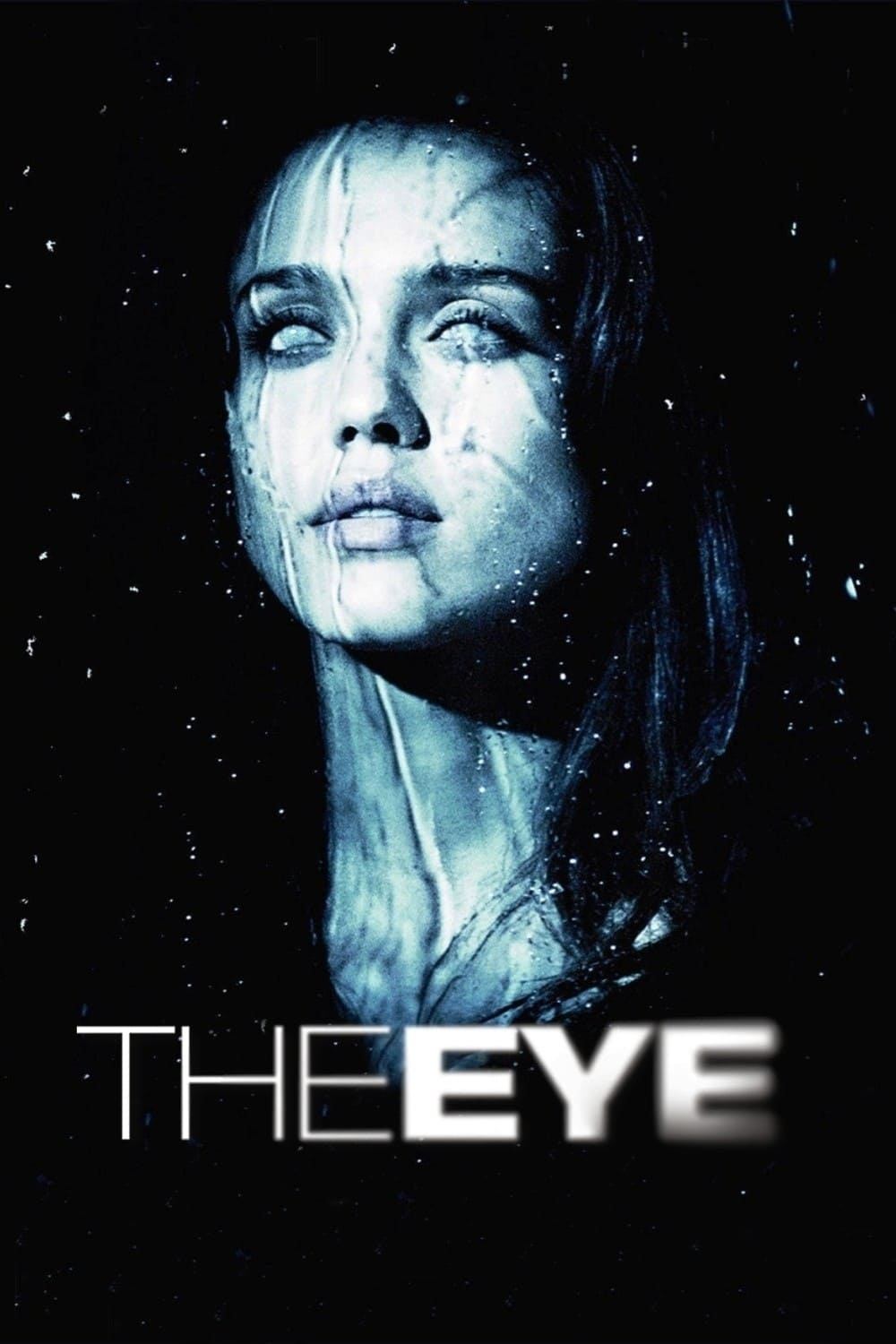
Jessica Alba stars in this American version of the 2002 Hong Kong Singaporean horror film of the same name. The original story follows a blind violinist who receives a cornea transplant and begins seeing supernatural visions. The remake moved the action to Los Angeles and replaced the Asian lead with a major Hollywood star. Critics noted that the remake followed the original scene for scene but lacked the genuine suspense and cultural texture. This film contributed to the fatigue surrounding the era’s numerous Asian horror remakes.
‘Dark Water’ (2005)
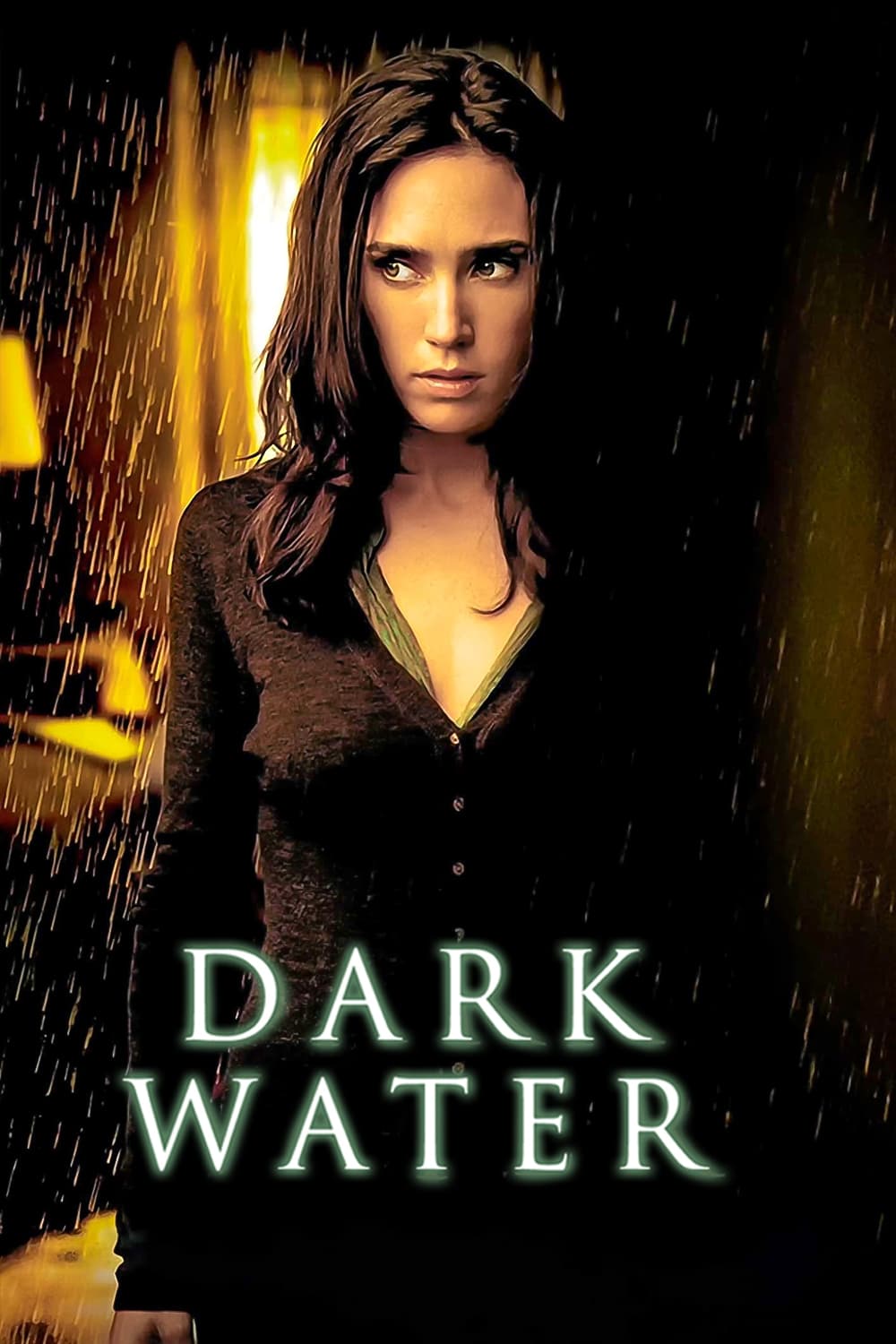
Jennifer Connelly stars in this remake of a 2002 Japanese horror film directed by Hideo Nakata. The story deals with a mother and daughter moving into a dilapidated apartment building plagued by supernatural occurrences. While the American version attempted to maintain the somber tone it replaced the Japanese setting with Roosevelt Island in New York. The remake was seen as a competent but ultimately less impactful version of the original Japanese story. It serves as another instance where a specific cultural ghost story was modified for a Western audience.
‘Shutter’ (2008)
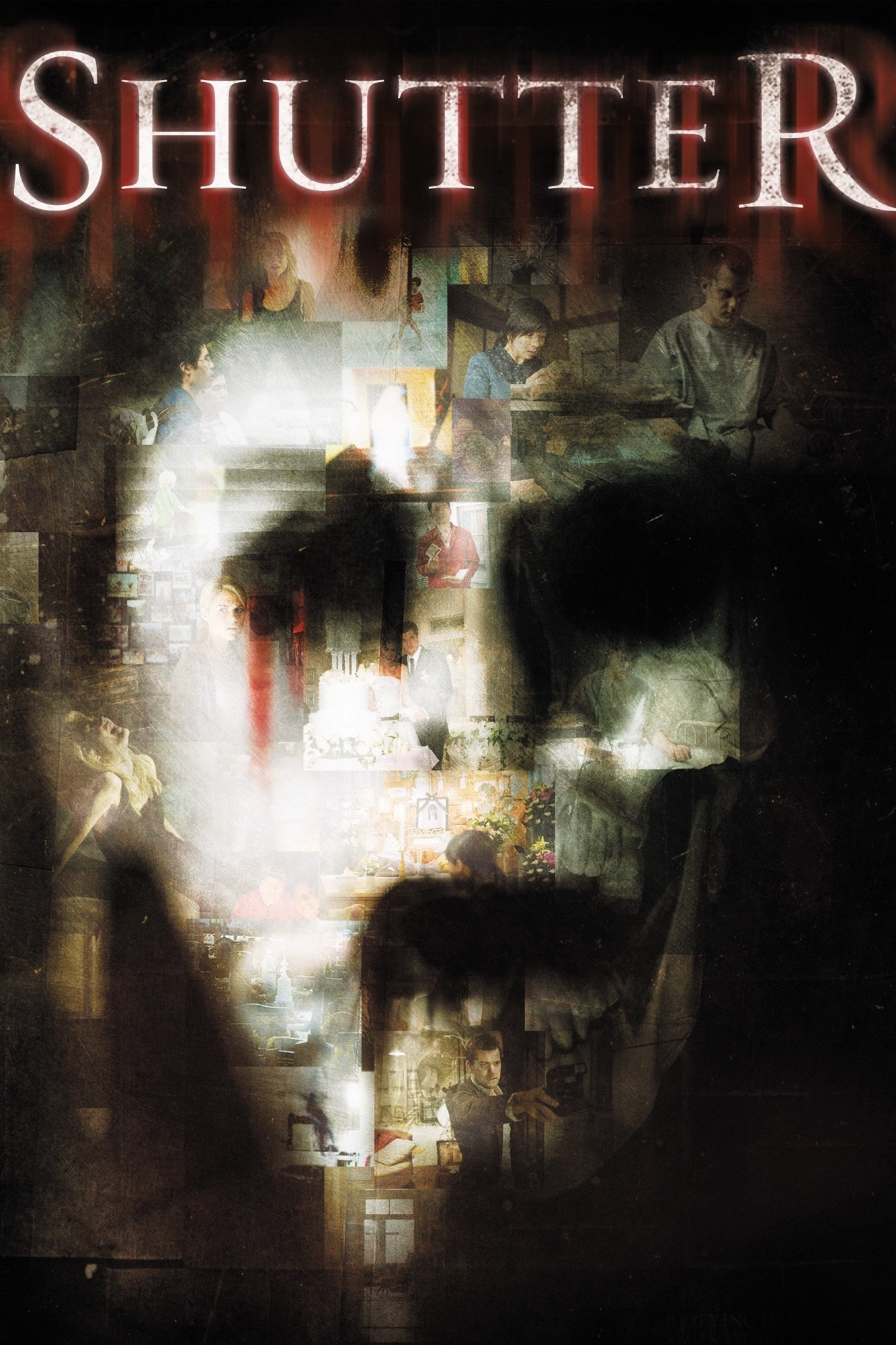
Joshua Jackson and Rachael Taylor star in this remake of a highly successful 2004 Thai horror film. The original ‘Shutter’ is one of the most famous horror movies from Thailand and features a story about spirit photography. The American remake moved the setting to Tokyo but kept the main characters as Westerners living abroad. This creative choice allowed the film to use an exotic location while still focusing on white protagonists. The movie was a critical failure and is often cited as one of the weaker entries in the Asian horror remake trend.
Tell us what you think about these casting choices and share your favorite original versions in the comments.