Controversial Plot Twists That Became Fan-Favorite Moments Later


Dramatic plot twists have the power to redefine a story and leave a lasting impression on the audience. While some narrative changes are immediately accepted others cause significant debate among dedicated fans. Many of these controversial decisions eventually become celebrated for their bravery and narrative impact. This list highlights several instances where a shocking reveal or character death transformed the legacy of the project. These moments across movies and television and anime demonstrate how risks can pay off in the long term.
‘Star Wars: Episode V – The Empire Strikes Back’ (1980)
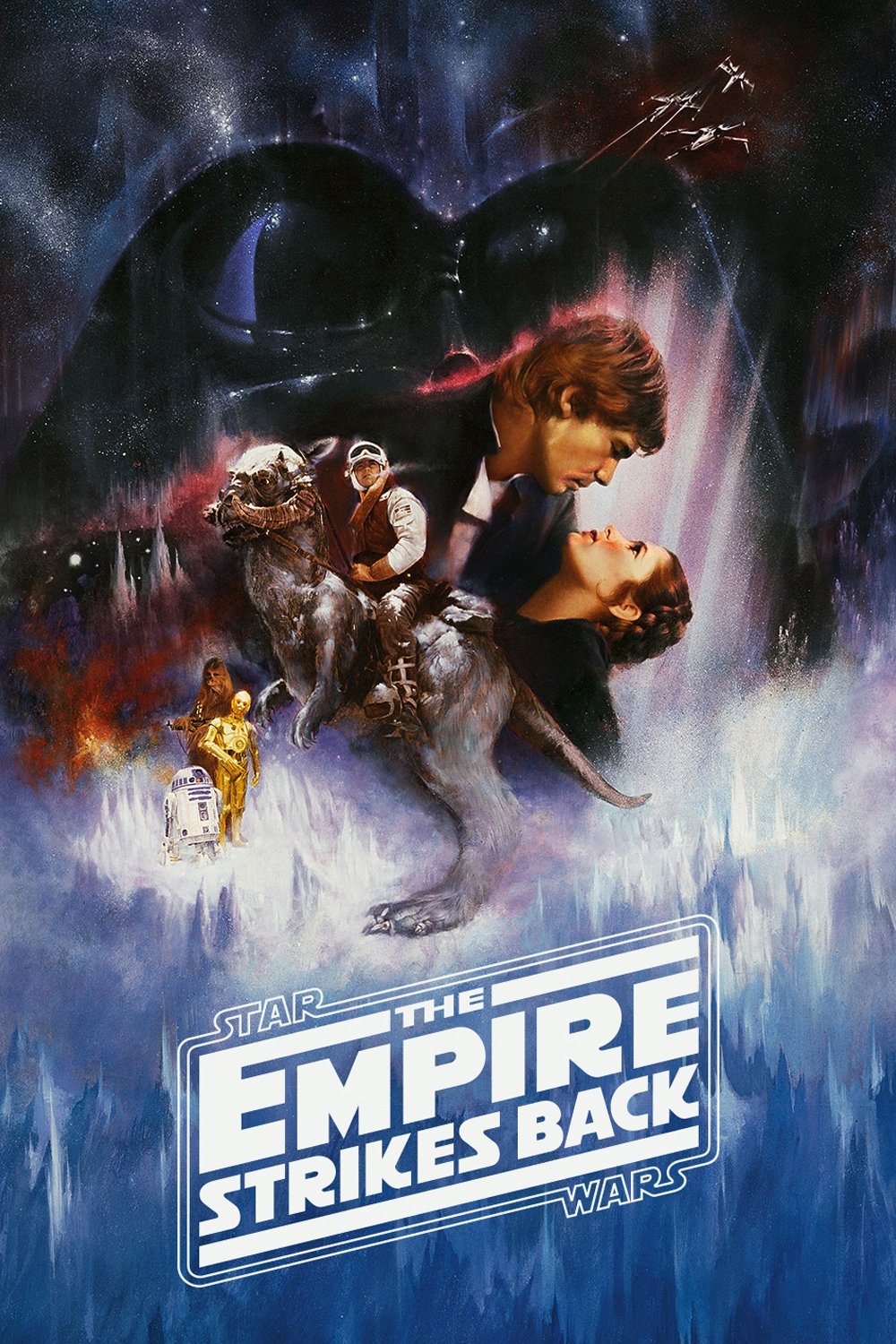
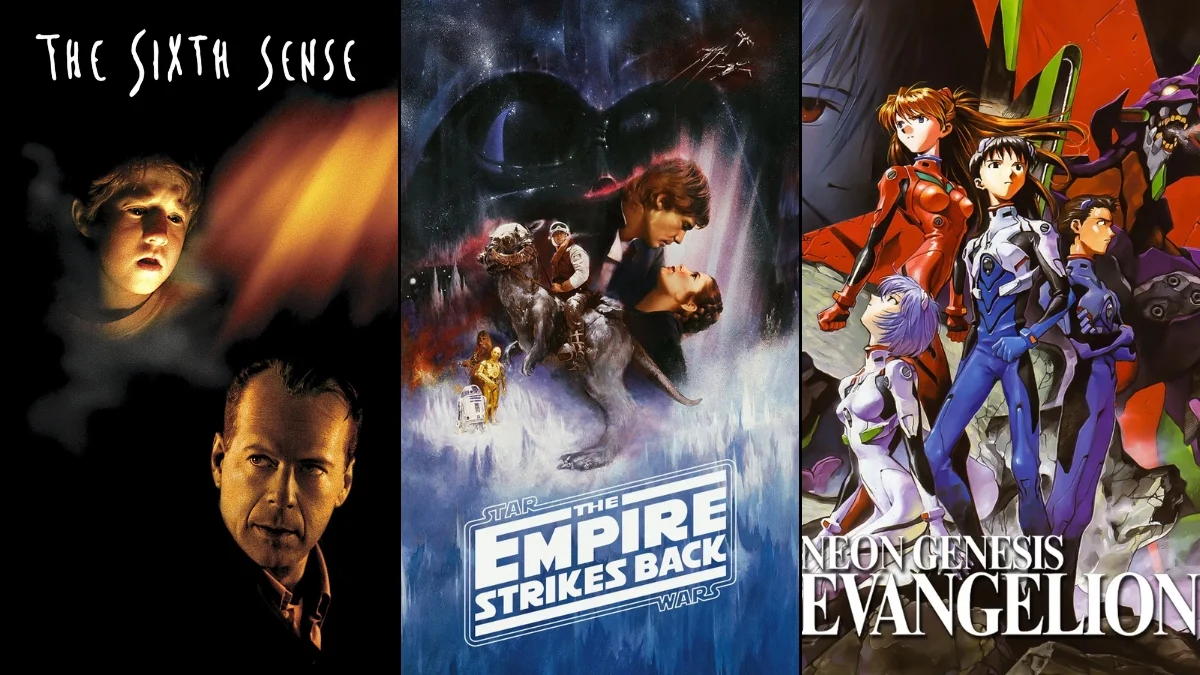
The revelation that Darth Vader is the father of Luke Skywalker changed the entire scope of the space opera. Fans were originally shocked because the previous film suggested Vader murdered the father of the protagonist. This pivot transformed a classic hero journey into a nuanced family drama about redemption and legacy. The secret was kept from the cast and crew until the very last moment to prevent leaks to the public. It now stands as one of the most celebrated moments in the history of cinema.
‘The Sixth Sense’ (1999)
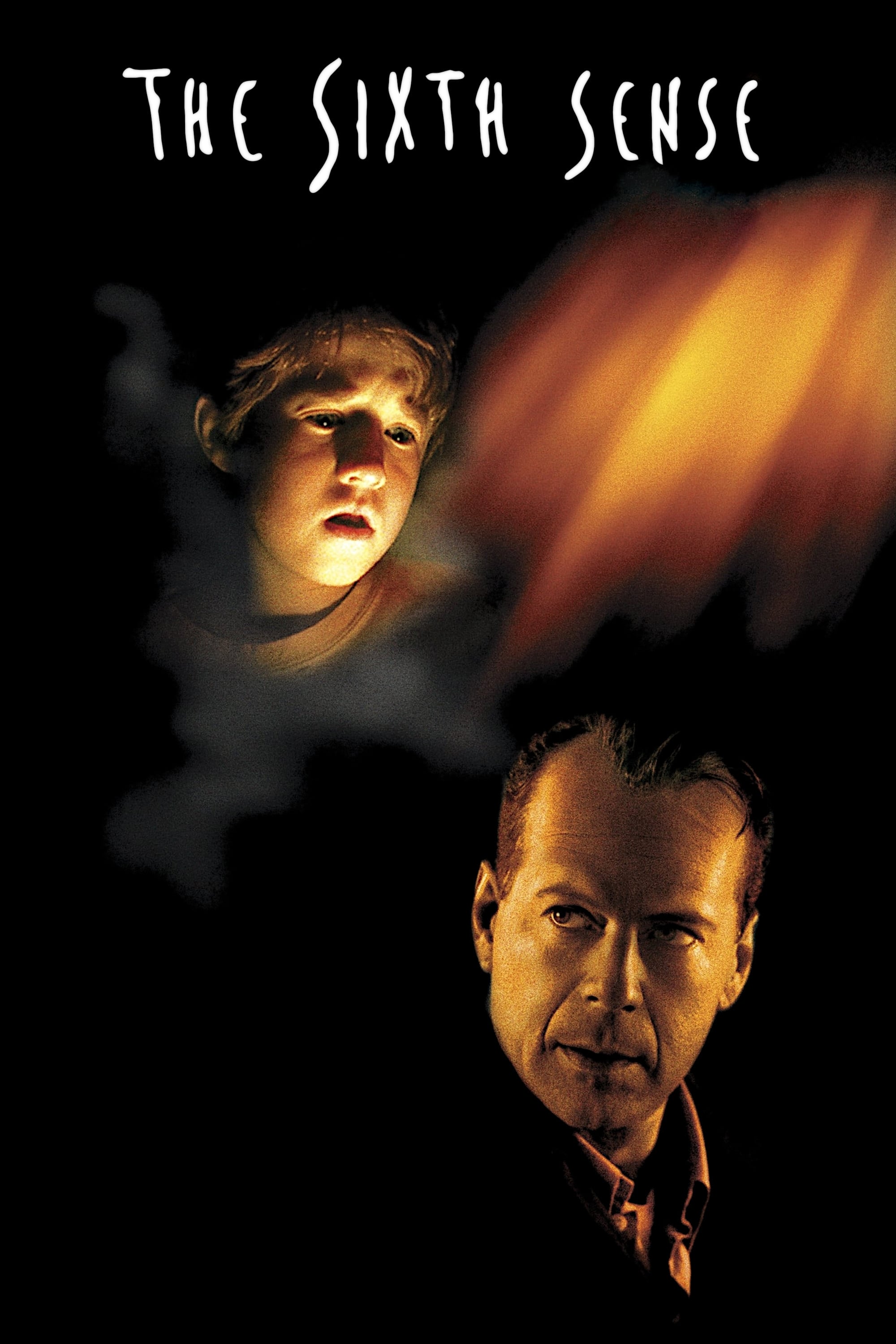
Viewers were stunned to learn that child psychologist Malcolm Crowe was a ghost throughout the entire film. Director Night Shyamalan used clever camera angles and specific rules about how ghosts interact with the world to hide the truth. The realization forced audiences to re-evaluate every previous scene involving the character played by Bruce Willis. While controversial for its perceived trickery the twist became a defining characteristic of the work of the director. It is frequently cited as a masterclass in narrative foreshadowing and visual storytelling.
‘Fight Club’ (1999)
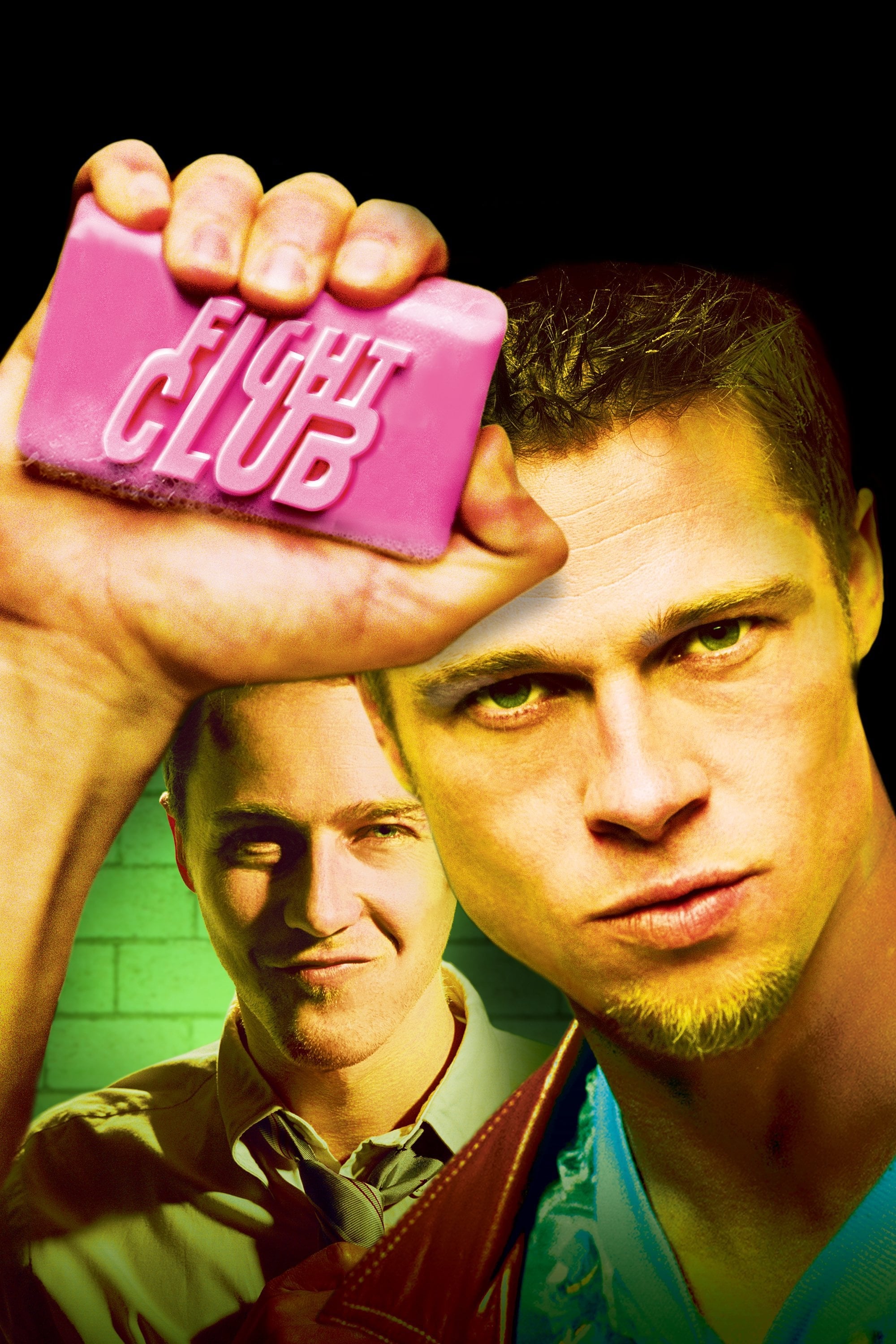
The discovery that Tyler Durden is a mental projection of the unnamed narrator redefined the themes of the movie. This adaptation of the novel by Chuck Palahniuk uses visual glitches and subtle clues to hint at the dual nature of the lead. Many audience members were initially confused by the logistics of the underground organization. Over time the twist was praised for its commentary on toxic masculinity and the loss of identity in modern society. It remains a staple of cult cinema and psychological thrillers.
‘Attack on Titan’ (2013–2023)
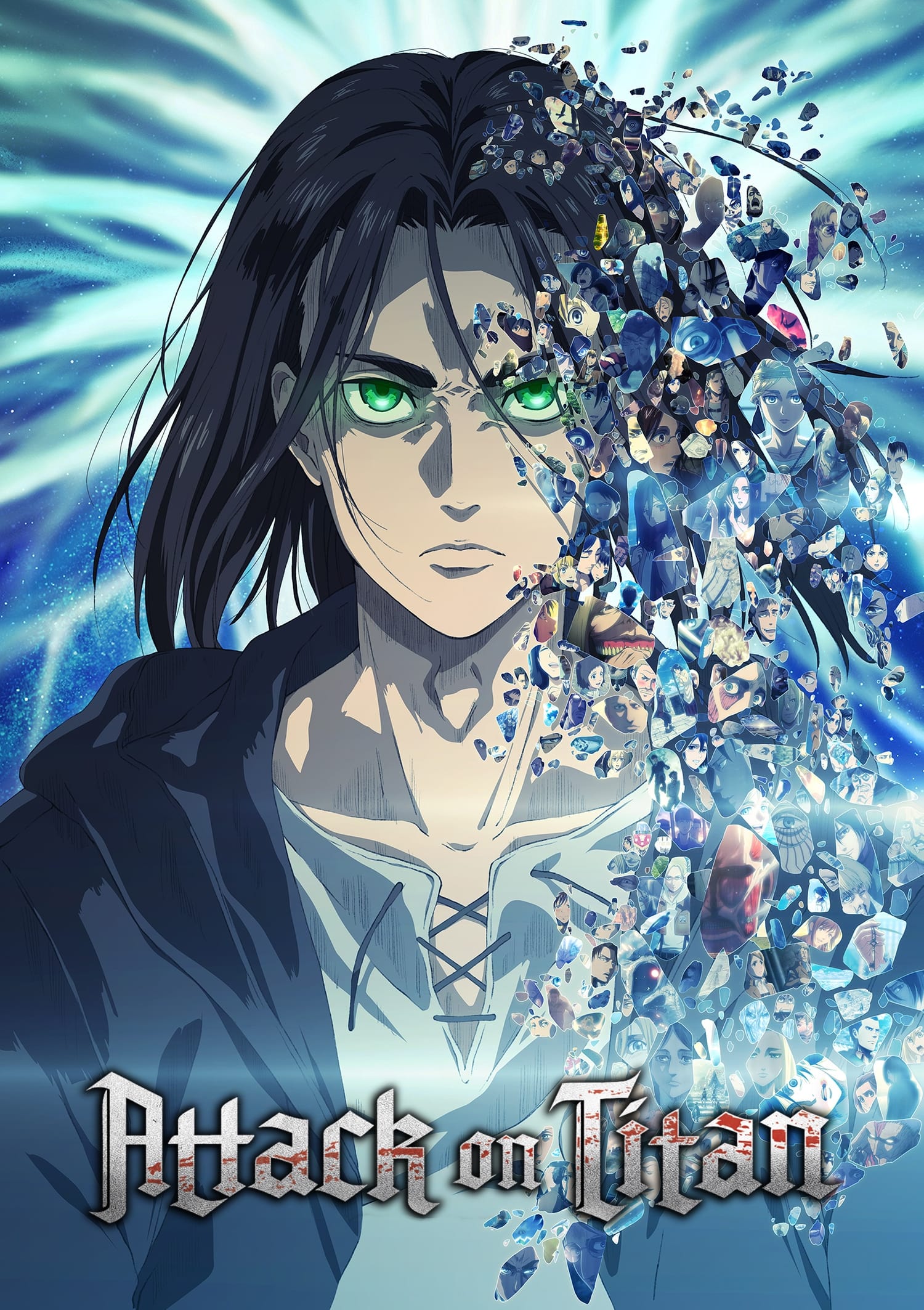
The revelation that Reiner Braun and Bertholdt Hoover were the Armored and Colossal Titans shocked the anime community. The casual way Reiner confessed the truth mid conversation was initially seen as an odd narrative choice. This moment shifted the series from a survival horror story into a complex political drama about war and indoctrination. Fans now appreciate how the twist was hidden in plain sight through subtle character behaviors in earlier episodes. It is widely considered one of the most effective betrayals in the history of the medium.
‘Game of Thrones’ (2011–2019)
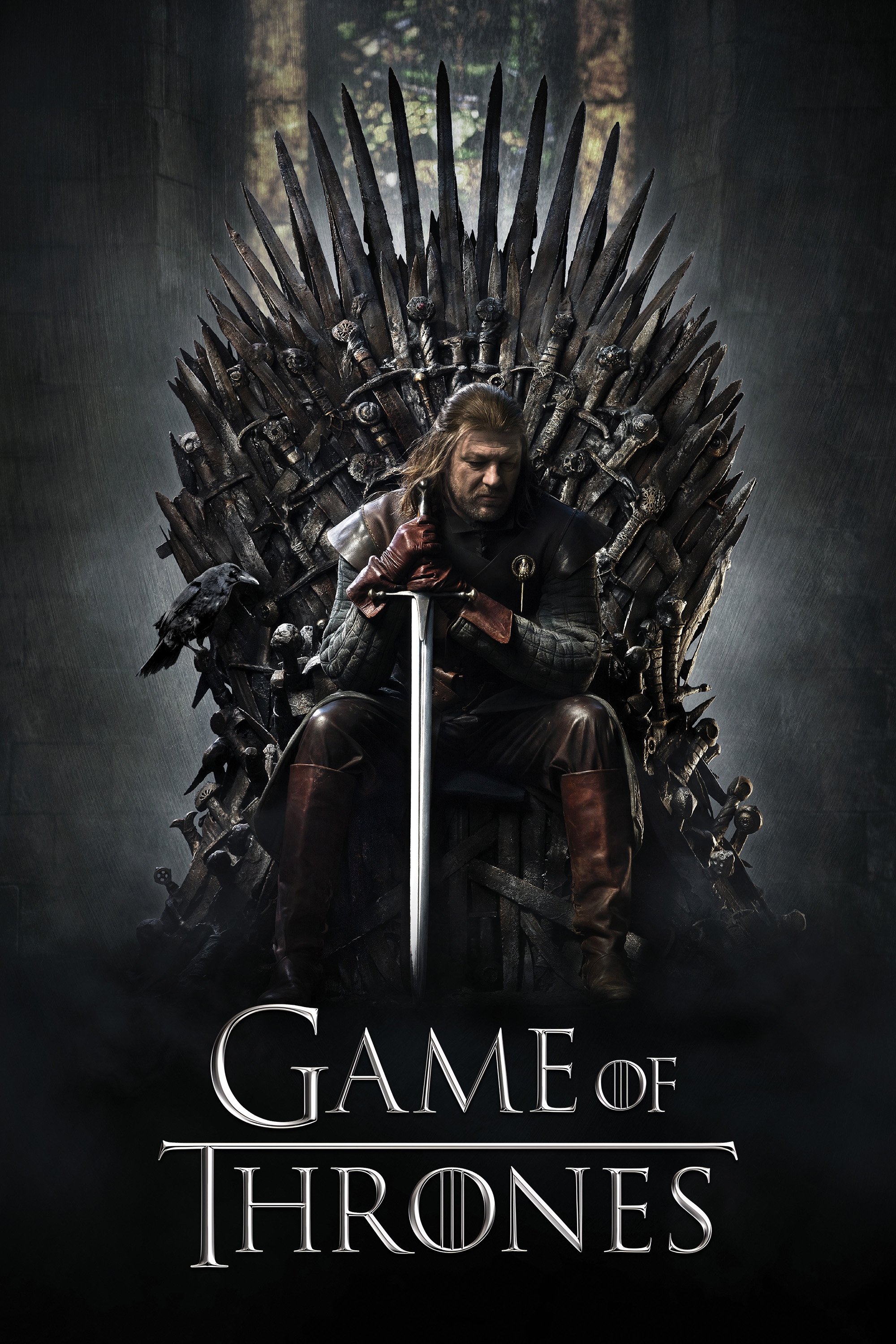
The Red Wedding stands as one of the most brutal and unexpected sequences in television history. The sudden execution of Robb and Catelyn Stark horrified viewers who expected the characters to reach the end of the story. This event established that no character was safe regardless of their importance to the plot. While the episode caused immense outrage upon its initial airing it is now viewed as the definitive moment of the series. It perfectly captured the uncompromising and ruthless nature of the world created by George Martin.
‘Breaking Bad’ (2008–2013)
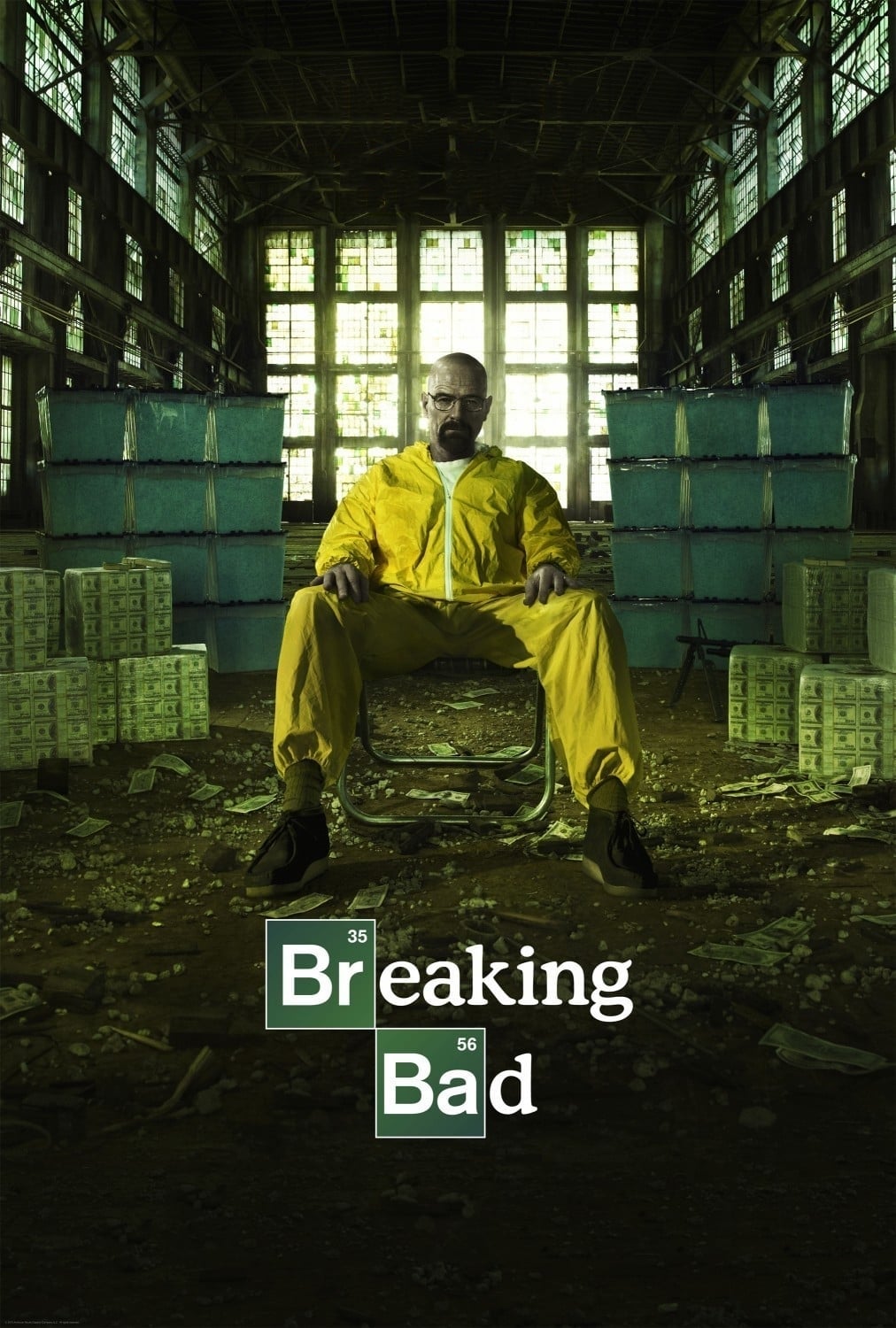
The reveal that Walter White poisoned a young child named Brock with a Lily of the Valley plant was a turning point for the character. This moment proved that the protagonist had fully transitioned into a villain who would manipulate anyone to achieve his goals. Many fans struggled to accept that Walt would sink to such a low level of depravity. However the twist is now praised for its boldness and for forcing the audience to confront their support for the lead. It added a layer of darkness that defined the final act of the show.
‘Lost’ (2004–2010)
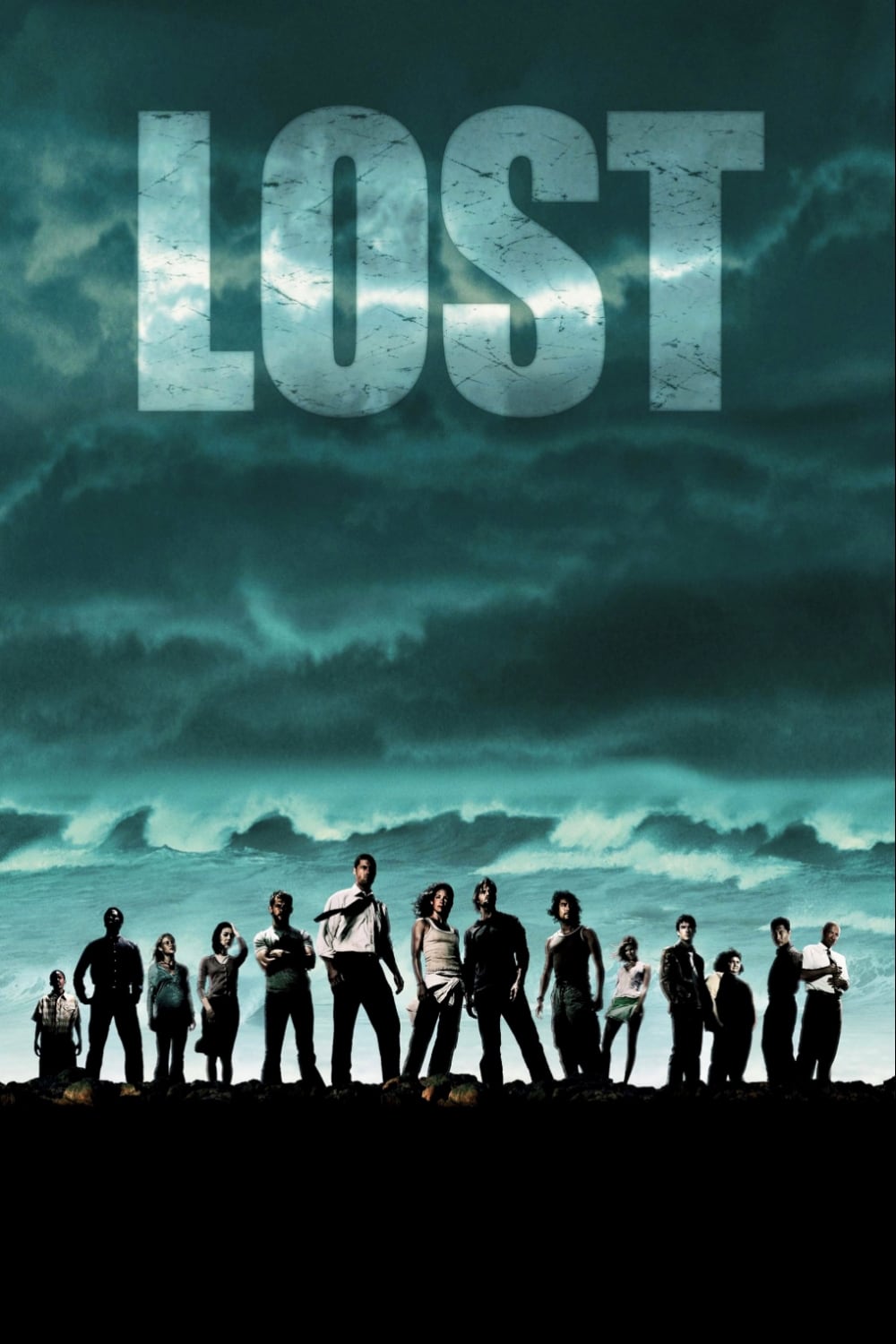
The season three finale introduced a flash forward that completely upended the structure of the series. Audiences were led to believe they were watching a flashback before realizing Jack Shephard had actually left the island. This change allowed the writers to explore the lives of the characters after their rescue while maintaining the mystery of the island. Although the non linear storytelling was polarizing it revitalized interest in the show during its middle years. The line about needing to go back remains one of the most famous quotes in television.
‘Code Geass: Lelouch of the Rebellion’ (2006–2008)
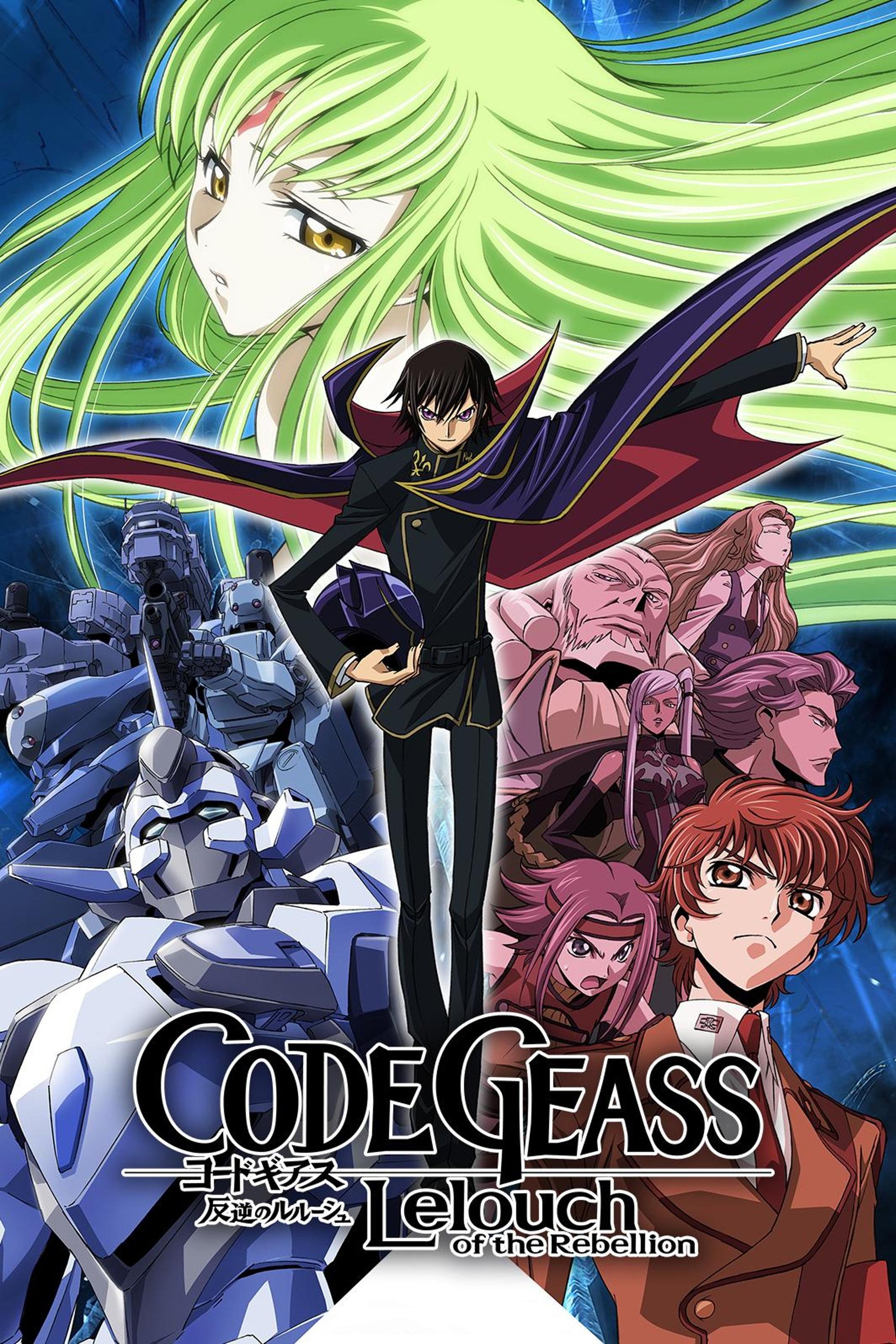
The Zero Requiem ending involved the protagonist Lelouch vi Britannia orchestrating his own death to achieve world peace. By becoming a global tyrant he focused the hatred of the entire world on himself before being assassinated by his best friend. Some viewers were initially upset that the main character did not survive to see the fruits of his labor. The sacrifice is now regarded as one of the most selfless and well executed endings in anime. It provided a definitive conclusion that resolved the primary conflicts of the series.
‘The Usual Suspects’ (1995)
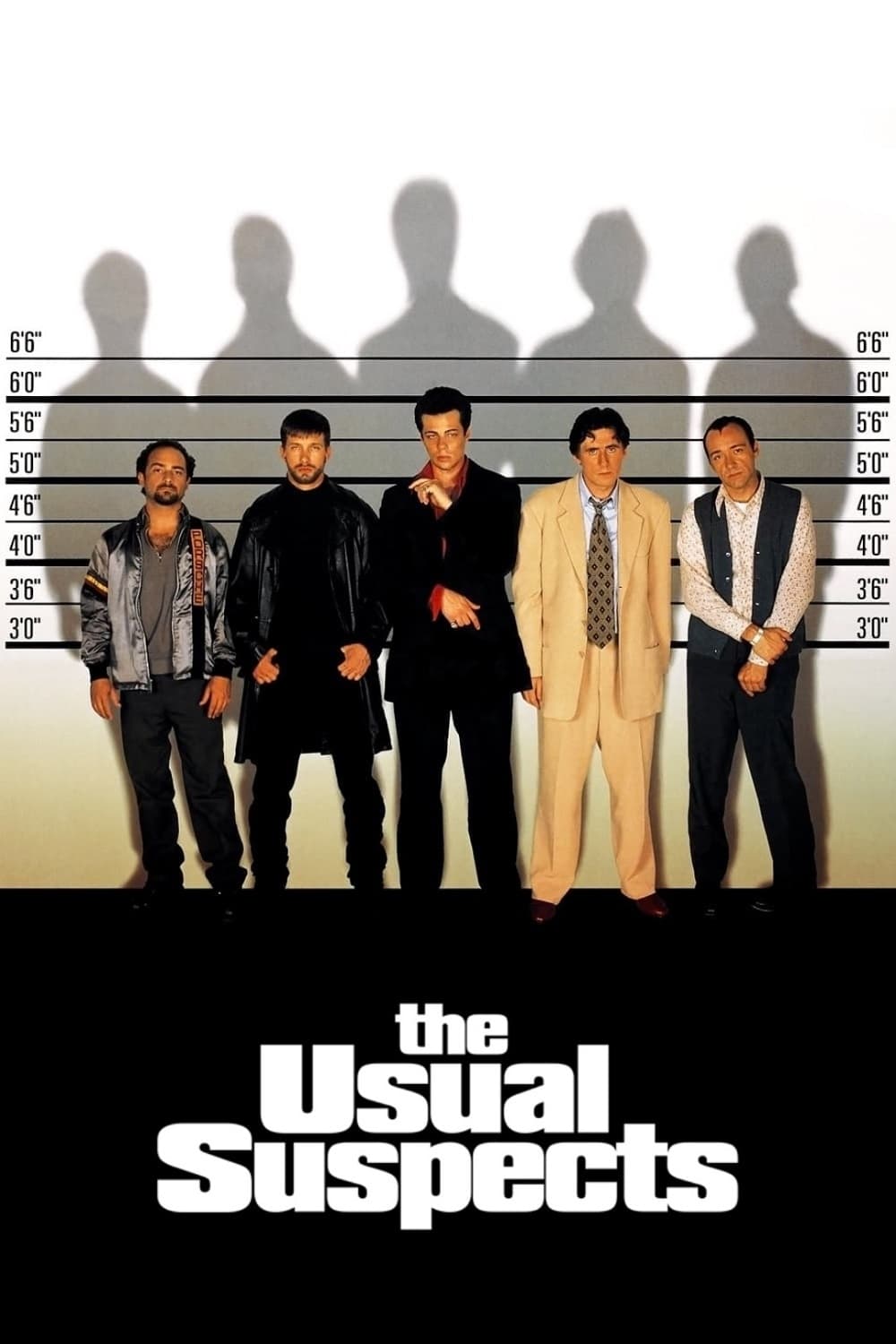
The discovery that the frail and timid Verbal Kint was actually the criminal mastermind Keyser Söze remains a legendary cinematic moment. The film uses a deceptive narrative told through an unreliable narrator to lead both the police and the audience astray. When the character drops his limp and walks away smoothly it signals a complete triumph of the villain. Many viewers felt cheated by the lack of tangible evidence provided during the interrogation. Today the twist is celebrated for its clever use of perspective and storytelling manipulation.
‘Oldboy’ (2003)
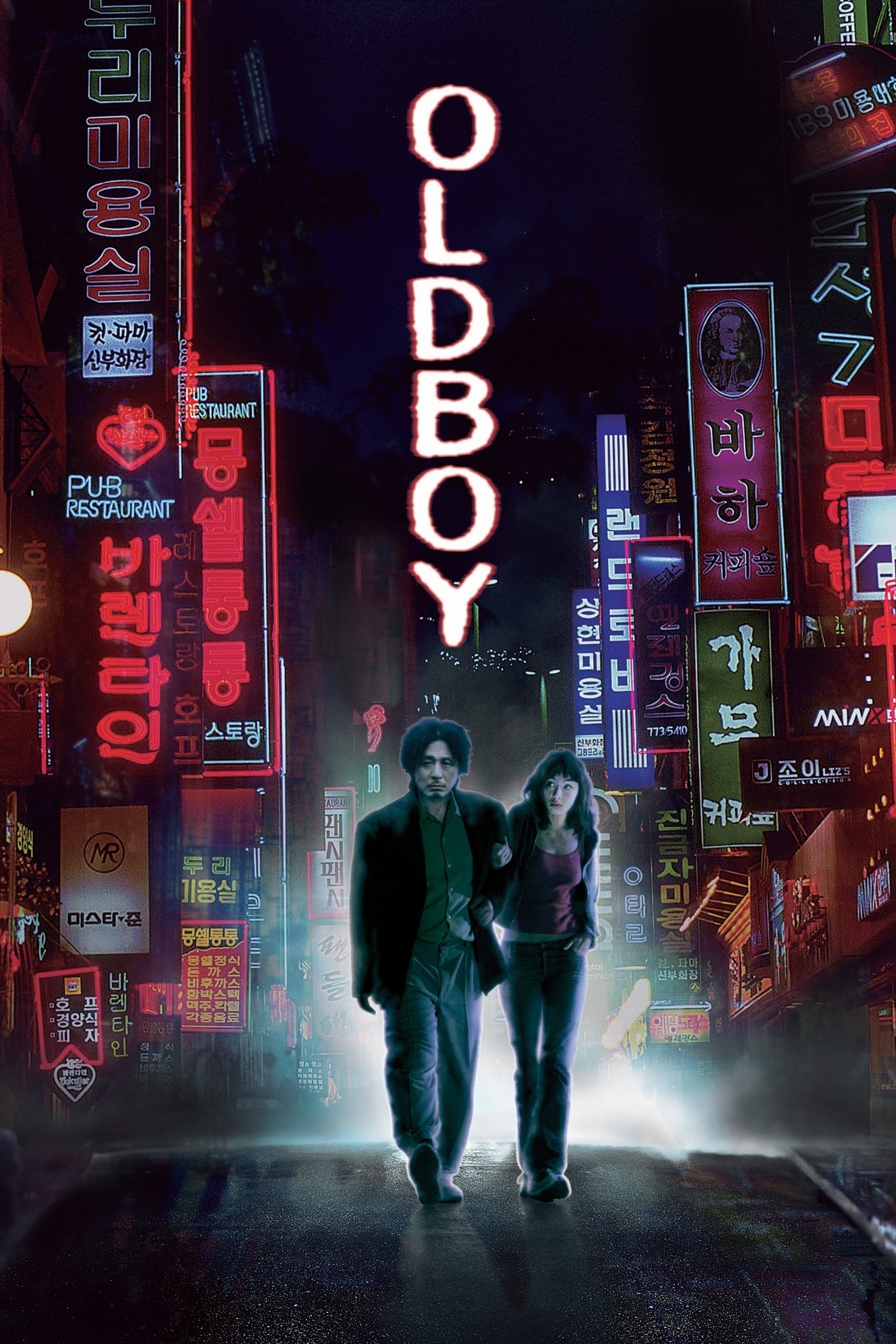
The dark revelation regarding the relationship between Oh Dae su and Mi do is one of the most disturbing twists in film. Director Park Chan wook explored themes of revenge and incest in a way that left many viewers deeply uncomfortable. This narrative turn was essential to the plan of the antagonist to break the spirit of the protagonist. Despite the controversial subject matter the twist is recognized for its emotional impact and tragic inevitability. It helped establish the movie as a landmark of South Korean cinema.
‘Psycho’ (1960)
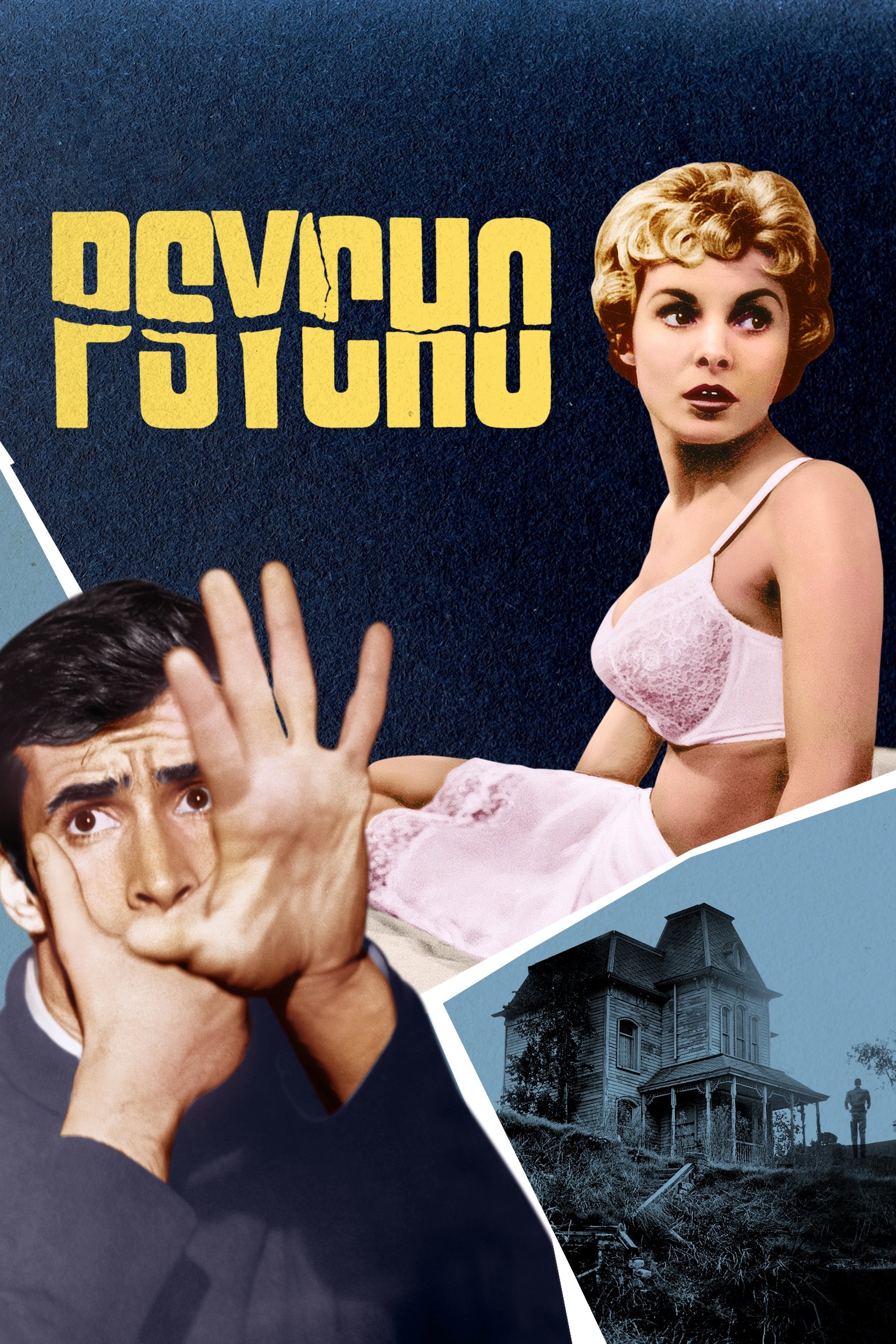
Alfred Hitchcock broke standard cinematic rules by killing off his leading lady Marion Crane only thirty minutes into the film. This decision left audiences without a clear protagonist and created a sense of extreme vulnerability. The shower scene became a cultural touchstone that redefined the horror genre and expectations of the public. Initially the death of the main star was seen as a marketing gimmick that frustrated some viewers. It is now honored as a revolutionary act that paved the way for the slasher subgenre.
‘Neon Genesis Evangelion’ (1995–1996)
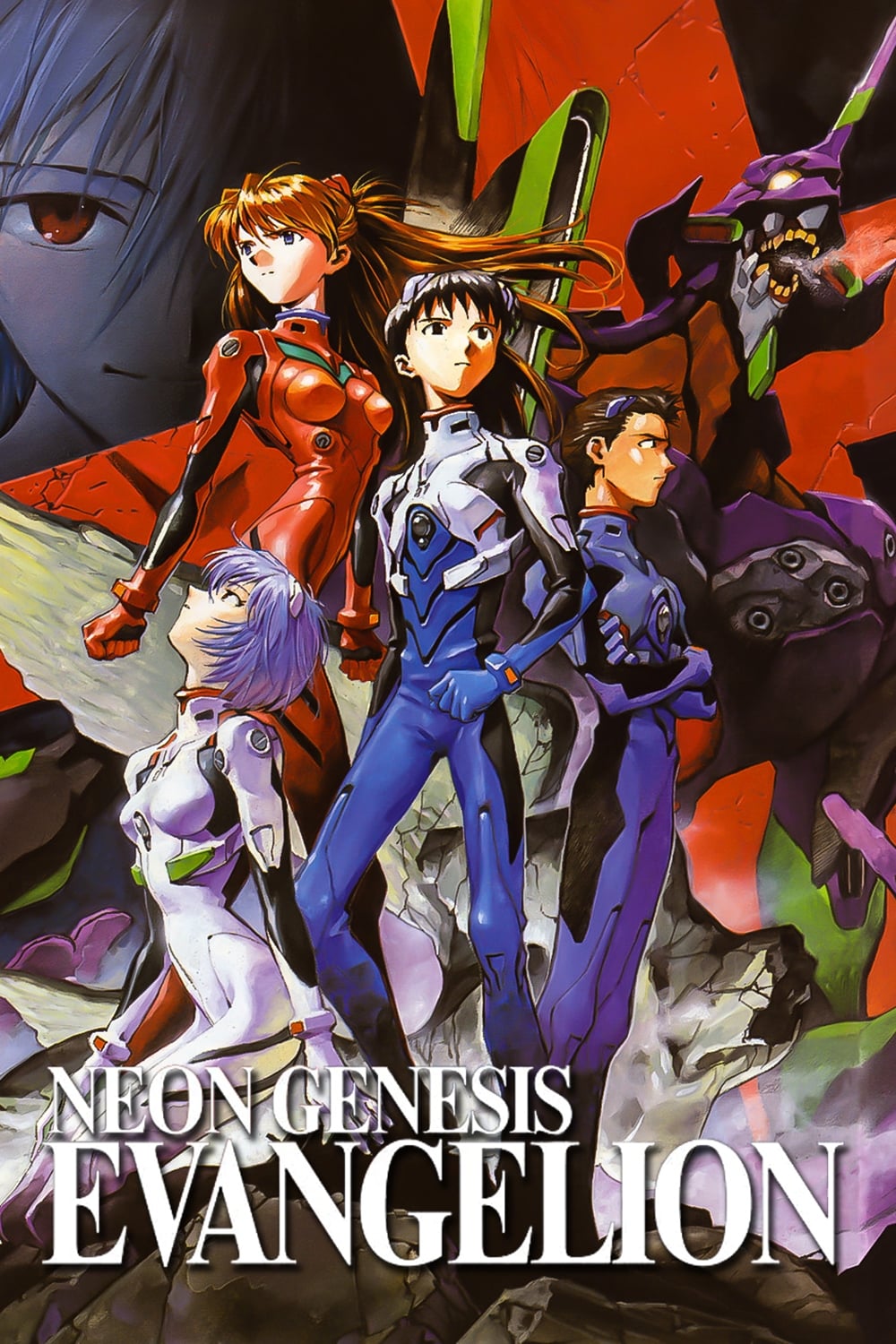
The final two episodes of the original series abandoned the physical battles to focus entirely on the internal psyche of the characters. This abstract approach to the ending caused a massive backlash among fans who wanted a traditional resolution to the war. The focus on the Human Instrumentality Project explored deep philosophical and psychological themes. Over the decades the ending has been re evaluated as a poignant exploration of isolation and self acceptance. It remains one of the most debated and analyzed finales in animation history.
‘Death Note’ (2006–2007)
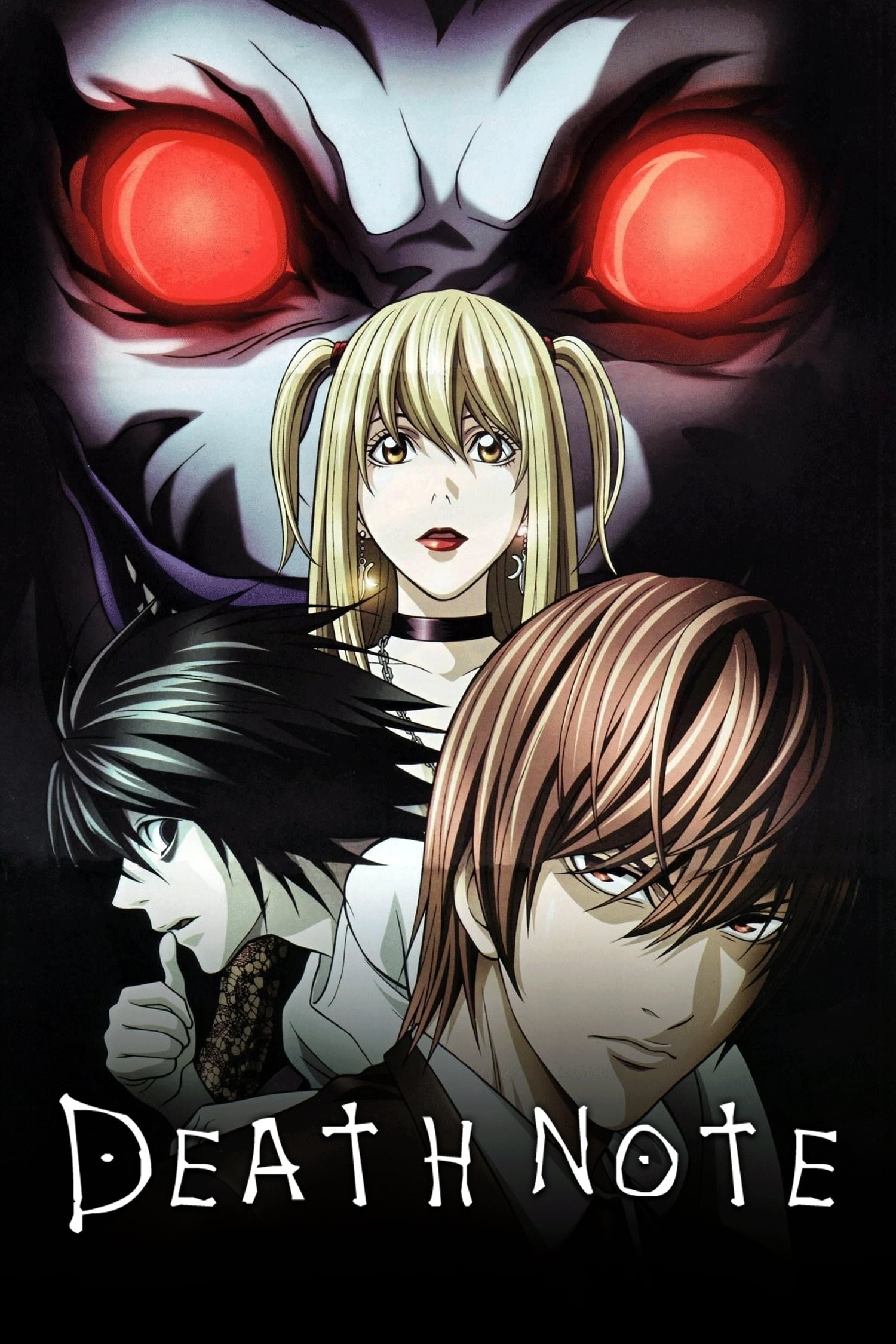
The death of the primary antagonist L halfway through the series was a move that many fans found difficult to accept. Losing the intellectual rival of Light Yagami changed the dynamic of the show and introduced new investigators. Some viewers felt the quality of the story declined after this major character was removed from the board. However the twist demonstrated the ruthlessness of Light and the high stakes of his quest for power. It is now seen as a necessary development to showcase the ultimate hubris of the protagonist.
‘The Prestige’ (2006)
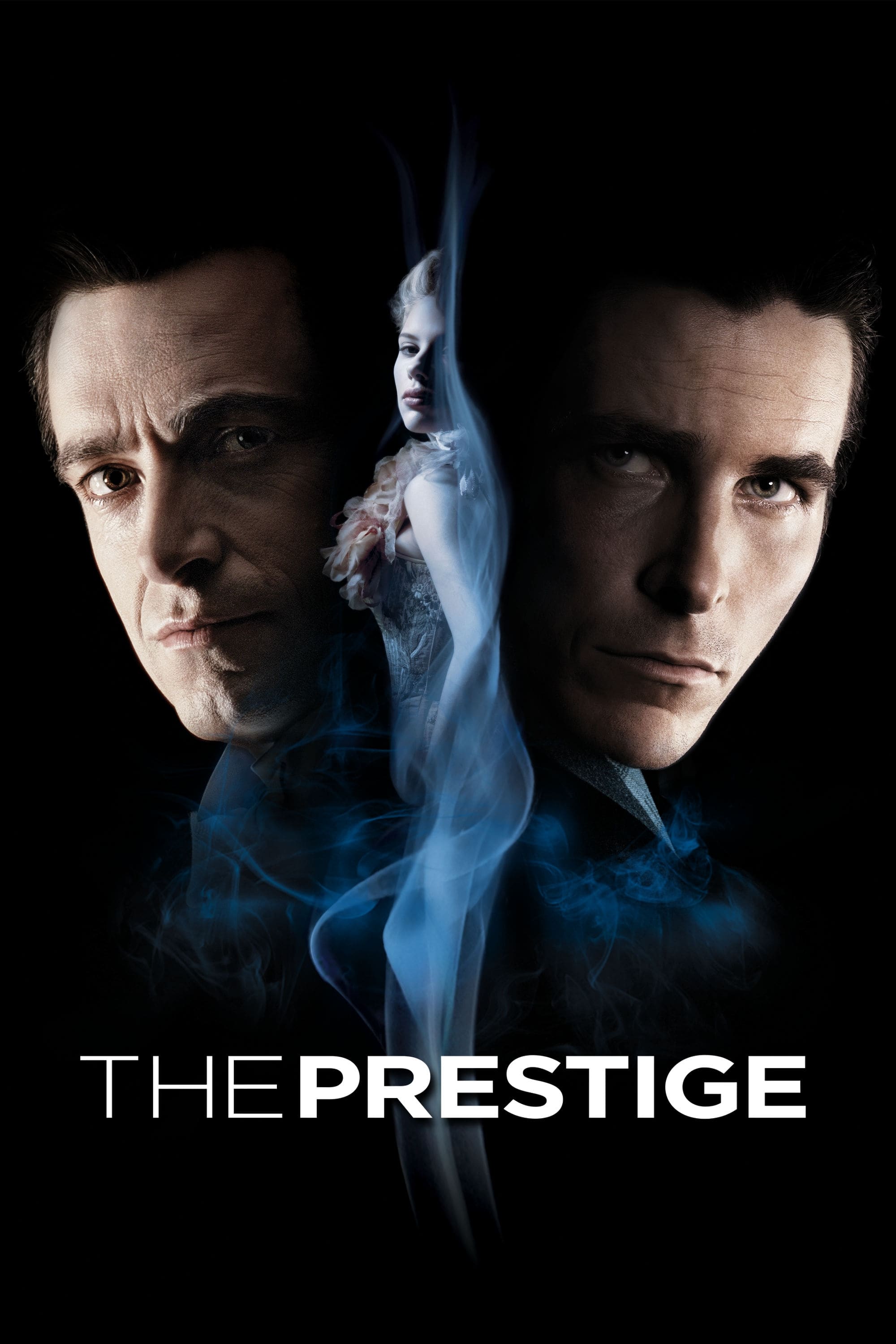
The reveal that Alfred Borden was actually a set of identical twins living one life was a stunning conclusion to the rivalry. Christopher Nolan scattered numerous clues throughout the film including the behavior of the daughter and the assistant. This twist contrasted with the supernatural solution used by Robert Angier to achieve the same magic trick. Many people were initially confused by the timeline and the logistics of the shared life of the twins. The ending is now praised for its thematic depth regarding the cost of artistic obsession.
‘Avengers: Infinity War’ (2018)
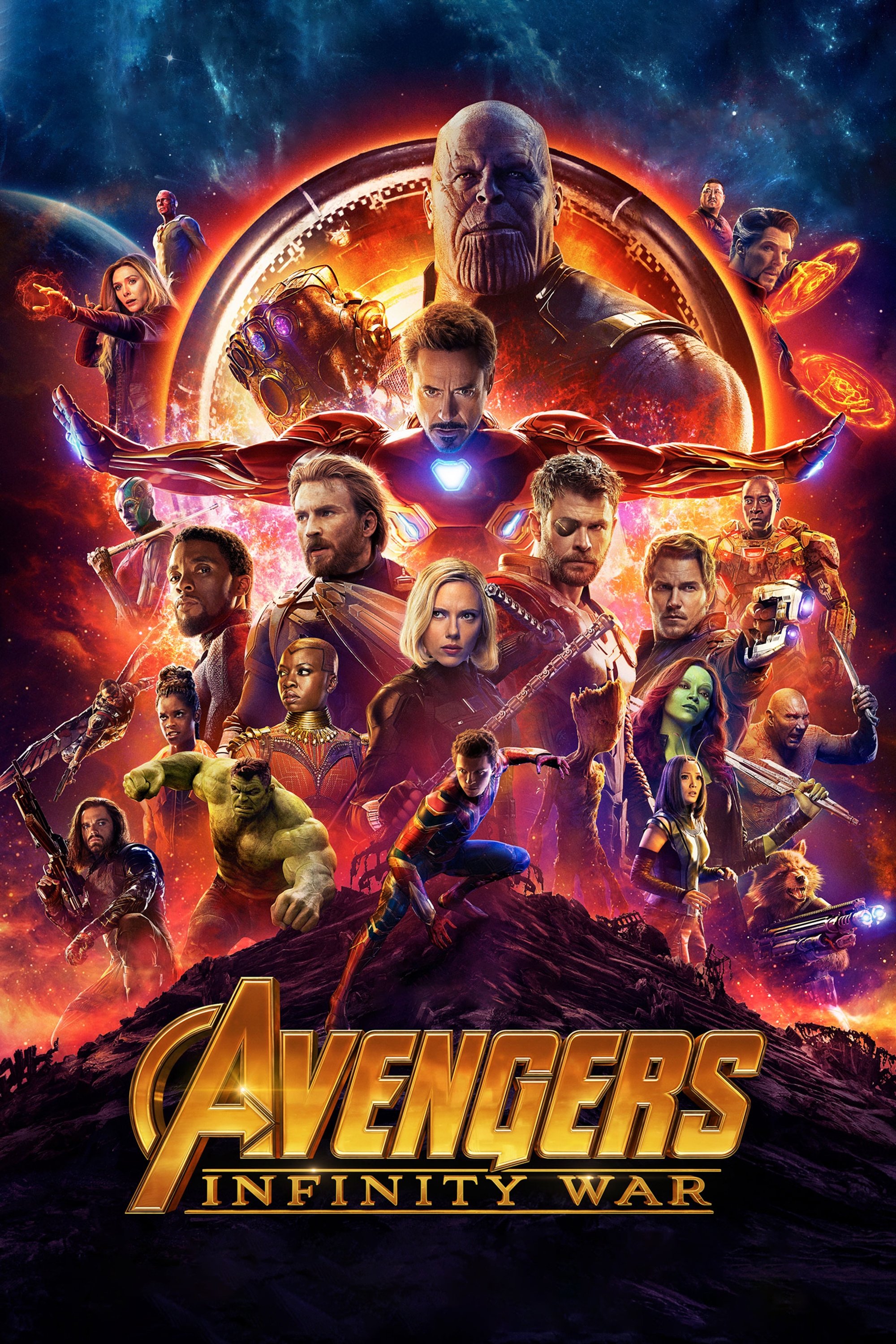
The decision to end the film with the villain Thanos winning and wiping out half of all life was a massive risk for a blockbuster. Audiences were left in shock as beloved heroes turned to dust and the credits rolled in silence. This subversion of the typical superhero victory provided a genuine sense of loss and consequence. While some felt the twist was temporary due to future sequels it raised the emotional stakes for the entire franchise. It is often cited as the most impactful moment in the history of the cinematic universe.
‘Saw’ (2004)

The revelation that the dead body in the middle of the room was actually the killer Jigsaw was a defining moment for horror. This twist was hidden through the physical endurance of the actor and the focus of the other characters on their own survival. Many fans were surprised by the simple yet effective way the antagonist remained in control of the game. The ending transformed a low budget thriller into a massive franchise centered around the philosophy of John Kramer. It remains one of the most recognizable and parodied twists in the genre.
‘Planet of the Apes’ (1968)
The sight of the buried Statue of Liberty revealed that the alien planet was actually Earth in the distant future. This iconic ending provided a chilling commentary on the self destructive nature of humanity during the Cold War era. Some viewers at the time found the twist to be a pessimistic and shocking departure from typical science fiction tropes. It has since become one of the most famous images in cinema history. The reveal added a layer of social relevance that elevated the film beyond simple entertainment.
‘Scream’ (1996)
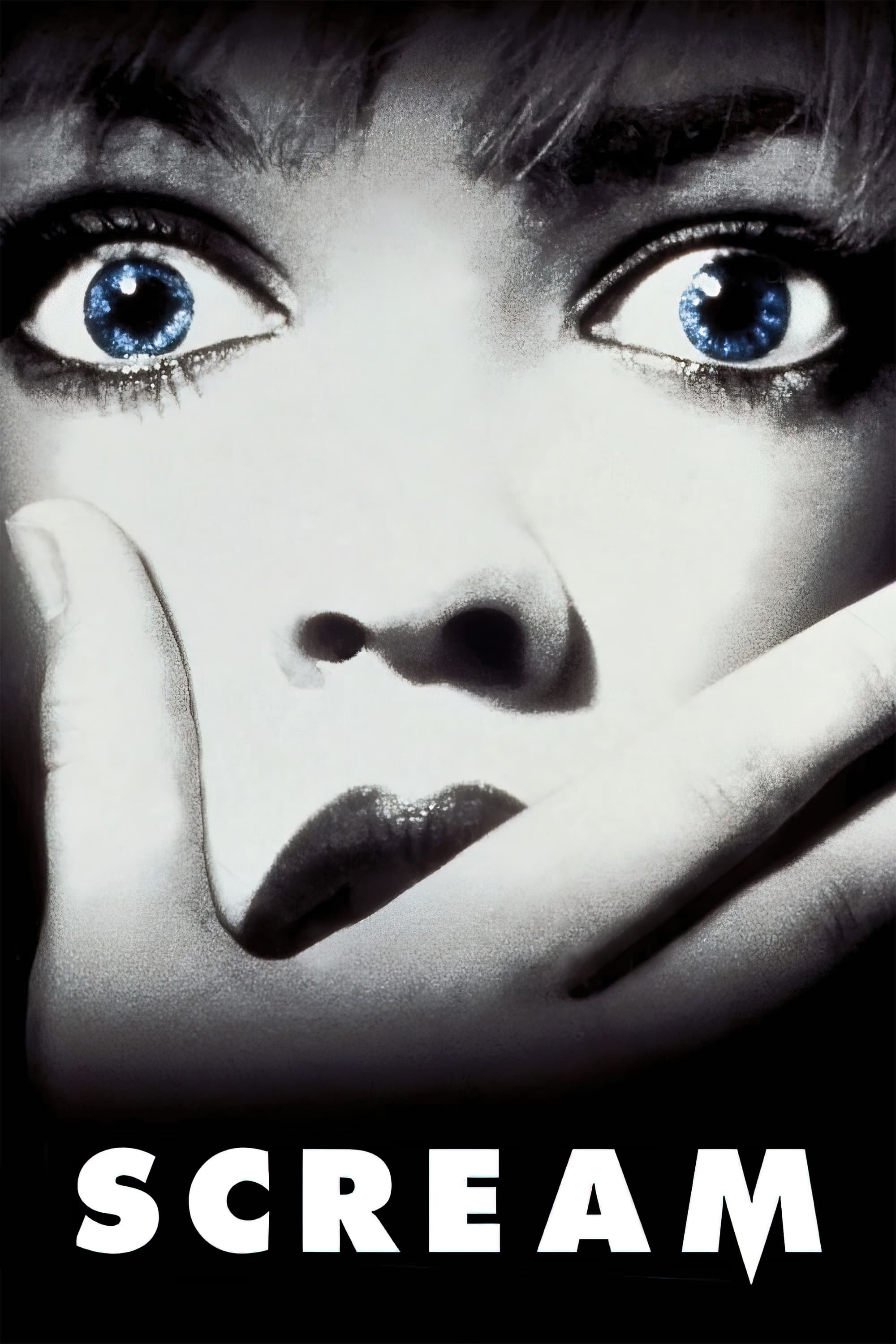
The discovery that there were two killers working together subverted the established rules of the slasher genre. By having Billy Loomis and Stu Macher as the antagonists the film explained how the killer could be in two places at once. This reveal allowed the movie to comment on the tropes of horror films while simultaneously participating in them. Fans initially found the motive of the killers to be unsettling due to its lack of a traditional supernatural element. It is now credited with revitalizing the horror genre for a new generation.
‘The Mist’ (2007)
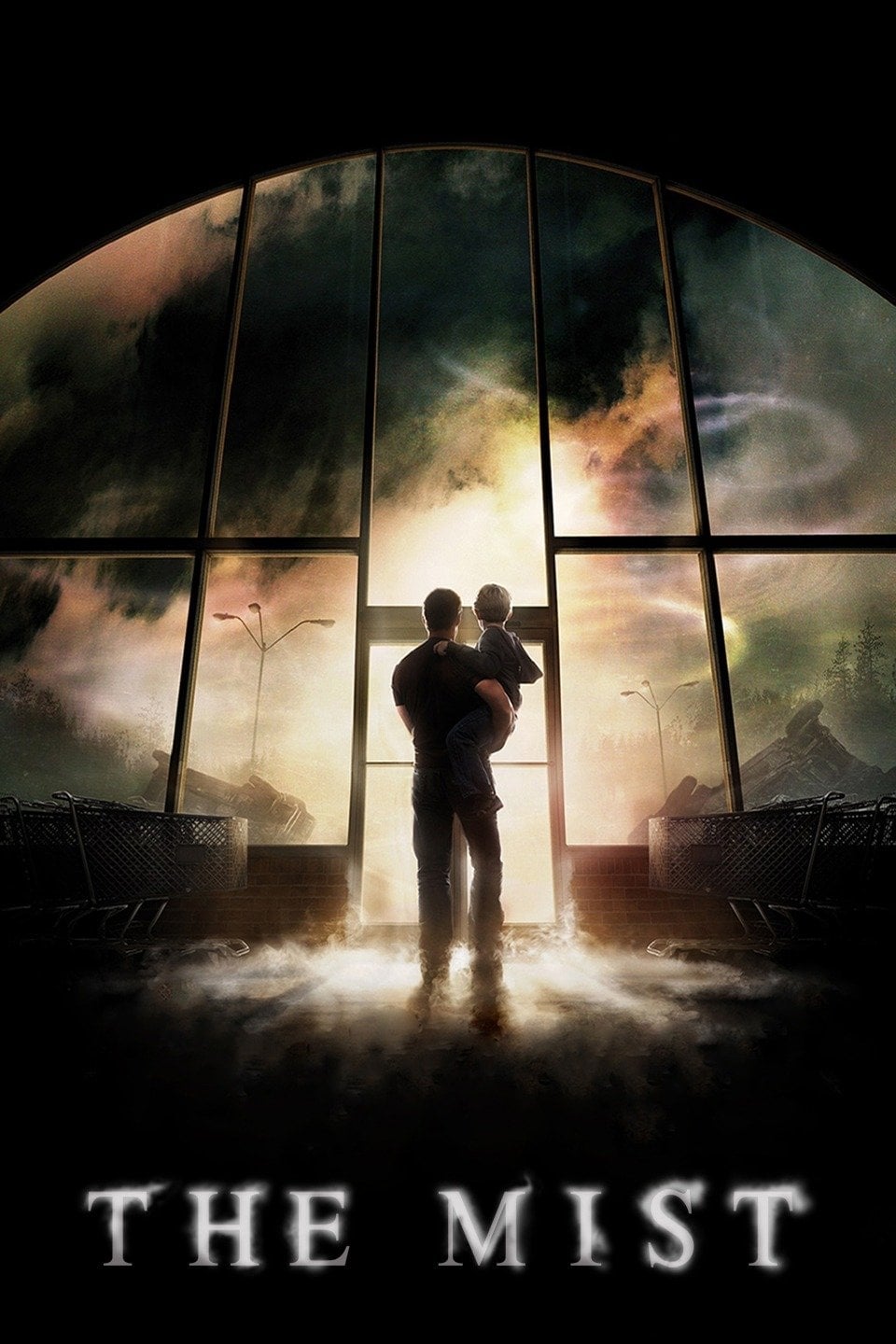
The ending of this film adaptation deviates from the novella by having the protagonist kill his family just moments before rescue arrives. This devastating irony left audiences in a state of shock and sparked intense debate about the morality of the scene. Director Frank Darabont chose a much darker path that emphasized the hopelessness and horror of the situation. While the change was controversial even for fans of the source material it was eventually praised by author Stephen King. It remains one of the most haunting and discussed endings in modern horror.
‘Shutter Island’ (2010)
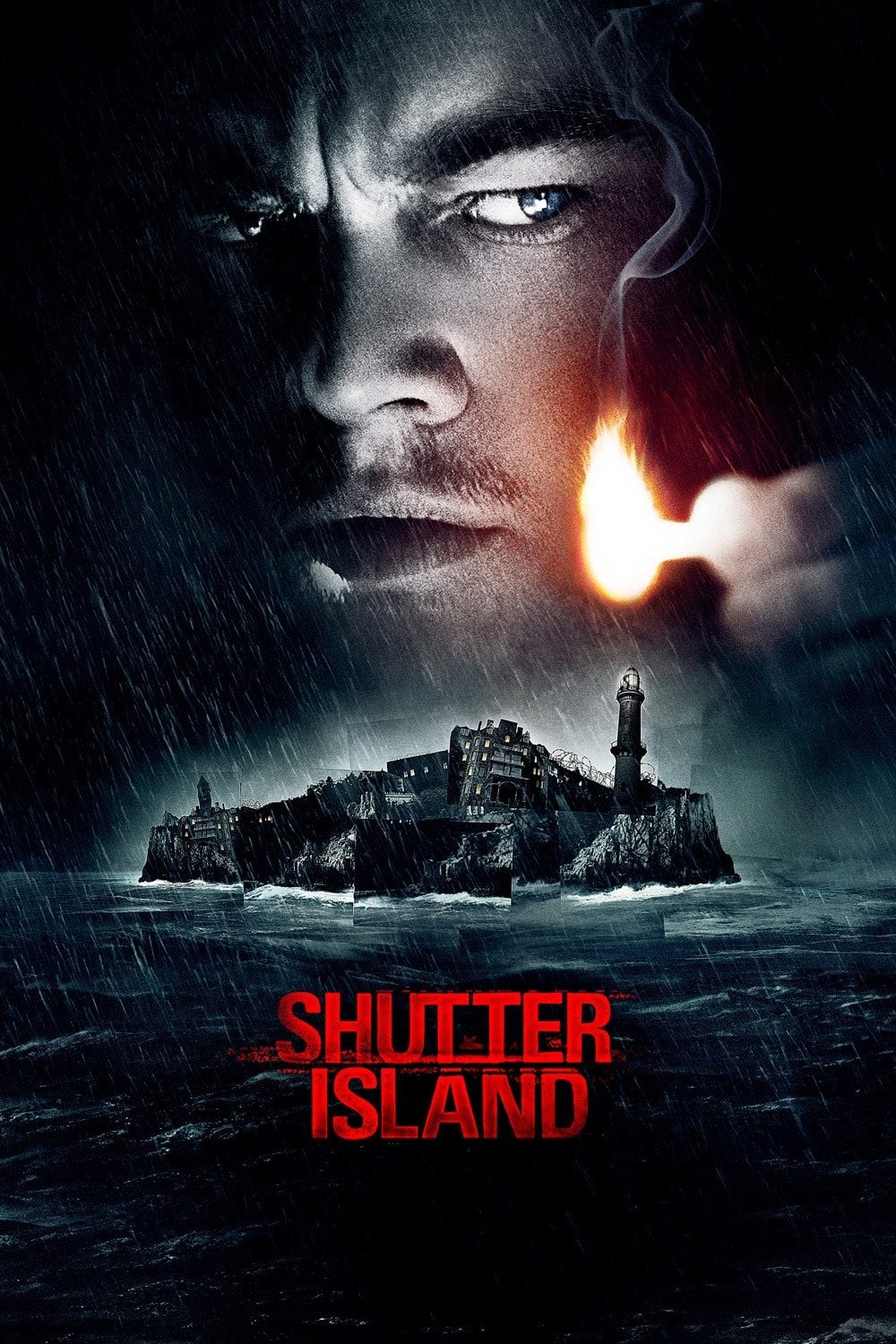
The revelation that Teddy Daniels was actually a patient named Andrew Laeddis at the asylum he was investigating was a major shift. Martin Scorsese used visual cues and dream sequences to hint at the fractured mental state of the lead character. Some viewers felt the twist was predictable or used common psychological tropes. However the emotional weight of the realization and the final choice made by the character added significant depth. It is now viewed as a tragic and expertly crafted exploration of grief and denial.
‘Gone Girl’ (2014)
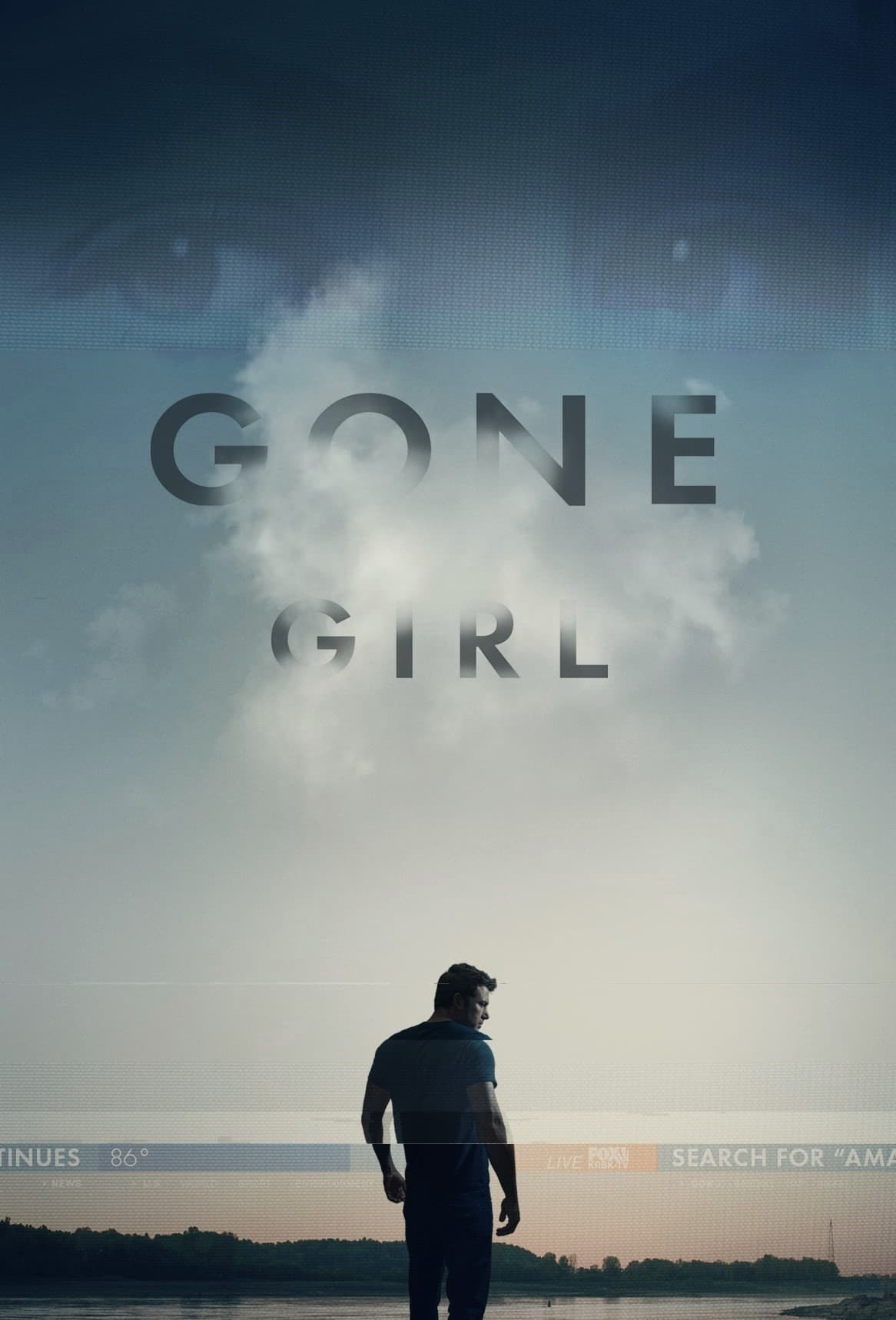
The mid film reveal that Amy Dunne was alive and had meticulously framed her husband for murder shocked audiences. This pivot changed the movie from a missing person mystery into a psychological thriller about a toxic marriage. Many viewers were polarized by the calculating nature of the female lead and the lack of a traditional hero. The twist is now celebrated for its critique of media sensationalism and societal expectations of gender. It helped the film become a major cultural talking point and a box office success.
‘Arrival’ (2016)
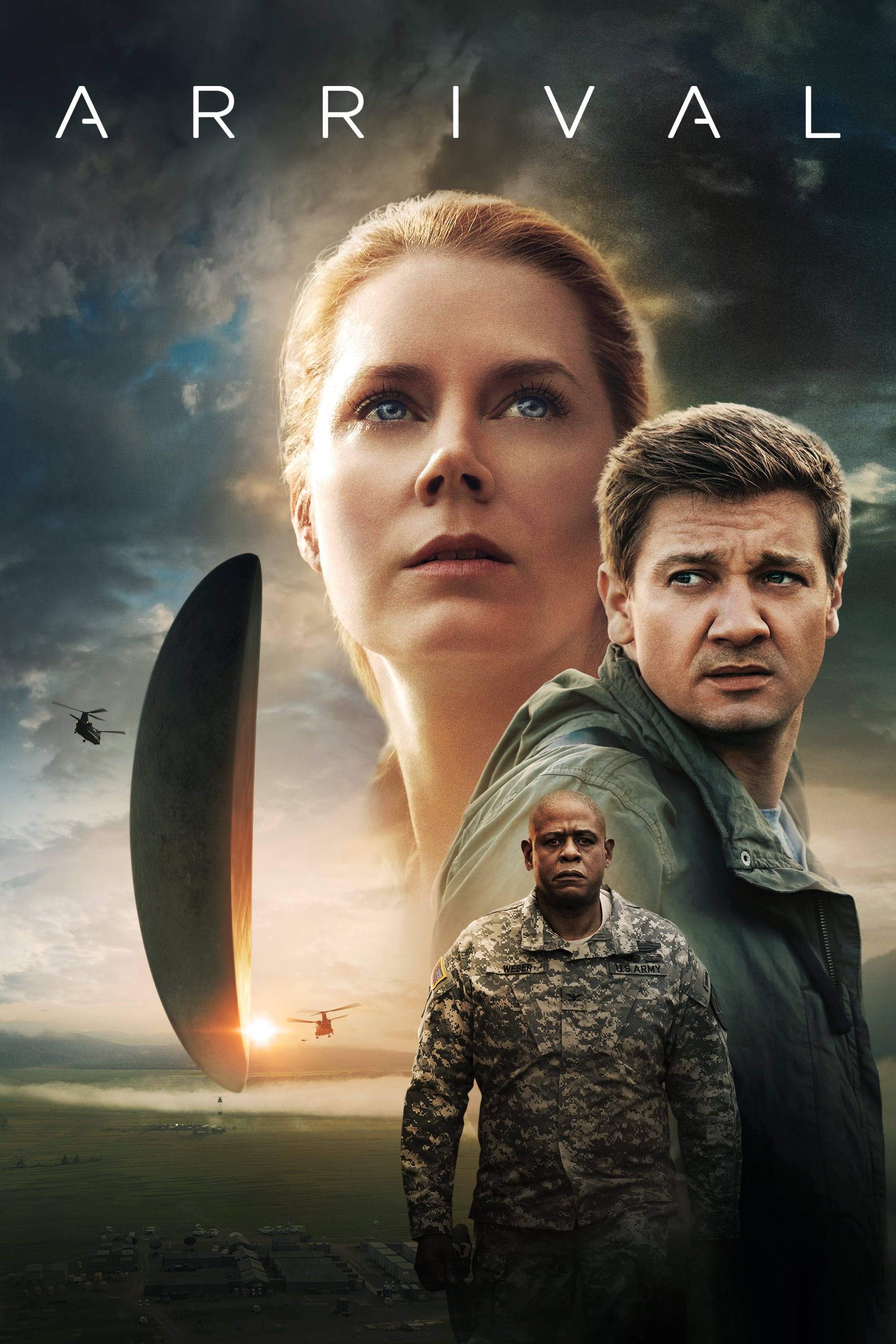
The discovery that the memories of the daughter of Louise Banks were actually visions of the future redefined the alien encounter. This twist utilized the concept of non linear time and the Sapir Whorf hypothesis regarding language and perception. Many fans were initially confused by the editing which suggested the events had already taken place. The reveal transformed the science fiction story into a profound meditation on choice and the acceptance of sorrow. It is now regarded as one of the most intellectually stimulating twists in recent cinema.
‘Puella Magi Madoka Magica’ (2011)
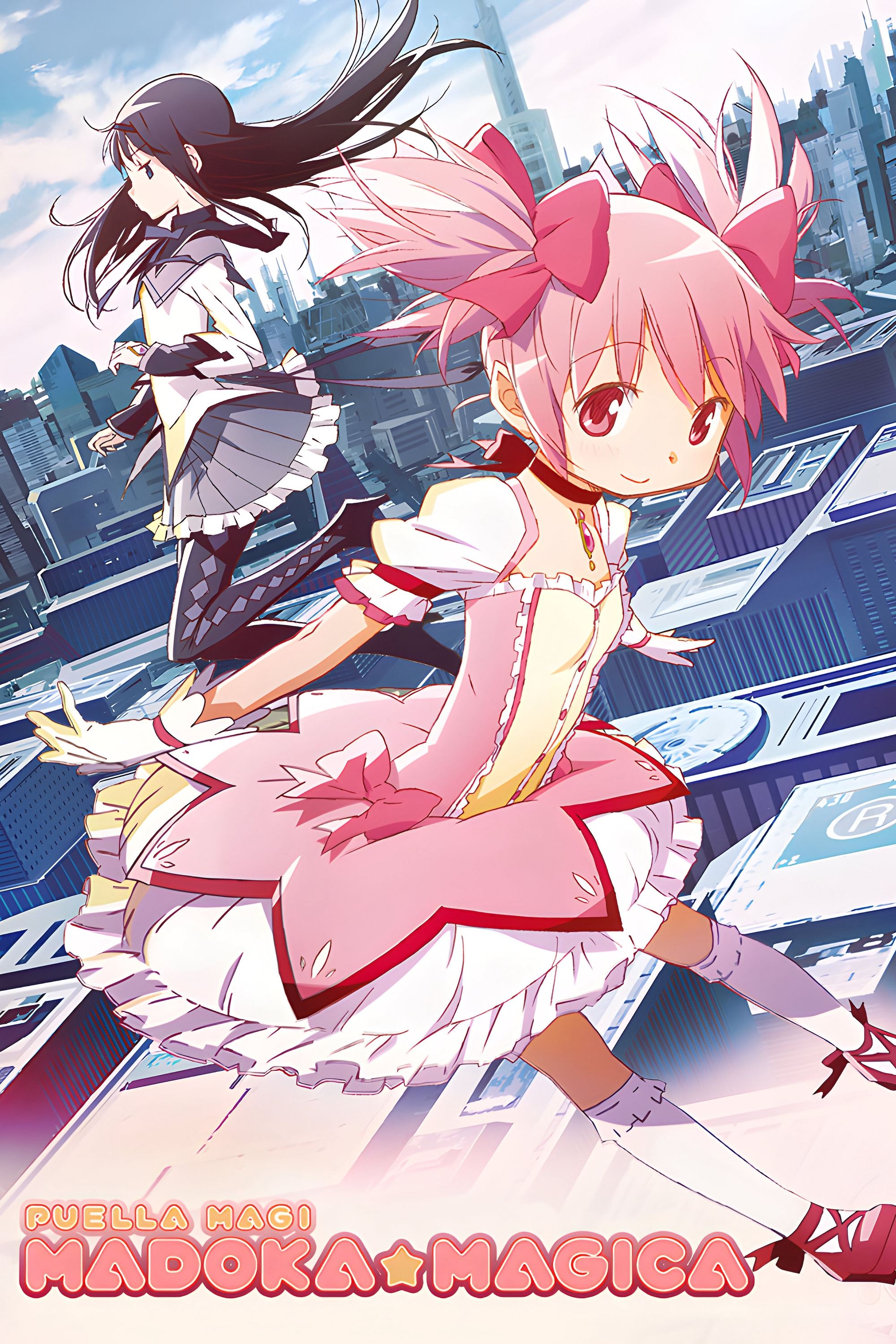
The sudden and violent death of Mami Tomoe in the third episode signaled a dark departure from the magical girl genre. This moment shattered the expectations of viewers who believed they were watching a standard lighthearted series for children. It established that the world was dangerous and that the characters faced genuine mortal peril. While the shift was controversial for its bleakness it is now praised for deconstructing the tropes of the medium. The series is widely recognized for its psychological depth and narrative bravery.
‘Better Call Saul’ (2015–2022)
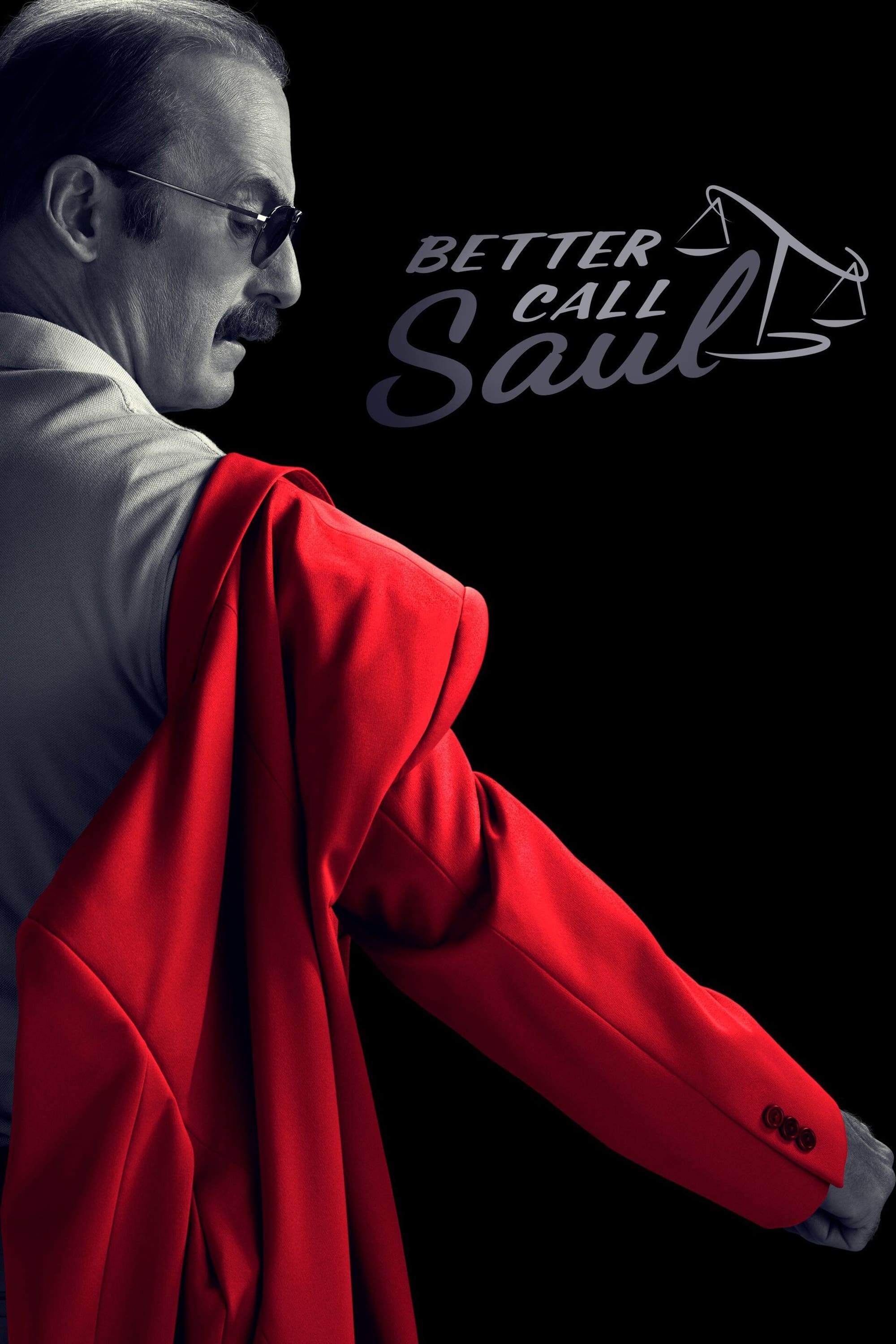
The sudden killing of Howard Hamlin by Lalo Salamanca shocked the audience during the final season. Many fans felt the character deserved a more peaceful resolution after years of professional rivalry. This twist merged the legal drama and cartel storylines in a violent and irreversible way. It forced Jimmy McGill and Kim Wexler to confront the lethal consequences of their elaborate schemes. Critics now view this moment as a high point for the tension and writing of the show.
‘Interstellar’ (2014)
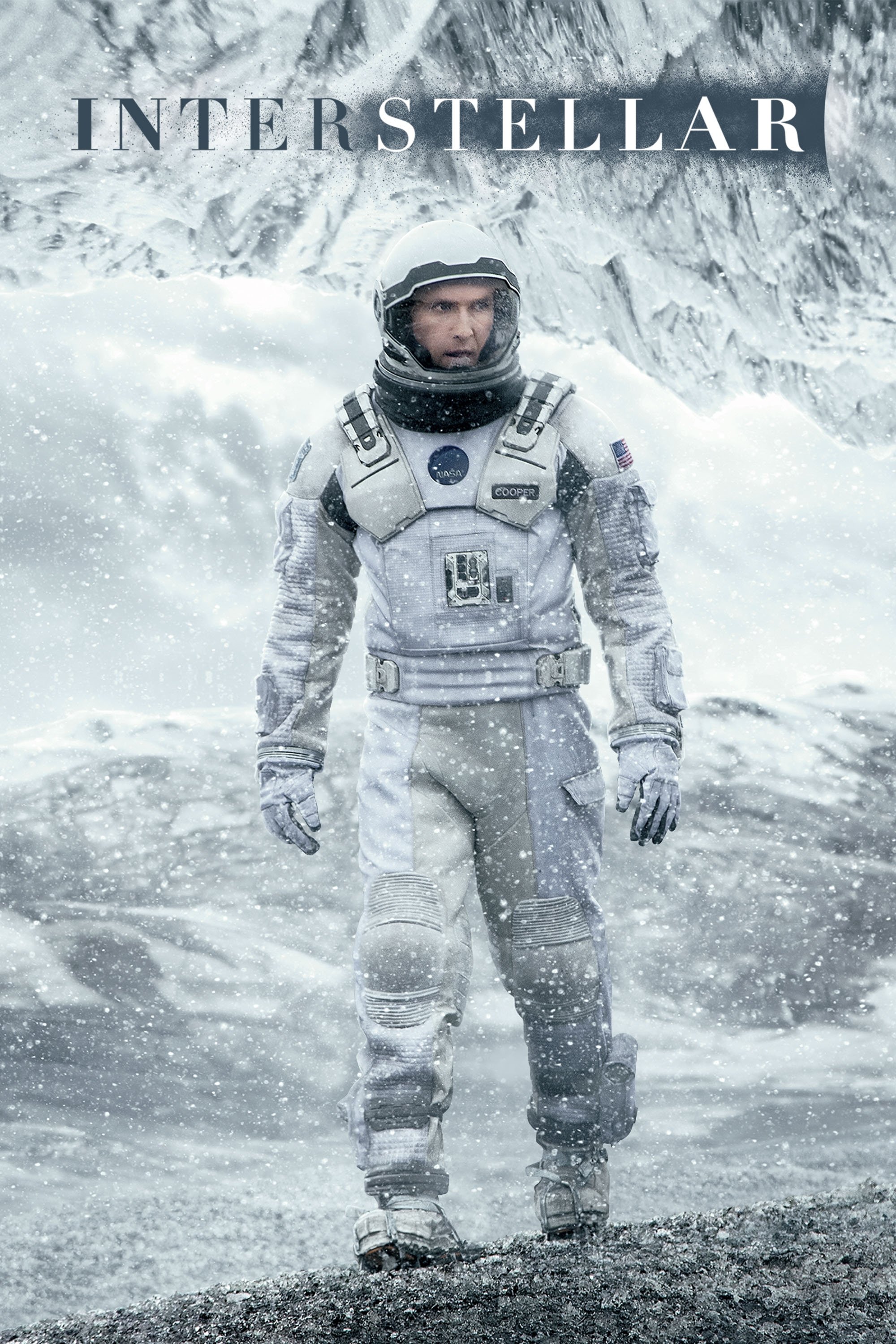
The realization that Joseph Cooper was the ghost who had been communicating with his daughter from inside a black hole was a massive turn. This sequence used a tesseract to allow the protagonist to interact with past events through gravitational waves. Some viewers found the scientific explanations and the power of love theme to be overly sentimental or confusing. The twist is now appreciated for how it ties the personal stakes of the family to the survival of the human race. It provided a visually stunning and emotional climax to the epic journey.
‘One Piece’ (1999–Present)
The death of Portgas D. Ace during the Marineford arc was a major turning point for the long running series. Fans were devastated when the brother of Monkey D. Luffy succumbed to injuries inflicted by Admiral Akainu. This event forced the protagonist to realize his own weaknesses and seek extensive training. While the loss of a major character was initially controversial it provided the necessary emotional weight for the subsequent time skip. It remains a defining moment that significantly raised the stakes of the global story.
‘Fullmetal Alchemist: Brotherhood’ (2009–2010)
The transformation of Nina Tucker into a chimera by her own father remains one of the most heartbreaking moments in anime history. This plot point introduced a level of horror and moral complexity that many viewers did not expect from the series. It served as a harsh reminder of the potential for human cruelty and the dark side of alchemy. Although the scene is difficult to watch it is praised for its narrative impact and character development for the Elric brothers. The event is a permanent part of the collective memory of the fan base.
‘Twin Peaks’ (1990–1991)
The reveal that Leland Palmer was the person who murdered his own daughter Laura while possessed by a spirit named BOB was a terrifying conclusion. This resolution to the central mystery of the show was forced by the network despite the original intentions of the creators. Many fans felt the show lost its way after the killer was identified so early in the second season. However the performance of Ray Wise and the dark themes of the reveal are now considered essential to the legacy of the show. It remains a landmark moment in the history of television mysteries.
‘Mr. Robot’ (2015–2019)
The final season reveal that the Elliot Alderson viewers had known was actually a personality called The Mastermind changed everything. This twist suggested that the true Elliot had been trapped in a mental loop while his alters handled the real world. Some fans were frustrated by the complexity of the internal identity struggle after years of following the revolution. The ending is now lauded for its focus on mental health and the journey toward self integration. It provided a deeply personal conclusion to a series that began as a corporate thriller.
‘Unbreakable’ (2000)
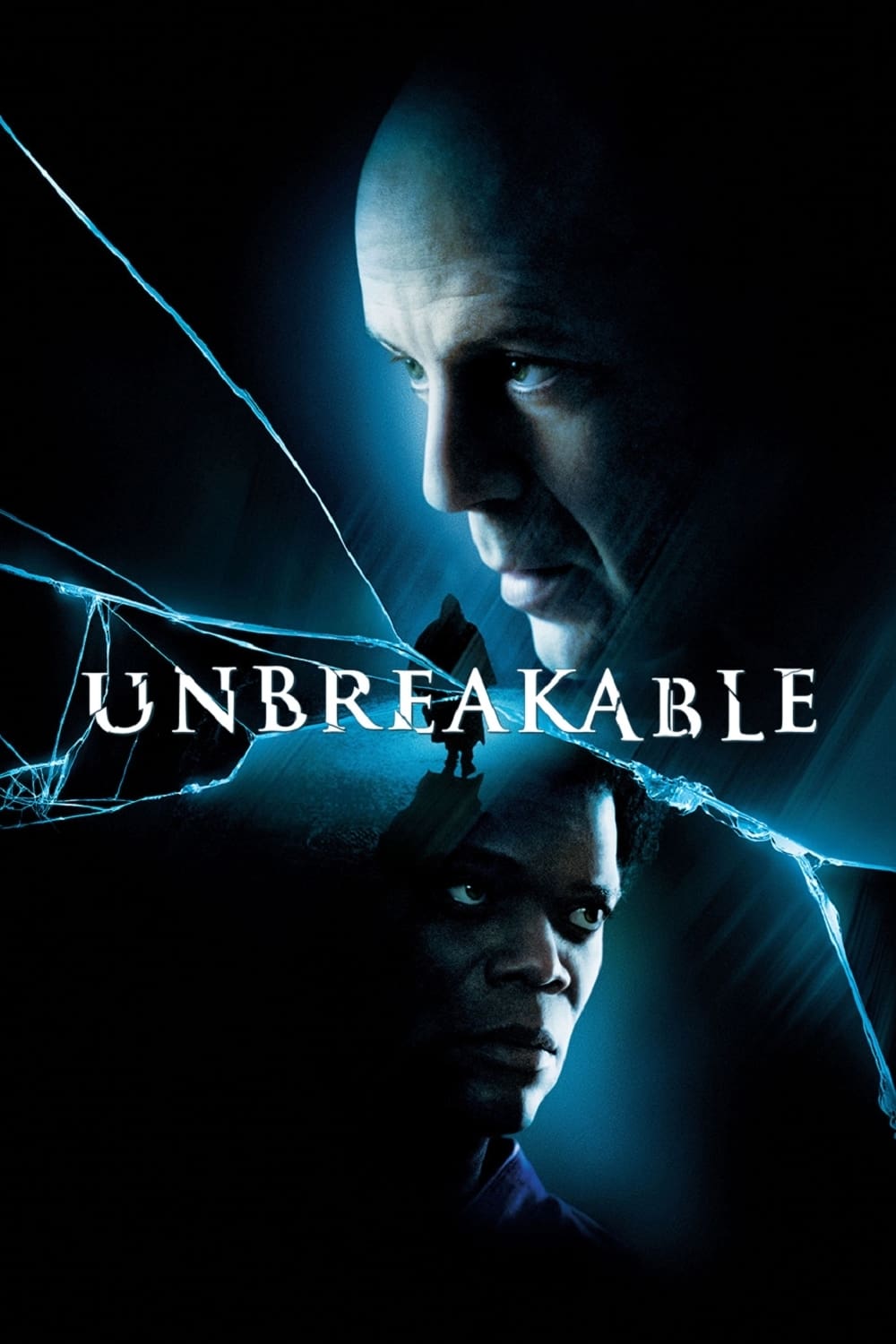
The discovery that Elijah Price had orchestrated multiple terrorist disasters to find a real life superhero was a chilling finale. This twist turned a mentor figure into a villainous mastermind driven by a desperate need for identity. Audiences were initially divided on the slow pace of the film and the sudden nature of the ending reveal. It is now recognized as a groundbreaking deconstruction of comic book mythology before the superhero boom. The movie and its twist eventually spawned a successful trilogy that explored these themes further.
Share which of these famous twists caught you most off guard in the comments.