Controversial Marketing Campaigns For Movies And TV Shows That Backfired, Then Recovered


Marketing campaigns for movies and television shows often push boundaries to capture the attention of a distracted audience. Sometimes these efforts result in public backlash or legal trouble that threatens the success of the project. Studios frequently have to pivot their strategies or apologize to the public to save their investments. Many of these controversial projects eventually find a way to overcome the initial negative press and achieve commercial or critical success.
‘South Park’ (1997–Present)
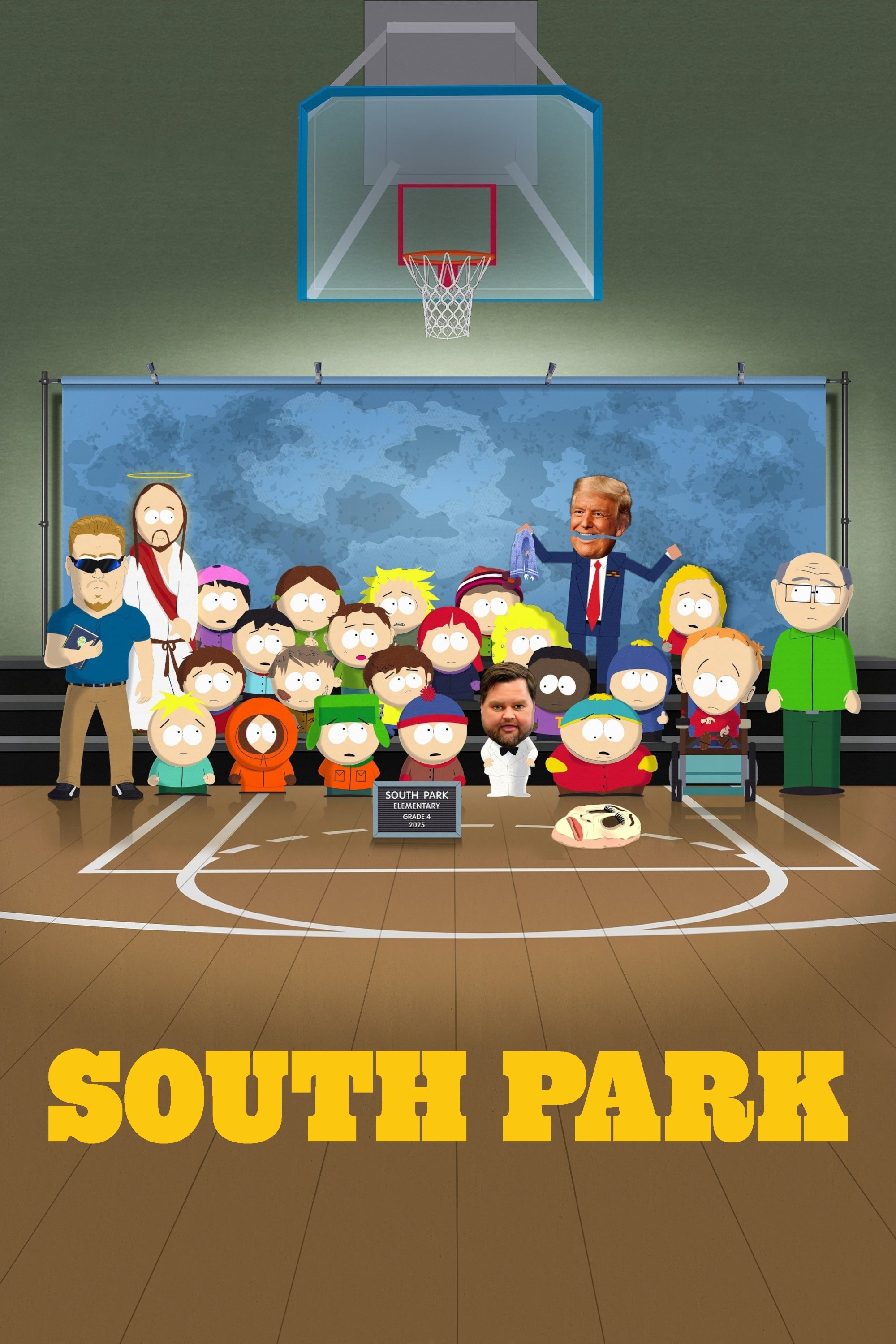
This long running series has frequently used controversial billboards and ads that have been banned in various cities across the country. Marketing campaigns have often leaned into the fact that the show is offensive or forbidden to certain demographic groups. These tactics have resulted in protests and legal threats throughout the history of the program. However the show has consistently recovered and maintained its cultural relevance by staying true to its provocative roots.
‘The Blair Witch Project’ (1999)
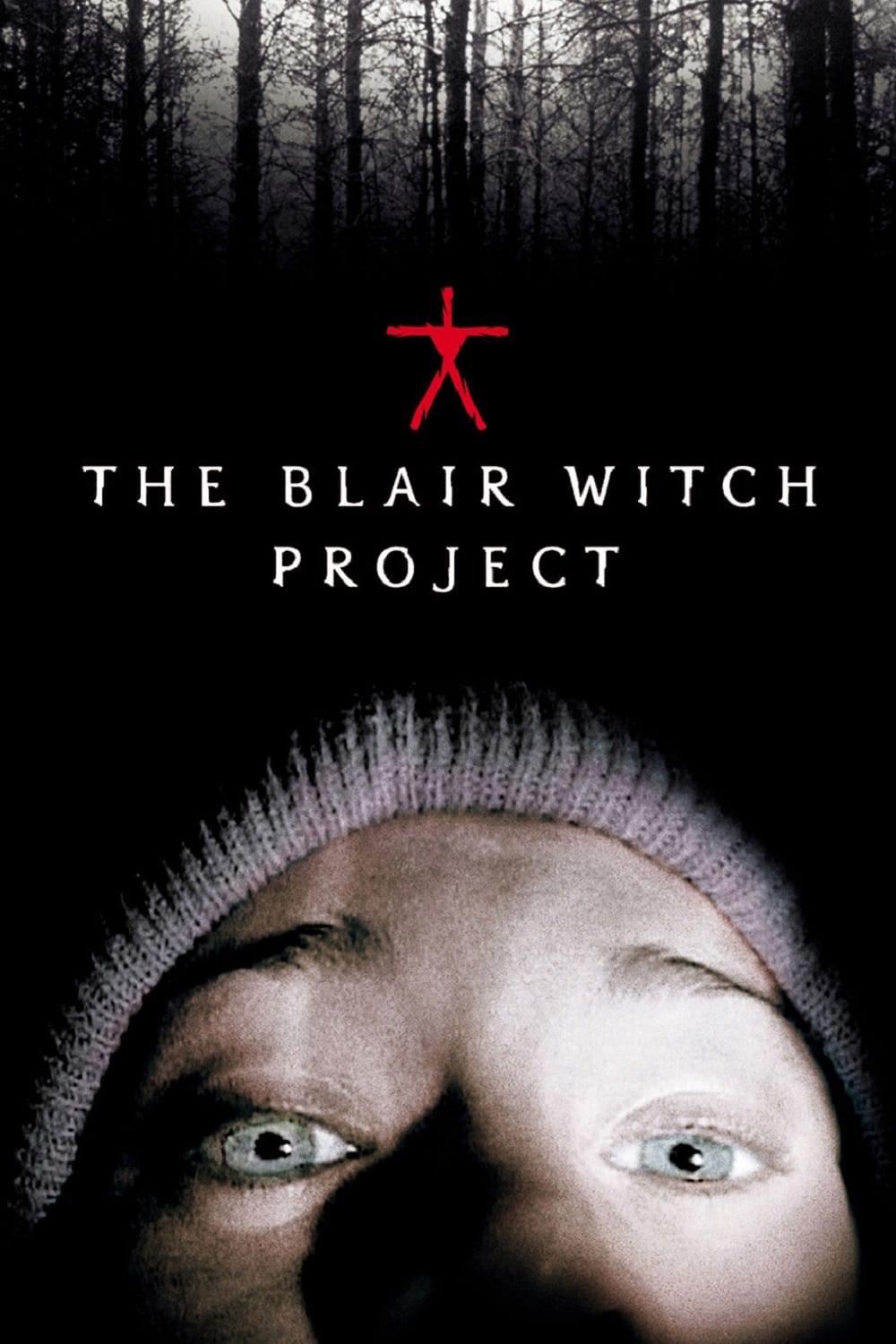
The marketing for this film utilized a website and missing persons posters to suggest that the footage was real and the actors were actually missing. This early viral campaign confused many audience members and led some to believe they were watching a true crime documentary. While the deception was controversial it created an unprecedented level of hype for an independent film. The movie became a massive commercial success and revolutionized the found footage genre in modern cinema.
‘Borat: Cultural Learnings of America for Make Benefit Glorious Nation of Kazakhstan’ (2006)
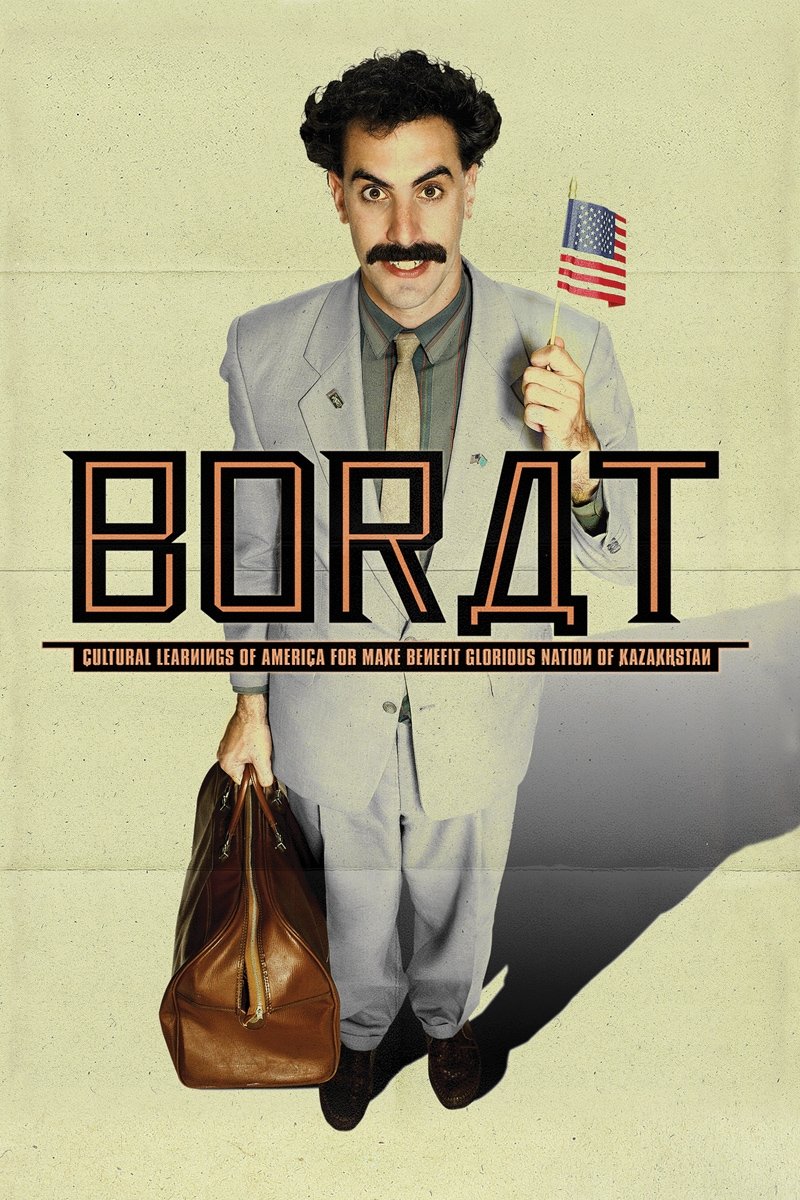
The marketing for this film relied on real life pranks and interactions with unsuspecting people who were unaware they were being filmed for a comedy. Several individuals featured in the movie filed lawsuits claiming they were deceived by the production team during the filming process. This legal trouble and the offensive nature of the character led to several countries banning the film entirely. Despite these obstacles the movie was a huge hit with critics and audiences who praised its bold social commentary.
‘Snakes on a Plane’ (2006)
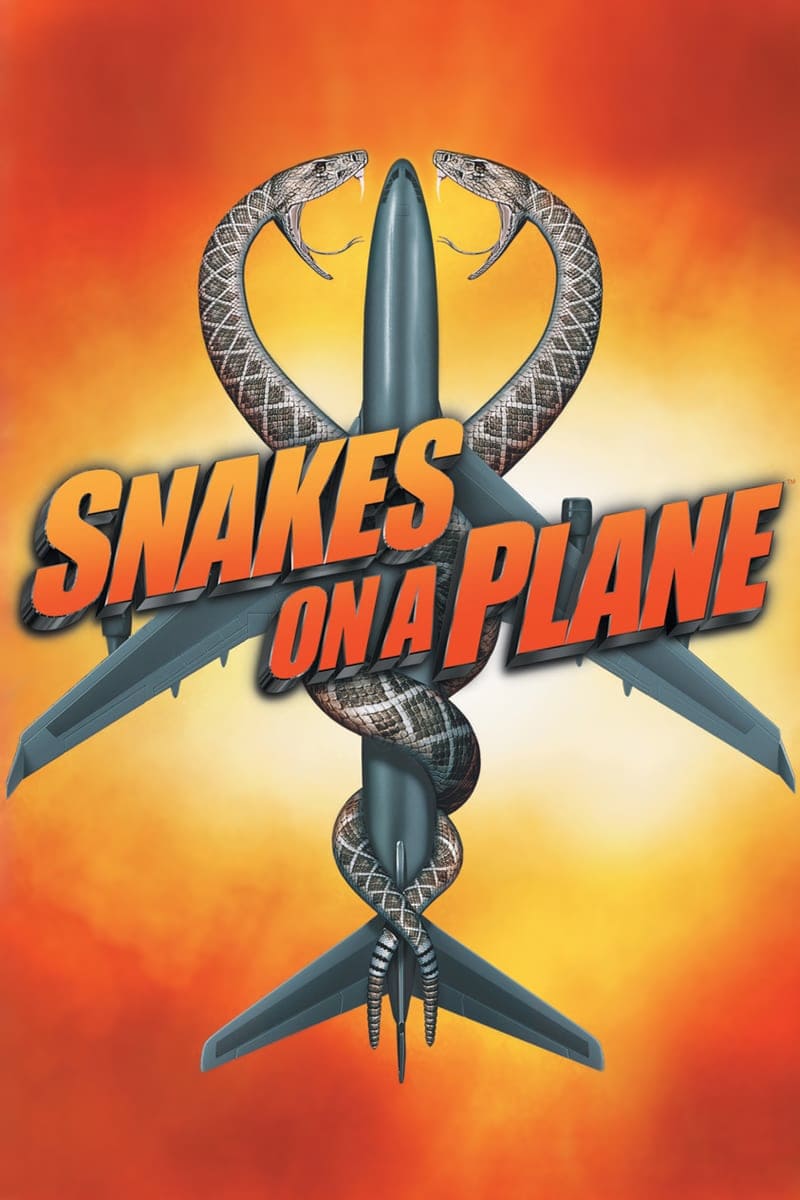
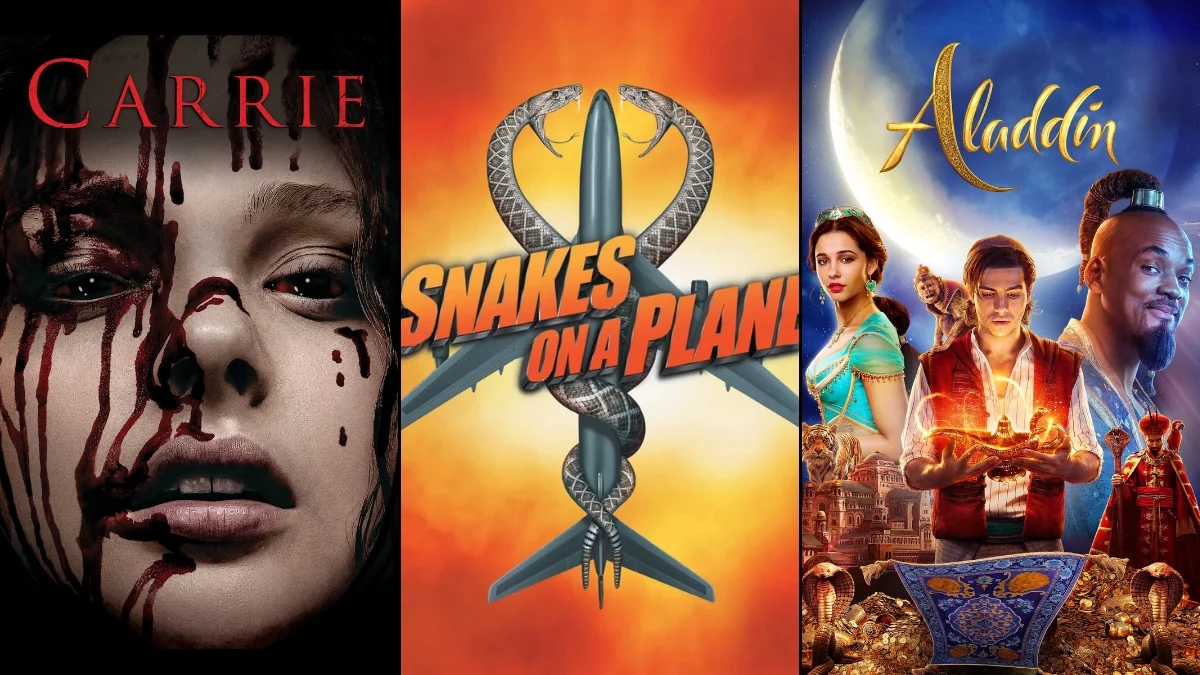
The marketing for this movie allowed fans to send personalized phone calls from the lead actor to their friends as a promotional stunt. Some people found the calls to be annoying or borderline harassment when they received them without any prior warning. The studio also had to handle the challenge of the film becoming an internet meme before it even reached theaters. While the box office was modest the film achieved cult status and is remembered for its unique engagement with the audience.
‘Aqua Teen Hunger Force Colon Movie Film for Theaters’ (2007)
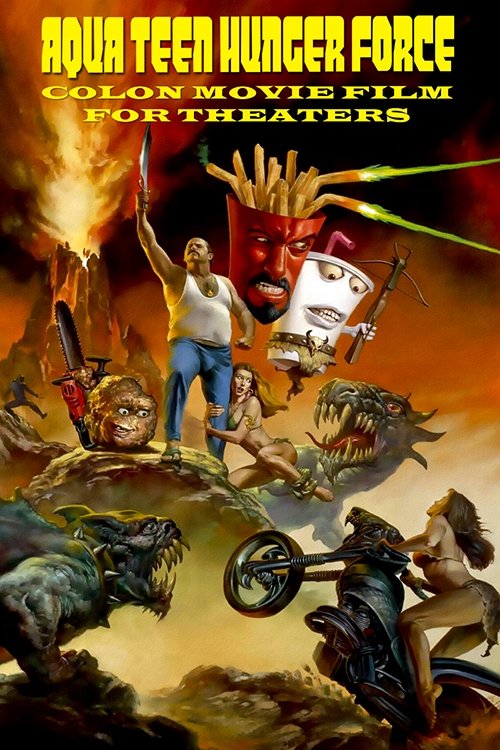
Marketing for this film involved placing battery powered LED devices shaped like characters in several major American cities. In Boston authorities mistook these light up devices for explosive units which led to a citywide security lockdown. Turner Broadcasting and the marketing firm eventually paid two million dollars in restitution to settle the legal matter. Despite the massive legal fallout and public controversy the film performed well enough to satisfy its niche audience and further the popularity of the television show.
‘The Dark Knight’ (2008)
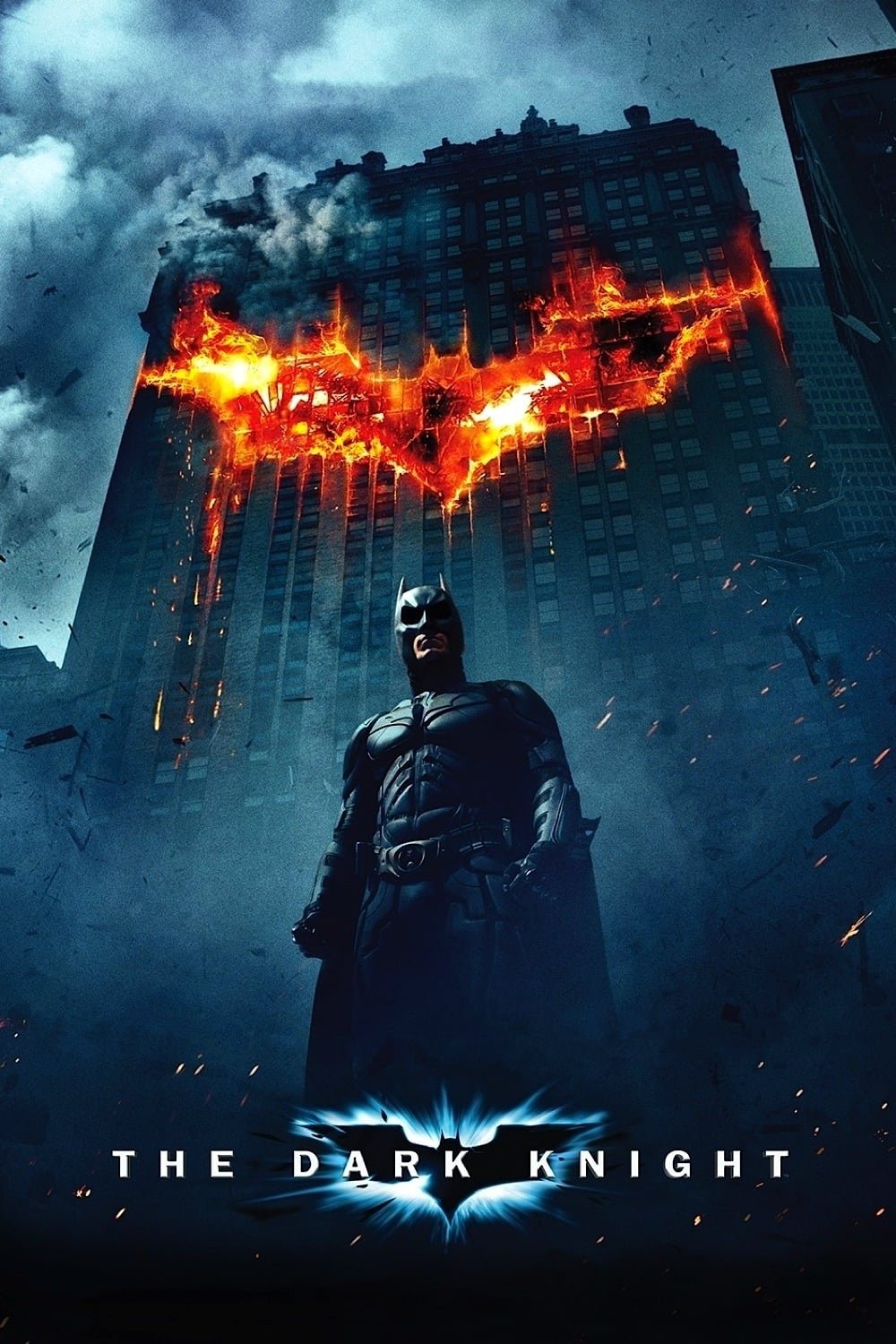
The elaborate alternate reality game used to market this film involved fans searching for clues in the real world to unlock new digital content. One part of the campaign involved a website for Harvey Dent that was slowly defaced by the Joker. This immersive strategy faced criticism when some participants were confused by the intense nature of the scavenger hunts. The movie overcame these small hurdles to become a landmark achievement in the superhero genre and a massive financial success.
‘Carrie’ (2013)
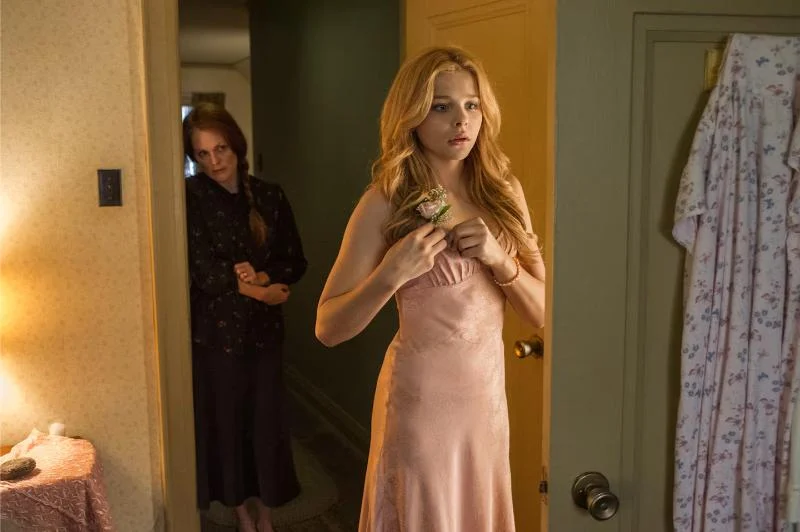
The marketing team staged a hidden camera prank in a coffee shop where an actor appeared to use telekinetic powers to throw a man against a wall. While the video went viral it received criticism for terrifying unsuspecting customers who were not aware they were part of a staged stunt. Many people debated the ethics of using fear to sell a horror movie to the general public. The film managed to recover from the debate and performed decently at the box office during its release window.
‘House of Cards’ (2013–2018)
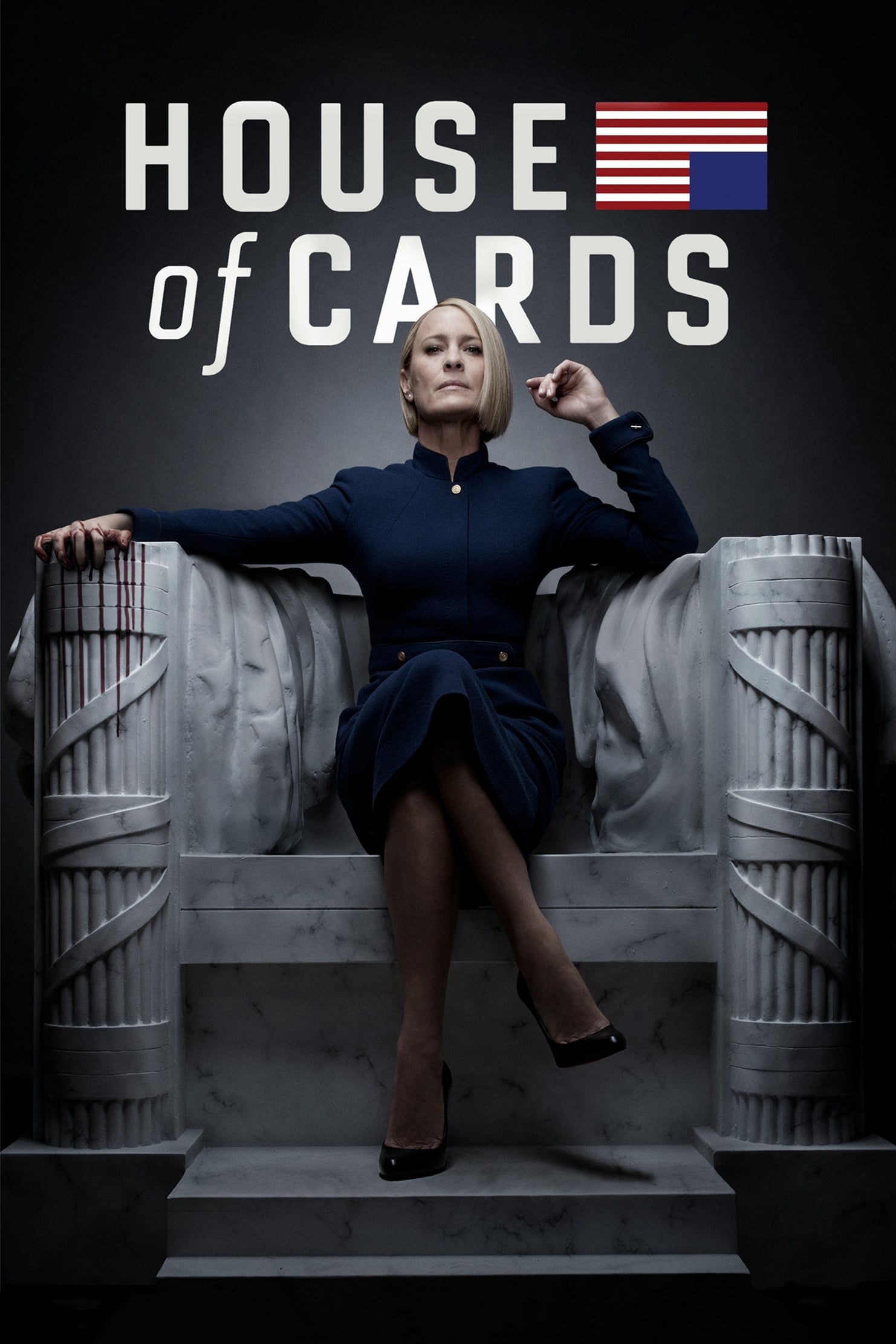
The show faced a major crisis when the lead actor was removed following serious allegations during the final stages of production. Marketing for the final season had to pivot entirely to focus on Robin Wright as the new lead character. This transition was met with skepticism from fans who wondered if the show could survive without its original star. The final season successfully closed the narrative and allowed the series to maintain its legacy as a prestige drama.
‘The Interview’ (2014)
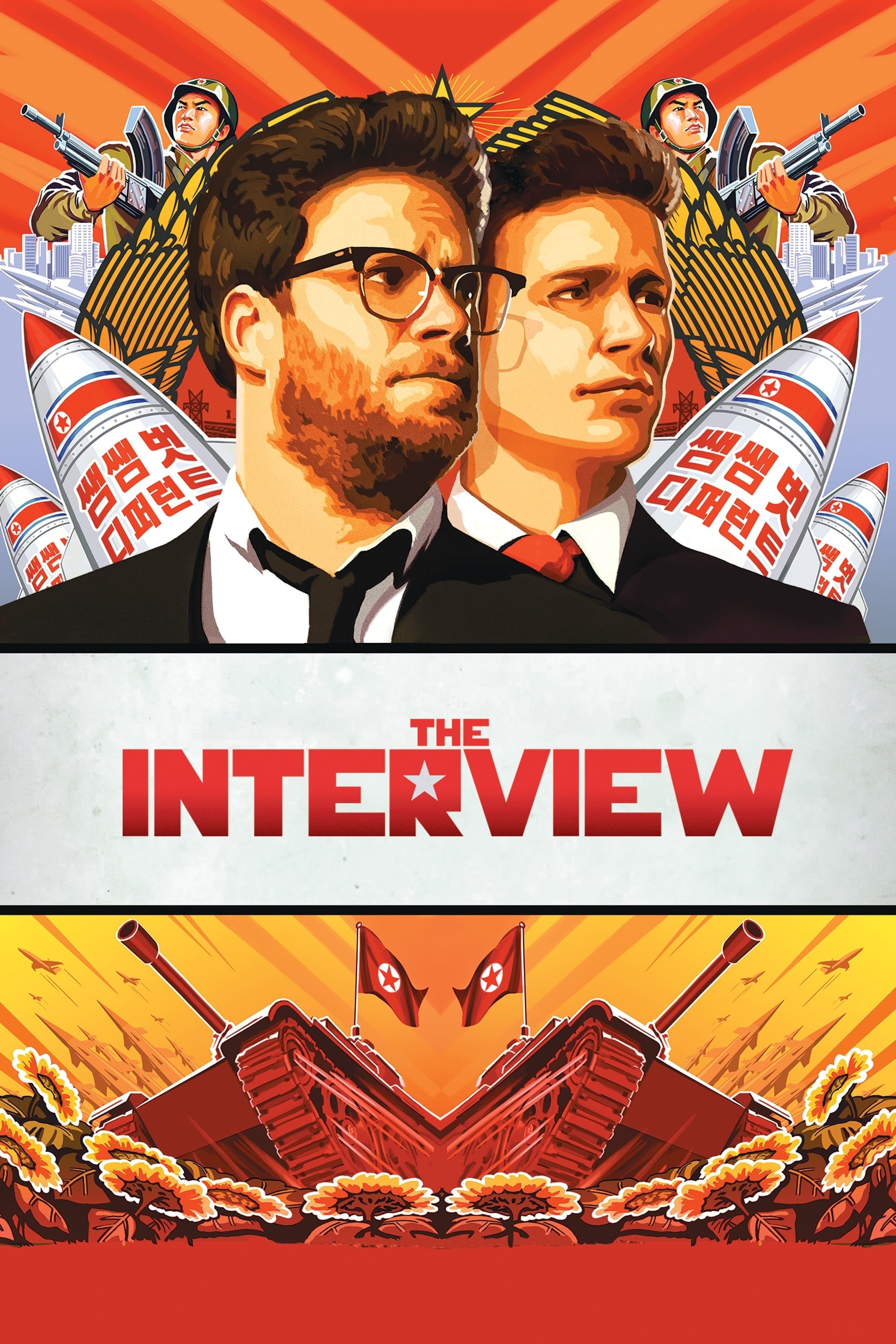
The promotion of this comedy film led to a major international incident involving North Korean leadership and a massive cyberattack on Sony Pictures. Theaters received threats of violence which forced the studio to cancel the traditional theatrical release for a period of time. Sony pivoted to a digital distribution strategy that proved incredibly successful with audiences eager to see the forbidden content. The film became a symbol of free speech and a profitable digital release despite the initial geopolitical chaos.
‘Ghostbusters’ (2016)
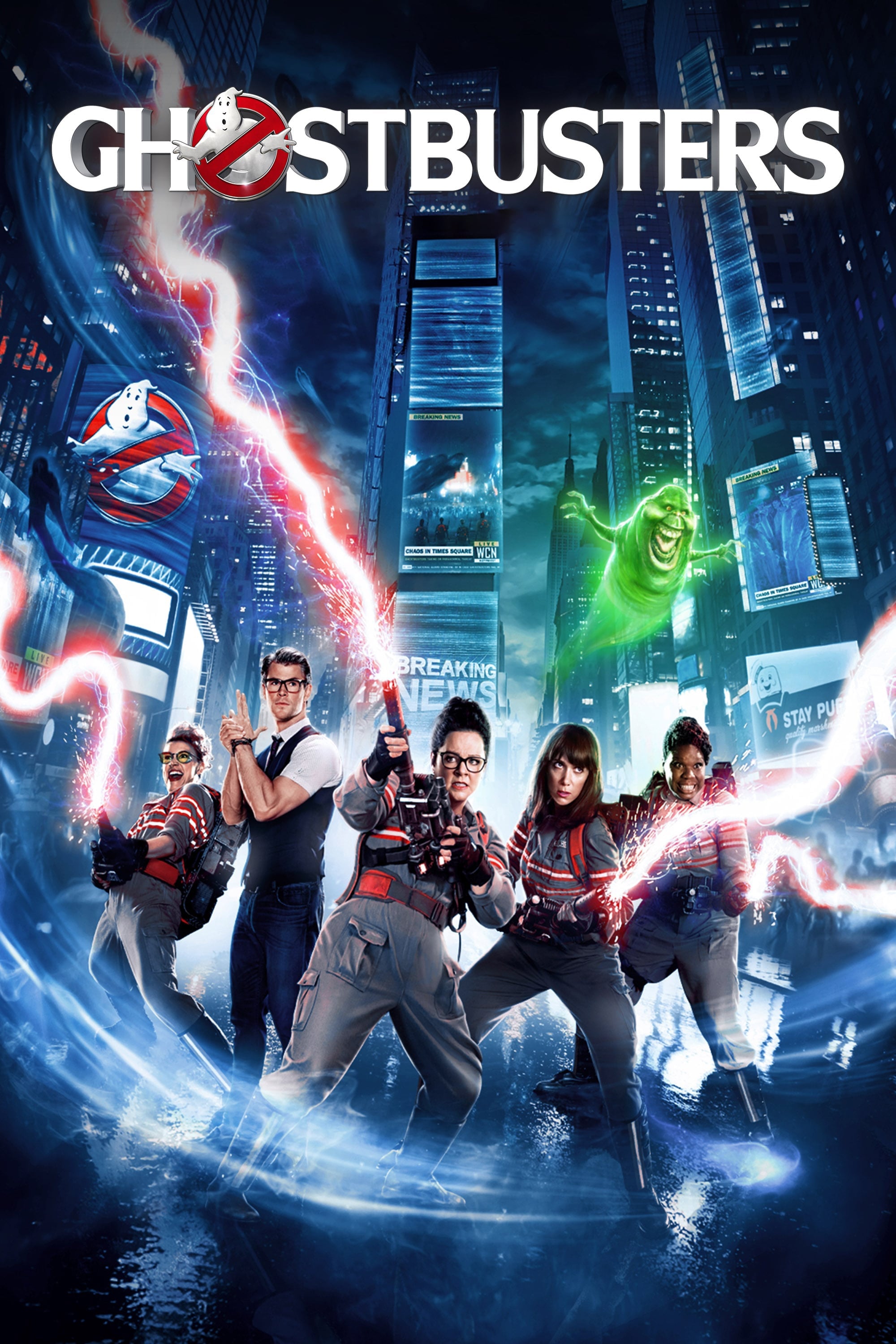
The marketing campaign for this reboot faced an uphill battle after the first trailer became one of the most disliked videos on YouTube. Sony Pictures chose to lean into the controversy by highlighting the negative comments in some of their promotional materials. This strategy polarized the audience and sparked intense debates about the casting of the film. While the movie itself had a mixed reception it helped revitalize interest in the franchise which led to more successful entries later on.
‘Sausage Party’ (2016)
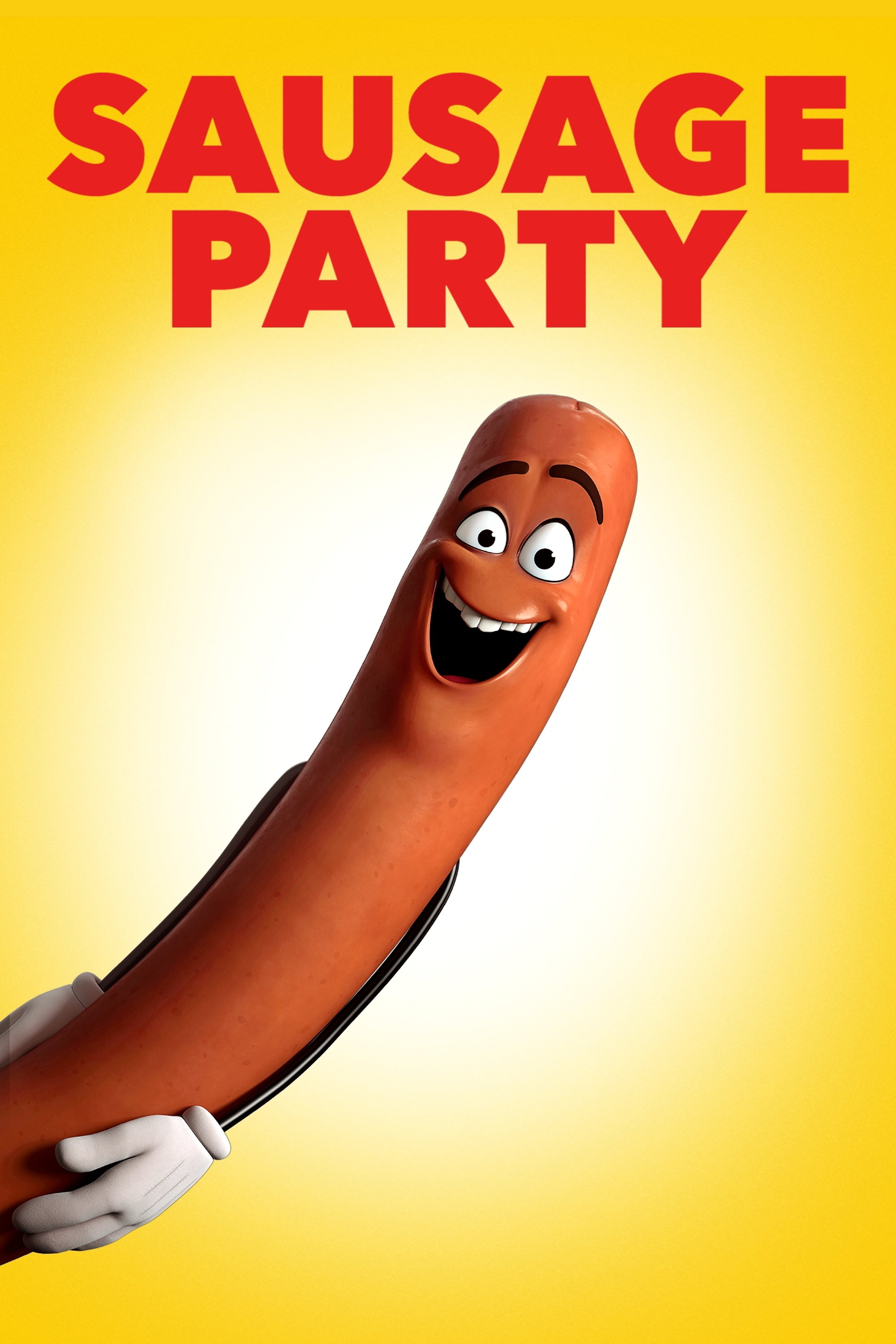
Advertisements for this movie featured colorful animation that many parents mistook for a traditional family film. When trailers played before family movies in theaters it sparked a wave of complaints from concerned parents and theater owners. The studio had to emphasize the R rating more clearly in future marketing materials to avoid further confusion. The controversy only served to boost interest among adult audiences and the film became a significant box office success.
’13 Reasons Why’ (2017–2020)
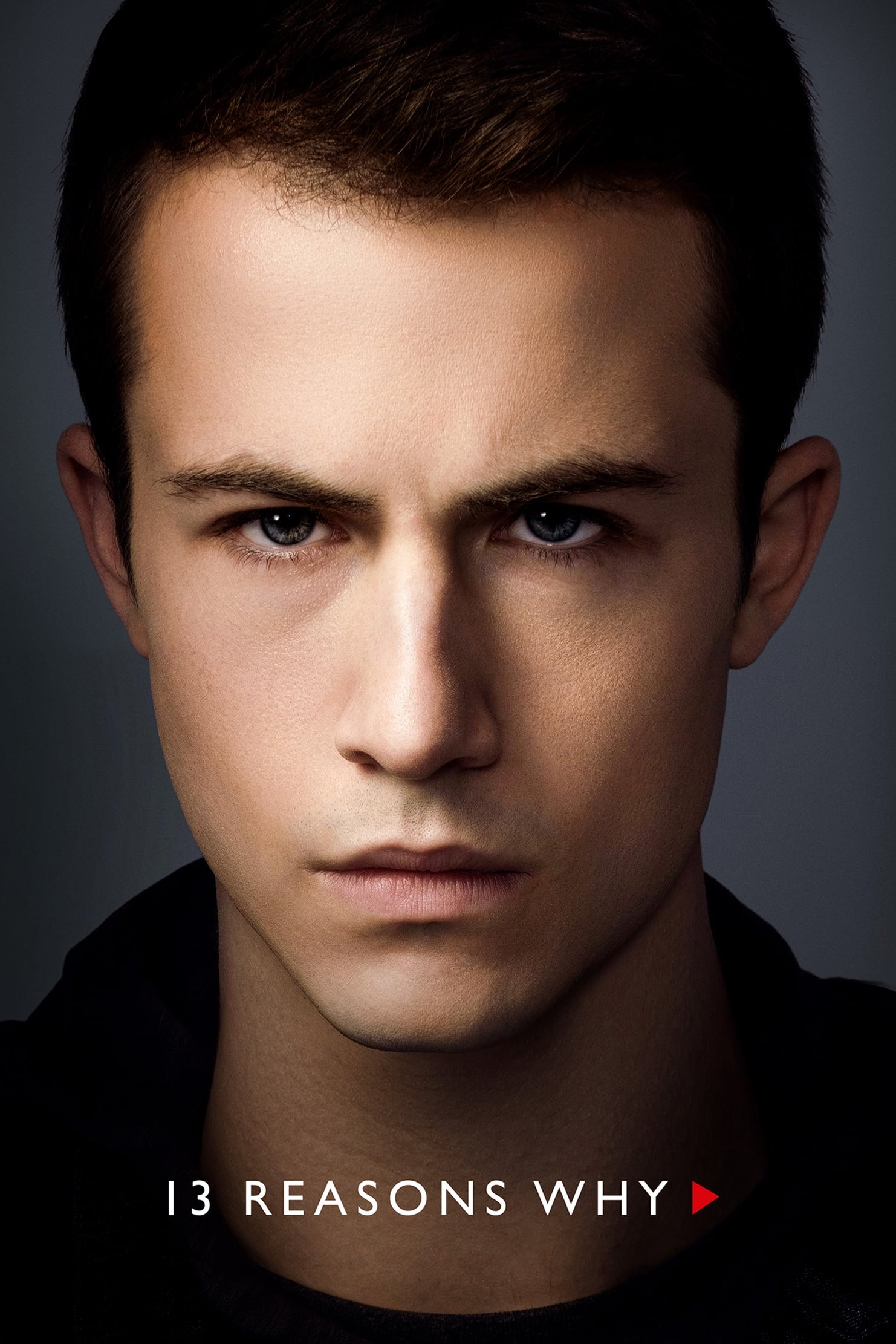
The marketing and graphic content of this series drew intense criticism from mental health organizations for its portrayal of suicide. Netflix faced calls to cancel the show or add more significant warnings before episodes to protect younger viewers. The studio responded by adding advisory videos and eventually editing out the most controversial scene from the first season. Despite the ongoing debates the show remained one of the most watched programs on the platform for several years.
‘Aladdin’ (2019)
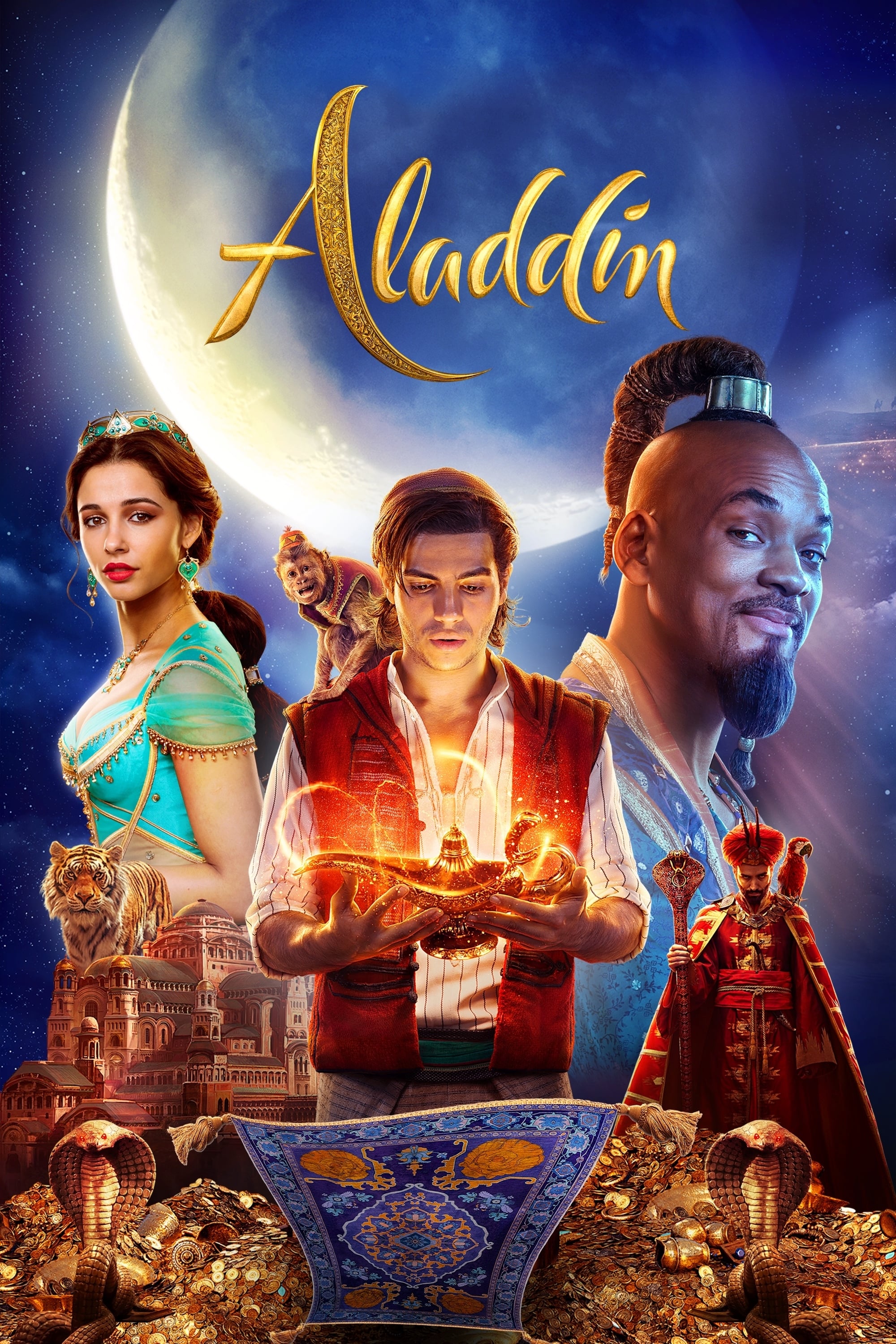
Early marketing images of the Genie character portrayed by Will Smith received widespread mockery for the quality of the visual effects. Fans expressed disappointment with the look of the character which led to concerns that the live action adaptation would fail. Disney continued to refine the special effects in subsequent trailers to address the negative feedback from the public. The film recovered from the rocky start to earn more than one billion dollars worldwide.
‘Joker’ (2019)
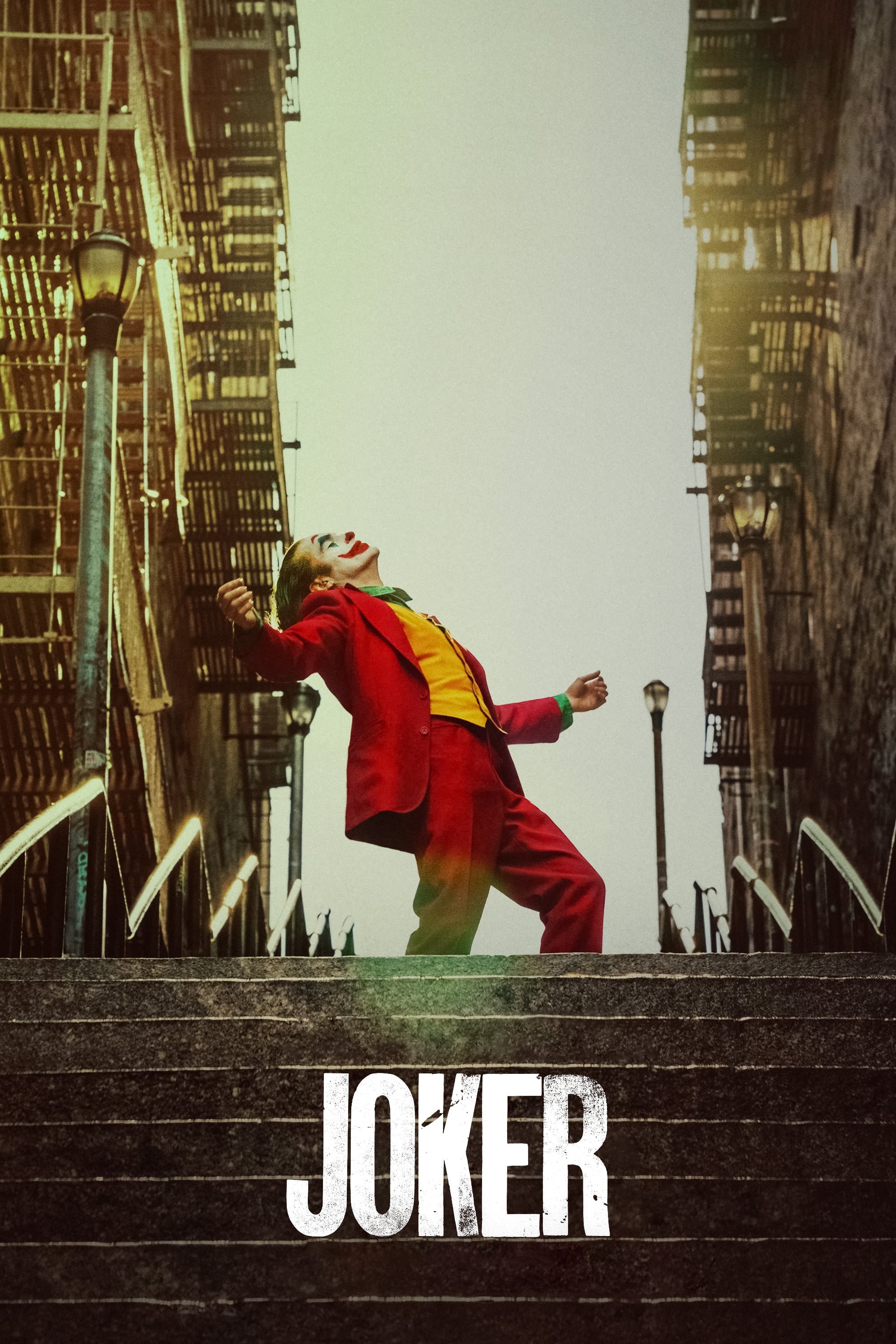
Concerns about the film inciting real world violence led to increased security at theaters and a heavy focus on the controversial nature of the story during its marketing. Some critics argued that the marketing romanticized a dangerous character while theaters banned costumes during screenings. Warner Brothers had to issue statements clarifying that the film was not an endorsement of the character actions. The movie ultimately became the first R rated film to gross over one billion dollars at the global box office.
‘The Boys’ (2019–Present)

Promotional materials for this series often use shocking imagery and parody real world corporate advertisements to grab attention. Some viewers found the marketing to be too graphic or offensive given the cynical take on superhero culture. The show creators used the backlash to further the themes of the series and criticize corporate marketing practices. This unique approach has made the show a staple of modern television and a massive hit for its streaming platform.
‘Sonic the Hedgehog’ (2020)
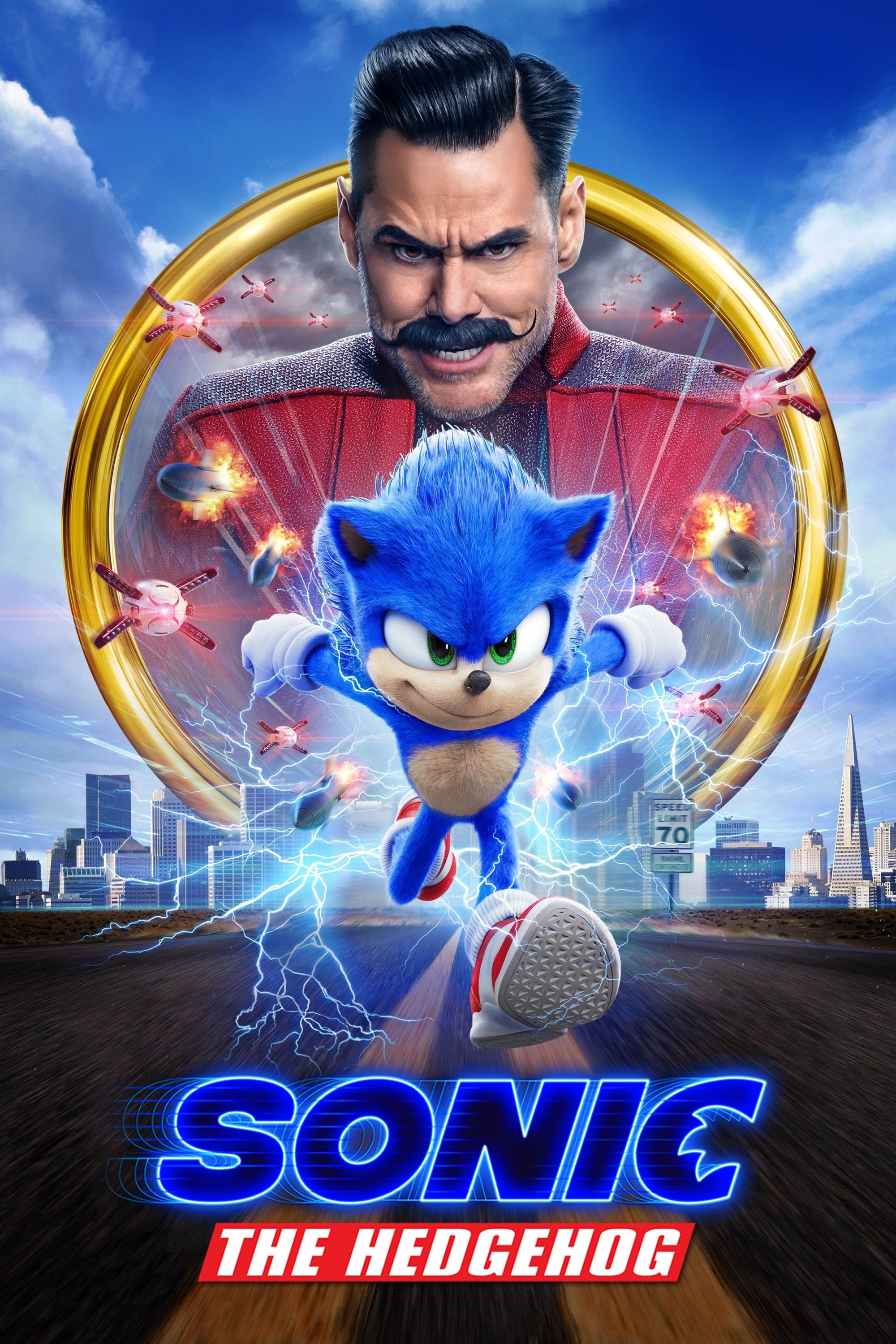
The first trailer for this film featured a hyper realistic design for the titular character that fans found unsettling. Public outcry regarding the teeth and proportions of the blue hedgehog led the director to announce a complete redesign. This move delayed the release of the film but resulted in a much warmer reception from audiences upon its debut. The movie eventually broke box office records for video game adaptations and launched a successful cinematic franchise.
‘Spider-Man: No Way Home’ (2021)
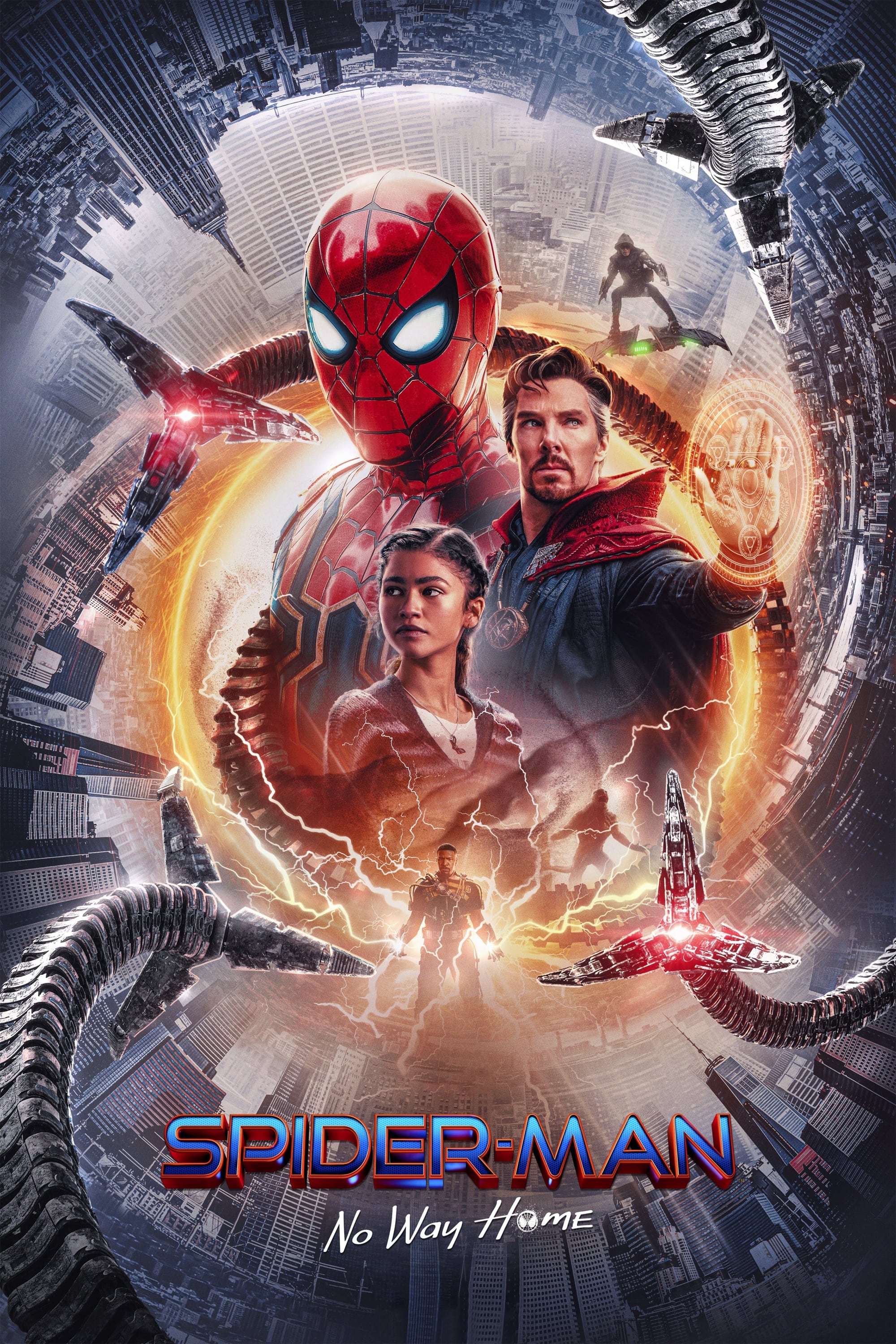
Marketing for this film relied on secrecy and the denial of major rumors regarding the return of former cast members. This approach led to frustration among some fans who felt the studio was being overly deceptive in trailers and interviews. When the actors finally appeared in the film it created a massive moment of payoff that justified the initial secrecy. The movie became one of the highest grossing films of all time and satisfied the expectations of a global audience.
‘Smile’ (2022)
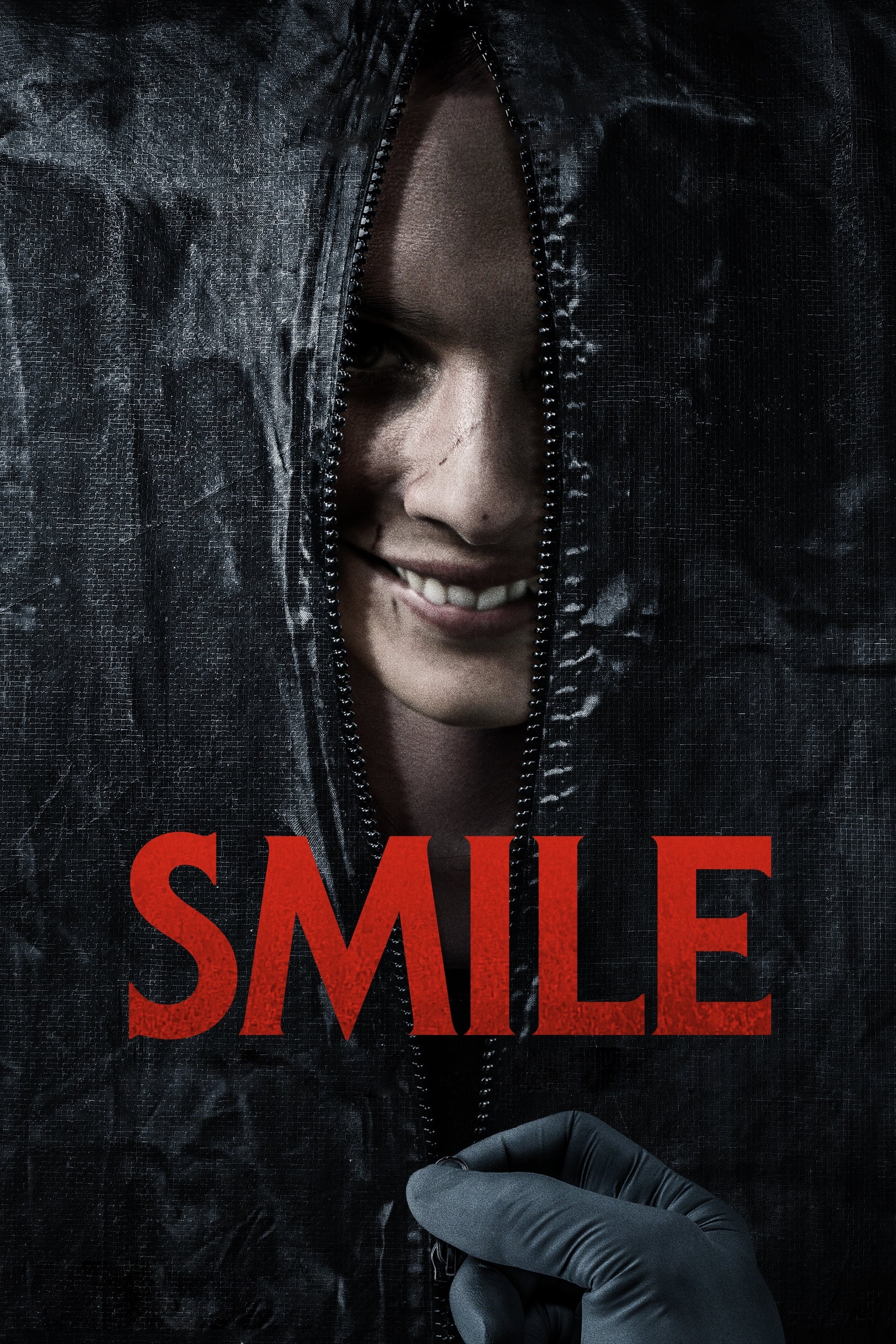
The marketing team for this horror film hired actors to sit in high visibility areas like televised baseball games and smile creepily at the camera. While many people found the stunt creative others felt it was intrusive or frightening during public broadcasts. This viral strategy generated massive amounts of free publicity across social media platforms. The film went on to become a surprise box office hit and outperformed many other horror releases that year.
‘Barbie’ (2023)
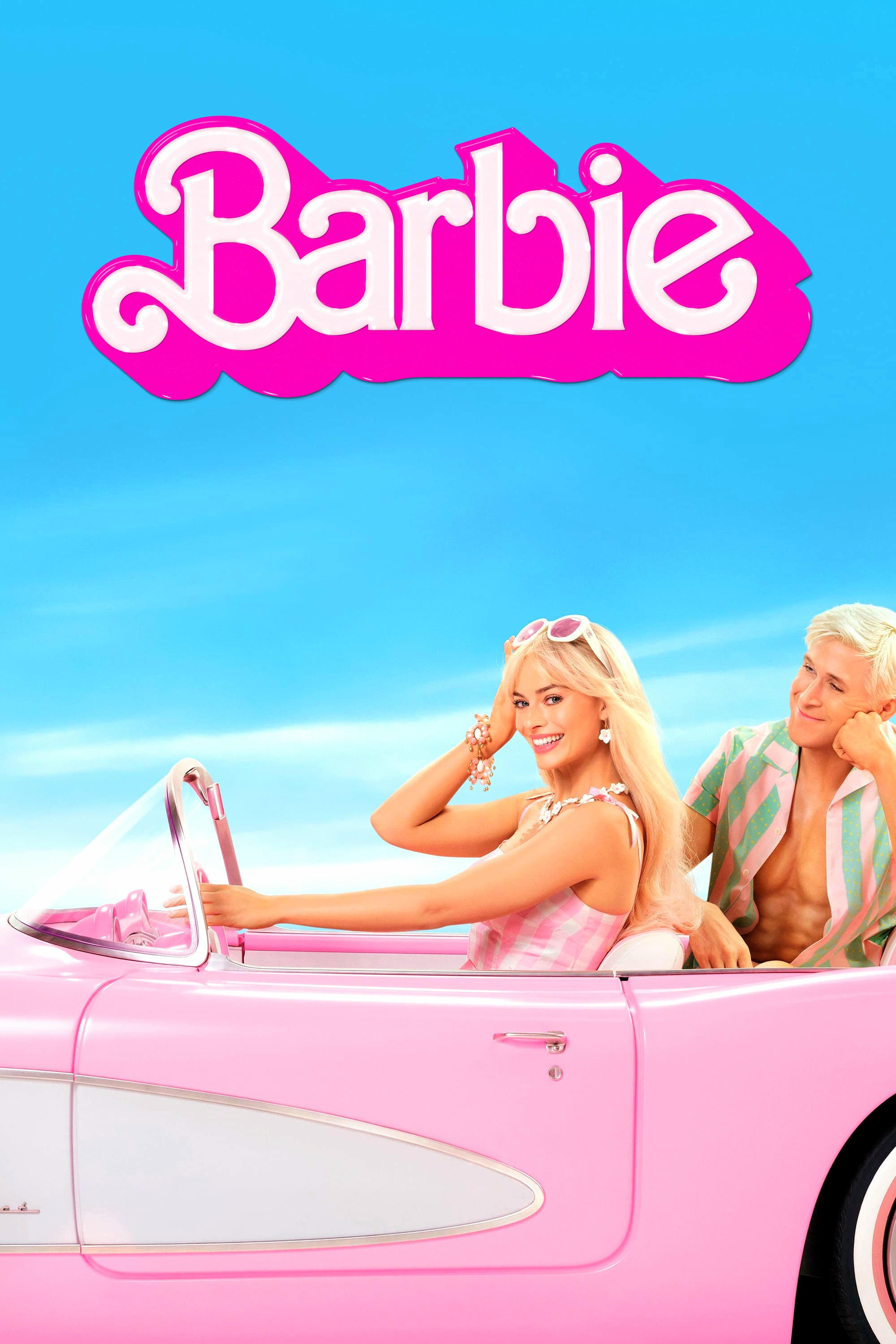
A brief scene featuring a hand drawn map caused an international controversy that led to the film being banned in Vietnam. The marketing team had to navigate complex geopolitical sensitivities while maintaining the lighthearted tone of the overall campaign. Warner Brothers clarified that the map was not intended to make a political statement or endorse territorial claims. The film overcame the early negative headlines to become the highest grossing movie of the year.
‘The Little Mermaid’ (2023)

The announcement and subsequent marketing featuring a diverse cast led to a significant amount of online backlash and review bombing. Disney stood by the casting choices and focused the marketing on the vocal performance and visual spectacle of the film. This steadfast approach helped the film find its audience among families and younger viewers who supported the project. The movie ultimately performed well at the box office and received positive marks from many professional critics.
Share your thoughts on these controversial marketing campaigns in the comments.