Controversial Finale Choices That Sparked Thoughtful Discussions


Television finales represent the ultimate challenge for creators who must satisfy years of viewer investment in a single hour of storytelling. While some endings provide closure and comfort, others deliberately subvert expectations to provoke a lasting reaction from the audience. These controversial choices often lead to intense debates about narrative themes and character growth within the fan community. The following list explores some of the most debated endings in television history that continue to be analyzed by critics and audiences alike.
‘Game of Thrones’ (2011–2019)
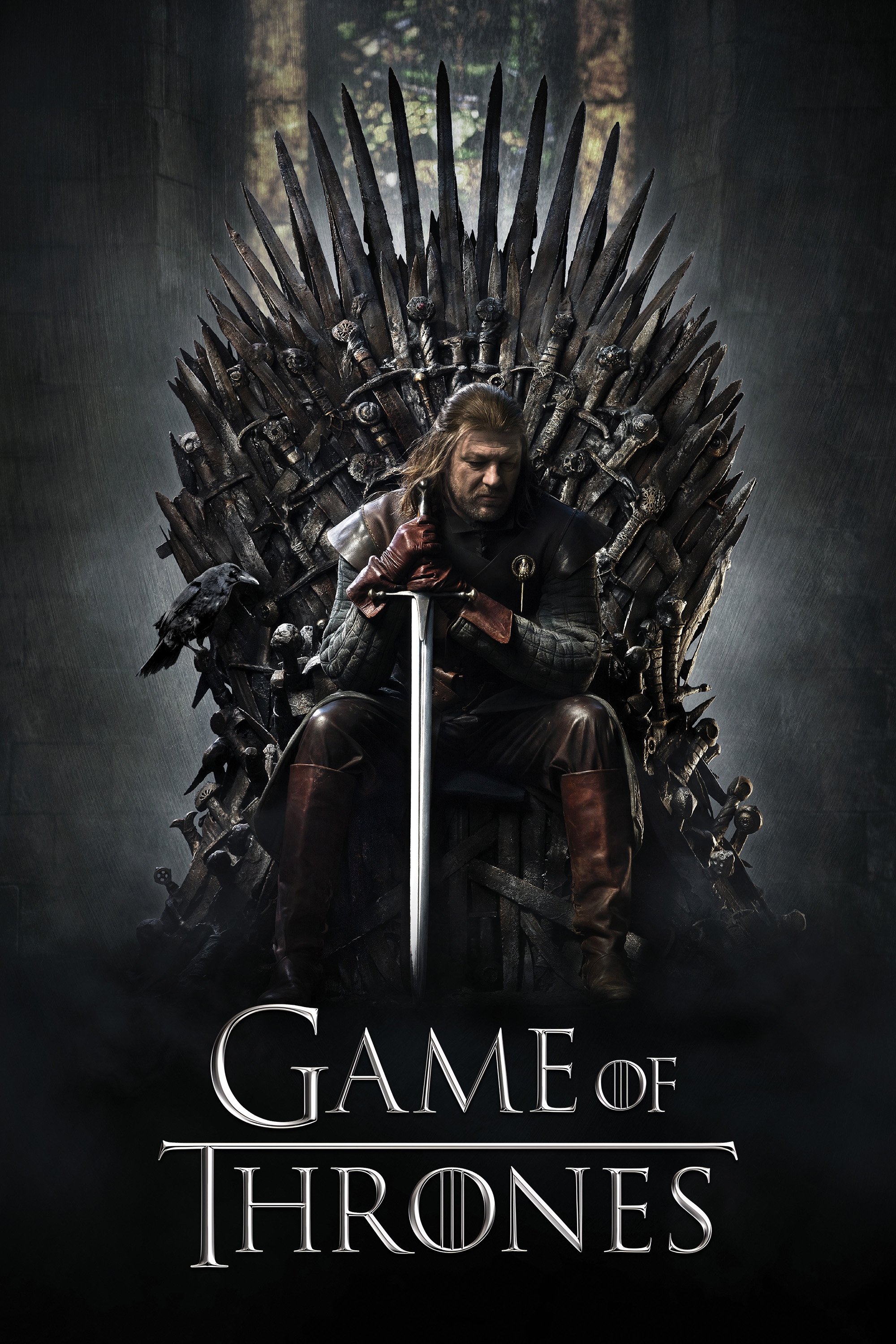
The conclusion of ‘Game of Thrones’ remains one of the most polarizing moments in television history because of the sudden shift in character motivations. Daenerys Targaryen burns King’s Landing despite her previous role as a liberator who protected the innocent. Fans felt the election of Bran the Broken as the new king lacked proper build up during the final season. This choice led to a massive petition from viewers who requested a complete remake of the season. The showrunners stood by their creative decisions despite the widespread backlash from the global audience.
‘The Sopranos’ (1999–2007)
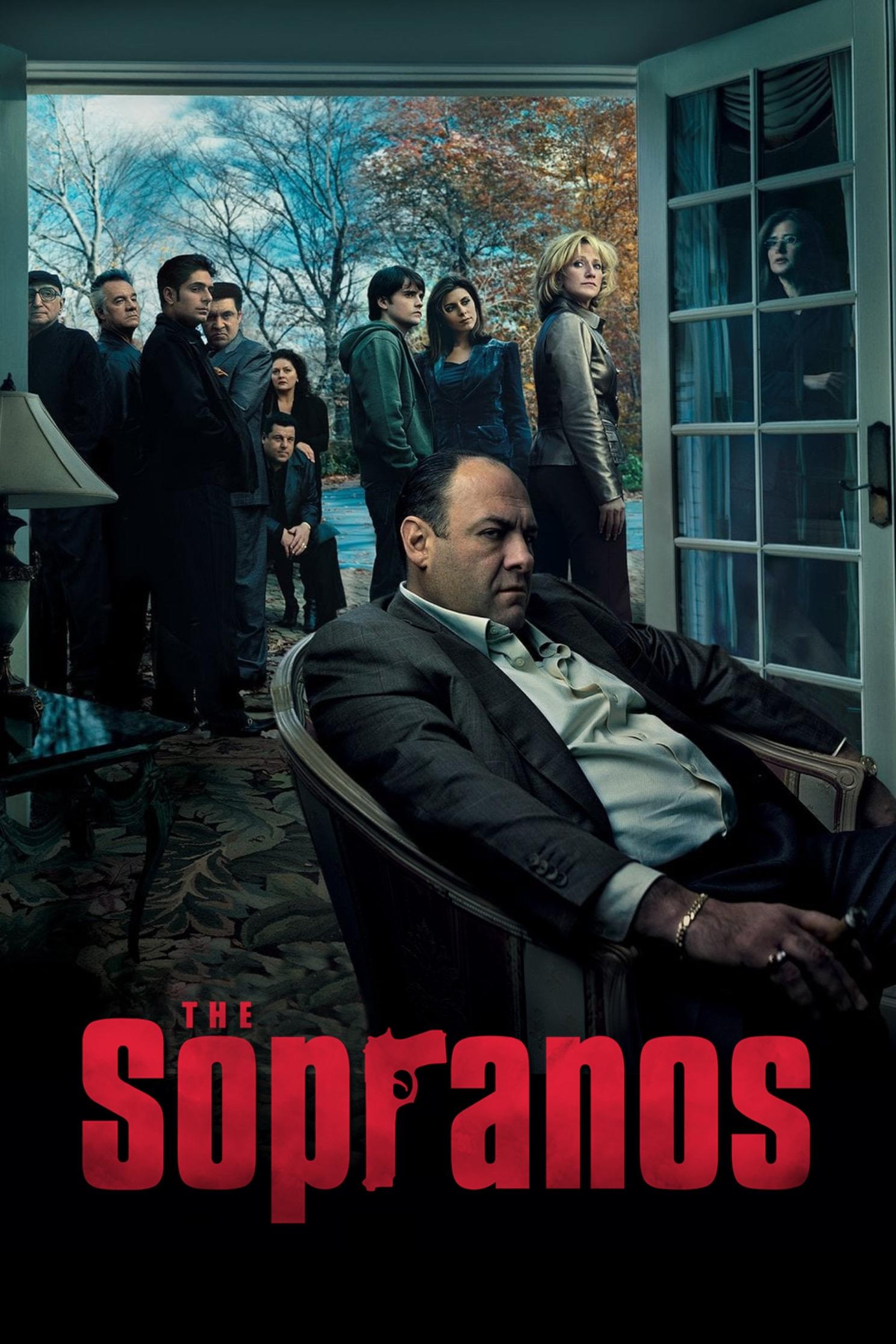
The abrupt ending of ‘The Sopranos’ left millions of viewers wondering if their cable connection had failed during the final scene. Tony Soprano sits with his family in a diner while a mysterious man enters the restroom just before the screen cuts to black. The lack of a definitive resolution regarding the fate of the protagonist sparked decades of theories and analysis. Creator David Chase has since provided various explanations regarding the symbolic nature of the scene. This ambiguity continues to generate intense debate among fans who analyze every frame for clues about the ultimate fate of the Soprano family.
‘Lost’ (2004–2010)
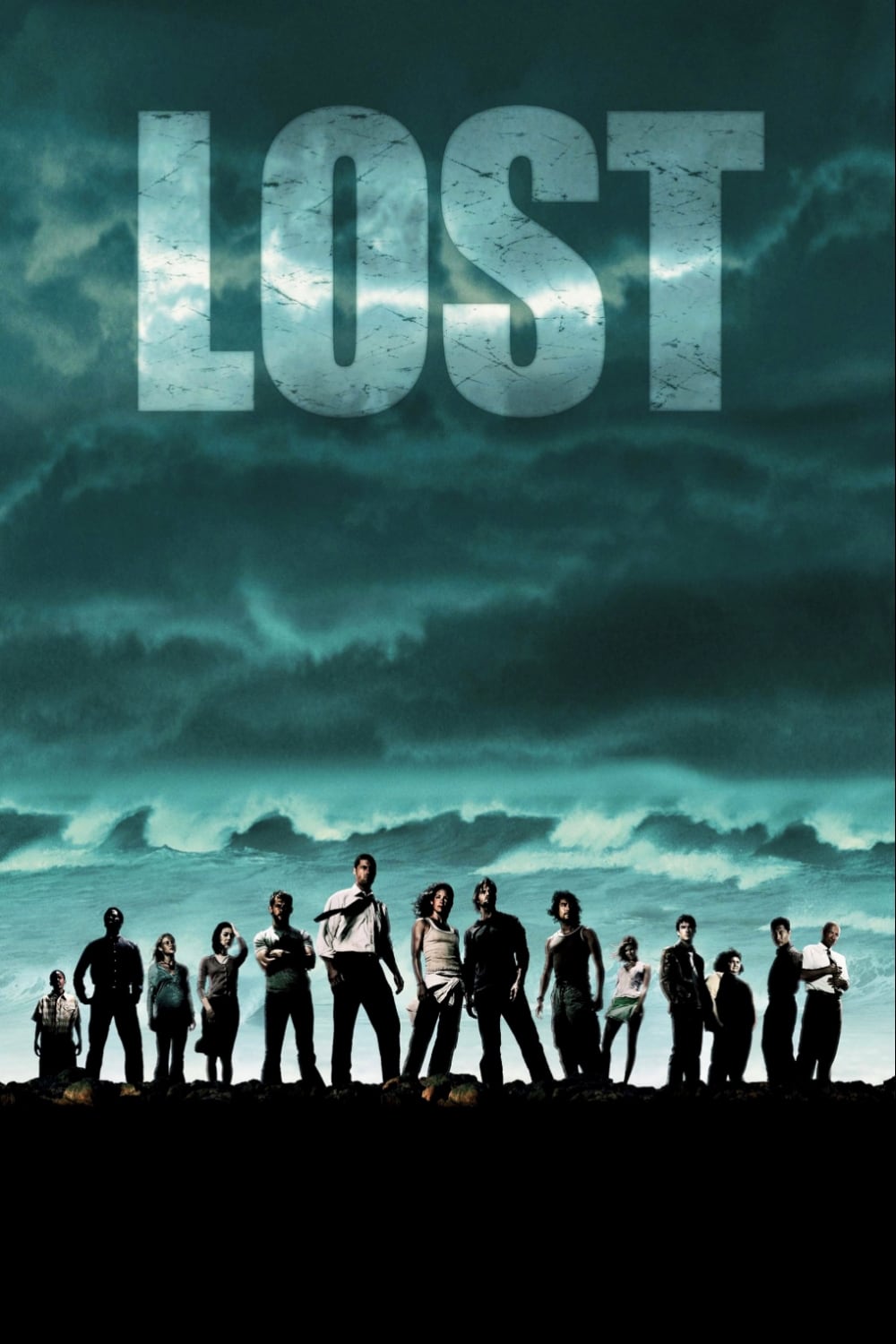
The finale of ‘Lost’ divided its audience by focusing on the spiritual journey of the characters rather than answering every scientific mystery. Viewers learned that the flash sideways sequences were actually a form of purgatory where the survivors met after their deaths. While many appreciated the emotional closure, others felt betrayed that the island mysteries remained largely unexplained. This ending prompted discussions about the importance of narrative payoff versus character exploration. Critics still point to this episode as a defining moment in the history of serialized television drama.
‘How I Met Your Mother’ (2005–2014)
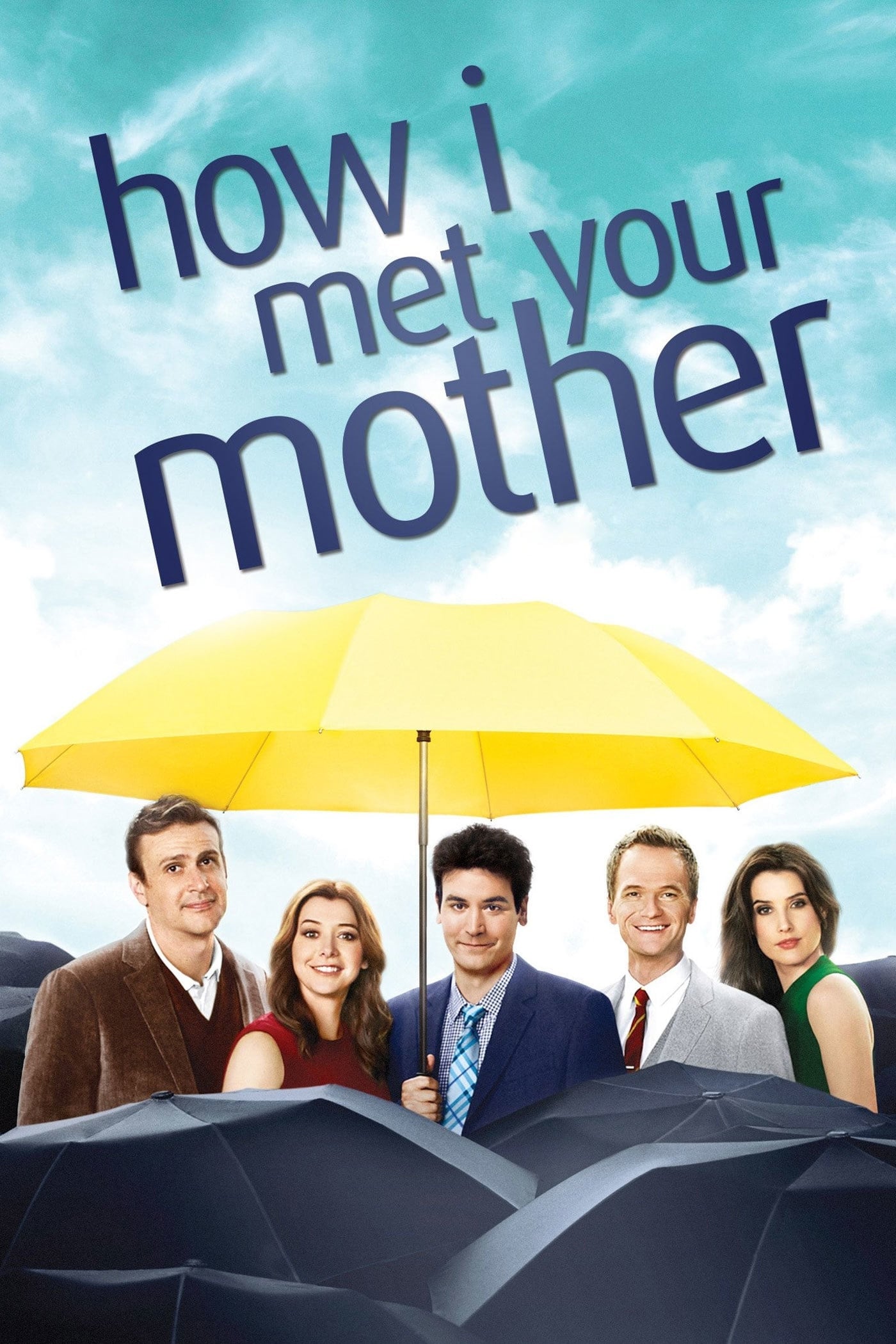
Fans of ‘How I Met Your Mother’ were shocked when the titular mother died of a terminal illness shortly after meeting Ted. The finale revealed that the entire story was a way for Ted to ask his children for permission to date Robin Scherbatsky. This twist undermined the character growth of Robin and Barney who had just spent an entire season getting married. Many viewers felt the ending was planned during the early years and no longer fit the characters by the ninth season. The controversy resulted in an official alternate ending being released on the home video collection.
‘Dexter’ (2006–2013)
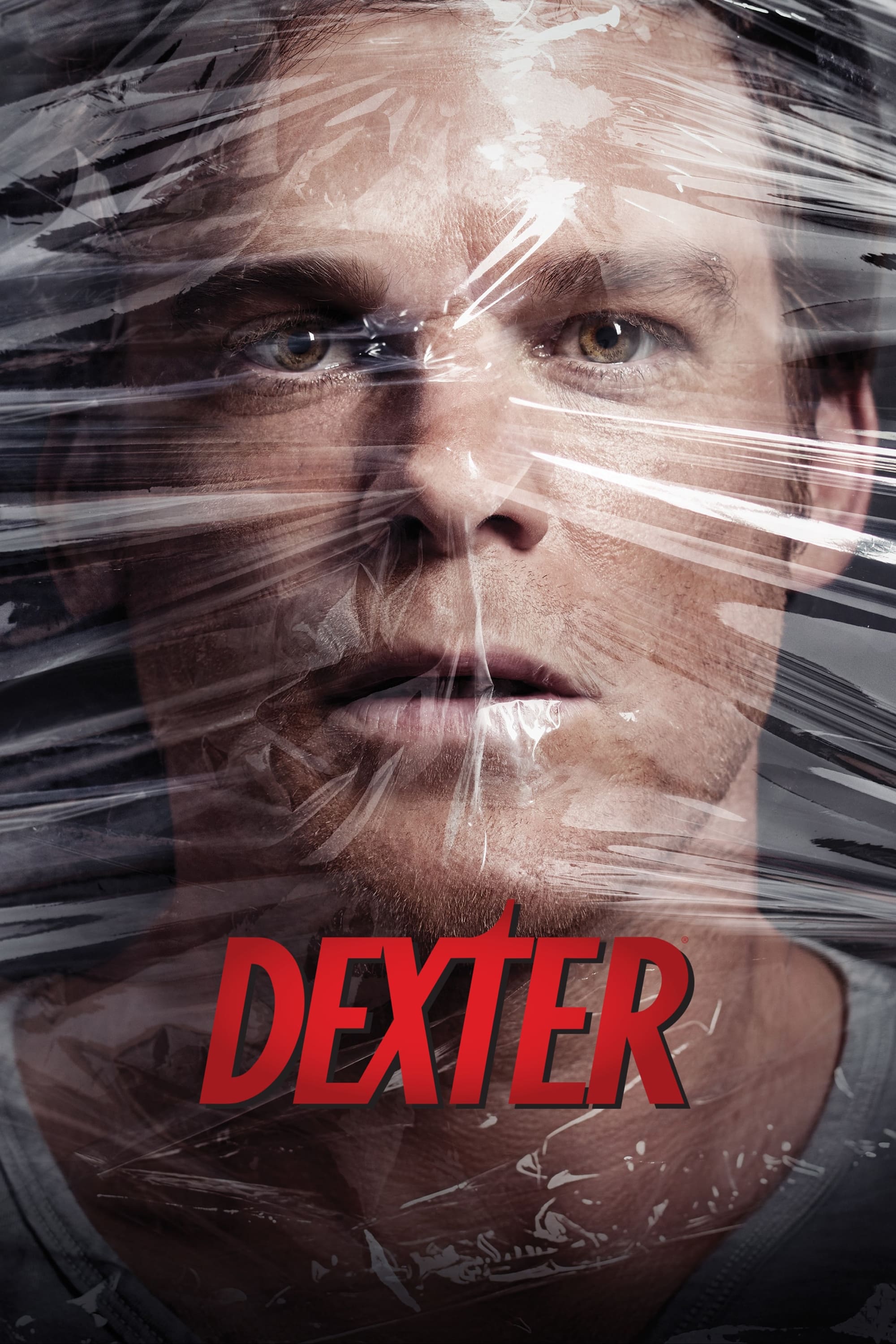
The original finale of ‘Dexter’ saw the title character faking his death in a hurricane and living in isolation as a lumberjack. This conclusion was widely panned because it seemed to abandon the established themes of justice and consequences. Fans were disappointed that Dexter Morgan did not face a trial or a more meaningful death after his years of serial killing. The lack of interaction with the regular supporting cast in the final minutes also felt like a missed opportunity for closure. This dissatisfaction eventually led to the production of a revival series nearly a decade later.
‘Seinfeld’ (1989–1998)
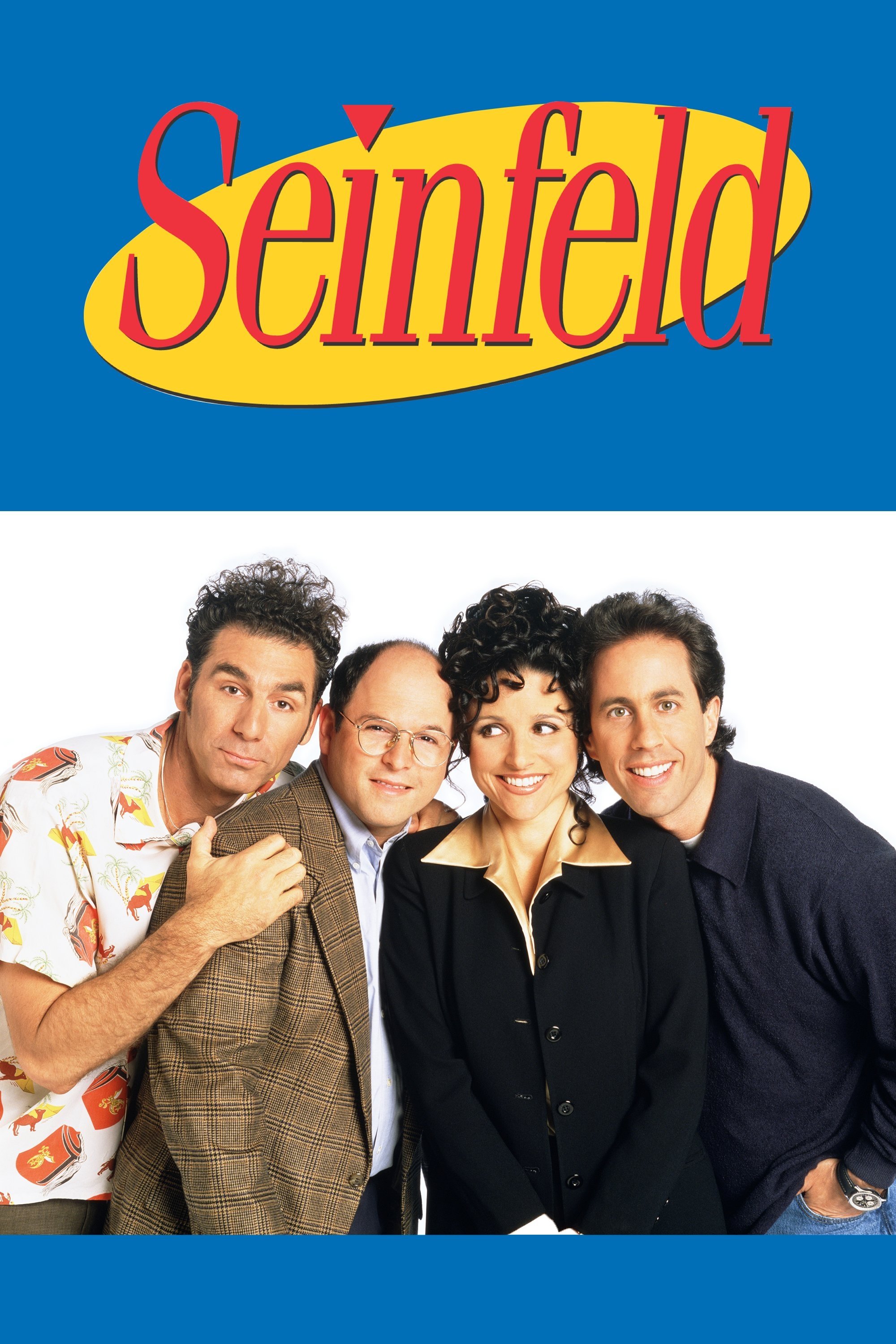
The finale of ‘Seinfeld’ broke from the traditional sitcom format by putting the main characters on trial for their lack of empathy. A parade of guest stars from previous seasons returned to testify about the selfish behavior of Jerry and his friends. The episode ends with the group sitting in a jail cell and repeating the same conversation from the series premiere. Critics were split on whether this was a brilliant meta commentary or a mean spirited punishment for beloved characters. It remains one of the most watched and discussed television finales in American history.
‘Neon Genesis Evangelion’ (1995–1996)
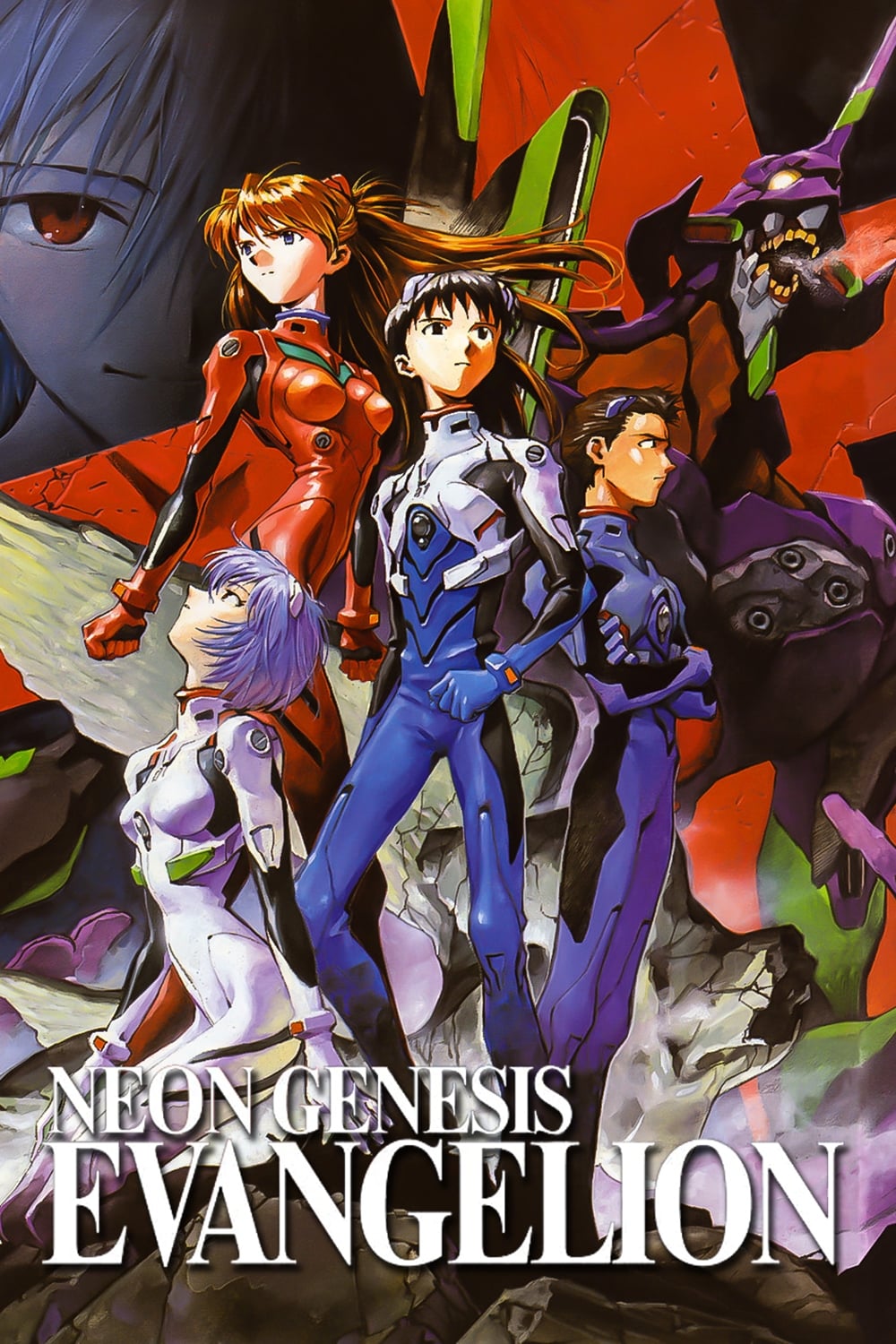
The final two episodes of ‘Neon Genesis Evangelion’ abandoned the mecha action for an abstract psychological exploration of the protagonist. Shinji Ikari undergoes an internal monologue that uses experimental animation and sketches to represent his mental state. Many viewers were confused by the lack of resolution regarding the physical war against the Angels. The production team later created a film titled ‘The End of Evangelion’ to provide a more traditional narrative conclusion. This choice sparked a long running conversation about the impact of budget constraints and artistic vision on anime production.
‘Attack on Titan’ (2013–2023)
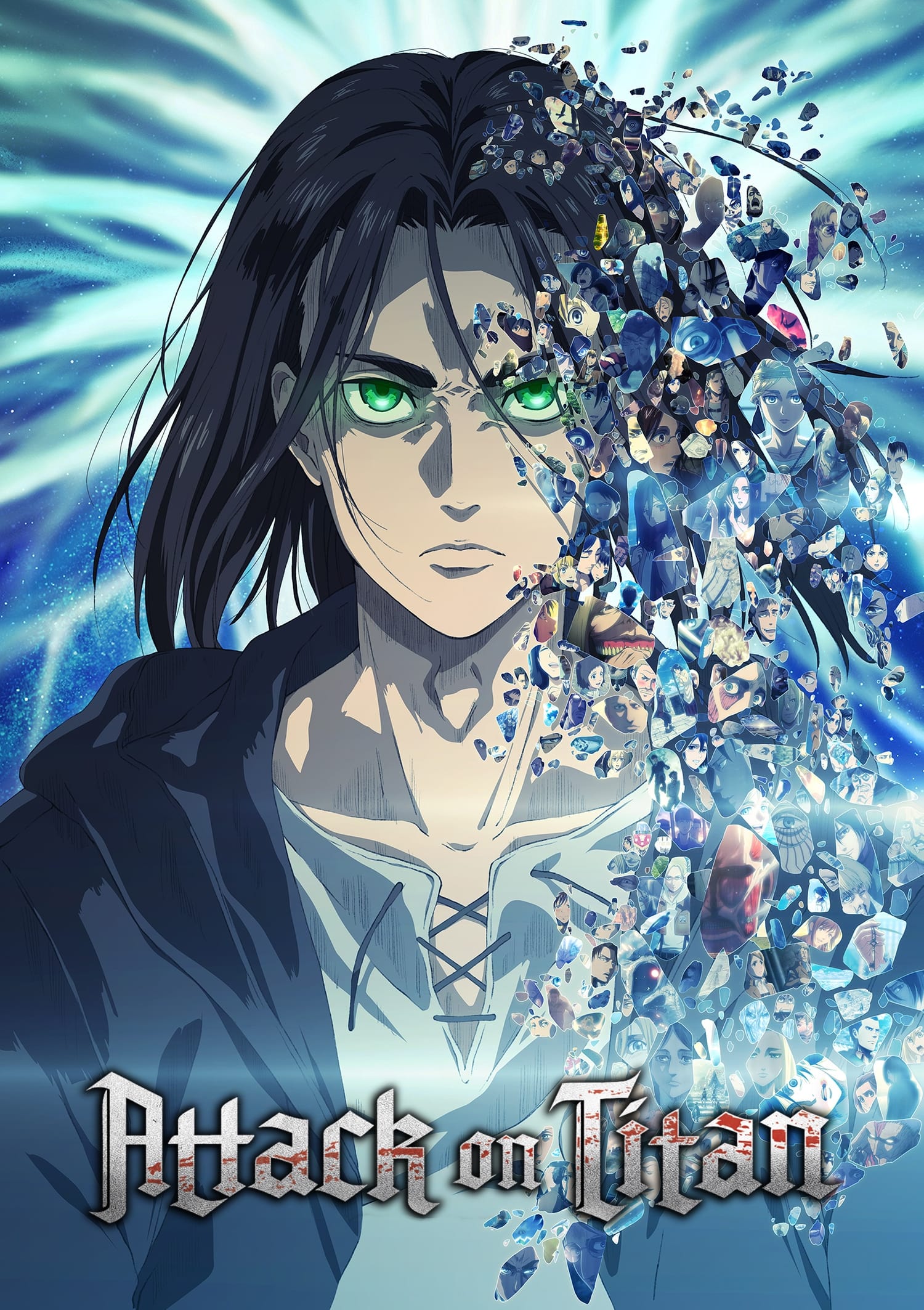
The conclusion of ‘Attack on Titan’ sparked debate due to the complex moral choices made by its protagonist Eren Yeager. The finale reveals the true cost of his actions and the grim reality of the cycle of war that persists through generations. Some fans struggled with the redemption of a character who committed global genocide for the sake of his friends. The post credits scenes added even more weight to the discussion by showing that conflict eventually returns to the world. This ending is often cited as a bold exploration of human nature and the inevitability of violence.
‘St. Elsewhere’ (1982–1988)
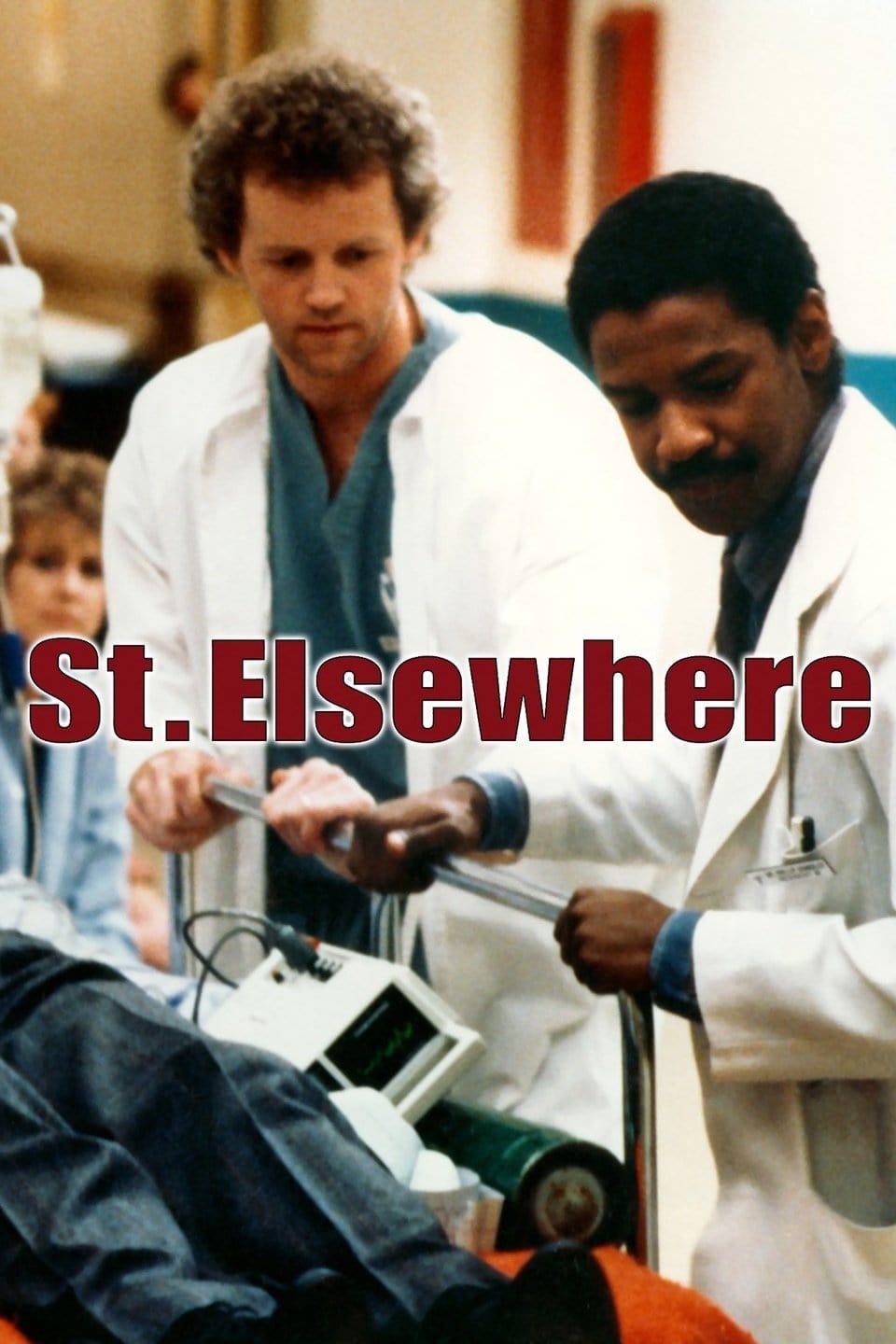
The finale of ‘St. Elsewhere’ delivered one of the most famous twists in television history by suggesting the entire series existed in the mind of an autistic child. The final scene shows Tommy Westphall staring into a snow globe that contains a model of the hospital. This revelation led to the creation of the Tommy Westphall Universe theory which links dozens of other television shows through shared characters. While some found it imaginative, others felt it invalidated the emotional stakes of the previous six seasons. It remains a benchmark for unexpected and reality bending series conclusions.
‘Roseanne’ (1988–1997)
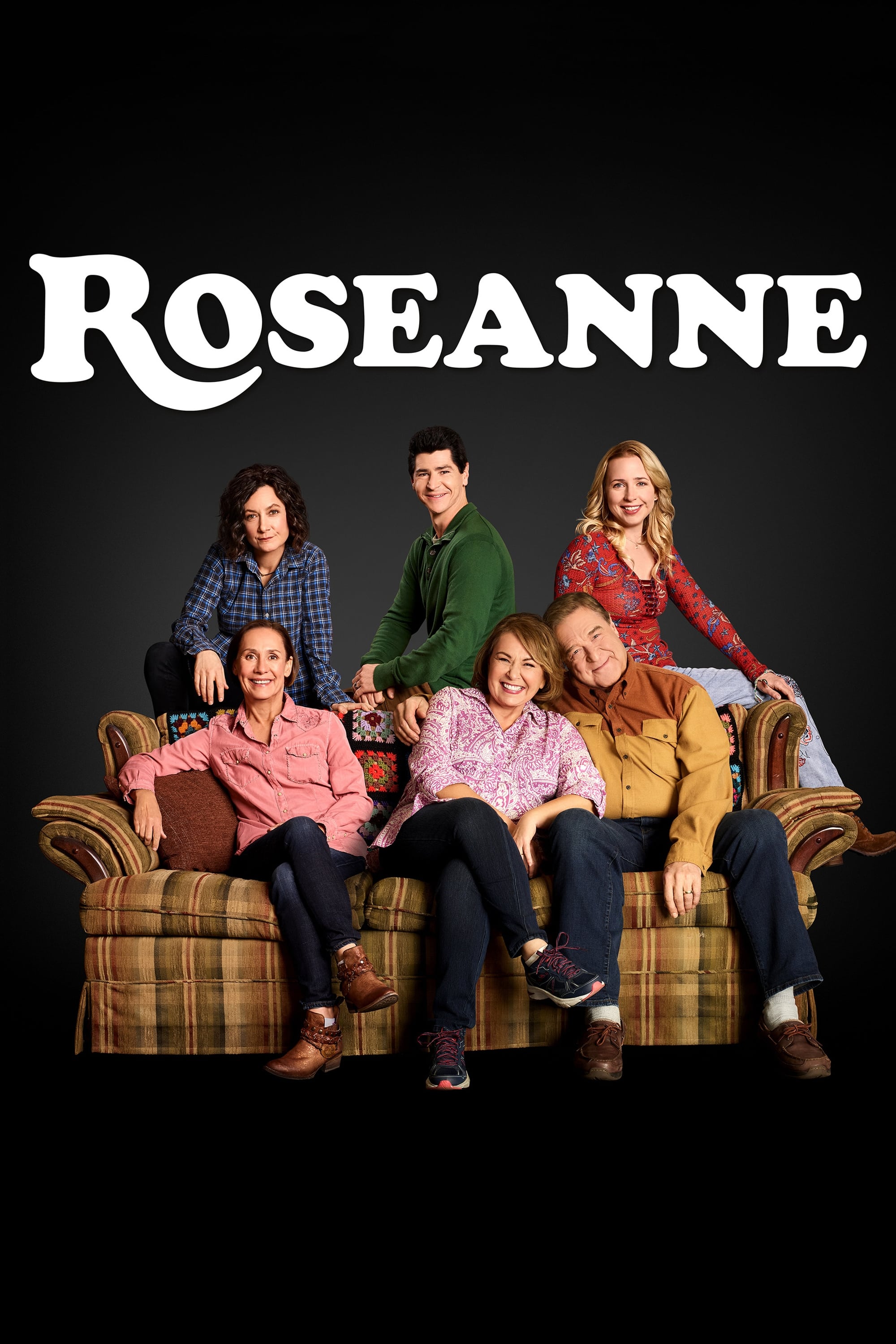
The final season of ‘Roseanne’ saw the working class family winning the lottery and living a life of luxury that felt out of place. The finale revealed that this entire season was a fictional story written by Roseanne Conner to cope with the death of her husband Dan. Viewers were frustrated to learn that the stable relationship they admired was actually based on a tragic loss. This creative choice was largely ignored when the show returned for a revival in 2018. The original ending stands as a testament to the risks of using the it was all a dream trope in a grounded sitcom.
‘Star Trek: Enterprise’ (2001–2005)
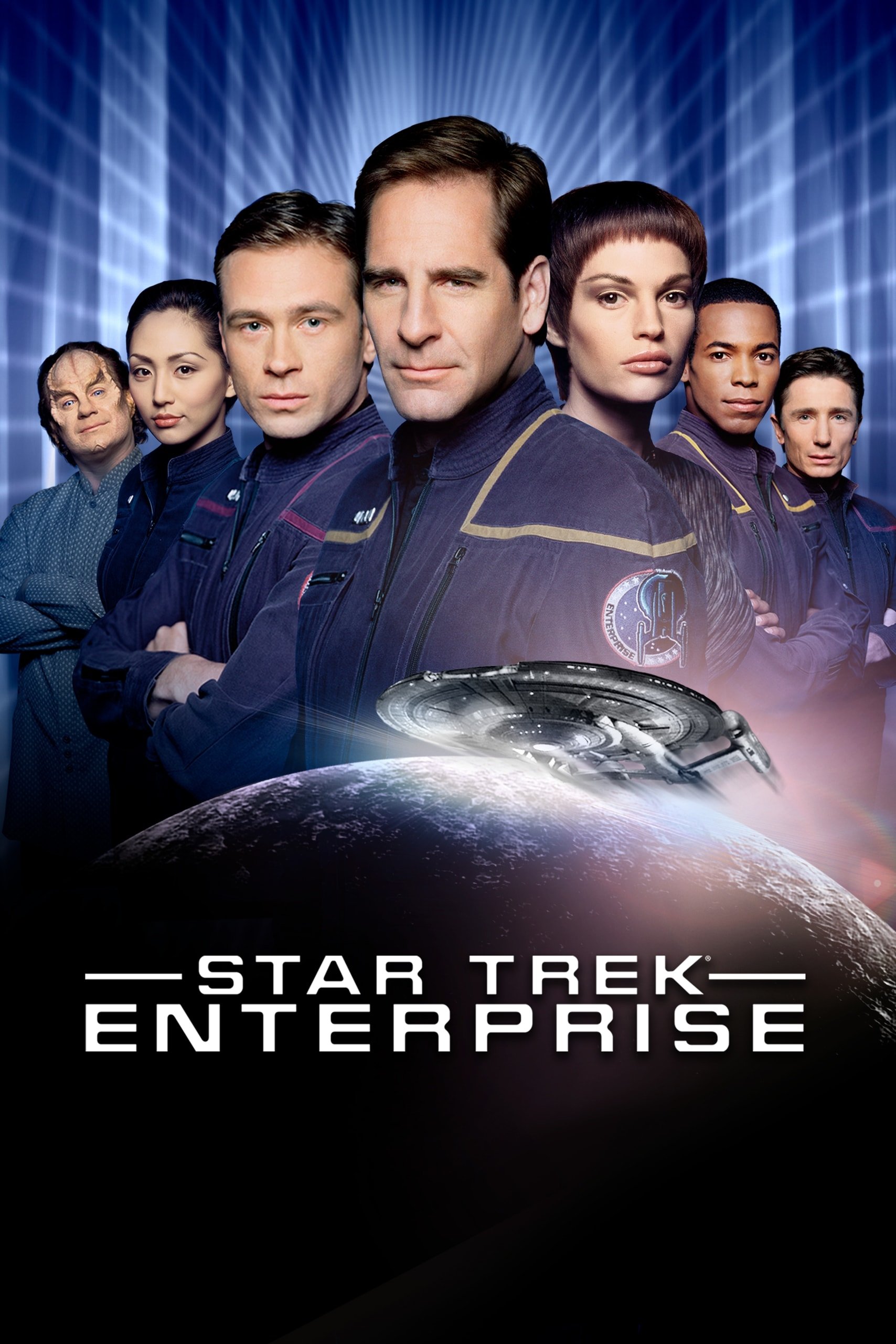
The series finale of ‘Star Trek: Enterprise’ was criticized for turning the final adventure into a holodeck simulation viewed by characters from ‘Star Trek: The Next Generation’. Fans felt that the focus on Commander Riker and Counselor Troi took the spotlight away from Captain Archer and his crew. The sudden death of a major character also felt unnecessary and rushed to many long time viewers. This choice was meant to bridge the gap between different eras of the franchise but resulted in a disconnect for the core audience. It is frequently cited as a low point for the legacy of the Star Trek brand.
‘Battlestar Galactica’ (2004–2009)
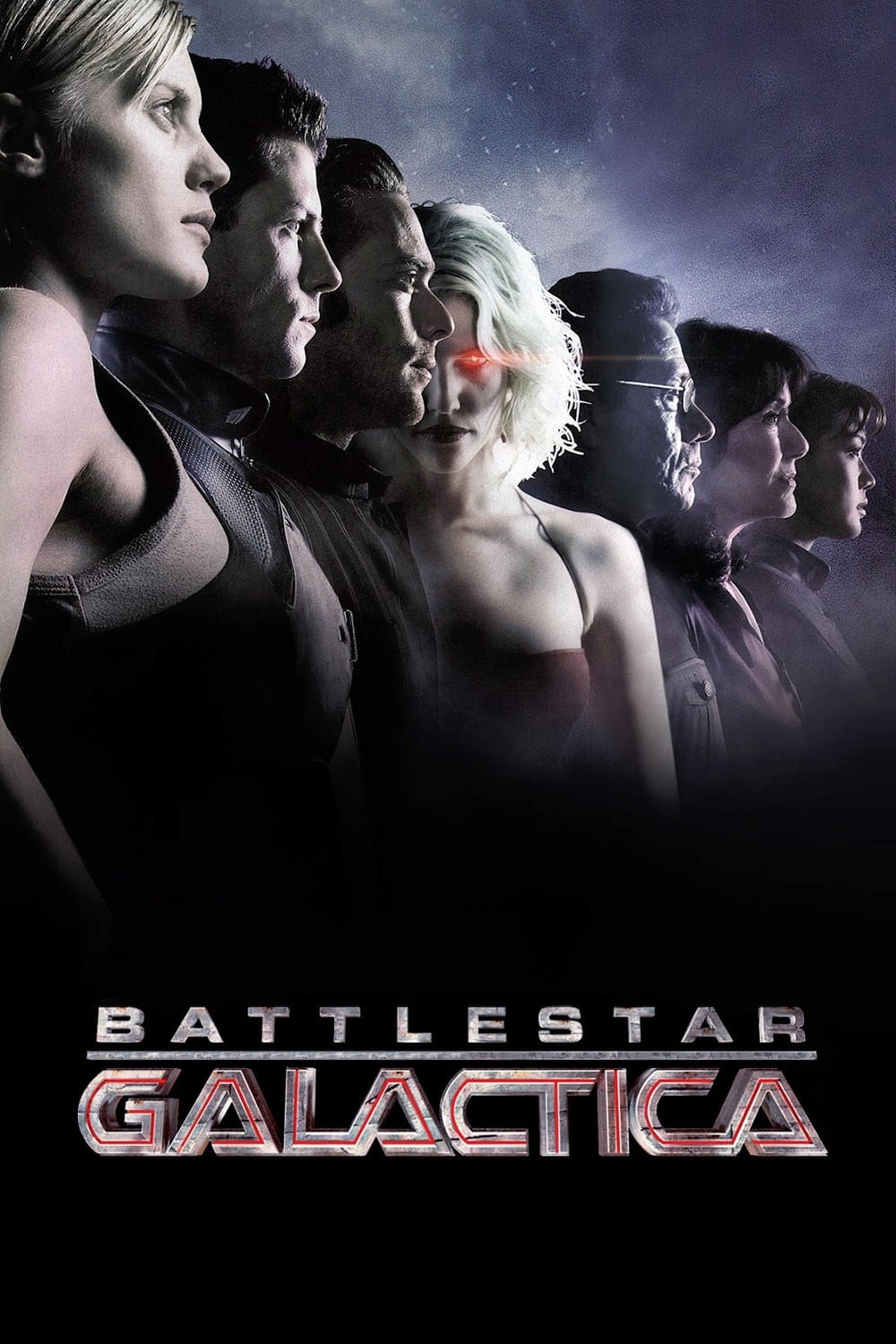
The finale of ‘Battlestar Galactica’ took a heavy turn into religious and supernatural themes that divided the fan base. The discovery that Kara Thrace was an angelic presence and that Earth was a prehistoric version of our world surprised many viewers. Some fans felt the explanation of divine intervention ignored the technological and political groundwork laid in earlier seasons. Others praised the philosophical message regarding the cyclical nature of human existence and technology. The debate over whether the ending was profound or a narrative shortcut remains active in science fiction circles.
‘The 100’ (2014–2020)
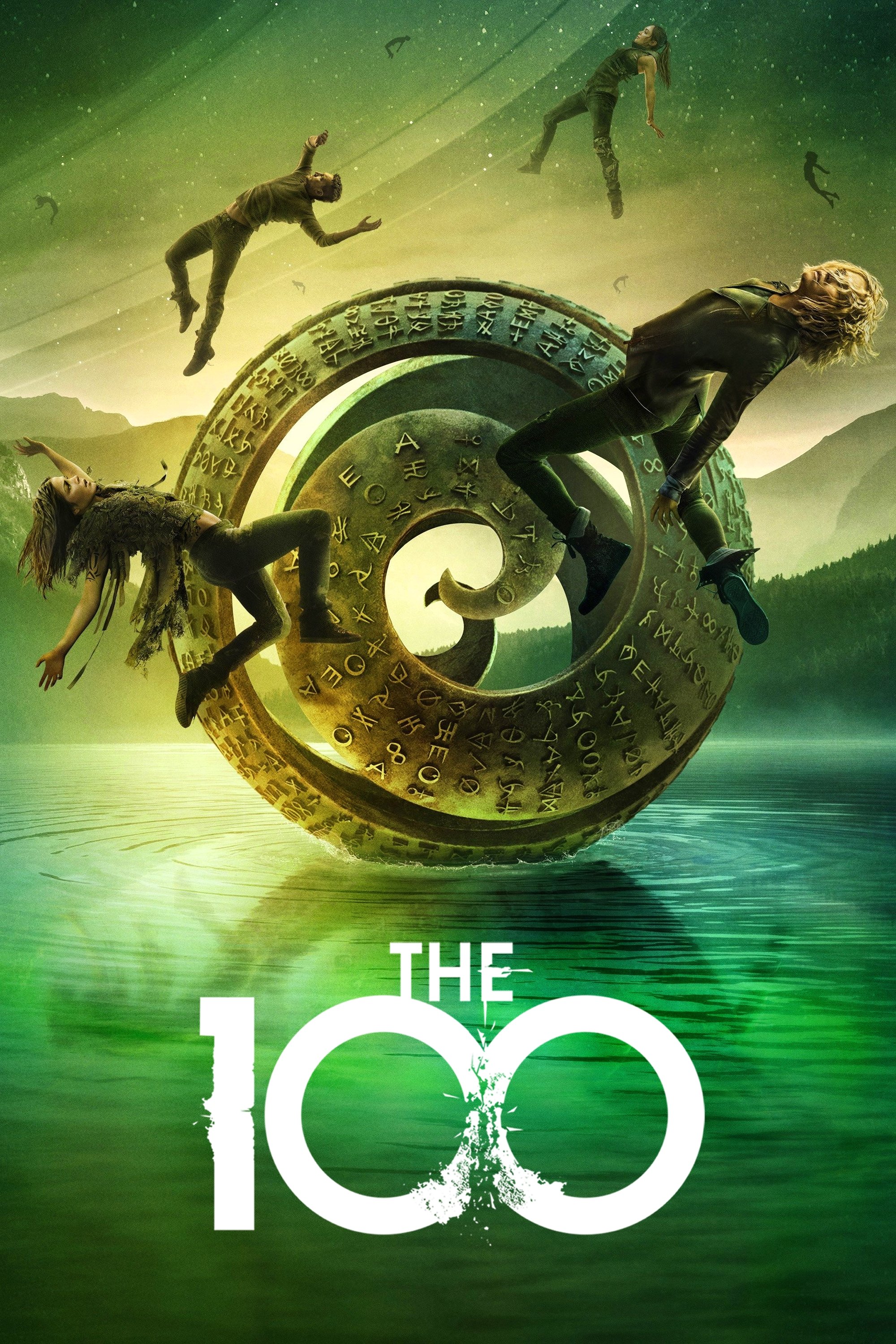
The finale of ‘The 100’ introduced a concept of transcendence where the human race could join a collective consciousness to escape suffering. Clarke Griffin is initially denied this transcendence due to her past crimes while her friends choose to return to Earth to live out their lives with her. This ending sparked discussion about whether the show truly honored its themes of survival and the cost of leadership. Many fans were upset by the exclusion of key characters and the sudden shift into cosmic fantasy. The conclusion remains a point of contention for those who preferred the gritty survivalist roots of the series.
‘Killing Eve’ (2018–2022)
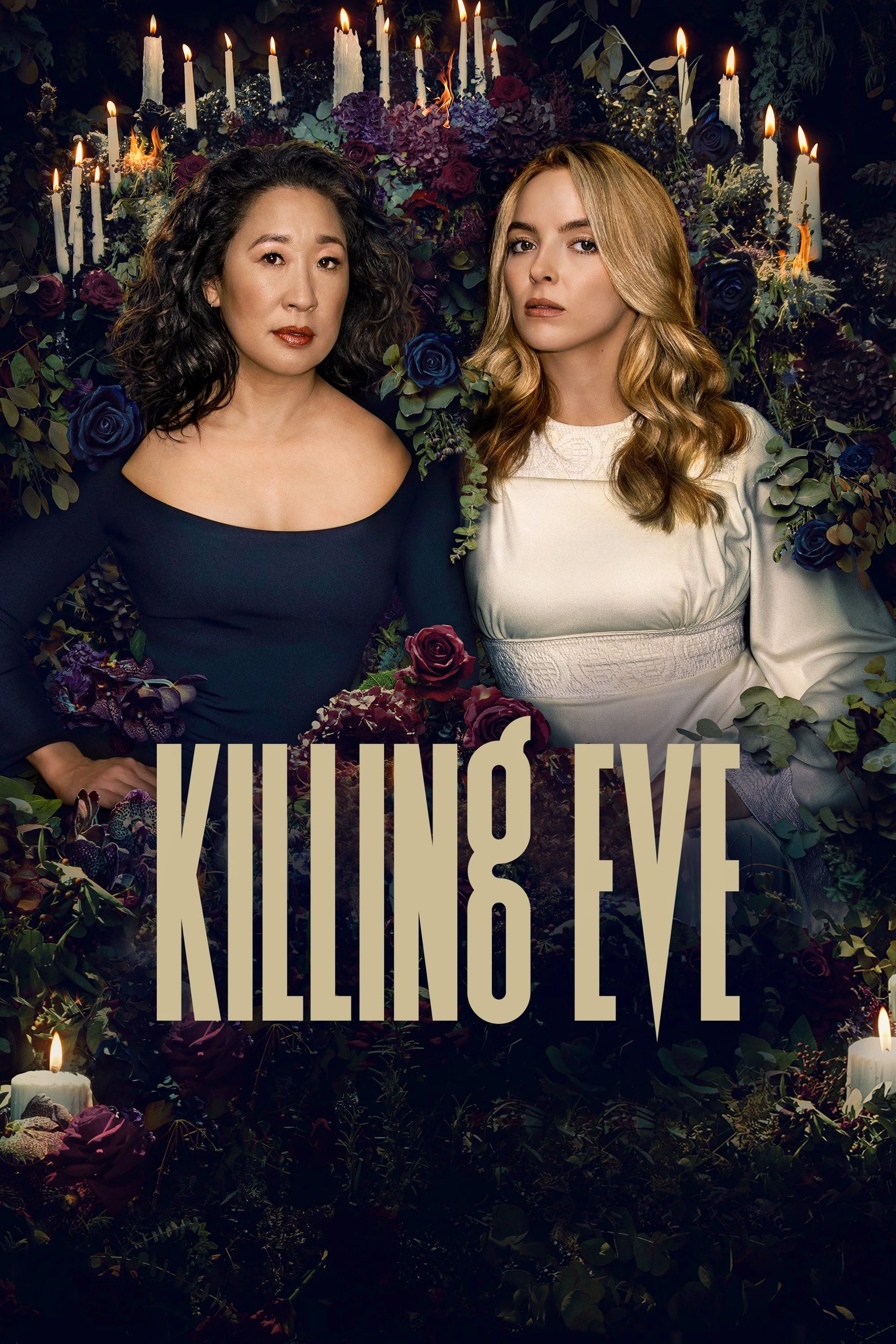
The series finale of ‘Killing Eve’ received significant backlash for its treatment of the central relationship between Eve and Villanelle. After seasons of tension and pursuit, the two characters finally share a romantic moment before Villanelle is abruptly killed. Fans criticized the use of the bury your gays trope and felt the ending lacked emotional resonance. The showrunner defended the choice as a way to give Eve a rebirth, but many viewers felt the execution was poorly handled. This conclusion led to a decline in the critical standing of what was once a highly acclaimed drama.
‘Sherlock’ (2010–2017)
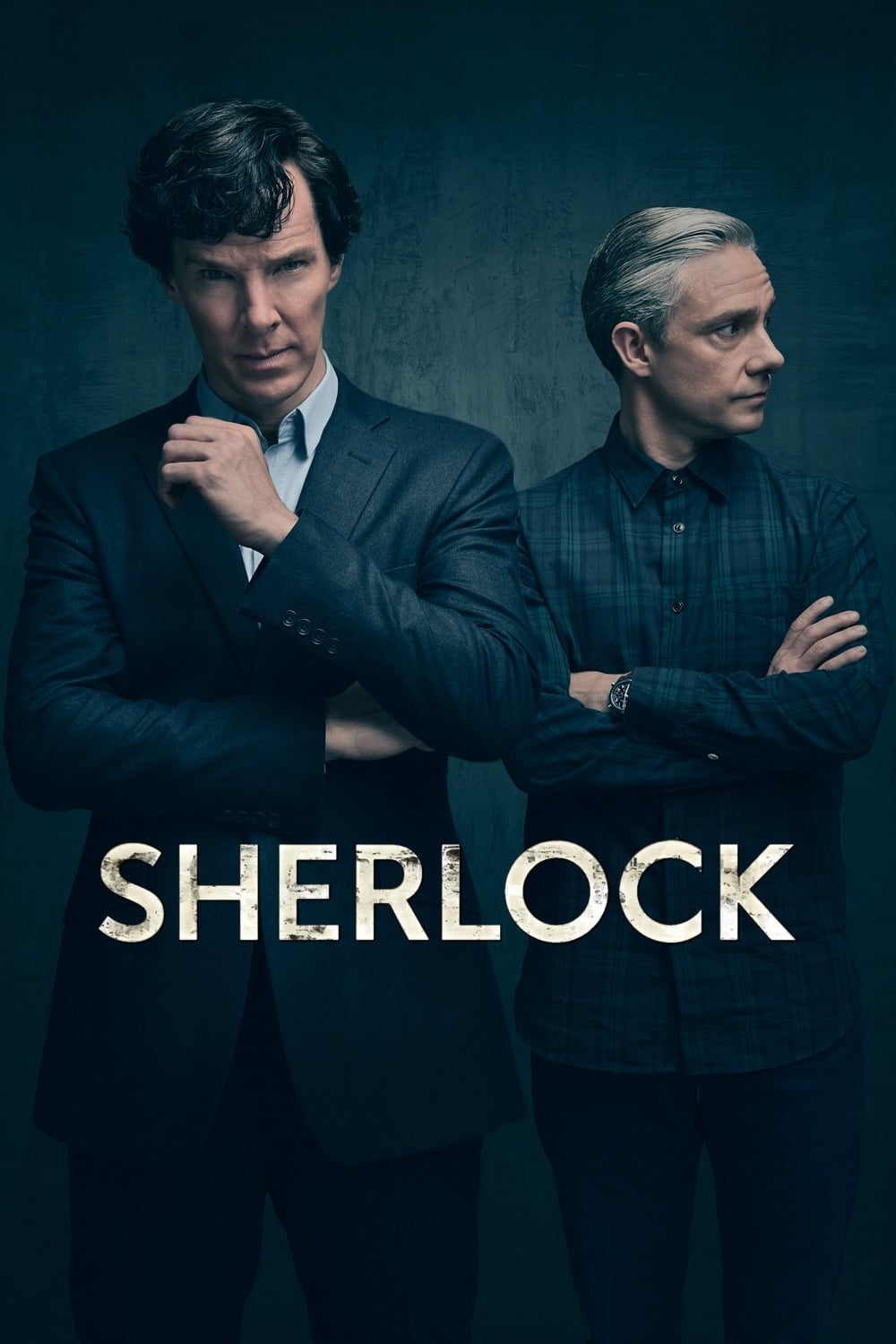
The final episode of ‘Sherlock’ introduced a secret sister named Eurus Holmes who possessed superhuman intelligence and psychological powers. The plot revolved around a series of elaborate games that felt more like a thriller film than a traditional detective mystery. Many fans felt the character of Sherlock Holmes had moved too far away from logical deduction and into the realm of unbelievable action. The resolution of the family dynamic was criticized for being overly dramatic and lacking the charm of earlier seasons. This shift in tone sparked debates about the limits of modernizing classic literary characters.
‘Line of Duty’ (2012–2021)
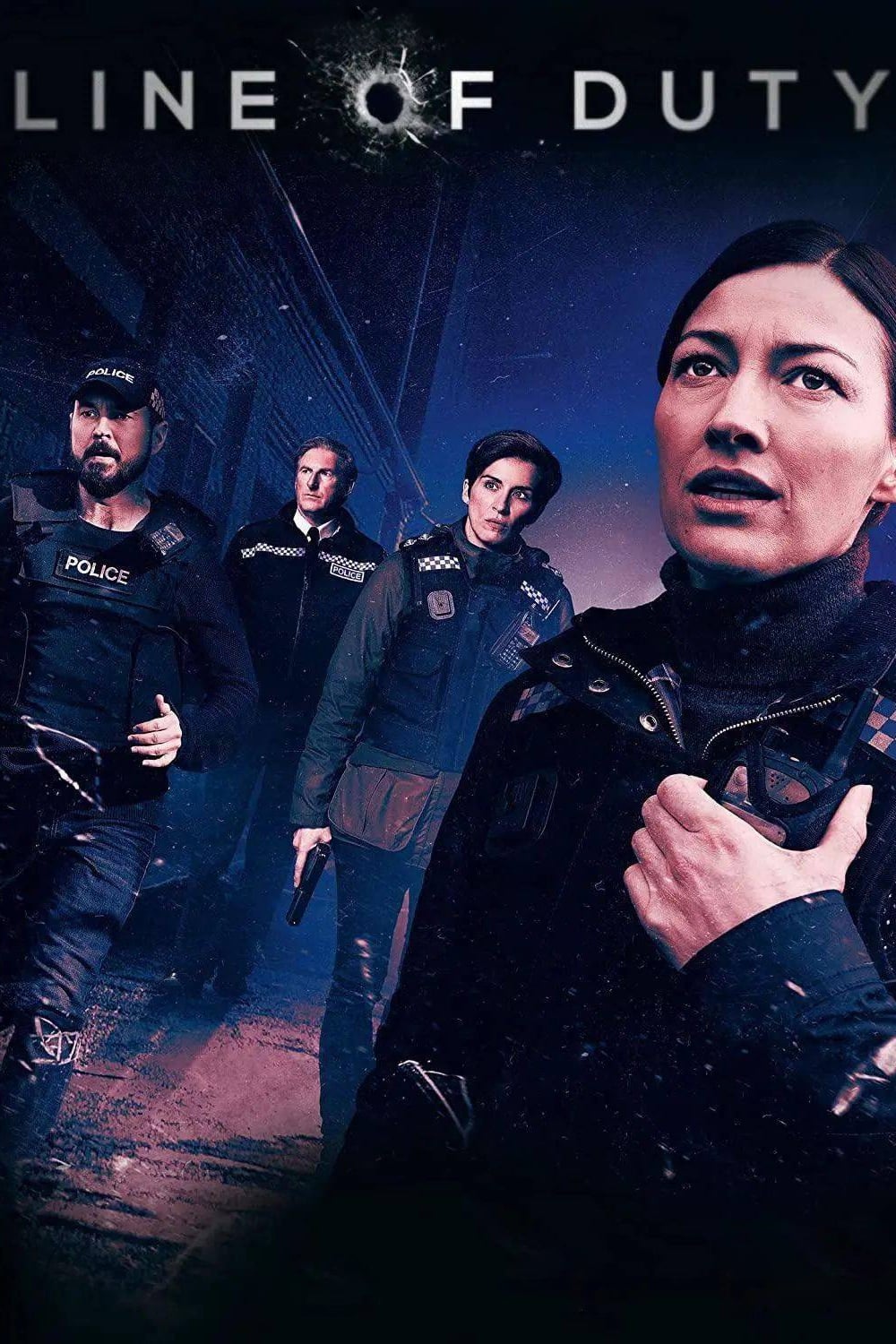
The reveal of the final corrupt police officer known as H in ‘Line of Duty’ disappointed many viewers who expected a more high profile villain. The discovery that Ian Buckells was the mastermind behind the criminal conspiracy was intended to show that systemic corruption can be mundane and banal. However, some fans felt this was an anticlimactic end to a decade of high stakes tension and mystery. The choice sparked a national conversation in the United Kingdom about the nature of power and accountability. Despite the controversy, the creators maintained that the ending was a realistic portrayal of institutional failure.
‘Gossip Girl’ (2007–2012)
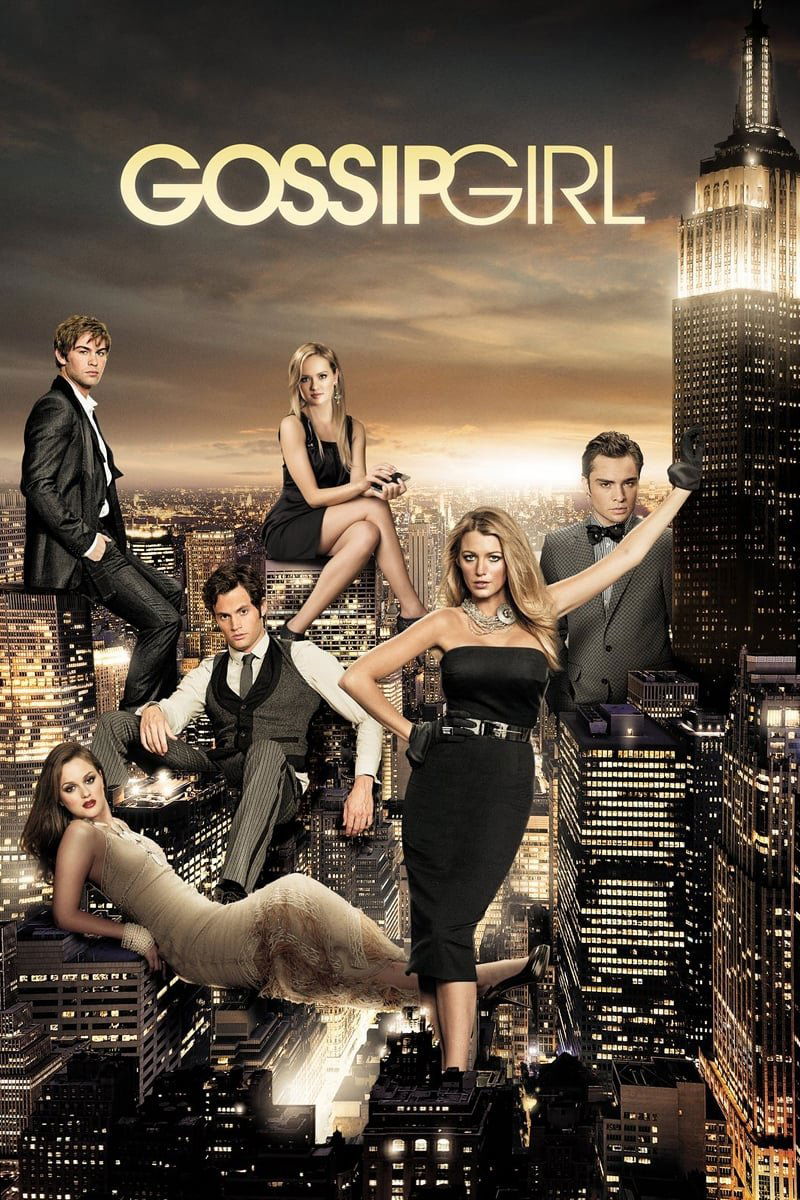
The identity of ‘Gossip Girl’ was revealed to be Dan Humphrey in a finale that many fans found logically inconsistent. Viewers pointed out numerous scenes throughout the series where Dan was surprised by Gossip Girl posts while he was alone. The choice to make the outsider character the one who tormented his friends for years raised questions about his true personality. Some fans appreciated the meta commentary on social climbing and status while others felt it was a desperate attempt at a twist. This reveal continues to be a primary talking point when discussing the legacy of the teen drama.
‘True Blood’ (2008–2014)

The finale of ‘True Blood’ saw Sookie Stackhouse choose a life of normalcy by ending up with an unnamed human husband after the death of Bill Compton. This decision frustrated fans who had invested years in the supernatural romances involving Eric Northman and Bill. The rapid resolution of major character arcs and the generic nature of Sookie’s happy ending were widely criticized. Critics noted that the show lost its edge in the final hours by opting for a safe and conventional conclusion. The ending sparked discussions about the difficulty of maintaining the momentum of high concept fantasy series.
‘House’ (2004–2012)
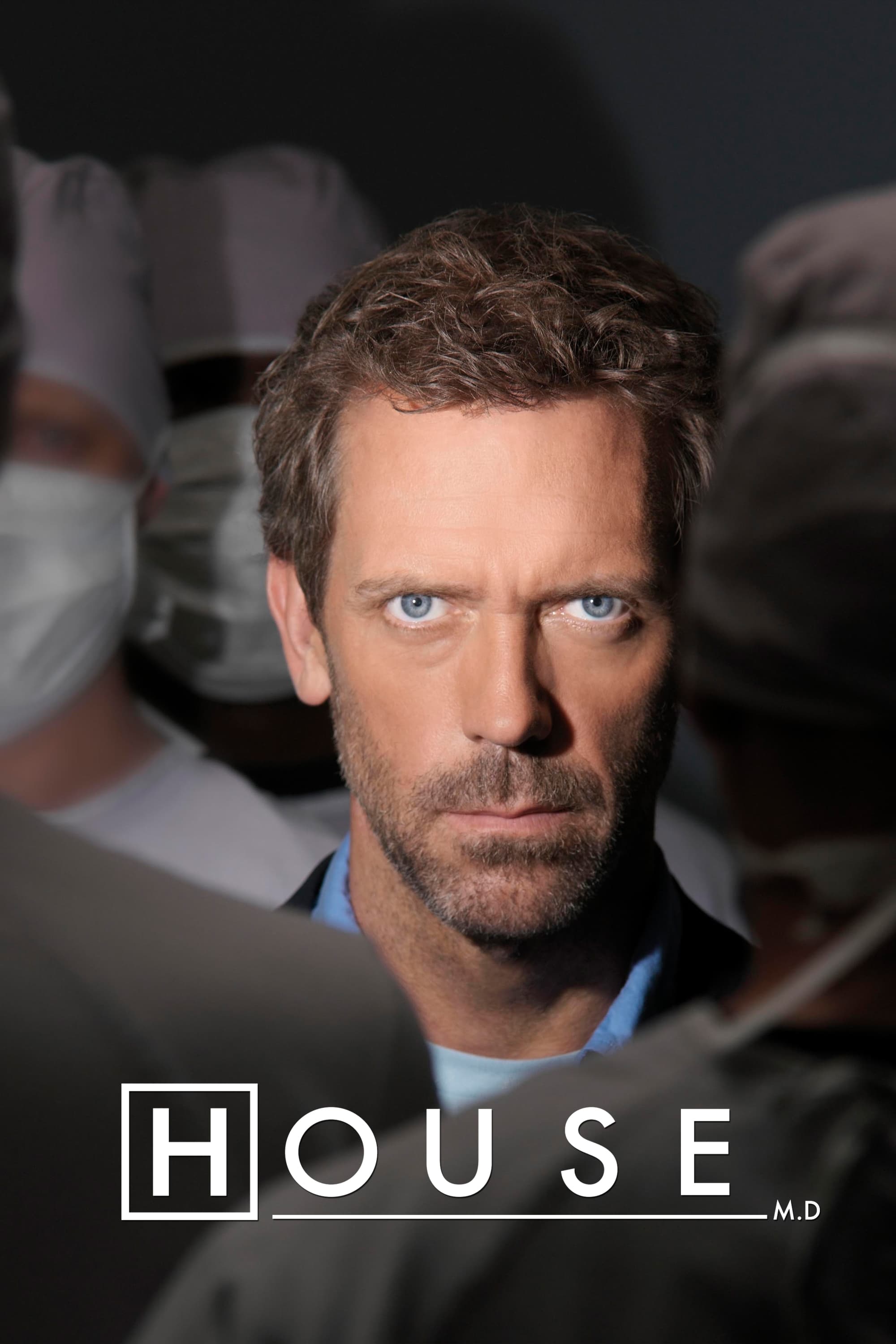
The series finale of ‘House’ involved Gregory House faking his own death to spend the remaining months of Wilson’s life traveling with him. This choice followed a hallucinatory episode where House confronted the ghosts of his past during a building fire. While the ending was a touching tribute to the central friendship of the show, some fans felt House avoided necessary legal and professional consequences. The ambiguity of House’s future after Wilson’s eventual death left many questions unanswered for the audience. This conclusion remains a favorite for those who value character bonds over traditional narrative justice.
‘Gilmore Girls: A Year in the Life’ (2016)
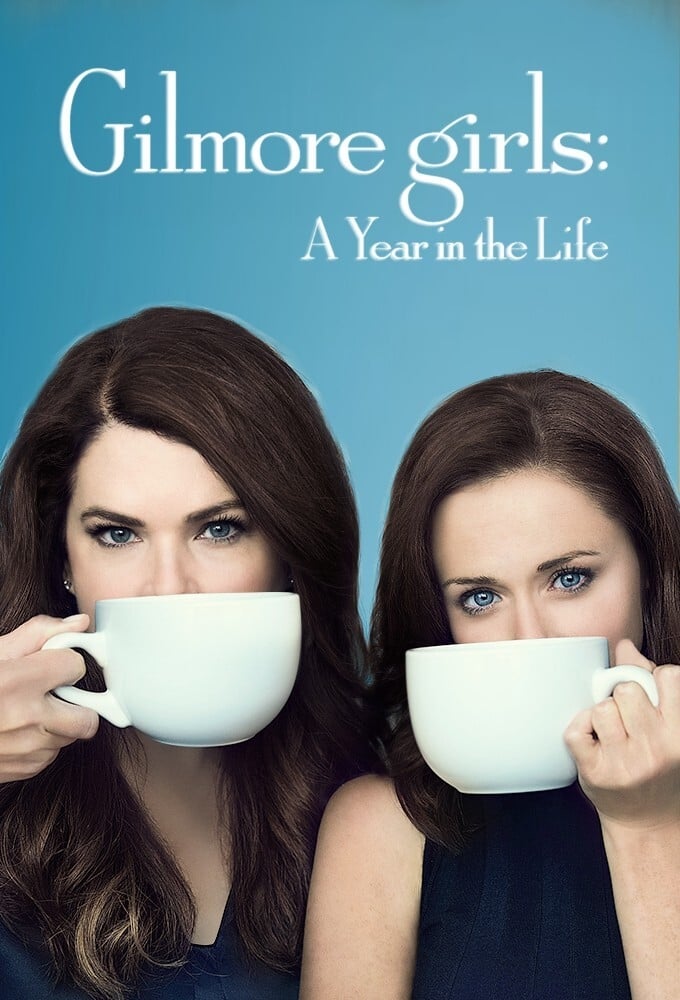
The revival of ‘Gilmore Girls’ ended with four final words that revealed Rory Gilmore was pregnant. Creator Amy Sherman Palladino had planned this ending years prior but it felt different coming from a character in her thirties rather than her early twenties. Fans debated whether this was a full circle moment or a sign that Rory had failed to grow beyond her mother’s shadow. The lack of clarity regarding the father of the baby also frustrated viewers seeking a more definitive conclusion. This ending remains a major point of discussion within the Gilmore Girls community.
‘Pretty Little Liars’ (2010–2017)
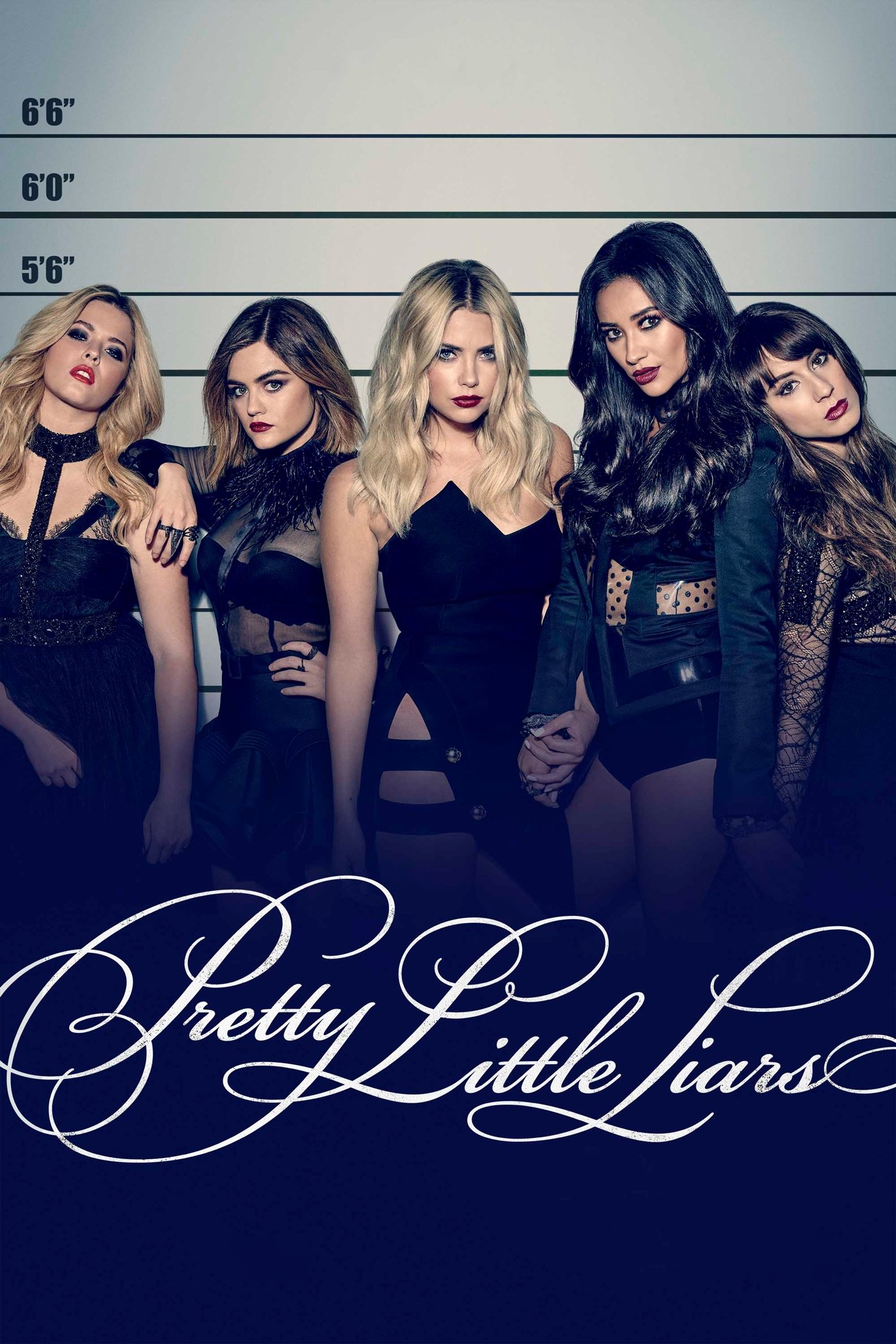
The reveal of the final antagonist A.D. in ‘Pretty Little Liars’ introduced an identical twin sister for Spencer Hastings named Alex Drake. This twist was criticized for using a character who had never been seen before the final episode to resolve years of mystery. Fans felt that the lack of foreshadowing made the reveal feel unearned and confusing for the loyal audience. The use of a fake British accent for the villain also became a point of mockery among critics. This finale is often cited as an example of a show that struggled to provide a satisfying answer to its complex puzzles.
‘Supernatural’ (2005–2020)
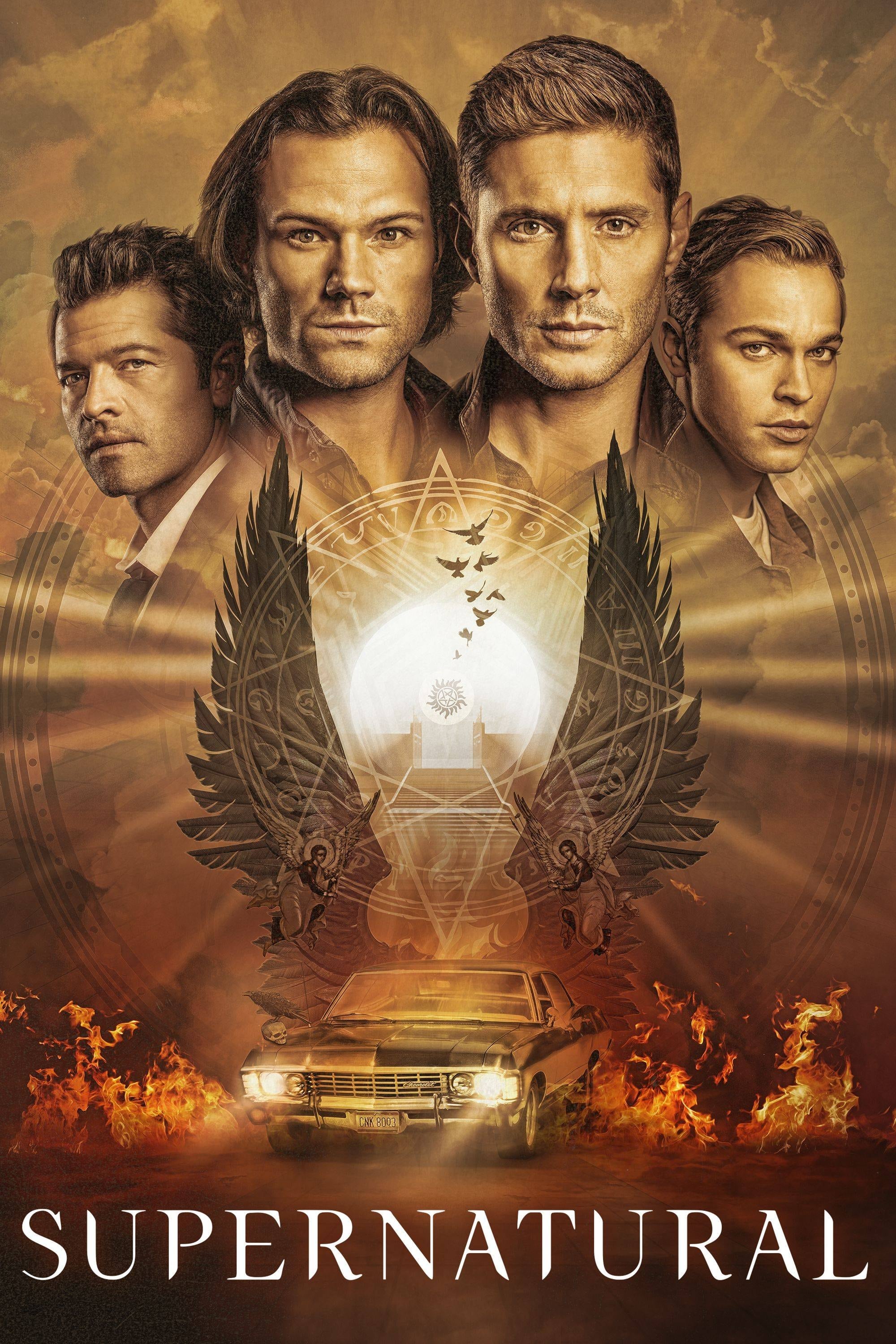
The finale of ‘Supernatural’ saw Dean Winchester die during a routine vampire hunt just after the brothers had defeated God. Many fans were upset that a character who survived cosmic threats would perish in such an ordinary and accidental way. Sam Winchester went on to live a full life with a family before eventually reuniting with his brother in heaven. The creative choice to focus on the brothers rather than the expansive supporting cast drew mixed reactions from the long term fan base. This ending sparked significant discussions about the balance between fan service and narrative realism.
‘The X-Files’ (1993–2018)
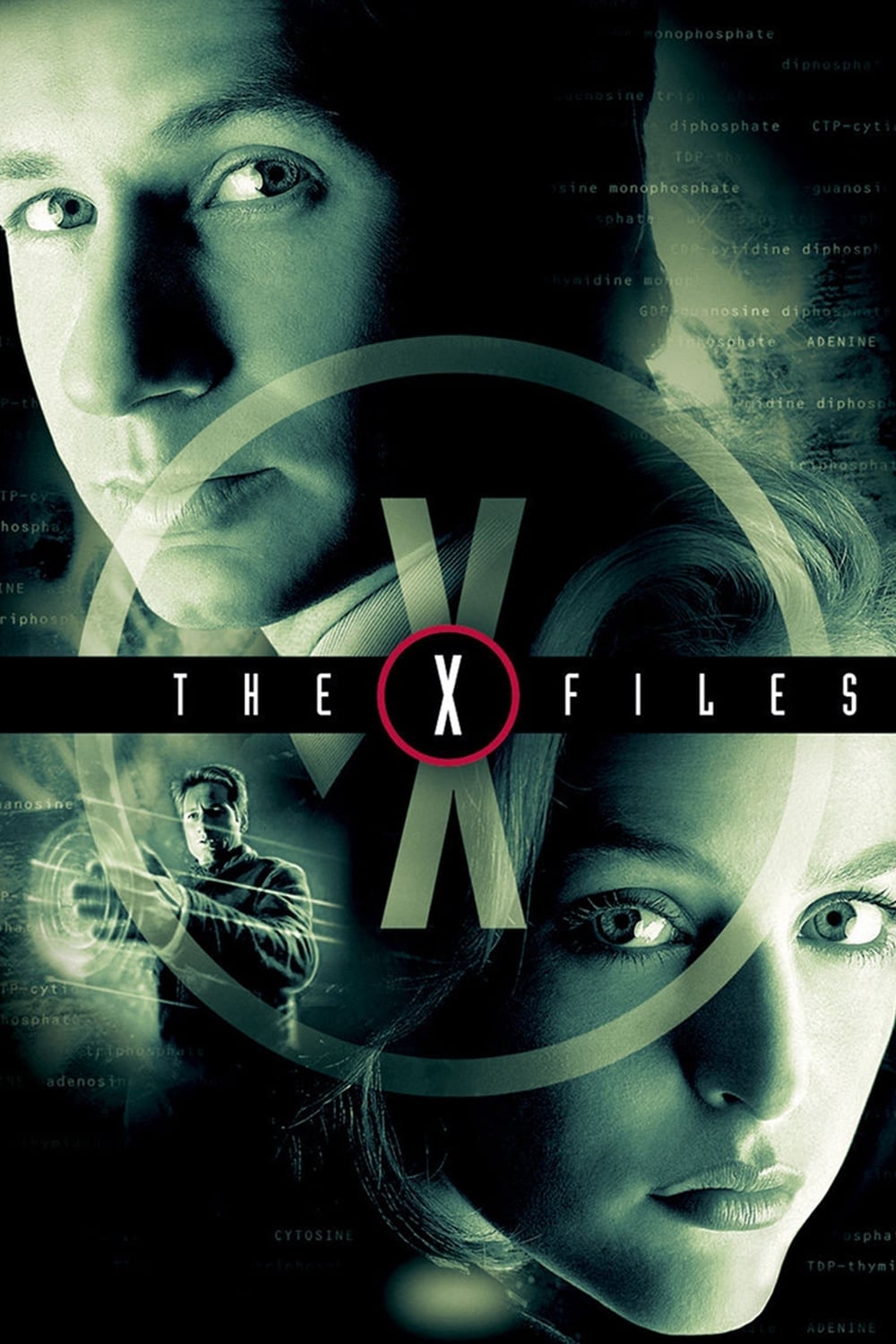
The season eleven finale of ‘The X-Files’ served as a second series finale that left many fans frustrated by its handling of the mythology. The reveal regarding the true nature of William and the sudden death of a major character felt like a betrayal of the original series. Many viewers were disappointed that the core relationship between Mulder and Scully was overshadowed by confusing plot twists. The cliffhanger ending was especially controversial because it left the future of the characters uncertain without a guaranteed renewal. This conclusion remains a contentious chapter in the history of the legendary science fiction series.
‘Death Note’ (2006–2007)
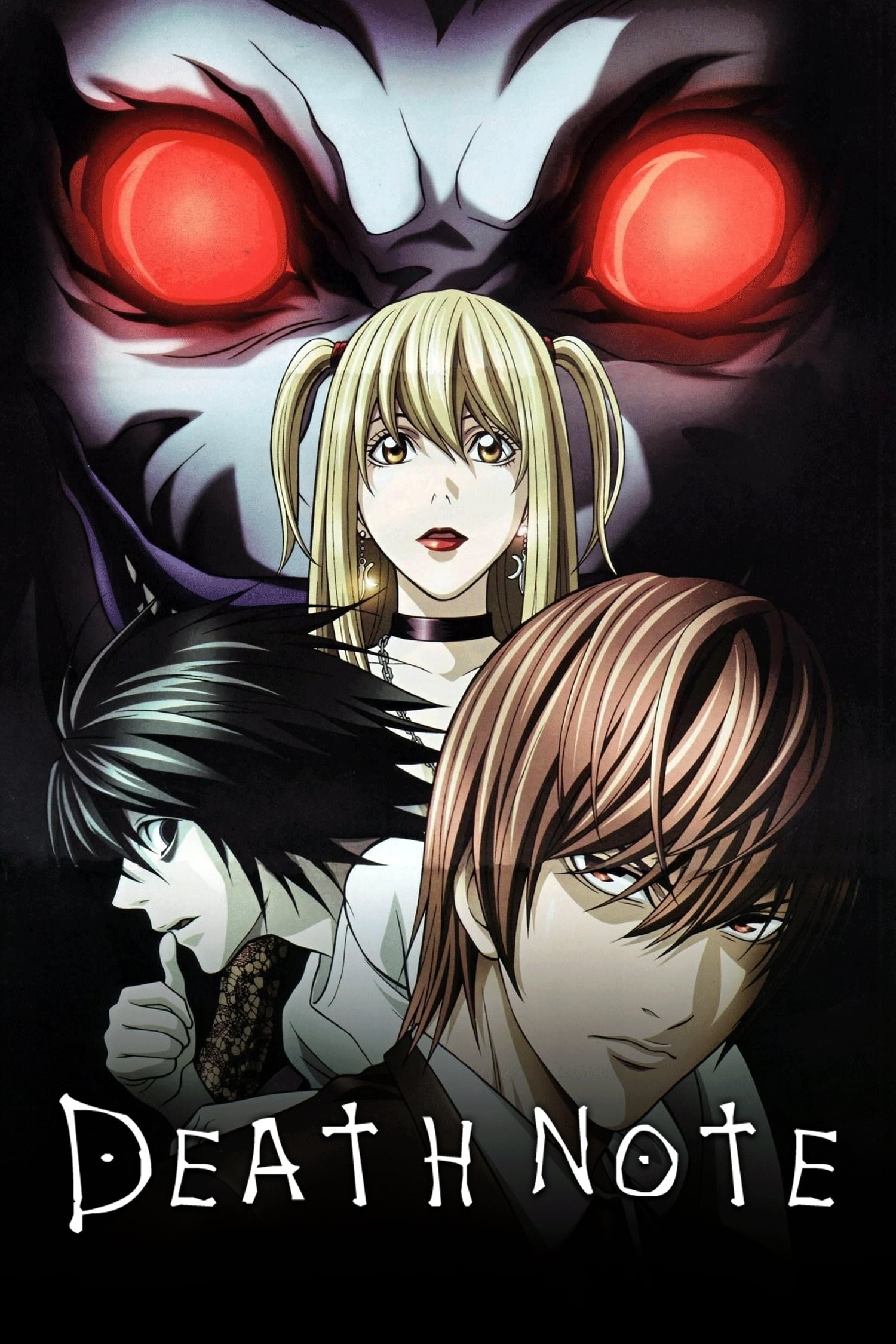
The final episode of ‘Death Note’ depicted the pathetic and undignified death of the protagonist Light Yagami. After being cornered at a warehouse, Light suffers a mental breakdown and attempts to flee before Ryuk writes his name in the notebook. Some fans felt the transition from a genius mastermind to a desperate coward was a fitting end for a villain. Others believed that the character deserved a more sophisticated final battle with his rivals. This ending sparked long term debates about the themes of power and the corruption of the human soul in anime.
‘Code Geass: Lelouch of the Rebellion’ (2006–2008)
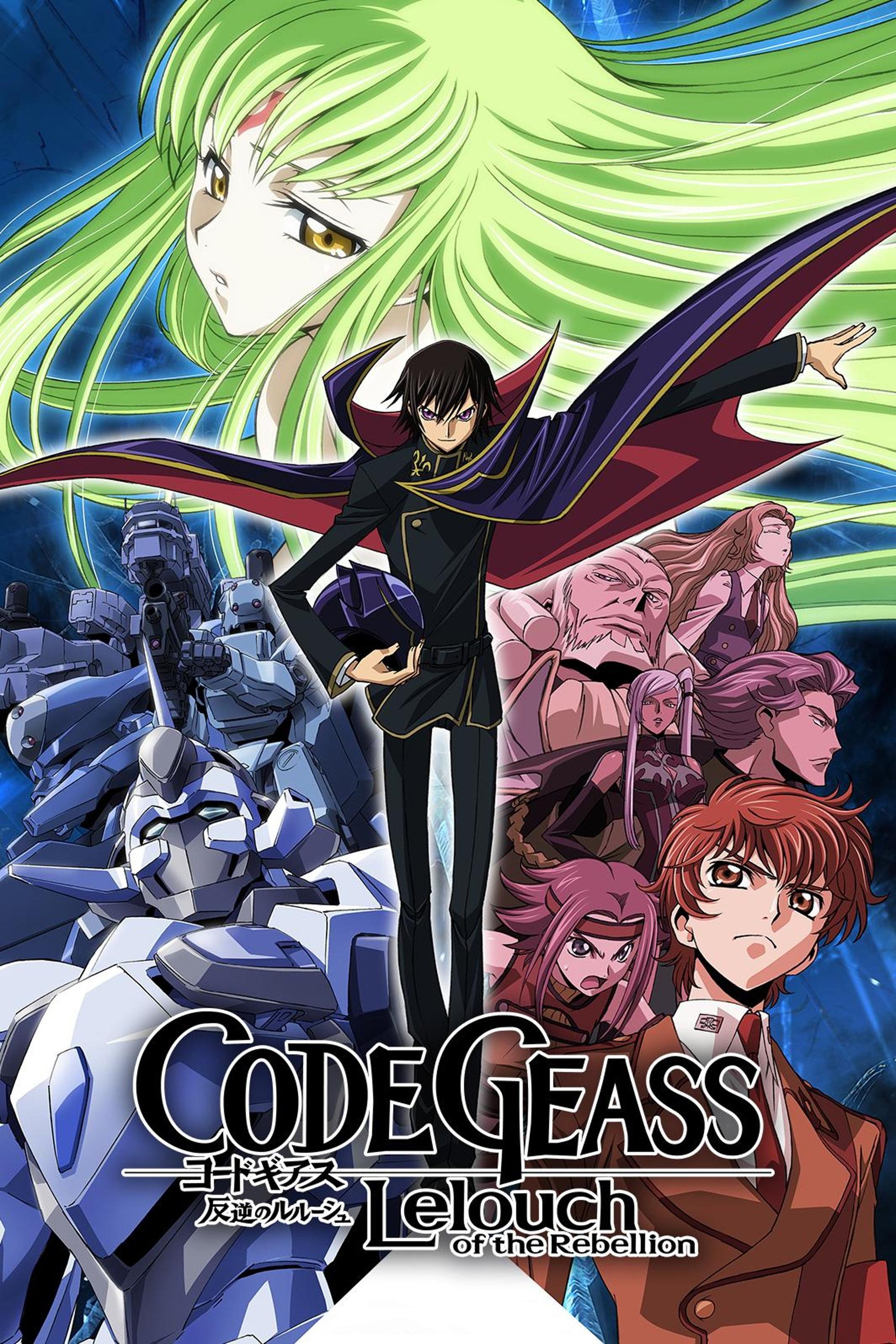
The finale of ‘Code Geass’ features Lelouch vi Britannia orchestrating his own assassination to unite the world against a common enemy. This plan known as the Zero Requiem was intended to break the cycle of hatred through a singular act of sacrifice. Fans debated the morality of Lelouch’s actions and whether his death truly redeemed his previous crimes. The ending was praised for its emotional impact and thematic consistency despite the complex political landscape. It remains one of the most respected yet debated conclusions in the history of the mecha genre.
‘Twin Peaks: The Return’ (2017)
The revival of ‘Twin Peaks’ ended with a haunting scene where Agent Cooper asks what year it is before a terrifying scream rings out. This conclusion refused to provide traditional closure and instead opened up new philosophical and metaphysical questions. Viewers were divided on whether David Lynch was challenging the audience or simply leaving the story unfinished. The slow pacing and surreal imagery of the final hour remain a topic of intense analysis by film and television students. This finale serves as a reminder of the power of ambiguity in modern television storytelling.
‘Mad Men’ (2007–2015)
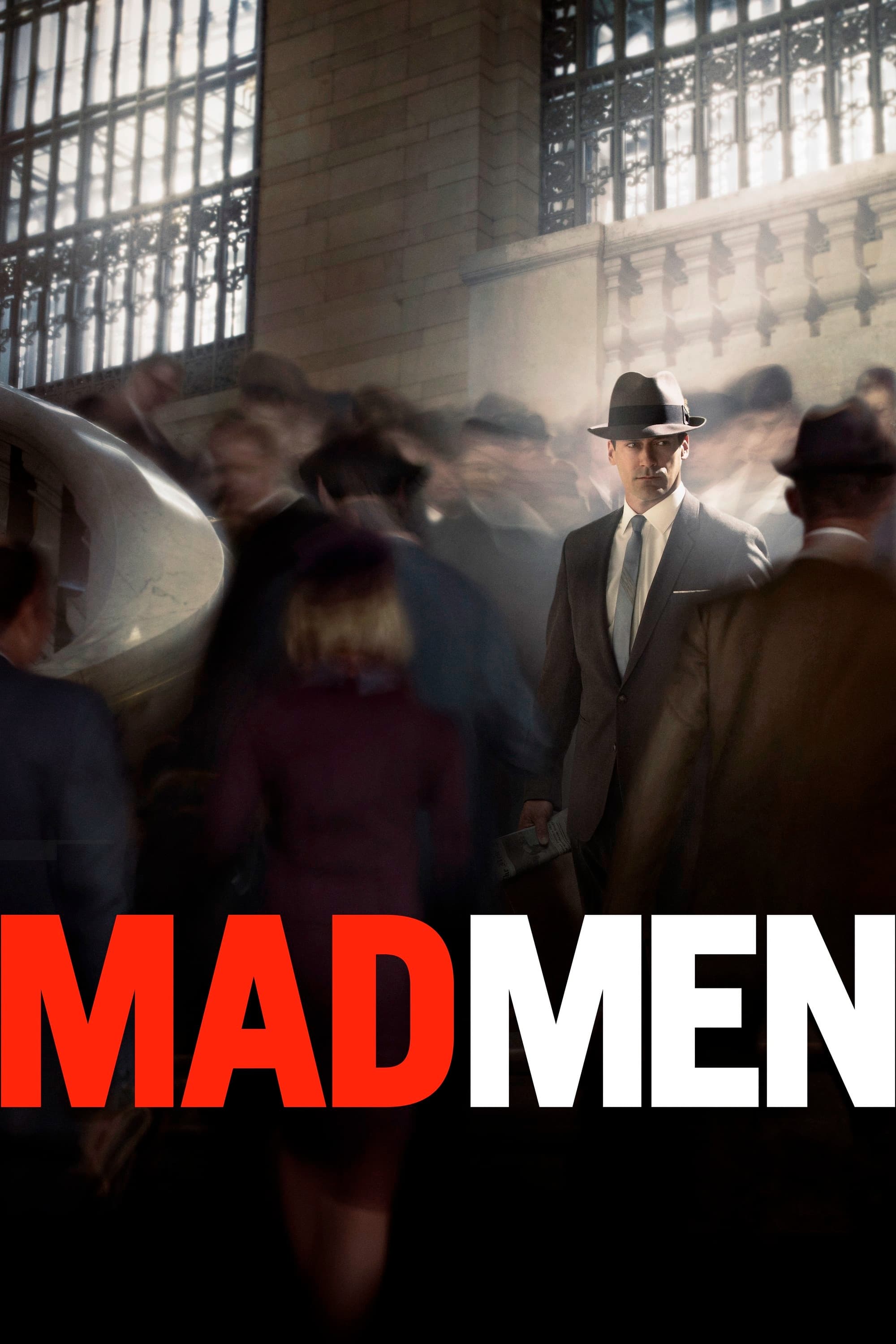
The finale of ‘Mad Men’ concludes with Don Draper meditating on a cliffside before transitioning into a famous Coca Cola commercial. This choice suggested that Don had used his personal enlightenment to create one of the most successful advertisements in history. Some viewers interpreted this as a cynical comment on the ability of capitalism to co opt genuine human emotion. Others saw it as a sign that Don had finally found a way to integrate his professional talent with his personal identity. This ending remains a subject of debate regarding the growth of its main character.
‘Dexter: New Blood’ (2021–2022)
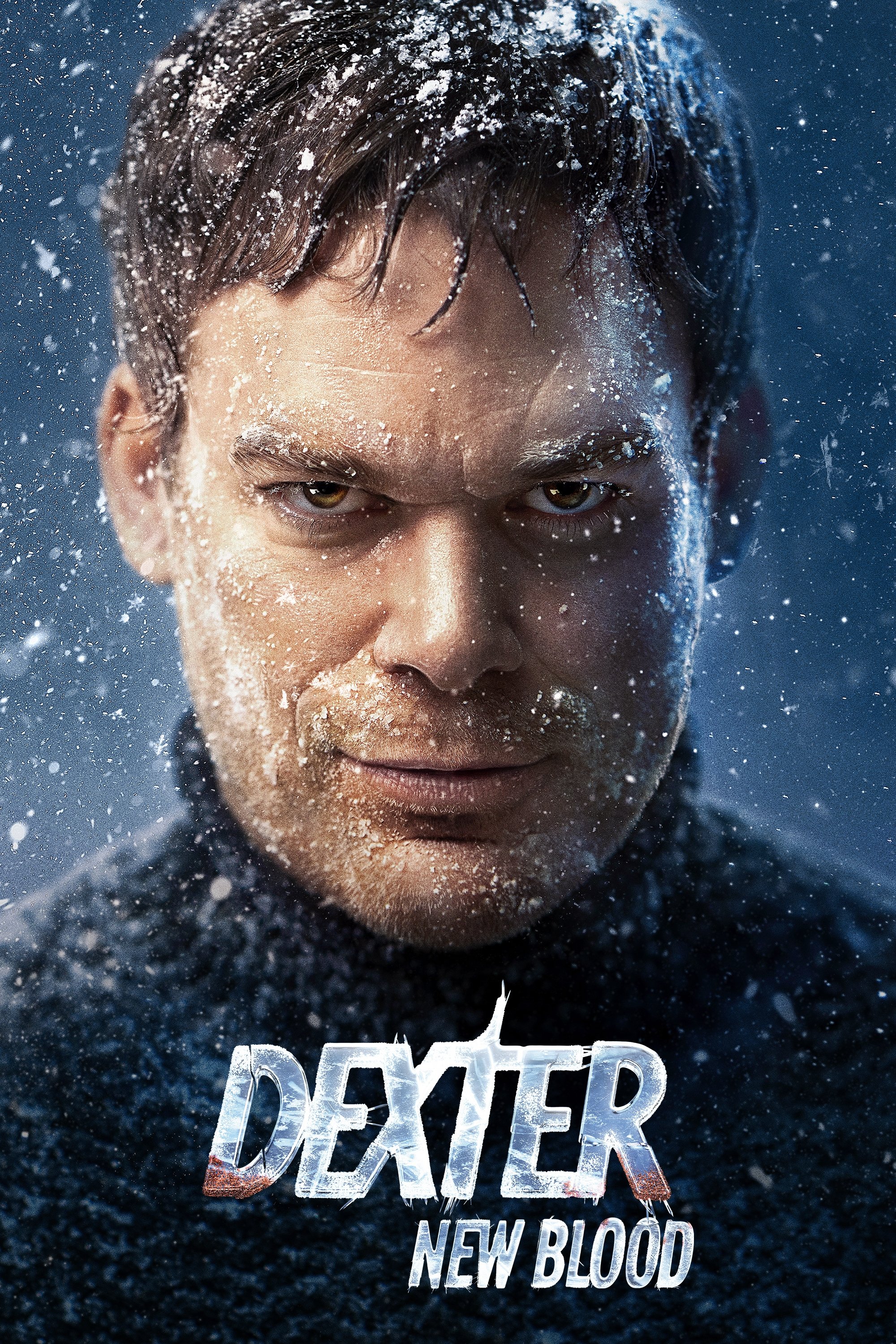
The finale of the revival series ‘Dexter: New Blood’ attempted to give the character a more definitive ending by having his son Harrison kill him. This choice was meant to address the complaints of the original finale and provide a sense of justice for Dexter’s victims. However, many fans felt the development of Harrison was rushed and that the death of Dexter happened too quickly. The emotional weight of the scene was debated by those who felt Dexter still had more story to tell. This conclusion once again left the fan base divided over the legacy of the Dark Passenger.
‘Dinosaurs’ (1991–1994)
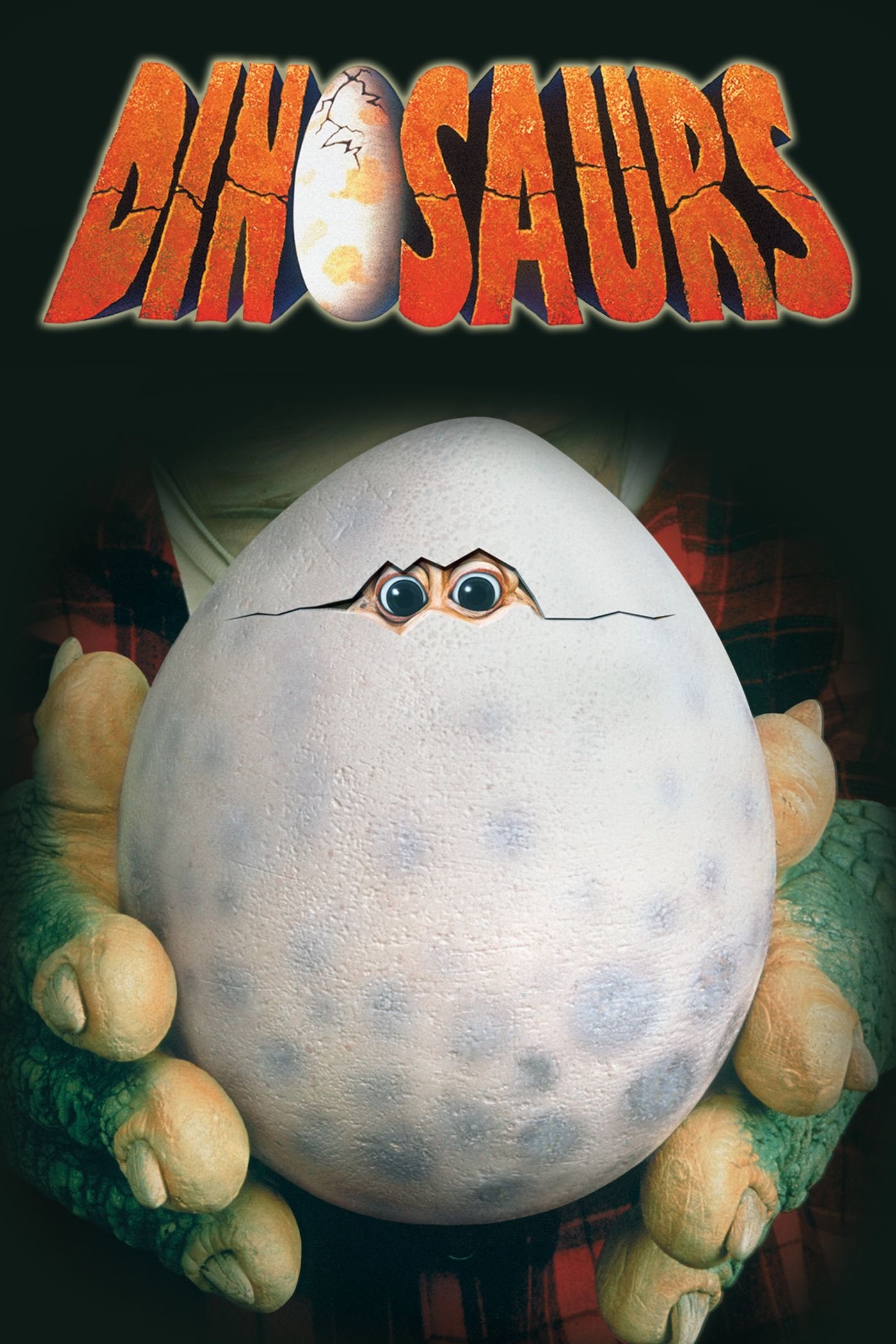
The family sitcom ‘Dinosaurs’ ended with a surprisingly dark finale titled Changing Nature which remains a shock to those who grew up with the show. The characters accidentally trigger a global ice age through industrial pollution and environmental neglect by their employer. The episode concludes with the family huddling together while snow covers their home as they prepare for extinction. This grim ending served as a stark environmental warning to the audience that felt out of place for a puppet comedy. Many viewers found the shift from lighthearted humor to an existential crisis deeply unsettling.
‘The Prisoner’ (1967–1968)
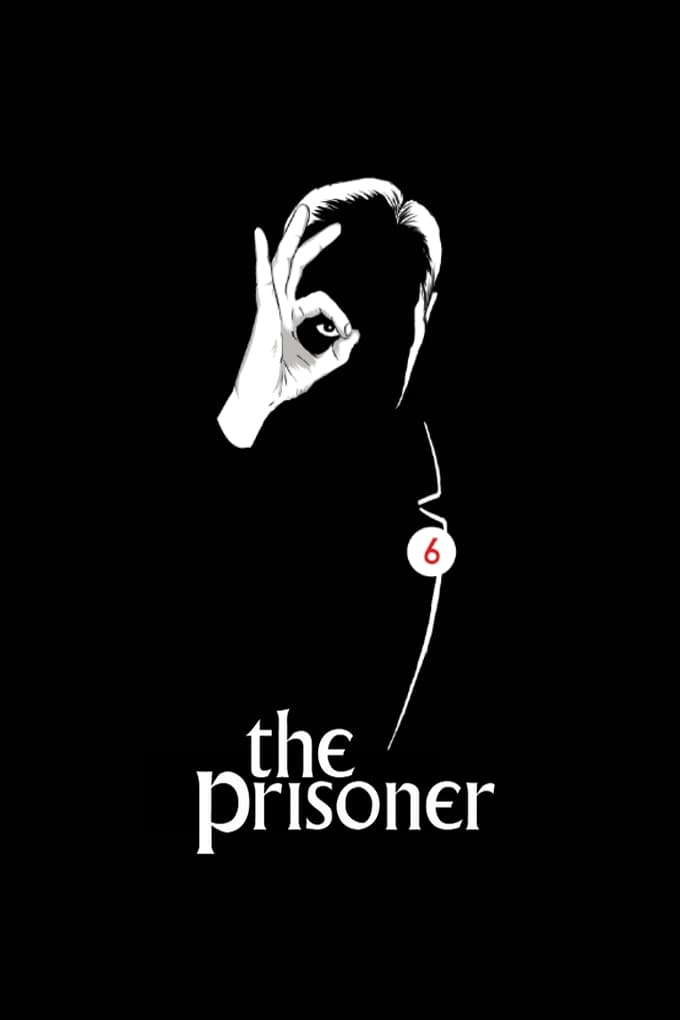
The finale of ‘The Prisoner’ revealed that the mysterious Number 1 was actually a version of the protagonist Number 6 himself. This surreal and allegorical ending abandoned the spy thriller roots of the series for a commentary on the individual versus society. The studio was flooded with phone calls from confused viewers who expected a more literal explanation for the Village. Creator Patrick McGoohan had to go into hiding briefly due to the intensity of the public reaction. It is now celebrated as a pioneering moment in television that proved shows could be both popular and avant garde.
Share your thoughts on these controversial television and anime finales in the comments.