Asian Cuisines Featured Thoughtfully in Character-Driven Stories



Asian cinema and television have long utilized food as a central narrative device to explore heritage, grief, and family dynamics. From the meticulous preparation of traditional dishes to the communal experience of a shared meal, these stories highlight how cuisine serves as a bridge between generations. Character-driven narratives often use specific ingredients to ground their protagonists’ emotional journeys in reality. This list explores thirty instances where Asian food plays a pivotal role in the storytelling process across film, television, and anime.
‘Tampopo’ (1985)

The narrative follows a truck driver who helps a widow refine her ramen recipe to create the perfect bowl of noodles. This “noodle western” explores the cultural obsession with food through a series of vignettes ranging from etiquette classes to romantic encounters involving egg yolks. The preparation of the broth and the texture of the noodles serve as a metaphor for the discipline required in craftsmanship. ‘Tampopo’ emphasizes the sensory pleasure of eating while humanizing the diverse characters who frequent the ramen shop.
‘Eat Drink Man Woman’ (1994)

A master chef prepares elaborate Sunday dinners for his three adult daughters to maintain a connection with them as they pursue independent lives. The opening sequence meticulously documents the preparation of traditional Chinese banquet dishes, showcasing the chef’s fading mastery. These meals serve as the only time the family communicates, though often through silences and subtle gestures. The film uses culinary precision to reflect the rigid traditions clashing with modern Taiwanese life.
‘The Lunchbox’ (2013)
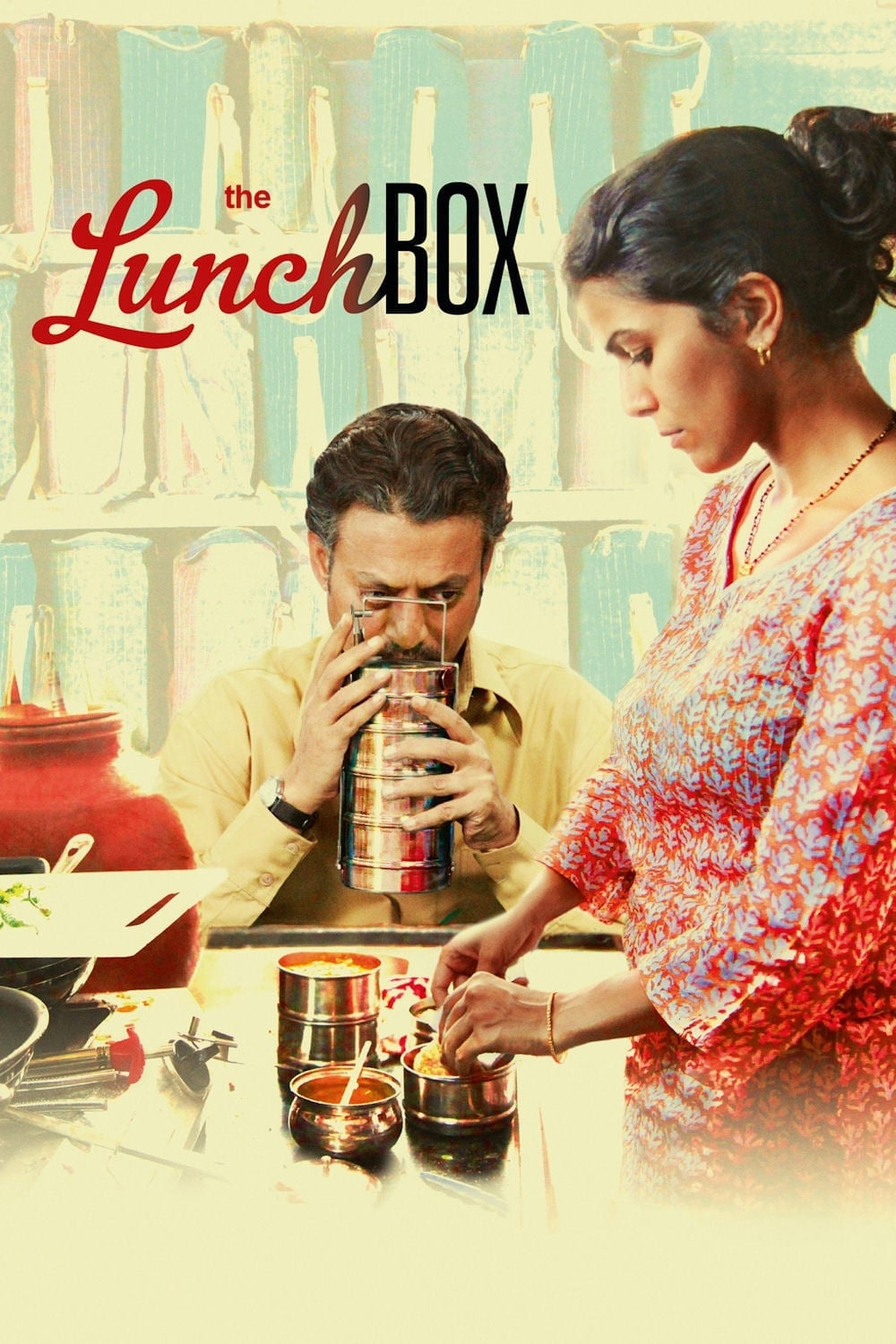
A mistaken delivery in Mumbai’s famous lunchbox delivery system connects a neglected housewife with a lonely widower. Through the exchange of increasingly sophisticated Indian home-cooked meals, the two characters share their innermost thoughts and sorrows via written notes. The film focuses on the sensory details of spices and the effort of cooking as a form of emotional expression. This story highlights how the simple act of preparing a meal can provide purpose to a solitary existence.
‘Sweet Bean’ (2015)
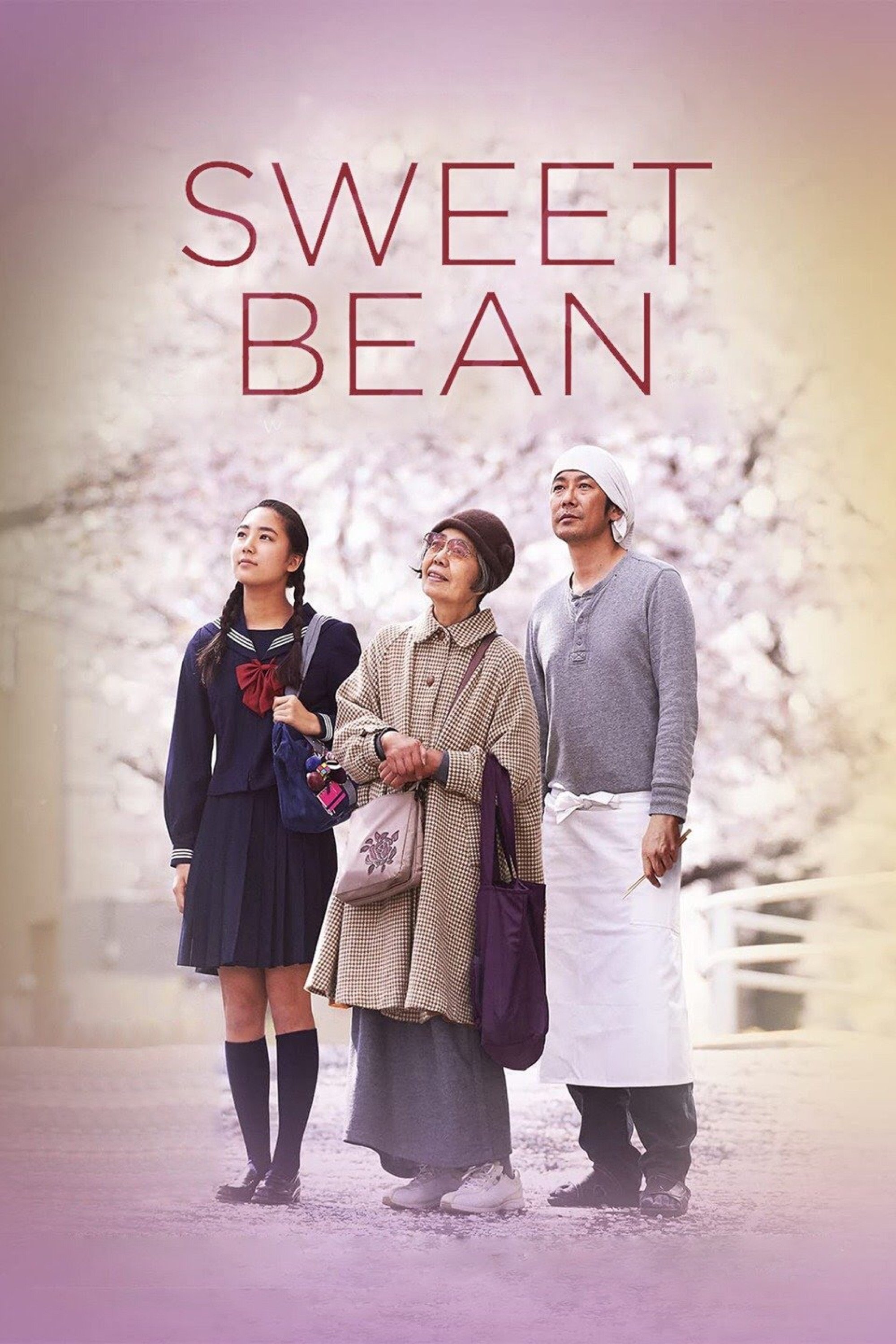
The plot centers on an elderly woman with a secret recipe for “an,” a sweet red bean paste used to fill dorayaki pancakes. She teaches a struggling bakery manager that the key to perfect bean paste is listening to the stories of the beans themselves. The film uses the slow, methodical process of cooking to symbolize patience and the recognition of marginalized lives. As the characters bond over the stove, the cuisine becomes a vessel for healing past traumas.
‘Jiro Dreams of Sushi’ (2011)
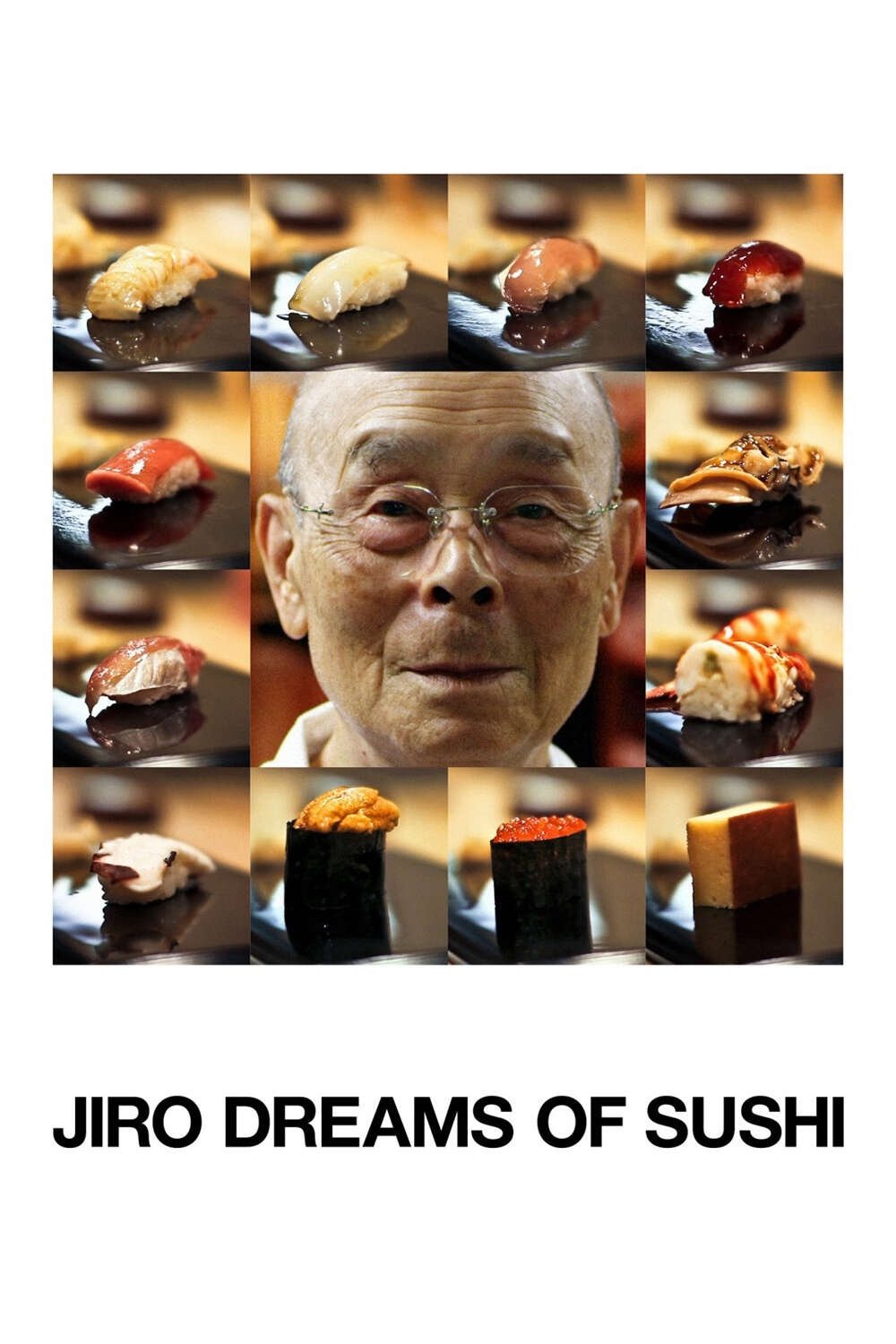
This documentary profiles Jiro Ono, a world-renowned sushi master whose life is entirely dedicated to the perfection of his craft. The film details the rigorous training of his apprentices, who must spend years mastering tasks like hand-massaging octopus or making tamago. Every piece of sushi served is presented as the culmination of decades of observation and discipline. The narrative explores the burden of legacy and the relentless pursuit of excellence within Japanese culinary culture.
‘Parasite’ (2019)

A pivotal scene in this social thriller features the preparation of “ram-don,” a combination of Jjapaghetti and Neoguri instant noodles topped with expensive Hanu beef. This dish serves as a stark visual metaphor for the class disparity between the wealthy Park family and the working-class Kim family. The urgency with which the meal is prepared highlights the tension of the characters’ hidden lives. The fusion of cheap comfort food with luxury ingredients symbolizes the collision of two different worlds.
‘Midnight Diner’ (2009–2019)

Set in a small late-night eatery in Shinjuku, the “Master” only has a few items on his menu but will make anything his customers request. Each episode focuses on a specific dish, such as ochazuke or tamagoyaki, which triggers a personal memory for a patron. The diner acts as a sanctuary where urban loneliness is mitigated by communal eating and storytelling. The simple, unpretentious food reflects the honest emotional lives of the night-shift workers and wanderers.
‘Little Forest’ (2018)

After failing to find success in the city, a young woman returns to her rural childhood home to live off the land through seasonal farming. The story is structured around the preparation of various Korean dishes, such as makgeolli, cabbage sandwiches, and chestnut glacé. Each meal represents a step toward her emotional independence and a reconnection with her mother’s memory. The film emphasizes the labor involved in traditional food production as a form of self-care.
‘Spirited Away’ (2001)

Food plays a transformative role in this animated epic, from the cursed banquet that turns the protagonist’s parents into pigs to the healing onigiri offered by Haku. The magical realm features a massive kitchen that feeds the diverse spirits visiting the bathhouse. The protagonist must navigate the dangers of consumption and greed while finding strength in simple, nourishing meals. Animation is used to give the food a lush, inviting texture that contrasts with the film’s more grotesque elements.
‘The Farewell’ (2019)

A Chinese-American woman returns to China under the guise of a wedding to say goodbye to her terminally ill grandmother. Large family banquets dominate the narrative, serving as the setting for both comedic tension and profound grief. The abundance of food on the revolving tables highlights the cultural emphasis on providing for others as a substitute for verbalizing emotion. These communal meals emphasize the collective identity of the family in the face of individual loss.
‘Food Wars! Shokugeki no Soma’ (2015–2020)

This anime follows a young chef who enrolls in an elite culinary school where students engage in high-stakes cooking battles. The show features a wide array of Asian cuisines, from traditional Japanese bento to complex Chinese Szechuan dishes. The animation focuses heavily on the technical aspects of cooking, such as heat management and molecular gastronomy. While stylized, the series uses food to illustrate character growth and the competitive nature of professional kitchens.
‘Minari’ (2020)

A Korean family moves to an Arkansas farm in search of the American dream, where the grandmother plants minari seeds by a nearby creek. The plant, a resilient water dropwort used in Korean cooking, grows where others fail, symbolizing the family’s endurance. Home-cooked meals provide a sense of cultural continuity for the children as they struggle to adapt to their new environment. The film uses the growth of the herb to mirror the family’s deep-rooted struggle for stability.
‘Turning Red’ (2022)

The protagonist’s father is often seen meticulously preparing Cantonese dishes like congee and steamed bao for his family. These meals represent a quiet, supportive form of love that balances the mother’s high expectations. The kitchen serves as a grounding space for the young girl as she deals with the chaos of puberty and her family’s mystical heritage. The vibrant depiction of traditional home cooking reinforces the film’s themes of cultural pride and domestic comfort.
‘Squid Game’ (2021)

One of the most iconic challenges in this series involves “dalgona,” a traditional Korean street snack made of melted sugar and baking soda. Characters must carefully carve shapes out of the brittle candy under the threat of death, turning a childhood treat into a source of terror. Additionally, the meager bento boxes served to the players highlight the dehumanization and survivalist themes of the competition. The contrast between nostalgic food and lethal stakes creates a haunting atmosphere throughout the narrative.
‘Crazy Rich Asians’ (2018)

A significant scene takes place at a Singaporean hawker center, where characters feast on satay, laksa, and chili crab. This sequence celebrates the democratic nature of street food in a story otherwise focused on extreme wealth and exclusivity. Another sequence features the family gathering to make dumplings by hand, emphasizing the importance of lineage and tradition. The food acts as an entry point for the protagonist to understand the complex social hierarchy of her partner’s world.
‘Ramen Shop’ (2018)
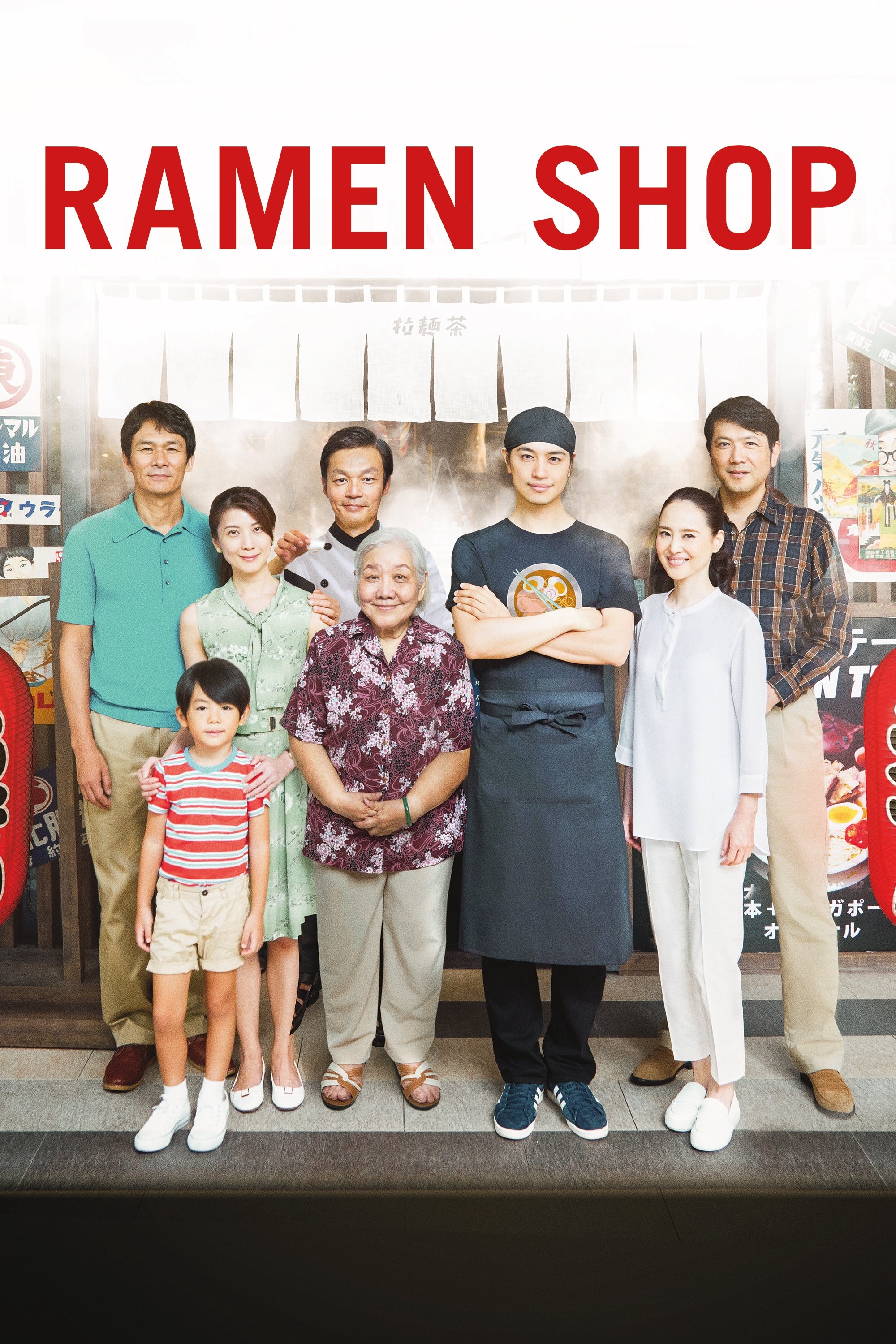
A young ramen chef travels from Japan to Singapore to learn about his late mother’s past through her favorite local dishes. He eventually creates a fusion dish that combines Japanese ramen with Singaporean bak kut teh, a pork rib soup. This culinary experimentation serves as a physical representation of his biracial identity and a way to reconcile his estranged family. The film treats the kitchen as a place of historical discovery and emotional healing.
‘Everything Everywhere All At Once’ (2022)
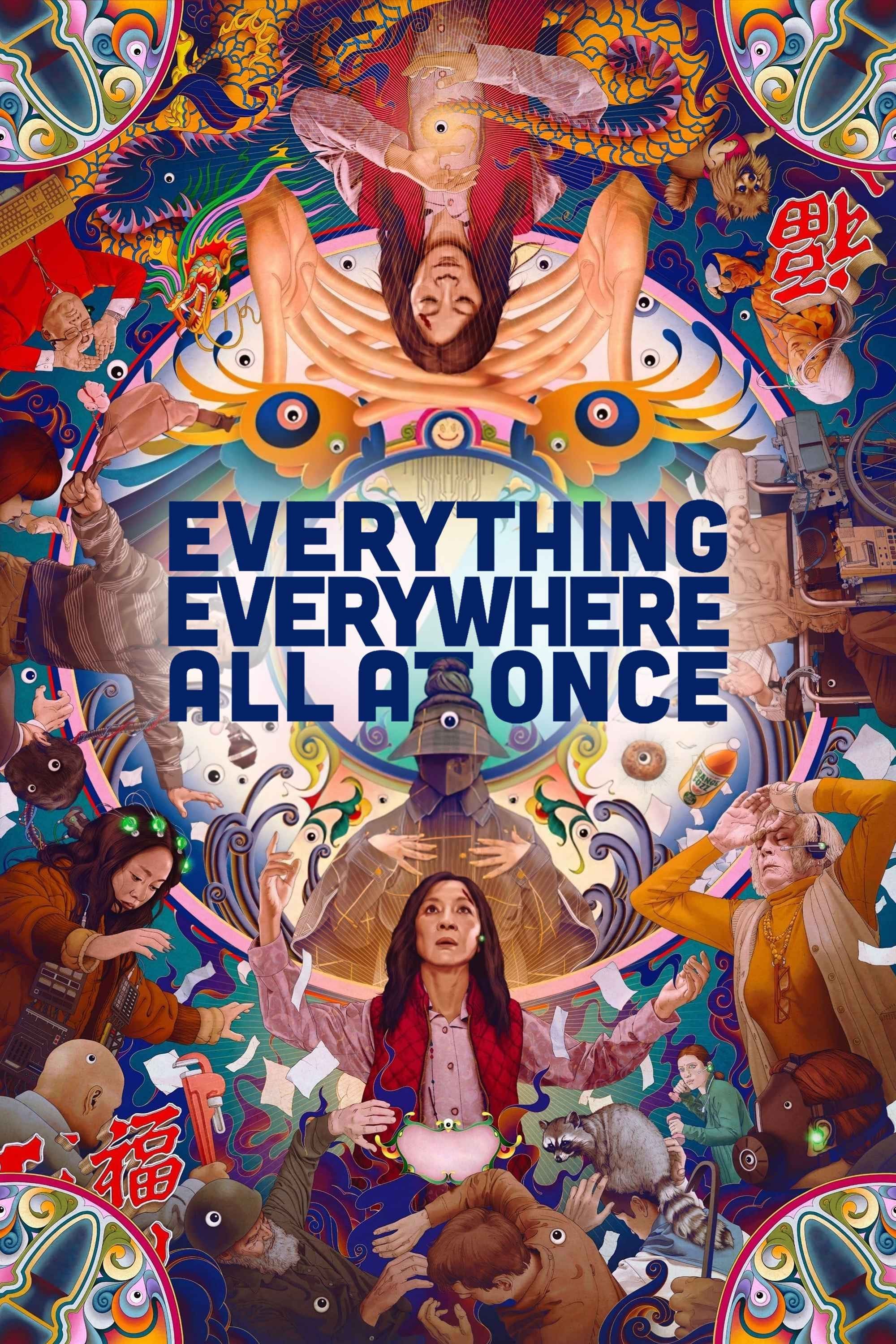
The story begins in a laundromat where the protagonist is overwhelmed by taxes, but food emerges as a recurring motif across the multiverse. In one reality, a chef is puppeteered by a raccoon in a parody of culinary cinema, while in another, almond cookies represent a mother’s attempt at reconciliation. Noodles are used to symbolize the tangled paths of fate and the simple joy of a shared meal. The film eventually finds its emotional climax in a mundane conversation held over a plate of food.
‘Riceboy Sleeps’ (2022)

A Korean immigrant mother in Canada packs traditional gimbap for her son’s school lunch, leading to cultural friction with his classmates. The film explores the shame and eventual pride associated with “smelly” ethnic food in a Western social context. As the son grows older, the meals his mother prepares remain the primary link to their heritage. The narrative uses the evolution of their dinner table to show the shifting dynamics between an immigrant parent and her assimilated child.
‘Always Be My Maybe’ (2019)

The protagonist is a celebrity chef who specializes in “elevated” Asian cuisine, which creates a rift between her and her childhood friend. The film contrasts high-end restaurant culture with the authentic, unpretentious Korean and Vietnamese meals they ate growing up. A scene involving a long-simmered kimchi stew highlights the emotional weight of home cooking compared to professional artifice. The story uses food to navigate the differences in class and ambition between the two leads.
‘Kim’s Convenience’ (2016–2021)

This sitcom centers on a Korean-Canadian family running a grocery store in Toronto, where food is a constant topic of conversation. Whether it is Appa’s insistence on the quality of his galbi or Umma’s secret recipes, the family’s identity is tied to their culinary roots. The show frequently features characters eating traditional stews and snacks in the back of the store. These moments provide a realistic look at how immigrant families maintain their culture through daily domestic habits.
‘Ponyo’ (2008)

The preparation of instant ramen topped with thick slices of ham is one of the most famous food sequences in Studio Ghibli history. The magic-infused world is grounded by the protagonist’s mother, who provides comfort through simple, hot meals during a massive storm. The steam and the vibrant colors of the ingredients evoke a sense of safety and childhood wonder. This depiction turns a basic convenience meal into a symbol of maternal care and resilience.
‘House of Hummingbird’ (2018)

Set in 1994 Seoul, the film follows a lonely fourteen-year-old girl as she navigates family neglect and social changes. Meals in her household are often tense and silent, reflecting the patriarchal structure and the emotional distance between family members. However, a scene involving potato pancakes becomes a rare moment of connection between the protagonist and her brother. The film uses the presence and absence of communal eating to illustrate the girl’s profound isolation.
‘Past Lives’ (2023)
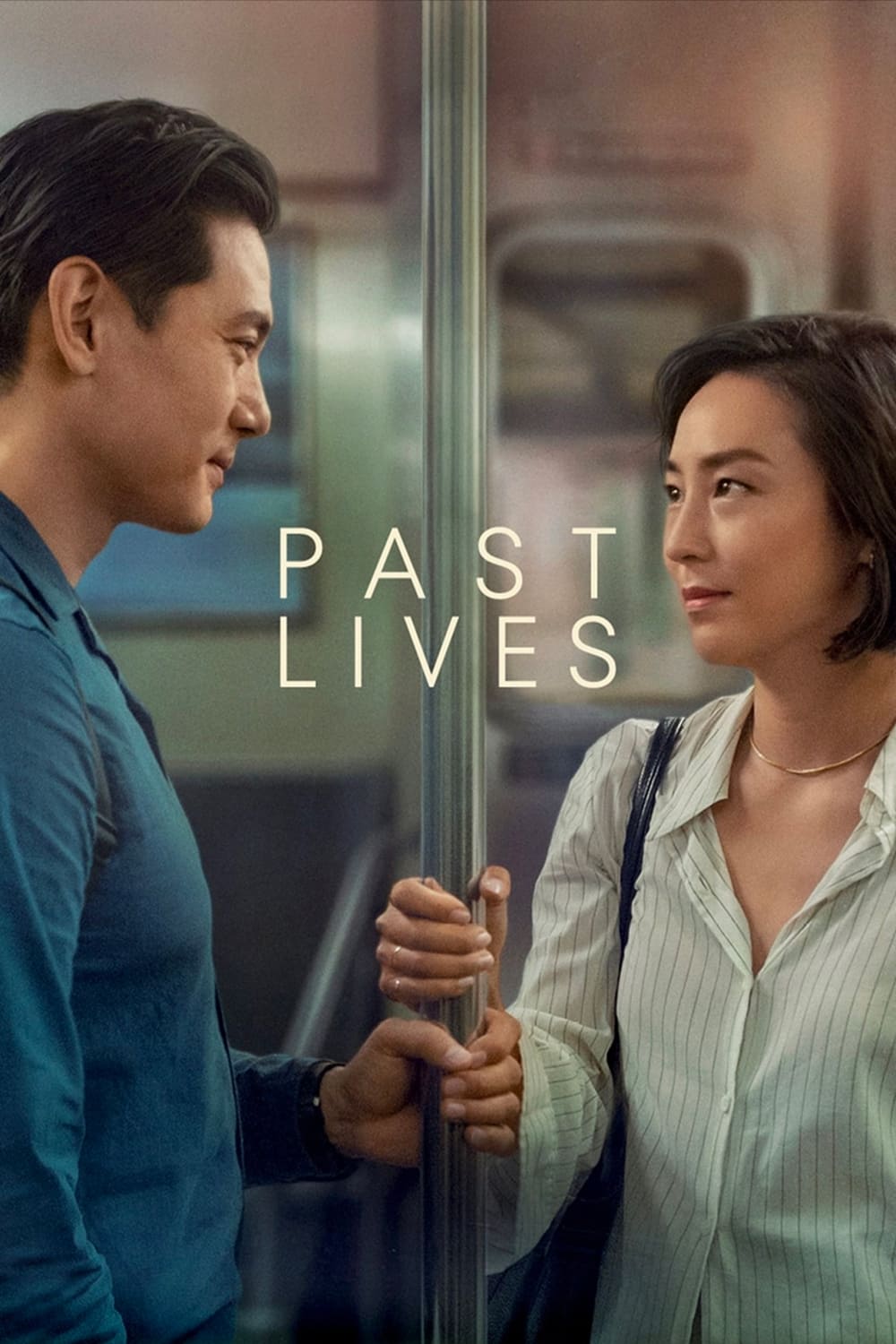
The protagonist, a woman who emigrated from Korea to Canada, finds her childhood memories triggered by the arrival of her first love in New York. While the film is a quiet drama about “In-Yun” or providence, food acts as a cultural anchor during their meetings. The characters share meals that highlight their differing life paths and the lingering connection to their shared past. The dialogue often circles back to Korean flavors as a way to bridge the decades-long gap in their relationship.
‘The Garden of Words’ (2013)

In this visually stunning anime, a student and an older woman bond during rainy mornings in a Japanese garden while eating chocolate and drinking beer. Later, the protagonist prepares a meticulously detailed bento for her, showcasing his burgeoning maturity and care. The hyper-realistic animation of the food highlights the intimacy developing between the two characters. The act of sharing a meal becomes a substitute for the words they are unable to speak to one another.
‘Jewel in the Palace’ (2003–2004)

This historical drama tells the story of an orphaned girl who becomes the first female royal physician in the Joseon Dynasty. The first half of the series focuses on her time in the royal kitchen, where she learns the medicinal properties of various ingredients. The show meticulously depicts the elaborate preparation of Korean royal court cuisine, emphasizing food as a source of health and political influence. It highlights the philosophical belief that “food and medicine share the same origin.”
‘Flavors of Youth’ (2018)
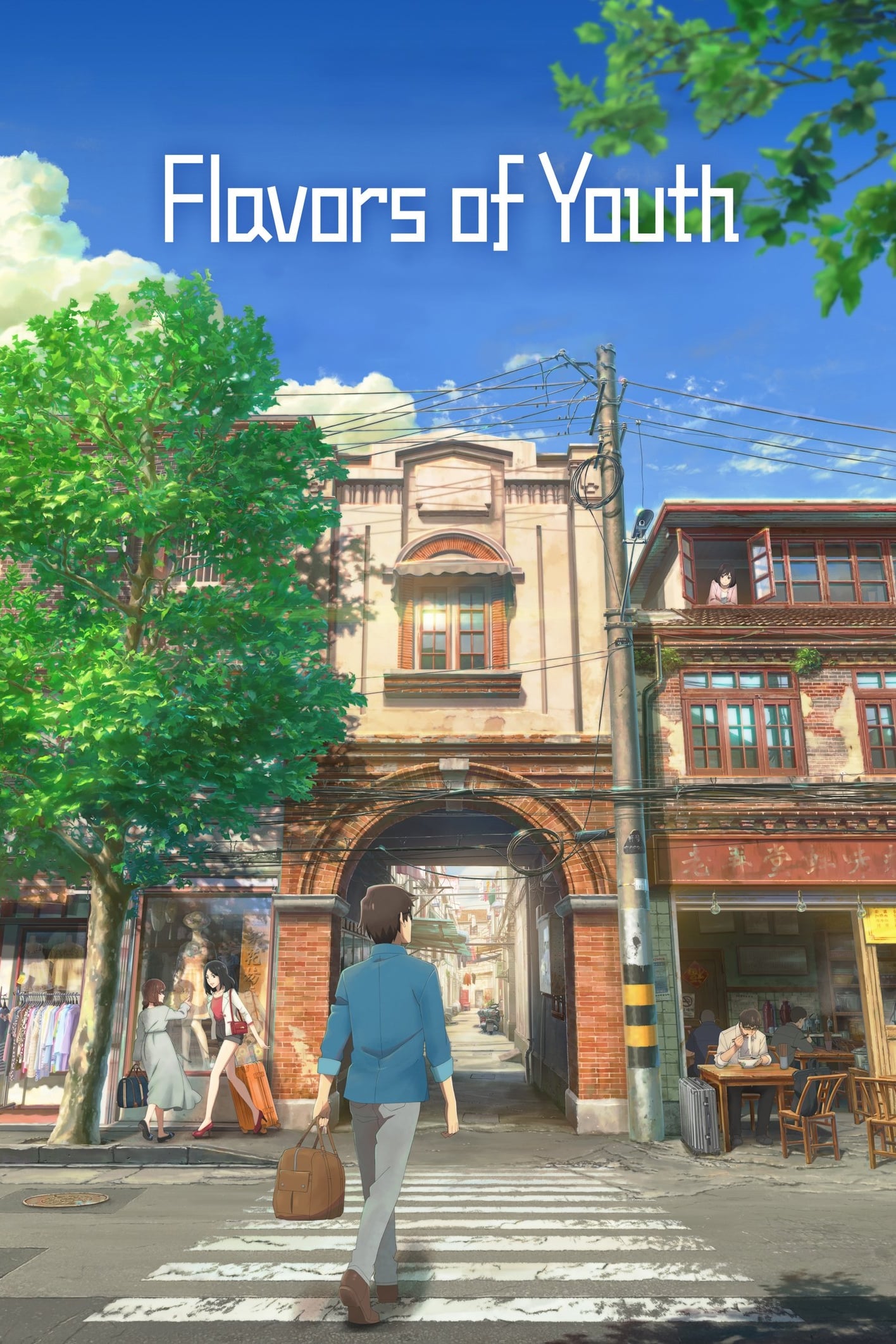
The first segment of this anthology film is titled “The Rice Noodles” and follows a young man living in Beijing who reminisces about his childhood in Hunan. He vividly describes the “Sanxian” noodles he ate as a boy and the specific way they were prepared by a local shopkeeper. The fading flavor of the noodles serves as a metaphor for his lost youth and the rapid urbanization of China. The story uses culinary nostalgia to explore the melancholy of growing up and moving away from home.
‘Oldboy’ (2003)
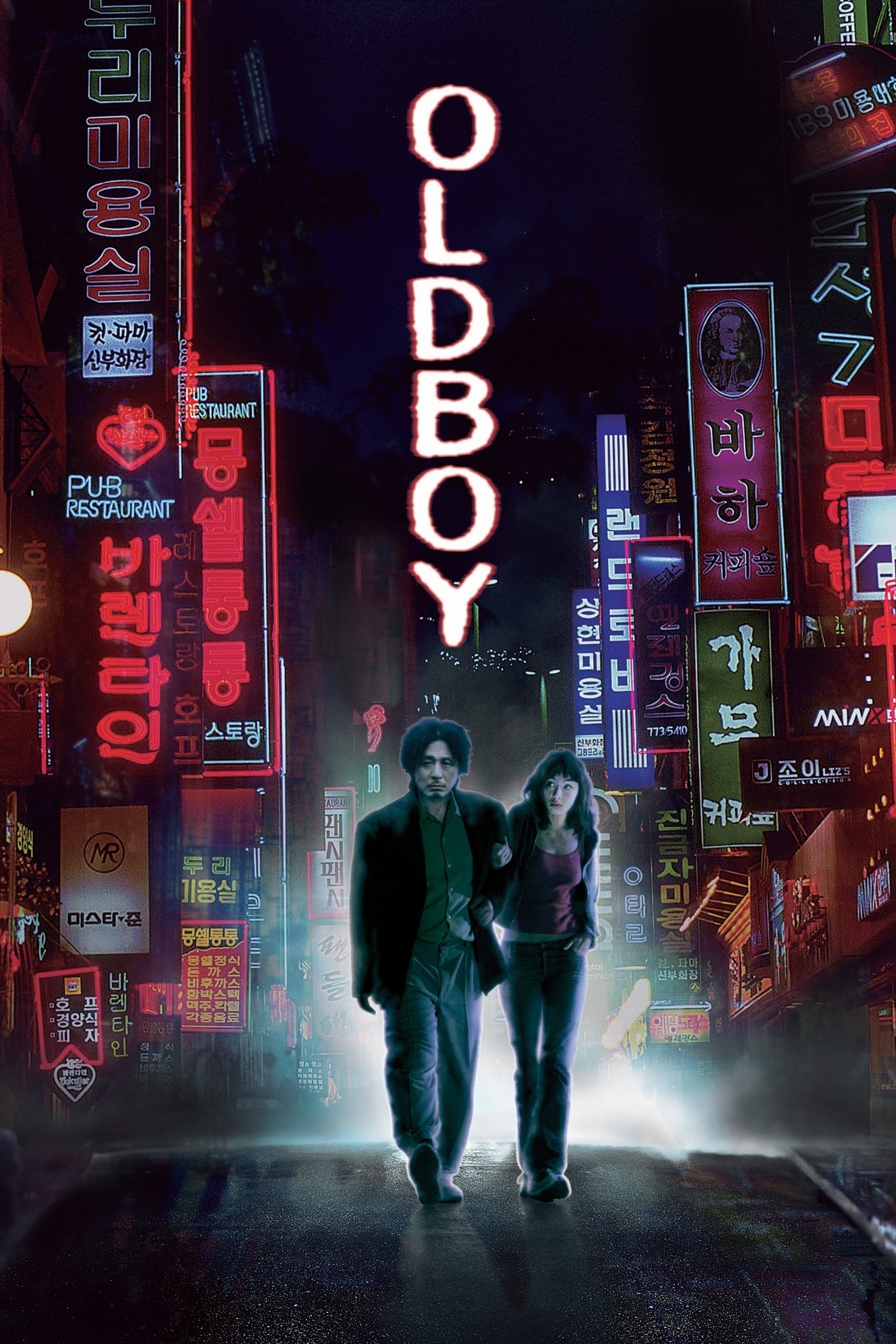
In this dark revenge thriller, the protagonist’s first meal after fifteen years of imprisonment is a live sannakji, or long-arm octopus. The visceral scene where he consumes the writhing animal emphasizes his loss of humanity and his primal need for sensory stimulation. This moment stands in stark contrast to the fried dumplings he was forced to eat every day during his captivity. The food in this film is used to signal the character’s psychological state and his transition from victim to predator.
‘Today’s Menu for the Emiya Family’ (2017)
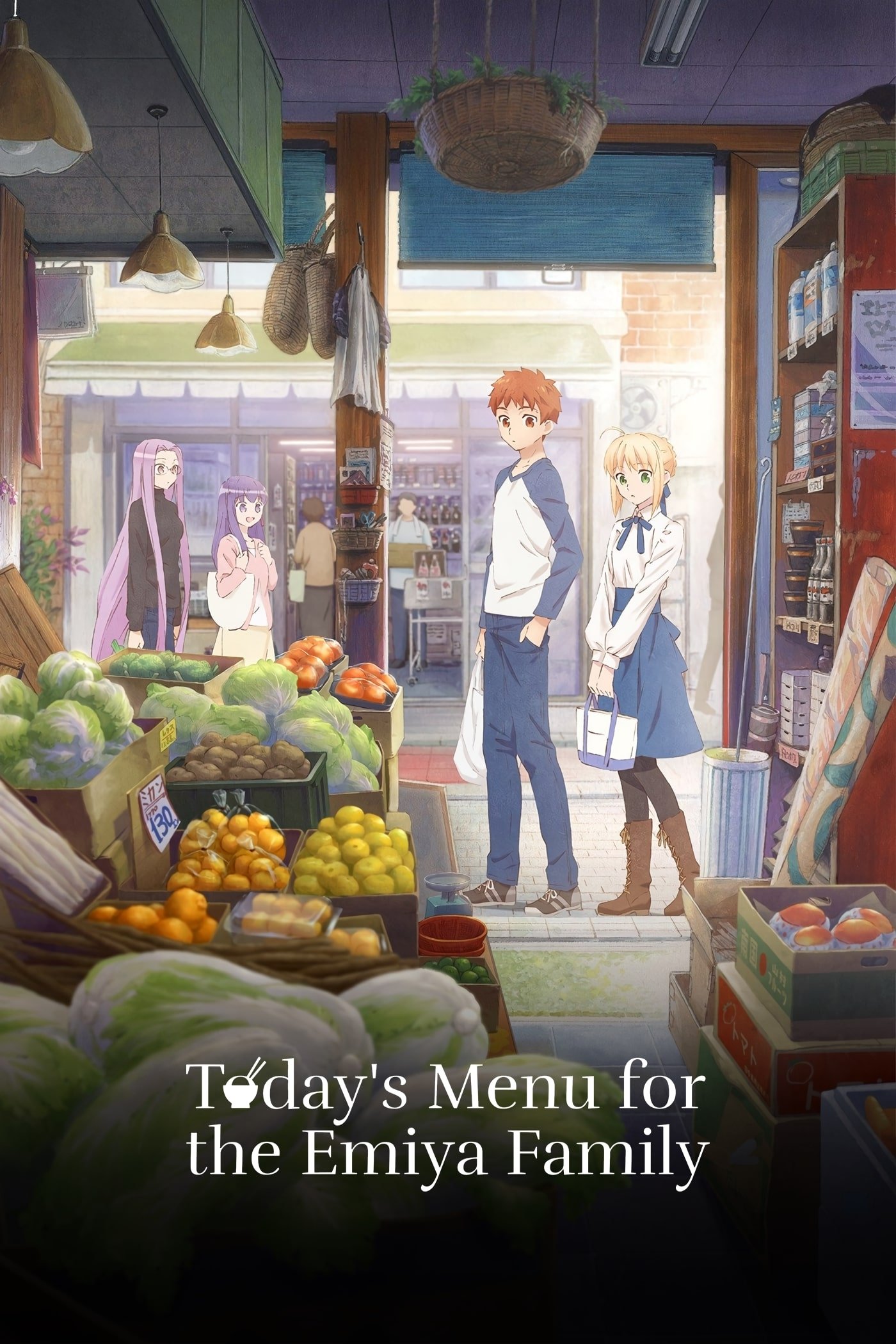
This spin-off series focuses entirely on the daily lives of characters who, instead of fighting, gather to cook and share Japanese seasonal dishes. Each episode provides a detailed look at recipes like foil-baked salmon or stir-fried sprouts. The show uses the peaceful act of cooking to humanize characters previously known for their roles in high-stakes action. It emphasizes the communal joy of the kitchen and the way food can diffuse conflict.
‘Shoplifters’ (2018)

A family of petty thieves in Tokyo shares intimate moments over humble meals like dashi-soaked croquettes and cup noodles. Despite their lack of biological ties and financial resources, the act of eating together validates their bond as a family unit. The film uses the steam from a hot pot to create a sense of warmth in their cramped, impoverished living space. These scenes challenge the viewer’s perception of what constitutes a “real” family through the lens of shared sustenance.
‘Okja’ (2017)
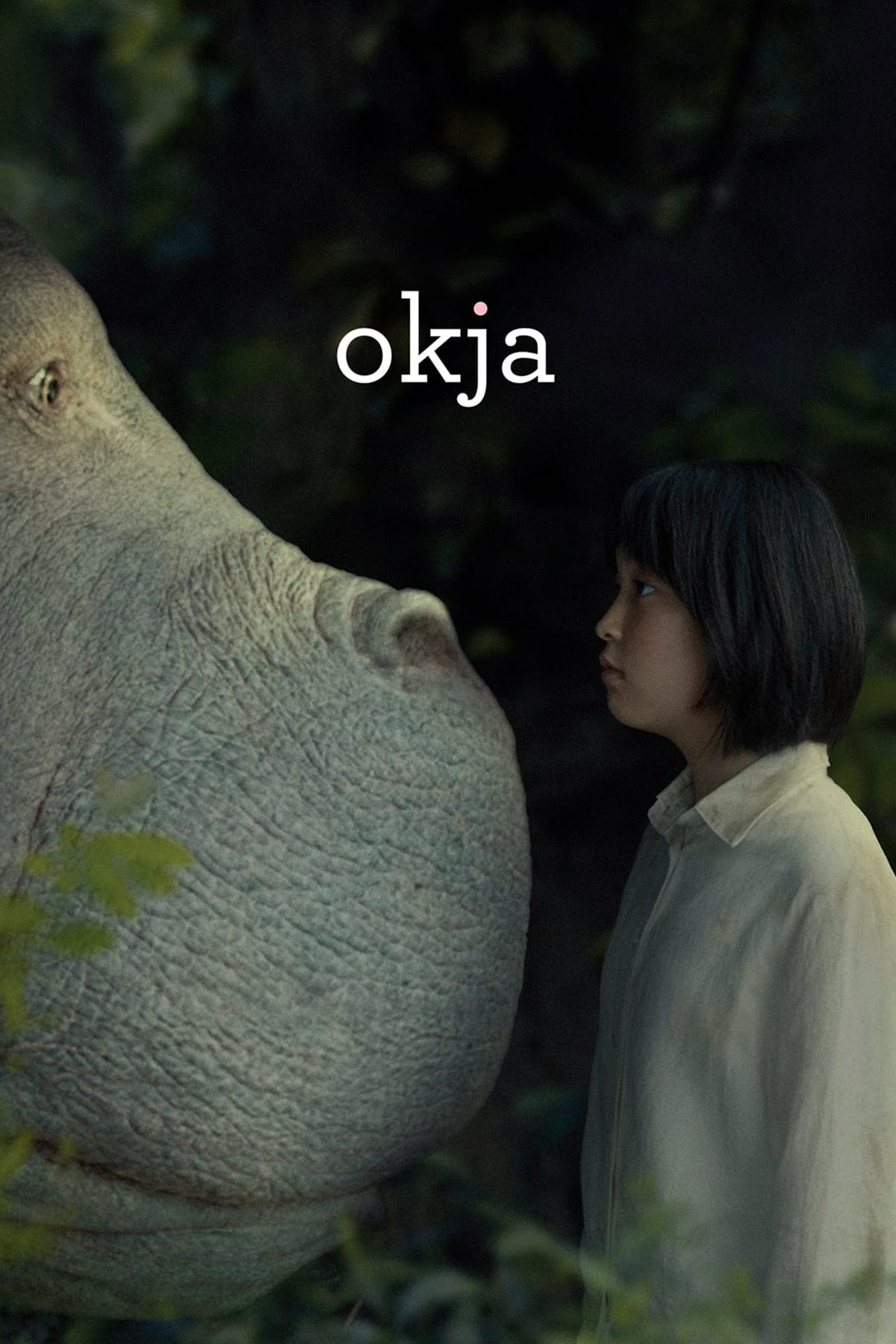
The film opens with a young girl and her giant genetically modified “super pig” living in the mountains of South Korea, where they share meals of stewed fish and fruit. This bond is contrasted with the corporate world’s view of the animal as merely a source of mass-produced meat. The narrative explores the ethical complexities of the global food industry while maintaining a focus on the personal relationship between the girl and her companion. The girl’s preference for traditional, natural food highlights her rejection of industrial greed.
Please share your thoughts on these cinematic portrayals of Asian cuisine in the comments.