Asian Directors Who Transformed Hollywood Blockbusters from Within

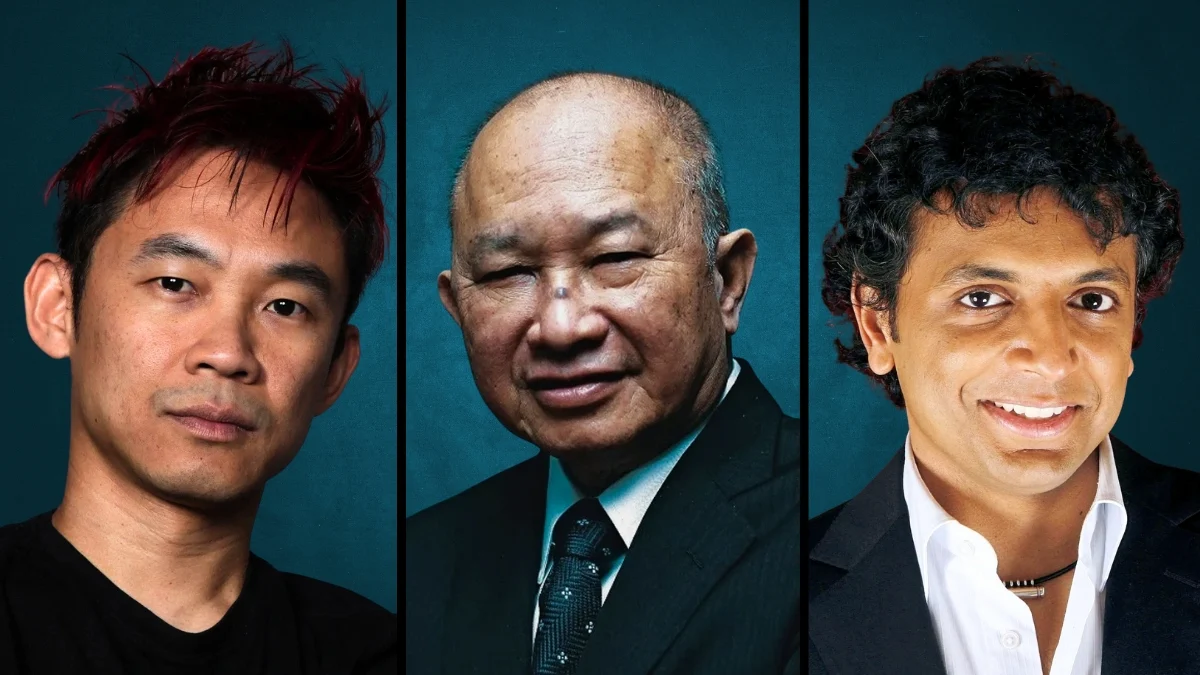

Asian directors have played a pivotal role in shaping the landscape of modern American cinema, bringing unique visual styles and narrative perspectives to major studio productions. From reinventing long-standing action franchises to breaking box office records with diverse casts, these filmmakers have moved from the periphery to the very center of the industry. Their contributions have not only garnered critical acclaim but have also fundamentally altered the technical and cultural standards of the Hollywood blockbuster.
James Wan
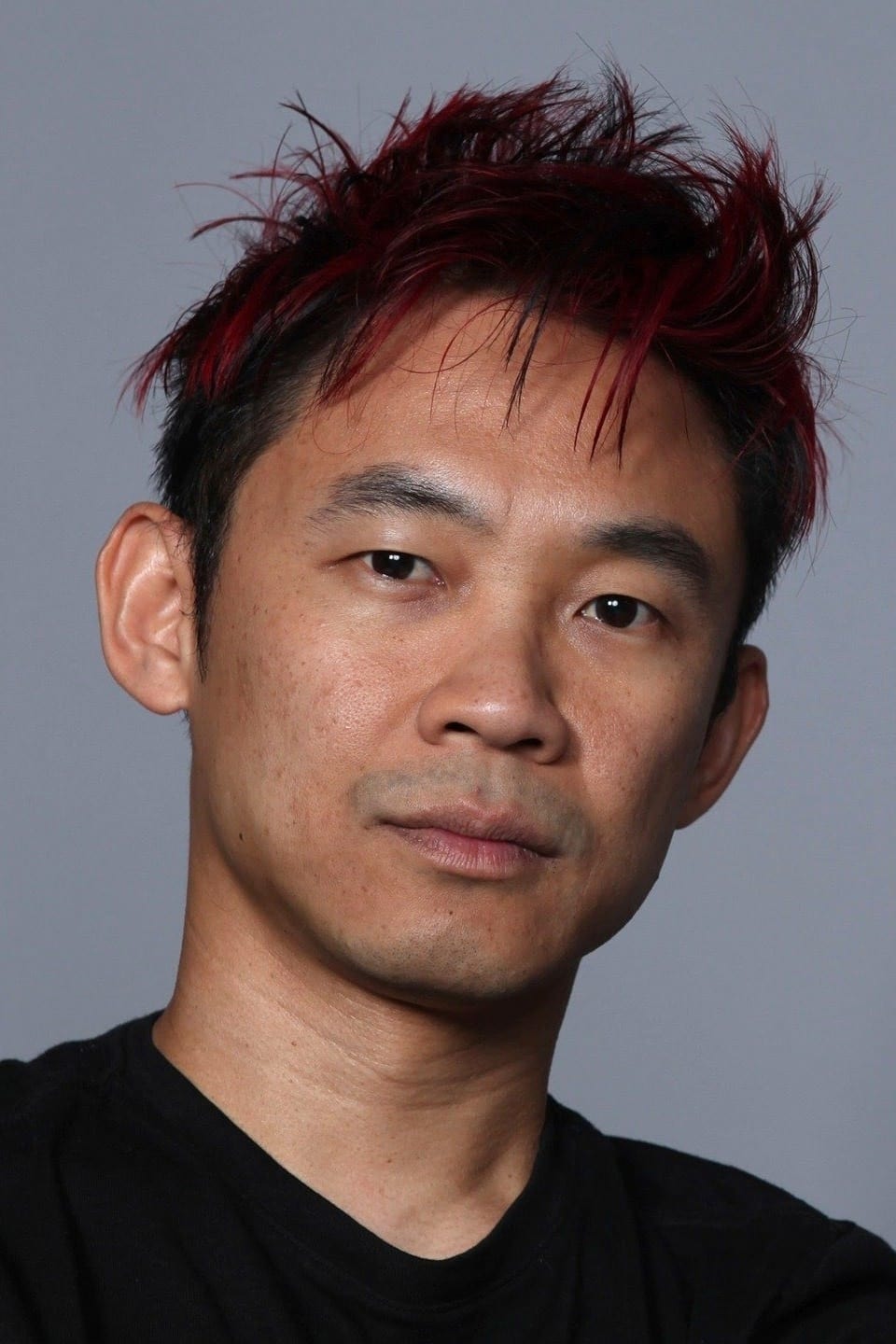
James Wan first gained prominence by co-creating the ‘Saw’ franchise, which revitalized the horror genre through its intricate puzzles and psychological tension. He later transitioned into high-budget blockbusters, directing the superhero epic ‘Aquaman’ for the DC Extended Universe. Wan also helmed ‘Furious 7’, which became one of the highest-grossing films of all time upon its release. His ability to blend atmospheric horror with large-scale action has made him a versatile force in Hollywood.
Justin Lin
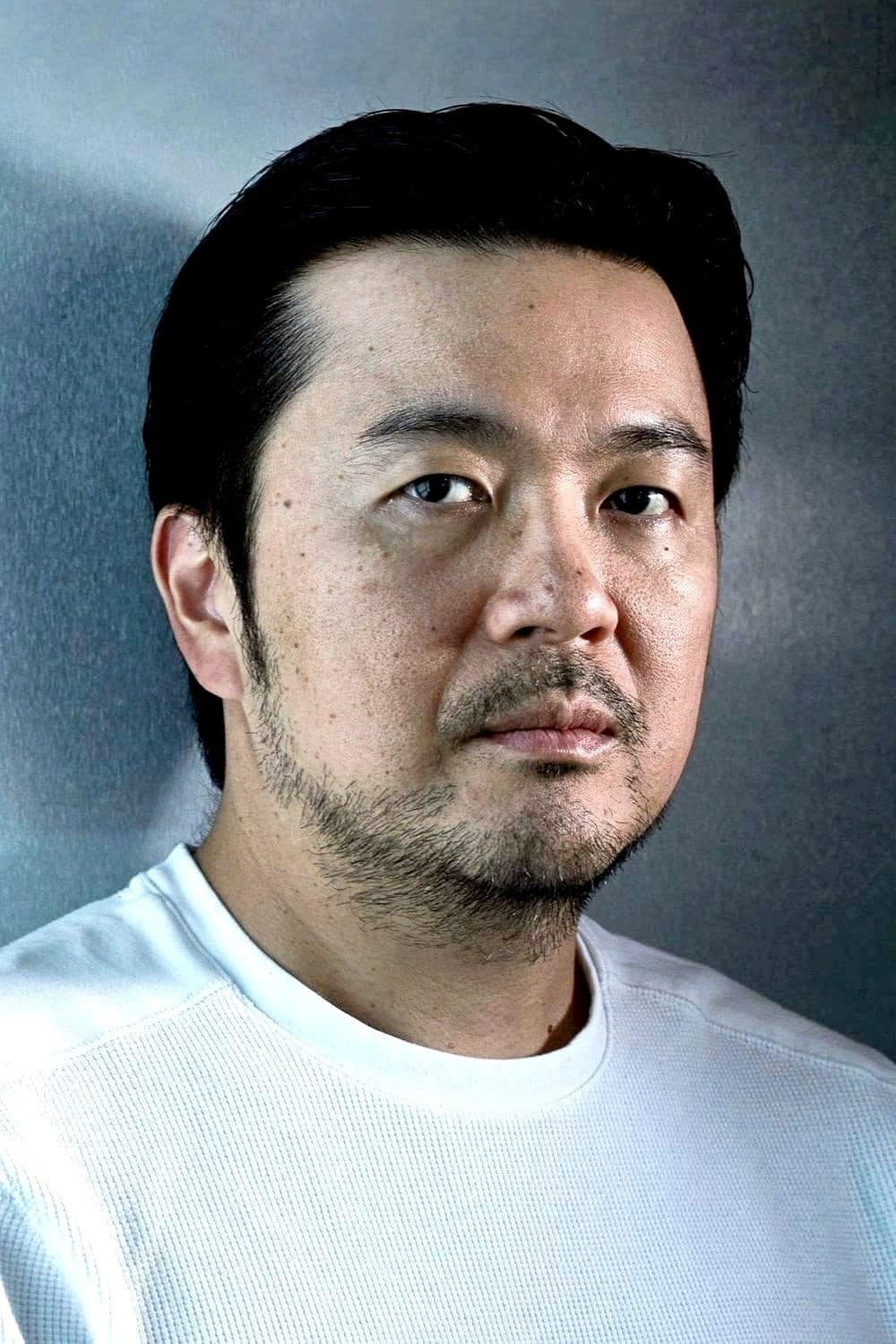
Justin Lin is widely credited with reinventing the ‘Fast & Furious’ franchise, beginning with his work on ‘The Fast and the Furious: Tokyo Drift’. He directed five installments of the series, shifting the focus from street racing to global heist-themed action spectacles. Lin also took the reins of the ‘Star Trek’ reboot series by directing ‘Star Trek Beyond’ in 2016. His technical expertise in filming complex vehicular stunts has set new standards for modern action cinema.
Ang Lee
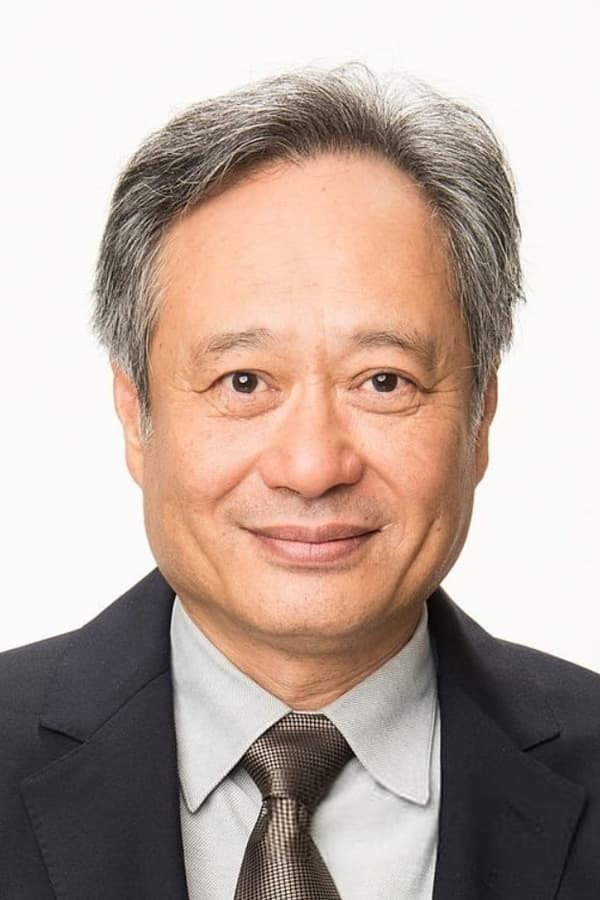
Ang Lee is a two-time Academy Award winner for Best Director who has successfully navigated various genres within the Hollywood system. He directed the comic book adaptation ‘Hulk’ in 2003, exploring the psychological trauma of Bruce Banner through innovative visual storytelling. Lee achieved significant commercial and critical success with ‘Life of Pi’, which utilized ground-breaking 3D technology and digital effects. His film ‘Crouching Tiger, Hidden Dragon’ remains a landmark achievement that brought wuxia cinema to a mainstream Western audience.
John Woo

John Woo brought his signature “heroic bloodshed” style from Hong Kong to major American productions in the 1990s. He directed the high-concept action thriller ‘Face/Off’, which utilized his trademark stylized gunfights and slow-motion sequences. Woo was also responsible for ‘Mission: Impossible 2’, the highest-grossing film of 2000, which redefined the aesthetic of the franchise. His influence is seen in the choreography of countless contemporary Hollywood action films.
M. Night Shyamalan
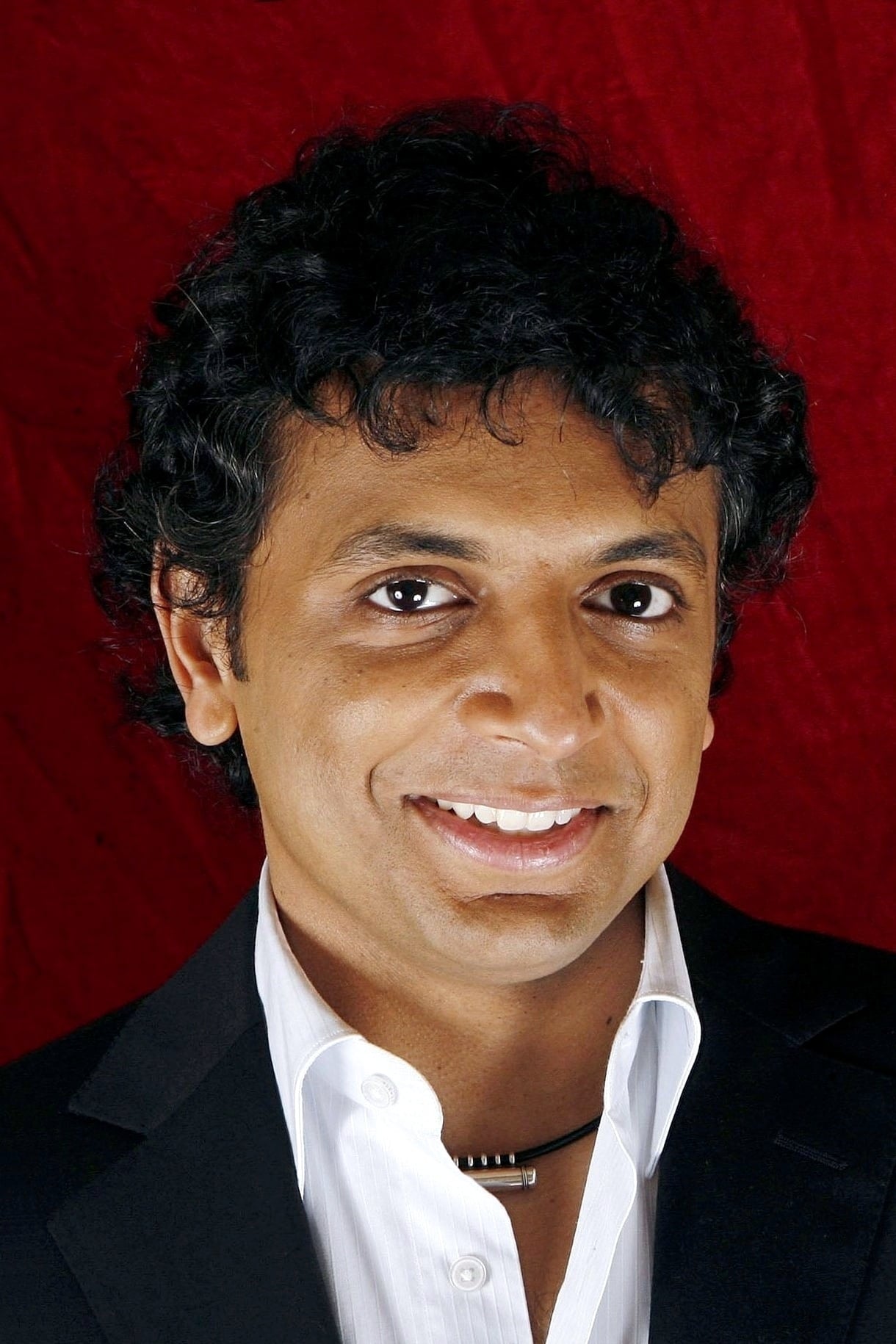
M. Night Shyamalan became a household name with the supernatural thriller ‘The Sixth Sense’, which earned six Academy Award nominations. He continued to produce high-concept blockbusters such as ‘Unbreakable’ and ‘Signs’, often centering on ordinary people in extraordinary circumstances. Shyamalan is known for his use of twist endings and a distinct visual style that emphasizes suspense over spectacle. Films like ‘Split’ and ‘Glass’ demonstrate his ability to build successful cinematic universes on modest budgets.
Jon M. Chu

Jon M. Chu directed ‘Crazy Rich Asians’, the first major Hollywood studio film featuring an all-Asian cast in a contemporary setting in 25 years. The film became a massive commercial success and a cultural touchstone, proving the marketability of diverse storytelling. Chu also helmed ‘G.I. Joe: Retaliation’ and the film adaptation of the musical ‘In the Heights’. He is currently directing the two-part cinematic adaptation of the Broadway hit ‘Wicked’.
Chloé Zhao
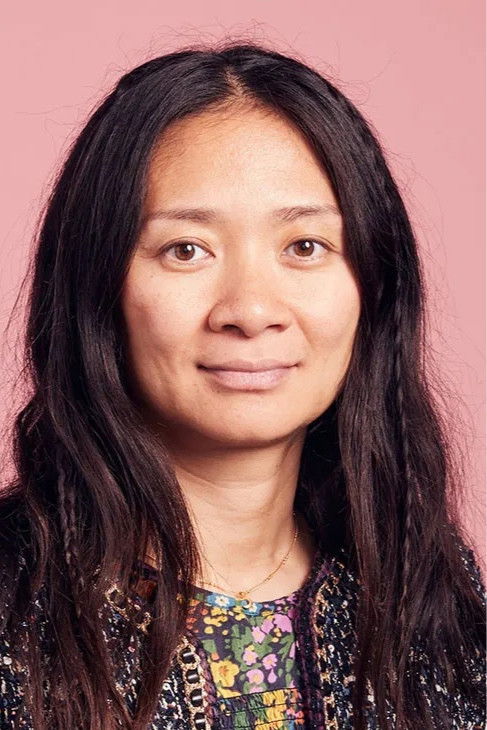
Chloé Zhao transitioned from independent cinema to the Marvel Cinematic Universe by directing the cosmic epic ‘Eternals’. She utilized natural lighting and on-location filming to bring a grounded aesthetic to the superhero genre. Zhao gained international acclaim and an Academy Award for Best Director for ‘Nomadland’ prior to her blockbuster debut. Her work often explores the relationship between humanity and the natural world, even within large-scale productions.
Destin Daniel Cretton
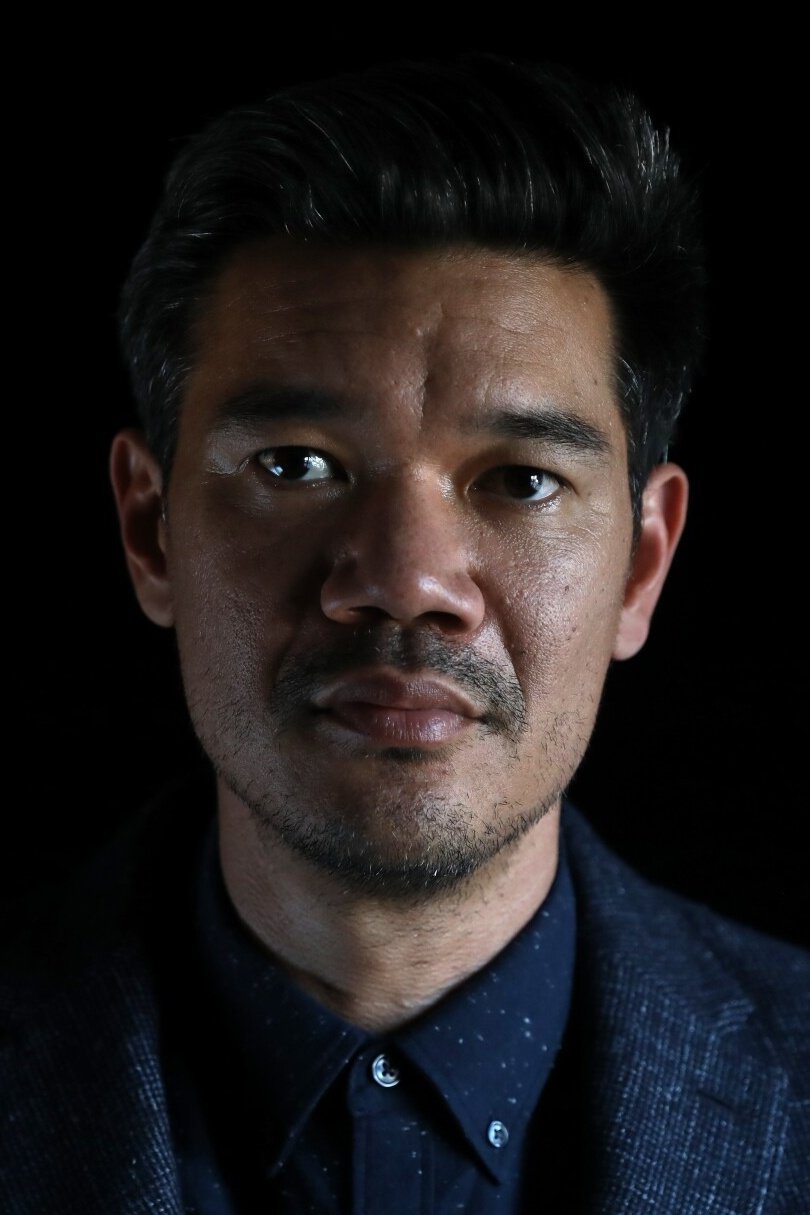
Destin Daniel Cretton directed ‘Shang-Chi and the Legend of the Ten Rings’, introducing the first Asian lead superhero to the Marvel Cinematic Universe. The film was praised for its authentic representation of Chinese culture and its innovative martial arts choreography. Cretton previously collaborated with Brie Larson on ‘Short Term 12’ and ‘The Glass Castle’ before moving into big-budget filmmaking. He has since been tapped to direct future installments in the Marvel franchise, including the upcoming ‘Spider-Man 4’.
Cary Joji Fukunaga
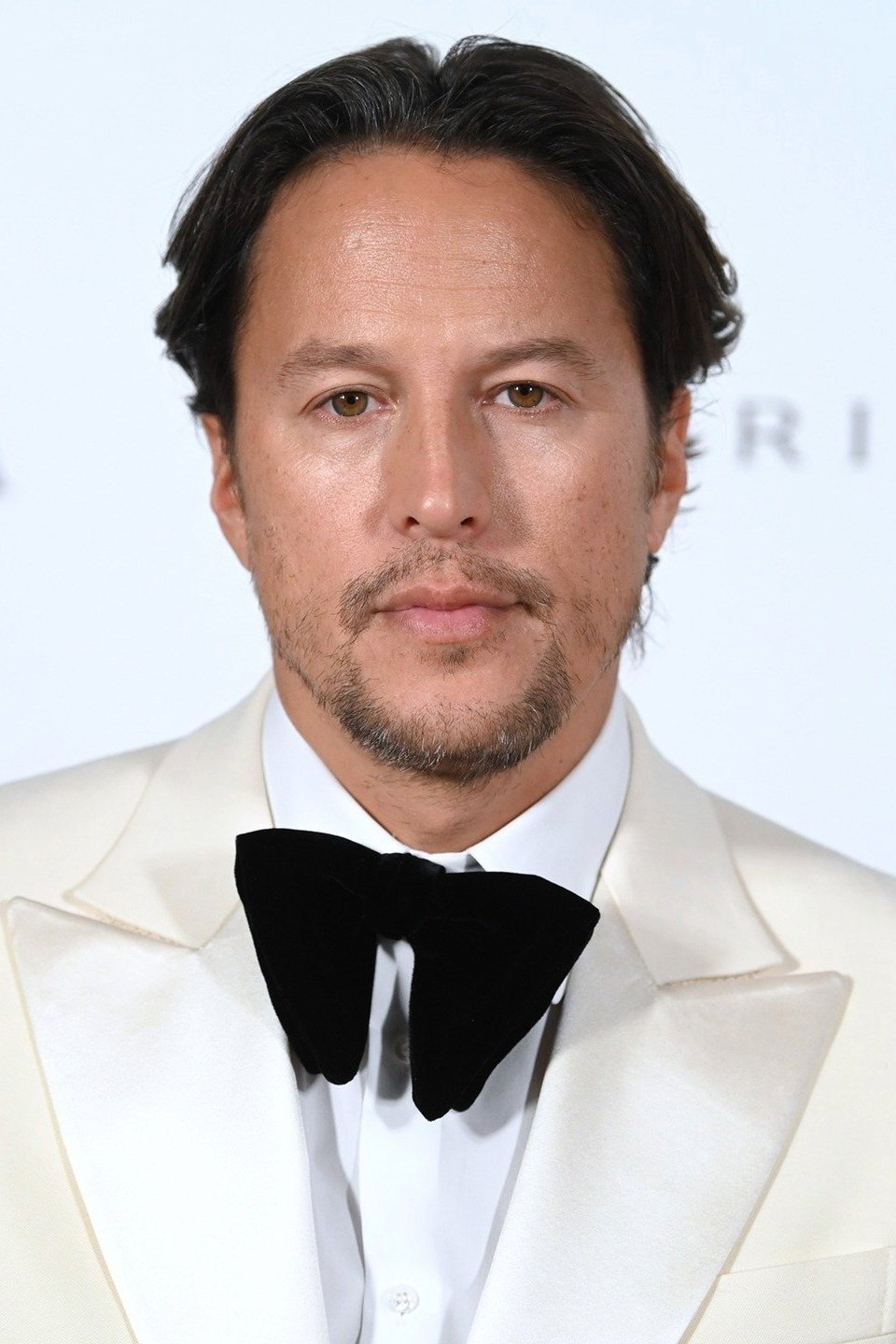
Cary Joji Fukunaga became the first director of Asian descent to helm a James Bond film with ‘No Time to Die’. The film served as the conclusion to Daniel Craig’s tenure as the iconic spy and received praise for its emotional depth and technical execution. Fukunaga also directed the first season of ‘True Detective’ and the Netflix film ‘Beasts of No Nation’. His involvement in the Bond franchise marked a significant shift toward more character-driven narratives in long-running series.
Bong Joon Ho
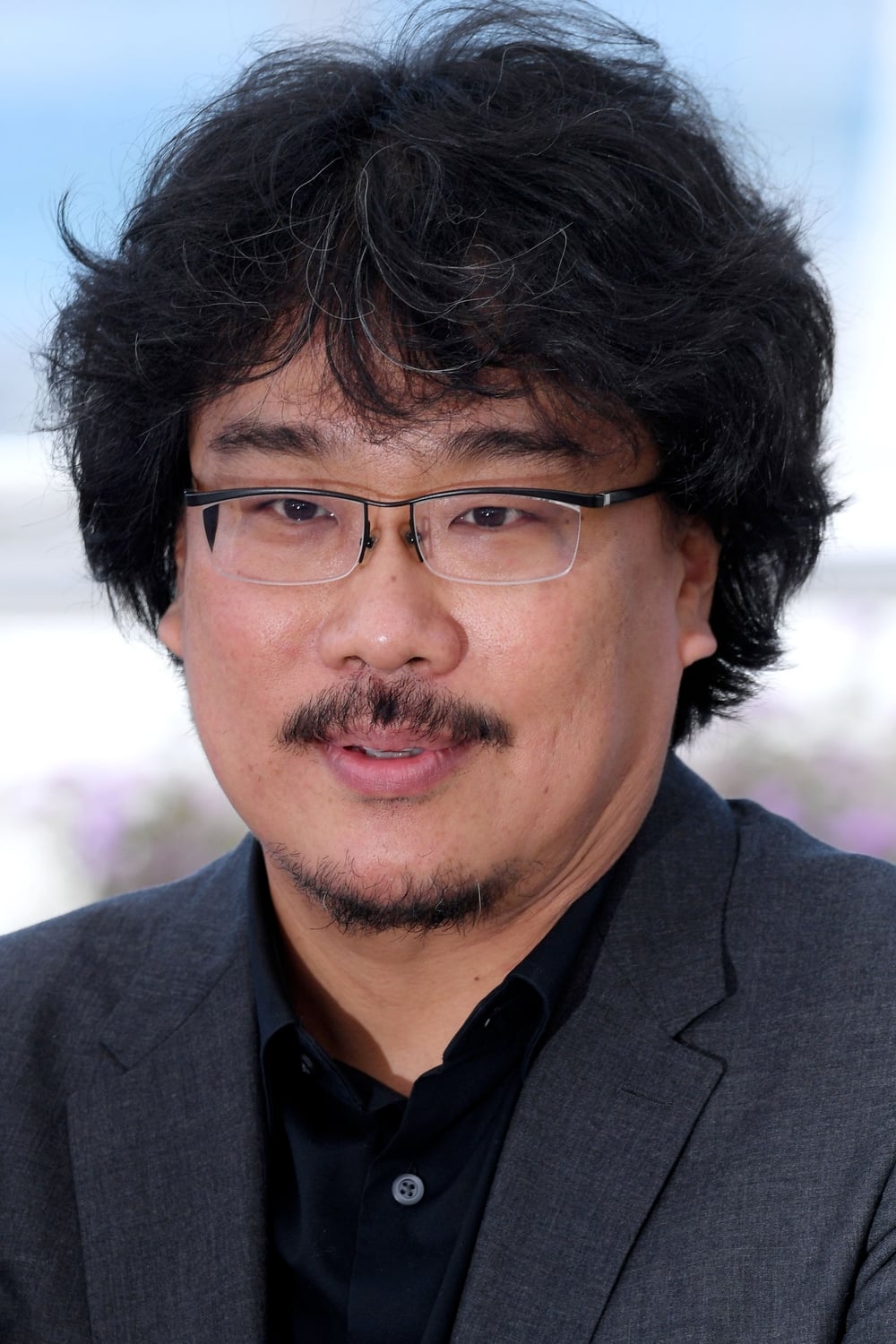
Bong Joon-ho made a profound impact on Hollywood with ‘Parasite’, which became the first non-English language film to win the Academy Award for Best Picture. Before this historic win, he directed the English-language sci-fi blockbuster ‘Snowpiercer’, featuring an international cast. He followed this with ‘Okja’, a high-budget production for Netflix that blended social satire with creature-feature elements. His work consistently explores themes of class struggle and social inequality through high-concept premises.
Jennifer Yuh Nelson
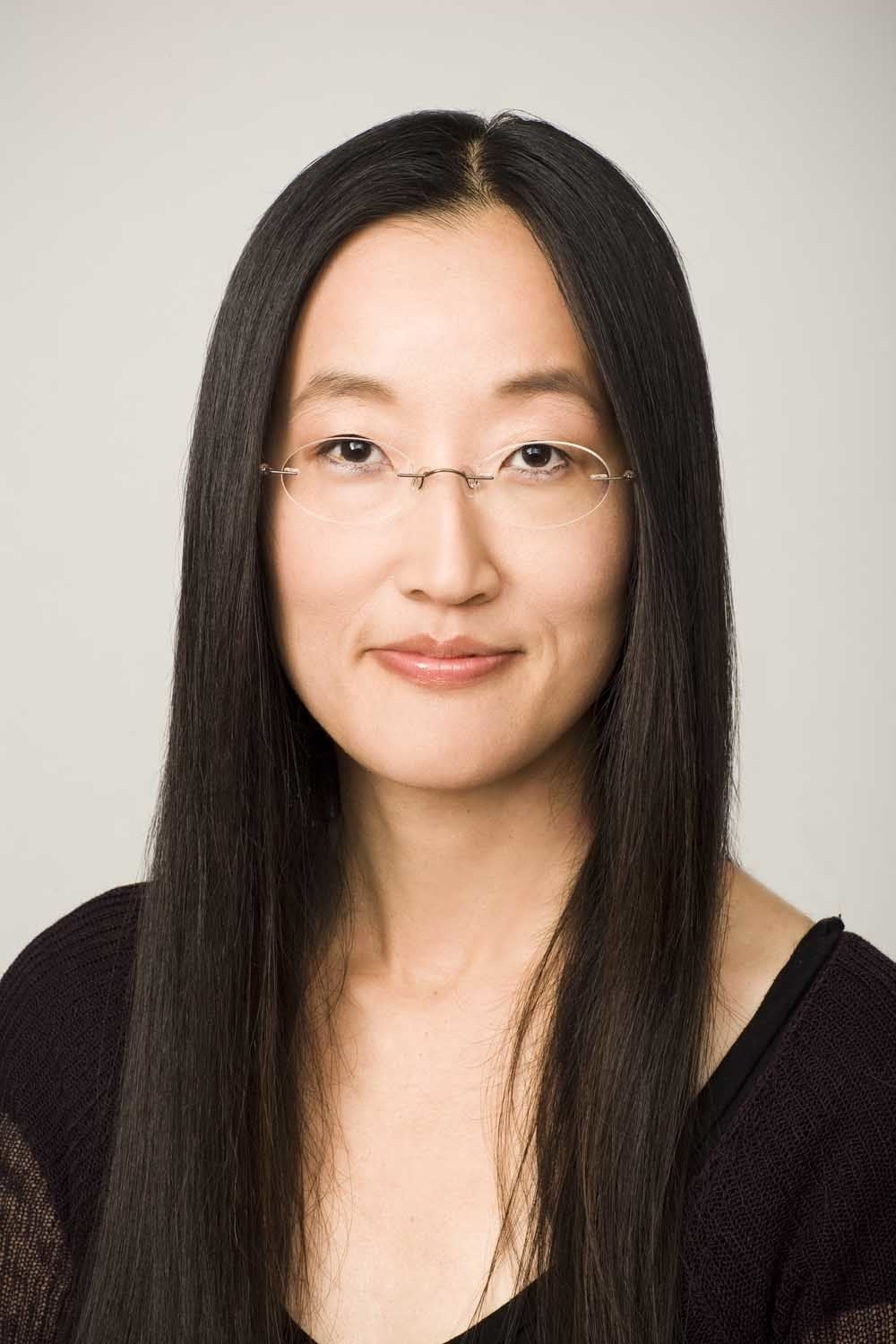
Jennifer Yuh Nelson made her directorial debut with ‘Kung Fu Panda 2’, becoming the first woman to solo direct a major animated feature from a Hollywood studio. The film was a massive commercial success and earned an Academy Award nomination for Best Animated Feature. She returned to direct ‘Kung Fu Panda 3’ and later transitioned to live-action with the dystopian thriller ‘The Darkest Minds’. Nelson’s background in storyboarding and animation has heavily influenced her precise visual compositions.
Cathy Yan

Cathy Yan became the first Asian woman to direct a superhero film with the DC Extended Universe entry ‘Birds of Prey’. The film was noted for its vibrant color palette, non-linear narrative, and stylized action sequences. Yan previously gained attention for her indie debut ‘Dead Pigs’, which won a Special Jury Award at the Sundance Film Festival. Her work in the blockbuster space has been recognized for its distinct female perspective and energetic storytelling.
Tarsem Singh
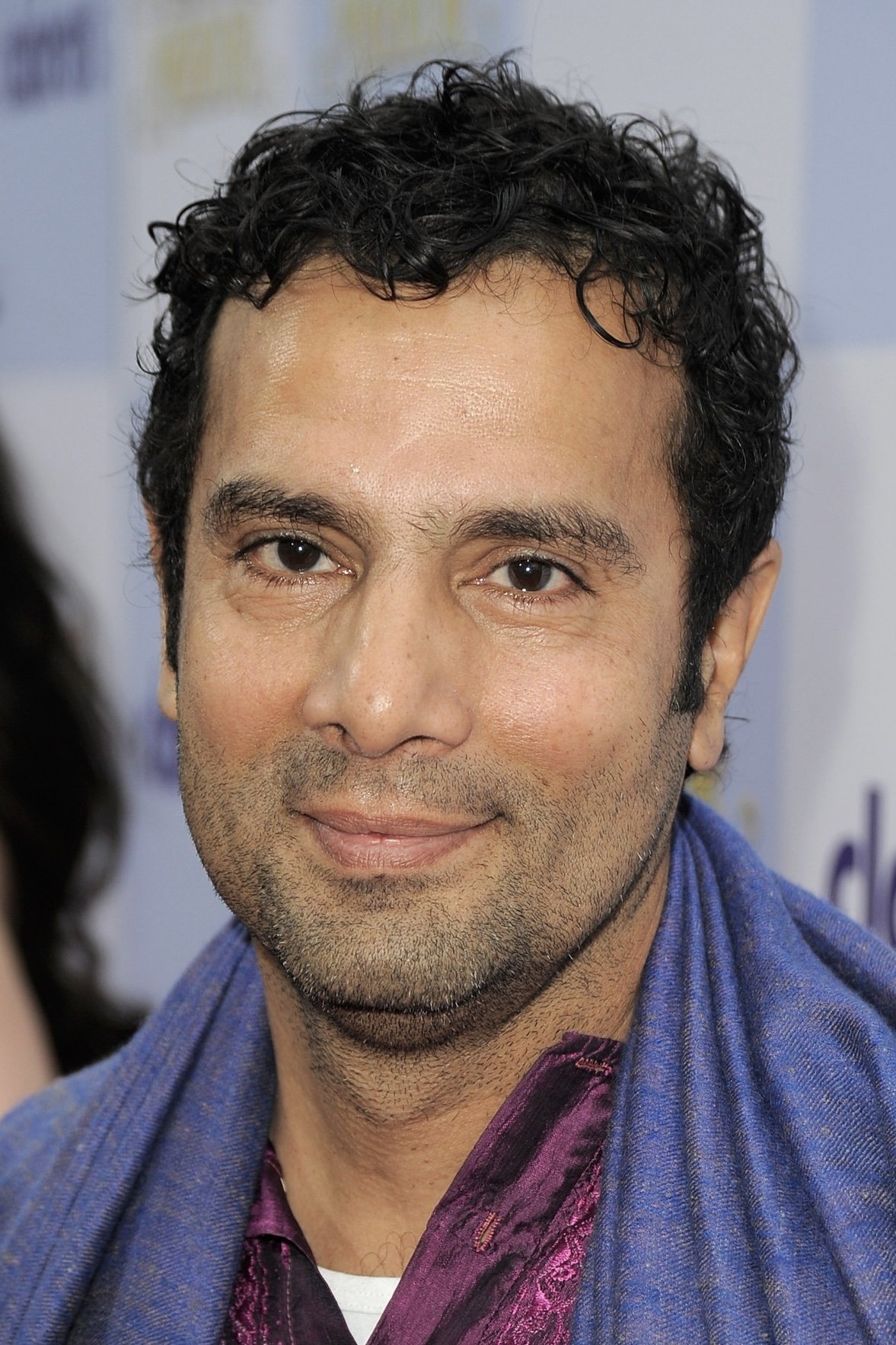
Tarsem Singh is known for his visually opulent style, which he brought to the Greek mythology blockbuster ‘Immortals’. He also directed ‘Mirror Mirror’, a colorful reimagining of the Snow White tale starring Julia Roberts. Singh began his career in music videos and commercials, developing a signature aesthetic characterized by surreal imagery and elaborate costumes. His film ‘The Cell’ showcased his ability to translate high-concept psychological horror into a commercial format.
Shekhar Kapur
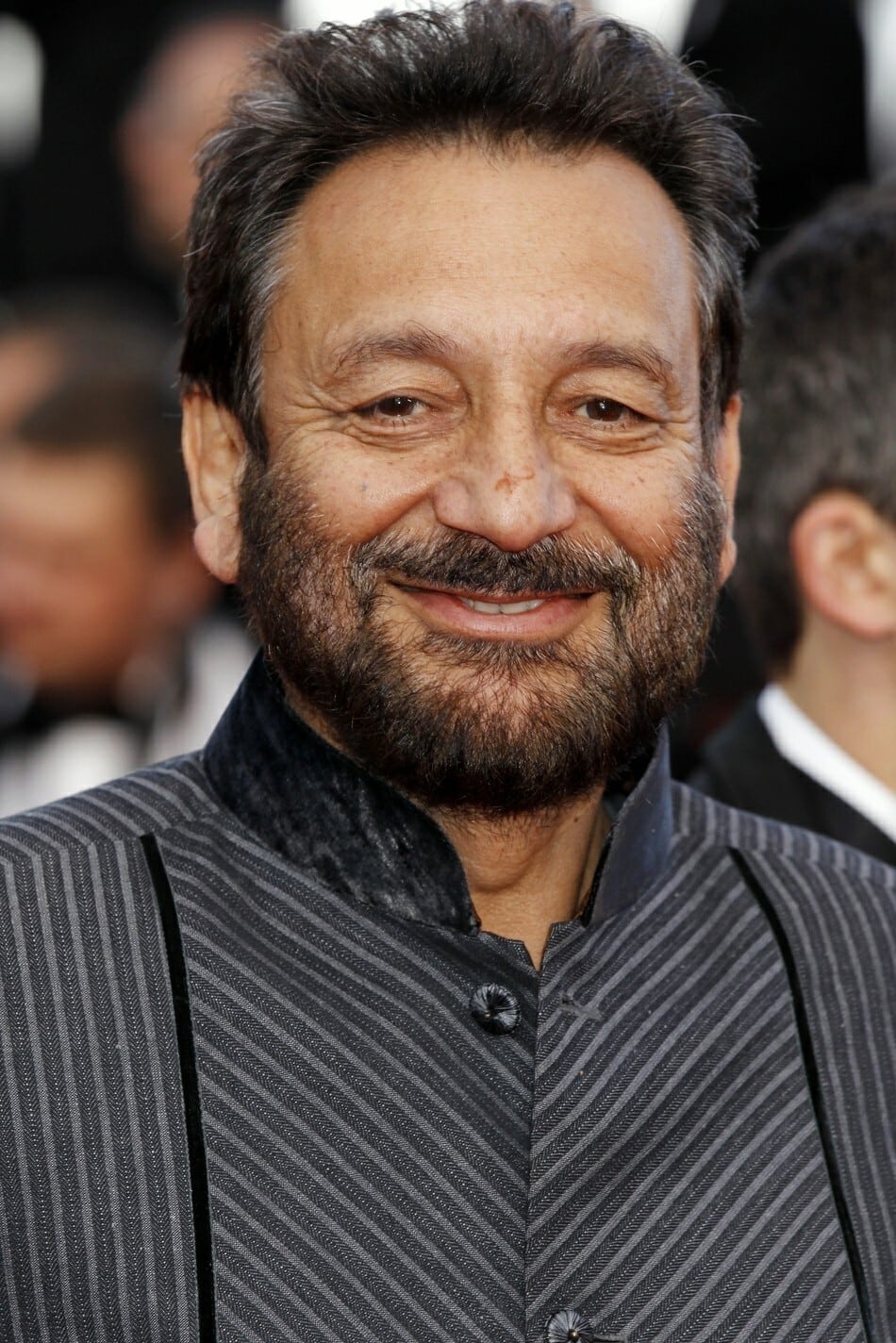
Shekhar Kapur directed the critically acclaimed ‘Elizabeth’ and its sequel ‘Elizabeth: The Golden Age’, which were major international productions. These films showcased his ability to handle large-scale historical dramas with a focus on political intrigue and character development. Kapur also helmed the adventure epic ‘The Four Feathers’ starring Heath Ledger. His work in Hollywood has often bridged the gap between Eastern and Western cinematic traditions.
Ronny Yu
Ronny Yu is a veteran of the Hong Kong film industry who successfully transitioned to Hollywood genre films. He directed ‘Bride of Chucky’, which successfully revitalized the horror franchise by adding elements of dark comedy. Yu followed this with the crossover event ‘Freddy vs. Jason’, which pitted two iconic horror villains against each other in a major studio production. His background in action and horror enabled him to manage high-concept franchise requirements effectively.
Park Chan-wook
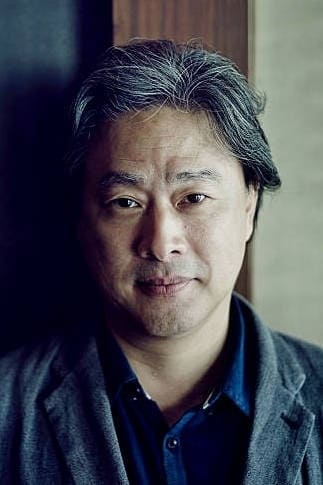
Park Chan-wook, a master of South Korean cinema, made his English-language debut with the psychological thriller ‘Stoker’. The film, starring Nicole Kidman, demonstrated his ability to maintain his distinct visual and thematic style within a Hollywood production. He is widely recognized for his ‘Vengeance Trilogy’, which has influenced many Western filmmakers. Park’s work often explores themes of revenge, morality, and human desire through a highly stylized lens.
Mira Nair
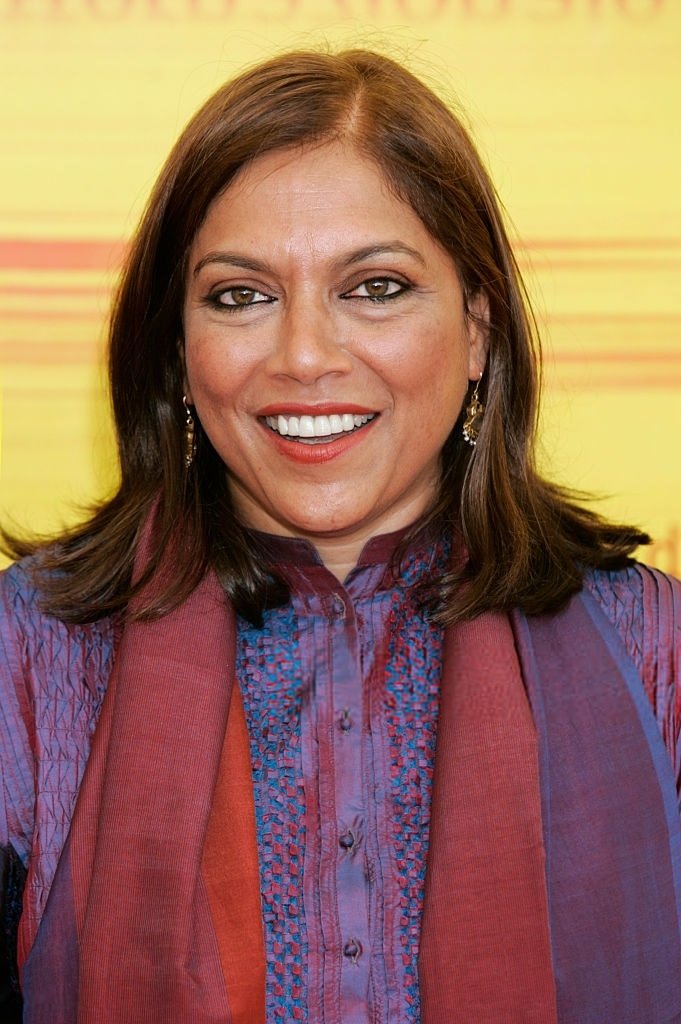
Mira Nair directed the opulent adaptation of ‘Vanity Fair’ starring Reese Witherspoon, bringing a lush visual style to the classic literary work. She also helmed ‘The Namesake’, a cross-cultural drama that found success with international audiences. Nair’s ability to handle large budgets while maintaining cultural specificity has made her a respected figure in the industry. Her film ‘Monsoon Wedding’ remains a significant cultural achievement that bridged the gap between Bollywood and Hollywood.
Wayne Wang
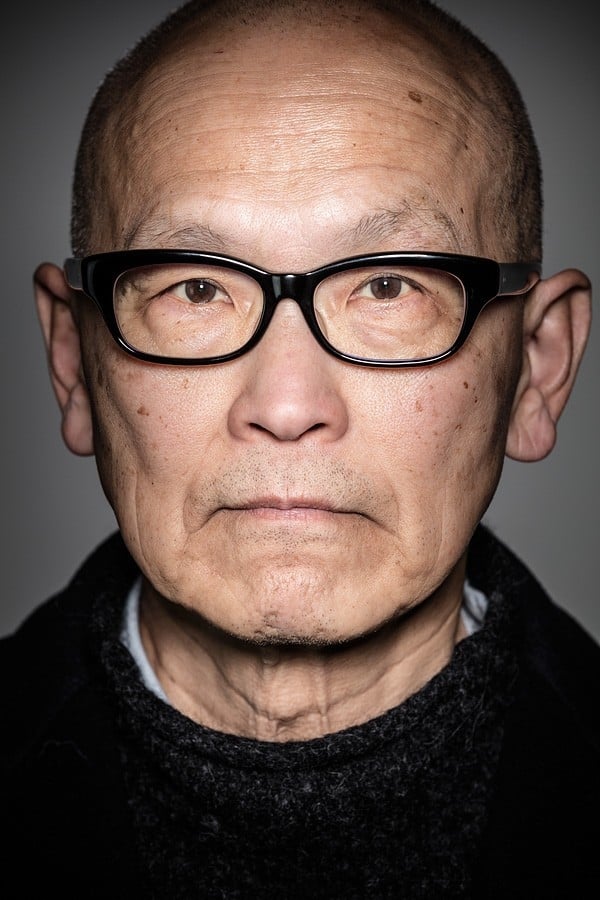
Wayne Wang transitioned from independent films like ‘Chan Is Missing’ to mainstream Hollywood successes such as ‘Maid in Manhattan’. He also directed the adaptation of ‘The Joy Luck Club’, which was a landmark film for Asian representation in major studio releases. Wang’s filmography includes the family-friendly blockbuster ‘Because of Winn-Dixie’ and the romantic comedy ‘Last Holiday’. His career illustrates the ability of Asian directors to succeed in diverse commercial genres.
Zhang Yimou
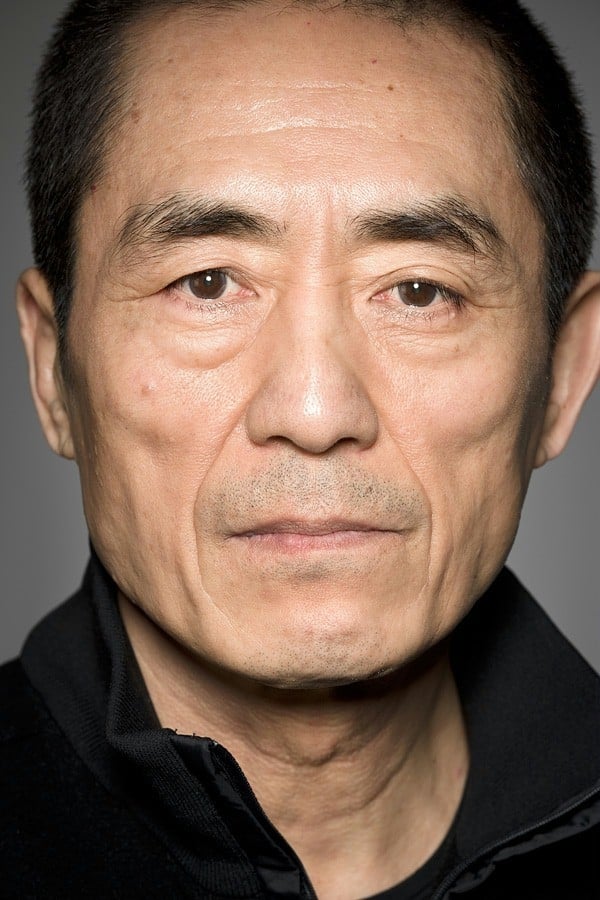
Zhang Yimou directed ‘The Great Wall’, a massive co-production between the United States and China starring Matt Damon. The film was one of the most expensive productions ever filmed in China and featured large-scale CGI battles. Zhang is a celebrated figure in world cinema, known for visually stunning films such as ‘Hero’ and ‘House of Flying Daggers’. His involvement in ‘The Great Wall’ represented a significant moment in the globalization of the Hollywood blockbuster.
Domee Shi
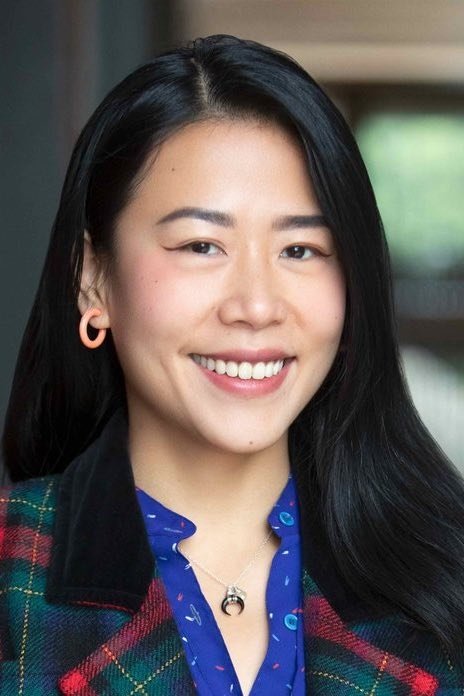
Domee Shi directed the Pixar blockbuster ‘Turning Red’, becoming the first woman to solo direct a feature film in the studio’s history. The film explores themes of puberty and family dynamics within the Chinese-Canadian community in Toronto. Shi previously won an Academy Award for her short film ‘Bao’, which paved the way for her feature directorial debut. ‘Turning Red’ was praised for its unique animation style and its honest portrayal of female adolescence.
Please share your thoughts on these influential directors and their impact on cinema in the comments.