Asian Food Cultures Integrated Thoughtfully into Storylines


Asian cinema and television have long used culinary traditions as a central narrative device to explore themes of family and heritage. These stories often go beyond mere presentation by integrating the preparation and consumption of food into the emotional growth of the characters. From the bustling hawker centers of Singapore to the quiet royal kitchens of the Joseon Dynasty these depictions offer a window into the soul of a culture. This list examines several productions where food is not just a background element but a vital part of the storytelling process.
‘Tampopo’ (1985)

A truck driver helps a widowed restaurant owner refine her ramen recipe to create the perfect bowl of noodles in ‘Tampopo’. The narrative explores various facets of Japanese food culture through a series of interconnected vignettes involving etiquette and passion. Characters undergo rigorous training to master the art of broth preparation and noodle texture. This film serves as a love letter to the culinary traditions of Japan and the meticulous nature of its chefs.
‘The Lunchbox’ (2013)
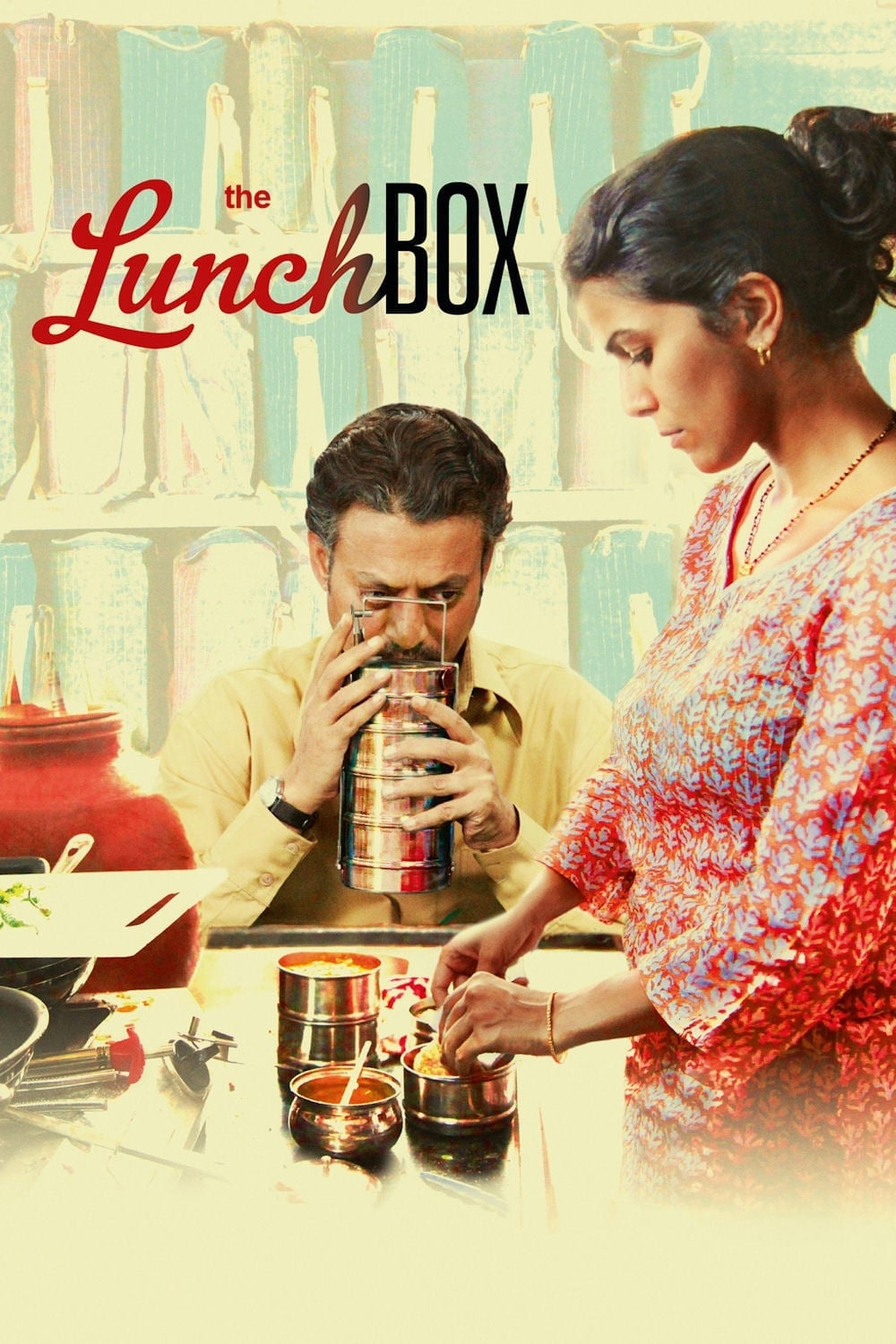
A mistaken delivery in the famous dabbawala system of Mumbai leads to an unexpected correspondence in ‘The Lunchbox’. The story highlights the intricate logistics and cultural significance of home cooked meals being transported across a sprawling city. Ila prepares traditional Indian dishes with specific spices to communicate her feelings and regain the attention of her husband. The film emphasizes how food acts as a bridge for human connection in an urban environment.
‘Eat Drink Man Woman’ (1994)

A master chef in Taipei navigates his relationship with his three independent daughters through elaborate Sunday dinners in ‘Eat Drink Man Woman’. The preparation of complex Chinese banquets serves as the primary form of communication for a family struggling with modernization. Each dish represents established traditions and the evolving roles of women in Taiwanese society. The narrative uses the sensory experience of cooking to mirror the emotional lives of the characters.
‘The Makanai: Cooking for the Maiko House’ (2023)
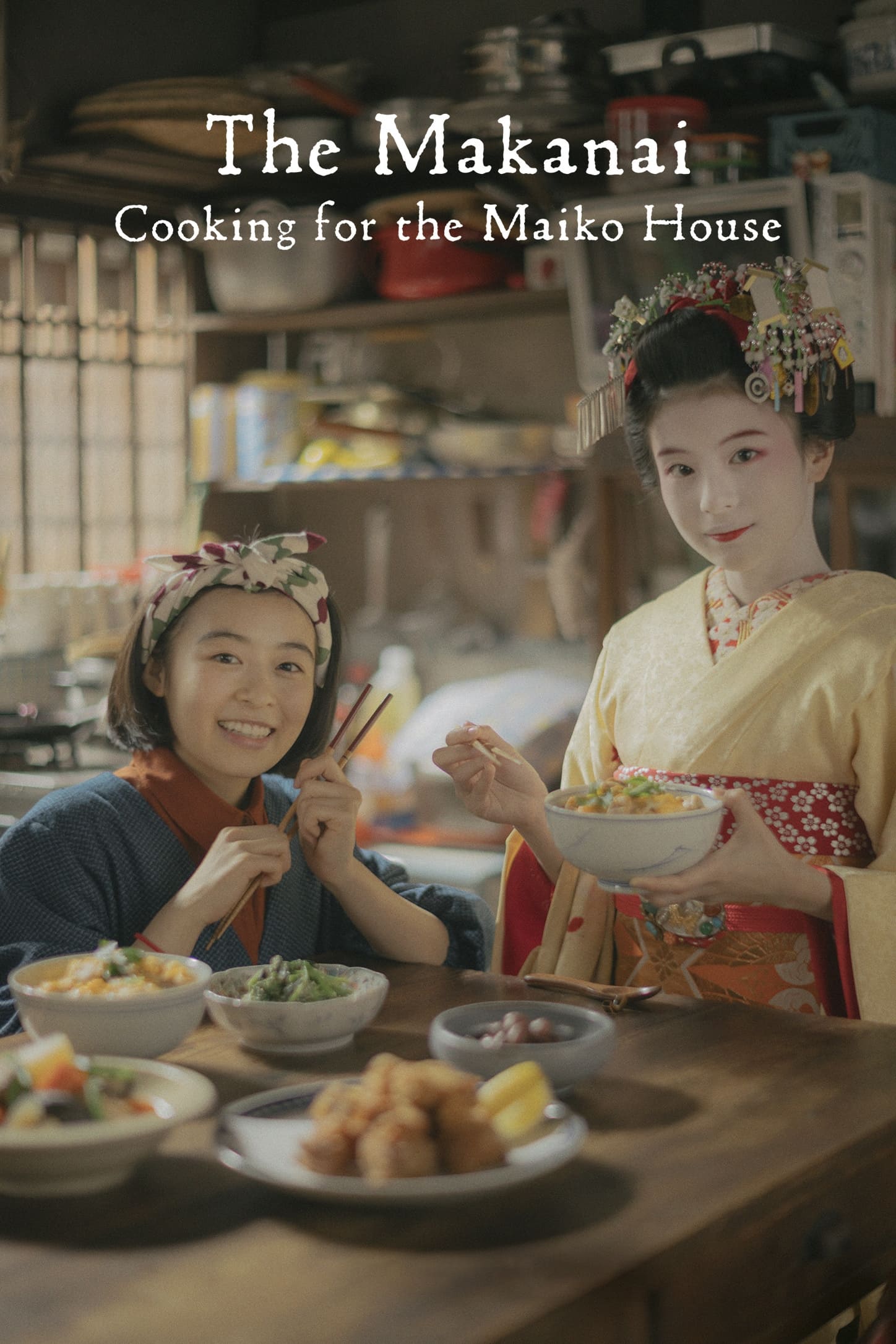
Kiyo becomes a resident cook at a house for apprentice geiko in Kyoto after discovering she is not suited for performance in ‘The Makanai: Cooking for the Maiko House’. She prepares comforting Japanese home style meals that sustain the young women during their rigorous training. The show focuses on the quiet beauty of seasonal ingredients and the communal aspect of traditional living arrangements. It highlights the specific culinary heritage of the Gion district through simple yet meaningful recipes.
‘Little Forest’ (2018)

A young woman returns to her rural hometown in South Korea after growing tired of the pressures of city life in ‘Little Forest’. She learns to live off the land by preparing meals from ingredients she grows or forages herself throughout the four seasons. The story details the process of making traditional items like rice cakes and chestnut glaze. This adaptation focuses on the healing power of slow food and the reclamation of cultural identity through ancestral recipes.
‘Midnight Diner’ (2009–2014)

A small izakaya in Shinjuku opens only from midnight to dawn and serves whatever customers request using available ingredients in ‘Midnight Diner’. The Master listens to the personal stories of his patrons while preparing simple Japanese comfort foods that trigger memories. Each episode revolves around a specific dish like rice with tea or rolled omelets to explore the emotional depths of the city nightlife. The show illustrates how food provides solace and a sense of belonging to marginalized individuals in Tokyo.
‘Kim’s Convenience’ (2016–2021)
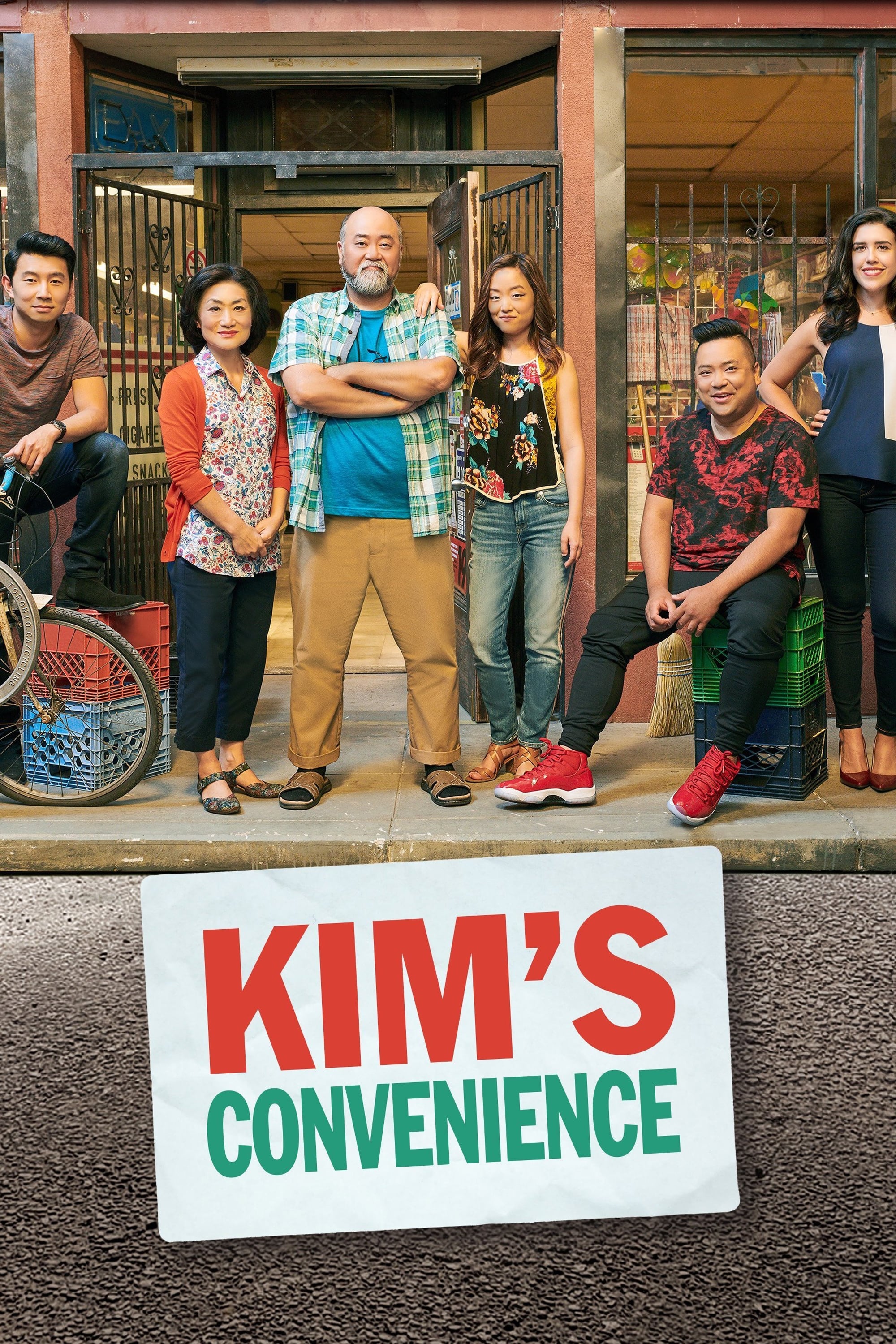
A Korean Canadian family runs a grocery store in Toronto while navigating generational gaps and cultural differences in ‘Kim’s Convenience’. Food often serves as a central theme as the characters share traditional meals like galbi or gimbap during family gatherings. The show explores how culinary heritage remains a vital link to their identity despite living in a Western environment. It portrays the integration of Korean flavors into the broader North American suburban landscape.
‘Minari’ (2020)

A Korean American family moves to a farm in Arkansas during the 1980s with the hope of growing specialized produce for fellow immigrants in ‘Minari’. The grandmother brings seeds for minari which is a resilient water celery that thrives in the local creek. This plant becomes a symbol of the family survival and their connection to their roots in a new land. The film examines the struggle of maintaining agricultural traditions while adapting to American soil.
‘Crazy Rich Asians’ (2018)

The story follows an American professor who discovers her boyfriend belongs to one of the wealthiest families in Singapore. Significant scenes take place in bustling hawker centers where characters enjoy local staples like satay and laksa in ‘Crazy Rich Asians’. The communal act of making dumplings together highlights the importance of family lineage and heritage within the household. Food serves as a visual indicator of status and a medium for cultural negotiation between East and West.
‘Jewel in the Palace’ (2003–2004)
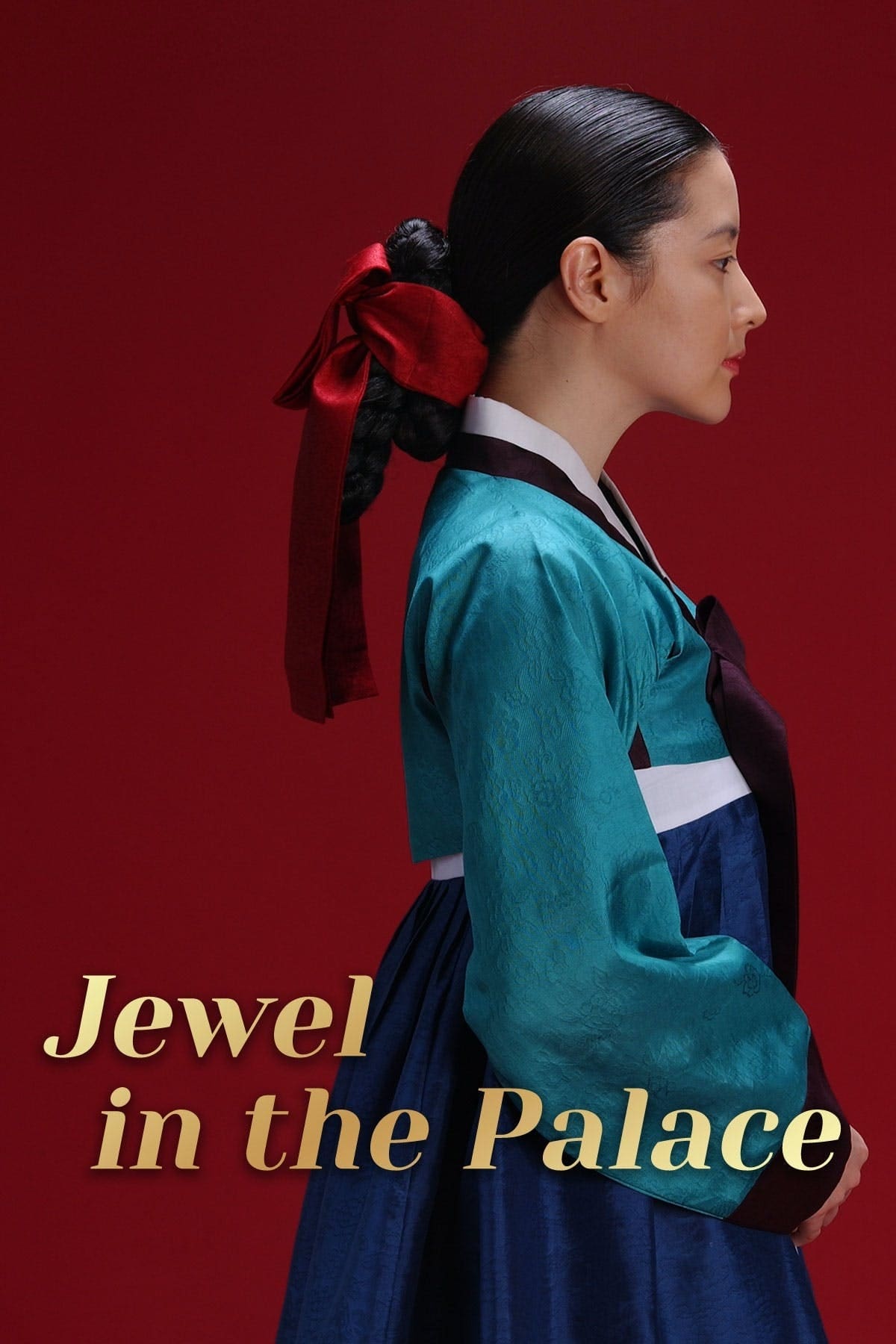
An orphaned girl overcomes social obstacles to become the first female supreme royal physician in the Joseon Dynasty in ‘Dae Jang Geum’. The first half of the series focuses on her training in the royal kitchen where she learns the medicinal properties of traditional Korean cuisine. She masters the art of balancing flavors and health benefits to serve the Emperor and his court. This drama popularized Korean royal court food and its emphasis on seasonal harmony and natural ingredients.
‘Sweet Bean’ (2015)

A lonely baker who sells dorayaki hires an elderly woman with a secret recipe for the perfect red bean paste in ‘Sweet Bean’. The process of cooking the beans is treated with spiritual reverence and demands immense patience. The narrative explores themes of hidden illness and societal prejudice through the lens of traditional Japanese confectionery. The bond between the characters deepens as they share the labor intensive task of honoring the ingredients.
‘Always Be My Maybe’ (2019)

Two childhood friends reunite in San Francisco after years of estrangement when one becomes a celebrity chef in ‘Always Be My Maybe’. Sasha specializes in expensive fusion cuisine while Marcus remains connected to the authentic flavors of their youth. The film features traditional Vietnamese and Korean dishes that represent the evolution of Asian American culinary identity. It examines the tension between elevating ethnic food for a global audience and maintaining its original soul.
‘Food Wars! Shokugeki no Soma’ (2015–2020)

Soma Yukihira enrolls in an elite culinary school to surpass his father and save their family diner in ‘Shokugeki no Soma’. The series depicts intense cooking battles that require deep knowledge of global techniques and Asian ingredients. Characters use scientific principles and traditional methods to create innovative dishes that evoke intense sensory reactions. It showcases a wide variety of Asian food cultures ranging from regional Japanese specialties to Southeast Asian spices.
‘Udon’ (2006)
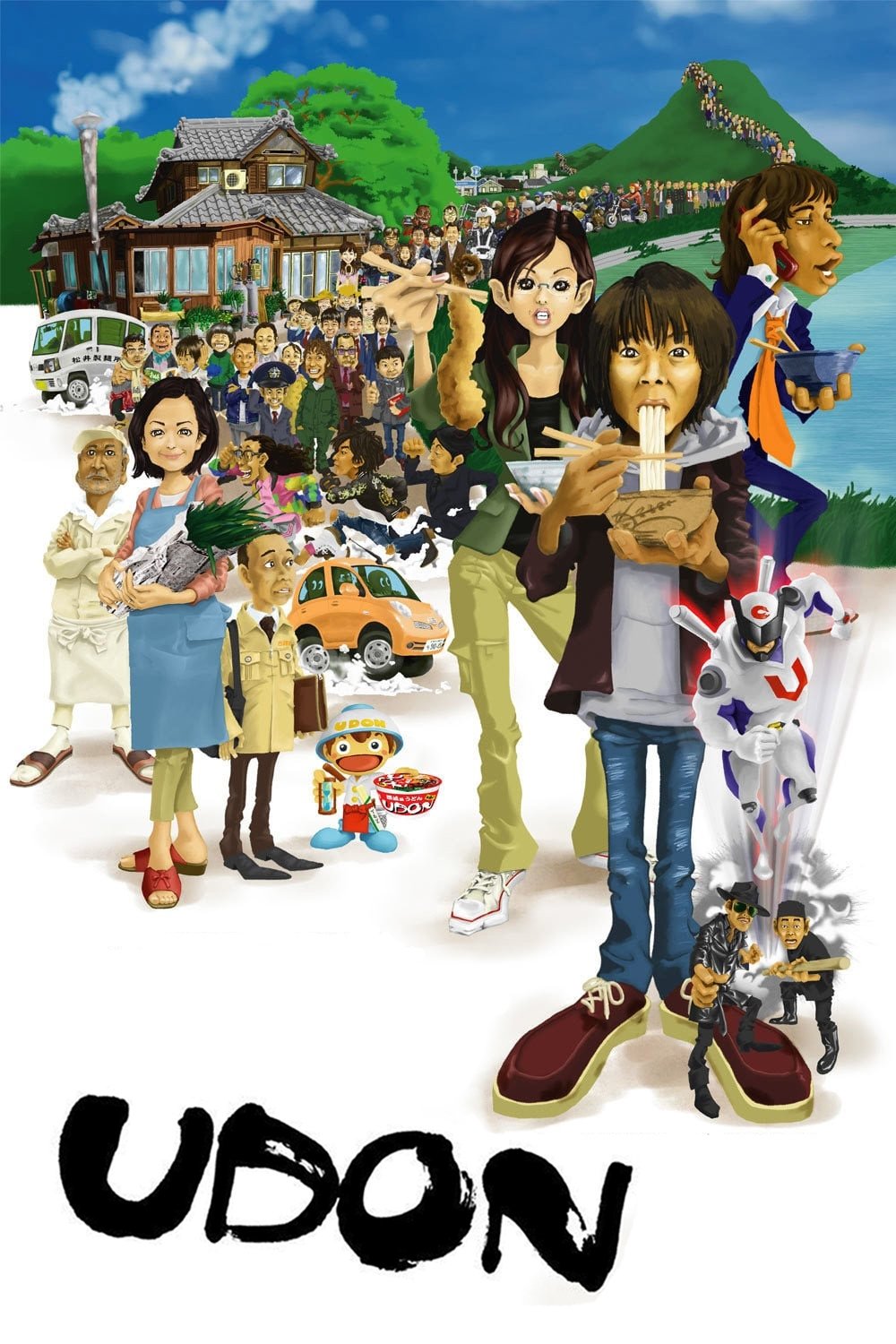
A young man returns to his home in Kagawa Prefecture after failing to make it as a comedian in New York in the film ‘Udon’. He discovers a local noodle boom and begins writing about the various shops and traditional methods used in his hometown. The film captures the obsession with noodle texture and the simple beauty of a perfectly balanced broth. It highlights how a humble local dish can define the identity of an entire region.
‘Cook Up a Storm’ (2017)
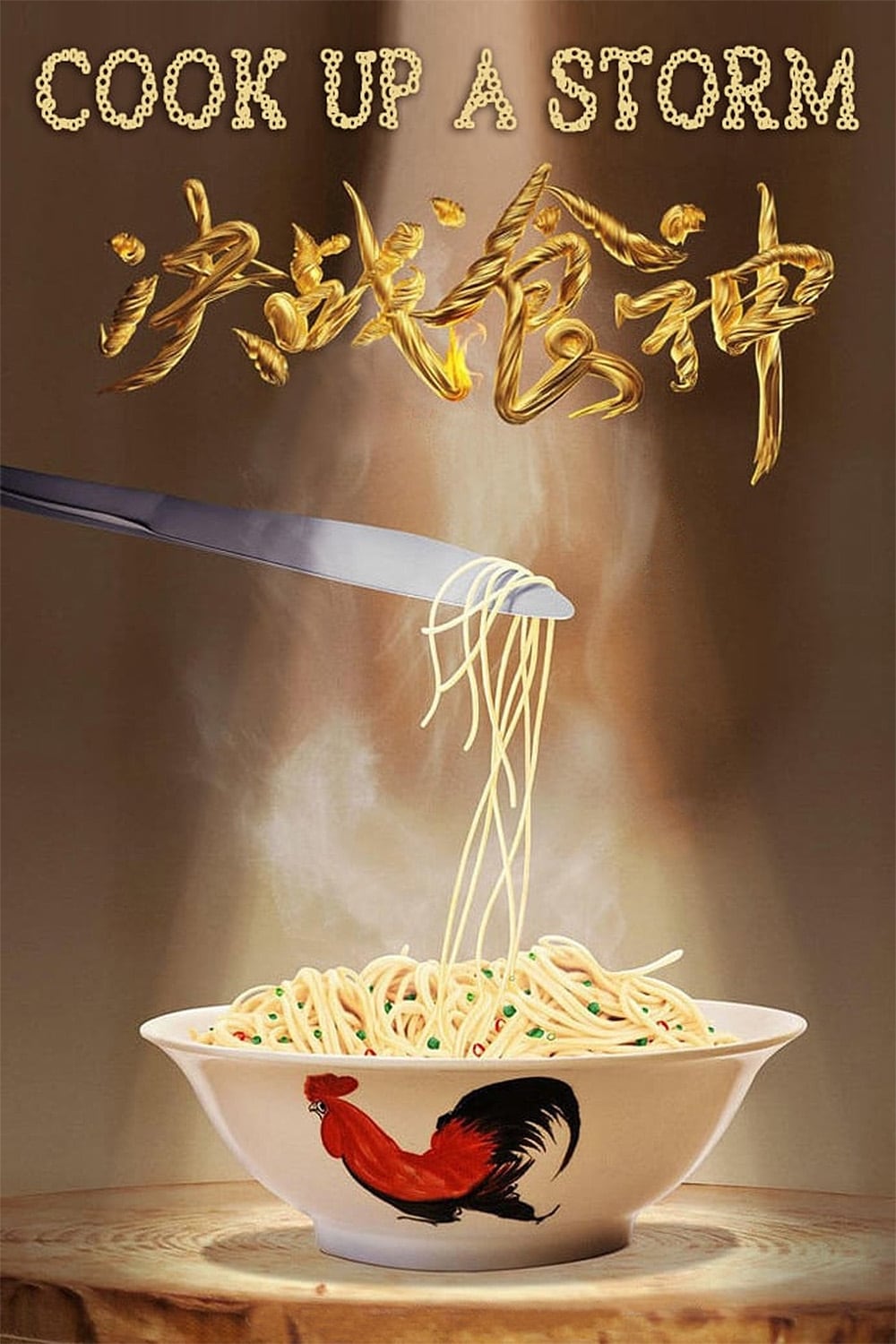
A street side Cantonese cook enters a high profile competition against a Michelin starred chef trained in France in ‘Cook Up a Storm’. The story focuses on the contrast between traditional Chinese techniques and modern Western molecular gastronomy. Key scenes involve the meticulous preparation of classic dishes like sweet pork versus avant-garde creations. It celebrates the vibrant street food culture of Hong Kong and the resilience of family run eateries.
‘Today’s Menu for the Emiya Family’ (2017)
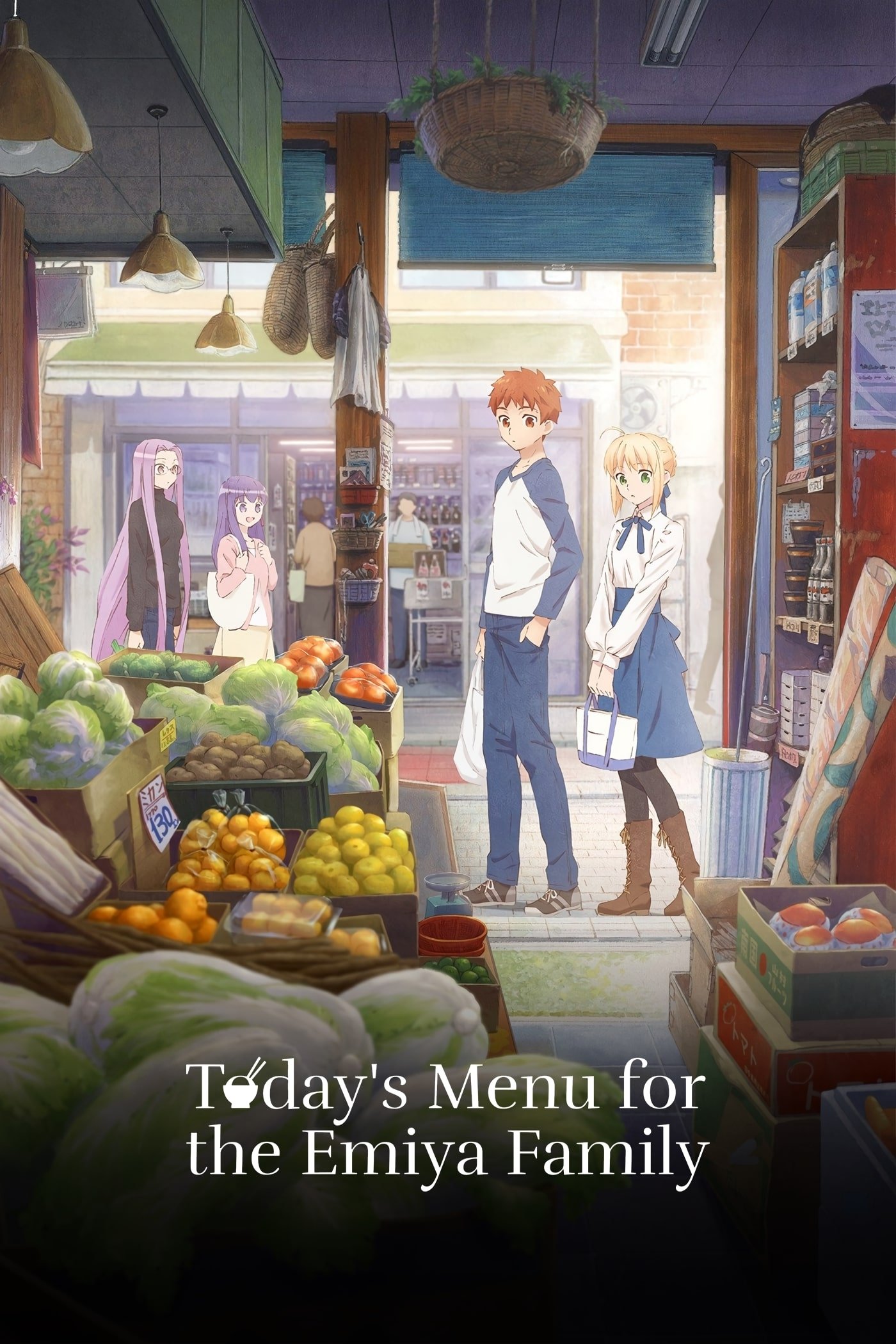
Characters from a popular supernatural franchise put aside their conflicts to enjoy the peaceful process of cooking and eating in ‘Today’s Menu for the Emiya Family’. Each episode features a specific Japanese dish prepared with care and detailed instructions for the audience. The show emphasizes the joy of sharing seasonal meals like grilled salmon or New Year noodles with loved ones. It portrays traditional home cooking as a source of harmony and emotional stability.
‘Gourmet’ (2008)

This series follows two talented chefs who compete to become the successor of a prestigious traditional Korean restaurant in ‘Gourmet’. The story delves deep into the history of royal cuisine and the importance of sourcing regional ingredients across the peninsula. Each episode showcases the technical skill required to prepare complex dishes while respecting ancestral methods. It highlights the cultural pride associated with preserving authentic Korean culinary arts for future generations.
‘Kampung Boy’ (1997–1999)

Based on the graphic novels by Lat this animated series depicts the life of a young boy growing up in a Malaysian village in ‘Kampung Boy’. The stories often revolve around communal feasts and the preparation of traditional Malay dishes for festivals. It illustrates the role of food in maintaining social bonds and celebrating cultural milestones within a rural community. The series provides a nostalgic look at the culinary traditions that defined Malaysian life in the middle twentieth century.
‘Pasta’ (2010)

A young woman aspires to become a top chef at an elite Italian restaurant in Seoul while dealing with a demanding head chef in ‘Pasta’. The show explores the intersection of Italian culinary techniques with the intense environment of the Korean professional kitchen. While the focus is on Western dishes the narrative frequently incorporates Korean perspectives on flavor and dining etiquette. It highlights the growing popularity of international cuisines and their adaptation within East Asian urban centers.
‘Wok of Love’ (2018)

A talented chef loses his job at a luxury hotel and ends up working at a small neighborhood Chinese restaurant owned by a former gangster in ‘Wok of Love’. The drama showcases the fiery art of wok cooking and the intricacies of Chinese Korean fusion dishes like black bean noodles. The characters use their culinary skills to seek revenge and find redemption through the mastery of intense heat techniques. It emphasizes the physical demand and creative passion required to succeed in the competitive world of Asian cuisine.
Please share your favorite examples of Asian food culture being represented in film or television in the comments.