Actors Who Openly Hated Filming Against Green Screens and CGI


Advances in visual effects have allowed filmmakers to create impossible worlds and spectacular action sequences that captivate audiences globally. While these digital environments look stunning on screen, the process of filming them often leaves actors feeling isolated and frustrated. Many male stars have voiced their displeasure with performing in empty rooms while wearing motion-capture suits or staring at tennis balls. The following actors have openly criticized the reliance on green screens and computer-generated imagery in their projects.
Ian McKellen
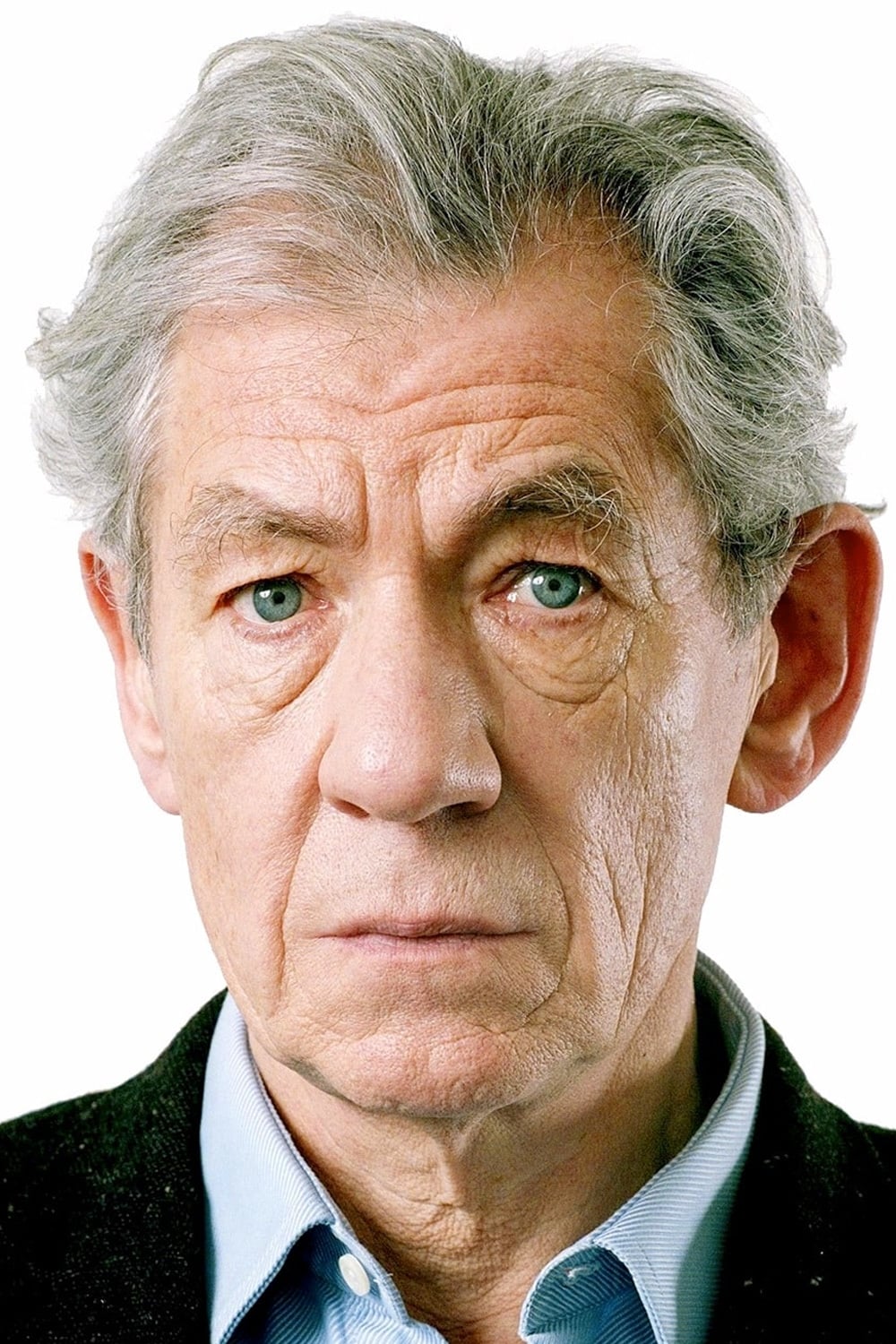
The legendary actor experienced a professional crisis while filming ‘The Hobbit: An Unexpected Journey’. He spent long hours acting alone against green screens to portray the size difference between Gandalf and the dwarves. The isolation became so overwhelming that he broke down in tears on set and questioned his future in the profession. His microphone was still on during his moment of despair and the entire crew heard him mutter that this was not why he became an actor.
Christian Bale
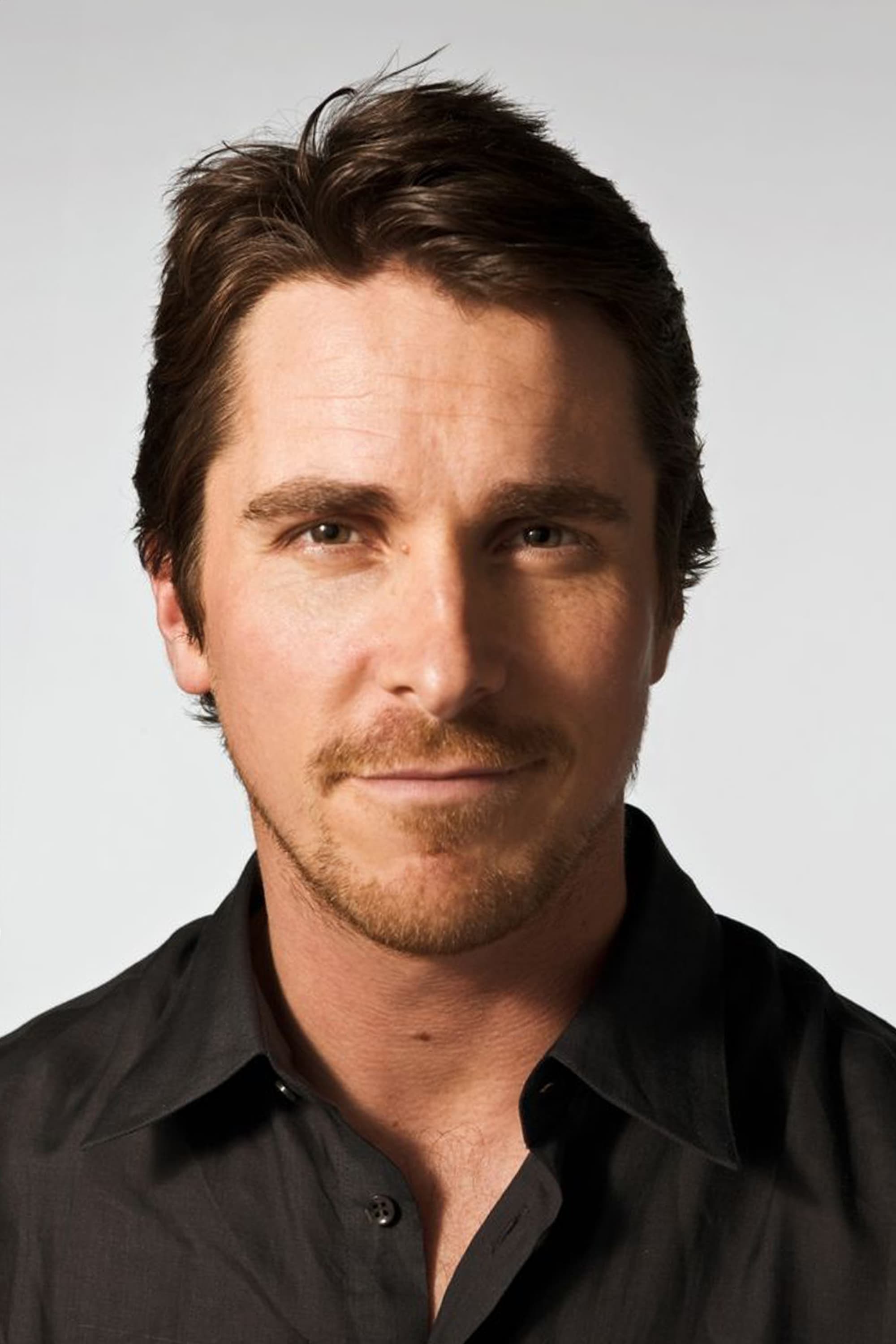
This acclaimed method actor found the experience of filming ‘Thor: Love and Thunder’ to be incredibly monotonous. He described the process of acting in front of a blue screen as the definition of monotony and noted that he could not differentiate one day from the next. The crew tried to help him distinguish locations but he claimed everything looked exactly the same. He felt the heavy reliance on visual effects made the acting experience feel mindless compared to his other work.
Idris Elba
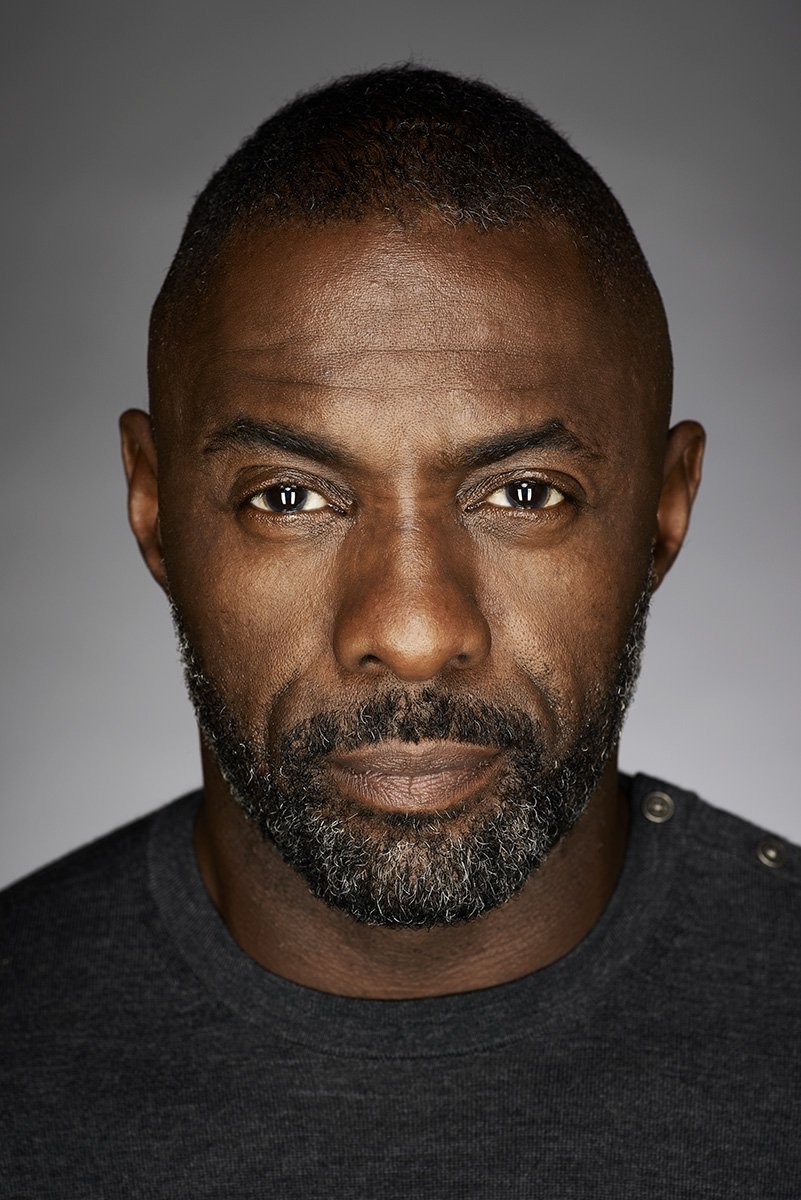
Filming ‘Thor: The Dark World’ proved to be a miserable experience for the actor shortly after he played Nelson Mandela. He described the transition from a serious biopic to hanging from wires in front of a green screen as torture. The artificial nature of the shoot made him question his career choices at that specific moment. He openly expressed his dissatisfaction with the tedious technical requirements of the Marvel Cinematic Universe.
Ewan McGregor
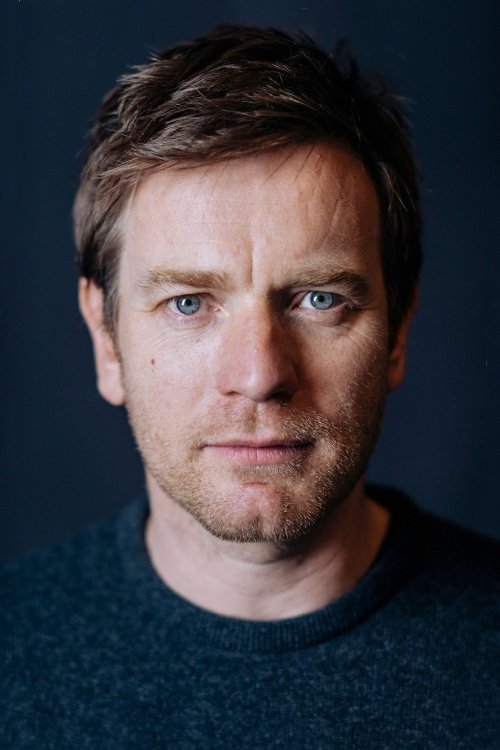
The actor found the heavy use of blue screens in the ‘Star Wars’ prequel trilogy to be extremely challenging. He noted that ‘Star Wars: Episode II – Attack of the Clones’ and ‘Star Wars: Episode III – Revenge of the Sith’ were particularly difficult because almost the entire environment was digital. He felt that acting against nothing made it hard to deliver a grounded performance. The lack of practical sets required him to use his imagination to an exhausting degree.
Liam Neeson
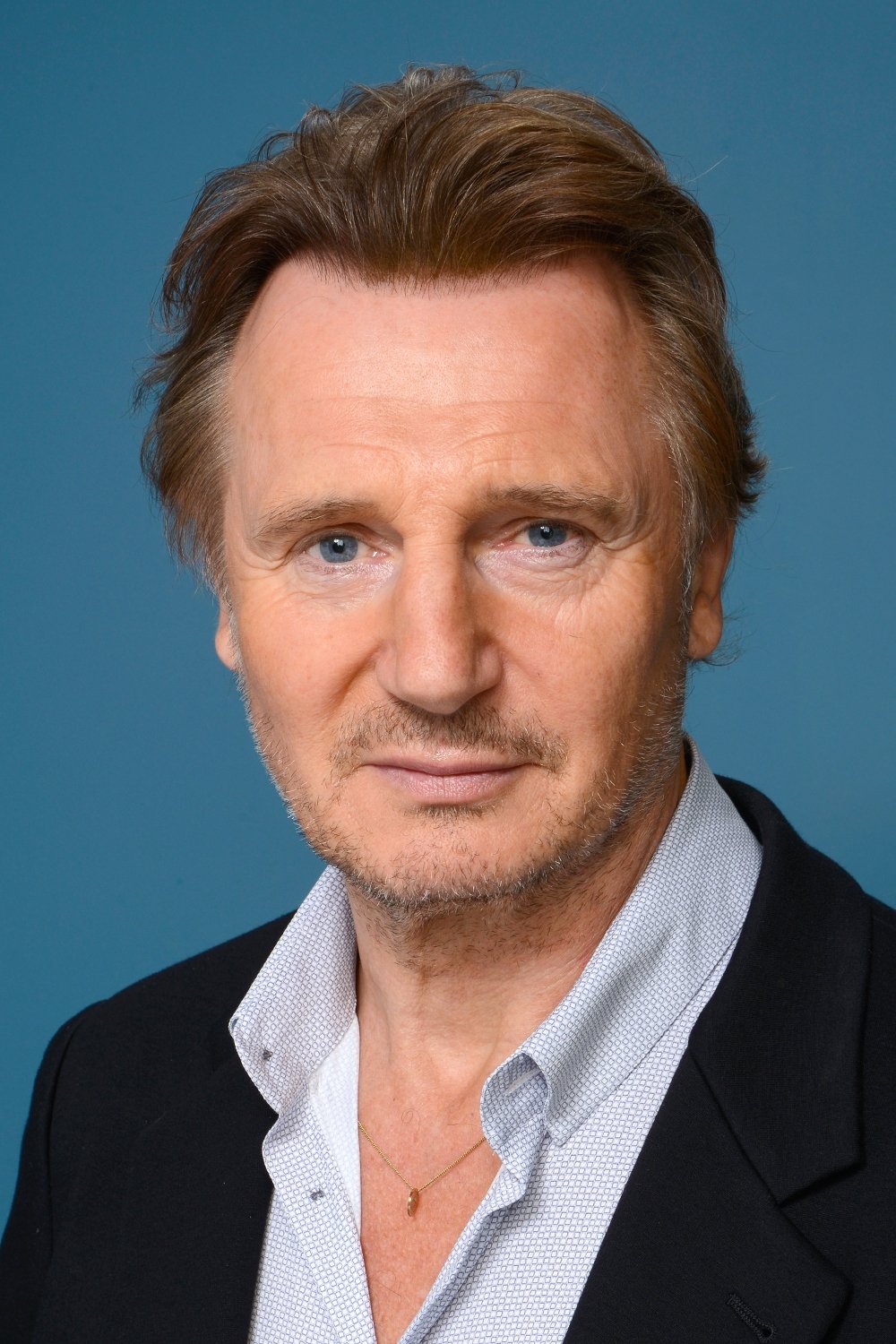
Playing Qui-Gon Jinn in ‘Star Wars: Episode I – The Phantom Menace’ left the actor feeling more like a puppet than a performer. He complained that the heavy reliance on special effects and CGI characters drained the humanity out of the acting process. He stated that he would not return to a genre that relied so heavily on digital effects because it was not satisfying for him. The technical demands of the shoot prevented him from connecting with his fellow actors.
Michael Shannon
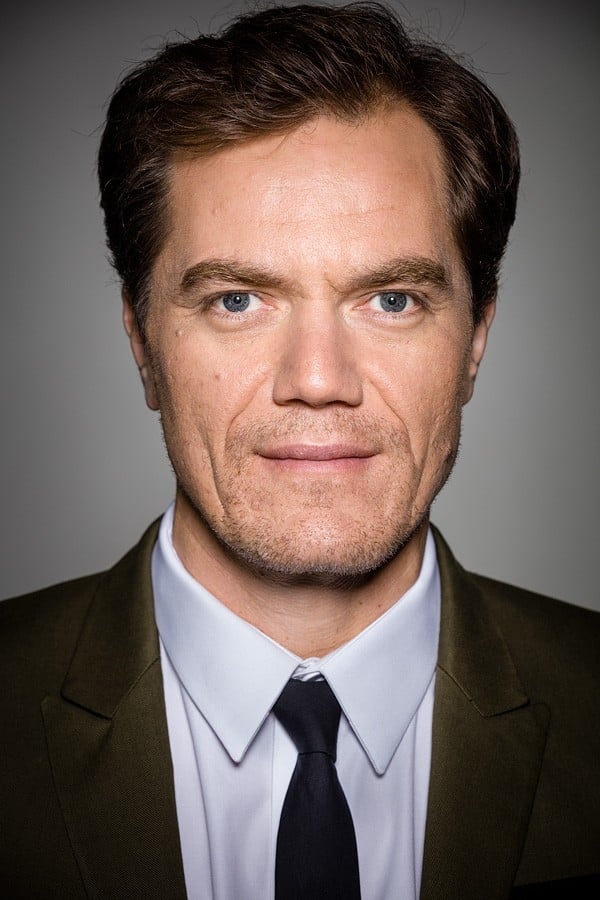
The actor played General Zod in ‘Man of Steel’ and expressed deep dissatisfaction with the blockbuster filmmaking process. He compared the experience of acting in a major superhero movie to playing with action figures rather than doing serious work. During his return for ‘The Flash’, he found the multiverse narrative and the disjointed filming style to be confusing and unfulfilling. He stated that these types of films often lack the deep character work he enjoys.
Anthony Hopkins
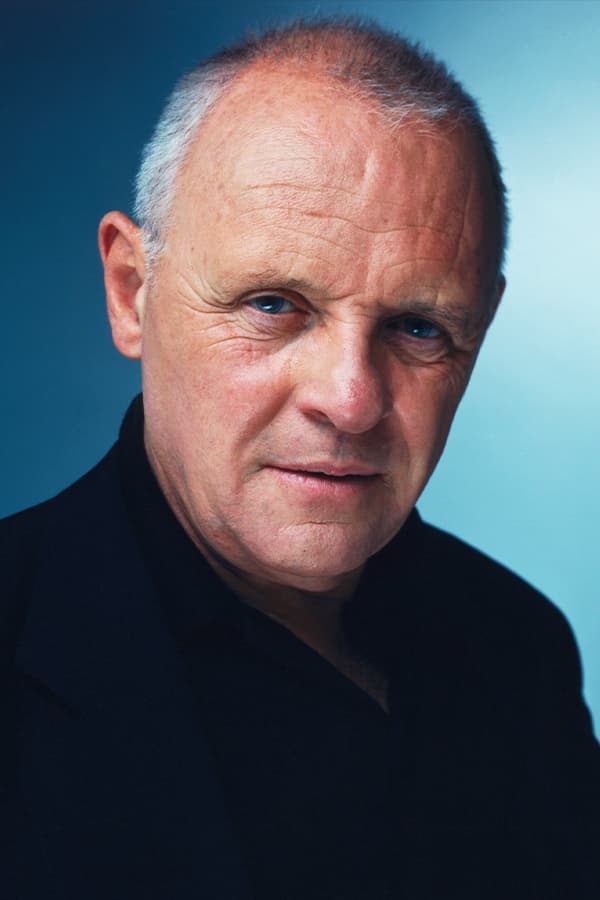
While filming the ‘Thor’ movies, the veteran actor found the process of acting in front of green screens to be pointless. He famously wrote a note on his script that said “N.A.R.” which stood for No Acting Required. He felt that wearing armor and sitting on a throne in a digital environment did not challenge his abilities. He approached the role with professionalism but admitted it was not artistically stimulating.
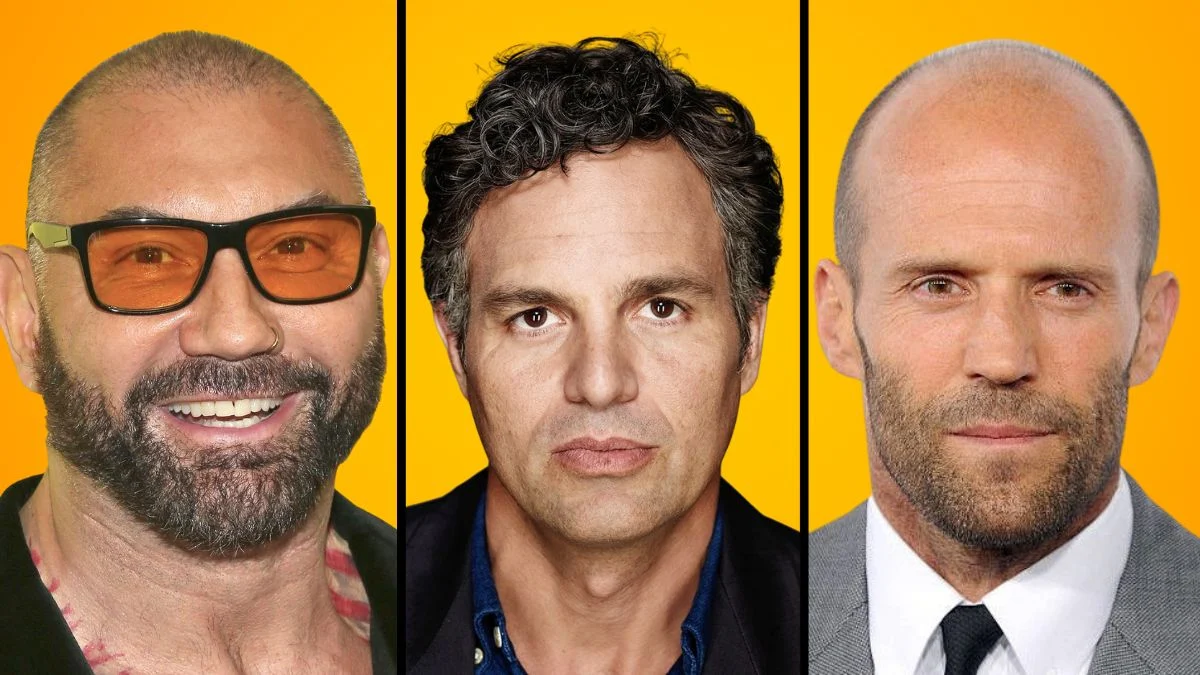
Mark Ruffalo
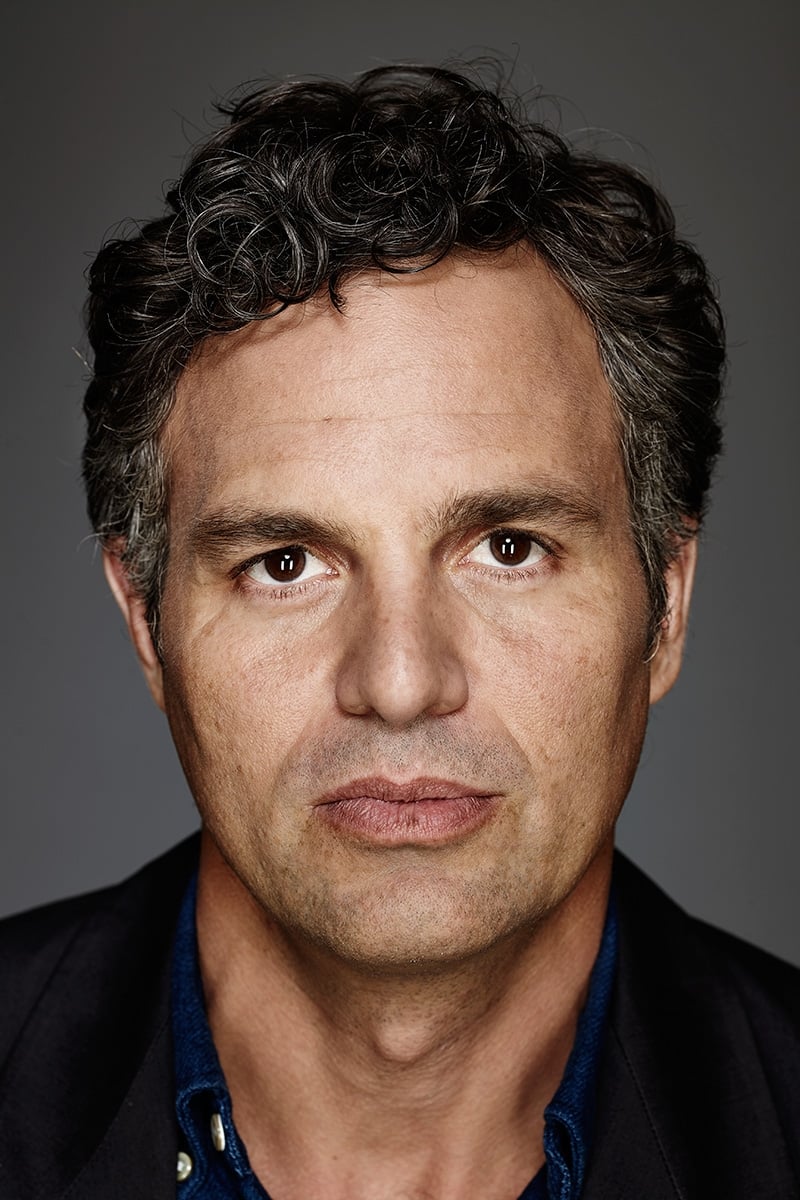
The actor behind the Hulk found the motion capture suit to be humiliating and referred to it as man-canceling. He struggled with the fact that his co-stars looked cool in their costumes while he had to wear a tight pajama suit with dots on it. He admitted that it was difficult to feel tough or intimidating when he looked ridiculous on set. The technical process made him feel disconnected from the character he was trying to portray.
Hugo Weaving
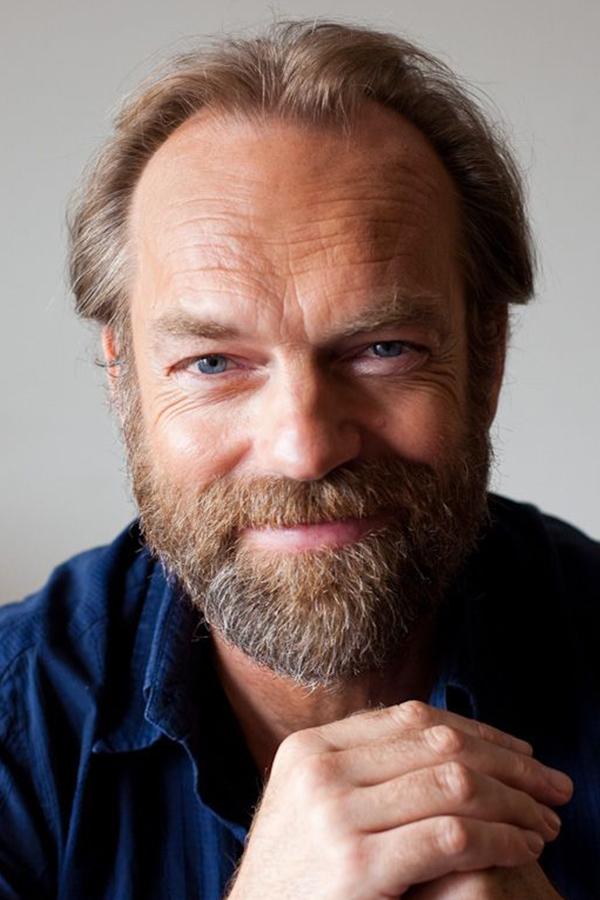
He voiced Megatron in the ‘Transformers’ series and the Red Skull in ‘Captain America: The First Avenger’ but felt no connection to the roles. He described his voice work for the robot villain as meaningless and stated he never even met the director Michael Bay. Regarding his Marvel role, he found the heavy makeup and green screen work to be tedious and expressed no desire to reprise the character. He prefers roles where he can engage with other actors in a physical space.
Ray Winstone
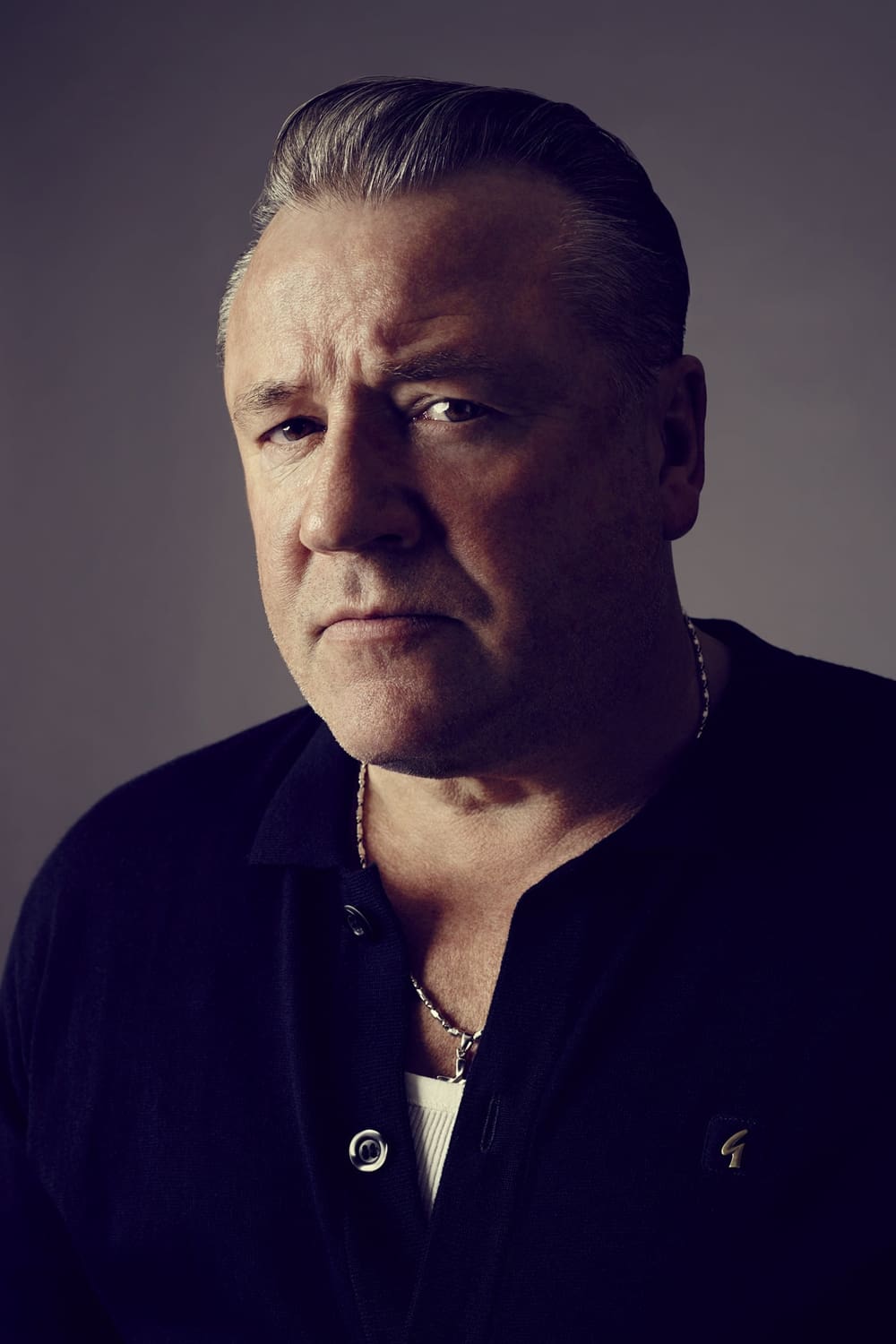
The actor starred in the completely motion-captured film ‘Beowulf’ and hated the production process. He described the experience of working in a volume with dots on his face as soul-destroying. He felt that the technology removed the joy of performance and turned the craft into a technical exercise. He has since been very vocal about his preference for traditional filmmaking over digital animation.
Harrison Ford
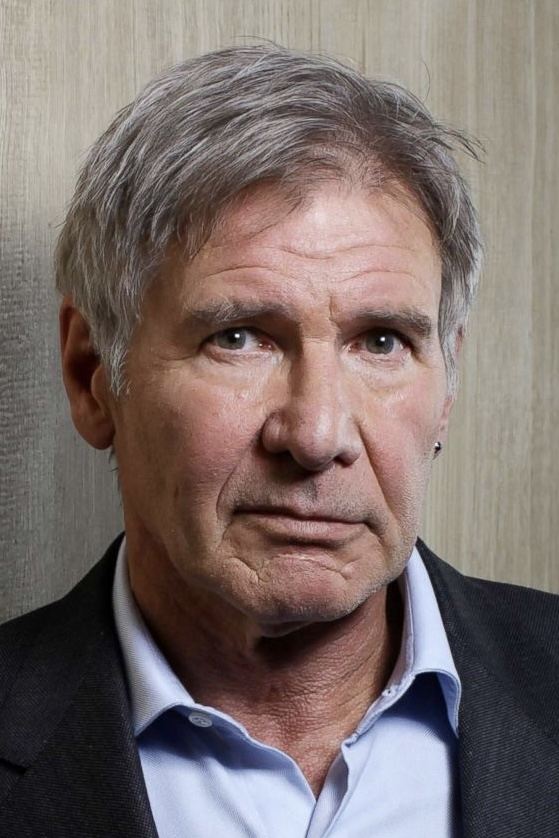
Filming ‘The Call of the Wild’ required the actor to perform alongside a stuntman in a grey suit who was standing in for a CGI dog. He admitted that rolling around on the floor with a human pretending to be an animal was a strange and uncomfortable experience. He found the process of ignoring the man in the suit to be a significant mental challenge. While he remained professional, he acknowledged that it was not his preferred way of making a movie.
Mickey Rourke
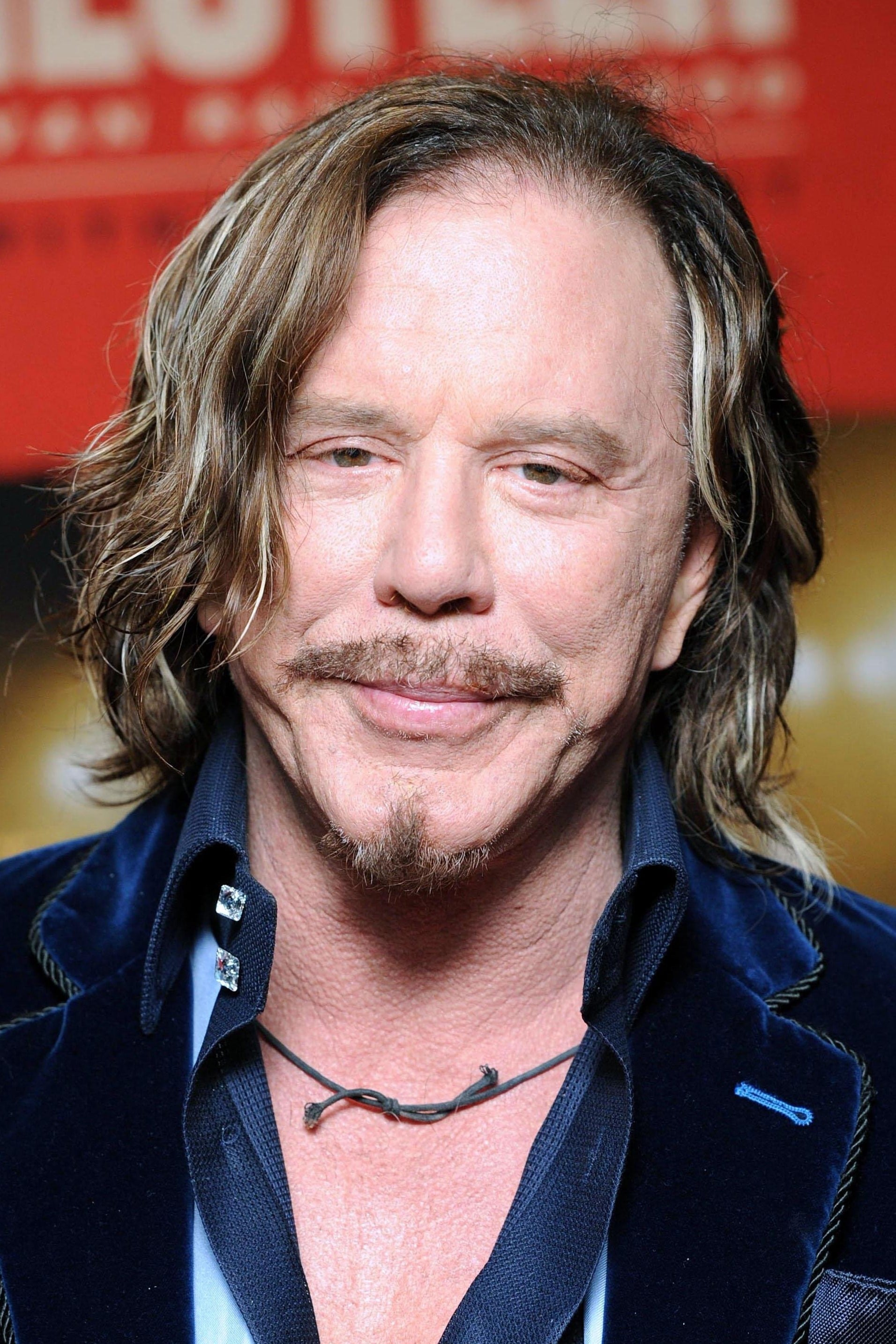
The actor played the villain Whiplash in ‘Iron Man 2’ and despised the controlled nature of the Marvel production. He complained that the studio cut down his performance and that the technical requirements limited his ability to improvise. He described the experience as mindless and criticized the lack of creative freedom on set. He vowed to stick to films where acting was the priority over special effects.
Viggo Mortensen
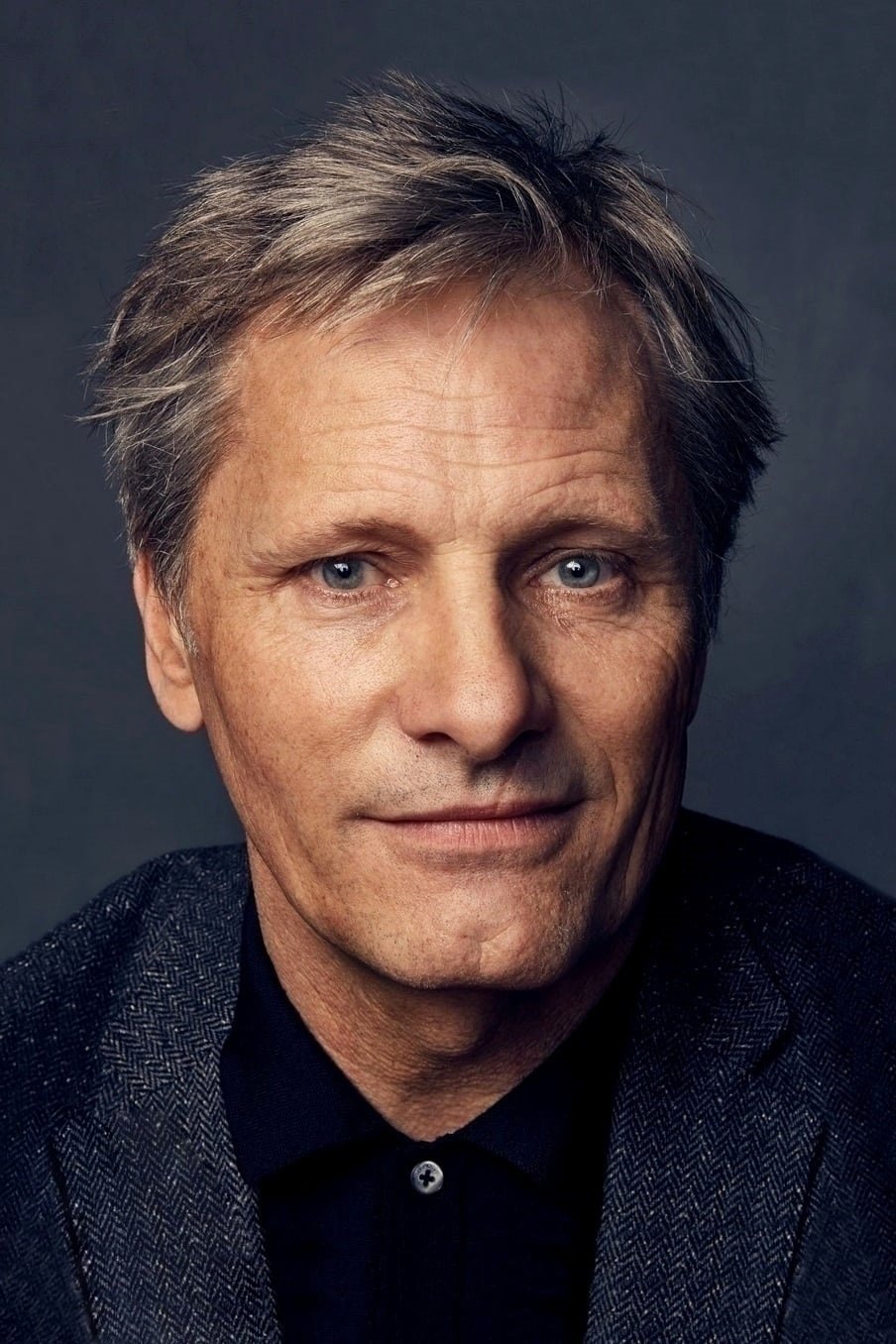
He declined to return for ‘The Hobbit’ films partly because he felt the production had become too reliant on CGI. He criticized Peter Jackson for abandoning the practical effects that made ‘The Lord of the Rings: The Fellowship of the Ring’ so grounded. He felt that the excessive use of digital armies and environments removed the grittiness from the fantasy world. He prefers projects that rely on landscapes and real interactions.
Bob Hoskins
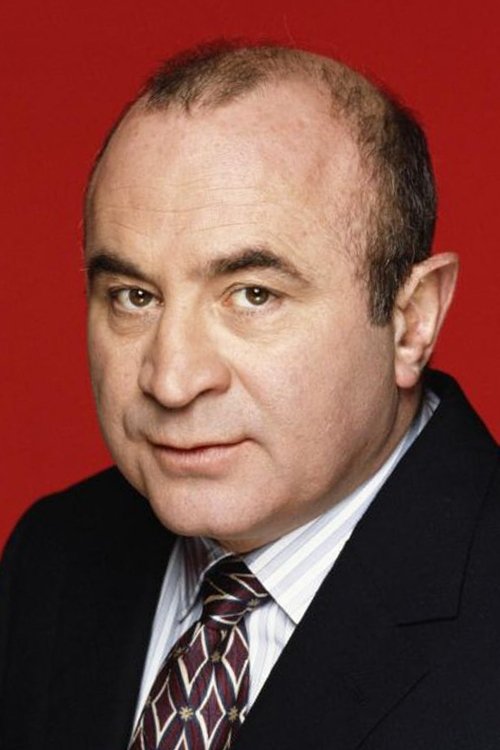
The lead actor of ‘Who Framed Roger Rabbit’ suffered psychological issues after filming with invisible characters for months. He trained himself to hallucinate the cartoons so he could interact with them convincingly. This method worked for the film but continued after production wrapped and caused him significant distress. His doctor advised him to take a long break from acting to recover his mental health.
Terence Stamp
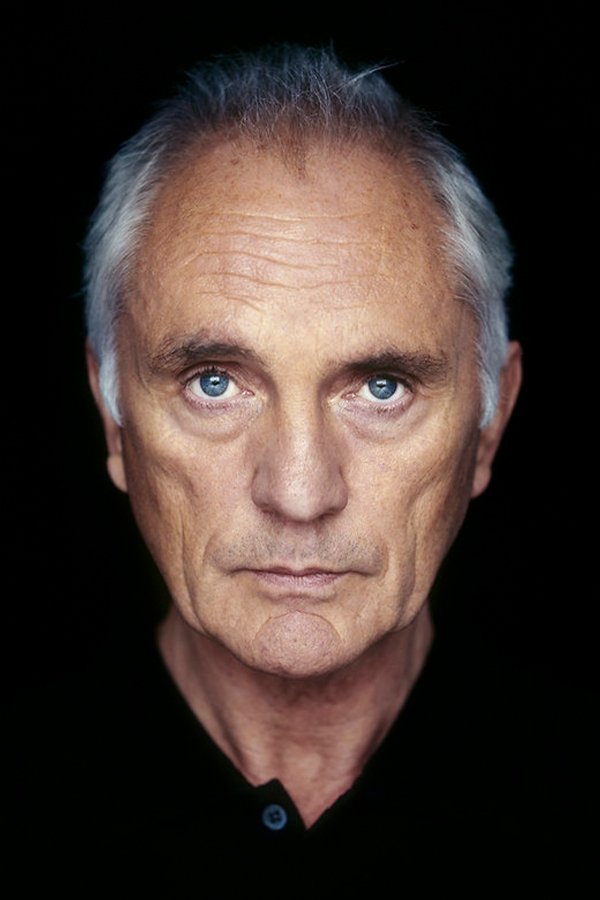
Playing Chancellor Valorum in ‘Star Wars: Episode I – The Phantom Menace’ was a boring experience for the acclaimed actor. He was excited to work with George Lucas but found the director more interested in technology than actors. He stated that acting against a void was uninspiring and the final product felt lifeless to him. He expressed regret over taking the role due to the sterile filming environment.
Ryan Reynolds
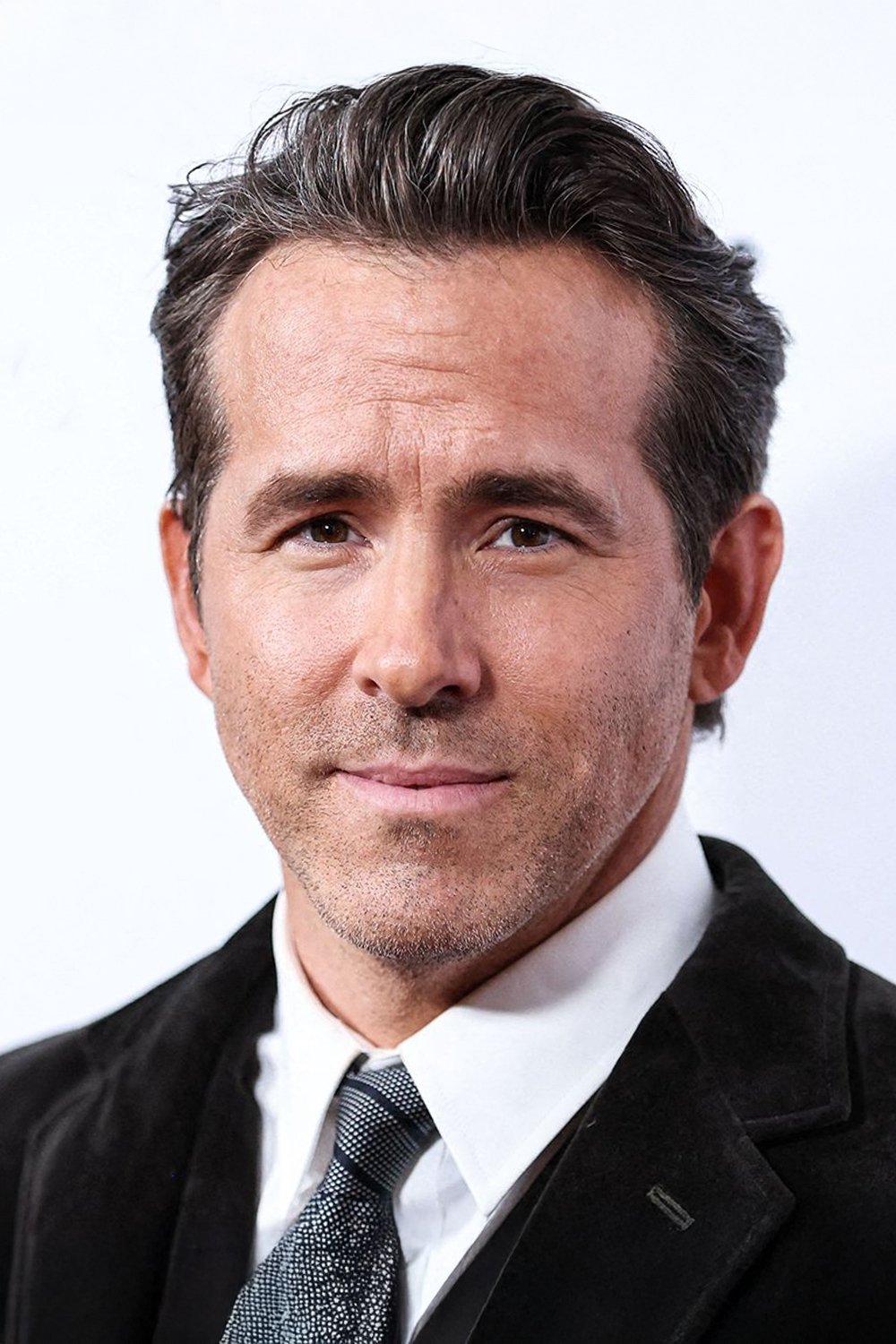
The actor has relentlessly mocked his experience filming ‘Green Lantern’ where he wore a motion capture suit the entire time. He hated that the suit was created entirely in post-production and felt he looked ridiculous during filming. The process was physically uncomfortable and he felt the lack of a practical costume hurt his performance. He has used his subsequent role as Deadpool to make fun of the animated suit.
Jeremy Irons
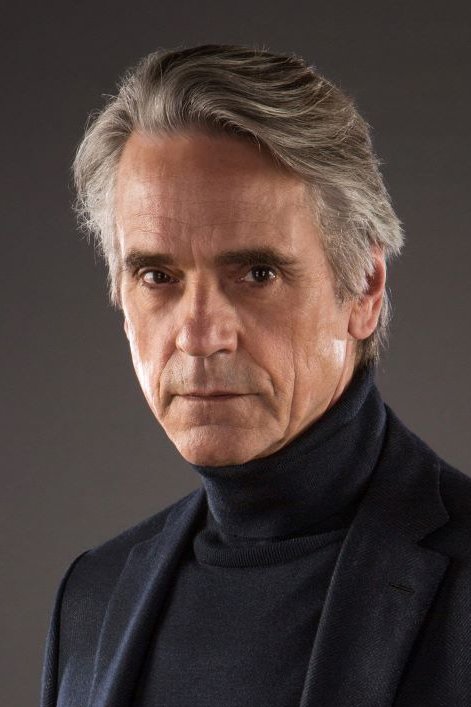
He played Alfred in ‘Batman v Superman: Dawn of Justice’ and ‘Justice League’ but was unimpressed by the blockbusters. He described the final product as loud and chaotic while criticizing the incoherent script. The actor felt that the heavy reliance on CGI created a muddled visual experience that lacked heart. He admitted that he primarily took the role for the paycheck rather than artistic satisfaction.
Josh Brolin
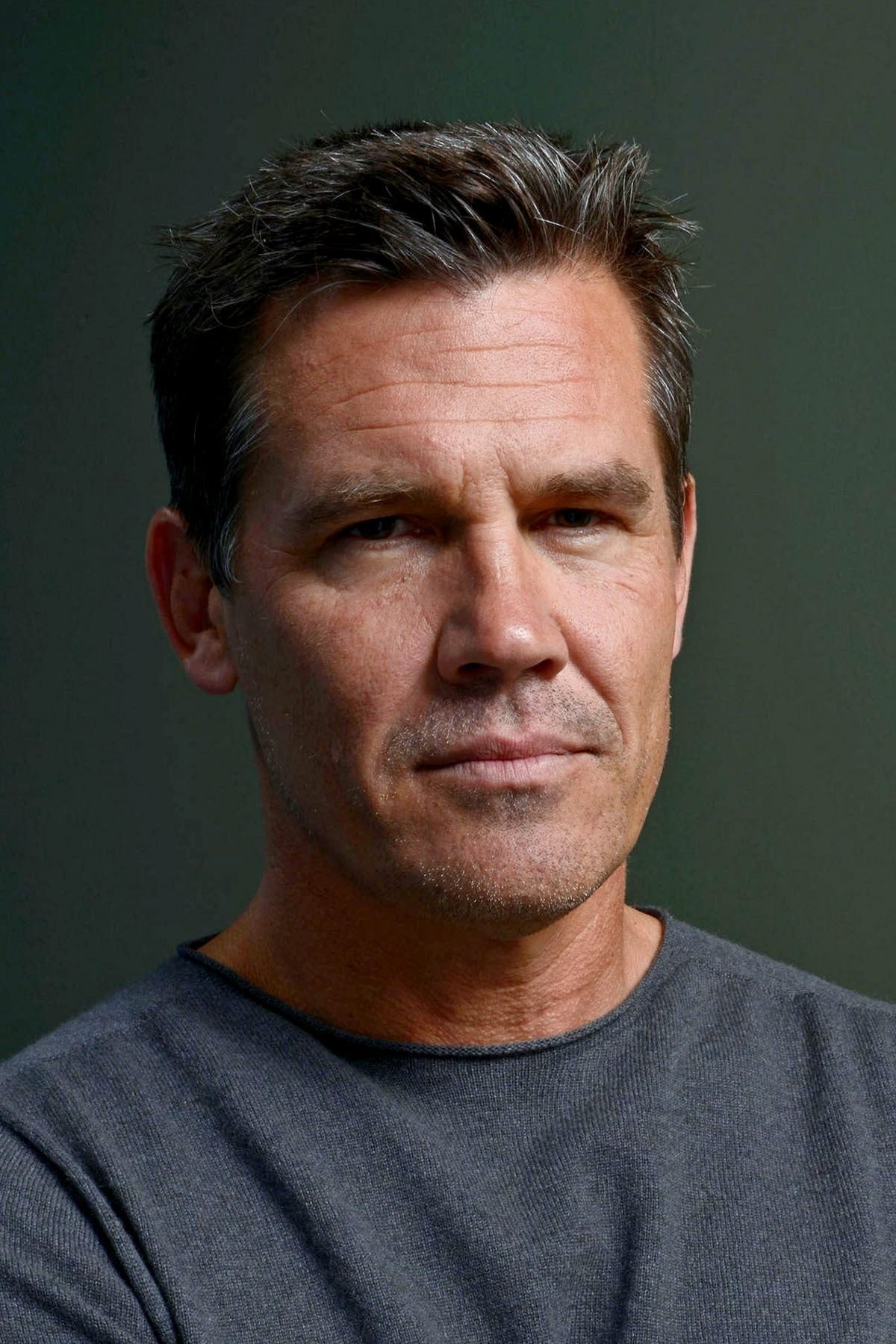
While he eventually enjoyed playing Thanos in ‘Avengers: Infinity War’, he initially struggled with the technical constraints. He felt like a prop while wearing the motion capture suit and a large cardboard cutout of the character’s head. He described the sensation of acting in the suit as feeling like a Velcro man. It took watching Benedict Cumberbatch commit to his digital role to convince Brolin to embrace the process.
Benedict Cumberbatch
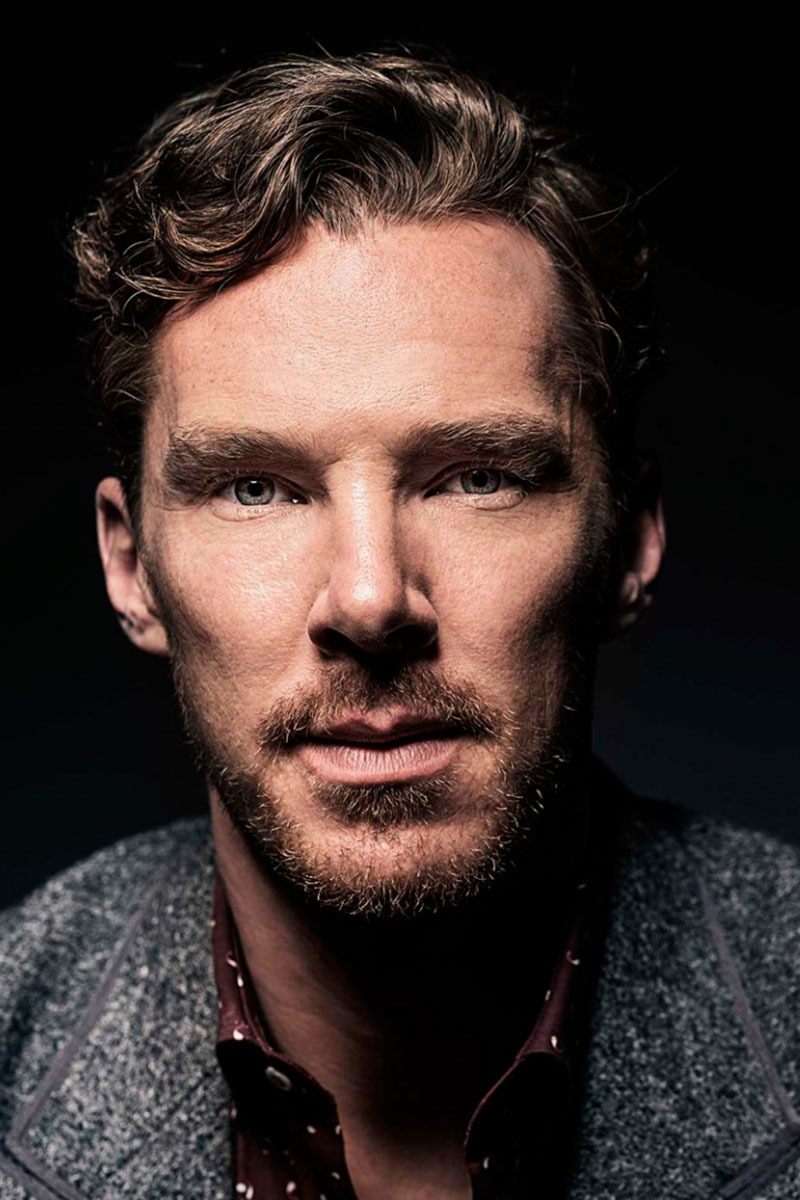
The actor provided the motion capture performance for Smaug in ‘The Hobbit: The Desolation of Smaug’ but felt absurd doing it. He had to crawl around on a carpet in a grey suit while pretending to be a giant dragon. He admitted that throwing himself around the floor without any props felt incredibly silly. Despite the discomfort, he managed to deliver a memorable vocal performance.
Christopher Plummer
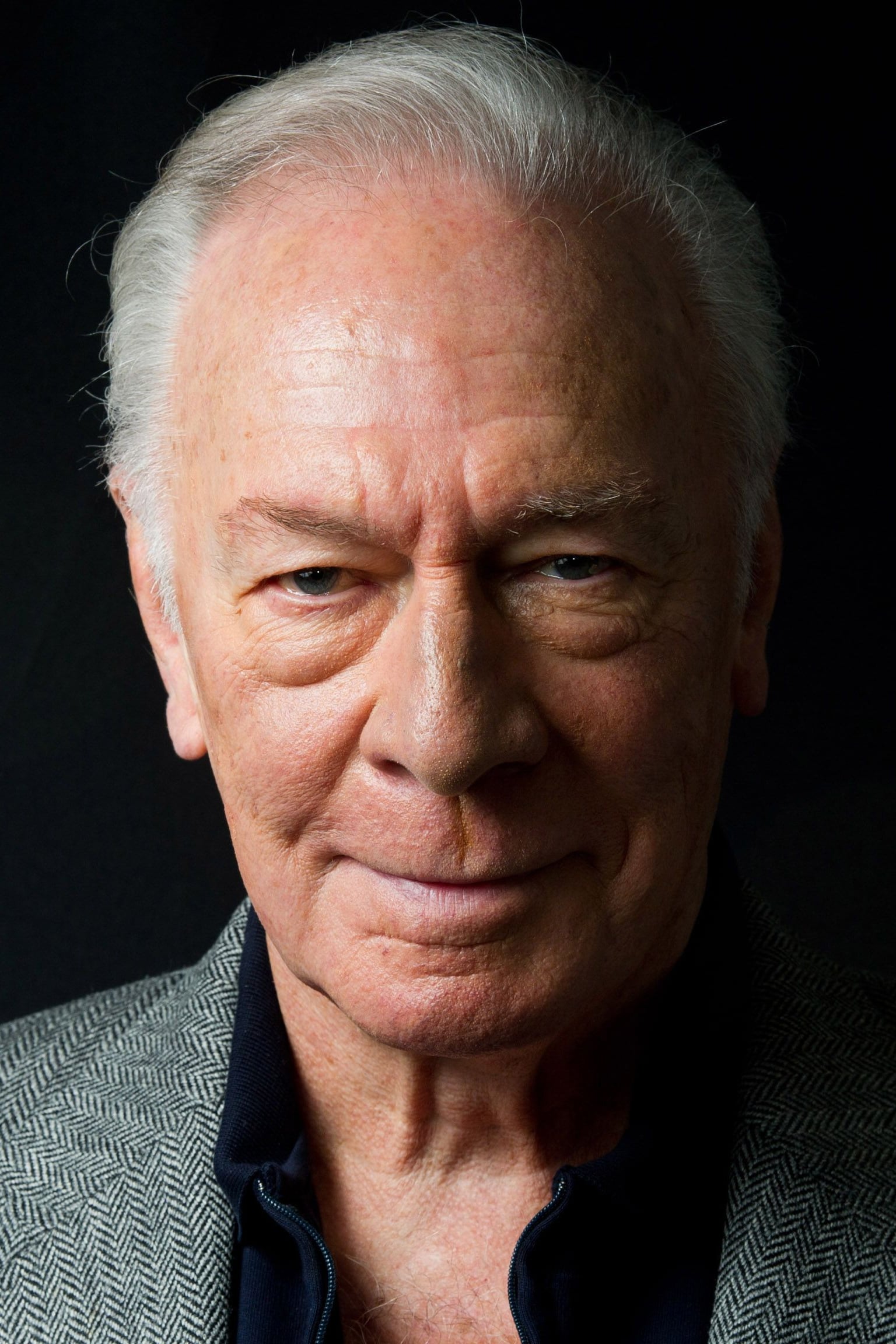
The late actor replaced Heath Ledger in ‘The Imaginarium of Doctor Parnassus’ and worked on heavily digital sets. He generally disliked filming against blue screens and preferred the theater or practical locations. He often spoke about how green screen work required a different and less satisfying set of skills than traditional acting. He felt that the technology often overshadowed the human element of the story.
Stellan Skarsgård
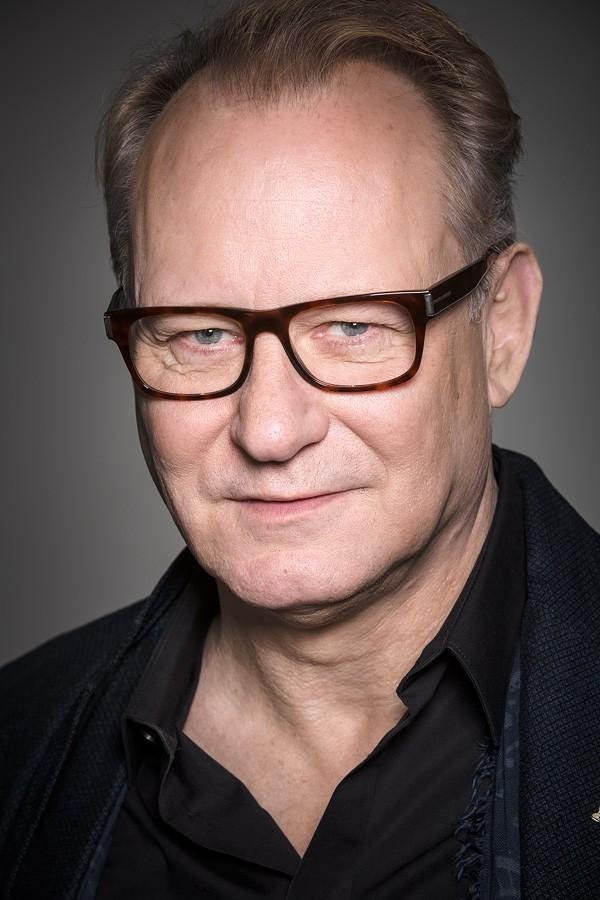
He played Bootstrap Bill in the ‘Pirates of the Caribbean’ sequels and hated the makeup and digital enhancement process. He spent hours in the makeup chair only to have dots applied to his face for further CGI manipulation. He preferred the practical prosthetics over the digital additions because they gave him something real to work with. He has expressed a general preference for practical effects in films like ‘Dune’.
John Boyega

The actor became a critic of the blockbuster machine after his experience in the ‘Star Wars’ sequel trilogy. He expressed frustration with how the franchise handled his character and the overwhelming scale of the production. He noted that green screen acting can be tiring and that he missed the intimacy of smaller indie films. He has since pivoted toward projects that focus more on character drama than spectacle.
Oscar Isaac
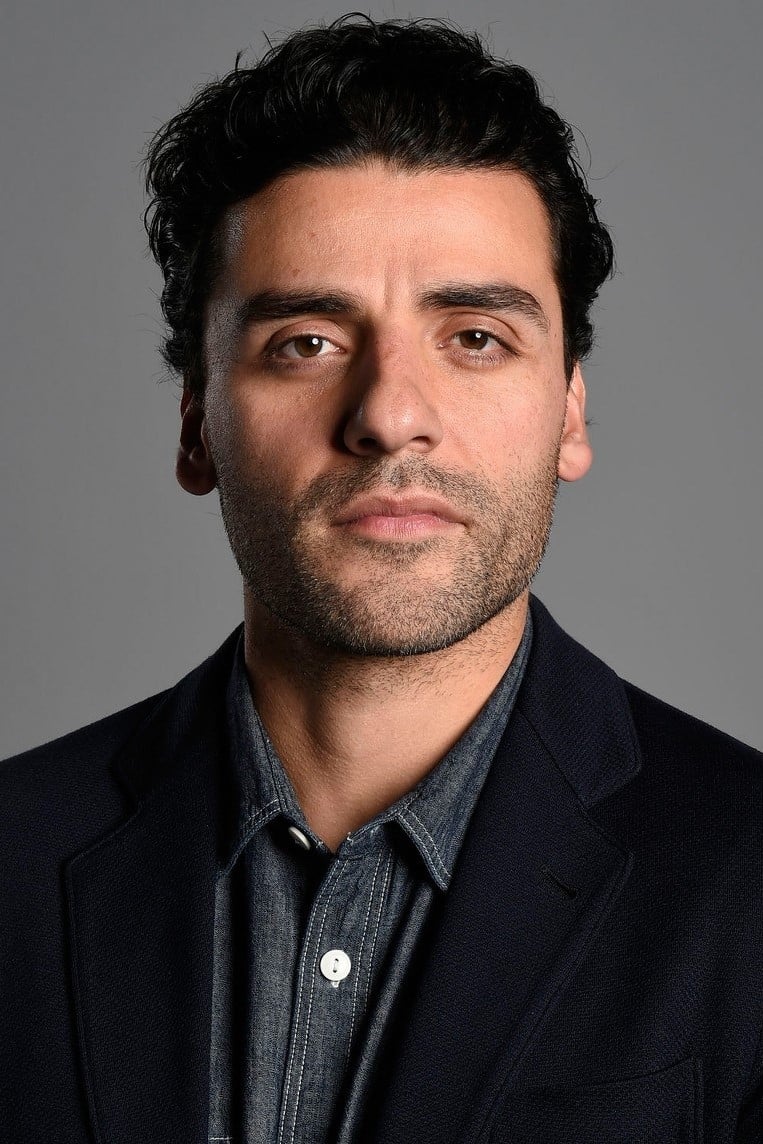
Filming ‘X-Men: Apocalypse’ was a nightmare for the actor due to the heavy prosthetics and the green screen environment. He was encased in a suit that restricted his movement and trapped his sweat. He could barely interact with his co-stars because he was stuck on a raised platform or wired up for flight. He described the experience as excruciating and vowed to avoid similar heavy makeup roles.
Kit Harington

The actor spent years on ‘Game of Thrones’ riding a mechanical buck that would later become a dragon. He admitted that acting terrified while sitting on a green foam machine was difficult and uncomfortable. He joked that the process was not exactly what he envisioned when he studied acting. The physical strain of the mechanical rig caused him actual pain during the later seasons.
Jason Statham
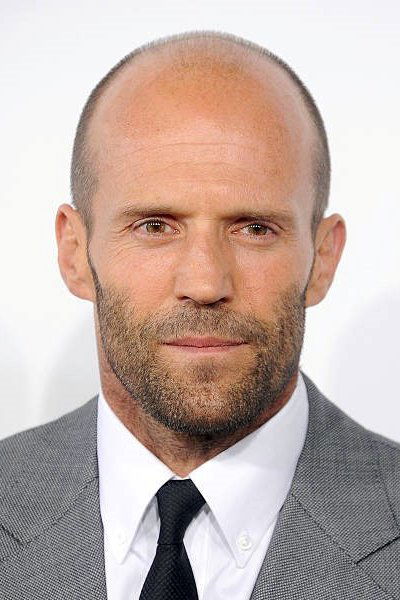
The action star has frequently criticized modern superhero movies for their reliance on stunt doubles and green screens. He claimed that the digital effects remove the authenticity of the action and that anyone could look like a hero with CGI. He prides himself on doing his own stunts and prefers old-school action filmmaking. He feels that audiences are cheated by action sequences that are created entirely in a computer.
Brian Cox
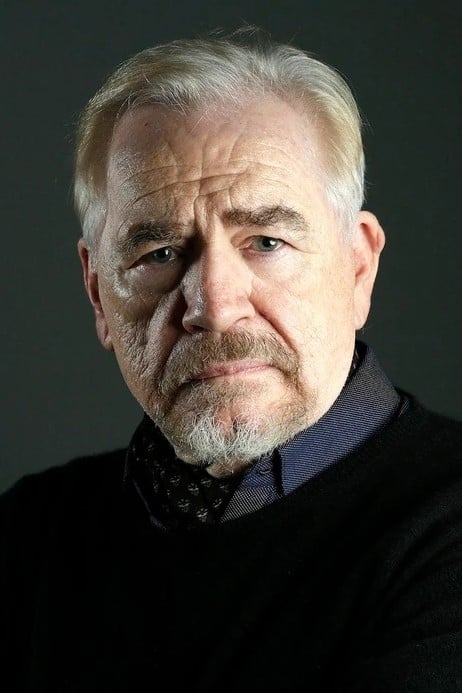
The ‘Succession’ star had a brief role in ‘X2: X-Men United’ and has since expressed disdain for the superhero genre. He criticized the modern film industry for replacing plot and character with special effects. He feels that the reliance on CGI has dumbed down cinema and made it difficult for actors to do their jobs. He prefers roles that rely on dialogue and human interaction.
Ben Affleck
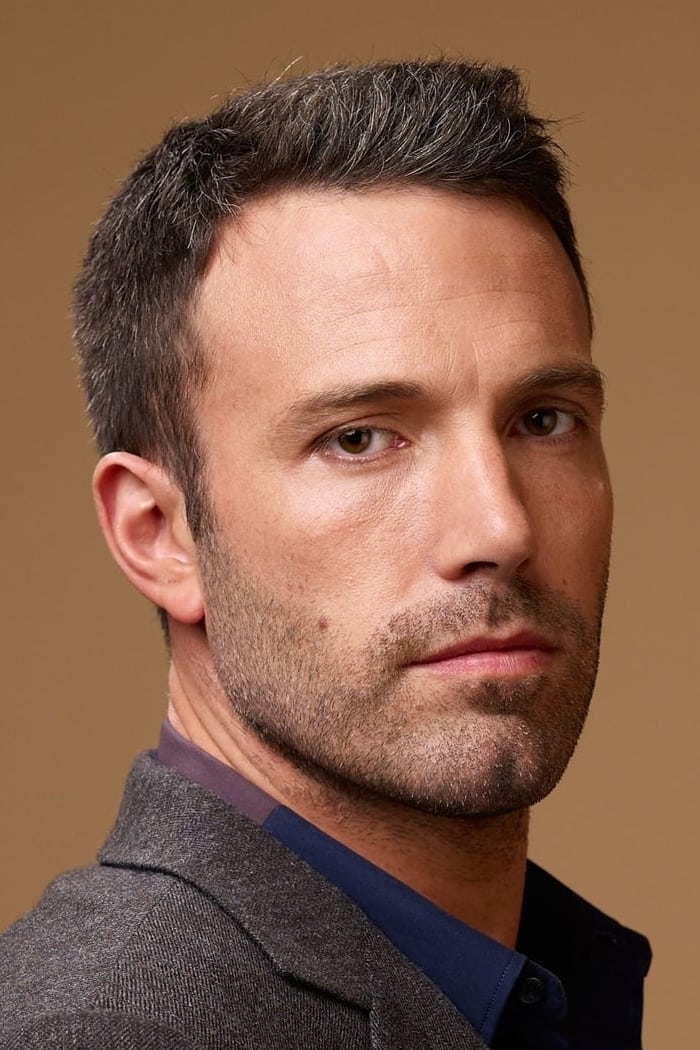
The actor had a terrible experience during the reshoots for ‘Justice League’. He described the production troubles and the requirement to wear the motion capture suit as a low point in his career. The combination of personal issues and the miserable technical shoot led him to step away from the Batman role. He stated that he lost his passion for big blockbusters after that experience.
Rory McCann
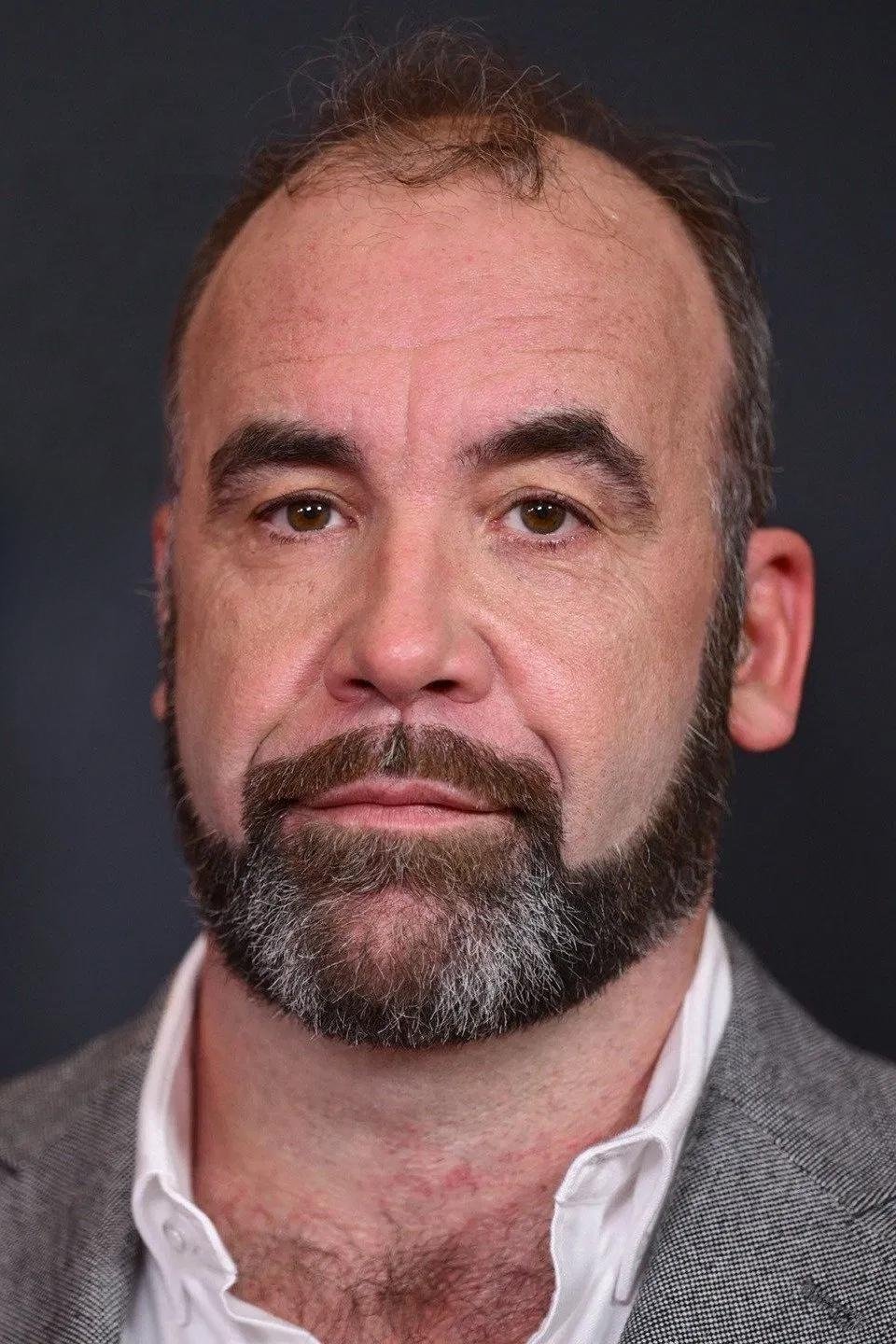
The actor who played The Hound in ‘Game of Thrones’ disliked the green screen elements of the show. He preferred the location shoots in gritty weather over the sterile studio environments. He mentioned that it was hard to maintain the intensity of his character when staring at a tennis ball. He was much happier when he could interact with real sets and practical effects.
Cillian Murphy
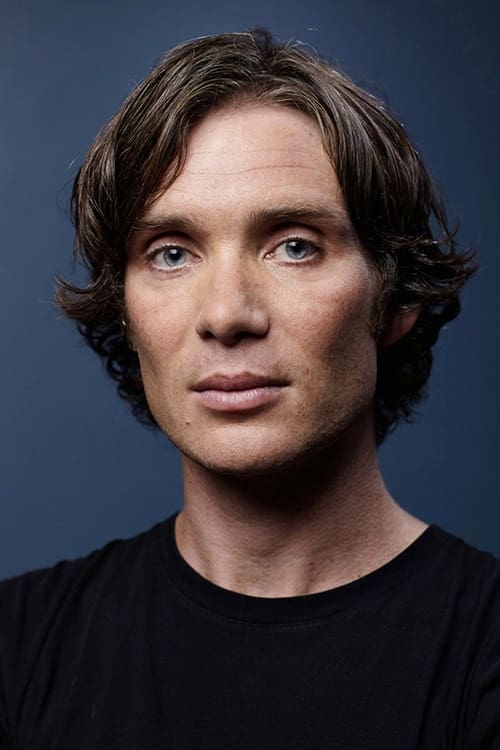
The ‘Oppenheimer’ star famously avoids roles that require him to wear a motion capture suit or act against a green screen. He has stated that he does not have the imagination to act against nothing and needs practical elements to perform. He collaborates frequently with Christopher Nolan because the director prefers practical effects over CGI. This preference has kept him away from most major superhero franchises.
Willem Dafoe
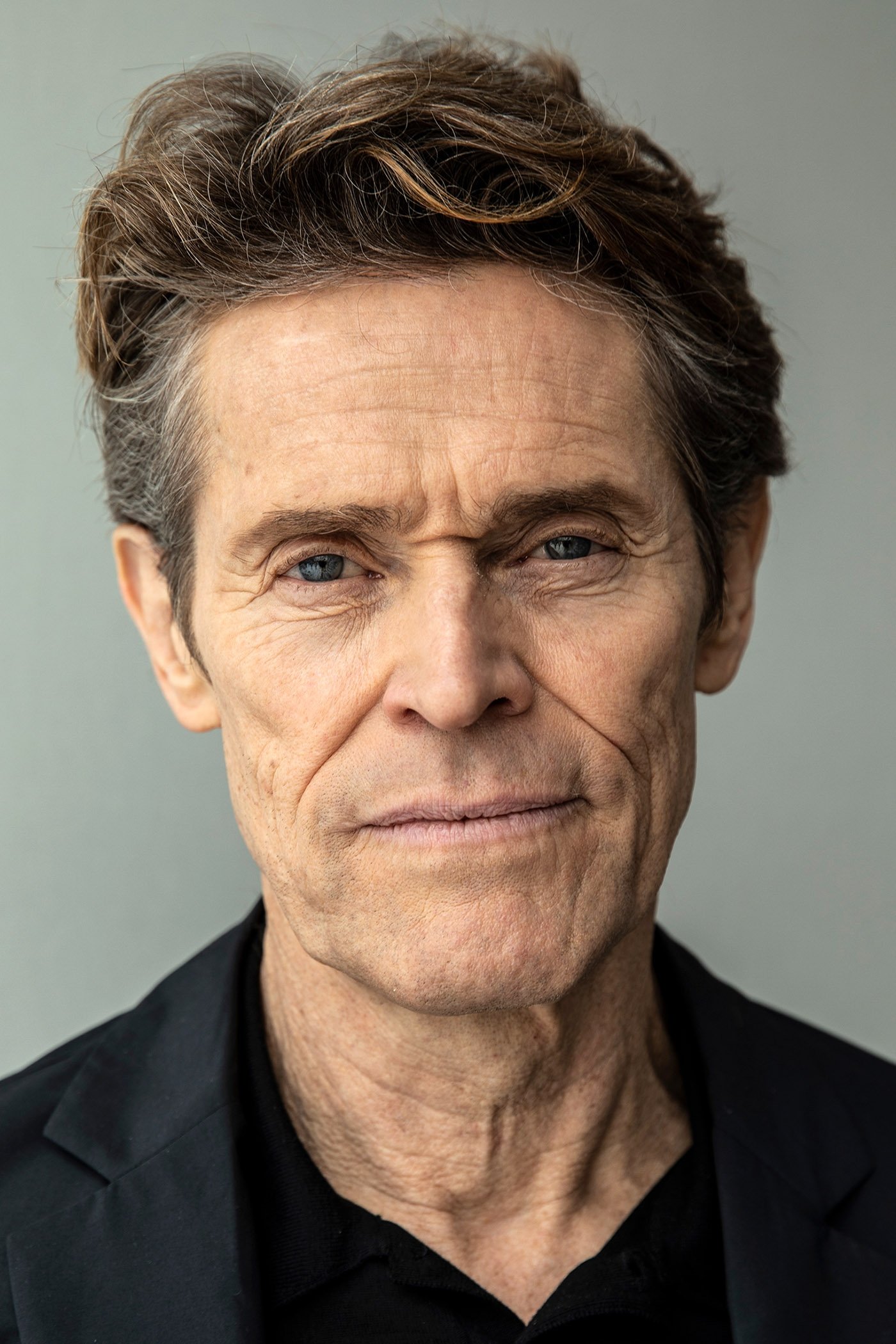
While he played the Green Goblin in ‘Spider-Man’, he fought to wear a practical mask rather than have a CGI face. He returned for ‘Spider-Man: No Way Home’ on the condition that he could do physical stunts and not just be a digital creation. He believes that the physicality of the costume is essential for the performance. He generally avoids roles that are purely voice-over or motion capture.
Hugh Grant
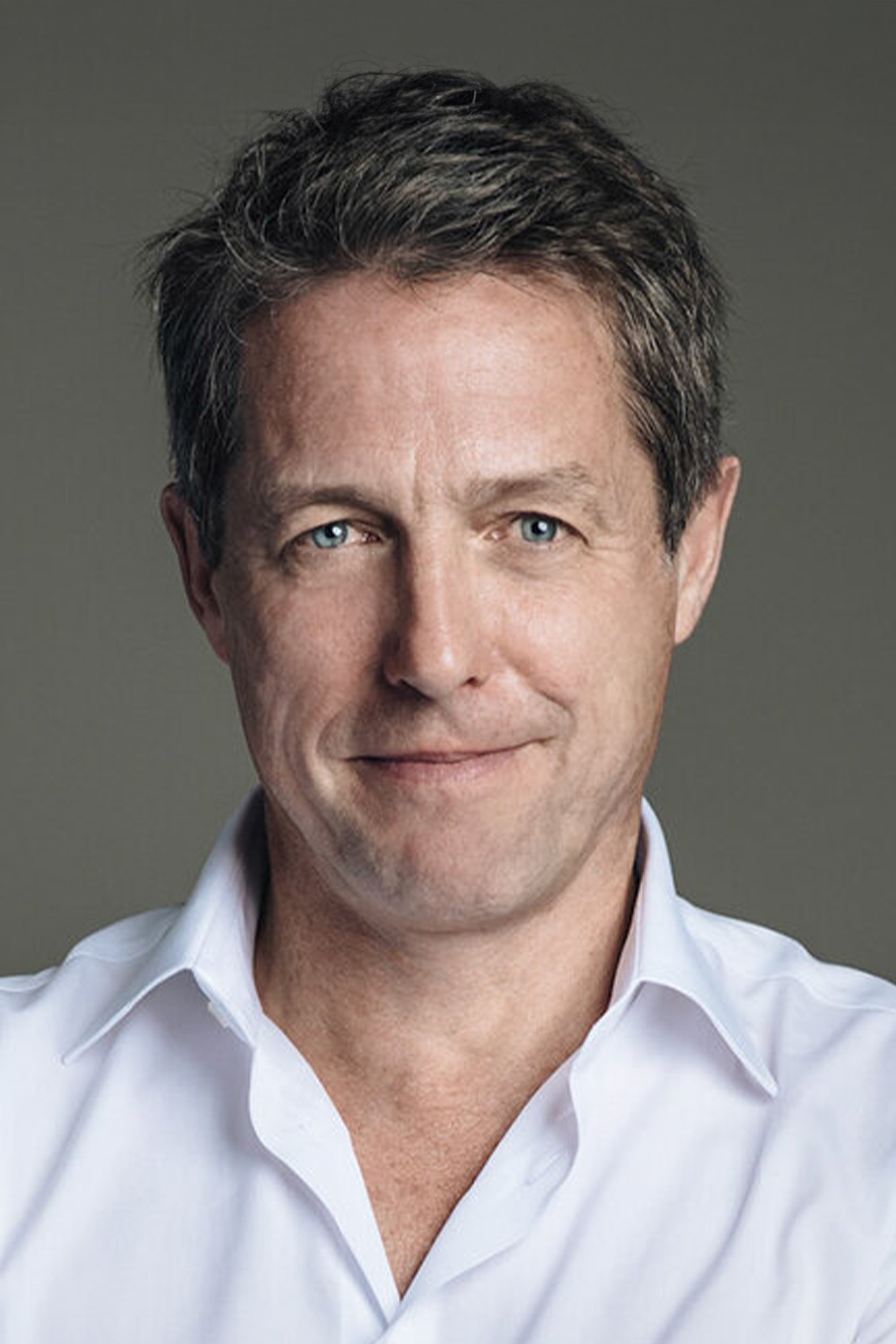
The actor played an Oompa Loompa in ‘Wonka’ and absolutely hated the motion capture process. He compared the camera rig attached to his head to a crown of thorns and complained about the discomfort. He was unsure if he should act with his body or just his face and found the instructions confusing. He bluntly stated that he hated the entire experience and only did it because he has children to support.
Dave Bautista
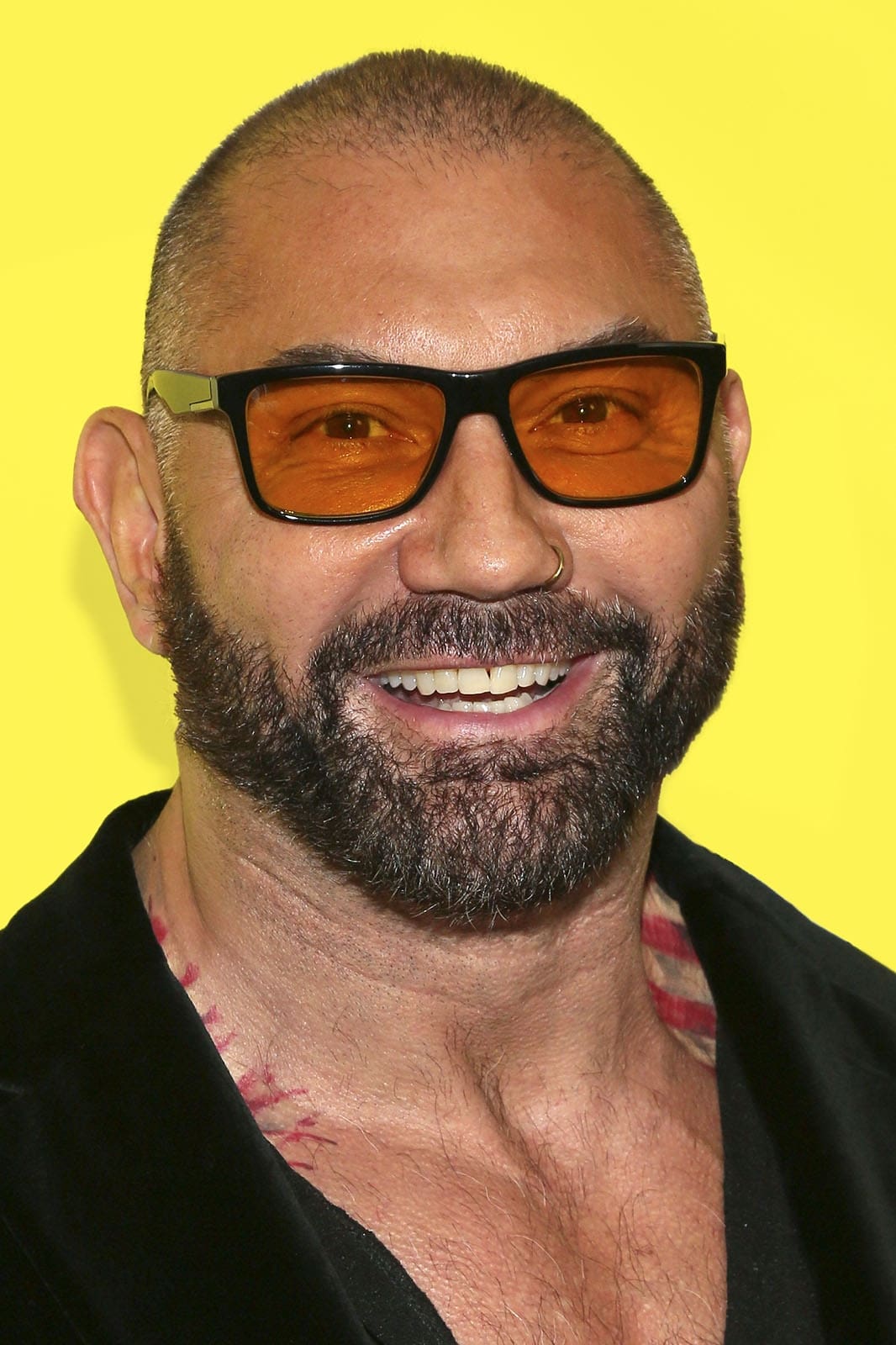
While he plays Drax in the ‘Guardians of the Galaxy’ films, he has complained about the shirtlessness and the makeup. However, he also expressed frustration with scenes that require acting against nothing. He noted that the emotional scenes are much harder when the environment is not real. He is looking forward to taking on more dramatic roles that do not require visual effects.
James McAvoy
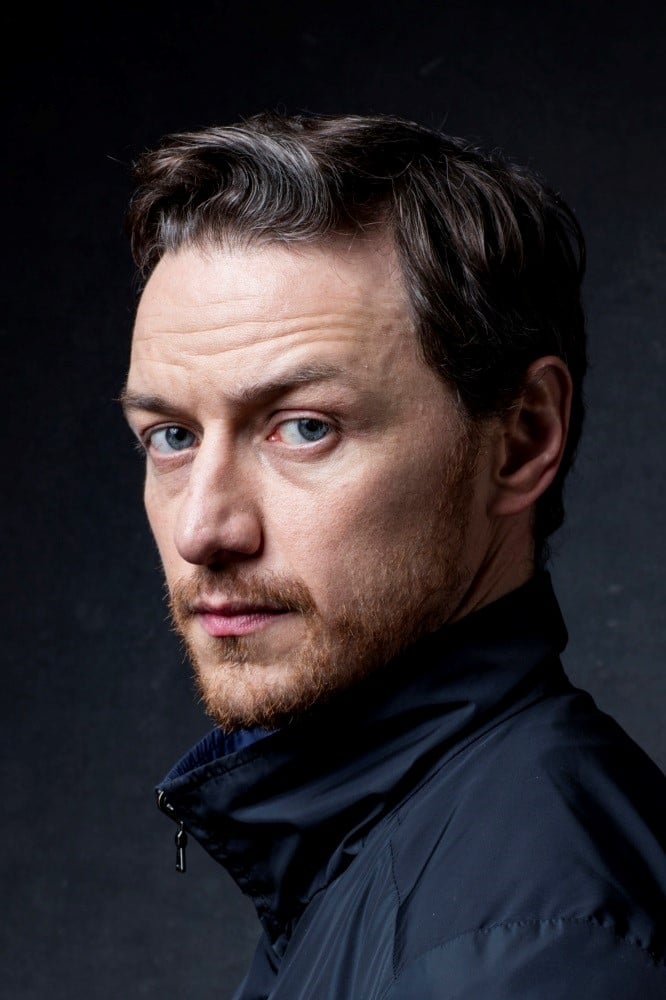
The actor found playing Professor X in the ‘X-Men’ films to be challenging when the effects took over. He mentioned that fighting invisible enemies requires a level of energy that is hard to sustain. He felt that the green screen work could sometimes feel silly and disconnected from the story. He prefers the smaller, more intimate scenes between characters.
Robert Downey Jr.
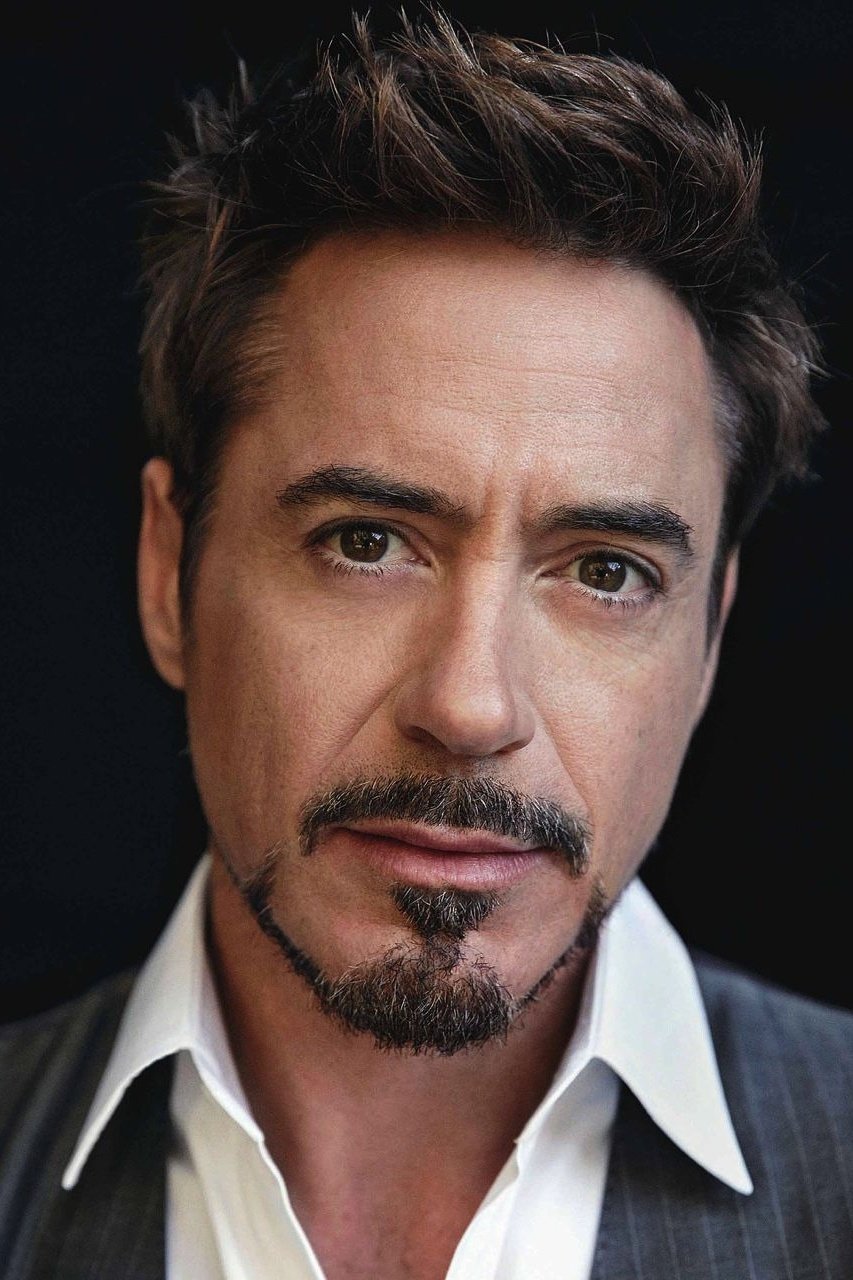
Although he launched the MCU as Iron Man, the actor eventually grew tired of the physical suit and the technical demands. By the later films, he refused to wear the full armor and opted for a motion capture chest piece instead. He described the process of filming the intricate HUD scenes as a pain in the ass. He was relieved to move on to other projects after his contract ended.
Chris Evans
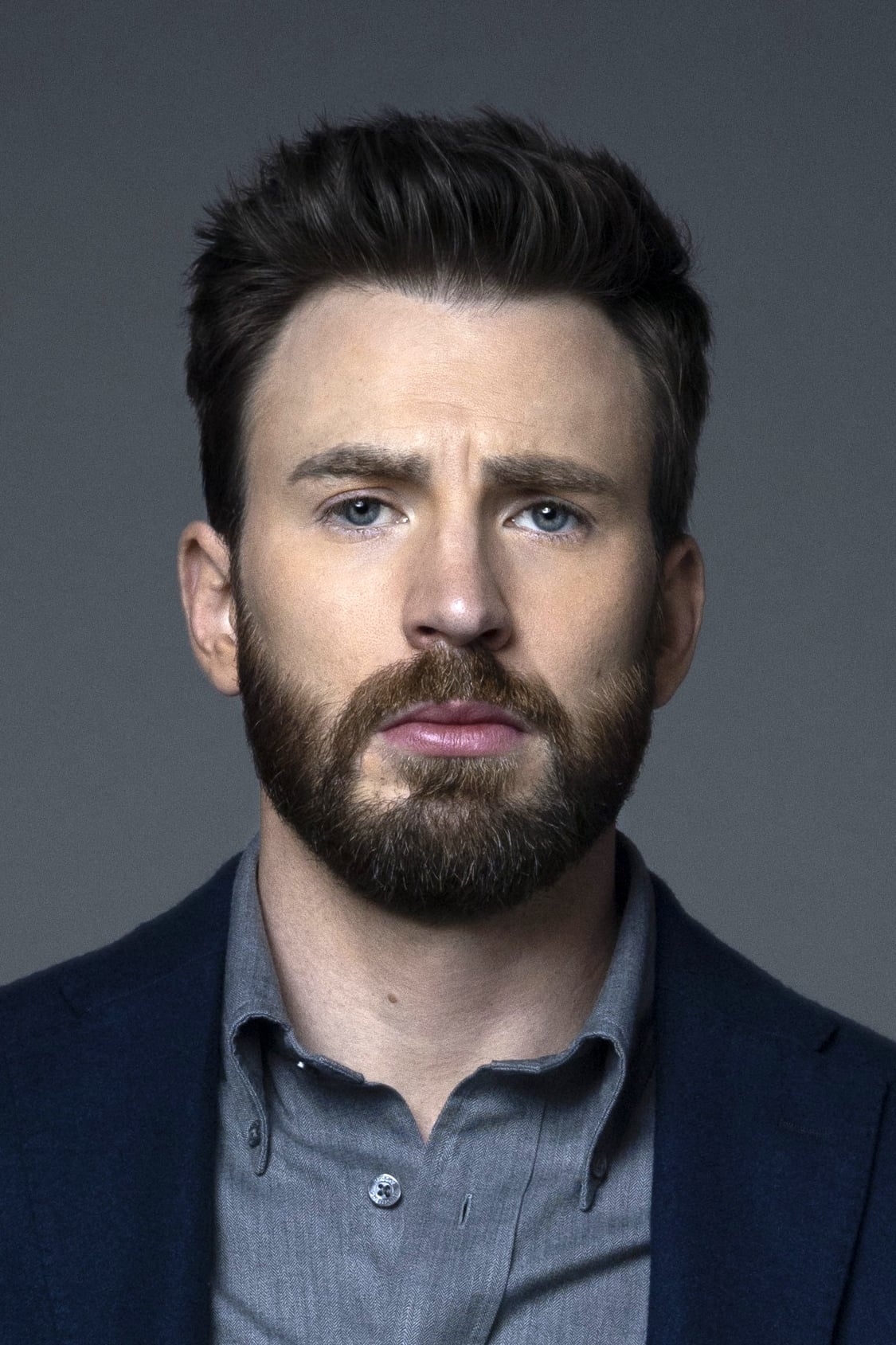
The Captain America actor has spoken about the difficulty of maintaining enthusiasm on green screen sets. He noted that the Marvel movies are made in warehouses that are devoid of life and inspiration. He finds it harder to get into character when the environment is completely artificial. He misses the feeling of being on a real location with natural light.
Chris Hemsworth
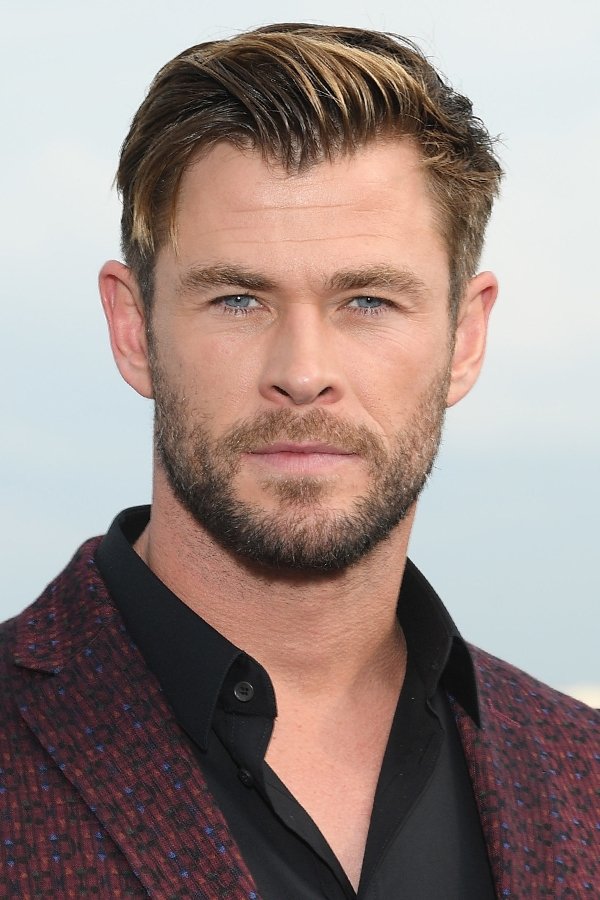
The ‘Thor’ actor has admitted to getting bored while filming against green screens for hours on end. He felt that the repetitiveness of the action sequences in the MCU could be draining. He questioned if he was even acting anymore during the most effects-heavy scenes. He has expressed a desire to do smaller films where the focus is on the script.
Daniel Radcliffe
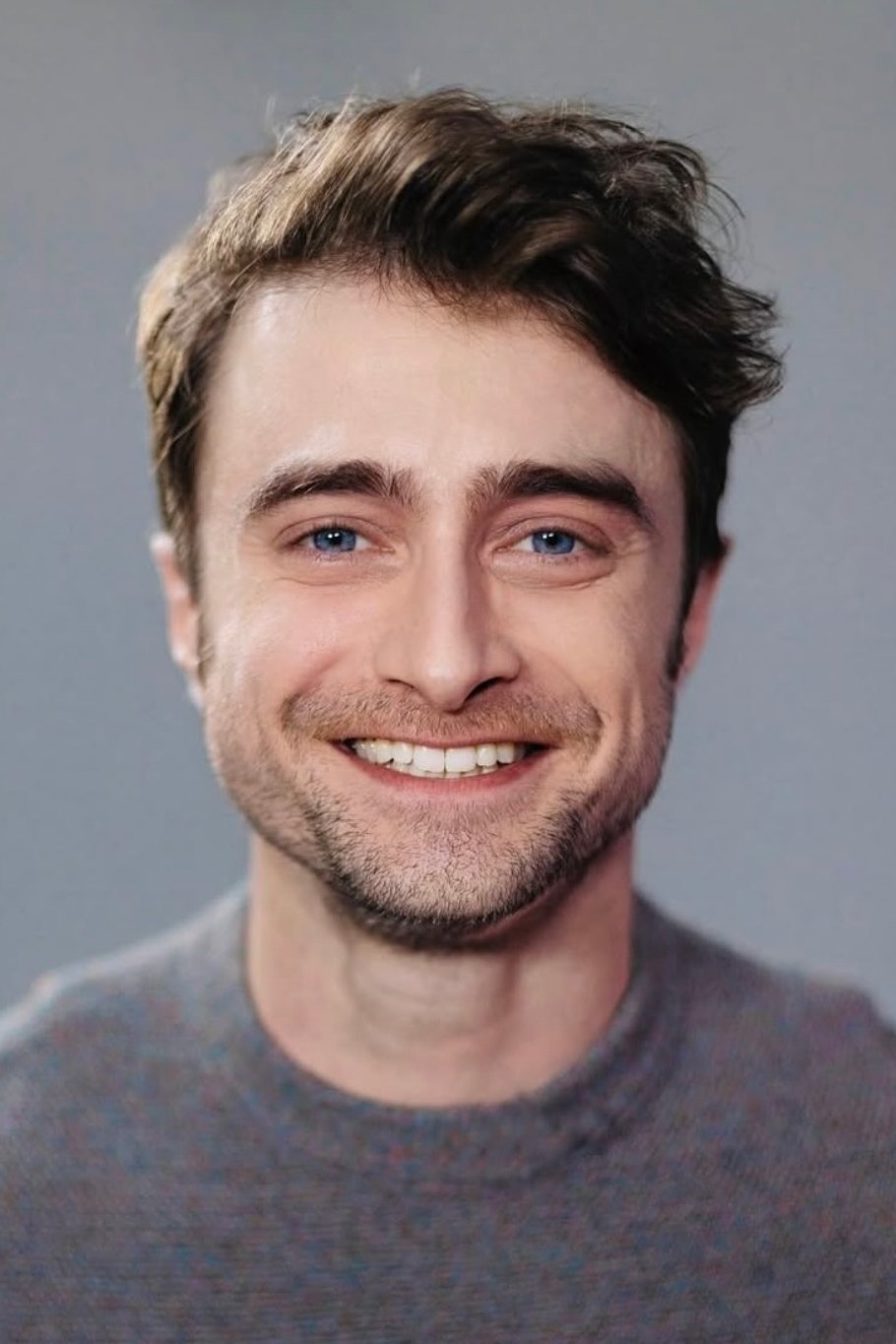
After spending his childhood on the ‘Harry Potter’ sets, the actor developed a distaste for underwater filming and green screens. He noted that the novelty of the magic wore off when he had to react to tennis balls for the hundredth time. He found the technical precision required for the effects to be restricting. He now chooses weird and independent films that allow him to experiment.
Rupert Grint
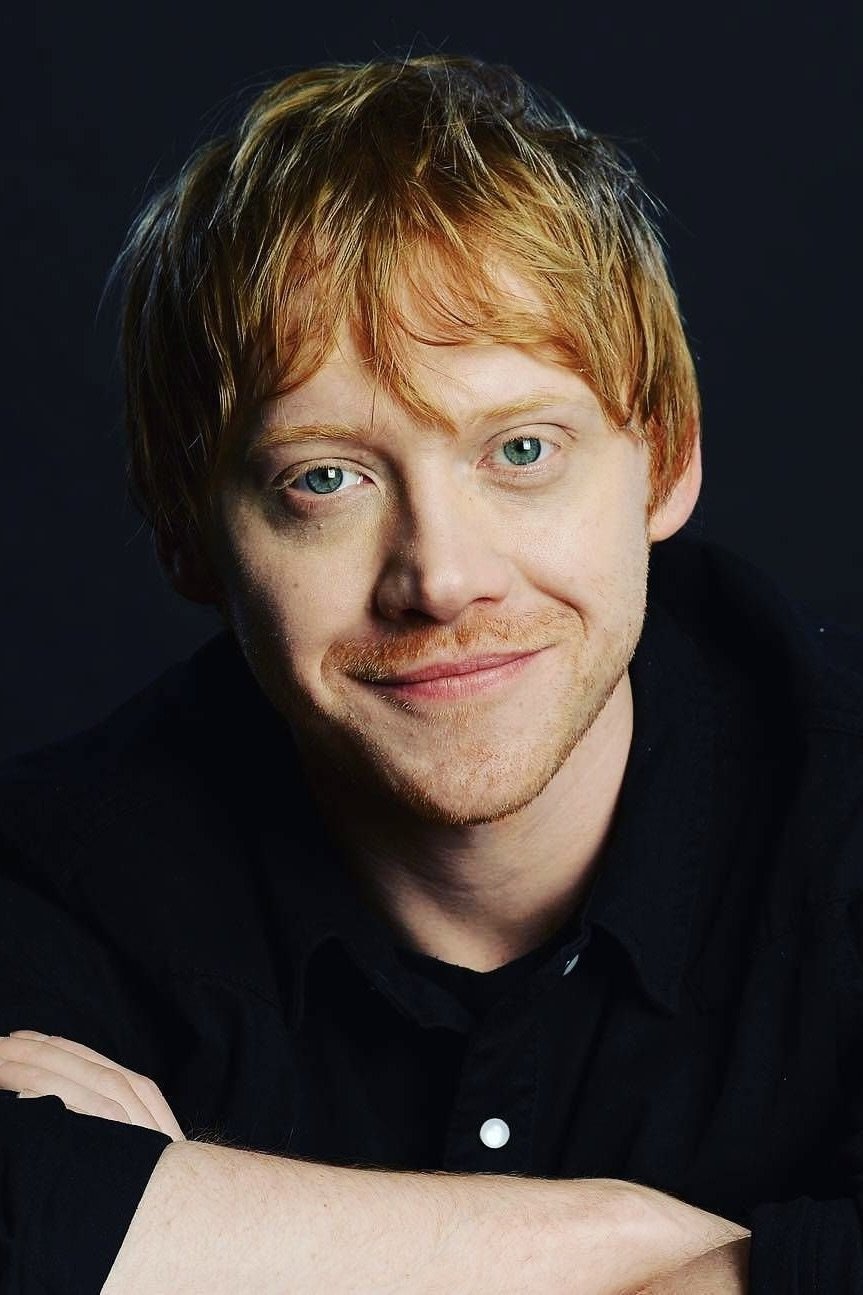
Like his co-star, the actor found the later ‘Harry Potter’ films to be a test of endurance due to the effects. He described the process of filming the final battles as repetitive and exhausting. The lack of real sets in some sequences made it hard to stay engaged. He has largely stuck to television and smaller films since the franchise ended.
Andrew Garfield
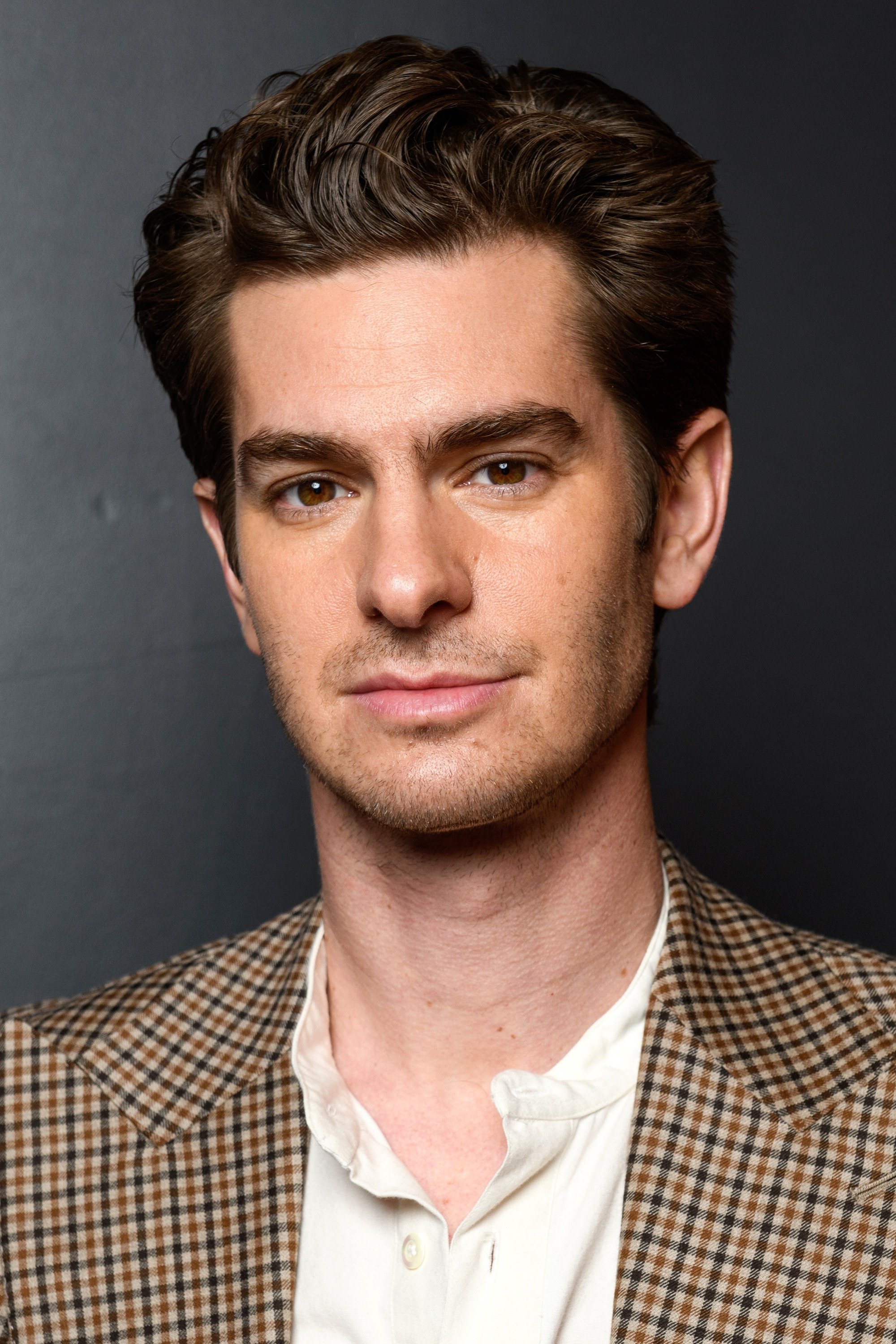
The ‘The Amazing Spider-Man’ actor found the machinery and the corporate nature of the franchise to be heartbreaking. He struggled with the green screen work and the lack of human connection in the action scenes. He felt that the character was lost amidst the special effects and studio mandates. He enjoyed his return in ‘Spider-Man: No Way Home’ largely because it focused on the interaction between the actors.
Tom Holland
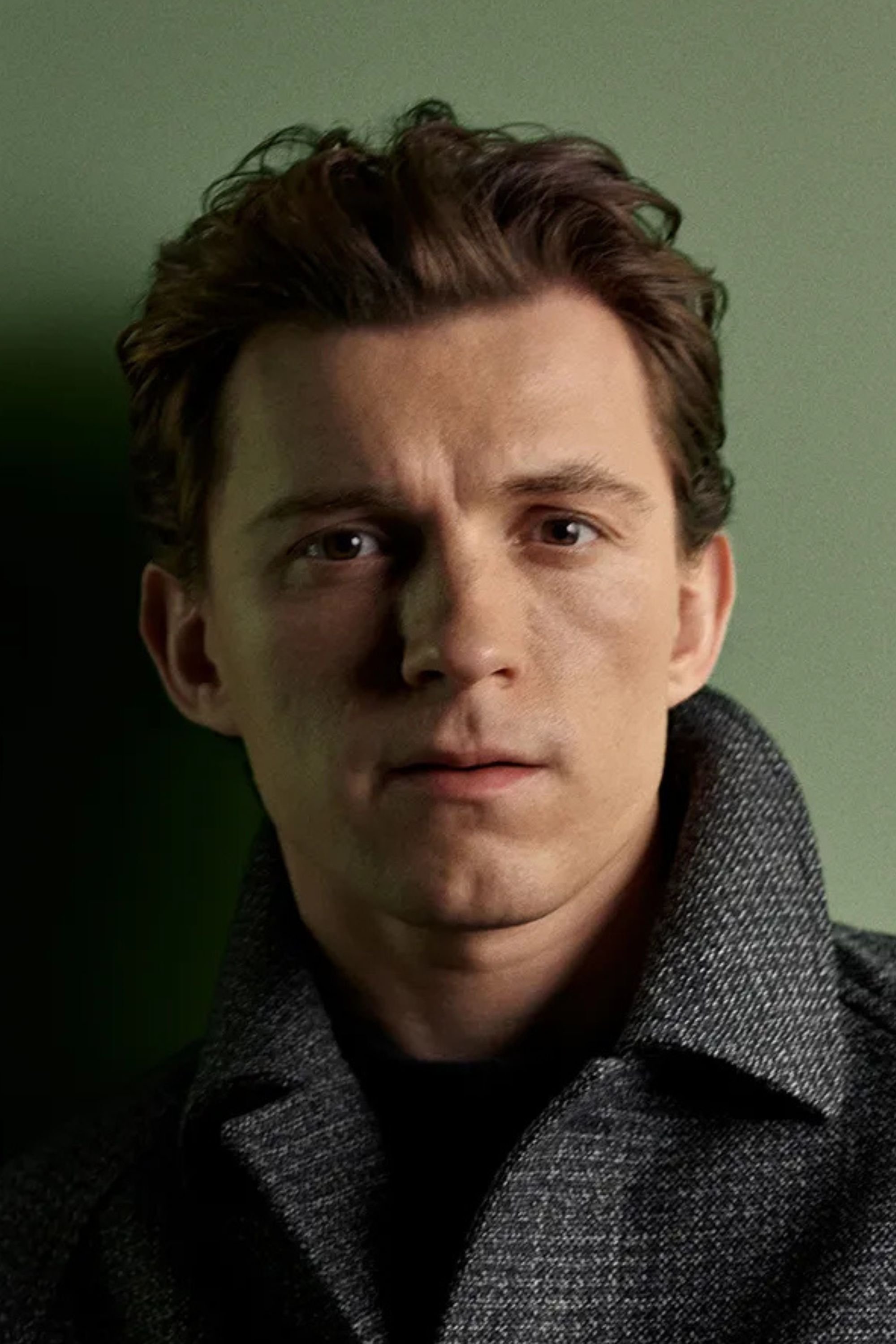
The current Spider-Man has complained about the motion capture suit he has to wear for the Iron Spider costume. He mentioned that wearing the tight grey pajamas on set is humiliating and makes him feel uncool. He also struggled with acting against tennis balls and found it difficult to visualize the massive enemies. He prefers the scenes where he acts in the practical high school sets.
Jake Gyllenhaal

Filming ‘Spider-Man: Far From Home’ was a shock to the system for the actor who was used to dramatic roles. He admitted that he struggled to find his rhythm while acting against nothing in the large green screen sets. He had anxiety on set because the style of acting was so different from what he knew. He eventually adjusted but acknowledged it was a difficult transition.
Sean Connery
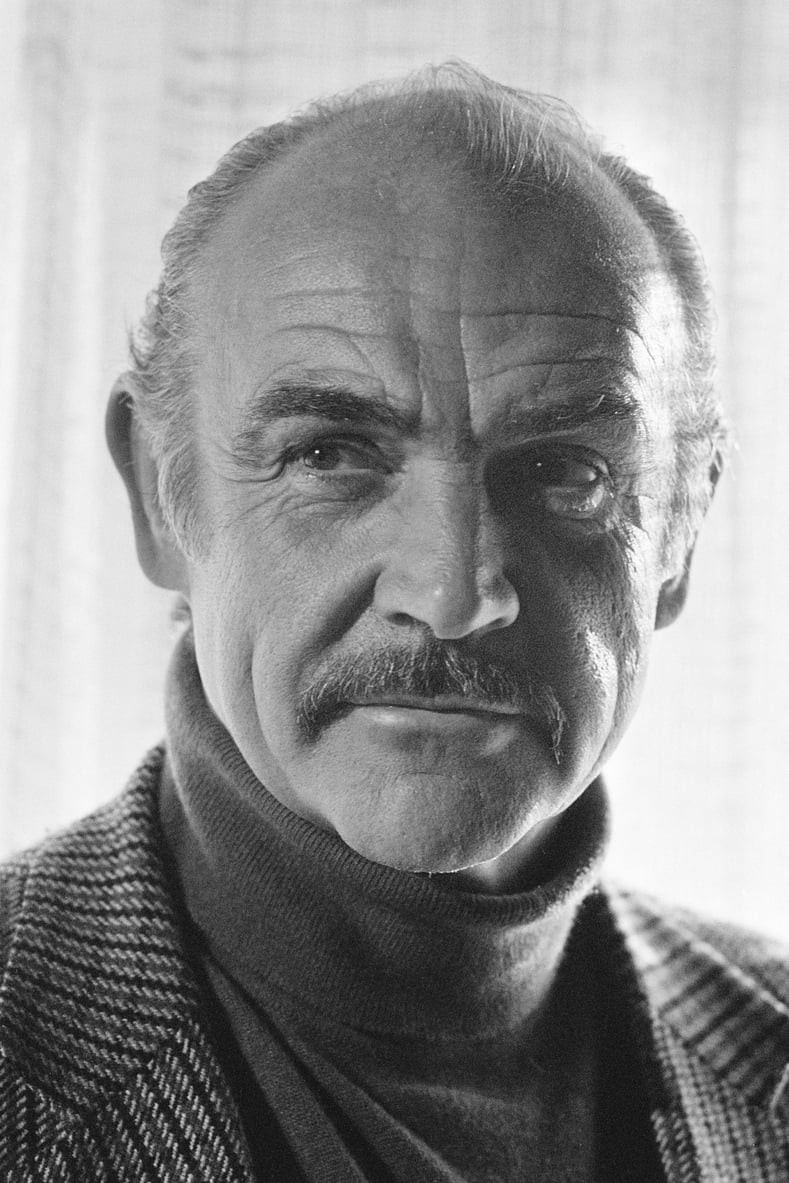
The screen legend retired from acting after his miserable experience on ‘The League of Extraordinary Gentlemen’. He hated the chaotic production and the heavy reliance on unfinished special effects. He felt that the director was overwhelmed by the technical aspects and that the artistic merit was lost. The stress of the green screen-heavy shoot convinced him to leave Hollywood for good.
Matt Damon
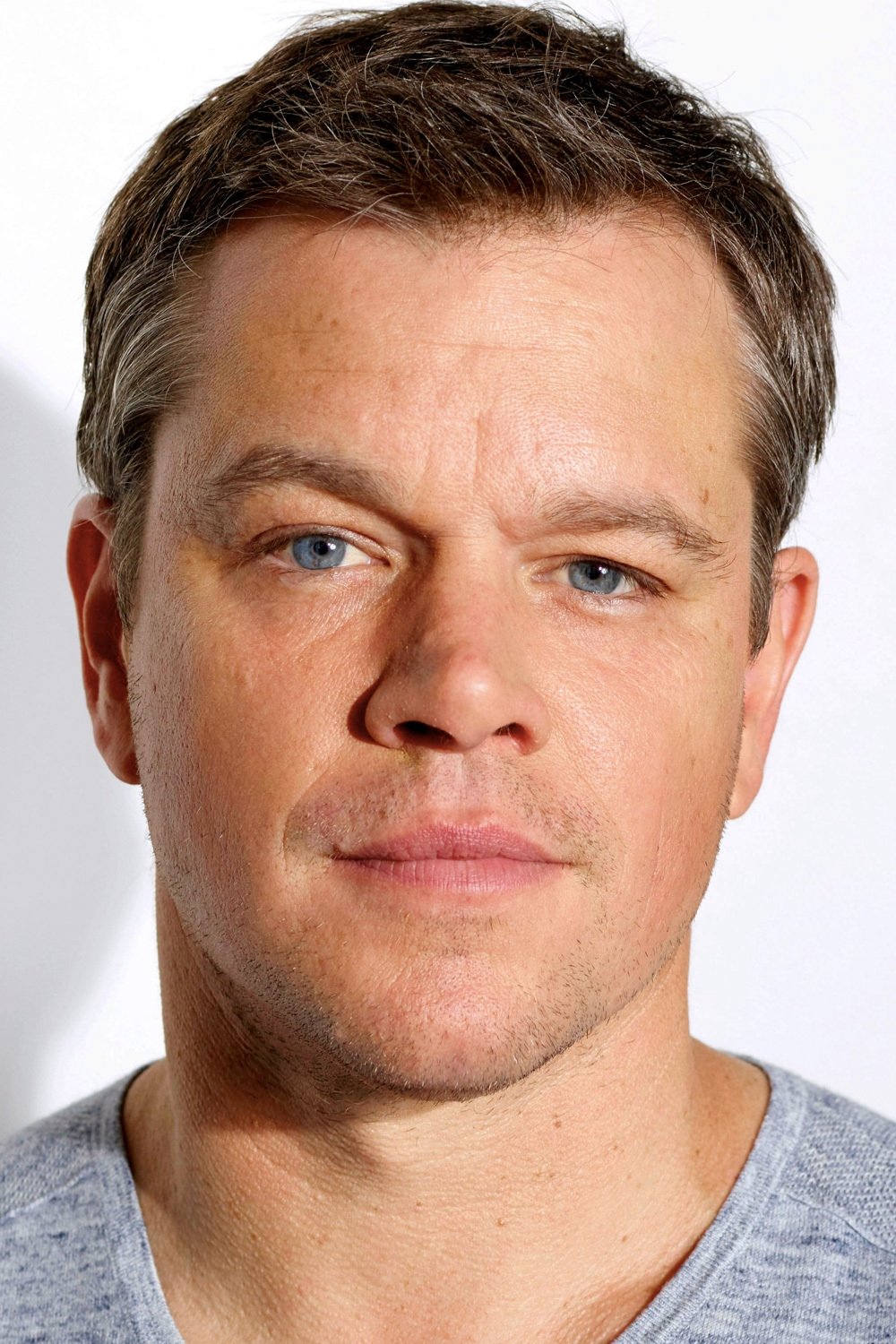
While he filmed ‘The Great Wall’, he realized the movie was going to be a disaster due to the production style. He felt the heavy reliance on CGI monsters and the generic script were not working. He described the feeling of filming a losing battle against green screens as disheartening. He uses that experience as a metric for avoiding bad projects in the future.
Winston Duke
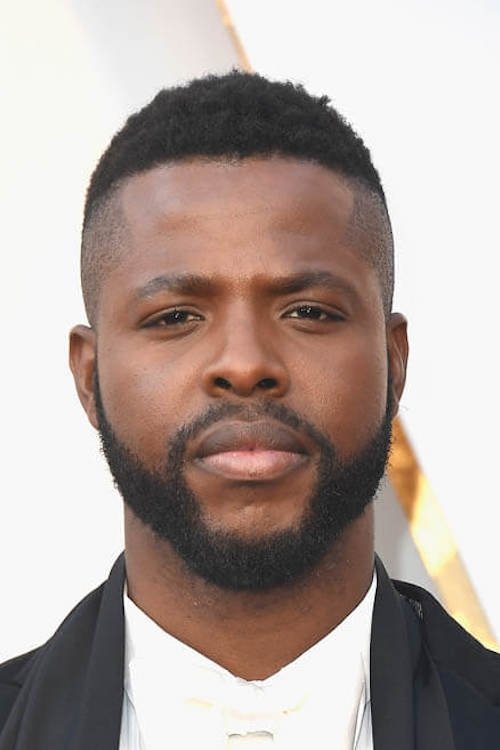
The ‘Black Panther’ actor found the green screen environment to be weird and disorienting. He noted that acting in a room covered in blue or green fabric removes all spatial references. It required him to build the entire world in his head which was mentally exhausting. He prefers practical sets where he can physically interact with the environment.
Richard E. Grant
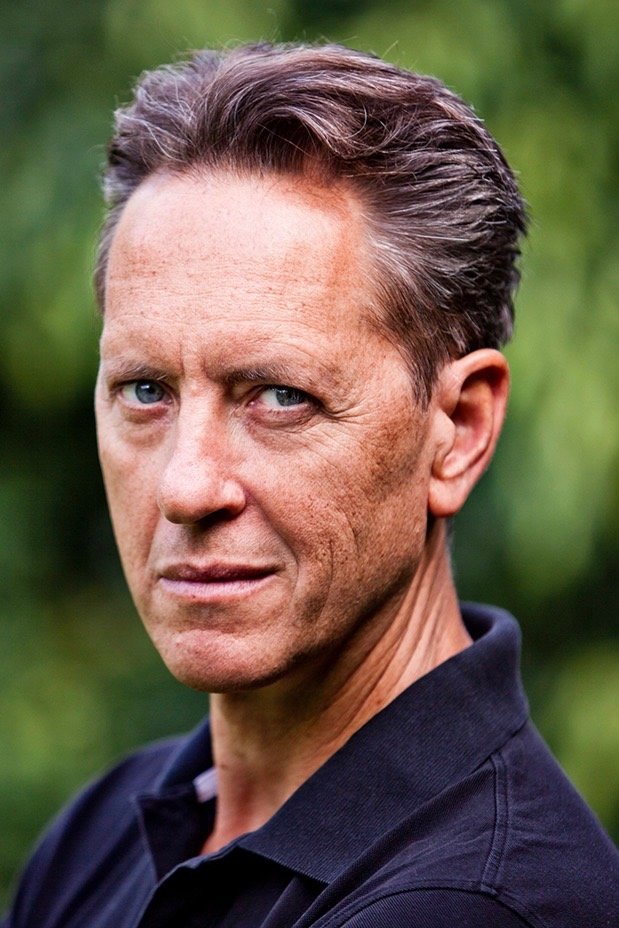
During his guest appearance in the ‘Loki’ series, the classic actor found the process hilarious and baffling. He joked about acting alongside a wire that was supposed to be a terrifying cloud monster. He found the absurdity of the situation to be amusing but definitely not his preferred method of acting. He approached the role with a sense of humor about the lack of real elements.
Peter Dinklage
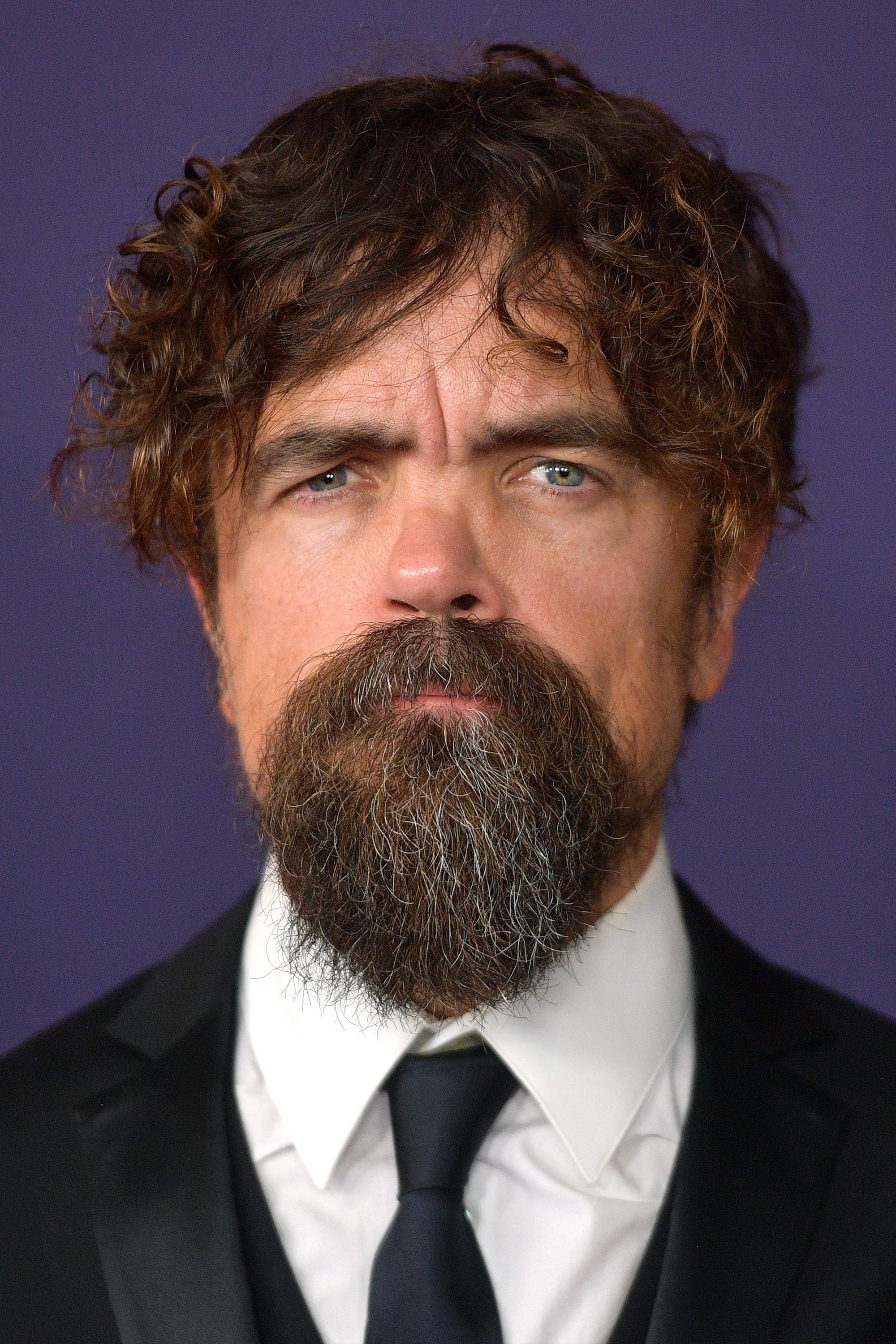
While ‘Game of Thrones’ had many practical sets, the actor had to film scenes interacting with CGI dragons. He found it strange to treat a green ball on a stick with reverence and fear. He noted that it takes a lot of mental energy to sustain the illusion when there is nothing there. He was relieved that most of his scenes involved dialogue with other humans.
Guy Pearce
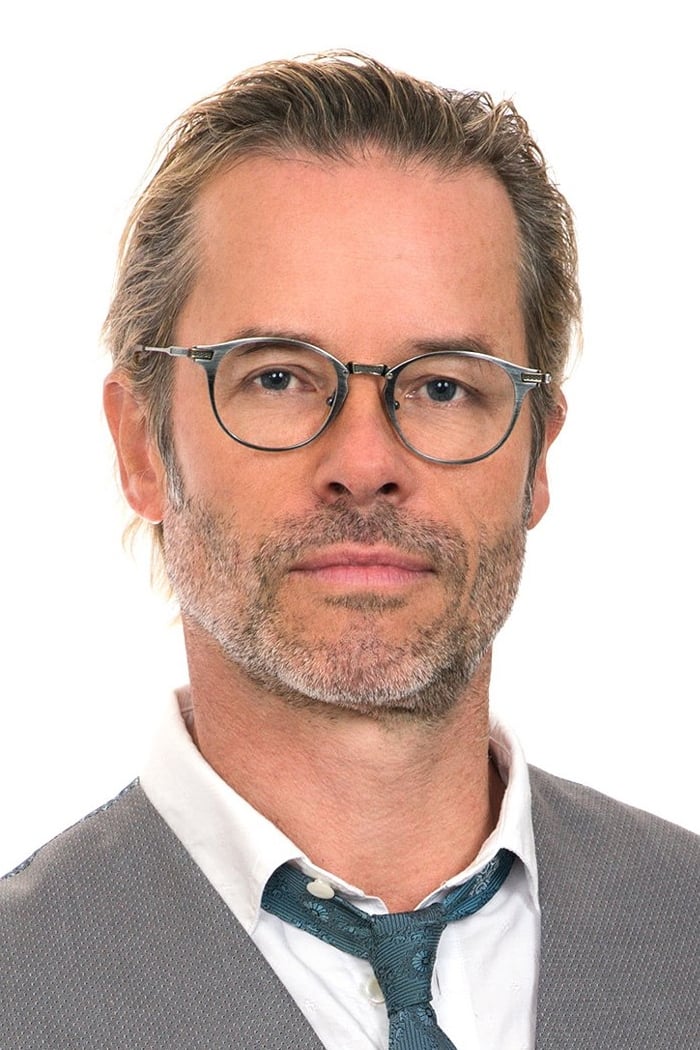
The actor played the villain in ‘Iron Man 3’ and found the Marvel experience to be strange. He noted that the green screen work felt technical and cold compared to his indie film roots. He felt that the sheer size of the production made it hard to feel intimate with the character. He generally prefers smaller thrillers where the stakes feel more grounded.
Michael Fassbender
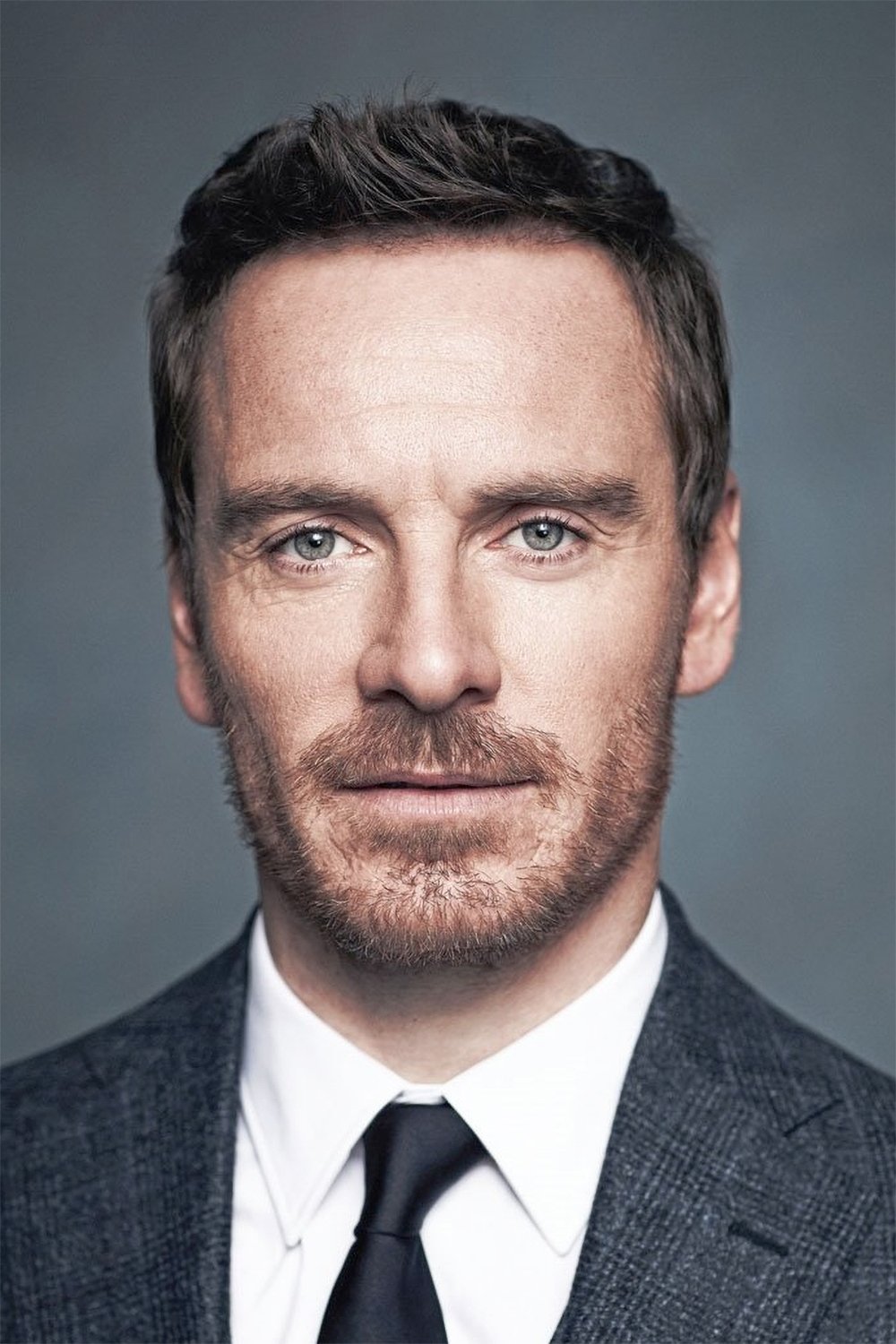
As Magneto in the ‘X-Men’ prequels, the actor spent a lot of time suspended in wires in front of green screens. He famously laughed at himself in behind-the-scenes footage where he was flailing his arms to control metal. He admitted that you feel silly doing the movements without the effects added. He tried to maintain dignity but found the process inherently ridiculous.
Eddie Redmayne
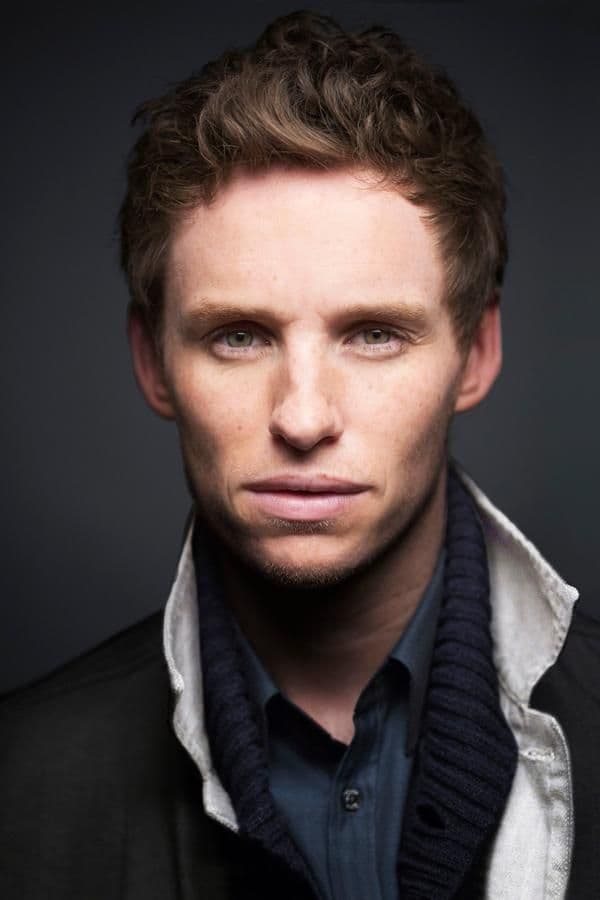
The actor starred in the sci-fi flop ‘Jupiter Ascending’ and struggled with the green screen environment. He played a villain who had to react to invisible spaceships and creatures. He later admitted that his over-the-top performance was partly a result of not knowing what was happening around him. He found the lack of context on the digital set to be a major hurdle.
Please share your favorite practical effect moment or your thoughts on these actors’ struggles in the comments.