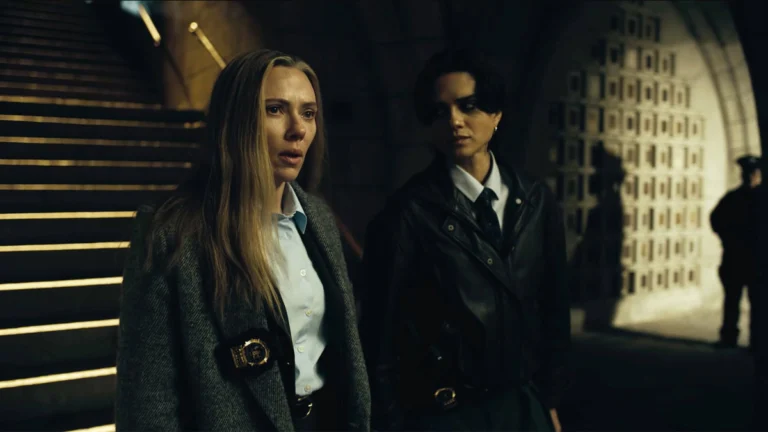
Black Directors Who Excelled in Horror Without Racial Trauma

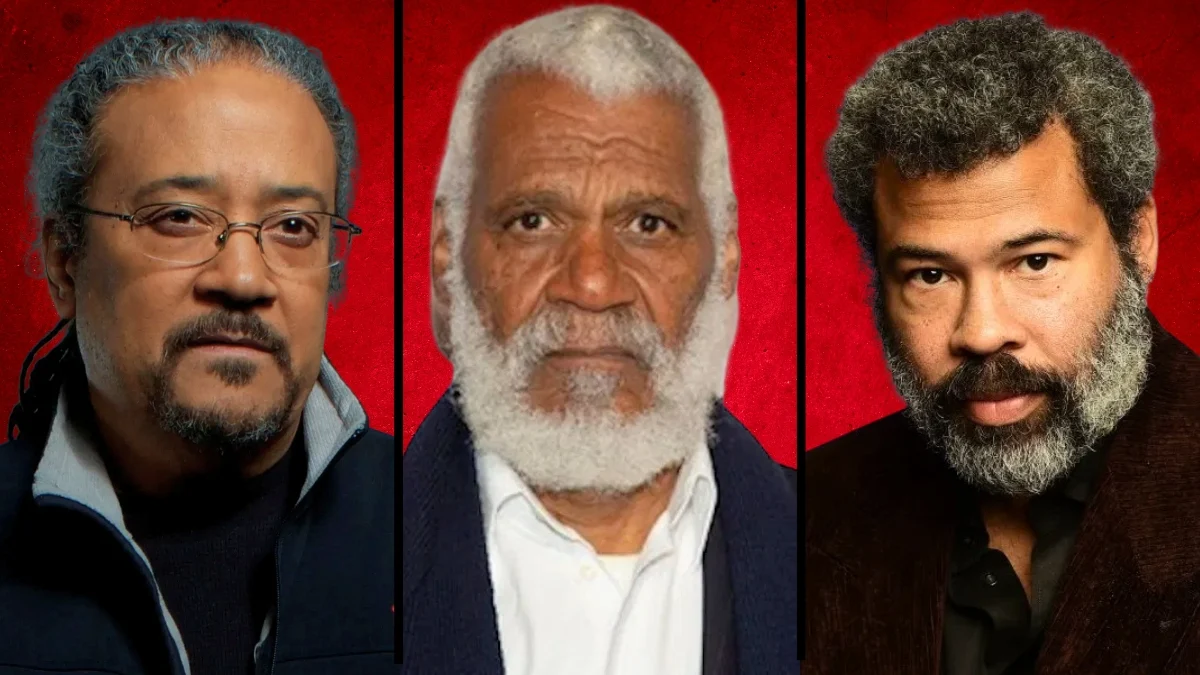

The landscape of horror cinema has seen a significant evolution through the contributions of Black directors who explore various subgenres beyond the themes of racial trauma. These filmmakers have utilized supernatural elements and psychological tension and creature features to captivate audiences with universal scares. By focusing on classic tropes like vampires and doppelgangers and haunted spaces they demonstrate the breadth of their storytelling capabilities. Their work emphasizes character development and atmospheric dread while expanding the boundaries of the genre. This list highlights several talented individuals who have made a lasting impact on horror through diverse and imaginative narratives.
Ernest R. Dickerson
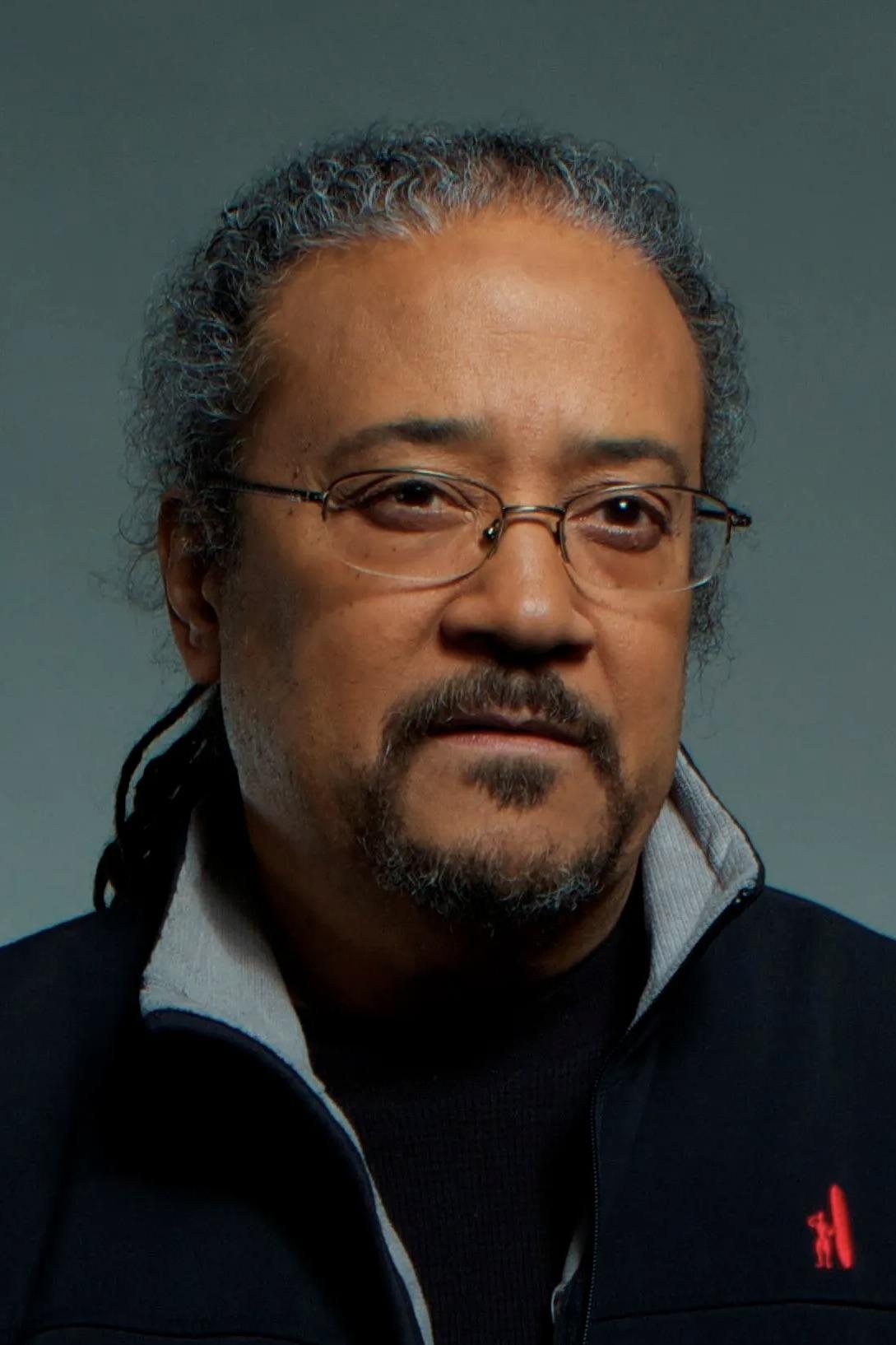
Directed ‘Tales from the Crypt: Demon Knight’ and ‘Bones’. ‘Tales from the Crypt Demon Knight’ follows a man protecting a powerful key from a group of demons in a remote boarding house. The film is celebrated for its special effects and high stakes supernatural action. In ‘Bones’ a neighborhood protector returns from the dead to exact revenge on those who betrayed him. Dickerson often uses dark atmospheres and classic horror tropes to build tension in his narratives.
William Crain
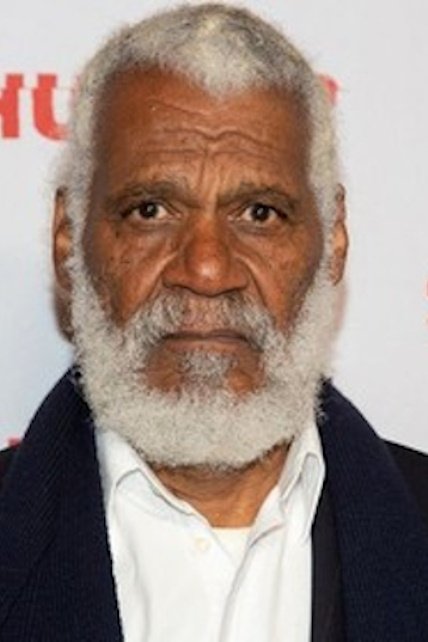
Directed the 1972 cult classic ‘Blacula’. This film features a vampire who is awakened in modern day Los Angeles after being cursed centuries earlier. The story focuses on the protagonist searching for the reincarnation of his lost wife while evading those who wish to destroy him. Crain brought a unique perspective to the vampire subgenre by blending urban settings with traditional gothic horror elements. The movie remains a significant entry in the history of Black cinema and horror for its stylish execution and emotional depth.
Jordan Peele
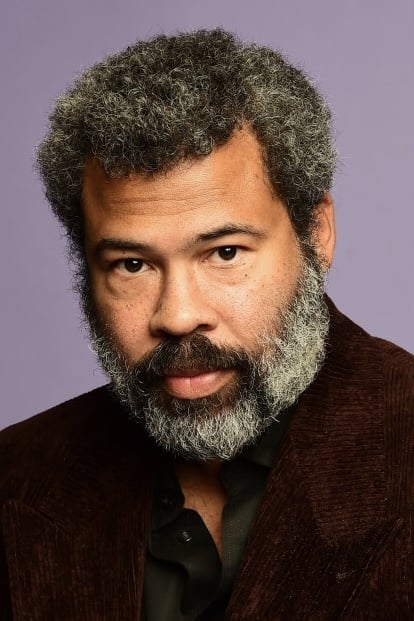
Directed ‘Us’ and ‘Nope’. In ‘Us’ a family is terrorized by a group of menacing doppelgangers who look exactly like them. The narrative explores themes of identity and hidden secrets through a terrifying home invasion scenario. ‘Nope’ follows siblings who discover a mysterious and dangerous aerial phenomenon on their family ranch. Peele utilizes large scale spectacle and suspense to create a chilling science fiction horror experience. Both films focus on character driven survival and existential dread rather than specific historical or racial trauma.
J.D. Dillard
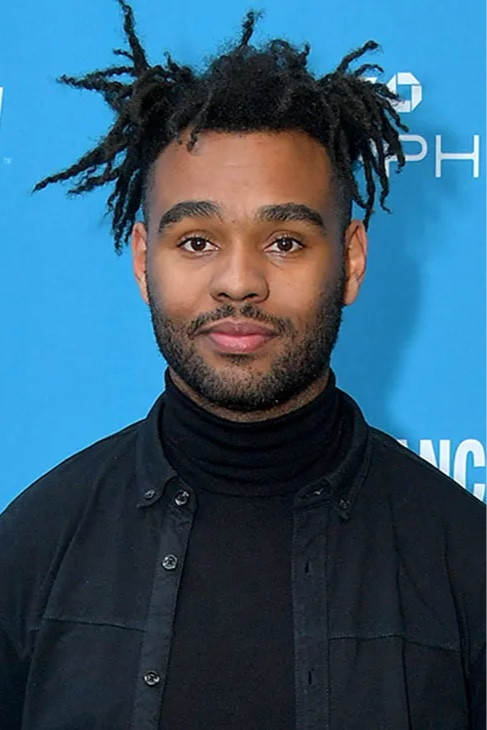
Directed the survival horror film ‘Sweetheart’. The movie centers on a woman stranded on a deserted island who discovers she is being hunted by a predatory sea creature. Most of the film features minimal dialogue and relies on the performance of the lead actress and atmospheric tension to drive the plot. Dillard creates a sense of isolation and constant peril as the protagonist struggles to stay alive each night. The film was praised for its clever use of limited resources and its effective creature design.
Justin Simien
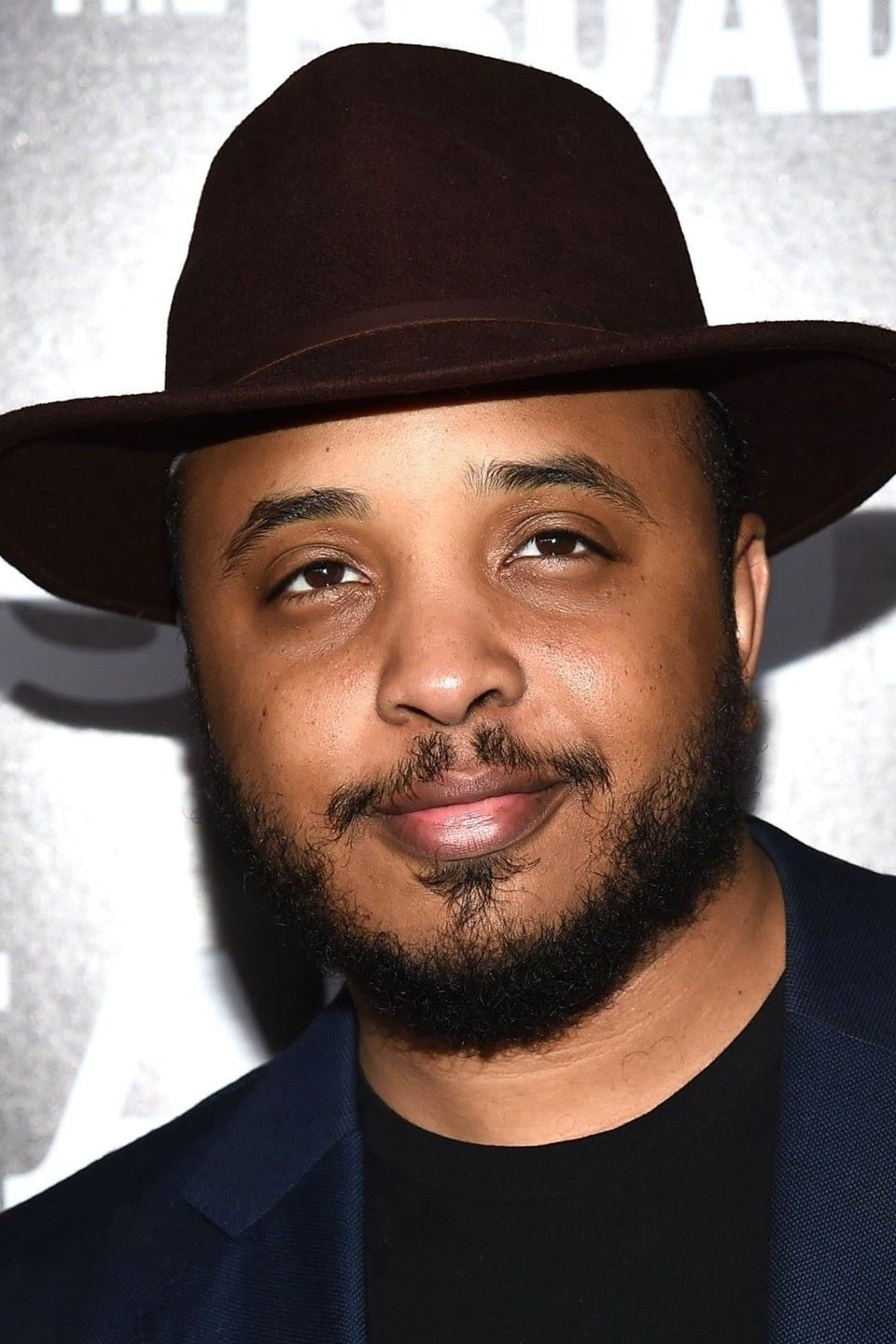
Directed the satirical horror film ‘Bad Hair’. Set in 1989 the story follows an ambitious young woman who gets a hair weave that turns out to have a mind of its own. The film uses body horror and supernatural elements to tell a story about the pressures of the entertainment industry. While it touches on social standards the primary focus is the terrifying and murderous nature of the hair itself. Simien blends campy horror with suspenseful sequences to create a unique modern fable.
Bill Gunn
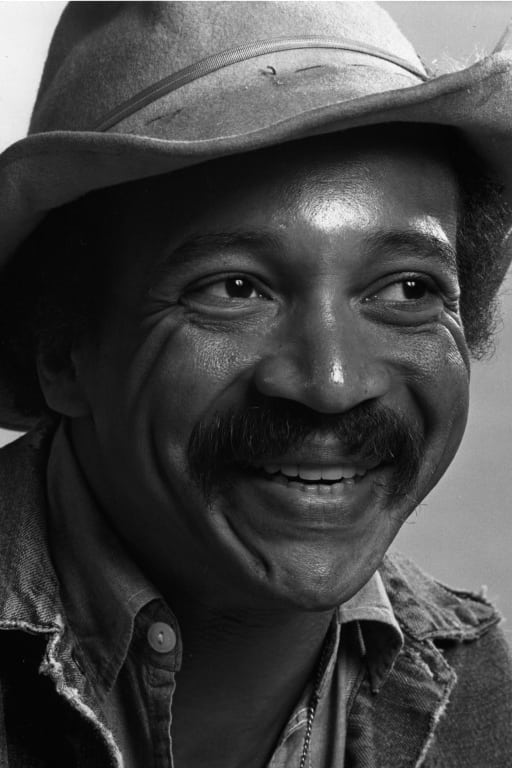
Directed the avant garde horror film ‘Ganja and Hess’. This movie offers a sophisticated and stylized take on the vampire mythos through the story of an anthropologist who becomes immortal. The narrative prioritizes mood and symbolism and philosophical questions over traditional jump scares or action. The direction of Gunn is noted for its dreamlike quality and its focus on the internal struggle of its main characters. The film has been recognized as a landmark of independent cinema and a pioneering work in experimental horror.
Deon Taylor
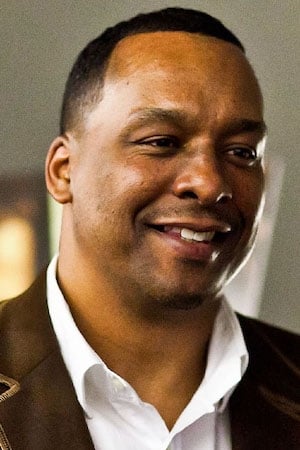
Directed ‘The Intruder’ and ‘Fear’. ‘The Intruder’ is a psychological thriller that follows a young couple who purchases a beautiful home only to be harassed by the previous owner. The film builds suspense through the escalating behavior of the antagonist and the vulnerability of the protagonists within their own space. In ‘Fear’ a group of friends on a weekend getaway finds their deepest phobias coming to life in a secluded lodge. Taylor focuses on claustrophobic settings and psychological tension to unsettle the audience.
Please share your thoughts on which Black horror directors have impressed you the most in the comments.