Games With Developers Whose Vision Changed Gaming Forever


Visionary developers have shaped the video game industry by pushing technical boundaries and reimagining interactive storytelling. These creators looked beyond the limitations of their hardware to deliver experiences that defined entire genres. Their specific artistic choices and design philosophies continue to influence how modern games are played and understood. The following titles represent pivotal moments where a singular creative vision altered the course of gaming history.
‘Super Mario Bros.’ (1985)
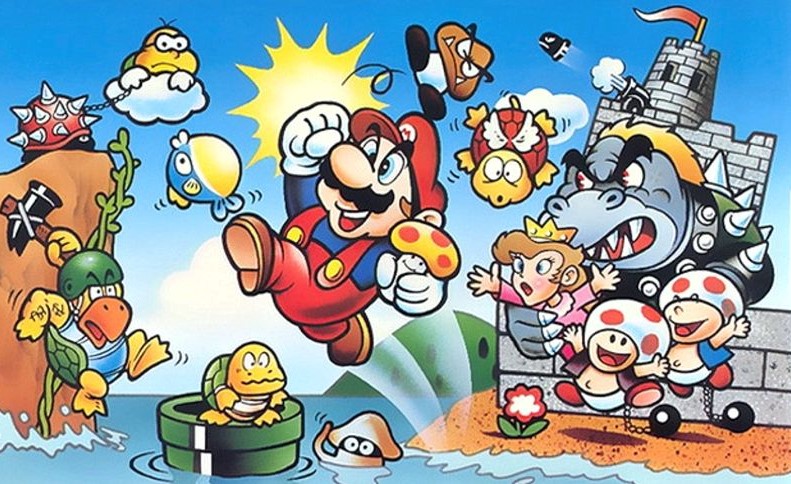
Shigeru Miyamoto rescued the video game industry from its crash by establishing the fundamental rules of the side-scrolling platformer. He emphasized precise controls and momentum that gave players a tangible sense of weight and physics. The level design taught players mechanics through gameplay rather than text tutorials. Hidden secrets and warp zones encouraged exploration beyond moving simply from left to right. This masterpiece set the standard for character movement and level progression for decades.
‘Metal Gear Solid’ (1998)
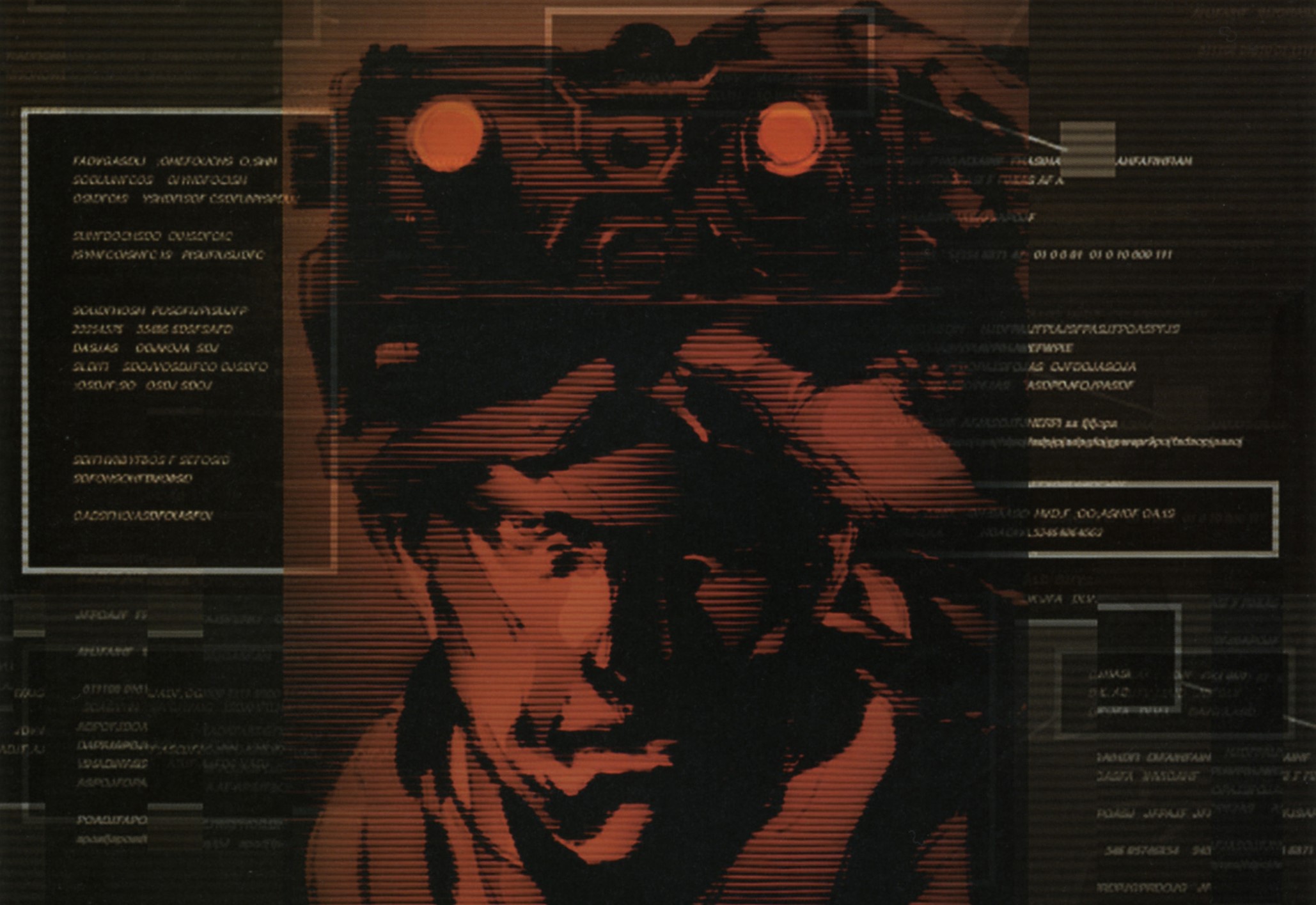
Hideo Kojima introduced the concept of cinematic stealth action to a global audience with this PlayStation classic. He prioritized avoidance and tactical espionage over direct combat engagements. The game utilized voice acting and scripted cutscenes that rivaled blockbuster films in their direction. Kojima implemented meta-narrative elements that required players to interact with the physical game case and controller ports. His work proved that video games could handle complex political themes and mature storytelling.
‘Doom’ (1993)
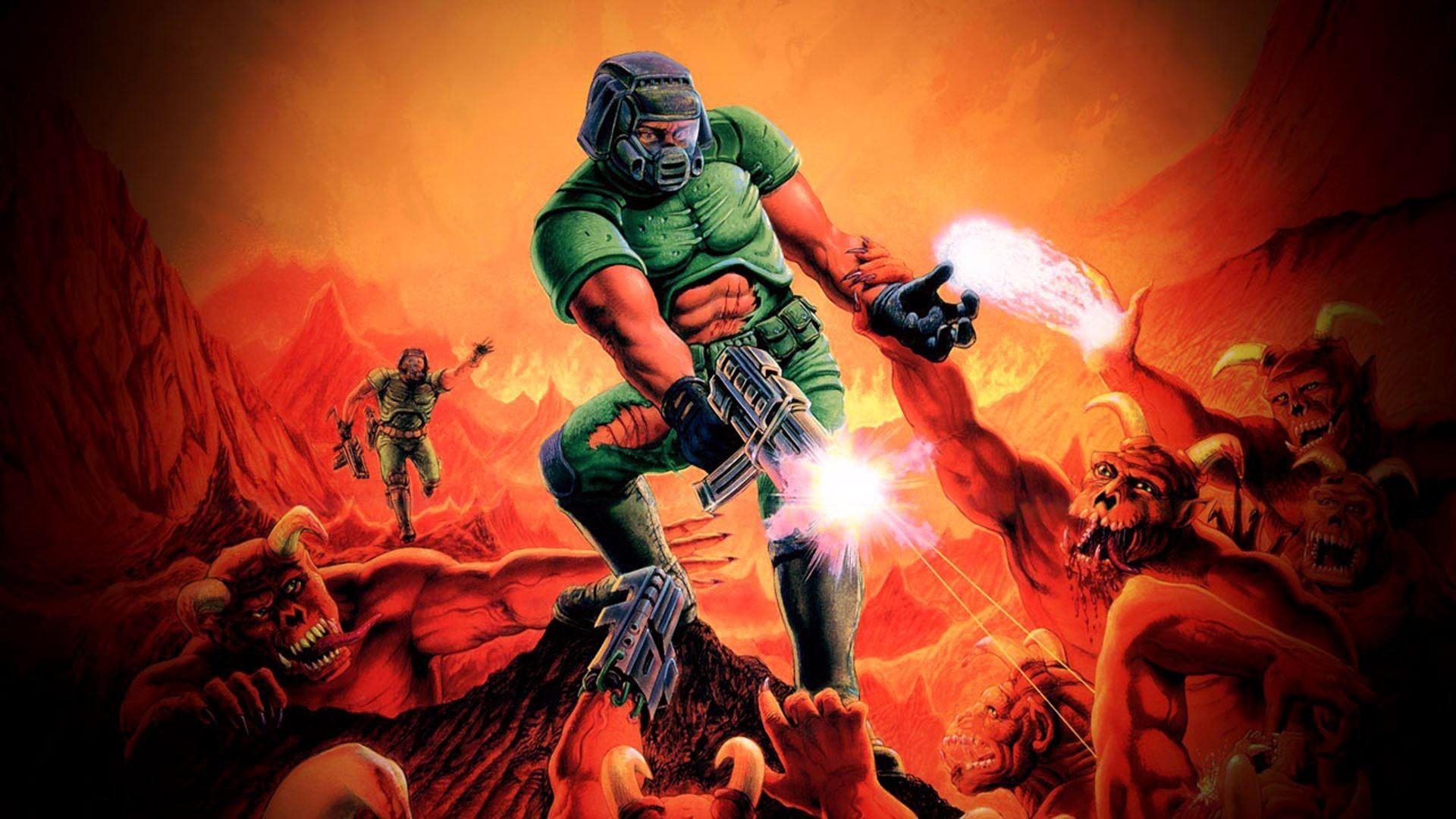
John Carmack and John Romero revolutionized the first-person shooter genre with this fast-paced release. The game utilized a pseudo-3D engine that allowed for unprecedented speed and dynamic lighting effects. Players navigate complex mazes while battling demonic forces with an arsenal of powerful weapons. Its shareware distribution model helped it reach millions of computers and establish the concept of deathmatch multiplayer. This title cemented the first-person perspective as a dominant force in the industry.
‘The Sims’ (2000)
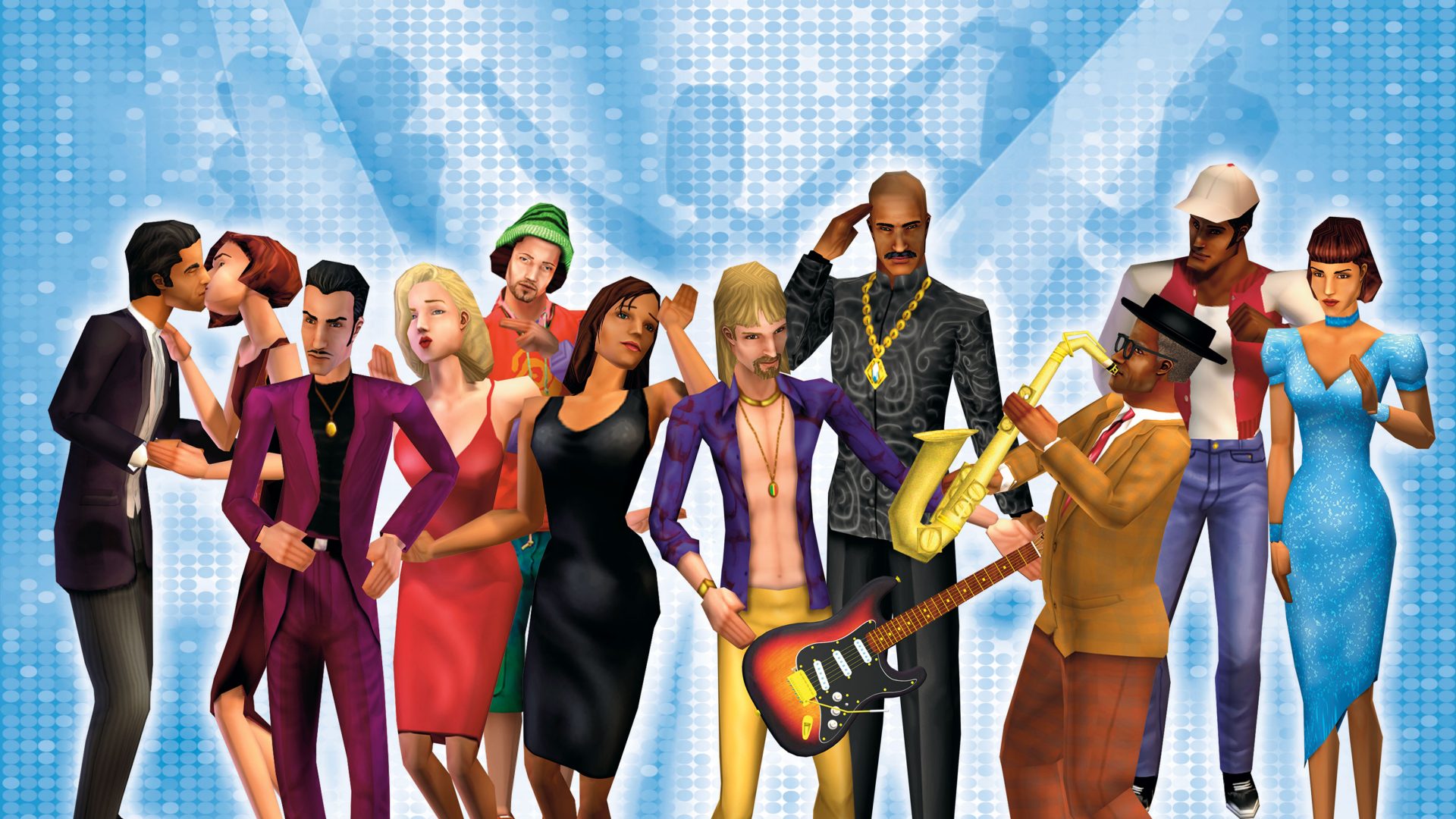
Will Wright shifted the focus of simulation games from managing cities to managing the mundane lives of individuals. The game allows players to build homes and dictate the social and career paths of virtual people. It introduced an open-ended gameplay loop without a traditional winning condition. Wright proved that everyday life could be just as compelling as fantasy or science fiction settings. This title expanded the gaming demographic significantly by appealing to casual players.
‘Dark Souls’ (2011)
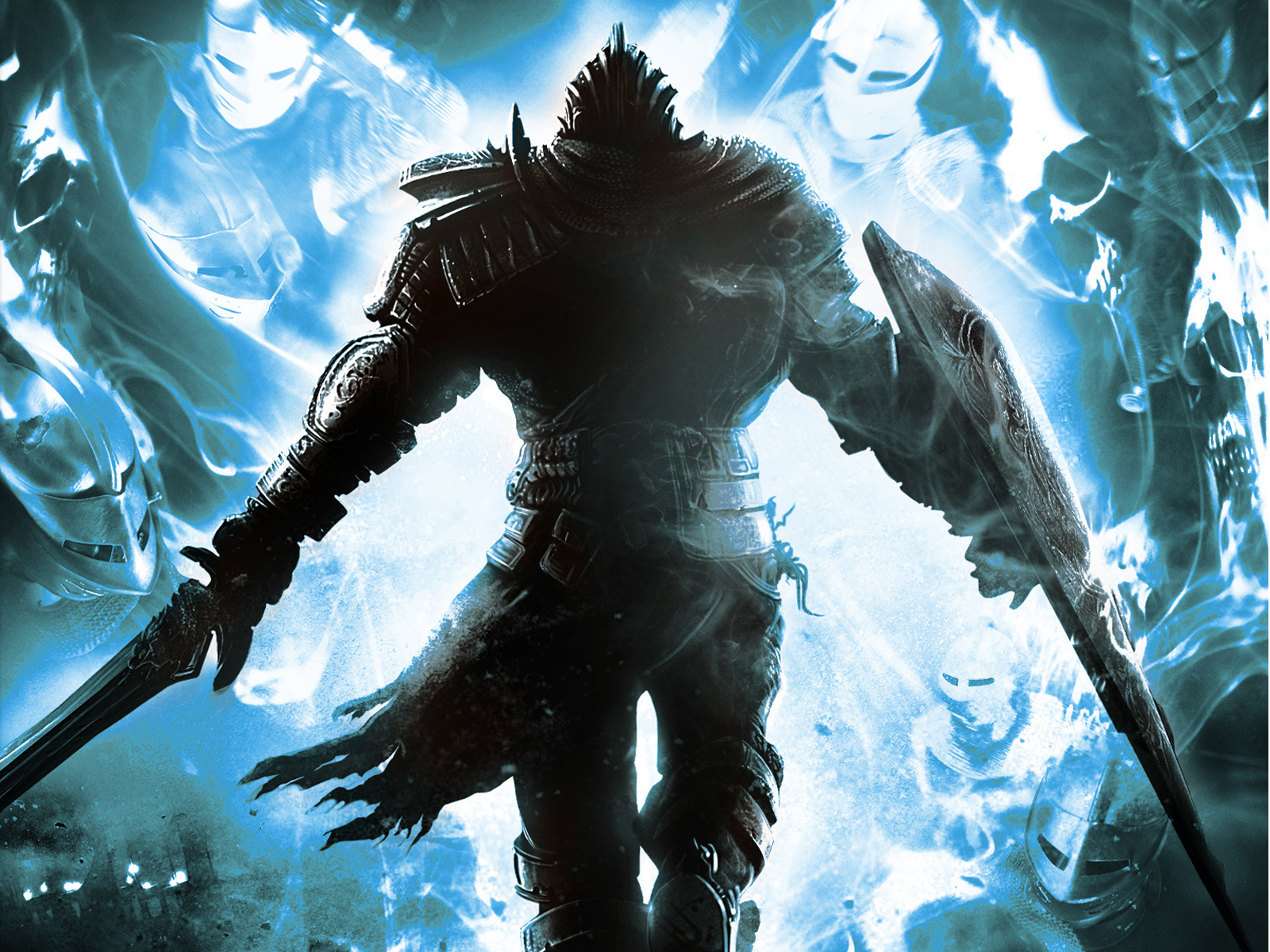
Hidetaka Miyazaki challenged the industry trend of hand-holding by creating an experience defined by its punishing difficulty and obscure lore. The game employs environmental storytelling where players must piece together the narrative through item descriptions and world design. Its combat requires patience and observation rather than rapid button mashing. The interconnected world map offers a sense of discovery that few other games achieve. Miyazaki spawned an entire subgenre of action RPGs known for their challenge and atmosphere.
‘Minecraft’ (2011)

Markus Persson created a global phenomenon by giving players absolute creative freedom in a procedurally generated voxel world. The game lacks a linear story and instead encourages users to mine resources and build structures of their own design. Its survival mode introduced mechanics that balanced creativity with resource management and danger. The title demonstrated the power of early access development and community feedback. It remains the ultimate sandbox experience that empowers player agency above all else.
‘Final Fantasy’ (1987)

Hironobu Sakaguchi saved Square from bankruptcy by creating a role-playing game with a rich narrative and cinematic presentation. He introduced a class change system that allowed for deep party customization and strategic combat. The game featured an expansive world map and a story involving time loops and elemental crystals. Sakaguchi emphasized emotional storytelling and musical scores that became staples of the genre. His vision paved the way for JRPGs to become a dominant storytelling medium.
‘Half-Life’ (1998)
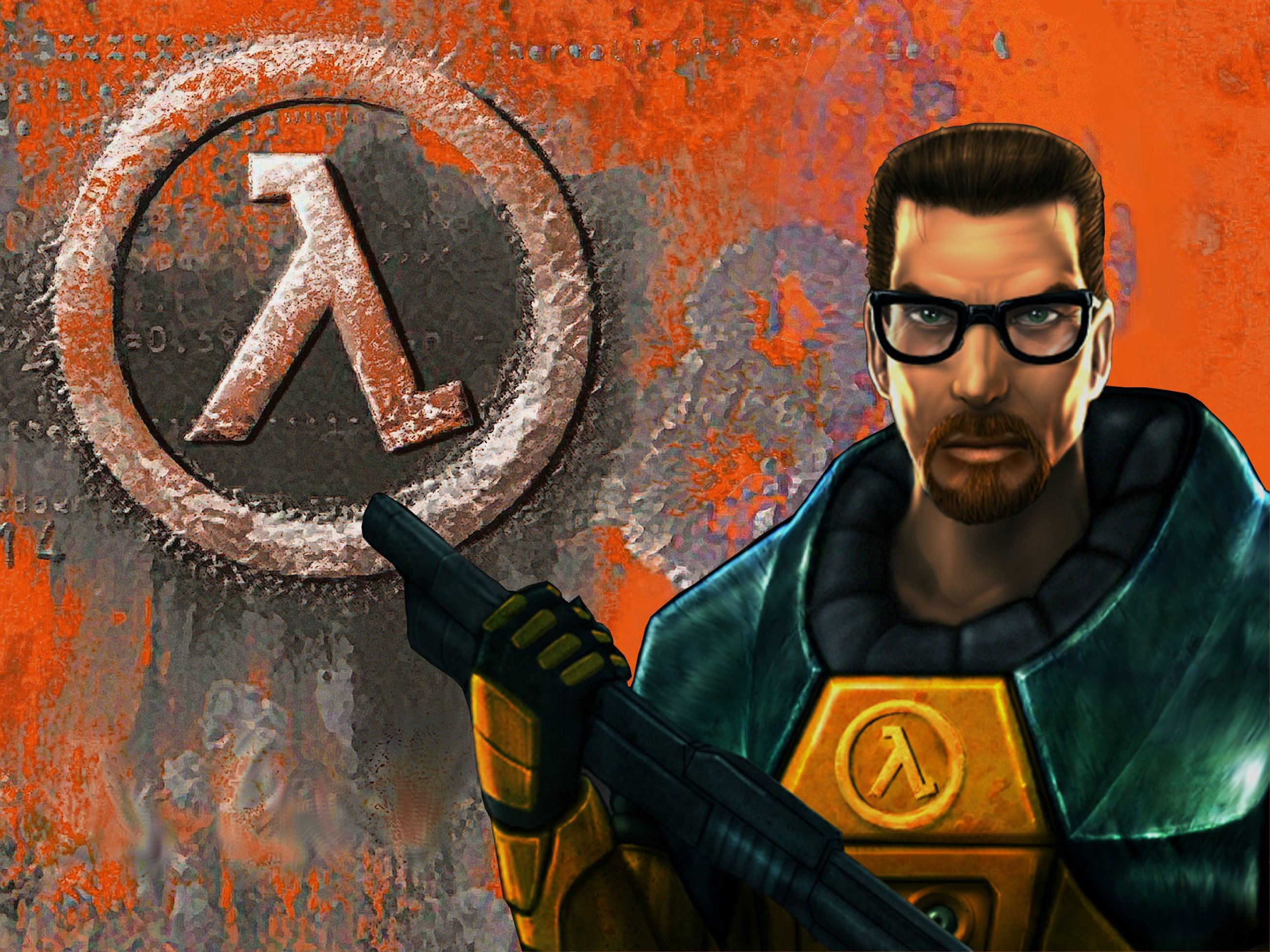
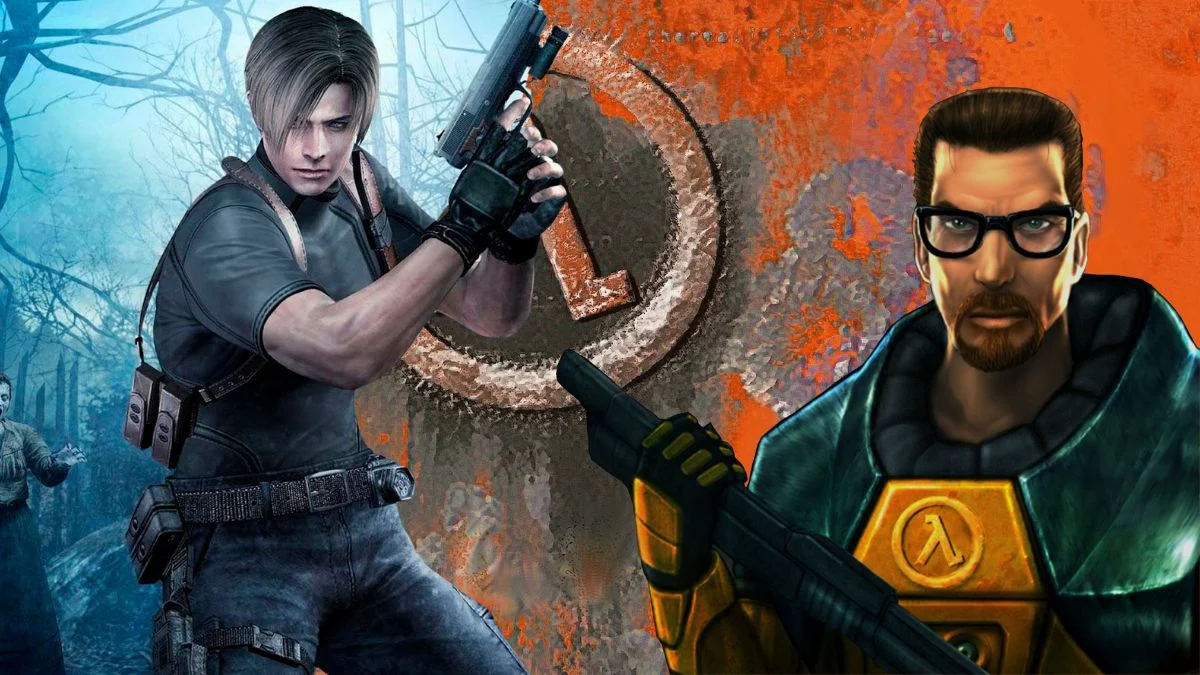
Gabe Newell and Valve Software redefined the first-person shooter by integrating the narrative directly into the gameplay without cutscenes. Players experience the entire alien invasion through the eyes of protagonist Gordon Freeman. The game features scripted events that happen in real-time around the player. Advanced enemy artificial intelligence forces players to think tactically during firefights. This approach created an unbroken immersive experience that changed how stories were told in action games.
‘Grand Theft Auto III’ (2001)
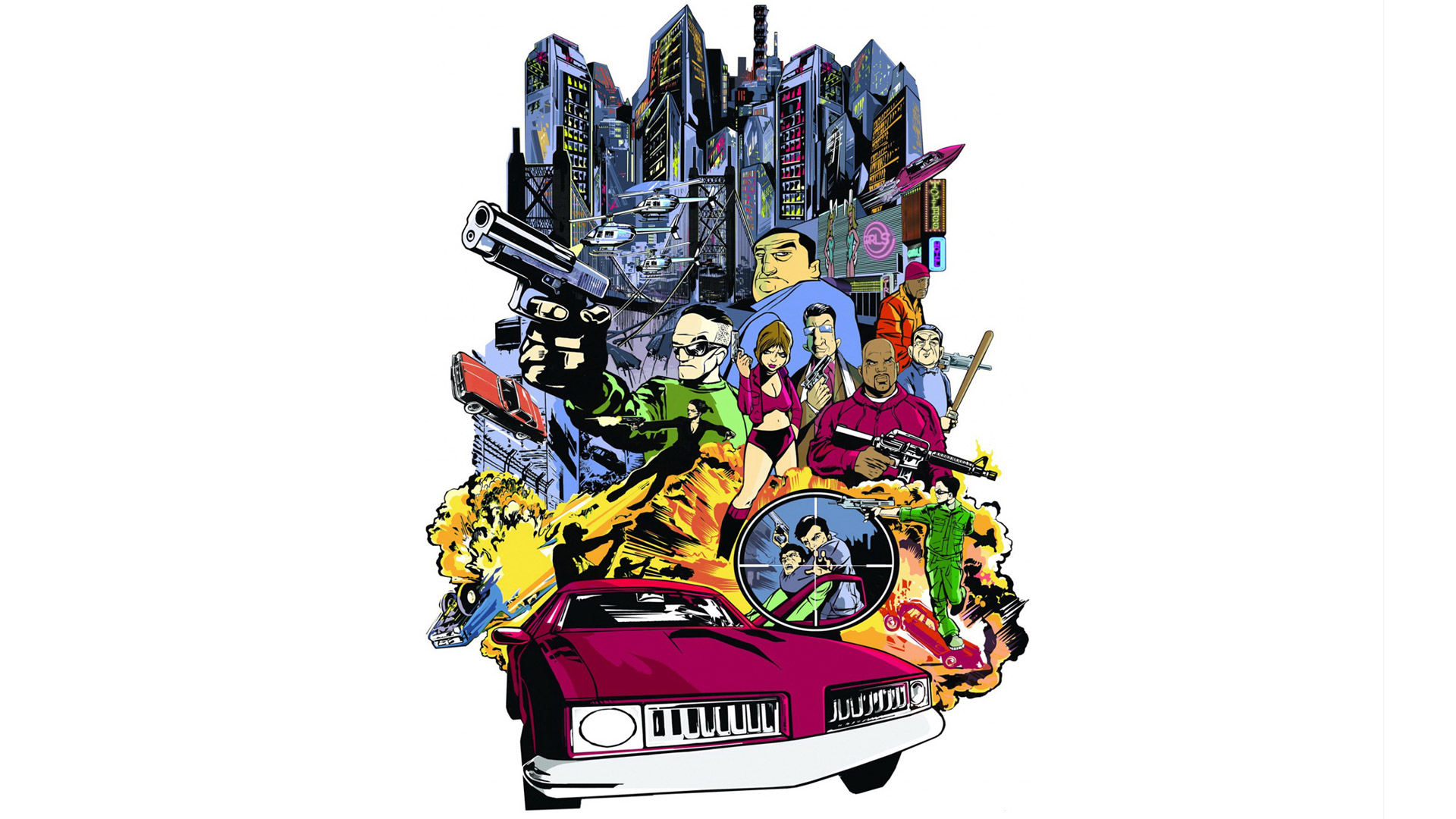
Sam and Dan Houser moved the open-world crime genre into a fully realized 3D city. The game grants players the freedom to hijack cars and explore Liberty City at their own pace. It combined third-person shooting with driving mechanics and a satirical narrative structure. The emergent gameplay allowed chaos to unfold organically outside of scripted missions. This title established the blueprint for the modern open-world sandbox genre.
‘Resident Evil 4’ (2005)
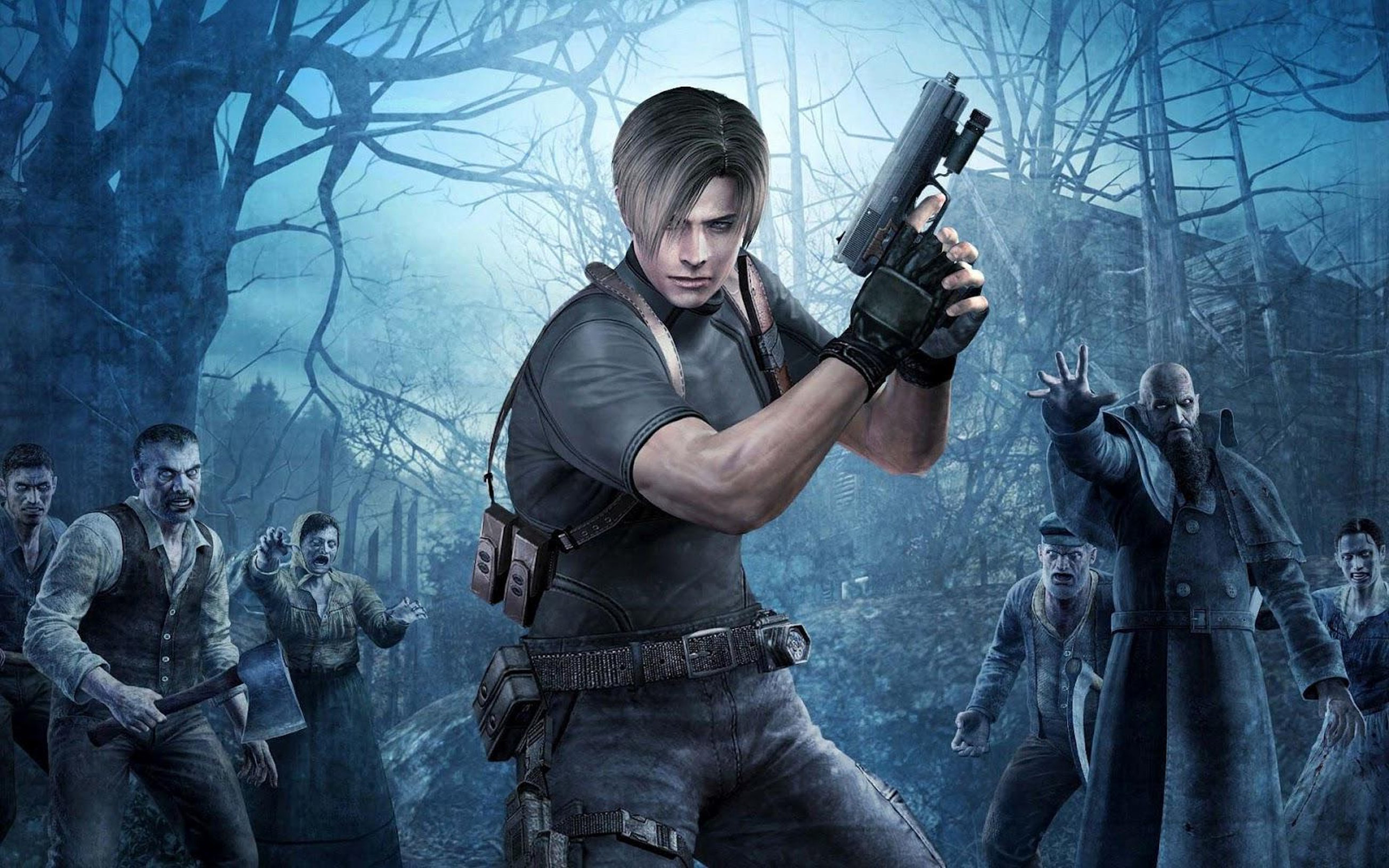
Shinji Mikami reinvented the survival horror genre by shifting the camera to an over-the-shoulder perspective. He replaced slow-moving zombies with intelligent enemies that could coordinate attacks and use weapons. The game balances action-heavy combat with tense resource management and inventory organization. This camera system became the industry standard for third-person shooters and action-adventure games. Mikami successfully modernized a stagnant franchise without losing its core identity.
‘Shenmue’ (1999)
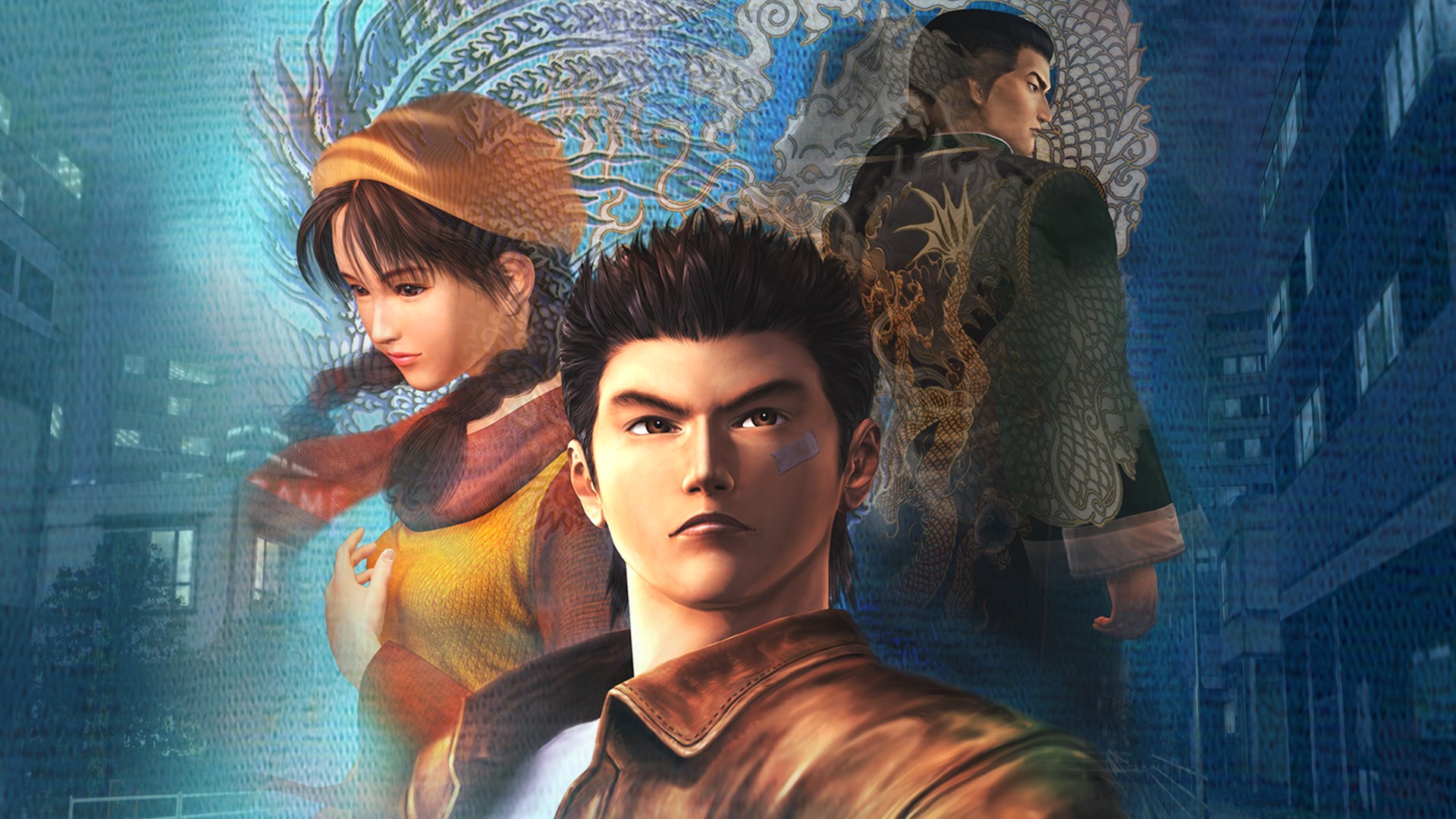
Yu Suzuki attempted to simulate reality with an unprecedented level of detail and interactivity. The game features a fully voiced cast and a living world where NPCs follow their own daily schedules. It introduced Quick Time Events as a way to merge cinematic sequences with interactive gameplay. The sheer ambition of its weather systems and interactive objects was years ahead of its time. Suzuki laid the groundwork for modern immersive open-world games.
‘Shadow of the Colossus’ (2005)
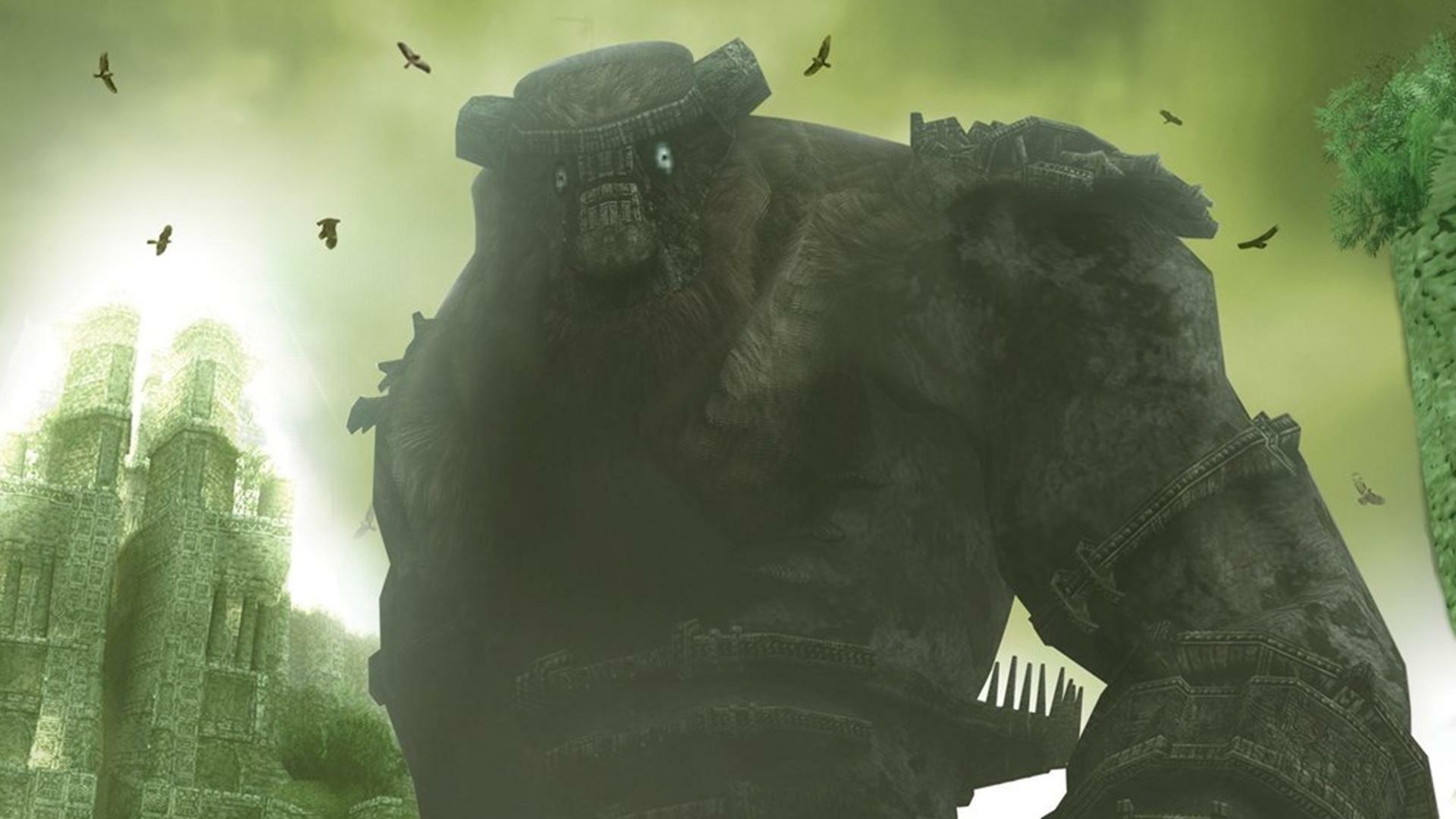
Fumito Ueda adopted a design philosophy of subtraction by removing standard enemies and dungeons to focus solely on boss battles. The game involves traveling across a vast and desolate landscape to defeat sixteen massive giants. It conveys a somber story through minimal dialogue and expressive animation. The mechanics of climbing the creatures turned the enemies themselves into platforming levels. Ueda proved that games could evoke deep emotional responses through isolation and atmosphere.
‘Deus Ex’ (2000)
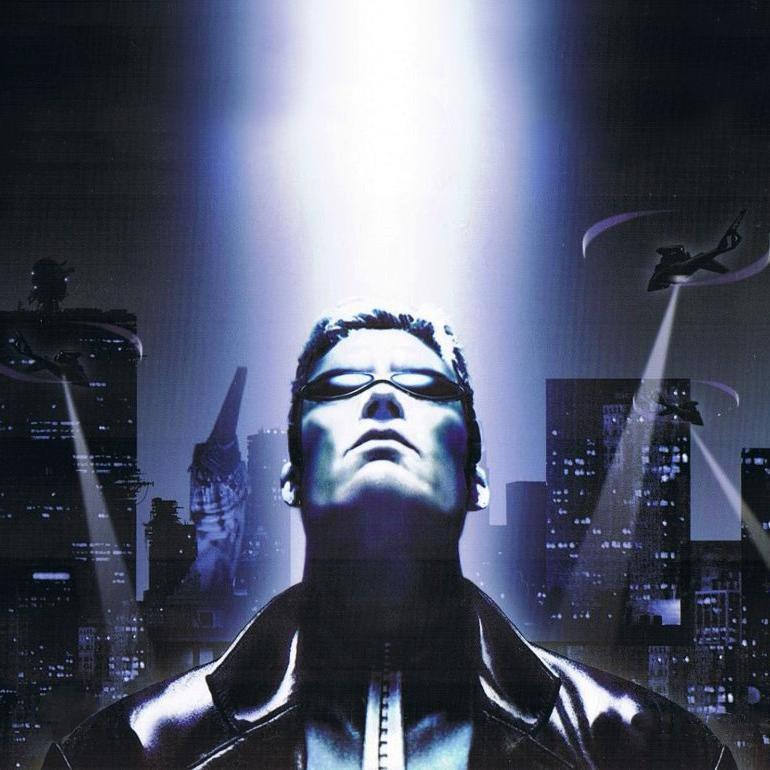
Warren Spector championed the immersive sim philosophy by giving players multiple ways to solve every problem. Players can choose to rely on stealth and hacking or combat and social manipulation to progress. The narrative reacts to these choices and alters the state of the world accordingly. Character customization allows for distinct playstyles that fundamentally change the gameplay experience. Spector created a reactive world that honors player agency and intelligence.
‘BioShock’ (2007)
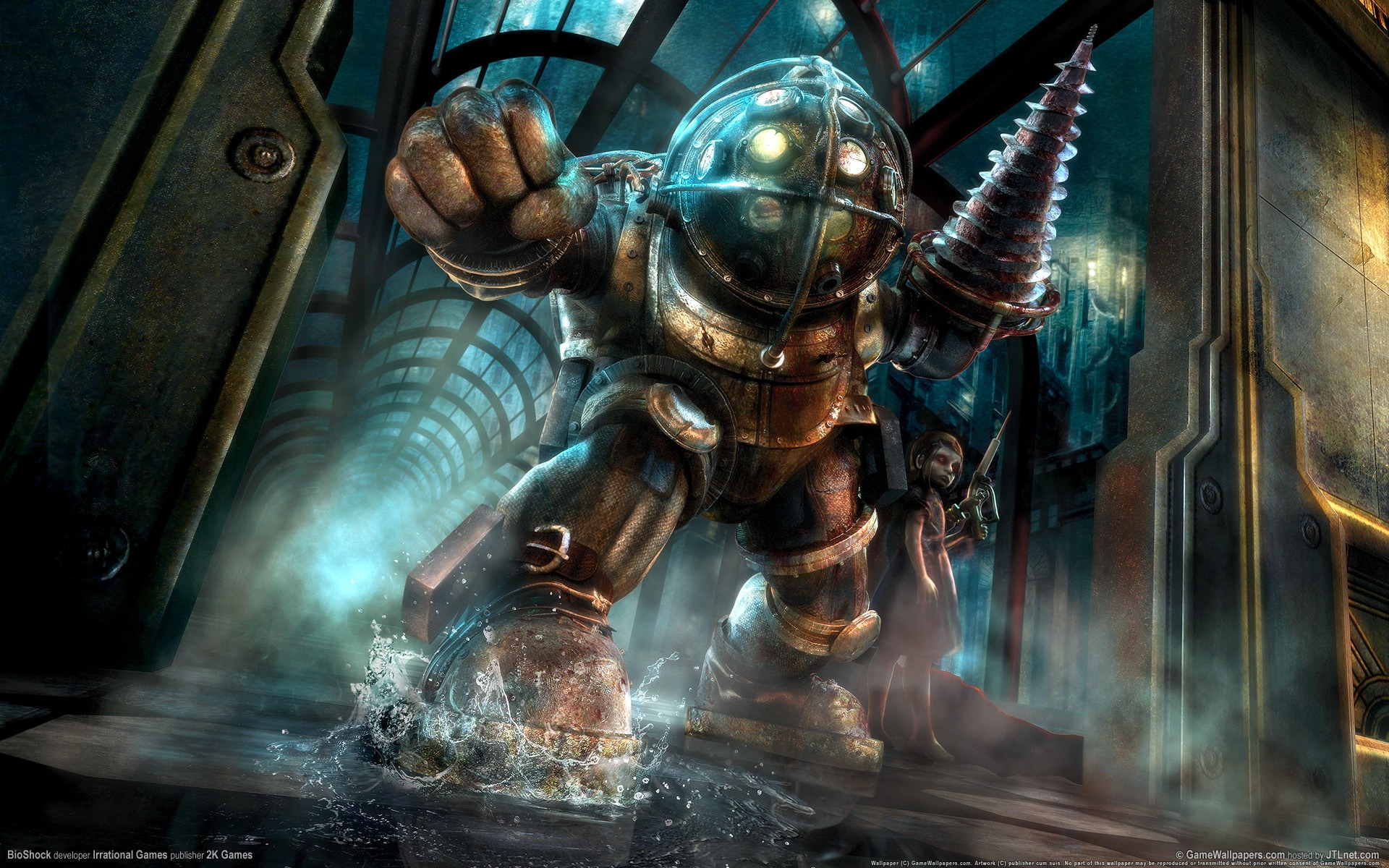
Ken Levine merged first-person shooter mechanics with a philosophical narrative exploring objectivism and free will. The underwater city of Rapture serves as a character itself with its ruined art deco architecture and environmental storytelling. Players wield genetic powers alongside conventional weapons to survive the dystopia. The game famously questions the nature of player control in linear video games. Levine demonstrated that shooters could deliver literary depth and social commentary.
‘Tetris’ (1984)

Alexey Pajitnov designed a puzzle game based on the simple concept of arranging falling geometric shapes. The game relies on spatial reasoning and quick reflexes as the speed increases. Its lack of characters or story makes it a purely mechanical experience that transcends language barriers. The “Tetris Effect” showed how gameplay loops could psychologically engage players for hours. It remains the perfect example of easy-to-learn but difficult-to-master design.
‘The Secret of Monkey Island’ (1990)
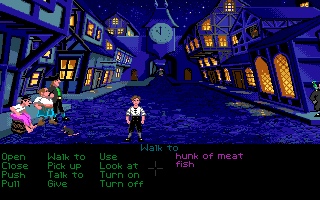
Ron Gilbert modernized the adventure game genre by removing dead-end states and player deaths. He focused on logical inventory puzzles and a dialogue system based on humor and insults. The SCUMM engine allowed for an intuitive point-and-click interface that replaced text parsers. Gilbert emphasized comedy and pirate tropes to create a memorable narrative world. His design philosophy made adventure games accessible to a much wider audience.
‘Braid’ (2008)
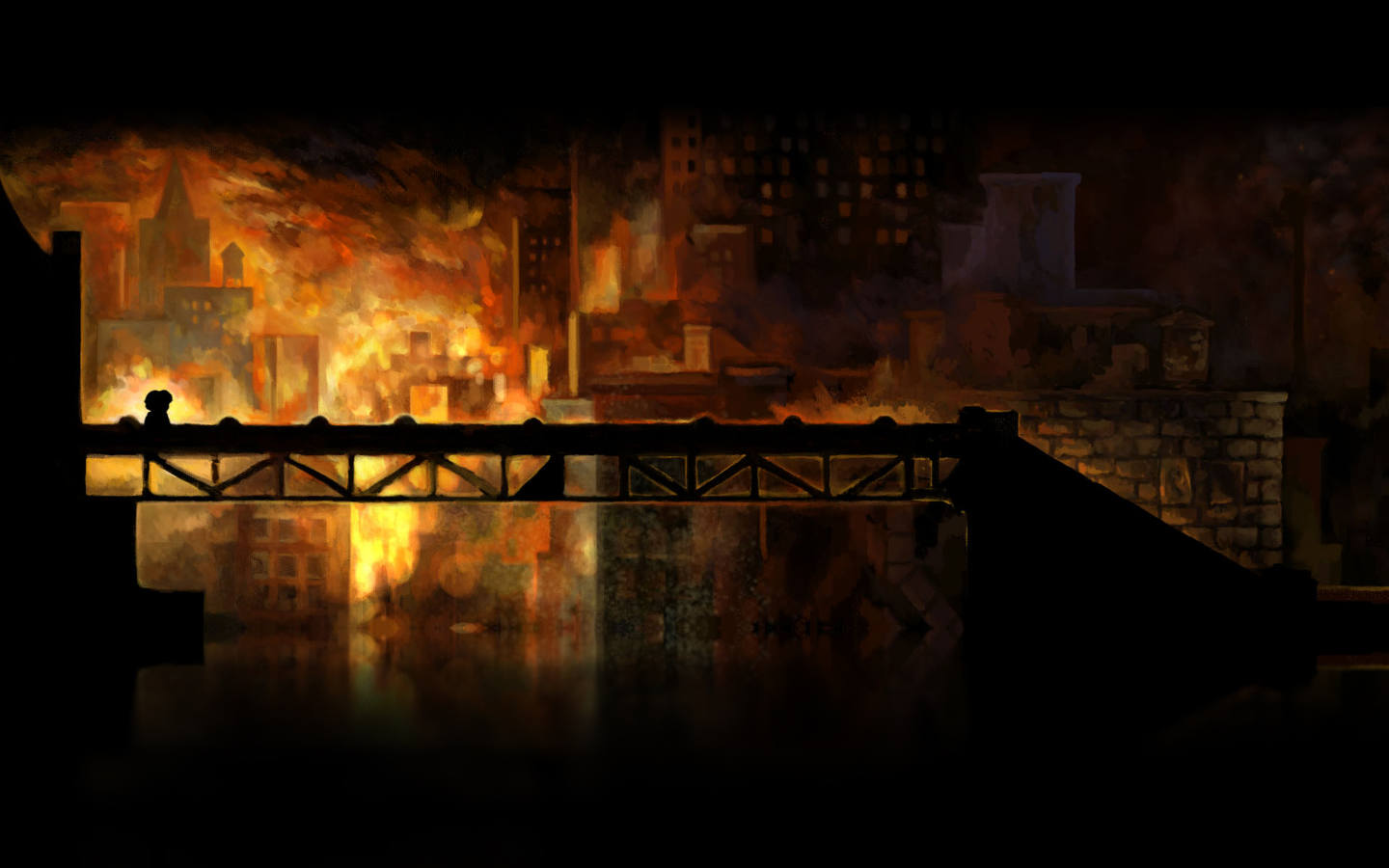
Jonathan Blow helped launch the indie game boom with this puzzle-platformer that manipulates time. Each world introduces a new time-bending mechanic that players must master to solve intricate puzzles. The game uses these mechanics to explore themes of regret and the inability to change the past. Its painterly art style and orchestral soundtrack elevated the presentation beyond typical download titles. Blow showed that small teams could create artistically significant and commercially successful games.
‘Ultima IV: Quest of the Avatar’ (1985)

Richard Garriott shifted the goal of role-playing games from killing a villain to achieving spiritual enlightenment. Players must adhere to eight virtues such as honesty and compassion throughout their journey. Unethical actions negatively impact the player’s progress and standing in the world. The game requires players to take notes and engage in conversation to solve mysteries. Garriott introduced a morality system that influenced narrative design in RPGs for decades.
‘Prince of Persia’ (1989)
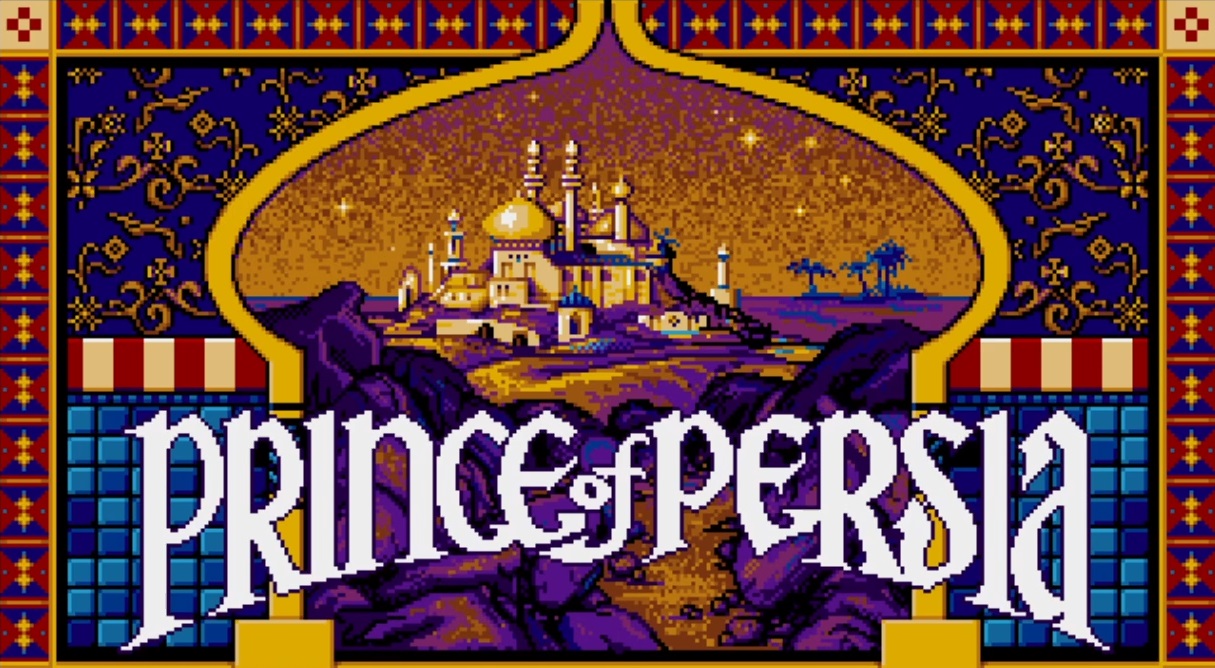
Jordan Mechner utilized rotoscoping techniques to give his protagonist lifelike animation and weight. The game combines precise platforming with sword fighting that feels rhythmic and tactical. Players have a strict one-hour time limit to complete the game which adds immense tension. The realistic movement required players to calculate jumps carefully rather than rely on air control. Mechner set a new bar for animation quality and cinematic presentation in platformers.
‘Castlevania: Symphony of the Night’ (1997)
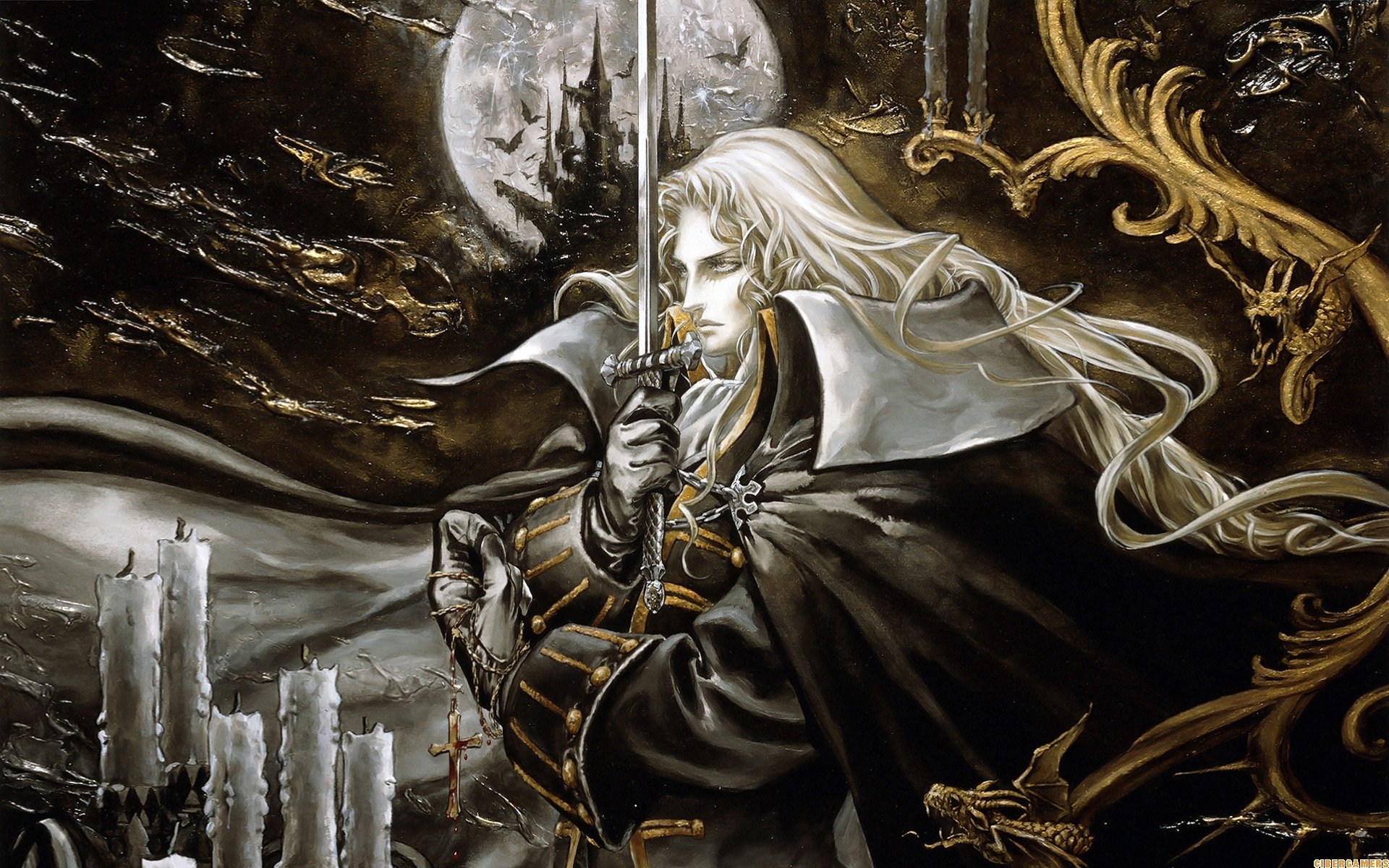
Koji Igarashi combined the action of platformers with the exploration and progression of RPGs. He introduced a massive interconnected castle map that unlocks as players gain new abilities. The game features an experience point system and equipment inventory that adds depth to the combat. This non-linear structure encouraged backtracking and discovery. Igarashi helped codify the Metroidvania genre which remains popular among indie developers today.
‘Pac-Man’ (1980)
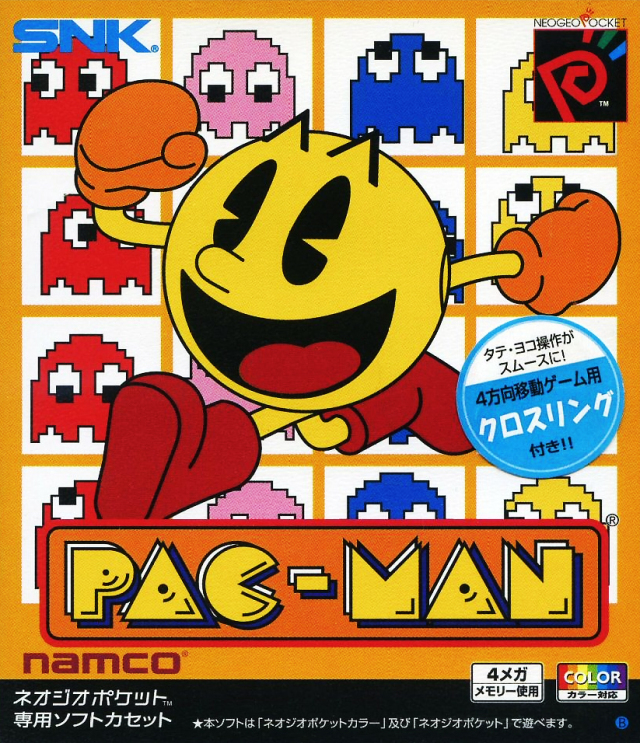
Toru Iwatani designed a game that appealed to a broad audience by avoiding violent war themes in favor of eating mechanics. He introduced distinct artificial intelligence behaviors for each of the four ghosts to create dynamic challenges. The inclusion of power pellets gave players a temporary moment of empowerment against their pursuers. Cutscenes between levels provided brief rewards for player progress. Iwatani created the first true mascot character in video game history.
‘Sonic the Hedgehog’ (1991)

Yuji Naka focused on speed and momentum to differentiate his platformer from the slower offerings on the market. The game utilizes loop-de-loops and slopes to showcase the processing power of the Genesis hardware. Sonic’s character design exuded an attitude that appealed to older children and teenagers. The gameplay rewards maintaining flow and memorizing level layouts. Naka established a legitimate rival to Nintendo’s dominance in the platforming genre.
‘Devil May Cry’ (2001)
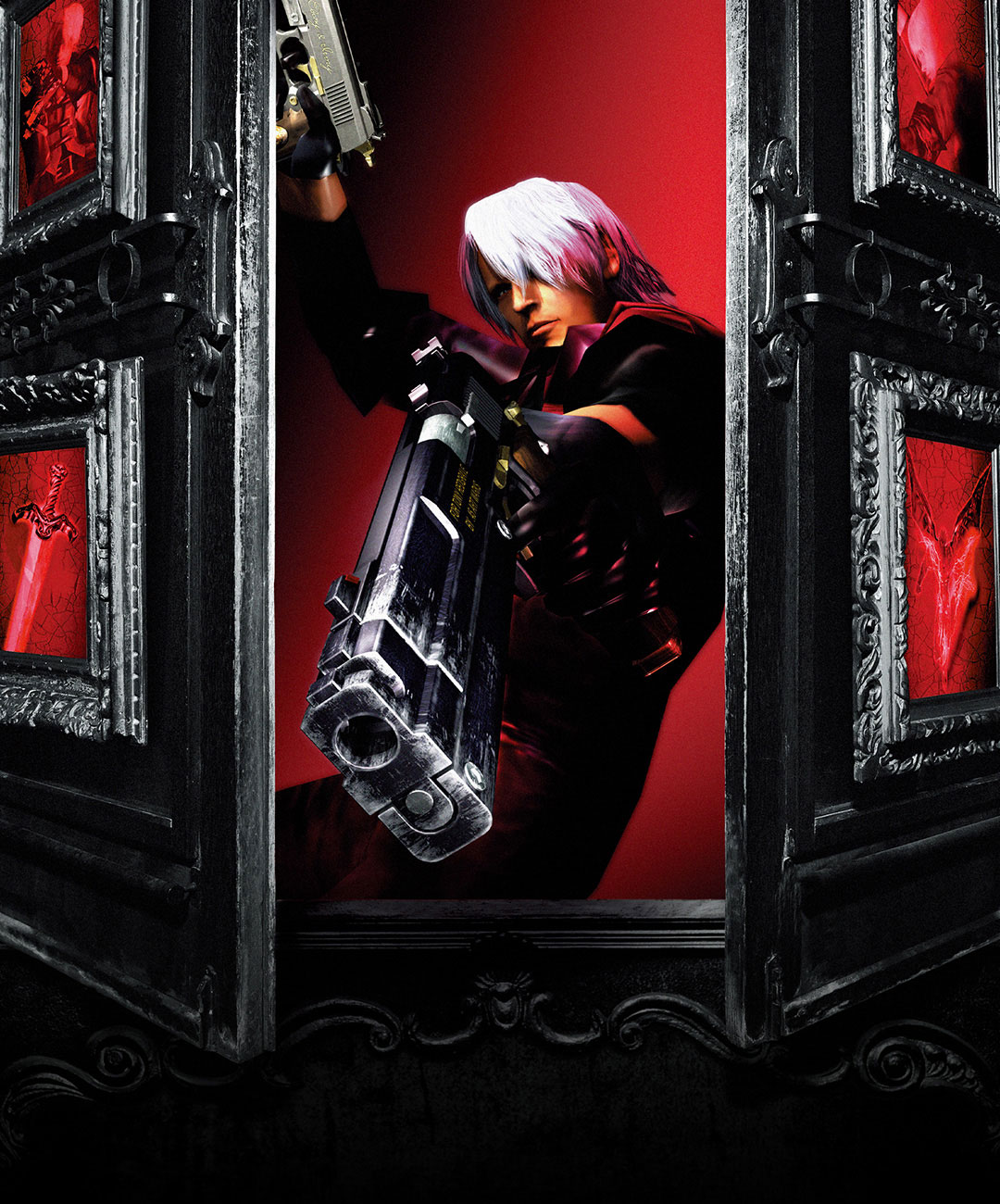
Hideki Kamiya created the stylish action genre by rewarding players for performing complex combos with flair. The game emphasizes juggling enemies in the air and switching between guns and swords fluidly. A grading system ranks player performance at the end of every mission. High-difficulty settings remix enemy placement to provide a fresh challenge for veterans. Kamiya turned combat into a form of self-expression and mastery.
‘Nier: Automata’ (2017)
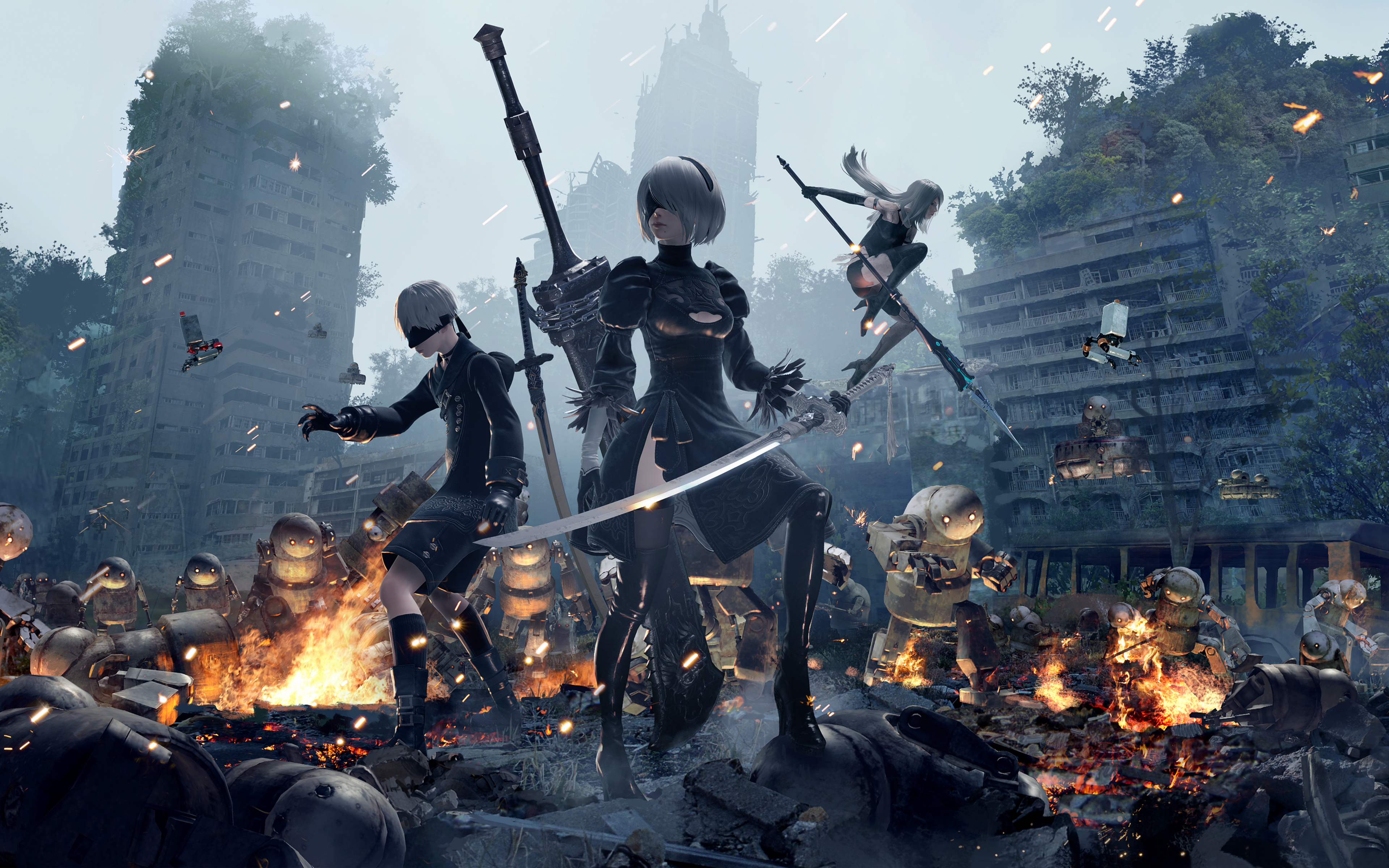
Yoko Taro blended bullet-hell mechanics with hack-and-slash combat within a somber post-apocalyptic story. The game requires multiple playthroughs to reveal different perspectives and the true ending. It shifts seamlessly between 3D action and 2D side-scrolling segments. Taro explores themes of existentialism and what it means to be human through android characters. His unique direction constantly subverts player expectations regarding game structure.
‘Journey’ (2012)
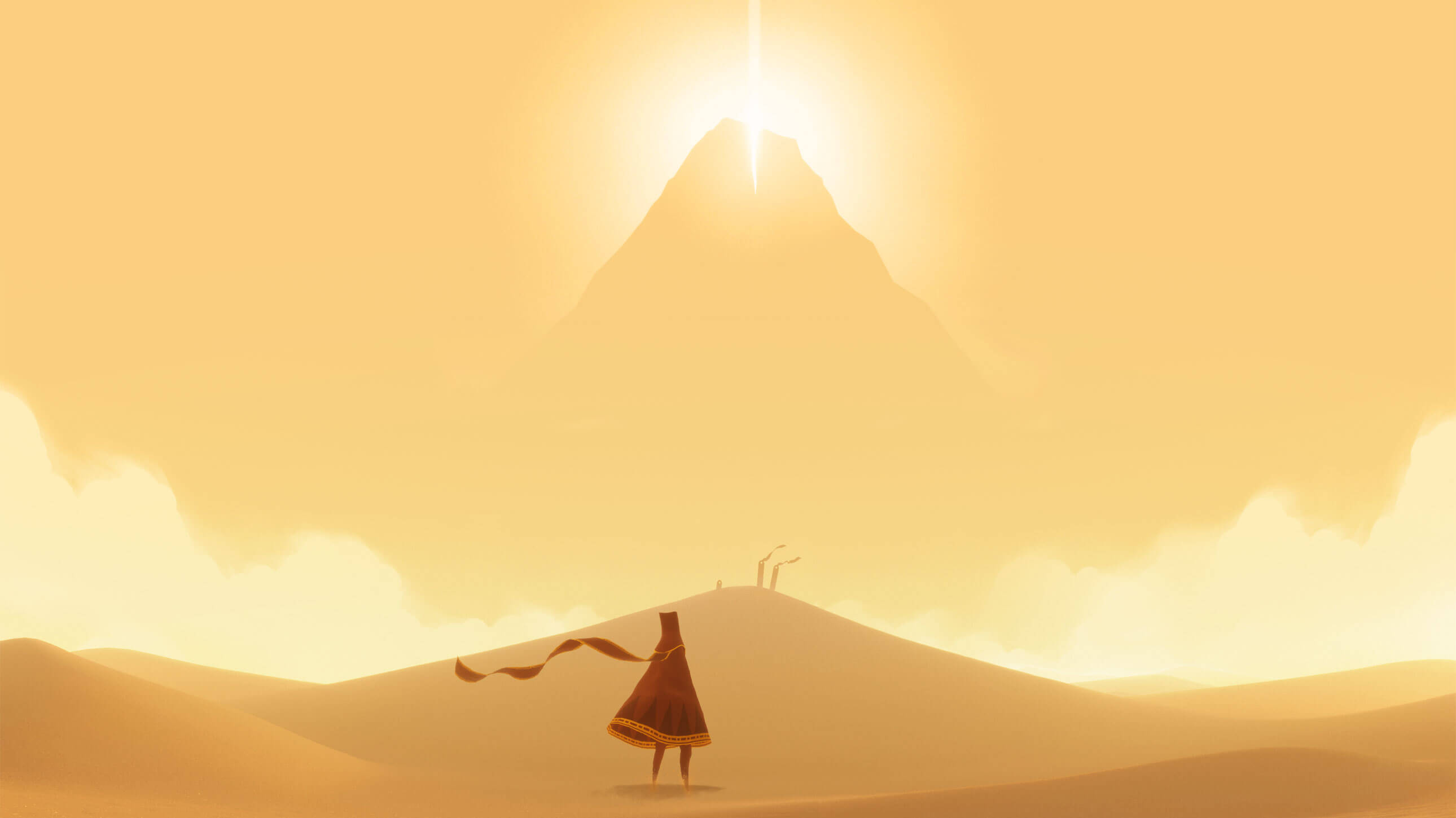
Jenova Chen stripped away voice chat and text to create a multiplayer experience based on anonymous cooperation. Players communicate only through musical chimes and movement. The game focuses on the emotional arc of traveling toward a distant mountain peak. Its visual design and fluid movement mechanics create a sense of awe and flow. Chen proved that online interactions could be positive and deeply emotional without words.
‘Max Payne’ (2001)

Sam Lake brought Hong Kong action cinema stylings to video games by implementing the bullet time mechanic. This feature allows players to slow down time to aim precisely while diving through the air. The narrative is delivered through graphic novel panels and hard-boiled noir voiceovers. The gritty atmosphere reflects the psychological state of the grieving protagonist. Lake created a perfect marriage of gameplay mechanics and narrative tone.
‘Pokémon Red and Blue’ (1996)

Satoshi Tajiri designed a social RPG based on his childhood hobby of collecting insects. The game requires players to trade with others to complete their collection of monsters. It features a deep rock-paper-scissors combat system hidden beneath a cute aesthetic. The portable nature of the Game Boy encouraged real-world interaction between players. Tajiri created a multimedia franchise that emphasized collection and community connection.
‘Mortal Kombat’ (1992)

Ed Boon and John Tobias utilized digitized sprites to create a fighting game with a gritty and realistic aesthetic. They included extreme violence and “Fatality” finishing moves that sparked congressional hearings on video games. The game introduced a block button and juggles that changed fighting game defensive tactics. Its controversy led directly to the creation of the ESRB rating system. Boon and Tobias proved that games could cater explicitly to mature audiences.
‘The Binding of Isaac’ (2011)

Edmund McMillen revitalized the roguelike genre by combining it with twin-stick shooter mechanics and grotesque imagery. The game features procedurally generated dungeons that ensure no two runs are ever the same. Hundreds of item combinations allow for emergent synergies that can break the game in fun ways. Its dark themes deal with religious trauma and childhood abuse. McMillen demonstrated that difficult and randomized gameplay loops could be massively addictive.
‘Papers, Please’ (2013)

Lucas Pope turned the mundane task of border control into a tense thriller about morality and bureaucracy. Players must inspect documents against a ticking clock to earn money for their family’s survival. The game forces players to choose between doing their job correctly or helping desperate refugees. Visual storytelling is achieved through the clutter of paperwork on a small desk. Pope showed that empathy could be induced through stress and repetitive labor.
‘Undertale’ (2015)

Toby Fox subverted RPG tropes by allowing players to complete the entire game without killing a single enemy. The combat system combines turn-based menu selection with bullet-hell dodging mini-games. Characters remember player actions across different save files and resets. The writing deconstructs the player’s violent tendencies in traditional video games. Fox created a cult classic that questions the morality of the completionist mindset.
‘Gran Turismo’ (1997)

Kazunori Yamauchi pursued obsessive realism in driving physics and vehicle modeling. The game features hundreds of licensed cars that handle differently based on their real-world specifications. It requires players to earn licenses to progress to faster and more difficult racing tiers. The simulation aspect focuses on tuning and upgrading parts to shave seconds off lap times. Yamauchi legitimized the racing simulator as a serious genre for automotive enthusiasts.
‘Populous’ (1989)
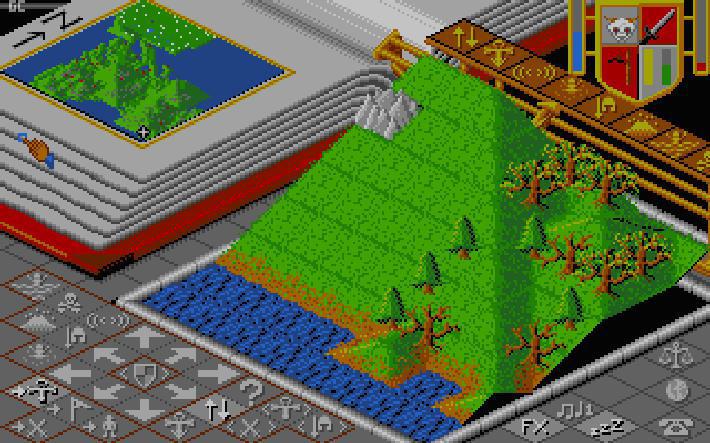
Peter Molyneux invented the god game genre by giving players control over the environment rather than a specific character. Players reshape the land to help their followers settle and grow in power. The game operates in real-time and requires managing the divine intervention mana pool. It grants a sense of omnipotence that was unique at the time. Molyneux established the foundations for real-time strategy and simulation games.
‘Psychonauts’ (2005)
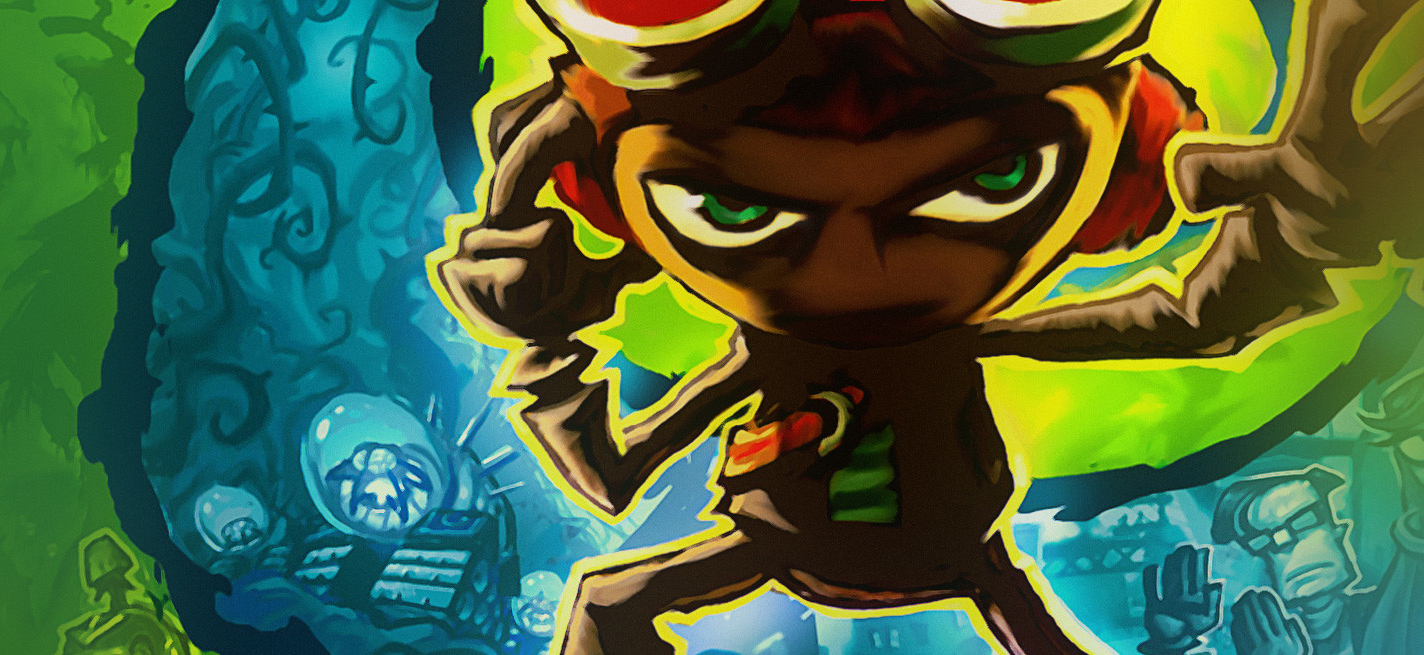
Tim Schafer designed a platformer where the levels take place inside the minds of eccentric characters. Each world visually represents the psyche and mental struggles of the person the player is inhabiting. The writing blends bizarre humor with genuine emotional moments. Diverse powers like telekinesis and levitation are used for both combat and puzzle solving. Schafer showcased how level design could be used for deep character development.
‘Uncharted 2: Among Thieves’ (2009)
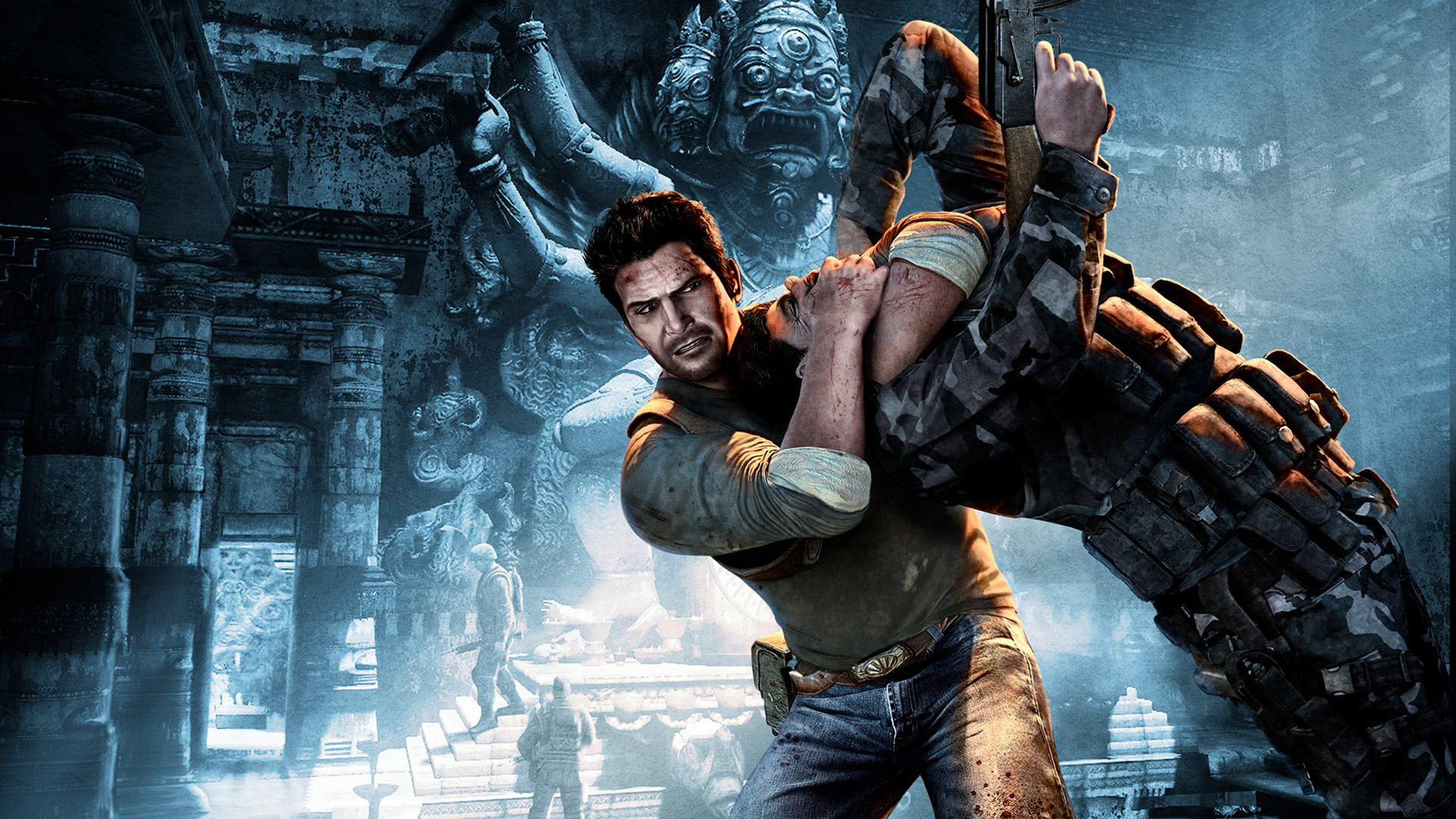
Amy Hennig perfected the cinematic action-adventure by blending seamless traversal with high-stakes set pieces. The game features witty dialogue and character dynamics that mirror high-budget adventure films. Gameplay transitions smoothly between climbing, shooting, and puzzle-solving without loading screens. The “active cinematic experience” ensures players are in control even during explosive moments. Hennig raised the bar for writing and performance capture in gaming.
‘The Elder Scrolls V: Skyrim’ (2011)

Todd Howard directed an open-world RPG that prioritized player freedom and world density above all else. Players can ignore the main quest entirely to explore dungeons, craft items, or join various guilds. The “Radiant AI” system generates infinite quests to keep the player engaged indefinitely. Its skill system improves abilities through use rather than menu distribution. Howard created a world so immersive that players continue to explore it more than a decade later.
‘Super Smash Bros.’ (1999)
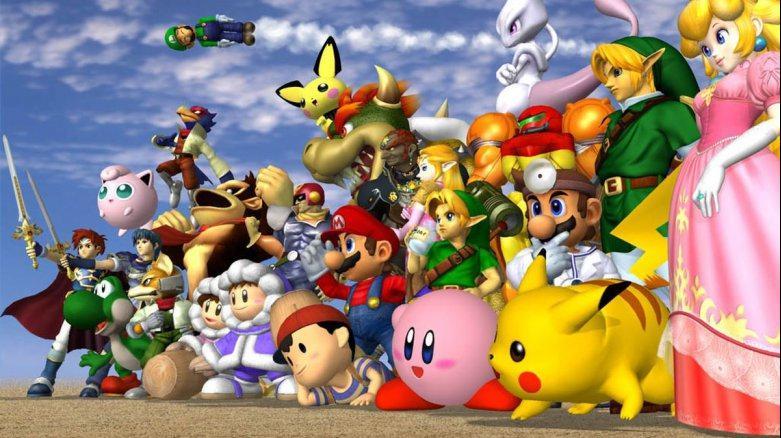
Masahiro Sakurai reimagined the fighting game as a celebration of gaming history with accessible mechanics. He replaced health bars with a percentage system where the goal is to knock opponents off the stage. The game simplifies inputs to make special moves easy to perform for beginners. Items and dynamic stages add a layer of unpredictability to the matches. Sakurai created a party game that retains enough depth for competitive tournament play.
‘God of War’ (2018)
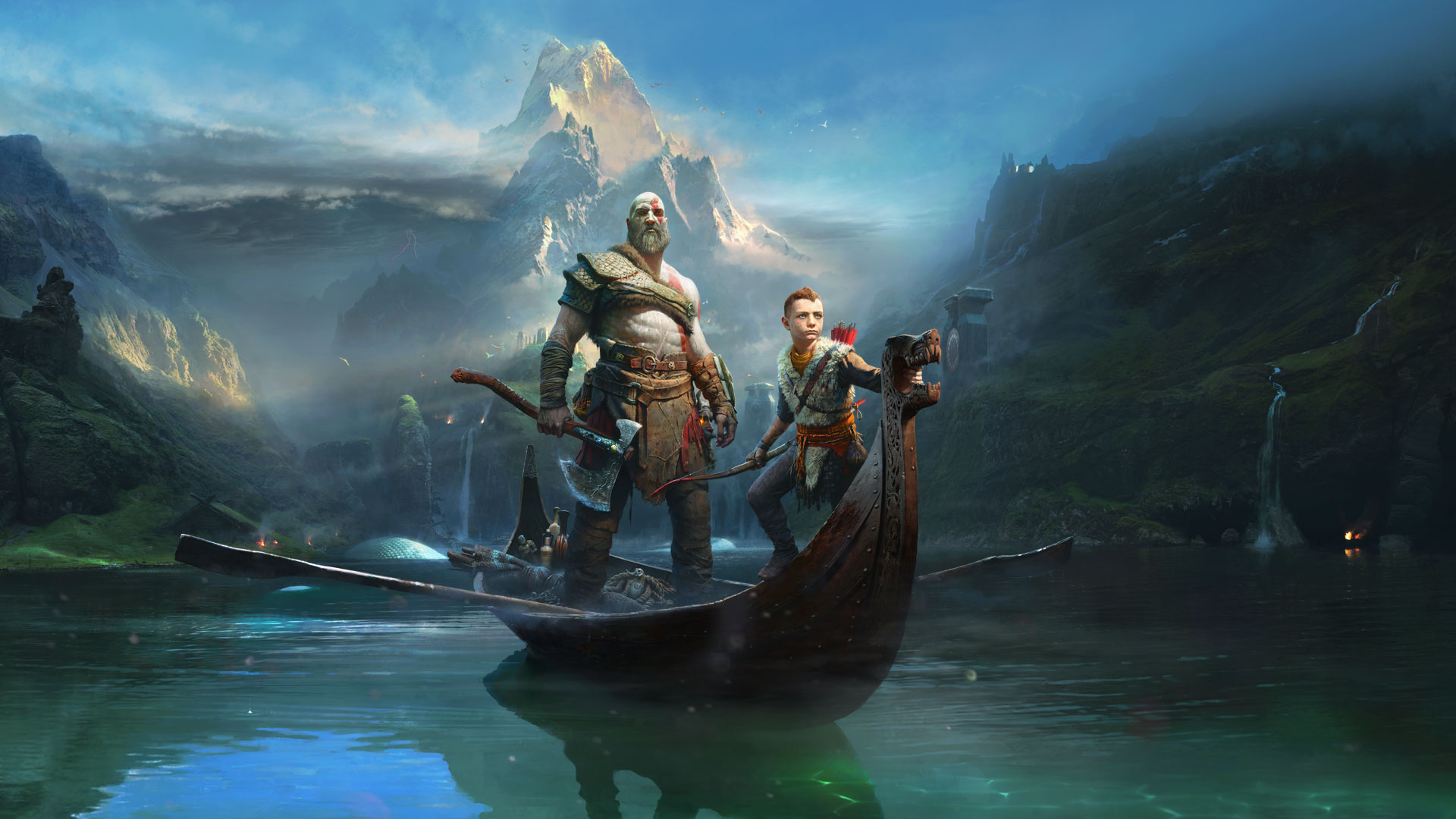
Cory Barlog reinvented a classic action franchise by using a continuous single-shot camera technique without cuts. This perspective keeps the player intimately connected to the protagonist Kratos and his son Atreus. The combat shifted to a more grounded and tactical style compared to the original games. The narrative deconstructs the toxic masculinity of the character’s past. Barlog successfully matured a franchise known for excess into an emotional father-son drama.
‘The Last of Us’ (2013)
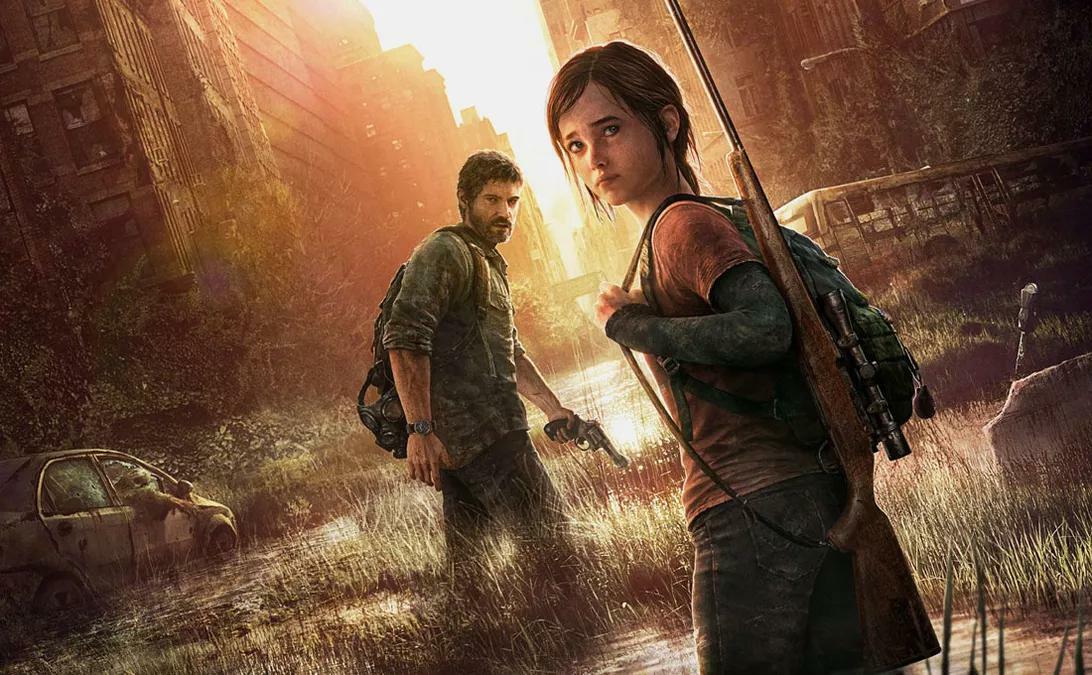
Neil Druckmann focused on the relationship between two survivors to tell a harrowing story of love and loss. The gameplay forces players to scavenge for scarce resources and engage in desperate struggles for survival. Combat is brutal and unglamorous to reflect the reality of the post-apocalyptic setting. The ending challenged players with a morally ambiguous choice that sparked years of debate. Druckmann pushed the medium forward as a vehicle for serious dramatic storytelling.
‘No More Heroes’ (2007)

Goichi Suda, known as Suda51, infused punk rock aesthetics and otaku culture into a violent action game. The game satirizes the open-world genre with a barren city and mundane side jobs like mowing lawns. Combat uses motion controls to deliver visceral finishing blows with a beam katana. The narrative breaks the fourth wall and mocks the player’s desire for violence. Suda51 demonstrated that games could be trashy, artistic, and satirical all at once.
‘Heavy Rain’ (2010)

David Cage focused on interactive drama where the story continues even if main characters die. The gameplay consists primarily of quick-time events and dialogue choices that shape the narrative branch. It utilizes advanced facial motion capture to convey subtle emotions. The plot centers on a serial killer mystery played from four different perspectives. Cage blurred the line between video games and interactive cinema.
‘Kingdom Hearts’ (2002)
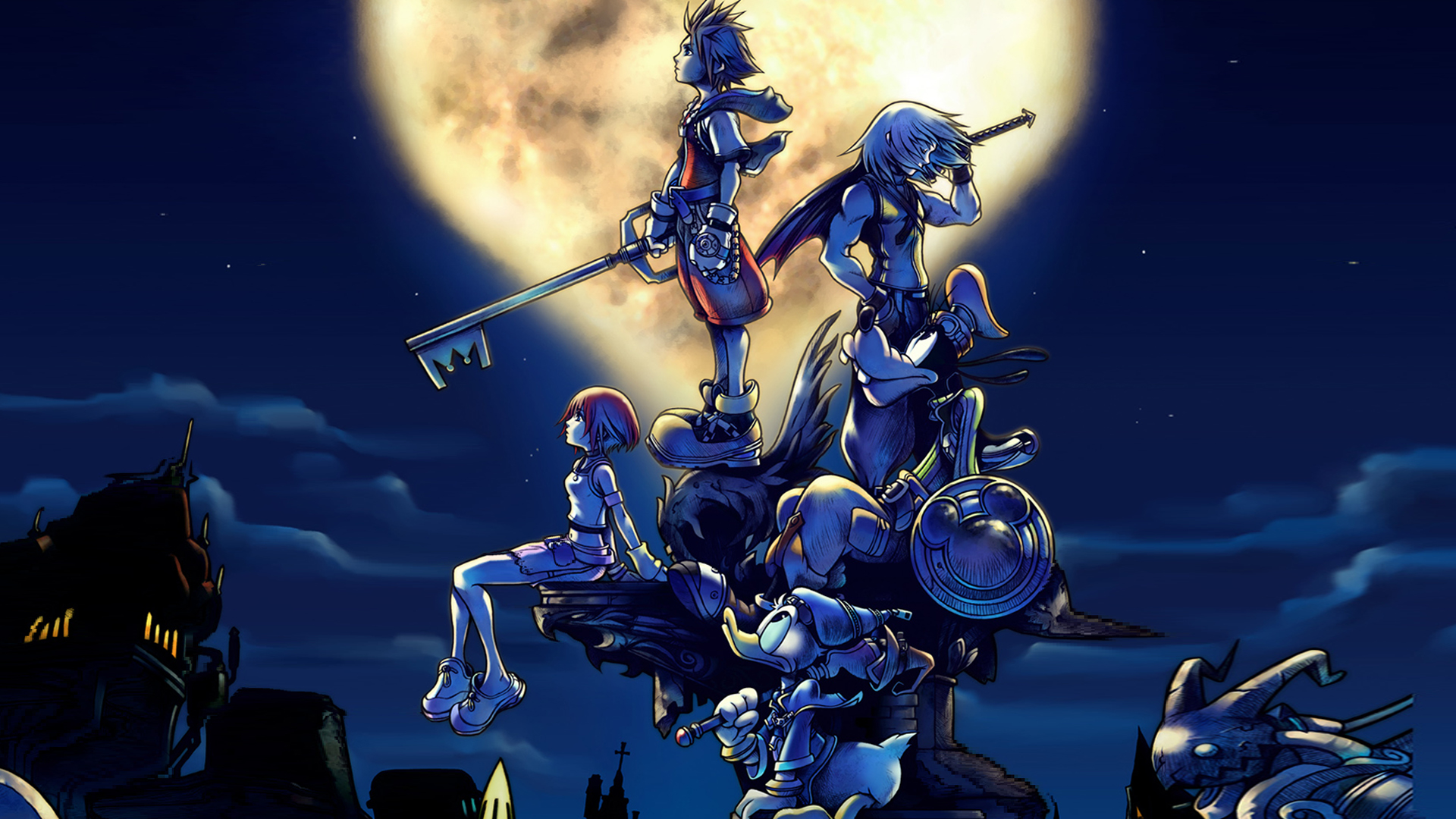
Tetsuya Nomura combined the worlds of Disney animation with the melodrama of Final Fantasy. The action RPG combat is fast and fluid while maintaining menu-based magic systems. It features an original story that weaves through classic film settings. The crossover concept was viewed as impossible until Nomura executed it with sincerity. He proved that disparate intellectual properties could be merged into a cohesive and beloved universe.
‘Sid Meier’s Civilization’ (1991)
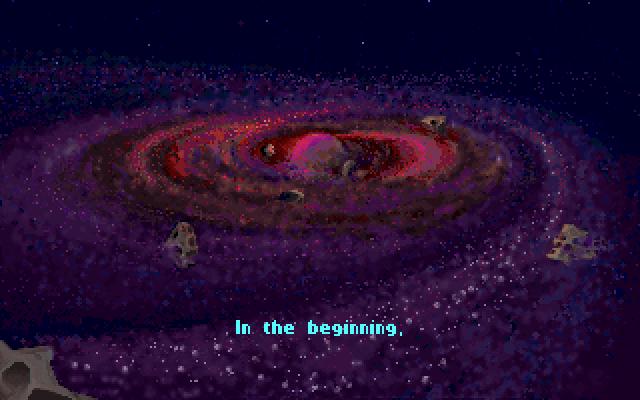
Sid Meier created the definitive 4X strategy game that covers the entire span of human history. Players must balance military power, technological research, and diplomatic relations. The “one more turn” loop is driven by constant short-term rewards and long-term goals. Randomly generated maps ensure that no two history simulations play out the same way. Meier designed a system that turns the complexity of human progress into an addictive game.
‘Metroid’ (1986)
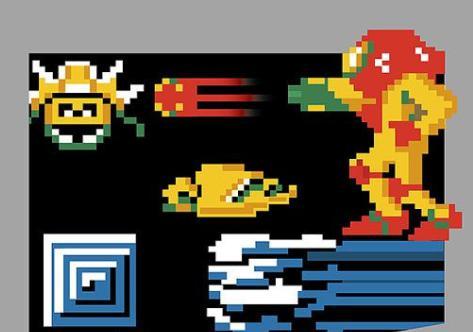
Gunpei Yokoi designed a non-linear action game that focused on solitary exploration of an alien world. The game requires players to find upgrades to bypass obstacles and access new areas. Its atmosphere is inspired by sci-fi horror films and feels isolating and oppressive. The revelation of the protagonist Samus Aran as a woman was a landmark moment for representation. Yokoi established the structural template for the search-action genre.
‘Dune II’ (1992)

Brett Sperry and Westwood Studios established the template for the real-time strategy genre. They introduced base building, resource harvesting, and unit production in real-time. The mouse interface allowed for direct control over units and structures on the battlefield. Fog of war was implemented to hide enemy movements until explored. This design became the standard foundation for all future RTS games.
Tell us which developer you think had the biggest impact on the industry in the comments.