Anime With Directors Whose Vision Changed Animation

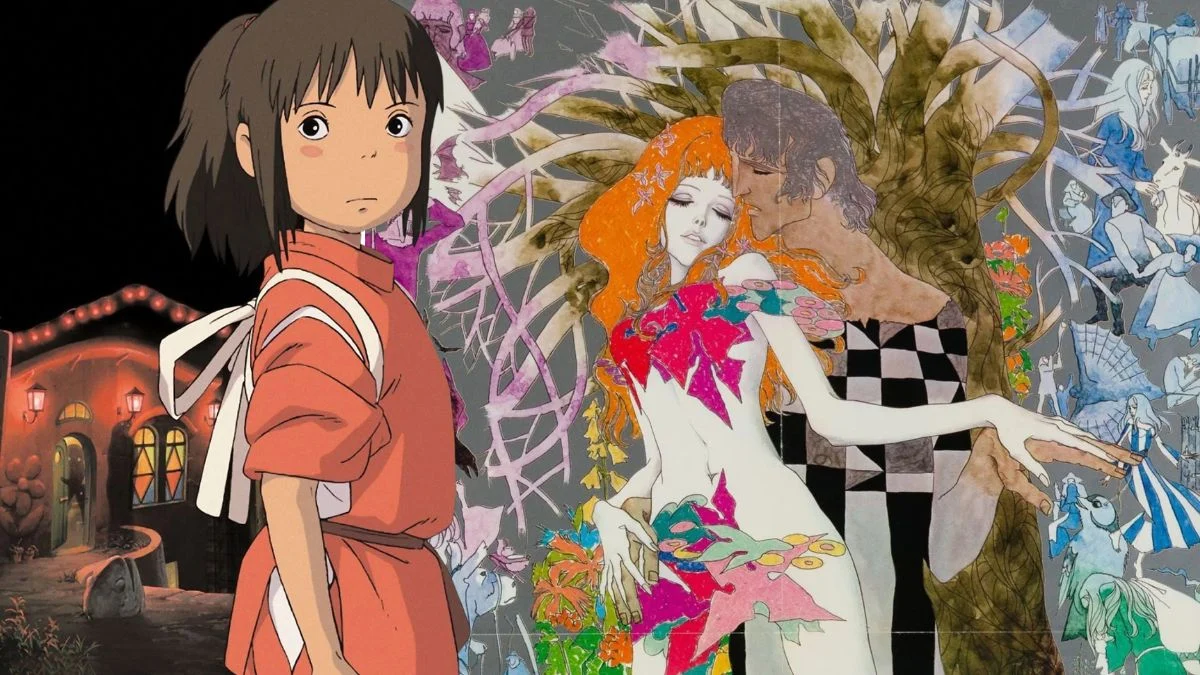

The medium of anime has evolved constantly through the innovative minds of directors who refused to accept the status quo. These creators pushed the boundaries of visual storytelling and introduced new techniques that redefined what animation could achieve. Their works range from experimental art films to blockbuster hits that brought Japanese pop culture to a global audience. This collection highlights the specific productions where a director’s unique perspective permanently altered the landscape of the industry.
‘Akira’ (1988)
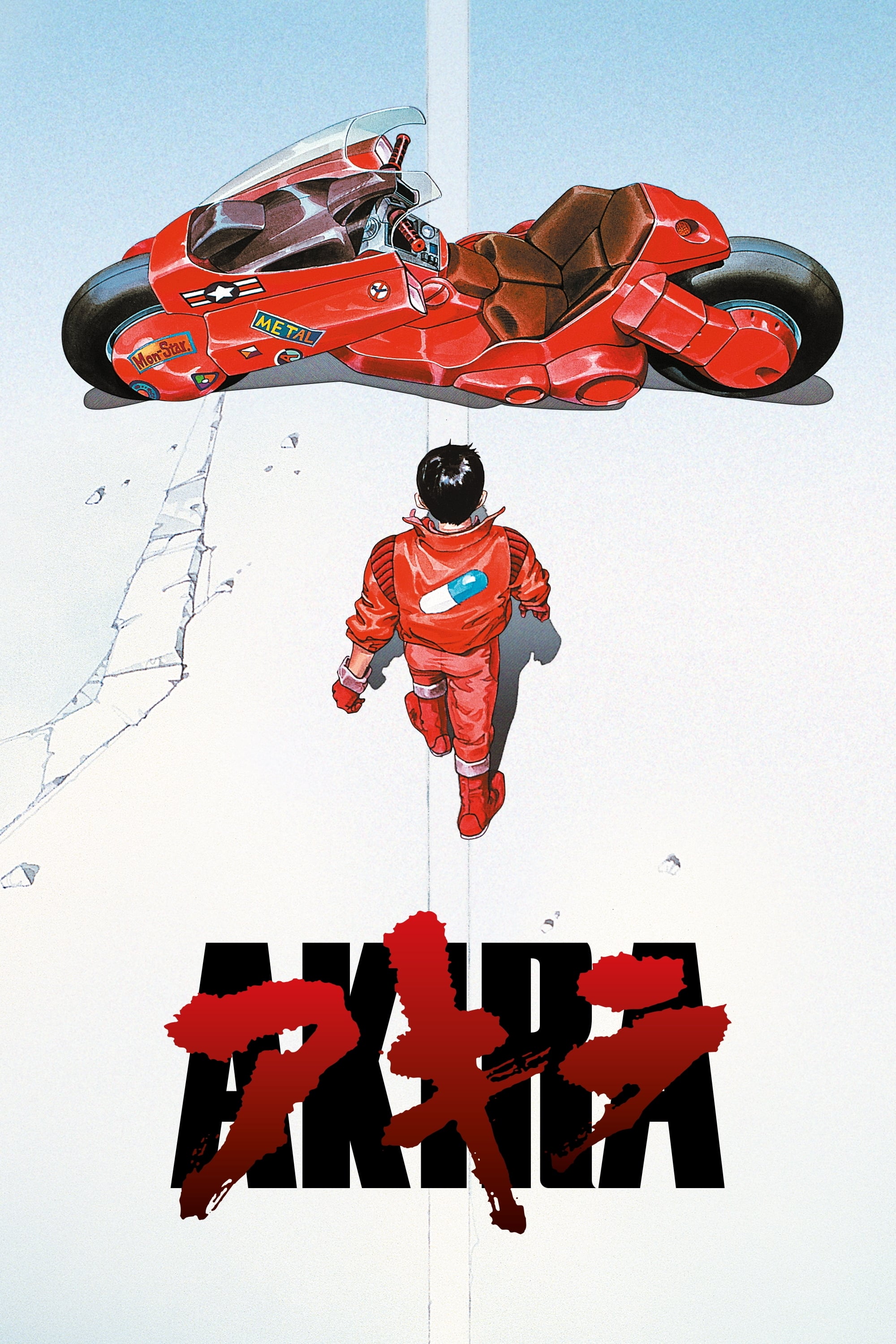
Director Katsuhiro Otomo adapted his own manga to create a cyberpunk landmark that shattered budgets and technical limitations. The production utilized pre-scored dialogue to ensure precise lip-syncing which was a rarity for anime at the time. Otomo insisted on a high frame rate and detailed lighting effects that gave Neo-Tokyo a gritty and tangible atmosphere. This film single-handedly sparked the Western interest in Japanese animation for adult audiences.
‘Spirited Away’ (2001)
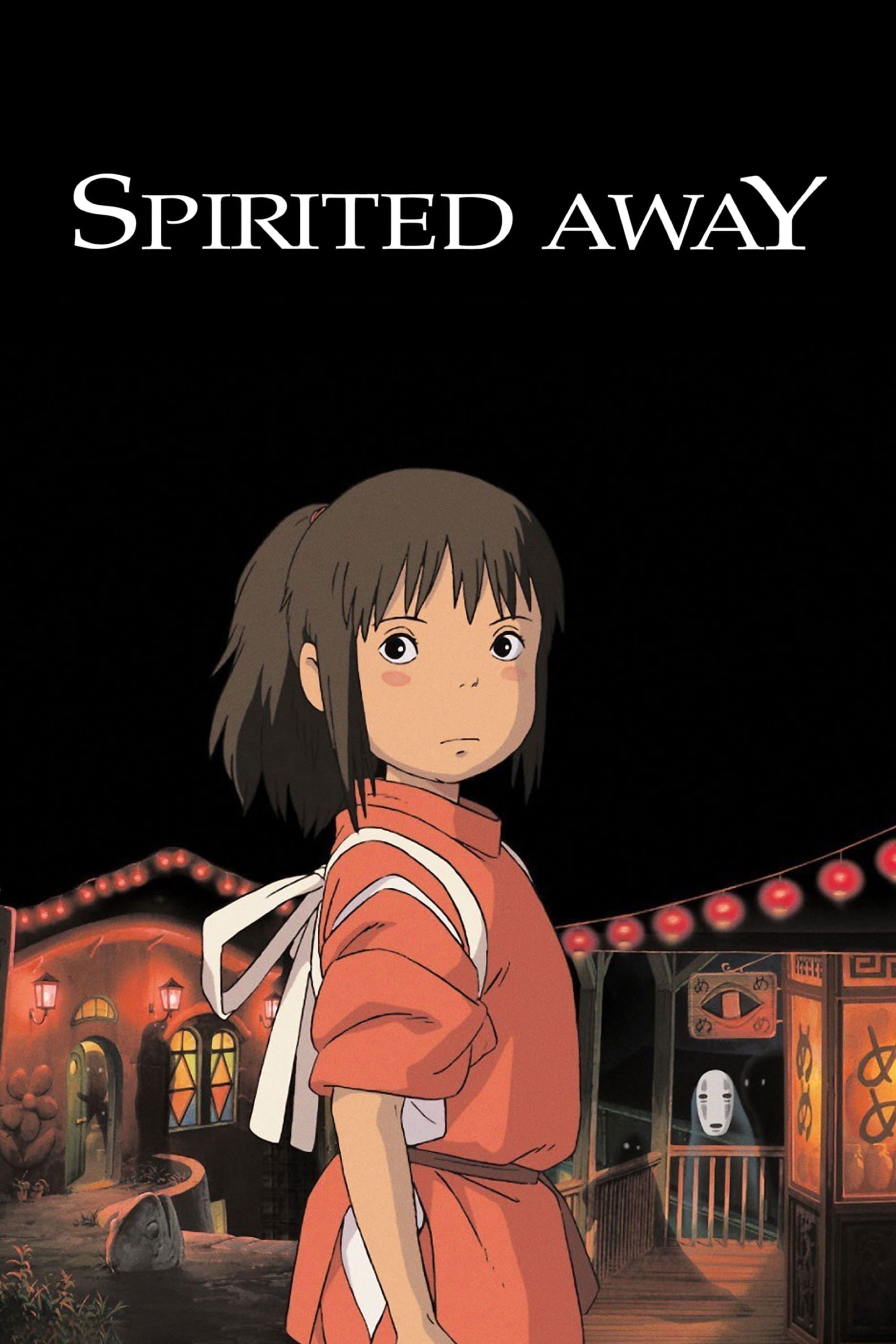
Hayao Miyazaki crafted this Academy Award-winning feature with a focus on immersive world-building and subtle character movements. The director emphasized the concept of “ma” or emptiness to allow moments of quiet reflection amidst the fantasy elements. His vision required the animation team to observe real life closely to capture the weight and texture of the spirit world. It remains a benchmark for hand-drawn artistry and narrative depth in family entertainment.
‘Neon Genesis Evangelion’ (1995–1996)
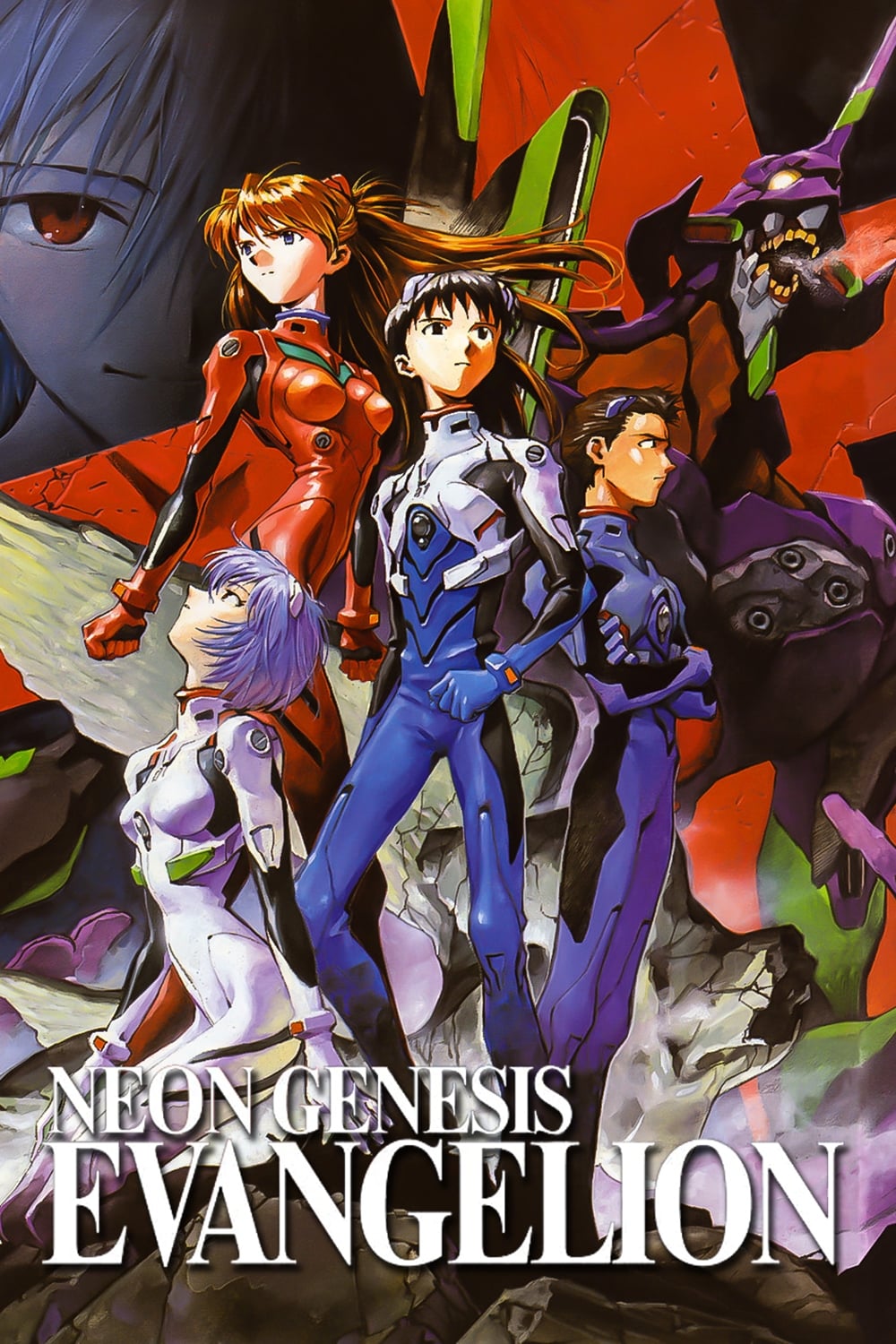
Hideaki Anno deconstructed the mecha genre by focusing intensely on the psychology of his teenage pilots rather than just the robot battles. The series utilized avant-garde editing techniques and typography to represent the internal struggles of the protagonist Shinji Ikari. Anno incorporated limited animation due to budget constraints but turned it into a stylistic choice that emphasized isolation and dread. The show changed the industry by proving that complex philosophical themes could succeed on television.
‘Ghost in the Shell’ (1995)
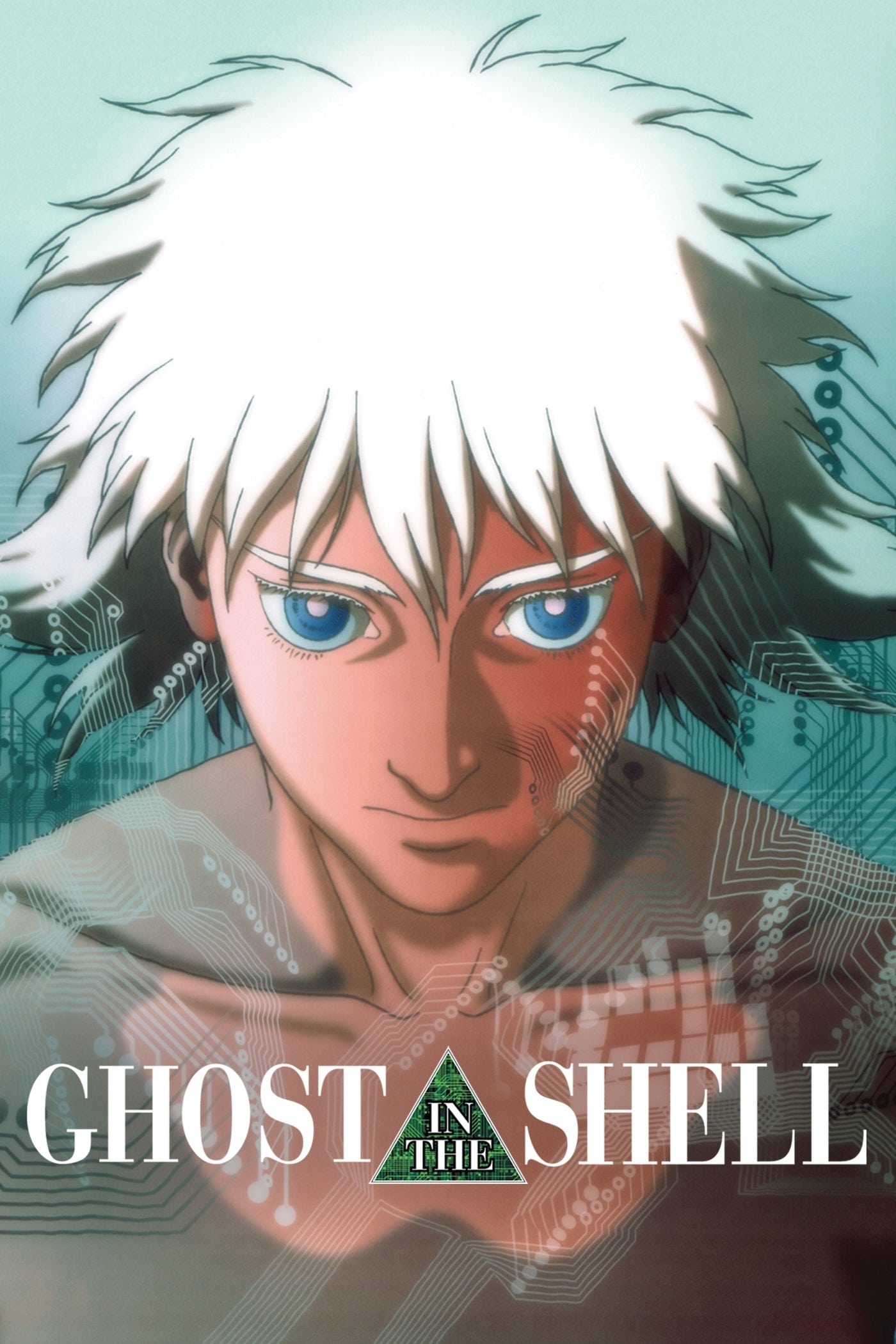
Mamoru Oshii seamlessly blended traditional cel animation with computer-generated imagery to create a futuristic vision of Hong Kong. The director used a distinct greenish color palette and slow pacing to explore transhumanist philosophy and the nature of the soul. His cinematic composition influenced major Hollywood filmmakers and set a new standard for sci-fi aesthetics. The integration of digital effects with hand-drawn art paved the way for modern hybrid animation techniques.
‘Perfect Blue’ (1997)
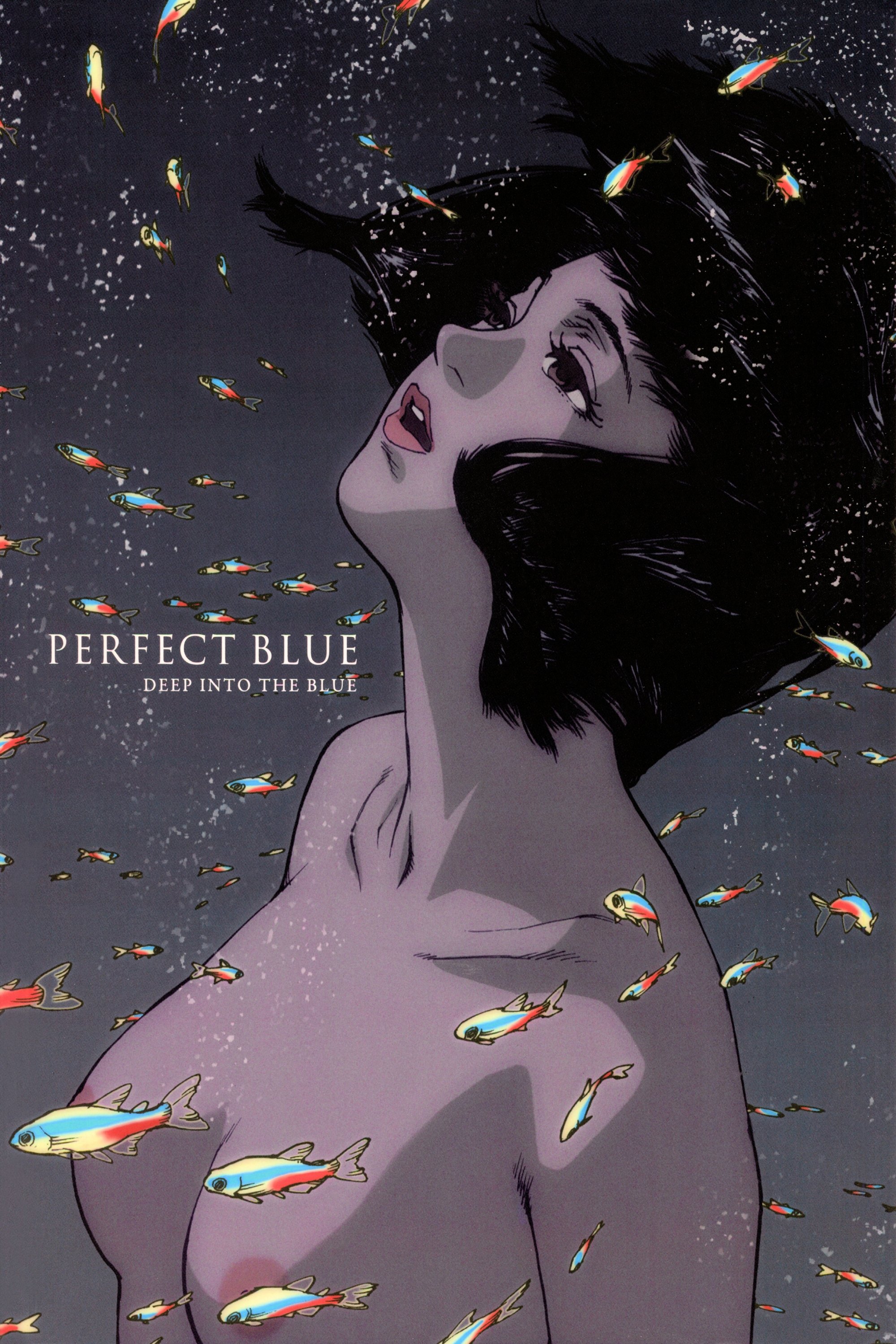
Satoshi Kon transitioned from manga to animation with this psychological thriller that utilized sophisticated editing usually reserved for live-action cinema. He employed match cuts to blur the line between reality and the protagonist’s hallucinations. The film demonstrated that animation could tackle mature themes of identity and stalking with terrifying realism. Kon proved that the medium was capable of delivering complex non-linear narratives that challenged the viewer.
‘Cowboy Bebop’ (1998–1999)
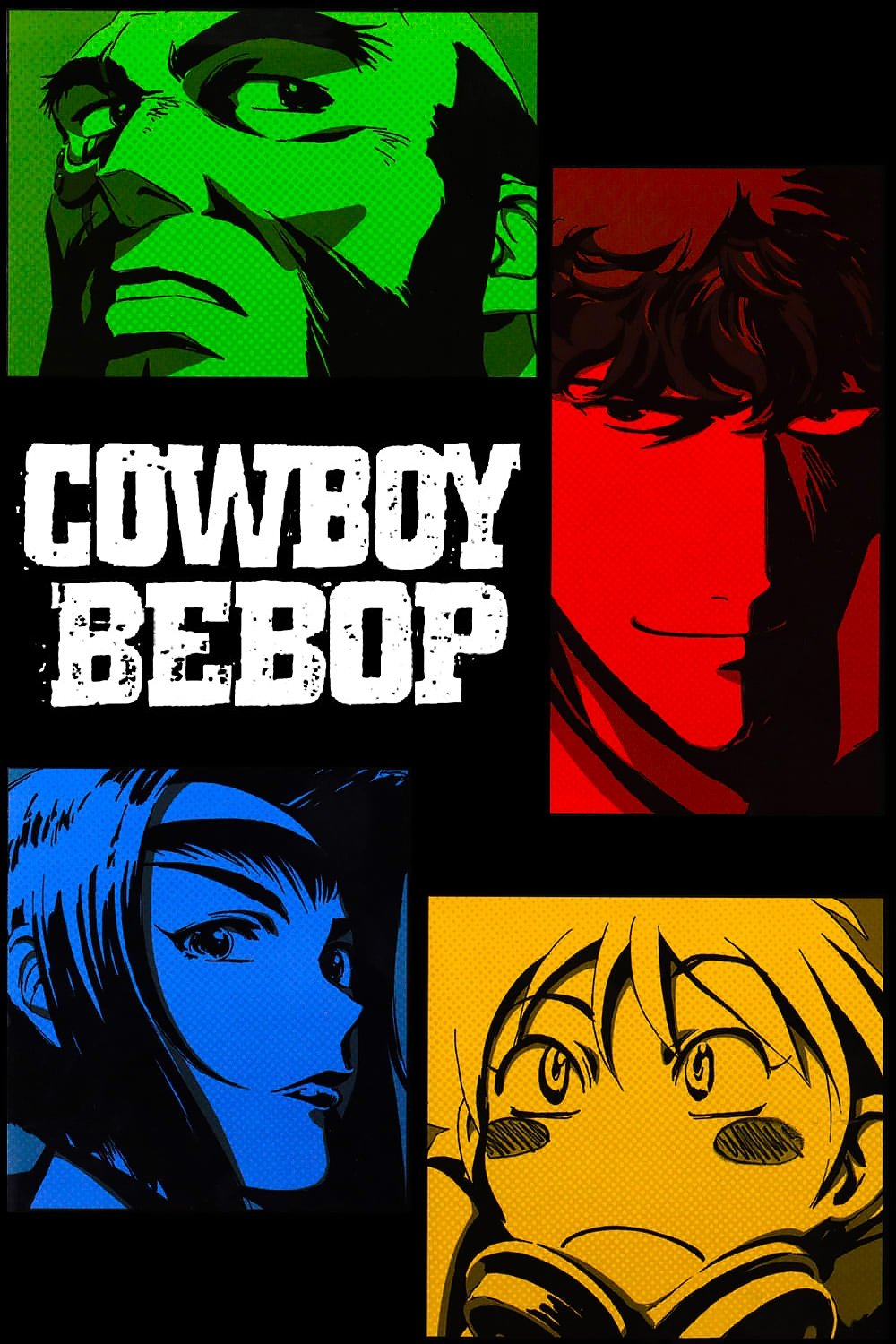
Shinichirō Watanabe mixed film noir, westerns, and jazz music to create a stylistic melting pot that resonated globally. The direction prioritized musical rhythm in the action sequences and gave the series a distinct cool factor unlike anything else on air. Watanabe gathered a team of visionary artists who were given the freedom to experiment with episodic formats and genre shifts. The show established a template for high-quality episodic storytelling that appealed to international audiences.
‘Mind Game’ (2004)
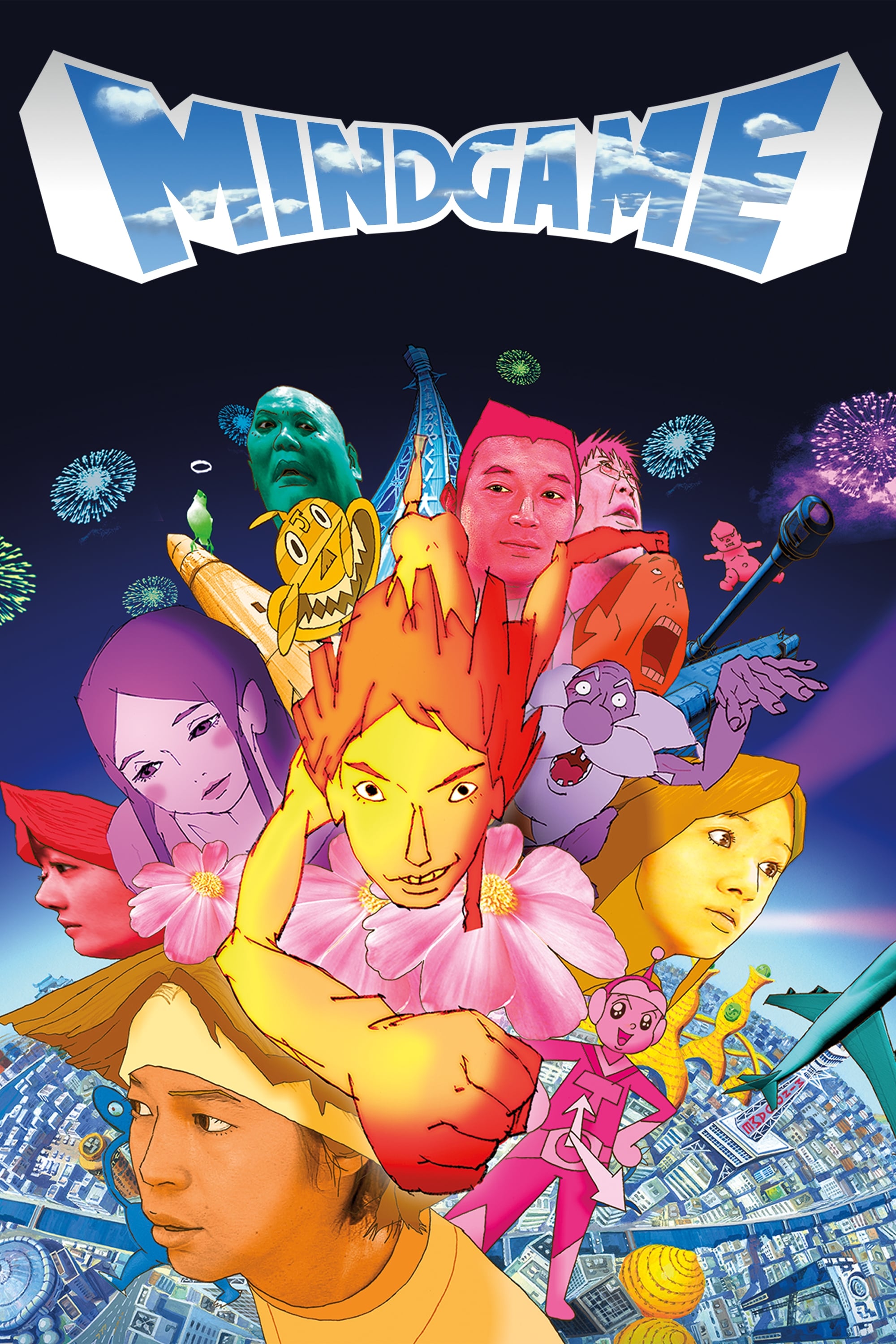
Masaaki Yuasa exploded onto the scene with a film that disregarded conventional anatomy and perspective in favor of pure expressionism. The movie combined varied visual styles including watercolor, crayon, and live-action photography into a cohesive whole. Yuasa focused on the raw energy of movement rather than maintaining consistent character models. This experimental approach opened doors for more idiosyncratic and artist-driven projects in the commercial sector.
‘The Tale of the Princess Kaguya’ (2013)
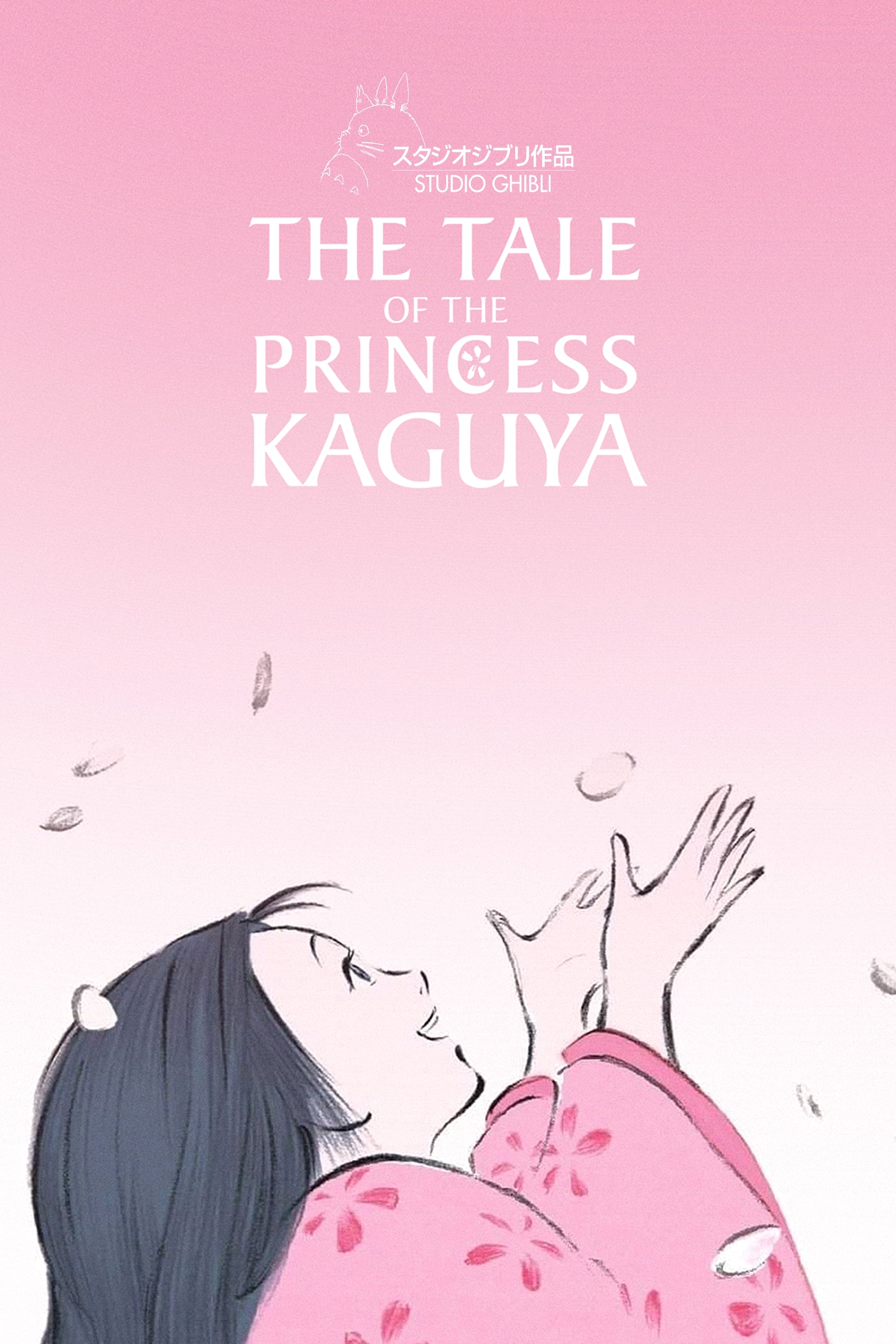
Isao Takahata adopted a sketch-like aesthetic that resembled moving charcoal drawings and watercolors. The director intentionally left lines rough and backgrounds incomplete to engage the viewer’s imagination in completing the image. This radical departure from the polished Ghibli house style emphasized the raw emotion of the protagonist. It stands as a testament to the power of minimalist animation to convey profound sadness and beauty.
‘Mobile Suit Gundam’ (1979–1980)
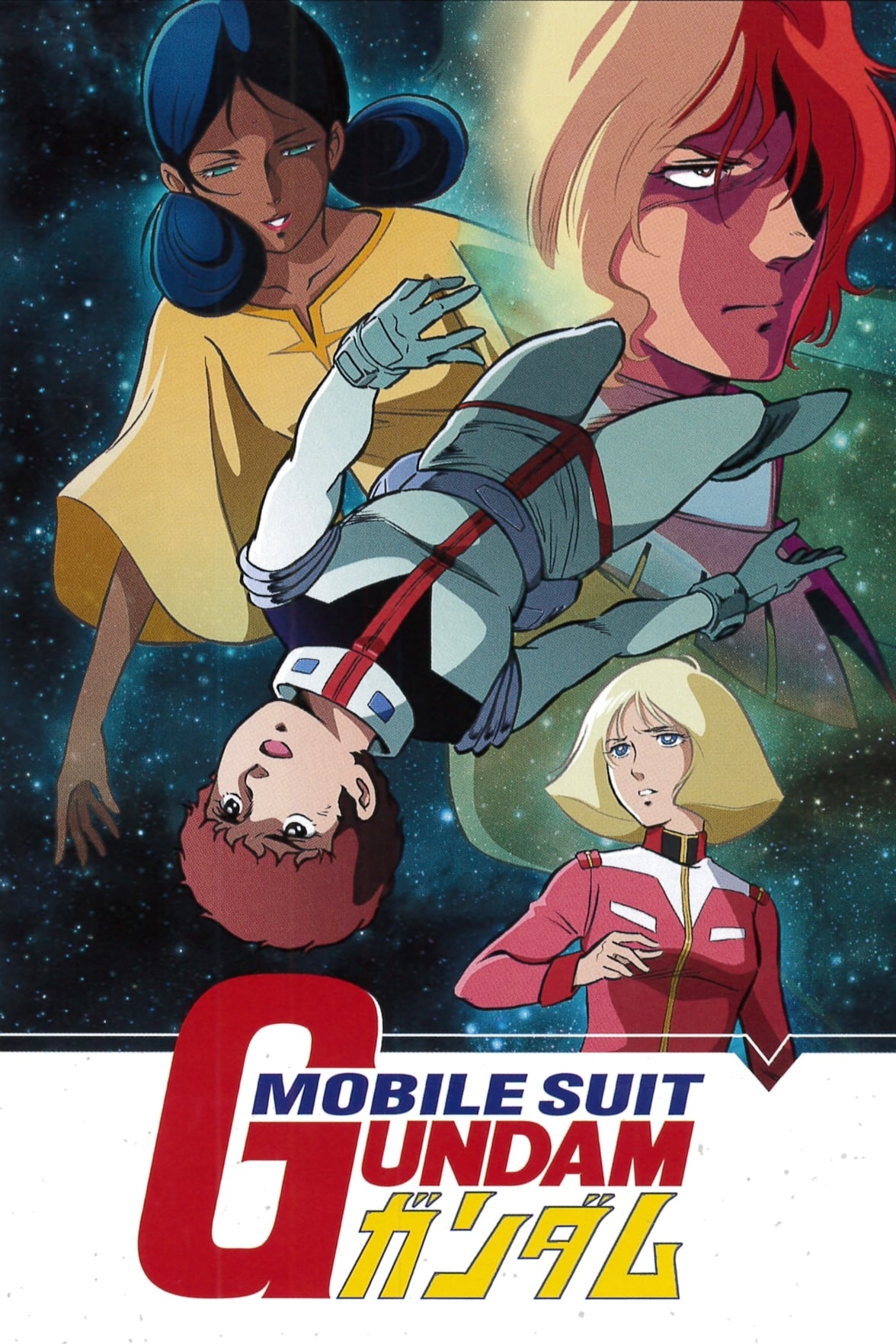
Yoshiyuki Tomino shifted the focus of robot anime from superheroes to realistic war drama and political intrigue. He treated the giant robots as mass-produced military weapons rather than invincible guardians of justice. The series introduced the “Real Robot” genre which dominated the industry for decades and spawned massive merchandise empires. Tomino emphasized the trauma of war on young soldiers and changed how conflict was depicted in children’s media.
‘Revolutionary Girl Utena’ (1997)
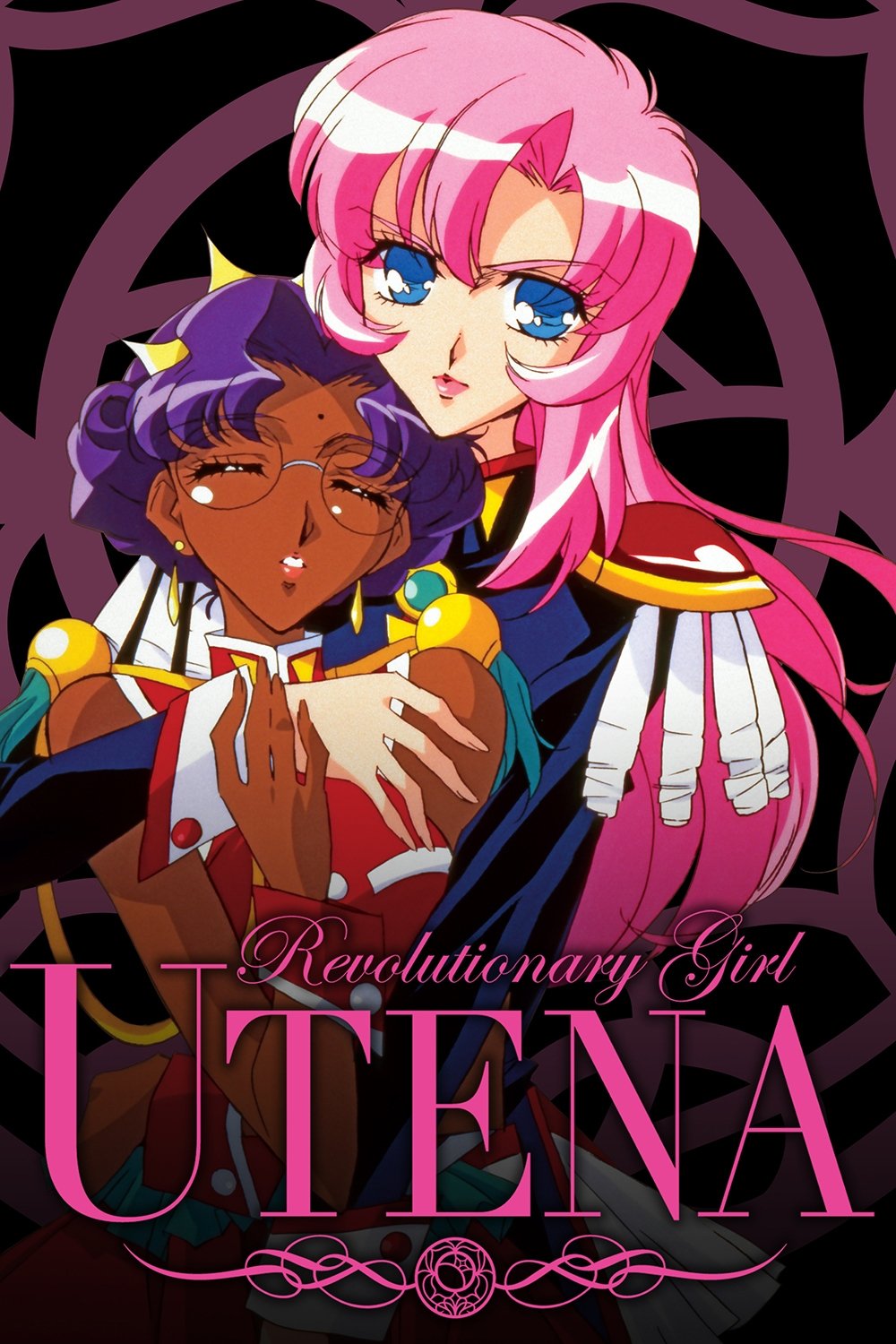
Kunihiko Ikuhara subverted the magical girl genre with heavy use of surreal symbolism and theatrical staging. The series reused animation sequences as a narrative device to create a ritualistic and dreamlike atmosphere. Ikuhara focused on allegory and gender politics rather than straightforward storytelling. His distinctive visual language of shadow puppets and rose motifs challenged viewers to interpret the underlying themes of adolescence.
‘Puella Magi Madoka Magica’ (2011)
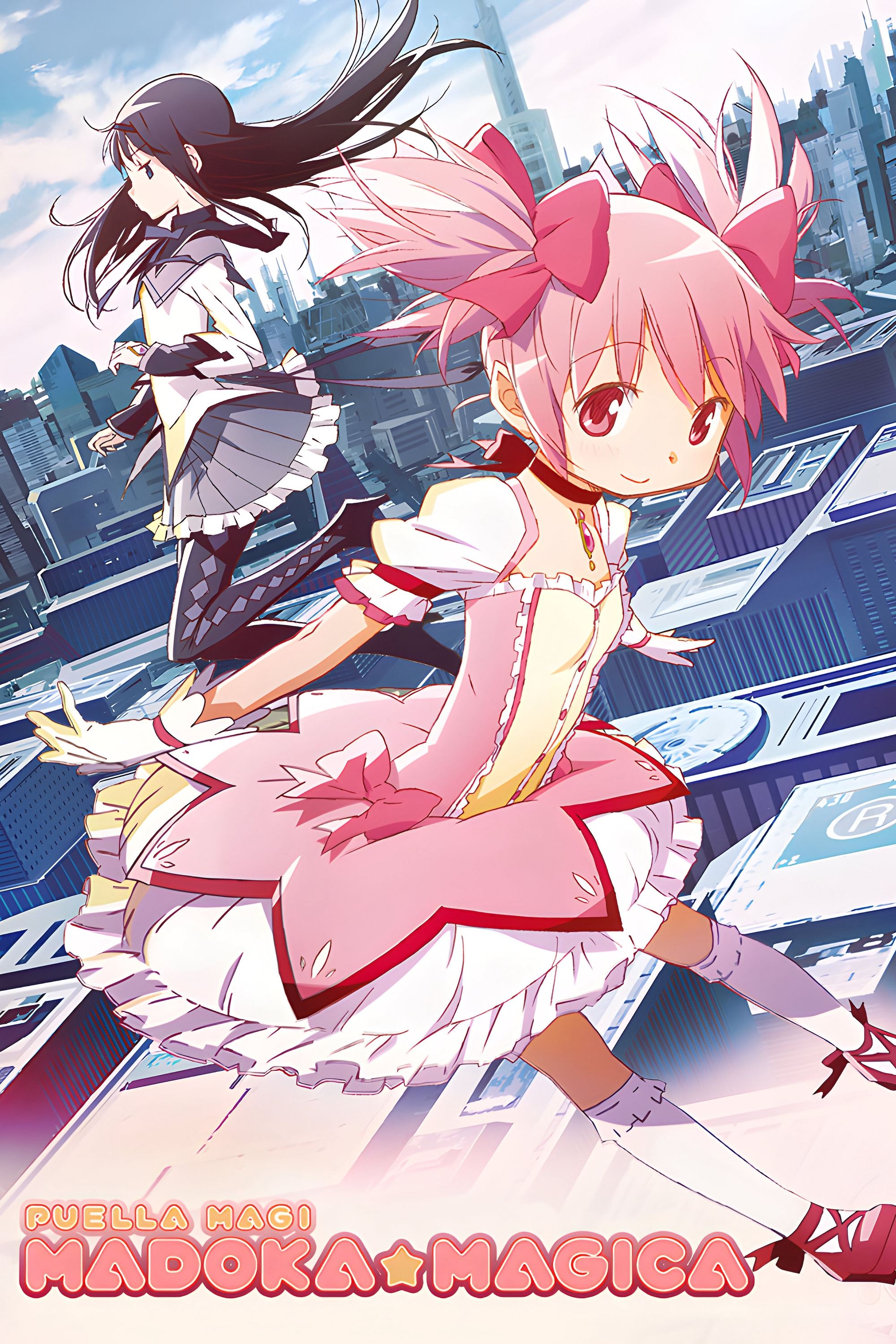
Akiyuki Shinbo and studio Shaft collaborated to create a dark fantasy that contrasted cute character designs with horrific witch labyrinths. The production team used paper-cutout collage animation for the enemy encounters to create a sense of otherworldly unease. Shinbo employed rapid cuts and text screens to disorient the audience and enhance the psychological tension. This visual dissonance redefined expectations for the magical girl demographic.
‘Redline’ (2009)
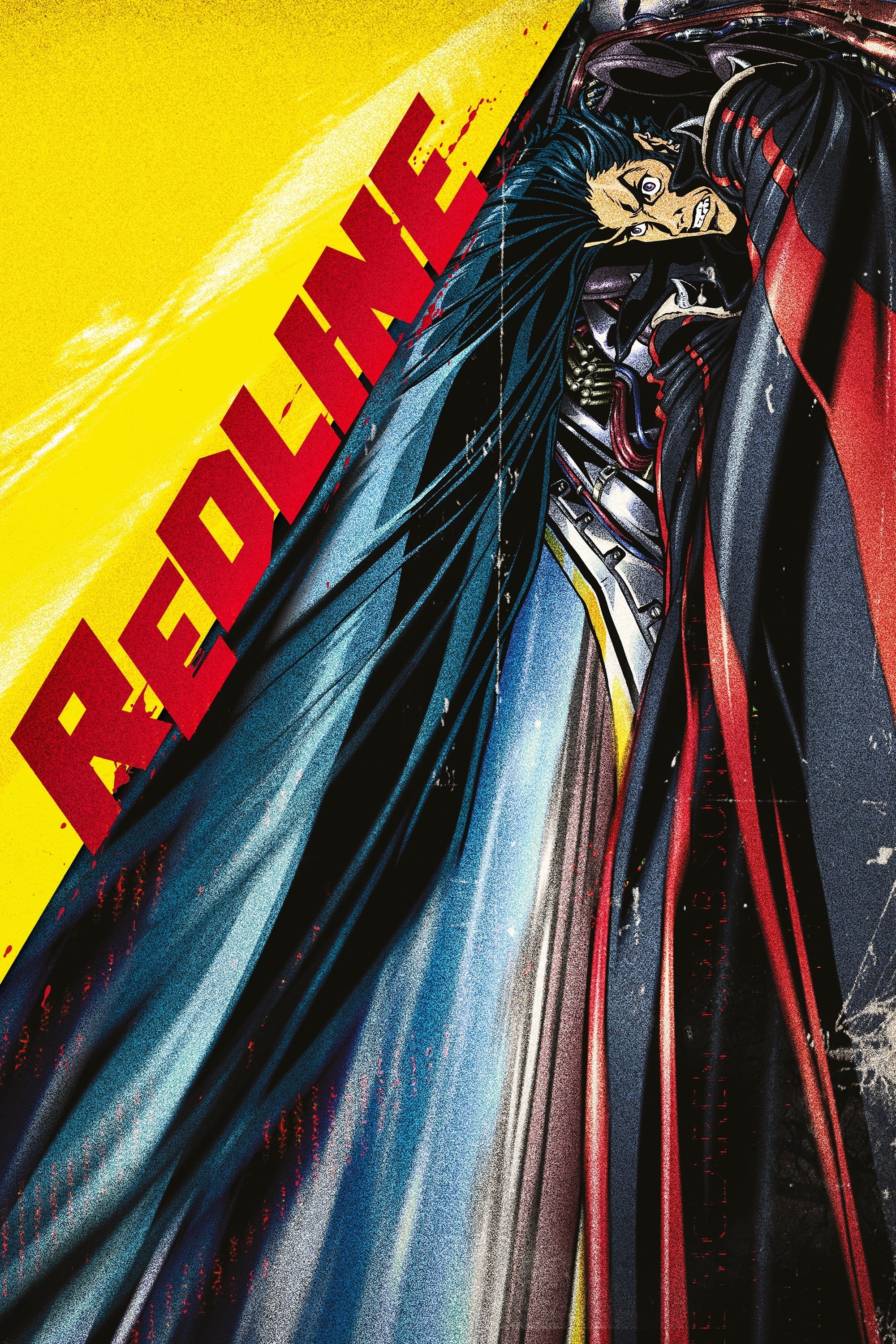
Takeshi Koike spent seven years directing this film that pushed hand-drawn animation to its absolute limit without the aid of computer tweening. The movie features exaggerated perspective and constant motion that captures the sheer speed of intergalactic racing. Koike insisted on a unique visual style with heavy black shadows and high-contrast coloring. It remains a singular achievement in traditional 2D animation endurance and kinetic energy.
‘Your Name.’ (2016)
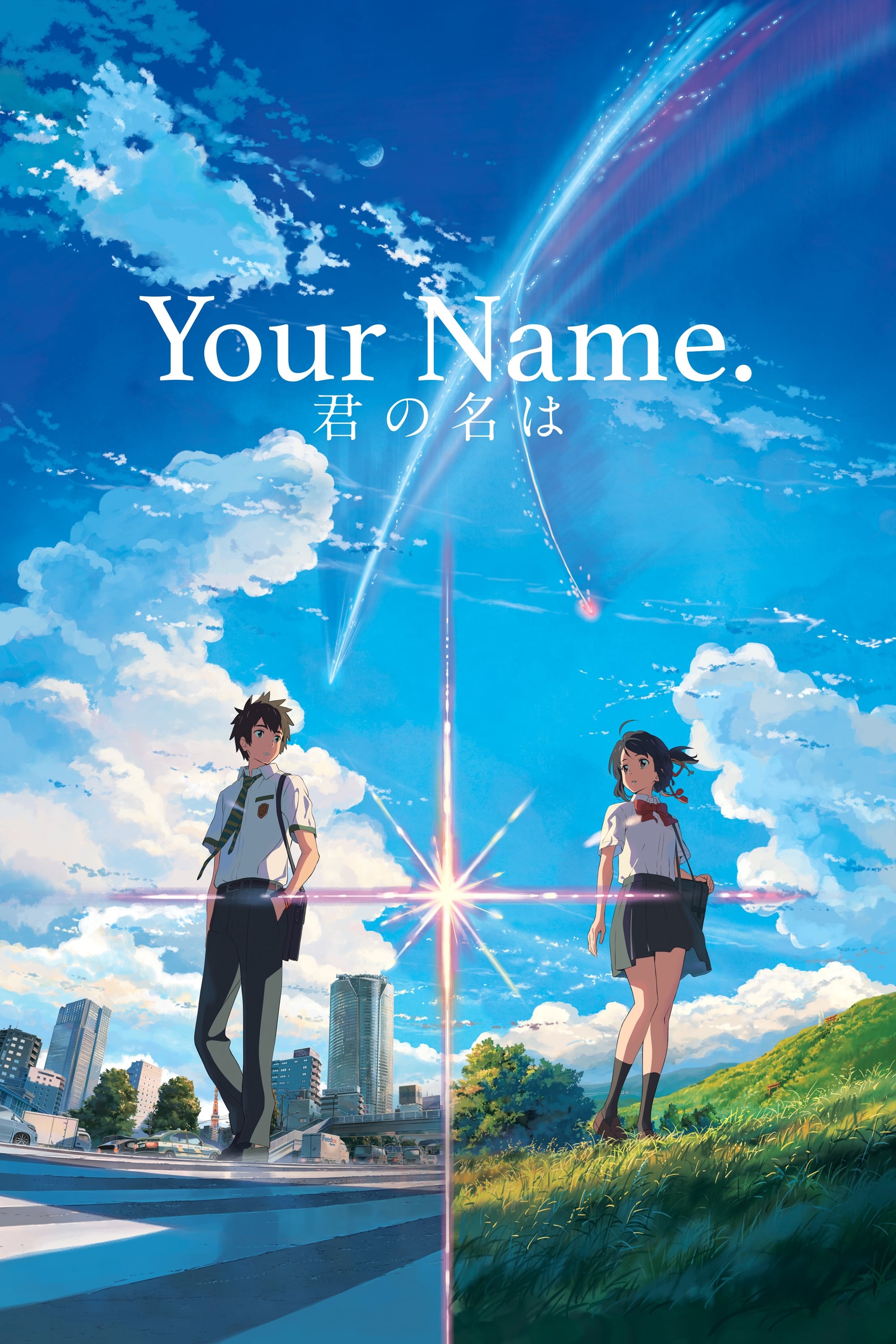
Makoto Shinkai utilized digital compositing to create hyper-realistic backgrounds that became a character in themselves. The director focused on lighting effects and lens flares to evoke a sense of nostalgia and longing. His use of popular music from the band Radwimps synchronized perfectly with the visual montage sequences. Shinkai successfully bridged the gap between otaku culture and general mainstream audiences through his polished visual fidelity.
‘Gurren Lagann’ (2007)
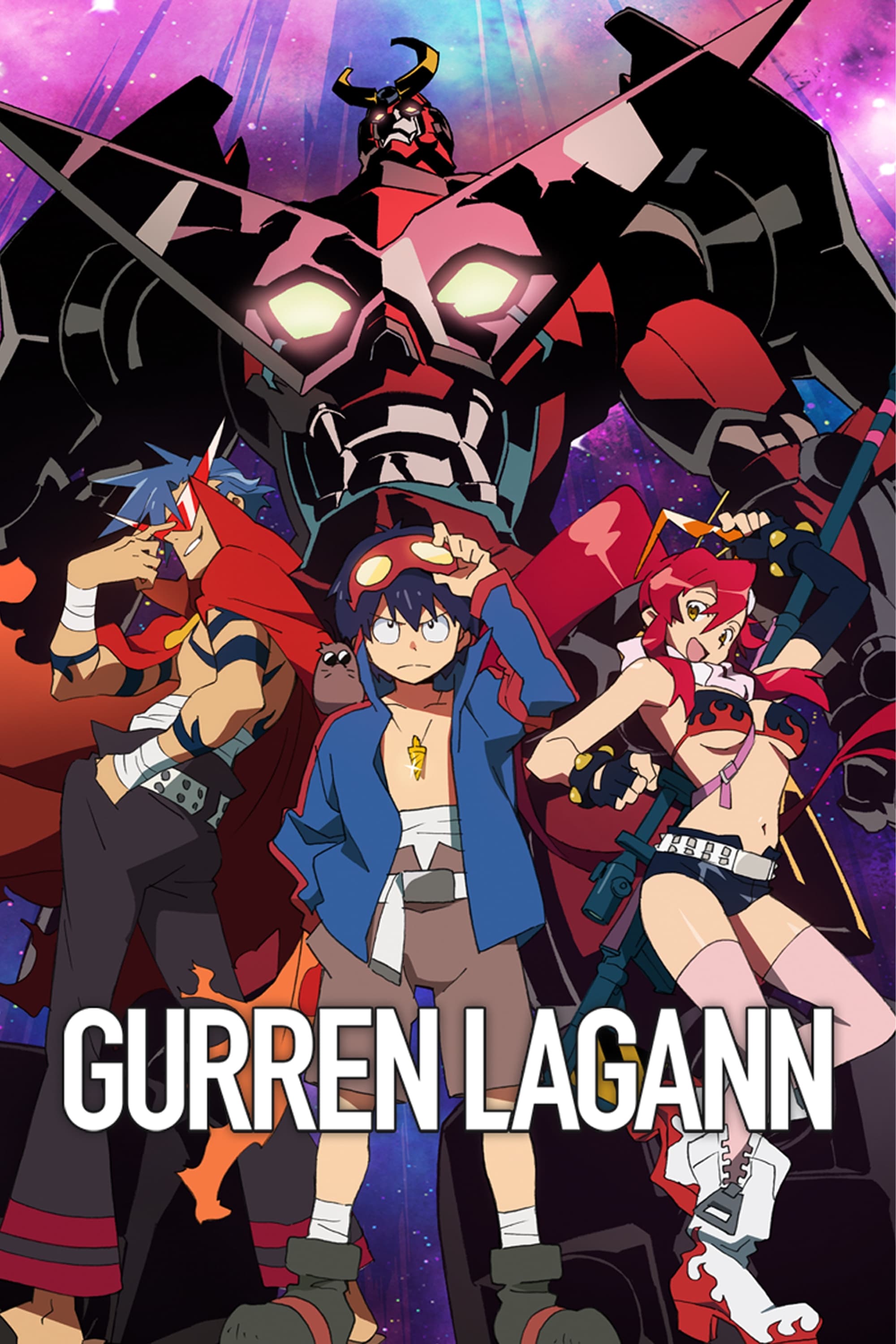
Hiroyuki Imaishi favored a rough and energetic style that prioritized impact over consistency. The animation frequently broke model sheets to exaggerate emotions and the scale of the robot battles. Imaishi created a visual language where willpower literally manifested as spiral energy. This series revitalized the super robot genre by injecting it with punk rock attitude and unbridled enthusiasm.
‘Belladonna of Sadness’ (1973)
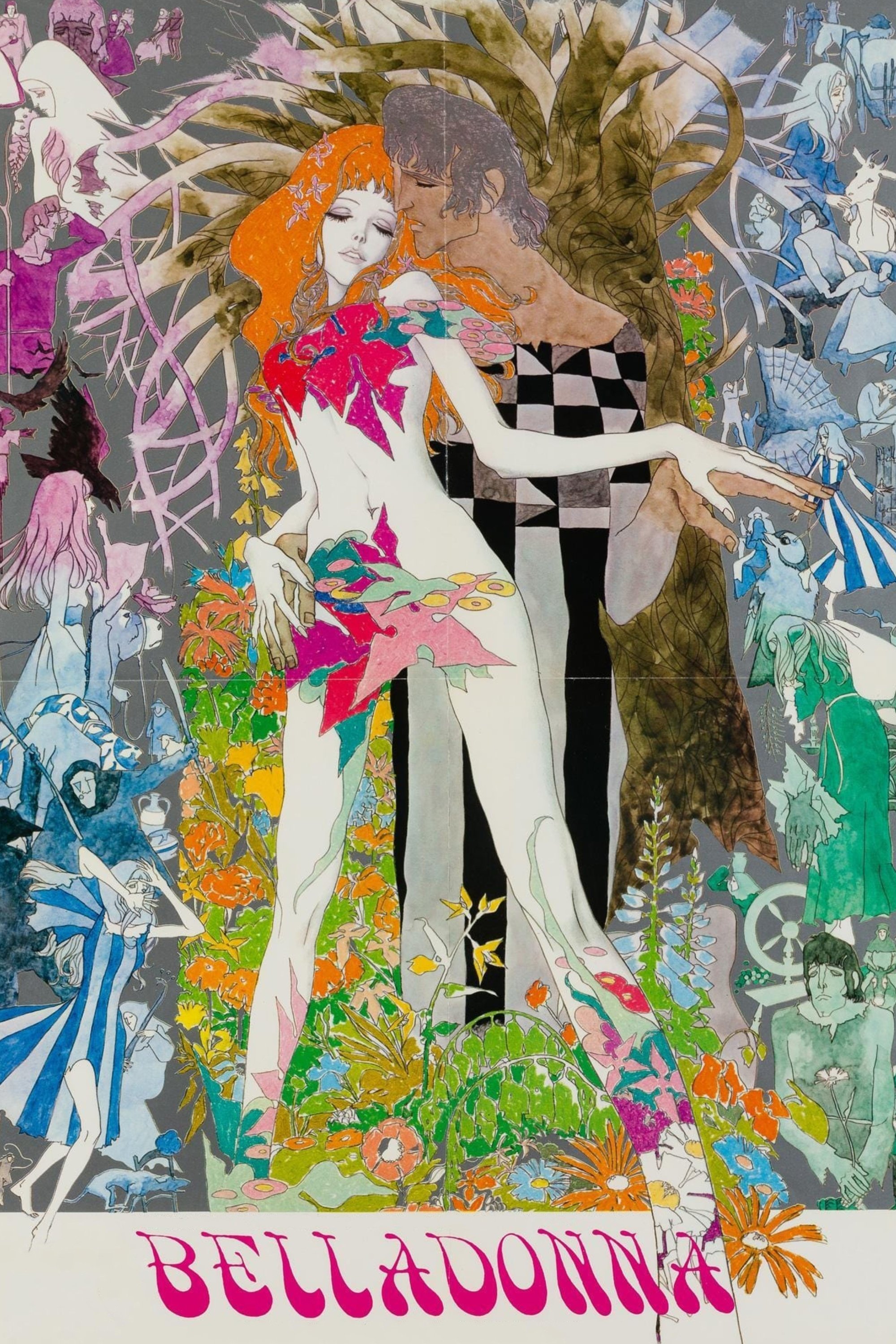
Eiichi Yamamoto directed this adult feature that unfolds more like a series of scrolling paintings than traditional animation. The film utilized long pans over watercolor artwork and limited character movement to tell a tragic story of witchcraft and rebellion. Yamamoto experimented with psychedelic imagery and eroticism in a way that was completely unique for the time. It stands as an avant-garde masterpiece that expanded the definition of what animation could be.
‘Ninja Scroll’ (1993)
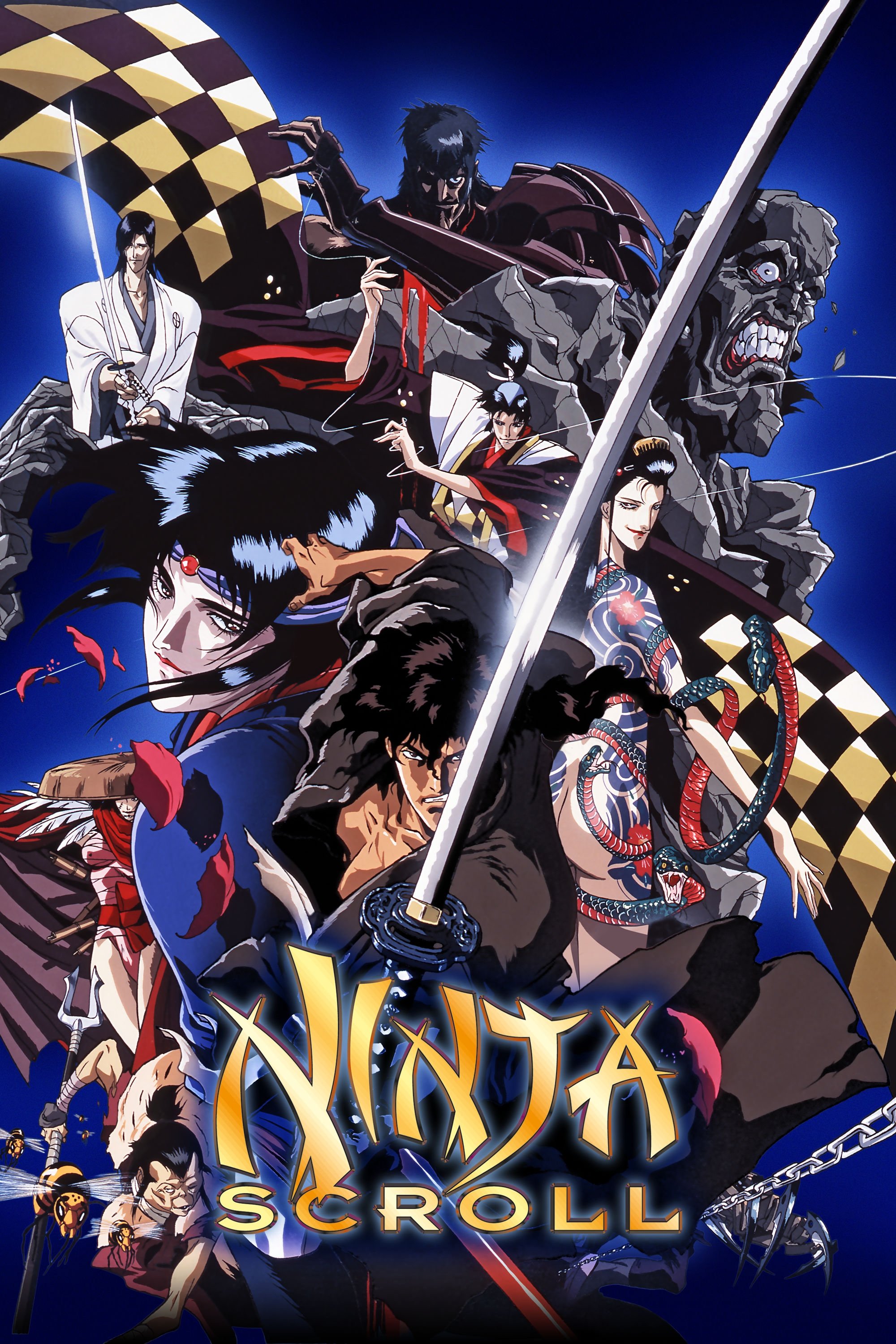
Yoshiaki Kawajiri perfected the “hard-boiled” action style with this film full of stylized violence and supernatural combat. He used blue lighting and shadow to create a distinct noir atmosphere in a feudal Japanese setting. The fluid action choreography and creature designs set a high bar for adult-oriented entertainment. Kawajiri influenced a generation of international creators with his sleek and uncompromising vision.
‘Jin-Roh: The Wolf Brigade’ (1999)
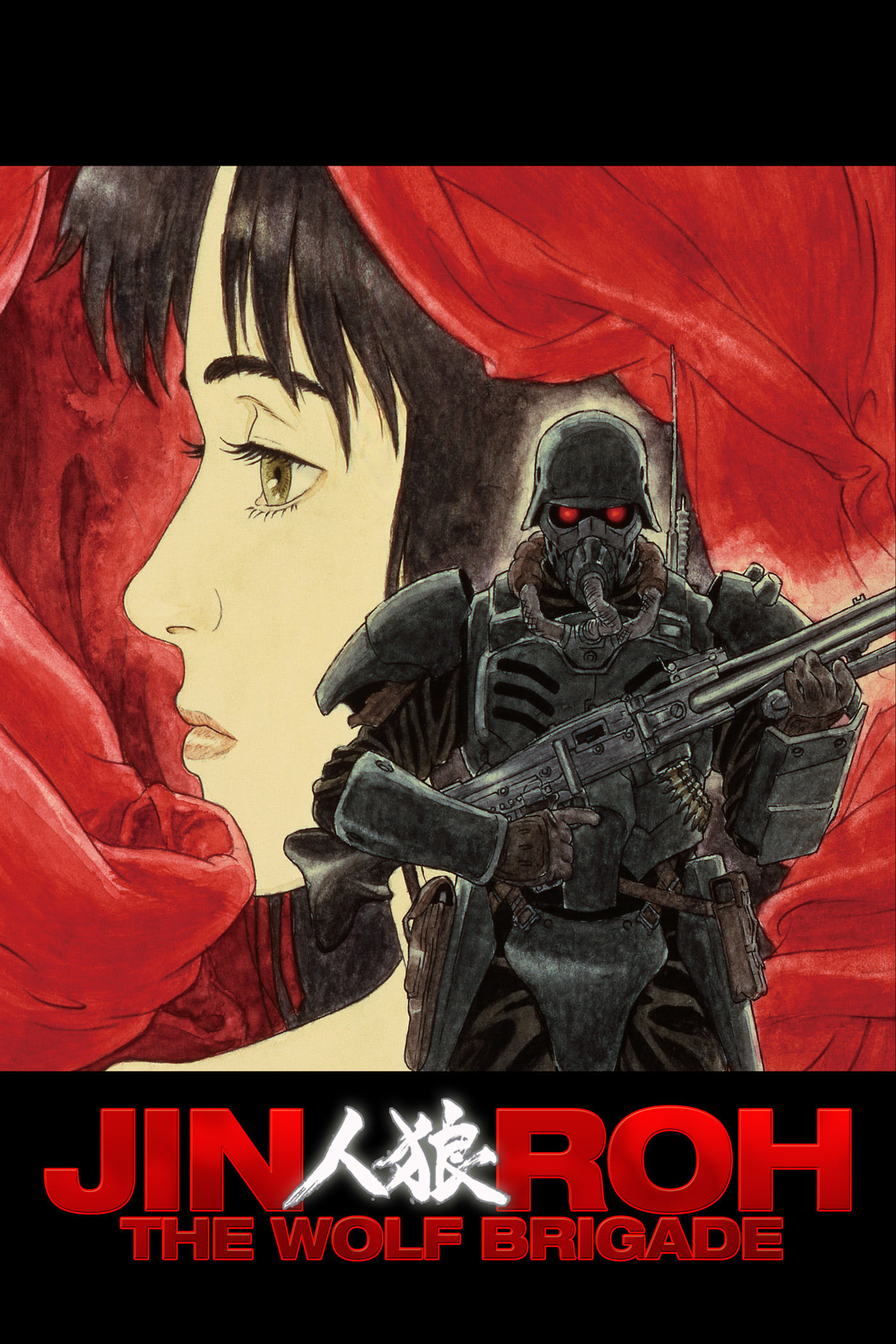
Hiroyuki Okiura directed this political thriller with a focus on terrifyingly realistic character animation. The production avoided typical anime exaggeration in favor of grounded physical weight and subtle facial acting. Okiura depicted the heavy armor of the soldiers and the mechanical weaponry with obsessive detail. The film showed that animation could be just as somber and grounded as a live-action drama.
‘FLCL’ (2000–2001)
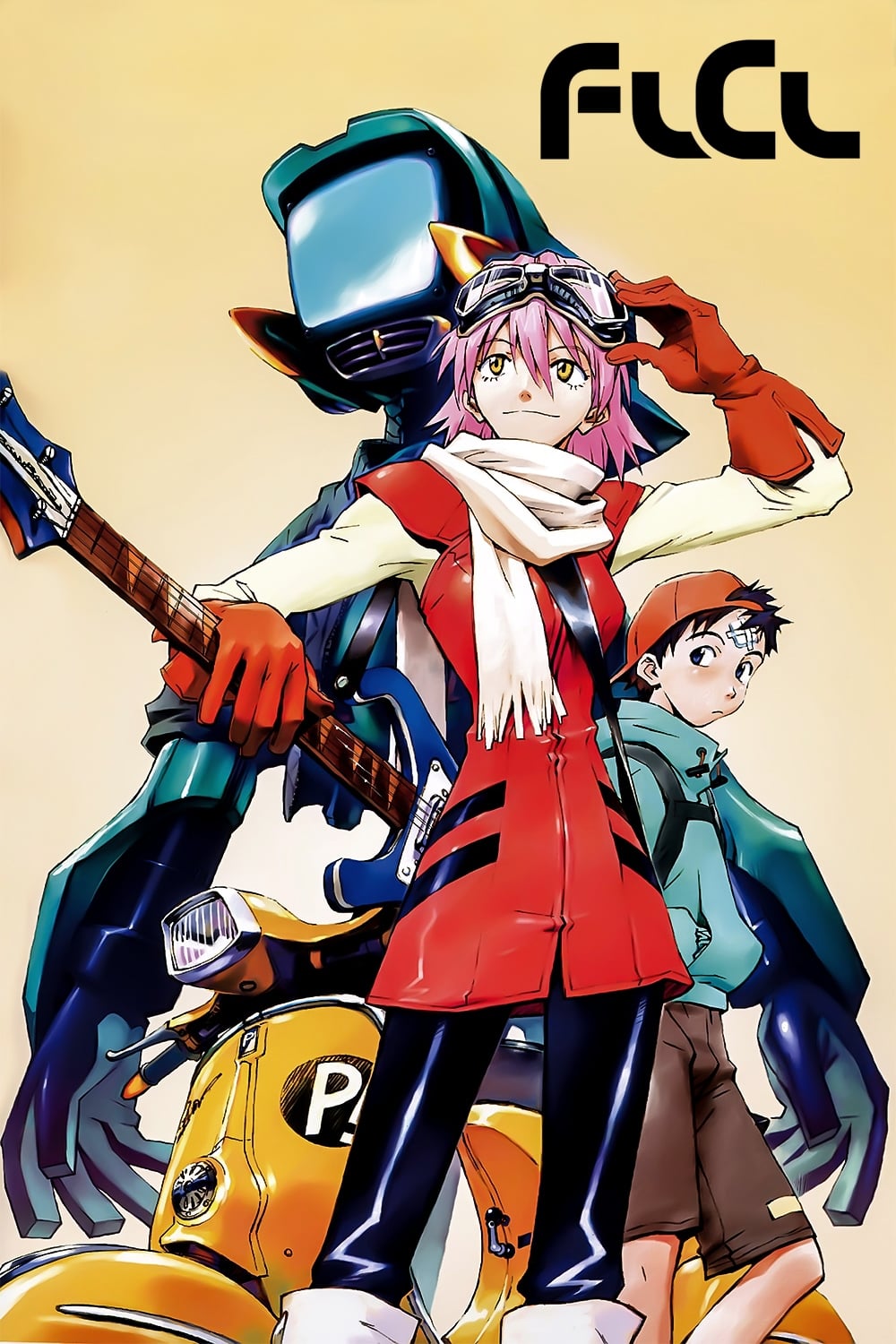
Kazuya Tsurumaki directed this OVA series that served as a testing ground for breaking all established rules of animation. The show switched styles constantly between manga panels, south park-style cutouts, and high-budget action. Tsurumaki used the chaotic visuals to represent the confusing nature of puberty and growing up. It proved that a narrative could be emotional and coherent even amidst total visual anarchy.
‘Summer Wars’ (2009)
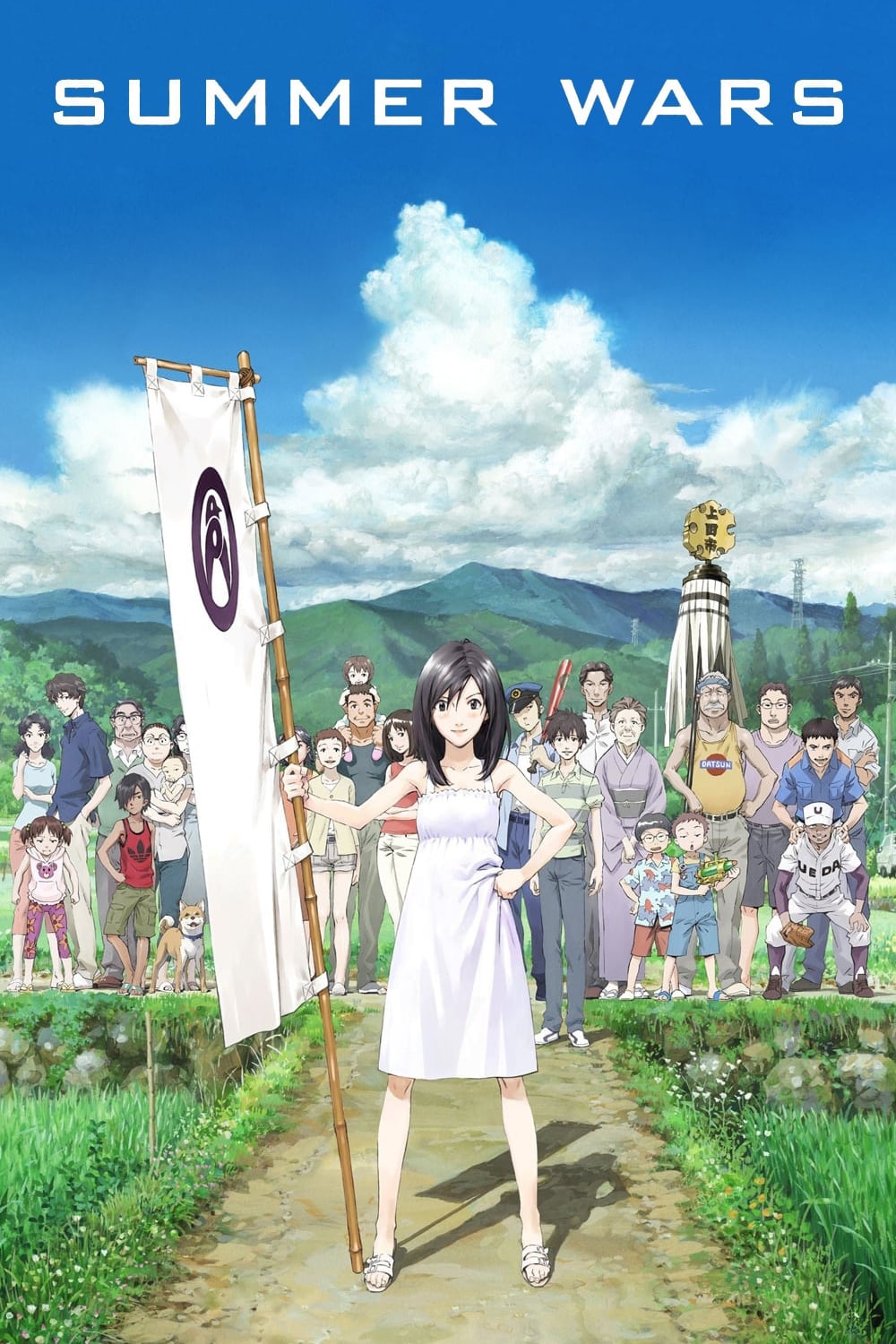
Mamoru Hosoda contrasted the traditional Japanese countryside with a vibrant and flat-shaded digital world called OZ. The director used white outlines and avatars to distinguish the internet space from the painted backgrounds of the real world. Hosoda focused on the dynamics of a large extended family to ground the sci-fi stakes in human emotion. His work demonstrated how digital connectivity and traditional family values could coexist in modern storytelling.
‘Serial Experiments Lain’ (1998)
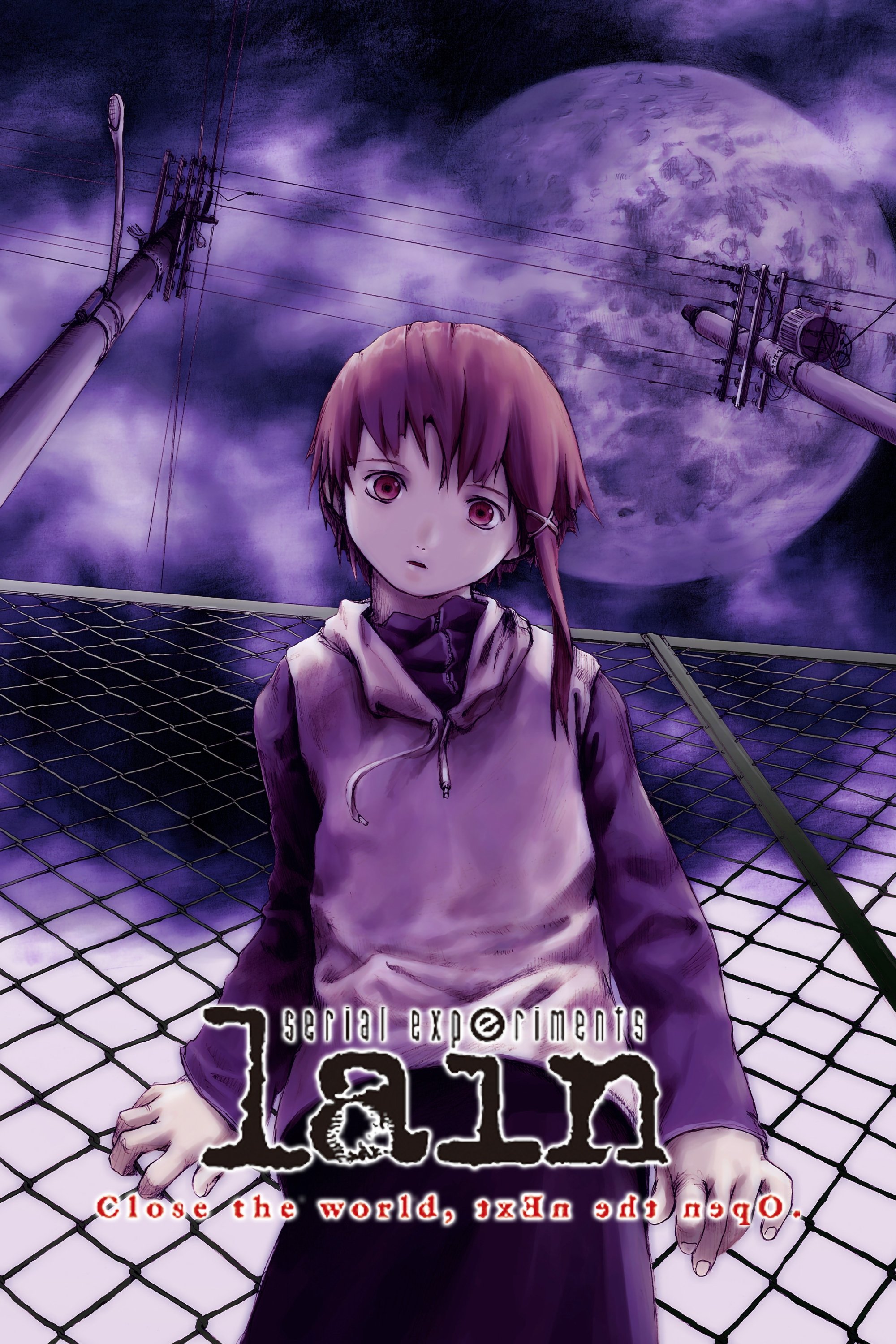
Ryutaro Nakamura created a cyberpunk series that used negative space and ambient noise to build a sense of alienation. The visuals often featured washed-out colors and red shadows that reflected the protagonist’s deteriorating mental state. Nakamura integrated text from computer code and distorted imagery to question the nature of reality in the internet age. The show was ahead of its time in predicting the isolation caused by constant digital connection.
‘Macross: Do You Remember Love?’ (1984)
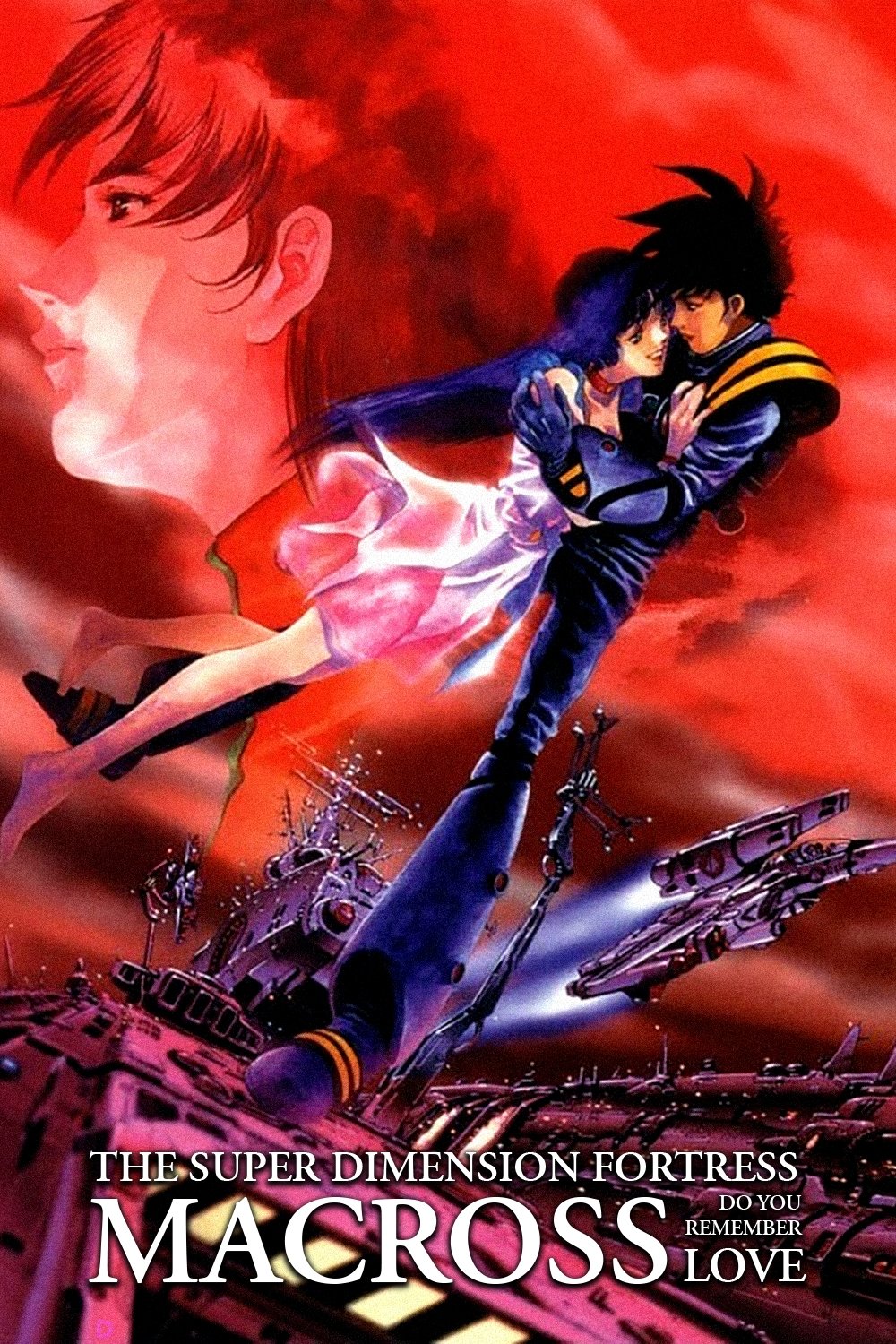
Shoji Kawamori and Noboru Ishiguro delivered a theatrical retelling of the TV series with significantly upgraded mechanical designs. The film featured the “Itano Circus” missile swarms which became a staple of high-octane anime action. Kawamori focused on the intricate transformation sequences of the Valkyrie jets to make them appear mechanically functional. This movie set the gold standard for mecha animation and space opera visuals.
‘Mononoke’ (2007)
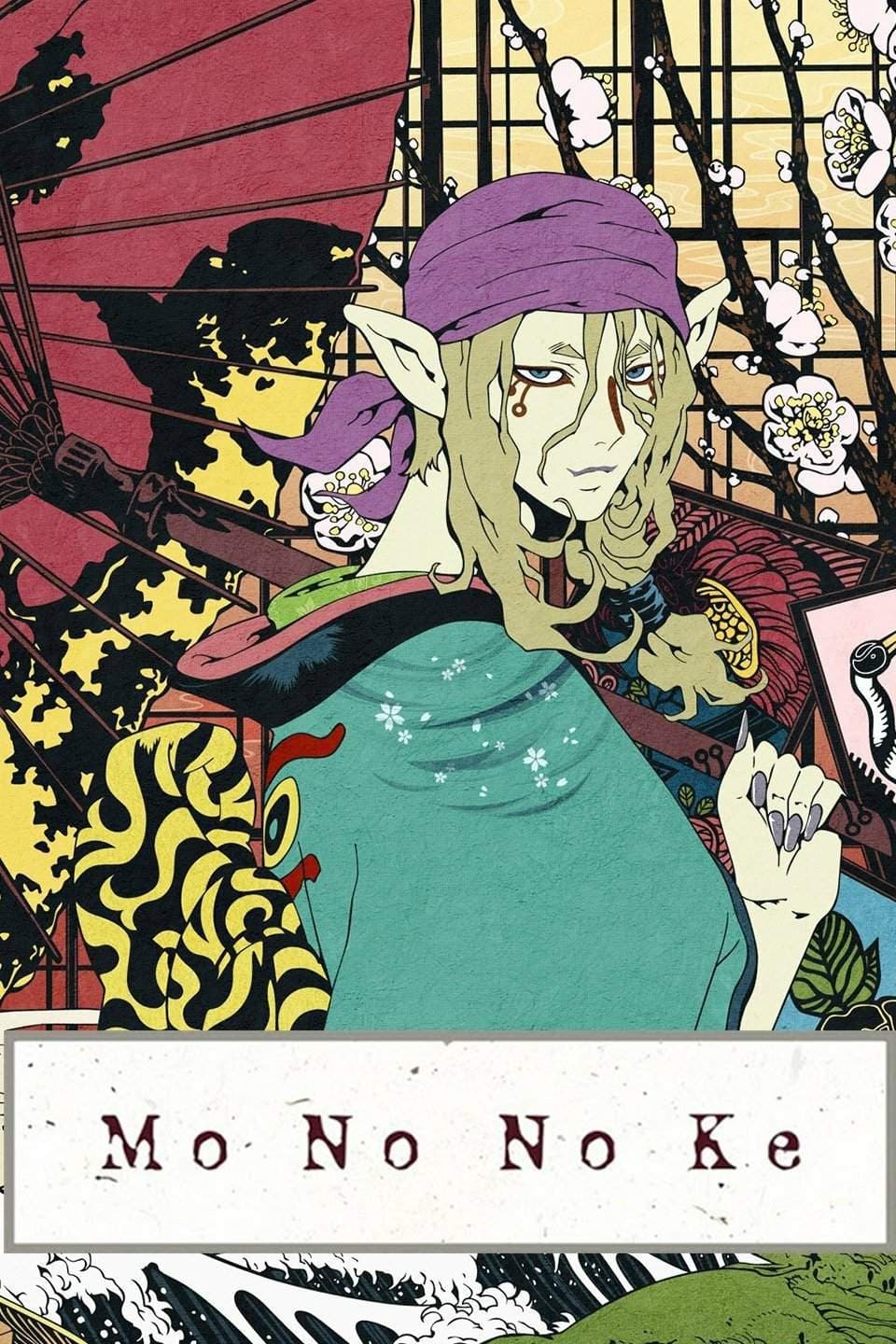
Kenji Nakamura designed this horror series to look like moving Japanese washi paper with rich textures and flat compositions. The show eschewed standard lighting for a vivid and psychedelic color palette that changed with the mood of the spirits. Nakamura used static camera angles and sliding doors to frame the action like a stage play. This unique aesthetic created a timeless and eerie atmosphere that distinguished it from all other horror anime.
‘Tekkonkinkreet’ (2006)
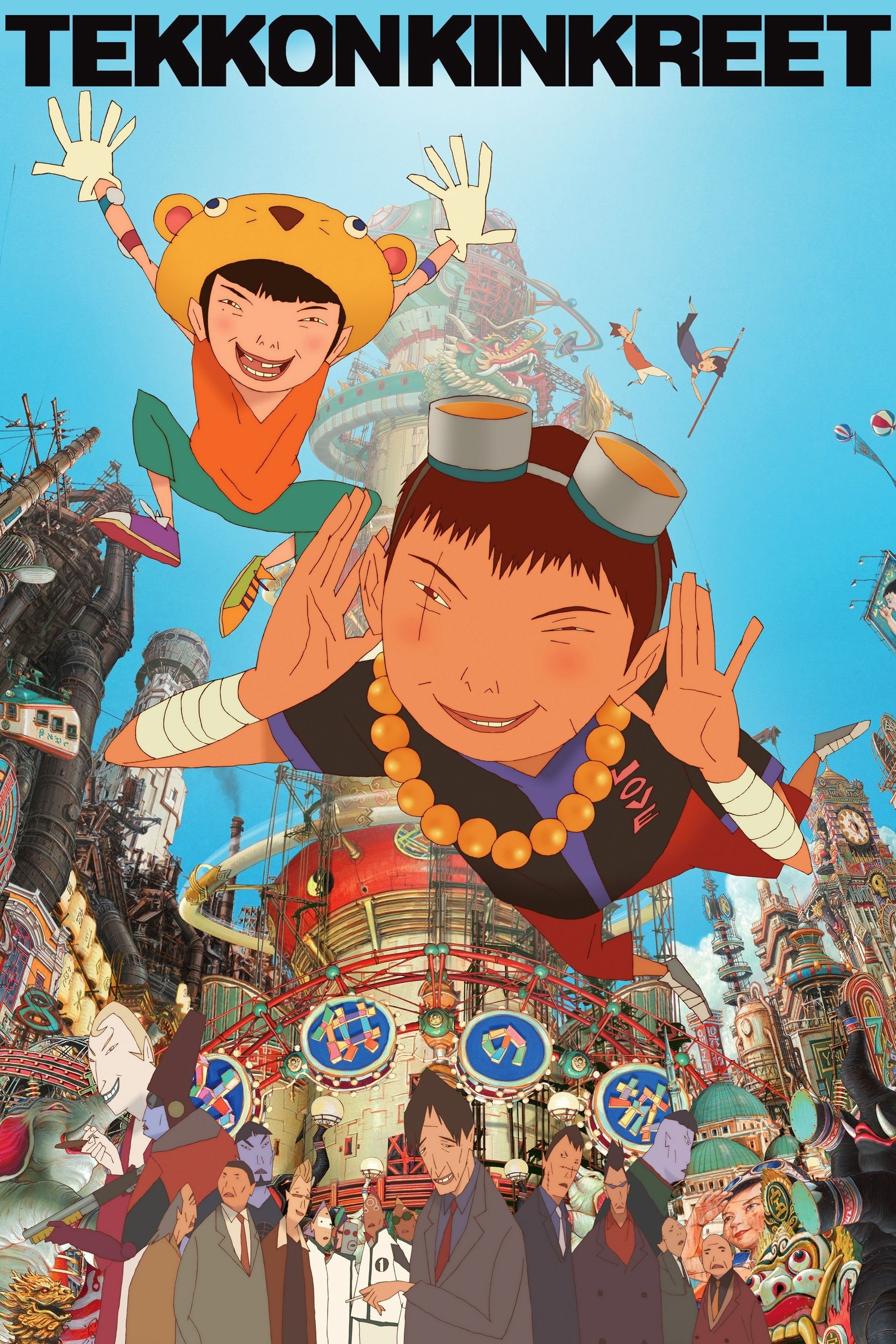
Michael Arias, an American director working in Japan, brought a unique software-assisted approach to camera movement in this film. He blended Taiyo Matsumoto’s loose character designs with incredibly detailed 3D cityscapes. The camera flew through the streets of Treasure Town with a freedom that was difficult to achieve with traditional cels. Arias showed how foreign technology and perspective could enhance the traditional anime production pipeline.
‘Land of the Lustrous’ (2017)
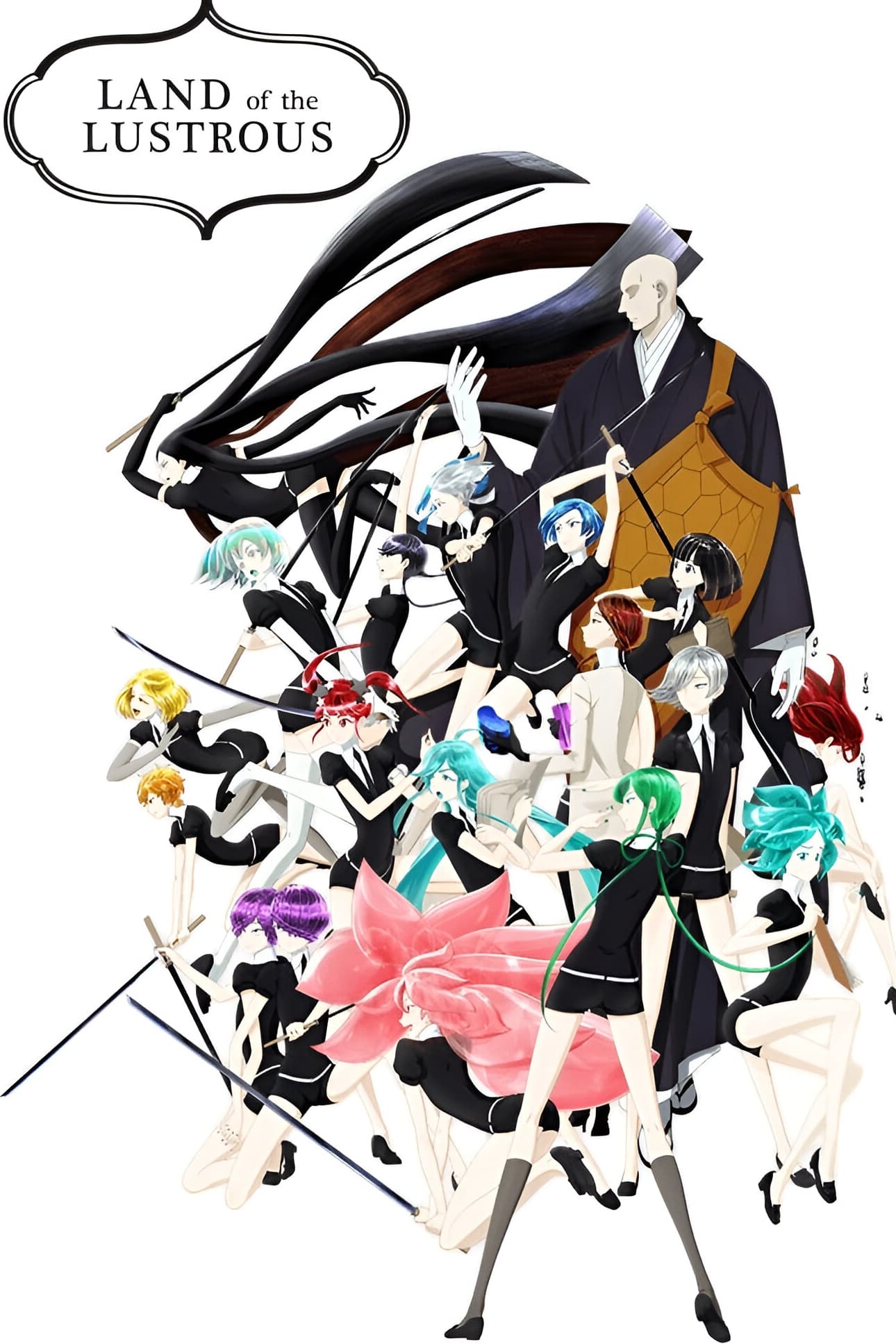
Takahiko Kyogoku successfully translated 2D manga aesthetics into a fully 3D CGI series without losing the charm of the original. The production used the crystalline nature of the characters to justify the use of rigid computer models and lighting refraction. Kyogoku employed dynamic camera work that would have been impossible to draw by hand for the action scenes. This series changed the perception of CG anime from a cost-cutting measure to a legitimate artistic choice.
‘Den-noh Coil’ (2007)
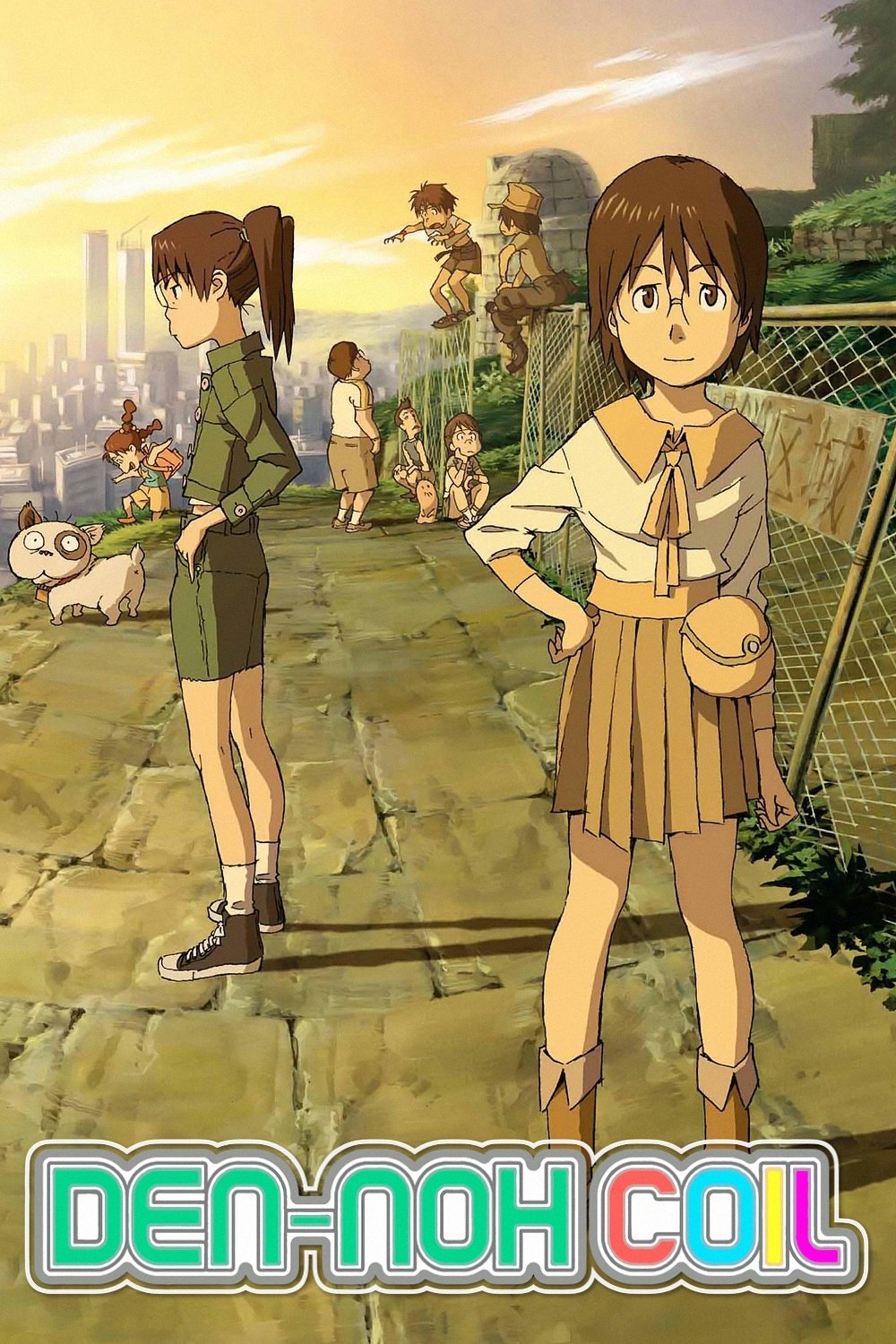
Mitsuo Iso directed this sci-fi mystery that envisioned a world overlaid with augmented reality glasses. The animation emphasized the weight and physics of the digital pets and tools as if they were physical objects. Iso managed the entire production with a focus on how children interact with technology in their daily lives. It remains a cult classic for its predictive world-building and high-quality character acting.
‘Princess Tutu’ (2002–2003)
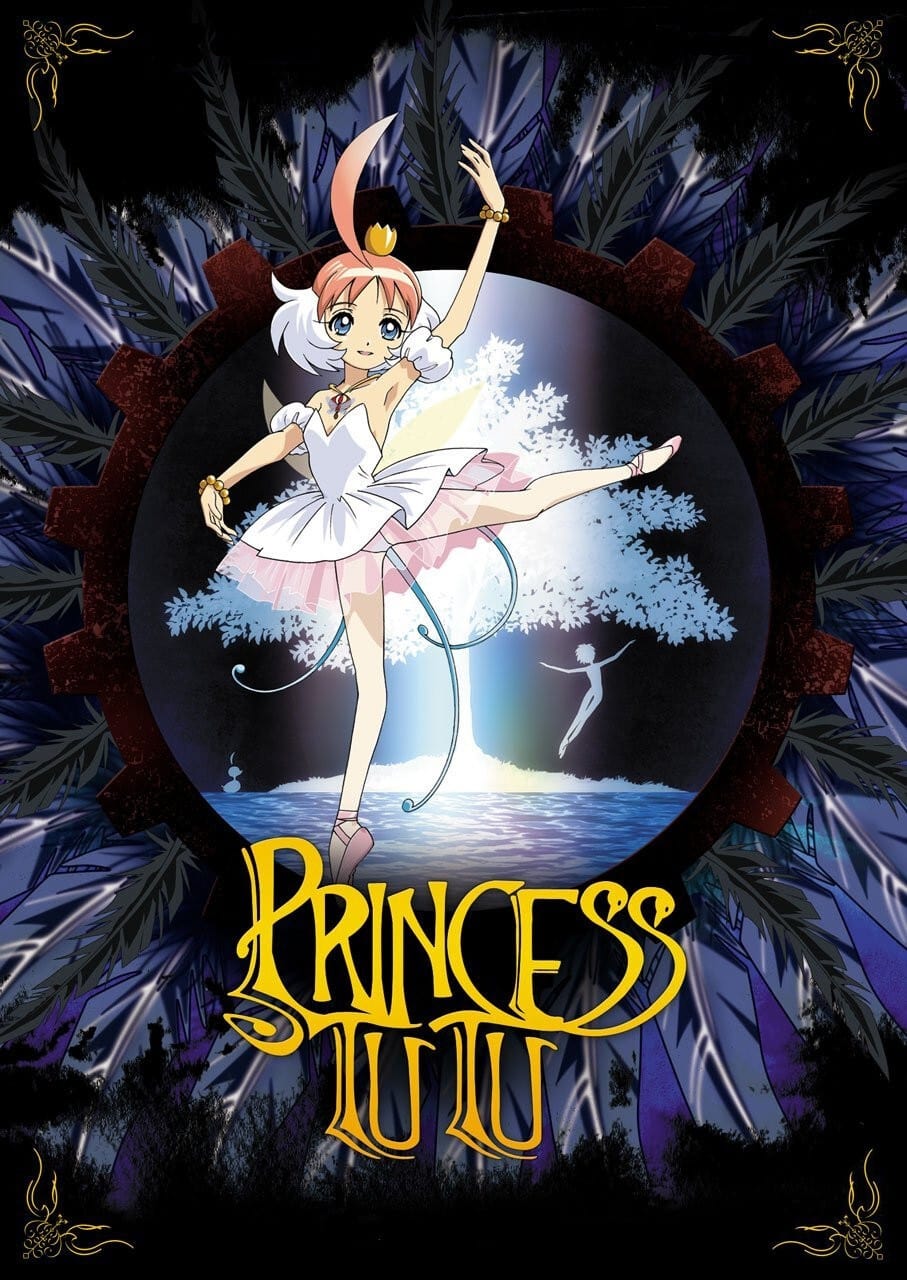
Junichi Sato used the framework of a magical girl show to tell a meta-narrative about the role of storytelling and fate. The series integrated ballet choreography directly into the action sequences and character movements. Sato used classical music and theatrical lighting to frame the battles as emotional duets rather than violence. His direction turned a toy-selling premise into a tragic and sophisticated fairy tale.
‘Bocchi the Rock!’ (2022)
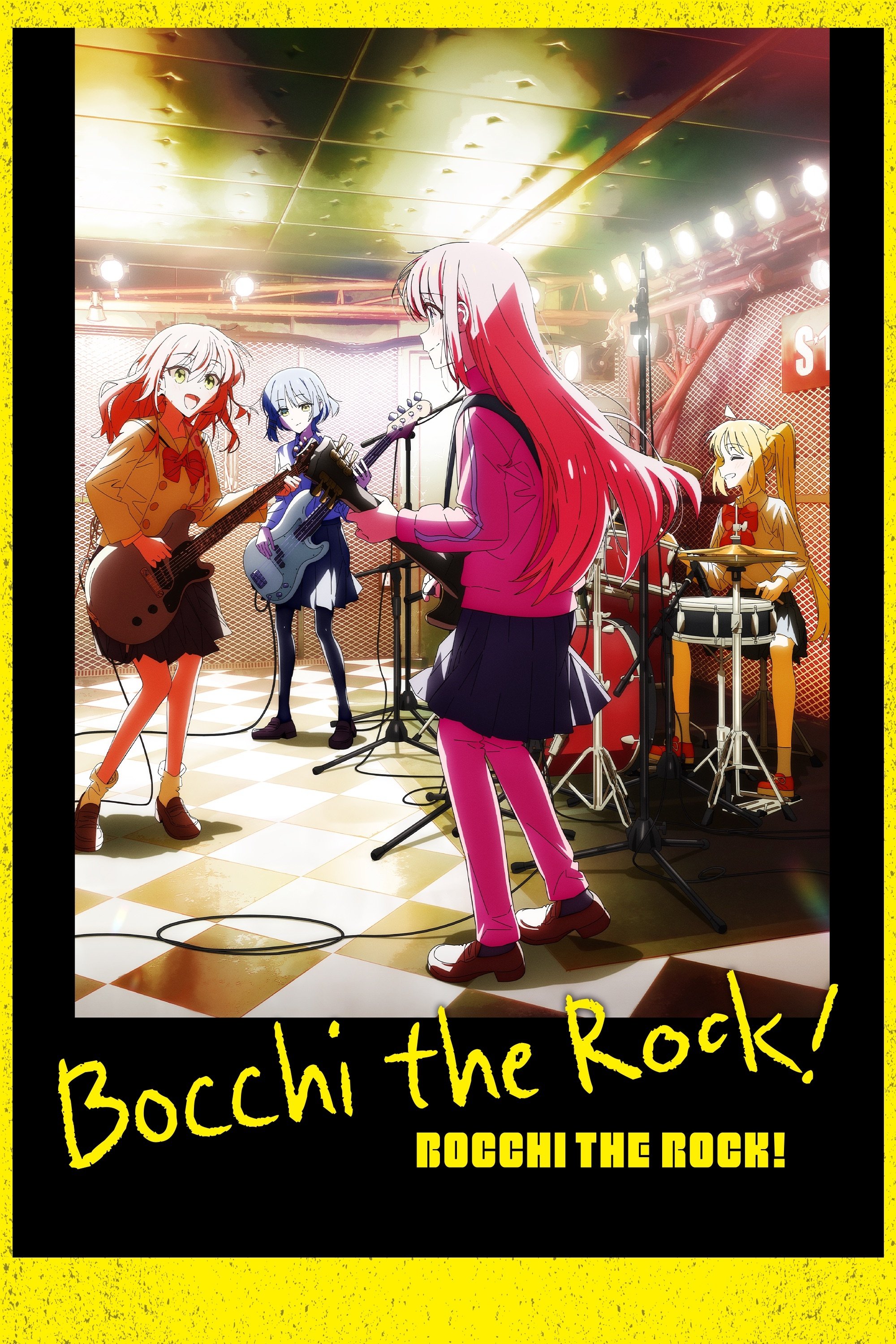
Keiichirō Saitō adapted a four-panel manga into a visual feast that utilized mixed media including claymation and zoetropes. The director used these varied styles to visually represent the protagonist’s severe social anxiety attacks. Saitō perfectly matched the animation to the energy of the musical performances and the comedy beats. The show set a new standard for creative adaptation in the slice-of-life genre.
‘Mob Psycho 100’ (2016)
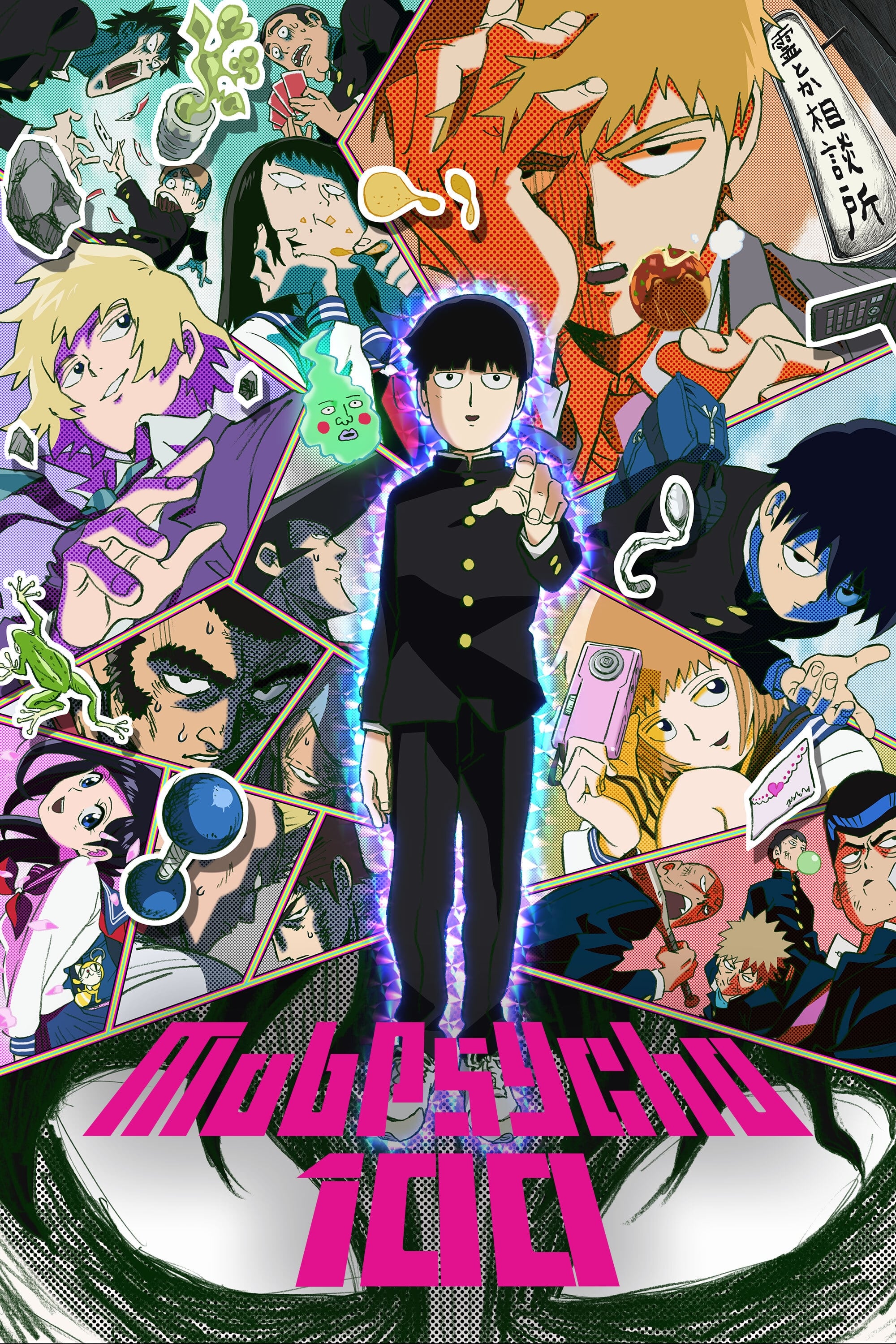
Yuzuru Tachikawa embraced the crude art style of the original webcomic and turned it into a showcase for fluid animation. The series invited guest animators to experiment with different mediums such as paint-on-glass for specific psychic battles. Tachikawa balanced the absurdist humor with genuinely emotional character arcs and explosive action. It highlighted the potential of the “web-gen” movement of animators who learned their craft online.
‘Ranking of Kings’ (2021–2022)
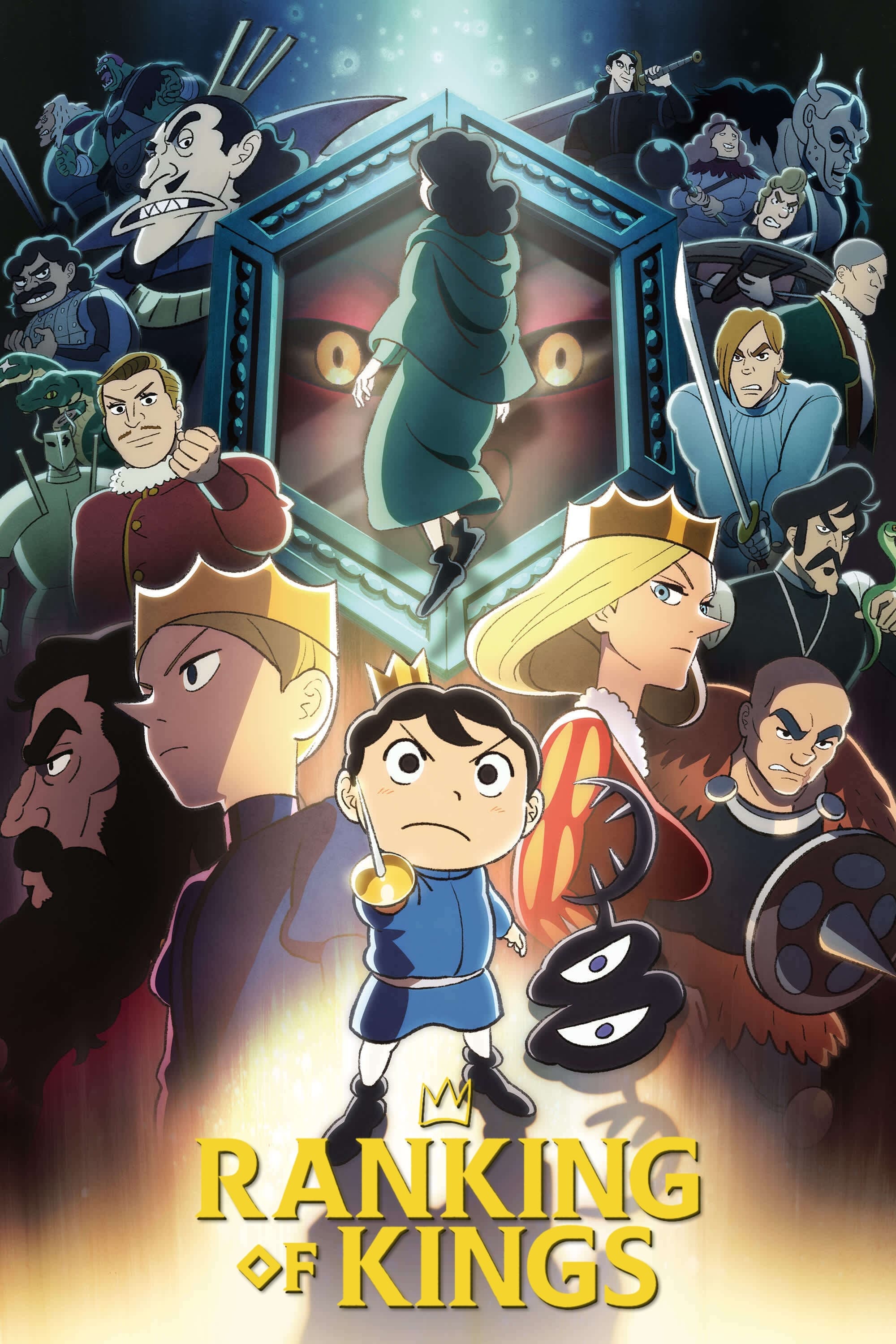
Yosuke Hatta directed this fantasy series with a storybook aesthetic that recalled the animation styles of decades past. The show used simple character designs to allow for incredibly fluid and expressive movement during combat. Hatta focused on the sign language used by the deaf protagonist to ensure it was accurate and integral to the story. The series proved that a retro aesthetic could deliver modern and impactful storytelling.
Describe your favorite director from this list and how their style influenced your taste in the comments.