Dead Celebs Whose Legacies Are Taught in Schools and Film Classes

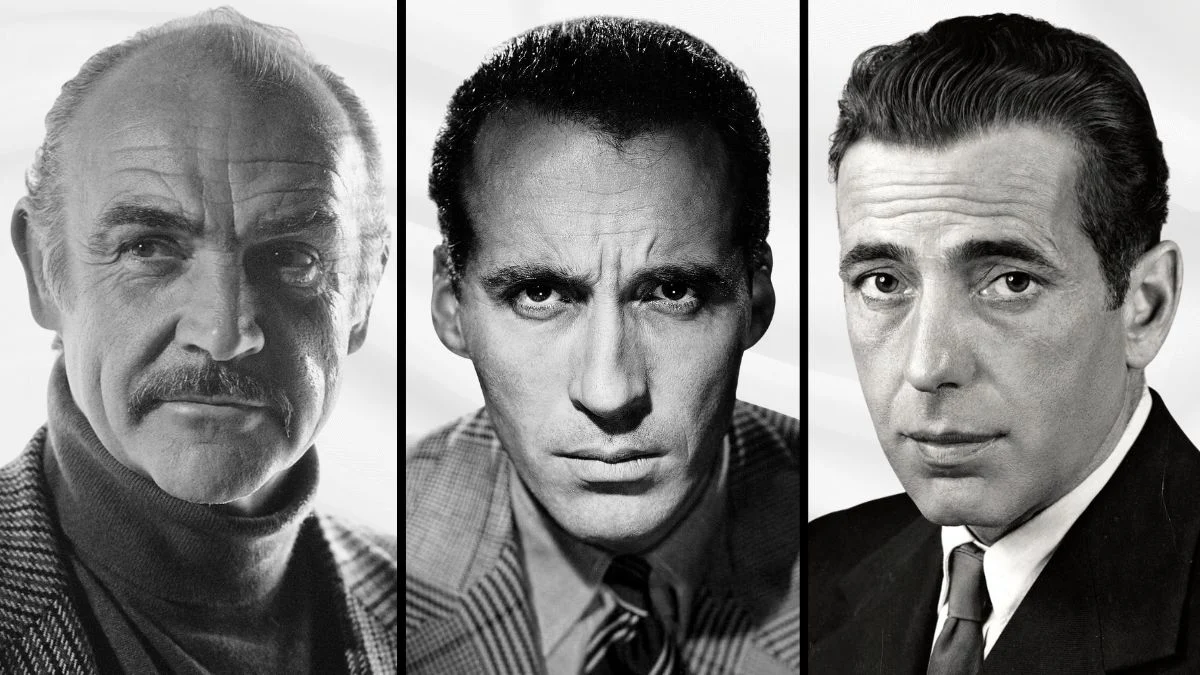

The history of cinema and the performing arts is built upon the foundational work of actors, directors, and artists who transformed their respective mediums. Academic curriculums in film schools and universities worldwide study these figures to understand the evolution of storytelling, acting techniques, and visual language. Their contributions range from inventing montage theory to redefining the limits of physical comedy and method acting. Understanding the careers of these late icons provides students with essential context for analyzing contemporary entertainment.
Alfred Hitchcock
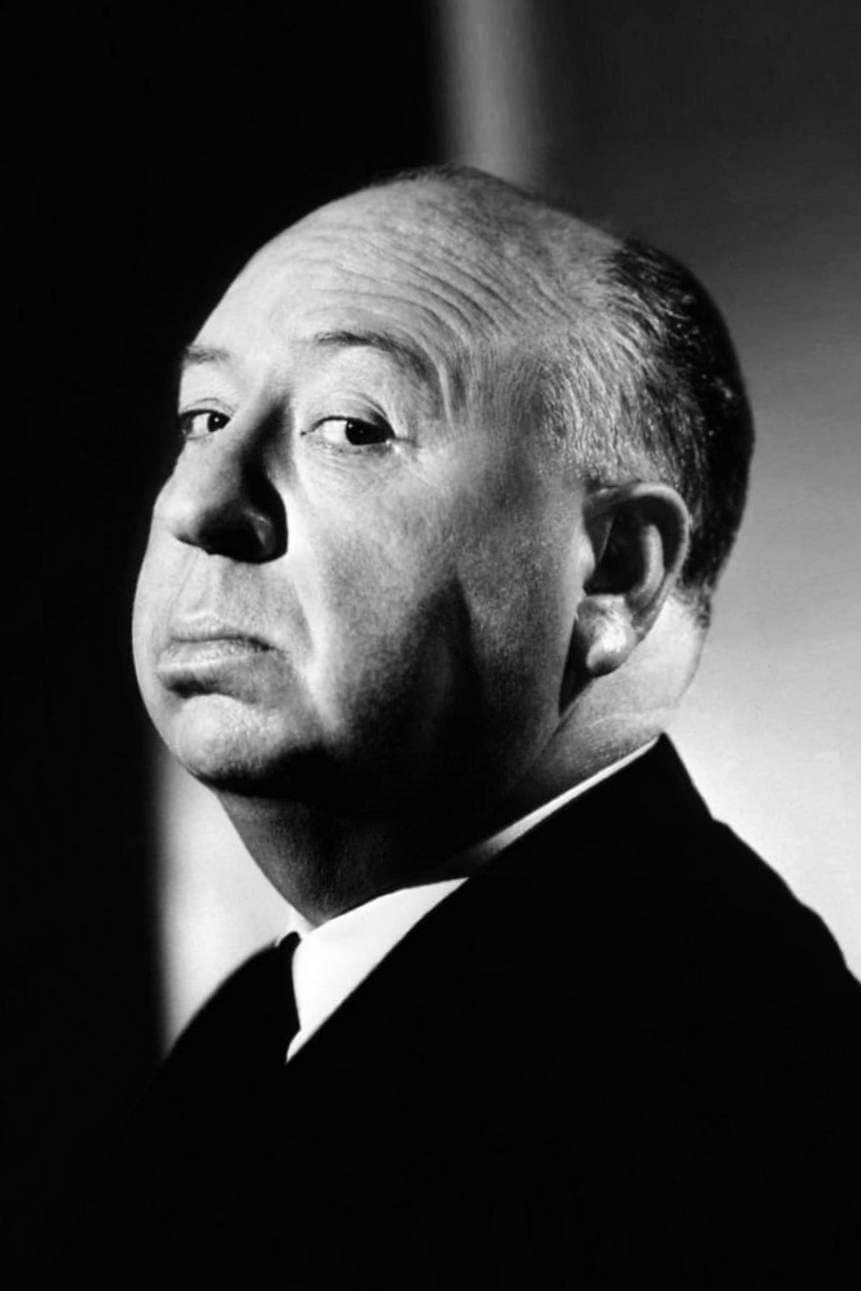
Alfred Hitchcock is widely regarded as the master of suspense and remains a primary subject in film studies for his psychological thriller techniques. Professors analyze ‘Psycho’ to demonstrate the effectiveness of rapid editing and sound design in creating visceral terror without showing graphic violence. His concept of the MacGuffin is a fundamental lesson in screenwriting classes that teaches students how to drive a plot forward. Hitchcock utilized the camera as a voyeuristic tool to manipulate audience identification and maximize tension.
Stanley Kubrick
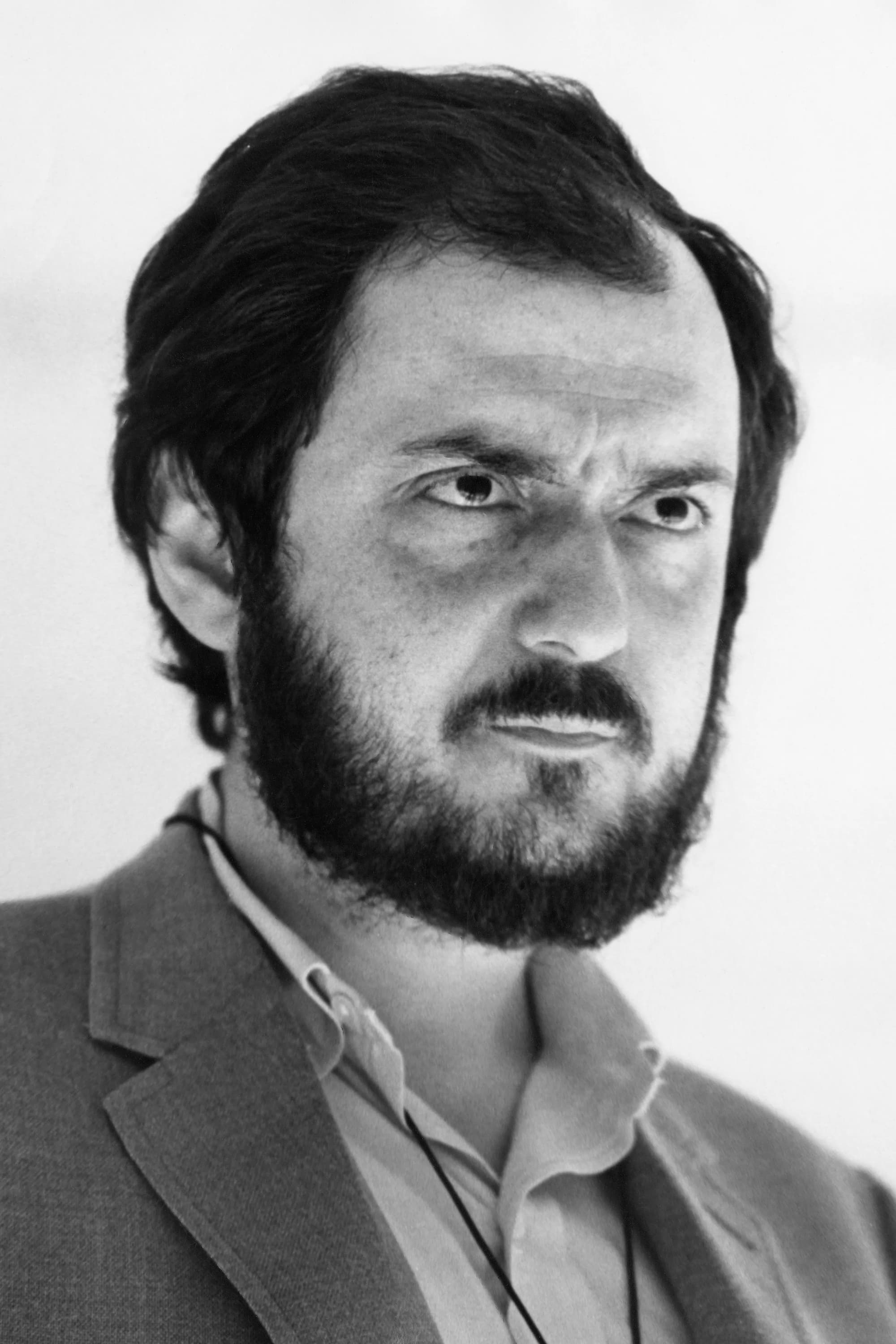
Stanley Kubrick is studied for his obsessive attention to detail and his revolutionary use of practical effects before the digital age. Film students examine ‘2001: A Space Odyssey’ to understand his pioneering slit-scan photography and unmatched visual composition. His exploration of dehumanization across various genres provides fertile ground for thematic analysis in academic settings. Kubrick demanded perfection in every frame and often pushed the medium of cinema to its technical limits.
Orson Welles
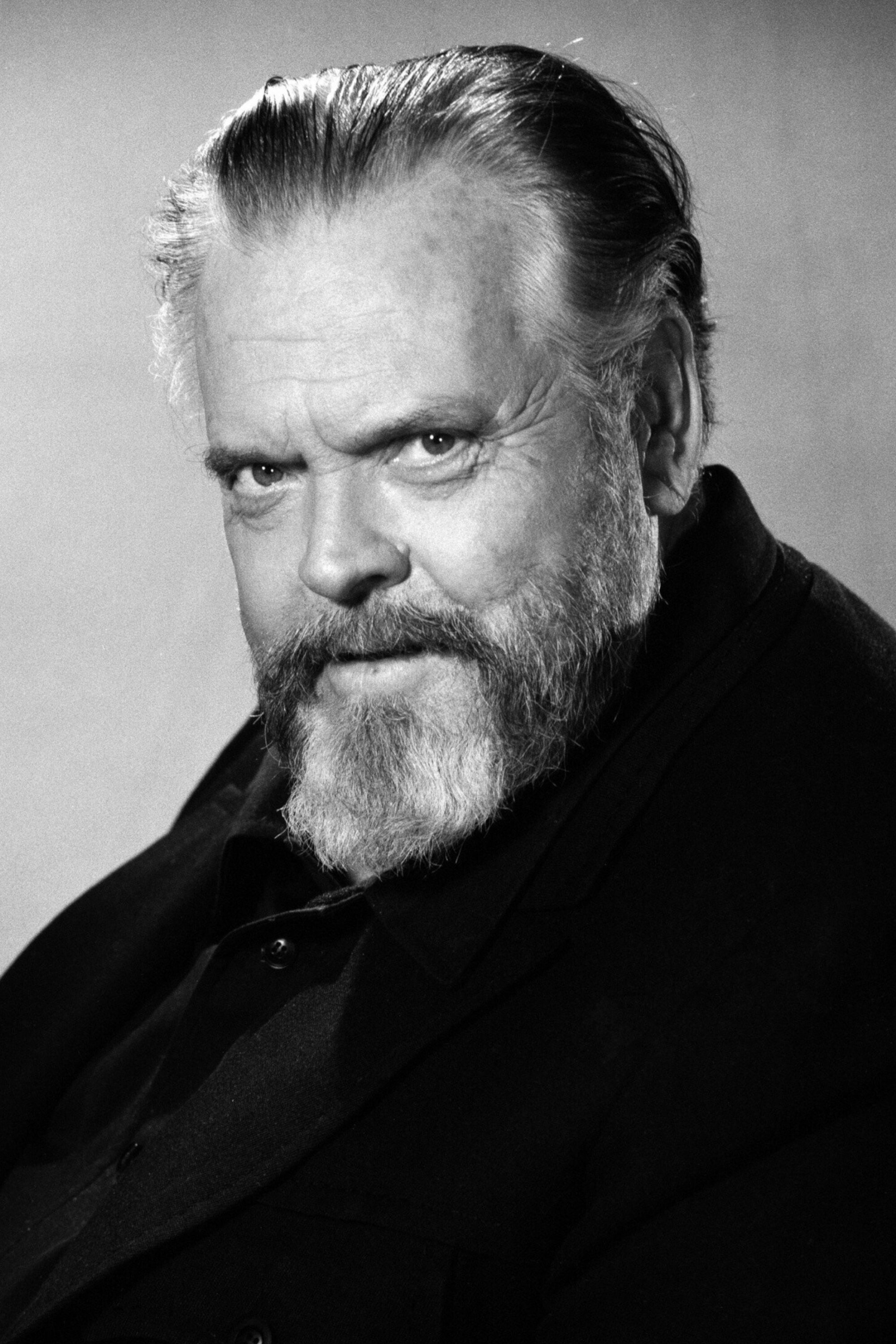
Orson Welles wrote, directed, and starred in ‘Citizen Kane’ which is frequently cited in textbooks as the greatest film ever made. His use of deep focus cinematography changed how directors approached blocking and visual depth within a scene. Students study his transition from radio to film to understand how sound bridges and overlapping dialogue create narrative pace. Welles proved that a distinct directorial vision could override the constraints of the traditional studio system.
Marlon Brando
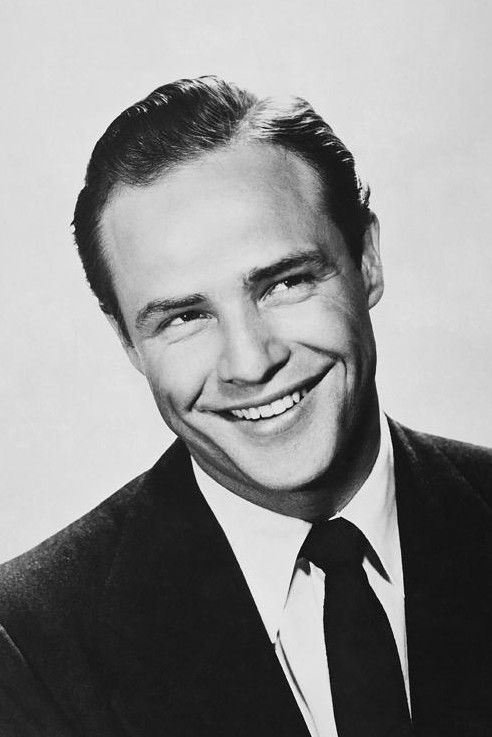
Marlon Brando revolutionized the art of performance by popularizing the Stanislavski system and method acting in Hollywood. His raw and naturalistic portrayal in ‘A Streetcar Named Desire’ challenged the stylized theatricality that dominated the era. Acting classes dissect his ability to convey complex internal emotions through subtle gestures and vocal mumbling. Brando remains the benchmark for realistic character immersion and emotional truth on screen.
Akira Kurosawa
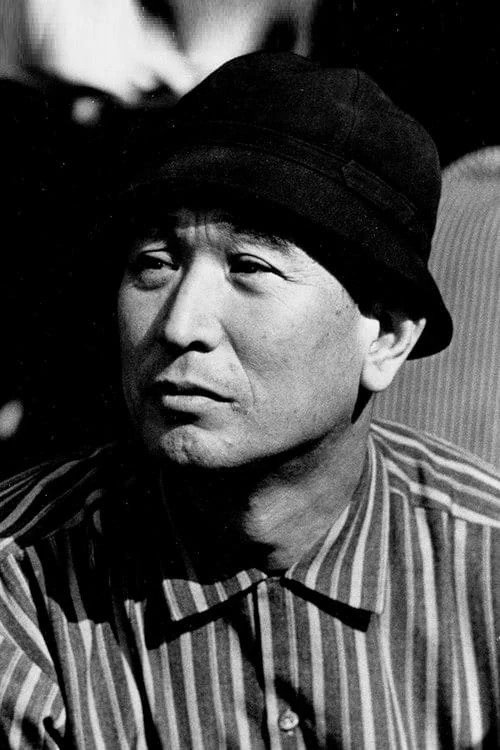
Akira Kurosawa is essential to film history curriculums for his dynamic editing style and mastery of movement within the frame. Scholars study ‘Seven Samurai’ to analyze how he managed ensemble staging and action sequences with fluidity. His narrative structure in ‘Rashomon’ introduced the concept of subjective truth and the unreliable narrator to global audiences. Kurosawa successfully bridged the gap between Western cinematic influences and traditional Japanese aesthetics.
Charlie Chaplin
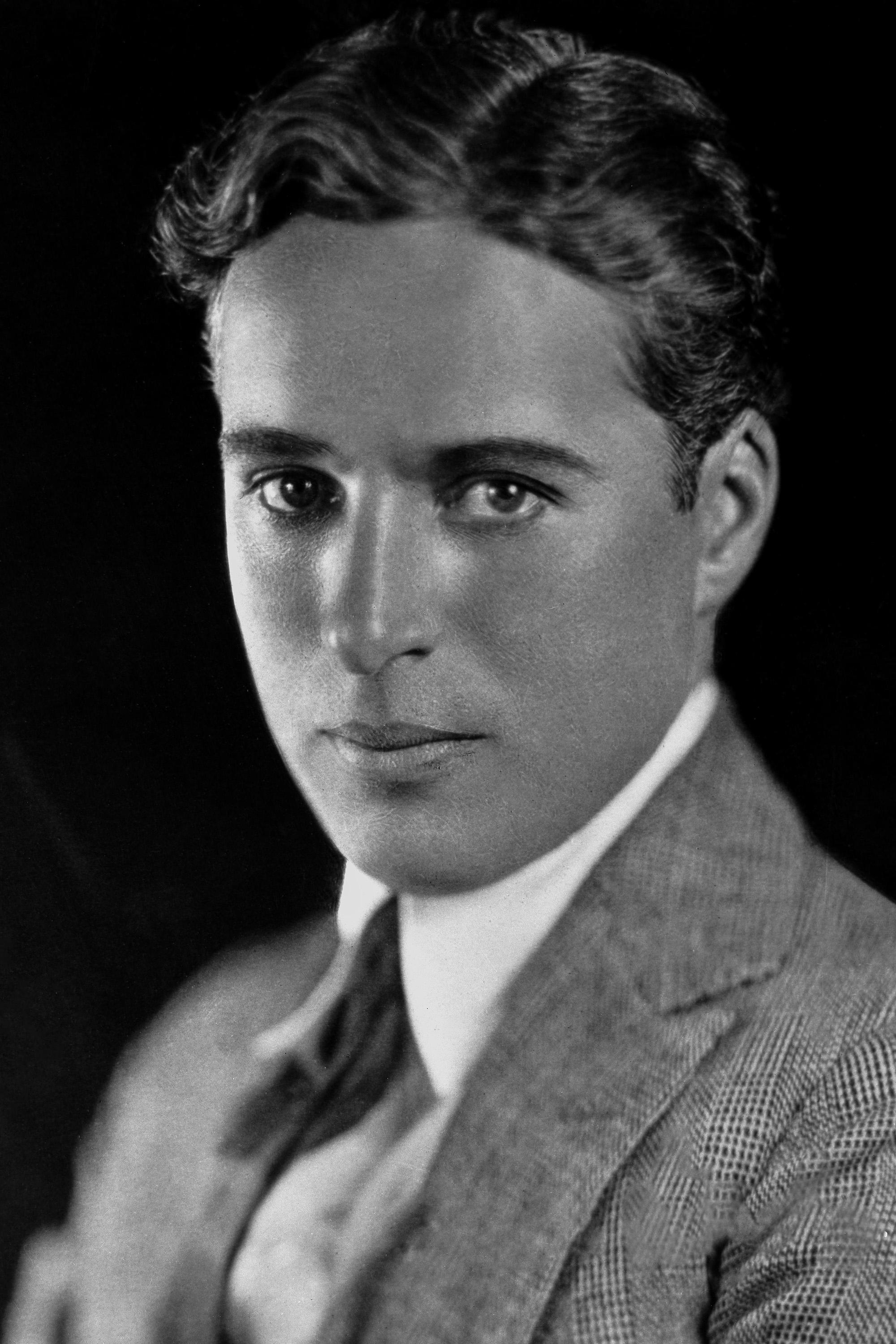
Charlie Chaplin serves as the ultimate case study for physical comedy and the transition from the silent era to talkies. His character of the Tramp allowed him to explore themes of poverty and industrialization through pantomime and visual gags. Classes analyze ‘City Lights’ to understand how pathos and humor can coexist to evoke a deep emotional response. Chaplin maintained complete creative control over his productions and demonstrated the power of the auteur long before the term was coined.
Marilyn Monroe
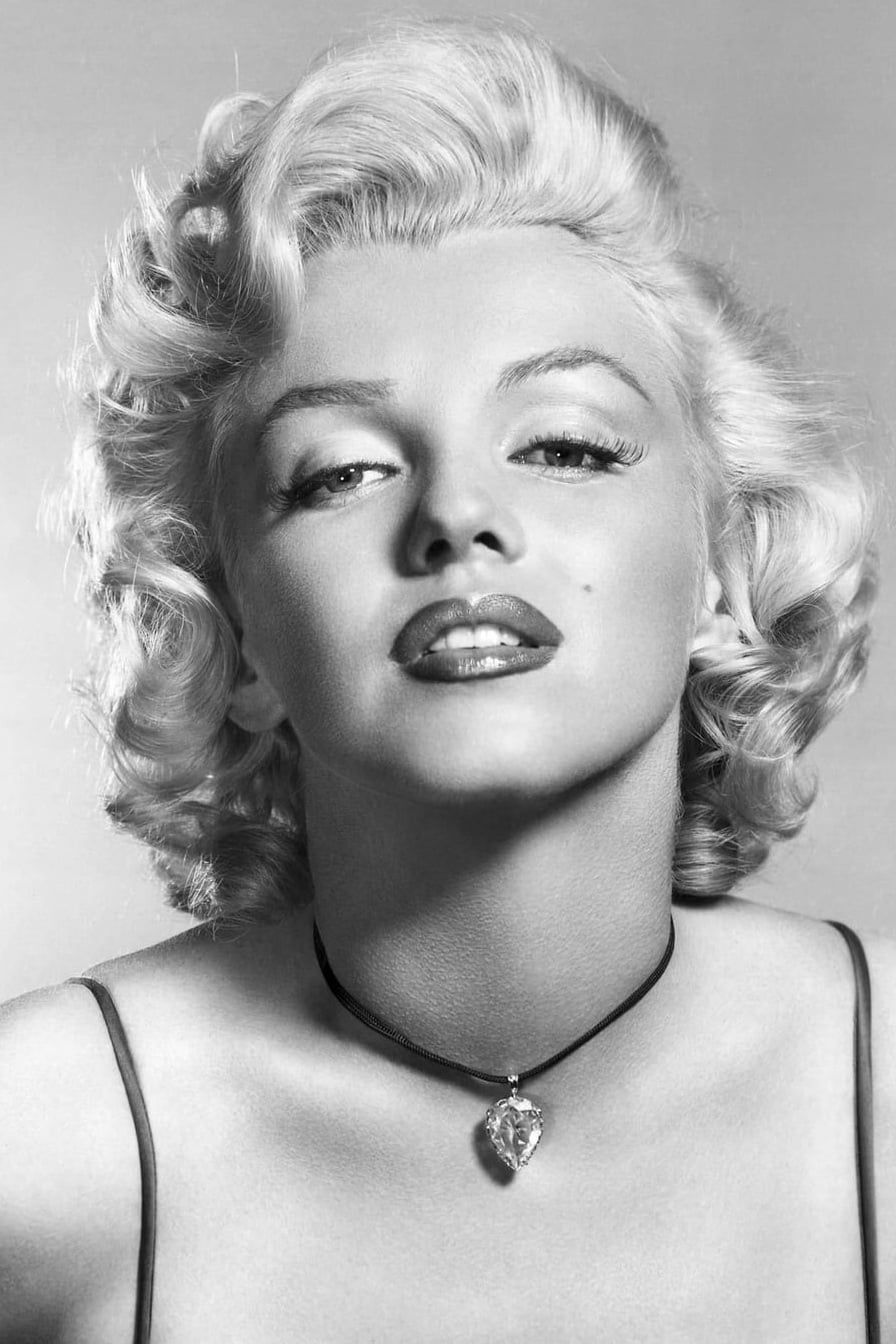
Marilyn Monroe is examined in media studies for her construction of the star persona and her impact on pop culture iconography. Her performances in films like ‘Some Like It Hot’ display a sharp comedic timing that often went underappreciated during her lifetime. Academics discuss how she navigated the male gaze and the exploitation of women within the rigid studio system of the 1950s. Monroe remains a complex figure whose public image and private struggles highlight the nature of celebrity.
Ingmar Bergman
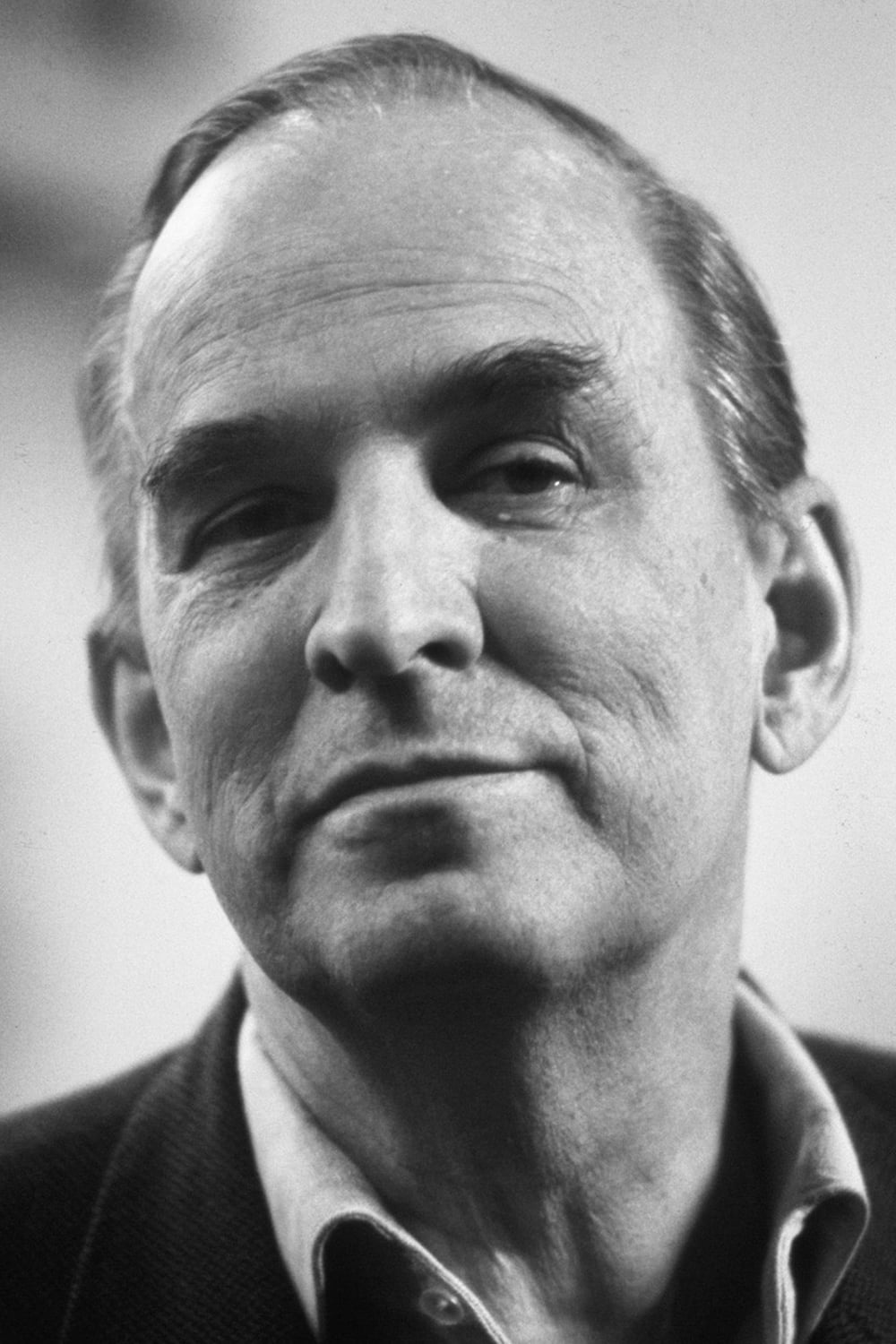
Ingmar Bergman is a central figure in courses focusing on existentialism and the philosophy of religion in cinema. Students dissect ‘The Seventh Seal’ to interpret his heavy use of symbolism and allegorical storytelling regarding death and faith. His close collaboration with cinematographer Sven Nykvist resulted in intimate close-ups that are studied for their lighting and emotional intensity. Bergman used the medium of film to perform deep psychological autopsies on his characters.
James Dean
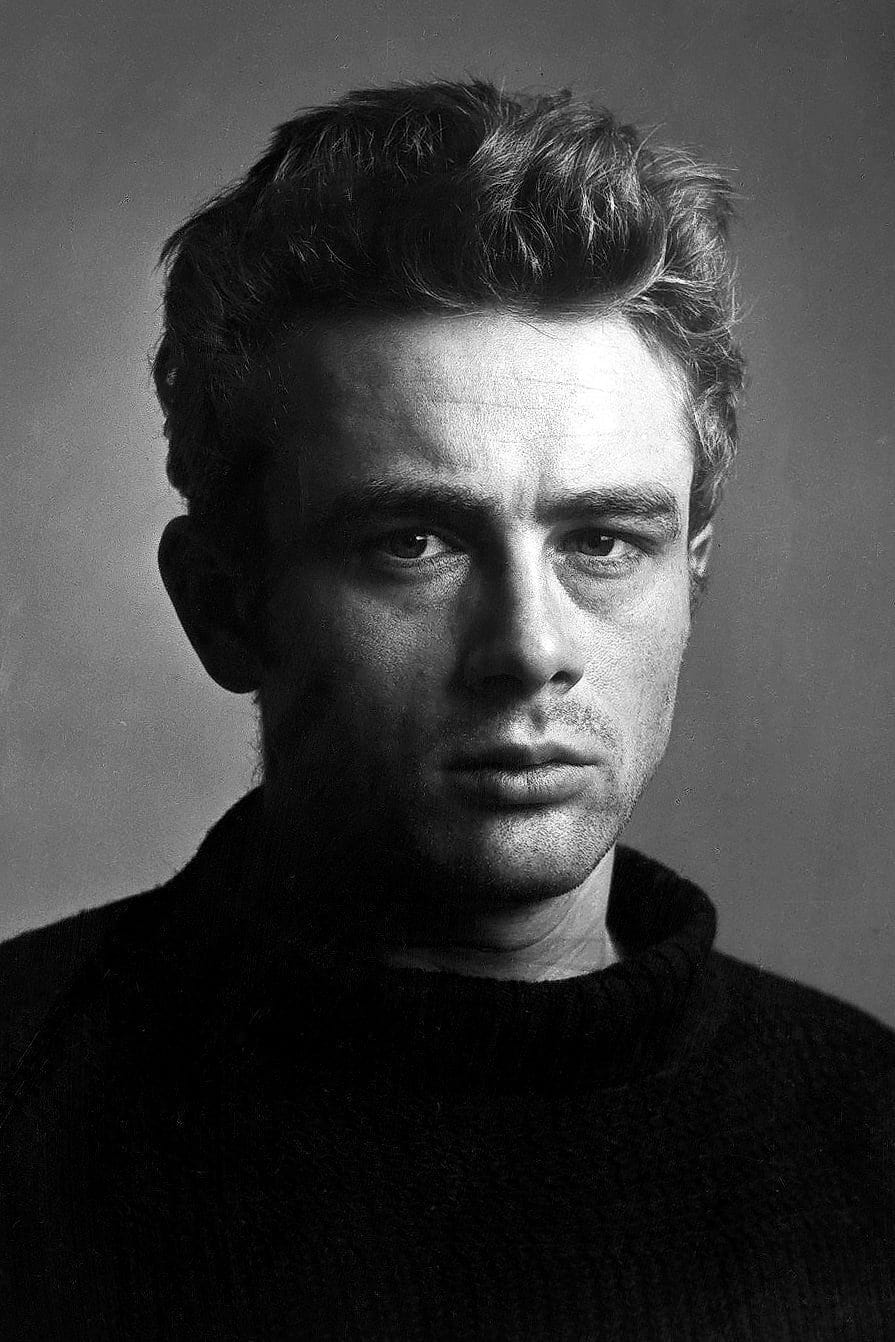
James Dean represents the cultural shift of the 1950s and the rise of the rebellious teenager archetype in American cinema. His performance in ‘Rebel Without a Cause’ is analyzed for its vulnerability and the way it captured the angst of a generation. acting students study his improvisational choices and his ability to communicate volumes through body language alone. Although his career was tragically short, his influence on the depiction of youthful masculinity remains profound.
Federico Fellini
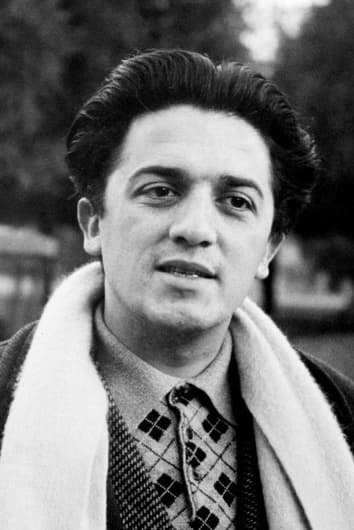
Federico Fellini is taught for his unique blend of memory, dreams, and sexuality known as the Felliniesque style. His masterpiece ‘8½’ is frequently screened to demonstrate meta-cinema and the breakdown of traditional narrative structures. Scholars analyze his departure from Italian Neorealism into a more surreal and baroque visual language. Fellini celebrated the grotesque and the beautiful with equal enthusiasm and created a circus-like atmosphere in his films.
Jean-Luc Godard
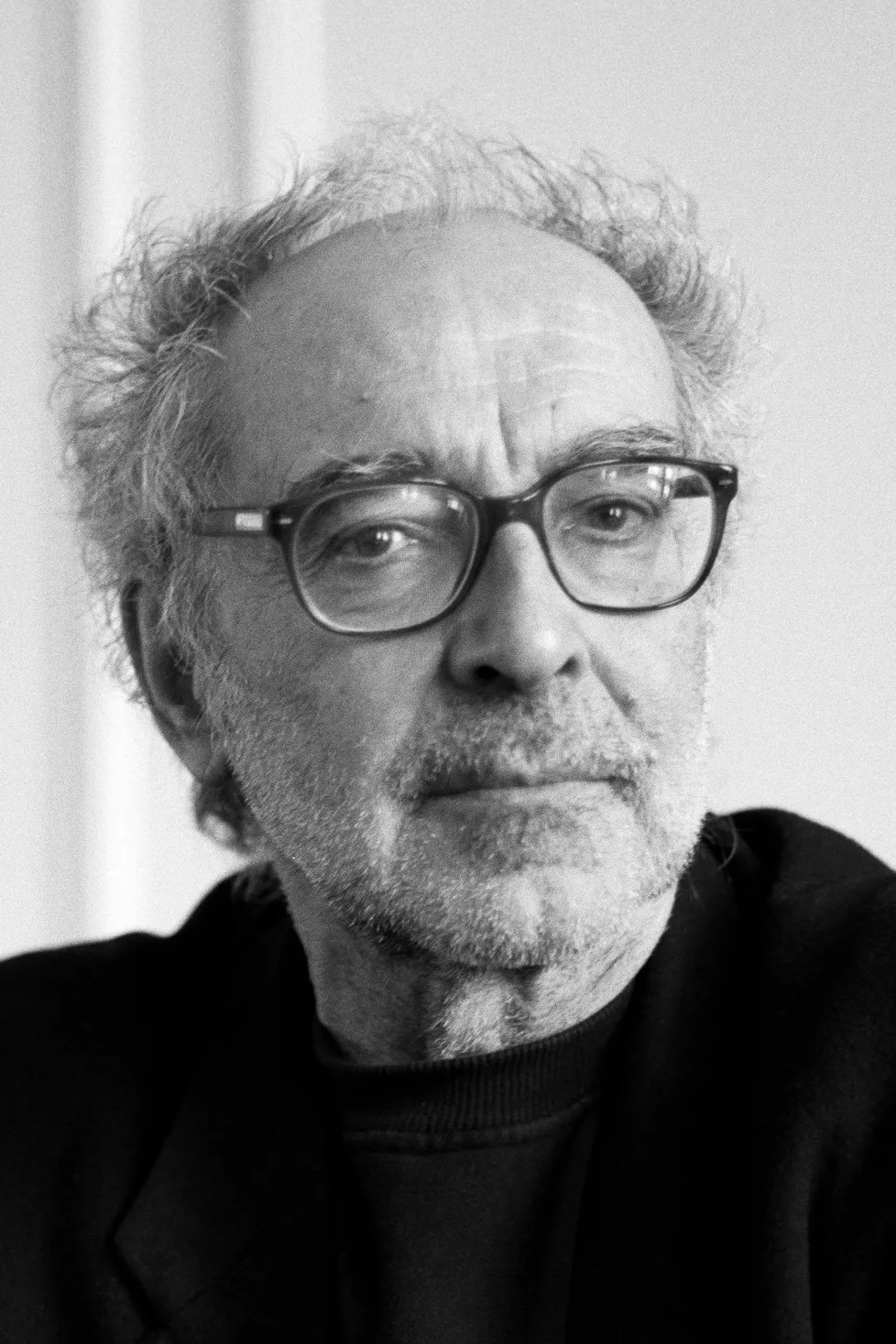
Jean-Luc Godard is a pillar of the French New Wave and a figure who completely deconstructed the rules of filmmaking. His use of jump cuts in ‘Breathless’ shattered the conventions of continuity editing and is a staple lesson in film history. Godard treated film as a political tool and an intellectual exercise rather than mere entertainment. His work challenges students to question the artificiality of cinema and the relationship between image and sound.
Humphrey Bogart
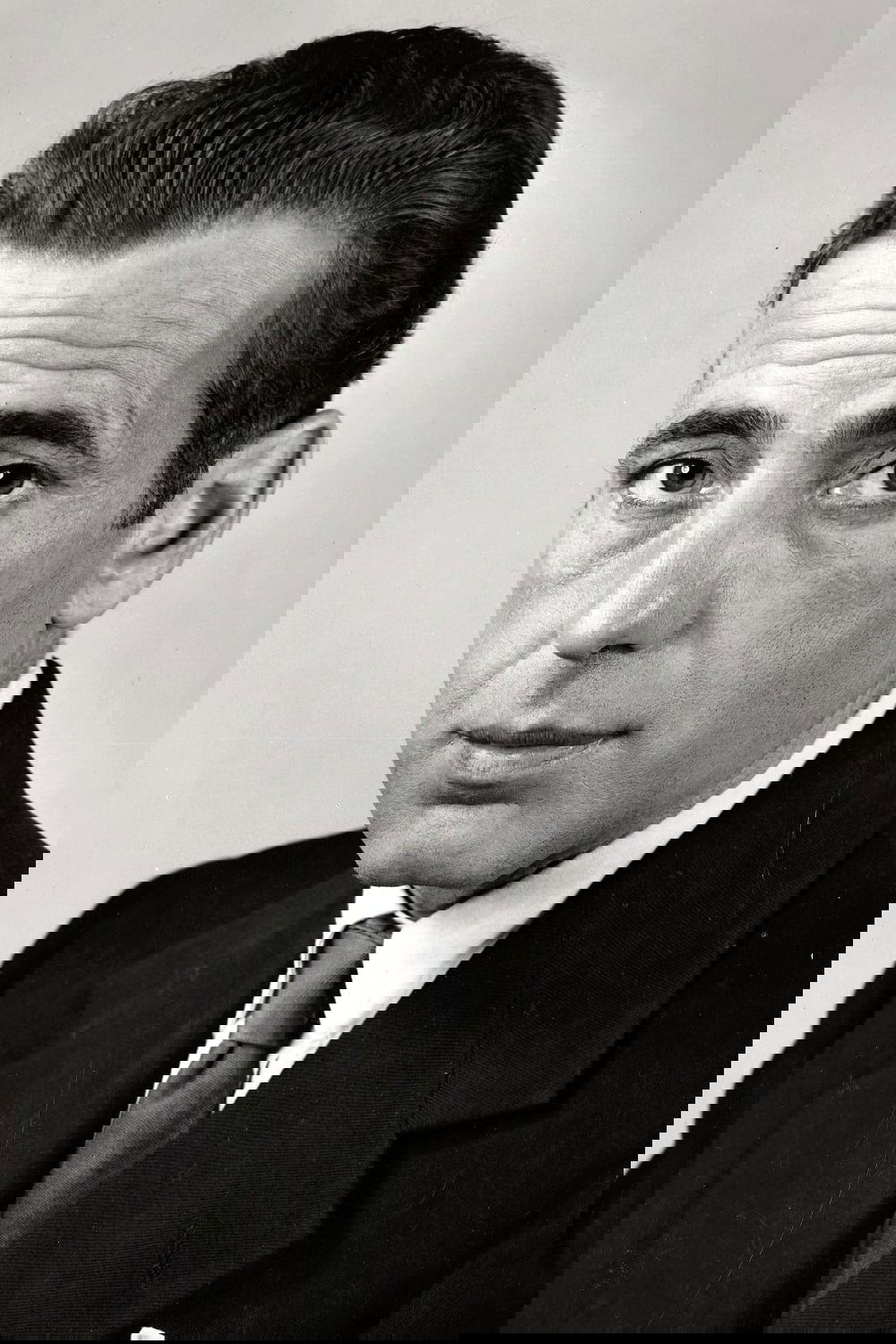
Humphrey Bogart defined the film noir protagonist through his portrayals of cynical yet moral private detectives and anti-heroes. His role in ‘Casablanca’ is studied for his restrained romanticism and the development of the tough-guy archetype. Cinema classes examine his distinct vocal delivery and his ability to command the screen without traditional leading man looks. Bogart represents the golden age of the studio contract player who transcended typecasting to become a legend.
Katharine Hepburn
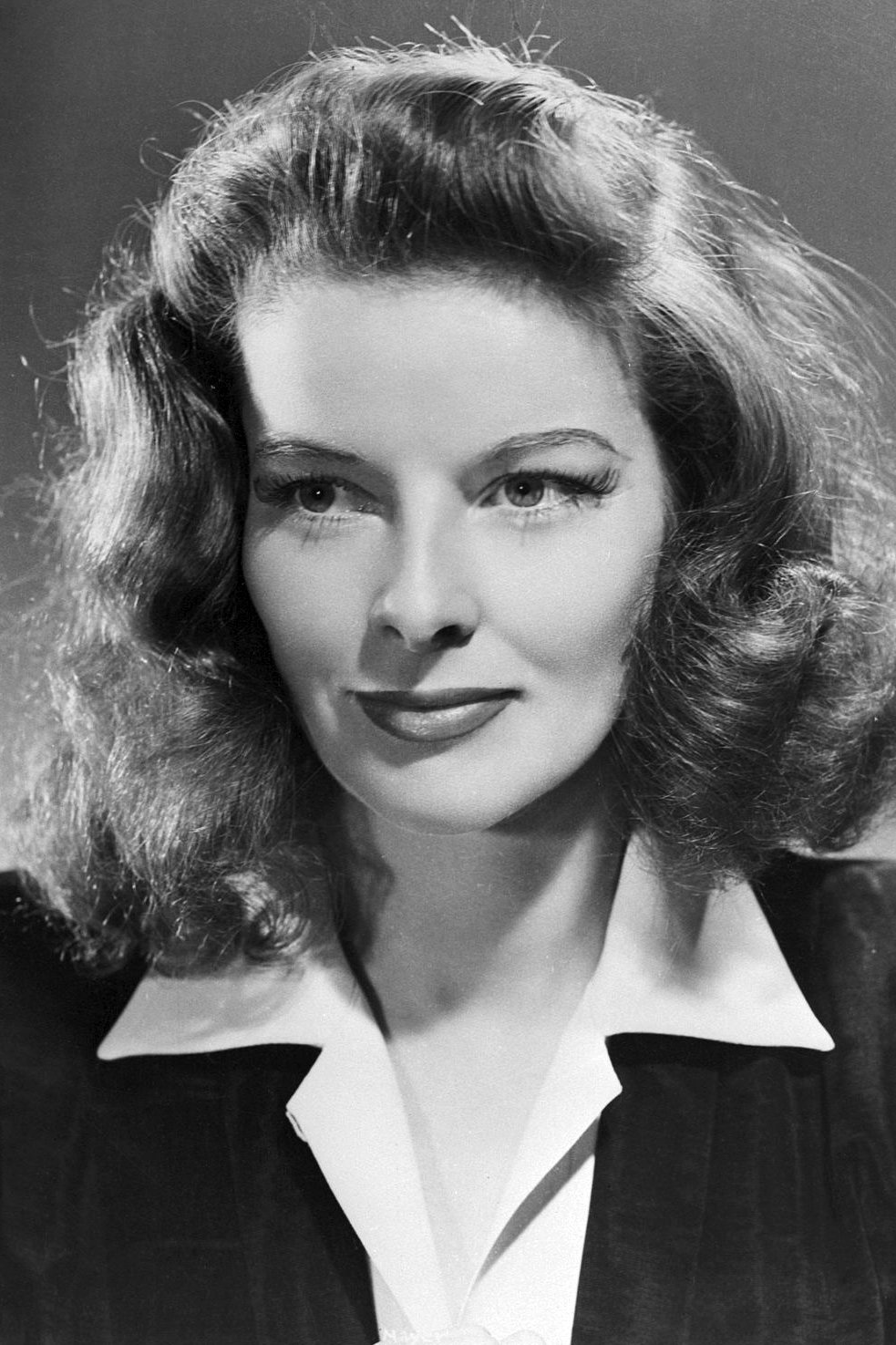
Katharine Hepburn is celebrated in film history for her fierce independence and her mastery of the screwball comedy genre. Her rapid-fire dialogue and chemistry with Cary Grant in ‘Bringing Up Baby’ are analyzed for timing and rhythm. She challenged gender norms of her time by wearing trousers and playing intellectually superior characters. Hepburn holds the record for the most Academy Awards for acting and demonstrated remarkable longevity in her career.
Sidney Poitier
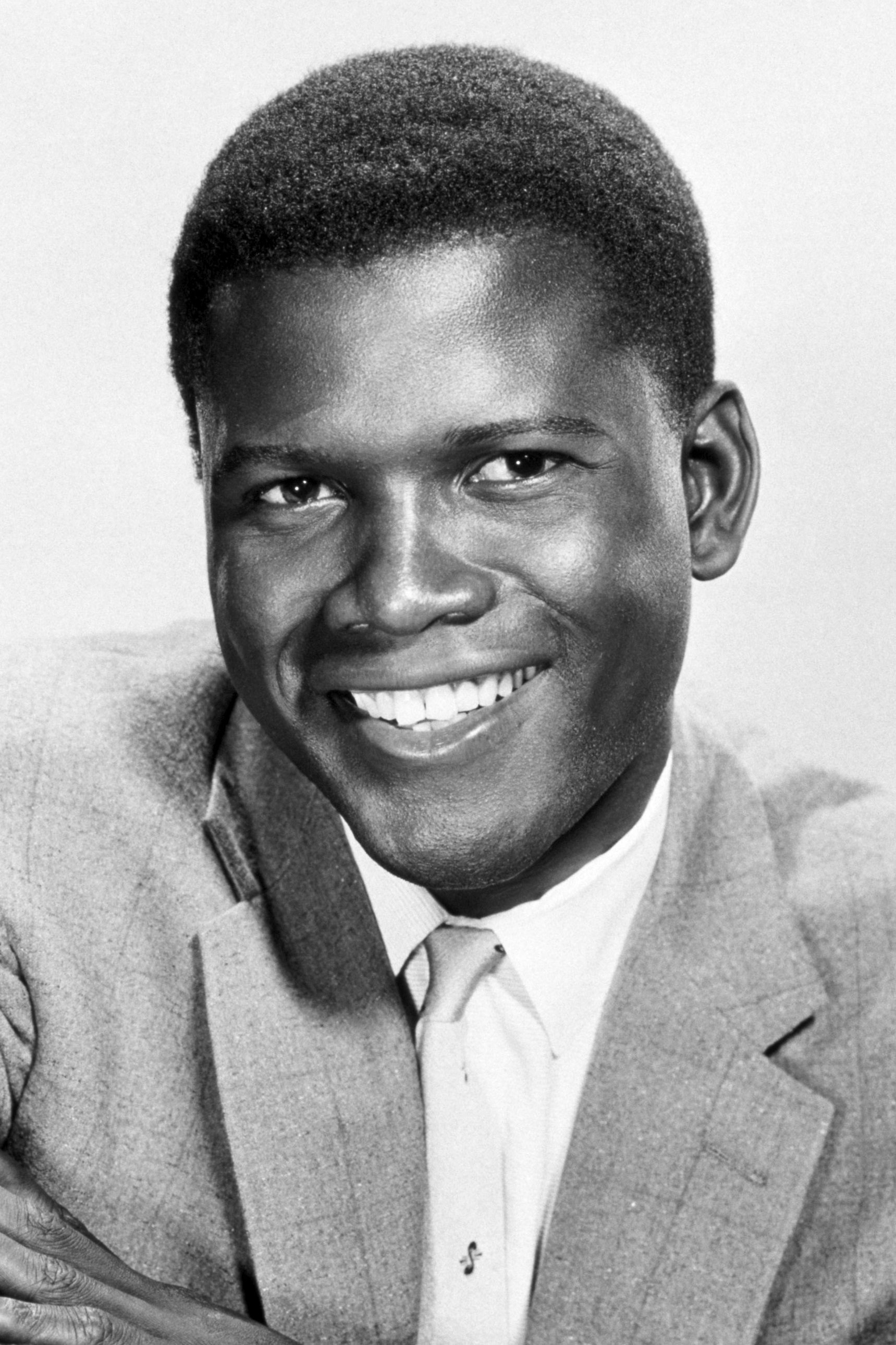
Sidney Poitier is a critical subject in sociology and film classes regarding race relations in Hollywood during the Civil Rights movement. His dignified performances in films like ‘In the Heat of the Night’ broke barriers for African American actors in leading roles. Scholars discuss the burden of representation he carried and how his characters challenged white audiences. Poitier used his stardom to demand equal treatment and paved the way for future generations of black artists.
François Truffaut
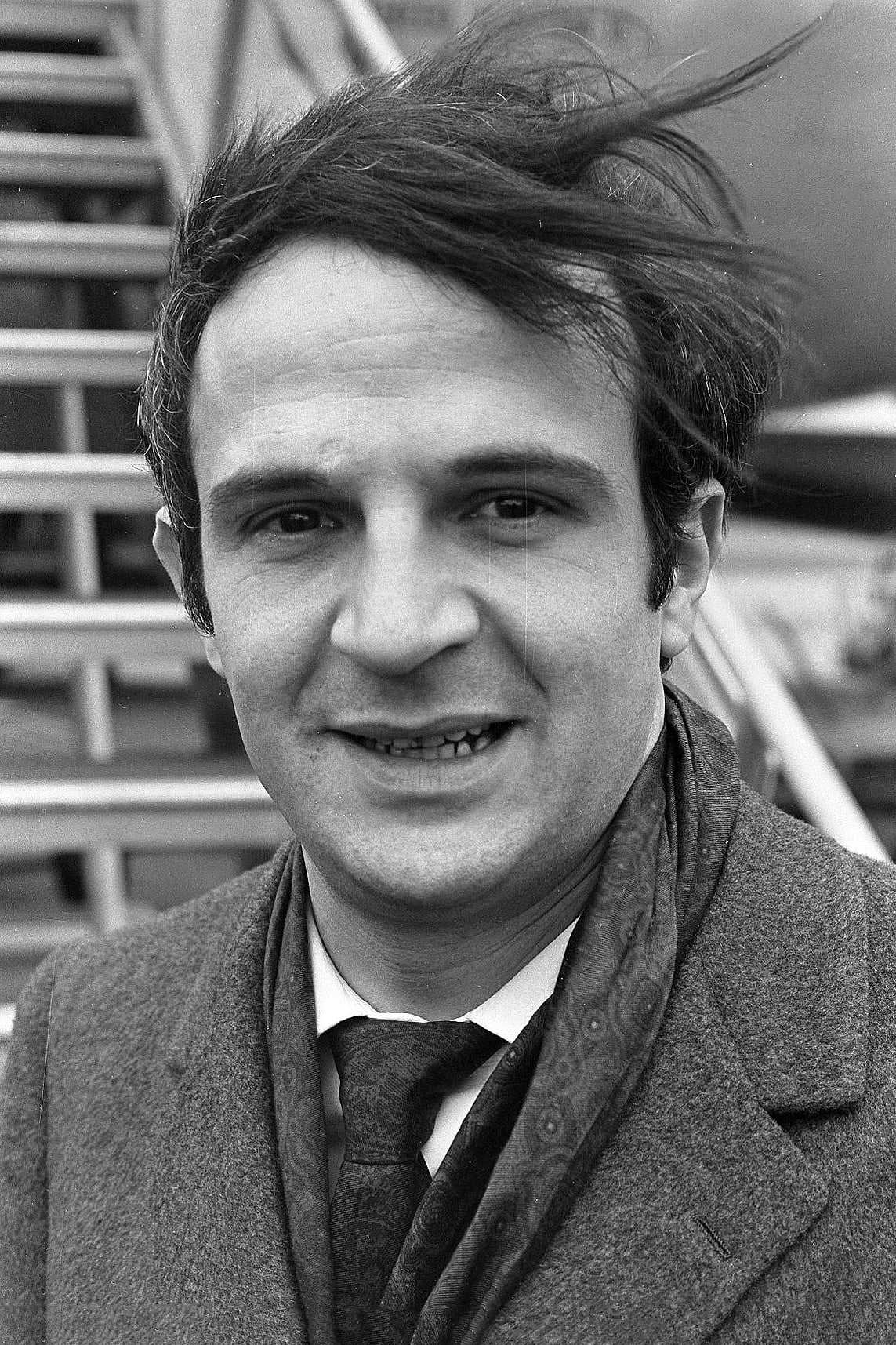
François Truffaut is a key founder of the Auteur Theory which posits that the director is the true author of a film. His debut ‘The 400 Blows’ is screened to show the transition from film criticism to filmmaking and the use of semi-autobiographical content. Truffaut combined a love for American B-movies with a distinctly French humanism and lyrical style. His writings on cinema continue to influence how critics and scholars approach film analysis.
Buster Keaton
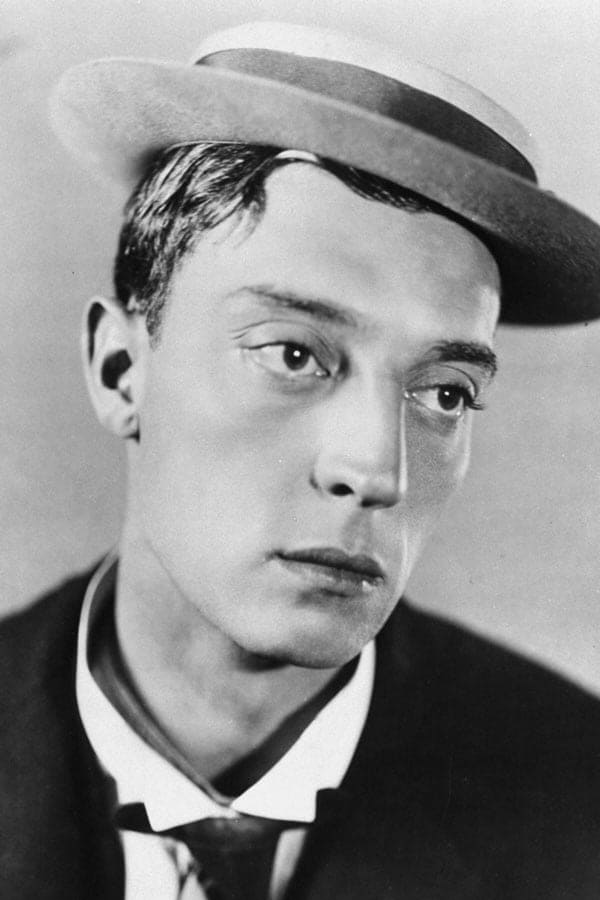
Buster Keaton is studied alongside Chaplin as a genius of the silent era who specialized in stoic deadpan humor and dangerous stunts. Engineering and physics students could practically study ‘The General’ for its complex practical effects and train sequences. His understanding of framing and geometric composition within a shot was ahead of his time. Keaton performed his own stunts without trick photography and created a timeless brand of visual comedy.
John Ford
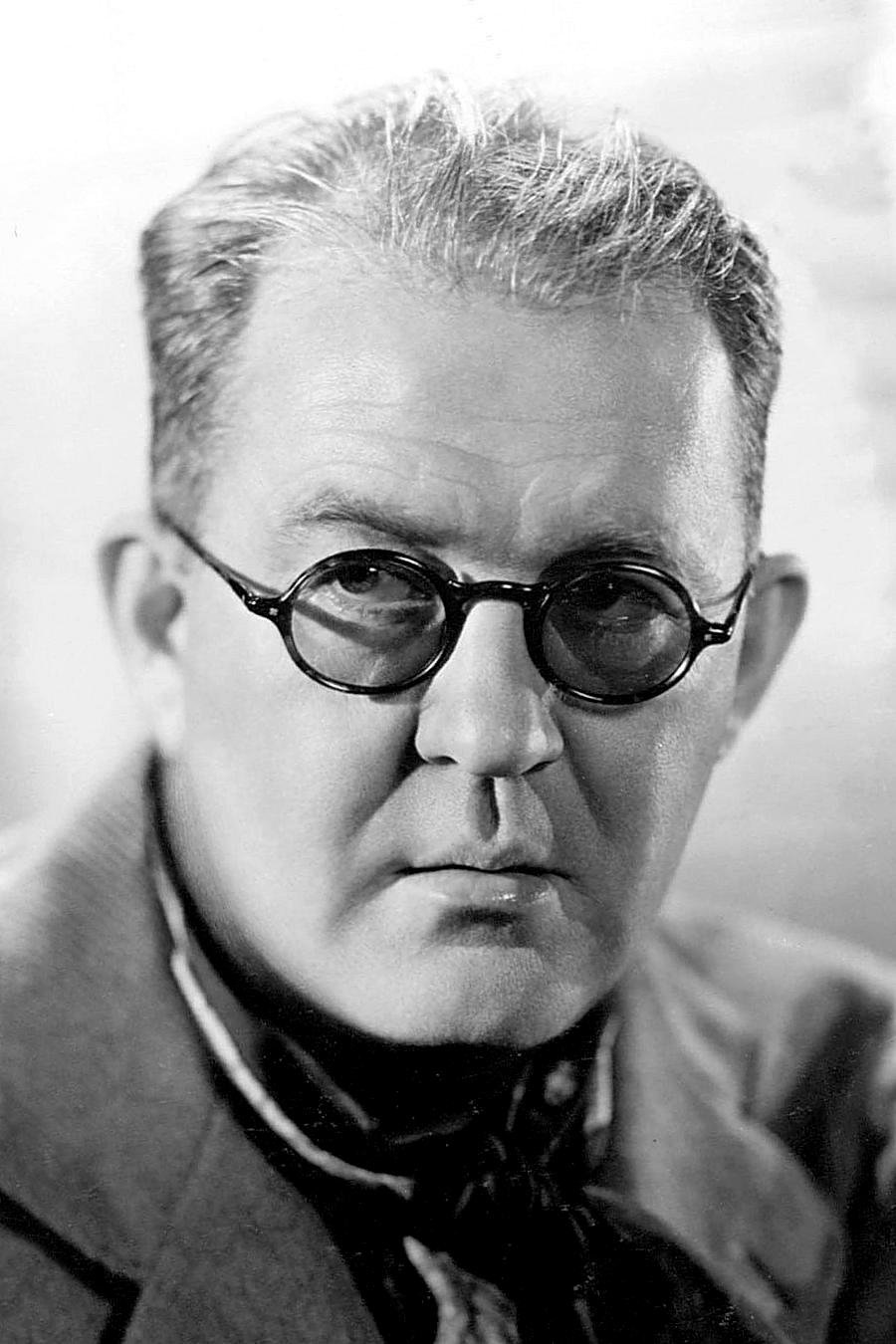
John Ford is the definitive director of the American Western and a master of landscape photography. His use of Monument Valley in ‘The Searchers’ created a mythic vision of the American frontier that is essential to genre studies. Film students analyze his composition and the way he framed characters against vast horizons to suggest isolation. Ford created a visual language that influenced directors ranging from Akira Kurosawa to Steven Spielberg.
Sergei Eisenstein
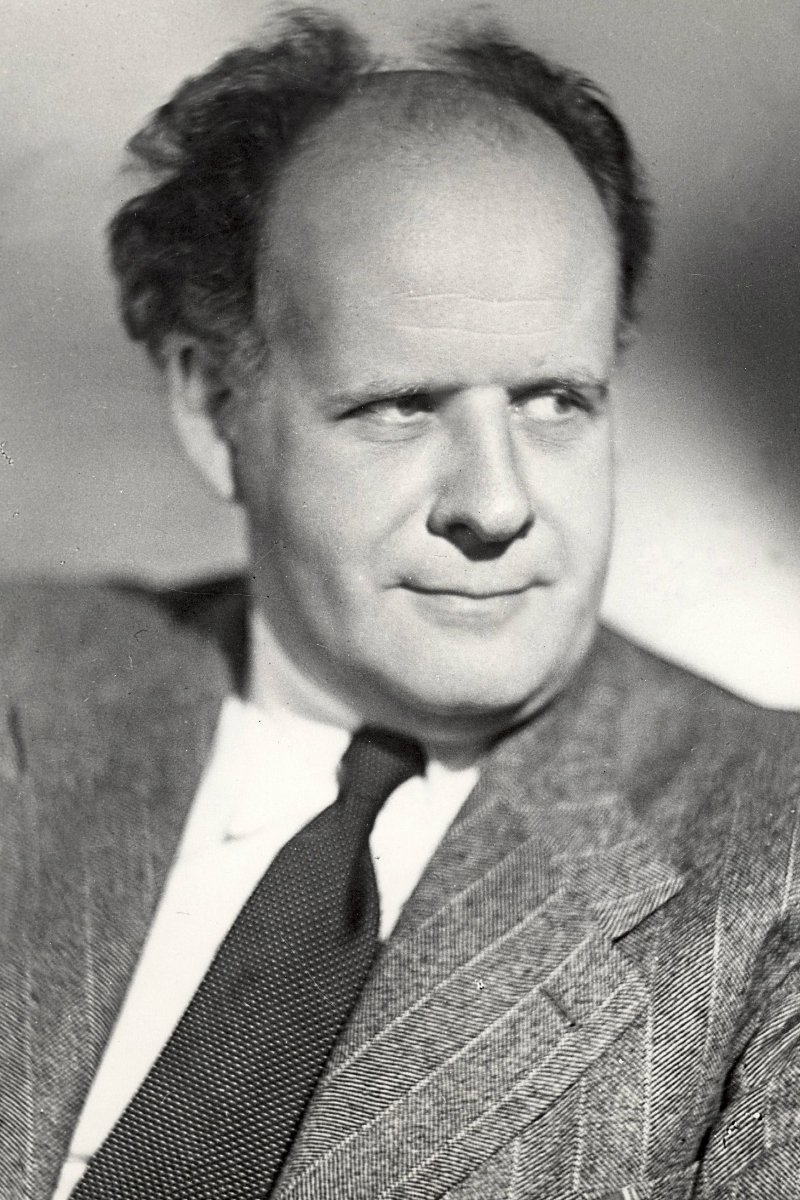
Sergei Eisenstein is a mandatory subject in film theory for his development of intellectual montage. Students analyze the Odessa Steps sequence in ‘Battleship Potemkin’ to understand how the collision of images creates emotional and political meaning. His writings on the dialectic nature of editing form the basis of modern editing theory. Eisenstein viewed cinema as a tool for revolution and demonstrated the psychological power of cutting.
Billy Wilder
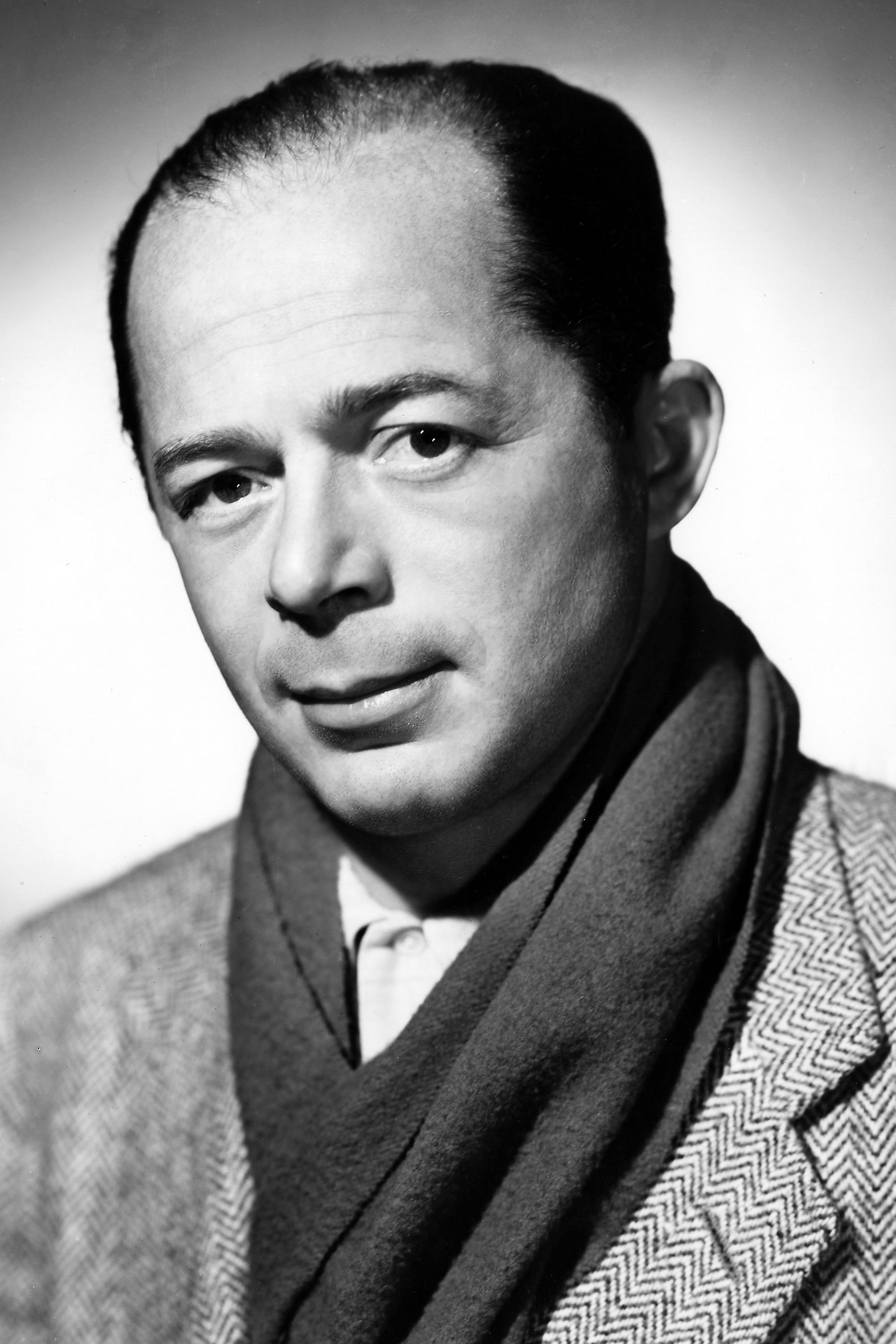
Billy Wilder is taught as a master of versatility who excelled in film noir, screwball comedy, and social drama. Screenwriting courses frequently use ‘The Apartment’ as a perfect example of structure, character development, and balancing humor with pathos. His cynical wit and sharp dialogue in ‘Sunset Boulevard’ provide a critical look at Hollywood itself. Wilder knew exactly how to navigate censorship codes to deliver adult themes with sophistication.
Andrei Tarkovsky
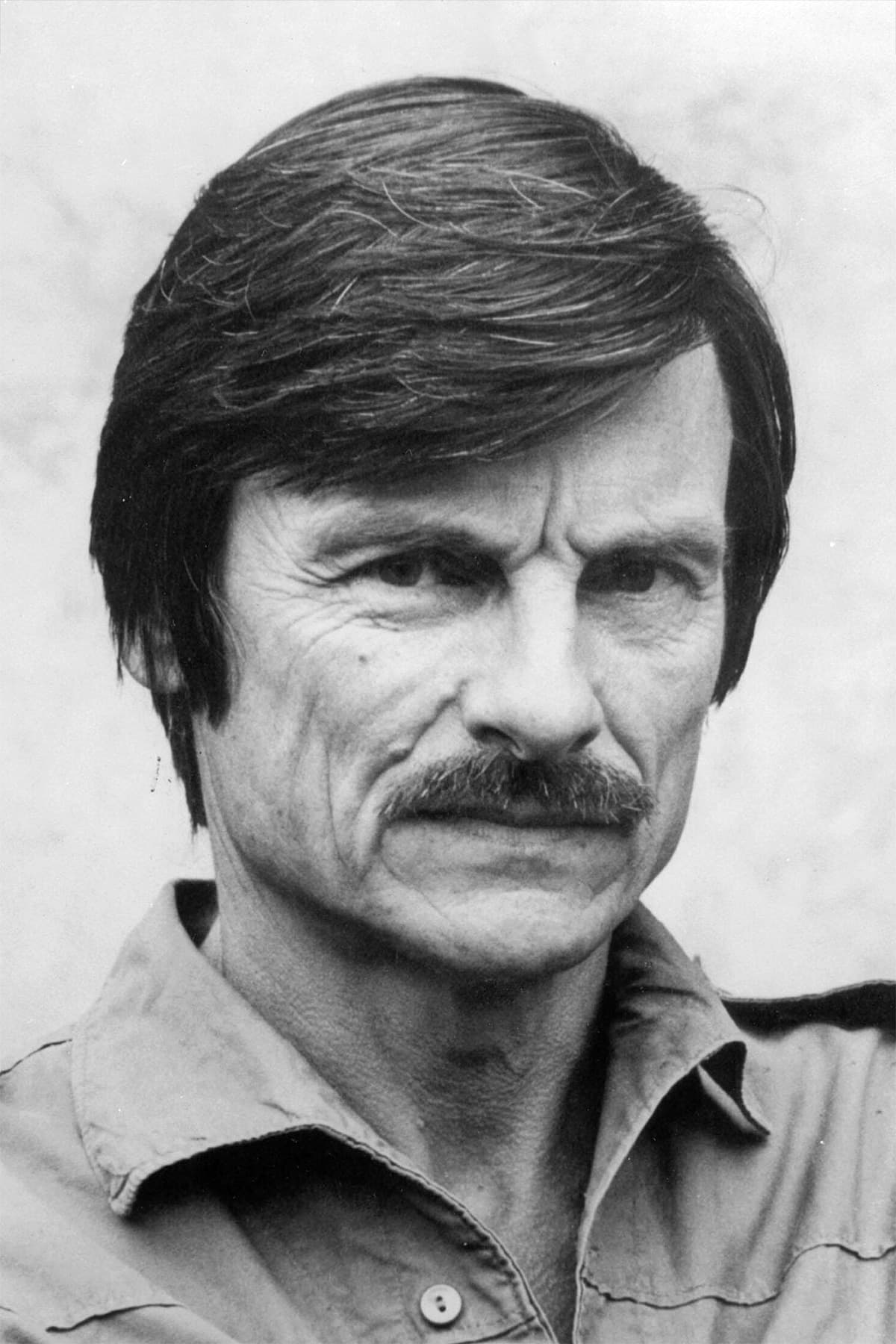
Andrei Tarkovsky is the preeminent figure in the study of “slow cinema” and the sculpting of time. His film ‘Stalker’ is analyzed for its long takes and metaphysical exploration of human desire and faith. Philosophy and film classes discuss his rejection of traditional montage in favor of capturing the rhythm of life within a single shot. Tarkovsky treated cinema as a poetic medium capable of expressing the inexpressible.
Judy Garland
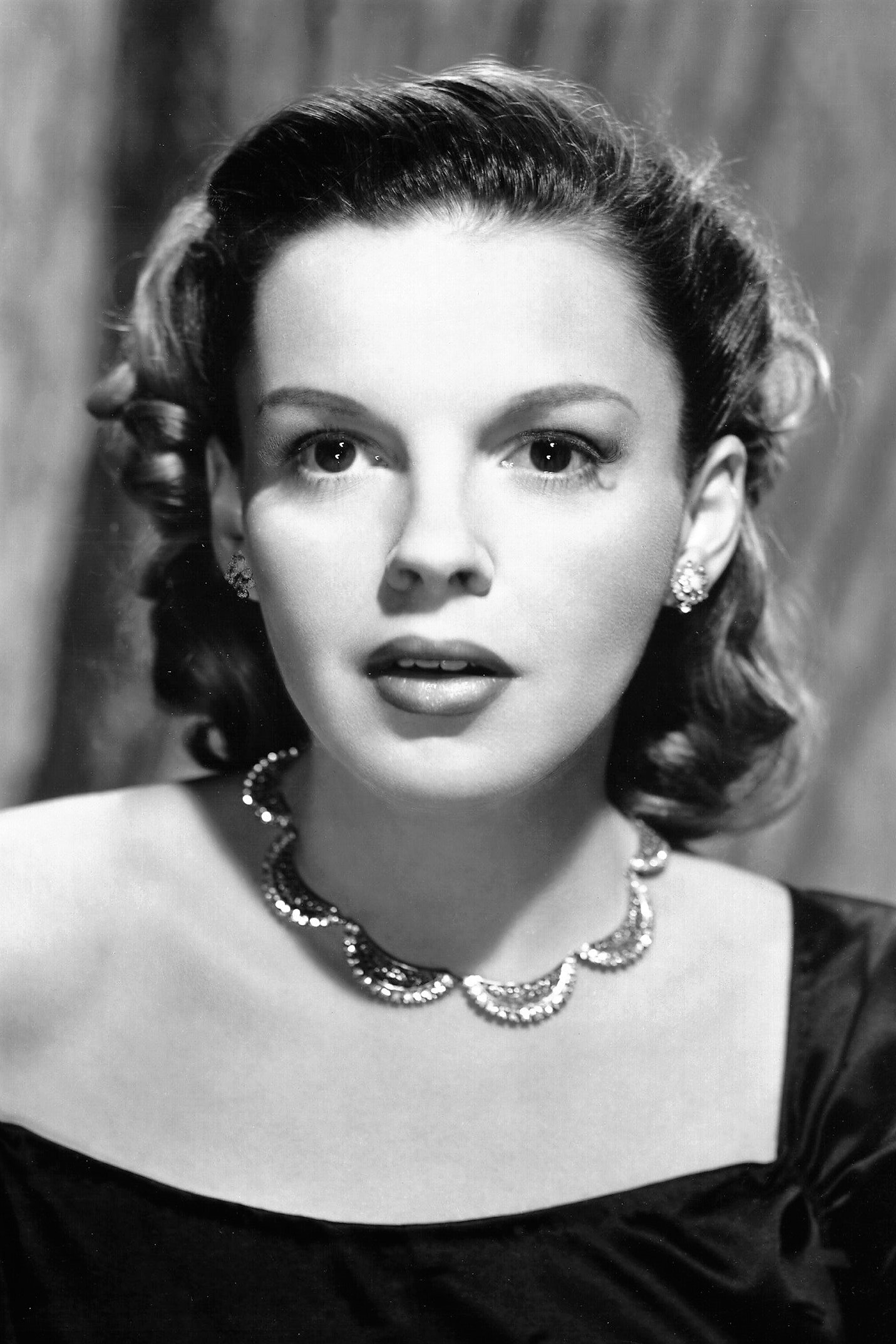
Judy Garland is a primary focus when studying the Golden Age musical and the toll of the studio system on child stars. Her performance in ‘The Wizard of Oz’ is iconic not just for her singing but for her ability to ground a fantasy world with genuine emotion. Biographers and historians analyze her struggles as a reflection of the industry’s exploitation of talent. Garland remains the gold standard for the triple-threat performer who could sing, dance, and act.
Heath Ledger
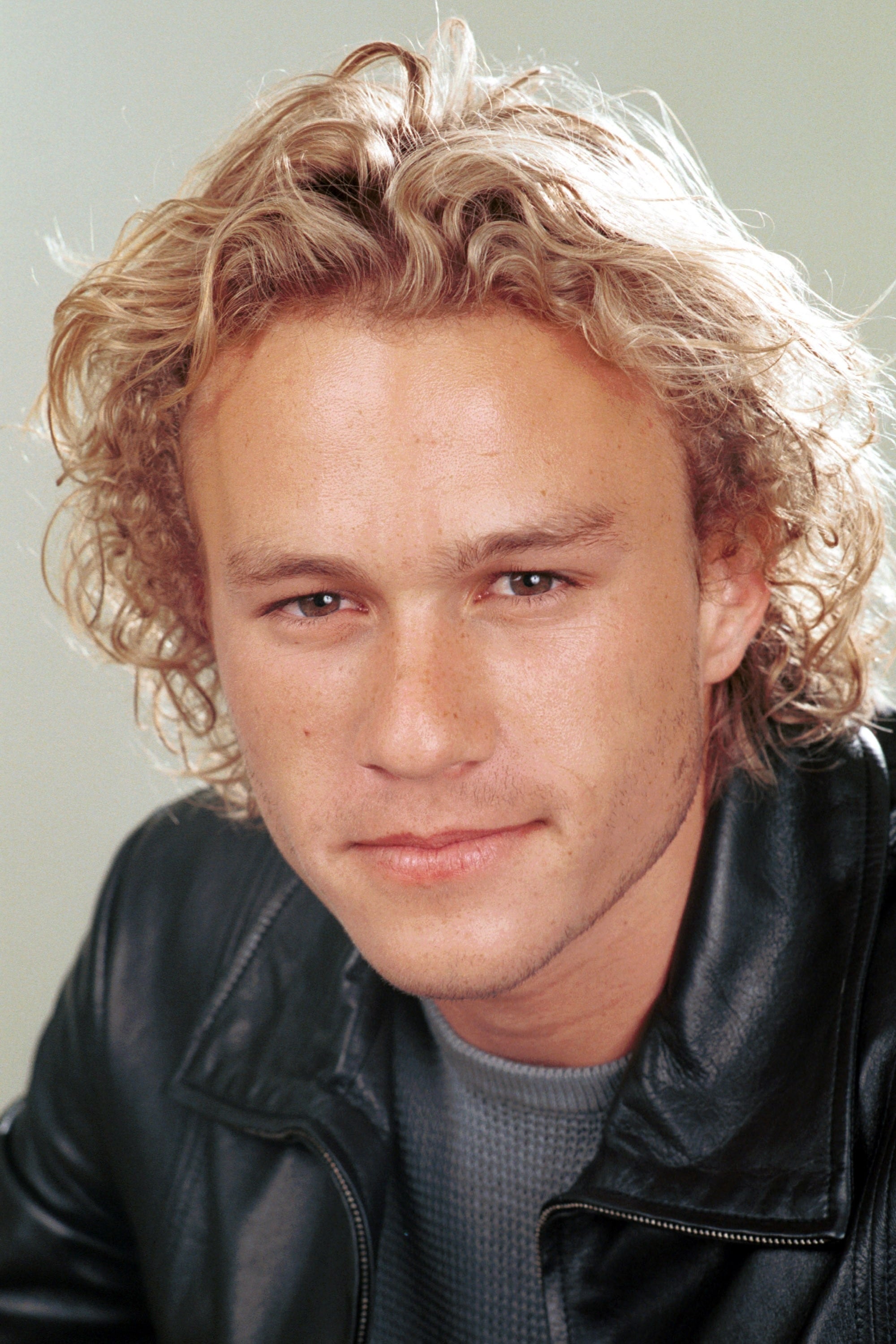
Heath Ledger is frequently discussed in acting classes as a modern example of total character immersion and transformation. His portrayal of the Joker in ‘The Dark Knight’ is dissected for his vocal choices, physical mannerisms, and psychological depth. Students examine how he disappeared into roles ranging from romantic leads to drug addicts. His posthumous Oscar win highlighted the intensity and commitment required for high-level performance.
Bette Davis

Bette Davis is studied for her willingness to play unsympathetic and abrasive characters in an era that preferred polished beauties. Her performance in ‘All About Eve’ is a masterclass in delivering biting dialogue and conveying distinct superiority. Feminist film theory examines how she fought the studio heads for better roles and legal independence. Davis brought a nervous energy and intensity to the screen that modernized acting styles.
Agnès Varda
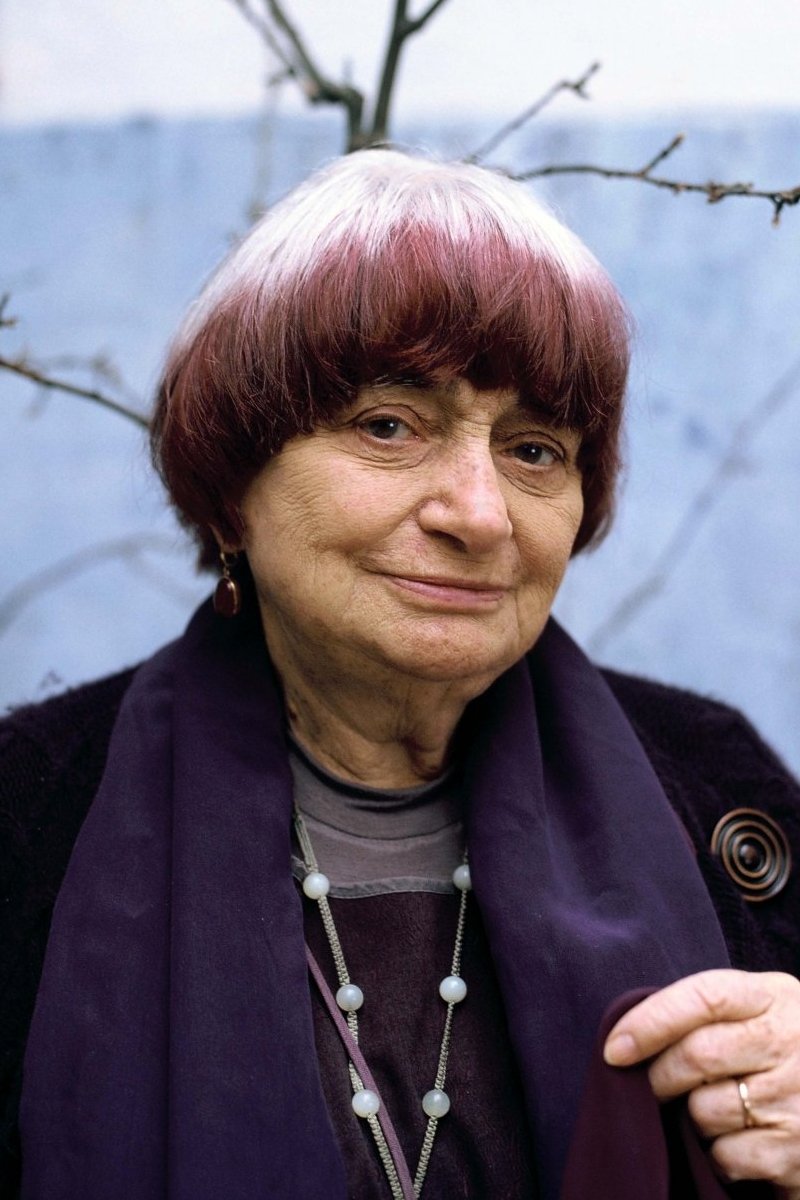
Agnès Varda is often called the grandmother of the French New Wave and is a crucial figure in feminist cinema and documentary studies. Her film ‘Cléo from 5 to 7’ is analyzed for its real-time narrative structure and its exploration of female subjectivity. Varda blurred the lines between fiction and documentary to create a unique cinematic realism. Her work focused on the marginalized and the ordinary details of life that other directors ignored.
Fritz Lang
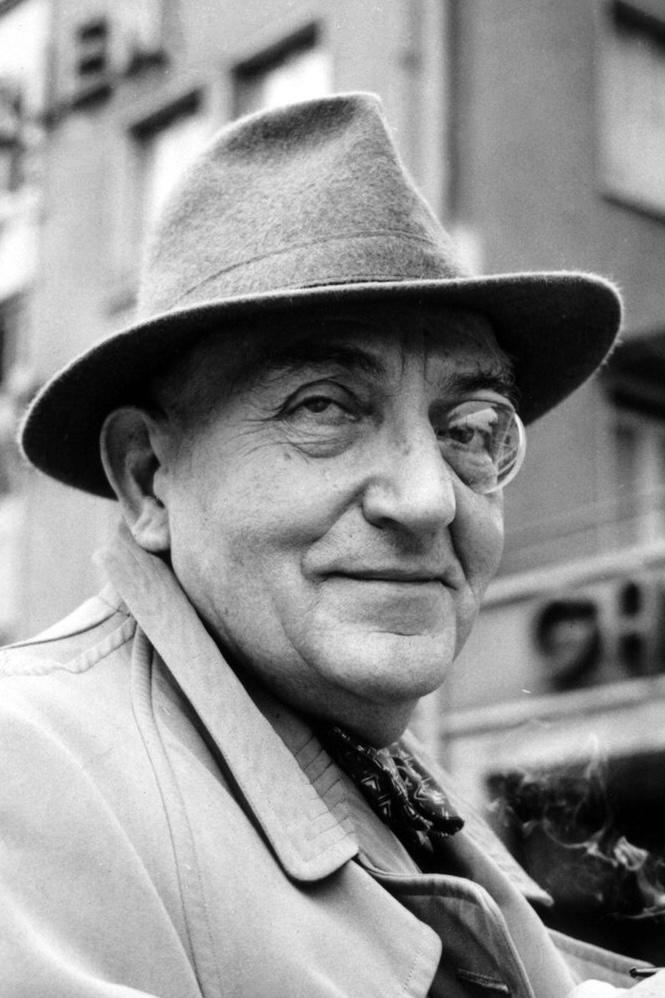
Fritz Lang is a towering figure in German Expressionism and a precursor to the film noir genre. Architecture and film design classes study ‘Metropolis’ for its futuristic urban landscapes and monumental set designs. His use of shadows and geometric compositions helped define the visual vocabulary of the thriller. Lang successfully transitioned from silent masterpieces to sound films while maintaining his dark and fatalistic worldview.
Yasujirō Ozu
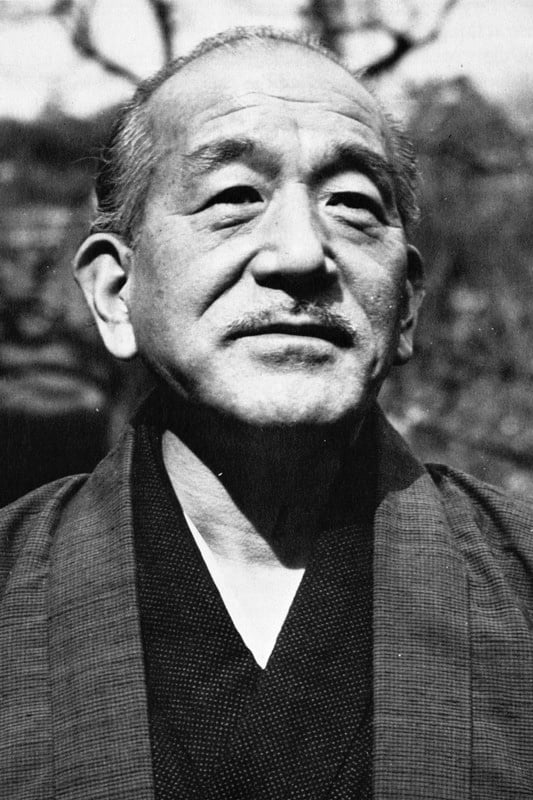
Yasujirō Ozu is famous in film schools for his rigorous and distinct visual style known as the tatami shot. Students examine ‘Tokyo Story’ to understand his use of low camera angles and his violation of the 180-degree rule. His “pillow shots” or transitional landscapes are studied for how they create a sense of place and passage of time. Ozu focused on the domestic dramas of Japanese family life with a quiet and observant lens.
Robert Altman
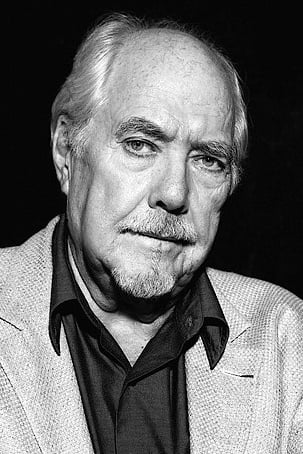
Robert Altman challenged the conventions of Hollywood storytelling with his use of overlapping dialogue and large ensemble casts. ‘Nashville’ is screened to show how multiple storylines can weave together without a traditional protagonist. Sound engineers and mixers study his innovation of multi-track recording on set to capture naturalistic conversations. Altman deconstructed genres from the western to the noir to expose the myths of American culture.
Laurence Olivier
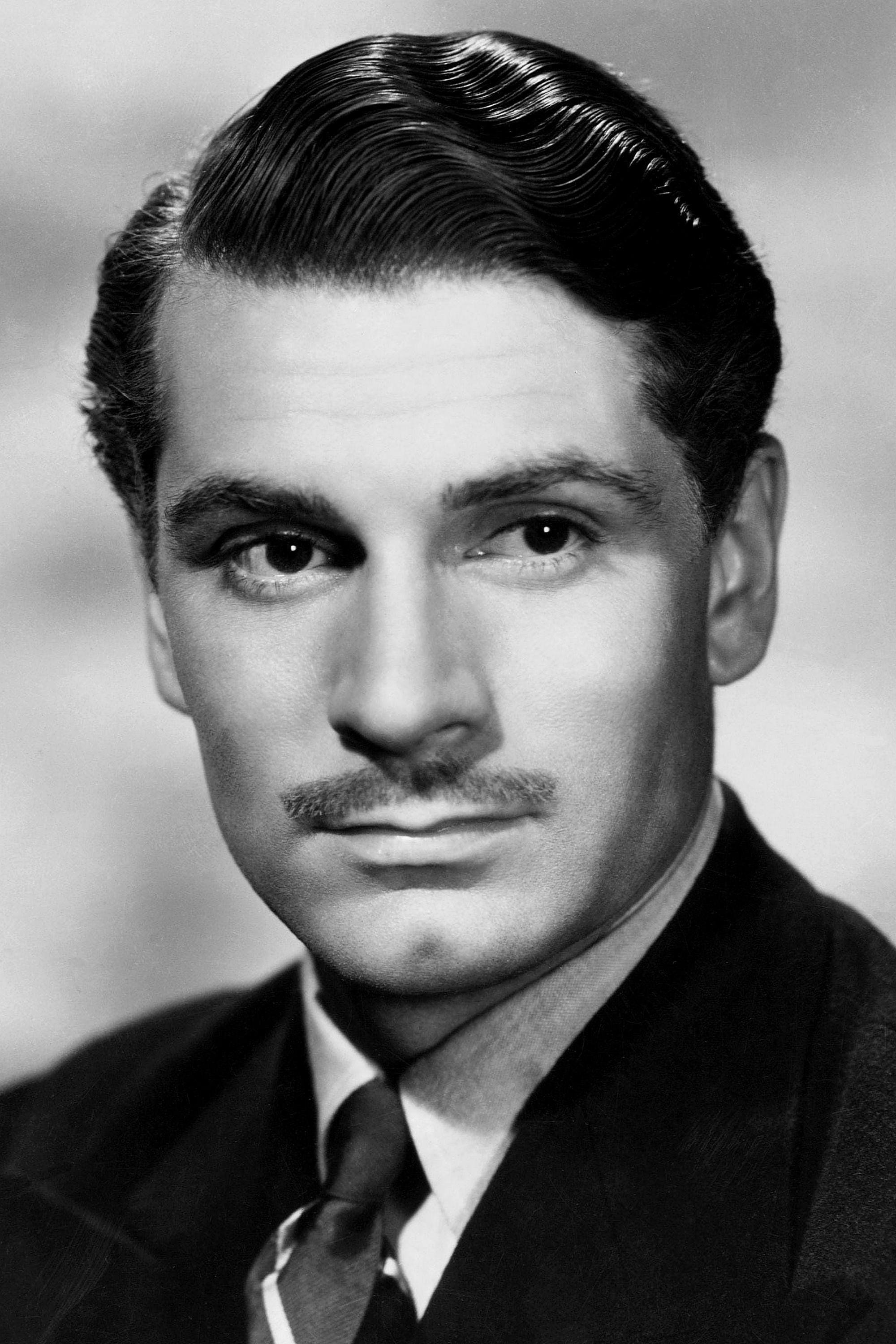
Laurence Olivier is widely considered the greatest classical actor of the 20th century and pivotal in bringing Shakespeare to the screen. His direction and performance in ‘Hamlet’ are analyzed for their moody, noir-influenced visual style and psychological interpretation. Acting students study his technique which focused on external physical changes to find the internal character. Olivier successfully bridged the gap between the theatrical stage and the cinematic close-up.
Joan Crawford
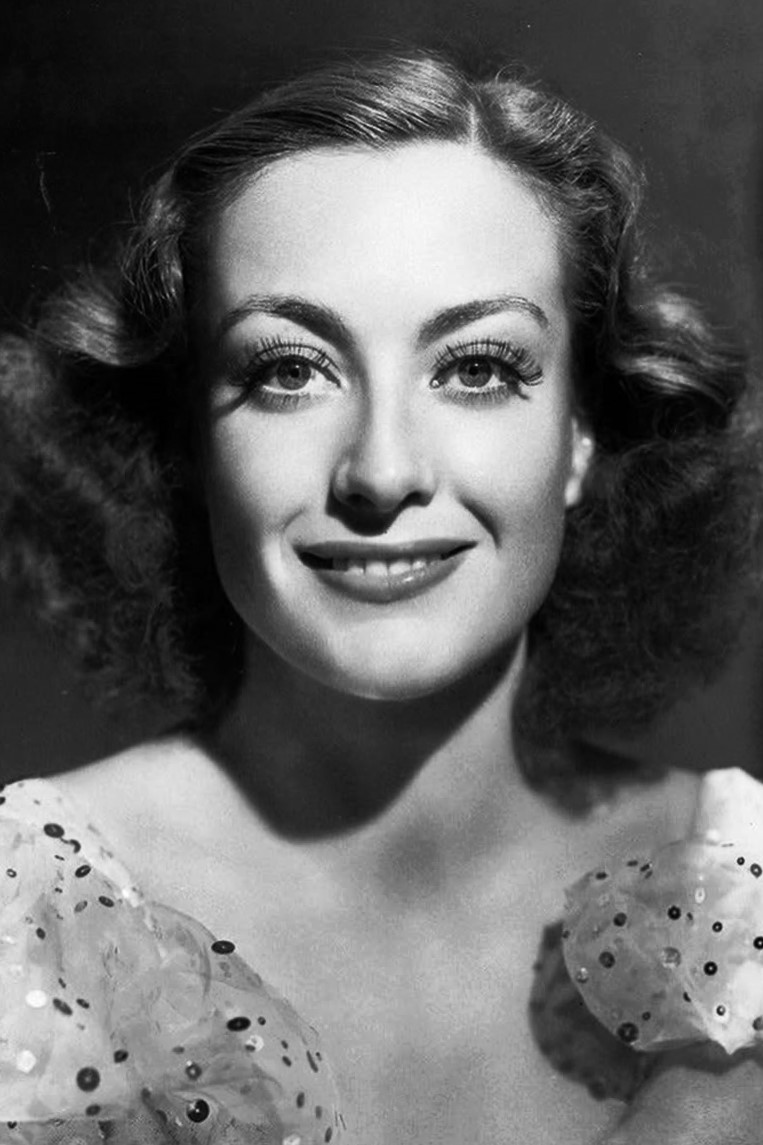
Joan Crawford is the ultimate example of a star who constantly reinvented herself to stay relevant in the changing film industry. Her Oscar-winning role in ‘Mildred Pierce’ is a key text for understanding the genre of film noir melodrama. Scholars analyze her constructed public image and the discipline she maintained to preserve her stardom. Crawford embodied the resilience and ambition required to survive the golden age of Hollywood.
Philip Seymour Hoffman
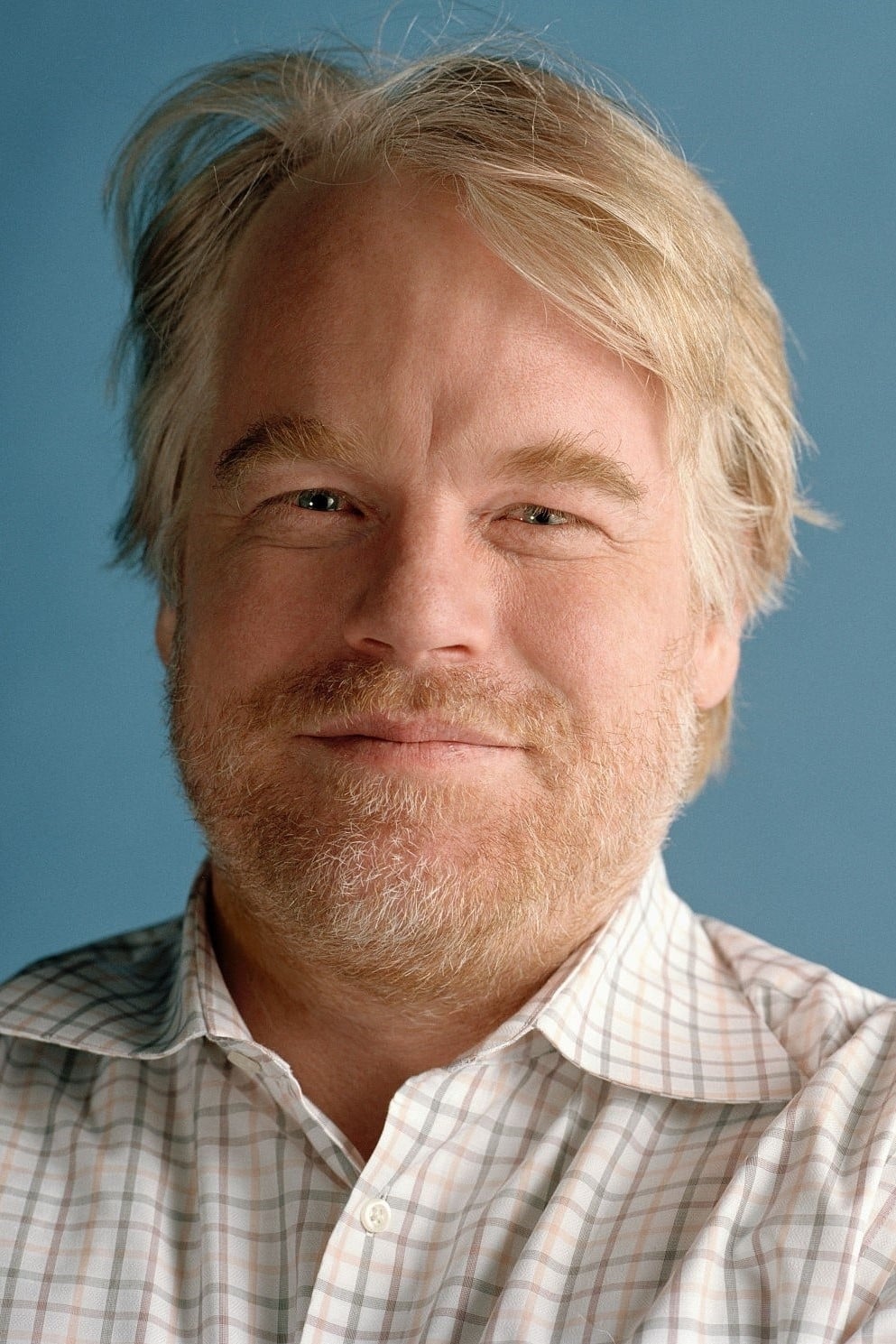
Philip Seymour Hoffman is studied as one of the most versatile and respected character actors of his generation. His title role in ‘Capote’ is examined for the precise vocal and physical mimicry that never descended into caricature. Acting students look to his work to learn how to bring empathy and complexity to flawed or unlikeable characters. Hoffman demonstrated that supporting roles could be as impactful as leading ones through sheer craft.
Bruce Lee
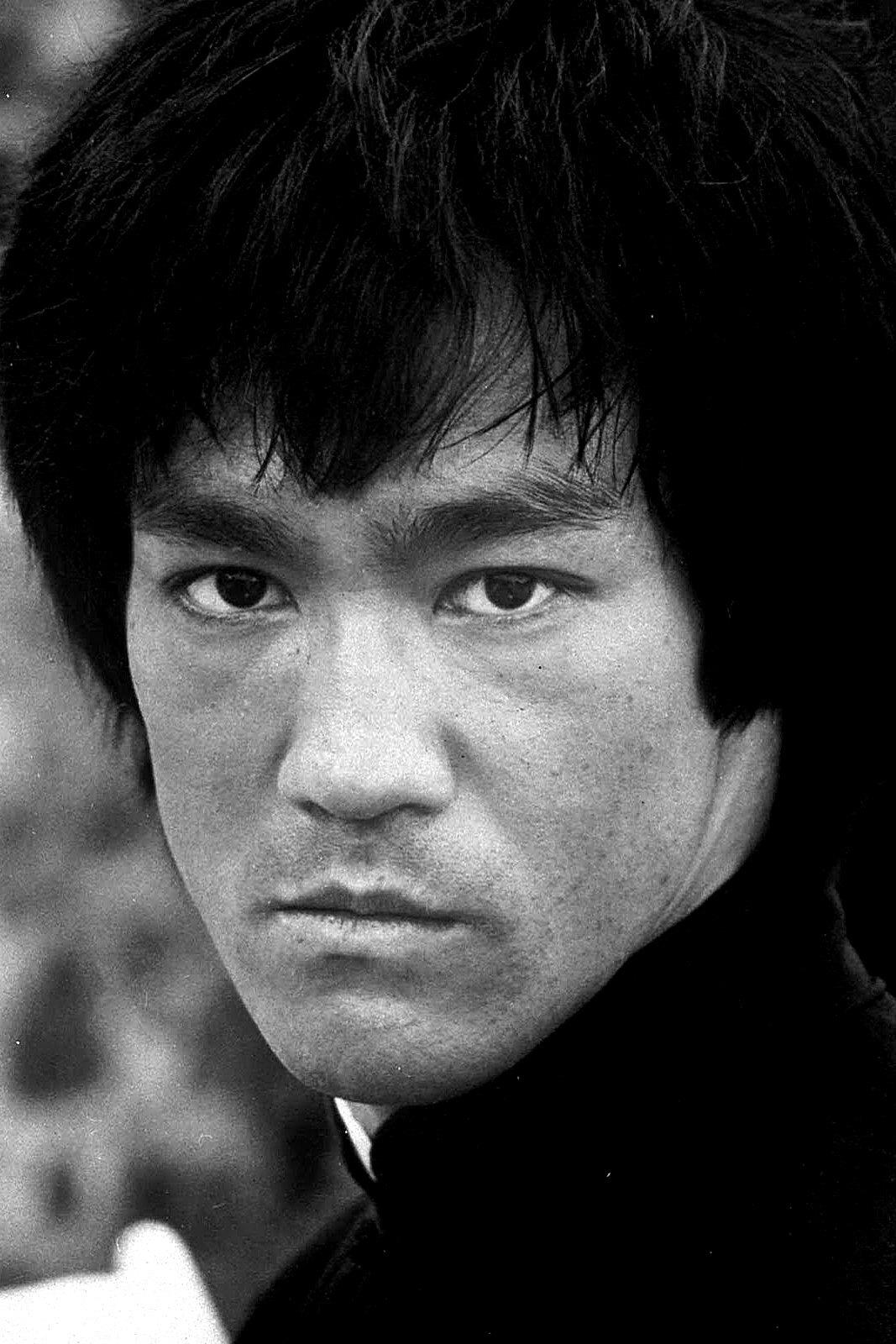
Bruce Lee is the single most important figure in the history of martial arts cinema and action choreography. Classes dissect his fighting style in ‘Enter the Dragon’ to understand how he brought realism and philosophy to action sequences. He changed the way Asian men were portrayed in Western media and broke down racial stereotypes. Lee was not just a performer but a director and writer who controlled the presentation of his art.
George A. Romero
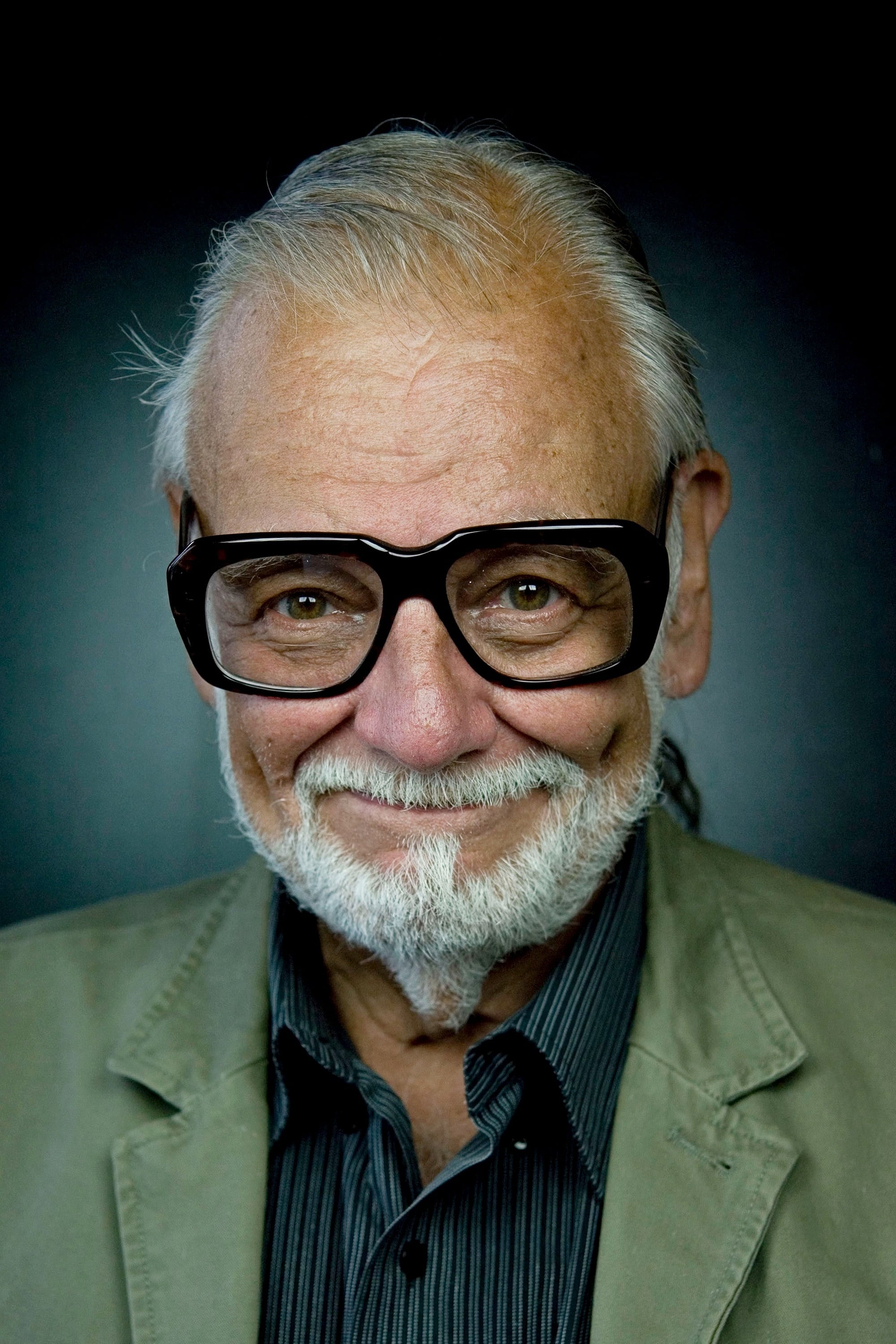
George A. Romero is taught as the father of the modern zombie movie and a master of social horror. ‘Night of the Living Dead’ is analyzed for its subversive commentary on race, authority, and the collapse of social order. Film historians credit him with proving that independent horror films could be commercially viable and critically significant. Romero used the horror genre as a mirror to reflect the anxieties of turbulent decades.
Wes Craven
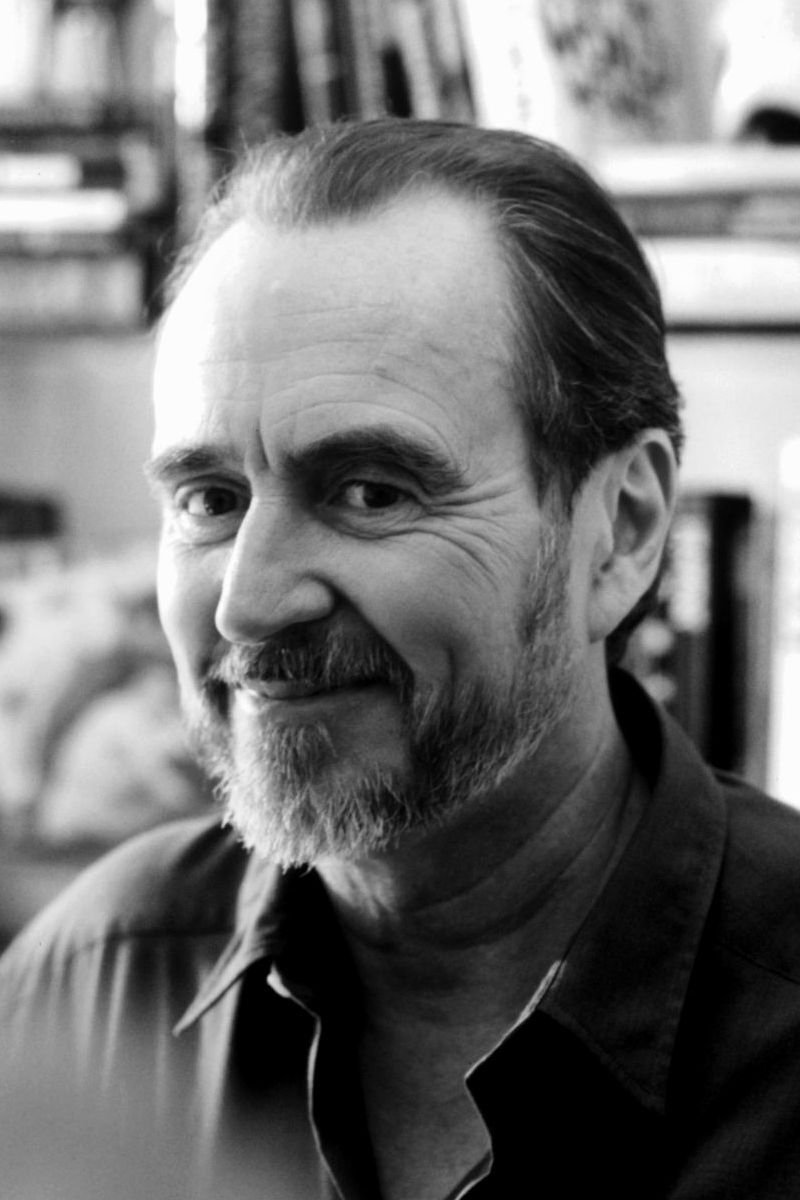
Wes Craven is a key subject for understanding the evolution of the slasher genre and the introduction of meta-horror. Students study ‘Scream’ to see how he deconstructed the very tropes he helped establish in his earlier career. His work often explored the breakdown of the American family and the intrusion of violence into safe spaces. Craven was an intellectual filmmaker who used scares to probe the collective subconscious.
Robin Williams
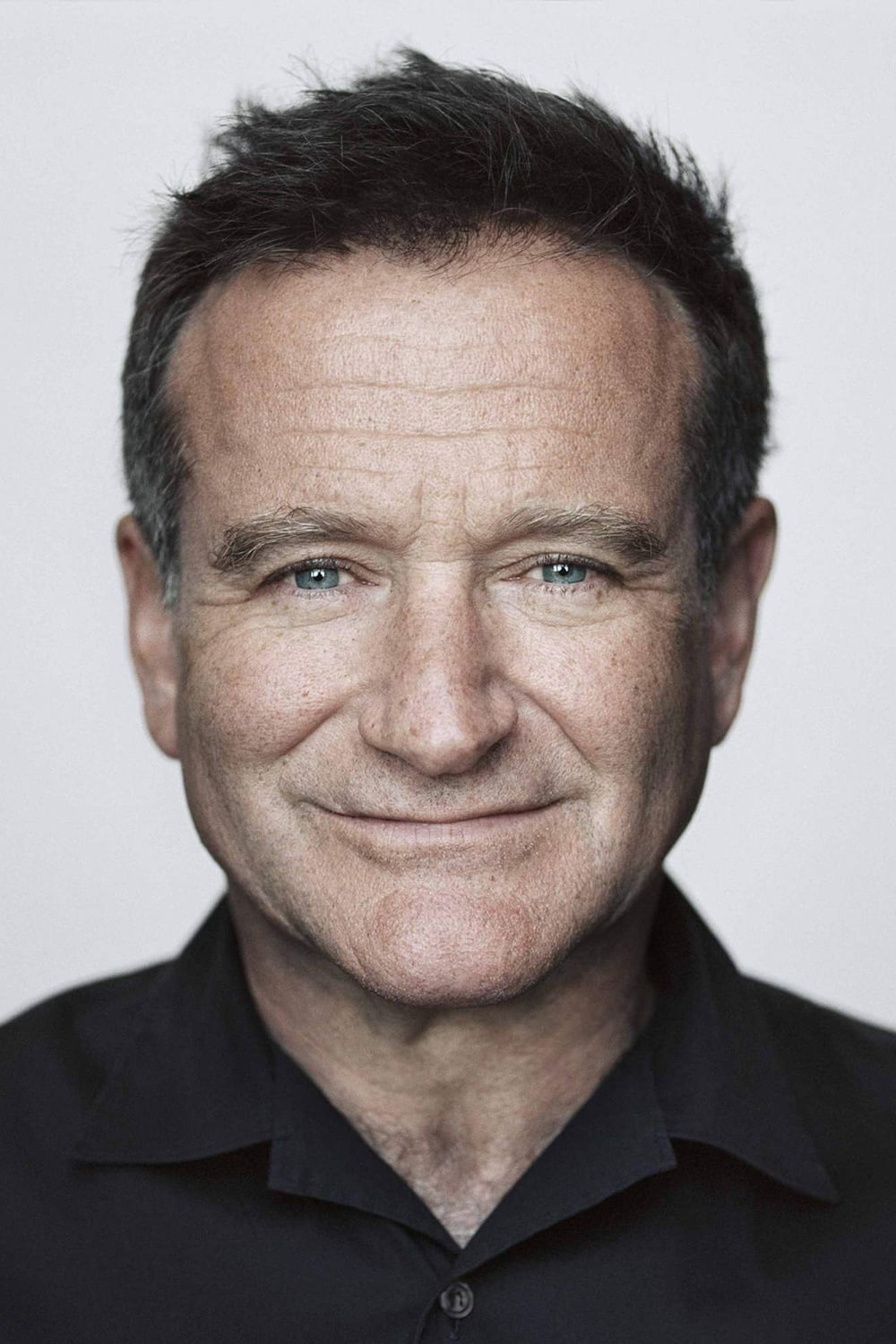
Robin Williams is studied for his unparalleled improvisational skills and his ability to switch between manic comedy and deep drama. His voice work in ‘Aladdin’ changed the animation industry by proving that star power could drive animated features. Acting classes examine his performance in ‘Good Will Hunting’ to understand the power of restraint and quiet vulnerability. Williams possessed a kinetic energy that forced directors to adapt their shooting styles to capture him.
River Phoenix
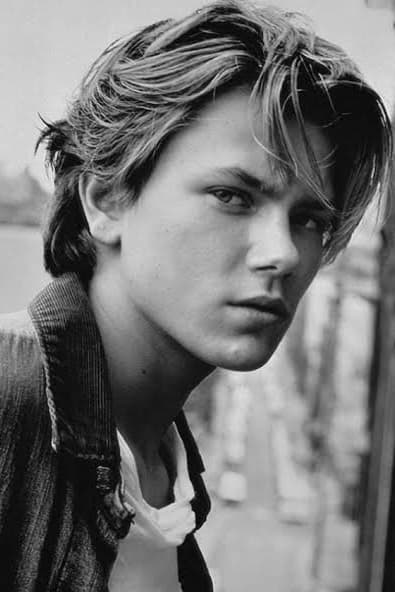
River Phoenix is remembered as a generational talent whose raw vulnerability brought a new depth to young adult roles. His performance in ‘My Own Private Idaho’ is cited as a landmark in queer cinema and method acting. Critics and scholars discuss his potential and the tragic loss of a career that was poised to define the 90s. Phoenix brought an authenticity to the screen that resonated deeply with audiences and future actors.
Chadwick Boseman
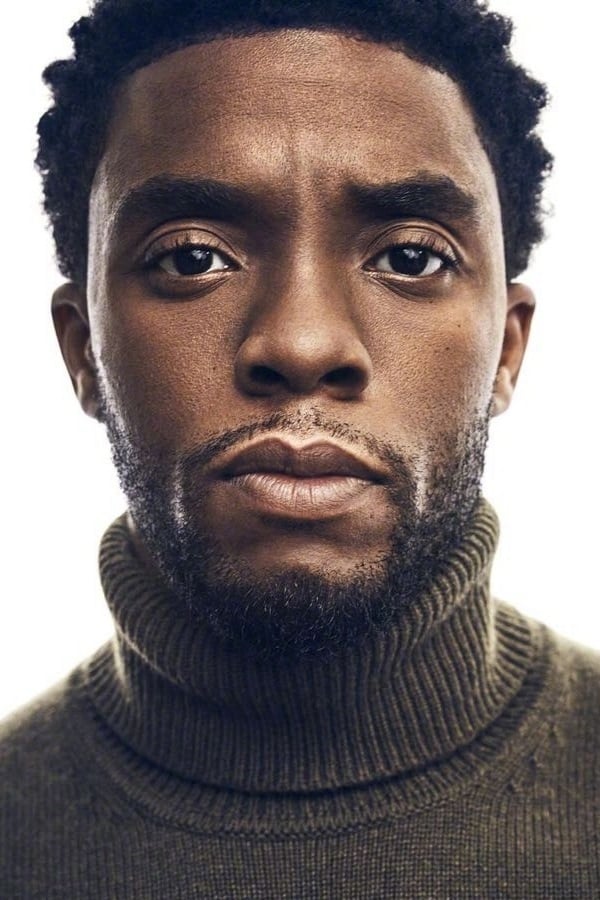
Chadwick Boseman is discussed for his immense cultural impact and his portrayals of historical black icons. His role in ‘Black Panther’ is analyzed for its significance in representation and global box office history. Acting students admire his work ethic and dignity while battling illness during his most physically demanding roles. Boseman quickly became a symbol of strength and blazed a trail for diverse storytelling in blockbusters.
Marcello Mastroianni
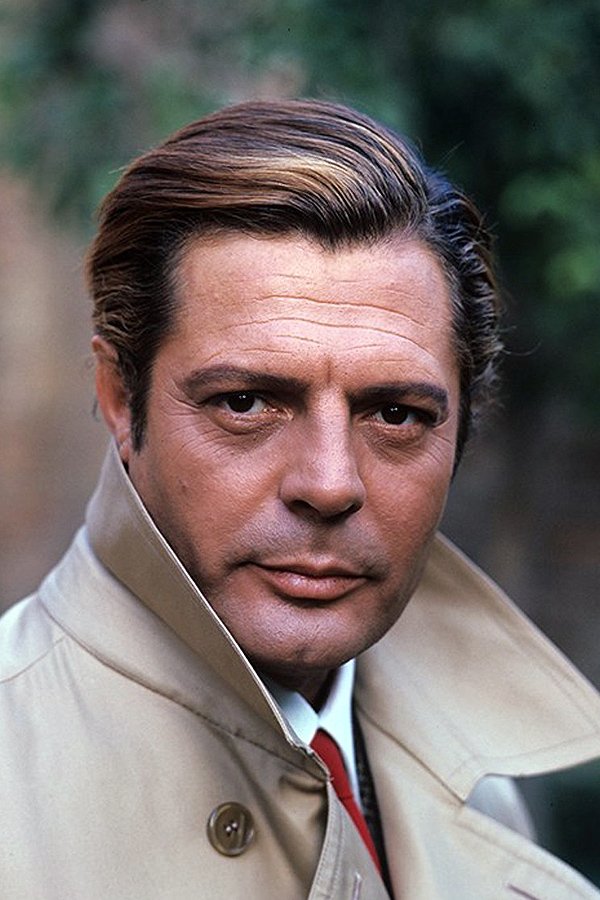
Marcello Mastroianni is the face of Italian cinema and the frequent alter ego for director Federico Fellini. His performance in ‘La Dolce Vita’ is studied for its portrayal of existential boredom and modern detachment. He possessed a subtle charm that allowed him to play both romantic leads and impotent anti-heroes. Mastroianni defined the European cool of the 1960s and worked with the continent’s greatest directors.
Elizabeth Taylor
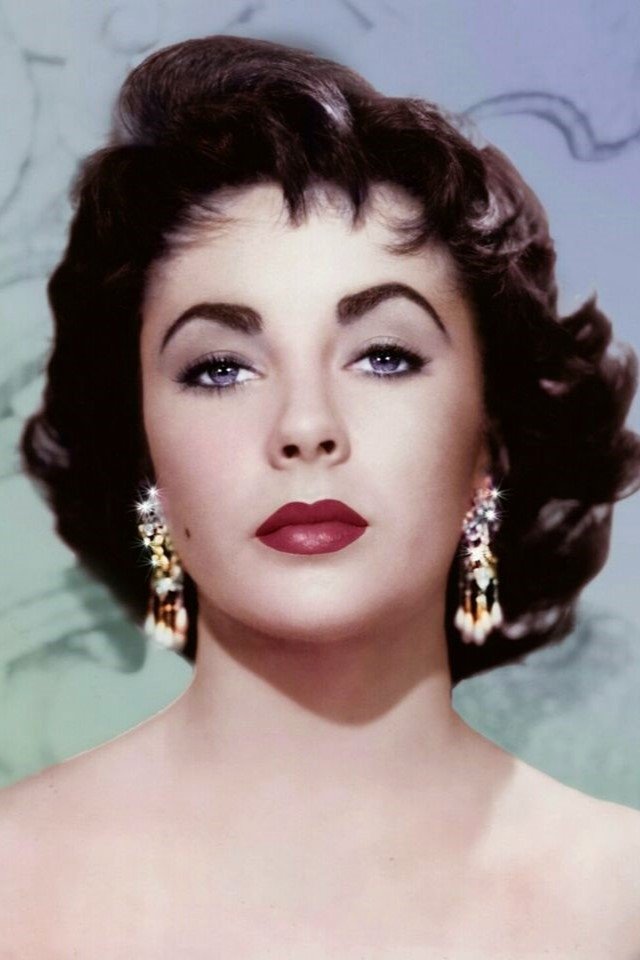
Elizabeth Taylor is analyzed for her transition from child star to serious adult actress and her command of the screen. Her performance in ‘Who’s Afraid of Virginia Woolf?’ is a lesson in shedding vanity to achieve raw emotional power. Media studies classes look at her as the first modern celebrity whose private life was consumed by the public as much as her work. Taylor leveraged her fame for activism and remained a box office draw for decades.
Richard Burton

Richard Burton is remembered for his magnificent baritone voice and his commanding stage and screen presence. His volatile chemistry with Elizabeth Taylor is a subject of Hollywood history and celebrity culture. Acting students listen to his recitations to understand proper diction, projection, and vocal control. Burton was a titan of the acting world who brought a classical gravitas to every role he inhabited.
Peter O’Toole
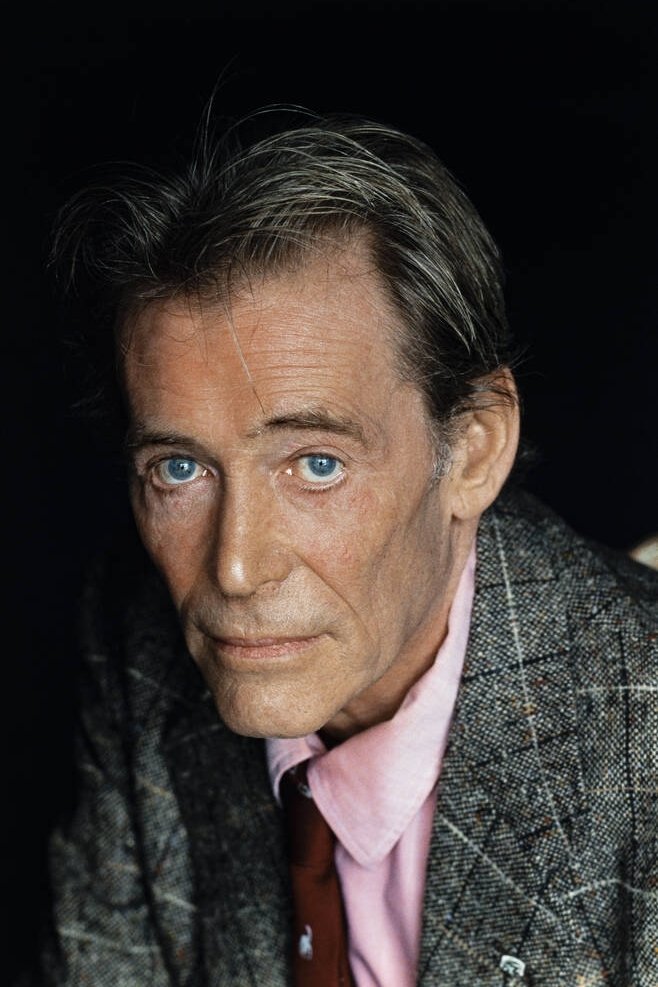
Peter O’Toole is the subject of study for his towering performance in ‘Lawrence of Arabia’ which is often cited as one of the best in history. His ability to convey madness and obsession through his eyes is a specific point of analysis. O’Toole maintained a theatrical style that worked effectively on film due to his intense charisma. He represents the last of the hell-raising generation of British actors who dominated the 1960s.
Alec Guinness
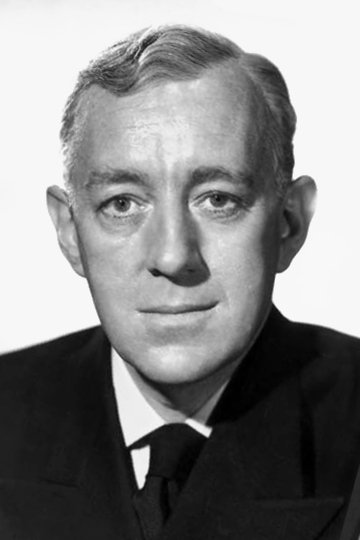
Alec Guinness is celebrated for his chameleonic ability to disappear into a wide variety of roles. While known globally for ‘Star Wars’, film students focus on his multiple roles in ‘Kind Hearts and Coronets’ to study versatility. He was a master of makeup and subtle physical alteration to create distinct characters. Guinness brought a quiet intelligence and precision to his craft that grounded even the most fantastic stories.
Sean Connery
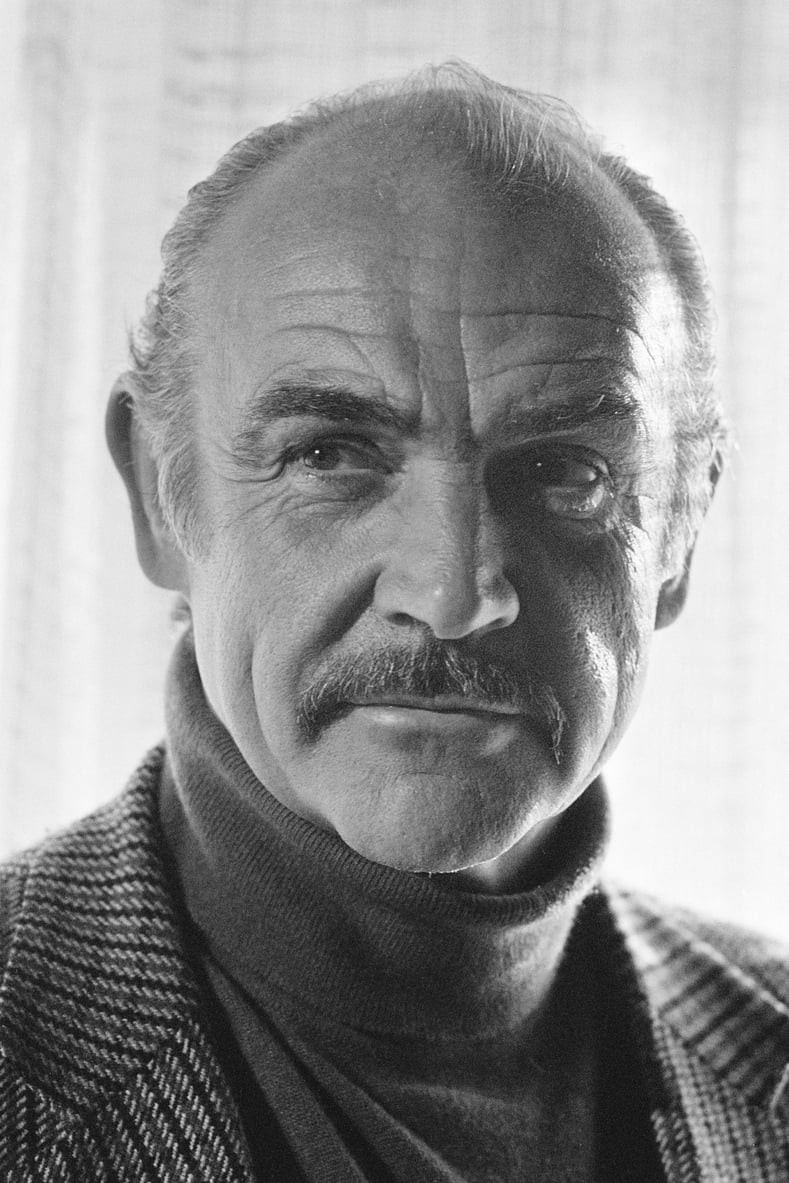
Sean Connery is taught as the actor who established the template for the modern action hero through his role as James Bond. His effortless charisma and physical dominance in ‘Dr. No’ set a standard that successors are still measured against. Beyond 007, his Oscar-winning work in ‘The Untouchables’ demonstrated his maturation into a respected character actor. Connery defined masculine cool for the latter half of the 20th century.
Christopher Lee
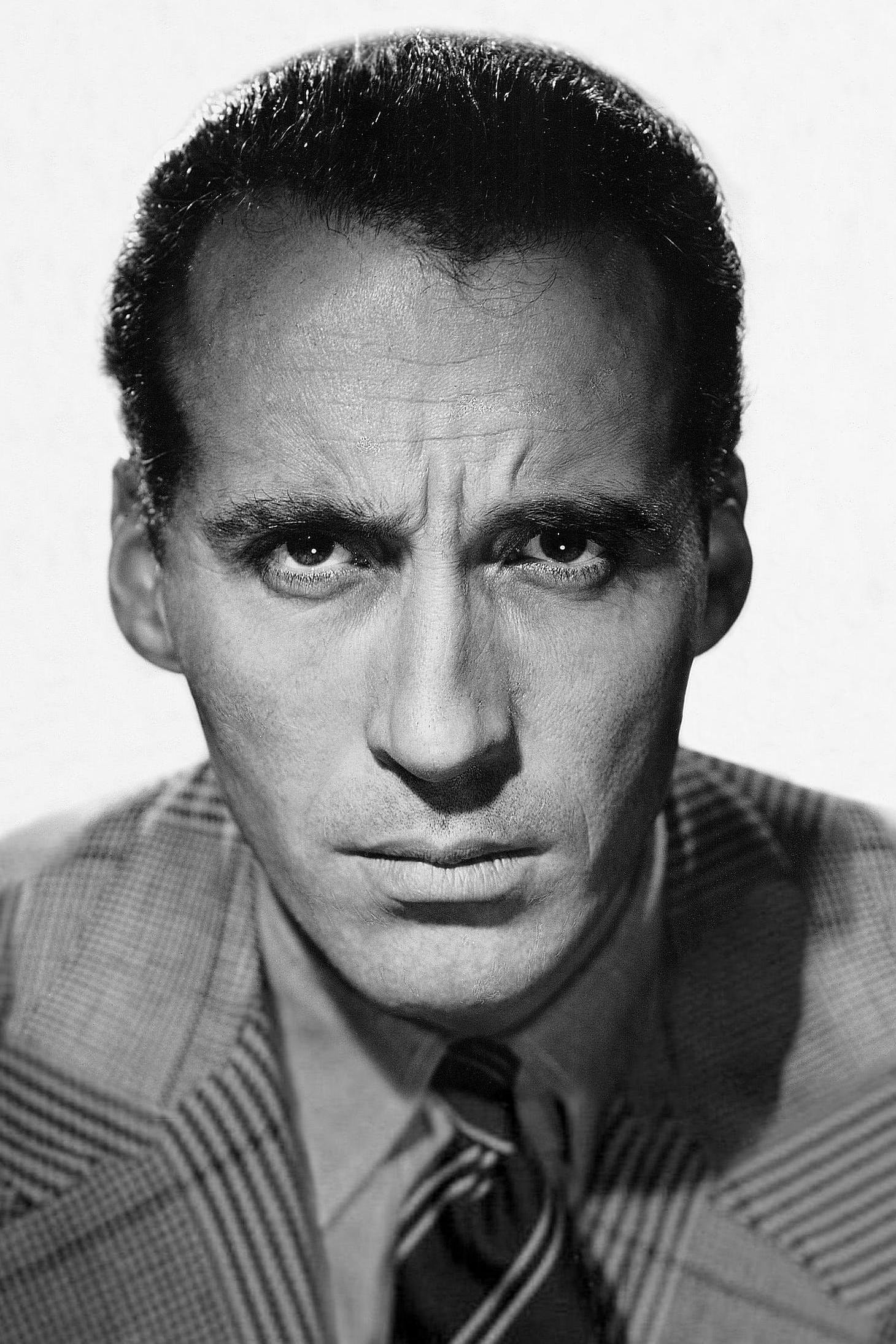
Christopher Lee is a legend of the horror genre and a prolific actor with over 200 screen credits. His portrayal of Dracula for Hammer Horror is analyzed for injecting sexuality and tragedy into the monster archetype. He brought a commanding physical presence and deep voice to iconic villains in major franchises. Lee’s career is a lesson in longevity and the importance of embracing genre cinema.
Alan Rickman
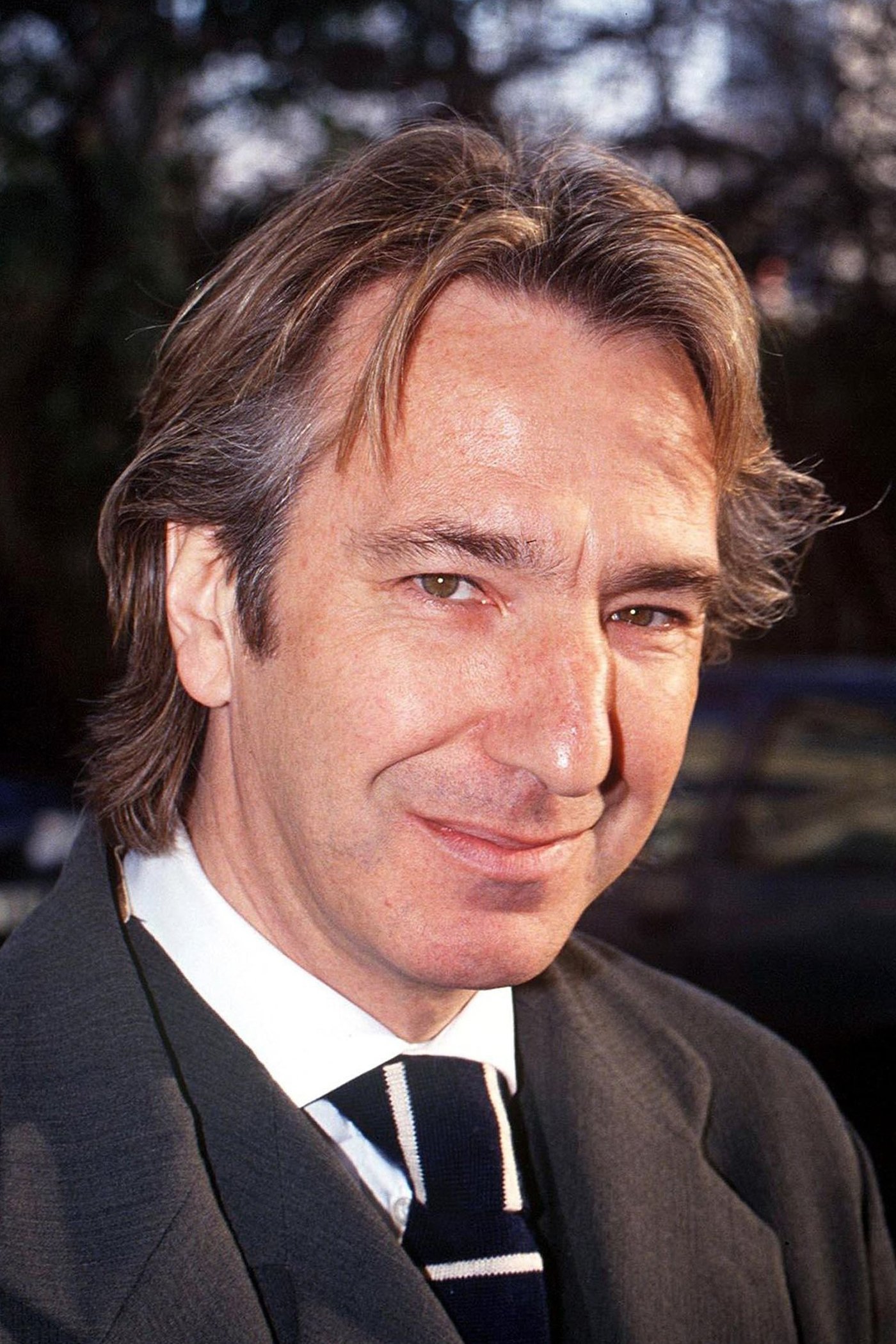
Alan Rickman is studied for his unique vocal delivery and his ability to play villains with incredible depth and charm. His breakout role in ‘Die Hard’ redefined the action movie antagonist as an intelligent and sophisticated foil. Acting students analyze his use of pauses and languid pacing to control a scene. Rickman proved that a character actor could steal the show from the protagonist with minimal effort.
Gene Wilder
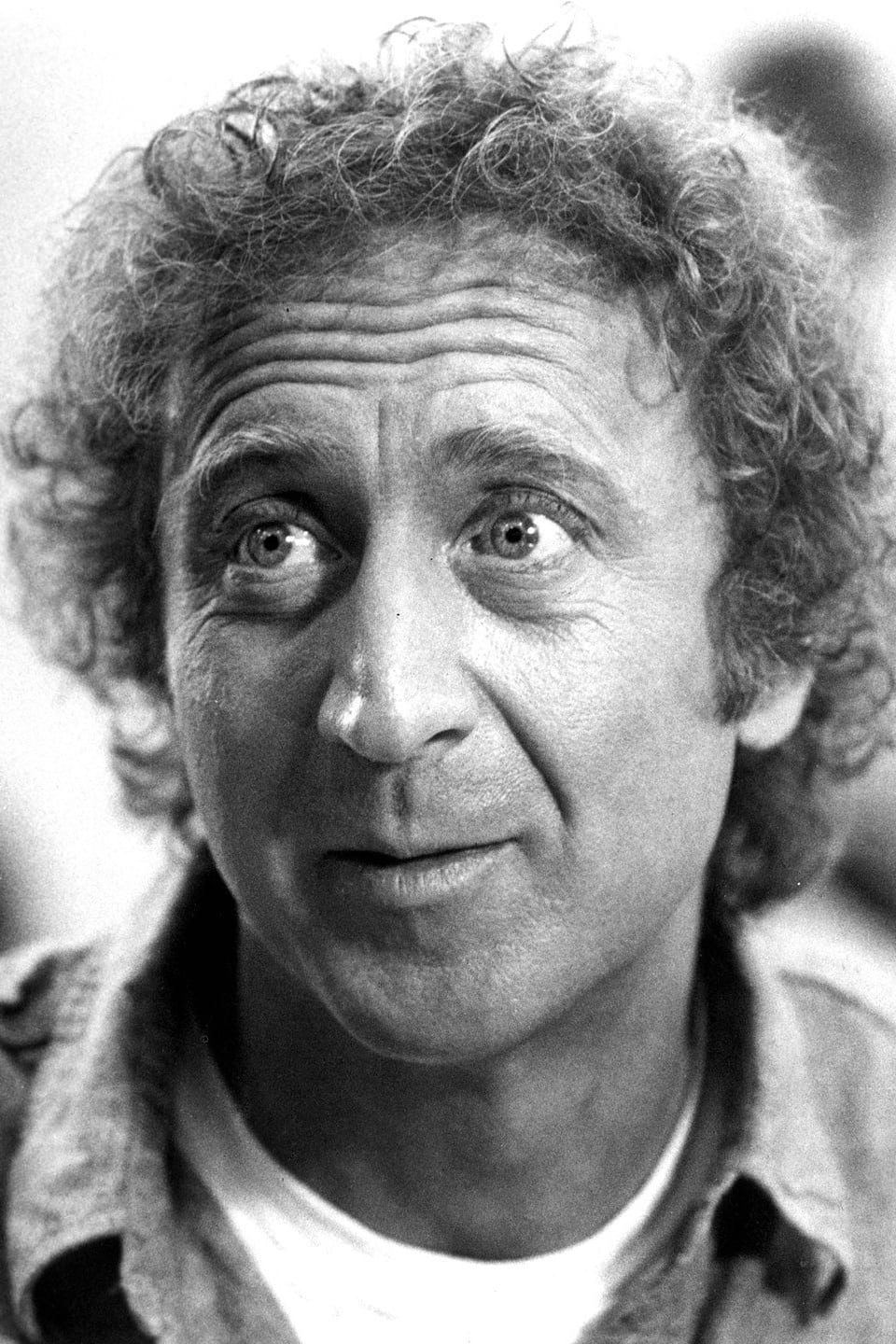
Gene Wilder is remembered for his neurotic comedic energy and his ability to oscillate between gentleness and hysteria. His performance in ‘Willy Wonka & the Chocolate Factory’ is a masterclass in ambiguity and keeping the audience off-balance. He formed a legendary partnership with Mel Brooks that produced some of the greatest comedies of all time. Wilder brought a genuine heart to his comedic roles that made them timeless.
Kirk Douglas
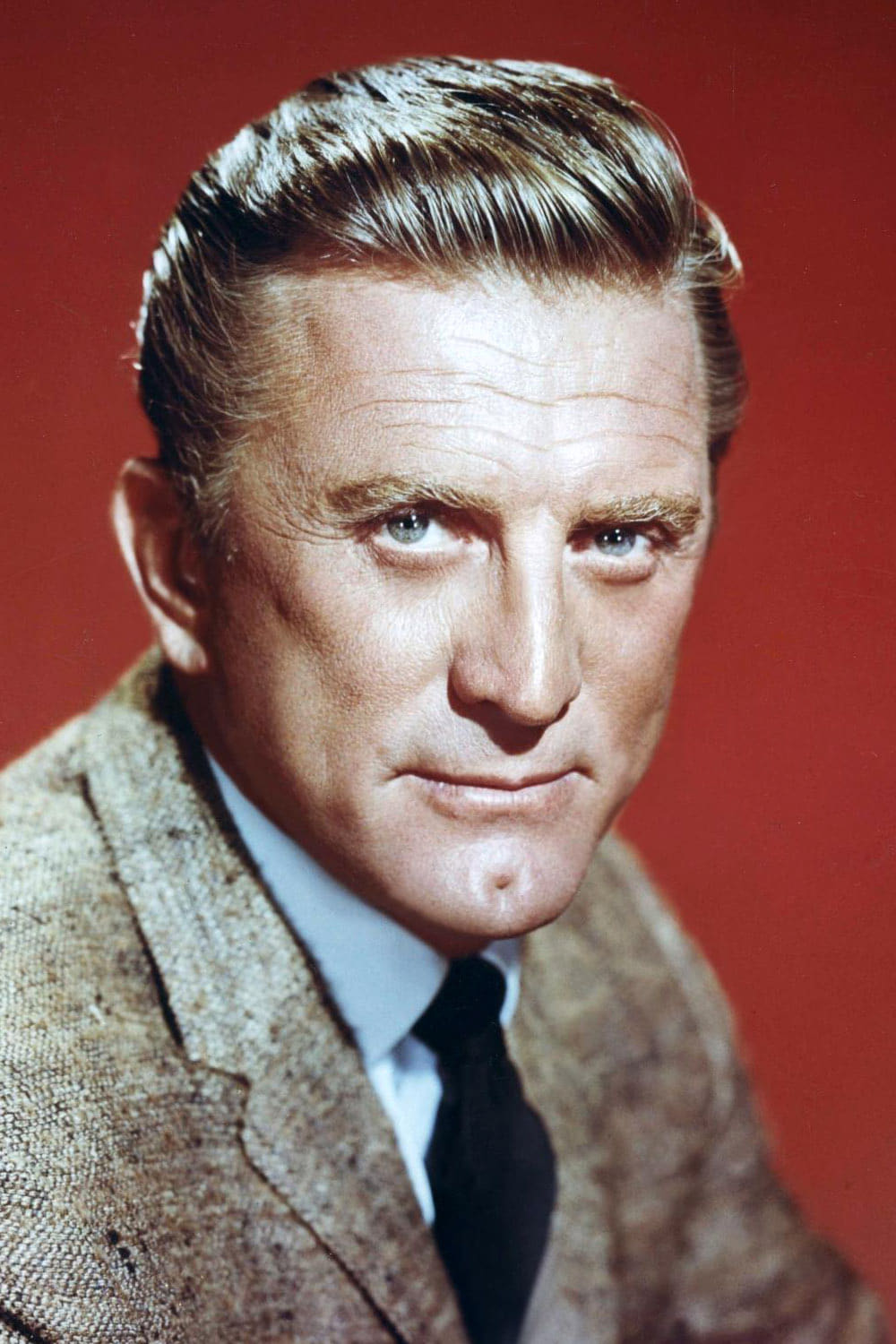
Kirk Douglas was a powerhouse producer and actor who is taught for helping to break the Hollywood Blacklist. By hiring Dalton Trumbo to write ‘Spartacus’, he took a political stand that changed the industry. His acting style was intense, physical, and often focused on characters with deep moral flaws. Douglas embodied the rugged determination of the post-war American male on screen.
Olivia de Havilland
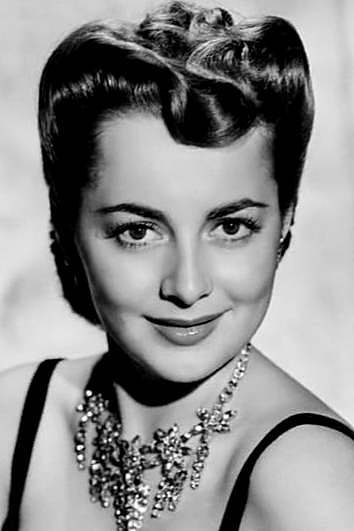
Olivia de Havilland is legally significant in film history for the “De Havilland Law” which ended the lifetime servitude of studio contracts. Her legal victory gave power back to the talent and reshaped the business of Hollywood. On screen, her performance in ‘The Heiress’ is studied for its terrifying transformation from innocent to cynical. She was a pillar of the Golden Age who fought for the rights of actors.
Ennio Morricone
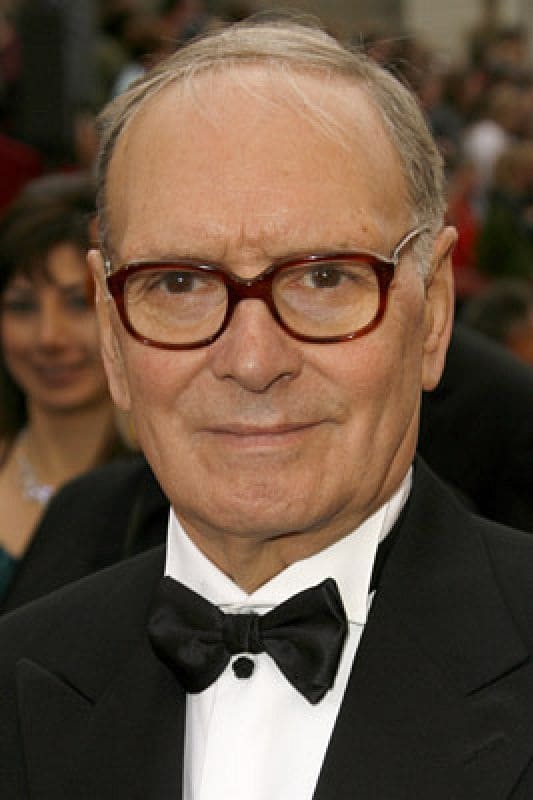
Ennio Morricone is the most studied film composer in history regarding the integration of sound and image. Music theory and film classes analyze his score for ‘The Good, the Bad and the Ugly’ for its use of unconventional instruments like whips and electric guitars. He revolutionized the Spaghetti Western genre and proved that music could be a character in itself. Morricone’s melodies are instantly recognizable and essential to the emotional impact of the films he scored.
What other legendary figures do you think should be part of the curriculum? Share your thoughts in the comments.