Movies That Should Have Won Awards But Didn’t


Award ceremonies are often viewed as the ultimate validation of artistic merit in the film industry. History has shown that voters frequently overlook cinematic masterpieces in favor of safer or more conventional choices that age poorly over time. Many films that are now considered defining works of their respective genres went home empty-handed or lost the most prestigious categories. Retrospective analysis often highlights the disconnect between immediate industry recognition and enduring cultural impact. The following films stand out as significant cinematic achievements that did not receive the gold statues many believe they deserved.
‘Citizen Kane’ (1941)
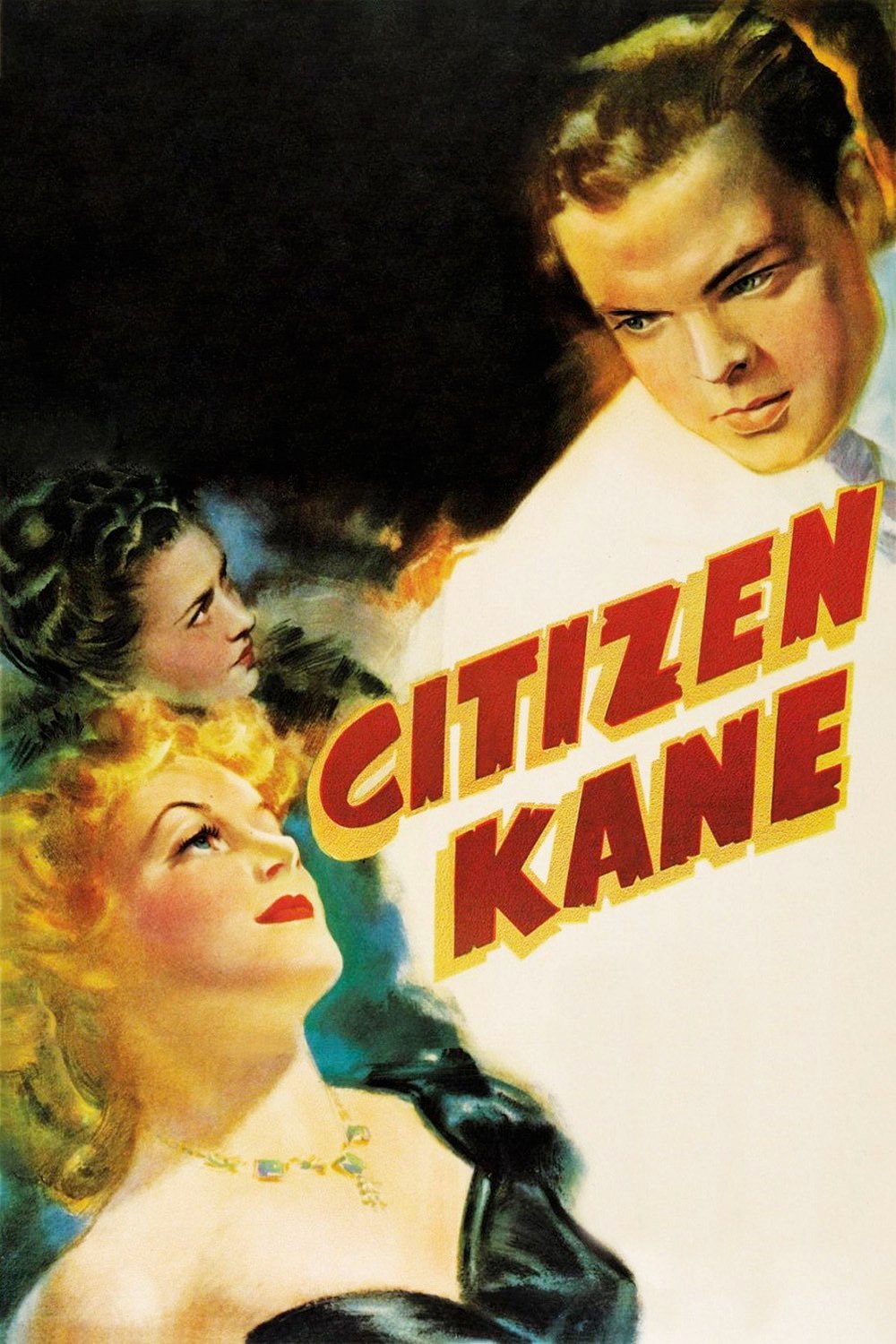
Orson Welles wrote, directed, and starred in this groundbreaking drama that revolutionized filmmaking techniques. The narrative examines the life and legacy of a wealthy newspaper tycoon through a series of flashbacks and interviews. Despite receiving nine Academy Award nominations, the film only secured a win for Best Original Screenplay. Audiences and critics now widely regard ‘Citizen Kane’ as one of the greatest movies ever made due to its innovative cinematography and narrative structure. It lost the Best Picture award to ‘How Green Was My Valley’ in a decision that continues to baffle film historians.
‘Double Indemnity’ (1944)
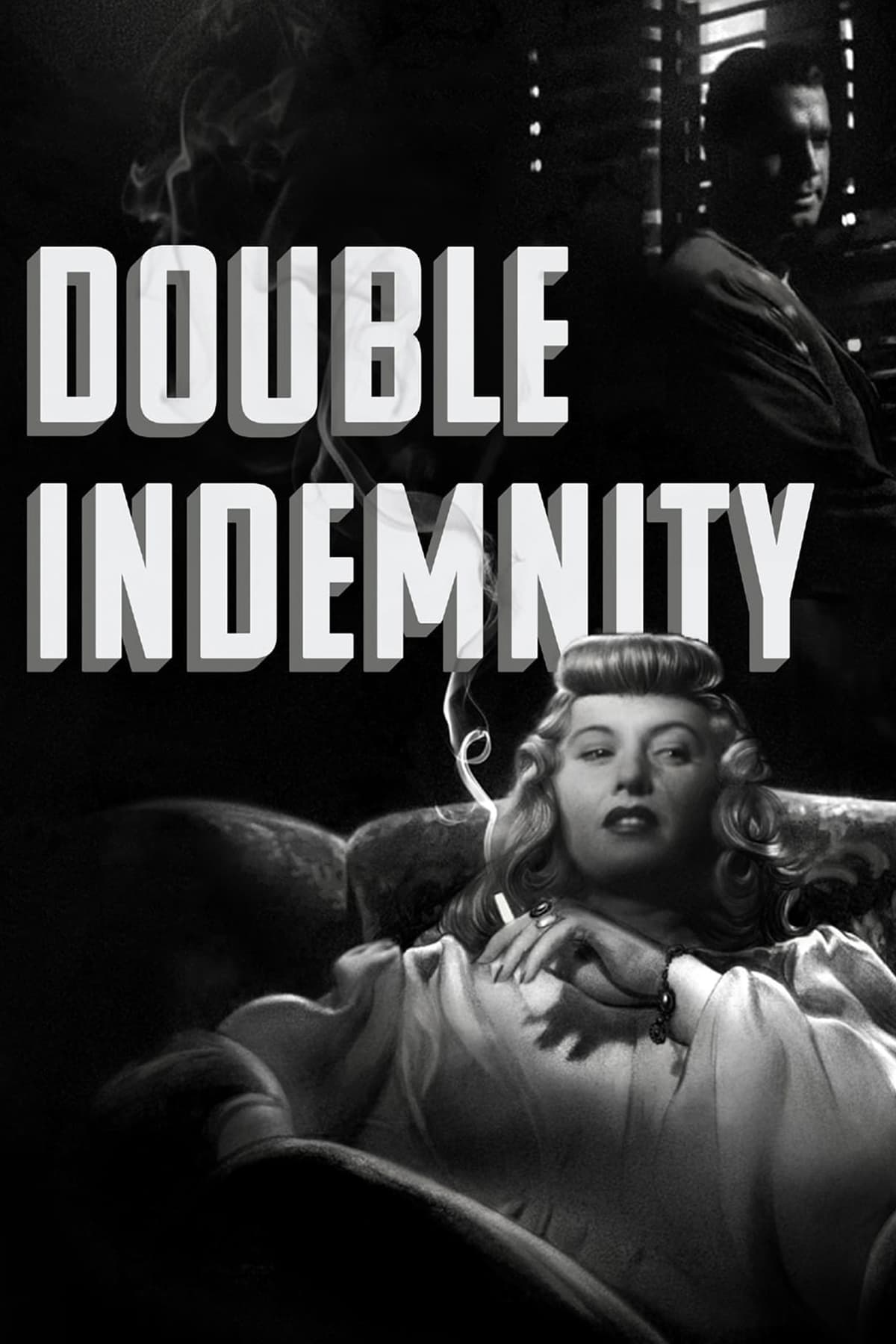
Billy Wilder directed this quintessential film noir that set the standard for the genre with its sharp dialogue and moody lighting. The plot follows an insurance salesman who gets lured into a murder scheme by a seductive housewife wishing to claim her husband’s policy. It received seven Academy Award nominations but failed to win a single category during the ceremony. ‘Double Indemnity’ established narrative tropes and visual styles that countless crime thrillers have imitated for decades. The film lost the Best Picture honor to the musical comedy ‘Going My Way’.
‘It’s a Wonderful Life’ (1946)
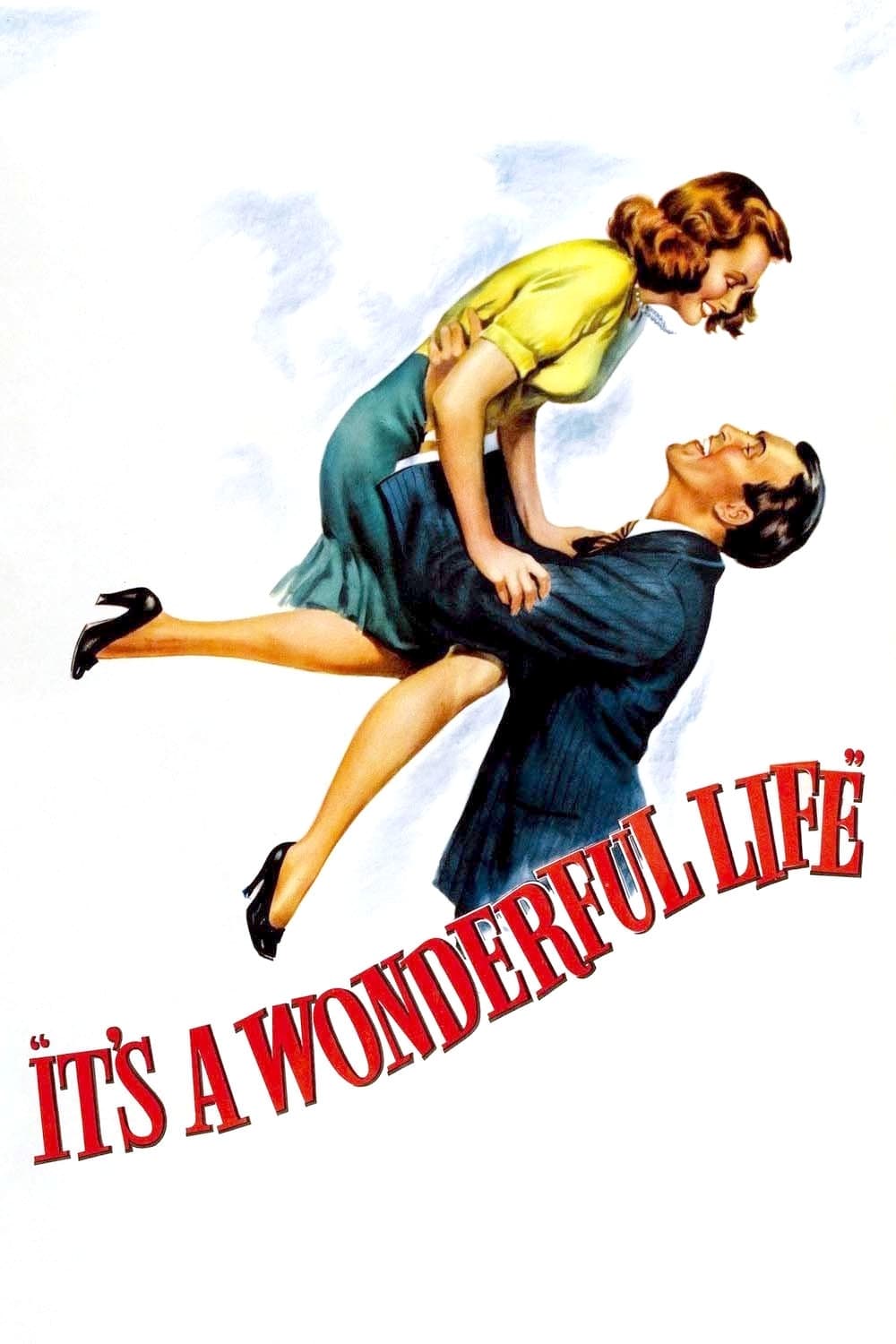
Frank Capra directed this holiday classic that explores themes of redemption and the impact of one individual on a community. George Bailey contemplates ending his life before an angel intervenes to show him an alternate reality where he never existed. The movie initially received a lukewarm reception at the box office and lost the Best Picture award to ‘The Best Years of Our Lives’. Decades of television broadcasts have since transformed ‘It’s a Wonderful Life’ into a beloved cultural staple. Its failure to win major awards stands in stark contrast to its permanent place in American pop culture.
‘Singin’ in the Rain’ (1952)
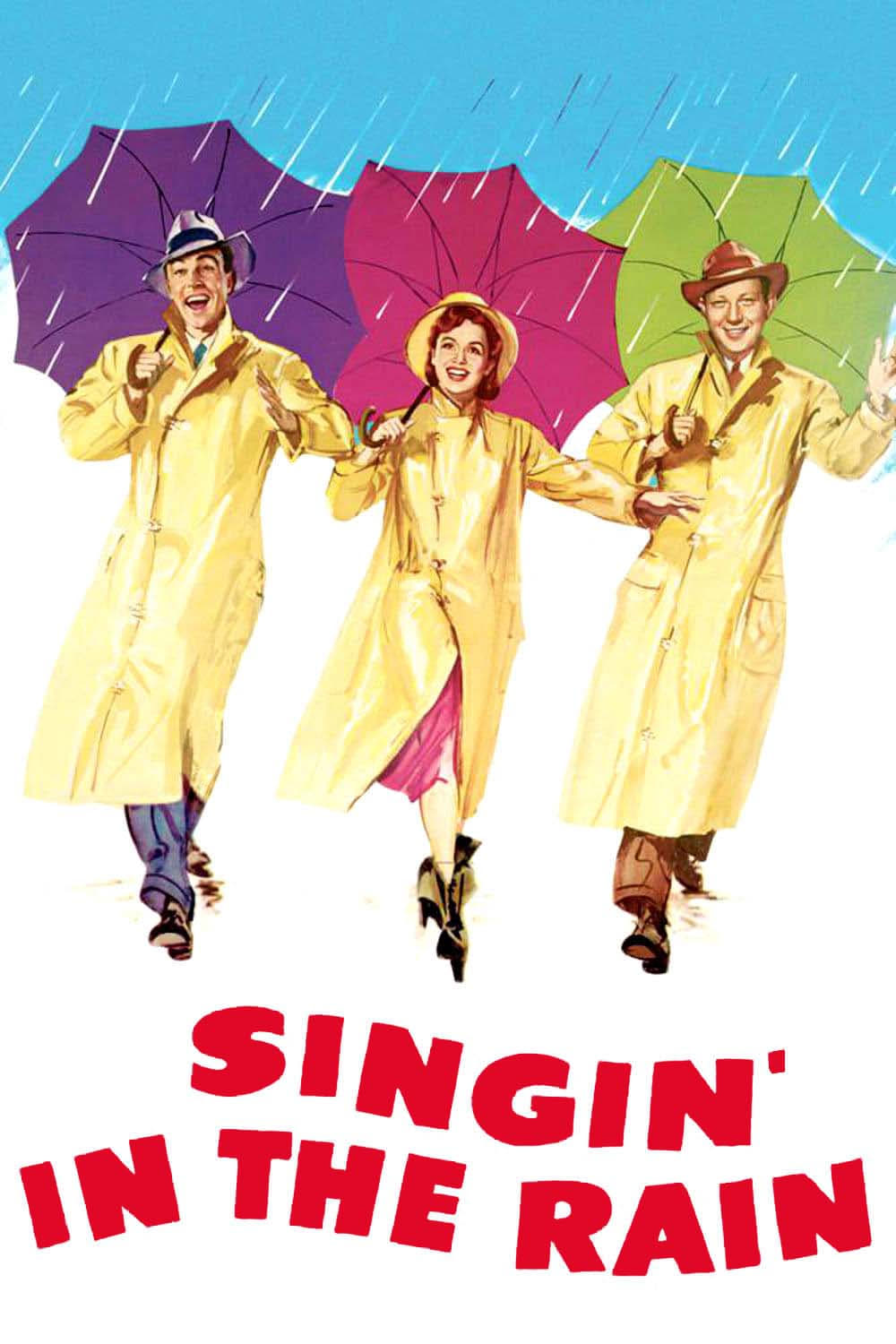
Gene Kelly and Stanley Donen co-directed this vibrant musical that satirizes the transition from silent films to talkies in Hollywood. The film features iconic dance numbers and memorable songs that showcase the immense talent of its cast. Despite its enduring popularity and status as the greatest musical of all time, it was not nominated for Best Picture. ‘Singin’ in the Rain’ received only two minor nominations and went home with zero Academy Awards. This snub highlights how musical comedies were often underestimated by award voters during that era.
‘The Searchers’ (1956)
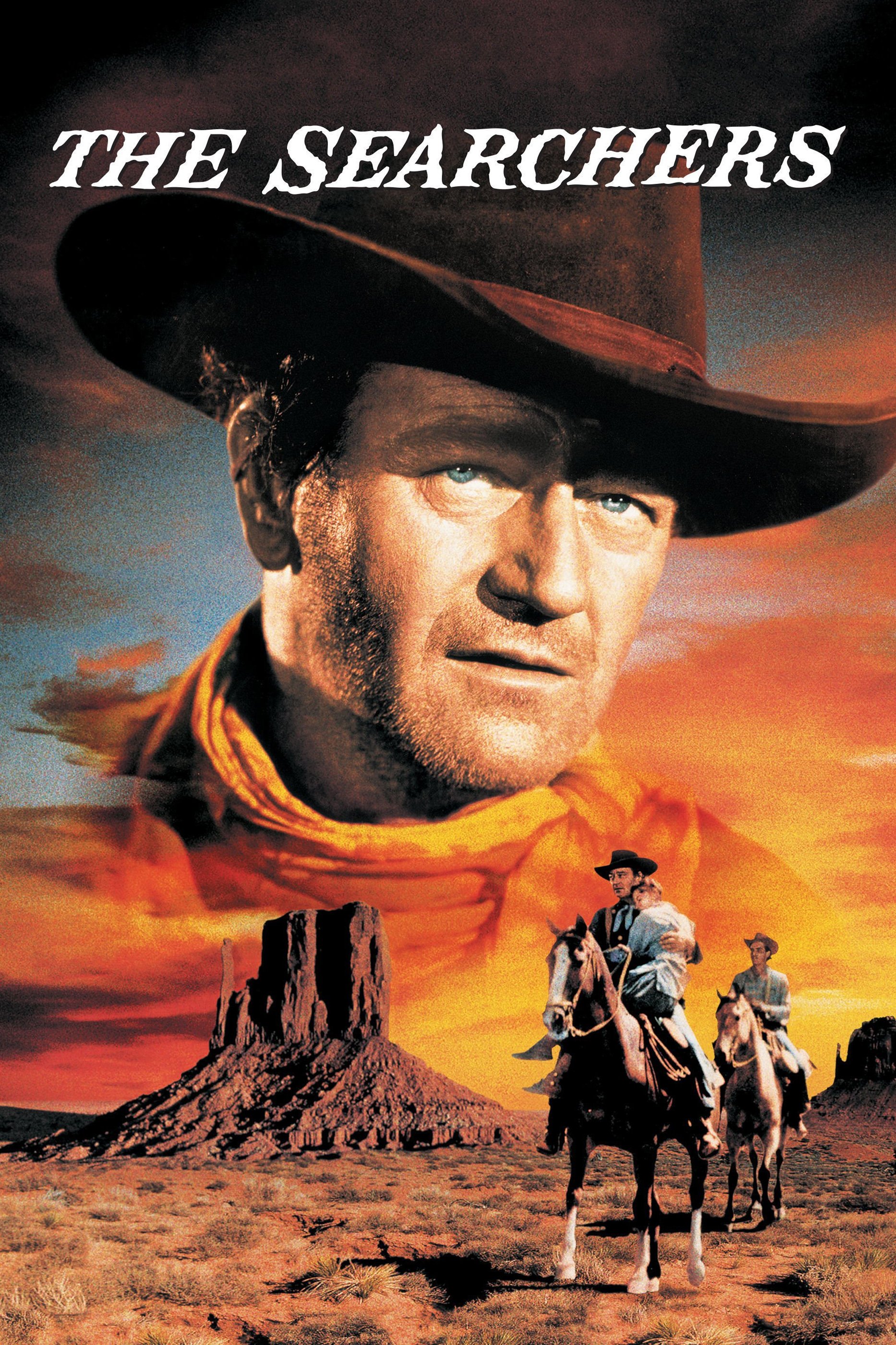
John Ford directed this visually stunning Western that features John Wayne in one of his most complex and darker roles. The story follows a Civil War veteran who spends years searching for his niece after she is abducted by Comanches. Critics today praise the film for its deep psychological study and breathtaking cinematography of Monument Valley. ‘The Searchers’ received zero Academy Award nominations despite its massive influence on future directors like Martin Scorsese and Steven Spielberg. The complete lack of recognition remains one of the most glaring omissions in awards history.
‘Vertigo’ (1958)
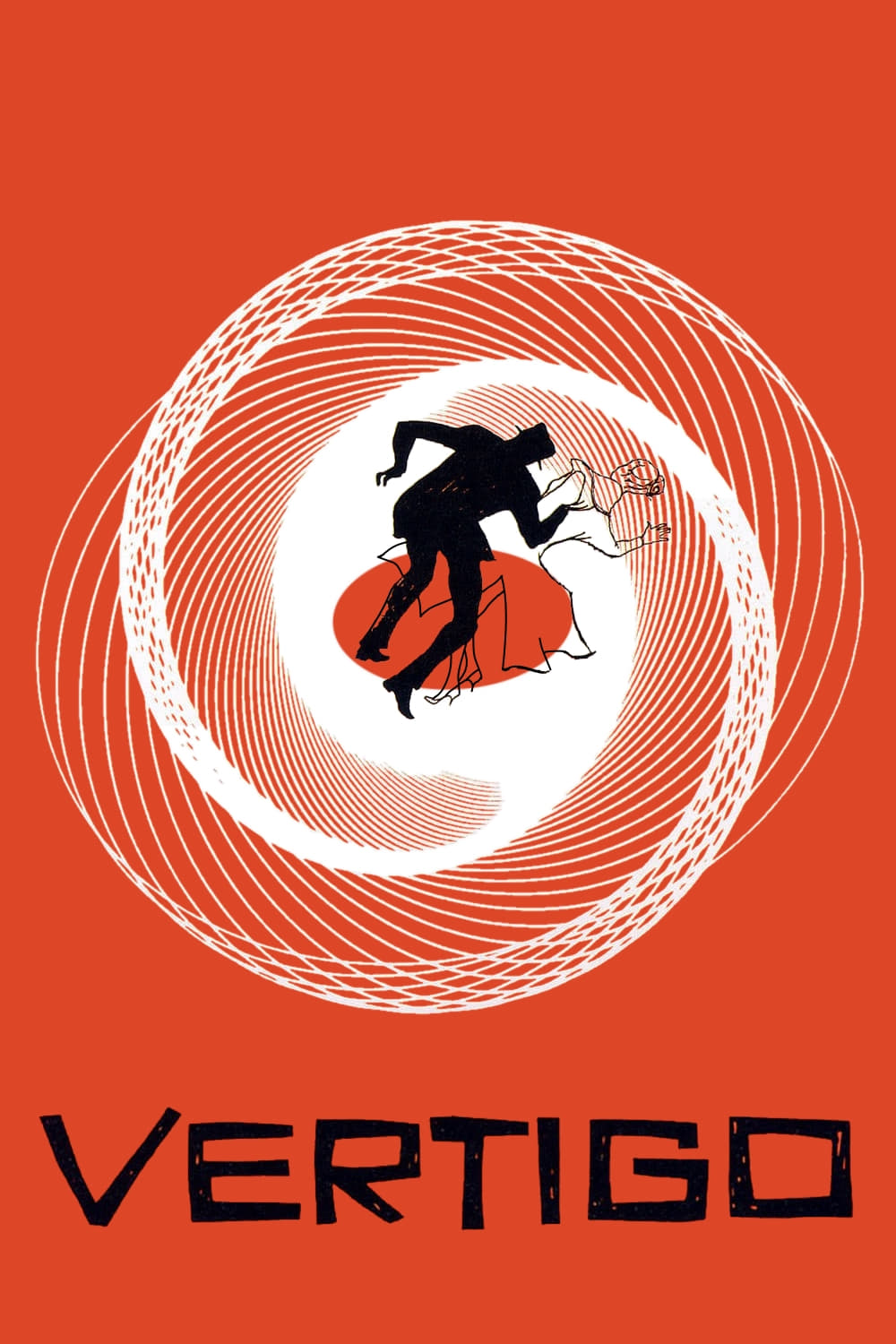
Alfred Hitchcock crafted this psychological thriller about a former police detective who develops an obsession with a mysterious woman. The film utilizes innovative camera techniques such as the dolly zoom to convey the protagonist’s disorientation and fear of heights. Contemporary critics gave the movie mixed reviews, and it received only two technical nominations at the Oscars. ‘Vertigo’ eventually surpassed ‘Citizen Kane’ in the Sight & Sound poll of the greatest films of all time. Its lack of awards recognition fails to reflect its masterful exploration of obsession and identity.
‘Psycho’ (1960)
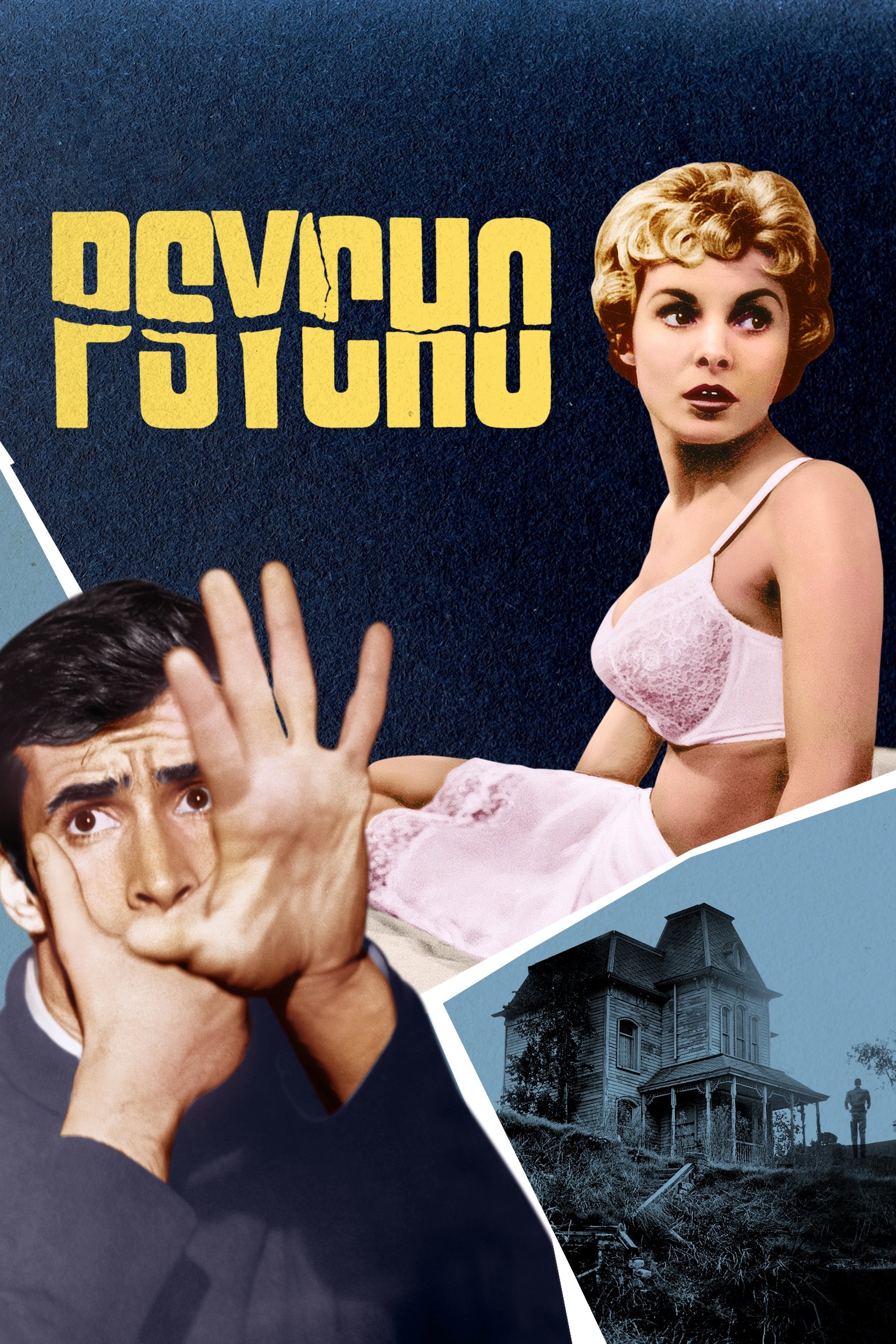
Alfred Hitchcock shocked audiences with this horror thriller that broke numerous cinematic taboos regarding violence and sexuality. The narrative centers on an embezzler who encounters a shy motel proprietor with a disturbing secret. While the film received four nominations including Best Director, it did not win any Academy Awards. ‘Psycho’ redefined the horror genre and introduced the concept of the slasher film to mainstream audiences. The failure to award Hitchcock for this cultural phenomenon is often cited as a major oversight.
‘Dr. Strangelove or: How I Learned to Stop Worrying and Love the Bomb’ (1964)
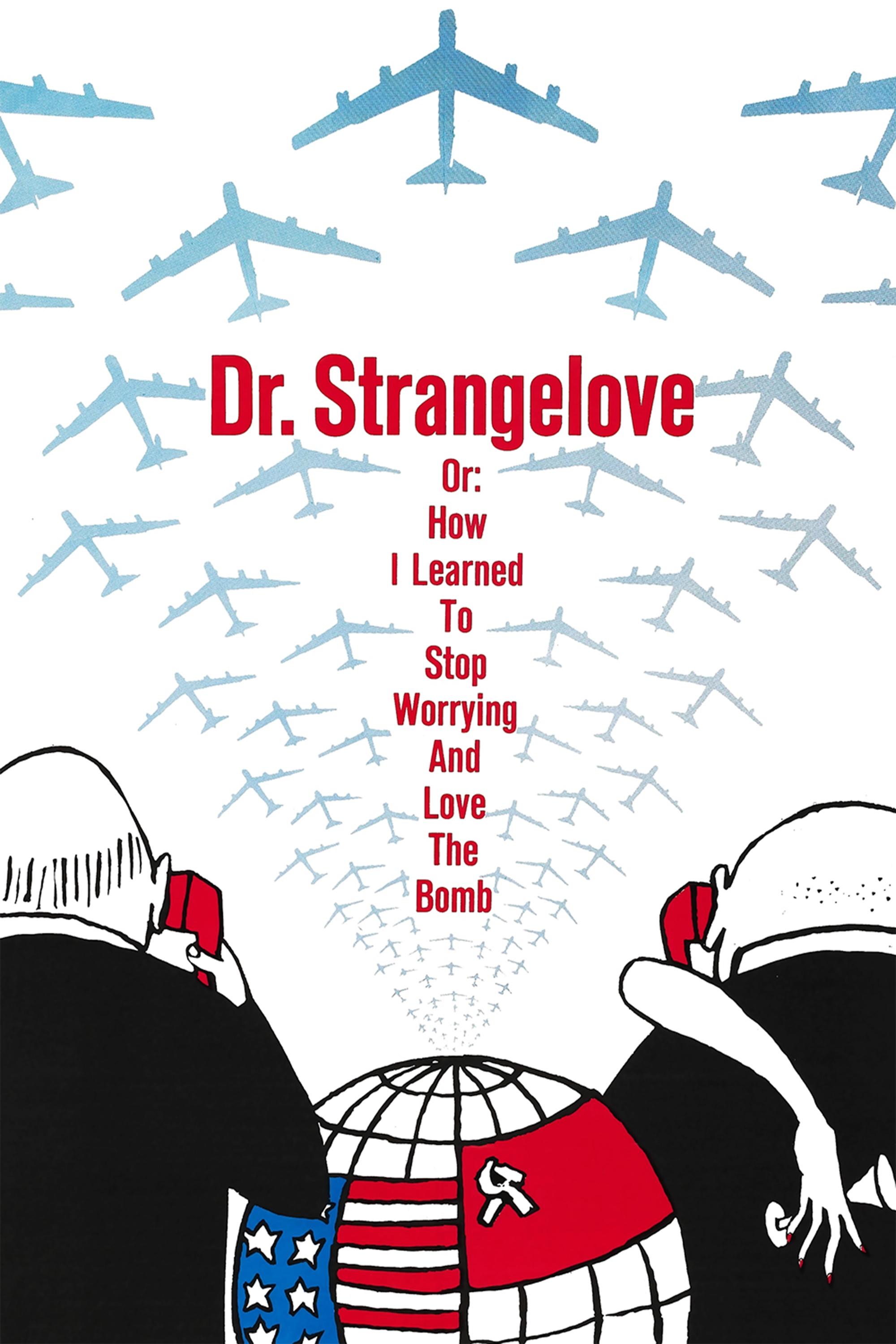
Stanley Kubrick directed this dark satire that mocks the Cold War fears of nuclear annihilation. The film features Peter Sellers in three distinct roles and delivers a biting critique of military and political incompetence. It was nominated for four Academy Awards including Best Picture and Best Director but lost across the board. ‘Dr. Strangelove’ remains a relevant and hilarious commentary on geopolitical tensions. The musical ‘My Fair Lady’ took the top prize that year in a choice that favored traditional entertainment over edgy satire.
‘2001: A Space Odyssey’ (1968)
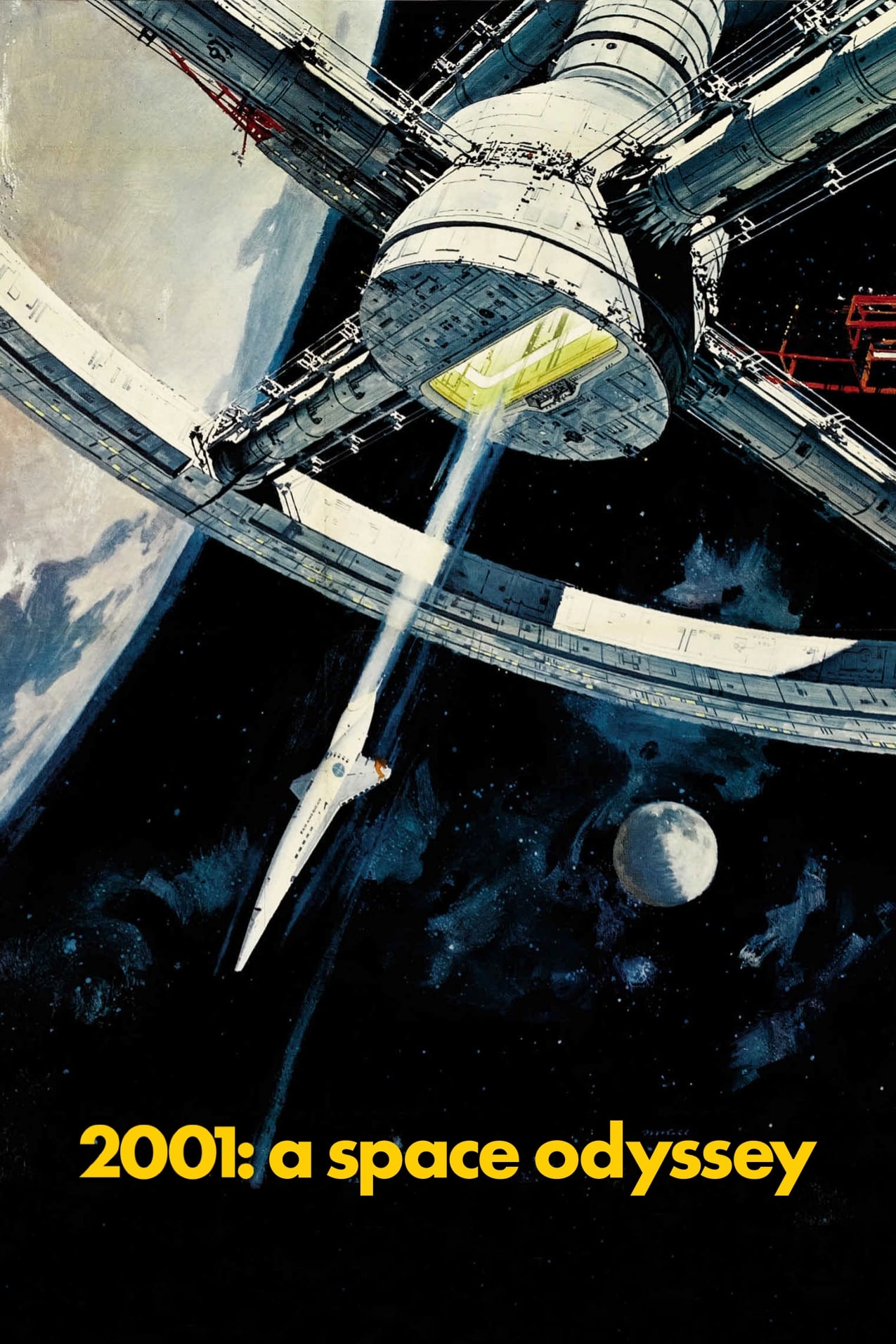
Stanley Kubrick pushed the boundaries of visual effects and narrative storytelling with this science fiction epic. The film spans from the dawn of man to the future of space exploration while dealing with themes of artificial intelligence and evolution. It received a nomination for Best Director but was notably omitted from the Best Picture category. ‘2001: A Space Odyssey’ won a single award for Best Visual Effects despite its profound impact on the entire industry. The Academy largely misunderstood the film upon its release and failed to honor its visionary scope.
‘A Clockwork Orange’ (1971)
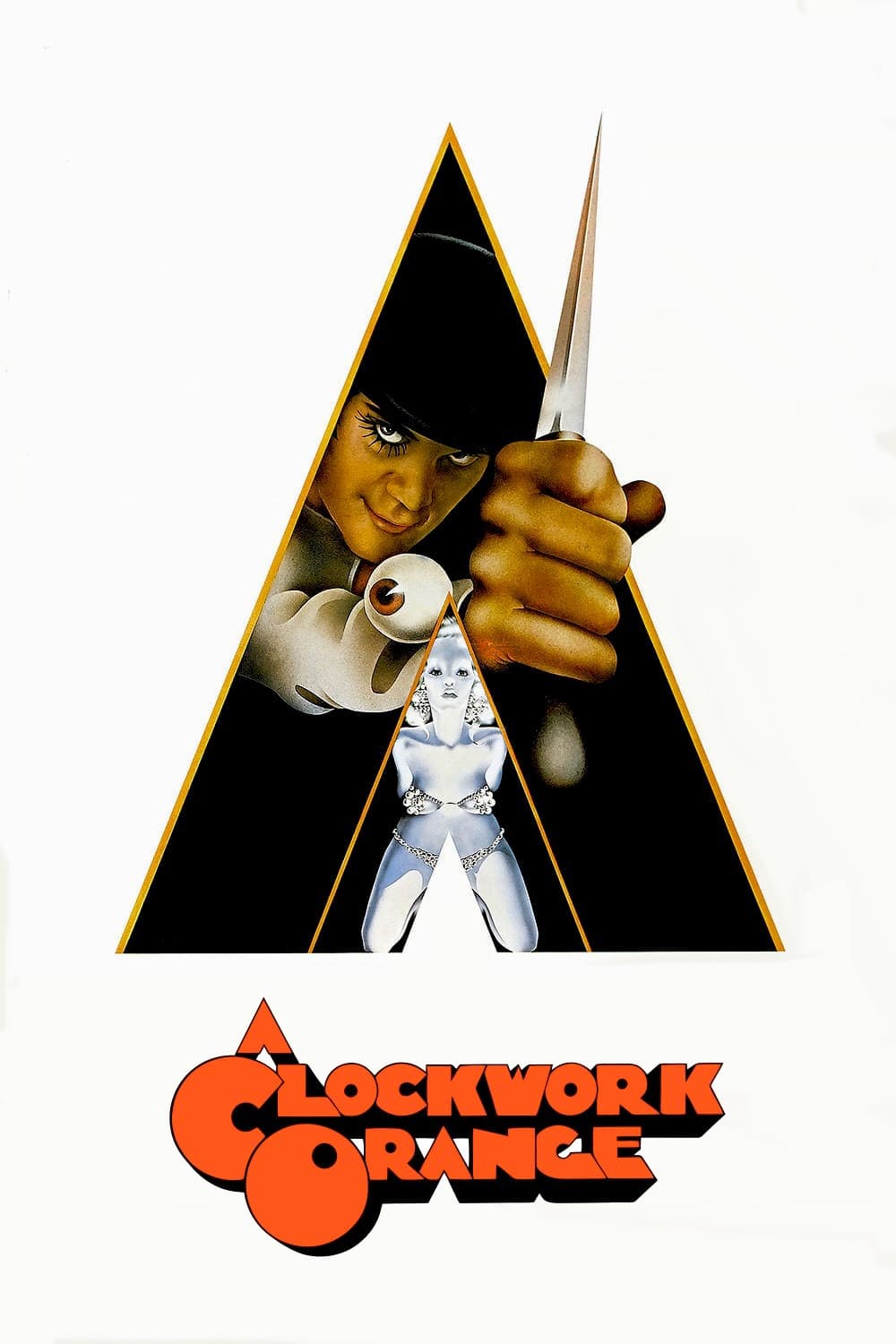
Stanley Kubrick adapted this dystopian novel about a charismatic delinquent who undergoes an experimental rehabilitation therapy. The film sparked intense controversy for its depictions of violence and its moral ambiguity regarding free will. It secured four Academy Award nominations including Best Picture but failed to win any of them. ‘A Clockwork Orange’ challenged audiences and critics alike with its stylized aesthetic and provocative themes. The police thriller ‘The French Connection’ won Best Picture that year.
‘Taxi Driver’ (1976)
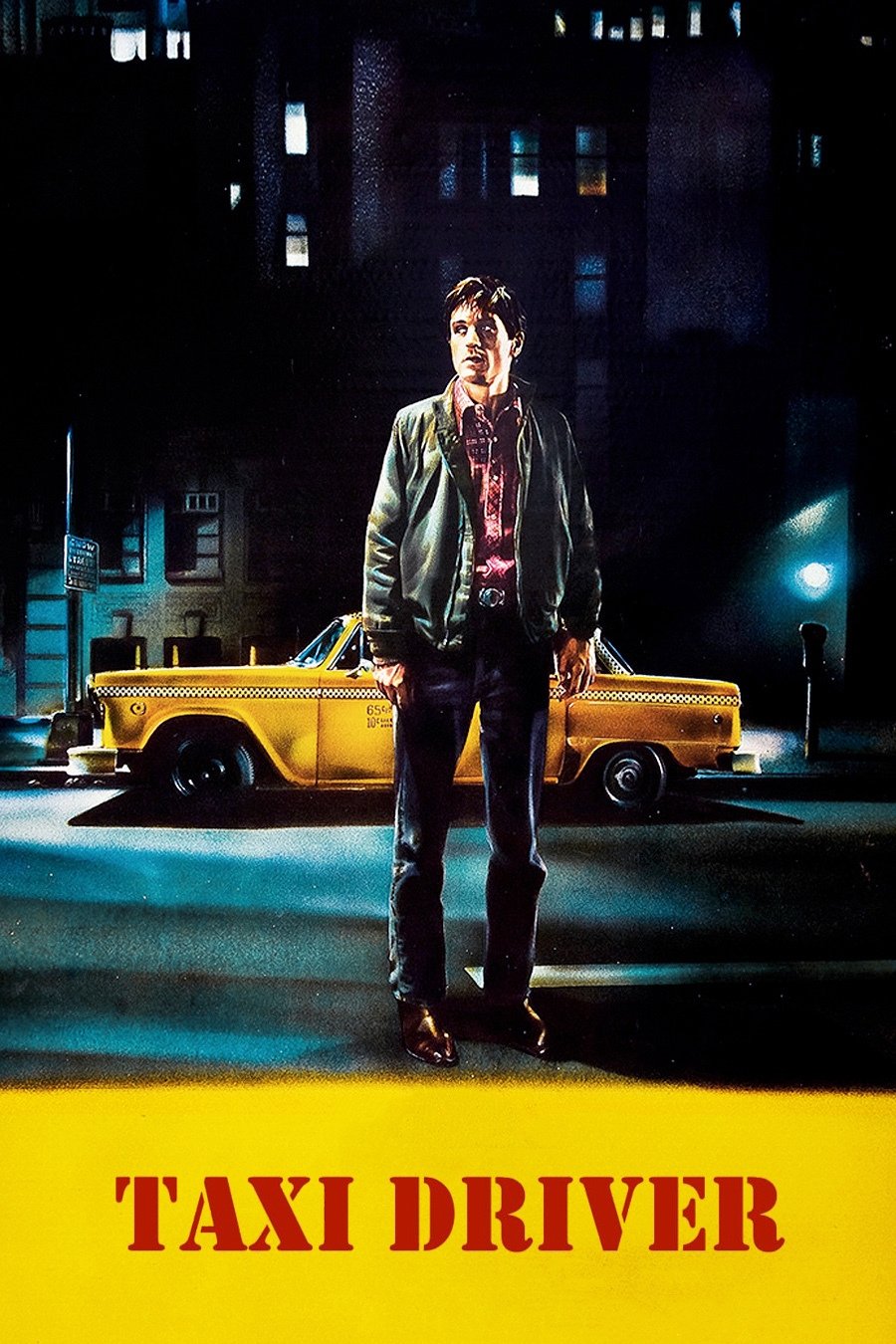
Martin Scorsese directed this gritty character study of a mentally unstable Vietnam veteran navigating the decaying streets of New York City. Robert De Niro delivers a haunting performance as Travis Bickle, a man driven to violence by his isolation and disgust for society. The film received four nominations including Best Picture but went home empty-handed. ‘Taxi Driver’ is now considered a masterpiece of 1970s cinema that captures a specific era of urban paranoia. It lost the top award to the uplifting sports drama ‘Rocky’.
‘Apocalypse Now’ (1979)
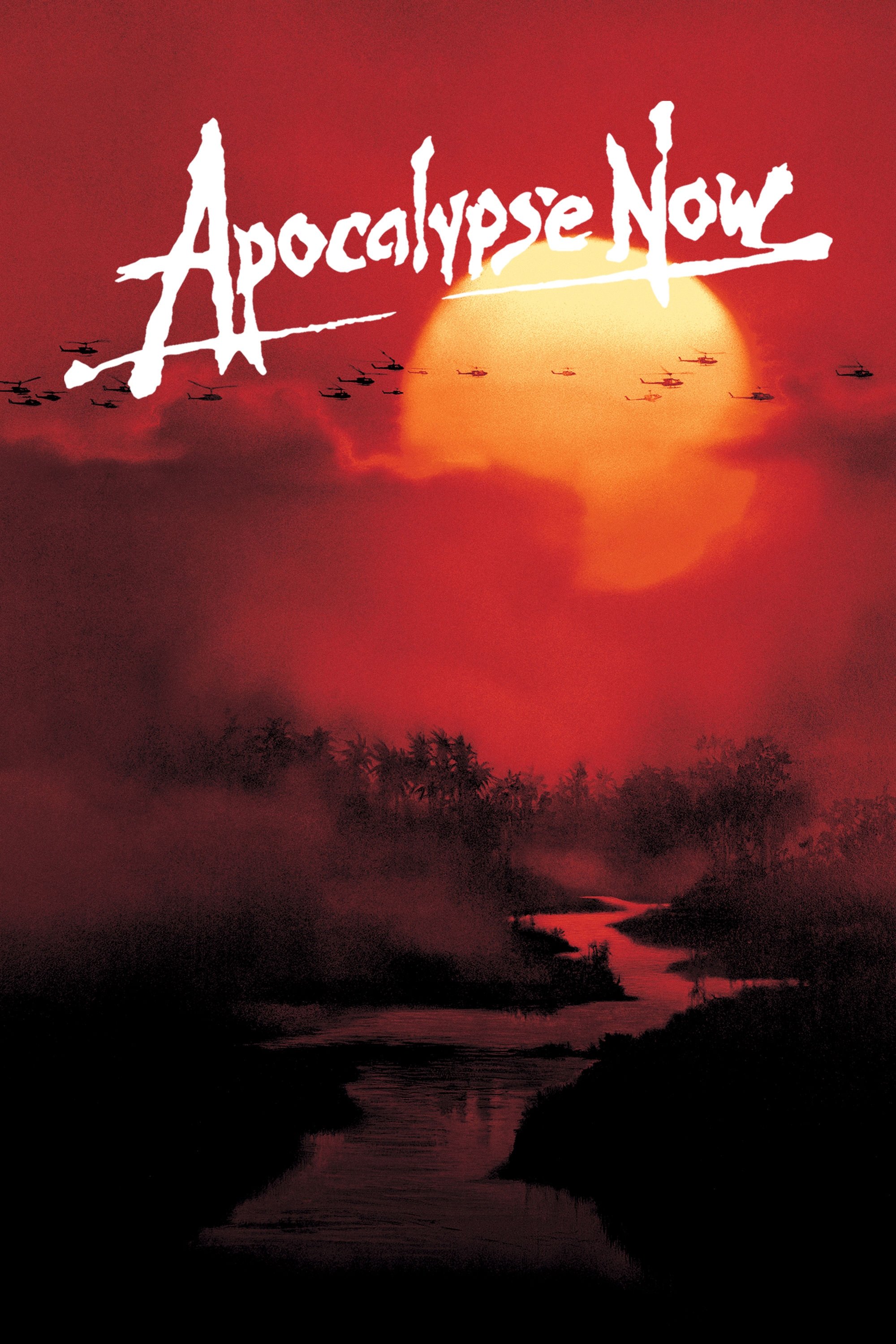
Francis Ford Coppola endured a tumultuous production to create this psychedelic adaptation of Joseph Conrad’s novella set during the Vietnam War. The story follows a specialized soldier sent on a mission to assassinate a renegade colonel who has gone insane. It won two technical awards but lost the Best Picture and Best Director races. ‘Apocalypse Now’ is widely viewed as one of the most ambitious and visceral war films ever produced. The family drama ‘Kramer vs. Kramer’ swept the major categories that year.
‘Raging Bull’ (1980)
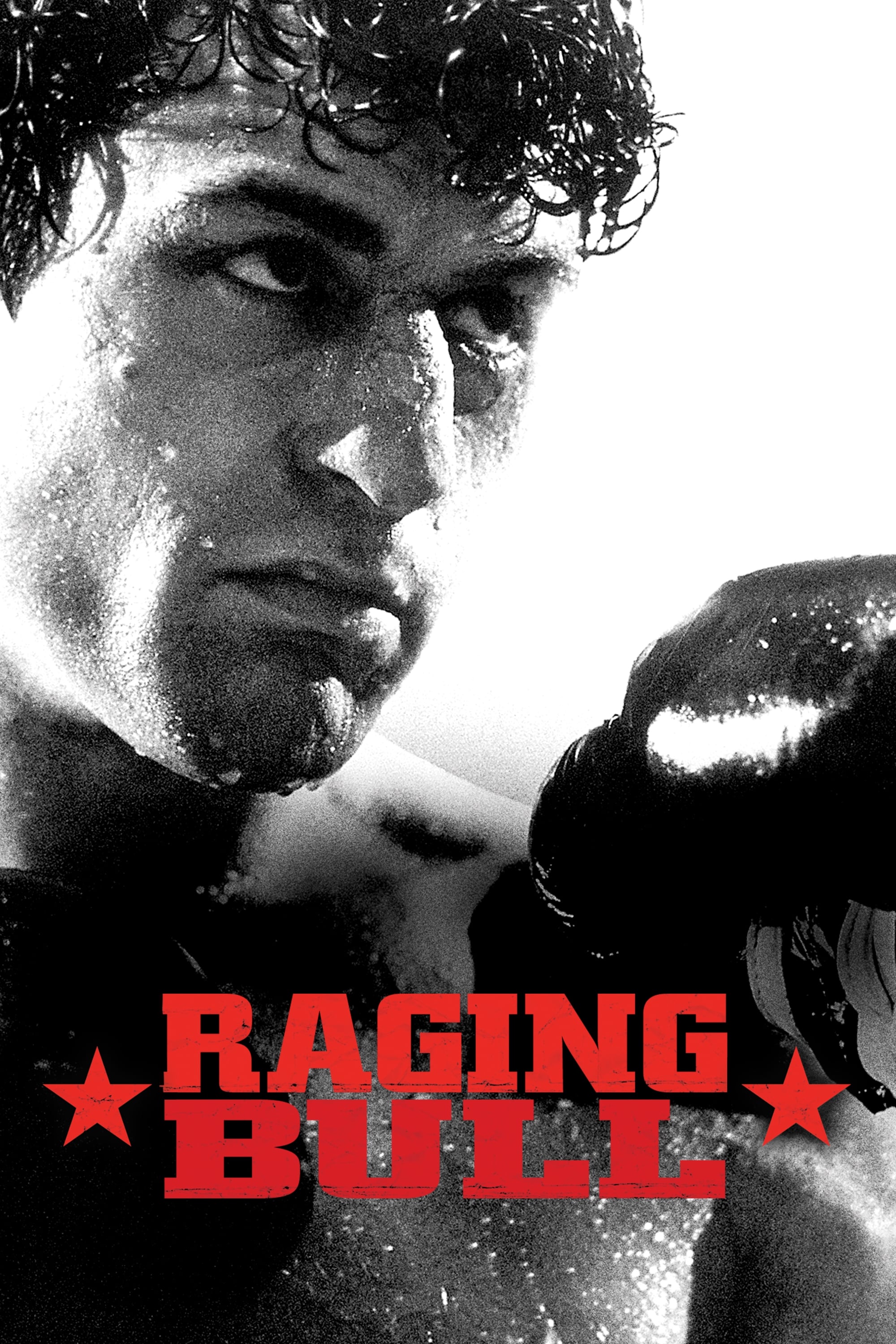
Martin Scorsese teamed up with Robert De Niro again for this biographical drama about the turbulent life of boxer Jake LaMotta. The film is celebrated for its stunning black-and-white cinematography and the raw intensity of the performances. De Niro won Best Actor, but the film lost the Best Picture and Best Director awards. ‘Raging Bull’ is frequently cited as the best film of the 1980s by critics and scholars. The Academy chose to award Robert Redford’s directorial debut ‘Ordinary People’ instead.
‘Blade Runner’ (1982)
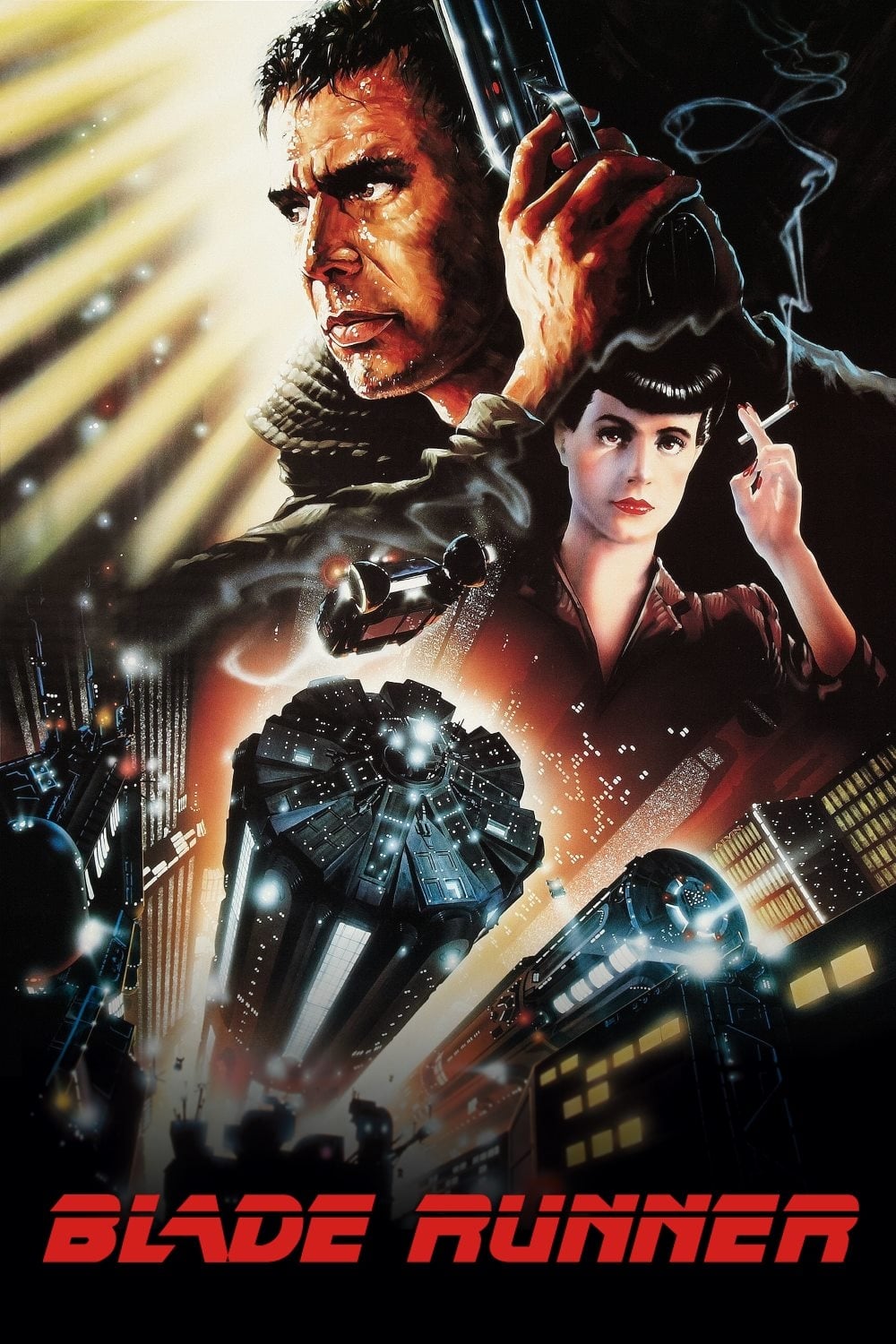
Ridley Scott directed this sci-fi noir that explores what it means to be human in a dystopian future filled with bio-engineered androids. The film initially struggled at the box office and received a mixed critical response upon its release. It received only two nominations for visual effects and art direction but did not win either. ‘Blade Runner’ has since gained a massive cult following and is considered a cornerstone of the cyberpunk genre. Its lack of recognition highlights how ahead of its time the visual and thematic elements were.
‘The Color Purple’ (1985)
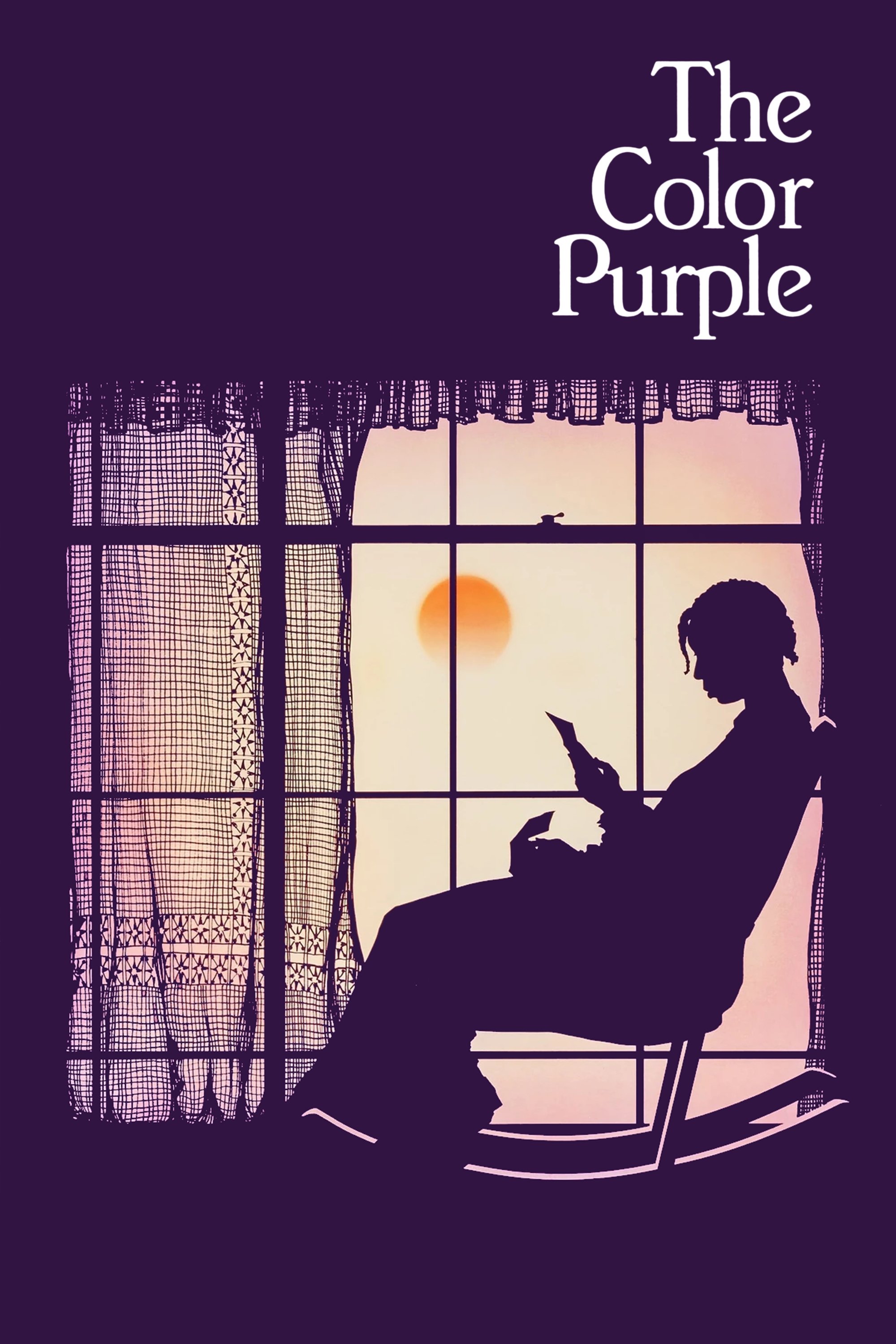
Steven Spielberg directed this adaptation of Alice Walker’s novel that depicts the struggles of an African American woman living in the South during the early 20th century. The film received a staggering eleven Academy Award nominations including Best Picture and Best Actress for Whoopi Goldberg. It holds the unfortunate record of receiving the most nominations without a single win in Oscar history alongside ‘The Turning Point’. ‘The Color Purple’ was praised for its emotional depth and strong performances but was completely shut out. The romantic drama ‘Out of Africa’ dominated the awards ceremony that year.
‘Do the Right Thing’ (1989)
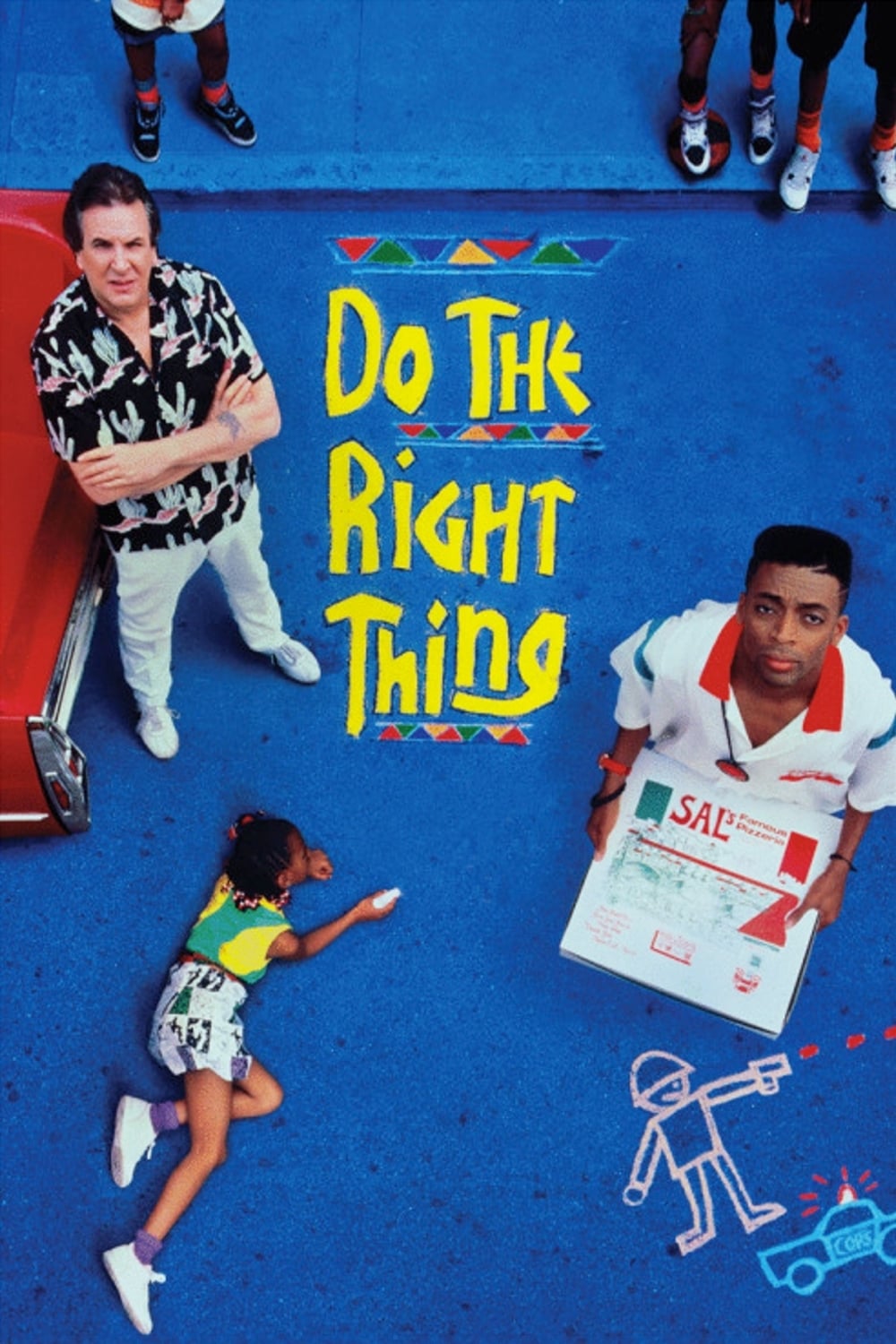
Spike Lee wrote and directed this explosive drama that explores racial tensions in a Brooklyn neighborhood on the hottest day of the summer. The film uses vibrant colors and dynamic camera work to build tension toward a tragic climax. It was famously snubbed for a Best Picture nomination and only received nods for Original Screenplay and Supporting Actor. ‘Do the Right Thing’ remains a culturally significant and politically charged work that spoke to the realities of modern America. The Academy’s failure to nominate it for the top prize is often criticized as a major blind spot.
‘Goodfellas’ (1990)
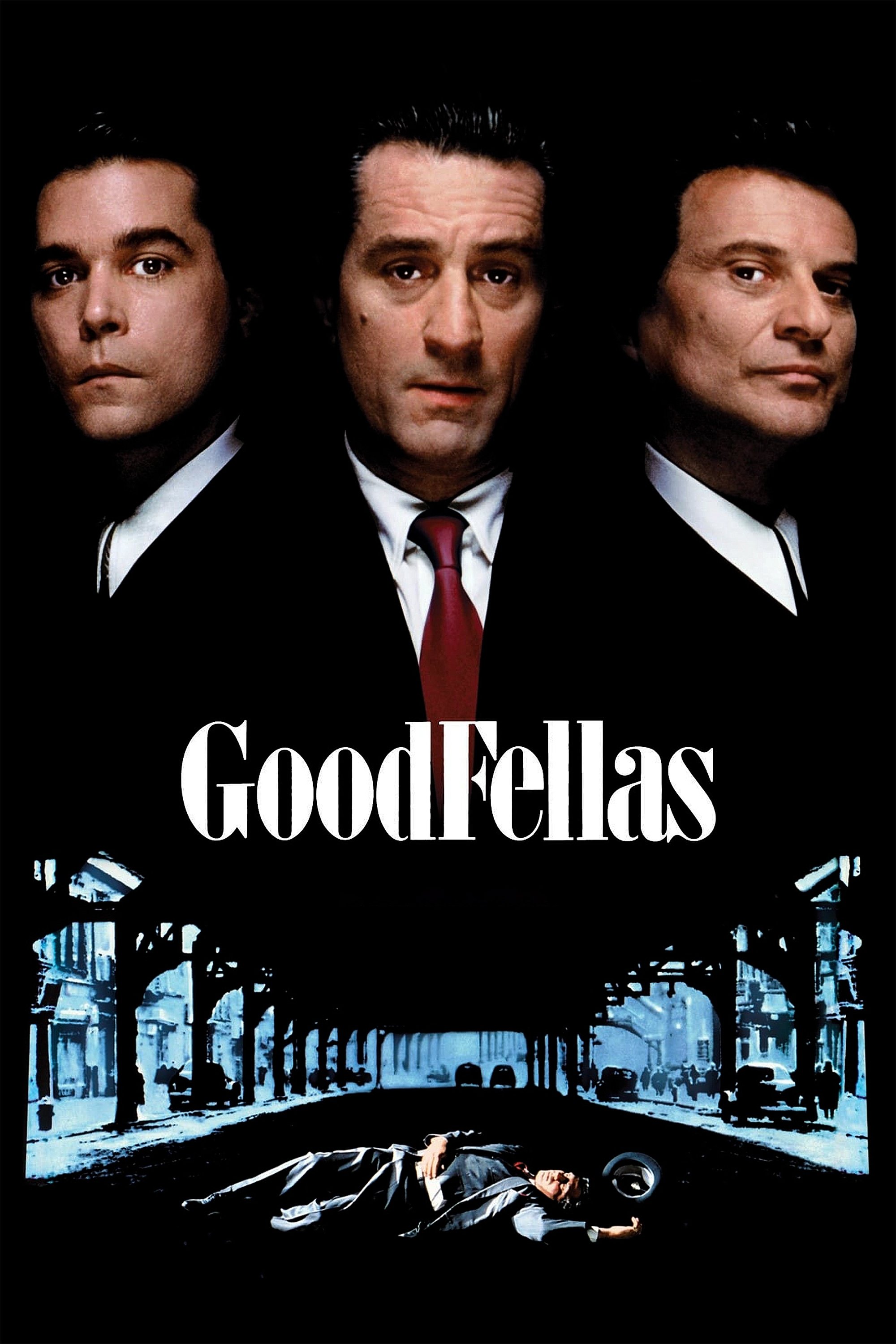
Martin Scorsese revolutionized the gangster genre with this fast-paced biographical crime film about the rise and fall of mob associate Henry Hill. The movie utilizes voiceover narration, freeze frames, and long tracking shots to create an immersive experience. Joe Pesci won for Best Supporting Actor, but the film lost Best Picture and Best Director. ‘Goodfellas’ is widely considered one of the most influential films of the last, thirty years. It lost the main awards to Kevin Costner’s western epic ‘Dances with Wolves’.
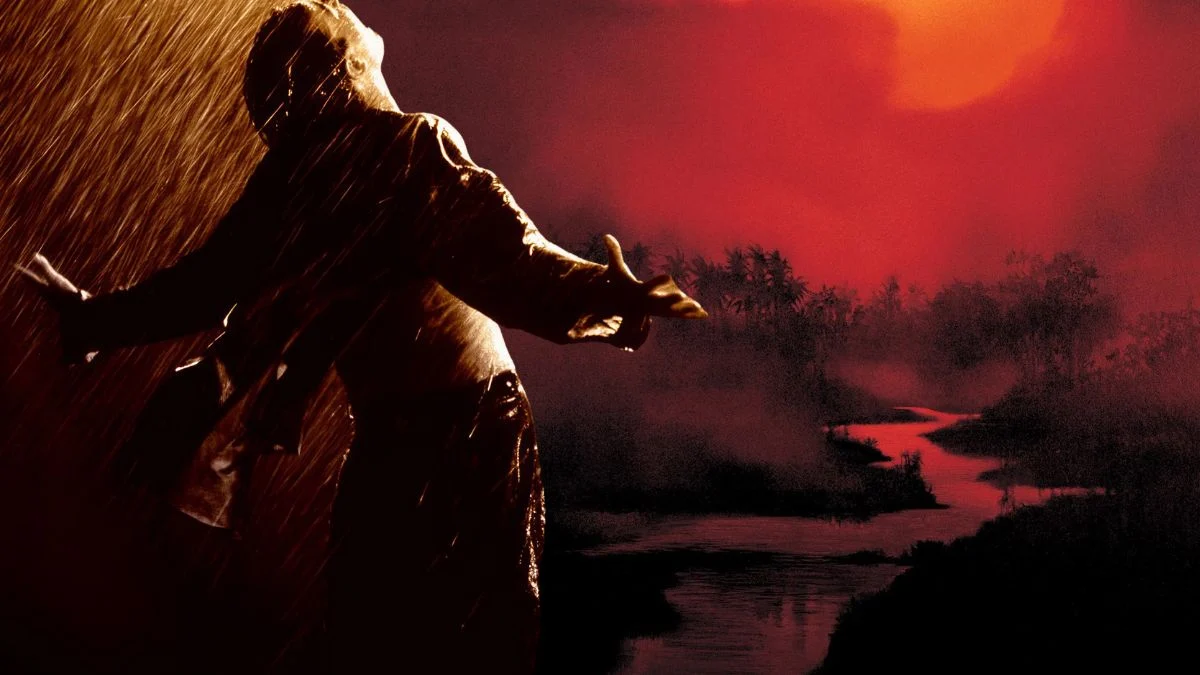
‘The Shawshank Redemption’ (1994)
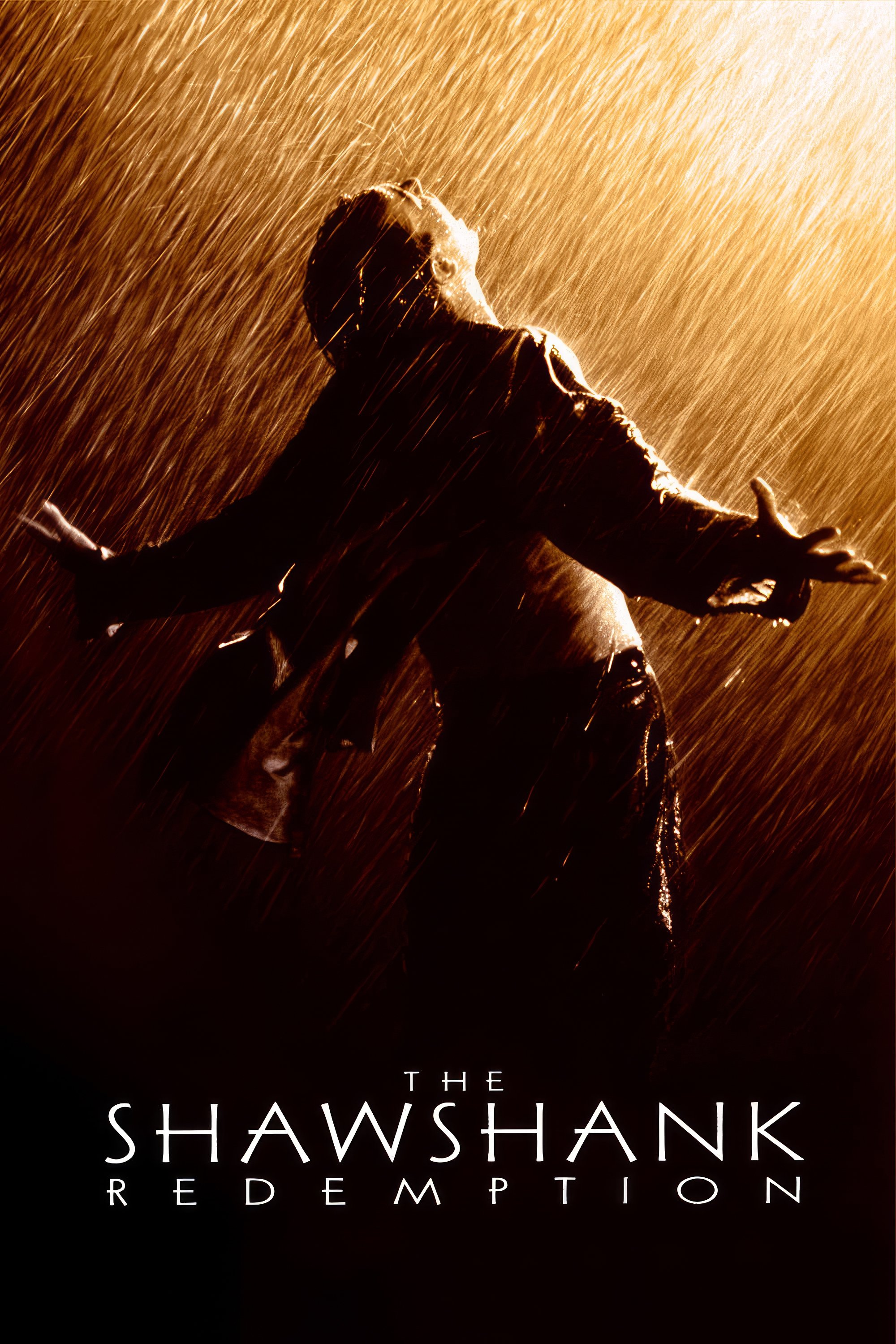
Frank Darabont adapted a Stephen King novella into this beloved drama about hope and friendship within the walls of a corrupt prison. Tim Robbins and Morgan Freeman deliver powerful performances that have resonated with audiences for decades. The film received seven Academy Award nominations but failed to win any categories. ‘The Shawshank Redemption’ consistently tops audience polls as one of the best movies of all time. It faced stiff competition and ultimately lost Best Picture to ‘Forrest Gump’.
‘Pulp Fiction’ (1994)
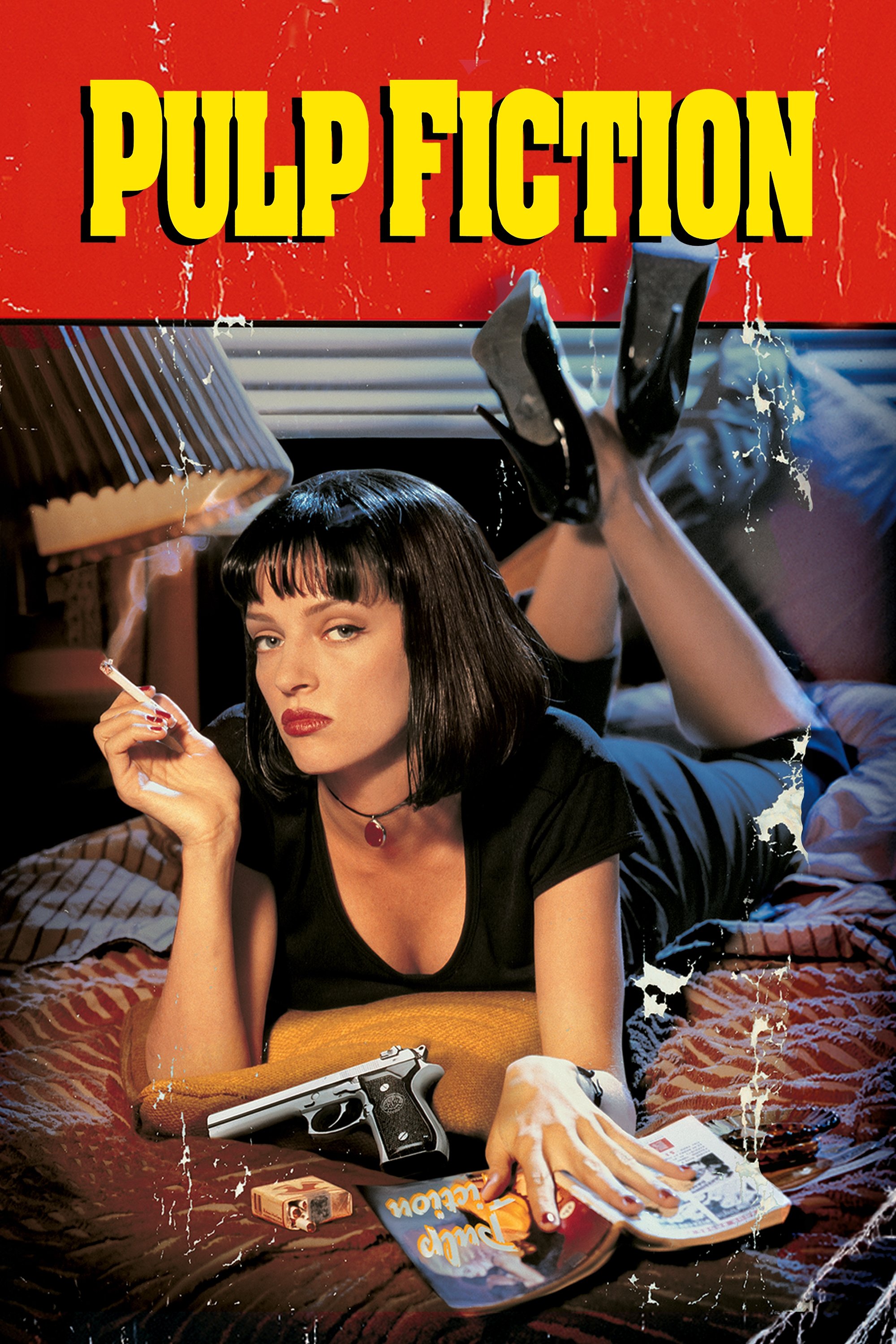
Quentin Tarantino exploded onto the mainstream scene with this non-linear crime film that weaves together multiple storylines. The movie is famous for its eclectic soundtrack, sharp dialogue, and pop culture references. It won the award for Best Original Screenplay but lost the Best Picture trophy. ‘Pulp Fiction’ inspired a wave of independent filmmaking and changed the landscape of American cinema. Like other classics from that year, it was defeated by the commercial juggernaut ‘Forrest Gump’.
‘Fargo’ (1996)
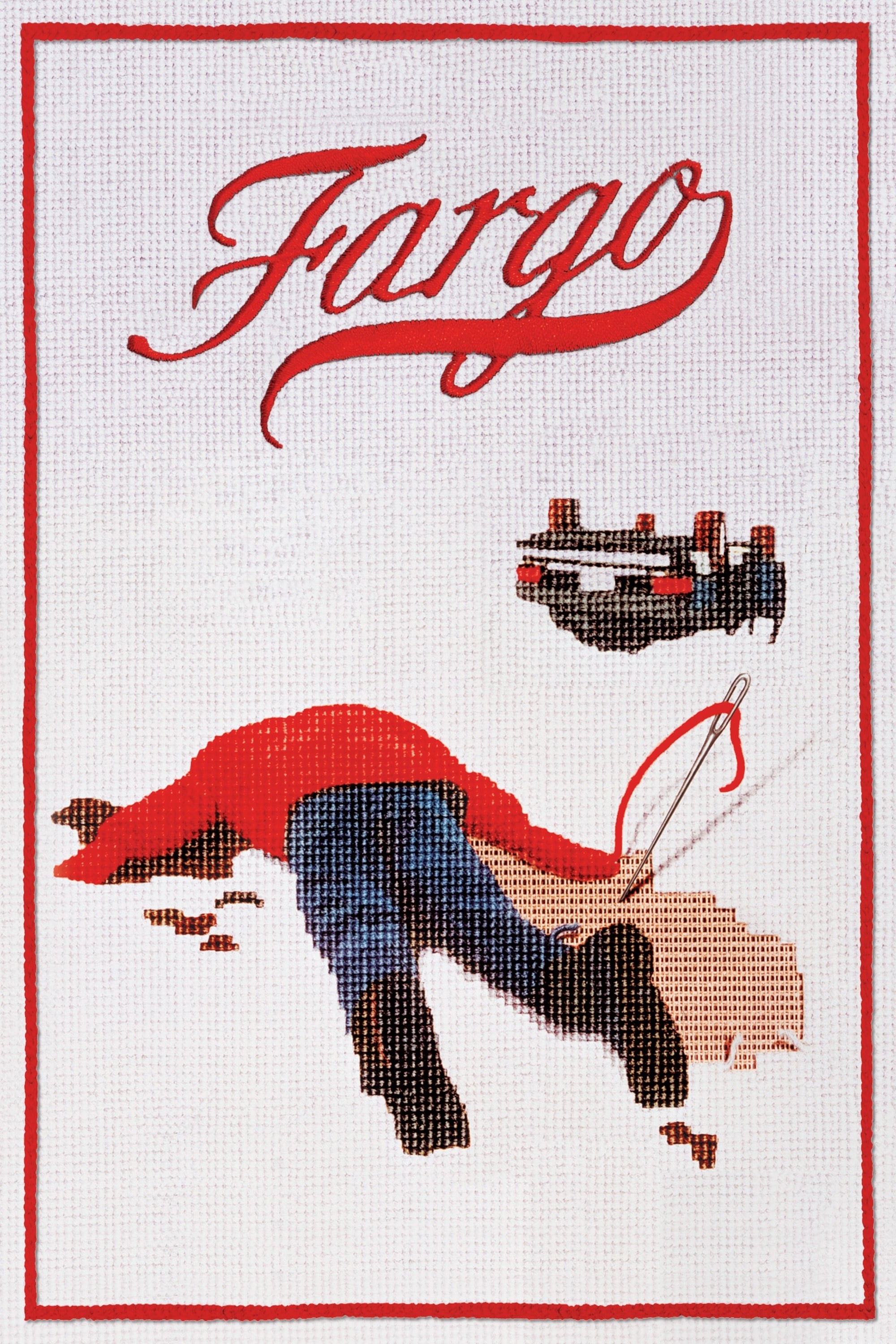
The Coen Brothers created a dark comedy thriller involving a car salesman who hires two criminals to kidnap his wife. Frances McDormand created an iconic character with her portrayal of the pregnant police chief Marge Gunderson. While McDormand won Best Actress and the Coens won for Screenplay, the film lost Best Picture. ‘Fargo’ is praised for its unique blend of Midwestern politeness and shocking violence. The romantic war drama ‘The English Patient’ took home the top prize that year.
‘L.A. Confidential’ (1997)

Curtis Hanson directed this stylish neo-noir that uncovers police corruption and Hollywood scandals in 1950s Los Angeles. The complex plot weaves together the stories of three very different detectives investigating a mass murder. It won awards for Best Supporting Actress and Best Adapted Screenplay but lost Best Picture. ‘L.A. Confidential’ is often lauded as one of the tightest and most well-scripted films of the 1990s. It had the misfortune of competing against the record-breaking blockbuster ‘Titanic’.
‘The Truman Show’ (1998)
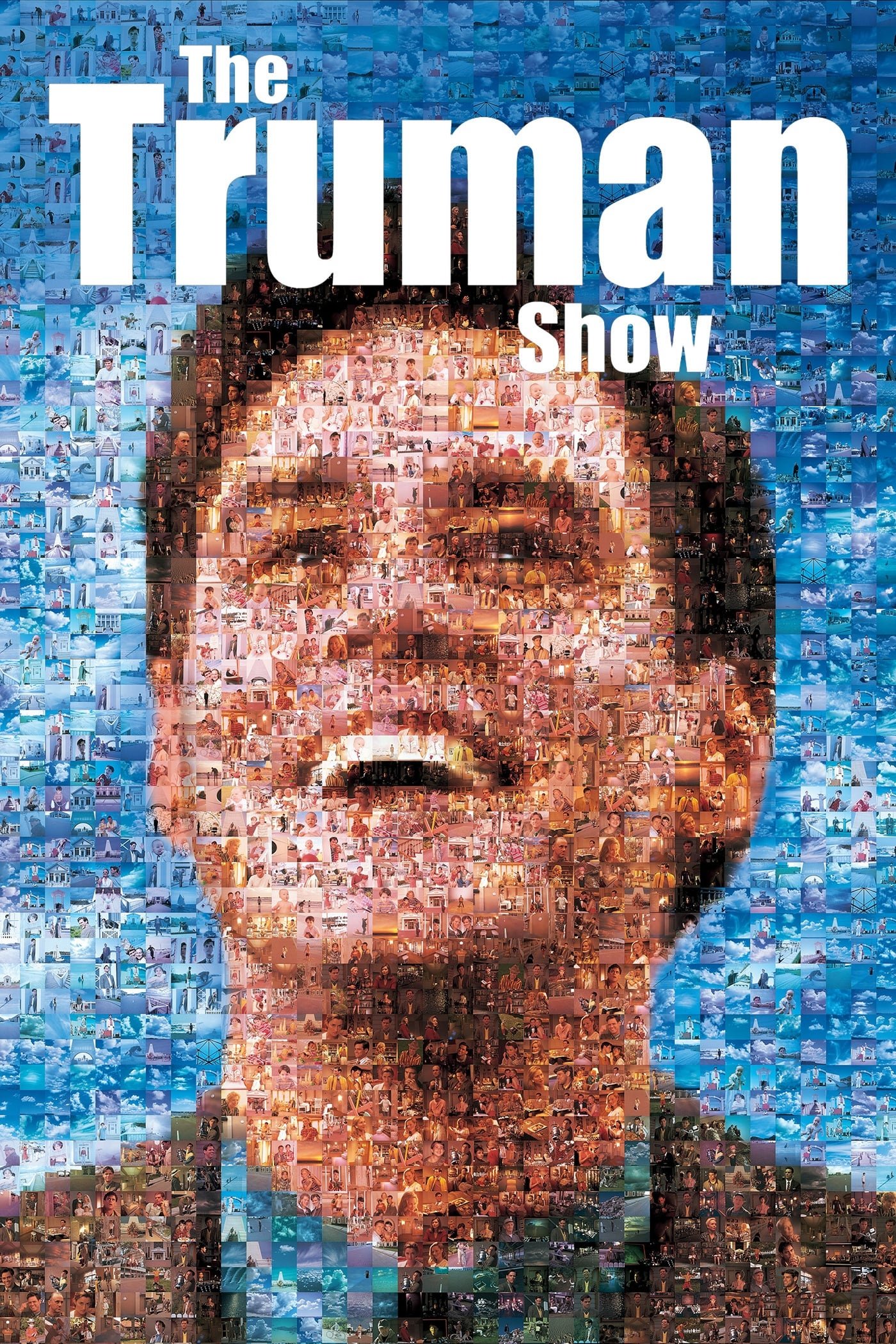
Peter Weir directed this prophetic satire about a man who discovers his entire life is a reality television show broadcast to the world. Jim Carrey proved his dramatic range in a role that balances humor with existential dread. The film received nominations for Director, Screenplay, and Supporting Actor but was not nominated for Best Picture. ‘The Truman Show’ predicted the rise of reality TV and the erosion of privacy in the modern era. Its exclusion from the top category is seen as a bias against films starring comedic actors.
‘Saving Private Ryan’ (1998)
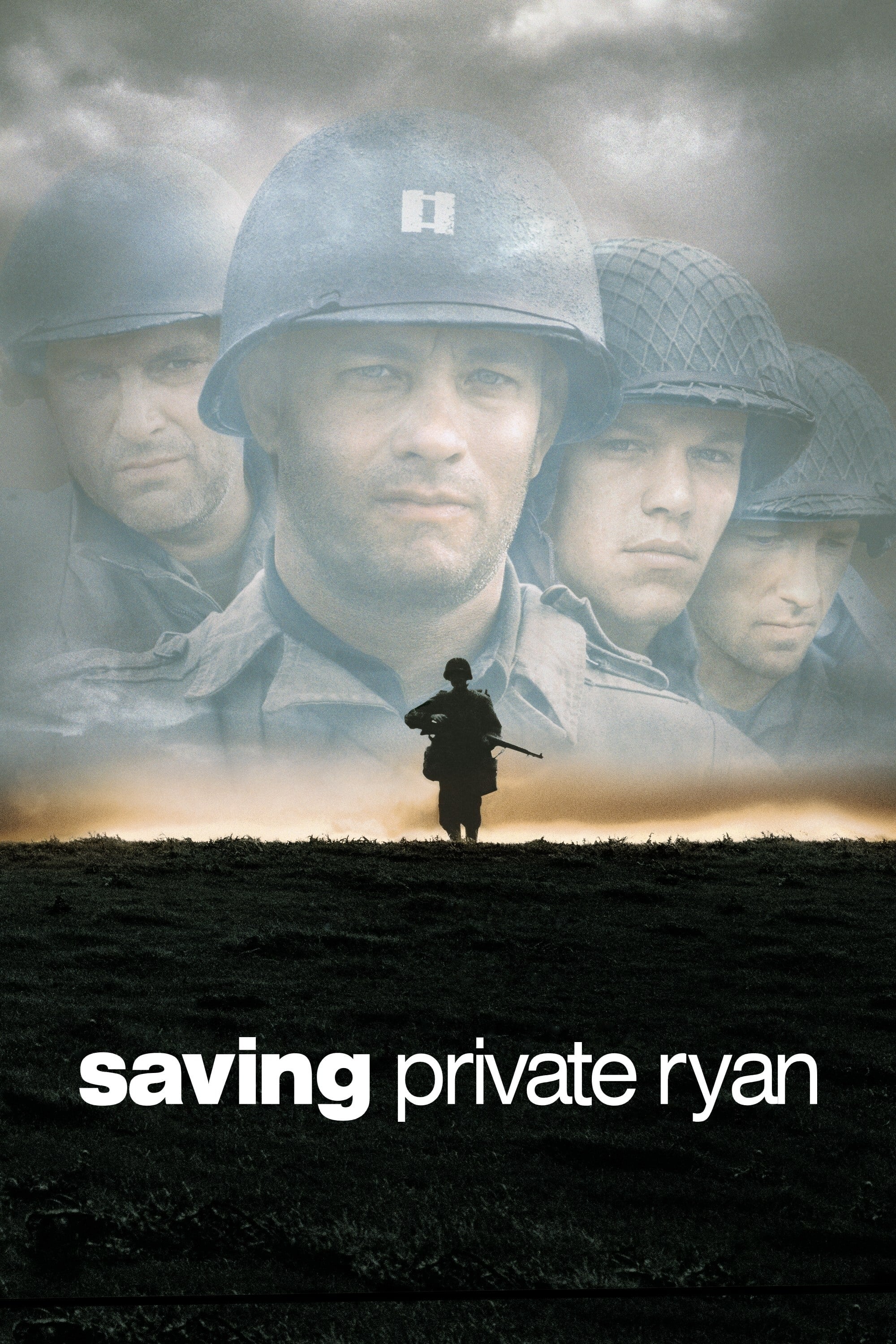
Steven Spielberg crafted an intense World War II drama that opens with a harrowing depiction of the D-Day invasion. The film follows a squad of U.S. Army Rangers on a mission to retrieve a paratrooper whose brothers have been killed in action. Spielberg won Best Director, but the film shockingly lost the Best Picture award. ‘Saving Private Ryan’ is celebrated for its realistic combat sequences and emotional weight. The period romantic comedy ‘Shakespeare in Love’ was the surprise winner.
‘Fight Club’ (1999)

David Fincher directed this adaptation of Chuck Palahniuk’s novel that critiques consumer culture and toxic masculinity. The film initially polarized critics and underperformed at the box office before becoming a cult classic. It received only one Academy Award nomination for Sound Editing and lost. ‘Fight Club’ captured the anxieties of Generation X and features a celebrated twist ending. The Academy completely overlooked its cultural impact and visual innovation.
‘In the Mood for Love’ (2000)
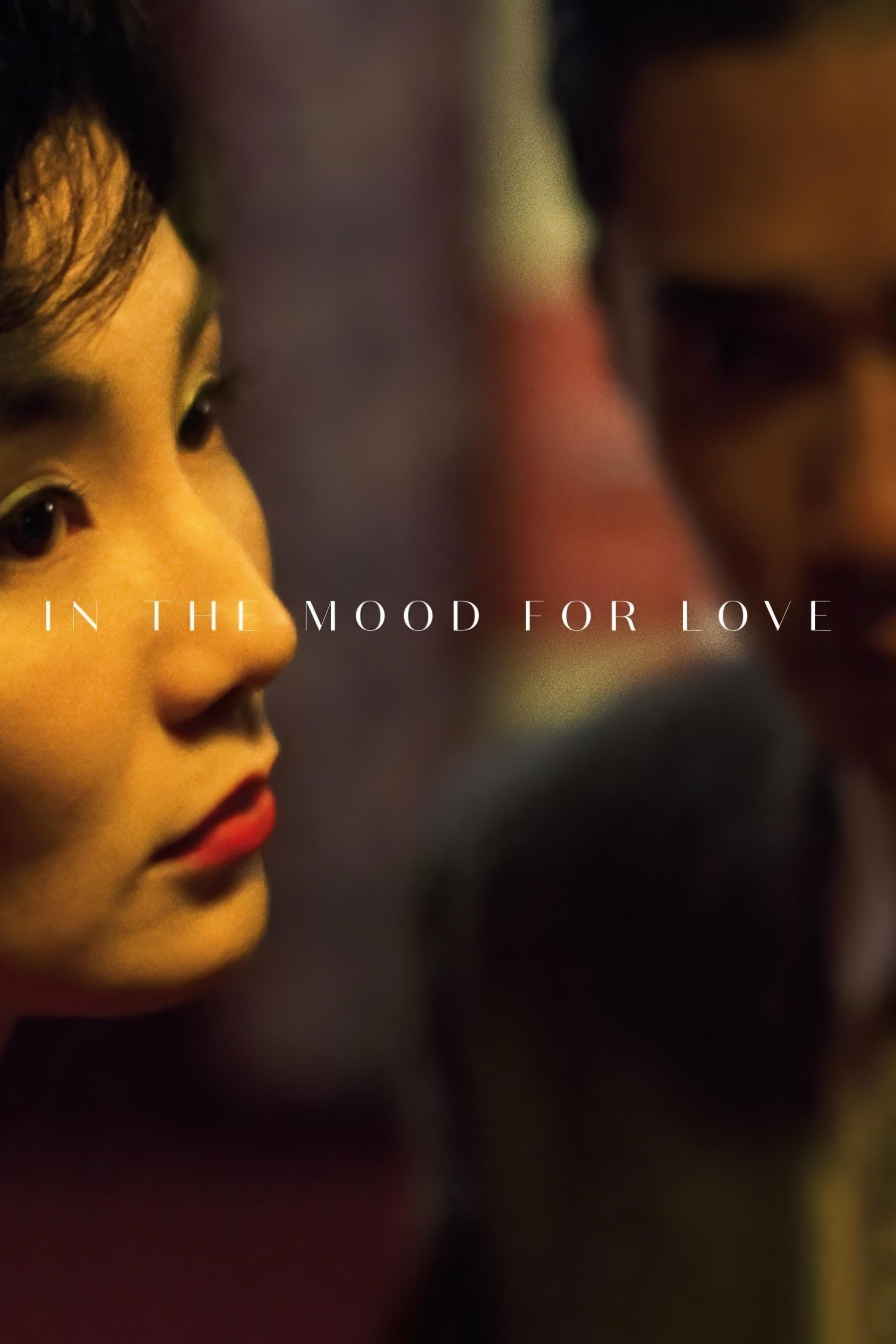
Wong Kar-wai directed this visually sumptuous romantic drama set in 1960s Hong Kong. The story concerns two neighbors who form a deep bond after suspecting their spouses of having an affair. The film is renowned for its slow-motion cinematography, evocative score, and subtle performances. It was not nominated for Best Foreign Language Film at the Oscars due to submission technicalities but was also ignored in other categories. ‘In the Mood for Love’ is frequently ranked among the greatest films of the 21st century.
‘Spirited Away’ (2001)
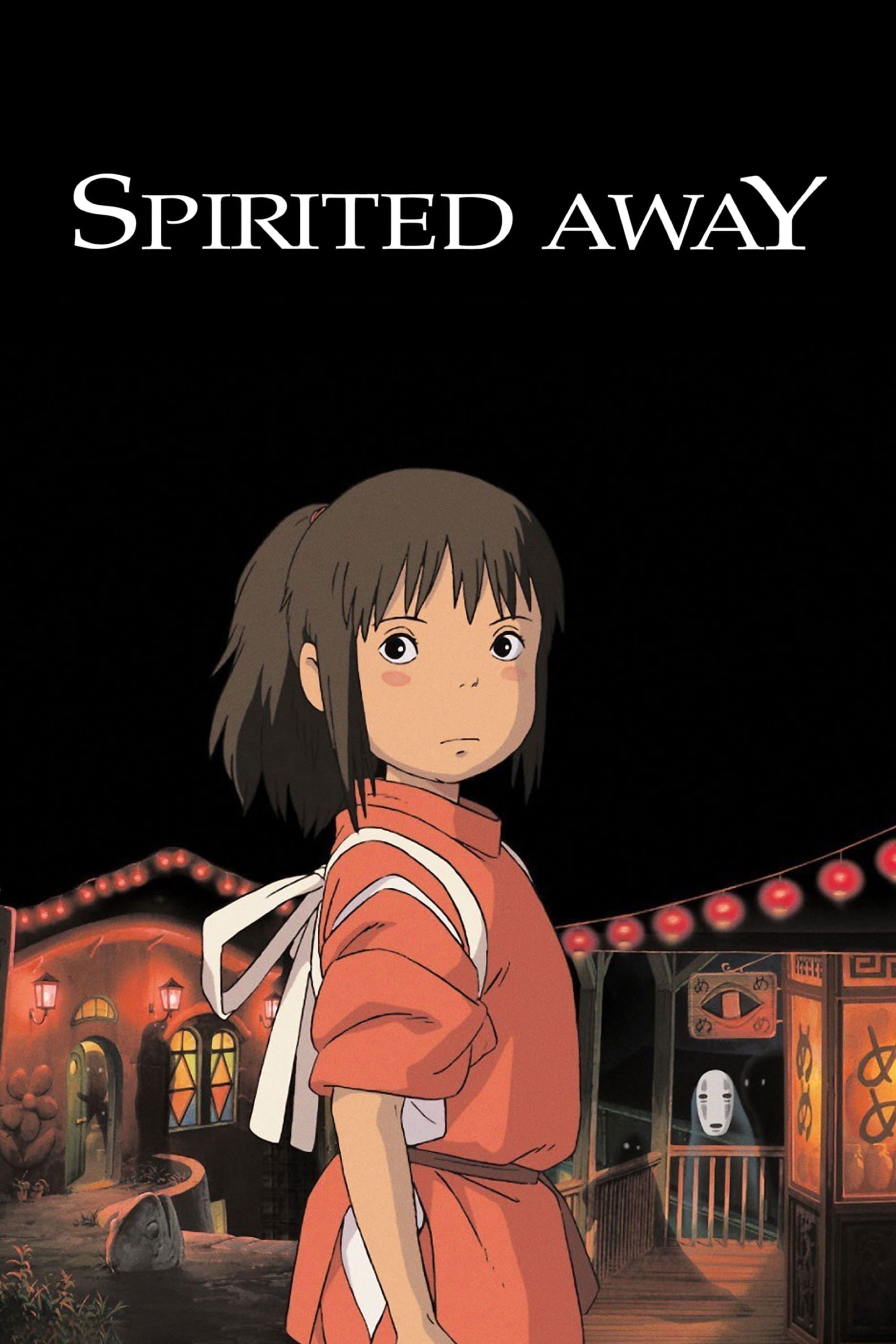
Hayao Miyazaki directed this animated masterpiece about a young girl trapped in a mysterious spirit world. The film is celebrated for its imaginative creature designs and rich hand-drawn animation. While it won the Academy Award for Best Animated Feature, it was not nominated for Best Picture. ‘Spirited Away’ proved that animation is a medium capable of profound storytelling on par with live-action cinema. Many critics believe it deserved recognition in the main category rather than being segregated to the animation award.
‘City of God’ (2002)
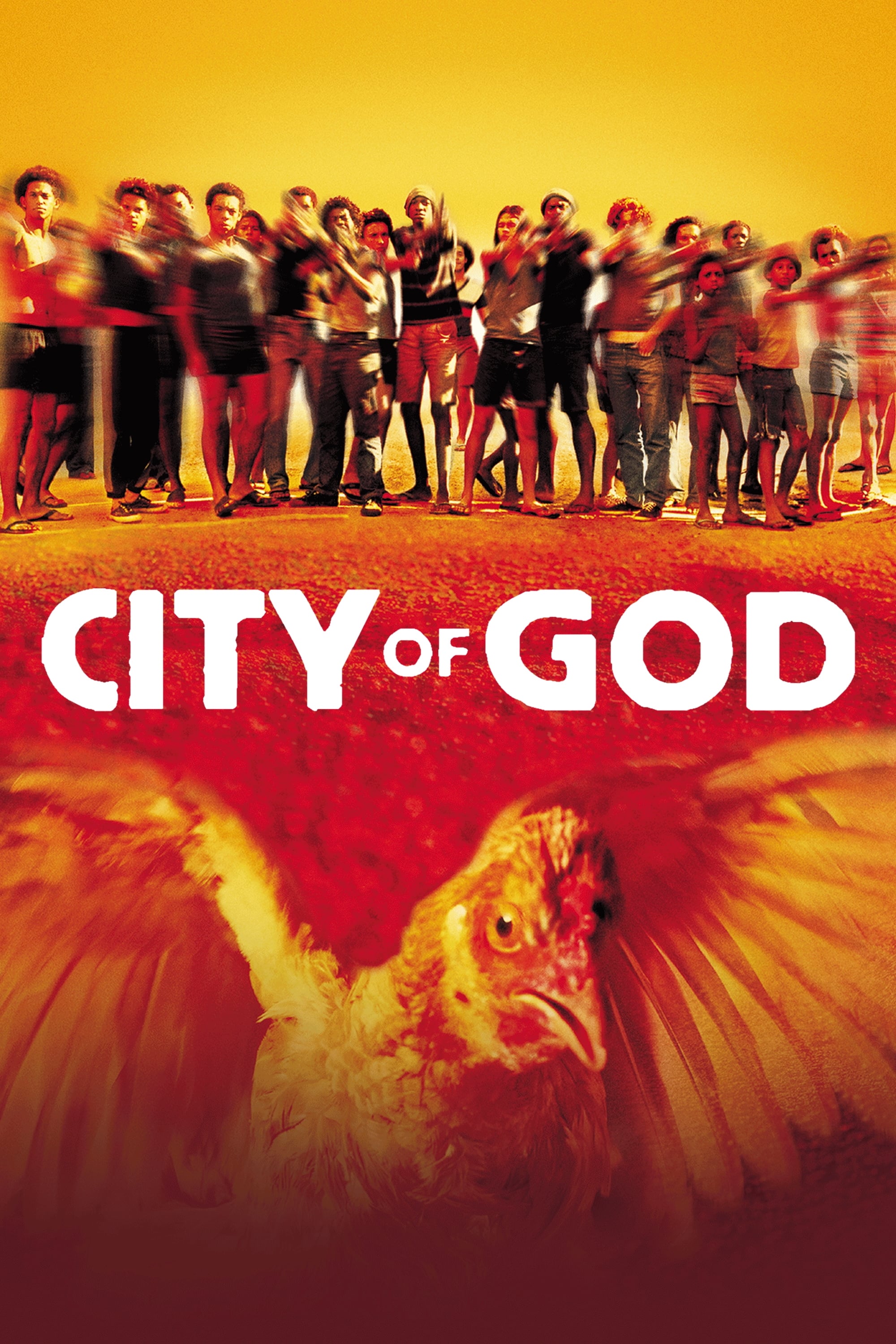
Fernando Meirelles and Kátia Lund co-directed this kinetic crime film set in the slums of Rio de Janeiro. The movie utilizes a frenetic editing style and non-professional actors to depict the rise of organized crime over several decades. It received four Academy Award nominations including Best Director and Best Adapted Screenplay. ‘City of God’ did not win any awards despite universal critical acclaim. It remains one of the highest-rated films on international movie databases.
‘Brokeback Mountain’ (2005)
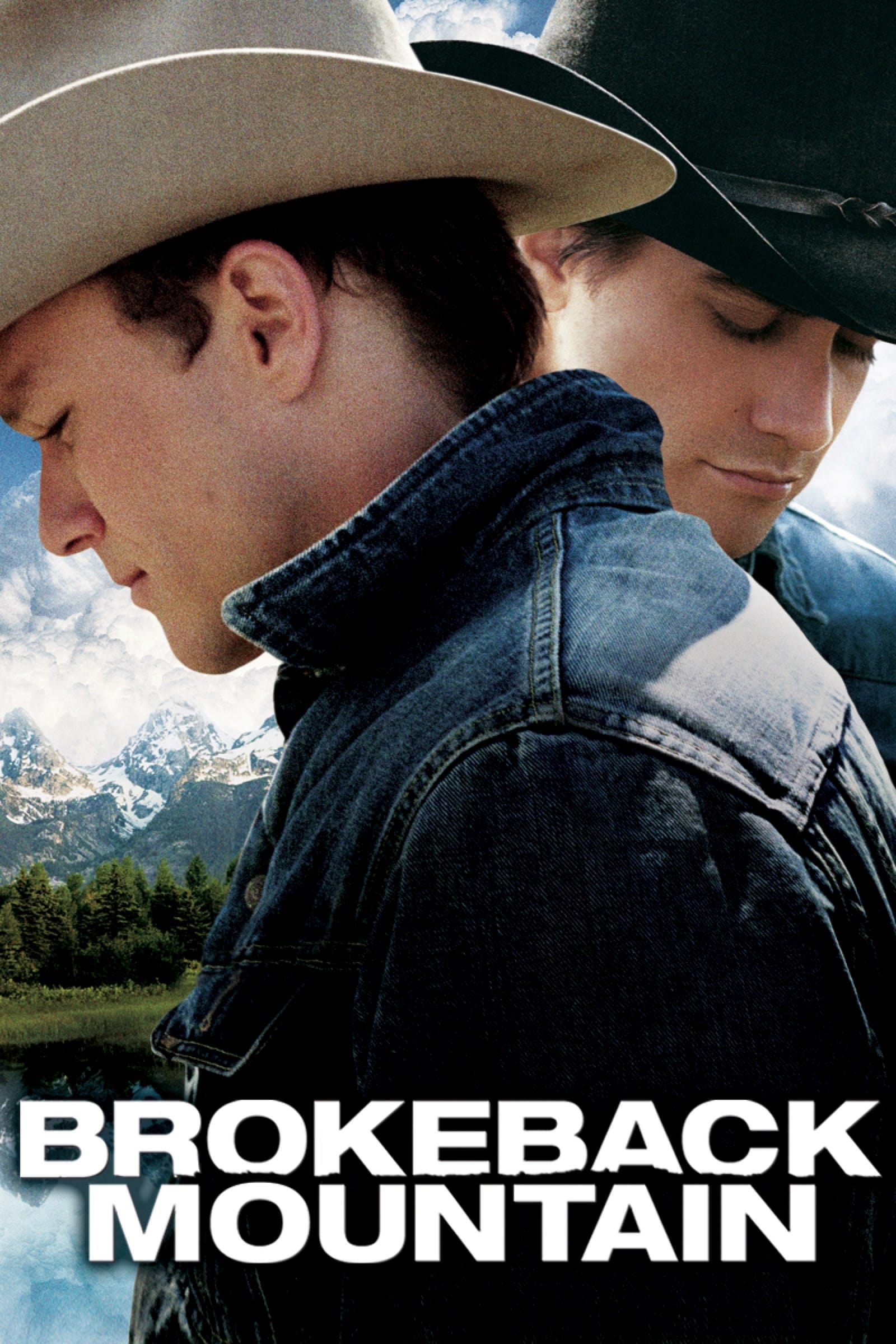
Ang Lee directed this poignant romance between two sheepherders who maintain a secret relationship over two decades. The film was praised for its sensitivity and the powerful performances of Heath Ledger and Jake Gyllenhaal. Ang Lee won Best Director, but the film lost the Best Picture award in one of the most controversial upsets in Oscar history. ‘Brokeback Mountain’ was widely expected to win and was seen as a cultural milestone. The ensemble drama ‘Crash’ took the top honor instead.
‘Pan’s Labyrinth’ (2006)
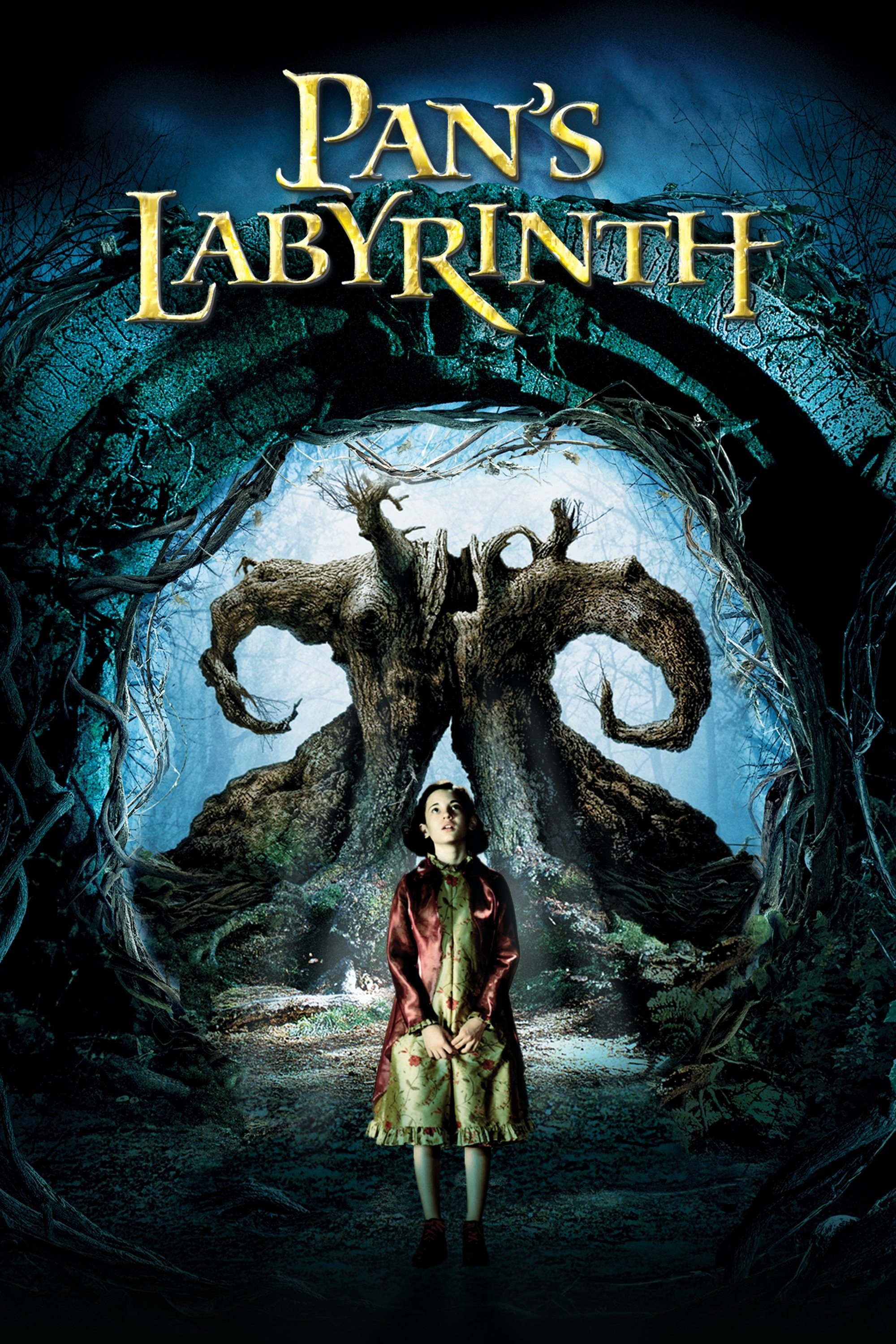
Guillermo del Toro directed this dark fantasy that blends the horrors of the Spanish Civil War with a mythical underworld. The film follows a young girl who escapes her sadistic stepfather by completing tasks for a mysterious faun. It won three technical Academy Awards but lost the Best Foreign Language Film award. ‘Pan’s Labyrinth’ is considered a masterpiece of imagination and practical effects. The German drama ‘The Lives of Others’ won the category that year.
‘Zodiac’ (2007)
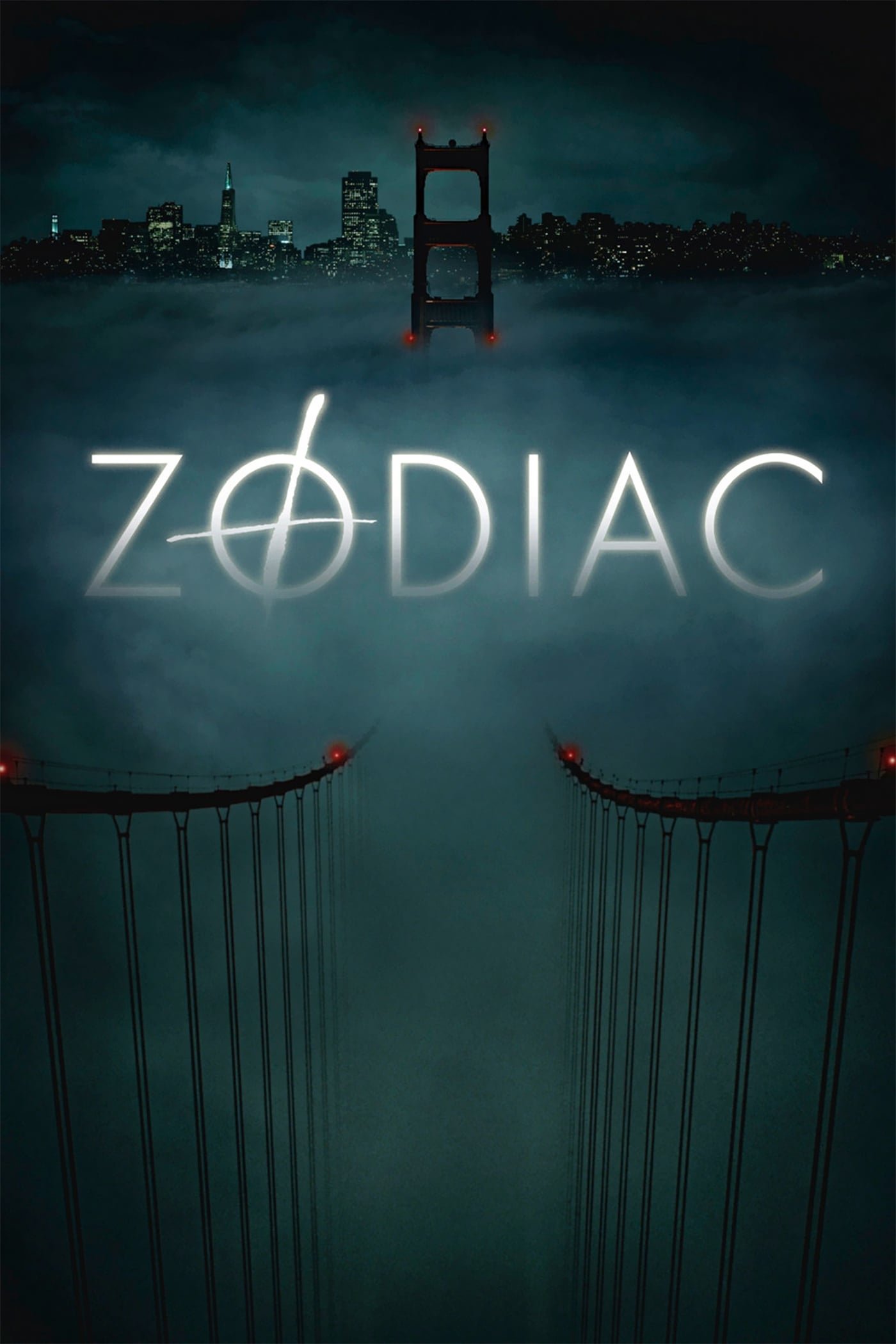
David Fincher directed this meticulous procedural thriller about the hunt for the Zodiac Killer in San Francisco. The film focuses on the obsession that consumes the detectives and journalists investigating the unsolved case. Despite its critical acclaim and attention to detail, it received zero Academy Award nominations. ‘Zodiac’ is now regarded as one of the best films of the 2000s for its script and atmosphere. The lack of recognition is often attributed to its release date and subtle storytelling style.
‘There Will Be Blood’ (2007)
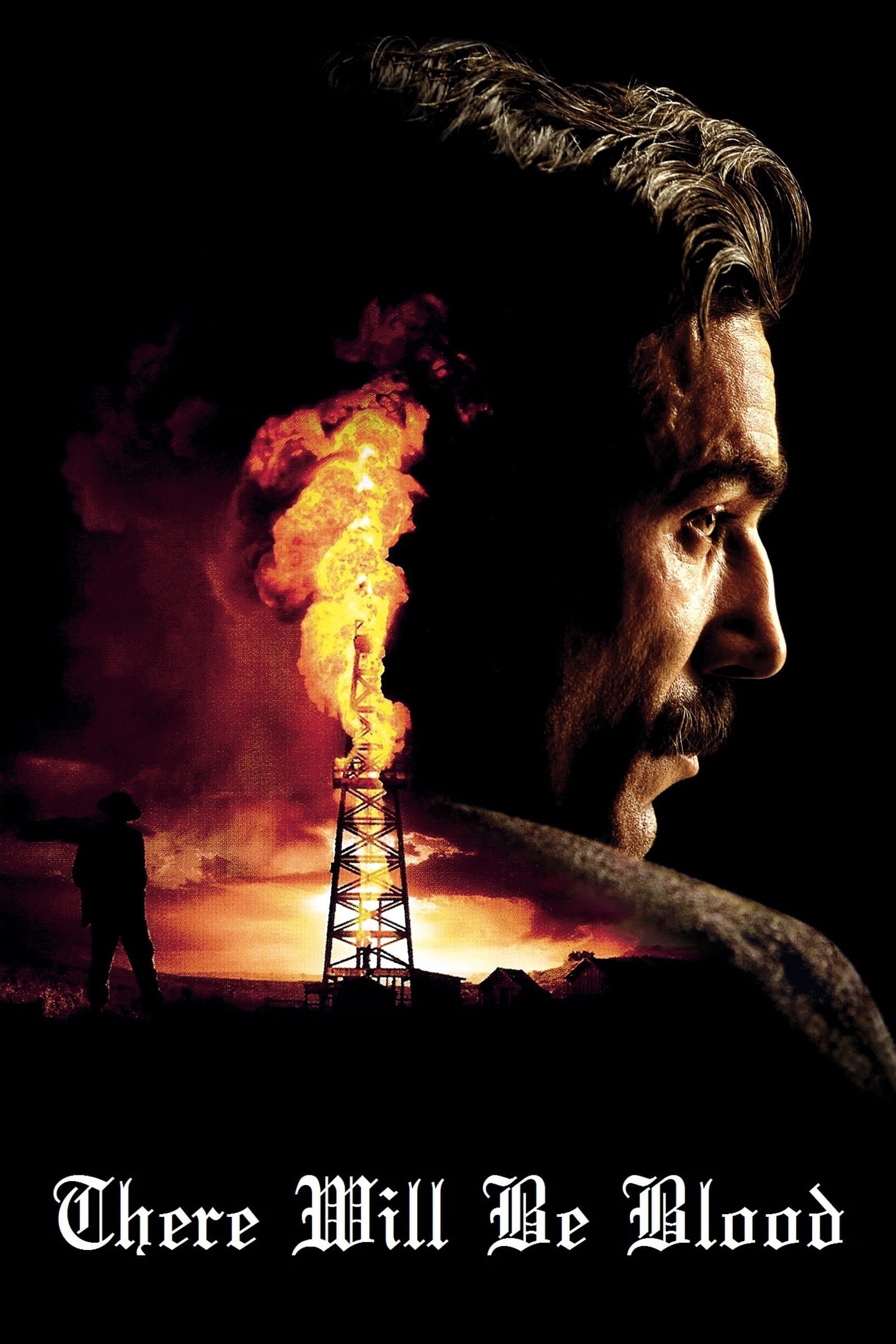
Paul Thomas Anderson directed this epic drama about a ruthless oil prospector during the turn of the 20th century. Daniel Day-Lewis gave a towering performance that earned him the Best Actor award. The film lost the Best Picture and Best Director awards to the Coen Brothers’ ‘No Country for Old Men’. ‘There Will Be Blood’ is praised for its operatic scope and Jonny Greenwood’s unnerving score. Both films are considered masterpieces, but many argue Anderson’s film was the superior artistic achievement.
‘The Social Network’ (2010)

David Fincher and Aaron Sorkin collaborated on this drama about the founding of Facebook and the subsequent legal battles. The film captures the zeitgeist of the digital age with rapid-fire dialogue and a distinct visual style. It won awards for Adapted Screenplay and Editing but lost Best Picture and Best Director. ‘The Social Network’ was the critical favorite leading up to the ceremony. The historical drama ‘The King’s Speech’ won the top awards, a decision viewed by many as a safe choice.
‘The Master’ (2012)
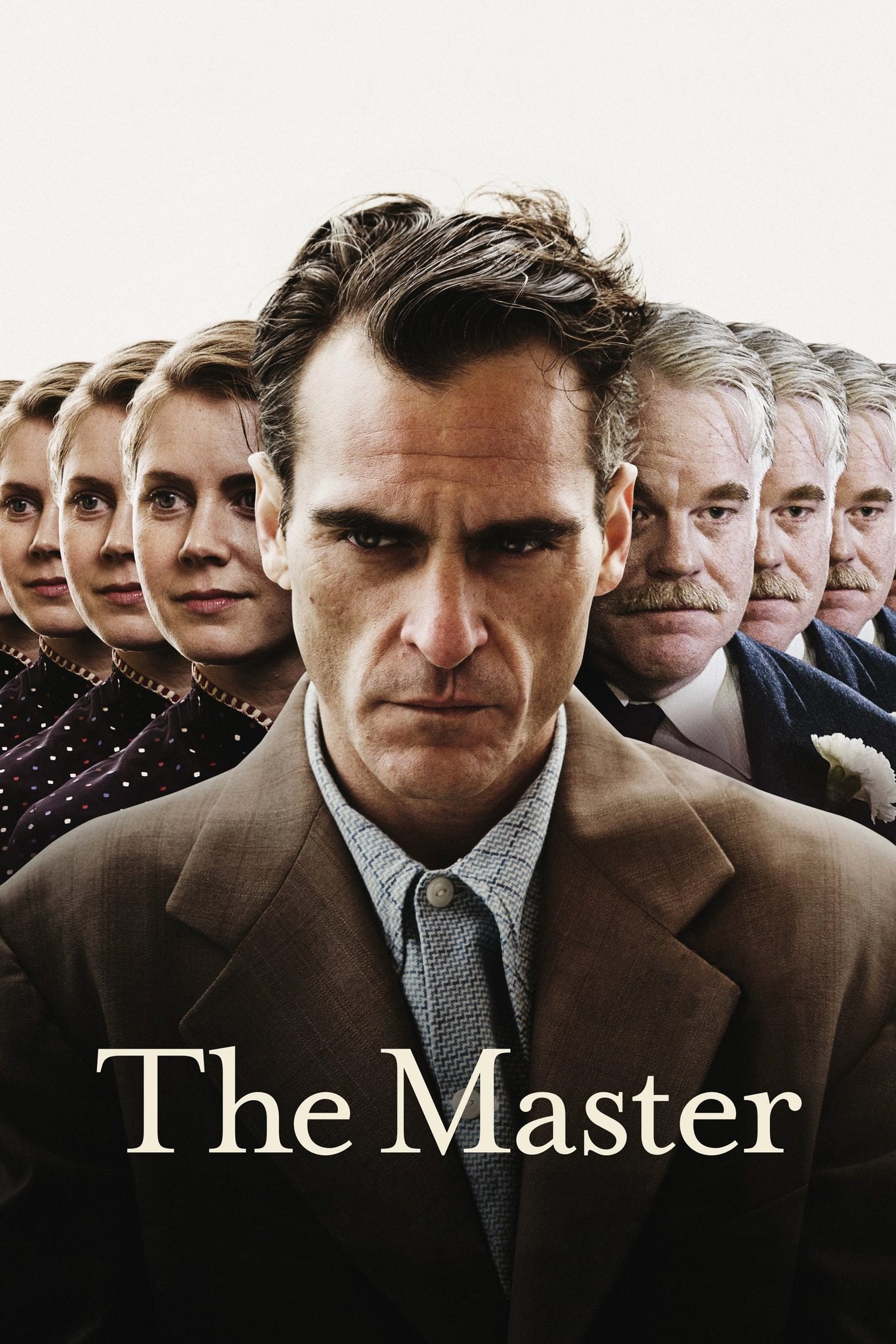
Paul Thomas Anderson directed this psychological drama about a World War II veteran who falls under the spell of a charismatic cult leader. Joaquin Phoenix and Philip Seymour Hoffman deliver intense performances that anchor the complex narrative. The film received three acting nominations but was left out of the Best Picture and Best Director races. ‘The Master’ is a challenging film that resisted easy categorization. Its exclusion from the major categories highlights the Academy’s tendency to overlook more experimental narratives.
‘Carol’ (2015)
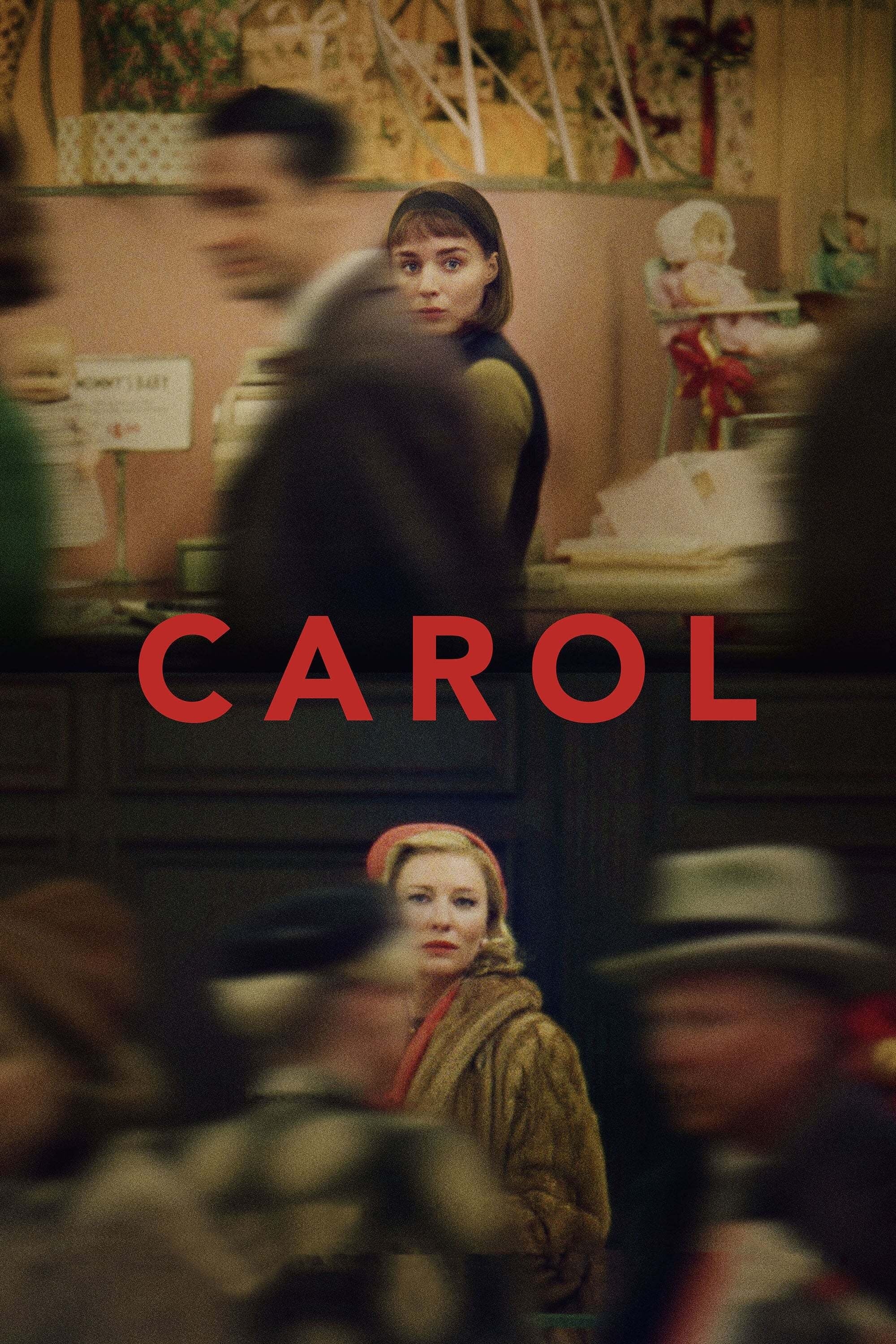
Todd Haynes directed this elegant romance about a forbidden relationship between two women in 1950s New York. Cate Blanchett and Rooney Mara received acting nominations for their subtle and heartbreaking performances. The film received six nominations in total but was notably snubbed for Best Picture and Best Director. ‘Carol’ was one of the best-reviewed films of its year and topped many critical lists. It went home with zero awards on Oscar night.
‘Roma’ (2018)
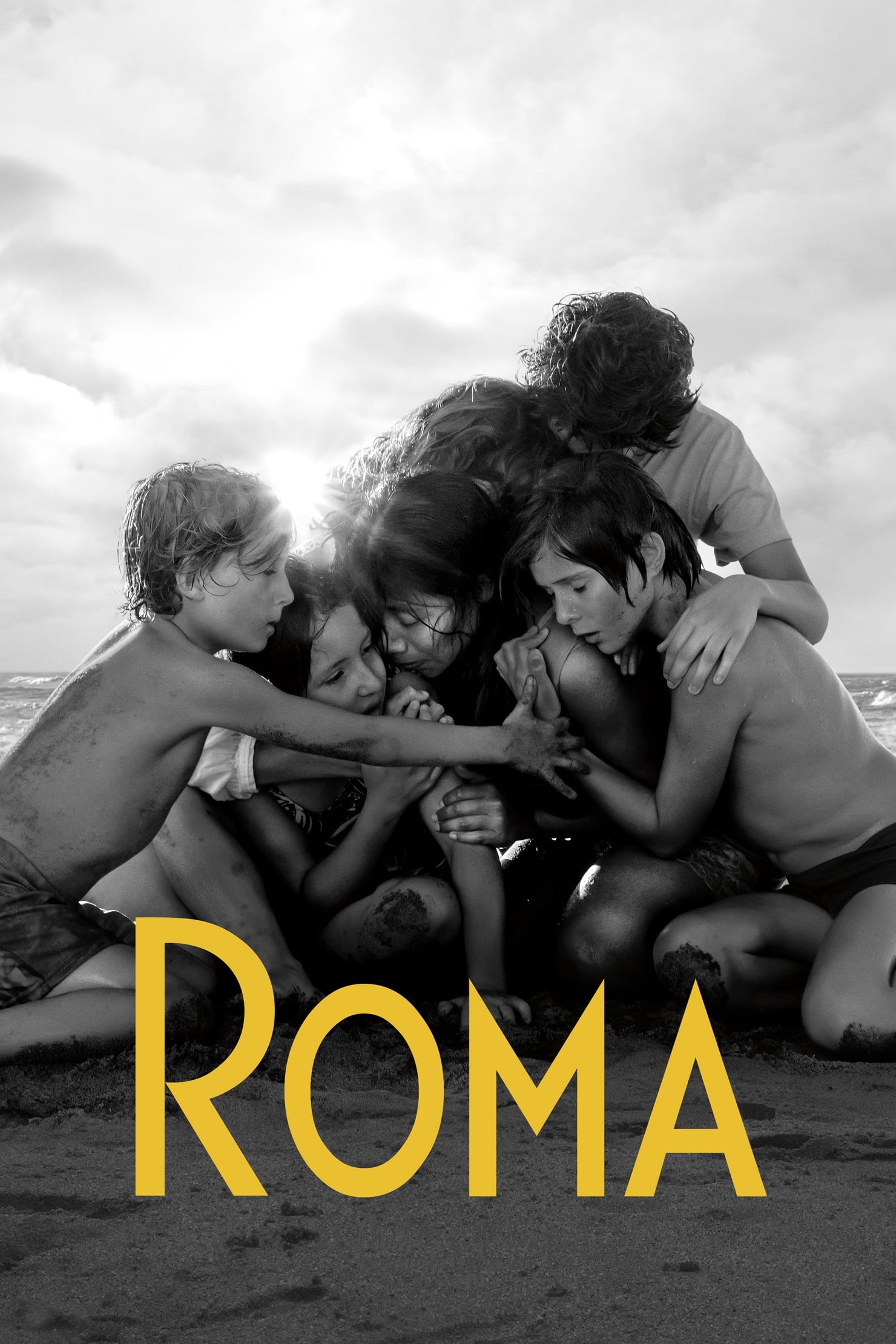
Alfonso Cuarón wrote, directed, and photographed this semi-autobiographical black-and-white film about a domestic worker in 1970s Mexico City. The movie is a deeply personal and visual masterpiece that was released by Netflix. Cuarón won Best Director, but the film lost Best Picture to ‘Green Book’. ‘Roma’ was seen as the artistic frontrunner that would break the barrier for foreign language films in the top category. The loss was criticized as a step backward for the Academy.
‘Burning’ (2018)
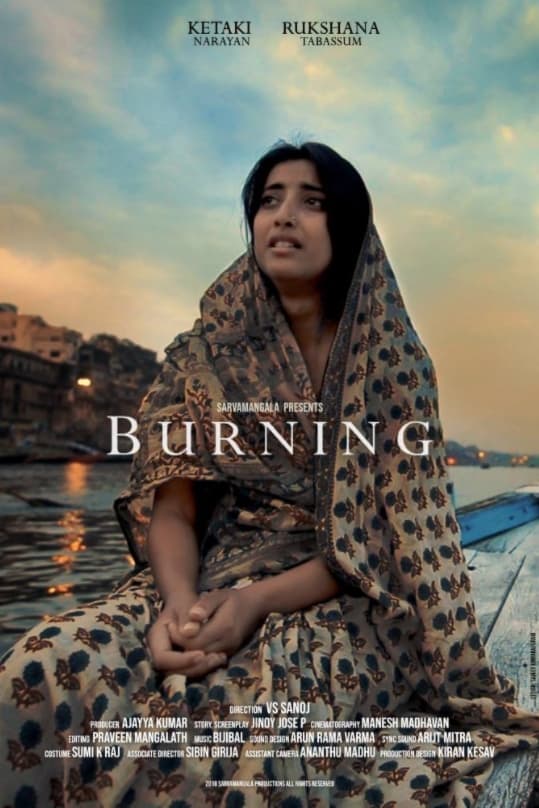
Lee Chang-dong directed this South Korean psychological mystery based on a short story by Haruki Murakami. The film builds a sense of dread and ambiguity as it explores themes of class conflict and obsession. It was the first South Korean film to make the Oscar shortlist for Best Foreign Language Film but was not nominated. ‘Burning’ received near-universal acclaim from critics for its cinematography and performances. Its exclusion was a major disappointment for fans of international cinema.
‘Portrait of a Lady on Fire’ (2019)
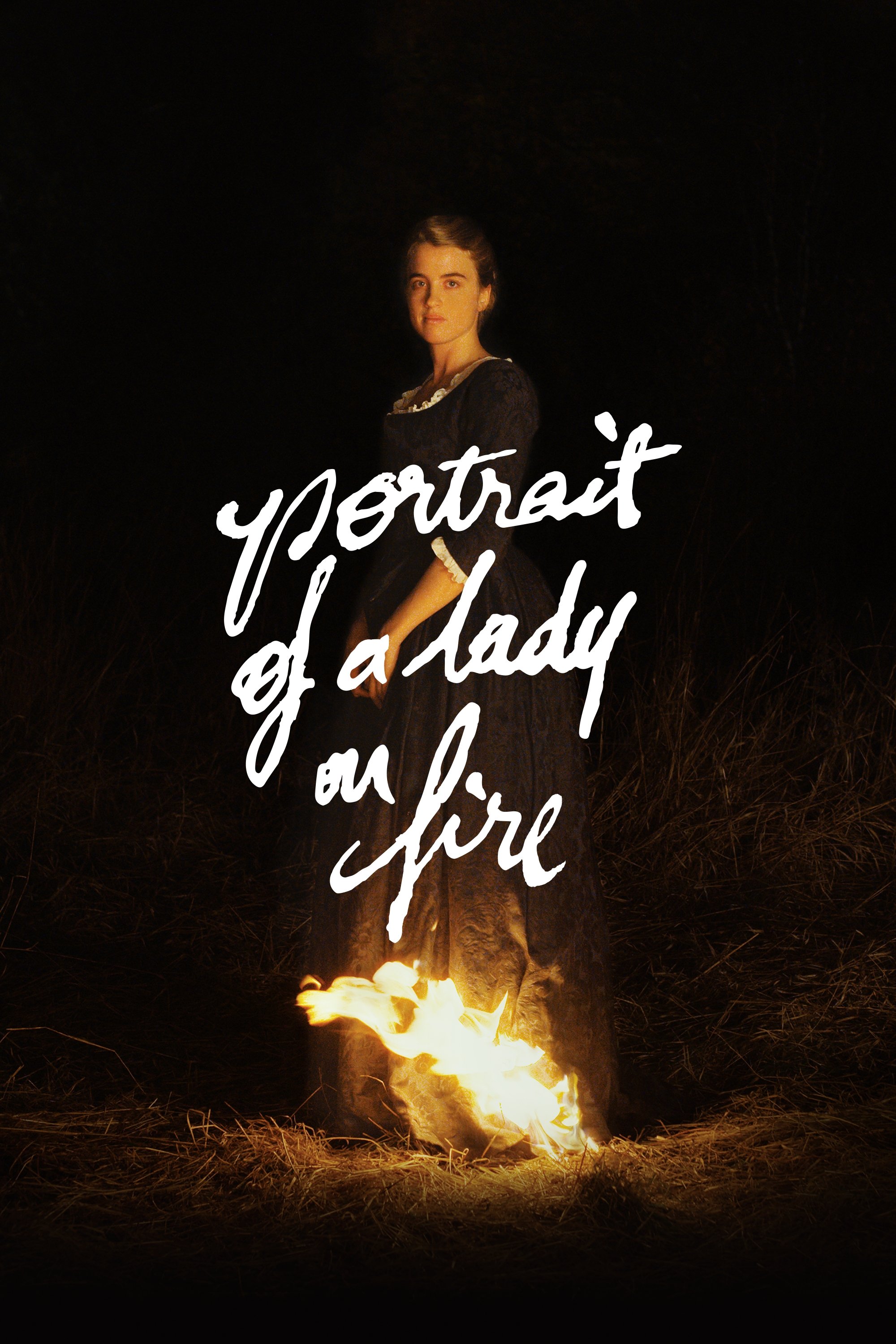
Céline Sciamma directed this French historical drama about a painter commissioned to paint a wedding portrait of a reluctant bride. The film is celebrated for its female gaze and the intense chemistry between the two leads. It was not selected as France’s official entry for the Oscars, which prevented it from competing in the International Feature category. ‘Portrait of a Lady on Fire’ won the Best Screenplay award at Cannes and is considered a modern classic. The lack of Academy recognition was largely due to procedural rules rather than quality.
‘Uncut Gems’ (2019)
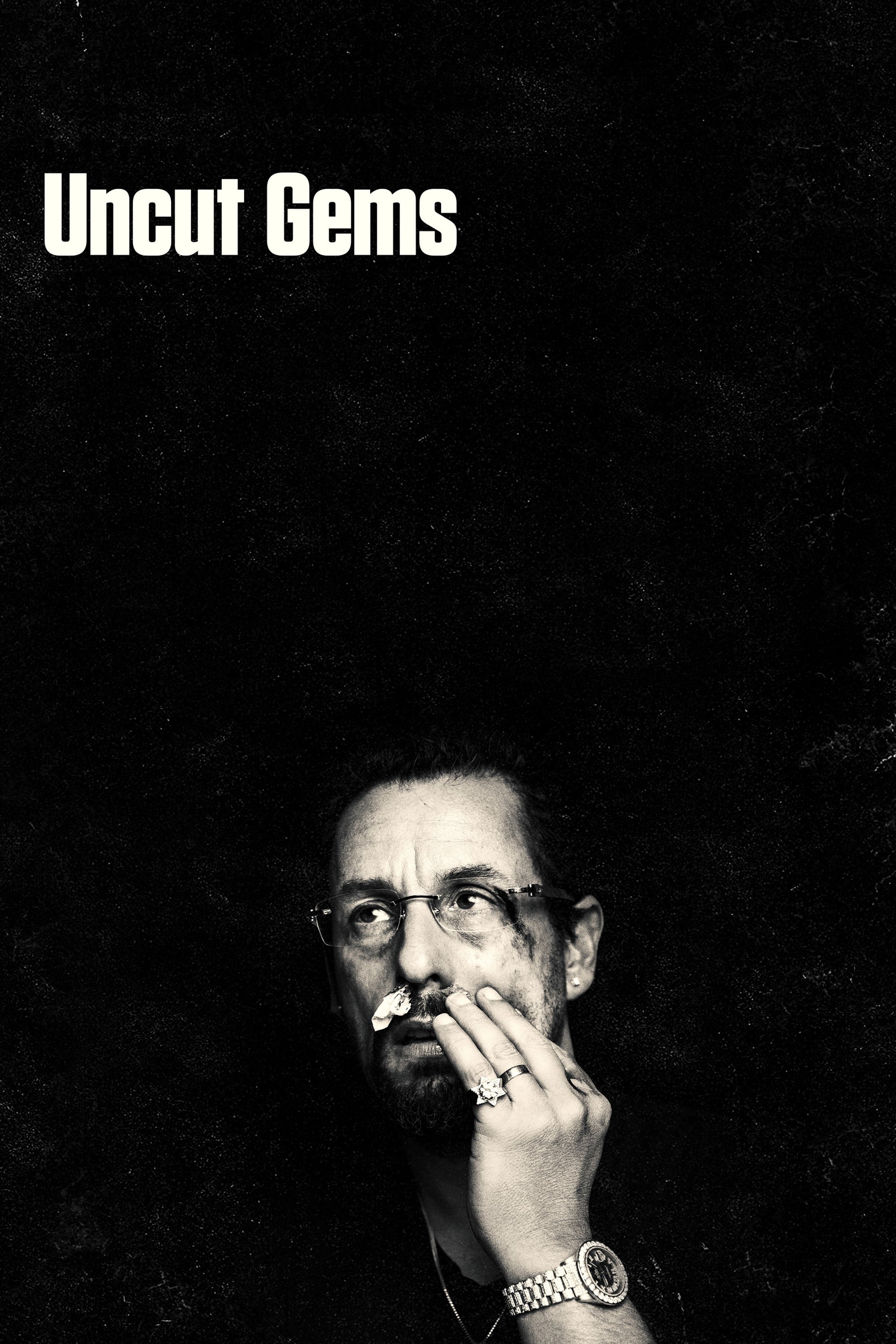
The Safdie Brothers directed this high-anxiety thriller starring Adam Sandler as a gambling addict and jeweler in New York’s Diamond District. The film is known for its chaotic energy and overlapping dialogue that creates a sense of relentless stress. Despite a career-best performance from Sandler, the film received zero Academy Award nominations. ‘Uncut Gems’ was a critical hit and performed well with audiences. The complete shutout suggests the Academy was not ready to embrace such a frenetic style or Sandler in a dramatic role.
Tell us which movie you think was the biggest snub in film history in the comments.